EP3688907B1 - Message de rétroaction ayant une séquence indiquant des informations de rétroaction correspondant à des blocs de données - Google Patents
Message de rétroaction ayant une séquence indiquant des informations de rétroaction correspondant à des blocs de données Download PDFInfo
- Publication number
- EP3688907B1 EP3688907B1 EP17927190.3A EP17927190A EP3688907B1 EP 3688907 B1 EP3688907 B1 EP 3688907B1 EP 17927190 A EP17927190 A EP 17927190A EP 3688907 B1 EP3688907 B1 EP 3688907B1
- Authority
- EP
- European Patent Office
- Prior art keywords
- sequence
- feedback information
- physical resource
- data blocks
- sequence set
- Prior art date
- Legal status (The legal status is an assumption and is not a legal conclusion. Google has not performed a legal analysis and makes no representation as to the accuracy of the status listed.)
- Active
Links
Images



Classifications
-
- H—ELECTRICITY
- H04—ELECTRIC COMMUNICATION TECHNIQUE
- H04L—TRANSMISSION OF DIGITAL INFORMATION, e.g. TELEGRAPHIC COMMUNICATION
- H04L27/00—Modulated-carrier systems
- H04L27/18—Phase-modulated carrier systems, i.e. using phase-shift keying
- H04L27/20—Modulator circuits; Transmitter circuits
- H04L27/2032—Modulator circuits; Transmitter circuits for discrete phase modulation, e.g. in which the phase of the carrier is modulated in a nominally instantaneous manner
- H04L27/2053—Modulator circuits; Transmitter circuits for discrete phase modulation, e.g. in which the phase of the carrier is modulated in a nominally instantaneous manner using more than one carrier, e.g. carriers with different phases
- H04L27/206—Modulator circuits; Transmitter circuits for discrete phase modulation, e.g. in which the phase of the carrier is modulated in a nominally instantaneous manner using more than one carrier, e.g. carriers with different phases using a pair of orthogonal carriers, e.g. quadrature carriers
- H04L27/2067—Modulator circuits; Transmitter circuits for discrete phase modulation, e.g. in which the phase of the carrier is modulated in a nominally instantaneous manner using more than one carrier, e.g. carriers with different phases using a pair of orthogonal carriers, e.g. quadrature carriers with more than two phase states
- H04L27/2078—Modulator circuits; Transmitter circuits for discrete phase modulation, e.g. in which the phase of the carrier is modulated in a nominally instantaneous manner using more than one carrier, e.g. carriers with different phases using a pair of orthogonal carriers, e.g. quadrature carriers with more than two phase states in which the phase change per symbol period is constrained
- H04L27/2082—Modulator circuits; Transmitter circuits for discrete phase modulation, e.g. in which the phase of the carrier is modulated in a nominally instantaneous manner using more than one carrier, e.g. carriers with different phases using a pair of orthogonal carriers, e.g. quadrature carriers with more than two phase states in which the phase change per symbol period is constrained for offset or staggered quadrature phase shift keying
-
- H—ELECTRICITY
- H04—ELECTRIC COMMUNICATION TECHNIQUE
- H04L—TRANSMISSION OF DIGITAL INFORMATION, e.g. TELEGRAPHIC COMMUNICATION
- H04L1/00—Arrangements for detecting or preventing errors in the information received
- H04L1/12—Arrangements for detecting or preventing errors in the information received by using return channel
- H04L1/16—Arrangements for detecting or preventing errors in the information received by using return channel in which the return channel carries supervisory signals, e.g. repetition request signals
- H04L1/1607—Details of the supervisory signal
- H04L1/1671—Details of the supervisory signal the supervisory signal being transmitted together with control information
-
- H—ELECTRICITY
- H04—ELECTRIC COMMUNICATION TECHNIQUE
- H04L—TRANSMISSION OF DIGITAL INFORMATION, e.g. TELEGRAPHIC COMMUNICATION
- H04L1/00—Arrangements for detecting or preventing errors in the information received
- H04L1/12—Arrangements for detecting or preventing errors in the information received by using return channel
- H04L1/16—Arrangements for detecting or preventing errors in the information received by using return channel in which the return channel carries supervisory signals, e.g. repetition request signals
- H04L1/18—Automatic repetition systems, e.g. Van Duuren systems
- H04L1/1829—Arrangements specially adapted for the receiver end
- H04L1/1858—Transmission or retransmission of more than one copy of acknowledgement message
-
- H—ELECTRICITY
- H04—ELECTRIC COMMUNICATION TECHNIQUE
- H04L—TRANSMISSION OF DIGITAL INFORMATION, e.g. TELEGRAPHIC COMMUNICATION
- H04L27/00—Modulated-carrier systems
- H04L27/0014—Carrier regulation
-
- H—ELECTRICITY
- H04—ELECTRIC COMMUNICATION TECHNIQUE
- H04L—TRANSMISSION OF DIGITAL INFORMATION, e.g. TELEGRAPHIC COMMUNICATION
- H04L27/00—Modulated-carrier systems
- H04L27/10—Frequency-modulated carrier systems, i.e. using frequency-shift keying
-
- H—ELECTRICITY
- H04—ELECTRIC COMMUNICATION TECHNIQUE
- H04L—TRANSMISSION OF DIGITAL INFORMATION, e.g. TELEGRAPHIC COMMUNICATION
- H04L27/00—Modulated-carrier systems
- H04L27/0014—Carrier regulation
- H04L2027/0018—Arrangements at the transmitter end
- H04L2027/002—Arrangements at the transmitter end using feedback from a remote receiver
Definitions
- the subject matter disclosed herein relates generally to wireless communications and more particularly relates to feedback bundling and multiplexing in feedback messages. There is disclosed herein a method performed by a base unit, a base unit, a method performed by a remote unit, and a remote unit.
- SCMA Scheduling Request
- SR Single Carrier Frequency Division Multiple Access
- SC-FDMA Single Carrier Frequency Division Multiple Access
- SCell Secondary Cell
- SCH Shared Channel
- SIB Signal-to-Interference-Plus-Noise Ratio
- SIB System Information Block
- SS Synchronization Signal
- Transport Block TB
- Transport Block Size TBS
- Time-Division Duplex Time Division Multiplex
- TDM Time Division Multiplex
- TD-OCC Time Division Orthogonal Cover Code
- TX Uplink Control Information
- UCI User Entity/Equipment
- UE Uplink
- UL Universal Mobile Telecommunications System
- UPTS Uplink Pilot Time Slot
- URLLC Worldwide Interoperability for Microwave Access
- WiMAX Worldwide Interoperability for Microwave Access
- HARQ-ACK may represent collectively the Positive Acknowledge (“ACK”) and the Negative Acknowledge (“NACK”).
- ACK means that a TB is correctly received while NACK (or NAK) means a TB is erroneously received.
- feedback may be transmitted in response to receiving data.
- feedback may have insufficient resources.
- R1-1711283 is a 3GPP discussion document titled " PUCCH resource allocation for HARQ-ACK feedback to Msg4" submitted by Motorola Mobility and Lenovo at TSG RAN WG1 NR Ad-Hoc meeting #2 in Qingdao, China on 27th June 2017 . This document discusses determination of PUCCH duration (i.e. short PUCCH vs. long PUCCH) and a PUCCH resource for HARQ-ACK feedback in response to Msg4.
- Claim 1 defines a method performed by a base unit
- claim 10 defines a base unit
- claim 11 defines a method performed by a remote unit
- claim 15 defines a remote unit.
- Methods for receiving feedback are disclosed. Apparatuses and systems also perform the functions of the method.
- the method includes transmitting multiple data blocks.
- the method includes receiving a feedback message in a time slot. In such embodiments, the feedback message corresponds to the multiple data blocks.
- the feedback message includes: a sequence of a sequence set, wherein the sequence indicates feedback information, and the feedback information corresponds to the multiple data blocks; multiple sequences of a sequence set, wherein each sequence of the multiple sequences indicates feedback information, and the feedback information corresponds to one data block of the multiple data blocks; a sequence of a sequence set in a physical resource of a physical resource set, wherein the sequence and the physical resource indicate feedback information, and the feedback information corresponds to the multiple data blocks; multiple sequences of a sequence set in a physical resource of a physical resource set, wherein the multiple sequences and the physical resource indicate feedback information, and the feedback information corresponds to the multiple data blocks; or some combination thereof.
- the feedback message includes a sequence of a sequence set, the sequence indicates feedback information, and the feedback information corresponds to the multiple data blocks.
- the sequence set is selected from a group including a binary phase shift keying sequence set, a quadrature phase shift keying sequence set, and a Hadamard sequence set.
- receiving the feedback message includes receiving the feedback message via a single frequency tone, a single frequency pattern, a single frequency waveform, or some combination thereof.
- the feedback message includes multiple sequences of a sequence set, each sequence of the multiple sequences indicates feedback information, and the feedback information corresponds to one data block of the multiple data blocks.
- the sequence set is selected from a group including a binary phase shift keying sequence set, a quadrature phase shift keying sequence set, and a Hadamard sequence set.
- receiving the feedback message includes receiving the feedback message via multiple frequency tones, multiple frequency patterns, multiple frequency waveforms, or some combination thereof.
- the feedback message includes a sequence of a sequence set in a physical resource of a physical resource set, the sequence and the physical resource indicate feedback information, and the feedback information corresponds to the multiple data blocks.
- the sequence set is selected from a group including a binary phase shift keying sequence set, a quadrature phase shift keying sequence set, and a Hadamard sequence set.
- receiving the feedback message includes receiving the feedback message via a single frequency tone, a single frequency pattern, a single frequency waveform, or some combination thereof.
- the feedback message includes multiple sequences of a sequence set in a physical resource of a physical resource set, the multiple sequences and the physical resource indicate feedback information, and the feedback information corresponds to the multiple data blocks.
- the sequence set is selected from a group including a binary phase shift keying sequence set, a quadrature phase shift keying sequence set, and a Hadamard sequence set.
- receiving the feedback message includes receiving the feedback message via multiple frequency tones, multiple frequency patterns, multiple frequency waveforms, or some combination thereof.
- An apparatus for receiving feedback includes a transmitter that transmits multiple data blocks.
- the apparatus includes a receiver that receives a feedback message in a time slot.
- the feedback message corresponds to the multiple data blocks.
- the feedback message includes: a sequence of a sequence set, wherein the sequence indicates feedback information, and the feedback information corresponds to the multiple data blocks; multiple sequences of a sequence set, wherein each sequence of the multiple sequences indicates feedback information, and the feedback information corresponds to one data block of the multiple data blocks; a sequence of a sequence set in a physical resource of a physical resource set, wherein the sequence and the physical resource indicate feedback information, and the feedback information corresponds to the multiple data blocks; multiple sequences of a sequence set in a physical resource of a physical resource set, wherein the multiple sequences and the physical resource indicate feedback information, and the feedback information corresponds to the multiple data blocks; or some combination thereof.
- One method for transmitting feedback includes receiving multiple data blocks.
- the method includes transmitting a feedback message in a time slot.
- the feedback message corresponds to the multiple data blocks.
- the feedback message includes: a sequence of a sequence set, wherein the sequence indicates feedback information, and the feedback information corresponds to the multiple data blocks; multiple sequences of a sequence set, wherein each sequence of the multiple sequences indicates feedback information, and the feedback information corresponds to one data block of the multiple data blocks; a sequence of a sequence set in a physical resource of a physical resource set, wherein the sequence and the physical resource indicate feedback information, and the feedback information corresponds to the multiple data blocks; multiple sequences of a sequence set in a physical resource of a physical resource set, wherein the multiple sequences and the physical resource indicate feedback information, and the feedback information corresponds to the multiple data blocks; or some combination thereof.
- the feedback message includes a sequence of a sequence set, the sequence indicates feedback information, and the feedback information corresponds to the multiple data blocks.
- the sequence set is selected from a group including a binary phase shift keying sequence set, a quadrature phase shift keying sequence set, and a Hadamard sequence set.
- transmitting the feedback message includes transmitting the feedback message via a single frequency tone, a single frequency pattern, a single frequency waveform, or some combination thereof.
- the feedback message includes multiple sequences of a sequence set, each sequence of the multiple sequences indicates feedback information, and the feedback information corresponds to one data block of the multiple data blocks.
- the sequence set is selected from a group including a binary phase shift keying sequence set, a quadrature phase shift keying sequence set, and a Hadamard sequence set.
- transmitting the feedback message includes transmitting the feedback message via multiple frequency tones, multiple frequency patterns, multiple frequency waveforms, or some combination thereof.
- the feedback message includes a sequence of a sequence set in a physical resource of a physical resource set, the sequence and the physical resource indicate feedback information, and the feedback information corresponds to the multiple data blocks.
- the sequence set is selected from a group including a binary phase shift keying sequence set, a quadrature phase shift keying sequence set, and a Hadamard sequence set.
- transmitting the feedback message includes transmitting the feedback message via a single frequency tone, a single frequency pattern, a single frequency waveform, or some combination thereof.
- the feedback message includes multiple sequences of a sequence set in a physical resource of a physical resource set, the multiple sequences and the physical resource indicate feedback information, and the feedback information corresponds to the multiple data blocks.
- the sequence set is selected from a group including a binary phase shift keying sequence set, a quadrature phase shift keying sequence set, and a Hadamard sequence set.
- transmitting the feedback message includes transmitting the feedback message via multiple frequency tones, multiple frequency patterns, multiple frequency waveforms, or some combination thereof.
- An apparatus for transmitting feedback includes a receiver that receives multiple data blocks.
- the apparatus includes a transmitter that transmits a feedback message in a time slot.
- the feedback message corresponds to the multiple data blocks.
- the feedback message includes: a sequence of a sequence set, wherein the sequence indicates feedback information, and the feedback information corresponds to the multiple data blocks; multiple sequences of a sequence set, wherein each sequence of the multiple sequences indicates feedback information, and the feedback information corresponds to one data block of the multiple data blocks; a sequence of a sequence set in a physical resource of a physical resource set, wherein the sequence and the physical resource indicate feedback information, and the feedback information corresponds to the multiple data blocks; multiple sequences of a sequence set in a physical resource of a physical resource set, wherein the multiple sequences and the physical resource indicate feedback information, and the feedback information corresponds to the multiple data blocks; or some combination thereof.
- embodiments may be embodied as a system, apparatus, method, or program product. Accordingly, embodiments may take the form of an entirely hardware embodiment, an entirely software embodiment (including firmware, resident software, micro-code, etc.) or an embodiment combining software and hardware aspects that may all generally be referred to herein as a "circuit," "module” or “system.” Furthermore, embodiments may take the form of a program product embodied in one or more computer readable storage devices storing machine readable code, computer readable code, and/or program code, referred hereafter as code. The storage devices may be tangible, non-transitory, and/or non-transmission. The storage devices may not embody signals. In a certain embodiment, the storage devices only employ signals for accessing code.
- modules may be implemented as a hardware circuit comprising custom very-large-scale integration ("VLSI") circuits or gate arrays, off-the-shelf semiconductors such as logic chips, transistors, or other discrete components.
- VLSI very-large-scale integration
- a module may also be implemented in programmable hardware devices such as field programmable gate arrays, programmable array logic, programmable logic devices or the like.
- Modules may also be implemented in code and/or software for execution by various types of processors.
- An identified module of code may, for instance, include one or more physical or logical blocks of executable code which may, for instance, be organized as an object, procedure, or function. Nevertheless, the executables of an identified module need not be physically located together, but may include disparate instructions stored in different locations which, when joined logically together, include the module and achieve the stated purpose for the module.
- a module of code may be a single instruction, or many instructions, and may even be distributed over several different code segments, among different programs, and across several memory devices.
- operational data may be identified and illustrated herein within modules, and may be embodied in any suitable form and organized within any suitable type of data structure. The operational data may be collected as a single data set, or may be distributed over different locations including over different computer readable storage devices.
- the software portions are stored on one or more computer readable storage devices.
- the computer readable medium may be a computer readable storage medium.
- the computer readable storage medium may be a storage device storing the code.
- the storage device may be, for example, but not limited to, an electronic, magnetic, optical, electromagnetic, infrared, holographic, micromechanical, or semiconductor system, apparatus, or device, or any suitable combination of the foregoing.
- a storage device More specific examples (a non-exhaustive list) of the storage device would include the following: an electrical connection having one or more wires, a portable computer diskette, a hard disk, a random access memory (“RAM”), a read-only memory (“ROM”), an erasable programmable read-only memory (“EPROM” or Flash memory), a portable compact disc read-only memory (“CD-ROM”), an optical storage device, a magnetic storage device, or any suitable combination of the foregoing.
- a computer readable storage medium may be any tangible medium that can contain, or store a program for use by or in connection with an instruction execution system, apparatus, or device.
- Code for carrying out operations for embodiments may be any number of lines and may be written in any combination of one or more programming languages including an object oriented programming language such as Python, Ruby, Java, Smalltalk, C++, or the like, and conventional procedural programming languages, such as the "C" programming language, or the like, and/or machine languages such as assembly languages.
- the code may execute entirely on the user's computer, partly on the user's computer, as a stand-alone software package, partly on the user's computer and partly on a remote computer or entirely on the remote computer or server.
- the remote computer may be connected to the user's computer through any type of network, including a local area network (“LAN”) or a wide area network (“WAN”), or the connection may be made to an external computer (for example, through the Internet using an Internet Service Provider).
- LAN local area network
- WAN wide area network
- Internet Service Provider an Internet Service Provider
- the code may also be stored in a storage device that can direct a computer, other programmable data processing apparatus, or other devices to function in a particular manner, such that the instructions stored in the storage device produce an article of manufacture including instructions which implement the function/act specified in the schematic flowchart diagrams and/or schematic block diagrams block or blocks.
- the code may also be loaded onto a computer, other programmable data processing apparatus, or other devices to cause a series of operational steps to be performed on the computer, other programmable apparatus or other devices to produce a computer implemented process such that the code which execute on the computer or other programmable apparatus provide processes for implementing the functions/acts specified in the flowchart and/or block diagram block or blocks.
- each block in the schematic flowchart diagrams and/or schematic block diagrams may represent a module, segment, or portion of code, which includes one or more executable instructions of the code for implementing the specified logical function(s).
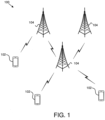
- Figure 1 depicts an embodiment of a wireless communication system 100 for transmitting and/or receiving feedback.
- the wireless communication system 100 includes remote units 102 and base units 104. Even though a specific number of remote units 102 and base units 104 are depicted in Figure 1 , one of skill in the art will recognize that any number of remote units 102 and base units 104 may be included in the wireless communication system 100.
- the remote units 102 may include computing devices, such as desktop computers, laptop computers, personal digital assistants ("PDAs"), tablet computers, smart phones, smart televisions (e.g., televisions connected to the Internet), set-top boxes, game consoles, security systems (including security cameras), vehicle on-board computers, network devices (e.g., routers, switches, modems), aerial vehicles, drones, or the like.
- the remote units 102 include wearable devices, such as smart watches, fitness bands, optical head-mounted displays, or the like.
- the remote units 102 may be referred to as subscriber units, mobiles, mobile stations, users, terminals, mobile terminals, fixed terminals, subscriber stations, UE, user terminals, a device, or by other terminology used in the art.
- the remote units 102 may communicate directly with one or more of the base units 104 via UL communication signals.
- the base units 104 may be distributed over a geographic region.
- a base unit 104 may also be referred to as an access point, an access terminal, a base, a base station, a Node-B, an eNB, a gNB, a Home Node-B, a relay node, a device, a core network, an aerial server, or by any other terminology used in the art.
- the base units 104 are generally part of a radio access network that includes one or more controllers communicably coupled to one or more corresponding base units 104.
- the radio access network is generally communicably coupled to one or more core networks, which may be coupled to other networks, like the Internet and public switched telephone networks, among other networks. These and other elements of radio access and core networks are not illustrated but are well known generally by those having ordinary skill in the art.
- the wireless communication system 100 is compliant with the 3GPP protocol, wherein the base unit 104 transmits using an OFDM modulation scheme on the DL and the remote units 102 transmit on the UL using a SC-FDMA scheme or an OFDM scheme. More generally, however, the wireless communication system 100 may implement some other open or proprietary communication protocol, for example, WiMAX, among other protocols. The present disclosure is not intended to be limited to the implementation of any particular wireless communication system architecture or protocol.
- the base units 104 may serve a number of remote units 102 within a serving area, for example, a cell or a cell sector via a wireless communication link.
- the base units 104 transmit DL communication signals to serve the remote units 102 in the time, frequency, and/or spatial domain.
- a remote unit 102 may receive multiple data blocks.
- the remote unit 102 may transmit a feedback message in a time slot.
- the feedback message corresponds to the multiple data blocks.
- the feedback message includes: a sequence of a sequence set, wherein the sequence indicates feedback information, and the feedback information corresponds to the multiple data blocks; multiple sequences of a sequence set, wherein each sequence of the multiple sequences indicates feedback information, and the feedback information corresponds to one data block of the multiple data blocks; a sequence of a sequence set in a physical resource of a physical resource set, wherein the sequence and the physical resource indicate feedback information, and the feedback information corresponds to the multiple data blocks; and/or multiple sequences of a sequence set in a physical resource of a physical resource set, wherein the multiple sequences and the physical resource indicate feedback information, and the feedback information corresponds to the multiple data blocks.
- a remote unit 102 may be used for transmitting feedback.
- a base unit 104 may transmit multiple data blocks.
- the base unit 104 receives a feedback message in a time slot.
- the feedback message corresponds to the multiple data blocks.
- the feedback message includes: a sequence of a sequence set, wherein the sequence indicates feedback information, and the feedback information corresponds to the multiple data blocks; multiple sequences of a sequence set, wherein each sequence of the multiple sequences indicates feedback information, and the feedback information corresponds to one data block of the multiple data blocks; a sequence of a sequence set in a physical resource of a physical resource set, wherein the sequence and the physical resource indicate feedback information, and the feedback information corresponds to the multiple data blocks; and/or multiple sequences of a sequence set in a physical resource of a physical resource set, wherein the multiple sequences and the physical resource indicate feedback information, and the feedback information corresponds to the multiple data blocks.
- a base unit 104 may be used for receiving feedback.
- Figure 2 depicts one embodiment of an apparatus 200 that may be used for transmitting feedback.
- the apparatus 200 includes one embodiment of the remote unit 102.
- the remote unit 102 may include a processor 202, a memory 204, an input device 206, a display 208, a transmitter 210, and a receiver 212.
- the input device 206 and the display 208 are combined into a single device, such as a touchscreen.
- the remote unit 102 may not include any input device 206 and/or display 208.
- the remote unit 102 may include one or more of the processor 202, the memory 204, the transmitter 210, and the receiver 212, and may not include the input device 206 and/or the display 208.
- the processor 202 may include any known controller capable of executing computer-readable instructions and/or capable of performing logical operations.
- the processor 202 may be a microcontroller, a microprocessor, a central processing unit (“CPU"), a graphics processing unit (“GPU”), an auxiliary processing unit, a field programmable gate array (“FPGA”), or similar programmable controller.
- the processor 202 executes instructions stored in the memory 204 to perform the methods and routines described herein.
- the processor 202 is communicatively coupled to the memory 204, the input device 206, the display 208, the transmitter 210, and the receiver 212.
- the memory 204 in one embodiment, is a computer readable storage medium.
- the memory 204 includes volatile computer storage media.
- the memory 204 may include a RAM, including dynamic RAM (“DRAM”), synchronous dynamic RAM (“SDRAM”), and/or static RAM (“SRAM”).
- the memory 204 includes non-volatile computer storage media.
- the memory 204 may include a hard disk drive, a flash memory, or any other suitable non-volatile computer storage device.
- the memory 204 includes both volatile and non-volatile computer storage media.
- the memory 204 also stores program code and related data, such as an operating system or other controller algorithms operating on the remote unit 102.
- the input device 206 may include any known computer input device including a touch panel, a button, a keyboard, a stylus, a microphone, or the like.
- the input device 206 may be integrated with the display 208, for example, as a touchscreen or similar touch-sensitive display.
- the input device 206 includes a touchscreen such that text may be input using a virtual keyboard displayed on the touchscreen and/or by handwriting on the touchscreen.
- the input device 206 includes two or more different devices, such as a keyboard and a touch panel.
- the display 208 may include any known electronically controllable display or display device.
- the display 208 may be designed to output visual, audible, and/or haptic signals.
- the display 208 includes an electronic display capable of outputting visual data to a user.
- the display 208 may include, but is not limited to, an LCD display, an LED display, an OLED display, a projector, or similar display device capable of outputting images, text, or the like to a user.
- the display 208 may include a wearable display such as a smart watch, smart glasses, a heads-up display, or the like.
- the display 208 may be a component of a smart phone, a personal digital assistant, a television, a table computer, a notebook (laptop) computer, a personal computer, a vehicle dashboard, or the like.
- the display 208 includes one or more speakers for producing sound.
- the display 208 may produce an audible alert or notification (e.g., a beep or chime).
- the display 208 includes one or more haptic devices for producing vibrations, motion, or other haptic feedback.
- all or portions of the display 208 may be integrated with the input device 206.
- the input device 206 and display 208 may form a touchscreen or similar touch-sensitive display.
- the display 208 may be located near the input device 206.
- the transmitter 210 is used to provide UL communication signals to the base unit 104 and the receiver 212 is used to receive DL communication signals from the base unit 104.
- the receiver 212 receives multiple data blocks.
- the transmitter 210 may transmit a feedback message in a time slot. In such embodiments, the feedback message corresponds to the multiple data blocks.
- the feedback message includes: a sequence of a sequence set, wherein the sequence indicates feedback information, and the feedback information corresponds to the multiple data blocks; multiple sequences of a sequence set, wherein each sequence of the multiple sequences indicates feedback information, and the feedback information corresponds to one data block of the multiple data blocks; a sequence of a sequence set in a physical resource of a physical resource set, wherein the sequence and the physical resource indicate feedback information, and the feedback information corresponds to the multiple data blocks; and/or multiple sequences of a sequence set in a physical resource of a physical resource set, wherein the multiple sequences and the physical resource indicate feedback information, and the feedback information corresponds to the multiple data blocks.
- the remote unit 102 may have any suitable number of transmitters 210 and receivers 212.
- the transmitter 210 and the receiver 212 may be any suitable type of transmitters and receivers.
- the transmitter 210 and the receiver 212 may be part of a transceiver.
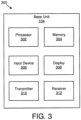
- Figure 3 depicts one embodiment of an apparatus 300 that may be used for receiving feedback.
- the apparatus 300 includes one embodiment of the base unit 104.
- the base unit 104 may include a processor 302, a memory 304, an input device 306, a display 308, a transmitter 310, and a receiver 312.
- the processor 302, the memory 304, the input device 306, the display 308, the transmitter 310, and the receiver 312 may be substantially similar to the processor 202, the memory 204, the input device 206, the display 208, the transmitter 210, and the receiver 212 of the remote unit 102, respectively.
- the transmitter 210 may transmit multiple data blocks.
- the receiver 212 may receive a feedback message in a time slot.
- the feedback message corresponds to the multiple data blocks.
- the feedback message includes: a sequence of a sequence set, wherein the sequence indicates feedback information, and the feedback information corresponds to the multiple data blocks; multiple sequences of a sequence set, wherein each sequence of the multiple sequences indicates feedback information, and the feedback information corresponds to one data block of the multiple data blocks; a sequence of a sequence set in a physical resource of a physical resource set, wherein the sequence and the physical resource indicate feedback information, and the feedback information corresponds to the multiple data blocks; and/or multiple sequences of a sequence set in a physical resource of a physical resource set, wherein the multiple sequences and the physical resource indicate feedback information, and the feedback information corresponds to the multiple data blocks.
- the base unit 104 may have any suitable number of transmitters 310 and receivers 312.
- the transmitter 310 and the receiver 312 may be any suitable type of transmitters and receivers.
- the transmitter 310 and the receiver 312 may be part of a transceiver.
- Figure 4 is a schematic block diagram 400 illustrating one embodiment of a resource unit 402 for transmitting and/or receiving feedback.
- the resource unit (“RU") 402 may have a duration 404 of 1 ms with a subcarrier spacing 406 of 15 kHz, and use a single tone (e.g., other embodiments may use multiple tones).
- the duration 404 of 1 ms may be shorter than a 2 ms duration used in other embodiments.
- the RU 402 may be used with any LTE TDD configuration.
- the RU 402 may have a duration 404 of 2 ms and a subcarrier spacing 406 of 3.75 kHz. In such embodiments, the duration 404 of 2 ms may be shorter than an 8 ms duration used in other embodiments. By having a duration 404 of 2 ms, the RU 402 may be used with any LTE TDD configuration having 2 consecutive UL subframes.
- the RU 402 may include multiple symbols 408 (e.g., OFDM symbols) that include a BPSK repetition coding sequence (e.g., symbols 0, 1, 5, 6, 7, 8, 12, and 13) used for HARQ-ACK feedback information transmission and DMRS symbols (e.g., symbols 2, 3, 4, 9, 10, and 11).
- a BPSK repetition coding sequence may include any suitable number of symbols (e.g., 8 symbols), but may be less than 16 symbols used in other embodiments.
- a number of repetitions included in the BPSK repetition coding sequence may be configured by RRC signaling.
- the RU 402 may have a shorter duration 404 than in other embodiments, the number of repetitions included in the BPSK repetition coding sequence may be increased.
- multiple RUs 402 that are transmitted may use the same frequency (e.g., tones). In such embodiments, cross channel estimation may be used between RUs 402.
- multiple RUs 402 that are transmitted may use multiple frequencies (e.g., tones), as illustrated in Figure 5 .
- the HARQ-ACK may retune to a tone pair for transmission.
- Figure 5 is a schematic block diagram 500 illustrating one embodiment of transmitting and/or receiving feedback using tone retuning for a time division duplex mode.
- alternating tones 504 may be used. Specifically, a repeating alternation between a first tone 506 and a second tone 508 may be used.
- an activation of tone retuning and/or a tone pair for transmission may be explicitly indicated in DCI; while in other embodiments, an activation of tone retuning and/or a tone pair for transmission may be implicitly indicated (e.g., determined based on a TDD configuration).
- a tone pair may be indicated (e.g., a tone pair including tone 0 and tone 6, a tone pair including tone 1 and tone 7, etc.) explicitly or implicitly.
- retuning between tones may not be necessary due to a long time between UL subframes (e.g., subframes that exceed a coherent time, subframes separated by at least a threshold time duration). For example, for TDD configuration 4, there may be no retuning necessary because the set of UL subframes will use one tone and there is only one set of UL subframes in TDD configuration 4. In some embodiments, retuning between tones may be necessary, such as for TDD configuration 1 because there are two sets of UL subframes in a single frame.
- a tone pair may span more than one carrier configured by a base unit 104. For example, a first tone may be in one carrier and a second tone may be in another carrier.
- HARQ-ACK may be multiplexed and/or bundled together.
- multiple HARQ-ACK may be bundled together as shown by one example illustrated in Table 1.
- multiple HARQ-ACK may be logically combined together (e.g., via an AND logic operation) so that a single combined HARQ-ACK may be transmitted (e.g., via NB-PUSCH format 2).
- a "1" represents ACK and a "0" represents NACK.
- multiple HARQ-ACK may be multiplexed together using a RU as illustrated in Figure 6 .
- a QPSK repetition coding sequence may be used instead of a BPSK repetition coding sequence in order to convey two HARQ-ACK feedback information.
- the HARQ-ACK transmission resource may be indicated by DCI.
- a sequence corresponding to the multiple HARQ-ACK may be transmitted in the resource indicated.
- a base unit 104 may schedule a PDSCH process 0 transmitted in a subframe n and a related HARQ-ACK resource in a physical resource M (e.g., subframe n + k, tone l ), and may schedule a PDSCH process 1 transmitted in a subframe n +1 and a related HARQ-ACK resource in the same physical resource M.
- a remote unit 102 may transmit a sequence corresponding to a multiplexed HARQ-ACK.
- Table 2 The sequences A, B, C, and D illustrated in Table 2 are QPSK repetition coding sequences.
- Figure 6 is a schematic block diagram 600 illustrating another embodiment of a resource unit 602 for transmitting and/or receiving feedback.
- the resource unit (“RU") 602 may have a duration 604 of 2 ms, a subcarrier spacing 606 of 15 kHz, and use a single tone.
- the RU 602 may include multiple symbols 608 (e.g., OFDM symbols) that include a repetition coding sequence (e.g., symbols 0, 1, 5, 6, 7, 8, 12, and 13 in two frames) used for HARQ-ACK and DMRS symbols (e.g., symbols 2, 3, 4, 9, 10, and 11 in two frames).
- the repetition coding sequence may include 16 symbols.
- multiple HARQ-ACK may be multiplexed together using multiple tone based sequences using a RU as illustrated in Figure 7 .
- first and second tone based sequences may be used in order to convey two HARQ-ACK.
- a base unit 104 may schedule a PDSCH process 0 transmitted in a subframe n and a related HARQ-ACK resource in a physical resource M (e.g., subframe n+k, tone l ), and may schedule a PDSCH process 1 transmitted in a subframe n +1 and a related HARQ-ACK resource in a physical resource N (e.g., subframe n+k, tone l +1).
- a remote unit 102 may transmit two tone based repetition coding sequences (e.g., DFTS-OFDM) to transmit two HARQ-ACK feedback information.
- two tone based repetition coding sequences e.g., DFTS-OFDM
- Figure 7 is a schematic block diagram 700 illustrating a further embodiment of a resource unit 702 for transmitting and/or receiving feedback.
- the resource unit (“RU") 702 may have a duration 704 of 2 ms, a subcarrier spacing 706 of 15 kHz, and use multiple tones.
- the RU 702 may include multiple symbols 708 (e.g., OFDM symbols) that include a BPSK repetition coding sequence (e.g., symbols 0, 1, 5, 6, 7, 8, 12, and 13 in two frames) used for HARQ-ACK and DMRS symbols (e.g., symbols 2, 3, 4, 9, 10, and 11 in two frames).
- the BPSK repetition coding sequence may include 16 symbols.
- the first BPSK repetition coding sequence may use a first tone sequence
- the second BPSK repetition coding sequence may use a second tone sequence.
- multiple HARQ-ACK may be multiplexed together using multiple sequences and multiple tones (e.g., to convey multiple HARQ-ACK) using a RU as illustrated in Figure 7 .
- first and second tones and first and second sequences may be used in order to convey two HARQ-ACK.
- a base unit 104 may schedule a PDSCH process 0 transmitted in a subframe n and a related HARQ-ACK resource in a physical resource M (e.g., subframe n+k, tone l ), and may schedule a PDSCH process 1 transmitted in a subframe n +1 and a related HARQ-ACK resource in a physical resource N (e.g., subframe n+k, tone l +1).
- M e.g., subframe n+k, tone l
- N e.g., subframe n+k, tone l +1
- Tables 3 and 4 illustrate different examples of the fourth embodiment.
- the sequence 1 and sequence 2 in Tables 3 and 4 may use a BPSK repetition coding sequence Table 3
- Figure 8 is a schematic flow chart diagram illustrating one embodiment of a method 800 for receiving feedback.
- the method 800 is performed by an apparatus, such as the base unit 104.
- the method 800 may be performed by a processor executing program code, for example, a microcontroller, a microprocessor, a CPU, a GPU, an auxiliary processing unit, a FPGA, or the like.
- the method 800 may include transmitting 802 multiple data blocks.
- the method 800 includes receiving 804 a feedback message in a time slot.
- the feedback message corresponds to the multiple data blocks.
- the feedback message includes: a sequence of a sequence set, wherein the sequence indicates feedback information, and the feedback information corresponds to the multiple data blocks; multiple sequences of a sequence set, wherein each sequence of the multiple sequences indicates feedback information, and the feedback information corresponds to one data block of the multiple data blocks; a sequence of a sequence set in a physical resource of a physical resource set, wherein the sequence and the physical resource indicate feedback information, and the feedback information corresponds to the multiple data blocks; and/or multiple sequences of a sequence set in a physical resource of a physical resource set, wherein the multiple sequences and the physical resource indicate feedback information, and the feedback information corresponds to the multiple data blocks.
- the feedback message includes a sequence of a sequence set, the sequence indicates feedback information, and the feedback information corresponds to the multiple data blocks.
- the sequence set is selected from a group including a binary phase shift keying sequence set, a quadrature phase shift keying sequence set, and a Hadamard sequence set.
- receiving the feedback message includes receiving the feedback message via a single frequency tone, a single frequency pattern, and/or a single frequency waveform.
- the feedback message includes multiple sequences of a sequence set, each sequence of the multiple sequences indicates feedback information, and the feedback information corresponds to one data block of the multiple data blocks.
- the sequence set is selected from a group including a binary phase shift keying sequence set, a quadrature phase shift keying sequence set, and a Hadamard sequence set.
- receiving the feedback message includes receiving the feedback message via multiple frequency tones, multiple frequency patterns, and/or multiple frequency waveforms.
- the feedback message includes a sequence of a sequence set in a physical resource of a physical resource set, the sequence and the physical resource indicate feedback information, and the feedback information corresponds to the multiple data blocks.
- the sequence set is selected from a group including a binary phase shift keying sequence set, a quadrature phase shift keying sequence set, and a Hadamard sequence set.
- receiving the feedback message includes receiving the feedback message via a single frequency tone, a single frequency pattern, and/or a single frequency waveform.
- the feedback message includes multiple sequences of a sequence set in a physical resource of a physical resource set, the multiple sequences and the physical resource indicate feedback information, and the feedback information corresponds to the multiple data blocks.
- the sequence set is selected from a group including a binary phase shift keying sequence set, a quadrature phase shift keying sequence set, and a Hadamard sequence set.
- receiving the feedback message includes receiving the feedback message via multiple frequency tones, multiple frequency patterns, and/or multiple frequency waveforms.
- Figure 9 is a schematic flow chart diagram illustrating one embodiment of a method 900 for transmitting feedback.
- the method 900 is performed by an apparatus, such as the remote unit 102.
- the method 900 may be performed by a processor executing program code, for example, a microcontroller, a microprocessor, a CPU, a GPU, an auxiliary processing unit, a FPGA, or the like.
- the method 900 may include receiving 902 multiple data blocks. In various embodiments, the method 900 may also include transmitting 904 a feedback message in a time slot. In such embodiments, the feedback message corresponds to the multiple data blocks.
- the feedback message includes: a sequence of a sequence set, wherein the sequence indicates feedback information, and the feedback information corresponds to the multiple data blocks; multiple sequences of a sequence set, wherein each sequence of the multiple sequences indicates feedback information, and the feedback information corresponds to one data block of the multiple data blocks; a sequence of a sequence set in a physical resource of a physical resource set, wherein the sequence and the physical resource indicate feedback information, and the feedback information corresponds to the multiple data blocks; and/or multiple sequences of a sequence set in a physical resource of a physical resource set, wherein the multiple sequences and the physical resource indicate feedback information, and the feedback information corresponds to the multiple data blocks.
- the feedback message includes a sequence of a sequence set, the sequence indicates feedback information, and the feedback information corresponds to the multiple data blocks.
- the sequence set is selected from a group including a binary phase shift keying sequence set, a quadrature phase shift keying sequence set, and a Hadamard sequence set.
- transmitting the feedback message includes transmitting the feedback message via a single frequency tone, a single frequency pattern, and/or a single frequency waveform.
- the feedback message includes multiple sequences of a sequence set, each sequence of the multiple sequences indicates feedback information, and the feedback information corresponds to one data block of the multiple data blocks.
- the sequence set is selected from a group including a binary phase shift keying sequence set, a quadrature phase shift keying sequence set, and a Hadamard sequence set.
- transmitting the feedback message includes transmitting the feedback message via multiple frequency tones, multiple frequency patterns, and/or multiple frequency waveforms.
- the feedback message includes a sequence of a sequence set in a physical resource of a physical resource set, the sequence and the physical resource indicate feedback information, and the feedback information corresponds to the multiple data blocks.
- the sequence set is selected from a group including a binary phase shift keying sequence set, a quadrature phase shift keying sequence set, and a Hadamard sequence set.
- transmitting the feedback message includes transmitting the feedback message via a single frequency tone, a single frequency pattern, and/or a single frequency waveform.
- the feedback message includes multiple sequences of a sequence set in a physical resource of a physical resource set, the multiple sequences and the physical resource indicate feedback information, and the feedback information corresponds to the multiple data blocks.
- the sequence set is selected from a group including a binary phase shift keying sequence set, a quadrature phase shift keying sequence set, and a Hadamard sequence set.
- transmitting the feedback message includes transmitting the feedback message via multiple frequency tones, multiple frequency patterns, and/or multiple frequency waveforms.
Landscapes
- Engineering & Computer Science (AREA)
- Computer Networks & Wireless Communication (AREA)
- Signal Processing (AREA)
- Mobile Radio Communication Systems (AREA)
Claims (15)
- Procédé (800), effectué par une unité de base, le procédé (800) comprenant :la transmission (802) d'une pluralité de blocs de données ;la réception (804) d'un message de retour dans un créneau horaire, dans lequel le message de retour correspond à la pluralité de blocs de données, et le message de retour comprend au moins l'un des éléments suivants :une séquence d'un ensemble de séquences, dans lequel la séquence indique des informations de retour, et les informations de retour correspondent à la pluralité de blocs de données, et la séquence est multiplexée avec des symboles de signaux de référence de démodulation dans un domaine temporel ;une pluralité de séquences d'un ensemble de séquences, dans lequel chaque séquence de la pluralité de séquences indique des informations de retour, les informations de retour correspondent à un bloc de données de la pluralité de blocs de données, et chaque séquence de la pluralité de séquences est multiplexée avec des symboles de signaux de référence de démodulation dans le domaine temporel ;une séquence d'un ensemble de séquences dans une ressource physique d'un ensemble de ressources physiques, dans lequel la séquence et la ressource physique indiquent des informations de retour, les informations de retour correspondent à la pluralité de blocs de données, et la séquence est multiplexée avec des symboles de signaux de référence de démodulation dans le domaine temporel ;une pluralité de séquences d'un ensemble de séquences dans une ressource physique d'un ensemble de ressources physiques, dans lequel la pluralité de séquences et la ressource physique indiquent des informations de retour, les informations de retour correspondent à la pluralité de blocs de données, et chaque séquence de la pluralité de séquences est multiplexée avec des symboles de signaux de référence de démodulation dans le domaine temporel ;dans lequel l'ensemble de séquences est choisi dans un groupe comprenant un ensemble de séquences de codage par déphasage binaire, un ensemble de séquences de codage par déphasage en quadrature et un ensemble de séquences de Hadamard.
- Procédé (800) selon la revendication 1, dans lequel le message de retour comprend une séquence d'un ensemble de séquences, la séquence indique des informations de retour, et les informations de retour correspondent à la pluralité de blocs de données.
- Procédé (800) selon la revendication 2, dans lequel la réception du message de retour comprend la réception du message de retour par l'intermédiaire d'une tonalité à fréquence unique, d'un motif à fréquence unique, d'une forme d'onde à fréquence unique ou d'une combinaison des éléments de ceux-ci.
- Procédé (800) selon la revendication 1, dans lequel le message de retour comprend une pluralité de séquences d'un ensemble de séquences, chaque séquence de la pluralité de séquences indique des informations de retour, et les informations de retour correspondent à un bloc de données de la pluralité de blocs de données.
- Procédé (800) selon la revendication 4, dans lequel la réception du message de retour comprend la réception du message de retour par l'intermédiaire d'une pluralité de tonalités de fréquence, une pluralité de motifs de fréquence, une pluralité de formes d'onde de fréquence, ou une combinaison des éléments de ceux-ci.
- Procédé (800) selon la revendication 1, dans lequel le message de retour comprend une séquence d'un ensemble de séquences dans une ressource physique d'un ensemble de ressources physiques, la séquence et la ressource physique indiquent des informations de retour, et les informations de retour correspondent à la pluralité de blocs de données.
- Procédé (800) selon la revendication 6, dans lequel la réception du message de retour comprend la réception du message de retour par l'intermédiaire d'une tonalité à fréquence unique, d'un motif à fréquence unique, d'une forme d'onde à fréquence unique ou d'une combinaison de ces éléments.
- Procédé (800) selon la revendication 1, dans lequel le message de retour comprend une pluralité de séquences d'un ensemble de séquences dans une ressource physique d'un ensemble de ressources physiques, la pluralité de séquences et la ressource physique indiquent des informations de retour, et les informations de retour correspondent à la pluralité de blocs de données.
- Procédé (800) selon la revendication 8, dans lequel la réception du message de retour comprend la réception du message de retour par l'intermédiaire d'une pluralité de tonalités de fréquence, une pluralité de motifs de fréquence, une pluralité de formes d'onde de fréquence, ou une combinaison de ceux-ci.
- Unité de base (300) comprenant :un émetteur (310) agencé pour transmettre une pluralité de blocs de données ;un récepteur (312) agencé pour recevoir un message de retour dans un intervalle de temps, dans lequel le message de retour correspond à la pluralité de blocs de données, et le message de retour comprend au moins l'un des éléments suivants :une séquence d'un ensemble de séquences, dans lequel la séquence indique des informations de retour, et les informations de retour correspondent à la pluralité de blocs de données, et la séquence est multiplexée avec des symboles de signaux de référence de démodulation dans un domaine temporel ;une pluralité de séquences d'un ensemble de séquences, dans lequel chaque séquence de la pluralité de séquences indique des informations de retour, les informations de retour correspondent à un bloc de données de la pluralité de blocs de données, et chaque séquence de la pluralité de séquences est multiplexée avec des symboles de signaux de référence de démodulation dans un domaine temporel ;une séquence d'un ensemble de séquences dans une ressource physique d'un ensemble de ressources physiques, dans lequel la séquence et la ressource physique indiquent des informations de retour, les informations de retour correspondent à la pluralité de blocs de données, et la séquence est multiplexée avec des symboles de signaux de référence de démodulation dans un domaine temporel ;une pluralité de séquences d'un ensemble de séquences dans une ressource physique d'un ensemble de ressources physiques, dans lequel la pluralité de séquences et la ressource physique indiquent des informations de retour, les informations de retour correspondent à la pluralité de blocs de données, et chaque séquence de la pluralité de séquences est multiplexée avec des symboles de signaux de référence de démodulation dans le domaine temporel ;dans lequel l'ensemble de séquences est choisi dans un groupe comprenant un ensemble de séquences de codage par déphasage binaire, un ensemble de séquences de codage par déphasage en quadrature et un ensemble de séquences de Hadamard.
- Procédé (900), effectué par une unité de base, le procédé (900) comprenant :la réception (902) d'une pluralité de blocs de données ;la transmission (904) d'un message de retour dans un intervalle de temps, dans lequel le message de retour correspond à la pluralité de blocs de données, et le message de retour comprend au moins l'un des éléments suivants :une séquence d'un ensemble de séquences, dans lequel la séquence indique des informations de retour, les informations de retour correspondent à la pluralité de blocs de données, et la séquence est multiplexée avec des symboles de signaux de référence de démodulation dans un domaine temporel ;une pluralité de séquences d'un ensemble de séquences, dans lequel chaque séquence de la pluralité de séquences indique des informations de retour, les informations de retour correspondent à un bloc de données de la pluralité de blocs de données, et chaque séquence de la pluralité de séquences est multiplexée avec des symboles de signaux de référence de démodulation dans le domaine temporel ;une séquence d'un ensemble de séquences dans une ressource physique d'un ensemble de ressources physiques, dans lequel la séquence et la ressource physique indiquent des informations de retour, les informations de retour correspondent à la pluralité de blocs de données, et la séquence est multiplexée avec des symboles de signaux de référence de démodulation dans le domaine temporel ;une pluralité de séquences d'un ensemble de séquences dans une ressource physique d'un ensemble de ressources physiques, dans lequel la pluralité de séquences et la ressource physique indiquent des informations de retour, les informations de retour correspondent à la pluralité de blocs de données, et chaque séquence de la pluralité de séquences est multiplexée avec des symboles de signaux de référence de démodulation dans un domaine temporel ;dans lequel l'ensemble de séquences est choisi dans un groupe comprenant un ensemble de séquences de codage par déphasage binaire, un ensemble de séquences de codage par déphasage en quadrature et un ensemble de séquences de Hadamard.
- Procédé (900) selon la revendication 11, dans lequel le message de retour comprend une séquence d'un ensemble de séquences, la séquence indique des informations de retour, et les informations de retour correspondent à la pluralité de blocs de données.
- Procédé (900) selon la revendication 11, dans lequel le message de retour comprend une pluralité de séquences d'un ensemble de séquences, chaque séquence de la pluralité de séquences indique des informations de retour, et les informations de retour correspondent à un bloc de données de la pluralité de blocs de données.
- Procédé (900) selon la revendication 11, dans lequel le message de retour comprend une séquence d'un ensemble de séquences dans une ressource physique d'un ensemble de ressources physiques, la séquence et la ressource physique indiquent des informations de retour, et les informations de retour correspondent à la pluralité de blocs de données.
- Unité distante (200) comprenant :un récepteur (212) agencé pour recevoir une pluralité de blocs de données ;un émetteur (210) agencé pour transmettre un message de retour dans un intervalle de temps, dans lequel le message de retour correspond à la pluralité de blocs de données, et le message de retour comprend au moins l'un des éléments suivants :une séquence d'un ensemble de séquences, dans lequel la séquence indique des informations de retour, les informations de retour correspondent à la pluralité de blocs de données, et la séquence est multiplexée avec des symboles de signaux de référence de démodulation dans un domaine temporel ;une pluralité de séquences d'un ensemble de séquences, dans lequel chaque séquence de la pluralité de séquences indique des informations de retour, les informations de retour correspondent à un bloc de données de la pluralité de blocs de données, et chaque séquence de la pluralité de séquences est multiplexée avec des symboles de signaux de référence de démodulation dans le domaine temporel ;une séquence d'un ensemble de séquences dans une ressource physique d'un ensemble de ressources physiques, dans lequel la séquence et la ressource physique indiquent des informations de retour, les informations de retour correspondent à la pluralité de blocs de données, et la séquence est multiplexée avec des symboles de signaux de référence de démodulation dans le domaine temporel ;une pluralité de séquences d'un ensemble de séquences dans une ressource physique d'un ensemble de ressources physiques, dans lequel la pluralité de séquences et la ressource physique indiquent des informations de retour, les informations de retour correspondent à la pluralité de blocs de données, et chaque séquence de la pluralité de séquences est multiplexée avec des symboles de signaux de référence de démodulation dans le domaine temporel ;dans lequel l'ensemble de séquences est choisi dans un groupe comprenant un ensemble de séquences de codage par déphasage binaire, un ensemble de séquences de codage par déphasage en quadrature et un ensemble de séquences de Hadamard.
Applications Claiming Priority (1)
| Application Number | Priority Date | Filing Date | Title |
|---|---|---|---|
| PCT/CN2017/104343 WO2019061277A1 (fr) | 2017-09-29 | 2017-09-29 | Message de rétroaction ayant une séquence indiquant des informations de rétroaction correspondant à des blocs de données |
Publications (4)
| Publication Number | Publication Date |
|---|---|
| EP3688907A1 EP3688907A1 (fr) | 2020-08-05 |
| EP3688907A4 EP3688907A4 (fr) | 2021-05-05 |
| EP3688907C0 EP3688907C0 (fr) | 2024-12-11 |
| EP3688907B1 true EP3688907B1 (fr) | 2024-12-11 |
Family
ID=65902201
Family Applications (1)
| Application Number | Title | Priority Date | Filing Date |
|---|---|---|---|
| EP17927190.3A Active EP3688907B1 (fr) | 2017-09-29 | 2017-09-29 | Message de rétroaction ayant une séquence indiquant des informations de rétroaction correspondant à des blocs de données |
Country Status (4)
| Country | Link |
|---|---|
| US (1) | US11153137B2 (fr) |
| EP (1) | EP3688907B1 (fr) |
| CN (1) | CN111164922B (fr) |
| WO (1) | WO2019061277A1 (fr) |
Families Citing this family (5)
| Publication number | Priority date | Publication date | Assignee | Title |
|---|---|---|---|---|
| EP3688907B1 (fr) * | 2017-09-29 | 2024-12-11 | Lenovo (Beijing) Limited | Message de rétroaction ayant une séquence indiquant des informations de rétroaction correspondant à des blocs de données |
| CN109802812B (zh) * | 2017-11-17 | 2023-05-12 | 夏普株式会社 | 支持时分双工的窄带物联网系统的方法、用户设备和基站 |
| CN118301708A (zh) * | 2018-04-04 | 2024-07-05 | 华为技术有限公司 | 系统消息冗余版本确定方法及装置 |
| US11271686B2 (en) * | 2019-04-19 | 2022-03-08 | Nxp Usa, Inc. | Hybrid automatic repeat request acknowledgement and upload multiuser operation |
| CN114365561B (zh) * | 2019-09-12 | 2024-12-06 | 上海诺基亚贝尔股份有限公司 | 用于提供和接收反馈信息的装置和方法 |
Family Cites Families (61)
| Publication number | Priority date | Publication date | Assignee | Title |
|---|---|---|---|---|
| US6611108B2 (en) * | 2000-04-26 | 2003-08-26 | Semiconductor Energy Laboratory Co., Ltd. | Electronic device and driving method thereof |
| CN101005346A (zh) * | 2006-01-19 | 2007-07-25 | 华为技术有限公司 | 一种时频资源的分配方法 |
| US20130086612A1 (en) * | 2007-11-05 | 2013-04-04 | Samsung Electronics Co., Ltd. | Method for providing multimedia content list and sub-list, and broadcast receiving apparatus using the same |
| KR101445764B1 (ko) * | 2007-11-05 | 2014-10-02 | 삼성전자주식회사 | 멀티미디어 컨텐츠 리스트 및 서브리스트 제공방법, 및이를 적용한 방송수신장치 |
| CN101754395B (zh) * | 2008-12-19 | 2015-03-04 | 电信科学技术研究院 | 反馈信息传输方法、系统及设备 |
| WO2012130095A1 (fr) * | 2011-03-31 | 2012-10-04 | 北京新岸线无线技术有限公司 | Procédé, station et point d'accès central utilisables dans une demande de ressource |
| CN107135052B (zh) * | 2011-05-31 | 2021-02-02 | 北京三星通信技术研究有限公司 | 一种发送harq-ack反馈信息的方法 |
| US8582527B2 (en) * | 2011-07-01 | 2013-11-12 | Ofinno Technologies, Llc | Hybrid automatic repeat request in multicarrier systems |
| EP2767023B1 (fr) * | 2011-11-07 | 2017-08-23 | Huawei Technologies Co., Ltd. | Procédé pour la transmission en diversité du retour d'information harq-ack |
| CN103188061B (zh) * | 2011-12-31 | 2017-11-03 | 中兴通讯股份有限公司 | 混合自动重传请求应答信息的发送方法和装置 |
| CN103684705A (zh) * | 2012-09-10 | 2014-03-26 | 中兴通讯股份有限公司 | 传输harq应答信息以及csi的方法、装置和系统 |
| EP3065479A4 (fr) * | 2013-10-31 | 2017-04-05 | LG Electronics Inc. | Procédé et appareil pour effectuer une communication de dispositif à dispositif dans un système de communication sans fil |
| US9854424B2 (en) * | 2013-10-31 | 2017-12-26 | Lg Electronics Inc. | Method and apparatus for device-to-device communication in wireless communication system |
| WO2015065132A1 (fr) * | 2013-11-01 | 2015-05-07 | 엘지전자(주) | Procédé pour transmettre un message de découverte dans un système de communication sans fil et dispositif associé |
| CN103683705B (zh) * | 2013-12-31 | 2016-02-03 | 泰信电机(苏州)有限公司 | 电机转子轴承组装装置用送料结构 |
| CN104767595A (zh) * | 2014-01-07 | 2015-07-08 | 中兴通讯股份有限公司 | Harq-ack反馈信息的传输方法、系统及终端和基站 |
| WO2015111909A1 (fr) * | 2014-01-21 | 2015-07-30 | 엘지전자(주) | Procédé de détermination d'identifiant de terminal dans un système de communications sans fil supportant une communication de dispositif à dispositif, et appareil associé |
| WO2015111908A1 (fr) * | 2014-01-26 | 2015-07-30 | 엘지전자(주) | Procédé destiné à transmettre un signal de synchronisation et un canal de synchronisation dans un système de communication sans fil prenant en charge une communication de dispositif à dispositif et appareil correspondant |
| KR101794055B1 (ko) * | 2014-02-19 | 2017-11-06 | 엘지전자 주식회사 | 단말 간 통신을 지원하는 무선 통신 시스템에서 스케줄링 승인 송수신 방법 및 이를 위한 장치 |
| EP3110052B1 (fr) * | 2014-02-22 | 2018-12-05 | LG Electronics Inc. | Procédé permettant d'atténuer les interférences dans un système de communication sans fil prenant en charge les communications de dispositif à dispositif, et dispositif afférent |
| US10136462B2 (en) * | 2014-04-17 | 2018-11-20 | Lg Electronics Inc. | Method for determining resource for transmitting signal in wireless communications system and apparatus therefor |
| US10638435B2 (en) * | 2014-07-30 | 2020-04-28 | Lg Electronics Inc. | Method and device for performing device-to-device synchronization in wireless communication system |
| WO2016105173A1 (fr) * | 2014-12-26 | 2016-06-30 | Samsung Electronics Co., Ltd. | Procédé et appareil de transmission de demande automatique de répétition hybride |
| US10313067B2 (en) * | 2015-01-29 | 2019-06-04 | Samsung Electronics Co., Ltd. | HARQ-ACK information feedback method and apparatus |
| WO2016163721A1 (fr) * | 2015-04-05 | 2016-10-13 | 엘지전자(주) | Procédé et dispositif pour transmettre/recevoir des données dans un système de communication sans fil qui supporte une communication de dispositif à dispositif |
| WO2016182394A1 (fr) * | 2015-05-13 | 2016-11-17 | 엘지전자 주식회사 | Procédé et appareil pour la transmission et la réception en liaison montante dans un système de communication sans fil |
| EP3306849B1 (fr) * | 2015-06-08 | 2023-08-02 | LG Electronics Inc. | Procédé et appareil pour transmettre et recevoir des données dans un système de communication sans fil |
| WO2016204573A1 (fr) * | 2015-06-17 | 2016-12-22 | 엘지전자(주) | Procédé et dispositif permettant de recevoir des données d'une cellule adjacente asynchrone dans un système de communication sans fil |
| WO2017010761A1 (fr) * | 2015-07-13 | 2017-01-19 | 엘지전자(주) | Procédé et appareil de transmission ou de réception de données dans un système de communications sans fil |
| US10342005B2 (en) * | 2015-08-14 | 2019-07-02 | Telefonaktiebolaget Lm Ericsson (Publ) | Methods for determining a HARQ-ACK codebook size for a user equipment and base station |
| US11700641B2 (en) * | 2015-08-19 | 2023-07-11 | Lg Electronics Inc. | Random access procedure performing method in wireless communication system, and apparatus therefor |
| EP3343989B1 (fr) * | 2015-08-25 | 2021-12-08 | LG Electronics Inc. | Procédé d'affectation de ressources dans un système de communication sans fil et appareil associé |
| WO2017078464A1 (fr) * | 2015-11-04 | 2017-05-11 | 엘지전자(주) | Procédé de transmission et de réception de données de liaison descendante dans un système de communication sans fil, et appareil associé |
| CN106850163B (zh) * | 2015-12-03 | 2020-08-07 | 华为技术有限公司 | 一种phich反馈信息的传输方法和相关设备 |
| US10277270B2 (en) * | 2015-12-08 | 2019-04-30 | Lg Electronics Inc. | Method for transmitting uplink signal in a wireless communication system and apparatus for the same |
| US10193734B2 (en) * | 2015-12-24 | 2019-01-29 | Lg Electronics Inc. | Method for transceiving signal in a wireless communication system and apparatus for the same |
| US20190037555A1 (en) * | 2016-01-27 | 2019-01-31 | Lg Electronics Inc. | Method for allocating radio resource in wireless communication system and device therefor |
| WO2017135693A1 (fr) * | 2016-02-02 | 2017-08-10 | 엘지전자 주식회사 | Procédé de transmission de dmrs dans un système de communication sans fil prenant en charge l'ido à bande étroite et appareil associé |
| US10637630B2 (en) * | 2016-03-07 | 2020-04-28 | Lg Electronics Inc. | Method for transmitting and receiving uplink/downlink data in wireless communication system and apparatus therefor |
| WO2017161971A1 (fr) * | 2016-03-25 | 2017-09-28 | 电信科学技术研究院 | Procédé et dispositif pour transmettre des informations de rétroaction |
| US10757722B2 (en) * | 2016-03-25 | 2020-08-25 | Lg Electronics Inc. | Method for allowing wireless resource to be allocated in wireless communication system, and device therefor |
| WO2017196067A1 (fr) * | 2016-05-10 | 2017-11-16 | 엘지전자 주식회사 | Procédé de réception de données dans un système de communication sans fil, et appareil associé |
| US10855430B2 (en) * | 2016-05-18 | 2020-12-01 | Lg Electronics Inc. | Method for transmitting uplink control information in wireless communication system, and device therefor |
| WO2017217778A1 (fr) * | 2016-06-15 | 2017-12-21 | 엘지전자(주) | Procédé de coordination d'interférence intercellulaire dans un système de communications sans fil, et appareil associé |
| WO2018004268A1 (fr) * | 2016-06-29 | 2018-01-04 | 엘지전자(주) | Procédé de réception d'un signal de rétroaction dans un système de communication sans fil et appareil associé |
| WO2018030872A1 (fr) * | 2016-08-12 | 2018-02-15 | 엘지전자(주) | Procédé de changement de cellule de desserte dans un système de communication sans fil et appareil associé |
| WO2018053790A1 (fr) * | 2016-09-23 | 2018-03-29 | Lenovo Innovations Limited (Hong Kong) | Groupage d'accusés de réception de demande de répétition automatique hybride |
| WO2018226065A1 (fr) * | 2017-06-08 | 2018-12-13 | 엘지전자 주식회사 | Procédé et appareil pour prendre en charge la double connectivité dans nr |
| CN116346292A (zh) * | 2017-06-16 | 2023-06-27 | 摩托罗拉移动有限责任公司 | 传递上行链路信道的方法和装置 |
| EP4224776A1 (fr) * | 2017-08-10 | 2023-08-09 | Apple Inc. | Transmission en liaison montante dans un tdd prenant en charge une opération fenb-iot |
| US11239953B2 (en) * | 2017-08-11 | 2022-02-01 | Lenovo (Beijing) Co. Ltd | Triggering HARQ-ACK feedback for a downlink slot set |
| WO2019028845A1 (fr) * | 2017-08-11 | 2019-02-14 | Lenovo (Beijing) Limited | Harq-ack pour une pluralité de groupes de porteuses d'un ensemble de créneaux de liaison descendante |
| US11316619B2 (en) * | 2017-09-05 | 2022-04-26 | Ofinno, Llc | HARQ feedback transmission |
| EP3688907B1 (fr) * | 2017-09-29 | 2024-12-11 | Lenovo (Beijing) Limited | Message de rétroaction ayant une séquence indiquant des informations de rétroaction correspondant à des blocs de données |
| US10917907B2 (en) * | 2017-11-09 | 2021-02-09 | Qualcomm Incorporated | Resource allocation for random access procedure messages |
| GB201718999D0 (en) * | 2017-11-16 | 2018-01-03 | Ijaz Ayesha | Communication system |
| US10856320B2 (en) * | 2018-04-06 | 2020-12-01 | Lenovo (Singapore) Pte. Ltd. | Configuring for bandwidth parts |
| US10887843B2 (en) * | 2018-05-11 | 2021-01-05 | Lenovo (Singapore) Pte. Ltd. | Method and apparatus for transmitting an uplink transmission based on a pathloss estimate |
| US11438846B2 (en) * | 2018-08-20 | 2022-09-06 | Qualcomm Incorporated | Solutions to handle mis-alignment between radio access technologies (RATs) in dual connectivity (DC) |
| US11196597B2 (en) * | 2018-10-05 | 2021-12-07 | Qualcomm Incorporated | Orthogonal demodulation reference signal (DMRS) port generation for pi/2 binary phase shift keying (BPSK) |
| WO2020075138A1 (fr) * | 2018-10-11 | 2020-04-16 | Lenovo (Singapore) Pte. Ltd. | Procédé et appareil pour déterminer des valeurs de paramètre de commande de puissance de canal de liaison montante physique pour une utilisation après rétablissement d'une défaillance de faisceau |
-
2017
- 2017-09-29 EP EP17927190.3A patent/EP3688907B1/fr active Active
- 2017-09-29 WO PCT/CN2017/104343 patent/WO2019061277A1/fr not_active Ceased
- 2017-09-29 US US16/651,487 patent/US11153137B2/en active Active
- 2017-09-29 CN CN201780095321.6A patent/CN111164922B/zh active Active
Also Published As
| Publication number | Publication date |
|---|---|
| CN111164922A (zh) | 2020-05-15 |
| WO2019061277A1 (fr) | 2019-04-04 |
| EP3688907A1 (fr) | 2020-08-05 |
| CN111164922B (zh) | 2022-04-08 |
| US11153137B2 (en) | 2021-10-19 |
| EP3688907A4 (fr) | 2021-05-05 |
| EP3688907C0 (fr) | 2024-12-11 |
| US20200267033A1 (en) | 2020-08-20 |
Similar Documents
| Publication | Publication Date | Title |
|---|---|---|
| US11658720B2 (en) | Indicating a beam switch request | |
| US11432322B2 (en) | Resource configuration priority levels | |
| US11412529B2 (en) | Determining a transmission scheme | |
| US11595958B2 (en) | Determining a beam for preamble transmission | |
| US11317365B2 (en) | Apparatuses and methods for determining time delay | |
| EP3688907B1 (fr) | Message de rétroaction ayant une séquence indiquant des informations de rétroaction correspondant à des blocs de données | |
| US11503571B2 (en) | Grant-free resource allocation | |
| US11490424B2 (en) | Performing multiple random access procedures | |
| US11228965B2 (en) | Determining a time-frequency resource using a system parameter | |
| US11316617B2 (en) | Information having symbol repetition | |
| US11283582B2 (en) | Uplink transmission blanking |
Legal Events
| Date | Code | Title | Description |
|---|---|---|---|
| STAA | Information on the status of an ep patent application or granted ep patent |
Free format text: STATUS: THE INTERNATIONAL PUBLICATION HAS BEEN MADE |
|
| PUAI | Public reference made under article 153(3) epc to a published international application that has entered the european phase |
Free format text: ORIGINAL CODE: 0009012 |
|
| STAA | Information on the status of an ep patent application or granted ep patent |
Free format text: STATUS: REQUEST FOR EXAMINATION WAS MADE |
|
| 17P | Request for examination filed |
Effective date: 20200311 |
|
| AK | Designated contracting states |
Kind code of ref document: A1 Designated state(s): AL AT BE BG CH CY CZ DE DK EE ES FI FR GB GR HR HU IE IS IT LI LT LU LV MC MK MT NL NO PL PT RO RS SE SI SK SM TR |
|
| AX | Request for extension of the european patent |
Extension state: BA ME |
|
| DAV | Request for validation of the european patent (deleted) | ||
| DAX | Request for extension of the european patent (deleted) | ||
| A4 | Supplementary search report drawn up and despatched |
Effective date: 20210401 |
|
| RIC1 | Information provided on ipc code assigned before grant |
Ipc: H04L 1/16 20060101ALI20210326BHEP Ipc: H04L 1/18 20060101AFI20210326BHEP |
|
| STAA | Information on the status of an ep patent application or granted ep patent |
Free format text: STATUS: EXAMINATION IS IN PROGRESS |
|
| 17Q | First examination report despatched |
Effective date: 20221222 |
|
| GRAP | Despatch of communication of intention to grant a patent |
Free format text: ORIGINAL CODE: EPIDOSNIGR1 |
|
| STAA | Information on the status of an ep patent application or granted ep patent |
Free format text: STATUS: GRANT OF PATENT IS INTENDED |
|
| INTG | Intention to grant announced |
Effective date: 20240709 |
|
| GRAS | Grant fee paid |
Free format text: ORIGINAL CODE: EPIDOSNIGR3 |
|
| GRAA | (expected) grant |
Free format text: ORIGINAL CODE: 0009210 |
|
| STAA | Information on the status of an ep patent application or granted ep patent |
Free format text: STATUS: THE PATENT HAS BEEN GRANTED |
|
| AK | Designated contracting states |
Kind code of ref document: B1 Designated state(s): AL AT BE BG CH CY CZ DE DK EE ES FI FR GB GR HR HU IE IS IT LI LT LU LV MC MK MT NL NO PL PT RO RS SE SI SK SM TR |
|
| REG | Reference to a national code |
Ref country code: GB Ref legal event code: FG4D |
|
| REG | Reference to a national code |
Ref country code: CH Ref legal event code: EP |
|
| REG | Reference to a national code |
Ref country code: DE Ref legal event code: R096 Ref document number: 602017086771 Country of ref document: DE |
|
| REG | Reference to a national code |
Ref country code: IE Ref legal event code: FG4D |
|
| U01 | Request for unitary effect filed |
Effective date: 20250102 |
|
| U07 | Unitary effect registered |
Designated state(s): AT BE BG DE DK EE FI FR IT LT LU LV MT NL PT RO SE SI Effective date: 20250114 |
|
| PG25 | Lapsed in a contracting state [announced via postgrant information from national office to epo] |
Ref country code: HR Free format text: LAPSE BECAUSE OF FAILURE TO SUBMIT A TRANSLATION OF THE DESCRIPTION OR TO PAY THE FEE WITHIN THE PRESCRIBED TIME-LIMIT Effective date: 20241211 |
|
| PG25 | Lapsed in a contracting state [announced via postgrant information from national office to epo] |
Ref country code: ES Free format text: LAPSE BECAUSE OF FAILURE TO SUBMIT A TRANSLATION OF THE DESCRIPTION OR TO PAY THE FEE WITHIN THE PRESCRIBED TIME-LIMIT Effective date: 20241211 |
|
| PG25 | Lapsed in a contracting state [announced via postgrant information from national office to epo] |
Ref country code: NO Free format text: LAPSE BECAUSE OF FAILURE TO SUBMIT A TRANSLATION OF THE DESCRIPTION OR TO PAY THE FEE WITHIN THE PRESCRIBED TIME-LIMIT Effective date: 20250311 |
|
| PG25 | Lapsed in a contracting state [announced via postgrant information from national office to epo] |
Ref country code: GR Free format text: LAPSE BECAUSE OF FAILURE TO SUBMIT A TRANSLATION OF THE DESCRIPTION OR TO PAY THE FEE WITHIN THE PRESCRIBED TIME-LIMIT Effective date: 20250312 |
|
| PG25 | Lapsed in a contracting state [announced via postgrant information from national office to epo] |
Ref country code: RS Free format text: LAPSE BECAUSE OF FAILURE TO SUBMIT A TRANSLATION OF THE DESCRIPTION OR TO PAY THE FEE WITHIN THE PRESCRIBED TIME-LIMIT Effective date: 20250311 |
|
| PG25 | Lapsed in a contracting state [announced via postgrant information from national office to epo] |
Ref country code: SM Free format text: LAPSE BECAUSE OF FAILURE TO SUBMIT A TRANSLATION OF THE DESCRIPTION OR TO PAY THE FEE WITHIN THE PRESCRIBED TIME-LIMIT Effective date: 20241211 |
|
| PG25 | Lapsed in a contracting state [announced via postgrant information from national office to epo] |
Ref country code: PL Free format text: LAPSE BECAUSE OF FAILURE TO SUBMIT A TRANSLATION OF THE DESCRIPTION OR TO PAY THE FEE WITHIN THE PRESCRIBED TIME-LIMIT Effective date: 20241211 |
|
| PG25 | Lapsed in a contracting state [announced via postgrant information from national office to epo] |
Ref country code: IS Free format text: LAPSE BECAUSE OF FAILURE TO SUBMIT A TRANSLATION OF THE DESCRIPTION OR TO PAY THE FEE WITHIN THE PRESCRIBED TIME-LIMIT Effective date: 20250411 |
|
| PG25 | Lapsed in a contracting state [announced via postgrant information from national office to epo] |
Ref country code: SK Free format text: LAPSE BECAUSE OF FAILURE TO SUBMIT A TRANSLATION OF THE DESCRIPTION OR TO PAY THE FEE WITHIN THE PRESCRIBED TIME-LIMIT Effective date: 20241211 |
|
| PG25 | Lapsed in a contracting state [announced via postgrant information from national office to epo] |
Ref country code: CZ Free format text: LAPSE BECAUSE OF FAILURE TO SUBMIT A TRANSLATION OF THE DESCRIPTION OR TO PAY THE FEE WITHIN THE PRESCRIBED TIME-LIMIT Effective date: 20241211 |
|
| PGFP | Annual fee paid to national office [announced via postgrant information from national office to epo] |
Ref country code: GB Payment date: 20250923 Year of fee payment: 9 |
|
| PLBE | No opposition filed within time limit |
Free format text: ORIGINAL CODE: 0009261 |
|
| STAA | Information on the status of an ep patent application or granted ep patent |
Free format text: STATUS: NO OPPOSITION FILED WITHIN TIME LIMIT |
|
| REG | Reference to a national code |
Ref country code: CH Ref legal event code: L10 Free format text: ST27 STATUS EVENT CODE: U-0-0-L10-L00 (AS PROVIDED BY THE NATIONAL OFFICE) Effective date: 20251022 |
|
| U20 | Renewal fee for the european patent with unitary effect paid |
Year of fee payment: 9 Effective date: 20250925 |
|
| 26N | No opposition filed |
Effective date: 20250912 |
|
| REG | Reference to a national code |
Ref country code: CH Ref legal event code: H13 Free format text: ST27 STATUS EVENT CODE: U-0-0-H10-H13 (AS PROVIDED BY THE NATIONAL OFFICE) Effective date: 20260425 |