EP3695337B1 - Procédé et dispositif de confirmation permettant de confirmer l'intégrité d'un système - Google Patents
Procédé et dispositif de confirmation permettant de confirmer l'intégrité d'un système Download PDFInfo
- Publication number
- EP3695337B1 EP3695337B1 EP18800518.5A EP18800518A EP3695337B1 EP 3695337 B1 EP3695337 B1 EP 3695337B1 EP 18800518 A EP18800518 A EP 18800518A EP 3695337 B1 EP3695337 B1 EP 3695337B1
- Authority
- EP
- European Patent Office
- Prior art keywords
- integrity
- information
- integrity information
- confirmation device
- module
- Prior art date
- Legal status (The legal status is an assumption and is not a legal conclusion. Google has not performed a legal analysis and makes no representation as to the accuracy of the status listed.)
- Active
Links
Images


Classifications
-
- G—PHYSICS
- G06—COMPUTING OR CALCULATING; COUNTING
- G06F—ELECTRIC DIGITAL DATA PROCESSING
- G06F21/00—Security arrangements for protecting computers, components thereof, programs or data against unauthorised activity
- G06F21/50—Monitoring users, programs or devices to maintain the integrity of platforms, e.g. of processors, firmware or operating systems
- G06F21/57—Certifying or maintaining trusted computer platforms, e.g. secure boots or power-downs, version controls, system software checks, secure updates or assessing vulnerabilities
- G06F21/577—Assessing vulnerabilities and evaluating computer system security
-
- H—ELECTRICITY
- H04—ELECTRIC COMMUNICATION TECHNIQUE
- H04L—TRANSMISSION OF DIGITAL INFORMATION, e.g. TELEGRAPHIC COMMUNICATION
- H04L9/00—Cryptographic mechanisms or cryptographic arrangements for secret or secure communications; Network security protocols
- H04L9/06—Cryptographic mechanisms or cryptographic arrangements for secret or secure communications; Network security protocols the encryption apparatus using shift registers or memories for block-wise or stream coding, e.g. DES systems or RC4; Hash functions; Pseudorandom sequence generators
- H04L9/0643—Hash functions, e.g. MD5, SHA, HMAC or f9 MAC
-
- H—ELECTRICITY
- H04—ELECTRIC COMMUNICATION TECHNIQUE
- H04L—TRANSMISSION OF DIGITAL INFORMATION, e.g. TELEGRAPHIC COMMUNICATION
- H04L9/00—Cryptographic mechanisms or cryptographic arrangements for secret or secure communications; Network security protocols
- H04L9/08—Key distribution or management, e.g. generation, sharing or updating, of cryptographic keys or passwords
- H04L9/0861—Generation of secret information including derivation or calculation of cryptographic keys or passwords
- H04L9/0877—Generation of secret information including derivation or calculation of cryptographic keys or passwords using additional device, e.g. trusted platform module [TPM], smartcard, USB or hardware security module [HSM]
-
- G—PHYSICS
- G06—COMPUTING OR CALCULATING; COUNTING
- G06F—ELECTRIC DIGITAL DATA PROCESSING
- G06F2221/00—Indexing scheme relating to security arrangements for protecting computers, components thereof, programs or data against unauthorised activity
- G06F2221/03—Indexing scheme relating to G06F21/50, monitoring users, programs or devices to maintain the integrity of platforms
- G06F2221/034—Test or assess a computer or a system
Definitions
- the invention relates to a method for computer-aided checking and cryptographic confirmation of at least one system state of a first system by a confirmation device.
- a first system determines integrity information and confirms this in a cryptographically protected manner with respect to a second computer system. This is also known as attestation or integrity certification.
- the second computer system can thus recognize whether the first computer system is in a trustworthy state, i.e. has loaded trustworthy software, for example, or a virus scanner is activated.
- Trusted platform modules also referred to as Trusted Platform Modules, or TPM for short, are known for the certification of integrity and are used in particular by Linux Integrity Measurement Architecture, or IMA for short.
- the health of a system can be measured in the form of an health value issued by a platform configuration register, also known as a platform configuration register.
- the integrity value is usually formed using a cryptographic hash function, such as the secure hash algorithm SHA-1 or SHA-256, using at least one measured value of a system status.
- a cryptographic hash function such as the secure hash algorithm SHA-1 or SHA-256
- This additional information for example a file name or software, can also be provided.
- this is implemented in the Linux Integrity Measurement Architecture.
- the entire Measurement information is provided in addition to an integrity value in order to also be able to check the content of the integrity value.
- all measured values and the associated measurement information are recorded in a list, e.g. a so-called IMA file. This provision of detailed information about a system may not be desirable in particular in the case of an industrial data exchange.
- the task is therefore to find a way to check the integrity of a system and to confirm it cryptographically without revealing confidential information.
- the method is advantageous since, in particular, a second piece of integrity information is provided which comprises at least part of the first piece of integrity information. Thus, only part of the first integrity information is preferably provided.
- This implementation is possible because an evaluation, ie a check, of the first integrity information item is carried out in the confirmation device.
- the cryptographic validity of the integrity value is preferably checked, and the configuration of the first system is checked on the basis of the measurement values and measurement information.
- a second piece of integrity information which is part of the first Integrity information is provided.
- the described confirmation of the integrity of the first system consequently takes place in several stages. This is particularly desirable if the first integrity information item contains sensitive information which, for example, should not be disclosed to third parties.
- the confirmation device can preferably check a first piece of integrity information from the first system against a first test specification and then issue a second piece of integrity information.
- the first test specification can be, for example, a predefined, expected configuration of the first system.
- the first integrity information item comprises an integrity value that is formed as a function of the at least one measured value and is then confirmed, and at least this measured value and the associated measurement information.
- the at least one measured value and the associated measurement information can be stored in a list, e.g. a so-called IMA measurement list.
- a system can in particular be a computer system, a software system or a virtual machine.
- a system can comprise at least one processor, at least one memory unit, or at least one signal processor.
- “computer-aided” can be understood to mean, for example, an implementation of the method in which, in particular, a processor executes at least one method step of the method.
- a system state of a system indicates in particular a specific state of the software and / or hardware of the system, e.g. given at a point in time. This can be, for example, the presence of installed software or a running operating system.
- a state can be measured, for example, by software that returns a measured value.
- the Measurement information on the measured value includes, for example, information on the software that performs the measurement.
- a software that carries out the measurement is also referred to as the Root of Trust for Measurement.
- Checking the integrity of a system shows, for example, whether a system is in a trustworthy state, e.g. whether a certain required virus scanner has been loaded.
- the integrity can be described in an integrity value, which can be checked against a test specification.
- a test specification can include a predetermined value with which the integrity value is compared.
- the integrity value is formed depending on at least one measured value.
- the integrity value is formed using a hash function that is applied to the at least one measured value.
- the integrity value is preferably formed recursively using a plurality or a plurality of measured values.
- the configuration of a system includes, for example, additional information about statuses or loaded software.
- the measurement information is particularly necessary.
- the integrity value is not sufficient to determine the details of the configuration of a system.
- the integrity value in the first system can be confirmed, for example, by means of a cryptographic checksum of a trust module, for example a trustworthy platform module.
- the confirmation device for example, the cryptographic signature of the confirmed integrity value is checked for mathematical correctness, validity and applicability of an assigned certificate, and thus in particular the integrity of the first system is validated.
- the content of the first system can also be checked by the confirmation device, for example whether certain software is loaded. It can be a review, a so-called Whitelisting takes place as to whether only trustworthy software is loaded, which is considered permissible according to a specified configuration information of a white list, also called a whitelist.
- a white list or positive list includes, for example, trustworthy software.
- Such whitelist configuration information can in particular include a file name and a cryptographic hash value of approved software modules.
- the confirmation device thus evaluates or checks the content of the configuration of the first system. After the check, the confirmation device provides a second piece of integrity information, which is confirmed, for example, by a digital signature.
- the second integrity information item preferably comprises non-sensitive, permitted or required information about the integrity of the first system and can in particular be assignable to the first system. This is particularly advantageous since simple gateways are often impractical to evaluate the detailed first integrity information.
- the second integrity information item represents, for example, only a generalized or abstracted version or a summary of the first integrity information item. This is advantageous since, for example, the computing time for the check is reduced.
- the first integrity information item can contain detailed information about the configuration of the first system, which is output by the confirmation device in reduced form as second integrity information item.
- a summary can be recorded after an evaluation of the content of the first integrity information item. This is particularly advantageous in the case of industrial components or gateways that are only rarely restarted (reboot), for example normally at most once a year in a fixed maintenance window. In the case of such components, the first integrity information continues to grow during the service life of the component.
- the confirmed second integrity information is provided to the first system and checked in the first system against a second test specification.
- the second, preferably generalized, integrity information item comprises necessary attestation information which can be provided to the first system.
- the first system can, for example, check its own integrity against a second test specification, e.g. mathematical validity of a signature. As a result, there is in particular no need to check many individual measurements, as is the case with the first integrity information item. If there is a valid confirmation of integrity, the first system can, for example, release an interface for data transmission.
- the confirmed second integrity information is provided to a second system and checked in the second system against a third test specification.
- the second integrity information can for example be made available to a second system, e.g. a peer node in the case of an industrial data exchange.
- the confirmation device takes over the checking and confirmation of the integrity of the first system.
- the result of the check as second integrity information is preferably transmitted to the second system.
- the second integrity information can confirm to the second system in abstract form that the first system is in a trustworthy system state. If the test against the third test specification shows that, for example, the first system does not have a required system configuration, the second system can, for example, deactivate an interface for communication with the first system.
- the confirmation device detects weak points in the first system based on the first integrity information and transmits information about the vulnerability to the first system.
- the confirmation device can determine whether the first system is not in a trustworthy state, i.e. has weak points, for example.
- a second piece of integrity information can be issued in the confirmation device which declares the integrity confirmation of the first system to be invalid. If, for example, there is no valid integrity confirmation from the confirmation device, the first system can initiate countermeasures, such as blocking one or more network interfaces or terminating or uninstalling installed applications.
- the first integrity information item is checked in the confirmation device as a function of a second system to which the second integrity information item is provided, and the second integrity information item is output as a function of the second system.
- the first integrity information item is preferably combined and provided as second integrity information item in such a way that it meets the requirements of a second system to which it is to be provided.
- the second system is only informed of information about the first system for which it has authorizations, for example.
- the first integrity information item is checked in the confirmation device as a function of the second system, for example a system status of the second system.
- the second system can be in a maintenance state.
- the confirmation device consequently creates, in particular, a second piece of integrity information, for example from depend on the type, the system status or the authorizations of the second system.
- Information about the second system is preferably available to the confirmation device, so that the integrity check and integrity confirmation of the first system can be created as a function of the second system.
- the second piece of integrity information is confirmed together with a nonce by a second trust module in the confirmation device.
- a nonce e.g. a random value
- the nonce can, for example, be provided by the confirmation device or by the second system to which the second integrity information item is transmitted. This is advantageous since the second integrity information thus contains information about the systems involved in the communication in particular. A clear assignment can thus be made, for example; in other words, the second integrity information is assigned to the second system by the nonce.
- the integrity value is formed via measurements of the system state of the first system and via at least one nonce.
- An integrity value of the first system is formed, for example, as a function of individual measured values in each case of a system state.
- the integrity value is calculated using a hash function, for example.
- the integrity value is updated as a function of the measurements, with the measurements being processed one after the other.
- a trust module of the first system confirms the integrity value cryptographically.
- the integrity value is preferably formed from the measurements and at least one nonce, for example a random value. This has the advantage that the integrity value does not indicate a configuration of the first system can.
- the nonce can also be provided, for example, together with the measured values and measurement information.
- the second piece of integrity information includes information about a security status of the first system.
- the confirmation device can in particular provide a second piece of integrity information in such a way that in addition to the confirmation of the integrity of the first piece of integrity information, information about the security status of the first system is also recorded.
- the confirmation device checks the integrity of the first system and, by evaluating the content of the first integrity information item, determines the security status and provides information about it.
- the information about the security status can include outdated software versions, installation status of security updates, etc., for example.
- a statement can be made about the security level at which the first system is during the check.
- data is exchanged between the first system and the second system after the integrity and / or the configuration of the first system has been declared valid in the confirmation device.
- the first system confirms its integrity to a second system, the confirmation device taking over the integrity check and confirmation.
- an interface can be released in this in order to initialize a data exchange with the second system. This is advantageous in order, for example, to enable a secure data transfer only when trustworthiness has been confirmed.
- a data exchange of a certain category of data can be permitted.
- an exchange of data marked as "confidential" can be permitted or blocked, or only an exchange of data marked as "internal”.
- the confirmation device can, for example, provide a service for attesting the integrity of a first system to a second system.
- the confirmation device can be implemented as a cloud-based service, for example.
- it can be a central facility, for example a server, which allows an integrity check and confirmation of another system.
- the confirmation device checks the first piece of integrity information and creates and confirms a second piece of integrity information, which can preferably be provided to a second system. With the confirmation device therefore, in particular, a multi-level confirmation of integrity is achieved.
- the confirmation device can preferably be switched between two systems that are communicating with one another, so that they can mutually confirm the integrity of one another, with only permissible or only required information being transmitted via the respective other system.
- the confirmation and checking take place in the confirmation device, which provides second integrity information, such as a summary of the first integrity information.
- second integrity information such as a summary of the first integrity information.
- the second piece of integrity information which is at least part of a first piece of integrity information of a first system, is made available to another system.
- a first system can, for example, be a gateway of an industrial network.
- the first system detects its integrity using an integrity detection module.
- the integrity detection module can include, for example, a measuring unit and an integrity unit.
- a transmission module provides a first piece of integrity information to a confirmation device.
- the confirmation device can, for example, confirm the integrity of the first system with the second integrity information, such as, for example, attest to the activity and up-to-dateness of a virus scanner.
- the first system comprises in particular a second checking module which can check the second integrity information item.
- the second test module is configured to test the summary of the first integrity information against a second test specification.
- the first system comprises a confirmation device according to the invention.
- the confirmation device can be integrated in a first system, e.g. a gateway. It is also possible for the confirmation device to be connected to the first system in such a way that it functions as a security module of the first system. In other words, according to the method according to the invention, the confirmation device takes over the integrity confirmation of the first system and can thus be implemented, for example, as a hardware security module of the first system. This is particularly advantageous since the integrity confirmation and testing, i.e. in particular the evaluation of the measurement information, can be carried out efficiently in one system compared to a second system. It is conceivable that the second integrity information is preferably also provided to a second system for checking.
- the invention relates to a second system that communicates with a first system via a communication link is connected, comprising a third test module which is designed to test a second integrity information item provided against a third test specification, the second integrity information item comprising at least part of a first integrity information item of the first system and a summary and / or generalization of the first integrity information item.
- a second system can be, for example, a gateway in a data network, between which and a first system a data exchange is to take place.
- the integrity of the first system is first checked in the confirmation device and this information is provided to the second system.
- the second system can, for example, also comprise modules of the first system described, so that in particular a mutual integrity check can take place via the confirmation device.
- Another aspect of the invention relates to a computer program product which can be loaded directly into a programmable computer or processor, comprising program code parts which are suitable for carrying out the steps of the method.
- Figure 1 shows a flowchart of the method according to the invention for computer-aided checking and confirmation of at least one system state of a first system 1 by a confirmation device 2, in particular with respect to a second system 3, with the following method steps.
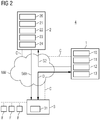
- the confirmation device 2, the first system 1 and the second system 3 are exemplified in FIG Figure 2 shown.
- first integrity information of the first system 1 is determined in the first system 1.
- the first integrity information item comprises an integrity value, at least one measurement value and associated measurement information.
- the at least one measured value and the associated measurement information can be present in a list, for example.
- At least one measurement of a system state is carried out and a measured value and the measurement information are recorded, see step S1a.
- the integrity value is formed using the at least one measured value, see step S1b.
- the integrity value is formed, for example, from individual measured values using a hash function.
- the integrity value is preferred updated when a new measurement is available, ie measurements are processed one after the other.
- the measured values and measurement information are transmitted, for example, in a list as part of the first integrity information item.
- the integrity value is formed in particular as a function of the at least one measured value.
- the integrity value can, for example, also be formed using measurements and at least one nonce, e.g. a random number. Consequently, the first integrity information item can accordingly also include the nonce.
- the nonce can be provided by the first system 1 or by the confirmation device 2. This means that an integrity value cannot be used to infer an assigned configuration of a system.
- the integrity value is confirmed by a trust module 12 of the first system 1, e.g. digitally signed, see step S1c.
- the first integrity information item is transmitted to the confirmation device 2.
- the confirmation device 2 can, for example, be a cloud-based or central system which carries out the integrity check and confirmation of a first system 1 for a communication partner, for example.
- the first integrity information is checked in the confirmation device 2 against a first test specification.
- the check can include a check of the integrity value and a content check or evaluation of the integrity information.
- the integrity value for example, the confirmation, ie the digital signature, is checked.
- a content check i.e. a check of how the measurements on which the integrity value is based came about, is carried out on the basis of the measured values and the measurement information.
- the first system 1 preferably issues first integrity information which contains detailed information about the system configuration and the system status.
- the confirmation device 2 can consequently be a detailed Carry out evaluation of the at least one system status and / or configuration of the first system 1.
- the confirmation device 2 provides second integrity information which comprises at least part of the first integrity information.
- the confirmation device 2 issues a second piece of integrity information.
- the second integrity information item can represent a summary or an abstract version of the first integrity information item. For example, only permissible information can be contained in the second integrity information item.
- Permissible information can be information for which a second system 3 is authorized, for example.
- Admissible information can also be information that is checked against a test specification and has been declared valid.
- permitted information can be specified, e.g. information can be permitted as a function of a system state of a second system 3. For example, a system can be in a maintenance state and therefore only have the authorization to receive limited information.
- the confirmation device 2 issues the second integrity information for a second system 3, which has only limited rights, a statement about the integrity of the first system can be made by means of the second integrity information without confidential information of the first system being disclosed.
- step S5 the second integrity information item is certified by a second trust module 24 of the confirmation device 2. Integrity information of the first system 1 is thus available, which in particular only contains permissible or required information. For example, it can be confirmed that there is an operating system from a known distribution or that the installed software is up-to-date not including detailed information about installed software.
- the second integrity information item can be provided to the first system 1.
- the first system 1 consequently checks the second, for example abstracted, integrity information against a second test specification.
- the test shows whether the integrity of the first system 1 is confirmed or invalid. If the check shows that weak points are present in the first system 1, the confirmation device 2 can transmit information about this to the first system 1.
- the second integrity information item can contain a negative integrity confirmation.
- This method step is advantageous if the first system 1 is to activate a network interface, for example, only when it is in a trustworthy state.
- the second integrity information item can be made available to a second system 3.
- the confirmation device 2 preferably creates a second piece of integrity information which confirms the integrity of the first system 1 to the second system 3.
- the second integrity information item is checked against a third test specification.
- This method step is particularly advantageous when two systems 1 and 3 have to mutually confirm their integrity before exchanging data.
- the confirmation device 2 can take over the checking and confirmation of the integrity centrally and issue a second, abstracted piece of integrity information.
- the second integrity information can be a function of one of the Systems, e.g. their status, security status or rights, are issued.
- FIG 2 schematically shows a communication network 4 with the first system 1, the confirmation device 2 and the second system 3, which are designed to carry out the method according to the invention.
- the two systems 1, 3 and the confirmation device are connected to one another via communication links C with a network NW and can thus communicate with one another.
- NW can be an industrial data network.
- An integrity confirmation of the first system 1 according to the method with respect to the second system 3 is shown, the confirmation device 2 performing the checking and confirmation of the integrity.
- the second system 3 is, for example, a gateway which is connected to field devices F of a network. Data from the field devices F are to be exchanged with the first system 1. For this purpose, an integrity certification of the first system 1 is first required.
- the confirmation device 2 provides a central integrity certification service, for example.
- the first system 1 initially provides the first integrity information, which is confirmed by a trust module 11 in the first system 1.
- the first integrity information is transmitted to the confirmation device 2, for example via the network NW, see step S2.
- the receiving module 20 of the confirmation device 2 receives the first integrity information from the first system 1.
- the first integrity information can be stored in the memory module 21 or only temporarily stored so that the information is available for checking and evaluating the configuration of the first system 1.
- the first test module 22 of the confirmation device 2 the first integrity information item is checked against a first test specification.
- a second piece of integrity information is provided in the provision module 23, which contains, for example, a summary of the relevant information of the first integrity information item.
- the second integrity information is cryptographically confirmed by the second trust module 24.
- the second integrity information is provided to the second system 3, step S6b.
- the second system 3 can, for example, be a device with restricted authorizations. In other words, only admissible information from the first system 1 is provided to the second system 3.
- the confirmation device 2 issues a second piece of integrity information in such a way that it only contains permissible information. In other words, the confirmation device 2 checks the first integrity information as a function of the second system 3 and issues a second integrity information as a function of the second system 3. For example, this can be dependent on a system state of the second system 3.
- the second system 3 can, for example, only request summarized information about the system status of the first system 1 before data is exchanged between the two systems 1, 3.
- a second piece of integrity information can also be confirmed together with a nonce.
- the nonce can be provided by a first system 1, by the confirmation device 2 or by a second system 3. If, for example, a nonce from the second system 3 is contained in the second, confirmed integrity information item, the second integrity information item can be assigned directly to the second system 3.
- the second system 3 can check the second integrity information against a third test specification in a third test module 31. Accordingly, the confirmation device 2 transfers the second integrity confirmation of the first system 1 to the second system 3. If this is validated in the second system 3, a data exchange D with the first system 1 can take place. For example, with a positive confirmation of integrity the second system 3 enable an interface for data exchange with the first system 1.
- the second system 3 can in particular also contain further modules. For example, the second system 3 can contain the same modules as the first system, so that the second system 3 can confirm its integrity to another system.
- a confirmation device 2 can consequently perform a mutual integrity certification of at least two systems 1, 3.
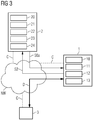
- a first system 1 receives second integrity information from the confirmation device 2 in order to check its own integrity before a data exchange D with a second system 3 is carried out.
- the first system 1 acquires the first integrity information in an integrity acquisition module 10, confirms it by a trust module 11 and transmits it to the confirmation device 2 through a transmission module 12.
- the modules of the first system 1 can advantageously all be connected to one another.
- the confirmation device 2 determines a second piece of integrity information and confirms this cryptographically. For example, information on the system status of the first system 1, for example whether a specific operating system is running, can be contained in the second integrity information item. This second piece of integrity information is provided to the first system 1 again in step S6a.
- the first system 1 can check the second integrity information in a second checking module 13. To this end, the first system can evaluate the second integrity information item and, if the integrity confirmation is positive, enable the data exchange with the second system 3, that is to say, for example, an interface for data transmission D can be activated in the first system 1.
- the confirmation device 2 comprises a receiving module 20, a storage module 21, a first test module 22, a provision module 23 and a second trust module 24.
- the modules of the confirmation device 2 can advantageously all be connected to one another.
- a confirmation device 2 can comprise a processor, a memory and an operating system (not shown) in order to carry out the steps of the method for computer-aided checking and confirmation of the integrity of a system.
- the confirmation device 2 can be connected to a network NW via a communication connection C, or it can be designed to be integrated in a first system 1.
- the confirmation device 2 can comprise an interface or a transmission module (not shown) in order to transmit the second integrity information to a system.
- Figure 5 shows an embodiment of the first system 1, which comprises a confirmation device 2.
- the first system 1 can comprise, for example, an integrated confirmation device 2 for the integrity certification.
- the confirmation device 2 is a hardware security module connected in the first system 1 or with the first system 1 or a crypto controller.
- the confirmation device 2 can be independent of the first system 1, that is to say, for example, not connected to the internal data network of the first system, so that it cannot be compromised, for example.
- the first system 1 contains an integrity detection module 10, trust module 11, a transmission module 12, a test module 13, a processor 14, a memory 15 and can be connected to a network NW via a communication connection C.
- the integrity detection module can in particular comprise a measuring unit 110 and an integrity unit 120.
- the measuring unit 110 and the integrity unit 120 can also be designed independently of the integrity detection module 10.
- the measuring unit 110 carries out measurements of the states of the first system 1 and provides these as measured values and associated measurement information.
- the measurements can be controlled by the operating system or special software.
- the integrity unit 120 forms an integrity value as a function of the measured values, for example via a hash function.
- an operating system and various applications can be installed in the first system 1 (not shown). All modules can be advantageously connected to one another in the first system 1.
- Measurement values are recorded by the integrity recording module 10, confirmed as an integrity value by the trust module 11 and provided to the second system 3 together with the measurement information as first integrity information, see step S2 in FIG Figure 1 .
- The, for example integrated, confirmation device 2 carries out a check of the first piece of integrity information and creates a second piece of integrity information as a function thereof. This second piece of integrity information is cryptographically confirmed in the confirmation device and transmitted to the second checking module 13 of the first system 1, see step S6b in FIG Figure 1 .
- the second test module 13 uses the second integrity information and a second test specification to determine whether the first system 1 is in a trustworthy system state. If the check validates the integrity of the first system 1, the first system 1 will activate an interface for data transmission. The second integrity information can also be transmitted to a second system 3.
- FIG. 6 shows a schematic representation of an example of a second integrity information item 100.
- the second integrity information item can be, for example, as a text file, as Abstract Syntax Notation One data, also known as ASN.1 data, as Extensible Markup Language data, too known as XML data, or encoded as JavaScript Object Notation data, also known as JSON data.
- the second integrity information can in particular be assigned to the first system 1, for example via identification information or the integrity value.
- a summarized integrity confirmation is output as second integrity information item by the confirmation device 2 as a function of the check. This can be confirmed with a digital signature 200 in the second trust module 24.
- the Figure 6 shows an example of such a summary of the first integrity information item as second integrity information item 100. This confirms, for example, that a Linux operating system is present 101 in a known distribution and that the patch level 102 is up-to-date. Entry 103 confirms, for example, the version of the IDS software stack.
- further information can be included, such as a nonce value 104 of the second system 3, for example an IDS gateway, to which the attestation is provided in the form of the second integrity information 100, and the integrity value 105, PCR, of the original first integrity information.
- a nonce value 104 of the second system 3 for example an IDS gateway, to which the attestation is provided in the form of the second integrity information 100, and the integrity value 105, PCR, of the original first integrity information.
- the latter enables, for example, an unambiguous assignment of the confirmed second integrity information to a specific integrity value.
- the first integrity information item originally issued can also be checked by the second system 3 with the integrity value contained therein.
Landscapes
- Engineering & Computer Science (AREA)
- Computer Security & Cryptography (AREA)
- Computer Hardware Design (AREA)
- General Engineering & Computer Science (AREA)
- Software Systems (AREA)
- Theoretical Computer Science (AREA)
- Computer Networks & Wireless Communication (AREA)
- Signal Processing (AREA)
- Computing Systems (AREA)
- Physics & Mathematics (AREA)
- General Physics & Mathematics (AREA)
- Power Engineering (AREA)
- Storage Device Security (AREA)
- Mobile Radio Communication Systems (AREA)
Claims (14)
- Procédé de contrôle assisté par ordinateur et de confirmation cryptographique d'au moins un état de système d'un premier système (1) par un dispositif de confirmation (2), comportant les étapes de procédé suivantes :- détection (S1) d'une première information d'intégrité du premier système (1), laquelle comprend une valeur d'intégrité, au moins une valeur de mesure et au moins une information de mesure,-- lors d'au moins une mesure de l'au moins un état de système, l'au moins une valeur de mesure et l'au moins une information de mesure étant détectées (S1a),-- la valeur d'intégrité étant formée (S1b) en fonction de l'au moins une valeur de mesure,-- la valeur d'intégrité étant confirmée cryptographiquement (S1c) par un premier module de confiance (11) du premier système (1),- transmission (S2) de la première information d'intégrité au dispositif de confirmation (2),- contrôle (S3) de la première information d'intégrité dans le dispositif de confirmation (2) par rapport à une première règle de contrôle,- émission (S4) d'une deuxième information d'intégrité, la deuxième information d'intégrité comprenant au moins une partie de la première information d'intégrité et un résumé et/ou une généralisation de la première information d'intégrité,
et- confirmation cryptographique (S5) de la deuxième information d'intégrité par un deuxième module de confiance (24) dans le dispositif de confirmation (2). - Procédé selon la revendication 1, la deuxième information d'intégrité confirmée étant fournie au premier système (1) et contrôlée (S6a) dans le premier système (1) par rapport à une deuxième règle de contrôle.
- Procédé selon la revendication 1, la deuxième information d'intégrité confirmée étant fournie à un deuxième système (3) et contrôlée (S6b) dans le deuxième système (3) par rapport à une troisième règle de contrôle.
- Procédé selon l'une des revendications précédentes, le dispositif de confirmation (2) identifiant des points faibles du premier système (1) à l'aide de la première information d'intégrité et transmettant une information relative au point faible au premier système (1).
- Procédé selon l'une des revendications précédentes, la première information d'intégrité étant contrôlée dans le dispositif de confirmation (2) en fonction d'un deuxième système (3) auquel est fournie la deuxième information d'intégrité et la deuxième information d'intégrité étant émise en fonction du deuxième système (3).
- Procédé selon l'une des revendications précédentes, la deuxième information d'intégrité étant confirmée conjointement avec un nonce par un deuxième module de confiance (24) dans le dispositif de confirmation (2).
- Procédé selon l'une des revendications précédentes, la valeur d'intégrité étant formée par des mesures de l'état de système du premier système (1) et par au moins un nonce.
- Procédé selon l'une des revendications précédentes, la deuxième information d'intégrité comprenant une information sur un état de sécurité du premier système (1).
- Procédé selon l'une des revendications précédentes, un échange de données (D) ayant lieu entre le premier système (1) et le deuxième système (3) après que l'intégrité et/ou la configuration du premier système (1) a été déclarée valable dans le dispositif de confirmation (2).
- Dispositif de confirmation pour le contrôle assisté par ordinateur et la confirmation cryptographique d'au moins un état de système d'un premier système (1), comprenant :- un module de réception (20) qui est conçu pour recevoir une première information d'intégrité du premier système (1),- un module de sauvegarde (21) qui est conçu pour sauvegarder la première information d'intégrité,- un premier module de contrôle (22) qui est conçu pour contrôler la première information d'intégrité par rapport à une première règle de contrôle,- un module de fourniture (23) qui est conçu pour fournir une deuxième information d'intégrité, la deuxième information d'intégrité comprenant au moins une partie de la première information d'intégrité et un résumé et/ou une généralisation de la première information d'intégrité, et- un deuxième module de confiance (24) qui est conçu pour confirmer cryptographiquement la deuxième information d'intégrité.
- Premier système comprenant :- un module de détection d'intégrité (10) qui est conçu pour détecter une première information d'intégrité du premier système (1), laquelle comprend une valeur d'intégrité, au moins une valeur de mesure et au moins une information de mesure,-- une unité de mesure (110) détectant, lors d'au moins une mesure de l'au moins un état de système, au moins une valeur de mesure et au moins une information de mesure
et-- une unité d'intégrité (120) formant une valeur d'intégrité en fonction de l'au moins une valeur de mesure,- un premier module de confiance (11) qui est conçu pour confirmer la première information d'intégrité,- un module de transmission (12) qui est conçu pour transmettre la première information d'intégrité à un dispositif de confirmation selon la revendication 10
et- un deuxième module de contrôle (13) qui est conçu pour contrôler une deuxième information d'intégrité par rapport à une deuxième règle de contrôle, la deuxième information d'intégrité comprenant au moins une partie de la première information d'intégrité et un résumé et/ou une généralisation de la première information d'intégrité. - Premier système selon la revendication 11, lequel comprend un dispositif de confirmation selon la revendication 10.
- Deuxième système, qui est relié à un premier système selon la revendication 11 ou 12 par une liaison de communication, comprenant un troisième module de contrôle (31) qui est conçu pour contrôler une deuxième information d'intégrité fournie par rapport à une troisième règle de contrôle, la deuxième information d'intégrité comprenant au moins une partie d'une première information d'intégrité du premier système et un résumé et/ou une généralisation de la première information d'intégrité.
- Produit de programme informatique qui peut être chargé directement dans un ordinateur programmable, comprenant des parties de code de programme qui sont adaptées pour exécuter les étapes du procédé selon l'une des revendications 1 à 9.
Applications Claiming Priority (2)
| Application Number | Priority Date | Filing Date | Title |
|---|---|---|---|
| EP17206180.6A EP3495979A1 (fr) | 2017-12-08 | 2017-12-08 | Procédé et dispositif de confirmation permettant de confirmer l'intégrité d'un système |
| PCT/EP2018/079361 WO2019110196A1 (fr) | 2017-12-08 | 2018-10-26 | Procédé et dispositif de confirmation pour confirmer l'intégrité d'un système |
Publications (2)
| Publication Number | Publication Date |
|---|---|
| EP3695337A1 EP3695337A1 (fr) | 2020-08-19 |
| EP3695337B1 true EP3695337B1 (fr) | 2021-07-07 |
Family
ID=60661793
Family Applications (2)
| Application Number | Title | Priority Date | Filing Date |
|---|---|---|---|
| EP17206180.6A Withdrawn EP3495979A1 (fr) | 2017-12-08 | 2017-12-08 | Procédé et dispositif de confirmation permettant de confirmer l'intégrité d'un système |
| EP18800518.5A Active EP3695337B1 (fr) | 2017-12-08 | 2018-10-26 | Procédé et dispositif de confirmation permettant de confirmer l'intégrité d'un système |
Family Applications Before (1)
| Application Number | Title | Priority Date | Filing Date |
|---|---|---|---|
| EP17206180.6A Withdrawn EP3495979A1 (fr) | 2017-12-08 | 2017-12-08 | Procédé et dispositif de confirmation permettant de confirmer l'intégrité d'un système |
Country Status (4)
| Country | Link |
|---|---|
| US (1) | US11403406B2 (fr) |
| EP (2) | EP3495979A1 (fr) |
| CN (1) | CN111433774B (fr) |
| WO (1) | WO2019110196A1 (fr) |
Cited By (1)
| Publication number | Priority date | Publication date | Assignee | Title |
|---|---|---|---|---|
| EP4250634A1 (fr) * | 2022-03-24 | 2023-09-27 | Siemens Aktiengesellschaft | Appareil industriel assisté par ordinateur et procédé de fonctionnement d'un appareil industriel assisté par ordinateur |
Families Citing this family (3)
| Publication number | Priority date | Publication date | Assignee | Title |
|---|---|---|---|---|
| EP3495979A1 (fr) * | 2017-12-08 | 2019-06-12 | Siemens Aktiengesellschaft | Procédé et dispositif de confirmation permettant de confirmer l'intégrité d'un système |
| US11165861B2 (en) * | 2019-04-05 | 2021-11-02 | Cisco Technology, Inc. | Attestation-based scheme for validating peering setups for critical infrastructure protocols |
| CN113315805A (zh) * | 2021-04-08 | 2021-08-27 | 中国科学院信息工程研究所 | 一种云基础设施可信设备的群组验证方法和系统 |
Family Cites Families (22)
| Publication number | Priority date | Publication date | Assignee | Title |
|---|---|---|---|---|
| JP4064914B2 (ja) * | 2003-12-02 | 2008-03-19 | インターナショナル・ビジネス・マシーンズ・コーポレーション | 情報処理装置、サーバ装置、情報処理装置のための方法、サーバ装置のための方法および装置実行可能なプログラム |
| US20050132031A1 (en) * | 2003-12-12 | 2005-06-16 | Reiner Sailer | Method and system for measuring status and state of remotely executing programs |
| US7587607B2 (en) * | 2003-12-22 | 2009-09-08 | Intel Corporation | Attesting to platform configuration |
| US20060010326A1 (en) * | 2004-07-08 | 2006-01-12 | International Business Machines Corporation | Method for extending the CRTM in a trusted platform |
| US7770000B2 (en) * | 2005-05-02 | 2010-08-03 | International Business Machines Corporation | Method and device for verifying the security of a computing platform |
| US8566606B2 (en) * | 2006-04-21 | 2013-10-22 | Interdigital Technology Corporation | Apparatus and method for performing trusted computing integrity measurement reporting |
| US7904278B2 (en) * | 2006-05-02 | 2011-03-08 | The Johns Hopkins University | Methods and system for program execution integrity measurement |
| US20090300348A1 (en) * | 2008-06-02 | 2009-12-03 | Samsung Electronics Co., Ltd. | Preventing abuse of services in trusted computing environments |
| US9805196B2 (en) * | 2009-02-27 | 2017-10-31 | Microsoft Technology Licensing, Llc | Trusted entity based anti-cheating mechanism |
| KR101386097B1 (ko) * | 2009-03-06 | 2014-04-29 | 인터디지탈 패튼 홀딩스, 인크 | 무선 장치들의 플랫폼 입증 및 관리 |
| US8621478B2 (en) * | 2010-01-15 | 2013-12-31 | International Business Machines Corporation | Multiprocessor system with multiple concurrent modes of execution |
| US8327153B2 (en) * | 2009-12-04 | 2012-12-04 | Electronics And Telecommunications Research Institute | Method and system for verifying software platform of vehicle |
| GB2482652B (en) * | 2010-05-21 | 2016-08-24 | Hewlett Packard Development Co Lp | Extending integrity measurements in a trusted device using a policy register |
| DE102013213314A1 (de) * | 2013-07-08 | 2015-01-08 | Siemens Aktiengesellschaft | Hinterlegen mindestens eines berechenbaren Integritätsmesswertes in einem Speicherbereich eines Speichers |
| JP6257460B2 (ja) * | 2014-06-25 | 2018-01-10 | Kddi株式会社 | 遠隔完全性検証システム、方法及びプログラム |
| US20160098555A1 (en) * | 2014-10-02 | 2016-04-07 | Arm Limited | Program code attestation circuitry, a data processing apparatus including such program code attestation circuitry and a program attestation method |
| CN104615947B (zh) * | 2015-02-02 | 2017-10-03 | 中国科学院软件研究所 | 一种可信的数据库完整性保护方法及系统 |
| GB201508035D0 (en) * | 2015-05-12 | 2015-06-24 | Critical Blue Ltd | Crowd sourced fingerprinting |
| EP3217310B1 (fr) * | 2016-03-09 | 2021-05-05 | Huawei Technologies Co., Ltd. | Attestation des environnements virtuels basé sur un hyperviseur |
| US10228924B2 (en) * | 2016-04-19 | 2019-03-12 | International Business Machines Corporation | Application deployment and monitoring in a cloud environment to satisfy integrity and geo-fencing constraints |
| US10541816B2 (en) * | 2016-06-01 | 2020-01-21 | International Business Machines Corporation | Controlling execution of software by combining secure boot and trusted boot features |
| EP3495979A1 (fr) * | 2017-12-08 | 2019-06-12 | Siemens Aktiengesellschaft | Procédé et dispositif de confirmation permettant de confirmer l'intégrité d'un système |
-
2017
- 2017-12-08 EP EP17206180.6A patent/EP3495979A1/fr not_active Withdrawn
-
2018
- 2018-10-26 EP EP18800518.5A patent/EP3695337B1/fr active Active
- 2018-10-26 US US16/770,290 patent/US11403406B2/en active Active
- 2018-10-26 CN CN201880079158.9A patent/CN111433774B/zh active Active
- 2018-10-26 WO PCT/EP2018/079361 patent/WO2019110196A1/fr not_active Ceased
Cited By (2)
| Publication number | Priority date | Publication date | Assignee | Title |
|---|---|---|---|---|
| EP4250634A1 (fr) * | 2022-03-24 | 2023-09-27 | Siemens Aktiengesellschaft | Appareil industriel assisté par ordinateur et procédé de fonctionnement d'un appareil industriel assisté par ordinateur |
| WO2023180224A1 (fr) * | 2022-03-24 | 2023-09-28 | Siemens Aktiengesellschaft | Dispositif industriel assisté par ordinateur et procédé de fonctionnement d'un dispositif industriel assisté par ordinateur |
Also Published As
| Publication number | Publication date |
|---|---|
| WO2019110196A1 (fr) | 2019-06-13 |
| EP3695337A1 (fr) | 2020-08-19 |
| US11403406B2 (en) | 2022-08-02 |
| CN111433774A (zh) | 2020-07-17 |
| EP3495979A1 (fr) | 2019-06-12 |
| US20200380137A1 (en) | 2020-12-03 |
| CN111433774B (zh) | 2024-03-19 |
Similar Documents
| Publication | Publication Date | Title |
|---|---|---|
| EP3488556B1 (fr) | Configuration sécurisée d'un appareil | |
| DE102012217743B4 (de) | Überprüfung einer Integrität von Eigenschaftsdaten eines Gerätes durch ein Prüfgerät | |
| EP3695337B1 (fr) | Procédé et dispositif de confirmation permettant de confirmer l'intégrité d'un système | |
| DE102016207546A1 (de) | Verfahren und Integritätsprüfsystem zur rückwirkungsfreien Integritätsüberwachung | |
| WO2010026152A1 (fr) | Procédé d'attribution d'une autorisation d'accès à un objet informatisé dans un système d'automatisation, programme informatique et système d'automatisation | |
| WO2017008953A1 (fr) | Procédé et système pour l'échange sécurisé de données de configuration d'un dispositif | |
| EP3371955A1 (fr) | Procédé pour vérifier un classement de sécurité d'un appareil au moyen d'un certificat numérique, premier et deuxième appareil et dispositif d'émission de certificat | |
| DE102016210788B4 (de) | Komponente zur Verarbeitung eines schützenswerten Datums und Verfahren zur Umsetzung einer Sicherheitsfunktion zum Schutz eines schützenswerten Datums in einer solchen Komponente | |
| WO2017194332A1 (fr) | Amélioration d'une authentification d'appareil à l'aide de données de surveillance d'un appareil | |
| EP3111609A1 (fr) | Utilisation de certificats au moyen d'une liste positive | |
| EP3025476B1 (fr) | Adaptation de règles d'accès pour un échange de données entre un premier réseau et un second réseau | |
| DE102015202215A1 (de) | Vorrichtung und Verfahren zum sicheren Betreiben der Vorrichtung | |
| EP3997857B1 (fr) | Détection des clients d'un système commande d'usine manipulés | |
| EP3493091A1 (fr) | Essai d'intégrité d'un dispositif | |
| EP3339994A1 (fr) | Procédé de vérification d'une attribution de mandat, produit-programme informatique et dispositif | |
| DE102018217432A1 (de) | Prüfung der Integrität von eingebetteten Geräten | |
| EP3832508B1 (fr) | Blocage ou annulation d'un certificat d'appareil | |
| EP4471636A1 (fr) | Combinaison de résultats d'essai d'un système apte à l'app | |
| EP4557150A1 (fr) | Création d'un paquet de données sécurisé | |
| EP4261722A1 (fr) | Émission des informations de configuration d'appareil communes; protégées de manière cryptographique | |
| DE102025112989A1 (de) | Recheneinheit, Fahrzeug und Verfahren zur Nutzung von Entwicklungswerkzeugen und/oder Entwicklungsfunktionen | |
| DE102023205944A1 (de) | System zum Signieren von Software-Artefakten | |
| DE102016219207A1 (de) | Verfahren und vorrichtung zum zertifizieren einer sicherheitskritischen funktionskette | |
| DE112023004316T5 (de) | Informationsausgabevorrichtung, Informationsausgabeverfahren und Programm | |
| DE112022006234T5 (de) | Sicherheitsvorrichtung, Verwaltungsvorrichtung, Kommunikationssystem und Sicherheitsverwaltungsverfahren |
Legal Events
| Date | Code | Title | Description |
|---|---|---|---|
| STAA | Information on the status of an ep patent application or granted ep patent |
Free format text: STATUS: UNKNOWN |
|
| STAA | Information on the status of an ep patent application or granted ep patent |
Free format text: STATUS: THE INTERNATIONAL PUBLICATION HAS BEEN MADE |
|
| PUAI | Public reference made under article 153(3) epc to a published international application that has entered the european phase |
Free format text: ORIGINAL CODE: 0009012 |
|
| STAA | Information on the status of an ep patent application or granted ep patent |
Free format text: STATUS: REQUEST FOR EXAMINATION WAS MADE |
|
| 17P | Request for examination filed |
Effective date: 20200515 |
|
| AK | Designated contracting states |
Kind code of ref document: A1 Designated state(s): AL AT BE BG CH CY CZ DE DK EE ES FI FR GB GR HR HU IE IS IT LI LT LU LV MC MK MT NL NO PL PT RO RS SE SI SK SM TR |
|
| AX | Request for extension of the european patent |
Extension state: BA ME |
|
| GRAP | Despatch of communication of intention to grant a patent |
Free format text: ORIGINAL CODE: EPIDOSNIGR1 |
|
| STAA | Information on the status of an ep patent application or granted ep patent |
Free format text: STATUS: GRANT OF PATENT IS INTENDED |
|
| RIC1 | Information provided on ipc code assigned before grant |
Ipc: G06F 21/57 20130101AFI20210201BHEP Ipc: H04L 9/06 20060101ALI20210201BHEP Ipc: H04L 9/08 20060101ALI20210201BHEP |
|
| DAV | Request for validation of the european patent (deleted) | ||
| DAX | Request for extension of the european patent (deleted) | ||
| INTG | Intention to grant announced |
Effective date: 20210216 |
|
| GRAS | Grant fee paid |
Free format text: ORIGINAL CODE: EPIDOSNIGR3 |
|
| GRAA | (expected) grant |
Free format text: ORIGINAL CODE: 0009210 |
|
| STAA | Information on the status of an ep patent application or granted ep patent |
Free format text: STATUS: THE PATENT HAS BEEN GRANTED |
|
| AK | Designated contracting states |
Kind code of ref document: B1 Designated state(s): AL AT BE BG CH CY CZ DE DK EE ES FI FR GB GR HR HU IE IS IT LI LT LU LV MC MK MT NL NO PL PT RO RS SE SI SK SM TR |
|
| REG | Reference to a national code |
Ref country code: GB Ref legal event code: FG4D Free format text: NOT ENGLISH |
|
| REG | Reference to a national code |
Ref country code: AT Ref legal event code: REF Ref document number: 1409281 Country of ref document: AT Kind code of ref document: T Effective date: 20210715 |
|
| REG | Reference to a national code |
Ref country code: DE Ref legal event code: R096 Ref document number: 502018006093 Country of ref document: DE |
|
| REG | Reference to a national code |
Ref country code: IE Ref legal event code: FG4D Free format text: LANGUAGE OF EP DOCUMENT: GERMAN |
|
| REG | Reference to a national code |
Ref country code: LT Ref legal event code: MG9D |
|
| REG | Reference to a national code |
Ref country code: NL Ref legal event code: MP Effective date: 20210707 |
|
| PG25 | Lapsed in a contracting state [announced via postgrant information from national office to epo] |
Ref country code: ES Free format text: LAPSE BECAUSE OF FAILURE TO SUBMIT A TRANSLATION OF THE DESCRIPTION OR TO PAY THE FEE WITHIN THE PRESCRIBED TIME-LIMIT Effective date: 20210707 Ref country code: FI Free format text: LAPSE BECAUSE OF FAILURE TO SUBMIT A TRANSLATION OF THE DESCRIPTION OR TO PAY THE FEE WITHIN THE PRESCRIBED TIME-LIMIT Effective date: 20210707 Ref country code: HR Free format text: LAPSE BECAUSE OF FAILURE TO SUBMIT A TRANSLATION OF THE DESCRIPTION OR TO PAY THE FEE WITHIN THE PRESCRIBED TIME-LIMIT Effective date: 20210707 Ref country code: RS Free format text: LAPSE BECAUSE OF FAILURE TO SUBMIT A TRANSLATION OF THE DESCRIPTION OR TO PAY THE FEE WITHIN THE PRESCRIBED TIME-LIMIT Effective date: 20210707 Ref country code: SE Free format text: LAPSE BECAUSE OF FAILURE TO SUBMIT A TRANSLATION OF THE DESCRIPTION OR TO PAY THE FEE WITHIN THE PRESCRIBED TIME-LIMIT Effective date: 20210707 Ref country code: LT Free format text: LAPSE BECAUSE OF FAILURE TO SUBMIT A TRANSLATION OF THE DESCRIPTION OR TO PAY THE FEE WITHIN THE PRESCRIBED TIME-LIMIT Effective date: 20210707 Ref country code: BG Free format text: LAPSE BECAUSE OF FAILURE TO SUBMIT A TRANSLATION OF THE DESCRIPTION OR TO PAY THE FEE WITHIN THE PRESCRIBED TIME-LIMIT Effective date: 20211007 Ref country code: NO Free format text: LAPSE BECAUSE OF FAILURE TO SUBMIT A TRANSLATION OF THE DESCRIPTION OR TO PAY THE FEE WITHIN THE PRESCRIBED TIME-LIMIT Effective date: 20211007 Ref country code: NL Free format text: LAPSE BECAUSE OF FAILURE TO SUBMIT A TRANSLATION OF THE DESCRIPTION OR TO PAY THE FEE WITHIN THE PRESCRIBED TIME-LIMIT Effective date: 20210707 Ref country code: PT Free format text: LAPSE BECAUSE OF FAILURE TO SUBMIT A TRANSLATION OF THE DESCRIPTION OR TO PAY THE FEE WITHIN THE PRESCRIBED TIME-LIMIT Effective date: 20211108 |
|
| PG25 | Lapsed in a contracting state [announced via postgrant information from national office to epo] |
Ref country code: PL Free format text: LAPSE BECAUSE OF FAILURE TO SUBMIT A TRANSLATION OF THE DESCRIPTION OR TO PAY THE FEE WITHIN THE PRESCRIBED TIME-LIMIT Effective date: 20210707 Ref country code: LV Free format text: LAPSE BECAUSE OF FAILURE TO SUBMIT A TRANSLATION OF THE DESCRIPTION OR TO PAY THE FEE WITHIN THE PRESCRIBED TIME-LIMIT Effective date: 20210707 Ref country code: GR Free format text: LAPSE BECAUSE OF FAILURE TO SUBMIT A TRANSLATION OF THE DESCRIPTION OR TO PAY THE FEE WITHIN THE PRESCRIBED TIME-LIMIT Effective date: 20211008 |
|
| REG | Reference to a national code |
Ref country code: DE Ref legal event code: R097 Ref document number: 502018006093 Country of ref document: DE |
|
| PG25 | Lapsed in a contracting state [announced via postgrant information from national office to epo] |
Ref country code: DK Free format text: LAPSE BECAUSE OF FAILURE TO SUBMIT A TRANSLATION OF THE DESCRIPTION OR TO PAY THE FEE WITHIN THE PRESCRIBED TIME-LIMIT Effective date: 20210707 |
|
| PLBE | No opposition filed within time limit |
Free format text: ORIGINAL CODE: 0009261 |
|
| STAA | Information on the status of an ep patent application or granted ep patent |
Free format text: STATUS: NO OPPOSITION FILED WITHIN TIME LIMIT |
|
| REG | Reference to a national code |
Ref country code: CH Ref legal event code: PL |
|
| PG25 | Lapsed in a contracting state [announced via postgrant information from national office to epo] |
Ref country code: SM Free format text: LAPSE BECAUSE OF FAILURE TO SUBMIT A TRANSLATION OF THE DESCRIPTION OR TO PAY THE FEE WITHIN THE PRESCRIBED TIME-LIMIT Effective date: 20210707 Ref country code: SK Free format text: LAPSE BECAUSE OF FAILURE TO SUBMIT A TRANSLATION OF THE DESCRIPTION OR TO PAY THE FEE WITHIN THE PRESCRIBED TIME-LIMIT Effective date: 20210707 Ref country code: RO Free format text: LAPSE BECAUSE OF FAILURE TO SUBMIT A TRANSLATION OF THE DESCRIPTION OR TO PAY THE FEE WITHIN THE PRESCRIBED TIME-LIMIT Effective date: 20210707 Ref country code: EE Free format text: LAPSE BECAUSE OF FAILURE TO SUBMIT A TRANSLATION OF THE DESCRIPTION OR TO PAY THE FEE WITHIN THE PRESCRIBED TIME-LIMIT Effective date: 20210707 Ref country code: CZ Free format text: LAPSE BECAUSE OF FAILURE TO SUBMIT A TRANSLATION OF THE DESCRIPTION OR TO PAY THE FEE WITHIN THE PRESCRIBED TIME-LIMIT Effective date: 20210707 Ref country code: AL Free format text: LAPSE BECAUSE OF FAILURE TO SUBMIT A TRANSLATION OF THE DESCRIPTION OR TO PAY THE FEE WITHIN THE PRESCRIBED TIME-LIMIT Effective date: 20210707 |
|
| 26N | No opposition filed |
Effective date: 20220408 |
|
| REG | Reference to a national code |
Ref country code: BE Ref legal event code: MM Effective date: 20211031 |
|
| PG25 | Lapsed in a contracting state [announced via postgrant information from national office to epo] |
Ref country code: MC Free format text: LAPSE BECAUSE OF FAILURE TO SUBMIT A TRANSLATION OF THE DESCRIPTION OR TO PAY THE FEE WITHIN THE PRESCRIBED TIME-LIMIT Effective date: 20210707 |
|
| PG25 | Lapsed in a contracting state [announced via postgrant information from national office to epo] |
Ref country code: LU Free format text: LAPSE BECAUSE OF NON-PAYMENT OF DUE FEES Effective date: 20211026 Ref country code: BE Free format text: LAPSE BECAUSE OF NON-PAYMENT OF DUE FEES Effective date: 20211031 |
|
| PG25 | Lapsed in a contracting state [announced via postgrant information from national office to epo] |
Ref country code: LI Free format text: LAPSE BECAUSE OF NON-PAYMENT OF DUE FEES Effective date: 20211031 Ref country code: CH Free format text: LAPSE BECAUSE OF NON-PAYMENT OF DUE FEES Effective date: 20211031 |
|
| PG25 | Lapsed in a contracting state [announced via postgrant information from national office to epo] |
Ref country code: IE Free format text: LAPSE BECAUSE OF NON-PAYMENT OF DUE FEES Effective date: 20211026 |
|
| GBPC | Gb: european patent ceased through non-payment of renewal fee |
Effective date: 20221026 |
|
| PG25 | Lapsed in a contracting state [announced via postgrant information from national office to epo] |
Ref country code: CY Free format text: LAPSE BECAUSE OF FAILURE TO SUBMIT A TRANSLATION OF THE DESCRIPTION OR TO PAY THE FEE WITHIN THE PRESCRIBED TIME-LIMIT Effective date: 20210707 |
|
| PG25 | Lapsed in a contracting state [announced via postgrant information from national office to epo] |
Ref country code: HU Free format text: LAPSE BECAUSE OF FAILURE TO SUBMIT A TRANSLATION OF THE DESCRIPTION OR TO PAY THE FEE WITHIN THE PRESCRIBED TIME-LIMIT; INVALID AB INITIO Effective date: 20181026 |
|
| PG25 | Lapsed in a contracting state [announced via postgrant information from national office to epo] |
Ref country code: GB Free format text: LAPSE BECAUSE OF NON-PAYMENT OF DUE FEES Effective date: 20221026 |
|
| PG25 | Lapsed in a contracting state [announced via postgrant information from national office to epo] |
Ref country code: MK Free format text: LAPSE BECAUSE OF FAILURE TO SUBMIT A TRANSLATION OF THE DESCRIPTION OR TO PAY THE FEE WITHIN THE PRESCRIBED TIME-LIMIT Effective date: 20210707 |
|
| PG25 | Lapsed in a contracting state [announced via postgrant information from national office to epo] |
Ref country code: MT Free format text: LAPSE BECAUSE OF FAILURE TO SUBMIT A TRANSLATION OF THE DESCRIPTION OR TO PAY THE FEE WITHIN THE PRESCRIBED TIME-LIMIT Effective date: 20210707 |
|
| REG | Reference to a national code |
Ref country code: AT Ref legal event code: MM01 Ref document number: 1409281 Country of ref document: AT Kind code of ref document: T Effective date: 20231026 |
|
| PG25 | Lapsed in a contracting state [announced via postgrant information from national office to epo] |
Ref country code: AT Free format text: LAPSE BECAUSE OF NON-PAYMENT OF DUE FEES Effective date: 20231026 |
|
| PG25 | Lapsed in a contracting state [announced via postgrant information from national office to epo] |
Ref country code: AT Free format text: LAPSE BECAUSE OF NON-PAYMENT OF DUE FEES Effective date: 20231026 |
|
| PG25 | Lapsed in a contracting state [announced via postgrant information from national office to epo] |
Ref country code: TR Free format text: LAPSE BECAUSE OF FAILURE TO SUBMIT A TRANSLATION OF THE DESCRIPTION OR TO PAY THE FEE WITHIN THE PRESCRIBED TIME-LIMIT Effective date: 20210707 |
|
| PGFP | Annual fee paid to national office [announced via postgrant information from national office to epo] |
Ref country code: DE Payment date: 20260320 Year of fee payment: 8 |
|
| PGFP | Annual fee paid to national office [announced via postgrant information from national office to epo] |
Ref country code: AT Payment date: 20260410 Year of fee payment: 5 |
|
| PGFP | Annual fee paid to national office [announced via postgrant information from national office to epo] |
Ref country code: IT Payment date: 20260324 Year of fee payment: 8 |
|
| PGFP | Annual fee paid to national office [announced via postgrant information from national office to epo] |
Ref country code: FR Payment date: 20260316 Year of fee payment: 8 |