EP3700925B1 - Nouveau récepteur des lymphocytes t - Google Patents
Nouveau récepteur des lymphocytes t Download PDFInfo
- Publication number
- EP3700925B1 EP3700925B1 EP18795783.2A EP18795783A EP3700925B1 EP 3700925 B1 EP3700925 B1 EP 3700925B1 EP 18795783 A EP18795783 A EP 18795783A EP 3700925 B1 EP3700925 B1 EP 3700925B1
- Authority
- EP
- European Patent Office
- Prior art keywords
- tcr
- seq
- cell
- cells
- clone
- Prior art date
- Legal status (The legal status is an assumption and is not a legal conclusion. Google has not performed a legal analysis and makes no representation as to the accuracy of the status listed.)
- Active
Links
Images










Classifications
-
- A—HUMAN NECESSITIES
- A61—MEDICAL OR VETERINARY SCIENCE; HYGIENE
- A61K—PREPARATIONS FOR MEDICAL, DENTAL OR TOILETRY PURPOSES
- A61K38/00—Medicinal preparations containing peptides
- A61K38/16—Peptides having more than 20 amino acids; Gastrins; Somatostatins; Melanotropins; Derivatives thereof
- A61K38/17—Peptides having more than 20 amino acids; Gastrins; Somatostatins; Melanotropins; Derivatives thereof from animals; from humans
-
- A—HUMAN NECESSITIES
- A61—MEDICAL OR VETERINARY SCIENCE; HYGIENE
- A61K—PREPARATIONS FOR MEDICAL, DENTAL OR TOILETRY PURPOSES
- A61K40/00—Cellular immunotherapy
- A61K40/10—Cellular immunotherapy characterised by the cell type used
- A61K40/11—T-cells, e.g. tumour infiltrating lymphocytes [TIL] or regulatory T [Treg] cells; Lymphokine-activated killer [LAK] cells
-
- A—HUMAN NECESSITIES
- A61—MEDICAL OR VETERINARY SCIENCE; HYGIENE
- A61K—PREPARATIONS FOR MEDICAL, DENTAL OR TOILETRY PURPOSES
- A61K40/00—Cellular immunotherapy
- A61K40/30—Cellular immunotherapy characterised by the recombinant expression of specific molecules in the cells of the immune system
- A61K40/32—T-cell receptors [TCR]
-
- A—HUMAN NECESSITIES
- A61—MEDICAL OR VETERINARY SCIENCE; HYGIENE
- A61K—PREPARATIONS FOR MEDICAL, DENTAL OR TOILETRY PURPOSES
- A61K40/00—Cellular immunotherapy
- A61K40/40—Cellular immunotherapy characterised by antigens that are targeted or presented by cells of the immune system
- A61K40/41—Vertebrate antigens
- A61K40/42—Cancer antigens
-
- A—HUMAN NECESSITIES
- A61—MEDICAL OR VETERINARY SCIENCE; HYGIENE
- A61K—PREPARATIONS FOR MEDICAL, DENTAL OR TOILETRY PURPOSES
- A61K45/00—Medicinal preparations containing active ingredients not provided for in groups A61K31/00 - A61K41/00
- A61K45/06—Mixtures of active ingredients without chemical characterisation, e.g. antiphlogistics and cardiaca
-
- A—HUMAN NECESSITIES
- A61—MEDICAL OR VETERINARY SCIENCE; HYGIENE
- A61P—SPECIFIC THERAPEUTIC ACTIVITY OF CHEMICAL COMPOUNDS OR MEDICINAL PREPARATIONS
- A61P35/00—Antineoplastic agents
-
- C—CHEMISTRY; METALLURGY
- C07—ORGANIC CHEMISTRY
- C07K—PEPTIDES
- C07K14/00—Peptides having more than 20 amino acids; Gastrins; Somatostatins; Melanotropins; Derivatives thereof
- C07K14/435—Peptides having more than 20 amino acids; Gastrins; Somatostatins; Melanotropins; Derivatives thereof from animals; from humans
- C07K14/705—Receptors; Cell surface antigens; Cell surface determinants
- C07K14/70503—Immunoglobulin superfamily
- C07K14/7051—T-cell receptor (TcR)-CD3 complex
-
- C—CHEMISTRY; METALLURGY
- C12—BIOCHEMISTRY; BEER; SPIRITS; WINE; VINEGAR; MICROBIOLOGY; ENZYMOLOGY; MUTATION OR GENETIC ENGINEERING
- C12N—MICROORGANISMS OR ENZYMES; COMPOSITIONS THEREOF; PROPAGATING, PRESERVING, OR MAINTAINING MICROORGANISMS; MUTATION OR GENETIC ENGINEERING; CULTURE MEDIA
- C12N7/00—Viruses; Bacteriophages; Compositions thereof; Preparation or purification thereof
-
- A—HUMAN NECESSITIES
- A61—MEDICAL OR VETERINARY SCIENCE; HYGIENE
- A61K—PREPARATIONS FOR MEDICAL, DENTAL OR TOILETRY PURPOSES
- A61K38/00—Medicinal preparations containing peptides
-
- C—CHEMISTRY; METALLURGY
- C12—BIOCHEMISTRY; BEER; SPIRITS; WINE; VINEGAR; MICROBIOLOGY; ENZYMOLOGY; MUTATION OR GENETIC ENGINEERING
- C12N—MICROORGANISMS OR ENZYMES; COMPOSITIONS THEREOF; PROPAGATING, PRESERVING, OR MAINTAINING MICROORGANISMS; MUTATION OR GENETIC ENGINEERING; CULTURE MEDIA
- C12N2740/00—Reverse transcribing RNA viruses
- C12N2740/00011—Details
- C12N2740/10011—Retroviridae
- C12N2740/15011—Lentivirus, not HIV, e.g. FIV, SIV
- C12N2740/15041—Use of virus, viral particle or viral elements as a vector
- C12N2740/15043—Use of virus, viral particle or viral elements as a vector viral genome or elements thereof as genetic vector
Definitions
- the present disclosure relates to a new T-cell receptor (TCR); a T-cell expressing said TCR; a clone expressing said TCR; a vector encoding said TCR; a soluble version of said TCR; a pharmaceutical composition or bispecific comprising said TCR, said cell, said clone or said vector; and said TCR or said cell or said clone or said vector or said pharmaceutical composition or bispecific for use to treat cancer.
- TCR T-cell receptor
- T-cell effective for treating cancer, which recognize cancer cells through population-invariant major histocompatibility complex class related protein (MR)1.
- MR major histocompatibility complex class related protein
- the identification of this new T-cell stemmed from experiments searching for T-cells recognising cancer cells without the requirement for a specific Human Leukocyte Antigen (HLA).
- HLA Human Leukocyte Antigen
- the HLA locus is highly variable with over 17,000 different alleles having been described today. As such, any therapeutic approach that works via and HLA can only be effective in a minority of patients. In contrast, the entire human population expresses MR1.
- MAITs mucosal-associated invariant T-cells
- T-cells have target specificity via MR1 but the TCR does not bind to MR1 per se or to MR1 loaded with known infectious ligands, rather this T-cell recognises a cancer-specific ligand within the MR1 binding groove; MR1 presents a cancer-specific, or cancer-upregulated, ligand to the TCR.
- T-cell clone MC.7.G5
- A549 adenocarcinoma alveolar basal epithelial cell line
- the experimental approach involved incubating T-cells with A549 cells then isolating and cloning T-cells that had proliferated in response to the A549 cells. Further investigations showed that the MC.7.G5 T-cell clone was able to recognise and kill cancers cells, moreover cancer cells from a number of organs and tissue types, thus showing the clone had potential for treating most types of cancer.
- the TCR is a disulfide-linked membrane-anchored heterodimeric protein normally consisting of the highly variable alpha ( ⁇ ) and beta ( ⁇ ) chains that associate with the invariant CD3 chain molecules to form a complete functioning TCR.
- T cells expressing this receptor are referred to as ⁇ : ⁇ (or ⁇ ) T cells.
- the ⁇ and beta ⁇ chains are composed of extracellular domains comprising a Constant (C) region and a Variable (V) region.
- the Constant region is proximal to the cell membrane, followed by a transmembrane region and a short cytoplasmic tail, while the Variable region binds to the ligand.
- the ligand for most ⁇ T cells is a peptide bound to an MHC molecule.
- variable domain of both the TCR ⁇ -chain and ⁇ -chain each have three variable regions called complementarity determining regions (CDRs).
- CDRs complementarity determining regions
- HV4 complementarity determining regions
- the antigen-binding site is formed by the CDR loops of the TCR ⁇ -chain and ⁇ -chain.
- CDR1 ⁇ and CDR2 ⁇ are encoded by the individual V ⁇ genes whereas CDR1 ⁇ and CDR2 ⁇ are encoded by the individual V ⁇ genes.
- the CDR3 of the TCR ⁇ -chain is hypervariable due to the potential for nucleotide addition and removal around the joining of the V region and a Joining region.
- the TCR ⁇ -chain CDR3 has even more capacity for variation as it can also include a diversity (D) gene.
- CDR3 is the main CDR responsible for recognizing processed antigen, although CDR1 of the alpha chain has also been shown to interact with the N-terminal part of the antigenic peptide, and CDR1 of the ⁇ -chain interacts with the C-terminal part of the peptide.
- T-cells we have identified herein have the afore advantageous characteristics in that they are effective against any type of cancer and they are not MHC-restricted and so have pan-population application due to the ubiquitous expression of the restricting MR1 molecule.
- WO2018/162563 discloses a method of isolating a T cell that expresses a T cell receptor capable of binding specifically to an antigen presented by a cancer cell in association with an MR molecule.
- Eckle et al. 2014 describes the impact of MAIT TCR heterogeneity on recognition of different MR1-restricted ligands.
- Won et al. 2016 discloses that circulating MAIT cells are reduced in mucosal-associated cancer patients due to migration to mucosal cancer tissues and that MAIT cells have the potential to kill cancer cells.
- MAIT cell clones with distinct TCRs responded differentially to a riboflavin metabolite, which suggests that MAIT cells can discriminate between pathogen-derived ligands in a clonotype-dependent manner.
- Goldfinch et al. 2010 describes an anti-human-MR1 antibody that recognises cells transfected with a bovine MR1 homologue and that no MR1 staining was detected using cells freshly isolated from blood, thymus, spleen, colon, ileum, and lymph node.
- the present invention provides a tumour specific T-cell receptor (TCR) characterised by complementarity-determining regions (CDRs) comprising or consisting of the amino acid sequences: CAYRSAVNARLMF (SEQ ID NO: 1) or a sequence that shares at least 88% identity therewith as CDR3 ⁇ ; and CASSEARGLAEFTDTQYF (SEQ ID No: 2) or a sequence that shares at least 88% identity therewith as CDR3 ⁇ .
- CDRs complementarity-determining regions
- the CDRs described herein represent the CDR3s of said TCR and so are the main CDRs responsible for recognizing processed antigen or ligand.
- the other CDRs (CDR1alpha, CDR2alpha, CDR1beta and CDR2beta are encoded by the germline. Therefore, the invention further concerns a TCR also including one or more of these other CDRs i.e. CDR1alpha, CDR2alpha, CDR1beta or CDR2beta.
- said TCR comprises or consists of one or more, including any combination, of the following complementarity-determining region sequences:
- Reference herein to a tumour specific TCR is to a TCR that specifically recognises a tumour cell or a tumour cell ligand, in the context of MR1, and is activated by same but is not activated by a non-tumour cell or a non-tumour cell ligand, in the context of MR1.
- said TCR is an ⁇ TCR having an ⁇ chain and a ⁇ chain and said CDR of said ⁇ chain comprises or consists of the CDR: CAYRSAVNARLMF (SEQ ID NO: 1) or a CDR that shares at least 88% identity therewith, such as 89%, 90%, 91%, 92%, 93%, 94%, 95%, 96%, 97%, 98% or 99%; and said CDR of said ⁇ chain comprises or consists of the CDR: CASSEARGLAEFTDTQYF (SEQ ID No: 2) or a CDR that shares at least 88% identity therewith, such as 89%, 90%, 91%, 92%, 93%, 94%, 95%, 96%, 97%, 98% or 99%.
- Said TCR is unconventional in that it is not MHC-restricted, rather it binds to a tumour specific ligand in the context of MR1, an alternative MHC-like molecule.
- MR1-restricted ⁇ T-cells were exclusively mucosal-associated invariant T cells (MAIT cells), however, we demonstrate herein that a further class of MR1-restricted T-cells exist that do not express the MAIT TCR ⁇ chain, moreover, advantageously, these T-cells and their TCRs are tumour specific (i.e.
- tumour cells respond to tumour cells but not no-tumour cells) but, surprisingly, are able to identify any tumour no matter what the origin or tissue type and so have pan-cancer therapy potential. Further, the fact that these T-cells and their TCRs are not MHC-restricted means they have pan-population therapy potential and so represent an extremely important new cancer therapy.
- said TCR has an ⁇ chain that comprises or consists of the amino acid sequence: or a sequence that has at least 88% identity therewith, such as 89%, 90%, 91%, 92%, 93%, 94%, 95%, 96%, 97%, 98% or 99%.
- said TCR has a ⁇ chain that comprises or consists of the amino acid sequence: EADIYQTPRYLVIGTGKKITLECSQT MGHDK MYWYQQDPGMELHLIHY SYGVNS TEKGDLSSESTVSRIRTEHFPLTLESARPSHTSOYL CASSEARGLAEFTDTOYFG PGTRLTVLEDLKNVFPPEVAVFEPSEAEISHTQKATLVCLATGFYPDHVELSWWVNGKEVHSGVCTDPQPLKEQPALNDSRYALSSRLRVSATFWQDPRNHFRCQVQFYGLSENDEWTQDRAKPVTQIVSAEAWGRAD (SEQ ID NO:8) or a sequence that has at least 88% identity therewith, such as 89%, 90%, 91%, 92%, 93%, 94%, 95%, 96%, 97%, 98% or 99%.
- said TCR comprises said afore TCR ⁇ chain and said afore TCR ⁇ chain.
- said TCR is a soluble TCR, or sTCR, and so lacks the transmembrane and, ideally also, intracellular domains.
- Said TCR may also be part of a chimeric receptor having the functionality described herein.
- a T-cell expressing said TCR of the invention ideally, in either a soluble or membrane compatible form i.e. having a transmembrane region and intracellular region.
- a T-cell clone expressing said TCR of the invention, ideally, in either a soluble or membrane compatible form i.e. having a transmembrane region and intracellular region.
- composition or bispecific comprising said TCR or cell or clone or vector.
- said pharmaceutical composition or bispecific is used to treat any cancer, but ideally colorectal cancer, lung, kidney, prostrate, bladder, cervical, melanoma (skin), bone, breast, ovarian or blood cancer.
- TCR or cell or clone or vector for use to treat cancer.
- said cancer is of any type but in particular colorectal cancer, lung, kidney, prostrate, bladder, cervical, melanoma (skin), bone, breast, ovarian or blood cancer.
- said TCR, cell, clone or vector is administered in combination with an anti-tumour agent such as, but not limited to, a bispecific.
- bispecific is reference to a bispecific monoclonal antibody (BsMAb, BsAb) which is an artificial protein that can simultaneously bind to two different types of antigen.
- BsMAb bispecific monoclonal antibody
- said TCR may form part of a bispecific wherein said bispecific includes said TCR, for the purpose of binding to its ligand on a cancer cell, and also an immune cell activating component or ligand that binds and so activates an immune cell such as a Killer T-cell.
- a combination therapeutic for the treatment of cancer comprising:
- PBMCs Peripheral blood mononuclear cells
- A549 human adenocarcinoma alveolar basal epithelial cell line
- CFSE Carboxyfluorescein succinimydl ester
- PBMCs were washed extensively in PBS then incubated at 37°C for 10 min in the dark with 1 ⁇ M CFSE, followed by quenching with an excess of foetal bovine serum.
- the CFSE labelled PBMCs were cultured alone, or with the A549s in 24 well tissue culture plates at a density of 6-8 ⁇ 10 6 PBMC and 0.1-0.2 ⁇ 10 6 A549 in T-cell priming media (Theaker et al., 2016). Culture media was changed (50% by volume) three times weekly and the cells incubated for a total of 2 weeks.
- the cells were harvested from culture washed in PBS and labelled with the cell viability dye Vivid (1:40 dilution in PBS then 2 ⁇ L per stain in 50 ⁇ L) (Life Technologies) and incubated at RT for 5 min before the addition of anti-CD3 antibody (Ab) (BW264/56, Miltenyi Biotec, Bergish Gladbach, Germany) for a further 20 min on ice.
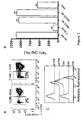
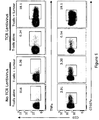
- Cells were gated on lymphocytes (forward versus side scatter), single (forward versus side scatter), and Vivid - CD3 + cells, and for analysis bivariate plots displayed as CD3 Ab versus CFSE.
- the CFSE low cells proliferated T-cells
- MC.7.G5 Prior to performing activation assays, MC.7.G5 was harvested, washed and incubated for 24 h in reduced serum medium as described previously (Wooldridge et al., 2012).
- MC.7G.5 (30,000 per well of a 96 U well plate) was incubated with A549s (60,000 per well) that had been either been left unlabelled, or labelled with 10 ⁇ g/mL of MHC class I (W6/32, BioLegend, San Diego, CA) or MHC Class II (Tu39, BioLegend) antibodies (Abs) for 1 h. Without washing MC.7G.5 was added to the wells to a final volume of 100 ⁇ L, with the clone also incubated alone or with 10 ⁇ g/mL of phytohaemagluttinin (PHA).
- PHA phytohaemagluttinin
- MC.7.G5 was stained with Abs for surface expression of CD3 (Miltenyi Biotec), CD8 (BW135/80, Miltenyi Biotec), CD4 (M-T466, Miltenyi Biotec), ⁇ TCR (11F2, Miltenyi Biotec) and ⁇ TCR (BW242/412, Miltenyi Biotec).
- CD3 Miltenyi Biotec
- CD8 BW135/80, Miltenyi Biotec
- CD4 M-T466, Miltenyi Biotec
- ⁇ TCR 11F2, Miltenyi Biotec
- ⁇ TCR BW242/412, Miltenyi Biotec
- MC.7.G5 does not respond to normal cells.
- Healthy cells and their proprietary culture media were obtained from Sciencell (Carlsbad, CA) and used as target cells in activation and cytotoxicity assays described elsewhere in the materials and methods section.
- SMC3 human colonic smooth muscle
- CIL-1 human non-pigmented ciliary epithelium
- Hep2 human hepatocyte
- MRC-5 lung fibroblast, ATCC ® reference CCL-171 that expresses hTERT in order to delay senescence was also used in the same assays.
- MMLV Murine Moloney Leukaemia Virus
- a TCR- ⁇ constant region-specific reverse primer (C ⁇ -R1, 5'-GAGACCCTCAGGCGGCTGCTC-3', SEQ ID NO: 9, Eurofins Genomics, Ebersberg, Germany) and an anchor-specific forward primer (Clontech) were used in the following PCR reaction: 2.5 ⁇ L template cDNA, 0.25 ⁇ L High Fidelity Phusion Taq polymerase, 10 ⁇ L 5X Phusion buffer, 0.5 ⁇ L DMSO (all from Thermo Fisher Scientific), 1 ⁇ L dNTP (50 mM each, Life Technologies), 1 ⁇ L of each primer (10 ⁇ M), and nuclease-free water for a final reaction volume of 50 ⁇ L.
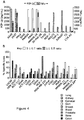
- Clone MC.7.G5 responds to a wide range of tumour targets.
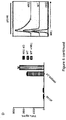
- Activations assays were performed as above and also cytotoxicity assays using either sodium chromate (Chromium 51 ) labelled target cells (Ekeruche-Makinde et al., 2012), or a flow cytometry based long-term killing assay (see elsewhere in the materials and methods section).
- Chromium 51 sodium chromate
- a flow cytometry based long-term killing assay see elsewhere in the materials and methods section.
- chromium release assays each cell line was labelled with 30 ⁇ Ci of Cr 51 (Perkin Elmer, Waltham, MA) per 1 ⁇ 10 6 cells and 2000 target cells used per well (96U well pates) with MC.7.G5 to achieve the desired T-cell to target cell ratios.
- cell line name (ATCC ® reference or ECACC number for background and culture information) / tissue or organ of origin: HEK293T (Foetal kidney, CRL-1573); LnCaP (CRL-1740) / prostate; SiHa (HTB-35) and HeLa (CCL-2) / cervical; MCF7 (HTB-22), MDA-MB-231 (CRM-HTB-26) and T47D (HTB-133) / breast; TK143 (CRL-8303) and U20S (HTB-96) / bone; HCT-116 (CCL-247) / colon; Jurkat (TIB-152), T2 (.174 ⁇ C
- Clone MC.7.G5 shows target specificity via MR1.
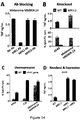
- an activation assay was also performed using an anti-MR1 antibody, Figure 6 and Figure 14 (clone 26.5, BioLegend).
- MC.7.G5 was used in activation assay with A549 and MM909.24 cells that had been targeted with CRISPR/Cas9 technology to ablate expression of the MR1 gene as previously described (Laugel et al, 2016).
- Cell lines were used in activation and chromium release assays as above.
- a full-length codon optimised MR1 gene was generated as lentiviral particles and transduced in to target cells using similar methods (a single gene and no ratCD2 in this case) described below for the MC.7G.5 TCR, to create MR1 overexpressing (high) cell lines.
- MR1 expression was assessed using 10 ⁇ g/mL of the MR1 Ab (as above) and 50,000 cells per stain in 50 ⁇ L of PBS with 2% FBS.
- MR1 knockout in MM909.24 achieved as above described for A549s (6).
- Activation assays were performed as above with the cell lines: MM909.24 wt, MM909.24 MR1 -/- , MM909.24 MR1 High , pt146 wt (B-lymphoblastoid cell line), pt146 MR1 -/- and pt146 MR1 High .
- Clone MC.7.G5 does not stain with tetrameric forms of the MAIT ligand MR1-5-OP-RU or with MR1-Ac-6-FP.
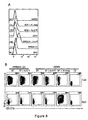
- MC.7.G5 was harvest from culture, washed in PBS + 2% FBS then treated with 50 nM of the protein kinase inhibitor (PKI), Dasatinib (Lissina et al., 2009), then labelled with PE conjugated tetramers assembled with MR1 refolded with either Ac-6-FP or 5-OP-RU, Figures 6 and 14 .
- PKI protein kinase inhibitor
- Dasatinib Dasatinib
- the tetramer stained cells were labelled with unconjugated anti-PE Ab as previously described (Tungatt et al., 2015), followed by Vivid and anti-CD8 Ab.
- a MR1-5-OP-RU reactive MAIT clone was stained in the same manner to act as positive control.
- Cells were gated on size then
- MC.7.G5 was used in an activation assay using targets cells (MM909.24 and A549) that had been pre-incubated with 50 ⁇ g/mL ( Figure 8 ), and 1 , 10 or 100 ⁇ g/mL ( Figure 14 ), of Ac-6FP. Additionally, A549 cells that had been loaded with M.smeg were also used. Target cells that had been left untreated/not loaded were used as negative controls, Figures 8 and 14 . A549s were incubated with M.smeg at an MOI of 100:1 M.smeg to A549s, for 2 h in antibiotic free medium followed by rinsing the cells in the culture flask and then culturing for 2 h in R10.
- MC.7.G5 and a MAIT clone were incubated for 4-5 h in the presence of the TNF processing inhibitor (TAPI)-0 (30 ⁇ M) and anti-CD107a Ab (H4A3, BD) then stained with anti-TNF Ab (cA2, Miltenyi Biotec), anti-CD3 Ab, anti-CD8 Ab and Vivid. Gating on size, single, vivid - CD3 + cells then CD8 + versus CD107a or TNF ⁇ with data acquisition and analysis as above.
- TAPI TNF processing inhibitor
- H4A3, BD anti-CD107a Ab
- anti-TNF Ab cA2, Miltenyi Biotec
- anti-CD3 Ab anti-CD8 Ab
- Vivid. Gating on size, single, vivid - CD3 + cells then CD8 + versus CD107a or TNF ⁇ with data acquisition and analysis as above.
- Each of the target cells was also stained with MR1 Ab post incubation with Ac-6FP or M.smeg at 10 ⁇
- the pELNS vector contains a rat CD2 (rCD2) marker gene separated from the TCR by another self-cleaving 2A sequence.
- Lentiviral particles were generated by calcium chloride transfection of HEK293T cells.
- TCR transfer vectors were co-transfected with packaging and envelope plasmids pMD2.G, pRSV-Rev and pMDLg/pRRE.
- Lentiviral particles were concentrated by ultracentrifugation prior to transduction of CD8 + T-cells using 5 ⁇ g/ml of polybrene, with the CD8 + T-cells purified by magnetic separation (Miltenyi Biotec) from healthy donors ( Figure 9 ) or melanoma patients ( Figure 15 ) 24 h in advance and activated overnight with CD3/CD28 beads (Dynabeads, Life Technologies) at 3:1 bead:T-cell ratio. T-cells that had taken up the virus were selected by enrichment with anti-rCD2 PE Ab (OX-34, BioLegend) followed by anti-PE magnetic beads (Miltenyi Biotec). 14 d post transduction T-cells were expanded with allogeneic feeders.
- MC.7.G5 TCR transduced T-cells were >95% rCD2 + and used for functional analysis ( Figure 16 ).
- Transduced cells were incubated with target cells for 4-5 h in the presence of 30 mM of TAPI-0 CD107a Ab and then stained with Abs for TNF ⁇ , CD3, CD8 and also Vivid. Gating on size, single, vivid - CD3 + cells and then CD8 + versus CD107a or TNF ⁇ .
- the TCR transduced T-cells from patients were also used for chromium release cytotoxicity assays ( Figure 15 ), as described above.
- MR1 monomers were provided by Jamie Rossjohn (Monash University), and pMHC monomers produced in-house. Tetramers were assembled and used for optimized staining as described previously (Tungatt et al (2014)). Data was acquired on a BD FACS Canto II (BD Biosciences) and analysed with FlowJo software (TreeStar).
- MR1 sgRNA and CRISPR/Cas9 lentivirus was produced and used as described previously (Laugel et al (2016)).
- the MR1 transgene was cloned into the second generation pRRL.sin.cppt.pgk-gfp.wpre lentivector backbone developed by Didier Trono's laboratory (Addgene no. 12252) devoid of the human PGK promoter and GFP cDNA, and lentiviral particles produced as described for MR1 sgRNA (Laugel et al (2016)).
- Target cells were spinfected in the presence of 8 ⁇ g/mL polybrene; 500 ⁇ g for 2 hours at 37 °C (Shalem et al (2014)).
- Anti-MR1 antibody PE (clone 26.2, Biolegend) positive cells were magnetically enriched using anti-PE magnetic beads according to manufacturer's instructions (Miltenyi Biotec).
- MC.7.G5 TCR was sequenced in-house using the SMARTer RACE kit (Clontech) and 2-step polymerase chain reaction using universal forward primers and reverse primers specific for TCR- ⁇ and TCR- ⁇ constant regions.
- the TCR was then synthesised with codon optimisation (Genewiz), with full length TCR chains separated by a self-cleaving 2A sequence (Ryan et al 1991).
- the TCR was cloned into the third generation pELNS lentiviral vector (kindly provided by James Riley, University of Pennsylvania) which contains rCD2 separated from the TCR by a second 2A self-cleavage sequence.
- Lentiviral particles were generated by calcium chloride transfection of HEK293T cells and concentrated by ultra-centrifugation.
- Post therapy PBMCs were obtained from TIL patients MM909.11 and MM909.24 and CD8 and CD4 T cells purified by magnetic enrichment (Miltenyi Biotec). T cells were subsequently activated by overnight incubation with CD3/CD28 beads (Dynabeads; Life Technologies) at a 3:1 bead-to-T-cell ratio. T-cells were then transduced with MC.7.G5 TCR in the presence of 5 ⁇ g/mL polybrene (Santa Cruz Biotechnology).
- T cells that had taken up the virus were magnetically enrichment with anti-rCD2 antibody and anti-PE magnetic beads, according to manufacturer's instructions (Miltenyi Biotec). 14 days post transduction, T cells were expanded as described previously (Tungatt et al (2014)). For all functional experiments, transduced T cells were >85% rCD2+ ( Fig 16D ).
- the GeCKOv.2 library consists of 123,411 single guide (sg)RNAs targeting 19,050 protein-coding genes (6 sgRNAs per gene) and 1,864 microRNAs (4 sgRNAs per microRNA) and was used as lentivirus to transduce the target cell line HEK293T. 4 ⁇ 107 HEK-293T cells were transduced with an MOI of 0.4 to provide 100X coverage of each sublibrary. Cells that had taken up the lentivirus were selected under puromycin.
- MC.7.G5 was added to remaining transduced HEK-293T cells at a T-cell to HEK293T ratio of 0.25:1 in 20 IU IL-2 media. After 14 days, MC.7.G5 was added again at a 0.5:1 ratio. After 7 days the HEK293T cells were used for sequencing. Genomic DNA from 3 ⁇ 107 of HEK-293T cells (unselected control and selected with MC.7.G5) was isolated (GenElute Mammalian Genomic DNA Miniprep Kit, Sigma Aldrich). The entirety of isolated genomic DNA (2.5 ⁇ g per 50 ⁇ l reaction) was used for subsequent PCR, to ensure capturing the full representation of the libraries.
- the two step PCR was performed as described before (Shalem et al (2014)), using HPLC purified primers and NEBNext High Fidelity PCR MasterMix (New England BioLabs).
- the ⁇ 300 bp PCR products were subsequently isolated from the agarose gel and sequenced on HiSeq instrument (Illumina), with 80 cycles of read 1 (to determine the sequence of sgRNAs) and 8 cycles of read 2 (to identify sample-specific barcode). Analysis of enriched guides was performed using MAGeCK analysis (Li et al (2014)).
- MC.7.G5 clone added to give five T-cells per target cell (experimental wells).
- the cells were co-cultured in 200 ⁇ L of target cell media supplemented with 20 IU of IL-2 and 25 ng/mL of IL-15.
- Targets cells (control wells), MC.7.G5 and CSFE CIRs were also cultured alone to aid analysis. The cells were incubated for 48 hours.
- the number of MC.7.G5 was titrated relative to the target cells and incubated for 7 days.
- the ovarian cancer cell line A2780 (ECACC 93112519) was also used. Prior to harvest, 0.1 ⁇ 10 6 CFSE labelled (0.1 ⁇ M) CIR cells were added to each well to allow the number of target cells that remained in experimental and control wells to be established.
- the cells were washed three times with chilled D-PBS supplemented with 2 mM EDTA then stained in the assay plates with Fixable Live/Dead Violet Dye (Life Technologies) then CD3 PerCP (clone UCHT1, BioLegend) and/or anti-TRBV25.1 APC TCR (TRBV11 Arden nomenclature: catalogue A66905, Beckman Coulter) Abs to allow dead cells and T-cells to be gated-out leaving viable target cells for analyses.
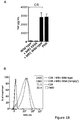
- CIR cells were transduced with MR1 carrying the K43A mutation (R. Reantragoon et al) as for wild-type MR1.
- Activation assays and flow cytometry were performed as described elsewhere in the material and methods section.
- RFX, RFXANK and RFXAP are essential components of the protein complex responsible for transactivating ⁇ 2M, MHCl and MHCII promoters.
- ⁇ 2M and MR1 unite to form a non-polymorphic stable antigen-presenting molecule known to activate MAITs and other MR1-restricted T-cells these data strongly suggested that the MC.7.G5 T-cell recognized cancer targets via the invariant MR1 molecule. Accordingly, MR1 antibody, but not MHCl or MHCII antibodies, blocked target cell recognition by MC.7.G5 ( Fig 14A ).
- MR1 is known to present intermediates in riboflavin synthesis at the cell surface to MAIT cells and is not believed to be expressed at the cell surface without a bound cargo.
- MC.7.G5 did not stain with tetramers composed of MR1 containing the K43A mutation that allows MR1 refolding without bound ligand.
- the MR1-dependent recognition of cancer cells suggested that MC.7.G5 might recognize an MR1-bound metabolite that was specifically expressed or upregulated in malignant cells.
- MC.7.G5 did not stain with tetramers assembled with MR1 presenting microbial derived T cell activator 5-OP-RU.
- TCR sequencing of MC.7.G5 revealed a novel TCR comprised of a TRAV38.2/DV8 TRAJ31 ⁇ -chain paired with a TRBV25.1 TRBJ2.3 ⁇ -chain.
- MR1 is an attractive target for cancer immunotherapy due to its non-polymorphic, ubiquitously expressed nature. Recent advances in MR1 tetramers and ligand discoveries have progressed knowledge in this area but there is still much to be discovered. Here we confirmed cancer cell recognition by a T-cell clone that responded to multiple cancer cell lines from diverse tissue types.
- MR1 validation experiments showed that activation of MC.7.G5 by A549 cells could be blocked by MR1 antibody and the clone did not respond to MR1 knockout A549 cell created by our laboratory (Laugel et al 2012) or a CRISPR/Cas9-mediate MR1 knockout of the melanoma target MM9909.24.
- MC.7.G5 responded to most cancer cell lines but did not respond to primary (non-tumour) cells. Recognition of target cancer cells by MC.7.G5 required the expression of MR1.
- MR1 The only polymorphism in MR1 is silent (Parra-Cuadrado et al 2000) such that MR1-restricted TCRs can respond to the cells from any individual in the population. This makes MR1 a particularly attractive candidate for adoptive cell therapy approaches as a single product could be used in all patients (Guo et al 2015).
- the MC.7.G5 TCR enables T-cells to recognise a wide range of tumours. Recognition occurs via population invariant molecule MR1.
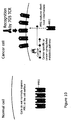
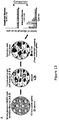
- MR1 is not normally expressed on the cell surface in the absence of a ligand in its binding groove (Chua et al. 2011). Expression of a ligand that binds to MR1 allows the molecule to traffic to the cell surface to present this ligand ( Figure 10 ). Addition of known MR1 ligands reduces tumour recognition by the MC.7.G5 T-cell clone and suggests that the MC.7.G5 recognises a cancer-cell specific ligand in the context of MR1 ( Figure 11 ) (i.e.
- This invention centres around the TCR identified in T-cell clone MC.7.G5.
- This TCR recognises a wide range of cancer cells through the conserved MHC related (MR) 1 protein. This TCR does not recognise non-tumour cells.
- CRISPR/Cas9 knockout of MR1 from tumour lines or blocking with anti-MR1 antibody removes TCR recognition.
- Incubation with known MR1-binding ligands reduces TCR recognition suggesting that the T-cell receptor (TCR) ligand is a cancer-specific metabolite that sits or is presented to the TCR in the MR1 binding groove.
- the MC.7.G5 TCR can be used in a variety of different cancer immunotherapy strategies.
- the broad tumour recognition and human leukocyte antigen (HLA)-independence of recognition unlocks exciting possibilities for pan-cancer, pan-population immunotherapies using this TCR.
Landscapes
- Health & Medical Sciences (AREA)
- Life Sciences & Earth Sciences (AREA)
- General Health & Medical Sciences (AREA)
- Chemical & Material Sciences (AREA)
- Animal Behavior & Ethology (AREA)
- Public Health (AREA)
- Veterinary Medicine (AREA)
- Immunology (AREA)
- Epidemiology (AREA)
- Medicinal Chemistry (AREA)
- Organic Chemistry (AREA)
- Zoology (AREA)
- Proteomics, Peptides & Aminoacids (AREA)
- Gastroenterology & Hepatology (AREA)
- Engineering & Computer Science (AREA)
- Genetics & Genomics (AREA)
- Pharmacology & Pharmacy (AREA)
- Bioinformatics & Cheminformatics (AREA)
- Biochemistry (AREA)
- Cell Biology (AREA)
- Toxicology (AREA)
- Molecular Biology (AREA)
- Biophysics (AREA)
- Wood Science & Technology (AREA)
- Virology (AREA)
- Biomedical Technology (AREA)
- Biotechnology (AREA)
- Microbiology (AREA)
- General Engineering & Computer Science (AREA)
- General Chemical & Material Sciences (AREA)
- Nuclear Medicine, Radiotherapy & Molecular Imaging (AREA)
- Chemical Kinetics & Catalysis (AREA)
- Medicines Containing Material From Animals Or Micro-Organisms (AREA)
- Medicines That Contain Protein Lipid Enzymes And Other Medicines (AREA)
- Peptides Or Proteins (AREA)
- Medicines Containing Antibodies Or Antigens For Use As Internal Diagnostic Agents (AREA)
- Hematology (AREA)
- Developmental Biology & Embryology (AREA)
- Micro-Organisms Or Cultivation Processes Thereof (AREA)
Claims (19)
- Récepteur des cellules T spécifique de tumeur (TCR) ayant une chaîne α et une chaîne β et caractérisé en ce qu'il a des régions déterminant la complémentarité comprenant, ou en étant constituées, les séquences d'acides aminés CAYRSAVNARLMF (SEQ ID NO: 1) ou une séquence qui partage une identité d'au moins 88 % avec celle-ci en tant que CDR3α ; et CASSEARGLAEFTDTQYF (SEQ ID NO: 2) ou une séquence qui partage une identité d'au moins 88 % avec celle-ci en tant que CDR3β.
- Récepteur des cellules T spécifique de tumeur (TCR) selon la revendication 1, ledit TCR comprenant une ou plusieurs, y compris toute combinaison, des séquences suivantes de régions déterminant la complémentarité :TSESDYY (SEQ ID NO: 3) en tant que CDR1α ;ATEN (SEQ ID NO: 4) en tant que CDR2α ;MGHDK (SEQ ID NO: 5) en tant que CDR1β ; etSYGVNS (SEQ ID NO: 6) en tant que CDR2β.
- Récepteur des cellules T spécifique de tumeur (TCR) selon la revendication 1 ayant une chaîne α et une chaîne β et caractérisé en ce qu'il a des régions déterminant la complémentarité comprenant, ou en étant constituées, les séquences d'acides aminés : CAYRSAVNARLMF (SEQ ID NO: 1) ou une séquence qui partage une identité d'au moins 88 % avec celle-ci en tant que CDR3α, CASSEARGLAEFTDTQYF (SEQ ID NO: 2) ou une séquence qui partage une identité d'au moins 88 % avec celle-ci en tant que CDR3β, TSESDYY (SEQ ID NO: 3) en tant que CDR1α, ATEN (SEQ ID NO: 4) en tant que CDR2α ; MGHDK (SEQ ID NO: 5) en tant que CDR1β ; et SYGVNS (SEQ ID NO: 6) en tant que CDR2β.
- Récepteur des cellules T spécifique de tumeur (TCR) selon la revendication 3 ayant une chaîne α et une chaîne β et caractérisé en ce qu'il a des régions déterminant la complémentarité comprenant, ou en étant constituées, les séquences d'acides aminés : CAYRSAVNARLMF (SEQ ID NO: 1) en tant que CDR3α, CASSEARGLAEFTDTQYF (SEQ ID NO: 2) en tant que CDR3β, TSESDYY (SEQ ID NO: 3) en tant que CDR1α, ATEN (SEQ ID NO: 4) en tant que CDR2α, MGHDK (SEQ ID NO: 5) en tant que CDR1β ; et SYGVNS (SEQ ID NO: 6) en tant que CDR2β.
- Récepteur des cellules T spécifique de tumeur (TCR) selon l'une quelconque des revendications 1 à 4, ledit TCR n'étant pas un TCR exprimé par une cellule T invariante associée aux muqueuses (cellule MAIT) ou associé à celles-ci.
- Récepteur des cellules T spécifique de tumeur (TCR) selon l'une quelconque des revendications 1 à 5, ledit TCR ayant une chaîne α comprenant, ou en étant constitué, la séquence d'acides aminés :
AQTVTQSQPEMSVQEAETVTLSCTYD TSESDYY LFWYKQPPSRQMILVIR QEAYKQQN ATEN RFSVNFQKAAKSFSLKISDSQLGDAAMYF CAYRSAVNA RLMF GDGTQLWKPNIQNPDPAVYQLRDSKSSDKSVCLFTDFDSQTNVSQ SKDSDVYITDKCVLDMRSMDFKSNSAVAWSNKSDFACANAFNNSIIPEDT FFPSPESS (SEQ ID NO: 7), ou une séquence qui partage une identité d'au moins 88 % avec celle-ci. - Récepteur des cellules T spécifique de tumeur (TCR) selon l'une quelconque des revendications 1 à 6, ledit TCR ayant une chaîne β comprenant, ou en étant constitué, la séquence d'acides aminés :
EADIYQTPRYLVIGTGKKITLECSQT MGHDK MYWYQQDPGMELHLIHY SYGVNS TEKGDLSSESTVSRIRTEHFPLTLESARPSHTSQYL CASSEARGLAEFTDTQYF GPGTRLTVLEDLKNVFPPEVAVFEPSEAEISHTQKATLVCLATGFYPDHVELSWWVNGKEVHSGVCTDPQPLKEQPALNDSRYALSSRLRVSATFWQDPRNHFRCQVQFYGLSENDEWTQDRAKPVTQIVSAEAWGRAD (SEQ ID NO: 8), ou une séquence qui partage une identité d'au moins 88 % avec celle-ci. - Récepteur des cellules T spécifique de tumeur (TCR) selon l'une quelconque des revendications 1 à 7, ledit TCR se présentant sous une forme soluble.
- Récepteur des cellules T spécifique de tumeur (TCR) selon l'une quelconque des revendications 1 à 7, ledit TCR étant sous une forme compatible avec la membrane et a une région transmembranaire et une région intracellulaire.
- Récepteur des cellules T spécifique de tumeur (TCR) selon l'une quelconque des revendications 1 à 9, ledit TCR étant restreint par MR1.
- Cellule T exprimant ledit TCR selon l'une quelconque des revendications 1 à 10.
- Clone de cellule T exprimant ledit TCR selon l'une quelconque des revendications 1 à 10.
- Clone de cellule T selon la revendication 12, ledit clone exprimant un TCR ayant une chaîne α comprenant la séquence d'acides aminés de SEQ ID NO: 7 ou une séquence qui partage une identité d'au moins 98 % avec celle-ci et comprenant des CDR ayant les séquences de SEQ ID NO: 1 en tant que CDR3α, SEQ ID NO: 3 en tant que CDR1α et SEQ ID NO: 4 en tant que CDR2α et ayant une chaîne β comprenant la séquence d'acides aminés de SEQ ID NO: 8 ou une séquence qui partage une identité d'au moins 98 % avec celle-ci et comprenant des CDR ayant les séquences SEQ ID NO: 2 en tant que CDR3β, SEQ ID NO: 5 en tant que CDR1β et SEQ ID NO: 6 en tant que CDR2β.
- Vecteur codant pour le TCR selon l'une quelconque des revendications 1 à 10.
- Anticorps monoclonal bispécifique comprenant un TCR selon l'une quelconque des revendications 1 à 10 et un composant ou un ligand d'activation des cellules immunitaires, qui se lie à une cellule immunitaire, telle qu'une cellule T tueuse, et ainsi active celle-ci.
- Composition pharmaceutique comprenant ledit TCR selon l'une quelconque des revendications 1 à 10 ou ladite cellule selon la revendication 11 ou ledit clone selon les revendications 12 ou 13 ou ledit vecteur selon la revendication 14.
- TCR selon l'une quelconque des revendications 1 à 10 ou ladite cellule selon la revendication 11 ou ledit clone selon les revendications 12 ou 13 ou ledit vecteur selon la revendication 14 ou ledit anticorps monoclonal bispécifique selon la revendication 15 ou ladite composition pharmaceutique selon la revendication 16 pour une utilisation dans le traitement d'un cancer.
- TCR, cellule, clone, vecteur, anticorps monoclonal bispécifique ou composition pharmaceutique pour une utilisation dans le traitement d'un cancer selon la revendication 17, ledit cancer étant choisi dans le groupe consistant en les cancers colorectal, du poumon, du rein, de la prostate, du col de l'utérus, mélanome (peau), des os, des ovaires, du sein et du sang.
- Traitement en association pour le traitement d'un cancer comprenant :a) ledit TCR selon les revendications 1 à 10 ou ladite cellule selon la revendication 11 ou ledit clone selon les revendications 12 ou 13 ou ledit vecteur selon la revendication 14 ou ledit anticorps monoclonal bispécifique selon la revendication 15 ou ladite composition pharmaceutique selon la revendication 16, en association avecb) un autre agent thérapeutique contre le cancer.
Priority Applications (2)
| Application Number | Priority Date | Filing Date | Title |
|---|---|---|---|
| PL18795783T PL3700925T3 (pl) | 2017-10-26 | 2018-10-22 | Nowatorski receptor komórek t |
| EP21214567.6A EP4039700A1 (fr) | 2017-10-26 | 2018-10-22 | Nouveau récepteur des lymphocytes t |
Applications Claiming Priority (3)
| Application Number | Priority Date | Filing Date | Title |
|---|---|---|---|
| GBGB1717578.7A GB201717578D0 (en) | 2017-10-26 | 2017-10-26 | Novel T-cell receptor |
| GBGB1806155.6A GB201806155D0 (en) | 2017-10-26 | 2018-04-16 | Novel t-cell receptor |
| PCT/GB2018/053045 WO2019081902A1 (fr) | 2017-10-26 | 2018-10-22 | Nouveau récepteur des lymphocytes t |
Related Child Applications (2)
| Application Number | Title | Priority Date | Filing Date |
|---|---|---|---|
| EP21214567.6A Division EP4039700A1 (fr) | 2017-10-26 | 2018-10-22 | Nouveau récepteur des lymphocytes t |
| EP21214567.6A Division-Into EP4039700A1 (fr) | 2017-10-26 | 2018-10-22 | Nouveau récepteur des lymphocytes t |
Publications (3)
| Publication Number | Publication Date |
|---|---|
| EP3700925A1 EP3700925A1 (fr) | 2020-09-02 |
| EP3700925B1 true EP3700925B1 (fr) | 2021-12-29 |
| EP3700925B8 EP3700925B8 (fr) | 2022-02-16 |
Family
ID=60580240
Family Applications (2)
| Application Number | Title | Priority Date | Filing Date |
|---|---|---|---|
| EP18795783.2A Active EP3700925B8 (fr) | 2017-10-26 | 2018-10-22 | Nouveau récepteur des lymphocytes t |
| EP21214567.6A Withdrawn EP4039700A1 (fr) | 2017-10-26 | 2018-10-22 | Nouveau récepteur des lymphocytes t |
Family Applications After (1)
| Application Number | Title | Priority Date | Filing Date |
|---|---|---|---|
| EP21214567.6A Withdrawn EP4039700A1 (fr) | 2017-10-26 | 2018-10-22 | Nouveau récepteur des lymphocytes t |
Country Status (17)
| Country | Link |
|---|---|
| US (2) | US11725039B2 (fr) |
| EP (2) | EP3700925B8 (fr) |
| JP (1) | JP7289311B2 (fr) |
| KR (1) | KR20200078497A (fr) |
| CN (1) | CN111278855B (fr) |
| AU (2) | AU2018356944A1 (fr) |
| BR (1) | BR112020007880A2 (fr) |
| CA (1) | CA3077635A1 (fr) |
| DK (1) | DK3700925T3 (fr) |
| EA (1) | EA202091015A1 (fr) |
| ES (1) | ES2907819T3 (fr) |
| GB (2) | GB201717578D0 (fr) |
| IL (1) | IL274025A (fr) |
| MX (1) | MX2020004334A (fr) |
| PL (1) | PL3700925T3 (fr) |
| SG (1) | SG11202002537WA (fr) |
| WO (1) | WO2019081902A1 (fr) |
Families Citing this family (13)
| Publication number | Priority date | Publication date | Assignee | Title |
|---|---|---|---|---|
| GB201717578D0 (en) * | 2017-10-26 | 2017-12-13 | Univ College Cardiff Consultants Ltd | Novel T-cell receptor |
| KR20220147583A (ko) * | 2020-01-09 | 2022-11-03 | 바이오뮤넥스 파마슈티컬스 | Mait 및 종양 세포 둘 모두에 결합하는 다중특이적 항체 |
| EP4090969A1 (fr) * | 2020-01-16 | 2022-11-23 | Universität Basel | Ligands mr1 et compositions pharmaceutiques pour immunomodulation |
| WO2021250511A1 (fr) * | 2020-06-10 | 2021-12-16 | 주식회사 유틸렉스 | Récepteur de lymphocytes t se liant à mr1 et son utilisation |
| WO2022099297A1 (fr) * | 2020-11-04 | 2022-05-12 | Fate Therapeutics, Inc. | Cellules effectrices immunes et cellules ips modifiées multiplexées ciblant des tumeurs solides |
| WO2022118043A1 (fr) | 2020-12-03 | 2022-06-09 | Enara Bio Limited | Nouveau complexe protéine-ligand |
| WO2022244876A1 (fr) * | 2021-05-20 | 2022-11-24 | 慶應義塾 | Agent antitumoral |
| WO2022248881A1 (fr) | 2021-05-28 | 2022-12-01 | Enara Bio Limited | Nouveau complexe protéine-ligand |
| EP4370541A1 (fr) | 2021-07-14 | 2024-05-22 | 2seventy bio, Inc. | Récepteurs de lymphocytes t modifiés fusionnés à des domaines de liaison d'anticorps |
| WO2023002204A1 (fr) | 2021-07-21 | 2023-01-26 | Enara Bio Limited | Récepteur de lymphocytes t |
| KR20230088292A (ko) * | 2021-12-10 | 2023-06-19 | 주식회사 유틸렉스 | MR1 제한적 Panck T 세포 및 이의 제조방법 |
| EP4472742A1 (fr) * | 2022-02-03 | 2024-12-11 | University College Cardiff Consultants Limited | Nouveau récepteur des lymphocytes t |
| AU2023248532A1 (en) | 2022-04-08 | 2024-11-21 | Regeneron Pharmaceuticals, Inc. | Multipartite receptor and signaling complexes |
Family Cites Families (4)
| Publication number | Priority date | Publication date | Assignee | Title |
|---|---|---|---|---|
| TWI714869B (zh) * | 2013-08-05 | 2021-01-01 | 德商伊瑪提克斯生物科技有限公司 | 新穎肽類,細胞及其用於治療多種腫瘤的用途,其製造方法及包含其等之醫藥組成物 |
| EP3572510B1 (fr) | 2013-11-21 | 2022-09-21 | Repertoire Genesis Incorporation | Système d'analyse des répertoires des récepteurs des lymphocytes t et des lymphocytes b et leur utilisation dans le traitement et le diagnostic |
| AU2018231405B2 (en) * | 2017-03-07 | 2024-02-08 | Universität Basel | MR1 restricted T cell receptors for cancer immunotherapy |
| GB201717578D0 (en) * | 2017-10-26 | 2017-12-13 | Univ College Cardiff Consultants Ltd | Novel T-cell receptor |
-
2017
- 2017-10-26 GB GBGB1717578.7A patent/GB201717578D0/en not_active Ceased
-
2018
- 2018-04-16 GB GBGB1806155.6A patent/GB201806155D0/en not_active Ceased
- 2018-10-22 ES ES18795783T patent/ES2907819T3/es active Active
- 2018-10-22 EP EP18795783.2A patent/EP3700925B8/fr active Active
- 2018-10-22 WO PCT/GB2018/053045 patent/WO2019081902A1/fr not_active Ceased
- 2018-10-22 MX MX2020004334A patent/MX2020004334A/es unknown
- 2018-10-22 CN CN201880069546.9A patent/CN111278855B/zh not_active Expired - Fee Related
- 2018-10-22 EP EP21214567.6A patent/EP4039700A1/fr not_active Withdrawn
- 2018-10-22 EA EA202091015A patent/EA202091015A1/ru unknown
- 2018-10-22 JP JP2020543406A patent/JP7289311B2/ja active Active
- 2018-10-22 KR KR1020207011102A patent/KR20200078497A/ko not_active Ceased
- 2018-10-22 DK DK18795783.2T patent/DK3700925T3/da active
- 2018-10-22 SG SG11202002537WA patent/SG11202002537WA/en unknown
- 2018-10-22 CA CA3077635A patent/CA3077635A1/fr active Pending
- 2018-10-22 PL PL18795783T patent/PL3700925T3/pl unknown
- 2018-10-22 BR BR112020007880-8A patent/BR112020007880A2/pt not_active IP Right Cessation
- 2018-10-22 AU AU2018356944A patent/AU2018356944A1/en not_active Abandoned
-
2020
- 2020-04-19 IL IL274025A patent/IL274025A/en unknown
- 2020-04-24 US US16/858,082 patent/US11725039B2/en active Active
-
2021
- 2021-01-20 US US17/153,329 patent/US11078252B2/en active Active
-
2024
- 2024-04-26 AU AU2024202735A patent/AU2024202735A1/en not_active Abandoned
Also Published As
| Publication number | Publication date |
|---|---|
| PL3700925T3 (pl) | 2022-05-02 |
| GB201806155D0 (en) | 2018-05-30 |
| US20210147506A1 (en) | 2021-05-20 |
| SG11202002537WA (en) | 2020-05-28 |
| AU2018356944A1 (en) | 2020-04-16 |
| AU2024202735A1 (en) | 2024-05-30 |
| JP7289311B2 (ja) | 2023-06-09 |
| US20200369742A1 (en) | 2020-11-26 |
| CA3077635A1 (fr) | 2019-05-02 |
| CN111278855B (zh) | 2024-04-02 |
| IL274025A (en) | 2020-06-30 |
| US11725039B2 (en) | 2023-08-15 |
| MX2020004334A (es) | 2020-08-03 |
| EP4039700A1 (fr) | 2022-08-10 |
| ES2907819T3 (es) | 2022-04-26 |
| GB201717578D0 (en) | 2017-12-13 |
| WO2019081902A1 (fr) | 2019-05-02 |
| JP2021500406A (ja) | 2021-01-07 |
| EP3700925B8 (fr) | 2022-02-16 |
| EA202091015A1 (ru) | 2020-07-17 |
| DK3700925T3 (en) | 2022-04-04 |
| BR112020007880A2 (pt) | 2020-10-27 |
| KR20200078497A (ko) | 2020-07-01 |
| US11078252B2 (en) | 2021-08-03 |
| CN111278855A (zh) | 2020-06-12 |
| EP3700925A1 (fr) | 2020-09-02 |
Similar Documents
| Publication | Publication Date | Title |
|---|---|---|
| US11078252B2 (en) | T-cell receptor | |
| Klebanoff et al. | T cell receptor therapeutics: immunological targeting of the intracellular cancer proteome | |
| US10626160B2 (en) | Transfected T-cells and T-cell receptors for use in immunotherapy against cancers | |
| CN115058395B (zh) | 嵌合抗原受体(car)、组合物及其使用方法 | |
| CA2997749A1 (fr) | Tcr specifiques de ny-eso-1 et leurs methodes d'utilisation | |
| CA3056542A1 (fr) | Procede | |
| CN113195527A (zh) | Tcr和肽 | |
| Chervin et al. | Design of T-cell receptor libraries with diverse binding properties to examine adoptive T-cell responses | |
| CN111372944A (zh) | 新型γδT细胞受体和其配体 | |
| EP4651887A1 (fr) | Récepteurs de lymphocytes t | |
| US12479903B2 (en) | CD5 specific T cell receptor cell or gene therapy | |
| HK40034405A (en) | Novel t-cell receptor | |
| HK40034405B (en) | Novel t-cell receptor | |
| EA045252B1 (ru) | Новый т-клеточный рецептор | |
| EP4472742A1 (fr) | Nouveau récepteur des lymphocytes t | |
| HK40099489A (en) | Transfected t-cells and t-cell receptors for use in immunotherapy against cancers | |
| Wheeler | Identifying a novel γδ T-cell stress ligand: Potential for cancer immunotherapy | |
| WO2024222701A1 (fr) | Récepteur de lymphocytes t et son utilisation | |
| JP2023550154A (ja) | サイトケラチンに対する抗腫瘍応答 | |
| Blaeschke | Generation of Ewing's sarcoma antigens CHM1-and EZH2-selective and HLA-A* 0201-restricted T-cell receptor transgenic T cells |
Legal Events
| Date | Code | Title | Description |
|---|---|---|---|
| STAA | Information on the status of an ep patent application or granted ep patent |
Free format text: STATUS: UNKNOWN |
|
| STAA | Information on the status of an ep patent application or granted ep patent |
Free format text: STATUS: THE INTERNATIONAL PUBLICATION HAS BEEN MADE |
|
| PUAI | Public reference made under article 153(3) epc to a published international application that has entered the european phase |
Free format text: ORIGINAL CODE: 0009012 |
|
| STAA | Information on the status of an ep patent application or granted ep patent |
Free format text: STATUS: REQUEST FOR EXAMINATION WAS MADE |
|
| 17P | Request for examination filed |
Effective date: 20200519 |
|
| AK | Designated contracting states |
Kind code of ref document: A1 Designated state(s): AL AT BE BG CH CY CZ DE DK EE ES FI FR GB GR HR HU IE IS IT LI LT LU LV MC MK MT NL NO PL PT RO RS SE SI SK SM TR |
|
| AX | Request for extension of the european patent |
Extension state: BA ME |
|
| DAV | Request for validation of the european patent (deleted) | ||
| DAX | Request for extension of the european patent (deleted) | ||
| STAA | Information on the status of an ep patent application or granted ep patent |
Free format text: STATUS: EXAMINATION IS IN PROGRESS |
|
| REG | Reference to a national code |
Ref country code: HK Ref legal event code: DE Ref document number: 40034405 Country of ref document: HK |
|
| 17Q | First examination report despatched |
Effective date: 20210331 |
|
| REG | Reference to a national code |
Ref country code: DE Ref legal event code: R079 Ref document number: 602018028892 Country of ref document: DE Free format text: PREVIOUS MAIN CLASS: C07K0014725000 Ipc: A61K0038000000 |
|
| GRAP | Despatch of communication of intention to grant a patent |
Free format text: ORIGINAL CODE: EPIDOSNIGR1 |
|
| STAA | Information on the status of an ep patent application or granted ep patent |
Free format text: STATUS: GRANT OF PATENT IS INTENDED |
|
| RIC1 | Information provided on ipc code assigned before grant |
Ipc: A61K 38/00 20060101AFI20210625BHEP Ipc: C07K 14/725 20060101ALI20210625BHEP Ipc: A61K 38/17 20060101ALI20210625BHEP |
|
| INTG | Intention to grant announced |
Effective date: 20210722 |
|
| GRAS | Grant fee paid |
Free format text: ORIGINAL CODE: EPIDOSNIGR3 |
|
| GRAA | (expected) grant |
Free format text: ORIGINAL CODE: 0009210 |
|
| STAA | Information on the status of an ep patent application or granted ep patent |
Free format text: STATUS: THE PATENT HAS BEEN GRANTED |
|
| GRAT | Correction requested after decision to grant or after decision to maintain patent in amended form |
Free format text: ORIGINAL CODE: EPIDOSNCDEC |
|
| AK | Designated contracting states |
Kind code of ref document: B1 Designated state(s): AL AT BE BG CH CY CZ DE DK EE ES FI FR GB GR HR HU IE IS IT LI LT LU LV MC MK MT NL NO PL PT RO RS SE SI SK SM TR |
|
| REG | Reference to a national code |
Ref country code: GB Ref legal event code: FG4D |
|
| REG | Reference to a national code |
Ref country code: CH Ref legal event code: EP |
|
| REG | Reference to a national code |
Ref country code: AT Ref legal event code: REF Ref document number: 1458184 Country of ref document: AT Kind code of ref document: T Effective date: 20220115 |
|
| REG | Reference to a national code |
Ref country code: IE Ref legal event code: FG4D |
|
| REG | Reference to a national code |
Ref country code: DE Ref legal event code: R096 Ref document number: 602018028892 Country of ref document: DE |
|
| RAP4 | Party data changed (patent owner data changed or rights of a patent transferred) |
Owner name: UNIVERSITY COLLEGE CARDIFF CONSULTANTS LTD |
|
| REG | Reference to a national code |
Ref country code: CH Ref legal event code: PK Free format text: BERICHTIGUNG B8 |
|
| RAP4 | Party data changed (patent owner data changed or rights of a patent transferred) |
Owner name: UNIVERSITY COLLEGE CARDIFF CONSULTANTS LTD |
|
| REG | Reference to a national code |
Ref country code: NL Ref legal event code: FP |
|
| REG | Reference to a national code |
Ref country code: FI Ref legal event code: FGE |
|
| REG | Reference to a national code |
Ref country code: DK Ref legal event code: T3 Effective date: 20220329 Ref country code: NO Ref legal event code: T2 Effective date: 20211229 |
|
| REG | Reference to a national code |
Ref country code: LT Ref legal event code: MG9D |
|
| REG | Reference to a national code |
Ref country code: SE Ref legal event code: TRGR |
|
| REG | Reference to a national code |
Ref country code: ES Ref legal event code: FG2A Ref document number: 2907819 Country of ref document: ES Kind code of ref document: T3 Effective date: 20220426 |
|
| PG25 | Lapsed in a contracting state [announced via postgrant information from national office to epo] |
Ref country code: RS Free format text: LAPSE BECAUSE OF FAILURE TO SUBMIT A TRANSLATION OF THE DESCRIPTION OR TO PAY THE FEE WITHIN THE PRESCRIBED TIME-LIMIT Effective date: 20211229 Ref country code: LT Free format text: LAPSE BECAUSE OF FAILURE TO SUBMIT A TRANSLATION OF THE DESCRIPTION OR TO PAY THE FEE WITHIN THE PRESCRIBED TIME-LIMIT Effective date: 20211229 Ref country code: BG Free format text: LAPSE BECAUSE OF FAILURE TO SUBMIT A TRANSLATION OF THE DESCRIPTION OR TO PAY THE FEE WITHIN THE PRESCRIBED TIME-LIMIT Effective date: 20220329 |
|
| PG25 | Lapsed in a contracting state [announced via postgrant information from national office to epo] |
Ref country code: SK Free format text: LAPSE BECAUSE OF FAILURE TO SUBMIT A TRANSLATION OF THE DESCRIPTION OR TO PAY THE FEE WITHIN THE PRESCRIBED TIME-LIMIT Effective date: 20211229 Ref country code: LV Free format text: LAPSE BECAUSE OF FAILURE TO SUBMIT A TRANSLATION OF THE DESCRIPTION OR TO PAY THE FEE WITHIN THE PRESCRIBED TIME-LIMIT Effective date: 20211229 Ref country code: HR Free format text: LAPSE BECAUSE OF FAILURE TO SUBMIT A TRANSLATION OF THE DESCRIPTION OR TO PAY THE FEE WITHIN THE PRESCRIBED TIME-LIMIT Effective date: 20211229 Ref country code: GR Free format text: LAPSE BECAUSE OF FAILURE TO SUBMIT A TRANSLATION OF THE DESCRIPTION OR TO PAY THE FEE WITHIN THE PRESCRIBED TIME-LIMIT Effective date: 20220330 |
|
| PG25 | Lapsed in a contracting state [announced via postgrant information from national office to epo] |
Ref country code: SM Free format text: LAPSE BECAUSE OF FAILURE TO SUBMIT A TRANSLATION OF THE DESCRIPTION OR TO PAY THE FEE WITHIN THE PRESCRIBED TIME-LIMIT Effective date: 20211229 Ref country code: RO Free format text: LAPSE BECAUSE OF FAILURE TO SUBMIT A TRANSLATION OF THE DESCRIPTION OR TO PAY THE FEE WITHIN THE PRESCRIBED TIME-LIMIT Effective date: 20211229 Ref country code: PT Free format text: LAPSE BECAUSE OF FAILURE TO SUBMIT A TRANSLATION OF THE DESCRIPTION OR TO PAY THE FEE WITHIN THE PRESCRIBED TIME-LIMIT Effective date: 20220429 Ref country code: EE Free format text: LAPSE BECAUSE OF FAILURE TO SUBMIT A TRANSLATION OF THE DESCRIPTION OR TO PAY THE FEE WITHIN THE PRESCRIBED TIME-LIMIT Effective date: 20211229 Ref country code: CZ Free format text: LAPSE BECAUSE OF FAILURE TO SUBMIT A TRANSLATION OF THE DESCRIPTION OR TO PAY THE FEE WITHIN THE PRESCRIBED TIME-LIMIT Effective date: 20211229 |
|
| PG25 | Lapsed in a contracting state [announced via postgrant information from national office to epo] |
Ref country code: IS Free format text: LAPSE BECAUSE OF FAILURE TO SUBMIT A TRANSLATION OF THE DESCRIPTION OR TO PAY THE FEE WITHIN THE PRESCRIBED TIME-LIMIT Effective date: 20220429 |
|
| REG | Reference to a national code |
Ref country code: DE Ref legal event code: R097 Ref document number: 602018028892 Country of ref document: DE |
|
| PG25 | Lapsed in a contracting state [announced via postgrant information from national office to epo] |
Ref country code: AL Free format text: LAPSE BECAUSE OF FAILURE TO SUBMIT A TRANSLATION OF THE DESCRIPTION OR TO PAY THE FEE WITHIN THE PRESCRIBED TIME-LIMIT Effective date: 20211229 |
|
| PLBE | No opposition filed within time limit |
Free format text: ORIGINAL CODE: 0009261 |
|
| STAA | Information on the status of an ep patent application or granted ep patent |
Free format text: STATUS: NO OPPOSITION FILED WITHIN TIME LIMIT |
|
| 26N | No opposition filed |
Effective date: 20220930 |
|
| PG25 | Lapsed in a contracting state [announced via postgrant information from national office to epo] |
Ref country code: SI Free format text: LAPSE BECAUSE OF FAILURE TO SUBMIT A TRANSLATION OF THE DESCRIPTION OR TO PAY THE FEE WITHIN THE PRESCRIBED TIME-LIMIT Effective date: 20211229 |
|
| PG25 | Lapsed in a contracting state [announced via postgrant information from national office to epo] |
Ref country code: MC Free format text: LAPSE BECAUSE OF FAILURE TO SUBMIT A TRANSLATION OF THE DESCRIPTION OR TO PAY THE FEE WITHIN THE PRESCRIBED TIME-LIMIT Effective date: 20211229 |
|
| PGFP | Annual fee paid to national office [announced via postgrant information from national office to epo] |
Ref country code: LU Payment date: 20231019 Year of fee payment: 6 |
|
| PGFP | Annual fee paid to national office [announced via postgrant information from national office to epo] |
Ref country code: TR Payment date: 20231018 Year of fee payment: 6 Ref country code: SE Payment date: 20231023 Year of fee payment: 6 Ref country code: NO Payment date: 20231020 Year of fee payment: 6 Ref country code: IT Payment date: 20231023 Year of fee payment: 6 Ref country code: IE Payment date: 20231018 Year of fee payment: 6 Ref country code: FI Payment date: 20231025 Year of fee payment: 6 Ref country code: DK Payment date: 20231023 Year of fee payment: 6 Ref country code: CH Payment date: 20231102 Year of fee payment: 6 Ref country code: AT Payment date: 20231019 Year of fee payment: 6 |
|
| PGFP | Annual fee paid to national office [announced via postgrant information from national office to epo] |
Ref country code: PL Payment date: 20231017 Year of fee payment: 6 Ref country code: BE Payment date: 20231018 Year of fee payment: 6 |
|
| PG25 | Lapsed in a contracting state [announced via postgrant information from national office to epo] |
Ref country code: CY Free format text: LAPSE BECAUSE OF FAILURE TO SUBMIT A TRANSLATION OF THE DESCRIPTION OR TO PAY THE FEE WITHIN THE PRESCRIBED TIME-LIMIT Effective date: 20211229 |
|
| PG25 | Lapsed in a contracting state [announced via postgrant information from national office to epo] |
Ref country code: MK Free format text: LAPSE BECAUSE OF FAILURE TO SUBMIT A TRANSLATION OF THE DESCRIPTION OR TO PAY THE FEE WITHIN THE PRESCRIBED TIME-LIMIT Effective date: 20211229 Ref country code: HU Free format text: LAPSE BECAUSE OF FAILURE TO SUBMIT A TRANSLATION OF THE DESCRIPTION OR TO PAY THE FEE WITHIN THE PRESCRIBED TIME-LIMIT; INVALID AB INITIO Effective date: 20181022 |
|
| PG25 | Lapsed in a contracting state [announced via postgrant information from national office to epo] |
Ref country code: MT Free format text: LAPSE BECAUSE OF FAILURE TO SUBMIT A TRANSLATION OF THE DESCRIPTION OR TO PAY THE FEE WITHIN THE PRESCRIBED TIME-LIMIT Effective date: 20211229 |
|
| REG | Reference to a national code |
Ref country code: DK Ref legal event code: EBP Effective date: 20241031 |
|
| REG | Reference to a national code |
Ref country code: CH Ref legal event code: PL |
|
| REG | Reference to a national code |
Ref country code: SE Ref legal event code: EUG |
|
| REG | Reference to a national code |
Ref country code: AT Ref legal event code: MM01 Ref document number: 1458184 Country of ref document: AT Kind code of ref document: T Effective date: 20241022 |
|
| PG25 | Lapsed in a contracting state [announced via postgrant information from national office to epo] |
Ref country code: FI Free format text: LAPSE BECAUSE OF NON-PAYMENT OF DUE FEES Effective date: 20241022 |
|
| PG25 | Lapsed in a contracting state [announced via postgrant information from national office to epo] |
Ref country code: NO Free format text: LAPSE BECAUSE OF NON-PAYMENT OF DUE FEES Effective date: 20241031 |
|
| PG25 | Lapsed in a contracting state [announced via postgrant information from national office to epo] |
Ref country code: LU Free format text: LAPSE BECAUSE OF NON-PAYMENT OF DUE FEES Effective date: 20241022 Ref country code: BE Free format text: LAPSE BECAUSE OF NON-PAYMENT OF DUE FEES Effective date: 20241031 |
|
| PG25 | Lapsed in a contracting state [announced via postgrant information from national office to epo] |
Ref country code: CH Free format text: LAPSE BECAUSE OF NON-PAYMENT OF DUE FEES Effective date: 20241031 |
|
| PG25 | Lapsed in a contracting state [announced via postgrant information from national office to epo] |
Ref country code: AT Free format text: LAPSE BECAUSE OF NON-PAYMENT OF DUE FEES Effective date: 20241022 |
|
| REG | Reference to a national code |
Ref country code: BE Ref legal event code: MM Effective date: 20241031 |
|
| REG | Reference to a national code |
Ref country code: AT Ref legal event code: UEP Ref document number: 1458184 Country of ref document: AT Kind code of ref document: T Effective date: 20211229 |
|
| PG25 | Lapsed in a contracting state [announced via postgrant information from national office to epo] |
Ref country code: DK Free format text: LAPSE BECAUSE OF NON-PAYMENT OF DUE FEES Effective date: 20241031 |
|
| PG25 | Lapsed in a contracting state [announced via postgrant information from national office to epo] |
Ref country code: SE Free format text: LAPSE BECAUSE OF NON-PAYMENT OF DUE FEES Effective date: 20241023 Ref country code: IT Free format text: LAPSE BECAUSE OF NON-PAYMENT OF DUE FEES Effective date: 20241022 |
|
| PG25 | Lapsed in a contracting state [announced via postgrant information from national office to epo] |
Ref country code: IE Free format text: LAPSE BECAUSE OF NON-PAYMENT OF DUE FEES Effective date: 20241022 |
|
| PGFP | Annual fee paid to national office [announced via postgrant information from national office to epo] |
Ref country code: NL Payment date: 20251016 Year of fee payment: 8 |
|
| PGFP | Annual fee paid to national office [announced via postgrant information from national office to epo] |
Ref country code: DE Payment date: 20251020 Year of fee payment: 8 |
|
| PGFP | Annual fee paid to national office [announced via postgrant information from national office to epo] |
Ref country code: GB Payment date: 20251020 Year of fee payment: 8 |
|
| PGFP | Annual fee paid to national office [announced via postgrant information from national office to epo] |
Ref country code: FR Payment date: 20251017 Year of fee payment: 8 |
|
| PG25 | Lapsed in a contracting state [announced via postgrant information from national office to epo] |
Ref country code: PL Free format text: LAPSE BECAUSE OF NON-PAYMENT OF DUE FEES Effective date: 20241022 |
|
| PGFP | Annual fee paid to national office [announced via postgrant information from national office to epo] |
Ref country code: ES Payment date: 20251114 Year of fee payment: 8 |
|
| PG25 | Lapsed in a contracting state [announced via postgrant information from national office to epo] |
Ref country code: TR Free format text: LAPSE BECAUSE OF NON-PAYMENT OF DUE FEES Effective date: 20241022 |