EP3706489B1 - Procédé permettant d'éviter un brouillage de signal et dispositif de réseau associé - Google Patents
Procédé permettant d'éviter un brouillage de signal et dispositif de réseau associé Download PDFInfo
- Publication number
- EP3706489B1 EP3706489B1 EP18874459.3A EP18874459A EP3706489B1 EP 3706489 B1 EP3706489 B1 EP 3706489B1 EP 18874459 A EP18874459 A EP 18874459A EP 3706489 B1 EP3706489 B1 EP 3706489B1
- Authority
- EP
- European Patent Office
- Prior art keywords
- network device
- domain resource
- indication information
- interference avoidance
- frequency
- Prior art date
- Legal status (The legal status is an assumption and is not a legal conclusion. Google has not performed a legal analysis and makes no representation as to the accuracy of the status listed.)
- Active
Links
Images




Classifications
-
- H—ELECTRICITY
- H04—ELECTRIC COMMUNICATION TECHNIQUE
- H04W—WIRELESS COMMUNICATION NETWORKS
- H04W16/00—Network planning, e.g. coverage or traffic planning tools; Network deployment, e.g. resource partitioning or cells structures
- H04W16/14—Spectrum sharing arrangements between different networks
-
- H—ELECTRICITY
- H04—ELECTRIC COMMUNICATION TECHNIQUE
- H04W—WIRELESS COMMUNICATION NETWORKS
- H04W72/00—Local resource management
- H04W72/04—Wireless resource allocation
- H04W72/044—Wireless resource allocation based on the type of the allocated resource
- H04W72/0446—Resources in time domain, e.g. slots or frames
-
- H—ELECTRICITY
- H04—ELECTRIC COMMUNICATION TECHNIQUE
- H04W—WIRELESS COMMUNICATION NETWORKS
- H04W72/00—Local resource management
- H04W72/04—Wireless resource allocation
- H04W72/044—Wireless resource allocation based on the type of the allocated resource
- H04W72/0453—Resources in frequency domain, e.g. a carrier in FDMA
-
- H—ELECTRICITY
- H04—ELECTRIC COMMUNICATION TECHNIQUE
- H04W—WIRELESS COMMUNICATION NETWORKS
- H04W72/00—Local resource management
- H04W72/12—Wireless traffic scheduling
- H04W72/1215—Wireless traffic scheduling for collaboration of different radio technologies
-
- H—ELECTRICITY
- H04—ELECTRIC COMMUNICATION TECHNIQUE
- H04W—WIRELESS COMMUNICATION NETWORKS
- H04W72/00—Local resource management
- H04W72/20—Control channels or signalling for resource management
- H04W72/27—Control channels or signalling for resource management between access points
-
- H—ELECTRICITY
- H04—ELECTRIC COMMUNICATION TECHNIQUE
- H04W—WIRELESS COMMUNICATION NETWORKS
- H04W72/00—Local resource management
- H04W72/50—Allocation or scheduling criteria for wireless resources
- H04W72/54—Allocation or scheduling criteria for wireless resources based on quality criteria
- H04W72/541—Allocation or scheduling criteria for wireless resources based on quality criteria using the level of interference
-
- H—ELECTRICITY
- H04—ELECTRIC COMMUNICATION TECHNIQUE
- H04W—WIRELESS COMMUNICATION NETWORKS
- H04W76/00—Connection management
- H04W76/10—Connection setup
- H04W76/15—Setup of multiple wireless link connections
- H04W76/16—Involving different core network technologies, e.g. a packet-switched [PS] bearer in combination with a circuit-switched [CS] bearer
-
- H—ELECTRICITY
- H04—ELECTRIC COMMUNICATION TECHNIQUE
- H04W—WIRELESS COMMUNICATION NETWORKS
- H04W88/00—Devices specially adapted for wireless communication networks, e.g. terminals, base stations or access point devices
- H04W88/08—Access point devices
-
- H—ELECTRICITY
- H04—ELECTRIC COMMUNICATION TECHNIQUE
- H04W—WIRELESS COMMUNICATION NETWORKS
- H04W72/00—Local resource management
- H04W72/50—Allocation or scheduling criteria for wireless resources
- H04W72/54—Allocation or scheduling criteria for wireless resources based on quality criteria
Definitions
- the present disclosure relates to the field of communication technology, in particular to a signal interference avoidance method and a network device.
- LTE Long Term Evolution
- 5G 5 th -Geneation
- NR New Radio
- DC Dual Connectivity
- MCG Master Cell Group
- SCG Secondary Cell Group
- the MCG may include one Primary Cell (PCell) and one or more Secondary Cells (SCells).
- the SCG may include one Primary Secondary Cell (PSCell) and one or more SCells.
- an LTE Frequency Division Duplexing (FDD) spectrum of 1.8GHz and an NR Time Division Duplexing (TDD) spectrum of 3.5GHz may be adopted for the dual connectivity of the LTE system and the NR system.
- FDD Frequency Division Duplexing
- TDD Time Division Duplexing
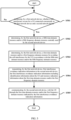
- FIG. 2 when an uplink signal at a frequency of 1.8GHz is transmitted by a User Equipment (UE), a downlink reception signal at a frequency of 3.5GHz for the UE may be adversely affected by a second harmonic interference generated by the uplink signal at a frequency of 1.8GHz, thereby such a phenomenon as self-interference may occur for the UE.
- UE User Equipment
- the downlink reception signal at a frequency of 3.5GHz for the UE may be adversely affected by the secondary harmonic interference generated by the uplink signal at a frequency of 1.8GHz, and such a phenomenon as self-interference may also occur for the UE.
- the downlink reception signal at a frequency of 3.5GHz for the UE may be adversely affected by the secondary harmonic interference generated by the uplink signal at a frequency of 1.8GHz, and at this time the self-interference may also occur for the UE.
- US20150327280A1 discloses in-device co-existence interference avoidance for a wireless communication device in dual connectivity with a master node and a secondary node.
- Non-patent literature 3GPP contribution R1-1712872 titled “Solutions for UE self-interference” discusses and comes up with certain solutions for self-interference about harmonics and harmonics mixing.
- the present disclosure provides a signal interference avoidance method for a first network device according to claim 1 and further detailed in the dependent claims referring back to this claim.
- the present disclosure provides a signal interference avoidance method for a second network device according to claim 8 and further detailed in the dependent claims referring back to this claim.
- the present disclosure provides network devices according to claim 14 and claim 15 respectively.
- a scheme in the embodiments of the present disclosure may be applied to various communication system, e.g., a Global System of Mobile communication (GSM), a Code Division Multiple Access (CDMA) system, a Wideband Code Division Multiple Access (WCDMA) system, a General Packet Radio Service (GPRS) system, an LTE system, or an NR system.
- GSM Global System of Mobile communication
- CDMA Code Division Multiple Access
- WCDMA Wideband Code Division Multiple Access
- GPRS General Packet Radio Service
- LTE Long Term Evolution
- NR NR system
- a UE may also be called as a mobile terminal, an access terminal, a user unit, a user station, a mobile station, a remote station, a remote terminal, a mobile device, a terminal, a wireless communication device, a user agent or a user device.
- the access terminal may be a cellular phone, a cordless phone, a Session Initiation Protocol (SIP) phone, a Wireless Local Loop (WLL) station, a Personal Digital Assistant (PDA), a handheld device or a computation device with a wireless communication function or the other processing device connected to a wireless modem, a vehicle-mounted device, a wearable device, a terminal device in a coming 5G network, or a terminal device in an evolved Public Land Mobile Network (PLMN) network.
- PLMN evolved Public Land Mobile Network
- a network device may be a device communicating with the UE, and it may be a Base Transceiver Station (BTS) in the GSM or the CDMA system, a Node B (NB) in the WCDMA system, an evolved Node B (eNB or eNodeB) or an access point in the LTE system, a vehicle-mounted device, a wearable device, a network device in the coming 5G network, or a network device in the evolved PLMN network.
- BTS Base Transceiver Station
- NB Node B
- eNB or eNodeB evolved Node B
- LTE Long Term Evolution
- vehicle-mounted device a wearable device
- a network device in the coming 5G network or a network device in the evolved PLMN network.
- the present disclosure provides in some embodiments a signal interference avoidance method for a first network device which, as shown in FIG. 3 , includes S301 of, when a self-interference occurs for a UE connected concurrently to the first network device and a second network device, transmitting first interference avoidance indication information to the second network device, so that the second network device communicates with the UE through a first time-domain resource and/or a first frequency-domain resource in accordance with the first interference avoidance indication information.
- the first time-domain resource and/or the first frequency-domain resource may be resources available for the second network device, and the first interference avoidance indication information may include identification information about the UE.
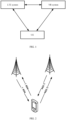
- the UE may be connected to the first network device and the second network device in a DC mode as shown in FIG. 1 , and the UE, the first network device and the second network device may form a DC system.
- the first network device and the second network device may each be an LTE base station or an NR base station, and the first network device may be different from the second network device.
- the first network device may be the LTE base station while the second network device may be the NR base station, or the first network device may be the NR base station while the second network device may be the LTE base station.
- the first network device may monitor whether the self-interference occurs for the UE, and when the self-interference occurs for the UE, transmit the first interference avoidance indication information to the second network device.
- the time-domain resource may be slot, mini-slot, sub-frame or frame
- the frequency-domain resource may be a Physical Resource Block (PRB).
- PRB Physical Resource Block
- the first network device may transmit the first interference avoidance indication information to the second network device, so that the second network device may communicate with the UE through the first time-domain resource and/or the first frequency-domain resource in accordance with the first interference avoidance indication information.
- the second network device may communicate with the UE through the first time-domain resource and/or the first frequency-domain resource in accordance with the first interference avoidance indication information.
- resource indication information about a second time-domain resource and/or a second frequency-domain resource may be transmitted to the second network device.
- the second time-domain resource and/or the second frequency-domain resource may include resources available for the first network device and unavailable for the second network device, or resources available for the second network device and unavailable for the first network device, or resources available for both the first network device and the second network device.
- the first interference avoidance indication information may further include at least one of identification information about each cell where the UE is located (e.g., information about an ID of each cell or an identification code of each cell), resource indication information about time-domain resources and/or frequency-domain resources for the UE in the cell, a start time of the communication with the UE through the first time-domain resource and/or the first frequency-domain resource, and a stop time of the communication with the UE through the first time-domain resource and/or the first frequency-domain resource.
- identification information about each cell where the UE is located e.g., information about an ID of each cell or an identification code of each cell
- resource indication information about time-domain resources and/or frequency-domain resources for the UE in the cell, a start time of the communication with the UE through the first time-domain resource and/or the first frequency-domain resource, and a stop time of the communication with the UE through the first time-domain resource and/or the first frequency-domain resource.
- the time-domain resources and/or frequency-domain resources for the UE in the cells may be the same or different from each other.
- the UE may be located in one or more cells.
- the first interference avoidance indication information may include common time-domain resources and/or common frequency-domain resources for the UE in at least one cell, and when the time-domain resources and/or frequency-domain resources for the UE in the cells are different from each other, the first interference avoidance indication information may include time-domain resources and/or frequency-domain resources for the UE in each of the at least one cell.
- the second network device may determine the time-domain resource and/or the frequency-domain resource for the communication with the UE in accordance with the time-domain resources and/or frequency-domain resources for the UE in each cell when the self-interference occurs for the UE.
- the resource indication information about the time-domain resource may be a bitmap including 40 bits, and each bit in the bitmap represents one downlink subframe or slot.
- each bit in the bitmap represents one downlink subframe or slot.
- a first bit in the bitmap represents a subframe #0 in a radio frame, and a system frame number of the radio frame mod 4 is equal to 0.
- a repetition period of the bitmap having 40 bits may be 40ms.
- the resource indication information about the frequency-domain resource is a bitmap, and each bit in the bitmap represents one PRB.
- the bit has a value of 1, it indicates that the PRB at a corresponding position is used by the first network device for the downlink transmission, and when the bit has a value of 0, it indicates that the PRB at the corresponding position is not used by the first network device for the downlink transmission.
- a length of the bitmap may be related to a system bandwidth, e.g., it may be equal to the maximum quantity of PRBs of the system bandwidth.
- the second network device may start to communicate with the UE through the first time-domain resource and/or the first frequency-domain resource one minute after the reception of the first interference avoidance indication information, and stop the communication with the UE through the first time-domain resource and/or the first frequency-domain resource 40ms later.
- the second network device may communicate with the UE through the first time-domain resource and/or the first frequency-domain resource immediately after the reception of the first interference avoidance indication information.
- the second network device may transmit feedback information to the first network device with respect to the first interference avoidance indication information.
- the second network device may reject to use the second time-domain resource and/or the second frequency-domain resource because it is impossible for the second network device to use the second time-domain resource and/or the second frequency-domain resource.
- the feedback information may include information indicating that the first interference avoidance indication information is rejected, and it may further include a rejection cause (e.g., the second time-domain resource and/or the second frequency-domain resource are unavailable).
- the interference avoidance suggestion information may include at least one of the identification information about the UE (e.g., the ID of the UE), the identification information about each cell where the UE is located (e.g., the ID or the identification code of each cell), the resource indication information about the time-domain resources and/or frequency-domain resources for the UE in each cell, resource indication information about a third time-domain resource and/or a third frequency-domain resource, a start time of the communication with the UE through the third time-domain resource and/or the third frequency-domain resource, and a stop time of the communication with the UE through the third time-domain resource and/or the third frequency-domain resource.
- the identification information about the UE e.g., the ID of the UE
- the identification information about each cell where the UE is located e.g., the ID or the identification code of each cell
- the resource indication information about the time-domain resources and/or frequency-domain resources for the UE in each cell e.g., the ID or the identification code of each
- the time-domain resources and/or frequency-domain resources for the UE in the cells where the UE is located may be the same or different from each other.
- the UE may be located in one or more cells.
- the first interference avoidance indication information may include common time-domain resources and/or common frequency-domain resources for the UE in at least one cell, and when the time-domain resources and/or frequency-domain resources for the UE in the cells are different from each other, the first interference avoidance indication information may include time-domain resources and/or frequency-domain resources for the UE in each of the at least one cell.
- the second network device may determine the time-domain resource and/or the frequency-domain resource for the communication with the UE in accordance with the time-domain resources and/or frequency-domain resources for the UE in each cell when the self-interference occurs for the UE. For example, the second network device may determine whether the third time-domain resource and/or the third frequency-domain resource indicated by the interference avoidance suggestion information are available in accordance with the time-domain resources and/or frequency-domain resources for the UE in each cell.
- the resource indication information about the time-domain resource may be a bitmap including 40 bits, and each bit in the bitmap represents one downlink subframe or slot.
- each bit in the bitmap represents one downlink subframe or slot.
- a first bit in the bitmap represents a subframe #0 in a radio frame, and a system frame number of the radio frame mod 4 is equal to 0.
- a repetition period of the bitmap having 40 bits may be 40ms.
- the resource indication information about the frequency-domain resource may be a bitmap, and each bit in the bitmap represents one PRB.
- each bit in the bitmap represents one PRB.
- a length of the bitmap may be related to a system bandwidth, e.g., it may be equal to the maximum quantity of PRBs of the system bandwidth.
- the feedback information may include information indicating that the first interference avoidance indication information is accepted.
- the second network device may determine the second time-domain resource and/or second frequency-domain resource as the available first time-domain resource and/or first frequency-domain resource, and communicate with the UE through the second time-domain resource and/or second frequency-domain resource.
- the first network device may further determine second interference avoidance indication information in accordance with the interference avoidance suggestion information.
- the second interference avoidance indication information may include at least one of resource indication information about a fourth time-domain resource and/or a fourth frequency-domain resource, and the resource indication information about the time-domain resources and/or frequency-domain resources for the UE in each cell.
- the fourth time-domain resource and/or fourth frequency-domain resource may be determined in accordance with the resource indication information about the third time-domain resource and/or third frequency-domain resource in the interference avoidance suggestion information. For example, when there is a plurality of third time-domain resources, a part of available resources may be selected from the third time-domain resources as the fourth time-domain resources.
- the first network device may transmit the second interference avoidance indication information to the second network device, so that the second network device may communicate with the UE through the fourth time-domain resource and/or fourth frequency-domain resource.
- the signal interference avoidance method may include the following steps.
- S401 transmitting, by the first network device, the resource indication information about the second time-domain resource and/or second frequency-domain resource to the second network device.
- S402 when the self-interference occurs for the UE connected concurrently to the first network device and the second network device, transmitting, by the first network device, the first interference avoidance indication information to the second network device.
- the first interference avoidance indication information may include at least one of the identification information about the UE (e.g., the information about the ID of the UE), the identification information about each cell where the UE is located (e.g., the information about the ID of each cell, or the identification code of each cell), the resource indication information about the time-domain resources and/or frequency-domain resources for the UE in each cell, the start time of the communication with the UE through the first time-domain resource and/or the first frequency-domain resource, and the stop time of the communication with the UE through the first time-domain resource and/or the first frequency-domain resource.
- the identification information about the UE e.g., the information about the ID of the UE
- the identification information about each cell where the UE is located e.g., the information about the ID of each cell, or the identification code of each cell
- the resource indication information about the time-domain resources and/or frequency-domain resources for the UE in each cell e.g., the start time of the communication with the UE through
- S403 determining, by the second network device, whether the second time-domain resource and/or the second frequency-domain resource are available, if yes, proceeding to S404, and otherwise proceeding to S405.
- S404 communication, by the second network device, with the UE through the second time-domain resource and/or the second frequency-domain resource.
- S405 transmitting, by the second network device, the information indicating that the first interference avoidance indication information is rejected and the interference avoidance suggestion information different from the first interference avoidance indication information to the first network device.
- the interference avoidance suggestion information may include at least one of the identification information about the UE (e.g., the information about the ID of the UE), the identification information about each cell where the UE is located (e.g., the information about the ID of each cell, or the identification code of each cell), the resource indication information about the time-domain resources and/or the frequency-domain resources for the UE in each cell, the resource indication information about the third time-domain resource and/or the third frequency-domain resource, the start time of the communication with the UE through the third time-domain resource and/or the third frequency-domain resource, and the stop time of the communication with the UE through the third time-domain resource and/or the third frequency-domain resource.
- the identification information about the UE e.g., the information about the ID of the UE
- the identification information about each cell where the UE is located e.g., the information about the ID of each cell, or the identification code of each cell
- the second interference avoidance indication information may include at least one of the resource indication information about the fourth time-domain resource and/or the fourth frequency-domain resource, and the resource indication information about the time-domain resources and/or the frequency-domain resources for the UE in each cell.
- S407 communicating, by the second network device, with the UE through the fourth time-domain resource and/or the fourth frequency-domain resource indicated by the second interference avoidance indication information.
- the first network device may transmit in advance to the second network device the resources for the communication of the second network device with the UE when the self-interference occurs for the UE, and when the self-interference occurs for the UE, transmit the first interference avoidance indication information to the second network device.
- the second network device may determine the time-domain resources and/or frequency-domain resources for avoiding the self-interference for the UE in accordance with the first interference avoidance indication information, and communicate with the UE through the time-domain resources and/or frequency-domain resources. As a result, it is able to effectively prevent the self-interference for the UE, thereby to improve the signal transmission quality.
- the first interference avoidance indication information may include the identification information about the UE (e.g., the information about the ID of the UE), and the resource indication information about the first time-domain resource and/or the first frequency-domain resource.
- the first interference avoidance indication information may further include at least one of the identification information about each cell where the UE is located (e.g., the information about the ID of each cell, or the identification code of each cell), the resource indication information about the time-domain resources and/or the frequency-domain resources for the UE in each cell, the start time of the communication with the UE through the first time-domain resource and/or the first frequency-domain resource, and the stop time of the communication with the UE through the first time-domain resource and/or the first frequency-domain resource.
- the identification information about each cell where the UE is located e.g., the information about the ID of each cell, or the identification code of each cell
- the resource indication information about the time-domain resources and/or the frequency-domain resources for the UE in each cell e.g., the start time of the communication with the UE through the first time-domain resource and/or the first frequency-domain resource
- the stop time of the communication with the UE through the first time-domain resource and/or the first frequency-domain resource.
- the time-domain resources and/or frequency-domain resources for the UE in the cells may be the same or different from each other.
- the UE may be located in one or more cells.
- the first interference avoidance indication information may include common time-domain resources and/or common frequency-domain resources for the UE in at least one cell, and when the time-domain resources and/or frequency-domain resources for the UE in the cells are different from each other, the first interference avoidance indication information may include time-domain resources and/or frequency-domain resources for the UE in each of the at least one cell.
- the second network device may determine the time-domain resource and/or the frequency-domain resource for the communication with the UE in accordance with the time-domain resources and/or frequency-domain resources for the UE in each cell when the self-interference occurs for the UE.
- the second network device may start to communicate with the UE through the first time-domain resource and/or the first frequency-domain resource one minute after the reception of the first interference avoidance indication information, and stop the communication with the UE through the first time-domain resource and/or the first frequency-domain resource 40ms later.
- the second network device may communicate with the UE through the first time-domain resource and/or the first frequency-domain resource immediately after the reception of the first interference avoidance indication information.
- the first interference avoidance indication information includes the resource indication information about the first time-domain resource and/or the first frequency-domain resource and it is transmitted by the first network device to the second network device after the self-interference occurs for the UE, so the first network device may determine the first time-domain resource and/or the first frequency-domain resource available for the second network device in advance.
- the first network device may determine the first time-domain resource and/or the first frequency-domain resource as follows. At first, the first network device may determine a fifth time-domain resource and/or a fifth frequency-domain resource used by the second network device when the self-interference occurs for the UE, and then determine the first time-domain resource and/or the first frequency-domain resource in accordance with the fifth time-domain resource and/or the fifth frequency-domain resource.
- a time-domain resource and/or a frequency-domain resource different from the fifth time-domain resource and/or the fifth frequency-domain resource may be determined as the first time-domain resource and/or the first frequency-domain resource, so as to prevent the occurrence of the self-interference for the UE.
- the fifth time-domain resource used by the second network device during the occurrence of the self-interference for the UE is a subframe 1
- the other time-domain resource different from the subframe 1 may be determined as the first time-domain resource.
- the second network device may also transmit the feedback information to the first network device with respect to the first interference avoidance indication information.
- the feedback information may include the information indicating that the first interference avoidance indication information is accepted, and at this time, the second network device may communicate with the UE through the first time-domain resource and/or the first frequency-domain resource.
- the feedback information may include the information indicating that the first interference avoidance indication information is rejected, and at this time, the feedback information may further include a rejection cause.
- the rejection cause may be that a payload of the second network device is too large to communicate with the UE through the first time-domain resource and/or the first frequency-domain resource.
- the signal interference avoidance method may include the following steps.
- S501 monitoring, by the first network device, whether the self-interference occurs for the UE connected concurrently to the first network device and the second network device, if yes, proceeding to S502, and otherwise, continuing to monitor whether the self-interference occurs for the UE.
- S502 determining, by the first network device, the fifth time-domain resource and/or fifth frequency-domain resource currently used by the second network device.
- S503 determining, by the first network device, the first time-domain resource and/or the first frequency-domain resource for avoiding the self-interference for the UE in accordance with the fifth time-domain resource and/or the fifth frequency-domain resource.
- S504 transmitting, by the first network device, the first interference avoidance indication information to the second network device, the first interference avoidance indication information including the identification information about the UE and the resource indication information about the first time-domain resource and/or the first frequency-domain resource.
- the first interference avoidance indication information may further include at least one of the identification information about each cell where the UE is located (e.g., the information about the ID of each cell, or the identification code of each cell), the resource indication information about the time-domain resources and/or frequency-domain resources for the UE in each cell, the start time of the communication with the UE through the first time-domain resource and/or the first frequency-domain resource, and the stop time of the communication with the UE through the first time-domain resource and/or the first frequency-domain resource.
- the identification information about each cell where the UE is located e.g., the information about the ID of each cell, or the identification code of each cell
- the resource indication information about the time-domain resources and/or frequency-domain resources for the UE in each cell, the start time of the communication with the UE through the first time-domain resource and/or the first frequency-domain resource, and the stop time of the communication with the UE through the first time-domain resource and/or the first frequency-domain resource.
- S505 communicating, by the second network device, with the UE through the first time-domain resource and/or the first frequency-domain resource indicated by the first interference avoidance indication information.
- the first network device may transmit the first interference avoidance indication information to the second network device, so that the second network device may communicate with the UE through the first time-domain resource and/or the first frequency-domain resource indicated by the first interference avoidance indication information.
- the second network device may communicate with the UE through the first time-domain resource and/or the first frequency-domain resource indicated by the first interference avoidance indication information.
- the first network device may transmit avoidance interruption indication information to the second network device, so that the second network device may stop the communication with the UE through the first time-domain resource and/or the first frequency-domain resource in accordance with the avoidance interruption indication information.
- the present disclosure further provides in some embodiments a signal interference avoidance method for a second network device which, as shown in FIG. 6 , includes: S601 of receiving first interference avoidance indication information from a first network device, the first interference avoidance indication information being transmitted when the first network device detects that a self-interference occurs for a UE connected concurrently to the first network device and the second network device; and S602 of communicating with the UE through a first time-domain resource and/or a first frequency-domain resource in accordance with the first interference avoidance indication information.
- the first interference avoidance indication information may include identification information about the UE.
- the second network device may receive resource indication information about a second time-domain resource and/or a second frequency-domain resource from the first network device.
- the second time-domain resource and/or the second frequency-domain resource may include resources available for the first network device and unavailable for the second network device, or resources available for the second network device and unavailable for the first network device, or resources available for both the first network device and the second network device.
- the second network device may transmit feedback information to the first network device with respect to the first interference avoidance indication information.
- the feedback information may include at least one of information indicating that the first interference avoidance indication information is rejected, a rejection cause, and interference avoidance suggestion information different from the first interference avoidance indication information.
- the interference avoidance suggestion information may include at least one of the identification information about the UE, identification information about each cell where the UE is located, resource indication information about time-domain resources and/or frequency-domain resources for the UE in each cell, resource indication information about a third time-domain resource and/or a third frequency-domain resource, a start time of the communication with the UE through the third time-domain resource and/or the third frequency-domain resource, and a stop time of the communication with the UE through the third time-domain resource and/or the third frequency-domain resource.
- the feedback information may include information indicating that the first interference avoidance indication information is accepted.
- the second network device may receive second interference avoidance indication information determined by the first network device in accordance with the interference avoidance suggestion information.
- the second interference avoidance indication information may include at least one of resource indication information about a fourth time-domain resource and/or a fourth frequency-domain resource, and the resource indication information about the time-domain resources and/or the frequency-domain resources for the UE in each cell. Then, the second network device may communicate with the UE through the fourth time-domain resource and/or the fourth frequency-domain resource in accordance with the second interference avoidance indication information.
- the first interference avoidance indication information may further include resource indication information about the first time-domain resource and/or the first frequency-domain resource.
- the first interference avoidance indication information may further include at least one of the identification information about each cell where the UE is located, the resource indication information about the time-domain resources and/or the frequency-domain resources for the UE in each cell, a start time of the communication with the UE through the first time-domain resource and/or the first frequency-domain resource, and a stop time of the communication with the UE through the first time-domain resource and/or the first frequency-domain resource.
- the second network device may stop the communication with the UE through the first time-domain resource and/or the first frequency-domain resource.
- the second network device may receive the first interference avoidance indication information transmitted by the first network device when the self-interference occurs for the UE, and communicate with the UE through the first time-domain resource and/or the first frequency-domain resource in accordance with the first interference avoidance indication information.
- the first interference avoidance indication information transmitted by the first network device when the self-interference occurs for the UE, and communicate with the UE through the first time-domain resource and/or the first frequency-domain resource in accordance with the first interference avoidance indication information.
- the implementation of the signal interference avoidance method for the second network device may refer to that of the method in FIGS. 3 to 5 , which will not be particularly defined herein.
- the present disclosure further provides in some embodiments a network device 700 which, as shown in FIG. 7 , includes a first transmission module 710 configured to, when a self-interference occurs for a UE connected concurrently to the network device 700 and a second network device, transmit first interference avoidance indication information to the second network device, so that the second network device communicates with the UE through a first time-domain resource and/or a first frequency-domain resource in accordance with the first interference avoidance indication information.
- the first interference avoidance indication information may include identification information about the UE.
- the network device 700 may further include a second transmission module configured to, before the self-interference occurs for the UE, transmit resource indication information about a second time-domain resource and/or a second frequency-domain resource to the second network device.
- the second time-domain resource and/or the second frequency-domain resource may be resources available for the network device and unavailable for the second network device, or resources available for the second network device and unavailable for the first network device, or resources available for both the first network device and the second network device.
- the network device 700 may further include a reception module configured to receive feedback information from the second network device with respect to the first interference avoidance indication information.
- the feedback information may include at least one of information indicating that the first interference avoidance indication information is rejected, a rejection cause, and interference avoidance suggestion information different from the first interference avoidance indication information.
- the interference avoidance suggestion information may include at least one of the identification information about the UE, identification information about each cell where the UE is located, resource indication information about time-domain resources and/or frequency-domain resources for the UE in each cell, resource indication information about a third time-domain resource and/or a third frequency-domain resource, a start time of the communication with the UE through the third time-domain resource and/or the third frequency-domain resource, and a stop time of the communication with the UE through the third time-domain resource and/or the third frequency-domain resource.
- the feedback information may include information indicating that the first interference avoidance indication information is accepted.
- the network device 700 may further include: a first determination module configured to, upon the receipt of the interference avoidance suggestion information, determine second interference avoidance indication information in accordance with the interference avoidance suggestion information, the second interference avoidance indication information including at least one of resource indication information about a fourth time-domain resource and/or a fourth frequency-domain resource, and the resource indication information about the time-domain resources and/or the frequency-domain resources for the UE in each cell; and a third transmission module configured to transmit the second interference avoidance indication information to the second network device, so that the second network device communicates with the UE through the fourth time-domain resource and/or the fourth frequency-domain resource in accordance with the second interference avoidance indication information.
- a first determination module configured to, upon the receipt of the interference avoidance suggestion information, determine second interference avoidance indication information in accordance with the interference avoidance suggestion information, the second interference avoidance indication information including at least one of resource indication information about a fourth time-domain resource and/or a fourth frequency-domain resource, and the resource indication information about the time-domain resources and/
- the first interference avoidance indication information may further include resource indication information about the first time-domain resource and/or the first frequency-domain resource.
- the network device 700 may further include: a second determination module configured to, prior to transmitting the first interference avoidance indication information to the second network device, determine a fifth time-domain resource and/or a fifth frequency-domain resource used by the second network device when the self-interference occurs for the UE; and a third determination module configured to determine the first time-domain resource and/or the first frequency-domain resource in accordance with the fifth time-domain resource and/or the fifth frequency-domain resource.
- the first interference avoidance indication information may further include at least one of the identification information about each cell where the UE is located, the resource indication information about the time-domain resources and/or the frequency-domain resources for the UE in each cell, a start time of the communication with the UE through the first time-domain resource and/or the first frequency-domain resource, and a stop time of the communication with the UE through the first time-domain resource and/or the first frequency-domain resource.
- the network device 700 may further include a fourth transmission module configured to, subsequent to transmitting the first interference avoidance indication information to the second network device, when the self-interference for the UE disappears or is attenuated, transmit avoidance interruption indication information to the second network device, so that the second network device stops the communication with the UE through the first time-domain resource and/or the first frequency-domain resource in accordance with the avoidance interruption indication information.
- a fourth transmission module configured to, subsequent to transmitting the first interference avoidance indication information to the second network device, when the self-interference for the UE disappears or is attenuated, transmit avoidance interruption indication information to the second network device, so that the second network device stops the communication with the UE through the first time-domain resource and/or the first frequency-domain resource in accordance with the avoidance interruption indication information.
- the network device 700 in the embodiments of the present disclosure is capable of implementing the steps in the signal interference avoidance method for the first network device in FIGS. 3-5 , which will not be particularly defined herein.
- the network device 700 may transmit the first interference avoidance indication information to the second network device, so that the second network device may communicate with the UE through the first time-domain resource and/or the first frequency-domain resource in accordance with the first interference avoidance indication information.
- the network device 700 may transmit the first interference avoidance indication information to the second network device, so that the second network device may communicate with the UE through the first time-domain resource and/or the first frequency-domain resource in accordance with the first interference avoidance indication information.
- the present disclosure further provides in some embodiments a network device 800 which, as shown in FIG. 8 , includes: a first reception module 810 configured to receive first interference avoidance indication information from a first network device, the first interference avoidance indication information being transmitted by the first network device when a self-interference occurs for a UE connected concurrently to the first network device and the second network device; and a first communication module 820 configured to communicate with the UE through a first time-domain resource and/or a first frequency-domain resource in accordance with the first interference avoidance indication information.
- the first interference avoidance indication information may include identification information about the UE.
- the network device 800 may further include a second reception module configured to, prior to receiving the first interference avoidance indication information from the first network device, receive resource indication information about a second time-domain resource and/or a second frequency-domain resource from the first network device.
- the second time-domain resource and/or the second frequency-domain resource may include resources available for the first network device and unavailable for the network device, or resources available for the second network device and unavailable for the first network device, or resources available for both the first network device and the second network device.
- the network device 800 may further include a transmission module configured to, subsequent to receiving the first interference avoidance indication information from the first network device, transmit feedback information to the first network device with respect to the first interference avoidance indication information.
- the feedback information may include at least one of information indicating that the first interference avoidance indication information is rejected, a rejection cause, and interference avoidance suggestion information different from the first interference avoidance indication information.
- the interference avoidance suggestion information may include at least one of the identification information about the UE, identification information about each cell where the UE is located, resource indication information about time-domain resources and/or frequency-domain resources for the UE in each cell, resource indication information about a third time-domain resource and/or a third frequency-domain resource, a start time of the communication with the UE through the third time-domain resource and/or the third frequency-domain resource, and a stop time of the communication with the UE through the third time-domain resource and/or the third frequency-domain resource.
- the feedback information may include information indicating that the first interference avoidance indication information is accepted.
- the network device 800 may further include: a third reception module configured to, subsequent to transmitting the feedback information including the interference avoidance suggestion information to the first network device, receive second interference avoidance indication information determined by the first network device in accordance with the interference avoidance suggestion information, the second interference avoidance indication information including at least one of resource indication information about a fourth time-domain resource and/or a fourth frequency-domain resource, and the resource indication information about the time-domain resources and/or the frequency-domain resources for the UE in each cell; and a second communication module configured to communicate with the UE through the fourth time-domain resource and/or the fourth frequency-domain resource in accordance with the second interference avoidance indication information.
- a third reception module configured to, subsequent to transmitting the feedback information including the interference avoidance suggestion information to the first network device, receive second interference avoidance indication information determined by the first network device in accordance with the interference avoidance suggestion information, the second interference avoidance indication information including at least one of resource indication information about a fourth time-domain resource and/or a fourth frequency-domain resource, and the resource indication
- the first interference avoidance indication information may further include resource indication information about the first time-domain resource and/or the first frequency-domain resource.
- the first interference avoidance indication information may further include at least one of the identification information about each cell where the UE is located, the resource indication information about the time-domain resources and/or the frequency-domain resources for the UE in each cell, a start time of the communication with the UE through the first time-domain resource and/or the first frequency-domain resource, and a stop time of the communication with the UE through the first time-domain resource and/or the first frequency-domain resource.
- the network device 800 may further include a third communication module configured to, upon the receipt of the avoidance interruption indication information from the first network device, stop the communication with the UE through the first time-domain resource and/or the first frequency-domain resource.
- the network device 800 in the embodiments of the present disclosure is capable of implementing the steps in the signal interference avoidance method for the second network device in FIG. 6 , which will not be particularly defined herein.
- the network device 8000 may receive the first interference avoidance indication information transmitted by the first network device when the self-interference occurs for the UE, and then communicate with the UE through the first time-domain resource and/or the first frequency-domain resource in accordance with the first interference avoidance indication information. As a result, it is able to effectively prevent the occurrence of the self-interference for the UE, thereby to improve the signal transmission quality.
- the present disclosure further provides in some embodiments a network device 900 capable of implementing the above-mentioned signal interference avoidance method with a same technical effect.
- the network device 900 may include a processor 901, a transceiver 902, a memory 903, a user interface 904 and a bus interface.
- the network device 900 may further include a computer program stored in the memory 903 and executed by the processor 901.
- the processor 901 is configured to execute the computer program so as to, when a self-interference occurs for a UE connected concurrently to the network device 900 and a second network device, transmit first interference avoidance indication information to the second network device, so that the second network device communicates with the UE through a first time-domain resource and/or a first frequency-domain resource in accordance with the first interference avoidance indication information.
- the first interference avoidance indication information may include identification information about the UE.
- bus architecture may include a number of buses and bridges connected to each other, so as to connect various circuits for one or more processors 901 and one or more memories 903.
- the bus architecture may be used to connect any other circuits, such as a circuit for a peripheral device, a circuit for a voltage stabilizer and a power management circuit.
- the bus interface may be provided, and the transceiver 902 may consist of a plurality of elements, i.e., a transmitter and a receiver for communication with any other devices over a transmission medium.
- the user interface 904 may also be provided for devices which are to be arranged inside or outside the UE, and these devices may include but not limited to a keypad, a display, a speaker, a microphone and a joystick.
- the processor 901 may take charge of managing the bus architecture as well as general processings.
- the memory 903 may store therein data for the operation of the processor 901.
- the processor 901 is further configured to execute the computer program so as to, before the self-interference occurs for the UE, transmit resource indication information about a second time-domain resource and/or a second frequency-domain resource to the second network device.
- the second time-domain resource and/or the second frequency-domain resource may be resources available for the network device and unavailable for the second network device, or resources available for the second network device and unavailable for the first network device, or resources available for both the first network device and the second network device.
- the processor 901 is further configured to execute the computer program so as to receive feedback information from the second network device with respect to the first interference avoidance indication information.
- the feedback information may include at least one of information indicating that the first interference avoidance indication information is rejected, a rejection cause, and interference avoidance suggestion information different from the first interference avoidance indication information.
- the interference avoidance suggestion information may include at least one of the identification information about the UE, identification information about each cell where the UE is located, resource indication information about time-domain resources and/or frequency-domain resources for the UE in each cell, resource indication information about a third time-domain resource and/or a third frequency-domain resource, a start time of the communication with the UE through the third time-domain resource and/or the third frequency-domain resource, and a stop time of the communication with the UE through the third time-domain resource and/or the third frequency-domain resource.
- the feedback information may include information indicating that the first interference avoidance indication information is accepted.
- the processor 903 is further configured to execute the computer program so as to: upon the receipt of the interference avoidance suggestion information, determine second interference avoidance indication information in accordance with the interference avoidance suggestion information, the second interference avoidance indication information including at least one of resource indication information about a fourth time-domain resource and/or a fourth frequency-domain resource, and the resource indication information about the time-domain resources and/or the frequency-domain resources for the UE in each cell; and transmit the second interference avoidance indication information to the second network device, so that the second network device communicates with the UE through the fourth time-domain resource and/or the fourth frequency-domain resource in accordance with the second interference avoidance indication information.
- the first interference avoidance indication information may further include resource indication information about the first time-domain resource and/or the first frequency-domain resource.
- the processor 901 is further configured to execute the computer program, so as to: prior to transmitting the first interference avoidance indication information to the second network device, determine a fifth time-domain resource and/or a fifth frequency-domain resource used by the second network device when the self-interference occurs for the UE; and determine the first time-domain resource and/or the first frequency-domain resource in accordance with the fifth time-domain resource and/or the fifth frequency-domain resource.
- the first interference avoidance indication information may further include at least one of the identification information about each cell where the UE is located, the resource indication information about the time-domain resources and/or the frequency-domain resources for the UE in each cell, a start time of the communication with the UE through the first time-domain resource and/or the first frequency-domain resource, and a stop time of the communication with the UE through the first time-domain resource and/or the first frequency-domain resource.
- the processor 901 is further configured to execute the computer program so as to, subsequent to transmitting the first interference avoidance indication information to the second network device, when the self-interference for the UE disappears or is attenuated, transmit avoidance interruption indication information to the second network device, so that the second network device stops the communication with the UE through the first time-domain resource and/or the first frequency-domain resource in accordance with the avoidance interruption indication information.
- the network device may transit the first interference avoidance indication information to the second network device, so that the second network device may communicate with the UE through the first time-domain resource and/or the first frequency-domain resource in accordance with the first interference avoidance indication information.
- the network device may transit the first interference avoidance indication information to the second network device, so that the second network device may communicate with the UE through the first time-domain resource and/or the first frequency-domain resource in accordance with the first interference avoidance indication information.
- the present disclosure further provides in some embodiments a network device 1000 capable of implementing the above-mentioned signal interference avoidance method for the second network device with a same technical effect.
- the network device 1000 may include a processor 1001, a transceiver 1002, a memory 1003, a user interface 1004 and a bus interface.
- the network device 1000 may further include a computer program stored in the memory 1003 and executed by the processor 10001.
- the processor 1001 is configured to execute the computer program so as to: receive first interference avoidance indication information from a first network device, the first interference avoidance indication information being transmitted by the first network device when a self-interference occurs for a UE connected concurrently to the first network device and the network device 1000; and communicate with the UE through a first time-domain resource and/or a first frequency-domain resource in accordance with the first interference avoidance indication information.
- the first interference avoidance indication information may include identification information about the UE.
- bus architecture may include a number of buses and bridges connected to each other, so as to connect various circuits for one or more processors 1001 and one or more memories 1003.
- the bus architecture may be used to connect any other circuits, such as a circuit for a peripheral device, a circuit for a voltage stabilizer and a power management circuit.
- the bus interface may be provided, and the transceiver 1002 may consist of a plurality of elements, i.e., a transmitter and a receiver for communication with any other devices over a transmission medium.
- the user interface 1004 may also be provided for devices which are to be arranged inside or outside the UE, and these devices may include but not limited to a keypad, a display, a speaker, a microphone and a joystick.
- the processor 1001 may take charge of managing the bus architecture as well as general processings.
- the memory 1003 may store therein data for the operation of the processor 1001.
- the processor 1001 is further configured to execute the computer program so as to, prior to receiving the first interference avoidance indication information from the first network device, receive resource indication information about a second time-domain resource and/or a second frequency-domain resource from the first network device.
- the second time-domain resource and/or the second frequency-domain resource may include resources available for the first network device and unavailable for the network device, or resources available for the second network device and unavailable for the first network device, or resources available for both the first network device and the second network device.
- the processor 1001 is further configured to execute the computer program so as to, subsequent to receiving the first interference avoidance indication information from the first network device, transmit feedback information to the first network device with respect to the first interference avoidance indication information.
- the feedback information may include at least one of information indicating that the first interference avoidance indication information is rejected, a rejection cause, and interference avoidance suggestion information different from the first interference avoidance indication information.
- the interference avoidance suggestion information may include at least one of the identification information about the UE, identification information about each cell where the UE is located, resource indication information about time-domain resources and/or frequency-domain resources for the UE in each cell, resource indication information about a third time-domain resource and/or a third frequency-domain resource, a start time of the communication with the UE through the third time-domain resource and/or the third frequency-domain resource, and a stop time of the communication with the UE through the third time-domain resource and/or the third frequency-domain resource.
- the feedback information may include information indicating that the first interference avoidance indication information is accepted.
- the processor 1001 is further configured to: subsequent to transmitting the feedback information including the interference avoidance suggestion information to the first network device, receive second interference avoidance indication information determined by the first network device in accordance with the interference avoidance suggestion information, the second interference avoidance indication information including at least one of resource indication information about a fourth time-domain resource and/or a fourth frequency-domain resource, and the resource indication information about the time-domain resources and/or the frequency-domain resources for the UE in each cell; and communicate with the UE through the fourth time-domain resource and/or the fourth frequency-domain resource in accordance with the second interference avoidance indication information.
- the first interference avoidance indication information may further include resource indication information about the first time-domain resource and/or the first frequency-domain resource.
- the first interference avoidance indication information may further include at least one of the identification information about each cell where the UE is located, the resource indication information about the time-domain resources and/or the frequency-domain resources for the UE in each cell, a start time of the communication with the UE through the first time-domain resource and/or the first frequency-domain resource, and a stop time of the communication with the UE through the first time-domain resource and/or the first frequency-domain resource.
- the processor 1001 is further configured to execute the computer program so as to, upon the receipt of the avoidance interruption indication information from the first network device, stop the communication with the UE through the first time-domain resource and/or the first frequency-domain resource.
- the network device 1000 may receive the first interference avoidance indication information transmitted by the first network device when the self-interference occurs for the UE, and then communicate with the UE through the first time-domain resource and/or the first frequency-domain resource in accordance with the first interference avoidance indication information. As a result, it is able to effectively prevent the occurrence of the self-interference in the DC system, thereby to improve the signal transmission quality.
- the present disclosure may be implemented by software as well as a necessary common hardware platform, or by hardware, and the former may be better in most cases.
- the technical solutions of the present disclosure partial or full, or parts of the technical solutions of the present disclosure contributing to the related art, may appear in the form of software products, which may be stored in a storage medium (e.g., Read-Only Memory (ROM)/Random Access Memory (RAM), magnetic disk or optical disk) and include several instructions so as to enable a terminal device (mobile phone, computer, server, air conditioner or network device) to execute the method in the embodiments of the present disclosure.
- ROM Read-Only Memory
- RAM Random Access Memory
- terminal device mobile phone, computer, server, air conditioner or network device
Landscapes
- Engineering & Computer Science (AREA)
- Computer Networks & Wireless Communication (AREA)
- Signal Processing (AREA)
- Quality & Reliability (AREA)
- Mobile Radio Communication Systems (AREA)
Claims (15)
- Procédé d'évitement d'un brouillage de signal pour un premier dispositif de réseau (700 ; 900), le procédé d'évitement d'un brouillage de signal comprenant :transmettre (S301) des premières informations d'indication d'évitement de brouillage à un deuxième dispositif de réseau, lorsqu'un auto-brouillage se produit pour un équipement utilisateur, UE, connecté simultanément au premier dispositif de réseau (700 ; 900) et au deuxième dispositif de réseau (800 ; 1000), dans lequel les premières informations d'indication d'évitement de brouillage sont utilisées pour permettre au deuxième dispositif de réseau (800 ; 1000) de communiquer avec l'UE par l'intermédiaire d'une première ressource dans le domaine temporel et/ou d'une première ressource dans le domaine fréquentiel,dans lequel le premier dispositif de réseau (700 ; 900) est une station de base entre une station de base à technologie d'évolution à long terme, LTE, et une station de base nouvelle radio, NR, tandis que le deuxième dispositif de réseau (800 ; 1000) est l'autre station de base entre la station de base LTE et la station de base NR,le procédé d'évitement d'un brouillage de signal étant caractérisé en ce queles premières informations d'indication d'évitement de brouillage comprennent : des informations d'identification sur l'UE, des informations d'identification sur chaque cellule où l'UE est situé et des informations d'indication de ressource sur les ressources dans le domaine fréquentiel pour l'UE dans la cellule ;les informations d'indication de ressource sur les ressources dans le domaine fréquentiel sont un bit-map, et chaque bit du bit-map représente un bloc de ressources physiques, PRB ;lorsque le bit a une valeur de 1, il indique que le PRB à une position correspondante est utilisé par le premier dispositif de réseau (700 ; 900) pour la transmission en liaison descendante, et lorsque le bit a une valeur de 0, il indique que le PRB à la position correspondante n'est pas utilisé par le premier dispositif de réseau (700 ; 900) pour la transmission en liaison descendante.
- Procédé d'évitement d'un brouillage de signal selon la revendication 1, comprenant de plus :
transmettre des informations d'indication de ressource sur une deuxième ressource dans le domaine temporel et/ou une deuxième ressource dans le domaine fréquentiel au deuxième dispositif de réseau (800 ; 1000), avant que l'auto-brouillage ne se produise pour l'UE. - Procédé d'évitement d'un brouillage de signal selon la revendication 2, dans lequel la deuxième ressource dans le domaine temporel et/ou la deuxième ressource dans le domaine fréquentiel sont des ressources disponibles pour le premier dispositif de réseau (700 ; 900) et non disponibles pour le deuxième dispositif de réseau (800 ; 1000), ou des ressources disponibles pour le deuxième dispositif de réseau (800 ; 1000) et non disponibles pour le premier dispositif de réseau (700 ; 900), ou des ressources disponibles à la fois pour le premier dispositif de réseau (700 ; 900) et pour le deuxième dispositif de réseau (800 ; 1000).
- Procédé d'évitement d'un brouillage de signal selon la revendication 3, comprenant de plus :recevoir des informations de rétroaction du deuxième dispositif de réseau (800 ; 1000) concernant les premières informations d'indication d'évitement de brouillage,dans lequel, lorsque le deuxième dispositif de réseau (800 ; 1000) rejette l'utilisation de la deuxième ressource dans le domaine temporel et/ou la deuxième ressource dans le domaine fréquentiel, les informations de rétroaction comprennent au moins l'une des informations indiquant que les premières informations d'indication d'évitement de brouillage sont rejetées, une cause de rejet et des informations de suggestion d'évitement de brouillage différentes des premières informations d'indication d'évitement de brouillage ;les informations de suggestion d'évitement de brouillage comprennent au moins une des informations entre des informations d'identification sur l'UE, des informations d'identification sur chaque cellule où l'UE est situé, des informations d'indication de ressource sur les ressources dans le domaine temporel et/ou sur les ressources dans le domaine fréquentiel pour l'UE dans chaque cellule, des informations d'indication de ressource sur une troisième ressource dans le domaine temporel et/ou une troisième ressource dans le domaine fréquentiel, une heure de début de la communication avec l'UE à travers la troisième ressource dans le domaine temporel et/ou la troisième ressource dans le domaine fréquentiel, et une heure d'arrêt de la communication avec l'UE à travers la troisième ressource dans le domaine temporel et/ou la troisième ressource dans le domaine fréquentiel ; etlorsque le deuxième dispositif de réseau (800 ; 1000) accepte d'utiliser la deuxième ressource dans le domaine temporel et/ou la deuxième ressource dans le domaine fréquentiel, les informations de rétroaction comprennent des informations indiquant que les premières informations d'indication d'évitement de brouillage sont acceptées.
- Procédé d'évitement d'un brouillage de signal selon la revendication 4, dans lequel, sur réception des informations de suggestion d'évitement de brouillage, le procédé d'évitement d'un brouillage de signal comprend de plus :déterminer (S406) des deuxièmes informations d'indication d'évitement de brouillage conformément aux informations de suggestion d'évitement de brouillage, les deuxièmes informations d'indication d'évitement de brouillage comprenant au moins l'une des informations entre les informations d'indication de ressource sur une quatrième ressource dans le domaine temporel et/ou une quatrième ressource dans le domaine fréquentiel, et les informations d'indication de ressource sur les ressources dans le domaine temporel et/ou les ressources dans le domaine fréquentiel pour l'UE dans chaque cellule ; ettransmettre (S406) les deuxièmes informations d'indication d'évitement de brouillage au deuxième dispositif de réseau (800 ; 1000), dans lequel les deuxièmes informations d'indication d'évitement de brouillage sont utilisées pour permettre au deuxième dispositif de réseau (800 ; 1000) de communiquer avec l'UE par l'intermédiaire de la quatrième ressource dans le domaine temporel et/ou de la quatrième ressource dans le domaine fréquentiel.
- Procédé d'évitement d'un brouillage de signal selon la revendication 1, dans lequel les premières informations d'évitement de brouillage comprennent de plus au moins l'un des éléments suivants : des informations d'indication de ressource sur les ressources dans le domaine temporel pour l'UE dans la cellule, une heure de début de la communication avec l'UE à travers la première ressource dans le domaine temporel et/ou la première ressource dans le domaine fréquentiel, et une heure d'arrêt de la communication avec l'UE à travers la première ressource dans le domaine temporel et/ou la première ressource dans le domaine fréquentiel,dans lequel, avant de transmettre (S301) les premières informations d'indication d'évitement de brouillage au deuxième dispositif de réseau (800 ; 1000), le procédé d'évitement d'un brouillage de signal comprend de plus : déterminer (S502) une cinquième ressource dans le domaine temporel et/ou une cinquième ressource dans le domaine fréquentiel utilisée(s) par le deuxième dispositif de réseau (800 ; 1000) lorsque l'auto-brouillage se produit pour l'UE ; etdéterminer (S503) la première ressource dans le domaine temporel et/ou la première ressource dans le domaine fréquentiel conformément à la cinquième ressource dans le domaine temporel et/ou à la cinquième ressource dans le domaine fréquentiel.
- Procédé d'évitement d'un brouillage de signal selon la revendication 1, dans lequel, après avoir transmis (S301) les premières informations d'indication d'évitement de brouillage au deuxième dispositif de réseau (800 ; 1000), le procédé d'évitement d'un brouillage de signal comprend de plus :
transmettre des informations d'indication d'interruption d'évitement au deuxième dispositif de réseau (800 ; 1000), lorsque l'auto-brouillage pour l'UE disparaît ou est atténué, dans lequel les informations d'indication d'interruption d'évitement sont utilisées pour permettre au deuxième dispositif de réseau (800 ; 1000) d'arrêter la communication avec l'UE par l'intermédiaire de la première ressource dans le domaine temporel et/ou de la première ressource dans le domaine fréquentiel. - Procédé d'évitement d'un brouillage de signal pour un deuxième dispositif de réseau (800 ; 1000), le procédé d'évitement d'un brouillage de signal comprenant :recevoir (S601) des premières informations d'indication d'évitement de brouillage provenant d'un premier dispositif de réseau (700 ; 900), les premières informations d'indication d'évitement de brouillage étant transmises par le premier dispositif de réseau (700 ; 900) lorsqu'un auto-brouillage se produit pour un UE connecté simultanément au premier dispositif de réseau (700 ; 900) et au deuxième dispositif de réseau (800 ; 1000) ; etcommuniquer (S602) avec l'UE par l'intermédiaire d'une première ressource dans le domaine temporel et/ou d'une première ressource dans le domaine fréquentiel conformément aux premières informations d'indication d'évitement de brouillage,dans lequel le premier dispositif de réseau (700 ; 900) est une station de base entre une station de base à technologie d'évolution à long terme, LTE, et une station de base nouvelle radio, NR, tandis que le deuxième dispositif de réseau (800 ; 1000) est l'autre station de base entre la station de base LTE et la station de base NR,le procédé d'évitement d'un brouillage de signal étant caractérisé en ce queles premières informations d'indication d'évitement de brouillage comprennent : des informations d'identification sur l'UE, des informations d'identification sur chaque cellule où l'UE est situé et des informations d'indication de ressource sur les ressources dans le domaine fréquentiel pour l'UE dans la cellule ;les informations d'indication de ressource sur les ressources dans le domaine fréquentiel sont un bit-map, et chaque bit du bit-map représente un bloc de ressources physiques, PRB ;lorsque le bit a une valeur de 1, il indique que le PRB à une position correspondante est utilisé par le premier dispositif de réseau (700 ; 900) pour la transmission en liaison descendante, et lorsque le bit a une valeur de 0, il indique que le PRB à la position correspondante n'est pas utilisé par le premier dispositif de réseau (700 ; 900) pour la transmission en liaison descendante.
- Procédé d'évitement d'un brouillage de signal selon la revendication 8, dans lequel, avant de recevoir (S601) les premières informations d'indication d'évitement de brouillage du premier dispositif de réseau (700 ; 900), le procédé d'évitement d'un brouillage de signal comprend de plus :
recevoir des informations d'indication de ressource sur une deuxième ressource dans le domaine temporel et/ou une deuxième ressource dans le domaine fréquentiel du premier dispositif de réseau (700 ; 900). - Procédé d'évitement d'un brouillage de signal selon la revendication 9, dans lequel la deuxième ressource dans le domaine temporel et/ou la deuxième ressource dans le domaine fréquentiel comprennent des ressources disponibles pour le premier dispositif de réseau (700 ; 900) et non disponibles pour le deuxième dispositif de réseau (800 ; 1000), ou des ressources disponibles pour le deuxième dispositif de réseau (800 ; 1000) et non disponibles pour le premier dispositif de réseau (700 ; 900), ou des ressources disponibles à la fois pour le premier dispositif de réseau (700 ; 900) et pour le deuxième dispositif de réseau (800 ; 1000).
- Procédé d'évitement d'un brouillage de signal selon la revendication 10, dans lequel, après avoir reçu (S601) les premières informations d'indication d'évitement de brouillage du premier dispositif de réseau (700 ; 900), le procédé d'évitement d'un brouillage de signal comprend de plus :transmettre des informations de rétroaction au premier dispositif de réseau (700 ; 900) concernant les premières informations d'indication d'évitement de brouillage,dans lequel, lorsque le deuxième dispositif de réseau (800 ; 1000) rejette l'utilisation de la deuxième ressource dans le domaine temporel et/ou la deuxième ressource dans le domaine fréquentiel, les informations de rétroaction provenant du deuxième dispositif de réseau (800 ; 1000) comprennent au moins l'une des informations indiquant que les premières informations d'indication d'évitement de brouillage sont rejetées, une cause de rejet et des informations de suggestion d'évitement de brouillage différentes des premières informations d'indication d'évitement de brouillage ;les informations de suggestion d'évitement de brouillage comprennent au moins une des informations entre des informations d'identification sur l'UE, des informations d'identification sur chaque cellule où l'UE est situé, des informations d'indication de ressource sur les ressources dans le domaine temporel et/ou sur les ressources dans le domaine fréquentiel pour l'UE dans chaque cellule, des informations d'indication de ressource sur une troisième ressource dans le domaine temporel et/ou une troisième ressource dans le domaine fréquentiel, une heure de début de la communication avec l'UE à travers la troisième ressource dans le domaine temporel et/ou la troisième ressource dans le domaine fréquentiel, et une heure d'arrêt de la communication avec l'UE à travers la troisième ressource dans le domaine temporel et/ou la troisième ressource dans le domaine fréquentiel ; etlorsque le deuxième dispositif de réseau (800 ; 1000) accepte d'utiliser la deuxième ressource dans le domaine temporel et/ou la deuxième ressource dans le domaine fréquentiel, les informations de rétroaction comprennent des informations indiquant que les premières informations d'indication d'évitement de brouillage sont acceptées.
- Procédé d'évitement d'un brouillage de signal selon la revendication 11, dans lequel après avoir transmis les informations de rétroaction comprenant les informations de suggestion d'évitement de brouillage au premier dispositif de réseau (700 ; 900), le procédé d'évitement d'un brouillage comprend de plus :recevoir des deuxièmes informations d'indication d'évitement de brouillage déterminées par le premier dispositif de réseau (700 ; 900) conformément aux informations de suggestion d'évitement de brouillage, les deuxièmes informations d'indication d'évitement de brouillage comprenant au moins une des informations entre des informations d'indication de ressource sur une quatrième ressource dans le domaine temporel et/ou une quatrième ressource dans le domaine fréquentiel, et les informations d'indication de ressource sur les ressources dans le domaine temporel et/ou les ressources dans le domaine fréquentiel pour l'UE dans chaque cellule ; etcommuniquer avec l'UE par l'intermédiaire de la quatrième ressource dans le domaine temporel et/ou la quatrième ressource dans le domaine fréquentiel conformément aux deuxièmes informations d'indication d'évitement de brouillage.
- Procédé d'évitement d'un brouillage de signal selon la revendication 8, dans lequel les premières informations d'indication d'évitement de brouillage comprennent de plus au moins l'une des éléments suivants : des informations d'indication de ressource sur les ressources dans le domaine temporel pour l'UE dans la cellule, l'heure de début de la communication avec l'UE à travers la première ressource dans le domaine temporel et/ou la première ressource dans le domaine fréquentiel, et une heure d'arrêt de la communication avec l'UE à travers la première ressource dans le domaine temporel et/ou la première ressource dans le domaine fréquentiel.
- Dispositif de réseau (700 ; 900) comprenant :un premier module de transmission (710) configuré pour, lorsqu'un auto-brouillage se produit pour un UE connecté simultanément au dispositif de réseau et à un deuxième dispositif de réseau (800 ; 1000), transmettre des premières informations d'indication d'évitement de brouillage au deuxième dispositif de réseau (800 ; 1000), dans lequel les premières informations d'indication d'évitement de brouillage sont utilisées pour permettre au deuxième dispositif de réseau (800 ; 1000) de communiquer avec l'UE par l'intermédiaire d'une première ressource dans le domaine temporel et/ou d'une première ressource dans le domaine fréquentiel,dans lequel le dispositif de réseau (700 ; 900) est une station de base entre une station de base à technologie d'évolution à long terme, LTE, et une station de base nouvelle radio, NR, tandis que le deuxième dispositif de réseau (800 ; 1000) est l'autre station de base entre la station de base LTE et la station de base NR,le dispositif de réseau (700 ; 900) étant caractérisé en ce queles premières informations d'indication d'évitement de brouillage comprennent : des informations d'identification sur l'UE, des informations d'identification sur chaque cellule où l'UE est situé et des informations d'indication de ressource sur les ressources dans le domaine fréquentiel pour l'UE dans la cellule ;les informations d'indication de ressource sur les ressources dans le domaine fréquentiel sont un bit-map, et chaque bit du bit-map représente un bloc de ressources physiques, PRB ;lorsque le bit a une valeur de 1, il indique que le PRB à une position correspondante est utilisé par le premier dispositif de réseau (700 ; 900) pour la transmission en liaison descendante, et lorsque le bit a une valeur de 0, il indique que le PRB à la position correspondante n'est pas utilisé par le premier dispositif de réseau (700 ; 900) pour la transmission en liaison descendante.
- Dispositif de réseau (800 ; 1000) comprenant :un premier module de réception (810) configuré pour recevoir des premières informations d'indication d'évitement de brouillage provenant d'un premier dispositif de réseau (700 ; 900), les premières informations d'indication d'évitement de brouillage étant transmises par le premier dispositif de réseau (700 ; 900) lorsqu'un auto-brouillage se produit pour un UE connecté simultanément au premier dispositif de réseau (700 ; 900) et au dispositif de réseau (800 ; 1000) ; etun premier module de communication (820) configuré pour communiquer avec l'UE par l'intermédiaire d'une première ressource dans le domaine temporel et/ou d'une première ressource dans le domaine fréquentiel conformément aux premières informations d'indication d'évitement de brouillage,dans lequel le premier dispositif de réseau (700 ; 900) est une station de base entre une station de base à technologie d'évolution à long terme, LTE, et une station de base nouvelle radio, NR, tandis que le dispositif de réseau (800 ; 1000) est l'autre station de base entre la station de base LTE et la station de base NR,le dispositif de réseau (800 ; 1000) étant caractérisé en ce queles premières informations d'indication d'évitement de brouillage comprennent : des informations d'identification sur l'UE, des informations d'identification sur chaque cellule où l'UE est situé et des informations d'indication de ressource sur les ressources dans le domaine fréquentiel pour l'UE dans la cellule ;les informations d'indication de ressource sur les ressources dans le domaine fréquentiel sont un bit-map, et chaque bit du bit-map représente un bloc de ressources physiques, PRB ;lorsque le bit a une valeur de 1, il indique que le PRB à une position correspondante est utilisé par le premier dispositif de réseau (700 ; 900) pour la transmission en liaison descendante, et lorsque le bit a une valeur de 0, il indique que le PRB à la position correspondante n'est pas utilisé par le premier dispositif de réseau (700 ; 900) pour la transmission en liaison descendante.
Applications Claiming Priority (2)
| Application Number | Priority Date | Filing Date | Title |
|---|---|---|---|
| CN201711071955.6A CN109756976B (zh) | 2017-11-03 | 2017-11-03 | 规避信号干扰的方法及网络设备 |
| PCT/CN2018/105523 WO2019085660A1 (fr) | 2017-11-03 | 2018-09-13 | Procédé permettant d'éviter un brouillage de signal et dispositif de réseau associé |
Publications (3)
| Publication Number | Publication Date |
|---|---|
| EP3706489A1 EP3706489A1 (fr) | 2020-09-09 |
| EP3706489A4 EP3706489A4 (fr) | 2020-11-11 |
| EP3706489B1 true EP3706489B1 (fr) | 2024-06-26 |
Family
ID=66331299
Family Applications (1)
| Application Number | Title | Priority Date | Filing Date |
|---|---|---|---|
| EP18874459.3A Active EP3706489B1 (fr) | 2017-11-03 | 2018-09-13 | Procédé permettant d'éviter un brouillage de signal et dispositif de réseau associé |
Country Status (7)
| Country | Link |
|---|---|
| US (2) | US11368852B2 (fr) |
| EP (1) | EP3706489B1 (fr) |
| JP (1) | JP7305628B2 (fr) |
| KR (1) | KR102503618B1 (fr) |
| CN (1) | CN109756976B (fr) |
| ES (1) | ES2985974T3 (fr) |
| WO (1) | WO2019085660A1 (fr) |
Families Citing this family (3)
| Publication number | Priority date | Publication date | Assignee | Title |
|---|---|---|---|---|
| CN109756317B (zh) * | 2017-11-07 | 2022-02-18 | 华为技术有限公司 | 干扰确定方法及网络设备 |
| CN116709165A (zh) * | 2022-02-24 | 2023-09-05 | 华为技术有限公司 | 一种干扰规避方法及相关装置 |
| CN119342588A (zh) * | 2023-07-18 | 2025-01-21 | 华为技术有限公司 | 通信方法及装置 |
Family Cites Families (12)
| Publication number | Priority date | Publication date | Assignee | Title |
|---|---|---|---|---|
| CN103297980B (zh) * | 2012-03-01 | 2016-12-14 | 华为技术有限公司 | 干扰协调的方法和装置 |
| US9681382B2 (en) | 2012-05-11 | 2017-06-13 | Intel Corporation | Radio coexistence in wireless networks |
| US9420511B2 (en) * | 2012-11-01 | 2016-08-16 | Intel Corporation | Signaling QoS requirements and UE power preference in LTE-A networks |
| CN104735790B (zh) * | 2013-12-23 | 2019-03-15 | 中国电信股份有限公司 | Lte fdd单模终端利用tdd频谱的方法与系统 |
| US9509485B2 (en) * | 2014-05-08 | 2016-11-29 | Intel Corporation | Systems and methods for in-device co-existence interference avoidance for dual connectivity |
| CN111629387B (zh) * | 2014-05-19 | 2024-07-02 | 北京三星通信技术研究有限公司 | 在免许可频段上的干扰检测方法及设备 |
| CN105307178A (zh) * | 2014-07-31 | 2016-02-03 | 展讯通信(上海)有限公司 | 双模双连接终端及其通信方法 |
| US10756914B2 (en) * | 2014-09-26 | 2020-08-25 | Samsung Electronics Co., Ltd. | Broadcast resource congestion control method and apparatus for use in wireless communication system |
| CN106162657A (zh) * | 2015-04-03 | 2016-11-23 | 中兴通讯股份有限公司 | 一种实现gsm和lte系统间干扰处理的方法和装置 |
| KR20180008583A (ko) * | 2015-05-12 | 2018-01-24 | 텔레호낙티에볼라게트 엘엠 에릭슨(피유비엘) | 이중 접속에서의 간섭 제어 |
| US20180014274A1 (en) * | 2016-07-06 | 2018-01-11 | Mediatek Inc. | Paging Context Handling For Multi-Carrier Load Distribution In Mobile Communications |
| CN110741666B (zh) * | 2017-06-16 | 2022-10-21 | 株式会社Ntt都科摩 | 用户终端 |
-
2017
- 2017-11-03 CN CN201711071955.6A patent/CN109756976B/zh active Active
-
2018
- 2018-09-13 US US16/649,545 patent/US11368852B2/en active Active
- 2018-09-13 WO PCT/CN2018/105523 patent/WO2019085660A1/fr not_active Ceased
- 2018-09-13 EP EP18874459.3A patent/EP3706489B1/fr active Active
- 2018-09-13 JP JP2020520138A patent/JP7305628B2/ja active Active
- 2018-09-13 KR KR1020207015502A patent/KR102503618B1/ko active Active
- 2018-09-13 ES ES18874459T patent/ES2985974T3/es active Active
-
2022
- 2022-05-20 US US17/750,178 patent/US11864000B2/en active Active
Non-Patent Citations (1)
| Title |
|---|
| VIVO: "Solutions for UE self-interference", vol. RAN WG1, no. Prague, Czech Republic; 20170821 - 20170825, 20 August 2017 (2017-08-20), XP051315684, Retrieved from the Internet <URL:http://www.3gpp.org/ftp/Meetings_3GPP_SYNC/RAN1/Docs/> [retrieved on 20170820] * |
Also Published As
| Publication number | Publication date |
|---|---|
| KR20200083541A (ko) | 2020-07-08 |
| US20220279358A1 (en) | 2022-09-01 |
| EP3706489A4 (fr) | 2020-11-11 |
| JP7305628B2 (ja) | 2023-07-10 |
| US20200314657A1 (en) | 2020-10-01 |
| KR102503618B1 (ko) | 2023-02-23 |
| US11864000B2 (en) | 2024-01-02 |
| ES2985974T3 (es) | 2024-11-08 |
| EP3706489A1 (fr) | 2020-09-09 |
| WO2019085660A1 (fr) | 2019-05-09 |
| JP2020537414A (ja) | 2020-12-17 |
| CN109756976A (zh) | 2019-05-14 |
| US11368852B2 (en) | 2022-06-21 |
| CN109756976B (zh) | 2022-06-17 |
Similar Documents
| Publication | Publication Date | Title |
|---|---|---|
| US11172511B2 (en) | Information indication method and apparatus, network device and terminal device | |
| US12593251B2 (en) | Timing advance in layer 1/layer 2 intercell mobility | |
| US20210282079A1 (en) | Method and device for determining synchronization signal block ssb transmission mode | |
| US11864000B2 (en) | Signal interference avoidance method and network device | |
| EP3726918A1 (fr) | Procédé et dispositif d'émission de signaux | |
| WO2022077143A1 (fr) | Amélioration de couverture de srs | |
| WO2022077138A1 (fr) | Configuration dynamique de décalages de signaux de référence de sondage apériodiques dans des systèmes de communication cellulaire | |
| US11425663B2 (en) | Wireless communication method, terminal device, and network device | |
| US11778516B2 (en) | Device category in 3GPP communications | |
| EP3627886A1 (fr) | Procédé et appareil d'attribution de bande passante | |
| EP3562059B1 (fr) | Procédé de transmission d'informations, dispositif de réseau, et dispositif terminal | |
| US11785585B2 (en) | Method and device for determining detection range of control channel in multi-beam system | |
| CN115209401B (zh) | 信道处理方法、装置及存储介质 | |
| WO2024073993A1 (fr) | Procédé et appareil pour éviter un brouillage de coexistence dans un dispositif |
Legal Events
| Date | Code | Title | Description |
|---|---|---|---|
| STAA | Information on the status of an ep patent application or granted ep patent |
Free format text: STATUS: THE INTERNATIONAL PUBLICATION HAS BEEN MADE |
|
| PUAI | Public reference made under article 153(3) epc to a published international application that has entered the european phase |
Free format text: ORIGINAL CODE: 0009012 |
|
| STAA | Information on the status of an ep patent application or granted ep patent |
Free format text: STATUS: REQUEST FOR EXAMINATION WAS MADE |
|
| 17P | Request for examination filed |
Effective date: 20200320 |
|
| AK | Designated contracting states |
Kind code of ref document: A1 Designated state(s): AL AT BE BG CH CY CZ DE DK EE ES FI FR GB GR HR HU IE IS IT LI LT LU LV MC MK MT NL NO PL PT RO RS SE SI SK SM TR |
|
| AX | Request for extension of the european patent |
Extension state: BA ME |
|
| A4 | Supplementary search report drawn up and despatched |
Effective date: 20201012 |
|
| RIC1 | Information provided on ipc code assigned before grant |
Ipc: H04W 72/12 20090101AFI20201006BHEP Ipc: H04W 88/08 20090101ALI20201006BHEP |
|
| DAV | Request for validation of the european patent (deleted) | ||
| DAX | Request for extension of the european patent (deleted) | ||
| STAA | Information on the status of an ep patent application or granted ep patent |
Free format text: STATUS: EXAMINATION IS IN PROGRESS |
|
| 17Q | First examination report despatched |
Effective date: 20220425 |
|
| REG | Reference to a national code |
Ref country code: DE Ref legal event code: R079 Free format text: PREVIOUS MAIN CLASS: H04W0072040000 Ipc: H04W0072120000 Ref document number: 602018071126 Country of ref document: DE |
|
| GRAP | Despatch of communication of intention to grant a patent |
Free format text: ORIGINAL CODE: EPIDOSNIGR1 |
|
| STAA | Information on the status of an ep patent application or granted ep patent |
Free format text: STATUS: GRANT OF PATENT IS INTENDED |
|
| RIC1 | Information provided on ipc code assigned before grant |
Ipc: H04W 88/08 20090101ALN20240220BHEP Ipc: H04W 72/54 20230101ALN20240220BHEP Ipc: H04W 72/12 20090101AFI20240220BHEP |
|
| RIC1 | Information provided on ipc code assigned before grant |
Ipc: H04W 88/08 20090101ALN20240226BHEP Ipc: H04W 72/54 20230101ALN20240226BHEP Ipc: H04W 72/12 20090101AFI20240226BHEP |
|
| INTG | Intention to grant announced |
Effective date: 20240318 |
|
| RIC1 | Information provided on ipc code assigned before grant |
Ipc: H04W 88/08 20090101ALN20240305BHEP Ipc: H04W 72/54 20230101ALN20240305BHEP Ipc: H04W 72/12 20090101AFI20240305BHEP |
|
| GRAS | Grant fee paid |
Free format text: ORIGINAL CODE: EPIDOSNIGR3 |
|
| GRAA | (expected) grant |
Free format text: ORIGINAL CODE: 0009210 |
|
| STAA | Information on the status of an ep patent application or granted ep patent |
Free format text: STATUS: THE PATENT HAS BEEN GRANTED |
|
| AK | Designated contracting states |
Kind code of ref document: B1 Designated state(s): AL AT BE BG CH CY CZ DE DK EE ES FI FR GB GR HR HU IE IS IT LI LT LU LV MC MK MT NL NO PL PT RO RS SE SI SK SM TR |
|
| REG | Reference to a national code |
Ref country code: GB Ref legal event code: FG4D |
|
| REG | Reference to a national code |
Ref country code: CH Ref legal event code: EP |
|
| REG | Reference to a national code |
Ref country code: DE Ref legal event code: R096 Ref document number: 602018071126 Country of ref document: DE |
|
| REG | Reference to a national code |
Ref country code: NL Ref legal event code: FP |
|
| PG25 | Lapsed in a contracting state [announced via postgrant information from national office to epo] |
Ref country code: BG Free format text: LAPSE BECAUSE OF FAILURE TO SUBMIT A TRANSLATION OF THE DESCRIPTION OR TO PAY THE FEE WITHIN THE PRESCRIBED TIME-LIMIT Effective date: 20240626 |
|
| PG25 | Lapsed in a contracting state [announced via postgrant information from national office to epo] |
Ref country code: HR Free format text: LAPSE BECAUSE OF FAILURE TO SUBMIT A TRANSLATION OF THE DESCRIPTION OR TO PAY THE FEE WITHIN THE PRESCRIBED TIME-LIMIT Effective date: 20240626 Ref country code: FI Free format text: LAPSE BECAUSE OF FAILURE TO SUBMIT A TRANSLATION OF THE DESCRIPTION OR TO PAY THE FEE WITHIN THE PRESCRIBED TIME-LIMIT Effective date: 20240626 |
|
| REG | Reference to a national code |
Ref country code: LT Ref legal event code: MG9D |
|
| PG25 | Lapsed in a contracting state [announced via postgrant information from national office to epo] |
Ref country code: GR Free format text: LAPSE BECAUSE OF FAILURE TO SUBMIT A TRANSLATION OF THE DESCRIPTION OR TO PAY THE FEE WITHIN THE PRESCRIBED TIME-LIMIT Effective date: 20240927 |
|
| PG25 | Lapsed in a contracting state [announced via postgrant information from national office to epo] |
Ref country code: LV Free format text: LAPSE BECAUSE OF FAILURE TO SUBMIT A TRANSLATION OF THE DESCRIPTION OR TO PAY THE FEE WITHIN THE PRESCRIBED TIME-LIMIT Effective date: 20240626 |
|
| PG25 | Lapsed in a contracting state [announced via postgrant information from national office to epo] |
Ref country code: NO Free format text: LAPSE BECAUSE OF FAILURE TO SUBMIT A TRANSLATION OF THE DESCRIPTION OR TO PAY THE FEE WITHIN THE PRESCRIBED TIME-LIMIT Effective date: 20240926 Ref country code: LV Free format text: LAPSE BECAUSE OF FAILURE TO SUBMIT A TRANSLATION OF THE DESCRIPTION OR TO PAY THE FEE WITHIN THE PRESCRIBED TIME-LIMIT Effective date: 20240626 Ref country code: HR Free format text: LAPSE BECAUSE OF FAILURE TO SUBMIT A TRANSLATION OF THE DESCRIPTION OR TO PAY THE FEE WITHIN THE PRESCRIBED TIME-LIMIT Effective date: 20240626 Ref country code: GR Free format text: LAPSE BECAUSE OF FAILURE TO SUBMIT A TRANSLATION OF THE DESCRIPTION OR TO PAY THE FEE WITHIN THE PRESCRIBED TIME-LIMIT Effective date: 20240927 Ref country code: FI Free format text: LAPSE BECAUSE OF FAILURE TO SUBMIT A TRANSLATION OF THE DESCRIPTION OR TO PAY THE FEE WITHIN THE PRESCRIBED TIME-LIMIT Effective date: 20240626 Ref country code: BG Free format text: LAPSE BECAUSE OF FAILURE TO SUBMIT A TRANSLATION OF THE DESCRIPTION OR TO PAY THE FEE WITHIN THE PRESCRIBED TIME-LIMIT Effective date: 20240626 Ref country code: RS Free format text: LAPSE BECAUSE OF FAILURE TO SUBMIT A TRANSLATION OF THE DESCRIPTION OR TO PAY THE FEE WITHIN THE PRESCRIBED TIME-LIMIT Effective date: 20240926 |
|
| REG | Reference to a national code |
Ref country code: ES Ref legal event code: FG2A Ref document number: 2985974 Country of ref document: ES Kind code of ref document: T3 Effective date: 20241108 |
|
| REG | Reference to a national code |
Ref country code: AT Ref legal event code: MK05 Ref document number: 1698732 Country of ref document: AT Kind code of ref document: T Effective date: 20240626 |
|
| PG25 | Lapsed in a contracting state [announced via postgrant information from national office to epo] |
Ref country code: PT Free format text: LAPSE BECAUSE OF FAILURE TO SUBMIT A TRANSLATION OF THE DESCRIPTION OR TO PAY THE FEE WITHIN THE PRESCRIBED TIME-LIMIT Effective date: 20241028 |
|
| PG25 | Lapsed in a contracting state [announced via postgrant information from national office to epo] |
Ref country code: PT Free format text: LAPSE BECAUSE OF FAILURE TO SUBMIT A TRANSLATION OF THE DESCRIPTION OR TO PAY THE FEE WITHIN THE PRESCRIBED TIME-LIMIT Effective date: 20241028 |
|
| PG25 | Lapsed in a contracting state [announced via postgrant information from national office to epo] |
Ref country code: PL Free format text: LAPSE BECAUSE OF FAILURE TO SUBMIT A TRANSLATION OF THE DESCRIPTION OR TO PAY THE FEE WITHIN THE PRESCRIBED TIME-LIMIT Effective date: 20240626 |
|
| PG25 | Lapsed in a contracting state [announced via postgrant information from national office to epo] |
Ref country code: EE Free format text: LAPSE BECAUSE OF FAILURE TO SUBMIT A TRANSLATION OF THE DESCRIPTION OR TO PAY THE FEE WITHIN THE PRESCRIBED TIME-LIMIT Effective date: 20240626 |
|
| PG25 | Lapsed in a contracting state [announced via postgrant information from national office to epo] |
Ref country code: IS Free format text: LAPSE BECAUSE OF FAILURE TO SUBMIT A TRANSLATION OF THE DESCRIPTION OR TO PAY THE FEE WITHIN THE PRESCRIBED TIME-LIMIT Effective date: 20241026 Ref country code: AT Free format text: LAPSE BECAUSE OF FAILURE TO SUBMIT A TRANSLATION OF THE DESCRIPTION OR TO PAY THE FEE WITHIN THE PRESCRIBED TIME-LIMIT Effective date: 20240626 |
|
| PG25 | Lapsed in a contracting state [announced via postgrant information from national office to epo] |
Ref country code: CZ Free format text: LAPSE BECAUSE OF FAILURE TO SUBMIT A TRANSLATION OF THE DESCRIPTION OR TO PAY THE FEE WITHIN THE PRESCRIBED TIME-LIMIT Effective date: 20240626 |
|
| PG25 | Lapsed in a contracting state [announced via postgrant information from national office to epo] |
Ref country code: SK Free format text: LAPSE BECAUSE OF FAILURE TO SUBMIT A TRANSLATION OF THE DESCRIPTION OR TO PAY THE FEE WITHIN THE PRESCRIBED TIME-LIMIT Effective date: 20240626 Ref country code: RO Free format text: LAPSE BECAUSE OF FAILURE TO SUBMIT A TRANSLATION OF THE DESCRIPTION OR TO PAY THE FEE WITHIN THE PRESCRIBED TIME-LIMIT Effective date: 20240626 |
|
| PG25 | Lapsed in a contracting state [announced via postgrant information from national office to epo] |
Ref country code: SM Free format text: LAPSE BECAUSE OF FAILURE TO SUBMIT A TRANSLATION OF THE DESCRIPTION OR TO PAY THE FEE WITHIN THE PRESCRIBED TIME-LIMIT Effective date: 20240626 |
|
| PG25 | Lapsed in a contracting state [announced via postgrant information from national office to epo] |
Ref country code: SM Free format text: LAPSE BECAUSE OF FAILURE TO SUBMIT A TRANSLATION OF THE DESCRIPTION OR TO PAY THE FEE WITHIN THE PRESCRIBED TIME-LIMIT Effective date: 20240626 Ref country code: SK Free format text: LAPSE BECAUSE OF FAILURE TO SUBMIT A TRANSLATION OF THE DESCRIPTION OR TO PAY THE FEE WITHIN THE PRESCRIBED TIME-LIMIT Effective date: 20240626 Ref country code: RO Free format text: LAPSE BECAUSE OF FAILURE TO SUBMIT A TRANSLATION OF THE DESCRIPTION OR TO PAY THE FEE WITHIN THE PRESCRIBED TIME-LIMIT Effective date: 20240626 Ref country code: PL Free format text: LAPSE BECAUSE OF FAILURE TO SUBMIT A TRANSLATION OF THE DESCRIPTION OR TO PAY THE FEE WITHIN THE PRESCRIBED TIME-LIMIT Effective date: 20240626 Ref country code: IS Free format text: LAPSE BECAUSE OF FAILURE TO SUBMIT A TRANSLATION OF THE DESCRIPTION OR TO PAY THE FEE WITHIN THE PRESCRIBED TIME-LIMIT Effective date: 20241026 Ref country code: EE Free format text: LAPSE BECAUSE OF FAILURE TO SUBMIT A TRANSLATION OF THE DESCRIPTION OR TO PAY THE FEE WITHIN THE PRESCRIBED TIME-LIMIT Effective date: 20240626 Ref country code: CZ Free format text: LAPSE BECAUSE OF FAILURE TO SUBMIT A TRANSLATION OF THE DESCRIPTION OR TO PAY THE FEE WITHIN THE PRESCRIBED TIME-LIMIT Effective date: 20240626 Ref country code: AT Free format text: LAPSE BECAUSE OF FAILURE TO SUBMIT A TRANSLATION OF THE DESCRIPTION OR TO PAY THE FEE WITHIN THE PRESCRIBED TIME-LIMIT Effective date: 20240626 |
|
| REG | Reference to a national code |
Ref country code: DE Ref legal event code: R097 Ref document number: 602018071126 Country of ref document: DE |
|
| PG25 | Lapsed in a contracting state [announced via postgrant information from national office to epo] |
Ref country code: DK Free format text: LAPSE BECAUSE OF FAILURE TO SUBMIT A TRANSLATION OF THE DESCRIPTION OR TO PAY THE FEE WITHIN THE PRESCRIBED TIME-LIMIT Effective date: 20240626 |
|
| PG25 | Lapsed in a contracting state [announced via postgrant information from national office to epo] |
Ref country code: MC Free format text: LAPSE BECAUSE OF FAILURE TO SUBMIT A TRANSLATION OF THE DESCRIPTION OR TO PAY THE FEE WITHIN THE PRESCRIBED TIME-LIMIT Effective date: 20240626 |
|
| REG | Reference to a national code |
Ref country code: CH Ref legal event code: PL |
|
| PLBE | No opposition filed within time limit |
Free format text: ORIGINAL CODE: 0009261 |
|
| STAA | Information on the status of an ep patent application or granted ep patent |
Free format text: STATUS: NO OPPOSITION FILED WITHIN TIME LIMIT |
|
| PG25 | Lapsed in a contracting state [announced via postgrant information from national office to epo] |
Ref country code: LU Free format text: LAPSE BECAUSE OF NON-PAYMENT OF DUE FEES Effective date: 20240913 |
|
| 26N | No opposition filed |
Effective date: 20250327 |
|
| REG | Reference to a national code |
Ref country code: BE Ref legal event code: MM Effective date: 20240930 |
|
| PG25 | Lapsed in a contracting state [announced via postgrant information from national office to epo] |
Ref country code: BE Free format text: LAPSE BECAUSE OF NON-PAYMENT OF DUE FEES Effective date: 20240930 Ref country code: IT Free format text: LAPSE BECAUSE OF NON-PAYMENT OF DUE FEES Effective date: 20240913 |
|
| PG25 | Lapsed in a contracting state [announced via postgrant information from national office to epo] |
Ref country code: CH Free format text: LAPSE BECAUSE OF NON-PAYMENT OF DUE FEES Effective date: 20240930 |
|
| PG25 | Lapsed in a contracting state [announced via postgrant information from national office to epo] |
Ref country code: IE Free format text: LAPSE BECAUSE OF NON-PAYMENT OF DUE FEES Effective date: 20240913 |
|
| PG25 | Lapsed in a contracting state [announced via postgrant information from national office to epo] |
Ref country code: SE Free format text: LAPSE BECAUSE OF FAILURE TO SUBMIT A TRANSLATION OF THE DESCRIPTION OR TO PAY THE FEE WITHIN THE PRESCRIBED TIME-LIMIT Effective date: 20240626 |
|
| PGFP | Annual fee paid to national office [announced via postgrant information from national office to epo] |
Ref country code: NL Payment date: 20250814 Year of fee payment: 8 |
|
| PGFP | Annual fee paid to national office [announced via postgrant information from national office to epo] |
Ref country code: DE Payment date: 20250730 Year of fee payment: 8 |
|
| PGFP | Annual fee paid to national office [announced via postgrant information from national office to epo] |
Ref country code: GB Payment date: 20250731 Year of fee payment: 8 |
|
| PGFP | Annual fee paid to national office [announced via postgrant information from national office to epo] |
Ref country code: FR Payment date: 20250808 Year of fee payment: 8 |
|
| PG25 | Lapsed in a contracting state [announced via postgrant information from national office to epo] |
Ref country code: CY Free format text: LAPSE BECAUSE OF FAILURE TO SUBMIT A TRANSLATION OF THE DESCRIPTION OR TO PAY THE FEE WITHIN THE PRESCRIBED TIME-LIMIT; INVALID AB INITIO Effective date: 20180913 |
|
| PGFP | Annual fee paid to national office [announced via postgrant information from national office to epo] |
Ref country code: ES Payment date: 20251016 Year of fee payment: 8 |
|
| PG25 | Lapsed in a contracting state [announced via postgrant information from national office to epo] |
Ref country code: HU Free format text: LAPSE BECAUSE OF FAILURE TO SUBMIT A TRANSLATION OF THE DESCRIPTION OR TO PAY THE FEE WITHIN THE PRESCRIBED TIME-LIMIT; INVALID AB INITIO Effective date: 20180913 |