EP3712268A2 - Cellule humaine transformée et son utilisation - Google Patents
Cellule humaine transformée et son utilisation Download PDFInfo
- Publication number
- EP3712268A2 EP3712268A2 EP18877963.1A EP18877963A EP3712268A2 EP 3712268 A2 EP3712268 A2 EP 3712268A2 EP 18877963 A EP18877963 A EP 18877963A EP 3712268 A2 EP3712268 A2 EP 3712268A2
- Authority
- EP
- European Patent Office
- Prior art keywords
- seq
- cell
- hla
- cells
- cancer
- Prior art date
- Legal status (The legal status is an assumption and is not a legal conclusion. Google has not performed a legal analysis and makes no representation as to the accuracy of the status listed.)
- Withdrawn
Links
Images



Classifications
-
- C—CHEMISTRY; METALLURGY
- C12—BIOCHEMISTRY; BEER; SPIRITS; WINE; VINEGAR; MICROBIOLOGY; ENZYMOLOGY; MUTATION OR GENETIC ENGINEERING
- C12N—MICROORGANISMS OR ENZYMES; COMPOSITIONS THEREOF; PROPAGATING, PRESERVING, OR MAINTAINING MICROORGANISMS; MUTATION OR GENETIC ENGINEERING; CULTURE MEDIA
- C12N15/00—Mutation or genetic engineering; DNA or RNA concerning genetic engineering, vectors, e.g. plasmids, or their isolation, preparation or purification; Use of hosts therefor
- C12N15/09—Recombinant DNA-technology
- C12N15/11—DNA or RNA fragments; Modified forms thereof; Non-coding nucleic acids having a biological activity
-
- C—CHEMISTRY; METALLURGY
- C12—BIOCHEMISTRY; BEER; SPIRITS; WINE; VINEGAR; MICROBIOLOGY; ENZYMOLOGY; MUTATION OR GENETIC ENGINEERING
- C12N—MICROORGANISMS OR ENZYMES; COMPOSITIONS THEREOF; PROPAGATING, PRESERVING, OR MAINTAINING MICROORGANISMS; MUTATION OR GENETIC ENGINEERING; CULTURE MEDIA
- C12N15/00—Mutation or genetic engineering; DNA or RNA concerning genetic engineering, vectors, e.g. plasmids, or their isolation, preparation or purification; Use of hosts therefor
- C12N15/09—Recombinant DNA-technology
- C12N15/11—DNA or RNA fragments; Modified forms thereof; Non-coding nucleic acids having a biological activity
- C12N15/113—Non-coding nucleic acids modulating the expression of genes, e.g. antisense oligonucleotides; Antisense DNA or RNA; Triplex- forming oligonucleotides; Catalytic nucleic acids, e.g. ribozymes; Nucleic acids used in co-suppression or gene silencing
-
- A—HUMAN NECESSITIES
- A61—MEDICAL OR VETERINARY SCIENCE; HYGIENE
- A61K—PREPARATIONS FOR MEDICAL, DENTAL OR TOILETRY PURPOSES
- A61K35/00—Medicinal preparations containing materials or reaction products thereof with undetermined constitution
- A61K35/12—Materials from mammals; Compositions comprising non-specified tissues or cells; Compositions comprising non-embryonic stem cells; Genetically modified cells
- A61K35/14—Blood; Artificial blood
- A61K35/17—Lymphocytes; B-cells; T-cells; Natural killer cells; Interferon-activated or cytokine-activated lymphocytes
-
- A—HUMAN NECESSITIES
- A61—MEDICAL OR VETERINARY SCIENCE; HYGIENE
- A61K—PREPARATIONS FOR MEDICAL, DENTAL OR TOILETRY PURPOSES
- A61K38/00—Medicinal preparations containing peptides
- A61K38/16—Peptides having more than 20 amino acids; Gastrins; Somatostatins; Melanotropins; Derivatives thereof
- A61K38/17—Peptides having more than 20 amino acids; Gastrins; Somatostatins; Melanotropins; Derivatives thereof from animals; from humans
- A61K38/177—Receptors; Cell surface antigens; Cell surface determinants
- A61K38/1774—Immunoglobulin superfamily (e.g. CD2, CD4, CD8, ICAM molecules, B7 molecules, Fc-receptors, MHC-molecules)
-
- A—HUMAN NECESSITIES
- A61—MEDICAL OR VETERINARY SCIENCE; HYGIENE
- A61K—PREPARATIONS FOR MEDICAL, DENTAL OR TOILETRY PURPOSES
- A61K40/00—Cellular immunotherapy
- A61K40/10—Cellular immunotherapy characterised by the cell type used
- A61K40/11—T-cells, e.g. tumour infiltrating lymphocytes [TIL] or regulatory T [Treg] cells; Lymphokine-activated killer [LAK] cells
-
- A—HUMAN NECESSITIES
- A61—MEDICAL OR VETERINARY SCIENCE; HYGIENE
- A61K—PREPARATIONS FOR MEDICAL, DENTAL OR TOILETRY PURPOSES
- A61K40/00—Cellular immunotherapy
- A61K40/10—Cellular immunotherapy characterised by the cell type used
- A61K40/15—Natural-killer [NK] cells; Natural-killer T [NKT] cells
-
- A—HUMAN NECESSITIES
- A61—MEDICAL OR VETERINARY SCIENCE; HYGIENE
- A61K—PREPARATIONS FOR MEDICAL, DENTAL OR TOILETRY PURPOSES
- A61K40/00—Cellular immunotherapy
- A61K40/40—Cellular immunotherapy characterised by antigens that are targeted or presented by cells of the immune system
- A61K40/41—Vertebrate antigens
- A61K40/42—Cancer antigens
-
- A—HUMAN NECESSITIES
- A61—MEDICAL OR VETERINARY SCIENCE; HYGIENE
- A61P—SPECIFIC THERAPEUTIC ACTIVITY OF CHEMICAL COMPOUNDS OR MEDICINAL PREPARATIONS
- A61P31/00—Antiinfectives, i.e. antibiotics, antiseptics, chemotherapeutics
- A61P31/12—Antivirals
-
- A—HUMAN NECESSITIES
- A61—MEDICAL OR VETERINARY SCIENCE; HYGIENE
- A61P—SPECIFIC THERAPEUTIC ACTIVITY OF CHEMICAL COMPOUNDS OR MEDICINAL PREPARATIONS
- A61P35/00—Antineoplastic agents
-
- C—CHEMISTRY; METALLURGY
- C12—BIOCHEMISTRY; BEER; SPIRITS; WINE; VINEGAR; MICROBIOLOGY; ENZYMOLOGY; MUTATION OR GENETIC ENGINEERING
- C12N—MICROORGANISMS OR ENZYMES; COMPOSITIONS THEREOF; PROPAGATING, PRESERVING, OR MAINTAINING MICROORGANISMS; MUTATION OR GENETIC ENGINEERING; CULTURE MEDIA
- C12N15/00—Mutation or genetic engineering; DNA or RNA concerning genetic engineering, vectors, e.g. plasmids, or their isolation, preparation or purification; Use of hosts therefor
- C12N15/09—Recombinant DNA-technology
-
- C—CHEMISTRY; METALLURGY
- C12—BIOCHEMISTRY; BEER; SPIRITS; WINE; VINEGAR; MICROBIOLOGY; ENZYMOLOGY; MUTATION OR GENETIC ENGINEERING
- C12N—MICROORGANISMS OR ENZYMES; COMPOSITIONS THEREOF; PROPAGATING, PRESERVING, OR MAINTAINING MICROORGANISMS; MUTATION OR GENETIC ENGINEERING; CULTURE MEDIA
- C12N15/00—Mutation or genetic engineering; DNA or RNA concerning genetic engineering, vectors, e.g. plasmids, or their isolation, preparation or purification; Use of hosts therefor
- C12N15/09—Recombinant DNA-technology
- C12N15/10—Processes for the isolation, preparation or purification of DNA or RNA
- C12N15/102—Mutagenizing nucleic acids
-
- C—CHEMISTRY; METALLURGY
- C12—BIOCHEMISTRY; BEER; SPIRITS; WINE; VINEGAR; MICROBIOLOGY; ENZYMOLOGY; MUTATION OR GENETIC ENGINEERING
- C12N—MICROORGANISMS OR ENZYMES; COMPOSITIONS THEREOF; PROPAGATING, PRESERVING, OR MAINTAINING MICROORGANISMS; MUTATION OR GENETIC ENGINEERING; CULTURE MEDIA
- C12N15/00—Mutation or genetic engineering; DNA or RNA concerning genetic engineering, vectors, e.g. plasmids, or their isolation, preparation or purification; Use of hosts therefor
- C12N15/09—Recombinant DNA-technology
- C12N15/11—DNA or RNA fragments; Modified forms thereof; Non-coding nucleic acids having a biological activity
- C12N15/113—Non-coding nucleic acids modulating the expression of genes, e.g. antisense oligonucleotides; Antisense DNA or RNA; Triplex- forming oligonucleotides; Catalytic nucleic acids, e.g. ribozymes; Nucleic acids used in co-suppression or gene silencing
- C12N15/1138—Non-coding nucleic acids modulating the expression of genes, e.g. antisense oligonucleotides; Antisense DNA or RNA; Triplex- forming oligonucleotides; Catalytic nucleic acids, e.g. ribozymes; Nucleic acids used in co-suppression or gene silencing against receptors or cell surface proteins
-
- C—CHEMISTRY; METALLURGY
- C12—BIOCHEMISTRY; BEER; SPIRITS; WINE; VINEGAR; MICROBIOLOGY; ENZYMOLOGY; MUTATION OR GENETIC ENGINEERING
- C12N—MICROORGANISMS OR ENZYMES; COMPOSITIONS THEREOF; PROPAGATING, PRESERVING, OR MAINTAINING MICROORGANISMS; MUTATION OR GENETIC ENGINEERING; CULTURE MEDIA
- C12N15/00—Mutation or genetic engineering; DNA or RNA concerning genetic engineering, vectors, e.g. plasmids, or their isolation, preparation or purification; Use of hosts therefor
- C12N15/09—Recombinant DNA-technology
- C12N15/87—Introduction of foreign genetic material using processes not otherwise provided for, e.g. co-transformation
- C12N15/90—Stable introduction of foreign DNA into chromosome
- C12N15/902—Stable introduction of foreign DNA into chromosome using homologous recombination
- C12N15/907—Stable introduction of foreign DNA into chromosome using homologous recombination in mammalian cells
-
- C—CHEMISTRY; METALLURGY
- C12—BIOCHEMISTRY; BEER; SPIRITS; WINE; VINEGAR; MICROBIOLOGY; ENZYMOLOGY; MUTATION OR GENETIC ENGINEERING
- C12N—MICROORGANISMS OR ENZYMES; COMPOSITIONS THEREOF; PROPAGATING, PRESERVING, OR MAINTAINING MICROORGANISMS; MUTATION OR GENETIC ENGINEERING; CULTURE MEDIA
- C12N5/00—Undifferentiated human, animal or plant cells, e.g. cell lines; Tissues; Cultivation or maintenance thereof; Culture media therefor
- C12N5/06—Animal cells or tissues; Human cells or tissues
- C12N5/0602—Vertebrate cells
- C12N5/0634—Cells from the blood or the immune system
- C12N5/0636—T lymphocytes
- C12N5/0637—Immunosuppressive T lymphocytes, e.g. regulatory T cells or Treg
-
- C—CHEMISTRY; METALLURGY
- C12—BIOCHEMISTRY; BEER; SPIRITS; WINE; VINEGAR; MICROBIOLOGY; ENZYMOLOGY; MUTATION OR GENETIC ENGINEERING
- C12N—MICROORGANISMS OR ENZYMES; COMPOSITIONS THEREOF; PROPAGATING, PRESERVING, OR MAINTAINING MICROORGANISMS; MUTATION OR GENETIC ENGINEERING; CULTURE MEDIA
- C12N5/00—Undifferentiated human, animal or plant cells, e.g. cell lines; Tissues; Cultivation or maintenance thereof; Culture media therefor
- C12N5/06—Animal cells or tissues; Human cells or tissues
- C12N5/0602—Vertebrate cells
- C12N5/0634—Cells from the blood or the immune system
- C12N5/0636—T lymphocytes
- C12N5/0638—Cytotoxic T lymphocytes [CTL] or lymphokine activated killer cells [LAK]
-
- C—CHEMISTRY; METALLURGY
- C12—BIOCHEMISTRY; BEER; SPIRITS; WINE; VINEGAR; MICROBIOLOGY; ENZYMOLOGY; MUTATION OR GENETIC ENGINEERING
- C12N—MICROORGANISMS OR ENZYMES; COMPOSITIONS THEREOF; PROPAGATING, PRESERVING, OR MAINTAINING MICROORGANISMS; MUTATION OR GENETIC ENGINEERING; CULTURE MEDIA
- C12N5/00—Undifferentiated human, animal or plant cells, e.g. cell lines; Tissues; Cultivation or maintenance thereof; Culture media therefor
- C12N5/06—Animal cells or tissues; Human cells or tissues
- C12N5/0602—Vertebrate cells
- C12N5/0634—Cells from the blood or the immune system
- C12N5/0646—Natural killers cells [NK], NKT cells
-
- C—CHEMISTRY; METALLURGY
- C12—BIOCHEMISTRY; BEER; SPIRITS; WINE; VINEGAR; MICROBIOLOGY; ENZYMOLOGY; MUTATION OR GENETIC ENGINEERING
- C12N—MICROORGANISMS OR ENZYMES; COMPOSITIONS THEREOF; PROPAGATING, PRESERVING, OR MAINTAINING MICROORGANISMS; MUTATION OR GENETIC ENGINEERING; CULTURE MEDIA
- C12N9/00—Enzymes; Proenzymes; Compositions thereof; Processes for preparing, activating, inhibiting, separating or purifying enzymes
- C12N9/14—Hydrolases (3)
- C12N9/16—Hydrolases (3) acting on ester bonds (3.1)
- C12N9/22—Ribonucleases [RNase]; Deoxyribonucleases [DNase]
-
- A—HUMAN NECESSITIES
- A61—MEDICAL OR VETERINARY SCIENCE; HYGIENE
- A61K—PREPARATIONS FOR MEDICAL, DENTAL OR TOILETRY PURPOSES
- A61K35/00—Medicinal preparations containing materials or reaction products thereof with undetermined constitution
- A61K35/12—Materials from mammals; Compositions comprising non-specified tissues or cells; Compositions comprising non-embryonic stem cells; Genetically modified cells
- A61K2035/122—Materials from mammals; Compositions comprising non-specified tissues or cells; Compositions comprising non-embryonic stem cells; Genetically modified cells for inducing tolerance or supression of immune responses
-
- A—HUMAN NECESSITIES
- A61—MEDICAL OR VETERINARY SCIENCE; HYGIENE
- A61K—PREPARATIONS FOR MEDICAL, DENTAL OR TOILETRY PURPOSES
- A61K2239/00—Indexing codes associated with cellular immunotherapy of group A61K40/00
- A61K2239/31—Indexing codes associated with cellular immunotherapy of group A61K40/00 characterized by the route of administration
-
- C—CHEMISTRY; METALLURGY
- C07—ORGANIC CHEMISTRY
- C07K—PEPTIDES
- C07K14/00—Peptides having more than 20 amino acids; Gastrins; Somatostatins; Melanotropins; Derivatives thereof
- C07K14/435—Peptides having more than 20 amino acids; Gastrins; Somatostatins; Melanotropins; Derivatives thereof from animals; from humans
- C07K14/705—Receptors; Cell surface antigens; Cell surface determinants
- C07K14/70503—Immunoglobulin superfamily
- C07K14/70539—MHC-molecules, e.g. HLA-molecules
-
- C—CHEMISTRY; METALLURGY
- C12—BIOCHEMISTRY; BEER; SPIRITS; WINE; VINEGAR; MICROBIOLOGY; ENZYMOLOGY; MUTATION OR GENETIC ENGINEERING
- C12N—MICROORGANISMS OR ENZYMES; COMPOSITIONS THEREOF; PROPAGATING, PRESERVING, OR MAINTAINING MICROORGANISMS; MUTATION OR GENETIC ENGINEERING; CULTURE MEDIA
- C12N2310/00—Structure or type of the nucleic acid
- C12N2310/10—Type of nucleic acid
- C12N2310/20—Type of nucleic acid involving clustered regularly interspaced short palindromic repeats [CRISPR]
-
- C—CHEMISTRY; METALLURGY
- C12—BIOCHEMISTRY; BEER; SPIRITS; WINE; VINEGAR; MICROBIOLOGY; ENZYMOLOGY; MUTATION OR GENETIC ENGINEERING
- C12N—MICROORGANISMS OR ENZYMES; COMPOSITIONS THEREOF; PROPAGATING, PRESERVING, OR MAINTAINING MICROORGANISMS; MUTATION OR GENETIC ENGINEERING; CULTURE MEDIA
- C12N2510/00—Genetically modified cells
Definitions
- the present invention relates to a transformed human cell and a use thereof, and more particularly, to a human cell transformed through a guide RNA and a use thereof
- Immunotherapies mean treatment methods for diseases through interaction of immune cells such as NK cells, T cells, dendritic cells, and the like.
- immunotherapies are emerging which use genetically modified T cells expressing a chimeric antigen receptor specific for an antigen.
- NK cells which are allowed to have high cytotoxicity by being activated ex vivo, exhibit an excellent therapeutic effect on blood cancer such as leukemia ( Blood Cells Molecules & Disease, 33: p261-266, 2004 ).
- the present inventors have synthesized guide RNAs that target a gene encoding MHC I cell membrane receptor and a gene encoding MHC II cell membrane receptor in a cell.
- the present inventors have prepared a cell, in which expression of MHC I cell membrane receptor and MHC II cell membrane receptor is inhibited, using a composition for inhibiting gene expression which comprises, as active ingredients, the guide RNA and an RNA-guided endonuclease, wherein HLA-E may be introduced thereto so that in vivo immunological elimination to the cell is prevented.
- an object of the present invention is to provide guide RNAs that target a gene encoding MHC I cell membrane receptor and a gene encoding MHC II cell membrane receptor, and to provide a cell transformed using the guide RNA.
- the present invention provides a guide RNA that complementarily binds to a nucleic acid sequence encoding ⁇ 2-microglobulin (B2M), the guide RNA comprising any one nucleic acid sequence selected from the group consisting of SEQ ID NO: 1, SEQ ID NO: 6, SEQ ID NO: 17, and SEQ ID NO: 26; a guide RNA that complementarily binds to a nucleic acid sequence encoding HLA-DQ, the guide RNA comprising any one nucleic acid sequence selected from the group consisting of SEQ ID NO: 64, SEQ ID NO: 65, SEQ ID NO: 87, and SEQ ID NO: 90; a guide RNA that complementarily binds to a nucleic acid sequence encoding HLA-DP, the guide RNA comprising the nucleic acid sequence of SEQ ID NO: 123 or SEQ ID NO: 129; and a guide RNA that complementarily binds to a nucleic acid sequence encoding HLA
- B2M microglob
- the present invention provides a composition for inhibiting gene expression comprising as active ingredients a guide RNA or a nucleotide sequence encoding the guide RNA, and an RNA-guided endonuclease or a nucleotide sequence encoding the RNA-guided endonuclease.
- the present invention provides a transformed cell in which expression of MHC I cell membrane receptor and MHC II cell membrane receptor is inhibited.
- the present invention provides a pharmaceutical composition for treating cancer, an infectious disease, a degenerative disease, a hereditary disease, or an immune disease, comprising the transformed cell as an active ingredient; and a method for treating cancer, an infectious disease, a degenerative disease, a hereditary disease, or an immune disease, comprising administering the composition to a subject.
- the present invention provides a use of a transformed cell for treating cancer, an infectious disease, a degenerative disease, a hereditary disease, or an immune disease, wherein expression of MHC I cell membrane receptor and MHC II cell membrane receptor is inhibited in the transformed cell, and the transformed cell expresses a peptide antigen, such as G-peptide, bound to a modified MHC I cell membrane receptor on the cell membrane surface.
- a peptide antigen such as G-peptide
- a cell in which a gene encoding MHC I cell membrane receptor and a gene encoding MHC II cell membrane receptor are modified by using a gene expression inhibition system using a guide RNA according to the present invention.
- a cell transformed as described above can effectively show its therapeutic efficacy even in vivo, and is not eliminated by an in vivo immune response. Therefore, it is expected that a composition comprising the cell as an active ingredient can be usefully used for the treatment of cancer, an infectious disease, a degenerative disease, a hereditary disease, or an immune disease.
- a guide RNA that complementarily binds to a nucleic acid sequence encoding ⁇ 2-microglobulin (B2M), the guide RNA comprising any one nucleic acid sequence selected from the group consisting of SEQ ID NO: 1, SEQ ID NO: 6, SEQ ID NO: 17, and SEQ ID NO: 26.
- B2M refers to ⁇ 2-microglobulin protein that is a component of MHC I.
- B2M is essential for expression of MHC I cell membrane receptor on the cell surface; and when B2M is removed or modified, expression of the MHC I cell membrane receptor on the cell surface is difficult to occur.
- the function of the MHC I cell membrane receptor may be removed by modifying the gene of B2M.
- the guide RNA that complementarily binds to a nucleic acid sequence encoding B2M may be any one selected from the group consisting of SEQ ID NOs: 1 to 58, and may specifically be any one selected from the group consisting of SEQ ID NO: 1, SEQ ID NO: 6, SEQ ID NO: 17, and SEQ ID NO: 26.
- a guide RNA that complementarily binds to a nucleic acid sequence encoding HLA-DQ, the guide RNA comprising any one nucleic acid sequence selected from the group consisting of SEQ ID NO: 64, SEQ ID NO: 65, SEQ ID NO: 87, and SEQ ID NO: 90.
- HLA refers to a human leukocyte antigen that is a product of MHC gene.
- HLA is composed of HLA I and HLA II.
- HLA I may include HLA-A, HLA-B, and HLA-C; and
- HLA II may include HLA-DQ, HLA-DP, and HLA-DR.
- HLA-DQ refers to an ⁇ heterodimer constituting MHC II.
- DQ consists of HLA-DQA1 and HLA-DQB1.
- the ⁇ subunit is encoded by HLA-DQA1 gene, and the ⁇ subunit is encoded by HLA-DQB1 gene.
- Expression of MHC II cell membrane receptor may be inhibited by modifying the gene of DQ.
- the guide RNA that complementarily binds to a nucleic acid sequence encoding DQ may be any one selected from the group consisting of SEQ ID NOs: 59 to 116, and may specifically be any one selected from the group consisting of SEQ ID NO: 64, SEQ ID NO: 65, SEQ ID NO: 87, and SEQ ID NO: 90.
- a guide RNA that complementarily binds to a nucleic acid sequence encoding HLA-DP, the guide RNA comprising the nucleic acid sequence of SEQ ID NO: 123 or SEQ ID NO: 129.
- HLA-DP refers to an encoded MHC II cell surface receptor that consists of DP ⁇ subunit and DP ⁇ subunit.
- DP ⁇ is encoded by HLA-DPA1
- DP ⁇ is encoded by HLA-DPB1.
- Expression of MHC II cell membrane receptor may be inhibited by modifying the gene of DP.
- the guide RNA that complementarily binds to a nucleic acid sequence encoding DP may be any one selected from the group consisting of SEQ ID NOs: 117 to 175, and may specifically be SEQ ID NO: 123 or SEQ ID NO: 129.
- a guide RNA that complementarily binds to a nucleic acid sequence encoding HLA-DR, the guide RNA comprising any one nucleic acid sequence selected from the group consisting of SEQ ID NO: 186, SEQ ID NO: 188, and SEQ ID NO: 225.
- HLA-DR refers to an MHC II cell surface receptor, specifically an ⁇ heterodimer that constitutes the MHC II cell surface receptor.
- Each subunit of HLA-DR contains two extracellular domains, a membrane-spanning domain and a cytoplasmic tail. Expression of MHC II cell membrane receptor may be inhibited by modifying the gene of DR.
- the guide RNA that complementarily binds to a nucleic acid sequence encoding DR may be any one selected from the group consisting of SEQ ID NOs: 176 to 234, and may preferably be any one selected from the group consisting of SEQ ID NO: 186, SEQ ID NO: 188, and SEQ ID NO: 225.
- gRNA guide RNA
- the guide RNA may be a guide RNA derived from a prokaryotic clustered regularly interspaced short palindromic repeats (CRISPR) system.
- CRISPR prokaryotic clustered regularly interspaced short palindromic repeats
- the guide RNA may contain a non-naturally occurring chimeric crRNA sequence, and the crRNA sequence may contain a variable targeting domain capable of hybridizing to a target sequence.
- the guide RNA contains a complementary sequence for each of B2M, HLA-DQ, HLA-DP, and HLA-DR genes. After being delivered into a cell, the guide RNA is capable of recognizing the target sequence and forming a complex with an RNA-guided endonuclease.
- composition for inhibiting gene expression comprising as active ingredients, the guide RNA or a nucleotide sequence encoding the guide RNA, and an RNA-guided endonuclease or a nucleotide sequence encoding the RNA-guided endonuclease.
- RNA-guided endonuclease may be delivered in the form of mRNA or protein, or may be delivered to a target cell by transformation using a vector loaded with DNA encoding the same.
- the endonuclease may function as an RNP complex obtained by forming a complex with the guide RNA.
- RNP complex refers to a complex that comprises, as active ingredients, the guide RNA and the RNA-guided endonuclease, wherein the complex is capable of recognizing and binding to a target sequence, thereby selectively nicking or cleaving the target sequence.
- the RNA complex may be, for example, a Cas9-gRNA complex but is not limited thereto.
- the RNA-guided endonuclease may be any one selected from the group consisting of Cas1, Cas1B, Cas2, Cas3, Cas4, Cas5, Cas6, Cas7, Cas8, Cas9, Cas10, Cas12a, Cas12b, Cas12c, Cas12d, Cas12e, Cas 13a, Cas 13b, Cas 13c, Cas 13d, Cpf1, Csy1, Csy2, Csy3, Cse1, Cse2, Csc1, Csc2, Csa5, Csn2, Csm2, Csm3, Csm4, Csm5, Csm6, Cmr1, Cmr3, Cmr4, Cmr5, Cmr6, Csb1, Csb2, Csb3, Csx17, Csx14, Csx10, Csx16, CsaX, Csx3, Csx1, Csx15, Csf1, Csf2, Cs9
- a transformed cell in which expression of MHC I cell membrane receptor and MHC II cell membrane receptor is inhibited.
- expression inhibition means modification on a nucleotide sequence which causes a decrease in the function of a target gene, and preferably means that expression of a target gene is made undetectable or the target gene is expressed to a meaningless level, due to such expression inhibition.
- the transformed cell may express a peptide antigen on the cell membrane surface.
- the peptide antigen include, but are not limited to, signal peptides of HLA-A, HLA-B, HLA-C, and HLA-G, and the peptide antigen is specifically a signal peptide (G-peptide) of HLA-G.
- the peptide antigen may be bound to modified MHC I cell membrane receptor.
- the modified MHC I cell membrane receptor has a structure in which HLA-E and B2M are linked.
- the C-terminus of B2M may be linked, via a first linker, to the N-terminus of ⁇ 1 of HLA-E and the C-terminus of G-peptide may be linked, via a second linker, to the N-terminus of B2M in the modified MHC I cell membrane receptor.
- the modified MHC I cell membrane receptor may have a structure in which HLA-G and B2M are linked.
- G-peptide may have the sequence of SEQ ID NO: 236; HLA-E may have the sequence of SEQ ID NO: 240; B2M may have the sequence of SEQ ID NO: 237; and the first linker may be (G 4 S) n (n is an integer of 1 to 5) and may have the sequence of SEQ ID NO: 238 in an embodiment.
- the second linker may be (G 4 S) n (n is an integer of 2 to 6) and may have the sequence of SEQ ID NO: 241.
- modification of a gene encoding the MHC I cell membrane receptor may be performed using the guide RNA (for example, SEQ ID NO: 1, SEQ ID NO: 6, SEQ ID NO: 17, or SEQ ID NO: 26) that complementarily binds to a nucleic acid sequence encoding B2M.
- the modification of MHC I may be performed by single deletion using a single guide RNA.
- modification of DQ, DP, and DR genes encoding the MHC II cell membrane receptor may be performed using the guide RNA (for example, SEQ ID NO: 64, SEQ ID NO: 65, SEQ ID NO: 87, or SEQ ID NO: 90) that complementarily binds to a nucleic acid sequence encoding DQ, the guide RNA (for example, SEQ ID NO: 123 or SEQ ID NO: 129) that complementarily binds to a nucleic acid sequence encoding DP, and the guide RNA (for example, SEQ ID NO: 186, SEQ ID NO: 188, or SEQ ID NO: 225) that complementarily binds to a nucleic acid sequence encoding DR.
- the guide RNA for example, SEQ ID NO: 64, SEQ ID NO: 65, SEQ ID NO: 87, or SEQ ID NO: 90
- the guide RNA for example, SEQ ID NO: 123 or SEQ ID NO: 129
- the guide RNA for example
- the modification of MHC II is performed together with the modification of MHC I, which may be performed by multiplex deletion using a multiple guide RNA (such as containing all of SEQ ID NO: 1, SEQ ID NO: 64, SEQ ID NO: 129, and SEQ ID NO: 188).
- a multiple guide RNA such as containing all of SEQ ID NO: 1, SEQ ID NO: 64, SEQ ID NO: 129, and SEQ ID NO: 188).
- the transformed cell may be a therapeutic allogeneic cell.
- therapeutic allogeneic cell refers to a non-autologous allogeneic cell to be injected into a subject for the purpose of suppressing progression of, treating, or alleviating symptoms of a disease, and examples thereof include, but are not limited to, immune cells and stem cells.
- immune cell refers to a cell involved in immune responses of the human body, and examples thereof include NK cells, T cells, B cells, dendritic cells, and macrophages.
- the immune cell may be an NK cell or T cell.
- stem cell refers to a pluripotent cell capable of being differentiated into various cells.
- the stem cell may include human embryonic stem cells, bone marrow stem cells, mesenchymal stem cells, human nerve stem cells, oral mucosal cells, and the like.
- the stem cell may be a mesenchymal stem cell.
- a pharmaceutical composition for treating cancer, an infectious disease, a degenerative disease, a hereditary disease, or an immune disease comprising the transformed cell as an active ingredient.
- the cancer may be any one selected from the group consisting of chronic lymphocytic leukemia (CLL), B-cell acute lymphocytic leukemia (B-ALL), acute lymphoblastic leukemia, acute myeloid leukemia, lymphoma, non-Hodgkin's lymphoma (NHL), multiple myeloma, blood cancer, gastric cancer, liver cancer, pancreatic cancer, colorectal cancer, lung cancer, breast cancer, ovarian cancer, skin cancer, melanoma, sarcoma, prostate cancer, esophageal cancer, hepatocellular carcinoma, astrocytoma, mesothelioma, head and neck cancer, and medulloblastoma.
- CLL chronic lymphocytic leukemia
- B-ALL B-cell acute lymphocytic leukemia
- NDL non-Hodgkin's lymphoma
- multiple myeloma blood cancer, gastric cancer, liver cancer, pancreatic cancer
- the infectious disease may be any one selected from the group consisting of hepatitis B, hepatitis C, human papilloma virus (HPV) infection, cytomegalovirus infection, Epstein Barr virus (EBV) infection, viral respiratory disease, and influenza.
- HPV human papilloma virus
- HPV human papilloma virus
- cytomegalovirus infection cytomegalovirus infection
- Epstein Barr virus (EBV) infection viral respiratory disease, and influenza.
- the term "degenerative disease” refers to a pathological condition in which a tissue loses its original function due to irreversible quantitative loss of the tissue.
- Examples of the degenerative disease include, but are not limited to, brain neurological disease, ischemic disease, skin damage, bone disease, and degenerative arthritis.
- hereditary disease refers to a pathological condition that occurs due to a mutation that is harmful to a gene or chromosome.
- examples of the hereditary disease include, but are not limited to, hemophilia, albinism, Fabry disease, Hunter syndrome, and glycogen storage disorder.
- immune disease refers to any pathological condition in which a tissue is damaged due to an excessive or undesired immune response. Accordingly, the term “immune disease” has the same meaning as “hyperactive immune disease”, and the term “composition for preventing or treating an immune disease” has the same meaning as “immunosuppressant”.
- immune disease examples include, but are not limited to, graft-versus-host disease, graft rejection, chronic inflammatory disease, inflammatory pain, neuropathic pain, chronic obstructive pulmonary disease (COPD), and autoimmune disease.
- graft-versus-host disease examples include, but are not limited to, graft-versus-host disease, graft rejection, chronic inflammatory disease, inflammatory pain, neuropathic pain, chronic obstructive pulmonary disease (COPD), and autoimmune disease.
- COPD chronic obstructive pulmonary disease
- autoimmune disease refers to a pathological condition that occurs when immune cells fail to distinguish self from a foreign substance and thus attack the self.
- examples of the autoimmune disease may include, but are not limited to, rheumatoid arthritis, systemic lupus erythematosis, Hashimoto's thyroiditis, Grave's disease, multiple sclerosis, scleroderma, myasthenia gravis, type I diabetes, allergic encephalomyelitis, glomerulonephritis, vitiligo, Behcet's disease, Crohn's disease, ankylosing spondylitis, thrombocytopenic purpura, pemphigus vulgaris, autoimmune hemolytic anemia, adrenoleukodystrophy (ALD), and systemic lupus erythematosus (SLE).
- ALD adrenoleukodystrophy
- SLE systemic lupus erythematosus
- a method for treating cancer, an infectious disease, a degenerative disease, a hereditary disease, or an immune disease comprising administering the pharmaceutical composition to a subject.
- the administration may be performed via any one route selected from the group consisting of intravenous, intramuscular, intradermal, subcutaneous, intraperitoneal, intraarteriolar, intraventricular, intralesional, intrathecal, topical, and combinations thereof.
- a transformed cell for treating cancer, an infectious disease, a degenerative disease, a hereditary disease, or an immune disease, wherein expression of MHC I cell membrane receptor and MHC II cell membrane receptor is inhibited in the transformed cell, and the transformed cell expresses G-peptide bound to modified MHC I cell membrane receptor on the cell membrane surface.
- kits for modifying a gene for MHC I cell membrane receptor and a gene for MHC II cell membrane receptor comprising the guide RNA or a nucleotide sequence encoding a guide RNA, and an RNA-guided endonuclease or a nucleotide sequence encoding the RNA-guided endonuclease.
- NCBI nucleotide sequences of genes provided by NCBI (https://www.ncbi.nlm.nih.gov/) were used.
- design tools for gRNAs web-based systems, CHOPCHOP (http://chopchop.cbu.uib.no/), E-CRISP (http://www.e-crisp.org/E-CRISP/designcrispr.html), CRISPR-ERA (http://crispr-era.stanford.edu/), RGEN Tools (http://www.rgenome.net/cas-designer/) were used.
- gRNAs were synthesized using the GeneArt Precision gRNA Synthesis Kit (Thermo Fisher Scientific, A29377) according to the manufacturer's instructions.
- oligonucleotide primers required to synthesize a DNA template encoding each of the gRNAs, were synthesized, and then PCR was performed with a PCR thermal cycler (FlexCycler2, Analytik Jena) using the synthesized primers and Tracr Fragment + T7 Primer Mix contained in the GeneArt Precision gRNA Synthesis Kit (Thermo Fisher Scientific, A29377).
- the following PCR parameters were used: pre-denaturation at 98°C for 10 seconds, followed by 32 cycles of denaturation and annealing under a condition of at 98°C for 5 seconds and at 55°C for 15 seconds, followed by final extension at 72°C for 1 minute.
- an in vitro transcription reaction was performed at 37°C for 4 hours; and then the resultant was purified to obtain a gRNA.
- the obtained gRNAs are shown in Tables 1 to 4 below. Specifically, the gRNA sequences for HLA-ABC (B2M) are shown in Table 1; the gRNA sequences for HLA-DQ are shown in Table 2; the gRNA sequences for HLA-DP are shown in Table 3 below; and the gRNA sequences for HLA-DR are shown in Table 4 below.
- 7.5 ⁇ g of the obtained gRNA was incubated at 65°C for 10 minutes to form a single strand. Then, 7.5 ⁇ g of Cas9 protein (Toolgen, TGEN_CP3 or Clontech, M0646T) was added thereto and incubation was performed at 25°C for 10 minutes to prepare a Cas9-gRNA complex (RNP complex).
- the RNP complex was transfected into Raji cell line having 4 ⁇ 10 5 cells with 4D-NucleofectorTM X Unit (Lonza, AAF-1002X) using SG Cell Line 4D-Nucleofector® X Kit S (Lonza, V4XC-3032). The transfected cells were incubated for 7 days, and then the expression level of HLA on the cell surface and the presence of a mutation in genomic DNA were identified.
- Example 1.3 Identification of expression level of HLA using flow cytometer
- a total of 13 gRNAs capable of efficiently decreasing expression of each HLA were selected, of which 2 to 4 gRNAs were selected for respective targets (HLA-ABC, HLA-DQ, HLA-DP, and HLA-DR).
- B2M-01, B2M-07, B2M-18, and B2M-27 gRNAs were selected for HLA-ABC; DQA-14, DQA-15, DQA-37, and DQA-40 were selected for HLA-DQ; DPA-07 and DPA-13 were selected for HLA-DP; and DRA-18, DRA-20, and DRA-58 were selected for HLA-DR.
- the genomic DNA was analyzed using the Guide-it Mutation Detection Kit (Clontech, 631443) according to the manufacturer's instructions.
- PCR parameters were used to produce the PCT product: pre-denaturation at 98°C for 2 minutes, followed by 35 cycles of denaturation and annealing under a condition of at 98°C for 10 seconds, at 60°C for 15 seconds, and at 68°C for 1 minute, followed by extension at 68°C for 5 minutes.
- 5 ⁇ L of pure water for PCR was added to 10 ⁇ L of the PCR product.
- incubation was performed at 95°C for 5 minutes, and then the temperature was changed under a condition where the temperature decreased by 2°C per second from 95°C to 85°C and decreased by 0.1°C per second from 85°C to 25°C.
- the gRNAs capable of efficiently decreasing expression of respective HLAs through transfection in Raji cells were selected.
- the selected gRNAs were used to prepare transformed NK cells, and then efficacy thereof was identified.
- RNP complex 37.5 ⁇ g of B2M-01 gRNA was incubated at 65°C for 10 minutes to form a single strand. Then, 37.5 ⁇ g of Cas9 protein (Toolgen, TGEN_CP3) was added thereto and incubation was performed at 25°C for 10 minutes to prepare a Cas9-gRNA complex (RNP complex).
- the RNP complex was transfected into NK-92MI cell line having 2 ⁇ 10 6 cells with NucleofectorTM 2b (Lonza, AAB-1001) using Cell Line nucleofector Kit R (Lonza, VCA-1001). The transfected cells were incubated for 3 days, and then cell separation was performed using a cell separator.
- the B2M-01 RNP complex-transfected NK-92MI cell line was transferred to a 5-mL tube, and then treated with PE anti-HLA-ABC (Miltenyi Biotec, 130-101-448) and 7-AAD (Beckman Coulter, Inc., A07704). Then, light was blocked for 30 minutes and incubation was performed at 4°C.
- the stained cells were filtered using a filter top FACS tube (Falcon, 352235), and then HLA-I positive cells and HLA-I negative cells were separated using FACS Aria II (BD). The results are illustrated in Fig. 13 . It was identified that the HLA-I negative cells have a purity of 95.9% and the HLA-I positive cells have a purity of 97.2%.
- Example 2.3 Evaluation of cell-killing capacity of HLA-I-deleted NK-92MI cell line
- PBMCs peripheral blood mononuclear cells
- the cells were resuspended in culture media (CellGro SCGM + 10 ng/mL OKT3 + 500 IU/mL IL-2 + 5% Human plasma) at a concentration of 1 ⁇ 10 6 cells/mL, and then placed in Culture Bag (NIPRO, 87-352). Incubation was performed in a CO 2 incubator at 37°C for 24 hours, and then transfection was performed.
- culture media CellGro SCGM + 10 ng/mL OKT3 + 500 IU/mL IL-2 + 5% Human plasma
- PBMCs peripheral blood mononuclear cells
- CD3 microbeads Treatment with 20 ⁇ L of CD3 microbeads (Miltenyi Biotec, 130-050-101) per 10 7 cells was performed. Then, light was blocked for 15 minutes and incubated at 4°C. Subsequently, centrifugation was performed at 1,350 rpm for 8 minutes at 4°C to remove the supernatant, and the resultant was resuspended in 500 ⁇ L of MACS buffer. Then, the resuspension was loaded onto an LS column (Miltenyi Biotec, 130-042-401) mounted on QuadroMACS separator (Miltenyi Biotec, 130-090-976). The LS column was washed 3 times with MACS buffer, and removed from the QuadroMACS separator.
- the removed LS column was pressed with a plunger to obtain CD3 positive cells.
- the cells were resuspended at a concentration of 1 ⁇ 10 6 cells/mL in T-cell culture media (X-VIVO15 (Lonza, BE02-060Q) + 40 ⁇ L/mL Dynabeads Human T-Activator CD3/CD28 (Gibco, 111.3 ID) + 200 IU/mL IL-2 + 5% Human plasma) and then placed in Culture Bag (NIPRO, 87-352). Incubation was performed in a CO 2 incubator at 37°C for 24 hours, and then transfection was performed.
- T-cell culture media X-VIVO15 (Lonza, BE02-060Q) + 40 ⁇ L/mL Dynabeads Human T-Activator CD3/CD28 (Gibco, 111.3 ID) + 200 IU/mL IL-2 + 5% Human plasma
- Example 3.3 Preparation of HLA-deleted NK cells and T cells using selected gRNAs
- RNP complex Cas9-gRNA complex
- the RNP complex was transfected into 2 ⁇ 10 6 cells with 4D-NucleofectorTM X Unit (Lonza, AAF-1002X) using P3 Primary Cell 4D-Nucleofector® X Kit L (Lonza, V4XP-3024). The transfected cells were incubated for 3 days, and then production of cytokines was observed. The transfected cells were incubated for 14 days, and then it was identified, by flow cytometry, whether HLA expression was decreased.
- Example 3.4 Identification of decreased expression of HLA using flow cytometry
- anti-HLA-DP Abcam, ab20897
- PE Goat anti-mouse IgG eBioscience, 12-4010-82
- V450 anti-CD4 BD, 560345
- APC-Cy7 anti-CD8 BD, 557834
- BV510 anti-HLA-ABC Biolegend, 311436)
- PE-Cy7 anti-HLA-DR eBioscience, 25-9952-42
- Alexa647 anti-HLA-DQ BD, 564806) were used.
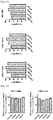
- BV421 anti-CD56 (Biolegend, 318328) was used in place of V450 anti-CD4. Each time, after the antibody treatment, light was blocked for 30 minutes and incubation was performed at 4°C. Thereafter, 3 mL of FACS buffer was added thereto, and centrifugation was performed at 2,000 rpm for 3 minutes at 4°C to remove the supernatant. All stained samples were obtained and analyzed with LSR Fortessa. The results are illustrated in Figs. 15 to 17 .
- gRNAs used to delete respective HLAs B2M-01, DRA-20, DQA-14, and DPA-13 were used. From the results in Fig. 15 , it was found that upon transfection with a single gRNA, deletion of the target HLA was achieved with high efficiency of at least 70% and up to 99%. From the results in Fig. 16 , it was found that efficiency of the multiplex deletion was not remarkably decreased as compared with efficiency of the single deletion. When efficiency of the multiplex deletion was compared with respect to the single deletion, the efficiency was represented by multiplying a value, which was obtained by dividing the '% negative' value of the single deletion by the '% negative' value of the multiplex deletion, by 100. In addition, referring to the results in Fig.
- Example 3.5 Analysis of activity of HLA-deleted T cells and NK cells
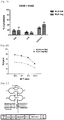
- Fig. 18 it was identified that even when HLA was deleted, the amounts of TNF- ⁇ , IFN- ⁇ , and CD 107 ⁇ , which are secreted when T cells were activated, are not different from HLA positive cells.
- Fig. 19 it was identified that even when HLA was deleted, the amounts of TNF- ⁇ , IFN- ⁇ , and CD107 ⁇ , which are secreted when NK cells are activated, were not different from HLA positive cells. From these results, it was found that activity of NK cells was maintained even when HLA-I and HLA-II were deleted.
- Example 4.1 Evaluation of cell-killing capacity of NK cells against HLA-I-deleted Raji cell line
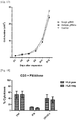
- NK cells In order to identify whether cell-killing capacity of NK cells is increased in HLA-I-deleted cells, Raji cell line was transfected with B2M-01 RNP complex, and HLA-I positive cells and HLA-I negative cells were separated using a cell separator. The respective cells were stained with Calcein-AM according to the manufacturer's instructions, and then 1 ⁇ 10 4 cells were incubated with NK-92MI cell line on a U-bottom plate at an E:T ratio of 10:1, 3:1, 1:1, or 0.3:1. After 5 hours, the amount of Calcein-AM secreted by cell death was measured with a fluorometer. As illustrated in Fig. 20 , it was identified that cell-killing capacity of NK cells was increased in HLA-I negative cells as compared with HLA-I positive cells.
- an HLA-E vector for introducing HLA-E into the cells was synthesized.
- transformed HLA-E (G-B2M-HLA-E) was synthesized in which B2M (SEQ ID NO: 237) was linked, via three first G 4 S linkers (SEQ ID NO: 238), to G-peptide (SEQ ID NO: 236) connected to B2M signal peptide (B2M SS; SEQ ID NO: 235), and B2M was linked, via four second G 4 S linkers (SEQ ID NO: 241), to HLA-E (SEQ ID NO: 240) attached with HA tag (SEQ ID NO: 239).
- B2M SEQ ID NO: 237
- B2M SEQ ID NO: 237
- G-peptide SEQ ID NO: 236
- B2M signal peptide B2M signal peptide
- B2M B2M was linked, via four second G 4 S linkers (SEQ ID NO: 241), to HLA-E (SEQ ID NO: 240) attached with HA tag (SEQ ID NO: 239).
- the transformed HLA-E-inserted pLVX-EFl ⁇ -IRES-Puro Vector was transfected into 293T cell line together with a lenti viral packaging vector. After 3 days, the lentiviral supernatant was obtained through a 0.45- ⁇ m filter. K562 cell line was subjected to treatment with the lentiviral supernatant, and centrifugation was performed at 3,000 rpm for 1 hour at 32°C. After 3 days, 1 ⁇ 10 6 cells were transferred to a 5-mL tube, and cell surface staining was carried out for 30 minutes with PE-Cy7 anti-HLA-E (Biolegend, 342608) and APC anti-B2M (Biolegend, 316312).
- HLA-E and B2M were expressed at high levels in the K562 cell line expressing the transformed HLA-E.
- Each of the K562 cell line expressing the transformed HLA-E and the control group K562 cell line was stained with Calcein-AM according to the manufacturer's instructions, and then 1 ⁇ 10 4 cells were incubated with NK cells on a U-bottom plate at an E:T ratio of 10:1, 3:1, 1: 1, or 0.3:1. After 5 hours, 100 ⁇ L was taken out from each incubate, and the amount of Calcein-AM secreted by cell death was measured with a fluorometer (VictorTMX3, PerkinElmer).
- a cell death phenomenon caused by NK cells was significantly decreased in case of the K562 cell line (K562 G-B2M-HLA-E) expressing the transformed HLA-E as compared with the control group K562 cell line (K562). From these results, it was found that expression of HLA-E could prevent cell death caused by NK cells.
- HLA-E to which G-peptide was bound was introduced to the HLA-I- and HLA-II-deleted NK cells prepared in Example 3 using the HLA-E vector prepared as in Example 4.2, to prepare transformed NK cells.
Landscapes
- Health & Medical Sciences (AREA)
- Life Sciences & Earth Sciences (AREA)
- Engineering & Computer Science (AREA)
- Genetics & Genomics (AREA)
- Biomedical Technology (AREA)
- Chemical & Material Sciences (AREA)
- Organic Chemistry (AREA)
- Zoology (AREA)
- Bioinformatics & Cheminformatics (AREA)
- Wood Science & Technology (AREA)
- Biotechnology (AREA)
- General Health & Medical Sciences (AREA)
- General Engineering & Computer Science (AREA)
- Immunology (AREA)
- Microbiology (AREA)
- Biochemistry (AREA)
- Molecular Biology (AREA)
- Cell Biology (AREA)
- Animal Behavior & Ethology (AREA)
- Veterinary Medicine (AREA)
- Public Health (AREA)
- Hematology (AREA)
- Epidemiology (AREA)
- Plant Pathology (AREA)
- Biophysics (AREA)
- Physics & Mathematics (AREA)
- Medicinal Chemistry (AREA)
- Pharmacology & Pharmacy (AREA)
- Chemical Kinetics & Catalysis (AREA)
- Nuclear Medicine, Radiotherapy & Molecular Imaging (AREA)
- General Chemical & Material Sciences (AREA)
- Virology (AREA)
- Developmental Biology & Embryology (AREA)
- Mycology (AREA)
- Crystallography & Structural Chemistry (AREA)
- Communicable Diseases (AREA)
- Gastroenterology & Hepatology (AREA)
- Proteomics, Peptides & Aminoacids (AREA)
- Oncology (AREA)
- Micro-Organisms Or Cultivation Processes Thereof (AREA)
Applications Claiming Priority (2)
| Application Number | Priority Date | Filing Date | Title |
|---|---|---|---|
| US201762587068P | 2017-11-16 | 2017-11-16 | |
| PCT/KR2018/014112 WO2019098759A2 (fr) | 2017-11-16 | 2018-11-16 | Cellule humaine transformée et son utilisation |
Publications (2)
| Publication Number | Publication Date |
|---|---|
| EP3712268A2 true EP3712268A2 (fr) | 2020-09-23 |
| EP3712268A4 EP3712268A4 (fr) | 2022-03-23 |
Family
ID=66537875
Family Applications (1)
| Application Number | Title | Priority Date | Filing Date |
|---|---|---|---|
| EP18877963.1A Withdrawn EP3712268A4 (fr) | 2017-11-16 | 2018-11-16 | Cellule humaine transformée et son utilisation |
Country Status (11)
| Country | Link |
|---|---|
| US (1) | US20200407713A1 (fr) |
| EP (1) | EP3712268A4 (fr) |
| JP (1) | JP2021503284A (fr) |
| KR (1) | KR20200074954A (fr) |
| CN (1) | CN111742049A (fr) |
| AU (1) | AU2018367792A1 (fr) |
| CA (1) | CA3082331A1 (fr) |
| IL (1) | IL274691A (fr) |
| MX (1) | MX2020005235A (fr) |
| SG (1) | SG11202004529XA (fr) |
| WO (1) | WO2019098759A2 (fr) |
Cited By (3)
| Publication number | Priority date | Publication date | Assignee | Title |
|---|---|---|---|---|
| US11459372B2 (en) | 2020-11-30 | 2022-10-04 | Crispr Therapeutics Ag | Gene-edited natural killer cells |
| US12241087B2 (en) | 2020-12-30 | 2025-03-04 | Crispr Therapeutics Ag | Compositions and methods for differentiating stem cells into NK cells |
| EP4259160A4 (fr) * | 2020-12-14 | 2025-05-14 | Emendobio Inc. | Inactivation biallélique de b2m |
Families Citing this family (5)
| Publication number | Priority date | Publication date | Assignee | Title |
|---|---|---|---|---|
| US12378572B2 (en) | 2018-09-07 | 2025-08-05 | Crispr Therapeutics Ag | Universal donor cells |
| PH12022550542A1 (en) | 2019-09-05 | 2023-03-20 | Crispr Therapeutics Ag | Universal donor cells |
| BR112022026534A2 (pt) * | 2020-07-03 | 2023-04-18 | Seattle Childrens Hospital Dba Seattle Childrens Res Inst | Métodos e composições para editar o locus b2m em células b |
| KR102932097B1 (ko) * | 2020-07-06 | 2026-02-27 | 주식회사 지씨셀 | 면역원성이 감소된 신규한 이식용 세포 |
| WO2022144855A1 (fr) | 2020-12-31 | 2022-07-07 | Crispr Therapeutics Ag | Cellules donneuses universelles |
Family Cites Families (9)
| Publication number | Priority date | Publication date | Assignee | Title |
|---|---|---|---|---|
| CN105683376A (zh) * | 2013-05-15 | 2016-06-15 | 桑格摩生物科学股份有限公司 | 用于治疗遗传病状的方法和组合物 |
| JP6598860B2 (ja) * | 2014-08-06 | 2019-10-30 | カレッジ オブ メディシン ポチョン チャ ユニバーシティ インダストリー−アカデミック コーオペレイション ファウンデーション | Hlaをコードする遺伝子のヌクレアーゼ媒介編集により作製される免疫適合性細胞 |
| EP3215623A4 (fr) * | 2014-11-06 | 2018-09-26 | President and Fellows of Harvard College | Cellules ne présentant pas d'expression en surface de b2m et procédés pour l'administration allogène de ces cellules |
| KR20250141836A (ko) * | 2015-11-04 | 2025-09-29 | 페이트 세러퓨틱스, 인코포레이티드 | 만능 세포의 유전자 조작 |
| WO2017093969A1 (fr) * | 2015-12-04 | 2017-06-08 | Novartis Ag | Compositions et procédés d'immuno-oncologie |
| BR112018012235A2 (pt) * | 2015-12-18 | 2018-12-04 | Sangamo Therapeutics Inc | rompimento alvejado do receptor de células de mhc |
| MX2018007987A (es) * | 2015-12-28 | 2019-01-10 | Novartis Ag | Composiciones y metodos para el tratamiento de hemoglobinopatias. |
| WO2017143210A1 (fr) * | 2016-02-19 | 2017-08-24 | The General Hospital Corporation | Méthodes de génération de cellules progénitrices hématopoïétiques compatibles avec mhc/hla personnalisées |
| EP3423580A1 (fr) * | 2016-03-04 | 2019-01-09 | Editas Medicine, Inc. | Méthodes, compositions et constituants associés à crispr/cpf1 pour l'immunothérapie du cancer |
-
2018
- 2018-11-16 MX MX2020005235A patent/MX2020005235A/es unknown
- 2018-11-16 US US16/764,664 patent/US20200407713A1/en not_active Abandoned
- 2018-11-16 AU AU2018367792A patent/AU2018367792A1/en not_active Abandoned
- 2018-11-16 JP JP2020527057A patent/JP2021503284A/ja active Pending
- 2018-11-16 WO PCT/KR2018/014112 patent/WO2019098759A2/fr not_active Ceased
- 2018-11-16 SG SG11202004529XA patent/SG11202004529XA/en unknown
- 2018-11-16 KR KR1020207011903A patent/KR20200074954A/ko not_active Ceased
- 2018-11-16 CA CA3082331A patent/CA3082331A1/fr not_active Abandoned
- 2018-11-16 EP EP18877963.1A patent/EP3712268A4/fr not_active Withdrawn
- 2018-11-16 CN CN201880074666.8A patent/CN111742049A/zh active Pending
-
2020
- 2020-05-14 IL IL274691A patent/IL274691A/en unknown
Cited By (5)
| Publication number | Priority date | Publication date | Assignee | Title |
|---|---|---|---|---|
| US11459372B2 (en) | 2020-11-30 | 2022-10-04 | Crispr Therapeutics Ag | Gene-edited natural killer cells |
| US11591381B2 (en) | 2020-11-30 | 2023-02-28 | Crispr Therapeutics Ag | Gene-edited natural killer cells |
| US12344655B2 (en) | 2020-11-30 | 2025-07-01 | Crispr Therapeutics Ag | Gene-edited natural killer cells |
| EP4259160A4 (fr) * | 2020-12-14 | 2025-05-14 | Emendobio Inc. | Inactivation biallélique de b2m |
| US12241087B2 (en) | 2020-12-30 | 2025-03-04 | Crispr Therapeutics Ag | Compositions and methods for differentiating stem cells into NK cells |
Also Published As
| Publication number | Publication date |
|---|---|
| WO2019098759A3 (fr) | 2019-07-18 |
| AU2018367792A1 (en) | 2020-06-11 |
| JP2021503284A (ja) | 2021-02-12 |
| CN111742049A (zh) | 2020-10-02 |
| WO2019098759A2 (fr) | 2019-05-23 |
| CA3082331A1 (fr) | 2019-05-23 |
| IL274691A (en) | 2020-06-30 |
| MX2020005235A (es) | 2020-08-24 |
| EP3712268A4 (fr) | 2022-03-23 |
| US20200407713A1 (en) | 2020-12-31 |
| SG11202004529XA (en) | 2020-06-29 |
| KR20200074954A (ko) | 2020-06-25 |
Similar Documents
| Publication | Publication Date | Title |
|---|---|---|
| EP3712268A2 (fr) | Cellule humaine transformée et son utilisation | |
| Dickinson et al. | Graft-versus-leukemia effect following hematopoietic stem cell transplantation for leukemia | |
| CN114836385B (zh) | 改变cart细胞中的基因表达及其用途 | |
| JP6991131B2 (ja) | Hiv感染症を処置するためにt細胞を再度方向付ける方法 | |
| US20230190809A1 (en) | Alternative generation of allogeneic human t cells | |
| JP2022523052A (ja) | 変異型rasを標的とするための組成物および方法 | |
| US11786550B2 (en) | gRNA targeting HPK1 and a method for editing HPK1 gene | |
| CN111373260A (zh) | 产生调节性免疫细胞的方法及其用途 | |
| Babor et al. | The role of KIR genes and ligands in leukemia surveillance | |
| CN115916963A (zh) | 白血病来源的经修饰细胞用于增强过继性细胞治疗的效力的离体用途 | |
| Kath et al. | CAR NK-92 cell–mediated depletion of residual TCR+ cells for ultrapure allogeneic TCR-deleted CAR T-cell products | |
| Van Der Veken et al. | HLA class II restricted T-cell receptor gene transfer generates CD4+ T cells with helper activity as well as cytotoxic capacity | |
| US20250270546A1 (en) | Guide rnas and uses thereof | |
| Rajalingam | Harnessing Natural Killer Cells for Cancer Therapy | |
| HK40034243A (en) | Transformed human cell and use thereof | |
| Liu et al. | DCs sensitized with mPD-L1-Ig fusion protein improve the effect of heart transplantation in mice by promoting the generation of T-reg cells | |
| Thomas et al. | Human CD8+ memory and EBV-specific T cells show low alloreactivity in vitro and in CD34+ stem cell–engrafted NOD/SCID/IL-2Rγcnull mice | |
| HK40112241A (en) | Altering gene expression in car-t cells and uses thereof | |
| Besser et al. | Development of Allogeneic NK Cell Adoptive Transfer Therapy in | |
| EA051132B1 (ru) | Изменение экспрессии гена в cart-клетках и их применения |
Legal Events
| Date | Code | Title | Description |
|---|---|---|---|
| STAA | Information on the status of an ep patent application or granted ep patent |
Free format text: STATUS: THE INTERNATIONAL PUBLICATION HAS BEEN MADE |
|
| PUAI | Public reference made under article 153(3) epc to a published international application that has entered the european phase |
Free format text: ORIGINAL CODE: 0009012 |
|
| STAA | Information on the status of an ep patent application or granted ep patent |
Free format text: STATUS: REQUEST FOR EXAMINATION WAS MADE |
|
| 17P | Request for examination filed |
Effective date: 20200508 |
|
| AK | Designated contracting states |
Kind code of ref document: A2 Designated state(s): AL AT BE BG CH CY CZ DE DK EE ES FI FR GB GR HR HU IE IS IT LI LT LU LV MC MK MT NL NO PL PT RO RS SE SI SK SM TR |
|
| AX | Request for extension of the european patent |
Extension state: BA ME |
|
| DAV | Request for validation of the european patent (deleted) | ||
| DAX | Request for extension of the european patent (deleted) | ||
| RIC1 | Information provided on ipc code assigned before grant |
Ipc: C12N 5/0783 20100101ALI20211110BHEP Ipc: C12N 15/113 20100101AFI20211110BHEP |
|
| A4 | Supplementary search report drawn up and despatched |
Effective date: 20220217 |
|
| RIC1 | Information provided on ipc code assigned before grant |
Ipc: C12N 5/0783 20100101ALI20220211BHEP Ipc: C12N 15/113 20100101AFI20220211BHEP |
|
| STAA | Information on the status of an ep patent application or granted ep patent |
Free format text: STATUS: THE APPLICATION IS DEEMED TO BE WITHDRAWN |
|
| 18D | Application deemed to be withdrawn |
Effective date: 20220920 |