EP3712787A1 - Procédé de génération d'une description sémantique d'une interaction composite - Google Patents
Procédé de génération d'une description sémantique d'une interaction composite Download PDFInfo
- Publication number
- EP3712787A1 EP3712787A1 EP19163492.2A EP19163492A EP3712787A1 EP 3712787 A1 EP3712787 A1 EP 3712787A1 EP 19163492 A EP19163492 A EP 19163492A EP 3712787 A1 EP3712787 A1 EP 3712787A1
- Authority
- EP
- European Patent Office
- Prior art keywords
- semantic
- entity
- interaction
- industrial
- composite
- Prior art date
- Legal status (The legal status is an assumption and is not a legal conclusion. Google has not performed a legal analysis and makes no representation as to the accuracy of the status listed.)
- Granted
Links
Images



Classifications
-
- G—PHYSICS
- G06—COMPUTING OR CALCULATING; COUNTING
- G06F—ELECTRIC DIGITAL DATA PROCESSING
- G06F40/00—Handling natural language data
- G06F40/10—Text processing
- G06F40/166—Editing, e.g. inserting or deleting
- G06F40/186—Templates
-
- G—PHYSICS
- G06—COMPUTING OR CALCULATING; COUNTING
- G06F—ELECTRIC DIGITAL DATA PROCESSING
- G06F8/00—Arrangements for software engineering
- G06F8/20—Software design
-
- G—PHYSICS
- G06—COMPUTING OR CALCULATING; COUNTING
- G06F—ELECTRIC DIGITAL DATA PROCESSING
- G06F16/00—Information retrieval; Database structures therefor; File system structures therefor
- G06F16/30—Information retrieval; Database structures therefor; File system structures therefor of unstructured textual data
- G06F16/33—Querying
- G06F16/3331—Query processing
- G06F16/334—Query execution
- G06F16/3344—Query execution using natural language analysis
-
- G—PHYSICS
- G06—COMPUTING OR CALCULATING; COUNTING
- G06F—ELECTRIC DIGITAL DATA PROCESSING
- G06F16/00—Information retrieval; Database structures therefor; File system structures therefor
- G06F16/30—Information retrieval; Database structures therefor; File system structures therefor of unstructured textual data
- G06F16/36—Creation of semantic tools, e.g. ontology or thesauri
- G06F16/367—Ontology
-
- G—PHYSICS
- G06—COMPUTING OR CALCULATING; COUNTING
- G06F—ELECTRIC DIGITAL DATA PROCESSING
- G06F3/00—Input arrangements for transferring data to be processed into a form capable of being handled by the computer; Output arrangements for transferring data from processing unit to output unit, e.g. interface arrangements
- G06F3/01—Input arrangements or combined input and output arrangements for interaction between user and computer
- G06F3/048—Interaction techniques based on graphical user interfaces [GUI]
- G06F3/0484—Interaction techniques based on graphical user interfaces [GUI] for the control of specific functions or operations, e.g. selecting or manipulating an object, an image or a displayed text element, setting a parameter value or selecting a range
- G06F3/0486—Drag-and-drop
-
- G—PHYSICS
- G06—COMPUTING OR CALCULATING; COUNTING
- G06F—ELECTRIC DIGITAL DATA PROCESSING
- G06F40/00—Handling natural language data
- G06F40/30—Semantic analysis
-
- G—PHYSICS
- G06—COMPUTING OR CALCULATING; COUNTING
- G06F—ELECTRIC DIGITAL DATA PROCESSING
- G06F8/00—Arrangements for software engineering
- G06F8/30—Creation or generation of source code
- G06F8/34—Graphical or visual programming
-
- G—PHYSICS
- G06—COMPUTING OR CALCULATING; COUNTING
- G06F—ELECTRIC DIGITAL DATA PROCESSING
- G06F8/00—Arrangements for software engineering
- G06F8/30—Creation or generation of source code
- G06F8/38—Creation or generation of source code for implementing user interfaces
-
- H—ELECTRICITY
- H04—ELECTRIC COMMUNICATION TECHNIQUE
- H04L—TRANSMISSION OF DIGITAL INFORMATION, e.g. TELEGRAPHIC COMMUNICATION
- H04L41/00—Arrangements for maintenance, administration or management of data switching networks, e.g. of packet switching networks
- H04L41/22—Arrangements for maintenance, administration or management of data switching networks, e.g. of packet switching networks comprising specially adapted graphical user interfaces [GUI]
Definitions
- the disclosed embodiments relate to method for generating a semantic description of a composite interaction in order to define a functionality of at least one industrial entity.
- Internet of Things in an industrial context means a concept which functionally connects Things - or industrial entities - in order to achieve a composite interaction, e.g. for tracking, monitoring and management of a more complex industrial entity.
- industrial entities may vary in terms of complexity, ranging from single sensors, devices, equipment, systems, sub-systems, or eventually complete processes in an industrial environment.
- a vivid concept of a »digital twin « has been introduced by which physical capabilities of the industrial entity are expressed using a machine-readable and - influenceable description - digital twin - of the industrial entity.
- the digital twin of an industrial entity is commonly based on well-defined semantic models for describing properties, interactions and/or events of an industrial entity in a platform-agnostic, format-neutral and consistent format.
- the present invention relates to a method for generating a semantic description of a composite interaction, including the steps of:
- composition unit which is capable of representing semantic models of industrial entities by respective entity icons.
- a parsing unit is applied to identify one or more semantically expressed interactions of the semantic configuration template and providing access to a respective interaction by at least one interconnectable node assigned to the entity icon.
- Interaction may include actions, events and properties which the semantic configuration templates provide.
- a composite interaction is defined by intuitively assembling a data flow by interconnecting nodes of one or more entity icons in response to user input. Consecutively, this flow chart - including its entity icons and interconnected nodes - is transformed into a semantical representation to form the semantic description of the composite interaction between the one or more involved industrial entities. The semantic description of the composite interaction is then stored in an industrial knowledge graph.
- a knowledge graph is a semantic repository wherein the knowledge saved therein is organized in a graph structure. This organization make knowledge graphs especially efficient for discovery operations.
- a knowledge graph connects things of different types in a systematic way.
- Knowledge graphs encode knowledge arranged in a network of nodes and links rather than tables of rows and columns.
- machines benefit from a dynamically growing semantic network of facts about things and can use it for data integration, knowledge discovery, and in-depth analysis.
- the proposed embodiments further provide discovering already existing semantic descriptions by a semantic reasoner with the purpose of re-using already configured semantic descriptions of industrial entities. Out of the plurality of already existing semantic descriptions of industrial entities, semantically similar descriptions are of particular interest for complementing a yet missing but desired interaction in the context of generating the composite interaction.
- a semantic reasoner is interpreting functional requirements of the present - prematurely developed - composite interaction and inferring one or more suitable interactions which would fit - apart from some necessary adaption in the configuration of attributes - into the functional needs of the composite interaction to be developed.
- semantic discovery techniques are used to resolve semantic similarities amongst the plurality of semantic descriptions.
- information retrieval techniques are used to resolve said semantic similarities.
- concepts used in an industrial domain and the relationships among them are modelled in an industrial domain ontology.
- An ontological similarity of the semantic annotations associated with an interaction description is derived by inferring the domain ontology.
- the at least one semantic description of at least one industrial entity is then provided as at least one entity icon corresponding to the semantic description as retrieved and selected by a user.
- a further configuration is optionally optimized throughout an inference procedure of the reasoner.
- the proposed embodiments advantageously provide a semantic-driven ecosystem which enables a non-semantic expert to use semantic definitions for developing semantically structured, interoperable interactions, which are directly usable for defining interoperable industrial applications.
- the proposed embodiments thereby significantly reduce time and effort required for an industrial application development.
- IIoT Industrial Internet of Things
- various sensors and actuators are attached to industrial entities in order to sense and interact with the physical environment.
- a digital twin assigned to an industrial entity expresses physical capabilities of the industrial entity by a machine-readable and - influenceable description of the industrial entity.
- the digital twin of an industrial entity is commonly based on well-defined semantic descriptions in a platform-agnostic, format-neutral and consistent format. Such semantic descriptions are usually expressed by OPC-UA standards, or by model referred to as »iot.schema.org «.
- OPC UA Open Platform Communications Unified Architecture
- OPC UA Open Platform Communications Unified Architecture
- iot.schema.org models comprise a set of extensible schemas for structured data supporting semantic interoperability for connected things across diverse IoT systems.
- Semantic descriptions require a semantic expertise so that their development and even their configuration is generally challenging for application engineers who are not experts in the field of semantic descriptions.
- a composite interaction is understood as an interaction made of independent and/or dependent atomic interactions for defining activities or tasks participating to at least one process and generating a workflow, i.e. a set of ordered activities depending one from the other and being executed in an organized or orchestrated manner in order to produce a desired result.
- the present embodiments provide a development platform in which a development and configuration of semantic descriptions is intuitively compiled by providing entity icons as a graphical representation of a semantic description, wherein composite interactions are defined by a work flow. Further on, attributes to be emended for configuration are accessed to a user input rather than by querying and amending code lines of the semantic description.
- entity icons and visually defining a work flow for connecting nodes representing an interaction between entity icons allows application engineers to easily create composite interactions, without having a detailed expertise of the complex structure of the semantic descriptions.
- FIG. 1 shows a block diagram of possible stages in the development of an industrial application.
- Formally unstructured data 10 such as a temperature value, a thermostat entity or a brightness value
- unstructured in terms of a semantic heterogeneity that is, different names are used to represent a same thing, or a same name is used to represent different things, resulting in an ambiguous description of things and hindering discoverability of things for application development.
- these unstructured data 10 are structured by graphical configuration templates 20, accordingly shown as a configuration template of a Temperature Model, a configuration template of a Thermostat Model and a configuration template of a Brightness Model.
- the configuration templates 20 provide a means to graphically configure an industrial entity according to a semantic model.
- configuration templates can be instantiated to execute composite interactions between industrial entities, across diverse domains, vendors and platforms.
- the same graphical configuration templates can be used to design application templates 40.
- a design and development of applications is realized with graphical components, hereinafter also referred to as entity icons.
- the configuration templates can be instantiated to execute composite interactions between industrial entities, across diverse domains, vendors and platforms.
- Distinct advantages of these configuration templates 20 are given by the fact that they are automatically generated from semantic models and that they are interpretable by semantic reasoners.
- the interpretability by semantic reasoners provides further distinguishing advantages in the discovery of suitable configuration templates by performing a semantic discovery, identifying semantically similar semantic descriptions and providing entity icons corresponding to the semantically similar semantic description.
- the embodiments may assist a user to automatically instantiate the application template on existing physical assets.
- a system is considered wherein a temperature sensor includes an integrated thermostat.
- a device vendor aiming to configure the semantics of said devices in a machine interpretable format is using graphical configuration templates 20, here a Temperature Model and a Thermostat Model, configuring these templates and eventually generating a semantic description of the industrial entities, a Temperature Thing and a Thermostat Thing as shown in box 30 of FIG. 1 representing a collection of Configured Things 30.
- an application engineer may use the graphical configuration templates 40, configure the entity icons and connect their interactions, eventually creating a machine interpretable IoT application template 40.
- interactions may be expressed in different ways.
- the model according to iot.schema.org describes functionality of a class of Things in terms of capability, interaction patterns and data schema they offer. Interactions are referred to as interaction patterns in iot.schema.org and include actions, events, and properties which a thing provides. These are called Interaction Patterns as one can interact with a thing throughout them, i.e., to read a property of a thing, to trigger its actions, or to consume an event raised by the thing.
- iot.schema.org also specifies a data schema of interaction patterns. That is, it specifies data consumed and/or produced by an interaction pattern of a thing in terms of value type of the data, the data range (minimum and maximum values), unit of measurement, allowed values etc.
- An interaction pattern with its data schema is an atomic interaction, also referred to as atomic capability or skill of a thing.
- OPC-UA companion specifications or other domain specific semantic models and/or ontologies.
- Such companion specifications are used to define domain-specific semantic models or schemas extending the OPC-UA model (Open Platform Communications Unified Architecture).
- the exemplary temperature sensor provides the current temperature measurement in a room.
- This temperature sensor is semantically described by schema according to iot.schema.org in terms of a capability entitled »TemperatureSensing «.
- This capability provides a property entitled »Temperature «.
- the definition of iot.schema.org for »Temperature « property is shown below.
- the »Temperature « property provides an output data entitled »TemperatureData «.
- the schema iot.schema.org stipulates the data type of this output data »TemperatureData « to be provided by a value type float. Moreover, a range, i.e. a minimum and a maximum value of this output data »TemperatureData « are to be specified, each by a value type float. Further on, the unit of measurement of Temperature is to be specified to »DegreeCelsius «, »Kelvin « or »Fahrenheit «.
- a data schema will be part of an interaction pattern which will be represented as an entity icon, i.e. a graphical and configurable template according to the embodiments. These Entity icons are automatically generated from the semantic models. In order to configure the capabilities of a industrial entity, a user is able to discover required entity icons and to configure them according to the device specifications.
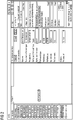
- FIG. 2 shows such an entity icon entitled »temperature « corresponding to the semantic configuration template of the »Temperature « property along with a list of configuration attributes for configuring the temperature property. These attributes can be parameterized to configure the temperature property of a thing.
- the output of the configured nodes is a configuration file that can be used to generate semantic description of a thing for an IoT ecosystem.
- FIG. 2 in general shows a possible graphical user interface - also referred to as composition panel - of a composition unit according to the embodiments.
- the composition panel visualizes a composition of entity icons.
- this composition panel here entitled by »Flow 1 «, solely contains and depicts the entity icon »temperature «.
- Another panel entitled »filter nodes « on the left side to this composition panel provides more entity icons for selection - by way of a drag-and-drop operation - by a user.
- a configuration panel on the right side to this composition panel - which is here entitled »Edit temperature node « due to a user's selection of the entity icon »temperature « - provides one or more control elements for accessing attributes of this selected entity icon for providing user input by said control elements, such as input boxes, pull down menus etc. in order to configure attributes the selected entity icons.
- node properties- for configuring the interaction pattern and its data, including:
- Entity icons corresponding to the semantic configuration template are basic building blocks of the embodiments for configuring a digital twin according to device specifications of the corresponding industrial entity. Moreover, an IoT application can also be easily designed and developed using these entity icons as described further down below.
- One of the possible outputs of the entity icon as configured according to FIG. 2 is a semantic configuration template of the industrial entity - here: the temperature sensor - including constraints as configured above using configuration attributes for the interaction pattern of the industrial entity.
- the listing below shows a snippet of the semantic configuration template specified by a SHACL shape:
- the semantic configuration template includes the configurations customized according to a vendor specification for the exemplary temperature sensor.
- the temperature sensor provides temperature data by a data type float within a temperature range between 0.00 and 100.00 degrees Celsius.
- the semantic configuration template of this industrial entity can be used to generate a semantic description of the industrial entity for a specific ecosystem such as:
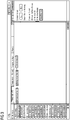
- FIG. 3 shows a composition panel of the composition unit in a further stage of development, wherein an entity icon of the industrial entity »TemperatureDevice« is connected to an entity icon »TD generator « - Thing Description Generator - in order to generate a semantic description of the industrial entity, the exemplary temperature device.
- the entity icon »TD generator « generates a Thing Description with semantic mark-ups from iot.schema.org using the configured industrial entity as input.
- the user is able to configure information about the industrial entity such as the base URI (Uniform Resource Identifier) by which the industrial entity can be accessed and/or name and security meta data of the industrial entity.
- the entity icon »TD generator « generates a semantically enriched Thing Description as output.
- the semantic description can be stored in a semantic repository, such as an industrial knowledge graph for efficient discovery or a Thing Directory which is a triple store with RESTful interface provided by the Web of Things interest group of the World Wide Web Consortium (W3C).
- the term RESTful refers to a distributed web services scheme also known in the art as »Representational State Transfer « or REST. This REST scheme is stateless, i.e. between two communicating partners no status information are stored between two REST messages. Web services that conform to the REST schema are also called RESTful.
- request schemes are used which are already defined in the HTTP transmission protocol, for example the well-known request schemes GET, POST, PUT / PATCH or DELETE.
- »Brownfield Devices as opposed to a »greenfield device « supporting a semantically operable IoT standard - refers to a state-of-the-art industrial device operated by a legacy description language which is to be deployed in a contemporary IoT environment, or communicating over a protocol, which is not known to the rest of a system or application.
- There are several device description languages implemented on brownfield devices which need to be integrated into a semantic IoT environment. It is an object of the proposed embodiments to support an integration of brownfield devices operated by such legacy description languages of any kind.
- the embodiments support »semantification « of brownfield devices by an integration with standardized semantics.
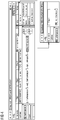
- FIG. 4 shows a graphical interface of the composition unit, wherein an entity icon »hueTemperature « is modelling a brownfield device to be integrated.
- an entity icon according to a similar configuration template is discovered by a semantic search which is then selected.
- the selected entity icon »hueTemperature « is then adjusted and configured with parameters according to the specification of the desired brownfield device.
- the configuration is adapted to the device specification which is embodied by an entity icon »RoomTemperature « as shown in FIG. 4 .
- entity icons »hueTemperature« and »RoomTemperature « are connected.
- the connection between the entity icons »hueTemperature « and »RoomTemperature « is not a direct connection and includes two further entity icons, namely a »DataTypeAdapter « and a »UnitAdapter «. This is for the reason that some brownfield device - as in the exemplary use case - require one or more adaptations to make an existing brownfield device data set compliant with a corresponding iot.schema.org specification as provided by the corresponding semantic description of the entity icon »RoomTemperature «.
- the input or output data schema of an industrial entity is to be adopted.
- a value type, encoding format, unit of measurement of data of the entity icon »hueTemperature « is to be adopted since it outputs a temperature value with a data type integer while the temperature interaction pattern embodied by the entity icon »RoomTemperature « prescribes the temperature data has to be of a data type float.
- the entity icon »DataTypeAdapter « provides an adaptation between these data types.
- adapting entity icons are provided to adopt the semantics of a device as prescribed by a semantic template.
- a further adapting entity »UnitAdapter « as shown in FIG. 4 adapts an output temperature in a unit of degrees Fahrenheit to a required unit of Kelvin. Further adapting entities may be provided to convert data from integer to float or from float to double; data in string format to JSON or vice versa; data from one unit of measurement to another.
- a user first selects temperature template and thermostat template as shown in FIG. 7 .
- the temperature template and thermostat template are shown as entity icons »Temperature « and »Thermostat«, respectively.
- the user configures these entity icons by amending at least one attribute according to device specifications of the industrial entity and to define requirements of the interactions of the entity icons in order to run the application.
- a configuration of operation attributes such as to specifying REST operations may be necessary.
- REST operations may include data the aforementioned access operations, e.g., GET operation, or triggering an action, e.g., by a POST or PUT operation.
- nodes of the entity icons are connected in order to describe the data flow between participating entity icons for to executing the composite interaction.
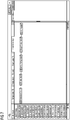
- FIG. 5 shows the design of the composite interaction for the exemplary use case.
- the application template can be serialized in JSON or XML or any RDF serialization format - such as JSON-LD, Turtle etc. -and finally saved in the semantic repository to discover, reuse or extend the application template or to implement the application.
- the development process is mostly automated.
- a user interacts with the composition unit only for decision making.
- an entity icon entitled »Match Maker« as shown in FIG. 6 is introduced.
- Match maker is a graphical representation of a machine reasoner, which interprets a semantic expression of the composite interaction and the semantic descriptions of industrial entities. With the help of the machine interpretable semantic descriptions, the machine reasoner automates the discovery of industrial entities that match to the requirements of a semantic configuration template.
- match maker includes a semantic reasoner for interpreting the semantic expression of the composite interaction and performing a semantic discovery of functional requirements of the composite interaction amongst the plurality of semantic descriptions of industrial entities stored in the industrial knowledge graph. After identifying at least one semantically similar semantic description the semantic reasoner provides, in response to user input, the at least one semantically similar semantic description as at least one entity icon corresponding to the semantically similar semantic description.
- the user is assisted by the following steps to instantiate, configure and deploy a composite interaction or an application from one or more templates:
- the application templates created in the previous step are stored in an industrial knowledge graph.
- a user can discover a required template from the repository. She or he then uses the match maker and configures the template to the semantic repository where the semantic descriptions of the things are stored.
- the match maker takes the application template as input, generates queries to discover compatible industrial entities required for the application and eventually discovers the industrial entities matching the application requirements. That is, the compatibility between an application and industrial entities is automatically checked or validated.
- the match maker automatically discovers the temperature sensor and thermostat devices. This is possible due to the usage of standardized semantic models, which provide standardized interface of an industrial entity. Using the match maker, the user is able to select desired industrial entities amongst the discovered industrial entities as shown in FIG. 5 . After this step, the user can simply instantiate the application »Temperature App« with selected industrial entities by activating a button »Create « as shown in FIG. 6 .
- FIG. 7 shows the application instantiated with the temperature sensor and thermostat devices according to the exemplary use case. This instance is automatically generated by considering the industrial entities selected by the user. After instantiating the application, the user can deploy it either on a cloud space or on an edge device, which is deployed on an industrial system or on a computer of the user.
- the embodiments proposed herein provide a simplified configuration of an industrial entity and an application development using a visual programming environment.
- the concept is based on graphical representation of semantic models as configurable entity icons.
- An entity icon corresponding to a semantic configuration template acts as a template for an atomic capability of an industrial entity ensuring a configuration that is consistent with preconfigured solutions of the semantic model.
- the entity icon can be customized according to a device specification of the industrial entity by configuring one or more attributes according to the device specifications.
- the configuration step is guided and validated.
- One or more configured entity icons can be used to describe capabilities of an industrial entity or to create an IoT application template. Semantics and their graphical representation play the key role in the embodiments, thereby achieving the following advantages:
Landscapes
- Engineering & Computer Science (AREA)
- Theoretical Computer Science (AREA)
- General Engineering & Computer Science (AREA)
- Physics & Mathematics (AREA)
- General Physics & Mathematics (AREA)
- Software Systems (AREA)
- Computational Linguistics (AREA)
- Artificial Intelligence (AREA)
- General Health & Medical Sciences (AREA)
- Health & Medical Sciences (AREA)
- Audiology, Speech & Language Pathology (AREA)
- Human Computer Interaction (AREA)
- Data Mining & Analysis (AREA)
- Databases & Information Systems (AREA)
- Life Sciences & Earth Sciences (AREA)
- Animal Behavior & Ethology (AREA)
- User Interface Of Digital Computer (AREA)
Priority Applications (3)
| Application Number | Priority Date | Filing Date | Title |
|---|---|---|---|
| EP19163492.2A EP3712787B1 (fr) | 2019-03-18 | 2019-03-18 | Procédé de génération d'une description sémantique d'une interaction composite |
| US16/815,274 US11023211B2 (en) | 2019-03-18 | 2020-03-11 | Methods for generating a semantic description of a composite interaction |
| CN202010190674.8A CN111723176B (zh) | 2019-03-18 | 2020-03-18 | 一种用于生成合成交互的语义描述的方法 |
Applications Claiming Priority (1)
| Application Number | Priority Date | Filing Date | Title |
|---|---|---|---|
| EP19163492.2A EP3712787B1 (fr) | 2019-03-18 | 2019-03-18 | Procédé de génération d'une description sémantique d'une interaction composite |
Publications (2)
| Publication Number | Publication Date |
|---|---|
| EP3712787A1 true EP3712787A1 (fr) | 2020-09-23 |
| EP3712787B1 EP3712787B1 (fr) | 2021-12-29 |
Family
ID=65903904
Family Applications (1)
| Application Number | Title | Priority Date | Filing Date |
|---|---|---|---|
| EP19163492.2A Active EP3712787B1 (fr) | 2019-03-18 | 2019-03-18 | Procédé de génération d'une description sémantique d'une interaction composite |
Country Status (3)
| Country | Link |
|---|---|
| US (1) | US11023211B2 (fr) |
| EP (1) | EP3712787B1 (fr) |
| CN (1) | CN111723176B (fr) |
Cited By (1)
| Publication number | Priority date | Publication date | Assignee | Title |
|---|---|---|---|---|
| EP4075213A1 (fr) * | 2021-04-16 | 2022-10-19 | Siemens Aktiengesellschaft | Procédé et système de génération de programmes d'ingénierie pour un domaine industriel |
Families Citing this family (19)
| Publication number | Priority date | Publication date | Assignee | Title |
|---|---|---|---|---|
| EP3805993A1 (fr) * | 2019-10-10 | 2021-04-14 | Siemens Aktiengesellschaft | Génération de représentations structurées sous forme de graphes de systèmes de friche industrielle |
| CN113554063B (zh) * | 2021-06-25 | 2024-04-23 | 西安电子科技大学 | 一种工业数字孪生虚实数据融合方法、系统、设备、终端 |
| EP4134764A1 (fr) * | 2021-08-10 | 2023-02-15 | Siemens Aktiengesellschaft | Procédé de configuration d'un dispositif d'automatisation |
| EP4137984A1 (fr) * | 2021-08-16 | 2023-02-22 | Siemens Aktiengesellschaft | Procédé et appareil de transformation de spécification industrielle standard en au moins une règle instanciée |
| US20250130545A1 (en) * | 2022-01-29 | 2025-04-24 | Siemens Aktiengesellschaft | Workflow Construction Methods and Systems |
| WO2023142077A1 (fr) * | 2022-01-29 | 2023-08-03 | 西门子股份公司 | Procédé, dispositif et système de génération de flux de travail, support et produit-programme |
| WO2023142075A1 (fr) * | 2022-01-29 | 2023-08-03 | 西门子股份公司 | Procédé et appareil de création de flux de travail, plateforme et support lisible par ordinateur |
| WO2023142066A1 (fr) * | 2022-01-29 | 2023-08-03 | 西门子股份公司 | Procédé et système de construction et de surveillance de flux de travail, et support et produit programme |
| CN118556227A (zh) * | 2022-01-29 | 2024-08-27 | 西门子股份公司 | 信息处理方法、装置、计算设备和计算机可读介质 |
| CN118556241A (zh) * | 2022-01-29 | 2024-08-27 | 西门子股份公司 | 工作流生成方法、系统、介质及程序产品 |
| WO2023164844A1 (fr) * | 2022-03-02 | 2023-09-07 | 西门子股份公司 | Procédé et système d'exécution de flux de travail, support et produit-programme |
| US12498904B2 (en) * | 2022-03-22 | 2025-12-16 | International Business Machines Corporation | Automated knowledge graph based regression scope identification |
| JP1760903S (ja) * | 2022-04-28 | 2024-01-09 | グラフィカルユーザーインターフェース [コンピュータースクリーンレイアウト] | |
| WO2023240584A1 (fr) * | 2022-06-17 | 2023-12-21 | 之江实验室 | Procédé et appareil d'expression sémantique de connaissances inter-média |
| WO2024159423A1 (fr) * | 2023-01-31 | 2024-08-08 | 西门子股份公司 | Procédé et appareil de validation sémantique pour modèle d'informations opc ua, et dispositif et support de stockage |
| WO2024254414A2 (fr) * | 2023-06-07 | 2024-12-12 | Aveva Software, Llc. | Système intelligent prescriptif pour travailleurs industriels mobiles |
| CN121533001A (zh) * | 2023-09-25 | 2026-02-13 | 西门子股份公司 | 生成数据流模型的方法、装置、电子设备和存储介质 |
| US20250315030A1 (en) * | 2024-04-08 | 2025-10-09 | Intelligent Platforms, Llc | Methods and apparatus to implement multi-aspect objects for control systems |
| EP4610806A1 (fr) * | 2024-09-18 | 2025-09-03 | Siemens Aktiengesellschaft | Développement d'un modèle d'informations pour un dispositif d'automatisation industrielle |
Citations (2)
| Publication number | Priority date | Publication date | Assignee | Title |
|---|---|---|---|---|
| US20160026631A1 (en) * | 2014-07-23 | 2016-01-28 | Cisco Technology, Inc. | Network control and management using semantic reasoners in a network environment |
| WO2016128415A1 (fr) * | 2015-02-09 | 2016-08-18 | Eurotech S.P.A. | Système et procédé de gestion de données dans une interaction entre machines |
Family Cites Families (7)
| Publication number | Priority date | Publication date | Assignee | Title |
|---|---|---|---|---|
| US20090198530A1 (en) * | 2008-01-31 | 2009-08-06 | International Business Machines Corporation | Automated solution for managing ancillary working relationships in an organization |
| CN102262622A (zh) * | 2010-05-31 | 2011-11-30 | 国际商业机器公司 | 文档处理、模板生成及概念库生成方法和装置 |
| KR101319967B1 (ko) * | 2011-09-23 | 2013-10-21 | 인하대학교 산학협력단 | 지식 검색 시스템에서 의미적인 퍼지 포함 정도를 사용한 탐색적 지식 추천 방법 |
| EP3101534A1 (fr) * | 2015-06-01 | 2016-12-07 | Siemens Aktiengesellschaft | Procede et produit de programme informatique permettant de representer semantiquement un systeme de dispositifs |
| CN105957521B (zh) * | 2016-02-29 | 2020-07-10 | 青岛克路德机器人有限公司 | 一种用于机器人的语音和图像复合交互执行方法及系统 |
| CN108159687B (zh) * | 2017-12-19 | 2021-06-04 | 芋头科技(杭州)有限公司 | 一种基于多人交互过程的自动引导系统及智能音箱设备 |
| CN111788565A (zh) * | 2018-02-27 | 2020-10-16 | 康维达无线有限责任公司 | 分布式语义数据的语义操作和推理支持 |
-
2019
- 2019-03-18 EP EP19163492.2A patent/EP3712787B1/fr active Active
-
2020
- 2020-03-11 US US16/815,274 patent/US11023211B2/en active Active
- 2020-03-18 CN CN202010190674.8A patent/CN111723176B/zh active Active
Patent Citations (2)
| Publication number | Priority date | Publication date | Assignee | Title |
|---|---|---|---|---|
| US20160026631A1 (en) * | 2014-07-23 | 2016-01-28 | Cisco Technology, Inc. | Network control and management using semantic reasoners in a network environment |
| WO2016128415A1 (fr) * | 2015-02-09 | 2016-08-18 | Eurotech S.P.A. | Système et procédé de gestion de données dans une interaction entre machines |
Non-Patent Citations (2)
| Title |
|---|
| ANONYMOUS: "CSIRO Research Publications Repository - Semantics-based Plug-and-Play Configuration of Sensor Network Services", 21 August 2014 (2014-08-21), XP055198986, Retrieved from the Internet <URL:https://publications.csiro.au/rpr/pub?list=BRO&pid=csiro:EP104499&sb=RECENT&n=8&rpp=25&page=30&tr=5035&dr=all&dc4.browseYear=2011> [retrieved on 20150629] * |
| MAINETTI LUCA ET AL: "A novel rule-based semantic architecture for IoT building automation systems", 2015 23RD INTERNATIONAL CONFERENCE ON SOFTWARE, TELECOMMUNICATIONS AND COMPUTER NETWORKS (SOFTCOM), UNIVERSITY OF SPLIT, FESB, 16 September 2015 (2015-09-16), pages 124 - 131, XP032803743, DOI: 10.1109/SOFTCOM.2015.7314063 * |
Cited By (1)
| Publication number | Priority date | Publication date | Assignee | Title |
|---|---|---|---|---|
| EP4075213A1 (fr) * | 2021-04-16 | 2022-10-19 | Siemens Aktiengesellschaft | Procédé et système de génération de programmes d'ingénierie pour un domaine industriel |
Also Published As
| Publication number | Publication date |
|---|---|
| CN111723176B (zh) | 2023-11-07 |
| CN111723176A (zh) | 2020-09-29 |
| EP3712787B1 (fr) | 2021-12-29 |
| US11023211B2 (en) | 2021-06-01 |
| US20200301675A1 (en) | 2020-09-24 |
Similar Documents
| Publication | Publication Date | Title |
|---|---|---|
| US11023211B2 (en) | Methods for generating a semantic description of a composite interaction | |
| US12443660B2 (en) | Gateway and method for transforming a description of an industrial process equipment into a data information model | |
| Di Martino et al. | Semantic representation of cloud patterns and services with automated reasoning to support cloud application portability | |
| Bodenbenner et al. | Domain-specific language for sensors in the internet of production | |
| CN109923517B (zh) | 用于使用多个分布式交互模式来将应用组合的方法 | |
| Butzin et al. | A model based development approach for building automation systems | |
| Puttonen et al. | A Semantic Web Services-based approach for production systems control | |
| WO2025140352A1 (fr) | Procédé et appareil de construction de modèle d'informations de système de commande de processus, et support de stockage | |
| Wu | Autono: A ReAct-Based Highly Robust Autonomous Agent Framework | |
| Höltgen et al. | Implementation of an open web interface for the container-based exchange of linked building data | |
| US12218790B2 (en) | System and method for exchanging data between a server and a client in an industrial data network | |
| Björkelund et al. | Knowledge and skill representations for robotized production | |
| Lastra et al. | Domain ontologies for reasoning machines in factory automation | |
| Paganelli et al. | A dynamic composition and stubless invocation approach for information-providing services | |
| Schachinger et al. | Model-driven integration of building automation systems into Web service gateways | |
| El Kaed et al. | Dynamic service adaptation for plug and play device interoperability | |
| Bamouh et al. | Towards Diagram-Based Data Model Generation with LLMs | |
| Alexakos et al. | Adaptive manufacturing utilizing ontology-driven multi-agent systems: Extending Pabadis' Promise approach | |
| Liu et al. | Generic Intent-Driven Networking Paradigm with Different Levels of Policy Abstraction | |
| Schone et al. | Bridging the gap between smart home platforms and machine learning using relational reference attribute grammars | |
| Magableh | A Framework for Evaluating Model-Driven Self-adaptive Software Systems | |
| Dibowski et al. | Semantic device descriptions based on standard semantic web technologies | |
| Wibisono et al. | OIntEd: online ontology instance editor enabling a new approach to ontology development | |
| Popovici et al. | An ontology-based dynamic service composition framework for intelligent houses | |
| Gezer et al. | Cloud-based infrastructure for workflow and service engineering using semantic web technologies |
Legal Events
| Date | Code | Title | Description |
|---|---|---|---|
| PUAI | Public reference made under article 153(3) epc to a published international application that has entered the european phase |
Free format text: ORIGINAL CODE: 0009012 |
|
| STAA | Information on the status of an ep patent application or granted ep patent |
Free format text: STATUS: THE APPLICATION HAS BEEN PUBLISHED |
|
| AK | Designated contracting states |
Kind code of ref document: A1 Designated state(s): AL AT BE BG CH CY CZ DE DK EE ES FI FR GB GR HR HU IE IS IT LI LT LU LV MC MK MT NL NO PL PT RO RS SE SI SK SM TR |
|
| AX | Request for extension of the european patent |
Extension state: BA ME |
|
| STAA | Information on the status of an ep patent application or granted ep patent |
Free format text: STATUS: REQUEST FOR EXAMINATION WAS MADE |
|
| 17P | Request for examination filed |
Effective date: 20201118 |
|
| RBV | Designated contracting states (corrected) |
Designated state(s): AL AT BE BG CH CY CZ DE DK EE ES FI FR GB GR HR HU IE IS IT LI LT LU LV MC MK MT NL NO PL PT RO RS SE SI SK SM TR |
|
| REG | Reference to a national code |
Ref country code: DE Ref legal event code: R079 Ref document number: 602019010357 Country of ref document: DE Free format text: PREVIOUS MAIN CLASS: G06F0017270000 Ipc: G06F0016360000 |
|
| GRAP | Despatch of communication of intention to grant a patent |
Free format text: ORIGINAL CODE: EPIDOSNIGR1 |
|
| STAA | Information on the status of an ep patent application or granted ep patent |
Free format text: STATUS: GRANT OF PATENT IS INTENDED |
|
| RIC1 | Information provided on ipc code assigned before grant |
Ipc: G06F 16/36 20190101AFI20210714BHEP Ipc: H04L 12/24 20060101ALI20210714BHEP Ipc: G06F 40/186 20200101ALI20210714BHEP Ipc: G06F 40/30 20200101ALI20210714BHEP |
|
| INTG | Intention to grant announced |
Effective date: 20210729 |
|
| GRAS | Grant fee paid |
Free format text: ORIGINAL CODE: EPIDOSNIGR3 |
|
| GRAA | (expected) grant |
Free format text: ORIGINAL CODE: 0009210 |
|
| STAA | Information on the status of an ep patent application or granted ep patent |
Free format text: STATUS: THE PATENT HAS BEEN GRANTED |
|
| AK | Designated contracting states |
Kind code of ref document: B1 Designated state(s): AL AT BE BG CH CY CZ DE DK EE ES FI FR GB GR HR HU IE IS IT LI LT LU LV MC MK MT NL NO PL PT RO RS SE SI SK SM TR |
|
| REG | Reference to a national code |
Ref country code: GB Ref legal event code: FG4D |
|
| REG | Reference to a national code |
Ref country code: CH Ref legal event code: EP |
|
| REG | Reference to a national code |
Ref country code: AT Ref legal event code: REF Ref document number: 1459219 Country of ref document: AT Kind code of ref document: T Effective date: 20220115 |
|
| REG | Reference to a national code |
Ref country code: IE Ref legal event code: FG4D |
|
| REG | Reference to a national code |
Ref country code: DE Ref legal event code: R096 Ref document number: 602019010357 Country of ref document: DE |
|
| REG | Reference to a national code |
Ref country code: LT Ref legal event code: MG9D |
|
| PG25 | Lapsed in a contracting state [announced via postgrant information from national office to epo] |
Ref country code: RS Free format text: LAPSE BECAUSE OF FAILURE TO SUBMIT A TRANSLATION OF THE DESCRIPTION OR TO PAY THE FEE WITHIN THE PRESCRIBED TIME-LIMIT Effective date: 20211229 Ref country code: LT Free format text: LAPSE BECAUSE OF FAILURE TO SUBMIT A TRANSLATION OF THE DESCRIPTION OR TO PAY THE FEE WITHIN THE PRESCRIBED TIME-LIMIT Effective date: 20211229 Ref country code: FI Free format text: LAPSE BECAUSE OF FAILURE TO SUBMIT A TRANSLATION OF THE DESCRIPTION OR TO PAY THE FEE WITHIN THE PRESCRIBED TIME-LIMIT Effective date: 20211229 Ref country code: BG Free format text: LAPSE BECAUSE OF FAILURE TO SUBMIT A TRANSLATION OF THE DESCRIPTION OR TO PAY THE FEE WITHIN THE PRESCRIBED TIME-LIMIT Effective date: 20220329 |
|
| REG | Reference to a national code |
Ref country code: NL Ref legal event code: MP Effective date: 20211229 |
|
| REG | Reference to a national code |
Ref country code: AT Ref legal event code: MK05 Ref document number: 1459219 Country of ref document: AT Kind code of ref document: T Effective date: 20211229 |
|
| PG25 | Lapsed in a contracting state [announced via postgrant information from national office to epo] |
Ref country code: SE Free format text: LAPSE BECAUSE OF FAILURE TO SUBMIT A TRANSLATION OF THE DESCRIPTION OR TO PAY THE FEE WITHIN THE PRESCRIBED TIME-LIMIT Effective date: 20211229 Ref country code: NO Free format text: LAPSE BECAUSE OF FAILURE TO SUBMIT A TRANSLATION OF THE DESCRIPTION OR TO PAY THE FEE WITHIN THE PRESCRIBED TIME-LIMIT Effective date: 20220329 Ref country code: LV Free format text: LAPSE BECAUSE OF FAILURE TO SUBMIT A TRANSLATION OF THE DESCRIPTION OR TO PAY THE FEE WITHIN THE PRESCRIBED TIME-LIMIT Effective date: 20211229 Ref country code: HR Free format text: LAPSE BECAUSE OF FAILURE TO SUBMIT A TRANSLATION OF THE DESCRIPTION OR TO PAY THE FEE WITHIN THE PRESCRIBED TIME-LIMIT Effective date: 20211229 Ref country code: GR Free format text: LAPSE BECAUSE OF FAILURE TO SUBMIT A TRANSLATION OF THE DESCRIPTION OR TO PAY THE FEE WITHIN THE PRESCRIBED TIME-LIMIT Effective date: 20220330 |
|
| PG25 | Lapsed in a contracting state [announced via postgrant information from national office to epo] |
Ref country code: NL Free format text: LAPSE BECAUSE OF FAILURE TO SUBMIT A TRANSLATION OF THE DESCRIPTION OR TO PAY THE FEE WITHIN THE PRESCRIBED TIME-LIMIT Effective date: 20211229 |
|
| PG25 | Lapsed in a contracting state [announced via postgrant information from national office to epo] |
Ref country code: SM Free format text: LAPSE BECAUSE OF FAILURE TO SUBMIT A TRANSLATION OF THE DESCRIPTION OR TO PAY THE FEE WITHIN THE PRESCRIBED TIME-LIMIT Effective date: 20211229 Ref country code: SK Free format text: LAPSE BECAUSE OF FAILURE TO SUBMIT A TRANSLATION OF THE DESCRIPTION OR TO PAY THE FEE WITHIN THE PRESCRIBED TIME-LIMIT Effective date: 20211229 Ref country code: RO Free format text: LAPSE BECAUSE OF FAILURE TO SUBMIT A TRANSLATION OF THE DESCRIPTION OR TO PAY THE FEE WITHIN THE PRESCRIBED TIME-LIMIT Effective date: 20211229 Ref country code: PT Free format text: LAPSE BECAUSE OF FAILURE TO SUBMIT A TRANSLATION OF THE DESCRIPTION OR TO PAY THE FEE WITHIN THE PRESCRIBED TIME-LIMIT Effective date: 20220429 Ref country code: ES Free format text: LAPSE BECAUSE OF FAILURE TO SUBMIT A TRANSLATION OF THE DESCRIPTION OR TO PAY THE FEE WITHIN THE PRESCRIBED TIME-LIMIT Effective date: 20211229 Ref country code: EE Free format text: LAPSE BECAUSE OF FAILURE TO SUBMIT A TRANSLATION OF THE DESCRIPTION OR TO PAY THE FEE WITHIN THE PRESCRIBED TIME-LIMIT Effective date: 20211229 Ref country code: CZ Free format text: LAPSE BECAUSE OF FAILURE TO SUBMIT A TRANSLATION OF THE DESCRIPTION OR TO PAY THE FEE WITHIN THE PRESCRIBED TIME-LIMIT Effective date: 20211229 |
|
| PG25 | Lapsed in a contracting state [announced via postgrant information from national office to epo] |
Ref country code: PL Free format text: LAPSE BECAUSE OF FAILURE TO SUBMIT A TRANSLATION OF THE DESCRIPTION OR TO PAY THE FEE WITHIN THE PRESCRIBED TIME-LIMIT Effective date: 20211229 Ref country code: AT Free format text: LAPSE BECAUSE OF FAILURE TO SUBMIT A TRANSLATION OF THE DESCRIPTION OR TO PAY THE FEE WITHIN THE PRESCRIBED TIME-LIMIT Effective date: 20211229 |
|
| PG25 | Lapsed in a contracting state [announced via postgrant information from national office to epo] |
Ref country code: IS Free format text: LAPSE BECAUSE OF FAILURE TO SUBMIT A TRANSLATION OF THE DESCRIPTION OR TO PAY THE FEE WITHIN THE PRESCRIBED TIME-LIMIT Effective date: 20220429 |
|
| REG | Reference to a national code |
Ref country code: DE Ref legal event code: R097 Ref document number: 602019010357 Country of ref document: DE |
|
| PG25 | Lapsed in a contracting state [announced via postgrant information from national office to epo] |
Ref country code: MC Free format text: LAPSE BECAUSE OF FAILURE TO SUBMIT A TRANSLATION OF THE DESCRIPTION OR TO PAY THE FEE WITHIN THE PRESCRIBED TIME-LIMIT Effective date: 20211229 Ref country code: DK Free format text: LAPSE BECAUSE OF FAILURE TO SUBMIT A TRANSLATION OF THE DESCRIPTION OR TO PAY THE FEE WITHIN THE PRESCRIBED TIME-LIMIT Effective date: 20211229 Ref country code: AL Free format text: LAPSE BECAUSE OF FAILURE TO SUBMIT A TRANSLATION OF THE DESCRIPTION OR TO PAY THE FEE WITHIN THE PRESCRIBED TIME-LIMIT Effective date: 20211229 |
|
| REG | Reference to a national code |
Ref country code: CH Ref legal event code: PL |
|
| PLBE | No opposition filed within time limit |
Free format text: ORIGINAL CODE: 0009261 |
|
| STAA | Information on the status of an ep patent application or granted ep patent |
Free format text: STATUS: NO OPPOSITION FILED WITHIN TIME LIMIT |
|
| 26N | No opposition filed |
Effective date: 20220930 |
|
| REG | Reference to a national code |
Ref country code: BE Ref legal event code: MM Effective date: 20220331 |
|
| PG25 | Lapsed in a contracting state [announced via postgrant information from national office to epo] |
Ref country code: LU Free format text: LAPSE BECAUSE OF NON-PAYMENT OF DUE FEES Effective date: 20220318 Ref country code: LI Free format text: LAPSE BECAUSE OF NON-PAYMENT OF DUE FEES Effective date: 20220331 Ref country code: IE Free format text: LAPSE BECAUSE OF NON-PAYMENT OF DUE FEES Effective date: 20220318 Ref country code: CH Free format text: LAPSE BECAUSE OF NON-PAYMENT OF DUE FEES Effective date: 20220331 |
|
| PG25 | Lapsed in a contracting state [announced via postgrant information from national office to epo] |
Ref country code: SI Free format text: LAPSE BECAUSE OF FAILURE TO SUBMIT A TRANSLATION OF THE DESCRIPTION OR TO PAY THE FEE WITHIN THE PRESCRIBED TIME-LIMIT Effective date: 20211229 Ref country code: BE Free format text: LAPSE BECAUSE OF NON-PAYMENT OF DUE FEES Effective date: 20220331 |
|
| GBPC | Gb: european patent ceased through non-payment of renewal fee |
Effective date: 20230318 |
|
| PG25 | Lapsed in a contracting state [announced via postgrant information from national office to epo] |
Ref country code: GB Free format text: LAPSE BECAUSE OF NON-PAYMENT OF DUE FEES Effective date: 20230318 |
|
| PG25 | Lapsed in a contracting state [announced via postgrant information from national office to epo] |
Ref country code: GB Free format text: LAPSE BECAUSE OF NON-PAYMENT OF DUE FEES Effective date: 20230318 |
|
| PG25 | Lapsed in a contracting state [announced via postgrant information from national office to epo] |
Ref country code: MK Free format text: LAPSE BECAUSE OF FAILURE TO SUBMIT A TRANSLATION OF THE DESCRIPTION OR TO PAY THE FEE WITHIN THE PRESCRIBED TIME-LIMIT Effective date: 20211229 Ref country code: CY Free format text: LAPSE BECAUSE OF FAILURE TO SUBMIT A TRANSLATION OF THE DESCRIPTION OR TO PAY THE FEE WITHIN THE PRESCRIBED TIME-LIMIT Effective date: 20211229 |
|
| PG25 | Lapsed in a contracting state [announced via postgrant information from national office to epo] |
Ref country code: HU Free format text: LAPSE BECAUSE OF FAILURE TO SUBMIT A TRANSLATION OF THE DESCRIPTION OR TO PAY THE FEE WITHIN THE PRESCRIBED TIME-LIMIT; INVALID AB INITIO Effective date: 20190318 |
|
| PG25 | Lapsed in a contracting state [announced via postgrant information from national office to epo] |
Ref country code: TR Free format text: LAPSE BECAUSE OF FAILURE TO SUBMIT A TRANSLATION OF THE DESCRIPTION OR TO PAY THE FEE WITHIN THE PRESCRIBED TIME-LIMIT Effective date: 20211229 |
|
| PG25 | Lapsed in a contracting state [announced via postgrant information from national office to epo] |
Ref country code: MT Free format text: LAPSE BECAUSE OF FAILURE TO SUBMIT A TRANSLATION OF THE DESCRIPTION OR TO PAY THE FEE WITHIN THE PRESCRIBED TIME-LIMIT Effective date: 20211229 |
|
| PGFP | Annual fee paid to national office [announced via postgrant information from national office to epo] |
Ref country code: DE Payment date: 20250520 Year of fee payment: 7 |
|
| PGFP | Annual fee paid to national office [announced via postgrant information from national office to epo] |
Ref country code: IT Payment date: 20260324 Year of fee payment: 8 |
|
| PGFP | Annual fee paid to national office [announced via postgrant information from national office to epo] |
Ref country code: FR Payment date: 20260316 Year of fee payment: 8 |