EP3713569B1 - Particle thérapeutique comprenant un agent inhibiteur de yap1/wwrt1 et l'agent inhibiteur de glutaminase 2-cyclopropyl-n-[5-(4-{ [5-(2-phenylacetamido)-1,3,4-thiadiazol-2-yl]amino}piperidin-1-yl)-1,3,4-thiadiazol-2-yl] acetamide et son utilisation pour le traitement des maladies pulmonaires - Google Patents
Particle thérapeutique comprenant un agent inhibiteur de yap1/wwrt1 et l'agent inhibiteur de glutaminase 2-cyclopropyl-n-[5-(4-{ [5-(2-phenylacetamido)-1,3,4-thiadiazol-2-yl]amino}piperidin-1-yl)-1,3,4-thiadiazol-2-yl] acetamide et son utilisation pour le traitement des maladies pulmonaires Download PDFInfo
- Publication number
- EP3713569B1 EP3713569B1 EP18881514.6A EP18881514A EP3713569B1 EP 3713569 B1 EP3713569 B1 EP 3713569B1 EP 18881514 A EP18881514 A EP 18881514A EP 3713569 B1 EP3713569 B1 EP 3713569B1
- Authority
- EP
- European Patent Office
- Prior art keywords
- pulmonary
- thiadiazol
- poly
- wwrt1
- yap1
- Prior art date
- Legal status (The legal status is an assumption and is not a legal conclusion. Google has not performed a legal analysis and makes no representation as to the accuracy of the status listed.)
- Active
Links
Images



Classifications
-
- A—HUMAN NECESSITIES
- A61—MEDICAL OR VETERINARY SCIENCE; HYGIENE
- A61K—PREPARATIONS FOR MEDICAL, DENTAL OR TOILETRY PURPOSES
- A61K9/00—Medicinal preparations characterised by special physical form
- A61K9/14—Particulate form, e.g. powders, Processes for size reducing of pure drugs or the resulting products, Pure drug nanoparticles
- A61K9/16—Agglomerates; Granulates; Microbeadlets ; Microspheres; Pellets; Solid products obtained by spray drying, spray freeze drying, spray congealing,(multiple) emulsion solvent evaporation or extraction
- A61K9/1605—Excipients; Inactive ingredients
- A61K9/1629—Organic macromolecular compounds
- A61K9/1641—Organic macromolecular compounds obtained otherwise than by reactions only involving carbon-to-carbon unsaturated bonds, e.g. polyethylene glycol, poloxamers
- A61K9/1647—Polyesters, e.g. poly(lactide-co-glycolide)
-
- A—HUMAN NECESSITIES
- A61—MEDICAL OR VETERINARY SCIENCE; HYGIENE
- A61P—SPECIFIC THERAPEUTIC ACTIVITY OF CHEMICAL COMPOUNDS OR MEDICINAL PREPARATIONS
- A61P9/00—Drugs for disorders of the cardiovascular system
- A61P9/10—Drugs for disorders of the cardiovascular system for treating ischaemic or atherosclerotic diseases, e.g. antianginal drugs, coronary vasodilators, drugs for myocardial infarction, retinopathy, cerebrovascula insufficiency, renal arteriosclerosis
-
- A—HUMAN NECESSITIES
- A61—MEDICAL OR VETERINARY SCIENCE; HYGIENE
- A61K—PREPARATIONS FOR MEDICAL, DENTAL OR TOILETRY PURPOSES
- A61K31/00—Medicinal preparations containing organic active ingredients
- A61K31/33—Heterocyclic compounds
- A61K31/395—Heterocyclic compounds having nitrogen as a ring hetero atom, e.g. guanethidine or rifamycins
- A61K31/40—Heterocyclic compounds having nitrogen as a ring hetero atom, e.g. guanethidine or rifamycins having five-membered rings with one nitrogen as the only ring hetero atom, e.g. sulpiride, succinimide, tolmetin, buflomedil
- A61K31/409—Heterocyclic compounds having nitrogen as a ring hetero atom, e.g. guanethidine or rifamycins having five-membered rings with one nitrogen as the only ring hetero atom, e.g. sulpiride, succinimide, tolmetin, buflomedil having four such rings, e.g. porphine derivatives, bilirubin, biliverdine
-
- A—HUMAN NECESSITIES
- A61—MEDICAL OR VETERINARY SCIENCE; HYGIENE
- A61K—PREPARATIONS FOR MEDICAL, DENTAL OR TOILETRY PURPOSES
- A61K31/00—Medicinal preparations containing organic active ingredients
- A61K31/33—Heterocyclic compounds
- A61K31/395—Heterocyclic compounds having nitrogen as a ring hetero atom, e.g. guanethidine or rifamycins
- A61K31/435—Heterocyclic compounds having nitrogen as a ring hetero atom, e.g. guanethidine or rifamycins having six-membered rings with one nitrogen as the only ring hetero atom
- A61K31/44—Non condensed pyridines; Hydrogenated derivatives thereof
- A61K31/445—Non condensed piperidines, e.g. piperocaine
- A61K31/4523—Non condensed piperidines, e.g. piperocaine containing further heterocyclic ring systems
- A61K31/4545—Non condensed piperidines, e.g. piperocaine containing further heterocyclic ring systems containing a six-membered ring with nitrogen as a ring hetero atom, e.g. pipamperone, anabasine
-
- A—HUMAN NECESSITIES
- A61—MEDICAL OR VETERINARY SCIENCE; HYGIENE
- A61K—PREPARATIONS FOR MEDICAL, DENTAL OR TOILETRY PURPOSES
- A61K31/00—Medicinal preparations containing organic active ingredients
- A61K31/33—Heterocyclic compounds
- A61K31/395—Heterocyclic compounds having nitrogen as a ring hetero atom, e.g. guanethidine or rifamycins
- A61K31/435—Heterocyclic compounds having nitrogen as a ring hetero atom, e.g. guanethidine or rifamycins having six-membered rings with one nitrogen as the only ring hetero atom
- A61K31/47—Quinolines; Isoquinolines
- A61K31/473—Quinolines; Isoquinolines ortho- or peri-condensed with carbocyclic ring systems, e.g. acridines, phenanthridines
-
- A—HUMAN NECESSITIES
- A61—MEDICAL OR VETERINARY SCIENCE; HYGIENE
- A61K—PREPARATIONS FOR MEDICAL, DENTAL OR TOILETRY PURPOSES
- A61K31/00—Medicinal preparations containing organic active ingredients
- A61K31/33—Heterocyclic compounds
- A61K31/395—Heterocyclic compounds having nitrogen as a ring hetero atom, e.g. guanethidine or rifamycins
- A61K31/495—Heterocyclic compounds having nitrogen as a ring hetero atom, e.g. guanethidine or rifamycins having six-membered rings with two or more nitrogen atoms as the only ring heteroatoms, e.g. piperazine or tetrazines
- A61K31/50—Pyridazines; Hydrogenated pyridazines
- A61K31/501—Pyridazines; Hydrogenated pyridazines not condensed and containing further heterocyclic rings
-
- A—HUMAN NECESSITIES
- A61—MEDICAL OR VETERINARY SCIENCE; HYGIENE
- A61K—PREPARATIONS FOR MEDICAL, DENTAL OR TOILETRY PURPOSES
- A61K45/00—Medicinal preparations containing active ingredients not provided for in groups A61K31/00 - A61K41/00
- A61K45/06—Mixtures of active ingredients without chemical characterisation, e.g. antiphlogistics and cardiaca
-
- A—HUMAN NECESSITIES
- A61—MEDICAL OR VETERINARY SCIENCE; HYGIENE
- A61K—PREPARATIONS FOR MEDICAL, DENTAL OR TOILETRY PURPOSES
- A61K9/00—Medicinal preparations characterised by special physical form
- A61K9/14—Particulate form, e.g. powders, Processes for size reducing of pure drugs or the resulting products, Pure drug nanoparticles
- A61K9/16—Agglomerates; Granulates; Microbeadlets ; Microspheres; Pellets; Solid products obtained by spray drying, spray freeze drying, spray congealing,(multiple) emulsion solvent evaporation or extraction
- A61K9/1682—Processes
-
- A—HUMAN NECESSITIES
- A61—MEDICAL OR VETERINARY SCIENCE; HYGIENE
- A61K—PREPARATIONS FOR MEDICAL, DENTAL OR TOILETRY PURPOSES
- A61K9/00—Medicinal preparations characterised by special physical form
- A61K9/14—Particulate form, e.g. powders, Processes for size reducing of pure drugs or the resulting products, Pure drug nanoparticles
- A61K9/19—Particulate form, e.g. powders, Processes for size reducing of pure drugs or the resulting products, Pure drug nanoparticles lyophilised, i.e. freeze-dried, solutions or dispersions
-
- A—HUMAN NECESSITIES
- A61—MEDICAL OR VETERINARY SCIENCE; HYGIENE
- A61P—SPECIFIC THERAPEUTIC ACTIVITY OF CHEMICAL COMPOUNDS OR MEDICINAL PREPARATIONS
- A61P11/00—Drugs for disorders of the respiratory system
-
- A—HUMAN NECESSITIES
- A61—MEDICAL OR VETERINARY SCIENCE; HYGIENE
- A61P—SPECIFIC THERAPEUTIC ACTIVITY OF CHEMICAL COMPOUNDS OR MEDICINAL PREPARATIONS
- A61P9/00—Drugs for disorders of the cardiovascular system
- A61P9/12—Antihypertensives
Definitions
- therapeutic particles such as, for example, a poly(lactic-co-glycolic) acid (PLGA)) particle comprising a biocompatible polymer, a YAP1/WWRT1 inhibiting agent (such as, for example, verteporfin) and a glutaminase inhibiting agent, wherein the glutaminase inhibiting agent is 2-Cyclopropyl-N-[5-(4- ⁇ [5-(2-phenylacetamido)-1,3,4-thiadiazol-2-yl]amino ⁇ piperidin-1-yl)-1,3,4-thiadiazol-2-yl] acetamide.
- PLGA poly(lactic-co-glycolic) acid
- the therapeutic particle of the preceding aspect wherein the YAP1/WWRT1 inhibiting agent and glutaminase inhibiting agent are released from the particle in about 1 day to about 3 days after administration to a subject.
- a therapeutic particle of the preceding aspect for use in treating a pulmonary disease (such as, for example, pulmonary vascular disease, pulmonary hypertension, pulmonary arterial hypertension, pulmonary stiffness, pulmonary fibrosis, chronic obstructive pulmonary disease (COPD), cystic fibrosis, emphysema, asthma, pulmonary embolism, acute lung disease, sepsis, tuberculosis, sarcoidosis, pulmonary inflammation due to microbial infection (such as, for example, pneumonia and influenza), or lung cancer (such as small cell lung cancer and non-small cell lung cancer) in a subject in need of such treatment.
- a pulmonary disease such as, for example, pulmonary vascular disease, pulmonary hypertension, pulmonary arterial hypertension, pulmonary stiffness, pulmonary fibrosis, chronic obstructive pulmonary disease (COPD), cystic fibrosis, emphysema, asthma, pulmonary embolism, acute lung disease, sepsis, tuberculo
- Figure 1 shows the local inhibition of YAP1/WWRT1 and glutaminase pathways for effective amelioration of PH.
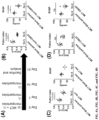
- Figures 2A, 2B, 2C, and 2D show that PLGA microparticles are within a size range for inhalation and release verteporfin and CB-839 in a sustained manner.
- Figure 2A shows scanning electron microscope images of CB-839 alone encapsulated, verteporfin alone encapsulated, and CB-839 with verteporfin encapsulated microparticles show smooth surface morphology.
- Figure 2B shows size distribution of the microparticles obtained from dynamic light scattering experiments, indicates that the average microparticle size for all the microparticles is approximately 1 ⁇ m.
- Figure 2C shows release kinetics of CB-839 from PLGA microparticles encapsulating CB-839-verteporfin or encapsulating CB-839 only.
- Figure 2D shows release kinetics of verteporfin from PLGA microparticles encapsulating CB-839-verteporfin or encapsulating verteporfin only.
- Figure 3 shows that PLGA microparticles deliver payload into the lungs of rats. Fluorescence image of the lungs of rats after intra-tracheal administration with PLGA microparticles encapsulating near infrared dye IR780 versus no dye, imaged on day 0 and day 7 post-administration.
- Figures 4A, 4B, 4C, and 4D show delivery of verteporfin and CB-839 simultaneously in vivo improves hemodynamic manifestations of PH in monocrotaline-exposed rats.
- Figure 4B shows that PLGA microparticles delivering verteporfin (Vert) and CB-839 significantly decreases Fulton index (RV/LV+S mass) and right ventricular systolic pressure (RVSP) as compared to the control of blank microparticles.
- RV/LV+S mass Fulton index
- RVSP right ventricular systolic pressure
- Figure 4C shows PLGA microparticles delivering verteporfin (Vert) alone significantly decreases Fulton index, and RVSP could not be compared due to death of rats.
- Figure 4D shows PLGA microparticles delivering CB-839 alone does not significantly decreased Fulton index or RVSP as compared to the control of blank microparticles.
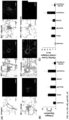
- Figures 5A, 5B, and 5C show simultaneous pharmacologic inhibition of GLS1 and YAP1/WWRT1 in monocrotaline-exposed rats decreases pulmonary vascular cell proliferation and pulmonary vascular remodeling.
- Figures 6A, 6B, and 6C show simultaneous pharmacologic inhibition of GLS1 and YAP1/WWRT1 in MCT-exposed rats decreases collagen deposition and collagen crosslinking in pulmonary arterioles.
- Figure 6C shows the quantification of the % area of picrosirius red stain under polarized light (represented as arbitrary units - a.u.).
- Ranges can be expressed herein as from “about” one particular value, and/or to "about” another particular value. When such a range is expressed, another embodiment includes from the one particular value and/or to the other particular value. Similarly, when values are expressed as approximations, by use of the antecedent "about,” it will be understood that the particular value forms another embodiment. It will be further understood that the endpoints of each of the ranges are significant both in relation to the other endpoint, and independently of the other endpoint. It is also understood that there are a number of values disclosed herein, and that each value is also herein disclosed as “about” that particular value in addition to the value itself. For example, if the value “10” is disclosed, then “about 10" is also disclosed.
- compositions, methods, etc. include the recited elements, but do not exclude others.
- Consisting essentially of' when used to define compositions and methods shall mean including the recited elements, but excluding other elements of any essential significance to the combination. Thus, a composition consisting essentially of the elements as defined herein would not exclude trace contaminants from the isolation and purification method and pharmaceutically acceptable carriers, such as phosphate buffered saline, preservatives, and the like.
- Consisting of shall mean excluding more than trace elements of other ingredients and substantial steps for administration of the compositions of this invention. Embodiments defined by each of these transition terms are within the scope of this invention.
- Biocompatible generally refers to a material and any metabolites or degradation products thereof that are generally non-toxic to the recipient and do not cause significant adverse effects to the subject.
- composition is intended to include a combination of active agent or agents and another compound or composition, inert (for example, a detectable agent or label) or active, such as an adjuvant.
- control is an alternative subject or sample used in an experiment for comparison purposes.
- a control can be "positive” or "negative.”
- Controlled release or “sustained release” refers to release of an agent from a given dosage form in a controlled fashion in order to achieve the desired pharmacokinetic profile in vivo.
- An aspect of "controlled release” agent delivery is the ability to manipulate the formulation and/or dosage form in order to establish the desired kinetics of agent release.
- Polymer refers to a relatively high molecular weight organic compound, natural or synthetic, whose structure can be represented by a repeated small unit, the monomer.
- Nonlimiting examples of polymers include polyethylene, rubber, cellulose. Synthetic polymers are typically formed by addition or condensation polymerization of monomers.
- copolymer refers to a polymer formed from two or more different repeating units (monomer residues).
- a copolymer can be an alternating copolymer, a random copolymer, a block copolymer, or a graft copolymer. It is also contemplated that, in certain aspects, various block segments of a block copolymer can themselves comprise copolymers.
- polymer encompasses all forms of polymers including, but not limited to, natural polymers, synthetic polymers, homopolymers, heteropolymers or copolymers, addition polymers, etc. as well as pharmaceutically acceptable, pharmacologically active salts, esters, amides, proagents, conjugates, active metabolites, isomers, fragments, analogs, etc.
- module means to effectuate a change (either an increase or a decrease) in the amount of gene expression, protein expression, amount of a symptom, disease, composition, condition, or activity.
- An "increase” can refer to any change that results in a greater gene expression, protein expression, amount of a symptom, disease, composition, condition or activity.
- An increase can be any individual, median, or average increase in a condition, symptom, activity, composition in a statistically significant amount.
- the increase can be a 1, 2, 3, 4, 5, 6, 7, 8, 9, 10, 15, 20, 25, 30, 35, 40, 45, 50, 55, 60, 65, 70, 75, 80, 85, 90, 95, or 100% increase so long as the increase is statistically significant.
- a “decrease” can refer to any change that results in a smaller gene expression, protein expression, amount of a symptom, disease, composition, condition, or activity.
- a substance is also understood to decrease the genetic output of a gene when the genetic output of the gene product with the substance is less relative to the output of the gene product without the substance.
- a decrease can be a change in the symptoms of a disorder such that the symptoms are less than previously observed.
- a decrease can be any individual, median, or average decrease in a condition, symptom, activity, composition in a statistically significant amount.
- the decrease can be a 1, 2, 3, 4, 5, 6, 7, 8, 9, 10, 15, 20, 25, 30, 35, 40, 45, 50, 55, 60, 65, 70, 75, 80, 85, 90, 95, or 100% decrease so long as the decrease is statistically significant.
- a desired biological or medical response is achieved following administration of multiple dosages of the composition to the subject over a period of days, weeks, or years.
- pharmaceutically effective amount include that amount of a composition such as a YAP1/WWRT1 inhibiting composition and/or a glutaminase inhibiting composition, that, when administered, is sufficient to prevent development of, or alleviate to some extent, one or more of the symptoms of the disease being treated.
- the therapeutically effective amount will vary depending on the composition such as a YAP1/WWRT1 inhibiting composition and/or a glutaminase inhibiting composition, the disease and its severity, the route of administration, time of administration, rate of excretion, drug combination, judgment of the treating physician, dosage form, and the age, weight, general health, sex and/or diet of the subject to be treated.
- a pharmaceutically or therapeutically effective amount or dose of a YAP1/WWRT1 inhibiting composition and/or a glutaminase inhibiting composition may include an amount that is sufficient to treat pulmonary hypertension, pulmonary arterial hypertension and/or pulmonary vascular stiffness.
- prevent refers to partially or completely delaying or precluding the onset or recurrence of a disease and/or one or more of its attendant symptoms or barring a subject from acquiring or reacquiring a disease or reducing a subject's risk of acquiring or reacquiring a disease or one or more of its attendant symptoms.
- pulmonary vascular disease is used herein to refer to pulmonary vascular hypertension and includes both pulmonary hypertension (PH) and pulmonary arterial hypertension (PAH). Pulmonary vascular disease can be caused by or includes pulmonary vascular stiffness.
- salt is meant zwitterionic forms of the compounds disclosed herein which are water or oil-soluble or dispersible and therapeutically acceptable as defined herein.
- the salts can be prepared during the final isolation and purification of the compounds or separately by reacting the appropriate compound in the form of the free base with a suitable acid. Lists of suitable salts are found in Remington's Pharmaceutical Sciences, 20th ed., Lippincott Williams & Wilkins, Baltimore, MD, 2000, p. 704 ; and " Handbook of Pharmaceutical Salts: Properties, Selection, and Use," P. Heinrich Stahl and Camille G. Wermuth, Eds., Wiley-VCH, Weinheim, 2002 .
- Example of salts include, but are not limited to, mineral or organic acid salts of basic residues such as amines; and alkali or organic salts of acidic residues such as carboxylic acids.
- Representative acid addition salts include acetate, adipate, alginate, L-ascorbate, aspartate, benzoate, benzenesulfonate (besylate), bisulfate, butyrate, camphorate, camphorsulfonate, citrate, digluconate, formate, fumarate, gentisate, glutarate, glycerophosphate, glycolate, hemisulfate, heptanoate, hexanoate, hippurate, hydrochloride, hydrobromide, hydroiodide, 2-hydroxyethansulfonate (isethionate), lactate, maleate, malonate, DL-mandelate, mesitylenesulfonate, methanesulfonate, naphthylenesulfonate, nicotinate, 2-naphthalenesulfonate, oxalate, pamoate, pectinate, persulfate, 3-pheny
- basic groups in the compounds disclosed herein can be quaternized with methyl, ethyl, propyl, and butyl chlorides, bromides, and iodides; dimethyl, diethyl, dibutyl, and diamyl sulfates; decyl, lauryl, myristyl, and steryl chlorides, bromides, and iodides; and benzyl and phenethyl bromides.
- acids which can be employed to form therapeutically acceptable addition salts include inorganic acids such as hydrochloric, hydrobromic, sulfuric, and phosphoric, and organic acids such as oxalic, maleic, succinic, and citric. Salts can also be formed by coordination of the compounds with an alkali metal or alkaline earth ion. Hence, sodium, potassium, magnesium, and calcium salts of the compounds disclosed herein, and the like can be formed.
- Basic addition salts can be prepared during the final isolation and purification of the compounds by reacting a carboxy group with a suitable base such as the hydroxide, carbonate, or bicarbonate of a metal cation or with ammonia or an organic primary, secondary, or tertiary amine.
- a suitable base such as the hydroxide, carbonate, or bicarbonate of a metal cation or with ammonia or an organic primary, secondary, or tertiary amine.
- the cations of therapeutically acceptable salts include lithium, sodium, potassium, calcium, magnesium, and aluminum, as well as nontoxic quaternary amine cations such as ammonium, tetramethylammonium, tetraethylammonium, methylamine, dimethylamine, trimethylamine, triethylamine, diethylamine, ethylamine, tributylamine, pyridine, N,N-dimethylaniline, N-methylpiperidine, N-methylmorpholine, dicyclohexylamine, procaine, dibenzylamine, N,N-dibenzylphenethylamine, 1-ephenamine, and N,N'-dibenzylethylenediamine.
- Other representative organic amines useful for the formation of base addition salts include ethylenediamine, ethanolamine, diethanolamine, piperidine, and piperazine.
- prodrug is meant compounds which, under physiological conditions, are converted into a therapeutically active compound. Prodrugs are administered in an inactive (or significantly less active) form. Once administered, the prodrug is metabolized in the body ( in vivo ) into the active compound. Certain compounds disclosed herein can also exist as prodrugs, as described in Hydrolysis in Drug and Prodrug Metabolism: Chemistry, Biochemistry, and Enzymology (Testa, Bernard and Mayer, Joachim M. Wiley-VHCA, Zurich, Switzerland 2003 ). Prodrugs of the compounds described herein are structurally modified forms of the compound that readily undergo chemical changes under physiological conditions to provide the compound. Additionally, prodrugs can be converted to the compound by chemical or biochemical methods in an ex vivo environment.
- prodrugs can be slowly converted to a compound when placed in a transdermal patch reservoir with a suitable enzyme or chemical reagent.
- Prodrugs are often useful because, in some situations, they can be easier to administer than the compound, or parent drug. They can, for instance, be bioavailable by oral administration whereas the parent drug is not.
- the prodrug can also have improved solubility in pharmaceutical compositions over the parent drug.
- a wide variety of prodrug derivatives are known in the art, such as those that rely on hydrolytic cleavage or oxidative activation of the prodrug.
- prodrug a compound which is administered as an ester (the "prodrug"), but then is metabolically hydrolyzed to the carboxylic acid, the active entity.
- prodrug a compound which is administered as an ester
- Additional examples include peptidyl derivatives of a compound.
- prodrugs of the active compound can be conventional esters. Some common esters which have been utilized as prodrugs are phenyl esters, aliphatic (C 7 -C 8 or C 8 -C 24 ) esters, cholesterol esters, acyloxymethyl esters, carbamates, and amino acid esters.
- prodrugs of the compounds disclosed herein are pharmaceutically acceptable.
- subject is defined herein to include animals such as mammals, including, but not limited to, primates (e.g., humans), cows, sheep, goats, horses, dogs, cats, rabbits, rats, mice and the like. In some embodiments, the subject is a human.
- the term "substituted” is contemplated to include all permissible substituents of organic compounds.
- the permissible substituents include acyclic and cyclic, branched and unbranched, carbocyclic and heterocyclic, and aromatic and nonaromatic substituents of organic compounds.
- Illustrative substituents include, for example, those described below.
- the permissible substituents can be one or more (e.g., referred to as "disubstituted,” "trisubstituted,” and the like) and the same or different for appropriate organic compounds.
- the heteroatoms such as nitrogen and oxygen
- the heteroatoms can have hydrogen substituents and/or any permissible substituents of organic compounds described herein which satisfy the valences of the heteroatoms.
- This disclosure is not intended to be limited in any manner by the permissible substituents of organic compounds.
- substitution or “substituted with” include the implicit proviso that such substitution is in accordance with permitted valence of the substituted atom and the substituent, and that the substitution results in a stable compound, e.g., a compound that does not spontaneously undergo transformation such as by rearrangement, cyclization, elimination, etc.
- substitution or “substituted with” is meant to encompass configurations where one substituent is fused to another substituent.
- an aryl group substituted with an aryl group can mean that one aryl group is bonded to the second aryl group via a single sigma bond and also that the two aryl groups are fused, e.g., two carbons of one alkyl group are shared with two carbons of the other aryl group.
- compositions Disclosed are the components to be used to prepare the disclosed compositions as well as the compositions themselves to be used as disclosed herein. These and other materials are disclosed herein, and it is understood that when combinations, subsets, interactions, groups, etc. of these materials are disclosed that while specific reference of each various individual and collective combinations and permutation of these compounds may not be explicitly disclosed, each is specifically contemplated and described herein. For example, if a particular therapeutic particle is disclosed and discussed and a number of modifications that can be made to a number of molecules including the therapeutic particle are discussed, specifically contemplated is each and every combination and permutation of therapeutic particle and the modifications that are possible unless specifically indicated to the contrary.
- PH Pulmonary hypertension
- WHO PH Groups 1-5 Pulmonary hypertension
- PH is characterized by metabolic dysregulation, pro-proliferative states, and adverse pulmonary vascular remodeling and stiffness.
- novel pharmacologic approaches that target the molecular origins of PH and thus could represent disease-modifying opportunities. For example, Bertero et al., 2016 (J Clin Invest.
- WO2017/205595 teaches the use of a YAP/TAZ inhibiting composition and/or a glutaminase (GLS1) inhibiting composition for treating pulmonary vascular disease.
- GLS1 glutaminase
- vessel stiffness mechanoactivates the YAP1/WWRT1 co-transcription factors to induce glutaminolysis via induction of glutaminase (GLS1 and/or GLS2), thus sustaining the metabolic needs of proliferating pulmonary vascular cells and driving PH in vivo.
- the molecular insights disclosed herein advanced the paradigm of vascular stiffness beyond merely a consequence of long-standing vascular dysfunction but rather as a specific metabolic cause of vascular cell proliferation and PH development. Importantly, it was demonstrated substantial reversal of PH in a monocrotaline rat model of PH by pharmacologic inhibitors of YAP1 (verteporfin) and/or glutaminase (CB-839 and/or C968). When delivered systemically, these drugs improved the hemodynamic and histopathologic manifestations of PH by decreasing the hyperproliferative phenotypes of diseased vascular cells.
- compositions of therapeutic nanoparticles comprising a biocompatible polymer, a YAP1/WWRT1 inhibiting agent (such as, for example, verteporfin) and a glutaminase inhibiting agent, wherein the glutaminase inhibiting agent is 2-Cyclopropyl-N-[5-(4- ⁇ [5-(2-phenylacetamido)-l,3,4-thiadiazol-2-yl]amino ⁇ piperidin-l-yl)-1,3,4-thiadiazol-2-yl] acetamide.
- a YAP1/WWRT1 inhibiting agent such as, for example, verteporfin
- glutaminase inhibiting agent is 2-Cyclopropyl-N-[5-(4- ⁇ [5-(2-phenylacetamido)-l,3,4-thiadiazol-2-yl]amino ⁇ piperidin-l-yl)-1,3,4-thiadiazol-2-yl] ace
- the therapeutic particles comprise a YAP1/WWTR1 inhibiting agent.
- Yes-associated protein YAP1 also referred to herein as YAP
- homolog WWRT1 also known as WW domain-containing transcription regulator protein 1 (see SEQ ID NO: 2) and sometimes referred to as TAZ) are transcriptional regulators that regulate cell proliferation and suppress apoptotic genes.
- the WWRT1 polynucleotide encodes an WWRT1 polypeptide comprising the sequence of SEQ ID NO: 1, or a polypeptide sequence having at or greater than about 80%, at or greater than about 85%, at or greater than about 90%, at or greater than about 95%, or at or greater than about 98% homology with SEQ ID NO: 1, or a polypeptide comprising a portion of SEQ ID NO: 1.
- the WWRT1 polypeptide of SEQ ID NO: 1 may represent an immature or pre-processed form of mature WWRT1, and accordingly, included herein are mature or processed portions of the WWRT1 polypeptide in SEQ ID NO:1.
- YAP refers herein to a YAP polypeptide also known as Y API, Yes-associated protein 1, or Yap65 and in humans, is encoded by the YAP1 gene.
- YAP polynucleotide refers to a YAP encoding polynucleotide and includes a YAP 1 gene in its entirety or a fragment thereof.
- the YAP polypeptide or polynucleotide is that identified in one or more publicly available databases as follows: HGNC: 16262; Entrez Gene: 10413; Ensembl: ENSG00000137693; OMIM: 606608; and UniProtKB: P46937.
- the YAP polynucleotide encodes an YAP polypeptide comprising the sequence of SEQ ID NO: 2, or a polypeptide sequence having at or greater than about 80%, at or greater than about 85%, at or greater than about 90%, at or greater than about 95%, or at or greater than about 98% homology with SEQ ID NO: 2, or a polypeptide comprising a portion of SEQ ID NO: 2.
- the YAP polypeptide of SEQ ID NO: 2 may represent an immature or pre-processed form of mature YAP, and accordingly, included herein are mature or processed portions of the YAP polypeptide in SEQ ID NO: 2.
- YAP1/WWRT1 inhibiting agent refers herein to any composition that when administered to a subject or vascular cell, decreases expression and/or inactivates a constituent in a YAP1 and/or a WWRT1.
- YAP1/WWRT1 inhibiting agent refers herein to any composition that when administered to a subject or vascular cell and decreases or inactivates YAP1 and/or WWRT1 and results in reduced pulmonary hypertension, pulmonary arterial hypertension and/or vascular stiffness.
- a YAP1/WWRT1 inhibiting agent i.e., a YAP1/WWRT1 inhibitor
- a YAP1/WWRT1 inhibitor comprises any small molecule, peptide, protein, antibody, and/or functional nucleic acid (siRNA, RNA, aptamer) that inhibits transcriptional function of YAP1/WWRT1.
- YAP1/WWRT1 inhibitors include, but are not limited to verteporfin, XMU-MP-1 (4-((5,10-dimethyl-6-oxo-6,10-dihydro-5H-pyrimido[5,4-b]thieno[3,2-e][1,4]diazepin-2-yl)amino)benzenesulfonamide), Super-TDU (SVDD HF AKSLGDTWLQIGGSGNPKTANVPQTVP M RLRKLPDS F FKPPE (SEQ ID NO: 5)), peptide 17 PQTVPF(3-Cl)RLRK Nle PASFFKPPE (SEQ ID NO: 6), CA3 (shown below), as well as pharmaceutically acceptable, pharmacologically active salts, esters, amides, proagents, prodrugs, derivatives, conjugates, active metabolites, isomers, fragments, and/or analogs thereof.
- vernorfin refers herein to a chemical composition having the chemical name 3-[(23 S ,24 R )-14-ethenyl-5-(3-methoxy-3-oxopropyl)-22,23- bis (methoxycarbonyl)-4,10,15,24-tetramethyl-25,26,27,28-tetraazahexacyclo[16.6.1.1 3,6 .1 8,11 .1 13,16 .0 19,24 ]octacosa-1,3,5,7,9,11(27),12,14,16,18(25),19,21-dodecaen-9-yl]propanoic acid, having the chemical structure as shown below, and/or as described in U.S. Patent No. 5,707,608 , U.S. Patent No. 5,798,345 , and/or U.S. Patent No. 5,756,541 .
- Glutaminase (including, but not limited to GLS1 and/or GLS2) also known as K-glutaminase in humans, is encoded by the GLS gene.
- GLS1 polynucleotide refers to a GLS1 encoding polynucleotide and includes a GLS gene in its entirety or a fragment thereof.
- the GLS1 polypeptide or polynucleotide is that identified in one or more publicly available databases as follows: HGNC: 4331; Entrez Gene: 2744; Ensembl: ENSG00000115419; OMIM: 138280; and UniProtKB: O94925.
- the GLS1 polynucleotide encodes an GLS1 polypeptide comprising the sequence of SEQ ID NO: 3 (known as the KGA isoform), or a polypeptide sequence having at or greater than about 80%, at or greater than about 85%, at or greater than about 90%, at or greater than about 95%, or at or greater than about 98% homology with SEQ ID NO: 3, or a polypeptide comprising a portion of SEQ ID NO: 3.
- the GLS1 polypeptide of SEQ ID NO: 3 may represent an immature or pre-processed form of mature WWRT1, and accordingly, included herein are mature or processed portions of the GLS polypeptide in SEQ ID NO: 3.
- the GLS1 polypeptide is the GAC isoform wherein its sequence differs from SEQ ID NO:3 as set forth in SEQ ID NO: 4 and as follows: 551-669: VKSVINLLFA...TVHKNLDGLL ⁇ HSFGPLDYES...YRMESLGEKS.
- the particle defined in the appended claims comprises a glutaminase inhibiting agent, a glutaminase inhibitor, wherein the glutaminase inhibiting agent is 2-Cyclopropyl-N-[5-(4- ⁇ [5-(2-phenylacetamido)-l,3,4-thiadiazol-2-yl]amino ⁇ piperidin-l-yl)-1,3,4-thiadiazol-2-yl] acetamide.
- glutase inhibiting agent refers herein to any composition that when administered to a subject or vascular cell, decreases or inactivates (partially or wholly) a GLS1.
- glycosylcholine inhibiting agent may refer herein to any composition that when administered to a subject or vascular cell and decreases or inactivates a GLS1 also treats pulmonary hypertension, pulmonary arterial hypertension and/or vascular stiffness.
- Glutaminase inhibitors are disclosed in McDermott et al., 2016 (Bioorganic & Medicinal Chemistry, 24, pp. 1819-1839 ) and US 2017/0290815 .
- glutaminase inhibiting compositions are CB-839; C968; 6-Diazo-5-oxo-L-norleucine (DON); BPTES (N,N'-[thiobis(2,1-ethanediyl-1,3,4-thiadiazole-5,2-diyl)]bis-benzeneacetamide); 2-Phenyl-N-(5- ⁇ 4-[5-(2-phenylacetamido)-l,3,4-thiadiazol-2-yl]piperazin-l-yl ⁇ -l,3,4-thiadiazol-2-yl)acetamide; 2-Phenyl-N- ⁇ 5-[l-(5-phenylacetylamino-[l,3,4]thiadiazol-2-yl)-piperidin-4-yloxy]-[l,3,4]thiadiazol-2-yl ⁇ -acetamide; N- ⁇ 5-[l-(5-Acetylamino-[l,3,4
- C968 refers herein to a chemical composition having the chemical structure as shown below and/or having the name 5-(3-Bromo-4-(dimethylamino)phenyl)-2,2-dimethyl-2,3,5,6-tetrahydrobenzo[a]phenanthridin-4(1H)-one.
- CB-839 refers herein to a chemical composition having the chemical structure as shown below, and/or as described in U.S. Patent No. 8,604,016 and/or U.S. Patent No. 8,865,718 .
- the glutaminase inhibiting agent comprised in the therapeutic particle claimed herein is 2-Cyclopropyl-N-[5-(4- ⁇ [5-(2-phenylacetamido)-l,3,4-thiadiazol-2-yl]amino ⁇ piperidin-l-yl)-1,3,4-thiadiazol-2-yl] acetamide.
- a YAP1/WWRT1 inhibitor and a Glutaminase inhibitor as additive or synergistic agents is particularly appealing for PH.
- the identification of the mechanoactivation of glutaminolysis in PH directly sets the stage for applied endeavors to develop novel clinical treatment strategies in this devastating disease.
- YAP and GLS 1 are already known to be ubiquitous and active in controlling cell growth and organ size throughout the body as well as glutamine metabolism, designing an effective chronic therapy for YAP and GLS1 inhibition in PH while minimizing side effects necessitates local rather than systemic delivery. Local lung delivery via inhalation of verteporfin and CB-839 can achieve that goal.
- therapeutic particles comprises a biocompatible polymer (such as, for example, a poly(lactic-co-glycolytic) acid (PLGA)) drug delivery system for application as an inhaled and controlled-release form of verteporfin and CB-839, singly or in combination, to target the pulmonary vascular compartment ( Figure 1 ).
- a biocompatible polymer such as, for example, a poly(lactic-co-glycolytic) acid (PLGA)
- PLGA poly(lactic-co-glycolytic) acid
- the therapeutic particles defined in the appended claims comprise a biocompatible polymer.
- biocompatible polymers can provide structure for the delivery of the YAP1/WWRT1 inhibitor and Glutaminase inhibitor and also can serve to slowly release the YAP1/WWRT1 inhibiting agent and the glutaminase inhibiting agent into tissue.
- biocompatible polymers include, but are not limited to polysaccharides; hydrophilic polypeptides; poly(amino acids) such as poly-L-glutamic acid (PGS), gamma-polyglutamic acid, poly-L-aspartic acid, poly-L- serine, or poly-L-lysine; polyalkylene glycols and polyalkylene oxides such as polyethylene glycol (PEG), polypropylene glycol (PPG), and poly(ethylene oxide) (PEO); poly(oxyethylated polyol); poly(olefinic alcohol); polyvinylpyrrolidone); poly(hydroxyalkylmethacrylamide); poly(hydroxyalkylmethacrylate); poly(saccharides); poly(hydroxy acids); poly(vinyl alcohol), polyhydroxyacids such as poly(lactic acid), poly(gly colic acid), and poly(lactic acid-co-glycolic acids); polyhydroxyalkanoates such as poly3-hydroxybutyrate or poly4
- Biocompatible polymers can also include polyamides, polycarbonates, polyalkylenes, polyalkylene glycols, polyalkylene oxides, polyalkylene terepthalates, polyvinyl alcohols, polyvinyl ethers, polyvinyl esters, polyvinyl halides, polyvinylpyrrolidone, polyglycolides, polysiloxanes, polyurethanes and copolymers thereof, alkyl cellulose, hydroxyalkyl celluloses, cellulose ethers, cellulose esters, nitro celluloses, polymers of acrylic and methacrylic esters, methyl cellulose, ethyl cellulose, hydroxypropyl cellulose, hydroxy-propyl methyl cellulose, hydroxybutyl methyl cellulose, cellulose acetate, cellulose propionate, cellulose acetate butyrate, cellulose acetate phthalate, carboxylethyl cellulose, cellulose triacetate, cellulose sulphate sodium salt, poly (methyl
- biodegradable polymers include polyesters, poly(ortho esters), polyethylene amines), poly(caprolactones), poly(hydroxybutyrates), poly(hydroxyvalerates), polyanhydrides, poly(acrylic acids), polyglycolides, poly(urethanes), polycarbonates, polyphosphate esters, polyphosphazenes, derivatives thereof, linear and branched copolymers and block copolymers thereof, and blends thereof.
- the particle contains biocompatible and/or biodegradable polyesters or polyanhydrides such as poly(glycolic acid), poly(lactic-co-glycolic acid), poly(vinyl alcohol) (PVA), and/or methacrylate PVA(m-PVA).
- PEG polyethylene glycol
- PVA polyvinyl alcohol
- PVP polyvinyl pyrrolidone
- PEO polyethyleneoxide
- polymethacrylates polyoxy
- the particles can contain one more of the following polyesters: homopolymers including glycolic acid units, referred to herein as "PGA”, and lactic acid units, such as poly-L-lactic acid, poly-D-lactic acid, poly-D,L-lactic acid, poly-L-lactide, poly-D-lactide, and poly-D,L-lactides collectively referred to herein as "PLA”, and caprolactone units, such as poly(e-caprolactone), collectively referred to herein as "PCL”; and copolymers including lactic acid and glycolic acid units, such as various forms of poly(lactic acid-co-glycolic acid) and poly(lactide-co-glycolide) characterized by the ratio of lactic acid:glycolic acid, collectively referred to herein as "PLGA”; and polyacrylates, and derivatives thereof.
- PGA glycolic acid units
- lactic acid units such as poly-L-lactic acid, poly-D-lactic acid, poly-D,L-lactic
- Exemplary polymers also include copolymers of polyethylene glycol (PEG) and the aforementioned polyesters, such as various forms of PLGA-PEG or PLA-PEG copolymers.
- therapeutic particles comprising a biocompatible polymer (such as, for example, a poly(lactic-co-glycolic) acid (PLGA)), a YAP1/WWRT1 inhibiting agent (such as, for example, verteporfin) and a glutaminase inhibiting agent, wherein the glutaminase inhibiting agent is 2-Cyclopropyl-N-[5-(4- ⁇ [5-(2-phenylacetamido)-l,3,4-thiadiazol-2-yl]amino ⁇ piperidin-l-yl)-1,3,4-thiadiazol-2-yl] acetamide.
- a biocompatible polymer such as, for example, a poly(lactic-co-glycolic) acid (PLGA)
- the porosity (either in size or number of pores) of the biocompatible polymer can affect the release rate of the YAP1/WWRT1 inhibiting agent and glutaminase inhibiting agent which are encapsulated in the particle.
- the YAP1/WWRT1 inhibiting agent and glutaminase inhibiting agent can be double encapsulated by different polymers (i.e., a polymer encapsulating the inhibiting agents which in turn is encapsulated by another polymer which could have a different rate of degradation).
- the particles may have any desired size for the intended use.
- the particles may have any diameter from about 10 nm to about 50 ⁇ m.
- the particle can have a diameter from about 100 nm to about 40 ⁇ m, from about 500 nm to about 30 ⁇ m, from about 1 ⁇ m to about 20 ⁇ m, from about 10 ⁇ m to about 15 ⁇ m.
- the particle can have a diameter of about 10, 20, 30, 40, 50, 60, 70, 80, 90, 100, 200, 300, 400, 500, 600, 700, 800, 900nm, 1, 2, 3, 4, 5, 6, 7,8 9, 10, 11, 12, 13, 14 ,15, 16, 17, 18, 19, 20, 25, 30, 35, 40, 45, 50 ⁇ m.
- the polymer make-up, porosity, and size of the biocompatible polymers can affect the rate of release of the YAP1/WWRT1 inhibitor and glutaminase inhibitor in the particle.
- the YAP1/WWRT1 inhibitor and glutaminase inhibitor can be released from the particle over a period of 1, 2, 3, 4, 5, 6, 7, 8, 9, 10, 11, 12, 13, 14, 15, 16, 17, 18, 19, 20, 21, 22, 23, 24, 36, 48, 60, 72 hours, 4, 5, 6, 7, 8, 9, 10, 11, 12, 13, 14, 15, 16, 17, 18, 19, 20, 21, 22, 23, 24, 25, 26, 27, 28, 29, 30, 31, 45, 60, 75, 90, 120, 150, or 180 days.
- the size of the particles and porosity allows for fast release kinetics, such that verteporfin and the glutaminase inhibitor can be released within 1 to 180 days, more specifically, between about 1 and about 30 days, even more specifically between about 1 and about 7 days, most specifically between 1 and 3 days.
- the size of the particles in conjunction with the glutaminase inhibitor can prevent immune mediated clearance of the particles in the lungs.
- the therapeutic particles disclosed herein can be used in the treatment, reduction, inhibition, and/or prevention of pulmonary disease.
- a therapeutic particle provided herein for use in treating, a pulmonary disease (such as, for example, pulmonary vascular disease, pulmonary hypertension, pulmonary arterial hypertension, pulmonary stiffness, pulmonary fibrosis, chronic obstructive pulmonary disease (COPD), cystic fibrosis, emphysema, asthma, pulmonary embolism, acute lung disease, sepsis, tuberculosis, sarcoidosis, pulmonary inflammation due to microbial infection (such as, for example, pneumonia and influenza), or lung cancer (such as small cell lung cancer and non-small cell lung cancer) in a subject in need of such treatment comprising administration of a therapeutically effective amount of any of the therapeutic particle as defined in the appended claims.
- a pulmonary disease such as, for example, pulmonary vascular disease, pulmonary hypertension, pulmonary arterial hypertension, pulmonary stiffness, pulmonary fibrosis,
- treat include partially or completely delaying, alleviating, mitigating or reducing the intensity of one or more attendant symptoms of a disease and/or alleviating, mitigating or impeding one or more causes of a disease.
- Treatments according to the invention may be applied preventively, prophylactically, palliatively or remedially.
- Prophylactic treatments are administered to a subject prior to onset (e . g ., before obvious signs of disease), during early onset ( e.g., upon initial signs and symptoms of disease), or after an established development of disease.
- Prophylactic administration can occur for several days to years prior to the manifestation of symptoms of an infection.
- the terms "treat,” “treating,” “treatment” and grammatical variations thereof include partially or completely reducing pulmonary hypertension, pulmonary arterial hypertension and/or vascular stiffness as compared with prior to treatment of the subject or as compared with the incidence of such symptom in a general or study population.
- the reduction can be by 5%, 10%, 20%, 30%, 40% or more.
- administering to a subject includes any route of introducing or delivering to a subject the therapeutic particles and any YAP1/WWRT1 inhibiting agent and/or glutaminase inhibiting agent delivered on the particle in conjunction with said particle (including simultaneous, concurrent or sequential administration).
- Administration can be carried out by any suitable route, including oral, topical, intravenous, subcutaneous, transcutaneous, transdermal, intramuscular, intra-joint, parenteral, intra-arteriole, intradermal, intraventricular, intracranial, intraperitoneal, intralesional, intranasal, rectal, vaginal, by inhalation, via an implanted reservoir, parenteral (e.g., subcutaneous, intravenous, intramuscular, intra-articular, intra-synovial, intrasternal, intrathecal, intraperitoneal, intrahepatic, intralesional, and intracranial injections or infusion techniques), and the like.
- parenteral e.g., subcutaneous, intravenous, intramuscular, intra-articular, intra-synovial, intrasternal, intrathecal, intraperitoneal, intrahepatic, intralesional, and intracranial injections or infusion techniques
- Constant administration means that the compounds are administered at the same point in time or essentially immediately following one another. In the latter case, the two compounds are administered at times sufficiently close that the results observed are indistinguishable from those achieved when the compounds are administered at the same point in time.
- Systemic administration refers to the introducing or delivering to a subject an agent via a route which introduces or delivers the agent to extensive areas of the subject's body (e.g. greater than 50% of the body), for example through entrance into the circulatory or lymph systems.
- local administration refers to the introducing or delivery to a subject an agent via a route which introduces or delivers the agent to the area or area immediately adjacent to the point of administration and does not introduce the agent systemically in a therapeutically significant amount.
- topical intranasal administration means delivery of the compositions into the nose and nasal passages through one or both of the nares and can comprise delivery by a spraying mechanism or droplet mechanism, or through aerosolization of the nucleic acid or vector.
- Administration of the compositions by inhalant can be through the nose or mouth via delivery by a spraying or droplet mechanism. Delivery can also be directly to any area of the respiratory system (e.g., lungs) via intubation.
- locally administered agents are easily detectable in the local vicinity of the point of administration but are undetectable or detectable at negligible amounts in distal parts of the subject's body.
- Administration includes self-administration and the administration by another.
- the disclosed therapeutic particle for use in treating a pulmonary disease in a subject can comprise administration of the therapeutic particle at any frequency appropriate for the treatment of pulmonary disease.
- the therapeutic particles can be administered to the patient at least once every 12, 14, 16, 18, 20, 22, 24, 26, 28, 30, 32, 34, 36, 38, 40, 42, 44, 46, 48 hours, once every 3, 4, 5, 6, 7, 8, 9, 10, 11, 12, 13, 14, 15, 16, 17, 18, 19, 20, 21, 22, 23, 24, 25, 26, 27, 28, 29, 30, 31 days, once every 2, 3, 4, 5, 6, 7, 8, 9, 10, 11, or 12 months.
- the particles are administered at least 1, 2, 3, 4, 5, 6, 7 times per week.
- compositions can also be administered in vivo in a pharmaceutically acceptable carrier.
- pharmaceutically acceptable is meant a material that is not biologically or otherwise undesirable, i.e., the material may be administered to a subject, along with the particle, without causing any undesirable biological effects or interacting in a deleterious manner with any of the other components of the pharmaceutical composition in which it is contained.
- the carrier would naturally be selected to minimize any degradation of the active ingredient and to minimize any adverse side effects in the subject, as would be well known to one of skill in the art.
- the term When used in reference to administration to a human, the term generally implies the component has met the required standards of toxicological and manufacturing testing or that it is included on the Inactive Ingredient Guide prepared by the U.S. Food and Drug Administration.
- pharmaceutically acceptable carrier means a carrier or excipient that is useful in preparing a pharmaceutical composition that is generally safe and non-toxic, and includes a carrier that is acceptable for veterinary and/or human pharmaceutical use or therapeutic use.
- pharmaceutically acceptable carrier encompasses any of the standard pharmaceutical carriers, such as a phosphate buffered saline solution, water, and emulsions, such as an oil/water or water/oil emulsion, and various types of wetting agents.
- carrier encompasses any excipient, diluent, filler, salt, buffer, stabilizer, solubilizer, lipid, stabilizer, or other material well known in the art for use in pharmaceutical formulations and as described further below.
- carrier includes phosphate buffered saline solution, water, emulsions (such as an oil/water or water/oil emulsion) and/or various types of wetting agents as well as a biocompatible polymer such as poly(lactic-co-glycolic) acid, also referred to herein as PLGA.
- PLGA poly(lactic-co-glycolic) acid
- the pharmaceutical compositions also can include preservatives.
- a "pharmaceutically acceptable carrier” as used in the specification and claims includes both one and more than one such carrier.
- carrier encompasses, but is not limited to, any excipient, diluent, filler, salt, buffer, stabilizer, solubilizer, lipid, stabilizer, or other material well known in the art for use in pharmaceutical formulations and as described further herein.
- the materials may be in solution, suspension (for example, incorporated into microparticles, liposomes, or cells). These may be targeted to a particular cell type via antibodies, receptors, or receptor ligands.
- the following references are examples of the use of this technology to target specific proteins to tumor tissue ( Senter, et al., Bioconjugate Chem., 2:447-451, (1991 ); Bagshawe, K.D., Br. J. Cancer, 60:275-281, (1989 ); Bagshawe, et al., Br. J.
- Vehicles such as "stealth” and other antibody conjugated liposomes (including lipid mediated drug targeting to colonic carcinoma), receptor mediated targeting of DNA through cell specific ligands, lymphocyte directed tumor targeting, and highly specific therapeutic retroviral targeting of murine glioma cells in vivo.
- the following references are examples of the use of this technology to target specific proteins to tumor tissue ( Hughes et al., Cancer Research, 49:6214-6220, (1989 ); and Litzinger and Huang, Biochimica et Biophysica Acta, 1104:179-187, (1992 )).
- receptors are involved in pathways of endocytosis, either constitutive or ligand induced.
- receptors cluster in clathrin-coated pits, enter the cell via clathrin-coated vesicles, pass through an acidified endosome in which the receptors are sorted, and then either recycle to the cell surface, become stored intracellularly, or are degraded in lysosomes.
- the internalization pathways serve a variety of functions, such as nutrient uptake, removal of activated proteins, clearance of macromolecules, opportunistic entry of viruses and toxins, dissociation and degradation of ligands, and receptor-level regulation. Many receptors follow more than one intracellular pathway, depending on the cell type, receptor concentration, type of ligand, ligand valency, and ligand concentration. Molecular and cellular mechanisms of receptor-mediated endocytosis has been reviewed ( Brown and Greene, DNA and Cell Biology 10:6, 399-409 (1991 )).
- compositions can be used therapeutically in combination with a pharmaceutically acceptable carrier.
- Suitable carriers and their formulations are described in Remington: The Science and Practice of Pharmacy (19th ed.) ed. A.R. Gennaro, Mack Publishing Company, Easton, PA 1995 .
- an appropriate amount of a pharmaceutically-acceptable salt is used in the formulation to render the formulation isotonic.
- the pharmaceutically-acceptable carrier include, but are not limited to, saline, Ringer's solution and dextrose solution.
- the pH of the solution is preferably from about 5 to about 8, and more preferably from about 7 to about 7.5.
- Further carriers include sustained release preparations such as semipermeable matrices of solid hydrophobic polymers, which matrices are in the form of shaped articles, e.g., films, liposomes or microparticles. It will be apparent to those persons skilled in the art that certain carriers may be more preferable depending upon, for instance, the route of administration and concentration of composition being administered.
- compositions can be administered intramuscularly or subcutaneously. Other compounds will be administered according to standard procedures used by those skilled in the art.
- compositions may include carriers, thickeners, diluents, buffers, preservatives, surface active agents and the like in addition to the molecule of choice.
- Pharmaceutical compositions may also include one or more active ingredients such as antimicrobial agents, anti-inflammatory agents, anesthetics, and the like.
- the pharmaceutical composition may be administered in a number of ways depending on whether local or systemic treatment is desired, and on the area to be treated. Administration may be topically (including ophthalmically, vaginally, rectally, intranasally), orally, by inhalation, or parenterally, for example by intravenous drip, subcutaneous, intraperitoneal or intramuscular injection.
- the disclosed antibodies can be administered intravenously, intraperitoneally, intramuscularly, subcutaneously, intracavity, or transdermally.
- Preparations for parenteral administration include sterile aqueous or non-aqueous solutions, suspensions, and emulsions.
- non-aqueous solvents are propylene glycol, polyethylene glycol, vegetable oils such as olive oil, and injectable organic esters such as ethyl oleate.
- Aqueous carriers include water, alcoholic/aqueous solutions, emulsions or suspensions, including saline and buffered media.
- Parenteral vehicles include sodium chloride solution, Ringer's dextrose, dextrose and sodium chloride, lactated Ringer's, or fixed oils.
- Intravenous vehicles include fluid and nutrient replenishers, electrolyte replenishers (such as those based on Ringer's dextrose), and the like. Preservatives and other additives may also be present such as, for example, antimicrobials, anti-oxidants, chelating agents, and inert gases and the like.
- Formulations for topical administration may include ointments, lotions, creams, gels, drops, suppositories, sprays, liquids and powders.
- Conventional pharmaceutical carriers, aqueous, powder or oily bases, thickeners and the like may be necessary or desirable.
- compositions for oral administration include powders or granules, suspensions or solutions in water or non-aqueous media, capsules, sachets, or tablets. Thickeners, flavorings, diluents, emulsifiers, dispersing aids or binders may be desirable.
- compositions may potentially be administered as a pharmaceutically acceptable acid- or base- addition salt, formed by reaction with inorganic acids such as hydrochloric acid, hydrobromic acid, perchloric acid, nitric acid, thiocyanic acid, sulfuric acid, and phosphoric acid, and organic acids such as formic acid, acetic acid, propionic acid, glycolic acid, lactic acid, pyruvic acid, oxalic acid, malonic acid, succinic acid, maleic acid, and fumaric acid, or by reaction with an inorganic base such as sodium hydroxide, ammonium hydroxide, potassium hydroxide, and organic bases such as mono-, di-, trialkyl and aryl amines and substituted ethanolamines.
- inorganic acids such as hydrochloric acid, hydrobromic acid, perchloric acid, nitric acid, thiocyanic acid, sulfuric acid, and phosphoric acid
- organic acids such as formic acid, acetic acid, propionic acid, glyco
- Effective dosages and schedules for administering the compositions may be determined empirically, and making such determinations is within the skill in the art.
- the dosage ranges for the administration of the compositions are those large enough to produce the desired effect in which the symptoms of the disorder are affected.
- the dosage should not be so large as to cause adverse side effects, such as unwanted cross-reactions, anaphylactic reactions, and the like.
- the dosage will vary with the age, condition, sex and extent of the disease in the patient, route of administration, or whether other drugs are included in the regimen, and can be determined by one of skill in the art.
- the dosage can be adjusted by the individual physician in the event of any counterindications. Dosage can vary, and can be administered in one or more dose administrations daily, for one or several days.
- Guidance can be found in the literature for appropriate dosages for given classes of pharmaceutical products. For example, guidance in selecting appropriate doses for antibodies can be found in the literature on therapeutic uses of antibodies, e.g., Handbook of Monoclonal Antibodies, Ferrone et al., eds., Noges Publications, Park Ridge, N.J., (1985) ch. 22 and pp. 303-357 ; Smith et al., Antibodies in Human Diagnosis and Therapy, Haber et al., eds., Raven Press, New York (1977) pp. 365-389 .
- a typical daily dosage of the antibody used alone might range from about 1 ⁇ g/kg to up to 100 mg/kg of body weight or more per day, depending on the factors mentioned above.
- Effective amount of an agent refers to a sufficient amount of an agent to provide a desired effect.
- the amount of agent that is “effective” will vary from subject to subject, depending on many factors such as the age and general condition of the subject, the particular agent or agents, and the like. Thus, it is not always possible to specify a quantified "effective amount.” However, an appropriate “effective amount” in any subject case may be determined by one of ordinary skill in the art using routine experimentation. Also, as used herein, and unless specifically stated otherwise, an “effective amount” of an agent can also refer to an amount covering both therapeutically effective amounts and prophylactically effective amounts. An “effective amount” of an agent necessary to achieve a therapeutic effect may vary according to factors such as the age, sex, and weight of the subject. Dosage regimens can be adjusted to provide the optimum therapeutic response. For example, several divided doses may be administered daily or the dose may be proportionally reduced as indicated by the exigencies of the therapeutic situation.
- pharmaceutically effective amount include that amount of a composition such as a YAP1/WWRT1 inhibiting composition and/or a GLS 1 inhibiting composition, that, when administered, is sufficient to prevent development of, or alleviate to some extent, one or more of the symptoms of the disease being treated.
- the therapeutically effective amount will vary depending on the composition such as a YAP1/WWRT1 inhibiting composition and/or a GLS1 inhibiting composition, the disease and its severity, the route of administration, time of administration, rate of excretion, drug combination, judgment of the treating physician, dosage form, and the age, weight, general health, sex and/or diet of the subject to be treated.
- a pharmaceutically or therapeutically effective amount or dose of a YAP1/WWRT1 inhibiting composition and/or a glutaminase inhibiting composition may include an amount that is sufficient to treat pulmonary disease, such as pulmonary hypertension, pulmonary arterial hypertension and/or pulmonary vascular stiffness, but also including, but not limited to pulmonary fibrosis, chronic obstructive pulmonary disease (COPD), cystic fibrosis, emphysema, asthma, pulmonary embolism, acute lung disease, sepsis, tuberculosis, sarcoidosis, pulmonary inflammation due to microbial infection (such as, for example, pneumonia and influenza), and lung cancer (such as small cell lung cancer and non-small cell lung cancer).
- pulmonary disease such as pulmonary hypertension, pulmonary arterial hypertension and/or pulmonary vascular stiffness, but also including, but not limited to pulmonary fibrosis, chronic obstructive pulmonary disease (COPD), cystic fibrosis, emphyse
- “Pharmacologically active” can refer to a derivative or analog (e.g., a salt, ester, amide, conjugate, metabolite, isomer, fragment, etc.) having the same type of pharmacological activity as the parent compound and approximately equivalent in degree.
- compositions refers to an amount that is effective to achieve a desired therapeutic result.
- therapeutically effective amounts of a given therapeutic agent will typically vary with respect to factors such as the type and severity of the disorder or disease being treated and the age, gender, and weight of the subject.
- the term can also refer to an amount of a therapeutic agent, or a rate of delivery of a therapeutic agent (e.g., amount over time), effective to facilitate a desired therapeutic effect, such as pain relief.
- a desired therapeutic effect will vary according to the condition to be treated, the tolerance of the subject, the agent and/or agent formulation to be administered (e.g., the potency of the therapeutic agent, the concentration of agent in the formulation, and the like), and a variety of other factors that are appreciated by those of ordinary skill in the art.
- a desired biological or medical response is achieved following administration of multiple dosages of the composition to the subject over a period of days, weeks, or years.
- a desired response is a treatment of a vascular disease such as pulmonary hypertension, pulmonary arterial hypertension and/or or pulmonary vascular stiffness.
- a vascular disease such as pulmonary hypertension, pulmonary arterial hypertension and/or or pulmonary vascular stiffness.
- RVSP right ventricular systolic pressure
- RV/LV+S right ventricular hypertrophy
- vascular remodelling and arteriolar muscularization.
- PH Pulmonary hypertension
- vessel stiffness mechanoactivates the YAP1/WWRT1 co-transcription factors to induce glutaminolysis via induction of glutaminase (GLS1), thus sustaining the metabolic needs of proliferating pulmonary vascular cells and driving PH in vivo.
- the YAP inhibitor verteporfin is an already FDA-approved drug for use in age-related macular degeneration.
- CB-839 is a glutaminase inhibitor that is in clinical trial for kidney cancer (Clinical Trial NCT02071862).
- CB-839 are promising candidates for re-purposing for treatment of PH in humans.
- Their combination as additive or synergistic agents is particularly appealing for PH.
- the identification of the mechanoactivation of glutaminolysis in PH directly sets the stage for applied endeavors to develop novel clinical treatment strategies in this devastating disease.
- YAP1 and GLS1 are already known to be ubiquitous and active in controlling cell growth and organ size throughout the body as well as glutamine metabolism, designing an effective chronic therapy for YAP 1 and GLS 1 inhibition in PH while minimizing side effects necessitates local rather than systemic delivery.
- Local lung delivery via inhalation of verteporfin and CB-839 can achieve that goal.
- generated herein was a poly(lactic-co-glycolytic) acid (PLGA) drug delivery system for application as an inhaled and controlled-release form of verteporfin and CB-839, singly or in combination, to target the pulmonary vascular compartment ( Figure 1 ).
- PLGA poly(lactic-co-glycolytic) acid
- PLGA microparticles were fabricated using a single emulsion-evaporation technique.
- Poly (lactic-co-glycolic) acid PLGA-50:50 lactide:glycolide, ester terminated
- MW:38,000-54,000 viscosity: 0.45-0.6 dL/g
- MO dichloromethane
- 4mg of CB-839 or verteporfin were directly dissolved in DCM containing PLGA.
- the homogenized mixtures were then added to 40 ml of 1% PVA on stir plate and left for 2 hours in order for the DCM to evaporate. After 2 hours, the microparticles were centrifuged (2000 g, 5 min, 4 °C), washed 5 times with deionized water, and lyophilized for 48 hours (Virtis Benchtop K freeze dryer, Gardiner, NY).
- the morphology of the microparticles was characterized using scanning electron microscopy (SEM - JEOL JSM6510) and the average size of the blank microparticles was determined using dynamic light scattering (Malvern, Worcestershire, UK).
- the release kinetics of the drugs from PLGA microparticles was determined by incubating 1 mg of microparticles with or without drugs in 1 mL of 0.2% tween 80 (Fisher Scientific, Pittsburgh, PA) in centrifuge tubes on end-over-end rotator at 37 °C.
- the tubes were centrifuged at 2000 g for 5 min, 0.8 mL of the supernatant was retrieved and frozen at -20 °C, and 0.8 mL of fresh 0.2% tween 80 was replaced in the tubes. These tubes were then returned to the incubator.
- PAECs Primary human pulmonary arterial endothelial cells
- Monocrotaline-treated rats Male Sprague-Dawley rats (10-14 week old) were injected with 60 mg/kg monocrotaline at time 0; at 0-4 weeks post-exposure, right heart catheterization was performed followed by harvest of lung tissue for RNA extraction or OCT embedding, as described below (section: Tissue harvest). At day 0, 7, 14, intra-tracheal aerosol administration of saline vs PLGA microparticles (1 mg of microparticles per dose in 0.25 mL of saline) was performed in isoflurane anesthetized rats.
- RNA and/or protein were then harvested for histological preparation or flash frozen in liquid N2 for subsequent homogenization and extraction of RNA and/or protein.
- lung tissue Prior to excision, lungs were flushed with PBS at constant low pressure ( ⁇ 10mmHg) via right ventricular cannulation, followed by tracheal inflation of the left lung with OCT (Sigma Aldrich) at a pressure of ⁇ 20cm H2O. Lung tissue was embedded in OCT and frozen on top of liquid N 2 for storage at -80°C before being sliced into 5 ⁇ m cryostat sections.
- OCT Sigma Aldrich
- Cryostat sections were cut from OCT embedded lung tissues at 5-10 ⁇ m and mounted on gelatin-coated histological slides. Slides were thawed at room temperature for 10-20 min and rehydrated in wash buffer for 10 min. All sections were blocked in 10% donkey serum and exposed to primary antibody and Alexa 488, 568 and 647-conjugated secondary antibodies (Thermo Fisher Scientific) for immunofluorescence. DAPI was obtained from Sigma-Aldrich. Primary antibody against ⁇ -SMA (ab32575; 1/1000 and ab21027; 1/300) were purchased from Abcam. A primary antibody against PCNA (13-3900, 1/100) was purchased from Thermo Fisher Scientific. Pictures were obtained using a Nikon A1 confocal microscope.
- Picrosirius red stain was achieved through the use of 5 ⁇ m sections stained with 0.1% Picrosirius red (Direct Red80, Sigma-Aldrich) and counterstained with Weigert's hematoxylin to reveal fibrillar collagen. The sections were then serially imaged using with an analyzer and polarizer oriented parallel and orthogonal to each other. Microscope conditions (lamp brightness, condenser opening, objective, zoom, exposure time, and gain parameters) were maintained throughout the imaging of all samples. A minimal threshold was set on appropriate control sections for each experiment in which only the light passing through the orthogonally-oriented polarizers representing fibrous structures ( i . e ., excluding residual light from the black background) was included. The threshold was maintained for all images across all conditions within each experiment. The area of the transferred regions that was covered by the thresholded light was calculated and at least 10 sections/vessel per condition were averaged together (NIH ImageJ software).
- a total of 1mg of PLGA microparticles encapsulating IR780 dye or blank microparticles were intra-tracheally administered to rats under isoflurane anaesthesia. The rats were returned to their cages for 7 days. After 7 days another set of rats were intra-tracheally administered with 1mg of PLGA microparticles encapsulating IR780 dye. All the rats were sacrificed and lungs were harvested. The fluorescence in the lungs was determined using IVIS 200 (Perkin Elmer) using ICG excitation, and emission filters.
- Normality of data distribution was determined by Shapiro Wilk testing. Paired samples were compared by a 2-tailed Student's t test for normally distributed data, while Mann-Whitney U non-parametric testing was used for non-normally distributed data. For comparisons among groups, one-way ANOVA and post-hoc Tukey testing was performed. A P-value less than 0.05 was considered significant.
- PLGA microparticles encapsulate and release verteporfin and CB-839 simultaneously.
- PLGA-based microparticles were generated. Specifically, oil in water emulsions were utilized, where verteporfin alone, CB-839 alone or verteporfin with CB-839 together were directly dissolved in the oil phase to generate the microparticles. The size of the microparticles was optimized to be in the 1-5 ⁇ m range (as observed using scanning electron microscope and dynamic light scattering - Figure 2A, 2B ) for optimal deposition in the lungs.
- the percentage encapsulation efficiency (% ⁇ SD) and loading (mg/mg ⁇ SD) of verteporfin were determined to be 46.5 ⁇ 5% and 0.09 ⁇ 0.01 respectively; and percentage encapsulation efficiency and loading of CB-839 were determined to be 22 ⁇ 4% and 0.04 ⁇ 0.007, respectively.
- percentage encapsulation efficiency and loading of CB-839 was observed to be 46.9 ⁇ 5% and 0.09 ⁇ 0.01 respectively, and percentage encapsulation efficiency and loading of verteporfin were determined to be 85 ⁇ 9% and 0.16 ⁇ 0.02 respectively.
- the release kinetics of verteporfin and CB-839 from different formulations indicated that verteporfin was released in a sustained manner for 6 days, and CB-839 was released for 10 days ( Figure 2C, 2D ).
- PLGA microparticles encapsulating IR780 a near infrared sensor
- the microparticles encapsulating IR780 dye or blank microparticles were administered to rats via a single intra-tracheal aerosol administration. These rats were then sacrificed on day 0 or 7 post-particle delivery; and the lung and heart tissues were harvested and imaged for the presence of the dye. Microparticles were observed to deposit their drug payloads in the lungs of rats, and that this single payload was retained in the lungs for 7 days ( Figure 3 ).
- PLGA microparticles carrying verteporfin and CB-839, singly or in combination, were tested in vivo to determine their ability to prevent PH in a rodent model of disease. Specifically, PH was induced in rats using monocrotaline (MCT) injections at Day 0 and studied in various groups: blank microparticles, microparticles encapsulating verteporfin alone, microparticles encapsulating CB-839 alone, or microparticles encapsulating both verteporfin + CB-839 delivered intra-tracheally to rats weekly for 3 weeks starting at Day 0 ( Figure 4A ).
- MCT monocrotaline
- RVSP right ventricular systolic pressure
- RV/LV+S mass ratio or Fulton index which is a measure of right ventricular hypertrophy
- PCNA molecular markers
- the microparticles can be designed to be in different size ranges (1-5 ⁇ m in this report), for effective delivery to the lungs and targeting pulmonary arterioles.
- the release kinetics of the encapsulated drugs can be tailored so that a sustained release of drugs for 3-4 weeks can be achieved.
- these formulations are also amenable to be functionalized with different molecules to prevent macrophage mediated phagocytosis and clearance.
- other encapsulation and delivery strategies such as metal-organic frameworks, which provide high loading capacity (>50% weight/weight of particle) can be utilized for simultaneous delivery of large quantities of verteporfin and CB-839 to the lungs.
- lung delivery of PLGA-encapsulated drugs that simultaneously target YAP and GLS1 can be effective in pulmonary diseases far beyond PH.
- YAP1/WWRT1 activity as well as glutaminolysis.
- YAP1/WWRT1 activation has emerged as a leading therapeutic candidate for multiple types of cancer, including lung cancer.
- development and progression of specific types of lung cancer have displayed a striking dependence on glutaminolysis.
- pulmonary delivery of aerosolized PLGA microspheres are effective for sustained drug delivery locally to lung tissue.
- delivery of a combination of drugs targeting the YAP-GLS1 circuit robustly improves multiple indices of PH in vivo and performs better in aggregate than either PLGA-based drug delivery alone.
Landscapes
- Health & Medical Sciences (AREA)
- Chemical & Material Sciences (AREA)
- Medicinal Chemistry (AREA)
- Pharmacology & Pharmacy (AREA)
- Life Sciences & Earth Sciences (AREA)
- Animal Behavior & Ethology (AREA)
- General Health & Medical Sciences (AREA)
- Public Health (AREA)
- Veterinary Medicine (AREA)
- Epidemiology (AREA)
- Engineering & Computer Science (AREA)
- Bioinformatics & Cheminformatics (AREA)
- General Chemical & Material Sciences (AREA)
- Chemical Kinetics & Catalysis (AREA)
- Nuclear Medicine, Radiotherapy & Molecular Imaging (AREA)
- Organic Chemistry (AREA)
- Gastroenterology & Hepatology (AREA)
- Cardiology (AREA)
- Heart & Thoracic Surgery (AREA)
- Urology & Nephrology (AREA)
- Vascular Medicine (AREA)
- Pulmonology (AREA)
- Pharmaceuticals Containing Other Organic And Inorganic Compounds (AREA)
- Medicines That Contain Protein Lipid Enzymes And Other Medicines (AREA)
- Medicinal Preparation (AREA)
Claims (8)
- Particule thérapeutique comprenant un polymère biocompatible, un agent inhibiteur d'YAP1/WWRT1 et un agent inhibiteur de glutaminase, dans laquelle l'agent inhibiteur de glutaminase est le 2-Cyclopropyl-N-[5-(4-{[5-(2-phénylacétamido)-1,3,4-thiadiazol-2-yl]amino}pipéridin-1-yl)-1,3,4-thiadiazol-2-yl]acétamide.
- Particule thérapeutique selon la revendication 1, dans laquelle le polymère biocompatible comprend de l'acide poly(lactique-co-glycolique).
- Particule thérapeutique selon la revendication 2, dans laquelle la composition d'acide poly(lactique-co-glycolique) est de structure poreuse.
- Particule thérapeutique selon l'une quelconque des revendications 1-3, dans laquelle la composition inhibitrice d'YAP1/WWRT1 est une vertéporfine, ou un sel de celle-ci.
- Particule thérapeutique selon l'une quelconque des revendications 1-4, dans laquelle la particule présente une taille d'environ 1-5 micromètres.
- Particule thérapeutique selon l'une quelconque des revendications 2-5, dans laquelle l'agent inhibiteur d'YAP1/WWRT1 et l'agent inhibiteur de glutaminase sont libérés de la composition d'acide poly(lactique-co-glycolique) environ 1 jour à environ 3 jours suite à l'administration à un sujet.
- Particule thérapeutique selon l'une quelconque des revendications 1-6 pour utilisation dans le traitement d'une maladie pulmonaire chez un sujet ayant besoin d'un tel traitement.
- Particule thérapeutique pour utilisation selon la revendication 7, dans laquelle la maladie pulmonaire comprend une maladie vasculaire pulmonaire, une hypertension pulmonaire, une hypertension artérielle pulmonaire, une raideur pulmonaire, une fibrose pulmonaire, une bronchopneumopathie chronique obstructive (BPCO), une fibrose kystique, l'emphysème, l'asthme, une embolie pulmonaire, une pneumopathie aigüe, une septicémie, la tuberculose, la sarcoïdose, ou un cancer du poumon.
Applications Claiming Priority (2)
| Application Number | Priority Date | Filing Date | Title |
|---|---|---|---|
| US201762589706P | 2017-11-22 | 2017-11-22 | |
| PCT/US2018/062013 WO2019104038A1 (fr) | 2017-11-22 | 2018-11-20 | Compositions et méthodes d'administration d'une composition inhibitrice d'yap1/wwrt1 et d'une composition inhibitrice de gls1 |
Publications (3)
| Publication Number | Publication Date |
|---|---|
| EP3713569A1 EP3713569A1 (fr) | 2020-09-30 |
| EP3713569A4 EP3713569A4 (fr) | 2021-08-18 |
| EP3713569B1 true EP3713569B1 (fr) | 2024-03-13 |
Family
ID=66630808
Family Applications (1)
| Application Number | Title | Priority Date | Filing Date |
|---|---|---|---|
| EP18881514.6A Active EP3713569B1 (fr) | 2017-11-22 | 2018-11-20 | Particle thérapeutique comprenant un agent inhibiteur de yap1/wwrt1 et l'agent inhibiteur de glutaminase 2-cyclopropyl-n-[5-(4-{ [5-(2-phenylacetamido)-1,3,4-thiadiazol-2-yl]amino}piperidin-1-yl)-1,3,4-thiadiazol-2-yl] acetamide et son utilisation pour le traitement des maladies pulmonaires |
Country Status (5)
| Country | Link |
|---|---|
| US (1) | US20200276125A1 (fr) |
| EP (1) | EP3713569B1 (fr) |
| JP (1) | JP7394463B2 (fr) |
| CA (1) | CA3082148A1 (fr) |
| WO (1) | WO2019104038A1 (fr) |
Families Citing this family (8)
| Publication number | Priority date | Publication date | Assignee | Title |
|---|---|---|---|---|
| US20190201556A1 (en) | 2016-05-16 | 2019-07-04 | Mtm Research, Llc | Fluorochemical targeted therapies |
| KR102434879B1 (ko) * | 2016-05-26 | 2022-08-22 | 유니버시티 오브 피츠버그 - 오브 더 커먼웰쓰 시스템 오브 하이어 에듀케이션 | 폐혈관 질환 치료용 조성물 및 방법 |
| CA3252800A1 (en) | 2018-05-07 | 2025-10-30 | Mtm Research, Llc | Photodynamic compositions and methods of use |
| EP4003339A4 (fr) * | 2019-07-30 | 2023-02-22 | Sanford Burnham Prebys Medical Discovery Institute | Agonistes du récepteur d1 de la dopamine et leurs méthodes d'utilisation |
| WO2021096927A1 (fr) * | 2019-11-13 | 2021-05-20 | University Of Pittsburgh-Of The Commonwealth System Of Higher Education | Compositions et utilisations de celles-ci pour le traitement, le pronostic et le diagnostic de l'hypertension pulmonaire |
| US11446244B2 (en) * | 2020-01-17 | 2022-09-20 | Matthew McLeay | Compositions containing verteporfin, ribavirin, gemcitabine, or combinations thereof and methods of use for treating COVID-19, cancer, or non cancer diseases |
| JP7514508B2 (ja) * | 2020-05-19 | 2024-07-11 | 国立大学法人鳥取大学 | 胆道がん治療薬 |
| CN114917230B (zh) * | 2022-03-09 | 2023-03-24 | 山东第一医科大学附属眼科研究所(山东省眼科研究所、山东第一医科大学附属青岛眼科医院) | Cb-839在制备抑制角膜新生血管生成的药物中的应用 |
Family Cites Families (11)
| Publication number | Priority date | Publication date | Assignee | Title |
|---|---|---|---|---|
| US7943179B2 (en) * | 2003-09-23 | 2011-05-17 | Massachusetts Institute Of Technology | pH triggerable polymeric particles |
| KR100963435B1 (ko) * | 2008-06-19 | 2010-06-17 | 한국과학기술연구원 | 서방형 약물전달 및 조직재생용 덮인 다공성 생분해성고분자 미립구의 제조 방법 |
| WO2013151665A2 (fr) * | 2012-04-02 | 2013-10-10 | modeRNA Therapeutics | Polynucléotides modifiés destinés à la production de protéines associées à une maladie humaine |
| US20150258082A1 (en) * | 2014-03-14 | 2015-09-17 | Francesco Parlati | Combination therapy with glutaminase inhibitors |
| US20170226507A1 (en) * | 2014-05-05 | 2017-08-10 | The Brigham And Women's Hospital, Inc. | Coordinate control of pathogenic signaling by the mir-130/301 family in pulmonary hypertension and fibroproliferative diseases |
| US10660861B2 (en) * | 2014-07-09 | 2020-05-26 | The Johns Hopkins University | Glutaminase inhibitor discovery and nanoparticle-enhanced delivery for cancer therapy |
| WO2016054388A1 (fr) * | 2014-10-03 | 2016-04-07 | University Of Pittsburgh - Of The Commonwealth System Of Higher Education | Inhibiteurs de glutaminase |
| US11491139B2 (en) | 2015-02-12 | 2022-11-08 | The Johns Hopkins University | Inhibition of YAP for breaking tumor immune tolerance |
| EP3316910A4 (fr) * | 2015-07-02 | 2019-05-01 | Children's Medical Center Corporation | Conversion ascendante par annihilation triplet-triplet |
| WO2017095751A1 (fr) * | 2015-12-02 | 2017-06-08 | Partikula Llc | Compositions et procédés de modulation du métabolisme de cellules cancéreuses |
| KR102434879B1 (ko) * | 2016-05-26 | 2022-08-22 | 유니버시티 오브 피츠버그 - 오브 더 커먼웰쓰 시스템 오브 하이어 에듀케이션 | 폐혈관 질환 치료용 조성물 및 방법 |
-
2018
- 2018-11-20 EP EP18881514.6A patent/EP3713569B1/fr active Active
- 2018-11-20 CA CA3082148A patent/CA3082148A1/fr active Pending
- 2018-11-20 US US16/765,977 patent/US20200276125A1/en not_active Abandoned
- 2018-11-20 WO PCT/US2018/062013 patent/WO2019104038A1/fr not_active Ceased
- 2018-11-20 JP JP2020528156A patent/JP7394463B2/ja active Active
Non-Patent Citations (1)
| Title |
|---|
| MCDERMOTT LEE A. ET AL: "Design and evaluation of novel glutaminase inhibitors", BIOORGANIC & MEDICINAL CHEMISTRY, vol. 24, no. 8, 1 April 2016 (2016-04-01), AMSTERDAM, NL, pages 1819 - 1839, XP055844153, ISSN: 0968-0896, DOI: 10.1016/j.bmc.2016.03.009 * |
Also Published As
| Publication number | Publication date |
|---|---|
| EP3713569A4 (fr) | 2021-08-18 |
| US20200276125A1 (en) | 2020-09-03 |
| CA3082148A1 (fr) | 2019-05-31 |
| EP3713569A1 (fr) | 2020-09-30 |
| JP2021504342A (ja) | 2021-02-15 |
| WO2019104038A1 (fr) | 2019-05-31 |
| JP7394463B2 (ja) | 2023-12-08 |
Similar Documents
| Publication | Publication Date | Title |
|---|---|---|
| EP3713569B1 (fr) | Particle thérapeutique comprenant un agent inhibiteur de yap1/wwrt1 et l'agent inhibiteur de glutaminase 2-cyclopropyl-n-[5-(4-{ [5-(2-phenylacetamido)-1,3,4-thiadiazol-2-yl]amino}piperidin-1-yl)-1,3,4-thiadiazol-2-yl] acetamide et son utilisation pour le traitement des maladies pulmonaires | |
| US10004755B2 (en) | Therapeutic uses of selected pyrrolopyrimidine compounds with anti-mer tyrosine kinase activity | |
| US11504370B2 (en) | Treatment of brain cancer | |
| CN106793970B (zh) | 用于诊断及治疗的纳米载剂及其加工 | |
| CN106061261B (zh) | 治疗化合物的结晶形式及其用途 | |
| RU2695228C2 (ru) | Прерывистое введение ингибитора mdm2 | |
| CN110049783A (zh) | Hsp90-靶向缀合物及其制剂 | |
| WO2015123576A2 (fr) | Compositions de nanoparticules ciblées et leurs méthodes d'utilisation pour traiter l'obésité | |
| CN111971070A (zh) | Hsp90-靶向缀合物及其制剂 | |
| US12161726B2 (en) | Biomimetic vesicles and uses thereof | |
| CN107106524A (zh) | 用于治疗原生动物感染的方法 | |
| KR101065255B1 (ko) | 생분해성 폴리머의 전기방사를 이용한 신규 약물 전달 시스템 | |
| US10729747B2 (en) | Methods and compositions for modulating myofibroblast activities | |
| US20240082158A1 (en) | Compositions and methods for administering a yap1/wwrt1 inhibiting composition and a gls1 inhibiting composition | |
| EP3119395B1 (fr) | Nanoparticules polymères et leurs procédés de fabrication et d'utilisation | |
| TW202400164A (zh) | 用於關節內施用之延長釋放調配物 | |
| EP2032623A2 (fr) | Films et particules | |
| CN106573064A (zh) | 药物组合物 | |
| KR102703801B1 (ko) | 스핑고신-1-인산 수용체 효능제의 용도 | |
| US20240050420A1 (en) | Nanomedicines for treatment of disease | |
| US20240382495A1 (en) | Combinations of copanlisib with anti-pd-1 antibody | |
| US20200114001A1 (en) | Combinations of copanlisib with anti-pd-1 antibody | |
| US12144843B2 (en) | Methods and compositions for modulating myofibroblast activities | |
| WO2025093572A1 (fr) | Compositions de dispersion solide et leurs utilisations | |
| KR20240111723A (ko) | 헤파린이 결합된 표적 항암 치료용 화합물 및 이의 나노입자 |
Legal Events
| Date | Code | Title | Description |
|---|---|---|---|
| STAA | Information on the status of an ep patent application or granted ep patent |
Free format text: STATUS: THE INTERNATIONAL PUBLICATION HAS BEEN MADE |
|
| PUAI | Public reference made under article 153(3) epc to a published international application that has entered the european phase |
Free format text: ORIGINAL CODE: 0009012 |
|
| STAA | Information on the status of an ep patent application or granted ep patent |
Free format text: STATUS: REQUEST FOR EXAMINATION WAS MADE |
|
| 17P | Request for examination filed |
Effective date: 20200615 |
|
| AK | Designated contracting states |
Kind code of ref document: A1 Designated state(s): AL AT BE BG CH CY CZ DE DK EE ES FI FR GB GR HR HU IE IS IT LI LT LU LV MC MK MT NL NO PL PT RO RS SE SI SK SM TR |
|
| AX | Request for extension of the european patent |
Extension state: BA ME |
|
| RIN1 | Information on inventor provided before grant (corrected) |
Inventor name: CHAN, STEPHEN YU-WAH Inventor name: LITTLE, STEVEN R. Inventor name: ACHARYA, ABHINAV PRAKASH |
|
| DAV | Request for validation of the european patent (deleted) | ||
| DAX | Request for extension of the european patent (deleted) | ||
| REG | Reference to a national code |
Ref country code: HK Ref legal event code: DE Ref document number: 40036080 Country of ref document: HK |
|
| A4 | Supplementary search report drawn up and despatched |
Effective date: 20210716 |
|
| RIC1 | Information provided on ipc code assigned before grant |
Ipc: A61K 31/409 20060101AFI20210712BHEP Ipc: A61K 31/501 20060101ALI20210712BHEP Ipc: A61P 9/10 20060101ALI20210712BHEP Ipc: A61P 9/12 20060101ALI20210712BHEP Ipc: A61P 11/00 20060101ALI20210712BHEP Ipc: A61K 9/16 20060101ALI20210712BHEP Ipc: A61K 9/19 20060101ALI20210712BHEP Ipc: A61K 45/06 20060101ALI20210712BHEP Ipc: A61K 31/473 20060101ALI20210712BHEP |
|
| STAA | Information on the status of an ep patent application or granted ep patent |
Free format text: STATUS: EXAMINATION IS IN PROGRESS |
|
| 17Q | First examination report despatched |
Effective date: 20230619 |
|
| GRAP | Despatch of communication of intention to grant a patent |
Free format text: ORIGINAL CODE: EPIDOSNIGR1 |
|
| STAA | Information on the status of an ep patent application or granted ep patent |
Free format text: STATUS: GRANT OF PATENT IS INTENDED |
|
| INTG | Intention to grant announced |
Effective date: 20231205 |
|
| GRAS | Grant fee paid |
Free format text: ORIGINAL CODE: EPIDOSNIGR3 |
|
| GRAA | (expected) grant |
Free format text: ORIGINAL CODE: 0009210 |
|
| STAA | Information on the status of an ep patent application or granted ep patent |
Free format text: STATUS: THE PATENT HAS BEEN GRANTED |
|
| AK | Designated contracting states |
Kind code of ref document: B1 Designated state(s): AL AT BE BG CH CY CZ DE DK EE ES FI FR GB GR HR HU IE IS IT LI LT LU LV MC MK MT NL NO PL PT RO RS SE SI SK SM TR |
|
| P01 | Opt-out of the competence of the unified patent court (upc) registered |
Effective date: 20240206 |
|
| REG | Reference to a national code |
Ref country code: GB Ref legal event code: FG4D |
|
| REG | Reference to a national code |
Ref country code: CH Ref legal event code: EP |
|
| REG | Reference to a national code |
Ref country code: DE Ref legal event code: R096 Ref document number: 602018066700 Country of ref document: DE |
|
| REG | Reference to a national code |
Ref country code: IE Ref legal event code: FG4D |
|
| PG25 | Lapsed in a contracting state [announced via postgrant information from national office to epo] |
Ref country code: LT Free format text: LAPSE BECAUSE OF FAILURE TO SUBMIT A TRANSLATION OF THE DESCRIPTION OR TO PAY THE FEE WITHIN THE PRESCRIBED TIME-LIMIT Effective date: 20240313 |
|
| REG | Reference to a national code |
Ref country code: LT Ref legal event code: MG9D |
|
| PG25 | Lapsed in a contracting state [announced via postgrant information from national office to epo] |
Ref country code: GR Free format text: LAPSE BECAUSE OF FAILURE TO SUBMIT A TRANSLATION OF THE DESCRIPTION OR TO PAY THE FEE WITHIN THE PRESCRIBED TIME-LIMIT Effective date: 20240614 |
|
| REG | Reference to a national code |
Ref country code: NL Ref legal event code: MP Effective date: 20240313 |
|
| PG25 | Lapsed in a contracting state [announced via postgrant information from national office to epo] |
Ref country code: RS Free format text: LAPSE BECAUSE OF FAILURE TO SUBMIT A TRANSLATION OF THE DESCRIPTION OR TO PAY THE FEE WITHIN THE PRESCRIBED TIME-LIMIT Effective date: 20240613 Ref country code: HR Free format text: LAPSE BECAUSE OF FAILURE TO SUBMIT A TRANSLATION OF THE DESCRIPTION OR TO PAY THE FEE WITHIN THE PRESCRIBED TIME-LIMIT Effective date: 20240313 |
|
| PG25 | Lapsed in a contracting state [announced via postgrant information from national office to epo] |
Ref country code: ES Free format text: LAPSE BECAUSE OF FAILURE TO SUBMIT A TRANSLATION OF THE DESCRIPTION OR TO PAY THE FEE WITHIN THE PRESCRIBED TIME-LIMIT Effective date: 20240313 |
|
| PG25 | Lapsed in a contracting state [announced via postgrant information from national office to epo] |
Ref country code: RS Free format text: LAPSE BECAUSE OF FAILURE TO SUBMIT A TRANSLATION OF THE DESCRIPTION OR TO PAY THE FEE WITHIN THE PRESCRIBED TIME-LIMIT Effective date: 20240613 Ref country code: NO Free format text: LAPSE BECAUSE OF FAILURE TO SUBMIT A TRANSLATION OF THE DESCRIPTION OR TO PAY THE FEE WITHIN THE PRESCRIBED TIME-LIMIT Effective date: 20240613 Ref country code: LT Free format text: LAPSE BECAUSE OF FAILURE TO SUBMIT A TRANSLATION OF THE DESCRIPTION OR TO PAY THE FEE WITHIN THE PRESCRIBED TIME-LIMIT Effective date: 20240313 Ref country code: HR Free format text: LAPSE BECAUSE OF FAILURE TO SUBMIT A TRANSLATION OF THE DESCRIPTION OR TO PAY THE FEE WITHIN THE PRESCRIBED TIME-LIMIT Effective date: 20240313 Ref country code: GR Free format text: LAPSE BECAUSE OF FAILURE TO SUBMIT A TRANSLATION OF THE DESCRIPTION OR TO PAY THE FEE WITHIN THE PRESCRIBED TIME-LIMIT Effective date: 20240614 Ref country code: FI Free format text: LAPSE BECAUSE OF FAILURE TO SUBMIT A TRANSLATION OF THE DESCRIPTION OR TO PAY THE FEE WITHIN THE PRESCRIBED TIME-LIMIT Effective date: 20240313 Ref country code: ES Free format text: LAPSE BECAUSE OF FAILURE TO SUBMIT A TRANSLATION OF THE DESCRIPTION OR TO PAY THE FEE WITHIN THE PRESCRIBED TIME-LIMIT Effective date: 20240313 Ref country code: BG Free format text: LAPSE BECAUSE OF FAILURE TO SUBMIT A TRANSLATION OF THE DESCRIPTION OR TO PAY THE FEE WITHIN THE PRESCRIBED TIME-LIMIT Effective date: 20240313 |
|
| REG | Reference to a national code |
Ref country code: AT Ref legal event code: MK05 Ref document number: 1665105 Country of ref document: AT Kind code of ref document: T Effective date: 20240313 |
|
| PG25 | Lapsed in a contracting state [announced via postgrant information from national office to epo] |
Ref country code: SE Free format text: LAPSE BECAUSE OF FAILURE TO SUBMIT A TRANSLATION OF THE DESCRIPTION OR TO PAY THE FEE WITHIN THE PRESCRIBED TIME-LIMIT Effective date: 20240313 Ref country code: LV Free format text: LAPSE BECAUSE OF FAILURE TO SUBMIT A TRANSLATION OF THE DESCRIPTION OR TO PAY THE FEE WITHIN THE PRESCRIBED TIME-LIMIT Effective date: 20240313 |
|
| PG25 | Lapsed in a contracting state [announced via postgrant information from national office to epo] |
Ref country code: NL Free format text: LAPSE BECAUSE OF FAILURE TO SUBMIT A TRANSLATION OF THE DESCRIPTION OR TO PAY THE FEE WITHIN THE PRESCRIBED TIME-LIMIT Effective date: 20240313 |
|
| PG25 | Lapsed in a contracting state [announced via postgrant information from national office to epo] |
Ref country code: NL Free format text: LAPSE BECAUSE OF FAILURE TO SUBMIT A TRANSLATION OF THE DESCRIPTION OR TO PAY THE FEE WITHIN THE PRESCRIBED TIME-LIMIT Effective date: 20240313 |
|
| PG25 | Lapsed in a contracting state [announced via postgrant information from national office to epo] |
Ref country code: IS Free format text: LAPSE BECAUSE OF FAILURE TO SUBMIT A TRANSLATION OF THE DESCRIPTION OR TO PAY THE FEE WITHIN THE PRESCRIBED TIME-LIMIT Effective date: 20240713 |
|
| PG25 | Lapsed in a contracting state [announced via postgrant information from national office to epo] |
Ref country code: SM Free format text: LAPSE BECAUSE OF FAILURE TO SUBMIT A TRANSLATION OF THE DESCRIPTION OR TO PAY THE FEE WITHIN THE PRESCRIBED TIME-LIMIT Effective date: 20240313 Ref country code: PT Free format text: LAPSE BECAUSE OF FAILURE TO SUBMIT A TRANSLATION OF THE DESCRIPTION OR TO PAY THE FEE WITHIN THE PRESCRIBED TIME-LIMIT Effective date: 20240715 |
|
| PG25 | Lapsed in a contracting state [announced via postgrant information from national office to epo] |
Ref country code: CZ Free format text: LAPSE BECAUSE OF FAILURE TO SUBMIT A TRANSLATION OF THE DESCRIPTION OR TO PAY THE FEE WITHIN THE PRESCRIBED TIME-LIMIT Effective date: 20240313 Ref country code: EE Free format text: LAPSE BECAUSE OF FAILURE TO SUBMIT A TRANSLATION OF THE DESCRIPTION OR TO PAY THE FEE WITHIN THE PRESCRIBED TIME-LIMIT Effective date: 20240313 |
|
| PG25 | Lapsed in a contracting state [announced via postgrant information from national office to epo] |
Ref country code: AT Free format text: LAPSE BECAUSE OF FAILURE TO SUBMIT A TRANSLATION OF THE DESCRIPTION OR TO PAY THE FEE WITHIN THE PRESCRIBED TIME-LIMIT Effective date: 20240313 |
|
| PG25 | Lapsed in a contracting state [announced via postgrant information from national office to epo] |
Ref country code: PL Free format text: LAPSE BECAUSE OF FAILURE TO SUBMIT A TRANSLATION OF THE DESCRIPTION OR TO PAY THE FEE WITHIN THE PRESCRIBED TIME-LIMIT Effective date: 20240313 |
|
| PG25 | Lapsed in a contracting state [announced via postgrant information from national office to epo] |
Ref country code: SK Free format text: LAPSE BECAUSE OF FAILURE TO SUBMIT A TRANSLATION OF THE DESCRIPTION OR TO PAY THE FEE WITHIN THE PRESCRIBED TIME-LIMIT Effective date: 20240313 |
|
| PG25 | Lapsed in a contracting state [announced via postgrant information from national office to epo] |
Ref country code: SM Free format text: LAPSE BECAUSE OF FAILURE TO SUBMIT A TRANSLATION OF THE DESCRIPTION OR TO PAY THE FEE WITHIN THE PRESCRIBED TIME-LIMIT Effective date: 20240313 Ref country code: SK Free format text: LAPSE BECAUSE OF FAILURE TO SUBMIT A TRANSLATION OF THE DESCRIPTION OR TO PAY THE FEE WITHIN THE PRESCRIBED TIME-LIMIT Effective date: 20240313 Ref country code: RO Free format text: LAPSE BECAUSE OF FAILURE TO SUBMIT A TRANSLATION OF THE DESCRIPTION OR TO PAY THE FEE WITHIN THE PRESCRIBED TIME-LIMIT Effective date: 20240313 Ref country code: PT Free format text: LAPSE BECAUSE OF FAILURE TO SUBMIT A TRANSLATION OF THE DESCRIPTION OR TO PAY THE FEE WITHIN THE PRESCRIBED TIME-LIMIT Effective date: 20240715 Ref country code: PL Free format text: LAPSE BECAUSE OF FAILURE TO SUBMIT A TRANSLATION OF THE DESCRIPTION OR TO PAY THE FEE WITHIN THE PRESCRIBED TIME-LIMIT Effective date: 20240313 Ref country code: IS Free format text: LAPSE BECAUSE OF FAILURE TO SUBMIT A TRANSLATION OF THE DESCRIPTION OR TO PAY THE FEE WITHIN THE PRESCRIBED TIME-LIMIT Effective date: 20240713 Ref country code: EE Free format text: LAPSE BECAUSE OF FAILURE TO SUBMIT A TRANSLATION OF THE DESCRIPTION OR TO PAY THE FEE WITHIN THE PRESCRIBED TIME-LIMIT Effective date: 20240313 Ref country code: CZ Free format text: LAPSE BECAUSE OF FAILURE TO SUBMIT A TRANSLATION OF THE DESCRIPTION OR TO PAY THE FEE WITHIN THE PRESCRIBED TIME-LIMIT Effective date: 20240313 Ref country code: AT Free format text: LAPSE BECAUSE OF FAILURE TO SUBMIT A TRANSLATION OF THE DESCRIPTION OR TO PAY THE FEE WITHIN THE PRESCRIBED TIME-LIMIT Effective date: 20240313 |
|
| PG25 | Lapsed in a contracting state [announced via postgrant information from national office to epo] |
Ref country code: IT Free format text: LAPSE BECAUSE OF FAILURE TO SUBMIT A TRANSLATION OF THE DESCRIPTION OR TO PAY THE FEE WITHIN THE PRESCRIBED TIME-LIMIT Effective date: 20240313 |
|
| REG | Reference to a national code |
Ref country code: DE Ref legal event code: R097 Ref document number: 602018066700 Country of ref document: DE |
|
| PG25 | Lapsed in a contracting state [announced via postgrant information from national office to epo] |
Ref country code: IT Free format text: LAPSE BECAUSE OF FAILURE TO SUBMIT A TRANSLATION OF THE DESCRIPTION OR TO PAY THE FEE WITHIN THE PRESCRIBED TIME-LIMIT Effective date: 20240313 |
|
| PG25 | Lapsed in a contracting state [announced via postgrant information from national office to epo] |
Ref country code: DK Free format text: LAPSE BECAUSE OF FAILURE TO SUBMIT A TRANSLATION OF THE DESCRIPTION OR TO PAY THE FEE WITHIN THE PRESCRIBED TIME-LIMIT Effective date: 20240313 |
|
| PLBE | No opposition filed within time limit |
Free format text: ORIGINAL CODE: 0009261 |
|
| STAA | Information on the status of an ep patent application or granted ep patent |
Free format text: STATUS: NO OPPOSITION FILED WITHIN TIME LIMIT |
|
| PG25 | Lapsed in a contracting state [announced via postgrant information from national office to epo] |
Ref country code: DK Free format text: LAPSE BECAUSE OF FAILURE TO SUBMIT A TRANSLATION OF THE DESCRIPTION OR TO PAY THE FEE WITHIN THE PRESCRIBED TIME-LIMIT Effective date: 20240313 |
|
| 26N | No opposition filed |
Effective date: 20241216 |
|
| PG25 | Lapsed in a contracting state [announced via postgrant information from national office to epo] |
Ref country code: SI Free format text: LAPSE BECAUSE OF FAILURE TO SUBMIT A TRANSLATION OF THE DESCRIPTION OR TO PAY THE FEE WITHIN THE PRESCRIBED TIME-LIMIT Effective date: 20240313 |
|
| REG | Reference to a national code |
Ref country code: CH Ref legal event code: PL |
|
| PG25 | Lapsed in a contracting state [announced via postgrant information from national office to epo] |
Ref country code: MC Free format text: LAPSE BECAUSE OF FAILURE TO SUBMIT A TRANSLATION OF THE DESCRIPTION OR TO PAY THE FEE WITHIN THE PRESCRIBED TIME-LIMIT Effective date: 20240313 |
|
| PG25 | Lapsed in a contracting state [announced via postgrant information from national office to epo] |
Ref country code: LU Free format text: LAPSE BECAUSE OF NON-PAYMENT OF DUE FEES Effective date: 20241120 |
|
| REG | Reference to a national code |
Ref country code: CH Ref legal event code: PL |
|
| PG25 | Lapsed in a contracting state [announced via postgrant information from national office to epo] |
Ref country code: CH Free format text: LAPSE BECAUSE OF NON-PAYMENT OF DUE FEES Effective date: 20241130 |
|
| REG | Reference to a national code |
Ref country code: BE Ref legal event code: MM Effective date: 20241130 |
|
| PG25 | Lapsed in a contracting state [announced via postgrant information from national office to epo] |
Ref country code: BE Free format text: LAPSE BECAUSE OF NON-PAYMENT OF DUE FEES Effective date: 20241130 |
|
| PGFP | Annual fee paid to national office [announced via postgrant information from national office to epo] |
Ref country code: FR Payment date: 20250908 Year of fee payment: 8 |
|
| PG25 | Lapsed in a contracting state [announced via postgrant information from national office to epo] |
Ref country code: IE Free format text: LAPSE BECAUSE OF NON-PAYMENT OF DUE FEES Effective date: 20241120 |
|
| PGFP | Annual fee paid to national office [announced via postgrant information from national office to epo] |
Ref country code: DE Payment date: 20250923 Year of fee payment: 8 |
|
| PGFP | Annual fee paid to national office [announced via postgrant information from national office to epo] |
Ref country code: GB Payment date: 20251001 Year of fee payment: 8 |
|
| PG25 | Lapsed in a contracting state [announced via postgrant information from national office to epo] |
Ref country code: HU Free format text: LAPSE BECAUSE OF FAILURE TO SUBMIT A TRANSLATION OF THE DESCRIPTION OR TO PAY THE FEE WITHIN THE PRESCRIBED TIME-LIMIT; INVALID AB INITIO Effective date: 20181120 |
|
| PG25 | Lapsed in a contracting state [announced via postgrant information from national office to epo] |
Ref country code: CY Free format text: LAPSE BECAUSE OF FAILURE TO SUBMIT A TRANSLATION OF THE DESCRIPTION OR TO PAY THE FEE WITHIN THE PRESCRIBED TIME-LIMIT; INVALID AB INITIO Effective date: 20181120 |