EP3717032B1 - Verfahren zur vorbeugung oder behandlung von neurogenem schock - Google Patents
Verfahren zur vorbeugung oder behandlung von neurogenem schock Download PDFInfo
- Publication number
- EP3717032B1 EP3717032B1 EP18822154.3A EP18822154A EP3717032B1 EP 3717032 B1 EP3717032 B1 EP 3717032B1 EP 18822154 A EP18822154 A EP 18822154A EP 3717032 B1 EP3717032 B1 EP 3717032B1
- Authority
- EP
- European Patent Office
- Prior art keywords
- composition
- use according
- nerve injury
- antioxidant
- specific embodiments
- Prior art date
- Legal status (The legal status is an assumption and is not a legal conclusion. Google has not performed a legal analysis and makes no representation as to the accuracy of the status listed.)
- Active
Links
Images
Classifications
-
- A—HUMAN NECESSITIES
- A61—MEDICAL OR VETERINARY SCIENCE; HYGIENE
- A61L—METHODS OR APPARATUS FOR STERILISING MATERIALS OR OBJECTS IN GENERAL; DISINFECTION, STERILISATION OR DEODORISATION OF AIR; CHEMICAL ASPECTS OF BANDAGES, DRESSINGS, ABSORBENT PADS OR SURGICAL ARTICLES; MATERIALS FOR BANDAGES, DRESSINGS, ABSORBENT PADS OR SURGICAL ARTICLES
- A61L27/00—Materials for grafts or prostheses or for coating grafts or prostheses
- A61L27/14—Macromolecular materials
- A61L27/20—Polysaccharides
-
- A—HUMAN NECESSITIES
- A61—MEDICAL OR VETERINARY SCIENCE; HYGIENE
- A61K—PREPARATIONS FOR MEDICAL, DENTAL OR TOILETRY PURPOSES
- A61K31/00—Medicinal preparations containing organic active ingredients
- A61K31/70—Carbohydrates; Sugars; Derivatives thereof
- A61K31/715—Polysaccharides, i.e. having more than five saccharide radicals attached to each other by glycosidic linkages; Derivatives thereof, e.g. ethers, esters
- A61K31/726—Glycosaminoglycans, i.e. mucopolysaccharides
- A61K31/728—Hyaluronic acid
-
- A—HUMAN NECESSITIES
- A61—MEDICAL OR VETERINARY SCIENCE; HYGIENE
- A61K—PREPARATIONS FOR MEDICAL, DENTAL OR TOILETRY PURPOSES
- A61K31/00—Medicinal preparations containing organic active ingredients
- A61K31/33—Heterocyclic compounds
- A61K31/335—Heterocyclic compounds having oxygen as the only ring hetero atom, e.g. fungichromin
- A61K31/35—Heterocyclic compounds having oxygen as the only ring hetero atom, e.g. fungichromin having six-membered rings with one oxygen as the only ring hetero atom
- A61K31/352—Heterocyclic compounds having oxygen as the only ring hetero atom, e.g. fungichromin having six-membered rings with one oxygen as the only ring hetero atom condensed with carbocyclic rings, e.g. methantheline
- A61K31/353—3,4-Dihydrobenzopyrans, e.g. chroman, catechin
- A61K31/355—Tocopherols, e.g. vitamin E
-
- A—HUMAN NECESSITIES
- A61—MEDICAL OR VETERINARY SCIENCE; HYGIENE
- A61K—PREPARATIONS FOR MEDICAL, DENTAL OR TOILETRY PURPOSES
- A61K38/00—Medicinal preparations containing peptides
-
- A—HUMAN NECESSITIES
- A61—MEDICAL OR VETERINARY SCIENCE; HYGIENE
- A61K—PREPARATIONS FOR MEDICAL, DENTAL OR TOILETRY PURPOSES
- A61K38/00—Medicinal preparations containing peptides
- A61K38/04—Peptides having up to 20 amino acids in a fully defined sequence; Derivatives thereof
- A61K38/10—Peptides having 12 to 20 amino acids
-
- A—HUMAN NECESSITIES
- A61—MEDICAL OR VETERINARY SCIENCE; HYGIENE
- A61K—PREPARATIONS FOR MEDICAL, DENTAL OR TOILETRY PURPOSES
- A61K38/00—Medicinal preparations containing peptides
- A61K38/16—Peptides having more than 20 amino acids; Gastrins; Somatostatins; Melanotropins; Derivatives thereof
- A61K38/17—Peptides having more than 20 amino acids; Gastrins; Somatostatins; Melanotropins; Derivatives thereof from animals; from humans
-
- A—HUMAN NECESSITIES
- A61—MEDICAL OR VETERINARY SCIENCE; HYGIENE
- A61K—PREPARATIONS FOR MEDICAL, DENTAL OR TOILETRY PURPOSES
- A61K38/00—Medicinal preparations containing peptides
- A61K38/16—Peptides having more than 20 amino acids; Gastrins; Somatostatins; Melanotropins; Derivatives thereof
- A61K38/17—Peptides having more than 20 amino acids; Gastrins; Somatostatins; Melanotropins; Derivatives thereof from animals; from humans
- A61K38/1703—Peptides having more than 20 amino acids; Gastrins; Somatostatins; Melanotropins; Derivatives thereof from animals; from humans from vertebrates
- A61K38/1709—Peptides having more than 20 amino acids; Gastrins; Somatostatins; Melanotropins; Derivatives thereof from animals; from humans from vertebrates from mammals
- A61K38/1745—C-reactive proteins
-
- A—HUMAN NECESSITIES
- A61—MEDICAL OR VETERINARY SCIENCE; HYGIENE
- A61K—PREPARATIONS FOR MEDICAL, DENTAL OR TOILETRY PURPOSES
- A61K38/00—Medicinal preparations containing peptides
- A61K38/16—Peptides having more than 20 amino acids; Gastrins; Somatostatins; Melanotropins; Derivatives thereof
- A61K38/17—Peptides having more than 20 amino acids; Gastrins; Somatostatins; Melanotropins; Derivatives thereof from animals; from humans
- A61K38/39—Connective tissue peptides, e.g. collagen, elastin, laminin, fibronectin, vitronectin, cold insoluble globulin [CIG]
-
- A—HUMAN NECESSITIES
- A61—MEDICAL OR VETERINARY SCIENCE; HYGIENE
- A61K—PREPARATIONS FOR MEDICAL, DENTAL OR TOILETRY PURPOSES
- A61K38/00—Medicinal preparations containing peptides
- A61K38/16—Peptides having more than 20 amino acids; Gastrins; Somatostatins; Melanotropins; Derivatives thereof
- A61K38/43—Enzymes; Proenzymes; Derivatives thereof
- A61K38/44—Oxidoreductases (1)
- A61K38/446—Superoxide dismutase (1.15)
-
- A—HUMAN NECESSITIES
- A61—MEDICAL OR VETERINARY SCIENCE; HYGIENE
- A61K—PREPARATIONS FOR MEDICAL, DENTAL OR TOILETRY PURPOSES
- A61K9/00—Medicinal preparations characterised by special physical form
- A61K9/0012—Galenical forms characterised by the site of application
- A61K9/0085—Brain, e.g. brain implants; Spinal cord
-
- A—HUMAN NECESSITIES
- A61—MEDICAL OR VETERINARY SCIENCE; HYGIENE
- A61K—PREPARATIONS FOR MEDICAL, DENTAL OR TOILETRY PURPOSES
- A61K9/00—Medicinal preparations characterised by special physical form
- A61K9/06—Ointments; Bases therefor; Other semi-solid forms, e.g. creams, sticks, gels
-
- A—HUMAN NECESSITIES
- A61—MEDICAL OR VETERINARY SCIENCE; HYGIENE
- A61L—METHODS OR APPARATUS FOR STERILISING MATERIALS OR OBJECTS IN GENERAL; DISINFECTION, STERILISATION OR DEODORISATION OF AIR; CHEMICAL ASPECTS OF BANDAGES, DRESSINGS, ABSORBENT PADS OR SURGICAL ARTICLES; MATERIALS FOR BANDAGES, DRESSINGS, ABSORBENT PADS OR SURGICAL ARTICLES
- A61L27/00—Materials for grafts or prostheses or for coating grafts or prostheses
- A61L27/50—Materials characterised by their function or physical properties, e.g. injectable or lubricating compositions, shape-memory materials, surface modified materials
- A61L27/52—Hydrogels or hydrocolloids
-
- A—HUMAN NECESSITIES
- A61—MEDICAL OR VETERINARY SCIENCE; HYGIENE
- A61L—METHODS OR APPARATUS FOR STERILISING MATERIALS OR OBJECTS IN GENERAL; DISINFECTION, STERILISATION OR DEODORISATION OF AIR; CHEMICAL ASPECTS OF BANDAGES, DRESSINGS, ABSORBENT PADS OR SURGICAL ARTICLES; MATERIALS FOR BANDAGES, DRESSINGS, ABSORBENT PADS OR SURGICAL ARTICLES
- A61L27/00—Materials for grafts or prostheses or for coating grafts or prostheses
- A61L27/50—Materials characterised by their function or physical properties, e.g. injectable or lubricating compositions, shape-memory materials, surface modified materials
- A61L27/58—Materials at least partially resorbable by the body
-
- A—HUMAN NECESSITIES
- A61—MEDICAL OR VETERINARY SCIENCE; HYGIENE
- A61P—SPECIFIC THERAPEUTIC ACTIVITY OF CHEMICAL COMPOUNDS OR MEDICINAL PREPARATIONS
- A61P25/00—Drugs for disorders of the nervous system
-
- C—CHEMISTRY; METALLURGY
- C12—BIOCHEMISTRY; BEER; SPIRITS; WINE; VINEGAR; MICROBIOLOGY; ENZYMOLOGY; MUTATION OR GENETIC ENGINEERING
- C12N—MICROORGANISMS OR ENZYMES; COMPOSITIONS THEREOF; PROPAGATING, PRESERVING, OR MAINTAINING MICROORGANISMS; MUTATION OR GENETIC ENGINEERING; CULTURE MEDIA
- C12N5/00—Undifferentiated human, animal or plant cells, e.g. cell lines; Tissues; Cultivation or maintenance thereof; Culture media therefor
- C12N5/06—Animal cells or tissues; Human cells or tissues
- C12N5/0602—Vertebrate cells
- C12N5/0634—Cells from the blood or the immune system
- C12N5/0636—T lymphocytes
-
- C—CHEMISTRY; METALLURGY
- C12—BIOCHEMISTRY; BEER; SPIRITS; WINE; VINEGAR; MICROBIOLOGY; ENZYMOLOGY; MUTATION OR GENETIC ENGINEERING
- C12Y—ENZYMES
- C12Y115/00—Oxidoreductases acting on superoxide as acceptor (1.15)
- C12Y115/01—Oxidoreductases acting on superoxide as acceptor (1.15) with NAD or NADP as acceptor (1.15.1)
- C12Y115/01001—Superoxide dismutase (1.15.1.1)
-
- A—HUMAN NECESSITIES
- A61—MEDICAL OR VETERINARY SCIENCE; HYGIENE
- A61K—PREPARATIONS FOR MEDICAL, DENTAL OR TOILETRY PURPOSES
- A61K39/00—Medicinal preparations containing antigens or antibodies
- A61K2039/555—Medicinal preparations containing antigens or antibodies characterised by a specific combination antigen/adjuvant
- A61K2039/55511—Organic adjuvants
- A61K2039/55516—Proteins; Peptides
-
- C—CHEMISTRY; METALLURGY
- C12—BIOCHEMISTRY; BEER; SPIRITS; WINE; VINEGAR; MICROBIOLOGY; ENZYMOLOGY; MUTATION OR GENETIC ENGINEERING
- C12N—MICROORGANISMS OR ENZYMES; COMPOSITIONS THEREOF; PROPAGATING, PRESERVING, OR MAINTAINING MICROORGANISMS; MUTATION OR GENETIC ENGINEERING; CULTURE MEDIA
- C12N2533/00—Supports or coatings for cell culture, characterised by material
- C12N2533/70—Polysaccharides
- C12N2533/80—Hyaluronan
Definitions
- the present invention in some embodiments thereof, relates to methods of preventing or treating neurogenic shock.
- Neurogenic shock also known as vasogenic shock
- vasogenic shock is a devastating consequence of nerve injuries resulting from sudden loss of sympathetic tone which leads to autonomic instability manifested in e.g. hypotension, bradyarrhythmia, bradycardia, diaphragmatic breathing and temperature dysregulation.
- Neurogenic shock is most commonly a consequence of traumatic spinal cord injuries.
- Other causes of neurogenic shock that are far less common include spinal anesthesia, Guillain-Barre syndrome, autonomic nervous system toxins, transverse myelitis, and other neuropathies.
- Current treatment of neurogenic shock includes intravenous fluid resuscitation, vasopressors and inotropes.
- Hydrated gels are viscous, semisolid entities at physiological temperatures and pH which can be used for tissue engineering and regenerative medicine.
- hyaluronic acid-based hydrogels provide a growth supportive milieu for cells and tissues such as for nerve regeneration (Suzuki et. al., 2003; Itoh et. al., 2005), while guiding migration and regeneration of nutritional-trophic and anti-oxidative agents.
- a composition for use in a method of treating neurogenic shock following nerve injury in a subject demonstrating at least one symptom of neurogenic shock comprising implanting a composition comprising a hyaluronic acid, a laminin polypeptide and an antioxidant, at or near the nerve injury of the subject, thereby treating the neurogenic shock in the subject.
- composition comprising a hyaluronic acid, a laminin polypeptide and an antioxidant, for use in treating neurogenic shock following nerve injury in a subject demonstrating at least one symptom of neurogenic shock.
- composition for use in a method of preventing or treating neurogenic shock following nerve injury in a subject in need thereof comprising implanting within 48 hours following the nerve injury a composition comprising a hyaluronic acid, a laminin polypeptide and an antioxidant, at or near the nerve injury of the subject, thereby preventing or treating the neurogenic shock in the subject.
- the implanting is effected within 24 hours following said nerve injury.
- the implanting is effected within 12 hours following said nerve injury.
- composition comprising a hyaluronic acid, a laminin polypeptide as set forth by SEQ ID NO: 1 and an antioxidant, for use in preventing or treating neurogenic shock following nerve injury in a subject, wherein the composition is implanted within 48 hours following said nerve injury.
- the composition is implanted within 24 hours following the nerve injury.
- the composition is implanted within 12 hours following the nerve injury.
- the composition is implanted at or near the nerve injury of the subject.
- the nerve injury is part of the central nervous system (CNS).
- CNS central nervous system
- the nerve injury comprises spinal cord injury (SCI).
- SCI spinal cord injury
- the nerve injury comprises traumatic brain injuries (TBI) or traumatic optic neuropathy (TON).
- TBI traumatic brain injuries
- TON traumatic optic neuropathy
- the subject is demonstrating at least one symptom of the neurogenic shock selected from the group consisting of instantaneous hypotension, warm flushed skin, priapism, peripheral vasodilatation, inability to get tachycardic, bradycardia, diaphragmatic breathing, respiratory arrest and organ dysfunction.
- the neurogenic shock selected from the group consisting of instantaneous hypotension, warm flushed skin, priapism, peripheral vasodilatation, inability to get tachycardic, bradycardia, diaphragmatic breathing, respiratory arrest and organ dysfunction.
- the subject is demonstrating at least one symptom of the neurogenic shock selected from the group consisting of hypotension, bradycardia and diaphragmatic breathing.
- the antioxidant is superoxide dismutase (SOD).
- the SOD comprises the amino acid sequence set forth by SEQ ID NO: 4.
- the antioxidant is vitamin E.
- the laminin polypeptide is set forth by SEQ ID NO: 1.
- the antioxidant is superoxide dismutase (SOD) comprising the amino acid sequence set forth by SEQ ID NO: 4.
- the hyaluronic acid, the antioxidant and the laminin polypeptide are cross linked.
- the composition is formulated as a matrix.
- the composition is formulated as a hydrogel.
- the hyaluronic acid is provided at a concentration range of about 0.5-1.5 % in the hydrogel.
- the laminin polypeptide is provided at a concentration range of about 20-100 ⁇ g/ml in the hydrogel.
- the antioxidant is provided at a concentration range of about 5-40 ⁇ g/ml in the hydrogel.
- the hyaluronic acid, the laminin polypeptide and the antioxidant are provided at a total concentration of about 0.01 - 0.6 % in the hydrogel.
- the hyaluronic acid, the laminin polypeptide and the antioxidant are provided at a total concentration of about 0.4 % in the hydrogel.
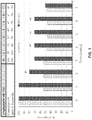
- FIG. 1 shows a table and a graph summarizing survival rates (in percentages) of SCI rats implanted with guiding regenerative gel (GRG) as compared to control untreated SCI rats.
- GCG guiding regenerative gel
- the present invention in some embodiments thereof, relates to compositions for use in methods of preventing or treating neurogenic shock.
- Neurogenic shock also known as vasogenic shock, is a devastating consequence of nerve injuries resulting from sudden loss of sympathetic tone which leads to autonomic instability manifested in e.g. hypotension, bradyarrhythmia, and temperature dysregulation.
- composition comprising hyaluronic acid, an anti-oxidant, a laminin peptide (SEQ ID NO: 1) can be used for prevention or treatment of neurogenic shock following nerve injury.
- a composition comprising hyaluronic acid, an anti-oxidant, a laminin peptide (SEQ ID NO: 1) can be used for prevention or treatment of neurogenic shock following nerve injury.
- the hydrogel is referred to herein as GRG for guiding regenerative gel.
- a method of treating neurogenic shock following nerve injury in a subject demonstrating at least one symptom of neurogenic shock comprising implanting a composition comprising a hyaluronic acid, a laminin polypeptide and an antioxidant, at or near the nerve injury of the subject, thereby treating the neurogenic shock in the subject.
- composition comprising a hyaluronic acid, a laminin polypeptide as set forth by SEQ ID NO: 1 and an antioxidant, for use in treating neurogenic shock following nerve injury in a subject demonstrating at least one symptom of neurogenic shock.
- a composition for use in a method of preventing or treating neurogenic shock following nerve injury in a subject in need thereof comprising implanting within 48 hours following the nerve injury a composition comprising a hyaluronic acid, a laminin polypeptide and an antioxidant, at or near the nerve injury of the subject, thereby preventing or treating the neurogenic shock in the subject.
- composition comprising a hyaluronic acid, a laminin polypeptide as set forth by SEQ ID NO: 1 and an antioxidant, for use in preventing or treating neurogenic shock following nerve injury in a subject, wherein said composition is implanted within 48 hours following said nerve injury.
- the term "subject” refers to a mammalian subject (e.g., human being) of any gender and any age including neonatal, infant, juvenile, adolescent, adult and elderly adult.
- the term encompasses individuals who suffer from a pathology (i.e. neurogenic shock) as described below.
- the subject is demonstrating symptom(s) characterizing the pathology.
- the subject is demonstrating at least one symptom of neurogenic shock selected from the group consisting of instantaneous hypotension, warm flushed skin, priapism, peripheral vasodilatation, inability to get tachycardic, bradycardia, diaphragmatic breathing, respiratory arrest and organ dysfunction.
- the subject is demonstrating at least one symptom of neurogenic shock selected from the group consisting of hypotension, bradycardia, and diaphragmatic breathing.
- composition of the present invention are selected avoiding xeno responses.
- treating refers to causing the reduction, remission, or regression of a pathology in a subject demonstrating symptom(s) characterizing the pathology.
- Those of skill in the art will understand that various methodologies and assays can be used to assess the reduction, remission or regression of a pathology.
- the term "preventing” refers to keeping a disease, disorder or condition from occurring in a subject who may be at risk for the disease, but does not yet display symptoms of the disease disorder or condition or has not yet been diagnosed as having the disease, disorder or condition.
- Those of skill in the art will understand that various methodologies and assays can be used to assess the development of a pathology.
- nerve injury refers to any disorder, disease, or condition exhibiting damage (i.e. , non-functioning tissue, cancerous or pre-cancerous tissue, broken tissue, fractured tissue, fibrotic tissue, or ischemic tissue) or loss (e.g., following a trauma, an infectious disease, a genetic disease, and the like) of neuronal tissue which may lead to neurogenic shock.
- Non-limiting examples of nerve injuries include spinal cord injury (SCI), cervical cord trauma, or high thoracic cord injuries, head trauma, traumatic brain injury (TBI), traumatic optic neuropathy (TON), Guillain-Barre syndrome, autonomic nervous system toxins, transverse myelitis
- the nerve injury is caused by trauma and not by a disease.
- the nerve injury is part of the central nervous system (CNS).
- CNS central nervous system
- central nervous system can refer to a subject's brain, spinal cord and/or optic nerve.
- the nerve injury comprises spinal cord injury.
- spinal cord injury refers to an injury to the spinal cord that is caused by trauma and not by disease.
- Spinal cord injuries have many causes; according to specific embodiments, the SCI is caused by a major trauma from motor vehicle accidents, falls, sports injuries or violence. Depending on where the spinal cord and nerve roots are damaged, the symptoms can vary widely e.g. from pain to paralysis to incontinence.
- the SCIs can be incomplete or complete injury which means a total loss of function. According to specific embodiments, the SCI is complete SCI.
- the nerve injury comprises traumatic brain injury (TBI).
- TBI traumatic brain injury
- TBI traumatic brain injury
- TBIs have many causes; according to specific embodiment, the TBI is caused by falls, vehicle collisions, sports collisions or combats.
- the phrase includes both mild and severe TBI including closed-head injuries, concussions or contusions and penetrating head injuries.
- the nerve injury comprises traumatic optic neuropathy (TON).
- TON traumatic optic neuropathy
- TON traumatic optic neuropathy
- neurogenic shock refers to a shock resulting in low blood pressure, occasionally with a slowed heart rate that is attributed to the disruption of the autonomic pathways that occurs following nerve injury.
- Methods of diagnosing neurogenic shock and evaluating its progression include, but not limited to, radiographic imaging, hemodynamic monitoring and/or clinical exam.
- Symptoms of neurogenic shock include, but are not limited to instantaneous hypotension due to sudden, massive vasodilation, warm, flushed skin due to vasodilation and inability to vasoconstrict, priapism, also due to vasodilation; inability to get tachycardic, bradycardia, diaphragmatic breathing due to loss of nervous control of the intercostal muscles (typically due to an injury below the 5th cervical vertebra), respiratory arrest immediately following the injury due to loss of nervous control of the diaphragm (typically due to an injury above the 3rd cervical vertebra), organ dysfunction or death.
- the methods and the compositions of the present invention increase the survival of the subject.
- the increase in survival is at least 1.5 fold, at least 2 fold, at least 3 fold, at least 5 fold, at least 10 fold, or at least 20 fold as compared to same in the absence of implanting the composition of the present invention which may be obtained from databases and the known literature.
- the increase in survival is by at least 5 %, by at least a 10 %, at least 20 %, at least 30 %, at least 40 %, at least 50 %, at least 60 %, at least 70 %, at least 80 %, at least 90 %, at least 95 % or at least 100 % as compared to same in the absence of implanting the composition of the present invention which may be obtained from databases and the known literature.
- compositions of the present invention comprise a hyaluronic acid, a laminin polypeptide and an antioxidant.
- hyaluronic acid also known as hyaluronan, hyaluronate
- hyaluronan refers to an unsulphated glycosaminoglycan composed of repeating disaccharide units of N-acetylglucosamine (GlcNAc) and glucuronic acid (GlcUA) linked together by alternating beta- 1, 4 and beta- 1, 3 glycosidic bonds.
- the hyaluronic acid is Na-HA.
- the hyaluronic acid has a molecular weight from about 10 4 Daltons to about 3 x 10 6 Daltons. The molecular weight of HA can be evaluated by e.g.
- the hyaluronic acid described herein includes naturally occurring HA synthetic HA or a combination of same.
- the hyaluronic acid can be extracted and isolated from an organism such as rooster combs or umbilical cords or from bacterial cultures such as those of hemolytic group A or C Streptococci, or can be synthetically produced using methods which are well known in the art.
- the hyaluronic acid is pure enough from chemical or biological constituents so that it is biologically inert having a low rate of reactivity with other substances under ordinary conditions.
- the hyaluronic acid is pure enough so that it is biocompatible, e.g., when in contact with cells, tissues or body fluid of an organism does not induce adverse effects such as immunological reactions and/or rejections, cellular death, and the like.
- the hyaluronic acid is at least 80 %, at least 90 %, at least 95 %, at least 98 % or at least 99 % pure.
- the hyaluronic acid is analytical (i.e. 99.5 % - 100 %) or pharmaceutical grade (98 % - 100 % hyaluronic acid).
- the hyaluronic acid described herein is capable of forming highly hydrated gels in aqueous solutions.
- Total content of HA in the composition of the present invention can be determined by methods known in the art such as, but not limited to the content of uronic acids (lucuronic acid) by the routine test of Dische ( Dische Z. A new specific color reaction of hexuronic Acids. J. Biol. Chem, 167, 189-197, 1947 ) employing the carbazol reagent.
- laminin refers to the family of extracellular matrix glycoproteins, which form the major noncollagenous constituent of basement membrane. Laminins have been implicated in a wide variety of biological processes including cell adhesion, differentiation, migration, signaling, neurite outgrowth and metastasis. Laminins are composed of 3 non identical chains: laminin alpha, beta and gamma, each encoded by a distinct gene.
- laminin polypeptide refers to an amino acid sequence which comprises at least 4 consecutive amino acids of a laminin polypeptide and which exhibits a biological activity (e.g., support cell survival, growth, proliferation, differentiation and/or migration).
- the laminin polypeptide can include an amino acid sequence of a laminin alpha-chain such as LAMA1 (e.g., GenBank Accession No. NP_005550.2), LAMA2 (e.g., GenBank Accession Nos. NP_000417.2 and NP_001073291.1), LAMA3 (e.g., GenBank Accession Nos. NP_937762.1 and NP_000218.2), LAMA4 (e.g., GenBank Accession Nos.
- LAMA1 e.g., GenBank Accession No. NP_005550.2
- LAMA2 e.g., GenBank Accession Nos. NP_000417.2 and NP_001073291.1
- LAMA3 e.g., GenBank Accession Nos. NP_937762.1 and NP_000218.2
- LAMA4 e.g., GenBank Accession Nos.
- NP_001098677.1, NP_001098676.1, NP_002281.2, NP_001098679.1, and NP_001098678.1), and LAMA5 e.g., GenBank Accession No. NP_005551.3
- a laminin beta-chain such as LAMB1 (e.g., GenBank Accession No. NP_002282.1), LAMB2 (e.g., GenBank Accession No. NP_002283.3), LAMB3 (e.g., GenBank Accession Nos. NP_000219.2 and NP_001017402.1) and LAMB4 (e.g., GenBank Accession No.
- LAMC1 e.g., GenBank Accession No. NP_002284.3
- LAMC2 e.g., GenBank Accession Nos. NP_005553.2 and NP_061486.2
- LAMC3 e.g., GenBank Accession No. NP_006050.3
- the laminin polypeptide includes a repeated amino acid sequence (e.g., a 4 or 5 amino acid repeated sequence) of a laminin sequence.
- Non-limiting examples of laminin polypeptides which can be included in the composition of the invention include the peptides set forth in SEQ ID NOs: 1, 2 or 3. [KSIKVAVRSYIGSRCV (SEQ ID NO: 1), IKVAV (SEQ ID NO:2), YIGSR (SEQ ID NO:3)].
- the laminin polypeptide is set forth by SEQ ID NO: 1 (KSIKVAVRSYIGSRCV).
- the laminin polypeptide is 5-50, 5-25, 5-20, 16-50 or 16-25 amino acids long.
- the laminin polypeptide is at least 16 amino acids long but shorter than 50 amino acids long.
- polypeptide or "peptide” which are interchangeably used herein, encompass native peptides (either degradation products, synthetically synthesized peptides or recombinant peptides) and peptidomimetics (typically, synthetically synthesized peptides), as well as peptoids and semipeptoids which are peptide analogs, which may have, for example, modifications rendering the peptides more stable while in a body or more capable of penetrating into cells.
- Methods for preparing peptidomimetic compounds are well known in the art and are specified, for example, in Quantitative Drug Design, C.A. Ramsden Gd., Chapter 17.2, F. Choplin Pergamon Press (1992 ), which is incorporated by reference as if fully set forth herein. Further details in this respect are provided hereinunder.
- Natural aromatic amino acids, Trp, Tyr and Phe may be substituted for synthetic non-natural acid such as TIC, naphthylelanine (Nol), ring-methylated derivatives of Phe, halogenated derivatives of Phe or o-methyl-Tyr.
- synthetic non-natural acid such as TIC, naphthylelanine (Nol), ring-methylated derivatives of Phe, halogenated derivatives of Phe or o-methyl-Tyr.
- the peptides of the present invention may also include one or more modified amino acids or one or more non-amino acid monomers (e.g. fatty acids, complex carbohydrates etc).
- amino acid or “amino acids” is understood to include the 20 naturally occurring amino acids; those amino acids often modified post-translationally in vivo, including, for example, hydroxyproline, phosphoserine and phosphothreonine; and other unusual amino acids including, but not limited to, 2-aminoadipic acid, hydroxylysine, isodesmosine, nor-valine, nor-leucine and ornithine.
- amino acid includes both D- and L-amino acids.
- Table 1 Amino Acid Three-Letter Abbreviation One-letter Symbol alanine Ala A Arginine Arg R Asparagine Asn N Aspartic acid Asp D Cysteine Cys C Glutamine Gln Q Glutamic Acid Glu E glycine Gly G Histidine His H isoleucine Iie I leucine Leu L Lysine Lys K Methionine Met M phenylalanine Phe F Proline Pro P Serine Ser S Threonine Thr T tryptophan Trp W tyrosine Tyr Y Valine Val V Any amino acid as above Xaa X Table 2 Non-conventional amino acid Code Non-conventional amino acid Code ⁇ -aminobutyric acid Abu L-N-methylalanine Nmala ⁇ -amino- ⁇ -
- the peptides of the present invention are preferably utilized in a linear form, although it will be appreciated that in cases where cyclicization does not severely interfere with peptide characteristics, cyclic forms of the peptide can also be utilized.
- the present peptides can be utilized in therapeutics or diagnostics which require the peptides to be in soluble form, the peptides of the present invention preferably include one or more non-natural or natural polar amino acids, including but not limited to serine and threonine which are capable of increasing peptide solubility due to their hydroxyl-containing side chain.
- the peptides of the present invention may be synthesized by any techniques that are known to those skilled in the art of peptide synthesis.
- solid phase peptide synthesis a summary of the many techniques may be found in J. M. Stewart and J. D. Young, Solid Phase Peptide Synthesis, W. H. Freeman Co. (San Francisco), 1963 and J. Meienhofer, Hormonal Proteins and Peptides, vol. 2, p. 46, Academic Press (New York), 1973 .
- For classical solution synthesis see G. Schroder and K. Lupke, The Peptides, vol. 1, Academic Press (New York), 1965 .
- these methods comprise the sequential addition of one or more amino acids or suitably protected amino acids to a growing peptide chain.
- amino acids or suitably protected amino acids Normally, either the amino or carboxyl group of the first amino acid is protected by a suitable protecting group.
- the protected or derivatized amino acid can then either be attached to an inert solid support or utilized in solution by adding the next amino acid in the sequence having the complimentary (amino or carboxyl) group suitably protected, under conditions suitable for forming the amide linkage.
- the protecting group is then removed from this newly added amino acid residue and the next amino acid (suitably protected) is then added, and so forth. After all the desired amino acids have been linked in the proper sequence, any remaining protecting groups (and any solid support) are removed sequentially or concurrently, to afford the final peptide compound.
- a preferred method of preparing the peptide compounds of the present invention involves solid phase peptide synthesis.
- polypeptides of the present invention can be generated using recombinant techniques such as described by Bitter et al., (1987) Methods in Enzymol. 153:516-544 , Studier et al. (1990) Methods in Enzymol. 185:60-89 , Brisson et al. (1984) Nature 310:511-514 , Takamatsu et al. (1987) EMBO J. 3:17-311 , Coruzzi et al. (1984) EMBO J.
- the composition further comprises an antioxidant which can protect cells or macromolecules (e.g., the polysaccharide) from oxidative stress (oxidative damage caused by free radicals).
- an antioxidant which can protect cells or macromolecules (e.g., the polysaccharide) from oxidative stress (oxidative damage caused by free radicals).
- the antioxidant can extend the survival of the macromolecules by preventing their oxidative depolymerization.
- Non-limiting examples of suitable antioxidants include molecules such as glutathione, vitamin C (sodium ascorbate), vitamin E (tocopherols and tocotrienols), N-Ac-L-cysteine, hydroquinone, glutamate, or enzymes such as catalase, superoxide dismutase, glutathione peroxidase or other peroxidases, and glucose-6-phosphate dehydrogenase (G6PD) (see Osmen I., Vietnameseroglu M., Okutan R. Comparative study of antioxidant enzymes in tissues surrounding implant in rabbits. Cell. Biochem. Funct. 24:275-281, 2006 ).
- G6PD glucose-6-phosphate dehydrogenase
- the antioxidant is vitamin E.
- the antioxidant is superoxide dismutase (SOD).
- superoxide dismutase E.C. No: 1.15.1.1 refers to an enzyme that alternately catalyzes the dismutation (or partitioning) of the superoxide (O 2 - ) radical into either ordinary molecular oxygen (O 2 ) or hydrogen peroxide (H 2 O 2 ).
- Superoxide dismutase in addition to its known activity as an antioxidant, can also serve as an anti-inflammatory agent when used in vivo.
- Non-limiting examples of superoxide dismutase (SOD) enzymes which can be used in the composition of the invention include, SOD-1 (soluble), SOD-2 (mitochondrial) or SOD-3 (extracellular), such as homo sapiens soluble superoxide dismutase 1 (SOD-1) GenBank Accession No. NP_000445 (SEQ ID NO: 4); homo sapiens mitochondrial superoxide dismutase 2 (SOD-2) GenBank Accession Nos. NP_001019637.1 (isoform B), NP_001019636.1 (isoform A), NP_000627.2 (isoform A); homo sapiens extracellular superoxide dismutase 3 (SOD-3) GenBank Accession No. NP_003093.2; Saccharomyces cerevisiae SOD-1 GenBank Accession No. NP_012638.1; and Rattus norvegicus SOD-1 GenBank Accession No. NP_058746.
- SOD-1 soluble
- the SOD comprises the amino acid sequence set forth by SEQ ID NO: 4.
- the antioxidant of the invention can be produced by recombinant techniques, e.g. as described in Hartman JR., et al., 1986 (Proc. Natl. Acad. Sci. USA, Vol: 83, pp 7142-7146 ).
- a polynucleotide encoding superoxide dismutase 1 (GenBank Accession No. NM_000454; SEQ ID NO: 5) can be ligated into a nucleic acid construct suitable for expression in a host cell (e.g., bacterial cell, yeast cell, mammalian cell).
- Such a nucleic acid construct includes a promoter sequence for directing transcription of the polynucleotide sequence in the cell in a constitutive or inducible manner, and may also include sequences which render this vector suitable for replication and integration in prokaryotes, eukaryotes, or preferably both (e.g., shuttle vectors); transcription and translation initiation sequence, enhancers, transcription and translation terminator, and a polyadenylation signal which may increase the efficiency of mRNA translation; a signal sequence for secretion; sequences engineered to enhance stability, production, purification, yield or toxicity of the expressed polypeptide.
- the antioxidant can be recovered and purified using a variety of standard protein purification techniques, such as, but not limited to, affinity chromatography, ion exchange chromatography, filtration, electrophoresis, hydrophobic interaction chromatography, gel filtration chromatography, reverse phase chromatography, concanavalin A chromatography, chromate-focusing and differential solubilization.
- standard protein purification techniques such as, but not limited to, affinity chromatography, ion exchange chromatography, filtration, electrophoresis, hydrophobic interaction chromatography, gel filtration chromatography, reverse phase chromatography, concanavalin A chromatography, chromate-focusing and differential solubilization.
- the antioxidant is retrieved so that it is pure enough from chemical or biological constituents to allow for the effective use of the recombinant polypeptide as an antioxidant.
- Activity of the anti-oxidant e.g. SOD, may be determined by methods well known in the art and include measurement at 560 nm as the rate of suppression of reduction of nitrotetrazolium blue when superoxide anion radical was generated during oxidation of xanthine by xanthine oxidase.
- the antioxidant e.g. SOD
- the antioxidant is at least 80 %, at least 90 %, at least 95 %, at least 98 % or at least 99 % pure.
- the antioxidant e.g. SOD
- the antioxidant is analytical or pharmaceutical grade anti-oxidant.
- the components of the composition are cross-linked.
- the hyaluronic acid, the antioxidant and the laminin peptide of the composition are cross-linked.
- Cross-linking i.e ., binding via covalent or ionic bonds
- Cross-linking of the components comprised in the composition can be performed using any cross-linking or coupling agent known in the art.
- the principles of cross linking are combining free primary amino groups with carboxyl groups, or oxidizing in between close hydroxyl groups, forming reactive aldehydes, to interact either among themselves or with amines of additional conjugate may be formed via tiol residues.
- cross-linking does not affect the biological activities of the bonded elements.
- Non-limiting examples of suitable cross-linking agents include dimethyl suberimidate (an imidoester cross linker); Bis(Sulfosuccinimidyl) suberate (BS3; an NHS-ester cross linker); formaldehyde; 1-Ethyl-3-[3-dimethylaminopropyl]carbodiimide hydrochloride (EDC; the carbodiimide cross linker); N-hydroxyuccinimide (NHS) [ Mao J.S, et al., Biomaterials. 24,1621-1629, 2003 ; Choi Y.S., et al., J. Biomed. Mater. Res.
- photo-reactive amino acid analogs e.g., diazirine analogs to leucine and methionine
- the diazirines can be added to the composition and following exposure to ultraviolet light, the diazirines are activated and bind to interacting side chains (e.g., carboxyl or amino groups).
- cross-linking is performed using a non-toxic and/or biocompatible agent.
- a non-toxic and/or biocompatible agent examples include, but are not limited to 3-dimenthy-aminoprophyl)-N-ethyl carbodiimide (EDC-N; Sigma-Aldrich- Fluka, St Louis, Missouri 63178, Catalogue No. 03459), divinyl sulfone (DVS; Sigma, Catalogue No. V-370-0) and genipin (Sigma Catalogue No. G-4796).
- the composition described herein can increase neuronal cells survival, support neuronal regeneration and/or prevent formation of a glial scar.
- composition is generated according to the teachings of International Patent Application Publication No. WO2009/022339 , the contents of which are incorporated herein in their entirety.
- composition of the invention can be prepared using synthetic or recombinant techniques they are obtainable sterile preparations of analytical or pharmaceutical grade.
- the composition is formulated as a hydrogel.
- hydrogel refers to a material comprising the composition of some embodiment of the invention and water, in which the water constitutes more than 40 %.
- the hydrogel comprises at least about 50 %, at least about 60 % water, at least about 70 % water, at least about 80 % water, at least about 90 % water, at least about 95 % water, at least about 96 % water, at least about 97 % water, at least about 98 % water, at least about 99 % water.
- the hydrogel is viscous (e.g. approximately 0cP during no movement and 110-130cP during movement).
- the hydrogel is transparent.
- the hyaluronic acid is provided at a concentration range of about 0.3-2 %, e.g., about 0.4-1.8 %, e.g., about 0.5-1.6, e.g., about 0.5-1.5 %, e.g., about 0.6-1.4 %, e.g., about 0.8-1.2 %, e.g., about 1.2 % in the composition e.g. hydrogel.
- the hyaluronic acid is provided at a concentration range of about 0.5-1.5 % in the composition e.g. hydrogel.
- the laminin polypeptide (e.g., SEQ ID NO: 1) is provided at a concentration range of about 10-200 ⁇ g/ml, e.g., about 20-100 ⁇ g/ml, e.g., about 50 ⁇ g/ml in the composition e.g. hydrogel.
- the laminin polypeptide is provided at a concentration range of about 20-100 ⁇ g/ml in the composition e.g. hydrogel.
- the antioxidant e.g. superoxide dismutase
- the antioxidant is provided at a concentration range of about 8 ⁇ M (about 0.25 microgram/ml) to 8 mM (about 250 microgram/ml) in the hydrogel.
- the antioxidant e.g. superoxide dismutase
- superoxide dismutase can be provided at a concentration range of about 0.5 ⁇ g/ml to about 200 ⁇ g/ml, e.g., from about 1 ⁇ g/ml to about 100 ⁇ g/ml, e.g., from about 2 ⁇ g/ml to about 80 ⁇ g/ml, e.g., from about 4 ⁇ g/ml to about 40 ⁇ g/ml, e.g., from about 5 ⁇ g/ml to about 50 ⁇ g/ml, e.g., from about 10 ⁇ g/ml to about 50 ⁇ g/ml, e.g., from about 15 ⁇ g/ml to about 40 ⁇ g/ml, e.g., from about 20 ⁇ g/ml to about 30 ⁇ g/ml, e.g., about 25 ⁇ /ml.
- the antioxidant is provided at a concentration range of about 5-40 ⁇ g/ml in the composition e.g. hydrogel.
- the ratio between the hyaluronic acid, the laminin polypeptide and the antioxidant in the composition e.g. hydrogel is between HA 0.01 mg: laminin polypeptide 50 ⁇ g: SOD 250 ⁇ g per ml to HA 1.2 mg: laminin polypeptide 50 ⁇ g: SOD 250 ⁇ g per ml.
- the ratio between the hyaluronic acid, the laminin polypeptide and the antioxidant in the composition e.g. hydrogel is approximately HA 0.4mg: laminin polypeptide 50 ⁇ g: SOD 250 ⁇ g per ml.
- the hyaluronic acid, the laminin polypeptide and the antioxidant are provided at a total concentration of about 0.01 - 0.6 %.
- the hyaluronic acid, the laminin polypeptide and the antioxidant are provided at a total concentration of about 0.02 - 0.5 %.
- the hyaluronic acid, the laminin polypeptide and the antioxidant are provided at a total concentration of about 0.4 %.
- the hyaluronic acid, the laminin polypeptide and the antioxidant are provided at a total concentration of about 0.02 %.
- the hydrogel is lyophilized by methods well known in the art such that a dry matrix is obtained.
- the dry mix comprises less than 50 %, less than 30 %, less than 10 %, less than 5 %, less than 2 %, less than 1 %, or less than 0.5 % water. It should be noted that water-free matrices can be preserved for long periods of time without being subjected to enzymatic degradation or contamination (e.g., by microorganisms).
- the composition is formulated as a matrix.
- matrix refers to a two-dimensional or a three-dimensional scaffold (also referred to herein as supporting framework) comprising the composition of the invention.
- the scaffold may further provide mechanical stability and support.
- the matrix can be kept in a dry or wet form, or can be frozen according to the intended use.
- the dry matrix can be further hydrated in an aqueous solution (e.g., water) until a hydrogel is formed.
- an aqueous solution e.g., water
- the dimensions of the matrix vary according with the nerve injury.
- the size of the matrix can be smaller than or substantially the same size as the nerve injury.
- the size of the matrix can be larger than the nerve injury.
- Scaffold material may comprise natural or synthetic organic polymers that can be gelled, or polymerized or solidified (e.g., by aggregation, coagulation, hydrophobic interactions, or cross-linking) into a two-dimensional or a three-dimensional structure.
- the scaffold of the present invention may be made uniformly of a single polymer, co-polymer or blend thereof. However, it is also possible to form a scaffold according to the invention of a plurality of different polymers. There are no particular limitations to the number or arrangement of polymers used in forming the scaffold. Any combination which is biocompatible, may be formed into fibers, and degrades at a suitable rate, may be used.
- Both the choice of polymer and the ratio of polymers in a co-polymer may be adjusted to optimize the stiffness of the scaffold.
- the molecular weight and cross-link density of the scaffold may also be regulated to control both the mechanical properties of the scaffold and the degradation rate (for degradable scaffolds).
- the mechanical properties may also be optimized to mimic those of the tissue at the implant site.
- Polymers used in scaffold material compositions may be biocompatible, biodegradable and/or bioerodible and may act as adhesive substrates for cells.
- structural scaffold materials are easy to process into complex shapes and have a rigidity and mechanical strength suitable to maintain the desired shape under in vivo conditions.
- the structural scaffold materials may be non-resorbing or non-biodegradable polymers or materials. Such non-resorbing scaffold materials may be used to fabricate materials which are designed for long term or permanent implantation into a host organism.
- non-biodegradable polymer refers to a polymer or polymers which at least substantially (i.e. more than 50 %) do not degrade or erode in vivo.
- non-biodegradable and non-resorbing are equivalent and are used interchangeably herein.
- biocompatible non-biodegradable polymers which are useful as scaffold materials include, but are not limited to, polyethylenes, polyvinyl chlorides, polyamides such as nylons, polyesters, rayons, polypropylenes, polyacrylonitriles, acrylics, polyisoprenes, polybutadienes and polybutadiene-polyisoprene copolymers, neoprenes and nitrile rubbers, polyisobutylenes, olefinic rubbers such as ethylene-propylene rubbers, ethylene-propylene-diene monomer rubbers, and polyurethane elastomers, silicone rubbers, fluoroelastomers and fluorosilicone rubbers, homopolymers and copolymers of vinyl acetates such as ethylene vinyl acetate copolymer, homopolymers and copolymers of acrylates such as polymethylmethacrylate, polyethylmethacrylate, polymethacrylate, ethylene glycol dime
- the structural scaffold materials may be a "bioerodible” or “biodegradable” polymer or material.
- biodegradable polymer refers to a polymer or polymers which degrade in vivo, and wherein erosion of the polymer or polymers over time occurs concurrent with or subsequent to release of the composition.
- biodegradable and bioerodible are equivalent and are used interchangeably herein.
- biocompatible biodegradable polymers which are useful as scaffold materials include, but are not limited to, polylactic acid, polyglycolic acid, polycaprolactone, and copolymers thereof, polyesters such as polyglycolides, polyanhydrides, polyacrylates, polyalkyl cyanoacrylates such as n-butyl cyanoacrylate and isopropyl cyanoacrylate, polyacrylamides, polyorthoesters, polyphosphazenes, polypeptides, polyurethanes, polystyrenes, polystyrene sulfonic acid, polystyrene carboxylic acid, polyalkylene oxides, alginates, agaroses, dextrins, dextrans, polyanhydrides, biopolymers such as collagens and elastin, alginates, chitosans, glycosaminoglycans, and mixtures of such poly
- PLA, PGA and PLA/PGA copolymers are used for forming the scaffolds of the present invention.
- scaffolds materials may comprise naturally occurring substances, such as, fibrinogen, fibrin, thrombin, chitosan, collagen, alginate, poly(N-isopropylacrylamide), albumin, collagen, synthetic polyamino acids, prolamines, polysaccharides such as alginate, heparin, and other naturally occurring biodegradable polymers of sugar units.
- naturally occurring substances such as, fibrinogen, fibrin, thrombin, chitosan, collagen, alginate, poly(N-isopropylacrylamide), albumin, collagen, synthetic polyamino acids, prolamines, polysaccharides such as alginate, heparin, and other naturally occurring biodegradable polymers of sugar units.
- the scaffolds of the present invention are porous.
- the porosity may be controlled by a variety of techniques known to those skilled in the art.
- the scaffolds are fabricated from synthetic biomaterials and are capable of conducting electricity and naturally eroding inside the body.
- the scaffolds comprise a biocompatible polymer capable of conducting electricity e.g. a polypyrrole polymer.
- a biocompatible polymer capable of conducting electricity e.g. a polypyrrole polymer.
- Polyaniline, polyacetyline, poly-p-phenylene, poly-p-phenylene-vinylene, polythiophene, and hemosin are examples of other biocompatible polymers that are capable of conducting electricity and may be used in conjunction with the present invention.
- Other erodible, conducting polymers are well known (for example, see Zelikin et al., Erodible Conducting Polymers for Potential Biomedical Applications, Angew. Chem. Int. Ed. Engl., 2002, 41(1): 141-144 ). Any of the foregoing electrical conducting polymers can be applied or coated onto a malleable or moldable scaffold.
- the scaffolds may be made by any of a variety of techniques known to those skilled in the art. Salt-leaching, porogens, solid-liquid phase separation (sometimes termed freeze-drying), and phase inversion fabrication may all be used to produce porous scaffolds. Fiber pulling and weaving (see, e.g. Vacanti, et al., (1988) Journal of Pediatric Surgery, 23: 3-9 ) may be used to produce scaffolds having more aligned polymer threads. Those skilled in the art will recognize that standard polymer processing techniques may be exploited to create polymer scaffolds having a variety of porosities and microstructures.
- Scaffold materials are readily available to one of ordinary skill in the art, usually in the form of a solution (suppliers are, for example, BDH, United Kingdom, and Pronova Biomedical Technology a.s. Norway).
- supplies are, for example, BDH, United Kingdom, and Pronova Biomedical Technology a.s. Norway.
- F2064-00 entitled Standard Guide for Characterization and Testing of Alginates as Starting Materials Intended for Use in Biomedical and Tissue Engineering Medical Products Applications.
- the scaffold comprises a biodegradable membrane e.g. a dura film such as Lyodura, AESCLTLAP.
- the composition further comprises ex-vivo seeded cells such as stem cells or differentiated cells (e.g. neuronal progenitor cells).
- ex-vivo seeded cells such as stem cells or differentiated cells (e.g. neuronal progenitor cells).
- Non-limiting examples of stem cells which can be used by the invention include embryonic stem cells, induced pluripotent stem cells (iPS), neuronal progenitor cells, hematopoietic stem cells (e.g., bone marrow stem cells, cord blood cells, peripheral blood stem cells), adult stem cells and mesenchymal stem cells.
- iPS induced pluripotent stem cells
- neuronal progenitor cells e.g., hematopoietic stem cells (e.g., bone marrow stem cells, cord blood cells, peripheral blood stem cells), adult stem cells and mesenchymal stem cells.
- hematopoietic stem cells e.g., bone marrow stem cells, cord blood cells, peripheral blood stem cells
- adult stem cells e.g., mesenchymal stem cells.
- the stem cells are neuronal progenitor cells (such as those obtained from embryonic or fetal neuronal tissue or brain).
- the differentiated cells are neural cells.
- the composition does not comprise ex-vivo seeded cells such as stem cells or differentiated cells (e.g. neuronal progenitor cells).
- the composition of the present invention is implanted during a surgical procedure effected for treating the nerve injury in the subject.
- composition of the present invention is implanted locally at or near the site of the nerve injury.
- the composition is implanted directly into the lesion (e.g. into the epicenter of the injury) and near the lesion (e.g. at distance of approximately 0.5 cm from the injured site.).
- the implants can be fixed by surgical adhesives (e.g. BioGlue, CryoLife); and finally the muscular and cutaneous planes are closed and sutured.
- the composition is implanted within 12 hours, within 24 hours, within 48 hours, within 72 hours or within 96 hours following the nerve injury, each possibility represents a separate embodiment of the present invention.
- the composition is implanted within 48 hours following the nerve injury.
- the composition is implanted within 24 hours following the nerve injury.
- the composition is implanted within 12 hours following the nerve injury.
- compositions of the invention may, if desired, be presented in a pack or dispenser device, such as an FDA approved kit, or an article of manufacture (with packaging material), which may contain one or more unit dosage forms containing the active ingredient.
- the pack may, for example, comprise metal or plastic foil, such as a blister pack.
- the pack or dispenser device may be accompanied by instructions for administration, implantation and/or treating a subject.
- the pack or dispenser may also be accommodated by a notice associated with the container in a form prescribed by a governmental agency regulating the manufacture, use or sale of pharmaceuticals, which notice is reflective of approval by the agency of the form of the compositions or human or veterinary administration. Such notice, for example, may be of labeling approved by the U.S. Food and Drug Administration for prescription drugs or of an approved product insert.
- the compositions of the invention formulated in a compatible pharmaceutical carrier may also be prepared, placed in an appropriate container, and labeled for treatment of an indicated condition, as is further detailed above.
- compositions, method or structure may include additional ingredients, steps and/or parts, but only if the additional ingredients, steps and/or parts do not materially alter the basic and novel characteristics of the claimed composition, method or structure.
- a compound or “at least one compound” may include a plurality of compounds, including mixtures thereof.
- range format is merely for convenience and brevity and should not be construed as an inflexible limitation on the scope of the invention. Accordingly, the description of a range should be considered to have specifically disclosed all the possible subranges as well as individual numerical values within that range. For example, description of a range such as from 1 to 6 should be considered to have specifically disclosed subranges such as from 1 to 3, from 1 to 4, from 1 to 5, from 2 to 4, from 2 to 6, from 3 to 6 etc., as well as individual numbers within that range, for example, 1, 2, 3, 4, 5, and 6. This applies regardless of the breadth of the range.
- the term "method" refers to manners, means, techniques and procedures for accomplishing a given task including, but not limited to, those manners, means, techniques and procedures either known to, or readily developed from known manners, means, techniques and procedures by practitioners of the chemical, pharmacological, biological, biochemical and medical arts.
- the references to the methods of treatment by therapy or surgery or in vivo diagnosis methods in this description, as part of the invention, are to be interpreted as references to compounds, pharmaceutical compositions and medicaments of the present invention for use in those methods.
- Chemicals - Bt-cAMP (N6,2'-O-Dibutyryladenosine 3',5'-cyclic monophosphate, sodium salt, Sigma Catalog Number D0627, molecular weight 491.37) at a dose of 1 mM; and Theophylline (Theophylline anhydrous - 1,3-Dimethylxanthine, Sigma Catalog Number T1633, molecular weight 180.2) at a dose of 0.25-0.5 mM were used for astrocytes activation.
- GRG Guiding Regenerative Gel
- KSIKVAVRSYIGSRCV laminin peptide
- the entire area of the lesion was covered with a thin biodegradable membrane (Lyodura, AESCULAP), composed of the biological co-polymer, attached by surgical adhesive (BioGlue, CryoLife) for fixation of the implants at the desired sites. Finally, the muscular and cutaneous planes were closed and sutured.
- Post-operative animal care was performed to minimize discomfort and pain.
- the first two weeks after surgery are considered the most critical for the rats to survive; thus, analgesia was given during the first 5 days following the surgery, which includes antibiotics and pain medication.
- the rats were assisted in urination and defecation with the help of a veterinarian, twice a day. Animals were maintained in ventilated cages, containing sterile sawdust and sterile food.
- the paraplegic rats were kept solitary in cages, but were gathered in groups for 1 hour every day, in a large facility. The rats were monitored up to 6 months and at the termination of the experiments, the animals were sacrificed under general anesthesia.
Landscapes
- Health & Medical Sciences (AREA)
- Life Sciences & Earth Sciences (AREA)
- Chemical & Material Sciences (AREA)
- General Health & Medical Sciences (AREA)
- Engineering & Computer Science (AREA)
- Veterinary Medicine (AREA)
- Public Health (AREA)
- Animal Behavior & Ethology (AREA)
- Medicinal Chemistry (AREA)
- Epidemiology (AREA)
- Pharmacology & Pharmacy (AREA)
- Bioinformatics & Cheminformatics (AREA)
- Immunology (AREA)
- Biomedical Technology (AREA)
- Proteomics, Peptides & Aminoacids (AREA)
- Zoology (AREA)
- Organic Chemistry (AREA)
- Gastroenterology & Hepatology (AREA)
- Dermatology (AREA)
- Genetics & Genomics (AREA)
- Wood Science & Technology (AREA)
- Biotechnology (AREA)
- Oral & Maxillofacial Surgery (AREA)
- Transplantation (AREA)
- Neurosurgery (AREA)
- Neurology (AREA)
- Biochemistry (AREA)
- General Engineering & Computer Science (AREA)
- General Chemical & Material Sciences (AREA)
- Chemical Kinetics & Catalysis (AREA)
- Nuclear Medicine, Radiotherapy & Molecular Imaging (AREA)
- Microbiology (AREA)
- Cell Biology (AREA)
- Hematology (AREA)
- Orthopedic Medicine & Surgery (AREA)
- Psychology (AREA)
- Molecular Biology (AREA)
- Marine Sciences & Fisheries (AREA)
- Dispersion Chemistry (AREA)
- Medicines That Contain Protein Lipid Enzymes And Other Medicines (AREA)
Claims (15)
- Zusammensetzung, die eine Hyaluronsäure, ein Laminin-Polypeptid gemäß SEQ ID NO: 1 und ein Antioxidans umfasst, zur Verwendung bei der Behandlung eines neurogenen Schocks nach einer Nervenverletzung bei einem Patienten, der mindestens ein Symptom eines neurogenen Schocks aufweist.
- Zusammensetzung zur Verwendung gemäß Anspruch 1, wobei die Zusammensetzung innerhalb von 48 Stunden nach der Nervenverletzung implantiert wird.
- Zusammensetzung zur Verwendung nach Anspruch 1, wobei die Zusammensetzung innerhalb von 24 Stunden nach der Nervenverletzung implantiert wird.
- Zusammensetzung zur Verwendung nach Anspruch 1, wobei die Zusammensetzung innerhalb von 12 Stunden nach der Nervenverletzung implantiert wird.
- Zusammensetzung zur Verwendung nach einem der Ansprüche 1 bis 4, wobei die Zusammensetzung an oder in der Nähe der Nervenverletzung des Patienten implantiert wird.
- Zusammensetzung zur Verwendung nach einem der Ansprüche 1 bis 5, wobei die Nervenverletzung eine Rückenmarksverletzung (SCI) umfasst.
- Zusammensetzung zur Verwendung nach einem der Ansprüche 1-5, wobei die Nervenverletzung traumatische Hirnverletzungen (TBI) oder traumatische Optikusneuropathie (TON) umfasst.
- Zusammensetzung zur Verwendung nach einem der Ansprüche 1 bis 7, wobei die Person mindestens ein Symptom des neurogenen Schocks zeigt, das aus der Gruppe ausgewählt ist, die aus augenblicklicher Hypotonie, warmer, geröteter Haut, Priapismus, peripherer Vasodilatation, Unfähigkeit, tachykard zu werden, Bradykardie, Zwerchfellatmung, Atemstillstand und Organdysfunktion besteht.
- Zusammensetzung zur Verwendung nach einem der Ansprüche 1 bis 8, wobei das Antioxidans Superoxiddismutase (SOD) oder Vitamin Eist.
- Zusammensetzung zur Verwendung nach einem der Ansprüche 1 bis 8, wobei das Antioxidans Superoxiddismutase (SOD) ist, das die durch SEQ ID NO: 4 dargestellte Aminosäuresequenz umfasst.
- Zusammensetzung zur Verwendung nach einem der Ansprüche 1 bis 8, wobei das Antioxidans Vitamin Eist.
- Zusammensetzung zur Verwendung nach einem der Ansprüche 1-11, wobei die Zusammensetzung als ein Hydrogel formuliert ist.
- Zusammensetzung zur Verwendung nach Anspruch 12, wobei das Laminin-Polypeptid in einem Konzentrationsbereich von etwa 20-100 µg/ml in dem Hydrogel bereitgestellt wird.
- Zusammensetzung zur Verwendung nach einem der Ansprüche 12 bis 13, wobei das Antioxidans in einem Konzentrationsbereich von etwa 5-40 µg/ml in dem Hydrogel bereitgestellt wird.
- Zusammensetzung zur Verwendung nach einem der Ansprüche 1 bis 14, wobei das mindestens eine Symptom des neurogenen Schocks ausgewählt ist aus der Gruppe bestehend aus Hypotonie, Bradykardie und Zwerchfellatmung.
Applications Claiming Priority (2)
| Application Number | Priority Date | Filing Date | Title |
|---|---|---|---|
| US201762591860P | 2017-11-29 | 2017-11-29 | |
| PCT/IL2018/051308 WO2019106671A1 (en) | 2017-11-29 | 2018-11-29 | Methods of preventing or treating neurogenic shock |
Publications (2)
| Publication Number | Publication Date |
|---|---|
| EP3717032A1 EP3717032A1 (de) | 2020-10-07 |
| EP3717032B1 true EP3717032B1 (de) | 2023-02-15 |
Family
ID=64744776
Family Applications (1)
| Application Number | Title | Priority Date | Filing Date |
|---|---|---|---|
| EP18822154.3A Active EP3717032B1 (de) | 2017-11-29 | 2018-11-29 | Verfahren zur vorbeugung oder behandlung von neurogenem schock |
Country Status (4)
| Country | Link |
|---|---|
| US (1) | US20200390800A1 (de) |
| EP (1) | EP3717032B1 (de) |
| IL (1) | IL274979B2 (de) |
| WO (1) | WO2019106671A1 (de) |
Families Citing this family (2)
| Publication number | Priority date | Publication date | Assignee | Title |
|---|---|---|---|---|
| KR20190091192A (ko) | 2016-12-01 | 2019-08-05 | 라모트 앳 텔-아비브 유니버시티 리미티드 | 신경 손상의 병용 치료제 |
| EP4085905B1 (de) * | 2021-05-07 | 2024-02-21 | TRB Chemedica AG | Hyaluronsäure zur verwendung bei der vorbeugung oder behandlung neurologischer dysfunktionen von nerven oder nervenzellen |
Family Cites Families (24)
| Publication number | Priority date | Publication date | Assignee | Title |
|---|---|---|---|---|
| NL154600B (nl) | 1971-02-10 | 1977-09-15 | Organon Nv | Werkwijze voor het aantonen en bepalen van specifiek bindende eiwitten en hun corresponderende bindbare stoffen. |
| NL154598B (nl) | 1970-11-10 | 1977-09-15 | Organon Nv | Werkwijze voor het aantonen en bepalen van laagmoleculire verbindingen en van eiwitten die deze verbindingen specifiek kunnen binden, alsmede testverpakking. |
| NL154599B (nl) | 1970-12-28 | 1977-09-15 | Organon Nv | Werkwijze voor het aantonen en bepalen van specifiek bindende eiwitten en hun corresponderende bindbare stoffen, alsmede testverpakking. |
| US3901654A (en) | 1971-06-21 | 1975-08-26 | Biological Developments | Receptor assays of biologically active compounds employing biologically specific receptors |
| US3853987A (en) | 1971-09-01 | 1974-12-10 | W Dreyer | Immunological reagent and radioimmuno assay |
| US3867517A (en) | 1971-12-21 | 1975-02-18 | Abbott Lab | Direct radioimmunoassay for antigens and their antibodies |
| NL171930C (nl) | 1972-05-11 | 1983-06-01 | Akzo Nv | Werkwijze voor het aantonen en bepalen van haptenen, alsmede testverpakkingen. |
| US3850578A (en) | 1973-03-12 | 1974-11-26 | H Mcconnell | Process for assaying for biologically active molecules |
| US3935074A (en) | 1973-12-17 | 1976-01-27 | Syva Company | Antibody steric hindrance immunoassay with two antibodies |
| US3996345A (en) | 1974-08-12 | 1976-12-07 | Syva Company | Fluorescence quenching with immunological pairs in immunoassays |
| US4034074A (en) | 1974-09-19 | 1977-07-05 | The Board Of Trustees Of Leland Stanford Junior University | Universal reagent 2-site immunoradiometric assay using labelled anti (IgG) |
| US3984533A (en) | 1975-11-13 | 1976-10-05 | General Electric Company | Electrophoretic method of detecting antigen-antibody reaction |
| US4098876A (en) | 1976-10-26 | 1978-07-04 | Corning Glass Works | Reverse sandwich immunoassay |
| US4879219A (en) | 1980-09-19 | 1989-11-07 | General Hospital Corporation | Immunoassay utilizing monoclonal high affinity IgM antibodies |
| US5011771A (en) | 1984-04-12 | 1991-04-30 | The General Hospital Corporation | Multiepitopic immunometric assay |
| US4666828A (en) | 1984-08-15 | 1987-05-19 | The General Hospital Corporation | Test for Huntington's disease |
| US4683202A (en) | 1985-03-28 | 1987-07-28 | Cetus Corporation | Process for amplifying nucleic acid sequences |
| US4801531A (en) | 1985-04-17 | 1989-01-31 | Biotechnology Research Partners, Ltd. | Apo AI/CIII genomic polymorphisms predictive of atherosclerosis |
| US5272057A (en) | 1988-10-14 | 1993-12-21 | Georgetown University | Method of detecting a predisposition to cancer by the use of restriction fragment length polymorphism of the gene for human poly (ADP-ribose) polymerase |
| US5192659A (en) | 1989-08-25 | 1993-03-09 | Genetype Ag | Intron sequence analysis method for detection of adjacent and remote locus alleles as haplotypes |
| US5281521A (en) | 1992-07-20 | 1994-01-25 | The Trustees Of The University Of Pennsylvania | Modified avidin-biotin technique |
| SK151599A3 (en) | 1997-05-14 | 2000-09-12 | Rhone Poulenc Rorer Pharma | Peptide parathyroid hormone analogs |
| WO2009022339A1 (en) * | 2007-08-15 | 2009-02-19 | Ramot At Tel Aviv University Ltd. | Polypeptides, matrices, hydrogels and methods of using same for tissue regeneration and repair |
| KR20190091192A (ko) * | 2016-12-01 | 2019-08-05 | 라모트 앳 텔-아비브 유니버시티 리미티드 | 신경 손상의 병용 치료제 |
-
2018
- 2018-11-29 EP EP18822154.3A patent/EP3717032B1/de active Active
- 2018-11-29 IL IL274979A patent/IL274979B2/en unknown
- 2018-11-29 WO PCT/IL2018/051308 patent/WO2019106671A1/en not_active Ceased
- 2018-11-29 US US16/767,189 patent/US20200390800A1/en not_active Abandoned
Also Published As
| Publication number | Publication date |
|---|---|
| WO2019106671A1 (en) | 2019-06-06 |
| IL274979B2 (en) | 2024-07-01 |
| IL274979A (en) | 2020-07-30 |
| IL274979B1 (en) | 2024-03-01 |
| EP3717032A1 (de) | 2020-10-07 |
| US20200390800A1 (en) | 2020-12-17 |
Similar Documents
| Publication | Publication Date | Title |
|---|---|---|
| EP2185575B1 (de) | Polypeptide, matrizen, hydrogele und verfahren zu deren anwendung für die regenerierung und reparatur von gewebe | |
| EP3548106B1 (de) | Kombinierte behandlung von nervenläsionen | |
| EP3065745B1 (de) | Vernetzte resilinhaltige materialien | |
| JP4340067B2 (ja) | 二機能性改変ハイドロゲル | |
| US20090175785A1 (en) | Self-Assembled Fmoc-Ff Hydrogels | |
| EP2688582B1 (de) | Neuroprotektive peptide | |
| US20140371131A1 (en) | Adhesive biopolymers and uses thereof | |
| US20200390800A1 (en) | Methods of preventing or treating neurogenic shock | |
| EP3980085B1 (de) | Zusammensetzungen und verfahren zu ihrer verwendung für die geweberegeneration | |
| US20260124281A1 (en) | Formulations comprising acid-neutralizing polymer for oral administration of parathyroid hormone | |
| US20220226432A1 (en) | Deferred treatment of nerve injuries | |
| Krause et al. | Prevention of postoperative adhesions with the chitin derivative N‐O‐carboxymethylchitosan | |
| PROFIRE et al. | Sulfadiazine modified CS/HA PEC destined to wound dressing | |
| WO2006043644A1 (ja) | 温度応答性デプシペプチドポリマー | |
| Okamoto et al. | Synthesis and Biomaterials Application of Polymers Containing Pentapeptide and/or Hexapeptide Sequences Derived from Elastin | |
| ITPD980022A1 (it) | Composti n-solfatati dell'acido ialuronico e dei suoi derivati ad atti vita' anticoagualante e antitrombotica e processo per la preparazione | |
| IL203895A (en) | Pharmaceutical preparations for isolating cells in connective tissue |
Legal Events
| Date | Code | Title | Description |
|---|---|---|---|
| STAA | Information on the status of an ep patent application or granted ep patent |
Free format text: STATUS: UNKNOWN |
|
| STAA | Information on the status of an ep patent application or granted ep patent |
Free format text: STATUS: THE INTERNATIONAL PUBLICATION HAS BEEN MADE |
|
| PUAI | Public reference made under article 153(3) epc to a published international application that has entered the european phase |
Free format text: ORIGINAL CODE: 0009012 |
|
| STAA | Information on the status of an ep patent application or granted ep patent |
Free format text: STATUS: REQUEST FOR EXAMINATION WAS MADE |
|
| 17P | Request for examination filed |
Effective date: 20200622 |
|
| AK | Designated contracting states |
Kind code of ref document: A1 Designated state(s): AL AT BE BG CH CY CZ DE DK EE ES FI FR GB GR HR HU IE IS IT LI LT LU LV MC MK MT NL NO PL PT RO RS SE SI SK SM TR |
|
| AX | Request for extension of the european patent |
Extension state: BA ME |
|
| DAV | Request for validation of the european patent (deleted) | ||
| DAX | Request for extension of the european patent (deleted) | ||
| STAA | Information on the status of an ep patent application or granted ep patent |
Free format text: STATUS: EXAMINATION IS IN PROGRESS |
|
| 17Q | First examination report despatched |
Effective date: 20210601 |
|
| REG | Reference to a national code |
Ref country code: HK Ref legal event code: DE Ref document number: 40038990 Country of ref document: HK |
|
| GRAP | Despatch of communication of intention to grant a patent |
Free format text: ORIGINAL CODE: EPIDOSNIGR1 |
|
| STAA | Information on the status of an ep patent application or granted ep patent |
Free format text: STATUS: GRANT OF PATENT IS INTENDED |
|
| INTG | Intention to grant announced |
Effective date: 20220929 |
|
| GRAS | Grant fee paid |
Free format text: ORIGINAL CODE: EPIDOSNIGR3 |
|
| GRAA | (expected) grant |
Free format text: ORIGINAL CODE: 0009210 |
|
| STAA | Information on the status of an ep patent application or granted ep patent |
Free format text: STATUS: THE PATENT HAS BEEN GRANTED |
|
| AK | Designated contracting states |
Kind code of ref document: B1 Designated state(s): AL AT BE BG CH CY CZ DE DK EE ES FI FR GB GR HR HU IE IS IT LI LT LU LV MC MK MT NL NO PL PT RO RS SE SI SK SM TR |
|
| REG | Reference to a national code |
Ref country code: CH Ref legal event code: EP Ref country code: GB Ref legal event code: FG4D |
|
| REG | Reference to a national code |
Ref country code: DE Ref legal event code: R096 Ref document number: 602018046219 Country of ref document: DE |
|
| REG | Reference to a national code |
Ref country code: AT Ref legal event code: REF Ref document number: 1547917 Country of ref document: AT Kind code of ref document: T Effective date: 20230315 Ref country code: IE Ref legal event code: FG4D |
|
| REG | Reference to a national code |
Ref country code: LT Ref legal event code: MG9D |
|
| REG | Reference to a national code |
Ref country code: NL Ref legal event code: MP Effective date: 20230215 |
|
| REG | Reference to a national code |
Ref country code: DE Ref legal event code: R081 Ref document number: 602018046219 Country of ref document: DE Owner name: THE MEDICAL RESEARCH, INFRASTRUCTURE, AND HEAL, IL Free format text: FORMER OWNERS: RAMOT AT TEL AVIV UNIVERSITY LTD., TEL AVIV, IL; THE MEDICAL RESEARCH, INFRASTRUCTURE, AND HEALTH SERVICES FUND OF THE TEL AVIV MEDICAL CENTER, TEL-AVIV, IL Ref country code: DE Ref legal event code: R081 Ref document number: 602018046219 Country of ref document: DE Owner name: RAMOT AT TEL-AVIV UNIVERSITY LTD., IL Free format text: FORMER OWNERS: RAMOT AT TEL AVIV UNIVERSITY LTD., TEL AVIV, IL; THE MEDICAL RESEARCH, INFRASTRUCTURE, AND HEALTH SERVICES FUND OF THE TEL AVIV MEDICAL CENTER, TEL-AVIV, IL |
|
| REG | Reference to a national code |
Ref country code: AT Ref legal event code: MK05 Ref document number: 1547917 Country of ref document: AT Kind code of ref document: T Effective date: 20230215 |
|
| PG25 | Lapsed in a contracting state [announced via postgrant information from national office to epo] |
Ref country code: RS Free format text: LAPSE BECAUSE OF FAILURE TO SUBMIT A TRANSLATION OF THE DESCRIPTION OR TO PAY THE FEE WITHIN THE PRESCRIBED TIME-LIMIT Effective date: 20230215 Ref country code: PT Free format text: LAPSE BECAUSE OF FAILURE TO SUBMIT A TRANSLATION OF THE DESCRIPTION OR TO PAY THE FEE WITHIN THE PRESCRIBED TIME-LIMIT Effective date: 20230615 Ref country code: NO Free format text: LAPSE BECAUSE OF FAILURE TO SUBMIT A TRANSLATION OF THE DESCRIPTION OR TO PAY THE FEE WITHIN THE PRESCRIBED TIME-LIMIT Effective date: 20230515 Ref country code: NL Free format text: LAPSE BECAUSE OF FAILURE TO SUBMIT A TRANSLATION OF THE DESCRIPTION OR TO PAY THE FEE WITHIN THE PRESCRIBED TIME-LIMIT Effective date: 20230215 Ref country code: LV Free format text: LAPSE BECAUSE OF FAILURE TO SUBMIT A TRANSLATION OF THE DESCRIPTION OR TO PAY THE FEE WITHIN THE PRESCRIBED TIME-LIMIT Effective date: 20230215 Ref country code: LT Free format text: LAPSE BECAUSE OF FAILURE TO SUBMIT A TRANSLATION OF THE DESCRIPTION OR TO PAY THE FEE WITHIN THE PRESCRIBED TIME-LIMIT Effective date: 20230215 Ref country code: HR Free format text: LAPSE BECAUSE OF FAILURE TO SUBMIT A TRANSLATION OF THE DESCRIPTION OR TO PAY THE FEE WITHIN THE PRESCRIBED TIME-LIMIT Effective date: 20230215 Ref country code: ES Free format text: LAPSE BECAUSE OF FAILURE TO SUBMIT A TRANSLATION OF THE DESCRIPTION OR TO PAY THE FEE WITHIN THE PRESCRIBED TIME-LIMIT Effective date: 20230215 Ref country code: AT Free format text: LAPSE BECAUSE OF FAILURE TO SUBMIT A TRANSLATION OF THE DESCRIPTION OR TO PAY THE FEE WITHIN THE PRESCRIBED TIME-LIMIT Effective date: 20230215 |
|
| PG25 | Lapsed in a contracting state [announced via postgrant information from national office to epo] |
Ref country code: SE Free format text: LAPSE BECAUSE OF FAILURE TO SUBMIT A TRANSLATION OF THE DESCRIPTION OR TO PAY THE FEE WITHIN THE PRESCRIBED TIME-LIMIT Effective date: 20230215 Ref country code: PL Free format text: LAPSE BECAUSE OF FAILURE TO SUBMIT A TRANSLATION OF THE DESCRIPTION OR TO PAY THE FEE WITHIN THE PRESCRIBED TIME-LIMIT Effective date: 20230215 Ref country code: IS Free format text: LAPSE BECAUSE OF FAILURE TO SUBMIT A TRANSLATION OF THE DESCRIPTION OR TO PAY THE FEE WITHIN THE PRESCRIBED TIME-LIMIT Effective date: 20230615 Ref country code: GR Free format text: LAPSE BECAUSE OF FAILURE TO SUBMIT A TRANSLATION OF THE DESCRIPTION OR TO PAY THE FEE WITHIN THE PRESCRIBED TIME-LIMIT Effective date: 20230516 Ref country code: FI Free format text: LAPSE BECAUSE OF FAILURE TO SUBMIT A TRANSLATION OF THE DESCRIPTION OR TO PAY THE FEE WITHIN THE PRESCRIBED TIME-LIMIT Effective date: 20230215 |
|
| PG25 | Lapsed in a contracting state [announced via postgrant information from national office to epo] |
Ref country code: SM Free format text: LAPSE BECAUSE OF FAILURE TO SUBMIT A TRANSLATION OF THE DESCRIPTION OR TO PAY THE FEE WITHIN THE PRESCRIBED TIME-LIMIT Effective date: 20230215 Ref country code: RO Free format text: LAPSE BECAUSE OF FAILURE TO SUBMIT A TRANSLATION OF THE DESCRIPTION OR TO PAY THE FEE WITHIN THE PRESCRIBED TIME-LIMIT Effective date: 20230215 Ref country code: EE Free format text: LAPSE BECAUSE OF FAILURE TO SUBMIT A TRANSLATION OF THE DESCRIPTION OR TO PAY THE FEE WITHIN THE PRESCRIBED TIME-LIMIT Effective date: 20230215 Ref country code: DK Free format text: LAPSE BECAUSE OF FAILURE TO SUBMIT A TRANSLATION OF THE DESCRIPTION OR TO PAY THE FEE WITHIN THE PRESCRIBED TIME-LIMIT Effective date: 20230215 Ref country code: CZ Free format text: LAPSE BECAUSE OF FAILURE TO SUBMIT A TRANSLATION OF THE DESCRIPTION OR TO PAY THE FEE WITHIN THE PRESCRIBED TIME-LIMIT Effective date: 20230215 |
|
| REG | Reference to a national code |
Ref country code: DE Ref legal event code: R097 Ref document number: 602018046219 Country of ref document: DE |
|
| PG25 | Lapsed in a contracting state [announced via postgrant information from national office to epo] |
Ref country code: SK Free format text: LAPSE BECAUSE OF FAILURE TO SUBMIT A TRANSLATION OF THE DESCRIPTION OR TO PAY THE FEE WITHIN THE PRESCRIBED TIME-LIMIT Effective date: 20230215 |
|
| PLBE | No opposition filed within time limit |
Free format text: ORIGINAL CODE: 0009261 |
|
| STAA | Information on the status of an ep patent application or granted ep patent |
Free format text: STATUS: NO OPPOSITION FILED WITHIN TIME LIMIT |
|
| 26N | No opposition filed |
Effective date: 20231116 |
|
| PG25 | Lapsed in a contracting state [announced via postgrant information from national office to epo] |
Ref country code: SI Free format text: LAPSE BECAUSE OF FAILURE TO SUBMIT A TRANSLATION OF THE DESCRIPTION OR TO PAY THE FEE WITHIN THE PRESCRIBED TIME-LIMIT Effective date: 20230215 |
|
| PG25 | Lapsed in a contracting state [announced via postgrant information from national office to epo] |
Ref country code: IT Free format text: LAPSE BECAUSE OF FAILURE TO SUBMIT A TRANSLATION OF THE DESCRIPTION OR TO PAY THE FEE WITHIN THE PRESCRIBED TIME-LIMIT Effective date: 20230215 |
|
| REG | Reference to a national code |
Ref country code: CH Ref legal event code: PL |
|
| PG25 | Lapsed in a contracting state [announced via postgrant information from national office to epo] |
Ref country code: MC Free format text: LAPSE BECAUSE OF FAILURE TO SUBMIT A TRANSLATION OF THE DESCRIPTION OR TO PAY THE FEE WITHIN THE PRESCRIBED TIME-LIMIT Effective date: 20230215 |
|
| PG25 | Lapsed in a contracting state [announced via postgrant information from national office to epo] |
Ref country code: LU Free format text: LAPSE BECAUSE OF NON-PAYMENT OF DUE FEES Effective date: 20231129 |
|
| PG25 | Lapsed in a contracting state [announced via postgrant information from national office to epo] |
Ref country code: CH Free format text: LAPSE BECAUSE OF NON-PAYMENT OF DUE FEES Effective date: 20231130 |
|
| PG25 | Lapsed in a contracting state [announced via postgrant information from national office to epo] |
Ref country code: MC Free format text: LAPSE BECAUSE OF FAILURE TO SUBMIT A TRANSLATION OF THE DESCRIPTION OR TO PAY THE FEE WITHIN THE PRESCRIBED TIME-LIMIT Effective date: 20230215 Ref country code: LU Free format text: LAPSE BECAUSE OF NON-PAYMENT OF DUE FEES Effective date: 20231129 Ref country code: CH Free format text: LAPSE BECAUSE OF NON-PAYMENT OF DUE FEES Effective date: 20231130 |
|
| REG | Reference to a national code |
Ref country code: BE Ref legal event code: MM Effective date: 20231130 |
|
| REG | Reference to a national code |
Ref country code: IE Ref legal event code: MM4A |
|
| PG25 | Lapsed in a contracting state [announced via postgrant information from national office to epo] |
Ref country code: IE Free format text: LAPSE BECAUSE OF NON-PAYMENT OF DUE FEES Effective date: 20231129 |
|
| PG25 | Lapsed in a contracting state [announced via postgrant information from national office to epo] |
Ref country code: BE Free format text: LAPSE BECAUSE OF NON-PAYMENT OF DUE FEES Effective date: 20231130 |
|
| PG25 | Lapsed in a contracting state [announced via postgrant information from national office to epo] |
Ref country code: IE Free format text: LAPSE BECAUSE OF NON-PAYMENT OF DUE FEES Effective date: 20231129 Ref country code: BE Free format text: LAPSE BECAUSE OF NON-PAYMENT OF DUE FEES Effective date: 20231130 |
|
| PG25 | Lapsed in a contracting state [announced via postgrant information from national office to epo] |
Ref country code: BG Free format text: LAPSE BECAUSE OF FAILURE TO SUBMIT A TRANSLATION OF THE DESCRIPTION OR TO PAY THE FEE WITHIN THE PRESCRIBED TIME-LIMIT Effective date: 20230215 |
|
| PG25 | Lapsed in a contracting state [announced via postgrant information from national office to epo] |
Ref country code: BG Free format text: LAPSE BECAUSE OF FAILURE TO SUBMIT A TRANSLATION OF THE DESCRIPTION OR TO PAY THE FEE WITHIN THE PRESCRIBED TIME-LIMIT Effective date: 20230215 |
|
| PGFP | Annual fee paid to national office [announced via postgrant information from national office to epo] |
Ref country code: DE Payment date: 20241029 Year of fee payment: 7 |
|
| PGFP | Annual fee paid to national office [announced via postgrant information from national office to epo] |
Ref country code: GB Payment date: 20241104 Year of fee payment: 7 |
|
| PGFP | Annual fee paid to national office [announced via postgrant information from national office to epo] |
Ref country code: FR Payment date: 20241111 Year of fee payment: 7 |
|
| PG25 | Lapsed in a contracting state [announced via postgrant information from national office to epo] |
Ref country code: CY Free format text: LAPSE BECAUSE OF FAILURE TO SUBMIT A TRANSLATION OF THE DESCRIPTION OR TO PAY THE FEE WITHIN THE PRESCRIBED TIME-LIMIT; INVALID AB INITIO Effective date: 20181129 |
|
| PG25 | Lapsed in a contracting state [announced via postgrant information from national office to epo] |
Ref country code: HU Free format text: LAPSE BECAUSE OF FAILURE TO SUBMIT A TRANSLATION OF THE DESCRIPTION OR TO PAY THE FEE WITHIN THE PRESCRIBED TIME-LIMIT; INVALID AB INITIO Effective date: 20181129 |
|
| PG25 | Lapsed in a contracting state [announced via postgrant information from national office to epo] |
Ref country code: TR Free format text: LAPSE BECAUSE OF FAILURE TO SUBMIT A TRANSLATION OF THE DESCRIPTION OR TO PAY THE FEE WITHIN THE PRESCRIBED TIME-LIMIT Effective date: 20230215 |