EP3723732B1 - Plateforme de distribution d'acide nucléique de vésicule extracellulaire de protéine arc - Google Patents
Plateforme de distribution d'acide nucléique de vésicule extracellulaire de protéine arc Download PDFInfo
- Publication number
- EP3723732B1 EP3723732B1 EP18887990.2A EP18887990A EP3723732B1 EP 3723732 B1 EP3723732 B1 EP 3723732B1 EP 18887990 A EP18887990 A EP 18887990A EP 3723732 B1 EP3723732 B1 EP 3723732B1
- Authority
- EP
- European Patent Office
- Prior art keywords
- darc1
- arc
- protein
- cell
- exovesicle
- Prior art date
- Legal status (The legal status is an assumption and is not a legal conclusion. Google has not performed a legal analysis and makes no representation as to the accuracy of the status listed.)
- Active
Links
Images













Classifications
-
- C—CHEMISTRY; METALLURGY
- C12—BIOCHEMISTRY; BEER; SPIRITS; WINE; VINEGAR; MICROBIOLOGY; ENZYMOLOGY; MUTATION OR GENETIC ENGINEERING
- C12N—MICROORGANISMS OR ENZYMES; COMPOSITIONS THEREOF; PROPAGATING, PRESERVING, OR MAINTAINING MICROORGANISMS; MUTATION OR GENETIC ENGINEERING; CULTURE MEDIA
- C12N15/00—Mutation or genetic engineering; DNA or RNA concerning genetic engineering, vectors, e.g. plasmids, or their isolation, preparation or purification; Use of hosts therefor
- C12N15/09—Recombinant DNA-technology
- C12N15/11—DNA or RNA fragments; Modified forms thereof; Non-coding nucleic acids having a biological activity
- C12N15/113—Non-coding nucleic acids modulating the expression of genes, e.g. antisense oligonucleotides; Antisense DNA or RNA; Triplex- forming oligonucleotides; Catalytic nucleic acids, e.g. ribozymes; Nucleic acids used in co-suppression or gene silencing
-
- A—HUMAN NECESSITIES
- A61—MEDICAL OR VETERINARY SCIENCE; HYGIENE
- A61K—PREPARATIONS FOR MEDICAL, DENTAL OR TOILETRY PURPOSES
- A61K31/00—Medicinal preparations containing organic active ingredients
- A61K31/70—Carbohydrates; Sugars; Derivatives thereof
- A61K31/7088—Compounds having three or more nucleosides or nucleotides
- A61K31/7105—Natural ribonucleic acids, i.e. containing only riboses attached to adenine, guanine, cytosine or uracil and having 3'-5' phosphodiester links
-
- A—HUMAN NECESSITIES
- A61—MEDICAL OR VETERINARY SCIENCE; HYGIENE
- A61K—PREPARATIONS FOR MEDICAL, DENTAL OR TOILETRY PURPOSES
- A61K31/00—Medicinal preparations containing organic active ingredients
- A61K31/70—Carbohydrates; Sugars; Derivatives thereof
- A61K31/7088—Compounds having three or more nucleosides or nucleotides
- A61K31/713—Double-stranded nucleic acids or oligonucleotides
-
- A—HUMAN NECESSITIES
- A61—MEDICAL OR VETERINARY SCIENCE; HYGIENE
- A61K—PREPARATIONS FOR MEDICAL, DENTAL OR TOILETRY PURPOSES
- A61K35/00—Medicinal preparations containing materials or reaction products thereof with undetermined constitution
- A61K35/56—Materials from animals other than mammals
- A61K35/63—Arthropods
- A61K35/64—Insects, e.g. bees, wasps or fleas
-
- A—HUMAN NECESSITIES
- A61—MEDICAL OR VETERINARY SCIENCE; HYGIENE
- A61K—PREPARATIONS FOR MEDICAL, DENTAL OR TOILETRY PURPOSES
- A61K38/00—Medicinal preparations containing peptides
- A61K38/16—Peptides having more than 20 amino acids; Gastrins; Somatostatins; Melanotropins; Derivatives thereof
- A61K38/17—Peptides having more than 20 amino acids; Gastrins; Somatostatins; Melanotropins; Derivatives thereof from animals; from humans
- A61K38/1703—Peptides having more than 20 amino acids; Gastrins; Somatostatins; Melanotropins; Derivatives thereof from animals; from humans from vertebrates
- A61K38/1709—Peptides having more than 20 amino acids; Gastrins; Somatostatins; Melanotropins; Derivatives thereof from animals; from humans from vertebrates from mammals
-
- A—HUMAN NECESSITIES
- A61—MEDICAL OR VETERINARY SCIENCE; HYGIENE
- A61K—PREPARATIONS FOR MEDICAL, DENTAL OR TOILETRY PURPOSES
- A61K47/00—Medicinal preparations characterised by the non-active ingredients used, e.g. carriers or inert additives; Targeting or modifying agents chemically bound to the active ingredient
- A61K47/50—Medicinal preparations characterised by the non-active ingredients used, e.g. carriers or inert additives; Targeting or modifying agents chemically bound to the active ingredient the non-active ingredient being chemically bound to the active ingredient, e.g. polymer-drug conjugates
- A61K47/51—Medicinal preparations characterised by the non-active ingredients used, e.g. carriers or inert additives; Targeting or modifying agents chemically bound to the active ingredient the non-active ingredient being chemically bound to the active ingredient, e.g. polymer-drug conjugates the non-active ingredient being a modifying agent
- A61K47/62—Medicinal preparations characterised by the non-active ingredients used, e.g. carriers or inert additives; Targeting or modifying agents chemically bound to the active ingredient the non-active ingredient being chemically bound to the active ingredient, e.g. polymer-drug conjugates the non-active ingredient being a modifying agent the modifying agent being a protein, peptide or polyamino acid
- A61K47/64—Drug-peptide, drug-protein or drug-polyamino acid conjugates, i.e. the modifying agent being a peptide, protein or polyamino acid which is covalently bonded or complexed to a therapeutically active agent
-
- A—HUMAN NECESSITIES
- A61—MEDICAL OR VETERINARY SCIENCE; HYGIENE
- A61K—PREPARATIONS FOR MEDICAL, DENTAL OR TOILETRY PURPOSES
- A61K9/00—Medicinal preparations characterised by special physical form
- A61K9/10—Dispersions; Emulsions
- A61K9/127—Synthetic bilayered vehicles, e.g. liposomes or liposomes with cholesterol as the only non-phosphatidyl surfactant
-
- A—HUMAN NECESSITIES
- A61—MEDICAL OR VETERINARY SCIENCE; HYGIENE
- A61K—PREPARATIONS FOR MEDICAL, DENTAL OR TOILETRY PURPOSES
- A61K9/00—Medicinal preparations characterised by special physical form
- A61K9/48—Preparations in capsules, e.g. of gelatin, of chocolate
- A61K9/50—Microcapsules having a gas, liquid or semi-solid filling; Solid microparticles or pellets surrounded by a distinct coating layer, e.g. coated microspheres, coated drug crystals
- A61K9/5005—Wall or coating material
- A61K9/5063—Compounds of unknown constitution, e.g. material from plants or animals
- A61K9/5068—Cell membranes or bacterial membranes enclosing drugs
-
- C—CHEMISTRY; METALLURGY
- C07—ORGANIC CHEMISTRY
- C07K—PEPTIDES
- C07K14/00—Peptides having more than 20 amino acids; Gastrins; Somatostatins; Melanotropins; Derivatives thereof
- C07K14/435—Peptides having more than 20 amino acids; Gastrins; Somatostatins; Melanotropins; Derivatives thereof from animals; from humans
- C07K14/46—Peptides having more than 20 amino acids; Gastrins; Somatostatins; Melanotropins; Derivatives thereof from animals; from humans from vertebrates
- C07K14/47—Peptides having more than 20 amino acids; Gastrins; Somatostatins; Melanotropins; Derivatives thereof from animals; from humans from vertebrates from mammals
-
- C—CHEMISTRY; METALLURGY
- C07—ORGANIC CHEMISTRY
- C07K—PEPTIDES
- C07K2319/00—Fusion polypeptide
- C07K2319/20—Fusion polypeptide containing a tag with affinity for a non-protein ligand
- C07K2319/21—Fusion polypeptide containing a tag with affinity for a non-protein ligand containing a His-tag
-
- C—CHEMISTRY; METALLURGY
- C07—ORGANIC CHEMISTRY
- C07K—PEPTIDES
- C07K2319/00—Fusion polypeptide
- C07K2319/20—Fusion polypeptide containing a tag with affinity for a non-protein ligand
- C07K2319/24—Fusion polypeptide containing a tag with affinity for a non-protein ligand containing a MBP (maltose binding protein)-tag
-
- C—CHEMISTRY; METALLURGY
- C12—BIOCHEMISTRY; BEER; SPIRITS; WINE; VINEGAR; MICROBIOLOGY; ENZYMOLOGY; MUTATION OR GENETIC ENGINEERING
- C12N—MICROORGANISMS OR ENZYMES; COMPOSITIONS THEREOF; PROPAGATING, PRESERVING, OR MAINTAINING MICROORGANISMS; MUTATION OR GENETIC ENGINEERING; CULTURE MEDIA
- C12N15/00—Mutation or genetic engineering; DNA or RNA concerning genetic engineering, vectors, e.g. plasmids, or their isolation, preparation or purification; Use of hosts therefor
- C12N15/09—Recombinant DNA-technology
- C12N15/87—Introduction of foreign genetic material using processes not otherwise provided for, e.g. co-transformation
- C12N15/88—Introduction of foreign genetic material using processes not otherwise provided for, e.g. co-transformation using microencapsulation, e.g. using amphiphile liposome vesicle
-
- C—CHEMISTRY; METALLURGY
- C12—BIOCHEMISTRY; BEER; SPIRITS; WINE; VINEGAR; MICROBIOLOGY; ENZYMOLOGY; MUTATION OR GENETIC ENGINEERING
- C12N—MICROORGANISMS OR ENZYMES; COMPOSITIONS THEREOF; PROPAGATING, PRESERVING, OR MAINTAINING MICROORGANISMS; MUTATION OR GENETIC ENGINEERING; CULTURE MEDIA
- C12N2310/00—Structure or type of the nucleic acid
- C12N2310/10—Type of nucleic acid
- C12N2310/14—Type of nucleic acid interfering nucleic acids [NA]
-
- C—CHEMISTRY; METALLURGY
- C12—BIOCHEMISTRY; BEER; SPIRITS; WINE; VINEGAR; MICROBIOLOGY; ENZYMOLOGY; MUTATION OR GENETIC ENGINEERING
- C12N—MICROORGANISMS OR ENZYMES; COMPOSITIONS THEREOF; PROPAGATING, PRESERVING, OR MAINTAINING MICROORGANISMS; MUTATION OR GENETIC ENGINEERING; CULTURE MEDIA
- C12N2310/00—Structure or type of the nucleic acid
- C12N2310/30—Chemical structure
- C12N2310/35—Nature of the modification
- C12N2310/351—Conjugate
- C12N2310/3513—Protein; Peptide
-
- C—CHEMISTRY; METALLURGY
- C12—BIOCHEMISTRY; BEER; SPIRITS; WINE; VINEGAR; MICROBIOLOGY; ENZYMOLOGY; MUTATION OR GENETIC ENGINEERING
- C12N—MICROORGANISMS OR ENZYMES; COMPOSITIONS THEREOF; PROPAGATING, PRESERVING, OR MAINTAINING MICROORGANISMS; MUTATION OR GENETIC ENGINEERING; CULTURE MEDIA
- C12N2310/00—Structure or type of the nucleic acid
- C12N2310/50—Physical structure
- C12N2310/53—Physical structure partially self-complementary or closed
- C12N2310/531—Stem-loop; Hairpin
Definitions
- the present invention is related to the field of therapeutic delivery platforms.
- Such therapeutic delivery platforms are based upon the formation of proteinacous exovesicles that bind nucleic acid payloads (e.g., mRNA, siRNA, shRNA etc.). These nucleic acid payloads may bind to the proteinacous vesicle either directly or as an adduct of a linker molecule.
- the linker molecule may be an arc 3' UTR that is bound to an Arc protein exovesicle.
- nucleic acids e.g., mRNAs
- therapeutic delivery of nucleic acids are a promising new modality in molecular medicine.
- Nucleic acids are, however, unstable and need be encapsulated in vehicles for delivery in vivo. Liposomal and protein complex delivery of nucleic acids can be significantly limited by the host innate and immune systems.
- WO 2009/042727 A1 (The Jones Hopkins University) , there is described amino acid fragments of an Arc polypeptide, wherein the fragment binds presenilin 1; methods of identifying a compound that inhibits binding of an Arc polypeptide to presenilin 1; methods of inhibiting gamma-secretase activity in a cell, as well as inhabiting amyloid beta plaque formation; and methods of inhibiting the formation of amyloid beta plaques in, on or around neurological tissue in subjects having or at risk of having a neurodegenerative disease.
- extracellular vesicles comprising an engineered targeting protein for targeting the extracellular vesicle to target cells.
- the targeting protein is described as a fusion protein that includes a ligand, an engineered glycosylation site, and an exosome-targeting domain.
- Extracellular vesicles described as exemplary include exosomes.
- F Shahabipour et al. (Arch Med Sci, 12(6), 31 December 2016, 1324-1326 ) describe exosomes as nanocarriers for siRNA delivery.
- Different strategies are described in this article - stated to be a summary of the recent advances and current challenges in the field of exosome-mediated siRNA delivery - as having been employed to harness exosome-based delivery systems, including surface modification with targeting ligands, and using exosome-display technology, virus-modified exosomes, and exosome-mimetic vesicles.
- the present invention is related to the field of therapeutic delivery platforms.
- Such therapeutic delivery platforms are based upon the formation of proteinacous exovesicles that bind nucleic acid payloads (e.g., mRNA, siRNA, shRNA etc.). These nucleic acid payloads may bind to the proteinacous vesicle either directly or as an adduct of a linker molecule.
- the linker molecule may be an arc 3' UTR that is bound to an Arc protein exovesicle.
- the present invention contemplates a proteinaceous extracellular vesicle comprising an Arc protein and a therapeutic non -arc nucleic acid.
- said therapeutic non -arc nucleic acid is a deoxyribonucleic acid sequence.
- said therapeutic non -arc nucleic acid is a ribonucleic acid sequence.
- said deoxyribonucleic acid sequence encodes a therapeutic protein.
- said ribonucleic acid sequence encodes a therapeutic protein.
- said ribonucleic acid sequence is selected from the group consisting of an siRNA, an shRNA and RNAi.
- said therapeutic non-arc nucleic acid is linked to a 3' UTR sequence.
- said 3' UTR sequence is bound to said Arc protein.
- said 3' UTR sequence is an arc mRNA 3' UTR sequence.
- said deoxyribonucleic acid sequence further comprises a promoter sequence.
- the present invention contemplates a proteinaceous exovesicle comprising an Arc protein and a therapeutic non-arc nucleic acid for use as a medicament.
- said therapeutic non-arc nucleic acid encodes a therapeutic protein.
- said use further comprises expressing said therapeutic protein encoded by said therapeutic non-arc nucleic acid.
- said use further comprises releasing said therapeutic non- arc nucleic acid into said at least first cell of said plurality of cells.
- said released non- arc therapeutic nucleic acid inhibits transcription of a gene of interest of said first cell of said plurality of cells.
- said released non- arc therapeutic nucleic acid is selected from the group consisting of an siRNA, an shRNA and an RNAi.
- said use further comprises releasing said endocytosed extracellular vesicle from said at least first cell of said plurality of said cells. In one embodiment, said use further comprises incorporating said released endocytosed extracellular vesicle into at least a second cell of said plurality of said cells.
- extracellular vesicle refers to a cell-derived vesicle that is generated by a combination of endocytotic and exocytotic events that result in the encapsulation of various proteins and nucleic acids. Such encapsulation may protect a therapeutic nucleic acid from enzymatic degradation or other environmental stresses (e.g., ionic strength, pH etc.).
- the association of proteins with an extracellular vesicle provides stability in both extracellular and intracellular environments as well as facilitates a cell-targeting mechanism for cell-cell communication.
- cytoskeleton protein refers to an activity-regulated cytoskeleton protein associated with neuronal plasticity that can be encapsulated into an extracellular vesicle.
- therapeutic non- arc nucleic acid refers to any nucleic acid that is not a portion of, or transcribed from, the arc gene.
- therapeutic protein refers to any therapeutic protein that is expressed from a non- arc nucleic acid.
- 3' UTR sequence refers to an mRNA-derived 3' untranslated repeat sequence that is capable of binding to a protein within an extracellular vesicle.
- an arc 3'UTR sequence may bind to an Arc protein within an extracellular vesicle.
- Such 3' UTR binding to a protein may occur with only the 3' UTR sequence, or when the 3' UTR sequence is linked to a non- arc nucleic acid.
- endocytosis refers to the incorporation of substances into a cell by phagocytosis or pinocytosis.
- incorporation refers to the passage of a compound or substance through a cell membrane such that it passes from the extracellular environment into the intracellular environment. In some cases, the incorporation process (e.g., endocytosis) releases cell membrane such that the compound or substance becomes encapsulated and a vesicle is created.
- symptom refers to any subjective or objective evidence of disease or physical disturbance observed by the patient.
- subjective evidence is usually based upon patient self-reporting and may include, but is not limited to, pain, headache, visual disturbances, nausea and/or vomiting.
- objective evidence is usually a result of medical testing including, but not limited to, body temperature, complete blood count, lipid panels, thyroid panels, blood pressure, heart rate, electrocardiogram, tissue and/or body imaging scans.
- disease or “medical condition”, as used herein, refers to any impairment of the normal state of the living animal or plant body or one of its parts that interrupts or modifies the performance of the vital functions. Typically manifested by distinguishing signs and symptoms, it is usually a response to: i) environmental factors (as malnutrition, industrial hazards, or climate); ii) specific infective agents (as worms, bacteria, or viruses); iii) inherent defects of the organism (as genetic anomalies); and/or iv) combinations of these factors.
- the terms “reduce,” “inhibit,” “diminish,” “suppress,” “decrease,” “prevent” and grammatical equivalents when in reference to the expression of any symptom in an untreated subject relative to a treated subject, mean that the quantity and/or magnitude of the symptoms in the treated subject is lower than in the untreated subject by any amount that is recognized as clinically relevant by any medically trained personnel.
- the quantity and/or magnitude of the symptoms in the treated subject is at least 10% lower than, at least 25% lower than, at least 50% lower than, at least 75% lower than, and/or at least 90% lower than the quantity and/or magnitude of the symptoms in the untreated subject.
- injury denotes a bodily disruption of the normal integrity of tissue structures.
- the term is intended to encompass surgery.
- the term is intended to encompass irritation, inflammation, infection, and the development of fibrosis.
- the term is intended to encompass wounds including, but not limited to, contused wounds, incised wounds, lacerated wounds, non-penetrating wounds ( i.e. , wounds in which there is no disruption of the skin but there is injury to underlying structures), open wounds, penetrating wound, perforating wounds, puncture wounds, septic wounds, subcutaneous wounds, burn injuries etc.
- Attachment refers to any interaction between a medium (or carrier) and a drug. Attachment may be reversible or irreversible. Such attachment includes, but is not limited to, covalent bonding, ionic bonding, Van der Waals forces or friction, and the like.
- a drug is attached to a medium (or carrier) if it is impregnated, incorporated, coated, in suspension with, in solution with, mixed with, etc.
- drug refers to any pharmacologically active substance capable of being administered which achieves a desired effect.
- Drugs or compounds can be synthetic or naturally occurring, non-peptide, proteins or peptides, oligonucleotides or nucleotides, polysaccharides or sugars.
- administering refers to any method of providing a composition to a patient such that the composition has its intended effect on the patient.
- An exemplary method of administering is by a direct mechanism such as, local tissue administration (i.e. , for example, extravascular placement), oral ingestion, transdermal patch, topical, inhalation, suppository etc.
- patient or "subject”, as used herein, is a human or animal and need not be hospitalized.
- out-patients persons in nursing homes are "patients.”
- a patient may comprise any age of a human or non-human animal and therefore includes both adult and juveniles ( i.e. , children). It is not intended that the term "patient” connote a need for medical treatment, therefore, a patient may voluntarily or involuntarily be part of experimentation whether clinical or in support of basic science studies.
- derived from refers to the source of a compound or sequence.
- a compound or sequence may be derived from an organism or particular species.
- a compound or sequence may be derived from a larger complex or sequence.
- test compound refers to any compound or molecule considered a candidate as an inhibitory compound.
- protein refers to any of numerous naturally occurring extremely complex substances (as an enzyme or antibody) that consist of amino acid residues joined by peptide bonds, contain the elements carbon, hydrogen, nitrogen, oxygen, usually sulfur. In general, a protein comprises amino acids having an order of magnitude within the hundreds.
- peptide refers to any of various amides that are derived from two or more amino acids by combination of the amino group of one acid with the carboxyl group of another and are usually obtained by partial hydrolysis of proteins.
- a peptide comprises amino acids having an order of magnitude with the tens.
- polypeptide refers to any of various amides that are derived from two or more amino acids by combination of the amino group of one acid with the carboxyl group of another and are usually obtained by partial hydrolysis of proteins.
- a peptide comprises amino acids having an order of magnitude with the tens or larger.
- pharmaceutically or “pharmacologically acceptable”, as used herein, refer to molecular entities and compositions that do not produce adverse, allergic, or other untoward reactions when administered to an animal or a human.
- pharmaceutically acceptable carrier includes any and all solvents, or a dispersion medium including, but not limited to, water, ethanol, polyol (for example, glycerol, propylene glycol, and liquid polyethylene glycol, and the like), suitable mixtures thereof, and vegetable oils, coatings, isotonic and absorption delaying agents, liposome, commercially available cleansers, and the like. Supplementary bioactive ingredients also can be incorporated into such carriers.
- purified may refer to a peptide composition that has been subjected to treatment (i.e., for example, fractionation) to remove various other components, and which composition substantially retains its expressed biological activity.
- substantially purified this designation will refer to a composition in which the protein or peptide forms the major component of the composition, such as constituting about 50%, about 60%, about 70%, about 80%, about 90%, about 95% or more of the composition (i.e., for example, weight/weight and/or weight/volume).
- purified to homogeneity is used to include compositions that have been purified to ⁇ apparent homogeneity" such that there is single protein species (i.e., for example, based upon SDS-PAGE or HPLC analysis).
- a purified composition is not intended to mean that all trace impurities have been removed.
- substantially purified refers to molecules, either nucleic or amino acid sequences, that are removed from their natural environment, isolated or separated, and are at least 60% free, preferably 75% free, and more preferably 90% free from other components with which they are naturally associated.
- An "isolated polynucleotide” is therefore a substantially purified polynucleotide.
- Nucleic acid sequence and “nucleotide sequence” as used herein refer to an oligonucleotide or polynucleotide, and fragments or portions thereof, and to DNA or RNA of genomic or synthetic origin which may be single- or double-stranded, and represent the sense or antisense strand.
- an isolated nucleic acid refers to any nucleic acid molecule that has been removed from its natural state (e.g., removed from a cell and is, in a preferred embodiment, free of other genomic nucleic acid).
- amino acid sequence and “polypeptide sequence” as used herein, are interchangeable and to refer to a sequence of amino acids.
- portion when in reference to a protein (as in “a portion of a given protein”) refers to fragments of that protein.
- the fragments may range in size from four amino acid residues to the entire amino acid sequence minus one amino acid.
- portion when used in reference to a nucleotide sequence refers to fragments of that nucleotide sequence.
- the fragments may range in size from 5 nucleotide residues to the entire nucleotide sequence minus one nucleic acid residue.
- antisense is used in reference to RNA sequences which are complementary to a specific RNA sequence (e.g., mRNA).
- Antisense RNA may be produced by any method, including synthesis by splicing the gene(s) of interest in a reverse orientation to a viral promoter which permits the synthesis of a coding strand. Once introduced into a cell, this transcribed strand combines with natural mRNA produced by the cell to form duplexes. These duplexes then block either the further transcription of the mRNA or its translation. In this manner, mutant phenotypes may be generated.
- the term “antisense strand” is used in reference to a nucleic acid strand that is complementary to the "sense” strand.
- the designation (-) i.e., "negative" is sometimes used in reference to the antisense strand, with the designation (+) sometimes used in reference to the sense (i.e., "positive”) strand.
- siRNA refers to either small interfering RNA, short interfering RNA, or silencing RNA.
- siRNA comprises a class of double-stranded RNA molecules, approximately 20-25 nucleotides in length. Most notably, siRNA is involved in RNA interference (RNAi) pathways and/or RNAi-related pathways, wherein the compounds interfere with gene expression.
- RNAi RNA interference
- shRNA refers to any small hairpin RNA or short hairpin RNA. Although it is not necessary to understand the mechanism of an invention, it is believed that any sequence of RNA that makes a tight hairpin turn can be used to silence gene expression via RNA interference.
- shRNA uses a vector stably introduced into a cell genome and is constitutively expressed by a compatible promoter. The shRNA hairpin structure may also cleaved into siRNA, which may then become bound to the RNA-induced silencing complex (RISC). This complex binds to and cleaves mRNAs which match the siRNA that is bound to it.
- RISC RNA-induced silencing complex
- miRNA refers to any single-stranded RNA molecules of approximately 21-23 nucleotides in length, which regulate gene expression. miRNAs may be encoded by genes from whose DNA they are transcribed but miRNAs are not translated into protein (i.e. they are non-coding RNAs). Each primary transcript (a pri-miRNA) is processed into a short stem-loop structure called a pre-miRNA and finally into a functional miRNA. Mature miRNA molecules are partially complementary to one or more messenger RNA (mRNA) molecules, and their main function is to down-regulate gene expression.
- mRNA messenger RNA
- the terms “complementary” or “complementarity” are used in reference to “polynucleotides” and “oligonucleotides” (which are interchangeable terms that refer to a sequence of nucleotides) related by the base-pairing rules.
- the sequence “C-A-G-T” is complementary to the sequence “G-T-C-A.”
- Complementarity can be “partial” or “total.”
- Partial complementarity is where one or more nucleic acid bases is not matched according to the base pairing rules.
- Total or “complete” complementarity between nucleic acids is where each and every nucleic acid base is matched with another base under the base pairing rules.
- the degree of complementarity between nucleic acid strands has significant effects on the efficiency and strength of hybridization between nucleic acid strands. This is of particular importance in amplification reactions, as well as detection methods which depend upon binding between nucleic acids.
- hybridization is used in reference to the pairing of complementary nucleic acids using any process by which a strand of nucleic acid joins with a complementary strand through base pairing to form a hybridization complex.
- Hybridization and the strength of hybridization is impacted by such factors as the degree of complementarity between the nucleic acids, stringency of the conditions involved, the T m of the formed hybrid, and the G:C ratio within the nucleic acids.
- hybridization complex refers to a complex formed between two nucleic acid sequences by virtue of the formation of hydrogen bounds between complementary G and C bases and between complementary A and T bases; these hydrogen bonds may be further stabilized by base stacking interactions.
- the two complementary nucleic acid sequences hydrogen bond in an antiparallel configuration.
- a hybridization complex may be formed in solution (e.g., C 0 t or R 0 t analysis) or between one nucleic acid sequence present in solution and another nucleic acid sequence immobilized to a solid support (e.g., a nylon membrane or a nitrocellulose filter as employed in Southern and Northern blotting, dot blotting or a glass slide as employed in in situ hybridization, including FISH (fluorescent in situ hybridization)).
- a solid support e.g., a nylon membrane or a nitrocellulose filter as employed in Southern and Northern blotting, dot blotting or a glass slide as employed in in situ hybridization, including FISH (fluorescent in situ hybridization)
- operable combination refers to any linkage of nucleic acid sequences in such a manner that a nucleic acid molecule capable of directing the transcription of a given gene and/or the synthesis of a desired protein molecule is produced.
- Regulatory sequences may be operably combined to an open reading frame including but not limited to initiation signals such as start (i.e., ATG) and stop codons, promoters which may be constitutive (i.e., continuously active) or inducible, as well as enhancers to increase the efficiency of expression, and transcription termination signals.
- Promoters and enhancers consist of short arrays of DNA sequences that interact specifically with cellular proteins involved in transcription. Maniatis, T. et al., Science 236:1237 (1987 ). Promoter and enhancer elements have been isolated from a variety of eukaryotic sources including genes in plant, yeast, insect and mammalian cells and viruses (analogous control elements, i.e., promoters, are also found in prokaryotes). The selection of a particular promoter and enhancer depends on what cell type is to be used to express the protein of interest
- nucleic acid molecule encoding refers to the order or sequence of deoxyribonucleotides along a strand of deoxyribonucleic acid. The order of these deoxyribonucleotides determines the order of amino acids along the polypeptide (protein) chain. The DNA sequence thus codes for the amino acid sequence.
- the term “gene” means the deoxyribonucleotide sequences comprising the coding region of a structural gene and including sequences located adjacent to the coding region on both the 5' and 3' ends for a distance of about 1 kb on either end such that the gene corresponds to the length of the full-length mRNA.
- the sequences which are located 5' of the coding region and which are present on the mRNA are referred to as 5' non-translated sequences.
- the sequences which are located 3' or downstream of the coding region and which are present on the mRNA are referred to as 3' non-translated sequences.
- the term “gene” encompasses both cDNA and genomic forms of a gene.
- a genomic form or clone of a gene contains the coding region interrupted with non-coding sequences termed "introns” or “intervening regions” or “intervening sequences.”
- Introns are segments of a gene which are transcribed into heterogeneous nuclear RNA (hnRNA); introns may contain regulatory elements such as enhancers. Introns are removed or “spliced out” from the nuclear or primary transcript; introns therefore are absent in the messenger RNA (mRNA) transcript.
- mRNA messenger RNA
- genomic forms of a gene may also include sequences located on both the 5' and 3' end of the sequences which are present on the RNA transcript. These sequences are referred to as "flanking" sequences or regions (these flanking sequences are located 5' or 3' to the non-translated sequences present on the mRNA transcript).
- the 5' flanking region may contain regulatory sequences such as promoters and enhancers which control or influence the transcription of the gene.
- the 3' flanking region may contain sequences which direct the termination of transcription, posttranscriptional cleavage and polyadenylation.
- binding includes any physical attachment or close association, which may be permanent or temporary. Generally, an interaction of hydrogen bonding, hydrophobic forces, van der Waals forces, covalent and ionic bonding etc., facilitates physical attachment between the molecule of interest and the analyte being measuring.
- the "binding" interaction may be brief as in the situation where binding causes a chemical reaction to occur. That is typical when the binding component is an enzyme and the analyte is a substrate for the enzyme. Reactions resulting from contact between the binding agent and the analyte are also within the definition of binding for the purposes of the present invention.
- the present invention is related to the field of therapeutic delivery platforms.
- Such therapeutic delivery platforms are based upon the formation of proteinacous exovesicles that bind nucleic acid payloads (e.g., mRNA, siRNA, shRNA etc.). These nucleic acid payloads may bind to the proteinacous vesicle either directly or as an adduct of a linker molecule.
- the linker molecule may be an arc 3' UTR that is bound to an Arc protein exovesicle.
- the present disclosure describes a therapeutic mRNA comprising an Arc mRNA 3' UTR sequence.
- the Arc mRNA 3' UTR sequence binds to an Arc protein to create a chimeric mRNA/Arc protein.
- the chimeric mRNA/Arc protein forms an exovesicle.
- the present disclosure further describes a method comprising: i) a cell expressing an Arc protein in the presence of a therapeutic mRNA; ii) binding the Arc protein and therapeutic mRNA to form a chimeric mRNA/Arc protein exovesicle; iii) secreting the chimeric mRNA/Arc protein exovesicles.
- the Arc/chimeric mRNA vesicles undergoes a cell type-specific transduction of the chimeric mRNA.
- the present disclosure also describes a method comprising: i) a eukaryotic or prokaryotic heterologous cell culture system expressing an Arc protein; ii) purifying the Arc protein; and iii) incubating said purified Arc protein with in vitro-produced chimeric mRNA to form exovesicles.
- trans-synaptic communication comprising biological compounds having properties resembling retroviruses and retrotransposons.
- the trans-synaptic transport of a Gag-related endogenous protein, dArc1, and its mRNA is contemplated.
- dArc1 protein binds to the 3'UTR of a darc1 mRNA transcript, and is extravesicularly transported from presynaptic boutons to the postsynaptic region of the NMJ.
- dArc1 uses certain retroviral-like mechanisms to transfer a signal from the presynaptic compartment to the postsynaptic site required for NMJ expansion during development and for acute activity-dependent synaptic plasticity, much like a viral capsid binds its own transcript. It is demonstrated herein that dArc1 protein binds darc1 mRNA, specifically its 3'UTR. Like retroviruses, darc1 RNA and protein are transmitted from cell to cell by trans-synaptic transfer of wild type dArc1 protein and mRNA.
- the data presented herein utilize a UAS/Gal4 system to express dArcl-RNAi, which is conventionally believed to require transcription and export from the nucleus.
- present data suggest that postsynaptic darc1 mRNA and protein are derived from the presynaptic neuron, which likely determines their postsynaptic localization.
- expressing a dArc1 transgene in muscle did not result in synaptic localization of the transgenic protein.
- expressing a transfer-incompetent dArc1 transgene in neurons abrogated most of the postsynaptic darc1 RNA and protein.
- Retrotransposons like Copia contain an entire set of genes present in the retroviral genome, except for envelope genes. Nefedova et al., "Mechanisms of LTR-Retroelement Transposition: Lessons from Drosophila melanogaster” Viruses 9 (2017 ). Thus, unlike retroviruses, retrotrasnposons are thought not to be transferred between cells. The data shown herein demonstrate that both copia RNA and Copia protein were released from cells via EVs.
- Transposable element fragments comprise most or the human and fly genome, and although alleged being part of the "junk DNA", such a physiological role would explain why they have been maintained throughout evolution.
- the ORF of mammalian Arc and darc1 are largely comprised of regions derived of viral-like Gag sequences, likely the remnants of an earlier transposon insertion, and previous work showed that the Gag region of Arc can fold like a viral capsid.
- Zhang et al. "Structural basis of arc binding to synaptic proteins: implications for cognitive disease” Neuron 86:490-500 (2015 ).
- There are over 30 other proteins in Drosophila that have significant portions of their coding region comprised of Gag like sequences.
- Abrusan et al. "Turning gold into junk': transposable elements utilize central proteins of cellular networks" Nucleic Acids Res 41:3190-3200 (2013 ).
- darc1 RNA and protein can be transferred from presynaptic terminals to postsynaptic sites, and previous results report that increased presynaptic electrical activity enhances exosome-like EV release.
- Drosophila Arc1 and Arc2 appear to result from a genomic duplication event and are solely composed of a Gypsy transposon-derived Gag domain. While the ORF of darc1 and darc2 are highly conserved, they differ vastly in their 3'UTR. The data presented herein show that the 3'UTR of darc1 mRNA is necessary and sufficient for the transport and accumulation of darc1 postsynaptically. This suggests that the 3'UTR of darc1 imparts some function needed to load darc1 mRNAs into EVs. In this regard, it's interesting to note that the dArc2 protein, but not its mRNA, which lacks a long 3'UTR, is enriched in EVs.
- the rat Arc 3'UTR contains Gypsy-like sequences, transposon sequences similar to those of darc1. Since these genes most likely evolved independently the similarity of the mammalian and fly Arc proteins and mRNAs indicates the possibility of convergent evolution of this mechanism of trans-cellular communication.
- Exosomes are cell-derived vesicles that are present in many and perhaps all eukaryotic fluids, including but not limited to blood, urine, and cultured medium of cell cultures.
- a subtype of exosomes defined as Matrix-bound nanovesicles (MBVs) was reported to be present in extracellular matrix (ECM) bioscaffolds (non-fluid).
- ECM extracellular matrix
- van der Pol et al. "Classification, functions, and clinical relevance of extracellular vesicles” Pharmacol. Rev. 64(3):676-705 (2012 ); Keller et al., “Exosomes: from biogenesis and secretion to biological function” Immunol. Lett. 107(2):102-108 (2006 ); and Huleihel et al., "Matrix-bound nanovesicles within ECM bioscaffolds" Science Advances 2(6):el 600502 (2016 ).
- exosomes The reported diameter of exosomes is between 30 and 100 nm, which is larger than low-density lipoproteins (LDL) but much smaller than, for example, red blood cells. Exosomes are either released from the cell when multivesicular bodies fuse with the plasma membrane or released directly from the plasma membrane. Evidence is accumulating that exosomes have specialized functions and play a key role in processes such as coagulation, intercellular signaling, and waste management. Consequently, there is a growing interest in the clinical applications of exosomes. Exosomes can potentially be used for prognosis, for therapy, and as biomarkers for health and disease. Booth et al., "Exosomes and HIV Gag bud from endosome-like domains of the T cell plasma membrane" J. Cell Biol. 172(6):932-935 (2006 ).
- endosomes In most mammalian cells, portions of the plasma membrane are regularly internalized as endosomes, with 50 to 180% of the plasma membrane being recycled every hour. In turn, parts of the membranes of some endosomes are subsequently internalized as smaller vesicles.
- Such endosomes are called multivesicular bodies because of their appearance, with many small vesicles, or "intralumenal endosomal vesicles," inside the larger body.
- the intralumenal endosomal vesicles become exosomes if the multivesicular body merges with the cell membrane, releasing the internal vesicles into the extracellular space.
- Huotari et al. “Endosome maturation” The EMBO Journal. 30(17):3481-3500 (2011 ); and Gruenberg et al., "Mechanisms of pathogen entry through the endosomal compartments” Nature Reviews 7(7):495-504 (2006 ).
- Exosomes contain various molecular constituents of their cell of origin, including but not limited to proteins and/or RNA. Although the exosomal protein composition varies with the cell and tissue of origin, most exosomes contain an evolutionarily-conserved common set of protein molecules. The protein content of a single exosome, given certain assumptions of protein size and configuration, and packing parameters, can be about 20,000 molecules. mRNA and miRNA has been reported as cargo in exosomes. Exosomes have also been shown to carry double-stranded DNA. Maguire, G., "Exosomes: smart nanospheres for drug delivery naturally produced by stem cells" In: Fabrication and Self Assembly of Nanobiomaterials. Elsevier pp.
- Exosomes can transfer molecules from one cell to another via membrane vesicle trafficking, thereby influencing the immune system, such as dendritic cells and B cells, and may play a functional role in mediating adaptive immune responses to pathogens and tumors.
- the immune system such as dendritic cells and B cells
- exosomes may play a role in cell-to-cell signaling and deliver cargo RNA molecules.
- mRNA in exosomes has been suggested to affect protein production in the recipient cell.
- Exosomes may play in cell-to-cell signaling because exosomes can merge with and release their contents into cells that are distant from their cell of origin (e.g., membrane vesicle trafficking) and influence processes in the recipient cell.
- RNA that is shuttled from one cell to another known as "exosomal shuttle RNA” could potentially affect protein production in the recipient cell.
- Balaj et al. "Tumour microvesicles contain retrotransposon elements and amplified oncogene sequences" Nature Communications 2(2):180 (2011 ); and Valadi et al., "Exosome-mediated transfer of mRNAs and microRNAs is a novel mechanism of genetic exchange between cells" Nat. Cell Biol.
- exosomes from certain cells of the immune system may play a functional role in mediating adaptive immune responses to pathogens and tumors.
- exosomes from certain cells of the immune system such as dendritic cells and B cells
- Exosomes may have potential therapeutics application as reports suggest an ability to elicit potent cellular responses in vitro and in vivo.
- Han et al. "Exosomes and Their Therapeutic Potentials of Stem Cells” Stem Cells International. 2016:7653489 (2016 ); Yeo et al., “Exosomes and their Therapeutic Applications” In: Advances In Pharmaceutical Cell Therapy: Principles of Cell-Based Biopharmaceuticals pp. 477-501 (2016 ); and Di Rocco et al., "Towards Therapeutic Delivery of Extracellular Vesicles: Strategies for In Vivo Tracking and Biodistribution Analysis” Stem Cells International. 2016:5029619 (2016 ).
- Exosomes have been reported to mediate regenerative outcomes in injury and disease that recapitulate observed bioactivity of stem cell populations. Basu et al., "Exosomes for repair, regeneration and rejuvenation" Expert Opinion on Biological Therapy 16(4):489-506 (2016 ). Exosomes may induce the expression of a number of growth factors (hepatocyte growth factor (HGF), insulin-like growth factor-1 (IGF1), nerve growth factor (NGF), and stromal-derived growth factor-1 (SDF1)).
- HGF hepatocyte growth factor
- IGF1 insulin-like growth factor-1
- NGF nerve growth factor
- SDF1 stromal-derived growth factor-1
- Exosomes secreted by human circulating fibrocytes a population of mesenchymal progenitors involved in normal wound healing via paracrine signaling, exhibited in-vitro proangiogenic properties, activated diabetic dermal fibroblasts, induced the migration and proliferation of diabetic keratinocytes, and accelerated wound closure in diabetic mice in vivo.
- Components of the exosomal cargo were heat shock protein-90a, total and activated signal transducer and activator of transcription 3, proangiogenic (miR-126, miR-130a, miR-132) and anti-inflammatory (miR124a, miR-125b) microRNAs, and a microRNA regulating collagen deposition (miR-21).
- Exosomes and other extracellular vesicles have recently emerged as a putative trans-cellular communication strategy in the healthy and diseased brain.
- Basso et al. "Extracellular Vesicles and a Novel Form of Communication in the Brain” Front Neurosci 10:127 (2016 ).
- glutamate release by neurons induces oligodendroglial secretion of exosomes, which are taken up by recipient neurons and regulate their physiology.
- Fruhbeis et al. "Neurotransmitter-triggered transfer of exosomes mediates oligodendrocyte-neuron communication” PLoS Biol 11, e1001604 (2013 ).
- Wnt signaling is mediated by trans-synaptic transfer of the Wnt, Wingless, via exosomes in vivo.
- Koles et al. "Mechanism of evenness interrupted (evi)-exosome release at synaptic boutons” J Biol Chem 287:16820-16834 (2012 ; and Korkut et al., "Trans-synaptic transmission of vesicular Wnt signals through Evi/Wntless” Cell 139:393-404 (2009 ).
- the propagation of neurodegenerative disorders, such as ALS appears to be partly mediated by the transfer of prion-like proteins across cells via exosomes.
- Basso et al. "Extracellular Vesicles and a Novel Form of Communication in the Brain” Front Neurosci 10:127 (2016 ).
- Exosomes can be considered a possible carrier for effective delivery of small interfering RNA due to their existence in body's endogenous system.
- Wahlgren et al. "Delivery of Small Interfering RNAs to Cells via Exosomes” SiRNA Delivery Methods: Methods and Protocols. Methods in Molecular Biology 1364:105-125 (2016 ); and Kumar et al., "Exosomes: natural carriers for siRNA delivery” Current Pharmaceutical Design 21(31):4556-4565 (2015 ).
- Patient-derived exosomes have been employed as a novel cancer immunotherapy in several clinical trials.
- Exosomes offer distinct advantages that uniquely position them as highly effective drug carriers. Composed of cellular membranes with multiple adhesive proteins on their surface, exosomes are known to specialize in cell-cell communications and provide an exclusive approach for the delivery of various therapeutic agents to target cells. Batrakova et al., "Using exosomes, naturally-equipped nanocarriers, for drug delivery” Journal of Controlled Release 219:396-405 (2015 ).
- Activity-Regulated Cytoskeleton (Arc) protein is an activity-dependent immediate early gene, and its mRNA is translocated to dendrites via sequences in its 3'-Untranslated Region (UTR).
- UTR 3'-Untranslated Region
- Arc encodes a protein that binds Arc-mRNA via a 3' untranslated region (UTR).
- UTR 3' untranslated region
- the Arc protein/Arc mRNA complex forms an exovesicle that can deliver the bound Arc mRNA for expression in recipient cells.
- One significant improvement of the present invention over the prior art is the lack of an elicited immune response that provides for the clinical use of a human Arc protein-mRNA exovesicle.
- Arc mRNA moves into active dendritic spines, where it is translated and regulates trafficking of AMPA receptors by engaging the endocytic machinery. Chowdhury et al., "ArdArg3.1 interacts with the endocytic machinery to regulate AMPA receptor trafficking" Neuron 52:445-459 (2006 ). Arc is also involved in regulating dendritic spine morphology during plasticity. Peebles et al., "Arc regulates spine morphology and maintains network stability in vivo" Proc Natl Acad Sci USA 107:18173-18178 (2010 ).
- Arc protein is composed of Group-specific antigen (Gag)-like amino acid sequences typically found in retroviruses such as HIV and in retrotransposons. Campillos et al., "Computational characterization of multiple Gag-like human proteins” Trends Genet 22:585-589 (2006 ). Beyond its binding to Tarp ⁇ 2, an AMPA-receptor binding protein, the physiological significance of the Gag-like sequences in Arc is unknown. Zhang et al., "Structural basis of arc binding to synaptic proteins: implications for cognitive disease” Neuron 86:490-500 (2015 ). During retroviral replication, Gag proteins multimerize into capsids, which bind and package viral RNA.
- Gag proteins multimerize into capsids, which bind and package viral RNA.
- Exovesicles from Drosophila cultured cells were found to contain an abundance of enriched mRNAs of the Drosophila Arc gene ( darc1 ).
- darc1 Drosophila Arc gene
- Lefebvre et al. "Comparative transcriptomic analysis of human and Drosophila extracellular vesicles” Sci Rep 6:27680 (2016 ).
- the synaptic boutons of larval neuromuscular junctions were enriched with darc1 mRNA and Arc protein were enriched at synaptic boutons and subsequently transferred to postsynaptic muscles, presumably by exovesicles.
- this cell-cell transfer was dependent on a gypsy retrotransposon-like sequence fragment in the darc1 3' UTR.
- dArc1 Evocative of retroviral Gags, dArc1 protein physically associated with darc1 mRNA.
- a spliced fragment of the Copia retrotransposon mRNA and protein were also found within EVs.
- This retroviral-like mechanism of transfer is required for dArc1 protein function, as blocking the arc1 transfer resulted in aberrations in both synapse maturation and activity-dependent plasticity. Consequently, it appears that dArc1 influences synaptic plasticity by utilizing a retroviral-like mechanism for transport between synaptic cell types.
- the ORF of darc1 is mostly represented by the remnant of a Gypsy-superfamily of transposons, specifically dArc1 has strong similarities to the GAG region of a Gypsy-like transposon. See, Figure 2U .
- EVs contain multiple enveloped capsid-like particles or a single capsid-like structure. It is further believed that these capsid-like particles are taken up by the postsynaptic muscle, either through EV fusion with the muscle membrane, or endocytosis and further fusion with the endosome membrane. For example, this transfer may serve to stimulate synaptic maturation, as downregulation of presynaptic dArc1 leads to accumulation of ghost boutons.
- darc1 encodes a retroviral Gag-like protein
- gRNA retroviral genomic RNA
- Korkut et al. "Trans-synaptic transmission of vesicular Wnt signals through Evi/Wntless” Cell 139:393-404 (2009 ); and Korkut et al., "Regulation of postsynaptic retrograde signaling by presynaptic exosome release” Neuron 77:1039-1039 (2013 ).
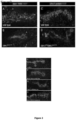
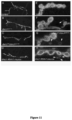
- darc1 was exclusively downregulated in motomeurons, using the Gal4 driver C380-Gal4 to express UAS-dArcl-RNAi, and the pre-and postsynaptic levels of dArc1 mRNA via FISH was examined.
- Expressing dAre 1- RNAi in motomeurons resulted in a significant decrease in darc1 FISH signal, not only at presynaptic boutons, but also at the muscle postsynaptic region.
- Figures 2E, 2F and 2O The C380-Gal4 driver does not express Gal4 in muscles and transfer of RNAi between NMJ synaptic partners has not been previously observed.
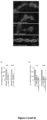
- Rab11 is required for the release of exosome-like EVs at the NMJ. (Koles et al., 2012; Korkut et al., 2013). Consequently, it was examined whether expressing Rab11 dominant-negative (Rabi 1-DN) specifically in neurons induced a change in the levels of darc1 RNA or protein in the postsynaptic region. It was observed that this manipulation resulted in a highly significant reduction in darc1 RNA and protein in the postsynaptic region.
- FIGS 2G , 2K , 2Q and 2R When expressing Rab1 IDN in neurons, a decrease in dArc1 levels were observed in both the pre-and postsynaptic compartments suggesting that Rab11 could be involved in both the transport and release of dArc1. To distinguish between these two possibilities, the proportion of post synaptic dArc1 levels relative to presynaptic levels were calculated. This ratio was significantly decreased upon expressing Rab1DN in neurons.
- Figure 2S Together, these data provide additional evidence for the trans-synaptic transfer of darc1 mRNA and/or protein.
- a dAr1c transgene was expressed in neurons, in a darc1E8 / darc1esm113 mutant background.
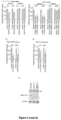
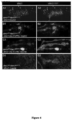
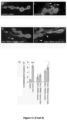
- the transgene was composed of the darc1 open reading frame, plus the untranslated regions (UTR). This resulted in the presence of dArc1 protein, not only in presynaptic boutons, but also at the postsynaptic region. See, Figure 4A .
- expressing a dArc1 transgene lacking the 3'UTR resulted in accumulation of the dArc1 signal in presynaptic terminals, but virtually no signal was observed at the postsynaptic region.
- Figure 4B and 4I expressing a dArc1 transgene lacking the 3'UTR resulted in accumulation of the dArc1 signal in presynaptic terminals, but virtually no signal was observed at the postsynaptic region.
- the distribution of dArc1 protein lacking the 3'UTR was variable, being highly enriched at some synaptic boutons, and less enriched in others.
- Figure 4C The quantification of the dArc1 protein signal in Figure 4I omitted the highly-enriched boutons, because in order for the quantification to be informative, the fluorescent levels should be in a linear, non-saturating range. Those boutons with very high expression were orders of magnitude brighter, such that the signal became saturated with confocal acquisition parameters therefore facilitating the detection of a postsynaptice signal.
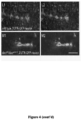
- RNA localization often depends on the RNA 3'UTR. Berkovits et al., "Alternative 3' UTRs act as scaffolds to regulate membrane protein localization” Nature 522:363-367 (2015 ). Consequently, a lack of darc1 3'UTR may prevent darc1 transfer. It was determined if expressing darc1 3'UTR alone in neurons was sufficient to allow the transfer.
- darc1 -3'UTR was fused to GFP, expressed in neurons, and the levels of GFP signal at the postsynaptic compartment was assessed.
- GFP was expressed alone.
- Cf. Figure 4E with Figures 4H and 4J resulted in the presence of GFP signal in the muscle.
- expressing a shorter fragment of the 3'UTR (A-fragment) fused to GFP in motomeurons was also sufficient for the transport of GFP.
- Figures 4F and 4J with Figure 4L .
- darc1 mRNA can be transferred from neurons to postsynaptic muscles in a manner dependent on its 3'UTR.
- expressing darc1 -3'UTR-GFP in neurons in a darc1 mutant background inhibited the transfer of GFP.
- Figure 4K expressing darc1 -3'UTR-GFP in neurons in a darc1 mutant background inhibited the transfer of GFP.
- the dArc2 ORF has 52.2% identity and 71.6% similarity with the dArc1 ORF, but lacks the putative C-terminal zinc finger domain, as well as the long darc1 3'UTR mRNA sequences present in darc1.
- the Gag region of retroviruses is believed to bind to and package retroviral gRNA.
- the enrichment of both dArc1 protein and mRNA in EVs and their similarity to Gag sequences suggest that dArc1 protein could bind darc1 mRNA in vivo.
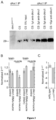
- RIP experiments anti-dArc1 was used to immunoprecipitate dArc1 protein and the immunoprecipitate was analyzed by qRT-PCR to determine if darc1 mRNA was present in this fraction.
- Figure 6 RNA immunoprecipitation
- dArc1 antibody co-immunoprecipitated darc1 mRNA in both S2 cells and body wall muscle preparations.
- Figure 5D and 5E In contrast, no co-precipitation of other RNAs, such as 18s, eEf1a1, and copia was observed, showing that the binding of dArc1 with its own mRNA has some degree of specificity in vivo.
- Figure 5E This is consistent with the idea that like retroviral Gag proteins, dArc1 protein may exist in a complex with darc1 mRNA in vivo.
- dArc1 protein was immunoprecipitated from extracts of body wall muscles derived from the above larvae, and the precipitate was tested for the presence of GFP mRNA by qRT-PCR.
- Anti-dArc1 antibodies immunoprecipitated GFP RNA only when GFP was fused to the darc1 3'UTR, but not when GFP was expressed alone, demonstrating that dArc1 protein binds darc1 3'UTR in vivo.
- Figure 5F Figure 5F .
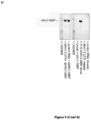
- dArc1 protein is capable of directly binding RNA was tested by co-incubating dArc1 protein with a biotinylated control mRNA or a biotinylated darc1 mRNA, when dArc1 protein was immobilized on streptavidin-labelled beads.
- Figure 5G Electrophoretic mobility assays with both biotinylated or radiolabeled mRNAs did not demonstrate that the dArc1 protein was specific for darc1 mRNA versus control mRNA. This is consistent with published observations showing that HIV- 1 Gag proteins associate specifically with HIV gRNA in vivo, but that this binding specificity is lost in vitro. ( Comas-Garcia et al., "On the Selective Packaging of Genomic RNA by HIV-1" Viruses 8 (2016 ).
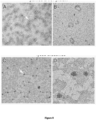
- Retroviruses may form their outer membrane cover as they exit from EVs. Meckes et al., "Exosomal communication goes viral" J Virol 89:5200-5203 (2015 ). Notably, dArc1 capsid-like structures were observed in our EV preparations. Figure 9A . In these experiments, the EV preparation was treated with saponin to lyse EVs, and the resulting preparation examined by EM. The presence of -40 nm round structures were observed resembling capsid-like elements obtained from purified dArc1. Figure 8C and 8D .
- dArc1 The role of dArc1 was examined during NMJ expansion, a process occurring throughout larval development, involving the addition of new synaptic boutons. Budnik et al., "Morphological plasticity of motor axons in Drosophila mutants with altered excitability" J Neurosci 10:3754-3768 (1990 ). In addition, the role of dArc1 was examined in rapid activity-dependent synaptic bouton formation. Ataman et al., "Rapid activity-dependent modifications in synaptic structure and function require bidirectional wnt signaling" Neuron 57:705-718 (2008 ).
- NMJ expansion involves the transient formation of immature synaptic boutons (ghost boutons) devoid of neurotransmitter release sites and postsynaptic proteins and specializations.
- ghost boutons immature synaptic boutons
- Ataman et al. "Rapid activity-dependent modifications in synaptic structure and function require bidirectional wnt signaling" Neuron 57:705-718 (2008 ); and Koon et al., “Autoregulatory and paracrine control of synaptic and behavioral plasticity by octopaminergic signaling" Nat Neurosci 14:190.199 (2011 ).
- this is followed by the recruitment of postsynaptic proteins and formation of postsynaptic structures.
- Figures 11F,11G, 11H and 11J As with the number of synaptic boutons, this phenotype was completely rescued by expressing the genomic darc1 rescue construct in neurons, but not in muscles. Fig. 11J . Moreover, expressing a darc1 transgene lacking the 3'UTR in neurons or muscles did not result in rescue.
- NMJ expansion can be stimulated by increased synaptic activity during larval development.
- Budnik et al. "Morphological plasticity of motor axons in Drosophila mutants with altered excitability” J Neurosci 10:3754-3768 (1990 ).
- acute spaced stimulation of motomeurons gives rise to the rapid formation of ghost boutons, some of which subsequently undergo maturation.
- Ataman et al. "Rapid activity-dependent modifications in synaptic structure and function require bidirectional wnt signaling" Neuron 57:705-718 (2008 ).
- dArc1 levels were reduced by expressing dArcl-RNAi in neurons.
- the present invention contemplates an exosome comprising a fragment of a transposon.
- the transposon comprises a ribonucleic acid sequence and a protein.
- Preliminary data demonstrates that a GFP-tagged transposon (copia) crosses a neuronal synapse and is transferred into the post-synaptic neuronal as evidenced by the accumulation of GFP in post-synaptic nuclei.
- Drosophila Arc1 and Arc2 appear to result from a genomic duplication event and are believed composed of a Gypsy transposon-derived Gag domain. While an ORF of darc1 and darc2 are highly conserved, they differ vastly in their 3'UTR. Studies with a GFP reporter show that the 3'UTR of darc1 mRNA is necessary and sufficient for the transport and accumulation of darc1 postsynaptically (data not shown). This suggests that the 3'UTR of darc1 imparts some function needed to load darc1 mRNAs into EVs. In this regard, the dArc2 protein, but not its mRNA, is enriched in EVs.
- darc1 and darc2 While the protein and mRNA sequences of darc1 and darc2 are very similar, they differ dramatically in the 3'UTR, which in the case of darc2 is much shorter. This difference might explain the absence of darc2 mRNA in EVs. Data suggests that darc1 mRNA may be instructive as a model to understand EV RNA loading in vivo.
- RNA binding to Gag proteins might be required to assemble a capsid, with might be needed for EV loading.
- the rat Arc 3'UTR contains Gypsy-like sequences, transposon sequences similar to those of darc1. Since these genes most likely evolved independently the similarity of the mammalian and fly Arc proteins and mRNAs indicates the possibility of convergent evolution of this mechanism of trans-cellular communication. Abrusan et al., Turning gold into 'junk': transposable elements utilize central proteins of cellular networks. Nucleic Acids Res 41:3190-3200 (2013 )
- Arc is a master regulator of synaptic plasticity, being involved in many aspects of synapse formation, maturation and plasticity, as well as in learning and memory Shepherd et al., "New views of Arc, a master regulator of synaptic plasticity” Nat Neurosci 14:279-284 (2011 ).
- Arc expression is induced by synaptic activity and its mRNA becomes localized to active dendritic spines, where it contributes to local translation during synaptic plasticity.
- Farris et al. "Selective localization of arc mRNA in dendrites involves activity- and translation-dependent mRNA degradation" J Neurosci 34:4481-4493 (2014 ).
- ArcldArcl in trans-synaptic signaling as studies reveal the significance of a long-noted but mysterious feature of Arc/dArc1 protein, its resemblance to retroviral Gags.
- Arc/dArc1 proteins can form capsids capable of packaging RNAs. These capsids can be loaded into EV-like vesicles that can be released from synaptic sites and taken up by synaptic partners. While a functional role in synaptic development and plasticity is documented here at the Drosophila NMJ, the significance of this transfer at mammalian synapses remains to be determined.
- dArc1 protein and mRNA are present both inside presynaptic boutons and at the postsynaptic muscle region.
- Arc has peviously been reported to localize exclusively in dendrites, and not at presynaptic sites. Lyford et al., "Arc, a growth factor and activity-regulated gene, encodes a novel cytoskeleton-associated protein that is enriched in neuronal dendrites" Neuron 14:433-445 (1995 ).
- a mutant allele of dArc1 was generated by CRtSPRlCas9-mediated genomic engineering. Briefly, sequences encoding two sgRNAs targeting dArc1 gene flanking sites which were predicted to have no off targets (flyCRISPR target finder; tools.flycrispr.molbio.-wisc.edu/targetFinder/) were cloned into the pCFD4 plasmid. This construct was injected into actin-Cas9 expressing embryos and potentially mutant chromosomes were captured over a balancer chromosome and made into stocks which were subsequently screened for the desired deletion by PCR employing deletion-flanking primers sets. Sequencing of PCR products generated from the E8 line revealed that the deletion was that expected. Immunostaining of 3rd instar larval body walls with anti-dArc1 antibody established a lack ofdArcl protein in this mutant line.
- UAS-darc1-3'UTR-GFP constructs were cloned into pAWG vector using the Gateway system (ThermoFisher).
- the GFP with resulting 3'UTR fragments were amplified out of this construct, and cloned into pENTR/DTOPO.
- the resulting construct was finally cloned into the pTWM construct, containing an attB site for targeted genomic insertion.
- the UAS-dArc1-RNAi(2) construct was cloned by first cloning an dArc1 fragment, that was non-overlapping with the VDRC 31122 line, using the following primers:
- the PCR product was cloned into PENTR-DTOPO (ThermoFisher), and then using the Gateway system (ThermoFisher) was cloned into pwalimn 10. All constructs were then injected into flies and integrated at site attP2 on the third chromosome, through targeted integration by BestGene.
- UAS-dArc1 rescue transgene was synthesized (Genscript) and using the Gateway system (ThermoFisher) cloned into the pTWM vector.
- UAS-dArc1 Rescue Transgene SEQ ID NO:6 ;
- Body wall muscles from third instar larva were dissected in low calcium (0.1mM Calcium) HL3 saline and fixed in either Bouin's fixative (0.9% picric acid, 5% acetic acid, 9% formaldehyde, 2.5-5% methanol) or 4% paraformaldehyde in 0.1 M phosphate buffer. Fixed larvae were washed and permeabilized in PBT (0.1 M phosphate buffer; 0.2% (v/v) Triton X-100) and incubated in primary antibody overnight
- DyLight-conjugated secondary antibodies were from Jackson ImmunoResearch or ThermoFisher and used at the following dilutions: DyLight-594-conjugated goat anti- HRP at 1:200 for ICC; DyLight-488-, or DyLight-594-conjugated antimouse, or antirabbit at 1:200.
- dAre I antibodies were generated against the first 56 amino acids of dArc1 by immunizing rabbits and rats with purified 6X His tagged peptides (Pocono Rabbit Farm and Laboratory).
- a synthetic gene representing the first 56 amino acids was synthesized into pET155 (ThermoFisher), transfected into BL21(DE3) bacterial cells (ThermoFisher) and His tagged dArc1 peptide was purified on a nickel column (Pierce).
- FISH Fluorescent In situ Hybridization
- Gene specific probes (125ng probe, 1.25pg salmon sperm DNA, 1.25 ⁇ g yeast tRNA) were heated to 80°C for 5 min and chilled on ice immediately. Probes were then combined with equal volumes of 2X hybridization buffer (final concentration of 2.5ng/pL gene specific probes). Samples were incubated with probes for 3 hours at 37°C. To visualize synaptic boutons, samples were incubated with goat anti-HRP-Dylight594 (1:200, ThermoFisher).
- probes were designed based on the cDNA sequences of target genes.
- the probes were produced by nick translation of the PCR product (Bionick; Invitrogen) with digoxigenin-11-dUTP (Roche) for 2.5hrs at 18°C, and the reaction was inactivated by heating to 65°C for 10 min. Probes were precipitated and resuspended in formamide and stored at -80°C. Blocking probe against the Drosophila shibire gene was prepared using the same method except dTTP was used instead of digoxigenin-labeled dUTP.
- the bouton volume bounded by HRP staining was selected, and fluorescence intensity inside (presynaptic) and outside (postsynaptic) the boutons was determined as the sum of total pixel intensity and normalized to bouton volume, as described previously.
- Ramachandran et al. "A critical step for postsynaptic F-actin organization: regulation of Baz/Par-3 localization by aPKC and PTEN" Dev Neurobiol 69:583-602 (2009 ).
- Exosomes were prepared from S2 cells that were cultured in serum-free medium to avoid contamination from Bovine serum exosomes. Cultures were grown in spinner flasks (BellCo Glass Inc.) at 22 °C and harvested at 1-1.5 ⁇ 10 6 cells/mL density. Exosomes were further purified using a differential centrifugation, and finally through sucrose density gradient centrifugation. Koles et al., "Mechanism of evenness interrupted (evi)-exosome release at synaptic boutons" J Biol Chem 287:16820-16834 (2012 ).
- an SV40 ter* plasmid comprising an actin promoter gene, a green fluorescent protein (GFP) reporter gene fused with an MCS gene that is transfected into S2 cells.
- GFP green fluorescent protein
- MCS-GFP mRNA expression may be measured in the media (e.g., by quantitative polymerase chain reaction).
- Such a model may be used to measure the expression of arc gene fragments, including but not limited to: i) a first arc fragment comprising a 5' UTR, an ORF and a 3' UTR; ii) a second arc fragment comprising a 5' UTR and an ORF; iii) a third arc fragment comprising a 3' UTR.
- the model may be used to measure the expression of a full length arc gene.
- a negative control gene may be used including, but not limited to pAGW (ccdB). It is expected that the pAGW expression would result in very little GFP detection as opposed to a significant amount of GFP expression. Such differences in GFP expression are determined by a measurement of fluorescent intensity. See, Figure 12 .
- EV fractions were: i) collected by differential centrifugation and sucrose gradient sedimentation; ii) treated with RNase to digest non-specifically associated extravesicular cytoplasmic RNA; and iii) constructed into poly(A)+ libraries for deep sequencing.
- mRNAs in the EV fraction While most mRNAs in the EV fraction (-96.6% of cellular mRNAs) were equal to or under-represented when compared to total cellular mRNAs, approximately 100 transcripts were enriched in the EV fraction by at least two-fold. Among the most abundant and enriched mRNAs was darc1. Figures 1A, 1B and 1C . To determine if darc1 mRNA was present in two at the Drosophila larval neuromuscular junction (NMJ), fluorescent in situ hybridization (FISH) was performed with a double-labeled anti-horseradish peroxidase (HRP) preparation, an antibody that recognizes neuronal membrane antigens in insects to label the presynaptic compartment.
- FISH fluorescent in situ hybridization
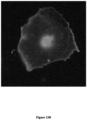
- darc1 mRNA was present in a punctate pattern both inside presynaptic boutons and muscles, but was particularly enriched at the muscle postsynaptic junctional region, the region of the muscle immediately adjacent to the HRP label.
- Figure 2A The FISH signal was largely specific since it was severely reduced in a predicted darc1 null mutant, darc1esm113.
- Figure 2B and Mattaliano et al., "The Drosophila ARC homolog regulates behavioral responses to starvation.
- Exosomes were treated with micrococcal nuclease (NEB), and then both exosomes and cell pellets were treated with RLT buffer (Qiagen) and RNA was extracted using RNeasy micro Kit (qiagen). Libraries were prepared using NEBNext Ultra directional RNA library prep kit for Illumina sequencing. Library 1 was subjected to single end sequencing with 18934428 and 13513146 reads for cell and exosomes respectively. Libraries 2, 3 and 4 were pair end-sequenced using miSeq illumina. Where library 2 had 1745707 exosome and 2188190 cell reads, library 3 had 2921143 exosome and 1823805 cell reads and library 4 had 3649518 exosome and 5047915 cell reads. Reads from each library were sorted by barcode, and adapter sequences removed.
- transposon mapping reads reads from each library were mapped to common Drosophila transposon sequences using Bowtie2, expression was then measured using express and DeSeq2. www.fruitfly.org/p_disrupt/TE; Langmead et al., "Ultrafast and memory efficient alignment of short DNA sequences to the human genome” Genome Biol 10:R25 (2009 ); and Roberts et al., "Streaming fragment assignment for real-time analysis of sequencing experiments. Nat Methods 10:71-73 (2013 ).
- Purified exosomes and cell pellets were diluted in loading buffer incubated at 95°C for 15 min, and resolved by SDS-PAGE in a 4-20% gradient gel under reducing and denaturing conditions. Proteins were run 2 cm into the resolving gel, and then excised, and processed for mass spectrometry analysis.
- cells were raised in serum free medium, as above, and then centrifuged at 300 x g to pellet the cells. Once pelleted, cells were resuspended in RIPA buffer (Abeam), and homogenized using 0.5mm glass beads at 4°C using a BBX24B Bullet Blender Blue homogenizer (Next Advance Inc.). Larval body wall muscles from wild type animals were homogenized in RIPA buffer (Abcam), and homogenized as above. Supernatants were cleared against magnetic beads (Pierce), and then incubated with either anti-dArc1, or equal amounts of preimmune serum. Samples were incubated overnight with serum and magnetic beads, and washed several times with RIPA buffer.
- RNA samples were either incubated directly with 5X loading buffer (4% SDS, 250mM Tris, Bromphenol blue, 30% glycerol, and 2-Mercaptoethanol) for western blot, or RNA was eluted from the beads with RLT buffer (Qiagen) and then purified using the RNeasy micro kit (Qiagen). RNA samples from both conditions were DNase treated with TurboDNase (ThermoFisher) and then equal volumes were reverse transcribed into cDNA using Superscript III (ThermoFisher). The RT-quantitative PCRs were performed in triplicate in a 96-well plate (BioRad) using a CFX96 system (BioRad).
- 5X loading buffer 4% SDS, 250mM Tris, Bromphenol blue, 30% glycerol, and 2-Mercaptoethanol
- a Sybr green master mix (ThermoFisher) was used with the following gene specific primer sets (see table below) for dArc1 and 18S rRNA.
- RpL32 was used as a reference gene. All transcript levels were normalized to RpL32 transcript level, using the same cDNA template. Data were expressed in graphs as ⁇ CT.
- RTq-PCR on body wall preparations 5 larvae per genotype were dissected and RNA was purified from Brains and body wall muscles separately using RNeasy kit (Qiagen). All cDNA for body wall preparation analysis was synthesized with 100ng of RNA, and then samples were treated as above for qRT-PCR.
- Extracts from RIP experiments were incubated at 95 °C for 15 min, and resolved by SDS-PAGE in a 4-20% gradient gel under reducing and denaturing conditions. Proteins were transferred onto nitrocellulose membrane (Bio-Rad) and blocked in 5% instant nonfat dry milk in TBST (50 mM Tris (pH 7.4), 150 mM NaCl, 0.05% Tween 20) and incubated with primary antibodies (diluted to working concentration in blocking solution) overnight at 4 °C. After washing in TBST, blots were incubated with HRP-conjugated secondary antibodies diluted 1:3000 in blocking solution for 1 h at room temperature. Western blots were visualized using the SuperSignal West Femto Maximum Sensitivity Substrate kit (ThermoFisher). Blots were imaged using Chemidoc Touch imaging system (BioRad).
- the Arc open reading frame was cloned into pENTR (Thermo Fisher), its sequence confirmed and pENTR-Arc was subsequently recombined using LR Clonase (Thermo Fisher) with the pDEST-HisMbp Destination vector to generate His-MBP-dArc1.
- Expression induction and purification under native conditions were performed following standard procedures. Nallamsetty et al., "Gateway vectors for the production of combinatorially-tagged His6-MBP fusion proteins in the cytoplasm and periplasm of Escherichia coli" Protein Sci 14:2964-2971 (2005 ).
- protein was diluted to - 1 mg/ml and cleaved at 30 degrees C with AcTEV (Thermo- Fisher) followed by removal of the His-MBP tag and the His tagged TEV by binding to a Ni-NTA column and dialysis against PBS.
- AcTEV Thermo- Fisher
- capsids were examined using negative staining. Capsids were fixed in 2% paraformaldehyde overnight at 4°C. 5 ⁇ L of fixed capsids were spotted onto formvar coated grids, after 20 min absorption grids were rinsed with PBS and then fixed with 1% glutaraldehyde for 5 min. Finally, samples were washed with water and then counter-stained with 2% w/v uranyl acetate, and blotted dry. Samples were imaged on an FEI EM 10 electron microscope at 80 kv.
- Exosome preparations were fixed overnight in a final concentration of 2% paraformaldehyde (EM grade) at 4°C. After fixation, solution was gently pipetted up and down several times to resuspend exosomes.
- Formvar ® coated grids EMS were glow discharged, spotted with 4 ⁇ L of exosomes, and incubated for 10 minutes at room temperature. Excess solution was removed by gently wicking liquid off of the grid on #50 filter paper. Grids were washed 2 times, 3 min each, in 100mM Tris, followed by 4 washes, 3 min each, in 100mM Tris + 50mM Glycine.
- Grids were blocked for 10 min with 100mM Tris + 0.1% BSA. After block, exosomes were either incubated in 100 mM Tris (control) or lysed with 0.05% saponin in 100mM Tris. Grids were washed for 2 min with 100mM Tris followed by an anti-darci antibody (1/500 in 100mM Tris) incubation for 1hr. Grids were then washed 5 times, 3 min each, in 100mM Tris, followed by a 30 min incubation of Donkey anti-rabbit conjugated to 10nm gold (Jackson Immunoresearch) secondary (1:60 dilution in 100mM Tris).
- Grids were washed 8 times, 2 min each, in 100mM Tris, and then fixed with 1% gluteraldehyde in 100mM Tris for 1 min at room temperature. Finally, grids were washed again 8 times, 2 min each, with distilled water, and then negative stained with 1% uranyl acetate for 30 seconds. Finally, grids were imaged on an FEI EM 10 as above.
Landscapes
- Health & Medical Sciences (AREA)
- Life Sciences & Earth Sciences (AREA)
- Chemical & Material Sciences (AREA)
- General Health & Medical Sciences (AREA)
- Engineering & Computer Science (AREA)
- Medicinal Chemistry (AREA)
- Veterinary Medicine (AREA)
- Public Health (AREA)
- Pharmacology & Pharmacy (AREA)
- Animal Behavior & Ethology (AREA)
- Epidemiology (AREA)
- Bioinformatics & Cheminformatics (AREA)
- Molecular Biology (AREA)
- Zoology (AREA)
- Genetics & Genomics (AREA)
- Organic Chemistry (AREA)
- Proteomics, Peptides & Aminoacids (AREA)
- Biochemistry (AREA)
- Biomedical Technology (AREA)
- Biophysics (AREA)
- Wood Science & Technology (AREA)
- General Engineering & Computer Science (AREA)
- Biotechnology (AREA)
- Dispersion Chemistry (AREA)
- Gastroenterology & Hepatology (AREA)
- Insects & Arthropods (AREA)
- Plant Pathology (AREA)
- Physics & Mathematics (AREA)
- Microbiology (AREA)
- Toxicology (AREA)
- Immunology (AREA)
- Marine Sciences & Fisheries (AREA)
- Cell Biology (AREA)
- Virology (AREA)
- Botany (AREA)
- Animal Husbandry (AREA)
- Pharmaceuticals Containing Other Organic And Inorganic Compounds (AREA)
- Medicines That Contain Protein Lipid Enzymes And Other Medicines (AREA)
- Peptides Or Proteins (AREA)
Claims (15)
- Exo-vésicule protéique comprenant une protéine associée au cytosquelette à activité régulée (Arc) et un acide nucléique non-arc thérapeutique.
- Exo-vésicule protéique selon la revendication 1, dans laquelle ledit acide nucléique non-arc thérapeutique est une séquence d'acide désoxyribonucléique ou une séquence d'acide ribonucléique.
- Exo-vésicule protéique selon la revendication 2, dans laquelle ladite séquence d'acide désoxyribonucléique ou ladite séquence d'acide ribonucléique code pour une protéine thérapeutique.
- Exo-vésicule protéique selon la revendication 2, dans laquelle ladite séquence d'acide ribonucléique est sélectionnée parmi le groupe constitué par un ARNsi, un ARNsh et un ARNi.
- Exo-vésicule protéique selon la revendication 1, dans laquelle ledit acide nucléique non-arc thérapeutique est lié à une séquence 3' UTR.
- Exo-vésicule protéique selon la revendication 5, dans laquelle ladite séquence 3' UTR est liée à ladite protéine Arc.
- Exo-vésicule protéique selon la revendication 6, dans laquelle ladite séquence 3' UTR est une séquence 3' UTR d'ARNm arc.
- Exo-vésicule protéique selon la revendication 2, dans laquelle ladite séquence d'acide désoxyribonucléique comprend en outre une séquence promoteur.
- Exo-vésicule protéique comprenant une protéine associée au cytosquelette à activité régulée (Arc) et un acide nucléique non-arc thérapeutique pour une utilisation en tant que médicament.
- Exo-vésicule protéique pour l'utilisation selon la revendication 9 dans un procédé de traitement d'au moins un symptôme d'une affection médicale chez un patient, où le patient comprend une pluralité de cellules et au moins une première cellule de ladite pluralité de cellules présente l'au moins un symptôme et un gène d'intérêt, et où le procédé comprend une endocytose de l'exo-vésicule protéique dans ladite au moins une première cellule d'une pluralité de cellules.
- Exo-vésicule protéique pour l'utilisation selon la revendication 9 ou 10, où ledit acide nucléique non-arc thérapeutique code pour une protéine thérapeutique.
- Exo-vésicule protéique pour l'utilisation selon la revendication 11, où ladite utilisation comprend en outre l'expression de ladite protéine thérapeutique codée par ledit acide nucléique non-arc thérapeutique.
- Exo-vésicule protéique pour l'utilisation selon la revendication 10, où ladite utilisation comprend en outre la libération dudit acide nucléique non-arc thérapeutique dans ladite au moins première cellule de ladite pluralité des cellules.
- Exo-vésicule protéique pour l'utilisation selon la revendication 13, où ledit acide nucléique thérapeutique non-arc libéré inhibe la transcription d'un gène d'intérêt de ladite première cellule de ladite pluralité des cellules, ou dans laquelle ledit acide nucléique thérapeutique non-arc libéré est sélectionné parmi le groupe constitué par un ARNsi, un ARNsh et un ARNi.
- Exo-vésicule protéique pour l'utilisation selon la revendication 10, où ladite utilisation comprend en outre la libération de ladite vésicule extracellulaire endocytosée à partir de ladite au moins première cellule de ladite pluralité desdites cellules, optionnellement où ladite utilisation comprend en outre l'incorporation de ladite vésicule extracellulaire endocytosée libérée dans au moins une deuxième cellule de ladite pluralité desdites cellules.
Applications Claiming Priority (2)
| Application Number | Priority Date | Filing Date | Title |
|---|---|---|---|
| US201762597145P | 2017-12-11 | 2017-12-11 | |
| PCT/US2018/065002 WO2019118497A1 (fr) | 2017-12-11 | 2018-12-11 | Plateforme de distribution d'acide nucléique de vésicule extracellulaire de protéine arc |
Publications (3)
| Publication Number | Publication Date |
|---|---|
| EP3723732A1 EP3723732A1 (fr) | 2020-10-21 |
| EP3723732A4 EP3723732A4 (fr) | 2021-09-22 |
| EP3723732B1 true EP3723732B1 (fr) | 2024-07-31 |
Family
ID=66820628
Family Applications (1)
| Application Number | Title | Priority Date | Filing Date |
|---|---|---|---|
| EP18887990.2A Active EP3723732B1 (fr) | 2017-12-11 | 2018-12-11 | Plateforme de distribution d'acide nucléique de vésicule extracellulaire de protéine arc |
Country Status (3)
| Country | Link |
|---|---|
| US (1) | US20210163933A1 (fr) |
| EP (1) | EP3723732B1 (fr) |
| WO (1) | WO2019118497A1 (fr) |
Families Citing this family (18)
| Publication number | Priority date | Publication date | Assignee | Title |
|---|---|---|---|---|
| US9228207B2 (en) | 2013-09-06 | 2016-01-05 | President And Fellows Of Harvard College | Switchable gRNAs comprising aptamers |
| US12390514B2 (en) | 2017-03-09 | 2025-08-19 | President And Fellows Of Harvard College | Cancer vaccine |
| EP3592853A1 (fr) | 2017-03-09 | 2020-01-15 | President and Fellows of Harvard College | Suppression de la douleur par édition de gène |
| CN111801345A (zh) | 2017-07-28 | 2020-10-20 | 哈佛大学的校长及成员们 | 使用噬菌体辅助连续进化(pace)的进化碱基编辑器的方法和组合物 |
| US12522807B2 (en) | 2018-07-09 | 2026-01-13 | The Broad Institute, Inc. | RNA programmable epigenetic RNA modifiers and uses thereof |
| AU2019343045A1 (en) | 2018-09-18 | 2021-05-13 | Vnv Newco Inc. | ARC-based capsids and uses thereof |
| US12351837B2 (en) | 2019-01-23 | 2025-07-08 | The Broad Institute, Inc. | Supernegatively charged proteins and uses thereof |
| WO2020191233A1 (fr) | 2019-03-19 | 2020-09-24 | The Broad Institute, Inc. | Procédés et compositions pour l'édition de séquences nucléotidiques |
| US12473543B2 (en) | 2019-04-17 | 2025-11-18 | The Broad Institute, Inc. | Adenine base editors with reduced off-target effects |
| WO2020252455A1 (fr) | 2019-06-13 | 2020-12-17 | The General Hospital Corporation | Pseudo-particules virales endogènes humaines génétiquement modifiées et leurs méthodes d'utilisation en vue d'une administration à des cellules |
| US11129892B1 (en) | 2020-05-18 | 2021-09-28 | Vnv Newco Inc. | Vaccine compositions comprising endogenous Gag polypeptides |
| CA3189601A1 (fr) | 2020-07-24 | 2022-01-27 | The General Hospital Corporation | Pseudo-particules virales ameliorees et leurs methodes d'utilisation pour l'administration a des cellules |
| CA3203975A1 (fr) | 2020-12-03 | 2022-06-09 | Battelle Memorial Institute | Compositions de nanoparticules polymeres et de nanostructures d'adn et procedes d'administration non virale |
| WO2022235723A1 (fr) * | 2021-05-04 | 2022-11-10 | Cornell University | Vésicules extracellulaires modifiées |
| CN113136384B (zh) * | 2021-06-10 | 2023-03-21 | 海南师范大学 | 濒危半红树植物莲叶桐核酸提取的方法 |
| AU2023285047A1 (en) * | 2022-06-09 | 2024-12-12 | Battelle Memorial Institute | Non-viral delivery compositions and screening methods |
| AU2024353375A1 (en) | 2023-09-29 | 2026-04-09 | Battelle Memorial Institute | Polymer nanoparticle compositions for in vivo expression of polypeptides |
| WO2025122954A1 (fr) | 2023-12-08 | 2025-06-12 | Battelle Memorial Institute | Utilisation de nanostructures d'origami d'adn pour systèmes de stockage de données basés sur des informations moléculaires |
Family Cites Families (7)
| Publication number | Priority date | Publication date | Assignee | Title |
|---|---|---|---|---|
| US8278107B2 (en) * | 2005-09-13 | 2012-10-02 | Trustees Of Dartmouth College | Compositions and methods for regulating RNA translation via CD154 CA-dinucleotide repeat |
| WO2009042727A1 (fr) * | 2007-09-24 | 2009-04-02 | The Johns Hopkins University | Le gène arc immédiat précoce interagit avec le mécanisme endocytaire et régule la circulation et l'activité de la préséniline |
| US9663793B2 (en) * | 2012-04-20 | 2017-05-30 | Monsanto Technology, Llc | Plant regulatory elements and uses thereof |
| WO2015002956A1 (fr) * | 2013-07-01 | 2015-01-08 | Ohio State Innovation Foundation | Système de distribution d'exosome |
| US10538570B2 (en) * | 2013-09-30 | 2020-01-21 | Northwestern University | Targeted and modular exosome loading system |
| US10624849B2 (en) | 2015-09-28 | 2020-04-21 | Northwestern University | Targeted extracellular vesicles comprising membrane proteins with engineered glycosylation sites |
| WO2018209113A1 (fr) * | 2017-05-10 | 2018-11-15 | University Of Utah Research Foundation | Compositions et procédés d'utilisation de capsides arc |
-
2018
- 2018-12-11 US US16/770,834 patent/US20210163933A1/en active Pending
- 2018-12-11 WO PCT/US2018/065002 patent/WO2019118497A1/fr not_active Ceased
- 2018-12-11 EP EP18887990.2A patent/EP3723732B1/fr active Active
Also Published As
| Publication number | Publication date |
|---|---|
| EP3723732A4 (fr) | 2021-09-22 |
| EP3723732A1 (fr) | 2020-10-21 |
| US20210163933A1 (en) | 2021-06-03 |
| WO2019118497A1 (fr) | 2019-06-20 |
Similar Documents
| Publication | Publication Date | Title |
|---|---|---|
| EP3723732B1 (fr) | Plateforme de distribution d'acide nucléique de vésicule extracellulaire de protéine arc | |
| Ashley et al. | Retrovirus-like Gag protein Arc1 binds RNA and traffics across synaptic boutons | |
| Hung et al. | PIKFYVE inhibition mitigates disease in models of diverse forms of ALS | |
| Doyle et al. | Mechanisms of dendritic mRNA transport and its role in synaptic tagging | |
| Raices et al. | Nuclear pores regulate muscle development and maintenance by assembling a localized Mef2C complex | |
| US20060178297A1 (en) | Systems and methods for silencing expression of a gene in a cell and uses thereof | |
| Xie et al. | Nuclear AGO2 promotes myocardial remodeling by activating ANKRD1 transcription in failing hearts | |
| CN104726500B (zh) | MicroRNA26b‑3p抑制剂在制备人脐带来源间充质干细胞中的应用 | |
| Di Liegro et al. | RNA-binding proteins as epigenetic regulators of brain functions and their involvement in neurodegeneration | |
| Harrison et al. | NOX2β: a novel splice variant of NOX2 that regulates NADPH oxidase activity in macrophages | |
| Chen et al. | Aminoguanidine-assembled functional DNA tetrahedron alleviates acute lung injury by targeting the cGAS-STING signaling pathway | |
| JP2023524671A (ja) | Shank3の発現を増加させるアンチセンスオリゴヌクレオチド | |
| Vervenne et al. | Lpp is involved in Wnt/PCP signaling and acts together with Scrib to mediate convergence and extension movements during zebrafish gastrulation | |
| Perry et al. | Integrin restriction by miR‐34 protects germline progenitors from cell death during aging | |
| Guan et al. | CBX7C⋅ PHC2 interaction facilitates PRC1 assembly and modulates its phase separation properties | |
| US10449200B2 (en) | Combined inhibition of the vitamin D receptor and poly(ADP) ribose polymerase (PARP) in the treatment of cancer | |
| WO2023155144A1 (fr) | Procédés de régulation de l'angiogenèse | |
| Brière et al. | Is the LIM-domain protein HaWLIM1 associated with cortical microtubules in sunflower protoplasts? | |
| CN104189921A (zh) | Linc-RAM在治疗肌肉疾病中的用途 | |
| Cohen et al. | Mitochondria serve as axonal shuttle for Cox7c mRNA through mechanism that involves its mitochondrial targeting signal | |
| Rao et al. | Calcium channel-coupled transcription factors facilitate direct nuclear signaling | |
| Bhattacharjee et al. | Interplay Between FoxM1 and Dab2 Promotes Endothelial Cell Responses in Diabetic Wound Healing | |
| US20250059505A1 (en) | Improved methods for inducing the maturation of mammalian cells | |
| Lehmann | A Stress-Responsive circRNA Alters Behavioral, Molecular, and Transcriptional Phenotypes in Mouse Models of Depressive-Like Behavior | |
| Sapio | The Effects Of Stress On The Mammalian Nucleolus And Ribosome Synthesis |
Legal Events
| Date | Code | Title | Description |
|---|---|---|---|
| STAA | Information on the status of an ep patent application or granted ep patent |
Free format text: STATUS: THE INTERNATIONAL PUBLICATION HAS BEEN MADE |
|
| PUAI | Public reference made under article 153(3) epc to a published international application that has entered the european phase |
Free format text: ORIGINAL CODE: 0009012 |
|
| STAA | Information on the status of an ep patent application or granted ep patent |
Free format text: STATUS: REQUEST FOR EXAMINATION WAS MADE |
|
| 17P | Request for examination filed |
Effective date: 20200701 |
|
| AK | Designated contracting states |
Kind code of ref document: A1 Designated state(s): AL AT BE BG CH CY CZ DE DK EE ES FI FR GB GR HR HU IE IS IT LI LT LU LV MC MK MT NL NO PL PT RO RS SE SI SK SM TR |
|
| AX | Request for extension of the european patent |
Extension state: BA ME |
|
| DAV | Request for validation of the european patent (deleted) | ||
| DAX | Request for extension of the european patent (deleted) | ||
| A4 | Supplementary search report drawn up and despatched |
Effective date: 20210825 |
|
| RIC1 | Information provided on ipc code assigned before grant |
Ipc: C07K 14/47 20060101ALI20210819BHEP Ipc: A61K 38/17 20060101ALI20210819BHEP Ipc: A61K 35/64 20150101ALI20210819BHEP Ipc: A61K 9/50 20060101ALI20210819BHEP Ipc: A61K 31/7105 20060101ALI20210819BHEP Ipc: A61K 31/713 20060101ALI20210819BHEP Ipc: A61K 9/127 20060101AFI20210819BHEP |
|
| P01 | Opt-out of the competence of the unified patent court (upc) registered |
Effective date: 20230524 |
|
| GRAP | Despatch of communication of intention to grant a patent |
Free format text: ORIGINAL CODE: EPIDOSNIGR1 |
|
| STAA | Information on the status of an ep patent application or granted ep patent |
Free format text: STATUS: GRANT OF PATENT IS INTENDED |
|
| INTG | Intention to grant announced |
Effective date: 20231020 |
|
| GRAJ | Information related to disapproval of communication of intention to grant by the applicant or resumption of examination proceedings by the epo deleted |
Free format text: ORIGINAL CODE: EPIDOSDIGR1 |
|
| STAA | Information on the status of an ep patent application or granted ep patent |
Free format text: STATUS: REQUEST FOR EXAMINATION WAS MADE |
|
| GRAP | Despatch of communication of intention to grant a patent |
Free format text: ORIGINAL CODE: EPIDOSNIGR1 |
|
| STAA | Information on the status of an ep patent application or granted ep patent |
Free format text: STATUS: GRANT OF PATENT IS INTENDED |
|
| INTC | Intention to grant announced (deleted) | ||
| INTG | Intention to grant announced |
Effective date: 20240315 |
|
| GRAS | Grant fee paid |
Free format text: ORIGINAL CODE: EPIDOSNIGR3 |
|
| GRAA | (expected) grant |
Free format text: ORIGINAL CODE: 0009210 |
|
| STAA | Information on the status of an ep patent application or granted ep patent |
Free format text: STATUS: THE PATENT HAS BEEN GRANTED |
|
| AK | Designated contracting states |
Kind code of ref document: B1 Designated state(s): AL AT BE BG CH CY CZ DE DK EE ES FI FR GB GR HR HU IE IS IT LI LT LU LV MC MK MT NL NO PL PT RO RS SE SI SK SM TR |
|
| REG | Reference to a national code |
Ref country code: CH Ref legal event code: EP Ref country code: GB Ref legal event code: FG4D |
|
| REG | Reference to a national code |
Ref country code: DE Ref legal event code: R096 Ref document number: 602018072598 Country of ref document: DE |
|
| REG | Reference to a national code |
Ref country code: IE Ref legal event code: FG4D |
|
| REG | Reference to a national code |
Ref country code: LT Ref legal event code: MG9D |
|
| REG | Reference to a national code |
Ref country code: NL Ref legal event code: MP Effective date: 20240731 |
|
| PG25 | Lapsed in a contracting state [announced via postgrant information from national office to epo] |
Ref country code: PT Free format text: LAPSE BECAUSE OF FAILURE TO SUBMIT A TRANSLATION OF THE DESCRIPTION OR TO PAY THE FEE WITHIN THE PRESCRIBED TIME-LIMIT Effective date: 20241202 |
|
| REG | Reference to a national code |
Ref country code: AT Ref legal event code: MK05 Ref document number: 1707823 Country of ref document: AT Kind code of ref document: T Effective date: 20240731 |
|
| PG25 | Lapsed in a contracting state [announced via postgrant information from national office to epo] |
Ref country code: PT Free format text: LAPSE BECAUSE OF FAILURE TO SUBMIT A TRANSLATION OF THE DESCRIPTION OR TO PAY THE FEE WITHIN THE PRESCRIBED TIME-LIMIT Effective date: 20241202 |
|
| PG25 | Lapsed in a contracting state [announced via postgrant information from national office to epo] |
Ref country code: NO Free format text: LAPSE BECAUSE OF FAILURE TO SUBMIT A TRANSLATION OF THE DESCRIPTION OR TO PAY THE FEE WITHIN THE PRESCRIBED TIME-LIMIT Effective date: 20241031 |
|
| PG25 | Lapsed in a contracting state [announced via postgrant information from national office to epo] |
Ref country code: NL Free format text: LAPSE BECAUSE OF FAILURE TO SUBMIT A TRANSLATION OF THE DESCRIPTION OR TO PAY THE FEE WITHIN THE PRESCRIBED TIME-LIMIT Effective date: 20240731 Ref country code: GR Free format text: LAPSE BECAUSE OF FAILURE TO SUBMIT A TRANSLATION OF THE DESCRIPTION OR TO PAY THE FEE WITHIN THE PRESCRIBED TIME-LIMIT Effective date: 20241101 Ref country code: FI Free format text: LAPSE BECAUSE OF FAILURE TO SUBMIT A TRANSLATION OF THE DESCRIPTION OR TO PAY THE FEE WITHIN THE PRESCRIBED TIME-LIMIT Effective date: 20240731 Ref country code: PL Free format text: LAPSE BECAUSE OF FAILURE TO SUBMIT A TRANSLATION OF THE DESCRIPTION OR TO PAY THE FEE WITHIN THE PRESCRIBED TIME-LIMIT Effective date: 20240731 |
|
| PG25 | Lapsed in a contracting state [announced via postgrant information from national office to epo] |
Ref country code: BG Free format text: LAPSE BECAUSE OF FAILURE TO SUBMIT A TRANSLATION OF THE DESCRIPTION OR TO PAY THE FEE WITHIN THE PRESCRIBED TIME-LIMIT Effective date: 20240731 |
|
| PG25 | Lapsed in a contracting state [announced via postgrant information from national office to epo] |
Ref country code: LV Free format text: LAPSE BECAUSE OF FAILURE TO SUBMIT A TRANSLATION OF THE DESCRIPTION OR TO PAY THE FEE WITHIN THE PRESCRIBED TIME-LIMIT Effective date: 20240731 |
|
| PG25 | Lapsed in a contracting state [announced via postgrant information from national office to epo] |
Ref country code: AT Free format text: LAPSE BECAUSE OF FAILURE TO SUBMIT A TRANSLATION OF THE DESCRIPTION OR TO PAY THE FEE WITHIN THE PRESCRIBED TIME-LIMIT Effective date: 20240731 Ref country code: IS Free format text: LAPSE BECAUSE OF FAILURE TO SUBMIT A TRANSLATION OF THE DESCRIPTION OR TO PAY THE FEE WITHIN THE PRESCRIBED TIME-LIMIT Effective date: 20241130 |
|
| PG25 | Lapsed in a contracting state [announced via postgrant information from national office to epo] |
Ref country code: HR Free format text: LAPSE BECAUSE OF FAILURE TO SUBMIT A TRANSLATION OF THE DESCRIPTION OR TO PAY THE FEE WITHIN THE PRESCRIBED TIME-LIMIT Effective date: 20240731 |
|
| PG25 | Lapsed in a contracting state [announced via postgrant information from national office to epo] |
Ref country code: RS Free format text: LAPSE BECAUSE OF FAILURE TO SUBMIT A TRANSLATION OF THE DESCRIPTION OR TO PAY THE FEE WITHIN THE PRESCRIBED TIME-LIMIT Effective date: 20241031 Ref country code: ES Free format text: LAPSE BECAUSE OF FAILURE TO SUBMIT A TRANSLATION OF THE DESCRIPTION OR TO PAY THE FEE WITHIN THE PRESCRIBED TIME-LIMIT Effective date: 20240731 |
|
| PG25 | Lapsed in a contracting state [announced via postgrant information from national office to epo] |
Ref country code: RS Free format text: LAPSE BECAUSE OF FAILURE TO SUBMIT A TRANSLATION OF THE DESCRIPTION OR TO PAY THE FEE WITHIN THE PRESCRIBED TIME-LIMIT Effective date: 20241031 Ref country code: PL Free format text: LAPSE BECAUSE OF FAILURE TO SUBMIT A TRANSLATION OF THE DESCRIPTION OR TO PAY THE FEE WITHIN THE PRESCRIBED TIME-LIMIT Effective date: 20240731 Ref country code: NO Free format text: LAPSE BECAUSE OF FAILURE TO SUBMIT A TRANSLATION OF THE DESCRIPTION OR TO PAY THE FEE WITHIN THE PRESCRIBED TIME-LIMIT Effective date: 20241031 Ref country code: NL Free format text: LAPSE BECAUSE OF FAILURE TO SUBMIT A TRANSLATION OF THE DESCRIPTION OR TO PAY THE FEE WITHIN THE PRESCRIBED TIME-LIMIT Effective date: 20240731 Ref country code: LV Free format text: LAPSE BECAUSE OF FAILURE TO SUBMIT A TRANSLATION OF THE DESCRIPTION OR TO PAY THE FEE WITHIN THE PRESCRIBED TIME-LIMIT Effective date: 20240731 Ref country code: IS Free format text: LAPSE BECAUSE OF FAILURE TO SUBMIT A TRANSLATION OF THE DESCRIPTION OR TO PAY THE FEE WITHIN THE PRESCRIBED TIME-LIMIT Effective date: 20241130 Ref country code: HR Free format text: LAPSE BECAUSE OF FAILURE TO SUBMIT A TRANSLATION OF THE DESCRIPTION OR TO PAY THE FEE WITHIN THE PRESCRIBED TIME-LIMIT Effective date: 20240731 Ref country code: GR Free format text: LAPSE BECAUSE OF FAILURE TO SUBMIT A TRANSLATION OF THE DESCRIPTION OR TO PAY THE FEE WITHIN THE PRESCRIBED TIME-LIMIT Effective date: 20241101 Ref country code: FI Free format text: LAPSE BECAUSE OF FAILURE TO SUBMIT A TRANSLATION OF THE DESCRIPTION OR TO PAY THE FEE WITHIN THE PRESCRIBED TIME-LIMIT Effective date: 20240731 Ref country code: ES Free format text: LAPSE BECAUSE OF FAILURE TO SUBMIT A TRANSLATION OF THE DESCRIPTION OR TO PAY THE FEE WITHIN THE PRESCRIBED TIME-LIMIT Effective date: 20240731 Ref country code: BG Free format text: LAPSE BECAUSE OF FAILURE TO SUBMIT A TRANSLATION OF THE DESCRIPTION OR TO PAY THE FEE WITHIN THE PRESCRIBED TIME-LIMIT Effective date: 20240731 Ref country code: AT Free format text: LAPSE BECAUSE OF FAILURE TO SUBMIT A TRANSLATION OF THE DESCRIPTION OR TO PAY THE FEE WITHIN THE PRESCRIBED TIME-LIMIT Effective date: 20240731 |
|
| PG25 | Lapsed in a contracting state [announced via postgrant information from national office to epo] |
Ref country code: SM Free format text: LAPSE BECAUSE OF FAILURE TO SUBMIT A TRANSLATION OF THE DESCRIPTION OR TO PAY THE FEE WITHIN THE PRESCRIBED TIME-LIMIT Effective date: 20240731 Ref country code: DK Free format text: LAPSE BECAUSE OF FAILURE TO SUBMIT A TRANSLATION OF THE DESCRIPTION OR TO PAY THE FEE WITHIN THE PRESCRIBED TIME-LIMIT Effective date: 20240731 Ref country code: RO Free format text: LAPSE BECAUSE OF FAILURE TO SUBMIT A TRANSLATION OF THE DESCRIPTION OR TO PAY THE FEE WITHIN THE PRESCRIBED TIME-LIMIT Effective date: 20240731 |
|
| PG25 | Lapsed in a contracting state [announced via postgrant information from national office to epo] |
Ref country code: EE Free format text: LAPSE BECAUSE OF FAILURE TO SUBMIT A TRANSLATION OF THE DESCRIPTION OR TO PAY THE FEE WITHIN THE PRESCRIBED TIME-LIMIT Effective date: 20240731 |
|
| PG25 | Lapsed in a contracting state [announced via postgrant information from national office to epo] |
Ref country code: CZ Free format text: LAPSE BECAUSE OF FAILURE TO SUBMIT A TRANSLATION OF THE DESCRIPTION OR TO PAY THE FEE WITHIN THE PRESCRIBED TIME-LIMIT Effective date: 20240731 |
|
| PG25 | Lapsed in a contracting state [announced via postgrant information from national office to epo] |
Ref country code: SK Free format text: LAPSE BECAUSE OF FAILURE TO SUBMIT A TRANSLATION OF THE DESCRIPTION OR TO PAY THE FEE WITHIN THE PRESCRIBED TIME-LIMIT Effective date: 20240731 Ref country code: IT Free format text: LAPSE BECAUSE OF FAILURE TO SUBMIT A TRANSLATION OF THE DESCRIPTION OR TO PAY THE FEE WITHIN THE PRESCRIBED TIME-LIMIT Effective date: 20240731 |
|
| REG | Reference to a national code |
Ref country code: DE Ref legal event code: R097 Ref document number: 602018072598 Country of ref document: DE |
|
| PLBE | No opposition filed within time limit |
Free format text: ORIGINAL CODE: 0009261 |
|
| STAA | Information on the status of an ep patent application or granted ep patent |
Free format text: STATUS: NO OPPOSITION FILED WITHIN TIME LIMIT |
|
| PG25 | Lapsed in a contracting state [announced via postgrant information from national office to epo] |
Ref country code: MC Free format text: LAPSE BECAUSE OF FAILURE TO SUBMIT A TRANSLATION OF THE DESCRIPTION OR TO PAY THE FEE WITHIN THE PRESCRIBED TIME-LIMIT Effective date: 20240731 |
|
| 26N | No opposition filed |
Effective date: 20250501 |
|
| REG | Reference to a national code |
Ref country code: CH Ref legal event code: PL |
|
| PG25 | Lapsed in a contracting state [announced via postgrant information from national office to epo] |
Ref country code: LU Free format text: LAPSE BECAUSE OF NON-PAYMENT OF DUE FEES Effective date: 20241211 |
|
| PG25 | Lapsed in a contracting state [announced via postgrant information from national office to epo] |
Ref country code: SE Free format text: LAPSE BECAUSE OF FAILURE TO SUBMIT A TRANSLATION OF THE DESCRIPTION OR TO PAY THE FEE WITHIN THE PRESCRIBED TIME-LIMIT Effective date: 20240731 |
|
| REG | Reference to a national code |
Ref country code: BE Ref legal event code: MM Effective date: 20241231 |
|
| PG25 | Lapsed in a contracting state [announced via postgrant information from national office to epo] |
Ref country code: BE Free format text: LAPSE BECAUSE OF NON-PAYMENT OF DUE FEES Effective date: 20241231 |
|
| PG25 | Lapsed in a contracting state [announced via postgrant information from national office to epo] |
Ref country code: CH Free format text: LAPSE BECAUSE OF NON-PAYMENT OF DUE FEES Effective date: 20241231 |
|
| PG25 | Lapsed in a contracting state [announced via postgrant information from national office to epo] |
Ref country code: IE Free format text: LAPSE BECAUSE OF NON-PAYMENT OF DUE FEES Effective date: 20241211 |
|
| PGFP | Annual fee paid to national office [announced via postgrant information from national office to epo] |
Ref country code: GB Payment date: 20251229 Year of fee payment: 8 |
|
| PGFP | Annual fee paid to national office [announced via postgrant information from national office to epo] |
Ref country code: FR Payment date: 20251226 Year of fee payment: 8 |
|
| PGFP | Annual fee paid to national office [announced via postgrant information from national office to epo] |
Ref country code: DE Payment date: 20251229 Year of fee payment: 8 |