EP3724770B1 - Systeme und verfahren zur datenbankverwaltung unter verwendung von nur-anhang-speichervorrichtungen - Google Patents
Systeme und verfahren zur datenbankverwaltung unter verwendung von nur-anhang-speichervorrichtungen Download PDFInfo
- Publication number
- EP3724770B1 EP3724770B1 EP18895928.2A EP18895928A EP3724770B1 EP 3724770 B1 EP3724770 B1 EP 3724770B1 EP 18895928 A EP18895928 A EP 18895928A EP 3724770 B1 EP3724770 B1 EP 3724770B1
- Authority
- EP
- European Patent Office
- Prior art keywords
- page
- storage
- append
- log
- storage node
- Prior art date
- Legal status (The legal status is an assumption and is not a legal conclusion. Google has not performed a legal analysis and makes no representation as to the accuracy of the status listed.)
- Active
Links
Images



Classifications
-
- G—PHYSICS
- G06—COMPUTING OR CALCULATING; COUNTING
- G06F—ELECTRIC DIGITAL DATA PROCESSING
- G06F16/00—Information retrieval; Database structures therefor; File system structures therefor
- G06F16/20—Information retrieval; Database structures therefor; File system structures therefor of structured data, e.g. relational data
- G06F16/21—Design, administration or maintenance of databases
- G06F16/215—Improving data quality; Data cleansing, e.g. de-duplication, removing invalid entries or correcting typographical errors
-
- G—PHYSICS
- G06—COMPUTING OR CALCULATING; COUNTING
- G06F—ELECTRIC DIGITAL DATA PROCESSING
- G06F3/00—Input arrangements for transferring data to be processed into a form capable of being handled by the computer; Output arrangements for transferring data from processing unit to output unit, e.g. interface arrangements
- G06F3/06—Digital input from, or digital output to, record carriers, e.g. RAID, emulated record carriers or networked record carriers
- G06F3/0601—Interfaces specially adapted for storage systems
- G06F3/0602—Interfaces specially adapted for storage systems specifically adapted to achieve a particular effect
- G06F3/0604—Improving or facilitating administration, e.g. storage management
- G06F3/0607—Improving or facilitating administration, e.g. storage management by facilitating the process of upgrading existing storage systems, e.g. for improving compatibility between host and storage device
-
- G—PHYSICS
- G06—COMPUTING OR CALCULATING; COUNTING
- G06F—ELECTRIC DIGITAL DATA PROCESSING
- G06F12/00—Accessing, addressing or allocating within memory systems or architectures
- G06F12/02—Addressing or allocation; Relocation
- G06F12/0223—User address space allocation, e.g. contiguous or non contiguous base addressing
- G06F12/023—Free address space management
- G06F12/0253—Garbage collection, i.e. reclamation of unreferenced memory
- G06F12/0269—Incremental or concurrent garbage collection, e.g. in real-time systems
- G06F12/0276—Generational garbage collection
-
- G—PHYSICS
- G06—COMPUTING OR CALCULATING; COUNTING
- G06F—ELECTRIC DIGITAL DATA PROCESSING
- G06F16/00—Information retrieval; Database structures therefor; File system structures therefor
- G06F16/10—File systems; File servers
- G06F16/18—File system types
- G06F16/1805—Append-only file systems, e.g. using logs or journals to store data
-
- G—PHYSICS
- G06—COMPUTING OR CALCULATING; COUNTING
- G06F—ELECTRIC DIGITAL DATA PROCESSING
- G06F16/00—Information retrieval; Database structures therefor; File system structures therefor
- G06F16/20—Information retrieval; Database structures therefor; File system structures therefor of structured data, e.g. relational data
- G06F16/21—Design, administration or maintenance of databases
-
- G—PHYSICS
- G06—COMPUTING OR CALCULATING; COUNTING
- G06F—ELECTRIC DIGITAL DATA PROCESSING
- G06F16/00—Information retrieval; Database structures therefor; File system structures therefor
- G06F16/20—Information retrieval; Database structures therefor; File system structures therefor of structured data, e.g. relational data
- G06F16/23—Updating
-
- G—PHYSICS
- G06—COMPUTING OR CALCULATING; COUNTING
- G06F—ELECTRIC DIGITAL DATA PROCESSING
- G06F3/00—Input arrangements for transferring data to be processed into a form capable of being handled by the computer; Output arrangements for transferring data from processing unit to output unit, e.g. interface arrangements
- G06F3/06—Digital input from, or digital output to, record carriers, e.g. RAID, emulated record carriers or networked record carriers
- G06F3/0601—Interfaces specially adapted for storage systems
- G06F3/0628—Interfaces specially adapted for storage systems making use of a particular technique
- G06F3/0638—Organizing or formatting or addressing of data
- G06F3/064—Management of blocks
-
- G—PHYSICS
- G06—COMPUTING OR CALCULATING; COUNTING
- G06F—ELECTRIC DIGITAL DATA PROCESSING
- G06F3/00—Input arrangements for transferring data to be processed into a form capable of being handled by the computer; Output arrangements for transferring data from processing unit to output unit, e.g. interface arrangements
- G06F3/06—Digital input from, or digital output to, record carriers, e.g. RAID, emulated record carriers or networked record carriers
- G06F3/0601—Interfaces specially adapted for storage systems
- G06F3/0668—Interfaces specially adapted for storage systems adopting a particular infrastructure
- G06F3/067—Distributed or networked storage systems, e.g. storage area networks [SAN], network attached storage [NAS]
-
- G—PHYSICS
- G06—COMPUTING OR CALCULATING; COUNTING
- G06F—ELECTRIC DIGITAL DATA PROCESSING
- G06F16/00—Information retrieval; Database structures therefor; File system structures therefor
- G06F16/20—Information retrieval; Database structures therefor; File system structures therefor of structured data, e.g. relational data
- G06F16/27—Replication, distribution or synchronisation of data between databases or within a distributed database system; Distributed database system architectures therefor
-
- G—PHYSICS
- G06—COMPUTING OR CALCULATING; COUNTING
- G06F—ELECTRIC DIGITAL DATA PROCESSING
- G06F3/00—Input arrangements for transferring data to be processed into a form capable of being handled by the computer; Output arrangements for transferring data from processing unit to output unit, e.g. interface arrangements
- G06F3/06—Digital input from, or digital output to, record carriers, e.g. RAID, emulated record carriers or networked record carriers
Definitions
- the present application relates to database management, and in particular to database management in append-only storage systems.
- Databases are often used to store data that can be made accessible to users.
- One common type of database is a relational database, in which a number of tables are linked by relationships between the stored data entries. In some databases, unique keys are used to identify rows within some of these tables.
- US2013/024460 A1 discloses a method for indexing data of an append-only, log-based structure.
- a plurality of data packets is written to a storage medium by sequentially appending the data packets to a log-based structure of the storage medium.
- a storage controller manages the data packets in the storage medium.
- a logical-to-physical translation layers in the storage controller includes a forward map that maps logical block addresses of the data packets to physical block addresses of the data packets.
- an apparatus comprising: one or more processors; a memory storing processor-executable instructions that, when executed by the one or more processors, cause the one or more processors to: receive a page write request relating to one or more component blocks of a page; determine, by a log writer, a logical identifier corresponding to the page in a log directory; send, by the log writer, each corresponding component block of the one or more component blocks to a storage node for appending to an append-only storage log of the storage node; receive, from the storage node, a physical storage location of each component block of the one or more component blocks; and associate, in the log directory, the physical storage location of each of the one or more component blocks with the logical identifier corresponding to the page.
- the processor-executable instructions further cause the one or more processors to: receive a page read request relating to a page; determine, by the log directory, a physical storage location of one or more component blocks of the requested page in a storage node; retrieve, by a page reader, the one or more component blocks of the requested page from the storage node based on the physical storage location of the one or more component blocks; and return the requested page.
- the one or more component blocks of the requested page comprise at least two component blocks
- returning the requested page comprises reconstructing, by the page reader, the requested page from the at least two retrieved component blocks.
- the processor-executable instructions further cause the one or more processors to: send, by the log writer, the reconstructed page to the storage node for appending to the append-only storage log of the storage node.
- the at least two component blocks are retrieved in parallel from the storage node.
- the component blocks include one or more of a complete page and a page delta.
- the storage node is remote from the database node.
- the storage node is local to the database node.
- the apparatus is integrated into one of the database node and the storage node.
- the processor-executable instructions further cause the one or more processors to: collect, by a log cleaner, at least one live data block from a segment of the append-only storage log; and send the at least one live data block to the storage node for appending to an end of the append-only storage log.
- the at least one live data block comprises at least two live data blocks
- sending the at least one live data block to the storage node for appending comprises reconstructing a live page from the at least two live data blocks and sending the reconstructed live page to the storage node.
- processor-executable instructions further cause the one or more processors to: instruct the storage node to clear the segment of the append-only storage log.
- a method comprising: receiving, at a database node, a page write request relating to one or more component blocks of a page; determining a logical identifier corresponding to the page in a log directory; sending each corresponding component block of the one or more component blocks to a storage node for appending to an append-only storage log of the storage node; receiving, from the storage node, data indicative of a physical storage location of each component block of the one or more component blocks; associating, in the log directory, the physical storage location of each of the one or more component blocks with the logical identifier corresponding to the page.
- the method further comprises: responsive to receiving, at the database node, a page read request relating to a page: determining, by the log directory, a physical storage location of one or more component blocks of the requested page in a storage node; retrieving the one or more component blocks of the requested page from the storage node based on the physical storage location of the one or more component blocks; and returning the requested page.
- the one or more component blocks of the requested page comprise at least two component blocks
- returning the requested page comprises reconstructing, by the page reader, the requested page from the at least two retrieved component blocks.
- the method further comprises: sending the reconstructed page to the storage node for appending to the append-only storage log of the storage node.
- the at least two component blocks are retrieved in parallel from the storage node.
- the component blocks include one or more of a complete page and a page delta.
- the storage node is remote from the database node.
- the storage node is local to the database node.
- the method further comprises: collecting at least one live data block from a segment of the append-only storage log in the storage node; and sending the at least one live data block to the storage node for appending to an end of the append-only storage log.
- the at least one live data block comprises at least two live data blocks
- sending the at least one live data block to the storage node for appending comprises reconstructing a live page from the at least two live data blocks and sending the reconstructed live page to the storage node.
- the method further comprises: instructing the storage node to clear the segment of the append-only storage log on the storage node.
- the "update-in-place" process works particularly well with HDDs because HDDs can locate and overwrite a data block with new data relatively easily.
- append-only storage devices such as SSDs do not operate in the same manner as HDDs.
- Append-only storage devices typically cannot overwrite data in the same physical block without first performing a number of operations to erase that physical block prior to writing new data.
- the append-only storage device When data is modified in an append-only storage device, the append-only storage device does not typically overwrite the data in the same physical location as the previous data, and instead writes the modified data to an already empty block or page.
- the previous version of the data is then marked for deletion and ultimately removed through a process known as "garbage collection". Garbage collection may occur at varying intervals during normal operation of an append-only storage device.
- the space occupied by obsolete data blocks that are found during garbage collection is erased (cleared) before the space can be reused.
- the storage media used in SSDs has a limited lifespan in terms of erase cycles, and so the use of the update-in-place process may shorten the lifetime of an append-only storage device, such as an SSD.
- the update-in-place process is inefficient on append-only storage devices because frequent random writes are required (as opposed to sequential writes, which achieve higher performance in append-only storage device, such as SSDs).
- the conventional "update-in-place" process used by conventional database management systems is not well-suited for use with modern append-only storage devices, such as SSDs.
- the present disclosure provides an apparatus and method for interfacing instructions between a database management layer and append-only physical storage devices in a storage layer.
- FIG. 1 is a block diagram depicting components of an example database system 100.
- one or more client devices 102 can connect to a database cluster 106 via communications network 104 and communication link 103.
- Database cluster 106 implements a database service and includes a database node 108 operable to store and retrieve data from append-only storage nodes 110 via data links 109.
- FIG. 1 depicts append-only storage nodes 110 as being remote from database node 108, it is contemplated that in some embodiments, the database node 108 includes local append-only storage devices.
- the communication link 103 may be wired or wireless, and may use any acceptable protocol for sending data to database node 108 via communications network 104.
- database node includes 3 append-only storage nodes 110. It should be appreciated that embodiments are contemplated in which there are fewer than or more than 3 append-only storage nodes 110.
- Append-only storage nodes 110 may include, for example, SSD storage devices.
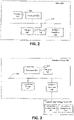
- FIG. 2 is a block diagram depicting components of an example client 102.
- Client 102 may be any suitable computing device, such as a desktop computer, a laptop computer, a tablet, a smartphone, and the like.
- Client 102 includes one or more processors 201 that control the overall operation of the client 102.
- the processor 201 interacts with memory 204 via a memory bus 203, and interacts with storage 206, I/O devices 208, and network interface 210 via a bus 209.
- Bus 209 may be one or more of any type of several buses, including a peripheral bus, a video bus, and the like.
- Each processor 201 may be any suitable type of processor, such as a central processing unit (CPU) implementing for example an ARM or x86 instruction set, and may further include specialized processors such as a Graphics Processing Unit (GPU) or other such processors.
- Memory 204 includes any suitable type of system memory that is readable by processor 201, such as static random access memory (SRAM), dynamic random access memory (DRAM), synchronous DRAM (SDRAM), read-only memory (ROM), or a combination thereof.
- SRAM static random access memory
- DRAM dynamic random access memory
- SDRAM synchronous DRAM
- ROM read-only memory
- memory 201 may include more than one type of memory, such as ROM for use at boot-up, and DRAM for program and data storage for use while executing programs.
- Storage 206 may comprise any suitable non-transitory storage device configured to store data, programs, and other information and to make the data, programs, and other information accessible via bus 209.
- Storage 206 may comprises, for example, one or more of a solid state drive, a hard disk drive, a magnetic disk drive, an optical disk drive, a secure digital (SD) memory card, and the like.
- SSD secure digital
- I/O devices 208 include, for example, user interface devices such as a display device, including a touch-sensitive display device capable of displaying rendered images as output and receiving input in the form of touches.
- I/O devices 208 additionally or alternatively include one or more of speakers, microphones, cameras, sensors such as accelerometers and global positioning system (GPS) receivers, keypads, or the like.
- I/O devices 208 include ports for connecting client 102 to other client devices.
- I/O devices 208 include a universal serial bus (USB) controller for connection to peripherals or to host computing devices.
- USB universal serial bus
- Network interface 210 is capable of connecting client 102 to communications network 104.
- network interface 210 includes one or more of wired interfaces (e.g. wired Ethernet) and wireless radios, such as WiFi, Bluetooth, or cellular (e.g. GPRS, GSM, EDGE, CDMA, LTE, or the like).
- Network interface 210 enables the client 102 to communicate with database cluster 106 via communications network 104 and communication link 103.
- Network interface 210 can also be used to establish virtual network interfaces, such as a Virtual Private Network (VPN).
- VPN Virtual Private Network
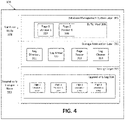
- FIG. 3 is a block diagram depicting components of an example database node 108.
- database node 108 includes a combination of hardware devices and software executing in the memory of the hardware devices.
- Hardware devices of database node 108 include one or more processors 181, memory 184, and network interface 190.
- the one or more processors 181 interact with memory 184 via a memory bus 183, and interact with network interface 190 via a bus 189.
- hardware devices of database node 108 may, in some embodiments, include append-only storage 185.
- Local append-only storage 185 may include any number of suitable append-only storage devices, such as flash based SSDs.
- database node 108 may additionally include conventional storage elements such as hard disk drives in place of, or in addition to append-only storage 185.
- append-only storage node 110 is located external to database node 108 and database node 108 can communicate with append-only storage node 110 via network interface 190.
- Append-only storage node 110 includes a combination of hardware devices and software executing in memory of the hardware devices.
- Hardware devices of append-only storage node 110 may include one or more processors, a memory, a network interface, and one or more append-only storage devices 350 (generally referred to hereinafter as append-only storage device 350 and collectively referred to as append-only storage devices 185).
- Each append-only storage device 350 may be any suitable append-only storage devices, such as an SSD.
- append-only storage node 110 may include conventional storage elements such as hard disk drives in addition to the append only storage device 350. It will be understood that the presence of a conventional storage element may not be apparent to the database node 108 (or to any node outside append only storage node 110), and the presence of a conventional storage element does not necessarily change how the database node 108 interacts with the append-only storage node 110 for the purposes of storing data in an append-only storage device 350.
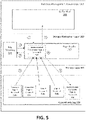
- FIG. 4 is an expanded view depicting a logical representation of components of database cluster 106 of FIG. 1 .
- Database cluster 106 is a platform that provides a database service and includes a database management system (DBMS) layer 305, a storage abstraction layer 310, and a storage layer 315.
- DBMS database management system
- DMBS layer 305 may be provided through the execution of software, such as processor-executable instructions, by the one or more processors 181 of the database node 108.
- database node 108 Upon execution of the software, database node 108 is configured to act as DMBS layer 305 (or a constituent part of the layer).
- Storage layer 315 is a representation of a storage function.
- storage layer 315 also controls the operation of local append-only storage devices 185 when database node 108 includes local append-only storage 185.
- Storage abstraction layer 310 is an interface between the DMBS layer 305 and storage layer 315.
- Storage abstraction layer 310 can, in some embodiments, be implemented as software, such as processor-executable instructions, that when executed by a processor in a computing platform configures the resources of the platform to receive requests including read page requests, write page requests, and write page delta requests from DBMS layer 305, and convert or translate these requests into instructions that enable storage layer 315 to store data on physical append-only storage devices 350 of append-only storage nodes 110, retrieve data from physical storage devices of append-only storage nodes 110, or modify data on physical storage devices of append-only storage nodes 110.
- Storage abstraction layer 310 can be configured to serve the requests received from DBMS layer 305 while ensuring durability of data stored on the append-only physical storage devices of storage layer 315 as described in further detail below.
- processor-executable instructions of storage abstraction layer 310 are loaded into memory and executed by one or more processors of an apparatus.
- storage abstraction layer 310 may be integrated into database node 108, as described in further detail below.
- storage abstraction layer 310 can be integrated into append-only storage nodes 110, as described in further detail below.
- storage abstraction layer 310 may be integrated into each of the DBMS layer 305 and the storage layer 315.
- processing resources associated with the layer within which the storage abstraction layer is integrated can be used to execute software which configures the resources to act as the storage abstraction layer.
- virtualization may be used to provide a virtual hardware platform upon which software can be executed. From the perspective of the software being executed, the virtualized hardware is no different than physical hardware. Virtualization may be carried out in a number of different ways, and may result in a single virtualized hardware platform being created upon the resources of a plurality of different physical database nodes and append-only storage nodes. Similarly, a plurality of different virtual hardware platforms may be created on a single physical database node 108, append-only storage node 110, or both.
- DBMS layer 305 provides the capability to issue a "read page” request and a "write page delta" request.
- the DBMS layer 305 is implemented using SQL Server, DB2, MySQL, PostgreSQL, Oracle, SQLite, or the like.
- DBMS layer 305 includes a buffer pool 306 (also referred to as a buffer cache).
- the buffer pool 306 contains database pages.
- DBMS layer 305 is operable to request a page from the storage layer 315 (a "read page” request) and to write a new page in the storage layer 315 (a "write page” request) or modify an existing page in the storage layer 315 (a "write page delta” request).
- a page delta is a modification to a page which is encoded as changes from the previous version of the page in the append-only log 316. Page deltas can be appended to the append-only log 316.
- the buffer pool 306 contains a first version of a first page for storage (depicted as page 1 version 1 307) and an 8 th version of a second page (depicted as page 2 version 8 308).
- Storage layer 315 includes an append-only log 316 which contains complete images of component blocks of a page (typically a recent version of a page) and may also contain subsequent deltas for that page.
- append-only log 316 contains a complete image of a first page (depicted as page 1 version 1 307), as well as a complete image of a 6 th version of a second page (depicted as page 2 version 6 318a), a delta which includes subsequent changes to the 6 th version of the second page (depicted as page 2 version 7 318b), and a delta which includes subsequent changes to the 7 th version of the second page (depicted as page 2 version 8 318c).
- blocks 318a, 318b and 318c are stored on sequential blocks in an append-only storage device 350 on append-only storage node 110. As depicted in FIG. 4 , blocks 318b and 318c are stored in sequential blocks.
- storage abstraction layer 310 includes log directory 311, log writer 312, page reader 313, and log cleaner 314. It should be appreciated that the log cleaner 314 is an optional component and in some embodiments storage abstraction layer 310 does not include log cleaner 314.
- Storage abstraction layer 310 uses log directory 311 to associate a logical identifier with physical locations of component blocks.
- Log directory 311 contains data tracking the location of full pages and page deltas (referred to herein collectively as "component blocks" of a page) on physical append-only storage devices in storage nodes 110.
- the log directory contains data indicative of which append-only storage node 110 stores the page, as well as which particular append-only storage device in that append-only storage node 110 stores the page.
- log directory 311 stores the physical location of each component block of pages 1 and 2 (page 1 version 1 307, page 2 version 6 318a, page 2 version 7 318b, and page 2 version 8 318c) in append-only log 316.
- Storage abstraction layer 310 uses log writer 312 to append component blocks to append-only log 316.
- Log writer 312 is operable to receive a "write page" request and instruct storage layer 315 to append a new component block (i.e. a page or a page delta) or group of component blocks to append-only log 316 of storage layer 315.
- storage abstraction layer 310 receives a write request from DBMS layer 305, storage abstraction layer 310 associates a logical identifier with the component block and records the logical identifier in log directory 311. The component block is sent to storage layer 315 which appends the component block to the append-only log 316.
- storage layer 315 returns or sends an identifier of the physical location of the component block which has been appended.
- Storage abstraction layer 310 then associates the received identifier of the physical location of the component block with the logical identifier in the log directory 311.
- the component blocks appended to append-only log 316 are appended to sequential storage blocks in the physical storage device.
- Page reader 313 is operable to reconstruct a requested version of a page based on a complete page and any subsequent page deltas stored in append-only log 316.
- storage abstraction layer 310 includes log cleaner 314.
- Log cleaner 314 is operable to construct consolidated versions of pages based on component blocks, and then discard obsolete data and instruct storage layer 315 to consolidate append-only log 316.
- Log cleaner 314 may also copy component blocks to the front of the log without consolidating component blocks.
- DBMS layer 305 is unaware of the implementation details of storage layer 315 and physical storage devices 350 of append-only storage nodes 110.
- Storage abstraction layer 310 acts as an interface between DMBS layer 305 and storage layer 315, so as to convert or translate page read and page write requests into instructions that cause storage layer 315 to perform operations to append a component block or component blocks to append-only storage devices 350, and to read a component block or component blocks from append-only physical storage devices 350.
- FIG. 5 is a block diagram depicting the operation of the page reader component 313 in storage abstraction layer 310.
- a read operation is initiated when storage abstraction layer 310 receives a page read request from DBMS layer 305.
- the page read request is for the most current version of page 2.
- the page reader 313 determines the logical identifier of the requested page and looks up the physical location of each component block of the requested page in the log directory 311.
- the physical location of each block includes an identifier indicative of append-only storage node 110 storing the requested block, and an identifier indicative of the append-only storage device 350, 352 which stores the block.
- the requested page component blocks include complete version 6 318a, and deltas 318b and 318c.
- storage abstraction layer 310 Upon receiving the location of each page and delta from log directory 311, storage abstraction layer 310 interacts with storage layer 315 which retrieves each of the pages and deltas from append-only log 316 in storage layer 315 and sends each of the retrieved page and deltas to storage abstraction layer 310.
- the retrieved page and deltas are retrieved in parallel.
- page reader 313 reconstructs page 2 starting from the most recent complete version (318a) of the requested page and then by processing subsequent deltas 318b and 318c, which results in the creation of a reconstructed complete version of page 2, version 8 318.
- the reconstructed page 318 is then sent to the buffer pool 306 of DBMS layer 305, where the page is available to be read or modified, for example, by client device 102.
- storage abstraction layer 310 may interact with storage layer 315 to append the reconstructed complete version of page 2, version 8 318 to append-only log 316 using log writer 312. If complete page 2, version 8 318 is appended to the append-only log 316, the page reader 313 will also provide an update to log directory 311 which includes the physical storage location of the newly appended page 318. A person skilled in the art will appreciate that the addition of a complete version of page 2, version 8 318 will result in the previously logged component blocks 318a, 318b and 318c being redundant.
- the appending of reconstructed complete page 2, version 8 318 to the append-only log 316 allows for a log clearing mechanism to remove the redundant component blocks 318a, 318b and 318c from the append-only log 316, thus clearing up space in the log 316.
- version 8 318 may obviate the need for reconstruction of page 2 version 8 using the previous component blocks 318a, 318b, 318c, which may result in more efficient subsequent read operations for that page.
- FIG. 6 is a block diagram depicting an example operation of the log writer 312, which interacts with storage layer 315 to perform write / append operations.
- the appending process begins when the storage abstraction layer 310 receives a page write request from DBMS layer 305.
- the page write request may include a log buffer with page deltas created by DBMS layer 305.
- DBMS layer 305 sends a page write request which includes a delta of page 2 (version 9 318d).
- the write request includes only one page delta for the purposes of simplicity. It should be noted embodiments in which the page write request includes a plurality of page deltas for entry into append-only log 316 of storage layer 315 are contemplated.
- the log writer 312 parses the contents of the component block to determine the logical identifier in log directory 311 to which each component block applies. If there is no corresponding log entry in log directory 311 for a component block, then a new entry is created in log directory 311 using the logical identifier for that component block. The log writer 312 then sends an instruction to storage layer 315 to append the delta of page 2, version 9 318d to the append-only log 316. It should be noted that in embodiments in which a plurality of deltas are being appended, the plurality of deltas may be written sequentially to append-only log 316.
- the log writer 312 After writing the delta 318d to append-only log 316, the log writer 312 receives a an identifier from storage layer 315 indicative of the physical location of the page delta 318d. The identifier indicative of the physical location of delta 318d is then associated with the logical identifier for the component block in log directory 311.
- the storage abstraction layer 310 Upon successfully writing delta 318d to the append-only log 316 and storing the location in log directory 311, the storage abstraction layer 310 sends or returns a response to DBMS layer 305 indicating that the write operation was successful.
- storage abstraction layer 310 includes log cleaner 314.
- the log cleaner 314 is operable to interact with storage layer 315 to clean or consolidate one or more segments of the append-only log 316 of storage layer 315.
- the log cleaner 314 consolidates the append-only log 316 periodically.
- the log cleaner 314 consolidates the append-only log 316 according to a policy. For example, one policy may be that the oldest segment in append-only log 316 may be targeted for consolidation. Another policy may be that the segment of append-only log 316 which contains the least "live" data may be targeted for consolidation.
- live data refers to data which is involved or could be potentially required by an active transaction in the DBMS layer 305.
- the log cleaner 314 consults the log directory 311 to determine whether a component block (page or delta) in the log segment 316a can be discarded.
- the append-only log 316 contains several obsolete component blocks relating to page 2 (i.e. blocks 318a, 318b, and 318c) as well as a reconstructed complete version of page 2 version 8 (i.e. block 318).
- redundant blocks 318a, 318b and 318c can be discarded without losing any useful data because the useful data remains in reconstructed complete block 318.
- the end segment of append-only log 316b of storage layer 315 includes the most recently written blocks to append-only log 316, which are page 1 version 1 (block 307) and reconstructed page 2 version 8 (block 318).
- segment 316a of append-only log 316 has been selected for consolidation by log cleaner 314 of storage abstraction layer 310.
- the segment 316a contains numerous instances of dead data 340 which occupy space in the segment 316a. A component block is considered dead if it is no longer needed by any active or any future transaction. Segment 316a also contains blocks relating to page 3 (i.e. blocks 342a and 342b), page 4 (i.e. blocks 343a and 343b), and page 5 (i.e. block 344a).
- blocks 342a and 342b can be used to reconstruct a current version of page 3 (denoted as complete page 3, version 2 342), which is then appended to the end segment 316b of append-only log 316.
- page 4 a similar process is undertaken to append a reconstructed complete version of page 4, version 2 343 to the end segment 316b of append-only log 316.
- page 5 there is only one block 344a, and so block 344a can be appended to the end segment 316b of append-only log 316.
- the log directory 311 is updated to reflect the physical locations of the newly written blocks 342, 343 and 344a for each of pages 3, 4 and 5, as noted above.
- storage abstraction layer 310 can be implemented in a fully centralized manner, and can also be implemented in a distributed manner.
- FIG. 8 is a block diagram depicting an example a database cluster 806 that provides a database service having a centralized storage abstraction layer 310.
- storage abstraction layer 310 is integrated entirely into database node 108.
- Storage layer 315 may be integrated into local append-only storage, remote append-only storage nodes 110a, 110b, or any combination thereof.
- storage layer 315 includes a plurality of append-only storage nodes 110a, 110b which are remote from database node 108.
- FIG. 8 offers a number of advantages. For example, with storage abstraction layer 310 being separate from the various append-only storage nodes 110a, 110b and append-only storage devices 350a, 350b, there are relatively few requirements for an append-only storage device 350a, 350b to be used with the database cluster 806. Append-only storage devices 350a, 350b are capable of servicing sequential write and random read requests. The remaining functions of converting a page read or page write request from DBMS layer 305 to a log-based operation are all handled by storage abstraction layer 310 on the database node 108, and therefore relatively little customization would be required for append-only storage nodes 110a, 110b. However, in the configuration shown in FIG.
- FIG. 9 is a block diagram depicting an example database cluster 906 that provides a database service having a distributed deployment of the storage abstraction layer 310.
- database cluster 906 is sharded (or partitioned) across several append-only storage nodes 110a, 110b.
- I/O router 900 maintains a mapping of which storage node 110a, 110b stores each page in the database.
- I/O router 900 is operable to receive a page read or page write request, and forward the request to the storage abstraction layer 310a or 310b on the appropriate storage node 110a, 110b. It should be noted that in both FIGs. 8 and 9 , the presence of log cleaner 314 is optional.
- each storage node 110a, 110b includes a localized storage abstraction layer 310a and 310b which manages only the pages stored in its respective append-only storage devices 350a, 350b.
- the buffer pool 306 issues a page read request for a particular page, and I/O router 900 looks up the page identifier in the request and determines which append-only storage node 110a, 110b (or shard) stores the requested page. In this example, the requested page is stored on append-only storage node 110a.
- the I/O router 900 then issues the page read request to append-only storage node 110a, and the storage abstraction layer 310a handles the page read request in accordance with the processes described above.
- a technical advantage of the configuration of FIG. 9 is that scaling is relatively straightforward. For example, additional append-only storage nodes 110 can be added to the system of FIG. 9 with a relatively small increase in system complexity and little impact on network traffic. Because the reconstruction of a requested page occurs locally within a particular append-only storage node 110, rather than at the database node 108, the network connection would incur less traffic relative to the configuration in FIG. 8 . Moreover, the configuration of FIG. 9 reduces the processing load on database node 108 and offloads that processing load to an append-only storage node 110 which is more likely to have processing capabilities to accommodate larger volumes of requests.
- storage abstraction layer 310 transparently converts operations from the legacy database systems that use update-in-place processes to store data on physical storage devices of storage nodes, to operations tailored for modern append-only storage nodes (such as storage nodes that include SSDs).
- append-only storage nodes are being increasingly used in storage nodes of datacenters.
- Update-in-place processes write an updated page to a "clean" storage block on the append-only storage device, and then clear old versions of the page during garbage collection. Given that append-only storage devices have a limited number of write cycles, using update-in-place processes may shorten the life of an append-only storage device of a storage node or shorten the life of particular blocks in an append-only storage device of a storage node.
- each new page or page delta is appended to the next available block in an append-only log 316. Therefore, a technical advantage of the systems described herein is that each new page or page delta is written sequentially to the append-only log 316, which is faster and more efficient for an append-only storage device 350 than random writes. Moreover, sequential writing may extend the life of an append-only storage device 350 compared to the random writes from an update-in-place process, thereby reducing the cost of operating a database, as the time required for replacing components may be extended. Furthermore, append-only storage devices 350 can perform "random read" operations (i.e. read operations from non-sequential storage blocks) quite quickly relative to HDDs, which allows the data retrieval required for page read operations to be done faster with append-only storage devices 350 than with HDDs.
- random read i.e. read operations from non-sequential storage blocks
- the systems described herein may be relatively easily adapted to different storage layer implementations, different database systems, sharded or non-sharded databases, and can be scaled relatively easily in storage size without upfront resource reservations.
- the systems described herein allow for greater flexibility in terms of how data is physically stored. For example, any combination of locally attached append-only storage devices 350, cloud storage, or customized storage nodes can be used. Moreover, data can be partitioned or sharded across multiple append-only storage nodes 110. Furthermore, the embodiments described herein may support multiple database systems, including but not limited to MySQL, PostgreSQL, and the like.
- the storage abstraction layer 310 is used with other types of databases, such as key value store databases.
- the storage abstraction layer 310 may receive read and write record requests from DMBS 305, and the storage abstraction layer 310 converts the read and write record requests to append and read component instructions, which are sent to storage layer 315.
- storage abstraction layer 310 controls replication.
- the storage abstraction layer 310 can handle replication by sending each page write request to multiple append-only storage nodes 110.
- the replication may be implemented by storage layer 315.
- the embodiments disclosed herein can support consistent (all copies of component block must be written for a write operation to be considered complete) and quorum-based (a threshold number of copies of a component block must be written for a write operation to be considered complete) replication schemes.
Landscapes
- Engineering & Computer Science (AREA)
- Theoretical Computer Science (AREA)
- Physics & Mathematics (AREA)
- General Engineering & Computer Science (AREA)
- General Physics & Mathematics (AREA)
- Databases & Information Systems (AREA)
- Data Mining & Analysis (AREA)
- Human Computer Interaction (AREA)
- Computing Systems (AREA)
- Quality & Reliability (AREA)
- Information Retrieval, Db Structures And Fs Structures Therefor (AREA)
- Memory System (AREA)
Claims (23)
- Einrichtung, die Folgendes umfasst:einen oder mehrere Prozessoren (181);einen Speicher (184), der prozessorausführbare Anweisungen speichert, die, wenn sie durch den einen oder die mehreren Prozessoren (181) ausgeführt werden, den einen oder die mehreren Prozessoren (181) zu Folgendem veranlassen:Empfangen einer Seitenschreibanforderung, die sich auf einen oder mehrere Komponentenblöcke einer Seite bezieht, wobei der eine oder die mehreren Komponentenblöcke ein Seitendelta beinhalten, das eine Modifikation der Seite ist;Bestimmen eines logischen Bezeichners, der der Seite in einem Protokollverzeichnis (311) entspricht;Senden jedes entsprechenden Komponentenblocks des einen oder der mehreren Komponentenblöcke an einen Speicherknoten zum Anhängen an ein Nur-Anhängen-Speicherprotokoll (316) des Speicherknotens, wobei das Nur-Anhängen-Speicherprotokoll (316) ein vollständiges Bild der Seite enthält;Empfangen, von dem Speicherknoten, eines physikalischen Speicherorts jedes Komponentenblocks des einen oder der mehreren Komponentenblöcke, wobei das vollständige Bild der Seite und das Seitendelta in aufeinanderfolgenden Blöcken gespeichert sind; undVerknüpfen, in dem Protokollverzeichnis (311), des physikalischen Speicherorts jedes des einen oder der mehreren Komponentenblöcke mit dem logischen Bezeichner, der der Seite entspricht.
- Einrichtung nach Anspruch 1, wobei die prozessorausführbaren Anweisungen ferner den einen oder die mehreren Prozessoren (181) zu Folgendem veranlassen:Empfangen einer Seitenleseanforderung, die sich auf eine Seite bezieht;Bestimmen eines physikalischen Speicherorts eines oder mehrerer Komponentenblöcke der angeforderten Seite in einem Speicherknoten;Abrufen des einen oder der mehreren Komponentenblöcke der angeforderten Seite von dem Speicherknoten basierend auf dem physikalischen Speicherort des einen oder der mehreren Komponentenblöcke; undZurückgeben der angeforderten Seite.
- Einrichtung nach Anspruch 2, wobei der eine oder die mehreren Komponentenblöcke der angeforderten Seite wenigstens zwei Komponentenblöcke umfassen und wobei das Zurückgeben der angeforderten Seite ein Rekonstruieren der angeforderten Seite aus den wenigstens zwei abgerufenen Komponentenblöcken umfasst.
- Einrichtung nach Anspruch 3, wobei die prozessorausführbaren Anweisungen ferner den einen oder die mehreren Prozessoren (181) zu Folgendem veranlassen:
Senden der rekonstruierten Seite an den Speicherknoten zum Anhängen an das Nur-Anhängen-Speicherprotokoll (316) des Speicherknotens. - Einrichtung nach Anspruch 3, wobei die wenigstens zwei Komponentenblöcke von dem Speicherknoten parallel abgerufen werden.
- Einrichtung nach einem der Ansprüche 1 bis 5, wobei der Speicherknoten von einem Datenbankknoten (108) entfernt ist.
- Einrichtung nach einem der Ansprüche 1 bis 5, wobei der Speicherknoten zu einem Datenbankknoten (108) lokal ist.
- Einrichtung nach einem der Ansprüche 1 bis 7, wobei die Einrichtung in den Datenbankknoten (108) oder den Speicherknoten integriert ist.
- Einrichtung nach einem der Ansprüche 1 bis 8, wobei die prozessorausführbaren Anweisungen ferner den einen oder die mehreren Prozessoren (181) zu Folgendem veranlassen:Sammeln wenigstens eines aktiven Datenblocks aus einem Segment des Nur-Anhängen-Speicherprotokolls (316); undSenden des wenigstens einen aktiven Datenblocks an den Speicherknoten zum Anhängen an ein Ende des Nur-Anhängen-Speicherprotokolls (316).
- Einrichtung nach Anspruch 9, wobei der wenigstens eine aktive Datenblock wenigstens zwei aktive Datenblöcke umfasst und wobei das Senden des wenigstens einen aktiven Datenblocks an den Speicherknoten zum Anhängen das Rekonstruieren einer aktiven Seite aus den wenigstens zwei aktiven Datenblöcken und das Senden der rekonstruierten aktiven Seite an den Speicherknoten umfasst.
- Einrichtung nach Anspruch 9, wobei die prozessorausführbaren Anweisungen ferner den einen oder die mehreren Prozessoren (181) zu Folgendem veranlassen:
Anweisen des Speicherknotens, das Segment des Nur-Anhängen-Speicherprotokolls (316) zu löschen. - Verfahren, das Folgendes umfasst:Empfangen, an einem Datenbankknoten (108), einer Seitenschreibanforderung, die sich auf einen oder mehrere Komponentenblöcke einer Seite bezieht, wobei der eine oder die mehreren Komponentenblöcke ein Seitendelta beinhalten, das eine Modifikation der Seite ist;Bestimmen eines logischen Bezeichners, der der Seite in einem Protokollverzeichnis (311) entspricht;Senden jedes entsprechenden Komponentenblocks des einen oder der mehreren Komponentenblöcke an einen Speicherknoten zum Anhängen an ein Nur-Anhängen-Speicherprotokoll (316) des Speicherknotens, wobei das Nur-Anhängen-Speicherprotokoll (316) ein vollständiges Bild der Seite enthält;Empfangen, von dem Speicherknoten, von Daten, die einen physikalischen Speicherort jedes Komponentenblocks des einen oder der mehreren Komponentenblöcke anzeigen, wobei das vollständige Bild der Seite und das Seitendelta in aufeinanderfolgenden Blöcken gespeichert sind; undVerknüpfen, in dem Protokollverzeichnis (311), des physikalischen Speicherorts jedes des einen oder der mehreren Komponentenblöcke mit dem logischen Bezeichner, der der Seite entspricht.
- Verfahren nach Anspruch 12, das ferner Folgendes umfasst:
als Reaktion auf das Empfangen, an dem Datenbankknoten (108), einer Seitenleseanforderung, die sich auf eine Seite bezieht:Bestimmen, durch das Protokollverzeichnis (311), eines physikalischen Speicherorts eines oder mehrerer Komponentenblöcke der angeforderten Seite in einem Speicherknoten;Abrufen des einen oder der mehreren Komponentenblöcke der angeforderten Seite von dem Speicherknoten basierend auf dem physikalischen Speicherort des einen oder der mehreren Komponentenblöcke; undZurückgeben der angeforderten Seite. - Verfahren nach Anspruch 13, wobei der eine oder die mehreren Komponentenblöcke der angeforderten Seite wenigstens zwei Komponentenblöcke umfassen und wobei das Zurückgeben der angeforderten Seite das Rekonstruieren, durch den Seitenleser (313), der angeforderten Seite aus den wenigstens zwei abgerufenen Komponentenblöcken umfasst.
- Verfahren nach Anspruch 14, das ferner Folgendes umfasst:
Senden der rekonstruierten Seite an den Speicherknoten zum Anhängen an das Nur-Anhängen-Speicherprotokoll (316) des Speicherknotens. - Verfahren nach Anspruch 14, wobei die wenigstens zwei Komponentenblöcke von dem Speicherknoten parallel abgerufen werden.
- Verfahren nach den Ansprüchen 12 bis 16, wobei der Speicherknoten von dem Datenbankknoten (108) entfernt ist.
- Verfahren nach den Ansprüchen 12 bis 16, wobei der Speicherknoten auf dem Datenbankknoten (108) lokal ist.
- Verfahren nach den Ansprüchen 12 bis 18, das ferner Folgendes umfasst:Sammeln wenigstens eines aktiven Datenblocks aus einem Segment des Nur-Anhängen-Speicherprotokolls (316) in dem Speicherknoten; undSenden des wenigstens einen aktiven Datenblocks an den Speicherknoten zum Anhängen an ein Ende des Nur-Anhängen-Speicherprotokolls (316).
- Verfahren nach Anspruch 19, wobei der wenigstens eine aktive Datenblock wenigstens zwei aktive Datenblöcke umfasst und wobei das Senden des wenigstens einen aktiven Datenblocks an den Speicherknoten zum Anhängen das Rekonstruieren einer aktiven Seite aus den wenigstens zwei aktiven Datenblöcken und das Senden der rekonstruierten aktiven Seite an den Speicherknoten umfasst.
- Verfahren nach Anspruch 19, das ferner Folgendes umfasst:
Anweisen des Speicherknotens, das Segment des Nur-Anhängen-Speicherprotokolls (316) auf dem Speicherknoten zu löschen. - Computerlesbares Medium, das Anweisungen umfasst, die, wenn sie durch einen Computer ausgeführt werden, den Computer veranlassen, das Verfahren nach einem der Ansprüche 12 bis 21 durchzuführen.
- Computerprogramm, das Anweisungen umfasst, die, wenn das Programm durch einen Computer ausgeführt wird, den Computer veranlassen, das Verfahren nach einem der Ansprüche 12 bis 21 durchzuführen.
Applications Claiming Priority (2)
| Application Number | Priority Date | Filing Date | Title |
|---|---|---|---|
| US15/858,960 US10725983B2 (en) | 2017-12-29 | 2017-12-29 | Systems and methods for database management using append-only storage devices |
| PCT/CN2018/122213 WO2019128820A1 (en) | 2017-12-29 | 2018-12-20 | Systems and methods for database management using append-only storage devices |
Publications (3)
| Publication Number | Publication Date |
|---|---|
| EP3724770A4 EP3724770A4 (de) | 2020-10-21 |
| EP3724770A1 EP3724770A1 (de) | 2020-10-21 |
| EP3724770B1 true EP3724770B1 (de) | 2022-04-06 |
Family
ID=67058252
Family Applications (1)
| Application Number | Title | Priority Date | Filing Date |
|---|---|---|---|
| EP18895928.2A Active EP3724770B1 (de) | 2017-12-29 | 2018-12-20 | Systeme und verfahren zur datenbankverwaltung unter verwendung von nur-anhang-speichervorrichtungen |
Country Status (5)
| Country | Link |
|---|---|
| US (3) | US10725983B2 (de) |
| EP (1) | EP3724770B1 (de) |
| JP (1) | JP7329518B2 (de) |
| CN (1) | CN111936977B (de) |
| WO (1) | WO2019128820A1 (de) |
Families Citing this family (56)
| Publication number | Priority date | Publication date | Assignee | Title |
|---|---|---|---|---|
| US9514007B2 (en) * | 2013-03-15 | 2016-12-06 | Amazon Technologies, Inc. | Database system with database engine and separate distributed storage service |
| US10761743B1 (en) | 2017-07-17 | 2020-09-01 | EMC IP Holding Company LLC | Establishing data reliability groups within a geographically distributed data storage environment |
| US10817388B1 (en) | 2017-07-21 | 2020-10-27 | EMC IP Holding Company LLC | Recovery of tree data in a geographically distributed environment |
| US10684780B1 (en) | 2017-07-27 | 2020-06-16 | EMC IP Holding Company LLC | Time sensitive data convolution and de-convolution |
| US10880040B1 (en) | 2017-10-23 | 2020-12-29 | EMC IP Holding Company LLC | Scale-out distributed erasure coding |
| US10382554B1 (en) | 2018-01-04 | 2019-08-13 | Emc Corporation | Handling deletes with distributed erasure coding |
| US10817374B2 (en) | 2018-04-12 | 2020-10-27 | EMC IP Holding Company LLC | Meta chunks |
| US10579297B2 (en) | 2018-04-27 | 2020-03-03 | EMC IP Holding Company LLC | Scaling-in for geographically diverse storage |
| US11252119B2 (en) * | 2018-06-04 | 2022-02-15 | Salesforce.Com, Inc. | Message logging using two-stage message logging mechanisms |
| US11023130B2 (en) | 2018-06-15 | 2021-06-01 | EMC IP Holding Company LLC | Deleting data in a geographically diverse storage construct |
| US10936196B2 (en) | 2018-06-15 | 2021-03-02 | EMC IP Holding Company LLC | Data convolution for geographically diverse storage |
| US10719250B2 (en) | 2018-06-29 | 2020-07-21 | EMC IP Holding Company LLC | System and method for combining erasure-coded protection sets |
| US10901951B2 (en) * | 2018-07-17 | 2021-01-26 | International Business Machines Corporation | Memory compaction for append-only formatted data in a distributed storage network |
| US11436203B2 (en) | 2018-11-02 | 2022-09-06 | EMC IP Holding Company LLC | Scaling out geographically diverse storage |
| US10901635B2 (en) | 2018-12-04 | 2021-01-26 | EMC IP Holding Company LLC | Mapped redundant array of independent nodes for data storage with high performance using logical columns of the nodes with different widths and different positioning patterns |
| US11119683B2 (en) | 2018-12-20 | 2021-09-14 | EMC IP Holding Company LLC | Logical compaction of a degraded chunk in a geographically diverse data storage system |
| US10931777B2 (en) * | 2018-12-20 | 2021-02-23 | EMC IP Holding Company LLC | Network efficient geographically diverse data storage system employing degraded chunks |
| US10892782B2 (en) | 2018-12-21 | 2021-01-12 | EMC IP Holding Company LLC | Flexible system and method for combining erasure-coded protection sets |
| US10768840B2 (en) | 2019-01-04 | 2020-09-08 | EMC IP Holding Company LLC | Updating protection sets in a geographically distributed storage environment |
| US11023331B2 (en) | 2019-01-04 | 2021-06-01 | EMC IP Holding Company LLC | Fast recovery of data in a geographically distributed storage environment |
| US10942827B2 (en) | 2019-01-22 | 2021-03-09 | EMC IP Holding Company LLC | Replication of data in a geographically distributed storage environment |
| US10866766B2 (en) | 2019-01-29 | 2020-12-15 | EMC IP Holding Company LLC | Affinity sensitive data convolution for data storage systems |
| US10942825B2 (en) | 2019-01-29 | 2021-03-09 | EMC IP Holding Company LLC | Mitigating real node failure in a mapped redundant array of independent nodes |
| US10846003B2 (en) | 2019-01-29 | 2020-11-24 | EMC IP Holding Company LLC | Doubly mapped redundant array of independent nodes for data storage |
| US10936239B2 (en) | 2019-01-29 | 2021-03-02 | EMC IP Holding Company LLC | Cluster contraction of a mapped redundant array of independent nodes |
| US10944826B2 (en) | 2019-04-03 | 2021-03-09 | EMC IP Holding Company LLC | Selective instantiation of a storage service for a mapped redundant array of independent nodes |
| US11029865B2 (en) | 2019-04-03 | 2021-06-08 | EMC IP Holding Company LLC | Affinity sensitive storage of data corresponding to a mapped redundant array of independent nodes |
| US11119686B2 (en) | 2019-04-30 | 2021-09-14 | EMC IP Holding Company LLC | Preservation of data during scaling of a geographically diverse data storage system |
| US11113146B2 (en) | 2019-04-30 | 2021-09-07 | EMC IP Holding Company LLC | Chunk segment recovery via hierarchical erasure coding in a geographically diverse data storage system |
| US11121727B2 (en) | 2019-04-30 | 2021-09-14 | EMC IP Holding Company LLC | Adaptive data storing for data storage systems employing erasure coding |
| US11748004B2 (en) | 2019-05-03 | 2023-09-05 | EMC IP Holding Company LLC | Data replication using active and passive data storage modes |
| US11209996B2 (en) | 2019-07-15 | 2021-12-28 | EMC IP Holding Company LLC | Mapped cluster stretching for increasing workload in a data storage system |
| US11449399B2 (en) | 2019-07-30 | 2022-09-20 | EMC IP Holding Company LLC | Mitigating real node failure of a doubly mapped redundant array of independent nodes |
| US11023145B2 (en) | 2019-07-30 | 2021-06-01 | EMC IP Holding Company LLC | Hybrid mapped clusters for data storage |
| EP3673376B1 (de) | 2019-09-12 | 2022-11-30 | Advanced New Technologies Co., Ltd. | Protokollstrukturierte speichersysteme |
| CN119271644A (zh) * | 2019-09-12 | 2025-01-07 | 蚂蚁链技术有限公司 | 日志结构存储系统 |
| US11228322B2 (en) | 2019-09-13 | 2022-01-18 | EMC IP Holding Company LLC | Rebalancing in a geographically diverse storage system employing erasure coding |
| US11449248B2 (en) | 2019-09-26 | 2022-09-20 | EMC IP Holding Company LLC | Mapped redundant array of independent data storage regions |
| US11288139B2 (en) | 2019-10-31 | 2022-03-29 | EMC IP Holding Company LLC | Two-step recovery employing erasure coding in a geographically diverse data storage system |
| US11119690B2 (en) | 2019-10-31 | 2021-09-14 | EMC IP Holding Company LLC | Consolidation of protection sets in a geographically diverse data storage environment |
| US11435910B2 (en) | 2019-10-31 | 2022-09-06 | EMC IP Holding Company LLC | Heterogeneous mapped redundant array of independent nodes for data storage |
| US11435957B2 (en) | 2019-11-27 | 2022-09-06 | EMC IP Holding Company LLC | Selective instantiation of a storage service for a doubly mapped redundant array of independent nodes |
| US11144220B2 (en) | 2019-12-24 | 2021-10-12 | EMC IP Holding Company LLC | Affinity sensitive storage of data corresponding to a doubly mapped redundant array of independent nodes |
| US11580110B2 (en) | 2019-12-31 | 2023-02-14 | Huawei Cloud Computing Technologies Co., Ltd. | Methods and apparatuses for generating redo records for cloud-based database |
| US11231860B2 (en) | 2020-01-17 | 2022-01-25 | EMC IP Holding Company LLC | Doubly mapped redundant array of independent nodes for data storage with high performance |
| US11507308B2 (en) | 2020-03-30 | 2022-11-22 | EMC IP Holding Company LLC | Disk access event control for mapped nodes supported by a real cluster storage system |
| US11288229B2 (en) | 2020-05-29 | 2022-03-29 | EMC IP Holding Company LLC | Verifiable intra-cluster migration for a chunk storage system |
| US11693983B2 (en) | 2020-10-28 | 2023-07-04 | EMC IP Holding Company LLC | Data protection via commutative erasure coding in a geographically diverse data storage system |
| US11847100B2 (en) | 2020-11-19 | 2023-12-19 | Alibaba Group Holding Limited | Distributed file system servicing random-access operations |
| US11657066B2 (en) | 2020-11-30 | 2023-05-23 | Huawei Cloud Computing Technologies Co., Ltd. | Method, apparatus and medium for data synchronization between cloud database nodes |
| WO2022140918A1 (en) * | 2020-12-28 | 2022-07-07 | Alibaba Group Holding Limited | Method and system for in-memory metadata reduction in cloud storage system |
| US11847141B2 (en) | 2021-01-19 | 2023-12-19 | EMC IP Holding Company LLC | Mapped redundant array of independent nodes employing mapped reliability groups for data storage |
| US11625174B2 (en) | 2021-01-20 | 2023-04-11 | EMC IP Holding Company LLC | Parity allocation for a virtual redundant array of independent disks |
| US11714794B2 (en) | 2021-03-31 | 2023-08-01 | Huawei Cloud Computing Technologies Co., Ltd. | Method and apparatus for reading data maintained in a tree data structure |
| US11354191B1 (en) | 2021-05-28 | 2022-06-07 | EMC IP Holding Company LLC | Erasure coding in a large geographically diverse data storage system |
| US11449234B1 (en) | 2021-05-28 | 2022-09-20 | EMC IP Holding Company LLC | Efficient data access operations via a mapping layer instance for a doubly mapped redundant array of independent nodes |
Family Cites Families (16)
| Publication number | Priority date | Publication date | Assignee | Title |
|---|---|---|---|---|
| CN101251788A (zh) * | 2008-03-07 | 2008-08-27 | 威盛电子股份有限公司 | 储存单元管理方法及系统 |
| JP2010003150A (ja) | 2008-06-20 | 2010-01-07 | Nec Personal Products Co Ltd | メモリコントローラおよびフラッシュメモリのデータ管理方法 |
| US9165021B2 (en) | 2009-04-14 | 2015-10-20 | International Business Machines Corporation | Managing database object placement on multiple storage devices |
| US8161241B2 (en) | 2010-01-12 | 2012-04-17 | International Business Machines Corporation | Temperature-aware buffered caching for solid state storage |
| US9507841B2 (en) * | 2011-06-16 | 2016-11-29 | Sap Se | Consistent backup of a distributed database system |
| US9645758B2 (en) * | 2011-07-22 | 2017-05-09 | Sandisk Technologies Llc | Apparatus, system, and method for indexing data of an append-only, log-based structure |
| CN103514095B (zh) | 2012-06-18 | 2016-08-03 | 记忆科技(深圳)有限公司 | 一种数据库写入ssd 的方法和系统 |
| JP2014127015A (ja) * | 2012-12-26 | 2014-07-07 | Toshiba Corp | 情報処理装置、分散データベースシステム、およびバックアップ方法 |
| US11030055B2 (en) * | 2013-03-15 | 2021-06-08 | Amazon Technologies, Inc. | Fast crash recovery for distributed database systems |
| US9514007B2 (en) | 2013-03-15 | 2016-12-06 | Amazon Technologies, Inc. | Database system with database engine and separate distributed storage service |
| US9575884B2 (en) | 2013-05-13 | 2017-02-21 | Qualcomm Incorporated | System and method for high performance and low cost flash translation layer |
| US9842031B1 (en) * | 2014-12-08 | 2017-12-12 | Amazon Technologies, Inc. | Incremental updates to user transaction state at read-only nodes of a distributed database |
| US20160321010A1 (en) * | 2015-04-28 | 2016-11-03 | Kabushiki Kaisha Toshiba | Storage system having a host directly manage physical data locations of storage device |
| CN105117415B (zh) | 2015-07-30 | 2018-07-03 | 西安交通大学 | 一种优化的ssd数据更新方法 |
| US10083203B2 (en) * | 2015-08-11 | 2018-09-25 | International Business Machines Corporation | Reducing the cost of update, delete, and append-only insert operations in a database |
| US10061523B2 (en) | 2016-01-15 | 2018-08-28 | Samsung Electronics Co., Ltd. | Versioning storage devices and methods |
-
2017
- 2017-12-29 US US15/858,960 patent/US10725983B2/en active Active
-
2018
- 2018-12-20 WO PCT/CN2018/122213 patent/WO2019128820A1/en not_active Ceased
- 2018-12-20 JP JP2020535996A patent/JP7329518B2/ja active Active
- 2018-12-20 CN CN201880084681.0A patent/CN111936977B/zh active Active
- 2018-12-20 EP EP18895928.2A patent/EP3724770B1/de active Active
-
2020
- 2020-07-27 US US16/939,997 patent/US11461296B2/en active Active
-
2022
- 2022-09-28 US US17/954,702 patent/US11921684B2/en active Active
Also Published As
| Publication number | Publication date |
|---|---|
| US11461296B2 (en) | 2022-10-04 |
| WO2019128820A1 (en) | 2019-07-04 |
| CN111936977A (zh) | 2020-11-13 |
| US10725983B2 (en) | 2020-07-28 |
| EP3724770A4 (de) | 2020-10-21 |
| JP2021508879A (ja) | 2021-03-11 |
| JP7329518B2 (ja) | 2023-08-18 |
| EP3724770A1 (de) | 2020-10-21 |
| US11921684B2 (en) | 2024-03-05 |
| US20190205437A1 (en) | 2019-07-04 |
| CN111936977B (zh) | 2024-09-10 |
| US20200364197A1 (en) | 2020-11-19 |
| US20230053707A1 (en) | 2023-02-23 |
Similar Documents
| Publication | Publication Date | Title |
|---|---|---|
| US11921684B2 (en) | Systems and methods for database management using append-only storage devices | |
| US11449239B2 (en) | Write-ahead log maintenance and recovery | |
| CN109074362B (zh) | 分布式系统中的拆分和移动范围 | |
| US8694469B2 (en) | Cloud synthetic backups | |
| US10013317B1 (en) | Restoring a volume in a storage system | |
| US9031911B2 (en) | Preserving past states of file system nodes | |
| US9569458B2 (en) | Preserving a state using snapshots with selective tuple versioning | |
| US9348842B2 (en) | Virtualized data storage system optimizations | |
| CN114253908A (zh) | 键值存储系统的数据管理方法及其装置 | |
| US9778860B2 (en) | Re-TRIM of free space within VHDX | |
| US20150149706A1 (en) | System and method for efficient flash translation layer | |
| US10572184B2 (en) | Garbage collection in data storage systems | |
| US9785547B2 (en) | Data management apparatus and method | |
| CN103197987A (zh) | 一种数据备份的方法、数据恢复的方法及系统 | |
| CN108369549B (zh) | 版本化记录管理计算系统、方法和计算机可读介质 | |
| US9063656B2 (en) | System and methods for digest-based storage | |
| CN114528355B (zh) | 基于页面的关系数据库的云本机对象存储 | |
| WO2020060624A1 (en) | Persistent storage segment cache for recovery |
Legal Events
| Date | Code | Title | Description |
|---|---|---|---|
| STAA | Information on the status of an ep patent application or granted ep patent |
Free format text: STATUS: THE INTERNATIONAL PUBLICATION HAS BEEN MADE |
|
| PUAI | Public reference made under article 153(3) epc to a published international application that has entered the european phase |
Free format text: ORIGINAL CODE: 0009012 |
|
| STAA | Information on the status of an ep patent application or granted ep patent |
Free format text: STATUS: REQUEST FOR EXAMINATION WAS MADE |
|
| 17P | Request for examination filed |
Effective date: 20200714 |
|
| A4 | Supplementary search report drawn up and despatched |
Effective date: 20200923 |
|
| AK | Designated contracting states |
Kind code of ref document: A1 Designated state(s): AL AT BE BG CH CY CZ DE DK EE ES FI FR GB GR HR HU IE IS IT LI LT LU LV MC MK MT NL NO PL PT RO RS SE SI SK SM TR |
|
| AX | Request for extension of the european patent |
Extension state: BA ME |
|
| DAV | Request for validation of the european patent (deleted) | ||
| DAX | Request for extension of the european patent (deleted) | ||
| GRAP | Despatch of communication of intention to grant a patent |
Free format text: ORIGINAL CODE: EPIDOSNIGR1 |
|
| STAA | Information on the status of an ep patent application or granted ep patent |
Free format text: STATUS: GRANT OF PATENT IS INTENDED |
|
| GRAJ | Information related to disapproval of communication of intention to grant by the applicant or resumption of examination proceedings by the epo deleted |
Free format text: ORIGINAL CODE: EPIDOSDIGR1 |
|
| GRAP | Despatch of communication of intention to grant a patent |
Free format text: ORIGINAL CODE: EPIDOSNIGR1 |
|
| INTG | Intention to grant announced |
Effective date: 20211014 |
|
| INTG | Intention to grant announced |
Effective date: 20211027 |
|
| GRAS | Grant fee paid |
Free format text: ORIGINAL CODE: EPIDOSNIGR3 |
|
| GRAA | (expected) grant |
Free format text: ORIGINAL CODE: 0009210 |
|
| STAA | Information on the status of an ep patent application or granted ep patent |
Free format text: STATUS: THE PATENT HAS BEEN GRANTED |
|
| RAP1 | Party data changed (applicant data changed or rights of an application transferred) |
Owner name: HUAWEI CLOUD COMPUTING TECHNOLOGIES CO., LTD. |
|
| AK | Designated contracting states |
Kind code of ref document: B1 Designated state(s): AL AT BE BG CH CY CZ DE DK EE ES FI FR GB GR HR HU IE IS IT LI LT LU LV MC MK MT NL NO PL PT RO RS SE SI SK SM TR |
|
| REG | Reference to a national code |
Ref country code: GB Ref legal event code: FG4D |
|
| REG | Reference to a national code |
Ref country code: CH Ref legal event code: EP |
|
| REG | Reference to a national code |
Ref country code: AT Ref legal event code: REF Ref document number: 1482042 Country of ref document: AT Kind code of ref document: T Effective date: 20220415 |
|
| REG | Reference to a national code |
Ref country code: IE Ref legal event code: FG4D |
|
| REG | Reference to a national code |
Ref country code: DE Ref legal event code: R096 Ref document number: 602018033611 Country of ref document: DE |
|
| REG | Reference to a national code |
Ref country code: LT Ref legal event code: MG9D |
|
| REG | Reference to a national code |
Ref country code: NL Ref legal event code: MP Effective date: 20220406 |
|
| REG | Reference to a national code |
Ref country code: AT Ref legal event code: MK05 Ref document number: 1482042 Country of ref document: AT Kind code of ref document: T Effective date: 20220406 |
|
| PG25 | Lapsed in a contracting state [announced via postgrant information from national office to epo] |
Ref country code: NL Free format text: LAPSE BECAUSE OF FAILURE TO SUBMIT A TRANSLATION OF THE DESCRIPTION OR TO PAY THE FEE WITHIN THE PRESCRIBED TIME-LIMIT Effective date: 20220406 |
|
| PG25 | Lapsed in a contracting state [announced via postgrant information from national office to epo] |
Ref country code: SE Free format text: LAPSE BECAUSE OF FAILURE TO SUBMIT A TRANSLATION OF THE DESCRIPTION OR TO PAY THE FEE WITHIN THE PRESCRIBED TIME-LIMIT Effective date: 20220406 Ref country code: PT Free format text: LAPSE BECAUSE OF FAILURE TO SUBMIT A TRANSLATION OF THE DESCRIPTION OR TO PAY THE FEE WITHIN THE PRESCRIBED TIME-LIMIT Effective date: 20220808 Ref country code: NO Free format text: LAPSE BECAUSE OF FAILURE TO SUBMIT A TRANSLATION OF THE DESCRIPTION OR TO PAY THE FEE WITHIN THE PRESCRIBED TIME-LIMIT Effective date: 20220706 Ref country code: LT Free format text: LAPSE BECAUSE OF FAILURE TO SUBMIT A TRANSLATION OF THE DESCRIPTION OR TO PAY THE FEE WITHIN THE PRESCRIBED TIME-LIMIT Effective date: 20220406 Ref country code: HR Free format text: LAPSE BECAUSE OF FAILURE TO SUBMIT A TRANSLATION OF THE DESCRIPTION OR TO PAY THE FEE WITHIN THE PRESCRIBED TIME-LIMIT Effective date: 20220406 Ref country code: GR Free format text: LAPSE BECAUSE OF FAILURE TO SUBMIT A TRANSLATION OF THE DESCRIPTION OR TO PAY THE FEE WITHIN THE PRESCRIBED TIME-LIMIT Effective date: 20220707 Ref country code: FI Free format text: LAPSE BECAUSE OF FAILURE TO SUBMIT A TRANSLATION OF THE DESCRIPTION OR TO PAY THE FEE WITHIN THE PRESCRIBED TIME-LIMIT Effective date: 20220406 Ref country code: ES Free format text: LAPSE BECAUSE OF FAILURE TO SUBMIT A TRANSLATION OF THE DESCRIPTION OR TO PAY THE FEE WITHIN THE PRESCRIBED TIME-LIMIT Effective date: 20220406 Ref country code: BG Free format text: LAPSE BECAUSE OF FAILURE TO SUBMIT A TRANSLATION OF THE DESCRIPTION OR TO PAY THE FEE WITHIN THE PRESCRIBED TIME-LIMIT Effective date: 20220706 Ref country code: AT Free format text: LAPSE BECAUSE OF FAILURE TO SUBMIT A TRANSLATION OF THE DESCRIPTION OR TO PAY THE FEE WITHIN THE PRESCRIBED TIME-LIMIT Effective date: 20220406 |
|
| PG25 | Lapsed in a contracting state [announced via postgrant information from national office to epo] |
Ref country code: RS Free format text: LAPSE BECAUSE OF FAILURE TO SUBMIT A TRANSLATION OF THE DESCRIPTION OR TO PAY THE FEE WITHIN THE PRESCRIBED TIME-LIMIT Effective date: 20220406 Ref country code: PL Free format text: LAPSE BECAUSE OF FAILURE TO SUBMIT A TRANSLATION OF THE DESCRIPTION OR TO PAY THE FEE WITHIN THE PRESCRIBED TIME-LIMIT Effective date: 20220406 Ref country code: LV Free format text: LAPSE BECAUSE OF FAILURE TO SUBMIT A TRANSLATION OF THE DESCRIPTION OR TO PAY THE FEE WITHIN THE PRESCRIBED TIME-LIMIT Effective date: 20220406 Ref country code: IS Free format text: LAPSE BECAUSE OF FAILURE TO SUBMIT A TRANSLATION OF THE DESCRIPTION OR TO PAY THE FEE WITHIN THE PRESCRIBED TIME-LIMIT Effective date: 20220806 |
|
| REG | Reference to a national code |
Ref country code: DE Ref legal event code: R097 Ref document number: 602018033611 Country of ref document: DE |
|
| PG25 | Lapsed in a contracting state [announced via postgrant information from national office to epo] |
Ref country code: SM Free format text: LAPSE BECAUSE OF FAILURE TO SUBMIT A TRANSLATION OF THE DESCRIPTION OR TO PAY THE FEE WITHIN THE PRESCRIBED TIME-LIMIT Effective date: 20220406 Ref country code: SK Free format text: LAPSE BECAUSE OF FAILURE TO SUBMIT A TRANSLATION OF THE DESCRIPTION OR TO PAY THE FEE WITHIN THE PRESCRIBED TIME-LIMIT Effective date: 20220406 Ref country code: RO Free format text: LAPSE BECAUSE OF FAILURE TO SUBMIT A TRANSLATION OF THE DESCRIPTION OR TO PAY THE FEE WITHIN THE PRESCRIBED TIME-LIMIT Effective date: 20220406 Ref country code: EE Free format text: LAPSE BECAUSE OF FAILURE TO SUBMIT A TRANSLATION OF THE DESCRIPTION OR TO PAY THE FEE WITHIN THE PRESCRIBED TIME-LIMIT Effective date: 20220406 Ref country code: DK Free format text: LAPSE BECAUSE OF FAILURE TO SUBMIT A TRANSLATION OF THE DESCRIPTION OR TO PAY THE FEE WITHIN THE PRESCRIBED TIME-LIMIT Effective date: 20220406 Ref country code: CZ Free format text: LAPSE BECAUSE OF FAILURE TO SUBMIT A TRANSLATION OF THE DESCRIPTION OR TO PAY THE FEE WITHIN THE PRESCRIBED TIME-LIMIT Effective date: 20220406 |
|
| PLBE | No opposition filed within time limit |
Free format text: ORIGINAL CODE: 0009261 |
|
| STAA | Information on the status of an ep patent application or granted ep patent |
Free format text: STATUS: NO OPPOSITION FILED WITHIN TIME LIMIT |
|
| 26N | No opposition filed |
Effective date: 20230110 |
|
| PG25 | Lapsed in a contracting state [announced via postgrant information from national office to epo] |
Ref country code: AL Free format text: LAPSE BECAUSE OF FAILURE TO SUBMIT A TRANSLATION OF THE DESCRIPTION OR TO PAY THE FEE WITHIN THE PRESCRIBED TIME-LIMIT Effective date: 20220406 |
|
| PG25 | Lapsed in a contracting state [announced via postgrant information from national office to epo] |
Ref country code: SI Free format text: LAPSE BECAUSE OF FAILURE TO SUBMIT A TRANSLATION OF THE DESCRIPTION OR TO PAY THE FEE WITHIN THE PRESCRIBED TIME-LIMIT Effective date: 20220406 |
|
| P01 | Opt-out of the competence of the unified patent court (upc) registered |
Effective date: 20230524 |
|
| REG | Reference to a national code |
Ref country code: CH Ref legal event code: PL |
|
| REG | Reference to a national code |
Ref country code: BE Ref legal event code: MM Effective date: 20221231 |
|
| PG25 | Lapsed in a contracting state [announced via postgrant information from national office to epo] |
Ref country code: LU Free format text: LAPSE BECAUSE OF NON-PAYMENT OF DUE FEES Effective date: 20221220 |
|
| PG25 | Lapsed in a contracting state [announced via postgrant information from national office to epo] |
Ref country code: LI Free format text: LAPSE BECAUSE OF NON-PAYMENT OF DUE FEES Effective date: 20221231 Ref country code: IE Free format text: LAPSE BECAUSE OF NON-PAYMENT OF DUE FEES Effective date: 20221220 Ref country code: CH Free format text: LAPSE BECAUSE OF NON-PAYMENT OF DUE FEES Effective date: 20221231 |
|
| PG25 | Lapsed in a contracting state [announced via postgrant information from national office to epo] |
Ref country code: BE Free format text: LAPSE BECAUSE OF NON-PAYMENT OF DUE FEES Effective date: 20221231 |
|
| PG25 | Lapsed in a contracting state [announced via postgrant information from national office to epo] |
Ref country code: IT Free format text: LAPSE BECAUSE OF FAILURE TO SUBMIT A TRANSLATION OF THE DESCRIPTION OR TO PAY THE FEE WITHIN THE PRESCRIBED TIME-LIMIT Effective date: 20220406 |
|
| PG25 | Lapsed in a contracting state [announced via postgrant information from national office to epo] |
Ref country code: CY Free format text: LAPSE BECAUSE OF FAILURE TO SUBMIT A TRANSLATION OF THE DESCRIPTION OR TO PAY THE FEE WITHIN THE PRESCRIBED TIME-LIMIT Effective date: 20220406 |
|
| PG25 | Lapsed in a contracting state [announced via postgrant information from national office to epo] |
Ref country code: MK Free format text: LAPSE BECAUSE OF FAILURE TO SUBMIT A TRANSLATION OF THE DESCRIPTION OR TO PAY THE FEE WITHIN THE PRESCRIBED TIME-LIMIT Effective date: 20220406 Ref country code: HU Free format text: LAPSE BECAUSE OF FAILURE TO SUBMIT A TRANSLATION OF THE DESCRIPTION OR TO PAY THE FEE WITHIN THE PRESCRIBED TIME-LIMIT; INVALID AB INITIO Effective date: 20181220 |
|
| PG25 | Lapsed in a contracting state [announced via postgrant information from national office to epo] |
Ref country code: MC Free format text: LAPSE BECAUSE OF FAILURE TO SUBMIT A TRANSLATION OF THE DESCRIPTION OR TO PAY THE FEE WITHIN THE PRESCRIBED TIME-LIMIT Effective date: 20220406 |
|
| PG25 | Lapsed in a contracting state [announced via postgrant information from national office to epo] |
Ref country code: MC Free format text: LAPSE BECAUSE OF FAILURE TO SUBMIT A TRANSLATION OF THE DESCRIPTION OR TO PAY THE FEE WITHIN THE PRESCRIBED TIME-LIMIT Effective date: 20220406 |
|
| PG25 | Lapsed in a contracting state [announced via postgrant information from national office to epo] |
Ref country code: MT Free format text: LAPSE BECAUSE OF FAILURE TO SUBMIT A TRANSLATION OF THE DESCRIPTION OR TO PAY THE FEE WITHIN THE PRESCRIBED TIME-LIMIT Effective date: 20220406 |
|
| PG25 | Lapsed in a contracting state [announced via postgrant information from national office to epo] |
Ref country code: BG Free format text: LAPSE BECAUSE OF FAILURE TO SUBMIT A TRANSLATION OF THE DESCRIPTION OR TO PAY THE FEE WITHIN THE PRESCRIBED TIME-LIMIT Effective date: 20220406 |
|
| PG25 | Lapsed in a contracting state [announced via postgrant information from national office to epo] |
Ref country code: BG Free format text: LAPSE BECAUSE OF FAILURE TO SUBMIT A TRANSLATION OF THE DESCRIPTION OR TO PAY THE FEE WITHIN THE PRESCRIBED TIME-LIMIT Effective date: 20220406 |
|
| PG25 | Lapsed in a contracting state [announced via postgrant information from national office to epo] |
Ref country code: TR Free format text: LAPSE BECAUSE OF FAILURE TO SUBMIT A TRANSLATION OF THE DESCRIPTION OR TO PAY THE FEE WITHIN THE PRESCRIBED TIME-LIMIT Effective date: 20220406 |
|
| PGFP | Annual fee paid to national office [announced via postgrant information from national office to epo] |
Ref country code: DE Payment date: 20251104 Year of fee payment: 8 |
|
| PGFP | Annual fee paid to national office [announced via postgrant information from national office to epo] |
Ref country code: GB Payment date: 20251030 Year of fee payment: 8 |
|
| PGFP | Annual fee paid to national office [announced via postgrant information from national office to epo] |
Ref country code: FR Payment date: 20251110 Year of fee payment: 8 |