EP3733190A1 - Verwendung einer verbindung zur herstellung eines arzneimittels zur behandlung von erkrankungen der kleinen hirngefässe - Google Patents
Verwendung einer verbindung zur herstellung eines arzneimittels zur behandlung von erkrankungen der kleinen hirngefässe Download PDFInfo
- Publication number
- EP3733190A1 EP3733190A1 EP18896693.1A EP18896693A EP3733190A1 EP 3733190 A1 EP3733190 A1 EP 3733190A1 EP 18896693 A EP18896693 A EP 18896693A EP 3733190 A1 EP3733190 A1 EP 3733190A1
- Authority
- EP
- European Patent Office
- Prior art keywords
- cerebral
- microbleed
- cerebral microbleed
- drug
- small vessel
- Prior art date
- Legal status (The legal status is an assumption and is not a legal conclusion. Google has not performed a legal analysis and makes no representation as to the accuracy of the status listed.)
- Granted
Links
- IFRIPYPBJCUNAG-YYCAUCRDSA-N C[C@](CCC1)(CC2)C1C(C[C@H]1O)C2[C@@](C)(CC[C@@H](C2)O)[C@@]12O Chemical compound C[C@](CCC1)(CC2)C1C(C[C@H]1O)C2[C@@](C)(CC[C@@H](C2)O)[C@@]12O IFRIPYPBJCUNAG-YYCAUCRDSA-N 0.000 description 1
Images


Classifications
-
- A—HUMAN NECESSITIES
- A61—MEDICAL OR VETERINARY SCIENCE; HYGIENE
- A61K—PREPARATIONS FOR MEDICAL, DENTAL OR TOILETRY PURPOSES
- A61K31/00—Medicinal preparations containing organic active ingredients
- A61K31/56—Compounds containing cyclopenta[a]hydrophenanthrene ring systems; Derivatives thereof, e.g. steroids
-
- A—HUMAN NECESSITIES
- A61—MEDICAL OR VETERINARY SCIENCE; HYGIENE
- A61K—PREPARATIONS FOR MEDICAL, DENTAL OR TOILETRY PURPOSES
- A61K31/00—Medicinal preparations containing organic active ingredients
- A61K31/56—Compounds containing cyclopenta[a]hydrophenanthrene ring systems; Derivatives thereof, e.g. steroids
- A61K31/575—Compounds containing cyclopenta[a]hydrophenanthrene ring systems; Derivatives thereof, e.g. steroids substituted in position 17 beta by a chain of three or more carbon atoms, e.g. cholane, cholestane, ergosterol, sitosterol
-
- A—HUMAN NECESSITIES
- A61—MEDICAL OR VETERINARY SCIENCE; HYGIENE
- A61K—PREPARATIONS FOR MEDICAL, DENTAL OR TOILETRY PURPOSES
- A61K31/00—Medicinal preparations containing organic active ingredients
- A61K31/56—Compounds containing cyclopenta[a]hydrophenanthrene ring systems; Derivatives thereof, e.g. steroids
- A61K31/565—Compounds containing cyclopenta[a]hydrophenanthrene ring systems; Derivatives thereof, e.g. steroids not substituted in position 17 beta by a carbon atom, e.g. estrane, estradiol
- A61K31/568—Compounds containing cyclopenta[a]hydrophenanthrene ring systems; Derivatives thereof, e.g. steroids not substituted in position 17 beta by a carbon atom, e.g. estrane, estradiol substituted in positions 10 and 13 by a chain having at least one carbon atom, e.g. androstanes, e.g. testosterone
-
- A—HUMAN NECESSITIES
- A61—MEDICAL OR VETERINARY SCIENCE; HYGIENE
- A61K—PREPARATIONS FOR MEDICAL, DENTAL OR TOILETRY PURPOSES
- A61K45/00—Medicinal preparations containing active ingredients not provided for in groups A61K31/00 - A61K41/00
- A61K45/06—Mixtures of active ingredients without chemical characterisation, e.g. antiphlogistics and cardiaca
-
- A—HUMAN NECESSITIES
- A61—MEDICAL OR VETERINARY SCIENCE; HYGIENE
- A61P—SPECIFIC THERAPEUTIC ACTIVITY OF CHEMICAL COMPOUNDS OR MEDICINAL PREPARATIONS
- A61P25/00—Drugs for disorders of the nervous system
-
- A—HUMAN NECESSITIES
- A61—MEDICAL OR VETERINARY SCIENCE; HYGIENE
- A61P—SPECIFIC THERAPEUTIC ACTIVITY OF CHEMICAL COMPOUNDS OR MEDICINAL PREPARATIONS
- A61P9/00—Drugs for disorders of the cardiovascular system
-
- A—HUMAN NECESSITIES
- A61—MEDICAL OR VETERINARY SCIENCE; HYGIENE
- A61P—SPECIFIC THERAPEUTIC ACTIVITY OF CHEMICAL COMPOUNDS OR MEDICINAL PREPARATIONS
- A61P9/00—Drugs for disorders of the cardiovascular system
- A61P9/10—Drugs for disorders of the cardiovascular system for treating ischaemic or atherosclerotic diseases, e.g. antianginal drugs, coronary vasodilators, drugs for myocardial infarction, retinopathy, cerebrovascula insufficiency, renal arteriosclerosis
-
- A—HUMAN NECESSITIES
- A61—MEDICAL OR VETERINARY SCIENCE; HYGIENE
- A61P—SPECIFIC THERAPEUTIC ACTIVITY OF CHEMICAL COMPOUNDS OR MEDICINAL PREPARATIONS
- A61P9/00—Drugs for disorders of the cardiovascular system
- A61P9/14—Vasoprotectives; Antihaemorrhoidals; Drugs for varicose therapy; Capillary stabilisers
Definitions
- the present invention relates to new pharmaceutical uses of 5 ⁇ -androst-3 ⁇ ,5,6 ⁇ -triol ("Triol”) and its analogues, in particular to uses of these compounds in the treatment of cerebral small vessel disease.
- Triol 5 ⁇ -androst-3 ⁇ ,5,6 ⁇ -triol
- Cerebral small vessels refer to small perforating arteries and small arteries (diameter 40 ⁇ 200 ⁇ m), capillaries, and small veins in the brain, which constitute the basic unit of blood supply to brain tissue and play an important role in maintaining brain function (1) .
- the large and small vessels in the brain together constitute the vascular tree. They are structurally continuous, jointly affected by hemodynamics, and jointly exposed to risk factors. Therefore, the pathological changes of large and small vessels in the brain should theoretically have a parallel correlation in terms of severity. However, in clinical practice, an inconsistency is often found between these two kinds of vessels. For example, patients with severe cerebral small vessel disease but not complicated with large cerebral artery stenosis are often found, and vice versa (2) .
- Cerebral small vessel disease refers to syndromes of clinical, cognitive, imaging and pathological manifestations caused by various lesions of the small vessels (3) .
- CSVD mainly clinically manifests as stroke (deep small infarction, cerebral hemorrhage), cognitive and emotional disorders, and overall functional decline.
- stroke deep small infarction, cerebral hemorrhage
- cognitive and emotional disorders and overall functional decline.
- imaging it manifests as lacunar infarction (LI), lacuna, white matter lesions (WML), enlarged perivascular space (EPVS) and cerebral microbleeds (CMB), etc (1) .
- LI lacunar infarction
- WML white matter lesions
- EPVS enlarged perivascular space
- CMB cerebral microbleeds
- CSVD vascular endothelial dysfunction
- BBB blood-brain barrier
- inflammatory mechanisms CAD
- genetic factors CAD
- ischemic hypoperfusion injury CAD
- BBB damage the core mechanism.
- BBB damage and destruction leads to increased permeability, which allows blood components extravasate to the surrounding tissues and brain parenchyma, causing corresponding pathophysiological changes, resulting in CSVD-related imaging and pathological changes (4) .
- Cerebral microbleed is one of the manifestations of cerebral small vessel disease, and is a subclinical damage to the brain parenchyma caused by microvascular disease in the brain. It is characterized by a small amount of blood leakage, and red blood cells overflowing the vessels generate hemosiderin images. Depending on the age of the lesion, fresh red blood cells, deposited hemosiderin granules, or hemosiderin-engulfing macrophages can be seen around the vessels.
- CMB manifests as lesions with small signal loss on T2* weighted sequences (or other sequences sensitive to susceptibility), with halos around the lesions.
- the lesions generally have a diameter of 2 to 5 mm, up to 10 mm (5) .
- These lesions on MR images are called “signal void”, “susceptibility artifact”, “black hole”, “dot”, “microbleed”, “old microbleed (OMB)”, “multifocal signal loss lesion”, or “microhemorrhage (MH)”. It is usually distributed in the junction of the cortex and the subcortex, the gray matter nucleus in the deep cortex, the white matter of the cerebral hemisphere, the brain stem, and the cerebellum.
- Magnetic sensitivity weighted imaging (SWI) sequence is more sensitive to CMBs than T2 ⁇ W-GRE sequence.
- CMBs are mostly considered asymptomatic and lack acute clinical manifestations.
- cerebral microbleeds have a certain relationship with age, cardiovascular risk factors, white matter degeneration, stroke, and post-stroke affective disorders.
- cerebral microbleed is also an important pathological cause of brain injury in acute and chronic high-altitude diseases (6) .
- Cerebral microbleed was found in brain tissue (7) or retina (8) in MRI imaging examination of autopsy of patients with high altitude disease or survivors of high-altitude cerebral edema.
- thrombolytic drugs such as tissue plasminogen activator (t-PA), streptokinase (SK)
- anticoagulant drugs such as warfarin
- antiplatelet drugs such as aspirin
- ICH drug-related primary intracerebral hemorrhage
- Surgery can also cause damage to the central nervous system, including direct damage to the nerve tissue by a surgery in the central nervous system (including the brain and the notochord) and histopathological changes in the nervous system caused by changes in blood supply and bleeding during a surgery, including tissue edema, bleeding, microbleeds, infarction, and microinfarction.
- Common surgeries that cause damage to the central nervous system include, but are not limited to, cerebral aneurysm clipping or embolization, brain tumor resection, and other surgeries that directly involve the central nervous system.
- the present invention is based on the inventors' discovery that the compounds of formula I improve the clearance of free hemoglobin in brain tissue, and provides new use of the compounds of formula I: in the treatment of cerebral small vessel disease, wherein R 1 is H, an alkyl or terminal alkenyl having 1 to 5 carbon atoms, or -CH(CH 3 )(CH 2 ) 3 CH(CH 3 ) 2 .
- an aspect of the present invention provides use of a compound of formula I: or a deuterated compound or a pharmaceutically acceptable salt thereof in the manufacture of a medicament for the treatment of cerebral small vessel disease, wherein R 1 is H, an alkyl or terminal alkenyl having 1 to 5 carbon atoms, or -CH(CH 3 )(CH 2 ) 3 CH(CH 3 ) 2 .
- R 1 is preferably H, and the compound is 5 ⁇ -androst-3 ⁇ ,5,6 ⁇ -triol (sometimes abbreviated as "Triol" hereinafter).
- R 1 is selected from a group consisting of -CHCH 2 CH 3 , -CH(CH 3 ) 2 , -CH(CH 2 ) 3 CH 3 and -CH(CH 3 )(CH 2 ) 3 CH(CH 3 ) 2 .
- the cerebral small vessel disease is preferably cerebral microbleed.
- the cerebral microbleed is spontaneous cerebral microbleed, drug-related cerebral microbleed, or traumatic cerebral microbleed.
- the spontaneous cerebral microbleed is age-related cerebral microbleed, hypertensive cerebral microbleed, cerebral microbleed associated with acute altitude sickness, cerebral microbleed associated with chronic altitude sickness, cerebral microbleed associated with ischemic stroke, or cerebral microbleed associated with hemorrhagic stroke.
- the drug-related cerebral microbleed is thrombolytic drug-related cerebral microbleed, anticoagulant drug-related cerebral microbleed, antiplatelet aggregation drug-related cerebral microbleed, or statin drug-related cerebral microbleed.
- the traumatic cerebral microbleed is a cerebral microbleed caused by surgery.
- Another aspect of the present invention provides a method for treating cerebral microbleed in a patient, the method comprising administering to the patient an effective amount of a compound of formula I: or a deuterated compound or a pharmaceutically acceptable salt thereof, or a pharmaceutical composition comprising the compound of formula I or a deuterated compound or a pharmaceutically acceptable salt thereof, wherein R 1 is H, an alkyl or terminal alkenyl having 1 to 5 carbon atoms, or -CH(CH 3 )(CH 2 ) 3 CH(CH 3 ) 2 .
- R 1 is preferably H. In one embodiment, R 1 is selected from a group consisting of -CHCH 2 CH 3 , -CH(CH 3 ) 2 , -CH(CH 2 ) 3 CH 3 and -CH(CH 3 )(CH 2 ) 3 CH(CH 3 ) 2 .
- the cerebral microbleed in the patient is confirmed by MRI.
- the patient is suffering from spontaneous cerebral microbleed, drug-related cerebral microbleed, or traumatic cerebral microbleed.
- the spontaneous cerebral microbleed is age-related cerebral microbleed, hypertensive cerebral microbleed, cerebral microbleed associated with acute altitude sickness, cerebral microbleed associated with chronic altitude sickness, cerebral microbleed associated with ischemic stroke, or cerebral microbleed associated with hemorrhagic stroke.
- the drug-related cerebral microbleed is thrombolytic drug-related cerebral microbleed, anticoagulant drug-related cerebral microbleed, antiplatelet aggregation drug-related cerebral microbleed, or statin drug-related cerebral microbleed.
- the traumatic cerebral microbleed is a cerebral microbleed caused by surgery.
- a further aspect of the present invention provides a compound of formula I: or a deuterated compound or a pharmaceutically acceptable salt thereof for use in the treatment of cerebral microbleed in a patient, wherein R 1 is H, an alkyl or terminal alkenyl having 1 to 5 carbon atoms, or -CH(CH 3 )(CH 2 ) 3 CH(CH 3 ) 2 .
- R 1 is preferably H. In one embodiment, R 1 is selected from a group consisting of -CHCH 2 CH 3 , -CH(CH 3 ) 2 , -CH(CH 2 ) 3 CH 3 and -CH(CH 3 )(CH 2 ) 3 CH(CH 3 ) 2 .
- the cerebral microbleed in the patient is confirmed by MRI.
- the patient is suffering from spontaneous cerebral microbleed, drug-related cerebral microbleed, or traumatic cerebral microbleed.
- the spontaneous cerebral microbleed is age-related cerebral microbleed, hypertensive cerebral microbleed, cerebral microbleed associated with acute altitude sickness, cerebral microbleed associated with chronic altitude sickness, cerebral microbleed associated with ischemic stroke, or cerebral microbleed associated with hemorrhagic stroke.
- the drug-related cerebral microbleed is thrombolytic drug-related cerebral microbleed, anticoagulant drug-related cerebral microbleed, antiplatelet aggregation drug-related cerebral microbleed, or statin drug-related cerebral microbleed.
- the traumatic cerebral microbleed is a cerebral microbleed caused by surgery.
- Another aspect of the present invention provides a method for enhancing the clearance of free hemoglobin outside the cerebral vessels in a patient, the method comprising administering to the patient an effective amount of a compound of formula I: or a deuterated compound or a pharmaceutically acceptable salt thereof, or a pharmaceutical composition comprising the compound of formula I or a deuterated compound or a pharmaceutically acceptable salt thereof, wherein R 1 is H, an alkyl or terminal alkenyl having 1 to 5 carbon atoms, or -CH(CH 3 )(CH 2 ) 3 CH(CH 3 ) 2 .
- R 1 is preferably H. In one embodiment, R 1 is selected from a group consisting of -CHCH 2 CH 3 , -CH(CH 3 ) 2 , -CH(CH 2 ) 3 CH 3 and -CH(CH 3 )(CH 2 ) 3 CH(CH 3 ) 2 .
- a further aspect of the present invention provides a method for clearing free hemoglobin outside the cerebral vessels in a patient, the method comprising administering to the patient an effective amount of a compound of formula I: or a deuterated compound or a pharmaceutically acceptable salt thereof, or a pharmaceutical composition comprising the compound of formula I or a deuterated compound or a pharmaceutically acceptable salt thereof, wherein R 1 is H, an alkyl or terminal alkenyl having 1 to 5 carbon atoms, or -CH(CH 3 )(CH 2 ) 3 CH(CH 3 ) 2 .
- R 1 is preferably H. In one embodiment, R 1 is selected from a group consisting of -CHCH 2 CH 3 , -CH(CH 3 ) 2 , -CH(CH 2 ) 3 CH 3 and -CH(CH 3 )(CH 2 ) 3 CH(CH 3 ) 2 .
- the free hemoglobin is caused by spontaneous cerebral microbleed, drug-related cerebral microbleed, or traumatic cerebral microbleed.
- the spontaneous cerebral microbleed is age-related cerebral microbleed, hypertensive cerebral microbleed, cerebral microbleed associated with acute altitude sickness, cerebral microbleed associated with chronic altitude sickness, cerebral microbleed associated with ischemic stroke, or cerebral microbleed associated with hemorrhagic stroke.
- the drug-related cerebral microbleed is thrombolytic drug-related cerebral microbleed, anticoagulant drug-related cerebral microbleed, antiplatelet aggregation drug-related cerebral microbleed, or statin drug-related cerebral microbleed.
- the traumatic cerebral microbleed is a cerebral microbleed caused by surgery.
- a further aspect of the present invention provides a method for treating cerebral small vessel disease in a patient, the method comprising administering to the patient a therapeutically effective amount of a compound of formula I: or a deuterated compound or a pharmaceutically acceptable salt thereof, or administering a therapeutically effective amount of a pharmaceutical composition comprising the compound of formula I or a deuterated compound or a pharmaceutically acceptable salt thereof, wherein R 1 is H, an alkyl or terminal alkenyl having 1 to 5 carbon atoms, or -CH(CH 3 )(CH 2 ) 3 CH(CH 3 ) 2 .
- R 1 is preferably H. In one embodiment, R 1 is selected from a group consisting of -CHCH 2 CH 3 , -CH(CH 3 ) 2 , -CH(CH 2 ) 3 CH 3 and -CH(CH 3 )(CH 2 ) 3 CH(CH 3 ) 2 .
- the cerebral small vessel disease is cerebral microbleed.
- the cerebral microbleed in the patient is confirmed by MRI.
- the patient is suffering from spontaneous cerebral microbleed, drug-related cerebral microbleed, or traumatic cerebral microbleed.
- the spontaneous cerebral microbleed is age-related cerebral microbleed, hypertensive cerebral microbleed, cerebral microbleed associated with acute altitude sickness, cerebral microbleed associated with chronic altitude sickness, cerebral microbleed associated with ischemic stroke, or cerebral microbleed associated with hemorrhagic stroke.
- the drug-related cerebral microbleed is thrombolytic drug-related cerebral microbleed, anticoagulant drug-related cerebral microbleed, antiplatelet aggregation drug-related cerebral microbleed, or statin drug-related cerebral microbleed.
- the traumatic cerebral microbleed is a cerebral microbleed caused by surgery.
- composition refers to a formulation suitable for administration to an intended animal subject for therapeutic purposes, which comprises at least one pharmaceutically active component, such as a compound.
- the composition further comprises at least one pharmaceutically acceptable carrier or excipient.
- pharmaceutically acceptable means that the substance does not have the property that, considering the disease or condition to be treated and the respective route of administration, will allow rational and prudent medical practitioners to avoid administering the substance to the patient. For example, for injectables, it is often required that such substance is substantially sterile.
- the terms “therapeutically effective amount” and “effective amount” mean that the substance and the amount of the substance are effective to prevent, alleviate or ameliorate one or more symptoms of a disease or condition, and/or prolong the survival of the subject receiving the treatment.
- Cerebral small vessel disease refers to the syndrome of clinical, cognitive, imaging and pathological manifestations caused by various lesions of small perforating arteries and small arteries (diameter 40 ⁇ 200 ⁇ m), capillaries and small veins in the brain.
- Cerebral small vessel disease manifests as an impaired blood-brain barrier, and the destruction of the blood-brain barrier leads to increased permeability, which allows blood components extravasate to the surrounding tissues and brain parenchyma, causing corresponding pathophysiological changes, resulting in CSVD-related imaging and pathological changes.
- the "cerebral small vessel disease” does not include hemorrhagic stroke.
- Cerebral microbleed refers to bleeding within a region of the brain that is less than about 1 cm in diameter. Cerebral microbleeds can be detected by brain MRI (including T2 ⁇ weighted GRE MRI), and can be a "asymptomatic cerebral microbleed” that shows no symptoms, or may be associated with symptoms such as transient or permanent focal motor or sensory disturbances, ataxia, aphasia, dysarthria (namely "symptomatic cerebral microbleed” (10) ). In some embodiments, cerebral microbleed manifests as a significantly increased distribution of extravascular free hemoglobin.
- spontaneous cerebral microbleed refers to intracerebral bleeding caused by spontaneous rupture of cerebral vessels (usually veins or capillaries) caused by various causes under non-traumatic conditions.
- Spontaneous cerebral bleed is a multifactorial disease, which is affected by environmental and genetic factors. For example, advanced age is closely related to spontaneous cerebral microbleed (age-related cerebral microbleed).
- Spontaneous cerebral microbleed caused by a disease includes those caused by hypertension (such as long-term hypertension), ischemic stroke and hemorrhagic stroke, which are accordingly referred to herein as “hypertensive cerebral microbleed", "cerebral microbleed associated with ischemic stroke” and “cerebral microbleed associated with hemorrhagic stroke”.
- hypertension such as long-term hypertension
- ischemic stroke ischemic stroke
- hemorrhagic stroke which are accordingly referred to herein as "hypertensive cerebral microbleed”
- Cerebral microbleed associated with ischemic stroke and "cerebral microbleed associated with
- drug-related cerebral microbleed refers herein to cerebral microbleeds caused by drugs. These drugs may include, but are not limited to, thrombolytic drugs, anticoagulant drugs, antiplatelet agglutination drugs, or statin drugs.
- thrombolytic drugs have also developed from the first generation to the third generation.
- Early first-generation thrombolytic drugs are streptokinase (SK), urokinase (UK), lumbrokinase, pro-urokinase, staphylokinase, methoxybenzoyl plasminogen streptokinase activator, and snake venom antithrombotic enzyme.
- the second-generation thrombolytic drug "alteplase” is a recombinant tissue-type plasminogen activator (t-PA), which is the world's first genetic recombinant thrombolytic drug, developed and marketed by Genetech in the U.S..
- Reteplase developed by Boehringer Mannheim GmbH in Germany in 1996 is a representative.
- Reteplase is a protein-modified drug. It is a deletion mutation of recombinant human tissue-type plasminogen activator, and has the advantages of long half-life, strong thrombolytic effect, and small side effects.
- the third-generation thrombolytic drugs under research and development are all t-PA variants, such as TNKase (teneplase, TNK-t-PA), Monteplase, La noteplase (nateplase, n-PA), etc.
- the common characteristics of the third generation thrombolytic drugs are capabilities of rapid thrombolysis, opening clogged coronary arteries, and restoring blood circulation, with a cure rate of 73% to 83%.
- Anticoagulant drugs also known as anticoagulants, are used to prevent and treat diseases of intravascular embolism or thrombosis, and prevent stroke or other thrombotic diseases.
- the most frequently used anticoagulants in clinical use include: parenteral anticoagulants (such as heparin, enoxaparin, tiatarparin, ardeparin), coumarin anticoagulants (such as warfarin, dicoumarin, coumarin nitrate), in vitro anticoagulants (such as sodium citrate), thrombin inhibitors (such as hirudin, argatroban).
- Antiplatelet agglutination drugs can be divided into four categories according to the action site and route of the drug: (1) cyclooxygenase inhibitors (thromboxane A2 inhibitors, salicylic acid): commonly used drugs are aspirin tablets. (2) Phosphodiesterase inhibitors: such as cilostazol (Pletaal), dipyridamole (Persantine), etc.
- Cilostazol inhibits the activity of platelet and vascular smooth muscle phosphodiesterase, increases the concentration of cAMP in platelets and smooth muscle, and more potently inhibits platelets than aspirin and ticlopidine (Ticlid), and has a dissociative effect on platelet aggregates and is the drug of choice for peripheral vascular disease.
- Clinically it is mainly used for the treatment of local diseases such as chronic arterial occlusive ulcers, pain and cold sensation. It is used for patients with intermittent claudication without cardiac insufficiency, and can improve symptoms and increase walking distance.
- dipyridamole can increase the incidence of exercise-induced myocardial infarction in patients with stable angina, so it is currently limited to patients with a history of stroke and no coronary heart disease. Dipyridamole is not recommended for patients with coronary heart disease.
- ADP receptor antagonists thiophene pyridines: such as clopidogrel (Plavix, Talcom), ticlopidine (Ticlid, Ticlop, etc.), etc.
- Platelet glycoprotein II b/III antagonists GP IIb/IIIa receptor antagonists
- Statin drugs also known as 3-hydroxy 3-methylglutaryl coenzyme A (HMG-CoA) reductase inhibitors, can significantly reduce cholesterol (TC), low density lipoprotein (LDL-C) and apoB (apolipoprotein), and at the same time reduce triglyceride (TG) and slightly increase high-density lipoprotein (HDL-C). It is suitable for primary hypercholesterolemia and mixed hyperlipidemia, and at the present is a very important drug for the prevention and treatment of hypercholesterolemia and atherosclerosis.
- HMG-CoA 3-hydroxy 3-methylglutaryl coenzyme A reductase inhibitors
- the first-generation drugs currently on the market include lovastatin and simvastatin; the second-generation drugs include pravastatin and fluvastatin; the third-generation drugs include atorvastatin, rosuvastatin, and pitavastatin.
- traumatic cerebral microbleed refers to intracerebral microbleed caused by trauma, such as intracerebral microbleed caused by surgery-induced trauma, mild traumatic brain injury (TBI) or chronic craniocerebral trauma.
- surgery-induced trauma such as intracerebral microbleed caused by surgery-induced trauma, mild traumatic brain injury (TBI) or chronic craniocerebral trauma.
- surgery-derived cerebral microbleed or “surgery-induced cerebral microbleed” refers to intracerebral microbleed caused by surgery.
- the surgery refers to a surgery that directly involves the central nervous system.
- the surgery refers to cerebral aneurysm clipping or embolization or brain tumor resection.
- R 1 is H, an alkyl or terminal alkenyl having 1 to 5 carbon atoms, or -CH(CH 3 )(CH 2 ) 3 CH(CH 3 ) 2 , which is also referred to herein as "the compound of the present invention".
- R 1 is H
- the compound is 5 ⁇ -androst-3 ⁇ ,5,6 ⁇ -triol (sometimes abbreviated as "Triol” hereinafter), having the structure of formula II:
- Triol is a neuron protective agent effective against acute ischemic hypoxic brain damage.
- R 1 is -CHCH 2 CH 3 , and the compound is 17-propylene-androst-3 ⁇ ,5 ⁇ ,6 ⁇ -triol. In one embodiment, R 1 is -CH(CH 3 ) 2 , and the compound is 17-isopropyl-androst-3 ⁇ ,5 ⁇ ,6 ⁇ -triol. In one embodiment, R 1 is -CH(CH 2 ) 3 CH 3 , and the compound is 17-butyl-androst-3 ⁇ ,5 ⁇ ,6 ⁇ -triol. In one embodiment, R 1 is -CH(CH 3 )(CH 2 ) 3 CH(CH 3 ) 2 , and the compound is cholestane-3 ⁇ , 5 ⁇ , 6 ⁇ -triol.
- the compounds of the present invention can be formulated in the form of pharmaceutically acceptable salts.
- the expected pharmaceutically acceptable salt forms include, but are not limited to, mono-, di-, tri-, and tetra-salts.
- Pharmaceutically acceptable salts are non-toxic at the amount and concentration to which they are administered. The preparation of such salts can facilitate pharmacological uses by changing the physical properties of the compound without preventing it from exerting physiological effects. Useful changes in physical properties include lowering the melting point to facilitate transmucosal administration, and increasing solubility to facilitate administration of higher concentrations of drugs.
- Pharmaceutically acceptable salts include acid addition salts, such as those containing sulfate, chloride, hydrochloride, fumarate, maleate, phosphate, sulfamate, acetate, citrate, lactate, tartrate, methanesulfonate, ethanesulfonate, benzenesulfonate, p-toluenesulfonate, cyclohexylsulfamate and quinate salts.
- acid addition salts such as those containing sulfate, chloride, hydrochloride, fumarate, maleate, phosphate, sulfamate, acetate, citrate, lactate, tartrate, methanesulfonate, ethanesulfonate, benzenesulfonate, p-toluenesulfonate, cyclohexylsulfamate and quinate salts.
- Pharmaceutically acceptable salts can be obtained from acids such as hydrochloric acid, maleic acid, sulfuric acid, phosphoric acid, sulfamic acid, acetic acid, citric acid, lactic acid, tartaric acid, malonic acid, methanesulfonic acid, ethanesulfonic acid, benzenesulfonic acid, p-toluenesulfonic acid, cyclohexylsulfamic acid, fumaric acid and quinic acid.
- acids such as hydrochloric acid, maleic acid, sulfuric acid, phosphoric acid, sulfamic acid, acetic acid, citric acid, lactic acid, tartaric acid, malonic acid, methanesulfonic acid, ethanesulfonic acid, benzenesulfonic acid, p-toluenesulfonic acid, cyclohexylsulfamic acid, fumaric acid and quinic acid.
- pharmaceutically acceptable salts also include base addition salts, such as those containing benzathine penicillin, chloroprocaine, choline, diethanolamine, ethanolamine, tert-butylamine, ethylenediamine, meglumine, procaine, aluminum, calcium, lithium, magnesium, potassium, sodium, ammonium, alkylamine and zinc.
- base addition salts such as those containing benzathine penicillin, chloroprocaine, choline, diethanolamine, ethanolamine, tert-butylamine, ethylenediamine, meglumine, procaine, aluminum, calcium, lithium, magnesium, potassium, sodium, ammonium, alkylamine and zinc.
- base addition salts such as those containing benzathine penicillin, chloroprocaine, choline, diethanolamine, ethanolamine, tert-butylamine, ethylenediamine, meglumine, procaine, aluminum, calcium, lithium, magnesium, potassium, sodium, ammonium, alkylamine and zinc
- salts can be prepared through standard techniques.
- the compound in its free base form can be dissolved in a suitable solvent, such as an aqueous solution or a water-alcohol solution containing a suitable acid, and then the solution is evaporated for separation.
- a suitable solvent such as an aqueous solution or a water-alcohol solution containing a suitable acid
- the salt is prepared by reacting the free base with an acid in an organic solvent.
- the desired pharmaceutically acceptable salt can be prepared by any suitable method available in the art, for example, by treating the free base with an inorganic acid such as hydrochloric acid, hydrobromic acid, sulfuric acid, nitric acid, phosphoric, or the like, or an organic acid such as acetic acid, maleic acid, succinic acid, mandelic acid, fumaric acid, malonic acid, pyruvic acid, oxalic acid, glycolic acid, salicylic acid, pyranosidyl acid such as glucuronic acid or galacturonic acid, ⁇ -hydroxy acid such as citric acid or tartaric acid, amino acid such as aspartic acid or glutamic acid, aromatic acid such as benzoic acid or cinnamic acid, sulfonic acid such as p-toluenesulfonic acid or ethanesulfonic acid or the like.
- an inorganic acid such as hydrochloric acid, hydrobromic acid, sulfuric acid, nitric acid,
- the desired pharmaceutically acceptable salt can be prepared by any suitable method, for example, by treating the free acid with an inorganic base or an organic base, such as an amine (primary, secondary or tertiary amine), alkali metal hydroxides or alkaline earth metal hydroxides or the like.
- an inorganic base or an organic base such as an amine (primary, secondary or tertiary amine), alkali metal hydroxides or alkaline earth metal hydroxides or the like.
- suitable salts include organic salts derived from amino acids (such as L-glycine, L-lysine, and L-arginine), ammonia, primary, secondary, and tertiary amines, and cyclic amines (such as hydroxyethylpyrrolidine, piperidine, morpholine and piperazine), and inorganic salts derived from sodium, calcium, potassium, magnesium, manganese, iron, copper, zinc, aluminum and lithium.
- amino acids such as L-glycine, L-lysine, and L-arginine
- ammonia such as L-glycine, L-lysine, and L-arginine
- primary, secondary, and tertiary amines such as hydroxyethylpyrrolidine, piperidine, morpholine and piperazine
- cyclic amines such as hydroxyethylpyrrolidine, piperidine, morpholine and piperazine
- inorganic salts derived from sodium, calcium, potassium, magnesium,
- the pharmaceutically acceptable salts of the compounds can exist as complexes.
- complexes include 8-chlorotheophylline complexes (such as, for example, dimenhydrinate: diphenhydramine 8-chlorotheophylline (1:1) complex; Dramamine) and various complexes comprising cyclodextrin.
- the present invention is also intended to include the use of pharmaceutically acceptable deuterated compounds or other non-radioactive substituted compounds.
- Deuteration is to replace one or more or all of the hydrogen in the active molecular group of the drug with isotope deuterium. Because it is non-toxic and non-radioactive, and it is about 6-9 times more stable than the carbon-hydrogen bond, it can close the metabolic site and prolong the half-life of the drug, thereby reducing the therapeutic dose without affecting the pharmacological activity of the drug, thus it is considered to be an excellent modification method.
- Another aspect of the present invention provides a pharmaceutical composition
- a pharmaceutical composition comprising an effective amount of a compound of formula I, or a deuterated compound or a pharmaceutically acceptable salt thereof, and a pharmaceutically acceptable carrier.
- composition refers to a composition comprising a compound of formula I and a pharmaceutically acceptable carrier, wherein the compound and the pharmaceutically acceptable carrier are present in the composition in a mixed form.
- the composition will generally be used in the treatment of human subjects. However, they can also be used to treat similar or same conditions in other animal subjects.
- subject refers to human and non-human vertebrates, such as mammals, such as non-human primates, competitive animals and commercial animals, such as equine, cattle, pigs, sheep, rodents, and pets (such as dogs and cats).
- the appropriate dosage form depends in part on the use or route of administration, for example, it can be oral, transdermal, transmucosal, by inhalation or by injection (parenteral). Such dosage forms should enable the compound to reach target cells. Other factors are well known in the art and include considerations such as toxicity and dosage forms that delay the compound or composition from exerting its effects.
- Carriers or excipients can be used to produce the composition.
- the carriers or excipients can be selected to facilitate administration of the compound.
- Examples of carriers include calcium carbonate, calcium phosphate, various sugars (such as lactose, glucose, or sucrose), or starch types, cellulose derivatives, gelatin, vegetable oils, polyethylene glycol, and physiologically compatible solvents.
- Examples of physiologically compatible solvents include sterile water for injection (WFI) solutions, saline solutions, and glucose.
- compositions or components of the composition can be administered by different routes, including intravenous, intraperitoneal, subcutaneous, intramuscular, oral, transmucosal, rectal, transdermal, or inhalation routes.
- injections or lyophilized powder injections are preferred.
- the compound may be formulated into conventional oral dosage forms such as capsules and tablets, and liquid preparations such as syrups, elixirs and concentrated drops.
- compositions for oral use can be obtained, for example, by combining the composition or its components with solid excipients, optionally grinding the resulting mixture, and treating the mixture of particles after adding suitable adjuvants (if necessary), thereby obtaining tablets or dragees.
- suitable excipients are, in particular, fillers such as sugars including lactose, sucrose, mannitol or sorbitol; cellulose preparations such as corn starch, wheat starch, rice starch, potato starch, gelatin, tragacanth, methyl cellulose, hydroxypropyl methyl cellulose, sodium carboxymethyl cellulose (CMC) and/or polyvinylpyrrolidone (PVP: povidone).
- disintegrating agents may be added, such as cross-linked polyvinylpyrrolidone, agar, or alginic acid or their salts, such as sodium alginate.
- injections can be used, for example intramuscular, intravenous, intraperitoneal and/or subcutaneous injection.
- the composition of the invention or its components are formulated as a sterile liquid solution, preferably in a physiologically compatible buffer or solution, such as saline solution, Hank's solution or Ringer's solution.
- the composition or its components can be formulated in a solid form and re-dissolved or suspended immediately before use. It can also be produced in the form of lyophilized powder.
- Administration can also be by transmucosal, topical or transdermal means.
- penetrants suitable for the barrier to be penetrated are used in the formulation.
- penetrants are generally known in the art and include, for example, for transmucosal administration, bile salts and fusidic acid derivatives.
- detergents can be used to promote penetration.
- Transmucosal administration for example, can be by nasal spray or suppository (via rectum or vagina).
- the effective amount of various components to be administered can be determined by standard procedures, taking into account factors such as IC 50 of the compound, the biological half-life of the compound, the age, size, and body weight of the subject, and the conditions associated with the subject. The importance of these and other factors is well known to those of ordinary skill in the art. Generally, the dosage will be between about 0.01 mg/kg and 50 mg/kg of the subject to be treated, preferably between 0.1 mg/kg and 20 mg/kg. Multiple doses can be used.
- composition of the present invention or its components can also be used in combination with other therapeutic agents for treating the same disease.
- Such combined use includes administration of these compounds and one or more other therapeutic agents at different times, or simultaneous use of these compounds and one or more other therapeutic agents.
- the dosage of one or more compounds of the invention or other therapeutic agents used in combination can be modified, for example, by methods known to those of skill in the art to reduce the dose relative to the compound or therapeutic agent used alone.
- the combined use or combination includes use with other therapies, drugs, medical procedures, etc., wherein the other therapies or procedures may be administered at a time different from the composition of the present invention or its components (eg, in a short period of time (such as a few hours, such as 1, 2, 3, 4-24 hours) or in a longer period of time (such as 1-2 days, 2-4 days, 4-7 days, 1-4 weeks)) or at the same time as the composition of the invention or its components.
- the combined use also includes use with one-time or infrequently administered therapies or medical procedures (such as a surgery), accompanied by administration of the composition of the invention or its components within a short period of time or a longer period of time before or after the other therapies or procedures.
- the present invention is used to deliver the composition of the present invention or its components and one or more other pharmaceutical therapeutic agents, and they are delivered by same or different routes.
- the combined administration of any route of administration includes the delivery of the composition of the invention or its components and one or more other pharmaceutical therapeutic agents in any formulation by the same route of administration, including formulations in which the two compounds are chemically linked and retain their respective therapeutic activity when administered.
- the other drug therapy can be co-administered with the composition of the invention or its components.
- the combined use by co-administration includes the administration of the co-formulation or chemically linked compounds, or the administration in a short period of time (eg, within one hour, within 2 hours, within 3 hours, up to within 24 hours) of two or more compounds in independent formulations, which are administered by the same or different routes.
- Co-administration of independent formulations includes co-administration by delivery via one device, such as the same inhalation device, the same syringe, etc., or administration by different devices within a short period of time relative to each other.
- a co-formulation of a compound of the present invention and one or more additional pharmacotherapies delivered by the same route of administration includes preparing the materials together so that they can be administered by one device, including combining different compounds in one formulation, or modifying compounds so that they are chemically linked together but still retain their biological activity.
- Such chemically linked compounds may include a linker that separates the two active ingredients, where the linker is substantially maintained in the body, or may be degraded in the body.
- Another aspect of the present invention provides the use of the compound of formula I, or a deuterated compound or a pharmaceutically acceptable salt thereof in the manufacture of a medicament for the treatment of cerebral small vessel disease. Accordingly, the present invention provides the use of the compound of formula I, or a deuterated compound or a pharmaceutically acceptable salt thereof in the treatment of cerebral small vessel disease. Accordingly, the present invention provides a method for treating cerebral small vessel disease in a patient, the method comprising administering to the patient an effective amount of the compound of formula I, or a deuterated compound or a pharmaceutically acceptable salt thereof; or the above-mentioned pharmaceutical composition.
- Another aspect of the present invention provides a method for enhancing the clearance of free hemoglobin outside the cerebral vessels in a patient, comprising administering to the patient an effective amount of a compound of formula I, or a deuterated compound or a pharmaceutically acceptable salt thereof; or the above-mentioned pharmaceutical composition.
- Another aspect of the present invention provides a method for clearing free hemoglobin outside the cerebral vessels in a patient, comprising administering to the patient an effective amount of a compound of formula I, or a deuterated compound or a pharmaceutically acceptable salt thereof; or the above-mentioned pharmaceutical composition.
- the cerebral small vessel disease is cerebral microbleed.
- the cerebral microbleed in the patient is confirmed by MRI.
- the patient is suffering from spontaneous cerebral microbleed, drug-related cerebral microbleed, or traumatic cerebral microbleed.
- the spontaneous cerebral microbleed is age-related cerebral microbleed, hypertensive cerebral microbleed, cerebral microbleed associated with acute altitude sickness, cerebral microbleed associated with chronic altitude sickness, cerebral microbleed associated with ischemic stroke, or cerebral microbleed associated with hemorrhagic stroke.
- the drug-related cerebral microbleed is thrombolytic drug-related cerebral microbleed, anticoagulant drug-related cerebral microbleed, antiplatelet aggregation drug-related cerebral microbleed, or statin drug-related cerebral microbleed.
- the traumatic cerebral microbleed is a cerebral microbleed caused by surgery.
- Example 1 Triol significantly reduces the expression of inflammatory cytokines caused by the activation of microglia by free hemoglobin
- Immunofluorescence imaging of tissue sections The thickness of paraffin sections was 5 ⁇ m. For fresh paraffin sections, the sections were dried at 37°C overnight and then dried at 55°C for 30 minutes. The sections were quickly placed in xylene for dewaxing. After fully dewaxing with xylene for 10min for 3 times, absolute ethanol-95%ethanol-90%ethanol-80%ethanol-70%ethanol-50%ethanol-ddH2O were successively used for gradient rehydration. After rehydration, the sections were placed in EDTA antigen repair solution for microwave high temperature repair. After the repair was completed, it was allowed naturally cool down to room temperature.
- the sections were sealed with water-soluble sealing agents, and then imaged using a laser confocal microscope.
- the method for confocal imaging was the same as that for cellular immunofluorescence.
- NIS-Elements Analysis software was used to analyze the fluorescence intensity of confocal images, which was then normalized with the fluorescence intensity per unit area according to the built-in scale.
- Immunohistochemical staining of brain tissue of cynomolgus monkeys The experiment was carried out according to routine immunohistochemical procedures, as follows: the thickness of paraffin sections of prefrontal cortex tissue of cynomolgus monkeys was 5 ⁇ m, and fresh paraffin sections were baked overnight at 37°C.
- Dewaxing Paraffin sections were dried at 55°C for 30 minutes, and then quickly placed in xylene for dewaxing, by placing in xylene for 10min for 3 times for fully dewaxing.
- Rehydration absolute ethanol-95% ethanol-90% ethanol-80% ethanol-70% ethanol-50% ethanol-ddH2O were successively used for immersion, each time 3min, for gradient rehydration.
- the sections were placed in EDTA antigen repair solution for microwave high temperature repair for 30min. After the repair was completed, it was allowed naturally cool to room temperature.
- Primary antibody incubation the water around the tissue was absorbed with absorbent paper, the sample was circled out with an immunohistochemistry pen, the primary antibody diluted with DAKO antibody dilution was added, and incubated in a wet box at 4°C overnight in the dark. After equilibrating at room temperature for 10 minutes, it was then washed with PBST for 3 times, each time for 5 minutes. HRP secondary antibody diluted in DAKO antibody diluent was added, and incubated at room temperature in a wet box for 1h.
- Imaging Two hours later the sealing agent was solidified and images could be taken. Imaging: Nikon ECLIPSE Ti-U inverted fluorescence microscope was used to take pictures of the sections in the bright field, by adjusting the appropriate exposure intensity and background white balance, and fixing the shooting adjustments to take pictures of each group of slices from multiple views and by multiples folds.
- Blocking the PVDF membrane was taken out after the membrane transfer was completed, which was washed in a TBST membrane washing solution for 3 times, 5min/time. 5% skimmed milk powder was prepared with TBST, and the PVDF membrane was blocked in the 5% skimmed milk powder at room temperature for 1 hour. 6) Antibody incubation: After blocking, the membrane was washed for 3 times with 5% TBST washing solution, 5min/time. The membrane was cut into several bands according to the molecular weight of the target protein, which were placed in the compartment box respectively. Corresponding primary antibodies were added, and incubated overnight in a shaker at 4°C.
- cynomolgus monkeys Using a hypobaric chamber to simulate acute hypobaric hypoxia caused by the rapid approach to the plateau, we took the cynomolgus monkeys from 320 meters above sea level to 7500 meters in 190 minutes, and then treated the cynomolgus monkeys at the altitude of 7500 meters for 48 hours, simulating rapid reaching extremely high altitude under experimental conditions. As the altitude rose, cynomolgus monkeys displayed significant symptoms of acute altitude sickness, such as vomiting, ataxia, and confusion, indicating a successful replication of an acute altitude sickness model of non-human primate cynomolgus monkeys.
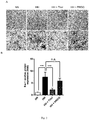
- Fig. 1 Compared with the normobaric normoxia group, the distribution of extravascular free hemoglobin was significantly increased in the acute hypobaric hypoxia group ( Fig. 1A ), while its distribution was significantly reduced in the Triol treatment group ( Fig. 1B ).
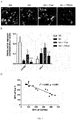
- microglial activation marker Iba-1 (ionized calcium-binding adapter molecule 1) in the prefrontal cortex of cynomolgus monkeys showed that acute hypobaric hypoxia caused an increase in microglial filamentous or lamellar pseudopodia, showing an activation-like morphological change and an increase in Iba-1 expression ( Fig. 2A ), while the number of cells in the activation-like morphology decreased and the expression of Iba-1 decreased significantly in the Triol treatment group ( Fig. 2B ) .
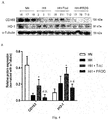
- CD163 is one of the molecular markers of M2 macrophages which has anti-inflammatory activity. Its function is to participate in the intracellular clearance of hemoglobin molecules as the only hemoglobin scavenger receptor in mammals. The complex of hemoglobin and haptoglobin undergoes CD163-mediated phagocytosis on macrophages/microglia, and then is transported into the lysosome through the endosomes for degradation to produce heme, which is further degraded by HO-1 to produce Fe 2+ , CO and biliverdin, and Fe 2+ and biliverdin will be further oxidized to Fe 3+ and bilirubin.
- Immunofluorescence staining of the prefrontal cortex brain tissue of cynomolgus monkeys was used to further analyze the correlation between the change of CD163 expression and the microglia activation marker Iba1.
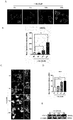
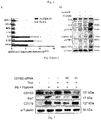
- Acute hypobaric hypoxia caused a significant down-regulation of CD163 expression ( Figs. 5A and 5B ), accompanied by an increase in the expression of Iba1; and when this down-regulation of CD163 was significantly restored by Triol, it was accompanied by a down-regulation of Ibal expression; and the control drug progesterone did not cancel the inhibition of CD163 expression caused by hypoxia, and the expression of Iba1 increased at this time.
- Example 3 Triol reduces the inflammatory activation of microglia BV2 by enhancing hemoglobin clearance
- Microglial cells BV2 were recovered and cultured in a DMEM medium containing 10% FBS. When the cell density reached about 80%, sub-culturing and seeding were performed. The cell seeding density was about 4.0-5.0 ⁇ 10 5 /mL.
- hypoxia treatment After starting the cell program of a hypoxia workstation, the gas condition was set to 1% oxygen and 5% carbon dioxide. After 30 minutes of ultraviolet sterilization and when the gas concentration was stable, the test could be started. Before hypoxia treatment, the cells were replaced with fresh medium, and then the culture dish or confocal plate was placed in the hypoxia workstation. After a designated time point of treatment, the culture dish was quickly taken out, and cell fixation or protein lysis was performed.
- Hemoglobin treatment Free hemoglobin was prepared into 10 mM stock solution with sterile water, stored at 4°C, diluted with culture medium and added to the culture dish to reach the specified final concentration. During co-stimulating of 20 ⁇ M hemoglobin and hypoxia, the cells were stimulated with free hemoglobin first, and then the culture dish was immediately placed in a hypoxia workstation for hypoxia treatment.
- Cellular immunofluorescence imaging The cells were seeded in a special dish for laser confocal imaging, replaced with fresh serum culture medium after attachment, and then stimulated with corresponding hemoglobin stimulation, hypoxia treatment or co-treatment followed by fixation. First the medium was aspirated, washed for 3 times with 0.3% PBST, then added with 4% paraformaldehyde to fix the cells for 20 min. It was then washed for 3 times with 0.3% PBST, perforated with Triton X-100 for 15 min.
- qRT-PCR Real-time quantitative reverse transcription PCR amplification
- RNA quantification Nanodrop 2000 nucleic acid quantifier was used to quantify the RNA, and the OD ratio at the wavelength of 260/280nm was determined, and the ratio in the range of 1.8-2.0 was considered to be of good quality.
- Reverse transcription reaction the total amount of RNA in each reaction system was 2ug, oligo dT 1ul, and the reaction system was adjusted to 13ul using DEPC water. After centrifugation and mixing, it was placed at 65°C and pre-denatured for 5min. Immediately after denaturation, it was put on ice, added with RT Reaction Buffer 4ul, dNTP 2ul, Reverse Transcriptase 1ul. After centrifugation and mixing, reverse transcription reaction was performed. The reverse transcription reaction conditions were: 42°C 60min - 70°C 10min - 4°C.
- microglia was directly stimulated by free hemoglobin and at the same time, hypoxia treatment of 1% oxygen was applied to the cells. It was found that hypoxia exacerbated the increase in protein levels of microglia inflammatory cytokines caused by free hemoglobin. These inflammatory factors included TNF- ⁇ , IL-1 ⁇ and IL-6, but had no significant effect on the anti-inflammatory cytokine IL-4 ( Fig. 6G ). These results show that hypoxia can exacerbate microglial activation caused by free hemoglobin.
- RNA interference of CD163 was further used in an in vitro cell model. After hypoxia and microglia activation with hemoglobin stimulation, it was analyzed whether the interference of CD163 could cancel the inhibitory effect of Triol on the activation of microglia. As shown in Fig.
- free hemoglobin causes the activation of microglia
- Triol reduces the activation of microglia caused by free hemoglobin by restoring the expression of the scavenger receptor CD163.
Landscapes
- Health & Medical Sciences (AREA)
- Pharmacology & Pharmacy (AREA)
- Animal Behavior & Ethology (AREA)
- Life Sciences & Earth Sciences (AREA)
- Chemical & Material Sciences (AREA)
- Veterinary Medicine (AREA)
- Public Health (AREA)
- Medicinal Chemistry (AREA)
- General Health & Medical Sciences (AREA)
- Engineering & Computer Science (AREA)
- Bioinformatics & Cheminformatics (AREA)
- Epidemiology (AREA)
- General Chemical & Material Sciences (AREA)
- Organic Chemistry (AREA)
- Nuclear Medicine, Radiotherapy & Molecular Imaging (AREA)
- Chemical Kinetics & Catalysis (AREA)
- Cardiology (AREA)
- Heart & Thoracic Surgery (AREA)
- Vascular Medicine (AREA)
- Urology & Nephrology (AREA)
- Neurosurgery (AREA)
- Neurology (AREA)
- Biomedical Technology (AREA)
- Pharmaceuticals Containing Other Organic And Inorganic Compounds (AREA)
- Acyclic And Carbocyclic Compounds In Medicinal Compositions (AREA)
- Medicines That Contain Protein Lipid Enzymes And Other Medicines (AREA)
- Medicinal Preparation (AREA)
Applications Claiming Priority (2)
| Application Number | Priority Date | Filing Date | Title |
|---|---|---|---|
| CN201711484028.7A CN109985049B (zh) | 2017-12-29 | 2017-12-29 | 5α-雄甾-3β,5,6β-三醇在制备治疗脑小血管病的药物中的应用 |
| PCT/CN2018/124705 WO2019129179A1 (zh) | 2017-12-29 | 2018-12-28 | 化合物在制备治疗脑小血管病的药物中的应用 |
Publications (3)
| Publication Number | Publication Date |
|---|---|
| EP3733190A1 true EP3733190A1 (de) | 2020-11-04 |
| EP3733190A4 EP3733190A4 (de) | 2021-09-29 |
| EP3733190B1 EP3733190B1 (de) | 2023-07-12 |
Family
ID=67066576
Family Applications (1)
| Application Number | Title | Priority Date | Filing Date |
|---|---|---|---|
| EP18896693.1A Active EP3733190B1 (de) | 2017-12-29 | 2018-12-28 | Verwendung einer verbindung zur herstellung eines arzneimittels zur behandlung von erkrankungen der kleinen hirngefässe |
Country Status (13)
| Country | Link |
|---|---|
| US (1) | US11911396B2 (de) |
| EP (1) | EP3733190B1 (de) |
| JP (1) | JP7097444B2 (de) |
| KR (1) | KR102466251B1 (de) |
| CN (1) | CN109985049B (de) |
| AU (1) | AU2018396895B2 (de) |
| CA (1) | CA3087115C (de) |
| ES (1) | ES2951306T3 (de) |
| IL (1) | IL275686B2 (de) |
| PT (1) | PT3733190T (de) |
| RU (1) | RU2752089C1 (de) |
| TW (1) | TWI762754B (de) |
| WO (1) | WO2019129179A1 (de) |
Cited By (1)
| Publication number | Priority date | Publication date | Assignee | Title |
|---|---|---|---|---|
| US12594282B2 (en) | 2020-02-28 | 2026-04-07 | Guangzhou Cellprotek Pharmaceutical Co., Ltd. | Use of small molecule compounds in the treatment of diseases mediated by lung epithelial cell injury and/or vascular endothelial cell injury |
Families Citing this family (1)
| Publication number | Priority date | Publication date | Assignee | Title |
|---|---|---|---|---|
| CN113318114B (zh) * | 2020-02-28 | 2023-02-17 | 广州市赛普特医药科技股份有限公司 | 小分子化合物在治疗肺上皮细胞损伤和/或血管内皮细胞损伤介导的疾病中的用途 |
Family Cites Families (11)
| Publication number | Priority date | Publication date | Assignee | Title |
|---|---|---|---|---|
| US20020032160A1 (en) * | 1995-02-24 | 2002-03-14 | Nyce Jonathan W. | Compositions & formulations with an epiandrosterone or a ubiquinone & kits & their use for treatment of asthma symptoms & for reducing adenosine/adenosine receptor levels |
| US20080015173A1 (en) * | 2004-06-10 | 2008-01-17 | Blizzard Timothy A | Estrogen Receptor Modulators |
| WO2006012333A1 (en) * | 2004-06-30 | 2006-02-02 | Merck & Co., Inc. | Estrogen receptor modulators |
| CA2774197A1 (en) * | 2006-04-22 | 2008-04-03 | Harbor Biosciences, Inc. | Drugs and uses to modulate inflammation, metabolic disorders and other conditions |
| CA2697160A1 (en) * | 2007-08-21 | 2009-02-26 | Harbor Biosciences, Inc. | Stabilized therapeutic compositions and formulations |
| CN101683348B (zh) * | 2008-09-23 | 2012-07-04 | 中山大学 | 胆甾烷-3β,5α,6β-三醇在制备神经元保护药物中的应用 |
| CN101884638B (zh) * | 2010-07-09 | 2011-11-09 | 中山大学 | 5α-雄甾(烷)-3β,5,6β-三醇在制备神经元保护药物中的应用 |
| CN102180928B (zh) * | 2011-03-15 | 2013-01-16 | 广州市赛普特医药科技有限公司 | 3β,5α,6β-三羟基甾体化合物及其合成方法和应用 |
| JP6483627B2 (ja) * | 2014-02-14 | 2019-03-13 | 富士フイルム富山化学株式会社 | 脳内アミロイドβ蓄積症の予防または治療剤 |
| CN108125965B (zh) * | 2014-04-25 | 2020-04-10 | 广州市赛普特医药科技股份有限公司 | 5α-雄甾-3β,5,6β-三醇及其类似物在高原病中的应用 |
| CN105616405B (zh) * | 2014-11-05 | 2021-05-07 | 中国人民解放军第三军医大学第三附属医院 | 依达拉奉在制备用于预防和治疗脑淀粉样血管病的药物中的应用 |
-
2017
- 2017-12-29 CN CN201711484028.7A patent/CN109985049B/zh active Active
-
2018
- 2018-12-28 JP JP2020536201A patent/JP7097444B2/ja active Active
- 2018-12-28 CA CA3087115A patent/CA3087115C/en active Active
- 2018-12-28 TW TW107147844A patent/TWI762754B/zh active
- 2018-12-28 RU RU2020123500A patent/RU2752089C1/ru active
- 2018-12-28 KR KR1020207021599A patent/KR102466251B1/ko active Active
- 2018-12-28 AU AU2018396895A patent/AU2018396895B2/en active Active
- 2018-12-28 IL IL275686A patent/IL275686B2/en unknown
- 2018-12-28 EP EP18896693.1A patent/EP3733190B1/de active Active
- 2018-12-28 WO PCT/CN2018/124705 patent/WO2019129179A1/zh not_active Ceased
- 2018-12-28 ES ES18896693T patent/ES2951306T3/es active Active
- 2018-12-28 PT PT188966931T patent/PT3733190T/pt unknown
- 2018-12-28 US US16/958,600 patent/US11911396B2/en active Active
Cited By (1)
| Publication number | Priority date | Publication date | Assignee | Title |
|---|---|---|---|---|
| US12594282B2 (en) | 2020-02-28 | 2026-04-07 | Guangzhou Cellprotek Pharmaceutical Co., Ltd. | Use of small molecule compounds in the treatment of diseases mediated by lung epithelial cell injury and/or vascular endothelial cell injury |
Also Published As
| Publication number | Publication date |
|---|---|
| IL275686B2 (en) | 2024-06-01 |
| AU2018396895A1 (en) | 2020-07-30 |
| KR102466251B1 (ko) | 2022-11-10 |
| CN109985049B (zh) | 2022-02-22 |
| US20200330483A1 (en) | 2020-10-22 |
| CN109985049A (zh) | 2019-07-09 |
| KR20200104361A (ko) | 2020-09-03 |
| EP3733190A4 (de) | 2021-09-29 |
| US11911396B2 (en) | 2024-02-27 |
| AU2018396895B2 (en) | 2021-05-27 |
| JP7097444B2 (ja) | 2022-07-07 |
| WO2019129179A1 (zh) | 2019-07-04 |
| IL275686A (en) | 2020-08-31 |
| ES2951306T3 (es) | 2023-10-19 |
| RU2752089C1 (ru) | 2021-07-22 |
| PT3733190T (pt) | 2023-07-27 |
| TW201932115A (zh) | 2019-08-16 |
| EP3733190B1 (de) | 2023-07-12 |
| JP2021507934A (ja) | 2021-02-25 |
| TWI762754B (zh) | 2022-05-01 |
| CA3087115C (en) | 2023-04-11 |
| IL275686B1 (en) | 2024-02-01 |
| BR112020013318A2 (pt) | 2020-12-01 |
| CA3087115A1 (en) | 2019-07-04 |
Similar Documents
| Publication | Publication Date | Title |
|---|---|---|
| EP3099380B1 (de) | Verfahren und zusammensetzungen zum töten von seneszenten zellen und zur behandlung von erkrankungen und störungen im zusammenhang mit seneszenz | |
| Liu et al. | MicroRNA-129-5p inhibits the development of autoimmune encephalomyelitis-related epilepsy by targeting HMGB1 through the TLR4/NF-kB signaling pathway | |
| CN110934873B (zh) | 靶向组织微环境中衰老细胞的抗衰老药物d/s及其应用 | |
| US11337983B2 (en) | Dactinomycin compositions and methods for the treatment of acute myeloid leukemia | |
| WO2020131998A1 (en) | Notch inhibitors for the treatment of vascular malformations | |
| EP3733190B1 (de) | Verwendung einer verbindung zur herstellung eines arzneimittels zur behandlung von erkrankungen der kleinen hirngefässe | |
| CN110934879B (zh) | 靶向组织微环境中衰老细胞的抗衰老药物d/a及其应用 | |
| WO2018079149A1 (ja) | 白内障の予防剤、治療剤、およびこれらを製造するためのhat阻害剤の使用 | |
| Semeleva et al. | Metal-containing taurine compounds protect rat’s brain in reperfusion-induced injury | |
| JP2024519342A (ja) | 自己免疫性、同種免疫性、炎症性、及びミトコンドリア性の状態を治療するための組成物、ならびにその使用 | |
| BR112020013318B1 (pt) | Uso de um composto de fórmula i ou um composto deuterado ou um sal farmaceuticamente aceitável deste na manufatura de um medicamento para o tratamento de doença de pequenos vasos cerebrais em um paciente | |
| TW201625238A (zh) | 抗血小板劑及其用途 | |
| CN116370607A (zh) | 人重组hmgb1在制备治疗胶质瘤化疗增敏剂中的应用 | |
| Ma et al. | USP8 attenuates ischemic stroke by inhibiting the microglial NF-κB/NLRP3 inflammatory axis via TRAF6 deubiquitination | |
| ES2903411T3 (es) | AMD3100 para el tratamiento y/o la prevención de caquexia, y composición farmacéutica del mismo | |
| Lee et al. | Repurposing the K | |
| CN115252774A (zh) | DZNep联合IL-6抗体在制备抑制肝细胞癌肿瘤药物中的应用 | |
| CN119139280A (zh) | 姜黄素在制备治疗早产儿视网膜病变药物中的应用 | |
| WO2020182094A1 (zh) | 沙利度胺及其衍生物的用途 | |
| Class et al. | Patent application title: Methods of Inhibiting IGF-1R Activation or Downtream Signalling Thereof to Reduce Radiation-Induced Cellular Senescence Inventors: Regina M Day (Rockville, MD, US) Ronald-Allan M Panganiban (Bethesda, MD, US) | |
| BR122024009541A2 (pt) | Composição compreendendo nintedanib para tratar doenças oculares com neovascularização anormal | |
| HK1231392B (zh) | 用於杀死衰老细胞和用於治疗衰老相关疾病和病症的方法和组合物 | |
| WO2017194031A1 (zh) | 蛋白功能抑制剂dapt在制备治疗肿瘤的药物中的用途 |
Legal Events
| Date | Code | Title | Description |
|---|---|---|---|
| STAA | Information on the status of an ep patent application or granted ep patent |
Free format text: STATUS: THE INTERNATIONAL PUBLICATION HAS BEEN MADE |
|
| PUAI | Public reference made under article 153(3) epc to a published international application that has entered the european phase |
Free format text: ORIGINAL CODE: 0009012 |
|
| STAA | Information on the status of an ep patent application or granted ep patent |
Free format text: STATUS: REQUEST FOR EXAMINATION WAS MADE |
|
| 17P | Request for examination filed |
Effective date: 20200724 |
|
| AK | Designated contracting states |
Kind code of ref document: A1 Designated state(s): AL AT BE BG CH CY CZ DE DK EE ES FI FR GB GR HR HU IE IS IT LI LT LU LV MC MK MT NL NO PL PT RO RS SE SI SK SM TR |
|
| AX | Request for extension of the european patent |
Extension state: BA ME |
|
| DAV | Request for validation of the european patent (deleted) | ||
| DAX | Request for extension of the european patent (deleted) | ||
| A4 | Supplementary search report drawn up and despatched |
Effective date: 20210826 |
|
| RIC1 | Information provided on ipc code assigned before grant |
Ipc: A61P 9/10 20060101ALI20210820BHEP Ipc: A61K 31/575 20060101ALI20210820BHEP Ipc: A61K 31/568 20060101AFI20210820BHEP |
|
| GRAP | Despatch of communication of intention to grant a patent |
Free format text: ORIGINAL CODE: EPIDOSNIGR1 |
|
| STAA | Information on the status of an ep patent application or granted ep patent |
Free format text: STATUS: GRANT OF PATENT IS INTENDED |
|
| RIC1 | Information provided on ipc code assigned before grant |
Ipc: A61K 45/06 20060101ALI20230317BHEP Ipc: A61P 25/00 20060101ALI20230317BHEP Ipc: A61K 31/575 20060101ALI20230317BHEP Ipc: A61P 9/10 20060101ALI20230317BHEP Ipc: A61K 31/568 20060101AFI20230317BHEP |
|
| INTG | Intention to grant announced |
Effective date: 20230404 |
|
| GRAS | Grant fee paid |
Free format text: ORIGINAL CODE: EPIDOSNIGR3 |
|
| GRAA | (expected) grant |
Free format text: ORIGINAL CODE: 0009210 |
|
| STAA | Information on the status of an ep patent application or granted ep patent |
Free format text: STATUS: THE PATENT HAS BEEN GRANTED |
|
| AK | Designated contracting states |
Kind code of ref document: B1 Designated state(s): AL AT BE BG CH CY CZ DE DK EE ES FI FR GB GR HR HU IE IS IT LI LT LU LV MC MK MT NL NO PL PT RO RS SE SI SK SM TR |
|
| REG | Reference to a national code |
Ref country code: CH Ref legal event code: EP |
|
| REG | Reference to a national code |
Ref country code: PT Ref legal event code: SC4A Ref document number: 3733190 Country of ref document: PT Date of ref document: 20230727 Kind code of ref document: T Free format text: AVAILABILITY OF NATIONAL TRANSLATION Effective date: 20230721 Ref country code: DE Ref legal event code: R096 Ref document number: 602018053409 Country of ref document: DE |
|
| P01 | Opt-out of the competence of the unified patent court (upc) registered |
Effective date: 20230626 |
|
| REG | Reference to a national code |
Ref country code: IE Ref legal event code: FG4D |
|
| REG | Reference to a national code |
Ref country code: ES Ref legal event code: FG2A Ref document number: 2951306 Country of ref document: ES Kind code of ref document: T3 Effective date: 20231019 |
|
| REG | Reference to a national code |
Ref country code: LT Ref legal event code: MG9D |
|
| REG | Reference to a national code |
Ref country code: NL Ref legal event code: MP Effective date: 20230712 |
|
| REG | Reference to a national code |
Ref country code: AT Ref legal event code: MK05 Ref document number: 1586367 Country of ref document: AT Kind code of ref document: T Effective date: 20230712 |
|
| PG25 | Lapsed in a contracting state [announced via postgrant information from national office to epo] |
Ref country code: NL Free format text: LAPSE BECAUSE OF FAILURE TO SUBMIT A TRANSLATION OF THE DESCRIPTION OR TO PAY THE FEE WITHIN THE PRESCRIBED TIME-LIMIT Effective date: 20230712 |
|
| PG25 | Lapsed in a contracting state [announced via postgrant information from national office to epo] |
Ref country code: GR Free format text: LAPSE BECAUSE OF FAILURE TO SUBMIT A TRANSLATION OF THE DESCRIPTION OR TO PAY THE FEE WITHIN THE PRESCRIBED TIME-LIMIT Effective date: 20231013 |
|
| PG25 | Lapsed in a contracting state [announced via postgrant information from national office to epo] |
Ref country code: IS Free format text: LAPSE BECAUSE OF FAILURE TO SUBMIT A TRANSLATION OF THE DESCRIPTION OR TO PAY THE FEE WITHIN THE PRESCRIBED TIME-LIMIT Effective date: 20231112 |
|
| PG25 | Lapsed in a contracting state [announced via postgrant information from national office to epo] |
Ref country code: SE Free format text: LAPSE BECAUSE OF FAILURE TO SUBMIT A TRANSLATION OF THE DESCRIPTION OR TO PAY THE FEE WITHIN THE PRESCRIBED TIME-LIMIT Effective date: 20230712 Ref country code: RS Free format text: LAPSE BECAUSE OF FAILURE TO SUBMIT A TRANSLATION OF THE DESCRIPTION OR TO PAY THE FEE WITHIN THE PRESCRIBED TIME-LIMIT Effective date: 20230712 Ref country code: NO Free format text: LAPSE BECAUSE OF FAILURE TO SUBMIT A TRANSLATION OF THE DESCRIPTION OR TO PAY THE FEE WITHIN THE PRESCRIBED TIME-LIMIT Effective date: 20231012 Ref country code: LV Free format text: LAPSE BECAUSE OF FAILURE TO SUBMIT A TRANSLATION OF THE DESCRIPTION OR TO PAY THE FEE WITHIN THE PRESCRIBED TIME-LIMIT Effective date: 20230712 Ref country code: LT Free format text: LAPSE BECAUSE OF FAILURE TO SUBMIT A TRANSLATION OF THE DESCRIPTION OR TO PAY THE FEE WITHIN THE PRESCRIBED TIME-LIMIT Effective date: 20230712 Ref country code: IS Free format text: LAPSE BECAUSE OF FAILURE TO SUBMIT A TRANSLATION OF THE DESCRIPTION OR TO PAY THE FEE WITHIN THE PRESCRIBED TIME-LIMIT Effective date: 20231112 Ref country code: HR Free format text: LAPSE BECAUSE OF FAILURE TO SUBMIT A TRANSLATION OF THE DESCRIPTION OR TO PAY THE FEE WITHIN THE PRESCRIBED TIME-LIMIT Effective date: 20230712 Ref country code: GR Free format text: LAPSE BECAUSE OF FAILURE TO SUBMIT A TRANSLATION OF THE DESCRIPTION OR TO PAY THE FEE WITHIN THE PRESCRIBED TIME-LIMIT Effective date: 20231013 Ref country code: FI Free format text: LAPSE BECAUSE OF FAILURE TO SUBMIT A TRANSLATION OF THE DESCRIPTION OR TO PAY THE FEE WITHIN THE PRESCRIBED TIME-LIMIT Effective date: 20230712 Ref country code: AT Free format text: LAPSE BECAUSE OF FAILURE TO SUBMIT A TRANSLATION OF THE DESCRIPTION OR TO PAY THE FEE WITHIN THE PRESCRIBED TIME-LIMIT Effective date: 20230712 |
|
| PG25 | Lapsed in a contracting state [announced via postgrant information from national office to epo] |
Ref country code: PL Free format text: LAPSE BECAUSE OF FAILURE TO SUBMIT A TRANSLATION OF THE DESCRIPTION OR TO PAY THE FEE WITHIN THE PRESCRIBED TIME-LIMIT Effective date: 20230712 |
|
| REG | Reference to a national code |
Ref country code: DE Ref legal event code: R097 Ref document number: 602018053409 Country of ref document: DE |
|
| PG25 | Lapsed in a contracting state [announced via postgrant information from national office to epo] |
Ref country code: SM Free format text: LAPSE BECAUSE OF FAILURE TO SUBMIT A TRANSLATION OF THE DESCRIPTION OR TO PAY THE FEE WITHIN THE PRESCRIBED TIME-LIMIT Effective date: 20230712 Ref country code: RO Free format text: LAPSE BECAUSE OF FAILURE TO SUBMIT A TRANSLATION OF THE DESCRIPTION OR TO PAY THE FEE WITHIN THE PRESCRIBED TIME-LIMIT Effective date: 20230712 Ref country code: EE Free format text: LAPSE BECAUSE OF FAILURE TO SUBMIT A TRANSLATION OF THE DESCRIPTION OR TO PAY THE FEE WITHIN THE PRESCRIBED TIME-LIMIT Effective date: 20230712 Ref country code: DK Free format text: LAPSE BECAUSE OF FAILURE TO SUBMIT A TRANSLATION OF THE DESCRIPTION OR TO PAY THE FEE WITHIN THE PRESCRIBED TIME-LIMIT Effective date: 20230712 Ref country code: CZ Free format text: LAPSE BECAUSE OF FAILURE TO SUBMIT A TRANSLATION OF THE DESCRIPTION OR TO PAY THE FEE WITHIN THE PRESCRIBED TIME-LIMIT Effective date: 20230712 Ref country code: SK Free format text: LAPSE BECAUSE OF FAILURE TO SUBMIT A TRANSLATION OF THE DESCRIPTION OR TO PAY THE FEE WITHIN THE PRESCRIBED TIME-LIMIT Effective date: 20230712 |
|
| PLBE | No opposition filed within time limit |
Free format text: ORIGINAL CODE: 0009261 |
|
| STAA | Information on the status of an ep patent application or granted ep patent |
Free format text: STATUS: NO OPPOSITION FILED WITHIN TIME LIMIT |
|
| 26N | No opposition filed |
Effective date: 20240415 |
|
| PG25 | Lapsed in a contracting state [announced via postgrant information from national office to epo] |
Ref country code: SI Free format text: LAPSE BECAUSE OF FAILURE TO SUBMIT A TRANSLATION OF THE DESCRIPTION OR TO PAY THE FEE WITHIN THE PRESCRIBED TIME-LIMIT Effective date: 20230712 |
|
| REG | Reference to a national code |
Ref country code: CH Ref legal event code: PL |
|
| PG25 | Lapsed in a contracting state [announced via postgrant information from national office to epo] |
Ref country code: LU Free format text: LAPSE BECAUSE OF NON-PAYMENT OF DUE FEES Effective date: 20231228 |
|
| PG25 | Lapsed in a contracting state [announced via postgrant information from national office to epo] |
Ref country code: MC Free format text: LAPSE BECAUSE OF FAILURE TO SUBMIT A TRANSLATION OF THE DESCRIPTION OR TO PAY THE FEE WITHIN THE PRESCRIBED TIME-LIMIT Effective date: 20230712 |
|
| REG | Reference to a national code |
Ref country code: BE Ref legal event code: MM Effective date: 20231231 |
|
| PG25 | Lapsed in a contracting state [announced via postgrant information from national office to epo] |
Ref country code: MC Free format text: LAPSE BECAUSE OF FAILURE TO SUBMIT A TRANSLATION OF THE DESCRIPTION OR TO PAY THE FEE WITHIN THE PRESCRIBED TIME-LIMIT Effective date: 20230712 Ref country code: LU Free format text: LAPSE BECAUSE OF NON-PAYMENT OF DUE FEES Effective date: 20231228 |
|
| REG | Reference to a national code |
Ref country code: IE Ref legal event code: MM4A |
|
| PG25 | Lapsed in a contracting state [announced via postgrant information from national office to epo] |
Ref country code: IE Free format text: LAPSE BECAUSE OF NON-PAYMENT OF DUE FEES Effective date: 20231228 |
|
| PG25 | Lapsed in a contracting state [announced via postgrant information from national office to epo] |
Ref country code: BE Free format text: LAPSE BECAUSE OF NON-PAYMENT OF DUE FEES Effective date: 20231231 |
|
| PG25 | Lapsed in a contracting state [announced via postgrant information from national office to epo] |
Ref country code: CH Free format text: LAPSE BECAUSE OF NON-PAYMENT OF DUE FEES Effective date: 20231231 |
|
| PG25 | Lapsed in a contracting state [announced via postgrant information from national office to epo] |
Ref country code: IE Free format text: LAPSE BECAUSE OF NON-PAYMENT OF DUE FEES Effective date: 20231228 Ref country code: CH Free format text: LAPSE BECAUSE OF NON-PAYMENT OF DUE FEES Effective date: 20231231 Ref country code: BE Free format text: LAPSE BECAUSE OF NON-PAYMENT OF DUE FEES Effective date: 20231231 |
|
| PG25 | Lapsed in a contracting state [announced via postgrant information from national office to epo] |
Ref country code: BG Free format text: LAPSE BECAUSE OF FAILURE TO SUBMIT A TRANSLATION OF THE DESCRIPTION OR TO PAY THE FEE WITHIN THE PRESCRIBED TIME-LIMIT Effective date: 20230712 |
|
| PG25 | Lapsed in a contracting state [announced via postgrant information from national office to epo] |
Ref country code: BG Free format text: LAPSE BECAUSE OF FAILURE TO SUBMIT A TRANSLATION OF THE DESCRIPTION OR TO PAY THE FEE WITHIN THE PRESCRIBED TIME-LIMIT Effective date: 20230712 |
|
| PGFP | Annual fee paid to national office [announced via postgrant information from national office to epo] |
Ref country code: DE Payment date: 20241211 Year of fee payment: 7 |
|
| PGFP | Annual fee paid to national office [announced via postgrant information from national office to epo] |
Ref country code: ES Payment date: 20250107 Year of fee payment: 7 |
|
| PG25 | Lapsed in a contracting state [announced via postgrant information from national office to epo] |
Ref country code: CY Free format text: LAPSE BECAUSE OF FAILURE TO SUBMIT A TRANSLATION OF THE DESCRIPTION OR TO PAY THE FEE WITHIN THE PRESCRIBED TIME-LIMIT; INVALID AB INITIO Effective date: 20181228 |
|
| PG25 | Lapsed in a contracting state [announced via postgrant information from national office to epo] |
Ref country code: HU Free format text: LAPSE BECAUSE OF FAILURE TO SUBMIT A TRANSLATION OF THE DESCRIPTION OR TO PAY THE FEE WITHIN THE PRESCRIBED TIME-LIMIT; INVALID AB INITIO Effective date: 20181228 |
|
| PGFP | Annual fee paid to national office [announced via postgrant information from national office to epo] |
Ref country code: PT Payment date: 20251120 Year of fee payment: 8 |
|
| PG25 | Lapsed in a contracting state [announced via postgrant information from national office to epo] |
Ref country code: TR Free format text: LAPSE BECAUSE OF FAILURE TO SUBMIT A TRANSLATION OF THE DESCRIPTION OR TO PAY THE FEE WITHIN THE PRESCRIBED TIME-LIMIT Effective date: 20230712 |
|
| PGFP | Annual fee paid to national office [announced via postgrant information from national office to epo] |
Ref country code: GB Payment date: 20251229 Year of fee payment: 8 |
|
| PGFP | Annual fee paid to national office [announced via postgrant information from national office to epo] |
Ref country code: IT Payment date: 20251210 Year of fee payment: 8 |
|
| PGFP | Annual fee paid to national office [announced via postgrant information from national office to epo] |
Ref country code: FR Payment date: 20251230 Year of fee payment: 8 |