EP3733659B1 - Aromatisches vinyl- oder aromatisches ethylderivat, herstellungsverfahren dafür, zwischenprodukt, pharmazeutische zusammensetzung und anwendung - Google Patents
Aromatisches vinyl- oder aromatisches ethylderivat, herstellungsverfahren dafür, zwischenprodukt, pharmazeutische zusammensetzung und anwendung Download PDFInfo
- Publication number
- EP3733659B1 EP3733659B1 EP18895140.4A EP18895140A EP3733659B1 EP 3733659 B1 EP3733659 B1 EP 3733659B1 EP 18895140 A EP18895140 A EP 18895140A EP 3733659 B1 EP3733659 B1 EP 3733659B1
- Authority
- EP
- European Patent Office
- Prior art keywords
- ring
- substituted
- alkyl
- substituent
- unsubstituted
- Prior art date
- Legal status (The legal status is an assumption and is not a legal conclusion. Google has not performed a legal analysis and makes no representation as to the accuracy of the status listed.)
- Active
Links
Classifications
-
- C—CHEMISTRY; METALLURGY
- C07—ORGANIC CHEMISTRY
- C07C—ACYCLIC OR CARBOCYCLIC COMPOUNDS
- C07C323/00—Thiols, sulfides, hydropolysulfides or polysulfides substituted by halogen, oxygen or nitrogen atoms, or by sulfur atoms not being part of thio groups
- C07C323/23—Thiols, sulfides, hydropolysulfides or polysulfides substituted by halogen, oxygen or nitrogen atoms, or by sulfur atoms not being part of thio groups containing thio groups and nitrogen atoms, not being part of nitro or nitroso groups, bound to the same carbon skeleton
- C07C323/31—Thiols, sulfides, hydropolysulfides or polysulfides substituted by halogen, oxygen or nitrogen atoms, or by sulfur atoms not being part of thio groups containing thio groups and nitrogen atoms, not being part of nitro or nitroso groups, bound to the same carbon skeleton having the sulfur atom of at least one of the thio groups bound to a carbon atom of a six-membered aromatic ring of the carbon skeleton
- C07C323/32—Thiols, sulfides, hydropolysulfides or polysulfides substituted by halogen, oxygen or nitrogen atoms, or by sulfur atoms not being part of thio groups containing thio groups and nitrogen atoms, not being part of nitro or nitroso groups, bound to the same carbon skeleton having the sulfur atom of at least one of the thio groups bound to a carbon atom of a six-membered aromatic ring of the carbon skeleton having at least one of the nitrogen atoms bound to an acyclic carbon atom of the carbon skeleton
-
- C—CHEMISTRY; METALLURGY
- C07—ORGANIC CHEMISTRY
- C07C—ACYCLIC OR CARBOCYCLIC COMPOUNDS
- C07C229/00—Compounds containing amino and carboxyl groups bound to the same carbon skeleton
- C07C229/02—Compounds containing amino and carboxyl groups bound to the same carbon skeleton having amino and carboxyl groups bound to acyclic carbon atoms of the same carbon skeleton
- C07C229/04—Compounds containing amino and carboxyl groups bound to the same carbon skeleton having amino and carboxyl groups bound to acyclic carbon atoms of the same carbon skeleton the carbon skeleton being acyclic and saturated
- C07C229/22—Compounds containing amino and carboxyl groups bound to the same carbon skeleton having amino and carboxyl groups bound to acyclic carbon atoms of the same carbon skeleton the carbon skeleton being acyclic and saturated the carbon skeleton being further substituted by oxygen atoms
-
- C—CHEMISTRY; METALLURGY
- C07—ORGANIC CHEMISTRY
- C07D—HETEROCYCLIC COMPOUNDS
- C07D319/00—Heterocyclic compounds containing six-membered rings having two oxygen atoms as the only ring hetero atoms
- C07D319/10—1,4-Dioxanes; Hydrogenated 1,4-dioxanes
- C07D319/14—1,4-Dioxanes; Hydrogenated 1,4-dioxanes condensed with carbocyclic rings or ring systems
- C07D319/16—1,4-Dioxanes; Hydrogenated 1,4-dioxanes condensed with carbocyclic rings or ring systems condensed with one six-membered ring
- C07D319/18—Ethylenedioxybenzenes, not substituted on the hetero ring
-
- A—HUMAN NECESSITIES
- A61—MEDICAL OR VETERINARY SCIENCE; HYGIENE
- A61K—PREPARATIONS FOR MEDICAL, DENTAL OR TOILETRY PURPOSES
- A61K31/00—Medicinal preparations containing organic active ingredients
- A61K31/185—Acids; Anhydrides, halides or salts thereof, e.g. sulfur acids, imidic, hydrazonic or hydroximic acids
- A61K31/19—Carboxylic acids, e.g. valproic acid
- A61K31/195—Carboxylic acids, e.g. valproic acid having an amino group
- A61K31/197—Carboxylic acids, e.g. valproic acid having an amino group the amino and the carboxyl groups being attached to the same acyclic carbon chain, e.g. gamma-aminobutyric acid [GABA], beta-alanine, epsilon-aminocaproic acid or pantothenic acid
- A61K31/198—Alpha-amino acids, e.g. alanine or edetic acid [EDTA]
-
- A—HUMAN NECESSITIES
- A61—MEDICAL OR VETERINARY SCIENCE; HYGIENE
- A61K—PREPARATIONS FOR MEDICAL, DENTAL OR TOILETRY PURPOSES
- A61K31/00—Medicinal preparations containing organic active ingredients
- A61K31/33—Heterocyclic compounds
- A61K31/335—Heterocyclic compounds having oxygen as the only ring hetero atom, e.g. fungichromin
- A61K31/357—Heterocyclic compounds having oxygen as the only ring hetero atom, e.g. fungichromin having two or more oxygen atoms in the same ring, e.g. crown ethers, guanadrel
-
- A—HUMAN NECESSITIES
- A61—MEDICAL OR VETERINARY SCIENCE; HYGIENE
- A61K—PREPARATIONS FOR MEDICAL, DENTAL OR TOILETRY PURPOSES
- A61K31/00—Medicinal preparations containing organic active ingredients
- A61K31/33—Heterocyclic compounds
- A61K31/395—Heterocyclic compounds having nitrogen as a ring hetero atom, e.g. guanethidine or rifamycins
- A61K31/41—Heterocyclic compounds having nitrogen as a ring hetero atom, e.g. guanethidine or rifamycins having five-membered rings with two or more ring hetero atoms, at least one of which being nitrogen, e.g. tetrazole
- A61K31/415—1,2-Diazoles
- A61K31/416—1,2-Diazoles condensed with carbocyclic ring systems, e.g. indazole
-
- A—HUMAN NECESSITIES
- A61—MEDICAL OR VETERINARY SCIENCE; HYGIENE
- A61K—PREPARATIONS FOR MEDICAL, DENTAL OR TOILETRY PURPOSES
- A61K31/00—Medicinal preparations containing organic active ingredients
- A61K31/33—Heterocyclic compounds
- A61K31/395—Heterocyclic compounds having nitrogen as a ring hetero atom, e.g. guanethidine or rifamycins
- A61K31/41—Heterocyclic compounds having nitrogen as a ring hetero atom, e.g. guanethidine or rifamycins having five-membered rings with two or more ring hetero atoms, at least one of which being nitrogen, e.g. tetrazole
- A61K31/42—Oxazoles
- A61K31/423—Oxazoles condensed with carbocyclic rings
-
- A—HUMAN NECESSITIES
- A61—MEDICAL OR VETERINARY SCIENCE; HYGIENE
- A61K—PREPARATIONS FOR MEDICAL, DENTAL OR TOILETRY PURPOSES
- A61K31/00—Medicinal preparations containing organic active ingredients
- A61K31/33—Heterocyclic compounds
- A61K31/395—Heterocyclic compounds having nitrogen as a ring hetero atom, e.g. guanethidine or rifamycins
- A61K31/435—Heterocyclic compounds having nitrogen as a ring hetero atom, e.g. guanethidine or rifamycins having six-membered rings with one nitrogen as the only ring hetero atom
- A61K31/4353—Heterocyclic compounds having nitrogen as a ring hetero atom, e.g. guanethidine or rifamycins having six-membered rings with one nitrogen as the only ring hetero atom ortho- or peri-condensed with heterocyclic ring systems
- A61K31/437—Heterocyclic compounds having nitrogen as a ring hetero atom, e.g. guanethidine or rifamycins having six-membered rings with one nitrogen as the only ring hetero atom ortho- or peri-condensed with heterocyclic ring systems the heterocyclic ring system containing a five-membered ring having nitrogen as a ring hetero atom, e.g. indolizine, beta-carboline
-
- A—HUMAN NECESSITIES
- A61—MEDICAL OR VETERINARY SCIENCE; HYGIENE
- A61K—PREPARATIONS FOR MEDICAL, DENTAL OR TOILETRY PURPOSES
- A61K31/00—Medicinal preparations containing organic active ingredients
- A61K31/33—Heterocyclic compounds
- A61K31/395—Heterocyclic compounds having nitrogen as a ring hetero atom, e.g. guanethidine or rifamycins
- A61K31/495—Heterocyclic compounds having nitrogen as a ring hetero atom, e.g. guanethidine or rifamycins having six-membered rings with two or more nitrogen atoms as the only ring heteroatoms, e.g. piperazine or tetrazines
- A61K31/4965—Non-condensed pyrazines
-
- A—HUMAN NECESSITIES
- A61—MEDICAL OR VETERINARY SCIENCE; HYGIENE
- A61K—PREPARATIONS FOR MEDICAL, DENTAL OR TOILETRY PURPOSES
- A61K31/00—Medicinal preparations containing organic active ingredients
- A61K31/33—Heterocyclic compounds
- A61K31/395—Heterocyclic compounds having nitrogen as a ring hetero atom, e.g. guanethidine or rifamycins
- A61K31/495—Heterocyclic compounds having nitrogen as a ring hetero atom, e.g. guanethidine or rifamycins having six-membered rings with two or more nitrogen atoms as the only ring heteroatoms, e.g. piperazine or tetrazines
- A61K31/4985—Pyrazines or piperazines ortho- or peri-condensed with heterocyclic ring systems
-
- A—HUMAN NECESSITIES
- A61—MEDICAL OR VETERINARY SCIENCE; HYGIENE
- A61P—SPECIFIC THERAPEUTIC ACTIVITY OF CHEMICAL COMPOUNDS OR MEDICINAL PREPARATIONS
- A61P31/00—Antiinfectives, i.e. antibiotics, antiseptics, chemotherapeutics
-
- A—HUMAN NECESSITIES
- A61—MEDICAL OR VETERINARY SCIENCE; HYGIENE
- A61P—SPECIFIC THERAPEUTIC ACTIVITY OF CHEMICAL COMPOUNDS OR MEDICINAL PREPARATIONS
- A61P35/00—Antineoplastic agents
-
- A—HUMAN NECESSITIES
- A61—MEDICAL OR VETERINARY SCIENCE; HYGIENE
- A61P—SPECIFIC THERAPEUTIC ACTIVITY OF CHEMICAL COMPOUNDS OR MEDICINAL PREPARATIONS
- A61P35/00—Antineoplastic agents
- A61P35/02—Antineoplastic agents specific for leukemia
-
- A—HUMAN NECESSITIES
- A61—MEDICAL OR VETERINARY SCIENCE; HYGIENE
- A61P—SPECIFIC THERAPEUTIC ACTIVITY OF CHEMICAL COMPOUNDS OR MEDICINAL PREPARATIONS
- A61P37/00—Drugs for immunological or allergic disorders
-
- C—CHEMISTRY; METALLURGY
- C07—ORGANIC CHEMISTRY
- C07C—ACYCLIC OR CARBOCYCLIC COMPOUNDS
- C07C227/00—Preparation of compounds containing amino and carboxyl groups bound to the same carbon skeleton
- C07C227/14—Preparation of compounds containing amino and carboxyl groups bound to the same carbon skeleton from compounds containing already amino and carboxyl groups or derivatives thereof
- C07C227/16—Preparation of compounds containing amino and carboxyl groups bound to the same carbon skeleton from compounds containing already amino and carboxyl groups or derivatives thereof by reactions not involving the amino or carboxyl groups
-
- C—CHEMISTRY; METALLURGY
- C07—ORGANIC CHEMISTRY
- C07C—ACYCLIC OR CARBOCYCLIC COMPOUNDS
- C07C229/00—Compounds containing amino and carboxyl groups bound to the same carbon skeleton
- C07C229/02—Compounds containing amino and carboxyl groups bound to the same carbon skeleton having amino and carboxyl groups bound to acyclic carbon atoms of the same carbon skeleton
- C07C229/04—Compounds containing amino and carboxyl groups bound to the same carbon skeleton having amino and carboxyl groups bound to acyclic carbon atoms of the same carbon skeleton the carbon skeleton being acyclic and saturated
- C07C229/06—Compounds containing amino and carboxyl groups bound to the same carbon skeleton having amino and carboxyl groups bound to acyclic carbon atoms of the same carbon skeleton the carbon skeleton being acyclic and saturated having only one amino and one carboxyl group bound to the carbon skeleton
- C07C229/10—Compounds containing amino and carboxyl groups bound to the same carbon skeleton having amino and carboxyl groups bound to acyclic carbon atoms of the same carbon skeleton the carbon skeleton being acyclic and saturated having only one amino and one carboxyl group bound to the carbon skeleton the nitrogen atom of the amino group being further bound to acyclic carbon atoms or to carbon atoms of rings other than six-membered aromatic rings
- C07C229/14—Compounds containing amino and carboxyl groups bound to the same carbon skeleton having amino and carboxyl groups bound to acyclic carbon atoms of the same carbon skeleton the carbon skeleton being acyclic and saturated having only one amino and one carboxyl group bound to the carbon skeleton the nitrogen atom of the amino group being further bound to acyclic carbon atoms or to carbon atoms of rings other than six-membered aromatic rings to carbon atoms of carbon skeletons containing rings
-
- C—CHEMISTRY; METALLURGY
- C07—ORGANIC CHEMISTRY
- C07C—ACYCLIC OR CARBOCYCLIC COMPOUNDS
- C07C323/00—Thiols, sulfides, hydropolysulfides or polysulfides substituted by halogen, oxygen or nitrogen atoms, or by sulfur atoms not being part of thio groups
- C07C323/22—Thiols, sulfides, hydropolysulfides or polysulfides substituted by halogen, oxygen or nitrogen atoms, or by sulfur atoms not being part of thio groups containing thio groups and doubly-bound oxygen atoms bound to the same carbon skeleton
-
- C—CHEMISTRY; METALLURGY
- C07—ORGANIC CHEMISTRY
- C07C—ACYCLIC OR CARBOCYCLIC COMPOUNDS
- C07C47/00—Compounds having —CHO groups
- C07C47/52—Compounds having —CHO groups bound to carbon atoms of six—membered aromatic rings
- C07C47/548—Compounds having —CHO groups bound to carbon atoms of six—membered aromatic rings having unsaturation outside the six-membered aromatic rings
-
- C—CHEMISTRY; METALLURGY
- C07—ORGANIC CHEMISTRY
- C07C—ACYCLIC OR CARBOCYCLIC COMPOUNDS
- C07C47/00—Compounds having —CHO groups
- C07C47/52—Compounds having —CHO groups bound to carbon atoms of six—membered aromatic rings
- C07C47/55—Compounds having —CHO groups bound to carbon atoms of six—membered aromatic rings containing halogen
-
- C—CHEMISTRY; METALLURGY
- C07—ORGANIC CHEMISTRY
- C07C—ACYCLIC OR CARBOCYCLIC COMPOUNDS
- C07C47/00—Compounds having —CHO groups
- C07C47/52—Compounds having —CHO groups bound to carbon atoms of six—membered aromatic rings
- C07C47/575—Compounds having —CHO groups bound to carbon atoms of six—membered aromatic rings containing ether groups, groups, groups, or groups
-
- C—CHEMISTRY; METALLURGY
- C07—ORGANIC CHEMISTRY
- C07D—HETEROCYCLIC COMPOUNDS
- C07D213/00—Heterocyclic compounds containing six-membered rings, not condensed with other rings, with one nitrogen atom as the only ring hetero atom and three or more double bonds between ring members or between ring members and non-ring members
- C07D213/02—Heterocyclic compounds containing six-membered rings, not condensed with other rings, with one nitrogen atom as the only ring hetero atom and three or more double bonds between ring members or between ring members and non-ring members having three double bonds between ring members or between ring members and non-ring members
- C07D213/04—Heterocyclic compounds containing six-membered rings, not condensed with other rings, with one nitrogen atom as the only ring hetero atom and three or more double bonds between ring members or between ring members and non-ring members having three double bonds between ring members or between ring members and non-ring members having no bond between the ring nitrogen atom and a non-ring member or having only hydrogen or carbon atoms directly attached to the ring nitrogen atom
- C07D213/24—Heterocyclic compounds containing six-membered rings, not condensed with other rings, with one nitrogen atom as the only ring hetero atom and three or more double bonds between ring members or between ring members and non-ring members having three double bonds between ring members or between ring members and non-ring members having no bond between the ring nitrogen atom and a non-ring member or having only hydrogen or carbon atoms directly attached to the ring nitrogen atom with substituted hydrocarbon radicals attached to ring carbon atoms
-
- C—CHEMISTRY; METALLURGY
- C07—ORGANIC CHEMISTRY
- C07D—HETEROCYCLIC COMPOUNDS
- C07D213/00—Heterocyclic compounds containing six-membered rings, not condensed with other rings, with one nitrogen atom as the only ring hetero atom and three or more double bonds between ring members or between ring members and non-ring members
- C07D213/02—Heterocyclic compounds containing six-membered rings, not condensed with other rings, with one nitrogen atom as the only ring hetero atom and three or more double bonds between ring members or between ring members and non-ring members having three double bonds between ring members or between ring members and non-ring members
- C07D213/04—Heterocyclic compounds containing six-membered rings, not condensed with other rings, with one nitrogen atom as the only ring hetero atom and three or more double bonds between ring members or between ring members and non-ring members having three double bonds between ring members or between ring members and non-ring members having no bond between the ring nitrogen atom and a non-ring member or having only hydrogen or carbon atoms directly attached to the ring nitrogen atom
- C07D213/24—Heterocyclic compounds containing six-membered rings, not condensed with other rings, with one nitrogen atom as the only ring hetero atom and three or more double bonds between ring members or between ring members and non-ring members having three double bonds between ring members or between ring members and non-ring members having no bond between the ring nitrogen atom and a non-ring member or having only hydrogen or carbon atoms directly attached to the ring nitrogen atom with substituted hydrocarbon radicals attached to ring carbon atoms
- C07D213/36—Radicals substituted by singly-bound nitrogen atoms
- C07D213/38—Radicals substituted by singly-bound nitrogen atoms having only hydrogen or hydrocarbon radicals attached to the substituent nitrogen atom
-
- C—CHEMISTRY; METALLURGY
- C07—ORGANIC CHEMISTRY
- C07D—HETEROCYCLIC COMPOUNDS
- C07D231/00—Heterocyclic compounds containing 1,2-diazole or hydrogenated 1,2-diazole rings
- C07D231/54—Heterocyclic compounds containing 1,2-diazole or hydrogenated 1,2-diazole rings condensed with carbocyclic rings or ring systems
- C07D231/56—Benzopyrazoles; Hydrogenated benzopyrazoles
-
- C—CHEMISTRY; METALLURGY
- C07—ORGANIC CHEMISTRY
- C07D—HETEROCYCLIC COMPOUNDS
- C07D235/00—Heterocyclic compounds containing 1,3-diazole or hydrogenated 1,3-diazole rings, condensed with other rings
- C07D235/02—Heterocyclic compounds containing 1,3-diazole or hydrogenated 1,3-diazole rings, condensed with other rings condensed with carbocyclic rings or ring systems
-
- C—CHEMISTRY; METALLURGY
- C07—ORGANIC CHEMISTRY
- C07D—HETEROCYCLIC COMPOUNDS
- C07D241/00—Heterocyclic compounds containing 1,4-diazine or hydrogenated 1,4-diazine rings
- C07D241/02—Heterocyclic compounds containing 1,4-diazine or hydrogenated 1,4-diazine rings not condensed with other rings
- C07D241/10—Heterocyclic compounds containing 1,4-diazine or hydrogenated 1,4-diazine rings not condensed with other rings having three double bonds between ring members or between ring members and non-ring members
- C07D241/12—Heterocyclic compounds containing 1,4-diazine or hydrogenated 1,4-diazine rings not condensed with other rings having three double bonds between ring members or between ring members and non-ring members with only hydrogen atoms, hydrocarbon or substituted hydrocarbon radicals, directly attached to ring carbon atoms
-
- C—CHEMISTRY; METALLURGY
- C07—ORGANIC CHEMISTRY
- C07D—HETEROCYCLIC COMPOUNDS
- C07D261/00—Heterocyclic compounds containing 1,2-oxazole or hydrogenated 1,2-oxazole rings
- C07D261/20—Heterocyclic compounds containing 1,2-oxazole or hydrogenated 1,2-oxazole rings condensed with carbocyclic rings or ring systems
-
- C—CHEMISTRY; METALLURGY
- C07—ORGANIC CHEMISTRY
- C07D—HETEROCYCLIC COMPOUNDS
- C07D263/00—Heterocyclic compounds containing 1,3-oxazole or hydrogenated 1,3-oxazole rings
- C07D263/52—Heterocyclic compounds containing 1,3-oxazole or hydrogenated 1,3-oxazole rings condensed with carbocyclic rings or ring systems
- C07D263/54—Benzoxazoles; Hydrogenated benzoxazoles
- C07D263/56—Benzoxazoles; Hydrogenated benzoxazoles with only hydrogen atoms, hydrocarbon or substituted hydrocarbon radicals, directly attached in position 2
-
- C—CHEMISTRY; METALLURGY
- C07—ORGANIC CHEMISTRY
- C07D—HETEROCYCLIC COMPOUNDS
- C07D319/00—Heterocyclic compounds containing six-membered rings having two oxygen atoms as the only ring hetero atoms
- C07D319/10—1,4-Dioxanes; Hydrogenated 1,4-dioxanes
- C07D319/14—1,4-Dioxanes; Hydrogenated 1,4-dioxanes condensed with carbocyclic rings or ring systems
- C07D319/16—1,4-Dioxanes; Hydrogenated 1,4-dioxanes condensed with carbocyclic rings or ring systems condensed with one six-membered ring
-
- C—CHEMISTRY; METALLURGY
- C07—ORGANIC CHEMISTRY
- C07D—HETEROCYCLIC COMPOUNDS
- C07D407/00—Heterocyclic compounds containing two or more hetero rings, at least one ring having oxygen atoms as the only ring hetero atoms, not provided for by group C07D405/00
- C07D407/02—Heterocyclic compounds containing two or more hetero rings, at least one ring having oxygen atoms as the only ring hetero atoms, not provided for by group C07D405/00 containing two hetero rings
- C07D407/10—Heterocyclic compounds containing two or more hetero rings, at least one ring having oxygen atoms as the only ring hetero atoms, not provided for by group C07D405/00 containing two hetero rings linked by a carbon chain containing aromatic rings
-
- C—CHEMISTRY; METALLURGY
- C07—ORGANIC CHEMISTRY
- C07D—HETEROCYCLIC COMPOUNDS
- C07D471/00—Heterocyclic compounds containing nitrogen atoms as the only ring hetero atoms in the condensed system, at least one ring being a six-membered ring with one nitrogen atom, not provided for by groups C07D451/00 - C07D463/00
- C07D471/02—Heterocyclic compounds containing nitrogen atoms as the only ring hetero atoms in the condensed system, at least one ring being a six-membered ring with one nitrogen atom, not provided for by groups C07D451/00 - C07D463/00 in which the condensed system contains two hetero rings
- C07D471/04—Ortho-condensed systems
-
- C—CHEMISTRY; METALLURGY
- C07—ORGANIC CHEMISTRY
- C07D—HETEROCYCLIC COMPOUNDS
- C07D487/00—Heterocyclic compounds containing nitrogen atoms as the only ring hetero atoms in the condensed system, not provided for by groups C07D451/00 - C07D477/00
- C07D487/02—Heterocyclic compounds containing nitrogen atoms as the only ring hetero atoms in the condensed system, not provided for by groups C07D451/00 - C07D477/00 in which the condensed system contains two hetero rings
- C07D487/04—Ortho-condensed systems
Definitions
- the present disclosure relates to an aromatic vinyl or aromatic ethyl derivative, a preparation method, an intermediate, a pharmaceutical composition and a use thereof.
- PD-1 programmed death 1
- CD28 CD28 superfamily
- Immunomodulation targeting PD-1 has important significance in anti-tumor, anti-infection, anti-autoimmune diseases and organ transplantation survival. Its ligand, PD-L1 can also serve as a target, and the corresponding antibodies can also play the same role.
- PD-1/PD-L1 plays a role of a negative immunoregulation effect.
- PD-1 and PD-L1 on the cell surface can cause Tyr phosphorylation of the Immunoreceptor Tyrosine-based Swith motifs (ITSM) domain in the T-cell cytoplasmic region, and then phosphorylated Tyr recruits tyrosine-protein phosphatase 2 and tyrosine-protein phosphatase 1 to block not only the activation of extracellular signalregulated kinases, but also the activation of phosphatidylinositol 3-kinase (PI3K) and serine-threonine protein kinase (Akt), and ultimately inhibits T lymphocyte proliferation and secretion of related cytokines.
- ITDM Immunoreceptor Tyrosine-based Swith motifs
- PD-1/PD-L1 signaling can inhibit T-cell activation and proliferation, and at the same time, the secretion of cytokines interleukin 2 (IL2), interferon ⁇ and IL-10 is also reduced ( Eur. J. Immunol., 2002, 32 (3), 634-643 .).
- IL2 interleukin 2
- IL-10 interferon ⁇
- the function of PD-1/PD-L1 signaling to the B-cell immune is also similar to that of T-cell.
- the PD-1 cytoplasmic domain interacts with the tyrosinase containing protein tyrosinase 2 binding site, and ultimately blocks the activation of B-cell.
- PD-1/PD-L1 antibody inhibitors that have been approved for market include Nivolumab (BMS, 2014), Lambrolizumab (Merck, 2014) and Atezolizumab (Roche, 2016).
- the PD-1/PD-L1 antibodies under research include Pidilizumab (Cure Tech), AMP-224 (GSK) and MEDI-4736 (AstraZeneca). These above are all biological macromolecules, but small molecule PD-1/PD-L1 inhibitors are still in the early stage of development.
- PD-L1 small molecule inhibitor AC-170 (Curis, WO2012168944 , WO2015033299 , WO2015033301 , WO2015036927 , WO2015044900 ) has just entered the clinical phase I, and the small molecule PD-1/PD-L1 inhibitors of BMS ( WO2015034820 , WO2015160641 ) are still in the preclinical research stage.
- BMS WO2015034820 , WO2015160641
- small molecular compounds can penetrate cell membranes and act on intracellular targets, so they have a wide range of applications.
- small molecules often have good bioavailability and compliance after chemical modification, thereby effectively avoiding the decomposition and inactivation of enzymes in the digestive intestine.
- the research on small molecules is quite mature in various aspects such as manufacturing process, dosage form design and routes of administration.
- US 2015/291549 A1 discloses further PD-1/PD-L1 inhibitors.
- the present invention provides an aromatic vinyl or aromatic ethyl derivatives of formulae (II) and 32 of claim 1 which are completely different from prior arts, a preparation method, an intermediate, a pharmaceutical composition and a use thereof.
- the aromatic vinyl or aromatic ethyl derivative of the present disclosure has a significant inhibitory effect on PD-1/PD-L1, is a kind of small molecular inhibitors with great effect on PD-1/PD-L1 and can alleviate or treat cancers and other related diseases.
- the present disclosure provides an aromatic vinyl or aromatic ethyl derivative represented by general formula (I), a pharmaceutically acceptable salt, a metabolite, a metabolic precursor or a prodrug thereof: wherein,
- each of R 1 is independently halogen, or, substituted or unsubstituted alkyl; or two adjacent R 1 together with the two carbon atoms to which they are attached form a 5- to 7- membered heterocarbocyclic ring.
- R 2 is alkyl or halogen.
- each of R 3 is independently halogen, alkylthio or alkoxy; or two adjacent R 3 together with the two carbon atoms to which they are attached form a 5- to 7- membered heterocarbocyclic ring.
- the substituent(s) in the substituted alkyl is(are) one or more selected from halogen and R a and R b are independently hydrogen, or, substituted or unsubstituted alkyl; in R a or R b , the substituent(s) in the substituted alkyl is(are) one or more selected from hydroxyl and C 1 -C 4 carboxyl.
- the carbocyclic ring or heterocarbocyclic ring can be further substituted by one or more than one C 1-4 alkyl (such as
- the heteroatom(s) in the heteroaromatic ring, can be replaced by a substituted or unsubstituted heteroaromatic ring, in the heteroaromatic ring, the heteroatom(s) is(are) selected from nitrogen, oxygen and sulfur, and the number of the heteroatom(s) is 1 to 4; the substituent(s) in the substituted heteroaromatic ring is(are) one or more selected from halogen, C 1-4 alkyl, hydroxyl, C 1-4 alkoxy, C 1-4 carboxyl, C 1-4 ester group and C 1-4 amide group; when there are more substituents than one, then the substituents are identical or different; R a and R b are independently hydrogen, or, substituted or unsubstituted alkyl; in R a or R b , the substituent(s) in the substituted alkyl is(are) one or more selected from halogen, C 1 -C 4 alkyl, hydroxyl, C 1 -C 4 alkoxy, C
- the heteroatom(s) when is replaced by a substituted or unsubstituted heteroaromatic ring, then in the heteroaromatic ring, the heteroatom(s) is(are) selected from nitrogen and oxygen, and the number of the heteroatom(s) is 1 to 3.
- the heteroaromatic ring is a monocyclic ring, then the heteroatom(s) is(are) nitrogen, and the number of the heteroatom(s) is 1 or 2; when the heteroaromatic ring is a dicyclic heteroaromatic ring and the heteroatom(s) is(are) nitrogen, then the number of the heteroatom(s) is preferably 3; when the heteroaromatic ring is a dicyclic heteroaromatic ring, the heteroatom(s) is(are) selected from nitrogen and oxygen and the number of the heteroatoms is 2, then the heteroatoms are not adjacent.
- n is 0, 1, 2 or 3.
- R 3 is preferably halogen, alkylthio or alkoxy; and R 3 is located on ortho, meta or para position of the phenyl, such as
- n is 2
- two R 3 are located on ortho and meta positions of the phenyl, such as wherein, the two R 3 are identical or different; or two R 3 are adjacent, and the two adjacent R 3 together with the two carbon atoms to which they are attached form a 5- to 7- membered heterocarbocyclic ring, such as wherein, ring M is a 5- to 7- membered heterocarbocyclic ring.
- n 3
- two of R 3 are adjacent, and the two adjacent R 3 and two carbon atoms connected to them form a 5- to 7- membered heterocarbocyclic ring
- ring M is a 5- to 7- membered heterocarbocyclic ring (such as 2,3-dihydro-1,4-dioxane oxazole ring, such as isoxazole ring, such as pyrazole ring, such as ring M can be further substituted by one or more than one C 1-4 alkyl (such as
- m is 2 or 3.
- two R 1 are preferably located on ortho and para positions of the phenyl, respectively, such as and the two R 1 are identical or different.
- m is 3, then preferably, two of R 1 are adjacent, and the two adjacent R 1 together with the two carbon atoms to which they are attached form a 5- to 7- membered heterocarbocyclic ring, such as wherein, ring N is a 5- to 7- membered heterocarbocyclic ring, such as 2,3-dihydrofuran ring
- one of R 1 (preferably located on ortho position of the phenyl) is preferably alkyl or alkyl substituted by halogen; the other of R 1 (preferably located on meta position of the phenyl) is preferably alkyl substituted by when m is 3, then two of R 1 are adjacent, and the two adjacent R 1 together with the two carbon atoms to which they are attached form a 5- to 7- membered heterocarbocyclic ring, and the third R 1 is alkyl substituted by wherein, the alkyl is preferably C 1-4 alkyl.
- the alkyl substituted by halogen is preferably C 1 -C 4 alkyl substituted by one or more halogen, such as trifluoromethyl.
- the alkyl substituted by is preferably C 1 -C 4 alkyl substituted by
- the C 1 -C 4 alkyl substituted by is preferably wherein, one of R a and R b is H, and the other is alkyl substituted by hydroxyl and/or carboxyl.
- the C 1 -C 4 alkyl substituted by is preferably wherein, the carbon labelled by * is an S-configuration chiral carbon, an R-configuration chiral carbon or an achiral carbon. Wherein, is preferably is preferably is preferably is preferably is preferably is preferably
- n when n is 1, R 3 is halogen or alkoxy, and R 3 is located on para position of the phenyl, then m is 2 or 3; when m is 2, then R 1 located on ortho position of the phenyl is alkyl substituted by halogen.
- R 3 when n is 1 and R 3 is halogen, then R 3 is preferably F or Cl. When R 3 is F, then R 3 is preferably located on meta position of the phenyl.
- the pharmaceutically acceptable salt, the metabolite, the metabolic precursor or the prodrug thereof can be replaced by a substituted or unsubstituted heteroaromatic ring, and other variables and substituents are as defined above.
- the aromatic vinyl or aromatic ethyl derivative represented by general formula (I) is preferably any one of the compounds as followed: and The present invention is directed to an aromatic vinyl or aromatic ethyl derivative represented by general formula (II) wherein, the definitions of R 1 , R 2 , R 3 , n, R a and R b are as defined above.
- the present disclosure further provides a method for preparing the aromatic vinyl or aromatic ethyl derivative represented by general formula (II), which comprises the following step: conducting a reductive amination reaction of compound (I-a) with as followed to obtain the compound represented by general formula (II); in the general formulae above, the definitions of R 1 , R 2 , R 3 , n, R a and R b are as defined above, and m1 is 0, 1 or 2.
- the methods and conditions of the reductive amination reaction are conventional methods and conditions for such reactions in the art.
- the acid can be added in the reductive amination reaction.
- the acid is preferable an inorganic acid and/or an organic acid.
- the inorganic acid is preferable hydrochloric acid and/or sulfuric acid.
- the organic acid is preferable acetic acid.
- the molar ratio of the acid to the compound (I-a) is preferably 0.2:1 to 5:1 (such as 2:1).
- the solvent is preferably an organic solvent and/or water.
- the organic solvent can be an organic solvent commonly used in such reactions in the art, preferably one or more selected from an alcohol solvent, an chlorinated hydrocarbon solvent, an ether solvent and an amide solvent.
- the alcohol solvent is preferably methanol and/or ethanol.
- the chlorinated hydrocarbon solvent is preferably dichloromethane.
- the ether solvent is preferably 1,4-dioxane.
- the amide solvent is preferably N , N- dimethylformamide.
- the solvent is preferably a mixed solvent of an alcohol solvent and a chlorinated hydrocarbon solvent, such as a mixed solvent of methanol and dichloromethane.
- the volume ratio of the alcohol solvent to the chlorinated hydrocarbon solvent is preferably 1:0. 1 to 1:5 (such as 1: 1).
- the amount of the solvent can not be specifically limited as long as it does not affect the progress of the reaction, the volume-to-mass ratio of the solvent to the compound represented by compound (I-a) is preferably 10 mL/g to 200 mL/g.
- the reductant can be a reductant commonly used in such reactions in the art, preferably one or more selected from sodium cyanoborohydride, sodium acetate borohydride, sodium borohydride and lithium borohydride, and preferably sodium cyanoborohydride.
- the molar ratio of the reductant to the compound (I-a) is preferably 0.3: 1 to 10: 1 (such as 5:1).
- the molar ratio of the compound (I-a) to is 1:1 to 1:3 (such as 1:2).
- the temperature of the reductive amination reaction is preferably 0 °C to 120 °C, more preferably 0 °C to 50 °C, further more preferably room temperature (10 °C to 30°C).
- the progress of the reductive amination reaction can be monitored by TLC or HPLC, generally the disappearance of the compound (I-a) is seen as completion of the reaction.
- the product can be further purified by a post-treatment.
- a method for preparing the compound (I-a) preferably comprises the following step: in a solvent, in the action of a palladium catalyst, conducting a coupling reaction of compound (II-b) with to obtain the compound (I-a); wherein the definitions of R 1 , R 2 , R 3 , n, R a and R b are as defined above, X is halogen, m1 is 0, 1 or 2.
- the methods and conditions of the coupling reaction are conventional methods and conditions for such reactions in the art.
- a base can also be added in the coupling reaction.
- the base is preferably an alkali metal carbonate, more preferably sodium carbonate, potassium carbonate or cesium carbonate.
- the molar ratio of the base to the compound (II-b) is preferably 1:1 to 5:1.
- the solvent is preferably an organic solvent and/or water.
- the organic solvent can be an organic solvent commonly used in such reactions in the art, preferably one or more selected from an ether solvent, an aromatic hydrocarbon solvent and an amide solvent.
- the ether solvent is preferably 1,4-dioxane and dimethoxyethane.
- the aromatic hydrocarbon solvent is preferably toluene.
- the amide solvent is preferably N , N- dimethylformamide.
- the solvent is preferably an aromatic hydrocarbon solvent.
- the volume-to-mass ratio of the solvent and the compound (II-b) is preferably 10 mL/g to 110 mL/g.
- the palladium catalyst can be a palladium catalyst commonly used in such coupling reactions, preferably selected from [1,1'-bis(diphenylphosphino)ferrocene] palladium dichloride , tris(dibenzylideneacetone)dipalladium, palladium acetate and tetrakis(triphenylphosphine)palladium.
- the molar ratio of the palladium catalyst to the compound (II-b) is preferably 0.005:1 to 0.5:1, more preferably 0.01:1 to 0.10:1.
- the coupling reaction is preferably carried out in the presence of a ligand, and the ligand is preferably 2-dicyclohexylphosphino-2',4',6'-triisopropylbiphenyl.
- the temperature of the coupling reaction is preferably 50 °C to 150°C (such as 80 °C to 90 °C).
- the progress of the coupling reaction can be monitored by TLC or HPLC, generally the disappearance of the compound (ILb) is seen as completion of the reaction.
- the product in the method for preparing the compound (I-a), after the completion of the coupling reaction, can be further purified by a post-treatment.
- the compounds of the present disclosure can be obtained by various methods well-known in the art and using well-known raw materials, such as chemical synthesis or extraction from plants, and these methods are included in the present disclosure. Unless otherwise stated or provided a preparation method, the raw materials used to prepare the compounds of the present disclosure or intermediates thereof are known in the art or are commercially available.
- the present disclosure further provides a compound (I-a): wherein, the definitions of R 1 , R 2 , R 3 and n are as defined above, and m1 is 0, 1 or 2; and is not
- the compound (I-a) is preferably any one of the compounds as followed:
- the present disclosure further provides a use of the aromatic vinyl or aromatic ethyl derivative represented by general formula (I), the pharmaceutically acceptable salt, the metabolite, the metabolic precursor or the prodrug thereof in manufacturing PD-1 inhibitors and/or PD-L1 inhibitors.
- the present disclosure further provides a use of the aromatic vinyl or aromatic ethyl derivative represented by general formula (I), the pharmaceutically acceptable salt, the metabolite, the metabolic precursor or the prodrug thereof in manufacturing a medicament for preventing, alleviating or treating cancer, infection, autoimmune diseases or the related diseases thereof.
- the cancer is preferably one or more selected from lung cancer, esophageal cancer, stomach cancer, colorectal cancer, liver cancer, nasopharyngeal cancer, brain tumor, breast cancer, cervical cancer, blood cancer and bone cancer.
- the present disclosure also provides a pharmaceutical composition, which comprises a therapeutically and/or prophylactically effective amount of the aromatic vinyl or aromatic ethyl derivative represented by general formula (I), the pharmaceutically acceptable salt, the metabolite, the metabolic precursor or the prodrug thereof, and a pharmaceutically acceptable carrier and/or a diluent.
- a pharmaceutical composition which comprises a therapeutically and/or prophylactically effective amount of the aromatic vinyl or aromatic ethyl derivative represented by general formula (I), the pharmaceutically acceptable salt, the metabolite, the metabolic precursor or the prodrug thereof, and a pharmaceutically acceptable carrier and/or a diluent.
- the pharmaceutical composition can be formulated into various types of dosage forms such as tablets, pills, powders, liquids, suspensions, emulsions, granules, capsules, suppositories and injections (solutions and suspensions,) etc., preferably liquids, suspensions, emulsions, suppositories and injections (solutions and suspensions) etc.
- any known and widely used excipients in the art can be used.
- carriers such as lactose, white sugar, sodium chloride, glucose, urea, starch, calcium carbonate, kaolin, crystalline cellulose and silicic acid and the like; adhesives such as water, ethanol, propanol, common syrup, dextrose solution, starch solution, gelatin solution, carboxymethylcellulose, shellac, methylcellulose and potassium phosphate, polyvinylpyrrolidone and the like; disintegrats such as dry starch, sodium alginate, agar powder and kelp powder, sodium bicarbonate, calcium carbonate, polyethylene sorbitan fatty acid ester, sodium dodecyl sulfate, stearic acid monoglyceride, starch and lactose and the like; disintegration inhibitors such as white sugar, glyceryl tristearate, coconut oil and hydrogenated oil; adsorption accelerators such as lactose, white sugar, sodium chloride, glucose,
- any known and widely used excipients in the art can be used, for example, carriers such as lactose, starch, coconut oil, hardened vegetable oil, kaolin and talc and the like, adhesives such as gum arabic, gum tragacanth, gelatin and ethanol and the like; disintegrating agents such as agar and kelp powder and the like.
- any of the known and widely used excipients in the art can be used, for example, polyethylene glycol, coconut oil, higher alcohols, esters of higher alcohols, gelatin and semi-synthetic glycerides, etc.
- the solution or suspension can be sterilized (preferably by adding an appropriate amount of sodium chloride, glucose or glycerol, etc.) to form an injection with the isotonic pressure of the blood.
- Any suitable carrier in the art can also be used in the preparation of the injection.
- water, ethanol, propanediol, ethoxylated isostearyl alcohol, polyoxylated isostearyl alcohol and polyethylene sorbitan fatty acid ester can be used in the preparation of the injection.
- ordinary solubilizers, buffers and analgesics can be added.
- the diluent can be a conventional diluent in the art.
- the pharmaceutical composition can be in the form of oral or a sterile injectable aqueous solution.
- oral and injectable composition can be prepared according to any method known in the art for preparing a pharmaceutical composition.
- terapéuticaally effective amount refers to an amount of the compound administered to a subject sufficient to treat the diseases involved in the present disclosure. Though a therapeutically effective amount of a compound will vary depending on the compound, the condition and its severity, and the age of the subject to be treated, it can be determined by a person skilled in the art according to the common method.
- the salt, pharmaceutical composition, composition, excipient are generally non-toxic, safe and suitable to be administered to the subject; the subject is preferably a mammal, more preferably human.
- pharmaceutically acceptable salt refers to a pharmaceutically acceptable organic or inorganic salt of the compound of the present disclosure. Typical examples are include but not limited to sulfate, citrate, acetate, oxalate, chloride, bromide, iodide, nitrate, bisulfate, phosphate, acid phosphate, isonicotinate, lactate, salicylate, acid citrate, tartrate, oleate, tannate, pantothenate, bitartrate, ascorbate, succinate, maleate, gentisate, fumarate, gluconate, glucuronate, saccharate, formate, benzoate, glutamate, methylsulfonate, ethylsulfonate, benzene sulfonate, tosilate, embonate (i.e. 1-1-methylene-bis(2-hydroxyl-3-naphthoate)).
- prodrug refers to a derivative of a compound containing biological reactive functional groups, which can be cleaved from the compound or react in other ways to provide the compound under biological condition ( in vivo or in vitro ). Generally, the prodrug does not have activity, or have less activity than the compound itself, this makes the compound exhibit effects until the biological reactive functional group cleaved from the compound.
- the biological reactive functional group can hydrolyze or oxidize under biological condition to provide the compound.
- the prodrug can include biologically hydrolysable groups.
- the biologically hydrolysable groups include but not limited to a biologically hydrolysable phosphate, a biologically hydrolysable ester, a biologically hydrolysable amide, a biologically hydrolysable carbonate, a biologically hydrolysable carbamate and a biologically hydrolysable ureide.
- stereoisomers can contain one or more asymmetric centers ("stereoisomers”).
- stereoisomer refers to Cis- and Trans- isomer, R - and S - enantiomer and diastereomer.
- stereoisomers can be prepared by methods of asymmetric synthesis or chiral separation (e.g. separation, crystallization, thin layer chromatography, column chromatography, gas chromatography, high performance liquid chromatography).
- stereoisomers can also be derived from a diastereomer obtained by reacting a mixture of the enantiomers or racemates with a proper chiral compound, followed by crystallizing or any other proper common method.
- the term "subject” refers to any animal to be administered or has been administered with the compound or the pharmaceutical composition according to the example of the present disclosure, preferably a mammal, most preferably human.
- the term "mammal” includes any mammal. Typical mammal includes but not limited to cattle, horse, sheep, pig, cat, dog, mouse, rat, rabbit, Guinea pig, monkey, human and so on, the most preferable human.
- "treat” or “treating” refers to an improvement, prevention or reversion of a disease or a condition or at least one distinguished symptom thereof.
- “treat” or “treating” refers to an improvement, prevention or reversion of at least one of measurable body parameters of a disease or a condition which is being treated, which cannot have been distinguished in a mammal.
- “treat” or “treating” refers to slowing the development of a disease or a condition, or refers to stabilizing in body, such as a recognizable symptom, or refers to stabilizing in physiology, such as body parameters, or refers to both.
- treat or “treating” refers to slowing the initiation of a disease or a condition.
- the compound of the present disclosure is administered for prevention.
- prevent or “preventing” refers to lowering a risk of having a disease or a condition.
- administering an indicated compound to a subject for a preventive purpose such as the subject having a tendency to catch or having a family history of cancer or autoimmune diseases.
- halogen is preferably F, Cl, Br or I.
- substituted or unsubstituted alkyl is preferably substituted or unsubstituted C 1 -C 4 alkyl.
- the substituted or unsubstituted C 1 -C 4 alkyl is preferably substituted or unsubstituted methyl, substituted or unsubstituted ethyl, substituted or unsubstituted n -propyl, substituted or unsubstituted isopropyl, substituted or unsubstituted n -butyl, substituted or unsubstituted isobutyl, or, substituted or unsubstituted tert -butyl.
- substituted or unsubstituted alkoxy is preferably substituted or unsubstituted C 1 -C 4 alkoxy.
- the substituted or unsubstituted C 1 -C 4 alkoxy is preferably substituted or unsubstituted methoxy, substituted or unsubstituted ethoxy, substituted or unsubstituted n -propoxy, substituted or unsubstituted isopropoxy, substituted or unsubstituted n -butoxy, substituted or unsubstituted isobutoxy, or, substituted or unsubstituted tert -butoxy.
- alkylthio is preferably -S-R s , wherein, R s is C 1 -C 4 alkyl.
- C 1-4 alkyl is preferably methyl, ethyl, n- propyl, isopropyl, n -butyl, isobutyl or tert -butyl.
- C 1-4 alkoxy is preferably methoxy, ethoxy, n -propoxy, isopropoxy, n -butoxy, isobutoxy or tert -butoxy.
- C 1-4 carboxyl is preferably
- C 1-4 ester group is preferably wherein, R 2a is C 1 -C 4 alkyl.
- C 1-4 amide group is preferably wherein, R 1b is hydrogen or C 1 -C 4 alkyl.
- heteroaromatic ring is preferably C 1 -C 10 heteroaromatic ring, more preferably acridine ring, carbazole ring, cinnoline ring, carboline ring, quinoxaline ring, imidazole ring, pyrazole ring, pyrrole ring, indole ring, indoline ring, benzotriazole ring, benzimidazole ring, furan ring, thiophen ring, isothiazole ring, benzothiophene ring, dihydrobenzothiophene ring, benzofuran ring, isobenzofuran ring, benzoxazole ring, benzofuraxan ring, benzopyrazole ring, quinoline ring, isoindoline ring, isoquinoline ring, oxazole ring, oxadiazole ring, isoxazole ring, ind
- the term "5- to 7- membered heterocarbocyclic ring” refers to 5- to 7- membered heterocarbocyclic ring wherein the heteroatom(s) is(are) selected from the heteroatoms which is oxygen and/or nitrogen and the number of the heteroatom(s) is 1 to 4.
- the number of ring atoms in the 5- to 7- membered heterocarbocyclic ring is 5, 6 or 7.
- the 5- to 7- membered heterocarbocyclic ring includes but are not limited to: azetidine ring, piperazine ring, piperidine ring, pyrrole ring, morpholine ring, thiomorpholine ring, 1,4-dioxane, pyran ring, dihydroimidazole ring, dihydroisoxazole ring, dihydroisothiazole ring, dihydrooxadiazole ring, dihydrooxazole ring, dihydropyrazine ring, dihydropyrazole ring, dihydropyridine ring, dihydropyrimidine ring, dihydropyrrole ring, dihydroquinoline ring, dihydrotetrazole ring, dihydrothiadiazole ring, dihydrothiazole ring, dihydrotriazole ring, dihydroazetidine ring, imidazole ring, pyrazole ring,
- the reagents and raw materials are commercially available.
- the aromatic vinyl or aromatic ethyl derivative of the present disclosure has a significant inhibitory effect on PD-1/PD-L1, is a kind of small molecular inhibitors with great effect on PD-1/PD-L1 and can alleviate or treat cancers and other related diseases.
- room temperature referred to 10 °C to 30 °C; overnight referred to 8 to 24 hours, preferably 12 to 18 hours.
- Microwave reaction was conducted in Explorer full automatic microwave irradiation equipment supplied by CEM, US Corporation.
- the magnetron frequency was 2450MHz, and the continuous microwave output power was 300W.
- the instrument used for preparative high performance liquid chromatography was Gilson 281, and the preparative column was Shimadazu Shim-Pack, PRC-ODS, 20 ⁇ 250 mm, 15 ⁇ m.
- 1,4-Benzodioxane-6-boronic acid (3.60 g, 20 mmol) and 2,6-dibromotoluene (7.50 g, 30 mmol) were dissolved in a mixed solution of 1,4-dioxane (100 mL) and water (15 mL), and [1,1'-bis(diphenylphosphino)ferrocene]palladium dichloride dichloromethane complex (817 mg, 1 mmol) and sodium carbonate ( 6.38 g, 60 mmol) were added. After the reaction system was replaced with nitrogen three times, the reaction solution was heated to 80 °C and stirred for 16 hours. The reaction solution was cooled to room temperature, concentrated under reduced pressure, and the residue was purified by silica gel column chromatography (petroleum ether) to obtain compound 1-c (2.70 g, yield: 44%).
- reaction solution was diluted with ethyl acetate (100 mL), washed with water (100 mL) and saturated brine (100 mL).
- reaction solution was diluted with ethyl acetate (50 mL), washed with water (50 mL) and saturated brine (50 mL) sequentially.
- reaction solution was diluted with ethyl acetate (50 mL), and washed with water (50 mL) and saturated brine (50 mL) sequentially.
- reaction solution was diluted with ethyl acetate (50 mL), and washed with water (50 mL) and saturated brine (50 mL) sequentially.
- reaction solution was diluted with ethyl acetate (50 mL), and washed with water (50 mL) and saturated brine (50 mL) sequentially.
- reaction solution was diluted with ethyl acetate (50 mL), and washed with water (50 mL) and saturated brine (50 mL) sequentially.
- reaction solution was diluted with ethyl acetate (50 mL), and washed with water (50 mL) and saturated brine (50 mL) sequentially.
- reaction solution was diluted with ethyl acetate (50 mL), and washed with water (50 mL) and saturated brine (50 mL) sequentially.
- reaction solution was cooled to room temperature, the reaction solution was diluted with ethyl acetate (50 mL), and washed with water (50 mL) and saturated brine (50 mL) sequentially.
- reaction solution was concentrated under reduced pressure, and the residue was purified by high performance liquid chromatography (mobile phase: water (10 mM ammonium bicarbonate), acetonitrile; gradient: 30% to 60% (the initial mobile phase was 30% water and 70% acetonitrile, and the final mobile phase was 60% water and 40% acetonitrile, wherein % refers to volume percentage)) to obtain compound 12 (18 mg, yield: 11%).
- LC-MS (ESI): m/z 464 [M-H] + .
- reaction solution was diluted with ethyl acetate (50 mL), and washed with water (50 mL) and saturated brine (50 mL) sequentially.
- LC-MS (ESI): m/z 385 [M-H] + .
- reaction solution was concentrated under reduced pressure, and the residue was purified by high performance liquid chromatography (mobile phase: water (10 mM ammonium bicarbonate), acetonitrile; gradient: 40% to 70% (the initial mobile phase was 40% water and 60% acetonitrile, and the final mobile phase was 70% water and 30% acetonitrile, wherein % refers to volume percentage)) to obtain compound 13 (13 mg, yield: 8.3%).
- LC-MS (ESI): m/z 474 [M-H] + .
- reaction solution was extracted with ethyl acetate (100 mL), dried over anhydrous sodium sulfate, filtered, and the filtrate was concentrated under reduced pressure. To the residue was added petroleum ether (20 mL) and vigorously stirred to obtain 14-b (1.2 g, yield: 61%) as a white solid.
- reaction solution was diluted with ethyl acetate (100 mL), and washed with water (100 mL) and saturated brine (100 mL) sequentially.
- reaction solution was concentrated under reduced pressure, and the residue was purified by high performance liquid chromatography (mobile phase: water (10 mM ammonium bicarbonate), acetonitrile; gradient: 40% to 70% (the initial mobile phase was 40% water and 60% acetonitrile, and the final mobile phase was 70% water and 30% acetonitrile, wherein % refers to volume percentage)) to obtain compound 15 (26 mg, yield: 18%).
- LC-MS (ESI): m/z 492 [M-H] + .
- reaction solution was concentrated under reduced pressure, and the residue was purified by high performance liquid chromatography (mobile phase: water (10 mM ammonium bicarbonate), acetonitrile; gradient: 42% to 72% (the initial mobile phase was 42% water and 58% acetonitrile, and the final mobile phase was 72% water and 28% acetonitrile, wherein, % refers to volume percentage) to obtain compound 17 (24 mg, yield: 19%).
- LC-MS (ESI): m/z 486 [M-H] + .
- reaction solution was concentrated under reduced pressure, and the residue was purified by high performance liquid chromatography (mobile phase: water (10 mM ammonium bicarbonate), acetonitrile; gradient: 40% to 70% (the initial mobile phase was 40% water and 60% acetonitrile, and the final mobile phase is 70% water and 30% acetonitrile, wherein, % refers to volume percentage) to obtain compound 18 (17 mg, yield: 13.8%).
- LC-MS (ESI): m/z 456 [M-H] + .
- the ion exchange column was first rinsed with water, and rinsed with 250 mL of water after the pH value of the effluent was changed from acidic to neutral, and then the product was eluted with 2M ammonia and detected with ninhydrin chromogenic agent.
- the effluent which was colored on ninhydrin was collected and concentrated under reduced pressure.
- To the residue was added anhydrous ethanol (10 mL) and stirred vigorously, filtered, and the filter cake was dried in vacuum to obtain ⁇ -(hydroxymethyl) serine (2.2 g, yield: 58%).
- ⁇ -(Hydroxymethyl) serine (135 mg, 1 mmol) was dissolved in water (3 mL) and 1 M aqueous sodium hydroxide (2 mL), followed by addition of a mixed solution of compound 3-b (110 mg, 0.3 mmol) in tetrahydrofuran (3 mL) and ethanol (5 mL), and the reaction solution was stirred at room temperature for 16 hours.
- the reaction solution was cooled to 0 °C, followed by addition of sodium borohydride (38 mg, 1 mmol), and further stirred for 1 hour.
- the reaction solution was concentrated under reduced pressure, and the residue was diluted with water (20 mL), and the pH of which was adjusted to 5 with citric acid.
- reaction solution was concentrated under reduced pressure, and the residue was purified by high performance liquid chromatography (mobile phase: water (10 mM ammonium bicarbonate), acetonitrile; gradient: 40% to 70% (the initial mobile phase was 40% water and 60% acetonitrile, and the final mobile phase was 70% water and 30% acetonitrile, wherein, % refers to volume percentage) to obtain compound 21 (27 mg, yield: 21.3%).
- LC-MS (ESI): m/z 470[M-H] + .
- reaction solution was concentrated under reduced pressure, and the residue was purified by high performance liquid chromatography (mobile phase: water (10 mM ammonium bicarbonate), acetonitrile; gradient: 40% to 70% (the initial mobile phase was 40% water and 60% acetonitrile, and the final mobile phase was 70% water and 30% acetonitrile, wherein, % refers to volume percentage) to obtain compound 21 (25 mg, yield: 21%).
- LC-MS (ESI): m/z 440 [M-H] + .
- reaction solution was concentrated under reduced pressure, and the residue was purified by high performance liquid chromatography (mobile phase: water (10 mM ammonium bicarbonate), acetonitrile; gradient: 42% to 72% (the initial mobile phase was 42% water and 68% acetonitrile, and the final mobile phase was 72% water and 28% acetonitrile, wherein, % refers to volume percentage) to obtain compound 23 (26 mg, yield: 17%).
- LC-MS (ESI): m/z 506 [M-H] + .
- Benzodihydrofuran-5-carbaldehyde (2.96 g, 20 mmol) was dissolved in acetic acid (40 mL), and anhydrous sodium acetate (2.1 g, 24 mmol) was added. The reaction mixture was cooled to 10 °C, followed by addition of bromine (6.39 g, 40 mmol) dropwise, and then warmed to room temperature and stirred for 16 hours. To the mixture was added ice water (100 mL), and the pH of which was adjusted to 9 to 10 with potassium carbonate.
- reaction solution was concentrated under reduced pressure, and the residue was purified by high performance liquid chromatography (mobile phase: water (10 mM ammonium bicarbonate), acetonitrile; gradient: 35% to 65% (the initial mobile phase was 35% water and 65% acetonitrile, and the final mobile phase was 65% water and 35% acetonitrile, wherein, % refers to volume percentage) to obtain compound 25 (29 mg, yield: 12.1%).
- LC-MS (ESI): m/z 478 [M-H] + .
- reaction solution was concentrated under reduced pressure, and the residue was purified by high performance liquid chromatography (mobile phase: water (10 mM ammonium bicarbonate), acetonitrile; gradient: 40% to 70% (the initial mobile phase was 40% water and 60% acetonitrile, and the final mobile phase was 70% water and 30% acetonitrile, wherein, % refers to volume percentage) to obtain compound 26 (20 mg, yield: 15.6%).
- LC-MS (ESI): m/z 490 [M-H] + .
- reaction solution was concentrated under reduced pressure, and the residue was purified by high performance liquid chromatography (mobile phase: water (10 mM ammonium bicarbonate), acetonitrile; gradient: 40% to 70% (the initial mobile phase was 40% water and 60% acetonitrile, and the final mobile phase was 70% water and 30% acetonitrile, wherein, % refers to volume percentage) to obtain compound 28 (50 mg, yield: 31.7%).
- LC-MS (ESI): m/z 414 [M-H] + .
- reaction solution was concentrated under reduced pressure, and the residue was purified by high performance liquid chromatography (mobile phase: water (10 mM ammonium bicarbonate), acetonitrile; gradient: 40% to 70% (the initial mobile phase was 40% water and 60% acetonitrile, and the final mobile phase was 70% water and 30% acetonitrile, wherein, % refers to volume percentage) to obtain compound 30 (40 mg, yield: 31.3%).
- LC-MS (ESI): m/z 490 [M-H] + .
- reaction solution was concentrated under reduced pressure, and the residue was purified by high performance liquid chromatography (mobile phase: water (10 mM ammonium bicarbonate), acetonitrile; gradient: 40% to 70% (the initial mobile phase was 40% water and 60% acetonitrile, and the final mobile phase was 70% water and 30% acetonitrile, wherein, % refers to volume percentage) to obtain compound 31 (50 mg, yield: 31.7%).
- LC-MS (ESI): m/z 414 [M-H] + .
- reaction solution was diluted with ethyl acetate (50 mL), washed with water (50 mL) and saturated brine (50 mL) sequentially.
- reaction solution was diluted with ethyl acetate (50 mL), and washed with water (50 mL) and saturated brine (50 mL) sequentially.
- reaction solution continued to be stirred for 1 hour in ice water bath.
- the solvent was removed by rotary evaporation under reduced pressure, and the residue was diluted with water and the pH of which was adjusted to 5 to 6 with citric acid.
- the mixture was filtered, and the solid was collected and dried to obtain a crude product.
- To the crude product was added 10 mL of ethyl acetate, heated to reflux for several minutes, cooled to room temperature and filtered, and the solid was collected and dried to obtain compound 35 (44 mg, 17%) as a white solid product.
- LC-MS (ESI): m/z 511 (M+H) + .
- the obtained organic phase was dried over anhydrous sodium sulfate, and concentrated by rotary evaporation to dryness to obtain a crude compound.
- 6-Bromo-2-methyl-2 H -indazole 210 mg, 1.0 mmol
- 35-b 560 mg, 1.35 mmol
- anhydrous sodium carbonate (191 mg, 3.0 mmol)
- 1,1'-bisdiphenylphosphinoferrocene palladium dichloride 100 mg, 0.1 mmol
- HTRF Homogenouse Time-Resolved Fluorescence
- the purchased kit (CisBio, #64CUS000C-1) contained the reagents required for experiments such as PD-1, PD-L1, anti-tag1-Eu, Anti-tag2-XL665, Dilute Buffer and Detection Buffer.
- Glipizide (molecular formula was C 21 H 27 N 5 O 4 S, molecular weight was 445.5 g/mol, Analytical Reagent) purchased from Sigma-Aldrich (U.S.A.), was used as the internal standard for analysis. Methanol, acetonitrile and formic acid (HPLC grade) were purchased from Sigma-Aldrich (U.S.A.), and pure water was purchased from Hangzhou Wahaha Group Co., Ltd. (Hangzhou, China). Other chemical reagents were all analytical reagents.
- CD1 male mice six per group, 6-7 weeks old, 29-31 g, were purchased from LC Laboratory Animal Co. LTD. Before the experiment, the animals should be kept for at least 3 days to adapt to the environment. Throughout the experiment, the animals were required to fast overnight, and allowed to drink water freely during the period, and the surviving animals resumed feeding 4 hours after administration.
- mice were as followed (Table 2).
- Table 2 Oral bioavailability of the pharmacokinetics of some compounds of the present disclosure in mice Compound Oral bioavailability 13 16.1% 27 52.3% 29 38.2%
Landscapes
- Chemical & Material Sciences (AREA)
- Organic Chemistry (AREA)
- Health & Medical Sciences (AREA)
- General Health & Medical Sciences (AREA)
- Veterinary Medicine (AREA)
- Medicinal Chemistry (AREA)
- Public Health (AREA)
- Pharmacology & Pharmacy (AREA)
- Life Sciences & Earth Sciences (AREA)
- Animal Behavior & Ethology (AREA)
- Chemical Kinetics & Catalysis (AREA)
- Nuclear Medicine, Radiotherapy & Molecular Imaging (AREA)
- General Chemical & Material Sciences (AREA)
- Epidemiology (AREA)
- Oncology (AREA)
- Communicable Diseases (AREA)
- Hematology (AREA)
- Engineering & Computer Science (AREA)
- Bioinformatics & Cheminformatics (AREA)
- Immunology (AREA)
- Pharmaceuticals Containing Other Organic And Inorganic Compounds (AREA)
- Acyclic And Carbocyclic Compounds In Medicinal Compositions (AREA)
- Heterocyclic Carbon Compounds Containing A Hetero Ring Having Nitrogen And Oxygen As The Only Ring Hetero Atoms (AREA)
- Plural Heterocyclic Compounds (AREA)
- Nitrogen Condensed Heterocyclic Rings (AREA)
- Organic Low-Molecular-Weight Compounds And Preparation Thereof (AREA)
- Pyridine Compounds (AREA)
- Heterocyclic Compounds That Contain Two Or More Ring Oxygen Atoms (AREA)
- Fats And Perfumes (AREA)
Claims (14)
- Aromatisches Vinyl- oder aromatisches Ethylderivat oder pharmazeutisch akzeptables Salz davon, das ausgewählt ist aus der Gruppe, bestehend aus:
 - - - - - eine Einfachbindung oder eine Doppelbindung ist;jeder von R1 gleich oder verschieden ist und unabhängig Deuterium, Halogen, substituiertes oder unsubstituiertes C1-C4-Alkyl oder substituiertes oder unsubstituiertes C1-C4-Alkoxy ist;oder zwei benachbarte R1 zusammen mit den zwei Kohlenstoffatomen, an denen sie hängen, einen 5- bis 7-gliedrigen carbozyklischen Ring oder heterocarbozyklischen Ring bilden; in dem heterocarbozyklischen Ring das/die Heteroatom(e) Sauerstoff und/oder Stickstoff ist/sind und die Anzahl des Heteroatoms/der Heteroatome 1 bis 4 beträgt;R2 substituiertes oder unsubstituiertes C1-C4-Alkyl oder Halogen ist;jeder von R3 gleich oder verschieden ist und unabhängig Deuterium, Halogen, substituiertes oder unsubstituiertes Alkylthio, substituiertes oder unsubstituiertes C1-C4-Alkyl oder substituiertes oder unsubstituiertes C1-C4-Alkoxy ist oder zwei benachbarte R3 zusammen mit den zwei Kohlenstoffatomen, an denen sie hängen, einen 5- bis 7-gliedrigen carbozyklischen Ring oder heterocarbozyklischen Ring bilden; in dem heterocarbozyklischen Ring das/die Heteroatom(e) Sauerstoff und/oder Stickstoff ist/sind und die Anzahl des Heteroatoms/der Heteroatome 1 bis 4 beträgt; wenn zwei R3 benachbart sind und die zwei benachbarten R3 zusammen mit den beiden Kohlenstoffatomen, an denen sie hängen, einen 5- bis 7-gliedrigen carbozyklischen Ring oder heterocarbozyklischen Ring bilden, der carbozyklische Ring oder heterocarbozyklische Ring dann ferner durch ein oder mehr als ein C1-C4-Alkyl substituiert ist; das substituierte oder unsubstituierte Alkylthio -S-Rs ist, wobei Rs substituiertes oder unsubstituiertes C1-C4-Alkyl ist;der/die Substituent(en) in dem substituierten C1-C4-Alkyl in jedem von R1, R2 und jedem von R3, der/die Substituent(en) in dem substituierten C1-C4-Alkoxy in jedem von R1 und jedem von R3 und der/die Substituent(en) in dem substituierten Alkylthio in jedem von R3 einer odermehrere, ausgewählt aus Halogen, C1-4-Alkyl, Hydroxyl,
 m1 0, 1 oder 2 ist;n 0, 1, 2 oder 3 ist; wenn - - - - - eine Doppelbindung ist und m1 1 ist, sich R1 dann in der ortho-Position des Phenyls befindet;wenn - - - - - eine Doppelbindung ist und m1 2 ist, die zwei R1 dann benachbart sind und die zwei benachbarten R1 mit den zwei Kohlenstoffatomen, an denen sie hängen, einen 5- bis 7-gliedrigen heterocarbozyklischen Ring bilden;oder in dem durch die allgemeine Formel (II) dargestellten aromatischen Vinyl- oder aromatischen Ethylderivat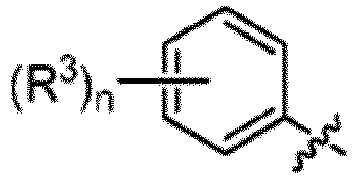
 ausgewählt aus Halogen, C1-C4-Alkyl, Hydroxyl,
 das durch die allgemeine Formel (II) dargestellte aromatische Vinyl- oder aromatische Ethylderivat die folgende Verbindung ausschließt:

- Aromatisches Vinyl- oder aromatisches Ethylderivat oder pharmazeutisch akzeptables Salz davon nach Anspruch 1, wobei,wenn der/die Substituent(en) in dem substituierten C1-C4-Alkyl in jedem von R1, R2 und jedem von R3, der/die Substituent(en) in dem substituierten C1-C4-Alkoxy in jedem von R1 und jedem von R3, der/die Substituent(en) in dem substituierten Alkylthio in jedem von R3 und der/die Substituent(en) in dem heteroaromatischen Ring Halogen ist/sind, das Halogen dann F, Cl, Br oder I ist;und/oder, wenn der/die Substituent(en) in dem substituierten C1-C4-Alkyl in jedem von R1, R2 und jedem von R3, der/die Substituent(en) in dem substituierten C1-C4-Alkoxy, der/die Substituent(en) in dem substituierten Alkylthio in jedem von R3, der/die Substituent(en) in dem heteroaromatischen Ring und der/die Substituent(en) in dem 5- bis 7-gliedrigen heterocarbozyklischen Ring C1-C4-Alkyl ist/sind, das C1-C4-Alkyl dann Methyl, Ethyl, n-Propyl, Isopropyl, n-Butyl, Isobutyl oder tert-Butyl ist;und/oder, wenn der/die Substituent(en) in dem substituierten C1-C4-Alkyl in jedem von R1, R2 und jedem von R3, der/die Substituent(en) in dem substituierten C1-C4-Alkoxy in jedem von R1 und jedem von R3, der/die Substituent(en) in dem substituierten Alkylthio in jedem von R3und der/die Substituent(en) in dem heteroaromatischen Ring
 und/oder, wenn der/die Substituent(en) in dem substituierten C1-C4-Alkyl in jedem von R1, R2 und jedem von R3, der/die Substituent(en) in dem substituierten C1-C4-Alkoxy in jedem von R1 und jedem von R3, der/die Substituent(en) in dem substituierten Alkylthio in jedem von R3 und der/die Substituent(en) in dem heteroaromatischen Ring
 und/oder, wenn der/die Substituent(en) in dem substituierten C1-C4-Alkyl in jedem von R1, R2 und jedem von R3, der/die Substituent(en) in dem substituierten C1-C4-Alkoxy in jedem von R1 und jedem von R3, der/die Substituent(en) in dem substituierten Alkylthio in jedem von R3 und der/die Substituent(en) in dem heteroaromatischen Ring
 und/oder, wenn der/die Substituent(en) in dem substituierten C1-C4-Alkyl in jedem von R1, R2 und jedem von R3, der/die Substituent(en) in dem substituierten C1-C4-Alkoxy in jedem von R1 und jedem von R3, der/die Substituent(en) in dem substituierten Alkylthio in jedem von R3 und der/die Substituent(en) in dem heteroaromatischen Ring
 und/oder, wenn der/die Substituent(en) in dem substituierten C1-C4-Alkyl in jedem von R1, R2 und jedem von R3, der/die Substituent(en) in dem substituierten C1-C4-Alkoxy in jedem von R1 und jedem von R3, der/die Substituent(en) in dem substituierten Alkylthio in jedem von R3 und der/die Substituent(en) in dem heteroaromatischen Ring


 und/oder, wenn der/die Substituent(en) in dem substituierten C1-C4-Alkyl in jedem von R1, R2 und jedem von R3, der/die Substituent(en) in dem substituierten C1-C4-Alkoxy in jedem von R1 und jedem von R3, der/die Substituent(en) in dem substituierten Alkylthio in jedem von R3 und der/die Substituent(en) in dem heteroaromatischen Ring
 und/oder, wenn der/die Substituent(en) in dem substituierten C1-C4-Alkyl in jedem von R1, R2 und jedem von R3, der/die Substituent(en) in dem substituierten C1-C4-Alkoxy in jedem von R1 und jedem von R3, der/die Substituent(en) in dem substituierten Alkylthio in jedem von R3 und der/die Substituent(en) in dem heteroaromatischen Ring
 und/oder, wenn der/die Substituent(en) in dem substituierten C1-C4-Alkyl in jedem von R1, R2 und jedem von R3, der/die Substituent(en) in dem substituierten C1-C4-Alkoxy, der/die Substituent(en) in dem substituierten Alkylthio in jedem von R3 und der/die Substituent(en) in dem heteroaromatischen Ring C1-C4-Alkoxy ist/sind, das C1-C4-Alkoxy dann Methoxy, Ethoxy, n-Propoxy, Isopropoxy, n-Butoxy, Isobutoxy oder tert-Butoxy ist;und/oder, wenn der/die Substituent(en) in dem substituierten C1-C4-Alkyl in jedem von R1, R2 und jedem von R3, der/die Substituent(en) in dem substituierten C1-C4-Alkoxy, der/die Substituent(en) in dem substituierten Alkylthio in jedem von R3 und der/die Substituent(en) in dem heteroaromatischen Ring C1-C4-Carboxyl ist/sind, das C1-C4-Carboxyl dann

 und/oder, wenn der/die Substituent(en) in dem substituierten C1-C4-Alkyl in jedem von R1, R2 und jedem von R3, der/die Substituent(en) in dem substituierten C1-C4-Alkoxy, der/die Substituent(en) in dem substituierten Alkylthio in jedem von R3 und der/die Substituent(en) in dem heteroaromatischen Ring eine C1-C4-Estergruppe ist/sind, die C1-C4-Estergruppe dann
 und/oder, wenn der/die Substituent(en) in dem substituierten C1-C4-Alkyl in jedem von R1, R2 und jedem von R3, der/die Substituent(en) in dem substituierten C1-C4-Alkoxy, der/die Substituent(en) in dem substituierten Alkylthio in jedem von R3 und der/die Substituent(en) in dem heteroaromatischen Ring eine C1-C4-Amidgruppe ist/sind, die C1-C4-Amidgruppe dann
- Aromatisches Vinyl- oder aromatisches Ethylderivat oder pharmazeutisch akzeptables Salz davon nach Anspruch 1 oder Anspruch 2, wobeiin jedem von R1, R2 und jedem von R3 das Halogen F, Cl, Br oder I ist;und/oder in jedem von R1, R2 und jedem von R3 das substituierte oder unsubstituierte C1-C4-Alkyl substituiertes oder unsubstituiertes Methyl, substituiertes oder unsubstituiertes Ethyl, substituiertes oder unsubstituiertes n-Propyl, substituiertes oder unsubstituiertes Isopropyl, substituiertes oder unsubstituiertes n-Butyl, substituiertes oder unsubstituiertes Isobutyl oder substituiertes oder unsubstituiertes tert-Butyl ist;und/oder in jedem von R1, R2 und jedem von R3 das substituierte oder unsubstituierte C1-C4-Alkoxy substituiertes oder unsubstituiertes Methoxy, substituiertes oder unsubstituiertes Ethoxy, substituiertes oder unsubstituiertes n-Propoxy, substituiertes oder unsubstituiertes Isopropoxy, substituiertes oder unsubstituiertes n-Butoxy, substituiertes oder unsubstituiertes Isobutoxy oder substituiertes oder unsubstituiertes tert-Butoxy ist;und/oder in jedem von R3 das substituierte oder unsubstituierte Alkylthio -S-Rs ist, wobei Rs substituiertes oder unsubstituiertes C1-C4-Alkyl ist; das substituierte oder unsubstituierte C1-C4-Alkyl substituiertes oder unsubstituiertes Methyl, substituiertes oder unsubstituiertes Ethyl, substituiertes oder unsubstituiertes n-Propyl, substituiertes oder unsubstituiertes Isopropyl, substituiertes oder unsubstituiertes n-Butyl, substituiertes oder unsubstituiertes Isobutyl oder substituiertes oder unsubstituiertes tert-Butyl ist;und/oder, wenn die zwei benachbarten R3 zusammen mit den zwei Kohlenstoffatomen, an denen sie hängen, einen 5- bis 7-gliedrigen heterocarbozyklischen Ring bilden, der 5- bis 7-gliedrige heterocarbozyklische Ring dann ein Ispiperazinring, Piperidinring, Pyrrolring, Morpholinring, Thiomorpholinring, 1,4-Dioxan, ein Pyranring, Dihydroimidazolring, Dihydroisoxazolring, Dihydroisothiazolring, Dihydrooxadiazolring, Dihydrooxazolring, Dihydropyrazinring, Dihydropyrazolring, Dihydropyridinring, Dihydropyrimidinring, Dihydropyrrolring, Dihydrotetrazolring, Dihydrothiadiazolring, Dihydrothiazolring, Dihydrotriazolring, Imidazolring, Pyrazolring, Pyrrolring, Furanring, Thiophenring, Isothiazolring, Oxazolring, Oxadiazolring, Isoxazolring, Pyrazinring, Pyridazinring, Pyridinring, Pyrimidinring, Tetrazolring, Thiadiazolring, Thiazolring, Thiophenring oder Triazolring ist;und/oder, wenn

- Aromatisches Vinyl- oder aromatisches Ethylderivat oder pharmazeutisch akzeptables Salz davon nach mindestens einem der Ansprüche 1 bis 3, wobeijeder von R1 unabhängig Halogen oder substituiertes oder unsubstituiertes C1-C4-Alkyl ist; oder zwei benachbarte R1 zusammen mit den zwei Kohlenstoffatomen, an denen sie hängen, einen 5- bis 7-gliedrigen heterocarbozyklischen Ring bilden;und/oder jeder von R3 unabhängig Halogen, Alkylthio oder C1-C4-Alkoxy ist; oder zwei benachbarte R1 zusammen mit den zwei Kohlenstoffatomen, an denen sie hängen, einen 5- bis 7-gliedrigen heterocarbozyklischen Ring bilden; wenn zwei R3 benachbart sind und die zwei benachbarten R3 zusammen mit den zwei Kohlenstoffatomen, an denen sie hängen, den 5- bis 7-gliedrigen carbozyklischen Ring oder heterocarbozyklischen Ring bilden, der carbozyklische Ring oder heterocarbozyklische Ring dann ferner mit einem oder mehr als einem C1-C4-Alkyl substituiert sein kann;und/oder n 0, 1, 2 oder 3 ist;und/oder m11 oder 2 ist; m1 vorzugsweise 1 ist;und/oder

- Aromatisches Vinyl- oder aromatisches Ethylderivat oder pharmazeutisch akzeptables Salz davon nach Anspruch 4, wobei,wenn R1 substituiertes C1-C4-Alkyl ist, der/die Substituent(en) in dem substituiertes C1-C4-Alkyl einer oder mehrere, ausgewählt aus Halogen und
 und/oder, wenn n 1 ist, R3 Halogen, Alkylthio oder C1-C4-Alkoxy ist; und sich R3 in einer ortho-, meta- oder para-Position des Phenyls befindet;und/oder, wenn n 2 ist, sich die beiden R3 dann in ortho- und meta-Positionen des Phenyls befinden und die zwei R3 gleich oder verschieden sind; oder zwei R3 benachbart sind und die zwei benachbarten R3 zusammen mit den zwei Kohlenstoffatomen, an denen sie hängen, einen 5- bis 7-gliedrigen heterocarbozyklischen Ring bilden; wenn zwei R3 benachbart sind und die zwei benachbarten R3 zusammen mit den zwei Kohlenstoffatomen, an denen sie hängen, einen 5- bis 7-gliedrigen carbozyklischen Ring oder heterocarbozyklischen Ring bilden, der carbozyklische Ring oder heterocarbozyklische Ring dann ferner mit einem oder mehr als einem C1-C4-Alkyl substituiert sein kann; der 5- bis 7-gliedrige heterocarbozyklische Ring vorzugsweise 2,3-Dihydro-1,4-dioxan, ein Oxazolring, Isoxazolring oder Pyrazolring ist;und/oder, wenn n 3 ist, zwei von R3 dann benachbart sind und die zwei benachbarten R3 zusammen mit den zwei Kohlenstoffatomen, an denen sie hängen, einen 5- bis 7-gliedrigen heterocarbozyklischen Ring bilden; wenn zwei R3 benachbart sind und die zwei benachbarten R3 zusammen mit den zwei Kohlenstoffatomen, an denen sie hängen, einen 5- bis 7-gliedrigen carbozyklischen Ring oder heterocarbozyklischen Ring bilden, der carbozyklische Ring oder heterocarbozyklische Ring dann ferner mit einem oder mehr als einem C1-C4-Alkyl substituiert sein kann; der 5- bis 7-gliedrige heterocarbozyklische Ring vorzugsweise 2,3-Dihydro-1,4-dioxan, ein Oxazolring, Isoxazolring oder Pyrazolring ist;und/oder, wenn m1 1 ist, sich R1 dann in der ortho-Position des Phenyls befindet; der sich in der ortho-Position des Phenyls befindliche R1 C1-C4-Alkyl oder mit Halogen substituiertes C1-C4-Alkyl ist;und/oder, wenn m1 2 ist, zwei von R1 dann benachbart sind und die zwei benachbarten R1 zusammen mit den zwei Kohlenstoffatomen, an denen sie hängen, einen 5- bis 7-gliedrigen heterocarbozyklischen Ring bildenund/oder, wenn
- Aromatisches Vinyl- oder aromatisches Ethylderivat oder pharmazeutisch akzeptables Salz davon nach Anspruch 5, wobeidas in der ortho-Position des Phenyls befindliche R1 C1-4-Alkyl oder C1-4-Alkyl, das mit einem oder mehreren Halogenen wie zum Beispiel Trifluormethyl substituiert ist, ist;und/oder das mit


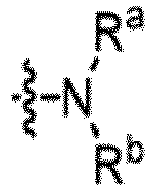
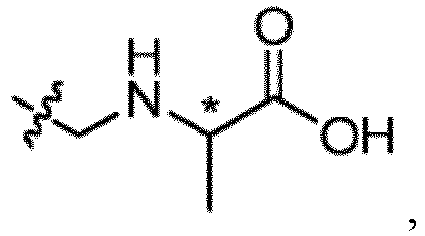
 der mit * gekennzeichnete Kohlenstoff ein chiraler Kohlenstoff mit S-Konfiguration, ein chiraler Kohlenstoff mit R-Konfiguration oder ein achiraler Kohlenstoff ist;

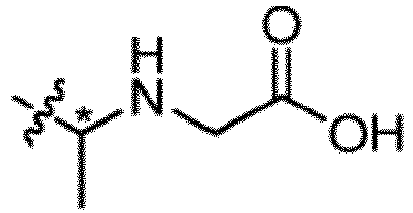


- Aromatisches Vinyl- oder aromatisches Ethylderivat oder pharmazeutisch akzeptables Salz davon nach mindestens einem der Ansprüche 1 bis 6, wobeijeder von R1 unabhängig H oder substituiertes oder unsubstituiertes C1-C4-Alkyl ist; oder zwei benachbarte R1 zusammen mit den zwei Kohlenstoffatomen, an denen sie hängen, einen 5- bis 7-gliedrigen heterocarbozyklischen Ring bilden; der/die Substituent(en) in dem substituierten C1-C4-Alkyl einer oder mehrere, ausgewählt aus Halogen und
 Ra und Rb unabhängig Wasserstoff oder substituiertes oder unsubstituiertes C1-C4-Alkyl sind; in Ra oder Rb der/die Substituent(en) in dem substituierten C1-C4-Alkyl einer oder mehrere, ausgewählt aus Hydroxyl und C1-C4-Carboxyl, ist/sind;R2 C1-C4-Alkyl oder Halogen ist;jeder von R3 unabhängig H, Halogen, Alkylthio oder C1-C4-Alkoxy ist; oder zwei benachbarte R3 zusammen mit den zwei Kohlenstoffatomen, an denen sie hängen, einen 5- bis 7-gliedrigen heterocarbozyklischen Ring bilden;n 0, 1, 2 oder 3 ist; wenn n 1 ist, R3 dann Halogen, Alkylthio oder C1-C4-Alkoxy ist; und sich R3 in der ortho-, meta- oder para-Position des Phenyls befindet; wenn n 2 ist, sich die zwei R3 dann in ortho- und meta-Positionen des Phenyls befinden, wobei die zwei R3 gleich oder verschieden sind; oder zwei R3 benachbart sind und die zwei benachbarten R3 zusammen mit den zwei Kohlenstoffatomen, an denen sie hängen, einen 5- bis 7-gliedrigen heterocarbozyklischen Ring bilden; wenn n 3 ist, einer von R3 dann Halogen ist, die anderen zwei R3 benachbart sind und die zwei benachbarten R3 zusammen mit den zwei Kohlenstoffatomen, an denen sie hängen, einen 5- bis 7-gliedrigen carbozyklischen Ring oder heterocarbozyklischen Ring bilden; wenn zwei R3 benachbart sind und die zwei benachbarten R3 zusammen mit den zwei Kohlenstoffatomen, an denen sie hängen, einen 5- bis 7-gliedrigen carbozyklischen Ring oder heterocarbozyklischen Ring bilden, der carbozyklische Ring oder heterocarbozyklische Ring dann ferner mit einem oder mehr als einem C1-C4-Alkyl substituiert ist;m1 1 oder 2 ist; wenn m1 1 ist, sich R1 dann in der ortho-Position des Phenyls befindet, der sich in der ortho-Position des Phenyls befindliche R1 C1-C4-Alkyl oder mit Halogen substituiertes C1-C4-Alkyl ist; wenn m1 2 ist, zwei von R1 dann benachbart sind und die zwei benachbarten R1 zusammen mit den zwei Kohlenstoffatomen, an denen sie hängen, einen 5-bis 7-gliedrigen heterocarbozyklischen Ring bilden;und
 wahlweise in dem durch die allgemeine Formel (II) dargestellten aromatischen Vinyl- oder aromatischen Ethylderivat oder pharmazeutisch akzeptablen Salz davon


- Aromatisches Vinyl- oder aromatisches Ethylderivat oder pharmazeutisch akzeptables Salz davon nach mindestens einem der Ansprüche 1 bis 7, wobei das durch die allgemeine Formel (II) dargestellte aromatische Vinyl- oder aromatische Ethylderivat Folgendes ist:








- Verfahren zur Herstellung eines durch die allgemeine Formel (II) dargestellten aromatischen Vinyl- oder aromatischen Ethylderivats gemäß Anspruch 1, das den folgenden Schritt umfasst:
Durchführen einer reduktiven Aminierungsreaktion der Verbindung (I-a) mit

- Verfahren nach Anspruch 9, wobei das Verfahren zur Herstellung der Verbindung (I-a) den folgenden Schritt umfasst: in einem Lösemittel in Gegenwart eines Palladiumkatalysators Durchführen einer Kopplungsreaktion der Verbindung (II-b) mit


- Verbindung, dargestellt durch die Formel (I-a):



- Verbindung, dargestellt durch die Formel (I-a), nach Anspruch 11, die Folgendes ist:


- Aromatisches Vinyl- oder aromatisches Ethylderivat oder pharmazeutisch akzeptables Salz davon nach mindestens einem der Ansprüche 1 bis 8 zur Verwendung als PD-1-Inhibitoren und/oder PD-L1-Inhibitoren oder zur Verwendung bei der Prävention, Linderung oder Behandlung von Krebs, Infektionen, Autoimmunerkrankungen oder damit zusammenhängenden Erkrankungen; der Krebs ist vorzugsweise einer oder mehrere, ausgewählt aus Lungenkrebs, Speiseröhrenkrebs, Magenkrebs, Darmkrebs, Leberkrebs Nasenrachenkrebs, Gehirntumor, Brustkrebs, Gebärmutterhalskrebs, Blutkrebs und Knochenkrebs.
- Pharmazeutische Zusammensetzung, die eine therapeutisch und/oder prophylaktisch wirksame Menge des aromatischen Vinyl- oder aromatischen Ethylderivats oder des pharmazeutisch akzeptablen Salzes davon nach mindestens einem der Ansprüche 1 bis 8 umfasst, und pharmazeutisch akzeptabler Träger und/oder Verdünner.
Applications Claiming Priority (2)
| Application Number | Priority Date | Filing Date | Title |
|---|---|---|---|
| CN201711486872 | 2017-12-29 | ||
| PCT/CN2018/123066 WO2019128918A1 (zh) | 2017-12-29 | 2018-12-24 | 芳香乙烯或芳香乙基类衍生物、其制备方法、中间体、药物组合物及应用 |
Publications (4)
| Publication Number | Publication Date |
|---|---|
| EP3733659A1 EP3733659A1 (de) | 2020-11-04 |
| EP3733659A4 EP3733659A4 (de) | 2021-10-27 |
| EP3733659C0 EP3733659C0 (de) | 2023-12-20 |
| EP3733659B1 true EP3733659B1 (de) | 2023-12-20 |
Family
ID=67066567
Family Applications (1)
| Application Number | Title | Priority Date | Filing Date |
|---|---|---|---|
| EP18895140.4A Active EP3733659B1 (de) | 2017-12-29 | 2018-12-24 | Aromatisches vinyl- oder aromatisches ethylderivat, herstellungsverfahren dafür, zwischenprodukt, pharmazeutische zusammensetzung und anwendung |
Country Status (9)
| Country | Link |
|---|---|
| US (2) | US11384048B2 (de) |
| EP (1) | EP3733659B1 (de) |
| JP (1) | JP7293560B2 (de) |
| KR (1) | KR102666727B1 (de) |
| CN (1) | CN109988144B (de) |
| AU (1) | AU2018398887B2 (de) |
| SG (1) | SG11202005962YA (de) |
| TW (1) | TWI853806B (de) |
| WO (1) | WO2019128918A1 (de) |
Families Citing this family (25)
| Publication number | Priority date | Publication date | Assignee | Title |
|---|---|---|---|---|
| KR102401963B1 (ko) | 2016-06-27 | 2022-05-25 | 케모센트릭스, 인크. | 면역조절제 화합물 |
| BR102018007822A2 (pt) | 2017-04-20 | 2018-11-06 | Gilead Sciences, Inc. | composto, métodos para inibir pd-1, pd-l1 e/ou interação de pd-1/pd-l1 e para tratamento de câncer, composição farmacêutica, e, kit para tratamento de ou prevenção de câncer ou uma doença ou condição |
| MA49701A (fr) | 2017-07-28 | 2020-06-03 | Chemocentryx Inc | Composés immunomodulateurs |
| CN111225665B (zh) | 2017-08-08 | 2023-12-08 | 凯莫森特里克斯股份有限公司 | 大环免疫调节剂 |
| KR102708681B1 (ko) | 2018-02-13 | 2024-09-26 | 길리애드 사이언시즈, 인코포레이티드 | Pd-1/pd-l1 억제제 |
| US10568874B2 (en) | 2018-02-22 | 2020-02-25 | Chemocentryx, Inc. | Indane-amines as PD-L1 antagonists |
| EP4600247A3 (de) | 2018-04-19 | 2025-11-19 | Gilead Sciences, Inc. | Pd-1/pd-l1-inhibitoren |
| UA126421C2 (uk) | 2018-07-13 | 2022-09-28 | Гіліад Сайєнсіз, Інк. | Інгібітори pd-1/pd-l1 |
| US11236085B2 (en) | 2018-10-24 | 2022-02-01 | Gilead Sciences, Inc. | PD-1/PD-L1 inhibitors |
| AU2020246317A1 (en) * | 2019-03-22 | 2021-11-18 | Guangzhou Maxinovel Pharmaceuticals Co., Ltd | Small-molecule inhibitor of PD-1/PD-L1, pharmaceutical composition thereof with PD-L1 antibody, and application of same |
| US11266643B2 (en) | 2019-05-15 | 2022-03-08 | Chemocentryx, Inc. | Triaryl compounds for treatment of PD-L1 diseases |
| EP3986392A4 (de) | 2019-06-20 | 2023-07-12 | ChemoCentryx, Inc. | Verbindungen zur behandlung von pd-l1-erkrankungen |
| US11872217B2 (en) | 2019-07-10 | 2024-01-16 | Chemocentryx, Inc. | Indanes as PD-L1 inhibitors |
| WO2021052386A1 (en) * | 2019-09-17 | 2021-03-25 | Guangzhou Maxinovel Pharmaceuticals Co., Ltd. | Combination of small molecule inhibitor of the pd-1/pd-l1 interaction and anti-pd-1 antibody for treating cancer |
| CN112587666A (zh) * | 2019-09-17 | 2021-04-02 | 广州再极医药科技有限公司 | 用于治疗癌症的pd-1/pd-l1相互作用的小分子抑制剂和抗pd-1抗体的组合 |
| US11713307B2 (en) | 2019-10-16 | 2023-08-01 | Chemocentryx, Inc. | Heteroaryl-biphenyl amides for the treatment of PD-L1 diseases |
| CR20220216A (es) | 2019-10-16 | 2023-01-09 | Chemocentryx Inc | Aminas de heteroaril-bifenilo para el tratamiento de enfermedades pd-l1 |
| EP4122909A4 (de) * | 2020-03-17 | 2024-04-24 | Guangzhou Maxinovel Pharmaceuticals Co., Ltd. | Kristalline form von aromatischen vinylderivaten und herstellungsverfahren dafür und verwendung davon |
| CN114230512B (zh) * | 2020-09-09 | 2025-11-11 | 北京再极医药科技有限公司 | 芳香乙烯类化合物、其制备方法、中间体、药物组合物及其应用 |
| EP4212511A4 (de) * | 2020-09-09 | 2024-12-18 | Guangzhou Maxinovel Pharmaceuticals Co., Ltd. | Aromatische ethylenverbindung und herstellungsverfahren dafür sowie zwischenprodukt, pharmazeutische zusammensetzung und anwendung davon |
| CN114507227B (zh) * | 2020-11-17 | 2024-06-21 | 中国医学科学院药物研究所 | 苯并异噻唑类化合物、及其制法和药物组合物与用途 |
| CN112724148B (zh) * | 2020-12-29 | 2022-04-12 | 上海药明康德新药开发有限公司 | 一种咪唑并哒嗪类化合物及修饰后的双亲功能分子及其应用 |
| KR20240128050A (ko) * | 2021-12-24 | 2024-08-23 | 상하이 맥시노벨 파마수티컬스 씨오., 엘티디. | 방향족 비닐 화합물, 이의 금속 착물 및 이의 제조 방법과 용도 |
| JP2024052082A (ja) * | 2022-09-30 | 2024-04-11 | 静岡県 | Pd-1及び/又はpd-l1の結合剤 |
| EP4736876A1 (de) * | 2023-06-29 | 2026-05-06 | Beijing Maxinovel Pharmaceuticals Co., Ltd. | Arzneimittelkombination mit einem pd-l1-kleinmolekülinhibitor und verwendung davon |
Family Cites Families (22)
| Publication number | Priority date | Publication date | Assignee | Title |
|---|---|---|---|---|
| GB9615628D0 (en) | 1996-07-25 | 1996-09-04 | Smithkline Beecham Plc | Formulation |
| AR008789A1 (es) | 1996-07-31 | 2000-02-23 | Bayer Corp | Piridinas y bifenilos substituidos |
| JPH10195063A (ja) | 1996-10-21 | 1998-07-28 | Dai Ichi Seiyaku Co Ltd | エチニルチアゾール誘導体 |
| DE19741400A1 (de) | 1997-09-19 | 1999-03-25 | Bayer Ag | Benzyl-biphenyle |
| CO5160333A1 (es) | 1999-06-21 | 2002-05-30 | Novartis Ag | Derivados de tetrazina pesticidamente activos y composicion que los contine |
| YU54202A (sh) | 2000-01-18 | 2006-01-16 | Agouron Pharmaceuticals Inc. | Jedinjenja indazola, farmaceutske smeše i postupci za stimulisanje i inhibiranje ćelijske proliferacije |
| ATE293962T1 (de) | 2000-02-25 | 2005-05-15 | Hoffmann La Roche | Adenosin-rezeptor modulatoren |
| EP1532120B1 (de) | 2002-08-13 | 2009-01-14 | MERCK SHARP & DOHME LTD. | Phenylpyridazin derivative als liganden für gaba-rezeptoren |
| AU2008326381B2 (en) | 2007-11-21 | 2014-10-23 | Decode Genetics Ehf | Biaryl PDE4 inhibitors for treating inflammation |
| CN101712604A (zh) | 2008-10-08 | 2010-05-26 | 中南大学 | 垫状卷柏提取物、提取方法及用途 |
| US8338441B2 (en) | 2009-05-15 | 2012-12-25 | Gilead Sciences, Inc. | Inhibitors of human immunodeficiency virus replication |
| FR2951172B1 (fr) | 2009-10-13 | 2014-09-26 | Pf Medicament | Derives pyrazolopyridines en tant qu'agent anticancereux |
| US9096642B2 (en) | 2011-06-08 | 2015-08-04 | Aurigene Discovery Technologies Limited | Therapeutic compounds for immunomodulation |
| TW201441197A (zh) | 2013-01-31 | 2014-11-01 | Shionogi & Co | Hiv複製抑制劑 |
| ES2642074T3 (es) * | 2013-09-04 | 2017-11-15 | Bristol-Myers Squibb Company | Compuestos útiles como inmunomoduladores |
| EP3385257A1 (de) | 2013-09-06 | 2018-10-10 | Aurigene Discovery Technologies Limited | 1,3,4-oxadiazol- und 1,3,4-thiadiazolderivate als immunmodulatoren |
| CN105814028B (zh) | 2013-09-06 | 2018-02-16 | 奥瑞基尼探索技术有限公司 | 作为免疫调节剂的1,2,4‑*二唑衍生物 |
| WO2015036927A1 (en) | 2013-09-10 | 2015-03-19 | Aurigene Discovery Technologies Limited | Immunomodulating peptidomimetic derivatives |
| WO2015044900A1 (en) | 2013-09-27 | 2015-04-02 | Aurigene Discovery Technologies Limited | Therapeutic immunomodulating compounds |
| US9850225B2 (en) * | 2014-04-14 | 2017-12-26 | Bristol-Myers Squibb Company | Compounds useful as immunomodulators |
| US10745382B2 (en) * | 2015-10-15 | 2020-08-18 | Bristol-Myers Squibb Company | Compounds useful as immunomodulators |
| EP3483142B1 (de) * | 2016-07-05 | 2025-10-15 | Beijing Maxinovel Pharmaceuticals Co., Ltd. | Aromatische acetylen- oder ethylenverbindung, zwischenprodukt, herstellungsverfahren, pharmazeutische zusammensetzung und verwendung davon |
-
2018
- 2018-12-24 EP EP18895140.4A patent/EP3733659B1/de active Active
- 2018-12-24 US US16/958,588 patent/US11384048B2/en active Active
- 2018-12-24 SG SG11202005962YA patent/SG11202005962YA/en unknown
- 2018-12-24 KR KR1020207022083A patent/KR102666727B1/ko active Active
- 2018-12-24 JP JP2020536569A patent/JP7293560B2/ja active Active
- 2018-12-24 WO PCT/CN2018/123066 patent/WO2019128918A1/zh not_active Ceased
- 2018-12-24 CN CN201811583204.7A patent/CN109988144B/zh active Active
- 2018-12-24 AU AU2018398887A patent/AU2018398887B2/en active Active
-
2019
- 2019-03-27 TW TW108110748A patent/TWI853806B/zh active
-
2022
- 2022-06-10 US US17/837,876 patent/US20220315525A1/en not_active Abandoned
Also Published As
| Publication number | Publication date |
|---|---|
| TWI853806B (zh) | 2024-09-01 |
| KR102666727B1 (ko) | 2024-05-21 |
| EP3733659A1 (de) | 2020-11-04 |
| US11384048B2 (en) | 2022-07-12 |
| EP3733659C0 (de) | 2023-12-20 |
| JP7293560B2 (ja) | 2023-06-20 |
| JP2021508722A (ja) | 2021-03-11 |
| EP3733659A4 (de) | 2021-10-27 |
| TW202026271A (zh) | 2020-07-16 |
| AU2018398887B2 (en) | 2024-03-14 |
| US20210061755A1 (en) | 2021-03-04 |
| KR20200105878A (ko) | 2020-09-09 |
| CN109988144A (zh) | 2019-07-09 |
| US20220315525A1 (en) | 2022-10-06 |
| SG11202005962YA (en) | 2020-07-29 |
| CN109988144B (zh) | 2024-07-05 |
| WO2019128918A1 (zh) | 2019-07-04 |
| AU2018398887A1 (en) | 2020-08-20 |
Similar Documents
| Publication | Publication Date | Title |
|---|---|---|
| EP3733659A1 (de) | Aromatisches vinyl- oder aromatisches ethylderivat, herstellungsverfahren dafür, zwischenprodukt, pharmazeutische zusammensetzung und anwendung | |
| TWI833829B (zh) | 聯苯類化合物,其中間體,製備方法,藥物組合物及應用 | |
| EP3943083A1 (de) | Kleinmoleküliger inhibitor von pd-1/pd-l1, pharmazeutische zusammensetzung daraus mit pd-l1-antikörper und anwendung davon | |
| EP1963329B1 (de) | Inhibitoren von c-met und anwendungen davon | |
| TWI675026B (zh) | 稠環衍生物、其製備方法、中間體、藥物組合物及應用 | |
| EP3838898B1 (de) | Isoindolin-1-on-derivat, verfahren zu dessen herstellung und dieses enthaltende pharmazeutische zusammensetzung zur vorbeugung oder behandlung von krebs | |
| EP3287463A1 (de) | Pyrimidylaminoderivat mit kondensiertem ring, herstellungsverfahren dafür und zwischenprodukt, pharmazeutische zusammensetzung sowie anwendungen davon | |
| CN105254635A (zh) | 一类咪唑并吡嗪类化合物及其药物组合物和用途 | |
| EP3749671B1 (de) | [1,2,4]triazolo[4,3-a]pyrazin-8-on-derivate | |
| HK40035588B (en) | Aromatic vinyl or aromatic ethyl derivative, preparation method therefor, intermediate, pharmaceutical composition, and application | |
| HK40035588A (en) | Aromatic vinyl or aromatic ethyl derivative, preparation method therefor, intermediate, pharmaceutical composition, and application | |
| WO2004046123A1 (en) | Benzoxazole, benzthiazole and benzimidazole derivatives useful as heparanase inhibitors | |
| HK40062005A (en) | Small-molecule inhibitor of pd-1/pd-l1, pharmaceutical composition thereof with pd-l1 antibody, and application of same | |
| EP4592302A1 (de) | Kleinmolekülige verbindung mit phosphorylierter arylstruktur und verwendung davon | |
| KR20190109007A (ko) | TGase 2 억제제로서의 퀴놀린-5,8-디온 유도체 및 이를 포함하는 약제학적 조성물 | |
| HK40052029A (en) | Diphenyl-like compound, intermediate thereof, preparation method therefor, pharmaceutical composition thereof and uses thereof | |
| TW202613091A (zh) | 乳酸脫氫酶抑制劑、包含該抑制劑的組合物及其使用方法 | |
| CN120097860A (zh) | 增殖细胞核抗原抑制剂、其制备方法、其中间体、其药物组合物和用途 | |
| JP2022549678A (ja) | 複素環誘導体及びその使用 | |
| HK40042879A (en) | [1,2,4]triazolo[4,3-a]pyrazin-8-one derivatives |
Legal Events
| Date | Code | Title | Description |
|---|---|---|---|
| STAA | Information on the status of an ep patent application or granted ep patent |
Free format text: STATUS: THE INTERNATIONAL PUBLICATION HAS BEEN MADE |
|
| PUAI | Public reference made under article 153(3) epc to a published international application that has entered the european phase |
Free format text: ORIGINAL CODE: 0009012 |
|
| STAA | Information on the status of an ep patent application or granted ep patent |
Free format text: STATUS: REQUEST FOR EXAMINATION WAS MADE |
|
| 17P | Request for examination filed |
Effective date: 20200728 |
|
| AK | Designated contracting states |
Kind code of ref document: A1 Designated state(s): AL AT BE BG CH CY CZ DE DK EE ES FI FR GB GR HR HU IE IS IT LI LT LU LV MC MK MT NL NO PL PT RO RS SE SI SK SM TR |
|
| AX | Request for extension of the european patent |
Extension state: BA ME |
|
| DAV | Request for validation of the european patent (deleted) | ||
| DAX | Request for extension of the european patent (deleted) | ||
| REG | Reference to a national code |
Ref country code: HK Ref legal event code: DE Ref document number: 40035588 Country of ref document: HK |
|
| A4 | Supplementary search report drawn up and despatched |
Effective date: 20210929 |
|
| RIC1 | Information provided on ipc code assigned before grant |
Ipc: C07C 47/575 20060101ALI20211004BHEP Ipc: C07C 47/55 20060101ALI20211004BHEP Ipc: C07C 47/548 20060101ALI20211004BHEP Ipc: A61P 37/00 20060101ALI20211004BHEP Ipc: A61P 35/02 20060101ALI20211004BHEP Ipc: A61P 31/00 20060101ALI20211004BHEP Ipc: A61K 31/4985 20060101ALI20211004BHEP Ipc: A61K 31/4965 20060101ALI20211004BHEP Ipc: A61K 31/4406 20060101ALI20211004BHEP Ipc: A61K 31/416 20060101ALI20211004BHEP Ipc: A61K 31/36 20060101ALI20211004BHEP Ipc: A61K 31/198 20060101ALI20211004BHEP Ipc: A61K 31/11 20060101ALI20211004BHEP Ipc: A61P 35/00 20060101ALI20211004BHEP Ipc: A61K 31/40 20060101ALI20211004BHEP Ipc: C07C 229/14 20060101ALI20211004BHEP Ipc: C07D 213/24 20060101ALI20211004BHEP Ipc: C07D 231/56 20060101ALI20211004BHEP Ipc: C07D 235/02 20060101ALI20211004BHEP Ipc: C07D 241/12 20060101ALI20211004BHEP Ipc: C07D 319/18 20060101AFI20211004BHEP |
|
| RIC1 | Information provided on ipc code assigned before grant |
Ipc: C07D 263/56 20060101ALI20230601BHEP Ipc: C07D 261/20 20060101ALI20230601BHEP Ipc: C07D 213/38 20060101ALI20230601BHEP Ipc: C07C 323/22 20060101ALI20230601BHEP Ipc: C07C 229/22 20060101ALI20230601BHEP Ipc: C07C 47/575 20060101ALI20230601BHEP Ipc: C07C 47/55 20060101ALI20230601BHEP Ipc: C07C 47/548 20060101ALI20230601BHEP Ipc: A61P 37/00 20060101ALI20230601BHEP Ipc: A61P 35/02 20060101ALI20230601BHEP Ipc: A61P 31/00 20060101ALI20230601BHEP Ipc: A61K 31/4406 20060101ALI20230601BHEP Ipc: A61K 31/416 20060101ALI20230601BHEP Ipc: A61P 35/00 20060101ALI20230601BHEP Ipc: C07C 229/14 20060101ALI20230601BHEP Ipc: C07D 213/24 20060101ALI20230601BHEP Ipc: C07D 231/56 20060101ALI20230601BHEP Ipc: C07D 235/02 20060101ALI20230601BHEP Ipc: C07D 241/12 20060101ALI20230601BHEP Ipc: C07D 319/18 20060101AFI20230601BHEP |
|
| GRAP | Despatch of communication of intention to grant a patent |
Free format text: ORIGINAL CODE: EPIDOSNIGR1 |
|
| STAA | Information on the status of an ep patent application or granted ep patent |
Free format text: STATUS: GRANT OF PATENT IS INTENDED |
|
| INTG | Intention to grant announced |
Effective date: 20230719 |
|
| GRAS | Grant fee paid |
Free format text: ORIGINAL CODE: EPIDOSNIGR3 |
|
| GRAA | (expected) grant |
Free format text: ORIGINAL CODE: 0009210 |
|
| STAA | Information on the status of an ep patent application or granted ep patent |
Free format text: STATUS: THE PATENT HAS BEEN GRANTED |
|
| AK | Designated contracting states |
Kind code of ref document: B1 Designated state(s): AL AT BE BG CH CY CZ DE DK EE ES FI FR GB GR HR HU IE IS IT LI LT LU LV MC MK MT NL NO PL PT RO RS SE SI SK SM TR |
|
| REG | Reference to a national code |
Ref country code: GB Ref legal event code: FG4D |
|
| REG | Reference to a national code |
Ref country code: CH Ref legal event code: EP |
|
| REG | Reference to a national code |
Ref country code: DE Ref legal event code: R096 Ref document number: 602018063058 Country of ref document: DE |
|
| REG | Reference to a national code |
Ref country code: IE Ref legal event code: FG4D |
|
| U01 | Request for unitary effect filed |
Effective date: 20240116 |
|
| U07 | Unitary effect registered |
Designated state(s): AT BE BG DE DK EE FI FR IT LT LU LV MT NL PT SE SI Effective date: 20240125 |
|
| U20 | Renewal fee for the european patent with unitary effect paid |
Year of fee payment: 6 Effective date: 20240222 |
|
| PG25 | Lapsed in a contracting state [announced via postgrant information from national office to epo] |
Ref country code: GR Free format text: LAPSE BECAUSE OF FAILURE TO SUBMIT A TRANSLATION OF THE DESCRIPTION OR TO PAY THE FEE WITHIN THE PRESCRIBED TIME-LIMIT Effective date: 20240321 |
|
| PG25 | Lapsed in a contracting state [announced via postgrant information from national office to epo] |
Ref country code: ES Free format text: LAPSE BECAUSE OF FAILURE TO SUBMIT A TRANSLATION OF THE DESCRIPTION OR TO PAY THE FEE WITHIN THE PRESCRIBED TIME-LIMIT Effective date: 20231220 |
|
| PG25 | Lapsed in a contracting state [announced via postgrant information from national office to epo] |
Ref country code: GR Free format text: LAPSE BECAUSE OF FAILURE TO SUBMIT A TRANSLATION OF THE DESCRIPTION OR TO PAY THE FEE WITHIN THE PRESCRIBED TIME-LIMIT Effective date: 20240321 Ref country code: ES Free format text: LAPSE BECAUSE OF FAILURE TO SUBMIT A TRANSLATION OF THE DESCRIPTION OR TO PAY THE FEE WITHIN THE PRESCRIBED TIME-LIMIT Effective date: 20231220 |
|
| PG25 | Lapsed in a contracting state [announced via postgrant information from national office to epo] |
Ref country code: RS Free format text: LAPSE BECAUSE OF FAILURE TO SUBMIT A TRANSLATION OF THE DESCRIPTION OR TO PAY THE FEE WITHIN THE PRESCRIBED TIME-LIMIT Effective date: 20231220 Ref country code: NO Free format text: LAPSE BECAUSE OF FAILURE TO SUBMIT A TRANSLATION OF THE DESCRIPTION OR TO PAY THE FEE WITHIN THE PRESCRIBED TIME-LIMIT Effective date: 20240320 Ref country code: HR Free format text: LAPSE BECAUSE OF FAILURE TO SUBMIT A TRANSLATION OF THE DESCRIPTION OR TO PAY THE FEE WITHIN THE PRESCRIBED TIME-LIMIT Effective date: 20231220 |
|
| PG25 | Lapsed in a contracting state [announced via postgrant information from national office to epo] |
Ref country code: IS Free format text: LAPSE BECAUSE OF FAILURE TO SUBMIT A TRANSLATION OF THE DESCRIPTION OR TO PAY THE FEE WITHIN THE PRESCRIBED TIME-LIMIT Effective date: 20240420 |
|
| PG25 | Lapsed in a contracting state [announced via postgrant information from national office to epo] |
Ref country code: CZ Free format text: LAPSE BECAUSE OF FAILURE TO SUBMIT A TRANSLATION OF THE DESCRIPTION OR TO PAY THE FEE WITHIN THE PRESCRIBED TIME-LIMIT Effective date: 20231220 |
|
| PG25 | Lapsed in a contracting state [announced via postgrant information from national office to epo] |
Ref country code: SK Free format text: LAPSE BECAUSE OF FAILURE TO SUBMIT A TRANSLATION OF THE DESCRIPTION OR TO PAY THE FEE WITHIN THE PRESCRIBED TIME-LIMIT Effective date: 20231220 |
|
| PG25 | Lapsed in a contracting state [announced via postgrant information from national office to epo] |
Ref country code: SM Free format text: LAPSE BECAUSE OF FAILURE TO SUBMIT A TRANSLATION OF THE DESCRIPTION OR TO PAY THE FEE WITHIN THE PRESCRIBED TIME-LIMIT Effective date: 20231220 Ref country code: SK Free format text: LAPSE BECAUSE OF FAILURE TO SUBMIT A TRANSLATION OF THE DESCRIPTION OR TO PAY THE FEE WITHIN THE PRESCRIBED TIME-LIMIT Effective date: 20231220 Ref country code: RO Free format text: LAPSE BECAUSE OF FAILURE TO SUBMIT A TRANSLATION OF THE DESCRIPTION OR TO PAY THE FEE WITHIN THE PRESCRIBED TIME-LIMIT Effective date: 20231220 Ref country code: IS Free format text: LAPSE BECAUSE OF FAILURE TO SUBMIT A TRANSLATION OF THE DESCRIPTION OR TO PAY THE FEE WITHIN THE PRESCRIBED TIME-LIMIT Effective date: 20240420 Ref country code: CZ Free format text: LAPSE BECAUSE OF FAILURE TO SUBMIT A TRANSLATION OF THE DESCRIPTION OR TO PAY THE FEE WITHIN THE PRESCRIBED TIME-LIMIT Effective date: 20231220 |
|
| PG25 | Lapsed in a contracting state [announced via postgrant information from national office to epo] |
Ref country code: PL Free format text: LAPSE BECAUSE OF FAILURE TO SUBMIT A TRANSLATION OF THE DESCRIPTION OR TO PAY THE FEE WITHIN THE PRESCRIBED TIME-LIMIT Effective date: 20231220 |
|
| PG25 | Lapsed in a contracting state [announced via postgrant information from national office to epo] |
Ref country code: PL Free format text: LAPSE BECAUSE OF FAILURE TO SUBMIT A TRANSLATION OF THE DESCRIPTION OR TO PAY THE FEE WITHIN THE PRESCRIBED TIME-LIMIT Effective date: 20231220 |
|
| REG | Reference to a national code |
Ref country code: DE Ref legal event code: R097 Ref document number: 602018063058 Country of ref document: DE |
|
| PG25 | Lapsed in a contracting state [announced via postgrant information from national office to epo] |
Ref country code: MC Free format text: LAPSE BECAUSE OF FAILURE TO SUBMIT A TRANSLATION OF THE DESCRIPTION OR TO PAY THE FEE WITHIN THE PRESCRIBED TIME-LIMIT Effective date: 20231220 |
|
| REG | Reference to a national code |
Ref country code: IE Ref legal event code: MM4A |
|
| PG25 | Lapsed in a contracting state [announced via postgrant information from national office to epo] |
Ref country code: IE Free format text: LAPSE BECAUSE OF NON-PAYMENT OF DUE FEES Effective date: 20231224 |
|
| PLBE | No opposition filed within time limit |
Free format text: ORIGINAL CODE: 0009261 |
|
| STAA | Information on the status of an ep patent application or granted ep patent |
Free format text: STATUS: NO OPPOSITION FILED WITHIN TIME LIMIT |
|
| PG25 | Lapsed in a contracting state [announced via postgrant information from national office to epo] |
Ref country code: IE Free format text: LAPSE BECAUSE OF NON-PAYMENT OF DUE FEES Effective date: 20231224 |
|
| 26N | No opposition filed |
Effective date: 20240923 |
|
| U20 | Renewal fee for the european patent with unitary effect paid |
Year of fee payment: 7 Effective date: 20241227 |
|
| PG25 | Lapsed in a contracting state [announced via postgrant information from national office to epo] |
Ref country code: CY Free format text: LAPSE BECAUSE OF FAILURE TO SUBMIT A TRANSLATION OF THE DESCRIPTION OR TO PAY THE FEE WITHIN THE PRESCRIBED TIME-LIMIT; INVALID AB INITIO Effective date: 20181224 |
|
| PG25 | Lapsed in a contracting state [announced via postgrant information from national office to epo] |
Ref country code: HU Free format text: LAPSE BECAUSE OF FAILURE TO SUBMIT A TRANSLATION OF THE DESCRIPTION OR TO PAY THE FEE WITHIN THE PRESCRIBED TIME-LIMIT; INVALID AB INITIO Effective date: 20181224 |
|
| PG25 | Lapsed in a contracting state [announced via postgrant information from national office to epo] |
Ref country code: TR Free format text: LAPSE BECAUSE OF FAILURE TO SUBMIT A TRANSLATION OF THE DESCRIPTION OR TO PAY THE FEE WITHIN THE PRESCRIBED TIME-LIMIT Effective date: 20231220 |
|
| REG | Reference to a national code |
Ref country code: CH Ref legal event code: U11 Free format text: ST27 STATUS EVENT CODE: U-0-0-U10-U11 (AS PROVIDED BY THE NATIONAL OFFICE) Effective date: 20260101 |
|
| PGFP | Annual fee paid to national office [announced via postgrant information from national office to epo] |
Ref country code: GB Payment date: 20251219 Year of fee payment: 8 |
|
| U20 | Renewal fee for the european patent with unitary effect paid |
Year of fee payment: 8 Effective date: 20251230 |
|
| PGFP | Annual fee paid to national office [announced via postgrant information from national office to epo] |
Ref country code: CH Payment date: 20260101 Year of fee payment: 8 |