EP3733686A1 - Neuartiges peptid - Google Patents
Neuartiges peptid Download PDFInfo
- Publication number
- EP3733686A1 EP3733686A1 EP18894717.0A EP18894717A EP3733686A1 EP 3733686 A1 EP3733686 A1 EP 3733686A1 EP 18894717 A EP18894717 A EP 18894717A EP 3733686 A1 EP3733686 A1 EP 3733686A1
- Authority
- EP
- European Patent Office
- Prior art keywords
- peptide
- dental pulp
- dentin
- present
- group
- Prior art date
- Legal status (The legal status is an assumption and is not a legal conclusion. Google has not performed a legal analysis and makes no representation as to the accuracy of the status listed.)
- Pending
Links
Images




Classifications
-
- C—CHEMISTRY; METALLURGY
- C07—ORGANIC CHEMISTRY
- C07K—PEPTIDES
- C07K7/00—Peptides having 5 to 20 amino acids in a fully defined sequence; Derivatives thereof
- C07K7/04—Linear peptides containing only normal peptide links
- C07K7/06—Linear peptides containing only normal peptide links having 5 to 11 amino acids
-
- A—HUMAN NECESSITIES
- A23—FOODS OR FOODSTUFFS; TREATMENT THEREOF, NOT COVERED BY OTHER CLASSES
- A23L—FOODS, FOODSTUFFS OR NON-ALCOHOLIC BEVERAGES, NOT OTHERWISE PROVIDED FOR; PREPARATION OR TREATMENT THEREOF
- A23L33/00—Modifying nutritive qualities of foods; Dietetic products; Preparation or treatment thereof
- A23L33/10—Modifying nutritive qualities of foods; Dietetic products; Preparation or treatment thereof using additives
- A23L33/17—Amino acids, peptides or proteins
- A23L33/18—Peptides; Protein hydrolysates
-
- A—HUMAN NECESSITIES
- A61—MEDICAL OR VETERINARY SCIENCE; HYGIENE
- A61K—PREPARATIONS FOR MEDICAL, DENTAL OR TOILETRY PURPOSES
- A61K38/00—Medicinal preparations containing peptides
- A61K38/04—Peptides having up to 20 amino acids in a fully defined sequence; Derivatives thereof
- A61K38/08—Peptides having 5 to 11 amino acids
-
- A—HUMAN NECESSITIES
- A61—MEDICAL OR VETERINARY SCIENCE; HYGIENE
- A61P—SPECIFIC THERAPEUTIC ACTIVITY OF CHEMICAL COMPOUNDS OR MEDICINAL PREPARATIONS
- A61P1/00—Drugs for disorders of the alimentary tract or the digestive system
- A61P1/02—Stomatological preparations, e.g. drugs for caries, aphtae, periodontitis
-
- A—HUMAN NECESSITIES
- A23—FOODS OR FOODSTUFFS; TREATMENT THEREOF, NOT COVERED BY OTHER CLASSES
- A23V—INDEXING SCHEME RELATING TO FOODS, FOODSTUFFS OR NON-ALCOHOLIC BEVERAGES AND LACTIC OR PROPIONIC ACID BACTERIA USED IN FOODSTUFFS OR FOOD PREPARATION
- A23V2002/00—Food compositions, function of food ingredients or processes for food or foodstuffs
-
- A—HUMAN NECESSITIES
- A23—FOODS OR FOODSTUFFS; TREATMENT THEREOF, NOT COVERED BY OTHER CLASSES
- A23V—INDEXING SCHEME RELATING TO FOODS, FOODSTUFFS OR NON-ALCOHOLIC BEVERAGES AND LACTIC OR PROPIONIC ACID BACTERIA USED IN FOODSTUFFS OR FOOD PREPARATION
- A23V2200/00—Function of food ingredients
- A23V2200/30—Foods, ingredients or supplements having a functional effect on health
- A23V2200/312—Foods, ingredients or supplements having a functional effect on health having an effect on dental health
-
- A—HUMAN NECESSITIES
- A61—MEDICAL OR VETERINARY SCIENCE; HYGIENE
- A61K—PREPARATIONS FOR MEDICAL, DENTAL OR TOILETRY PURPOSES
- A61K38/00—Medicinal preparations containing peptides
Definitions
- the present invention relates to a novel peptide, and more particularly, to a peptide for promoting regeneration of hard tissue and/or dental pulp tissues and treating dentin-dental pulp diseases, and/or periodontal diseases, a polynucleotide encoding the peptide, an expression vector comprising the polynucleotide, and a pharmaceutical composition for preventing or treating dentin-dental pulp diseases and/or periodontal diseases comprising the peptide, a quasi-drug composition for preventing or alleviating dentin-dental pulp diseases and/or periodontal diseases comprising the peptide, and a health functional food composition for preventing or alleviating dentin-dental pulp diseases and/or periodontal diseases including the peptide.
- Dental pulp is a richly innervated and vascularized soft connective tissue that occupies the pulp chamber inside a tooth and extends to the outer surface of the dentin. Disorders occurring in the dental pulp are called dental pulp diseases.
- dental pulp diseases are caused by a bacterial infection due to dental caries, or infections in the dental pulp through the perforation, fracture, cracks, or periodontal pocket. External wounds, abrasion, tooth cracks, or friction or heat from dental equipment may also cause dental pulp diseases.
- the pulpitis caused by bacterial infection may lead to root apex and periodontal diseases.
- Dental pulp diseases successively progress to pulp hyperemia, pulpitis, and pulp necrosis. Pulp necrosis may lead to periapical diseases or disorders to the entire tooth because the death of the dental pulp prevents the blood supply to the dental pulp and thus the entire pulp tissue is lost.
- MTA Mineral Trioxide Aggregate
- Gutta-percha For treatment of the pulp or periapical diseases, pulp capping materials and pulp canal filling materials are used, and calcium hydroxides, MTA (Mineral Trioxide Aggregate), Gutta-percha, etc., has been generally used. MTA shows therapeutic effects because it has a leakage sealing ability and biocompatibility. However, the use of MTA is hampered due to its relatively high cost as a dental repair material and discoloration, leading to an esthetic problem. Gutta-percha is relatively low cost and has excellent flow characteristics. However, it is not a physiologically acceptable method which causes a loss of viability of the pulp. Up to now, conservative treatments for dentin and pulp diseases have problems of the weak or brittle teeth or reinfection.
- Periodontal tissue is a complex organ composed of epithelial tissue, soft connective tissue, and calcified connective tissue.
- the structure of the periodontium is composed of the gingiva, periodontal ligament (PDL), cementum, and alveolar bone.
- Gingival fibroblast and periodontal ligament fibroblast are major cellular components of gingival soft connective tissue, and forming and maintaining an extracellular matrix. Additionally, the gingival fibroblast is mainly involved in maintaining the gingival connective tissue, while the periodontal ligament fibroblast has a unique function to form the periodontal ligament and is involved in the restoration and regeneration of adjacent alveolar bone and cementum in vivo.
- periodontal disease Since the ultimate goal of treating periodontal disease is to restore damaged connective tissue, cementum and alveolar bone, for this purpose, not only regeneration of the periodontal ligament supporting the alveolar bone but also the regeneration of the alveolar bone and the cementum that can be attached by the periodontal ligament is needed.
- Korean Patent Publication No. 2012-0089547 discloses a composition for forming hard tissue or regenerating dentin or pulp tissues, including ameloblasts, apical bud cells, or cultures thereof as an active ingredient
- Korean Patent Publication No. 2009-0033643 discloses novel tooth stem cells derived from tooth follicles and a method of culturing the same.
- Korean Patent Publication No. 2016-0105627 discloses a pharmaceutical composition for treating periodontal disease comprising pre-ameloblast conditioned medium.
- the present inventors had made many efforts to develop an agent capable of more effectively treating dentin-dental pulp diseases and/or periodontal diseases, causing damage to alveolar bone and cementum. As a result, they developed a peptide showing effects of treating a cell for promoting regeneration of hard tissue, including dentin, bone and cementum and/or dental pulp tissue, and treating dentin-dental pulp diseases and/or periodontal diseases, thereby completed the present invention.
- Embodiments of the present inventive concepts may provide a peptide for promoting regeneration of hard tissue and/or dental pulp tissues and treating dentin-dental pulp diseases and/or periodontal diseases.
- Embodiments of the present inventive concepts may also provide a polynucleotide encoding the peptide.
- Embodiments of the present inventive concepts may also provide an expression vector, including the polynucleotide.
- Embodiments of the present inventive concepts may also provide a pharmaceutical composition for preventing or treating dentin-dental pulp diseases and/or periodontal diseases, including the peptide.
- Embodiments of the present inventive concepts may also provide a quasi-drug composition for preventing or alleviating dentin-dental pulp diseases and/or periodontal diseases, including the peptide.
- Embodiments of the present inventive concepts may also provide a health functional food composition for preventing or alleviating dentin-dental pulp diseases and/or periodontal diseases, including the peptide.
- Embodiments of the present inventive concepts may also provide a method of preventing or treating dentin-dental pulp diseases and/or periodontal diseases, the method including administering the composition including the peptide to a subject, excluding humans.
- Embodiments of the present inventive concepts may also provide a method of promoting regeneration of hard tissue including dentin, bone, and cementum and/or dental pulp tissue, the method including administering the composition including the peptide to a subject.
- Embodiments of the present inventive concepts may also provide the use of a peptide for promoting regeneration of hard tissue and/or pulp tissue.
- Embodiments of the present inventive concepts may also provide the use of a peptide in preventing or treating dentin-dental pulp diseases and/or periodontal diseases.
- Embodiments of the present inventive concepts may also provide a peptide comprising an amino acid sequence of the following Formula 1: K-Y-R1-R2-R3-R4-R5 (Formula 1)
- Embodiments of the present inventive concepts may also provide a peptide wherein R1 is glutamine(Q), R2 is arginine (R).
- Embodiments of the present inventive concepts may also provide a peptide wherein R1 is arginine(R) or lysine(K), R2 is glutamine(Q).
- Embodiments of the present inventive concepts may also provide a peptide wherein R1 and R2 are glutamine (Q), respectively.
- Embodiments of the present inventive concepts may also provide a peptide wherein R1 is arginine (R) or lysine (K), and R2 is arginine (R).
- Embodiments of the present inventive concepts may also provide a peptide wherein R1 is glutamine (Q), arginine (R) or lysine (K), and R2 is lysine (K).
- Embodiments of the present inventive concepts may also provide a peptide wherein R1 is arginine (R), lysine (K), glutamine (Q) or asparagine(N), R2 is arginine (R), lysine (K), glutamine (Q) or asparagine (N), at least one of R1 or R2 is asparagine (N).
- a peptide of the present invention exhibits excellent effects of promoting regeneration of hard tissue and/or pulp tissues. Therefore, it may be widely applied to the development of a variety of agents for preventing or treating dentin-dental pulp diseases or for preventing or treating periodontal diseases causing damage to bone and/or cementum.
- the present inventors conducted many studies to develop an agent capable of more effectively treating dentin-dental pulp diseases and/or periodontal diseases. As a result, they developed a novel peptide comprising or consisting of 7 amino acids.
- the newly developed peptide was prepared by substitution of a part of an amino acid sequence of a peptide, which may exhibit a therapeutic effect on dentin or dental pulp diseases. It was confirmed that the newly developed peptide might increase expression levels of Dspp (Dentin sialophosphoprotein) and Nestin which are odontoblast differentiation marker genes, thereby showing an effect of promoting dentin regeneration, and it is moreover possible to increase the expression level of the BSP (Bone sialoprotein), which is a differentiation marker gene of osteoblasts and cementoblasts, thereby exhibiting an effect of promoting regeneration of bone and cementum.
- Dspp Dentin sialophosphoprotein
- Nestin are odontoblast differentiation marker genes
- an implant including the peptide together with human dental pulp cells was prepared, and the prepared implant was transplanted into a subcutaneous tissue of an immunocompromised mouse, and after 6 weeks to 12 weeks, the transplanted tissue was analyzed.
- a dentin/pulp-like tissue having the most similar morphology to a dentin/dental pulp tissue in vivo was formed, bone-like tissue having the most similar morphology to a bone tissue in vivo was formed.
- a production level of collagen was increased, and the expression level of DSP, which is an odontoblast-specific differentiation marker, was increased.
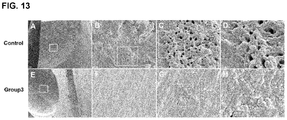
- the morphology of the transplanted tissue was examined under a scanning electron microscope. As a result, odontoblast-like cells along the formed hard tissue were observed, was confirmed that the dendritic cell processes also extend toward the formed hard tissue. Moreover, a typical characteristic was confirmed that osteoblast and/or cementoblast with a cubic cell-attached on the surface of the formed hard tissue.
- the peptide of the present invention may exhibit effects of promoting regeneration of hard tissue and/or dental pulp and treating dentin-dental pulp diseases and/or periodontal diseases.
- the peptide of the present invention having these effects has never been reported so far, and the present inventors first developed it.
- the present invention provides a peptide for promoting regeneration of hard tissue and/or dental pulp and treating dentin-dental pulp diseases and/or periodontal diseases, the peptide including an amino acid sequence of the following Formula 1: K-Y-R1-R2-R3-R4-R5 (Formula 1)
- hard tissue refers to a relatively hard skeletal tissue including bone, hyaline cartilage, and fibrous cartilage.
- the hard tissue may include dentin, bone, and cementum.
- dentin is also called dentine, and refers to a yellowish-white hard tissue that makes up most of a tooth. Dentin is not exposed to the surface of the tooth, because it is covered by enamel in the tooth crown and cementum in the root. However, dentin exposure may occur at the apical end, or the occlusal surface of the tooth crown as the enamel wears with aging.
- the dentin is a kind of bone-like tissue, but it is distinguished from a general bone tissue in that the cell bodies of the dentin stay in the dental pulp while their processes extend into the dentinal tubules.
- cementum refers to a thin film of a form in which the bones covering the tooth roots (root roots) and other parts of a mammal are slightly deformed.
- the cementum is composed of 50% inorganic and 50% moisture-organic, yellow in color, and exhibits lower hardness than dentin or enamel.
- the cementum includes periodontal ligament fibers that fix the teeth to the alveolar bone, and when bacteria are infected with the gums, the degeneration of the cementum surrounding the teeth occurs, and the deformed cementum periodontal ligament fibers that connect the teeth and the alveolar bones do not stick to the teeth and the teeth will be shaken.
- a method is used to remove the degenerated cementum and promote the formation of new cementum.
- the peptide of the present invention is characterized in that it may increase expression levels of Dspp, and Nestin genes which are odontoblast differentiation marker genes, the expression level of the BSP (Bone sialoprotein) genes which are differentiation marker genes of osteoblasts and cementoblasts, and when the peptide is transplanted together with human dental pulp cells, the human dental pulp cells form a dentin/dental pulp-like tissue and bone-like tissue.
- Dspp and Nestin genes which are odontoblast differentiation marker genes
- BSP Ben sialoprotein
- the peptide of the present invention includes peptide variants thereof having a sequence including one or more amino acid residues different from those of the amino acid sequence of the peptide of the present invention, as long as it may promote regeneration of hard tissue like dentin, bone and cementum and/or dental pulp and exhibit a therapeutic effect on dentin-dental pulp diseases and/or periodontal diseases.
- Amino acid exchanges in proteins and polypeptides, which do not generally alter the molecular activity, are known in the art.
- the most commonly occurring exchanges are amino acid residues Ala/Ser, Val/Ile, Asp/Glu, Thr/Ser, Ala/Gly, Ala/Thr, Ser/Asn, Ala/Val, Ser/Gly, Thy/Phe, Ala/Pro, Lys/Arg, Asp/Asn, Leu/Ile, Leu/Val, Ala/Glu, Asp/Gly, in both directions.
- the peptide may include peptides that have improved structural stability against heat, pH, etc., or improved ability to promote regeneration of hard tissue like dentin, bone, and cementum and/or dental pulp due to alteration or modification of the amino acid sequence.
- Amino acid variations are made based on the relative similarity of amino acid side-chain substituents, such as hydrophobicity, hydrophilicity, charge, size, and the like. Since all seven amino acids comprising the peptide of the present invention correspond to hydrophilic amino acids, the relative similarity of amino acid side chain substituents is high. Accordingly, even if the amino acids comprising the peptide of SEQ ID NO: 1 are substituted with various amino acids having hydrophilic properties, the effect of the peptide provided by the present invention can be exhibited as it is due to its structural similarity.
- glutamine which is an acidic amino acid at position 3 of the peptide of SEQ ID NO: 1 of the present invention is substituted with an acidic amino acid, asparagine, or a basic amino acid, lysine or arginine
- the effects of the peptide of the present invention may be obtained as it is
- arginine which is a basic amino acid at position 4 of the peptide of SEQ ID NO: 1 is substituted with a basic amino acid, lysine or an acidic amino acid, glutamine or asparagine
- the effects of the peptide of the present invention may be obtained as it is
- arginine which is a basic amino acid at position 5 of the peptide of SEQ ID NO: 1 is substituted with a basic amino acid lysine
- the effects of the peptide of the present invention may be obtained as it is
- lysine which is a basic amino acid at position 6, or 7of the peptide of SEQ ID NO: 1 is substituted with a basic amino acid arg
- the acidic amino acids or basic amino acids comprising the peptide of the present invention are substituted with amino acids having the same properties, or substituted with different acidic amino acids or basic amino acids, respectively, the effects of the peptide of the present invention may be obtained as it is. Therefore, it is apparent that a peptide variant having a sequence including one or more amino acid residues different from those of the amino acid sequence constituting the peptide of the present invention is also included in the scope of the peptide of the present invention.
- a peptide prepared by adding 1 to 300 amino acids at the N-terminus or C-terminus of the peptide of the present invention may be exemplified, for another example, a peptide prepared by adding 1 to 100 amino acids at the N-terminus or C-terminus of the peptide of the present invention may be exemplified, and for still another example, a peptide prepared by adding 1 to 24 amino acids at the N-terminus or C-terminus of the peptide of the present invention may be exemplified.
- the peptide of the present invention may be chemically modified or protected with an organic group at the N-terminus and/or C-terminus, or may be modified by adding amino acids at the peptide terminus in order to protect the peptide from protease in vivo and to increase stability thereof.
- Methods of preparing peptidomimetic compounds are well known in the art, for example, referring to a description in Quantitative Drug Design, C.A. Ramsden Gd., Choplin Pergamon Press (1992 ).
- backbone modification refers to direct modification of amino acids constituting a peptide backbone with amino acid analogs, in which the backbone (main chain) refers to a main chain- or ring-shaped framework of amino acids constituting a peptide.
- the amino acid analog refers to an amino acid modified by substitution of hydrogen atoms on the nitrogen or ⁇ -carbon of the amino acid backbone.
- side-chain modification refers to the modification of side-chains of amino acids by using a chemical material, in which the side-chains of amino acids refer to atomic groups branched from a main chain- or ring-shaped framework of amino acids constituting a peptide.
- Examples of the peptide side-chain modification may include amino group modification such as reductive alkylation; amidation with methyl acetimidate; alkylation with acetic anhydride; carbamylation of amino groups with cyanate; trinitrobenzylation of amino acids with 2,4,6- trinitrobenzene sulfonic acid (TNBS); alkylation of amino groups with succinic anhydride; and pyridoxylation with pyridoxal-5-phosphate followed by reduction with NaBH4.
- amino group modification such as reductive alkylation; amidation with methyl acetimidate; alkylation with acetic anhydride; carbamylation of amino groups with cyanate; trinitrobenzylation of amino acids with 2,4,6- trinitrobenzene sulfonic acid (TNBS); alkylation of amino groups with succinic anhydride; and pyridoxylation with pyridoxal-5-phosphate followed by reduction with NaBH4.
- the peptide of the present invention may be used alone or in combination with various carriers approved as a drug, such as an organic solvent.
- the peptide of the present invention may also be used by including carbohydrates such as glucose, sucrose, or dextran, antioxidants such as ascorbic acid or glutathione, chelating agents, low molecular weight proteins, other stabilizers, etc.
- 128 kinds of peptides corresponding to Formula 1 of the present invention were synthesized, and effects of the synthesized peptides on an expression level of Dspp gene, which is an odontoblast differentiation marker gene were examined.
- Dspp gene which is an odontoblast differentiation marker gene
- all mRNA levels of the odontoblast differentiation marker Dspp gene in human dental pulp cells which were treated with 128 kinds of the peptides were 8 times higher, 6 times higher, 3 times higher, or at least 1.5 times higher than an mRNA level of the Dspp gene which was measured in human dental pulp cells (control group) which were treated with none of the peptides of the present invention ( FIG. 1A, FIG. 1B and Tables 18 to 33).
- an embodiment of the present invention the effects of the synthesized peptides on an expression level of BSP gene, which is a differentiation marker gene of osteoblasts/cementoblasts, were examined.
- BSP gene which is a differentiation marker gene of osteoblasts/cementoblasts
- the present invention provides a polynucleotide encoding the peptide.
- the polynucleotide may be modified by substitution, deletion, or insertion of one or more bases, or a combination thereof.
- a synthetic method widely known in the art for example, a method described in a literature ( Engels and Uhlmann, Angew Chem IntEd Engl., 37:73-127, 1988 ) may be used, and the nucleotide sequence may be synthesized by triester, phosphite, phosphoramidite and H-phosphate methods, PCR and other auto primer methods, oligonucleotide synthesis on solid supports, etc.
- the polynucleotide encoding the peptide of the present invention may include a nucleotide sequence of SEQ ID NO: 4.
- the present invention provides an expression vector including the polynucleotide, a transformant including the expression vector, and a method of preparing the peptide by using the transformant.
- expression vector refers to a recombinant vector capable of expressing a target peptide in a host cell, and refers to a genetic construct including essential regulatory elements which are operably linked to express a gene insert.
- the expression vector includes expression regulatory sequences such as an initiation codon, a stop codon, a promoter, an operator, etc.
- the initiation and stop codons are generally considered as part of a nucleotide sequence encoding a polypeptide and are necessary to be functional in an individual to whom a genetic construct has been administered, and must be in frame with the coding sequence.
- the promoter of the vector may be constitutive or inducible.
- operably linked refers to a functional linkage between a nucleic acid expression control sequence and a nucleotide sequence encoding a target protein or RNA in such a manner as to allow general functions.
- a promoter may be operably linked to a nucleotide sequence encoding a protein or RNA to influence the expression of the coding sequence.
- the operable linkage to the expression vector may be prepared by using a recombinant genetic technique well known in the art, and site-specific DNA cleavage and ligation may be carried out by using enzymes generally known in the art.
- the expression vector may include signal sequences for the discharge of the peptide in order to promote isolation of the peptide from a cell culture.
- Specific initiation signals may also be required for efficient translation of inserted nucleotide sequences. These signals include ATG initiation codon and adjacent sequences.
- exogenous translational control signals including ATG initiation codon, should be provided. These exogenous translational control signals and initiation codons may be of a variety of origins, both natural and synthetic. The efficiency of expression may be enhanced by the introduction of appropriate transcription or translation enhancer elements.
- the expression vector may further include a protein tag that may be optionally removed by endopeptidase in order to facilitate the detection of the peptide.
- the term "tag”, as used herein, refers to a molecule which exhibits a quantifiable activity or characteristic.
- the tag may include fluorescent molecules including chemical fluorescent such as fluorescein and polypeptide fluorescent such as green fluorescent protein (GFP) or related proteins; and epitope tags such as a Myc tag, a Flag tag, a His-tag, a leucine tag, an IgG tag, a streptavidin tag, etc.
- GFP green fluorescent protein
- epitope tags such as a Myc tag, a Flag tag, a His-tag, a leucine tag, an IgG tag, a streptavidin tag, etc.
- a peptide tag consisting of preferably 6 or more amino acid residues, and more preferably, about 8 to 50 amino acid residues may be used.
- the expression vector may include a nucleotide sequence encoding the above-described peptide for promoting regeneration of hard tissue, including dentin, bone, and cementum and/or dental pulp and treating dentin-dental pulp diseases and/or periodontal diseases of the present invention.
- the vector used herein is not expressly limited, as long as it can produce the peptide.
- the vector may be plasmid DNA, phage DNA, etc. More preferably, the vector may be a commercially developed plasmid (pUC18, pBAD, pIDTSAMRT-AMP, etc.), an E.
- coli-derived plasmid pYG601BR322, pBR325, pUC118, pUC119, etc.
- Bacillus subtilis-derived plasmid pUB110, pTP5, etc.
- yeast-derived plasmid YEp13, YEp24, YCp50, etc.
- a phage DNA Charon4A, Charon21A, EMBL3, EMBL4, ⁇ gt10, ⁇ gt11, ⁇ ZAP, etc.
- an animal virus vector retrovirus, adenovirus, vaccinia virus, etc.
- an insect virus baculovirus, etc.
- a host cell most suitable for the intended use is preferably selected and used, because the expression level and modification of protein vary depending on the kind of host cell.
- the transformant of the present invention may be prepared by transformation of a host with the expression vector of the present invention, and the transformant may express the polynucleotide in the expression vector, thereby producing the peptide.
- Various methods may perform the transformation.
- the transformation method is not particularly limited, as long as it may produce the peptide.
- CaCl2 precipitation a Hanahan method that is an improved CaCl2 precipitation method by using DMSO (dimethyl sulfoxide) as a reducing agent, electroporation, calcium phosphate precipitation, protoplast fusion, agitation using silicon carbide fiber, Agrobacterium-mediated transformation, PEG-mediated transformation, dextran sulfate-, lipofectamine- or desiccation/inhibition-mediated transformation, etc. may be used.
- the host used in the preparation of the transformant is not particularly limited, as long as it may produce the peptide of the present invention.
- the host may be bacterial cells such as E.
- yeast cells such as Saccharomyces cerevisiae, Schizosaccharomyces pombe, etc.
- fungal cells such as Pichia pastoris, etc.
- insect cells such as Drosophila, Spodoptera Sf9 cells, etc.
- animal cells such as CHO, COS, NSO, 293, Bowes melanoma cells, etc.; and plant cells.
- the transformant may be used in a method of producing the peptide for promoting regeneration of hard tissue, including dentin, bone, and cementum and/or dental pulp and treating dentin-dental pulp diseases and/or periodontal diseases of the present invention.
- the method of producing the peptide for promoting regeneration of dentin or dental pulp and treating dentin or dental pulp diseases of the present invention may include (a) culturing the transformant to obtain a culture; and (b) recovering the peptide of the present invention from the culture.
- the term "culturing”, as used herein, refers to a method of allowing a microorganism to grow under artificially controlled environmental conditions.
- the method of culturing the transformant may be performed by a method widely known in the art.
- the culturing is not particularly limited, as long as it may express and produce the peptide for promoting regeneration of hard tissue including dentin, bone, and cementum and/or dental pulp and treating dentin or dentin-dental pulp diseases and/or periodontal diseases of the present invention, and the culturing may be performed by a batch process, a fed-batch process, or a repeated fed-batch process.
- a medium used in the culturing includes appropriate carbon sources, nitrogen sources, amino acids, vitamins, etc. and should satisfy the requirements of a specific strain suitably while adjusting temperature, pH, etc. under aerobic conditions.
- Applicable carbon sources may include, in addition to mixed sugars of glucose and xylose as a primary carbon source, sugars and carbohydrates such as sucrose, lactose, fructose, maltose, starch, and cellulose, oils and fats such as soybean oil, sunflower oil, castor oil, coconut oil, etc., fatty acids such as palmitic acid, stearic acid, or linoleic acid, alcohols such as glycerol or ethanol, and organic acids such as acetic acid. These substances may be used alone or in combination.
- Applicable nitrogen sources may include inorganic nitrogen sources such as ammonia, ammonium sulfate, ammonium chloride, ammonium acetate, ammonium phosphate, ammonium carbonate, or ammonium nitrate; amino acids such as glutamic acid, methionine, or glutamine; and organic nitrogen sources such as peptone, NZ-amine, meat extract, yeast extract, malt extract, steep corn liquor, casein hydrolysate, fish meal or digested products thereof, defatted soybean cake or digested products thereof, etc. These nitrogen sources may be used alone or in combination.
- the medium may include, as phosphorus sources, potassium phosphate monobasic, potassium phosphate dibasic, and corresponding sodium-containing salts.
- Applicable phosphorus sources may include potassium dihydrogen phosphate, dipotassium hydrogen phosphate, or corresponding sodium-containing salts.
- inorganic compounds may include sodium chloride, calcium chloride, iron chloride, magnesium sulfate, iron sulfate, manganese sulfate, and calcium carbonate.
- essential growth materials such as amino acids and vitamins may be used.
- appropriate precursors may be used in the culture medium.
- the above-described materials may be appropriately added to the culture in a batch, fed-batch, or continuous manner, but are not limited thereto.
- the pH of the culture may be adjusted by appropriately using a basic compound such as sodium hydroxide, potassium hydroxide, or ammonia, or an acidic compound such as phosphoric acid or sulfuric acid.
- bubbles may be inhibited by using an antifoaming agent such as fatty acid polyglycol ester.
- an antifoaming agent such as fatty acid polyglycol ester.
- oxygen or oxygen-containing gas e.g., air
- the temperature of the culture is generally 27°C to 37°C, preferably 30°C to 35°C. Culturing is continued until the desired level of the peptide production will be obtained. This is achieved within 10 hours to 100 hours.
- the recovering of the peptide from the culture may be performed by a method known in the art.
- the recovering method is not particularly limited, as long as it may recover the produced peptide.
- a method such as centrifugation, filtration, extraction, spraying, drying, evaporation, precipitation, crystallization, electrophoresis, fractional dissolution (e.g., ammonium sulfate precipitation), chromatography (e.g., ion exchange, affinity, hydrophobic, and size exclusion), etc. may be used.
- the present invention provides a pharmaceutical composition for preventing or treating dentin-dental pulp diseases and/or periodontal diseases comprising the peptide.
- the peptide for promoting regeneration of hard tissue including dentin, bone and cementum and/or dental pulp and treating dentin-dental pulp diseases and/or periodontal diseases of the present invention is transplanted into the body, together with human dental pulp cells, formation of dentin/dental pulp-like tissue by the human dental pulp cells may be promoted, and when the peptide is applied to the damaged dentin or dental pulp site, the same physiologic dentin as observed in the natural human tooth dentin may be formed. Therefore, the peptide may be used as an active ingredient of the pharmaceutical composition for treating dentin-dental pulp diseases, which are caused by damage to dentin or dental pulp.
- the peptide included in the pharmaceutical composition may be used in a single form of the peptide or in a polypeptide form of 2 or more repeats of the peptide, and the peptide may also be used in a complex form of a drug having a therapeutic effect on dentin or dental pulp diseases linked at the N-terminus or C-terminus of the peptide.
- dentin-dental pulp diseases refer to all diseases caused by damaged dental pulp tissue and dentin linked to the dental pulp due to damage to the dentin and dental pulp tissues.
- the dentin-dental pulp diseases are not particularly limited, as long as the peptide of the present invention exhibits the therapeutic effects on the diseases, and the dentin or dental pulp diseases may include, for example, dentin hypersensitivity, pulp hyperemia, pulpitis, pulp degeneration, pulp necrosis, gangrenous pulp, etc.
- the present invention provides a pharmaceutical composition for preventing or treating periodontal diseases comprising the peptide.
- a pharmaceutical composition for preventing or treating periodontal diseases comprising the peptide.
- the peptide for promoting regeneration of hard tissue including dentin, bone and cementum and/or dental pulp and treating dentin-dental pulp diseases and/or periodontal diseases of the present invention is transplanted into the body, together with human dental pulp cells, formation of bone-like tissue by the human dental pulp cells may be promoted. Therefore, the peptide may be used as an active ingredient of the pharmaceutical composition for treating periodontal diseases, which are caused by damage to bone and/or cementum.
- the peptide included in the pharmaceutical composition may be used in a single form of the peptide or in a polypeptide form of 2 or more repeats of the peptide, and the peptide may also be used in a complex form of a drug having a therapeutic effect on dentin or dental pulp diseases linked at the N-terminus or C-terminus of the peptide.
- Periodontal disease refers to a disease that infects the periodontal ligament and adjacent tissues by infection of bacteria in the gap between the gingiva and the teeth, depending on the severity of the disease it is divided into gingivitis or periodontitis.
- gingivitis a disease that infects the periodontal ligament and adjacent tissues by infection of bacteria in the gap between the gingiva and the teeth, depending on the severity of the disease it is divided into gingivitis or periodontitis.
- gingivitis gingivitis
- the periodontal diseases are not particularly limited, as long as the peptide of the present invention exhibits the therapeutic effects on the diseases, and the dentin or dental pulp diseases may include, for example, gingivitis, periodontitis, periodontal pocket or periodontal abscess, etc.
- preventing means all actions by which the occurrence of dentin- dental pulp diseases is restrained or retarded by administration of the pharmaceutical composition for preventing or treating dentin-dental pulp diseases including the peptide of the present invention.
- treating means all actions by which dentin dental pulp diseases are treated by promoting regeneration of dentin or dental pulp by administering the pharmaceutical composition comprising the peptide of the present invention as an active ingredient to a subject in need of treatment of dentin-dental pulp diseases or all actions which are carried out by administering a pharmaceutical composition comprising the peptide of the present invention as an active ingredient to an individual in need of treatment of periodontal disease by promoting regeneration of bone and/or cementum.
- the pharmaceutical composition of the present invention may be prepared in the form of a pharmaceutical composition for treating dentin-dental pulp diseases and/or periodontal diseases further including, in addition to the peptide, an appropriate carrier (natural or non-natural carrier), excipient, or diluent commonly used in the preparation of pharmaceutical compositions.
- the pharmaceutical composition may be formulated according to a standard method in the form of a sterile injectable solution that may be administered to dentin or dentin-dental pulp diseases and/or periodontal diseases-induced site.
- the carrier, excipient, and diluent which may be included in the pharmaceutical composition may include lactose, dextrose, sucrose, sorbitol, mannitol, xylitol, erythritol, maltitol, starch, acacia rubber, alginate, gelatin, calcium phosphate, calcium silicate, cellulose, methylcellulose, microcrystalline cellulose, polyvinylpyrrolidone, water, methyl hydroxybenzoate, propyl hydroxybenzoate, talc, magnesium stearate, mineral oils, collagen, etc.
- diluents or excipients such as a filler, an extender, a binder, a wetting agent, a disintegrant, a surfactant, etc.
- a sterilized aqueous solution, a non-aqueous solvent, a suspension, an emulsion, a freeze-dried preparation, a suppository, an ointment (e.g., pulp liner, etc.) may be included.
- non-aqueous solvents or suspensions propylene glycol, polyethylene glycol, plant oils such as olive oil, injectable esters such as ethyl oleate, etc.
- As a base of the suppositories witepsol, Macrogol, Tween 61, cacao butter, laurin fat, glycerogelatin, etc. may be used.
- a content of the peptide in the pharmaceutical composition of the present invention is not particularly limited, but the peptide may be included in an amount of 0.0001% by weight to 50% by weight, more preferably, 0.01% by weight to 20% by weight, based on the total eight of the final composition.
- the pharmaceutical composition of the present invention may be administered in a pharmaceutically effective amount.
- pharmaceutically effective amount refers to an amount sufficient to treat or prevent diseases, at a reasonable benefit/risk ratio applicable to any medical treatment or prevention.
- An effective dosage level may be determined depending on factors including the severity of the disease, drug activity, a patient's age, body weight, health conditions, sex, sensitivity to the drug, administration time, administration route, and excretion rate of the composition of the present invention, duration of treatment, drugs blended with or co-administered with the composition of the present invention, and other factors known in the medical field.
- the pharmaceutical composition of the present invention may be administered individually or in combination with a known pharmaceutical composition for treating dentin-dental pulp diseases and/or periodontal diseases. It is essential to administer the composition in a minimum amount that may exhibit a maximum effect without causing side effects, because of all the above-described factors.
- an administration dose of the pharmaceutical composition of the present invention may be determined by those skilled in the art, because of the purpose of use, severity of the disease, a patient's age, body weight, sex, and medical history, a kind of a material used as an active ingredient, etc.
- the pharmaceutical composition of the present invention may be administered at a dose of about 0.1 ng/kg to about 100 mg/kg.
- about 1 ng/kg to about 10 mg/kg per adult and administration frequency of the composition of the present invention is not particularly limited.
- the composition may be administered once a day or several times a day in divided doses.
- the administration dose does not limit the scope of the present invention in any aspect.
- the present invention provides a method of treating dentin-dental pulp diseases, the method including administering the pharmaceutically effective amount of the pharmaceutical composition to a human or a subject having dentin-dental pulp diseases, excluding humans.
- subject may include mammals including humans, rats, livestock, etc. in need of treatment of dentin-dental pulp diseases and/or periodontal diseases without limitation, but humans can be excluded from the subjects having the above diseases.
- the pharmaceutical composition for treating dentin-dental pulp diseases and/or periodontal diseases of the present invention may be administered via any general route, as long as the pharmaceutical composition is able to reach a target tissue.
- the pharmaceutical composition may be administered, but is not particularly limited to, via intraoral administration, intraoral injection, etc., depending on the purpose.
- the present invention provides a quasi-drug composition for preventing or alleviating dentin-dental pulp diseases, including the peptide.
- improving means all actions that at least reduce a parameter related to the conditions to be treated, for example, the degree of symptom.
- the alleviating is to be interpreted as all actions by which symptoms of dentin-dental pulp diseases have taken a turn for the better or been modified favorably by promoting regeneration of dentin-dental pulp or symptoms of periodontal diseases have taken a turn for the better or been modified favorably by promoting regeneration of bone and/or cementum by administering the pharmaceutical composition including the peptide of the present invention as an active ingredient to a subject in need of treatment of dentin or dental pulp diseases.
- quasi-drug refers to an article having a milder action than drugs, among articles being used for diagnosis, treatment, improvement, alleviation, handling, or prevention of human or animal diseases.
- the quasi-drugs are those, excluding articles used as drugs, including articles made from fiber or rubber which are used to treat or prevent human or animal diseases, articles, other than a tool or a machine, or an analog thereof, which have a mild action on or have no direct influence on the human body, and articles which are used for disinfection or pest control for the prevention of infectious diseases.
- a kind of formulation of the quasi-drug composition including the peptide is not particularly limited, but the quasi-drug composition may be, for example, oral antiseptic mouthwashes, oral hygiene products, toothpastes, floss, oral ointments, etc.
- the present invention provides a health functional food composition for preventing or alleviating dentin-dental pulp diseases and/or periodontal diseases, including the peptide.
- the term "food”, as used herein, includes meats, sausages, breads, chocolates, candies, snacks, confectionery, pizzas, ramen noodles, other noodles, gums, dairy products including ice-creams, various soups, beverages, teas, drinks, alcoholic beverages, and vitamin complexes, health functional foods, health foods, etc., and the food includes all foods in the ordinary acceptation of the term.
- the term "functional food”, as used herein, is the term identical to the food for special health use (FoSHU), and refers to a food having high medical, medicinal effects, which is processed to exhibit the biologically modulating function efficiently as well as to supply nutrients.
- the term “functional” indicates a beneficial effect for human health, such as the regulation of nutrients for the structure and function of the human body, physiological action, etc.
- the food of the present invention may be prepared according to a method commonly employed in the art, and raw materials and ingredients commonly used in the art may be added upon preparing the food.
- a formulation of the food is not limited, as long as the formulation is accepted as a food.
- the food composition of the present invention may be prepared as a variety of formulations.
- the food composition lacks side effects which may occur when a drug is taken for a long period, and may have excellent portability. Therefore, the food of the present invention may be taken as a supplement for enhancing the effects of preventing or alleviating dentin-dental pulp diseases and/or periodontal diseases.
- the health food means food is having effects of actively maintaining or promoting health conditions, as compared with general foods, and the health supplement food means a food for supplementing health. If necessary, the health functional food, health food, and health supplement food may be interchangeably used.
- the health functional food is a food prepared by adding the peptide of the present invention to food materials such as beverages, teas, spices, gums, confectionery, etc., or prepared as a capsule, a powder, a suspension, etc.
- the functional health food means that it takes a specific effect on health when consumed, but unlike general drugs, the health functional food has an advantage of having no side effects that may occur when a drug is taken for a long time, because it uses a food as a raw material.
- the food composition of the present invention is routinely ingested, the food composition is expected to show high efficacy on prevention or improvement of dentin-dental pulp diseases and/or periodontal diseases. Thus, it may be very usefully applied.
- the food composition may further include a physiologically acceptable carrier.
- a kind of the carrier is not particularly limited. Any carrier may be used, as long as it is commonly used in the art.
- the food composition may include additional ingredients that are commonly used in food compositions to improve smell, taste, vision, etc.
- the food composition may include vitamins A, C, D, E, B1, B2, B6, B12, niacin, biotin, folate, pantothenic acid, etc.
- the food composition may also include minerals such as Zn, Fe, Ca, Cr, Mg, Mn, Cu, etc.
- the food composition may also include amino acids such as lysine, tryptophan, cysteine, valine, etc.
- the food composition may also include food additives, such as preservatives (potassium sorbate, sodium benzoate, salicylic acid, sodium dehydroacetate, etc.), disinfectants (bleaching powder, higher bleaching powder, sodium hypochlorite, etc.), antioxidants (butyl hydroxyanisole (BHA), butylhydroxytoluene (BHT), etc.), coloring agents (tar color, etc.), color-developing agents (sodium nitrite, etc.), bleaching agents (sodium sulfite), seasonings (monosodium glutamate (MSG), etc.), sweeteners (dulcin, cyclamate, saccharin, sodium, etc.), flavors (vanillin, lactones, etc.), swelling agents (alum, potassium D-bitartrate, etc.), fortifiers, emulsifiers, thickeners (adhesive pastes), film-forming agents, gum base agents, antifoaming agents, solvents, improvers, etc.
- the peptide of the present invention may be added as it is, or may be used in conjunction with other foods or food ingredients according to a standard method, or may be used appropriately according to a standard method.
- Mixing amounts of the active ingredient may be suitably determined depending upon the purpose of use (prophylactic, health or therapeutic treatment).
- the food composition of the present invention may be added in an amount of 50 parts by weight or less, specifically 20 parts by weight or less, based on the total weight of the food or the beverage.
- the food composition may be included in an amount below the above range.
- the active ingredient since there is no safety problem, the active ingredient may be used in an amount above the high range.
- the food composition of the present invention may be used as, for example, a health beverage composition.
- the health beverage composition may further include various flavors or natural carbohydrates, as in common beverages.
- the natural carbohydrates may include monosaccharides such as glucose and fructose; disaccharides such as maltose and sucrose; polysaccharides such as dextrin and cyclodextrin; and sugar alcohols such as xylitol, sorbitol, and erythritol.
- the sweeteners may be natural sweeteners such as thaumatin or a stevia extract; or synthetic sweeteners such as saccharine or aspartame.
- the natural carbohydrate may be generally used in an amount of about 0.01 g to 0.04 g, and specifically, about 0.02 g to 0.03 g, based on 100 mL of the health beverage composition of the present invention.
- the health beverage composition may include various nutrients, vitamins, minerals, flavors, colorants, pectic acid and salts thereof, alginic acid and salts thereof, organic acids, protective colloidal thickeners, pH modifiers, stabilizers, antiseptics, glycerin, alcohols, carbonating agents, etc.
- the health beverage composition may include the fruit flesh used to prepare natural fruit juices, fruit juice beverages, or vegetable beverages. These ingredients may be used individually or in combination.
- a proportion of the additives is not critical, but is generally selected from 0.01 parts by weight to 0.1 parts by weight per 100 parts by weight of the health beverage composition of the present invention.
- the food composition of the present invention may include the peptide of the present invention in a variety of % by weight, as long as it may exhibit the effect of preventing or alleviating dentin-dental pulp diseases and/or periodontal diseases.
- the peptide of the present invention may be included in an amount of 0.00001% by weight to 100% by weight or 0.01% by weight to 80% by weight, based on the total weight of the food composition, but is not limited thereto.
- the present invention provides a method of preventing or treating dentin-dental pulp diseases and/or periodontal diseases, the method including administering the composition, including the peptide to a subject.
- the present invention provides a method of promoting regeneration of dentin or dental pulp tissues and/or hard tissue including dentin, bone, and cementum, the method including administering the composition including the peptide to a subject.
- the present invention provides use of a peptide including an amino acid sequence of the following Formula 1 or a composition comprising the peptide in promoting regeneration of hard tissue including dentin, bone and cementum and/or dental pulp and treating dentin-dental pulp diseases or periodontal diseases: K-Y-R1-R2-R3-R4-R5 (Formula 1)
- the present invention provides use of a peptide including any one amino acid sequence of SEQ ID NOS: 1 to 128 or a composition including the peptide in promoting regeneration of hard tissue including dentin, bone and cementum and/or dental pulp and in treating dentin-dental pulp diseases and/or periodontal diseases.
- Example 1 methods and materials
- the present inventors synthesized a peptide (SEQ ID NO: 1) showing the effect of promoting regeneration of hard tissue including dentin, bone and cementum and/or dental pulp tissue by a 9-fluorenylmethyloxycarbonyl (Fmoc) method, and they synthesized peptides of Representative groups (Tables 1 to 16) by substituting the amino acids of the synthesized peptide.
- peptides of Group 1 were synthesized by using the peptide of SEQ ID NO: 1 or by substituting any amino acid at positions 5 to 7 of the peptide of SEQ ID NO: 1 with lysine or arginine (Table 1).
- Table 1 Peptides of Group 1 SEQ ID NO: Amino acid sequence(N-C) 1 KYQRRKK 2 KYQRRKR 3 KYQRRRK 4 KYQRRRR 5 KYQRKKK 6 KYQRKRK 7 KYQRKKR 8 KYQRKRR
- peptides of Group 2 were synthesized by substituting an amino acid at position 3 of the peptide of SEQ ID NO: 1 with arginine, by substituting an amino acid at position 4 of the peptide of SEQ ID NO: 1 with glutamine, or by substituting any amino acid at positions 5 to 7 of the peptide of SEQ ID NO: 1 with lysine or arginine (Table 2).
- Table 2 Peptides of Group 2 SEQ ID NO: Amino acid sequence(N-C) 9 KYRQRKK 10 KYRQRKR 11 KYRQRRK 12 KYRQRRR 13 KYRQKKK 14 KYRQKRK 15 KYRQKKR 16 KYRQKRR
- peptides of Group 3 were synthesized by substituting an amino acid at position 3 of the peptide of SEQ ID NO: 1 with lysine, by substituting an amino acid at position 4 of the peptide of SEQ ID NO: 1 with glutamine, or by substituting any amino acid at positions 5 to 7 of the peptide of SEQ ID NO: 1 with lysine or arginine (Table 3).
- Peptides of Group 3 SEQ ID NO: Amino acid sequence(N-C) 17 KYKQRKK 18 KYKQRKR 19 KYKQRRK 20 KYKQRRR 21 KYKQKKK 22 KYKQKRK 23 KYKQKKR 24 KYKQKRR
- peptides of Group 4 were synthesized by substituting an amino acid at position 4 of the peptide of SEQ ID NO: 1 with glutamine, or by substituting any amino acid at positions 5 to 7 of the peptide of SEQ ID NO: 1 with lysine or arginine (Table 4).
- Peptides of Group 4 SEQ ID NO: Amino acid sequence(N-C) 25 KYQQRKK 26 KYQQRKR 27 KYQQRRK 28 KYQQRRR 29 KYQQKKK 30 KYQQKRK 31 KYQQKKR 32 KYQQKRR
- peptides of Group 5 were synthesized by substituting an amino acid at position 3 of the peptide of SEQ ID NO: 1 with arginine, or by substituting any amino acid at positions 5 to 7 of the peptide of SEQ ID NO: 1 with lysine or arginine (Table 5).
- Peptides of Group 5 SEQ ID NO: Amino acid sequence(N-C) 33 KYRRRKK 34 KYRRRKR 35 KYRRRRK 36 KYRRRRR 37 KYRRKKK 38 KYRRKRK 39 KYRRKKR 40 KYRRKRR
- peptides of Group 6 were synthesized by substituting an amino acid at position 3 of the peptide of SEQ ID NO: 1 with lysine, by substituting any amino acid at positions 5 to 7 of the peptide of SEQ ID NO: 1 with lysine or arginine (Table 6).
- Peptides of Group 6 SEQ ID NO: Amino acid sequence(N-C) 41 KYKRRKK 42 KYKRRKR 43 KYKRRRK 44 KYKRRRR 45 KYKRKKK 46 KYKRKRK 47 KYKRKKR 48 KYKRKRR
- peptides of Group 7 were synthesized by substituting an amino acid at position 4 of the peptide of SEQ ID NO: 1 with lysine, or by substituting any amino acid at positions 5 to 7 of the peptide of SEQ ID NO: 1 with lysine or arginine (Table 7).
- peptides of Group 8 were synthesized by substituting an amino acid at position 3 of the peptide of SEQ ID NO: 1 with asparagine, by substituting an amino acid at position 4 of the peptide of SEQ ID NO: 1 with lysine, or by substituting any amino acid at positions 5 to 7 of the peptide of SEQ ID NO: 1 with lysine or arginine (Table 8).
- Peptides of Group 8 SEQ ID NO: Amino acid sequence(N-C) 57 KYNKRKK 58 KYNKRKR 59 KYNKRRK 60 KYNKRRR 61 KYNKKKK 62 KYNKKRK 63 KYNKKKR 64 KYNKKRR
- peptides of Group 9 were synthesized by substituting an amino acid at position 3 of the peptide of SEQ ID NO: 1 with asparagine, by substituting any amino acid at positions 5 to 7 of the peptide of SEQ ID NO: 1 with lysine or arginine (Table 9).
- Peptides of Group 9 SEQ ID NO: Amino acid sequence(N-C) 65 KYNRRKK 66 KYNRRKR 67 KYNRRRK 68 KYNRRRR 69 KYNRKKK 70 KYNRKRK 71 KYNRKKR 72 KYNRKRR
- peptides of Group 10 were synthesized by substituting an amino acid at position 3 of the peptide of SEQ ID NO: 1 with arginine, by substituting an amino acid at position 4 of the peptide of SEQ ID NO: 1 with asparagine, or by substituting any amino acid at positions 5 to 7 of the peptide of SEQ ID NO: 1 with lysine or arginine (Table 10).
- Table 10 Peptides of Group 10 SEQ ID NO: Amino acid sequence(N-C) 73 KYRNRKK 74 KYRNRKR 75 KYRNRRK 76 KYRNRRR 77 KYRNKKK 78 KYRNKRK 79 KYRNKKR 80 KYRNKRR
- peptides of Group 11 were synthesized by substituting an amino acid at position 3 of the peptide of SEQ ID NO: 1 with lysine, by substituting an amino acid at position 4 of the peptide of SEQ ID NO: 1 with asparagine, or by substituting any amino acid at positions 5 to 7 of the peptide of SEQ ID NO: 1 with lysine or arginine (Table 11).
- Peptides of Group 11 SEQ ID NO: Amino acid sequence(N-C) 81 KYKNRKK 82 KYKNRKR 83 KYKNRRK 84 KYKNRRR 85 KYKNKKK 86 KYKNKRK 87 KYKNKKR 88 KYKNKRR
- peptides of Group 12 were synthesized by substituting an amino acid at position 4 of the peptide of SEQ ID NO: 1 with asparagine, or by substituting any amino acid at positions 5 to 7 of the peptide of SEQ ID NO: 1 with lysine or arginine (Table 12).
- Peptides of Group 12 SEQ ID NO: Amino acid sequence(N-C) 89 KYQNRKK 90 KYQNRKR 91 KYQNRRK 92 KYQNRRR 93 KYQNKKK 94 KYQNKRK 95 KYQNKKR 96 KYQNKRR
- peptides of Group 13 were synthesized by substituting an amino acid at position 3 of the peptide of SEQ ID NO: 1 with asparagine, by substituting an amino acid at position 4 of the peptide of SEQ ID NO: 1 with glutamine, or by substituting any amino acid at positions 5 to 7 of the peptide of SEQ ID NO: 1 with lysine or arginine (Table 13).
- peptides of Group 2 were synthesized by substituting an amino acid at positions 3 and 4 of the peptide of SEQ ID NO: 1 with asparagine, by substituting any amino acid at positions 5 to 7 of the peptide of SEQ ID NO: 1 with lysine or arginine (Table 14).
- Peptides of Group 14 SEQ ID NO: Amino acid sequence(N-C) 105 KYNNRKK 106 KYNNRKR 107 KYNNRRK 108 KYNNRRR 109 KYNNKKK 110 KYNNKRK 111 KYNNKKR 112 KYNNKRR
- peptides of Group 15 were synthesized by substituting an amino acid at position 3 of the peptide of SEQ ID NO: 1 with arginine, by substituting an amino acid at position 4 of the peptide of SEQ ID NO: 1 with lysine, or by substituting any amino acid at positions 5 to 7 of the peptide of SEQ ID NO: 1 with lysine or arginine (Table 15).
- Peptides of Group 15 SEQ ID NO: Amino acid sequence(N-C) 113 KYRKRKK 114 KYRKRKR 115 KYRKRRK 116 KYRKRRR 117 KYRKKKK 118 KYRKKRK 119 KYRKKKR 120 KYRKKRR
- peptides of Group 16 were synthesized by substituting an amino acid at positions 3 and 4 of the peptide of SEQ ID NO: 1 with lysine, by substituting any amino acid at positions 5 to 7 of the peptide of SEQ ID NO: 1 with lysine or arginine (Table 16).
- Example 1-2 Cell culture
- hBMSCs Human bone marrow mesenchymal stem cells
- Lonza LONZA, Switzerland
- hBMSCs were cultured in an alpha-MEM(a-MEM) (Invitrogen) culture medium containing 10% heat-inactivated bovine serum.
- Example 1-3 Separation and culture of human-derived dental pulp cells
- Example 1-4 Analysis of Reverse transcription-polymerase chain reaction (RT-PCR) and real-time PCR.
- RT-PCR Reverse transcription-polymerase chain reaction
- RNA was extracted from human dental pulp cells (hDPCs), and human bone marrow mesenchymal stem cells (hBMSCs) with TRIzol reagent. 2 ⁇ g of the total RNA, 1 ⁇ l of reverse transcriptase, and 0.5 ⁇ g of oligo (oligo; dT) were used to synthesize cDNA. The synthesized cDNA was used in a real-time polymerase chain reaction. The real-time polymerase chain reaction was performed on an ABI PRISM 7500 sequence detection system (Applied Biosystems) and an SYBR GREEN PCR Master Mix (Takara, Japan).
- the real-time polymerase chain reaction was performed under conditions of 94°C, 1 min; 95°C, 15 sec; 60°C, 34 sec for 40 cycles. Results were analyzed by a comparative cycle threshold (CT) method. And the used primers are as follows (Table 17).
- Example 1-5 In vivo transplantation and histomorphological analysis
- Human dental pulp cells were isolated and used for in vivo transplantation experiments. Human dental pulp cells (2 x 10 6 ) were mixed with 100 mg of hydroxy apatite/tricalcium phosphate (HA/TCP) ceramic powder (Zimmer, USA) alone, or with the peptide of the invention (10 ⁇ g) with 0.5% fibrin gel respectively, and then the prepared implant transplanted to a mice with compromised immune systems (NIH-bg-nu-xid; Harlan Laboratories, Indianapolis, IN), and the mice were raised for 6 and 12 weeks.
- H/TCP hydroxy apatite/tricalcium phosphate
- sample tissues were harvested and fixed in 4% paraformaldehyde, decalcified in 10% EDTA (pH 7.4), embedded in paraffin, stained with hematoxylin-eosin (H-E) (Vector Labs), or conducted Immunohistochemical analysis.
- H-E hematoxylin-eosin
- proteins were detected with anti-DSP antibody diluted 1: 150 as the primary antigen, and goat anti-rabbit IgG (Vector Labs) labeled with biotin as secondary antigen.
- Collagen staining was conducted by using a Masson's Trichrome Stain Kit (Cat. 25088-100) of Polysciences, co.
- Quantitative analysis of newly formed hard tissue was analyzed using the LS starter program (OLYMPUS Soft Imaging Solution, Muster, Germany). The proportion of newly formed hard tissue was calculated as the percentage of the area of newly formed hard tissue in the total area.
- Example 1-6 Scanning Electron Microscope analysis
- sample tissues were fixed in 2.5% Glutaraldehyde / 0.1 M Cacodylate buffer for 30 minutes and reacted in a solution containing 1% osmium tetroxide in 0.1 M Cacodylate buffer for 1 hour. Then, the sample tissues were quickly dehydrated and dried using ethanol, and then the sample tissues were coated with gold and observed with a scanning electron microscope (S-4700, HITACHI, Tokyo, Japan).
- Example 2-1 The effect of the peptides for the promotion of dentin or dental pulp tissue and the treating of dentin or dental pulp diseases on the expression level of odontoblast differentiation marker Dspp gene
- the Dspp gene is used as a marker for odontoblast cell differentiation and is known as an essential gene for dentin calcification. Therefore, it was confirmed that the peptide of the present invention has an effect of promoting the expression of the Dspp gene, which is odontoblast differentiation marker gene, and promoting odontoblast and the formation of dentin.
- Example 3 The human dental pulp cells (hDPCs) cultured in Example 3 were treated with the peptides (concentration of 10 ⁇ g/ml) of each group synthesized in Example 1-1, and cultured for 48 hours. Then, mRNA levels of an odontoblast differentiation marker Dspp gene expressed in the human dental pulp cells were measured, and a ratio of the measured Dspp mRNA level relative to a Dspp mRNA level measured in a control group was calculated, respectively (Tables 18 to 33).
- the average value of mRNA levels of the Dspp gene measured according to the peptides of each group of Tables 1 to 3 was compared for each group ( FIG. 1A ).
- the new peptides of the present invention lacking the substitution or partial sequence of amino acid nucleotide sequences are grouped as shown in Tables 1 to 3, and the new peptides of each group are used for expression of Dspp, a blast cell differentiation marker gene, in human dental pulp cells.
- a graph showing the average value of each group measured by quantitative real-time PCR of the level of Dspp mRNA in human dental pulp cells is shown in FIG. 1A .
- human dental pulp cells that were not treated with the peptide of the present invention were used as a control.
- the average value of mRNA levels of the Dspp gene measured according to the peptides of each group of Tables 4 to 16 was compared for each group ( FIG. 1B ).
- the new peptides of the present invention lacking the substitution or partial sequence of amino acid base sequences are grouped as shown in Tables 4 to 16, and the new peptides of each group are expressed in the expression of Dspp, a blast cell differentiation marker gene, in human dental pulp cells.
- a graph showing the average value of each group measured by quantitative real-time PCR of the level of Dspp mRNA in human dental pulp cells is shown in FIG. 1B .
- human dental pulp cells that were not treated with the peptide of the present invention were used as a control.
- the expression level of the Dspp gene was measured through RT-PCR and real-time PCR analysis described in Example 1-4.
- GAPDH gene was used as an internal control.
- the experiments were performed in triplicate, and then mean values and standard deviations thereof were taken as measured values.
- the base sequence of the primers is described in Table 17 above.
- FIG. 1A is a graph showing the results of comparing the expression levels of the dentin sialophosphoprotein (Dspp), odontoblast differentiation marker gene, in human dental pulp cells (hDPCs) treated with the novel peptide of the present invention.
- Dspp dentin sialophosphoprotein
- hDPCs human dental pulp cells
- FIG. 1A and Table 18 to Table 20 compared to the mRNA level of the Dspp gene, an odontoblast differentiation marker, measured in human dental pulp cells (control) not treated with the peptide of the present invention, when the peptide of the present invention is treated, it can be seen that all of the mRNA levels of the Dspp gene increased by about 6 to 8 times. Especially when treated with the peptide of group 3, it showed the highest Dspp mRNA expression value.
- FIG. 1A is a graph showing the results of comparing the expression levels of the dentin sialophosphoprotein (Dspp), odontoblast differentiation marker gene, in human dental
- 1B is another graph showing the result of comparing the expression levels of Dspp, odontoblast differentiation marker gene, in human dental pulp cells (hDPCs) treated with the novel peptide of the present invention.
- hDPCs human dental pulp cells
- Table 21 to Table 33 compared to the mRNA level of the Dspp gene, a marker of differentiation of odontoblast differentiation measured in human dental pulp cells (control) without treatment of the peptide of the present invention, when the peptide of the present invention is treated, it can be seen that all of the mRNA levels of the Dspp gene increased by about 1.5 to 3 times.
- Example 2-1 The results of Example 2-1 showed that the peptides of the present invention might increase the Dspp mRNA level, for example, all groups of peptides can increase the mRNA level of the Dspp gene by more than 1.5 times, and even more than 3 times, and in particular, the peptides of Group 1 and Group 3 may increase the Dspp mRNA level at least 6 times or higher.
- Example 2-1 experiments were performed in the same and similar manner as in Example 2-1, except that the following primers were used.
- the effects of the peptides of the present invention on expression levels of Nestin genes were measured, and the calculated mean values were compared between the groups ( FIG. 1C ).
- human dental pulp cells that were treated with none of the peptides of the present invention were used as a control group.
- FIG. 1C is a graph showing the results of comparing the expression levels of Nestin, odontoblast differentiation marker genes, in human dental pulp cells (hDPCs) treated with the peptide of the present invention.
- the group treated with the peptide of the present invention (Group 1, 2, 3) compared to the control group, it can be seen that the expression level of the Nestin gene, which is a marker of differentiation of the odontoblast differentiation, is increased by 5 times or more.
- Dspp and Nestin genes are known as genes involved in odontoblast differentiation and dentin mineralization, which infers that the peptides of the present invention may exhibit the effect of promoting dentin regeneration.
- the BSP gene is used as a marker for differentiating osteoblasts and cementoblasts, and is known as an essential gene for calcification of bone and cementum. Therefore, in order to confirm the effect of the novel peptide of the present invention on the expression of the BSP gene, bone stem cell and a cementum cell differentiation marker gene, human-derived mesenchymal stem cells cultured by performing the method of Example 1-2 above (after treating each group of peptides in human bone marrow mesenchymal stem cells (hBMSCs)), BSP gene expression was confirmed by real-time PCR.
- hBMSCs human bone marrow mesenchymal stem cells
- Example 2-1 the same and similar methods as in Example 2-1 were performed to measure the effect of the peptide of the present invention on the expression level of the BSP gene, and was measured for each group. The average level was compared ( FIG. 2A , FIG. 2B ).
- each group of new peptides expresses bone and cementum differentiation marker gene BSP (Bone sialoprotein) in human-derived mesenchymal stem cells (hBMSCs).
- BSP bone and cementum differentiation marker gene
- hBMSCs human-derived mesenchymal stem cells
- the peptide was treated at a concentration of 10 ⁇ g/ml. And as a control, human bone marrow mesenchymal stem cells not treated with the peptide of the present invention were used.
- FIG 2A is a graph showing the results of comparing the expression level of the BSP gene, a bone and cementum differentiation marker gene, in human-derived mesenchymal stem cells (hBMSCs) treated with the peptide of the present invention.
- the group treated with the peptide of the present invention (Group 1, 2, 3), it can be seen that the BSP gene expression increased by about 9 to 13 times or more compared to the control.
- the peptide of group 3 it showed the highest BSP mRNA expression value.
- FIG. 2B is a graph showing the results of comparing the expression level of the BSP gene, a bone and cementum differentiation marker gene, in human-derived mesenchymal stem cells (hBMSCs) treated with the peptide of the present invention.
- the group treated with the peptide of the present invention (Group 4 to Group 16), can be found that the BSP gene expression is increased by about 3 to 9 times or more, and 12 times or more, compared to the control.
- when treated with the peptide of group 11 it showed the highest BSP mRNA expression value.
- the BSP gene is used as a marker for differentiating osteoblasts and cementoblasts and is known as a gene involved in the process of calcification of bone and cementum, it was analyzed that the peptide provided in the present invention would have an effect of promoting regeneration of bone and cementum.
- Example 2-4 Hard tissue formation of human dental pulp cells (hDPCs) by novel peptides in vivo for 6 weeks
- FIG. 1A, FIG. 1B , FIG. 1C, FIG. 2A , and FIG. 2B based on the results of the in vitro experiments, in order to measure the effect of the peptide of the present invention on hard tissue formation in vivo, described in Examples 1-5 above
- human dental pulp cells hDPCs
- 100 mg of hydroxyapatite/tricalcium phosphate HA/TCP
- HA/TCP hydroxyapatite/tricalcium phosphate
- the implant was transplanted into the subcutaneous tissue of a mouse with a compromised immune system.
- a transplanted implant containing no peptide of the present invention was used.
- a sample was taken and then the newly formed hard tissue was quantitatively analyzed using the LS starter program, and the results are shown in FIG. 3 .
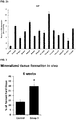
- FIG. 3 shows the results of measuring the amount of newly formed hard tissue using human dental pulp cells (hDPCs) for 6 weeks in vivo. As shown in FIG. 3 , the ratio of hard tissue formation after 6 weeks of transplantation was increased by about 2 times or more in the group treated with the novel peptide (Group 3, 29.6%) compared to the control (Control, 13.5%).
- hDPCs human dental pulp cells
- FIG. 4 is a microscopic image showing the histomorphological analysis of the hard tissue formed using human dental pulp cells (hDPCs) for 6 weeks in vivo
- a to D show the results of transplantation of a control implant prepared by mixing hDPCs and 100 mg HA/TCP in a 0.5% fibrin gel for 6 weeks in a mouse with compromised immune systems
- E to H show the results of transplantation of hDPCs and 100 mg HA/TCP with 0.5 % fibrin gel, respectively, together with 10 ⁇ g of group 3 peptide, in a mouse with compromised immune systems for 6 weeks (scale bar: A, E 500 ⁇ m; B, F 200 ⁇ m; C, G 100 ⁇ m; D, H 50 ⁇ m).
- FIG. 4 As shown in FIG. 4 , as a result of histomorphological analysis through hematoxylin-eosin staining, in the control group ( FIG. 4A to FIG. 4D ) not containing the peptide of the present invention and a group containing the peptide of the present invention ( FIG. 4E to FIG. 4H ) were observed that bone-like tissue and dentin-pulp-like tissue were formed in the substrate of the calcified tissue around the HA/TCP particles.
- Collagen is the most abundant organic matrix in dentin, bone and cementum, and serves to accommodate deposited minerals. Accordingly, collagen staining was performed to confirm the accumulation of collagen protein in the calcified tissue formed in each experimental group of the histomorphological analysis.
- FIG. 5 shows microscopic images showing the level of collagen formation in hard tissue formed using human dental pulp cells (hDPCs) for 6 weeks in vivo
- a to D show the results of transplantation of a control implant prepared by mixing hDPCs and 100 mg HA/TCP in a 0.5% fibrin gel for 6 weeks in a mouse with compromised immune systems
- E to H show the results of transplantation of hDPCs and 100 mg HA/TCP with 0.5 % fibrin gel, respectively, together with 10 ⁇ g of group 3 peptide, in a mouse with compromised immune systems for 6 weeks (scale bar: A, E 500 ⁇ m; B, F 200 ⁇ m; C, G 100 ⁇ m; D,
- the formed hard tissue was stained by the method of collagen stain (Masson's trichrome stain).
- FIG. 5 compared to the control group ( FIG. 5A to 5D ), in the group containing the peptide of the present invention ( FIG. 5E to 5H ), it was confirmed that the formation level of collagen was increased.
- DSP odontoblast specific differentiation marker gene
- FIG. 6 is an immunostaining picture showing the analysis of the expression level of DSP, a marker for differentiation of blast cells using immunostaining method, in hard tissue formed using human dental pulp cells (hDPCs) for 6 weeks in vivo
- a to D show the results of transplantation of a control implant prepared by mixing hDPCs and 100 mg HA/TCP in a 0.5% fibrin gel for 6 weeks in a mouse with compromised immune systems
- E to H show the results of transplantation of hDPCs and 100 mg HA/TCP with 0.5 % fibrin gel, respectively, together with 10 ⁇ g of group 3 peptide, in a mouse with compromised immune systems for 6 weeks.
- a and B were immunostained using the anti-DSP antibody.
- C is a negative control of immunohistochemical analysis treated with only secondary antibodies.
- Arrows marked A and B indicate the expression of DSP in newly formed calcified tissue.
- the scale bar is 50 ⁇ m.
- FIG. 6 shows that in the immunohistochemical analysis, the secondary antibody-treated negative control group was not stained with DSP.
- Example 2-5 Hard tissue formation of human dental pulp cells (hDPCs) by novel peptides in vivo for 12 weeks
- Example 2-4 Except for raising the implanted mouse for 12 weeks, the method of Example 2-4 was performed to analyze hard tissue formation in human dental pulp cells.
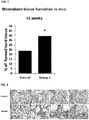
- FIG. 7 shows the results of measuring the amount of newly formed hard tissue using human dental pulp cells (hDPCs) for 12 weeks in vivo. As shown in FIG. 7 , the ratio of hard tissue formation after 12 weeks of transplantation was increased by about 2 times or more in the group treated with the novel peptide (Group 3, 39.5%) compared to the control (Control, 23.7%).
- hDPCs human dental pulp cells
- FIG. 8 is a microscopic image showing the histomorphological analysis of the hard tissue formed using human dental pulp cells (hDPCs) for 12 weeks in vivo
- a to D show the results of transplantation of a control implant prepared by mixing hDPCs and 100 mg HA/TCP in a 0.5% fibrin gel for 12 weeks in a mouse with compromised immune systems
- E to H show the results of transplantation of hDPCs and 100 mg HA/TCP with 0.5 % fibrin gel, respectively, together with 10 ⁇ g of group 3 peptide, in a mouse with compromised immune systems for 12 weeks (scale bar: A, E 500 ⁇ m; B, F 200 ⁇ m; C, G 100 ⁇ m; D, H 50 ⁇ m).
- FIG. 8 As shown in FIG. 8 , as a result of histomorphological analysis through hematoxylin-eosin staining, similar to the case of Figure 4 (6 weeks transplant) in the control group ( FIG. 8A to FIG. 8D ) not containing the peptide of the present invention and a group containing the peptide of the present invention ( FIG. 8E to FIG. 8H ) were observed that bone-like tissue and dentin-pulp-like tissue were formed in the substrate of the calcified tissue around the HA/TCP particles.
- Collagen staining was performed to confirm the accumulation of collagen protein in the calcified tissue formed in each experimental group of the histomorphological analysis of Example 2-5.
- FIG. 9 shows microscopic images showing the level of collagen formation in hard tissue formed using human dental pulp cells (hDPCs) for 12 weeks in vivo
- a to D show the results of transplantation of a control implant prepared by mixing hDPCs and 100 mg HA/TCP in a 0.5% fibrin gel for 12 weeks in a mouse with compromised immune systems
- E to H show the results of transplantation of hDPCs and 100 mg HA/TCP with 0.5 % fibrin gel, respectively, together with 10 ⁇ g of group 3 peptide, in a mouse with compromised immune systems for 12 weeks (scale bar: A, E 500 ⁇ m; B, F 200 ⁇ m; C, G 100 ⁇ m; D, H 50 ⁇ m).
- the formed hard tissue was stained by the method of collagen stain (Masson's trichrome stain).
- FIG. 9 compared to the control group ( FIG. 9A to 9D ), in the group containing the peptide of the present invention ( FIG. 9E to 9H ), it was confirmed that the formation level of collagen was increased.
- DSP odontoblast specific differentiation marker gene
- FIG. 10 is an immunostaining picture showing the analysis of the expression level of DSP, a marker for differentiation of blast cells using immunostaining method, in hard tissue formed using human dental pulp cells (hDPCs) for 12 weeks in vivo
- a to D show the results of transplantation of a control implant prepared by mixing hDPCs and 100 mg HA/TCP in a 0.5% fibrin gel for 12 weeks in a mouse with compromised immune systems
- E to H show the results of transplantation of hDPCs and 100 mg HA/TCP with 0.5 % fibrin gel, respectively, together with 10 ⁇ g of group 3 peptide, in a mouse with compromised immune systems for 6 weeks.
- a and B were immunostained using the anti-DSP antibody.
- C is a negative control of immunohistochemical analysis treated with only secondary antibodies.
- Arrows marked A and B indicate the expression of DSP in newly formed calcified tissue.
- the scale bar is 50 ⁇ m.
- FIG. 10 shows that in the immunohistochemical analysis, the secondary antibody-treated negative control group was not stained with DSP.
- Example 2-6 Cell analysis using scanning electron microscope of transplanted tissue
- Example 1-6 Scanning electron microscope analysis of the method of Example 1-6 was performed to confirm the differentiation of human dental pulp cells (hDPCs) into odontoblast or osteoblast/cementoblast in the control group and the experimental group treated with the novel peptide for 12 weeks after transplantation was performed.
- hDPCs human dental pulp cells
- Example 1-6 After 12 weeks, scanning electron microscope analysis was performed by the method of Example 1-6 in order to confirm the differentiation of human dental pulp cells (hDPCs) into odontoblast or osteoblast/cementoblast between the experimental group treated with the novel peptide and the control group.
- hDPCs human dental pulp cells
- FIG. 11 is an image showing analysis of hard tissue formed using human dental pulp cells (hDPCs) for 12 weeks in vivo using a scanning electron microscope (SEM), wherein A is hDPCs and 100 mg HA /TCP was prepared by mixing 0.5% fibrin gel with control implant, B and C were hDPCs and 100 mg HA/TCP with 10 ⁇ g of group 3 peptides, respectively, mixed with 0.5% fibrin gel. It shows the result of the implantation of the implant in a mouse with a compromised immune system for 12 weeks. The scale bar is 10 ⁇ m. The formed hard tissue was observed by cells using a scanning electron microscope.
- SEM scanning electron microscope
- the peptide of the present invention can more effectively form odontoblast and osteoblast/cementoblast.
- Example 2-7 Obturation test of dentinal tubules in vivo
- a dental bur was used to remove the enamel of the cervical region and expose the dentin.
- the premolar of exposed dentin was sufficiently washed to completely remove the enamel-dentin fragments generated during vortex formation, followed by removal of moisture.
- FIG. 12A and FIG. 12E after cutting the lower portion of the dentin injury site, the lower surface (box portion) of the cut surface was observed. As a result of the scanning electron microscope, it was confirmed that the control group without any treatment exposed the dentinal tubules of the lower part of the damaged dentin ( FIG. 12A to FIG. 12D ). On the other hand, in the experimental group treated with peptides, it can be seen that the exposed dentinal tubules were closed by physiological remineralization ( FIG. 12E to FIG. 12H ).
- Example 2-8 Observation of the damaged site of dentin surface in vivo
- a specimen of teeth extracted from adult dogs was prepared by the same method as in Example 2-7.
Landscapes
- Life Sciences & Earth Sciences (AREA)
- Health & Medical Sciences (AREA)
- Chemical & Material Sciences (AREA)
- Organic Chemistry (AREA)
- Proteomics, Peptides & Aminoacids (AREA)
- Medicinal Chemistry (AREA)
- Molecular Biology (AREA)
- General Health & Medical Sciences (AREA)
- Engineering & Computer Science (AREA)
- Biochemistry (AREA)
- Veterinary Medicine (AREA)
- Genetics & Genomics (AREA)
- Biophysics (AREA)
- Polymers & Plastics (AREA)
- Mycology (AREA)
- Food Science & Technology (AREA)
- Pharmacology & Pharmacy (AREA)
- Animal Behavior & Ethology (AREA)
- Nutrition Science (AREA)
- Public Health (AREA)
- Bioinformatics & Cheminformatics (AREA)
- Nuclear Medicine, Radiotherapy & Molecular Imaging (AREA)
- General Chemical & Material Sciences (AREA)
- Chemical Kinetics & Catalysis (AREA)
- Immunology (AREA)
- Epidemiology (AREA)
- Gastroenterology & Hepatology (AREA)
- Peptides Or Proteins (AREA)
- Medicines That Contain Protein Lipid Enzymes And Other Medicines (AREA)
- Coloring Foods And Improving Nutritive Qualities (AREA)
- Dental Preparations (AREA)
Applications Claiming Priority (3)
| Application Number | Priority Date | Filing Date | Title |
|---|---|---|---|
| KR20170182322 | 2017-12-28 | ||
| KR1020180078548A KR101943978B1 (ko) | 2017-12-28 | 2018-07-06 | 신규한 펩타이드 |
| PCT/KR2018/016011 WO2019132352A1 (ko) | 2017-12-28 | 2018-12-17 | 신규한 펩타이드 |
Publications (2)
| Publication Number | Publication Date |
|---|---|
| EP3733686A1 true EP3733686A1 (de) | 2020-11-04 |
| EP3733686A4 EP3733686A4 (de) | 2021-10-27 |
Family
ID=65276656
Family Applications (1)
| Application Number | Title | Priority Date | Filing Date |
|---|---|---|---|
| EP18894717.0A Pending EP3733686A4 (de) | 2017-12-28 | 2018-12-17 | Neuartiges peptid |
Country Status (13)
| Country | Link |
|---|---|
| US (2) | US11390648B2 (de) |
| EP (1) | EP3733686A4 (de) |
| JP (2) | JP7017271B2 (de) |
| KR (1) | KR101943978B1 (de) |
| CN (2) | CN111712512B (de) |
| AU (1) | AU2018398249B2 (de) |
| BR (1) | BR112020012054A2 (de) |
| CA (1) | CA3086466C (de) |
| MX (1) | MX2020006510A (de) |
| MY (1) | MY209140A (de) |
| RU (2) | RU2022100555A (de) |
| SG (1) | SG11202005653RA (de) |
| WO (1) | WO2019132352A1 (de) |
Cited By (2)
| Publication number | Priority date | Publication date | Assignee | Title |
|---|---|---|---|---|
| EP3791856A4 (de) * | 2018-05-09 | 2022-04-20 | Hysensbio | Zahnpastenzusammensetzung zur linderung von dentinüberempfindlichkeit |
| US11612555B2 (en) | 2018-05-09 | 2023-03-28 | Hysensbio | Oral care composition for alleviating dentine hyperesthesia |
Families Citing this family (4)
| Publication number | Priority date | Publication date | Assignee | Title |
|---|---|---|---|---|
| KR101943978B1 (ko) * | 2017-12-28 | 2019-01-30 | 주식회사 하이센스바이오 | 신규한 펩타이드 |
| KR102779289B1 (ko) | 2022-03-11 | 2025-03-11 | 서울대학교산학협력단 | 수복상아질 재생 활성을 갖는 펩타이드 및 이의 용도 |
| JPWO2023189812A1 (de) | 2022-03-31 | 2023-10-05 | ||
| KR102596392B1 (ko) * | 2022-12-08 | 2023-11-01 | 주식회사 하이센스바이오 | 신규한 펩타이드 |
Family Cites Families (23)
| Publication number | Priority date | Publication date | Assignee | Title |
|---|---|---|---|---|
| KR950703993A (ko) | 1993-08-25 | 1995-11-17 | 와끼야마 요시하루 | 치주 조직 질환 치료제(periodonal disease remedy) |
| JP2008526871A (ja) * | 2005-01-07 | 2008-07-24 | アコロジックス インコーポレイティッド | 歯周および歯の治療のためのペプチド製剤 |
| KR100772449B1 (ko) * | 2006-06-14 | 2007-11-02 | 주식회사 뉴파워 프라즈마 | 파형 왜곡 방지 회로를 구비한 무선 주파수 파워 앰프 |
| KR101212548B1 (ko) | 2007-10-01 | 2012-12-14 | 재단법인서울대학교산학협력재단 | 새로운 치소낭 유래의 치아 줄기세포 및 그의 배양 방법 |
| CA2719437A1 (en) | 2008-03-31 | 2009-10-08 | Augustinus Bader | Method and composition for the regeneration of tissue with the aid of stem cells or bone-marrow cells |
| WO2010072228A1 (en) * | 2008-12-22 | 2010-07-01 | Xigen S.A. | Novel transporter constructs and transporter cargo conjugate molecules |
| AU2010256445B2 (en) * | 2009-06-05 | 2015-07-30 | 13Therapeutics, Inc. | Immunoregulatory peptides and methods of use |
| KR20110019106A (ko) | 2009-08-19 | 2011-02-25 | 단국대학교 산학협력단 | 골 재생 촉진용 융합 단백질 및 이의 용도 |
| KR101343460B1 (ko) | 2010-12-13 | 2013-12-19 | 서울대학교산학협력단 | 법랑모세포, 애피컬 버드세포 또는 이들의 배양액을 유효성분으로 함유하는 경조직 형성 및, 상아질 또는 치수조직 재생용 조성물 |
| KR101370023B1 (ko) | 2012-04-06 | 2014-03-06 | 서울대학교산학협력단 | 합성고분자 나노섬유메시와 mta를 포함하는 치수질환 치료용 조성물 |
| KR101510941B1 (ko) * | 2012-07-03 | 2015-04-10 | 일양약품주식회사 | 신규한 펩타이드 및 이의 용도 |
| WO2014163336A1 (ko) * | 2013-03-30 | 2014-10-09 | 주식회사 케이엠더블유 | 전력제어 시스템 |
| WO2015197193A2 (en) * | 2014-06-26 | 2015-12-30 | Xigen Inflammation Ltd. | New use for jnk inhibitor molecules for treatment of various diseases |
| KR101494534B1 (ko) * | 2013-06-28 | 2015-02-17 | 주식회사 엘지생활건강 | 생체구조물과 결합하는 신규한 분리된 펩타이드 및 그의 용도 |
| KR101627917B1 (ko) | 2014-06-19 | 2016-06-07 | 서울대학교산학협력단 | Cpne7 단백질을 포함하는 비치계 중간엽 줄기세포의 상아모세포로의 분화방법, 조성물 및 이를 이용한 치수조직 재생 및 상아질 지각과민증 치료용 약학적 조성물 |
| KR101610861B1 (ko) | 2014-07-28 | 2016-04-11 | (주)케어젠 | 골분화 촉진능 및 치주인대섬유모세포 활성 촉진능을 갖는 펩타이드 및 이의 용도 |
| EP4353321A3 (de) * | 2014-08-04 | 2024-07-10 | OncoTherapy Science, Inc. | Koc1-abgeleitetes peptid und impfstoff damit |
| CN113321704B (zh) * | 2014-08-04 | 2026-05-12 | 肿瘤疗法科学股份有限公司 | Cdca1衍生的肽和含有它们的疫苗 |
| KR101788916B1 (ko) | 2015-02-27 | 2017-10-24 | 서울대학교산학협력단 | 법랑모세포 배양액을 포함하는 치주질환 치료용 약학 조성물 |
| KR101772449B1 (ko) | 2016-12-27 | 2017-08-30 | 주식회사 하이센스바이오 | 신규한 펩타이드 |
| KR101756740B1 (ko) | 2016-12-30 | 2017-07-11 | 주식회사 파미니티 | 치주조직 재생 촉진용 조성물 |
| KR101943978B1 (ko) * | 2017-12-28 | 2019-01-30 | 주식회사 하이센스바이오 | 신규한 펩타이드 |
| JP7222529B2 (ja) * | 2018-11-30 | 2023-02-15 | 株式会社七匠 | 遊技機 |
-
2018
- 2018-07-06 KR KR1020180078548A patent/KR101943978B1/ko active Active
- 2018-12-17 EP EP18894717.0A patent/EP3733686A4/de active Pending
- 2018-12-17 MX MX2020006510A patent/MX2020006510A/es unknown
- 2018-12-17 AU AU2018398249A patent/AU2018398249B2/en active Active
- 2018-12-17 WO PCT/KR2018/016011 patent/WO2019132352A1/ko not_active Ceased
- 2018-12-17 CN CN201880087076.9A patent/CN111712512B/zh active Active
- 2018-12-17 JP JP2020533855A patent/JP7017271B2/ja active Active
- 2018-12-17 BR BR112020012054-5A patent/BR112020012054A2/pt unknown
- 2018-12-17 US US16/956,754 patent/US11390648B2/en active Active
- 2018-12-17 MY MYPI2020003150A patent/MY209140A/en unknown
- 2018-12-17 CA CA3086466A patent/CA3086466C/en active Active
- 2018-12-17 RU RU2022100555A patent/RU2022100555A/ru unknown
- 2018-12-17 RU RU2020124401A patent/RU2764770C1/ru active
- 2018-12-17 SG SG11202005653RA patent/SG11202005653RA/en unknown
- 2018-12-17 CN CN202411027028.4A patent/CN118834266A/zh active Pending
-
2022
- 2022-01-20 JP JP2022006808A patent/JP7839536B2/ja active Active
- 2022-05-05 US US17/737,714 patent/US11905337B2/en active Active
Cited By (3)
| Publication number | Priority date | Publication date | Assignee | Title |
|---|---|---|---|---|
| EP3791856A4 (de) * | 2018-05-09 | 2022-04-20 | Hysensbio | Zahnpastenzusammensetzung zur linderung von dentinüberempfindlichkeit |
| US11452682B2 (en) | 2018-05-09 | 2022-09-27 | Hysensbio | Toothpaste composition for alleviating dentin hyperesthesia |
| US11612555B2 (en) | 2018-05-09 | 2023-03-28 | Hysensbio | Oral care composition for alleviating dentine hyperesthesia |
Also Published As
| Publication number | Publication date |
|---|---|
| US11905337B2 (en) | 2024-02-20 |
| US20210061855A1 (en) | 2021-03-04 |
| RU2764770C1 (ru) | 2022-01-21 |
| CN111712512B (zh) | 2024-08-06 |
| EP3733686A4 (de) | 2021-10-27 |
| RU2022100555A (ru) | 2022-02-10 |
| CN111712512A (zh) | 2020-09-25 |
| JP2021510065A (ja) | 2021-04-15 |
| CA3086466C (en) | 2023-01-17 |
| CA3086466A1 (en) | 2019-07-04 |
| AU2018398249A1 (en) | 2020-07-02 |
| US20220267375A1 (en) | 2022-08-25 |
| SG11202005653RA (en) | 2020-07-29 |
| MX2020006510A (es) | 2020-09-07 |
| KR101943978B1 (ko) | 2019-01-30 |
| BR112020012054A2 (pt) | 2021-02-17 |
| MY209140A (en) | 2025-06-24 |
| JP7839536B2 (ja) | 2026-04-02 |
| AU2018398249B2 (en) | 2021-03-25 |
| JP2022058671A (ja) | 2022-04-12 |
| US11390648B2 (en) | 2022-07-19 |
| JP7017271B2 (ja) | 2022-02-08 |
| CN118834266A (zh) | 2024-10-25 |
| WO2019132352A1 (ko) | 2019-07-04 |
Similar Documents
| Publication | Publication Date | Title |
|---|---|---|
| AU2018271360B2 (en) | Novel peptide | |
| US11905337B2 (en) | Peptide | |
| KR102596392B1 (ko) | 신규한 펩타이드 | |
| US11376310B2 (en) | Pharmaceutical composition for preventing or treating dentin-dental pulp diseases or periodontal disease including CPNE4 protein | |
| KR102006862B1 (ko) | 신규한 펩타이드 | |
| KR102037969B1 (ko) | 신규한 펩타이드 | |
| HK40112580A (zh) | 肽、包含肽的组合物及其应用 | |
| HK40034207B (zh) | 肽、包含肽的组合物及其应用 | |
| KR20250104721A (ko) | 신규한 펩타이드 | |
| KR20250104720A (ko) | 신규한 펩타이드 | |
| HK40034207A (en) | Peptides, compositions comprising the same and use thereof |
Legal Events
| Date | Code | Title | Description |
|---|---|---|---|
| STAA | Information on the status of an ep patent application or granted ep patent |
Free format text: STATUS: THE INTERNATIONAL PUBLICATION HAS BEEN MADE |
|
| PUAI | Public reference made under article 153(3) epc to a published international application that has entered the european phase |
Free format text: ORIGINAL CODE: 0009012 |
|
| STAA | Information on the status of an ep patent application or granted ep patent |
Free format text: STATUS: REQUEST FOR EXAMINATION WAS MADE |
|
| 17P | Request for examination filed |
Effective date: 20200617 |
|
| AK | Designated contracting states |
Kind code of ref document: A1 Designated state(s): AL AT BE BG CH CY CZ DE DK EE ES FI FR GB GR HR HU IE IS IT LI LT LU LV MC MK MT NL NO PL PT RO RS SE SI SK SM TR |
|
| AX | Request for extension of the european patent |
Extension state: BA ME |
|
| DAV | Request for validation of the european patent (deleted) | ||
| DAX | Request for extension of the european patent (deleted) | ||
| A4 | Supplementary search report drawn up and despatched |
Effective date: 20210929 |
|
| RIC1 | Information provided on ipc code assigned before grant |
Ipc: A61K 38/00 20060101ALI20210923BHEP Ipc: A23L 33/18 20160101ALI20210923BHEP Ipc: C07K 7/06 20060101AFI20210923BHEP |
|
| STAA | Information on the status of an ep patent application or granted ep patent |
Free format text: STATUS: EXAMINATION IS IN PROGRESS |
|
| 17Q | First examination report despatched |
Effective date: 20250512 |