EP3735408B1 - Substituierte halogen-chinolinderivate, verfahren zur herstellung und anwendungen davon - Google Patents
Substituierte halogen-chinolinderivate, verfahren zur herstellung und anwendungen davon Download PDFInfo
- Publication number
- EP3735408B1 EP3735408B1 EP19700067.2A EP19700067A EP3735408B1 EP 3735408 B1 EP3735408 B1 EP 3735408B1 EP 19700067 A EP19700067 A EP 19700067A EP 3735408 B1 EP3735408 B1 EP 3735408B1
- Authority
- EP
- European Patent Office
- Prior art keywords
- cancer
- compound
- pharmaceutical composition
- compounds
- och
- Prior art date
- Legal status (The legal status is an assumption and is not a legal conclusion. Google has not performed a legal analysis and makes no representation as to the accuracy of the status listed.)
- Active
Links
Images

Classifications
-
- A—HUMAN NECESSITIES
- A61—MEDICAL OR VETERINARY SCIENCE; HYGIENE
- A61K—PREPARATIONS FOR MEDICAL, DENTAL OR TOILETRY PURPOSES
- A61K31/00—Medicinal preparations containing organic active ingredients
- A61K31/33—Heterocyclic compounds
- A61K31/395—Heterocyclic compounds having nitrogen as a ring hetero atom, e.g. guanethidine or rifamycins
- A61K31/435—Heterocyclic compounds having nitrogen as a ring hetero atom, e.g. guanethidine or rifamycins having six-membered rings with one nitrogen as the only ring hetero atom
- A61K31/47—Quinolines; Isoquinolines
- A61K31/4706—4-Aminoquinolines; 8-Aminoquinolines, e.g. chloroquine, primaquine
-
- C—CHEMISTRY; METALLURGY
- C07—ORGANIC CHEMISTRY
- C07D—HETEROCYCLIC COMPOUNDS
- C07D215/00—Heterocyclic compounds containing quinoline or hydrogenated quinoline ring systems
- C07D215/02—Heterocyclic compounds containing quinoline or hydrogenated quinoline ring systems having no bond between the ring nitrogen atom and a non-ring member or having only hydrogen atoms or carbon atoms directly attached to the ring nitrogen atom
- C07D215/16—Heterocyclic compounds containing quinoline or hydrogenated quinoline ring systems having no bond between the ring nitrogen atom and a non-ring member or having only hydrogen atoms or carbon atoms directly attached to the ring nitrogen atom with hetero atoms or with carbon atoms having three bonds to hetero atoms with at the most one bond to halogen, e.g. ester or nitrile radicals, directly attached to ring carbon atoms
- C07D215/38—Nitrogen atoms
- C07D215/42—Nitrogen atoms attached in position 4
- C07D215/44—Nitrogen atoms attached in position 4 with aryl radicals attached to said nitrogen atoms
-
- A—HUMAN NECESSITIES
- A61—MEDICAL OR VETERINARY SCIENCE; HYGIENE
- A61K—PREPARATIONS FOR MEDICAL, DENTAL OR TOILETRY PURPOSES
- A61K39/00—Medicinal preparations containing antigens or antibodies
- A61K39/395—Antibodies; Immunoglobulins; Immune serum, e.g. antilymphocytic serum
- A61K39/39533—Antibodies; Immunoglobulins; Immune serum, e.g. antilymphocytic serum against materials from animals
- A61K39/3955—Antibodies; Immunoglobulins; Immune serum, e.g. antilymphocytic serum against materials from animals against proteinaceous materials, e.g. enzymes, hormones, lymphokines
-
- A—HUMAN NECESSITIES
- A61—MEDICAL OR VETERINARY SCIENCE; HYGIENE
- A61P—SPECIFIC THERAPEUTIC ACTIVITY OF CHEMICAL COMPOUNDS OR MEDICINAL PREPARATIONS
- A61P35/00—Antineoplastic agents
-
- A—HUMAN NECESSITIES
- A61—MEDICAL OR VETERINARY SCIENCE; HYGIENE
- A61P—SPECIFIC THERAPEUTIC ACTIVITY OF CHEMICAL COMPOUNDS OR MEDICINAL PREPARATIONS
- A61P35/00—Antineoplastic agents
- A61P35/04—Antineoplastic agents specific for metastasis
-
- A—HUMAN NECESSITIES
- A61—MEDICAL OR VETERINARY SCIENCE; HYGIENE
- A61K—PREPARATIONS FOR MEDICAL, DENTAL OR TOILETRY PURPOSES
- A61K45/00—Medicinal preparations containing active ingredients not provided for in groups A61K31/00 - A61K41/00
- A61K45/06—Mixtures of active ingredients without chemical characterisation, e.g. antiphlogistics and cardiaca
-
- C—CHEMISTRY; METALLURGY
- C07—ORGANIC CHEMISTRY
- C07K—PEPTIDES
- C07K16/00—Immunoglobulins [IG], e.g. monoclonal or polyclonal antibodies
- C07K16/18—Immunoglobulins [IG], e.g. monoclonal or polyclonal antibodies against material from animals or humans
- C07K16/28—Immunoglobulins [IG], e.g. monoclonal or polyclonal antibodies against material from animals or humans against receptors, cell surface antigens or cell surface determinants
- C07K16/2803—Immunoglobulins [IG], e.g. monoclonal or polyclonal antibodies against material from animals or humans against receptors, cell surface antigens or cell surface determinants against the immunoglobulin superfamily
- C07K16/2818—Immunoglobulins [IG], e.g. monoclonal or polyclonal antibodies against material from animals or humans against receptors, cell surface antigens or cell surface determinants against the immunoglobulin superfamily against CD28 or CD152
-
- C—CHEMISTRY; METALLURGY
- C07—ORGANIC CHEMISTRY
- C07K—PEPTIDES
- C07K16/00—Immunoglobulins [IG], e.g. monoclonal or polyclonal antibodies
- C07K16/18—Immunoglobulins [IG], e.g. monoclonal or polyclonal antibodies against material from animals or humans
- C07K16/28—Immunoglobulins [IG], e.g. monoclonal or polyclonal antibodies against material from animals or humans against receptors, cell surface antigens or cell surface determinants
- C07K16/2803—Immunoglobulins [IG], e.g. monoclonal or polyclonal antibodies against material from animals or humans against receptors, cell surface antigens or cell surface determinants against the immunoglobulin superfamily
- C07K16/2827—Immunoglobulins [IG], e.g. monoclonal or polyclonal antibodies against material from animals or humans against receptors, cell surface antigens or cell surface determinants against the immunoglobulin superfamily against B7 molecules, e.g. CD80, CD86
Definitions
- the invention relates to novel substituted halo-quinoline derivatives for use in the treatment of cancer.
- Cutaneous melanoma deriving from the transformation of melanocytes is one of the most lethal cancers among young adults. Its incidence has increased at a dramatic rate during the last decades. Melanoma has a high capability of invasion and rapid metastasis to other organs.
- Immune-checkpoint blockades targeting cytotoxic T-lymphocyte-associated protein 4 (CTLA-4), and more recently Programmed Death 1 (PD1) and Programmed Death-Ligand 1 (PDL-1), are recent and major breakthroughs in cancer therapy. Initially developed to treat metastatic melanomas, antibodies against those targets significantly increase overall patient survival and are now being evaluated to treat other solid cancers such as those of the kidney, prostate, colon, and lung. Although anti-PD1 antibodies have shown better results than anti-CTLA-4 antibodies, the response rate remains low (10% to 57%), depending on the cancer type and the treatment combinations.
- the instant invention provides new NIK inhibitors that decrease EZH2 at the transcriptional level and induce the production of an IFN- ⁇ response by the treated cells.
- These NIK inhibitors reduce the size of subcutaneous tumors without showing any specific toxicity, and when combined with anti-PD1 treatment lead to a dramatic reduction in tumor size with complete regression in some cases. Those effects are associated with a marked increase in the numbers and activation of type M1 macrophages, dendritic cells, Natural killer cells and T-cells within the treated tumors.
- the invention relates to compounds of general formula (I): in which R 1 R' 1 and R 2 have the meanings indicated below, and to pharmaceutical compositions containing such compounds as well as the uses thereof.
- the invention relates more particularly to compounds of general formula (I): wherein
- the halo group for R 2 is chloro (Cl).
- the compounds of general formula (I) are more particularly the following:
- the compounds of formula (I), their pharmaceutically acceptable salts and/or derived forms are valuable pharmaceutically active compounds suitable for the therapy and prophylaxis of various cancers.
- the invention thus also pertains to compounds of formula (I) as defined above and, if appropriate, their pharmaceutically acceptable salts and/or optical isomers, tautomers, solvates or isotopic variations thereof, for use in the treatment of cancer, namely solid tumor cancer, and preferably those selected from melanoma, colon cancer, lung cancer, pancreas cancer, kidney cancer, Merkel carcinoma, squamous cell carcinoma, prostate cancer, breast cancer, bladder cancer and lymphomas.
- cancer namely solid tumor cancer, and preferably those selected from melanoma, colon cancer, lung cancer, pancreas cancer, kidney cancer, Merkel carcinoma, squamous cell carcinoma, prostate cancer, breast cancer, bladder cancer and lymphomas.
- the cancer is melanoma.
- the compounds of general formula (I) may be ad ainistered alone or in combination. They may also be administered in combination with one or more other drugs.
- excipient or “carrier” is used herein to describe any ingredient other than the compound(s) of the invention.
- carrier is used herein to describe any ingredient other than the compound(s) of the invention.
- excipient will to a large extent depend on factors such as the particular mode of administration, the effect of the excipient on solubility and stability, and the nature of the dosage form.
- compositions suitable for the delivery of compounds of the present invention and methods for their preparation will be readily apparent to those skilled in the art. Such compositions and methods for their preparation may be found, for example, in ' Remington's Pharmaceutical Sciences', 19th Edition (Mack Publishing Company, 1995 ).
- Another aspect of the invention is thus a pharmaceutical composition
- a pharmaceutical composition comprising a compound of general formula (I) as defined above and optionally a pharmaceutically acceptable carrier.
- the pharmaceutical composition as defined above may additionally comprise:
- immunomodulatory compound refers to a compound that modulates one or more of the components (e.g., immune cells, or subcellular factors, genes regulating immune components, cytokines, chemokines or such molecules) of a host's immune system.
- the immunomodulatory compound is an immunostimulatory agent.
- Immunomodulatory agents may include, for example, small molecules, peptides, polypeptides, fusion proteins, and antibodies.
- Immunomodulatory antibodies are a promising class of anti-cancer therapies, due to their ability to promote a broad and sustained anti-cancer immune response in cancer patients.
- the additional therapeutic agent(s) may also be (a) compound(s) of the formula (I), or a pharmaceutically acceptable salt, derived forms or compositions thereof, or one or more compounds known in the art for the treatment of the conditions listed above.
- the additional therapeutic agent will be selected from a different class of therapeutic agents than those of the compounds of formula (I).
- Suitable examples of other therapeutic agents which may be used in combination with the compound(s) of formula (I), or pharmaceutically acceptable salts or derived forms thereof, include, for example:
- the invention more particularly relates to a pharmaceutical composition as defined above, as a combined preparation for simultaneous, separate or sequential use in the treatment of cancer, namely solid tumor cancer, and preferably those selected from melanoma, colon cancer, lung cancer, pancreas cancer, kidney cancer, Merkel carcinoma, squamous cell carcinoma, prostate cancer, breast cancer, bladder cancer, and lymphomas.
- cancer namely solid tumor cancer, and preferably those selected from melanoma, colon cancer, lung cancer, pancreas cancer, kidney cancer, Merkel carcinoma, squamous cell carcinoma, prostate cancer, breast cancer, bladder cancer, and lymphomas.
- compositions may conveniently be combined in the form of a kit suitable for co-administration of the compositions.
- the kit of the invention comprises two or more separate pharmaceutical compositions, at least one of which contains a compound of formula (I) in accordance with the invention, and means for separately retaining said compositions, such as a container, divided bottle, or divided foil packet.
- a container, divided bottle, or divided foil packet An example of such a kit is the familiar blister pack used for the packaging of tablets, capsules and the like.
- the kit of the invention is particularly suitable for administering different dosage forms, for example parenteral, for administering the separate compositions at different dosage intervals, or for titrating the separate compositions against one another.
- the kit typically comprises directions for administration and may be provided with a so-called memory aid.
- the compounds of the formula (I), or pharmaceutically acceptable salts, derived forms or compositions thereof can also be used as a combination with one or more additional therapeutic agents to be co-administered to a patient to obtain some particularly desired therapeutic end result for use in the treatment of cancers, namely solid tumor cancer, and preferably those selected from melanoma, colon cancer, lung cancer, pancreas cancer, kidney cancer, Merkel carcinoma, squamous cell carcinoma, prostate cancer, breast cancer, bladder cancer, and lymphomas.
- cancers namely solid tumor cancer, and preferably those selected from melanoma, colon cancer, lung cancer, pancreas cancer, kidney cancer, Merkel carcinoma, squamous cell carcinoma, prostate cancer, breast cancer, bladder cancer, and lymphomas.
- the compounds of the invention are administered to patients at metastatic stage suffering from melanoma, colon cancer, lung cancer, pancreas cancer, kidney cancer, Merkel carcinoma, squamous cell carcinoma, prostate cancer, breast cancer, bladder cancer, and lymphomas.
- the terms "co-administration”, “co-administered” and “in combination with”, referring to the compounds of formula (I) and one or more other therapeutic agents, are intended to mean, and refer to and include the following: simultaneous administration of such combination of compound(s) of formula (I) and therapeutic agent(s) to a patient in need of treatment, when such components are formulated together into a single dosage form which releases said components at substantially the same time to said patient, substantially simultaneous administration of such combination of compound(s) of formula (I) and therapeutic agent(s) to a patient in need of treatment, when such components are formulated apart from each other into separate dosage forms which are taken at substantially the same time by said patient, whereupon said components are released at substantially the same time to said patient, sequential administration of such combination compound(s) of formula (I) and therapeutic agent(s) to a patient in need of treatment, when such components are formulated apart from each other into separate dosage forms which are taken at consecutive times by said patient with a significant time interval between each administration, whereupon said components are
- Compounds of the invention may be administered as crystalline or amorphous products. They may be obtained, for example, as solid plugs, powders, or films by methods such as precipitation, crystallization, freeze-drying, spray drying, or evaporative drying. Microwave or radio frequency drying may be used for this purpose.
- the compounds of the invention may be administered by any suitable route.
- a compound of the invention may be formulated as a pharmaceutical composition for oral, buccal, intranasal, parenteral (e. g. intravenous, intramuscular or subcutaneous), topical or rectal administration or in a form suitable for administration by inhalation or insufflation.
- parenteral e. g. intravenous, intramuscular or subcutaneous
- topical or rectal administration or in a form suitable for administration by inhalation or insufflation.
- the pharmaceutical composition may take the form of, for example, a tablet or capsule prepared by conventional means with a pharmaceutically acceptable excipient such as a binding agent (e. g., pregelatinized maize starch, polyvinylpyrrolidone or hydroxypropyl methylcellulose); filler (e. g., lactose, microcrystalline cellulose or calcium phosphate); lubricant (e. g., magnesium stearate, talc or silica); disintegrant (e. g., potato starch or sodium starch glycolate); or wetting agent (e. g., sodium lauryl sulphate).
- a binding agent e. g., pregelatinized maize starch, polyvinylpyrrolidone or hydroxypropyl methylcellulose
- filler e. g., lactose, microcrystalline cellulose or calcium phosphate
- lubricant e. g., magnesium stearate, talc or silica
- Liquid preparations for oral administration may take the form of a, for example, solution, syrup or suspension, or they may be presented as a dry product for constitution with water or other suitable vehicle before use.
- Such liquid preparations may be prepared by conventional means with a pharmaceutically acceptable additive such as a suspending agent (e. g., sorbitol syrup, methyl cellulose or hydrogenated edible fats); emulsifying agent (e. g., lecithin or acacia); non-aqueous vehicle (e. g., almond oil, oily esters or ethyl alcohol); and preservative (e. g., methyl or propyl p-hydroxybenzoates or sorbic acid).
- a suspending agent e. g., sorbitol syrup, methyl cellulose or hydrogenated edible fats
- emulsifying agent e. g., lecithin or acacia
- non-aqueous vehicle e. g., almond oil, oily est
- the composition may take the form of tablets or lozenges formulated in conventional manner.
- a compound of the present invention may also be formulated for sustained delivery according to methods well known to those of ordinary skill in the art. Examples of such formulations can be found in United States Patents 3,538, 214 , 4,060, 598 , 4, 173,626 , 3,119, 742 , and 3,492, 397 .
- a compound of the invention may be formulated for parenteral administration by injection, including using conventional catheterization techniques or infusion.
- Formulations for injection may be presented in unit dosage form, e.g., in ampules or in multi-dose containers, with an added preservative.
- the compositions may take such forms as suspensions, solutions or emulsions in oily or aqueous vehicles, and may contain a formulating agent such as a suspending, stabilizing and/or dispersing agent.
- the active ingredient may be in powder form for reconstitution with a suitable vehicle, e.
- sterile pyrogen-free water before use parenteral formulations are typically aqueous solutions which may contain excipients such as salts, carbohydrates and buffering agents (preferably to a pH of from 3 to 9), but, for some applications, they may be more suitably formulated as a sterile non-aqueous solution or as a dried form to be used in conjunction with a suitable vehicle such as sterile, pyrogen-free water.
- the total daily dose of the compounds of the invention is typically in the range 0.001 mg to 5000 or in the range of 0.001 mg to 10000 mg depending, of course, on the mode of administration.
- an intravenous daily dose may only require from 0.001 mg to 40 mg.
- the total daily dose may be administered in single or divided doses and may, at the physician's discretion, fall outside of the typical range given herein.
- These dosages are based on an average human subject having a weight of about 65 kg to 70 kg. The physician will readily be able to determine doses for subjects whose weight falls outside this range, such as infants and the elderly.
- treatment includes curative, palliative and prophylactic treatment.
- the compounds of the formula (I) may be prepared using conventional procedures such as by the following illustrative methods in which the various substituents are as previously defined for the compounds of the formula (I) unless otherwise stated.
- Pharmaceutically acceptable salts of the compounds of formula (I) include the acid addition and base salts thereof.
- Suitable acid addition salts are formed from acids, which form non-toxic salts.
- Examples include the acetate, aspartate, benzoate, besylate, bicarbonate/carbonate, bisulphate/sulphate, borate, camsylate, citrate, edisylate, esylate, formate, fumarate, gluceptate, gluconate, glucuronate, hexafluorophosphate, hibenzate, hydrochloride/chloride, hydrobromide/bromide, hydroiodide/iodide, isethionate, lactate, malate, maleate, malonate, mesylate, methylsulphate, naphthylate, 2-napsylate, nicotinate, nitrate, orotate, oxalate, palmitate, pamoate, phosphate/hydrogen phosphate/dihydrogen phosphate, saccharate, stearate, succinate, tartrate, tosylate and trifluoroacetate and xinafoate salts.
- Suitable base salts are formed from bases, which form non-toxic salts.
- Examples include the aluminium, arginine, benzathine, calcium, choline, diethylamine, diolamine, glycine, lysine, magnesium, meglumine, olamine, potassium, sodium, tromethamine and zinc salts.
- Hemisalts of acids and bases may also be formed, for example, hemisulphate and hemicalcium salts.
- compositions of formula (I) may be prepared by one or more of three methods:
- the resulting salt may precipitate out and be collected by filtration or may be recovered by evaporation of the solvent.
- the degree of ionization in the resulting salt may vary from completely ionized to almost non-ionized.
- the compounds of the invention may exist in both unsolvated and solvated forms.
- solvate is used herein to describe a molecular complex comprising the compound of the invention and a stoichiometric amount of one or more pharmaceutically acceptable solvent molecules, for example, ethanol.
- complexes such as clathrates, drug-host inclusion complexes wherein, in contrast to the aforementioned solvates, the drug and host are present in stoichiometric or non-stoichiometric amounts.
- complexes of the drug containing two or more organic and/or inorganic components which may be in stoichiometric or non-stoichiometric amounts.
- the resulting complexes may be ionized, partially ionized, or non-ionized.
- references to compounds of formula (I) include references to salts, solvates and complexes thereof and to solvates and complexes of salts thereof.
- the compounds of the invention include compounds of formula (I) as hereinbefore defined, including all polymorphs and crystal habits thereof, and isomers thereof (including optical, geometric and tautomeric isomers) as hereinafter defined and isotopicallylabeled compounds of formula (I).
- Compounds of formula (I) containing one or more asymmetric carbon atoms can exist as two or more stereoisomers. Included within the scope of the present invention are all stereoisomers, geometric isomers and tautomeric forms of the compounds of formula (I), including compounds exhibiting more than one type of isomerism, and mixtures of one or more thereof.
- acid addition or base salts wherein the counter ion is optically active for example, D-lactate or L-lysine, or racemic, for example, DL-tartrate or DL-arginine.
- racemate (or a racemic precursor) may be reacted with a suitable optically active compound, for example, an alcohol, or, in the case where the compound of formula (I) contains an acidic or basic moiety, an acid or base such as tartaric acid or 1-phenylethylamine.
- a suitable optically active compound for example, an alcohol, or, in the case where the compound of formula (I) contains an acidic or basic moiety, an acid or base such as tartaric acid or 1-phenylethylamine.
- the resulting diastereomeric mixture may be separated by chromatography and/or fractional crystallization and one or both of the diastereoisomers converted to the corresponding pure enantiomer(s) by means well known to a skilled person.
- Chiral compounds of the invention may be obtained in enantiomerically-enriched form using chromatography, typically HPLC (chiral columns), on an asymmetric resin with a mobile phase consisting of a hydrocarbon, typically heptane or hexane, containing from 0 to 50% by volume of isopropanol, typically from 2% to 20%, and from 0 to 5% by volume of an alkylamine, typically 0.1% diethylamine.
- HPLC chiral columns
- a mobile phase consisting of a hydrocarbon, typically heptane or hexane, containing from 0 to 50% by volume of isopropanol, typically from 2% to 20%, and from 0 to 5% by volume of an alkylamine, typically 0.1% diethylamine.
- MeOH or iPrOH and H 2 O are used as solvents. Concentration of the eluate affords the enriched mixture.
- Stereoisomeric conglomerates may be separated by conventional techniques known to those skilled in the art-see, for example, “ Stereochemistry of Organic Compounds” by E. L. Eliel (Wiley, New York, 1994 ). “ Chiral Separation Techniques”. by G. Subramanian. John Wiley & Sons, 2008 . “ Preparative Enantioselective Chromatography” by G. B. Cox. Wiley, 2005 .
- solvates in accordance with the invention include those wherein the solvent of crystallization may be isotopically substituted, e.g. D 2 O.
- Cancer cell proliferation assay (A375, A549, PC3, HT-29, MiaPaca-2 and MCF-7)
- the tested cancer cells are the following: human melanoma cells (A375), lung carcinoma cells (A549), prostate cancer cells (PC3), colon adenocarcinoma (HT29), pancreas carcinoma (MiaPaca 2) and breast carcinoma (MCF-7).
- Proliferation % treated cell number / untreated cells number ⁇ 100 .
- Viability (%) 100 - [(dead cell number/total cells) *100].
- PCR primers for EZH2 (accession number NM004456.4) and p21(CDKN1A) (accession number NM078467.2) were obtained from primer bank or primer depot (http://pga.mgh.harvard.edu/primerbank/, https://primerdepot.nci.nih.gov), and their specificity was verified using primer blast (http://www.ncbi.nlm.nih.gov/tools/primer-blast/).
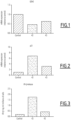
- Results obtained are summarized in Table 4 and figure 3 .
- SA- ⁇ -Gal senescence-associated ⁇ -galactosidase
- 4-MUG 4-methylumbelliferyl- ⁇ -D-galactopyranoside
- the production of the fluorophore was monitored at an emission/excitation wavelength of 365/460 nm, as reported (Gary and Kindell, 2005)
- Microsomal stability (mouse liver microsomes)
- Microsomal stability was evaluated with mouse liver microsomes (0.5 mg/mL) and NADPH cofactor (1 mM) at 37°C. The percentage of remaining compound is determined at 5 min by LC-MS by measuring the area under the peak of compound on the chromatogram.
- Table 1a viability Tested compounds Cancer Cell Viability (% à 10 ⁇ M)* A375 A549 PC3 HT29 MiaPaca-2 MCF-7 Compound 42 99.3 99.7 98.9 97.3 100.0 97.2 Compound 43 95.8 99.8 94.6 85.8 97.6 99.6 *Viability normalized to DMSO-treated control
- Table 1b proliferation Tested compounds Cancer Cell Proliferation (% à 10 ⁇ M)* A375 A549 PC3 HT29 MiaPaca-2 MCF-7 Compound 42 6.9 19.5 14.1 3.5 7.8 11.9 Compound 43 30.5 51.1 55.0 15.6 32.4 29.5 * Proliferation normalized to DMSO-treated control
- Table 1a shows that compounds 42 and 43 do not significantly affect the viability of treated cancer cells compared to untreated ones.
- Table 1b shows that compounds 42 and 43, and more particularly compound 42, strongly reduce the proliferation of all tested cancer cells (human melanoma cells (A375), lung carcinoma cells (A549), prostate cancer cells (PC3), colon adenocarcinoma (HT29), pancreas carcinoma (MiaPaca 2) and breast carcinoma (MCF-7).
- cancer cells human melanoma cells (A375), lung carcinoma cells (A549), prostate cancer cells (PC3), colon adenocarcinoma (HT29), pancreas carcinoma (MiaPaca 2) and breast carcinoma (MCF-7).
- Table 2 shows that compounds 42 and 43 do not significantly affect the viability of human melanocytes.
- NIK and the downstream target EZH2 are not expressed or at very low level in normal cells.
- the selective inhibition of NIK by the compounds of the invention do not alter normal cells and do not modify the viability of normal cells such as melanocytes.
- Table 3 Quantitative RT-PCR analysis Tested compounds qPCR* EZH2 p21 A375 A375 Compound 42 0.23 6.79 Compound 43 0.62 3.08 *mRNA (fold relative to DMSO-treated control)
- Table 3 shows that incubation of cells with compound 42 leads to a drastic decrease of mRNA expression of EZH2 as compared to incubation with a control compound (DMSO) ( figure 1 ). Correspondingly treatment with compound 42 leads to a major increase of p21 mRNA expression ( figure 2 ).
- Compounds 42 and 43 act by inhibiting NIK that regulates the non-canonical NF-kB pathway which in turn transcriptionally inhibits EZH2.
- EZH2 is the central target as it decreases p21 by promoting its methylation and inhibit the transcription of IFN- ⁇ by direct interaction on its promoter.
- the compounds of the invention increase p21 and promote senescence. It thus induces a decrease in proliferation of treated cells.
- the immune activation is due to the induced secretion of IFN- ⁇ by the treated cells.
- Table 4 Elisa measurements Tested compounds ELISA IFN- ⁇ (A375)* DMSO control 0.17 Compound 42 1.73 Compound 43 0.41 * IFN- ⁇ concentration (ng/mL)/millions cells
- Table 4 demonstrates that A375 cells treated with the compounds 42 and 43, and particularly compound 42, produce and secrete IFN- ⁇ while almost no IFN- ⁇ can be detected in untreated cells ( figure 3 ).
- EZH2 inhibits the production of IFN- ⁇ by interfering directly on its promotor site. By downregulating EZH2 at its transcriptional level the compounds induce the transcription of IFN- ⁇ and its production by the treated cancer cells.
- Table 4 shows a marked increase of the secretion of IFN- ⁇ in the media by the treated cancer cells as compared to control. This local production of IFN- ⁇ is crucial for attracting and activating the immune cells that will in vivo participate to the elimination of the cancer cells.
- Table 5 Quantitative senescence-associated beta-galactosidase assay Tested compounds % Senescence* Compound 42 645.9 Compound 43 1875.1 conversion rate (fold relative to DMSO-treated control)
- Microsomal stability serves as an in vitro assessment for the first path metabolisation of the drugs and is thus representative of an in vitro hepatic clearance, and an initial indicator for in vivo stability.
- the melanoma cell line A375 was treated during 96h with graded concentration of compounds 42 and 43. At the end of the culture period, the cell concentration was determined.
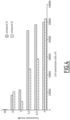
- Results demonstrate an inhibition of A375 proliferation starting around 5mM of compounds 42 and 43 (see Figure 4 ).
- Compound 42 has an IC50 of 0.42 ⁇ M and compound 43 of 1.83 ⁇ M.
- B9 melanoma cells were administrated subcutaneously.
- Compound 42 was administrated IP once every day at 50mg/kg.
- the anti-PD1 compound (BE0146-clone RMP1-14) was administered IP once every day at 10 mg/kg.
Landscapes
- Health & Medical Sciences (AREA)
- Chemical & Material Sciences (AREA)
- Organic Chemistry (AREA)
- Medicinal Chemistry (AREA)
- Life Sciences & Earth Sciences (AREA)
- Pharmacology & Pharmacy (AREA)
- Animal Behavior & Ethology (AREA)
- General Health & Medical Sciences (AREA)
- Public Health (AREA)
- Veterinary Medicine (AREA)
- Chemical Kinetics & Catalysis (AREA)
- Epidemiology (AREA)
- Nuclear Medicine, Radiotherapy & Molecular Imaging (AREA)
- General Chemical & Material Sciences (AREA)
- Immunology (AREA)
- Microbiology (AREA)
- Mycology (AREA)
- Oncology (AREA)
- Endocrinology (AREA)
- Bioinformatics & Cheminformatics (AREA)
- Engineering & Computer Science (AREA)
- Pharmaceuticals Containing Other Organic And Inorganic Compounds (AREA)
- Quinoline Compounds (AREA)
- Medicines That Contain Protein Lipid Enzymes And Other Medicines (AREA)
- Medicines Containing Antibodies Or Antigens For Use As Internal Diagnostic Agents (AREA)
Claims (15)
- Eine Verbindung der allgemeinen Formel (I):
 R1 OCH2CH2OCH3 oder OCH3 ist,R'1 H oder OH ist,R2 Cl, F, Br oder I ist,mit der Maßgabe, dass wenn:R1 OCH2CH2OCH3 ist, dann ist R'1 H,R1 OCH3 ist, dann ist R'1 OH,oder ein pharmazeutisch verträgliches Salz und/oder optisches isomer, Tautomer, Solvat oder eine isotopische Variation davon.
 - Eine Verbindung gemäß Anspruch 1, wobei R2 Cl ist.
- Eine Verbindung gemäß Anspruch 1 oder 2, welche ist:
7-Chlor-N-(4-(2-methoxyethoxy)phenyl)chinolin-4-amin. - Eine Verbindung gemäß Anspruch 1 oder 2, welche ist:
7-Chlor-N-(3-(hydroxy)-4-(methoxy)phenyl)chinolin-4-amin. - Eine Verbindung gemäß einem der Ansprüche 1 bis 4 zur Verwendung bei der Behandlung von Krebs.
- Eine Verbindung zur Verwendung gemäß Anspruch 5, wobei der Krebs ein solider Krebstumor ist.
- Eine Verbindung zur Verwendung gemäß Anspruch 5 oder 6, wobei der Krebs ausgewählt ist aus Melanom, Darmkrebs, Lungenkrebs, Bauchspeicheldrüsenkrebs, Nierenkrebs, Merkelkarzinom, Plattenepithelkarzinom, Prostatakrebs, Brustkrebs und Blasenkrebs.
- Ein Arzneimittel umfassend:- eine Verbindung wie in einem der Ansprüche 1 bis 4 definiert,- optional mindestens einen pharmazeutisch verträgtlichen Träger.
- Ein Arzneimittel gemäß Anspruch 8, wobei die Verbindung 7-Chlor-N-(4-(2-methoxyethoxy)phenyl)chinolin-4-amin ist.
- Ein Arzneimittel gemäß Anspruch 8, wobei die Verbindung 7-Chlor-N-(3-(hydroxy)-4-(methoxy)phenyl)chinolin-4-amin ist.
- Ein Arzneimittel gemäß einem der Ansprüche 8 bis 10, ferner umfassend:- mindestens eine immunmodulatorische Verbindung, wobei die immunmodulatorische Verbindung bevorzugt ein immunmodulatorischer Antikörper, noch stärker bevorzugt ein Antikörper ausgewählt aus einem anti-PD1-Antikörper, einem anti-CTLA4-Antikörper, einem anti-PD-L1-Antikörper und einem Gemisch von zwei oder mehreren davon ist, und/oder- mindestens ein weiteres therapeutisches Mittel.
- Ein Arzneimittel gemäß Anspruch 11, wobei das therapeutische Mittel ausgewählt ist aus Antikrebsmitteln, Nitrosoharnstoff-Alkylierungsmitteln, BRAF-Inhibitoren, MEK-Inhibitoren, anti-PD1-Fusionsprotein, adoptiven Zelltherapien, therapeutischen Krebsvakzinen, und T/NK-Zellen-Aktivierungsmitteln.
- Ein Arzneimittel gemäß einem der Ansprüche 8 bis 12 als ein Kombinationspräparat zur gleichzeitigen, getrennten oder sequenziellen Verwendung bei der Behandlung von Krebs.
- Ein Arzneimittel zur Verwendung gemäß Anspruch 13, wobei der Krebs ein solider Krebstumor ist.
- Ein Arzneimittel zur Verwendung gemäß Anspruch 13 oder 14, wobei der Krebs ausgewählt ist aus Melanom, Darmkrebs, Lungenkrebs, Bauchspeicheldrüsenkrebs, Nierenkrebs, Merkelkarzinom, Plattenepithelkarzinom, Prostatakrebs, Brustkrebs und Blasenkrebs.
Applications Claiming Priority (2)
| Application Number | Priority Date | Filing Date | Title |
|---|---|---|---|
| EP18305005 | 2018-01-05 | ||
| PCT/EP2019/050175 WO2019134975A1 (en) | 2018-01-05 | 2019-01-04 | Substituted halo-quinoline derivatives, method of preparation and applications thereof |
Publications (3)
| Publication Number | Publication Date |
|---|---|
| EP3735408A1 EP3735408A1 (de) | 2020-11-11 |
| EP3735408B1 true EP3735408B1 (de) | 2023-11-29 |
| EP3735408C0 EP3735408C0 (de) | 2023-11-29 |
Family
ID=60972161
Family Applications (2)
| Application Number | Title | Priority Date | Filing Date |
|---|---|---|---|
| EP19700067.2A Active EP3735408B1 (de) | 2018-01-05 | 2019-01-04 | Substituierte halogen-chinolinderivate, verfahren zur herstellung und anwendungen davon |
| EP19700065.6A Active EP3735407B1 (de) | 2018-01-05 | 2019-01-04 | Substituierte halogen-chinolinderivate zur verwendung bei der behandlung von lymphomen und leukämie |
Family Applications After (1)
| Application Number | Title | Priority Date | Filing Date |
|---|---|---|---|
| EP19700065.6A Active EP3735407B1 (de) | 2018-01-05 | 2019-01-04 | Substituierte halogen-chinolinderivate zur verwendung bei der behandlung von lymphomen und leukämie |
Country Status (8)
| Country | Link |
|---|---|
| US (2) | US12048693B2 (de) |
| EP (2) | EP3735408B1 (de) |
| JP (1) | JP7268053B2 (de) |
| CN (1) | CN112055706B (de) |
| AU (1) | AU2019205595B2 (de) |
| CA (1) | CA3087211A1 (de) |
| ES (1) | ES2968559T3 (de) |
| WO (2) | WO2019134969A1 (de) |
Families Citing this family (3)
| Publication number | Priority date | Publication date | Assignee | Title |
|---|---|---|---|---|
| EP3735408B1 (de) | 2018-01-05 | 2023-11-29 | Institut National De La Sante Et De La Recherche Medicale (Inserm) | Substituierte halogen-chinolinderivate, verfahren zur herstellung und anwendungen davon |
| CN113549018B (zh) * | 2020-04-24 | 2024-02-27 | 中国药科大学 | 蛋白激酶抑制剂及其衍生物,制备方法、药物组合物和应用 |
| EP4169904A1 (de) | 2021-10-25 | 2023-04-26 | Yukin Therapeutics | Substituierte chinoline als verbesserte nik inhibitoren |
Family Cites Families (19)
| Publication number | Priority date | Publication date | Assignee | Title |
|---|---|---|---|---|
| US3075981A (en) | 1958-04-03 | 1963-01-29 | Sterling Drug Inc | 1-[aromatic-(lower-alkyl)]-4-(aromaticimino)-1, 4-dihydroquinolines and their preparation |
| BE640616A (de) | 1962-12-19 | |||
| US3492397A (en) | 1967-04-07 | 1970-01-27 | Warner Lambert Pharmaceutical | Sustained release dosage in the pellet form and process thereof |
| US4060598A (en) | 1967-06-28 | 1977-11-29 | Boehringer Mannheim G.M.B.H. | Tablets coated with aqueous resin dispersions |
| US3538214A (en) | 1969-04-22 | 1970-11-03 | Merck & Co Inc | Controlled release medicinal tablets |
| US4173626A (en) | 1978-12-11 | 1979-11-06 | Merck & Co., Inc. | Sustained release indomethacin |
| AU733551B2 (en) | 1996-09-25 | 2001-05-17 | Astrazeneca Ab | Qinoline derivatives inhibiting the effect of growth factors such as VEGF |
| EP1678149A2 (de) | 2003-10-31 | 2006-07-12 | Neurogen Corporation | 4-amino(aza)chinolinderivate als capsaicinrezeptoragonisten |
| WO2008089307A2 (en) | 2007-01-18 | 2008-07-24 | Lexicon Pharmaceuticals, Inc. | Delta 5 desaturase inhibitors for the treatment of pain, inflammation and cancer |
| US20080234267A1 (en) * | 2007-03-20 | 2008-09-25 | Karen Elizabeth Lackey | Compounds and Methods of Treatment |
| WO2011073322A1 (en) * | 2009-12-16 | 2011-06-23 | Institut National De La Sante Et De La Recherche Medicale (Inserm) | 7-chloro-quinolin-4-amine compounds and uses thereof for the prevention or treatment of diseases involving formation of amyloid plaques and/or where a dysfunction of the app metabolism occurs |
| CN102249997A (zh) * | 2011-05-25 | 2011-11-23 | 沈阳化工大学 | 一组具有抗肿瘤活性的4-取代苯氨基喹啉化合物 |
| CN102846623A (zh) | 2011-07-01 | 2013-01-02 | 中国科学院上海药物研究所 | 氯喹或其衍生物与糖皮质激素受体的配体联合应用方法 |
| US10322125B2 (en) | 2013-02-22 | 2019-06-18 | Emory University | TGF-beta enhancing compositions for cartilage repair and methods related thereto |
| CN103232444B (zh) | 2013-04-18 | 2015-07-22 | 中国人民解放军军事医学科学院微生物流行病研究所 | 萘酚喹衍生物及其制备和其应用 |
| WO2017198196A1 (zh) | 2016-05-18 | 2017-11-23 | 王子厚 | 具有抗肿瘤活性的喹啉衍生物 |
| AU2017294572B2 (en) | 2016-07-08 | 2021-11-04 | Chu De Nice | 4-anilino-quinoline compounds as anti-cancer agents |
| EP3735408B1 (de) | 2018-01-05 | 2023-11-29 | Institut National De La Sante Et De La Recherche Medicale (Inserm) | Substituierte halogen-chinolinderivate, verfahren zur herstellung und anwendungen davon |
| WO2019173482A1 (en) | 2018-03-06 | 2019-09-12 | Sanford Burnham Prebys Medical Discovery Institute | 4-aminoquinoline compounds for the treatment of angiogenesis |
-
2019
- 2019-01-04 EP EP19700067.2A patent/EP3735408B1/de active Active
- 2019-01-04 US US16/959,954 patent/US12048693B2/en active Active
- 2019-01-04 ES ES19700067T patent/ES2968559T3/es active Active
- 2019-01-04 CN CN201980006967.1A patent/CN112055706B/zh active Active
- 2019-01-04 JP JP2020557388A patent/JP7268053B2/ja active Active
- 2019-01-04 WO PCT/EP2019/050159 patent/WO2019134969A1/en not_active Ceased
- 2019-01-04 WO PCT/EP2019/050175 patent/WO2019134975A1/en not_active Ceased
- 2019-01-04 EP EP19700065.6A patent/EP3735407B1/de active Active
- 2019-01-04 CA CA3087211A patent/CA3087211A1/en active Pending
- 2019-01-04 US US16/959,950 patent/US20200360365A1/en not_active Abandoned
- 2019-01-04 AU AU2019205595A patent/AU2019205595B2/en not_active Ceased
Also Published As
| Publication number | Publication date |
|---|---|
| US12048693B2 (en) | 2024-07-30 |
| CN112055706A (zh) | 2020-12-08 |
| ES2968559T3 (es) | 2024-05-10 |
| EP3735407B1 (de) | 2026-04-01 |
| CA3087211A1 (en) | 2019-07-11 |
| AU2019205595A1 (en) | 2020-07-09 |
| JP2021510176A (ja) | 2021-04-15 |
| US20200360365A1 (en) | 2020-11-19 |
| AU2019205595B2 (en) | 2023-01-05 |
| WO2019134969A1 (en) | 2019-07-11 |
| JP7268053B2 (ja) | 2023-05-02 |
| CN112055706B (zh) | 2023-11-10 |
| EP3735408A1 (de) | 2020-11-11 |
| EP3735408C0 (de) | 2023-11-29 |
| WO2019134975A1 (en) | 2019-07-11 |
| US20200361872A1 (en) | 2020-11-19 |
| EP3735407A1 (de) | 2020-11-11 |
Similar Documents
| Publication | Publication Date | Title |
|---|---|---|
| US8084454B2 (en) | Compounds with anti-cancer activity | |
| WO2022105855A1 (en) | Kras g12d inhibitors | |
| CN109952300B (zh) | 5或8-取代的咪唑并[1,5-a]吡啶 | |
| CA3007699A1 (en) | Substituted perhydropyrrolo[3,4-c]pyrrole derivatives and the use of same | |
| US20200360355A1 (en) | Enhancers of notch signaling and their use thereof in the treatment of cancers and malignancies medicable by upregulation of notch | |
| US12048693B2 (en) | Substituted halo-quinoline derivatives, method of preparation and applications thereof | |
| WO2018031707A1 (en) | Acyl benzo[d]thiazol-2-amine and their methods of use | |
| US20210171454A1 (en) | hTRPV1 CHEMICAL AGENTS | |
| KR20220068224A (ko) | Perk 억제 화합물 | |
| EP3176160A1 (de) | Pyridinsubstituierte 2-aminopyridinproteinkinasehemmer | |
| JP6580597B2 (ja) | Nampt阻害剤および方法 | |
| EP3481806B1 (de) | 4-anilino-chinolinverbindungen als antikrebsmittel | |
| WO2014180544A1 (en) | Hydantoine derivatives as cd38 inhibitors | |
| CA3245866A1 (en) | BLOOD-BRAIN BARRIER CROSSING PROTEIN-PROTEIN INTERACTION INHIBITORS (MLL1-WDR5) AND THEIR USES | |
| CN115286617A (zh) | 一种靶向降解nampt的protac化合物及其应用 | |
| JP5898767B2 (ja) | エンケファリン類似体 | |
| US20220047563A1 (en) | Combination therapy for the treatment of estrogen-receptor positive breast cancer | |
| US20170197961A1 (en) | Serine derivatives as ghrelin receptor agonists | |
| TW202532410A (zh) | 以四員環結構置換之三級醯胺衍生物 | |
| WO2016153394A1 (ru) | Применение новых химических соединений (варианты) в качестве ингибиторов nuak1 киназы для лечения онкологических заболеваний | |
| JP2025530501A (ja) | Nsd活性の修飾物質としての複素環 | |
| HK40003408A (en) | 5 or 8-SUBSTITUTED IMIDAZO [1, 5-A] PYRIDINES | |
| HK40003408B (en) | 5 or 8-SUBSTITUTED IMIDAZO [1, 5-A] PYRIDINES |
Legal Events
| Date | Code | Title | Description |
|---|---|---|---|
| STAA | Information on the status of an ep patent application or granted ep patent |
Free format text: STATUS: UNKNOWN |
|
| STAA | Information on the status of an ep patent application or granted ep patent |
Free format text: STATUS: THE INTERNATIONAL PUBLICATION HAS BEEN MADE |
|
| PUAI | Public reference made under article 153(3) epc to a published international application that has entered the european phase |
Free format text: ORIGINAL CODE: 0009012 |
|
| STAA | Information on the status of an ep patent application or granted ep patent |
Free format text: STATUS: REQUEST FOR EXAMINATION WAS MADE |
|
| 17P | Request for examination filed |
Effective date: 20200804 |
|
| AK | Designated contracting states |
Kind code of ref document: A1 Designated state(s): AL AT BE BG CH CY CZ DE DK EE ES FI FR GB GR HR HU IE IS IT LI LT LU LV MC MK MT NL NO PL PT RO RS SE SI SK SM TR |
|
| AX | Request for extension of the european patent |
Extension state: BA ME |
|
| RIN1 | Information on inventor provided before grant (corrected) |
Inventor name: DAO, PASCAL Inventor name: DE DONATIS, GIAN MARCO Inventor name: MARTIN, ANTHONY Inventor name: PASSERON, THIERRY Inventor name: BENHIDA, RACHID |
|
| DAV | Request for validation of the european patent (deleted) | ||
| DAX | Request for extension of the european patent (deleted) | ||
| STAA | Information on the status of an ep patent application or granted ep patent |
Free format text: STATUS: EXAMINATION IS IN PROGRESS |
|
| 17Q | First examination report despatched |
Effective date: 20210526 |
|
| GRAP | Despatch of communication of intention to grant a patent |
Free format text: ORIGINAL CODE: EPIDOSNIGR1 |
|
| STAA | Information on the status of an ep patent application or granted ep patent |
Free format text: STATUS: GRANT OF PATENT IS INTENDED |
|
| INTG | Intention to grant announced |
Effective date: 20221219 |
|
| GRAS | Grant fee paid |
Free format text: ORIGINAL CODE: EPIDOSNIGR3 |
|
| GRAJ | Information related to disapproval of communication of intention to grant by the applicant or resumption of examination proceedings by the epo deleted |
Free format text: ORIGINAL CODE: EPIDOSDIGR1 |
|
| GRAL | Information related to payment of fee for publishing/printing deleted |
Free format text: ORIGINAL CODE: EPIDOSDIGR3 |
|
| STAA | Information on the status of an ep patent application or granted ep patent |
Free format text: STATUS: EXAMINATION IS IN PROGRESS |
|
| INTC | Intention to grant announced (deleted) | ||
| RIN1 | Information on inventor provided before grant (corrected) |
Inventor name: MARTIN, ANTHONY Inventor name: DE DONATIS, GIAN MARCO Inventor name: DAO, PASCAL Inventor name: BENHIDA, RACHID Inventor name: PASSERON, THIERRY |
|
| GRAP | Despatch of communication of intention to grant a patent |
Free format text: ORIGINAL CODE: EPIDOSNIGR1 |
|
| STAA | Information on the status of an ep patent application or granted ep patent |
Free format text: STATUS: GRANT OF PATENT IS INTENDED |
|
| INTG | Intention to grant announced |
Effective date: 20230614 |
|
| GRAA | (expected) grant |
Free format text: ORIGINAL CODE: 0009210 |
|
| STAA | Information on the status of an ep patent application or granted ep patent |
Free format text: STATUS: THE PATENT HAS BEEN GRANTED |
|
| AK | Designated contracting states |
Kind code of ref document: B1 Designated state(s): AL AT BE BG CH CY CZ DE DK EE ES FI FR GB GR HR HU IE IS IT LI LT LU LV MC MK MT NL NO PL PT RO RS SE SI SK SM TR |
|
| REG | Reference to a national code |
Ref country code: GB Ref legal event code: FG4D |
|
| REG | Reference to a national code |
Ref country code: CH Ref legal event code: EP |
|
| REG | Reference to a national code |
Ref country code: DE Ref legal event code: R096 Ref document number: 602019042294 Country of ref document: DE |
|
| REG | Reference to a national code |
Ref country code: IE Ref legal event code: FG4D |
|
| U01 | Request for unitary effect filed |
Effective date: 20231215 |
|
| U07 | Unitary effect registered |
Designated state(s): AT BE BG DE DK EE FI FR IT LT LU LV MT NL PT SE SI Effective date: 20231221 |
|
| U20 | Renewal fee for the european patent with unitary effect paid |
Year of fee payment: 6 Effective date: 20240125 |
|
| PG25 | Lapsed in a contracting state [announced via postgrant information from national office to epo] |
Ref country code: GR Free format text: LAPSE BECAUSE OF FAILURE TO SUBMIT A TRANSLATION OF THE DESCRIPTION OR TO PAY THE FEE WITHIN THE PRESCRIBED TIME-LIMIT Effective date: 20240301 |
|
| PG25 | Lapsed in a contracting state [announced via postgrant information from national office to epo] |
Ref country code: IS Free format text: LAPSE BECAUSE OF FAILURE TO SUBMIT A TRANSLATION OF THE DESCRIPTION OR TO PAY THE FEE WITHIN THE PRESCRIBED TIME-LIMIT Effective date: 20240329 |
|
| PG25 | Lapsed in a contracting state [announced via postgrant information from national office to epo] |
Ref country code: IS Free format text: LAPSE BECAUSE OF FAILURE TO SUBMIT A TRANSLATION OF THE DESCRIPTION OR TO PAY THE FEE WITHIN THE PRESCRIBED TIME-LIMIT Effective date: 20240329 Ref country code: GR Free format text: LAPSE BECAUSE OF FAILURE TO SUBMIT A TRANSLATION OF THE DESCRIPTION OR TO PAY THE FEE WITHIN THE PRESCRIBED TIME-LIMIT Effective date: 20240301 |
|
| REG | Reference to a national code |
Ref country code: ES Ref legal event code: FG2A Ref document number: 2968559 Country of ref document: ES Kind code of ref document: T3 Effective date: 20240510 |
|
| PG25 | Lapsed in a contracting state [announced via postgrant information from national office to epo] |
Ref country code: RS Free format text: LAPSE BECAUSE OF FAILURE TO SUBMIT A TRANSLATION OF THE DESCRIPTION OR TO PAY THE FEE WITHIN THE PRESCRIBED TIME-LIMIT Effective date: 20231129 Ref country code: PL Free format text: LAPSE BECAUSE OF FAILURE TO SUBMIT A TRANSLATION OF THE DESCRIPTION OR TO PAY THE FEE WITHIN THE PRESCRIBED TIME-LIMIT Effective date: 20231129 Ref country code: NO Free format text: LAPSE BECAUSE OF FAILURE TO SUBMIT A TRANSLATION OF THE DESCRIPTION OR TO PAY THE FEE WITHIN THE PRESCRIBED TIME-LIMIT Effective date: 20240229 Ref country code: HR Free format text: LAPSE BECAUSE OF FAILURE TO SUBMIT A TRANSLATION OF THE DESCRIPTION OR TO PAY THE FEE WITHIN THE PRESCRIBED TIME-LIMIT Effective date: 20231129 |
|
| PG25 | Lapsed in a contracting state [announced via postgrant information from national office to epo] |
Ref country code: CZ Free format text: LAPSE BECAUSE OF FAILURE TO SUBMIT A TRANSLATION OF THE DESCRIPTION OR TO PAY THE FEE WITHIN THE PRESCRIBED TIME-LIMIT Effective date: 20231129 |
|
| PG25 | Lapsed in a contracting state [announced via postgrant information from national office to epo] |
Ref country code: SK Free format text: LAPSE BECAUSE OF FAILURE TO SUBMIT A TRANSLATION OF THE DESCRIPTION OR TO PAY THE FEE WITHIN THE PRESCRIBED TIME-LIMIT Effective date: 20231129 |
|
| PG25 | Lapsed in a contracting state [announced via postgrant information from national office to epo] |
Ref country code: SM Free format text: LAPSE BECAUSE OF FAILURE TO SUBMIT A TRANSLATION OF THE DESCRIPTION OR TO PAY THE FEE WITHIN THE PRESCRIBED TIME-LIMIT Effective date: 20231129 Ref country code: SK Free format text: LAPSE BECAUSE OF FAILURE TO SUBMIT A TRANSLATION OF THE DESCRIPTION OR TO PAY THE FEE WITHIN THE PRESCRIBED TIME-LIMIT Effective date: 20231129 Ref country code: RO Free format text: LAPSE BECAUSE OF FAILURE TO SUBMIT A TRANSLATION OF THE DESCRIPTION OR TO PAY THE FEE WITHIN THE PRESCRIBED TIME-LIMIT Effective date: 20231129 Ref country code: CZ Free format text: LAPSE BECAUSE OF FAILURE TO SUBMIT A TRANSLATION OF THE DESCRIPTION OR TO PAY THE FEE WITHIN THE PRESCRIBED TIME-LIMIT Effective date: 20231129 |
|
| PG25 | Lapsed in a contracting state [announced via postgrant information from national office to epo] |
Ref country code: MC Free format text: LAPSE BECAUSE OF FAILURE TO SUBMIT A TRANSLATION OF THE DESCRIPTION OR TO PAY THE FEE WITHIN THE PRESCRIBED TIME-LIMIT Effective date: 20231129 |
|
| PG25 | Lapsed in a contracting state [announced via postgrant information from national office to epo] |
Ref country code: MC Free format text: LAPSE BECAUSE OF FAILURE TO SUBMIT A TRANSLATION OF THE DESCRIPTION OR TO PAY THE FEE WITHIN THE PRESCRIBED TIME-LIMIT Effective date: 20231129 |
|
| REG | Reference to a national code |
Ref country code: DE Ref legal event code: R097 Ref document number: 602019042294 Country of ref document: DE |
|
| PLBE | No opposition filed within time limit |
Free format text: ORIGINAL CODE: 0009261 |
|
| STAA | Information on the status of an ep patent application or granted ep patent |
Free format text: STATUS: NO OPPOSITION FILED WITHIN TIME LIMIT |
|
| 26N | No opposition filed |
Effective date: 20240830 |
|
| PG25 | Lapsed in a contracting state [announced via postgrant information from national office to epo] |
Ref country code: IE Free format text: LAPSE BECAUSE OF NON-PAYMENT OF DUE FEES Effective date: 20240104 |
|
| PG25 | Lapsed in a contracting state [announced via postgrant information from national office to epo] |
Ref country code: IE Free format text: LAPSE BECAUSE OF NON-PAYMENT OF DUE FEES Effective date: 20240104 |
|
| U20 | Renewal fee for the european patent with unitary effect paid |
Year of fee payment: 7 Effective date: 20250131 |
|
| PG25 | Lapsed in a contracting state [announced via postgrant information from national office to epo] |
Ref country code: CY Free format text: LAPSE BECAUSE OF FAILURE TO SUBMIT A TRANSLATION OF THE DESCRIPTION OR TO PAY THE FEE WITHIN THE PRESCRIBED TIME-LIMIT; INVALID AB INITIO Effective date: 20190104 |
|
| PG25 | Lapsed in a contracting state [announced via postgrant information from national office to epo] |
Ref country code: HU Free format text: LAPSE BECAUSE OF FAILURE TO SUBMIT A TRANSLATION OF THE DESCRIPTION OR TO PAY THE FEE WITHIN THE PRESCRIBED TIME-LIMIT; INVALID AB INITIO Effective date: 20190104 |
|
| PG25 | Lapsed in a contracting state [announced via postgrant information from national office to epo] |
Ref country code: TR Free format text: LAPSE BECAUSE OF FAILURE TO SUBMIT A TRANSLATION OF THE DESCRIPTION OR TO PAY THE FEE WITHIN THE PRESCRIBED TIME-LIMIT Effective date: 20231129 |
|
| REG | Reference to a national code |
Ref country code: CH Ref legal event code: U11 Free format text: ST27 STATUS EVENT CODE: U-0-0-U10-U11 (AS PROVIDED BY THE NATIONAL OFFICE) Effective date: 20260201 |
|
| U20 | Renewal fee for the european patent with unitary effect paid |
Year of fee payment: 8 Effective date: 20260129 |
|
| PGFP | Annual fee paid to national office [announced via postgrant information from national office to epo] |
Ref country code: GB Payment date: 20260123 Year of fee payment: 8 |
|
| PGFP | Annual fee paid to national office [announced via postgrant information from national office to epo] |
Ref country code: ES Payment date: 20260227 Year of fee payment: 8 |
|
| PGFP | Annual fee paid to national office [announced via postgrant information from national office to epo] |
Ref country code: CH Payment date: 20260201 Year of fee payment: 8 |