EP3760192A1 - Gel de chloroquine et procédé de préparation et application de celui-ci - Google Patents
Gel de chloroquine et procédé de préparation et application de celui-ci Download PDFInfo
- Publication number
- EP3760192A1 EP3760192A1 EP19892996.0A EP19892996A EP3760192A1 EP 3760192 A1 EP3760192 A1 EP 3760192A1 EP 19892996 A EP19892996 A EP 19892996A EP 3760192 A1 EP3760192 A1 EP 3760192A1
- Authority
- EP
- European Patent Office
- Prior art keywords
- chloroquine
- nanosphere
- water
- soluble
- chitosan
- Prior art date
- Legal status (The legal status is an assumption and is not a legal conclusion. Google has not performed a legal analysis and makes no representation as to the accuracy of the status listed.)
- Granted
Links
Images

Classifications
-
- A—HUMAN NECESSITIES
- A61—MEDICAL OR VETERINARY SCIENCE; HYGIENE
- A61K—PREPARATIONS FOR MEDICAL, DENTAL OR TOILETRY PURPOSES
- A61K31/00—Medicinal preparations containing organic active ingredients
- A61K31/33—Heterocyclic compounds
- A61K31/395—Heterocyclic compounds having nitrogen as a ring hetero atom, e.g. guanethidine or rifamycins
- A61K31/435—Heterocyclic compounds having nitrogen as a ring hetero atom, e.g. guanethidine or rifamycins having six-membered rings with one nitrogen as the only ring hetero atom
- A61K31/47—Quinolines; Isoquinolines
- A61K31/4706—4-Aminoquinolines; 8-Aminoquinolines, e.g. chloroquine, primaquine
-
- A—HUMAN NECESSITIES
- A61—MEDICAL OR VETERINARY SCIENCE; HYGIENE
- A61K—PREPARATIONS FOR MEDICAL, DENTAL OR TOILETRY PURPOSES
- A61K47/00—Medicinal preparations characterised by the non-active ingredients used, e.g. carriers or inert additives; Targeting or modifying agents chemically bound to the active ingredient
- A61K47/30—Macromolecular organic or inorganic compounds, e.g. inorganic polyphosphates
- A61K47/36—Polysaccharides; Derivatives thereof, e.g. gums, starch, alginate, dextrin, hyaluronic acid, chitosan, inulin, agar or pectin
-
- A—HUMAN NECESSITIES
- A61—MEDICAL OR VETERINARY SCIENCE; HYGIENE
- A61K—PREPARATIONS FOR MEDICAL, DENTAL OR TOILETRY PURPOSES
- A61K9/00—Medicinal preparations characterised by special physical form
- A61K9/0012—Galenical forms characterised by the site of application
- A61K9/0034—Urogenital system, e.g. vagina, uterus, cervix, penis, scrotum, urethra, bladder; Personal lubricants
-
- A—HUMAN NECESSITIES
- A61—MEDICAL OR VETERINARY SCIENCE; HYGIENE
- A61K—PREPARATIONS FOR MEDICAL, DENTAL OR TOILETRY PURPOSES
- A61K9/00—Medicinal preparations characterised by special physical form
- A61K9/06—Ointments; Bases therefor; Other semi-solid forms, e.g. creams, sticks, gels
-
- A—HUMAN NECESSITIES
- A61—MEDICAL OR VETERINARY SCIENCE; HYGIENE
- A61K—PREPARATIONS FOR MEDICAL, DENTAL OR TOILETRY PURPOSES
- A61K9/00—Medicinal preparations characterised by special physical form
- A61K9/10—Dispersions; Emulsions
- A61K9/107—Emulsions ; Emulsion preconcentrates; Micelles
-
- A—HUMAN NECESSITIES
- A61—MEDICAL OR VETERINARY SCIENCE; HYGIENE
- A61K—PREPARATIONS FOR MEDICAL, DENTAL OR TOILETRY PURPOSES
- A61K9/00—Medicinal preparations characterised by special physical form
- A61K9/48—Preparations in capsules, e.g. of gelatin, of chocolate
- A61K9/50—Microcapsules having a gas, liquid or semi-solid filling; Solid microparticles or pellets surrounded by a distinct coating layer, e.g. coated microspheres, coated drug crystals
- A61K9/51—Nanocapsules; Nanoparticles
- A61K9/5107—Excipients; Inactive ingredients
- A61K9/513—Organic macromolecular compounds; Dendrimers
- A61K9/5161—Polysaccharides, e.g. alginate, chitosan, cellulose derivatives; Cyclodextrin
-
- A—HUMAN NECESSITIES
- A61—MEDICAL OR VETERINARY SCIENCE; HYGIENE
- A61P—SPECIFIC THERAPEUTIC ACTIVITY OF CHEMICAL COMPOUNDS OR MEDICINAL PREPARATIONS
- A61P15/00—Drugs for genital or sexual disorders; Contraceptives
- A61P15/02—Drugs for genital or sexual disorders; Contraceptives for disorders of the vagina
-
- A—HUMAN NECESSITIES
- A61—MEDICAL OR VETERINARY SCIENCE; HYGIENE
- A61P—SPECIFIC THERAPEUTIC ACTIVITY OF CHEMICAL COMPOUNDS OR MEDICINAL PREPARATIONS
- A61P17/00—Drugs for dermatological disorders
- A61P17/12—Keratolytics, e.g. wart or anti-corn preparations
-
- A—HUMAN NECESSITIES
- A61—MEDICAL OR VETERINARY SCIENCE; HYGIENE
- A61P—SPECIFIC THERAPEUTIC ACTIVITY OF CHEMICAL COMPOUNDS OR MEDICINAL PREPARATIONS
- A61P31/00—Antiinfectives, i.e. antibiotics, antiseptics, chemotherapeutics
-
- A—HUMAN NECESSITIES
- A61—MEDICAL OR VETERINARY SCIENCE; HYGIENE
- A61P—SPECIFIC THERAPEUTIC ACTIVITY OF CHEMICAL COMPOUNDS OR MEDICINAL PREPARATIONS
- A61P31/00—Antiinfectives, i.e. antibiotics, antiseptics, chemotherapeutics
- A61P31/04—Antibacterial agents
-
- A—HUMAN NECESSITIES
- A61—MEDICAL OR VETERINARY SCIENCE; HYGIENE
- A61P—SPECIFIC THERAPEUTIC ACTIVITY OF CHEMICAL COMPOUNDS OR MEDICINAL PREPARATIONS
- A61P31/00—Antiinfectives, i.e. antibiotics, antiseptics, chemotherapeutics
- A61P31/10—Antimycotics
-
- A—HUMAN NECESSITIES
- A61—MEDICAL OR VETERINARY SCIENCE; HYGIENE
- A61P—SPECIFIC THERAPEUTIC ACTIVITY OF CHEMICAL COMPOUNDS OR MEDICINAL PREPARATIONS
- A61P31/00—Antiinfectives, i.e. antibiotics, antiseptics, chemotherapeutics
- A61P31/12—Antivirals
-
- A—HUMAN NECESSITIES
- A61—MEDICAL OR VETERINARY SCIENCE; HYGIENE
- A61P—SPECIFIC THERAPEUTIC ACTIVITY OF CHEMICAL COMPOUNDS OR MEDICINAL PREPARATIONS
- A61P31/00—Antiinfectives, i.e. antibiotics, antiseptics, chemotherapeutics
- A61P31/12—Antivirals
- A61P31/20—Antivirals for DNA viruses
-
- A—HUMAN NECESSITIES
- A61—MEDICAL OR VETERINARY SCIENCE; HYGIENE
- A61P—SPECIFIC THERAPEUTIC ACTIVITY OF CHEMICAL COMPOUNDS OR MEDICINAL PREPARATIONS
- A61P31/00—Antiinfectives, i.e. antibiotics, antiseptics, chemotherapeutics
- A61P31/12—Antivirals
- A61P31/20—Antivirals for DNA viruses
- A61P31/22—Antivirals for DNA viruses for herpes viruses
-
- A—HUMAN NECESSITIES
- A61—MEDICAL OR VETERINARY SCIENCE; HYGIENE
- A61P—SPECIFIC THERAPEUTIC ACTIVITY OF CHEMICAL COMPOUNDS OR MEDICINAL PREPARATIONS
- A61P33/00—Antiparasitic agents
- A61P33/02—Antiprotozoals, e.g. for leishmaniasis, trichomoniasis, toxoplasmosis
-
- Y—GENERAL TAGGING OF NEW TECHNOLOGICAL DEVELOPMENTS; GENERAL TAGGING OF CROSS-SECTIONAL TECHNOLOGIES SPANNING OVER SEVERAL SECTIONS OF THE IPC; TECHNICAL SUBJECTS COVERED BY FORMER USPC CROSS-REFERENCE ART COLLECTIONS [XRACs] AND DIGESTS
- Y02—TECHNOLOGIES OR APPLICATIONS FOR MITIGATION OR ADAPTATION AGAINST CLIMATE CHANGE
- Y02A—TECHNOLOGIES FOR ADAPTATION TO CLIMATE CHANGE
- Y02A50/00—TECHNOLOGIES FOR ADAPTATION TO CLIMATE CHANGE in human health protection, e.g. against extreme weather
- Y02A50/30—Against vector-borne diseases, e.g. mosquito-borne, fly-borne, tick-borne or waterborne diseases whose impact is exacerbated by climate change
Definitions
- the present invention belongs to the field of biological medicine technologies, and more particularly, relates to a chloroquine gel for treating external genitalia infection and other cutaneous warts and a preparation method and application thereof.
- Genital infections also called sexually transmitted diseases, refer to a group of diseases mainly transmitted by sexual contact. More than 20 infectious diseases caused by sex behaviors or similar sex behaviors are included in the category of genital infections internationally. Since the 1980s, floating population has been increasing day by day. With the change of sexual concept, unsafe sex behaviors have increased. Reproductive tract infection and sexually transmitted infection are increasing in China, and have spread from the coast to the inland and developed from the city to the countryside, so that the situation is quite severe. According to statistics, there are about 400,000 AIDS patients in China today, HIV infection is about 1 in 1,000, and about hundreds of people are infected every day, with characteristics of a large sexual transmission ratio and the transmission from a high-risk group to a general group.
- the number of patients suffering from external genitalia infection of both sexes in China is still increasing year by year in recent years, an incidence rate in many areas ranks second and third in an order of infectious diseases, an incidence rate of lower genital tract infection among married women is as high as 50%, and 70% of women at least suffered from vulvovaginal candidiasis once in their lifetime, 5% to 10% of which suffered from recurrent vaginal candidiasis and 90% of which were infected with human papillomavirus.
- An incidence rate of the external genitalia infection of both sexes is increasing so rapidly that a difficulty in control has become a serious social and public health problem to the world. Therefore, effective prevention and treatment of the external genitalia infection of both sexes have become very serious and urgent tasks at present.
- the external genitalia infection is mainly treated by aiming at a pathogen in modern medicine.
- prevention and treatment there are many kinds of pathogenic microorganisms causing the reproductive tract infection, and the variation and drug resistance of the pathogen make it extremely difficult to select an antibiotic medicine to prevent the reproductive tract infection.
- the treatment of the external genitalia infection is mostly based on antibiotic or disinfectant administration.
- irritation of a disinfectant to a local mucosa destroys an environment in a vagina, the use of the disinfectant is limited, and the disinfectant is usually only suitable for local treatment.
- an antibiotic therapy often brings drug resistance and side effects. Therefore, it is of great significance to develop a new and highly effective medicine for external use with antibacterial and antiviral effects for the effective prevention and treatment of the external genitalia infection.
- Chloroquine has always been used as a medicine to prevent and treat plasmodium infection, and is often used in gene transfection experiments to improve a transfection efficiency.
- the high-concentration chloroquine is found to have an effect of inhibiting and killing cryptococcus in vitro through in-vitro studies, and effects of the chloroquine on two varieties of the cryptococcus are not different; and meanwhile, the chloroquine can enhance an anti-cryptococcal ability of amphotericin B and has a synergistic antibacterial effect with the amphotericin B.
- many studies focus on an anti-HIV activity of the chloroquine.
- the chloroquine has a broad-spectrum anti-HIV activity, and the chloroquine not only is aimed at a laboratory strain B evolved by HIV-1, but also has a great effect on primary isolates A, B, C, D and E evolved by HIV-1. It seems that a main mechanism of an anti-HIV effect of the chloroquine is to inhibit glycosylation of a gp120 virus envelope protein, resulting in that a newly generated virus particle has a severely reduced infectivity. Meanwhile, it is believed in studies that the chloroquine is an aminoquinine membrane-penetrating agent, which can be embedded into a double-stranded DNA and change a double helix form of a DNA by unwinding.
- chloroquine can be used as a kind of intercalators such as acridine orange and ethidium bromide, which can selectively inhibit a covalent bond of a small plasmid DNA, and by changing a density of DNA supercoils, the closure of the supercoil can be changed, thus inhibiting the proliferation of bacteria and virus-infected cells.
- a DNA of a human papillomavirus (HPV) causing a cervical cancer is such a plasmid, which is a supercoiled complex DNA, and performs DNA replication and RNA transcription.
- the chloroquine has been proved to be able to inhibit the plasmid DNA and interfere with an activity of DNA polymerase by changing a superhelix density of the plasmid DNA. Due to the alkalescence, the chloroquine has been proved to cause mitochondrial dysfunction, such as accumulation of endosomes/lysosomes, change of a pH value and possible apoptosis. In addition, the chloroquine has been proved to reactivate inactivated P53 (HPV degradation/P53 inactivation), be connected to melanin (production of melanin occurs on the same layer of skin as HPV replication: a basal layer of epidermis), and prevent release of iron ions (iron catalyst/energy dependence of HPV during replication).
- inactivated P53 HPV degradation/P53 inactivation
- Iron is necessary for DNA replication, and the iron also acts as an electronic catalyst in transportation and storage of oxygen. However, the iron is also a vital substance for pathogen survival and virus replication. Inhibition of iron particles is also an important mechanism for the chloroquine to kill viruses and virus-infected cells.
- the chloroquine is mainly used to treat an acute malaria attack and control a malaria symptom.
- the chloroquine can also be used for treating hepatic amebiasis, clonorchiasis sinensis, paragonimiasis, connective tissue disease, etc.
- the chloroquine can also be used for treating photosensitive diseases such as erythema solare disease.
- a tablet and an injection are used for treating malaria with large dosage and long course of treatment, which may have serious side effects on gastrointestinal tract and skin.
- the chloroquine has certain irritation on skin, causing skin damage and various types of rashes. Therefore, how to reduce the irritation of the chloroquine and the side effects, and improve an application value of the chloroquine by changing a dosage form has become the main problem at present.
- a medicine microsphere refers to a tiny spherical entity formed by medicine dispersion or adsorption in a high-molecular polymer matrix.
- a microsphere preparation has a long-acting, sustained-release or targeted effect, which can greatly improve convenience and compliance of patients in medication, with outstanding advantages in clinic, so that the preparation is a potential dosage form.
- a microsphere preparation product has a great added value and a broad market prospect, and has become a hot spot in medicine research and development in recent years.
- An objective of the present invention is to overcome the defects in the prior art above, and provide a chloroquine nanosphere, which selects a natural polymer compound as a microsphere carrier, has a simple preparation process and a small side effect of a product, gives full play to a synergistic effect of chloroquine and the microsphere carrier, has obvious anti-inflammatory, antibacterial and antiviral effects, reduces irritation of the chloroquine to skin, promotes wound healing, can control a release speed of a medicine, and overcomes defects of a weak antibacterial effect of the existing microsphere carrier and large irritation of the chloroquine.
- Another objective of the present invention is to provide a preparation method for the chloroquine nanosphere applied to external genitalia and other cutaneous warts.
- One another objective of the present invention is to provide a new application for the chloroquine nanosphere above.
- Still another objective of the present invention is to provide a product for preventing and treating external genitalia infection and/or other cutaneous warts.
- a chloroquine nanosphere includes a water-soluble nanosphere carrier, and chloroquine or a chloroquine derivative.
- the nanosphere which is prepared by combining the water-soluble nanosphere carrier with the chloroquine or the chloroquine derivative has a long action time, a mucosal adhesiveness, a local retention and a self-degradability, reduces irritation of the chloroquine, has no irritation on the external genitalia, overcomes defects of a large side effect and inconvenient use in an existing external genitalia infection treatment method at the same time, and can effectively solve a side effect and a medicine resistance of the chloroquine;
- the nanosphere of the present invention can effectively prevent or treat external genitalia infection and other cutaneous wart diseases, such as vaginitis, flat warts and the like, and even has a remarkable synergistic effect; and not only an application range of the chloroquine is expanded, but also a phenomenon of medicine resistance caused by abuse of existing antibacterial medicines is reduced.
- the present invention further relates to a preparation method for the chloroquine nanosphere above, which includes the following steps:
- a mass ratio of the chloroquine or the chloroquine derivative to the water-soluble nanosphere carrier ranges from 1:3 to 1:5.
- the mass ratio of the chloroquine or the chloroquine derivative to the water-soluble nanosphere carrier is 1:3.
- the chloroquine derivative is selected from one or more of hydroxychloroquine, chloroquine phosphate or chloroquine sulfate.
- a loading rate of the chloroquine or the chloroquine derivative ranges from 3.0% to 21.6%.
- the loading rate of the chloroquine or the chloroquine derivative is 12.5%.
- the water-soluble nanosphere carrier is selected from one or more of water-soluble chitosan, water-soluble carrageenan or water-soluble starch.
- the water-soluble nanosphere carrier is the water-soluble chitosan.
- a deacetylation degree of the water-soluble chitosan ranges from 80% to 95%, and a viscosity-average molecular weight thereof ranges from 3000 to 5000.
- the volume ratio of the aqueous phase to the oil phase in the step S2 is 1:3.
- the high-speed centrifugation in the step S3 is performed at 1500 - 2000 r/min for 5 - 10 minutes.
- the high-speed centrifugation in the step S3 is performed at 1500 r/min for 10 minutes.
- the precipitant is added into the nanosphere emulsion at a speed of 1 to 5 drops per second.
- a volume ratio of the emulsifier to the precipitant is (1 - 1.5) : (30 - 50).
- the volume ratio of the emulsifier to the precipitant is 1:50.
- the oil phase matrix is vegetable oil; and the precipitant is an alkaline organic phase.
- the alkaline organic phase is a sodium hydroxide-n-propanol mixed solution.
- a pH value of the alkaline organic phase ranges from 8.5 to 10.0.
- the pH value of the alkaline organic phase is 9.0.
- the vegetable oil is selected from one or more of corn oil, olive oil, peanut oil, soybean oil, rapeseed oil and other vegetable oils.
- the emulsifier is selected from one or more of Tween-20, Tween-80 and Span 80.
- chloroquine nanosphere above in preparing an antibacterial and/or antiviral product, and application of the chloroquine nanosphere above in preparing a product for preventing and treating external genitalia infection and/or other cutaneous warts are also included in the scope of protection of the present invention.
- the product including the chloroquine nanosphere above can obviously reduce skin irritation of the chloroquine, promote wound healing, play a slow release effect, and improve a biological activity at the same time, and is applied to treat external genitalia infection and/or other cutaneous warts.
- the external genitalia infection includes viral vaginitis, condyloma acuminatum, bacterial vaginosis, fungal-infectious vaginitis or trichomonal vaginitis.
- the other cutaneous warts include flat warts and warts at non-genital parts caused by HPV infection.
- the chloroquine nanosphere has good therapeutic effects on the external genitalia infection including viral vaginitis, condyloma acuminatum, bacterial vaginosis, fungal-infectious vaginitis or trichomonal vaginitis, and the other cutaneous warts including flat warts and warts at non-genital parts caused by HPV infection.
- the present invention further provides a product for preventing and treating external genitalia infection and/or other cutaneous warts, which includes chloroquine or a chloroquine derivative, and further includes one or more of water-soluble chitosan, water-soluble carrageenan or water-soluble starch.
- a mass ratio of the chloroquine or the chloroquine derivative to the water-soluble chitosan, the water-soluble carrageenan or the water-soluble starch is not more than 1/3.
- the mass ratio of the chloroquine or the chloroquine derivative to the water-soluble chitosan, the water-soluble carrageenan or the water-soluble starch ranges from 1:3 to 1:5.
- the mass ratio of the chloroquine or the chloroquine derivative to the water-soluble chitosan, the water-soluble carrageenan or the water-soluble starch is 1:3.
- the product for preventing and treating external genitalia infection and/or other cutaneous warts includes the chloroquine nanosphere above.
- the chloroquine nanosphere accounts for 1% to 6% of a total weight of the product.
- the product is gel, ointment, cream, effervescent tablet, vaginal tablet, capsule, film agent or suppository.
- the product of the present invention can be processed into a semi-solid preparation such as gel, cream and the like, or a solid preparation such as tablet, effervescent tablet and the like; and the product of the present invention can obviously improve bitter taste and skin irritation of the chloroquine, promote wound healing, play a slow release effect and improve a biological activity at the same time.
- the product is gel.
- the present invention has the following beneficial effects.
- a sodium hydroxide-n-propanol mixed solution was used as a precipitant, 10 mL of n-propanol was firstly added with several drops of saturated sodium hydroxide solution to adjust a pH value to 9, then the mixed solution was evenly mixed and added into the nanosphere emulsion at a speed of 1 to 5 drops per second, a volume ratio of the emulsifier to the precipitant was controlled to be 1:50, then a mixture obtained was stood for 5 minutes, and added with a proper amount of n-propanol for dehydration; and then the mixture was centrifuged at 1500 r/min for 10 minutes, cleaned, and dried, thus obtaining the chloroquine-chitosan nanosphere.
- water-soluble chitosan was dissolved in water, then added with hydroxychloroquine, and evenly mixed and stirred to form an aqueous phase, and a mass ratio of the hydroxychloroquine to the water-soluble chitosan was controlled to be 1:5, wherein a degree of deacetylation of the water-soluble chitosan was 90%, and a viscosity-average molecular weight thereof was 3000.
- a sodium hydroxide-n-propanol mixed solution was used as a precipitant, 10 mL of n-propanol was added with several drops of saturated sodium hydroxide solution to adjust a pH value to 8.5, then the mixed solution was evenly mixed and added into the nanosphere emulsion slowly, a volume ratio of the emulsifier to the precipitant was controlled to be 1.5:50, then a mixture obtained was stood for 2 minutes, and added with a proper amount of n-propanol for dehydration; and then the mixture was centrifuged at 2000 r/min for 5 minutes, cleaned, and dried, thus obtaining the chloroquine-carrageenan nanosphere, with a particle diameter ranging from 200 nm to 800 nm, and a loading rate of chloroquine of 10.3%.
- water-soluble chitosan was dissolved in water, then added with chloroquine sulfate, and evenly mixed and stirred to form an aqueous phase, and a mass ratio of the chloroquine sulfate to the water-soluble chitosan was controlled to be 1:7, wherein a degree of deacetylation of the water-soluble chitosan was 90%, and a viscosity-average molecular weight thereof was 4000.
- a sodium hydroxide-n-propanol mixed solution was used as a precipitant, n-propanol was firstly added with several drops of saturated sodium hydroxide solution to adjust a pH value to 10, then the mixed solution was evenly mixed and added into the nanosphere emulsion slowly, a volume ratio of the emulsifier to the precipitant was controlled to be 1.5:30, then a mixture obtained was stood for 8 minutes, and added with a proper amount of n-propanol for dehydration; and then the mixture was centrifuged at 1500 r/min for 10 minutes, cleaned, and dried, thus obtaining the chloroquine-starch nanosphere, with an average particle diameter of 400 nm, and a loading rate of chloroquine of 8.6%.
- Chloroquine-chitosan nanosphere 1% Carboxymethyl cellulose 2% Ethylparaben 0.2% Glycerol 30% Peppermint oil 0.1% Purified water Supplemented to 100%
- the preparation method included the following steps.
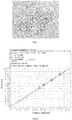
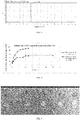
- Pure chloroquine gel was prepared by the same method, and release rates of chloroquine in the chloroquine-chitosan nanosphere gel and the chloroquine gel were compared. As shown in FIG. 4 , the chloroquine-chitosan nanosphere gel could slowly and stably release the chloroquine.
- the chloroquine-chitosan nanosphere gel prepared by the present invention has no sudden release phenomenon at the early stage, and a release speed of the chloroquine-chitosan nanosphere gel is almost not affected by a medium.
- the chloroquine-chitosan nanosphere gel presents a good slow release effect, which is beneficial for sustained release of a medicine after external administration.
- the preparation method included the following steps.
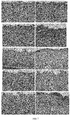
- FIG. 5 is a shape diagram of gel products with different ratios observed on a smooth glass plane (a mass ratio of chloroquine phosphate to chitosan is respectively 1:5, 1:3, 1:1, 1:0.5 from No. 1 to No. 4 gel products, wherein No. 5 is a product of pure chitosan); and FIG. 6 shows flowing of the gel products with different ratios on the smooth glass plane in 1 minute.
- the experiment showed that when the ratio of the chloroquine phosphate to the chitosan was 1:1 or 1:0.5, the gel prepared was uneven in texture, had small particles, and had a poor fluidity.
- the ratio of the chloroquine phosphate to the chitosan was 1:5 or 1:3, the product with gel of even texture, a pH suitable for vaginal and skin administration, a moderate viscosity, color and odor meeting the needs of different populations, and a stable chloroquine content was prepared.
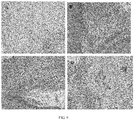
- the chloroquine gel could cause worse damage on the damaged skins, when the negative control side was completely repaired, the skins on the chloroquine gel side could not be repaired normally, and the skins on the chloroquine gel side could only recover to a certain extent 14 days after stopping administration, with an obvious difference, which indicated that the chloroquine had an irritation effect on the damaged skins, and the chloroquine-chitosan microsphere could significantly reduce the irritation effect, which might be related to antibacterial, anti-inflammatory and wound healing promoting effects of the chitosan itself.
- the irritation reaction of the chloroquine-chitosan nanosphere gel on the skins was obviously smaller than that of the chloroquine gel, which indicated that the chloroquine-chitosan nanosphere greatly reduced an irritation side effect of the chloroquine on the skins and promoted wound healing to a certain extent.
- a mass ratio of the chloroquine to the chitosan was not more than 1: 3, an irritation effect was smaller and a medicine content was the highest.
- the chloroquine-chitosan nanosphere obtained in the Embodiment 2 was made into gel for the animal test on herpes virus vaginitis.
- the specific experimental method was that: a number of Hartley guinea pigs qualified for adaptive observation were selected, 10 animals were randomly selected as a blank control group (A), and the other animals were all infected with herpes virus through vagina for modeling. After modeling, the animals were randomly divided into five groups, and the overall grouping was as follows:
- vaginal mucosa tissue was taken for fixing and embedding the next day, paraffin wax was continuously cut into sections of 4 ⁇ m, and after hematoxylin-eosin (HE) staining, a pathological condition of the vaginal mucosa tissue was observed under a microscope.
- HE hematoxylin-eosin
- the chloroquine-chitosan nanosphere gel could obviously improve vaginitis caused by herpes virus.
- a degree of inflammation of each group was compared: the model control group > the chloroquine phosphate group E > the chloroquine-chitosan nanosphere gel group D > the chloroquine-chitosan nanosphere gel group C > the blank control group.
- the combined application of chloroquine and chitosan could significantly improve vaginal edema, and the results were similar to the degree of inflammation, which indicated that the combined application of the chloroquine and the chitosan had a significant increased therapeutic effect.
- a plurality of nude mice (half male and half female) qualified for adaptive observation were selected, HPV-infected wart tissues were directly inoculated to the nude mice subcutaneously.
- a transplantation process was strictly in accordance with a principle of aseptic operation. 5 days to 6 days after inoculation of warts, the nude mice with good inoculated parts were selected and randomly and evenly divided into 4 groups according to body weight and gender, namely:
- Each group had 6 nude mice (half male and half female).
- the model control group was given white vaseline and other groups were all given corresponding gels.
- Each group was administrated through skin, and a corresponding administration area on administration parts of animals was about 2 cm ⁇ 2 cm.
- the medicine was administrated once a day, with 6 hours for each contact, and after 6 hours of contact, the medicine was removed.
- the administration was continuously performed for 14 days.
- the medicine was administrated 3 times a week for the positive control group, with 6 hours for each contact, and after 6 hours of contact, the medicine was removed.
- the administration was performed for 14 days.
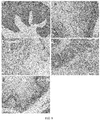
- a wart tissue was taken for fixing and embedding the next day, paraffin wax was continuously cut into sections of 4 ⁇ m, and after hematoxylin-eosin (HE) staining, a pathological condition of the wart tissue was observed under a microscope.
- HE hematoxylin-eosin
- the epidermal cells of the warts had hyperkeratosis, squamous epithelium could be seen under epidermis, the epithelial cells were degenerated and necrotic locally, and a few koilocytoid cells could be seen locally.
- chloroquine had an effect of clearing viruses of infected cell for the warts caused by HPV, and with the increase of a chloroquine content, a number of koilocytoid cells infected with HPV was decreased.
- the chloroquine gel group (Group D) could obviously remove infected cells, but could cause local degeneration and necrosis of tissues.
- the chloroquine-chitosan gel could protect skin while reducing the infected cells.
- In-vitro antibacterial activity detection was performed on the chloroquine-chitosan nanosphere gel group (Group B: chloroquine-chitosan nanosphere gel, wherein a mass ratio of chloroquine phosphate to chitosan was 3:1) in the Embodiment 6.
- 20 g of gel product was added into 100 mL of pH 7.0 buffer (negative control was not added with a test sample) to fully dissolve the gel product.
- 1 mL, 0.5 mL, 0.25 mL and 0.125 mL of pH 7.0 buffers added with the test sample were added into corresponding culture mediums of corresponding bacteria, and cultured in a plate.
- the chloroquine and the chitosan were jointly applied, which had a synergistic inhibition effect on various vaginal pathogenic microorganisms.
- the medicine of the present invention could kill or inhibit various vaginal pathogenic microorganisms, such as staphylococcus aureus (SA), verdigris (EC), beta Hemolytic streptococcus (ST), Candida albicans (CA), Ureaplasma urealyticum (Uu), Trichomonas vaginalis and Bacteroides fragilis , and herpes simplex virus type 2 (HSV-2).
- the medicine of the present invention could inhibit adhesion of a pathogen and a vaginal epithelial cell of a host, and prevent and treat various vaginitis, such as Candida albicans vaginitis, trichomonal vaginitis, bacterial vaginosis, genital herpes virus and other external genitalia infections.
- various vaginitis such as Candida albicans vaginitis, trichomonal vaginitis, bacterial vaginosis, genital herpes virus and other external genitalia infections.
- the present invention was applied to treatment of warts of 30 patients caused by HPV infection, and after 2 weeks to 3 weeks of treatment, the warts of the 30 patients were found to naturally fall off without any adverse reactions.
- the chloroquine nanosphere of the present invention has good therapeutic effects on external genitalia infection including viral vaginitis, condyloma acuminatum, bacterial vaginosis, fungal-infectious vaginitis or trichomonal vaginitis, and other cutaneous warts including flat warts and warts at non-genital parts caused by HPV infection.
Landscapes
- Health & Medical Sciences (AREA)
- Chemical & Material Sciences (AREA)
- Life Sciences & Earth Sciences (AREA)
- Veterinary Medicine (AREA)
- Public Health (AREA)
- General Health & Medical Sciences (AREA)
- Medicinal Chemistry (AREA)
- Animal Behavior & Ethology (AREA)
- Pharmacology & Pharmacy (AREA)
- Epidemiology (AREA)
- Organic Chemistry (AREA)
- General Chemical & Material Sciences (AREA)
- Chemical Kinetics & Catalysis (AREA)
- Nuclear Medicine, Radiotherapy & Molecular Imaging (AREA)
- Engineering & Computer Science (AREA)
- Bioinformatics & Cheminformatics (AREA)
- Oncology (AREA)
- Communicable Diseases (AREA)
- Virology (AREA)
- Gynecology & Obstetrics (AREA)
- Reproductive Health (AREA)
- Physics & Mathematics (AREA)
- Nanotechnology (AREA)
- Biomedical Technology (AREA)
- Optics & Photonics (AREA)
- Urology & Nephrology (AREA)
- Endocrinology (AREA)
- Tropical Medicine & Parasitology (AREA)
- Inorganic Chemistry (AREA)
- Molecular Biology (AREA)
- Dermatology (AREA)
- Biotechnology (AREA)
- Dispersion Chemistry (AREA)
- Medicinal Preparation (AREA)
- Pharmaceuticals Containing Other Organic And Inorganic Compounds (AREA)
Applications Claiming Priority (2)
| Application Number | Priority Date | Filing Date | Title |
|---|---|---|---|
| CN201811474701.3A CN109288816B (zh) | 2018-12-04 | 2018-12-04 | 一种氯喹凝胶及其制备方法和应用 |
| PCT/CN2019/115216 WO2020114166A1 (fr) | 2018-12-04 | 2019-11-04 | Gel de chloroquine et procédé de préparation et application de celui-ci |
Publications (3)
| Publication Number | Publication Date |
|---|---|
| EP3760192A1 true EP3760192A1 (fr) | 2021-01-06 |
| EP3760192A4 EP3760192A4 (fr) | 2021-11-17 |
| EP3760192B1 EP3760192B1 (fr) | 2023-01-18 |
Family
ID=65142502
Family Applications (1)
| Application Number | Title | Priority Date | Filing Date |
|---|---|---|---|
| EP19892996.0A Active EP3760192B1 (fr) | 2018-12-04 | 2019-11-04 | Gel de chloroquine et procédé de préparation et application de celui-ci |
Country Status (11)
| Country | Link |
|---|---|
| US (2) | US11147773B2 (fr) |
| EP (1) | EP3760192B1 (fr) |
| JP (1) | JP6893288B2 (fr) |
| KR (1) | KR102260231B1 (fr) |
| CN (1) | CN109288816B (fr) |
| AU (1) | AU2019391079B2 (fr) |
| ES (1) | ES2938738T3 (fr) |
| PL (1) | PL3760192T3 (fr) |
| PT (1) | PT3760192T (fr) |
| RU (1) | RU2760457C1 (fr) |
| WO (1) | WO2020114166A1 (fr) |
Cited By (1)
| Publication number | Priority date | Publication date | Assignee | Title |
|---|---|---|---|---|
| CN114146065A (zh) * | 2021-12-14 | 2022-03-08 | 合肥工业大学 | 一种用于选择性对抗炎性细胞的包裹氯喹的变性白蛋白纳米粒子及其制备方法和应用 |
Families Citing this family (8)
| Publication number | Priority date | Publication date | Assignee | Title |
|---|---|---|---|---|
| CN109288816B (zh) * | 2018-12-04 | 2019-11-22 | 广州凯普医药科技有限公司 | 一种氯喹凝胶及其制备方法和应用 |
| CN110917196B (zh) * | 2020-02-05 | 2020-06-05 | 广州康健医学科技有限公司 | 一种氯喹抑菌消毒液及其应用 |
| EP4135673A4 (fr) * | 2020-04-14 | 2024-05-08 | Glanis Pharmaceuticals, Inc. | Système d'administration transdermique et/ou topique comprenant de l'hydroxychloroquine et/ou de la chloroquine |
| CN111328811B (zh) * | 2020-04-16 | 2021-07-23 | 广州康健医学科技有限公司 | 一种低浓度酒精杀菌消毒液及其应用 |
| CN114044548B (zh) * | 2021-09-24 | 2023-08-11 | 杭州食疗晶元生物科技有限公司 | 一种快速降解水凝胶回收水资源的方法 |
| CN114796126B (zh) * | 2022-04-02 | 2023-04-18 | 复旦大学附属中山医院青浦分院(上海市青浦区中心医院) | 关节腔注射用硫酸羟氯喹缓释微球及其制备方法 |
| CN114848642A (zh) * | 2022-07-07 | 2022-08-05 | 广州康健医学科技有限公司 | 磷酸氯喹在制备防治高危型hpv感染及宫颈癌前病变与宫颈癌的药物中的应用 |
| CN116602921A (zh) * | 2023-04-20 | 2023-08-18 | 江苏艾迪纳米生物医药有限公司 | 一种磷酸氯喹阳离子柔性脂质体凝胶及其制备方法 |
Family Cites Families (8)
| Publication number | Priority date | Publication date | Assignee | Title |
|---|---|---|---|---|
| US7309500B2 (en) * | 2003-12-04 | 2007-12-18 | The Board Of Trustees Of The University Of Illinois | Microparticles |
| DE102005041860A1 (de) * | 2005-09-02 | 2007-03-08 | Schering Ag | Nanopartikulärer Einschluss- und Ladungskomplex für pharmazeutische Formulierungen |
| CN102488659A (zh) * | 2011-12-14 | 2012-06-13 | 常州市晨光树脂有限公司 | 一种可载药水溶性壳聚糖纳米粒子的制备方法 |
| US20140011839A1 (en) * | 2012-07-03 | 2014-01-09 | Justice E. OBI | Compositions and methods for treating and inhibiting viral infections |
| CN104703601A (zh) * | 2012-07-03 | 2015-06-10 | 格雷斯兰生物科技股份有限公司 | 用于治疗和抑制病毒感染的组合物和方法 |
| CN105612635A (zh) * | 2013-10-23 | 2016-05-25 | 百特吉公司 | 用于可充电锌电极的复合材料 |
| CN108671231B (zh) * | 2018-08-06 | 2020-07-10 | 合肥工业大学 | 一种用于肿瘤光热增效治疗和超声成像的多功能纳米载体及制备方法 |
| CN109288816B (zh) * | 2018-12-04 | 2019-11-22 | 广州凯普医药科技有限公司 | 一种氯喹凝胶及其制备方法和应用 |
-
2018
- 2018-12-04 CN CN201811474701.3A patent/CN109288816B/zh active Active
-
2019
- 2019-11-04 WO PCT/CN2019/115216 patent/WO2020114166A1/fr not_active Ceased
- 2019-11-04 PL PL19892996.0T patent/PL3760192T3/pl unknown
- 2019-11-04 RU RU2020130473A patent/RU2760457C1/ru active
- 2019-11-04 KR KR1020207025970A patent/KR102260231B1/ko active Active
- 2019-11-04 JP JP2020549032A patent/JP6893288B2/ja active Active
- 2019-11-04 EP EP19892996.0A patent/EP3760192B1/fr active Active
- 2019-11-04 ES ES19892996T patent/ES2938738T3/es active Active
- 2019-11-04 US US16/978,713 patent/US11147773B2/en active Active
- 2019-11-04 AU AU2019391079A patent/AU2019391079B2/en active Active
- 2019-11-04 PT PT198929960T patent/PT3760192T/pt unknown
-
2021
- 2021-09-10 US US17/472,541 patent/US11564891B2/en active Active
Cited By (1)
| Publication number | Priority date | Publication date | Assignee | Title |
|---|---|---|---|---|
| CN114146065A (zh) * | 2021-12-14 | 2022-03-08 | 合肥工业大学 | 一种用于选择性对抗炎性细胞的包裹氯喹的变性白蛋白纳米粒子及其制备方法和应用 |
Also Published As
| Publication number | Publication date |
|---|---|
| AU2019391079B2 (en) | 2021-09-23 |
| PL3760192T3 (pl) | 2023-03-20 |
| PT3760192T (pt) | 2023-02-16 |
| JP2021509681A (ja) | 2021-04-01 |
| EP3760192A4 (fr) | 2021-11-17 |
| BR112020019266A2 (pt) | 2021-01-05 |
| CN109288816B (zh) | 2019-11-22 |
| KR20200113277A (ko) | 2020-10-06 |
| US20210401763A1 (en) | 2021-12-30 |
| EP3760192B1 (fr) | 2023-01-18 |
| CN109288816A (zh) | 2019-02-01 |
| AU2019391079A1 (en) | 2020-09-24 |
| ES2938738T3 (es) | 2023-04-14 |
| US11147773B2 (en) | 2021-10-19 |
| JP6893288B2 (ja) | 2021-06-23 |
| RU2760457C1 (ru) | 2021-11-25 |
| US11564891B2 (en) | 2023-01-31 |
| WO2020114166A1 (fr) | 2020-06-11 |
| KR102260231B1 (ko) | 2021-06-03 |
| US20200397713A1 (en) | 2020-12-24 |
Similar Documents
| Publication | Publication Date | Title |
|---|---|---|
| US11564891B2 (en) | Chloroquine gel and preparation method and application thereof | |
| NO326139B1 (no) | Preparat omfattende et plantekjemikaliekonsentrat av Echinacea purpurea og benzalkoniumklorid. | |
| CN101472560B (zh) | 治疗烧伤的药物组合物及其制备方法 | |
| CN104353058B (zh) | 商陆抗病毒蛋白冻干粉复合剂及其制备方法 | |
| CN105497087A (zh) | 负载三七纳米氧化锌缓释凝胶及其制备方法和应用 | |
| CN111840516A (zh) | 一种用于妇科的抗菌凝胶及其制备方法 | |
| CN113143862A (zh) | 富马酸二甲酯滴眼液及其制备方法和作为真菌性角膜炎治疗药物的应用 | |
| CN116942696B (zh) | 亚铁离子在制备烫伤感染治疗药物和烫伤护理用品中的应用 | |
| CN110917213A (zh) | 纳米碳粉外用治疗皮肤炎症的药物及其制备和应用 | |
| CN111135188A (zh) | 富勒烯和/或其水溶性衍生物在预防和治疗女性生殖道疾病药物中的应用 | |
| CN116747239A (zh) | 一种用于修复阴道黏膜、增加阴道弹性的组合物及其制备方法和应用 | |
| CN114010790B (zh) | 荧光增白剂在抗真菌感染中的应用 | |
| CN113244267B (zh) | 一种红藻多糖纳米银及其制备得到的抑菌凝胶和应用 | |
| CN104188904A (zh) | 一种伏立康唑眼用纳米结晶制剂及其制备方法 | |
| CN111658763B (zh) | 一种用于妇科的抑菌凝胶及其制备方法 | |
| RU2173155C1 (ru) | Ранозаживляющий, противовоспалительный и противоинфекционный лекарственный препарат | |
| BR112020019266B1 (pt) | Produto para prevenir e tratar infecção externa de genitália e/ou outras verrugas cutâneas, nanosfera de cloroquina e sua aplicação | |
| CN114344452A (zh) | 一种抗瘢痕烧伤药膏及其制备方法和应用 | |
| CN116509912B (zh) | 一种基于乳酸杆菌发酵中药制备的发酵药物及其制备方法和应用 | |
| CN120501702B (zh) | 一种乌力地格抑菌凝胶及其制备方法 | |
| CN119074646B (zh) | 一种抗hpv的地龙提取物传递体凝胶及其制备方法与应用 | |
| CN107583050A (zh) | 一种用于治疗宫颈炎的药物组合物及用途 | |
| CN113694093B (zh) | 一种抗菌消炎的皂树皂苷凝胶剂及其制备方法 | |
| RU2123854C1 (ru) | Средство для лечения инфекционных заболеваний дыхательных путей | |
| CN118831038A (zh) | 一种同时含有板蓝根多糖和那西肽的兽用注射剂及其制备方法 |
Legal Events
| Date | Code | Title | Description |
|---|---|---|---|
| STAA | Information on the status of an ep patent application or granted ep patent |
Free format text: STATUS: THE INTERNATIONAL PUBLICATION HAS BEEN MADE |
|
| PUAI | Public reference made under article 153(3) epc to a published international application that has entered the european phase |
Free format text: ORIGINAL CODE: 0009012 |
|
| STAA | Information on the status of an ep patent application or granted ep patent |
Free format text: STATUS: REQUEST FOR EXAMINATION WAS MADE |
|
| 17P | Request for examination filed |
Effective date: 20200907 |
|
| AK | Designated contracting states |
Kind code of ref document: A1 Designated state(s): AL AT BE BG CH CY CZ DE DK EE ES FI FR GB GR HR HU IE IS IT LI LT LU LV MC MK MT NL NO PL PT RO RS SE SI SK SM TR |
|
| AX | Request for extension of the european patent |
Extension state: BA ME |
|
| REG | Reference to a national code |
Ref country code: DE Ref legal event code: R079 Ref document number: 602019024659 Country of ref document: DE Free format text: PREVIOUS MAIN CLASS: A61K0009510000 Ipc: A61K0009000000 |
|
| A4 | Supplementary search report drawn up and despatched |
Effective date: 20211015 |
|
| RIC1 | Information provided on ipc code assigned before grant |
Ipc: A61P 31/22 20060101ALI20211011BHEP Ipc: A61P 33/02 20060101ALI20211011BHEP Ipc: A61P 31/10 20060101ALI20211011BHEP Ipc: A61P 31/04 20060101ALI20211011BHEP Ipc: A61P 31/20 20060101ALI20211011BHEP Ipc: A61P 17/12 20060101ALI20211011BHEP Ipc: A61P 31/12 20060101ALI20211011BHEP Ipc: A61P 15/02 20060101ALI20211011BHEP Ipc: A61K 31/4706 20060101ALI20211011BHEP Ipc: A61K 47/36 20060101ALI20211011BHEP Ipc: A61K 9/06 20060101ALI20211011BHEP Ipc: A61K 9/51 20060101ALI20211011BHEP Ipc: A61K 9/00 20060101AFI20211011BHEP |
|
| DAV | Request for validation of the european patent (deleted) | ||
| DAX | Request for extension of the european patent (deleted) | ||
| GRAP | Despatch of communication of intention to grant a patent |
Free format text: ORIGINAL CODE: EPIDOSNIGR1 |
|
| STAA | Information on the status of an ep patent application or granted ep patent |
Free format text: STATUS: GRANT OF PATENT IS INTENDED |
|
| INTG | Intention to grant announced |
Effective date: 20220907 |
|
| GRAS | Grant fee paid |
Free format text: ORIGINAL CODE: EPIDOSNIGR3 |
|
| GRAA | (expected) grant |
Free format text: ORIGINAL CODE: 0009210 |
|
| STAA | Information on the status of an ep patent application or granted ep patent |
Free format text: STATUS: THE PATENT HAS BEEN GRANTED |
|
| AK | Designated contracting states |
Kind code of ref document: B1 Designated state(s): AL AT BE BG CH CY CZ DE DK EE ES FI FR GB GR HR HU IE IS IT LI LT LU LV MC MK MT NL NO PL PT RO RS SE SI SK SM TR |
|
| REG | Reference to a national code |
Ref country code: GB Ref legal event code: FG4D |
|
| REG | Reference to a national code |
Ref country code: CH Ref legal event code: EP |
|
| REG | Reference to a national code |
Ref country code: DE Ref legal event code: R096 Ref document number: 602019024659 Country of ref document: DE |
|
| RAP4 | Party data changed (patent owner data changed or rights of a patent transferred) |
Owner name: GUANGZHOU HYBRIBIO BIOTECH LTD. Owner name: GUANGZHOU HYBRIBIO MEDICINE TECHNOLOGY LTD. |
|
| REG | Reference to a national code |
Ref country code: RO Ref legal event code: EPE |
|
| REG | Reference to a national code |
Ref country code: NL Ref legal event code: FP Ref country code: AT Ref legal event code: REF Ref document number: 1544300 Country of ref document: AT Kind code of ref document: T Effective date: 20230215 Ref country code: IE Ref legal event code: FG4D |
|
| REG | Reference to a national code |
Ref country code: PT Ref legal event code: SC4A Ref document number: 3760192 Country of ref document: PT Date of ref document: 20230216 Kind code of ref document: T Free format text: AVAILABILITY OF NATIONAL TRANSLATION Effective date: 20230210 |
|
| REG | Reference to a national code |
Ref country code: SE Ref legal event code: TRGR |
|
| REG | Reference to a national code |
Ref country code: ES Ref legal event code: FG2A Ref document number: 2938738 Country of ref document: ES Kind code of ref document: T3 Effective date: 20230414 |
|
| REG | Reference to a national code |
Ref country code: LT Ref legal event code: MG9D |
|
| P01 | Opt-out of the competence of the unified patent court (upc) registered |
Effective date: 20230314 |
|
| REG | Reference to a national code |
Ref country code: AT Ref legal event code: MK05 Ref document number: 1544300 Country of ref document: AT Kind code of ref document: T Effective date: 20230118 |
|
| PG25 | Lapsed in a contracting state [announced via postgrant information from national office to epo] |
Ref country code: RS Free format text: LAPSE BECAUSE OF FAILURE TO SUBMIT A TRANSLATION OF THE DESCRIPTION OR TO PAY THE FEE WITHIN THE PRESCRIBED TIME-LIMIT Effective date: 20230118 Ref country code: NO Free format text: LAPSE BECAUSE OF FAILURE TO SUBMIT A TRANSLATION OF THE DESCRIPTION OR TO PAY THE FEE WITHIN THE PRESCRIBED TIME-LIMIT Effective date: 20230418 Ref country code: LV Free format text: LAPSE BECAUSE OF FAILURE TO SUBMIT A TRANSLATION OF THE DESCRIPTION OR TO PAY THE FEE WITHIN THE PRESCRIBED TIME-LIMIT Effective date: 20230118 Ref country code: LT Free format text: LAPSE BECAUSE OF FAILURE TO SUBMIT A TRANSLATION OF THE DESCRIPTION OR TO PAY THE FEE WITHIN THE PRESCRIBED TIME-LIMIT Effective date: 20230118 Ref country code: HR Free format text: LAPSE BECAUSE OF FAILURE TO SUBMIT A TRANSLATION OF THE DESCRIPTION OR TO PAY THE FEE WITHIN THE PRESCRIBED TIME-LIMIT Effective date: 20230118 Ref country code: AT Free format text: LAPSE BECAUSE OF FAILURE TO SUBMIT A TRANSLATION OF THE DESCRIPTION OR TO PAY THE FEE WITHIN THE PRESCRIBED TIME-LIMIT Effective date: 20230118 |
|
| PG25 | Lapsed in a contracting state [announced via postgrant information from national office to epo] |
Ref country code: IS Free format text: LAPSE BECAUSE OF FAILURE TO SUBMIT A TRANSLATION OF THE DESCRIPTION OR TO PAY THE FEE WITHIN THE PRESCRIBED TIME-LIMIT Effective date: 20230518 Ref country code: GR Free format text: LAPSE BECAUSE OF FAILURE TO SUBMIT A TRANSLATION OF THE DESCRIPTION OR TO PAY THE FEE WITHIN THE PRESCRIBED TIME-LIMIT Effective date: 20230419 Ref country code: FI Free format text: LAPSE BECAUSE OF FAILURE TO SUBMIT A TRANSLATION OF THE DESCRIPTION OR TO PAY THE FEE WITHIN THE PRESCRIBED TIME-LIMIT Effective date: 20230118 |
|
| REG | Reference to a national code |
Ref country code: DE Ref legal event code: R097 Ref document number: 602019024659 Country of ref document: DE |
|
| PG25 | Lapsed in a contracting state [announced via postgrant information from national office to epo] |
Ref country code: SM Free format text: LAPSE BECAUSE OF FAILURE TO SUBMIT A TRANSLATION OF THE DESCRIPTION OR TO PAY THE FEE WITHIN THE PRESCRIBED TIME-LIMIT Effective date: 20230118 Ref country code: EE Free format text: LAPSE BECAUSE OF FAILURE TO SUBMIT A TRANSLATION OF THE DESCRIPTION OR TO PAY THE FEE WITHIN THE PRESCRIBED TIME-LIMIT Effective date: 20230118 Ref country code: DK Free format text: LAPSE BECAUSE OF FAILURE TO SUBMIT A TRANSLATION OF THE DESCRIPTION OR TO PAY THE FEE WITHIN THE PRESCRIBED TIME-LIMIT Effective date: 20230118 Ref country code: CZ Free format text: LAPSE BECAUSE OF FAILURE TO SUBMIT A TRANSLATION OF THE DESCRIPTION OR TO PAY THE FEE WITHIN THE PRESCRIBED TIME-LIMIT Effective date: 20230118 |
|
| PLBE | No opposition filed within time limit |
Free format text: ORIGINAL CODE: 0009261 |
|
| STAA | Information on the status of an ep patent application or granted ep patent |
Free format text: STATUS: NO OPPOSITION FILED WITHIN TIME LIMIT |
|
| PG25 | Lapsed in a contracting state [announced via postgrant information from national office to epo] |
Ref country code: SK Free format text: LAPSE BECAUSE OF FAILURE TO SUBMIT A TRANSLATION OF THE DESCRIPTION OR TO PAY THE FEE WITHIN THE PRESCRIBED TIME-LIMIT Effective date: 20230118 |
|
| 26N | No opposition filed |
Effective date: 20231019 |
|
| PG25 | Lapsed in a contracting state [announced via postgrant information from national office to epo] |
Ref country code: SI Free format text: LAPSE BECAUSE OF FAILURE TO SUBMIT A TRANSLATION OF THE DESCRIPTION OR TO PAY THE FEE WITHIN THE PRESCRIBED TIME-LIMIT Effective date: 20230118 |
|
| REG | Reference to a national code |
Ref country code: BE Ref legal event code: MM Effective date: 20231130 |
|
| PG25 | Lapsed in a contracting state [announced via postgrant information from national office to epo] |
Ref country code: BE Free format text: LAPSE BECAUSE OF NON-PAYMENT OF DUE FEES Effective date: 20231130 |
|
| PG25 | Lapsed in a contracting state [announced via postgrant information from national office to epo] |
Ref country code: BE Free format text: LAPSE BECAUSE OF NON-PAYMENT OF DUE FEES Effective date: 20231130 |
|
| PG25 | Lapsed in a contracting state [announced via postgrant information from national office to epo] |
Ref country code: BG Free format text: LAPSE BECAUSE OF FAILURE TO SUBMIT A TRANSLATION OF THE DESCRIPTION OR TO PAY THE FEE WITHIN THE PRESCRIBED TIME-LIMIT Effective date: 20230118 |
|
| PG25 | Lapsed in a contracting state [announced via postgrant information from national office to epo] |
Ref country code: BG Free format text: LAPSE BECAUSE OF FAILURE TO SUBMIT A TRANSLATION OF THE DESCRIPTION OR TO PAY THE FEE WITHIN THE PRESCRIBED TIME-LIMIT Effective date: 20230118 |
|
| PG25 | Lapsed in a contracting state [announced via postgrant information from national office to epo] |
Ref country code: IT Free format text: LAPSE BECAUSE OF NON-PAYMENT OF DUE FEES Effective date: 20231104 |
|
| PG25 | Lapsed in a contracting state [announced via postgrant information from national office to epo] |
Ref country code: IT Free format text: LAPSE BECAUSE OF NON-PAYMENT OF DUE FEES Effective date: 20231104 |
|
| PG25 | Lapsed in a contracting state [announced via postgrant information from national office to epo] |
Ref country code: CY Free format text: LAPSE BECAUSE OF FAILURE TO SUBMIT A TRANSLATION OF THE DESCRIPTION OR TO PAY THE FEE WITHIN THE PRESCRIBED TIME-LIMIT; INVALID AB INITIO Effective date: 20191104 |
|
| PG25 | Lapsed in a contracting state [announced via postgrant information from national office to epo] |
Ref country code: HU Free format text: LAPSE BECAUSE OF FAILURE TO SUBMIT A TRANSLATION OF THE DESCRIPTION OR TO PAY THE FEE WITHIN THE PRESCRIBED TIME-LIMIT; INVALID AB INITIO Effective date: 20191104 |
|
| REG | Reference to a national code |
Ref country code: DE Ref legal event code: R081 Ref document number: 602019024659 Country of ref document: DE Owner name: GUANGZHOU HYBRIBIO PHARMACEUTICAL MANUFACTURIN, CN Free format text: FORMER OWNERS: GUANGZHOU HYBRIBIO BIOTECH LTD., GUANGZHOU, GUANGDONG, CN; GUANGZHOU HYBRIBIO MEDICINE TECHNOLOGY LTD., GUANGZHOU, GUANGDONG, CN |
|
| REG | Reference to a national code |
Ref country code: LU Ref legal event code: PD Owner name: GUANGZHOU HYBRIBIO PHARMACEUTICAL MANUFACTURING CO., LTD.; CN Free format text: FORMER OWNER: GUANGZHOU HYBRIBIO BIOTECH LTD. Effective date: 20250908 |
|
| REG | Reference to a national code |
Ref country code: GB Ref legal event code: 732E Free format text: REGISTERED BETWEEN 20250911 AND 20250917 |
|
| REG | Reference to a national code |
Ref country code: CH Ref legal event code: U11 Free format text: ST27 STATUS EVENT CODE: U-0-0-U10-U11 (AS PROVIDED BY THE NATIONAL OFFICE) Effective date: 20251201 |
|
| PGFP | Annual fee paid to national office [announced via postgrant information from national office to epo] |
Ref country code: PT Payment date: 20251022 Year of fee payment: 7 |
|
| PG25 | Lapsed in a contracting state [announced via postgrant information from national office to epo] |
Ref country code: TR Free format text: LAPSE BECAUSE OF FAILURE TO SUBMIT A TRANSLATION OF THE DESCRIPTION OR TO PAY THE FEE WITHIN THE PRESCRIBED TIME-LIMIT Effective date: 20230118 |
|
| PGFP | Annual fee paid to national office [announced via postgrant information from national office to epo] |
Ref country code: NL Payment date: 20251119 Year of fee payment: 7 Ref country code: LU Payment date: 20251118 Year of fee payment: 7 |
|
| PGFP | Annual fee paid to national office [announced via postgrant information from national office to epo] |
Ref country code: DE Payment date: 20251118 Year of fee payment: 7 |
|
| PGFP | Annual fee paid to national office [announced via postgrant information from national office to epo] |
Ref country code: GB Payment date: 20251125 Year of fee payment: 7 |
|
| PGFP | Annual fee paid to national office [announced via postgrant information from national office to epo] |
Ref country code: MC Payment date: 20251118 Year of fee payment: 7 |
|
| PGFP | Annual fee paid to national office [announced via postgrant information from national office to epo] |
Ref country code: FR Payment date: 20251125 Year of fee payment: 7 |
|
| PGFP | Annual fee paid to national office [announced via postgrant information from national office to epo] |
Ref country code: CH Payment date: 20251201 Year of fee payment: 7 Ref country code: SE Payment date: 20251119 Year of fee payment: 7 |
|
| PGFP | Annual fee paid to national office [announced via postgrant information from national office to epo] |
Ref country code: IE Payment date: 20251120 Year of fee payment: 7 |
|
| PGFP | Annual fee paid to national office [announced via postgrant information from national office to epo] |
Ref country code: RO Payment date: 20251028 Year of fee payment: 7 |
|
| REG | Reference to a national code |
Ref country code: NL Ref legal event code: PD Owner name: GUANGZHOU HYBRIBIO PHARMACEUTICAL MANUFACTURING CO., LTD; CN Free format text: DETAILS ASSIGNMENT: CHANGE OF OWNER(S), ASSIGNMENT; FORMER OWNER NAME: GUANGZHOU HYBRIBIO MEDICINE TECHNOLOGY LTD. Effective date: 20260119 |
|
| PGFP | Annual fee paid to national office [announced via postgrant information from national office to epo] |
Ref country code: ES Payment date: 20251216 Year of fee payment: 7 |
|
| REG | Reference to a national code |
Ref country code: ES Ref legal event code: PC2A Owner name: GUANGZHOU HYBRIBIO PHARMACEUTICAL MANUFACTURING CO., LTD. Effective date: 20260320 |
|
| PGFP | Annual fee paid to national office [announced via postgrant information from national office to epo] |
Ref country code: PL Payment date: 20251029 Year of fee payment: 7 |