EP3762054B1 - Verwendungen von extrazellulärem cyanobakteriumpolymer, zusammensetzungen, beschichtete oberflächen oder artikel - Google Patents
Verwendungen von extrazellulärem cyanobakteriumpolymer, zusammensetzungen, beschichtete oberflächen oder artikel Download PDFInfo
- Publication number
- EP3762054B1 EP3762054B1 EP19721721.9A EP19721721A EP3762054B1 EP 3762054 B1 EP3762054 B1 EP 3762054B1 EP 19721721 A EP19721721 A EP 19721721A EP 3762054 B1 EP3762054 B1 EP 3762054B1
- Authority
- EP
- European Patent Office
- Prior art keywords
- polymer
- article
- coated surface
- use according
- medical device
- Prior art date
- Legal status (The legal status is an assumption and is not a legal conclusion. Google has not performed a legal analysis and makes no representation as to the accuracy of the status listed.)
- Active
Links
Images



Classifications
-
- A—HUMAN NECESSITIES
- A61—MEDICAL OR VETERINARY SCIENCE; HYGIENE
- A61L—METHODS OR APPARATUS FOR STERILISING MATERIALS OR OBJECTS IN GENERAL; DISINFECTION, STERILISATION OR DEODORISATION OF AIR; CHEMICAL ASPECTS OF BANDAGES, DRESSINGS, ABSORBENT PADS OR SURGICAL ARTICLES; MATERIALS FOR BANDAGES, DRESSINGS, ABSORBENT PADS OR SURGICAL ARTICLES
- A61L29/00—Materials for catheters, medical tubing, cannulae, or endoscopes or for coating catheters
- A61L29/14—Materials characterised by their function or physical properties, e.g. lubricating compositions
- A61L29/16—Biologically active materials, e.g. therapeutic substances
-
- A—HUMAN NECESSITIES
- A01—AGRICULTURE; FORESTRY; ANIMAL HUSBANDRY; HUNTING; TRAPPING; FISHING
- A01N—PRESERVATION OF BODIES OF HUMANS OR ANIMALS OR PLANTS OR PARTS THEREOF; BIOCIDES, e.g. AS DISINFECTANTS, AS PESTICIDES OR AS HERBICIDES; PEST REPELLANTS OR ATTRACTANTS; PLANT GROWTH REGULATORS
- A01N63/00—Biocides, pest repellants or attractants, or plant growth regulators containing microorganisms, viruses, microbial fungi, animals or substances produced by, or obtained from, microorganisms, viruses, microbial fungi or animals, e.g. enzymes or fermentates
- A01N63/20—Bacteria; Substances produced thereby or obtained therefrom
-
- A—HUMAN NECESSITIES
- A61—MEDICAL OR VETERINARY SCIENCE; HYGIENE
- A61L—METHODS OR APPARATUS FOR STERILISING MATERIALS OR OBJECTS IN GENERAL; DISINFECTION, STERILISATION OR DEODORISATION OF AIR; CHEMICAL ASPECTS OF BANDAGES, DRESSINGS, ABSORBENT PADS OR SURGICAL ARTICLES; MATERIALS FOR BANDAGES, DRESSINGS, ABSORBENT PADS OR SURGICAL ARTICLES
- A61L27/00—Materials for grafts or prostheses or for coating grafts or prostheses
- A61L27/28—Materials for coating prostheses
-
- A—HUMAN NECESSITIES
- A61—MEDICAL OR VETERINARY SCIENCE; HYGIENE
- A61L—METHODS OR APPARATUS FOR STERILISING MATERIALS OR OBJECTS IN GENERAL; DISINFECTION, STERILISATION OR DEODORISATION OF AIR; CHEMICAL ASPECTS OF BANDAGES, DRESSINGS, ABSORBENT PADS OR SURGICAL ARTICLES; MATERIALS FOR BANDAGES, DRESSINGS, ABSORBENT PADS OR SURGICAL ARTICLES
- A61L27/00—Materials for grafts or prostheses or for coating grafts or prostheses
- A61L27/36—Materials for grafts or prostheses or for coating grafts or prostheses containing ingredients of undetermined constitution or reaction products thereof, e.g. transplant tissue, natural bone, extracellular matrix
- A61L27/3604—Materials for grafts or prostheses or for coating grafts or prostheses containing ingredients of undetermined constitution or reaction products thereof, e.g. transplant tissue, natural bone, extracellular matrix characterised by the human or animal origin of the biological material, e.g. hair, fascia, fish scales, silk, shellac, pericardium, pleura, renal tissue, amniotic membrane, parenchymal tissue, fetal tissue, muscle tissue, fat tissue, enamel
-
- A—HUMAN NECESSITIES
- A61—MEDICAL OR VETERINARY SCIENCE; HYGIENE
- A61L—METHODS OR APPARATUS FOR STERILISING MATERIALS OR OBJECTS IN GENERAL; DISINFECTION, STERILISATION OR DEODORISATION OF AIR; CHEMICAL ASPECTS OF BANDAGES, DRESSINGS, ABSORBENT PADS OR SURGICAL ARTICLES; MATERIALS FOR BANDAGES, DRESSINGS, ABSORBENT PADS OR SURGICAL ARTICLES
- A61L27/00—Materials for grafts or prostheses or for coating grafts or prostheses
- A61L27/50—Materials characterised by their function or physical properties, e.g. injectable or lubricating compositions, shape-memory materials, surface modified materials
- A61L27/54—Biologically active materials, e.g. therapeutic substances
-
- A—HUMAN NECESSITIES
- A61—MEDICAL OR VETERINARY SCIENCE; HYGIENE
- A61L—METHODS OR APPARATUS FOR STERILISING MATERIALS OR OBJECTS IN GENERAL; DISINFECTION, STERILISATION OR DEODORISATION OF AIR; CHEMICAL ASPECTS OF BANDAGES, DRESSINGS, ABSORBENT PADS OR SURGICAL ARTICLES; MATERIALS FOR BANDAGES, DRESSINGS, ABSORBENT PADS OR SURGICAL ARTICLES
- A61L29/00—Materials for catheters, medical tubing, cannulae, or endoscopes or for coating catheters
- A61L29/005—Ingredients of undetermined constitution or reaction products thereof
-
- A—HUMAN NECESSITIES
- A61—MEDICAL OR VETERINARY SCIENCE; HYGIENE
- A61L—METHODS OR APPARATUS FOR STERILISING MATERIALS OR OBJECTS IN GENERAL; DISINFECTION, STERILISATION OR DEODORISATION OF AIR; CHEMICAL ASPECTS OF BANDAGES, DRESSINGS, ABSORBENT PADS OR SURGICAL ARTICLES; MATERIALS FOR BANDAGES, DRESSINGS, ABSORBENT PADS OR SURGICAL ARTICLES
- A61L29/00—Materials for catheters, medical tubing, cannulae, or endoscopes or for coating catheters
- A61L29/08—Materials for coatings
-
- A—HUMAN NECESSITIES
- A61—MEDICAL OR VETERINARY SCIENCE; HYGIENE
- A61L—METHODS OR APPARATUS FOR STERILISING MATERIALS OR OBJECTS IN GENERAL; DISINFECTION, STERILISATION OR DEODORISATION OF AIR; CHEMICAL ASPECTS OF BANDAGES, DRESSINGS, ABSORBENT PADS OR SURGICAL ARTICLES; MATERIALS FOR BANDAGES, DRESSINGS, ABSORBENT PADS OR SURGICAL ARTICLES
- A61L31/00—Materials for other surgical articles, e.g. stents, stent-grafts, shunts, surgical drapes, guide wires, materials for adhesion prevention, occluding devices, surgical gloves, tissue fixation devices
- A61L31/08—Materials for coatings
-
- A—HUMAN NECESSITIES
- A61—MEDICAL OR VETERINARY SCIENCE; HYGIENE
- A61L—METHODS OR APPARATUS FOR STERILISING MATERIALS OR OBJECTS IN GENERAL; DISINFECTION, STERILISATION OR DEODORISATION OF AIR; CHEMICAL ASPECTS OF BANDAGES, DRESSINGS, ABSORBENT PADS OR SURGICAL ARTICLES; MATERIALS FOR BANDAGES, DRESSINGS, ABSORBENT PADS OR SURGICAL ARTICLES
- A61L31/00—Materials for other surgical articles, e.g. stents, stent-grafts, shunts, surgical drapes, guide wires, materials for adhesion prevention, occluding devices, surgical gloves, tissue fixation devices
- A61L31/14—Materials characterised by their function or physical properties, e.g. injectable or lubricating compositions, shape-memory materials, surface modified materials
- A61L31/16—Biologically active materials, e.g. therapeutic substances
-
- A—HUMAN NECESSITIES
- A61—MEDICAL OR VETERINARY SCIENCE; HYGIENE
- A61L—METHODS OR APPARATUS FOR STERILISING MATERIALS OR OBJECTS IN GENERAL; DISINFECTION, STERILISATION OR DEODORISATION OF AIR; CHEMICAL ASPECTS OF BANDAGES, DRESSINGS, ABSORBENT PADS OR SURGICAL ARTICLES; MATERIALS FOR BANDAGES, DRESSINGS, ABSORBENT PADS OR SURGICAL ARTICLES
- A61L33/00—Antithrombogenic treatment of surgical articles, e.g. sutures, catheters, prostheses, or of articles for the manipulation or conditioning of blood; Materials for such treatment
- A61L33/0005—Use of materials characterised by their function or physical properties
- A61L33/0011—Anticoagulant, e.g. heparin, platelet aggregation inhibitor, fibrinolytic agent, other than enzymes, attached to the substrate
- A61L33/0041—Anticoagulant, e.g. heparin, platelet aggregation inhibitor, fibrinolytic agent, other than enzymes, attached to the substrate characterised by the choice of an antithrombatic agent other than heparin
-
- A—HUMAN NECESSITIES
- A61—MEDICAL OR VETERINARY SCIENCE; HYGIENE
- A61L—METHODS OR APPARATUS FOR STERILISING MATERIALS OR OBJECTS IN GENERAL; DISINFECTION, STERILISATION OR DEODORISATION OF AIR; CHEMICAL ASPECTS OF BANDAGES, DRESSINGS, ABSORBENT PADS OR SURGICAL ARTICLES; MATERIALS FOR BANDAGES, DRESSINGS, ABSORBENT PADS OR SURGICAL ARTICLES
- A61L33/00—Antithrombogenic treatment of surgical articles, e.g. sutures, catheters, prostheses, or of articles for the manipulation or conditioning of blood; Materials for such treatment
- A61L33/18—Use of ingredients of undetermined constitution or reaction products thereof
-
- A—HUMAN NECESSITIES
- A61—MEDICAL OR VETERINARY SCIENCE; HYGIENE
- A61L—METHODS OR APPARATUS FOR STERILISING MATERIALS OR OBJECTS IN GENERAL; DISINFECTION, STERILISATION OR DEODORISATION OF AIR; CHEMICAL ASPECTS OF BANDAGES, DRESSINGS, ABSORBENT PADS OR SURGICAL ARTICLES; MATERIALS FOR BANDAGES, DRESSINGS, ABSORBENT PADS OR SURGICAL ARTICLES
- A61L2300/00—Biologically active materials used in bandages, wound dressings, absorbent pads or medical devices
- A61L2300/20—Biologically active materials used in bandages, wound dressings, absorbent pads or medical devices containing or releasing organic materials
- A61L2300/30—Compounds of undetermined constitution extracted from natural sources, e.g. Aloe Vera
-
- A—HUMAN NECESSITIES
- A61—MEDICAL OR VETERINARY SCIENCE; HYGIENE
- A61L—METHODS OR APPARATUS FOR STERILISING MATERIALS OR OBJECTS IN GENERAL; DISINFECTION, STERILISATION OR DEODORISATION OF AIR; CHEMICAL ASPECTS OF BANDAGES, DRESSINGS, ABSORBENT PADS OR SURGICAL ARTICLES; MATERIALS FOR BANDAGES, DRESSINGS, ABSORBENT PADS OR SURGICAL ARTICLES
- A61L2300/00—Biologically active materials used in bandages, wound dressings, absorbent pads or medical devices
- A61L2300/40—Biologically active materials used in bandages, wound dressings, absorbent pads or medical devices characterised by a specific therapeutic activity or mode of action
- A61L2300/404—Biocides, antimicrobial agents, antiseptic agents
-
- A—HUMAN NECESSITIES
- A61—MEDICAL OR VETERINARY SCIENCE; HYGIENE
- A61L—METHODS OR APPARATUS FOR STERILISING MATERIALS OR OBJECTS IN GENERAL; DISINFECTION, STERILISATION OR DEODORISATION OF AIR; CHEMICAL ASPECTS OF BANDAGES, DRESSINGS, ABSORBENT PADS OR SURGICAL ARTICLES; MATERIALS FOR BANDAGES, DRESSINGS, ABSORBENT PADS OR SURGICAL ARTICLES
- A61L2300/00—Biologically active materials used in bandages, wound dressings, absorbent pads or medical devices
- A61L2300/60—Biologically active materials used in bandages, wound dressings, absorbent pads or medical devices characterised by a special physical form
- A61L2300/606—Coatings
-
- A—HUMAN NECESSITIES
- A61—MEDICAL OR VETERINARY SCIENCE; HYGIENE
- A61L—METHODS OR APPARATUS FOR STERILISING MATERIALS OR OBJECTS IN GENERAL; DISINFECTION, STERILISATION OR DEODORISATION OF AIR; CHEMICAL ASPECTS OF BANDAGES, DRESSINGS, ABSORBENT PADS OR SURGICAL ARTICLES; MATERIALS FOR BANDAGES, DRESSINGS, ABSORBENT PADS OR SURGICAL ARTICLES
- A61L2430/00—Materials or treatment for tissue regeneration
- A61L2430/12—Materials or treatment for tissue regeneration for dental implants or prostheses
Definitions
- the present disclosure relates the use of a polymer released from Cyanothece sp. CCY 0110 as an anti-adhesive or, as a preventer of bacterial adhesion or, as an anti-fouling.
- compositions comprising the polymer of the present disclosure and coated articles or surfaces.
- the invention relates to a composition
- a composition comprising the polymer released from Cyanothece sp. CCY 0110 deposited as CCAP number 1435/2 as a coating on a medical device for use in the preventive treatment of biofilm-mediated medical device associated infections in a subject.
- the invention also relates to a coated surface or article coated, wherein the coating is on a medical device and comprises the polymer released from Cyanothece sp. CCY 0110 deposited as CCAP number 1435/2, for use in the preventive treatment of biofilm-mediated medical device-associated infections in a subject.
- HAls Hospital-acquired infections
- healthcare units worldwide resuming in increased morbidity, mortality and medical costs.
- the prevalence rate of HAls which are primarily caused by bacterial colonization of a broad range of biomedical surfaces, generally ranges from 4% to 10% (reaching up to 30% in intensive care units) in western-industrialized countries, making them the sixth leading cause of death (Cloutier et al., 2015). It is widely accepted that infection is frequently associated with biofilm formation.
- Biofilms typically consist of densely packed, bacterial populations, encased in a self-synthesized polymeric matrix, and attached to a tissue or surface where they can persist for extended periods, acting as a reservoir of pathogens and multiplying their pathways of transmission (Costerton et al., 1999).
- the presence of bacteria in a biofilm drastically reduces their susceptibility to antimicrobial drugs and host defense cells. Reduced susceptibility seems not to be caused by limited antibiotic penetration, but also to reduced growth rate of bacteria in a biofilm makes, which makes them less susceptible to growth-dependent antimicrobial killing.
- the interstitial milieu surrounding implants is known to represent an immuno-incompetent fibro-inflammatory zone, susceptible to microbial colonization, and favorable to the instauration of infections (Salwiczek et al., 2014).
- Typical treatment methods for biofilm-mediated infection of medical devices involve prolonged antibiotic therapy with possible surgical replacement of the contaminated devices, which multiplies the associated healthcare costs.
- the aging of global population and the rise of bacterial resistance to conventional antibiotics in clinical use should be taken into account.
- Anti-infective biomaterials have progressively become a primary strategy to prevent medical device-associated infections after the achieved improvements in terms of aseptic techniques, control of environment sterility and perioperative antibiotic prophylaxis.
- antibacterial agent release mainly using antibiotics or silver compounds, which can lead to cytotoxicity, inflammatory responses and increase in resistance of bacterial strains
- contact-killing mainly using cationic compounds or enzymes
- anti-adhesion/bacteria-repelling preventing the earliest step of biofilm formation using non-cytotoxic mechanisms (Campoccia et al., 2013).
- the present disclosure relates to a coating with anti-adhesive properties (in order to repel or prevent bacterial adhesion) based on a naturally produced polymer.
- This polymer that has been extensively characterized and is produced by a marine bacterium - Cyanothece sp. CCY 0110, at optimized production conditions to obtain increased amounts of polymer (Mota et al., 2013). Importantly, this strain is among the highly efficient polymer producers, secreting the polymer directly to the media, allowing the easy recovery of polymer with few purification steps, being a cost-effective product.
- the polymer has a complex composition, including nine different monosaccharides, peptides and sulfate groups, and presents thermostability up to 250oC.
- the anti-adhesive polymer of the present disclosure can be obtained from the unicellular cyanobacterium Cyanothece sp. CCY 0110 (Culture Collection of Yerseke, The Netherlands) grown in flasks with ASNIII medium, at 25°C under a 16 h light (30 ⁇ E m-2 s-1)/8 h dark regimen with aeration (1.2 L min-1).
- the anti-adhesive polymer of the present disclosure is released from the unicellular cyanobacterium Cyanothece sp. CCY 0110.
- the cells can be oval or cylindrical and can be found in groups.
- Cyanothece sp. CCY 0110 can be purchased in the Culture Collection of Yerseke, The Netherlands. (Isolated from: Chwaka, Zanzibar. Type of sample: sediment. Incubation: 23°C. SSU RRNA SEQUENCE: max identity 99% Cyanothece sp. ATCC S1142, 1326 bp).
- the polymer coating of the present disclosure may include a polydopamine (pDA) layer, which allows ultrathin homogenous film of the polymer linkage to the surface of targeted materials.
- pDA polydopamine
- pDA has excellent biocompatibility, having the ability to be applied to different materials surfaces (polymers, metals, ceramics) acting as a "primer" for further surface modifications.
- different substrates were used: (i) materials frequently used for medical devices production (i.e. polyurethane (PU) and silicone (Si) substrates) and (ii) gold substrates, due to its higher suitability for the surface characterization techniques.
- materials frequently used for medical devices production i.e. polyurethane (PU) and silicone (Si) substrates
- gold substrates due to its higher suitability for the surface characterization techniques.
- An aspect of the present disclosure is the use of a polymer released from Cyanothece sp. CCY 0110 as an anti-adhesive or, as a preventer of bacterial adhesion or, as an anti-fouling.
- This polymer has shown unique characteristics as an anti-adhesive coating with high potential to prevent medical device-associated infections.
- the anti-adhesive properties of the polymer released from Cyanothece sp. CCY 0110 of the present disclosure are maintained even after 30 days of storage, in standard conditions (shelf-life).
- the present disclosure also relates to a composition
- a composition comprising a polymer released from Cyanothece sp. CCY 0110.
- a polymer released from Cyanothece sp. CCY 0110 In particular an anti-fouling paint or an anti-adhesive composition.
- the composition may further comprise at least one of the following components: a dye, a paint, a varnish, a polish, a primer, or mixtures thereof.
- the composition may comprise 0.01-2% (w/v) of polymer; preferably 0.05-1% (w/v) of polymer; more preferably 0.1-0.5% (w/v) of polymer.
- the primer is polydopamine, among other suitable primers or surface activators.
- Another aspect of the present disclosure relates to a coated surface or article comprising the polymer released from Cyanothece sp. CCY 0110 or the composition according to any of the previous embodiments.
- the surface is a metal, a polymer, a plastic, a ceramic.
- the surface is polyurethane, silicone, titanium, medical steel, gold, hydroxyapatite, dental/orthodontic cement, orthodontic device or mixtures thereof.
- the article is a medical device.
- a catheter a syringe, a stent, a tube, a medical packaging, a dialysis device, a dental prosthesis, among others.
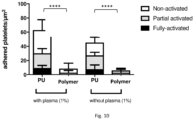
- the polymer of the present disclosure reduces adhesion (87%) and activation (90%) of platelets comparing to reference material, polyurethane (PU), even in the presence of blood plasma proteins.
- the polymer of the present disclosure is stable in accelerated degradation conditions (7 days, 45°C, pH7.4 & pH5), according to ISO 10993-13:2009 (Biological evaluation of medical devices - Part 13: Identification and quantification of degradation products from polymeric medical devices).
- the polymer released from Cyanothece sp. CCY 0110 of the present disclosure has no cytotoxic potential according to ISO 10993-5:2009(E) (Biological evaluation of medical devices - Part 5: Tests for in vitro cytotoxicity).
- An aspect of the present disclosure relates to a composition
- a composition comprising the polymer released from Cyanothece sp. CCY 0110 as a coating on a medical device for use in the preventive treatment of biofilm-mediated medical device associated infection in a subject, namely in the preventive treatment catheter-associated infections (CAI) or biofilm-mediated medical device associated infection in a subject.
- CAI preventive treatment catheter-associated infections
- the catheter-associated infection (CAI) or biofilm-mediated medical device associated infection in a subjectis caused by S. epidermidis or S. aureus.
- the catheter-associated infection (CAI) or biofilm-mediated medical device associated infection in a subject is caused by S . epidermidis.
- the catheter-associated infection (CAI) or biofilm-mediated medical device associated infection is caused by a highly adhesive S . epidermidis strain in the presence of human plasma proteins.
- said composition is further used for preventing platelet adhesion to the medical device and activation of said platelets (anti-thrombogenic effect).
- Another aspect of the present disclosure relates to a coated surface or article coated comprising the polymer released from Cyanothece sp. CCY 0110.
- Another aspect of the present disclosure relates to the coated surface or article wherein the catheter-associated infection (CAI) or biofilm-mediated medical device associated infection in a subject is caused by S . epidermidis or S. aureus.
- CAI catheter-associated infection
- biofilm-mediated medical device associated infection in a subject is caused by S . epidermidis or S. aureus.
- Another aspect of the present disclosure relates to the coated surface or article wherein the catheter-associated infection (CAI) or biofilm-mediated medical device associated infection in a subject is caused by a highly adhesive S . epidermidis strain in the presence of human plasma proteins.
- CAI catheter-associated infection
- biofilm-mediated medical device associated infection in a subject is caused by a highly adhesive S . epidermidis strain in the presence of human plasma proteins.
- said coated surface or article is further used for preventing platelet adhesion to the medical device and activation of said platelets (anti-thrombogenic effect).
- Another aspect of the present disclosure relates to a coated surface or article coated comprising the polymer released from Cyanothece sp. CCY 0110 for use in preventive treatment of catheter-associated infection (CAI) or biofilm-mediated medical device associated infection in a subject.
- CAI catheter-associated infection
- biofilm-mediated medical device associated infection in a subject.
- composition or coated surface or article further comprises at least one of the following components: a dye, a paint, a varnish, a polish, a primer, a surface activator, a coating or mixtures thereof.
- composition or the coated surface or article comprises at least 0.01% (w/v) of the polymer.
- composition or the coated surface or article comprises at least 0.05% (w/v) of the polymer.
- composition or the coated surface or article comprises at least 5% (w/v) of the polymer.
- composition or the coated surface or article comprises at least 10% (w/v) of the polymer.
- composition or the coated surface or article comprises at least 50% (w/v) of the polymer.
- the composition or the coated surface or article comprises 0.01-2% (w/v) of polymer; preferably 0.05-1% (w/v) of polymer; more preferably 0.1-0.5% (w/v) of polymer.
- the composition or the coated surface or article is a medical device, preferably selected from the list consisting of a catheter, a syringe, a stent, a tube, a medical packaging, a dialysis device, a dental prothesis, dental implant, and an orthodontic device.
- Another aspect of the present disclosure relates to a coated surface or article coated with the polymer released from Cyanothece sp. CCY 0110, for use in the preventive treatment of biofilm-mediated medical device associated infections in a subject, wherein said coated surface or article is implanted in an animal or human body.
- the coated surface or article further comprises at least one of the following components: a dye, a paint, a varnish, a polish, a primer, a surface activator, a coating or mixtures thereof.
- the coated surface or article for use in preventing platelet adhesion to the coated surface or coated article and activation of said platelets comprises at least 0.01% (w/v) of the polymer.
- the coated surface or article for use in preventing platelet adhesion to the coated surface or coated article and activation of said platelets comprises at least 0.05% (w/v) of the polymer.
- the coated surface or article for use in preventing platelet adhesion to the coated surface or coated article and activation of said platelets comprises at least 5% (w/v) of the polymer.
- the coated surface or article for use in preventing platelet adhesion to the coated surface or coated article and activation of said platelets comprises at least 10% (w/v) of the polymer.
- the coated surface or article for use in preventing platelet adhesion to the coated surface or coated article and activation of said platelets comprises at least 50% (w/v) of the polymer.
- the coated surface or article for use in preventing platelet adhesion to the coated surface or coated article and activation of said platelets comprises 0.01-2% (w/v) of polymer; preferably 0.05-1% (w/v) of polymer; more preferably 0.1-0.5% (w/v) of polymer.
- the coated surface or article is a medical device, preferably selected from the list consisting of a catheter, a syringe, a stent, a tube, a medical packaging, a dialysis device, a dental prothesis, dental implant, and an orthodontic device.
- the polymer is obtained from the unicellular marine cyanobacterium Cyanothece sp. CCY 0110 (Culture Collection of Yerseke, the Netherlands) grown in bioreactors (Stirred reactors, DWK Life Sciences) with ASNIII medium (Rippka et al., 1979) at 25°C under a 16 h light (30 ⁇ E m-2 s-1)/8 h dark regimen with aeration (1.2 L.min-1) and orbital stirring (150 rpm) (Mota et al., 2013) until an OD730nm of ⁇ 3.0 - 3.5.
- the cultures are placed in dialysis membranes (12-14 kDa of molecular weight cut-off; Medicell, UK) and dialyzed against a minimum of ten volumes of type II water for 48 h in continuous stirring. Cells are removed by centrifugation at 20.000 ⁇ g for 15 min at 4°C. The polymer (in the supernatant) is precipitated with two volumes of 99% cold ethanol. The polymer is collected with sterile metal forceps, dissolved in type II water, and precipitated again as previously described and lyophilized.
- the pyrogenic/endotoxin effects assessment was performed by serially diluting aqueous solutions of the polymer 1.0% (w/v), sterilize them through 0.2 ⁇ m filters and incubate them with whole fresh blood overnight. Plasma was isolated and analyzed by enzyme-linked immunosorbent assay (ELISA) for cytokine interleukin-1 ⁇ (IL-1 ⁇ ) release. Test wells were compared to endotoxin treated controls to confirm no or low pyrogenic activity (target ⁇ 0.5 EU/mL Etaxate) (Daneshian et al., 2009).
- ELISA enzyme-linked immunosorbent assay
- the gold substrate preparation was performed according to Martins et al., 2003. Briefly, chromium (5 nm) and gold (25 nm) layers were deposited by ion beam sputtering from chromium and gold targets (99.9% purity) on silicon wafers (AUREL, GmbH). Chromium was used to improve the adhesion of gold to silicon. Gold substrates (1 ⁇ 1cm) were cleaned with "piranha" solution (7 parts of H2SO4 and 3 parts of 30% H2O2) for 5 min, thoroughly rinsed with ethanol and dried with a gentle stream of argon.
- a polyurethane (PU) film was produced from PU pellets (Pellethane 2363-80 AE, Dow Chemical). PU pellets were initially sonicated (15 min) twice with hexane (Merck) and once with ethanol (99.9%, Merck) to eliminate silicone casing. This process was repeated twice (Felgueiras et al., 2017). Finally, PU pellets were rinsed with type II water and left to dry overnight in a vacuum oven at room temperature (RT) for 24 h. PU pellets were dissolved in tetrahydrofuran (THF, Sigma) at 0.1% (w/v). PU thin films were prepared by spin coating PU solution on top of gold substrate (Laurell Technologies Corporation) at 9000 rpm for 1 min. PU films were dried in a vacuum oven at RT for 1 h.
- PU polyurethane
- a polydopamine (pDA) layer was introduced to the samples in order to promote the linkage of polymer of the present disclosure to the gold substrate.
- Dopamine hydrochloride (H8502, Sigma-Aldrich) solution was freshly prepared in Tris-HCl 10 mM pH8.5 buffer, in different concentrations (0.1 mg/mL, 1 mg/mL and 2 mg/mL).
- Gold substrates were placed in a 24-well suspension cells plate (Starsted), immersed in 1 mL of dopamine solution and incubated for 2 h (1 mg/mL and 2 mg/mL), 18 h (0.1 mg/mL) or 24 h (2 mg/mL) at RT and 70 rpm, protected from light. Samples were rinsed twice with Tris-HCl 10 mM pH8.5 buffer and once with type I water, using an ultrasound bath (1 min). pDA-coated samples were stored no more than 2 h after use.
- the polymer of the present disclosure was hydrated in type II water (0.5% w/v) for 24h. Then, the polymer solution was autoclaved at 110oC for 30 min. After cooling, polymer solution was spin coated on top pDA-coated gold substrates at 9000 rpm for 1 min (Laurell Technologies Corporation). Polymer coatings were dried in a vacuum oven at room temperature for 1 h.
- contact angle measurements were performed (Water contact angle (WCA)) using the inverted drop method (captive air-bubble method) with Data Physics, model optical contact angle (OCA) 15, equipped with a video CCD camera and SCA 20 software.
- WCA Water contact angle
- OCA model optical contact angle
- Each sample was tape-glued to a glass slide and placed into a type II water-filled glass chamber. After 6 ⁇ L bubble of air release from a J-shaped needle placed underneath the sample surface, images were taken, and air-bubble profile was fitted using different mathematical functions, to calculate the contact angle.
- the Laplace-Young fitting method was used to calculate contact angles >60° and the tangent fitting method was used to calculate contact angles ⁇ 60°.
- bacterial strains, media and growth conditions were obtained.
- Staphylococcus epidermidis ATCC 35984
- S. aureus ATCC 33591
- Escherichia coli ATCC 25922
- Bacteria were grown on tryptic soya agar (TSA) (Merck) and tryptic soya broth (TSB) (Merck).
- Bacterial suspensions were adjusted by measuring optical density (600 nm). Bacterial numbers were confirmed by a colony forming units (CFUs) count.
- bacterial-polymer coating interaction was measured.
- ISO 22196 Measurement of antibacterial activity on plastics and other non-porous surfaces
- samples were disinfected twice with ethanol 70% for 15 min and rinsed twice sterilized type II water for 15 min. Finally, samples were dried with a gentle stream of argon. Then, samples were challenged with 5 ⁇ L of bacterial suspension at 1.8x10⁶ CFUs/mL (with and/or without 1% (v/v) human plasma proteins) in TSB.
- the biocompatibility of the polymer coating of the present disclosure was evaluated by the incubation of mouse fibroblasts L929 with extracts of polymer coating as described in ISO 10993-5:2009(E).
- the extracts were prepared as described in ISO 10993-12:2004 (Biological evaluation of medical devices - Part 12: Sample preparation and reference materials). Briefly, polymer coatings were sterilized as explained in [0071].
- polymer coatings were rinsed with PBS and extracted with MEM culture medium (Modified Eagle's medium (MEM, Gibco)) supplemented with 10% (v/v) Fetal bovine serum (Gibco) and 1% (v/v) penicillin/streptomycin (Biowest) at 37oC with a humified atmosphere of 5% CO2 for 24 h.
- MEM culture medium Modified Eagle's medium (MEM, Gibco)
- MEM Modified Eagle's medium
- Fetal bovine serum Gibco
- 1% v/v) penicillin/streptomycin (Biowest) at 37oC with a humified atmosphere of 5% CO2 for 24 h.
- Cells were seeded in 96-well plates at density of 1 ⁇ 105 cells/mL and maintained in culture for 24 h in supplemented MEM. After that, the medium was replaced by material extracts and respective 50% dilutions, according to ISO 10993-5:2009(E).
- ISO 10993-4:2009 Biological evaluation of medical devices -Part 4: Selection of tests for interactions with blood
- IPU Intermediary Platelet Unit
- Au, PU, and polymer coatings samples were sterilized as described in [0071]. After sterilization, samples were immersed in 1% (v/v) plasma in PBS, for 30 min at 37°C, and rinsed 3 times with PBS.
- TCPS tissue culture polystyrene plates
- BSA bovine serum albumin
- samples produced in different time points were characterized simultaneously (as explained in [0068], [0069] and [0071]), to assess possible deterioration during storage.
- degradation susceptibility evaluation ISO 10993-13:2009 Biological evaluation of medical devices - Part 13: Identification and quantification of degradation products from polymeric medical devices was used. Briefly, samples were incubated in buffers with different pH (5 and 7.4) at 45°C for 7 days. At the end of the incubation periods, the samples surface was characterized with techniques described in [0068] and [0069], and was challenged with bacteria as described in [0071].
- the extracellular polymer produced by the marine cyanobacterium Cyanothece sp. CCY 0110 was harvested when the culture reached an OD730nm between 3.0 to 3.5, with a yield of approximately 2 g of polymer per g of dry weight of culture. The polymer was then tested for endotoxin-pyrogenic potential using a whole fresh blood interleukin-1 ⁇ (IL-1 ⁇ ) release assay. Results revealed absence of endotoxin-pyrogenic effect (0 pg/mL).
- IL-1 ⁇ whole fresh blood interleukin-1 ⁇
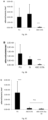
- the surface characterization of modified surfaces comprising the polymer of the present disclosure were analyzed by ellipsometry and water contact angle measurements ( Figure 1 ).
- the thickness measurements by ellipsometry revealed that dopamine immersion resulted on a layer of 18.4 ⁇ 1.7 nm.
- the spin coating process resulted on a polyurethane (PU) (0.1% (v/v)) ultrathin film of 23.0 ⁇ 4 nm and in the polymer coating of the present disclosure with 20.7 ⁇ 5.4 nm of thickness ( Figure 1 A) .
- PU polyurethane
- water optical contact angles of the PU and polymer coating of the present disclosure production steps are presented on Figure 1 B .
- pDA layer has a hydrophobic profile, revealing a WCA of 73 ⁇ 2o
- PU ultrathin films presented a lower WCA of about 64.6 ⁇ 2o.
- Polymer application significantly increased the hydrophilicity of the polymer coating of the present disclosure comparing both to PU and pDA layer, decreasing the WCA to 15 ⁇ 5o.
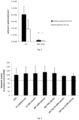
- coatings were maintained under standard storage conditions (room temperature and low humidity) and then re-characterized ( Figure 2 ).
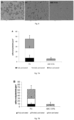
- the anti-adhesive activity of the polymer coating of the present disclosure was assessed according to ISO 22196 against different bacterial strains, 2 Gram-positive ( Staphylococcus epidermidis & S. aureus ) and 1 Gram-negative ( Escherichia coli ) . Results are presented in Figure 3 .
- bacterial adhesion on the polymer released from Cyanothece sp. CCY 0110 of the present disclosure was always 90% lower comparing to medical devices reference materials PU and Si ( Figure 3 A, B, C ).
- Highest anti-adhesive efficacy (>95% bacterial adhesion reduction) was found against both Gram-positive ( S . epidermidis and S . aureus ) ( Figure 3 A & B ).
- Similar anti-adhesive efficacy was found between fresh prepared coatings comprising the polymer of the present disclosure and coatings comprising the polymer of the present disclosure after 30 days storage against S . epidermidis ( Figure 3 C) , meaning that the polymer coating was able to maintain activity through 30 days self-life.
- the above assay was performed in the absence and presence of human plasma proteins 1% (v/v), using a highly adhesive S. epidermidis strain. Results are depicted in Figure 4 .
- S. epidermidis adhesion to both surfaces was lower in the presence of human plasma proteins. Nevertheless, independently of the formation of a conditioning film polymer coating of the present disclosure was capable of promoting a 94% bacterial reduction regarding PU control surface ( Figure 4 ).
- the biocompatibility of the polymer released from Cyanothece sp. CCY 0110 coating of the present disclosure was evaluated by the metabolic activity of mouse fibroblasts L929 after incubation with extracts of materials as described in ISO 10993-5:2009(E). The extracts were prepared as described in ISO 10993-12:2004. Results are presented in Figure 5 .
- the metabolic activity differential between fresh prepared polymer coating of the present disclosure coating, 30 days storage polymer coating of the present disclosure and PU control was never superior to 6%, much lower than the 30% limit, demonstrating that polymer coatings surfaces have no cytotoxic potential, according to ISO 10993-5:2009(E).
- the polymer coating of the present disclosure does not promote platelet adherence, reducing in 87% the amount of adhered platelets compared to a naked surface of polyurethane (PU), even in the presence of blood plasma proteins ( Figure 7 A & B ). Moreover, the polymer coating of the present disclosure also prevents activation of platelets (less 90% of activated platelets regarding PU control surface).
- the polymer coating of the present disclosure presented minor alterations at the surface after the accelerated degradation assay at both pHs ( Figure 8 A & B ), which did not influence its anti-adhesive performance ( Figure 8 C) , suggesting that the coating remained stable throughout the assay.
- the cyanobacterium Cyanothece sp. CCY 0110 used was received on 13 March 2018 and tested as viable on 26 April 2018, by the Scottish Association for Marine Science Culture Collection of Algae and Protozoa (CCAP) - International Depositary Authority under the Budapest Treaty - and given the CCAP number 1435/2.
- CCAP Marine Science Culture Collection of Algae and Protozoa
- the polymer produced by Cyanothece sp. CCY 0110 is known from Mota et al., 2013 and it is composed by nine different monosaccharides, neutral sugars 54.8 ⁇ 8.5% polymer dry weight (w/w), including mannose, glucose, galactose, xylose, arabinose, rhamnose and fucose, and acidic sugars, 7.4 ⁇ 0.8% polymer dry weight (w/w), including galacturonic and glucuronic acids; peptides 4.0 ⁇ 0.3% polymer dry weight (w/w) and sulfate groups 10.6 ⁇ 1.6% polymer dry weight (w/w).
- composition of the polymer produced by Cyanothece sp. CCY 0110 differs from the composition of other polymers produced from other cyanobacteria such as Cyanothece sp. VI 22, as it can be observed by comparing their molar ratios with respect to the rhamnose content ( Cyanothece sp. CCY 0110/ Cyanothece sp.
- CCY 0110 Culture Collection of Yerseke, The Netherlands, now available at Culture Collection of Algae and Protozoa (CCAP 1435/2) was grown in 2 L bioreactors with ASNIII medium, at 25 °C, under a 16 h light (30 ⁇ E/m2/s)/8 h dark regimen, with orbital stirring (150 rpm) and with aeration (1.2 L/min) (Mota et al., 2013), until an optical density of ⁇ 2.5-3.5 at 730 nm.
- Example 3 Coating a medical device with the polymer produced by Cyanothece sp. CCY 0110
- a number of different surface activation methodologies may by applied such as chemical etching, UV activation and Plasma activation.
- an industrial atmospheric plasma system with an estimated maximum power of 15 kW, can be used for the surface activation of polyurethane substrates.
- Substrates are then exposed simultaneously to an argon flow rate of 15 L/min and N2 flow rate of 0.45 L/min (11.25 kW, 3.3 Hz).
- the polymer solution may be applied on top through dip-coating, spray coating, flow coating or back coating. Considering dip-coating, freshly activated polyurethane substrates are immersed in 0.5% w/v polymer solution, retrieved slowly and air-dried in clean facilities.
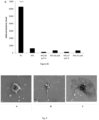
- Platelets adhered to surfaces can have different activation states that affects their probability to thrombus formation. Therefore, in this example, the effect of the polymer produced by Cyanothece sp. CCY 0110 on the adhesion and activation of platelets (thrombogenic effect) was followed by Scanning Electron Microscopy (SEM). Three different activation states were considered as depicted in Figure 9 . Results from the quantitative distribution of platelets according to their activation state in Polymer and PU are presented in Figure 10 .
Landscapes
- Health & Medical Sciences (AREA)
- Life Sciences & Earth Sciences (AREA)
- General Health & Medical Sciences (AREA)
- Public Health (AREA)
- Veterinary Medicine (AREA)
- Epidemiology (AREA)
- Animal Behavior & Ethology (AREA)
- Chemical & Material Sciences (AREA)
- Engineering & Computer Science (AREA)
- Medicinal Chemistry (AREA)
- Biomedical Technology (AREA)
- Molecular Biology (AREA)
- Surgery (AREA)
- Vascular Medicine (AREA)
- Heart & Thoracic Surgery (AREA)
- Chemical Kinetics & Catalysis (AREA)
- Zoology (AREA)
- Dermatology (AREA)
- Transplantation (AREA)
- Oral & Maxillofacial Surgery (AREA)
- Hematology (AREA)
- Agronomy & Crop Science (AREA)
- Dentistry (AREA)
- Microbiology (AREA)
- Biotechnology (AREA)
- Virology (AREA)
- Environmental Sciences (AREA)
- Wood Science & Technology (AREA)
- Pest Control & Pesticides (AREA)
- Urology & Nephrology (AREA)
- Botany (AREA)
- Materials Engineering (AREA)
- Plant Pathology (AREA)
- Materials For Medical Uses (AREA)
- Paints Or Removers (AREA)
- Medicines Containing Material From Animals Or Micro-Organisms (AREA)
Claims (14)
- Eine Zusammensetzung, umfassend das von Cyanothece sp. CCY 0110, hinterlegt bei der CCAP unter der Nummer 1435/2, freigesetzte Polymer, als eine Beschichtung auf einem medizinischen Gerät zur Verwendung bei der präventiven Behandlung von durch Biofilme verursachten, mit einem medizinischen Gerät assoziierten Infektionen bei einem Patienten.
- Die Zusammensetzung zur Verwendung nach Anspruch 1, wobei die mit einem medizinischen Gerät verbundene Infektion durch S. epidermidis oder S. aureus verursacht wird, wobei die mit dem genannten medizinischen Gerät verbundene Infektion bevorzugt eine mit einem Katheter verbundene Infektion ist.
- Die Zusammensetzung zur Verwendung nach Anspruch 1, wobei die genannte Zusammensetzung ferner zur Vorbeugung der Thrombozytenadhäsion an der Zusammensetzung und der Aktivierung der genannten Tyrombozyten verwendet wird.
- Eine beschichtete Oberfläche oder ein beschichteter Gegenstand, wobei sich die Beschichtung auf einem medizinischen Gerät befindet und das von Cyanothece sp. CCY 0110, hinterlegt bei der CCAP unter der Nummer 1435/2, freigesetzte Polymer umfasst, für die Verwendung bei der präventiven Behandlung von durch Biofilme verursachten, mit einem medizinischen Gerät assoziierten Infektionen bei einem Patienten.
- Die beschichtete Oberfläche oder der beschichtete Gegenstand zur Verwendung nach Anspruch 4, wobei der Biofilm durch S. epidermidis oder S. aureus verursacht wird.
- Die beschichtete Oberfläche oder der beschichtete Gegenstand zur Verwendung nach Anspruch 5, wobei der Biofilm durch einen stark anhaftenden S. epidermidis-Stamm in Gegenwart menschlicher Plasmaproteine verursacht wird.
- Die beschichtete Oberfläche oder der beschichtete Gegenstand zur Verwendung nach Ansprüche 4 bis 6, wobei die genannte beschichtete Oberfläche oder der genannte beschichtete Gegenstand ferner dazu verwendet wird, die Thrombozytenadhäsion an der beschichteten Oberfläche oder dem beschichteten Gegenstand und die Aktivierung der genannten Thrombozyten zu verhindern.
- Die beschichtete Oberfläche oder der beschichtete Gegenstand zur Verwendung nach Ansprüche 4-7, wobei die genannte beschichtete Oberfläche oder der genannte beschichtete Gegenstand in einen tierischen oder menschlichen Körper implantiert wird.
- Die beschichtete Oberfläche oder der beschichtete Gegenstand zur Verwendung nach Anspruch 8, wobei die beschichtete Oberfläche oder der beschichtete Gegenstand ferner mindestens eine der folgenden Komponenten umfasst: einen Farbstoff, eine Farbe, einen Lack, eine Politur, eine Grundierung, einen Oberflächenaktivator, eine Beschichtung oder Mischungen davon.
- Die beschichtete Oberfläche oder der beschichtete Gegenstand zur Verwendung nach Anspruch 8, wobei die beschichtete Oberfläche oder der beschichtete Gegenstand ferner mindestens 0,01 % (w/v) des Polymers umfasst.
- Die beschichtete Oberfläche oder der beschichtete Gegenstand zur Verwendung nach Anspruch 8, wobei die beschichtete Oberfläche oder der beschichtete Gegenstand ferner mindestens 0,05 % (w/v) des Polymers umfasst, wobei die beschichtete Oberfläche oder der beschichtete Gegenstand ferner bevorzugt mindestens 5 % (w/v) des Polymers umfasst.
- Die beschichtete Oberfläche oder der beschichtete Gegenstand zur Verwendung nach Anspruch 8, wobei die beschichtete Oberfläche oder der beschichtete Gegenstand ferner mindestens 10 % (w/v) des Polymers umfasst, wobei die beschichtete Oberfläche oder der beschichtete Gegenstand ferner bevorzugt mindestens 50 % (w/v) des Polymers umfasst.
- Die beschichtete Oberfläche oder der beschichtete Gegenstand zur Verwendung nach Anspruch 8, wobei die beschichtete Oberfläche oder der beschichtete Gegenstand ferner 0,01-2 % (w/v) Polymers; bevorzugt 0,05-1 % (w/v) Polymers; besonders bevorzugt 0,1-0,5 % (w/v) Polymers umfasst.
- Die beschichtete Oberfläche oder der beschichtete Gegenstand zur Verwendung nach Ansprüche 8 bis 13, wobei die beschichtete Oberfläche oder der beschichtete Gegenstand ein medizinisches Gerät ist, bevorzugt ausgewählt aus der Liste bestehend aus einem Katheter, einer Spritze, einem Stent, einem Schlauch, einer medizinischen Verpackung, einer Dialysevorrichtung, einer Zahnprothese, einem Zahnimplantat und einer kieferorthopädischen Vorrichtung.
Applications Claiming Priority (3)
| Application Number | Priority Date | Filing Date | Title |
|---|---|---|---|
| PT11061418 | 2018-03-08 | ||
| PT11071818 | 2018-05-03 | ||
| PCT/IB2019/051904 WO2019171344A1 (en) | 2018-03-08 | 2019-03-08 | Uses of cyanobacterium extracellular polymer, compositions, coated surfaces or articles |
Publications (3)
| Publication Number | Publication Date |
|---|---|
| EP3762054A1 EP3762054A1 (de) | 2021-01-13 |
| EP3762054B1 true EP3762054B1 (de) | 2023-08-30 |
| EP3762054C0 EP3762054C0 (de) | 2023-08-30 |
Family
ID=66397288
Family Applications (1)
| Application Number | Title | Priority Date | Filing Date |
|---|---|---|---|
| EP19721721.9A Active EP3762054B1 (de) | 2018-03-08 | 2019-03-08 | Verwendungen von extrazellulärem cyanobakteriumpolymer, zusammensetzungen, beschichtete oberflächen oder artikel |
Country Status (6)
| Country | Link |
|---|---|
| US (1) | US20210051962A1 (de) |
| EP (1) | EP3762054B1 (de) |
| JP (1) | JP2021516121A (de) |
| CA (1) | CA3093335A1 (de) |
| IL (1) | IL276833A (de) |
| WO (1) | WO2019171344A1 (de) |
Families Citing this family (1)
| Publication number | Priority date | Publication date | Assignee | Title |
|---|---|---|---|---|
| CN117982987B (zh) * | 2024-04-03 | 2024-06-18 | 四川厚浦生物科技有限公司 | 一种白细胞过滤材料及其制备方法 |
Family Cites Families (1)
| Publication number | Priority date | Publication date | Assignee | Title |
|---|---|---|---|---|
| CA3035642A1 (en) * | 2016-09-01 | 2018-03-08 | Instituto De Biologia Molecular E Celular - Ibmc | Cyanobacterium extracellular polymer, compositions and uses thereof |
-
2019
- 2019-03-08 CA CA3093335A patent/CA3093335A1/en not_active Abandoned
- 2019-03-08 WO PCT/IB2019/051904 patent/WO2019171344A1/en not_active Ceased
- 2019-03-08 EP EP19721721.9A patent/EP3762054B1/de active Active
- 2019-03-08 JP JP2020547095A patent/JP2021516121A/ja active Pending
- 2019-03-08 US US16/979,045 patent/US20210051962A1/en not_active Abandoned
-
2020
- 2020-08-20 IL IL276833A patent/IL276833A/en unknown
Also Published As
| Publication number | Publication date |
|---|---|
| JP2021516121A (ja) | 2021-07-01 |
| US20210051962A1 (en) | 2021-02-25 |
| EP3762054A1 (de) | 2021-01-13 |
| IL276833A (en) | 2020-10-29 |
| EP3762054C0 (de) | 2023-08-30 |
| WO2019171344A1 (en) | 2019-09-12 |
| CA3093335A1 (en) | 2019-09-12 |
Similar Documents
| Publication | Publication Date | Title |
|---|---|---|
| He et al. | Antibiotic-decorated titanium with enhanced antibacterial activity through adhesive polydopamine for dental/bone implant | |
| Bartlet et al. | Antibacterial activity on superhydrophobic titania nanotube arrays | |
| Yao et al. | Bacterial infection microenvironment-responsive enzymatically degradable multilayer films for multifunctional antibacterial properties | |
| Harris et al. | Staphylococcus aureus adhesion to titanium oxide surfaces coated with non-functionalized and peptide-functionalized poly (L-lysine)-grafted-poly (ethylene glycol) copolymers | |
| Bruellhoff et al. | Surface coating strategies to prevent biofilm formation on implant surfaces | |
| Pratten et al. | In vitro attachment of Staphylococcus epidermidis to surgical sutures with and without Ag-containing bioactive glass coating | |
| Gao et al. | Methacrylate-ended polypeptides and polypeptoids for antimicrobial and antifouling coatings | |
| Ye et al. | Effects of DNase I coating of titanium on bacteria adhesion and biofilm formation | |
| Subbiahdoss et al. | Bacterial biofilm formation versus mammalian cell growth on titanium-based mono-and bi-functional coating | |
| Karbowniczek et al. | Electrophoretic deposition of organic/inorganic composite coatings containing ZnO nanoparticles exhibiting antibacterial properties | |
| Mozafari | Handbook of biomaterials biocompatibility | |
| CN109789244B (zh) | 多肽和透明质酸涂层 | |
| Fujii et al. | Prevention of biofilm formation with a coating of 2-methacryloyloxyethyl phosphorylcholine polymer | |
| Visan et al. | Antimicrobial polycaprolactone/polyethylene glycol embedded lysozyme coatings of Ti implants for osteoblast functional properties in tissue engineering | |
| de Aguiar et al. | Urethanes PDMS-based: Functional hybrid coatings for metallic dental implants | |
| Diaz-Gomez et al. | Functionalization of titanium implants with phase-transited lysozyme for gentle immobilization of antimicrobial lysozyme | |
| Piarali et al. | Activated polyhydroxyalkanoate meshes prevent bacterial adhesion and biofilm development in regenerative medicine applications | |
| Wu et al. | In vitro and in vivo evaluation of antibacterial activity of polyhexamethylene guanidine (PHMG)-loaded TiO2 nanotubes | |
| Meier et al. | Reduced bacterial colonisation on surfaces coated with silicone nanostructures | |
| Chu et al. | Significantly improved antifouling capability of silicone rubber surfaces by covalently bonded acrylated agarose towards biomedical applications | |
| Khoo et al. | Novel infection-resistant surface coatings: A bioengineering approach | |
| Hao et al. | Porous thermosensitive coating with water-locking ability for enhanced osteogenic and antibacterial abilities | |
| EP3762054B1 (de) | Verwendungen von extrazellulärem cyanobakteriumpolymer, zusammensetzungen, beschichtete oberflächen oder artikel | |
| US11602578B2 (en) | Crosslinkable polypeptide and hyaluronic acid coatings | |
| Martinez et al. | Cell resistant zwitterionic polyelectrolyte coating promotes bacterial attachment: an adhesion contradiction |
Legal Events
| Date | Code | Title | Description |
|---|---|---|---|
| STAA | Information on the status of an ep patent application or granted ep patent |
Free format text: STATUS: UNKNOWN |
|
| STAA | Information on the status of an ep patent application or granted ep patent |
Free format text: STATUS: THE INTERNATIONAL PUBLICATION HAS BEEN MADE |
|
| PUAI | Public reference made under article 153(3) epc to a published international application that has entered the european phase |
Free format text: ORIGINAL CODE: 0009012 |
|
| STAA | Information on the status of an ep patent application or granted ep patent |
Free format text: STATUS: REQUEST FOR EXAMINATION WAS MADE |
|
| 17P | Request for examination filed |
Effective date: 20201002 |
|
| AK | Designated contracting states |
Kind code of ref document: A1 Designated state(s): AL AT BE BG CH CY CZ DE DK EE ES FI FR GB GR HR HU IE IS IT LI LT LU LV MC MK MT NL NO PL PT RO RS SE SI SK SM TR |
|
| AX | Request for extension of the european patent |
Extension state: BA ME |
|
| DAV | Request for validation of the european patent (deleted) | ||
| DAX | Request for extension of the european patent (deleted) | ||
| STAA | Information on the status of an ep patent application or granted ep patent |
Free format text: STATUS: EXAMINATION IS IN PROGRESS |
|
| 17Q | First examination report despatched |
Effective date: 20211004 |
|
| GRAP | Despatch of communication of intention to grant a patent |
Free format text: ORIGINAL CODE: EPIDOSNIGR1 |
|
| STAA | Information on the status of an ep patent application or granted ep patent |
Free format text: STATUS: GRANT OF PATENT IS INTENDED |
|
| INTG | Intention to grant announced |
Effective date: 20230329 |
|
| RIN1 | Information on inventor provided before grant (corrected) |
Inventor name: TEIXEIRA LOPES DA COSTA PINTO, M. CRISTINA Inventor name: COSTA MOUTINHO, FABIOLA Inventor name: TAMAGNINI, PAULA Inventor name: GIL VASCONCELOS MOTA, RITA |
|
| GRAS | Grant fee paid |
Free format text: ORIGINAL CODE: EPIDOSNIGR3 |
|
| GRAA | (expected) grant |
Free format text: ORIGINAL CODE: 0009210 |
|
| STAA | Information on the status of an ep patent application or granted ep patent |
Free format text: STATUS: THE PATENT HAS BEEN GRANTED |
|
| AK | Designated contracting states |
Kind code of ref document: B1 Designated state(s): AL AT BE BG CH CY CZ DE DK EE ES FI FR GB GR HR HU IE IS IT LI LT LU LV MC MK MT NL NO PL PT RO RS SE SI SK SM TR |
|
| REG | Reference to a national code |
Ref country code: GB Ref legal event code: FG4D |
|
| REG | Reference to a national code |
Ref country code: CH Ref legal event code: EP |
|
| REG | Reference to a national code |
Ref country code: DE Ref legal event code: R096 Ref document number: 602019036111 Country of ref document: DE |
|
| REG | Reference to a national code |
Ref country code: IE Ref legal event code: FG4D |
|
| U01 | Request for unitary effect filed |
Effective date: 20231002 |
|
| U07 | Unitary effect registered |
Designated state(s): AT BE BG DE DK EE FI FR IT LT LU LV MT NL PT SE SI Effective date: 20231011 |
|
| PG25 | Lapsed in a contracting state [announced via postgrant information from national office to epo] |
Ref country code: GR Free format text: LAPSE BECAUSE OF FAILURE TO SUBMIT A TRANSLATION OF THE DESCRIPTION OR TO PAY THE FEE WITHIN THE PRESCRIBED TIME-LIMIT Effective date: 20231201 |
|
| PG25 | Lapsed in a contracting state [announced via postgrant information from national office to epo] |
Ref country code: IS Free format text: LAPSE BECAUSE OF FAILURE TO SUBMIT A TRANSLATION OF THE DESCRIPTION OR TO PAY THE FEE WITHIN THE PRESCRIBED TIME-LIMIT Effective date: 20231230 |
|
| PG25 | Lapsed in a contracting state [announced via postgrant information from national office to epo] |
Ref country code: RS Free format text: LAPSE BECAUSE OF FAILURE TO SUBMIT A TRANSLATION OF THE DESCRIPTION OR TO PAY THE FEE WITHIN THE PRESCRIBED TIME-LIMIT Effective date: 20230830 Ref country code: NO Free format text: LAPSE BECAUSE OF FAILURE TO SUBMIT A TRANSLATION OF THE DESCRIPTION OR TO PAY THE FEE WITHIN THE PRESCRIBED TIME-LIMIT Effective date: 20231130 Ref country code: IS Free format text: LAPSE BECAUSE OF FAILURE TO SUBMIT A TRANSLATION OF THE DESCRIPTION OR TO PAY THE FEE WITHIN THE PRESCRIBED TIME-LIMIT Effective date: 20231230 Ref country code: HR Free format text: LAPSE BECAUSE OF FAILURE TO SUBMIT A TRANSLATION OF THE DESCRIPTION OR TO PAY THE FEE WITHIN THE PRESCRIBED TIME-LIMIT Effective date: 20230830 Ref country code: GR Free format text: LAPSE BECAUSE OF FAILURE TO SUBMIT A TRANSLATION OF THE DESCRIPTION OR TO PAY THE FEE WITHIN THE PRESCRIBED TIME-LIMIT Effective date: 20231201 |
|
| PG25 | Lapsed in a contracting state [announced via postgrant information from national office to epo] |
Ref country code: PL Free format text: LAPSE BECAUSE OF FAILURE TO SUBMIT A TRANSLATION OF THE DESCRIPTION OR TO PAY THE FEE WITHIN THE PRESCRIBED TIME-LIMIT Effective date: 20230830 |
|
| U20 | Renewal fee for the european patent with unitary effect paid |
Year of fee payment: 6 Effective date: 20240130 |
|
| PG25 | Lapsed in a contracting state [announced via postgrant information from national office to epo] |
Ref country code: ES Free format text: LAPSE BECAUSE OF FAILURE TO SUBMIT A TRANSLATION OF THE DESCRIPTION OR TO PAY THE FEE WITHIN THE PRESCRIBED TIME-LIMIT Effective date: 20230830 |
|
| PG25 | Lapsed in a contracting state [announced via postgrant information from national office to epo] |
Ref country code: SM Free format text: LAPSE BECAUSE OF FAILURE TO SUBMIT A TRANSLATION OF THE DESCRIPTION OR TO PAY THE FEE WITHIN THE PRESCRIBED TIME-LIMIT Effective date: 20230830 Ref country code: RO Free format text: LAPSE BECAUSE OF FAILURE TO SUBMIT A TRANSLATION OF THE DESCRIPTION OR TO PAY THE FEE WITHIN THE PRESCRIBED TIME-LIMIT Effective date: 20230830 Ref country code: ES Free format text: LAPSE BECAUSE OF FAILURE TO SUBMIT A TRANSLATION OF THE DESCRIPTION OR TO PAY THE FEE WITHIN THE PRESCRIBED TIME-LIMIT Effective date: 20230830 Ref country code: CZ Free format text: LAPSE BECAUSE OF FAILURE TO SUBMIT A TRANSLATION OF THE DESCRIPTION OR TO PAY THE FEE WITHIN THE PRESCRIBED TIME-LIMIT Effective date: 20230830 Ref country code: SK Free format text: LAPSE BECAUSE OF FAILURE TO SUBMIT A TRANSLATION OF THE DESCRIPTION OR TO PAY THE FEE WITHIN THE PRESCRIBED TIME-LIMIT Effective date: 20230830 |
|
| REG | Reference to a national code |
Ref country code: DE Ref legal event code: R097 Ref document number: 602019036111 Country of ref document: DE |
|
| PLBE | No opposition filed within time limit |
Free format text: ORIGINAL CODE: 0009261 |
|
| STAA | Information on the status of an ep patent application or granted ep patent |
Free format text: STATUS: NO OPPOSITION FILED WITHIN TIME LIMIT |
|
| 26N | No opposition filed |
Effective date: 20240603 |
|
| REG | Reference to a national code |
Ref country code: CH Ref legal event code: PL |
|
| PG25 | Lapsed in a contracting state [announced via postgrant information from national office to epo] |
Ref country code: MC Free format text: LAPSE BECAUSE OF FAILURE TO SUBMIT A TRANSLATION OF THE DESCRIPTION OR TO PAY THE FEE WITHIN THE PRESCRIBED TIME-LIMIT Effective date: 20230830 |
|
| GBPC | Gb: european patent ceased through non-payment of renewal fee |
Effective date: 20240308 |
|
| PG25 | Lapsed in a contracting state [announced via postgrant information from national office to epo] |
Ref country code: MC Free format text: LAPSE BECAUSE OF FAILURE TO SUBMIT A TRANSLATION OF THE DESCRIPTION OR TO PAY THE FEE WITHIN THE PRESCRIBED TIME-LIMIT Effective date: 20230830 |
|
| PG25 | Lapsed in a contracting state [announced via postgrant information from national office to epo] |
Ref country code: GB Free format text: LAPSE BECAUSE OF NON-PAYMENT OF DUE FEES Effective date: 20240308 |
|
| PG25 | Lapsed in a contracting state [announced via postgrant information from national office to epo] |
Ref country code: IE Free format text: LAPSE BECAUSE OF NON-PAYMENT OF DUE FEES Effective date: 20240308 |
|
| PG25 | Lapsed in a contracting state [announced via postgrant information from national office to epo] |
Ref country code: IE Free format text: LAPSE BECAUSE OF NON-PAYMENT OF DUE FEES Effective date: 20240308 Ref country code: GB Free format text: LAPSE BECAUSE OF NON-PAYMENT OF DUE FEES Effective date: 20240308 Ref country code: CH Free format text: LAPSE BECAUSE OF NON-PAYMENT OF DUE FEES Effective date: 20240331 |
|
| U20 | Renewal fee for the european patent with unitary effect paid |
Year of fee payment: 7 Effective date: 20250305 |
|
| PG25 | Lapsed in a contracting state [announced via postgrant information from national office to epo] |
Ref country code: CY Free format text: LAPSE BECAUSE OF FAILURE TO SUBMIT A TRANSLATION OF THE DESCRIPTION OR TO PAY THE FEE WITHIN THE PRESCRIBED TIME-LIMIT; INVALID AB INITIO Effective date: 20190308 |
|
| PG25 | Lapsed in a contracting state [announced via postgrant information from national office to epo] |
Ref country code: HU Free format text: LAPSE BECAUSE OF FAILURE TO SUBMIT A TRANSLATION OF THE DESCRIPTION OR TO PAY THE FEE WITHIN THE PRESCRIBED TIME-LIMIT; INVALID AB INITIO Effective date: 20190308 |
|
| PG25 | Lapsed in a contracting state [announced via postgrant information from national office to epo] |
Ref country code: TR Free format text: LAPSE BECAUSE OF FAILURE TO SUBMIT A TRANSLATION OF THE DESCRIPTION OR TO PAY THE FEE WITHIN THE PRESCRIBED TIME-LIMIT Effective date: 20230830 |
|
| U20 | Renewal fee for the european patent with unitary effect paid |
Year of fee payment: 8 Effective date: 20260303 |