EP3766481A1 - Formulation d'anticorps liquides - Google Patents
Formulation d'anticorps liquides Download PDFInfo
- Publication number
- EP3766481A1 EP3766481A1 EP19187338.9A EP19187338A EP3766481A1 EP 3766481 A1 EP3766481 A1 EP 3766481A1 EP 19187338 A EP19187338 A EP 19187338A EP 3766481 A1 EP3766481 A1 EP 3766481A1
- Authority
- EP
- European Patent Office
- Prior art keywords
- pharmaceutical formulation
- concentration
- present
- column
- barrel1
- Prior art date
- Legal status (The legal status is an assumption and is not a legal conclusion. Google has not performed a legal analysis and makes no representation as to the accuracy of the status listed.)
- Withdrawn
Links
Images
































































Classifications
-
- A—HUMAN NECESSITIES
- A61—MEDICAL OR VETERINARY SCIENCE; HYGIENE
- A61K—PREPARATIONS FOR MEDICAL, DENTAL OR TOILETRY PURPOSES
- A61K9/00—Medicinal preparations characterised by special physical form
- A61K9/08—Solutions
-
- A—HUMAN NECESSITIES
- A61—MEDICAL OR VETERINARY SCIENCE; HYGIENE
- A61K—PREPARATIONS FOR MEDICAL, DENTAL OR TOILETRY PURPOSES
- A61K39/00—Medicinal preparations containing antigens or antibodies
- A61K39/395—Antibodies; Immunoglobulins; Immune serum, e.g. antilymphocytic serum
- A61K39/39591—Stabilisation, fragmentation
-
- A—HUMAN NECESSITIES
- A61—MEDICAL OR VETERINARY SCIENCE; HYGIENE
- A61K—PREPARATIONS FOR MEDICAL, DENTAL OR TOILETRY PURPOSES
- A61K47/00—Medicinal preparations characterised by the non-active ingredients used, e.g. carriers or inert additives; Targeting or modifying agents chemically bound to the active ingredient
- A61K47/06—Organic compounds, e.g. natural or synthetic hydrocarbons, polyolefins, mineral oil, petrolatum or ozokerite
- A61K47/26—Carbohydrates, e.g. sugar alcohols, amino sugars, nucleic acids, mono-, di- or oligo-saccharides; Derivatives thereof, e.g. polysorbates, sorbitan fatty acid esters or glycyrrhizin
-
- A—HUMAN NECESSITIES
- A61—MEDICAL OR VETERINARY SCIENCE; HYGIENE
- A61K—PREPARATIONS FOR MEDICAL, DENTAL OR TOILETRY PURPOSES
- A61K9/00—Medicinal preparations characterised by special physical form
- A61K9/0012—Galenical forms characterised by the site of application
- A61K9/0019—Injectable compositions; Intramuscular, intravenous, arterial, subcutaneous administration; Compositions to be administered through the skin in an invasive manner
-
- C—CHEMISTRY; METALLURGY
- C07—ORGANIC CHEMISTRY
- C07K—PEPTIDES
- C07K16/00—Immunoglobulins [IG], e.g. monoclonal or polyclonal antibodies
- C07K16/18—Immunoglobulins [IG], e.g. monoclonal or polyclonal antibodies against material from animals or humans
- C07K16/28—Immunoglobulins [IG], e.g. monoclonal or polyclonal antibodies against material from animals or humans against receptors, cell surface antigens or cell surface determinants
- C07K16/2878—Immunoglobulins [IG], e.g. monoclonal or polyclonal antibodies against material from animals or humans against receptors, cell surface antigens or cell surface determinants against the NGF-receptor/TNF-receptor superfamily, e.g. CD27, CD30, CD40, CD95
Definitions
- the present invention relates to a stable pharmaceutical formulation comprising an antibody; preferably the pharmaceutical formulation is liquid.
- a pharmaceutical formulation refers to a mixture of an active pharmaceutical ingredient(s) and inactive ingredients, also known as excipients that are combined to produce a final drug product.
- the active pharmaceutical ingredient has a pharmacological activity that contributes to the diagnosis, treatment, or prevention of a certain disease(s)
- the inactive ingredients have the role of contributing to product stability, biopharmaceutical profile, appearance and to patient acceptability ( P. Furrer, European Pharmaceutical Review, Issue 2, 2013, April 18 2013 ).
- excipients according to the International Pharmaceutical Excipients Council (IPEC, 1995) "are all substances contained in a dosage form other than the active substance or finished dosage form, which have been appropriately evaluated for safety and are included in a drug delivery system to either aid the processing of the drug delivery system during its manufacture, protect, support, enhance stability, bioavailability, or patient acceptability, assist in product identification, or enhance any other attributes of the overall safety and effectiveness of the drug delivery system during storage or use".
- Excipients therefore include solvents, diluents, buffering agents, pH-adjusting agents, surfactants, preservatives, tonicity agents, stabilizing agents etc.
- API(s) concentration, excipients, excipients concentration depends on the properties of the API(s), on the drug product presentation, on the route of administration of the drug product and on the administration dosage.
- factors driving such choice there is the stability of the final drug product, for which integrity of the API and safety of the formulation for the patients must be assured.
- analytical tests are carried out to assess the stability of the pharmaceutical formulation when subjected to different stresses (i.e. freeze-thaw cycles, shaking) and in different conditions (i.e. short term and long term storage, storage at different temperatures).
- a first indication of product degradation is the visual appearance, which could disclose large aggregate formation as well as microbial contamination.
- the stability of the antibody can be determined by assays that show the consistency in protein concentration, the presence/absence of aggregates, fragments, or charge variants and by assays that confirm the capability of the antibody to efficiently bind its target.
- the present invention relates to a stable liquid pharmaceutical formulation comprising an anti-OX40 antagonist antibody or fragment thereof, a buffer and one or more stabilizing or tonicity agents.
- the disclosed pharmaceutical formulation comprises an anti-OX40 antagonist antibody or fragment thereof that is present within said pharmaceutical formulation at a concentration between about 100 mg/mL and about 200 mg/mL.
- the pharmaceutical formulation has a pH between about 5.0 and about 7.0. In a more particular aspect, the pharmaceutical formulation has a pH of about 6.0 ⁇ 0.5.
- the buffer of the pharmaceutical formulation is selected from the group comprising acetate, histidine-HCl, citrate and phosphate, wherein said buffer is present within said pharmaceutical formulation at concentration between about 1 mM and about 50 mM.
- the buffer is histidine-HCl or citrate, present within said pharmaceutical formulation at a concentration of about 25 mM.
- the pharmaceutical formulation comprises a stabilizing or tonicity agent selected from the group comprising sodium chloride, calcium chloride, mannitol, sucrose, polyethylene glycol 400, sorbitol, trehalose, EDTA, glycine, arginine, arginine-HCl, glutamine, glutathione, methionine, cysteine, proline, lysine, lysine-HCl, Polysorbate 20, Polysorbate 40 and Polysorbate 80, Poloxamer, Poloxamer 188, Poloxamer 407.
- a stabilizing or tonicity agent selected from the group comprising sodium chloride, calcium chloride, mannitol, sucrose, polyethylene glycol 400, sorbitol, trehalose, EDTA, glycine, arginine, arginine-HCl, glutamine, glutathione, methionine, cysteine, proline, lysine, lysine-HCl, Polysorbate 20, Polysorbate 40
- the stabilizing or tonicity agent is sodium chloride present within said formulation at a concentration between about 100 mM and about 200 mM; and/or arginine-HCl present with said formulation at a concentration between about 100 mM and about 200 mM; and/or proline present within said formulation at a concentration between about 100 mM and about 200 mM; and/or lysine-HCl present within said formulation at a concentration between about 100 mM and about 200 mM; and/or mannitol present within said formulation at a concentration between about 0.5% and about 5%; and/or sucrose present within said formulation at a concentration between about 5% and about 10%; and/or methionine present within said formulation at a concentration between about 1 mM and about 20 mM, and/or Polysorbate 80 present within said formulation at a concentration between about 0.01% and about 0.15%.
- the pharmaceutical formulation comprises an anti-OX40 antagonist antibody or fragment thereof present within said pharmaceutical formulation at a concentration of about 150 mg/mL, an histidine-HCl buffer present within said pharmaceutical formulation at a concentration of about 25 mM, arginine-HCl or sodium chloride present within said pharmaceutical formulation at a concentration of about 150 mM, optionally methionine present within said pharmaceutical formulation at a concentration of about 10 mM, and Polysorbate 80 present within said pharmaceutical formulation at a concentration between about 0.03% and about 0.06%, and wherein said pharmaceutical formulation has pH between about 5 and about 7.
- the pharmaceutical formulation comprises an anti-OX40 antagonist antibody or fragment thereof present within said pharmaceutical formulation at a concentration of about 150 mg/mL, histidine HCl buffer present within said pharmaceutical formulation at a concentration of about 25 mM, mannitol present within said pharmaceutical formulation at a concentration between about 1% and about 5% or sucrose present within said pharmaceutical formulation at a concentration of about 8.5%, optionally proline or lysine-HCl present within said pharmaceutical formulation at a concentration of about 150 mM, or arginine-HCl present within said pharmaceutical formulation at a concentration of about 50 mM, and Polysorbate 80 present within said pharmaceutical formulation at a concentration of about 0.036%, and wherein said pharmaceutical formulation has pH of about 6.
- the pharmaceutical formulation comprises an anti-OX40 antagonist antibody or fragment thereof present within said pharmaceutical formulation at a concentration of about 150 mg/mL, citrate buffer present within said pharmaceutical formulation at a concentration of about 25 mM, sodium chloride or arginine-HCl present within said pharmaceutical formulation at a concentration of about 150 mM, and Polysorbate 80 present within said pharmaceutical formulation at a concentration of about 0.036%, and wherein said pharmaceutical formulation has pH of about 6.
- the pharmaceutical formulation comprises an anti-OX40 antagonist antibody or fragment thereof present within said pharmaceutical formulation at a concentration of about 150 mg/mL, an histidine-HCl buffer present within said pharmaceutical formulation at a concentration of about 25 mM, proline or sodium chloride present within said pharmaceutical formulation at a concentration of about 150 mM, or arginine-HCl present within said pharmaceutical formulation at a concentration between about 50 mM and about 150 mM, optionally methionine present within said pharmaceutical formulation at a concentration of about 10 mM or mannitol present within said pharmaceutical formulation at a concentration between about 2% and about 3.5%, and Polysorbate 80 present within said pharmaceutical formulation at a concentration between about 0.03% and about 0.06%, wherin said pharmaceutical formulation has pH between about 5 and about 7, and wherein said pharmaceutical formulation is stable for at least about 6 months at a temperature of about 25°C.
- the pharmaceutical formulation comprises an anti-OX40 antagonist antibody or fragment thereof present within said pharmaceutical formulation at a concentration of about 150 mg/mL, histidine HCI buffer present within said pharmaceutical formulation at a concentration of about 25 mM, arginine-HCl or sodium chloride present within said pharmaceutical formulation at a concentration of about 150 mM and Polysorbate 80 present within said pharmaceutical formulation at a concentration of about 0.036%, wherein said pharmaceutical formulation has pH of about 6 and wherein said pharmaceutical formulation is stable for at least about 18 months at a temperature of about 5°C.
- the present invention also relates to a pharmaceutical formulation comprised within a prefilled syringe which comprises a glass barrel characterized by a staked needle having gauge between about 25G and about 30G and a siliconization level between about 0.2mg and about 1 mg per prefilled syringe, and a rubber stopper.
- the pharmaceutical formulation is comprised within a prefilled syringe which comprises a glass barrel characterized by a staked needle having gauge of about 27G and a siliconization level between about 0.3 mg and about 0.7 mg per prefilled syringe, and a halobutyl stopper.
- the anti-OX40 antagonist antibody or fragment thereof is a humanized monoclonal anti-OX40 antagonist antibody or fragment thereof.
- the current invention also relates to a pharmaceutical formulation for use in the treatment of an OX40-mediated disorders.
- a therapeutically effective amount of the pharmaceutical formulation according to the present invention is administrated subcutaneously using a prefilled syringe.
- the current invention also discloses a method of manufacturing the pharmaceutical formulation according to the present invention, and/or a method of manufacturing a vial or a prefilled syringe containing said pharmaceutical formulation according to the present invention.
- Also disclosed herein is a method to test said pharmaceutical formulation to any assay for stability determination.
- the present invention also relates to an article of manufacture comprising: (a) a container which holds the prefilled syringe and (b) instructions for using said prefilled syringe.
- the present invention related to a liquid pharmaceutical formulation comprising an anti-OX40 antagonist antibody or fragment thereof, a buffer and one or more stability or tonicity agents.
- Temperatures above 0°C are expressed in the present invention either by preceding the temperature value by "+” or not, e.g. 25°C and +25°C can be used interchangeably according to the present invention.
- a "liquid” formulation is one that has been prepared in a liquid format. Such a formulation may be suitable for direct administration to a subject or, alternatively, can be packaged for storage either in a liquid form, in a frozen state or in a dried form (e.g. lyophilized) for later reconstitution into a liquid form or other forms suitable for administration to a subject.
- buffer refers to a buffered solution that resists changes in pH by the action of its acid-base conjugate components.
- a buffer of this invention has a pH in the range from about 5.0 to about 7.0; and preferably is 6.0 ⁇ 0.5.
- buffers that can control the pH in this range include acetate (e.g. sodium acetate), succinate (such as sodium succinate), gluconate, amino acids, such as histidine (e.g. histidine-HCl), citrate, phosphate, other organic acid buffer, their salts and combinations of buffers.
- the buffer is present within the pharmaceutical formulation at concentration between about 1 mM and about 100 mM; in a more specific embodiment the concentration of the buffer is between about 5 mM and about 50 mM; preferably the concentration of the buffer is about 25 mM. In another aspect of the present invention, the concentration of the buffer is at least about 1 mM, at least about 5 mM, at least about 10 mM, at least about 20 mM, at least about 25 mM, at least about 30 mM, at least about 40 mM, at least about 50 mM, at least about 60 mM, at least about 70 mM, at least about 80 mM, at least about 90 mM, at least about 100 mM.
- the present invention also includes a buffer with a concentration at any intermediate value of the above said values.
- the buffer is Histidine, e.g. histidine-HCl, present within the pharmaceutical formulation at a concentration of about 25 mM; in another particular embodiment the buffer is citrate, present within the pharmaceutical formulation at a concentration of about 25 mM.
- a stabilizing or tonicity agent may be added to the formulation to stabilize the protein in the lyophilized form.
- Said stabilizing or tonicity agent is selected from the group comprising sodium acetate, sodium bicarbonate, sodium carbonate, sodium chloride (NaCl), potassium acetate, potassium bicarbonate, potassium carbonate, potassium chloride, calcium chloride (CaCl2) sugars such as sucrose, glucose and trehalose, polyols such as mannitol, maltitol, sorbitol, xylitol, erythritol, and isomalt, polyethylene glycol, such as PEG400, Ethylenediaminetetraacetic acid (EDTA), amino acids such as histidine (e.g.
- cyclodextrin such as such as Hydroxypropyl ⁇ -cyclodextrin (HPBCD), Hydroxypropyl-sulfobutyl ⁇ -cyclodextrin (HPSBCD), Sulfobutylether ⁇ -cyclodextrin (SBECD), ⁇ -cyclodextrin (BetaCD), ⁇ -cyclodextrin (Alpha CD) and ⁇ -cyclodextrin (Gamm CD) and surfactants.
- HPBCD Hydroxypropyl ⁇ -cyclodextrin
- HPSBCD Hydroxypropyl-sulfobutyl ⁇ -cyclodextrin
- SBECD Sulfobutylether ⁇ -cyclodextrin
- BetaCD ⁇ -cyclodextrin
- Alpha CD ⁇ -cyclodextrin
- Gamm CD ⁇ -cyclodextrin
- Non limiting examples of a typical surfactant include: non- ionic surfactants (HLB 6 to 18) such as sorbitan fatty acid esters (e.g. sorbitan monocaprylate, sorbitan monolaurate, sorbitan monopalmitate), glycerine fatty acid esters (e.g. glycerine monocaprylate, glycerine monomyristate, glycerine monostearate), poly glycerine fatty acid esters (e.g. decaglyceryl monostearate, decaglyceryl distearate, decaglyceryl monolinoleate), polyoxyethylene sorbitan fatty acid esters (e.g.
- non- ionic surfactants such as sorbitan fatty acid esters (e.g. sorbitan monocaprylate, sorbitan monolaurate, sorbitan monopalmitate), glycerine fatty acid esters (e.g. g
- polyoxyethylene lauryl ether polyoxyethylene polyoxypropylene alkyl ethers (e.g. polyoxyethylene polyoxypropylene glycol ether, polyoxyethylene polyoxypropylene propyl ether, polyoxyethylene polyoxypropylene cetyl ether), polyoxyethylene alkylphenyl ethers (e.g. polyoxyethylene nonylphenyl ether), polyoxyethylene hydrogenated castor oils (e.g. polyoxyethylene castor oil, polyoxyethylene hydrogenated castor oil), polyoxyethylene beeswax derivatives (e.g. polyoxyethylene sorbitol beeswax), polyoxyethylene lanolin derivatives (e.g.
- polyoxyethylene lanolin polyoxyethylene lanolin
- polyoxyethylene fatty acid amides e.g. polyoxyethylene stearyl amide
- anionic surfactants such as Cio-Cis alkyl sulfates salts (e.g. sodium cetyl sulfate, sodium lauryl sulfate, sodium oleyl sulfate), polyoxyethylene Cio-Cis alkyl ether sulfates salts with an average of 2 - 4 moles of ethylene oxide (e.g. sodium polyoxyethylene lauryl sulfate), and Cs-Cis alkyl sulfosuccmate ester salts (e.g.
- sodium lauryl sulfosuccmate ester natural surfactants such as lecithin, glycerophospho lipid, sphingophospho lipids (e.g. sphingomyelin) and sucrose esters of C 12-C 18f atty acids; Poloxamers such as Poloxamer 188, Poloxamer 407, Poloxamer 124, Poloxamer 237, Poloxamer 338; salts and combinations of the above cited components .
- the stabilizing or tonicity agent is present within the pharmaceutical formulation at a concentration between about 0.001 mg/mL and about 300 mg/mL, i.e. between about 50 mg/mL and 100 mg/mL, between about 70 mg/mL and 200 mg/mL, between about 5 mg/mL and 50 mg/mL, between about 1 mg/mL and 20 mg/mL, between about 0.1 mg/mL and 10 mg/mL, between about 0.001 mg/mL and 0.1 mg/mL.
- the stabilizing or tonicity agent is present within the pharmaceutical formulation at a concentration between about 1 mM and about 300 mM, i.e.
- the stabilizing or tonicity agent is present within the pharmaceutical formulation at a concentration between about 0.001% and about 15%, i.e. between about 0.01% and about 5% or between about 0.03% and about 3%.
- the pharmaceutical formulation of the present invention comprises one or more stabilizing or tonicity agent(s) selected form the group comprising sodium chloride, arginine-HCl, proline, mannitol, lysine-HCl, sucrose, methionine and a surfactant.
- the pharmaceutical formulation of the present invention comprises NaCl present within the pharmaceutical formulation at a concentration between about 100 mM and about 200 mM, specifically between about 130 mM and about 170 mM, even more specifically NaCl is present within the pharmaceutical formulation at a concentration of about 150 mM.
- the pharmaceutical formulation of the present invention comprises arginine-HCl present within the pharmaceutical formulation at a concentration between about 100 mM and about 200 mM, specifically between about 130 mM and about 170 mM, even more specifically arginine-HCl is present within the pharmaceutical formulation at a concentration of about 150 mM.
- the pharmaceutical formulation of the present invention comprises proline present within the pharmaceutical formulation at a concentration between about 100 mM and about 200 mM, specifically between about 130 mM and about 170 mM, even more specifically proline is present within the pharmaceutical formulation at a concentration of about 150 mM.
- the pharmaceutical formulation of the present invention comprises mannitol present within the pharmaceutical formulation at a concentration between about 0.5% and about 10%, specifically between about 1% and about 5%, even more specifically mannitol is present within the pharmaceutical formulation at a concentration of selected from the group comprising about 1%, about 2%, about 2.5%, about 3%, about 4%, about 4.5%.
- the pharmaceutical formulation of the present invention comprises lysine-HCl present within the pharmaceutical formulation at a concentration between about 100 mM and about 200 mM, specifically between about 130 mM and about 170 mM, even more specifically lysine-HCl is present within the pharmaceutical formulation at a concentration of about 150 mM.
- the pharmaceutical formulation of the present invention comprises sucrose present within the pharmaceutical formulation at a concentration between about 1% and about 15%, specifically between about 5% and about 10%, even more specifically sucrose is present within the pharmaceutical formulation at a concentration of about 8.5%.
- the pharmaceutical formulation of the present invention comprises methionine present within the pharmaceutical formulation at a concentration between about 1 mM and about 50 mM, specifically between about 5 mM and about 25 mM, even more specifically methionine is present within the pharmaceutical formulation at a concentration of about 10 mM.
- the pharmaceutical formulation of the present invention comprises a surfactant present within the pharmaceutical formulation at a concentration between about 0.001% and about 1%, specifically between about 0.005% and 0.5%, more specifically between about 0.01% and 0.1%, even more specifically the surfactant is present within the pharmaceutical formulation at a concentration selected from the group comprising about 0.03%, about 0.04%, about 0.05%, and about 0.1%.
- the surfactant is selected from polyoxyethylene sorbitan fatty acid esters.
- the surfactant is Polysorbate 20, 21, 40, 60, 65, 80, 81 and 85, most preferably Polysorbate 80.
- Polysorbate 80 is also known by the brand name Tween 80TM (ICI Americas, Inc.).
- the surfactant is Polysorbate 80, present within said pharmaceutical formulation at a concentration of about 0.036%, or about 0.054%, or about 0.1%.
- the present invention also includes a stabilizing or tonicity agent at any intermediate value of the above said values.
- antibody as referred to herein includes whole antibodies and any antigen binding fragments or single chains thereof.
- An “antibody” refers to a glycoprotein comprising at least two heavy (H) chains and two light (L) chains inter-connected by disulfide bonds, or an antigen binding fragment thereof.
- Each heavy chain is comprised of a heavy chain variable region (abbreviated herein as VH) and a heavy chain constant region.
- the heavy chain constant region is comprised of three domains, CH1, CH2 and CH3.
- Each light chain is comprised of a light chain variable region (abbreviated herein as VL) and a light chain constant region.
- the light chain constant region is comprised of one domain, CL.
- VH and VL regions can be further subdivided into regions of hypervariability, termed complementarity determining regions (CDR) with are hypervariable in sequence and/or involved in antigen recognition and/or usually form structurally defined loops, interspersed with regions that are more conserved, termed framework regions (FR or FW).
- CDR complementarity determining regions
- FR framework regions
- Each VH and VL is composed of three CDRs and four FWs, arranged from amino- terminus to carboxy-terminus in the following order: FW1, CDR1, FW2, CDR2, FW3, CDR3, FW4.
- the amino acid sequences of FW1, FW2, FW3, and FW4 all together constitute the "non-CDR region" or "non-extended CDR region" of VH or VL as referred to herein.
- heavy chain variable framework region may comprise one or more (e.g., one, two, three and/or four) heavy chain framework region sequences (e.g., framework 1 (FW1), framework 2 (FW2), framework 3 (FW3) and/or framework 4 (FW4)).
- the heavy chain variable region framework comprises FW1, FW2 and/or FW3, more preferably FW1, FW2 and FW3.
- the term "light chain variable framework region” as referred herein may comprise one or more (e.g., one, two, three and/or four) light chain framework region sequences (e.g., framework 1 (FW1), framework 2 (FW2), framework 3 (FW3) and/or framework 4 (FW4)).
- the light chain variable region framework comprises FW1, FW2 and/or FW3, more preferably FW1, FW2 and FW3.
- the variable regions of the heavy and light chains contain a binding domain that interacts with an antigen.
- the constant regions of the antibodies may mediate the binding of the immunoglobulin to host tissues or factors, including various cells of the immune system (e.g., effector cells) and the First component (C1q) of the classical complement system.
- Antibodies are grouped into classes, also referred to as isotypes, as determined genetically by the constant region.
- Human constant light chains are classified as kappa (CK) and lambda (CX) light chains.
- Heavy chains are classified as mu ( ⁇ ), delta ( ⁇ ), gamma ( ⁇ ), alpha (a), or epsilon ( ⁇ ), and define the antibody's isotype as IgM, IgD, IgG, IgA, and IgE, respectively.
- isotype as used herein is meant any of the classes and/or subclasses of immunoglobulins defined by the chemical and antigenic characteristics of their constant regions.
- the known human immunoglobulin isotypes are IgG1 (IGHG1), IgG2 (IGHG2), IgG3 (IGHG3), IgG4 (IGHG4), IgA1 (IGHA1), IgA2 (IGHA2), IgM (IGHM), IgD (IGHD), and IgE (IGHE).
- the so-called human immunoglobulin pseudo-gamma IGHGP gene represents an additional human immunoglobulin heavy constant region gene which has been sequenced but does not encode a protein due to an altered switch region ( Bensmana M et al., (1988) Nucleic Acids Res. 16(7): 3108 ).
- the human immunoglobulin pseudo-gamma IGHGP gene has open reading frames for all heavy constant domains (CH1 -CH3) and hinge. All open reading frames for its heavy constant domains encode protein domains which align well with all human immunoglobulin constant domains with the predicted structural features.
- This additional pseudo-gamma isotype is referred herein as IgGP or IGHGP.
- Other pseudo immunoglobulin genes have been reported such as the human immunoglobulin heavy constant domain epsilon PI and P2 pseudo-genes (IGHEP1 and IGHEP2).
- the IgG class is the most commonly used for therapeutic purposes. In humans this class comprises subclasses IgG1, IgG2, IgG3 and IgG4. In mice this class comprises subclasses IgG1, IgG2a, IgG2b, IgG2c and IgG3.
- antigenic antibody or “antagonist antibody” are used herein equivalently and include an antibody that is capable of inhibiting and/or neutralising the biological signaling activity of OX40, for example by blocking binding or substantially reducing binding of OX40 to OX40 ligand and thus inhibiting or reducing the signalisation pathway triggered by OX40 and/or inhibiting or reducing an OX40-mediated cell response like lymphocyte proliferation, cytokine expression, or lymphocyte survival.
- anti-OX40 antagonist antibody or fragment thereof is used herein to indicate antibodies or antibody fragments thereof that bind to OX40 e.g. human OX40, and are capable of inhibiting and/or neutralising the biological signalling activity of OX40, for example by blocking binding or substantially reducing binding of OX40 to OX40 ligand and thus inhibiting or reducing the signalisation pathway triggered by OX40 and/or inhibiting or reducing an OX40-mediated cell response like lymphocyte proliferation, cytokine expression, or lymphocyte survival.
- Antibody fragments include, but are not limited to, (i) the Fab fragment consisting of VL, VH, CL and CHI domains, including Fab' and Fab'-SH, (ii) the Fd fragment consisting of the VH and CHI domains, (iii) the Fv fragment consisting of the VL and VH domains of a single antibody; (iv) the dAb fragment ( Ward ES et al., (1989) Nature, 341 : 544-546 ) which consists of a single variable, (v) F(ab')2 fragments, a bivalent fragment comprising two linked Fab fragments (vi) single chain Fv molecules (scFv), wherein a VH domain and a VL domain are linked by a peptide linker which allows the two domains to associate to form an antigen binding site ( Bird RE et al, (1988) Science 242: 423-426 ; Huston JS et al, (1988) Proc.
- the anti-OX40 antibody is present in the pharmaceutical formulation at a concentration between about 1 mg/mL and about 200 mg/mL. In a specific embodiment the anti-OX40 antibody is present in the pharmaceutical formulation at a concentration between about 1 mg/mL and 100 mg/mL, more specifically at a concentration between about 5 mg/mL and about 50 mg/mL, more specifically at a concentration of about 10 mg/mL.
- the present invention also includes the anti-OX40 antibody with a concentration at any value between the above cited concentrations.
- the anti-OX40 antibody or fragment thereof is present within the pharmaceutical formulation at a concentration between about 100 mg/ml and about 200 mg/mL, specifically at a concentration between about 130 mg/ml and 180 mg/ml, more specifically at a concentration of about 150 mg/mL.
- the concentration of anti-OX40 antibody or fragment thereof is selected from the group of at least about 1 mg/mL, at least about 10 mg/mL, at least about 100 mg/mL, at least about 130 mg/mL, at least about 150 mg/mL, at least about 170 mg/mL, at least about 200 mg/mL.
- the present invention also includes concentrations of an anti-OX40 antagonist antibody or fragment thereof at any intermediate value of the above said values. In a preferred embodiment the concentration of the anti-OX40 antibody or fragment thereof is about 150 mg/mL.
- the pharmaceutical formulation comprises an anti-OX40 antagonist antibody or fragment thereof present within said pharmaceutical formulation at a concentration of about 10 mg/mL, histidine buffer present within said pharmaceutical formulation at a concentration of about 15 mM, sodium chloride present within said pharmaceutical formulation at a concentration of about 150 mM and Polysorbate 80 present within said pharmaceutical formulation at a concentration of about 0.01%, and said pharmaceutical formulation has pH of about 6.25.
- the pharmaceutical formulation comprises an anti-OX40 antagonist antibody or fragment thereof present within said pharmaceutical formulation at a concentration between about 150 mg/mL and about 200 mg/mL, more specifically between about 160 mg/mL and about 195 mg/mL, or between about 160 mg/mL and about 175 mg/mL, histidine buffer present within said pharmaceutical formulation at a concentration of about 25 mM, sodium chloride or arginine-HCl present within said pharmaceutical formulation at a concentration of about 150 mM, and said pharmaceutical formulation has pH or about 6.0 ⁇ 1.
- the pharmaceutical formulation comprises an anti-OX40 antagonist antibody or fragment thereof present within said pharmaceutical formulation at a concentration between about 150 mg/mL and about 200 mg/mL, more specifically between about 165 mg/mL and about 181 mg/mL, histidine-HCl buffer present within said pharmaceutical formulation at a concentration of about 25 mM, arginine-HCl present within said pharmaceutical formulation at a concentration of about 150 mM, and Polysorbate 80 present within said pharmaceutical formulation at a concentration of about 0.1%, and said pharmaceutical formulation has pH or about 6.0 ⁇ 1.
- the pharmaceutical formulation comprises an anti-OX40 antagonist antibody or fragment thereof present within said pharmaceutical formulation at a concentration of about 150 mg/mL, an histidine-HCl buffer present within said pharmaceutical formulation at a concentration of about 25 mM, arginine-HCl or sodium chloride present within said pharmaceutical formulation at a concentration of about 150 mM, optionally methionine present within said pharmaceutical formulation at a concentration of about 10 mM, and Polysorbate 80 present within said pharmaceutical formulation at a concentration between about 0.03% and about 0.06%, and wherein said pharmaceutical formulation has pH between about 5 and about 7.
- the pharmaceutical formulation comprises an anti-OX40 antagonist antibody or fragment thereof present within said pharmaceutical formulation at a concentration of about 150 mg/mL, histidine HCI buffer present within said pharmaceutical formulation at a concentration of about 25 mM, mannitol present within said pharmaceutical formulation at a concentration between about 1% and about 5% or sucrose present within said pharmaceutical formulation at a concentration of about 8.5%, optionally proline or lysine-HCl present within said pharmaceutical formulation at a concentration of about 150 mM or arginine-HCl present within said pharmaceutical formulation at a concentration of about 50 mM, and Polysorbate 80 present within said pharmaceutical formulation at a concentration of about 0.036%, and wherein said pharmaceutical formulation has pH of about 6.
- the pharmaceutical formulation comprises an anti-OX40 antagonist antibody or fragment thereof present within said pharmaceutical formulation at a concentration of about 150 mg/mL, citrate buffer present within said pharmaceutical formulation at a concentration of about 25 mM, sodium chloride or arginine-HCl present within said pharmaceutical formulation at a concentration of about 150 mM, and Polysorbate 80 present within said pharmaceutical formulation at a concentration of about 0.036%, and wherein said pharmaceutical formulation has pH of about 6.
- the pharmaceutical formulation comprises an anti-OX40 antagonist antibody or fragment thereof present within said pharmaceutical formulation at a concentration of about 150 mg/mL, histidine-HCl buffer present within said pharmaceutical formulation at a concentration of about 25 mM, sodium chloride present within said pharmaceutical formulation at a concentration of about 150 mM and Polysorbate 80 present within said pharmaceutical formulation at a concentration of about 0.036%, and said pharmaceutical formulation has pH of about 6.
- the pharmaceutical formulation comprises an anti-OX40 antagonist antibody or fragment thereof present within said pharmaceutical formulation at a concentration of about 150 mg/mL, histidine-HCl buffer present within said pharmaceutical formulation at a concentration of about 25 mM, arginine-HCl present within said pharmaceutical formulation at a concentration of about 150 mM and Polysorbate 80 present within said pharmaceutical formulation at a concentration of about 0.036%, and said pharmaceutical formulation has pH of about 6.
- the pharmaceutical formulation comprises an anti-OX40 antagonist antibody or fragment thereof present within said pharmaceutical formulation at a concentration of about 150 mg/mL, histidine-HCl buffer present within said pharmaceutical formulation at a concentration of about 25 mM, arginine-HCl present within said pharmaceutical formulation at a concentration of about 150 mM and Polysorbate 80 present within said pharmaceutical formulation at a concentration of about 0.036%, and said pharmaceutical formulation has pH of about 5.5.
- the pharmaceutical formulation comprises an anti-OX40 antagonist antibody or fragment thereof present within said pharmaceutical formulation at a concentration of about 150 mg/mL, histidine-HCl buffer present within said pharmaceutical formulation at a concentration of about 25 mM, arginine-HCl present within said pharmaceutical formulation at a concentration of about 150 mM and Polysorbate 80 present within said pharmaceutical formulation at a concentration of about 0.036%, and said pharmaceutical formulation has pH of about 6.5.
- the pharmaceutical formulation comprises an anti-OX40 antagonist antibody or fragment thereof present within said pharmaceutical formulation at a concentration of about 150 mg/mL, citrate buffer present within said pharmaceutical formulation at a concentration of about 25 mM, sodium chloride present within said pharmaceutical formulation at a concentration of about 150 mM and Polysorbate 80 present within said pharmaceutical formulation at a concentration of about 0.036%, and said pharmaceutical formulation has pH of about 6.
- the pharmaceutical formulation comprises an anti-OX40 antagonist antibody or fragment thereof present within said pharmaceutical formulation at a concentration of about 150 mg/mL, citrate buffer present within said pharmaceutical formulation at a concentration of about 25 mM, arginine-HCl present within said pharmaceutical formulation at a concentration of about 150 mM and Polysorbate 80 present within said pharmaceutical formulation at a concentration of about 0.036%, and said pharmaceutical formulation has pH of about 6.
- the pharmaceutical formulation comprises an anti-OX40 antagonist antibody or fragment thereof present within said pharmaceutical formulation at a concentration of about 150 mg/mL, histidine-HCl buffer present within said pharmaceutical formulation at a concentration of about 25 mM, proline present within said pharmaceutical formulation at a concentration of about 150 mM, mannitol present within said pharmaceutical formulation at a concentration of about 2.5% and Polysorbate 80 present within said pharmaceutical formulation at a concentration of about 0.036%, and said pharmaceutical formulation has pH of about 6.
- the pharmaceutical formulation comprises an anti-OX40 antagonist antibody or fragment thereof present within said pharmaceutical formulation at a concentration of about 150 mg/mL, histidine-HCl buffer present within said pharmaceutical formulation at a concentration of about 25 mM, lysine-HCl present within said pharmaceutical formulation at a concentration of about 150 mM, mannitol present within said pharmaceutical formulation at a concentration of about 1% and Polysorbate 80 present within said pharmaceutical formulation at a concentration of about 0.036%, and said pharmaceutical formulation has pH of about 6.
- the pharmaceutical formulation comprises an anti-OX40 antagonist antibody or fragment thereof present within said pharmaceutical formulation at a concentration of about 150 mg/mL, histidine-HCl buffer present within said pharmaceutical formulation at a concentration of about 25 mM, arginine-HCl present within said pharmaceutical formulation at a concentration of about 50 mM, mannitol present within said pharmaceutical formulation at a concentration of about 3% and Polysorbate 80 present within said pharmaceutical formulation at a concentration of about 0.036%, and said pharmaceutical formulation has pH of about 6.
- the pharmaceutical formulation comprises an anti-OX40 antagonist antibody or fragment thereof present within said pharmaceutical formulation at a concentration of about 150 mg/mL, histidine-HCl buffer present within said pharmaceutical formulation at a concentration of about 25 mM, arginine-HCl present within said pharmaceutical formulation at a concentration of about 150 mM, methionine present within said pharmaceutical formulation at a concentration of about 10 mM and Polysorbate 80 present within said pharmaceutical formulation at a concentration of about 0.036%, and said pharmaceutical formulation has pH of about 6.
- the pharmaceutical formulation comprises an anti-OX40 antagonist antibody or fragment thereof present within said pharmaceutical formulation at a concentration of about 150 mg/mL, histidine-HCl buffer present within said pharmaceutical formulation at a concentration of about 25 mM, mannitol present within said pharmaceutical formulation at a concentration of about 4.2% and Polysorbate 80 present within said pharmaceutical formulation at a concentration of about 0.036%, and said pharmaceutical formulation has pH of about 6.
- the pharmaceutical formulation comprises an anti-OX40 antagonist antibody or fragment thereof present within said pharmaceutical formulation at a concentration of about 150 mg/mL, histidine-HCl buffer present within said pharmaceutical formulation at a concentration of about 25 mM, sucrose present within said pharmaceutical formulation at a concentration of about 8.5% and Polysorbate 80 present within said pharmaceutical formulation at a concentration of about 0.036%, and said pharmaceutical formulation has pH of about 6.
- the pharmaceutical formulation comprises an anti-OX40 antagonist antibody or fragment thereof present within said pharmaceutical formulation at a concentration of about 150 mg/mL, histidine-HCl buffer present within said pharmaceutical formulation at a concentration of about 25 mM, arginine-HCl present within said pharmaceutical formulation at a concentration of about 150 mM and Polysorbate 80 present within said pharmaceutical formulation at a concentration of about 0.054%, and said pharmaceutical formulation has pH of about 6.
- the pharmaceutical formulation according to the present invention is stable.
- a “stable” formulation is one in which the protein therein essentially retains its physical stability and/or chemical stability and/or biological activity upon storage.
- Various analytical techniques for measuring protein stability are available in the art and are reviewed for example in Peptide and Protein Drug Delivery, 247-301, Vincent Lee Ed., Marcel Dekker, Inc., New York, New York, Pubs. (1991 ) and Jones A (1993) Adv Drug Delivery Rev, 10: 29-90 . Stability can be measured at a selected temperature for a selected time period.
- Analytical tests useful to determine said stability include but are not limited to: monitoring of the visual appearance as a significant change in the appearance of sample may indicate product degradation and/or microbial contamination leading to safety risk for the patients; sub-visible particles analysis, as the presence of higher sub-visible particles in parental solutions may lead to immunogenic responses; protein content measurement (e.g. by measuring absorbance at 280 nm wavelength (A280) by UV-VIS Spectroscopy or by SoloVPE) as any significant variation from its target concentration would not provide effective dose to patients; pH measurement as changes in pH may be indicative of degradation of buffering agents and lead to protein instability; size variants monitoring (e.g.
- the pharmaceutical formulation is stable under stresses comprising: rolling stress, storage at temperature higher than the room temperature, such as storage at +40 °C for at least 1 week; shaking such as shaking at 900 rpm for at least 24 hours, at least 48 hours, at least 72 hours at room temperature (25°C); freezing-thawing circles such as freezing at -20°C or at -80°C and thawing at about 5°C, or at about 20°C, or at about 25°C, more in particular such as 3 to 5 freeze-thaw cycles by freezing at -80 °C and thawing at +5 °C, such as 3 to 5 freeze-thaw cycles by freezing at -80 °C and thawing at +25 °C, and such as freeze-thaw cycles by freezing at -20 °C and thawing at 20°C.
- the pharmaceutical formulation is stable at temperature equal to or less than about 40°C, i.e. at a temperature between about -80°C and 40°C, for at least about 1 month, or at least about 3 months, or at least about 6 months, or at least about 9 months, or at least about 12 months, or at least about 18 months, or at least about 24 months, or at least about 30 months, or at least about 36 months.
- the present invention also includes the disclosed pharmaceutical formulations stable at any value between the above cited temperatures, and at any time intervals between the above cited times.
- the pharmaceutical formulation of the present invention is stable when stored for at least about 1 month, or at least about 2 months, or at least about 3 months, or at least about 6 months, or at least about 9 months, or at least about 12 months, or at least about 18 months, or at least about 24 months, or at least about 30 months, or at least about 36 months, at a temperature of about of at least about 5°C, more specifically at a temperature of about 5°C or at a temperature of about 25°C; in a specific embodiment the pharmaceutical formulation of the present invention is stable when stored for at least about 9 month at a temperature of about 5°C or at a temperature of about 25°C, for properties comprising glycation, sequence terminal modifications, and potency.
- the pharmaceutical formulation according to the present invention is stable when stored for at least about 36 months at a temperature of about 5°C.
- the disclosed pharmaceutical formulation is stable at about +25 ⁇ 2°C for at least 1 month; in another specific embodiment, the disclosed pharmaceutical formulation is stable at about +5 ⁇ 3°C for at least about 1 month, preferably for at least about 3 months; in another specific embodiment, the disclosed pharmaceutical formulation is stable at about -80 ⁇ 20°C or about -20 ⁇ 5°C for at least about 1 month, or at least about 3 months, preferably for at least about 6 months.
- the disclosed pharmaceutical formulation is stable at about 40 ⁇ 2°C for at least about 1 month; in another specific embodiment, the disclosed pharmaceutical formulation is stable at about 25 ⁇ 2°C for at least about 1 month, more specifically for least about 3 months, preferably for at least about 6 months; in another specific embodiment, the disclosed pharmaceutical formulation is stable at about 5 ⁇ 3°C for at least about 1 month, specifically for at least about 3 months, more specifically for at least about 6 months, even more specifically for at least about 12 months, preferably for at least about 18 months, more preferably for at least about 24 months.
- the pharmaceutical formulation comprising an anti-OX40 antagonist antibody or fragment thereof present within said pharmaceutical formulation at a concentration of about 150 mg/mL, an histidine-HCl buffer present within said pharmaceutical formulation at a concentration of about 25 mM, proline or sodium chloride present within said pharmaceutical formulation at a concentration of about 150 mM, or arginine-HCl present within said pharmaceutical formulation at a concentration between about 50 mM and about 150 mM, optionally methionine present within said pharmaceutical formulation at a concentration of about 10 mM of mannitol present within said pharmaceutical formulation at a concentration between about 2% and about 3.5%, and Polysorbate 80 present within said pharmaceutical formulation at a concentration between about 0.03% and about 0.06%, and having pH between about 5 and about 7, is stable for at least about 6 months at a temperature of about 25°C or less.
- the pharmaceutical formulation comprising an anti-OX40 antagonist antibody or fragment thereof present within said pharmaceutical formulation at a concentration of about 150 mg/mL, histidine HCI buffer present within said pharmaceutical formulation at a concentration of about 25 mM, arginine-HCl or sodium chloride present within said pharmaceutical formulation at a concentration of about 150 mM and Polysorbate 80 present within said pharmaceutical formulation at a concentration of about 0.036%, and having pH of about 6 is stable for at least about 18 months at a temperature of about 5°C or less.
- the liquid formulation of the present invention can be comprised within a container.
- a container made of glass, plastic, other polymers.
- Non limiting examples of said container are syringes, such as pre-filled syringe, glass cartridge syringe, autoinjectors, bottles, vials, and test tubes, pens, bags such as storage bags.
- the liquid formulation according to the present invention can be contained in a prefilled syringe for subcutaneous injection using an autoinjectors.
- the pharmaceutical formulation is comprised within a glass vial, such as a 2 mL glass vials stoppered with 13 mm injection rubber stopper or such as a 10 mL glass vial stoppered with a 20 mm injection flurotec-coated stopper.
- a glass vial such as a 2 mL glass vials stoppered with 13 mm injection rubber stopper or such as a 10 mL glass vial stoppered with a 20 mm injection flurotec-coated stopper.
- the pharmaceutical formulation is comprised within a prefilled syringe (PFS)).
- PFS prefilled syringe
- a PFS may be filled with a volume such as about 0.1 mL, or about 0.2 mL, or about 0.5 mL, or about 1 mL, or about 1.5 mL, or about 2 mL, or about 2.5 mL, or about 3 mL of the formulation according to the present invention.
- the prefilled syringe comprises a glass barrel characterized by a needle having gauge between 25 and 30G and a siliconization level between 0.2mg and 1 mg per prefilled syringe, and a halobutyl stopper; wherein the needle may be a staked needle or a needle externally mounted for instance on a Luer lock of a syringe tip.
- Suitable material of which the PFS is made include and are not limited to glass and plastic.
- glass pre-fillable syringe which comprises a glass barrel characterized by a staked needle having gauge of about 27G 1 ⁇ 2" and a siliconization level between 0.3 mg and 0.7 mg per prefilled syringe, and a halobutyl stopper.
- glass pre-fillable syringe barrels/stoppers are Gerresheimer, Schott, OMPI, BD NovaPure, West Pharmaceutical Services.
- the analytical tests mentioned above are applicable. Additionally, the performance of syringe (i.e. Syringeability) may be judged based on two forces namely, the force required to initiate plunger movement (break-loose force) and the force required to maintain the movement of plunger (gliding force). Any significant change in these two forces may indicate poor syringe performance which may lead to inaccuracy in dose volume and/or pain to patients during injection.
- the pharmaceutical formulation is expelled from the PFS in a time between 5s and 30 s, preferably in a time between 10s and 20 s, more preferably in 15 s.
- the break lose force is between about 2N and about 4N and the gliding force is between about 4N and about 30N, for instance between about 4N and 13N.
- the pharmaceutical formulation comprised within a 2.25 mL glass prefilled syringe is stable at temperature equal to or less than about 40°C, i.e. at a temperature between about -80°C and 40°C, for at least about 1 month, or at least about 3 months, or at least about 6 months, or at least about 9 months, or at least about 12 months, or at least about 18 months, or at least about 24 months.
- the present invention also includes the disclosed pharmaceutical formulation stable at any value between the above cited temperatures, and at any time intervals between the above cited times.
- the disclosed pharmaceutical formulation is stable at about 40 ⁇ 2°C for at least about 1 month; in another specific embodiment, the disclosed pharmaceutical formulation is stable at about 25 ⁇ 2°C for at least about 1 month, more specifically for least about 3 months; in another specific embodiment, the disclosed pharmaceutical formulation is stable at about 5 ⁇ 3°C for at least about 1 month, specifically for at least about 3 months, more specifically for at least about 6 months, even more specifically for at least about 12 months, preferably for at least about 18 months, more preferably for at least about 24 months.
- the pharmaceutical formulation comprising an anti-OX40 antagonist antibody or fragment thereof present within said pharmaceutical formulation at a concentration of about 150 mg/mL, an histidine-HCl buffer present within said pharmaceutical formulation at a concentration of about 25 mM, proline or sodium chloride present within said pharmaceutical formulation at a concentration of about 150 mM, or arginine-HCl present within said pharmaceutical formulation at a concentration between about 50 mM and about 150 mM, optionally methionine present within said pharmaceutical formulation at a concentration of about 10 mM or mannitol present within said pharmaceutical formulation at a concentration between about 2% and about 3.5%, and Polysorbate 80 present within said pharmaceutical formulation at a concentration between about 0.03% and about 0.06%, and having pH between about 5 and about 7, is comprised within a prefilled syringe and it is stable for at least about 6 months at a temperature of about 25°C or less.
- the pharmaceutical formulation comprising an anti-OX40 antagonist antibody or fragment thereof present within said pharmaceutical formulation at a concentration of about 150 mg/mL, histidine HCl buffer present within said pharmaceutical formulation at a concentration of about 25 mM, arginine-HCl or sodium chloride present within said pharmaceutical formulation at a concentration of about 150 mM and Polysorbate 80 present within said pharmaceutical formulation at a concentration of about 0.036%, and having pH of about 6, is comprised within a prefilled syringe and it is stable for at least about 18 months at a temperature of about 5°C or less.
- the anti-OX40 antibody or fragment thereof is a humanized monoclonal anti-OX40 antagonist antibody or fragment thereof.
- humanized antibody or “humanized anti-OX40 antibody” as used herein includes antibodies in which CDR sequences derived from the germline of another mammalian species, such as a mouse, have been grafted onto human framework sequences. Additional framework region modifications may be made within the human framework sequences as well as within the CDR sequences derived from the germline of another mammalian species.
- the anti-OX40 antagonist antibody or fragment is GBR830 (CAS Registry Number 2126777-87-3).
- the pharmaceutical formulation of any one of the preceding claims for use in the treatment of patients suffering of an OX40-mediated disorders.
- OX40-mediated disorder includes conditions such as allergy, asthma, COPD, rheumatoid arthritis, psoriasis and diseases associated with autoimmunity and inflammation.
- exemplary OX40 mediated disorders include infections (viral, bacterial, fungal and parasitic), endotoxic shock associated with infection, arthritis, rheumatoid arthritis, asthma, chronic obstructive pulmonary disease (COPD), pelvic inflammatory disease, Alzheimer's Disease, inflammatory bowel disease, Crohn's disease, ulcerative colitis, Peyronie's Disease, coeliac disease, gallbladder disease, Pilonidal disease, peritonitis, psoriasis, vasculitis, surgical adhesions, stroke, Type I Diabetes, lyme disease, arthritis, meningoencephalitis, autoimmune uveitis, immune mediated inflammatory disorders of the central and peripheral nervous system such as multiple sclerosis, lupus (such
- OX40 mediated disorder include infections (viral, bacterial, fungal and parasitic), endotoxic shock associated with infection, arthritis, rheumatoid arthritis, asthma, bronchitis, influenza, respiratory syncytial virus, pneumonia, chronic obstructive pulmonary disease (COPD), idiopathic pulmonary fibrosis (IPF), cryptogenic fibrosing alveolitis (CFA), idiopathic fibrosing interstitial pneumonia, emphysema, pelvic inflammatory disease, Alzheimer's Disease, inflammatory bowel disease, Crohn's disease, ulcerative colitis, Peyronie's Disease, coeliac disease, gallbladder disease, Pilonidal disease, peritonitis, psoriasis, vasculitis, surgical adhesions, stroke, Type I Diabetes, lyme disease, arthritis, meningoencephalitis, autoimmune uveitis, immune mediated inflammatory disorders of the central and peripheral nervous system such as multiple sclerosis
- the anti-OX40 antagonist antibody is used for the treatment or prevention of an OX40-mediated disorder selected from the group comprising atopic dermatitis, rheumatoid arthritis, autoimmune uveitis, multiple sclerosis, lupus (such as systemic lupus erythematosus), ulcerative colitis, scleroderma and graft-versus-host disease (GVHD), scleroderma, hidradenitis, and ulcerative colitis.
- an OX40-mediated disorder selected from the group comprising atopic dermatitis, rheumatoid arthritis, autoimmune uveitis, multiple sclerosis, lupus (such as systemic lupus erythematosus), ulcerative colitis, scleroderma and graft-versus-host disease (GVHD), scleroderma, hidradenitis, and ulcerative colitis.
- the present invention also provides a method for treating an OX40-mediated disorder, wherein the OX40-mediated disorder is selected from the group comprising atopic dermatitis, rheumatoid arthritis, autoimmune uveitis, multiple sclerosis, lupus (such as systemic lupus erythematosus) and graft-versus-host disease (GVHD), scleroderma, hidradenitis, and ulcerative colitis.
- the OX40-mediated disorder is selected from the group comprising atopic dermatitis, rheumatoid arthritis, autoimmune uveitis, multiple sclerosis, lupus (such as systemic lupus erythematosus) and graft-versus-host disease (GVHD), scleroderma, hidradenitis, and ulcerative colitis.
- the term “subject” includes any human or nonhuman animal.
- nonhuman animal includes all vertebrates, e.g., mammals and non-mammals, such as nonhuman primates, sheep, dogs, cats, horses, cows, chickens, amphibians, reptiles, etc.
- the subject is human.
- a “patient” for the purposes of the present invention includes both humans and other animals, preferably mammals and most preferably humans.
- the antibodies of the present invention have both human therapy and veterinary applications.
- treatment or “treating” in the present invention is meant to include therapeutic treatment, as well as prophylactic, or suppressive measures for a disease or disorder.
- successful administration of an antibody prior to onset of the disease results in treatment of the disease.
- successful administration of an antibody after clinical manifestation of the disease to combat the symptoms of the disease comprises treatment of the disease.
- Treatment and “treating” also encompasses administration of an antibody after the appearance of the disease in order to eradicate the disease.
- Those "in need of treatment” include mammals already having the disease or disorder, as well as those prone to having the disease or disorder, including those in which the disease or disorder is to be prevented.
- the antibody or of the present invention can be administered via one or more routes of administration using one or more of a variety of methods known in the art.
- routes and/or mode of administration will vary depending upon the desired results.
- Preferred routes of administration include intravenous, intramuscular, intradermal, intraperitoneal, subcutaneous, spinal or other parenteral routes of administration, for example by injection or infusion. More preferred routes of administration are intravenous or subcutaneous.
- parenteral administration means modes of administration other than enteral and topical administration, usually by injection, and includes, without limitation, intravenous, intramuscular, intraarterial, intrathecal, intracapsular, intraorbital, intracardiac, intradermal, intraperitoneal, transtracheal, subcutaneous, subcuticular, intraarticular, subcapsular, subarachnoid, intraspinal, epidural and intrasternal injection and infusion.
- an antibody of the invention can be administered via a non- parenteral route, such as a topical, epidermal or mucosal route of administration, for example, intranasally, orally, vaginally, rectally, sublingually or topically.
- the antibody of the present invention can be administered at a single or multiple doses.
- dose or “dosage” as used in the present invention are interchangeable and indicates an amount of drug substance administered per body weight of a subject or a total dose administered to a subject irrespective to their body weight.
- a therapeutically effective amount of the pharmaceutical formulation according to the present invention is administrated subcutaneously using a prefilled syringe.
- the pharmaceutical formulations provided may be administered to individuals.
- a therapeutically effective amount of said pharmaceutical formulation is administrated subcutaneously as single-dose drug product in a pre-fillable syringe system.
- Administration is preferably in a "therapeutically effective amount", this being sufficient to show benefit to a subject.
- Such benefit may be at least amelioration of at least one symptom.
- the actual amount administered, and rate and time-course of administration, will depend on the nature and severity of what is being treated. Prescription of treatment, e.g. decisions on dosage etc, is within the responsibility of medical doctors.
- the current invention also discloses a method of manufacturing the pharmaceutical formulation according to the present invention, and/or a method of manufacturing a vial or a prefilled syringe containing said pharmaceutical formulation according to the present invention.
- stability assay include analytical test such as monitoring of the visual appearance, sub-visible particles analysis, protein content measurement (e.g. by measuring absorbance at 280 nm wavelength), pH measurement, osmolarity measurement, viscosity measurement, protein thermal stability measurement for instance by nano-format of Differential Scanning Fluorimetry (DSF), size variants monitoring (e.g. by SE-HPLC and/or by cGE reduced and non-reduced), charge variants monitoring (e.g. by cIEF), antibody potency measurement (e.g. by ELISA) as any significant change of binding property of the antibody toward its target would indicate antibody degradation, peptide mapping, post-translational modifications mapping.
- analytical test such as monitoring of the visual appearance, sub-visible particles analysis, protein content measurement (e.g. by measuring absorbance at 280 nm wavelength), pH measurement, osmolarity measurement, viscosity measurement, protein thermal stability measurement for instance by nano-format of Differential Scanning Fluorimetry (DSF), size variants monitoring (
- the present invention also relates to an article of manufacture comprising: (a) a container which holds the prefilled syringe and (b) instructions for using said prefilled syringe.
- the disclosed pharmaceutical formulation is suitable to make the a stable bulk drug substance and/or a stable drug product.
- Ab1 DP formulation 10 mg/mL Ab1, 15 mM Histidine, 150 mM NaCl, 0.01% polysorbate, such as Tween 80, pH 6.25.
- the samples were tested as follow: pH measurement, appearance, A280 measurement, SDS-PAGE, SE-HPLC, cGE, clEF (iCE)/CEX-HPLC, Binding ELISA/Cell-based ELISA.
- the amino acid sequence and post-translational modifications was verified by peptide mapping RP-HPLC coupled to LC-ESI-MS (MS/MS).
- Main bands at 25 kDa and at 50 kDa banding pattern not consistent with Ref. Std.
- Main bands at 25 kDa and at 50 kDa banding pattern consistent with Ref. Std.
- SDS-PAGE (nonreduced) Main band at approximately 150kDa; Banding pattern consistent with Reference Standard Main band at 150 kDa: banding pattern consistent with Ref. Std.
- Main band at 150 kDa banding pattern not consistent with Ref. Std.
- Main band at 150 kDa banding pattern consistent with Ref. Std.
- Std - pl range 7.3 to 8.3 (main 7.8) iCE Comparable to Reference Standard NT Not Comparable to Ref. Std - pl range 7.0 to 8.9 (main 8.3) Comparable to Ref. Std - pl range 7.2 to 8.8 (main 8.2)
- Table 5 Values of Retention Time (RT) and %Area of peaks for cGE analysis REF1 T0 T9M +25°C T9M +5°C Peak names RT Area RT Area RT Area LC 15.3 1.2 15.3 1.5 15.5 1.2 15.4 1.1 HC n/a 0 n/a 0 18.7 0.6 18.7 0.1 75kD Fragment 22.1 0.2 22.2 0.2 22.4 0.2 22.3 0.2 100kD Fragment 24.9 0.4 25.0 0.6 25.3 1.3 25.1 0.5 125kD Fragment 26.6 3.9 26.7 5.6 27.0 4.6 26.8 4.1 NG IgG n/a 0 n/a 0 27.8 14.3 27.8 3.9 IgG 27.7 94.3 27.9 92.1 28.2 77.9 28.0 90.0
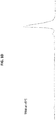
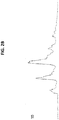
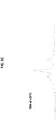
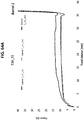
- T0 and T9M at 5°C are similar to reference standard profile except for the shoulder before the main peak which is not visible in REF1. It seems to be specific to the material. The shoulder clearly appears as an independent peak on sample T9M at 25°C ( Figure 1 ). Values of peak area confirm this observation (Table 5). HC and 100kD fragments increase as well. Regarding values and profiles, cGE clearly highlight the fact that non-glycosylated (NG) species are created during the degradation of Ab1 as well as HC and 100kD fragments.
- NG non-glycosylated
- Table 7 Values of Retention Time (RT) and percentages area of peaks for iCE analysis REF1 T9M +25°C T9M +5°C Peak names RT Area RT Area RT Area Acidic 8.055 30.89 8.064 48.92 8.044 34.55 Main 8.259 44.26 8.260 32.54 8.246 42.23 Basic 8.408 24.85 8.402 18.54 8.395 23.22
- T0 sample was not analyzed by iCE as the method was not available for routine at this period.
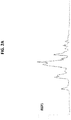
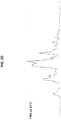
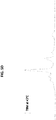
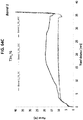
- Profiles of iCE are visually comparable ( Figure 3 ). Overlay allows to notice that acidic species are higher and main and basic species are lower in T9M at +25°C compared to the two other profiles. Data of Table 7 confirm this observation. Retention time is similar for all samples. The hypothesis can be made that charge of the molecule changes due to oxidation and/or deamidation.
- a high deamidation level is found on the 326 th amino acid of the heavy chain (H326) for the stability sample T9M at +25°C compared to the other samples. Deamidation seems to occur during degradation of the molecule.
- H275 - n.d. H275 - 1% H275/289/291 - 2% H275/289/291 - 2% H275/289/291 - 2% H275/289/291 - 2% H321/323/327 - 2% H321/323/327 - 1% H321/323/327 - 1% H321/323/327/335/33 9/341 - 2% H321/323/327/335/33 9/341- 1% H321/323/327/335/33 9/341 - 2% H410/415 - 1% H410/415 - n.d. H410/415 - n.d.
- Glycation does not go over 4% for all amino acids of all samples. Degradation does not lead to glycation.
- the drug Product formulated in 15 mM L-Histidine, 150 mM Sodium Chloride, 0.01% Polysorbate 80, pH 6.25, at a concentration of 10.7 mg/mL was stored at +25 ⁇ 2°C at different time (T) intervals, namely 1 month (M), 2, 3, 6 and 12 months; and also at + 5 ⁇ 3°C (at 1, 2, 3, 6, 12, 18, 24, 30, 36 M) to study the stability.
- T time
- Table 14 Table 14
- Ab1 drug product is stable for 36 months when stored at + 5 ⁇ 3°C in terms of purity (based on SE-HPLC and cGE), charge profile (based on iCE3 and CEX-HPLC), protein content (A280), binding to target (ELISA) and subvisible particle content. Physical appearance and pH values are also within specifications.
- UFDF Ultrafiltration Diafiltration
- target concentration was between about 160 and 195 mg/mL.
- BDS Bulk drug substance
- the characteristics of the starting material BDS Ab1-lot1 (30C (thawed at 30°C)) are in Table 17: Table 17: Starting BDS material data BDS material Ab1-lot1 (30C) pH 6.0 Conductivity (mS/cm) 0.57 Osmolality (mOsm/kg) 12 Protein concentration (mg/mL) 69.6
- Table 18 UFDF2 buffers composition Buffer No. Composition Buffer 1 25 mM L-Histidine, 150 mM sodium chloride, pH 6.0 Buffer 2 25 mM L-Histidine, 150 mM L-Arginine hydrochloride, pH 6.0
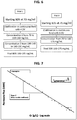
- Samples protein content was determined by A 280 using Thermo Scientific Nanodrop 2000. SE-HPLC and Sub-visible particles analysis were performed on pre- and post- concentration steps to determine if any aggregation was induced due to UFDF process. IEF by iCE3 was also run to see any change in the charge variants for the same reason. Conductivity were measured on input, permeate and retentate samples. pH and osmolality were also measured on initial, diafiltrated and concentrated final material.
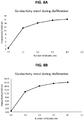
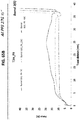
- Diafiltration was performed with 4 diavolumes on each run. 5 diavolumes is a safer margin to be sure the diafiltration step is complete, but the permeate conductivities obtained are within the target conductivity ⁇ 3% (see table 5 for buffer conductivity target). The conductivity trend during diafiltration can be found in Figure 8 .
- Consistency of the process can be interpreted from these results. However some unexpected results were observed; an increasing of pH was observed on each run during the concentration step. This phenomenon is linked to the Gibbs-Donnan's effect, which occurs in this range of protein concentration. This induces a gradient of proton concentration between the two sides of the membrane which explains the pH change during the process.
- buffer 1 Maximum protein concentration achieved in buffer 1 is about 164 mg/mL and could be assimilated to an experimental C gel , as concentration had to be stopped to avoid feed pump overpressure.
- Buffer 2 allowed to reach higher protein concentration of 192 mg/mL in trial 1. In trial 2, concentration in buffer 2 was stopped until target concentration was reached (173 mg/mL).
- Subvisible particles analysis was also performed to have an insight on the UFDF products content. The values obtained are compiled in Table 23.
- Table 23 Subvisible particles (SVP) count from each post-UFDF products SVP (particles/mL) ⁇ 2 ⁇ m ⁇ 5 ⁇ m ⁇ 10 ⁇ m ⁇ 25 ⁇ m
- SVP particles/mL
- Ab1-lot1(30C) was diafiltered into two different formulation buffers separately and were concentrated further to achieve a protein concentration of > 164 mg/mL.
- a calculated amount of Polysorbate 80 was added while adjusting protein concentration to 150 mg/mL to generate Formulated bulk drug substance.
- the formulated bulk solution was filtered through 0.22 ⁇ PES membrane based filter and was filled into 2.25 mL glass PFS system manually without N 2 gas flushing. This would provide a worst case scenario.
- the formulation composition and role of each ingredients of both Ab1 drug product in PFS (300 mg/2 mL) is summarised in below Table 35.
- Table 24 Formulation composition and role of each ingredient Ingredients Composition (mg/mL) Role of each ingredient Ab1-Sample1 Ab1-Sample2 Ab1 150 150 Active Pharmaceutical Ingredients L-Histidine 3.9 3.9 Buffering agent 3.7 %w/w Hydrochloric acid 0.4 0.4 For pH adjustment Sodium chloride 8.8 NA Stabilizer / Tonicity modifier L-Arginine hydrochloride NA 31.6 Stabilizer / Tonicity modifier Polysorbate 80 0.36 0.36 Stabilizer/surfactant 50 %w/w Sodium hydroxide q.s. q.s. For pH adjustment Target pH 6.0 6.0 NA
- Ab1 drug product quality was monitored using several analytical techniques as listed in Table 36.
- Table 25 Details of analytical test performed and their justification Analytical test Justification for test Visual Appearance A significant change in the appearance of sample may indicate product degradation and/or microbial contamination leading to safety risk for the patients. Hence it is necessary to monitor appearance of solution.
- Protein content (by A280) Ab1 is required to be administered at a target conc. of 150 mg/mL. Any significant variation from its target concentration would not provide effective dose to patients. Hence it is important to measure A280 values. Size variants by SE-HPLC Changes in monomeric content of Ab1 is an indication of its degradation. The aggregates (higher size than monomer) or fragments (smaller size than monomer) may be detected by sensitive technique like SE-HPLC.
- Size variants by cGE Changes in monomeric content of Ab1 is an indication of its degradation.
- the aggregates (higher size than monomer) or fragments (smaller size than monomer) may be detected by sensitive technique like cGE which can be used as an orthogonal technique to SE-HPLC. Hence it was analysed.
- Charge variants by clEF Changes in content of charged variants of Ab1 is an indication of its degradation.
- the acidic and basic charged variants can be analysed by sensitive technique like clEF. Hence it was measured.
- Table 26 Physico-chemical analysis data Stress conditions Ab1-Sample1 Ab1-Sample2 Appearance pH Protein content (mg/mL) Appearance pH Protein content (mg/mL) Control Clear, slightly yellowish 6.05 156.0 Clear, slightly yellowish 6.08 150.7 Shaking @ 900 rpm 72h RT Clear, slightly yellowish 6.04 154.3 Clear, slightly yellowish 6.08 153.3 Storage @ 40°C, 1 week Clear, slightly yellowish 6.04 149.2 Clear, slightly yellowish 6.08 147.5 3F/T cycles @ -80 °C (F) 5 °C (T) Clear, slightly yellowish 6.03 150.4 Clear, slightly yellowish 6.11 151.0 3F/T cycles @ -80 °C (F) 25 °C (T) Clear, slightly yellowish 6.04 150.7 Clear, slightly yellowish 6.08 149.5
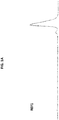
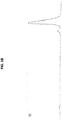
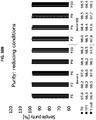
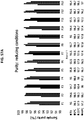
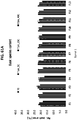
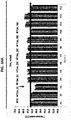
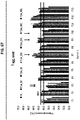
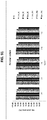
- the data of SE-HPLC analysis are shown in Figure 14 .
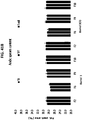
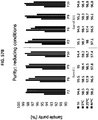
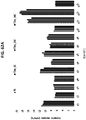
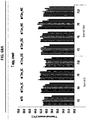
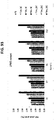
- the clEF by iCE3 analysis data are summarized in Figure 15 .
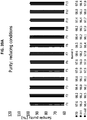
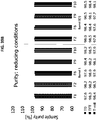
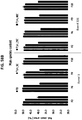
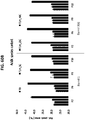
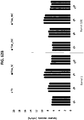
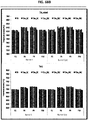
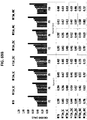
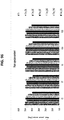
- the cGE (non-reduced) and cGE (reduced) analysis data of Ab1-Sample1 are shown in Figure 16 and Figure 17 respectively.
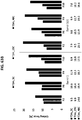
- the cGE (non-reduced) and cGE (reduced) analysis data of Ab1-Sample2 are shown in Figure 18 and Figure 19 respectively.
- An Ab1 drug product in PFS (300 mg/2 mL) has been developed for subcutaneous injection using an autoinjector.
- the final product shall be designed to deliver 2 mL of solution containing Ab1 concentration at 150 mg/mL with high accuracy of dose and minimum pain to the patients. Hence it's important to select an appropriate combination of PFS barrel and plunger stopper.
- composition shall be such selected that not only prevents the Ab1 (at 150 mg/mL) from degradation but also assist in its complete delivery with maximum patient compliance (lower injection force).
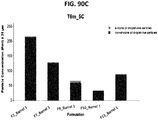
- the Ab1 test formulation (Table 39) covered two main aspects: (i) a high Ab1 protein content of 165 mg/ml (higher range of target concentration of 150 ⁇ 15 mg/ml), and (ii) a high PS80 content of 0.1% (w/v) (about 3x the target concentration of 0.036 % (w/v)), maximizing potential interactions with the packaging components of PFS.
- the high protein concentration was achieved by using an ultrafiltration process.
- the test formulation was fully-formulated in 25 mM L-Histidine, 150 mM L-Arginine-HCI, 0.1% (w/v) Polysorbate 80 at a pH of 6.0, via spiking of excipients.
- the test formulation was filled manually into four different types of PFS barrels and was closed with a Stopper1 PFS stopper (Table 40).
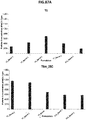
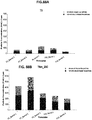
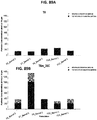
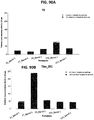
- the samples were tested directly after preparation (T0) and after stressing under freeze-thaw (T-FT) and heat, namely storage for 2 weeks at 40°C (T2w_40C), conditions.
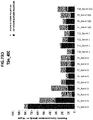
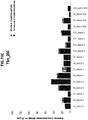
- Methods used for characterization included visual inspection, Micro-Flow Imaging (MFI) and syringeability.
- Ab1 BDS material was concentrated up to 185 mg/ml by a TFF process.
- Sample aliquots of 2.0 ml Ab1 test formulation were filled manually into 2.25-ml siliconized syringes (Barrel1, Barrel4, Barrel2, Barrel3(i)) under LAF conditions.
- a Multipette Xstream (Eppendorf) equipped with a sterile 10-ml Combitip (suitable for high viscosities) was used for transferring the formulation into the syringes.
- the syringes were closed with plungers (Stopper1) by using a Groninger SVH 100V inserting and closing machine. The machine was set to create a headspace of 2 - 3 mm above the liquid inside the syringes (complete detachment of stopper and liquid were ensured).
- Freeze-thaw stress the formulations in PFS (each containing 2.0 ml of formulation) were exposed in horizontal positioning to five (manual) cycles of freeze-thaw stress between room temperature (20 °C to 25 °C) and -20 °C (-15 °C to - 25 °C). Samples equilibrated to room temperature were placed manually into a -20 °C-freezer and kept at -20 °C for a minimum of two hours. Subsequently, the frozen samples were thawed again at room temperature for a minimum of two hours (complete thawing was ensured by visual inspection). This procedure was performed 5 times.
- Heat stress the formulations were stored in PFS (each containing 2.0 ml formulation) in a horizontal positioning at 40 °C/75% RH. in a climate chamber for two weeks.
- Table 42 provides an overview of the sampling time points and analytical methods of this study.
- the vials were inspected for the presence or absence of visible particles under gentle, manual, radial agitation for 5 seconds in front of a white background and for 5 seconds in front of a black background according to the European Pharmacopoeia (9th edition; monograph 2.9.20 ) at 2,000 - 3,750 lux. The inspection was performed independently by two trained examiners.
- the (i) break loose force and the (ii) gliding force were determined (i) as the temporary, initial maximum at the beginning of the force profile and (ii) as the plateau level of the force profile, respectively, and reported.
- MFI Micro-Flow Imaging
- Micro-Flow Imaging measurements were conducted with a MFI-5200 particle analyzer system equipped with a silane-coated high-resolution 100- ⁇ m SP3 flow cell.
- MVSS MFI View System Software
- Lumetics LINK software was used to analyze the samples.
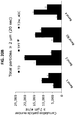
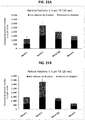
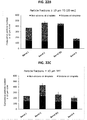
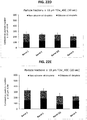
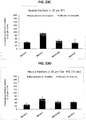
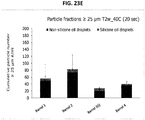
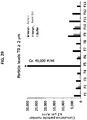
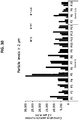
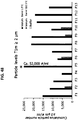
- concentrations of particles ⁇ 1 ⁇ m, 2 ⁇ m, 5 ⁇ m, 10 ⁇ m, and 25 ⁇ m as well as exemplary particle images of particles ⁇ 5 ⁇ m were reported.
- Particle populations' ⁇ 5 ⁇ m were divided into silicone oil droplet-like particles and non-silicone oil droplet-like particles, if applicable.
- Gliding forces were comparable for Barrel1, Barrel2 and Barrel3(i). In detail, values for gliding forces remained below 13 N for expelling the PFS content within 10 s and below 7 N for expelling the PFS content within 20 s. Gliding forces required to expel the content of Barrel4 PFS were higher compared to the other PFS, i.e., 30 N for expelling the PFS content within 10 s and 16 N for expelling the PFS content within 20 s. After heat stressing, the break loose forces increased slightly, whereas the gliding forces decreased slightly, irrespective of the PFS barrel type.
- MFI Micro-Flow Imaging
- MFI analysis was performed on the 50-mg/ml stock dilutions of the Ab1 test formulation in order to assess the number of sub-visible particles.
- the results of the MFI measurements are shown in Figure 21 to Figure 24 , as well as Table 47 to Table 51.
- the impact of FT stress was least for Barrel1 PFS and highest for Barrel4 PFS.
- the impact of heat stress was highest for Barrel3(i), especially when expelling the PFS content in 10 s.
- the impact of ejection speed was overall less pronounced for Barrel1 and Barrel2 PFS compared to Barrel3(i) and Barrel4 (higher particle levels observed when expelled at higher speed of 10 s/2 ml).
- Barrel2 PFS exhibited the largest numbers of silicone oil droplet-like particles in the size regions ⁇ 5 ⁇ m, ⁇ 10 ⁇ m and ⁇ 25 ⁇ m, most pronounced at T0.
- n.a. not analyzed.
- Barrel1 and Barrel3(i) were selected and further tests.
- the PFS post exposure to freeze-thaw and heat stresses were analysed for various Ab1 quality parameters such as protein content (by A280), purity by (SE-HPLC, cGE-reduced, and cGE-non-reduced, iCE3) and potency (Binding ELISA).
- Ab1 quality parameters such as protein content (by A280), purity by (SE-HPLC, cGE-reduced, and cGE-non-reduced, iCE3) and potency (Binding ELISA).
- Binding ELISA Table 53, shows that both stresses, did not alter the target binding potency of the molecule irrespective of type of PFS barrels used. Table 42. Binding ELISA results Binding ELISA T0 Freeze-Thaw (FT) stress Heat stress (HS) Barrel1 96 116 73 Barrel3(i) 97 84 109 Barrel2 90 89 113 Barel4 98 89 121
- Table 43 iCE3 results iCE3 PFS type %Acidic variants T0 Freeze-Thaw (FT) stress Heat stress (HS) Barrel1 30.5 30.8 36.3 Barrel3(i) 29.6 30.3 37.4 Barrel2 30.8 30.3 38.5 Barel4 30.6 31.0 36.5 PFS type %Main peak T0 Freeze-Thaw (FT) stress Heat stress (HS) Barrel1 45.6 45.3 41.6 Barrel3(i) 46.0 45.3 40.4 Barrel2 45.2 45.8 39.6 Barel4 45.4 45.4 41.2 PFS type %Basic variants T0 Freeze-Thaw (FT) stress Heat stress (HS) Barrel1 23.9 23.8 22.1 Barrel3(i) 24.4 24.4 22.2 Barrel2 24.0 23.9 22.0 Barel4 24.0 23.6 22.3
- Non-reduced cGE analysis shows that Ab1 is stable (no change in content of different species) post Freeze-Thaw (FT) stress but there was a decrease in %IgG peak across all type of barrels post Heat stress (HS) suggesting a non-barrel-specific degradation of molecule under heat condition.
- Table 44 Non-reduced cGE results.
- Reduced cGE analysis shows that there was no observable degradation trend post stress conditions irrespective of type of barrels used.
- Table 45 Reduced cGE results cGE (R) PFS type %HC ( ⁇ 60%) T0 Freeze-Thaw (FT) stress Heat stress (HS) Barrel1 64.0 64.0 64.0 Barrel3(i) 64.0 64.0 63.0 Barrel2 64.0 64.0 64.0 Barel4 64.0 63.0 63.0 PFS type %LC ( ⁇ 30%) T0 Freeze-Thaw (FT) stress Heat stress (HS) Barrel1 35.0 35.0 34.0 Barrel3(i) 35.0 35.0 35.0 Barrel2 35.0 35.0 35.0 Barel4 35.0 36.0 35.0 PFS type %Total other peaks ( ⁇ 3%) T0 Freeze-Thaw (FT) stress Heat stress (HS) Barrel1 1.0 2.0 1.0 Barrel3(i) 1.0 1.0 2.0 Barrel2 2.0 1.0 2.0 Bare
- Ab1 BDS material was provided at a nominal protein concentration of about 69.47 mg/ml in 5 mM histidine, pH 6.45.
- the sample was concentrated to about 190 mg/ml by using TFF.
- Full formulation was achieved either by spiking (two-step addition of concentrated excipient stock) or by buffer exchange (discontinuous diafiltration via Amicon and dialysis).
- a third spiking step was performed by spiking of respective volumes of 10% (w/v) PS80 stock solutions to both protein samples and formulation buffers/placebo, followed by the filtration of the samples through 0.22- ⁇ m PES filters under laminar air-flow conditions and by the filling of product/placebo formulation buffers into 2.25-ml PFS and stoppering under vacuum.
- Tm Apparent protein melting temperatures obtained from the ratio of the fluorescence emission at 350 nm and 330 nm (350/330 nm ratio) as a function of temperature.
- Tm values and the onset temperature of unfolding (Tm,onset) are calculated by software.
- the intensity of the back reflection was monitored to get information about temperature onset of aggregation (Tagg,onset) by the software.
- Tm1 & Tm2 melting events
- the protein content of all samples was within the acceptance limits of 150 ⁇ 15 mg/ml.
- the protein content was unchanged after freeze-thaw and rolling stress (still within target range) as shown in Table 64.
- Silicone oil was found in all PFS samples at T0, mainly in the small size region ( ⁇ 5 ⁇ m and potentially below, but differentiation not possible), likely causing increased particle levels.
- FT and rolling stress did not affect the non-silicone oil-like particle fractions, but some differences were observed for the silicone oil fractions.
- Silicone oil fractions increased after FT: F5 (large droplets).
- Silicone oil fractions increased after rolling stress: largest impact on F10 (large droplets), F6.
- Silicone oil levels ⁇ 5 ⁇ m were overall lower in Barrel3(ii) PFS compared to Barrel1 PFS ( Figure 32 and Figure 33 ).
- nanoDSF results before and after T1m of storage are shown in Figure 44 to Figure 46 .
- T0 no impact of methionine (F10) or higher PS80 content, slightly reduced thermal/conformational stability at pH 5.5 (F3) compared to pH 6.5 (F4).
- Values remained unchanged for all formulations after 1 month of storage, irrespective of the storage condition. Similar trends as were observed with the fluorescence signal (F350) and back reflection. Onset of aggregation remained unchanged after storage at 5 °C and 25°C. All thermal events remained comparable to T0 after T1m, irrespective of the type of PFS (Barrel1 or Barrel3(ii)).
- Particle levels ⁇ 2 ⁇ m were overall low in this study ( Figure 50 ), except for F5 at T0 and after storage for 1 month at 5 °C. Silicone oil was found in all PFS samples, mainly in the small size region ( ⁇ 5 ⁇ m and potentially below, but differentiation not possible), likely causing increased particle levels ( Figure 51 ). After storage for 1 month at 5 °C, non-silicone oil-like particle fractions increased more than at 25 °C and 40 °C (especially F8, F9, F13, F1, F11); solely for F6 in Barrel3(ii) PFS particles of all size classes appeared to have increased at 40 °C.
- Silicone oil fractions (mainly in the size range ⁇ 5 and 10 ⁇ m) slightly increased after storage for 1 month at 40 °C ( Figure 52 , Figure 53 ). Silicone oil levels ⁇ 5 ⁇ m were overall lower in Barrel3(ii) PFS compared to Barrel1 PFS. For a summary of the results see Table 72 and Table 73.
- HMWS levels increased after storage for 1 month at 25 °C ⁇ 40 °C (especially F5, F1, F11, F3, F12). There was no difference between samples stored in Barrel1 or Barrel3(ii) PFS ( Figure 55 ).
- Initial LMWS levels were at ca. 1.5% for all formulations. LMWS levels increased after storage for 1 month at 25 °C ⁇ 40 °C relatively independent of the type of formulation. There was no difference between samples stored in Barrel1 or Barrel3(ii) PFS ( Figure 56 ).
- Acidic species content increased in all formulations after 1 month of storage at 25 °C ⁇ 40 °C with little difference between the formulations; no change after T1m of storage at 5 °C. There was no difference between samples stored in Barrel1 or Barrel3(ii) PFS ( Figure 61 ). Initial basic species levels were at ca. 21% for all formulations, and remained relatively unaffected after storage at 5 °c and 25 °C. Basic species content decreased after storage for 1 month at 40 °C with little difference between the formulations; no change after T1m of storage at 5 °C. There was no difference between samples stored in Barrel1 or Barrel3(ii) PFS ( Figure 62 ).
- Particle levels ⁇ 2 ⁇ m were overall low in this study, except for F5 at T0 and after storage for up to 3 months at 5 °C ( Figure 72 ).
- the non-silicone oil-like particle fractions were largely unaffected irrespective of storage condition or formulation (observed for particle levels ⁇ 5 ⁇ m andInventBarrel1), solely slightly increased levels for F1 and F5 ( Figure 73 ).
- Silicone oil-like particle fractions increased after storage for 3 months at 25 °C ⁇ 40 °C (mainly in the size range ⁇ 5 and 10 ⁇ m) with no/little difference between samples stored in Barrel1 and PFS ( Figure 74 , Figure 75 ).
- HMWS levels increased slightly after storage of 3 months at 5 °C.
- HMWS levels increased after storage of 3 months at 25 °C ⁇ 40 °C (especially F1, F3, F5, F11, F12: 4-5% after 3 months of storage at 40 °C).
- Initial LMWS levels were at ca. 1.5% for all formulations. LMWS levels remained unchanged after storage for 3 months at 5 °C.
- the purity (Bioanalyzer) under non-reducing conditions was not affected by storage of 3 months at 5 and 25 °C. After storage of 3 months at 40 °C, the purity decreased in all formulations (lowest sample purity observed for F11 with ca. 80% and F12 with ca. 84%). There was no difference between samples stored in Barrel1 or Barrel3(ii) PFS ( Figure 79 ).
- the purity (Bioanalyzer) under reducing conditions was not affected by storage of 3 months at 5 °C and 25 °C. After storage of 3 months at 40 °C, the purity decreased in all formulations. There was no difference between samples stored in Barrel1 or Barrel3(ii) PFS ( Figure 80 ).
- Table 69 dynamic viscosity before and after 6 months of storage Time point Dynamic viscosity[mPa*s] at 20°C F2-Barrel1 F7-Barrel1 F9-Barrel1 F10-Barrel1 F13-Barrel1 T0 6.7 10.4 9.3 7.1 6.4 T3m_5C 6.6 10.5 9.4 6.7 6.6 T6m_5C 4.0 6.9 6.2 4.7 4.4 T3m_25C 6.6 11.1 9.2 6.7 6.5 T6m_25C 5.3 8.2 6.7 5.0 4.9
- Table 71 Visual inspection before and after 6 months of storage Time point Visual inspection DAC score examiner1/examiner2 F2-Barrel1 F7-Barrel1 F9-Barrel1 F10-Barrel1 F13-Barrel1 T0 0/0 0/0 0/0 0/0 0/0 T3m_5C 1/0 0/0 0/0 0/0 0/0 T6m_5C 0/0 2/2 0/0 0/0 0/0 T3m_25C 0/0 0/0 0 1/1 1/0 T6m_25C 1/0 0/0 0/0 1/0 1/0 1/0
- Binding ELISA Table 83 showed that many formulations were out of specifications after 3M of incubation at 40°C.
- the formulated bulk drug substance at target conc. of 150 mg/mL of Ab1 was filled into PFS1.
- the required number of Ab1 PFS were stored under multiple temperature conditions of +5 ⁇ 3°C, +25 ⁇ 2°C and +40 ⁇ 2°C in order to access its stability.
- Table 73 Container closure system details for formulated bulk drug substance Name Description Vial 10 mL Type I glass vial Stopper 20 mm Injection Stoppers-Flurotec-coated Overcap 20 mm Flip off seal-Blue Table 74: Container closure system details for PFS Name Description Syringe barrel Barrel1 Plunger stopper Stopper1
- An increase in sub-visible particles in PFS may be indicative of protein aggregation and/or leaching of silicon oil from glass/stopper surfaces.
- Protein content (by A280)
- the protein is required to be administered at a target conc. of 150 mg/mL. Any significant variation from its target conc. would not provide effective dose to patients. Hence it is important to measure A280 values.
- Size variants by SE-HPLC Changes in monomeric content of Ab1 is an indication of its degradation.
- the aggregates (higher size than monomer) or fragments (smaller size than monomer) may be detected by sensitive technique like SE-HPLC. Hence it shall be used during stability testing.
- Charge variants by clEF Changes in content of charged variants of Ab1 is an indication of its degradation.
- the acidic and basic charged variants can be analyzed by sensitive technique like clEF. Hence it shall be use during stability testing.
- Size variants by cGE (reduced & non-reduced) Changes in monomeric content of Ab1 is an indication of its degradation.
- the aggregates (higher size than monomer) or fragments (smaller size than monomer) may be detected by sensitive technique like CGE which can be used as an orthogonal technique to SE-HPLC. Hence it shall be use during stability testing. Potency by Binding ELISA An intact molecule would bind to the target receptor (OX40-Fc) to show its efficacy.
- Syringability for PFS only
- Ab1 is intended to be delivered into sub-cutaneous layer of skin through a prefilled syringe system.
- the performance of syringe i.e. Syringability
- Syringability is judged based on two forces namely, the force required to initiate plunBarrel1 movement (break-loose force) and the force required to maintain the movement of plunBarrel1 (gliding force). Any significant change in these two forces indicate poor syringe performance leading to inaccuracy in dose volume and/or pain to patients during injection. Hence it essential monitor this parameter.
- Standard Complies Complies Heavy chain peak ⁇ 60% 64.1 64.2 Light chain peak ⁇ 30% 35.2 33.8 Total other peak ⁇ 3% 0.7 1.9 cGE (non-reduced) IgG peak ⁇ 90% 91.7 92.6 Assigned peaks ⁇ 8% 6.6 5.6 Total other peak ⁇ 3% 1.7 1.8 cIEF by iCE3 Profile comparable to Ref.
- standard Complies Complies
- Main peak ⁇ 33% and ⁇ 54% 44.0 45.7
- Basic peaks ⁇ 7% and ⁇ 35% 22.0 21.3
- pI main peak ⁇ 8.1 and ⁇ 8.5 8.347 8.459 Binding ELISA ⁇ 50% and ⁇ 150% of Ref.
- Ab1 formulated BDS (150 mg/mL) in vial with lot Ab1-Sample1 and Ab1-Sample2 are within specification for all the stability indicating parameters. Both the lots met specifications in terms of purity (based on SE-HPLC and cGE), charge profile (based on iCE), protein content (A 280 ) and binding to target (Binding ELISA) when stored frozen up to 6 months at -80 ⁇ 20° & -20 ⁇ 5°C. The pH values were also within predefined specifications however the color of solution varied from slightly brownish to brownish with presence of random (dust like) particulates without any observable trend.
- Ab1 formulated BDS 150 mg/mL in vial having lot Ab1-Sample1 and Ab1-Sample2, are found to be:
- Standard Complies Complies Heavy chain peak ⁇ 60% 63.3 63.5 Light chain peak ⁇ 30% 35.2 34.1 Total other peak ⁇ 3% 1.6 2.5 IgG peak ⁇ 90% 93.2 81.9 cGE (nonreduced) Assigned peaks ⁇ 8% 5.2 5.7 Total other peak ⁇ 3% 1.6 2.0 cIEF by iCE3 Profile comparable to Ref.
- standard Complies Does not comply Acidic peaks: ⁇ 14% and ⁇ 59% 33.0 47.1 Main peak: ⁇ 33% and ⁇ 54% 45.6 34.1 Basic peaks: ⁇ 7% and ⁇ 35% 21.4 18.9 pl main peak: ⁇ 8.1 and ⁇ 8.5 8.367 8.309 Binding ELISA ⁇ 50% and ⁇ 150% of Ref.
- Ab1 drug product in PFS 300 mg/2 mL
- lot Ab1-Sample3 and Ab1-Sample 4 are within specification for all the stability indicating parameters when stored up to 18 months at +5 ⁇ 3 °C.
- Both the lots met specifications in terms of purity (based on SE-HPLC and cGE), charge profile (based on iCE), protein content (A 280 ) and binding to target (Binding ELISA).
- the pH values were also within predefined specifications however the color of solution varied from slightly yellowish to slightly brownish with presence of random (dust like) particulates at some time points without any observable trend.
- both the samples were found to be stable for up to 3 months. Due to incorrect PFS storage at +40 ⁇ 2 °C between 3 and 6 months instead of intended storage condition of +25 ⁇ 2 °C, both lots were OOS for SE-HPLC, cGE (non-reduced and reduced) and clEF (by iCE3) at 6 months. Under regular stress condition of +40 ⁇ 2 °C for 1 month, both lots did not met predefined stability specifications for cGE (non-reduced) and clEF (by iCE3) tests.
- the break-loose force and gliding force were measured for 6M samples stored at +5 ⁇ 3 °C and +25 ⁇ 2 °C (3M actual storage). All PFS showed low break loose forces (5.9 N to 7.5 N), except for Ab1-Sample3 - 5 °C sample which did not show a break-loose point. The average gliding force for all PFS sample was also low (4.1 N to 5.9 N), except for Ab1-Sample3 - 25 °C sample which had a higher gliding force of 12.9 N.
- the sub-visible particle analysis by MFI revealed that of total particles having size ⁇ 5 ⁇ m about 97.5 to 98.7% of that were of protein-like for all 6M samples stored at +5 ⁇ 3°C and +25 ⁇ 2°C except for lot# Ab1-Sample3 +25 °C sample for which the fraction of protein-like was 92.7% which could have been generated due to excessive heat stress during storage.
Landscapes
- Health & Medical Sciences (AREA)
- Chemical & Material Sciences (AREA)
- Life Sciences & Earth Sciences (AREA)
- Medicinal Chemistry (AREA)
- General Health & Medical Sciences (AREA)
- Veterinary Medicine (AREA)
- Pharmacology & Pharmacy (AREA)
- Epidemiology (AREA)
- Animal Behavior & Ethology (AREA)
- Public Health (AREA)
- Immunology (AREA)
- Molecular Biology (AREA)
- Engineering & Computer Science (AREA)
- Biochemistry (AREA)
- Organic Chemistry (AREA)
- Chemical Kinetics & Catalysis (AREA)
- Oil, Petroleum & Natural Gas (AREA)
- Biophysics (AREA)
- Genetics & Genomics (AREA)
- Proteomics, Peptides & Aminoacids (AREA)
- General Chemical & Material Sciences (AREA)
- Bioinformatics & Cheminformatics (AREA)
- Microbiology (AREA)
- Mycology (AREA)
- Dermatology (AREA)
- Medicinal Preparation (AREA)
- Medicines Containing Antibodies Or Antigens For Use As Internal Diagnostic Agents (AREA)
Priority Applications (1)
| Application Number | Priority Date | Filing Date | Title |
|---|---|---|---|
| EP19187338.9A EP3766481A1 (fr) | 2019-07-19 | 2019-07-19 | Formulation d'anticorps liquides |
Applications Claiming Priority (1)
| Application Number | Priority Date | Filing Date | Title |
|---|---|---|---|
| EP19187338.9A EP3766481A1 (fr) | 2019-07-19 | 2019-07-19 | Formulation d'anticorps liquides |
Publications (1)
| Publication Number | Publication Date |
|---|---|
| EP3766481A1 true EP3766481A1 (fr) | 2021-01-20 |
Family
ID=67438198
Family Applications (1)
| Application Number | Title | Priority Date | Filing Date |
|---|---|---|---|
| EP19187338.9A Withdrawn EP3766481A1 (fr) | 2019-07-19 | 2019-07-19 | Formulation d'anticorps liquides |
Country Status (1)
| Country | Link |
|---|---|
| EP (1) | EP3766481A1 (fr) |
Cited By (1)
| Publication number | Priority date | Publication date | Assignee | Title |
|---|---|---|---|---|
| US11634485B2 (en) | 2019-02-18 | 2023-04-25 | Eli Lilly And Company | Therapeutic antibody formulation |
Citations (6)
| Publication number | Priority date | Publication date | Assignee | Title |
|---|---|---|---|---|
| WO1994013804A1 (fr) | 1992-12-04 | 1994-06-23 | Medical Research Council | Proteines de liaison multivalentes et multispecifiques, leur fabrication et leur utilisation |
| WO2010096418A2 (fr) * | 2009-02-17 | 2010-08-26 | Ucb Pharma S.A. | Molécules d'anticorps ayant une spécificité pour ox40 humain |
| US9209965B2 (en) | 2014-01-14 | 2015-12-08 | Microsemi Semiconductor Ulc | Network interface with clock recovery module on line card |
| WO2017134292A1 (fr) * | 2016-02-04 | 2017-08-10 | Glenmark Pharmaceuticals S.A. | Anticorps antagonistes anti-ox40 pour le traitement de dermatites atopiques |
| WO2019219978A1 (fr) * | 2018-05-18 | 2019-11-21 | Glenmark Pharmaceuticals S.A. | Anticorps antagonistes anti-ox40 pour le traitement de maladies auto-immunes |
| WO2019229155A1 (fr) * | 2018-05-31 | 2019-12-05 | Glenmark Pharmceuticals S.A. | Anticorps antagonistes anti-ox40 et dosage pour le traitement de troubles à médiation par ox40 |
-
2019
- 2019-07-19 EP EP19187338.9A patent/EP3766481A1/fr not_active Withdrawn
Patent Citations (6)
| Publication number | Priority date | Publication date | Assignee | Title |
|---|---|---|---|---|
| WO1994013804A1 (fr) | 1992-12-04 | 1994-06-23 | Medical Research Council | Proteines de liaison multivalentes et multispecifiques, leur fabrication et leur utilisation |
| WO2010096418A2 (fr) * | 2009-02-17 | 2010-08-26 | Ucb Pharma S.A. | Molécules d'anticorps ayant une spécificité pour ox40 humain |
| US9209965B2 (en) | 2014-01-14 | 2015-12-08 | Microsemi Semiconductor Ulc | Network interface with clock recovery module on line card |
| WO2017134292A1 (fr) * | 2016-02-04 | 2017-08-10 | Glenmark Pharmaceuticals S.A. | Anticorps antagonistes anti-ox40 pour le traitement de dermatites atopiques |
| WO2019219978A1 (fr) * | 2018-05-18 | 2019-11-21 | Glenmark Pharmaceuticals S.A. | Anticorps antagonistes anti-ox40 pour le traitement de maladies auto-immunes |
| WO2019229155A1 (fr) * | 2018-05-31 | 2019-12-05 | Glenmark Pharmceuticals S.A. | Anticorps antagonistes anti-ox40 et dosage pour le traitement de troubles à médiation par ox40 |
Non-Patent Citations (17)
| Title |
|---|
| "European Pharmacopoeia" |
| A. MCAULEY ET AL., BIOPHARM INTERNATIONAL, vol. 22, no. 6, 1 June 2009 (2009-06-01) |
| ANONYMOUS: "Anti-OX40 Antagonist Antibody", 22 June 2017 (2017-06-22), XP055658970, Retrieved from the Internet <URL:https://web.archive.org/web/20170622014410/http://bpsbioscience.com/immunotherapy/antibodies/anti-ox40-antibody-72063-1> [retrieved on 20200117] * |
| BAGSHAWE KD, ANTIBODY, IMMUNOCONJUGATES AND RADIOPHARMACEUTICALS, vol. 4, 1991, pages 915 - 922 |
| BENSMANA M ET AL., NUCLEIC ACIDS RES., vol. 16, no. 7, 1988, pages 3108 |
| BIRD RE ET AL., SCIENCE, vol. 242, 1988, pages 423 - 426 |
| CHEMICAL ABSTRACTS, Columbus, Ohio, US; abstract no. 2126777-87-3 |
| COLOMA MJMORRISON SL, NATURE BIOTECHNOLOGY, vol. 15, no. 2, 1997, pages 159 - 163 |
| HOLLIGER P ET AL., PROC. NATL. ACAD. SCI. USA, vol. 90, 1993, pages 6444 - 48 |
| HUSTON JS ET AL., PROC. NATL. ACAD. SCI. USA, vol. 85, 1988, pages 5879 - 83 |
| JONES A, ADV DRUG DELIVERY REV, vol. 10, 1993, pages 29 - 90 |
| LEDERMANN JA ET AL., INT J CANCER, vol. 47, 1999, pages 659 - 664 |
| M. RIOS, BIOPROCESS INT., 12 May 2015 (2015-05-12) |
| P. FURRER, EUROPEAN PHARMACEUTICAL REVIEW, 18 April 2013 (2013-04-18) |
| TOMLINSON IHOLLINGER P, METHODS ENZYMOL., vol. 326, 2000, pages 461 - 79 |
| W ANONYMOUS: "Anti-OX40 antagonist antibody Data Sheet,", BOPS BIOSCIENC, 23 August 2017 (2017-08-23), pages 511 - 521, XP055658980, Retrieved from the Internet <URL:https://web.archive.org/web/20170823182436if_/http://bpsbioscience.com/media/wysiwyg/72063-1_Lot_161005.pdf> [retrieved on 20200117] * |
| WARD ES ET AL., NATURE, vol. 341, 1989, pages 544 - 546 |
Cited By (1)
| Publication number | Priority date | Publication date | Assignee | Title |
|---|---|---|---|---|
| US11634485B2 (en) | 2019-02-18 | 2023-04-25 | Eli Lilly And Company | Therapeutic antibody formulation |
Similar Documents
| Publication | Publication Date | Title |
|---|---|---|
| EP3823594B1 (fr) | Formulation d'anticorps liquide | |
| JP6921148B2 (ja) | 抗体製剤 | |
| EP3658184B1 (fr) | Formules d'anticorps anti-c5 à haute concentration | |
| TWI556828B (zh) | 抗-α4β7抗體之調配物 | |
| CN103533959B (zh) | 抗α4β7抗体的制剂 | |
| EP2129401B1 (fr) | Formulations tamponnées stables contenant des polypeptides | |
| US9458240B2 (en) | Anti-BAFFR antibody formulations | |
| EP3409269A1 (fr) | Formulations stabilisées contenant des anticorps anti-récepteur de l'interleukine-6 (il-6r) | |
| RU2644214C2 (ru) | СТАБИЛЬНЫЕ ПРЕПАРАТЫ СВЯЗЫВАЮЩЕГО СРЕДСТВА НА ОСНОВЕ IgG4 | |
| TWI682788B (zh) | 包含gm-csf中和化合物之液態調配物 | |
| BRPI0620316A2 (pt) | formulações de proteìnas com viscosidades reduzida e seus usos | |
| EP3781209B1 (fr) | Réduction de la viscosité de formulations de protéines hautement concentrées | |
| TR201808801T4 (tr) | İmmünoglobulin formülasyonu ve bunun hazırlanış yöntemi. | |
| US11945859B2 (en) | Protein solution formulation containing high concentration of an anti-VEGF antibody | |
| EP3849513A1 (fr) | Compositions comprenant un anticorps bispécifique, un tampon et un ou plusieurs agents stabilisants | |
| US20220273796A1 (en) | Lyophilized antibody formulation | |
| KR20220063222A (ko) | 고농축 단백질 제형에서 점도 감소제로서의 캄포술폰산 및 양이온성 부형제와 이의 조합 | |
| EP4164594B1 (fr) | Diluant de formulation d'anticorps | |
| CN119255788A (zh) | 降黏度赋形剂组合物和包含其的低黏度高浓缩蛋白质制剂 | |
| TW202445135A (zh) | 液態蛋白質組成物穩定性之建模方法 | |
| JP6820823B2 (ja) | 安定なIgG4に基づく結合剤の製剤 | |
| AU2014201388C1 (en) | Stable Buffered Formulations Containing Polypeptides | |
| HK40025392A (en) | High concentration anti-c5 antibody formulations | |
| HK40025392B (en) | High concentration anti-c5 antibody formulations |
Legal Events
| Date | Code | Title | Description |
|---|---|---|---|
| STAA | Information on the status of an ep patent application or granted ep patent |
Free format text: STATUS: UNKNOWN |
|
| PUAI | Public reference made under article 153(3) epc to a published international application that has entered the european phase |
Free format text: ORIGINAL CODE: 0009012 |
|
| STAA | Information on the status of an ep patent application or granted ep patent |
Free format text: STATUS: THE APPLICATION HAS BEEN PUBLISHED |
|
| AK | Designated contracting states |
Kind code of ref document: A1 Designated state(s): AL AT BE BG CH CY CZ DE DK EE ES FI FR GB GR HR HU IE IS IT LI LT LU LV MC MK MT NL NO PL PT RO RS SE SI SK SM TR |
|
| AX | Request for extension of the european patent |
Extension state: BA ME |
|
| STAA | Information on the status of an ep patent application or granted ep patent |
Free format text: STATUS: THE APPLICATION IS DEEMED TO BE WITHDRAWN |
|
| 18D | Application deemed to be withdrawn |
Effective date: 20210721 |