EP3766917B1 - Composé hétérobifonctionnel comportant un polyéthylèneglycol monodispersé dans la chaîne principale ou dans une chaîne latérale - Google Patents
Composé hétérobifonctionnel comportant un polyéthylèneglycol monodispersé dans la chaîne principale ou dans une chaîne latérale Download PDFInfo
- Publication number
- EP3766917B1 EP3766917B1 EP19766905.4A EP19766905A EP3766917B1 EP 3766917 B1 EP3766917 B1 EP 3766917B1 EP 19766905 A EP19766905 A EP 19766905A EP 3766917 B1 EP3766917 B1 EP 3766917B1
- Authority
- EP
- European Patent Office
- Prior art keywords
- group
- formula
- bond
- represented
- polyethylene glycol
- Prior art date
- Legal status (The legal status is an assumption and is not a legal conclusion. Google has not performed a legal analysis and makes no representation as to the accuracy of the status listed.)
- Active
Links
Images

Classifications
-
- C—CHEMISTRY; METALLURGY
- C08—ORGANIC MACROMOLECULAR COMPOUNDS; THEIR PREPARATION OR CHEMICAL WORKING-UP; COMPOSITIONS BASED THEREON
- C08G—MACROMOLECULAR COMPOUNDS OBTAINED OTHERWISE THAN BY REACTIONS ONLY INVOLVING UNSATURATED CARBON-TO-CARBON BONDS
- C08G65/00—Macromolecular compounds obtained by reactions forming an ether link in the main chain of the macromolecule
- C08G65/02—Macromolecular compounds obtained by reactions forming an ether link in the main chain of the macromolecule from cyclic ethers by opening of the heterocyclic ring
- C08G65/32—Polymers modified by chemical after-treatment
- C08G65/329—Polymers modified by chemical after-treatment with organic compounds
- C08G65/331—Polymers modified by chemical after-treatment with organic compounds containing oxygen
- C08G65/332—Polymers modified by chemical after-treatment with organic compounds containing oxygen containing carboxyl groups, or halides, or esters thereof
- C08G65/3322—Polymers modified by chemical after-treatment with organic compounds containing oxygen containing carboxyl groups, or halides, or esters thereof acyclic
-
- A—HUMAN NECESSITIES
- A61—MEDICAL OR VETERINARY SCIENCE; HYGIENE
- A61K—PREPARATIONS FOR MEDICAL, DENTAL OR TOILETRY PURPOSES
- A61K47/00—Medicinal preparations characterised by the non-active ingredients used, e.g. carriers or inert additives; Targeting or modifying agents chemically bound to the active ingredient
- A61K47/50—Medicinal preparations characterised by the non-active ingredients used, e.g. carriers or inert additives; Targeting or modifying agents chemically bound to the active ingredient the non-active ingredient being chemically bound to the active ingredient, e.g. polymer-drug conjugates
- A61K47/51—Medicinal preparations characterised by the non-active ingredients used, e.g. carriers or inert additives; Targeting or modifying agents chemically bound to the active ingredient the non-active ingredient being chemically bound to the active ingredient, e.g. polymer-drug conjugates the non-active ingredient being a modifying agent
- A61K47/68—Medicinal preparations characterised by the non-active ingredients used, e.g. carriers or inert additives; Targeting or modifying agents chemically bound to the active ingredient the non-active ingredient being chemically bound to the active ingredient, e.g. polymer-drug conjugates the non-active ingredient being a modifying agent the modifying agent being an antibody, an immunoglobulin or a fragment thereof, e.g. an Fc-fragment
- A61K47/6801—Drug-antibody or immunoglobulin conjugates defined by the pharmacologically or therapeutically active agent
- A61K47/6803—Drugs conjugated to an antibody or immunoglobulin, e.g. cisplatin-antibody conjugates
- A61K47/6807—Drugs conjugated to an antibody or immunoglobulin, e.g. cisplatin-antibody conjugates the drug or compound being a sugar, nucleoside, nucleotide, nucleic acid, e.g. RNA antisense
- A61K47/6809—Antibiotics, e.g. antitumor antibiotics anthracyclins, adriamycin, doxorubicin or daunomycin
-
- C—CHEMISTRY; METALLURGY
- C08—ORGANIC MACROMOLECULAR COMPOUNDS; THEIR PREPARATION OR CHEMICAL WORKING-UP; COMPOSITIONS BASED THEREON
- C08G—MACROMOLECULAR COMPOUNDS OBTAINED OTHERWISE THAN BY REACTIONS ONLY INVOLVING UNSATURATED CARBON-TO-CARBON BONDS
- C08G65/00—Macromolecular compounds obtained by reactions forming an ether link in the main chain of the macromolecule
- C08G65/02—Macromolecular compounds obtained by reactions forming an ether link in the main chain of the macromolecule from cyclic ethers by opening of the heterocyclic ring
- C08G65/32—Polymers modified by chemical after-treatment
-
- A—HUMAN NECESSITIES
- A61—MEDICAL OR VETERINARY SCIENCE; HYGIENE
- A61K—PREPARATIONS FOR MEDICAL, DENTAL OR TOILETRY PURPOSES
- A61K39/00—Medicinal preparations containing antigens or antibodies
- A61K39/395—Antibodies; Immunoglobulins; Immune serum, e.g. antilymphocytic serum
-
- A—HUMAN NECESSITIES
- A61—MEDICAL OR VETERINARY SCIENCE; HYGIENE
- A61K—PREPARATIONS FOR MEDICAL, DENTAL OR TOILETRY PURPOSES
- A61K47/00—Medicinal preparations characterised by the non-active ingredients used, e.g. carriers or inert additives; Targeting or modifying agents chemically bound to the active ingredient
- A61K47/50—Medicinal preparations characterised by the non-active ingredients used, e.g. carriers or inert additives; Targeting or modifying agents chemically bound to the active ingredient the non-active ingredient being chemically bound to the active ingredient, e.g. polymer-drug conjugates
- A61K47/51—Medicinal preparations characterised by the non-active ingredients used, e.g. carriers or inert additives; Targeting or modifying agents chemically bound to the active ingredient the non-active ingredient being chemically bound to the active ingredient, e.g. polymer-drug conjugates the non-active ingredient being a modifying agent
- A61K47/68—Medicinal preparations characterised by the non-active ingredients used, e.g. carriers or inert additives; Targeting or modifying agents chemically bound to the active ingredient the non-active ingredient being chemically bound to the active ingredient, e.g. polymer-drug conjugates the non-active ingredient being a modifying agent the modifying agent being an antibody, an immunoglobulin or a fragment thereof, e.g. an Fc-fragment
-
- A—HUMAN NECESSITIES
- A61—MEDICAL OR VETERINARY SCIENCE; HYGIENE
- A61K—PREPARATIONS FOR MEDICAL, DENTAL OR TOILETRY PURPOSES
- A61K47/00—Medicinal preparations characterised by the non-active ingredients used, e.g. carriers or inert additives; Targeting or modifying agents chemically bound to the active ingredient
- A61K47/50—Medicinal preparations characterised by the non-active ingredients used, e.g. carriers or inert additives; Targeting or modifying agents chemically bound to the active ingredient the non-active ingredient being chemically bound to the active ingredient, e.g. polymer-drug conjugates
- A61K47/51—Medicinal preparations characterised by the non-active ingredients used, e.g. carriers or inert additives; Targeting or modifying agents chemically bound to the active ingredient the non-active ingredient being chemically bound to the active ingredient, e.g. polymer-drug conjugates the non-active ingredient being a modifying agent
- A61K47/68—Medicinal preparations characterised by the non-active ingredients used, e.g. carriers or inert additives; Targeting or modifying agents chemically bound to the active ingredient the non-active ingredient being chemically bound to the active ingredient, e.g. polymer-drug conjugates the non-active ingredient being a modifying agent the modifying agent being an antibody, an immunoglobulin or a fragment thereof, e.g. an Fc-fragment
- A61K47/6835—Medicinal preparations characterised by the non-active ingredients used, e.g. carriers or inert additives; Targeting or modifying agents chemically bound to the active ingredient the non-active ingredient being chemically bound to the active ingredient, e.g. polymer-drug conjugates the non-active ingredient being a modifying agent the modifying agent being an antibody, an immunoglobulin or a fragment thereof, e.g. an Fc-fragment the modifying agent being an antibody or an immunoglobulin bearing at least one antigen-binding site
- A61K47/6845—Medicinal preparations characterised by the non-active ingredients used, e.g. carriers or inert additives; Targeting or modifying agents chemically bound to the active ingredient the non-active ingredient being chemically bound to the active ingredient, e.g. polymer-drug conjugates the non-active ingredient being a modifying agent the modifying agent being an antibody, an immunoglobulin or a fragment thereof, e.g. an Fc-fragment the modifying agent being an antibody or an immunoglobulin bearing at least one antigen-binding site the antibody targeting a cytokine, e.g. growth factors, VEGF, TNF, a lymphokine or an interferon
-
- A—HUMAN NECESSITIES
- A61—MEDICAL OR VETERINARY SCIENCE; HYGIENE
- A61K—PREPARATIONS FOR MEDICAL, DENTAL OR TOILETRY PURPOSES
- A61K47/00—Medicinal preparations characterised by the non-active ingredients used, e.g. carriers or inert additives; Targeting or modifying agents chemically bound to the active ingredient
- A61K47/50—Medicinal preparations characterised by the non-active ingredients used, e.g. carriers or inert additives; Targeting or modifying agents chemically bound to the active ingredient the non-active ingredient being chemically bound to the active ingredient, e.g. polymer-drug conjugates
- A61K47/51—Medicinal preparations characterised by the non-active ingredients used, e.g. carriers or inert additives; Targeting or modifying agents chemically bound to the active ingredient the non-active ingredient being chemically bound to the active ingredient, e.g. polymer-drug conjugates the non-active ingredient being a modifying agent
- A61K47/68—Medicinal preparations characterised by the non-active ingredients used, e.g. carriers or inert additives; Targeting or modifying agents chemically bound to the active ingredient the non-active ingredient being chemically bound to the active ingredient, e.g. polymer-drug conjugates the non-active ingredient being a modifying agent the modifying agent being an antibody, an immunoglobulin or a fragment thereof, e.g. an Fc-fragment
- A61K47/6835—Medicinal preparations characterised by the non-active ingredients used, e.g. carriers or inert additives; Targeting or modifying agents chemically bound to the active ingredient the non-active ingredient being chemically bound to the active ingredient, e.g. polymer-drug conjugates the non-active ingredient being a modifying agent the modifying agent being an antibody, an immunoglobulin or a fragment thereof, e.g. an Fc-fragment the modifying agent being an antibody or an immunoglobulin bearing at least one antigen-binding site
- A61K47/6883—Polymer-drug antibody conjugates, e.g. mitomycin-dextran-Ab; DNA-polylysine-antibody complex or conjugate used for therapy
-
- C—CHEMISTRY; METALLURGY
- C07—ORGANIC CHEMISTRY
- C07D—HETEROCYCLIC COMPOUNDS
- C07D207/00—Heterocyclic compounds containing five-membered rings not condensed with other rings, with one nitrogen atom as the only ring hetero atom
- C07D207/02—Heterocyclic compounds containing five-membered rings not condensed with other rings, with one nitrogen atom as the only ring hetero atom with only hydrogen or carbon atoms directly attached to the ring nitrogen atom
- C07D207/44—Heterocyclic compounds containing five-membered rings not condensed with other rings, with one nitrogen atom as the only ring hetero atom with only hydrogen or carbon atoms directly attached to the ring nitrogen atom having three double bonds between ring members or between ring members and non-ring members
- C07D207/444—Heterocyclic compounds containing five-membered rings not condensed with other rings, with one nitrogen atom as the only ring hetero atom with only hydrogen or carbon atoms directly attached to the ring nitrogen atom having three double bonds between ring members or between ring members and non-ring members having two doubly-bound oxygen atoms directly attached in positions 2 and 5
- C07D207/448—Heterocyclic compounds containing five-membered rings not condensed with other rings, with one nitrogen atom as the only ring hetero atom with only hydrogen or carbon atoms directly attached to the ring nitrogen atom having three double bonds between ring members or between ring members and non-ring members having two doubly-bound oxygen atoms directly attached in positions 2 and 5 with only hydrogen atoms or radicals containing only hydrogen and carbon atoms directly attached to other ring carbon atoms, e.g. maleimide
- C07D207/452—Heterocyclic compounds containing five-membered rings not condensed with other rings, with one nitrogen atom as the only ring hetero atom with only hydrogen or carbon atoms directly attached to the ring nitrogen atom having three double bonds between ring members or between ring members and non-ring members having two doubly-bound oxygen atoms directly attached in positions 2 and 5 with only hydrogen atoms or radicals containing only hydrogen and carbon atoms directly attached to other ring carbon atoms, e.g. maleimide with hydrocarbon radicals, substituted by hetero atoms, directly attached to the ring nitrogen atom
-
- C—CHEMISTRY; METALLURGY
- C07—ORGANIC CHEMISTRY
- C07K—PEPTIDES
- C07K16/00—Immunoglobulins [IG], e.g. monoclonal or polyclonal antibodies
- C07K16/18—Immunoglobulins [IG], e.g. monoclonal or polyclonal antibodies against material from animals or humans
- C07K16/24—Immunoglobulins [IG], e.g. monoclonal or polyclonal antibodies against material from animals or humans against cytokines, lymphokines or interferons
- C07K16/244—Interleukins [IL]
- C07K16/245—IL-1
-
- C—CHEMISTRY; METALLURGY
- C08—ORGANIC MACROMOLECULAR COMPOUNDS; THEIR PREPARATION OR CHEMICAL WORKING-UP; COMPOSITIONS BASED THEREON
- C08G—MACROMOLECULAR COMPOUNDS OBTAINED OTHERWISE THAN BY REACTIONS ONLY INVOLVING UNSATURATED CARBON-TO-CARBON BONDS
- C08G65/00—Macromolecular compounds obtained by reactions forming an ether link in the main chain of the macromolecule
- C08G65/02—Macromolecular compounds obtained by reactions forming an ether link in the main chain of the macromolecule from cyclic ethers by opening of the heterocyclic ring
- C08G65/32—Polymers modified by chemical after-treatment
- C08G65/329—Polymers modified by chemical after-treatment with organic compounds
-
- C—CHEMISTRY; METALLURGY
- C08—ORGANIC MACROMOLECULAR COMPOUNDS; THEIR PREPARATION OR CHEMICAL WORKING-UP; COMPOSITIONS BASED THEREON
- C08G—MACROMOLECULAR COMPOUNDS OBTAINED OTHERWISE THAN BY REACTIONS ONLY INVOLVING UNSATURATED CARBON-TO-CARBON BONDS
- C08G65/00—Macromolecular compounds obtained by reactions forming an ether link in the main chain of the macromolecule
- C08G65/02—Macromolecular compounds obtained by reactions forming an ether link in the main chain of the macromolecule from cyclic ethers by opening of the heterocyclic ring
- C08G65/32—Polymers modified by chemical after-treatment
- C08G65/329—Polymers modified by chemical after-treatment with organic compounds
- C08G65/331—Polymers modified by chemical after-treatment with organic compounds containing oxygen
-
- C—CHEMISTRY; METALLURGY
- C08—ORGANIC MACROMOLECULAR COMPOUNDS; THEIR PREPARATION OR CHEMICAL WORKING-UP; COMPOSITIONS BASED THEREON
- C08G—MACROMOLECULAR COMPOUNDS OBTAINED OTHERWISE THAN BY REACTIONS ONLY INVOLVING UNSATURATED CARBON-TO-CARBON BONDS
- C08G65/00—Macromolecular compounds obtained by reactions forming an ether link in the main chain of the macromolecule
- C08G65/02—Macromolecular compounds obtained by reactions forming an ether link in the main chain of the macromolecule from cyclic ethers by opening of the heterocyclic ring
- C08G65/32—Polymers modified by chemical after-treatment
- C08G65/329—Polymers modified by chemical after-treatment with organic compounds
- C08G65/333—Polymers modified by chemical after-treatment with organic compounds containing nitrogen
-
- C—CHEMISTRY; METALLURGY
- C08—ORGANIC MACROMOLECULAR COMPOUNDS; THEIR PREPARATION OR CHEMICAL WORKING-UP; COMPOSITIONS BASED THEREON
- C08G—MACROMOLECULAR COMPOUNDS OBTAINED OTHERWISE THAN BY REACTIONS ONLY INVOLVING UNSATURATED CARBON-TO-CARBON BONDS
- C08G65/00—Macromolecular compounds obtained by reactions forming an ether link in the main chain of the macromolecule
- C08G65/02—Macromolecular compounds obtained by reactions forming an ether link in the main chain of the macromolecule from cyclic ethers by opening of the heterocyclic ring
- C08G65/32—Polymers modified by chemical after-treatment
- C08G65/329—Polymers modified by chemical after-treatment with organic compounds
- C08G65/333—Polymers modified by chemical after-treatment with organic compounds containing nitrogen
- C08G65/33303—Polymers modified by chemical after-treatment with organic compounds containing nitrogen containing amino group
- C08G65/33317—Polymers modified by chemical after-treatment with organic compounds containing nitrogen containing amino group heterocyclic
-
- C—CHEMISTRY; METALLURGY
- C08—ORGANIC MACROMOLECULAR COMPOUNDS; THEIR PREPARATION OR CHEMICAL WORKING-UP; COMPOSITIONS BASED THEREON
- C08G—MACROMOLECULAR COMPOUNDS OBTAINED OTHERWISE THAN BY REACTIONS ONLY INVOLVING UNSATURATED CARBON-TO-CARBON BONDS
- C08G65/00—Macromolecular compounds obtained by reactions forming an ether link in the main chain of the macromolecule
- C08G65/02—Macromolecular compounds obtained by reactions forming an ether link in the main chain of the macromolecule from cyclic ethers by opening of the heterocyclic ring
- C08G65/32—Polymers modified by chemical after-treatment
- C08G65/329—Polymers modified by chemical after-treatment with organic compounds
- C08G65/334—Polymers modified by chemical after-treatment with organic compounds containing sulfur
Definitions
- the present invention relates to a heterobifunctional compound having monodispersed polyethylene glycol in a main chain and a side chain and having two different chemically reactive functional groups. More particularly, it relates to a heterobifunctional compound having monodispersed polyethylene glycol in a main chain and a side chain and having two different chemically reactive functional groups, which is used for modification of a biofunctional molecule such as a physiologically active protein, a peptide, an antibody, a nucleic acid or a low-molecular weight drug, a drug carrier in a drug delivery system, a diagnostic material, a medical device or the like and which is particularly useful for modification of an antibody drug.
- a biofunctional molecule such as a physiologically active protein, a peptide, an antibody, a nucleic acid or a low-molecular weight drug, a drug carrier in a drug delivery system, a diagnostic material, a medical device or the like and which is particularly useful for modification of an antibody drug.
- An antibody-drug conjugate (Antibody-Drug Conjugate: ADC) is an antibody drug in which a drug is bonded to an antibody and which aims to actively carry the drug to a disease site by utilizing the antigen specificity of the antibody. In recent years, it is one of the most rapidly growing techniques in the field of cancer treatment.
- ADC is composed of each part of an antibody, a drug and a linker for linking the antibody and the drug.
- hydrophilic linker polyethylene glycol, a hydrophilic peptide, a sugar chain and the like are used.
- polyethylene glycol since polyethylene glycol has a low antigenicity and a high biocompatibility, it is used in a plurality of ADC in clinical trial and preclinical trial stages.
- a compound containing 90% or more of a component having a specific ethylene glycol chain length is used.
- Such a compound is referred to as monodispersed polyethylene glycol.
- ADC is prepared using a compound having chemically reactive functional groups different from each other at both terminals of a monodispersed polyethylene glycol chain.
- Non Patent Literature 1 the pharmacokinetics and therapeutic effect are compared between ADC in which monodispersed polyethylene glycol is used as a linker main chain that links an antibody and a drug and ADC in which monodispersed polyethylene glycol is used as a side chain of a branched linker that links an antibody and a drug, and it is reported that the latter ADC has a high effect of masking the hydrophobicity of the drug and exhibits excellent pharmacokinetics and therapeutic effect.
- Patent Literature 2 and Patent Literature 3 disclose various types of ADCs having monodispersed polyethylene glycol as a side chain of a branched linker and intermediates for preparing these ADCs.
- Patent Literature 1 discloses a polyethylene glycol derivative having a pentaerythritol backbone and having four polyethylene glycol chains and two types of functional groups at the terminals of the polyethylene glycol chains.
- Non Patent Literature 1 Nature Biotechnology, 2015, 33, 733-735
- Patent Literature 1 discloses only a compound having four polyethylene glycol chains in a pentaerythritol backbone and two types of functional groups at the terminals of the polyethylene glycol chains. This is because in the reaction of functionalization, the terminal hydroxyl group(s) of a four-chain polyethylene glycol derivative having pentaerythritol as a backbone is derivatized to another functional group(s) and then mono-derivatized or di-derivatized products are obtained by column purification.
- ADC to be prepared is one in which an antibody and a drug are bonded to the terminals of the polyethylene glycol chains, i.e., is ADC in which polyethylene glycol is used as a linker main chain that links the antibody and the drug.
- a not-desired partial steric inversion or racemization of the chiral center occurs in, for example, acidic or basic reaction conditions, a reaction in the presence of an organic catalyst or inorganic catalyst, or a reaction in the presence of a condensing agent included in the chemical conversion process, and thus there is a possibility of forming a mixture of stereoisomers. It is very difficult to isolate a compound having a desired three-dimensional structure from the mixture of stereoisomers. It is not preferable to link an antibody and a drug using such a mixture of stereoisomers as a linker, because a heterogeneous ADC is formed.
- Patent Literature 2 or Patent Literature 3 ADC having two or more monodispersed polyethylene glycols in the side chain of a branched linker are also disclosed.
- the bonding positions of the respective monodispersed polyethylene glycol side chains are separated and the effect of masking the hydrophobic drug due to the "umbrella-like structure" ( Biomaterials 2001, 22(5), 405-417 ), which is a characteristic of branched polyethylene glycol having a plurality of polyethylene glycol chains, is small, so that the advantage due to the presence of a plurality of monodispersed polyethylene glycol side chains cannot be effectively utilized.
- An object of the invention is to provide a heterobifunctional monodispersed polyethylene glycol which has monodispersed polyethylene glycol in the main chain, has two adjacent monodispersed polyethylene glycol side chains and does not have a chiral center in the molecular structure, and an antibody-drug conjugate in which an antibody and a drug are bonded by using the same.
- heterobifunctional monodispersed polyethylene glycol which is a heterobifunctional compound in which monodispersed polyethylene glycol is present in the main chain and two monodispersed polyethylene glycol side chains are adjacently bonded to each other and which does not have a chiral center in the molecular structure, and an antibody-drug conjugate in which an antibody and a drug are bonded by using the same.
- heterobifunctional monodispersed polyethylene glycol of the invention since two monodispersed polyethylene glycol side chains are bonded to a quaternary carbon atom of the branched portion by a stable ether bond, it has a characteristic that it is difficult to be decomposed into a single-chain monodispersed polyethylene glycol in the chemical conversion process of the structure of the heterobifunctional monodispersed polyethylene glycol.
- the heterobifunctional monodispersed polyethylene glycol of the invention has a monodispersed polyethylene glycol main chain capable of adjusting the chain length, it has a characteristic that decrease in the reactivity owing to the steric hindrance between an antibody and a drug can be avoided without impairing the hydrophilicity of ADC by increasing the monodispersed polyethylene glycol chain length in the bonding of an antibody-linker compound and a drug or a drug-linker compound and an antibody.
- the heterobifunctional monodispersed polyethylene glycol according to the invention does not have a chiral center, a problem of the not-desired partial steric inversion or racemization of the chiral center does not fundamentally occur in the chemical conversion process. Further, since two monodispersed polyethylene glycol side chains are bonded to a quaternary carbon atom of the branched portion by a stable ether bond, it is difficult to be decomposed into a single-chain monodispersed polyethylene glycol in the chemical conversion process. Therefore, an antibody-drug conjugate having high homogeneity can be obtained by linking an antibody and a drug using the heterobifunctional monodispersed polyethylene glycol.
- the heterobifunctional monodispersed polyethylene glycol since two monodispersed polyethylene glycol side chains are adjacently bonded to each other, when an antibody-drug conjugate is prepared, the effect of masking the hydrophobic drug is large and thus the occurrence of aggregation or decrease in stability of the antibody in blood caused by the hydrophobicity of the drug can be suppressed.
- heterofunctional means to have two different chemically reactive functional groups
- the "monodispersed polyethylene glycol” referrers to a compound which contains 90% or more of a component having a specific ethylene glycol chain length.
- the heterobifunctional monodispersed polyethylene glycol of the invention is represented by the formula (1).
- R 1 in the formula (1) of the invention is a hydrocarbon group or a hydrogen atom.
- the number of carbon atoms of the hydrocarbon group is preferably 7 or less.
- the hydrocarbon group include an alkyl group, an aryl group and an aralkyl group, and specific hydrocarbon group includes a methyl group, an ethyl group, a propyl group, an isopropyl group, a tert-butyl group, a phenyl group and a benzyl group.
- a preferred embodiment of R 1 is a methyl group or a hydrogen atom, and more preferably a methyl group.
- the atomic groups X 1 and Y 1 in the formula (1) are different from each other and not particularly limited as long as they are atomic groups containing at least a functional group which reacts with a functional group present in a biofunctional molecule (for example, a physiologically active protein, a peptide, an antibody, a nucleic acid or a low-molecular drug), which is a target for modification by the heterobifunctional monodispersed polyethylene glycol, to form a covalent bond.
- a functional group for example, a physiologically active protein, a peptide, an antibody, a nucleic acid or a low-molecular drug
- the functional group include functional groups described, for example, in " Hermanson, G. T. Bioconjugate Techniques, 2nd ed.; Academic Press: San Diego, CA, 2008 ", " Harris, J. M.
- the functional groups contained in X 1 and Y 1 are each independently preferably a functional group capable of reacting under mild conditions and with a high reaction efficiency with a functional group (for example, an amino group, a thiol group, an aldehyde group or a carboxyl group) present in a naturally occurring biofunctional molecule represented by protein or a functional group (for example, a maleimide group, a ketone group, an azide group or an alkynyl group) capable of being artificially introduced into the biofunctional molecule described above.
- a functional group for example, an amino group, a thiol group, an aldehyde group or a carboxyl group
- a functional group for example, a maleimide group, a ketone group, an azide group or an alkynyl group
- an active ester group an active carbonate group, an aldehyde group, an isocyanate group, an isothiocyanate group, an epoxy group, a maleimide group, a vinyl sulfone group, an acryl group, a sulfonyloxy group, a carboxy group, a thiol group, a 2-pyridyldithio group, an ⁇ -haloacetyl group, a hydroxy group, an alkynyl group, an allyl group, a vinyl group, an amino group, an oxyamino group, a hydrazide group, an azide group or a dibenzocyclooctyne (DBCO) group.
- DBCO dibenzocyclooctyne
- reaction efficiency it is preferably an active ester group, an active carbonate group, a maleimide group, an ⁇ -haloacetyl group, an alkynyl group, an azide group or a dibenzocyclooctyne (DBCO) group.
- active ester group an active carbonate group, a maleimide group, an ⁇ -haloacetyl group, an alkynyl group, an azide group or a dibenzocyclooctyne (DBCO) group.
- the functional groups contained in X 1 and Y 1 are each independently preferably an active ester group, an active carbonate group, an aldehyde group, an isocyanate group, an isothiocyanate group, an epoxy group, a maleimide group, a vinyl sulfone group, an acryl group, an ⁇ -haloacetyl group, a sulfonyloxy group or a carboxy group in the case where the functional group present in the biofunctional molecule as the target for modification is an amino group; preferably an active ester group, an active carbonate group, an aldehyde group, an isocyanate group, an isothiocyanate group, an epoxy group, a maleimide group, a vinyl sulfone group, an acryl group, a sulfonyloxy group, a carboxy group, a thiol group, a 2-pyridyldithio group, an ⁇ -haloacetyl group, an al
- the leaving group represented by L includes a succinimidyloxy group, a phthalimidyloxy group, a 4-nitrophenoxy group, a 1-imidazolyl group, a pentafluorophenoxy group, a benzotriazol-1-yloxy group, a 7-azabenzotriazol-1-yloxy group and the like.
- X 1 and Y 1 are each independently a group represented by Group (I), Group (II), Group (III), Group (IV), Group (V) or Group (VI).
- X 1 and Y 1 are each independently particularly preferably the groups (a) to (n). —OH (o)
- R 2 and R 4 are each a hydrogen atom or a hydrocarbon group having from 1 to 5 carbon atoms, and example of the hydrocarbon group include an alkyl group, and specific hydrocarbon group includes a methyl group, an ethyl group, a propyl group, an isopropyl group, a butyl group, a tert-butyl group and a pentyl group.
- R 3 is a halogen atom selected from a chlorine atom, a bromine atom and an iodine atom.
- the functional group contained in X 1 when the functional group contained in X 1 is an active ester group or an active carbonate group, the functional group contained in Y 1 is a group selected from a maleimide group, a vinyl sulfone group, an ⁇ -haloacetyl group, an alkynyl group, a dibenzocyclooctyne (DBCO) group and an azide group; when the functional group contained in X 1 is an aldehyde group, the functional group contained in Y 1 is a group selected from a maleimide group, a vinyl sulfone group, an alkynyl group, a dibenzocyclooctyne (DBCO) group and an azide group; when the functional group contained in X 1 is a maleimide group, a vinyl sulfone group or an ⁇ -haloacetyl group, the functional group contained in Y 1 is a group selected from a maleimide group, a vinyl sulfone
- the functional group contained in X 1 is an active ester group or an active carbonate group
- the functional group contained in Y 1 is a group selected from a maleimide group, an ⁇ -haloacetyl group, an alkynyl group, a dibenzocyclooctyne (DBCO) group and an azide group
- the functional group contained in X 1 is an aldehyde group
- the functional group contained in Y 1 is a group selected from a maleimide group, an ⁇ -haloacetyl group, an alkynyl group, a dibenzocyclooctyne (DBCO) group and an azide group
- the functional group contained in X 1 is a maleimide group or an ⁇ -haloacetyl group
- the functional group contained in Y 1 is a group selected from an active ester group, an active carbonate group, an alkynyl group, a dibenzocyclooctyne (DBCO) group
- a 1 in the formula (1) of the invention is a divalent spacer between a quaternary carbon atom of the branched portion and the monodispersed polyethylene glycol bonded to X 1
- B 1 in the formula (1) is a divalent spacer between the quaternary carbon atom of the branched portion and Y 1
- C 1 in the formula (1) of the invention is a divalent spacer between the monodispersed polyethylene glycol bonded to A 1 and X 1 , and these are composed of a covalent bond, respectively.
- a 1 represents -L 1 -(CH 2 ) m1 - or -L 1 -(CH 2 ) m1 -L 2 -(CH 2 ) m2 -
- L 1 represents an ether bond, an amide bond, an urethane bond, a secondary amino group or a single bond
- L 2 represents an amide bond or an urethane bond
- m1 and m2 represent each independently an integer of 1 to 5.
- B 1 represents -L 3 -(CH 2 ) m3 -, -L 3 -(CH 2 ) m3 -L 4 -(CH 2 ) m4 - or a single bond
- L 3 represents an amide bond or a single bond
- L 4 represents an ether bond, an amide bond or an urethane bond
- m3 and m4 represent each independently an integer of 1 to 5.
- C 1 represents -L 5 -(CH 2 ) m5 -, -O-CH 2 - or a single bond
- L 5 represents an amide bond, an urethane bond, a secondary amino group or a single bond
- m5 represents an integer of 1 to 5.
- Typical example of synthesis of the heterobifunctional monodispersed polyethylene glycol described above includes the steps described below.
- a compound into which a maleimide group and a p-nitrophenyl carbonate group are introduced as the functional groups is illustrated.
- P 1 is a protective group of an amino group
- P 2 is a protective group of a hydroxy group.
- the compound represented by the formula (3) is subjected to a nucleophilic substitution reaction with an alkyl or aryl sulfonic acid ester of monomethyl monodispersed polyethylene glycol or a halide of monomethyl monodispersed polyethylene glycol in an anhydrous solvent in the presence of a strong base to obtain a compound represented by the formula (4) shown below.
- the "protective group” as referred to herein is a component which prevents or blocks a reaction of a specific functional group in the molecule under certain reaction conditions.
- the protective group varies depending on the kind of the functional group to be protected, the conditions to be used and the presence of the other functional group or protective group in the molecule. Specific examples of the protective group can be found in many general books and are described, for example, in “ Wuts, P. G M.; Greene, T. W. Protective Groups in Organic Synthesis, 4th ed.; Wiley-Interscience: New York, 2007 ".
- the original functional group can be reproduced by deprotection using reaction conditions suitable for each of the protective groups, that is, causing a chemical reaction.
- the representative deprotection conditions of the protective group are described in the literature described above.
- the functional group to be protected when the functional group to be protected is an amino group, for example, an acyl protective group and a carbamate protective group are exemplified, and specific examples thereof include a trifluoroacetyl group, a 9-fluorenylmethyloxycarbonyl group and a 2-(trimethylsilyl)ethyloxycarbonyl group.
- a silyl protective group and an acyl protective group are exemplified, and specific examples thereof include a tert-butyldiphenylsilyl group, a tert-butyldimethylsilyl group, a triisopropylsilyl group, an acetyl group and a pivaloyl group.
- the functional group to be protected is a carboxy group
- an alkyl ester-based protective group and a silyl ester-based protective group are exemplified, and specific examples thereof include a methyl group, a 9-fluorenylmethyl group and a tert-butyldimethylsilyl group.
- the functional groups to be protected and the protective group when the functional groups to be protected are two hydroxy groups, for example, a cyclic acetal-based protective group and a cyclic silyl-based protective group are mentioned, and specific examples thereof include a 2,2-dimethyl-1,3-dioxolane group, a 2,2-dimethyl-1,3-dioxane group, a 2-phenyl-1,3-dioxolane group, a 2-phenyl-1,3-dioxane group and a di-tert-butylsilylene group.
- the functional groups to be protected are an amino group and a hydroxy group, for example, an oxazoline-based protective group is exemplified, and specific examples thereof include a 2-phenyloxazoline group.
- the representative deprotection conditions of the protective group are described in the literature described above, and the reaction conditions suitable for each of the protective groups can be selected. However, in the case where the functional group contained in the structure is a functional group which does not inhibit the chemical reaction of other functional group even when the functional group is not protected by a protective group, it is not necessary to use a protective group.
- the resulting compound is reacted with a maleimidopropionic acid amide of monocarboxy monodispersed polyethylene glycol in the presence of a condensing agent to obtain a compound represented by the formula (5) shown below.
- the protective group P 2 may also be deprotected simultaneously with the protective group P 1 .
- a 1 in the formula (1) is represented by -CH 2 - or -CH 2 -L 2 -(CH 2 ) m2 -, L 2 is an amide bond or an urethane bond, and m2 is an integer of 1 to 5, B 1 is represented by -CH 2 - or -CH 2 -L 4 -(CH 2 ) m4 -, L 4 is an ether bond, an amide bond or an urethane bond, and m4 is an integer of 1 to 5, and C 1 represents -L 5 -(CH 2 ) m5 -, -O-CH 2 - or a single bond, L 5 is an amide bond, an urethane bond, a secondary amino group or a single bond, and m5 is an integer of 1 to 5.
- a 1 is represented by -CH 2 -NHC(O)-(CH 2 ) m2 -, and m2 is an integer of 1 to 5
- B 1 is represented by - CH 2 - or -CH 2 -O-(CH 2 ) m4 -, and m4 is an integer of 1 to 5
- C 1 is represented by -NHC(O)-(CH 2 ) m5 - or a single bond and m5 is an integer of 1 to 5.
- Typical example of synthesis of the heterobifunctional monodispersed polyethylene glycol described above includes the steps described below.
- a compound into which an bromoacetamide group and an N-succinimidyl ester group are introduced as the functional groups is illustrated.
- P 3 is a protective group of an amino group
- P 4 is a protective group of a hydroxy group.
- the compound represented by the formula (7) described above is subjected to a nucleophilic substitution reaction with an alkyl or aryl sulfonic acid ester of monomethyl monodispersed polyethylene glycol or a halide of monomethyl monodispersed polyethylene glycol in an anhydrous solvent in the presence of a strong base to obtain a compound represented by the formula (8) shown below.
- a 1 in the formula (1) is represented by -O-(CH 2 ) m1 - or -O-(CH 2 ) m1 -L 2 -(CH 2 ) m2 -, L 2 is an amide bond or an urethane bond, and m1 and m2 are each independently an integer of 1 to 5,
- B 1 is represented by -CH 2 - or -CH 2 -L 4 -(CH 2 ) m4 -, L 4 is an ether bond, an amide bond or an urethane bond, and m4 is an integer of 1 to 5, and
- C 1 represents -L 5 -(CH 2 ) m5 -, -O-CH 2 - or a single bond, L 5 is an amide bond, an urethane bond, a secondary amino group or a single bond, and m5 is an integer of 1 to 5.
- a 1 is represented by -O-(CH 2 ) m1 -NHC(O)-(CH 2 ) m2 -, and m1 and m2 are each independently an integer of 1 to 5, B 1 is represented by -CH 2 - or -CH 2 -O-(CH 2 ) m4 - and m4 is an integer of 1 to 5, and C 1 is represented by -NHC(O)-(CH 2 ) m5 - or a single bond and m5 is an integer of 1 to 5.
- Typical example of synthesis of the heterobifunctional monodispersed polyethylene glycol described above includes the steps described below.
- a compound into which a 2-pyridyldithio group and an N-succinimidyl carbonate group are introduced as the functional groups is illustrated.
- P 6 is a protective group of an amino group
- P 7 is a protective group of a hydroxy group.
- a 1 in the formula (1) is represented by -C(O)NH-(CH 2 ) m1 - or -C(O)NH-(CH 2 ) m1 -L 2 -(CH 2 ) m2 -, L 2 is an amide bond or an urethane bond, and m1 and m2 are each independently an integer of 1 to 5, B 1 is represented by -CH 2 - or -CH 2 -L 4 -(CH 2 ) m4 -, L 4 is an ether bond, an amide bond or an urethane bond, and m4 is an integer of 1 to 5, and C 1 is represented by -L 5 -(CH 2 ) m5 -, -O-CH 2 - or a single bond, L 5 is an amide bond, an urethane bond, a secondary amino group or a single bond, and m5 is an integer of 1 to 5.
- a 1 is represented by - C(O)NH-(CH 2 ) m1 -, and m1 is an integer of 1 to 5
- B 1 is represented by CH 2 - or -CH 2 -O-(CH 2 ) m4 - and m4 is an integer of 1 to 5
- C 1 is represented by -C(O)NH-(CH 2 ) m5 - or a single bond and m5 is an integer of 1 to 5.
- the compound represented by the formula (16) is subjected to a nucleophilic substitution reaction with an alkyl or aryl sulfonic acid ester of monomethyl monodispersed polyethylene glycol or a halide of monomethyl monodispersed polyethylene glycol in an anhydrous solvent in the presence of a strong base to obtain a compound represented by the formula (17) shown below.
- a 1 in the formula (1) is represented by -C(O)NH-(CH 2 ) m1 - or -C(O)NH-(CH 2 ) m1 -L 2 -(CH 2 ) m2 -, L 2 is an amide bond or an urethane bond, and m1 and m2 are each independently an integer of 1 to 5,
- B 1 is represented by -C(O)NH-(CH 2 ) m3 - or -C(O)NH-(CH 2 ) m3 -L 4 -(CH 2 ) m4 -, L 4 is an ether bond, an amide bond or an urethane bond, and m3 and m4 are each independently an integer of 1 to 5, and C 1 is represented by -L 5 -(CH 2 ) m5 -, -O-CH 2 - or a single bond, L 5 is an ether bond, an amide bond, an urethan
- a 1 is represented by - C(O)NH-(CH 2 ) m1 - and m1 is an integer of 1 to 5
- B 1 is represented by -C(O)NH-(CH 2 ) m3 -NHC(O)-(CH 2 ) m4 -, and m3 and m4 are each independently an integer of 1 to 5
- C 1 is represented by -C(O)NH-(CH 2 ) m5 - or a single bond and m5 is an integer of 1 to 5.
- Typical example of synthesis of the heterobifunctional monodispersed polyethylene glycol described above includes the steps described below.
- a compound into which a dibenzocyclooctyne (DBCO) group and a maleimide group are introduced as the functional groups is illustrated.
- DBCO dibenzocyclooctyne
- P 10 is a protective group of a carboxy group
- P 11 is a protective group of an amino group.
- the compound represented by the formula (20) described above is subjected to a nucleophilic substitution reaction with an alkyl or aryl sulfonic acid ester of monomethyl monodispersed polyethylene glycol or a halide of monomethyl monodispersed polyethylene glycol in an anhydrous solvent in the presence of a strong base to obtain a compound represented by the formula (21) shown below.
- an antibody-drug conjugate containing the heterobifunctional monodispersed polyethylene glycol represented by the formula (2) is provided.
- R 1 in the formula (2) of the invention is a hydrocarbon group or a hydrogen atom.
- the number of carbon atoms of the hydrocarbon group is preferably 7 or less.
- the hydrocarbon group include an alkyl group, an aryl group and an aralkyl group, and specific hydrocarbon group includes a methyl group, an ethyl group, a propyl group, an isopropyl group, a tert-butyl group, a phenyl group and a benzyl group.
- a preferred embodiment of R 1 is a methyl group or a hydrogen atom, and more preferably a methyl group.
- one of X 2 and Y 2 in the formula (2) is an antibody and the other is a drug.
- antibody as used in the specification is used in its broadest sense and specifically covers a monoclonal antibody, a polyclonal antibody, a dimer, a multimer, a multispecific antibody (for example, a bispecific antibody) and an antibody fragment, as far as it exhibits the desired biological activity ( Miller, K. et al. J. Immunol. 2003, 170, 4854-4861 ).
- the antibody can be a mouse antibody, a human antibody, a humanized antibody or a chimeric antibody, or can be derived from other species.
- the antibody is a protein generated by the immune system, which is capable of recognizing and binding to a specific antigen ( Janeway, C.; Travers, P.; Walport, M.; Shlomchik, M. Immunobiology, 5th ed.; Garland Publishing: New York, 2001 ).
- a target antigen generally has numerous binding sites (also called epitopes) recognized by CDRs on multiple antibodies.
- An antibody which specifically binds to a different epitope has a different structure. Therefore, one antigen may have more than one corresponding antibody.
- the antibody includes the full-length immunoglobulin molecule or an immunologically active portion of a full-length immunoglobulin molecule (that is, a molecule containing an antigen binding site which immunospecifically binds to an antigen of interest or part thereof).
- a target includes a cancer cell and a cell which generates an autoimmune antibody associated with an autoimmune disease, but it is not limited thereto.
- the immunoglobulin disclosed in the specification may be of any type (for example, IgG, IgE, IgM, IgD or IgA), class (for example, IgG1, IgG2, IgG3, IgG4, IgA1 or IgA2) or subclass of the immunoglobulin molecule.
- the immunoglobulin may be derived from any species. However, in one embodiment, the immunoglobulin is of human origin, mouse origin or rabbit origin.
- the polyclonal antibody is a heterogeneous population of antibody molecules, for example, one derived from the serum of an immunized animal.
- the polyclonal antibody to an antigen of interest may be produced using known various procedures in the art.
- various host animals including, but not limited to, rabbit, mouse, rat and guinea pig, may be immunized by injection with an antigen of interest or derivative thereof.
- the immunological response may be increased by using various adjuvants including, but not limited to, Freund's (complete and incomplete) adjuvant, a mineral gel such as aluminum hydroxide, a surface active substance such as lysolecithin, a pluronic polyol, a polyanion, a peptide, an oil emulsion, keyhole limpet hemocyanin, dinitrophenol, and a potentially useful human adjuvant such as BCG (Bacille Calmett-Guerin) or Corynebacterium parvum, depending on the host species.
- adjuvants are also known in the art.
- the monoclonal antibody is a homogeneous population of antibodies to a specific antigenic determinant (for example, a cell antigen (cancer or autoimmune cell antigen), a viral antigen, a microbial antigen, a protein, a peptide, a carbohydrate, a chemical substance, a nucleic acid or antigen-binding fragments thereof).
- a monoclonal antibody (mAb) to an antigen of interest may be prepared by using any technique known in the art. These include, but are not limited to, the hybridoma technique originally described by Kohler, G; Milstein, C. Nature 1975, 256, 495-497 , the human B cell hybridoma technique ( Kozbor, D. et al. Immunol.
- Such antibodies may be of any immunoglobulin class including IgG, IgM, IgE, IgA and IgD and any subclass thereof.
- the hybridoma producing the monoclonal antibody in the invention may be cultivated in vitro or in vivo.
- the monoclonal antibody includes, but is not limited to, a human monoclonal antibody, a humanized monoclonal antibody, a chimeric monoclonal antibody and an antibody fragment.
- the human monoclonal antibody may be made by any of numerous techniques known in the art (see, for example, Teng, N. N. et al. Proc. Natl. Acad. Sci. USA. 1983, 80, 7308-7312 , Kozbor, D. et al. Immunology Today 1983, 4, 72-79 , Olsson L. et al. Meth. Enzymol. 1982, 92, 3-16 , and U.S. Patent Nos. 5,939,598 and 5,770,429 ).
- a recombinant antibody for example, a chimeric monoclonal antibody or a humanized monoclonal antibody can be made using standard recombinant DNA techniques known in the art (see, for example, U.S. Patent Nos. 4,816,567 and 4,816,397 ).
- the immunogenicity of the antibody can also be reduced by the surface reconstruction (resurfacing) treatment of the antibody (see, U.S. Patent No. 5,225,539 and European Patent Nos. 0239400 , 0519596 and 0592106 ).
- the antibody may be a bispecific antibody.
- Methods for making the bispecific antibody are known in the art.
- Conventional production method of full-length bispecific antibody utilizes the simultaneous expression of two immunoglobulin heavy chain-light chain pairs in which the two chains have different specificities (see, Milstein, C. et al. Nature 1983, 305, 537-539 ).
- the bispecific antibody can also be produced by fusing an antibody variable domain having the desired binding specificity (antibody-antigen binding site) to an immunoglobulin constant domain sequence.
- Other useful antibodies include fragments of antibodies, but are not limited to, F(ab')2 fragment, Fab' fragment, Fab fragment, Fvs, a single chain antibody (SCA) (for example, as described in U.S. Patent No. 4,946,778 , Bird, R. E. et al. Science 1988, 242, 423-442 , Huston, J. S. et al. Proc. Natl. Acad. Sot USA 1988, 85, 5879-5883 , and Ward, E. S. et al.
- SCA single chain antibody
- a known antibody for the treatment or prevention of cancer may be used. All target proteins including any target protein whose expression is correlated with expression on cells of a cancer, cell proliferative disorder or tumor can be made a target of the antibody.
- the antibody is useful for the treatment of cancer.
- the antibody useful for the treatment of cancer include, but are not limited to, Rituxan (registered trademark) (Genentech Inc.) which is a chimeric anti-CD20 monoclonal antibody for the treatment of a patient with non-Hodgkin's lymphoma, OvaRex (AltaRex Corp.) which is a mouse antibody for the treatment of ovarian cancer, Panorex (Glaxo Wellcome Inc.) which is a mouse IgG2a antibody for the treatment of colorectal cancer, Cetuximab Erbix (ImClone Systems Inc.) which is an anti-EGFR IgG chimeric antibody for the treatment of epidermal growth factor positive cancer, for example, head cancer or neck cancer, Vitaxin (MedImmune Inc.) which is a humanized antibody for the treatment of sarcoma, Campath I/H (Leukosite Inc.) which is a humanized I
- CEAcide which is a humanized anti-CEA antibody for the treatment of colorectal cancer.
- the antibody is an antibody to the following antigens: CA125, CA15-3, CA19-9, L6, Lewis Y, Lewis X, alpha fetoprotein, CA242, placental alkaline phosphatase, prostate specific membrane antigen, EphB2, TMEFF2, prostatic acid phosphatase, epidermal growth factor, MAGE-1, MAGE-2, MAGE-3, MAGE-4, anti-transferrin receptor, p97, MUC1-KLH, CEA, gp 100, MART 1, prostate specific antigen, IL-2 receptor, CD20, CD52, CD33, CD22, human chorionic gonadotropin, CD38, CD40, mucin, P21, MPG and Neu oncogene product.
- antigens CA125, CA15-3, CA19-9, L6, Lewis Y, Lewis X, alpha fetoprotein, CA242, placental alkaline phosphatase, prostate specific membrane antigen, EphB2, TMEFF2, prostatic acid
- mAb to the CD70 antigen for example, 1F6 mAb and 2F2 mAb
- mAb to the CD30 antigen for example, AC10 ( Bowen, M. A. et al. J. Immunol. 1993, 151, 5896-5906 , Wahl, A. F. et al. Cancer Res. 2002, 62(13), 3736-3742 ) or MDX-0060 ( U.S. Patent Application Publication No. 2004/0006215 ).
- the drug which can be used in the invention includes a chemotherapeutic agent.
- the chemotherapeutic agent is a compound useful in the treatment of cancer.
- examples of the chemotherapeutic agent include the followings: alkylating agents, for example, thiotepa and cyclophosphamide (CYTOXAN (trademark)); alkyl sulfonates, for example, busulfan, improsulfan and piposulfan; aziridines, for example, benzodopa, carboquone, meturedopa and uredopa; ethyleneimines and methylamelamines including altretamine, triethylenemelamine, triethylenephosphoramide, triethylenethiophosphoramide and trimethylolomelamine; acetogenins (particularly bullatacin and bullatacinone); camptothecin (including synthetic analog topotecan); bryostatin; callystatin; CC-1065 (including its adozelesin,
- dynemicin including dynemicin A; esperamicin; and neocarzinostatin chromophore and related chromoprotein enediyne antibiotic chromophores
- aclacinomysins actinomycin, authramycin, azaserine, bleomycins, cactinomycin, carabicin, carminomycin, carzinophilin
- Anti-hormonal agents which act to regulate or inhibit hormone action on tumors, for example, anti-estrogen drugs including, for example, tamoxifen, raloxifene, 4(5)-imidazoles inhibiting aromatase, 4-hydroxytamoxifen, trioxifene, keoxifene, LY 117018, onapristone and toremifene (Fareston); and anti-androgen drugs, for example, the following are also included in the definition: for example, flutamide, nilutamide, bicalutamide, leuprolide and goserelin; siRNA, and pharmaceutically acceptable salts, acids or derivatives of any of those described above.
- Other chemotherapeutic agents which can be used with the invention are disclosed in U.S. Patent Application Publication Nos. 2008/0171040 and 2008/0305044 , all of which are incorporated by reference in their entirety herein.
- the chemotherapeutic agent is a low-molecular drug.
- the low-molecular drug has a molecular weight of preferably from 100 to 1,500, more preferably from 120 to 1,200, and still more preferably from 200 to 1,000.
- the low-molecular drug refers to an organic, inorganic or organometallic compound having a molecular weight of less than about 1,000, and the compounds are widely used.
- the low-molecular drugs of the invention also include oligopeptides and other biomolecules each having a molecular weight of less than about 1,000.
- the low-molecular drugs are well characterized in the art, for example, especially in WO 05/058367 , EP-A-85901495 , EP-A-8590319 and U.S. Patent No. 4,956,303 , and they are incorporated by reference in their entirety herein.
- a preferred low-molecular drug of the invention is a low-molecular drug capable of being linked to the antibody.
- the invention includes known drugs as well as those which may become known.
- Particularly preferred low-molecular drugs include cytotoxic agents.
- cytotoxic agents include maytansinoids, CC-1065 analogues, morpholinos, doxorubicins, taxanes, cryptophycins, epothilones, calicheamicins, auristatins and pyrrolobenzodiazepine dimers.
- the antibody-drug conjugate containing the heterobifunctional monodispersed polyethylene glycol represented by the formula (2) of the invention can be prepared by bonding an antibody and a drug by using the heterobifunctional monodispersed polyethylene glycol represented by the formula (1).
- the preparation method of the antibody-drug conjugate represented by the formula (2) may be either a method in which the heterobifunctional monodispersed polyethylene glycol represented by the formula (1) is bonded to a drug and then bonded to an antibody or a method in which the heterobifunctional monodispersed polyethylene glycol represented by the formula (1) is bonded to an antibody and then bonded to a drug. Further, purification may be performed after either one of the antibody and the drug is bonded or may be performed after both the antibody and the drug are bonded.
- a compound in which the heterobifunctional monodispersed polyethylene glycol represented by the formula (1) is bonded to the drug can be purified by a purification means, for example, column chromatography, extraction, recrystallization, adsorbent treatment, reprecipitation or supercritical extraction.
- a compound in which the heterobifunctional monodispersed polyethylene glycol represented by the formula (1) is bonded to the antibody and an antibody-drug conjugate in which the heterobifunctional monodispersed polyethylene glycol represented by the formula (1) is bonded to both the antibody and the drug can be purified by a purification means, for example, column chromatography, extraction or adsorbent treatment.
- the number of the drugs bonded to the antibody through the heterobifunctional monodispersed polyethylene glycol represented by the formula (1) of the invention is defined by an average number of drugs per antibody.
- the number of the drugs is preferably from 1 to 20, more preferably from 2 to 16, still more preferably from 3 to 12, and particularly preferably from 4 to 8.
- the number of drugs per antibody in ADC can be determined by a method known to those skilled in the art, for example, ultraviolet/visible spectroscopy, mass spectrometry, ELISA method, electrophoresis, HPLC (High Performance Liquid Chromatography) or a combination of these methods.
- a 1 in the formula (2) of the invention is a divalent spacer between a quaternary carbon atom of the branched portion and the monodispersed polyethylene glycol bonded to X 2
- B 2 in the formula (2) is a divalent spacer between the quaternary carbon atom of the branched portion and Y 2
- C 2 in the formula (2) is a divalent spacer between the monodispersed polyethylene glycol bonded to A 1 and X 2 , and these are composed of a covalent bond, respectively.
- a 1 represents -L 1 -(CH 2 ) m1 - or -L 1 -(CH 2 ) m1 -L 2 -(CH 2 ) m2 -
- L 1 represents an ether bond, an amide bond, an urethane bond, a secondary amino group or a single bond
- L 2 represents an amide bond or an urethane bond
- m1 and m2 represent each independently an integer of 1 to 5.
- B 2 represents -L 3 -(CH 2 ) m3 -L 6 -, -L 3 -(CH 2 ) m3 -L 4 -(CH 2 ) m4 -L 6 - or -L 6 -,
- L 3 represents an amide bond or a single bond
- L 4 represents an ether bond, an amide bond or an urethane bond
- m3 and m4 represent each independently an integer of 1 to 5.
- L 6 is an atomic group formed upon a reaction between the functional group contained in Y 1 of the heterobifunctional monodispersed polyethylene glycol represented by the formula (1) and a functional group present in the antibody or the drug, and is preferably an amide bond, an urethane bond, a thioether bond, a disulfide bond, a carbonate bond, an ester bond, an ether bond, a 1H-1,2,3-triazole-1,4-diyl structure, a secondary amino group, a hydrazide group, an oxyamide group or a hydrocarbon group containing any of them.
- C 2 represents -L 5 -(CH 2 ) m5 -L 7 -, -O-CH 2 -L 7 - or -L 7 -
- L 5 represents an amide bond, an urethane bond, a secondary amino group or a single bond
- m5 represents an integer of 1 to 5.
- L 7 is an atomic group formed upon a reaction between the functional group contained in X 1 of the heterobifunctional monodispersed polyethylene glycol represented by the formula (1) and a functional group present in the antibody or the drug, and is preferably an amide bond, an urethane bond, a thioether bond, a disulfide bond, a carbonate bond, an ester bond, an ether bond, a 1H-1,2,3-triazole-1,4-diyl structure, a secondary amino group, a hydrazide group, an oxyamide group or a hydrocarbon group containing any of them.
- JNM-ECP400 or “JNM-ECA600” manufactured by JEOL DATUM Ltd. was used.
- a tube of 5 mm ⁇ was used, and tetramethylsilane (TMS) was used as an internal standard substance in the case where a deuterated solvent was CDCl 3 , CD 2 Cl 2 , or CD 3 OD.
- TMS tetramethylsilane
- a citrate buffer of pH 3.0 (18.0 g) was added thereto and then washing was performed by using toluene. Extraction was performed by using toluene and chloroform, and then the organic layer was washed by using a citrate buffer of pH 3.0 and a phosphate buffer of pH 7.0. Further, the organic layer was washed with an aqueous 20% sodium chloride solution and then dried over anhydrous magnesium sulfate. After filtration, the solvent was distilled off under a reduced pressure to obtain a compound of the formula (28).
- DMT-MM means 4-(4,6-dimethoxy-1,3,5-triazin-2-yl)-4-methylmorpholinium chloride.
- Monoclonal anti-interleukin-1 beta antibody produced in mouse (0.500 mg, Sigma-Aldrich) was dissolved in phosphate buffered saline (PBS, 0.500 mL).
- PBS phosphate buffered saline
- the solution (0.048 mL) was put into a 0.5 mL polyethylene tube, 50.0 mM of ethylenediamine tetraacetic acid (EDTA, 0.006 mL) and an aqueous 0.800 mM tris(2-carboxymethyl)phosphine hydrochloride (TCEP) solution (0.006 mL; 15 equivalents to the antibody) were added thereto, and the mixture was shaken at 37°C for one hour.
- EDTA ethylenediamine tetraacetic acid
- TCEP tris(2-carboxymethyl)phosphine hydrochloride
- An average binding number per antibody in an antibody-drug conjugate can be calculated by measuring the UV absorbance of an aqueous solution of the antibody-drug conjugate at two wavelengths of 280 nm and 495 nm and then performing the calculation shown below.
- a 280 indicates the absorbance of the aqueous solution of the antibody-drug conjugate at 280 nm
- a 495 indicates the absorbance of the aqueous solution of the antibody-drug conjugate at 495 nm
- a A,280 indicates the absorbance of the antibody at 280 nm
- a A,495 indicates the absorbance of the antibody at 495 nm
- a D,280 indicates the absorbance of the drug-linker compound at 280 nm
- a D,495 indicates the absorbance of the drug-linker compound at 495 nm
- ⁇ A,280 indicates the molar extinction coefficient of the antibody at 280 nm
- ⁇ A,495 indicates the molar extinction coefficient of the antibody at 495 nm
- ⁇ D,280 indicates the molar extinction coefficient of the drug-linker compound at 280 nm
- ⁇ D,495 indicates the molar extinction coefficient of the drug-linker compound at 495 nm
- C A
- ⁇ A,280 , ⁇ A,495 , ⁇ D,280 and ⁇ D,495 values previously prepared (estimated values or measured values obtained from UV measurement of the compound) are used.
- ⁇ A,495 is ordinarily 0.
- C A and C D can be determined by measuring A 280 and A 495 of the aqueous solution of the antibody-drug conjugate and substituting these values into the formula (i) and the formula (ii) to solve the simultaneous equations. Further, the average drug binding number per antibody can be determined by dividing C D by C A .
- doxorubicin hydrochloride (6.34 mg, 10.9 ⁇ mol), N,N-diisopropylamine (2.95 mg, 22.9 ⁇ mol), N,N-dimethylformamide and the compound of the formula (35) (10.0 mg, 9.94 ⁇ mol), and the reaction was performed for 4 hours. Thereafter, purification was performed in the same manner as in Example 7 to obtain a drug-linker compound of the formula (36).
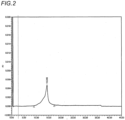
- the drug-linker compound of the formula (36) as Comparative Example was detected at a retention time of 14.3 minutes in the chart of FIG. 2
- the drug-linker compound of the formula (42) was detected at a retention time of 14.3 minutes in the chart of FIG. 3 , and the retention time was on the same level regardless of the chain length of the monodispersed polyethylene glycol.
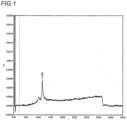
- the drug-linker compound of the formula (30) according to the invention was detected at a retention time of 11.7 minutes in the chart of FIG. 1 . Therefore, it is shown that since the drug-linker compound of the formula (30) having a short retention time is less hydrophobic, the heterobifunctional monodispersed polyethylene glycol of the invention can effectively mask the hydrophobicity of a drug.
- the heterobifunctional monodispersed polyethylene glycol of the present invention does not have a chiral center, a problem of the not-desired partial steric inversion or racemization of the chiral center does not fundamentally occur in the chemical conversion process and since two monodispersed polyethylene glycol side chains are bonded to a quaternary carbon atom of the branched portion by a stable ether bond, it is difficult to be decomposed into a single-chain monodispersed polyethylene glycol in the chemical conversion process. Therefore, an antibody-drug conjugate having high homogeneity can be obtained by bonding an antibody and a drug using the heterobifunctional monodispersed polyethylene glycol.
Landscapes
- Chemical & Material Sciences (AREA)
- Health & Medical Sciences (AREA)
- Medicinal Chemistry (AREA)
- Organic Chemistry (AREA)
- General Chemical & Material Sciences (AREA)
- Chemical Kinetics & Catalysis (AREA)
- Polymers & Plastics (AREA)
- Life Sciences & Earth Sciences (AREA)
- Engineering & Computer Science (AREA)
- Bioinformatics & Cheminformatics (AREA)
- Immunology (AREA)
- General Health & Medical Sciences (AREA)
- Public Health (AREA)
- Veterinary Medicine (AREA)
- Animal Behavior & Ethology (AREA)
- Epidemiology (AREA)
- Pharmacology & Pharmacy (AREA)
- Biochemistry (AREA)
- Molecular Biology (AREA)
- Microbiology (AREA)
- Mycology (AREA)
- Biotechnology (AREA)
- Biophysics (AREA)
- Genetics & Genomics (AREA)
- Proteomics, Peptides & Aminoacids (AREA)
- Polyethers (AREA)
- Medicinal Preparation (AREA)
- Medicines Containing Antibodies Or Antigens For Use As Internal Diagnostic Agents (AREA)
Claims (8)
- Polyéthylèneglycol monodispersé hétérobifonctionnel représenté par la formule (1) :
 X1 et Y1 sont chacun un groupe atomique contenant au moins un groupe fonctionnel capable de former une liaison covalente lors d'une réaction avec un groupe fonctionnel présent dans une molécule biofonctionnelle, le groupe fonctionnel contenu dans le groupe atomique X1 et le groupe fonctionnel contenu dans le groupe atomique Y1 sont différents l'un de l'autre ;R1 est un groupe hydrocarboné présentant de 1 à 7 atomes de carbone ou un atome d'hydrogène ;n est un nombre entier de 3 à 72 ;l est un nombre entier de 2 à 72 ;A1 représente -L1-(CH2)m1- ou -L1-(CH2)m1-L2-(CH2)m2-, L1 représente une liaison éther, une liaison amide, une liaison uréthane, un groupe amino secondaire ou une liaison simple, L2 représente une liaison amide ou une liaison uréthane, et m1 et m2 représentent chacun indépendamment un nombre entier de 1 à 5 ;B1 représente -L3-(CH2)m3-, -L3-(CH2)m3-L4-(CH2)m4- ou une liaison simple, L3 représente une liaison amide ou une liaison simple, L4 représente une liaison éther, une liaison amide ou une liaison uréthane, et m3 et m4 représentent chacun indépendamment un nombre entier de 1 à 5 ; etC1 représente -L5-(CH2)m5-, -O-CH2- ou une liaison simple, L5 représente une liaison amide, une liaison uréthane, un groupe amino secondaire ou une liaison simple, et m5 représente un nombre entier de 1 à 5.
 - Polyéthylèneglycol monodispersé hétérobifonctionnel selon la revendication 1, dans lequel, dans la formule (1), A1 est représenté par -NHC(O)-(CH2)m1- ou -NHC(O)-(CH2)m1-L2-(CH2)m2-, B1 est représenté par -(CH2)m3- ou -(CH2)m3-L4-(CH2)m4-, et C1 est représenté par -L5-(CH2)m5-, -O-CH2- ou une liaison simple.
- Polyéthylèneglycol monodispersé hétérobifonctionnel selon la revendication 1, dans lequel, dans la formule (1), A1 est représenté par -CH2- ou -CH2-L2-(CH2)m2-, B1 est représenté par -CH2- ou -CH2-L4-(CH2)m4-, et C1 est représenté par -L5-(CH2)m5-, -O-CH2- ou une liaison simple.
- Polyéthylèneglycol monodispersé hétérobifonctionnel selon la revendication 1, dans lequel, dans la formule (1), A1 est représenté par -O-(CH2)m1- ou -O-(CH2)m1-L2-(CH2)m2-, B1 est représenté par -CH2- ou -CH2-L4-(CH2)m4-, et C1 est représenté par -L5-(CH2)m5-, -O-CH2- ou une liaison simple.
- Polyéthylèneglycol monodispersé hétérobifonctionnel selon la revendication 1, dans lequel, dans la formule (1), A1 est représenté par -C(O)NH-(CH2)m1- ou -C(O)NH-(CH2)m1-L2-(CH2)m2-, B1 est représenté par -CH2- ou -CH2-L4-(CH2)m4-, et C1 est représenté par -L5-(CH2)m5-, -O-CH2- ou une liaison simple.
- Polyéthylèneglycol monodispersé hétérobifonctionnel selon la revendication 1, dans lequel, dans la formule (1), A1 est représenté par -C(O)NH-(CH2)m1- ou -C(O)NH-(CH2)m1-L2-(CH2)m2-, B1 est représenté par-C(O)NH-(CH2)m3-ou -C(O)NH-(CH2)m3-L4-(CH2)m4- , et C1 est représenté par -L5-(CH2)m5-, -O-CH2- ou une liaison simple.
- Polyéthylèneglycol monodispersé hétérobifonctionnel selon l'une quelconque des revendications 1 à 6, dans lequel X1 et Y1 dans la formule (1) sont sélectionnés chacun indépendamment dans le groupe consistant en la formule (a), la formule (b1), la formule (b2), la formule (c), la formule (d), la formule (e), la formule (f), la formule (g), la formule (h), la formule (i), la formule (j), la formule (k), la formule (l), la formule (m), la formule (n) et la formule (o) :




-OH (o)
dans lequel, dans la formule (d), R2 est un atome d'hydrogène ou un groupe hydrocarboné présentant de 1 à 5 atomes de carbone atomes ; dans la formule (e), R3 est un atome d'halogène sélectionné parmi un atome de chlore, un atome de brome et un atome d'iode ; et dans la formule (1), R4 est un atome d'hydrogène ou un groupe hydrocarboné présentant de 1 à 5 atomes de carbone. - Conjugué anticorps-médicament comprenant un polyéthylèneglycol monodispersé hétérobifonctionnel représenté par la formule (2) :
 un parmi X2 et Y2 est un anticorps, et l'autre parmi X2 et Y2 est un médicament ;R1 est un groupe hydrocarboné présentant de 1 à 7 atomes de carbone ou un atome d'hydrogène ;n est un nombre entier de 3 à 72 ;l est un nombre entier de 2 à 72 ;A1 représente -L1-(CH2)m1- ou -L1-(CH2)m1-L2-(CH2)m2-, L1 représente une liaison éther, une liaison amide, une liaison uréthane, un groupe amino secondaire ou une liaison simple, L2 représente une liaison amide ou une liaison uréthane, et m1 et m2 représentent chacun indépendamment un nombre entier de 1 à 5 ;B2 représente -L3-(CH2)m3-L6-, -L3-(CH2)m3-L4-(CH2)m4-L6- ou -L6-, L3 représente une liaison amide ou une liaison simple, L4 représente une liaison éther, une liaison amide ou une liaison uréthane, m3 et m4 représentent chacun indépendamment un nombre entier de 1 à 5, et L6 est une liaison amide, une liaison uréthane, une liaison thioéther, une liaison disulfure, une liaison carbonate, une liaison ester, une liaison éther, une structure 1H-1,2,3-triazole-1,4-diyle, un groupe amino secondaire, un groupe hydrazide, un groupe oxyamide ou un groupe hydrocarboné contenant l'un quelconque d'entre eux ; etC2 représente -L5-(CH2)m5-L7-, -O-CH2-L7- ou -L7-, L5 représente une liaison amide, une liaison uréthane, un groupe amino secondaire ou une liaison simple, m5 représente un nombre entier de 1 à 5, et Lest une liaison amide, une liaison uréthane, une liaison thioéther, une liaison disulfure, une liaison carbonate, une liaison ester, une liaison éther, une structure 1H-1,2,3-triazole-1,4-diyle, un groupe amino secondaire, un groupe hydrazide, un groupe oxyamide ou un groupe hydrocarboné contenant l'un quelconque d'entre eux.
Applications Claiming Priority (2)
| Application Number | Priority Date | Filing Date | Title |
|---|---|---|---|
| JP2018044992 | 2018-03-13 | ||
| PCT/JP2019/009779 WO2019176875A1 (fr) | 2018-03-13 | 2019-03-11 | Composé hétérobifonctionnel comportant un polyéthylèneglycol monodispersé dans la chaîne principale ou dans une chaîne latérale |
Publications (3)
| Publication Number | Publication Date |
|---|---|
| EP3766917A1 EP3766917A1 (fr) | 2021-01-20 |
| EP3766917A4 EP3766917A4 (fr) | 2021-12-22 |
| EP3766917B1 true EP3766917B1 (fr) | 2023-04-19 |
Family
ID=67907861
Family Applications (1)
| Application Number | Title | Priority Date | Filing Date |
|---|---|---|---|
| EP19766905.4A Active EP3766917B1 (fr) | 2018-03-13 | 2019-03-11 | Composé hétérobifonctionnel comportant un polyéthylèneglycol monodispersé dans la chaîne principale ou dans une chaîne latérale |
Country Status (7)
| Country | Link |
|---|---|
| US (1) | US12091502B2 (fr) |
| EP (1) | EP3766917B1 (fr) |
| JP (1) | JP7204078B2 (fr) |
| KR (1) | KR102542988B1 (fr) |
| CN (1) | CN111836846B (fr) |
| CA (1) | CA3093645A1 (fr) |
| WO (1) | WO2019176875A1 (fr) |
Families Citing this family (1)
| Publication number | Priority date | Publication date | Assignee | Title |
|---|---|---|---|---|
| JP7593323B2 (ja) | 2019-09-26 | 2024-12-03 | 日油株式会社 | ペプチドリンカーを有するヘテロ二官能性単分散ポリエチレングリコール |
Family Cites Families (33)
| Publication number | Priority date | Publication date | Assignee | Title |
|---|---|---|---|---|
| GB8308235D0 (en) | 1983-03-25 | 1983-05-05 | Celltech Ltd | Polypeptides |
| US4816567A (en) | 1983-04-08 | 1989-03-28 | Genentech, Inc. | Recombinant immunoglobin preparations |
| US5225539A (en) | 1986-03-27 | 1993-07-06 | Medical Research Council | Recombinant altered antibodies and methods of making altered antibodies |
| GB8607679D0 (en) | 1986-03-27 | 1986-04-30 | Winter G P | Recombinant dna product |
| EP0247730A3 (fr) | 1986-04-28 | 1989-04-12 | Antibody Technology Limited | Anticorps, leur préparation et utilisation et produits les contenant |
| US4946778A (en) | 1987-09-21 | 1990-08-07 | Genex Corporation | Single polypeptide chain binding molecules |
| DE69120146T2 (de) | 1990-01-12 | 1996-12-12 | Cell Genesys Inc | Erzeugung xenogener antikörper |
| US5770429A (en) | 1990-08-29 | 1998-06-23 | Genpharm International, Inc. | Transgenic non-human animals capable of producing heterologous antibodies |
| EP0519596B1 (fr) | 1991-05-17 | 2005-02-23 | Merck & Co. Inc. | Procédé pour réduire l'immunogénicité des domaines variables d'anticorps |
| US5639641A (en) | 1992-09-09 | 1997-06-17 | Immunogen Inc. | Resurfacing of rodent antibodies |
| US7063845B2 (en) | 2000-04-28 | 2006-06-20 | Gemini Science, Inc. | Human anti-CD40 antibodies |
| ATE471956T1 (de) * | 2001-01-30 | 2010-07-15 | Kyowa Hakko Kirin Co Ltd | Verzweigte polyalkylenglykole |
| JP4123856B2 (ja) * | 2001-07-31 | 2008-07-23 | 日油株式会社 | 生体関連物質の修飾剤およびポリオキシアルキレン誘導体の製造方法 |
| AR039067A1 (es) | 2001-11-09 | 2005-02-09 | Pfizer Prod Inc | Anticuerpos para cd40 |
| IL162835A0 (en) | 2002-01-09 | 2005-11-20 | Medarex Inc | Human monoclonal antibodies against cd30 |
| EP2644206B1 (fr) * | 2003-05-23 | 2019-04-03 | Nektar Therapeutics | Derives du PEG qui contiennent deux chaînes de PEG |
| WO2005058367A2 (fr) | 2003-12-16 | 2005-06-30 | Nektar Therapeutics Al, Corporation | Petites molecules chimiquement modifiees |
| NZ579482A (en) | 2004-06-01 | 2011-02-25 | Genentech Inc | Antibody drug conjugates and methods |
| JP2008521828A (ja) | 2004-11-29 | 2008-06-26 | シアトル ジェネティックス, インコーポレイテッド | 操作された抗体およびイムノコンジュゲート |
| HRP20150247T1 (hr) * | 2005-07-29 | 2015-04-10 | Nektar Therapeutics | Postupci za dobijanje polimernih reagenasa |
| CN102108119A (zh) | 2009-12-25 | 2011-06-29 | 天津键凯科技有限公司 | 多臂聚乙二醇衍生物及其与药物的结合物和凝胶 |
| EP2552998A4 (fr) | 2010-03-30 | 2013-11-06 | Spago Imaging Ab | Dérivés de polyéthylèneglycol ramifiés compacts |
| US8816099B2 (en) * | 2010-03-31 | 2014-08-26 | Nof Corporation | Polyfunctional polyoxyalkylene compound, and producing method and intermediate thereof |
| JP5945896B2 (ja) | 2011-09-30 | 2016-07-05 | 日油株式会社 | 分岐型ヘテロ多官能性ポリオキシアルキレン化合物、及びその中間体 |
| US20130225789A1 (en) | 2012-02-29 | 2013-08-29 | Yi Sun | Polyethylene Glycol Having Hetero Multiple Functional Groups |
| US9517278B2 (en) | 2012-07-20 | 2016-12-13 | Canon Kabushiki Kaisha | Compound and photoacoustic imaging contrast medium containing the compound |
| JP6300460B2 (ja) * | 2012-07-20 | 2018-03-28 | キヤノン株式会社 | 化合物、および前記化合物を有する光音響イメージング用造影剤 |
| NZ758049A (en) | 2013-10-15 | 2024-03-22 | Seagen Inc | Pegylated drug-linkers for improved ligand-drug conjugate pharmacokinetics |
| BR112017005760A2 (pt) | 2014-10-24 | 2017-12-12 | Polytherics Ltd | conjugados e reagentes de conjugação |
| CN104744685B (zh) * | 2015-04-10 | 2017-11-07 | 吕常海 | 一种三臂聚乙二醇衍生物及其制备方法 |
| CN107469089B (zh) | 2016-06-07 | 2022-01-07 | 北京键凯科技股份有限公司 | 一种peg连接子及配基药物偶联物 |
| JP6983497B2 (ja) | 2016-09-12 | 2021-12-17 | 日東電工株式会社 | 偏光フィルム、液晶パネルおよび液晶表示装置 |
| EP3604385B1 (fr) | 2017-03-30 | 2024-05-01 | NOF Corporation | Polyéthylène glycol monodispersé hétérobifonctionnel, et conjugué l'utilisant |
-
2019
- 2019-03-11 KR KR1020207026210A patent/KR102542988B1/ko active Active
- 2019-03-11 CA CA3093645A patent/CA3093645A1/fr active Pending
- 2019-03-11 WO PCT/JP2019/009779 patent/WO2019176875A1/fr not_active Ceased
- 2019-03-11 EP EP19766905.4A patent/EP3766917B1/fr active Active
- 2019-03-11 US US16/978,918 patent/US12091502B2/en active Active
- 2019-03-11 CN CN201980018491.3A patent/CN111836846B/zh active Active
- 2019-03-11 JP JP2019043406A patent/JP7204078B2/ja active Active
Also Published As
| Publication number | Publication date |
|---|---|
| CN111836846A (zh) | 2020-10-27 |
| KR20200131242A (ko) | 2020-11-23 |
| CA3093645A1 (fr) | 2019-09-19 |
| US20210047465A1 (en) | 2021-02-18 |
| JP2019157128A (ja) | 2019-09-19 |
| WO2019176875A1 (fr) | 2019-09-19 |
| EP3766917A1 (fr) | 2021-01-20 |
| JP7204078B2 (ja) | 2023-01-16 |
| KR102542988B1 (ko) | 2023-06-13 |
| US12091502B2 (en) | 2024-09-17 |
| CN111836846B (zh) | 2023-06-13 |
| EP3766917A4 (fr) | 2021-12-22 |
Similar Documents
| Publication | Publication Date | Title |
|---|---|---|
| EP3604385B1 (fr) | Polyéthylène glycol monodispersé hétérobifonctionnel, et conjugué l'utilisant | |
| EP4036149B1 (fr) | Polyéthylène glycol monodispersé hétérobifonctionnel ayant un lieur peptidique | |
| EP3766917B1 (fr) | Composé hétérobifonctionnel comportant un polyéthylèneglycol monodispersé dans la chaîne principale ou dans une chaîne latérale | |
| EP3604384B1 (fr) | Dérivé de polymère hydrophile comportant un coupleur acétal auto-immolable et composite l'utilisant | |
| US10808050B2 (en) | Antibody-drug conjugate having cyclic benzylidene acetal linker | |
| CA3055728C (fr) | Polyethylene glycol monodisperse heterobifonctionnel, et complexe l'utilisant |
Legal Events
| Date | Code | Title | Description |
|---|---|---|---|
| STAA | Information on the status of an ep patent application or granted ep patent |
Free format text: STATUS: THE INTERNATIONAL PUBLICATION HAS BEEN MADE |
|
| PUAI | Public reference made under article 153(3) epc to a published international application that has entered the european phase |
Free format text: ORIGINAL CODE: 0009012 |
|
| STAA | Information on the status of an ep patent application or granted ep patent |
Free format text: STATUS: REQUEST FOR EXAMINATION WAS MADE |
|
| 17P | Request for examination filed |
Effective date: 20200907 |
|
| AK | Designated contracting states |
Kind code of ref document: A1 Designated state(s): AL AT BE BG CH CY CZ DE DK EE ES FI FR GB GR HR HU IE IS IT LI LT LU LV MC MK MT NL NO PL PT RO RS SE SI SK SM TR |
|
| AX | Request for extension of the european patent |
Extension state: BA ME |
|
| DAV | Request for validation of the european patent (deleted) | ||
| DAX | Request for extension of the european patent (deleted) | ||
| A4 | Supplementary search report drawn up and despatched |
Effective date: 20211124 |
|
| RIC1 | Information provided on ipc code assigned before grant |
Ipc: C07D 207/452 20060101ALI20211118BHEP Ipc: A61K 47/68 20170101ALI20211118BHEP Ipc: A61K 39/395 20060101ALI20211118BHEP Ipc: C08G 65/329 20060101AFI20211118BHEP |
|
| GRAP | Despatch of communication of intention to grant a patent |
Free format text: ORIGINAL CODE: EPIDOSNIGR1 |
|
| STAA | Information on the status of an ep patent application or granted ep patent |
Free format text: STATUS: GRANT OF PATENT IS INTENDED |
|
| RIN1 | Information on inventor provided before grant (corrected) |
Inventor name: MATSUNO, YUKI Inventor name: HAMURA, MIKA Inventor name: TSUBUSAKI, TAKUMA Inventor name: YOSHIMURA, KOHEI |
|
| INTG | Intention to grant announced |
Effective date: 20221031 |
|
| GRAS | Grant fee paid |
Free format text: ORIGINAL CODE: EPIDOSNIGR3 |
|
| GRAA | (expected) grant |
Free format text: ORIGINAL CODE: 0009210 |
|
| STAA | Information on the status of an ep patent application or granted ep patent |
Free format text: STATUS: THE PATENT HAS BEEN GRANTED |
|
| AK | Designated contracting states |
Kind code of ref document: B1 Designated state(s): AL AT BE BG CH CY CZ DE DK EE ES FI FR GB GR HR HU IE IS IT LI LT LU LV MC MK MT NL NO PL PT RO RS SE SI SK SM TR |
|
| REG | Reference to a national code |
Ref country code: GB Ref legal event code: FG4D |
|
| REG | Reference to a national code |
Ref country code: CH Ref legal event code: EP |
|
| REG | Reference to a national code |
Ref country code: DE Ref legal event code: R096 Ref document number: 602019027793 Country of ref document: DE |
|
| REG | Reference to a national code |
Ref country code: IE Ref legal event code: FG4D |
|
| REG | Reference to a national code |
Ref country code: AT Ref legal event code: REF Ref document number: 1561161 Country of ref document: AT Kind code of ref document: T Effective date: 20230515 |
|
| P01 | Opt-out of the competence of the unified patent court (upc) registered |
Effective date: 20230524 |
|
| REG | Reference to a national code |
Ref country code: LT Ref legal event code: MG9D |
|
| REG | Reference to a national code |
Ref country code: NL Ref legal event code: MP Effective date: 20230419 |
|
| REG | Reference to a national code |
Ref country code: AT Ref legal event code: MK05 Ref document number: 1561161 Country of ref document: AT Kind code of ref document: T Effective date: 20230419 |
|
| PG25 | Lapsed in a contracting state [announced via postgrant information from national office to epo] |
Ref country code: NL Free format text: LAPSE BECAUSE OF FAILURE TO SUBMIT A TRANSLATION OF THE DESCRIPTION OR TO PAY THE FEE WITHIN THE PRESCRIBED TIME-LIMIT Effective date: 20230419 |
|
| PG25 | Lapsed in a contracting state [announced via postgrant information from national office to epo] |
Ref country code: SE Free format text: LAPSE BECAUSE OF FAILURE TO SUBMIT A TRANSLATION OF THE DESCRIPTION OR TO PAY THE FEE WITHIN THE PRESCRIBED TIME-LIMIT Effective date: 20230419 Ref country code: PT Free format text: LAPSE BECAUSE OF FAILURE TO SUBMIT A TRANSLATION OF THE DESCRIPTION OR TO PAY THE FEE WITHIN THE PRESCRIBED TIME-LIMIT Effective date: 20230821 Ref country code: NO Free format text: LAPSE BECAUSE OF FAILURE TO SUBMIT A TRANSLATION OF THE DESCRIPTION OR TO PAY THE FEE WITHIN THE PRESCRIBED TIME-LIMIT Effective date: 20230719 Ref country code: ES Free format text: LAPSE BECAUSE OF FAILURE TO SUBMIT A TRANSLATION OF THE DESCRIPTION OR TO PAY THE FEE WITHIN THE PRESCRIBED TIME-LIMIT Effective date: 20230419 Ref country code: AT Free format text: LAPSE BECAUSE OF FAILURE TO SUBMIT A TRANSLATION OF THE DESCRIPTION OR TO PAY THE FEE WITHIN THE PRESCRIBED TIME-LIMIT Effective date: 20230419 |
|
| PG25 | Lapsed in a contracting state [announced via postgrant information from national office to epo] |
Ref country code: RS Free format text: LAPSE BECAUSE OF FAILURE TO SUBMIT A TRANSLATION OF THE DESCRIPTION OR TO PAY THE FEE WITHIN THE PRESCRIBED TIME-LIMIT Effective date: 20230419 Ref country code: PL Free format text: LAPSE BECAUSE OF FAILURE TO SUBMIT A TRANSLATION OF THE DESCRIPTION OR TO PAY THE FEE WITHIN THE PRESCRIBED TIME-LIMIT Effective date: 20230419 Ref country code: LV Free format text: LAPSE BECAUSE OF FAILURE TO SUBMIT A TRANSLATION OF THE DESCRIPTION OR TO PAY THE FEE WITHIN THE PRESCRIBED TIME-LIMIT Effective date: 20230419 Ref country code: LT Free format text: LAPSE BECAUSE OF FAILURE TO SUBMIT A TRANSLATION OF THE DESCRIPTION OR TO PAY THE FEE WITHIN THE PRESCRIBED TIME-LIMIT Effective date: 20230419 Ref country code: IS Free format text: LAPSE BECAUSE OF FAILURE TO SUBMIT A TRANSLATION OF THE DESCRIPTION OR TO PAY THE FEE WITHIN THE PRESCRIBED TIME-LIMIT Effective date: 20230819 Ref country code: HR Free format text: LAPSE BECAUSE OF FAILURE TO SUBMIT A TRANSLATION OF THE DESCRIPTION OR TO PAY THE FEE WITHIN THE PRESCRIBED TIME-LIMIT Effective date: 20230419 Ref country code: GR Free format text: LAPSE BECAUSE OF FAILURE TO SUBMIT A TRANSLATION OF THE DESCRIPTION OR TO PAY THE FEE WITHIN THE PRESCRIBED TIME-LIMIT Effective date: 20230720 Ref country code: AL Free format text: LAPSE BECAUSE OF FAILURE TO SUBMIT A TRANSLATION OF THE DESCRIPTION OR TO PAY THE FEE WITHIN THE PRESCRIBED TIME-LIMIT Effective date: 20230419 |
|
| PG25 | Lapsed in a contracting state [announced via postgrant information from national office to epo] |
Ref country code: FI Free format text: LAPSE BECAUSE OF FAILURE TO SUBMIT A TRANSLATION OF THE DESCRIPTION OR TO PAY THE FEE WITHIN THE PRESCRIBED TIME-LIMIT Effective date: 20230419 |
|
| PG25 | Lapsed in a contracting state [announced via postgrant information from national office to epo] |
Ref country code: SK Free format text: LAPSE BECAUSE OF FAILURE TO SUBMIT A TRANSLATION OF THE DESCRIPTION OR TO PAY THE FEE WITHIN THE PRESCRIBED TIME-LIMIT Effective date: 20230419 |
|
| REG | Reference to a national code |
Ref country code: DE Ref legal event code: R097 Ref document number: 602019027793 Country of ref document: DE |
|
| PG25 | Lapsed in a contracting state [announced via postgrant information from national office to epo] |
Ref country code: SM Free format text: LAPSE BECAUSE OF FAILURE TO SUBMIT A TRANSLATION OF THE DESCRIPTION OR TO PAY THE FEE WITHIN THE PRESCRIBED TIME-LIMIT Effective date: 20230419 Ref country code: SK Free format text: LAPSE BECAUSE OF FAILURE TO SUBMIT A TRANSLATION OF THE DESCRIPTION OR TO PAY THE FEE WITHIN THE PRESCRIBED TIME-LIMIT Effective date: 20230419 Ref country code: RO Free format text: LAPSE BECAUSE OF FAILURE TO SUBMIT A TRANSLATION OF THE DESCRIPTION OR TO PAY THE FEE WITHIN THE PRESCRIBED TIME-LIMIT Effective date: 20230419 Ref country code: EE Free format text: LAPSE BECAUSE OF FAILURE TO SUBMIT A TRANSLATION OF THE DESCRIPTION OR TO PAY THE FEE WITHIN THE PRESCRIBED TIME-LIMIT Effective date: 20230419 Ref country code: DK Free format text: LAPSE BECAUSE OF FAILURE TO SUBMIT A TRANSLATION OF THE DESCRIPTION OR TO PAY THE FEE WITHIN THE PRESCRIBED TIME-LIMIT Effective date: 20230419 Ref country code: CZ Free format text: LAPSE BECAUSE OF FAILURE TO SUBMIT A TRANSLATION OF THE DESCRIPTION OR TO PAY THE FEE WITHIN THE PRESCRIBED TIME-LIMIT Effective date: 20230419 |
|
| PLBE | No opposition filed within time limit |
Free format text: ORIGINAL CODE: 0009261 |
|
| STAA | Information on the status of an ep patent application or granted ep patent |
Free format text: STATUS: NO OPPOSITION FILED WITHIN TIME LIMIT |
|
| 26N | No opposition filed |
Effective date: 20240122 |
|
| PG25 | Lapsed in a contracting state [announced via postgrant information from national office to epo] |
Ref country code: SI Free format text: LAPSE BECAUSE OF FAILURE TO SUBMIT A TRANSLATION OF THE DESCRIPTION OR TO PAY THE FEE WITHIN THE PRESCRIBED TIME-LIMIT Effective date: 20230419 |
|
| PG25 | Lapsed in a contracting state [announced via postgrant information from national office to epo] |
Ref country code: SI Free format text: LAPSE BECAUSE OF FAILURE TO SUBMIT A TRANSLATION OF THE DESCRIPTION OR TO PAY THE FEE WITHIN THE PRESCRIBED TIME-LIMIT Effective date: 20230419 Ref country code: IT Free format text: LAPSE BECAUSE OF FAILURE TO SUBMIT A TRANSLATION OF THE DESCRIPTION OR TO PAY THE FEE WITHIN THE PRESCRIBED TIME-LIMIT Effective date: 20230419 |
|
| PG25 | Lapsed in a contracting state [announced via postgrant information from national office to epo] |
Ref country code: BG Free format text: LAPSE BECAUSE OF FAILURE TO SUBMIT A TRANSLATION OF THE DESCRIPTION OR TO PAY THE FEE WITHIN THE PRESCRIBED TIME-LIMIT Effective date: 20230419 |
|
| PG25 | Lapsed in a contracting state [announced via postgrant information from national office to epo] |
Ref country code: LU Free format text: LAPSE BECAUSE OF NON-PAYMENT OF DUE FEES Effective date: 20240311 |
|
| PG25 | Lapsed in a contracting state [announced via postgrant information from national office to epo] |
Ref country code: MC Free format text: LAPSE BECAUSE OF FAILURE TO SUBMIT A TRANSLATION OF THE DESCRIPTION OR TO PAY THE FEE WITHIN THE PRESCRIBED TIME-LIMIT Effective date: 20230419 |
|
| PG25 | Lapsed in a contracting state [announced via postgrant information from national office to epo] |
Ref country code: MC Free format text: LAPSE BECAUSE OF FAILURE TO SUBMIT A TRANSLATION OF THE DESCRIPTION OR TO PAY THE FEE WITHIN THE PRESCRIBED TIME-LIMIT Effective date: 20230419 Ref country code: LU Free format text: LAPSE BECAUSE OF NON-PAYMENT OF DUE FEES Effective date: 20240311 Ref country code: BG Free format text: LAPSE BECAUSE OF FAILURE TO SUBMIT A TRANSLATION OF THE DESCRIPTION OR TO PAY THE FEE WITHIN THE PRESCRIBED TIME-LIMIT Effective date: 20230419 |
|
| REG | Reference to a national code |
Ref country code: BE Ref legal event code: MM Effective date: 20240331 |
|
| PG25 | Lapsed in a contracting state [announced via postgrant information from national office to epo] |
Ref country code: BE Free format text: LAPSE BECAUSE OF NON-PAYMENT OF DUE FEES Effective date: 20240331 |
|
| PG25 | Lapsed in a contracting state [announced via postgrant information from national office to epo] |
Ref country code: BE Free format text: LAPSE BECAUSE OF NON-PAYMENT OF DUE FEES Effective date: 20240331 |
|
| PGFP | Annual fee paid to national office [announced via postgrant information from national office to epo] |
Ref country code: CH Payment date: 20250401 Year of fee payment: 7 |
|
| PG25 | Lapsed in a contracting state [announced via postgrant information from national office to epo] |
Ref country code: CY Free format text: LAPSE BECAUSE OF FAILURE TO SUBMIT A TRANSLATION OF THE DESCRIPTION OR TO PAY THE FEE WITHIN THE PRESCRIBED TIME-LIMIT; INVALID AB INITIO Effective date: 20190311 |
|
| PG25 | Lapsed in a contracting state [announced via postgrant information from national office to epo] |
Ref country code: HU Free format text: LAPSE BECAUSE OF FAILURE TO SUBMIT A TRANSLATION OF THE DESCRIPTION OR TO PAY THE FEE WITHIN THE PRESCRIBED TIME-LIMIT; INVALID AB INITIO Effective date: 20190311 |
|
| PG25 | Lapsed in a contracting state [announced via postgrant information from national office to epo] |
Ref country code: TR Free format text: LAPSE BECAUSE OF FAILURE TO SUBMIT A TRANSLATION OF THE DESCRIPTION OR TO PAY THE FEE WITHIN THE PRESCRIBED TIME-LIMIT Effective date: 20230419 |
|
| REG | Reference to a national code |
Ref country code: CH Ref legal event code: U11 Free format text: ST27 STATUS EVENT CODE: U-0-0-U10-U11 (AS PROVIDED BY THE NATIONAL OFFICE) Effective date: 20260401 |
|
| PGFP | Annual fee paid to national office [announced via postgrant information from national office to epo] |
Ref country code: GB Payment date: 20260324 Year of fee payment: 8 |
|
| PGFP | Annual fee paid to national office [announced via postgrant information from national office to epo] |
Ref country code: DE Payment date: 20260319 Year of fee payment: 8 Ref country code: IE Payment date: 20260319 Year of fee payment: 8 |
|
| PGFP | Annual fee paid to national office [announced via postgrant information from national office to epo] |
Ref country code: FR Payment date: 20260323 Year of fee payment: 8 |