EP3767912B1 - Procédés de gestion d'accélération - Google Patents
Procédés de gestion d'accélération Download PDFInfo
- Publication number
- EP3767912B1 EP3767912B1 EP20174899.3A EP20174899A EP3767912B1 EP 3767912 B1 EP3767912 B1 EP 3767912B1 EP 20174899 A EP20174899 A EP 20174899A EP 3767912 B1 EP3767912 B1 EP 3767912B1
- Authority
- EP
- European Patent Office
- Prior art keywords
- acceleration
- target
- acceleration device
- bandwidth
- node
- Prior art date
- Legal status (The legal status is an assumption and is not a legal conclusion. Google has not performed a legal analysis and makes no representation as to the accuracy of the status listed.)
- Active
Links
Images



Classifications
-
- H—ELECTRICITY
- H04—ELECTRIC COMMUNICATION TECHNIQUE
- H04L—TRANSMISSION OF DIGITAL INFORMATION, e.g. TELEGRAPHIC COMMUNICATION
- H04L67/00—Network arrangements or protocols for supporting network services or applications
- H04L67/01—Protocols
- H04L67/12—Protocols specially adapted for proprietary or special-purpose networking environments, e.g. medical networks, sensor networks, networks in vehicles or remote metering networks
-
- H—ELECTRICITY
- H04—ELECTRIC COMMUNICATION TECHNIQUE
- H04L—TRANSMISSION OF DIGITAL INFORMATION, e.g. TELEGRAPHIC COMMUNICATION
- H04L41/00—Arrangements for maintenance, administration or management of data switching networks, e.g. of packet switching networks
- H04L41/08—Configuration management of networks or network elements
- H04L41/085—Retrieval of network configuration; Tracking network configuration history
- H04L41/0853—Retrieval of network configuration; Tracking network configuration history by actively collecting configuration information or by backing up configuration information
-
- G—PHYSICS
- G06—COMPUTING OR CALCULATING; COUNTING
- G06F—ELECTRIC DIGITAL DATA PROCESSING
- G06F9/00—Arrangements for program control, e.g. control units
- G06F9/06—Arrangements for program control, e.g. control units using stored programs, i.e. using an internal store of processing equipment to receive or retain programs
- G06F9/44—Arrangements for executing specific programs
- G06F9/455—Emulation; Interpretation; Software simulation, e.g. virtualisation or emulation of application or operating system execution engines
- G06F9/45533—Hypervisors; Virtual machine monitors
-
- G—PHYSICS
- G06—COMPUTING OR CALCULATING; COUNTING
- G06F—ELECTRIC DIGITAL DATA PROCESSING
- G06F9/00—Arrangements for program control, e.g. control units
- G06F9/06—Arrangements for program control, e.g. control units using stored programs, i.e. using an internal store of processing equipment to receive or retain programs
- G06F9/46—Multiprogramming arrangements
- G06F9/50—Allocation of resources, e.g. of the central processing unit [CPU]
- G06F9/5005—Allocation of resources, e.g. of the central processing unit [CPU] to service a request
-
- H—ELECTRICITY
- H04—ELECTRIC COMMUNICATION TECHNIQUE
- H04L—TRANSMISSION OF DIGITAL INFORMATION, e.g. TELEGRAPHIC COMMUNICATION
- H04L41/00—Arrangements for maintenance, administration or management of data switching networks, e.g. of packet switching networks
- H04L41/08—Configuration management of networks or network elements
- H04L41/0896—Bandwidth or capacity management, i.e. automatically increasing or decreasing capacities
-
- H—ELECTRICITY
- H04—ELECTRIC COMMUNICATION TECHNIQUE
- H04L—TRANSMISSION OF DIGITAL INFORMATION, e.g. TELEGRAPHIC COMMUNICATION
- H04L41/00—Arrangements for maintenance, administration or management of data switching networks, e.g. of packet switching networks
- H04L41/50—Network service management, e.g. ensuring proper service fulfilment according to agreements
- H04L41/5003—Managing SLA; Interaction between SLA and QoS
- H04L41/5019—Ensuring fulfilment of SLA
- H04L41/5025—Ensuring fulfilment of SLA by proactively reacting to service quality change, e.g. by reconfiguration after service quality degradation or upgrade
-
- H—ELECTRICITY
- H04—ELECTRIC COMMUNICATION TECHNIQUE
- H04L—TRANSMISSION OF DIGITAL INFORMATION, e.g. TELEGRAPHIC COMMUNICATION
- H04L41/00—Arrangements for maintenance, administration or management of data switching networks, e.g. of packet switching networks
- H04L41/50—Network service management, e.g. ensuring proper service fulfilment according to agreements
- H04L41/5041—Network service management, e.g. ensuring proper service fulfilment according to agreements characterised by the time relationship between creation and deployment of a service
- H04L41/5051—Service on demand, e.g. definition and deployment of services in real time
-
- H—ELECTRICITY
- H04—ELECTRIC COMMUNICATION TECHNIQUE
- H04L—TRANSMISSION OF DIGITAL INFORMATION, e.g. TELEGRAPHIC COMMUNICATION
- H04L67/00—Network arrangements or protocols for supporting network services or applications
- H04L67/01—Protocols
- H04L67/10—Protocols in which an application is distributed across nodes in the network
-
- H—ELECTRICITY
- H04—ELECTRIC COMMUNICATION TECHNIQUE
- H04L—TRANSMISSION OF DIGITAL INFORMATION, e.g. TELEGRAPHIC COMMUNICATION
- H04L67/00—Network arrangements or protocols for supporting network services or applications
- H04L67/01—Protocols
- H04L67/10—Protocols in which an application is distributed across nodes in the network
- H04L67/1001—Protocols in which an application is distributed across nodes in the network for accessing one among a plurality of replicated servers
-
- G—PHYSICS
- G06—COMPUTING OR CALCULATING; COUNTING
- G06F—ELECTRIC DIGITAL DATA PROCESSING
- G06F2212/00—Indexing scheme relating to accessing, addressing or allocation within memory systems or architectures
- G06F2212/25—Using a specific main memory architecture
- G06F2212/254—Distributed memory
- G06F2212/2542—Non-uniform memory access [NUMA] architecture
-
- H—ELECTRICITY
- H04—ELECTRIC COMMUNICATION TECHNIQUE
- H04L—TRANSMISSION OF DIGITAL INFORMATION, e.g. TELEGRAPHIC COMMUNICATION
- H04L67/00—Network arrangements or protocols for supporting network services or applications
- H04L67/50—Network services
- H04L67/60—Scheduling or organising the servicing of application requests, e.g. requests for application data transmissions using the analysis and optimisation of the required network resources
Definitions
- the present invention relates to the field of virtualization technologies, and in particular, to acceleration management methods.
- Hardware acceleration devices include a processor that provides particular instructions and other peripheral component interconnect (peripheral component interconnect, PCI) devices that can provide an acceleration function, such as a graphics processing unit (graphics processing unit, GPU) and a field programmable gate array (field programmable gate array, FPGA).
- PCI peripheral component interconnect
- Network Function Virtualization Network Function Virtualization
- NFV Network Function Virtualization
- a network device based on special-purpose hardware may be deployed on a general-purpose server by using a virtualization technology, to evolve from a conventional combination form of "embedded software + special-purpose hardware" to a combination form of "software + general-purpose hardware”.
- NF Network Function
- VNF Virtualization Network Function
- EP 2 442 228 A1 discloses a method for assigning boosters B to computer nodes CN, which dynamically outsource specific computation tasks to boosters B.
- a resource manager, RM arranged between the boosters B and the computer nodes CN, is configured to assign at least one booster to at least one computation node for performing a part of the computation task. The assignment is accomplished as a function of a predetermined assignment metric.
- Acceleration techniques are further presented in " Network Functions Virtualisation (NFV); Acceleration Technologies; Report on Acceleration Technologies & Use Cases; ETSI GS IFA 001",ETSI DRAFT; ETSI GS IFA 001, EUROPEAN TELECOMMUNICATIONS STANDARDS INSTITUTE (ETSI), 650, ROUTE DES LUCIOLES ; F-06921 SOPHIA-ANTIPOLIS ; FRANCE, vol. ISG - NFV, no. V0.7.0, 24 September 2015 (2015-09-24), pages 1-49, XP014263194 .
- Embodiments of the present invention provide acceleration management methods, applied to a virtualization scenario, so that an acceleration device can be accurately invoked according to a service requirement of a client.
- Virtualization refers to virtualizing one computer into a plurality of logical computers by using a virtualization technology.
- a computation management module (not shown) in a client 300 (also referred to as a computer or a physical host) may create at least one virtual machine according to a user requirement.
- FIG. 1 shows three virtual machines in the client 300, namely, a virtual machine 300a, a virtual machine 300b, and a virtual machine 300c.
- the virtual machines may run on different operating systems.
- Each virtual machine may be considered as a logical computer.
- an acceleration node 200 may include general-purpose computer hardware, that is, an acceleration device such as a CPU or a GPU, and each virtual machine in the client 300 may invoke the acceleration device in the acceleration node 200 by using an acceleration management node 100.
- Network function virtualization (Network Function Virtualization, NFV) uses general-purpose hardware such as x86 and a virtualization technology to implement software processing of a lot of functions, so as to reduce network device costs. NFV may be considered as an actual application of the virtualization technology.
- the virtualization technology may also be applied in scenarios such as a public cloud, a private cloud, an enterprise cloud, and cloud acceleration. Therefore, the solutions of the embodiments of the present invention are not limited to an NFV scenario, and the protection scope of the present invention should not be limited thereto.
- FIG. 2 is a schematic structural diagram of an acceleration management node 100 according to an embodiment of the present invention.
- the acceleration management node 100 includes: a receiving unit 101, an obtaining unit 103, an allocation unit 104, and an instruction unit 105.
- the receiving unit 101 is configured to separately receive acceleration device information of all acceleration devices of each of at least one acceleration node reported by the acceleration node.
- Each acceleration node includes at least one acceleration device.
- the acceleration device information includes an acceleration type and an algorithm type.
- the acceleration type indicates a type of an acceleration function supported by each acceleration device.
- common acceleration functions may include encryption, decryption, compression, decompression, audio and video encoding and decoding, and the like.
- the algorithm type indicates an algorithm used by each acceleration device when the acceleration device implements an acceleration function supported by the acceleration device.
- FIG. 2 shows three acceleration nodes, namely, an acceleration node 200a, an acceleration node 200b, and an acceleration node 200c.
- An actual quantity of acceleration nodes may be set according to a network requirement. No limitation is imposed herein.
- Each acceleration node may include at least one hardware acceleration device such as a CPU, a GPU, or a PCI device.
- Each acceleration device has its own acceleration type, algorithm type, and the like. That is, each acceleration device corresponds to one piece of acceleration device information. Different acceleration devices may correspond to same or different acceleration device information.
- the acceleration node may separately report acceleration device information of the CPU and acceleration device information of the GPU to the acceleration management node 100 by using the receiving unit 101.
- the receiving unit 101 may be a reporting interface and may specifically include a software interface.
- the acceleration node 200a may invoke the reporting interface in a Remote Procedure Call Protocol (Remote Procedure Call Protocol, RPC) manner, to report the acceleration device information of all the acceleration devices in the acceleration node 200a to the acceleration management node 100.
- RPC Remote Procedure Call Protocol
- the other acceleration nodes 200b and 200c are similar to the acceleration node 200a, and details are not described herein again.
- the acceleration management node 100 in this embodiment of the present invention may be a management program running on a physical host.
- the physical host may usually include a processor, a memory, and an input/output (I/O) interface.
- the management program is stored in the memory.
- the processor can read and run the management program in the memory.
- the receiving unit 101 may be a software I/O interface, and the acceleration node may use various communications tools (for example, a communications tool Rabbit MQ) between software I/O interfaces to remotely invoke the software I/O interface for communication. It should be known by persons skilled in the art that communication may also be performed between software I/O interfaces by using various other message queues. No specific limitation is imposed herein.
- the obtaining unit 103 is configured to obtain an invocation request sent by a client 300.
- the invocation request is used to invoke an acceleration device to accelerate a service of the client 300, and the invocation request includes a target acceleration type and a target algorithm type.
- the client 300 may be specifically a physical host that runs an application program.
- the application program of the client 300 may notify, by using the obtaining unit 103, the acceleration management node 100 of information, such as a target acceleration type and a target algorithm type, of an acceleration device required for accelerating the service, so as to apply to the acceleration management node 100 for a hardware resource (that is, an acceleration device) for acceleration.
- the obtaining unit 103 may also be an application programming interface (application programming interface, API).
- the application program of the client 300 may communicate with the obtaining unit 103 by invoking an application programming interface. It should be known that each type of service of the application program requires a target acceleration type and a target algorithm type that comply with its service specification.
- the allocation unit 104 is configured to query the acceleration device information to determine, from all the acceleration devices of the at least one acceleration node, a target acceleration device matching the invocation request.
- the allocation unit 104 may search acceleration device information of all acceleration nodes that is stored in a storage unit 102, for a target acceleration device that meets the target acceleration type and the target algorithm type required by the invocation request.
- the instruction unit 105 is configured to instruct a target acceleration node on which the target acceleration device is located to respond to the invocation request and configure the target acceleration device for the client 300.
- the acceleration management node 100 further includes: the storage unit 102, configured to the acceleration device information.
- the storage unit 102 may store the obtained acceleration device information in a local memory of the acceleration management node 100 or in a network memory connected to the acceleration management node 100 through a network. No limitation is imposed herein.
- the storage unit 102 may store the acceleration device information in a list form, a database form, or another storage form well-known to persons skilled in the art.
- the acceleration management node 100 determines, by querying the acceleration device information obtained from the acceleration nodes 200a, 200b, and 200c, that a target acceleration device required for meeting the invocation request of the client 300 is located on the acceleration node 200c.
- the instruction unit 105 may invoke a configuration interface of the acceleration node 200c in an RPC manner to allocate the target acceleration type and the target algorithm type to the acceleration node 200c, so that the acceleration node 200c configures the corresponding target acceleration device for the client 300, thereby providing a hardware acceleration function for the service of the application program of the client 300.
- the acceleration management node invokes an acceleration device according to acceleration device information in each acceleration node and may allocate, according to a requirement of an application program of a client and an acceleration type and an algorithm type of each acceleration device, a corresponding acceleration device to the application program, so as to meet a service requirement.
- acceleration refers to allocating some services of an application program to a hardware acceleration device for operation. Because efficiency of logical operations of the hardware acceleration device is higher than that of a software algorithm, an operation time can be saved, thereby achieving acceleration.
- a specific acceleration type and algorithm type supported by the acceleration device are not considered.
- an encryption and decryption type such as IPSec
- the encryption and decryption type IPSec further includes three sub-types, namely, 3DES (Triple Data Encryption Algorithm, Triple Data Encryption Algorithm), DH (Diffie-Hellman Algorithm, D-H algorithm), and AES (Advanced Encryption Standard, Advanced Encryption Standard).
- 3DES Triple Data Encryption Algorithm
- Triple Data Encryption Algorithm Triple Data Encryption Algorithm
- DH Diffie-Hellman Algorithm, D-H algorithm
- AES Advanced Encryption Standard, Advanced Encryption Standard
- an acceleration device of the IPSec-DH type may be invoked for a service that requires an acceleration device of the IPSec-3DES type, resulting in that an invocation result cannot meet the requirement of the service.
- the technical solutions of the present invention can ensure accuracy of an invocation result, so that an attribute of an acceleration device invoked by the client 300 can meet a requirement of an application program.
- the allocation unit 104 may be specifically configured to query the acceleration device information to determine, from all the acceleration devices of the at least one acceleration node, the target acceleration device whose acceleration type and algorithm type are respectively the same as the target acceleration type and the target algorithm type.
- the acceleration information obtained by the receiving unit 101 may further include acceleration bandwidth.
- the acceleration bandwidth may include total bandwidth of an acceleration device and details of occupied bandwidth of the acceleration device at a current moment.
- the total bandwidth of the acceleration device refers to maximum acceleration bandwidth that can be provided by the acceleration device in a zero-load state.
- the invocation request obtained by the obtaining unit 103 may further include target acceleration bandwidth.
- the target acceleration bandwidth indicates bandwidth required by a service for which acceleration is requested by the client 300.
- the allocation unit 104 may first query the acceleration device information to obtain at least one candidate acceleration device whose acceleration type and algorithm type are respectively the same as the target acceleration type and the target algorithm type and whose remaining bandwidth is greater than or equal to the target acceleration bandwidth, that is, to obtain at least one candidate acceleration device matching the invocation request; and determine one of the at least one candidate acceleration device as the target acceleration device.
- the remaining bandwidth is obtained by calculation according to the total bandwidth and the occupied bandwidth.
- the acceleration management node 100 may allocate a corresponding acceleration device to the application program according to acceleration bandwidth of each acceleration device, so as to ensure that the allocated acceleration device can provide sufficient acceleration bandwidth for the application program, thereby implementing accurate invocation.
- the acceleration bandwidth of an acceleration device is not considered, and when remaining bandwidth of the acceleration device does not meet a service requirement, a prolonged acceleration time or an acceleration failure may also be caused, failing to achieve acceleration.
- the acceleration node 200 may provide a separate memory for each processor by using a non-uniform memory access architecture (Non Uniform Memory Access Architecture, NUMA), thereby avoiding performance loss caused by access of multiple processors to a same memory. Therefore, processors in the acceleration node 200 may be grouped according to NUMA information, and the processors in different groups have different NUMA information.
- the acceleration devices in the acceleration node 200 usually belong to different processors. Therefore, each acceleration device has same NUMA information as that of the processor to which the acceleration device belongs.
- the acceleration device information obtained by the receiving unit 101 may further include NUMA information.
- the client 300 and the acceleration node may be located on a same physical host, and a virtual machine on which the application program for which acceleration is requested by the client 300 is located also has same NUMA information as that of a processor to which the virtual machine belongs. Therefore, when invoking an acceleration device, the client 300 may also specify target NUMA information in the invocation request according to the requirement of the service of the application program, that is, on the basis of ensuring that cross-NUMA access to a memory corresponding to another processor does not need to be performed during service acceleration, so that the allocation unit 105 may query the acceleration device information to determine at least one candidate acceleration device whose acceleration type and algorithm type are respectively the same as the target acceleration type and the target algorithm type, whose remaining bandwidth is greater than or equal to the target acceleration bandwidth, and whose NUMA information is consistent with the target NUMA information, and determine one of the at least one candidate acceleration device as the target acceleration device.
- the remaining bandwidth is obtained by calculation according to the total bandwidth and the occupied bandwidth.
- an acceleration device whose NUMA information is consistent with the target NUMA information can be scheduled to the client, so as to ensure that a process of the service and the acceleration device are on a same NUMA, thereby improving read/write performance during storage. It should be known by persons skilled in the art that this manner is also referred to as processor affinity scheduling. Refer to the prior art for details, and the details are not described herein.
- the allocation unit 104 determines a target acceleration device from the at least one candidate acceleration device, the following cases may be included.
- the acceleration management node 100 can determine an optimal target acceleration device for the client 300, and invoke the optimal target acceleration device for the client 300, thereby implementing accurate invocation.
- the instruction unit 105 may send a configuration instruction message to the target acceleration node, to instruct the target acceleration node to respond to the invocation request.
- the configuration instruction message is used to instruct the target acceleration node to configure the target acceleration device for the client 300.
- the configuration instruction message may specifically indicate an acceleration type and an algorithm type of the target acceleration device matching the invocation request, or the configuration instruction message indicates an acceleration type, an algorithm type, and acceleration bandwidth of the target acceleration device.
- the storage unit 102 may further be configured to update previously stored acceleration device information corresponding to the target acceleration device according to the target acceleration bandwidth. It should be known that the storage unit 102 stores acceleration bandwidth of the target acceleration device before the target acceleration device is configured for the client 300.
- the acceleration bandwidth includes total bandwidth and details of unoccupied bandwidth of the target acceleration device before the target acceleration device is configured.
- the occupied bandwidth of the target acceleration device changes. The target acceleration bandwidth needs to be subtracted from the occupied bandwidth before the configuration to obtain new occupied bandwidth, and the acceleration bandwidth stored in the storage unit 102 needs to be updated by using the new occupied bandwidth.
- the acceleration bandwidth of the target acceleration device is updated for the purpose of allowing the acceleration management node 100 to subsequently allocate, in real time according to current acceleration bandwidth of the target acceleration device, an acceleration device for a new invocation request sent by the client 300.
- the storage unit 102 may further be configured to record an allocation result of the instruction unit. It should be known that the allocation result specifically indicates which acceleration device is configured for the client 300, and indicates acceleration device information and the like after the configuration, so that when subsequently finding during periodical monitoring that a service of the client 300 becomes abnormal, the acceleration management node can find an acceleration device corresponding to the abnormal service and release the acceleration device.
- the acceleration management node 100 further includes: a releasing unit 106, configured to obtain a release request sent by the client 300 for releasing the target acceleration device, and invoke the target acceleration node to release the target acceleration device.
- a releasing unit 106 configured to obtain a release request sent by the client 300 for releasing the target acceleration device, and invoke the target acceleration node to release the target acceleration device.
- the storage unit 102 is further configured to set the previously stored allocation result to invalid. Because the target acceleration device is already released, the allocation result of the target acceleration device also needs to be set to invalid, so as not to affect subsequent allocation of an acceleration device by the acceleration management node for the client.
- an embodiment of the present invention provides a schematic structural diagram of an acceleration node 200.
- the acceleration node 200 includes an agent unit 201, a driver 202, and at least one acceleration device.
- 203a and 203b are used to respectively represent two acceleration devices, and an actual quantity of acceleration devices is not limited thereto.
- the driver 202 is configured to drive the acceleration devices 203a and 203b, and the acceleration devices 203a and 203b are each configured to provide a hardware acceleration function.
- the agent unit 201 is configured to:
- the acceleration node 200 may be specifically a physical host.
- the physical host may include a memory, a processor, and at least one acceleration device (also referred to as an accelerator).
- the acceleration device may be a processor, a GPU, an FPGA, a PCI device, or the like.
- the agent unit 201 and the driver 202 may be program instructions stored in the memory.
- the processor reads the program instructions in the memory to perform corresponding functions of the agent unit 201 and the driver 202.
- the acceleration device information further includes acceleration bandwidth.
- the acceleration node reports acceleration device information of its acceleration devices to an acceleration management node, so that the acceleration management node can configure an appropriate acceleration device for a client according to the reported acceleration device information, thereby meeting a service requirement and implementing accurate invocation.
- the agent unit 201 is further configured to: receive a configuration instruction message sent by the acceleration management node 100, where if the acceleration device information includes the acceleration type and the algorithm type, the configuration instruction message indicates a target acceleration type and a target algorithm type of a target acceleration device matching an invocation request of a client, or if the acceleration device information includes the acceleration type, the algorithm type, and the acceleration bandwidth, the configuration instruction message indicates a target acceleration type, a target algorithm type, and target acceleration bandwidth of a target acceleration device matching an invocation request of a client 300; invoke, according to the configuration instruction message, the driver 202 to detect whether the target acceleration device works normally; and when the target acceleration device works normally, configure a target interface of the target acceleration device for the client 300.
- the acceleration device information further includes non-uniform memory access architecture NUMA information.
- the configuration instruction message further indicates target NUMA information matching the invocation request of the client.
- the acceleration node reports NUMA information of each acceleration device to the acceleration management node 100, so that the acceleration management node 100 allocates an appropriate target acceleration device to the client 300 according to the NUMA information, so as to ensure that the service of the client and the target acceleration device are on a same NUMA, thereby improving read/write performance during storage.
- the acceleration device specifically communicates with the client 300 by using an interface of the acceleration device.
- An acceleration device may include one or more interfaces.
- the agent unit 201 configures one of the interfaces as the target interface for the client.
- the agent unit 201 is further configured to configure the target acceleration type, the target algorithm type, and the target acceleration bandwidth as a hardware attribute of the target interface. It should be known that in the foregoing descriptions, after the target interface of the target acceleration device is configured for the client 300, the target acceleration device can provide an acceleration function for the client 300. In addition, if the acceleration bandwidth of the target acceleration device is not completely occupied, theoretically, the target acceleration device may also provide a hardware acceleration function for an application program of another client by using another interface.
- the agent unit 201 configures the target acceleration device according to the configuration instruction message sent by the acceleration management node 100, and when determining the target acceleration device, the acceleration management node uses an acceleration device whose acceleration type and algorithm type are respectively the same as the target acceleration type and the target algorithm type and whose remaining bandwidth is greater than or equal to the target acceleration bandwidth as the target acceleration device, if a target acceleration device whose unoccupied bandwidth that is far greater than the target acceleration bandwidth required by the client, an acceleration capability of the target acceleration device is wasted. Therefore, in this embodiment, after configuring the target interface for the client 300, the agent unit 201 may further configure the target acceleration type, the target algorithm type, and the target acceleration bandwidth as the hardware attribute of the target interface.
- the agent unit 201 can periodically invoke the driver 202 to query various interfaces including the target interface of the target acceleration device and obtain an acceleration device attribute of the target acceleration device in real time, so that the acceleration management node 100 can allocate the target acceleration device to another client, thereby maximizing utilization of an acceleration capability of the target acceleration device.
- the client 300 sends a release request for releasing the target acceleration device to the acceleration management node 100, so that the acceleration management node 100 invokes the agent unit 201 to release the target acceleration device. Therefore, the agent unit 201 is further configured to respond to the acceleration management node 100 and release the target acceleration device.
- agent unit 210 is further configured to set the hardware attribute of the target interface to null.
- the agent unit 210 configures the target acceleration type, the target algorithm type, and the target acceleration bandwidth as the hardware attribute of the target interface. After responding to the acceleration management node 100 and releasing the target acceleration device, correspondingly, the agent unit 201 also needs to set the hardware attribute of the target interface to null to indicate that the target interface is unoccupied, so as to prevent the agent unit 201 from obtaining incorrect acceleration device information of the target acceleration device when the proxy unit 201 periodically queries the acceleration device information.
- an embodiment of the present invention provides a schematic structural diagram of a client 300.
- the client 300 includes:
- the invocation request may further include target acceleration bandwidth required for accelerating the service.
- the invocation request may further include target NUMA information required for accelerating the service.
- the client 300 may be specifically a physical host running an application program.
- the physical host may include a memory and a processor.
- the processor reads an application program in the memory to perform a corresponding function.
- the application program may be divided into a requesting unit 301 and a sending unit 302 according to functions.
- the requesting unit 301 generates a corresponding invocation request according to an acceleration requirement of a service (that is, some functions of the application program) that needs to be offloaded to hardware for acceleration.
- the invocation request specifically includes a target acceleration type, a target algorithm type, and target acceleration bandwidth that are required for accelerating the service, or may further include target NUMA information.
- the sending unit 302 feeds back the invocation request to the acceleration management node 100 by using a communications interface between the sending unit 302 and the acceleration management node 100, so as to apply to the acceleration management node 100 for a target acceleration device matching the invocation request.
- an application program of a client may send, to an acceleration management node, a target acceleration type, a target algorithm type, and target acceleration bandwidth that correspond to an acceleration device that meets a requirement of accelerating a service of the application program, to apply to the acceleration management node for the acceleration device, so that the acceleration management node can more accurately invoke a target acceleration device required by the client.
- an acceleration type, an algorithm type, acceleration bandwidth, and target NUMA information of the target acceleration device invoked by the acceleration management node are consistent with the target acceleration type, the target algorithm type, the target acceleration bandwidth, and the target NUMA information for which the client applies, normal running of the service can be ensured.
- the requesting unit 301 is further configured to: when the acceleration of the service is completed, generate a release request for releasing the target acceleration device.
- the sending unit 302 is further configured to send the release request to the acceleration management node 100, so that the acceleration management node invokes a target acceleration node on which the target acceleration device is located to release the target acceleration device.
- the acceleration management node needs to be instructed to release a corresponding target acceleration device, so as to avoid unnecessary occupation of the target acceleration device.
- FIG. 5 to FIG. 7 Methods of the embodiments of the present invention are briefly described below with reference to FIG. 5 to FIG. 7 . It should be known that method embodiments shown in FIG. 5 to FIG. 7 are in a one-to-one correspondence with the apparatus embodiments shown in FIG. 2 to FIG. 4 . Therefore, reference can be made to each other, and descriptions are not provided again below.
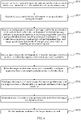
- an embodiment of the present invention provides a flowchart of an acceleration management method.
- the method is applied to an acceleration management node (refer to FIG. 2 ).
- the method may include the following steps.
- S401 Separately receive acceleration device information of all acceleration devices of each of at least one acceleration node reported by the acceleration node, where each acceleration node includes at least one acceleration device, and the acceleration device information includes an acceleration type and an algorithm type.
- S402 Store the acceleration device information. It should be known that S402 is optional because a receiving unit that receives the acceleration device information may have a cache capability.
- S403 Obtain an invocation request sent by a client, where the invocation request is used to invoke an acceleration device to accelerate a service of the client, and the invocation request includes a target acceleration type and a target algorithm type.
- S404 Query the acceleration device information to determine, from all the acceleration devices of the at least one acceleration node, a target acceleration device matching the invocation request.
- S405 Instruct a target acceleration node on which the target acceleration device is located to respond to the invocation request, so that the target acceleration node configures the target acceleration device for the client.
- the acceleration management node may send a configuration instruction message to the target acceleration node where the configuration instruction message is used to instruct the target acceleration node to configure the target acceleration device for the client.
- S404 may include: querying the acceleration device information to determine, from all the acceleration devices of the at least one acceleration node, the target acceleration device whose acceleration type and algorithm type are respectively the same as the target acceleration type and the target algorithm type.
- an acceleration management node may allocate, according to a requirement of an application program of a client and an acceleration type and an algorithm type of each acceleration device, a corresponding acceleration device to the application program, thereby implementing correct invocation and ensuring normal running of the accelerated service.
- the acceleration information further includes acceleration bandwidth.
- the acceleration bandwidth of each acceleration device includes total bandwidth and occupied bandwidth.
- the invocation request further includes target acceleration bandwidth.
- S404 may specifically include: querying the acceleration device information to determine, from all the acceleration devices of the at least one acceleration node, at least one candidate acceleration device whose acceleration type and algorithm type are respectively the same as the target acceleration type and the target algorithm type and whose remaining bandwidth is greater than or equal to the target acceleration bandwidth, and determining one of the at least one candidate acceleration device as the target acceleration device, where the remaining bandwidth is obtained by calculation according to the total bandwidth and the occupied bandwidth.
- the acceleration device information received in S401 may further include NUMA information.
- the invocation request obtained in S403 may further include target NUMA information.
- S404 may specifically include: querying the acceleration device information to determine, from all the acceleration devices of the at least one acceleration node, at least one candidate acceleration device whose acceleration type and algorithm type are respectively the same as the target acceleration type and the target algorithm type, whose remaining bandwidth is greater than or equal to the target acceleration bandwidth, and whose NUMA information is consistent with the target NUMA information, and determining one of the at least one candidate acceleration device as the target acceleration device, where the remaining bandwidth is obtained by calculation according to the total bandwidth and the occupied bandwidth.
- the determining one of the at least one candidate acceleration device as the target acceleration device in S404 may include:
- S405 may include: sending a configuration instruction message to the target acceleration node, to instruct the target acceleration node to respond to the invocation request.
- the configuration instruction message is used to instruct the target acceleration node to configure the target acceleration device for the client.
- the configuration instruction message may specifically indicate an acceleration type and an algorithm type of the target acceleration device matching the invocation request, or the configuration instruction message indicates an acceleration type, an algorithm type, and acceleration bandwidth of the target acceleration device.
- the method may further include:
- Step 407a Obtain a release request sent by the client for releasing the target acceleration device, and invoke the target acceleration node to release the target acceleration device.
- S407b When detecting that the service of the client becomes abnormal, find the target acceleration device according to the recorded allocation result, and invoke the target acceleration node to release the target acceleration device.
- the acceleration management node may periodically monitor whether a service for which each client applies for acceleration runs normally. If a service becomes abnormal, the acceleration management node may find, according to the allocation result recorded in S406, a target acceleration device configured for the abnormal service, and invoke a target acceleration node on which the target acceleration device is located to release the target acceleration device, so as to prevent the target acceleration device from unnecessary operation after the service becomes abnormal.
- the method further includes: S408: Set the allocation result to invalid.
- the allocation result of the target acceleration device also needs to be set to invalid, so as not to affect subsequent allocation of an acceleration device by the acceleration management node for the client.
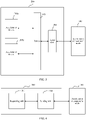
- an embodiment of the present invention further provides a flowchart of an acceleration device configuration method.
- the method is applied to an acceleration node (refer to FIG. 3 ).
- the acceleration node includes a driver and at least one acceleration device.
- the method includes the following steps.
- S501 Invoke the driver to separately query the at least one acceleration device to obtain acceleration device information of each acceleration device.
- the acceleration device information includes an acceleration type and an algorithm type.
- S502 Report the acceleration device information to an acceleration management node.
- an acceleration node reports acceleration device information of its acceleration devices to an acceleration management node, so that the acceleration management node can configure an appropriate acceleration device for a client according to the reported acceleration device information, thereby meeting a service requirement and implementing accurate invocation.
- the acceleration device information may further include acceleration bandwidth.
- the method further includes the following steps.
- S503 Receive a configuration instruction message sent by the acceleration management node. If the acceleration device information includes the acceleration type and the algorithm type, the configuration instruction message indicates a target acceleration type and a target algorithm type of a target acceleration device matching the invocation request of the client, or if the acceleration device information includes the acceleration type, the algorithm type, and the acceleration bandwidth, the configuration instruction message indicates a target acceleration type, a target algorithm type, and target acceleration bandwidth of a target acceleration device matching the invocation request of the client.
- S504 Invoke, according to the configuration instruction message, the driver to detect whether the target acceleration device works normally.
- the application program of client can invoke the target interface and run a service to be accelerated of the application program.
- acceleration devices may be grouped according to processors to which the acceleration devices respectively belong. Therefore, in step S501, the acceleration device information may further include NUMA information.
- the NUMA information may indicate a grouping status of each acceleration device.
- the configuration instruction message received in step S503 may further indicate target NUMA information matching the invocation request of the client.
- S506 Configure the target acceleration type, the target algorithm type, and the target acceleration bandwidth as a hardware attribute of the target interface.
- the acceleration node can subsequently query the remaining acceleration bandwidth of the target acceleration device, so that the acceleration management node can allocate the target acceleration device to another client, thereby maximizing utilization of an acceleration capability of the target acceleration device.
- an embodiment of the present invention further provides a flowchart of a method of applying for an acceleration device.
- the method is applied to a client.
- the method includes the following steps.
- S601 Generate an invocation request according to an acceleration requirement of a service.
- the invocation request includes a target acceleration type and a target algorithm type that are required for accelerating the service.
- S602 Send the invocation request to an acceleration management node to request to invoke a target acceleration device matching the invocation request to accelerate the service.
- the acceleration management node invokes a target acceleration device according to the target acceleration type and the target algorithm type, so that an acceleration type and an algorithm type of the target acceleration device match the acceleration requirement of the service of the client, thereby implementing accurate invocation.
- step S601 if acceleration device information reported by an acceleration node to the acceleration management node includes acceleration bandwidth, the invocation request generated by the client further includes target acceleration bandwidth required for accelerating the service.
- an application program of a client may send, to an acceleration management node, a target acceleration type, a target algorithm type, and target acceleration bandwidth that correspond to an acceleration device that meets a requirement of accelerating a service of the application program, to apply to the acceleration management node for the acceleration device, so that the acceleration management node can more accurately invoke a target acceleration device required by the client, and ensure normal running of the service.
- acceleration devices in the acceleration node may be grouped according to NUMA information. Therefore, the invocation request may further include target NUMA information required by the service, so that the service and the target acceleration device required by the service are configured on a same NUMA.
- the client and the acceleration node may actually be a same physical host, and the application program and the agent unit in the acceleration node are different processes or different software modules. Therefore, configuring the service and target acceleration device on a same NUMA can ensure that the service and the target acceleration device read a memory in the same NUMA, thereby improving read performance.
- S604 Send the release request to the acceleration management node.
- the client may instruct, by performing steps S603 and S604, the acceleration management node to release the corresponding target acceleration device, so as to avoid unnecessary occupation of the target acceleration device.
- An embodiment of the present invention further provides an acceleration management system.
- the acceleration management system includes an acceleration management node 100 and at least one acceleration node 200.
- the acceleration management node 100 refer to the acceleration management node shown in FIG. 2 and the corresponding embodiment.
- the acceleration node 200 refer to the acceleration node shown in FIG. 3 and the corresponding embodiment. Details are not described herein again.
- the acceleration management system provided by this embodiment of the present invention can accurately invoke, according to a service requirement of an application program of a client, an appropriate acceleration device to accelerate the service of the application program, and ensure normal running of the service.
- the program may be stored in a computer-readable storage medium.
- the foregoing storage medium includes: any medium that can store program code, such as a ROM, a RAM, a magnetic disk, or an optical disc.
Landscapes
- Engineering & Computer Science (AREA)
- Computer Networks & Wireless Communication (AREA)
- Signal Processing (AREA)
- Software Systems (AREA)
- Theoretical Computer Science (AREA)
- Physics & Mathematics (AREA)
- Quality & Reliability (AREA)
- General Physics & Mathematics (AREA)
- General Engineering & Computer Science (AREA)
- Health & Medical Sciences (AREA)
- Computing Systems (AREA)
- Medical Informatics (AREA)
- General Health & Medical Sciences (AREA)
- Computer And Data Communications (AREA)
- Information Transfer Between Computers (AREA)
- Information Retrieval, Db Structures And Fs Structures Therefor (AREA)
- Data Exchanges In Wide-Area Networks (AREA)
- Multimedia (AREA)
Claims (24)
- Procédé de gestion d'accélération, comprenant les étapes suivantes :recevoir séparément (S401) des informations de dispositif d'accélération de tous les dispositifs d'accélération de chacun d'au moins un nœud d'accélération, rapportés par le noeud d'accélération, où chaque noeud d'accélération comprend au moins un dispositif d'accélération, et les informations de dispositif d'accélération comprennent un type d'accélération et un type d'algorithme ;obtenir (S403) une demande d'invocation envoyée par un client, où la demande d'invocation est utilisée pour invoquer un dispositif d'accélération pour accélérer un service du client, et la demande d'invocation comprend un type d'accélération cible et un type d'algorithme cible ;consulter (S404) des informations de dispositif d'accélération pour déterminer, parmi tous les dispositifs d'accélération de l'au moins un noeud d'accélération, un dispositif d'accélération cible correspondant à la demande d'invocation ; etdonner pour instruction (S405) à un noeud d'accélération cible sur lequel le dispositif d'accélération cible est situé de répondre à la demande d'invocation.
- Procédé selon la revendication 1, dans lequel l'étape de consultation des informations de dispositif d'accélération pour déterminer, parmi tous les dispositifs d'accélération de l'au moins un noeud d'accélération, un dispositif d'accélération cible correspondant à la demande d'invocation comprend l'étape suivante :
consulter les informations de dispositif d'accélération pour déterminer le dispositif d'accélération cible dont le type d'accélération et le type d'algorithme sont respectivement les mêmes que le type d'accélération cible et le type d'algorithme cible. - Procédé selon la revendication 1 ou la revendication 2, dans lequel les informations d'accélération comprennent en outre une bande passante d'accélération, et la bande passante d'accélération comprend une bande passante totale et une bande passante occupée ; la demande d'invocation comprend en outre une bande passante d'accélération cible ; et
l'étape de consultation des informations de dispositif d'accélération pour déterminer, parmi tous les dispositifs d'accélération de l'au moins un noeud d'accélération, un dispositif d'accélération cible correspondant à la demande d'invocation comprend les étapes suivantes :
consulter des informations de dispositif d'accélération pour déterminer au moins un dispositif d'accélération candidat dont le type d'accélération et le type d'algorithme sont respectivement les mêmes que le type d'accélération cible et le type d'algorithme cible et dont la bande passante restante est supérieure ou égale à la bande passante d'accélération cible, et déterminer l'un de l'au moins un dispositif d'accélération candidat en tant que dispositif d'accélération cible, où la bande passante restante est obtenue par calcul en fonction de la bande passante totale et de la bande passante occupée. - Procédé selon la revendication 3, dans lequel les informations de dispositif d'accélération comprennent en outre des informations d'architecture d'accès mémoire non uniforme NUMA ; la demande d'invocation comprend en outre des informations de NUMA cible ; et
l'étape de consultation des informations de dispositif d'accélération pour déterminer, parmi tous les dispositifs d'accélération de l'au moins un noeud d'accélération, un dispositif d'accélération cible correspondant à la demande d'invocation comprend spécifiquement les étapes suivantes :
consulter les informations de dispositif d'accélération pour déterminer au moins un dispositif d'accélération candidat dont le type d'accélération et le type d'algorithme sont respectivement les mêmes que le type d'accélération cible et le type d'algorithme cible, dont la bande passante restante est supérieure ou égale à la bande passante d'accélération cible, et dont les informations de NUMA sont cohérentes avec les informations de NUMA cibles, et déterminer l'un de l'au moins un dispositif d'accélération candidat comme dispositif d'accélération cible, où la bande passante restante est obtenue par un calcul selon la bande passante totale et la bande passante occupée. - Procédé selon la revendication 3 ou la revendication 4, dans lequel :lorsqu'il existe un dispositif d'accélération candidat, le dispositif d'accélération candidat est déterminé comme le dispositif d'accélération cible ; oulorsqu'il existe une pluralité de dispositifs d'accélération candidats, un premier dispositif d'accélération ayant une bande passante restante maximale est déterminé parmi la pluralité de dispositifs d'accélération candidats selon la bande passante d'accélération, et s'il existe un premier dispositif d'accélération, le premier dispositif d'accélération est déterminé comme le dispositif d'accélération cible.
- Procédé selon la revendication 5, dans lequel les informations de dispositif d'accélération comprennent en outre une quantité de fonction virtuelle, VF ; et lorsqu'il existe une pluralité de premiers dispositifs d'accélération ayant la bande passante restante maximale, un deuxième dispositif d'accélération ayant une quantité de VF maximale est déterminé parmi la pluralité de premiers dispositifs d'accélération, et s'il existe un deuxième dispositif d'accélération, le deuxième dispositif d'accélération est utilisé comme dispositif d'accélération cible.
- Procédé selon la revendication 6, dans lequel, lorsqu'il existe une pluralité de deuxièmes dispositifs d'accélération ayant la quantité de VF maximale, un deuxième dispositif d'accélération trouvé en premier est utilisé comme dispositif d'accélération cible selon une séquence temporelle de consultation des informations de dispositif d'accélération.
- Procédé selon l'une quelconque des revendications 1 à 7, comprenant en outre l'étape suivante :
stocker les informations de dispositif d'accélération. - Procédé selon l'une quelconque des revendications 3 à 8, comprenant en outre les étapes suivantes :
mettre à jour les informations de dispositif d'accélération précédemment stockées correspondant au dispositif d'accélération cible en fonction de la bande passante d'accélération cible ; et enregistrer un résultat d'allocation. - Procédé selon l'une quelconque des revendications 1 à 9, comprenant en outre les étapes suivantes :
obtenir une demande de libération envoyée par le client pour libérer le dispositif d'accélération cible, et invoquer le noeud d'accélération cible pour libérer le dispositif d'accélération cible. - Procédé selon la revendication 10, comprenant en outre les étapes suivantes :
lors de la détection que le service du client devient anormal, rechercher le dispositif d'accélération cible selon le résultat d'allocation enregistré, et invoquer le noeud d'accélération cible pour libérer le dispositif d'accélération cible. - Procédé selon l'une quelconque des revendications 9 à 11, comprenant en outre l'étape suivante : définir le résultat d'allocation comme non valide.
- Procédé de configuration de dispositif d'accélération, appliqué à un nœud d'accélération, où le noeud d'accélération comprend un pilote et au moins un dispositif d'accélération ; et le procédé comprend les étapes suivantes :invoquer (S501) le pilote pour consulter séparément l'au moins un dispositif d'accélération pour obtenir des informations de dispositif d'accélération de chaque dispositif d'accélération, où les informations de dispositif d'accélération comprennent un type d'accélération et un type d'algorithme ; etrapporter (S502) les informations de dispositif d'accélération à un noeud de gestion d'accélération.
- Procédé selon la revendication 13, dans lequel les informations de dispositif d'accélération comprennent en outre une bande passante d'accélération.
- Procédé selon la revendication 13 ou la revendication 14, comprenant en outre les étapes suivantes :recevoir un message d'instruction de configuration envoyé par le noeud de gestion d'accélération, où le message d'instruction de configuration indique un type d'accélération cible et un type d'algorithme cible d'un dispositif d'accélération cible correspondant à une demande d'invocation d'un client, ou le message d'instruction de configuration indique un type d'accélération cible, un type d'algorithme cible et une bande passante d'accélération cible d'un dispositif d'accélération cible correspondant à une demande d'invocation d'un client ;invoquer, selon le message d'instruction de configuration, le pilote pour détecter si le dispositif d'accélération cible fonctionne normalement ; etlorsque le dispositif d'accélération cible fonctionne normalement, configurer une interface cible du dispositif d'accélération cible pour le client.
- Procédé selon la revendication 13 ou la revendication 15, dans lequel les informations de dispositif d'accélération comprennent en outre des informations d'architecture d'accès mémoire non uniforme, NUMA.
- Procédé selon la revendication 16, dans lequel le message d'instruction de configuration indique en outre des informations de NUMA cibles correspondant à la demande d'invocation du client.
- Procédé selon l'une quelconque des revendications 15 à 17, comprenant en outre l'étape suivante :
configurer le type d'accélération cible, le type d'algorithme cible et la bande passante d'accélération cible comme un attribut matériel de l'interface cible. - Procédé selon l'une quelconque des revendications 15 à 18, comprenant en outre les étapes suivantes :
répondre au noeud de gestion d'accélération et libérer le dispositif d'accélération cible. - Procédé selon la revendication 19, comprenant en outre l'étape suivante :
définir l'attribut matériel de l'interface cible comme nul. - Procédé de demande d'un dispositif d'accélération, comprenant les étapes suivantes :générer (S601) une demande d'invocation selon un besoin d'accélération d'un service, où la demande d'invocation comprend un type d'accélération cible et un type d'algorithme cible qui sont nécessaires pour accélérer le service ; etenvoyer (S602) la demande d'invocation à un noeud de gestion d'accélération pour demander l'invocation d'un dispositif d'accélération cible correspondant à la demande d'invocation pour accélérer le service.
- Procédé selon la revendication 21, dans lequel la demande d'invocation comprend en outre une bande passante d'accélération cible requise pour accélérer le service.
- Procédé selon la revendication 21 ou la revendication 22, dans lequel la demande d'invocation comprend en outre des informations de NUMA cibles requises par le service.
- Procédé selon l'une quelconque des revendications 21 à 23, comprenant en outre les étapes suivantes :lorsque l'accélération du service est terminée, générer une demande de libération pour libérer le dispositif d'accélération cible ; etenvoyer la demande de libération au noeud de gestion d'accélération.
Priority Applications (1)
| Application Number | Priority Date | Filing Date | Title |
|---|---|---|---|
| EP21217676.2A EP4040761A3 (fr) | 2015-09-28 | 2016-09-26 | Noeud de gestion d'accélération, produit programme d'ordinateur et support lisible par ordinateur non transitoire |
Applications Claiming Priority (3)
| Application Number | Priority Date | Filing Date | Title |
|---|---|---|---|
| CN201510628762.0A CN105357258B (zh) | 2015-09-28 | 2015-09-28 | 一种加速管理节点、加速节点、客户端及方法 |
| PCT/CN2016/100137 WO2017054691A1 (fr) | 2015-09-28 | 2016-09-26 | Nœud de gestion d'accélération, nœud d'accélération, client et procédé |
| EP16850315.9A EP3337135B1 (fr) | 2015-09-28 | 2016-09-26 | Noeud de gestion d'accélération, noeud d'accélération, client et procédé |
Related Parent Applications (2)
| Application Number | Title | Priority Date | Filing Date |
|---|---|---|---|
| EP16850315.9A Division-Into EP3337135B1 (fr) | 2015-09-28 | 2016-09-26 | Noeud de gestion d'accélération, noeud d'accélération, client et procédé |
| EP16850315.9A Division EP3337135B1 (fr) | 2015-09-28 | 2016-09-26 | Noeud de gestion d'accélération, noeud d'accélération, client et procédé |
Related Child Applications (2)
| Application Number | Title | Priority Date | Filing Date |
|---|---|---|---|
| EP21217676.2A Division EP4040761A3 (fr) | 2015-09-28 | 2016-09-26 | Noeud de gestion d'accélération, produit programme d'ordinateur et support lisible par ordinateur non transitoire |
| EP21217676.2A Division-Into EP4040761A3 (fr) | 2015-09-28 | 2016-09-26 | Noeud de gestion d'accélération, produit programme d'ordinateur et support lisible par ordinateur non transitoire |
Publications (2)
| Publication Number | Publication Date |
|---|---|
| EP3767912A1 EP3767912A1 (fr) | 2021-01-20 |
| EP3767912B1 true EP3767912B1 (fr) | 2022-06-22 |
Family
ID=55333117
Family Applications (3)
| Application Number | Title | Priority Date | Filing Date |
|---|---|---|---|
| EP20174899.3A Active EP3767912B1 (fr) | 2015-09-28 | 2016-09-26 | Procédés de gestion d'accélération |
| EP16850315.9A Active EP3337135B1 (fr) | 2015-09-28 | 2016-09-26 | Noeud de gestion d'accélération, noeud d'accélération, client et procédé |
| EP21217676.2A Withdrawn EP4040761A3 (fr) | 2015-09-28 | 2016-09-26 | Noeud de gestion d'accélération, produit programme d'ordinateur et support lisible par ordinateur non transitoire |
Family Applications After (2)
| Application Number | Title | Priority Date | Filing Date |
|---|---|---|---|
| EP16850315.9A Active EP3337135B1 (fr) | 2015-09-28 | 2016-09-26 | Noeud de gestion d'accélération, noeud d'accélération, client et procédé |
| EP21217676.2A Withdrawn EP4040761A3 (fr) | 2015-09-28 | 2016-09-26 | Noeud de gestion d'accélération, produit programme d'ordinateur et support lisible par ordinateur non transitoire |
Country Status (4)
| Country | Link |
|---|---|
| US (3) | US10628190B2 (fr) |
| EP (3) | EP3767912B1 (fr) |
| CN (2) | CN105357258B (fr) |
| WO (1) | WO2017054691A1 (fr) |
Families Citing this family (16)
| Publication number | Priority date | Publication date | Assignee | Title |
|---|---|---|---|---|
| CN105357258B (zh) | 2015-09-28 | 2020-06-26 | 华为技术有限公司 | 一种加速管理节点、加速节点、客户端及方法 |
| CN105893036B (zh) * | 2016-03-30 | 2019-01-29 | 清华大学 | 一种嵌入式系统的兼容式加速器扩展方法 |
| CN107493485B (zh) * | 2016-06-13 | 2021-11-05 | 中兴通讯股份有限公司 | 一种资源控制方法、装置和iptv服务器 |
| CN105979007B (zh) * | 2016-07-04 | 2020-06-02 | 华为技术有限公司 | 加速资源处理方法、装置及网络功能虚拟化系统 |
| CN106412063B (zh) * | 2016-09-29 | 2019-08-13 | 赛尔网络有限公司 | 教育网内cdn节点检测与资源调度系统及方法 |
| CN108121587B (zh) * | 2016-11-30 | 2021-05-04 | 华为技术有限公司 | 一种数据加速方法及虚拟加速器 |
| CN107436798A (zh) * | 2017-08-15 | 2017-12-05 | 深信服科技股份有限公司 | 一种基于numa节点的进程访问方法及装置 |
| US20190044809A1 (en) * | 2017-08-30 | 2019-02-07 | Intel Corporation | Technologies for managing a flexible host interface of a network interface controller |
| CN108449273A (zh) * | 2018-01-25 | 2018-08-24 | 上海连尚网络科技有限公司 | 一种网络加速方法及系统 |
| US11340949B2 (en) * | 2018-05-08 | 2022-05-24 | Telefonaktiebolaget Lm Ericsson (Publ) | Method and node for managing a request for hardware acceleration by means of an accelerator device |
| CN111625585B (zh) * | 2020-05-22 | 2021-08-31 | 中科驭数(北京)科技有限公司 | 硬件加速数据库的访问方法、装置、主机及存储介质 |
| CN113014509B (zh) * | 2021-05-26 | 2021-09-17 | 腾讯科技(深圳)有限公司 | 应用程序加速方法和装置 |
| CN115599811A (zh) * | 2021-07-09 | 2023-01-13 | 华为技术有限公司(Cn) | 数据处理的方法、装置和计算系统 |
| CN117632457A (zh) * | 2022-08-15 | 2024-03-01 | 华为技术有限公司 | 一种加速器调度方法及相关装置 |
| CN115731093A (zh) * | 2022-12-06 | 2023-03-03 | 北京地平线信息技术有限公司 | 加速设备的调度方法、装置、电子设备和存储介质 |
| CN115967433B (zh) * | 2022-12-23 | 2025-05-16 | 中国科学技术大学 | 一种基于动态时变性的卫星边缘计算卸载方法和装置 |
Family Cites Families (21)
| Publication number | Priority date | Publication date | Assignee | Title |
|---|---|---|---|---|
| US20050276413A1 (en) * | 2004-06-14 | 2005-12-15 | Raja Neogi | Method and apparatus to manage heterogeneous cryptographic operations |
| US8434087B2 (en) * | 2008-08-29 | 2013-04-30 | International Business Machines Corporation | Distributed acceleration devices management for streams processing |
| EP2442228A1 (fr) * | 2010-10-13 | 2012-04-18 | Thomas Lippert | Agencement de grappe d'ordinateur pour traiter une tâche informatique et son procédé de fonctionnement |
| CN102685162B (zh) | 2011-03-11 | 2014-12-03 | 中国电信股份有限公司 | 云计算加速方法和系统 |
| CN102148759A (zh) * | 2011-04-01 | 2011-08-10 | 许旭 | 通过缓存加速系统节省主干网出口带宽的方法 |
| US9167501B2 (en) * | 2011-08-29 | 2015-10-20 | Telefonaktiebolaget L M Ericsson (Publ) | Implementing a 3G packet core in a cloud computer with openflow data and control planes |
| KR101861742B1 (ko) * | 2011-08-30 | 2018-05-30 | 삼성전자주식회사 | 이종의 가속기들 사이에서 스위칭할 수 있는 데이터 처리 시스템과 그 방법 |
| CN102650950B (zh) * | 2012-04-10 | 2015-04-15 | 南京航空航天大学 | 一种支持多gpu虚拟化的平台架构及其工作方法 |
| CN104348677A (zh) | 2013-08-05 | 2015-02-11 | 华为技术有限公司 | 一种深度报文检测方法、设备及协处理器 |
| CN103458029A (zh) * | 2013-09-02 | 2013-12-18 | 百度在线网络技术(北京)有限公司 | 通过浏览器进行加速下载的方法、系统和装置 |
| CN103596066B (zh) * | 2013-11-28 | 2017-02-15 | 中国联合网络通信集团有限公司 | 一种数据处理方法及装置 |
| CN104951353B (zh) | 2014-03-28 | 2018-09-21 | 华为技术有限公司 | 一种对vnf实现加速处理的方法及装置 |
| CN104050045B (zh) * | 2014-06-27 | 2017-06-27 | 华为技术有限公司 | 基于磁盘io的虚拟资源分配方法及装置 |
| CN104102546B (zh) * | 2014-07-23 | 2018-02-02 | 浪潮(北京)电子信息产业有限公司 | 一种实现cpu和gpu负载均衡的方法及系统 |
| CN104503728B (zh) | 2015-01-04 | 2017-11-24 | 华为技术有限公司 | 一种硬件加速器及芯片 |
| CN104657308A (zh) * | 2015-03-04 | 2015-05-27 | 浪潮电子信息产业股份有限公司 | 一种用fpga实现的服务器硬件加速的方法 |
| CN104765613B (zh) * | 2015-04-21 | 2017-09-12 | 华中科技大学 | 一种虚拟化环境下面向任务并行编程模型的优化方法 |
| CN104899085B (zh) | 2015-05-29 | 2018-06-26 | 华为技术有限公司 | 一种数据处理方法和装置 |
| US10540588B2 (en) * | 2015-06-29 | 2020-01-21 | Microsoft Technology Licensing, Llc | Deep neural network processing on hardware accelerators with stacked memory |
| US20160379109A1 (en) * | 2015-06-29 | 2016-12-29 | Microsoft Technology Licensing, Llc | Convolutional neural networks on hardware accelerators |
| CN105357258B (zh) * | 2015-09-28 | 2020-06-26 | 华为技术有限公司 | 一种加速管理节点、加速节点、客户端及方法 |
-
2015
- 2015-09-28 CN CN201510628762.0A patent/CN105357258B/zh active Active
- 2015-09-28 CN CN202010506699.4A patent/CN111865657B/zh active Active
-
2016
- 2016-09-26 WO PCT/CN2016/100137 patent/WO2017054691A1/fr not_active Ceased
- 2016-09-26 EP EP20174899.3A patent/EP3767912B1/fr active Active
- 2016-09-26 EP EP16850315.9A patent/EP3337135B1/fr active Active
- 2016-09-26 EP EP21217676.2A patent/EP4040761A3/fr not_active Withdrawn
-
2018
- 2018-03-28 US US15/937,864 patent/US10628190B2/en active Active
-
2020
- 2020-04-18 US US16/852,408 patent/US11080076B2/en active Active
-
2021
- 2021-07-15 US US17/376,305 patent/US11579907B2/en active Active
Also Published As
| Publication number | Publication date |
|---|---|
| EP4040761A3 (fr) | 2022-08-24 |
| EP3337135A1 (fr) | 2018-06-20 |
| WO2017054691A1 (fr) | 2017-04-06 |
| US11080076B2 (en) | 2021-08-03 |
| CN111865657A (zh) | 2020-10-30 |
| US11579907B2 (en) | 2023-02-14 |
| EP3337135B1 (fr) | 2020-08-12 |
| EP4040761A2 (fr) | 2022-08-10 |
| EP3337135A4 (fr) | 2018-09-26 |
| US20180217856A1 (en) | 2018-08-02 |
| CN105357258A (zh) | 2016-02-24 |
| CN105357258B (zh) | 2020-06-26 |
| US10628190B2 (en) | 2020-04-21 |
| US20210342170A1 (en) | 2021-11-04 |
| US20200293345A1 (en) | 2020-09-17 |
| CN111865657B (zh) | 2022-01-11 |
| EP3767912A1 (fr) | 2021-01-20 |
Similar Documents
| Publication | Publication Date | Title |
|---|---|---|
| US11579907B2 (en) | Acceleration management node, acceleration node, client, and method | |
| US10698717B2 (en) | Accelerator virtualization method and apparatus, and centralized resource manager | |
| US10467725B2 (en) | Managing access to a resource pool of graphics processing units under fine grain control | |
| US10305823B2 (en) | Network interface card configuration method and resource management center | |
| US9639402B2 (en) | Systems and methods for automatic hardware provisioning based on application characteristics | |
| US10503555B2 (en) | Selecting type and quantity of application masters that need to be started in advance | |
| US9104501B2 (en) | Preparing parallel tasks to use a synchronization register | |
| CN111212116A (zh) | 一种基于容器云的高性能计算集群创建方法和系统 | |
| US20200396299A1 (en) | Methods and apparatus to manage cloud provider sessions | |
| CN107534570A (zh) | 虚拟化网络功能监控 | |
| CN114237937A (zh) | 一种多线程的数据传输方法和装置 | |
| US20190266006A1 (en) | Accelerator Loading Method, System, and Apparatus | |
| KR20180061299A (ko) | 네트워크 기능 가상화 자원 처리 방법 및 가상 네트워크 기능 관리자 | |
| US8458702B1 (en) | Method for implementing user space up-calls on java virtual machine before/after garbage collection | |
| CN110377409A (zh) | 一种任务处理方法、装置、设备和介质 | |
| US12452331B1 (en) | File-sharing method, apparatus and system, electronic device, and storage medium | |
| CN115113800A (zh) | 多集群管理方法、装置、计算设备及存储介质 | |
| US20190347123A1 (en) | Acceleration Capacity Adjustment Method and Apparatus for Adjusting Acceleration Capacity of Virtual Machine | |
| US11614957B1 (en) | Native-hypervisor based on-demand code execution system | |
| CN106161652A (zh) | 基于Zstack请求的私有云平台及其调度方法 | |
| CN105045727B (zh) | 一种访问共享内存的方法及设备 | |
| US10528397B2 (en) | Method, device, and non-transitory computer readable storage medium for creating virtual machine | |
| CN118245203B (zh) | 资源管理方法、资源分配方法、装置、设备及存储介质 | |
| KR101542605B1 (ko) | 온톨로지 매칭의 시멘틱 이질성 병렬 처리 장치 및 처리 방법 | |
| KR102146377B1 (ko) | 가상화 시스템에서의 가상 데스크톱 및 가상 호스트 서버를 모니터링하는 방법 및 그 가상화 시스템 |
Legal Events
| Date | Code | Title | Description |
|---|---|---|---|
| PUAI | Public reference made under article 153(3) epc to a published international application that has entered the european phase |
Free format text: ORIGINAL CODE: 0009012 |
|
| STAA | Information on the status of an ep patent application or granted ep patent |
Free format text: STATUS: THE APPLICATION HAS BEEN PUBLISHED |
|
| AC | Divisional application: reference to earlier application |
Ref document number: 3337135 Country of ref document: EP Kind code of ref document: P |
|
| AK | Designated contracting states |
Kind code of ref document: A1 Designated state(s): AL AT BE BG CH CY CZ DE DK EE ES FI FR GB GR HR HU IE IS IT LI LT LU LV MC MK MT NL NO PL PT RO RS SE SI SK SM TR |
|
| STAA | Information on the status of an ep patent application or granted ep patent |
Free format text: STATUS: REQUEST FOR EXAMINATION WAS MADE |
|
| 17P | Request for examination filed |
Effective date: 20210720 |
|
| RBV | Designated contracting states (corrected) |
Designated state(s): AL AT BE BG CH CY CZ DE DK EE ES FI FR GB GR HR HU IE IS IT LI LT LU LV MC MK MT NL NO PL PT RO RS SE SI SK SM TR |
|
| GRAP | Despatch of communication of intention to grant a patent |
Free format text: ORIGINAL CODE: EPIDOSNIGR1 |
|
| STAA | Information on the status of an ep patent application or granted ep patent |
Free format text: STATUS: GRANT OF PATENT IS INTENDED |
|
| INTG | Intention to grant announced |
Effective date: 20210903 |
|
| GRAJ | Information related to disapproval of communication of intention to grant by the applicant or resumption of examination proceedings by the epo deleted |
Free format text: ORIGINAL CODE: EPIDOSDIGR1 |
|
| STAA | Information on the status of an ep patent application or granted ep patent |
Free format text: STATUS: REQUEST FOR EXAMINATION WAS MADE |
|
| REG | Reference to a national code |
Ref country code: DE Ref legal event code: R079 Ref document number: 602016073103 Country of ref document: DE Free format text: PREVIOUS MAIN CLASS: H04L0029060000 Ipc: H04L0067100000 |
|
| INTC | Intention to grant announced (deleted) | ||
| GRAP | Despatch of communication of intention to grant a patent |
Free format text: ORIGINAL CODE: EPIDOSNIGR1 |
|
| STAA | Information on the status of an ep patent application or granted ep patent |
Free format text: STATUS: GRANT OF PATENT IS INTENDED |
|
| RIC1 | Information provided on ipc code assigned before grant |
Ipc: H04L 41/5051 20220101ALI20220201BHEP Ipc: H04L 41/5025 20220101ALI20220201BHEP Ipc: H04L 41/0896 20220101ALI20220201BHEP Ipc: H04L 41/0853 20220101ALI20220201BHEP Ipc: G06F 9/50 20060101ALI20220201BHEP Ipc: H04L 67/1001 20220101ALI20220201BHEP Ipc: H04L 67/10 20220101AFI20220201BHEP |
|
| INTG | Intention to grant announced |
Effective date: 20220218 |
|
| GRAS | Grant fee paid |
Free format text: ORIGINAL CODE: EPIDOSNIGR3 |
|
| GRAA | (expected) grant |
Free format text: ORIGINAL CODE: 0009210 |
|
| STAA | Information on the status of an ep patent application or granted ep patent |
Free format text: STATUS: THE PATENT HAS BEEN GRANTED |
|
| AC | Divisional application: reference to earlier application |
Ref document number: 3337135 Country of ref document: EP Kind code of ref document: P |
|
| AK | Designated contracting states |
Kind code of ref document: B1 Designated state(s): AL AT BE BG CH CY CZ DE DK EE ES FI FR GB GR HR HU IE IS IT LI LT LU LV MC MK MT NL NO PL PT RO RS SE SI SK SM TR |
|
| REG | Reference to a national code |
Ref country code: GB Ref legal event code: FG4D |
|
| REG | Reference to a national code |
Ref country code: CH Ref legal event code: EP |
|
| REG | Reference to a national code |
Ref country code: DE Ref legal event code: R096 Ref document number: 602016073103 Country of ref document: DE |
|
| REG | Reference to a national code |
Ref country code: AT Ref legal event code: REF Ref document number: 1500542 Country of ref document: AT Kind code of ref document: T Effective date: 20220715 |
|
| REG | Reference to a national code |
Ref country code: IE Ref legal event code: FG4D |
|
| REG | Reference to a national code |
Ref country code: LT Ref legal event code: MG9D |
|
| REG | Reference to a national code |
Ref country code: NL Ref legal event code: MP Effective date: 20220622 |
|
| PG25 | Lapsed in a contracting state [announced via postgrant information from national office to epo] |
Ref country code: SE Free format text: LAPSE BECAUSE OF FAILURE TO SUBMIT A TRANSLATION OF THE DESCRIPTION OR TO PAY THE FEE WITHIN THE PRESCRIBED TIME-LIMIT Effective date: 20220622 Ref country code: NO Free format text: LAPSE BECAUSE OF FAILURE TO SUBMIT A TRANSLATION OF THE DESCRIPTION OR TO PAY THE FEE WITHIN THE PRESCRIBED TIME-LIMIT Effective date: 20220922 Ref country code: LT Free format text: LAPSE BECAUSE OF FAILURE TO SUBMIT A TRANSLATION OF THE DESCRIPTION OR TO PAY THE FEE WITHIN THE PRESCRIBED TIME-LIMIT Effective date: 20220622 Ref country code: HR Free format text: LAPSE BECAUSE OF FAILURE TO SUBMIT A TRANSLATION OF THE DESCRIPTION OR TO PAY THE FEE WITHIN THE PRESCRIBED TIME-LIMIT Effective date: 20220622 Ref country code: GR Free format text: LAPSE BECAUSE OF FAILURE TO SUBMIT A TRANSLATION OF THE DESCRIPTION OR TO PAY THE FEE WITHIN THE PRESCRIBED TIME-LIMIT Effective date: 20220923 Ref country code: FI Free format text: LAPSE BECAUSE OF FAILURE TO SUBMIT A TRANSLATION OF THE DESCRIPTION OR TO PAY THE FEE WITHIN THE PRESCRIBED TIME-LIMIT Effective date: 20220622 Ref country code: BG Free format text: LAPSE BECAUSE OF FAILURE TO SUBMIT A TRANSLATION OF THE DESCRIPTION OR TO PAY THE FEE WITHIN THE PRESCRIBED TIME-LIMIT Effective date: 20220922 |
|
| REG | Reference to a national code |
Ref country code: AT Ref legal event code: MK05 Ref document number: 1500542 Country of ref document: AT Kind code of ref document: T Effective date: 20220622 |
|
| PG25 | Lapsed in a contracting state [announced via postgrant information from national office to epo] |
Ref country code: RS Free format text: LAPSE BECAUSE OF FAILURE TO SUBMIT A TRANSLATION OF THE DESCRIPTION OR TO PAY THE FEE WITHIN THE PRESCRIBED TIME-LIMIT Effective date: 20220622 Ref country code: LV Free format text: LAPSE BECAUSE OF FAILURE TO SUBMIT A TRANSLATION OF THE DESCRIPTION OR TO PAY THE FEE WITHIN THE PRESCRIBED TIME-LIMIT Effective date: 20220622 |
|
| PG25 | Lapsed in a contracting state [announced via postgrant information from national office to epo] |
Ref country code: NL Free format text: LAPSE BECAUSE OF FAILURE TO SUBMIT A TRANSLATION OF THE DESCRIPTION OR TO PAY THE FEE WITHIN THE PRESCRIBED TIME-LIMIT Effective date: 20220622 |
|
| PG25 | Lapsed in a contracting state [announced via postgrant information from national office to epo] |
Ref country code: SM Free format text: LAPSE BECAUSE OF FAILURE TO SUBMIT A TRANSLATION OF THE DESCRIPTION OR TO PAY THE FEE WITHIN THE PRESCRIBED TIME-LIMIT Effective date: 20220622 Ref country code: SK Free format text: LAPSE BECAUSE OF FAILURE TO SUBMIT A TRANSLATION OF THE DESCRIPTION OR TO PAY THE FEE WITHIN THE PRESCRIBED TIME-LIMIT Effective date: 20220622 Ref country code: RO Free format text: LAPSE BECAUSE OF FAILURE TO SUBMIT A TRANSLATION OF THE DESCRIPTION OR TO PAY THE FEE WITHIN THE PRESCRIBED TIME-LIMIT Effective date: 20220622 Ref country code: PT Free format text: LAPSE BECAUSE OF FAILURE TO SUBMIT A TRANSLATION OF THE DESCRIPTION OR TO PAY THE FEE WITHIN THE PRESCRIBED TIME-LIMIT Effective date: 20221024 Ref country code: ES Free format text: LAPSE BECAUSE OF FAILURE TO SUBMIT A TRANSLATION OF THE DESCRIPTION OR TO PAY THE FEE WITHIN THE PRESCRIBED TIME-LIMIT Effective date: 20220622 Ref country code: EE Free format text: LAPSE BECAUSE OF FAILURE TO SUBMIT A TRANSLATION OF THE DESCRIPTION OR TO PAY THE FEE WITHIN THE PRESCRIBED TIME-LIMIT Effective date: 20220622 Ref country code: CZ Free format text: LAPSE BECAUSE OF FAILURE TO SUBMIT A TRANSLATION OF THE DESCRIPTION OR TO PAY THE FEE WITHIN THE PRESCRIBED TIME-LIMIT Effective date: 20220622 Ref country code: AT Free format text: LAPSE BECAUSE OF FAILURE TO SUBMIT A TRANSLATION OF THE DESCRIPTION OR TO PAY THE FEE WITHIN THE PRESCRIBED TIME-LIMIT Effective date: 20220622 |
|
| PG25 | Lapsed in a contracting state [announced via postgrant information from national office to epo] |
Ref country code: PL Free format text: LAPSE BECAUSE OF FAILURE TO SUBMIT A TRANSLATION OF THE DESCRIPTION OR TO PAY THE FEE WITHIN THE PRESCRIBED TIME-LIMIT Effective date: 20220622 Ref country code: IS Free format text: LAPSE BECAUSE OF FAILURE TO SUBMIT A TRANSLATION OF THE DESCRIPTION OR TO PAY THE FEE WITHIN THE PRESCRIBED TIME-LIMIT Effective date: 20221022 |
|
| REG | Reference to a national code |
Ref country code: DE Ref legal event code: R097 Ref document number: 602016073103 Country of ref document: DE |
|
| PG25 | Lapsed in a contracting state [announced via postgrant information from national office to epo] |
Ref country code: AL Free format text: LAPSE BECAUSE OF FAILURE TO SUBMIT A TRANSLATION OF THE DESCRIPTION OR TO PAY THE FEE WITHIN THE PRESCRIBED TIME-LIMIT Effective date: 20220622 |
|
| PG25 | Lapsed in a contracting state [announced via postgrant information from national office to epo] |
Ref country code: MC Free format text: LAPSE BECAUSE OF FAILURE TO SUBMIT A TRANSLATION OF THE DESCRIPTION OR TO PAY THE FEE WITHIN THE PRESCRIBED TIME-LIMIT Effective date: 20220622 Ref country code: DK Free format text: LAPSE BECAUSE OF FAILURE TO SUBMIT A TRANSLATION OF THE DESCRIPTION OR TO PAY THE FEE WITHIN THE PRESCRIBED TIME-LIMIT Effective date: 20220622 |
|
| PLBE | No opposition filed within time limit |
Free format text: ORIGINAL CODE: 0009261 |
|
| REG | Reference to a national code |
Ref country code: CH Ref legal event code: PL |
|
| STAA | Information on the status of an ep patent application or granted ep patent |
Free format text: STATUS: NO OPPOSITION FILED WITHIN TIME LIMIT |
|
| REG | Reference to a national code |
Ref country code: BE Ref legal event code: MM Effective date: 20220930 |
|
| 26N | No opposition filed |
Effective date: 20230323 |
|
| P01 | Opt-out of the competence of the unified patent court (upc) registered |
Effective date: 20230524 |
|
| PG25 | Lapsed in a contracting state [announced via postgrant information from national office to epo] |
Ref country code: LU Free format text: LAPSE BECAUSE OF NON-PAYMENT OF DUE FEES Effective date: 20220926 |
|
| PG25 | Lapsed in a contracting state [announced via postgrant information from national office to epo] |
Ref country code: LI Free format text: LAPSE BECAUSE OF NON-PAYMENT OF DUE FEES Effective date: 20220930 Ref country code: IE Free format text: LAPSE BECAUSE OF NON-PAYMENT OF DUE FEES Effective date: 20220926 Ref country code: CH Free format text: LAPSE BECAUSE OF NON-PAYMENT OF DUE FEES Effective date: 20220930 |
|
| PG25 | Lapsed in a contracting state [announced via postgrant information from national office to epo] |
Ref country code: SI Free format text: LAPSE BECAUSE OF FAILURE TO SUBMIT A TRANSLATION OF THE DESCRIPTION OR TO PAY THE FEE WITHIN THE PRESCRIBED TIME-LIMIT Effective date: 20220622 |
|
| PG25 | Lapsed in a contracting state [announced via postgrant information from national office to epo] |
Ref country code: BE Free format text: LAPSE BECAUSE OF NON-PAYMENT OF DUE FEES Effective date: 20220930 |
|
| PG25 | Lapsed in a contracting state [announced via postgrant information from national office to epo] |
Ref country code: IT Free format text: LAPSE BECAUSE OF FAILURE TO SUBMIT A TRANSLATION OF THE DESCRIPTION OR TO PAY THE FEE WITHIN THE PRESCRIBED TIME-LIMIT Effective date: 20220622 |
|
| PG25 | Lapsed in a contracting state [announced via postgrant information from national office to epo] |
Ref country code: CY Free format text: LAPSE BECAUSE OF FAILURE TO SUBMIT A TRANSLATION OF THE DESCRIPTION OR TO PAY THE FEE WITHIN THE PRESCRIBED TIME-LIMIT Effective date: 20220622 |
|
| PG25 | Lapsed in a contracting state [announced via postgrant information from national office to epo] |
Ref country code: MK Free format text: LAPSE BECAUSE OF FAILURE TO SUBMIT A TRANSLATION OF THE DESCRIPTION OR TO PAY THE FEE WITHIN THE PRESCRIBED TIME-LIMIT Effective date: 20220622 Ref country code: HU Free format text: LAPSE BECAUSE OF FAILURE TO SUBMIT A TRANSLATION OF THE DESCRIPTION OR TO PAY THE FEE WITHIN THE PRESCRIBED TIME-LIMIT; INVALID AB INITIO Effective date: 20160926 |
|
| PG25 | Lapsed in a contracting state [announced via postgrant information from national office to epo] |
Ref country code: MT Free format text: LAPSE BECAUSE OF FAILURE TO SUBMIT A TRANSLATION OF THE DESCRIPTION OR TO PAY THE FEE WITHIN THE PRESCRIBED TIME-LIMIT Effective date: 20220622 |
|
| PG25 | Lapsed in a contracting state [announced via postgrant information from national office to epo] |
Ref country code: BG Free format text: LAPSE BECAUSE OF FAILURE TO SUBMIT A TRANSLATION OF THE DESCRIPTION OR TO PAY THE FEE WITHIN THE PRESCRIBED TIME-LIMIT Effective date: 20220622 |
|
| PG25 | Lapsed in a contracting state [announced via postgrant information from national office to epo] |
Ref country code: BG Free format text: LAPSE BECAUSE OF FAILURE TO SUBMIT A TRANSLATION OF THE DESCRIPTION OR TO PAY THE FEE WITHIN THE PRESCRIBED TIME-LIMIT Effective date: 20220622 |
|
| PGFP | Annual fee paid to national office [announced via postgrant information from national office to epo] |
Ref country code: DE Payment date: 20250730 Year of fee payment: 10 |
|
| PGFP | Annual fee paid to national office [announced via postgrant information from national office to epo] |
Ref country code: GB Payment date: 20250807 Year of fee payment: 10 |
|
| PGFP | Annual fee paid to national office [announced via postgrant information from national office to epo] |
Ref country code: FR Payment date: 20250808 Year of fee payment: 10 |
|
| PG25 | Lapsed in a contracting state [announced via postgrant information from national office to epo] |
Ref country code: TR Free format text: LAPSE BECAUSE OF FAILURE TO SUBMIT A TRANSLATION OF THE DESCRIPTION OR TO PAY THE FEE WITHIN THE PRESCRIBED TIME-LIMIT Effective date: 20220622 |