EP3768302B1 - Intestinale alkalische phosphataseformulierungen - Google Patents
Intestinale alkalische phosphataseformulierungen Download PDFInfo
- Publication number
- EP3768302B1 EP3768302B1 EP19770784.7A EP19770784A EP3768302B1 EP 3768302 B1 EP3768302 B1 EP 3768302B1 EP 19770784 A EP19770784 A EP 19770784A EP 3768302 B1 EP3768302 B1 EP 3768302B1
- Authority
- EP
- European Patent Office
- Prior art keywords
- weight
- examples
- iap
- tablet
- formulation
- Prior art date
- Legal status (The legal status is an assumption and is not a legal conclusion. Google has not performed a legal analysis and makes no representation as to the accuracy of the status listed.)
- Active
Links
Images












Classifications
-
- A—HUMAN NECESSITIES
- A61—MEDICAL OR VETERINARY SCIENCE; HYGIENE
- A61K—PREPARATIONS FOR MEDICAL, DENTAL OR TOILETRY PURPOSES
- A61K38/00—Medicinal preparations containing peptides
- A61K38/16—Peptides having more than 20 amino acids; Gastrins; Somatostatins; Melanotropins; Derivatives thereof
- A61K38/43—Enzymes; Proenzymes; Derivatives thereof
- A61K38/46—Hydrolases (3)
- A61K38/465—Hydrolases (3) acting on ester bonds (3.1), e.g. lipases, ribonucleases
-
- A—HUMAN NECESSITIES
- A61—MEDICAL OR VETERINARY SCIENCE; HYGIENE
- A61K—PREPARATIONS FOR MEDICAL, DENTAL OR TOILETRY PURPOSES
- A61K9/00—Medicinal preparations characterised by special physical form
- A61K9/14—Particulate form, e.g. powders, Processes for size reducing of pure drugs or the resulting products, Pure drug nanoparticles
- A61K9/16—Agglomerates; Granulates; Microbeadlets ; Microspheres; Pellets; Solid products obtained by spray drying, spray freeze drying, spray congealing,(multiple) emulsion solvent evaporation or extraction
- A61K9/1605—Excipients; Inactive ingredients
- A61K9/1617—Organic compounds, e.g. phospholipids, fats
- A61K9/1623—Sugars or sugar alcohols, e.g. lactose; Derivatives thereof; Homeopathic globules
-
- A—HUMAN NECESSITIES
- A61—MEDICAL OR VETERINARY SCIENCE; HYGIENE
- A61K—PREPARATIONS FOR MEDICAL, DENTAL OR TOILETRY PURPOSES
- A61K9/00—Medicinal preparations characterised by special physical form
- A61K9/14—Particulate form, e.g. powders, Processes for size reducing of pure drugs or the resulting products, Pure drug nanoparticles
- A61K9/16—Agglomerates; Granulates; Microbeadlets ; Microspheres; Pellets; Solid products obtained by spray drying, spray freeze drying, spray congealing,(multiple) emulsion solvent evaporation or extraction
- A61K9/1605—Excipients; Inactive ingredients
- A61K9/1629—Organic macromolecular compounds
- A61K9/1652—Polysaccharides, e.g. alginate, cellulose derivatives; Cyclodextrin
-
- A—HUMAN NECESSITIES
- A61—MEDICAL OR VETERINARY SCIENCE; HYGIENE
- A61K—PREPARATIONS FOR MEDICAL, DENTAL OR TOILETRY PURPOSES
- A61K9/00—Medicinal preparations characterised by special physical form
- A61K9/14—Particulate form, e.g. powders, Processes for size reducing of pure drugs or the resulting products, Pure drug nanoparticles
- A61K9/19—Particulate form, e.g. powders, Processes for size reducing of pure drugs or the resulting products, Pure drug nanoparticles lyophilised, i.e. freeze-dried, solutions or dispersions
-
- A—HUMAN NECESSITIES
- A61—MEDICAL OR VETERINARY SCIENCE; HYGIENE
- A61K—PREPARATIONS FOR MEDICAL, DENTAL OR TOILETRY PURPOSES
- A61K9/00—Medicinal preparations characterised by special physical form
- A61K9/20—Pills, tablets, discs, rods
- A61K9/2004—Excipients; Inactive ingredients
- A61K9/2009—Inorganic compounds
-
- A—HUMAN NECESSITIES
- A61—MEDICAL OR VETERINARY SCIENCE; HYGIENE
- A61K—PREPARATIONS FOR MEDICAL, DENTAL OR TOILETRY PURPOSES
- A61K9/00—Medicinal preparations characterised by special physical form
- A61K9/20—Pills, tablets, discs, rods
- A61K9/2004—Excipients; Inactive ingredients
- A61K9/2013—Organic compounds, e.g. phospholipids, fats
-
- A—HUMAN NECESSITIES
- A61—MEDICAL OR VETERINARY SCIENCE; HYGIENE
- A61K—PREPARATIONS FOR MEDICAL, DENTAL OR TOILETRY PURPOSES
- A61K9/00—Medicinal preparations characterised by special physical form
- A61K9/20—Pills, tablets, discs, rods
- A61K9/2004—Excipients; Inactive ingredients
- A61K9/2013—Organic compounds, e.g. phospholipids, fats
- A61K9/2018—Sugars, or sugar alcohols, e.g. lactose, mannitol; Derivatives thereof, e.g. polysorbates
-
- A—HUMAN NECESSITIES
- A61—MEDICAL OR VETERINARY SCIENCE; HYGIENE
- A61K—PREPARATIONS FOR MEDICAL, DENTAL OR TOILETRY PURPOSES
- A61K9/00—Medicinal preparations characterised by special physical form
- A61K9/20—Pills, tablets, discs, rods
- A61K9/2004—Excipients; Inactive ingredients
- A61K9/2022—Organic macromolecular compounds
- A61K9/2027—Organic macromolecular compounds obtained by reactions only involving carbon-to-carbon unsaturated bonds, e.g. polyvinyl pyrrolidone, poly(meth)acrylates
-
- A—HUMAN NECESSITIES
- A61—MEDICAL OR VETERINARY SCIENCE; HYGIENE
- A61K—PREPARATIONS FOR MEDICAL, DENTAL OR TOILETRY PURPOSES
- A61K9/00—Medicinal preparations characterised by special physical form
- A61K9/20—Pills, tablets, discs, rods
- A61K9/2004—Excipients; Inactive ingredients
- A61K9/2022—Organic macromolecular compounds
- A61K9/205—Polysaccharides, e.g. alginate, gums; Cyclodextrin
- A61K9/2054—Cellulose; Cellulose derivatives, e.g. hydroxypropyl methylcellulose
-
- A—HUMAN NECESSITIES
- A61—MEDICAL OR VETERINARY SCIENCE; HYGIENE
- A61K—PREPARATIONS FOR MEDICAL, DENTAL OR TOILETRY PURPOSES
- A61K9/00—Medicinal preparations characterised by special physical form
- A61K9/20—Pills, tablets, discs, rods
- A61K9/2095—Tabletting processes
-
- A—HUMAN NECESSITIES
- A61—MEDICAL OR VETERINARY SCIENCE; HYGIENE
- A61K—PREPARATIONS FOR MEDICAL, DENTAL OR TOILETRY PURPOSES
- A61K9/00—Medicinal preparations characterised by special physical form
- A61K9/20—Pills, tablets, discs, rods
- A61K9/28—Dragees; Coated pills or tablets, e.g. with film or compression coating
- A61K9/2806—Coating materials
- A61K9/2833—Organic macromolecular compounds
- A61K9/284—Organic macromolecular compounds obtained by reactions only involving carbon-to-carbon unsaturated bonds, e.g. polyvinyl pyrrolidone
- A61K9/2846—Poly(meth)acrylates
-
- A—HUMAN NECESSITIES
- A61—MEDICAL OR VETERINARY SCIENCE; HYGIENE
- A61K—PREPARATIONS FOR MEDICAL, DENTAL OR TOILETRY PURPOSES
- A61K9/00—Medicinal preparations characterised by special physical form
- A61K9/20—Pills, tablets, discs, rods
- A61K9/28—Dragees; Coated pills or tablets, e.g. with film or compression coating
- A61K9/2806—Coating materials
- A61K9/2833—Organic macromolecular compounds
- A61K9/286—Polysaccharides, e.g. gums; Cyclodextrin
- A61K9/2866—Cellulose; Cellulose derivatives, e.g. hydroxypropyl methylcellulose
-
- A—HUMAN NECESSITIES
- A61—MEDICAL OR VETERINARY SCIENCE; HYGIENE
- A61K—PREPARATIONS FOR MEDICAL, DENTAL OR TOILETRY PURPOSES
- A61K9/00—Medicinal preparations characterised by special physical form
- A61K9/20—Pills, tablets, discs, rods
- A61K9/28—Dragees; Coated pills or tablets, e.g. with film or compression coating
- A61K9/2886—Dragees; Coated pills or tablets, e.g. with film or compression coating having two or more different drug-free coatings; Tablets of the type inert core-drug layer-inactive layer
-
- A—HUMAN NECESSITIES
- A61—MEDICAL OR VETERINARY SCIENCE; HYGIENE
- A61K—PREPARATIONS FOR MEDICAL, DENTAL OR TOILETRY PURPOSES
- A61K9/00—Medicinal preparations characterised by special physical form
- A61K9/20—Pills, tablets, discs, rods
- A61K9/28—Dragees; Coated pills or tablets, e.g. with film or compression coating
- A61K9/2893—Tablet coating processes
-
- C—CHEMISTRY; METALLURGY
- C12—BIOCHEMISTRY; BEER; SPIRITS; WINE; VINEGAR; MICROBIOLOGY; ENZYMOLOGY; MUTATION OR GENETIC ENGINEERING
- C12N—MICROORGANISMS OR ENZYMES; COMPOSITIONS THEREOF; PROPAGATING, PRESERVING, OR MAINTAINING MICROORGANISMS; MUTATION OR GENETIC ENGINEERING; CULTURE MEDIA
- C12N9/00—Enzymes; Proenzymes; Compositions thereof; Processes for preparing, activating, inhibiting, separating or purifying enzymes
- C12N9/14—Hydrolases (3)
- C12N9/16—Hydrolases (3) acting on ester bonds (3.1)
-
- C—CHEMISTRY; METALLURGY
- C12—BIOCHEMISTRY; BEER; SPIRITS; WINE; VINEGAR; MICROBIOLOGY; ENZYMOLOGY; MUTATION OR GENETIC ENGINEERING
- C12Y—ENZYMES
- C12Y301/00—Hydrolases acting on ester bonds (3.1)
- C12Y301/03—Phosphoric monoester hydrolases (3.1.3)
- C12Y301/03001—Alkaline phosphatase (3.1.3.1)
-
- C—CHEMISTRY; METALLURGY
- C12—BIOCHEMISTRY; BEER; SPIRITS; WINE; VINEGAR; MICROBIOLOGY; ENZYMOLOGY; MUTATION OR GENETIC ENGINEERING
- C12N—MICROORGANISMS OR ENZYMES; COMPOSITIONS THEREOF; PROPAGATING, PRESERVING, OR MAINTAINING MICROORGANISMS; MUTATION OR GENETIC ENGINEERING; CULTURE MEDIA
- C12N15/00—Mutation or genetic engineering; DNA or RNA concerning genetic engineering, vectors, e.g. plasmids, or their isolation, preparation or purification; Use of hosts therefor
- C12N15/09—Recombinant DNA-technology
- C12N15/11—DNA or RNA fragments; Modified forms thereof; Non-coding nucleic acids having a biological activity
- C12N15/52—Genes encoding for enzymes or proenzymes
-
- C—CHEMISTRY; METALLURGY
- C12—BIOCHEMISTRY; BEER; SPIRITS; WINE; VINEGAR; MICROBIOLOGY; ENZYMOLOGY; MUTATION OR GENETIC ENGINEERING
- C12N—MICROORGANISMS OR ENZYMES; COMPOSITIONS THEREOF; PROPAGATING, PRESERVING, OR MAINTAINING MICROORGANISMS; MUTATION OR GENETIC ENGINEERING; CULTURE MEDIA
- C12N15/00—Mutation or genetic engineering; DNA or RNA concerning genetic engineering, vectors, e.g. plasmids, or their isolation, preparation or purification; Use of hosts therefor
- C12N15/09—Recombinant DNA-technology
- C12N15/63—Introduction of foreign genetic material using vectors; Vectors; Use of hosts therefor; Regulation of expression
Definitions
- the present invention provides, in part, pharmaceutical dosage forms comprising alkaline phosphatase-based agents.
- Alkaline phosphatases are dimeric metalloenzymes that catalyze the hydrolysis of phosphate esters and dephosphorylate a variety of target substrates at physiological and higher pHs.
- Alkaline phosphatases APs
- Mammalian APs have been shown to play important roles in gut homeostasis, mucosal barrier function, promotion of commensal bacteria, and defense from pathogens.
- Mammalian APs exert their properties by primarily targeting lipopolysaccharide (LPS, a toll-like receptor-4 (TLR4) agonist), flagellin (a TLR5 agonist) and CpG DNA (a TLR9 agonist).
- LPS lipopolysaccharide
- TLR4 toll-like receptor-4
- flagellin a TLR5 agonist
- CpG DNA a TLR9 agonist
- APs also degrade intestine luminal nucleotide triphosphates (NTPs, e.g., ATP, GTP, etc.), which promotes the growth of good bacteria and reverses dysbiosis. Accordingly, APs may find clinical use as, for example, microbiome preserving agents for treating various gastrointestinal (GI) disorders upon localized delivery to targeted intestinal regions.
- GI gastrointestinal
- Eriksson et al. report on the delivery of an insulin-stabilized alkaline phosphatase in the intestinal lumen via the oral route.
- formulating protein biologics are a particular challenge for treating patients that cannot easily be administered oral drugs.
- powderizing and tableting protein biologics, including APs is particularly challenging.
- an enteric-coated formulation comprising an alkaline phosphatase (AP)-based agent and an enteric agent, wherein the formulation is in the form of a tablet, and the tablet solubilizes in a pH-dependent manner and is suitable for releasing a substantial and therapeutic amount of the AP-based agent in the intestines.
- AP alkaline phosphatase
- formulations are spray-dried and powderized with excipients in order to be compressed into tablets.
- formulations that are powderized and formed into tablets that exhibit resilience to friability and provide dissolution release profiles needed for targeting various regions of the intestines for treatment.
- GI gastrointestinal
- APs alkaline phosphatases
- intestinal alkaline phosphatase is an endogenous protein expressed by the intestinal epithelium that can be used to mitigate inflammation and maintain gut homeostasis.
- IAP intestinal alkaline phosphatase
- loss of IAP expression or function is associated with increased intestinal inflammation, dysbiosis, bacterial translocation, and systemic inflammation.
- Its primary functions, among others, in maintaining intestinal homeostasis are generally recognized as the regulation of bicarbonate secretion and duodenal surface pH, long chain fatty acid absorption, mitigation of intestinal inflammation through detoxification of pathogen-associated molecular patterns, and regulation of the gut microbiome.
- IAP phosphatase phosphatase
- LPS lipopolysaccharide
- flagellin flagellin
- CpG DNA CpG DNA
- nucleotide di- and tri-phosphates Several substrates that are acted on by IAP's phosphatase functions include lipopolysaccharide (LPS), flagellin, CpG DNA, and nucleotide di- and tri-phosphates.
- LPS lipopolysaccharide
- flagellin flagellin
- CpG DNA CpG DNA
- nucleotide di- and tri-phosphates nucleotide di- and tri-phosphates.
- ATP and ADP adenosine triphosphate and diphosphate
- formulations that are stable and withstand powderization and tableting as well as dissolve quickly and in the targeted locations in the gastrointestinal tract, e.g. the small intestine or large intestine.
- the present invention is directed, to formulations according to the claims of one or more alkaline phosphatase-based agents (AP-based agents).
- AP-based agents include, intestinal alkaline phosphatase (IAP; e.g., human IAP, calf IAP or bovine IAP, chicken IAP, goat IAP), placental alkaline phosphatase (PLAP), placental-like alkaline phosphatase, germ cell alkaline phosphatase (GCAP), tissue non-specific alkaline phosphatase (TNAP; which is primarily found in the liver, kidney, and bone), bone alkaline phosphatase, liver alkaline phosphatase, kidney alkaline phosphatase, bacterial alkaline phosphatase, fungal alkaline phosphatase, shrimp alkaline phosphatase, modified IAP, recombinant IAP, or any polypeptide comprising alkaline phosphatase activity.
- IAP intestinal
- mammalian alkaline phosphatases including, intestinal alkaline phosphatase (IAP), placental alkaline phosphatase (PLAP), germ cell alkaline phosphatase (GCAP), and the tissue non-specific alkaline phosphatase (TNAP) is described.
- IAP intestinal alkaline phosphatase
- PLAP placental alkaline phosphatase
- GCAP germ cell alkaline phosphatase
- TNAP tissue non-specific alkaline phosphatase
- the AP-based agent is IAP.
- IAP is produced in the proximal small intestine and is bound to the enterocytes via a glycosyl phosphatidylinositol (GPI) anchor. Some IAP is released into the intestinal lumen in conjunction with vesicles shed by the cells and as soluble protein stripped from the cells via phospholipases. The enzyme then traverses the small and large intestine such that some active enzyme can be detected in the feces.
- the IAP is human IAP (hIAP).
- the IAP is calf IAP (cIAP), also known as bovine IAP (bIAP).
- the IAP is any one of the cIAP or bIAP isozymes (e.g., bIAP I, II, and IV).
- the IAP is bIAP II.
- the IAP is bIAP IV.
- IAP variants are also included within the definition of IAPs.
- An IAP variant has at least one or more amino acid modifications, generally amino acid substitutions, as compared to the parental wild-type sequence.
- an IAP comprises an amino sequence having at least about 96%, or about 97%, or about 98%, or about 99% sequence identity with any of the sequences disclosed herein.
- IAP variants retain most or all of their biochemical activity, measured as described herein.
- Mammalian alkaline phosphatases are GPI anchored proteins. They have signal peptides and are translated into the secretory pathway. Once in the endoplasmic reticulum (ER), the proteins are glycosylated and folded. There are two disulfide bonds as well as a single free cysteine that is apparently not accessible on the surface. In the late ER, the carboxy terminus is removed and the GPI anchor is appended. GPI anchoring is therefore a process that occurs at the carboxy terminus of the alkaline phosphatase. The inclusion of stop codons at the anchor site enables secretion of biologically active protein (presumably the homodimer).
- the carboxy terminus includes three amino acids, termed omega, omega +1, and omega +2 which are followed by a short stretch of hydrophilic amino acids and then a stretch of hydrophobic amino acids. Without wishing to be bound by theory, it is believed that the hydrophobicity is critical for embedding the carboxy terminus in the ER membrane. There, an enzymatic reaction replaces the carboxy terminus with the GPI anchor.
- hPLAP human placental alkaline phosphatase
- the GPI anchor is attached at an aspartate in the sequence, DAAH.
- hIAP, bIAP II, and bIAP IV also have this DAAH sequence conserved, potentially serving as the GPI anchor site.
- Mutational studies with hPLAP indicate that preventing GPI anchoring results in intracellular retention.
- mutations around the anchor site or in the hydrophobic domain either 1) prevent anchor attachment leading to intracellular retention or 2) do not block anchor attachment. Without wishing to be bound by theory, it is believed that the hydrophobic domain serves as a signal for GPI anchor attachment. Truncating or eliminating the hydrophobic domain leads to secretion.
- there is a single mutation in the hydrophobic domain that, in hPLAP enables secretion of the protein with its hydrophobic domain intact.
- the AP-based agent is a secreted protein; that is, the AP-based agent is not GPI anchored, leading to secretion rather than intracellular retention. This can be accomplished in several ways.
- the AP-based agent may lack the GPI anchor site, e.g. have the DAAH site removed, leading to secretion.
- the AP-based agent comprises a stop codon that is inserted immediately before the GPI anchor site.
- the AP-based agent comprises a stop codon after the aspartate in the DAAH consensus site (e.g., at amino acid 503 of hIAP and bIAP IV or amino acid 506 of bIAP II).
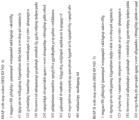
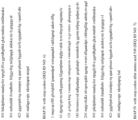
- Figure 1 depicts HIAP with a stop codon which is not claimed (SEQ ID NO: 4), bIAP II with a stop codon (SEQ ID NO: 5), and bIAP IV with a stop codon (SEQ ID NO: 6).
- the AP-based agent is bIAP IV and includes a stop codon after amino acid 508 to mimic a secreted PLAP construct as depicted in Figure 1 (SEQ ID NO: 7).
- the AP-based agent is hIAP.
- the AP-based agent is hIAP comprising the amino acid sequence of SEQ ID NO: 1 as depicted in Figure 1 or a variant as described herein, as long as the hIAP variant retains at least 80, 85, 90, 95, 98 or 100% of the phosphatase activity as compared to the wild type enzyme using an assay as outlined herein.
- hIAP amino acid modifications, with amino acid substitutions finding particular use.
- a cysteine at the carboxy terminus of the AP-based agent e.g., at position 500 of SEQ ID NO: 1
- the AP-based agent includes a mutation of the cysteine (e.g., at position 500 of SEQ ID NO: 1).
- the cysteine is replaced with any amino acid, although glycine finds particular use in some embodiments.
- the C-terminal cysteine can also be deleted.
- a stop codon may be inserted after the aspartate in the DAAH consensus site (e.g., at amino acid 503 of hIAP).
- Figure 1 depicts hIAP with an inserted stop codon which is not claimed (SEQ ID NO: 4).
- the IAP is bovine IAP (bIAP).
- the AP-based agent is bovine IAP II (bIAP II) or a variant as described herein, as long as the bIAP variant retains at least 80, 85, 90, 95, 98 or 100% of the phosphatase activity using an assay as outlined herein.
- the bIAP II comprises the signal peptide and carboxy terminus of bIAP I.
- the bIAP II comprises an aspartate at position 248 (similar to bIAP IV).
- the bIAP II comprises the amino acid sequence of SEQ ID NO: 2.
- Figure 1 depicts BIAP II with 248D assignment - SEQ ID NO: 2. The signal peptide and sequence past 480 are derived from bIAP I.
- bIAP II amino acid variants as described herein.
- a stop codon may be inserted after the aspartate in the DAAH consensus site (e.g., at amino acid 506 of bIAP II).
- Figure 1 depicts bIAP II with an inserted stop codon (SEQ ID NO: 5).
- the AP-based agent is bIAP IV or a variant thereof as described herein, as long as the bIAP IV variant retains at least 80, 85, 90, 95, 98 or 100% of the phosphatase activity using an assay as outlined herein.
- the bIAP IV comprises the amino acid sequence of SEQ ID NO: 3, as depicted in Figure 1 .
- bIAP IV amino acid variants as described herein.
- a stop codon may be inserted after the aspartate in the DAAH consensus site (e.g., at amino acid 503 of bIAP IV).
- Figure 1 depicts bIAP IV with an inserted stop codon (SEQ ID NO: 6).
- the AP-based agent is bIAP IV and includes a stop codon after amino acid 508 to mimic a secreted PLAP construct, as depicted in Figure 1 (SEQ ID NO: 7).
- the AP-based agent is derived from Bacillus subtilis.
- Bacillus subtilis is a Gram-positive bacterium found in soil and the GI tract of humans. Bacillus subtilis secretes high levels of proteins into the environment and in the human GI tract that are properly folded. Without wishing to be bound by theory, it is believed that Bacillus subtilis secreted proteins in the GI tract may be resistant to degradation by common GI proteases. Bacillus subtilis expresses at high levels an alkaline phosphatase multigene family.
- alkaline phosphatase IV is responsible for the majority of total alkaline phosphatase expression and activity in B. subtilis.
- the AP-based agent of the invention is derived from Bacillus licheniformis.
- the AP-based agent of the invention is derived from Escherichia coli.
- the AP-based agent of the invention is derived from alkaline phosphatase IV of Bacillus subtilis.
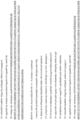
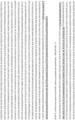
- the bacterial alkaline phosphatase may have nucleotide and amino acid sequences as depicted in Figure 1 , including Bacillus subtilis JH642 alkaline phosphatase IV, mature protein nucleotide sequence - SEQ ID NO: 16 (not claimed); and Bacillus subtilis JH642 alkaline phosphatase IV, mature protein amino acid sequence which is not claimed - SEQ ID NO: 17, or variants as described herein, as long as the hIAP variant retains at least 80, 85, 90, 95, 98 or 100% of the phosphatase activity using an assay as outlined herein.
- the AP-based agents include bacterial alkaline phosphatases that have one or more mutations that alter catalytic activity.
- the bacterial alkaline phosphatases include one or more mutations such that their catalytic activity is similar or higher than mammalian alkaline phosphatases.
- the bacterial alkaline phosphatases include one or more mutations that alter their dephosphorylation profile.
- the bacterial alkaline phosphatases exhibit similar dephosphorylation profile as mammalian alkaline phosphatases.
- the bacterial alkaline phosphatases include one or more mutations that alter their activity at higher pH.
- the bacterial alkaline phosphatases of the invention exhibit similar activity at higher pH as mammalian alkaline phosphatases.
- the bacterial alkaline phosphatases include one or more mutations that alter their metal requirements.
- the bacterial alkaline phosphatases of the invention exhibit metal requirements (e.g., Mg) similar to mammalian alkaline phosphatases.
- the AP-based agent described but not claimed herein is derived from Bacillus subtilis JH642 alkaline phosphatase IV, and has one or more mutations at positions 101, 328, A330, and 374.
- the AP-based agent may include one or more of the following mutations: D101A, W328H, A330N and G374C.
- the AP-based agent comprises an alkaline phosphatase fused to a "fusion partner", which is a protein domain that is added either to the N- or C-terminus of the IAP domain, optionally including a linker.
- a fusion partner is a protein domain that is added either to the N- or C-terminus of the IAP domain, optionally including a linker.
- the alkaline phosphatase is fused to a protein domain that promotes protein folding and/or protein purification and/or protein dimerization and/or protein stability.
- the AP-based agent fusion protein has an extended serum half-life.
- the AP-based agent of the invention is an Fc fusion protein.
- the alkaline phosphatase is fused to an immunoglobulin Fc domain and/or hinge region.
- the AP-based agent of the invention comprises an alkaline phosphatase fused to the hinge region and/or Fc domain of IgG.
- the AP-based agent is fused to a Fc domain of IgG comprising one or more mutations.
- the one or more mutations in the Fc domain of IgG function to increase serum half-life and longevity.
- the Fc domain of IgG comprises one or more mutations at amino acid residues 251-256, 285-290, 308-314, 385-389 and 428-436, numbered according to the EU index as in Kabat (see Kabat et al., (1991) Sequences of Proteins of Immunological Interest, U.S. Public Health Service, National Institutes of Health, Washington, DC ).
- At least one of the amino acid substitutions in the Fc domain of IgG is at amino acid residue 252, 254, 256, 309, 311, 433 or 434.
- the amino acid substitution at amino acid residue 252 is a substitution with tyrosine, phenylalanine, tryptophan or threonine.
- the amino acid substitution at amino acid residue 254 is a substitution with threonine.
- the amino acid substitution at amino acid residue 256 is a substitution with serine, arginine, glutamine, glutamic acid, aspartic acid, or threonine.
- the amino acid substitution at amino acid residue 309 is a substitution with proline.
- the amino acid substitution at amino acid residue 311 is a substitution with serine.
- the amino acid substitution at amino acid residue 385 is a substitution with arginine, aspartic acid, serine, threonine, histidine, lysine, alanine or glycine.
- the amino acid substitution at amino acid residue 386 is a substitution with threonine, proline, aspartic acid, serine, lysine, arginine, isoleucine, or methionine.
- the amino acid substitution at amino acid residue 387 is a substitution with arginine, proline, histidine, serine, threonine, or alanine.
- the amino acid substitution at amino acid residue 389 is a substitution with proline, serine or asparagine.
- the amino acid substitution at amino acid residue 433 is a substitution with arginine, serine, isoleucine, proline, or glutamine.
- the amino acid substitution at amino acid residue 434 is a substitution with histidine, phenylalanine, or tyrosine.
- the Fc domain of IgG comprises one or more mutations at amino acid residue 252, 254, 256, 433, 434, or 436.
- the Fc domain of IgG includes a triple M252Y/S254T/T256E mutation or YTE mutation.
- the Fc domain of IgG includes a triple H433K/N434F/Y436H mutation or KFH mutation.
- the Fc domain of IgG includes a YTE and KFH mutation in combination.
- the one or more mutations in the Fc domain of IgG increases affinity for the neonatal Fc receptor (FcRn). In some examples, the one or more mutations in the Fc domain of IgG increases affinity for FcRn at a pH of about 6.0, about 6.1, about 6.2, about 6.3, about 6.4, or about 6.5.
- the alkaline phosphatase is fused to one or more of PEG, XTENylation (e.g. as rPEG), polysialic acid (POLYXEN), albumin, elastin-like protein, elastin like protein (ELP), PAS, HAP, GLK, CTP, and transferrin.
- the alkaline phosphatase is fused to one or more of the agents described in BioDrugs (2015) 29:215-239 .
- the alkaline phosphatase is fused to a protein domain (e.g., an immunoglobulin Fc domain) via a linker to the GPI anchor site.
- the alkaline phosphatase may be fused to a protein domain via the aspartate at the GPI anchor sequence.
- the linker may be derived from naturally-occurring multi-domain proteins or are empirical linkers as described, for example, in Chichili et al., (2013), Protein Sci. 22(2):153-167 , Chen et al., (2013), Adv Drug Deliv Rev. 65(10):1357-1369 .
- the linker may be designed using linker designing databases and computer programs such as those described in Chen et al., (2013), Adv Drug Deliv Rev. 65(10):1357-1369 and Crasto et al.,
- the linker may be functional.
- the linker may function to improve the folding and/or stability, improve the expression, improve the pharmacokinetics, and/or improve the bioactivity of the present AP-based agent.
- the linker may function to target the AP-based agent to a particular cell type or location.
- the linker is a polypeptide. In some examples, the linker is less than about 100 amino acids long. For example, the linker may be less than about 100, about 95, about 90, about 85, about 80, about 75, about 70, about 65, about 60, about 55, about 50, about 45, about 40, about 35, about 30, about 25, about 20, about 19, about 18, about 17, about 16, about 15, about 14, about 13, about 12, about 11, about 10, about 9, about 8, about 7, about 6, about 5, about 4, about 3, or about 2 amino acids long. In some examples, the linker is flexible. In another embodiment, the linker is rigid.
- the linker is substantially comprised of glycine and serine residues (e.g. about 30%, or about 40%, or about 50%, or about 60%, or about 70%, or about 80%, or about 90%, or about 95%, or about 97% glycines and serines).
- the linker sequence is GGSGGSGGGGSGGGGS (SEQ ID NO: 18).
- the linker is a hinge region of an antibody (e.g., of IgG, IgA, IgD, and IgE, inclusive of subclasses (e.g. IgG1, IgG2, IgG3, and IgG4, and IgA1 and IgA2)).
- the linker is a synthetic linker such as PEG.
- Illustrative Fc fusion constructs include those depicted in Figure 1 , including BIAP II with Fc Fusion which is not claimed (SEQ ID NO: 8) - Fc domain underlined; and BIAP IV with Fc Fusion (SEQ ID NO: 9) - Fc domain underlined, which is not claimed.
- C-terminal fusions for pro-enzyme functions are also provided but not claimed herein.
- mammalian alkaline phosphatases may also be generated as inactive pro-enzymes. This is because alkaline phosphatases can dephosphorylate ATP, so that activity in the ER could drain the ER of its major energy source.
- the inhibitory function is located to the carboxy terminus that would be relieved upon GPI anchor addition. Alternatively, other activities such as folding or metal (Zn or Mg) inclusion could control activity.
- the AP-based agent is a pro-enzyme.
- the activity of the proenzyme is suppressed by a carboxy terminus.
- protease removal of the carboxy terminus reactivates the enzymatic activity of the alkaline phosphatase.
- the pro-enzyme is more efficiently secreted than the enzyme without the carboxy terminus.
- a Saccharomyces alkaline phosphatase, Pho8, is produced as an inactive pro-enzyme. It is not GPI anchored, but is a transmembrane protein with its amino terminus extending out of a lysosome into the cytoplasm. Within the lysosome, an enzyme, PEP4, cleaves the carboxy terminus to activate the enzyme.
- the native carboxy terminus of the alkaline phosphatase is replaced with the analogous sequence from hPLAP.
- a mutation is made in the hydrophobic carboxy tail to promote protein secretion without cleavage of the carboxy terminus.
- a single point mutation such as a substitution of leucine with e.g., arginine is generated in the hydrophobic carboxy terminus (e.g. ALLPLLAGTL is changed to e.g., ALLPLRAGTL) to result in secretion of the enzyme without removal of the carboxy terminus.
- the AP-based agent is altered to include a specific enzyme cleavage site which allows subsequent removal of the carboxy terminus.
- the AP-based agent includes a protease cleavage site.
- Illustrative protease cleavage sites include, cleavage sites recognized by furin, Rhinovirus 16 3C protease, factor Xa protease, trpysin, chymotrypsin, elastase, pepsin, papain subtilisin, thermolysin, V-8 protease, submaxillaris protease, clostripain, thrombin, collagenase, and any other endoproteases.
- the AP-based agent includes a cleavage site recognized by a digestive enzyme present in the GI tract.
- the AP-based agent may be administered as a pro-drug that is subsequently activated in the GI tract.
- the proenzyme is a proenzyme of bIAP IV having sequences depicted in Figure 1 , including BIAP IV with the hPLAP Carboxy Terminus and Mutation for Unprocessed Secretion and RV3C Cleavage (at ... LEVLFQGP%) (SEQ ID NO: 10) which is not claimed; and BIAP IV with hPLAP Carboxy Terminus and Mutation for Unprocessed Secretion and FXa Cleavage (at ...IEGR%) (SEQ ID NO: 11) which is not claimed.
- the AP-based agent is efficiently expressed and secreted from a host cell.
- the AP-based agent is efficiently transcribed in a host cell.
- the AP-based agent exhibits enhanced RNA stability and/or transport in a host cell.
- the AP-based agent is efficiently translated in a host cell.
- the AP-based agent exhibits enhanced protein stability.
- the AP-based agents are efficiently expressed in a host cell.
- the Kozak sequence of the DNA construct encoding the AP-based agent is optimized.
- the Kozak sequence is the nucleotide sequence flanking the ATG start codon that instructs the ribosome to start translation.
- the purine in the -3 position and the G in the +4 position are the most important bases for translation initiation.
- the second amino acid that is, the one after the initiator methionine, is glutamine.
- Codons for glutamine all have a C in the first position.
- their Kozak sequences all have an ATGC sequence.
- the ATGC sequence is changed to ATGG. This can be achieved by changing the second amino acid to a glycine, alanine, valine, aspartate, or glutamic acid, all of whose codons have a G in the first position. These amino acids may be compatible with signal peptide function.
- the entire signal peptide is substituted for peptide having a canonical Kozak sequence and is derived from a highly expressed protein such as an immunoglobulin.
- the signal peptide of the AP-based agent may be deleted and/or substituted.
- the signal peptide may be deleted, mutated, and/or substituted (e.g., with another signal peptide) to ensure protein expression.
- the DNA construct encoding the AP-based agent of the invention comprises untranslated DNA sequences.
- Such sequences include an intron, which may be heterologous to the IAP protein or native to the IAP protein including the native first and/or second intron and/or a native 3' UTR.
- the DNA construct encoding the AP-based agent comprises the 5'UTR and/or the 3'UTR.
- IAP DNA sequences with a first intron and a 3'UTR including hIAP with native first intron (shown as bolded and underlined) - SEQ ID NO: 12; hIAP with native 3' UTR (shown as bolded and underlined) - SEQ ID NO: 13; bIAP IV with the first intron from bIAP I (shown as bolded and underlined) - SEQ ID NO: 14; and bIAP IV with the 3' UTR from bIAP I (shown as bolded and underlined) - SEQ ID NO: 15, none of which are claimed.
- the AP-based agent comprises a nucleotide sequence having at least about 60% (e.g. about 60%, or about 61%, or about 62%, or about 63%, or about 64%, or about 65%, or about 66%, or about 67%, or about 68%, or about 69%, or about 70%, or about 71%, or about 72%, or about 73%, or about 74%, or about 75%, or about 76%, or about 77%, or about 78%, or about 79%, or about 80%, or about 81%, or about 82%, or about 83%, or about 84%, or about 85%, or about 86%, or about 87%, or about 88%, or about 89%, or about 90%, or about 91%, or about 92%, or about 93%, or about 94%, or about 95%, or about 96%, or about 97%, or about 98%, or about 99%) sequence identity with any of the sequences disclosed herein.
- 60% e.g. about 60%, or about 61%, or about 62%,
- the AP-based agent may comprise an amino acid sequence having one or more amino acid mutations relative to any of the protein sequences described herein.
- the one or more amino acid mutations may be independently selected from substitutions, insertions, deletions, and truncations.
- the substitutions may also include non-classical amino acids (e.g. selenocysteine, pyrrolysine, N-formylmethionine ⁇ -alanine, GABA and ⁇ -Aminolevulinic acid, 4-aminobenzoic acid (PABA), D-isomers of the common amino acids, 2,4-diaminobutyric acid, ⁇ -amino isobutyric acid, 4-aminobutyric acid, Abu, 2-amino butyric acid, ⁇ -Abu, ⁇ -Ahx, 6-amino hexanoic acid, Aib, 2-amino isobutyric acid, 3-amino propionic acid, ornithine, norleucine, norvaline, hydroxyproline, sarcosme, citrulline, homocitrulline, cysteic acid, t-butylglycine, t-butylalanine, phenylg
- non-classical amino acids
- Mutations may be made to the AP-based agent of the invention to select for agents with desired characteristics. For example, mutations may be made to generate AP-based agents with enhanced catalytic activity or protein stability. In various examples, directed evolution may be utilized to generate AP-based agents of the invention. For example, error-prone PCR and DNA shuffling may be used to identify mutations in the bacterial alkaline phosphatases that confer enhanced activity.
- the IAPs of the invention are made using standard molecular biology techniques.
- nucleic acid compositions encoding the IAPs of the invention are also provided, as well as expression vectors containing the nucleic acids and host cells transformed with the nucleic acid and/or expression vector compositions.
- expression vectors containing the nucleic acids and host cells transformed with the nucleic acid and/or expression vector compositions are also provided.
- protein sequences depicted herein can be encoded by any number of possible nucleic acid sequences, due to the degeneracy of the genetic code.
- the nucleic acids encoding the components of the invention can be incorporated into expression vectors as is known in the art, and depending on the host cells, used to produce the IAP compositions of the invention. Generally, the nucleic acids are operably linked to any number of regulatory elements (promoters, origin of replication, selectable markers, ribosomal binding sites, inducers, etc.).
- the expression vectors can be extra-chromosomal or integrating vectors.
- nucleic acids and/or expression vectors of the invention are then transformed into any number of different types of host cells as is well known in the art, including mammalian, bacterial, yeast, insect and/or fungal cells, with mammalian cells (e.g. CHO cells), finding use in many embodiments.
- mammalian cells e.g. CHO cells
- the IAPs of the invention are made by culturing host cells comprising the expression vector(s) as is well known in the art. Once produced, traditional purification steps are done.
- the formulation is resistant to compression and therefore suitable for tableting.
- the AP agents are provided in a powder form that is then tableted, e.g., by physical compression of dried materials.
- the AP-based agent of the invention is stable and/or active in the GI tract, e.g. in one or more of the mouth, esophagus, stomach, duodenum, small intestine, duodenum, jejunum, ileum, large intestine, colon transversum, colon descendens, colon ascendens, colon sigmoidenum, cecum, and rectum.
- the alkaline phosphatase is stable in the large intestine, optionally selected from one or more of colon transversum, colon descendens, colon ascendens, colon sigmoidenum and cecum.
- the alkaline phosphatase is stable in the small intestine, optionally selected from one or more of duodenum, jejunum, and ileum. In some examples, the alkaline phosphatase is resistant to proteases in the GI tract, including for example, the small intestine. In some examples, the alkaline phosphatase is substantially active at a pH of about 5.0 or above. For example, the alkaline phosphatase may be substantially active at a pH of about 6.0 to about 12, e.g.
- stable refers to an enzyme that has a long enough half-life and maintains sufficient activity for therapeutic effectiveness.
- the AP-based agent is stable in chyme.
- samples of AP-based agents are incubated in human chyme at 37C. Stability is then evaluated by assessing aliquots withdrawn from the incubated samples at 0, 0.5, 1, 2, 3, 4, 5, and 6 hours for AP activity using a para-nitrophenyl phosphate (pNPP) AP substrate.
- pNPP para-nitrophenyl phosphate
- Different chyme specimens can be used for evaluation of stability, including mixed chyme samples. Chyme samples are characterized for pH, liquid content, and protease activity.
- the AP-based agent is active in formulations until at least 2 weeks, 4 weeks, 8 weeks, 12 weeks, 16 weeks, 20 weeks, 24 weeks, 28 weeks, 32 weeks, 36 weeks, 40 weeks, 44 weeks, 48 weeks, or 52 weeks in storage.
- the AP-based agent is active at least at 45%, at least at 50%, at least at 55%, at least at 60%, at least at 65%, at least at 70%, or at least at 75% against the Sigma standard. In other words, the AP-based agent maintains activity after a given number of weeks of storage.
- the AP-based agent described herein includes derivatives that are modified, i.e., by the covalent attachment of any type of molecule to the alkaline phosphatase such that covalent attachment does not prevent the activity of the enzyme.
- derivatives include alkaline phosphatases that have been modified by, inter alia, glycosylation, lipidation, acetylation, pegylation, phosphorylation, amidation, derivatization by known protecting/blocking groups, proteolytic cleavage, linkage to a cellular ligand or other protein, etc.
- the derivative can contain one or more non- classical amino acids.
- the AP-based agent is glycosylated to ensure proper protein folding.
- the AP-based agent described herein can possess a sufficiently basic functional group, which can react with an inorganic or organic acid, or a carboxyl group, which can react with an inorganic or organic base, to form a pharmaceutically acceptable salt.
- a pharmaceutically acceptable acid addition salt is formed from a pharmaceutically acceptable acid, as is well known in the art.
- Such salts include the pharmaceutically acceptable salts listed in, for example, Journal of Pharmaceutical Science, 66, 2-19 (1977 ) and The Handbook of Pharmaceutical Salts; Properties, Selection, and Use. P. H. Stahl and C. G. Wermuth (eds.), Verlag, Zurich (Switzerland) 2002 .
- Suitable bases include, hydroxides of alkali metals such as sodium, potassium, and lithium; hydroxides of alkaline earth metal such as calcium and magnesium; hydroxides of other metals, such as aluminum and zinc; ammonia, and organic amines, such as unsubstituted or hydroxy-substituted mono-, di-, or tri-alkylamines, dicyclohexylamine; tributyl amine; pyridine; N-methyl, N-ethylamine; diethylamine; triethylamine; mono-, bis-, or tris-(2-OH-lower alkylamines), such as mono-; bis-, or tris-(2-hydroxyethyl)amine, 2-hydroxy-tert-butylamine, or tris-(hydroxymethyl)methylamine,
- compositions described herein are in the form of pharmaceutically acceptable salts.
- the formulation comprises 5%, about 10%, about 15%, about 20%, about 25%, about 30%, about 31%, about 32%, about 33%, about 34%, about 35%, about 36%, about 37%, about 38%, about 39%, about 40%, about 41%, about 42%, about 43%, about 43%, about 44%, about 45%, about 46%, about 47%, about 48%, about 49%, or about 50% by weight pharmaceutically acceptable salts.
- any AP-based agent described herein can be administered to a subject as a component of a composition that comprises a pharmaceutically acceptable carrier or vehicle.
- Such compositions can optionally comprise a suitable amount of a pharmaceutically acceptable excipient so as to provide the form for proper administration.
- Pharmaceutical excipients can be liquids, such as water and oils, including those of petroleum, animal, vegetable, or synthetic origin, such as peanut oil, soybean oil, mineral oil, sesame oil and the like.
- the pharmaceutical excipients can be, for example, saline, gum acacia, gelatin, starch paste, talc, keratin, colloidal silica, urea and the like.
- auxiliary, stabilizing, thickening, lubricating, and coloring agents can be used.
- the pharmaceutically acceptable excipients are sterile when administered to a subject. Water is a useful excipient when any agent described herein is administered intravenously.
- Saline solutions and aqueous dextrose and glycerol solutions can also be employed as liquid excipients, specifically for injectable solutions.
- suitable pharmaceutical excipients also include starch, glucose, cellulose, hypromellose, lactose, sucrose, trehalose, malt, rice, flour, chalk, silica gel, sodium stearate, glycerol monostearate, talc, sodium chloride, dried skim milk, glycerol, propylene, glycol, povidone, crosspovidone, water, ethanol and the like.
- Any agent described herein, if desired, can also comprise minor amounts of wetting or emulsifying agents, or pH buffering agents.
- suitable pharmaceutical excipients are described in Remington's Pharmaceutical Sciences 1447-1676 (Alfonso R. Gennaro eds., 19th ed. 1995 ).
- the AP-based agent and/or pharmaceutical compositions can include a solubilizing agent.
- the agents can be delivered with a suitable vehicle or delivery device.
- Combination therapies outlined herein can be co-delivered in a single delivery vehicle or delivery device.
- AP-based agent and/or pharmaceutical compositions in various formulations.
- Any AP-based agent and/or pharmaceutical composition (and/or additional therapeutic agents) described herein can take the form of tablets, pills, pellets, capsules, capsules containing liquids, capsules containing multiparticulates, powders, solutions, emulsion, drops, suppositories, emulsions, aerosols, sprays, suspensions, delayed-release formulations, sustained-release formulations, controlled-release formulations, or any other form suitable for use.
- the formulations comprising the AP-based agent and/or pharmaceutical compositions (and/or additional therapeutic agents) may conveniently be presented in unit dosage forms.
- the dosage forms may be prepared by methods which include the step of bringing the therapeutic agents into association with a carrier, which constitutes one or more accessory ingredients.
- the formulations are prepared by uniformly and intimately bringing the therapeutic agent into association with a liquid carrier, a finely divided solid carrier, or both, and then, if necessary, shaping the product into dosage forms of the desired formulation (e.g., wet or dry granulation, powder blends, etc., followed by press tableting).
- the AP-based agent (and/or additional therapeutic agents) described herein is formulated as a composition adapted for a mode of administration described herein.
- compositions for oral delivery can be in the form of tablets, lozenges, aqueous or oily suspensions, granules, powders, sprinkles, emulsions, capsules, syrups, or elixirs, for example.
- Orally administered compositions can comprise one or more agents, for example, sweetening agents such as fructose, aspartame or saccharin; flavoring agents such as peppermint, oil of wintergreen, or cherry; coloring agents; and preserving agents, to provide a pharmaceutically palatable preparation.
- compositions can be coated to delay disintegration to provide a sustained action over an extended period of time.
- Selectively permeable membranes surrounding an osmotically active agent driving any alkaline phosphatase (and/or additional therapeutic agents) described herein are also suitable for orally administered compositions.
- fluid from the environment surrounding the capsule is imbibed by the driving compound, which swells to displace the agent or agent composition through an aperture.
- delivery platforms can provide an essentially zero order delivery profile as opposed to the spiked profiles of immediate release formulations.
- a time-delay material such as glycerol monostearate or glycerol stearate can also be useful.
- Oral compositions can include excipients such as mannitol, lactose, starch, magnesium stearate, sodium saccharin, cellulose, ethacrylic acid and derivative polymers thereof, and magnesium carbonate.
- the excipients are of pharmaceutical grade.
- Suspensions in addition to the active compounds, may contain suspending agents such as, for example, ethoxylated isostearyl alcohols, polyoxyethylene sorbitol and sorbitan esters, microcrystalline cellulose, aluminum metahydroxide, bentonite, agar-agar, tragacanth, etc., and mixtures thereof.
- the AP-based agent and/or pharmaceutical compositions (and/or additional therapeutic agent) are formulated as solid dosage forms such as tablets, dispersible powders, granules, and capsules.
- the AP-based agent and/or pharmaceutical compositions (and/or additional therapeutic agent) are formulated as a capsule.
- the AP-based agent and/or pharmaceutical compositions (and/or additional therapeutic agent) are formulated as a tablet.
- the AP-based agent and/or pharmaceutical compositions (and/or additional therapeutic agent) are formulated as a soft-gel capsule.
- the AP-based agent and/or pharmaceutical compositions (and/or additional therapeutic agent) are formulated as a gelatin capsule.
- Dosage forms suitable for parenteral administration include, for example, solutions, suspensions, dispersions, emulsions, and the like. They may also be manufactured in the form of sterile solid compositions (e.g. lyophilized composition), which can be dissolved or suspended in sterile injectable medium immediately before use. They may contain, for example, suspending or dispersing agents.
- the formulations of the AP-based agents may additionally comprise a pharmaceutically acceptable carrier or excipient.
- a pharmaceutically acceptable carrier or excipient As one skilled in the art will recognize, the formulations can be in any suitable form appropriate for the desired use and route of administration.
- the agents described herein are mixed with at least one inert, pharmaceutically acceptable excipient or carrier such as sodium citrate, dicalcium phosphate, etc., and/or a) fillers or extenders such as starches, lactose, sucrose, glucose, mannitol, silicic acid, microcrystalline cellulose, and Bakers Special Sugar, etc., b) binders such as, for example, carboxymethylcellulose, alginates, gelatin, polyvinylpyrrolidone, sucrose, acacia, polyvinyl alcohol, polyvinylpyrrolidone, methylcellulose, hydroxypropyl cellulose (HPC), and hydroxymethyl cellulose etc., c) humectants such as glycerol, etc., d) disintegrating agents such as agar-agar, calcium carbonate, potato or tapioca starch, alginic acid, certain silicates, sodium carbonate, cross-linked polymers such as crospovidone (cross-
- the formulation can additionally include a surface active agent.
- Surface active agents described but not claimed herein include any pharmaceutically acceptable, non-toxic surfactant.
- Classes of surfactants suitable for use in the compositions include polyethoxylated fatty acids, PEG-fatty acid diesters, PEG-fatty acid mono- and di-ester mixtures, polyethylene glycol glycerol fatty acid esters, alcohol-oil transesterification products, polyglycerized fatty acids, propylene glycol fatty acid esters, mixtures of propylene glycol esters-glycerol esters, mono- and diglycerides, sterol and sterol derivatives, polyethylene glycol sorbitan fatty acid esters, polyethylene glycol alkyl ethers, sugar esters, polyethylene glycol alkyl phenols, polyoxyethylene-olyoxypropylene block copolymers, sorbitan fatty acid esters, lower alcohol fatty acid esters, ionic surfactants, and mixtures thereof.
- compositions may comprise one or more surfactants including, but not limited to, sodium lauryl sulfate, polysorbate 20, polysorbate 40, polysorbate 60, polysorbate 80, and triethyl citrate.
- surfactants including, but not limited to, sodium lauryl sulfate, polysorbate 20, polysorbate 40, polysorbate 60, polysorbate 80, and triethyl citrate.
- the formulation can also contain pharmaceutically acceptable plasticizers to obtain the desired mechanical properties such as flexibility and hardness.
- plasticizers include, but are not limited to, triacetin, citric acid esters, triethyl citrate, phthalic acid esters, dibutyl sebacate, cetyl alcohol, polyethylene glycols, polysorbates or other plasticizers.
- the formulation can also include one or more application solvents.
- Some of the more common solvents that can be used to apply, for example, a delayed-release coating composition include isopropyl alcohol, acetone, methylene chloride and the like.
- the formulation can also include one or more alkaline materials.
- Alkaline material suitable for use in compositions of the invention include, but are not limited to, sodium, potassium, calcium, magnesium and aluminum salts of acids such as phosphoric acid, carbonic acid, citric acid and other aluminum/magnesium compounds.
- the alkaline material may be selected from antacid materials such as aluminum hydroxides, calcium hydroxides, magnesium hydroxides and magnesium oxide.
- the formulation additionally includes magnesium and/or zinc.
- the inclusion of magnesium and/or zinc in the formulation promotes protein folding (e.g., dimer formation) and bioactivity of the AP-based agent.
- the formulation can include magnesium at a concentration of from about 1 ⁇ M to greater than 500 mM (e.g., from about 1 ⁇ M to more than 5 mM), inclusive of all ranges and values therebetween.
- the magnesium is present in the formulation at 1.0 mM.
- the formulation can include zinc at a concentration of about 1 ⁇ M to greater than 100 mM (e.g., from about 1 ⁇ M to more than 1 mM), inclusive of all ranges and values therebetween.
- the zinc is present in the formulation at 0.1 mM.
- the formulation of the present invention is substantially free of metal chelators.
- the pH of the formulation ensures that the AP-based agent is properly folded (e.g., dimer formation) and is bioactive.
- the formulation is maintained at a pH such that the amino acids which coordinate the binding of magnesium and/or zinc within the AP-based agent are not protonated. Protonation of such coordinating amino acids may lead to loss of metal ions and bioactivity and dimer disassociation.
- the pH of the formulation is greater than about 6, about 6.5, about 7, about 7.5, about 8, about 8.5, about 9, about 9.5, about 10, about 10.5, about 11, about 11.5, or about 12.
- the oral compositions can also include adjuvants such as sweetening, flavoring, and perfuming agents.
- the alkaline phosphatase and/or pharmaceutical compositions (and/or additional therapeutic agents) described herein may be formulated for delivery to the GI tract.
- the GI tract includes organs of the digestive system such as mouth, esophagus, stomach, duodenum, small intestine, large intestine and rectum and includes all subsections thereof (e.g. the small intestine may include the duodenum, jejunum and ileum; the large intestine may include the colon transversum, colon descendens, colon ascendens, colon sigmoidenum and cecum).
- the alkaline phosphatases and/or pharmaceutical compositions (and/or additional therapeutic agents) described herein may be formulated for delivery to one or more of the stomach, small intestine, large intestine and rectum and includes all subsections thereof (e.g. duodenum, jejunum and ileum, colon transversum, colon descendens, colon ascendens, colon sigmoidenum and cecum).
- the compositions described herein may be formulated to deliver to the upper or lower GI tract.
- the alkaline phosphatases and/or pharmaceutical compositions (and/or additional therapeutic agents) may be administered to a subject, by, for example, directly or indirectly contacting the mucosal tissues of the GI tract.
- the administration of the AP-based agent and/or pharmaceutical compositions (and/or additional therapeutic agents) is into the GI tract via, for example, oral delivery, nasogastral tube, intestinal intubation (e.g. an enteral tube or feeding tube such as, for example, a jejunal tube or gastro-jejunal tube, etc.), direct infusion (e.g., duodenal infusion), endoscopy, colonoscopy, or enema.
- intestinal intubation e.g. an enteral tube or feeding tube such as, for example, a jejunal tube or gastro-jejunal tube, etc.
- direct infusion e.g., duodenal infusion
- endoscopy colonoscopy
- colonoscopy enema
- the present invention provides modified release formulations comprising at least one AP-based agent (and/or additional therapeutic agents), wherein the formulation releases a substantial amount of the AP-based agent (and/or additional therapeutic agents) into one or more regions of the GI tract.
- the formulation may release at least about 60% of the AP-based agent after the stomach and into one or more regions of the GI tract.
- the modified-release formulation of the present invention releases at least 60% of the AP-based agent (or additional therapeutic agents) after the stomach into one or more regions of the intestine.
- the modified-release formulation of the present invention releases at least 60% of the AP-based agent (or additional therapeutic agents) in the small intestine.
- the modified-release formulation releases at least 60%, at least 61%, at least 62%, at least 63%, at least 64%, at least 65%, at least 66%, at least 67%, at least 68%, at least 69%, at least 70%, at least 71%, at least 72%, at least 73%, at least 74%, at least 75%, at least 76%, at least 77%, at least 78%, at least 79%, at least 80%, at least 81%, at least 82%, at least 83%, at least 84%, at least 85%, at least 86%, at least 87%, at least 88%, at least 89%, at least 90%, at least 91%, at least 92%, at least 93%, at least 94%, at least 95%, at least 96%, at least 97%, at least 98%, at least 99%, or 100% of the AP-based agent (or additional therapeutic agents) in
- the modified-release formulation of the present invention releases at least 60% of the AP-based agent (or additional therapeutic agents) in the large intestine.
- the modified-release formulation releases at least 60%, at least 61%, at least 62%, at least 63%, at least 64%, at least 65%, at least 66%, at least 67%, at least 68%, at least 69%, at least 70%, at least 71%, at least 72%, at least 73%, at least 74%, at least 75%, at least 76%, at least 77%, at least 78%, at least 79%, at least 80%, at least 81%, at least 82%, at least 83%, at least 84%, at least 85%, at least 86%, at least 87%, at least 88%, at least 89%, at least 90%, at least 91%, at least 92%, at least 93%, at least 94%, at least 95%, at least 96%, at least 97%, at least 98%, at least 99%, or 100% of the AP-based agent (or additional therapeutic agents) in
- the modified-release formulation does not substantially release the AP-based agent (or additional therapeutic agents) in the stomach.
- the modified-release formulation releases the AP-based agent (or additional therapeutic agents) above a specific pH.
- the modified-release formulation is substantially stable in an acidic environment and substantially unstable (e.g., dissolves rapidly or is physically unstable) in a near neutral to alkaline environment.
- stability is indicative of not substantially releasing while instability is indicative of substantially releasing.
- the modified-release formulation is substantially stable at a pH of about 7.0 or less, or about 6.5 or less, or about 6.0 or less, or about 5.5 or less, or about 5.0 or less, or about 4.5 or less, or about 4.0 or less, or about 3.5 or less, or about 3.0 or less, or about 2.5 or less, or about 2.0 or less, or about 1.5 or less, or about 1.0 or less.
- the formulations are stable in lower pH areas and therefore do not substantially release in, for example, the stomach.
- the modified-release formulation is substantially stable at a pH of about 1 to about 5 or lower and substantially unstable at pH values that are greater. In these examples, the modified-release formulation does not substantially release in the stomach.
- the modified-release formulation substantially releases in the small intestine (e.g. one or more of the duodenum, jejunum, and ileum) and/or large intestine (e.g. one or more of the cecum, ascending colon, transverse colon, descending colon, and sigmoid colon).
- modified-release formulation is substantially stable at a pH of about 4 to about 7 or lower and consequentially is substantially unstable at pH values that are greater and therefore is not substantially released in the stomach and/or proximal small intestine (e.g. one or more of the duodenum, jejunum).
- the modified-release formulation substantially releases in the distal small intestine or large intestine (e.g.
- the pH values recited herein may be adjusted as known in the art to account for the state of the subject, e.g. whether in a fasting or postprandial state.
- the modified-release formulation is substantially stable in gastric fluid and substantially unstable in intestinal fluid and, accordingly, is substantially released in the small intestine (e.g. one or more of the duodenum, jejunum, and ileum) and/or large intestine (e.g. one or more of the cecum, ascending colon, transverse colon, descending colon, and sigmoid colon).
- small intestine e.g. one or more of the duodenum, jejunum, and ileum
- large intestine e.g. one or more of the cecum, ascending colon, transverse colon, descending colon, and sigmoid colon.
- the modified-release formulation is stable in gastric fluid or stable in acidic environments. These modified-release formulations release about 30% or less by weight of the alkaline phosphatase and/or additional therapeutic agent in the modified-release formulation in gastric fluid with a pH of about 4 to about 5 or less, or simulated gastric fluid with a pH of about 4 to about 5 or less, in about 15, or about 30, or about 45, or about 60, or about 90 minutes.
- Modified-release formulations described herein may release from about 0% to about 30%, from about 0% to about 25%, from about 0% to about 20%, from about 0% to about 15%, from about 0% to about 10%, about 5% to about 30%, from about 5% to about 25%, from about 5% to about 20%, from about 5% to about 15%, from about 5% to about 10% by weight of the alkaline phosphatase and/or additional therapeutic agent in the modified-release formulation in gastric fluid with a pH of 4-5, or less or simulated gastric fluid with a pH of 4-5 or less, in about 15, or about 30, or about 45, or about 60, or about 90 minutes.
- Modified-release formulations described herein may release about 1%, about 2%, about 3%, about 4%, about 5%, about 6%, about 7%, about 8%, about 9%, or about 10% by weight of the total alkaline phosphatase and/or additional therapeutic agent in the modified-release formulation in gastric fluid with a pH of 5 or less, or simulated gastric fluid with a pH of 5 or less, in about 15, or about 30, or about 45, or about 60, or about 90 minutes.
- the modified-release formulation is unstable in intestinal fluid. These modified-release formulations release about 70% or more by weight of the alkaline phosphatase and/or additional therapeutic agent in the modified-release formulation in intestinal fluid or simulated intestinal fluid in about 15, or about 30, or about 45, or about 60, or about 90 minutes. In some examples, the modified-release formulation is unstable in near neutral to alkaline environments. These modified-release formulations release about 70% or more by weight of the alkaline phosphatase and/or additional therapeutic agent in the modified-release formulation in intestinal fluid with a pH of about 4-5 or greater, or simulated intestinal fluid with a pH of about 4-5 or greater, in about 15, or about 30, or about 45, or about 60, or about 90 minutes.
- a modified-release formulation that is unstable in near neutral or alkaline environments may release 70% or more by weight of alkaline phosphatase and/or additional therapeutic agent in the modified-release formulation in a fluid having a pH greater than about 5 (e.g., a fluid having a pH of from about 5 to about 14, from about 6 to about 14, from about 7 to about 14, from about 8 to about 14, from about 9 to about 14, from about 10 to about 14, or from about 11 to about 14) in from about 5 minutes to about 90 minutes, or from about 10 minutes to about 90 minutes, or from about 15 minutes to about 90 minutes, or from about 20 minutes to about 90 minutes, or from about 25 minutes to about 90 minutes, or from about 30 minutes to about 90 minutes, or from about 5 minutes to about 60 minutes, or from about 10 minutes to about 60 minutes, or from about 15 minutes to about 60 minutes, or from about 20 minutes to about 60 minutes, or from about 25 minutes to about 90 minutes, or from about 30 minutes to about 60 minutes.
- simulated gastric fluid and simulated intestinal fluid examples include, those disclosed in the 2005 Pharmacopeia 23NF/28USP in Test Solutions at page 2858 and/or other simulated gastric fluids and simulated intestinal fluids known to those of skill in the art, for example, simulated gastric fluid and/or intestinal fluid prepared without enzymes.
- the modified-release formulation of the invention is substantially stable in chyme.
- the modified-release formulations described herein are designed for immediate release (e.g. upon ingestion).
- the modified-release formulations may have sustained-release profiles, i.e. slow release of the active ingredient(s) in the body (e.g., GI tract) over an extended period of time.
- the modified-release formulations may have a delayed-release profile, i.e.
- a composition can be enteric-coated to delay release of the active ingredient(s) until it reaches the small intestine or large intestine.
- the powder formulations are coated to provide protection of the active agent in the GI tract, including the stomach.
- the powder formulations can be encapsulated in an enterically- coated capsule.
- the powder formulations e.g. AP-based agent as a powder
- itself are coated with one or more coatings, e.g. one or more modified-release coatings as described herein (e.g. after a step of granulating the powder).
- the powder formulations e.g. AP-based agent as a powder
- the modified-release formulation may utilize one or more modified-release coatings such as delayed-release coatings to provide for effective, delayed yet substantial delivery of the alkaline phosphatase to the GI tract together with, optionally, additional therapeutic agents.
- modified-release coatings such as delayed-release coatings to provide for effective, delayed yet substantial delivery of the alkaline phosphatase to the GI tract together with, optionally, additional therapeutic agents.
- the modified-release formulation may utilize one or more modified-release coatings such as delayed-release coatings to provide for effective, delayed yet substantial delivery of the alkaline phosphatase to the intestines together with, optionally, other additional therapeutic agents.
- modified-release coatings such as delayed-release coatings to provide for effective, delayed yet substantial delivery of the alkaline phosphatase to the intestines together with, optionally, other additional therapeutic agents.
- the delayed-release coating includes an enteric agent that is substantially stable in acidic environments and substantially unstable in near neutral to alkaline environments.
- the delayed-release coating contains an enteric agent that is substantially stable in gastric fluid.
- the enteric agent can be selected from, for example, solutions or dispersions of methacrylic acid copolymers, cellulose acetate phthalate, hydroxypropylmethyl cellulose phthalate, polyvinyl acetate phthalate, carboxymethylethylcellulose, and EUDRAGIT ® -type polymer (poly(methacrylic acid, methylmethacrylate), hydroxypropyl methylcellulose acetate succinate, cellulose acetate trimellitate, shellac or other suitable enteric coating polymers.
- the polymers are described in international pharmacopeias such as Ph.Eur., USP/NF, DMF, and JPE.
- the EUDRAGIT ® -type polymers include, for example, EUDRAGIT ® FS 30D, L 30 D-55, L 100-55, L 100, L 12,5, L 12,5 P, RL 30 D, RL PO, RL 100, RL 12,5, RS 30 D, RS PO, RS 100, RS 12,5, NE 30 D, NE 40 D, NM 30 D, S 100, S 12,5, and S 12,5 P.
- Similar polymers include Kollicoat ® MAE 30 DP and Kollicoat ® MAE 100 P.
- one or more of EUDRAGIT ® FS 30D, L 30 D-55, L 100-55, L 100, L 12,5, L 12,5 P RL 30 D, RL PO, RL 100, RL 12,5, RS 30 D, RS PO, RS 100, RS 12,5, NE 30 D, NE 40 D, NM 30 D, S 100, S 12,5 S 12,5 P, Kollicoat ® MAE 30 DP and Kollicoat ® MAE 100 P is used. See also: (1) Thakral et al., "Eudragit®: A technology evaluation" Expert Opinion on Drug Delivery Vol. 10 (2013) pp.
- the enteric agent may be a combination of the foregoing solutions or dispersions.
- the delayed-release coating includes the enteric agent EUDRAGIT ® L 100.
- EUDRAGIT FS 30D there are various EUDRAGIT formulations that dissolve at rising pH, with formulations that dissolve at pH >5.5 (EUDRAGIT L30 D-550), pH >6.0 (EUDRAGIT L12, 5), and pH >7.0 (EUDRAGIT FS 30D). Since the ileum has the highest pH in the small intestine, ranging from 7.3 to 7.8, the use of EUDRAGIT FS 30D as an enteric agent, may delay dissolution until the ileum thereby localizing the release of the AP-based agent to the ileum. However, the jejunum has a pH that can range from 6.6 to 7.4, therefore, various EUDRAGIT formulations can be used to target release to this segment of the intestine.
- EUDRAGIT L100, EUDRAGIT S100, and triethyl citrate may be mixed together at a ratio of, for example, about 72.7/18.2/9.1, to form a coating that substantially releases at a pH of greater than about 6.2.
- EUDRAGIT L100, EUDRAGIT S100, and triethyl citrate may be mixed together at a ratio of, for example, about 30/60.9/9, to form a coating that substantially releases at a pH of greater than about 6.7.
- DuoCoat TM (Kuecept, Ltd.) may be used that uses two coatings of enteric polymers (like EUDRAGIT), an outer layer, and an inner layer of partially neutralized enteric polymer and a buffer agent.
- the DuoCoat TM technology allows more rapid release of the therapeutic agent initiated at the targeted pH compared to a single coating of the enteric polymer ( Liu et al., 2010, European J. Pharmaceutics and Biopharmaceuticals 47:311 ). Release was demonstrated to be targeted to the ileum and/or ileoceacal junction in 10 healthy volunteers ( Varum et al., 2013, European J. Pharmaceutics and Biopharmaceuticals 84:573 ).
- one or more coating system additives are used with the enteric agent.
- one or more PlasACRYLTM additives may be used as an anti-tacking agent coating additive.
- Illustrative PlasACRYLTM additives include, but are not limited to PlasACRYLTM HTP20 and PlasACRYLTM T20.
- the delayed-release coating may degrade as a function of time when in aqueous solution without regard to the pH and/or presence of enzymes in the solution.
- a coating may comprise a water insoluble polymer. Its solubility in aqueous solution is therefore independent of the pH.
- pH independent as used herein means that the water permeability of the polymer and its ability to release pharmaceutical ingredients is not a function of pH and/or is only very slightly dependent on pH.
- Such coatings may be used to prepare, for example, sustained release formulations.
- Suitable water insoluble polymers include pharmaceutically acceptable non-toxic polymers that are substantially insoluble in aqueous media, e.g., water, independent of the pH of the solution.
- Suitable polymers include, but are not limited to, cellulose ethers, cellulose esters, or cellulose ether-esters, i.e., a cellulose derivative in which some of the hydroxy groups on the cellulose skeleton are substituted with alkyl groups and some are modified with alkanoyl groups. Examples include ethyl cellulose, acetyl cellulose, nitrocellulose, and the like.
- insoluble polymers include, but are not limited to, lacquer, and acrylic and/or methacrylic ester polymers, polymers or copolymers of acrylate or methacrylate having a low quaternary ammonium content, or mixture thereof and the like.
- insoluble polymers include EUDRAGIT RS ® , EUDRAGIT RL ® , and EUDRAGIT NE ® .
- Insoluble polymers useful herein include polyvinyl esters, polyvinyl acetals, polyacrylic acid esters, butadiene styrene copolymers, and the like.
- colonic delivery is achieved by use of a slowly-eroding wax plug (e.g., various PEGS, including for example, PEG6000) or pectin.
- the present invention contemplates the use of a delayed-release coating that degrade as a function of time which comprises a swell layer comprising croscarmellos sodium and hydroxyproplycellulose.
- the formulation may further include an osmotic rupture coating that comprises ethylcellulose such as ethylcellulose dispersions.
- the stability of the modified-release formulation can be enzyme-dependent. Delayed-release coatings that are enzyme dependent will be substantially stable in fluid that does not contain a particular enzyme and substantially unstable in fluid containing the enzyme. The delayed-release coating will essentially disintegrate or dissolve in fluid containing the appropriate enzyme. Enzyme-dependent control can be brought about, for example, by using materials which release the active ingredient only on exposure to enzymes in the intestine, such as galactomannans. Also, the stability of the modified-release formulation can be dependent on enzyme stability in the presence of a microbial enzyme present in the gut flora. For example, the delayed-release coating may be degraded by a microbial enzyme present in the gut flora. In an example but not claimed herein, the delayed-release coating may be degraded by bacteria present in the small intestine. In another example but not claimed herein, the delayed-release coating may be degraded by bacteria present in the large intestine.
- the modified release formulation is designed for release in the colon.
- the modified release formulation may be formulated using a colon-specific drug delivery system (CODES) as described for example, in Li et al., AAPS PharmSciTech (2002), 3(4): 1-9 .
- CODES colon-specific drug delivery system
- Drug release in such a system is triggered by colonic microflora coupled with pH-sensitive polymer coatings.
- the formulation may be designed as a core tablet with three layers of polymer.
- the first coating is an acid-soluble polymer (e.g., EUDRAGIT E)
- the outer coating is enteric, along with a hydroxypropyl methylcellulose barrier layer interposed in between.
- colon delivery may be achieved by formulating the alkaline phosphatase (and/or additional therapeutic agent) with specific polymers that degrade in the colon such as, for example, pectin.
- the pectin may be further gelled or crosslinked with a cation such as a zinc cation.
- the formulation is in the form of ionically crosslinked pectin beads which are further coated with a polymer (e.g., EUDRAGIT polymer).
- Additional colon specific formulations include pressure-controlled drug delivery systems (prepared with, for example, ethylcellulose) and osmotic controlled drug delivery systems (i.e., ORDS-CT).
- Formulations for colon specific delivery of the AP-based agent (and/or additional therapeutic agents), as described herein, may be evaluated using, for example, in vitro dissolution tests. For example, parallel dissolution studies in different buffers may be undertaken to characterize the behavior of the formulations at different pH levels. Alternatively, in vitro enzymatic tests may be carried out. For example, the formulations may be incubated in fermenters containing suitable medium for bacteria, and the amount of drug released at different time intervals is determined. Drug release studies can also be done in buffer medium containing enzymes or rat or guinea pig or rabbit cecal contents and the amount of drug released in a particular time is determined.
- in vivo evaluations may be carried out using animal models such as dogs, guinea pigs, rats, and pigs.
- clinical evaluation of colon specific drug delivery formulations may be evaluated by calculating drug delivery index (DDI) which considers the relative ratio of RCE (relative colonic tissue exposure to the drug) to RSC (relative amount of drug in blood i.e. that is relative systemic exposure to the drug). Higher drug DDI indicates better colon drug delivery. Absorption of drugs from the colon may be monitored by colonoscopy and intubation.
- DDI drug delivery index
- the present formulations provide for substantial uniform dissolution of the AP-based agent (and/or additional therapeutic agent) in the area of release in the GI tract. In an embodiment, the present formulation minimizes patchy or heterogeneous release of the AP-based agent.
- the present invention provides for modified-release formulations that release multiple doses of the AP-based agent, at different locations along the intestines, at different times, and/or at different pH.
- the modified-release formulation comprises a first dose of the AP-based agent and a second dose of the AP-based agent, wherein the first dose and the second dose are released at different locations along the intestines, at different times, and/or at different pH.
- the first dose is released at the duodenum
- the second dose is released at the ileum.
- the first dose is released at the jejunum
- the second dose is released at the ileum.
- the first dose is released at a location along the small intestine (e.g., the duodenum), while the second dose is released along the large intestine (e.g., the ascending colon).
- the modified-release formulation may release at least one dose, at least two doses, at least three doses, at least four doses, at least five doses, at least six doses, at least seven doses, or at least eight doses of the AP-based agent at different locations along the intestines, at different times, and/or at different pH.
- the formulations of the present invention take the form of those as described in one or more of US Patent Nos. 8,535,713 and 8,9117,77 and US Patent Publication Nos. 20120141585 , 20120141531 , 2006/001896 , 2007/0292523 , 2008/0020018 , 2008/0113031 , 2010/0203120 , 2010/0255087 , 2010/0297221 , 2011/0052645 , 2013/0243873 , 2013/0330411 , 2014/0017313 , and 2014/0234418 .
- the formulations of the present invention take the form of those described in one or more of US Patent Nos. 4,196,564 ; 4,196,565 ; 4,247,006 ; 4,250,997 ; 4,268,265 ; 5,317,849 ; 6,572,892 ; 7,712,634 ; 8,074,835 ; 8,398,912 ; 8,440,224 ; 8,557,294 ; 8,646,591 ; 8,739,812 ; 8,810,259 ; 8,852,631 ; and 8,911,788 and US Patent Publication Nos. 2014/0302132 ; 2014/0227357 ; 20140088202 ; 20130287842 ; 2013/0295188 ; 2013/0307962 ; and 20130184290 .
- the process of formulating the AP-based agent is sufficiently gentle such that the tertiary structure of the AP-based agent (e.g., dimeric structure) is substantially intact.
- the process of formulating the AP-based agent includes a step of refolding the AP-based agent.
- the step of refolding the AP-based agent may include the addition of magnesium and/or cyclodextrin.
- the modified-release formulation is a modified-release powder formulation.
- Suitable dosage forms for oral use include, for example, solid dosage forms such as tablets, capsules, powders, and granules.
- the modified-release formulation is in the form of powders.
- the powdered formulations can be added to food (e.g. juices, strained and/or pureed foods (e.g. fruits, vegetables), sauces, infant formulas, milk, etc.).
- the modified-release formulation is packaged in the form of a sachet.
- the modified-release formulation is in the form of tablets.
- the modified-release formulation is in the form of tablets comprising powders.
- the modified-release formulation is in the form of capsules.
- the modified-release formulation is in the form of capsules comprising powders.
- the modified-release formulation is in the form of powders.
- the powders are formed by spray drying and/or by spray-dried dispersion (SDD) technology.
- the powders comprising AP-based agents are formed by dissolving AP-based agents and polymers in a solvent and then spray-drying the solution. The resulting powder comprises the AP-based agents dispersed within a solid polymeric matrix.
- the polymer is an enteric polymer that is substantially stable in acidic environments and substantially unstable in near neutral to alkaline environments.
- the enteric polymer is substantially stable in gastric fluid.
- Illustrative polymers include, but are not limited to, copovidone, polyvinyl caprolactam-polyvinyl acetate-polyethyleneglycol copolymer, poly(vinylpyrrolidinone) (PVP), hydroxypropylmethylcellulose or hypromellose (HPMC), hypromellose phthalate (HPMCP), hydroxypropylmethylcellulose or hypromellose acetate succinate (HPMCAS), methacrylate/methacrylic acid copolymer, and mixtures thereof.
- the polymer is HPMCAS.
- the poymer is HPMCAS LF, LG, MF, MG, HF, or HG.
- the polymer is HPMCAS-LF.
- solvents/buffers may be used for preparation of the powders described but not claimed herein.
- the solvents/buffers are organic solvents/buffers.
- Illustrative solvents/buffers that may be used to dissolve the AP-based agent and polymer prior to spray-drying include, ethanol, methanol, acetone, IPA, tetrahydrafuran, dichloromethane, and mixtures thereof.
- the solvent used is water such as distilled DI water.
- the buffer used is monosodium phosphate monohydrate.
- enzyme co-factors including zinc and magnesium are used.
- the enzyme co-factor zinc is used.
- the zinc is provided as zinc sulfate heptahydrate.
- the enzyme co-factor magnesium is used.
- the magnesium is provided as magnesium sulfate heptahydrate.
- the formulation includes a protein stabilizer such as trehalose, sucrose, lactose, mannitol, Tween 80, or polyvinyl alcohol.
- a protein stabilizer such as trehalose, sucrose, lactose, mannitol, Tween 80, or polyvinyl alcohol.
- the stabilizer is sucrose.
- the stabilizer is lactose.
- surfactants may be included for the preparation of the powders of the invention.
- the surfactants may be used as solubilizers or emulsifying agents.
- Illustrative surfactants include, vitamin E polyethylene glycol succinate, sorbitan monostearate - 60/80, polysorbate 20, polysorbate 80, and polyoxyl 40 hydrogenated castor oil.
- the powders comprising AP-based agents becomes a gel.
- the powders comprising an AP-based agent become a gel in the intestines.
- the AP-based agent is released from the gel into one or more regions of the intestines.
- at pH values greater than about 5 e.g. about 5, or 6, or 7, or 8, or 9
- the gel transforms back into the solution phase and releases the AP enzyme.
- the gel is used to control the release of the AP-based agent in the intestines.
- the AP-based agent is released from the gel into one or more of the group consisting of the small intestine, duodenum, jejunum, ileum, large intestine, colon transversum, colon descendens, colon ascendens, colon sigmoidenum, cecum, and rectum.
- the formulation is in the form of powders comprising the AP-based agent dispersed within a solid polymeric matrix.
- the powders are formed by dissolving AP-based agent and polymers in a solvent to form a solution that is subsequently spray-dried.
- the solution for spray-drying comprises about 0.1-1% by weight of AP-based agent.
- the AP-based agent may be present about 0.1%, about 0.15%, about 0.2%, about 0.25%, about 0.3%, about 0.35%, about 0.4%, about 0.45%, about 0.5%, about 0.55%, about 0.6%, about 0.65%, about 0.7%, about 0.75%, about 0.8%, about 0.85%, about 0.9%, about 0.95%, or about 1.0% by weight.
- the solution comprises about 1-10% by weight a polymer (e.g., HPMCAS-LF).
- the polymer may be present at about 1%, about 2%, about 3%, about 4%, about 5%, about 6%, about 7%, about 8%, about 9%, or about 10% by weight.
- the solution comprises about 0.05-0.5% by weight buffer (e.g., monosodium phosphate monohydrate).
- the buffer may be present at about 0.05%, about 0.06%, about 0.07%, about 0.08%, about 0.09%, about 0.10%, about 0.11%, about 0.12%, about 0.13%, about 0.14%, about 0.15%, about 0.16%, about 0.17%, about 0.18%, about 0.19%, about 0.20%, about 0.25%, about 0.30%, about 0.35%, about 0.40%, about 0.45%, or about 0.50% by weight.
- the solution comprises about 0.001-0.01% by weight zinc (e.g., zinc sulfate heptahhydrate).
- the zinc may be present at about 0.001%, about 0.002%, about 0.003%, about 0.004%, about 0.005%, about 0.006%, about 0.007%, about 0.008%, about 0.009%, or about 0.01% by weight.
- the solution comprises about 0.01-0.1% by weight magnesium (e.g., magnesium sulfate heptahhydrate).
- the magnesium may be present at about 0.01%, about 0.02%, about 0.03%, about 0.04%, about 0.05%, about 0.06%, about 0.07%, about 0.08%, about 0.09%, or about 0.1% by weight.
- the solution comprises about 0.1-1% by weight a protein stabilizer (e.g., trehalose).
- the protein stabilizer may be present at about 0.1%, about 0.2%, about 0.3%, about 0.4%, about 0.5%, about 0.6%, about 0.7%, about 0.8%, about 0.9%, or about 1% by weight.
- the solution comprises about 90-99.9% by weight solvent (e.g., water).
- solvent e.g., water
- the solvent may be present at about 90%, about 91%, about 92%, about 93%, about 94%, about 95%, about 96%, about 97%, about 98%, or about 99% by weight.
- the modified-release formulation of the invention is in the form of tablets or capsules.
- the modified-release formulation is in the form of tablets or capsules comprising the powders described herein.
- a variety of approaches for generating tablets or capsules may be utilized to include powders.
- tablets of the invention are generated by granulation such as dry granulation.
- the powders are pre-compressed and the resulting tablet or slug is milled to yield granules.
- the powders are pre-compressed with pressure rolls to yield granules.
- the powders are encapsulated into capsules.
- the capsule is a gelatin capsule, such as a hard gelatin capsule.
- the capsule is a hydroxypropyl methylcellulose (HPMC) capsule.
- HPMC hydroxypropyl methylcellulose
- the tablets or capsules comprise a delayed-release coating that includes an enteric agent that is substantially stable in acidic environments and substantially unstable in near neutral to alkaline environments.
- the delayed-release coating contains an enteric agent that is substantially stable in gastric fluid.
- the enteric agent can be selected from, for example, solutions or dispersions of methacrylic acid copolymers, cellulose acetate phthalate, hydroxypropylmethyl cellulose phthalate, polyvinyl acetate phthalate, carboxymethylethylcellulose, and EUDRAGIT ® -type polymer (poly(methacrylic acid, methylmethacrylate), hydroxypropyl methylcellulose acetate succinate, cellulose acetate trimellitate, shellac or other suitable enteric coating polymers.
- the polymers are described in international pharmacopeias such as Ph.Eur., USP/NF, DMF, and JPE.
- the EUDRAGIT ® -type polymers include, for example, EUDRAGIT ® FS 30D, L 30 D-55, L 100-55, L 100, L 12,5, L 12,5 P, RL 30 D, RL PO, RL 100, RL 12,5, RS 30 D, RS PO, RS 100, RS 12,5, NE 30 D, NE 40 D, NM 30 D, S 100, S 12,5, and S 12,5 P.
- Similar polymers include Kollicoat ® MAE 30 DP and Kollicoat ® MAE 100 P.
- the enteric agent may be a combination of the foregoing solutions or dispersions.
- the delayed-release coating includes the enteric agent EUDRAGIT ® L 100.
- the tablet or capsule is coated with the enteric agent at a coating weight of about 1-20% such as about 1%, about 2%, about 3%, about 4%, about 5%, about 6%, about 7%, about 8%, about 9%, about 10%, about 11%, about 12%, about 13%, about 14%, about 15%, about 16%, about 17%, about 18%, about 19%, or about 20% coating weight.
- the components of the formulations of the present invention are first mixed as a liquid solution (minus the magnesium-stearate) and then spray-dried together into a powder (SD powder). The spray-dried material is then compressed into a tablet (with magnesium-stearate). Tablets are then enteric-coated with either one or two layers of enteric coating.
- the formulation of the present invention is in the form of a tablet (e.g., formed by compressing spray-dried material (SD powder)) comprising an active alkaline phosphatase and enteric-coated.
- a tablet e.g., formed by compressing spray-dried material (SD powder)
- an active alkaline phosphatase and enteric-coated e.g., the alkaline phosphatase (e.g. bIAP, or the other alkaline phosphatase agents described herein, and variants thereof) may be present at about 45% by weight.
- the tablet formulation includes a sugar excipient (e.g., lactose, sucrose, or trehalose).
- a sugar excipient e.g., lactose, sucrose, or trehalose.
- the sugar excipient is present at about 45% by weight.
- the tablet formulations comprise between about 5-50% by weight a binder excipient (e.g., hydroxypropylcellulose (HPC) or hydroxypropyl methylcellulose acetate succinate (HPMCAS, optionally the HF, MF, or LF form).
- a binder excipient e.g., hydroxypropylcellulose (HPC) or hydroxypropyl methylcellulose acetate succinate (HPMCAS, optionally the HF, MF, or LF form.
- the binder excipient may be present at about 5%, about 6%, about 7%, about 8%, about 9%, or about 10%, about 15%, about 20%, about 25%, about 26%, about 27%, about 28%, about 29%, about 30%, about 31%, about 32%, about 33%, about 34%, or about 35% by weight.
- the tablet formulation does not comprise hydroxypropyl methylcellulose.
- the tablet formulation comprises between about 1-10% by weight of Ludipress (Lactose, povidone, crospovidone; CAS-No.: 5989-81-1 + 9003-39-8 ).
- Ludipress may be present at about 1%, about 2%, about 3%, about 4%, about 5%, about 6%, about 7%, about 8%, about 9%, or about 10% by weight.
- the tablet formulation further comprises buffer salts, optionally selected from a Tris base, magnesium chloride, zinc sulfate.
- the buffer salts are present at about 10% by weight.
- the tablet formulation comprises about 1% by weight of magnesium-stearate.
- the magnesium-stearate may be present at about 1.1%, about 1.2%, about 1.3%, about 1.4%, about 1.5%, about 1.6%, about 1.7%, about 1.8%, about 1.9%, or about 2% by weight.
- the weight as described herein refers to the total weight of all components.
- the tablet formulation comprises an enteric coating.
- the tablet formulation comprises between about 10-30% by weight of an enteric polymer (e.g., EUDRAGIT L30D 55 (poly(methacrylic acid - ethyl acrylate copolymer) 1:1)).
- the enteric polymer e.g., EUDRAGIT L30D 55
- the enteric polymer may be present at about about 10%, about 11%, about 12%, about 13%, about 14%, about 15%, about 16%, about 17%, about 18%, about 19%, about 20%, about 21%, about 22%, about 23%, about 24%, about 25%, about 26%, about 27%, about 28%, about 29%, or about 30% by weight.
- the tablet formulation comprises a second enteric coating.
- the tablet formulation comprises between about 1-30% by weight of a second enteric polymer (e.g., EUDRAGIT S100).
- the second enteric polymer e.g., EUDRAGIT S100
- the second enteric polymer may be present at about about 1%, about 2%, about 3%, about 4%, about 5%, about 6%, about 7%, about 8%, about 9%, about 10%, about 11%, about 12%, about 13%, about 14%, about 15%, about 16%, about 17%, about 18%, about 19%, about 20%, about 21%, about 22%, about 23%, about 24%, about 25%, about 26%, about 27%, about 28%, about 29%, or about 30% by weight.
- the tablet formulation comprises a first coating that serves as a subcoat prior to application of an enteric coating.
- the tablet formulation comprises between about 1-30% by weight subcoat (e.g., HPC).
- the subcoat e.g., HPC
- the subcoat may be present at about 1%, about 2%, about 3%, about 4%, about 5%, about 6%, about 7%, about 8%, about 9%, about 10%, about 11%, about 12%, about 13%, about 14%, about 15%, about 16%, about 17%, about 18%, about 19%, about 20%, about 21%, about 22%, about 23%, about 24%, about 25%, about 26%, about 27%, about 28%, about 29%, or about 30% by weight.
- the formulation is in the form of a tablet (e.g., formed by compressing spray-dried material (SD powder)) comprising an alkaline phosphatase and enterically coated.
- the kinetics of release differ based on formulation and enteric coating.
- the Formulation 1 tablets exhibit a sustained release profile.
- Formulation 1 tablets may dissolve and release some of the bIAP between a pH of 5.5 and pH 6.5, as assessed by in vitro dissolution assay, and in such embodiments, the bIAP is about 39% released from the tablet after 45 minutes of dissolution at pH 5.5 and about 72% released bIAP at 150 minutes at pH 6.5.
- the tablet formulation comprises between about 20-40%, about 25-35%, about 28-34%, about 29-33%, about 30-32%, or about 30-35% by weight of alkaline phosphatase (e.g. bIAP, or the other alkaline phophatase agents described herein, and variants thereof).
- the tablet formulation comprises between about 20-40%, about 25-35%, about 28-34%, about 29-33%, about 30-32%, or about 30-35% by weight sugar excipient (e.g., lactose, sucrose, or trehalose).
- the tablet formulations comprise between about 20-40%, about 25-35%, about 28-34%, about 29-33%, about 30-32%, or about 30-35% by weight a binder excipient (e.g., hydroxypropylcellulose (HPC) or hydroxypropyl methylcellulose acetate succinate (HPMCAS, optionally L, M, or H grade)).
- HPC hydroxypropylcellulose
- HPMCAS hydroxypropyl methylcellulose acetate succinate
- the tablet formulation does not comprise hydroxypropyl methylcellulose acetate succinate.
- the tablet formulation further comprises between about 1-13%, about 2-12%, about 3-11%, about 4-10%, about 5-9%, or about 6-8% by weight buffer salts, optionally selected from a Tris base, magnesium chloride, zinc sulfate.
- the tablet formulation comprises between about 0.5-2%, about 0.5-1.5%, or about 1-2% by weight of magnesium-stearate. The weight as described herein refers to the total weight of all components.
- the tablet formulation further comprises an enteric coating.
- the enteric coating is Eudragit L 30 D 55.
- the tablet formulation further comprises two coatings, wherein the first coating comprises a HPC (hydroxypropyl cellulose) subcoat and the second coating comprises Eudragit L 30 D 55.
- the tablet coating comprises between about 5-15%, about 6-14%, about 7-13%, about 8-12%, about 9-10% weight gain of an enteric polymer (e.g., EUDRAGIT L 30 D 55).
- the tablet is coated with about a 7%, 8%, 9%, 10%, 11% or 12% weight gain of Eudragit L 30 D 55.
- the tablet coating comprises between 1-15%, between 2-14%, between 3-13%, between 4-12%, between 5-11%, between 6-10%, between 7-9% weight gain of a HPC subcoat that serves to isolate the IAP from the acidic EUDRAGIT L 30 D 55 polymer.
- the tablet is coated with about a 5%, 6%, 7%, 8% or 9% weight gain HPC subcoat.
- the tablet formulation comprises about 31% by weight of the alkaline phosphatase (e.g. bIAP, or the other alkaline phosphatase agents described herein, and variants thereof); about 31% by weight sucrose; about 31% by weight a binder excipient (e.g., hydroxypropylcellulose (HPC) or hydroxypropyl methylcellulose acetate succinate (HPMCAS, optionally L, M, or H grade)); about 1% by weight of magnesium-stearate; and about 7% by weight buffer salts, optionally selected from a Tris base, magnesium chloride, zinc sulfate.
- HPC hydroxypropylcellulose
- HPMCAS hydroxypropyl methylcellulose acetate succinate
- buffer salts optionally selected from a Tris base, magnesium chloride, zinc sulfate.
- the weight as described herein refers to the total weight of all components.
- the tablet formulation comprises about 30.65% by weight of the alkaline phosphatase (e.g. bIAP, or the other alkaline phosphatase agents described herein, and variants thereof); about 30.65% by weight sucrose; about 30.65% by weight a binder excipient (e.g., hydroxypropylcellulose (HPC) or hydroxypropyl methylcellulose acetate succinate (HPMCAS, optionally L, M, or H grade)); about 1% by weight of magnesium-stearate; and about 7.05% by weight buffer salts, optionally selected from a Tris base, magnesium chloride, zinc sulfate.
- HPC hydroxypropylcellulose
- HPMCAS hydroxypropyl methylcellulose acetate succinate
- buffer salts optionally selected from a Tris base, magnesium chloride, zinc sulfate.
- the weight as described herein refers to the total weight of all components.
- the formulation is in the form of a tablet (e.g., formed by compressing spray-dried material (SD powder)) comprising an alkaline phosphatase and enterically coated.
- the kinetics of release differ based on formulation and enteric coating.
- Formulation 2 tablets exhibit fast-release, or burst, profiles.
- Formulation 2 tablets may dissolve and release some of the bIAP between a pH of 5.5 and pH 6.5, as assessed by in vitro dissolution assay, and the bIAP is 66% released from the tablet after 15 minutes of dissolution at pH 5.5 and then 86% released bIAP at 30 minutes at pH 6.5.
- the tablet formulation comprises about 25-45%, about 30-45%, about 30-40%, about 32.5-38.5%, about 33.5-37.5%, about 34.5-36.5%, or about 35-40% by weight of alkaline phosphatase (e.g. bIAP, or the other alkaline phophatase agents described herein, and variants thereof).
- the tablet formulation comprises about 25-45%, about 30-45%, about 30-40%, about 32.5-38.5%, about 33.5-37.5%, about 34.5-36.5%, or about 35-40% by weight excipient (e.g., lactose, sucrose, or trehalose).
- the tablet formulations comprise about 5-15%, about 6-14%, about 7-13%, about 8-12%, about 9-11% or about 10-15% by weight a binder excipient (e.g., hydroxypropylcellulose (HPC) or hydroxypropyl methylcellulose acetate succinate (HPMCAS, optionally L, M, or H grade)).
- a binder excipient e.g., hydroxypropylcellulose (HPC) or hydroxypropyl methylcellulose acetate succinate (HPMCAS, optionally L, M, or H grade
- the tablet formulation does not comprise hydroxypropyl methylcellulose acetate succinate.
- the tablet formulation comprises about 5-15%, about 6-14%, about 7-13%, about 8-12%, about 9-11% or about 10-15% by weight of Ludipress.
- the tablet formulation further comprises about 3-13%, about 4-12%, about 5-11%, about 6-10%, or about 7-9% by weight buffer salts, optionally selected from a Tris base, magnesium chloride, zinc sulfate.
- the tablet formulation comprises about 0.5-2%, about 0.5-1.5%, or about 1-2% by weight of magnesium-stearate. The weight as described herein refers to the total weight of all components.
- the tablet formulation further comprises an enteric coating.
- the enteric coating is Eudragit L 30 D 55.
- the tablet formulation further comprises two coatings, wherein the first coating comprises a HPC (hydroxypropyl cellulose) subcoat and the second coating comprises Eudragit L 30 D 55.
- the HPC subcoat serves to isolate the IAP from the acidic Eudragit L 30 D 55 polymer.
- the tablet coating comprises about 5-15%, about 6-14%, about 7-13%, about 8-12%, about 9-10% weight gain of an enteric polymer (e.g., EUDRAGIT L 30 D 55).
- the tablet is coated with about a 7%, 8%, 9%, 10%, 11% or 12% weight gain of Eudragit L 30 D 55.
- the tablet coating comprises between 1-15%, between 2-14%, between 3-13%, between 4-12%, between 5-11%, between 6-10%, between 7-9% weight gain of a HPC subcoat that serves to isolate the IAP from the acidic EUDRAGIT L 30 D 55 polymer.
- the tablet is coated with about a 5%, 6%, 7%, 8% or 9% weight gain HPC subcoat.
- the tablet formulation comprises about 35.5% by weight of the alkaline phosphatase (e.g. bIAP, or the other alkaline phosphatase agents described herein, and variants thereof); about 35.5% by weight sucrose; about 10% by weight a binder excipient (e.g., hydroxypropylcellulose (HPC) or hydroxypropyl methylcellulose acetate succinate (HPMCAS, optionally L, M, or H grade)); about 1% by weight of magnesium-stearate; about 10% Ludipress; about 8% by weight buffer salts, optionally selected from a Tris base, magnesium chloride, zinc sulfate.
- HPC hydroxypropylcellulose
- HPMCAS hydroxypropyl methylcellulose acetate succinate
- M hydroxypropyl methylcellulose acetate succinate
- buffer salts optionally selected from a Tris base, magnesium chloride, zinc sulfate.
- the weight as described herein refers to the total weight of all components.
- the tablet formulation comprises about 35.52% by weight of the alkaline phosphatase (e.g. bIAP, or the other alkaline phosphatase agents described herein, and variants thereof); about 35.52% by weight sucrose; about 9.9% by weight a binder excipient (e.g., hydroxypropylcellulose (HPC) or hydroxypropyl methylcellulose acetate succinate (HPMCAS, optionally L, M, or H grade)); about 1% by weight of magnesium-stearate; about 9.9% Ludipress; and about 8.17% by weight buffer salts, optionally selected from a Tris base, magnesium chloride, zinc sulfate.
- HPC hydroxypropylcellulose
- HPMCAS hydroxypropyl methylcellulose acetate succinate
- buffer salts optionally selected from a Tris base, magnesium chloride, zinc sulfate.
- the weight as described herein refers to the total weight of all components.
- the formulation described herein is in the form of a tablet (e.g., formed by compressing spray-dried material (SD powder)) comprising an alkaline phosphatase and enterically coated.
- the kinetics of release differ based on formulation and enteric coating.
- Formulation 3 tablets exhibit release profiles between sustained and fast-release.
- Formulation 3 tablets may dissolve and release some of the bIAP between a pH of 5.5 and pH 6.5, as assessed by in vitro dissolution assay, and in such embodiments, the bIAP is 43% released from the tablet after 30 minutes of dissolution at pH 5.5 and then 83% released bIAP at 75 minutes at pH 6.5.
- the uncoated tablet formulation comprises about 30-45%, about 35-45%, about 35-40%, about 36-44%, about 37-43%, about 38-42%, or about 39-41% by weight of alkaline phosphatase (e.g. bIAP, or the other alkaline phophatase agents described herein, and variants thereof).
- the tablet formulation comprises about 30-45%, about 35-45%, about 35-40%, about 36-44%, about 37-43%, about 38-42%, or about 39-41% by weight sugar excipient (e.g., lactose, sucrose, or trehalose).
- the tablet formulation does not comprise hydroxypropyl methylcellulose acetate succinate.
- the tablet formulation comprises about 5-15%, about 6-14%, about 7-13%, about 8-12%, about 9-11% or about 10-15% by weight of Ludipress. In some examples, the tablet formulation further comprises about 3-15%, about 4-14%, about 5-13%, about 6-12%, or about 7-11% by weight buffer salts, optionally selected from a Tris base, magnesium chloride, zinc sulfate. In some examples, the tablet formulation comprises about 0.5-2%, about 0.5-1.5%, or about 1-2% by weight of magnesium-stearate. The weight as described herein refers to the total weight of all components.
- the tablet formulation further comprises an enteric coating.
- the enteric coating is Eudragit L 30 D 55.
- the tablet formulation further comprises two coatings, wherein the first coating comprises a HPC (hydroxypropyl cellulose) subcoat and the second coating comprises Eudragit L 30 D 55.
- the HPC subcoats serves to isolate the IAP from the acidic Eudragit L 30 D 55 polymer.
- the tablet coating comprises about 5-15%, about 6-14%, about 7-13%, about 8-12%, about 9-10% weight gain of an enteric polymer (e.g., EUDRAGIT L 30 D 55).
- the tablet is coated with about a 7%, 8%, 9%, 10%, 11% or 12% weight gain of Eudragit L 30 D 55.
- the tablet coating comprises between 1-15%, between 2-14%, between 3-13%, between 4-12%, between 5-11%, between 6-10%, between 7-9% weight gain of a HPC subcoat that serves to isolate the IAP from the acidic EUDRAGIT L 30 D 55 polymer.
- the tablet is coated with about a 5%, 6%, 7%, 8% or 9% weight gain HPC subcoat.
- the tablet formulation comprises about 40% by weight of the alkaline phosphatase (e.g. bIAP, or the other alkaline phosphatase agents described herein, and variants thereof); about 40% by weight sucrose; 0% by weight a binder excipient (e.g., hydroxypropylcellulose (HPC) or hydroxypropyl methylcellulose acetate succinate (HPMCAS, optionally L, M, or H grade)); about 1% by weight of magnesium-stearate; about 10% Ludipress; and about 9% by weight buffer salts, optionally selected from a Tris base, magnesium chloride, zinc sulfate.
- HPC hydroxypropylcellulose
- HPMCAS hydroxypropyl methylcellulose acetate succinate
- buffer salts optionally selected from a Tris base, magnesium chloride, zinc sulfate.
- the weight as described herein refers to the total weight of all components.
- the tablet formulation uncoated comprises about 39.96% by weight of the alkaline phosphatase (e.g. bIAP, or the other alkaline phosphatase agents described herein, and variants thereof); about 39.96% by weight sucrose; 0% by weight a binder excipient (e.g., hydroxypropylcellulose (HPC) or hydroxypropyl methylcellulose acetate succinate (HPMCAS, optionally L, M, or H grade)); about 1% by weight of magnesium-stearate; about 9.9% Ludipress; and about 9.19% by weight buffer salts, optionally selected from a Tris base, magnesium chloride, zinc sulfate.
- HPC hydroxypropylcellulose
- HPMCAS hydroxypropyl methylcellulose acetate succinate
- buffer salts optionally selected from a Tris base, magnesium chloride, zinc sulfate.
- the weight as described herein refers to the total weight of all components.
- the coated tablet (coated with 15% Eudragit L30D 55) formulation comprises about 25-45%, about 27-43%, about 29-41%, about 30-40%, about 32-38%, or about 33-37% by weight of alkaline phosphatase (e.g. bIAP, or the other alkaline phosphatase agents described herein, and variants thereof).
- the coated tablet formulation comprises about 25-45%, about 27-43%, about 29-41%, about 30-40%, about 32-38%, or about 33-37% by weight sugar excipient (e.g., lactose, sucrose, or trehalose).
- the coated tablet formulation comprises about 5-11%, about 6-10%, about 7-9%, about 7-8% or about 8-10% by weight buffer salts, optionally chosen from a Tris base, magnesium chloride, and zinc sulfate. In some examples, the coated tablet formulation comprises about 5-12%, about 6-11%, about 7-10%, or about 8-9% by weight Ludipress. In an example, the coated tablet formulation comprises about 0.5-2%, about 0.5-1.5%, about 0.5-1%, about 1-2%, or about 1.5-2% by weight magnesium stearate. In some embodiments, the coated tablet formulation comprises about 0.5-2%, about 0.5-1.5%, about 0.5-1%, or about 1-2% by weight triethyl citrate (TEC).
- TEC triethyl citrate
- the coated tablet formulation comprises about 5-20%, about 7-18%, about 9-15%, or about 10-13% by weight Eudragit L30D 55. In some embodiments, the coated tablet formulation comprises about 2-12%, about 3-11%, about 4-10%, about 5-9%, or about 6-8% by weight HPC subcoat.
- the coated tablet (coated with 15% Eudragit L30D 55) formulation comprises about 35% by weight of alkaline phosphatase ((e.g. bIAP, or the other alkaline phosphatase agents described herein, and variants thereof); about 35% by weight sucrose; about 8% by weight buffer salts, optionally selected from a Tris base, magnesium chloride, and zinc sulfate; about 9% by weight Ludipress; about 1% by weight magnesium stearate; about 1% by weight triethyl citrate (TEC); and about 13% by weight Eudragit L30D 55.
- alkaline phosphatase (e.g. bIAP, or the other alkaline phosphatase agents described herein, and variants thereof); about 35% by weight sucrose; about 8% by weight buffer salts, optionally selected from a Tris base, magnesium chloride, and zinc sulfate; about 9% by weight Ludipress; about 1% by weight magnesium stearate; about
- the coated tablet (coated with a 7% HPC subcoat and 10% Eudragit L30D55) formulation comprises about 33.6% by weight of alkaline phosphatase ((e.g. bIAP, or the other alkaline phosphatase agents described herein, and variants thereof); about 33.6% by weight sucrose; about 7.7% by weight buffer salts, optionally selected from a Tris base, magnesium chloride, zinc sulfate; about 8.3% by weight Ludipress; about 0.84% by weight magnesium stearate; about 5.89% by weight HPC; about 0.9% by weight triethyl citrate (TEC); and about 9.01% by weight Eudragit L30D 55.
- alkaline phosphatase (e.g. bIAP, or the other alkaline phosphatase agents described herein, and variants thereof); about 33.6% by weight sucrose; about 7.7% by weight buffer salts, optionally selected from a Tris base, magnesium chloride, zinc sulfate; about
- the formulation of the present invention is in the form of a tablet (e.g., formed by compressing spray-dried material (SD powder)) comprising an alkaline phosphatase and enterically coated.
- the kinetics of release differ based on formulation and enteric coating.
- Formulation 4 tablets exhibit fast-release profiles. Specifically, Formulation 4 tablets may dissolve and release some of the bIAP between a pH of 5.5 and pH 6.5, and in such embodiments, the bIAP is 78% released from the tablet after 15 minutes of dissolution at pH 5.5 and then 87% released bIAP at 60 minutes at pH 6.5.
- the tablet formulation comprises about 45% by weight of alkaline phosphatase (e.g. bIAP, or the other alkaline phophatase agents described herein, and variants thereof).
- the tablet formulation comprises about 45% by weight sugar excipient (e.g., lactose, sucrose, or trehalose).
- the tablet formulation does not comprise hydroxypropyl methylcellulose acetate succinate.
- the tablet formulation further comprises about 10% by weight buffer salts, optionally selected from a Tris base, magnesium chloride, zinc sulfate.
- the tablet formulation comprises about 1% by weight of magnesium-stearate.
- the weight as described herein refers to the total weight of all components.
- the tablet formulation further comprises an enteric coating.
- the enteric coating is Eudragit L 30 D 55.
- the tablet formulation further comprises two coatings, wherein the first coating comprises a HPC (hydroxypropyl cellulose) subcoat and the second coating comprises Eudragit L 30 D 55.
- the HPC subcoat serves to isolate the IAP from the acidic Eudragit L 30 D 55 polymer.
- the tablet coating comprises about 5-15%, about 6-14%, about 7-13%, about 8-12%, about 9-10% weight gain of an enteric polymer (e.g., EUDRAGIT L 30 D 55).
- the tablet is coated with about a 7%, 8%, 9%, 10%, 11% or 12% weight gain of Eudragit L 30 D 55. In some embodiments, the tablet coating comprises between 1-15%, between 2-14%, between 3-13%, between 4-12%, between 5-11%, between 6-10%, between 7-9% weight gain of a HPC subcoat that serves to isolate the IAP from the acidic EUDRAGIT L 30 D 55 polymer. In various embodiments, the tablet is coated with about a 5%, 6%, 7%, 8% or 9% weight gain HPC subcoat.
- the tablet formulation comprises about 45% by weight of the alkaline phosphatase (e.g. bIAP, or the other alkaline phosphatase agents described herein, and variants thereof); about 45% by weight lactose; 0% by weight a binder excipient (e.g., hydroxypropylcellulose (HPC) or hydroxypropyl methylcellulose acetate succinate (HPMCAS, optionally L, M, or H grade)); about 1% by weight of magnesium-stearate; and about 10% by weight buffer salts, optionally selected from a Tris base, magnesium chloride, zinc sulfate.
- HPC hydroxypropylcellulose
- HPMCAS hydroxypropyl methylcellulose acetate succinate
- buffer salts optionally selected from a Tris base, magnesium chloride, zinc sulfate.
- the weight as described herein refers to the total weight of all components.
- the uncoated tablet formulation comprises about 44.8% by weight of the alkaline phosphatase (e.g. bIAP, or the other alkaline phosphatase agents described herein, and variants thereof); about 44.8% by weight lactose; 0% by weight a binder excipient (e.g., hydroxypropylcellulose (HPC) or hydroxypropyl methylcellulose acetate succinate (HPMCAS, optionally L, M, or H grade)); about 1% by weight of magnesium-stearate; and about 10.21% by weight buffer salts, optionally selected from a Tris base, magnesium chloride, zinc sulfate.
- HPC hydroxypropylcellulose
- HPMCAS hydroxypropyl methylcellulose acetate succinate
- buffer salts optionally selected from a Tris base, magnesium chloride, zinc sulfate.
- the weight as described herein refers to the total weight of all components.
- the coated tablet (coated with 15% Eudragit L30D 55) formulation comprises about 30-50%, about 35-45%, about 36-44%, about 37-43%, or about 39-41% by weight of alkaline phosphatase (e.g. bIAP, or the other alkaline phosphatase agents described herein, and variants thereof).
- the coated tablet formulation comprises about 30-50%, about 35-45%, about 36-44%, about 37-43%, or about 39-41% by weight sugar excipient (e.g., lactose, sucrose, or trehalose).
- the coated tablet formulation comprises about 5-15%, about 6-14%, about 7-13%, about 8-12%, or about 9-11% by weight buffer salts, optionally chosen from a Tris base, magnesium chloride, and zinc sulfate.
- the coated tablet formulation comprises about 0.5-2%, about 0.5-1.5%, about 0.5-1%, about 1-2%, or about 1.5-2% by weight magnesium stearate.
- the coated tablet formulation comprises about 0.1-2%, about 0.5-2%, about 0.5-1.5%, about 0.5-1%, or about 1-2% by weight triethyl citrate (TEC).
- TEC triethyl citrate
- the coated tablet formulation comprises about 5-20%, about 7-18%, about 9-15%, or about 10-13% by weight Eudragit L30D 55. In some examples, the coated tablet formulation comprises about 2-12%, about 3-11%, about 4-10%, about 5-9%, or about 6-8% by weight HPC subcoat.
- the coated tablet (coated with 10% Eudragit L30D 55) formulation comprises about 40.0% by weight of alkaline phosphatase ((e.g. bIAP, or the other alkaline phosphatase agents described herein, and variants thereof); about 40.0% by weight lactose; about 10% by weight buffer salts, optionally selected from a Tris base, magnesium chloride, zinc sulfate; about 1% by weight magnesium stearate; about 1% by weight triethyl citrate (TEC); and about 9.0% by weight Eudragit L30D 55.
- alkaline phosphatase (e.g. bIAP, or the other alkaline phosphatase agents described herein, and variants thereof); about 40.0% by weight lactose; about 10% by weight buffer salts, optionally selected from a Tris base, magnesium chloride, zinc sulfate; about 1% by weight magnesium stearate; about 1% by weight triethyl citrate (TEC); and about
- the coated tablet (coated with a 7% HPC subcoat and 10% Eudragit L30D55) formulation comprises about 37.38% by weight of alkaline phosphatase ((e.g. bIAP, or the other alkaline phosphatase agents described herein, and variants thereof); about 37.38% by weight lactose; about 8.6% by weight buffer salts, optionally selected from a Tris base, magnesium chloride, zinc sulfate; about 0.84% by weight magnesium stearate; about 5.89% by weight HPC; about 0.9% by weight triethyl citrate (TEC); and about 9.01% by weight Eudragit L30D 55.
- alkaline phosphatase (e.g. bIAP, or the other alkaline phosphatase agents described herein, and variants thereof); about 37.38% by weight lactose; about 8.6% by weight buffer salts, optionally selected from a Tris base, magnesium chloride, zinc sulfate; about 0.84% by weight
- the formulation of the present invention is in the form of a tablet (e.g., formed by compressing spray-dried material (SD powder)) comprising an alkaline phosphatase and enterically coated.
- SD powder spray-dried material
- the kinetics of release differ based on formulation and enteric coating.
- Formulation 5 tablets exhibit sustained-release profiles. Specifically, Formulation 5 tablets may dissolve and release some of the bIAP at pH 6.5, as assessed by in vitro dissolution assay, and in such embodiments, the bIAP is 67% released from the tablet after 120 minutes of dissolution at pH 6.5.
- the tablet formulation comprises about 20-40%, about 25-35%, about 27-33%, about 28.5-32.5%, about 29.5-31.5%, or about 30-31%, by weight of alkaline phosphatase (e.g. bIAP, or the other alkaline phophatase agents described herein, and variants thereof).
- the tablet formulation comprises about 20-40%, about 25-35%, about 27-33%, about 28.5-32.5%, about 29.5-31.5%, or about 30-31% by weight excipient (e.g., lactose, sucrose, or trehalose).
- the tablet formulations comprise about 20-40%, about 25-35%, about 27-33%, about 28.5-32.5%, about 29.5-31.5%, or about 30-31% by weight a binder excipient (e.g., hydroxypropylcellulose (HPC) or hydroxypropyl methylcellulose acetate succinate (HPMCAS, optionally L, M, or H grade)).
- HPC hydroxypropylcellulose
- HPMCAS hydroxypropyl methylcellulose acetate succinate
- the tablet formulation does not comprise hydroxypropyl methylcellulose acetate succinate.
- the tablet formulation further comprises about 3-12%, about 4-11%, about 5-10%, about 6-9%, or about 7-8% by weight buffer salts, optionally selected from a Tris base, magnesium chloride, zinc sulfate.
- the tablet formulation comprises about 0.5-2%, about 0.5-1.5%, or about 1-2% by weight of magnesium-stearate. The weight as described herein refers to the total weight of all components.
- the tablet formulation further comprises an enteric coating.
- the enteric coating is Eudragit L 30 D 55.
- the tablet formulation further comprises two coatings, wherein the first coating comprises a HPC (hydroxypropyl cellulose) subcoat and the second coating comprises Eudragit L 30 D 55.
- the HPC subcoats serves to isolate the IAP from the acidic Eudragit L 30 D 55 polymer.
- the tablet coating comprises about 5-15%, about 6-14%, about 7-13%, about 8-12%, about 9-10% weight gain of an enteric polymer (e.g., EUDRAGIT L 30 D 55).
- the tablet is coated with about a 7%, 8%, 9%, 10%, 11% or 12% weight gain of Eudragit L 30 D 55.
- the tablet coating comprises between 1-15%, between 2-14%, between 3-13%, between 4-12%, between 5-11%, between 6-10%, between 7-9% weight gain of a HPC subcoat that serves to isolate the IAP from the acidic EUDRAGIT L 30 D 55 polymer.
- the tablet is coated with about a 5%, 6%, 7%, 8% or 9% weight gain HPC subcoat.
- the tablet formulation comprises about 31% by weight of the alkaline phosphatase (e.g. bIAP, or the other alkaline phosphatase agents described herein, and variants thereof); about 36% by weight sucrose; about 31% by weight a binder excipient (e.g., hydroxypropylcellulose (HPC) or hydroxypropyl methylcellulose acetate succinate (HPMCAS, optionally L, M, or H grade)); about 1% by weight of magnesium-stearate; and about 7% by weight buffer salts, optionally selected from a Tris base, magnesium chloride, zinc sulfate.
- HPC hydroxypropylcellulose
- HPMCAS hydroxypropyl methylcellulose acetate succinate
- buffer salts optionally selected from a Tris base, magnesium chloride, zinc sulfate.
- the weight as described herein refers to the total weight of all components.
- the tablet formulation comprises about 30.52% by weight of the alkaline phosphatase (e.g. bIAP, or the other alkaline phosphatase agents described herein, and variants thereof); about 30.52% by weight sucrose; about 30.52% by weight a binder excipient (e.g., hydroxypropylcellulose (HPC) or hydroxypropyl methylcellulose acetate succinate (HPMCAS, optionally L, M, or H grade)); about 1.00% by weight of magnesium-stearate; and about 7.02% by weight buffer salts, optionally selected from a Tris base, magnesium chloride, zinc sulfate.
- HPC hydroxypropylcellulose
- HPMCAS hydroxypropyl methylcellulose acetate succinate
- buffer salts optionally selected from a Tris base, magnesium chloride, zinc sulfate.
- the weight as described herein refers to the total weight of all components.
- the formulation of the present invention is in the form of a tablet (e.g., formed by compressing spray-dried material (SD powder)) comprising an alkaline phosphatase and enterically coated.
- SD powder spray-dried material
- the kinetics of release differ based on formulation and enteric coating.
- the tablet formulation comprises about 30-50%, about 35-45%, about 36-44%, about 37-43%, about 38-42%, or about 39-41%, by weight of alkaline phosphatase (e.g. bIAP, or the other alkaline phophatase agents described herein, and variants thereof).
- the tablet formulation comprises about 30-50%, about 35-45%, about 36-44%, about 37-43%, about 38-42%, or about 39-41% by weight excipient (e.g., lactose, sucrose, or trehalose).
- the tablet formulations comprise about 4-15%, about 5-14%, about 6-13%, about 7-12%, about 8-11%, or about 9-10% by weight a binder excipient (e.g., hydroxypropylcellulose (HPC) or hydroxypropyl methylcellulose acetate succinate (HPMCAS, optionally L, M, or H grade)).
- the tablet formulation further comprises about 3-14%, about 4-13%, about 5-12%, about 6-11%, about 7-10%, or about 8.5-9.5% by weight buffer salts, optionally selected from a Tris base, magnesium chloride, zinc sulfate.
- the tablet formulation comprises about 0.5-2%, about 0.5-1.5%, or about 1-2% by weight of magnesium-stearate. The weight as described herein refers to the total weight of all components.
- the tablet formulation further comprises an enteric coating.
- the enteric coating is Eudragit L 30 D 55.
- the tablet formulation further comprises two coatings, wherein the first coating comprises a HPC (hydroxypropyl cellulose) subcoat and the second coating comprises Eudragit L 30 D 55.
- the HPC subcoats serves to isolate the IAP from the acidic Eudragit L 30 D 55 polymer.
- the tablet coating comprises about 5-15%, about 6-14%, about 7-13%, about 8-12%, about 9-10% weight gain of an enteric polymer (e.g., EUDRAGIT L 30 D 55).
- the tablet is coated with about a 7%, 8%, 9%, 10%, 11% or 12% weight gain of Eudragit L 30 D 55.
- the tablet coating comprises between 1-15%, between 2-14%, between 3-13%, between 4-12%, between 5-11%, between 6-10%, between 7-9% weight gain of a HPC subcoat that serves to isolate the IAP from the acidic EUDRAGIT L 30 D 55 polymer.
- the tablet is coated with about a 5%, 6%, 7%, 8% or 9% weight gain HPC subcoat.
- the tablet formulation comprises about 40% by weight of the alkaline phosphatase (e.g. bIAP, or the other alkaline phosphatase agents described herein, and variants thereof); about 40% by weight sucrose; about 10% by weight a binder excipient (e.g., hydroxypropylcellulose (HPC) or hydroxypropyl methylcellulose acetate succinate (HPMCAS, optionally L, M, or H grade)); about 1% by weight of magnesium-stearate; and about 9% by weight buffer salts, optionally selected from a Tris base, magnesium chloride, zinc sulfate.
- HPC hydroxypropylcellulose
- HPMCAS hydroxypropyl methylcellulose acetate succinate
- buffer salts optionally selected from a Tris base, magnesium chloride, zinc sulfate.
- the weight as described herein refers to the total weight of all components.
- the tablet formulation comprises about 40.00% by weight of the alkaline phosphatase (e.g. bIAP, or the other alkaline phosphatase agents described herein, and variants thereof); about 40.00% by weight sucrose; about 9.90% by weight a binder excipient (e.g., hydroxypropylcellulose (HPC) or hydroxypropyl methylcellulose acetate succinate (HPMCAS, optionally L, M, or H grade)); about 1.00% by weight of magnesium-stearate; and about 9.20% by weight buffer salts, optionally selected from a Tris base, magnesium chloride, zinc sulfate.
- HPC hydroxypropylcellulose
- HPMCAS hydroxypropyl methylcellulose acetate succinate
- buffer salts optionally selected from a Tris base, magnesium chloride, zinc sulfate.
- the weight as described herein refers to the total weight of all components.
- a disintegration assay in various pH levels may be performed using a disintegration apparatus combined with biologically relevant buffers (e.g., Fasted State Simulated Intestinal Fluid (FaSSIF) and Fasted State Simulated Gastric Fluid (FaSSGF)) for uncoated tablets in order to assess the dissolution rate of the various tablet formulations as described herein.
- FaSSIF is a buffer that simulates fasting conditions in the small intestine, resulting in a pH representative to values measured from the mid-duodenum to the proximal ileum, usually in the range of pH 4-7.
- FaSSGF is a buffer that simulates fasting conditions in the stomach, usually pH 1.6.
- Dissolution rate is the percent of active ingredient released over time from the tablet. Tablets may exhibit fast-release, or "burst,” release profiles, for example 78% release in 15 minutes and 87% release at 60 minutes, as shown in Example 3. Tablets may exhibit a sustained release profile, or an intermediate release profile that falls between sustained release and burst release profiles, also depicted in Example 3. Dissolution tests may also be performed on enterically coated tablets. Disintegration assays in various pH levels may be performed using a disintegration apparatus combined with biologically relevant buffers, such as FaSSGF for 2 hours, followed by addition of FaSSIF, with a pH adjustment to pH 5.5 for 45 minutes, and finally, with an additional pH adjustment to pH 6.5 for 2-3 hours.
- biologically relevant buffers such as FaSSGF for 2 hours, followed by addition of FaSSIF, with a pH adjustment to pH 5.5 for 45 minutes, and finally, with an additional pH adjustment to pH 6.5 for 2-3 hours.
- Friability refers to the tendency of a solid substance to break into smaller pieces under duress or contact, and is important because determining the friability of a formulated tablet will yield information as to the durability of the tablet to remain intact prior to administration.
- a friability assay may be performed on the tablets of the formulations described herein in order to test the resilience of the tablets in terms of destruction and subsequent weight loss of the tablets in response to simulated pan coating conditions and how compression forces affect the structural stability of the tablets.
- the dispersibility of a powder in water is its ability to break down into particles passing through a sieve.
- a powder sample of known water content may be spread evenly on the surface of 25°C water.
- the mixture is then stirred manually for a short time and part of the mixture is filtered through a sieve.
- the total solids content of the collected liquid is determined. Dispersibility is calculated from the mass of the test portion and the values for water content and total solids.
- alkaline phosphatase enzyme activity Assays known to those in the art can be performed. For example, an endpoint AP activity assay and/or a kinetic AP activity assay can be used.
- An endpoint AP activity assay utilizes purified alkaline phosphatase as a standard by which the activity of samples assayed are quantified.
- AP solution can also be used as an indicative control.
- Samples are tested using 2 replicate wells from which S.D. values are generated. Briefly, various samples are dissolved in Sodium dihydrogen phosphate buffer (NaH 2 PO 4 50mM + ZnSO 4 0.5mM, pH 7.0).
- a standard curve of AP concentrations of the Sigma standard ranging from 0-20nM is prepared alongside the AP samples. 80 ⁇ l of samples or standards are added to the wells of a flat bottomed 96-well plate, followed by 50 ⁇ l of 5mM pNPP solution.
- a kinetic AP activity assay utilizes purified alkaline phosphatase as a control to test the activity of samples assayed.
- AP solution can also be used as an indicative control. Briefly, various samples are dissolved in diethanolamine based buffer (pH 9.8 at 37°C), and after five minutes of pre-incubation at 37°C, are combined with a 5mM solution of p-nitrophenyl phosphate (pNPP). After an additional 10 minutes, the colorimetric output at 405nm as a function of pNPP ⁇ NPP dephosporylation via enzyme phosphatase activity is measured every 20 seconds over 5 minutes using a plate reader.
- pNPP p-nitrophenyl phosphate
- This provides a readout of enzyme kinetics over this time period, the slope of which can be converted to enzyme activity using the substrate extinction coefficient (18.5 OD 405 units/mM*cm pathlength) or which can be compared to the slope generated from the AP standard.
- samples of AP-based agents are incubated in human chyme at 37C. Stability is then evaluated by assessing aliquots withdrawn from the incubated samples at 0, 0.5, 1, 2, 3, 4, 5, and 6 hours for AP activity using a pNPP AP substrate (absorbance is read at 405nm using a plate reader). Different chyme specimens can be used for evaluation of stability, including mixed chyme samples. Chyme samples are characterized for pH, liquid content, and protease activity.
- AP-based agent including alkaline phosphatases e.g., IAPs
- IAPs alkaline phosphatases
- GI and systemic processes including, for example, participating in intestinal defense, mediating anti-inflammatory functions, maintaining normal gut microflora profiles, maintaining mucosal barrier integrity, and regulating digestion and nutrient (fat) absorption.
- IAPs alkaline phosphatases
- GI dysbiosis GI inflammation
- colitis e.g., ulcerative colitis, Crohn's disease, acute and chronic radiation enteropathy, colitis and proctitis
- metabolic diseases e.g., metabolic syndrome, obesity, cachexia, NASH and diabetes
- neurological diseases e.g., multiple sclerosis, neuropsychiatric disorders
- cystic fibrosis e.g., sepsis
- radiation-related disorders e.g., radiation enteropathy
- renal failure e.g., radiation enteropathy
- AP including, without limitation a pharmaceutical composition comprising an AP-based agent, such as the modified release formulations described herein.
- methods for modulating and protecting a subject's GI microbiome comprising administering an effective amount of a pharmaceutical composition comprising an AP-based agent (and/or additional therapeutic agents) to the subject.
- methods may be used to treat subjects with reduced levels and/or function of GI tract microbiome by administering an AP-based agent of the invention so as to increase or preserve the number of commensal bacteria and composition of the GI microbiome.
- methods relate to treating infections by pathogenic bacteria and/or inhibiting the growth or decrease the number of pathogenic bacteria in the GI tract.
- the methods comprise treating or preventing a microbiome-mediated disorder.
- Illustrative microbiome-mediated disorder includes, for example, those found in Table 3 of WO 2014/121298 .
- the methods described can be used to treat symptoms associated with reduced levels of commensal bacteria and/or function of GI tract microbiome, e.g., antibiotic-associated diarrhea (AAD), Clostridium difficile-associated disease (CDAD), inflammatory disorders, acquired immunodeficiency syndrome (AIDS) including HIV-mediated gut dysbiosis and GI barrier dysfunctions, hypothyroidism, and obesity.
- AAD antibiotic-associated diarrhea
- CDAD Clostridium difficile-associated disease
- AIDS acquired immunodeficiency syndrome
- compositions comprising an AP-based agent of the invention (and/or additional therapeutic agents) for use in treating an antibiotic-induced adverse effect in the GI tract and/or prevention or treatment of CDI and/or a CDAD in a subject in need thereof.
- AP-based agent of the invention mediates NTP dephosphorylation which promotes the growth of commensal bacteria in preference to pathologic bacteria and hasten the recovery from antibiotic-induced dysbiosis. Accordingly, treatment with the AP-based agents described herein has the potential to protect from CDI and enteric gram negative pathogens.
- the antibiotic-induced adverse effect and/or CDI or CDAD is one or more of: antibiotic-associated diarrhea, C. difficile diarrhea (CDD), C. difficile intestinal inflammatory disease, colitis, pseudomembranous colitis, fever, abdominal pain, dehydration and disturbances in electrolytes, megacolon, peritonitis, and perforation and/or rupture of the colon.
- the subjects include subjects that are at a particular risk for a microbiome-mediated disorder, such as those undergoing treatment or having recently undergone treatment with an antibiotic.
- the subject may have taken an antibiotic during the past about 30 or so days and/or have an immune system that is weak (e.g. from a chronic illness) and/or is a woman and/or is elderly (e.g. over about 65 years old) and/or is undergoing (or has undergone) treatment with for heartburn or stomach acid disorders (e.g. with agents such as PREVACID, TAGAMET, PRILOSEC, or NEXIUM and related drugs) and/or has recently been in the hospital, including in an intensive care unit, or lives in a nursing home.
- the methods and uses described herein treat or prevent a nosocomial infection and/or a secondary emergent infection and/or a hospital acquired infection (HAI).
- HAI hospital acquired infection
- provided are methods for treating antibiotic-induced adverse effects in the GI tract comprising administration of an effective amount of an alkaline phosphatase as described herein (and/or additional therapeutic agents) to a subject in need thereof.
- methods for preventing an antibiotic-induced adverse effect in the GI tract comprising an effective amount of an alkaline phosphatase described herein (and/or additional therapeutic agents) to a subject in need thereof.
- the alkaline phosphatase described protects the intestinal microbiome from antibiotics-induced damage.
- the AP-based agent protects the intestinal microbiome from cephalosporin-induced damage.
- the AP-based agent described herein protects the intestinal microbiome from ceftriaxone (CRO)-induced damage.
- the methods described herein treat or prevent an antibiotics-associated adverse effect including but not limited to diarrhea, nausea, vomiting, dysgeusia, colitis, and pseudomembranous colitis disease and/or symptoms.
- methods described herein can be used to treat or prevent antibiotic-associated diarrhea (AAD).
- compositions and methods for treating infections by pathogenic bacteria and/or inhibiting the growth or decrease the number of pathogenic bacteria in the GI tract are provided.
- compositions and methods that mitigate or prevent the overgrowth of various coliforms in a patient's gut include coliforms that are virulent and/or antibiotic resistant.
- Illustrative coliforms include Citrobacter, Enterobacer, Hafnia, Kelbsiella, and Escherichia.
- the methods and compositions described herein prevent or diminish secondary infections with resistant organisms.
- the pathogenic bacteria is an enterobacteria such as Salmonella.
- methods for preventing CDI and/or a CDAD comprising administering an effective amount of administering an effective amount of an alkaline phosphatase as described herein to a subject in need thereof (by way of non-limiting example, a patient that is being administered or will be administered an antibiotic).
- a primary antibiotic refers to an antibiotic that is administered to a patient and which may result in CDI and/or CDAD.
- antibiotics that most often lead to CDI and/or CDAD: e.g., fluoroquinolones, cephalosporins, clindamycin and penicillins.
- the antibiotic is selected from beta-lactams, carbapenems, monobactams, ⁇ -lactamase inhibitors, aminoglycosides, tetracyclines, rifamycins, macrolides, ketolides, lincosamides, streptogramins, sulphonamides, oxazolidinones, and quinolones.
- the antibiotic includes, cephalosporin antibiotics (cephalexin, cefuroxime, cefadroxil, cefazolin, cephalothin, cefaclor, cefamandole, cefoxitin, cefprozil, and ceftobiprole); fluoroquinolone antibiotics (cipro, Levaquin, floxin, tequin, avelox, and norflox); tetracycline antibiotics (tetracycline, minocycline, oxytetracycline, and doxycycline); penicillin antibiotics (amoxicillin, ampicillin, penicillin V, dicloxacillin, carbenicillin, and methicillin); monobactam antibiotics (aztreonam); and carbapenem antibiotics (ertapenem, doripenem, imipenem/cilastatin, and meropenem), and vancomycin.
- cephalosporin antibiotics cephalexin, cefuroxime, cefadrox
- the CDI and/or CDAD is treated or prevented in the context of initial onset or relapse/recurrence (e.g. due to continued or restarted antibiotic therapy).
- the present alkaline phosphatase may be administered upon the first symptoms of recurrence.
- symptoms of recurrence include, in a mild case, about 5 to about 10 watery bowel movements per day, no significant fever, and only mild abdominal cramps while blood tests may show a mild rise in the white blood cell count up to about 15,000 (normal levels are up to about 10,000), and, in a severe case, more than about 10 watery stools per day, nausea, vomiting, high fever (e.g. about 102-104°F), rectal bleeding, severe abdominal pain (e.g. with tenderness), abdominal distention, and a high white blood count (e.g. of about 15,000 to about 40,000).
- CDI and/or CDAD may be diagnosed via any of the symptoms described herein (e.g. watery diarrhea about 3 or more times a day for about 2 days or more, mild to bad cramping and pain in the belly, fever, blood or pus in the stool, nausea, dehydration, loss of appetite, loss of weight, etc.).
- CDI and/or CDAD may also be diagnosed via enzyme immunoassays, e.g., to detect the C. difficile toxin A or B antigen and/or glutamine dehydrogenase (GDH), which is produced by C. difficile organisms), polymerase chain reactions (e.g., to detect the C.
- any of the following tests may be used: Meridian ImmunoCard Toxins A/B; Wampole Toxin A/B Quik Chek; Wampole C. diff Quik Chek Complete; Remel Xpect Clostridium difficile Toxin A/B; Meridian Premier Toxins A/B; Wampole C. difficile Tox A/B II; Remel Prospect Toxin A/B EIA; Biomerieux Vidas C. difficile Toxin A&B; BD Geneohm C.
- the clinical sample is a patient stool sample.
- a flexible sigmoidoscopy "scope” test and/or an abdominal X-ray and/or a computerized tomography (CT) scan which provides images of your colon, may be used in assessing a patient (e.g. looking for characteristic creamy white or yellow plaques adherent to the wall of the colon).
- CT computerized tomography
- biopsies e.g. of any region of the GI tract
- Initial and/or adjunctive therapy indicates therapy that is used to treat, for example, a microbiome-mediated disorder or disease upon detection of such disorder or disease.
- initial and/or adjunctive therapy indicates therapy that is used to treat CDI and/or CDAD upon detection of such disease.
- the initial and/or adjunctive therapy is one or more of metronidazole, vancomycin, fidaxomicin, rifaximin, charcoal-based binder/adsorbent, fecal bacteriotherapy, probiotic therapy, and antibody therapy.
- the methods and uses described herein include use of the alkaline phosphatase as an adjuvant to any of these initial and/or adjunctive therapies (including co-administration or sequential administration). In various examples, the methods and uses described herein include administration of the AP-based agent described herein to a subject undergoing initial and/or adjunctive therapies.
- the alkaline phosphatase described herein is administered to a subject who suffers from an increased mucosal permeability of the GI tract.
- increased mucosal permeability of the GI tract is the result of a decreased perfusion or ischemia of the intestines.
- Ischemia, or a lack of oxygen supply by the bloodstream may be caused by, for example, heart failure, congenital heart disease, congestive heart failure, coronary heart disease, ischemic heart disease, injuries, trauma or surgery.
- the AP-based agent is administered to a subject who suffers from leaky gut syndrome.
- the increased mucosal permeability of the GI tract is associated with or caused by autoimmune and inflammatory bowel diseases (IBD), for example, Celiac's disease, Crohn's disease, and colitis (e.g., ulcerative colitis).
- IBD autoimmune and inflammatory bowel diseases
- methods for treating or preventing autoimmune and IBD comprising administering an effective amount of an AP-based agent described herein to a subject in need thereof.
- IBD is a group of inflammatory conditions of the large intestine and, in some cases, the small intestine.
- IBD Crohn's disease and ulcerative colitis (UC). IBD also includes collagenous colitis, lymphocytic colitis, ischemic colitis, diversion colitis, Behçet's syndrome, infective colitis, and indeterminate colitis.
- the present invention provides methods of treating Celiac disease.
- Celiac disease is an autoimmune disorder that can occur in genetically predisposed people where the ingestion of gluten leads to damage in the small intestine.
- Individuals with celiac disease have increased intestinal permeability, which allows gluten break-down products (the triggering antigens of Celiac disease) to reach gut-associated lymphoid tissue, thus initiating an inflammatory response including inflammatory cytokine release and T-cell recruitment.
- Celiac disease is characterized by chronic inflammation of the small intestinal mucosa that may result in atrophy of the small intestinal villi and diverse symptoms, such as malabsorption, diarrhea, abdominal pain, bloating, fatigue, and nausea.
- methods of the invention effectively treat one or more symptoms of Celiac disease including GI symptoms, abdominal symptoms, and non-GI symptoms.
- Methods for measuring the improvement in one or more symptoms of Celiac disease can include assessment of the lactulose-to-mannitol (LAMA) ratio, which is an experimental biomarker of intestinal permeability ( Kelly et al., (2012) Aliment Pharmacol Ther 2013; 37: 252-262 ); measurement of anti-transglutaminase antibody levels; and assessment of clinical symptoms using the Celiac Disease Patient Reported Outcome (CeD PRO), Gastrointestinal Symptom Rating Scale (GSRS), Celiac Disease Gastrointestinal Symptom Rating Scale (CeD GSRS), Bristol Stool Form Scale (BSFS), General Well-Being Questionnaire, Short Form 12 Health Survey Version 2 (SF12V2), Celiac Disease Quality of Life Questionnaire (CeD-QoL), and Clinician Global Assessment of Disease Activity (CGA) as disclosed, for example, in WO/2015/154010 .
- the present methods of treating Celiac disease provide for a therapeutic effect as assessed by one or more of these measurements.
- the present methods treat Celiac disease and allow a subject to introduce gluten into their diet without substantial symptoms.
- the increased mucosal permeability of the GI tract is associated with or caused by Acquired Immunodeficiency Syndrome (AIDS). Accordingly, in some examples not claimed herein, provided are methods of treating GI disorders associated with AIDS. GI disorders are among the most frequent complaints in patients with human immunodeficiency virus 1 (HIV-1) or human immunodeficiency virus 2 (HIV-2)-associated AIDS.
- HIV-1 human immunodeficiency virus 1
- HAV-2 human immunodeficiency virus 2
- GI manifestations of HIV disease include diarrhea, dysphagia, odynophagia, nausea, vomiting, weight loss, abdominal pain, anorectal disease, jaundice, hepatomegaly, GI tract bleeding, and GI tumors (e.g., Kaposi's sarcoma and non-Hodgkin's lymphoma).
- HIV enteropathy has been used to describe changes in mucosal structure and function associated with gut-mediated immune dysfunction, as well as to denote the clinical syndrome of chronic diarrhea without an identified infectious cause. In addition to chronic diarrhea, HIV enteropathy is often characterized by increased Gl inflammation, increased intestinal permeability, and malabsorption of bile acids and vitamin B12- abnormalities that are thought to be due to direct or indirect effects of HIV on the enteric mucosa ( Brenchley JM, Douek DC. Mucosal Immunol 2008;1 :23-30 ).
- Clinical consequences include decreased fat and carbohydrate absorption, a trend toward decreased small-bowel transit time, and jejunal atrophy.
- methods described herein effectively treat the symptomatic effects of HIV enteropathy.
- methods describe herein prevent, slow, or reverse the progression of HIV infection to AIDS.
- methods described herein prevent or slow the progression of AIDS to death.
- the HIV-1 subtype that a subject becomes infected with may be a factor in the rate of progression to AIDS.
- the present methods effectively treat a patient infected with HIV-1 subtype C, D, and G.
- the present methods effectively treat a patient infected with HIV-1 subtype A.
- methods of treating HIV-mediated gut dysbiosis and GI barrier dysfunctions which may be caused by the HIV, the antibiotics administered to the HIV infected subject, and/or the medications being administered to the HIV infected subject.
- the HIV infected subject may be taking one or more nucleoside analogues such as deoxyadenosine analogues (e.g., didanosine, vidarabine), adenosine analogues (e.g., BCX4430), deoxycytidine analogues (e.g., cytarabine, emtricitabine, lamivudine, zalcitabine), guanosine and deoxyguanosine analogues (e.g., abacavir, aciclovir, entecavir), thymidine and deoxythymidine analogues (e.g., stavudine, telbivudine, zidovudine), and deoxyuridine analogues (e.g., idoxuridine, trifluridine).
- deoxyadenosine analogues e.g., didanosine, vidarabine
- the HIV infected subject may be taking one or more drugs of the highly active anti-retroviral therapy (HAART) regimen.
- HAART medications include entry inhibitors or fusion inhibitors (e.g., maraviroc, enfuvirtide), nucleoside reverse transcriptase inhibitors (NRTI) and nucleotide reverse transcriptase inhibitors (NtRTI) such as the nucleoside and nucleotide analogues described herein, non-nucleoside reverse transcriptase inhibitors (e.g., nevirapine, efavirenz, etravirine, rilpivirine), integrase inhibitors (e.g., raltegravir), and protease inhibitors (e.g., lopinavir, indinavir, nelfinavir, amprenavir, ritonavir, darunavir, atazanavir).
- entry inhibitors or fusion inhibitors e.g., mar
- the present methods reduce local inflammation, alter composition of the GI microbiota, enhance clearance of products of microbial translocation from the circulation, and repair enterocyte barrier in an HIV infected subject and/or a subject having AIDS.
- the present methods reduce GI tract damage and gut dysbiosis in an HIV infected subject and/or a subject having AIDS.
- the present methods may reverse the changes in GI microbiota observed in HIV infected subjects or subjects having AIDS.
- these changes in GI microbiota that may be reversed by the present methods include an altered microbiota featuring increased pathobionts such as Staphylococcus spp., Psedomonas spp., Enterobacteriaceae family members with pro-inflammatory potential, as well as enteropathogenic bacteria that catabolize tryptophan into kynurenine derivatives (including Psudemonas, Xanthomonas, Bacillus, and Burkholderia spp.)
- the present methods reduce GI barrier dysfunctions in an HIV infected subject and/or a subject having AIDS.
- the present methods may reverse the increased intestinal permeability (e.g., leaky gut syndrome) in an HIV infected subject and/or a subject having AIDS.
- the present methods reduce microbial translocations or translocations of microbial products and inflammatory mediators (e.g., LPS) into the systemic circulation in an HIV infected subject and/or a subject having AIDS.
- the levels of LPS, EndoCAb, sCD14, and I-FABP in the subject's plasma may be reduced.
- the present methods reduce immune activation and inflammation (e.g., local and systemic immune activation and inflammation) in an HIV infected subject and/or a subject having AIDS.
- the present methods may decrease inflammation in the gut-associated lymphoid tissue (GALT) and increase the number of CD4+ cells and Th17 cells.
- the present methods may further inhibit the release of cytotoxic T cells as well as the production of inflammatory mucosal cytokines and markers such as interferon- ⁇ , tumor necrosis factor- ⁇ , CRP, IL-1, IL-2, IL-4, IL-6 and IL-13.
- CFTR CF transmembrane conductance regulator
- the present methods are used to treat a subject who is homozygous for one or more mutations in the CFTR gene.
- the subject is heterozygous for one or more mutations in the CFTR gene.
- the one or more CFTR mutations are nonsense mutations.
- the one or more CFTR mutations are gating mutations.
- the one or more CFTR mutations are protein processing mutations. In some examples, the one or more CFTR mutations are conductance mutations. In some examples, the one or more CFTR mutations are translation mutations. Examples of CFTR mutations include, but are not limited to, F508del, G542X, G85E, R334W, Y122X, G551D, R117H, A455E, S549R, R553X, V520F, R1162X, R347H, N1203K, S549N, R347P, R560T, G1244E, G1349D, G178R, G551S, S1251N, S1255P, S549R, S1255X, Add9T, Y1092X, M1191K, W 1282X, 3659delC, 394delTT, 3905insT, 1078delT, delta 1507, 3876delA, 2184delA, 2307
- methods described but not claimed herein are used to treat a CF patient having one or more of the CFTR mutations disclosed herein.
- the patient has one or more of the following CFTR mutations: G551D, G1244E, G1349D, G178R, G551S, S1251N, S1255P, S549N, S549R and/or R117H.
- the patient has a F508del mutation.
- Methods for screening a patient's genotype for CFTR mutations are known and may be carried out by, for example, DNA sequencing such as bidirectional sequencing.
- CF patients often exhibit symptoms including chronic respiratory infections and dysfunction at GI mucosal surfaces, resulting insubstantial morbidity and mortality.
- GI dysfunction including severe and recurrent intestinal obstruction as well as nutrient malabsorption, which result in growth failure.
- CF patients also exhibit GI dysbiosis such as an overabundance of E. coli in the fecal microbiota and a decrease in the relative abundance of Bifidobacterium species.
- methods described but not claimed herein effectively treat one or more GI-related symptoms in CF patients.
- Methods for measuring change and/or improvement in Gl tract function can include: endoscopy for direct examination of epithelium and mucosa; histological evaluation and/or tissue procurement for direct evaluation of structural changes and/or immune biomarkers; urine tests for assessment of permeability with non-absorbable sugars and LPS levels; stool tests for assessment of inflammation and/or microbiota changes (for example by PCR); and/or blood tests for assessment of specific markers, including CD4+ cell counts, Th17 cell counts, and/or LPS levels.
- hypothyroidism is a condition in which the thyroid gland does not produce enough thyroid hormone (thyroxine or T4). Often, hypothyroidism slows the actions of the digestive tract causing constipation, or the digestive tract may stop moving entirely. Methods described herein may alleviate the one or more GI symptoms associated with hypothyroidism.
- AP-based agent as described herein or a pharmaceutical composition or a formulation such as a modified-release formulation as described herein.
- methods described relate to a pediatric subject for the prevention or treatment of NEC.
- the pediatric subject may be from about 1 day to about 1 week old, from about 1 week to about 1 month old, from about 1 month to about 12 months old, from about 12 months to about 18 months old, from about 18 to about 36 months old, from about 1 to about 5 years old, from about 5 to about 10 years old, from about 10 to about 15 years old, or from about 15 to about 18 years old.
- the pediatric subject is an infant of about 1 day, about 2 days, about 3 days, about 4 days, about 5 days, about 6 days, about 1 week, about 2 weeks, about 3 weeks, about 4 weeks, about 1 month, about 2 months, about 3 months, about 4 months, about 5 months, about 6 months, about 7 months, about 8 months, about 9 months, about 10 months, about 11 months, or about 12 months of age.
- the pediatric subject is feeding on formula and/or milk.
- the pediatric subject is undergoing treatment or has recently undergone treatment with an antibiotic.
- the pediatric subject is a premature infant.
- the premature infant is born at less than 37 weeks of gestational age.
- the premature infant is born at about 21 weeks, about 22 weeks, about 23 weeks, about 24 weeks, about 25 weeks, about 26 weeks, about 27 weeks, about 28 weeks, about 29 weeks, about 30 weeks, about 31 weeks, about 32 weeks, about 33 weeks, about 34 weeks, about 35 weeks, about 36 weeks, or about 37 weeks of gestational age.
- the pediatric subject is a full term infant, for example, an infant who is born later than about 37 weeks of gestational age.
- the pediatric subject may exhibit one or more of prenatal asphyxia, shock, sepsis, or congenital heart disease.
- the pediatric subject is of low birth weight. In various examples, the pediatric subject weighs less than about 5 pounds, about 4 pounds, about 3 pounds, or about 2 pounds.
- methods described relate to a pregnant woman for the prevention or treatment of NEC.
- the pregnant woman is undergoing treatment or has recently undergone treatment with an antibiotic.
- NEC neurodegenerative disease .
- the presence and severity of NEC is graded using the staging system of Bell et al., J. Ped. Surg., 15:569 (1980 ) as follows: In various examples not claimed herein, the present methods treat disease at any of these stages.
- methods described effectively prevent progression of NEC in a subject such as a pediatric subject for example, from stage I to stage II or from stage II to stage III.
- Intestinal dysbiosis is associated with the development of NEC and can be detected in a subject prior to any clinical evidence of the disease.
- methods described effectively restore normal microbiota in the intestinal tract of the treated subject.
- methods described maintain a normal microbiota in the intestinal tract.
- the methods described maintain a healthy balance (e.g. a healthy ratio and/or healthy distribution) of intestinal microbiota of a subject.
- the methods described treat or prevent the overgrowth of one or more pathogenic microorganisms in the GI tract.
- methods described effectively reduce the levels of Clostridium butyricum and/or Clostridium perfringens in the intestinal tract.
- Methods for measuring the improvement in one or more symptoms of NEC include diagnostic imaging modalities such as X-ray and ultrasonography.
- Methods for measuring change and/or improvement in Gl tract function can include, but are not limited to: endoscopy or colonoscopy for direct examination of epithelium and mucosa; histological evaluation and/or tissue procurement for direct evaluation of structural changes and/or immune biomarkers; stool tests for assessment of inflammation and/or microbiota changes (for example by PCR); and/or blood tests for assessment of specific markers and cells.
- the metabolic syndrome is associated with elevated triglycerides, elevated low density lipoproteins, reduced high density lipoproteins, reduced lipoprotein index, elevated fasting glucose levels, elevated fasting insulin, reduced glucose clearance following feeding, insulin resistance, impaired glucose tolerance, obesity and combinations thereof.
- the present methods may be used to treat subjects having metabolic syndrome and having abdominal obesity (e.g., waist circumference of 40 inches or above in men or 35 inches or above in women), a blood triglyceride level of 150 mg/dL or greater, HDL of less than 40 mg/dL in men or less than 50 mg/dL in women, systolic blood pressure of 130 mm Hg or greater or diastolic blood pressure of 85 mm Hg or greater and/or fasting glucose of 100 mg/dL or greater.
- Additional metabolic diseases that may be treated using methods of the invention include those described in US2013/0251701 , US2011/0206654 , and US2004/0115185 .
- the metabolic disease is obesity.
- Early exposure to antibiotics e.g. within about the first 2 years of life
- Bailey, et al. JAMA Pediatr. 168(11), Nov 2014 describes how early exposure to antibiotics is linked to obesity.
- the present methods protect the microbiome of a child and prevent diseases such as obesity.
- a shift in the ratio between bacterial divisions Firmicutes and Bacteroidetes is often observed in obese individuals. Accordingly, in some examples, provided are methods for treating or preventing obesity by administering an AP agent of the invention.
- Methods described herein retain a normal diversity of bacteria in the intestinal tract, such as for example, Bacteroidetes, Proteobacteria, and Firmicutes, thereby treating or preventing obesity. Further still, alkaline phosphatases may influence fat absorption at the GI tract. Accordingly, in various examples, provided are methods for treating or preventing obesity by limiting GI fat absorption. In various examples, methods described herein are effective for inducing weight loss or preventing weight gain. In some examples, the subjects may have undertaken or will undertake a surgery of the digestive system; be greater than about 80-100 pounds overweight; have a BMI of greater than about 35 kg/m2; or have a health problem related to obesity. In some examples, the subjects may have dyslipidemia including hyperlipidemia and hyperlipoproteinemia.
- the metabolic disease is diabetes.
- described is the treatment for diabetes (type 1 or type 2) and/or glucose intolerance.
- provided is a method for treating subjects at risk of diabetes, one or more of insulin resistance, prediabetes, impaired fasting glucose (IFG), and impaired glucose tolerance (IGT).
- Type 1 diabetes once known as juvenile diabetes or insulin-dependent diabetes, is a chronic condition in which the pancreas produces little or no insulin. Treatment is often via intensive insulin regimens, which attempt to mimic the body's normal pattern of insulin secretion, and often involve basal and bolus insulin coverage.
- one common regimen is the administration of a long-acting insulin (including, for example, glargine/detemir) once or twice a day with rapid acting insulin (including, for example, aspart, glulisine, lispro) preprandially or postprandially and as needed to correct high blood sugars (as monitored by a glucose meter, for example).
- a long-acting insulin including, for example, glargine/detemir
- rapid acting insulin including, for example, aspart, glulisine, lispro
- bolus administrations may be referred to as bolus administrations.
- Another common regimen involves dosing, including continuous dosing, via an insulin pump (or continuous subcutaneous insulin infusion device (CSII)) of, for example a rapid acting insulin (as described herein and including, for example, aspart, glulisine, lispro).
- a rapid acting insulin as described herein and including, for example, aspart, glulisine, lispro
- AP including the formulations described herein, may replace any of the insulins used in various regimens, including instances in which the insulins are not providing effective therapy in the patient.
- AP including the formulations described herein, may cause an increase in patient compliance as it may allow for easier self-dosing relative to various forms of insulin, which must be administered as various doses throughout the day- even in the context of an insulin pump, which requires programming.
- AP can offset common frustration of diabetic patient dosing, such as, for example, the dawn phenomenon.
- AP including the formulations described herein, may be used adjuvant to any of the type 1 diabetes treatments described herein to, for example, normalize a patient's regimen and avoid blood sugar "dips" (e.g. hypoglycemia, e.g. blood sugar of below about 70 mg/dL) and "spikes” (e.g. hyperglycemia, e.g. blood sugar of greater than about 200 mg/dL) that afflict many patients.
- blood sugar "dips" e.g. hypoglycemia, e.g. blood sugar of below about 70 mg/dL
- spikekes e.g. hyperglycemia, e.g. blood sugar of greater than about 200 mg/dL
- AP may treat or prevent symptoms associated with hypoglycemia, including for example, shakiness, anxiety, nervousness, palpitations, tachycardia, pallor, coldness, clamminess, dilated pupils (mydriasis), hunger, borborygmus, nausea, vomiting, abdominal discomfort, headache, abnormal mentation, impaired judgment, nonspecific dysphoria, paresthesia, negativism, irritability, belligerence, combativeness, rage, personality change, emotional lability, fatigue, weakness, apathy, lethargy, daydreaming, sleep, confusion, amnesia, lightheadedness or dizziness, delirium, staring, "glassy” look, blurred vision, double vision, flashes of light in the field of vision, automatism, difficulty speaking, slurred speech, ataxia, incoordination, focal or general motor deficit, paralysis, hemiparesis, paresthesia, headache, stup
- AP including the formulations described herein, may treat or prevent symptoms associated with hyperglycemia, including for example, polyphagia, polydipsia, polyuria, blurred vision, fatigue, weight loss, poor wound healing, dry mouth, dry or itchy skin, tingling in feet or heels, erectile dysfunction, recurrent infections, external ear infections (e.g. swimmer's ear), cardiac arrhythmia, stupor, coma, and seizures.
- a type 1 diabetes patient may receive additional agents to supplement insulin therapy.
- AP, including the formulations described herein are used in this manner.
- AP including the formulations described herein, may provide additional therapeutic benefits in patients that are struggling to manage type 1 diabetes with insulin therapy alone. In some examples, patients that are struggling to manage type 1 diabetes with insulin therapy alone have poor glycemic control as described herein.
- AP finds use in reducing a patient's blood glucose level to below about 10 mM, e.g. within the range of about 4 mM to about 7 mM.
- a method for treating type 1 or type 2 diabetes comprising administering an effective amount of AP, including the formulations described herein.
- a patient is at risk of diabetes if the patient is characterized by one or more of: being physically inactive; having a parent or sibling with diabetes; having a family background associated with high incidence of diabetes, selected from that is African American, Alaska Native, American Indian, Asian American, Hispanic/Latino, or Pacific Islander American; giving birth to a baby weighing more than 9 pounds; being diagnosed with gestational diabetes; having high blood pressure of about 140/90 mmHg or above; being treated for high blood pressure; having HDL cholesterol level below about 35 mg/dL and/ or a triglyceride level above about 250 mg/dL; having polycystic ovary syndrome (PCOS); and having cardiovascular disease.
- PCOS polycystic ovary syndrome
- AP including the formulations described herein
- AP including the formulations described herein
- the patient may be administered to a patient that has one or more of a severe diabetic hypoglycemia, advanced diabetic ketoacidosis (e.g. advanced enough to result in unconsciousness, contributing factors may include one or more of hyperglycemia, dehydration, shock, and exhaustion), hyperosmolar nonketotic coma (e.g. with one or more of hyperglycemia and dehydration are contributing factors).
- AP including the formulations described herein, may be used in conjunction with standard treatment regimens of diabetic comas, including administering one or more of glucose, glucagon, insulin, fluids (e.g. saline with potassium and/or other electrolytes), any of which, optionally, are administered intravenously.
- fluids e.g. saline with potassium and/or other electrolytes
- AP including the formulations described herein, may replace insulin in these treatment regimens and, optionally, is administered orally.
- the patient may be recieving or there may be co-administration with one or more additional agents.
- additional agents include insulin or any anti-diabetic agents (e.g. biguanides, insulin secretogogues such as sulphonylureas or meglitinides, inhibitors of ⁇ -glucosidase, thiazolidinediones, and others).
- the methods of treatment described herein may comprise administering AP, including the formulations described herein, to a patient that is receiving one or more additional agents and/or non-insulin diabetes agents.
- Additional agents include one or more of a sulfonylurea (e.g.
- DYMELOR acetohexamide
- DIABINESE chlorpropamide
- ORINASE tolbutamide
- TOLINASE tolazamide
- GLUCOTROL glipizide
- GLUCOTROL XL extended release
- DIABETA glyburide
- MICRONASE glyburide
- GLYNASE PRESTAB glyburide
- AMARYL glimepiride
- a Biguanide e.g. metformin (GLUCOPHAGE, GLUCOPHAGE XR, RIOMET, FORTAMET, and GLUMETZA)
- a thiazolidinedione e.g.
- ACTOS pioglitazone and AVANDIA (rosiglitazone); an alpha-glucosidase inhibitor (e.g., PRECOSE (acarbose) and GLYSET (miglitol); a Meglitinide (e.g., PRANDIN (repaglinide) and STARLIX (nateglinide)); a Dipeptidyl peptidase IV (DPP-IV) inhibitor (e.g., JANUVIA (sitagliptin), NESINA (alogliptin), ONGLYZA (saxagliptin), and TRADJENTA (linagliptin)); Sodium-glucose co- transporter 2 (SGLT2) inhibitor (e.g.
- INVOKANA canaglifozin
- a combination pill e.g. GLUCOVANCE, which combines glyburide (a sulfonylurea) and metformin
- METAGLIP which combines glipizide (a sulfonylurea) and metformin
- AVANDAMET which uses both metformin and rosiglitazone (AVANDIA) in one pill
- KAZANO alogliptin and metformin
- OSENI alogliptin plus pioglitazone
- Additional agents include METFORMIN oral, ACTOS oral, BYETTA subcutaneous, JANUVIA oral, WELCHOL oral, JANUMET oral, glipizide oral, glimepiride oral, GLUCOPHAGE oral, LANTUS subcutaneous, glyburide oral, ONGLYZA oral, AMARYl oral, LANTUS SOLOSTAR subcutaneous, BYDUREON subcutaneous, LEVEMIR FLEXPEN subcutaneous, ACTOPLUS MET oral, GLUMETZA oral, TRADJENTA oral, bromocriptine oral, KOMBIGLYZE XR oral, INVOKANA oral, PRANDIN oral, LEVEMIR subcutaneous, PARLODEL oral, pioglitazone oral, NOVOLOG subcutaneous, NOVOLOG FLEXPEN subcutaneous, VICTOZA 2-PAK subcutaneous, HUMALOG subcutaneous, STARLIX oral, FORTAMET oral, GLUCOVANCE oral, GLUCOPHAGE XR oral, NOVOLOG Mix 70-30 FLE
- Lispro HUMALOG
- Aspart NOVOLOG
- Glulisine AIDRA
- Regular NOVOLIN R or HUMULIN R
- NPH NOVOLIN N or HUMULIN N
- Glargine LANTUS
- Detemir LUVEMIR
- HUMULIN or NOVOLIN 70/30 HUMALOG Mix 75/25 or 50/50.
- the neurodegenerative disease is selected from multiple sclerosis (MS; including, without limitation benign multiple sclerosis, relapsing-remitting multiple sclerosis (RRMS), secondary progressive multiple sclerosis (SPMS), progressive relapsing multiple sclerosis (PRMS), and primary progressive multiple sclerosis (PPMS)), Alzheimer's.
- MS multiple sclerosis
- RRMS relapsing-remitting multiple sclerosis
- SPMS secondary progressive multiple sclerosis
- PRMS progressive relapsing multiple sclerosis
- PPMS primary progressive multiple sclerosis
- Alzheimer's disease including, without limitation, Early-onset Alzheimer's, Late-onset Alzheimer's, and Familial Alzheimer's disease (FAD)
- Parkinson's disease and parkinsonism including, without limitation, Idiopathic Parkinson's disease, Vascular parkinsonism, Drug-induced parkinsonism, Dementia with Lewy bodies, Inherited Parkinson's, Juvenile Parkinson's
- Huntington's disease Amyotrophic lateral sclerosis (ALS, including, without limitation, Sporadic ALS, Familial ALS, Wesrtern Pacific ALS, Juvenile ALS, Hiramaya Disease).
- ALS Amyotrophic lateral sclerosis
- Sepsis is characterized by a whole-body inflammatory state caused by infection. Sepsis includes the presence of various pus-forming and other pathogenic organisms, or their toxins, in the blood or tissues.
- methods of treating or preventing septicemia (blood poisoning), bacteremia, viremia, and/or fungemia are treated.
- ATN acute tubular necrosis
- ARDS acute respiratory distress syndrome
- Acute renal failure involves an acute loss of kidney function that results in an increase of the serum creatinine level.
- the glomerular filtration rate decreases over days to weeks.
- excretion of nitrogenous waste is reduced, and fluid and electrolyte balances cannot be maintained.
- Patients with acute renal failure are often asymptomatic, and the condition is diagnosed by observed elevations of blood urea nitrogen (BUN) and serum creatinine levels.
- BUN blood urea nitrogen
- BUN blood urea nitrogen
- Complete renal shutdown is present when the serum creatinine level rises by at least 0.5 mg per dL per day and the urine output is less than 400 mL per day (oliguria).
- the AP-based agents described herein can be used not only in the treatment of renal failure but also to improve renal cases where the renal function is at least partly impaired or reduced.
- Radiation-induced enteropathy is characterized by mucosal atrophy, vascular sclerosis, and progressive intestinal wall fibrosis. Symptoms of the disorder can include malabsorption of nutrients, altered intestinal transit, dysmotility, and abnormal propulsion of intestinal contents.
- acute radiation-induced enteropathy occurs within the first month, first 2 months, or first 3 months after radiation exposure.
- delayed radiation enteropathy symptoms are chronic and may not present until at least 3, at least 4, at least 5, at least 6, at least 7, at least 8, at least 9, at least 10, at least 11, or at least 12 months after radiation exposure.
- delayed radiation enteropathy symptoms may not present until about 3, about 4, about 5, about 6, about 7, about 8, about 9, about 10, about 11, or about 12 months after radiation exposure. In some examples, delayed radiation enteropathy symptoms may not present until about 1 year, about 2 years, about 3 years, about 4 years, or about 5 years after radiation exposure.
- administration of the AP-based agent occurs prior to exposure to radiation, such as, for example, prior to radiotherapy as part of a cancer treatment.
- administration of the AP-based agent occurs at the time of radiation exposure.
- administration of the AP-based agent occurs at the time of exposure to radiation, as well as shortly after exposure to radiation.
- administration of the AP-based agent occurs shortly after exposure to radiation.
- administration of the AP-based agent occurs at the time of exposure to radiation, as well as continued long term after exposure to radiation.
- administration of the AP-based agent continues for a long term after exposure to radiation.
- administration of the AP-based agent occurs at the onset of delayed radiation enteropathy.
- the present invention provides for the treatment and/or administration of an AP-based agent to a subject that has been exposed to or will be exposed to radiation, where the administration of the AP-based agent occurs for at least 1 year, at least 1.5 years, at least 2 years, at least 2.5 years, at least 3 years, at least 3.5 years, 4 years, at least 4.5 years, at least 5 years, at least 5.5 years, at least 6 years, at least 6.5 years, or at least 7 years after the exposure to radiation.
- desribed is a method of treating or preventing radiation-related diseases or disorders in a subject in need thereof.
- the radiation-related disease or disorder is a result or side effect of radiotherapy.
- the radiotherapy may be part of a cancer treatment, as a primary or adjuvant therapy (e.g. with chemotherapy).
- the radiotherapy may be used to prevent tumor recurrence after surgery and/or to remove a primary malignant tumor.
- the subject is a cancer patient.
- the present methods reduce or eliminate a side effect of radiotherapy, including acute side effects, long-term side effects), or cumulative side effects.
- the present methods reduce or eliminate a local or systemic side effect of radiotherapy.
- the side effect of radiotherapy is one or more of fatigue, nausea and vomiting, damage to the epithelial surfaces (e.g., without limitation, moist desquamation), Mouth, throat and stomach sores, Intestinal discomfort (e.g., without limitation, soreness, diarrhea, and nausea), swelling, infertility, fibrosis, epilation, dryness (e.g.
- xerostomia dry mouth
- dry eyes xerophthalmia
- dryness of the armpit and vaginal mucosa lymphedema
- heart disease cognitive decline
- radiation enteropathy e.g. without limitation, atrophy, fibrosis and vascular changes, which may produce malabsorption, diarrhea, steatorrhea and bleeding with bile acid diarrhea and vitamin B12 malabsorption commonly found due to ileal involvement.
- Pelvic radiation disease includes radiation proctitis, producing bleeding, diarrhoea and urgency, and radiation cystitis.
- IAP Intestinal Alkaline Phosphatase
- HPC binder
- Excipient stabilizing sugars either mannitol, sucrose or trehalose, were dissolved individually in IAP solution at ratios of 1:2 and 1: 10 (w/w IAP/co-factor).
- composition of the solutions for freeze-drying and the resultant lyophilisate post freeze-drying are displayed in Tables 1 and 2 for each IAP: sugar ratio tested.
- Table 1 Composition of freeze drying solutions. Freeze-dried sample Solution composition (%) IAP Salts Sugar Water IAP 1.09 0.25 0.00 98.66 IAP:Sugar 1:2 0.97 0.22 1.94 96.87 IAP:Sugar 1:10 0.65 0.15 6.48 92.72 Table 2. Composition of resulting lyophilisates. Freeze-dried sample Lyophilisate composition (%) IAP Salts Sugar IAP 81.28 18.72 0.00 IAP:Sugar 1:2 30.96 7.13 61.91 IAP:Sugar 1:10 8.90 2.05 89.04
- the freeze drying process was performed using the Christ-Epsilon 2-4 LSC system.
- two assays were performed-an endpoint IAP activity assay and a kinetic IAP activity assay.
- the endpoint IAP activity assay utilized purified intestinal alkaline phosphatase (Sigma #PO114) as a standard by which the activity of samples assayed was quantified. IAP solution was also used as an indicative control; however, it is specified in the results if the values were compared to the IAP solution provided, rather than the Sigma standard. Each sample was tested using 2 replicate wells from which S.D. values were generated. Briefly, the various samples were dissolved in Sodium dihydrogen phosphate buffer (NaH 2 PO 4 50mM + ZnSO 4 0.5mM, pH 7.0). A standard curve of IAP concentrations of the Sigma standard ranging from 0-20nM was prepared alongside the IAP samples.
- the kinetic IAP activity assay utilized purified intestinal alkaline phosphatase (Sigma #PO114) as a control to test the activity of samples assayed. IAP solution was also used as an indicative control; however, it is specified in the results whether the values were compared to the IAP solution or the Sigma standard. Briefly, the various samples were dissolved in diethanolamine based buffer (pH 9.8 at 37°C) and after five minutes of pre-incubation at 37°C combined with a 5mM solution of p-nitrophenyl phosphate (pNPP). After an additional 10 minutes, the colorimetric output at 405nm as a function of pNPP ⁇ NPP dephosporylation via enzyme phosphatase activity was measured every 20 seconds over 5 minutes. This provides a readout of enzyme kinetics over this time period in comparison to the slope generated from the IAP Sigma standard.
- pNPP p-nitrophenyl phosphate
- the enzyme activity of the powder obtained was measured using the Endpoint Analysis and Kinetic Analysis, and the results are provided in Figure 2 .
- the cake obtained from freeze drying (IAP only) was also ground gently in a smooth pestle and mortar, and sieved through a 0.5mm sieve, for ease of filling capsules. Cumulative weights of cake sections weighed were used to calculate [IAP]/section at 22mg IAP in total, rather than the initial weight post lyophilization due to weight discrepancy arising from hygroscopicity of material.
- the enzyme activity of the freeze dried IAP alone with manipulation was measured as well, to understand the potential of de-activating the enzyme post-grinding.
- Figure 2 depicts the stability of IAP activity over time within the lyophilisates.
- the endpoint analysis shows the activity of the lyophilized IAP solution without the addition of excipient sugars overlapped with the activity of the Sigma standard, at 99.2%.
- the material displayed a soft spongy consistency, and the activity was similar when the re-suspended material was re-assayed 5 days later at 97.3%. 12 days following re-suspension of the lyophilisates comprising IAP and excipient sugar at the various ratios, the IAP activity remained fairly unchanged at 90.0%.
- the assay was adapted to the kinetic protocol as previously described, for the sake of improved accuracy and efficiency in comparison of the reaction rate based on the activity of the enzyme present rather than the generation of an overall product.
- the dilution buffer was changed from sodium dihydrogen phosphate (pH 7.0) to diethanolamine buffer pH 9.8. pH 9.8 is preferential to pH 7.0 in maintaining an optimum IAP activity during the assay.
- pH 9.8 is preferential to pH 7.0 in maintaining an optimum IAP activity during the assay.
- the activity was assessed to be 91.2%. After 2 weeks, the activity of the IAP alone was 73.2%; however, it is important to note that when compared to the IAP solution, the activity was 97.4%.
- IAP:trehalose 1:2 initially lyophilised 7 weeks prior, displayed an activity of 76.1%, (100.93% in comparison to the IAP solution).
- the activity of the IAP:trehalose 1:2 remained consistent after 8 days at 79.8% (114.7% of the IAP solution).
- the IAP:trehalose 1:10 was assayed and displayed an activity of 74.6% (107.2% of the IAP solution) following 8 weeks of storage at 4°C.
- the IAP:mannitol 1:2 and 1:10 were assayed after 10 weeks of storage at 4°C, generating an activity of 73.5% at the 1:2 ratio and 66.0% at the 1:10 ratio, (103% and 92.8% of the IAP solution).
- the IAP:sucrose 1:2 was also assayed, generating an activity of 76.4%, (107.3% that of the IAP solution).
- the IAP enzyme is resilient to freeze drying conditions with and without the addition of excipient sugars. It maintains a high activity over time as a dry lyophilisate stored at 4°C and after being re-suspended based on the time-periods tested. Despite fluctuations between the activity readout of the IAP solution versus the Sigma standard, the activity appeared high and stable for each lyophilisate tested.
- the effects of manipulation on the above-mentioned lyophilisates were also determined and the results are depicted in Figure 2 .
- the lyophilized IAP solution produced a freeze-dried cake that was ground and sieved as a feasibility study for potential capsule filling.
- the sample of lyophilisate was initially ground and the activity was tested. A separate sample was then ground using less force and subsequently tested. The reduction in mechanical force between the first and second attempts to grind the material effectively increased the retained IAP activity.
- the IAP activity was 38.0%. When this was repeated on a separate sample using lower mechanical force, the activity increased to 51.8%, matching the activity of the material after sieving.
- the IAP sucrose 1:2 was ground and the activity compared to the ground IAP alone.
- the sucrose did improve the preservation of the activity when ground, increasing the activity to 67.4%.
- the lyophilisate was physically broken up within the vial with a spatula, and a portion of the cake was assayed, the activity was 51.7%.
- a batch of IAP solution alone was also lyophilized, and the cake was removed from the vial, then sectioned into 5 pieces using a scalpel.
- the activity of these cake sections were assayed, specifically the inner cake, the outer cake, the cake surface and cake base as well as the rinsed empty vial. There was a notable weight difference of 32.9%, in terms of the cumulative weights of the cake sections, in comparison to the weight of the cake directly after lyophilization.
- the whole lyophilisate was removed from the vial, and the weight was noted. The cake was cut up and weighed over a period of 10-15 minutes.
- the total weight of the sections surpassed the weight of the whole cake, indicating weight gain as a result of water uptake which stems from high hygroscopicity of the material.
- the activities of the regions of the cakes were significantly lower than when the cake was fully resuspended directly in the vial. Specifically, the activity of the outer cake and cake base, the regions proximal to the glass of the vial had a higher activity of 66.4% and 66.6%, respectively.
- the inner cake and cake surface demonstrated an activity of 62.2% and 60.5%, respectively, with the rinsed empty vial generating an activity of 3.1%.
- the IAP solution was spray-dried without additional co-factors.
- the composition of spray drying solution and subsequent spray dried material is depicted in Table 4.
- a prior IAP composition (IAP:HPMCAS-HF:trehalose:salts at a ratio of 5.1:88.7:5.1:1.2) was prepared as a spray drying solution (see Table 4).
- the excipients were solubilized, namely the trehalose in purified water, followed by addition of the HPMCAS-HF under magnetic stirring.
- the solution was carefully pH adjusted using 1M NaOH up to a final pH of 7.75 to facilitate the solubilization of the material.
- IAP solution was then added to an aliquot of the appropriate volume of the mixture of excipients, which in turn reduced the pH to 7.57.
- Figure 3 represents the IAP activity of the spray dried material over time (stored at 4°C). Following the spray drying of the prior IAP composition (IAP:HPMCAS-HF:trehalose:salts at a ratio of 5.1:88.7:5.1:1.2), the outlet temperature of which was kept between 45-48°C, the yield was 84.0%, and the IAP activity was about 100% following lengthy solubilization in diethanolamine buffer (pH 9.8, 25°C), in comparison to 72.4% activity of the spray drying solution. The spray-dried material was stored at 4°C without desiccation, and when re-tested a week later, the IAP activity had dropped to 79.9%. The material then mildly fluctuated in activity around 75% with 74.4% activity 9 days after spraying, 73.6% after 15 days and 75.8% after 23 days.
- IAP:HPMCAS-HF:trehalose:salts at a ratio of 5.1:88.7:5.1:1.2 the outlet temperature of which was kept between 45-48°C
- the outlet temperature was maintained between 44.4°C and 45.5°C and gave a yield of 79.8% for the IAP:trehalose 1:2 ratio, generating a well flowing powder, which soon attained a waxy/granular consistency once scraped, with an activity of 85.7% after 1 day.
- a fine free flowing powder was produced at a yield of 83.6%, and an activity of 85.1% after 1 day. 7 days after spraying, the 1:2 ratio remained similar at 86.5%.
- the 1:10 ratio dropped to 61.6% activity. This result appears to be anomalous, as a week later (15 days after spraying, the activity of the 1:10 ratio had returned to 87.4% and the 1:2 to 78.2%).
- the material also became moderately granular and slightly waxy over time.
- the lyophilisates comprising IAP:mannitol at 1:2 and 1:10 ratios, and IAP:sucrose at a 1:2 ratio were spray dried, following the initial lyophilisation 9 weeks prior. This was carried out to assess the proficiency of the various excipient sugars at conserving IAP activity during spray drying, along with allowing one to assess the texture of the material and its suitability for dosage forms such as tablets.
- the material was then divided into two recepticles and stored with or without desiccant at 4°C. Each was prepared as the IAP:trehalose lyophilisates, firstly being resuspended with ddH 2 O, and then spray dried.
- the IAP:mannitol 1:2 was spray dried at an outlet temperature of 45.0-47.5°C, generating a yield of 81.3% of free flowing powder, and an activity after 1 day of 29.6% with desiccant or 31.7% without desiccant.
- the IAP:mannitol 1:10 was sprayed at an outlet temperature of 51.0-52.0°C, generating a yield of 36.3%.
- the resulting activity was 17.8% after 1 day with desiccant and 19.0% without.
- the IAP sucrose 1:2 re-suspended lyophilisate was spray dried at 47.5-48.6°C, generating a free flowing powder, a yield of 94.9%, and a 1 day activity of 72.2% under desiccant, and 74.8% without desiccant.
- the hygroscopicity of the spray dried material was tested to confirm whether a loss of activity detected by the IAP activity assay was a result of a loss of protein activity, or a result of a weight increase due to the uptake of atmospheric water during storage at 4°C.
- the prior IAP composition (IAP:HPMCAS-HF:trehalose:salts at a ratio of 5.1:88.7:5.1:1.2), IAP:trehalose 1:2, and IAP:trehalose 1:10 compositions were tested for water loss during heating, as showin in Table 5a and exposure to laboratory conditions, as showin in Table 5b.
- the IAP:trehalose 1:2 displayed the highest aggregate water loss with a 17.7% weight loss in comparison to 6.9% for the 1:10 ratio, and just 1.8% for the prior IAP composition (IAP:HPMCAS-HF:trehalose:salts at a ratio of 5.1:88.7:5.1:1.2) formulation.
- the IAP:trehalose 1:2 when exposed to atmospheric humidity in the laboratory, the IAP:trehalose 1:2 also displayed the highest weight gain at 22.2%.
- the IAP:trehalose 1:10 gained 12.5% weight
- the prior IAP composition IAP:HPMCAS-HF:trehalose:salts at a ratio of 5.1:88.7:5.1:1.2
- Table 6 depicts IAP activity of prior IAP composition formulation (at ratio of IAP:trehalose:HPMCAS-HF:salts:NaOH 4.95:4.95:86.5:1.14:2.47) tablets were formed at 100kp and 200kp compression force. Tablet characteristics were observed and measured, including tablet size, tablet hardness, friability, and dissolution/disintegration. It is noted that 1kp corresponds to 9.80665 N. Table 6. IAP activity of prior IAP composition formulation tablets 1 Day Comparing against Sigma Standard IAP solution Activity (%) S.D. (%) Activity (%) S.D.
- the tablets retained the activity well during 1 day of storage at 4°C, and showed good resilience to the 100kp compression force with about 100% activity in comparison to the IAP solution and 71.6% when compared to the Sigma standard.
- One tablet was compressed at each compression force for the activity assay, and the activity was tested using duplicate wells, allowing the generation of S.D values.
- Tablets were then prepared using 50kp and 100kp compression forces, and comprised the aforementioned prior IAP composition formulation with the addition of 1% magnesium stearate. Two tablets were compressed at each compression force in order to perform tests on both the modified friability and the hardness.
- Figure 4 depicts tablets formed through 50kp and 100kp of compression force, with an appreciable difference between the tablets in the heights of the tablets-the 100kp tablet shorter than the 50kp tablet.
- the hardness characteristic of tablets is derived from the formulation and compression force and is predictive of friability; thus, it is an important factor to consider for the successful and homogenous coating of tablets.
- the size and tensile strength of the tablets were measured through diametral compression based tablet fracture testing using a Gamlen ® tablet fracture tester. The force applied at the point at which the tablet fractured was recorded by the instrument. This was carried out on one tablet per formulation in order to demonstrate the force required to fracture the tablet.
- the yield of the tablets in regards to the weight of the powder utilized was 95-100% for all tablets except for the 100kp compressed tablet used for hardness testing, which was 92.6%. This resulted in tablets of 46.6-49.4 mg.
- the diameter was standardized to the size of the die and was assumed based on a die diameter of 5mm.
- the widths of the tablets were correlative with the compression force with the 50kp compressed tablets residing between 2.74 mm and 2.87 mm, and the 100kp compressed tablets between 2.29 mm and 2.42 mm.
- the relatively low detachment and ejection forces appeared to show sufficient lubrication from the Mg stearate within the formulation.
- the hardness testing is a tensile test which measures the force required to fracture the tablet.
- the hardness correlates with the compression force utilized with the 100kp tablet attaining a hardness approximately twice that of the 50kp tablet at 4.80kp and 2.49kp, respectively.
- the results provide a readout of the strength of the tablet matrix and may be predictive of the tablet's relative resilience in terms of weight loss when subjected to mechanical agitation and airflow within a coating apparatus. Table 7.
- a tablet friability test using a mini-coater which has air flow directed from the top and bottom, as well as with agitation, was carried out as a feasibility study to test the resilience of the tablets in terms of destruction and subsequent weight loss of the tablets in response to simulated coating conditions and how compression forces affect these results.
- the assay carried out assumed spray coating of the tablets, hence the utilization of the same apparatus used for said coating procedure.
- the 50kp compressed tablet lost weight more rapidly in the initial 30 minutes of agitation (4.0%), but slowed after this losing an additional 1.4% over the subsequent 150 minutes, losing a total weight of 5.4%.
- the 100kp compressed tablet also lost weight more rapidly in the initial 30 minutes, (2.0%) but slowed and continued to lose weight throughout the 3 hours, reaching an overall weight loss of 4.5%.
- Figure 5B depicts a schematic of the weight loss exhibited from the tablets
- Figure 5C provides a magnified view of the schematic so that the weight range and weight loss of the tablets is appreciated. The results suggest that with just 2% weight loss in the first hour of agitation, the 100kp compressed tablets appear fairly robust, and viable to be utilized for coating trials. Although there was weight loss over the 3 hours tested, the tablets remained intact, without splitting or disintegrating.
- FIG. 6 depicts visual representations of the dissolution of tablets formed by 50kp and 100kp compression force in diethanolamine buffer (pH 9.8) under magnetic stirring at 25°C at predefined time-points throughout the assay.
- the term “solubilized” was used as the tablets swelled and eroded gradually. Characteristic "disintegration" was not observed, with no tablet fragments present.
- Bovine IAP formulations were produced and formed into tablets according to the methods described in the aforementioned examples.
- concentration of HPMCAS-LF was decreased, and various excipient sugars were utilized as stabilizers, including sucrose and lactose.
- Various properties were measured in each formulation, including SD powder properties, tablet properties (hardness, friability, and weight loss), IAP activity recovered, and dissolution properties.
- Compositions of four illustrative formulations containing different amounts of IAP, HPMCAS-LF, sugar, salts (buffer), Ludipress, and Mg-Stearate are provided in Table 8a, along with the aforementioned properties.
- Tables 8b and 8c provide the compositions for coated tablet formulations of Tablet #3 and Tablet #4, respectively, when the enteric coating is included.
- Table 8a. IAP Formulations (Uncoated tablets) (Formulations #1, #2, and #3 are not according to the claims) IAP Formulation Number Prior IAP 1 #1 #2 #3 #4 Composition 5.1% IAP 30.65% IAP 35.52% IAP 39.96% IAP 44.8% IAP 88.7% HPMCAS-HF 30.65% HPMCAS-LF 9.9% HPMCAS-LF 0% HPMCAS-LF 0% HPMCAS-LF 5.1% trehalose 30.65% sucrose 35.52% sucrose 39.96% sucrose 44.8% lactose 1.2% salts (buffer) 7.05% salts (buffer) 8.17% salts (buffer) 9.19% salts (buffer) 10.21% salts (buffer) 1% Mg-Stearate 9.9% Ludipress 1% Mg-Stearate 9.9% Ludipress 1% Mg-Stearate 1% M
- IAP Formulation #3 (Coated tablets) (not according to the claims) Component Tablet #3 Composition (%) Tablet identifier #3. 0% HPMCAS-LF, Sucrose + Ludipress Tablet + 15% Eudragit L30D 55 Tablet + 7% HPC + 10% Eudragit L30D 55 IAP 39.96 34.30 33.64 Sucrose 39.96 34.30 33.64 Salts (from IAP solution) 9.19 7.89 7.74 Tris 8.79 7.55 7.40 MgCl 2 0.34 0.29 0.29 ZnSO4 0.06 0.05 0.05 Ludipress 9.9 8.50 8.34 Magnesium stearate 1 0.86 0.84 HPC - - 5.89 TEC - 1.29 0.90 L30D55 - 12.88 9.01 Total 100.0 100.0 100.0 Table 8c.
- IAP Formulation #4 (Coated tablets) Component Tablet #4 Composition (%) Tablet identifier #4. 0% HPMCAS-LF + Lactose Tablet + 10% Eudragit L30D 55 Tablet + 7% HPC + 10% Eudragit L30D 55 IAP 44.4 40.00 37.38 Lactose 44.4 40.00 37.38 Salts (from IAP solution: Tris, MgCl2, ZnSO4) 10.21 9.20 8.60 Tris 9.76 8.79 8.22 MgCl 2 0.38 0.34 0.32 ZnSO4 0.07 0.06 0.06 Magnesium stearate 1 0.90 0.84 HPC 0 0.00 5.89 TEC 0 0.90 0.90 L30D55 0 9.01 9.01 Total 100.0 100.0 100.0 100.0 100.0 100.0
- FIG. 7 depicts the dissolution rate (% release over time) of the four tableted formulations previously discussed.
- Formulation Tablets #2 and #4 in particular, exhibited fast-release, or "burst," release profiles, i.e. 78% release in 15 minutes and 87% release at 60 minutes for Tablet #4.
- Tablet #1 exhibits a sustained release profile, and Tablet #3 fell between sustained release and burst release profiles.
- Tablet Formulations #2 and #4 underwent additional fracture testing and modified friability assays.
- the modified friability assay mirrored the parameters used for previous tablet coating trials: (1) 30 minutes of agitation at 11%, a fan speed of 55% and at 40°C; (2) 1 hour without agitation, a fan speed of 55% and at 40°C; (3) 30 minutes of 5% agitation, a fan speed of 50% and at 40°C.
- Formulation Tablet #4 was found to be much harder than Formulation Tablet #2, with a hardness of 5.63kg as compared to 1.98kg.
- Table 10 depicts the results of the modified friability assay correlated with the hardness of the tablets, with Formulation Tablet #2 losing about 11% over the assay in comparison to Tablet #4 which lost about 1%.
- Figure 8A depicts the weight change of Tablets #2 and #4 over time
- Figure 8B shows the % weight that was lost from Tablets #2 and #4 over time.
- Table 9 Tablet properties pertaining to Tablet Compositions #2 and #4 (Tablet Composition #2 is not according to the claims) Tablet Composition Tablet # Tablet weight (mg) Tablet Dimensions (w/h (mm)) Tablet Hardness (kg) #2) 36% IAP, 10% HPMCAS-LF, 36% Sucrose, 10% Ludipress, 1% Mg Stearate 1 50.1 5.05/2.80 n/a 2 51.5 5.06/2.84 1.98 #4) 44% IAP, 44% Lactose 1% Mg Stearate 3 49.9 5.06/3.06 n/a 4 49.2 5.06/3.00 5.63 Table 10.
- Tablets were formed via the procedure of Example 2 using the illustrative IAP formulation Number 4 of Example 3 ( see Table 8a, #4).
- a formulation composed of 44.8% IAP, 44.8% lactose, and 10.3% salts was spray-dried at about 45°C or below, and a yield of about 100% was observed.
- 1% Mg-Stearate was added to the spray-dried material and mixed on a tubular mixer and vortex. After, tablets were formed with compressing at 100kg. The average weight of each tablet was 49.25mg, and the diameter/height was 5.07/3.36mm. Furthermore, the tablets appeared pristine with no signs of friability.
- the tablets were then split into two groups comprising 5 tablets each.
- Group #1 was coated with a 10% weight gain of Eudragit L 30 D 55.
- Group #2 was coated with a 7% weight gain HPC subcoat (to isolate the IAP from the acidic L 30 D 55 coating), followed by a 10% weight gain of Eudragit L 30 D 55.
- the compositions of each group of tablets is provided in Table 8c.
- IAP activity assay was performed after the tablets had been coated. The results of the activity assay are depicted in Table 11. Table 11. IAP % activity of IAP solution after enteric coating. Sample Activity (%) S.D. Sigma Std 100.00 0.99 IAP solution 98.84 1.19 Spray dried material 63.58 0.44 Tablet Group 1 - 1 layer enteric coat 72.44 1.96 Tablet Group 2 - Isolation layer + enteric 69.89 1.94
- Tablet dissolution was then observed at 37°C and 200RPM orbital agitation.
- the dissolution was carried out in FaSSGF ("Fasted State Simulated Gastric Fluid", pH 1.6) for 2 hours, followed by an addition of FaSSIF ("Fasted State Simulated Intestinal Fluid"), with a pH adjustment to pH 5.5 for 45 minutes, and finally, with an additional pH adjustment to pH 6.5.
- FaSSGF Fested State Simulated Gastric Fluid
- FaSSIF Fested State Simulated Intestinal Fluid
- the release of IAP from the tablets was monitored through UV absorbance, and the activity was monitored through IAP activity assays.
- Figure 9A displays the protein release (A280) and enzyme activity from Tablet Group #1 comprising the 10% L 30 D 55 coating alone. No release was observed in the first 2h in FaSSGF, validating its resilience when challenged with simulated gastric conditions. The release increased to 60% after 45 minutes at pH 5.5 and further to about 100% after 15-30 minutes at pH 6.5. The activity increased rapidly after the addition of FaSSIF to 46.9% after 45 minutes at pH 5.5, and plateaued at about 53% for the remainder of the dissolution. For comparative purposes, the figure shows the release profile as calculated through UV absorbance of the uncoated tablet from the previous dissolution repeat of the same formulation composition as well.
- FIG. 9B depicts the Tablet Group #1 (L30 D 55 coating alone) raw data comprising 1) raw activity, 2) the activity as a percentage of total activity of the tablet, and 3) the release as discerned through UV absorbance.
- Figure 10 displays the release and activity from Tablet Group #2 comprising the 7% HPC subcoat and the 10% L 30 D 55 coating. No release was observed in the first 2h in FaSSGF, validating its resilience to simulated gastric condition. The release increased to 17% after the pH change to 5.5 and plateaued until the pH was further increased to 6.5. The release increased to 41.2% after 30 minutes at pH 6.5, then rapidly increased to 100% after 1 hour in pH 6.5, and finally plateaued after 295 minutes.
- Figure 10b depicts the Tablet Group #2 (HPC subcoat + L30 D 55 coating) raw data comprising 1) raw activity, 2) the activity as a percentage of total activity of the tablet, and 3) the release as discerned through UV absorbance.
- Example 6 Activity and disintegration of spray-dried IAP tablet formulations with various levels of HPMCAS-HF
- IAP tablets were formed with IAP:sucrose 1: 1 ratios in combination with 30% and 10% HPMCAS-HF.
- the compositions of the tablet formulations are provided in Table 13. Table 13. Composition of IAP formulations with 30% and 10% HPMCAS-HF (not according to the claims) Component Composition (%) 30% HPMCAS 10% HPMCAS IAP 30.52 40.00 HPMCAS-HF 30.52 9.90 Sucrose 30.52 40.00 Salts (from IAP solution), including Tris, MgCl2, and/or ZnSO4 7.02 9.20 Magnesium stearate 1.00 1.00
- Example 7 Stability of IAP tablet formulation activity is maintained over extended duration of time
- the IAP enzyme activity of the tablet formulations described previously was measured after various storage conditions.
- Figure 11 shows that there was not a significant decrease in IAP activity from either single layer or double layer coated tablets over 8 weeks at 25°C/60%RH.
- Figure 11 depicts stability of IAP activity in coated tablets stored at 2-8°C under dessication and 25°C/60%RH.
- the terms "patient” and “subject” are used interchangeably.
- the subject and/or animal refers to a mammal, e.g., a human, mouse, rat, guinea pig, dog, cat, horse, cow, pig, rabbit, sheep, or non-human primate, such as a monkey, chimpanzee, or baboon.
- the subject and/or animal refers to a non-mammal, such, for example, a zebrafish.
- methods described but not claimed herein are useful in treatment of a human subject.
- the human is a pediatric human. In other examples, the human is an adult human.
- the human is a geriatric human. In other examples, the human may be referred to as a patient. In some examples, the human is a female. In some examples, the human is a male. In certain examples, the human is a patient with a feeding tube. In certain examples, the human is a patient who cannot swallow.
- the human has an age in a range of from about less than 1 day to about 1 day old, from about 1 to about 7 days old, from about 7 to about 14 days old, from about 14 to about 21 days old, from about 21 to about 29 days old, from about 1 to about 18 months old, from about 18 to about 36 months old, from about 1 to about 5 years old, from about 5 to about 10 years old, from about 10 to about 15 years old, from about 15 to about 20 years old, from about 20 to about 25 years old, from about 25 to about 30 years old, from about 30 to about 35 years old, from about 35 to about 40 years old, from about 40 to about 45 years old, from about 45 to about 50 years old, from about 50 to about 55 years old, from about 55 to about 60 years old, from about 60 to about 65 years old, from about 65 to about 70 years old, from about 70 to about 75 years old, from about 75 to about 80 years old, from about 80 to about 85 years old, from about 85 to about 90 years old, from about 90 to about 95 years old or from about 95 to
- something is "decreased" if a read-out of activity and/or effect is reduced by a significant amount, such as by at least about 10%, at least about 20%, at least about 30%, at least about 40%, at least about 50%, at least about 60%, at least about 70%, at least about 80%, at least about 90%, at least about 95%, at least about 97%, at least about 98%, or more, up to and including at least about 100%, at least about 2-fold, at least about 3-fold, at least about 4-fold, at least about 5-fold, at least about 6-fold, at least about 7-fold, at least about 8-fold, at least about 9-fold, at least about 10-fold, at least about 50-fold, at least about 100-fold, in the presence of an agent or stimulus relative to the absence of such modulation.
- activity is decreased and some downstream read-outs will decrease but others can increase.
- activity is "increased” if a read-out of activity and/or effect is increased by a significant amount, for example by at least about 10%, at least about 20%, at least about 30%, at least about 40%, at least about 50%, at least about 60%, at least about 70%, at least about 80%, at least about 90%, at least about 95%, at least about 97%, at least about 98%, or more, up to and including at least about 100% or more, at least about 2-fold, at least about 3-fold, at least about 4-fold, at least about 5-fold, at least about 6-fold, at least about 7-fold, at least about 8-fold, at least about 9-fold, at least about 10-fold, at least about 50-fold, at least about 100-fold, in the presence of an agent or stimulus, relative to the absence of such agent or stimulus.
- Suitable bases include, but are not limited to, hydroxides of alkali metals such as sodium, potassium, and lithium; hydroxides of alkaline earth metal such as calcium and magnesium; hydroxides of other metals, such as aluminum and zinc; ammonia, and organic amines, such as unsubstituted or hydroxy-substituted mono-, di-, or tri-alkylamines, dicyclohexylamine; tributyl amine; pyridine; N-methyl, N-ethylamine; diethylamine; triethylamine; mono-, bis-, or tris-(2-OH-lower alkylamines), such as mono-; bis-, or tris-(2-hydroxyethyl)amine, 2-hydroxy-tert-butylamine, or
- pH independent refers to the water permeability of the polymer used for enteric coating and its ability to release pharmaceutical ingredients is not a function of pH and/or is only very slightly dependent on pH.
- the enteric coating may degrade as a function of time when in aqueous solution without regard to the pH and/or presence of enzymes in the solution.
- modification refers to an amino acid substitution, insertion, and/or deletion in a polypeptide sequence or an alteration to a moiety chemically linked to a protein.
- a modification may be an altered carbohydrate or PEG structure attached to a protein.
- amino acid modification herein refers to an amino acid substitution, insertion, and/or deletion in a polypeptide sequence.
- the amino acid modification is always to an amino acid coded for by DNA, e.g. the 20 amino acids that have codons in DNA and RNA.
- amino acid substitution refers to the replacement of an amino acid at a particular position in a parent polypeptide sequence with a different amino acid.
- substitution is to an amino acid that is not naturally occurring at the particular position, either not naturally occurring within the organism or in any organism.
- a protein which has been engineered to change the nucleic acid coding sequence but not change the starting amino acid is not an "amino acid substitution"; that is, despite the creation of a new gene encoding the same protein, if the protein has the same amino acid at the particular position that it started with, it is not an amino acid substitution.
- the amino acid substitutions may include conservative and/or non-conservative substitutions.
- Constant substitutions may be made, for instance, on the basis of similarity in polarity, charge, size, solubility, hydrophobicity, hydrophilicity, and/or the amphipathic nature of the amino acid residues involved. For example, the exchange of Asp by Glu retains one negative charge in the so modified polypeptide.
- glycine and proline may be substituted for one another based on their ability to disrupt ⁇ -helices.
- the 20 naturally occurring amino acids can be grouped into the following six standard amino acid groups: (1) hydrophobic: Met, Ala, Val, Leu, Ile; (2) neutral hydrophilic: Cys, Ser, Thr; Asn, Gln; (3) acidic: Asp, Glu; (4) basic: His, Lys, Arg; (5) residues that influence chain orientation: Gly, Pro; and (6) aromatic: Trp, Tyr, Phe.
- “non-conservative substitutions” are defined as exchanges of an amino acid by another amino acid listed in a different group of the six standard amino acid groups (1) to (6) shown above.
- amino acid insertion or "insertion” as used herein refers to the addition of an amino acid sequence at a particular position in a parent polypeptide sequence.
- amino acid deletion or “deletion” as used herein refers to the removal of an amino acid sequence at a particular position in a parent polypeptide sequence.
- variant protein or “protein variant”, or “variant” refers to a protein that differs from that of a parent protein by virtue of at least one amino acid modification.
- Protein variant may refer to the protein itself, a composition comprising the protein, or the amino sequence that encodes it.
- the protein variant has at least one amino acid modification compared to the parent protein, e.g., from about one to about seventy amino acid modifications, and preferably from about one to about five amino acid modifications compared to the parent.
- Percent (%) amino acid sequence identity with respect to a protein sequence is herein defined as the percentage of amino acid residues in a candidate sequence that are identical with the amino acid residues in the specific (parental) sequence, after aligning the sequences and introducing gaps, if necessary, to achieve the maximum percent sequence identity, and not considering any conservative substitutions as part of the sequence identity. Alignment for purposes of determining percent amino acid sequence identity can be achieved in various ways that are within the skill in the art, for instance, using publicly available computer software such as BLAST, BLAST-2, ALIGN or Megalign (DNASTAR) software. Those skilled in the art can determine appropriate parameters for measuring alignment, including any algorithms needed to achieve maximal alignment over the full length of the sequences being compared. One particular program is the ALIGN-2 program outlined at paragraphs [0279] to [0280] of US Pub. No. 20160244525 .
- invention sequence The degree of identity between an amino acid sequence of the present invention
- parental amino acid sequence is calculated as the number of exact matches in an alignment of the two sequences, divided by the length of the "invention sequence,” or the length of the parental sequence, whichever is the shortest. The result is expressed in percent identity.
- two or more amino acid sequences are at least 50%, 60%, 70%, 80%, or 90% identical. In some examples, two or more amino acid sequences are at least 95%, 97%, 98%, 99%, or even 100% identical.
- Fc domain refers to the CH2-CH3 domain, optionally including a hinge domain, generally derived from the Fc domain and/or hinge region of an antibody (e.g., of IgG, IgA, IgD, and IgE, inclusive of subclasses (e.g. IgG1, IgG2, IgG3, and IgG4, and IgA1 and IgA2)).
- an antibody e.g., of IgG1, IgG2, IgG3, and IgG4, and IgA1 and IgA2
- CH2 domains in the context of IgG are as follows: “CH2" refers to positions 237-340 according to the EU index as in Kabat, and “CH3" refers to positions 341-447 according to the EU index as in Kabat.
- the antibody hinge is herein defined to include positions 221 (D221 in IgG1) to 236 (G236 in IgG1), wherein the numbering is according to the EU index as in Kabat.
- the lower hinge is included, with the “lower hinge” generally referring to positions 226 or 230.
Landscapes
- Health & Medical Sciences (AREA)
- Life Sciences & Earth Sciences (AREA)
- Chemical & Material Sciences (AREA)
- General Health & Medical Sciences (AREA)
- Medicinal Chemistry (AREA)
- Veterinary Medicine (AREA)
- Pharmacology & Pharmacy (AREA)
- Epidemiology (AREA)
- Animal Behavior & Ethology (AREA)
- Public Health (AREA)
- Bioinformatics & Cheminformatics (AREA)
- Engineering & Computer Science (AREA)
- Molecular Biology (AREA)
- Biophysics (AREA)
- Organic Chemistry (AREA)
- Genetics & Genomics (AREA)
- Zoology (AREA)
- Wood Science & Technology (AREA)
- Biochemistry (AREA)
- General Engineering & Computer Science (AREA)
- Inorganic Chemistry (AREA)
- Gastroenterology & Hepatology (AREA)
- Immunology (AREA)
- Proteomics, Peptides & Aminoacids (AREA)
- Biotechnology (AREA)
- Biomedical Technology (AREA)
- Microbiology (AREA)
- Medicines That Contain Protein Lipid Enzymes And Other Medicines (AREA)
- Medicinal Preparation (AREA)
- Enzymes And Modification Thereof (AREA)
Claims (12)
- Formulierung in Form einer Tablette, umfassend:ungefähr 45 Gew.-% eines auf AP basierten Wirkstoffs, wobei der auf alkalischer Phosphatase (AP) basierte Wirkstoff eine Aminosäuresequenz umfasst, die zu mindestens 95% mit einer der SEQ ID NOs: 2, 3, 5, 6 und 7 identisch ist;ungefähr 45 Gew.-% Zucker, wobei der Zucker gegebenenfalls Laktose ist;ungefähr 10 Gew.-% Puffersalze, gegebenenfalls ausgewählt aus Tris, MgCl und ZnSO4;
undungefähr 1 Gew.-% Magnesiumstearat;gegebenenfalls ferner eine magensaftresistente Beschichtung umfassend. - Formulierung nach Anspruch 1, wobei die magensaftresistente Beschichtung Poly(Methacrylsäure-Ethylacrylat-Copolymer) 1:1 umfasst.
- Formulierung nach Anspruch 1 oder 2, die ferner zwei Beschichtungen umfasst.
- Formulierung nach Anspruch 3, wobei die erste Beschichtung eine HPC-Unterbeschichtung umfasst und die zweite Beschichtung eine magensaftresistente Beschichtung umfasst.
- Formulierung nach Anspruch 4, wobei die magensaftresistente Beschichtung Poly(Methacrylsäure-Ethylacrylat-Copolymer) 1:1 umfasst.
- Formulierung nach Anspruch 1, umfassend:ungefähr 44,8 Gew.-% eines auf AP basierten Wirkstoffs;ungefähr 44,8 Gew.-% Zucker, wobei der Zucker Laktose ist;ungefähr 10,21 Gew.-% Puffersalze, ausgewählt aus Tris, MgCl und ZnSO4; undungefähr 1 Gew.-% Magnesiumstearat;ferner umfassend eine magensaftresistente Beschichtung.
- Formulierung nach Anspruch 6, wobei die magensaftresistente Beschichtung Poly(Methacrylsäure-Ethylacrylat-Copolymer) 1:1 umfasst.
- Formulierung nach Anspruch 6 oder 7, die ferner zwei Beschichtungen umfasst.
- Formulierung nach Anspruch 8, wobei die erste Beschichtung eine HPC-Unterbeschichtung umfasst und die zweite Beschichtung eine magensaftresistente Beschichtung umfasst.
- Formulierung nach Anspruch 9, wobei die magensaftresistente Beschichtung Poly(Methacrylsäure-Ethylacrylat-Copolymer) 1:1 umfasst.
- Formulierung nach einem der vorhergehenden Ansprüche, wobei der auf AP basierte Wirkstoff eine Aminosäuresequenz umfasst, die zu mindestens 95 % mit SEQ 10 NO: 2 identisch ist.
- Formulierung nach Anspruch 6, wobei mindestens 75 % des auf AP basierten Wirkstoffs innerhalb von 15 Minuten freigesetzt werden.
Applications Claiming Priority (2)
| Application Number | Priority Date | Filing Date | Title |
|---|---|---|---|
| US201862645421P | 2018-03-20 | 2018-03-20 | |
| PCT/US2019/023142 WO2019183208A1 (en) | 2018-03-20 | 2019-03-20 | Intestinal alkaline phosphatase formulations |
Publications (3)
| Publication Number | Publication Date |
|---|---|
| EP3768302A1 EP3768302A1 (de) | 2021-01-27 |
| EP3768302A4 EP3768302A4 (de) | 2021-12-15 |
| EP3768302B1 true EP3768302B1 (de) | 2025-05-07 |
Family
ID=67988049
Family Applications (1)
| Application Number | Title | Priority Date | Filing Date |
|---|---|---|---|
| EP19770784.7A Active EP3768302B1 (de) | 2018-03-20 | 2019-03-20 | Intestinale alkalische phosphataseformulierungen |
Country Status (5)
| Country | Link |
|---|---|
| US (3) | US11638699B2 (de) |
| EP (1) | EP3768302B1 (de) |
| CA (1) | CA3094173A1 (de) |
| ES (1) | ES3032290T3 (de) |
| WO (1) | WO2019183208A1 (de) |
Families Citing this family (12)
| Publication number | Priority date | Publication date | Assignee | Title |
|---|---|---|---|---|
| AU2019207600B2 (en) | 2018-01-09 | 2025-01-09 | Theriva Biologics, Inc. | Alkaline phosphatase agents for treatment of neurodevelopmental disorders |
| EP3768302B1 (de) * | 2018-03-20 | 2025-05-07 | Theriva Biologics, Inc. | Intestinale alkalische phosphataseformulierungen |
| EP4275761A3 (de) | 2018-03-20 | 2024-02-28 | Theriva Biologics, Inc. | Alkalische phosphatasemittel zur behandlung von bestrahlungsstörungen |
| GB2599573A (en) | 2019-05-31 | 2022-04-06 | Rhogen Biotech Llc | Compositions and methods for detoxifying bacterial endotoxins |
| EP3975999A4 (de) * | 2019-06-03 | 2023-07-19 | Theriva Biologics, Inc. | Alkalische phosphataseformulierungen und ihre verwendungen |
| CA3161266A1 (en) | 2019-12-09 | 2021-06-17 | Alexion Pharmaceuticals, Inc. | Alkaline phosphatase polypeptides and methods of use thereof |
| US20230233471A1 (en) * | 2020-06-10 | 2023-07-27 | Aphaia Pharma Ip Ag | Pharmaceutical Compositions Containing Enterokine Releasing Substances In Multiple Dosage Forms In Combination With Gelling Agents |
| US12611447B2 (en) | 2020-09-04 | 2026-04-28 | Alexion Pharmaceuticals, Inc. | Methods for treating bone mineralization disorders |
| AU2022218782B2 (en) * | 2021-02-12 | 2026-06-25 | Alexion Pharmaceuticals, Inc. | Alkaline phosphatase polypeptides and methods of use thereof |
| CA3236809A1 (en) * | 2021-11-08 | 2023-05-11 | Antal SZALAY | Methods and compositions for treating microglial dysfunction and improving metabolic dysfunction |
| US20230190885A1 (en) * | 2021-12-20 | 2023-06-22 | Zoltan Laboratories, Llc | Placental alkaline phosphatase to promote scar-free healing of acne vulgaris and other inflammatory skin lesions caused by microbial infections |
| CN118086244B (zh) * | 2023-08-18 | 2024-08-06 | 北京中检葆泰生物技术有限公司 | 一种乳源碱性磷酸酶标准品的制备方法 |
Family Cites Families (129)
| Publication number | Priority date | Publication date | Assignee | Title |
|---|---|---|---|---|
| ES468317A1 (es) | 1977-03-29 | 1979-08-01 | Capsugel Ag | Perfeccionamientos introducidos en una capsula de cierre llena de material viscoso, en particular de un preparado farma-ceutico liquido. |
| DE2722806C2 (de) | 1977-05-20 | 1984-12-13 | Capsugel AG, Basel | Kapselkörper für eine Steckkapsel für Arzneimittel oder andere portionsweise zu verpackende Stoffe, sowie Verfahren zu seiner Herstellung |
| DE2722807A1 (de) | 1977-05-20 | 1978-11-23 | Capsugel Ag | Verfahren zum herstellen einer mit viskosem stoff gefuellten steckkapsel |
| DE2722822C2 (de) | 1977-05-20 | 1984-11-08 | Capsugel AG, Basel | Verfahren zum Herstellen einer zum Aufnehmen eines viskosen Stoffes, insbesondere eines flüssigen Arzneimittels, geeigneten Steckkapsel |
| CH642990A5 (de) | 1978-07-24 | 1984-05-15 | Parke Davis & Co | Verfahren zum faerben von gelatine fuer kapseln mit hilfe eines gegen den abbau durch licht oder oxidation stabilisierten natuerlichen farbstoffes. |
| EP0584343B1 (de) | 1992-03-10 | 1999-01-20 | La Jolla Cancer Research Foundation | Rekombinierte alkalische phosphatase aus kälberdarm |
| US5317849A (en) | 1992-08-07 | 1994-06-07 | Sauter Manufacturing Corporation | Encapsulation equipment and method |
| AU4835693A (en) | 1993-08-13 | 1995-03-14 | Rijksuniversiteit Te Groningen | Pharmaceutical composition comprising phosphatase or a derivative thereof |
| EP0724015B1 (de) | 1995-01-12 | 2004-03-31 | Toyo Boseki Kabushiki Kaisha | Neue alkalische Phosphatase, deren Herstellung und Verwendung |
| FR2736065B1 (fr) | 1995-06-29 | 1997-09-19 | Commissariat Energie Atomique | Phosphatases alcalines bacteriennes modifiees et leurs applications. |
| TW570803B (en) | 1997-04-09 | 2004-01-11 | Duphar Int Res | Influenza vaccine |
| CN1178835A (zh) | 1997-11-13 | 1998-04-15 | 复旦大学 | 一种耐热碱性磷酸酯酶及其表达 |
| EP0919243A1 (de) | 1997-11-25 | 1999-06-02 | Duphar International Research B.V | Impfstoff, dessen Adjuvant aus B-Untereinheiten des hitzelabilen Enterotoxins (LTB) von Escherichiacoli besteht |
| JP4478328B2 (ja) | 1997-12-24 | 2010-06-09 | ソルベイ・バイオロジカルズ・ベー・ブイ | 生化学的薬剤の生産のための細胞の調製 |
| NL1008139C2 (nl) | 1998-01-27 | 1999-07-28 | Stichting Tech Wetenschapp | Antimicrobiële peptiden. |
| US6270804B1 (en) * | 1998-04-03 | 2001-08-07 | Biovail Technologies Ltd. | Sachet formulations |
| DE19819962A1 (de) | 1998-05-05 | 1999-11-11 | Roche Diagnostics Gmbh | Hochaktive alkalische Phosphatase |
| FR2779962B1 (fr) | 1998-06-17 | 2002-12-06 | Karim Ioualalen | Composition cosmetique ou dermopharmaceutique sous forme de perles et procedes pour la preparation |
| NL1010692C2 (nl) | 1998-12-01 | 2000-06-06 | Stichting Tech Wetenschapp | Antivirale peptiden. |
| IL147826A0 (en) | 1999-07-30 | 2002-08-14 | Smithkline Beecham Plc | Multi-component pharmaceutical dosage form |
| CA2388910C (en) | 1999-11-11 | 2008-10-07 | Am-Pharma B.V. | Antimicrobial activity of the first cationic cluster of human lactoferrin |
| US7060677B1 (en) | 1999-11-11 | 2006-06-13 | Am-Pharma B.V. | Antimicrobial activity of the first cationic cluster of human lactoferrin |
| WO2001056627A1 (en) | 2000-01-12 | 2001-08-09 | Am-Pharma B.V. | Medical device coated with antimicrobial peptides |
| DE10036491A1 (de) | 2000-07-25 | 2002-02-07 | Roche Diagnostics Gmbh | Expression von Alkalischer Phosphatase in Hefe |
| CA2420535A1 (en) | 2000-08-30 | 2002-03-07 | Mary Tanya Am Ende | Sustained release formulations for growth hormone secretagogues |
| EP1355919B1 (de) | 2000-12-12 | 2010-11-24 | MedImmune, LLC | Moleküle mit längeren halbwertszeiten, zusammensetzungen und deren verwendung |
| EP1228772A1 (de) | 2001-02-01 | 2002-08-07 | AM-Pharma B.V. | Neuartiger Knochenzement mit bioaktiven Wirkstoffen |
| US7011965B2 (en) | 2001-03-09 | 2006-03-14 | Regents Of The University Of Minnesota | Compositions and methods for stimulating wound healing and fibroblast proliferation |
| US6756063B2 (en) | 2001-03-29 | 2004-06-29 | Zoltan Laboratories, Llc | Methods and compositions for the treatment of human and animal cancers |
| GB0122935D0 (en) | 2001-09-24 | 2001-11-14 | Meridica Ltd | Dispensing small quantities of particles |
| CA2433479A1 (en) | 2002-07-22 | 2004-01-22 | F. Hoffmann-La Roche Ag | Conjugate of a tissue non-specific alkaline phosphatase and dextran, process for its production and use thereof |
| EP1396263A1 (de) | 2002-08-09 | 2004-03-10 | Warner-Lambert Company | Filmüberzüge für Tabletten oder Caplets |
| US6686392B1 (en) | 2002-10-01 | 2004-02-03 | Elena Avram | Lipidic zinc compounds and use for treatment of prostatic hypertrophy |
| AU2003298036A1 (en) | 2002-12-12 | 2004-07-09 | Zoltan Laboratories | Placental alkaline phosphatase to control diabetes |
| US7048914B2 (en) | 2002-12-12 | 2006-05-23 | Zoltan Laboratories | Placental alkaline phosphatase to control diabetes |
| FR2852843B1 (fr) | 2003-03-24 | 2008-05-23 | Karim Ioualalen | Systeme galenique permettant le masquage du gout |
| US8877232B2 (en) | 2003-06-20 | 2014-11-04 | Nutrinia Ltd. | Bioactive compounds protection method and compositions containing the same |
| US7374754B2 (en) | 2003-09-02 | 2008-05-20 | Essential Skincare, Llc | Use of placental alkaline phosphatase to promote skin cell proliferation |
| EP1696859A4 (de) | 2003-12-09 | 2007-08-22 | Essential Skincare Llc | Verfahren zur verbesserung der insulinsensitivität durch verabreichung eines antitrypsin-hemmers |
| AU2005210581B2 (en) | 2004-02-04 | 2010-06-24 | Am-Pharma B.V. | Use of alkaline phosphatase for the detoxification of LPS present at mucosal barriers |
| PL1759001T3 (pl) | 2004-04-21 | 2011-09-30 | Alexion Pharma Inc | Koniugaty dostarczane do kości i sposób ich zastosowania do nakierowywania białek do kości |
| EP1753446A4 (de) | 2004-05-27 | 2009-10-28 | Essential Skincare Llc | Alpha-1-säure-glykoprotein zur behandlung von diabetes |
| US20070081984A1 (en) | 2005-10-11 | 2007-04-12 | Shunji Tomatsu | Compositions and methods for treating hypophosphatasia |
| GB0414811D0 (en) | 2004-07-01 | 2004-08-04 | Meridica Ltd | Dispensing small quantities of particles |
| JP2006018748A (ja) | 2004-07-05 | 2006-01-19 | Canon Inc | 情報処理装置及びその制御方法、並びにコンピュータプログラム及びコンピュータ可読記憶媒体 |
| US20070292523A1 (en) | 2004-09-27 | 2007-12-20 | Joey Moodley | Dihydropyrimidine Formulations |
| US7655620B2 (en) | 2005-07-07 | 2010-02-02 | Cancure Laboratories, Llc | Use of one or more metal carriers to selectively kill mammalian cells |
| US7312198B2 (en) | 2005-07-12 | 2007-12-25 | Essential Skincare, Llc | Protein compositions for promoting wound healing and skin regeneration |
| EP1931332A4 (de) | 2005-09-12 | 2010-06-23 | Zoltan Lab Llc | Verbindungen und zusammensetzungen zur kontrolle von anomalem zellwachstum |
| WO2007055760A2 (en) | 2005-10-31 | 2007-05-18 | Essential Skincare, Llc | Protein composition for promoting wound healing and skin regeneration |
| EP1988917A4 (de) | 2005-12-28 | 2009-08-19 | Zoltan Lab Llc | Zusammensetzungen und verfahren zur verstärkung der lebensfähigkeit und funktion von inselzellen |
| EP1965830B1 (de) | 2005-12-28 | 2014-05-14 | Zoltan Laboratories Llc | Verwendung von alkalischer phosphatase zur erhaltung von gesunder gewebemasse bei säugetieren |
| US20070280922A1 (en) | 2006-06-06 | 2007-12-06 | Zoltan Kiss Consulting | Combinations of human proteins to enhance viability of stem cells and progenitor cells |
| US8784833B2 (en) | 2006-06-27 | 2014-07-22 | Saint Louis University | Prenatal enzyme replacement therapy for hypophosphatasia |
| EP1886784A1 (de) | 2006-08-09 | 2008-02-13 | Pfizer Products Inc. | Klemmvorrichtung und -Verfahren |
| US7718170B2 (en) | 2006-08-21 | 2010-05-18 | Essential Skincare, Llc | Alkaline phosphatase compositions to reduce skin cancer |
| WO2008024103A1 (en) | 2006-08-21 | 2008-02-28 | Essential Skincare, Llc | Compositions to reduce or prevent skin cancer |
| CA2667167C (en) | 2006-10-27 | 2014-02-18 | Pfizer Products Inc. | Hydroxypropyl methyl cellulose hard capsules and process of manufacture |
| EP1952823A1 (de) | 2007-01-30 | 2008-08-06 | AM-Pharma B.V. | Verwendung von alkalischer Phosphatase bei der Behandlung eingeschränkter Nierenfunktion |
| WO2008104200A1 (en) | 2007-03-01 | 2008-09-04 | Gelato Corporation N.V. | Use of apyrase for the treatment of a pathology resulting from endotoxin activity |
| WO2008104199A1 (en) | 2007-03-01 | 2008-09-04 | Gelato Corporation N.V. | Use of ecto-phosphatases for the treatment of (acute) myocardial infarction |
| US7423029B1 (en) | 2007-03-23 | 2008-09-09 | Zoltan Laboratories, Llc | Compounds to promote regeneration of bone marrow |
| EP2061440A2 (de) | 2007-04-04 | 2009-05-27 | Sigmoid Pharma Limited | Pharmazeutische tacrolimus-zusammensetzung |
| ES2963291T3 (es) | 2007-04-26 | 2024-03-26 | Sublimity Therapeutics Ltd | Fabricación de múltiples minicápsulas |
| EP1985697A1 (de) | 2007-04-27 | 2008-10-29 | AM-Pharma B.V. | Modifizierte Phosphatasen |
| DK2662448T3 (en) | 2007-05-11 | 2017-03-20 | Alexion Pharma Inc | Bone-targeted alkaline phosphatase, kits and methods for its use |
| EP2030980A1 (de) | 2007-08-28 | 2009-03-04 | AM-Pharma B.V. | Lactoferrin-Mutanten |
| US8268354B2 (en) | 2007-11-07 | 2012-09-18 | Aridis Pharmaceuticals | Sonic low pressure spray drying |
| US8784805B2 (en) | 2008-02-29 | 2014-07-22 | Alloksys Life Sciences B.V. | Method for increasing the activity of the immune system of a mammal at risk of inflammatory diseases |
| CA2732438A1 (en) | 2008-08-29 | 2010-03-04 | The General Hospital Corporation | Methods of modulating gastrointestinal tract flora levels with alkaline phosphatase |
| TW201018819A (en) | 2008-10-02 | 2010-05-16 | Pfizer | Rotary supply joint, rotary timing valve and product handling apparatus |
| BRPI0921072A2 (pt) | 2008-11-20 | 2018-10-16 | Pfizer | aparelho para manipular cápsulas e equipamento de processamento de cápsula incluindo tal aparelho |
| EP2471518B1 (de) | 2009-05-18 | 2017-08-23 | Sigmoid Pharma Limited | Zusammensetzung mit oltropfen |
| NZ597259A (en) | 2009-06-23 | 2014-04-30 | Alexion Pharma Inc | Bispecific antibodies that bind to complement proteins |
| EP2464341B1 (de) | 2009-08-12 | 2022-07-06 | Sublimity Therapeutics Limited | Immunmodulatorische zusammensetzungen mit einer polymermatrix und einer ölphase |
| BR112012006651B1 (pt) | 2009-09-24 | 2021-11-03 | Capsugel Belgium Nv | Cápsula farmacêutica dura resistente a ácido e composição aquosa compreendendo goma de gelano e hpmc |
| IN2012DN04412A (de) | 2009-11-09 | 2015-08-07 | Alexion Pharmaceuticals Inc | |
| US8810259B2 (en) | 2009-11-13 | 2014-08-19 | Capsugel Belgium Nv | Method of inspection of sealed capsules with a process of determination of the quality of the seal and related equipment for in-line inspection |
| KR101135647B1 (ko) | 2009-12-23 | 2012-04-13 | 한국생명공학연구원 | 메타게놈 유래 알칼린 포스파타아제 |
| WO2011100543A2 (en) | 2010-02-12 | 2011-08-18 | The General Hospital Corporation | Methods of reducing or inhibiting toxic effects associated with a bacterial infection using alkaline phosphatase |
| CN103153344A (zh) | 2010-04-30 | 2013-06-12 | 阿莱克森国际制药有限公司 | 用于治疗基质矿化障碍的方法、组合物、和试剂盒 |
| JP6000260B2 (ja) | 2010-10-08 | 2016-09-28 | キャプシュゲル・ベルジウム・エヌ・ヴィ | 三次元物体表面の二次元画像を取得する装置及び方法 |
| US20130251701A1 (en) | 2010-10-22 | 2013-09-26 | Zoltan Kiss Consulting | Alkaline phosphatase to correct insulin resistance, hyperinsulinemia, and dyslipidemia |
| GB201020032D0 (en) | 2010-11-25 | 2011-01-12 | Sigmoid Pharma Ltd | Composition |
| EP2663294B1 (de) | 2011-01-11 | 2015-09-30 | Capsugel Belgium NV | Neue hartkapseln mit pullulan |
| WO2012115023A1 (ja) | 2011-02-23 | 2012-08-30 | 東洋紡績株式会社 | アルカリホスファターゼ |
| WO2012122274A1 (en) | 2011-03-08 | 2012-09-13 | Zalicus Pharmaceuticals Ltd. | Self-emulsifying formulations and methods of use thereof |
| DK2717906T5 (en) | 2011-06-08 | 2017-06-19 | Am-Pharma B V | APPLICATION OF ALKALISK PHOSPHATASE FOR THE CONSERVATION OF Kidney Function |
| ES2758563T3 (es) | 2011-06-09 | 2020-05-05 | Novozymes As | Fusión de moléculas bioactivas |
| KR101398076B1 (ko) | 2011-06-24 | 2014-05-30 | 주식회사 아미팜 | 포스파티딜콜린을 유효성분으로 포함하는 항암제의 독성 감소용 조성물 |
| US20140227357A1 (en) | 2011-09-14 | 2014-08-14 | Capsugel Belgium Nv | Fill formulations and capsules and method of use to avoid migration of fill into or through the shell |
| KR20140084201A (ko) | 2011-10-19 | 2014-07-04 | 알렉시온 파마 홀딩 | 알칼리성 포스파타제 및/또는 나트륨이뇨 펩티드를 포함하는 조성물 및 그의 사용 방법 |
| GB201118232D0 (en) | 2011-10-21 | 2011-12-07 | M W Encap Ltd | Pharmaceutical composition |
| SI2659881T1 (en) * | 2012-04-30 | 2018-03-30 | Tillotts Pharma Ag | Formulation of the delayed release medicinal product |
| JP6397813B2 (ja) | 2012-05-02 | 2018-09-26 | キャプシュゲル・ベルジウム・エヌ・ヴィ | ヒドロキシプロピルメチルセルロースアセテートスクシネート(hpmcas)の水性分散液 |
| US10052366B2 (en) | 2012-05-21 | 2018-08-21 | Alexion Pharmaceuticsl, Inc. | Compositions comprising alkaline phosphatase and/or natriuretic peptide and methods of use thereof |
| GB201212010D0 (en) | 2012-07-05 | 2012-08-22 | Sigmoid Pharma Ltd | Formulations |
| EP2895150A1 (de) | 2012-09-11 | 2015-07-22 | Bend Research, Inc. | Verfahren zur herstellung von pharmazeutischen festen dosierformen von sprühgetrockneten dispersionen |
| MX369877B (es) | 2013-02-04 | 2019-11-25 | Seres Therapeutics Inc | Composiciones y metodos. |
| GB201304662D0 (en) | 2013-03-14 | 2013-05-01 | Sigmoid Pharma Ltd | Compositions |
| JP5866715B2 (ja) | 2013-10-18 | 2016-02-17 | 国立大学法人九州大学 | タンパク質検出用融合タンパク質およびタンパク質の検出方法 |
| DK3461891T3 (da) | 2014-01-24 | 2020-08-10 | Am-Pharma Bv | Nedstrømsbehandling af en alkalisk phosphatase |
| WO2015112017A1 (en) | 2014-01-24 | 2015-07-30 | Am-Pharma B.V. | Chimeric alkaline phosphatase-like proteins |
| WO2015154010A1 (en) | 2014-04-04 | 2015-10-08 | Perrow Wendy | Methods of treating celiac disease with larazotide |
| WO2015166045A2 (en) | 2014-04-30 | 2015-11-05 | Amrif Bv | The application of rescap to attenuate and prevent the progression of neurodegenerative brain and neuronal diseases |
| CA2961439A1 (en) | 2014-11-05 | 2016-05-12 | Genentech, Inc. | Anti-fgfr2/3 antibodies and methods using same |
| JP6787894B2 (ja) | 2014-12-05 | 2020-11-18 | アレクシオン ファーマシューティカルズ, インコーポレイテッド | 組換えアルカリホスファターゼを用いた発作の処置 |
| CA2973883A1 (en) | 2015-01-28 | 2016-08-04 | Alexion Pharmaceuticals, Inc. | Methods of treating a subject with an alkaline phosphatase deficiency |
| JP6993961B2 (ja) | 2015-08-17 | 2022-01-14 | アレクシオン ファーマシューティカルズ, インコーポレイテッド | アルカリホスファターゼの製造 |
| EP3355904A4 (de) | 2015-09-28 | 2019-06-12 | Alexion Pharmaceuticals, Inc. | Identifizierung wirksamer dosierungsschemata für gewebeunspezifische alkalische phosphatase-enzymersatztherapie von hypophosphatasie |
| EP3368062A4 (de) | 2015-10-30 | 2019-07-03 | Alexion Pharmaceuticals, Inc. | Verfahren zur behandlung von craniosynostose bei einem patienten |
| US11065306B2 (en) | 2016-03-08 | 2021-07-20 | Alexion Pharmaceuticals, Inc. | Methods for treating hypophosphatasia in children |
| US10898549B2 (en) | 2016-04-01 | 2021-01-26 | Alexion Pharmaceuticals, Inc. | Methods for treating hypophosphatasia in adolescents and adults |
| KR20180125979A (ko) | 2016-04-01 | 2018-11-26 | 알렉시온 파마슈티칼스, 인코포레이티드 | 알칼리성 포스파타아제로 근육 약화의 치료 |
| GB201609235D0 (en) | 2016-05-25 | 2016-07-06 | Univ Cape Town | Production of a horseradish peroxidase-IGG fusion protein |
| WO2017214130A1 (en) | 2016-06-06 | 2017-12-14 | Alexion Pharmaceuticals, Inc. | Metal impact on manufacturing of alkaline phosphatases |
| WO2018009555A1 (en) | 2016-07-06 | 2018-01-11 | The Regents Of The University Of Colorado, A Body Corporate | Compounds, compositions and methods for preventing and/or treating inflammation and/or organ dysfunction after pediatric cardiovascular surgery |
| JP7018933B2 (ja) | 2016-08-18 | 2022-02-14 | アレクシオン ファーマシューティカルズ, インコーポレイテッド | 気管気管支軟化症の治療方法 |
| EP3345614A1 (de) | 2017-01-05 | 2018-07-11 | Amrif B.V. | Zusammensetzung mit alkalinphosphatase zur verwendung bei der behandlung von arthritiden |
| EP3592372A4 (de) | 2017-03-09 | 2021-01-13 | Alexion Pharmaceuticals, Inc. | Glycoproteinherstellungsverfahren |
| WO2018175413A1 (en) | 2017-03-21 | 2018-09-27 | Synthetic Biologics, Inc. | Alkaline phosphatase formulations |
| KR20190129058A (ko) | 2017-03-31 | 2019-11-19 | 알렉시온 파마슈티칼스, 인코포레이티드 | 성인 및 청소년에서 저포스파타제증 (hpp)을 치료하는 방법 |
| AU2019207600B2 (en) | 2018-01-09 | 2025-01-09 | Theriva Biologics, Inc. | Alkaline phosphatase agents for treatment of neurodevelopmental disorders |
| DK3762018T3 (da) | 2018-03-08 | 2024-05-06 | Am Pharma Bv | Rekombinant alkalisk phosphatase til anvendelse i behandling af sepsis-forbundet akut nyrelæsion |
| EP4275761A3 (de) | 2018-03-20 | 2024-02-28 | Theriva Biologics, Inc. | Alkalische phosphatasemittel zur behandlung von bestrahlungsstörungen |
| EP3768302B1 (de) * | 2018-03-20 | 2025-05-07 | Theriva Biologics, Inc. | Intestinale alkalische phosphataseformulierungen |
| WO2019190752A1 (en) | 2018-03-30 | 2019-10-03 | Alexion Pharmaceuticals, Inc. | Manufacturing of glycoproteins |
| EP3807408A4 (de) | 2018-06-18 | 2022-03-30 | Synthetic Biologics, Inc. | Verfahren zur herstellung von alkalischen phosphatasemitteln |
| WO2020033867A2 (en) | 2018-08-10 | 2020-02-13 | Alexion Pharmaceuticals, Inc. | Methods of treating neurofibromatosis type 1 and related conditions with alkaline phosphatase |
-
2019
- 2019-03-20 EP EP19770784.7A patent/EP3768302B1/de active Active
- 2019-03-20 ES ES19770784T patent/ES3032290T3/es active Active
- 2019-03-20 WO PCT/US2019/023142 patent/WO2019183208A1/en not_active Ceased
- 2019-03-20 CA CA3094173A patent/CA3094173A1/en active Pending
- 2019-03-20 US US16/982,236 patent/US11638699B2/en active Active
-
2023
- 2023-03-17 US US18/185,584 patent/US12472147B2/en active Active
-
2025
- 2025-10-23 US US19/366,864 patent/US20260191789A1/en active Pending
Also Published As
| Publication number | Publication date |
|---|---|
| ES3032290T3 (en) | 2025-07-16 |
| EP3768302A1 (de) | 2021-01-27 |
| US12472147B2 (en) | 2025-11-18 |
| US20210030686A1 (en) | 2021-02-04 |
| US20260191789A1 (en) | 2026-07-09 |
| US20230277466A1 (en) | 2023-09-07 |
| US11638699B2 (en) | 2023-05-02 |
| EP3768302A4 (de) | 2021-12-15 |
| WO2019183208A1 (en) | 2019-09-26 |
| CA3094173A1 (en) | 2019-09-26 |
Similar Documents
| Publication | Publication Date | Title |
|---|---|---|
| US12472147B2 (en) | Intestinal alkaline phosphatase formulations | |
| US12508304B2 (en) | Alkaline phosphatase formulations | |
| US20210189358A1 (en) | Methods of making alkaline phosphatase agents | |
| AU2020287084B2 (en) | Alkaline phosphatase formulations and uses thereof | |
| EP3999637B1 (de) | Intestinale alkalische phosphatase-basierte behandlungen von stoffwechselstörungen | |
| CN116437947A (zh) | 非猪制剂及其方法 | |
| JP2024545672A (ja) | 安定したリパーゼ製剤及びその方法 | |
| US20240252599A1 (en) | Alkaline phosphatase-based treatments of celiac disease | |
| US20260048103A1 (en) | Treatment or prevention of gastrointestinal immunotherapy side effects | |
| WO2025068199A1 (en) | Pharmaceutical compositions comprising aminopeptidase and dipeptidylpeptidase polypeptides and uses thereof | |
| US20230138700A1 (en) | Combined animal-derived and synthetically produced pancreatic enzyme replacement therapy | |
| TW202245842A (zh) | 具鋅之固體口服組合物 | |
| CN120303000A (zh) | 用于口服递送全身吸收的肽和生物类似物的制剂及其制造方法 |
Legal Events
| Date | Code | Title | Description |
|---|---|---|---|
| STAA | Information on the status of an ep patent application or granted ep patent |
Free format text: STATUS: THE INTERNATIONAL PUBLICATION HAS BEEN MADE |
|
| PUAI | Public reference made under article 153(3) epc to a published international application that has entered the european phase |
Free format text: ORIGINAL CODE: 0009012 |
|
| STAA | Information on the status of an ep patent application or granted ep patent |
Free format text: STATUS: REQUEST FOR EXAMINATION WAS MADE |
|
| 17P | Request for examination filed |
Effective date: 20201015 |
|
| AK | Designated contracting states |
Kind code of ref document: A1 Designated state(s): AL AT BE BG CH CY CZ DE DK EE ES FI FR GB GR HR HU IE IS IT LI LT LU LV MC MK MT NL NO PL PT RO RS SE SI SK SM TR |
|
| AX | Request for extension of the european patent |
Extension state: BA ME |
|
| DAV | Request for validation of the european patent (deleted) | ||
| DAX | Request for extension of the european patent (deleted) | ||
| A4 | Supplementary search report drawn up and despatched |
Effective date: 20211112 |
|
| RIC1 | Information provided on ipc code assigned before grant |
Ipc: A61K 9/28 20060101ALI20211108BHEP Ipc: A61K 9/20 20060101ALI20211108BHEP Ipc: A61K 9/19 20060101ALI20211108BHEP Ipc: A61K 9/16 20060101ALI20211108BHEP Ipc: A61K 38/46 20060101AFI20211108BHEP |
|
| STAA | Information on the status of an ep patent application or granted ep patent |
Free format text: STATUS: EXAMINATION IS IN PROGRESS |
|
| 17Q | First examination report despatched |
Effective date: 20230303 |
|
| RAP3 | Party data changed (applicant data changed or rights of an application transferred) |
Owner name: THERIVA BIOLOGICS, INC. |
|
| P01 | Opt-out of the competence of the unified patent court (upc) registered |
Effective date: 20230516 |
|
| GRAP | Despatch of communication of intention to grant a patent |
Free format text: ORIGINAL CODE: EPIDOSNIGR1 |
|
| STAA | Information on the status of an ep patent application or granted ep patent |
Free format text: STATUS: GRANT OF PATENT IS INTENDED |
|
| GRAS | Grant fee paid |
Free format text: ORIGINAL CODE: EPIDOSNIGR3 |
|
| GRAA | (expected) grant |
Free format text: ORIGINAL CODE: 0009210 |
|
| STAA | Information on the status of an ep patent application or granted ep patent |
Free format text: STATUS: THE PATENT HAS BEEN GRANTED |
|
| INTG | Intention to grant announced |
Effective date: 20250312 |
|
| AK | Designated contracting states |
Kind code of ref document: B1 Designated state(s): AL AT BE BG CH CY CZ DE DK EE ES FI FR GB GR HR HU IE IS IT LI LT LU LV MC MK MT NL NO PL PT RO RS SE SI SK SM TR |
|
| REG | Reference to a national code |
Ref country code: GB Ref legal event code: FG4D |
|
| REG | Reference to a national code |
Ref country code: CH Ref legal event code: EP |
|
| REG | Reference to a national code |
Ref country code: DE Ref legal event code: R096 Ref document number: 602019069666 Country of ref document: DE |
|
| REG | Reference to a national code |
Ref country code: IE Ref legal event code: FG4D |
|
| REG | Reference to a national code |
Ref country code: ES Ref legal event code: FG2A Ref document number: 3032290 Country of ref document: ES Kind code of ref document: T3 Effective date: 20250716 |
|
| REG | Reference to a national code |
Ref country code: NL Ref legal event code: MP Effective date: 20250507 |
|
| PG25 | Lapsed in a contracting state [announced via postgrant information from national office to epo] |
Ref country code: PT Free format text: LAPSE BECAUSE OF FAILURE TO SUBMIT A TRANSLATION OF THE DESCRIPTION OR TO PAY THE FEE WITHIN THE PRESCRIBED TIME-LIMIT Effective date: 20250908 Ref country code: FI Free format text: LAPSE BECAUSE OF FAILURE TO SUBMIT A TRANSLATION OF THE DESCRIPTION OR TO PAY THE FEE WITHIN THE PRESCRIBED TIME-LIMIT Effective date: 20250507 |
|
| REG | Reference to a national code |
Ref country code: LT Ref legal event code: MG9D |
|
| PG25 | Lapsed in a contracting state [announced via postgrant information from national office to epo] |
Ref country code: GR Free format text: LAPSE BECAUSE OF FAILURE TO SUBMIT A TRANSLATION OF THE DESCRIPTION OR TO PAY THE FEE WITHIN THE PRESCRIBED TIME-LIMIT Effective date: 20250808 Ref country code: NO Free format text: LAPSE BECAUSE OF FAILURE TO SUBMIT A TRANSLATION OF THE DESCRIPTION OR TO PAY THE FEE WITHIN THE PRESCRIBED TIME-LIMIT Effective date: 20250807 |
|
| PG25 | Lapsed in a contracting state [announced via postgrant information from national office to epo] |
Ref country code: PL Free format text: LAPSE BECAUSE OF FAILURE TO SUBMIT A TRANSLATION OF THE DESCRIPTION OR TO PAY THE FEE WITHIN THE PRESCRIBED TIME-LIMIT Effective date: 20250507 Ref country code: NL Free format text: LAPSE BECAUSE OF FAILURE TO SUBMIT A TRANSLATION OF THE DESCRIPTION OR TO PAY THE FEE WITHIN THE PRESCRIBED TIME-LIMIT Effective date: 20250507 |
|
| REG | Reference to a national code |
Ref country code: AT Ref legal event code: MK05 Ref document number: 1791750 Country of ref document: AT Kind code of ref document: T Effective date: 20250507 |
|
| PG25 | Lapsed in a contracting state [announced via postgrant information from national office to epo] |
Ref country code: BG Free format text: LAPSE BECAUSE OF FAILURE TO SUBMIT A TRANSLATION OF THE DESCRIPTION OR TO PAY THE FEE WITHIN THE PRESCRIBED TIME-LIMIT Effective date: 20250507 |
|
| PG25 | Lapsed in a contracting state [announced via postgrant information from national office to epo] |
Ref country code: HR Free format text: LAPSE BECAUSE OF FAILURE TO SUBMIT A TRANSLATION OF THE DESCRIPTION OR TO PAY THE FEE WITHIN THE PRESCRIBED TIME-LIMIT Effective date: 20250507 |
|
| PG25 | Lapsed in a contracting state [announced via postgrant information from national office to epo] |
Ref country code: AT Free format text: LAPSE BECAUSE OF FAILURE TO SUBMIT A TRANSLATION OF THE DESCRIPTION OR TO PAY THE FEE WITHIN THE PRESCRIBED TIME-LIMIT Effective date: 20250507 |
|
| PG25 | Lapsed in a contracting state [announced via postgrant information from national office to epo] |
Ref country code: RS Free format text: LAPSE BECAUSE OF FAILURE TO SUBMIT A TRANSLATION OF THE DESCRIPTION OR TO PAY THE FEE WITHIN THE PRESCRIBED TIME-LIMIT Effective date: 20250807 |
|
| PG25 | Lapsed in a contracting state [announced via postgrant information from national office to epo] |
Ref country code: IS Free format text: LAPSE BECAUSE OF FAILURE TO SUBMIT A TRANSLATION OF THE DESCRIPTION OR TO PAY THE FEE WITHIN THE PRESCRIBED TIME-LIMIT Effective date: 20250907 |
|
| PG25 | Lapsed in a contracting state [announced via postgrant information from national office to epo] |
Ref country code: LV Free format text: LAPSE BECAUSE OF FAILURE TO SUBMIT A TRANSLATION OF THE DESCRIPTION OR TO PAY THE FEE WITHIN THE PRESCRIBED TIME-LIMIT Effective date: 20250507 |
|
| PG25 | Lapsed in a contracting state [announced via postgrant information from national office to epo] |
Ref country code: DK Free format text: LAPSE BECAUSE OF FAILURE TO SUBMIT A TRANSLATION OF THE DESCRIPTION OR TO PAY THE FEE WITHIN THE PRESCRIBED TIME-LIMIT Effective date: 20250507 Ref country code: SM Free format text: LAPSE BECAUSE OF FAILURE TO SUBMIT A TRANSLATION OF THE DESCRIPTION OR TO PAY THE FEE WITHIN THE PRESCRIBED TIME-LIMIT Effective date: 20250507 |
|
| PG25 | Lapsed in a contracting state [announced via postgrant information from national office to epo] |
Ref country code: CZ Free format text: LAPSE BECAUSE OF FAILURE TO SUBMIT A TRANSLATION OF THE DESCRIPTION OR TO PAY THE FEE WITHIN THE PRESCRIBED TIME-LIMIT Effective date: 20250507 |
|
| PG25 | Lapsed in a contracting state [announced via postgrant information from national office to epo] |
Ref country code: EE Free format text: LAPSE BECAUSE OF FAILURE TO SUBMIT A TRANSLATION OF THE DESCRIPTION OR TO PAY THE FEE WITHIN THE PRESCRIBED TIME-LIMIT Effective date: 20250507 |
|
| PG25 | Lapsed in a contracting state [announced via postgrant information from national office to epo] |
Ref country code: RO Free format text: LAPSE BECAUSE OF FAILURE TO SUBMIT A TRANSLATION OF THE DESCRIPTION OR TO PAY THE FEE WITHIN THE PRESCRIBED TIME-LIMIT Effective date: 20250507 Ref country code: SK Free format text: LAPSE BECAUSE OF FAILURE TO SUBMIT A TRANSLATION OF THE DESCRIPTION OR TO PAY THE FEE WITHIN THE PRESCRIBED TIME-LIMIT Effective date: 20250507 |
|
| REG | Reference to a national code |
Ref country code: DE Ref legal event code: R097 Ref document number: 602019069666 Country of ref document: DE |
|
| PLBE | No opposition filed within time limit |
Free format text: ORIGINAL CODE: 0009261 |
|
| STAA | Information on the status of an ep patent application or granted ep patent |
Free format text: STATUS: NO OPPOSITION FILED WITHIN TIME LIMIT |
|
| REG | Reference to a national code |
Ref country code: CH Ref legal event code: L10 Free format text: ST27 STATUS EVENT CODE: U-0-0-L10-L00 (AS PROVIDED BY THE NATIONAL OFFICE) Effective date: 20260318 |
|
| REG | Reference to a national code |
Ref country code: CH Ref legal event code: U11 Free format text: ST27 STATUS EVENT CODE: U-0-0-U10-U11 (AS PROVIDED BY THE NATIONAL OFFICE) Effective date: 20260401 |
|
| PGFP | Annual fee paid to national office [announced via postgrant information from national office to epo] |
Ref country code: GB Payment date: 20260317 Year of fee payment: 8 |
|
| PGFP | Annual fee paid to national office [announced via postgrant information from national office to epo] |
Ref country code: DE Payment date: 20260318 Year of fee payment: 8 |
|
| 26N | No opposition filed |
Effective date: 20260210 |
|
| PGFP | Annual fee paid to national office [announced via postgrant information from national office to epo] |
Ref country code: IT Payment date: 20260319 Year of fee payment: 8 |
|
| PGFP | Annual fee paid to national office [announced via postgrant information from national office to epo] |
Ref country code: FR Payment date: 20260320 Year of fee payment: 8 |
|
| PG25 | Lapsed in a contracting state [announced via postgrant information from national office to epo] |
Ref country code: LT Free format text: LAPSE BECAUSE OF FAILURE TO SUBMIT A TRANSLATION OF THE DESCRIPTION OR TO PAY THE FEE WITHIN THE PRESCRIBED TIME-LIMIT Effective date: 20250507 |
|
| PGFP | Annual fee paid to national office [announced via postgrant information from national office to epo] |
Ref country code: ES Payment date: 20260408 Year of fee payment: 8 |
|
| PGFP | Annual fee paid to national office [announced via postgrant information from national office to epo] |
Ref country code: CH Payment date: 20260401 Year of fee payment: 8 |
|
| PG25 | Lapsed in a contracting state [announced via postgrant information from national office to epo] |
Ref country code: SE Free format text: LAPSE BECAUSE OF FAILURE TO SUBMIT A TRANSLATION OF THE DESCRIPTION OR TO PAY THE FEE WITHIN THE PRESCRIBED TIME-LIMIT Effective date: 20250507 |