EP3775281B1 - Verfahren zur vorhersage des risikos der entwicklung einer pulmonalen besiedlung/infektion durch pseudomonas aeruginosa - Google Patents
Verfahren zur vorhersage des risikos der entwicklung einer pulmonalen besiedlung/infektion durch pseudomonas aeruginosa Download PDFInfo
- Publication number
- EP3775281B1 EP3775281B1 EP19712609.7A EP19712609A EP3775281B1 EP 3775281 B1 EP3775281 B1 EP 3775281B1 EP 19712609 A EP19712609 A EP 19712609A EP 3775281 B1 EP3775281 B1 EP 3775281B1
- Authority
- EP
- European Patent Office
- Prior art keywords
- aeruginosa
- subject
- infection
- abundance
- risk
- Prior art date
- Legal status (The legal status is an assumption and is not a legal conclusion. Google has not performed a legal analysis and makes no representation as to the accuracy of the status listed.)
- Active
Links
Images




Classifications
-
- C—CHEMISTRY; METALLURGY
- C12—BIOCHEMISTRY; BEER; SPIRITS; WINE; VINEGAR; MICROBIOLOGY; ENZYMOLOGY; MUTATION OR GENETIC ENGINEERING
- C12Q—MEASURING OR TESTING PROCESSES INVOLVING ENZYMES, NUCLEIC ACIDS OR MICROORGANISMS; COMPOSITIONS OR TEST PAPERS THEREFOR; PROCESSES OF PREPARING SUCH COMPOSITIONS; CONDITION-RESPONSIVE CONTROL IN MICROBIOLOGICAL OR ENZYMOLOGICAL PROCESSES
- C12Q1/00—Measuring or testing processes involving enzymes, nucleic acids or microorganisms; Compositions therefor; Processes of preparing such compositions
- C12Q1/68—Measuring or testing processes involving enzymes, nucleic acids or microorganisms; Compositions therefor; Processes of preparing such compositions involving nucleic acids
- C12Q1/6876—Nucleic acid products used in the analysis of nucleic acids, e.g. primers or probes
- C12Q1/6883—Nucleic acid products used in the analysis of nucleic acids, e.g. primers or probes for diseases caused by alterations of genetic material
-
- C—CHEMISTRY; METALLURGY
- C12—BIOCHEMISTRY; BEER; SPIRITS; WINE; VINEGAR; MICROBIOLOGY; ENZYMOLOGY; MUTATION OR GENETIC ENGINEERING
- C12Q—MEASURING OR TESTING PROCESSES INVOLVING ENZYMES, NUCLEIC ACIDS OR MICROORGANISMS; COMPOSITIONS OR TEST PAPERS THEREFOR; PROCESSES OF PREPARING SUCH COMPOSITIONS; CONDITION-RESPONSIVE CONTROL IN MICROBIOLOGICAL OR ENZYMOLOGICAL PROCESSES
- C12Q1/00—Measuring or testing processes involving enzymes, nucleic acids or microorganisms; Compositions therefor; Processes of preparing such compositions
- C12Q1/68—Measuring or testing processes involving enzymes, nucleic acids or microorganisms; Compositions therefor; Processes of preparing such compositions involving nucleic acids
- C12Q1/6844—Nucleic acid amplification reactions
- C12Q1/686—Polymerase chain reaction [PCR]
-
- C—CHEMISTRY; METALLURGY
- C12—BIOCHEMISTRY; BEER; SPIRITS; WINE; VINEGAR; MICROBIOLOGY; ENZYMOLOGY; MUTATION OR GENETIC ENGINEERING
- C12Q—MEASURING OR TESTING PROCESSES INVOLVING ENZYMES, NUCLEIC ACIDS OR MICROORGANISMS; COMPOSITIONS OR TEST PAPERS THEREFOR; PROCESSES OF PREPARING SUCH COMPOSITIONS; CONDITION-RESPONSIVE CONTROL IN MICROBIOLOGICAL OR ENZYMOLOGICAL PROCESSES
- C12Q1/00—Measuring or testing processes involving enzymes, nucleic acids or microorganisms; Compositions therefor; Processes of preparing such compositions
- C12Q1/68—Measuring or testing processes involving enzymes, nucleic acids or microorganisms; Compositions therefor; Processes of preparing such compositions involving nucleic acids
- C12Q1/6876—Nucleic acid products used in the analysis of nucleic acids, e.g. primers or probes
- C12Q1/6888—Nucleic acid products used in the analysis of nucleic acids, e.g. primers or probes for detection or identification of organisms
- C12Q1/689—Nucleic acid products used in the analysis of nucleic acids, e.g. primers or probes for detection or identification of organisms for bacteria
-
- C—CHEMISTRY; METALLURGY
- C12—BIOCHEMISTRY; BEER; SPIRITS; WINE; VINEGAR; MICROBIOLOGY; ENZYMOLOGY; MUTATION OR GENETIC ENGINEERING
- C12Q—MEASURING OR TESTING PROCESSES INVOLVING ENZYMES, NUCLEIC ACIDS OR MICROORGANISMS; COMPOSITIONS OR TEST PAPERS THEREFOR; PROCESSES OF PREPARING SUCH COMPOSITIONS; CONDITION-RESPONSIVE CONTROL IN MICROBIOLOGICAL OR ENZYMOLOGICAL PROCESSES
- C12Q2600/00—Oligonucleotides characterized by their use
- C12Q2600/118—Prognosis of disease development
Definitions
- the present invention relates to methods for predicting the risk of developing pulmonary colonization/infection by Pseudomonas aeruginosa.
- CF cystic fibrosis
- aeruginosa has a negative impact on pulmonary function promoting more frequent acute exacerbations ( Rosenfeld M, Ramsey BW, Gibson RL (2003) Pseudomonas acquisition in young patients with cystic fibrosis: pathophysiology, diagnosis, and management. Curr Opin Pulm Med 9(6):492-497 ). After ⁇ 25 years old, the establishment of CF pathogens is usually completed, P.
- aeruginosa being the most predominant species in CF lung ( Coburn B, Wang PW, Diaz Caballero J, Clark ST, Brahma V, Donaldson S, Zhang Y, Surendra A, Gong Y, Tullis DE, Yau YCW, Waters VJ, Hwang DM, Guttman DS (2015) Lung microbiota across age and disease stage in cystic fibrosis. Sci rep 5:10241 ).
- P. aeruginosa colonization is considered as a crucial turning-point in the disease course of CF patients.
- LEAH CUTHBERTSON ET AL (2015) shows trends in the relative abundance of P. catoniae and P. aeruginosa in sputum samples collected from adult cystic fibrosis (CF) patients over the course of cystic fibrosis pulmonary exacerbations.
- MARLENE KERAVEC ET AL (2015) investigates whether early P. aeruginosa colonization in CF patients was accompanied by significant changes in respiratory microbiota in terms of community structure and relative abundance, with the challenge of identifying potential biomarkers or predictive factors of P. aeruginosa implantation.
- the present invention relates to methods for predicting the risk of developing pulmonary colonization/infection by P. aeruginosa.
- the present invention is defined by the claims.
- the objective of the inventors was to identify predictive biomarkers of P. aeruginosa colonization/infection.
- CF patients For 88 months, thirty-four CF patients (mostly children) were followed and divided into 2 groups; one group infected by P. aeruginosa during the follow-up, and the other group, which remained uninfected.
- the respiratory tract microbiota from 65 sputum samples was analyzed through 16S rRNA gene sequencing and RT-PCR screening of 18 respiratory viruses, taking into account potential host factors involved in the lung disease progression.
- the inventors compared microbiota data between the two groups of patients. They additionally investigated the presence of 'pulmotypes' across the CF cohort. Multiple statistical approaches were conducted and clustering strength was tested.
- Porphyromonas genus P. catoniae and P. endodontalis ), as enriched phylotypes in patients uninfected by P. aeruginosa (p-value ⁇ 0.001), was biomarker of a non-permissive airway microbiota.
- the inventors intended to find biomarkers for providing a close monitoring to CF patients more at risk of early P. aeruginosa colonization/infection, and improving clinical benefit of successfully early P. aeruginosa eradication.
- An object of the present invention relates to a method for predicting the risk of developing pulmonary colonization/infection by P. aeruginosa in a subject suffering from cystic fibrosis (CF) comprising:
- Another object of the present invention relates to a method for predicting the risk of developing pulmonary colonization/infection by P. aeruginosa in a subject suffering from cystic fibrosis (CF) comprising:
- Also disclosed but not part of the invention is a method for monitoring the efficacy of a CFTR potentiator/corrector treatment in a subject, said method comprising:
- Also disclosed but not part of the invention is a method for monitoring the efficacy of a CFTR potentiator/corrector treatment in a subject, said method comprising:
- cystic fibrosis has its general meaning in the art and refers to an inherited condition that affects various parts of the body, particularly the lungs but also the pancreas, liver, kidneys, and intestine. Long-term issues include difficulty breathing as a result of frequent lung infections. Other signs and symptoms may include sinus infections, poor growth, fatty stool, clubbing of the fingers and toes, and infertility in males. Cystic fibrosis (CF) is the most common severe autosomal recessive genetic disorder in the Caucasian population.
- CFTR potentiator/corrector has its general meaning in the art and refers to any compound natural or synthetic, which modulates the production, the activity or the degradation of CFTR.
- the CFTR potentiator/corrector is selected from the group consisting of ivacaftor, lumacaftor, tezacaftor, VX-659, VX-152, VX-440, VX-371, VX-659, VX-561, VX-445.
- the CFTR potentiator/corrector is a combination of at least two compounds selected from the group consisting of ivacaftor, lumacaftor, tezacaftor, VX-659, VX-152, VX-440, VX-371, VX-659, VX-561, VX-445.
- the CFTR potentiator/corrector is a combination of lumacaftorand ivacaftor.
- the CFTR potentiator/corrector is a combination of tezacaftor and ivacaftor.
- the CFTR potentiator/corrector is Ivacaftor.
- Ivacaftor refers to is a drug (UICPA name: N-(2,4-di-tert-butyl-5-hydroxyphényl)-4-oxo-1,4-dihydroquinoline-3-carboxamide/ CAS number: 873054-44-5 ) used to treat cystic fibrosis in people with certain mutations in the cystic fibrosis transmembrane conductance regulator (CFTR ) gene (primarily the G551D mutation), who account for 4-5% cases of cystic fibrosis.
- CFTR cystic fibrosis transmembrane conductance regulator
- the term "monitoring the efficacy of a CFTR potentiator/corrector treatment” relates to the observation of the effects of the treatment on the disease's subject over time.
- CFTR potentiator/corrector treatment means that CFTR potentiator/corrector treatment has positive beneficial effects of the disease or the symptoms.
- pulmonary colonization/infection by P. aeruginosa relates to any infectious disease involving the lungs caused by P. aeruginosa.
- P. aeruginosa has its general meaning in the art and refers to a common Gram-negative, rod-shaped bacterium.
- Porphyromonas genus has its general meaning in the art and refers to a Gram-negative, non-spore-forming, anaerobic and non-motile genus from the family of Porphyromonadaceae, which is recognized as a separate taxon on the basis of ribosomal DNA homology and 16S rRNA data. In one embodiment, the abundance of the preponderant specie of Porphyromonas genus is measured.
- the abundance of Porphyromonas catoniae is measured.
- the abundance of Porphyromonas endodontalis is measured.
- the abundance of Porphyromonas bronchialis is measured.
- the abundance of Porphyromonas gingivalis is measured.
- the abundance of Porphyromonas asaccharolytica is measured.
- the abundance of Porphyromonas uenonis is measured.
- the abundance of Porphyromonas somerae is measured.
- the abundance of Porphyromonas circumdentaria is measured.
- the term "abundance” refers to the quantity or the concentration of said bacteria in a location/sample.
- the abundance is absolute abundance.
- absolute abundance refers to the concentration of said bacteria in a location/sample expressed for instance in number of UFC per mL or genome equivalent per mL.
- the abundance is relative abundance.
- relative abundance refers to the percent composition of a bacterium genus relative to the total number of bacteria genus in a given location/sample.
- a subject denotes a mammal.
- a subject according to the invention refers to any subject (preferably human) afflicted or at risk to be afflicted with cystic fibrosis.
- the method of the invention may be performed for any type of cystic fibrosis such as revised in the World Health Organisation Classification of cystic fibrosis and selected from the E84 group: mucoviscidosis, Cystic fibrosis with pulmonary manifestations, Cystic fibrosis with intestinal manifestations and Cystic fibrosis with other manifestations.
- the subject is a newborn.
- the subject is a child. In one embodiment, the age of the child is inferior to 12 months.
- the subject is an adult.
- biological sample is used herein in its broadest sense.
- a biological sample is generally obtained from a subject.
- a sample may be of any biological tissue or fluid with which biomarker of the present invention may be assayed.
- a sample will be a "clinical sample", i.e., a sample derived from a patient.
- Such samples include, but are not limited to, bodily fluids which may or may not contain cells, e.g., blood (e.g., whole blood, serum or plasma), synovial fluid, saliva, tissue or fine needle biopsy samples, and archival samples with known diagnosis, treatment and/or outcome history.
- Biological samples may also include sections of tissues such as frozen sections taken for histological purposes.
- the term "biological sample” also encompasses any material derived by processing a biological sample. Derived materials include, but are not limited to, cells (or their progeny) isolated from the sample, or proteins, DNA or RNA extracted from the sample.
- the biological sample is bronchoalveolar lavage (BAL) or sputum or protected specimen brushing (from bronchoscopic sampling) or pharyngeal swabs.
- the biological sample is spontaneous or induced sputum samples.
- the term "predicting" refers to a probability or likelihood for a subject to develop an event.
- the event is herein broncho-pulmonary colonization/infection by P. aeruginosa.
- risk refers to the probability that an event will occur over a specific time period, such as the onset of pulmonary colonization/infection by P. aeruginosa, and can mean a subject's "absolute” risk or “relative” risk.
- Absolute risk can be measured with reference to either actual observation post-measurement for the relevant time cohort, or with reference to index values developed from statistically valid historical cohorts that have been followed for the relevant time period.
- Relative risk refers to the ratio of absolute risks of a patient compared either to the absolute risks of low risk cohorts or an average population risk, which can vary by how clinical risk factors are assessed.
- the abundance of Porphyromonas catoniae is measuring. All the methods for measuring the abundance known by the skilled man may be used. Examples of these methods include but not limited to direct microscopic counts, electronic counting chambers, indirect viable cell counts, cultivation-based techniques or molecular methods.
- the abundance of Porphyromonas catoniae is measuring by any routine method well known in the art and typically by using molecular methods. In one embodiment, the abundance of Porphyromonas catoniae, is measuring using 16S rRNA deep-sequencing. In one embodiment, the abundance of Porphyromonas catoniae, is measuring using the abundance table generated by the next-generation sequencing of 16S rRNA genes of all bacteria within a given biological sample using qPCR technique. Nucleic acids may be extracted from a sample by routine techniques such as those described in Diagnostic Molecular Microbiology: Principles and Applications (Persing et al. (eds), 1993, American Society for Microbiology, Washington D.C .). U.S. Pat. Nos.
- PCR typically employs two oligonucleotide primers that bind to a selected target nucleic acid sequence.
- Primers useful in the present invention include oligonucleotides capable of acting as a point of initiation of nucleic acid synthesis within the target nucleic acid sequence.
- qPCR involves use of a thermostable polymerase.
- thermophilable polymerase refers to a polymerase enzyme that is heat stable, i.e., the enzyme catalyzes the formation of primer extension products complementary to a template and does not irreversibly denature when subjected to the elevated temperatures for the time necessary to effect denaturation of double-stranded template nucleic acids. Generally, the synthesis is initiated at the 3' end of each primer and proceeds in the 5' to 3' direction along the template strand. Thermostable polymerases have been isolated from Thermus fiavus, T. ruber, T. thermophilus, T. aquaticus, T. lacteus, T. rubens, Bacillus stearothermophilus, and Methanothermus fervidus.
- polymerases that are not thermostable also can be employed in PCR assays provided the enzyme is replenished.
- the polymerase is a Taq polymerase (i.e. Thermus aquaticus polymerase ).
- the primers are combined with PCR reagents under reaction conditions that induce primer extension.
- the newly synthesized strands form a double-stranded molecule that can be used in the succeeding steps of the reaction.
- the steps of strand separation, annealing, and elongation can be repeated as often as needed to produce the desired quantity of amplification products corresponding to the target nucleic acid sequence molecule.
- the limiting factors in the reaction are the amounts of primers, thermostable enzyme, and nucleoside triphosphates present in the reaction.
- cycling steps are preferably repeated at least once.
- the number of cycling steps will depend, e.g., on the nature of the sample. If the sample is a complex mixture of nucleic acids, more cycling steps will be required to amplify the target sequence sufficient for detection. Generally, the cycling steps are repeated at least about 20 times, but may be repeated as many as 40, 60, or even 100 times.
- the qPCR was performed with the standard curve method and specific primers: a sense as set forth in SEQ ID NO:1 (5'GTGTCTTCGCCCAGCTTACT3') and an antisense as set forth in SEQ ID NO: 2 (5' AGGATGCGGCGGGTTTCA3').
- NGS next-generation DNA sequencing
- high-throughput sequencing massively parallel sequencing
- massive sequencing refers to a method of sequencing a plurality of nucleic acids in parallel. See e.g., Bentley et al, Nature 2008, 456:53-59 .
- the leading commercially available platforms produced by Roche/454 (Margulies et al, 2005a), Illumina/Solexa (Bentley et al, 2008), Life/APG (SOLiD) (McKernan et al, 2009) and Pacific Biosciences (Eid et al, 2009) may be used for deep sequencing.
- the DNA to be sequenced is either fractionated and supplied with adaptors or segments of DNA can be PCR-amplified using primers containing the adaptors.
- the adaptors are nucleotide 25-mers required for binding to the DNA Capture Beads and for annealing the emulsion PCR Amplification Primers and the Sequencing Primer.
- the DNA fragments are made single stranded and are attached to DNA capture beads in a manner that allows only one DNA fragment to be attached to one bead.
- the DNA containing beads are emulsified in a water- in-oil mixture resulting in microreactors containing just one bead.
- the fragment is PCR-amplified, resulting in a copy number of several million per bead.
- the emulsion is broken and the beads are loaded onto a pico titer plate.
- Each well of the pico-titer plate can contain only one bead.
- Sequencing enzymes are added to the wells and nucleotides are flowed across the wells in a fixed order.
- the incorporation of a nucleotide results in the release of a pyrophosphate, which catalyzes a reaction leading to a chemiluminescent signal. This signal is recorded by a CCD camera and a software is used to translate the signals into a DNA sequence.
- a further object of the present invention relates to a therapeutically effective amount of P. aeruginosa specific antiobiotics for use in a method of preventing pulmonary colonization/infection by P. aeruginosa in a subject suffering from cystic fibrosis (CF) comprising:
- P. aeruginosa specific antibiotics are aminoglycosides (gentamicin, amikacin, tobramycin, but not kanamycin).
- P. aeruginosa specific antibiotics are quinolones (ciprofloxacin, levofloxacin, but not moxifloxacin).
- P. aeruginosa specific antibiotics are cephalosporins (ceftazidime, cefepime, cefoperazone, cefpirome, ceftobiprole, but not cefuroxime, cefotaxime, or ceftriaxone).
- P. aeruginosa specific antibiotics are ceftazidime-avibactam or ceftolozane-tazobactam.
- P. aeruginosa specific antibiotics are antipseudomonal penicillins: carboxypenicillins (carbenicillin and ticarcillin), and ureidopenicillins (mezlocillin, azlocillin, and piperacillin).
- P. aeruginosa specific antibiotics are carbapenems (meropenem, imipenem, doripenem, but not ertapenem).
- P. aeruginosa specific antibiotics are polymyxins (polymyxin B and colistin).
- P. aeruginosa specific antibiotics are ciprofloxacine per os and inhaled colistin.
- P. aeruginosa specific antibiotics are inhaled tobramycine.
- CF cystic fibrosis
- the term "preventing” refers to the reduction in the risk of acquiring or developing a given condition.
- probiotic refers to a live microorganism which when administered in adequate therapeutic amounts confer a health benefit on a subject. Health benefits are a result of production of nutrients and/or co-factors by the probiotic, competition of the probiotic with pathogens and/or stimulation of an immune response in the subject by the probiotic.
- administer refers to the act of injecting or otherwise physically delivering a substance as it exists outside the body into the subject, such as by mucosal, intradermal, intravenous, subcutaneous, intramuscular, intra-articular delivery and/or any other method of physical delivery described herein or known in the art.
- administration of the substance typically occurs after the onset of the disease or symptoms thereof.
- administration of the substance typically occurs before the onset of the disease or symptoms thereof.
- a “therapeutically effective amount” is meant a sufficient amount of P. aeruginosa specific antibiotics for use in a method for the prevention of pulmonary colonization/infection by P. aeruginosa at a reasonable benefit/risk ratio applicable to any medical treatment. It will be understood that the total daily usage of the compounds and compositions of the present invention will be decided by the attending physician within the scope of sound medical judgment.
- the specific therapeutically effective dose level for any particular subject will depend upon a variety of factors including the age, body weight, general health, sex and diet of the subject; the time of administration, route of administration, and rate of excretion of the specific compound employed; the duration of the treatment; and like factors well known in the medical arts.
- the daily dosage of the products may be varied over a wide range from 0.01 to 1,000 mg per adult per day.
- the compositions contain 0.01, 0.05, 0.1, 0.5, 1.0, 2.5, 5.0, 10.0, 15.0, 25.0, 50.0, 100, 250 and 500 mg of the active ingredient for the symptomatic adjustment of the dosage to the subject to be treated.
- a medicament typically contains from about 0.01 mg to about 500 mg of the active ingredient, typically from 1 mg to about 100 mg of the active ingredient.
- An effective amount of the drug is ordinarily supplied at a dosage level from 0.0002 mg/kg to about 20 mg/kg of body weight per day, especially from about 0.001 mg/kg to 7 mg/kg of body weight per day.
- Another object of the present invention relates to a method of adjusting the patient monitoring, said method comprising:
- the medical check-up may be carried out every month or every 15 days when it is concluded that the subject has a high risk of developing P. aeruginosa pulmonary colonization/ infection whereas a standard patient monitoring comprises a medical check-up every three-months.
- Also disclosed but not part of the invention is a method for stratifying subject suffering from cystic fibrosis, wherein said method comprises:
- CF cystic fibrosis
- CF cystic fibrosis
- FIGURES are a diagrammatic representation of FIGURES.
- Nucleic acid extraction from sputum samples were extracted using the QIAamp DNA Mini Kit (QIAGEN, Courtab ⁇ uf, France). Viral RNA and DNA were extracted from the same sputum samples using the NUCLISENS ® easyMAG TM automated extractor (bioMérieux, Marcy l'Etoile, France) after treatment with 25 ⁇ l of proteinase K (10 mg/ml) for 4 h at 56°C.
- the RespiFinder ® SMART 22 FAST kit (PathoFinder, Maastricht, The Netherlands) was used in a GeneAmp ® PCR System 9700 (Applied Biosystems, Courtaboeuf, France) to simultaneously detect 18 human respiratory viruses. Moreover, a specific qPCR was performed to discriminate both HRV and HEV.
- RA Relative abundances
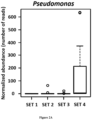
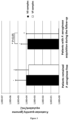
- aeruginosa exhibited 3-fold higher abundance of Porphyromonas compared to the 3 other groups (Group1 T1, Group 2 T0 and T1). Moreover, those results were well supported by the observations of random forest ( Figure 2c ) illustrated the significant connection between RA of Pseudomonas and Porphyromonas. Interestingly, Porphyromonas was more abundant in male group, which remained uninfected by P. aeruginosa illustrating the important potential role of this genus.
- Streptococcus Haemophilus
- Staphylococcus drivers of three pulmotypes.
- the cohort samples clustered into 3 pulmotypes dominated either by Streptococcus (pulmotype A), Haemophilus (pulmotype B) or Staphylococcus (pulmotype C). This clustering was in agreement with the PCA results and was confirmed using Kruskal-Wallis test (p-value 0.001). Pulmotypes were driven by the variations in RA of these three dominant genera as well as other co-occurring genera.
- gender gap has been stated in other pulmonary diseases. Sexual dimorphism of the immune response may be responsible for gender differences in such pulmonary diseases. Sex hormones may also have an effect on lung function; for example, estrogen was shown to induce P. aeruginosa mucoid phenotype ( McElvaney NG (2012) Effect of estrogen on Pseudomonas mucoidy and exacerbations in cystic fibrosis. NEJM 366(21):1978-1986 .). However, the fact that the gap gender is objectivized before puberty and after menopause implies that hormones might be an incomplete explanation.
- Leptotrichia was found to be dominant in healthy oral communities.
- Bifidobacterium was found in low abundance (RA ⁇ 0.1%), while it was totally absent in females.
- These four bacterial genera are also usually described as gut-living bacteria and found in patients with chronic obstructive pulmonary disease. Recently, the gut-lung connection has been revealed in CF, where the respiratory tract colonization was found to be presaged by the gut colonization, and where the composition of the gut microbiota in CF in early life was directly implicated in pulmonary disease progression.
- Streptococcus The dominance of Streptococcus has already been correlated with a high bacterial diversity, an increased respiratory function, and the earliest months of CF patients' life.
- the early establishment of the Streptococcus group in the respiratory tract has also been viewed as a favorable biomarker in CF progression, acting directly and positively in the acquisition model of CF pathogens, more particularly P. aeruginosa.
- Streptococcus species could thus be defined as foundation species whose initial and persistent colonization is a favorable signature in CF.
- Streptococcus from the salivarius group were positively correlated with increased FEV-1.
- Porphyromonas was significantly more prevalent in samples belonging to pulmotype A.
- Haemophilus was the main contributor of pulmotype B. H. influenzae and P. aeruginosa are under a strong interspecific competition to colonize the CF airway microbiota. Even though the studied cohort was mostly composed of P. aeruginosa -negative patients, we observed indeed that Haemophilus had a strong impact on the CF airway microbiota structure. Moreover, Haemophilus was more abundant in rhinovirus-positive samples, which in turn harbored low RA of P. aeruginosa. Based on this observation, we can hypothesize that pulmotype B appeared after pulmotype A following a microbiota perturbation such as antibiotherapy initiation of or viral infection.
- H. influenzae and S. aureus are considered the most prevalent pathogens in pediatric CF population, being later gradually replaced by P. aeruginosa.
- the last pulmotype defined by cluster analysis was driven by Staphylococcus and might be considered as a pathotype considering that its driver is a well-characterized pathogen.
- high RA of S. aureus was positively associated with an increased airway inflammation.
- S. aureus colonization is considered as a risk factor for P. aeruginosa initial colonization.
- Ninety percent of pulmotype C samples corresponded to patients with P. aeruginosa 'free' status, in other words patients who were in a more advanced state of pulmonary infection than 'Never' patients.
- Pulmotypes "Haemophilus”, “Staphylococcus” (and “Pseudomonas” in adults) would correspond to the entrance in a perturbed CF ecosystem, and thus defined as pathotype.
- Porphyromonas catoniae the major Porphyromonas species within the lung microbiota
- Porphyromonas abundance decreased between 100-150 days before the P. aeruginosa detection in culture.
- Porphyromonas catoniae may be considered as a favorable prognostic biomarker in CF.
- Further prospective studies on replication cohorts are needed to validate Porphyromonas catoniae as a predictive biomarker of P. aeruginosa infection in CF, and to define the benefit provided by Porphyromonas catoniae quantification in identifying patient with a higher risk a P. aeruginosa early colonization.
Landscapes
- Chemical & Material Sciences (AREA)
- Life Sciences & Earth Sciences (AREA)
- Organic Chemistry (AREA)
- Proteomics, Peptides & Aminoacids (AREA)
- Health & Medical Sciences (AREA)
- Analytical Chemistry (AREA)
- Wood Science & Technology (AREA)
- Zoology (AREA)
- Engineering & Computer Science (AREA)
- Genetics & Genomics (AREA)
- Immunology (AREA)
- Physics & Mathematics (AREA)
- Microbiology (AREA)
- Molecular Biology (AREA)
- Biotechnology (AREA)
- Biophysics (AREA)
- Biochemistry (AREA)
- Bioinformatics & Cheminformatics (AREA)
- General Engineering & Computer Science (AREA)
- General Health & Medical Sciences (AREA)
- Chemical Kinetics & Catalysis (AREA)
- Pathology (AREA)
- Measuring Or Testing Involving Enzymes Or Micro-Organisms (AREA)
Claims (8)
- Verfahren zum Vorhersagen des Risikos der Entwicklung einer Lungenbesiedlung/- infektion durch P. aeruginosa bei einem Subjekt, der an Mukoviszidose (CF) leidet, umfassend:- Messen des Vorkommens von Porphyromonas catoniae in einer von dem Subjekt erhaltenen biologischen Probe;- Schlussfolgern, dass das Subjekt ein geringes Risiko der Entwicklung einer Lungenbesiedlung/-infektion durch P. aeruginosa aufweist, wenn ein erhöhtes Vorkommen von Porphyromonas catoniae im Vergleich zu einer entsprechenden biologischen Probe gemessen wird, die von einem nicht infizierten Subjekt erhalten wurde, oder Schlussfolgern, dass das Subjekt ein hohes Risiko der Entwicklung eine Lungenbesiedlung/-infektion durch P. aeruginosa aufweist, wenn ein geringes Vorkommen von Porphyromonas catoniae im Vergleich zu einer entsprechenden biologischen Probe gemessen wird, die von einem nicht infizierten Subjekt erhalten wurde, oder wenn Porphyromonas catoniae nicht nachgewiesen wird.
- Verfahren zum Vorhersagen des Risikos der Entwicklung einer Lungenbesiedlung/- infektion durch P. aeruginosa bei einem Subjekt, der an Mukoviszidose (CF) leidet, umfassend:- Messen des Vorkommens von Porphyromonas catoniae zu verschiedenen Zeitpunkten in einer von dem Patienten erhaltenen biologischen Probe;- Schlussfolgern, dass das Subjekt ein geringes Risiko der Entwicklung einer Lungenbesiedlung/-infektion durch P. aeruginosa aufweist, wenn das Vorkommen von Porphyromonas catoniae im Vergleich zu einer entsprechenden biologischen Probe stabil ist, die von einem nicht infizierten Subjekt erhalten wurde, oder Schlussfolgern, dass das Subjekt ein hohes Risiko Subjekt der Entwicklung einer Lungenbesiedlung/-infektion durch P. aeruginosa aufweist, wenn das Vorkommen von Porphyromonas catoniae im Vergleich zu einer entsprechenden biologischen Probe abnimmt, die von einem nicht infizierten Subjekt erhalten wurde.
- Verfahren nach Anspruch 1 oder 2, wobei das Subjekt ein Kind ist.
- Verfahren nach Anspruch 1 oder 2, wobei die biologische Probe eine bronchoalveoläre Lavage (BAL) oder Sputum ist.
- Verfahren nach Anspruch 1 oder 2, wobei das Vorkommen von Bakterien der Gattung Porphyromonas unter Verwendung von 16S rRNA-Tiefensequenzierung gemessen wird.
- Therapeutisch wirksame Menge von P. aeruginosa spezifischen Antibiotika zur Verwendung in einem Verfahren zum Vorbeugen von Lungenbesiedlung/-infektion durch P. aeruginosa bei einem Subjekt, der an Mukoviszidose (CF) leidet, umfassend:- Vorhersagen des Risikos der Entwicklung einer Lungenbesiedlung/-infektion durch P. aeruginosa unter Verwendung des Verfahrens nach Anspruch 1 oder Anspruch 2;- Verabreichen einer therapeutisch wirksamen Menge der P. aeruginosa spezifischen Antibiotika an das Subjekt, wenn geschlussfolgert wird, dass das Subjekt ein hohes Risiko der Entwicklung einer Lungenbesiedlung/-infektion durch P. aeruginosa aufweist.
- Verfahren zum Anpassen der Patientenüberwachung, wobei das Verfahren umfasst:- Vorhersagen des Risikos der Entwicklung einer Lungenbesiedlung/-infektion durch P. aeruginosa unter Verwendung des Verfahrens nach Anspruch 1 oder 2;- Erhöhen der Häufigkeit medizinischer Kontrolluntersuchungen, wenn geschlussfolgert wird, dass das Subjekt ein hohes Risiko der Entwicklung einer Lungenbesiedlung/-infektion durch P. aeruginosa aufweist.
- Verfahren nach einem der vorstehenden Ansprüche, wobei das Vorkommen ein absolutes Vorkommen oder ein relatives Vorkommen ist.
Applications Claiming Priority (3)
| Application Number | Priority Date | Filing Date | Title |
|---|---|---|---|
| EP18305357 | 2018-03-29 | ||
| EP18306789 | 2018-12-21 | ||
| PCT/EP2019/057835 WO2019185778A1 (en) | 2018-03-29 | 2019-03-28 | Methods for predicting the risk of developing pulmonary colonization/infection by pseudomonas aeruginosa |
Publications (2)
| Publication Number | Publication Date |
|---|---|
| EP3775281A1 EP3775281A1 (de) | 2021-02-17 |
| EP3775281B1 true EP3775281B1 (de) | 2025-03-05 |
Family
ID=65861297
Family Applications (1)
| Application Number | Title | Priority Date | Filing Date |
|---|---|---|---|
| EP19712609.7A Active EP3775281B1 (de) | 2018-03-29 | 2019-03-28 | Verfahren zur vorhersage des risikos der entwicklung einer pulmonalen besiedlung/infektion durch pseudomonas aeruginosa |
Country Status (3)
| Country | Link |
|---|---|
| US (1) | US12276000B2 (de) |
| EP (1) | EP3775281B1 (de) |
| WO (1) | WO2019185778A1 (de) |
Families Citing this family (2)
| Publication number | Priority date | Publication date | Assignee | Title |
|---|---|---|---|---|
| WO2022261365A1 (en) * | 2021-06-11 | 2022-12-15 | Alfred E. Mann Institute For Biomedical Engineering At The University Of Southern California | Primers and methods for microbial detection and quantification of porphyromonas in a sample |
| US12562678B2 (en) | 2024-06-25 | 2026-02-24 | Terabase Energy, Inc. | High stow solar tracker with hail protection |
Family Cites Families (4)
| Publication number | Priority date | Publication date | Assignee | Title |
|---|---|---|---|---|
| US4683195A (en) | 1986-01-30 | 1987-07-28 | Cetus Corporation | Process for amplifying, detecting, and/or-cloning nucleic acid sequences |
| US4965188A (en) | 1986-08-22 | 1990-10-23 | Cetus Corporation | Process for amplifying, detecting, and/or cloning nucleic acid sequences using a thermostable enzyme |
| US4683202A (en) | 1985-03-28 | 1987-07-28 | Cetus Corporation | Process for amplifying nucleic acid sequences |
| US4800159A (en) | 1986-02-07 | 1989-01-24 | Cetus Corporation | Process for amplifying, detecting, and/or cloning nucleic acid sequences |
-
2019
- 2019-03-28 EP EP19712609.7A patent/EP3775281B1/de active Active
- 2019-03-28 WO PCT/EP2019/057835 patent/WO2019185778A1/en not_active Ceased
- 2019-03-28 US US17/043,100 patent/US12276000B2/en active Active
Also Published As
| Publication number | Publication date |
|---|---|
| EP3775281A1 (de) | 2021-02-17 |
| WO2019185778A1 (en) | 2019-10-03 |
| US12276000B2 (en) | 2025-04-15 |
| US20210017584A1 (en) | 2021-01-21 |
Similar Documents
| Publication | Publication Date | Title |
|---|---|---|
| Haroun et al. | Circulating plasma miR-155 is a potential biomarker for the detection of SARS-CoV-2 infection | |
| US9050276B2 (en) | Autism-associated biomarkers and uses thereof | |
| JP2025108589A (ja) | 緑膿菌による肺定着/感染の発現リスクを予測する方法 | |
| JP2014500707A (ja) | 炎症性腸疾患の治療および診断に有用な組成および方法 | |
| CA2963013C (en) | Biomarkers for rheumatoid arthritis and usage thereof | |
| EP2920321B1 (de) | Nukleinsäuretest zur diagnose oder überwachung einer pathogenen infektion in einer körperflüssigkeit einer mit einem anti-pathogenen mittel behandelten person | |
| US20170327874A1 (en) | Methods of Diagnosing Bacterial Infections | |
| US12276000B2 (en) | Methods for predicting the risk of developing pulmonary colonization/infection by Pseudomonas aeruginosa | |
| EP3420101B1 (de) | Verfahren zum nachweis von aktiver tuberkulose | |
| EP3352772B1 (de) | Biomarker zur früherkennung der schwere von influenzaassoziierter krankheit | |
| US11898210B2 (en) | Tools for assessing FimH blockers therapeutic efficiency | |
| WO2021218991A1 (en) | Therapeutic and diagnostic use of microorganisms for covid-19 | |
| US12590333B1 (en) | N-Myc-interactor protein as a marker for chronic lung disease and uses thereof | |
| EP3143164B1 (de) | Verfahren zur beurteilung der empfänglichkeit für eine asthmabehandlung auf der basis von vnn-1-expression und promotermethylierung | |
| US20220260565A1 (en) | Methods of treating and diagnosing inflammatory bowel disease | |
| US20220380443A1 (en) | Targeting napa-linked peptidoglycan for treating lyme disease | |
| Li et al. | The role of Type VI Secretion System in resistance and pathogenicity of Acinetobacter baumannii | |
| Oriano | Airway microbiome and host inflammatory response in bronchiectasis | |
| WO2026107128A1 (en) | Methods and compositions for endoplasmic reticulum ribosome regulation | |
| Allen | CHRONIC OTITIS MEDIA: MICROBIAL ENVIRONMENT DURING VIRAL INFECTION AND GENETICS OF HOST SUSCEPTIBILITY | |
| Mammen | Airways Microbiome in Chronic Obstructive Pulmonary Disease | |
| KR20230112911A (ko) | 기계적 인공호흡 환자의 세포외 소포의 미생물 프로파일링 방법 | |
| HK1215591B (en) | Nucleic acid assay for diagnosing or monitoring a pathogen infection in a bodily fluid from a subject treated with an anti-pathogenic agent | |
| HK1248753B (zh) | 用於类风湿性关节炎的生物标记物及其用途 |
Legal Events
| Date | Code | Title | Description |
|---|---|---|---|
| STAA | Information on the status of an ep patent application or granted ep patent |
Free format text: STATUS: UNKNOWN |
|
| STAA | Information on the status of an ep patent application or granted ep patent |
Free format text: STATUS: THE INTERNATIONAL PUBLICATION HAS BEEN MADE |
|
| PUAI | Public reference made under article 153(3) epc to a published international application that has entered the european phase |
Free format text: ORIGINAL CODE: 0009012 |
|
| STAA | Information on the status of an ep patent application or granted ep patent |
Free format text: STATUS: REQUEST FOR EXAMINATION WAS MADE |
|
| 17P | Request for examination filed |
Effective date: 20200930 |
|
| AK | Designated contracting states |
Kind code of ref document: A1 Designated state(s): AL AT BE BG CH CY CZ DE DK EE ES FI FR GB GR HR HU IE IS IT LI LT LU LV MC MK MT NL NO PL PT RO RS SE SI SK SM TR |
|
| AX | Request for extension of the european patent |
Extension state: BA ME |
|
| DAV | Request for validation of the european patent (deleted) | ||
| DAX | Request for extension of the european patent (deleted) | ||
| STAA | Information on the status of an ep patent application or granted ep patent |
Free format text: STATUS: EXAMINATION IS IN PROGRESS |
|
| 17Q | First examination report despatched |
Effective date: 20220620 |
|
| GRAP | Despatch of communication of intention to grant a patent |
Free format text: ORIGINAL CODE: EPIDOSNIGR1 |
|
| STAA | Information on the status of an ep patent application or granted ep patent |
Free format text: STATUS: GRANT OF PATENT IS INTENDED |
|
| INTG | Intention to grant announced |
Effective date: 20241129 |
|
| GRAS | Grant fee paid |
Free format text: ORIGINAL CODE: EPIDOSNIGR3 |
|
| GRAA | (expected) grant |
Free format text: ORIGINAL CODE: 0009210 |
|
| STAA | Information on the status of an ep patent application or granted ep patent |
Free format text: STATUS: THE PATENT HAS BEEN GRANTED |
|
| AK | Designated contracting states |
Kind code of ref document: B1 Designated state(s): AL AT BE BG CH CY CZ DE DK EE ES FI FR GB GR HR HU IE IS IT LI LT LU LV MC MK MT NL NO PL PT RO RS SE SI SK SM TR |
|
| REG | Reference to a national code |
Ref country code: GB Ref legal event code: FG4D |
|
| REG | Reference to a national code |
Ref country code: CH Ref legal event code: EP |
|
| REG | Reference to a national code |
Ref country code: IE Ref legal event code: FG4D |
|
| REG | Reference to a national code |
Ref country code: DE Ref legal event code: R096 Ref document number: 602019066822 Country of ref document: DE |
|
| PG25 | Lapsed in a contracting state [announced via postgrant information from national office to epo] |
Ref country code: RS Free format text: LAPSE BECAUSE OF FAILURE TO SUBMIT A TRANSLATION OF THE DESCRIPTION OR TO PAY THE FEE WITHIN THE PRESCRIBED TIME-LIMIT Effective date: 20250605 |
|
| PG25 | Lapsed in a contracting state [announced via postgrant information from national office to epo] |
Ref country code: FI Free format text: LAPSE BECAUSE OF FAILURE TO SUBMIT A TRANSLATION OF THE DESCRIPTION OR TO PAY THE FEE WITHIN THE PRESCRIBED TIME-LIMIT Effective date: 20250305 |
|
| REG | Reference to a national code |
Ref country code: NL Ref legal event code: MP Effective date: 20250305 |
|
| PG25 | Lapsed in a contracting state [announced via postgrant information from national office to epo] |
Ref country code: ES Free format text: LAPSE BECAUSE OF FAILURE TO SUBMIT A TRANSLATION OF THE DESCRIPTION OR TO PAY THE FEE WITHIN THE PRESCRIBED TIME-LIMIT Effective date: 20250305 |
|
| REG | Reference to a national code |
Ref country code: LT Ref legal event code: MG9D |
|
| PG25 | Lapsed in a contracting state [announced via postgrant information from national office to epo] |
Ref country code: NO Free format text: LAPSE BECAUSE OF FAILURE TO SUBMIT A TRANSLATION OF THE DESCRIPTION OR TO PAY THE FEE WITHIN THE PRESCRIBED TIME-LIMIT Effective date: 20250605 |
|
| PG25 | Lapsed in a contracting state [announced via postgrant information from national office to epo] |
Ref country code: HR Free format text: LAPSE BECAUSE OF FAILURE TO SUBMIT A TRANSLATION OF THE DESCRIPTION OR TO PAY THE FEE WITHIN THE PRESCRIBED TIME-LIMIT Effective date: 20250305 |
|
| PG25 | Lapsed in a contracting state [announced via postgrant information from national office to epo] |
Ref country code: LV Free format text: LAPSE BECAUSE OF FAILURE TO SUBMIT A TRANSLATION OF THE DESCRIPTION OR TO PAY THE FEE WITHIN THE PRESCRIBED TIME-LIMIT Effective date: 20250305 |
|
| PG25 | Lapsed in a contracting state [announced via postgrant information from national office to epo] |
Ref country code: GR Free format text: LAPSE BECAUSE OF FAILURE TO SUBMIT A TRANSLATION OF THE DESCRIPTION OR TO PAY THE FEE WITHIN THE PRESCRIBED TIME-LIMIT Effective date: 20250606 Ref country code: BG Free format text: LAPSE BECAUSE OF FAILURE TO SUBMIT A TRANSLATION OF THE DESCRIPTION OR TO PAY THE FEE WITHIN THE PRESCRIBED TIME-LIMIT Effective date: 20250305 |
|
| REG | Reference to a national code |
Ref country code: AT Ref legal event code: MK05 Ref document number: 1772991 Country of ref document: AT Kind code of ref document: T Effective date: 20250305 |
|
| PG25 | Lapsed in a contracting state [announced via postgrant information from national office to epo] |
Ref country code: NL Free format text: LAPSE BECAUSE OF FAILURE TO SUBMIT A TRANSLATION OF THE DESCRIPTION OR TO PAY THE FEE WITHIN THE PRESCRIBED TIME-LIMIT Effective date: 20250305 |
|
| PG25 | Lapsed in a contracting state [announced via postgrant information from national office to epo] |
Ref country code: SE Free format text: LAPSE BECAUSE OF FAILURE TO SUBMIT A TRANSLATION OF THE DESCRIPTION OR TO PAY THE FEE WITHIN THE PRESCRIBED TIME-LIMIT Effective date: 20250305 |
|
| PG25 | Lapsed in a contracting state [announced via postgrant information from national office to epo] |
Ref country code: SM Free format text: LAPSE BECAUSE OF FAILURE TO SUBMIT A TRANSLATION OF THE DESCRIPTION OR TO PAY THE FEE WITHIN THE PRESCRIBED TIME-LIMIT Effective date: 20250305 |
|
| PG25 | Lapsed in a contracting state [announced via postgrant information from national office to epo] |
Ref country code: PT Free format text: LAPSE BECAUSE OF FAILURE TO SUBMIT A TRANSLATION OF THE DESCRIPTION OR TO PAY THE FEE WITHIN THE PRESCRIBED TIME-LIMIT Effective date: 20250707 |
|
| PG25 | Lapsed in a contracting state [announced via postgrant information from national office to epo] |
Ref country code: PL Free format text: LAPSE BECAUSE OF FAILURE TO SUBMIT A TRANSLATION OF THE DESCRIPTION OR TO PAY THE FEE WITHIN THE PRESCRIBED TIME-LIMIT Effective date: 20250305 Ref country code: IT Free format text: LAPSE BECAUSE OF FAILURE TO SUBMIT A TRANSLATION OF THE DESCRIPTION OR TO PAY THE FEE WITHIN THE PRESCRIBED TIME-LIMIT Effective date: 20250305 |
|
| PG25 | Lapsed in a contracting state [announced via postgrant information from national office to epo] |
Ref country code: AT Free format text: LAPSE BECAUSE OF FAILURE TO SUBMIT A TRANSLATION OF THE DESCRIPTION OR TO PAY THE FEE WITHIN THE PRESCRIBED TIME-LIMIT Effective date: 20250305 |
|
| PG25 | Lapsed in a contracting state [announced via postgrant information from national office to epo] |
Ref country code: CZ Free format text: LAPSE BECAUSE OF FAILURE TO SUBMIT A TRANSLATION OF THE DESCRIPTION OR TO PAY THE FEE WITHIN THE PRESCRIBED TIME-LIMIT Effective date: 20250305 Ref country code: EE Free format text: LAPSE BECAUSE OF FAILURE TO SUBMIT A TRANSLATION OF THE DESCRIPTION OR TO PAY THE FEE WITHIN THE PRESCRIBED TIME-LIMIT Effective date: 20250305 |
|
| REG | Reference to a national code |
Ref country code: CH Ref legal event code: H13 Free format text: ST27 STATUS EVENT CODE: U-0-0-H10-H13 (AS PROVIDED BY THE NATIONAL OFFICE) Effective date: 20251023 |
|
| PG25 | Lapsed in a contracting state [announced via postgrant information from national office to epo] |
Ref country code: RO Free format text: LAPSE BECAUSE OF FAILURE TO SUBMIT A TRANSLATION OF THE DESCRIPTION OR TO PAY THE FEE WITHIN THE PRESCRIBED TIME-LIMIT Effective date: 20250305 |
|
| PG25 | Lapsed in a contracting state [announced via postgrant information from national office to epo] |
Ref country code: SK Free format text: LAPSE BECAUSE OF FAILURE TO SUBMIT A TRANSLATION OF THE DESCRIPTION OR TO PAY THE FEE WITHIN THE PRESCRIBED TIME-LIMIT Effective date: 20250305 |
|
| PG25 | Lapsed in a contracting state [announced via postgrant information from national office to epo] |
Ref country code: IS Free format text: LAPSE BECAUSE OF FAILURE TO SUBMIT A TRANSLATION OF THE DESCRIPTION OR TO PAY THE FEE WITHIN THE PRESCRIBED TIME-LIMIT Effective date: 20250705 |
|
| PG25 | Lapsed in a contracting state [announced via postgrant information from national office to epo] |
Ref country code: LU Free format text: LAPSE BECAUSE OF NON-PAYMENT OF DUE FEES Effective date: 20250328 |
|
| REG | Reference to a national code |
Ref country code: DE Ref legal event code: R097 Ref document number: 602019066822 Country of ref document: DE |
|
| REG | Reference to a national code |
Ref country code: BE Ref legal event code: MM Effective date: 20250331 |
|
| PG25 | Lapsed in a contracting state [announced via postgrant information from national office to epo] |
Ref country code: MC Free format text: LAPSE BECAUSE OF FAILURE TO SUBMIT A TRANSLATION OF THE DESCRIPTION OR TO PAY THE FEE WITHIN THE PRESCRIBED TIME-LIMIT Effective date: 20250305 |
|
| PLBE | No opposition filed within time limit |
Free format text: ORIGINAL CODE: 0009261 |
|
| STAA | Information on the status of an ep patent application or granted ep patent |
Free format text: STATUS: NO OPPOSITION FILED WITHIN TIME LIMIT |
|
| PG25 | Lapsed in a contracting state [announced via postgrant information from national office to epo] |
Ref country code: DK Free format text: LAPSE BECAUSE OF FAILURE TO SUBMIT A TRANSLATION OF THE DESCRIPTION OR TO PAY THE FEE WITHIN THE PRESCRIBED TIME-LIMIT Effective date: 20250305 |
|
| REG | Reference to a national code |
Ref country code: CH Ref legal event code: L10 Free format text: ST27 STATUS EVENT CODE: U-0-0-L10-L00 (AS PROVIDED BY THE NATIONAL OFFICE) Effective date: 20260114 |
|
| PG25 | Lapsed in a contracting state [announced via postgrant information from national office to epo] |
Ref country code: BE Free format text: LAPSE BECAUSE OF NON-PAYMENT OF DUE FEES Effective date: 20250331 |
|
| PG25 | Lapsed in a contracting state [announced via postgrant information from national office to epo] |
Ref country code: CH Free format text: LAPSE BECAUSE OF NON-PAYMENT OF DUE FEES Effective date: 20250331 |
|
| PG25 | Lapsed in a contracting state [announced via postgrant information from national office to epo] |
Ref country code: IE Free format text: LAPSE BECAUSE OF NON-PAYMENT OF DUE FEES Effective date: 20250328 |
|
| 26N | No opposition filed |
Effective date: 20251208 |
|
| PGFP | Annual fee paid to national office [announced via postgrant information from national office to epo] |
Ref country code: GB Payment date: 20260219 Year of fee payment: 8 |
|
| PGFP | Annual fee paid to national office [announced via postgrant information from national office to epo] |
Ref country code: DE Payment date: 20260219 Year of fee payment: 8 |
|
| PGFP | Annual fee paid to national office [announced via postgrant information from national office to epo] |
Ref country code: FR Payment date: 20260219 Year of fee payment: 8 |