EP3777897A2 - Pharmazeutische träger mit mirnas zur verwendung in der behandlung von fibrotischen, durch hyperglykämie verursachten krankheiten - Google Patents
Pharmazeutische träger mit mirnas zur verwendung in der behandlung von fibrotischen, durch hyperglykämie verursachten krankheiten Download PDFInfo
- Publication number
- EP3777897A2 EP3777897A2 EP20196359.2A EP20196359A EP3777897A2 EP 3777897 A2 EP3777897 A2 EP 3777897A2 EP 20196359 A EP20196359 A EP 20196359A EP 3777897 A2 EP3777897 A2 EP 3777897A2
- Authority
- EP
- European Patent Office
- Prior art keywords
- extracellular vesicle
- mir222
- evs
- mir100
- stem cell
- Prior art date
- Legal status (The legal status is an assumption and is not a legal conclusion. Google has not performed a legal analysis and makes no representation as to the accuracy of the status listed.)
- Granted
Links
Images



Classifications
-
- A—HUMAN NECESSITIES
- A61—MEDICAL OR VETERINARY SCIENCE; HYGIENE
- A61K—PREPARATIONS FOR MEDICAL, DENTAL OR TOILETRY PURPOSES
- A61K35/00—Medicinal preparations containing materials or reaction products thereof with undetermined constitution
- A61K35/12—Materials from mammals; Compositions comprising non-specified tissues or cells; Compositions comprising non-embryonic stem cells; Genetically modified cells
- A61K35/28—Bone marrow; Haematopoietic stem cells; Mesenchymal stem cells of any origin, e.g. adipose-derived stem cells
-
- A—HUMAN NECESSITIES
- A61—MEDICAL OR VETERINARY SCIENCE; HYGIENE
- A61K—PREPARATIONS FOR MEDICAL, DENTAL OR TOILETRY PURPOSES
- A61K9/00—Medicinal preparations characterised by special physical form
- A61K9/14—Particulate form, e.g. powders, Processes for size reducing of pure drugs or the resulting products, Pure drug nanoparticles
- A61K9/16—Agglomerates; Granulates; Microbeadlets ; Microspheres; Pellets; Solid products obtained by spray drying, spray freeze drying, spray congealing,(multiple) emulsion solvent evaporation or extraction
- A61K9/1605—Excipients; Inactive ingredients
- A61K9/1664—Compounds of unknown constitution, e.g. material from plants or animals
-
- A—HUMAN NECESSITIES
- A61—MEDICAL OR VETERINARY SCIENCE; HYGIENE
- A61K—PREPARATIONS FOR MEDICAL, DENTAL OR TOILETRY PURPOSES
- A61K48/00—Medicinal preparations containing genetic material which is inserted into cells of the living body to treat genetic diseases; Gene therapy
-
- A—HUMAN NECESSITIES
- A61—MEDICAL OR VETERINARY SCIENCE; HYGIENE
- A61K—PREPARATIONS FOR MEDICAL, DENTAL OR TOILETRY PURPOSES
- A61K31/00—Medicinal preparations containing organic active ingredients
- A61K31/70—Carbohydrates; Sugars; Derivatives thereof
- A61K31/7088—Compounds having three or more nucleosides or nucleotides
- A61K31/7105—Natural ribonucleic acids, i.e. containing only riboses attached to adenine, guanine, cytosine or uracil and having 3'-5' phosphodiester links
-
- A—HUMAN NECESSITIES
- A61—MEDICAL OR VETERINARY SCIENCE; HYGIENE
- A61K—PREPARATIONS FOR MEDICAL, DENTAL OR TOILETRY PURPOSES
- A61K31/00—Medicinal preparations containing organic active ingredients
- A61K31/70—Carbohydrates; Sugars; Derivatives thereof
- A61K31/7088—Compounds having three or more nucleosides or nucleotides
- A61K31/713—Double-stranded nucleic acids or oligonucleotides
-
- A—HUMAN NECESSITIES
- A61—MEDICAL OR VETERINARY SCIENCE; HYGIENE
- A61K—PREPARATIONS FOR MEDICAL, DENTAL OR TOILETRY PURPOSES
- A61K35/00—Medicinal preparations containing materials or reaction products thereof with undetermined constitution
- A61K35/12—Materials from mammals; Compositions comprising non-specified tissues or cells; Compositions comprising non-embryonic stem cells; Genetically modified cells
- A61K35/37—Digestive system
- A61K35/407—Liver; Hepatocytes
-
- A—HUMAN NECESSITIES
- A61—MEDICAL OR VETERINARY SCIENCE; HYGIENE
- A61K—PREPARATIONS FOR MEDICAL, DENTAL OR TOILETRY PURPOSES
- A61K48/00—Medicinal preparations containing genetic material which is inserted into cells of the living body to treat genetic diseases; Gene therapy
- A61K48/0008—Medicinal preparations containing genetic material which is inserted into cells of the living body to treat genetic diseases; Gene therapy characterised by an aspect of the 'non-active' part of the composition delivered, e.g. wherein such 'non-active' part is not delivered simultaneously with the 'active' part of the composition
-
- A—HUMAN NECESSITIES
- A61—MEDICAL OR VETERINARY SCIENCE; HYGIENE
- A61K—PREPARATIONS FOR MEDICAL, DENTAL OR TOILETRY PURPOSES
- A61K9/00—Medicinal preparations characterised by special physical form
- A61K9/10—Dispersions; Emulsions
- A61K9/127—Synthetic bilayered vehicles, e.g. liposomes or liposomes with cholesterol as the only non-phosphatidyl surfactant
-
- A—HUMAN NECESSITIES
- A61—MEDICAL OR VETERINARY SCIENCE; HYGIENE
- A61K—PREPARATIONS FOR MEDICAL, DENTAL OR TOILETRY PURPOSES
- A61K9/00—Medicinal preparations characterised by special physical form
- A61K9/48—Preparations in capsules, e.g. of gelatin, of chocolate
- A61K9/50—Microcapsules having a gas, liquid or semi-solid filling; Solid microparticles or pellets surrounded by a distinct coating layer, e.g. coated microspheres, coated drug crystals
- A61K9/51—Nanocapsules; Nanoparticles
- A61K9/5107—Excipients; Inactive ingredients
- A61K9/5176—Compounds of unknown constitution, e.g. material from plants or animals
-
- A—HUMAN NECESSITIES
- A61—MEDICAL OR VETERINARY SCIENCE; HYGIENE
- A61P—SPECIFIC THERAPEUTIC ACTIVITY OF CHEMICAL COMPOUNDS OR MEDICINAL PREPARATIONS
- A61P1/00—Drugs for disorders of the alimentary tract or the digestive system
- A61P1/16—Drugs for disorders of the alimentary tract or the digestive system for liver or gallbladder disorders, e.g. hepatoprotective agents, cholagogues, litholytics
-
- A—HUMAN NECESSITIES
- A61—MEDICAL OR VETERINARY SCIENCE; HYGIENE
- A61P—SPECIFIC THERAPEUTIC ACTIVITY OF CHEMICAL COMPOUNDS OR MEDICINAL PREPARATIONS
- A61P13/00—Drugs for disorders of the urinary system
- A61P13/12—Drugs for disorders of the urinary system of the kidneys
-
- A—HUMAN NECESSITIES
- A61—MEDICAL OR VETERINARY SCIENCE; HYGIENE
- A61P—SPECIFIC THERAPEUTIC ACTIVITY OF CHEMICAL COMPOUNDS OR MEDICINAL PREPARATIONS
- A61P27/00—Drugs for disorders of the senses
- A61P27/02—Ophthalmic agents
-
- A—HUMAN NECESSITIES
- A61—MEDICAL OR VETERINARY SCIENCE; HYGIENE
- A61P—SPECIFIC THERAPEUTIC ACTIVITY OF CHEMICAL COMPOUNDS OR MEDICINAL PREPARATIONS
- A61P3/00—Drugs for disorders of the metabolism
- A61P3/08—Drugs for disorders of the metabolism for glucose homeostasis
- A61P3/10—Drugs for disorders of the metabolism for glucose homeostasis for hyperglycaemia, e.g. antidiabetics
-
- A—HUMAN NECESSITIES
- A61—MEDICAL OR VETERINARY SCIENCE; HYGIENE
- A61P—SPECIFIC THERAPEUTIC ACTIVITY OF CHEMICAL COMPOUNDS OR MEDICINAL PREPARATIONS
- A61P9/00—Drugs for disorders of the cardiovascular system
-
- C—CHEMISTRY; METALLURGY
- C12—BIOCHEMISTRY; BEER; SPIRITS; WINE; VINEGAR; MICROBIOLOGY; ENZYMOLOGY; MUTATION OR GENETIC ENGINEERING
- C12N—MICROORGANISMS OR ENZYMES; COMPOSITIONS THEREOF; PROPAGATING, PRESERVING, OR MAINTAINING MICROORGANISMS; MUTATION OR GENETIC ENGINEERING; CULTURE MEDIA
- C12N15/00—Mutation or genetic engineering; DNA or RNA concerning genetic engineering, vectors, e.g. plasmids, or their isolation, preparation or purification; Use of hosts therefor
- C12N15/09—Recombinant DNA-technology
- C12N15/11—DNA or RNA fragments; Modified forms thereof; Non-coding nucleic acids having a biological activity
- C12N15/113—Non-coding nucleic acids modulating the expression of genes, e.g. antisense oligonucleotides; Antisense DNA or RNA; Triplex- forming oligonucleotides; Catalytic nucleic acids, e.g. ribozymes; Nucleic acids used in co-suppression or gene silencing
-
- C—CHEMISTRY; METALLURGY
- C12—BIOCHEMISTRY; BEER; SPIRITS; WINE; VINEGAR; MICROBIOLOGY; ENZYMOLOGY; MUTATION OR GENETIC ENGINEERING
- C12N—MICROORGANISMS OR ENZYMES; COMPOSITIONS THEREOF; PROPAGATING, PRESERVING, OR MAINTAINING MICROORGANISMS; MUTATION OR GENETIC ENGINEERING; CULTURE MEDIA
- C12N2310/00—Structure or type of the nucleic acid
- C12N2310/10—Type of nucleic acid
- C12N2310/14—Type of nucleic acid interfering nucleic acids [NA]
- C12N2310/141—MicroRNAs, miRNAs
-
- C—CHEMISTRY; METALLURGY
- C12—BIOCHEMISTRY; BEER; SPIRITS; WINE; VINEGAR; MICROBIOLOGY; ENZYMOLOGY; MUTATION OR GENETIC ENGINEERING
- C12N—MICROORGANISMS OR ENZYMES; COMPOSITIONS THEREOF; PROPAGATING, PRESERVING, OR MAINTAINING MICROORGANISMS; MUTATION OR GENETIC ENGINEERING; CULTURE MEDIA
- C12N2320/00—Applications; Uses
- C12N2320/30—Special therapeutic applications
Definitions
- the present invention relates to a new therapeutic treatment of fibrotic diseases. More in in particular, the present invention relates to the use of pharmaceutical carriers, such as extracellular vesicles (EVs) derived from stem cells, in the treatment of fibrotic diseases caused by hyperglycemia.
- EVs extracellular vesicles
- a focus lies on fibrotic renal diseases such as diabetic nephropathy.
- Fibrosis is often observed following tissue injury. Fibrosis induced by hyperglycemia is a special type of fibrosis found in diabetic patients. The kidney is often affected by such fibrotic diseases.
- CKD chronic kidney disease
- DN diabetic nephropathy
- ESRD end stage renal disease
- Novel targets for better DN management urgently need to be identified, as ESRD can manifest despite strict glycaemic control and the application of various therapeutic approaches.
- MC mesangial cell
- the renal structural alteration in DN is characterized by an early proliferation rate of both glomerular and tubular cells and a late accumulation of extracellular matrix proteins, as collagen IV and fibronectin leading to a progressive increase of the mesangial mass.
- miR21 has gained particular interest in mesangial cell expansion It has been recently reported that miR21 is also increased in urine from type 2 diabetic patients. Different miR21 targets have been reported to contribute to collagen production and fibrosis. PTEN up-regulation resulting in the activation of Akt-mTOR pathway seems to mainly contribute to this process. As a matter of fact, in the prior art it was shown that interfering with miR21 reverses kidney histological abnormalities in a preclinical model of DN. miR genes, like other genes, could be regulated by transcription factors.
- miR-21 has been described as a STAT5 target gene in Jurkat cells as well as in mammary cells in response to prolactin.
- STAT5 itself could be controlled by different miRs, including miR222 and miR223 suggesting that the scenario is extremely complex.
- MSCs of different origin are currently the most widely studied stem cells in regenerative medicine. Although originally MSCs were thought to home in on and engraft injured tissues, where they differentiate and replace damaged cells, currently, the positive effects of MSC transplantation were demonstrated to result from their ability to release trophic mediators.
- exRNA extracellular RNA
- EVs extracellular vesicles
- stem cell-derived EVs may mimic the effect of the cells via the horizontal transfer of functional RNAs, miRs, lipids, and proteins when systemically or locally administrated in regenerative medicine. EVs recovered from different stem cell sources can share completely or partially their cargo. Moreover, enrichment of miRs or proteins can be detected depending of their origin. Although general stem cell-derived EV functions have been the topic of recent studies in various pathological settings, how mechanistically they protect cells from damaging cues, as in response to high glucose, has been only partially investigated.
- WO2011/143499 describes renal stem cells and the extracellular vesicles (EVs) thereof to be effective in the treatment of fibrosis.
- WO2015/052526 describes the effect of microparticles (i.e. extracellular vesicles, EV) from neural stem cells for the treatment of fibrosis.
- microparticles i.e. extracellular vesicles, EV
- HG stands for "high glucose”
- STAT5A miR21, miR222, miR100 and TGF ⁇ expression the treatment of diabetic nephropathy and renal fibrosis has been analyzed.
- EVs released from various types of stem cells protect mesangial cells from HG-induced collagen production.
- the inventors noticed that EVs, by transferring the microRNA designated as miR222, regulate the expression of STAT5 that in turn controls miR21, TGFb1 expression and matrix protein synthesis.
- the inventors found that EVs, by driving changes in the balance between miR21 and miR100 in the recipient cell, could also indirectly contribute to the inhibition of collagen production.
- a first aspect of the present invention is a pharmaceutically acceptable carrier carrying miR222, for use in the treatment of a fibrotic disease caused by hyperglycemia, in particular diabetic nephropathy and/or renal fibrosis.
- a fibrotic disease caused by hyperglycaemia such as cardiomyopathy, nonalcoholic fatty liver (Ban and Twigg, 2009), in particular NASH (non-alcoholic steatohepatitis), and diabetic retinopathy is also envisioned.
- the pharmaceutically acceptable carrier further comprises the microRNA "miR100".
- miR222 and miR100 are microRNAs (miRNAs) known per se; their features and sequences may be found for example in the database designated as miRBase, under accession numbers MI0000299 and MI0000102, respectively.
- the pharmaceutical effect can be attributed to the miRNAs contained in the pharmaceutical carrier.
- Any efficient transfection of the target cell with miRNAs is envisioned for effective use in the treatment of fibrotic diseases caused by hyperglycemia.
- An efficient transfection of miRNAs requires an appropriate pharmaceutical carrier, preferably in form of a micro- or nanoparticle.
- Such carriers are available commercially, including alginate-based (GEM, Global Cell Solutions), dextran-based (Cytodex, GE Healthcare), collagen-based (Cultispher, Percell), and polystyrene-based (SoloHill Engineering) microcarriers.
- a pharmaceutical carrier for miRNAs may be a viral vector.
- Viral-based systems usually use retroviruses, lentiviruses, adenoviruses or adeno-associated viruses (AVV) as delivery vectors for, as disclosed for example in Ningning Yang.
- AAV adeno-associated viruses
- An even more preferred pharmaceutical carrier for miRNAs is a vesicle, such as a liposome or an extracellular vesicle (EV).
- Extracellular vesicles such as cell derived microvesicles or exosomes are the most preferred pharmaceutical carriers.
- the pharmaceutically acceptable carrier is an extracellular vesicle (EV) derived from a stem cell, preferably from an adult stem cell, more preferably from a mesenchymal stem cell (MSC), such as e.g. a bone marrow stromal stem cell, or an adipose stem cell (ASC), or a non-oval human liver progenitor cell (HLSC).
- a stem cell preferably from an adult stem cell, more preferably from a mesenchymal stem cell (MSC), such as e.g. a bone marrow stromal stem cell, or an adipose stem cell (ASC), or a non-oval human liver progenitor cell (HLSC).
- MSC mesenchymal stem cell
- ASC adipose stem cell
- HLSC non-oval human liver progenitor cell
- a further aspect of the invention is a composition of extracellular vesicles isolated from the conditioned medium of a stem cell, preferably from the conditioned medium of an adult stem cell, more preferably from the conditioned medium of a mesenchymal stem cell (MSC) or a human liver stem cell (HLSC), for use in the treatment of a fibrotic disease caused by hyperglycaemia, preferably diabetic nephropathy, renal fibrosis, cardiomyopathy or nonalcoholic fatty liver in particular NASH, or diabetic retinopathy.
- the extracellular vesicles of the claimed composition preferably contain the microRNA miR222 and optionally the microRNA miRNA100.
- the extracellular vesicle (EV) for use according the invention is a naturally occurring EV or, alternatively, an EV which has been engineered to contain a significantly higher amount of miR222 or miR100 compared to the naturally-occurring extracellular vesicle (EV), and which is obtainable by loading miR222 or miR100 to an isolated extracellular vesicle ex vivo.
- EP 2010663 provides the person skilled in the art with instructions on how to engineer EVs with specific miRNAs.
- Techniques known to the skilled person introducing RNA into vesicles or exosomes are transfection or co-incubation.
- Known transfection methods are for example electroporation, lipofection, microinjection, transfection by viral and nonviral vectors, magnet assisted transfection and sonoporation. Consequently, an engineered EV to which miR222 or miR100 has been introduced ex vivo is another aspect of the invention.
- the loading efficiency i.e. the amount of the target molecule (i.e. either miR222 or miR100) which is present in the engineered EV of the invention as compared to the natural amount is of at least 2-fold.
- the loading efficiency may be expressed in absolute terms as the number of loaded target molecules per EV. It is envisaged that this value may range from about 1x10 3 to about 1x10 5 target molecules/EV higher that the natural amount.
- HG drives the expression of TGF ⁇ and the production of collagen via STAT5A-mediated pathway.
- STAT5A activation controls miR21 expression.
- EVs released from MSCs and HLSCs protect mesangial cells from HG-induced collagen production.
- EVs by transferring miR222 to mesangial cells, regulate the expression of STAT5A that in turn controls miR21 content, TGF ⁇ expression and matrix protein synthesis.
- MCs Human mesangial cells
- DMEM fetal bovine serum
- FBS fetal bovine serum
- MSCs and HLSCs were cultured in EndoGRO Medium, without fetal bovine serum, for 24 h in order to collect EVs from supernatants. After being centrifuged at 3000 g for 30 min to remove debris, cell-free supernatants were submitted to differential ultracentrifugation at 10 000 and 100 000 g (Beckman Coulter Optima L-90K ultracentrifuge; Beckman Coulter, Fullerton, CA, USA) for 3 h at 4 °C. EVs were either used fresh or were stored at -80°C after re-suspension in DMEM which was supplied with 1% DMSO (Deregibus 2007).
- Frozen EVs were washed and pelleted by 100k g ultracentrifugation to remove DMSO before cellular experiments. No difference in biological activity was observed between fresh and stored EVs.
- the protein content of EVs was quantified using the Bradford method (Bio-Rad, Hercules, CA, USA). Any possible contamination was tested using a Limulus amebocyte assay (concentration ⁇ 0.1 ng/ml) (Charles River Laboratories, Inc., Wilmington, MA, USA).
- EV size distribution analysis was performed using a NanoSight LM10 (NanoSight Ltd, Minton Park UK). The particles in the samples were illuminated using a laser light source and the scattered light was captured by camera and analyzed using Nanoparticle Tracking Analysis (NTA). NTA automatically tracked and sized particles according to Brownian motion and the diffusion coefficient (Dt).
- NTA Nanoparticle Tracking Analysis
- MCs were lysed and protein concentrations obtained as previously described (Olgasi, 2014). 50 ⁇ g proteins were subjected to SDS-PAGE, transferred into nitrocellulose membranes and processed as previously described (Olgasi, 2014). Densitometric analysis was used to calculate the differences in the fold induction of protein levels which were normalized to actin. Values are reported as relative amounts.
- RNA isolation and quantitative real-time PCR qRT-PCR
- Gain-of-function experiments were performed in mesangial cells transfected either with the pre-miR negative control or the pre-miR100 and premiR-222 precursor (Applied Biosystem), according to manufacturer's instructions. All proteins extracted from cellular lysis of these samples were then subjected to western blot and all RNAs were analysed with RT-PCR.
- miR transfer experiments were conducted as previously described by Yuan (Yuan, 2009). 5 ⁇ 10 5 cells/well of MCs were incubated with the a transcriptional inhibitor, ⁇ -amanitin, (Lee, 2004) in the absence or in the presence of EVs pretreated or not with RNAse. Total RNA from MCs, treated as above, were subjected to qRT-PCR for miR expression.
- ⁇ -amanitin a transcriptional inhibitor
- the inventors determined the difference in Ct values between ⁇ -amanitin treated cells in the absence or in the presence of EVs pretreated or not with RNAse; a positive value indicated transfer of miR into target cells. If no signal was detected, a Ct value of 40 was assigned to the sample.
- MCs cultured for 48 hours in the presence or absence of HG were transiently transfected with the ⁇ NSTAT5 construct (Defilippi, 2005, Zeoli, 2008). Then cells were processed to obtain cell extracts for Western blot analysis or total RNA isolation to evaluate miR21 expression.
- Senescence assay Senescence was evaluated by measuring the acidic ⁇ -galactosidase activity of N-ASCs that were differently cultured, as previously described (Togliatto, 2010).
- MC mesangial cell proliferation
- collagen type IV production induces miR21 expression.
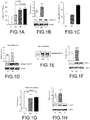
- MCs were cultured in high glucose medium (25 mM) for 48 hours. Proliferation and senescence were analyzed. As shown in Fig. 1A HG promotes a significant increase in MC proliferation as shown by the number of cells and by cyclin D1 content ( Fig. 1B ). No changes in the number of senescent MCs were detected ( Fig. 1C ). MC collagen production is a hallmark of glomerular damage. Thus, collagen production was evaluated in MCs challenged with HG. Western blot analysis on both cell total lysates and supernatants showed a significant increase in collagen type IV production when compared with low glucose treaded cells ( Fig. 1 D and E ).
- HG treatment a well known miRNA involved in diabetic nephropathy, is known to induce mesangial cell matrix expansion. Consistently HG treatment was found to induce miR21 expression ( Fig. 1G ). The involvement of this signaling pathway was investigated. The inventors found that, even in MC treated with HG, high level of mTOR could be detected ( Fig. 1H ).
- EVs from MSCs and HLSCs inhibit collagen production and miR21 expression in MCs
- EVs were recovered from MSCs, and HLSCs and assayed on MC proliferation and collagen production.
- MCs cultured in LG or HG concentration for 48 hours were serum starved and subjected to EVs treatment for 18 hours.
- EVs did not interfere with MC proliferation.
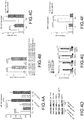
- collagen production was evaluated, EVs recovered from MSCs and HLSCs significantly reduced collagen production ( Fig. 2B and C ).
- down-regulation of miR21( Fig. 2D ), mTOR ( Fig. 2E-F ) and TGF ⁇ expression were detected ( Fig. 2G-H ).
- MSCs and HLSCs-derived EVs regulate STAT5A expression in MCs subjected to HG
- MSC and HLSC EV mirnomic has been previously reported (Collino 2010).
- the inventors investigated whether miRs expressed in EVs from such cellular sources can be relevant in regulating the signaling pathway activated by HG.
- miR222 is included.
- miR222 has been reported to be a direct post-transcriptional regulator of STAT5A. Therefore, the expression of miR222 was evaluated in HG-cultured MCs treated with EV. As shown in Fig.
- miR222 is down regulated upon HG treatment while increased upon EV treatment .That this effect depended on the release of EV-miR222 content into MCs was demonstrated by experiments performed in the presence of amanitin and EVs pretreated or not with RNAse ( Fig. 4B ). To further confirm these results gain-of function experiments were performed using MCs transfected with premiR222 and cultured in HG conditions. As expected over-expression of miR222 led to a drastic reduction of STAT5A content as well as miR21 cellular content, TGF ⁇ expression and collagen production in HG treated MCs ( Fig. 4D-F ). More importantly, such event did not occur in LG-cultured MCs, indicating that a specific signaling pathway is induced by the hyperglycaemic milieu.
- EV-mediated miR21 down-regulation can promote miR100 post-transcriptial activity which contributes to inhibition of collagen production
- miR100 expression was evaluated in MCs subjected to EV treatment. As shown in Fig 5A , while miR100 MC content increased upon HG treatment, no changes in its content could be detected after EV treatment. However, as the balance of intracellular miRs could direct specific biological responses, the inventors hypothesized that the decreased miR21 intracellular content associated with EV treatment could good deed miR100 post-transcriptional activity. To validate this hypothesis gain-of function experiments using premiR100 were performed in HG-treated MCs. Indeed, data reported in Fig.
- SC-EVs EVs-derived Stem Cells
- mice were subjected to streptozotocin (STZ) treatment (35 mg/kg for 4 consecutive days, i.p.) to produce an animal model of hyperglycaemia.
- STZ streptozotocin
- mice were subjected to 5 EV-treatments (1x10 10 each) once a week (T7, T14, T21 and T28).
- the following parameters were measured after 1 month from the onset of diabetes (T30, end point): glycaemia, weight, urinary albumin/creatinine ratio, urinary pH, plasma creatinine (CREA).
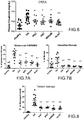
- Fig. 6-8 show the results obtained for each of the following mice groups: 10 healthy mice; 15 diabetic mice (DN); 10 MSC-EVs-treated mice; 10 Serum EVs-treated mice; 10 ASC-EVs-treated mice and 6 HLSC-EVs-treated mice.
- Fig. 6 shows that plasma creatinine was increased in diabetic mice and that a significant reduction in plasma creatinine occurred in mice treated with all EV sources.
- Fig. 7 shows that a significant improvement in terms of reduction of collagen deposition within glomeruli and in the interstitial space occurred in diabetic mice treated with EVs.
- Fig. 8 shows that treatment with all EVs tested led to a relevant improvement of tubular damage as compared to diabetic mice. All data are expressed as mean ⁇ SEM. *p ⁇ 0.05, versus DN, **p ⁇ 0.001 versus DN. Furthermore for all EV sources a significant reduction in ACR and a significant restoration of pH values was shown.
- Extracellular vesicles enrichment with miRNA by transfection of stem cells method for EV engineering
- mesenchymal stem cells were transfected by electroporation using the Neon transfection system (Invitrogen) according to the manufacturer's instructions. 600 pmol of a mimic which is not present in naturally-occurring MSCs, i.e. cel-miR-39, were used to enrich 1 x 10 6 MSCs that were seeded in complete medium supplemented with foetal calf serum (FCS) and without antibiotics. A scramble mimic was used as the negative control (SCR).
- FCS foetal calf serum
- CM Concentrated Medium
- RNA analysis was carried out by precipitation of the Concentrated Medium containing EVs using PEG at 4°C overnight.
- the EV pellet was washed twice with PBS 1X and the RNA was extracted using the RNA/DNA/Protein Purification Plus Kit (Norgen Biotek).
- RNA samples were retrotranscribed and quantitative real time PCR was performed with the miScript PCR system (Qiagen).
- RNU6B or RNU48 were used as the housekeeping controls (CTL). EVs from MSCs subjected to electroporation with no target (cel-miR-39) and no scramble were also used as a further control (EP).
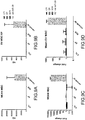
- Fig. 9 shows the results obtained, expressed in terms of RQ (relative quantity) and fold change, obtained by applying the comparative or ⁇ C T method of qPCR data analysis to calculate the loading efficiency.
- the C T values obtained from two different experimental RNA samples are directly normalized to a housekeeping gene and then compared.
- the difference between the C T values ( ⁇ C T ) of the gene of interest and the housekeeping gene is calculated for each experimental sample.
- the difference in the ⁇ C T values between the experimental and control samples ⁇ C T i.e. calibrators
- RQ 2 - ⁇ Ct
- ⁇ C T C T target ⁇ C T reference
- C T cycle threshold
- the target is cel-miR-39 and the reference is the housekeeping control (RNU6B or RNU48).
- ⁇ C T ⁇ C T test sample - ⁇ C T calibrator sample, where the calibrator sample are EVs derived from untreated cells and the test sample are the EVs derived from treated cells.
- Fig. 9 shows that MSCs can be effectively loaded with miRNA molecules by electroporation and that the target miRNA molecules are present both in the MSCs themselves and in the EVs derived from the loaded MSCs.
- the amount of target miRNA loaded to the EVs is approximately 100-fold lower than the amount of target miRNA loaded to the MSCs.
- a reasonable estimate of the loading efficiency expressed as the number of loaded target molecules/EV is comprised within the range of from 1x10 3 to 1x10 5 .
- the upper limit of this range is based on Fig. 5a of Fuhrmann et al. (2014), which shows a loading efficiency approximately ranging from 10 4 and 10 5 , and on the NTA count of the EV particles obtained upon transfection of MSCs with various types of miRNAs,
Landscapes
- Health & Medical Sciences (AREA)
- Life Sciences & Earth Sciences (AREA)
- Chemical & Material Sciences (AREA)
- General Health & Medical Sciences (AREA)
- Engineering & Computer Science (AREA)
- Animal Behavior & Ethology (AREA)
- Medicinal Chemistry (AREA)
- Pharmacology & Pharmacy (AREA)
- Public Health (AREA)
- Veterinary Medicine (AREA)
- Epidemiology (AREA)
- Bioinformatics & Cheminformatics (AREA)
- Biotechnology (AREA)
- Molecular Biology (AREA)
- Zoology (AREA)
- Biomedical Technology (AREA)
- Immunology (AREA)
- Cell Biology (AREA)
- Developmental Biology & Embryology (AREA)
- Organic Chemistry (AREA)
- Genetics & Genomics (AREA)
- Chemical Kinetics & Catalysis (AREA)
- Nuclear Medicine, Radiotherapy & Molecular Imaging (AREA)
- Diabetes (AREA)
- General Chemical & Material Sciences (AREA)
- Virology (AREA)
- Hematology (AREA)
- Biochemistry (AREA)
- Physiology (AREA)
- Nutrition Science (AREA)
- Obesity (AREA)
- Botany (AREA)
- Emergency Medicine (AREA)
- Endocrinology (AREA)
- Physics & Mathematics (AREA)
- Wood Science & Technology (AREA)
- General Engineering & Computer Science (AREA)
- Dispersion Chemistry (AREA)
- Gastroenterology & Hepatology (AREA)
- Ophthalmology & Optometry (AREA)
Applications Claiming Priority (3)
| Application Number | Priority Date | Filing Date | Title |
|---|---|---|---|
| EP16168546 | 2016-05-06 | ||
| PCT/EP2017/060612 WO2017191234A1 (en) | 2016-05-06 | 2017-05-04 | Pharmaceutical carriers containing mirnas for use in the treatment of fibrotic diseases caused by hyperglycemia |
| EP17725186.5A EP3452100B1 (de) | 2016-05-06 | 2017-05-04 | Pharmazeutische träger mit mirnas zur verwendung bei der behandlung von fibrotischen krankheiten aufgrund von hyperglykämie |
Related Parent Applications (2)
| Application Number | Title | Priority Date | Filing Date |
|---|---|---|---|
| EP17725186.5A Division EP3452100B1 (de) | 2016-05-06 | 2017-05-04 | Pharmazeutische träger mit mirnas zur verwendung bei der behandlung von fibrotischen krankheiten aufgrund von hyperglykämie |
| EP17725186.5A Division-Into EP3452100B1 (de) | 2016-05-06 | 2017-05-04 | Pharmazeutische träger mit mirnas zur verwendung bei der behandlung von fibrotischen krankheiten aufgrund von hyperglykämie |
Publications (3)
| Publication Number | Publication Date |
|---|---|
| EP3777897A2 true EP3777897A2 (de) | 2021-02-17 |
| EP3777897A3 EP3777897A3 (de) | 2021-06-09 |
| EP3777897B1 EP3777897B1 (de) | 2026-02-11 |
Family
ID=56008484
Family Applications (2)
| Application Number | Title | Priority Date | Filing Date |
|---|---|---|---|
| EP17725186.5A Active EP3452100B1 (de) | 2016-05-06 | 2017-05-04 | Pharmazeutische träger mit mirnas zur verwendung bei der behandlung von fibrotischen krankheiten aufgrund von hyperglykämie |
| EP20196359.2A Active EP3777897B1 (de) | 2016-05-06 | 2017-05-04 | Pharmazeutische träger mit mirnas zur verwendung in der behandlung von fibrotischen, durch hyperglykämie verursachten krankheiten |
Family Applications Before (1)
| Application Number | Title | Priority Date | Filing Date |
|---|---|---|---|
| EP17725186.5A Active EP3452100B1 (de) | 2016-05-06 | 2017-05-04 | Pharmazeutische träger mit mirnas zur verwendung bei der behandlung von fibrotischen krankheiten aufgrund von hyperglykämie |
Country Status (13)
| Country | Link |
|---|---|
| US (2) | US10716813B2 (de) |
| EP (2) | EP3452100B1 (de) |
| JP (1) | JP7011605B2 (de) |
| KR (1) | KR102467150B1 (de) |
| CN (1) | CN109195637B (de) |
| AU (1) | AU2017260660B2 (de) |
| BR (1) | BR112018072797A2 (de) |
| CA (1) | CA3022921A1 (de) |
| DK (1) | DK3452100T3 (de) |
| EA (1) | EA037967B1 (de) |
| ES (1) | ES2861650T3 (de) |
| PL (1) | PL3452100T3 (de) |
| WO (1) | WO2017191234A1 (de) |
Families Citing this family (8)
| Publication number | Priority date | Publication date | Assignee | Title |
|---|---|---|---|---|
| CN103154236B (zh) | 2010-05-12 | 2016-08-31 | 再生医学Tx有限责任公司 | 生物活性肾细胞 |
| CN111601890B (zh) * | 2017-12-14 | 2024-04-19 | 联合细胞Ev股份公司 | 用于治疗肾癌的包含miRNA的药物载体 |
| US12447179B2 (en) * | 2018-08-31 | 2025-10-21 | Prokidney | Compositions comprising cell-delivered vesicles and uses thereof |
| CN113966392A (zh) | 2019-06-10 | 2022-01-21 | 联合细胞Ev股份公司 | 用于降低细胞衰老的来自人肝干细胞的胞外囊泡(hlsc-ev) |
| US20240093191A1 (en) * | 2021-02-03 | 2024-03-21 | Research Institute At Nationwide Children's Hospital | Compositions and methods for treating disease associated with dux4 overexpression |
| CN115463107A (zh) * | 2021-06-10 | 2022-12-13 | 中山大学 | 一种工程化囊泡的制备方法及其应用 |
| EP4680254A1 (de) * | 2023-03-17 | 2026-01-21 | MAM Holdings of West Florida, L.L.C. | Exosomenwirkstofffreisetzung aus mesenchymalen stammzellen für krebs und andere erkrankungen |
| CN118975977B (zh) * | 2024-08-12 | 2025-09-23 | 上海大学 | 一种靶向工程化细胞外囊泡负载的可注射水凝胶及其制备方法和应用 |
Citations (4)
| Publication number | Priority date | Publication date | Assignee | Title |
|---|---|---|---|---|
| WO2006126219A1 (en) | 2005-05-26 | 2006-11-30 | Fresenius Medical Care Deutschland G.M.B.H. | Liver progenitor cells |
| EP2010663A1 (de) | 2006-05-03 | 2009-01-07 | Jan Olof Lötvall | Exosomer transfer von nukleinsäuren auf zellen |
| WO2011143499A1 (en) | 2010-05-12 | 2011-11-17 | Tengion, Inc. | Bioactive renal cells |
| WO2015052526A1 (en) | 2013-10-09 | 2015-04-16 | Reneuron Limited | Stem cell microparticles and mirna |
Family Cites Families (10)
| Publication number | Priority date | Publication date | Assignee | Title |
|---|---|---|---|---|
| US20020068729A1 (en) * | 2000-07-13 | 2002-06-06 | Alteon, Inc. | Method for treating fibrotic diseases or other indications IC |
| EP2254586B1 (de) * | 2008-02-22 | 2015-04-08 | Agency For Science, Technology And Research (A*star) | Mesenchym-stammzellenteilchen |
| WO2010151640A2 (en) * | 2009-06-24 | 2010-12-29 | Board Of Regents Of The University Of Nebraska | Compositions and methods for the diagnosis and treatment of inflammatory disorders and fibrotic disease |
| US8648017B2 (en) * | 2009-11-04 | 2014-02-11 | Diamir, Llc | Methods of using small RNA from bodily fluids for diagnosis and monitoring of neurodegenerative diseases |
| WO2012020308A2 (en) | 2010-08-13 | 2012-02-16 | The University Court Of The University Of Glasgow | Cellular and molecular therapies |
| EP2833893B1 (de) * | 2012-04-03 | 2018-08-29 | Reneuron Limited | Stammzellenmikropartikel |
| SG11201500329WA (en) | 2012-07-19 | 2015-02-27 | Reneuron Ltd | Stem cell microparticles |
| ES2759228T3 (es) * | 2013-07-05 | 2020-05-08 | Univ Catholique Louvain | Medio acondicionado de células madre de hígado de adultos y su uso en el tratamiento de trastornos del hígado |
| US20170298352A1 (en) * | 2014-09-30 | 2017-10-19 | Research Institute at Nationwide Children's Hospit al | Compositions and methods for treating hepatic fibrosis |
| US10881683B2 (en) | 2015-09-16 | 2021-01-05 | Tohoku University | Nucleic acid molecule |
-
2017
- 2017-05-04 EP EP17725186.5A patent/EP3452100B1/de active Active
- 2017-05-04 AU AU2017260660A patent/AU2017260660B2/en active Active
- 2017-05-04 US US16/099,353 patent/US10716813B2/en active Active
- 2017-05-04 CN CN201780027390.3A patent/CN109195637B/zh active Active
- 2017-05-04 CA CA3022921A patent/CA3022921A1/en active Pending
- 2017-05-04 WO PCT/EP2017/060612 patent/WO2017191234A1/en not_active Ceased
- 2017-05-04 PL PL17725186T patent/PL3452100T3/pl unknown
- 2017-05-04 ES ES17725186T patent/ES2861650T3/es active Active
- 2017-05-04 JP JP2018558118A patent/JP7011605B2/ja active Active
- 2017-05-04 KR KR1020187035336A patent/KR102467150B1/ko active Active
- 2017-05-04 EA EA201892536A patent/EA037967B1/ru unknown
- 2017-05-04 DK DK17725186.5T patent/DK3452100T3/da active
- 2017-05-04 BR BR112018072797A patent/BR112018072797A2/pt active Search and Examination
- 2017-05-04 EP EP20196359.2A patent/EP3777897B1/de active Active
-
2020
- 2020-02-12 US US16/788,478 patent/US11110130B2/en active Active
Patent Citations (4)
| Publication number | Priority date | Publication date | Assignee | Title |
|---|---|---|---|---|
| WO2006126219A1 (en) | 2005-05-26 | 2006-11-30 | Fresenius Medical Care Deutschland G.M.B.H. | Liver progenitor cells |
| EP2010663A1 (de) | 2006-05-03 | 2009-01-07 | Jan Olof Lötvall | Exosomer transfer von nukleinsäuren auf zellen |
| WO2011143499A1 (en) | 2010-05-12 | 2011-11-17 | Tengion, Inc. | Bioactive renal cells |
| WO2015052526A1 (en) | 2013-10-09 | 2015-04-16 | Reneuron Limited | Stem cell microparticles and mirna |
Non-Patent Citations (10)
| Title |
|---|
| "miRBase", Database accession no. MI0000102 |
| C R BANS M TWIGG.: "Fibrosis in diabetes complications: pathogenic mechanisms and circulating and urinary markers", VASC HEALTH RISK MANAG, vol. 4, no. 3, 2008, pages 575 - 96, XP055521488, DOI: 10.2147/VHRM.S1991 |
| COLLINO FDEREGIBUS MCBRUNO SSTERPONE LAGHEMO GVILTONO LTETTA CCAMUSSI G.: "Microvesicles derived from adult human bone marrow and tissue specific mesenchymal stem cells shuttle selected pattern of miRNAs", PLOS ONE, vol. 5, no. 7, 27 July 2010 (2010-07-27), pages e11803, XP055067748, DOI: 10.1371/journal.pone.0011803 |
| DEREGIBUS MCCANTALUPPI VCALOGERO RLO IACONO MTETTA CBIANCONE LBRUNO SBUSSOLATI BCAMUSSI G.: "Endothelial progenitor cell derived microvesicles activate an angiogenic program in endothelial cells by a horizontal transfer of mRNA", BLOOD, vol. 110, no. 7, 2007, pages 2440 - 8, XP009101333, DOI: 10.1182/blood-2007-03-078709 |
| FUHRMANN G ET AL., J CONTROL RELEASE, vol. 205, 4 December 2014 (2014-12-04), pages 35 - 44 |
| LEE, Y. ET AL.: "MicroRNA genes are transcribed by RNA polymerase II", EMBO J, vol. 23, 2004, pages 4051 - 4060, XP055309182, DOI: 10.1038/sj.emboj.7600385 |
| NINGNING YANG: "An overview of viral and nonviral delivery systems for microRNA", INT J PHARM INVESTIG, vol. 5, no. 4, October 2015 (2015-10-01), pages 179 - 181, XP055674915, DOI: 10.4103/2230-973X.167646 |
| OLGASI, C. ET AL.: "DNA vaccination against membrane-bound Kit ligand: a new approach to inhibiting tumour growth and angiogenesis", EUR J CANCER, vol. 50, 2014, pages 234 - 246 |
| TOGLIATTO GTROMBETTA ADENTELLI P ET AL.: "Unacylated ghrelin rescues endothelial progenitor cell function in individuals with type 2 diabetes", DIABETES, vol. 59, 2010, pages 1016 - 1025, XP055167526, DOI: 10.2337/db09-0858 |
| YUAN, A. ET AL.: "Transfer of microRNAs by embryonic stem cell microvesicles", PLOS ONE, vol. 4, 2009, pages e4722, XP055204582, DOI: 10.1371/journal.pone.0004722 |
Also Published As
| Publication number | Publication date |
|---|---|
| DK3452100T3 (da) | 2021-03-08 |
| CN109195637B (zh) | 2022-08-09 |
| AU2017260660B2 (en) | 2023-12-21 |
| US11110130B2 (en) | 2021-09-07 |
| EA037967B1 (ru) | 2021-06-16 |
| BR112018072797A2 (pt) | 2019-03-12 |
| EP3452100A1 (de) | 2019-03-13 |
| KR20190005209A (ko) | 2019-01-15 |
| JP7011605B2 (ja) | 2022-01-26 |
| PL3452100T3 (pl) | 2021-07-19 |
| EP3777897B1 (de) | 2026-02-11 |
| WO2017191234A1 (en) | 2017-11-09 |
| CN109195637A (zh) | 2019-01-11 |
| US20200222467A1 (en) | 2020-07-16 |
| CA3022921A1 (en) | 2017-11-09 |
| EP3452100B1 (de) | 2020-12-16 |
| ES2861650T3 (es) | 2021-10-06 |
| US10716813B2 (en) | 2020-07-21 |
| KR102467150B1 (ko) | 2022-11-14 |
| EA201892536A1 (ru) | 2019-04-30 |
| JP2019514964A (ja) | 2019-06-06 |
| EP3777897A3 (de) | 2021-06-09 |
| US20190209619A1 (en) | 2019-07-11 |
| AU2017260660A1 (en) | 2018-12-20 |
Similar Documents
| Publication | Publication Date | Title |
|---|---|---|
| US11110130B2 (en) | Pharmaceutical carriers containing miRNAs for use in the treatment of fibrotic diseases caused by hyperglycemia | |
| Li et al. | The MSC-derived exosomal lncRNA H19 promotes wound healing in diabetic foot ulcers by upregulating PTEN via MicroRNA-152-3p | |
| Tian et al. | Extracellular vesicular MicroRNA-27a* contributes to cardiac hypertrophy in chronic heart failure | |
| Liu et al. | Systemic delivery of CRISPR/Cas9 with PEG-PLGA nanoparticles for chronic myeloid leukemia targeted therapy | |
| Dey et al. | MicroRNA-21 orchestrates high glucose-induced signals to TOR complex 1, resulting in renal cell pathology in diabetes | |
| JP6807351B2 (ja) | 診断及び治療のためのエクソソームにおけるmiRNAバイオジェネシス | |
| EP3423038B1 (de) | Matrixgebundene nanovesikel und deren verwendung | |
| Charrier et al. | Connective tissue growth factor (CCN2) and microRNA-21 are components of a positive feedback loop in pancreatic stellate cells (PSC) during chronic pancreatitis and are exported in PSC-derived exosomes | |
| Gallo et al. | Stem cell-derived, microRNA-carrying extracellular vesicles: a novel approach to interfering with mesangial cell collagen production in a hyperglycaemic setting | |
| Xiang et al. | Human umbilical cord-derived mesenchymal stem cells enhanced HK-2 cell autophagy through MicroRNA-145 by inhibiting the PI3K/AKT/mTOR signaling pathway | |
| JP2020511116A (ja) | 体細胞を誘導血管性細胞にリプログラミングするための組成物および方法 | |
| JP7691140B2 (ja) | 自己免疫疾患を処置するためのmbvの使用 | |
| Zheng et al. | Microvesicles containing microRNA-21 secreted by proximal tubular epithelial cells are involved in renal interstitial fibrosis by activating AKT pathway. | |
| Ma et al. | Selenomethionine preconditioned mesenchymal stem cells derived extracellular vesicles exert enhanced therapeutic efficacy in intervertebral disc degeneration | |
| US20210238552A1 (en) | Extracellular vesicles loaded with an exogenous molecule | |
| Cui et al. | miR-24 suppression of POZ/BTB and AT-hook-containing zinc finger protein 1 (PATZ1) protects endothelial cell from diabetic damage | |
| WO2013068600A1 (en) | Medicament for the treatment of cardiac disease | |
| Dlamini | Uptake of Small EVs by Skeletal Muscle Myoblasts In Vitro and Subsequent Myogenic Response to Cargo | |
| Clemens | Failure to communicate: Dysregulated muscle paracrine signaling due to mitochondrial dysfunction | |
| HK40093235A (en) | Matrix bound nanovesicles and their use | |
| HK40093235B (en) | Matrix bound nanovesicles and their use | |
| HK40000101B (en) | Matrix bound nanovesicles and their use | |
| HK40000101A (en) | Matrix bound nanovesicles and their use |
Legal Events
| Date | Code | Title | Description |
|---|---|---|---|
| PUAI | Public reference made under article 153(3) epc to a published international application that has entered the european phase |
Free format text: ORIGINAL CODE: 0009012 |
|
| STAA | Information on the status of an ep patent application or granted ep patent |
Free format text: STATUS: THE APPLICATION HAS BEEN PUBLISHED |
|
| AC | Divisional application: reference to earlier application |
Ref document number: 3452100 Country of ref document: EP Kind code of ref document: P |
|
| AK | Designated contracting states |
Kind code of ref document: A2 Designated state(s): AL AT BE BG CH CY CZ DE DK EE ES FI FR GB GR HR HU IE IS IT LI LT LU LV MC MK MT NL NO PL PT RO RS SE SI SK SM TR |
|
| PUAL | Search report despatched |
Free format text: ORIGINAL CODE: 0009013 |
|
| AK | Designated contracting states |
Kind code of ref document: A3 Designated state(s): AL AT BE BG CH CY CZ DE DK EE ES FI FR GB GR HR HU IE IS IT LI LT LU LV MC MK MT NL NO PL PT RO RS SE SI SK SM TR |
|
| RIC1 | Information provided on ipc code assigned before grant |
Ipc: A61K 48/00 20060101AFI20210504BHEP Ipc: A61K 35/28 20150101ALI20210504BHEP Ipc: A61K 35/407 20150101ALI20210504BHEP |
|
| STAA | Information on the status of an ep patent application or granted ep patent |
Free format text: STATUS: REQUEST FOR EXAMINATION WAS MADE |
|
| 17P | Request for examination filed |
Effective date: 20211207 |
|
| RBV | Designated contracting states (corrected) |
Designated state(s): AL AT BE BG CH CY CZ DE DK EE ES FI FR GB GR HR HU IE IS IT LI LT LU LV MC MK MT NL NO PL PT RO RS SE SI SK SM TR |
|
| STAA | Information on the status of an ep patent application or granted ep patent |
Free format text: STATUS: EXAMINATION IS IN PROGRESS |
|
| 17Q | First examination report despatched |
Effective date: 20250303 |
|
| GRAP | Despatch of communication of intention to grant a patent |
Free format text: ORIGINAL CODE: EPIDOSNIGR1 |
|
| STAA | Information on the status of an ep patent application or granted ep patent |
Free format text: STATUS: GRANT OF PATENT IS INTENDED |
|
| INTG | Intention to grant announced |
Effective date: 20250905 |
|
| GRAS | Grant fee paid |
Free format text: ORIGINAL CODE: EPIDOSNIGR3 |
|
| GRAA | (expected) grant |
Free format text: ORIGINAL CODE: 0009210 |
|
| STAA | Information on the status of an ep patent application or granted ep patent |
Free format text: STATUS: THE PATENT HAS BEEN GRANTED |
|
| AC | Divisional application: reference to earlier application |
Ref document number: 3452100 Country of ref document: EP Kind code of ref document: P |
|
| AK | Designated contracting states |
Kind code of ref document: B1 Designated state(s): AL AT BE BG CH CY CZ DE DK EE ES FI FR GB GR HR HU IE IS IT LI LT LU LV MC MK MT NL NO PL PT RO RS SE SI SK SM TR |
|
| REG | Reference to a national code |
Ref country code: CH Ref legal event code: F10 Free format text: ST27 STATUS EVENT CODE: U-0-0-F10-F00 (AS PROVIDED BY THE NATIONAL OFFICE) Effective date: 20260211 Ref country code: GB Ref legal event code: FG4D |
|
| REG | Reference to a national code |
Ref country code: DE Ref legal event code: R096 Ref document number: 602017093883 Country of ref document: DE |
|
| REG | Reference to a national code |
Ref country code: IE Ref legal event code: FG4D |