EP3780672B1 - Procédé d'envoi et de réception d'information de réponse, dispositif de communication et dispositif de réseau - Google Patents
Procédé d'envoi et de réception d'information de réponse, dispositif de communication et dispositif de réseau Download PDFInfo
- Publication number
- EP3780672B1 EP3780672B1 EP19815167.2A EP19815167A EP3780672B1 EP 3780672 B1 EP3780672 B1 EP 3780672B1 EP 19815167 A EP19815167 A EP 19815167A EP 3780672 B1 EP3780672 B1 EP 3780672B1
- Authority
- EP
- European Patent Office
- Prior art keywords
- communications device
- resource
- group
- communications
- control information
- Prior art date
- Legal status (The legal status is an assumption and is not a legal conclusion. Google has not performed a legal analysis and makes no representation as to the accuracy of the status listed.)
- Active
Links
Images


Classifications
-
- H—ELECTRICITY
- H04—ELECTRIC COMMUNICATION TECHNIQUE
- H04W—WIRELESS COMMUNICATION NETWORKS
- H04W72/00—Local resource management
- H04W72/02—Selection of wireless resources by user or terminal
-
- H—ELECTRICITY
- H04—ELECTRIC COMMUNICATION TECHNIQUE
- H04L—TRANSMISSION OF DIGITAL INFORMATION, e.g. TELEGRAPHIC COMMUNICATION
- H04L5/00—Arrangements affording multiple use of the transmission path
- H04L5/0091—Signalling for the administration of the divided path, e.g. signalling of configuration information
- H04L5/0094—Indication of how sub-channels of the path are allocated
-
- H—ELECTRICITY
- H04—ELECTRIC COMMUNICATION TECHNIQUE
- H04L—TRANSMISSION OF DIGITAL INFORMATION, e.g. TELEGRAPHIC COMMUNICATION
- H04L1/00—Arrangements for detecting or preventing errors in the information received
- H04L1/12—Arrangements for detecting or preventing errors in the information received by using return channel
- H04L1/16—Arrangements for detecting or preventing errors in the information received by using return channel in which the return channel carries supervisory signals, e.g. repetition request signals
- H04L1/1607—Details of the supervisory signal
-
- H—ELECTRICITY
- H04—ELECTRIC COMMUNICATION TECHNIQUE
- H04L—TRANSMISSION OF DIGITAL INFORMATION, e.g. TELEGRAPHIC COMMUNICATION
- H04L1/00—Arrangements for detecting or preventing errors in the information received
- H04L1/12—Arrangements for detecting or preventing errors in the information received by using return channel
- H04L1/16—Arrangements for detecting or preventing errors in the information received by using return channel in which the return channel carries supervisory signals, e.g. repetition request signals
- H04L1/18—Automatic repetition systems, e.g. Van Duuren systems
- H04L1/1829—Arrangements specially adapted for the receiver end
- H04L1/1861—Physical mapping arrangements
-
- H—ELECTRICITY
- H04—ELECTRIC COMMUNICATION TECHNIQUE
- H04L—TRANSMISSION OF DIGITAL INFORMATION, e.g. TELEGRAPHIC COMMUNICATION
- H04L1/00—Arrangements for detecting or preventing errors in the information received
- H04L1/12—Arrangements for detecting or preventing errors in the information received by using return channel
- H04L1/16—Arrangements for detecting or preventing errors in the information received by using return channel in which the return channel carries supervisory signals, e.g. repetition request signals
- H04L1/18—Automatic repetition systems, e.g. Van Duuren systems
- H04L1/1867—Arrangements specially adapted for the transmitter end
-
- H—ELECTRICITY
- H04—ELECTRIC COMMUNICATION TECHNIQUE
- H04L—TRANSMISSION OF DIGITAL INFORMATION, e.g. TELEGRAPHIC COMMUNICATION
- H04L5/00—Arrangements affording multiple use of the transmission path
- H04L5/003—Arrangements for allocating sub-channels of the transmission path
- H04L5/0053—Allocation of signalling, i.e. of overhead other than pilot signals
- H04L5/0055—Physical resource allocation for ACK/NACK
-
- H—ELECTRICITY
- H04—ELECTRIC COMMUNICATION TECHNIQUE
- H04W—WIRELESS COMMUNICATION NETWORKS
- H04W28/00—Network traffic management; Network resource management
- H04W28/02—Traffic management, e.g. flow control or congestion control
-
- H—ELECTRICITY
- H04—ELECTRIC COMMUNICATION TECHNIQUE
- H04W—WIRELESS COMMUNICATION NETWORKS
- H04W28/00—Network traffic management; Network resource management
- H04W28/02—Traffic management, e.g. flow control or congestion control
- H04W28/0231—Traffic management, e.g. flow control or congestion control based on communication conditions
-
- H—ELECTRICITY
- H04—ELECTRIC COMMUNICATION TECHNIQUE
- H04W—WIRELESS COMMUNICATION NETWORKS
- H04W28/00—Network traffic management; Network resource management
- H04W28/02—Traffic management, e.g. flow control or congestion control
- H04W28/0278—Traffic management, e.g. flow control or congestion control using buffer status reports
-
- H—ELECTRICITY
- H04—ELECTRIC COMMUNICATION TECHNIQUE
- H04W—WIRELESS COMMUNICATION NETWORKS
- H04W28/00—Network traffic management; Network resource management
- H04W28/02—Traffic management, e.g. flow control or congestion control
- H04W28/04—Error control
-
- H—ELECTRICITY
- H04—ELECTRIC COMMUNICATION TECHNIQUE
- H04W—WIRELESS COMMUNICATION NETWORKS
- H04W4/00—Services specially adapted for wireless communication networks; Facilities therefor
- H04W4/30—Services specially adapted for particular environments, situations or purposes
- H04W4/40—Services specially adapted for particular environments, situations or purposes for vehicles, e.g. vehicle-to-pedestrians [V2P]
-
- H—ELECTRICITY
- H04—ELECTRIC COMMUNICATION TECHNIQUE
- H04W—WIRELESS COMMUNICATION NETWORKS
- H04W72/00—Local resource management
- H04W72/04—Wireless resource allocation
- H04W72/044—Wireless resource allocation based on the type of the allocated resource
- H04W72/0446—Resources in time domain, e.g. slots or frames
-
- H—ELECTRICITY
- H04—ELECTRIC COMMUNICATION TECHNIQUE
- H04W—WIRELESS COMMUNICATION NETWORKS
- H04W72/00—Local resource management
- H04W72/04—Wireless resource allocation
- H04W72/044—Wireless resource allocation based on the type of the allocated resource
- H04W72/0466—Wireless resource allocation based on the type of the allocated resource the resource being a scrambling code
-
- H—ELECTRICITY
- H04—ELECTRIC COMMUNICATION TECHNIQUE
- H04W—WIRELESS COMMUNICATION NETWORKS
- H04W72/00—Local resource management
- H04W72/12—Wireless traffic scheduling
- H04W72/121—Wireless traffic scheduling for groups of terminals or users
-
- H—ELECTRICITY
- H04—ELECTRIC COMMUNICATION TECHNIQUE
- H04W—WIRELESS COMMUNICATION NETWORKS
- H04W72/00—Local resource management
- H04W72/20—Control channels or signalling for resource management
- H04W72/23—Control channels or signalling for resource management in the downlink direction of a wireless link, i.e. towards a terminal
-
- H—ELECTRICITY
- H04—ELECTRIC COMMUNICATION TECHNIQUE
- H04L—TRANSMISSION OF DIGITAL INFORMATION, e.g. TELEGRAPHIC COMMUNICATION
- H04L1/00—Arrangements for detecting or preventing errors in the information received
- H04L2001/0092—Error control systems characterised by the topology of the transmission link
- H04L2001/0093—Point-to-multipoint
-
- H—ELECTRICITY
- H04—ELECTRIC COMMUNICATION TECHNIQUE
- H04L—TRANSMISSION OF DIGITAL INFORMATION, e.g. TELEGRAPHIC COMMUNICATION
- H04L5/00—Arrangements affording multiple use of the transmission path
- H04L5/0091—Signalling for the administration of the divided path, e.g. signalling of configuration information
Definitions
- Embodiments of this application relate to an acknowledgement information sending method, an acknowledgement information receiving method, a communications device, a downlink control information sending method, a computer-readable storage medium and a communications system.
- V2D Device-to-device
- V2V Vehicle to Vehicle
- V2P Vehicle to Pedestrian
- V2I/N Vehicle to Infrastructure/Network
- V2X Vehicle to Infrastructure/Network
- the V2X communication is used as an example.
- a first terminal device periodically sends some information of the first terminal device, for example, information such as location information, speed information, and intention information, to a plurality of other terminal devices through groupcast or broadcast, to improve driving safety of a vehicle.
- the first terminal device cannot learn whether the plurality of other terminal devices correctly receive the foregoing information sent by the first terminal device, and cannot meet a reliability requirement of the V2X communication.
- US 2017/347394 A1 discusses user equipment to be used as receiving user equipment in a mobile communication system supporting D2D communication.
- the user equipment includes a feedback unit that receives a D2D signal from transmitting user equipment, and that transmits, to the transmitting user equipment, a feedback signal with respect to the D2D signal by using a predetermined resource; and a receiver that receives a retransmission D2D signal transmitted from the transmitting user equipment based on the feedback signal.
- Embodiments of this application provide an acknowledgement information sending method, an acknowledgement information receiving method, a communications device, a network device, and a system, to improve reliability of V2X communication.
- the presently claimed invention is set out in the appended set of claims.
- V2X communication information is groupcast or broadcast.
- a first communications device sends data to one or more other communications devices.
- the data may be information such as location information, speed information, and intention information of the first communications device.
- the intention information may be turning information, lane changing information, U-turn information, acceleration information, or braking information, or may be audio information or video information.
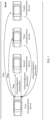
- the plurality of other communications devices and the first communications device form a communications device group may include.
- a number of vehicles form a vehicle platoon, and travel in a unit of platooning.
- the first communications device may be the first vehicle.
- the plurality of other communications devices may include second to fourth communications devices, and the second to fourth communications devices and the first communications device belong to a same communications device group. Therefore, the second to fourth communications devices may be referred to as communications devices in a group, and the first to fourth communications devices form a vehicle platoon in traveling.
- acknowledgement acknowledgement
- ACK acknowledgement
- the first communications device sends the data to the second communications device, the third communications device, or the fourth communications device again, and the second communications device, the third communications device, or the fourth communications device can receive the data again, thereby improving reliability of transmission of groupcast data or broadcast data.
- the plurality of other communications devices may further include more communications devices, and these communications devices do not belong to the communications device group including the first to fourth communications devices.
- these communications devices are communications devices outside a group.
- a fifth communications device is a communications device outside a group.
- the first communications device can also broadcast data to the fifth communications device.
- a resource used by the first communications device to perform V2X communication with the second to fourth communications devices may be allocated by a network device in mode 3 V2X communication, and may be independently selected by the first communications device in mode 4 V2X communication.
- the network device in this application is an apparatus that is deployed in a radio access network and that is configured to provide a wireless communication function for the first to fifth communications devices.
- the network device may be a base station (Base Station, BS), for example, a macro base station, a micro base station, a relay station, or an access point, or may be a device in another form, for example, a street lamp or a road side unit (Road Side Unit, RSU).
- BS Base Station
- RSU road side unit
- the device in a 5th generation 5G network, the device is a network device or a base station; in a long term evolution (Long Term Evolution, LTE) network, the device is referred to as an evolved NodeB (evolved NodeB, eNB or eNodeB for short); in a third generation 3G network, the device is referred to as a node B (Node B); or the like.
- the device is a road side unit (Road Side Unit, RSU) in V2X communication, or a chip or a system on chip (System on Chip, SOC) in the network device or base station.
- RSU Road Side Unit
- SOC System on Chip
- the first to fifth communications devices in this application may include various devices having a wireless communication function or units, components, apparatuses, chips, or SOCs in the devices.
- the device having a wireless communication function may be, for example, a vehicle-mounted device, a wearable device, a computing device, or another device connected to a wireless modem, a mobile station (Mobile station, MS), a terminal (terminal), or user equipment (User Equipment, UE).
- FIG. 8 shows an acknowledgement information transmission method, first to fifth communications devices, a network device, and a system according to an embodiment of this application.
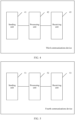
- the first communications device includes a sending unit 21, a processing unit 22, and a receiving unit 23.
- the sending unit 21 and the receiving unit 23 may be replaced with a transceiver unit.
- the second communications device includes a sending unit 31, a processing unit 32, and a receiving unit 33.
- the sending unit 31 and the receiving unit 33 may be replaced with a transceiver unit.
- the third communications device includes a sending unit 41, a processing unit 42, and a receiving unit 43.
- the sending unit 41 and the receiving unit 43 may be replaced with a transceiver unit.
- the fourth communications device includes a sending unit 51, a processing unit 52, and a receiving unit 53.
- the sending unit 51 and the receiving unit 53 may be replaced with a transceiver unit.
- the fifth communications device includes a sending unit 61, a processing unit 62, and a receiving unit 63.
- the sending unit 61 and the receiving unit 63 may be replaced with a transceiver unit.
- the network device includes a sending unit 71, a processing unit 72, and a receiving unit 73.
- the sending unit 71 and the receiving unit 73 may be replaced with a transceiver unit.
- the processing unit 22 to the processing unit 72 may be processors, the sending unit 21 to the sending unit 71 and the receiving unit 23 to the receiving unit 73 may be transceivers, the sending unit 21 to the sending unit 71 may be transmitters, and the receiving unit 23 to the receiving unit 73 may be receivers.
- the transceiver, the transmitter, or the receiver may be a radio frequency circuit.
- the storage unit is configured to store a computer instruction.
- the processor is communicatively connected to the memory, and the processor executes the computer instruction stored in the memory, to enable the first to fifth communications devices or the network device to perform the method in the embodiment of FIG. 2 .
- the processor may be a general-purpose central processing unit (CPU), a microprocessor, or an application-specific integrated circuit (Application Specific Integrated Circuit, ASIC).
- the processing unit 22 to the processing unit 72 may be, for example, processors, the sending unit 21 to the sending unit 71 may be output interfaces, pins, circuits, or the like, the receiving unit 23 to the receiving unit 73 may be input interfaces, pins, circuits, or the like, and the transceiver unit may be, for example, an input/output interface, a pin, or a circuit.
- the processing unit may execute a computer-executable instruction stored in a storage unit, so that a chip in each of the first to fifth communications devices or in the network device performs the methods in FIG. 8 to FIG. 10 .
- the storage unit is a storage unit in the chip, for example, a register or a buffer, or the storage unit may be a storage unit in the terminal but outside the chip, for example, a read-only memory (Read-Only Memory, ROM), another type of static storage device capable of storing static information and instructions, or a random access memory (Random Access Memory, RAM).
- ROM Read-Only Memory
- RAM Random Access Memory
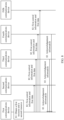
- Steps of the acknowledgement information sending method and the acknowledgement information receiving method in the embodiment of FIG. 8 include: Step 81: The first communications device obtains a first resource and a second resource. The first communications device and at least one communications device in a group jointly form a first communications device group.
- the second to fourth communications devices are the at least one communications device in the group, the first to fourth communications devices form the first communications device group, and vehicles to which the first to fourth communications devices belong form a vehicle platoon, and a vehicle to which the first communications device belongs is the first vehicle in the vehicle platoon.
- the fifth communications device in FIG. 8 does not belong to the first communications device group, and a vehicle to which the fifth communications device belongs is not in the vehicle platoon.
- the fifth communications device is referred to as a communications device outside the group.
- the first resource is used by the first communications device to send first control information and first data to the second to fifth communications device, the first control information is sidelink control information, and the first data is sidelink data.
- the second resource is used by the second to fourth communications devices to transmit acknowledgement information to the first communications device.
- the second resource may be further used by the second to fourth communications devices to transmit channel state information (Channel State Information, CSI) to the first communications device, and the second resource may also be used by the second to fourth communications devices to transmit the acknowledgement information and the CSI to the first communications device.
- CSI Channel State Information
- the first communications device group may be independently established by the first communications device. For example, the first communications device establishes the first to fourth communications devices as the first communications device group, selects one group identifier from a preset group identifier range as a group identifier of the first communications device group, and sends the group identifier to the network device for confirmation.
- the first communications device group may be established by the network device.
- the network device may establish the first to fourth communications devices as the first communications device group, and allocate a group identifier to the first communications device group.
- the group identifier may be sent by the network device to the second to fourth communications devices, or may be sent by the first communications device to the second to fourth communications devices.
- the group identifier may be, for example, a group V2X radio network temporary identifier (Group V2X Radio Network Temporary Identifier, G-V2X-RNTI).
- G-V2X-RNTI Group V2X Radio Network Temporary Identifier
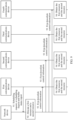
- V2X communication in network device scheduling mode for example, in mode 3, specific steps in which the first communications device obtains the first resource and the second resource are shown in FIG. 9 .
- Communication in network device scheduling mode 3 is V2X communication based on scheduling by a base station, and a resource used by the first communications device to send control information and data to another communications device is allocated by the base station.
- the sending unit 21 of the first communications device sends a scheduling request (Scheduling Request, SR) to the network device on a third resource.
- the network device allocates, to different communications device groups in a system, a resource for sending the scheduling request.
- Each communications device group has a resource for sending the scheduling request, and the resource corresponds to the communications device group. For example, there is a correspondence between the first communications device group and the third resource.
- the network device may determine, based on the third resource and the correspondence between the third resource and the first communications device group, that the resource is a resource on which a communications device in the first communications device group requests to transmit the control information, the data, and/or the acknowledgement information.
- the group identifier of the first communications device group used to scramble first downlink control information may be obtained by the network device based on the correspondence, and the third resource may be a physical uplink control channel (Physical Uplink Control Channel, PUCCH).
- PUCCH Physical Uplink Control Channel
- the scheduling request is used to request the network device to schedule the first resource used to transmit the first control information and the first data and/or the second resource used to transmit the acknowledgement information.
- the first communications device may notify, by sending scheduling requests of different sequences, the network device whether to allocate the second resource used to transmit the acknowledgement information. For example, when the first communications device sends a scheduling request sequence A to the network device, it indicates that the first communications device needs the network device to allocate the second resource used to transmit the acknowledgement information. In this case, the network device schedules the first resource used to transmit the first control information and the first data and the second resource used to transmit the acknowledgement information.
- the first communications device When the first communications device sends a scheduling request sequence B to the network device, it indicates that the first communications device does not need the network device to allocate the second resource used to transmit the acknowledgement information. In this case, the network device schedules only the first resource used to transmit the first control information and the first data.
- the second resource may be included in a hybrid automatic repeat request grant (Hybrid Automatic Repeat request Grant, HARQ-Grant) sent by the base station, or may be included in a channel state information grant (Channel State Information Grant, CSI-Grant).
- the sending unit 21 of the first communications device can alternatively send a scheduling request and a buffer status report (Buffer Status Report, BSR) to the network device.
- the buffer status report includes a group identifier of a first communications device group to which the first communications device belongs, the buffer status report is used to request the network device to schedule the second resource used to transmit the acknowledgement information, and the scheduling request is used to request the network device to schedule the first resource used to transmit the first control information and the first data.
- the first communications device may send the scheduling request and the buffer status report to the network device on a physical uplink shared channel (Physical Uplink Shared Channel, PUSCH).
- PUSCH Physical Uplink Shared Channel
- the buffer status report may further include one-bit indication information to indicate whether the network device needs to allocate the second resource used to transmit the acknowledgement information. For example, when the one-bit indication information is 1, the network device allocates the second resource used to transmit the acknowledgement information. When the one-bit indication information is 0, the network device does not allocate the second resource used to transmit the acknowledgement information.
- the buffer status report may be used to request the network device to schedule the second resource used to transmit the channel state information, or the buffer status report may be used to request the network device to schedule the second resource used to transmit the acknowledgement information and the channel state information.
- the second resource scheduled by the base station may be used to transmit not only the acknowledgement information, but also the channel state information, and may also be used to transmit the acknowledgement information and the channel state information.
- Step 92 In response to the scheduling request sent by the first communications device or a combination of the scheduling request and the buffer status report, the processing unit 72 of the network device allocates the first resource used to transmit the first control information and the first data and the second resource used to transmit the acknowledgement information.
- the second resource may be used to transmit the channel state information, or the second resource may be used to transmit the acknowledgement information and the channel state information.
- Step 93 The sending unit 71 of the network device sends first downlink control information (Downlink Control Information, DCI) to the first to fourth communications devices, where the first downlink control information is used to indicate the first resource and the second resource, and the first downlink control information is scrambled by using the group identifier of the first communications device group.
- the first downlink control information may include at least one of the following information: sidelink resource configuration information, a modulation and coding scheme (Modulation and Coding Scheme, MCS) used for sidelink transmission, sidelink feedback resource configuration information, and a user equipment identifier (User Equipment Identifier, UE-ID) of user equipment that initiates sending of groupcast or broadcast data.
- MCS Modulation and Coding Scheme
- UE-ID User Equipment Identifier
- the sidelink resource configuration information is used to indicate the first resource used for transmission of sidelink control information and sidelink data
- the sidelink feedback resource configuration information is used to indicate the second resource used to transmit the acknowledgement information on a sidelink
- the user equipment identifier of the user equipment that initiates sending of groupcast or broadcast data is used by the first to fourth communications devices to learn of a communications device that is to initiate sending of groupcast or broadcast data on the sidelink.
- the first downlink control information includes the user equipment identifier of the first communications device
- the first to fourth communications devices may learn that the first communications device is a communications device that is to send sidelink information
- the second to fourth communications devices are communications devices that are to receive the sidelink information.
- a communications device in the first communications device group that initiates sending of the groupcast or broadcast data may be set by the network device when the first communications device group is established, or may be set by the communications devices that establish the first communications device group when the first communications device group is established.
- Step 94 The first to fourth communications devices obtain the first resource and the second resource.
- the first downlink control information sent by the network device is scrambled by using the group identifier of the first communications device group. Therefore, only a communications device that belongs to a member of the first communications device group can descramble the scrambled first downlink control information to obtain the first resource and the second resource. In other words, the first to fourth communications devices obtain the first resource and the second resource by descrambling the first downlink control information.
- the receiving unit 23 of the first communications device receives, from the network device, the first downlink control information scrambled by using the group identifier, and the first communications device descrambles, based on the group identifier, the first downlink control information scrambled by using the group identifier, to obtain the first downlink control information, obtain the first resource used to transmit the first control information and the first data, and obtain the second resource used to transmit the acknowledgement information.
- V2X communication in user-selected mode for example, in mode 4, specific steps in which the first communications device obtains the first resource and the second resource are shown in FIG. 4 .
- Communication in user-selected mode is V2X communication in which a communications device independently selects a resource used to transmit control information and data. The first communications device selects the first resource and the second resource from a resource pool, and notifies, by using sidelink control information, another communications device of the first resource and the second resource that are selected by the first communications device.
- the processing unit 22 of the first communications device selects the first resource and the second resource from the resource pool.
- the first communications device selects the first resource from the resource pool for the sidelink control information and sidelink data, and selects the second resource from the resource pool for the acknowledgement information.
- the first communications device may alternatively select the first resource and the second resource from a common resource pool.
- Step 102 The sending unit 21 of the first communications device sends a resource used to send the first data on the first resource, the second resource, and the group identifier of the first communications device group to the another communications device. Specifically, step 102 is the same as step 82.
- Step 82 The sending unit 21 of the first communications device sends the first control information and the first data to at least one communications device in a group on the first resource, and a receiving unit of the at least one communications device in the group receives the first control information and the first data from the first communications device on the first resource.
- the at least one communications device in the group refers to a plurality of other communications devices than the first communications device that belong to the first communications device group. In FIG. 8 , the at least one communications device in the group specifically includes the second to fourth communications devices.
- the first communications device and the at least one communications device in the group belong to the first communications device group, the first communications device and the at least one communications device in the group each have the group identifier of the first communications device group, and the first control information is used to indicate the resource used to send the first data on the first resource, the second resource, and the group identifier of the first communications device group.
- the first control information may be the sidelink control information (Sidelink Control Information, SCI).
- the sending unit 21 of the first communications device may further send the first control information and the first data to at least one communications device outside a group on the first resource, a receiving unit of the at least one communications device outside the group receives the first control information and the first data from the first communications device on the first resource, the at least one communications device outside the group does not belong to the first communications device group, and the at least one communications device outside the group does not have the group identifier of the first communications device group.
- the at least one communications device outside the group refers to a plurality of other communications devices that do not belong to the first communications device group. In FIG. 8 , for example, the at least one communications device outside the group is the fifth communications device.
- the first communications device broadcasts, on the first resource, the first control information and the first data to other communications devices nearby the first communications device, and the other communications devices nearby the first communications device not only include the other communications devices than the first communications device that belong to the first communications device group but also include the communications devices that do not belong to the first communications device group. Therefore, the communications device outside the group may also receive the first data from the first communications device based on the first control information, so that reliability of a communications device outside the first communications device group can be improved. However, because the fifth communications device may be determined as a communications device outside a group based on the group identifier of the first communications device group, the fifth communications device does not need to feed back the acknowledgement information to the first communications device.
- a separation between the first resource and the second resource in time domain may have a predefined time length.
- the first resource and the second resource are separated by z slots, z mini-slots, z subframes, or z other time units.
- the first control information may be further used to indicate that the first resource and the second resource are separated by k slots, and when the first resource belongs to a slot n, the second resource belongs to a slot n+k or a slot n+k-1, where n is an integer, and k is a positive integer.
- a reservation field or reservation information in the first control information may be used to indicate the k slots.
- the first control information may further include one-bit HARQ reservation indication information, which is used to indicate whether the reservation field or the reservation information in the first control information is used to indicate the second resource used to transmit the HARQ information.
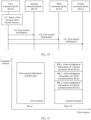
- Step 83 The sending units of the second to fourth communications devices send the acknowledgement information to the first communications device on the second resource, the receiving unit 23 of the first communications device receives the acknowledgement information from the second to fourth communications devices on the second resource, and the acknowledgement information is used to feed back whether the second to fourth communications devices correctly receive the first data.
- the sending units of the second to fourth communications devices may send the channel state information to the first communications device on the second resource, or the sending units of the second to fourth communications devices may send the acknowledgement information and the channel state information to the first communications device on the second resource.
- the second communications device is used as an example.
- the second communications device is at least one communications device in a group, the second communications device belongs to the first communications device group, and the second communications device has the group identifier of the first communications device group.
- the second communications device determines, based on the group identifier of the first communications device group that is carried in the first control information, that the second communications device and the first communications device belong to a same communications device group, that is, belong to the first communications device group. In this case, the second communications device feeds back the acknowledgement information to the first communications device on the second resource.
- the second communications device when the second communications device correctly or successfully receives the first data, the second communications device sends ACK acknowledgement information to the first communications device. When the second communications device does not correctly or successfully receive the first data, the second communications device sends NACK acknowledgement information to the first communications device.
- the third communications device and the fourth communications device are also communications devices that belong to the first communications device group. Therefore, specific steps of sending the acknowledgement information by the third communications device and the fourth communications device are the same as those of sending the acknowledgement information by the second communications device, and details are not described again.
- the first communications device may further send a reference signal when sending the first data to the second to fourth communications devices on the first resource, and determining units of the second to fourth communications devices may measure the reference signal and generate channel state information.
- the second to fourth communications devices may send the channel state information to the first communications device on the second resource. Therefore, the first communications device may obtain a sidelink channel state by using the received channel state information.
- the second to fourth communications devices may send the channel state information and the acknowledgement information to the first communications device on the second resource. Details are not described herein again.
- the fifth communications device is used as an example.
- the fifth communications device is at least one communications device outside a group, the fifth communications device does not belong to the first communications device group, and the fifth communications device does not have the group identifier of the first communications device group. Therefore, after the fifth communications device receives the first control information and the first data sent by the first communications device, the fifth communications device determines, based on the group identifier of the first communications device group that is carried in the first control information, that the fifth communications device and the first communications device do not belong to a same communications device group, that is, do not belong to the first communications device group. Therefore, after the fifth communications device receives the first data sent by the first communications device, the fifth communications device does not need to feed back the acknowledgement information to the first communications device.
- the first to fourth communications devices form the first communications device group. After receiving the first data sent by the first communications device, the second to fourth communications devices feed back the acknowledgement information.
- the acknowledgement information may be fed back in a plurality of manners.
- the second resource is divided into several resource units in frequency domain.
- each resource unit is one resource block (Resource Block, RB), and each RB corresponds to one communications device.
- the first communications device may determine, based on a location of an RB on which the acknowledgement information is received, a communications device that sends the acknowledgement information.
- the second communications device corresponds to an RB 0
- the third communications device corresponds to an RB 1
- the fourth communications device corresponds to an RB 2.
- the acknowledgement information received by the first communications device on the RB 0 is sent by the second communications device, and so on.
- the first communications device may determine, based on a ratio of a quantity of received ACKs or NACKs to a total quantity of pieces of the acknowledgement information, whether to perform groupcast retransmission, that is, resend the first data to the second to fourth communications devices.
- the first communications device may determine, based on a location of an RB on which NACK acknowledgement information is received, to retransmit the first data in a unicast manner to a communications device that does not correctly or successfully receive the first data.
- Manner 2 A communications device that correctly or successfully receives the first data sends ACK acknowledgement information to the first communications device, and a communications device that does not correctly or successfully receive the first data does not send any acknowledgement information to the first communications device.
- the first communications device does not distinguish a communications device that sends the received ACK acknowledgement information
- the first communications device determines, based on a preset threshold and a ratio of a quantity of pieces of the received ACK acknowledgement information to a quantity of communications devices other than the first communications device in the first communications device group, whether to perform groupcast retransmission, that is, retransmit the first data to the second to fourth communications devices in a groupcast manner.
- the second communications device and the third communications device each send the ACK acknowledgement information to the first communications device on the second resource.
- the fourth communications device does not correctly or successfully receive the first data sent by the first communications device, the fourth communications device does not feed back any acknowledgement information to the first communications device. Therefore, the first communications device receives two pieces of the ACK acknowledgement information in total, and there are three communications devices in total other than the first communications device in the first communications device group. Therefore, the ratio of the quantity of the pieces of the ACK acknowledgement information received by the first communications device to the quantity of the communications devices other than the first communications device in the first communications device group is 66.7%.
- the first communications device determines that -only 66.7%, less than the preset threshold, 80%, of the communications devices in the group correctly receive the first data. In this case, the first communications device retransmits the first data to the second to fourth communications devices in the groupcast manner.
- the first communications device may determine, based on whether a received signal strength indicator (Received Signal Strength Indication, RSSI) of received ACK acknowledgement information is greater than a preset threshold, whether to retransmit the first data to the second to fourth communications devices in the groupcast manner.
- RSSI Received Signal Strength Indication
- the RSSI of the ACK acknowledgement information received by the first communications device is greater than the preset threshold, it indicates that many communications devices in the group correctly or successfully receive the first data, and the first communications device determines that the second to fourth communications devices correctly or successfully receive the first data. Therefore, the first communications device does not retransmit the first data to the second to fourth communications devices in the groupcast manner. If the RSSI of the ACK acknowledgement information received by the first communications device is less than the preset threshold, the first communications device retransmits the first data to the second to fourth communications devices in the groupcast manner.
- Manner 3 A communications device that does not correctly or successfully receive the first data sends NACK acknowledgement information to the first communications device, and a communications device that correctly or successfully receives the first data does not send any acknowledgement information to the first communications device.
- the first communications device does not distinguish a communications device that sends the received NACK acknowledgement information, the first communications device determines, based on a preset threshold and a ratio of a quantity of pieces of the received NACK acknowledgement information to a quantity of communications devices other than the first communications device in the first communications device group, whether to perform groupcast retransmission, that is, retransmit the first data to the second to fourth communications devices in a groupcast manner.
- the second communications device and the third communications device each send the NACK acknowledgement information to the first communications device on the second resource.
- the fourth communications device correctly or successfully receives the first data sent by the first communications device
- the fourth communications device does not feed back any acknowledgement information to the first communications device. Therefore, the first communications device receives two pieces of the NACK acknowledgement information in total, and there are three communications devices in total other than the first communications device in the first communications device group. Therefore, the ratio of the quantity of the pieces of the NACK acknowledgement information received by the first communications device to the quantity of the communications devices other than the first communications device in the first communications device group is 66.7%.
- the first communications device determines that as high as 66.7%, greater than the preset threshold, 30%, of the communications devices in the group do not correctly or successfully receive the first data. In this case, the first communications device retransmits the first data to the second to fourth communications devices in the groupcast manner.
- the first communications device may determine, based on whether an RSSI of received NACK acknowledgement information is greater than a preset threshold, whether to retransmit the first data to the second to fourth communications devices in the groupcast manner.
- the RSSI of the NACK acknowledgement information received by the first communications device is greater than the preset threshold, it indicates that many communications devices in the group do not correctly or successfully receive the first data, and the first communications device determines that the second to fourth communications devices do not correctly or successfully receive the first data. Therefore, the first communications device retransmits the first data to the second to fourth communications devices. If the RSSI of the NACK acknowledgement information received by the first communications device is less than the preset threshold, the first communications device does not retransmit the first data to the second to fourth communications devices in the groupcast manner.
- the first communications device obtains the first resource and the second resource, sends the first control information and the first data to the second communications device on the first resource, and receives the acknowledgement information from the second communications device on the second resource. Therefore, reliability of V2X communication is improved.
- the disclosed system, apparatus, and method may be implemented in another manner.
- the described apparatus embodiments are merely examples.
- division into the unit is merely logical function division and may be other division during actual implementation.
- a plurality of units or components may be combined or integrated into another system, or some features may be ignored or not performed.
- the displayed or discussed mutual couplings or direct couplings or communication connections may be implemented through some interfaces.
- the indirect couplings or communication connections between the apparatuses or units may be implemented in an electrical form, a mechanical form, or another form.
- the units described as separate parts may or may not be physically separate, and parts displayed as units may or may not be physical units, may be located in one position, or may be distributed on a plurality of network units. Some or all of the units may be selected based on an actual requirement to achieve the objectives of the solutions of the embodiments.
- function units in the embodiments of this application may be integrated into one processing unit, or each of the units may exist alone physically, or two or more units are integrated into one unit.
- the integrated unit may be implemented in a form of hardware, or may be implemented in a form of a software functional unit.
- the integrated unit When the integrated unit is implemented in the form of a software function unit and sold or used as an independent product, the integrated unit may be stored in a computer-readable storage medium. Based on such an understanding, the technical solutions of this application essentially, or the part contributing to the prior art, or all or some of the technical solutions may be implemented in the form of a software product.
- the software product is stored in a storage medium and includes several instructions for instructing a computer device (which may be a personal computer, a server, or a network device) to perform all or some of the steps of the methods described in the embodiments of this application.
- the foregoing storage medium includes any medium that can store program code, such as a USB flash drive, a removable hard disk, a read-only memory (ROM, Read-Only Memory), a random access memory (RAM, Random Access Memory), a magnetic disk, or an optical disc.
- program code such as a USB flash drive, a removable hard disk, a read-only memory (ROM, Read-Only Memory), a random access memory (RAM, Random Access Memory), a magnetic disk, or an optical disc.
Landscapes
- Engineering & Computer Science (AREA)
- Signal Processing (AREA)
- Computer Networks & Wireless Communication (AREA)
- Mobile Radio Communication Systems (AREA)
Claims (13)
- Procédé de réception d'informations d'accusé de réception, comprenant :l'obtention (81), par un premier dispositif de communications, d'une première ressource et d'une deuxième ressource ;l'envoi (82), par le premier dispositif de communications, de premières informations de commande et de premières données à une pluralité de seconds dispositifs de communications dans un groupe à l'aide de la première ressource, dans lequel le premier dispositif de communications et la pluralité de seconds dispositifs de communications du groupe appartiennent à un premier groupe de dispositifs de communications, le premier dispositif de communications et la pluralité de seconds dispositifs de communications dans le groupe ont chacun un identifiant de groupe du premier groupe de dispositifs de communications, et les premières informations de commande sont utilisées pour indiquer la première ressource, la deuxième ressource et l'identifiant de groupe du premier groupe de dispositifs de communications ;la réception (83), par le premier dispositif de communications, d'informations d'accusé de réception à partir d'au moins un second dispositif de communications du groupe à l'aide de la deuxième ressource, dans lequel les informations d'accusé de réception sont utilisées pour indiquer si un second dispositif de communications reçoit correctement les premières données, dans lequel les informations d'accusé de réception sont des informations d'accusé de réception négatif, NACK ;la détermination, par le premier dispositif de communications, du fait de savoir s'il faut réaliser une retransmission de diffusion de groupe sur la base d'un seuil prédéfini et d'un rapport d'une quantité d'éléments des informations d'accusé de réception NACK à une quantité de dispositifs de communications autre que le premier dispositif de communications du premier groupe de dispositifs de communications ; etsi le rapport est supérieur au seuil, la réalisation d'une retransmission de diffusion de groupe, par le premier dispositif de communications, en retransmettant les premières données à la pluralité de dispositifs de communications du groupe.
- Procédé selon la revendication 1, comprenant en outre :la réception (93), par le premier dispositif de communications, des premières informations de commande de liaison descendante à partir d'un dispositif de réseau, dans lequel les premières informations de commande de liaison descendante sont utilisées pour indiquer la première ressource et la deuxième ressource, et les premières informations de commande de liaison descendante sont brouillées à l'aide de l'identifiant de groupe du premier groupe de dispositifs de communications ; etl'obtention (81), par un premier dispositif de communications, d'une première ressource et d'une deuxième ressource comprend :
l'obtention, par le premier dispositif de communications, de la première ressource et de la deuxième ressource en désembrouillant les premières informations de commande de liaison descendante. - Procédé selon la revendication 2, dans lequel avant la réception, par le premier dispositif de communications, des premières informations de commande de liaison descendante d'un dispositif de réseau, le procédé comprend en outre :l'envoi, par le premier dispositif de communications, d'une demande de planification au dispositif de réseau sur une troisième ressource, dans lequel il existe une correspondance entre la troisième ressource et le premier groupe de dispositifs de communications, et la demande de planification est utilisée pour demander au dispositif de réseau de planifier la première ressource et la deuxième ressource ; etl'identifiant de groupe du premier groupe de dispositifs de communications utilisé pour brouiller les premières informations de commande de liaison descendante est obtenu par le dispositif de réseau sur la base de la correspondance.
- Procédé selon la revendication 2, dans lequel
l'envoi, par le premier dispositif de communications, d'un rapport d'état de tampon et d'une demande de planification au dispositif de réseau, dans lequel le rapport d'état de tampon comprend l'identifiant de groupe du premier groupe de dispositifs de communications auquel le premier dispositif de communications appartient, le rapport d'état de tampon est utilisé pour demander au dispositif de réseau de planifier la deuxième ressource, et la demande de planification est utilisée pour demander au dispositif de réseau de planifier la première ressource. - Procédé selon l'une quelconque des revendications 1 à 4, dans lequel le procédé comprend en outre :
l'envoi, par le premier dispositif de communications, des premières informations de commande et des premières données à au moins un dispositif de communications en dehors du groupe sur la première ressource, dans lequel l'au moins un dispositif de communications en dehors du groupe n'appartient pas au premier groupe de dispositifs de communication, et l'au moins un dispositif de communications en dehors du groupe n'a pas l'identifiant de groupe du premier groupe de dispositifs de communications. - Procédé selon l'une quelconque des revendications 1 à 5, dans lequel
les premières informations de commande sont en outre utilisées pour indiquer que la première ressource et la deuxième ressource sont séparées par k créneaux, et lorsque la première ressource appartient à un créneau n, la deuxième ressource appartient à un créneau n + k ou à un créneau n + k - 1, dans lequel n est un entier et k est un entier positif. - Premier dispositif de communications, comprenant un moyen pour mettre en oeuvre le procédé selon l'une quelconque des revendications 1 à 6.
- Procédé d'envoi d'informations d'accusé de réception, comprenant :la réception (82), par un second dispositif de communications, des premières informations de commande et des premières données à partir d'un premier dispositif de communications sur une première ressource, dans lequel le second dispositif de communications est l'un d'une pluralité de seconds dispositifs de communications dans un groupe, le premier dispositif de communications et la pluralité de seconds dispositifs de communications du groupe appartiennent à un premier groupe de dispositifs de communications, le premier dispositif de communications et le second dispositif de communications ont chacun un identifiant de groupe du premier groupe de dispositifs de communications, et les premières informations de commande sont utilisées pour indiquer une ressource qui est utilisée pour envoyer les premières données sur la première ressource, une deuxième ressource et l'identifiant de groupe du premier groupe de dispositifs de communications ;l'envoi (83), par le second dispositif de communications, d'informations d'accusé de réception au premier dispositif de communications sur la deuxième ressource, dans lequel les informations d'accusé de réception sont utilisées pour indiquer si le second dispositif de communications reçoit correctement les premières données, dans lequel les informations d'accusé de réception sont des informations d'accusé de réception négatif, NACK ;la détermination, par le premier dispositif de communications, du fait de savoir s'il faut réaliser une retransmission de diffusion de groupe sur la base d'un seuil prédéfini et d'un rapport d'une quantité d'éléments des informations d'accusé de réception NACK à une quantité de dispositifs de communications autre que le premier dispositif de communications du premier groupe de dispositifs de communications ; etsi le rapport est supérieur au seuil, la réception, par le second dispositif de communications, des premières données à partir du premier dispositif de communications.
- Procédé selon la revendication 8, dans lequel le procédé comprend en outre :la réception (93), par le second dispositif de communications, des premières informations de commande de liaison descendante à partir d'un dispositif de réseau, dans lequel les premières informations de commande de liaison descendante sont utilisées pour indiquer la première ressource et la deuxième ressource, et les premières informations de commande de liaison descendante sont brouillées à l'aide de l'identifiant de groupe du premier groupe de dispositifs de communications ; etl'obtention (94), par le second dispositif de communications, de la première ressource et de la deuxième ressource en désembrouillant les premières informations de commande de liaison descendante.
- Procédé d'envoi d'informations de commande de liaison descendante, comprenant :la réception (91), par un dispositif de réseau, d'une demande de planification à partir d'un premier dispositif de communications sur une troisième ressource, dans lequel il existe une correspondance entre la troisième ressource et le premier dispositif de communications, la demande de planification est utilisée pour demander au dispositif de réseau de planifier une première ressource utilisée pour transmettre des premières informations de commande et des premières données et une deuxième ressource utilisée pour transmettre des informations d'accusé de réception, la première ressource est utilisée par le premier dispositif de communications pour envoyer les premières informations de commande et les premières données à une pluralité de seconds dispositifs de communications en un groupe, la deuxième ressource est utilisée par un second dispositif de communications pour envoyer les informations d'accusé de réception au premier dispositif de communications, les informations d'accusé de réception sont utilisées pour indiquer si le second dispositif de communications reçoit correctement les premières données, le premier dispositif de communications et l'au moins un dispositif de communications du groupe appartiennent à un premier groupe de dispositif de communications, et le premier dispositif de communications et l'au moins un dispositif de communications du groupe ont chacun un identifiant de groupe du premier groupe de dispositifs de communications ;l'obtention, par le dispositif de réseau sur la base de la troisième ressource et de la correspondance, de l'identifiant de groupe du premier groupe de dispositifs de communications auquel le premier dispositif de communications appartient ; etl'envoi (93), par le dispositif de réseau, d'informations de commande de liaison descendante au premier dispositif de communications et à l'au moins un dispositif de communications du groupe, dans lequel les premières informations de commande de liaison descendante sont utilisées pour indiquer la première ressource et la deuxième ressource, et les premières informations de commande de liaison descendante sont brouillées à l'aide de l'identifiant de groupe du premier groupe de dispositifs de communicationsdans lequel les informations d'accusé de réception sont des informations d'accusé de réception négatif, NACK ;la détermination, par le premier dispositif de communications, du fait de savoir s'il faut réaliser une retransmission de diffusion de groupe sur la base d'un seuil prédéfini et d'un rapport d'une quantité d'éléments des informations d'accusé de réception NACK à une quantité de seconds dispositifs de communications autre que le premier dispositif de communications dans le premier groupe de dispositif de communications ; etsi le rapport est supérieur au seuil, la réception, par le second dispositif de communications, des premières données à partir du premier dispositif de communications.
- Procédé selon la revendication 10, dans lequel
les premières informations de commande sont en outre utilisées pour indiquer que la première ressource et la deuxième ressource sont séparées par k créneaux, et lorsque la première ressource appartient à un créneau n, la deuxième ressource appartient à un créneau n + k ou à un créneau n + k - 1, dans lequel n est un entier et k est un entier positif. - Support de stockage lisible par ordinateur, comprenant des instructions qui, lorsqu'elles sont exécutées par un dispositif de communications ou un dispositif de réseau, amènent le dispositif de communications ou le dispositif de réseau à mettre en oeuvre les étapes respectives du procédé selon l'une quelconque des revendications 1 à 6, des revendications 8 et 9 ou des revendications 10 à 11.
- Système de communications comprenant un premier dispositif de communication, une pluralité de seconds dispositifs de communication et un dispositif de réseau, destiné à mettre en oeuvre le procédé selon l'une quelconque des revendications 1 à 6, des revendications 8 et 9 ou des revendications 11 à 12.
Applications Claiming Priority (2)
| Application Number | Priority Date | Filing Date | Title |
|---|---|---|---|
| CN201810588498.6A CN110582067B (zh) | 2018-06-08 | 2018-06-08 | 一种应答信息的发送和接收方法、通信设备及网络设备 |
| PCT/CN2019/087408 WO2019233261A1 (fr) | 2018-06-08 | 2019-05-17 | Procédé d'envoi et de réception d'information de réponse, dispositif de communication et dispositif de réseau |
Publications (3)
| Publication Number | Publication Date |
|---|---|
| EP3780672A1 EP3780672A1 (fr) | 2021-02-17 |
| EP3780672A4 EP3780672A4 (fr) | 2021-06-23 |
| EP3780672B1 true EP3780672B1 (fr) | 2023-05-24 |
Family
ID=68769238
Family Applications (1)
| Application Number | Title | Priority Date | Filing Date |
|---|---|---|---|
| EP19815167.2A Active EP3780672B1 (fr) | 2018-06-08 | 2019-05-17 | Procédé d'envoi et de réception d'information de réponse, dispositif de communication et dispositif de réseau |
Country Status (4)
| Country | Link |
|---|---|
| US (1) | US11496994B2 (fr) |
| EP (1) | EP3780672B1 (fr) |
| CN (1) | CN110582067B (fr) |
| WO (1) | WO2019233261A1 (fr) |
Families Citing this family (6)
| Publication number | Priority date | Publication date | Assignee | Title |
|---|---|---|---|---|
| WO2021102768A1 (fr) * | 2019-11-28 | 2021-06-03 | Qualcomm Incorporated | Demandes de planification de groupe et attributions de ressources |
| CN113132425B (zh) * | 2019-12-30 | 2023-02-21 | 中信科智联科技有限公司 | 一种车队信息传输方法、装置及设备 |
| WO2021168659A1 (fr) * | 2020-02-25 | 2021-09-02 | Oppo广东移动通信有限公司 | Procédé d'envoi d'informations, procédé et appareil de réception d'informations, dispositif, et support de stockage |
| EP4240055A4 (fr) * | 2020-11-30 | 2023-12-20 | Huawei Technologies Co., Ltd. | Procédé et appareil de transmission de données |
| CN115623452B (zh) * | 2021-07-16 | 2025-08-29 | 华为技术有限公司 | 一种无线信道资源的管理方法、设备以及系统 |
| CN116033571A (zh) * | 2021-10-26 | 2023-04-28 | 华为技术有限公司 | 通信方法、装置及系统 |
Family Cites Families (45)
| Publication number | Priority date | Publication date | Assignee | Title |
|---|---|---|---|---|
| DE602004017233D1 (de) * | 2004-08-31 | 2008-11-27 | Ericsson Telefon Ab L M | Kommunikationsvorrichtung |
| CN102792732A (zh) * | 2010-01-22 | 2012-11-21 | 诺基亚公司 | 用于多小区设备到设备干扰控制的蜂窝控制侦听 |
| WO2013115567A1 (fr) * | 2012-01-30 | 2013-08-08 | 엘지전자 주식회사 | Procédé de transmission et de réception d'informations en retour sur des données de transmission d2d dans un système de communication sans fil pour prendre en charge une communication d2d et appareil associé |
| US8848591B2 (en) * | 2012-02-27 | 2014-09-30 | Futurewei Technologies, Inc. | System and method for message acknowledgment feedback for device-to-device communication overlaid on a cellular network |
| US9602263B2 (en) * | 2012-04-02 | 2017-03-21 | Lg Electronics Inc. | ACK/NACK transmission method in wireless access system and apparatus therefor |
| CN104272633B (zh) * | 2012-04-18 | 2018-01-23 | Lg电子株式会社 | 在无线通信系统中针对装置到装置通信执行harq的方法以及用于该方法的装置 |
| US9516653B2 (en) * | 2012-06-22 | 2016-12-06 | Lg Electronics Inc. | Scheduling method for device-to-device communication and apparatus for same |
| CN103546254B (zh) * | 2012-07-09 | 2017-09-15 | 财团法人工业技术研究院 | 执行混合式自动重送请求的方法及其基站与移动装置 |
| KR101941996B1 (ko) * | 2012-10-31 | 2019-01-24 | 한국전자통신연구원 | 단말간 직접 통신 방법 및 이를 이용하는 모바일 디바이스 |
| MX344867B (es) * | 2012-12-14 | 2017-01-11 | Ericsson Telefon Ab L M | Un nodo de red, un dispositivo inalámbrico y métodos en los mismos para habilitar y realizar transmisiones harq en una comunicación de d2d entre dispositivos inalámbricos en una red de telecomunicaciones inalámbrica. |
| JP6398970B2 (ja) * | 2013-04-10 | 2018-10-03 | ソニー株式会社 | 端末装置、通信制御方法及び通信制御装置 |
| CN105306178B (zh) * | 2014-07-31 | 2021-02-09 | 索尼公司 | 无线通信设备和无线通信方法 |
| CN112118078B (zh) * | 2014-11-14 | 2024-02-27 | 株式会社Ntt都科摩 | 终端、通信系统以及反馈方法 |
| EP3213440B1 (fr) * | 2014-11-18 | 2019-02-27 | Sony Corporation | Dispositifs et procédés de communications |
| CN104486049A (zh) * | 2014-12-30 | 2015-04-01 | 宇龙计算机通信科技(深圳)有限公司 | 数据接收状态的反馈方法、数据重传方法、装置和终端 |
| EP3051733B1 (fr) * | 2015-01-27 | 2018-11-07 | Alcatel Lucent | Procédé de gestion de ressources, noeud, réseau et programme informatique |
| EP3244562B1 (fr) * | 2015-01-30 | 2020-09-02 | Huawei Technologies Co., Ltd. | Équipement utilisateur et procédé de transmission pour des informations d'accusé de réception |
| CN107409292B (zh) * | 2015-05-14 | 2021-04-13 | 富士通株式会社 | 边链路信息传输方法、装置以及通信系统 |
| CN106302622B (zh) * | 2015-06-12 | 2021-01-26 | 中兴通讯股份有限公司 | 车联网系统及其中的业务实现方法和装置 |
| US10477620B2 (en) * | 2015-08-20 | 2019-11-12 | Intel IP Corporation | Machine type communication relaying |
| CN106485947A (zh) * | 2015-08-25 | 2017-03-08 | 中兴通讯股份有限公司 | 一种车辆控制方法、装置及车联网系统 |
| US10334586B2 (en) * | 2016-01-22 | 2019-06-25 | Qualcomm Incorporated | Hybrid automatic repeat request feedback for unicast sidelink communications |
| EP3206321B1 (fr) * | 2016-02-15 | 2020-07-08 | Panasonic Intellectual Property Corporation of America | Opération harq en liaison montante améliorée pour équipements utilisateurs à service de proximité à prose activée participant à une opération de découverte de liaison latérale |
| CN105702018B (zh) * | 2016-03-14 | 2019-01-29 | 招商局重庆交通科研设计院有限公司 | 一种基于车路协同技术的车辆组队行驶管理方法 |
| EP3414965B1 (fr) * | 2016-03-24 | 2021-05-19 | LG Electronics Inc. | Procédé permettant de transmettre des données dans un système de communication et dispositif s'y rapportant |
| JP6761044B2 (ja) * | 2016-03-30 | 2020-09-23 | オッポ広東移動通信有限公司Guangdong Oppo Mobile Telecommunications Corp., Ltd. | データ伝送方法及び端末デバイス |
| CN107295702B (zh) * | 2016-04-01 | 2020-01-31 | 上海朗帛通信技术有限公司 | 一种窄带蜂窝通信的方法和装置 |
| CN107645774B (zh) * | 2016-07-20 | 2020-07-28 | 普天信息技术有限公司 | V2x网络中调度pc5口资源的确认方法 |
| JP7209456B2 (ja) * | 2016-08-08 | 2023-01-20 | ソニーグループ株式会社 | 基地局装置、端末装置、通信方法、及びプログラム |
| EP3282618A1 (fr) * | 2016-08-09 | 2018-02-14 | Panasonic Intellectual Property Corporation of America | Retransmissions initiales améliorées des données pour des transmissions v2x |
| WO2018027528A1 (fr) * | 2016-08-09 | 2018-02-15 | Panasonic Intellectual Property Corporation Of America | Sélection et détection améliorées de ressources radio destinées aux transmissions v2x |
| CN107733574A (zh) * | 2016-08-11 | 2018-02-23 | 北京信威通信技术股份有限公司 | 一种设备到设备通信的反馈方法及装置 |
| US20180091265A1 (en) * | 2016-09-28 | 2018-03-29 | Futurewei Technologies, Inc. | System and Method for D2D Communication |
| WO2018084608A2 (fr) * | 2016-11-03 | 2018-05-11 | Lg Electronics Inc. | Procédé de détermination de nombres de retransmissions de données de liaison latérale dans un système de communication sans fil, et dispositif correspondant |
| US11115789B2 (en) * | 2016-11-04 | 2021-09-07 | Lg Electronics Inc. | Resource allocation method for V2X communication in wireless communication system and apparatus therefor |
| US11088808B2 (en) * | 2017-01-13 | 2021-08-10 | Lg Electronics Inc. | Method and terminal for transmitting HARQ ACK/NACK signal using sidelink |
| JP2018191130A (ja) * | 2017-05-02 | 2018-11-29 | ソニー株式会社 | 通信装置及び通信方法 |
| EP3619989B1 (fr) * | 2017-05-05 | 2025-04-09 | Motorola Mobility LLC | Indication d'informations de commande de liaison latérale |
| WO2019019184A1 (fr) * | 2017-07-28 | 2019-01-31 | Panasonic Intellectual Property Corporation Of America | Appareil de communication et procédé de communication |
| CN111034075B (zh) * | 2017-08-11 | 2021-11-02 | 中兴通讯股份有限公司 | 用于适配旁链链路通信中的参数的系统和方法 |
| CN111279768B (zh) * | 2017-09-28 | 2023-11-14 | 联想(北京)有限公司 | 用于侧链路上的探测参考信号传输的方法和装置 |
| EP3707955B1 (fr) * | 2017-11-10 | 2022-10-26 | Telefonaktiebolaget LM Ericsson (Publ) | Noeud de réseau d'accès radio, dispositifs sans fil, procédés et logiciel pour une communication de dispositif à dispositif |
| EP3503635A1 (fr) * | 2017-12-22 | 2019-06-26 | Fraunhofer-Gesellschaft zur Förderung der angewandten Forschung e.V. | Notification d'urgence (urllc) demandant une transmission libre à autorisation spontanée pour v2x |
| WO2019197025A1 (fr) * | 2018-04-11 | 2019-10-17 | Telefonaktiebolaget Lm Ericsson (Publ) | Technique de transmissions de rétroaction en liaison latérale |
| EP3793302A4 (fr) * | 2018-05-08 | 2021-12-22 | Ntt Docomo, Inc. | Dispositif de communication |
-
2018
- 2018-06-08 CN CN201810588498.6A patent/CN110582067B/zh active Active
-
2019
- 2019-05-17 EP EP19815167.2A patent/EP3780672B1/fr active Active
- 2019-05-17 WO PCT/CN2019/087408 patent/WO2019233261A1/fr not_active Ceased
-
2020
- 2020-12-07 US US17/113,855 patent/US11496994B2/en active Active
Also Published As
| Publication number | Publication date |
|---|---|
| CN110582067B (zh) | 2022-04-05 |
| CN110582067A (zh) | 2019-12-17 |
| US11496994B2 (en) | 2022-11-08 |
| WO2019233261A1 (fr) | 2019-12-12 |
| EP3780672A1 (fr) | 2021-02-17 |
| US20210092716A1 (en) | 2021-03-25 |
| EP3780672A4 (fr) | 2021-06-23 |
Similar Documents
| Publication | Publication Date | Title |
|---|---|---|
| EP3780672B1 (fr) | Procédé d'envoi et de réception d'information de réponse, dispositif de communication et dispositif de réseau | |
| US12167445B2 (en) | Method for indicating the allocated resources for a HARQ message in a random access procedure for a low-complexity, narrowband terminal | |
| US11272489B2 (en) | Method and apparatus of handling device-to-device resource pool without physical sidelink feedback channel in a wireless communication system | |
| CN112740782B (zh) | 边链路信息的发送和接收方法以及装置 | |
| CN114144983B (zh) | 侧链路传输中的harq反馈的报告 | |
| CN112787774B (zh) | 一种混合自动重传请求的处理方法及通信装置 | |
| US11601910B2 (en) | Sidelink control information (SCI)-triggered sidelink positioning | |
| CN114258652A (zh) | 侧链路传输中的harq反馈的报告 | |
| CN114731216A (zh) | 初始化序列发生器以促成侧链路通信 | |
| US12520278B2 (en) | Method and apparatus for resource allocation in V2X communication | |
| US11812455B2 (en) | Response information transmission method, communications device, and network device | |
| CN107432025B (zh) | 节点及其执行的方法、中继节点及其执行的方法 | |
| KR20220141795A (ko) | 하이브리드 자동 재전송 요청 응답 코드북의 결정 방법, 장치 및 그 디바이스 | |
| CN106507489B (zh) | 一种资源分配方法,及接入设备 | |
| EP3790207A1 (fr) | Procédé de transmission d'informations, dispositif de communication et dispositif de réseau | |
| US20230134394A1 (en) | Terminal device, wireless communication system, and retransmission control method | |
| US20240080085A1 (en) | Channel tracking over sidelink | |
| CN119586261A (zh) | 用于侧链路通信的不同无线电接入技术中的同信道共存 | |
| WO2023097554A1 (fr) | Réservation de ressource de liaison latérale efficace | |
| CN109982290B (zh) | 一种应答信息的发送和接收方法、通信设备及系统 | |
| EP4424049A1 (fr) | Détection d'équipement utilisateur (ue) non fiable en liaison latérale | |
| WO2024036024A1 (fr) | Agrégation de créneaux de multiples blocs de transport pour une communication de liaison latérale |
Legal Events
| Date | Code | Title | Description |
|---|---|---|---|
| STAA | Information on the status of an ep patent application or granted ep patent |
Free format text: STATUS: THE INTERNATIONAL PUBLICATION HAS BEEN MADE |
|
| PUAI | Public reference made under article 153(3) epc to a published international application that has entered the european phase |
Free format text: ORIGINAL CODE: 0009012 |
|
| STAA | Information on the status of an ep patent application or granted ep patent |
Free format text: STATUS: REQUEST FOR EXAMINATION WAS MADE |
|
| 17P | Request for examination filed |
Effective date: 20201113 |
|
| AK | Designated contracting states |
Kind code of ref document: A1 Designated state(s): AL AT BE BG CH CY CZ DE DK EE ES FI FR GB GR HR HU IE IS IT LI LT LU LV MC MK MT NL NO PL PT RO RS SE SI SK SM TR |
|
| AX | Request for extension of the european patent |
Extension state: BA ME |
|
| A4 | Supplementary search report drawn up and despatched |
Effective date: 20210527 |
|
| RIC1 | Information provided on ipc code assigned before grant |
Ipc: H04W 4/40 20180101AFI20210520BHEP Ipc: H04L 5/00 20060101ALI20210520BHEP Ipc: H04W 72/04 20090101ALI20210520BHEP Ipc: H04L 1/16 20060101ALI20210520BHEP Ipc: H04W 28/02 20090101ALI20210520BHEP Ipc: H04W 28/04 20090101ALI20210520BHEP |
|
| DAV | Request for validation of the european patent (deleted) | ||
| DAX | Request for extension of the european patent (deleted) | ||
| STAA | Information on the status of an ep patent application or granted ep patent |
Free format text: STATUS: EXAMINATION IS IN PROGRESS |
|
| 17Q | First examination report despatched |
Effective date: 20220913 |
|
| GRAP | Despatch of communication of intention to grant a patent |
Free format text: ORIGINAL CODE: EPIDOSNIGR1 |
|
| STAA | Information on the status of an ep patent application or granted ep patent |
Free format text: STATUS: GRANT OF PATENT IS INTENDED |
|
| RIC1 | Information provided on ipc code assigned before grant |
Ipc: H04W 72/12 20090101ALI20221221BHEP Ipc: H04L 1/00 20060101ALI20221221BHEP Ipc: H04L 1/18 20060101ALI20221221BHEP Ipc: H04L 5/00 20060101ALI20221221BHEP Ipc: H04W 72/04 20090101ALI20221221BHEP Ipc: H04L 1/16 20060101ALI20221221BHEP Ipc: H04W 28/02 20090101ALI20221221BHEP Ipc: H04W 28/04 20090101ALI20221221BHEP Ipc: H04W 4/40 20180101AFI20221221BHEP |
|
| INTG | Intention to grant announced |
Effective date: 20230124 |
|
| GRAS | Grant fee paid |
Free format text: ORIGINAL CODE: EPIDOSNIGR3 |
|
| GRAA | (expected) grant |
Free format text: ORIGINAL CODE: 0009210 |
|
| STAA | Information on the status of an ep patent application or granted ep patent |
Free format text: STATUS: THE PATENT HAS BEEN GRANTED |
|
| AK | Designated contracting states |
Kind code of ref document: B1 Designated state(s): AL AT BE BG CH CY CZ DE DK EE ES FI FR GB GR HR HU IE IS IT LI LT LU LV MC MK MT NL NO PL PT RO RS SE SI SK SM TR |
|
| REG | Reference to a national code |
Ref country code: GB Ref legal event code: FG4D |
|
| REG | Reference to a national code |
Ref country code: CH Ref legal event code: EP |
|
| REG | Reference to a national code |
Ref country code: DE Ref legal event code: R096 Ref document number: 602019029341 Country of ref document: DE |
|
| REG | Reference to a national code |
Ref country code: AT Ref legal event code: REF Ref document number: 1570314 Country of ref document: AT Kind code of ref document: T Effective date: 20230615 |
|
| REG | Reference to a national code |
Ref country code: IE Ref legal event code: FG4D |
|
| REG | Reference to a national code |
Ref country code: LT Ref legal event code: MG9D |
|
| REG | Reference to a national code |
Ref country code: NL Ref legal event code: MP Effective date: 20230524 |
|
| REG | Reference to a national code |
Ref country code: AT Ref legal event code: MK05 Ref document number: 1570314 Country of ref document: AT Kind code of ref document: T Effective date: 20230524 |
|
| PG25 | Lapsed in a contracting state [announced via postgrant information from national office to epo] |
Ref country code: SE Free format text: LAPSE BECAUSE OF FAILURE TO SUBMIT A TRANSLATION OF THE DESCRIPTION OR TO PAY THE FEE WITHIN THE PRESCRIBED TIME-LIMIT Effective date: 20230524 Ref country code: PT Free format text: LAPSE BECAUSE OF FAILURE TO SUBMIT A TRANSLATION OF THE DESCRIPTION OR TO PAY THE FEE WITHIN THE PRESCRIBED TIME-LIMIT Effective date: 20230925 Ref country code: NO Free format text: LAPSE BECAUSE OF FAILURE TO SUBMIT A TRANSLATION OF THE DESCRIPTION OR TO PAY THE FEE WITHIN THE PRESCRIBED TIME-LIMIT Effective date: 20230824 Ref country code: NL Free format text: LAPSE BECAUSE OF FAILURE TO SUBMIT A TRANSLATION OF THE DESCRIPTION OR TO PAY THE FEE WITHIN THE PRESCRIBED TIME-LIMIT Effective date: 20230524 Ref country code: ES Free format text: LAPSE BECAUSE OF FAILURE TO SUBMIT A TRANSLATION OF THE DESCRIPTION OR TO PAY THE FEE WITHIN THE PRESCRIBED TIME-LIMIT Effective date: 20230524 Ref country code: AT Free format text: LAPSE BECAUSE OF FAILURE TO SUBMIT A TRANSLATION OF THE DESCRIPTION OR TO PAY THE FEE WITHIN THE PRESCRIBED TIME-LIMIT Effective date: 20230524 |
|
| PG25 | Lapsed in a contracting state [announced via postgrant information from national office to epo] |
Ref country code: RS Free format text: LAPSE BECAUSE OF FAILURE TO SUBMIT A TRANSLATION OF THE DESCRIPTION OR TO PAY THE FEE WITHIN THE PRESCRIBED TIME-LIMIT Effective date: 20230524 Ref country code: PL Free format text: LAPSE BECAUSE OF FAILURE TO SUBMIT A TRANSLATION OF THE DESCRIPTION OR TO PAY THE FEE WITHIN THE PRESCRIBED TIME-LIMIT Effective date: 20230524 Ref country code: LV Free format text: LAPSE BECAUSE OF FAILURE TO SUBMIT A TRANSLATION OF THE DESCRIPTION OR TO PAY THE FEE WITHIN THE PRESCRIBED TIME-LIMIT Effective date: 20230524 Ref country code: LT Free format text: LAPSE BECAUSE OF FAILURE TO SUBMIT A TRANSLATION OF THE DESCRIPTION OR TO PAY THE FEE WITHIN THE PRESCRIBED TIME-LIMIT Effective date: 20230524 Ref country code: IS Free format text: LAPSE BECAUSE OF FAILURE TO SUBMIT A TRANSLATION OF THE DESCRIPTION OR TO PAY THE FEE WITHIN THE PRESCRIBED TIME-LIMIT Effective date: 20230924 Ref country code: HR Free format text: LAPSE BECAUSE OF FAILURE TO SUBMIT A TRANSLATION OF THE DESCRIPTION OR TO PAY THE FEE WITHIN THE PRESCRIBED TIME-LIMIT Effective date: 20230524 Ref country code: GR Free format text: LAPSE BECAUSE OF FAILURE TO SUBMIT A TRANSLATION OF THE DESCRIPTION OR TO PAY THE FEE WITHIN THE PRESCRIBED TIME-LIMIT Effective date: 20230825 |
|
| PG25 | Lapsed in a contracting state [announced via postgrant information from national office to epo] |
Ref country code: FI Free format text: LAPSE BECAUSE OF FAILURE TO SUBMIT A TRANSLATION OF THE DESCRIPTION OR TO PAY THE FEE WITHIN THE PRESCRIBED TIME-LIMIT Effective date: 20230524 |
|
| PG25 | Lapsed in a contracting state [announced via postgrant information from national office to epo] |
Ref country code: SK Free format text: LAPSE BECAUSE OF FAILURE TO SUBMIT A TRANSLATION OF THE DESCRIPTION OR TO PAY THE FEE WITHIN THE PRESCRIBED TIME-LIMIT Effective date: 20230524 |
|
| PG25 | Lapsed in a contracting state [announced via postgrant information from national office to epo] |
Ref country code: SM Free format text: LAPSE BECAUSE OF FAILURE TO SUBMIT A TRANSLATION OF THE DESCRIPTION OR TO PAY THE FEE WITHIN THE PRESCRIBED TIME-LIMIT Effective date: 20230524 Ref country code: SK Free format text: LAPSE BECAUSE OF FAILURE TO SUBMIT A TRANSLATION OF THE DESCRIPTION OR TO PAY THE FEE WITHIN THE PRESCRIBED TIME-LIMIT Effective date: 20230524 Ref country code: RO Free format text: LAPSE BECAUSE OF FAILURE TO SUBMIT A TRANSLATION OF THE DESCRIPTION OR TO PAY THE FEE WITHIN THE PRESCRIBED TIME-LIMIT Effective date: 20230524 Ref country code: EE Free format text: LAPSE BECAUSE OF FAILURE TO SUBMIT A TRANSLATION OF THE DESCRIPTION OR TO PAY THE FEE WITHIN THE PRESCRIBED TIME-LIMIT Effective date: 20230524 Ref country code: DK Free format text: LAPSE BECAUSE OF FAILURE TO SUBMIT A TRANSLATION OF THE DESCRIPTION OR TO PAY THE FEE WITHIN THE PRESCRIBED TIME-LIMIT Effective date: 20230524 Ref country code: CZ Free format text: LAPSE BECAUSE OF FAILURE TO SUBMIT A TRANSLATION OF THE DESCRIPTION OR TO PAY THE FEE WITHIN THE PRESCRIBED TIME-LIMIT Effective date: 20230524 |
|
| REG | Reference to a national code |
Ref country code: DE Ref legal event code: R097 Ref document number: 602019029341 Country of ref document: DE |
|
| PLBE | No opposition filed within time limit |
Free format text: ORIGINAL CODE: 0009261 |
|
| STAA | Information on the status of an ep patent application or granted ep patent |
Free format text: STATUS: NO OPPOSITION FILED WITHIN TIME LIMIT |
|
| 26N | No opposition filed |
Effective date: 20240227 |
|
| PG25 | Lapsed in a contracting state [announced via postgrant information from national office to epo] |
Ref country code: SI Free format text: LAPSE BECAUSE OF FAILURE TO SUBMIT A TRANSLATION OF THE DESCRIPTION OR TO PAY THE FEE WITHIN THE PRESCRIBED TIME-LIMIT Effective date: 20230524 |
|
| PG25 | Lapsed in a contracting state [announced via postgrant information from national office to epo] |
Ref country code: SI Free format text: LAPSE BECAUSE OF FAILURE TO SUBMIT A TRANSLATION OF THE DESCRIPTION OR TO PAY THE FEE WITHIN THE PRESCRIBED TIME-LIMIT Effective date: 20230524 Ref country code: IT Free format text: LAPSE BECAUSE OF FAILURE TO SUBMIT A TRANSLATION OF THE DESCRIPTION OR TO PAY THE FEE WITHIN THE PRESCRIBED TIME-LIMIT Effective date: 20230524 |
|
| PG25 | Lapsed in a contracting state [announced via postgrant information from national office to epo] |
Ref country code: BG Free format text: LAPSE BECAUSE OF FAILURE TO SUBMIT A TRANSLATION OF THE DESCRIPTION OR TO PAY THE FEE WITHIN THE PRESCRIBED TIME-LIMIT Effective date: 20230524 |
|
| PG25 | Lapsed in a contracting state [announced via postgrant information from national office to epo] |
Ref country code: BG Free format text: LAPSE BECAUSE OF FAILURE TO SUBMIT A TRANSLATION OF THE DESCRIPTION OR TO PAY THE FEE WITHIN THE PRESCRIBED TIME-LIMIT Effective date: 20230524 |
|
| REG | Reference to a national code |
Ref country code: CH Ref legal event code: PL |
|
| PG25 | Lapsed in a contracting state [announced via postgrant information from national office to epo] |
Ref country code: MC Free format text: LAPSE BECAUSE OF FAILURE TO SUBMIT A TRANSLATION OF THE DESCRIPTION OR TO PAY THE FEE WITHIN THE PRESCRIBED TIME-LIMIT Effective date: 20230524 |
|
| PG25 | Lapsed in a contracting state [announced via postgrant information from national office to epo] |
Ref country code: LU Free format text: LAPSE BECAUSE OF NON-PAYMENT OF DUE FEES Effective date: 20240517 |
|
| GBPC | Gb: european patent ceased through non-payment of renewal fee |
Effective date: 20240517 |
|
| PG25 | Lapsed in a contracting state [announced via postgrant information from national office to epo] |
Ref country code: MC Free format text: LAPSE BECAUSE OF FAILURE TO SUBMIT A TRANSLATION OF THE DESCRIPTION OR TO PAY THE FEE WITHIN THE PRESCRIBED TIME-LIMIT Effective date: 20230524 Ref country code: LU Free format text: LAPSE BECAUSE OF NON-PAYMENT OF DUE FEES Effective date: 20240517 Ref country code: CH Free format text: LAPSE BECAUSE OF NON-PAYMENT OF DUE FEES Effective date: 20240531 |
|
| REG | Reference to a national code |
Ref country code: BE Ref legal event code: MM Effective date: 20240531 |
|
| PG25 | Lapsed in a contracting state [announced via postgrant information from national office to epo] |
Ref country code: IE Free format text: LAPSE BECAUSE OF NON-PAYMENT OF DUE FEES Effective date: 20240517 |
|
| PG25 | Lapsed in a contracting state [announced via postgrant information from national office to epo] |
Ref country code: BE Free format text: LAPSE BECAUSE OF NON-PAYMENT OF DUE FEES Effective date: 20240531 |
|
| PG25 | Lapsed in a contracting state [announced via postgrant information from national office to epo] |
Ref country code: FR Free format text: LAPSE BECAUSE OF NON-PAYMENT OF DUE FEES Effective date: 20240531 |
|
| PG25 | Lapsed in a contracting state [announced via postgrant information from national office to epo] |
Ref country code: GB Free format text: LAPSE BECAUSE OF NON-PAYMENT OF DUE FEES Effective date: 20240517 |
|
| PGFP | Annual fee paid to national office [announced via postgrant information from national office to epo] |
Ref country code: DE Payment date: 20250402 Year of fee payment: 7 |
|
| PG25 | Lapsed in a contracting state [announced via postgrant information from national office to epo] |
Ref country code: CY Free format text: LAPSE BECAUSE OF FAILURE TO SUBMIT A TRANSLATION OF THE DESCRIPTION OR TO PAY THE FEE WITHIN THE PRESCRIBED TIME-LIMIT; INVALID AB INITIO Effective date: 20190517 |
|
| PG25 | Lapsed in a contracting state [announced via postgrant information from national office to epo] |
Ref country code: HU Free format text: LAPSE BECAUSE OF FAILURE TO SUBMIT A TRANSLATION OF THE DESCRIPTION OR TO PAY THE FEE WITHIN THE PRESCRIBED TIME-LIMIT; INVALID AB INITIO Effective date: 20190517 |