EP3789486A1 - Manipulierte immuneffektorzellen und verwendung davon - Google Patents
Manipulierte immuneffektorzellen und verwendung davon Download PDFInfo
- Publication number
- EP3789486A1 EP3789486A1 EP19797057.7A EP19797057A EP3789486A1 EP 3789486 A1 EP3789486 A1 EP 3789486A1 EP 19797057 A EP19797057 A EP 19797057A EP 3789486 A1 EP3789486 A1 EP 3789486A1
- Authority
- EP
- European Patent Office
- Prior art keywords
- cell
- runx3
- cells
- receptor
- tumor
- Prior art date
- Legal status (The legal status is an assumption and is not a legal conclusion. Google has not performed a legal analysis and makes no representation as to the accuracy of the status listed.)
- Withdrawn
Links
Images







Classifications
-
- A—HUMAN NECESSITIES
- A61—MEDICAL OR VETERINARY SCIENCE; HYGIENE
- A61K—PREPARATIONS FOR MEDICAL, DENTAL OR TOILETRY PURPOSES
- A61K38/00—Medicinal preparations containing peptides
- A61K38/16—Peptides having more than 20 amino acids; Gastrins; Somatostatins; Melanotropins; Derivatives thereof
- A61K38/17—Peptides having more than 20 amino acids; Gastrins; Somatostatins; Melanotropins; Derivatives thereof from animals; from humans
- A61K38/177—Receptors; Cell surface antigens; Cell surface determinants
- A61K38/1774—Immunoglobulin superfamily (e.g. CD2, CD4, CD8, ICAM molecules, B7 molecules, Fc-receptors, MHC-molecules)
-
- A—HUMAN NECESSITIES
- A61—MEDICAL OR VETERINARY SCIENCE; HYGIENE
- A61K—PREPARATIONS FOR MEDICAL, DENTAL OR TOILETRY PURPOSES
- A61K31/00—Medicinal preparations containing organic active ingredients
- A61K31/33—Heterocyclic compounds
- A61K31/395—Heterocyclic compounds having nitrogen as a ring hetero atom, e.g. guanethidine or rifamycins
- A61K31/435—Heterocyclic compounds having nitrogen as a ring hetero atom, e.g. guanethidine or rifamycins having six-membered rings with one nitrogen as the only ring hetero atom
- A61K31/44—Non condensed pyridines; Hydrogenated derivatives thereof
-
- A—HUMAN NECESSITIES
- A61—MEDICAL OR VETERINARY SCIENCE; HYGIENE
- A61K—PREPARATIONS FOR MEDICAL, DENTAL OR TOILETRY PURPOSES
- A61K31/00—Medicinal preparations containing organic active ingredients
- A61K31/33—Heterocyclic compounds
- A61K31/395—Heterocyclic compounds having nitrogen as a ring hetero atom, e.g. guanethidine or rifamycins
- A61K31/435—Heterocyclic compounds having nitrogen as a ring hetero atom, e.g. guanethidine or rifamycins having six-membered rings with one nitrogen as the only ring hetero atom
- A61K31/44—Non condensed pyridines; Hydrogenated derivatives thereof
- A61K31/4412—Non condensed pyridines; Hydrogenated derivatives thereof having oxo groups directly attached to the heterocyclic ring
-
- A—HUMAN NECESSITIES
- A61—MEDICAL OR VETERINARY SCIENCE; HYGIENE
- A61K—PREPARATIONS FOR MEDICAL, DENTAL OR TOILETRY PURPOSES
- A61K38/00—Medicinal preparations containing peptides
- A61K38/16—Peptides having more than 20 amino acids; Gastrins; Somatostatins; Melanotropins; Derivatives thereof
- A61K38/17—Peptides having more than 20 amino acids; Gastrins; Somatostatins; Melanotropins; Derivatives thereof from animals; from humans
- A61K38/177—Receptors; Cell surface antigens; Cell surface determinants
-
- A—HUMAN NECESSITIES
- A61—MEDICAL OR VETERINARY SCIENCE; HYGIENE
- A61K—PREPARATIONS FOR MEDICAL, DENTAL OR TOILETRY PURPOSES
- A61K38/00—Medicinal preparations containing peptides
- A61K38/16—Peptides having more than 20 amino acids; Gastrins; Somatostatins; Melanotropins; Derivatives thereof
- A61K38/17—Peptides having more than 20 amino acids; Gastrins; Somatostatins; Melanotropins; Derivatives thereof from animals; from humans
- A61K38/19—Cytokines; Lymphokines; Interferons
- A61K38/20—Interleukins [IL]
-
- A—HUMAN NECESSITIES
- A61—MEDICAL OR VETERINARY SCIENCE; HYGIENE
- A61K—PREPARATIONS FOR MEDICAL, DENTAL OR TOILETRY PURPOSES
- A61K38/00—Medicinal preparations containing peptides
- A61K38/16—Peptides having more than 20 amino acids; Gastrins; Somatostatins; Melanotropins; Derivatives thereof
- A61K38/17—Peptides having more than 20 amino acids; Gastrins; Somatostatins; Melanotropins; Derivatives thereof from animals; from humans
- A61K38/19—Cytokines; Lymphokines; Interferons
- A61K38/20—Interleukins [IL]
- A61K38/2013—IL-2
-
- A—HUMAN NECESSITIES
- A61—MEDICAL OR VETERINARY SCIENCE; HYGIENE
- A61K—PREPARATIONS FOR MEDICAL, DENTAL OR TOILETRY PURPOSES
- A61K38/00—Medicinal preparations containing peptides
- A61K38/16—Peptides having more than 20 amino acids; Gastrins; Somatostatins; Melanotropins; Derivatives thereof
- A61K38/17—Peptides having more than 20 amino acids; Gastrins; Somatostatins; Melanotropins; Derivatives thereof from animals; from humans
- A61K38/19—Cytokines; Lymphokines; Interferons
- A61K38/20—Interleukins [IL]
- A61K38/2086—IL-13 to IL-16
-
- A—HUMAN NECESSITIES
- A61—MEDICAL OR VETERINARY SCIENCE; HYGIENE
- A61K—PREPARATIONS FOR MEDICAL, DENTAL OR TOILETRY PURPOSES
- A61K39/00—Medicinal preparations containing antigens or antibodies
- A61K39/395—Antibodies; Immunoglobulins; Immune serum, e.g. antilymphocytic serum
- A61K39/39533—Antibodies; Immunoglobulins; Immune serum, e.g. antilymphocytic serum against materials from animals
- A61K39/39558—Antibodies; Immunoglobulins; Immune serum, e.g. antilymphocytic serum against materials from animals against tumor tissues, cells, antigens
-
- A—HUMAN NECESSITIES
- A61—MEDICAL OR VETERINARY SCIENCE; HYGIENE
- A61K—PREPARATIONS FOR MEDICAL, DENTAL OR TOILETRY PURPOSES
- A61K40/00—Cellular immunotherapy
- A61K40/10—Cellular immunotherapy characterised by the cell type used
- A61K40/11—T-cells, e.g. tumour infiltrating lymphocytes [TIL] or regulatory T [Treg] cells; Lymphokine-activated killer [LAK] cells
-
- A—HUMAN NECESSITIES
- A61—MEDICAL OR VETERINARY SCIENCE; HYGIENE
- A61K—PREPARATIONS FOR MEDICAL, DENTAL OR TOILETRY PURPOSES
- A61K40/00—Cellular immunotherapy
- A61K40/30—Cellular immunotherapy characterised by the recombinant expression of specific molecules in the cells of the immune system
- A61K40/31—Chimeric antigen receptors [CAR]
-
- A—HUMAN NECESSITIES
- A61—MEDICAL OR VETERINARY SCIENCE; HYGIENE
- A61K—PREPARATIONS FOR MEDICAL, DENTAL OR TOILETRY PURPOSES
- A61K40/00—Cellular immunotherapy
- A61K40/40—Cellular immunotherapy characterised by antigens that are targeted or presented by cells of the immune system
- A61K40/41—Vertebrate antigens
- A61K40/42—Cancer antigens
- A61K40/4261—Proteoglycans, e.g. glypican, brevican or CSPG4
-
- A—HUMAN NECESSITIES
- A61—MEDICAL OR VETERINARY SCIENCE; HYGIENE
- A61K—PREPARATIONS FOR MEDICAL, DENTAL OR TOILETRY PURPOSES
- A61K45/00—Medicinal preparations containing active ingredients not provided for in groups A61K31/00 - A61K41/00
- A61K45/06—Mixtures of active ingredients without chemical characterisation, e.g. antiphlogistics and cardiaca
-
- A—HUMAN NECESSITIES
- A61—MEDICAL OR VETERINARY SCIENCE; HYGIENE
- A61P—SPECIFIC THERAPEUTIC ACTIVITY OF CHEMICAL COMPOUNDS OR MEDICINAL PREPARATIONS
- A61P35/00—Antineoplastic agents
-
- C—CHEMISTRY; METALLURGY
- C07—ORGANIC CHEMISTRY
- C07K—PEPTIDES
- C07K14/00—Peptides having more than 20 amino acids; Gastrins; Somatostatins; Melanotropins; Derivatives thereof
- C07K14/435—Peptides having more than 20 amino acids; Gastrins; Somatostatins; Melanotropins; Derivatives thereof from animals; from humans
- C07K14/705—Receptors; Cell surface antigens; Cell surface determinants
- C07K14/70503—Immunoglobulin superfamily
- C07K14/7051—T-cell receptor (TcR)-CD3 complex
-
- C—CHEMISTRY; METALLURGY
- C07—ORGANIC CHEMISTRY
- C07K—PEPTIDES
- C07K14/00—Peptides having more than 20 amino acids; Gastrins; Somatostatins; Melanotropins; Derivatives thereof
- C07K14/435—Peptides having more than 20 amino acids; Gastrins; Somatostatins; Melanotropins; Derivatives thereof from animals; from humans
- C07K14/705—Receptors; Cell surface antigens; Cell surface determinants
- C07K14/70503—Immunoglobulin superfamily
- C07K14/70517—CD8
-
- C—CHEMISTRY; METALLURGY
- C07—ORGANIC CHEMISTRY
- C07K—PEPTIDES
- C07K14/00—Peptides having more than 20 amino acids; Gastrins; Somatostatins; Melanotropins; Derivatives thereof
- C07K14/435—Peptides having more than 20 amino acids; Gastrins; Somatostatins; Melanotropins; Derivatives thereof from animals; from humans
- C07K14/705—Receptors; Cell surface antigens; Cell surface determinants
- C07K14/70503—Immunoglobulin superfamily
- C07K14/70521—CD28, CD152
-
- C—CHEMISTRY; METALLURGY
- C07—ORGANIC CHEMISTRY
- C07K—PEPTIDES
- C07K14/00—Peptides having more than 20 amino acids; Gastrins; Somatostatins; Melanotropins; Derivatives thereof
- C07K14/435—Peptides having more than 20 amino acids; Gastrins; Somatostatins; Melanotropins; Derivatives thereof from animals; from humans
- C07K14/705—Receptors; Cell surface antigens; Cell surface determinants
- C07K14/70578—NGF-receptor/TNF-receptor superfamily, e.g. CD27, CD30, CD40, CD95
-
- C—CHEMISTRY; METALLURGY
- C07—ORGANIC CHEMISTRY
- C07K—PEPTIDES
- C07K16/00—Immunoglobulins [IG], e.g. monoclonal or polyclonal antibodies
- C07K16/18—Immunoglobulins [IG], e.g. monoclonal or polyclonal antibodies against material from animals or humans
- C07K16/28—Immunoglobulins [IG], e.g. monoclonal or polyclonal antibodies against material from animals or humans against receptors, cell surface antigens or cell surface determinants
- C07K16/30—Immunoglobulins [IG], e.g. monoclonal or polyclonal antibodies against material from animals or humans against receptors, cell surface antigens or cell surface determinants from tumour cells
- C07K16/303—Liver or Pancreas
-
- C—CHEMISTRY; METALLURGY
- C12—BIOCHEMISTRY; BEER; SPIRITS; WINE; VINEGAR; MICROBIOLOGY; ENZYMOLOGY; MUTATION OR GENETIC ENGINEERING
- C12N—MICROORGANISMS OR ENZYMES; COMPOSITIONS THEREOF; PROPAGATING, PRESERVING, OR MAINTAINING MICROORGANISMS; MUTATION OR GENETIC ENGINEERING; CULTURE MEDIA
- C12N15/00—Mutation or genetic engineering; DNA or RNA concerning genetic engineering, vectors, e.g. plasmids, or their isolation, preparation or purification; Use of hosts therefor
- C12N15/09—Recombinant DNA-technology
- C12N15/11—DNA or RNA fragments; Modified forms thereof; Non-coding nucleic acids having a biological activity
- C12N15/62—DNA sequences coding for fusion proteins
- C12N15/625—DNA sequences coding for fusion proteins containing a sequence coding for a signal sequence
-
- C—CHEMISTRY; METALLURGY
- C12—BIOCHEMISTRY; BEER; SPIRITS; WINE; VINEGAR; MICROBIOLOGY; ENZYMOLOGY; MUTATION OR GENETIC ENGINEERING
- C12N—MICROORGANISMS OR ENZYMES; COMPOSITIONS THEREOF; PROPAGATING, PRESERVING, OR MAINTAINING MICROORGANISMS; MUTATION OR GENETIC ENGINEERING; CULTURE MEDIA
- C12N15/00—Mutation or genetic engineering; DNA or RNA concerning genetic engineering, vectors, e.g. plasmids, or their isolation, preparation or purification; Use of hosts therefor
- C12N15/09—Recombinant DNA-technology
- C12N15/63—Introduction of foreign genetic material using vectors; Vectors; Use of hosts therefor; Regulation of expression
- C12N15/79—Vectors or expression systems specially adapted for eukaryotic hosts
- C12N15/85—Vectors or expression systems specially adapted for eukaryotic hosts for animal cells
- C12N15/86—Viral vectors
-
- C—CHEMISTRY; METALLURGY
- C12—BIOCHEMISTRY; BEER; SPIRITS; WINE; VINEGAR; MICROBIOLOGY; ENZYMOLOGY; MUTATION OR GENETIC ENGINEERING
- C12N—MICROORGANISMS OR ENZYMES; COMPOSITIONS THEREOF; PROPAGATING, PRESERVING, OR MAINTAINING MICROORGANISMS; MUTATION OR GENETIC ENGINEERING; CULTURE MEDIA
- C12N5/00—Undifferentiated human, animal or plant cells, e.g. cell lines; Tissues; Cultivation or maintenance thereof; Culture media therefor
- C12N5/06—Animal cells or tissues; Human cells or tissues
- C12N5/0602—Vertebrate cells
- C12N5/0634—Cells from the blood or the immune system
- C12N5/0636—T lymphocytes
-
- A—HUMAN NECESSITIES
- A61—MEDICAL OR VETERINARY SCIENCE; HYGIENE
- A61K—PREPARATIONS FOR MEDICAL, DENTAL OR TOILETRY PURPOSES
- A61K39/00—Medicinal preparations containing antigens or antibodies
- A61K2039/80—Vaccine for a specifically defined cancer
- A61K2039/844—Liver
-
- A—HUMAN NECESSITIES
- A61—MEDICAL OR VETERINARY SCIENCE; HYGIENE
- A61K—PREPARATIONS FOR MEDICAL, DENTAL OR TOILETRY PURPOSES
- A61K39/00—Medicinal preparations containing antigens or antibodies
- A61K2039/80—Vaccine for a specifically defined cancer
- A61K2039/852—Pancreas
-
- A—HUMAN NECESSITIES
- A61—MEDICAL OR VETERINARY SCIENCE; HYGIENE
- A61K—PREPARATIONS FOR MEDICAL, DENTAL OR TOILETRY PURPOSES
- A61K2239/00—Indexing codes associated with cellular immunotherapy of group A61K40/00
- A61K2239/31—Indexing codes associated with cellular immunotherapy of group A61K40/00 characterized by the route of administration
-
- A—HUMAN NECESSITIES
- A61—MEDICAL OR VETERINARY SCIENCE; HYGIENE
- A61K—PREPARATIONS FOR MEDICAL, DENTAL OR TOILETRY PURPOSES
- A61K2239/00—Indexing codes associated with cellular immunotherapy of group A61K40/00
- A61K2239/38—Indexing codes associated with cellular immunotherapy of group A61K40/00 characterised by the dose, timing or administration schedule
-
- A—HUMAN NECESSITIES
- A61—MEDICAL OR VETERINARY SCIENCE; HYGIENE
- A61K—PREPARATIONS FOR MEDICAL, DENTAL OR TOILETRY PURPOSES
- A61K2239/00—Indexing codes associated with cellular immunotherapy of group A61K40/00
- A61K2239/46—Indexing codes associated with cellular immunotherapy of group A61K40/00 characterised by the cancer treated
- A61K2239/53—Liver
-
- A—HUMAN NECESSITIES
- A61—MEDICAL OR VETERINARY SCIENCE; HYGIENE
- A61K—PREPARATIONS FOR MEDICAL, DENTAL OR TOILETRY PURPOSES
- A61K2239/00—Indexing codes associated with cellular immunotherapy of group A61K40/00
- A61K2239/46—Indexing codes associated with cellular immunotherapy of group A61K40/00 characterised by the cancer treated
- A61K2239/54—Pancreas
-
- C—CHEMISTRY; METALLURGY
- C07—ORGANIC CHEMISTRY
- C07K—PEPTIDES
- C07K2317/00—Immunoglobulins specific features
- C07K2317/20—Immunoglobulins specific features characterized by taxonomic origin
- C07K2317/24—Immunoglobulins specific features characterized by taxonomic origin containing regions, domains or residues from different species, e.g. chimeric, humanized or veneered
-
- C—CHEMISTRY; METALLURGY
- C07—ORGANIC CHEMISTRY
- C07K—PEPTIDES
- C07K2317/00—Immunoglobulins specific features
- C07K2317/60—Immunoglobulins specific features characterized by non-natural combinations of immunoglobulin fragments
- C07K2317/62—Immunoglobulins specific features characterized by non-natural combinations of immunoglobulin fragments comprising only variable region components
- C07K2317/622—Single chain antibody (scFv)
-
- C—CHEMISTRY; METALLURGY
- C07—ORGANIC CHEMISTRY
- C07K—PEPTIDES
- C07K2319/00—Fusion polypeptide
- C07K2319/01—Fusion polypeptide containing a localisation/targetting motif
- C07K2319/02—Fusion polypeptide containing a localisation/targetting motif containing a signal sequence
-
- C—CHEMISTRY; METALLURGY
- C07—ORGANIC CHEMISTRY
- C07K—PEPTIDES
- C07K2319/00—Fusion polypeptide
- C07K2319/01—Fusion polypeptide containing a localisation/targetting motif
- C07K2319/03—Fusion polypeptide containing a localisation/targetting motif containing a transmembrane segment
-
- C—CHEMISTRY; METALLURGY
- C07—ORGANIC CHEMISTRY
- C07K—PEPTIDES
- C07K2319/00—Fusion polypeptide
- C07K2319/30—Non-immunoglobulin-derived peptide or protein having an immunoglobulin constant or Fc region, or a fragment thereof, attached thereto
-
- C—CHEMISTRY; METALLURGY
- C07—ORGANIC CHEMISTRY
- C07K—PEPTIDES
- C07K2319/00—Fusion polypeptide
- C07K2319/33—Fusion polypeptide fusions for targeting to specific cell types, e.g. tissue specific targeting, targeting of a bacterial subspecies
-
- C—CHEMISTRY; METALLURGY
- C12—BIOCHEMISTRY; BEER; SPIRITS; WINE; VINEGAR; MICROBIOLOGY; ENZYMOLOGY; MUTATION OR GENETIC ENGINEERING
- C12N—MICROORGANISMS OR ENZYMES; COMPOSITIONS THEREOF; PROPAGATING, PRESERVING, OR MAINTAINING MICROORGANISMS; MUTATION OR GENETIC ENGINEERING; CULTURE MEDIA
- C12N2510/00—Genetically modified cells
-
- C—CHEMISTRY; METALLURGY
- C12—BIOCHEMISTRY; BEER; SPIRITS; WINE; VINEGAR; MICROBIOLOGY; ENZYMOLOGY; MUTATION OR GENETIC ENGINEERING
- C12N—MICROORGANISMS OR ENZYMES; COMPOSITIONS THEREOF; PROPAGATING, PRESERVING, OR MAINTAINING MICROORGANISMS; MUTATION OR GENETIC ENGINEERING; CULTURE MEDIA
- C12N2740/00—Reverse transcribing RNA viruses
- C12N2740/00011—Details
- C12N2740/10011—Retroviridae
- C12N2740/15011—Lentivirus, not HIV, e.g. FIV, SIV
- C12N2740/15041—Use of virus, viral particle or viral elements as a vector
- C12N2740/15043—Use of virus, viral particle or viral elements as a vector viral genome or elements thereof as genetic vector
Definitions
- the present invention belongs to the field of immunotherapy.
- the present invention relates to cells expressing an exogenous receptor binding to an antigen and expressing an increased level of RUNX3 or exogenous RUNX3, particularly immune effector cells.
- Chimeric antigen receptor is an artificial recombinant receptor, usually containing the antigen recognition domain of a monoclonal antibody located in the extracellular region, the transmembrane region, and the intracellular activation signaling domain of immune response cells.
- the purpose of this disclosure is to provide a genetically engineered immune effector cell to increase the residence and killing ability of the immune effector cell in tumor tissues, thereby increasing the anti-tumor activity.
- a genetically engineered cell wherein the cell expresses an exogenous receptor binding to an antigen and expresses an increased level of RUNX3 or exogenous RUNX3.
- the cell is an immune effector cell.
- the immune effector cell is a T cell.
- the RUNX3 is a full-length human RUNX3 or a fragment of human RUNX3 having the same function as the full-length human RUNX3.
- the RUNX3 is at least 90% identical to the sequence as shown in SEQ ID NO: 20.
- the RUNX3 is constitutively expressed.
- the RUNX3 is inducibly expressed.
- the antigen is a tumor antigen or a pathogen antigen, preferably a tumor antigen.
- the tumor antigen is a solid tumor antigen.
- the tumor antigen is GPC3 or claudin 18.2.
- the receptor is a chimeric receptor selected from the group consisting of chimeric antigen receptor (CAR), modified T cell (antigen) receptor (TCR), T cell fusion protein (TFP), T Cell antigen coupler (TAC) or a combination thereof.
- the receptor is a chimeric antigen receptor.
- the intracellular domain of the chimeric antigen receptor comprises the intracellular costimulatory signaling domain of CD137.
- the extracellular domain of the receptor has an amino acid sequence that is at least 80%, 85%, 90%, 95%, 96%, 97%, 98%, or 99% identical to SEQ ID NO: 42 or SEQ ID NO: 22.
- the intracellular domain of the receptor contains has an amino acid sequence that is at least 80%, 85%, 90%, 95%, 96%, 97%, 98%, or 99% identical to SEQ ID NO: 47.
- the intracellular domain of the receptor also has an amino acid sequence that is at least 90% identical to SEQ ID NO: 46 or SEQ ID NO: 49, or comprises an amino acid sequence that is at least 90% identical to SEQ ID NO: 46 or SEQ ID NO: 49.
- the cell comprises a nucleic acid sequence that is at least 80%, 85%, 90%, 95%, 96%, 97%, 98%, or 99% identical to SEQ ID NO: 17, 19, 53, 54, 55, or 56.
- the cell also expresses an exogenous cytokine receptor-binding protein, or an exogenous cytokine or a polypeptide thereof.
- the cell also expresses an exogenous cytokine.
- the exogenous cytokine receptor-binding protein can specifically bind to the corresponding cytokine receptor and enhance activities of the receptor.
- the exogenous cytokine or polypeptide thereof can specifically bind to the corresponding cytokine receptor and enhance activities of the receptor.
- the cytokine has an amino acid sequence that is at least 80%, 85%, 90%, 95%, 96%, 97%, 98%, or 99% identical to the sequence as shown in SEQ ID NO: 39, 41 or 36.
- the expression level of RUNX3 is increased by at least 10%, 20%, 30%, 40%, 50%, 60%, 70%, 80%, 90%, or 100% as compared with the wild type. In some embodiments, the increase in the expression level of the RUNX3 as compared with the wild type is sufficient to increase the retention of the cell in non-lymphatic sites.
- the cytokine is constitutively expressed. In some embodiments, the cytokine is inducibly expressed. In some embodiments, the cell expresses an exogenous RUNX3. In some embodiments, the receptor and/or RUNX3 are expressed by using a viral vector; and preferably, the viral vector includes: a lentiviral vector, retroviral vector or adenoviral vector.
- an expression construct comprising sequentially connected expression cassette 1 of an antigen-binding receptor and expression cassette 2 of RUNX3, wherein the expression cassettes are optionally connected by tandem fragments selected from the group consisting of F2A, PA2, T2A, and E2A.
- the expression cassette of the antigen-binding receptor comprises a nucleic acid sequence encoding the sequence as shown in SEQ ID NO: 57, 58, 59, 60, 61, or 62
- the expression cassette of RUNX3 has a nucleic acid sequence encoding the sequence as shown in SEQ ID NO: 20.
- the expression construct further comprises expression cassette 3 comprising a nucleic acid sequence encoding a cytokine, and the sequence of the cytokine is an amino acid sequence which is at least 80%, 85%, 90%, 95%, 96%, 97%, 98%, or 99% identical to the sequence as shown in SEQ ID NO: 36, 39, or 41.
- an expression vector comprising the expression construct described herein.
- a virus comprising the expression vector described herein.
- a method for increasing the viability of an immune effector cell expressing a chimeric receptor in an individual by increasing the expression level of RUNX3 in the immune effector cell.
- a method is provided herein for increasing the viability of an immune effector cell expressing a chimeric receptor in an individual, wherein the expression level of RUNX3 in the immunity effector cell is increased by expressing exogenous RUNX3 in the immune effector cell.
- the RUNX3 is a full-length human RUNX3 or a fragment of human RUNX3 having the same function as the full-length human RUNX3.
- the RUNX3 has at least 90% identity with the sequence as shown in SEQ ID NO: 20.
- the RUNX3 is constitutively expressed. In some embodiments, the RUNX3 is inducibly expressed. In some embodiments, the immune effector cell also co-expresses a cytokine. In some embodiments, the individual is also administered with a cytokine. In some embodiments, the immune effector cell is a T cell. In some embodiments, the chimeric receptor is a chimeric antigen receptor. In some embodiments, the individual is also administered with a chemotherapeutic drug.
- the use of the cell, expression construct or virus described herein is provided herein for preparing a medicament for inhibiting a tumor or inhibiting a pathogen.
- a pharmaceutical composition for inhibiting a tumor or inhibiting a pathogen, the pharmaceutical composition comprising the cell described herein and a pharmaceutically acceptable carrier or excipient.
- kits or a pharmaceutical kit for treating a tumor or pathogen infection comprising the cell or pharmaceutical composition described herein.
- the use of a immune effector cell and a chemotherapeutic drug is provided herein for preparing a medicament for treating a tumor, wherein the immune effector cell expresses an increased level of RUNX3 or exogenous RUNX3 and a chimeric antigen receptor targeting a tumor antigen.
- the chemotherapeutic agent includes sorafenib.
- the tumor antigen is GPC3 or claudin 18.2.
- the immune effector cell is a T cell.
- a method for treating a tumor in a patient in need thereof, comprising providing the patient with the cell as described herein.
- range format Various aspects described herein can exist in a range format. It should be understood that the description in range format is only for convenience and brevity, and should not be regarded as an unchangeable limitation on the scope described herein. Therefore, the description of a range should be considered as specifically disclosing all possible subranges and individual values within the range. For example, the description of a range, such as from 1 to 6, should be considered as specifically disclosing subranges, such as 1 to 3, 1 to 4, 1 to 5, 2 to 4, 2 to 6, 3 to 6, etc., and individual values within the range, such as 1, 2, 2.7, 3, 4, 5, 5.3, and 6.
- a range such as 95-99% identity
- engineered and other grammatical forms thereof can refer to one or more changes in nucleic acid, such as a nucleic acid within the genome of an organism.
- engineered can refer to changes, additions and/or deletions of genes.
- Engineered cells can also refer to cells with added, deleted and/or changed genes.
- genetically engineered cell refers to a cell modified by means of genetic engineering.
- the cell is an immune effector cell.
- the cell is a T cell.
- the genetically engineered cell described herein refers to a cell expressing an exogenous receptor that specifically binds to a target antigen.
- the genetically engineered cell described herein refers to a cell that expresses an exogenous receptor specifically binding to a target antigen and expresses an increased level of RUNX3 or exogenous RUNX3.
- the genetically engineered cell described herein may also be a T cell co-expressing a chimeric antigen receptor that specifically binds to a tumor antigen, an elevated level of RUNX3, or exogenous RUNX3 and cytokines (such as IL-15. IL-18, IL-21, etc.).
- a chimeric antigen receptor that specifically binds to a tumor antigen, an elevated level of RUNX3, or exogenous RUNX3 and cytokines (such as IL-15. IL-18, IL-21, etc.).
- immune effector cell refers to a cell participating in an immune response and producing immune effects, such as a T cell, B cell, natural killer (NK) cells natural killer T (NKT) cell, mast cell, and bone marrow-derived phagocyte.
- the immune effector cell is a T cell, NK cell, NKT cell.
- the T cell can be an autologous T cell, xenogeneic T cell, or allogeneic T cell.
- the NK cell may be an allogeneic NK cell.
- immune effector function refers to the function or response of an immune effector cell, such as inducing, enhancing, or regulating the activation of the immune system and the generation of immune responses.
- RUNX3 (Runt-related transcription factor 3), also known as osteogenic-related transcription factor 3, comprises natural full-length RUNX3 and fragments of RUNX3 having RUNX3 function.
- the natural full-length RUNX3 gene is located on chromosome 1p36, 67 kb in a full length, and comprises two promoters P1 and P2 and six exons.
- the gene has two large conserved CpG islands, one is located at the start of exon 6, and the other is located near exon 2.
- the genetically engineered cell described herein expresses an increased level of RUNX3.
- the increased expression level is relative to wild type.
- wild-type refers to a cell that has not been subject to the measures described in the present invention to increase RUNX3. It is worth noting that the wild-type is not limited to a naturally-occurring cell, such as an immune effector cell in an individual that has not been genetically engineered, but it can also be, for example, a cell that has been genetically engineered.
- the wild-type cell is a cell that expresses an exogenous receptor binding to an antigen.
- the wild-type cell is a CAR T cell.
- the wild-type cell is an immune effector cell in an individual's PBMCs.
- the expression level of RUNX3 is increased by regulating the upstream genes of RUNX3.
- the expression level of RUNX3 is increased by transferring exogenous RUNX3 gene into the immunoengineered cells. In some embodiments, the expression level of RUNX3 is increased by at least 10%, 20%, 30%, 40%, 50%, 60%, 70%, 80%, 90%, or 100% relative to wild type. In some embodiments, the increase in the expression level of RUNX3 relative to the wild type is sufficient to increase the retention of the cells in non-lymphatic sites. In some embodiments, the increase in the expression level of RUNX3 relative to the wild type is sufficient to increase the retention of the cells in the tumor tissue.
- the increase in the expression level of RUNX3 relative to wild-type is sufficient to increase the retention of the cells in non-lymphatic sites of the individual. In some embodiments, when administered to an individual, the increase in the expression level of RUNX3 relative to wild-type is sufficient to increase the retention of the cells in the tumor tissue of the individual. In some embodiments, when administered to an individual, the increase in the expression level of RUNX3 relative to wild-type is sufficient to increase inhibitory effects of the cells on tumor growth in the individual. In some embodiments, when administered to an individual, the increase in the expression level of RUNX3 relative to wild-type is sufficient to increase killing effects of the cells on tumor cells in the individual.
- a method for increasing or improving the viability of an immune effector cell expressing a chimeric receptor in an individual, comprising administering the immune effector cell expressing the chimeric receptor in combination with exogenous RUNX3 to the individual.
- the amount of exogenous RUNX3 when administered to an individual, is sufficient to increase the retention of the cell in a non-lymphatic site of the individual.
- the amount of exogenous RUNX3 when administered to an individual, is sufficient to increase the retention of the cell in the tumor tissue of the individual.
- the amount of exogenous RUNX3 is sufficient to increase inhibitory effects of the cell on tumor growth in the individual.
- the amount of exogenous RUNX3 is sufficient to increase killing effects of the cell on tumor cells in the individual.
- a method for treating cancer, comprising administering an immune effector cell expressing a chimeric receptor in combination with exogenous RUNX3 to an individual in need thereof.
- the amount of exogenous RUNX3 when administered to an individual, is sufficient to increase the retention of the cell in a non-lymphatic site of the individual.
- the amount of exogenous RUNX3 when administered to an individual, is sufficient to increase the retention of the cell in the tumor tissue of the individual.
- the amount of exogenous RUNX3 is sufficient to increase inhibitory effects of the cell on tumor growth in the individual.
- the amount of exogenous RUNX3 is sufficient to increase killing effects of the cell on tumor cells in the individual.
- Consitutive expression also known as continuous expression, refers to the continuous expression of genes in cells under almost all physiological conditions.
- inducible expression refers to the expression under certain conditions, such as when T cells bind to an antigen.
- terapéuticaally effective amount and “effective amount” are used interchangeably herein and refer to the amount of a compound, preparation, substance, or composition which is effective to achieve specific biological results, such as but not limited to an amount or dosage sufficient to promote T cell responses.
- therapeutically effective amount the precise administration dose of the immune effector cells or therapeutic agents described herein can be determined by a physician in consideration of the individual's age, weight, tumor size, degree of metastasis, and the condition of the patient (subject).
- An effective amount of immune effector cells refers to, but is not limited to, the number of immune effector cells which can increase, enhance or prolong the anti-tumor activity of the immune effector cells; increase the number of anti-tumor immune effector cells or activated immune effector cells; and promote IFN- ⁇ secretion, tumor regression, tumor shrinkage and tumor necrosis.
- promoter is a DNA sequence recognized by a synthetic mechanism of a cell or an introduced synthetic mechanism required to initiate the specific transcription of a polynucleotide sequence.
- a typical eukaryotic promoter consists of a minimal promoter and other cis elements.
- the minimal promoter is essentially a TATA box region, where RNA polymerase II (polII), TATA binding protein (TBP) and TBP-related factor (TAF) can be combined to initiate transcription.
- polyII RNA polymerase II
- TBP TATA binding protein
- TAF TBP-related factor
- NFAT Nuclear factor of activated T cells
- NFAT plays an important role in the transcription and expression of cytokines during T cell activation.
- RUNX3 is inducibly expressed using an inducible promoter.
- the inducible promoter is NFAT promoter.
- the encoding sequence of RUNX3 is placed under the regulation of the minimal promoter containing NFAT binding motif.
- the IL2 minimal promoter containing 6 NFAT binding motifs is a promoter composed of 6 NFAT binding sites and IL2 minimal promoter in tandem.
- the antigen-binding receptor described herein refers to a chimeric receptor.
- Chimeric receptor refers to a fusion molecule formed by linking DNA fragments or cDNAs corresponding to proteins from different sources using gene recombination technology.
- a chimeric receptor generally includes an extracellular domain, transmembrane domain, and intracellular domain.
- the chimeric receptor that can be used in the present invention includes but not limited to: chimeric antigen receptor (CAR), modified T cell (antigen) receptor (TCR), T cell fusion protein (TFP), T cell antigen coupler (TAC).
- chimeric antigen receptor refers to a group of polypeptides that, when present in immune effector cells, render the cells with specificity against target cells (usually cancer cells) and generate intracellular signals.
- CAR usually includes at least one extracellular antigen binding domain (also named as extracellular region), transmembrane domain (also named as transmembrane region), and cytoplasmic signaling domain (also named herein as “intracellular signaling domain” or “intracellular region”) which includes functional signaling domains derived from stimulatory molecules and/or costimulatory molecules as defined below.
- extracellular antigen binding domain also named as extracellular region
- transmembrane domain also named as transmembrane region
- cytoplasmic signaling domain also named herein as "intracellular signaling domain” or “intracellular region” which includes functional signaling domains derived from stimulatory molecules and/or costimulatory molecules as defined below.
- groups of polypeptides are bound to each other.
- the group of polypeptides includes a dimerization switch that can couple polypeptides to each other in the presence of a dimerization molecule, for example, for coupling an antigen-binding domain to an intracellular signal transduction domain.
- the stimulatory molecule is the ⁇ chain binding to T cell receptor complex.
- the cytoplasmic signaling domain further comprises one or more functional signaling domains derived from at least one costimulatory molecule as defined below.
- the costimulatory molecule is selected from the costimulatory molecules described herein, such as 4-1BB (i.e., CD137), CD27 and/or CD28.
- the CAR comprises a chimeric fusion protein comprising an extracellular antigen binding domain, transmembrane domain and intracellular signaling domain comprising a functional signaling domain derived from a stimulatory molecule. In one aspect, the CAR comprises a chimeric fusion protein comprising an extracellular antigen-binding domain, transmembrane domain and a functional signaling domain derived from a co-stimulatory molecule and an intracellular signaling domain derived from a functional signaling domain of a stimulatory molecule. In one aspect, the CAR comprises a chimeric fusion protein comprising an extracellular antigen-binding domain, transmembrane domain, and comprises two functional signaling domains derived from one or more costimulatory molecules.
- Transmembrane domain refers to a cell membrane-spanning region in a protein sequence, and may include one or more additional amino acids adjacent to the transmembrane region, for example, one or more amino acids associated with the extracellular region of the protein, from which the transmembrane region is derived (for example, 1, 2, 3, 4, 5, 6, 7, 8, 9, 10 up to 15 amino acids in the extracellular region) and/or one or more additional amino acids associated with the extracellular region of the protein, from which the transmembrane protein is derived (e.g., 1, 2, 3, 4, 5, 6, 7, 8, 9, 10 up to 15 amino acids in the intracellular region).
- the transmembrane domain is a domain related to one of the other domains of the chimeric receptor.
- the transmembrane domain may be derived from the same protein, from which the signaling domain, co-stimulatory domain or hinge domain is derived.
- the transmembrane domain can be selected or modified by amino acid substitutions to prevent such domains from binding to transmembrane domains of the same or different surface membrane proteins, for example, to minimize the interaction with other members of the receptor complex.
- the transmembrane domain is capable of being subjected to homodimerization with another chimeric receptor on the surface of the cell expressing the chimeric receptor.
- the transmembrane domain can be derived from natural or recombinant sources.
- the domain can be derived from any membrane-bound protein or transmembrane protein.
- the transmembrane domain is capable of transmitting a signal to the intracellular domain whenever the chimeric receptor binds to the target.
- the transmembrane domain which can be specifically used in the present invention, may include at least the following transmembrane domains: for example, ⁇ , ⁇ or ⁇ chains of T cell receptors, CD28, CD27, CD3 ⁇ , CD45, CD4, CD5, CD8, CD9, CD16, CD22, CD33, CD37, CD64, CD80, CD86, CD134, CD137, CD154.
- the transmembrane domain may include at least the following transmembrane regions: for example, KIRDS2, OX40, CD2, CD27, LFA-1 (CD11a, CD18), ICOS (CD278), 4-1BB (CD137), GITR, CD40, BAFFR, HVEM (LIGHTR), SLAMF7, NKp80 (KLRF1), NKp44, NKp30, NKp46, CD160, CD19, IL2R ⁇ , IL2R ⁇ , IL7R ⁇ , ITGA1, VLA1, CD49a, ITGA4, IA4, CD49D, ITGA6, VLA 6, CD49f, ITGAD, CD11d, ITGAE, CD103, ITGAL, CD11a, LFA-1, ITGAM, CD11b, ITGAX, CD11c, ITGB1, CD29, ITGB2, CD18, LFA-1, ITGB7, TNFR2, DNAM1 (CD226), SLAMF4 (CD244, 2B
- the transmembrane domain can be connected to the extracellular region of a CAR, such as the antigen binding domain of the CAR via a hinge (for example, a hinge from a human protein).
- a hinge for example, a hinge from a human protein.
- short oligopeptide or polypeptide linkers between 2 and 10 amino acids in length can form a bond between the transmembrane domain of the CAR and the cytoplasmic region.
- Glycine-serine dimer provides a particularly suitable linker.
- cytoplasmic domain (also named as intracellular region) includes intracellular signaling domain.
- the intracellular signaling domain is responsible for the activation of immune effector functions of an immune cell into which the chimeric receptor has been introduced.
- the immune effector function of an immune cell can be, for example, cytolytic activity or auxiliary activity, including secretion of cytokines. Therefore, the term “intracellular signaling domain” refers to a part of a protein that transduces immune effector function signals and guides cells to perform specific functions. Although the entire intracellular signaling domain can usually be used, in many cases it is not necessary to use the entire chain.
- intracellular signaling domain means that a truncated portion of the intracellular signaling domain sufficient to transduce immune effector function signals is included.
- T cell activation can be considered as being mediated by two different kinds of cytoplasmic signaling sequences: those that trigger antigen-dependent primary activation by TCR (primary intracellular signaling domains) and those that act in an antigen-independent manner to provide secondary or costimulatory signals (secondary cytoplasmic domains, such as costimulatory domains).
- the term "stimulatory molecule” refers to a molecule expressed by immune cells (e.g., T cells, NK cells, B cells) to provide cytoplasmic signal transduction sequences that modulate the activation of immune cells used in at least some aspects of immune cell signaling pathways in a stimulating manner.
- the signal is a primary signal initiated by, for example, the binding of TCR/CD3 complex and MHC antigen peptide complex, and mediates T cell responses, including, but not limited to, proliferation, activation, differentiation, and the like.
- the primary cytoplasmic signaling sequence (also named as "primary signaling domain") that acts in a stimulating manner may contain signaling motif which is named as immunoreceptor tyrosine-based activation motif (ITAM).
- ITAM immunoreceptor tyrosine-based activation motif
- examples of ITAM-containing cytoplasmic signaling sequences used herein include, but are not limited to, those derived from CD3 ⁇ , common FcR ⁇ (FCER1G), Fc ⁇ RIIa, FcR ⁇ (FcEpsilon R1b), CD3 ⁇ , CD3 ⁇ , CD3 ⁇ , CD79a, CD79b, DAP10 and DAP12.
- the intracellular signaling domain in any of the CARs described herein includes intracellular signaling sequences, such as the primary signaling sequence of CD3- ⁇ .
- the primary signaling sequence of CDS- ⁇ is equivalent residues from human or non-human species, such as mouse, rodent, monkey, ape, etc.
- costimulatory molecule refers to a homologous binding partner on T cells, which specifically binds a costimulatory ligand, thereby mediating the costimulatory response of T cells, such as but not limited to proliferation.
- Co-stimulatory molecules are cell surface molecules other than antigen receptors or ligands thereof, which promote an effective immune response.
- Co-stimulatory molecules include but are not limited to MHC class I molecules, BTLA and Toll ligand receptors, and OX40, CD27, CD28, CDS, ICAM-1, LFA-1 (CD11a/CD18), ICOS (CD278) and 4- 1BB (CD137).
- costimulatory molecules include CDS, ICAM-1, GITR, BAFFR, HVEM (LIGHTR), SLAMF7, NKp80 (KLRF1), NKp44, NKp30, NKp46, CD160, CD19, CD4, CD8 ⁇ , CD8 ⁇ , IL2R ⁇ , IL2R ⁇ , IL7R ⁇ , ITGA4, VLA1, CD49a, ITGA4, IA4, CD49D, ITGA6, VLA-6, CD49f, ITGAD, CD11d, ITGAE, CD103, ITGAL, CD11a, LFA-1, ITGAM, CD11b, ITGAX, CD11c, ITGB1 CD29, ITGB2, CD18, LFA-1, ITGB7, NKG2D, NKG2C, TNFR2, TRANCE/RANKL, DNAM1 (CD226), SLAMF4 (CD244, 2B4), CD84, CD96 (Tactile), CEACAM1, CRTAM, Ly9 (CD22), CD19
- the costimulatory intracellular signaling domain can be the intracellular part of a costimulatory molecule.
- the costimulatory molecules can be represented by the following proteins: TNF receptor protein, immunoglobulin-like protein, cytokine receptor, integrin, signaling lymphocyte activation molecule (SLAM protein), and NK cell receptor.
- Examples of such molecules include CD27, CD28, 4-1BB (CD137), OX40, GITR, CD30, CD40, ICOS, BAFFR, HVEM, ICAM-1, antigen-1 (LFA-1) associated with lymphocyte function, CD2, CDS, CD7, CD287, LIGHT, NKG2C, NKG2D, SLAMF7, NKp80, NKp30, NKp44, NKp46, CD160, B7-H3 and ligands specifically binding to CD83, etc.
- the intracellular signaling domain may include all intracellular part or all of the natural intracellular signaling domain of the molecule, or a functional fragment or derivative thereof.
- 4-1BB (CD137) refers to a member of TNFR superfamily with the amino acid sequence provided in GenBank Accession No.AAA62478.2, or equivalent residues from non-human species, such as mice, rodents, monkeys, apes, etc.; and "4-1BB costimulatory domain” is defined as the amino acid residues 214-255 of GenBank Accession No.AAA62478.2, or the equivalent residues from non-human species, such as mouse, rodent, monkey, ape, etc. In one aspect, the "4-1BB costimulatory domain” is equivalent residues from humans or from non-human species, such as mice, rodents, monkeys, apes, and the like.
- T cell receptor is a characteristic mark on the surface of all T cells, which binds to CD3 by non-covalent bonds to form a TCR-CD3 complex.
- TCR is responsible for recognizing antigens bound to major histocompatibility complex molecules.
- TCR is a heterodimer composed of two different peptide chains, ⁇ and ⁇ chains, each of which can be divided into several parts, variable region (V region), constant region (C region), transmembrane region and cytoplasmic region, characterized in that the cytoplasmic region is very short.
- TCR molecules belong to the immunoglobulin superfamily, and their antigen specificity exists in the V region; each of V regions (V ⁇ , V ⁇ ) has three hypervariable regions CDR1, CDR2, and CDR3, with CDR3 having the largest variation, which directly determines the antigen-binding specificity of TCR.
- CDR1 and CDR2 recognize and bind to the side wall of the antigen binding groove of the MHC molecule, and CDR3 directly binds to the antigen peptide.
- TCR is divided into two categories: TCR1 and TCR2; TCR1 is composed of two chains, ⁇ and ⁇ , and TCR2 is composed of two chains, ⁇ and ⁇ .
- T cell fusion protein includes recombinant polypeptides derived from various polypeptides that constitute TCR, which can bind to the surface antigens of target cells, interact with other polypeptides of the complete TCR complex and usually co-localized on the surface of T cells.
- TFP consists of a TCR subunit and an antigen binding domain consisting of a human or humanized antibody domain, wherein the TCR subunit includes at least part of the TCR extracellular domain, transmembrane domain, and the stimulation domain of the internal signal domain of the TCR intracellular domain; the TCR subunit and the antibody domain are effectively connected, wherein the extracellular, transmembrane and intracellular signal domains of the TCR subunit are derived from CD3 ⁇ or CD3 ⁇ , and the TFP integrates into the TCR expressed on T cells.
- T cell antigen coupler includes three functional domains: 1. tumor-targeting domain, including single-chain antibodies, designed ankyrin repeat protein (DARPin) or other targeting groups; 2. extracellular domain, a single-chain antibody binding to CD3, so that TAC receptor and TCR receptor are close; 3. transmembrane region and intracellular region of CD4 co-receptor, wherein the intracellular region is connected to the protein kinase LCK to catalyze the phosphorylation of immunoreceptor tyrosine activation motifs (ITAM) of the TCR complex as the initial step of T cell activation.
- ITAM immunoreceptor tyrosine activation motifs
- antibody refers to a protein or polypeptide sequence derived from an immunoglobulin molecule specifically binding to an antigen.
- Antibodies can be of polyclonal or monoclonal, multi-chain or single-chain, or whole immunoglobulins, and can be derived from natural sources or recombinant sources.
- the antibody may be a tetramer of immunoglobulin molecules.
- antibody fragment refers to at least a portion of an antibody that retains the ability to specifically interact with an epitope of an antigen (e.g., through binding, steric hindrance, stabilization/destabilization, spatial distribution).
- antibody fragments include, but are not limited to, Fab, Fab', F(ab') 2 , Fv fragments, scFv, disulfide-linked Fv (sdFv), Fd fragments composed of VH and CHI domains, linear antibodies, single domain antibodies (such as sdAb), multispecific antibodies formed by antibody fragments (such as bivalent fragments including two Fab fragments connected by disulfide bonds in the hinge region) and isolated CDRs or other epitope binding fragments of antibodies.
- scFv refers to a fusion protein comprising at least one antibody fragment comprising light chain variable region and at least one antibody fragment comprising heavy chain variable region, wherein the light chain and heavy chain variable regions are contiguous (for example, via a synthetic linker, such as a short flexible polypeptide linker), and can be expressed as a single-chain polypeptide, and wherein the scFv retains the specificity of the intact antibody from which it is derived.
- scFv may have the VL and VH variable regions in any order (for example, relative to the N-terminus and C-terminus of the polypeptide), and the scFv may include VL-linker-VH or may include VH-linker-VL.
- antibody heavy chain refers to the larger of the two polypeptide chains which is present in the antibody molecule in its naturally occurring configuration and usually determines the type of antibody.
- antibody light chain refers to the smaller of the two polypeptide chains which is present in the antibody molecule in its naturally occurring configuration.
- ⁇ (k) and ⁇ (l) light chains refer to the two main isotypes of antibody light chains.
- recombinant antibody refers to an antibody produced using recombinant DNA technology, such as an antibody expressed by a phage or yeast expression system.
- the term should also be interpreted as referring to antibodies that have been produced by synthesizing a DNA molecule encoding the antibody (and wherein the DNA molecule expresses the antibody protein) or the amino acid sequence of the specified antibody, wherein the DNA or amino acid sequence has been obtained by recombinant DNA or amino acid sequence technology which is available and well-known in the art.
- antigen refers to a molecule that causes an immune response.
- the immune response may involve the production of antibodies or the activation of cells with specific immunity or both.
- any macromolecule including virtually all proteins or peptides can serve as an antigen.
- the antigen can be derived from recombinant or genomic DNA.
- any DNA that includes a nucleotide sequence or part of a nucleotide sequence encoding a protein that causes an immune response can encode an "antigen.”
- the antigen need not be encoded only by the full-length nucleotide sequence of the gene.
- the present invention includes but is not limited to the use of partial nucleotide sequences of more than one gene, and these nucleotide sequences are arranged in different combinations to encode polypeptides that elicit a desired immune response.
- antigens need not be encoded by "genes" at all. It is obvious that the antigen can be synthetically produced, or it can be derived from a biological sample, or it can be a macromolecule other than a polypeptide.
- biological samples may include, but are not limited to tissue samples, tumor samples, cells or fluids containing other biological components.
- Tumor antigen refers to an antigen that is newly emerged or overexpressed during the occurrence and development of hyperproliferative diseases.
- the hyperproliferative disorders described herein refer to tumors.
- the tumor antigens described herein can be solid tumor antigens or hematoma antigens.
- the tumor antigens described herein include but are not limited to: Thyroid Stimulating Hormone Receptor (TSHR); CD171; CS-1; C-type lectin-like molecule-1; Ganglioside GD3; Tn antigen; CD19; CD20; CD 22 ; CD30; CD70; CD123; CD138; CD33; CD44; CD44v7/8; CD38; CD44v6; B7H3 (CD276), B7H6; KIT (CD117); Interleukin 13 receptor subunit ⁇ (IL-13R ⁇ ); Interleukin 11 receptor ⁇ (IL-11R ⁇ ); Prostate Stem Cell Antigen (PSCA); Prostate Specific Membrane Antigen (PSMA); Carcinoembryonic Antigen (CEA); NY-ESO-1; HIV-1 Gag; MART-1; gp100; Tyrosine Enzyme; Mesothelin; EpCAM; Protease Serine 21 (PRSS21); Vascular Endothelial Growth Factor Receptor, Vascular
- the pathogen antigen is selected from: virus, bacteria, fungus, protozoa, or parasite antigen; and virus antigen is selected from: cytomegalovirus antigen, Epstein-Barr virus antigen, human immunodeficiency virus antigen, or influenza virus antigen.
- Tumor refers to a broad category of disorders in which hyperproliferative cell growth occurs in vitro (e.g., transformed cells) or in vivo. Conditions that can be treated or prevented by the methods described herein include, for example, various neoplasms, including benign or malignant tumors, various hyperplasias, etc.
- cancer examples include but are not limited to: breast cancer, prostate cancer, leukemia, lymphoma, nasopharyngeal cancer, colon cancer, rectal cancer, renal cell carcinoma, liver cancer, non-small cell lung cancer, small intestine cancer, esophageal cancer, melanoma, bone cancer, pancreatic cancer, skin cancer, head and neck cancer, uterine cancer, ovarian cancer, stomach cancer, testicular cancer, fallopian tube cancer, endometrial cancer, cervical cancer, vaginal cancer, thyroid cancer, parathyroid cancer, adrenal gland cancer, soft tissue sarcoma, urethral cancer, penile cancer, bladder cancer, ureter cancer, renal pelvis cancer, central nervous system (CNS) tumor, spine tumor, glioma, pituitary adenoma, astrocytoma, a combination and metastatic foci thereof.
- CNS central nervous system
- transfected or “transformed” or “transduced” refers to a process by which exogenous nucleic acid is transferred or introduced into a host cell.
- a “transfected” or “transformed” or “transduced” cell is a cell that has been transfected, transformed, or transduced with exogenous nucleic acid.
- the cell includes the cell of the primary subject and a progeny thereof.
- the term “specifically binds” refers to an antibody or ligand binding to a protein of a binding partner (e.g., tumor antigen) present in a sample, but the antibody or ligand does not substantially recognize or bind to other molecules in the sample.
- a binding partner e.g., tumor antigen
- refractory refers to a disease, such as a tumor, which does not respond to a treatment.
- the refractory tumor may be resistant to a treatment before or at the beginning of the treatment.
- a refractory tumor can become resistant during treatment.
- a refractory tumor is also named as a resistant tumor.
- a refractory cancer includes, but are not limited to, a cancer which is not sensitive to radiotherapy, relapses after radiotherapy, not sensitive to chemotherapy, relapses after chemotherapy, not sensitive to CAR-T treatment, or relapses after CAR-T treatment.
- the treatment regimens described herein can be used fot the refractory or recurrent malignancies.
- relapsed means that signs and symptoms before the effective treatment re-appear in a patient after a period of improvement, for example, after an effective tumor treatment.
- an enhanced response means that the response of a subject or tumor cells to to the treatment disclosed herein is improved.
- an enhanced response may include 5%, 10%, 15%, 20%, 25%, 30%, 35%, 40%, 45%, 50%, 55%, 60%, 65%, 70%, 75%, 80%, 85%, 90%, 95% or 98% or higher of improvement in response.
- “enhancement” can also refer to increase in the number of subjects responding to treatments such as immune effector cell therapy.
- an enhanced response can refer to the total percentage of subjects responding to treatment, where the percentages are 5%, 10%, 15%, 20%, 25%, 30%, 35%, 40%, 45%, 50%, 55 %, 60%, 65%, 70%, 75%, 80%, 85%, 90%, 95% or 98% more.
- the treatment is determined based on clinical results; the increase, enhancement or extension of the anti-tumor activity of T cells; compared with the number before treatment, the increase in the number of anti-tumor T cells or activated T cells, the promotion of IFN- ⁇ secretion, or a combination thereof.
- the clinical results are tumor regression; tumor shrinkage; tumor necrosis; anti-tumor response through the immune system; tumor enlargement, recurrence or spread, or a combination thereof.
- the therapeutic effect is predicted by the presence of T cells, the presence of genetic markers indicative of T cell inflammation, promotion of IFN- ⁇ secretion, or a combination thereof.
- the immune effector cells as disclosed herein can be administered to an individual via various routes, including, for example, orally or parenterally, such as intravenous, intramuscular, subcutaneous, intraorbital, intrasaccular, intraperitoneal, intrarectal, intracisternal, intratumoral, intravasal, intradermal route, or passive or promoted absorption through the skin using, for example, skin patches or transdermal iontophoresis, respectively.
- routes including, for example, orally or parenterally, such as intravenous, intramuscular, subcutaneous, intraorbital, intrasaccular, intraperitoneal, intrarectal, intracisternal, intratumoral, intravasal, intradermal route, or passive or promoted absorption through the skin using, for example, skin patches or transdermal iontophoresis, respectively.
- the total amount of agent to be administered can be administered to the subject as a single dose as a bolus injection or by infusion over a relatively short period of time, or can be administered using a graded treatment regimen, wherein multiple doses are administered over an extended time of period.
- a skilled person will know that the amount of the composition for treating pathological conditions in a subject depends on many factors, including the age and general health of the subject, as well as the route of administration and the number of treatments to be administered. Taking these factors into account, a technician will adjust the specific dosage as needed. In general, phase I and phase II clinical trials are initially used to determine the formulation of the composition and the route and frequency of administration.
- GPC3 Glypican 3
- Glypican 3 is a member of Glypican family, which plays an important role in regulating cell growth and differentiation.
- Abnormal expression of GPC3 is closely related to the occurrence and development of a variety of tumors, such as liver cancer, lung cancer, breast cancer, ovarian cancer, kidney cancer, thyroid cancer, gastric cancer, colorectal cancer, and so on.
- the tumor includes, but is not limited to, breast cancer, glioma, liver cancer, gastric cancer, lung cancer, esophageal cancer, head and neck cancer, bladder cancer, ovarian cancer, cervical cancer, kidney cancer, pancreatic cancer, cervical cancer, liposarcoma, melanoma, adrenal carcinoma, schwannoma, malignant fibrous histiocytoma, esophageal cancer.
- some tumor cells, such as liver cancer cells are not sensitive to many drugs. Therefore, some drugs may sometimes have poor or no effect in vivo, even if they are effective in vitro.
- the GPC3-positive tumors or GPC-positive tumors described herein are liver cancer, gastric cancer, lung cancer, and esophageal cancer.
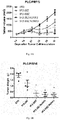
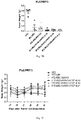
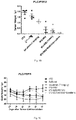
- the PLC/PRF/5 liver cancer cell small-load subcutaneous xenograft model there are significant tumor-suppressing effects in the 9F2-BBZ(CD28TM)-RUNX3 CART group and 9F2-BBZ-RUNX3 CART group, and compared with 9F2-28Z CART group and 9F2-BBZ CART group, the tumor suppressing effects are better.
- CAR-T cells co-expressing exogenous RUNX3 are used in a subject
- the corresponding species can be selected.
- mouse-derived RUNX3 is used, and elements for constructing a CAR, such as transmembrane domain and intracelluar domain can also be of murine origin.
- human-derived RUNX3 and human-derived CAR elements are preferred.
- sequence of a CAR used may be as shown in SEQ ID NO: 57, 58, or 59.
- the nucleic acid sequences for expressing CARs targeting GPC3 and exogenous RUNX3 described herein can be, for example, the nucleic acid sequences as shown in SEQ ID NOs: 19, 17, and 53.
- the term "CLD18” refers to claudin 18 (CLD18), Genbank accession number: splice variant 1 (CLD18A1): NP_057453, NM016369, and splice variant 2 (CLD18A2): NM_001002026, NP_001002026, which is a intrinsic transmembrane protein with a molecular weight of about 27,9/27,72 kD.
- Claudin is an internal membrane protein located in the tight junction of epithelium and endothelium, a network of interconnected chains of particles in the tissue membrane tightly connected between adjacent cells.
- occludin and claudin are the most important transmembrane protein components.
- a primary barrier is produced to prevent and control the paracellular transport of solutes and restrict the lateral diffusion of membrane lipids and proteins to maintain cell polaritym due to their strong intercellular adhesion properties.
- the proteins that form tight junctions are critically involved in the structure of tissue epithelial tissues.
- CLD18A1 (Claudin 18A1) is selectively expressed in the epithelium of normal lung and stomach, while CLD18A2 (Claudin 18A2) is only expressed in gastric cells. Moreover, CLD18A2 is limited to differentiated short-lived gastric epithelial cells, but does not exist in the gastric stem cell area. Both variants are strongly expressed in several types of cancer, including tumors of the stomach, esophagus, pancreas, and lung, as well as human cancer cell lines. The expression thereof is mainly in the adenocarcinoma subtypes of these indications.
- CLD18 includes any variants (including CLD18A1 and CLD18A2), conformations, isoforms, and species homologs of CLD18 that are naturally expressed by cells or expressed by cells transfected with the CLD18 gene.
- CLD18 refers to human CLD18, particularly CLD18A2 (SEQ ID NO: 51) and/or CLD18A1 (SEQ ID NO: 52), more preferably CLD18A2.
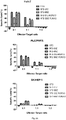
- CAR T cells expressing RUNX3 and targeting CLD18A2 have significant toxic killing effects on PANC02-A2 which is positive for claudin 18.2, but have almost no killing effects on PANC02 cells which are negative for claudin 18.2.
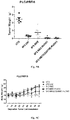
- CAR T cells expressing RUNX3 and targeting CLD18A2 have significant anti-tumor effects on the subcutaneous xenograft model of pancreatic cancer cell PANC02-A2 positively expressing claudin 18.2, and compared with CLD18A2-CAR T cells, the tumor-suppressing effects are better.
- CAR-T cells co-expressing exogenous RUNX3 When CAR-T cells co-expressing exogenous RUNX3 are used in a subject, the corresponding species can be selected. For example, when used in mice, mouse-derived RUNX3 or fragments thereof are used, and elements for constructing CAR, such as transmembrane domains, intracellular domains, etc. can also be of murine origin. When the subject is a human, human-derived RUNX3 or fragments thereof and human-derived CAR elements are preferred.
- sequence of the used CAR may be as shown in SEQ ID NO: 60, 61, or 62.
- the nucleic acid sequence expressing the CAR targeting CLD18A2 and exogenous RUNX3 as described herein may be the nucleic acid sequence as shown in SEQ ID NO: 54, 55, 56.
- Cytokines are soluble proteins produced by cells induced by immunogens or other stimulants.
- cytokines refer to, for example, IL15, IL18, and IL21.
- a cytokine polypeptide refers to a truncated fragment of a cytokine that has a similar function to a cytokine, such as truncated fragments of natural full-length IL15 that have similar biological functions as IL15.
- Cells can express exogenous cytokines or functional fragments thereof through conventional bioengineering methods.
- Interleukin 15 (IL15 or IL-15), human IL15 has a 4-helix bundle structure, a molecular weight of 14-15kD, contains 114 amino acids, and is mainly synthesized in monocytes and dendritic cells. It is encoded by a single gene, located on chromosome 4q31, and contains 8 exons.
- IL-15 plays an important role in the replication and differentiation of NK cells, T cells and B cells. The process of tumor occurrence, development and metastasis depends on the lymphocyte-mediated immune response, and IL-15 enhances the differentiation and proliferation of T cells and the secretion of antibodies by B cells, which play a key role in enhancing the immune response to tumor cells.
- IL-15 can interact with IL-15R (preferably from mammals, such as murine or human IL-15), preferably from mammals (e.g., murine or human), and has one of the following characteristics: (i) an amino acid sequence of naturally occurring mammalian IL-15 or fragments thereof, such as the amino acid sequence as shown in SEQ ID NO: 39 (human) or fragments thereof; (ii) an amino acid sequence substantially having at least 85%, 90%, 95%, 98%, 99% homology with the amino acid sequence as shown in SEQ ID NO: 39 (human) or a fragment thereof; (iii) an amino acid sequence encoded by a nucleotide sequence of naturally occurring mammalian IL-15 or fragments thereof (such as SEQ ID NO: 38 (human) or a fragment thereof); (iv) an amino acid sequence encoded by a nucleotide sequence having, for example, at least 85%, 90%, 95% , 98%, 99% homology with the nucleotide sequence as shown in SEQ ID NO: 38
- Enhancement in IL-15R activity should be understood to mean that the IL-15R-binding protein of the present disclosure enhances any one or more activities of naturally occurring IL-15R, including but not limited to stimulating the proliferation, cytotoxicity or maturation of NK cells; stimulating the proliferation or differentiation of B cells and T cells; stimulating the production and affinity maturation of antibodies in B cells; stimulating the cytotoxicity of CD8+ T cells; stimulating the production of interferon ⁇ in T cells and NK cells; inhibiting the activation and maturation of dendritic cells (DC); inhibiting the release of inflammatory mediators from mast cells; enhancing the phagocytosis of macrophages; inhibiting the production or survival of TReg cells; and stimulating the proliferation of bone marrow progenitor cells.
- stimulating the proliferation, cytotoxicity or maturation of NK cells stimulating the proliferation or differentiation of B cells and T cells; stimulating the production and affinity maturation of antibodies in B cells; stimulating the cytotoxicity of CD8+ T cells; stimulating the production of interferon ⁇ in T cells
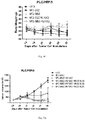
- the RUNX3-CAR T cells (CAR T cells expressing RUNX3) expressing IL15 in combination are better than the cells in the control group (CAR T cells only expressing RUNX3).
- the tumor-inhibiting effects of the RUNX3-CAR T cells expressing IL15 in combination are better than those of the cells in the control group (CAR T cells only expressing RUNX3), in which 1 of the 5 mice showed tumor regression.
- Interleukin 18 is a synonym of IL-18 polypeptide, interleukin-18 polypeptide, IFN- ⁇ inducible factor or interferon-y inducible factor, which refers to a protein (preferably from mammals, such as murine or human) interacting (e.g.
- IL-18R preferably from mammals, such as murine or human IL-18
- IL-18R preferably from mammals, such as murine or human IL-18
- IL-18R preferably from mammals, such as murine or human IL-18
- Enhancement in IL-18R activity should be understood to mean that the IL-18R-binding protein of the present disclosure enhances any one or more activities of naturally occurring IL-18R, including but not limited to stimulating the proliferation, cytotoxicity or maturation of NK cells; stimulating the proliferation or differentiation of B cells and T cells; stimulating the production and affinity maturation of antibodies in B cells; stimulating the cytotoxicity of CD8+ T cells; stimulating the production of interferon ⁇ in T cells and NK cells; inhibiting the activation and maturation of dendritic cells (DC); inhibiting the release of inflammatory mediators from mast cells; enhancing the phagocytosis of macrophages; inhibiting the production or survival of TReg cells; and stimulating the proliferation of bone marrow progenitor cells.
- stimulating the proliferation, cytotoxicity or maturation of NK cells stimulating the proliferation or differentiation of B cells and T cells; stimulating the production and affinity maturation of antibodies in B cells; stimulating the cytotoxicity of CD8+ T cells; stimulating the production of interferon ⁇ in T cells
- the RUNX3-CAR T cells (CAR T cells expressing RUNX3) expressing IL18 in combination are better than the cells in the control group (CAR T cells only expressing RUNX3).
- the tumor-inhibiting effects of the RUNX3-CAR T cells expressing IL18 in combination are better than those of the cells in the control group (CAR T cells only expressing RUNX3).
- Interleukin 21 is a type I cytokine, which is produced by activated CD4+ T cells, NKT cells, Tfh cells and Th17 cells, of a higher homology with IL-2, IL-4, and IL-15, and belongs to the ⁇ c family member.
- hIL-21 human IL21
- chromosome 4 4q26-27
- the 5' regulatory region of IL-21 contains three T cell activating nuclear factor (NF AT) binding sites, and the activity of IL-21 promoter is produced by the action of calcium ionophores on cells.
- NF AT nuclear factor
- One of them is located in the IL-21 promoter region and is related to TCR-mediated IL-21 transcription.
- hIL-21 can specifically bind to human interleukin 21 receptor (hIL-21R), activate JAK/STAT and other signal transmission pathways, and exhibit complex biological effects.
- rhIL-21 plays an important role in allergic reactions, inflammatory reactions, autoimmune reactions and anti-tumor clinical applications.
- IL-21 refers to a protein (preferably from a mammal, such as a mouse or a human) capable of interacting (for example, binding to) with IL-21R (NM_021798.3) (preferably from a mammal, such as murine or human IL-21), and has one of the following characteristics: (i) an amino acid sequence of naturally occurring mammalian IL-21 or fragments thereof, such as the amino acid sequence as shown in SEQ ID NO: 36 (human) or fragments thereof; (ii) an amino acid sequence substantially having at least 85%, 90%, 95%, 98%, 99% homology with the amino acid sequence as shown in SEQ ID NO: 36 (human) or a fragment thereof; (iii) an amino acid sequence encoded by a nucleotide sequence of naturally occurring mammalian IL-21 or fragments thereof (such as SEQ ID NO: 35 (human) or a fragment thereof); (iv) an amino acid sequence encoded by a nucleotide sequence of naturally occurring mammalian IL
- Enhancement in IL-21R activity should be understood to mean that the IL-21R-binding protein of the present disclosure enhances any one or more activities of naturally occurring IL-21R, including but not limited to stimulating the proliferation, cytotoxicity or maturation of NK cells; stimulating the proliferation or differentiation of B cells and T cells; stimulating the production and affinity maturation of antibodies in B cells; stimulating the cytotoxicity of CD8+ T cells; stimulating the production of interferon ⁇ in T cells and NK cells; inhibiting the activation and maturation of dendritic cells (DC); inhibiting the release of inflammatory mediators from mast cells; enhancing the phagocytosis of macrophages; inhibiting the production or survival of TReg cells; and stimulating the proliferation of bone marrow progenitor cells.
- stimulating the proliferation, cytotoxicity or maturation of NK cells stimulating the proliferation or differentiation of B cells and T cells; stimulating the production and affinity maturation of antibodies in B cells; stimulating the cytotoxicity of CD8+ T cells; stimulating the production of interferon ⁇ in T cells
- the RUNX3-CAR T cells (CAR T cells expressing RUNX3) expressing IL21 in combination are better than the cells in the control group (CAR T cells only expressing RUNX3).
- the tumor-inhibiting effects of the RUNX3-CAR T cells expressing IL21 in combination are better than those of the cells in the control group (CAR T cells only expressing RUNX3).
- the immune effector cells of the present invention are used in combination with chemotherapy drugs.
- the chemotherapeutic drug may be Sorafenib.
- Sorafenib is the first oral chemotherapy drug approved for treating advanced liver cancer, the chemical name of which is 4-(4-3-[4-chloro-3-(trifluoromethyl)phenyl]ureidophenoxy)-2-methylpyridine-2-carboxyl-4-tol uenesulfonate, the molecular formula of which is C21H16C1F3N403 • C7H8O3S, and the molecular weight of which is 637.03. Sorafenib is poorly soluble in water, slightly soluble in ethanol, and soluble in polyvinylglycerol 400 (PEG400).
- PEG400 polyvinylglycerol 400
- Sorafenib can directly inhibit the proliferation of tumor cells by inhibiting multiple kinases in MAPK pathway in tumor cells (such as Raf1, BRaf).
- Sorafenib can also act on platelet-derived growth factor receptor- ⁇ (PDGFR- ⁇ ), vascular endothelial growth factor receptor 2, 3 (VEGFR-2,-3) to inhibit tumor growth by inhibiting angiogenesis in the tumor.
- PDGFR- ⁇ platelet-derived growth factor receptor- ⁇
- VEGFR-2,-3 vascular endothelial growth factor receptor 2, 3
- the sorafenib described herein can be safely administered orally or parenterally by itself, or in a composition with pharmaceutically acceptable carriers, excipients and other additives (such as tablets, sustained-release preparations, capsules, injections, solutions).
- the composition When orally administered, the composition can be formulated into tablets, dragees or capsules.
- lactose or starch can be used as a carrier, and gelatin, sodium carboxymethyl cellulose, methyl cellulose polyvinylpyrrolidone, etc. are suitable binding agents or granulating agents.
- Starch or microcrystalline cellulose can be used as the disintegrant, and talc, colloidal silica, glyceryl stearate, calcium or magnesium stearate, etc. are often used as suitable anti-adhesive agents and lubricants.
- tablets can be prepared by compressing wet granules.
- the active ingredient and the carrier as well as one optional part of disintegrant form a mixture, the mixture and an aqueous, alcoholic or aqueous alcoholic solution of the binder are granulated in a suitable equipment, and then other disintegrants, lubricants and anti-sticking agents are added into the dried granules for tableting the mixture.
- heterocyclic derivatives can be isolated and prepared into pharmaceutically acceptable organic acids, preferably methanesulfonic acid, fumaric acid, etc., to facilitate administration in a form of injection.
- the dosage can vary depending on the subject, the method of administration, symptoms and other factors.
- the immune effector cells and sorafenib are given in no particular order; the sorafenib can be administered firstly and then the immune effector cells; it can also be administered simultaneously; and the immune effector cells can also be administered firstly and then sorafenib.
- the immune effector cell therapy is administered 1 hour, 2 hours, 3 hours, 4 hours, 5 hours, 6 hours, 7 hours, 8 hours, 9 hours, 10 hours, 11 hours , 12 hours, 1 day, 2 days, 3 days, 4 days, 5 days, 6 days, 7 days, 8 days, 9 days, 10 days, 11 days, 12 days, 13 days, 14 days, 15 days, 16 Days, 17 days, 18 days, 19 days, 20 days, 21 days, 22 days, 23 days, 24 days, 25 days, 26 days, 27 days, 28 days, 29 days, 1 month or any combination thereof before the administration of sorafenib.
- immune effector cell therapy is administered 1 hour, 2 hours, 3 hours, 4 hours, 5 hours, 6 hours, 7 hours, 8 hours, 9 hours, 10 hours, 11 hours, 12 hours, 1 day, 2 days, 3 days, 4 days, 5 days, 6 days, 7 days, 8 days, 9 days, 10 days, 11 days, 12 days, 13 days, 14 days, 15 days, 16 Days, 17 days, 18 days, 19 days, 20 days, 21 days, 22 days, 23 days, 24 days, 25 days, 26 days, 27 days, 28 days, 29 days, 1 month or any combination thereof after the administration of sorafenib.
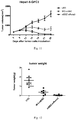
- the tumor-inhibiting effects are the most significant, wherein 1 out of 5 mice exhibits tumor regression, and the weight of the mice is not significant varied.
- chimeric antigen receptor polypeptides described herein can be sequentially linked as follows:
- CD28a in the relevant chimeric antigen receptor protein represents the transmembrane region of CD28 molecule
- CD28b represents the intracellular signal region of CD28 molecule
- the present invention also includes a nucleic acid encoding the chimeric antigen receptor.
- the present invention also relates to variants of the aforementioned polynucleotides, which encode polypeptides having the same amino acid sequence as the present invention or polypeptide fragments, analogs and derivatives.
- the present invention also provides a vector containing the nucleic acid of the chimeric antigen receptor.
- the invention also includes viruses comprising the vectors described above.
- the viruses of the invention include packaged infectious viruses as well as viruses to be packaged that contain the necessary components for packaging into infectious viruses.
- Other viruses known in the art that can be used to transduce exogenous genes into immune effector cells and their corresponding plasmid vectors are also useful in the present invention.
- the present invention also provides a chimeric antigen-modified immune effector cell, which is transduced with a nucleic acid encoding the chimeric antigen receptor or is transduced with the aforementioned recombinant plasmid containing the nucleic acid, or the virus containing the plasmid.
- Conventional nucleic acid transduction methods in the art including non-viral and viral transduction methods, can be used in the present invention.
- Non-viral transduction methods include electroporation and transposon methods.
- nucleofector nuclear transfection instrument developed by Amaxa can directly introduce foreign genes into nucleus to achieve highly efficient transduction of target genes.
- transduction efficiency of transposon system based on Sleeping Beauty system or PiggyBac transposon was significantly improved.
- the combination of nucleofector transfection instrument and SB Sleeping Beauty transposon system has been reported [ Davies JK., et al. Combining CD19 redirection and alloanergization to generate tumor-specific human T cells for allogeneic cell therapy of B-cell malignancies. Cancer Res, 2010, 70(10): OF1-10 .], and high transduction efficiency and site-directed integration of target genes can be achieved by this method.
- the transduction method of a T lymphocyte modified by a chimeric antigen receptor gene is a transduction method based on a virus such as a retrovirus or a lentivirus.
- the method has the advantages of high transduction efficiency and stable expression of exogenous gene, and the time for in vitro culturing T lymphocytes to clinical level can be shorten.
- the transduced nucleic acid is expressed on the surface of the transgenic T lymphocytes by transcription, translation.
- In vitro cytotoxicity assay performed on various cultured tumor cells demonstrated that the immune effector cells modified by the chimeric antigen described herein have highly specific tumor cell killing effects (also known as cytotoxicity), and can effectively survive in tumor tissue.
- nucleic acid encoding a chimeric antigen receptor protein described herein, a plasmid comprising the nucleic acid, a virus comprising the plasmid, and a transgenic immune effector cells transfected with the nucleic acid, plasmid or virus described above can be effectively used in tumor immunotherapy.
- the immune cells modified by the chimeric antigen described herein may also express another chimeric antigen receptor, which does not contain CD3 ⁇ , but contains intracellular signaling domain of CD28 and intracellular signal domain of CD137, or a combination of both.
- the immune cells modified by the chimeric antigen described herein can be used in the preparation of a pharmaceutical composition or diagnostic reagent.
- the composition may further comprise a pharmaceutically acceptable carrier.
- pharmaceutically acceptable means that when the molecular entities and compositions are properly administered to animals or humans, they do not cause adverse, allergic or other untoward reactions.
- substances which may be used as pharmaceutically acceptable carriers or components thereof are sugars, such as lactose, dextrose and sucrose; starches, such as corn starch and potato starch; cellulose and its derivatives, such as carboxymethylcellulose sodium, ethylcellulose and methylcellulose; gum tragacanth; malt; gelatin; talc; solid lubricants such as stearic acid and magnesium stearate; calcium sulfate; vegetable oils, such as peanut oil, cottonseed oil, sesame oil, olive oil, corn oil and cocoa butter; polyhydric alcohols such as propylene glycol, glycerin, sorbitol, mannitol and polyethylene glycol; alginic acid; emulsifiers such as Tween®; wetting agents such as sodium lauryl sulfate; coloring agents; flavoring agents; tablets, stabilizers; antioxidants; preservatives; pyrogen-free water; isotonic saline solutions
- composition of the present invention can be prepared into various dosage forms as needed, and the dosage to be administered to a patient can be determined by a physician according to factors, such as type, age, body weight, and general disease condition of a patient, mode of administration, and the like. For example, injection or other treatment may be used.
- the invention also provides a kit containing the immune effector cells of the invention.
- the kit can be used to treat or prevent cancer and pathogen infection.
- the kit may include a therapeutic or prophylactic composition containing an effective amount of immune effector cells comprising one or more unit dosage forms.
- the kit includes a sterile container that may contain a therapeutic or prophylactic composition; and such a container may be a box, ampoule, bottle, vial, tube, bag, blister pack, or other suitable container known in the art.
- Such containers can be made of plastic, glass, laminated paper, metal foil or other materials suitable for holding medicines.
- the immune effector cells of the present invention may be provided with instructions for administering the immune effector cells to subjects who are at risk of cancer and pathogen infection.
- the instruction will generally include information about the use of the composition to treat or prevent cancer and pathogen infection.
- the kit may include about 1 ⁇ 10 4 cells to about 1 ⁇ 10 6 cells.
- the kit may include at least about 1 ⁇ 10 5 cells, at least about 1 ⁇ 10 6 cells, at least about 1 ⁇ 10 7 cells, at least about 4 ⁇ 10 7 cells, at least about 5 ⁇ 10 7 cells, at least about 6 ⁇ 10 7 cells, at least about 6 ⁇ 10 7 cells, 8 ⁇ 10 7 cells, at least about 9 ⁇ 10 7 cells, at least about 1 ⁇ 10 8 cells, at least about 2 ⁇ 108 cells, at least about 3 ⁇ 10 8 cells, at least about 4 ⁇ 10 8 cells, at least about 5 ⁇ 10 8 cells, at least about 6 ⁇ 10 8 cells, at least about 6 ⁇ 10 8 cells, at least about 8 ⁇ 10 8 cells, at least about 9 ⁇ 10 8 cells, at least about 1 ⁇ 10 9 cells, at least about 2 ⁇ 10 9 cells, at least about 3 ⁇ 10 9 cells, at least about 4 ⁇ 10 9 cells, at least about 5 ⁇ 10 9 cells, at least about 6 ⁇ 10 9 cells, at least about 8 ⁇ 10 9 cells, at least about
- the kit may include allogeneic cells. In some embodiments, the kit can include cells including genomic modifications. In some embodiments, the kit may contain "ready-to-use" cells. In some embodiments, the kit can include cells that can be expanded for clinical use. In some cases, the kit may contain contents for research purposes.
- the instruction includes at least one of the following: a description of the therapeutic agent; a dosage regimen and administration for treating or preventing tumors, pathogen infections, immune diseases, or allogeneic transplantation or symptoms thereof; preventive measures, warnings, contraindications, overdose information, adverse reactions, animal pharmacology, clinical research, and/or cited literature.
- the instruction can be printed directly on the container (if any), or as a label on the container, or as a separate paper, booklet, card or folder in the container or provided in the container.
- the instruction provides methods for administering the immune effector cells of the present invention for treating or preventing tumors, pathogen infections, immune diseases, or allogeneic transplantation or symptoms thereof.
- the instruction provides a method for administering the immune effector cells of the present invention before, after, or simultaneously with the administration of a chemotherapeutic agent.
- the kit of the present invention also contains chemotherapeutic drugs.
- sorafenib is included in the kit of the present invention.
- Exemplary antigen receptors described herein, including CARs, and methods for engineering and introducing the receptors into cells may refer to, conetnts disclosed in for example, Chinese Patent Application Publication Nos. CN107058354A , CN107460201A , CN105194661A , CN105315375A , CN105713881A , CN106146666A , CN106519037A , CN106554414A , CN105331585A , CN106397593A , CN106467573A , CN104140974A , International Patent Application Publication No. WO2018006882A1 , WO2015172339A8 , WO2018/018958A1 .
- pRRLSIN-cPPT.EF-1 ⁇ was used as a vector to construct lentiviral plasmids, PRRLSIN-hu9F2-28Z (see Figure 1A for the plasmid map) and PRRLSIN-hu9F2-BBZ (see Figure 1B for the plasmid map) expressing the second-generation of chimeric antigen receptor of the humanized antibody hu9F2 by conventional molecular biology methods.
- the hu9F2-28Z sequence (SEQ ID NO: 57) was composed of CD8 ⁇ signal peptide (nucleotide sequence as shown in SEQ ID NO: 1, amino acid sequence as shown in SEQ ID NO: 43), hu9F2 scFV (nucleotide sequence as shown in SEQ ID NO: 2, amino acid sequence as shown in SEQ ID NO: 42), CD8 hinge (nucleotide sequence as shown in SEQ ID NO: 3, amino acid sequence as shown in SEQ ID NO: 44), CD28 transmembrane domain (nucleotide sequence as shown in SEQ ID NO: 4, amino acid sequence as shown in SEQ ID NO: 45), CD28 intracellular domain (nucleotide sequence as shown in SEQ ID NO: 5, amino acid sequence as shown in SEQ ID NO: 46) and intracellular segment CD3 ⁇ of CD3 (nucleotide sequence as shown in SEQ ID NO: 6, amino acid sequence as shown in SEQ ID NO: 47).
- hu9F2-BBZ (SEQ ID NO: 58) consisted of CD8 ⁇ signal peptide, hu9F2 scFV, CD8 hinge, CD8 transmembrane domain (nucleotide sequence as shown in SEQ ID NO: 7, amino acid sequence as shown in SEQ ID NO: 48), CD137 intracellular signaling domain (nucleotide sequence as shown in SEQ ID NO: 8 and amino acid sequence as shown in SEQ ID NO: 49) and intracellular segment CD3 ⁇ of CD3.
- PRRLSIN-hu9F2-BBZ was transfected into 293T cells to package lentivirus so as to obtain lentivirus hu9F2-BBZ.
- a retroviral plasmid MSCV-hu8E5-2I-mBBZ (see Figure 1C for the plasmid map) expressing the second-generation of chimeric antigen receptor was constructed by using MSCV.pBABE 5 as a vector.
- the sequence of hu8E5-2I-mBBZ consisted of mouse CD8 ⁇ signal peptide (nucleotide sequence as shown in SEQ ID NO: 27, amino acid sequence as shown in SEQ ID NO: 28), scFv targeting claudin 18.2 (nucleotide sequence as shown in SEQ ID NO: 21, amino acid sequence as shown in SEQ ID NO: 22), mouse CD8 hinge and transmembrane region (nucleotide sequence as shown in SEQ ID NO: 29, amino acid sequence as shown in SEQ ID NO: 30), murine 4-1BB intracellular signaling domain (nucleotide sequence as shown in SEQ ID NO: 31, amino acid sequence as shown in SEQ ID NO: 32) and intracellular segment CD3 ⁇ of mouse CD3
- pRRLSIN-hu9F2-28Z plasmid was used as a template, and primers GC33-28bbz-LF (SEQ ID NO: 9) & CD3Z-F2A-R (SEQ ID NO: 10) were used in amplification to obtain gene fragment F1 (SEQ ID NO: 11) (Hu9F2-28Z, with homology arm and part of F2A sequence);
- pUC57-RUNX3-V2 plasmid ( Figure ID) was used as a template, primers F2A-RUNX3-F (SEQ ID NO: 12) & RUNX-SalI-R (SEQ ID NO: 13) were used to amplify gene fragment F2 (SEQ ID NO: 14) (RUNX3 with a homology arm); and gene fragment F2 was used as a template, and primers F2A-F (SEQ ID NO: 15) & RUNX-SalI-R (SEQ ID NO: 13) were used to amplify gene fragment F3 (SEQ ID NO : 16) (F2A-RUNX3 with homology arm);
- Fragments F1 and F3 were used as templates for conducting PCR-bridge to splice the full length, and primers GC33-28bbz-LF (SEQ ID NO: 9) & RUNX-SalI-R (SEQ ID NO: 13) were used in amplification to obtain the full-length gene fragment hu9F2- 28Z-F2A-huRUNX3 (SEQ ID NO: 17) ( Figure IE);
- pRRLSIN-hu9F2-BBZ plasmid was used as a template, and primers GC33-28bbz-LF (SEQ ID NO: 9) & CD3Z-F2A-R (SEQ ID NO: 10) were used to amplify gene fragment F4 (SEQ ID NO: 18) (hu9F2- BBZ, with the homology arm and part of F2A sequence);
- Fragments F4 and F3 were used as templates for conducting PCR-bridge to splice the full length, and primers GC33-28bbz-LF (SEQ ID NO: 9) & RUNX-SalI-R (SEQ ID NO: 13) were used in amplification to obtain the full-length gene fragment hu9F2- BBZ-F2A-huRUNX3 (SEQ ID NO: 19 ( Figure IF).
- Vector pRRLSIN-hu9F2-28Z was double-digested with restriction enzymes MluI & SalI to obtain the linearized vector pRRLSIN-MluI&SalI.
- Homologous recombinase was used to circularize the vector pRRLSIN-MluI&SalI and the fragment hu9F2-28Z-F2A-huRUNX3 to form the plasmid pRRLSIN-hu9F2-28Z-F2A-huRUNX3.
- 293T cells were transfected to package lentivirus, so as to obtain lentivirus hu9F2-28Z-RUNX3.
- Homologous recombinase was used to circularize the vector pRRLSIN-MluI&SalI and the fragment hu9F2-BBZ-F2A-huRUNX3 to form the plasmid pRRLSIN-hu9F2-BBZ-F2A-huRUNX3.
- 293T cells were transfected to package lentivirus, so as to obtain lentivirus hu9F2-BBZ-RUNX3.
- F2A-mRunx3 sequence was inserted into the MSCV-hu8E5-2I-mBBZ plasmid, and the second-generation of chimeric antigen receptor targeting Claudin 18.2 and the corresponding retroviral plasmid MSCV-hu8E5-2I-mBBZ-F2A-mRunX3 ( Figure G) were constructed.
- F2A-mRunX3 was composed of F2A (nucleotide sequence as shown in SEQ ID NO: 23, amino acid sequence as shown in SEQ ID NO: 24), mouse RUNX3 (nucleotide sequence as shown in SEQ ID NO: 25, amino acid sequence as shown in SEQ ID NO: 26).
- MSCV-hu8E5-2I-mBBZ-F2A-mRunX3 was transfected into 293T cells to package retrovirus, so as to obtain retrovirus hu8E5-2I-mBBZ-RUNX3.
- NFAT SEQ ID NO: 37
- IL15 nucleotide sequence as shown in SEQ ID NO: 38, amino acid sequence as shown in SEQ ID NO: 39
- 293T cells were transfected to package lentivirus, so as to obtain lentivirus hu9F2-BBZ-RUNX3-IL15.
- NFAT SEQ ID NO: 37
- IL18 nucleotide sequence as shown in SEQ ID NO: 40, amino acid sequence as shown in SEQ ID NO: 41
- 293T cells were transfected to package lentivirus, so as to obtain lentivirus hu9F2-BBZ-huRUNX3-IL18.
- NFAT SEQ ID NO: 37
- IL21 nucleotide sequence as shown in SEQ ID NO: 35, amino acid sequence as shown in SEQ ID NO: 36
- pRRLSIN-hu9F2-BBZ-F2A-huRUNX3 plasmid 6 consecutive NFAT (SEQ ID NO: 37) and IL21 (nucleotide sequence as shown in SEQ ID NO: 35, amino acid sequence as shown in SEQ ID NO: 36) were inserted into pRRLSIN-hu9F2-BBZ-F2A-huRUNX3 plasmid to construct the plasmid pRRLSIN-hu9F2-BBZ-F2A-huRUNX3-NFAT-IL21 (see Figure 1J for the plasmid map).
- 293T cells were transfected to package lentivirus, so as to obtain lentivirus hu9F2-BBZ-huRUNX3 -IL21.
- pRRLSIN-cPPT.EF-1 ⁇ was used as a vector to construct a lentiviral plasmid, PRRLSIN-hu9F2-BBZ(CD28TM)-F2A-huRUNX3 (see Figure 1K for the plasmid map) by the same method as said above.
- hu9F2-BBZ(CD28TM)-F2A-huRUNX3 consisted of CD8 ⁇ signal peptide, hu9F2 scFV, CD8 hinge, CD28 transmembrane domain, CD137 intracellular signal domain, intracellular segment CD3 ⁇ of CD3 and F2A (nucleotide sequence as shown in SEQ ID NO: 23, amino acid sequence as shown in SEQ ID NO: 24), human RunX3 (nucleotide sequence as shown in SEQ ID NO: 50, amino acid sequence as shown in SEQ ID NO: 20).
- PRRLSIN-hu9F2-BBZ(CD28TM)-F2A-huRUNX3 was transfected into 293T cells to package lentivirus, so as to obtain lentivirus hu9F2-BBZ(CD28TM)-RUNX3.
- Human PBMCs were taken and cultured in AIM-V medium with 2% human AB type serum, 500 U/mL recombinant human IL-2, and CD3/CD28 antibody combined with magnetic beads for activation for 48 h.
- the activated T cells were infected by the obtained lentiviruses hu9F2-28Z, hu9F2-BBZ, hu9F2-28Z-RUNX3, hu9F2-BBZ-RUNX3, hu9F2-BBZ-RUNX3-IL15, hu9F2-BBZ-huRUNX3-IL18, hu9F2-BBZ-huRUNX3 -IL21, hu9F2-BBZ(CD28TM)-RUNX3, respectively to obtain 9F2-28Z CART cells, 9F2-BBZ CART cells, 9F2-28Z-RUNX3 CART cells, 9F2-BBZ-RUNX3 CART cells, 9F2-BBZ-RUNX
- Spleen T lymphocytes of C57BL/6 mice were taken, the purified mouse CD3 + T lymphocytes were added to Dynabeads Mouse T-activator CD3/CD28 at a volume ratio of 1:1, washed once with PBS, activated, and cultured in an incubator.
- the medium was RPMI 1640 complete medium with 10% FBS serum.
- Mouse spleen T lymphocytes activated for 24 hours were inoculated into a 12-well plate coated with recombinant human fibrin fragments, and retroviruses hu8E5-2I-mBBZ and hu8E5-2I-mBBZ-RUNX3 were added respectively for infection for 12 hours, and then cultured and expanded to the required number, so as to obtain hu8E5-2I-mBBZ CAR T cells and hu8E5-2I-mBBZ-mRunX3 CAR T cells.
- memory T cells can be divided into two types: central memory T cells (Tcm) and effector memory T cells (Tem).
- Central memory T cells are similar to naive T cells and highly express the lymphatic homing molecule L-selectin (CD62L).
- Memory stem cell-like T cells are a group of CD8+ T cells, which have low expression of hyaluronan receptor CD44 and high expression of CD62L and stem cell antigen Sca-1.
- hu8E5-2I-mBBZ CART cells and hu8E5-2I-mBBZ-RunX3 CAR-T cells infected for four days were taken for Tcm (central memory T cells) and Tscm (memory stem cell-like T cells) detection, Flow cytometry detection was performed using antibody staining and the results are shown in Figure 2 .
- CytoTox 96 non-radioactive cytotoxicity detection kit (Promega) was used. The specific method refers to the CytoTox 96 non-radioactive cytotoxicity detection kit instructions.
- Untransduced (UTD) T cells 9F2-28Z CART cells, 9F2-BBZ CART cells, 9F2-28Z-RUNX3 CART cells, 9F2-BBZ-RUNX3 CART cells were inoculated in 96-well plates according to the effector target ratio of 3: 1, 1: 1 or 1: 3.
- Target cells 50 ⁇ L of 2 ⁇ 10 5 /mL (GPC3 expression positive) Huh7 and PLC/PRF/5 cells, (GPC3 expression negative) SK-HEP-1 cells were inoculated in the corresponding 96-well plates, respectively.
- Each experimental group and each control group were set as follows: experimental group: each target cell + T lymphocytes expressing different chimeric antigen receptors; Control group 1: maximum release of LDH by target cell; Control group 2: spontaneous release of LDH by target cell; Control group 3: spontaneous release of LDH by effector cells.
- the experimental results are shown in Figure 3A .
- the above CAR-T Compared with the UTD in the control group, the above CAR-T exhibited significant toxic killing effects on Huh7 and PLC/PRF/5 cells with positive GPC3 expression at an effector target ratio of 3:1 and 1:1, and at an effector target ratio of 1:3, there was basically no killing effect. There was almost no killing effect on SK-HEP-1 cells negative for GPC3 expression.
- the killing effects of 9F2-28Z-RUNX3 CART group and 9F2-BBZ-RUNX3 CART group were comparable to thoes of 9F2-28Z CART group; but both were significantly better than those of 9F2-BBZ CART group.
- Effector cells Untransduced (UTD) T cells, 9F2-BBZ CART cells, 9F2-BBZ-RUNX3 CART cells, 9F2-BBZ-RUNX3-NFAT-IL15 CART cells, 9F2-BBZ-RUNX3-NFAT-IL18 CART cells, 9F2-BBZ-RUNX3-NFAT-IL21 CART cells were inoculated in 96-well plates according to the effector target ratio of 3: 1, 1: 1 or 1: 3.
- Target cells 50 ⁇ L of 2 ⁇ 10 5 /mL (GPC3 expression positive) Huh7 and PLC/PRF/5 cells, (GPC3 expression negative) SK-HEP-1 cells were inoculated in the corresponding 96-well plates, respectively.
- Each experimental group and each control group were set as follows: experimental group: each target cell + T lymphocytes expressing different chimeric antigen receptors; Control group 1: maximum release of LDH by target cell; Control group 2: spontaneous release of LDH by target cell; Control group 3: spontaneous release of LDH by effector cells.
- the experimental results are shown in Figure 3B .
- the CAR T cell group expressing IL15, IL18 and IL21 in combination is better than 9F2-BBZ-RUNX3 CAR T cell group, when the effector target ratio is 3:1 and 1:1; and for PLC/PRF/5 with moderate expression of GPC3, the CAR-T cell group expressing IL-18 and IL-21 in combination is better than other cell groups, when the effector target ratio is 3:1 and 1:1.
- Example4 In vitro killing toxicity test targeting claudin18.2 positive cells
- the specific method may refer to Example 3.
- Untransduced (UTD) T cells hu8E5-2I-mBBZ CART cells, hu8E5-2I-mBBZ-mRunX3 CAR-T cells were inoculated in 96-well plate according to the effector target ratio of 3: 1, 1: 1 or 1: 3.
- Target cells 50 ⁇ L of 2 ⁇ 10 5 /mL mouse pancreatic cancer cell line (claudin18.2 expression positive) and PANC02 (claudin18.2 expression negative) cells were inoculated in the corresponding 96-well plates, respectively.
- tumor volume (tumor length ⁇ tumor width 2 ) / 2, and the result is shown in Figure 5A .
- mice were euthanized, the subcutaneous tumor was stripped, and the tumor weight was weighed. The results are shown in Figure 5B .
- the tumor inhibiting rate was calculated with reference to the control group. 27 days after CAR T injection, compared with the UTD control group, each group showed obvious tumor-inhibiting effects.
- the inhibiting rates were: 9F2-28Z CART group: 85.09%, 9F2-BBZ CART group : 66.78%, 9F2-BBZ-RUNX3 CART group: 97.71% (4 out of 5 mice showed tumor regression), 9F2-BBZ(CD28TM)-RUNX3 CART group: 98.83% (4 out of 5 mice showed tumor regression).
- tumor volume (tumor length ⁇ tumor width 2 ) / 2, and the result is shown in Figure 6A .
- the tumor inhibiting rate was calculated with reference to the control group. On 18 days after CAR T injection, compared with the UTD control group, each group showed obvious tumor-inhibiting effects.
- the inhibiting rates were: 9F2-28Z CART group: 40.50%, 9F2-BBZ CART group: 56.95%, 9F2-28Z-RUNX3 CART group: 77.69%, 9F2-BBZ-RUNX3 CART group: 83.68%.
- the tumor inhibiting rate of each group was: 9F2-BBZ: 56.95%, 9F2-BBZ-RUNX3: 83.68%, 9F2-BBZ-RUNX3-NFAT-IL15: 90.25% (1 out of 5 mice showed tumor regression), 9F2-BBZ-RUNX3-NFAT-IL18: 90.64%, 9F2-BBZ-RUNX3-NFAT-IL21: 90.34%.
- Figure 7C showed that, compared with UTD, the body weight of mice in each treatment group exhibited a certain growth advantage, which may benefit from the better tumor inhibiting effects of CAR T.
- Example 7 Anti-tumor therapy targeting subcutaneous xenograft of claudin18.2 positive cells
- the tumor inhibiting rate was calculated for each group. 14 days after CAR T injection, compared with the UTD control group, each group showed obvious tumor-inhibiting effects.
- the inhibiting rates were: hu8E5-2I-mBBZ CART group: 38.08%, hu8E5-2I-mBBZ-mRunX3 CART group: 51.8%.
- Example 8 Anti-tumor therapy experiment in combination with Solafenib on subcutaneous xenograft of GPC3 positive cells
- the tumor inhibiting rates were: solvent group: 23.37%, Sorafenib treatment group: 27.38%, 9F2-BBZ: 56.95%, 9F2 -BBZ-RUNX3: 83.68%, 9F2-BBZ-RUNX3 + Sorafenib treatment group: 95.45% (1 out of 5 mice showed tumor regression).
- the body weight of mice in the solvent group and Sorafenib treatment group decreased at the beginning of the treatment.
- the solvent group and Sorafenib may have certain toxic and side effects on the mice, however, the body weight was restored at the end of the treatment.
- the 9F2-BBZ-RUNX3 + Sorafenib combined treatment group exhibited no significant changes.
- the 9F2-BBZ and 9F2-BBZ-RUNX3 treatment groups exhibited certain growth advantages in the body weight, which may benefit from better tumor-inhibiting effects on the CAR T.
- Untransduced (UTD) T cells 9F2-28Z CART cells, 9F2-BBZ CAR T cells, 9F2-28Z-RUNX3 CAR T cells, 9F2-BBZ-RUNX3 CAR T and liver cancer cell lines Huh-7, PLC/PRF/5 , SK-HEP-1 cells were incubated for 24 hours at an effector target ratio of 1:1, then the supernatant was collected, and the secretion levels of cytokines IL-2, TNF, IFN- ⁇ in the supernatant were detected through flow cytometry by CBA method.
- Figure 10 showed that the amount of IL-2, TNF, IFN- ⁇ cytokines released from CAR T cells in the form of BBZ is better than that of CAR T cells in the form of 28Z (9F2-BBZ is better than 9F2-28Z; 9F2-BBZ-RUNX3 is better than 9F2-28Z-RUNX3). Moreover, the three cytokines IL-2, TNF and IFN- ⁇ are highly released in GPC3-positive cells, wherein Huh-7 cells exhibited the highest release, and there was almost no release in GPC3-negative cells, SK-HEP-1 cells.
- 9F2-mBBZ CAR T cells and 9F2-mBBZ-mRunX3 CAR-T cells were prepared according to Example 1.
- MSCV.pBABE 5 was used as the vector to construct the retroviral plasmid MSCV-9F2-mBBZ.
- the 9F2-mBBZ sequence consists of mouse CD8 ⁇ signal peptide (nucleotide sequence as shown in SEQ ID NO: 27, amino acid sequence as shown in SEQ ID NO: 28), scFv (nucleotide sequence as shown in SEQ ID NO: 2), mouse CD8 hinge and transmembrane region (nucleotide sequence as shown in SEQ ID NO: 29, amino acid sequence as shown in SEQ ID NO: 30) and murine 4-1BB intracellular signaling domain (nucleotide sequence as shown in SEQ ID NO: 31, the amino acid sequence as shown in SEQ ID NO: 32) and the intracellular segment CD3 ⁇ of mouse CD3 (nucleotide sequence as shown in SEQ ID NO: 33, amino acid sequence as shown in SEQ ID NO: 34).
- MSCV-9F2-mBBZ was transfected into 293T cells to package retrovirus
- F2A-mRunx3 sequence was inserted into the MSCV-9F2-mBBZ plasmid, and the retroviral plasmid MSCV-9F2-mBBZ-mRunX3 expressing CAR and RUNX3 was constructed.
- F2A-mRunX3 consisted of F2A (nucleotide sequence as shown in SEQ ID NO: 23, amino acid sequence as shown in SEQ ID NO: 24), mouse RUNX3 (nucleotide sequence as shown in SEQ ID NO: 25, amino acid sequence as shown in SEQ ID NO: 26).
- MSCV-9F2-mBBZ-mRunX3 was transfected into 293T cells to package retrovirus, so as to obtain retrovirus 9F2-mBBZ-mRunX3.
- T cells from C57BL/6 mice were taken and activated, and infected with retroviruses 9F2-mBBZ and 9F2-mBBZ-mRunX3, respectively, so as to obtain 9F2-mBBZ CAR T cells and 9F2-mBBZ-mRunX3 CAR T cells.
- tumor volume (tumor length ⁇ tumor width 2 ) / 2, and the result is shown in Figure 11A .
- the tumor-inhibiting rate was calculated with reference to the control group. On 20 days after CAR T injection, compared with the UTD control group, each group showed obvious tumor-inhibiting effects.
- the inhibiting rates were: 9F2-mBBZ CART group: 70.7%, 9F2-mBBZ-mRunX3 CART group: 95.8%.
- mice were euthanized, the subcutaneous tumor was removed, and the tumor weight was weighed. The results were shown in Figure 12 .
- Cells were collected, and the cell protein was extracted. 20 ⁇ g of the corresponding cell protein was subjected to SDS-PAGE electrophoresis. 5% milk blocking solution was used at room temperature for 1 hour, and then the cells were incubated with anti-RUNX3 antibody and GAPDH antibody at 4°C overnight. After the incubation with the primary antibody was completed, the plate was washed with 0.1% PBST for three times, then incubated with goat anti-mouse IgG (H&L)-HRP antibody for 1 hour at room temperature. After the plate was washed, Super Signal West Pico Chemiluminescence Detection Kit was used for color imaging.
- 5% milk blocking solution was used at room temperature for 1 hour, and then the cells were incubated with anti-RUNX3 antibody and GAPDH antibody at 4°C overnight. After the incubation with the primary antibody was completed, the plate was washed with 0.1% PBST for three times, then incubated with goat anti-mouse IgG (H
Landscapes
- Health & Medical Sciences (AREA)
- Life Sciences & Earth Sciences (AREA)
- Chemical & Material Sciences (AREA)
- General Health & Medical Sciences (AREA)
- Immunology (AREA)
- Engineering & Computer Science (AREA)
- Organic Chemistry (AREA)
- Genetics & Genomics (AREA)
- Zoology (AREA)
- Medicinal Chemistry (AREA)
- Veterinary Medicine (AREA)
- Public Health (AREA)
- Animal Behavior & Ethology (AREA)
- Bioinformatics & Cheminformatics (AREA)
- Epidemiology (AREA)
- Biomedical Technology (AREA)
- Gastroenterology & Hepatology (AREA)
- Proteomics, Peptides & Aminoacids (AREA)
- Pharmacology & Pharmacy (AREA)
- Biochemistry (AREA)
- Cell Biology (AREA)
- Molecular Biology (AREA)
- Biophysics (AREA)
- Biotechnology (AREA)
- Wood Science & Technology (AREA)
- General Engineering & Computer Science (AREA)
- Microbiology (AREA)
- Toxicology (AREA)
- Physics & Mathematics (AREA)
- Plant Pathology (AREA)
- Hematology (AREA)
- Chemical Kinetics & Catalysis (AREA)
- General Chemical & Material Sciences (AREA)
- Nuclear Medicine, Radiotherapy & Molecular Imaging (AREA)
- Virology (AREA)
- Oncology (AREA)
- Mycology (AREA)
- Medicines Containing Material From Animals Or Micro-Organisms (AREA)
- Micro-Organisms Or Cultivation Processes Thereof (AREA)
Applications Claiming Priority (4)
| Application Number | Priority Date | Filing Date | Title |
|---|---|---|---|
| CN201810415367 | 2018-05-03 | ||
| CN201811038855 | 2018-09-06 | ||
| CN201811431644 | 2018-11-27 | ||
| PCT/CN2019/085322 WO2019210863A1 (zh) | 2018-05-03 | 2019-04-30 | 免疫效应细胞及其应用 |
Publications (2)
| Publication Number | Publication Date |
|---|---|
| EP3789486A1 true EP3789486A1 (de) | 2021-03-10 |
| EP3789486A4 EP3789486A4 (de) | 2022-03-30 |
Family
ID=68386308
Family Applications (1)
| Application Number | Title | Priority Date | Filing Date |
|---|---|---|---|
| EP19797057.7A Withdrawn EP3789486A4 (de) | 2018-05-03 | 2019-04-30 | Manipulierte immuneffektorzellen und verwendung davon |
Country Status (4)
| Country | Link |
|---|---|
| US (1) | US20220127570A1 (de) |
| EP (1) | EP3789486A4 (de) |
| CN (1) | CN112074600A (de) |
| WO (1) | WO2019210863A1 (de) |
Cited By (3)
| Publication number | Priority date | Publication date | Assignee | Title |
|---|---|---|---|---|
| JP2024522357A (ja) * | 2021-06-01 | 2024-06-18 | トリウムビラ イミュノロジクス ユーエスエー,インク. | クローディン18.2t細胞-抗原カプラーおよびその使用 |
| US12104178B2 (en) | 2017-03-03 | 2024-10-01 | Obsidian Therapeutics, Inc. | DHFR tunable protein regulation |
| EP4367141A4 (de) * | 2021-07-07 | 2025-11-05 | Triumvira Immunologics Usa Inc | Gpc3-t-zell-antigen-kuppler und verwendungen davon |
Families Citing this family (8)
| Publication number | Priority date | Publication date | Assignee | Title |
|---|---|---|---|---|
| EP3747433A4 (de) * | 2018-02-02 | 2021-12-22 | Cafa Therapeutics Limited | Kombination von zellimmuntherapie |
| WO2021186395A1 (en) * | 2020-03-18 | 2021-09-23 | Eutilex Co., Ltd. | Gpc3 car- t cells secreting il-18 and methods of making and using the same |
| CN116194125A (zh) | 2020-08-07 | 2023-05-30 | 克莱格医学有限公司 | 工程化改造的细胞以及工程化改造细胞的方法 |
| US20240181055A1 (en) | 2021-04-08 | 2024-06-06 | Crage Medical Co., Limited | Cellular immunotherapy use |
| US20250269028A1 (en) | 2021-06-29 | 2025-08-28 | Carsgen Therapeutics Co., Ltd | Chimeric polypeptide for regulating cell physiological activity |
| CN116284409A (zh) * | 2022-07-08 | 2023-06-23 | 上海优替济生生物医药有限公司 | Gpc3 car-t细胞及其在制备治疗癌症的药物中的用途 |
| CN116121195B (zh) * | 2022-08-19 | 2025-10-17 | 浙江大学医学院附属第一医院 | 一种car-t细胞生产方法及其应用 |
| CN117288933A (zh) * | 2023-09-21 | 2023-12-26 | 桂林医学院附属医院 | 检测car-t细胞杀伤力的方法 |
Family Cites Families (20)
| Publication number | Priority date | Publication date | Assignee | Title |
|---|---|---|---|---|
| US4683195A (en) | 1986-01-30 | 1987-07-28 | Cetus Corporation | Process for amplifying, detecting, and/or-cloning nucleic acid sequences |
| KR100475649B1 (ko) * | 2001-01-29 | 2005-03-10 | 배석철 | 항암활성을 나타내는 runx3 유전자 및 그의 용도 |
| CN107058354A (zh) | 2013-04-01 | 2017-08-18 | 科济生物医药(上海)有限公司 | 编码嵌合抗原受体蛋白的核酸及表达嵌合抗原受体蛋白的t淋巴细胞 |
| CN104140974B (zh) | 2013-05-08 | 2017-09-29 | 科济生物医药(上海)有限公司 | 编码gpc‑3嵌合抗原受体蛋白的核酸及表达gpc‑3嵌合抗原受体蛋白的t淋巴细胞 |
| US10604740B2 (en) | 2014-05-14 | 2020-03-31 | Carsgen Therapeutics Limited | Nucleic acids encoding chimeric antigen receptor proteins which bind epidermal growth factor receptor and T lymphocyte expressing the protein |
| CN105194661B (zh) | 2014-06-26 | 2019-05-03 | 科济生物医药(上海)有限公司 | 时空可调性抑制病理性靶细胞的系统 |
| CN120518772A (zh) | 2014-07-17 | 2025-08-22 | 恺兴生命科技(上海)有限公司 | 靶向cld18a2的t淋巴细胞及其制备方法和应用 |
| CN105713881B (zh) | 2014-12-04 | 2019-12-06 | 科济生物医药(上海)有限公司 | 双靶向gpc3和asgpr1的转基因免疫效应细胞及其应用 |
| CN106146666B (zh) | 2015-03-26 | 2019-09-06 | 科济生物医药(上海)有限公司 | 靶向cldn6的免疫效应细胞及其制备方法和应用 |
| ES2883240T3 (es) * | 2015-08-03 | 2021-12-07 | Cafa Therapeutics Ltd | Anticuerpo contra glipicano-3 y aplicación del mismo |
| WO2017032293A1 (zh) | 2015-08-21 | 2017-03-02 | 科济生物医药(上海)有限公司 | 抗间皮素全人抗体以及靶向间皮素的免疫效应细胞 |
| CN106519037B (zh) | 2015-09-11 | 2019-07-23 | 科济生物医药(上海)有限公司 | 可活化的嵌合受体 |
| CN106554414B (zh) | 2015-09-18 | 2019-04-23 | 上海科济制药有限公司 | 抗cd19全人抗体以及靶向cd19的免疫效应细胞 |
| CN105331585A (zh) | 2015-11-13 | 2016-02-17 | 科济生物医药(上海)有限公司 | 携带pd-l1阻断剂的嵌合抗原受体修饰的免疫效应细胞 |
| CN121102467A (zh) | 2016-04-22 | 2025-12-12 | 克莱格医学有限公司 | 用于细胞免疫疗法的组合物和方法 |
| ES2979068T3 (es) | 2016-07-08 | 2024-09-24 | Crage Medical Co Ltd | Anticuerpos para anti-claudina 18A2 y utilización de los mismos |
| GB201621889D0 (en) | 2016-12-21 | 2017-02-01 | Autolus Ltd | Cell |
| GB201621891D0 (en) * | 2016-12-21 | 2017-02-01 | Autolus Ltd | Transcription system |
| CN109111528B (zh) * | 2018-09-20 | 2021-06-22 | 杭州普略生物科技有限公司 | 以msln为靶点的嵌合抗原受体 |
| CN109096405B (zh) * | 2018-09-20 | 2021-07-09 | 杭州普略生物科技有限公司 | 以gd2为靶点的嵌合抗原受体及药物组合物 |
-
2019
- 2019-04-30 US US17/052,425 patent/US20220127570A1/en not_active Abandoned
- 2019-04-30 CN CN201980030101.4A patent/CN112074600A/zh active Pending
- 2019-04-30 EP EP19797057.7A patent/EP3789486A4/de not_active Withdrawn
- 2019-04-30 WO PCT/CN2019/085322 patent/WO2019210863A1/zh not_active Ceased
Cited By (4)
| Publication number | Priority date | Publication date | Assignee | Title |
|---|---|---|---|---|
| US12104178B2 (en) | 2017-03-03 | 2024-10-01 | Obsidian Therapeutics, Inc. | DHFR tunable protein regulation |
| JP2024522357A (ja) * | 2021-06-01 | 2024-06-18 | トリウムビラ イミュノロジクス ユーエスエー,インク. | クローディン18.2t細胞-抗原カプラーおよびその使用 |
| EP4347660A4 (de) * | 2021-06-01 | 2025-06-04 | Triumvira Immunologics USA, Inc. | Claudin-18.2-t-zell-antigen-koppler und verwendungen davon |
| EP4367141A4 (de) * | 2021-07-07 | 2025-11-05 | Triumvira Immunologics Usa Inc | Gpc3-t-zell-antigen-kuppler und verwendungen davon |
Also Published As
| Publication number | Publication date |
|---|---|
| CN112074600A (zh) | 2020-12-11 |
| EP3789486A4 (de) | 2022-03-30 |
| WO2019210863A1 (zh) | 2019-11-07 |
| US20220127570A1 (en) | 2022-04-28 |
Similar Documents
| Publication | Publication Date | Title |
|---|---|---|
| EP3789486A1 (de) | Manipulierte immuneffektorzellen und verwendung davon | |
| JP7755890B2 (ja) | Car発現ベクター及びcar発現t細胞 | |
| US20220127372A1 (en) | Tcr fusion protein and cell expressing tcr fusion protein | |
| EP3822345B1 (de) | Genetisch veränderte zelle und ihre verwendung | |
| JP2024518011A (ja) | 多様な免疫細胞のための単鎖および多鎖合成抗原受容体 | |
| US20220096544A1 (en) | Chemokine expressing cell and use thereof | |
| US20230143947A1 (en) | Immune effector cell in which expression is regulated by cytokines | |
| WO2019052562A1 (zh) | Il-4r的融合蛋白及其应用 | |
| US20220152101A1 (en) | Cellular immunotherapy combination | |
| WO2021057906A1 (zh) | 表达il-15的免疫效应细胞 | |
| US12178786B2 (en) | Combination of cellular immunotherapy | |
| WO2022037562A1 (en) | Engineered immunoresponsive cells and uses thereof | |
| CN110468105B (zh) | 表达il-18r结合蛋白的免疫效应细胞 | |
| JP2025511872A (ja) | 多部位受容体及びシグナル伝達複合体 | |
| WO2022057941A1 (zh) | 表达il-7r结合蛋白的免疫效应细胞 | |
| US20250345429A1 (en) | Compositions and methods comprising chimeric adaptor polypeptides | |
| CN117683139A (zh) | 组成型嵌合细胞因子受体及表达其的免疫细胞及应用 | |
| CN110438082B (zh) | 表达il-21r结合蛋白的免疫效应细胞 | |
| CN118510901A (zh) | 嵌合衔接子多肽 | |
| WO2022033483A1 (zh) | 多功能的免疫效应细胞及其应用 |
Legal Events
| Date | Code | Title | Description |
|---|---|---|---|
| STAA | Information on the status of an ep patent application or granted ep patent |
Free format text: STATUS: THE INTERNATIONAL PUBLICATION HAS BEEN MADE |
|
| PUAI | Public reference made under article 153(3) epc to a published international application that has entered the european phase |
Free format text: ORIGINAL CODE: 0009012 |
|
| STAA | Information on the status of an ep patent application or granted ep patent |
Free format text: STATUS: REQUEST FOR EXAMINATION WAS MADE |
|
| 17P | Request for examination filed |
Effective date: 20201203 |
|
| AK | Designated contracting states |
Kind code of ref document: A1 Designated state(s): AL AT BE BG CH CY CZ DE DK EE ES FI FR GB GR HR HU IE IS IT LI LT LU LV MC MK MT NL NO PL PT RO RS SE SI SK SM TR |
|
| AX | Request for extension of the european patent |
Extension state: BA ME |
|
| TPAC | Observations filed by third parties |
Free format text: ORIGINAL CODE: EPIDOSNTIPA |
|
| DAV | Request for validation of the european patent (deleted) | ||
| DAX | Request for extension of the european patent (deleted) | ||
| RAP1 | Party data changed (applicant data changed or rights of an application transferred) |
Owner name: CAFA THERAPEUTICS LIMITED |
|
| REG | Reference to a national code |
Ref country code: DE Ref legal event code: R079 Free format text: PREVIOUS MAIN CLASS: C12N0005078300 Ipc: A61K0039000000 |
|
| A4 | Supplementary search report drawn up and despatched |
Effective date: 20220225 |
|
| RIC1 | Information provided on ipc code assigned before grant |
Ipc: A61K 45/06 20060101ALI20220221BHEP Ipc: A61K 31/44 20060101ALI20220221BHEP Ipc: A61P 35/00 20060101ALI20220221BHEP Ipc: C12N 15/62 20060101ALI20220221BHEP Ipc: C12N 15/12 20060101ALI20220221BHEP Ipc: C07K 14/725 20060101ALI20220221BHEP Ipc: A61K 39/00 20060101AFI20220221BHEP |
|
| RAP1 | Party data changed (applicant data changed or rights of an application transferred) |
Owner name: CRAGE MEDICAL CO., LIMITED |
|
| STAA | Information on the status of an ep patent application or granted ep patent |
Free format text: STATUS: THE APPLICATION IS DEEMED TO BE WITHDRAWN |
|
| 18D | Application deemed to be withdrawn |
Effective date: 20220927 |