EP3789491A1 - Peptid und dessen verwendung - Google Patents
Peptid und dessen verwendung Download PDFInfo
- Publication number
- EP3789491A1 EP3789491A1 EP19796420.8A EP19796420A EP3789491A1 EP 3789491 A1 EP3789491 A1 EP 3789491A1 EP 19796420 A EP19796420 A EP 19796420A EP 3789491 A1 EP3789491 A1 EP 3789491A1
- Authority
- EP
- European Patent Office
- Prior art keywords
- peptide
- amino acid
- residue
- cells
- fam
- Prior art date
- Legal status (The legal status is an assumption and is not a legal conclusion. Google has not performed a legal analysis and makes no representation as to the accuracy of the status listed.)
- Granted
Links
Images












Classifications
-
- A—HUMAN NECESSITIES
- A61—MEDICAL OR VETERINARY SCIENCE; HYGIENE
- A61K—PREPARATIONS FOR MEDICAL, DENTAL OR TOILETRY PURPOSES
- A61K47/00—Medicinal preparations characterised by the non-active ingredients used, e.g. carriers or inert additives; Targeting or modifying agents chemically bound to the active ingredient
- A61K47/50—Medicinal preparations characterised by the non-active ingredients used, e.g. carriers or inert additives; Targeting or modifying agents chemically bound to the active ingredient the non-active ingredient being chemically bound to the active ingredient, e.g. polymer-drug conjugates
- A61K47/51—Medicinal preparations characterised by the non-active ingredients used, e.g. carriers or inert additives; Targeting or modifying agents chemically bound to the active ingredient the non-active ingredient being chemically bound to the active ingredient, e.g. polymer-drug conjugates the non-active ingredient being a modifying agent
- A61K47/62—Medicinal preparations characterised by the non-active ingredients used, e.g. carriers or inert additives; Targeting or modifying agents chemically bound to the active ingredient the non-active ingredient being chemically bound to the active ingredient, e.g. polymer-drug conjugates the non-active ingredient being a modifying agent the modifying agent being a protein, peptide or polyamino acid
- A61K47/64—Drug-peptide, drug-protein or drug-polyamino acid conjugates, i.e. the modifying agent being a peptide, protein or polyamino acid which is covalently bonded or complexed to a therapeutically active agent
-
- A—HUMAN NECESSITIES
- A61—MEDICAL OR VETERINARY SCIENCE; HYGIENE
- A61K—PREPARATIONS FOR MEDICAL, DENTAL OR TOILETRY PURPOSES
- A61K49/00—Preparations for testing in vivo
- A61K49/001—Preparation for luminescence or biological staining
- A61K49/0013—Luminescence
- A61K49/0017—Fluorescence in vivo
- A61K49/005—Fluorescence in vivo characterised by the carrier molecule carrying the fluorescent agent
- A61K49/0056—Peptides, proteins, polyamino acids
-
- A—HUMAN NECESSITIES
- A61—MEDICAL OR VETERINARY SCIENCE; HYGIENE
- A61P—SPECIFIC THERAPEUTIC ACTIVITY OF CHEMICAL COMPOUNDS OR MEDICINAL PREPARATIONS
- A61P35/00—Antineoplastic agents
-
- C—CHEMISTRY; METALLURGY
- C07—ORGANIC CHEMISTRY
- C07K—PEPTIDES
- C07K14/00—Peptides having more than 20 amino acids; Gastrins; Somatostatins; Melanotropins; Derivatives thereof
-
- C—CHEMISTRY; METALLURGY
- C07—ORGANIC CHEMISTRY
- C07K—PEPTIDES
- C07K7/00—Peptides having 5 to 20 amino acids in a fully defined sequence; Derivatives thereof
- C07K7/04—Linear peptides containing only normal peptide links
- C07K7/06—Linear peptides containing only normal peptide links having 5 to 11 amino acids
-
- C—CHEMISTRY; METALLURGY
- C07—ORGANIC CHEMISTRY
- C07K—PEPTIDES
- C07K7/00—Peptides having 5 to 20 amino acids in a fully defined sequence; Derivatives thereof
- C07K7/04—Linear peptides containing only normal peptide links
- C07K7/08—Linear peptides containing only normal peptide links having 12 to 20 amino acids
Definitions
- the present invention relates to a peptide and use of that peptide. Specifically, the present invention relates to a peptide having a high degree of accumulation in cancer cells or cancer tissue in the digestive system, a nucleic acid that encodes the peptide, a peptide-drug conjugate containing the peptide, a pharmaceutical composition containing the peptide-drug conjugate, a labeled peptide containing the peptide, an imaging composition containing the labeled peptide, and a vector, a peptide-drug conjugate expression vector and a labeled peptide expression vector each having the above nucleic acid.
- Priority is claimed on Japanese Patent Application No. 2018-088811, filed May 2, 2018 , the content of which is incorporated herein by reference.
- Pancreatic cancer invasive pancreatic ductal adenocarcinoma
- Pancreatic cancer has a mean survival time of about 6 months following diagnosis, and is among the most intractable malignancies. According to demographic statistics published by the Ministry of Health, Labor and Welfare, annual deaths due to pancreatic cancer continue to increase each year, and the 2016 statistics record 33,475 deaths. Further, deaths due to pancreatic cancer represent 9% of all cancer deaths, the fourth highest percentage following lung cancer, colon cancer and stomach cancer. According to an investigative report on nationwide pancreatic cancer registrations (2007), the number of resectable cases of pancreatic cancer represented approximately 40% of all cases, with the three-year survival rate for the resectable cases being a low 23.2%.
- pancreatic cancer One reason for the difficulty in treating pancreatic cancer is that subjective symptoms are limited, making early detection difficult, and in the majority of cases, at the time of detection the cancer has already reached an advanced state, meaning surgical intervention is either impossible or limited to palliative operations. Further, other reasons that make treatment difficult include the fact that the tissue construct of invasive pancreatic ductal adenocarcinoma is a hard cancer (scirrhous carcinoma) that is accompanied by severe background fibrosis, the fact that pancreatic cancer cells themselves have a growth capacity and are biologically highly aggressive with high drug resistance, and the fact that pancreatic cancer has a propensity to readily invade or metastasize from an early stage.
- tissue construct of invasive pancreatic ductal adenocarcinoma is a hard cancer (scirrhous carcinoma) that is accompanied by severe background fibrosis
- pancreatic cancer cells themselves have a growth capacity and are biologically highly aggressive with high drug resistance
- pancreatic cancer has a propensity to readily invade
- the characteristic stroma in pancreatic cancer with severe fibrosis act as a barrier that inhibits effective penetration of anticancer drugs to the cancer cells, which in combination with the various issues outlined above, means there are currently no effective anticancer drugs capable of significantly improving this type of situation, leaving future development the current hope.
- cell membrane-permeable (bioabsorbable) peptides such as Tat, Penetratin and poly-arginin are attracting much attention.
- these peptides are absorbed extensively and non-selectively, with no distinction between normal cells or normal tissue and tumor cells or tumor tissue.
- DDS drug delivery system
- cell membrane-permeable (bioabsorbable) peptides such as Tat that have been widely used in experimental systems around the world are known to cause accumulation in the liver (for example, see non-Patent Document 1).
- cyclic RGD is the only medicated peptide.
- Cyclic RGD targets the ⁇ v ⁇ 3 integrin that has been reported to be expressed highly in new blood vessels or vascular endothelial cells that constitute existing blood vessels (and in some tumor cells), acts through vascular hyperpermeability, and is expected to offer a drug transport effect by enhancement of an EPR (enhanced permeability and retention) effect (a substance diffusion effect via blood vessels). Accordingly, cyclic RGD is not used alone, but is rather used simultaneously in combination with another drug as an imaging agent or DDS agent (for example, see Patent Document 1).
- oligopeptides composed of several to about 20 amino acids are known to be prone to rapid degradation, metabolism and excretion in vivo as a result of a large variety of proteases that exist within human blood plasma and cells, with elimination from the administered body typically occurring within a period of several minutes to several tens of minutes, and this ready decomposability is a significant problem when peptides are used in vivo as practical drugs.
- Patent Document 2 exhibits a high degree of accumulation in pancreatic cancer cells or pancreatic cancer tissue, degradation of the constituent amino acids starts within several minutes of administration in the presence of blood plasma, with complete denaturation occurring within about 20 minutes, and therefore from a practicality viewpoint, there remains room for improvement from the perspective of in vivo degradation resistance.
- Non-Patent Document 1 Vives E., et al., A Truncated HIV-1 Tat Protein Basic Domain Rapidly Translocates through the Plasma Membrane and Accumulates in the Cell Nucleus, J. Biol. Chem., 272, 16010-16017, 1997 .
- the present invention has been developed in light of the above serious current issues associated with practical application in the medical field, and provides a novel peptide having a high degree of accumulation in cancer cells or cancer tissue in the digestive system including pancreatic cancer, and also having excellent degradation resistance in vivo, and also provides a nucleic acid that encodes the peptide, a peptide-drug conjugate containing the peptide, a pharmaceutical composition containing the peptide-drug conjugate, a labeled peptide containing the peptide, an imaging composition containing the labeled peptide, and a vector, a peptide-drug conjugate expression vector and a labeled peptide expression vector each containing the above nucleic acid.
- a novel peptide having an optimized amino acid sequence and an optimized peptide design based on that amino acid sequence maintained a high degree of accumulation not only in pancreatic cancer cells or pancreatic cancer tissue, but also in cancer cells or cancer tissue of the digestive system, while also having outstanding degradation resistance and persistence of action in vivo, and they were thus able to complete the present invention.
- the present invention includes the following aspects.
- a peptide according to a first aspect of the present invention is composed of an amino acid sequence represented by general formula (I) shown below, and has a high degree of accumulation in cancer cells or cancer tissue in the digestive system.
- formula (I) shown below
- X 11 is a peptide residue composed of an amino acid sequence of (a) or (b) below:
- Y 11 may be a peptide linker of at least 1 but not more than 10 amino acids, wherein each amino acid residue is independently a glycine residue, a cysteine residue or a lysine residue.
- n11 may be an integer of at least 1 but not more than 4.
- X 11 and X 12 may be peptide residues composed of the same amino acid sequence, or X 12 may be a retro-inverso peptide residue of X 11 .
- the peptide according to the first aspect described above may be composed of an amino acid sequence represented by any of SEQ ID NOs: 15 to 31.
- a nucleic acid according to a second aspect of the present invention encodes the peptide according to the first aspect described above.
- a peptide-drug-conjugate according to a third aspect of the present invention comprises the peptide according to the first aspect described above and a biologically active substance.
- a pharmaceutical composition according to a fourth aspect of the present invention comprises the peptide-drug-conjugate according to the third aspect described above.
- the pharmaceutical composition according to the fourth aspect may be used for treatment of cancer of the digestive system.
- the pharmaceutical composition according to the fourth aspect may be used for pancreatic cancer treatment.
- the above biologically active substance may be an anticancer drug.
- a labeled peptide according to a fifth aspect of the present invention comprises the peptide according to the first aspect described above and a labeling substance.
- the labeling substance may be a stable isotope, a radioisotope, or a fluorescent substance.
- An imaging composition according to a sixth aspect of the present invention comprises the labeled peptide according to the fifth aspect described above.
- the imaging composition according to the sixth aspect may be used for cancer of the digestive system.
- the imaging composition according to the sixth aspect may be used for pancreatic cancer diagnosis.
- a vector according to a seventh aspect of the present invention has the nucleic acid according to the second aspect described above.
- a peptide-drug-conjugate expression vector according to an eighth aspect of the present invention has the nucleic acid according to the second aspect described above and a nucleic acid that encodes a biologically active substance.
- a labeled peptide expression vector according to a ninth aspect of the present invention has the nucleic acid according to the second aspect described above and a nucleic acid that encodes a labeling substance.
- the peptide of the aspect described above has a high degree of accumulation in cancer cells or cancer tissue in the digestive system (and particularly in pancreatic cancer cells or pancreatic cancer tissue), and exhibits excellent in vivo degradation resistance.
- a peptide of this embodiment is composed of an amino acid sequence represented by general formula (I) shown below, and has a high degree of accumulation in cancer cells or cancer tissue in the digestive system.
- formula (I) shown below, and has a high degree of accumulation in cancer cells or cancer tissue in the digestive system.
- X 11 is a peptide residue composed of an amino acid sequence of (a) or (b) below:
- PCPP11 The PCPP11 peptide previously developed by the inventors of the present invention (for example, see International Patent Publication No. 2017/086090 ) (hereafter sometimes abbreviated as simply "PCPP11") exhibits accumulation shifted to a high degree toward pancreatic cancer cells and pancreatic cancer tissue compared with normal tissue and normal cells, but has issues in terms of in vivo stability (degradation resistance) when actually used.
- the inventors were able to optimize the amino acid sequence and the peptide design based on that amino acid sequence, and discovered a novel peptide which maintained a high degree of accumulation in cancer cells or cancer tissue of the digestive system, including pancreatic cancer cells or pancreatic cancer tissue, while also having outstanding degradation resistance and persistence of action in vivo, thus enabling them to complete the present invention.
- a "cancer of the digestive system” means a malignancy that has developed from a digestive organ.
- cancers of the digestive system include esophageal cancer, biliary tract cancer, liver cell cancer, pancreatic cancer, stomach cancer and colon cancer.
- biliary tract cancer includes cancers composed of bile duct cancer, gallbladder cancer, and duodenal papilla cancer.
- bile duct cancer means malignant tumors that develop from the bile duct epithelium, and depending on the region of the bile duct in which the tumor is generated, the cancer may be differentiated into hepatic hilar bile duct cancer and perihilar bile duct cancer, which are extrahepatic bile duct cancers, and intrahepatic bile duct cancer (bile duct carcinoma).
- Gallbladder cancer means malignant tumors that develop from the gallbladder and the cystic duct.
- duodenal papilla are composed of the papillary bile duct, the papillary pancreatic duct, the common bile duct and the major duodenal papilla, and duodenal papilla cancer means cancer that develops in these regions. Further, in terms of histopathological classification, these cancers can be designated as adenocarcinoma, adenosquamous carcinoma and intrahepatic cholangiocarcinoma.
- pancreatic cancer means tumors that develop from the pancreas, and is also referred to as pancreatic carcinoma.
- the pancreas is composed of acini that produce pancreatic juice, a pancreatic duct that transports the pancreatic juice, and the islets of Langerhans which are endocrine glands, and although cancer can develop in any of these tissues, the resulting tumors have completely different characteristics.
- pancreatic carcinoma examples include invasive pancreatic ductal carcinoma (invasive ductal carcinoma), intraductal papillary mucinous neoplasm (IPMN), intraductal tubulopapillary neoplasm (ITPN), pancreatic endocrine tumors, intraductal papillary mucinous neoplasm, mucinous cystic neoplasm, acinic cell carcinoma, serous cystadenocarcinoma, and metastatic pancreatic cancer.
- IPMN intraductal papillary mucinous neoplasm
- ITPN intraductal tubulopapillary neoplasm
- pancreatic endocrine tumors intraductal papillary mucinous neoplasm
- mucinous cystic neoplasm acinic cell carcinoma
- metastatic pancreatic cancer metastatic pancreatic cancer.
- invasive pancreatic ductal carcinoma accounts for 80 to 90% of all tumor lesions formed in the pancreas.
- pancreatic cancers it is known that the mechanisms for the formation and progression of invasive pancreatic ductal carcinoma and the aforementioned biliary tract cancer are similar.
- the peptide of an embodiment of the present invention has a particularly high degree of accumulation in the cells or tissue of stomach cancer, pancreatic cancer and biliary tract cancer. Further, the inventors of the present invention have also confirmed a similar high degree of accumulation in the cells or tissue of prostate cancer. Accordingly, it is surmised that the peptide of the present embodiment is targeting a specific receptor that is common on the cell surfaces of these cancers. Moreover, as illustrated in the examples described below, the peptide of the present embodiment is ideal for application to pancreatic cancer, and particularly to pancreatic cancer cells or pancreatic cancer tissue excluding pancreatic endocrine tumors and metastatic pancreatic cancer.
- the peptide of the present embodiment as a delivery agent, the cancer cells or cancer tissue within almost all cases of patients suffering from cancer of the digestive system (and particularly pancreatic cancer patients) can be detected selectively and with high sensitivity. Moreover, these cancers of the digestive system (and particularly pancreatic cancer) can be treated. Furthermore, because it represents the most frequent tumor lesion formed in the pancreas, the peptide of the present embodiment is most preferably used for the treatment of invasive pancreatic ductal carcinoma.
- the expression "high degree of accumulation in cancer cells or cancer tissue in the digestive system” means a property wherein a substance is absorbed and accumulates in the cancer cells or cancer tissue in the digestive system (and particularly in pancreatic cancer cells and pancreatic cancer tissue) to a high degree compared with the accumulation observed in normal tissue and malignant tumor cells within other systems.
- the peptide of an embodiment of the present invention is composed of an amino acid sequence represented by general formula (I) shown below (hereafter sometimes referred to as "amino acid sequence (I)").
- amino acid sequence (I) [Formula 3] X 11 -(Y 11 -X 12 ) n11 (I)
- X 11 is a peptide residue composed of an amino acid sequence of (a) or (b) below:
- amino acid sequences represented by SEQ ID NO: 1, 2 or 3 in (a) above are the amino acid sequences shown below.
- X in SEQ ID NO: 1 is either R (an arginine residue) or mR (a methylated arginine residue).
- the amino acid sequence represented by SEQ ID NO: 1 includes the following amino acid sequences.
- X in SEQ ID NO: 2 is either R (an arginine residue) or mR (a methylated arginine residue).
- the amino acid sequence represented by SEQ ID NO: 2 includes the following amino acid sequences.
- X in SEQ ID NO: 3 is either A (an alanine residue) or mA (a methylated alanine residue).
- the amino acid sequence represented by SEQ ID NO: 3 includes the following amino acid sequences.
- X 11 may be a peptide residue composed of an amino acid sequence of (b) described below, which represents a peptide residue that is functionally equivalent to the peptide residue composed of an amino acid sequence of (a) described above.
- substituted means substitution with another amino acid residue having a chemically similar side chain.
- Groups of amino acid residues having chemically similar amino acid side chains are well known in the technical field to which polypeptides obtained using the production method of an embodiment of the present invention belong.
- amino acids having a hydrocarbon chain glycine, alanine, valine, leucine, isoleucine and proline
- amino acids having a hydroxyl group serine and threonine
- amino acids having sulfur cysteine and methionine
- amino acids having an amide group amino acids having an imino group (proline)
- amino acids having an aromatic group phenylalanine, tyrosine and tryptophan
- amino acid substitutions include, for example, alanine/serine, valine/isoleucine, aspartic acid/glutamic acid, threonine/serine, alanine/glycine, alanine/threonine, serine/asparagine, alanine/valine, serine/glycine, tyrosine/phenylalanine, alanine/proline, lysine/arginine, aspartic acid/asparagine, leucine/isoleucine, leucine/valine, alanine/glutamic acid, and aspartic acid/glycine.
- substitutions that can be envisaged include substitution of the arginine first from the N-terminus with glycine, alanine, lysine, serine, threonine or histidine, substitution of the lysine second from the C-terminus with glycine, alanine, arginine, histidine, serine or threonine, and substitution of the proline first from the C-terminus with glycine, alanine, serine, threonine, valine, leucine or isoleucine.
- peptide residues composed of an amino acid sequence of (b) described above include peptide residues composed of amino acid sequences represented by SEQ ID NO: 13 and SEQ ID NO: 14.
- SEQ ID NO: 12 the amino acid residue composed of R-P-T-T-W-H (SEQ ID NO: 12) is essential for achieving a high degree of accumulation in cancer cells or cancer tissue in the digestive system. Consequently, by ensuring that X 11 is a peptide residue composed of an amino acid sequence represented by SEQ ID NO: 13 or SEQ ID NO: 14, a high degree of accumulation in cancer cells or cancer tissue in the digestive system can be achieved.
- peptide residue composed of an amino acid sequence of (a) or (b) above may be composed of L-amino acids, D-amino acids, or a combination thereof.
- X 11 is preferably a peptide residue composed of L-amino acids.
- L-amino acids are amino acids that exist in nature, whereas a D-amino acid is an amino acid in which the chirality of an L-amino acid residue has been reversed. Further, in order to enhance the high degree of accumulation in cancer cells or cancer tissue in the digestive system, or in order to optimize other physical properties, the amino acid residues that constitute the peptide residue composed of an amino acid sequence of (a) or (b) above may be subjected to chemical modification such as methylation.
- X 12 is either a peptide residue composed of an amino acid sequence of (a) or (b) above, or a retro-inverso peptide residue thereof.
- a "retro-inverso peptide residue” means a peptide residue in which the amino acid sequence is reversed, and substituted with optical isomer amino acid residues.
- X 12 is preferably a peptide residue having the same amino acid sequence as X 11 . Further, from the viewpoint of achieving superior degradation resistance in vivo, X 12 is preferably a retro-inverso peptide residue of X 11 .
- Y 11 is a peptide linker composed of an amino acid residue of at least 1 but not more than 10 amino acids.
- Each amino acid residue that constitutes Y 11 is independently a glycine residue, a proline residue, a serine residue, a cysteine residue or a lysine residue.
- the number of amino acids in Y 11 is at least 1 but not more than 5, preferably at least 1 but not more than 3, and more preferably 1.
- Y 11 is preferably a peptide linker composed of an amino acid residue of at least 1 but not more than 10 amino acids, wherein each amino acid residue is independently a glycine residue, a cysteine residue or a lysine residue, and is more preferably a peptide linker composed of an amino acid residue having one amino acid, wherein the amino acid residue is a glycine residue, a cysteine residue or a lysine residue.
- a target substance described below can be bonded covalently to the peptide of the present embodiment via the thiol group (-SH) of the cysteine residue or the side chain of the lysine residue.
- n11 represents an integer of at least 1 but not more than 9, and is preferably an integer of at least 1 but not more than 8, more preferably an integer of at least 1 but not more than 6, even more preferably an integer of at least 1 but not more than 4, particularly preferably an integer of at least 1 but not more than 3, and most preferably an integer of at least 1 but not more than 2.
- amino acid sequence (I) examples include the amino acid sequences shown below in Table 1. It should be noted that these amino acid sequences are merely examples of preferred forms of the amino acid sequence (I), and preferred forms of the amino acid sequence (I) are not limited to these particular sequences.
- amino acid sequences represented by SEQ ID NO: 18, SEQ ID NO: 19, SEQ ID NO: 25, SEQ ID NO: 26, SEQ ID NO: 27 and SEQ ID NO: 28 in Table 1 the "mR" second from the N-terminus indicates a methylated arginine residue.
- the peptide of the present embodiment can be used favorably as a delivery agent for simply, efficiently and continuously delivering a target material that is either internally incorporated within the peptide or bonded to the peptide to cancer cells or cancer tissue in the digestive system in a stable manner in vivo (in a state where in vivo degradation resistance is maintained for about 12 hours).
- the peptide of an embodiment of the present invention may be produced using chemical synthesis methods, or may be produced using biological methods.
- the chemical methods include peptide solid-phase synthesis methods (such as the Boc solid-phase synthesis method and Fmoc solid-phase synthesis method).
- biological methods include methods using cell-free peptide synthesis systems or living cell peptide synthesis systems that employ an expression vector having a nucleic acid that encodes the peptide. Details regarding cell-free peptide synthesis systems and living cell peptide synthesis systems are described below.
- a nucleic acid of an embodiment of the present invention is a nucleic acid that encodes the peptide according to the embodiment described above.
- nucleic acid By using the nucleic acid according to this embodiment, a peptide having a high degree of accumulation in cancer cells or cancer tissue in the digestive system, and excellent degradation resistance in vivo can be obtained.
- nucleic acid that encodes the peptide described above examples include nucleic acids composed of a base sequence represented by any of SEQ ID NOs: 32 to 34, or nucleic acids having any base sequence that is at least 80% identical, for example at least 85% identical, at least 90% identical or at least 95% identical, with a base sequence represented by any of SEQ ID NOs: 32 to 34, and has a combination that encodes each of the amino acids that function as constituent components of a peptide having a high degree of accumulation in cancer cells or cancer tissue in the digestive system, and excellent in vivo degradation resistance.
- the base sequence represented by SEQ ID NO: 32 is the base sequence of a nucleic acid that encodes a peptide composed of an amino acid sequence represented by the above SEQ ID NO: 15.
- the base sequence represented by SEQ ID NO: 33 is the base sequence of a nucleic acid that encodes a peptide composed of an amino acid sequence represented by the above SEQ ID NO: 16.
- the base sequence represented by SEQ ID NO: 34 is the base sequence of a nucleic acid that encodes a peptide composed of an amino acid sequence represented by the above SEQ ID NO: 17.
- the nucleic acid of the present embodiment may be incorporated within a vector.
- the vector is preferably a protein expression vector.
- expression vectors that may be used include plasmids derived from E. coli, plasmids derived from Bacillus subtilis, plasmids derived from yeast, bacteriophages, virus vectors, and modified vectors thereof.
- examples of the plasmids derived from E. coli include pBR322, pBR325, pUC12 and pUC13.
- Examples of the plasmids derived from Bacillus subtilis include pUB110, pTP5, and pC194.
- Examples of the plasmids derived from yeast include pSH19 and pSH15.
- the bacteriophages include ⁇ phage.
- viruses that yield virus vectors include adenovirus, adeno-associated virus, lentivirus, vaccinia virus, baculovirus, retrovirus and hepatitis virus.
- the promoter for the peptide expression which may be an expression promoter that uses animal cells as a host, an expression promoter that uses plant cells as a host, or an expression promoter that uses insect cells as a host.
- expression promoters that use animal cells as a host include an EF1 ⁇ promoter, SR ⁇ promoter, SV40 promoter, LTR promoter, CMV (cytomegalovirus) promoter, HSV-tk promoter and CAG promoter.
- Examples of expression promoters that use plant cells as a host include a cauliflower mosaic virus (CaMV) 35S promoter and an REF (rubber elongation factor) promoter.
- expression promoters that use insect cells as a host include a polyhedrin promoter and p10 promoter. These promoters may be selected appropriately in accordance with the type of host used for expressing the peptide.
- the expression vector described above may further have a multicloning site, an enhancer, a splicing signal, a poly A addition signal, a selection marker, or a replication origin or the like.
- the expression vector preferably has an added nucleic acid or separate target gene that encodes a stuffer protein such as green fluorescent protein (GFP) or glutathione-S-transferase (GST) (wherein the protein itself has low toxicity and exhibits no inherent function) either upstream or downstream from the nucleic acid that encodes the above peptide.
- a stuffer protein such as green fluorescent protein (GFP) or glutathione-S-transferase (GST) (wherein the protein itself has low toxicity and exhibits no inherent function) either upstream or downstream from the nucleic acid that encodes the above peptide.
- GFP green fluorescent protein
- GST glutathione-S-transferase
- the peptide described above can be expressed.
- the peptide of an embodiment of the present invention may be modified with a modulator separately from the target substance described below.
- the modulator include sugar chains and polyethylene glycol (PEG).
- PEG polyethylene glycol
- liposomes, viruses, dendrimers, antibodies (immunoglobulins), exosomes, and polymer micelles and the like may also be used as modulators.
- the peptide of an embodiment of the present invention can be used in a form bonded to the expression of a liposome, virus, exosome or polymer micelle, a form in which either one, or a plurality of two or more of the peptides are bonded to the side-chain portion of a dendrimer, or a form in which an antibody (immunoglobulin) and the peptide are bonded together.
- the dendrimer examples include poly(amidoamine) (PAMAM) dendrimers, polypropyleneimine dendrimers, polylysine dendrimers, polyphenyl ether dendrimers, and polyphenylene dendrimers.
- PAMAM poly(amidoamine)
- PAMAM polypropyleneimine dendrimers
- polylysine dendrimers polylysine dendrimers
- polyphenyl ether dendrimers examples of the dendrimer.
- a target substance for example, a biologically active substance or labeling substance
- a target substance for example, a biologically active substance or labeling substance
- the peptide that has been modified with the modulator can be prepared, for example, by physically or chemically bonding the modulator and the peptide, either directly or via a linker.
- Specific examples of the bonding method include coordination bonding, covalent bonding, hydrogen bonding, hydrophobic interactions and physical adsorption, and any conventional bonding, linkers or bonding methods may be employed.
- the modulator bonding position may be either the N-terminus or the C-terminus of the peptide. Furthermore, in those cases where the peptide contains a lysine residue, the modulator may also be bonded to a side-chain site on the lysine residue.
- the target substance may be selected appropriately in accordance with the intended application, and for example, in the case of use for imaging cancer cells or cancer tissue in the digestive system, a labeling substance may be used as the target substance, in the manner described below. Further, for example, in the case of use in an application for the treatment of a disease (for example, cancer) of the digestive system, a biologically active substance (and in particular an anticancer drug) may be used as the target substance, in the manner described below.
- a biologically active substance and in particular an anticancer drug
- the peptide of an embodiment of the present invention can be used to deliver a single type of these target substances, or may be used to deliver a combination of two or more types of target substances.
- the target substance may be bonded physically or chemically to the peptide, either directly or via a linker.
- Specific examples of the bonding method include coordination bonding, covalent bonding, hydrogen bonding, hydrophobic interactions and physical adsorption, and any conventional bonding, linkers or bonding methods may be employed.
- the bonding position between the target substance and the peptide of an embodiment of the present invention may be selected appropriately according to need. Moreover, even in those cases where there is no physical or chemical bonding, a state in which the steric structure causes one of the molecules to restrict movement of the other molecule so that the two move together is included within the definition of a bonded state in this embodiment.
- a fusion protein containing the target substance and the peptide can be produced, for example, in the following manner.
- an expression vector containing a nucleic acid that encodes the fusion protein is used to transform a host.
- the host is cultured to express the fusion protein.
- Conditions such as the composition of the culture medium, the culture temperature, the time, and the addition of an inducer and the like may be determined by those skilled in the art based on conventional methods so that the transformant grows and the fusion protein is produced efficiently.
- an antibiotic-resistant gene is incorporated into the expression vector as a selection marker, the transformant can be selected by adding an antibiotic to the medium.
- the fusion protein can be obtained.
- the host is composed of living cells capable of expressing an expression vector containing a nucleic acid that encodes the fusion protein.
- the host include mammalian cell lines such as Chinese hamster ovary (CHO) cells, viruses (for example, viruses such as adenovirus, adeno-associated virus, lentivirus, vaccinia virus, baculovirus, retrovirus and hepatitis virus), microorganisms such as bacteria (for example, E. coli), and living cells such as yeast cells, insect cells and plant cells.
- mammalian cell lines such as Chinese hamster ovary (CHO) cells
- viruses for example, viruses such as adenovirus, adeno-associated virus, lentivirus, vaccinia virus, baculovirus, retrovirus and hepatitis virus
- microorganisms such as bacteria (for example, E. coli)
- living cells such as yeast cells, insect cells and plant cells.
- a peptide-drug conjugate (PDC)
- a pharmaceutical composition a labeled peptide and an imaging composition each containing the peptide of an embodiment of the present invention are described below in detail.
- PDC Peptide-Drug Conjugate
- a PDC of an embodiment of the present invention contains the peptide described above and a biologically active substance.
- the PDC of this embodiment can selectively treat cancer of the digestive system (and particularly invasive pancreatic ductal adenocarcinoma).
- biologically active substance provided it is effective in treating human cancer, and examples include drugs such as anticancer drugs, nucleic acids, proteins having a cell growth inhibiting effect or a cytotoxic effect, antibodies or antibody fragments thereof that bind specifically to cancer cells (and particularly pancreatic cancer cells) (and particularly antibodies or antibody fragments thereof or the like that target the antigens that exist on the cell membranes of pancreatic cancer cells), and aptamers.
- drugs such as anticancer drugs, nucleic acids, proteins having a cell growth inhibiting effect or a cytotoxic effect, antibodies or antibody fragments thereof that bind specifically to cancer cells (and particularly pancreatic cancer cells) (and particularly antibodies or antibody fragments thereof or the like that target the antigens that exist on the cell membranes of pancreatic cancer cells), and aptamers.
- an antibody or antibody fragment thereof mentioned above may be bonded to the N-terminus or C-terminus of the peptide described above via a mediator such as a linker or via an amino acid sequence used as a spacer, or the peptide described above may be bonded to any site or a plurality of sites in the Fc domain of the antibody or antibody fragment thereof, thus forming an antibody-peptide conjugate. Because this antibody-peptide conjugate can bind not only to cell membrane surface antigens recognized by the antibody, but can simultaneously bind to cell membrane surface receptors recognized by the peptide, the delivery function to the targeted cells (pancreatic cancer cells in the present embodiment) can be enhanced.
- the antibody or antibody fragment thereof is a single-chain antibody (ScFv) capable of reacting with an intracellular antigen
- a single-chain antibody having a delivery function to the target cells pancreatic cancer cells in the present embodiment
- the "biologically active substance” is preferably a cytotoxic drug or molecular targeted drug that functions as an anticancer drug. Because the peptide described above exhibits absorption shifted to a high degree toward cancer cells or cancer tissue in the digestive system (and particularly pancreatic cancer cells or pancreatic cancer tissue) compared with normal cells and normal tissue, when the peptide is conjugated to form a PDC with a cytotoxic drug used as a conventional anticancer drug as the biologically active substance, that cytotoxic drug can be delivered efficiently to the cancer cells or cancer tissue.
- the biologically active substance and the peptide are preferably bonded together to form a conjugate.
- conjugate describes a state where two or more substances are able to move together, and includes cases where the substances are boned together by covalent boding, cases where the substances are electrostatically bonded by ionic bonding, and cases in which even if no bonding exists, the steric structure causes one of the substances to restrict movement of another substance so that the substances can move together.
- cases in which the biologically active substance is enclosed within a liposome, virus, exosome, or polymer micelle or the like that has been used to modify the surface of the peptide are also included in cases of "conjugate" formation.
- the bonding between the biologically active substance and the peptide is preferably composed of covalent bonding.
- methods for forming covalent bonding between the biologically active substance and the peptide include methods that employ coupling reactions, either directly or via a linker, of the biologically active substance with an arbitrary site on the peptide having a functional group or with an introduced functional group such as -OH, -SH, -CO 2 H, -NH 2 , -SO 3 H or PO 2 H.
- an SH group thiol group
- a maleimide group is introduced into the biologically active substance, and the SH group of the peptide and the maleimide group of the biologically active substance are then bonded together, thereby bonding the peptide and the biologically active substance.
- linker there are no particular limitations on the linker, provided it enables the functions of the biologically active substance and the peptide to be maintained, and is capable of passing through the cell membrane with the peptide.
- Specific examples of the linker include peptide chains having a length that is typically at least 1 residue but not more than 5 residues, and preferably at least 1 but not more than about 3 residues, and polyethylene glycol (PEG) chains of the same length.
- amino acid residue(s) that constitute the peptide linker used in conjugating the peptide and the biologically active substance are preferably residues that have no charge and a small molecular size, such as a glycine residue. Further, a residue that imparts freedom of rotation of the two bonded domains (the biologically active substance and the peptide) is preferably provided at the terminus, and preferably at both termini, of the linker sequence.
- a sequence containing glycine (G) and containing proline (P) as a linker is preferred, and more specifically, a sequence compose solely of glycine residues and a proline residue, for example, glycine (G)-proline (P)-glycine (G), is particularly preferred.
- the termini of the linker sequence preferably include cysteine (C) or lysine (K).
- the biologically active substance can then be bonded to the peptide via the thiol group (-SH) of the cysteine residue or the side chain of the lysine residue.
- the conjugate when the biologically active substance and the peptide are conjugated, the conjugate may be prepared as a fusion protein.
- the position at which the peptide is provided it is preferable that the peptide is presented outside the protein and has little effect on the activity and functionality of the fusion protein, and is preferably fused at the N-terminus or the C-terminus of the protein that represents the biologically active substance.
- the type of protein that is fused because drugs that have a molecular weight that is too large are inhibited in terms of passage through the cell membrane, the molecular weight is typically not more than about 500,000, and may be restricted to not more than about 30,000.
- the protein used as the biologically active substance may be an antibody.
- Such antibodies can be prepared, for example, by immunizing a rodent animal such as a mouse with a peptide or the like derived from a cancer of the digestive system as an antigen. Further, antibodies may also be prepared by screening of a phage library.
- the antibody may be an antibody fragment, and examples of such antibody fragments include Fv, Fab, and scFv and the like.
- nucleic acids examples include siRNA, miRNA, antisense, or artificial nucleic acids or the like that compensate for these functions.
- Aptamers that may be used as the biologically active substance are substances having a specific binding ability to cancer cells or cancer tissue of the digestive system.
- Examples of aptamers include nucleic acid aptamers and peptide aptamers.
- Nucleic acid aptamers having a specific binding ability to cancer cells or cancer tissue of the digestive system can be selected, for example, by the systematic evolution of ligand by exponential enrichment (SELEX) method.
- Peptide aptamers having a specific binding ability to cancer cells or cancer tissue of the digestive system can be selected, for example, by the two-hybrid method using yeast.
- the peptide may be modified using a modulator in the manner described above, and may also incorporate a labeling substance.
- a pharmaceutical composition of an embodiment of the present invention contains the PDC described above.
- the pharmaceutical composition of this embodiment can be used for treatment of cancer of the digestive system, or for treatment of diseases associated with cancer of the digestive system.
- diseases associated with cancer of the digestive system include metastatic cancer (lymph node metastasis or peritoneal metastasis (disseminated)) in which the primary lesion is a cancer of the digestive system.
- the pharmaceutical composition of the present embodiment contains a therapeutically effective amount of the above PDC, and a pharmaceutically acceptable carrier or diluent.
- Pharmaceutically acceptable carriers or diluents include excipients, extenders, disintegrants, stabilizers, preservatives, buffers, emulsifiers, fragrances, colorants, sweeteners, thickeners, flavoring agents, and solubilizers and the like. By using one or more of these carriers or diluents, pharmaceutical compositions in the form of injections, solutions, capsules, suspensions, emulsions, and syrups and the like can be prepared.
- colloidal dispersion systems can be expected to have an effect in enhancing the in vivo stability of the peptide or the PDC, and an effect in enhancing the transferability of the peptide or the PDC into cancer cells or cancer tissue in the digestive system.
- colloidal dispersion systems include polyethylene glycol, polymer composites, polymer aggregates, nanocapsules, microspheres, beads, oil-in-water emulsifiers, micelles, mixed micelles, and lipids containing liposomes, and among these, liposomes and artificial membrane vesicles, which are effective in efficiently transporting the peptide or the PDC, are preferred.
- formulations for the pharmaceutical composition of the present embodiment include oral formulations such as tablets which may be sugar-coated as necessary, capsules, elixirs, and microcapsules.
- parenteral formulations in the form of sterile solutions with either water or another pharmaceutically acceptable liquid, or injectable suspensions.
- formulations may also be prepared by appropriate combination with a pharmacologically acceptable carrier or diluent, specifically a vehicle (such as sterilized water, physiological saline or vegetable oil), or an emulsifier, suspension, surfactant, stabilizer, flavoring agent, excipient, preservative or binder or the like, and then mixing with a unit dosage form typically required in pharmaceutical practice.
- a pharmacologically acceptable carrier or diluent specifically a vehicle (such as sterilized water, physiological saline or vegetable oil), or an emulsifier, suspension, surfactant, stabilizer, flavoring agent, excipient, preservative or binder or the like, and then mixing with a unit dosage form typically required in pharmaceutical practice.
- Examples of carriers or diluents that may be mixed into tablets or capsules include binders, excipients, swelling agents, lubricants, sweeteners and flavoring agents.
- Examples of the binders include gelatin, corn starch, tragacanth gum and gum arabic.
- Examples of the excipients include crystalline cellulose and the like.
- Examples of the swelling agents include corn starch, gelatin and alginic acid.
- the lubricants include magnesium stearate and the like.
- Examples of the sweeteners include sucrose, lactose and saccharin.
- Examples of the flavoring agents include peppermint refined oil, oil of Gaultheria adenothrix and cherry flavoring.
- the above material may further contain a liquid carrier such as an oil or fat.
- Sterile compositions for injection can be formulated according to normal pharmaceutical practice using a vehicle such as distilled water for injection.
- aqueous solution vehicles for injection examples include isotonic solutions containing physiological saline, glucose and other adjuvants, and suitable solubilizers and nonionic surfactants and the like may also be added.
- the other adjuvants include D-sorbitol, D-mannose, D-mannitol and sodium chloride.
- the solubilizers include alcohols. Specific examples of the alcohols include ethanol and polyalcohols. Examples of these polyalcohols include propylene glycol and polyethylene glycol.
- nonionic surfactants include Polysorbate 80 (a registered trademark) and HCO-50.
- Examples of vehicles for non-aqueous solutions for injection include sesame oil and soybean oil, which may be used in combination with benzyl benzoate or benzyl alcohol as a solubilizer.
- buffering agents, soothing agents, stabilizers, and antioxidants and the like may also be blended into the oil-based solution for injection.
- Examples of the buffering agents include a phosphate buffer and a sodium acetate buffer.
- Examples of the soothing agents include procaine hydrochloride and the like.
- Examples of the stabilizers include benzyl alcohol and phenol.
- the prepared injection solution is typically loaded into a suitable ampoule.
- the injection may be prepared as an aforementioned aqueous or non-aqueous solution, suspension or emulsion. Sterilization of these types of injections can be performed by filtration sterilization using a filter, or by the addition of an antimicrobial agent or the like. Injections can be produced in forms that are prepared at the time of use. In other words, the formulation can be stored as a sterile solid composition by freeze drying or the like, and then dissolved in distilled water for injection or another vehicle prior to use.
- the pharmaceutical composition of the present embodiment is prepared appropriately with due consideration of the type of biologically active substance included in the PDC, and factors such as the age, gender, weight, symptoms, treatment method, administration method and treatment time of the test subject (any of various mammals including humans and non-human animals, but preferably a human).
- the pharmaceutical composition of the present embodiment when the pharmaceutical composition of the present embodiment is injected intravenously (i.v.), at least 0.1 mg but not more than about 1,000 mg of the PDC may be administered in a single administration per 1 kg of body weight of the test subject (preferably a human).
- Examples of the dosage form include intraarterial injections, intravenous injections, subcutaneous injections, as well as administration by intranasal, intraperitoneal, transbronchial, intramuscular, transdermal or oral methods known to those skilled in the art. Intravenous injection or intraperitoneal administration is preferred.
- the present invention provides a pharmaceutical composition containing the PDC described above, which is used for the treatment or prevention of cancer of the digestive system (and particularly pancreatic cancer).
- the present invention provides a pharmaceutical composition containing a therapeutically effective amount of the above PDC and a pharmaceutically acceptable carrier or diluent.
- the present invention provides use of the PDC described above for producing a pharmaceutical composition for the treatment or prevention of cancer of the digestive system (and particularly pancreatic cancer).
- the present invention provides a treatment method or prevention method for cancer of the digestive system (and particularly pancreatic cancer) that includes administering an effective amount of the PDC described above to a patient requiring treatment.
- a labeled peptide of an embodiment of the present invention contains the peptide described above and a labeling substance.
- the labeling substance examples include stable isotopes, radioisotopes, fluorescent substances, positron emission tomography (PET) nuclides, single photon emission computed tomography (SPECT) nuclides, magnetic resonance imaging (MRI) contrast agents, computed tomography (CT) contrast agents, and magnetic substances. Further, in those cases where the labeling substance is a protein, a fusion protein of the labeling substance and the peptide may be used. Among the various options, a stable isotope, radioisotope or fluorescent substance is preferred. By including the labeling substance, a determination as to whether or not the labeled peptide has been delivered to the cancer cells or cancer tissue in the digestive system can be made simply and with high sensitivity.
- Examples of stable isotopes include 13 C (carbon 13), 15 N (nitrogen 15), 2 H (hydrogen 2), 17 O (oxygen 17) and 18 O (oxygen 18).
- Examples of radioisotopes include 3 H (hydrogen 3), 14 C (carbon 14), 13 N (nitrogen 13), 18 F (fluorine 18), 32 P (phosphorus 32), 33 P (phosphorus 33), 35 S (sulfur 35), 67 Cu (copper 67), 99m Tc (technetium 99m), 123 I (iodine 123), 131 I (iodine 131), 133 Xe (xenon 133), 201 Tl (thallium 201), and 67 Ga (gallium 67).
- the labeled peptide may be prepared using a stable isotope-labeled amino acid or a radioisotope-labeled amino acid.
- the expression "contains the peptide described above and a labeling substance" includes the case of a peptide produced using a stable isotope-labeled amino acid or a radioisotope-labeled amino acid.
- amino acids there are 20 types of amino acids that may be labeled with a stable isotope or a radioisotope (alanine, arginine, aspartic acid, glutamic acid, glycine, histidine, isoleucine, leucine, lysine, methionine, phenylalanine, proline, serine, threonine, tyrosine, valine, tryptophan, cysteine, asparagine and glutamine), and any of the amino acids included in the peptide may be labeled without any particular limitations.
- the amino acid may be an L-form or a D-form, any may be selected appropriately as required.
- the labeled peptide of the present embodiment produced using a stable isotope-labeled amino acid or a radioisotope-labeled amino acid can be prepared by expressing a vector containing the nucleic acid that encodes the peptide in a system in which a stable isotope-labeled amino acid or a radioisotope-labeled amino acid is present.
- a stable isotope-labeled amino acid or a radioisotope-labeled amino acid examples include cell-free peptide synthesis systems and living cell peptide synthesis systems in which a stable isotope-labeled amino acid or a radioisotope-labeled amino acid is present.
- a peptide that has been labeled with the stable isotope or the radioisotope can be prepared from the vector containing the nucleic acid that encodes the peptide.
- Expression of the peptide that has been labeled with a stable isotope or a radioisotope using a cell-free peptide synthesis system can be conducted using, besides the vector containing a nucleic acid that encodes the peptide and the aforementioned stable isotope-labeled amino acid or radioisotope-labeled amino acid, any stable isotope-unlabeled amino acids or radioisotope-unlabeled amino acids required for the synthesis of the peptide labeled with a stable isotope or a radioisotope, a cell extract for cell-free peptide synthesis, and an energy source (a high-energy phosphate bond-containing material such as ATP, GTP or creatine phosphate).
- an energy source a high-energy phosphate bond-containing material such as ATP, GTP or creatine phosphate
- the reaction conditions such as the temperature and time may be selected as appropriate, and for example, the temperature may be set to at least 20°C but not more than 40°C, and preferably at least 23°C but not more than 37°C. Further, the reaction time may be set to at least 1 hour but not more than 24 hours, and is preferably at least 10 hours but not more than 20 hours.
- cell extract for cell-free peptide synthesis means an extract from plant cells, animal cells, fungal cells or bacterial cells that contains components required for a translation system, or a transcription system and translation system, that participates in the synthesis of proteins such as ribosomes or tRNA.
- Specific examples include cell extracts of E. coli, wheat germ, rabbit reticulocytes, mouse L-cells, Ehrlich ascites tumor cells, HeLa cells, CHO cells, and budding yeast. Preparation of these cell extracts may be performed, for example, in accordance with the method described in Pratt, J M. et al., Transcription and Translation-A Practical Approach (1984), pp.
- expression of the aforementioned peptide that has been labeled with a stable isotope or a radioisotope using a cell-free peptide synthesis system may also be conducted by appropriate use of a commercially available kit such as a Premium Expression Kit with a wheat germ extract (manufactured by CellFree Sciences Co., Ltd.), an RTS 100, an E. coli HY Kit with an E. coli extract (manufactured by Roche Applied Science, Inc.), or a cell-free Quick (manufactured by Taiyo Nippon Sanso Corporation).
- a commercially available kit such as a Premium Expression Kit with a wheat germ extract (manufactured by CellFree Sciences Co., Ltd.), an RTS 100, an E. coli HY Kit with an E. coli extract (manufactured by Roche Applied Science, Inc.), or a cell-free Quick (manufactured by Taiyo Nippon Sanso Corporation).
- the peptide may be solubilized appropriately using a protein denaturant such as guanidine hydrochloride or urea.
- the stable isotope-labeled or radioisotope-labeled peptide may be further purified by a fractionation treatment using a fractional centrifugation method or sucrose density gradient centrifugation method or the like, or by affinity column purification or ion exchange chromatography.
- Expression of the aforementioned peptide that has been labeled with a stable isotope or a radioisotope using a living cell peptide synthesis system can be conducted by introducing a vector containing a nucleic acid that encodes the peptide into the living cells, and then culturing the living cells in a culture solution containing nutrients and an antibiotic and the like, as well as the aforementioned stable isotope-labeled amino acid or radioisotope-labeled amino acid, and any stable isotope-unlabeled amino acids or radioisotope-unlabeled amino acids required for the synthesis of the stable isotope-labeled peptide or radioisotope-labeled peptide.
- living cells there are no particular limitations on the living cells, provided they are living cells capable of expressing the vector containing the nucleic acid that encodes the peptide, and examples include mammalian cell lines such as Chinese hamster ovary (CHO) cells, E. coli, yeast cells, insect cells and plant cells, and if consideration is given to simplicity and cost effectiveness, then E. coli is preferred.
- mammalian cell lines such as Chinese hamster ovary (CHO) cells, E. coli, yeast cells, insect cells and plant cells, and if consideration is given to simplicity and cost effectiveness, then E. coli is preferred.
- Expression of the vector containing the nucleic acid that encodes the above peptide can be performed by using gene recombination technology to assemble an expression vector designed to be capable of expression in the selected living cells, and then introducing that expression vector into the living cells.
- the introduction into living cells of the vector containing the nucleic acid that encodes the peptide may be conducted using a method suited to the living cells being used, such as an electroporation method, heat shock method, calcium phosphate method, lipofection method, DEAE dextran method, microinjection method, particle gun method, a method using a virus, or a method using a commercially available transfection reagent such as FuGENE (a registered trademark) 6 Transfection Reagent (manufactured by Roche Holding AG), Lipofectamine 2000 Reagent (manufactured by Invitrogen Corporation), Lipofectamine LTX Regent (manufactured by Invitrogen Corporation), or Lipofectamine 3000 Reagent (manufactured by Invitrogen Corporation).
- FuGENE a registered trademark 6 Transfection Reagent
- Lipofectamine 2000 Reagent manufactured by Invitrogen Corporation
- Lipofectamine LTX Regent manufactured by Invitrogen Corporation
- the stable isotope-labeled or radioisotope-labeled peptide described above expressed by a living cell peptide synthesis system can be prepared by disruption and extraction of the living cells containing the stable isotope-labeled or radioisotope-labeled peptide.
- the disruption treatment include physical disruption treatments using a freeze-thaw method, a French press, glass beads, a homogenizer, or an ultrasonic disruptor or the like.
- examples of the extraction treatment include extraction treatments using a protein denaturant such as guanidine hydrochloride or urea.
- the stable isotope-labeled or radioisotope-labeled peptide may be further purified by a fractionation treatment using a fractional centrifugation method or sucrose density gradient centrifugation method or the like, or by affinity column purification or ion exchange chromatography.
- fluorescent substance examples include conventional quantum dots, indocyanine green, 5-aminolevulinic acid (5-ALA; metabolite protoporphyrin IX (PP IX)), near-infrared (NIR) fluorescent dyes (such as Cy5.5, Cy7, and AlexaFluoro), and other known fluorescent dyes (such as GFP, FITC (Fluorescein), FAM and TAMRA).
- fluorescent dyes such as GFP, FITC (Fluorescein), FAM and TAMRA.
- the fluorescent substance-labeled peptide described above may be obtained by preparing an expression vector containing a nucleic acid that encodes the fluorescent substance and a nucleic acid that encodes the peptide in either an aforementioned cell-free peptide synthesis system or a living cell peptide synthesis system without using a stable isotope-labeled amino acid or radioisotope-labeled amino acid.
- PET nuclides and SPECT nuclides include 11 C, 13 N, 15 O, 18 F, 66 Ga, 67 Ga, 68 Ga, 60 Cu, 61 Cu, 62 Cu, 67 Cu, 64 Cu, 48 V, Tc-99m, 241 Am, 55 Co, 57 Co, 153 Gd, 111 In, 133 Ba, 82 Rb, 139 Ce, Te-123m, 137 Cs, 86 Y, 90 Y, 185/187 Re, 186/188 Re, 125 I, as well as complexes thereof and combinations thereof.
- the peptide described above labelled with either a PET nuclide or a SPECT nuclide can be prepared by physically or chemically bonding the peptide and the PET nuclide or SPECT nuclide, either directly or via a linker.
- Specific examples of the bonding method include coordination bonding, covalent bonding, hydrogen bonding, hydrophobic interactions and physical adsorption, and any conventional bonding, linkers or bonding methods may be employed.
- MRI contrast agent, CT contrast agents and magnetic substances examples include gadolinium, Gd-DTPA, Gd-DTPA-BMA, Gd-HP-DO3A, iodine, iron, iron oxide, chromium, manganese, or a complex thereof, or chelate complex thereof.
- the peptide labeled with an MRI contrast agent, CT contrast agent or magnetic substance may be prepared by physically or chemically bonding the MRI contrast agent, CT contrast agent or magnetic substance and the peptide, either directly or via a linker.
- Specific examples of the bonding method include coordination bonding, covalent bonding, hydrogen bonding, hydrophobic interactions and physical adsorption, and any conventional bonding, linkers or bonding methods may be employed.
- a method according to one embodiment of the present invention is a method for imaging cancer cells or cancer tissue in the digestive system, and uses the labeled peptide described above.
- an imaging composition of an embodiment of the present invention contains the labeled peptide described above.
- cancer cells or cancer tissue in the digestive system can be detected simply, with high sensitivity and selectivity.
- the imaging composition of an embodiment of the present invention contains the labeled peptide described above, and may also contain a pharmaceutically acceptable carrier or diluent as required.
- a pharmaceutically acceptable carrier or diluent include conventional components typically used in imaging compositions among those components exemplified above for the aforementioned pharmaceutical composition.
- the amount added of the labeled peptide is preferably at least 1 ⁇ M but not more than 10 ⁇ M within the culture solution.
- an evaluation as to whether or not the labeled peptide has been absorbed and accumulated in the cancer cells of the digestive system may be conducted at least 15 minutes but not more than 3 hours after the addition of the peptide.
- the labeled peptide may be administered, for example, in an amount of at least 0.1 mg but not more than about 1,000 mg in a single administration per 1 kg of body weight of the test subject (preferably a human), and the labeled peptide is preferably administered in an amount of at least 3 mg, more preferably an amount of at least 3 mg but not more than 20 mg, and even more preferably an amount of at least 5 mg but not more than 15 mg.
- the administered dosage may be determined from the radiation dose in accordance with the stable isotope, PET nuclide or SPECT nuclide that is used.
- examples of the method used for detecting the labeled peptide include PET, SPECT, CT, MRI, detection by endoscope, and detection using a fluorescence detector.
- the imaging composition of an embodiment of the present invention can be used for diagnosis of cancer of the digestive system, analysis of the efficacy of treatment for cancer of the digestive system, pathological analysis, or for diagnosis, pathological analysis or analysis of treatment efficacy for diseases associated with cancer of the digestive system.
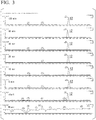
- a peptide composed of the amino acid sequence represented by SEQ ID NO: 1 (hereafter sometimes referred to as "PCPP11”) was added to human blood plasma having a concentration of 50% by mass, the mixture was sampled immediately after starting the degradation test (after 0 minutes), and then after 5 minutes, after 10 minutes, after 20 minutes, after 30 minutes, after 60 minutes and after 120 minutes, and the samples were analyzed by MALDI-TOFMS (Matrix Assisted Laser Desorption/Ionization - Time Of Flight Mass Spectrometry). The results are shown in FIG. 1 and Table 2 below. In Table 2, “UK” is an abbreviation for "unknown”. Further, the No. shown for each peptide in Table 2 corresponds with the numerical value recorded on the peaks of the graphs shown in FIG. 1 .
- FAM-L PCPP11 which is labeled with the fluorescent substance FAM at the peptide N-terminus, thereby protecting the N-terminus.
- LL is a tandem peptide in which the amino acid sequence of PCPP11 is repeated with a glycine spacer therebetween.
- LLL is a triplet peptide in which the amino acid sequence of PCPP11 is repeated three times with glycine spacers therebetween.
- Ld is an L-D chimeric peptide in which an L-amino acid is used for the amino acid sequence of the first half, and a retro-inverso sequence is then linked thereto using an optical isomer as the amino acid sequence of the latter half.
- NmLL is a peptide in which the arginine second from the N-terminus in the above LL peptide has been substituted with a methyl group-modified arginine in order to impart the peptide bond between the two arginines first and second from the N-terminus with degradation resistance.
- NmLd is an L-D chimeric peptide in which the arginine second from the N-terminus in the above Ld peptide has been substituted with a methyl group-modified arginine in order to impart the peptide bond between the two arginines first and second from the N-terminus with degradation resistance.
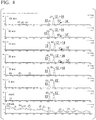
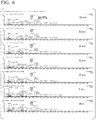
- each of the peptides described above was added to human blood plasma having a concentration of 50% by mass, the resulting mixture was sampled immediately after starting the degradation test (after 0 minutes), and then after 5 minutes, after 10 minutes, after 20 minutes, after 30 minutes, after 60 minutes and after 120 minutes, and the samples were analyzed by MALDI-TOFMS.
- the results are shown in FIGS. 2 to 6 and Tables 4 to 6 shown below.
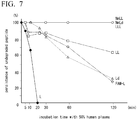
- the data for the degradation test by human blood plasma using PCPP11 from Reference Example 1 and the degradation tests by human blood plasma using each of the above peptides are collated in FIG. 7 and Table 7.
- the SEQ ID NO listed for the FAM-labeled peptide represents the SEQ ID NO of the peptide portion. Further, the No.
- the upper row value indicates the proportion (%) of peak area for two or more peptides relative to the total peak area in the MALDI-TOFMS analysis.
- the lower row value indicates the proportion (%) of each peptide when the peak area for the two or more peptides is deemed to be 100%.
- the left-side "70.0%” indicates the proportion (%) of the peptide No. 9 when the total peak area for the peptides No. 9 to 11 is deemed to be 100%
- the right-side "65%” indicates the proportion (%) of the peptide No. 9 relative to the total peak area in the MALDI-TOFMS analysis.
- No. 13 and No. 13', and No. 14 and No. 14' represent peptides which although composed of the same amino acid sequence, were attributed to different peaks in the MALDI-TOFMS analysis.
- FIG. 4 and Table 5 reveal that the degradation resistance of the PCPP11 that was FAM-labeled at the N-terminus 120 minutes after starting the test was 29%.
- FIG. 5 and Table 6 reveal that the degradation resistance of the Ld peptide 120 minutes after starting the test was 32%.
- FIG. 7 and Table 7 confirm that the LL peptide, the Ld peptide, the NmLL peptide, the NmLd peptide and the LLL peptide all have superior degradation resistance compared with the stand-alone PCPP11 and the FAM-PCPP11.
- Tests were conducted to confirm the accumulation of each peptide in each of the cells shown below in Table 8. Further, among the peptides shown below in Table 9, the FAM-PCPP11 used in Test Example 1, the LL peptide in which the N-terminus had been FAM-labeled (FAM-LL), and the Ld peptide in which the N-terminus had been FAM-labeled (FAM-Ld) were used.
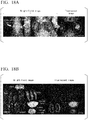
- Each of FAM-PCPP11, FAM-LL and FAM-Ld was added to each of the cells shown in Table 8 in an amount sufficient to achieve a final concentration in the medium of 2 ⁇ M, and following cultivation of the cells at 37°C for 2 hours, the sample was washed 3 times with a medium containing no peptide to remove any peptide within the medium. Subsequently, the incorporation of each of the peptides into each of the cells was evaluated visually using an inverted fluorescence microscope.
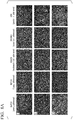
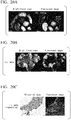
- FIG. 8A Prior to the microscopic examination, the culture supernatant to which the peptide had been added was removed, and following washing three times with 1 ⁇ PBS (-), a trypsin treatment was conducted to remove the adherent cells, and the resultant was immediately transferred into a new 96-well plate and once again suspended in fresh culture solution before the microscopic examination was performed.
- the results are shown in FIG. 8A .
- “L” indicates the cells to which FAM-PCPP11 was added
- LL indicates the cells to which FAM-LL was added
- Ld indicates the cells to which FAM-Ld was added.
- the fluorescent images in the BxPC3 cells indicate a representative example of pancreatic cancer cells.
- the H2110 cells which which are from an adenocarcinoma cell line from a human non-small-cell lung cancer system, are adenocarcinoma cells similar to those of the BxPC3 cells, the PK-8 cells and the MIA-Paca2 cells, they are lung primary cells rather than pancreatic primary cells, and are cells of an adenocarcinoma system having a different genesis.
- FIG. 8B is a graph quantifying the fluorescence detected in each of the above cells in FIG. 8A , with the fluorescence intensity detected in each cell shown relative to a value of 1.0 for the fluorescence detected in the H2110 cells, which is a cell line derived from an adenocarcinoma in a human non-small-cell lung cancer system, to which each of the FAM-PCPP11 and FAM-LL peptides had been added.
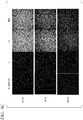
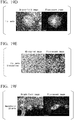
- each of FAM-PCPP11, FAM-LL and FAM-NmLL was added to each of the cells shown in Table 8 in an amount sufficient to achieve a final concentration in the medium of 2 ⁇ M, and following cultivation of the cells at 37°C for 2 hours, the sample was washed 3 times with a medium containing no peptide to remove any peptide within the medium. Subsequently, the incorporation of each of the peptides into each of the cells was evaluated visually using an inverted fluorescence microscope.
- the culture supernatant to which the peptide had been added was removed, and following washing three times with 1 ⁇ PBS (-), a trypsin treatment was conducted to remove the adherent cells, and the resultant was immediately transferred into a new 96-well plate and once again suspended in fresh culture solution before the microscopic examination was performed.
- the results are shown in FIG. 8C .
- “L” indicates the cells to which FAM-PCPP11 was added
- LL indicates the cells to which FAM-LL was added
- NmLL indicates the cells to which FAM-NmLL was added.
- the fluorescent images in the BxPC3 cells and PK-8 cells indicate representative examples of pancreatic cancer cells.
- the FAM-PCPP11 used in Test Example 1 the LL peptide, LLL peptide and Ld peptide that had been FAM-labeled at the N-terminus, and the NmLd peptide that had been FAM-labeled at the C-terminus with an ethylene group interposed therebetween were prepared. Further, in the following tests and figures, each of these FAM-labeled peptides may sometimes simply be referred to as "PCPP11", "LL”, “LLL”, “Ld” and "NmLd” respectively.
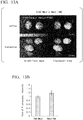
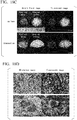
- FIG. 9A and bright-field images (left) and fluorescent images (right) of various tissue transections for the fluorescent labeled peptides are shown in FIG. 9B .
- sc tumor is an abbreviation for "subcutaneous tumor”.
- abd tumor is an abbreviation for "abdominal tumor”, indicating a tumor formed intraperitoneally.
- “br” indicates the brain
- “hr” indicates the heart
- kd indicates the kidney
- liv indicates the liver.
- "liv. meta” is an abbreviation for "liver metastatic tumor", and describes a tumor that has metastasized to the liver.
- FIG. 9A indicates tissues resected from a mouse that was not administered with any fluorescent labeled peptide.
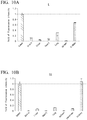
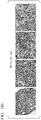
- FIG. 10A FAM-PCPP11
- FIG. 10B FAM-LL peptide
- FIG. 10C FAM-LLL peptide
- FIG. 10D FAM-Ld peptide
- FIG. 11 a graph comparing the fluorescence intensity in the tumors of the human pancreatic cancer growth and progression mouse models that had been administered with the various fluorescent labeled peptides is shown in FIG. 11 .
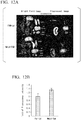
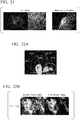
- FIG. 12A bright-field images (left) and fluorescent images (right) of the surfaces and transections of various tissues of the human pancreatic cancer growth and progression mouse models that had been administered with the NmLd peptide-FAM or the FAM-Ld peptide are shown in FIG. 12A .
- FIG. 12B a graph comparing the fluorescence intensity in the tumors of human pancreatic cancer growth and progression mouse models that had been administered with the NmLd peptide-FAM or the FAM-Ld peptide is shown in FIG. 12B .
- FIG. 13A Bright-field images (left) and fluorescent images (right) of the surfaces and transections of various tissues of the human pancreatic cancer growth and progression mouse models that had been administered with the NmLd peptide-FAM or the FAM-NmLd peptide are shown in FIG. 13A .
- FIG. 13B a graph comparing the fluorescence intensity in the tumors of human pancreatic cancer growth and progression mouse models that had been administered with the NmLd peptide-FAM or the FAM-NmLd peptide is shown in FIG. 13B .
- FIG. 13A and FIG. 13B confirmed that the difference in the FAM labeling site had no significant impact on the performance of the peptide. These test results can act as important information when determining the bonding site for an anticancer drug on the peptide.
- Test Example 2 The results in Test Example 2 are thought to demonstrate the action of the peptide itself in those cases where the peptide is bonded to the fluorescent substance (FAM).
- FAM fluorescent substance
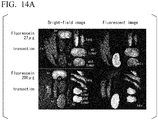
- FLC is a fluorescent substance accepted for human administration in medical treatment, and has substantially the same structure and characteristics as FAM
- FIG. 14B a graph quantifying the detection results for the fluorescence signal in various tissues of the human pancreatic cancer growth and progression mouse models that had been administered with either 27 ⁇ g (top) or 200 ⁇ g (bottom) of fluorescein is shown in FIG. 14B .
- the absorption was approximately 50% to 60% of the amount of absorption into the tumor.
- the amount of absorption in the normal lungs was approximately 2% to 10% of the tumor absorption.
- the absorption exceeded (180% to 250%) the amount of tumor absorption, indicating a high degree of nonspecific systemic absorption.
- a peptide-drug-conjugate was produced using the LL peptide, and an administration test was conducted in a human pancreatic cancer growth and progression mouse model.
- FIG. 15A is a schematic structural diagram of the PDC used in Test Example 3.
- the LL peptide was bonded to the antitumor agent doxorubicin via a linker to form the PDC.
- the LL peptide having a peptide linker composed of C-G-G-G added to the N-terminus (compound B, 4 mg, 1.9 ⁇ mol, SEQ ID NO: 42) was added to a doxorubicin linker [Compound A] (2 mg, 2.8 ⁇ mol) and a dimethylsulfoxide solution (2 mL) of N,N-diisopropylethylamine (3 ⁇ L, 19 ⁇ mol), and the resulting mixture was shaken overnight at room temperature. The reaction mixture was then suspended in diethyl ether (10 mL), and following centrifugal separation, the supernatant was discarded.
- the sediment was dissolved in an aqueous solution of ammonium acetate (10 mM, pH 7, 1 mL), and then fractionated by size exclusion chromatography [Sephadex LH-20, ⁇ 1.5 cm ⁇ 43 cm, eluent: aqueous solution of ammonium acetate (10 mM, pH 7)]. Each fraction was analyzed using a mass spectrometer (ESI-MS), and the fraction containing a compound C was collected and freeze dried. The thus obtained freeze dried powder was dissolved in deionized water and then freeze dried a second time to obtain the compound C (namely, the PDC) (2.3 mg).
- ESI-MS mass spectrometer
- the PDC was injected intravenously into a human pancreatic cancer growth and progression mouse model (Balb/c nu/nu mouse, subcutaneous and intraperitoneal human pancreatic cancer cell-transplanted model) in an amount sufficient to provide a 200 ⁇ g dose of the peptide.
- the pharmacokinetics of the PDC 30 minutes after the intravenous injection were then analyzed by tissue analysis of the freshly dissected specimen of the administered mouse, with the absorption quantified by detection of the fluorescence signal. Further, a mouse that had been administered with doxorubicin alone, without peptide modification, was prepared as a control.
- the dosage administered of the doxorubicin was matched with the molar amount of doxorubicin in the PDC.
- Full body images (left) of the human pancreatic cancer growth and progression mouse models that had been administered with either doxorubicin alone or the PDC, and bright-field images (center) and fluorescent images (right) of the tumor surfaces are shown in FIG. 15B .
- bright-field images (left) and fluorescent images (right) of various tissue transections of the human pancreatic cancer growth and progression mouse models that had been administered with either doxorubicin alone or the PDC are shown in FIG. 15C .
- Test were conducted confirming the accumulation of PCPP11 and partially deleted peptides thereof in BxPC3 cells, PK-8 cells, AsPC1 cells and MIA-Paca2 cells (all cell lines derived from human invasive pancreatic ductal adenocarcinoma (PDAC)) and in H2110 cells (lung adenocarcinoma cells).
- the peptides shown below in Table 10 were used.
- Type Amino acid sequence SEQ ID NO: FAM-PCPP11 [FAM]-RRPTTWHKP 4 FAM-trunc-ver1-PCPP11 [FAM]-RPTTWHKP 13 FAM-trunc-ver2-PCPP11 [FAM]-TTWHKP 30 FAM-trunc-ver3-PCPP11 [FAM]-RRPTTWH 14 FAM-trunc-ver4-PCPP11 [FAM]-RPTTW 43 FAM-trunc-ver5-PCPP11 [FAM]-PTTWH 44
- each peptide was added to each of the cells and then observed under a microscope.
- the results are shown in FIG. 16 .
- “full length” indicates the cells to which FAM-PCPP11 was added
- “trunc-ver1” indicates cells to which a trunc-ver1-PCPP11 was added
- “trunc-ver2” indicates cells to which a trunc-ver2-PCPP11 was added
- “trunc-ver3” indicates cells to which a trunc-ver3-PCPP11 was added.
- a marked reduction in absorbed fluorescence was observed for FAM-trunc-ver2-PCPP11.
- Each peptide was added to each of the cells shown in Table 11 in an amount sufficient to achieve a final concentration in the medium of 2 ⁇ M, and following cultivation of the cells at 37°C for 2 hours, the sample was washed 3 times with a medium containing no peptide to remove any peptide within the medium. Subsequently, the incorporation of each of the peptides into each of the cells was evaluated visually using an inverted fluorescence microscope.
- FAM-LL was administered to a pancreatic cancer model mouse having scirrhous carcinoma, and the selective absorption of the FAM-LL in various tissues of the mouse was confirmed.
- a scirrhous pancreatic cancer model mouse having scirrhous carcinoma that forms abundant tumor-stroma interactions was produced in accordance with the method disclosed in Reference Document 1 ( Saito K et al., "Stromal mesenchymal stem cells facilitate pancreatic cancer progression by regulating specific secretory molecules through mutual cellular interaction.”, Journal of Cancer, Vol. 9, No. 16, pp. 2916-2929, 2018 .).
- a 6-week old NOD/SCID mouse (CLEA Japan Inc., Japan) was raised under pathogen-free conditions.
- BxPC3 cells (2 ⁇ 10 5 cells) and a cell mixture containing BxPC3 cells (1 ⁇ 10 5 cells) and human mesenchymal stem cells (hMSC) (1 ⁇ 10 5 cells) were each injected subcutaneously into the mouse.
- hMSC human mesenchymal stem cells
- FIG. 18A is a series of bright-field images (left and center) and a fluorescent image (right) of the tumors in the scirrhous pancreatic cancer model mouse.
- FIG. 18B is a bright-field image (left) and a fluorescent image (right) of various tissues and tumor tissues resected from the scirrhous pancreatic cancer model mouse.
- FIG. 18C is a series of bright-field images (left) and dark-field images (right) of various tumor tissues resected from the scirrhous pancreatic cancer model mouse.
- the upper images are images of the surfaces of each of the tumor tissues, and the lower images are images of transections of each of the tumor tissues.
- FIG. 18D is a series of hematoxylin-eosin (HE) stained images (left) and fluorescent images (right) of tumor tissue formed from human PDAC cells and hMSC.
- FIG. 18E is a series of HE-stained images of tumor tissue formed from human PDAC cells and hMSC.
- FIG. 18F is a series of bright-field images (left) and fluorescent images (right) of tumor tissue formed from human PDAC cells and hMSC.
- FIG. 18A to FIG. 18C it is clear that FAM-LL exhibited strong absorption into the tumor tissue (and particularly the tumor tissue formed from human pancreatic cancer cells and hMSC). Further, FIG. 18D to FIG. 18F confirmed that in the tumor tissue formed from human PDAC cells and hMSC, tumor tissue having abundantly developed tumor-stroma interactions that imitates the tissue in a human pancreatic cancer patient, which is composed of cancer cell nests formed from cancer cells themselves in which the nuclei are accumulated in high density, and growth zones which surround the cancer cell nests and form peripheral fibroblast cell groups. Moreover, the FAM-LL exhibited strong absorption into the cancer cell nests inside the tumor tissue.
- FAM-NmLL was administered to pancreatic cancer model mice having scirrhous carcinoma, and the selective absorption of the FAM-NmLL in various tissues of the mouse was confirmed.
- a scirrhous pancreatic cancer model mouse having scirrhous carcinoma that forms abundant tumor-stroma interactions was produced in accordance with the method disclosed in the above Reference Document 1.
- a 6-week old NOD/SCID mouse CLEA Japan Inc., Japan
- a Pdx1-Cre/KRAS G12D KC
- a Pdx1-Cre/KRAS G12D KC
- a Pdx1-Cre/KRAS G12D KC
- a Pdx1-Cre/KRAS G12D KC
- a Pdx1-Cre/KRAS G12D p53 R172H (KPC) mouse having pancreatic cancer-specific mutations in K-Ras and p53 were raised under pathogen-free conditions.
- a cell mixture containing BxPC3 cells (1 ⁇ 10 5 cells) and hMSC (1 ⁇ 10 5 cells) was injected subcutaneously into the NOD/SCID mouse, a cell mixture containing MIA-Paca2 cells (1 ⁇ 10 5 cells) and hMSC (1 ⁇ 10 5 cells) or a cell mixture containing AsPC1 cells (1 ⁇ 10 5 cells) and hMSC (1 ⁇ 10 5 cells) was injected subcutaneously into the KPC mouse, and a cell mixture containing Capan-2 cells (1 ⁇ 10 5 cells) which are a cell line derived from human PDAC and hMSC (1 ⁇ 10 5 cells) was injected subcutaneously into the KC mouse.
- a scirrhous pancreatic cancer model mouse was obtained that had a tumor having abundantly developed tumor-stroma interactions that imitates the tissue in a human pancreatic cancer patient.
- FIG. 19A to FIG. 19F The results in the scirrhous pancreatic cancer model mouse that used the cell mixture of BxPC3 cells and hMSC are shown in FIG. 19A to FIG. 19F .
- FIG. 19C "peritoneal diss.” is an abbreviation for "peritoneal disseminated tumor”.
- micear LN meta is an abbreviation for "mesenteric lymph nodes metastatic tumor", and describes a tumor that has metastasized to the mesenteric lymph nodes. These same abbreviations are also used in subsequent figures.
- the results in the scirrhous pancreatic cancer model mouse that used the cell mixture of MIA-Paca2 cells and hMSC are shown in FIG. 20A to FIG. 20C .
- the results in the scirrhous pancreatic cancer model mouse that used the cell mixture of AsPC1 cells and hMSC are shown in FIG. 21 .
- the results in the scirrhous pancreatic cancer model mouse that used the cell mixture of Capan-2 cells and hMSC are shown in FIG. 22A and FIG. 22B .
- FAM-NmLL exhibited strong absorption into the tumor tissues (main lesions and metastatic lesions) in all of the mouse models. Further, the FAM-NmLL exhibited strong absorption into the cancer cell nests inside the tumor tissues in all of the mouse models.
- Each peptide was added to each of the cells shown in Table 13 in an amount sufficient to achieve a final concentration in the medium of 2 ⁇ M, and following cultivation of the cells at 37°C for 2 hours, the sample was washed 3 times with a medium containing no peptide to remove any peptide within the medium. Subsequently, the incorporation of each of the peptides into each of the cells was evaluated visually using an inverted fluorescence microscope.
- mal indicates a maleimide group, with the peptide and the FLC bonded together by forming a covalent bond between the thiol group (-SH) of a cysteine residue and a maleimide group introduced into the FLC.
- a peptide of an embodiment of the present invention exhibits a high degree of accumulation in cancer cells or cancer tissue in the digestive system, and has excellent in vivo degradation resistance.
- a target substance can be delivered simply and efficiently to cancer cells or cancer tissue in the digestive system.
Landscapes
- Health & Medical Sciences (AREA)
- Chemical & Material Sciences (AREA)
- Life Sciences & Earth Sciences (AREA)
- Organic Chemistry (AREA)
- General Health & Medical Sciences (AREA)
- Proteomics, Peptides & Aminoacids (AREA)
- Medicinal Chemistry (AREA)
- Molecular Biology (AREA)
- Animal Behavior & Ethology (AREA)
- Veterinary Medicine (AREA)
- Public Health (AREA)
- Engineering & Computer Science (AREA)
- Biophysics (AREA)
- Bioinformatics & Cheminformatics (AREA)
- Genetics & Genomics (AREA)
- Biochemistry (AREA)
- Pharmacology & Pharmacy (AREA)
- Epidemiology (AREA)
- General Chemical & Material Sciences (AREA)
- Nuclear Medicine, Radiotherapy & Molecular Imaging (AREA)
- Chemical Kinetics & Catalysis (AREA)
- Biomedical Technology (AREA)
- Gastroenterology & Hepatology (AREA)
- Peptides Or Proteins (AREA)
- Medicines That Contain Protein Lipid Enzymes And Other Medicines (AREA)
- Medicinal Preparation (AREA)
- Medicines Containing Antibodies Or Antigens For Use As Internal Diagnostic Agents (AREA)
Applications Claiming Priority (2)
| Application Number | Priority Date | Filing Date | Title |
|---|---|---|---|
| JP2018088811 | 2018-05-02 | ||
| PCT/JP2019/017629 WO2019212031A1 (ja) | 2018-05-02 | 2019-04-25 | ペプチド及びその使用 |
Publications (3)
| Publication Number | Publication Date |
|---|---|
| EP3789491A1 true EP3789491A1 (de) | 2021-03-10 |
| EP3789491A4 EP3789491A4 (de) | 2022-03-02 |
| EP3789491B1 EP3789491B1 (de) | 2025-04-16 |
Family
ID=68386400
Family Applications (1)
| Application Number | Title | Priority Date | Filing Date |
|---|---|---|---|
| EP19796420.8A Active EP3789491B1 (de) | 2018-05-02 | 2019-04-25 | Peptid und dessen verwendung |
Country Status (6)
| Country | Link |
|---|---|
| US (1) | US11447525B2 (de) |
| EP (1) | EP3789491B1 (de) |
| JP (1) | JP7370598B2 (de) |
| CN (1) | CN112020555B (de) |
| TW (1) | TWI812706B (de) |
| WO (1) | WO2019212031A1 (de) |
Families Citing this family (1)
| Publication number | Priority date | Publication date | Assignee | Title |
|---|---|---|---|---|
| EP3960852A1 (de) * | 2020-08-24 | 2022-03-02 | Klinikum rechts der Isar der Technischen Universität München | Peptide zur behandlung von krebs |
Family Cites Families (11)
| Publication number | Priority date | Publication date | Assignee | Title |
|---|---|---|---|---|
| JPS5344109A (en) | 1976-10-02 | 1978-04-20 | Nippon Telegr & Teleph Corp <Ntt> | Signal receiver |
| US8877158B2 (en) | 2009-06-12 | 2014-11-04 | Fujifilm Corporation | Targeting agent to newly formed blood vessels |
| CA3077804C (en) * | 2012-01-09 | 2023-07-25 | Serpin Pharma, Llc | Peptides and methods of using same |
| EP2928502B1 (de) * | 2012-12-05 | 2019-01-23 | Ruprecht-Karls-Universität Heidelberg | Konjugate von proteinen und multivalente zellenpenetrierende peptide und deren verwendungen |
| WO2014164684A1 (en) * | 2013-03-11 | 2014-10-09 | The Board Of Trustees Of The University Of Illinois | Protein delivery systems |
| EP3376636B1 (de) | 2013-11-14 | 2019-12-04 | Sony Corporation | Stromversorgungsvorrichtung und -verfahren |
| KR101841211B1 (ko) * | 2014-03-10 | 2018-03-22 | 한양대학교 산학협력단 | 세포 투과성 펩티드 및 이를 이용한 생물학적 활성 물질의 전달방법 |
| KR101778244B1 (ko) * | 2014-05-13 | 2017-09-26 | 한양대학교 산학협력단 | 세포 투과성 펩티드 및 이를 이용한 생물학적 활성 물질의 전달방법 |
| JP6781698B2 (ja) * | 2014-08-15 | 2020-11-04 | オックスフォード イミュノテック リミテッド | 結核菌(Mycobacterium tuberculosis)タンパク質 |
| US20180133327A1 (en) * | 2015-03-16 | 2018-05-17 | Amal Therapeutics Sa | Cell Penetrating Peptides and Complexes Comprising the Same |
| EP3378937B1 (de) * | 2015-11-19 | 2021-06-09 | Niigata University | Peptid mit spezifischer akkumulation für bauchspeicheldrüsenkrebs und verwendung dieses peptids |
-
2019
- 2019-04-25 JP JP2020517061A patent/JP7370598B2/ja active Active
- 2019-04-25 CN CN201980027681.1A patent/CN112020555B/zh active Active
- 2019-04-25 EP EP19796420.8A patent/EP3789491B1/de active Active
- 2019-04-25 WO PCT/JP2019/017629 patent/WO2019212031A1/ja not_active Ceased
- 2019-04-25 US US17/044,972 patent/US11447525B2/en active Active
- 2019-04-26 TW TW108114616A patent/TWI812706B/zh active
Also Published As
| Publication number | Publication date |
|---|---|
| TW202014517A (zh) | 2020-04-16 |
| WO2019212031A1 (ja) | 2019-11-07 |
| CN112020555B (zh) | 2024-06-21 |
| US20210163537A1 (en) | 2021-06-03 |
| JPWO2019212031A1 (ja) | 2021-05-13 |
| US11447525B2 (en) | 2022-09-20 |
| EP3789491B1 (de) | 2025-04-16 |
| CN112020555A (zh) | 2020-12-01 |
| EP3789491A4 (de) | 2022-03-02 |
| TWI812706B (zh) | 2023-08-21 |
| JP7370598B2 (ja) | 2023-10-30 |
Similar Documents
| Publication | Publication Date | Title |
|---|---|---|
| Zhou et al. | Brain penetrating peptides and peptide–drug conjugates to overcome the blood–brain barrier and target CNS diseases | |
| Chi et al. | Enhanced delivery of liposomes to lung tumor through targeting interleukin-4 receptor on both tumor cells and tumor endothelial cells | |
| US20240277863A1 (en) | Antibody-urease conjugates for therapeutic purposes | |
| US20180155394A1 (en) | Cancer cell-targeting peptide and use thereof | |
| Anami et al. | Homogeneous antibody–angiopep 2 conjugates for effective brain targeting | |
| EP3789491B1 (de) | Peptid und dessen verwendung | |
| US11890352B2 (en) | Plectin-targeted liposomes/PARP inhibitor in the treatment of cancer | |
| US20220315625A1 (en) | Lung-specific targeting-peptide (ltp), compositions, and uses thereof | |
| EP3800251B1 (de) | Peptid mit spezifischer akkumulation für bauchspeicheldrüsenkrebs | |
| EP3949995B1 (de) | Peptid und verwendung davon | |
| US12448425B2 (en) | Therapeutic peptides | |
| KR20200135224A (ko) | 마이셀 구조의 나노 전달체 및 이의 용도 | |
| JP6789573B2 (ja) | グリオーマに特異的な集積性を有するペプチド及びその使用 | |
| JP6839447B2 (ja) | 胆道癌に特異的な集積性を有するペプチド及びその使用 | |
| US20230365636A1 (en) | Bioorthogonal reporter gene system | |
| KR20230163487A (ko) | 항egfr 항체의 방사성 복합체 및 방사성 의약 | |
| WO2025202114A1 (fr) | Complexe peptidique radiosensibilisant |
Legal Events
| Date | Code | Title | Description |
|---|---|---|---|
| STAA | Information on the status of an ep patent application or granted ep patent |
Free format text: STATUS: THE INTERNATIONAL PUBLICATION HAS BEEN MADE |
|
| PUAI | Public reference made under article 153(3) epc to a published international application that has entered the european phase |
Free format text: ORIGINAL CODE: 0009012 |
|
| STAA | Information on the status of an ep patent application or granted ep patent |
Free format text: STATUS: REQUEST FOR EXAMINATION WAS MADE |
|
| 17P | Request for examination filed |
Effective date: 20200921 |
|
| AK | Designated contracting states |
Kind code of ref document: A1 Designated state(s): AL AT BE BG CH CY CZ DE DK EE ES FI FR GB GR HR HU IE IS IT LI LT LU LV MC MK MT NL NO PL PT RO RS SE SI SK SM TR |
|
| AX | Request for extension of the european patent |
Extension state: BA ME |
|
| DAV | Request for validation of the european patent (deleted) | ||
| DAX | Request for extension of the european patent (deleted) | ||
| RIC1 | Information provided on ipc code assigned before grant |
Ipc: C07K 14/00 20060101ALI20220120BHEP Ipc: C07K 7/08 20060101ALI20220120BHEP Ipc: A61P 35/00 20060101ALI20220120BHEP Ipc: A61K 49/00 20060101ALI20220120BHEP Ipc: A61K 47/66 20170101ALI20220120BHEP Ipc: C12N 15/11 20060101AFI20220120BHEP |
|
| A4 | Supplementary search report drawn up and despatched |
Effective date: 20220127 |
|
| RIC1 | Information provided on ipc code assigned before grant |
Ipc: C07K 14/00 20060101ALI20220121BHEP Ipc: C07K 7/08 20060101ALI20220121BHEP Ipc: A61P 35/00 20060101ALI20220121BHEP Ipc: A61K 49/00 20060101ALI20220121BHEP Ipc: A61K 47/66 20170101ALI20220121BHEP Ipc: C12N 15/11 20060101AFI20220121BHEP |
|
| STAA | Information on the status of an ep patent application or granted ep patent |
Free format text: STATUS: EXAMINATION IS IN PROGRESS |
|
| 17Q | First examination report despatched |
Effective date: 20240701 |
|
| GRAP | Despatch of communication of intention to grant a patent |
Free format text: ORIGINAL CODE: EPIDOSNIGR1 |
|
| STAA | Information on the status of an ep patent application or granted ep patent |
Free format text: STATUS: GRANT OF PATENT IS INTENDED |
|
| INTG | Intention to grant announced |
Effective date: 20241119 |
|
| RIN1 | Information on inventor provided before grant (corrected) |
Inventor name: SAITO, KEN Inventor name: KONDO, EISAKU |
|
| GRAS | Grant fee paid |
Free format text: ORIGINAL CODE: EPIDOSNIGR3 |
|
| RAP1 | Party data changed (applicant data changed or rights of an application transferred) |
Owner name: KANSAI MEDICAL UNIVERSITY EDUCATIONAL CORPORATION |
|
| GRAA | (expected) grant |
Free format text: ORIGINAL CODE: 0009210 |
|
| STAA | Information on the status of an ep patent application or granted ep patent |
Free format text: STATUS: THE PATENT HAS BEEN GRANTED |
|
| AK | Designated contracting states |
Kind code of ref document: B1 Designated state(s): AL AT BE BG CH CY CZ DE DK EE ES FI FR GB GR HR HU IE IS IT LI LT LU LV MC MK MT NL NO PL PT RO RS SE SI SK SM TR |
|
| REG | Reference to a national code |
Ref country code: GB Ref legal event code: FG4D |
|
| REG | Reference to a national code |
Ref country code: CH Ref legal event code: EP |
|
| REG | Reference to a national code |
Ref country code: IE Ref legal event code: FG4D |
|
| REG | Reference to a national code |
Ref country code: DE Ref legal event code: R096 Ref document number: 602019068735 Country of ref document: DE |
|
| P01 | Opt-out of the competence of the unified patent court (upc) registered |
Free format text: CASE NUMBER: APP_19684/2025 Effective date: 20250424 |
|
| PGFP | Annual fee paid to national office [announced via postgrant information from national office to epo] |
Ref country code: DE Payment date: 20250423 Year of fee payment: 7 |
|
| PGFP | Annual fee paid to national office [announced via postgrant information from national office to epo] |
Ref country code: FR Payment date: 20250423 Year of fee payment: 7 |
|
| REG | Reference to a national code |
Ref country code: NL Ref legal event code: MP Effective date: 20250416 |
|
| PG25 | Lapsed in a contracting state [announced via postgrant information from national office to epo] |
Ref country code: NL Free format text: LAPSE BECAUSE OF FAILURE TO SUBMIT A TRANSLATION OF THE DESCRIPTION OR TO PAY THE FEE WITHIN THE PRESCRIBED TIME-LIMIT Effective date: 20250416 |
|
| REG | Reference to a national code |
Ref country code: AT Ref legal event code: MK05 Ref document number: 1785697 Country of ref document: AT Kind code of ref document: T Effective date: 20250416 |
|
| PG25 | Lapsed in a contracting state [announced via postgrant information from national office to epo] |
Ref country code: PT Free format text: LAPSE BECAUSE OF FAILURE TO SUBMIT A TRANSLATION OF THE DESCRIPTION OR TO PAY THE FEE WITHIN THE PRESCRIBED TIME-LIMIT Effective date: 20250818 Ref country code: ES Free format text: LAPSE BECAUSE OF FAILURE TO SUBMIT A TRANSLATION OF THE DESCRIPTION OR TO PAY THE FEE WITHIN THE PRESCRIBED TIME-LIMIT Effective date: 20250416 Ref country code: FI Free format text: LAPSE BECAUSE OF FAILURE TO SUBMIT A TRANSLATION OF THE DESCRIPTION OR TO PAY THE FEE WITHIN THE PRESCRIBED TIME-LIMIT Effective date: 20250416 |
|
| REG | Reference to a national code |
Ref country code: LT Ref legal event code: MG9D |
|
| PG25 | Lapsed in a contracting state [announced via postgrant information from national office to epo] |
Ref country code: NO Free format text: LAPSE BECAUSE OF FAILURE TO SUBMIT A TRANSLATION OF THE DESCRIPTION OR TO PAY THE FEE WITHIN THE PRESCRIBED TIME-LIMIT Effective date: 20250716 Ref country code: GR Free format text: LAPSE BECAUSE OF FAILURE TO SUBMIT A TRANSLATION OF THE DESCRIPTION OR TO PAY THE FEE WITHIN THE PRESCRIBED TIME-LIMIT Effective date: 20250717 |
|
| PG25 | Lapsed in a contracting state [announced via postgrant information from national office to epo] |
Ref country code: PL Free format text: LAPSE BECAUSE OF FAILURE TO SUBMIT A TRANSLATION OF THE DESCRIPTION OR TO PAY THE FEE WITHIN THE PRESCRIBED TIME-LIMIT Effective date: 20250416 |
|
| PG25 | Lapsed in a contracting state [announced via postgrant information from national office to epo] |
Ref country code: BG Free format text: LAPSE BECAUSE OF FAILURE TO SUBMIT A TRANSLATION OF THE DESCRIPTION OR TO PAY THE FEE WITHIN THE PRESCRIBED TIME-LIMIT Effective date: 20250416 |
|
| PG25 | Lapsed in a contracting state [announced via postgrant information from national office to epo] |
Ref country code: HR Free format text: LAPSE BECAUSE OF FAILURE TO SUBMIT A TRANSLATION OF THE DESCRIPTION OR TO PAY THE FEE WITHIN THE PRESCRIBED TIME-LIMIT Effective date: 20250416 |
|
| PG25 | Lapsed in a contracting state [announced via postgrant information from national office to epo] |
Ref country code: AT Free format text: LAPSE BECAUSE OF FAILURE TO SUBMIT A TRANSLATION OF THE DESCRIPTION OR TO PAY THE FEE WITHIN THE PRESCRIBED TIME-LIMIT Effective date: 20250416 |
|
| PG25 | Lapsed in a contracting state [announced via postgrant information from national office to epo] |
Ref country code: RS Free format text: LAPSE BECAUSE OF FAILURE TO SUBMIT A TRANSLATION OF THE DESCRIPTION OR TO PAY THE FEE WITHIN THE PRESCRIBED TIME-LIMIT Effective date: 20250716 |
|
| PG25 | Lapsed in a contracting state [announced via postgrant information from national office to epo] |
Ref country code: IS Free format text: LAPSE BECAUSE OF FAILURE TO SUBMIT A TRANSLATION OF THE DESCRIPTION OR TO PAY THE FEE WITHIN THE PRESCRIBED TIME-LIMIT Effective date: 20250816 |
|
| PG25 | Lapsed in a contracting state [announced via postgrant information from national office to epo] |
Ref country code: LV Free format text: LAPSE BECAUSE OF FAILURE TO SUBMIT A TRANSLATION OF THE DESCRIPTION OR TO PAY THE FEE WITHIN THE PRESCRIBED TIME-LIMIT Effective date: 20250416 |
|
| REG | Reference to a national code |
Ref country code: CH Ref legal event code: H13 Free format text: ST27 STATUS EVENT CODE: U-0-0-H10-H13 (AS PROVIDED BY THE NATIONAL OFFICE) Effective date: 20251125 |
|
| PG25 | Lapsed in a contracting state [announced via postgrant information from national office to epo] |
Ref country code: LU Free format text: LAPSE BECAUSE OF NON-PAYMENT OF DUE FEES Effective date: 20250425 |
|
| REG | Reference to a national code |
Ref country code: BE Ref legal event code: MM Effective date: 20250430 |
|
| PG25 | Lapsed in a contracting state [announced via postgrant information from national office to epo] |
Ref country code: SM Free format text: LAPSE BECAUSE OF FAILURE TO SUBMIT A TRANSLATION OF THE DESCRIPTION OR TO PAY THE FEE WITHIN THE PRESCRIBED TIME-LIMIT Effective date: 20250416 Ref country code: DK Free format text: LAPSE BECAUSE OF FAILURE TO SUBMIT A TRANSLATION OF THE DESCRIPTION OR TO PAY THE FEE WITHIN THE PRESCRIBED TIME-LIMIT Effective date: 20250416 |
|
| PG25 | Lapsed in a contracting state [announced via postgrant information from national office to epo] |
Ref country code: BE Free format text: LAPSE BECAUSE OF NON-PAYMENT OF DUE FEES Effective date: 20250430 |
|
| PG25 | Lapsed in a contracting state [announced via postgrant information from national office to epo] |
Ref country code: CH Free format text: LAPSE BECAUSE OF NON-PAYMENT OF DUE FEES Effective date: 20250430 |
|
| REG | Reference to a national code |
Ref country code: DE Ref legal event code: R097 Ref document number: 602019068735 Country of ref document: DE |
|
| PG25 | Lapsed in a contracting state [announced via postgrant information from national office to epo] |
Ref country code: CZ Free format text: LAPSE BECAUSE OF FAILURE TO SUBMIT A TRANSLATION OF THE DESCRIPTION OR TO PAY THE FEE WITHIN THE PRESCRIBED TIME-LIMIT Effective date: 20250416 |
|
| PG25 | Lapsed in a contracting state [announced via postgrant information from national office to epo] |
Ref country code: EE Free format text: LAPSE BECAUSE OF FAILURE TO SUBMIT A TRANSLATION OF THE DESCRIPTION OR TO PAY THE FEE WITHIN THE PRESCRIBED TIME-LIMIT Effective date: 20250416 |
|
| PG25 | Lapsed in a contracting state [announced via postgrant information from national office to epo] |
Ref country code: SK Free format text: LAPSE BECAUSE OF FAILURE TO SUBMIT A TRANSLATION OF THE DESCRIPTION OR TO PAY THE FEE WITHIN THE PRESCRIBED TIME-LIMIT Effective date: 20250416 Ref country code: RO Free format text: LAPSE BECAUSE OF FAILURE TO SUBMIT A TRANSLATION OF THE DESCRIPTION OR TO PAY THE FEE WITHIN THE PRESCRIBED TIME-LIMIT Effective date: 20250416 |
|
| PG25 | Lapsed in a contracting state [announced via postgrant information from national office to epo] |
Ref country code: IT Free format text: LAPSE BECAUSE OF FAILURE TO SUBMIT A TRANSLATION OF THE DESCRIPTION OR TO PAY THE FEE WITHIN THE PRESCRIBED TIME-LIMIT Effective date: 20250416 |
|
| PG25 | Lapsed in a contracting state [announced via postgrant information from national office to epo] |
Ref country code: MC Free format text: LAPSE BECAUSE OF FAILURE TO SUBMIT A TRANSLATION OF THE DESCRIPTION OR TO PAY THE FEE WITHIN THE PRESCRIBED TIME-LIMIT Effective date: 20250416 |
|
| PLBE | No opposition filed within time limit |
Free format text: ORIGINAL CODE: 0009261 |
|
| STAA | Information on the status of an ep patent application or granted ep patent |
Free format text: STATUS: NO OPPOSITION FILED WITHIN TIME LIMIT |
|
| REG | Reference to a national code |
Ref country code: CH Ref legal event code: L10 Free format text: ST27 STATUS EVENT CODE: U-0-0-L10-L00 (AS PROVIDED BY THE NATIONAL OFFICE) Effective date: 20260225 |
|
| 26N | No opposition filed |
Effective date: 20260119 |
|
| PGFP | Annual fee paid to national office [announced via postgrant information from national office to epo] |
Ref country code: GB Payment date: 20260330 Year of fee payment: 8 |
|
| PG25 | Lapsed in a contracting state [announced via postgrant information from national office to epo] |
Ref country code: IE Free format text: LAPSE BECAUSE OF NON-PAYMENT OF DUE FEES Effective date: 20250425 |