EP3797166B1 - System zur gewinnung von proteinreichen nahrungsergänzungsmitteln aus einem bakteriellen fermentationsverfahren - Google Patents
System zur gewinnung von proteinreichen nahrungsergänzungsmitteln aus einem bakteriellen fermentationsverfahren Download PDFInfo
- Publication number
- EP3797166B1 EP3797166B1 EP19807792.7A EP19807792A EP3797166B1 EP 3797166 B1 EP3797166 B1 EP 3797166B1 EP 19807792 A EP19807792 A EP 19807792A EP 3797166 B1 EP3797166 B1 EP 3797166B1
- Authority
- EP
- European Patent Office
- Prior art keywords
- cell
- fermentation
- protein
- outlet line
- rupturing
- Prior art date
- Legal status (The legal status is an assumption and is not a legal conclusion. Google has not performed a legal analysis and makes no representation as to the accuracy of the status listed.)
- Active
Links
Images





Classifications
-
- A—HUMAN NECESSITIES
- A23—FOODS OR FOODSTUFFS; TREATMENT THEREOF, NOT COVERED BY OTHER CLASSES
- A23J—PROTEIN COMPOSITIONS FOR FOODSTUFFS; WORKING-UP PROTEINS FOR FOODSTUFFS; PHOSPHATIDE COMPOSITIONS FOR FOODSTUFFS
- A23J1/00—Obtaining protein compositions for foodstuffs; Bulk opening of eggs and separation of yolks from whites
- A23J1/008—Obtaining protein compositions for foodstuffs; Bulk opening of eggs and separation of yolks from whites from microorganisms
-
- A—HUMAN NECESSITIES
- A23—FOODS OR FOODSTUFFS; TREATMENT THEREOF, NOT COVERED BY OTHER CLASSES
- A23J—PROTEIN COMPOSITIONS FOR FOODSTUFFS; WORKING-UP PROTEINS FOR FOODSTUFFS; PHOSPHATIDE COMPOSITIONS FOR FOODSTUFFS
- A23J3/00—Working-up of proteins for foodstuffs
- A23J3/20—Proteins from microorganisms or unicellular algae
-
- A—HUMAN NECESSITIES
- A23—FOODS OR FOODSTUFFS; TREATMENT THEREOF, NOT COVERED BY OTHER CLASSES
- A23K—FODDER
- A23K10/00—Animal feeding-stuffs
- A23K10/10—Animal feeding-stuffs obtained by microbiological or biochemical processes
-
- A—HUMAN NECESSITIES
- A23—FOODS OR FOODSTUFFS; TREATMENT THEREOF, NOT COVERED BY OTHER CLASSES
- A23K—FODDER
- A23K10/00—Animal feeding-stuffs
- A23K10/10—Animal feeding-stuffs obtained by microbiological or biochemical processes
- A23K10/12—Animal feeding-stuffs obtained by microbiological or biochemical processes by fermentation of natural products, e.g. of vegetable material, animal waste material or biomass
-
- A—HUMAN NECESSITIES
- A23—FOODS OR FOODSTUFFS; TREATMENT THEREOF, NOT COVERED BY OTHER CLASSES
- A23K—FODDER
- A23K20/00—Accessory food factors for animal feeding-stuffs
- A23K20/10—Organic substances
- A23K20/142—Amino acids; Derivatives thereof
- A23K20/147—Polymeric derivatives, e.g. peptides or proteins
-
- A—HUMAN NECESSITIES
- A23—FOODS OR FOODSTUFFS; TREATMENT THEREOF, NOT COVERED BY OTHER CLASSES
- A23K—FODDER
- A23K50/00—Feeding-stuffs specially adapted for particular animals
-
- A—HUMAN NECESSITIES
- A23—FOODS OR FOODSTUFFS; TREATMENT THEREOF, NOT COVERED BY OTHER CLASSES
- A23K—FODDER
- A23K50/00—Feeding-stuffs specially adapted for particular animals
- A23K50/10—Feeding-stuffs specially adapted for particular animals for ruminants
-
- A—HUMAN NECESSITIES
- A23—FOODS OR FOODSTUFFS; TREATMENT THEREOF, NOT COVERED BY OTHER CLASSES
- A23K—FODDER
- A23K50/00—Feeding-stuffs specially adapted for particular animals
- A23K50/30—Feeding-stuffs specially adapted for particular animals for swines
-
- A—HUMAN NECESSITIES
- A23—FOODS OR FOODSTUFFS; TREATMENT THEREOF, NOT COVERED BY OTHER CLASSES
- A23K—FODDER
- A23K50/00—Feeding-stuffs specially adapted for particular animals
- A23K50/40—Feeding-stuffs specially adapted for particular animals for carnivorous animals, e.g. cats or dogs
-
- A—HUMAN NECESSITIES
- A23—FOODS OR FOODSTUFFS; TREATMENT THEREOF, NOT COVERED BY OTHER CLASSES
- A23K—FODDER
- A23K50/00—Feeding-stuffs specially adapted for particular animals
- A23K50/70—Feeding-stuffs specially adapted for particular animals for birds
- A23K50/75—Feeding-stuffs specially adapted for particular animals for birds for poultry
-
- A—HUMAN NECESSITIES
- A23—FOODS OR FOODSTUFFS; TREATMENT THEREOF, NOT COVERED BY OTHER CLASSES
- A23K—FODDER
- A23K50/00—Feeding-stuffs specially adapted for particular animals
- A23K50/80—Feeding-stuffs specially adapted for particular animals for aquatic animals, e.g. fish, crustaceans or molluscs
-
- A—HUMAN NECESSITIES
- A23—FOODS OR FOODSTUFFS; TREATMENT THEREOF, NOT COVERED BY OTHER CLASSES
- A23L—FOODS, FOODSTUFFS OR NON-ALCOHOLIC BEVERAGES, NOT OTHERWISE PROVIDED FOR; PREPARATION OR TREATMENT THEREOF
- A23L33/00—Modifying nutritive qualities of foods; Dietetic products; Preparation or treatment thereof
- A23L33/10—Modifying nutritive qualities of foods; Dietetic products; Preparation or treatment thereof using additives
- A23L33/135—Bacteria or derivatives thereof, e.g. probiotics
-
- A—HUMAN NECESSITIES
- A23—FOODS OR FOODSTUFFS; TREATMENT THEREOF, NOT COVERED BY OTHER CLASSES
- A23L—FOODS, FOODSTUFFS OR NON-ALCOHOLIC BEVERAGES, NOT OTHERWISE PROVIDED FOR; PREPARATION OR TREATMENT THEREOF
- A23L33/00—Modifying nutritive qualities of foods; Dietetic products; Preparation or treatment thereof
- A23L33/10—Modifying nutritive qualities of foods; Dietetic products; Preparation or treatment thereof using additives
- A23L33/17—Amino acids, peptides or proteins
- A23L33/195—Proteins from microorganisms
-
- C—CHEMISTRY; METALLURGY
- C07—ORGANIC CHEMISTRY
- C07K—PEPTIDES
- C07K1/00—General methods for the preparation of peptides, i.e. processes for the organic chemical preparation of peptides or proteins of any length
- C07K1/14—Extraction; Separation; Purification
- C07K1/36—Extraction; Separation; Purification by a combination of two or more processes of different types
-
- C—CHEMISTRY; METALLURGY
- C07—ORGANIC CHEMISTRY
- C07K—PEPTIDES
- C07K2/00—Peptides of undefined number of amino acids; Derivatives thereof
-
- C—CHEMISTRY; METALLURGY
- C12—BIOCHEMISTRY; BEER; SPIRITS; WINE; VINEGAR; MICROBIOLOGY; ENZYMOLOGY; MUTATION OR GENETIC ENGINEERING
- C12M—APPARATUS FOR ENZYMOLOGY OR MICROBIOLOGY; APPARATUS FOR CULTURING MICROORGANISMS FOR PRODUCING BIOMASS, FOR GROWING CELLS OR FOR OBTAINING FERMENTATION OR METABOLIC PRODUCTS, i.e. BIOREACTORS OR FERMENTERS
- C12M37/00—Means for sterilizing, maintaining sterile conditions or avoiding chemical or biological contamination
- C12M37/02—Filters
-
- C—CHEMISTRY; METALLURGY
- C12—BIOCHEMISTRY; BEER; SPIRITS; WINE; VINEGAR; MICROBIOLOGY; ENZYMOLOGY; MUTATION OR GENETIC ENGINEERING
- C12M—APPARATUS FOR ENZYMOLOGY OR MICROBIOLOGY; APPARATUS FOR CULTURING MICROORGANISMS FOR PRODUCING BIOMASS, FOR GROWING CELLS OR FOR OBTAINING FERMENTATION OR METABOLIC PRODUCTS, i.e. BIOREACTORS OR FERMENTERS
- C12M47/00—Means for after-treatment of the produced biomass or of the fermentation or metabolic products, e.g. storage of biomass
- C12M47/02—Separating microorganisms from the culture medium; Concentration of biomass
-
- C—CHEMISTRY; METALLURGY
- C12—BIOCHEMISTRY; BEER; SPIRITS; WINE; VINEGAR; MICROBIOLOGY; ENZYMOLOGY; MUTATION OR GENETIC ENGINEERING
- C12M—APPARATUS FOR ENZYMOLOGY OR MICROBIOLOGY; APPARATUS FOR CULTURING MICROORGANISMS FOR PRODUCING BIOMASS, FOR GROWING CELLS OR FOR OBTAINING FERMENTATION OR METABOLIC PRODUCTS, i.e. BIOREACTORS OR FERMENTERS
- C12M47/00—Means for after-treatment of the produced biomass or of the fermentation or metabolic products, e.g. storage of biomass
- C12M47/04—Cell isolation or sorting
-
- C—CHEMISTRY; METALLURGY
- C12—BIOCHEMISTRY; BEER; SPIRITS; WINE; VINEGAR; MICROBIOLOGY; ENZYMOLOGY; MUTATION OR GENETIC ENGINEERING
- C12M—APPARATUS FOR ENZYMOLOGY OR MICROBIOLOGY; APPARATUS FOR CULTURING MICROORGANISMS FOR PRODUCING BIOMASS, FOR GROWING CELLS OR FOR OBTAINING FERMENTATION OR METABOLIC PRODUCTS, i.e. BIOREACTORS OR FERMENTERS
- C12M47/00—Means for after-treatment of the produced biomass or of the fermentation or metabolic products, e.g. storage of biomass
- C12M47/06—Hydrolysis; Cell lysis; Extraction of intracellular or cell wall material
-
- C—CHEMISTRY; METALLURGY
- C12—BIOCHEMISTRY; BEER; SPIRITS; WINE; VINEGAR; MICROBIOLOGY; ENZYMOLOGY; MUTATION OR GENETIC ENGINEERING
- C12M—APPARATUS FOR ENZYMOLOGY OR MICROBIOLOGY; APPARATUS FOR CULTURING MICROORGANISMS FOR PRODUCING BIOMASS, FOR GROWING CELLS OR FOR OBTAINING FERMENTATION OR METABOLIC PRODUCTS, i.e. BIOREACTORS OR FERMENTERS
- C12M47/00—Means for after-treatment of the produced biomass or of the fermentation or metabolic products, e.g. storage of biomass
- C12M47/08—Homogenizing
-
- C—CHEMISTRY; METALLURGY
- C12—BIOCHEMISTRY; BEER; SPIRITS; WINE; VINEGAR; MICROBIOLOGY; ENZYMOLOGY; MUTATION OR GENETIC ENGINEERING
- C12M—APPARATUS FOR ENZYMOLOGY OR MICROBIOLOGY; APPARATUS FOR CULTURING MICROORGANISMS FOR PRODUCING BIOMASS, FOR GROWING CELLS OR FOR OBTAINING FERMENTATION OR METABOLIC PRODUCTS, i.e. BIOREACTORS OR FERMENTERS
- C12M47/00—Means for after-treatment of the produced biomass or of the fermentation or metabolic products, e.g. storage of biomass
- C12M47/10—Separation or concentration of fermentation products
-
- C—CHEMISTRY; METALLURGY
- C12—BIOCHEMISTRY; BEER; SPIRITS; WINE; VINEGAR; MICROBIOLOGY; ENZYMOLOGY; MUTATION OR GENETIC ENGINEERING
- C12N—MICROORGANISMS OR ENZYMES; COMPOSITIONS THEREOF; PROPAGATING, PRESERVING, OR MAINTAINING MICROORGANISMS; MUTATION OR GENETIC ENGINEERING; CULTURE MEDIA
- C12N1/00—Microorganisms; Compositions thereof; Processes of propagating, maintaining or preserving microorganisms or compositions thereof; Processes of preparing or isolating a composition containing a microorganism; Culture media therefor
- C12N1/06—Lysis of microorganisms
-
- C—CHEMISTRY; METALLURGY
- C12—BIOCHEMISTRY; BEER; SPIRITS; WINE; VINEGAR; MICROBIOLOGY; ENZYMOLOGY; MUTATION OR GENETIC ENGINEERING
- C12N—MICROORGANISMS OR ENZYMES; COMPOSITIONS THEREOF; PROPAGATING, PRESERVING, OR MAINTAINING MICROORGANISMS; MUTATION OR GENETIC ENGINEERING; CULTURE MEDIA
- C12N1/00—Microorganisms; Compositions thereof; Processes of propagating, maintaining or preserving microorganisms or compositions thereof; Processes of preparing or isolating a composition containing a microorganism; Culture media therefor
- C12N1/20—Bacteria; Culture media therefor
-
- C—CHEMISTRY; METALLURGY
- C12—BIOCHEMISTRY; BEER; SPIRITS; WINE; VINEGAR; MICROBIOLOGY; ENZYMOLOGY; MUTATION OR GENETIC ENGINEERING
- C12P—FERMENTATION OR ENZYME-USING PROCESSES TO SYNTHESISE A DESIRED CHEMICAL COMPOUND OR COMPOSITION OR TO SEPARATE OPTICAL ISOMERS FROM A RACEMIC MIXTURE
- C12P1/00—Preparation of compounds or compositions, not provided for in groups C12P3/00 - C12P39/00, by using microorganisms or enzymes
- C12P1/04—Preparation of compounds or compositions, not provided for in groups C12P3/00 - C12P39/00, by using microorganisms or enzymes by using bacteria
-
- C—CHEMISTRY; METALLURGY
- C12—BIOCHEMISTRY; BEER; SPIRITS; WINE; VINEGAR; MICROBIOLOGY; ENZYMOLOGY; MUTATION OR GENETIC ENGINEERING
- C12P—FERMENTATION OR ENZYME-USING PROCESSES TO SYNTHESISE A DESIRED CHEMICAL COMPOUND OR COMPOSITION OR TO SEPARATE OPTICAL ISOMERS FROM A RACEMIC MIXTURE
- C12P21/00—Preparation of peptides or proteins
-
- C—CHEMISTRY; METALLURGY
- C12—BIOCHEMISTRY; BEER; SPIRITS; WINE; VINEGAR; MICROBIOLOGY; ENZYMOLOGY; MUTATION OR GENETIC ENGINEERING
- C12P—FERMENTATION OR ENZYME-USING PROCESSES TO SYNTHESISE A DESIRED CHEMICAL COMPOUND OR COMPOSITION OR TO SEPARATE OPTICAL ISOMERS FROM A RACEMIC MIXTURE
- C12P7/00—Preparation of oxygen-containing organic compounds
- C12P7/02—Preparation of oxygen-containing organic compounds containing a hydroxy group
- C12P7/04—Preparation of oxygen-containing organic compounds containing a hydroxy group acyclic
- C12P7/06—Ethanol, i.e. non-beverage
-
- C—CHEMISTRY; METALLURGY
- C12—BIOCHEMISTRY; BEER; SPIRITS; WINE; VINEGAR; MICROBIOLOGY; ENZYMOLOGY; MUTATION OR GENETIC ENGINEERING
- C12P—FERMENTATION OR ENZYME-USING PROCESSES TO SYNTHESISE A DESIRED CHEMICAL COMPOUND OR COMPOSITION OR TO SEPARATE OPTICAL ISOMERS FROM A RACEMIC MIXTURE
- C12P7/00—Preparation of oxygen-containing organic compounds
- C12P7/02—Preparation of oxygen-containing organic compounds containing a hydroxy group
- C12P7/04—Preparation of oxygen-containing organic compounds containing a hydroxy group acyclic
- C12P7/06—Ethanol, i.e. non-beverage
- C12P7/065—Ethanol, i.e. non-beverage with microorganisms other than yeasts
-
- C—CHEMISTRY; METALLURGY
- C12—BIOCHEMISTRY; BEER; SPIRITS; WINE; VINEGAR; MICROBIOLOGY; ENZYMOLOGY; MUTATION OR GENETIC ENGINEERING
- C12P—FERMENTATION OR ENZYME-USING PROCESSES TO SYNTHESISE A DESIRED CHEMICAL COMPOUND OR COMPOSITION OR TO SEPARATE OPTICAL ISOMERS FROM A RACEMIC MIXTURE
- C12P7/00—Preparation of oxygen-containing organic compounds
- C12P7/02—Preparation of oxygen-containing organic compounds containing a hydroxy group
- C12P7/04—Preparation of oxygen-containing organic compounds containing a hydroxy group acyclic
- C12P7/16—Butanols
-
- C—CHEMISTRY; METALLURGY
- C12—BIOCHEMISTRY; BEER; SPIRITS; WINE; VINEGAR; MICROBIOLOGY; ENZYMOLOGY; MUTATION OR GENETIC ENGINEERING
- C12P—FERMENTATION OR ENZYME-USING PROCESSES TO SYNTHESISE A DESIRED CHEMICAL COMPOUND OR COMPOSITION OR TO SEPARATE OPTICAL ISOMERS FROM A RACEMIC MIXTURE
- C12P7/00—Preparation of oxygen-containing organic compounds
- C12P7/40—Preparation of oxygen-containing organic compounds containing a carboxyl group including Peroxycarboxylic acids
- C12P7/52—Propionic acid; Butyric acids
-
- C—CHEMISTRY; METALLURGY
- C12—BIOCHEMISTRY; BEER; SPIRITS; WINE; VINEGAR; MICROBIOLOGY; ENZYMOLOGY; MUTATION OR GENETIC ENGINEERING
- C12P—FERMENTATION OR ENZYME-USING PROCESSES TO SYNTHESISE A DESIRED CHEMICAL COMPOUND OR COMPOSITION OR TO SEPARATE OPTICAL ISOMERS FROM A RACEMIC MIXTURE
- C12P7/00—Preparation of oxygen-containing organic compounds
- C12P7/40—Preparation of oxygen-containing organic compounds containing a carboxyl group including Peroxycarboxylic acids
- C12P7/54—Acetic acid
-
- A—HUMAN NECESSITIES
- A23—FOODS OR FOODSTUFFS; TREATMENT THEREOF, NOT COVERED BY OTHER CLASSES
- A23V—INDEXING SCHEME RELATING TO FOODS, FOODSTUFFS OR NON-ALCOHOLIC BEVERAGES AND LACTIC OR PROPIONIC ACID BACTERIA USED IN FOODSTUFFS OR FOOD PREPARATION
- A23V2002/00—Food compositions, function of food ingredients or processes for food or foodstuffs
-
- A—HUMAN NECESSITIES
- A23—FOODS OR FOODSTUFFS; TREATMENT THEREOF, NOT COVERED BY OTHER CLASSES
- A23V—INDEXING SCHEME RELATING TO FOODS, FOODSTUFFS OR NON-ALCOHOLIC BEVERAGES AND LACTIC OR PROPIONIC ACID BACTERIA USED IN FOODSTUFFS OR FOOD PREPARATION
- A23V2300/00—Processes
- A23V2300/34—Membrane process
-
- C—CHEMISTRY; METALLURGY
- C12—BIOCHEMISTRY; BEER; SPIRITS; WINE; VINEGAR; MICROBIOLOGY; ENZYMOLOGY; MUTATION OR GENETIC ENGINEERING
- C12R—INDEXING SCHEME ASSOCIATED WITH SUBCLASSES C12C - C12Q, RELATING TO MICROORGANISMS
- C12R2001/00—Microorganisms ; Processes using microorganisms
-
- C—CHEMISTRY; METALLURGY
- C12—BIOCHEMISTRY; BEER; SPIRITS; WINE; VINEGAR; MICROBIOLOGY; ENZYMOLOGY; MUTATION OR GENETIC ENGINEERING
- C12R—INDEXING SCHEME ASSOCIATED WITH SUBCLASSES C12C - C12Q, RELATING TO MICROORGANISMS
- C12R2001/00—Microorganisms ; Processes using microorganisms
- C12R2001/01—Bacteria or Actinomycetales ; using bacteria or Actinomycetales
- C12R2001/02—Acetobacter
-
- C—CHEMISTRY; METALLURGY
- C12—BIOCHEMISTRY; BEER; SPIRITS; WINE; VINEGAR; MICROBIOLOGY; ENZYMOLOGY; MUTATION OR GENETIC ENGINEERING
- C12R—INDEXING SCHEME ASSOCIATED WITH SUBCLASSES C12C - C12Q, RELATING TO MICROORGANISMS
- C12R2001/00—Microorganisms ; Processes using microorganisms
- C12R2001/01—Bacteria or Actinomycetales ; using bacteria or Actinomycetales
- C12R2001/145—Clostridium
-
- Y—GENERAL TAGGING OF NEW TECHNOLOGICAL DEVELOPMENTS; GENERAL TAGGING OF CROSS-SECTIONAL TECHNOLOGIES SPANNING OVER SEVERAL SECTIONS OF THE IPC; TECHNICAL SUBJECTS COVERED BY FORMER USPC CROSS-REFERENCE ART COLLECTIONS [XRACs] AND DIGESTS
- Y02—TECHNOLOGIES OR APPLICATIONS FOR MITIGATION OR ADAPTATION AGAINST CLIMATE CHANGE
- Y02E—REDUCTION OF GREENHOUSE GAS [GHG] EMISSIONS, RELATED TO ENERGY GENERATION, TRANSMISSION OR DISTRIBUTION
- Y02E50/00—Technologies for the production of fuel of non-fossil origin
- Y02E50/10—Biofuels, e.g. bio-diesel
Definitions
- Microbial fermentation occurs when a microorganism is provided with a carbon substrate that it can utilize and process into various products, which can be recovered, separated, and purified.
- Chosen carbon substrates depend on the type of microorganisms used and their metabolic pathways, and the type of microorganisms used are based on identifying and selecting a microbial strain that has the capabilities to bring the type of desired products.
- Carbon substrates can include carbon monoxide (CO), carbon dioxide (CO 2 ), methanol, methyl, ethanol, n-alkanes, glucose, cellulose, bagasse, molasses, and sulfite waste.
- Useful products and substances generated by bacterial fermentation include ethanol, lactic acid, acetate, and other biofuels and chemicals, which can be used as a source of energy and a variety of additional applications.
- bacterial fermentation by anaerobic microorganisms may produce fermentation products (e.g., ethanol, butanol, acetate, butyrate, butyric acid, 2,3-butanediol, and other related products) through fermentation of gaseous substrates such as carbon monoxide (CO), hydrogen gas (H 2 ), and/or carbon dioxide (CO 2 ).
- CO carbon monoxide
- H 2 hydrogen gas
- CO 2 carbon dioxide
- Ethanol and butanol are often used as liquid fuels relating to transportation, whereas acetate and 2,3-butanediol are used in the chemical industry.
- bioethanol-producing acetogens used for microbial fermentation include those from the genus Clostridium and Acetobacterium.
- U.S. Patent No. 5,173,429 describes Clostridium ljungdahlii ATCC No. 49587, an anaerobic microorganism that produces ethanol and acetate from synthesis gas.
- U.S. Patent No. 5,807,722 describes a method and apparatus for converting waste gases into organic acids and alcohols using Clostridium ljungdahlii ATCC No. 55380.
- U.S. Patent No. 6,136,577 describes a method and apparatus for converting waste gases into ethanol using Clostridium ljungdahlii ATCC No. 55988 and 55989.
- Amino acids absorbed in the cow's small intestine are derived from proteins that are digested in the rumen and generally its digestion system must supply 10 essential amino acids, which cannot be self-produced by the cow, including arginine, histidine, isoleucine, leucine, lysine, methionine, phenylalanine, threonine, tryptophan, and valine.
- essential amino acids which cannot be self-produced by the cow, including arginine, histidine, isoleucine, leucine, lysine, methionine, phenylalanine, threonine, tryptophan, and valine.
- the relative proportions of each of the essential amino acids absorbed would exactly match the cow's required amino acid supply, because a shortage of one can limit the utilization of others.
- the one or more gaseous substrates used in the bacterial fermentation process of the method 100 may include various synthesis gas (i.e., syngas), off-gases from a steel production process, off-gases from an iron production process, off-gases from a coal production process, or any other suitable gas sources from industrial production plants.
- the gaseous substrates used in the bacterial fermentation process include a carbon monoxide (CO)-containing gaseous substrate and/or additional gases such as hydrogen gases, carbon dioxide (CO2), nitrogen gas (N2), and combinations thereof.
- Suitable bacteria include those of the genus Moorella, including Moorella sp. HUC22-1, and those of the genus Carboxydothermus.
- a mixed bacterial culture is used, wherein the mixed bacterial culture includes two or more bacterial microorganisms.
- Useful bacteria to culture in this fermentation process of method 100 include Acetogenium kivui, Acetoanaerobium noterae, Acetobacterium woodii, Alkalibaculum bacchi CP11 (ATCC BAA-1772), Blautia producta, Butyribacterium methylotrophicum, Caldanaerobacter subterraneous, Caldanaerobacter subterraneous pacificus, Carboxydothermus hydrogenoformans, Clostridium aceticum, Clostridium acetobutylicum, Clostridium acetobutylicum P262 (DSM 19630 of DSMZ Germany), Clostridium autoethanogenum (DSM 19630 of DSMZ Germany), Clostridium autoethanogenum (DSM 10061 of DSMZ Germany), Clostridium autoethanogenum (DSM 23693 of DSMZ Germany), Clostridium autoethanogenum (DSM 24138 of DSMZ Germany), Clostridium carboxidi
- the bacteria used include acetogenic bacterial cells having a genomic DNA G+C content of about 50% or less.
- the acetogenic bacteria may be active, inactive or a combination of both.
- G+C content may be determined by any methods known in the art.
- the genome may be sequenced using methods such as those described in Sambrook et al. (1989) Molecular Cloning: A Laboratory Manual (Cold Spring Harbor Laboratory Press, Cold Spring Harb or) (also known as "Maniatis” ) .
- G+C content may then be determined manually or by using any number of programs, such as for example, Bohlin et al.
- an initial feed gas supply rate is established for the effective growth of the initial population of the microorganisms (e.g., the anaerobic bacteria) and subsequent fermentation.
- the fermentation vessel provides an environment to culture anaerobic bacteria.
- Suitable fermentation vessel may include, but is not limited to, one or more of the following: a continuous stirred tank reactor (CSTR), an immobilized cell reactor (ICR), a trickle bed reactor (TBR), moving bed biofilm reactor (MBBR), a bubble column, a gas lift fermenter, a membrane reactor (e.g., a hollow fiber membrane bioreactor (HFMBR)), a static mixer, a vessel, a piping arrangement, a tower, a loop reactor, and combinations thereof.
- CSTR continuous stirred tank reactor
- ICR immobilized cell reactor
- TBR trickle bed reactor
- MBBR moving bed biofilm reactor
- a bubble column e.g., a gas lift fermenter
- a membrane reactor e.g., a hollow fiber membrane bioreactor (HFMBR)
- HMBR hollow fiber membrane bioreactor
- the fermentation vessel includes a first bioreactor connected to a second bioreactor, wherein the first bioreactor feeds a fermentation liquid into the second bioreactor, wherein ethanol production takes place in the second bioreactor.
- the fermentation vessel may be a two-stage CSTR system for improved culture stability.
- the fermentation vessel may optionally include a first Growth Stage with a first CSTR chamber and a second Production Stage with a second CSTR chamber.
- the Growth Stage CSTR is fed with a liquid culture medium and unconverted substrate gas from the Production Stage CSTR is fed into the Growth Stage CSTR.
- the Production Stage CSTR is fed with a fresh gas feed, and a fresh medium feed as well as a bacterial culture feed from the Growth Stage CSTR.
- cell recycle is used to get the bacterial cells out of the Production Stage CSTR, separated form fermentation products and sent back to the Production Stage CSTR to obtain high bacterial fermentation efficiency.
- bacterial cells are not recycled to the Growth Stage CSTR.
- US 2003/0211585 describes a continuous fermentation process.
- fermentation refers to conversion of carbon monoxide to alcohol.
- bacterial fermentation process begins with the addition of a suitable fermentation medium and one or more gaseous substrates to the fermentation vessel containing bacteria therein.
- a fermentation liquid broth is generated inside the fermentation vessel once a bacterial fermentation process has started.
- the fermentation liquid broth may include one or more fermentation products, in addition to the culture medium, the one or more gaseous substrates, and the bacteria, contained inside the fermentation vessel.
- the fermentation products contained within the fermentation liquid broth and produced by the bacterial fermentation process inside the fermentation vessel may include one or more oxygenated hydrocarbonaceous compounds, such as alcohols, etc., including, but not limited to, ethanol, 2-butanol, 2-butanone, 2,3-butanediol, acetone, butadiene, butane, butanol, butyrate, butyric acid, ethylene, and fatty acids, acetic acids, and combinations thereof.
- a mixture of ethanol and acetic acid can be produced.
- the mixture of ethanol and butanol are produced.
- ethanol is produced in the fermentation vessel at a specific productivity greater than 10 g/L per day, whereas free acetic acid concentration is kept at less than 5 g/L of free acetic acid.
- Ethanol and acetate found in the fermentation liquid broth may be in a ratio of ethanol to acetate ranging from 1:1 to 20:1.
- an amount of a fermentation liquid broth containing cells of the anaerobic bacteria at a first concentration and the fermentation products are delivered out of the bacterial fermentation vessel.
- the fermentation liquid broth containing bacteria cells may be delivered out of the fermentation vessel.
- the first concentration of the first batch of bacterial cells contained within the fermentation liquid broth may be 0.5 g/L (dry cell mass) or higher, such 1.0 g/L or higher, or 2.0 g/L or higher, or 5.0 g/L or higher, or 15.0 g/L or higher, or 30.0 g/L or higher.
- the cells of the anaerobic bacteria from the fermentation liquid broth are separated into a cell-free permeate solution and a cell-containing suspension.
- the goal is to separate and remove the bacterial cells from the fermentation liquid broth and obtain the cell-free permeate solution and the cell-containing suspension separately.
- the cell-free permeate solution contains mainly the fermentation products generated by the fermentation process and is ready for further processing by distillation and other processes.
- the cell-containing suspension is comprised mainly of bacterial cells after the fermentation process.
- the bacterial cells within the cell-containing suspension can be measured at a second concentration (or second cell density), and in one embodiment, the second concentration of the bacterial cells within the cell-containing suspension is equal to or higher than the first concentration of the bacterial cells contained within the fermentation liquid broth.
- Stabilization of cell concentration in the bacterial fermentation vessel is accomplished by purging bacterial cells from the fermentation vessel to a cell concentration less than the stable steady state concentration that utilizes all reducing gas or nutrient substrates in the bioreactor and increasing the aqueous feed rate when the free acetic acid portion of the acetate present in the fermentation bioreactor broth exceeds a high concentration (e.g., a free acetic acid concentration of 1 g/L or higher, or 2 g/L or higher).
- a high concentration e.g., a free acetic acid concentration of 1 g/L or higher, or 2 g/L or higher.
- Large scale, continuous bacterial fermentation can be maintained for a long time (e.g., for many months) by maintaining a constant cell concentration within the fermentation vessel without additional culture supplementation.
- Bacterial culture within the fermentation vessel is fed one or more gases (e.g ., CO, CO 2 , H 2 , and other carbon source substrates) along with a liquid nutrient medium
- Suitable cell separators that can be used to separate the cell-free permeate solution from the cell-containing suspension within the fermentation liquid broth include, but are not limited to, any filtration devices, hollow fiber filtration devices, spiral wound filtration devices, ultrafiltration devices, ceramic filter devices, cross-flow filtration devices, size exclusion column filtration devices, or combinations thereof.
- Suitable filters that can be used in the filtration-type cell separators include, but are not limited to, spiral wound membranes/filters, cross flow filters.
- another suitable means of cell separation from cell-free permeate is through the use of one or more centrifugation devices.
- the cell-separator used at step 130 functions to separate bacterial cells into the cell-containing suspension and the cell-free permeate solution.
- the cells within the fermentation liquid broth can be separated and concentrated by sending it several passes through the cell separator (e.g., by several passes through one or more filter-type filtration devices or centrifugations by one or more centrifuge several times at the same or different centrifugation speeds).
- the cell concentration (or cell density) within the cell-containing suspension is higher than the cell concentration of the fermentation liquid broth.
- one or more filtration devices with spiral wound filters are used to concentrate cells by sending the fermentation liquid broth through the spiral wound filters several passes.
- Cell recycle is generally referred to as the separation of a bacterial cell containing suspension from a cell-free liquid permeate solution and returning all or part of those separated bacterial cells back to the fermentation vessel.
- a cell separator such as a filtration device, is used to accomplish cell separation and/or cell recycle.
- a cell purge from the fermentation vessel is conducted to collect bacterial cells into higher concentrations of the cell-containing suspension or semi-dry microbial biomass.
- a cell purge requires an amount of fermentation liquid broth containing bacterial cells and other substances found in a fermentation medium.
- the cell purge may be a fermentation or fermentation liquid broth removed from the fermentation vessel during bacterial fermentation.
- the cell purge may require obtaining a concentrated cell-containing suspension by removing the fermentation liquid at a first cell concentration from the fermentation vessel and further concentrating the cells to have a cell-containing suspension at a second cell concentration.
- the cell-containing suspension has a higher cell density than the cell density of the fermentation liquid removed from the fermentation vessel.
- the cell purge occurs during a continuous bacterial fermentation. In another aspect, the cell purge occurs after bacterial fermentation, wherein the bacterial fermentation process is paused or stopped to permit the removal of microbial biomass from the fermentation vessel.
- the bacterial cells contained within the cell-containing suspension are ruptured into a homogenate.
- a rupturing device can be used to rupture and/or lyse the cell membranes of bacterial cells within the cell-containing suspension.
- the rupturing deice for rupturing bacterial cells include, but are not limited to, various types of microfluidics devices, sonication devices, ultrasonic devices, mechanical disruption devices, French press, freezers, a heater, a heat exchanger, a distillation column, a device that increases the temperature of process streams and holding tanks, a pasteurization device, an UV sterilization device, a gamma ray sterilization device, a reactor, a homogenizer, and combinations thereof.
- the resulting ruptured cell mixture e.g., a homogenate
- the resulting ruptured cell mixture can be further processed at step 150 by separating out a protein-containing portion from a cell debris portion within the homogenate of the microbial biomass and further purifying and extracting additional protein-containing portions to generate a protein-rich nutrient supplement.
- Such separation is contemplated to be performed by the use of one or more fractionators.
- one or more protein-containing portions are obtained and the one or more protein may also include free amino acids, total amino acids, and peptides.
- suitable examples of the one or more fractionators for fractioning the homogenate include, but are not limited to, various types of solid-liquid fractionators, centrifugation devices, continuous centrifuges, decanter centrifuges, disc-stack centrifuges, a filtration devices, a hollow fiber filtration device, a spiral wound filtration device, a ceramic filter device, a cross-flow filtration device, a size exclusion device, one or series of size exclusion columns, one or series ion exchange columns, one or series of carbon polymer columns, a flow-through magnetic fractionator, an ultrafiltration device, one or series of affinity chromatography columns, one or series of gel filtration columns, and combinations thereof, among others.
- the homogenate obtained after rupturing of bacterial cells by one or more rupturing devices is delivered to a first fractionator, and a first protein-containing portion and a first protein-containing cell debris portion are obtained.
- the first protein-containing portion has a protein content of at least 1% or more, 3% or more, 5% or more, 10% or more, 20% or more, 30% or more, 40% or more, 50% or more, 60% or more, 70% or more, 80% or more, or 95% or more.
- the first protein-containing portion derived from the homogenate can be directly incorporated into protein-rich nutrient supplement compositions, cell growth medium supplement/composition, pharmaceutical compositions, and/or an animal feed (e.g ., fish feed, shrimp feed, feed for chicken, etc. ) .
- animal feed e.g ., fish feed, shrimp feed, feed for chicken, etc.
- Such incorporation may require drying of the first protein-containing portion into low moisture content (e.g ., paste or powder forms) and direct blending of the first protein-containing portion with other ingredients (e.g ., additional animal feed nutrients, pharmaceutical fillers, blending agent, plasticizers, etc.) for making one or more types of nutrient supplements.
- the step 160 described herein may include additional processing steps of adjusting the pH of the first protein-containing portion, addition of one or more solubility enhancers, removal of harmful proteins from the first protein-containing portion, and/or combinations thereof to increase and enhance the quality and concentration of first protein-containing portion.
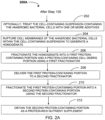
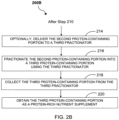
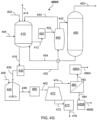
- the first protein-containing portion may undergo further downstream processing by performing extraction and purification of bacterial fermentation-derived protein and repurposing it for use as a protein-rich nutrient supplement. Such examples are shown in in Figures 2A and 2B .
- the first protein-containing cell debris portion derived from the homogenate can be directly incorporated into protein-rich nutrient supplement compositions.
- additional processing steps of adjusting the pH of the first protein-containing cell debris portion, addition of one or more solubility enhancers to the protein-containing cell debris portion, removal of harmful proteins from the first protein-containing cell debris portion, and/or combinations thereof may be needed to increase and enhance the quality and concentration of first protein-containing cell debris portion.
- the recovered proteins can be obtained and directly incorporated as a nutrient-rich supplement for animal intake or human intake.
- the insoluble proteins recovered in this method can undergo further downstream processing and then be combined with the first protein-containing portion and produced as a protein-rich nutrient supplement.
- Figure 1B is a flow chart of another example of a method 100 of producing a protein-rich nutrient supplement from a bacterial fermentation system.
- the method 100 of bacterial fermentation of a gaseous substrates may be operated under conditions which favor formation of hydrocarbonaceous compounds, carbohydrates, specific proteins, specific amino acids, and/or other desired components, while maintaining desired fermentation products levels, such as alcohol productivity levels.
- Step 130 of the method 100 includes separating the cells of the anaerobic bacteria from the fermentation liquid into a cell-free permeate solution and a cell-containing suspension containing anaerobic bacterial cells at a second cell concentration.
- step 135 of the method 100 includes holding the cell-containing suspension in a first holding tank.
- the bacterial cells can undergo pretreatment in preparation of generating a protein-rich supplement with high protein content and appropriate for consumption.
- one or more additives added in the pre-treatment process at step 130 may also help to optimize the conditions for rupturing the bacterial cells and generate the homogenate at high quality.
- Suitable additives to be used at step 130 include, but are not limited to, detergents, pH-adjusting agents, enzymes, nuclease, protease, hydrolases, alkaline buffer, acidic buffer, or combinations thereof.
- the step 130 of the method 100 includes reducing the nucleic acid content of the cell-containing suspension of fermentation-derived bacterial cells. Such pretreatment process is accomplished by treating the bacterial cells with nucleases. Examples of nucleases used include, but are not limited to, deoxyribonucleases, ribonucleases, benzonases, and nuclease. Nuclease treatment of the cell-containing suspension can be further assisted by alkaline hydrolysis and chemical extraction, such as ammonium sulfate precipitation, ethanol precipitation, polyethyleneimine precipitation.
- Step 140 of the method 100 includes rupturing cell membranes of the anaerobic bacterial cells within the cell-containing suspension to generate a homogenate by a rupturing device.
- step 145 of the method 100 includes holding the cell-containing suspension after being ruptured in a first holding tank.
- the bacterial cells can undergo process in preparation of generating a protein-rich supplement with high protein content and appropriate for consumption.
- one or more additives added in the process at step 145 may also help to optimize the conditions after rupturing the bacterial cells.
- Suitable additives to be used at step 145 include, but are not limited to, detergents, pH-adjusting agents, enzymes, nuclease, protease, hydrolases, alkaline buffer, acidic buffer, or combinations thereof.
- the step 145 of the method 100 includes reducing the nucleic acid content of the homogenate of fermentation-derived bacterial cells. Such pretreatment process is accomplished by treating the bacterial cells with nucleases. Examples of nucleases used include, but are not limited to, deoxyribonucleases, ribonucleases, benzonases, and nuclease. Nuclease treatment of the cell-containing suspension can be further assisted by alkaline hydrolysis and chemical extraction, such as ammonium sulfate precipitation, ethanol precipitation, polyethyleneimine precipitation.
- Step 150 of the method 100 includes fractionating the homogenate into a first protein-containing portion and a protein-containing cell debris portion using a first fractionator.
- Step 160 of the method 100 includes obtaining the first protein-containing portion as a protein-rich nutrient supplement.
- Step 165 of the method 100 includes obtaining the protein-containing cell debris portion as a protein-rich nutrient supplement.
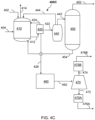
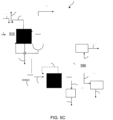
- the bacterial fermentation system 500A includes an inlet line 502, an inlet line 504, a fermentation vessel 510, an outlet line 512, an outlet line 514, a cell separator 520, an outlet line 522, an outlet line 524, an outlet line 526, a processing chamber 550, an outlet line 552, an outlet line 554, a cell-containing holding tank 545, an inlet line 506, an outlet line 542, a mixer 548, a rupturing device 560, an outlet line 562, an outlet line 564, a fractionator 570, an outlet line 572, an outlet line 574, a dehydration chamber 575A, an outlet line 576A, a dehydration chamber 575B, and an outlet line 576B.
- the rupturing device 560 that delivers a homogenate is connected to a fractionator 570.
- the method 500A includes separating the cell-containing suspension into a first protein-containing portion and a cell debris portion.
- the fractionator 570 is connected to the rupturing device 560 via an outlet 562.
- the fractionator 570 has at least two outlets, wherein from a first outlet 574 flows cell debris and from a second outlet 572 flows a first protein-containing portion.
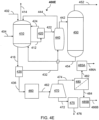
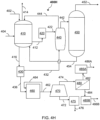
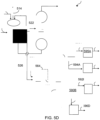
- the bacterial fermentation system 500B includes the inlet line 502, the inlet line 504, the fermentation vessel 510, the outlet line 512, the outlet line 514, the cell separator 520, the outlet line 522, the outlet line 524, the outlet line 526, the processing chamber 550, the outlet line 552, the outlet line 554, the cell-containing holding tank 545, the inlet line 506, the outlet line 542, the mixer 548, the rupturing device 560, the outlet line 562, the outlet line 564, a fractionator 580, an outlet line 582, an outlet line 584, a dehydration chamber 585A, an outlet line 586A, an dehydration chamber 585B, and an outlet line 586B.
- the cell-containing holding tank 545 is connected downstream of the rupturing device 560 via the outlet line 562.
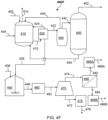
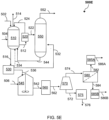
- the bacterial fermentation system 600 includes an inlet line 602, an inlet line 604, a fermentation vessel 610, an outlet line 612, an outlet line 614, an outlet line 616, a cell separator 620, an outlet line 622, an outlet line 624, a cell-free holding tank 640, an outlet line 642, an outlet line 644, a processing chamber 650, an outlet line 652, an outlet line 654, a cell separator 630, an outlet line 632, an outlet line 636, a cell-containing holding tank 645, an inlet line 606, an outlet line 646, a rupturing device 660, an outlet line 662, a fractionator 670, an outlet line 672, an outlet line 674, a dehydration chamber 675, an outlet line 676, a fractionator 690, an inlet line 692, an outlet line 694, a dehydration chamber 695, and an outlet line 696.
- the bacterial fermentation system has two or more rupturing devices.
- the first rupturing device also can be a holding tank or a storage vessel that is holding the bacterial cells within a cell-containing suspension that has been separated from the fermentation liquid.
- There is a first rupturing device that is a pretreatment device, wherein a cell-containing suspension enters the first rupturing device and is treated with additives to increase rupturing efficiency. Additives used include, but are not limited to, one or more detergents, enzymes, chemicals, or combinations thereof.
- There is a second rupturing device that is a microfluidics device, wherein the cells enter the second rupturing device and is subjected to high shearing forces in a reaction chamber.
- the cell-containing suspension is forced through micro-channeling that causes the cell walls and cell membranes of bacterial cells to rupture and break open, wherein contents of the bacterial cells become free-floating throughout the fermentation liquid. This permits collection of a first protein recovery, which can be further manipulated by centrifugation, filtration, dehydration, etc.
- the first protein-containing portion is produced as the protein-rich nutrient supplement.
- the first protein-containing portion has a protein content that is between 60% to 80%.
- the first protein-containing portion has a protein content that is between 40% to 60%.
- the first protein-containing portion has a protein content that is between 10% to 40%.
- a composition that is a protein-rich nutrient supplement is generated from a fermentation process using acetogenic bacterial culture.
- This composition comprises a protein-containing portion separated from a cell debris portion of a homogenate, wherein the homogenate is obtained from rupturing a cell-containing suspension containing cells of the acetogenic bacterial culture, and wherein the cell-containing suspension is obtained from a fermentation liquid being delivered out of a fermentation vessel during fermentation of a gaseous substrate using the acetogenic bacterial culture.
- the acetogenic bacterial culture is selected from a group consisting of Clostridium bacteria, Acetobacterium bacteria, and combinations thereof.
- the gaseous substrate fermented comprises one or more gases selected from the group consisting of carbon source substrates, carbon monoxide (CO), carbon dioxide (CO 2 ), hydrogen (H 2 ) gas, syngas, and combinations thereof.
- the protein-containing portion of the composition comprises a protein content of between about 10% to about 80% of the composition, a carbohydrate content of between about 5% to about 35% of the composition, and a nucleic acid content of between about 5% to about 15% of the composition.
- the protein content in the protein-containing portion is greater than a carbohydrate content in the protein-containing portion.
- the nucleic acid content is no more than 2% of the composition. This is a composition ingestible for humans and animals alike.
- the composition of a protein-rich nutrient supplement comprises a purified protein product separated from a first amount from a protein-containing portion and a second amount from a cell debris portion of a homogenate, wherein the homogenate is obtained from rupturing a cell-containing suspension containing cells of the acetogenic bacterial culture, and wherein the cell-containing suspension is obtained from a fermentation liquid being delivered out of a fermentation vessel during fermentation of a gaseous substrate using the acetogenic bacterial culture.
- the cell debris portion comprises cell wall particulates, cell membrane particulates, protein aggregates, inclusion bodies, nucleic acid, and other components of an anaerobic bacterial cell.
- the fermentation liquid broth delivered out of the fermentation vessel is separated into a cell-free permeate solution and the cell-containing suspension containing the cells of the acetogenic bacterial culture.
- the partially purified protein product has a nucleic acid content that is no more than 2%. In another aspect, the nucleic acid content is no more than 8% to 12%.
- the composition includes a protein content of between about 10% to about 80% of the composition, a carbohydrate content of between about 5% to about 35% of the composition, and a nucleic acid content of between about 5% to about 15% of the composition.
- the protein content in the protein-containing portion is greater than a carbohydrate content in the protein-containing portion.
- the composition includes a protein content of between about 10% to about 80% of the composition, a carbohydrate content of between about 5% to about 35% of the composition, and a nucleic acid content of no more than 2% of the composition.
- the feedstock composition when removed from the bacterial fermentation vessel provides about 220 kcal or more per 100 grams of acetogenic biomass and may include about 15 grams or more carbohydrate per 100 grams of acetogenic biomass, on a dry weight basis.
- the feedstock has a weight ratio of carbohydrates to protein of about 1.0 or less.
- the feedstock includes about 18 mg or more calcium per 100 grams of acetogenic biomass, about 150 mg or more iron per 100 grams of cell mass, about 25 mg or more sodium per 100 grams of acetogenic biomass, about 1200 mg or more potassium per 100 grams of biomass, or a combination thereof, on a dry weight basis.
- the feedstock composition includes both essential and nonessential amino acids.
- the feedstock composition may also include nucleotides.
- the feedstock composition provides a protein content of about 60 grams or more per 100 grams of acetogenic biomass, in another aspect, about 60 to about 90 grams per 100 grams of acetogenic biomass, in another aspect, about 65 to about 85 grams per 100 grams of acetogenic biomass, and in another aspect, about 70 to about 80 grams per 100 grams of acetogenic biomass, all on a dry weight basis.
- the feedstock composition provides about 220 kcal or more per 100 grams of dry acteogenic biomass, in another aspect, about 220 kcal to about 400 kcal, in another aspect, about 250 kcal to about 350 kcal, in another aspect, about 300 kcal to about 325 kcal, and in another aspect, about 220 kcal to about 300 kcal.
- the feedstock composition provides about 15 grams or more carbohydrates per 100 grams of dry acetogenic biomass, in another aspect, about 15 grams to about 60 grams, in another aspect, about 20 to about 40 grams, in another aspect, about 25 to about 35 grams, and in another aspect, about 30 to about 35 grams.
- the feedstock includes a weight ratio of carbohydrates to proteins of about 1.0 or less, in another aspect, about 0.75 or less, in another aspect, 0.5 or less, in another aspect, about 0.25 or less, and in another aspect, 0.1 or less.
- the feedstock has no detectable carbohydrates and only includes protein.
- the carbohydrate may include ethanol and/or watersoluble sugars.
- the feedstock composition may also include fiber.
- Fiber may include acid detergent fiber, neutral detergent fiber, digestible fiber, and/or indigestible fiber.
- the feedstock composition may also include starch.
- the feedstock composition includes calcium, iron, sodium and potassium in the following amounts (all expressed as mg per 100 grams of acetogenic biomass on a dry weight basis): Calcium: about 18 mg or more, in another aspect, about 20 mg or more, in another aspect, about 25 mg or more, and in another aspect, about 30 mg or more; Iron: about 150 mg or more, in another aspect, about 175 mg or more, in another aspect, about 200 mg or more, and in another aspect, about 225 mg or more; Sodium: about 25 mg or more, in another aspect, about 30 mg or more, in another aspect, about 35 mg or more, and in another aspect, about 40 mg or more; Potassium: about 1200 mg or more, in another aspect, about 1300 mg or more, in another aspect, about 1400 mg or more, and in another aspect, about 1500 mg or more.
- the feedstock composition may include de minimis amounts of metals.
- the feedstock may include levels of certain desirable metals. Examples of metals that may or may not be present in the feedstock include zinc, molybdenum, cadmium, scandium, titanium, vanadium, chromium, manganese, iron, cobalt, nickel, copper, tungsten and selenium.
- the acetogenic biomass may include any one of the following amino acids, either alone or in any combination (expressed as grams per 100 grams acetogenic biomass on a dry weight basis): Essential Amino Acids Content: Arginine: in one aspect, about 2.5 grams or more, in another aspect, about 3.0 grams or more, in another aspect, about 3.5 grams or more, in another aspect, about 4.0 grams or more, in another aspect, about 4.5 grams or more, in another aspect, about 5.0 grams or more, in another aspect, about 6.0 grams or more, and in another aspect, about 7.0 grams or more; Histidine: in one aspect, about 1.5 grams or more, in another aspect, about 2.0 grams or more, in another aspect, about 2.5 grams or more, in another aspect, about 3.0 grams or more, in another aspect, about 3.5 grams or more, in another aspect, about 4.0 grams or more, in another aspect, about 5.0 grams or more, and in another aspect, about 6.0 grams or more; Isoleucine: in one aspect, about 4.0 grams or more, in one aspect,
- Amino Acids Content Alanine: in one aspect, about 5.0 grams or more, in another aspect, about 5.5 grams or more, in another aspect, about 6.0 grams or more, in another aspect, about 7.0 grams or more, in another aspect, about 8.0 grams or more, in another aspect, about 9.0 grams or more, in another aspect, about 10.0 grams or more, and in another aspect, about 11.0 grams or more; Aspartic Acid: in one aspect, about 7.0 grams or more, in another aspect, about 7.5 grams or more, in another aspect, about 8.0 grams or more, in another aspect, about 9.0 grams or more, in another aspect, about 10.0 grams or more, in another aspect, about 11.0 grams or more, in another aspect, about 12.0 grams or more, and in another aspect, about 14.0 grams or more; Cysteine: in one aspect, about 1.0 grams or more, in another aspect, about 1.5 grams or more, in another aspect, about 2.0 grams or more, in another aspect, about 2.5 grams or more, in another aspect, about 3.0 grams or more, in another aspect, about
- the feedstock composition may be utilized as feedstock in animal feed. In yet another embodiment, the feedstock composition may be utilized as feedstock in aquaculture. In yet another embodiment, the feedstock composition may be further processed and utilized as a nutrient supplement ingestible by animals and humans alike.
- the present composition provides an effective amount of nutrients to a bacterial fermentation process.
- an "effective amount" describes use in promoting a healthy fermentation process which may include at least one of the following: production of total alcohol at a STY of about 1 g or more total alcohol/(L ⁇ day); providing a cell density of about 2.0 grams/liter or more; and maintaining the culture in a steady state.
- the bacterial fermentation process may be the fermentation of a CO-containing gaseous substrate and may be the same bacterial fermentation process from which the feedstock was originally derived.
- the present composition provides an effective amount of nutrition to an animal.
- An "effective amount" describes use in promoting healthy growth in an animal is an amount sufficient to promote at least one of the following: inhibition of bacterial load in the animal; prevention or decrease the incidence of necrotic enteritis in poultry; stimulation of the immune response in the animal; enhancement of the effectiveness of antibiotics and vaccines administered to the animal in feed or otherwise; increased growth rate per amount of feed administered; increased milk production; decreases in mortality rate; and the like.
- factors may be considered, include but not limited to such factors as the animal's age, level of activity, hormone balance, and general health in determining the effective amount, which is tailored to the animal, for example by beginning with a low dosage and titrating the dosage to determine the effective amount.
- Animals that can benefit from ingesting the present composition include, for example, poultry such as chickens, ducks, geese, turkeys, quail, game hens, and the like; beef and dairy cattle, pigs, goats, and the like; domestic animals such as dogs and cats; aquatic animals such as salmon, salmonids, trout, tilapia, shrimp, lobster and the like; and, humans.
- Uses of the protein-rich nutrient supplement include fattening cows, pigs, poultry, and fish.
- Other uses of the present composition include serving as emulsifying aids to improve the nutritive value of a multitude of consumable goods, including baked goods, soups, prepackaged meals, smart foods, and diet foods. Still other uses include paper processing, leather processing, and foam stabilization.
- Example 1 A Continuous Bacterial Fermentation Process
- a synthesis or waste gas containing CO and/or CO 2 /H 2 is continuously introduced into a stirred tank bioreactor containing a strain of Clostridium Ijungdahlii, along with a fermentation medium containing vitamins, trace metals and salts.
- a suitable fermentation medium used is reported in Table 1 below.
- the reactor is operated with a batch liquid phase, where the fermentation medium is not fed continuously to the reactor.
- the liquid phase in the reactor thus consists of a batch of fermentation medium with a nominal concentration of one or more limiting nutrients, e.g., calcium pantothenate, cobalt.
- limiting nutrients e.g., calcium pantothenate, cobalt.
- a rich medium containing yeast extract, trypticase, or other complex nutrients can also be employed.
- the gas phase at start-up is CO 2 -free and contains excess H 2 .
- the gas rate and agitation rate are kept at low levels (less than 500 rpm in a New Brunswick Scientific Bioflo ® fermentation bioreactor) to yield CO and H 2 in slight excess, but at the same time, avoiding CO substrate inhibition.
- the agitation rate to initiate start-up is 400 rpm and the gas rate is 20 ml/min. To bring about ethanol production during start-up, there is in excess both H 2 and liquid nutrients.
- Example 9 Rupturing of Bacterial Cells by One or More Microfluidization Rupturing Devices with Pretreatment of the Bacterial Cells in a Cell-Containing Holding Tank
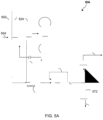
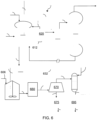
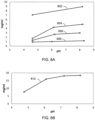
- Figure 8A illustrates a graph of soluble protein obtained from the rupturing device 460, 560 or 660 and from cell membranes of the anaerobic bacterial cells within the cell-containing suspension.
- the rupturing devices selected to conduct the rupturing process can be microfluidizer and other commercially available devices.
- the rupturing devices selected to conduct the rupturing process is a microfluidizer.
- the y axis of the line 802 represents the yield of the protein from the cell homogenate ruptured and obtained from the rupturing device 460, 560 or 660 prepared under different pH conditions (X-axis) from anaerobic bacterial cells within the cell-containing suspension with a density of 18.5 g/L.
- the y axis of the line 804 represents the yield of the protein from the cell homogenate ruptured and obtained from the rupturing device 460, 560 or 660 prepared under different pH conditions (X-axis) from anaerobic bacterial cells within the cell-containing suspension with a density of 10 g/L.
- the y axis of the line 806 represents the yield of the protein from the cell homogenate ruptured and obtained from the rupturing device 460, 560 or 660 prepared under different pH conditions (X-axis) from anaerobic bacterial cells within the cell-containing suspension with a density of 5 g/L plotted against different pH conditions.
- the y axis of the line 808 represents the yield of proteins from the cell homogenate ruptured and obtained from the rupturing device 460, 560 or 660 a prepared under different pH conditions (X-axis) from anaerobic bacterial cells within the cell-containing suspension with a density of 1 g/L.
- the cell-containing suspension selected for undergoing the rupturing process inside the rupturing device 460, 560 or 660 can be of different pH value, within a range of 1 to 14.
- the pH value of the cell-containing suspension can be adjusted by various methods, including acid, base, or salt addition, or combinations thereof.
- the pH value of cell-containing suspension is adjusted to approximately 6 or 8 using 0.5M sodium hydroxide.
- the pH value of the cell-containing suspension can be adjusted before cell-containing suspension being ruptured inside the rupturing device 460, 560 or 660.
- the pH value of the cell-containing suspension can be adjusted inside the cell-containing holding tank 445, 545, or 645.
- Samples were collected from a high cell density fermentation vessel and concentrated to 3-fold by centrifuging cells for 10 minutes at 4,000 RPM. Cell pellets were re-suspended in culture media. The culture media was adjusted to pH between 5 and 10 using concentrated sodium hydroxide. For example, samples were concentrated to 45 g/L by centrifuging cells for 10 minutes at 4,000 RPM. Cell pellets were resuspended in culture media. The resulting cell mixture pH was modified to 5, 6, 7, or 8 using 0.5M sodium hydroxide. Samples were processed at 15,000 PSI through the microfluidizer for one pass. Each sample was spun down at 13,300 RPM for 6 minutes. The supernatant was collected and a Lowry-based protein assay was used to determine protein concentration in the soluble fraction.
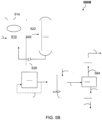
- Figure 8B illustrates a chart of the yield of soluble protein obtained from the rupturing device 460, 560 or 660 and from cell membranes of the anaerobic bacterial cells within the cell-containing suspension.
- the rupturing devices selected to conduct the rupturing process is a microfluidizer.
- the rupturing process is conducted to the pressure between 10,000 and 20,000 psi against the cell-containing suspension for one or multiple passes. The supernatant was collected via centrifugation at 13,300 RPM and the protein was analyzed using a Lowry-based protein assay. Table 14 indicates that increasing the pH of the culture broth from 4-5 to 6-10 significantly increases the percent of protein that is recovered in the soluble fraction.
- the y axis of the line 812 represents the effect of pH on the yield of protein from the cell homogenate ruptured and obtained from the rupturing device 460, 560 or 660 prepared under different pH conditions (X-axis) from anaerobic bacterial cells within the cell-containing suspension with a density of 45 g/L from a change in pH value of the cell-containing suspension.
Landscapes
- Life Sciences & Earth Sciences (AREA)
- Chemical & Material Sciences (AREA)
- Engineering & Computer Science (AREA)
- Organic Chemistry (AREA)
- Zoology (AREA)
- Health & Medical Sciences (AREA)
- Wood Science & Technology (AREA)
- Biotechnology (AREA)
- Bioinformatics & Cheminformatics (AREA)
- Microbiology (AREA)
- Biochemistry (AREA)
- Polymers & Plastics (AREA)
- Genetics & Genomics (AREA)
- General Health & Medical Sciences (AREA)
- General Engineering & Computer Science (AREA)
- Food Science & Technology (AREA)
- Biomedical Technology (AREA)
- General Chemical & Material Sciences (AREA)
- Chemical Kinetics & Catalysis (AREA)
- Animal Husbandry (AREA)
- Molecular Biology (AREA)
- Sustainable Development (AREA)
- Birds (AREA)
- Mycology (AREA)
- Proteomics, Peptides & Aminoacids (AREA)
- Nutrition Science (AREA)
- Medicinal Chemistry (AREA)
- Virology (AREA)
- Cell Biology (AREA)
- Tropical Medicine & Parasitology (AREA)
- Physiology (AREA)
- Biophysics (AREA)
- Analytical Chemistry (AREA)
- Insects & Arthropods (AREA)
- Marine Sciences & Fisheries (AREA)
- Preparation Of Compounds By Using Micro-Organisms (AREA)
- Apparatus Associated With Microorganisms And Enzymes (AREA)
- Micro-Organisms Or Cultivation Processes Thereof (AREA)
- Coloring Foods And Improving Nutritive Qualities (AREA)
- Peptides Or Proteins (AREA)
Claims (10)
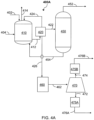
- System zur Herstellung eines proteinreichen Nahrungsergänzungsmittels aus einem Fermentationsprozess unter Verwendung von anaeroben Bakterien, umfassend:ein Fermentationsgefäß (410), das mit einer Gaseinlassleitung (404) verbunden ist, die so konfiguriert ist, dass ein gasförmiges Substrat in das Fermentationsgefäß strömt, und eine Flüssigkeitseinlassleitung (402), die so konfiguriert ist, dass ein Kulturmedium in das Fermentationsgefäß (410), das die anaeroben Bakterien enthält, zugeführt wird, um das gasförmige Substrat und das Kulturmedium zu einer flüssigen Fermentationsbrühe zu fermentieren, die Fermentationsprodukte enthält, die mindestens eine sauerstoffhaltige Kohlenwasserstoffverbindung einschließen;einen ersten Zellseparator (430), der mit einer oder mehreren ersten Auslassleitungen (416) des Fermentationsgefäßes (410) verbunden und so konfiguriert ist, dass er einen ersten Strom der flüssigen Fermentationsbrühe aus dem Fermentationsgefäß (410) aufnimmt und den ersten Strom der flüssigen Fermentationsbrühe in eine erste zellhaltige Suspension und eine erste zellfreie Permeatlösung trennt, die hauptsächlich die durch den Fermentationsprozess erzeugten Fermentationsprodukte enthält und für die weitere Verarbeitung durch Destillation und andere Prozesse bereit ist;eine Verarbeitungskammer (450), die mit einer oder mehreren zweiten Auslassleitungen des ersten Zellseparators (430) verbunden und so konfiguriert ist, dass sie die erste zellfreie Permeatlösung aus dem ersten Zellseparator (430) aufnimmt und die erste zellfreie Permeatlösung zu einer sauerstoffhaltigen Kohlenwasserstoffverbindung verarbeitet;eine oder mehrere Zellaufschlussvorrichtungen (460), die mit dem ersten Zellseparator (430) verbunden und so konfiguriert sind, dass sie die erste zellhaltige Suspension aufnehmen und die Zellmembranen der ersten zellhaltigen Suspension aufschließen, um ein Homogenat zu erzeugen;einen oder mehrere Fraktionierungsvorrichtungen (470), die mit einer oder mehreren dritten Auslassleitungen (462) der einen oder mehreren Zellaufschlussvorrichtungen (460) verbunden und so konfiguriert sind, dass sie das Homogenat von der einen oder den mehreren Zellaufschlussvorrichtungen (460) aufnehmen und das Homogenat in einen ersten proteinhaltigen Anteil und einen proteinhaltigen Zelltrümmeranteil fraktionieren;einen zweiten Zellseparator (420), der mit einer oder mehreren vierten Auslassleitungen (412) des Fermentationsgefäßes (410) verbunden und so konfiguriert ist, dass er einen zweiten Strom der flüssigen Fermentationsbrühe aus dem Fermentationsgefäß (410) aufnimmt und den zweiten Strom der flüssigen Fermentationsbrühe in eine zweite zellhaltige Suspension und eine zweite zellfreie Permeatlösung trennt, und ferner so konfiguriert ist, dass eine erste Menge der zweiten zellfreien Permeatlösung in die Verarbeitungskammer (450) geleitet wird und dass eine Menge der zweiten zellhaltigen Suspension, die anaerobe Bakterienzellen enthält, über eine Auslassleitung (424) zurück in das Fermentationsgefäß (410) geleitet wird, um darin eine weitere Fermentation zu durchlaufen.
- System nach Anspruch 1, wobei das gasförmige Substrat ein oder mehrere Gase umfasst, die aus der Gruppe ausgewählt sind, die aus Kohlenstoffquellensubstraten, Kohlenmonoxid (CO), Kohlendioxid (CO2), Wasserstoffgas (H2), Synthesegas und Kombinationen davon besteht.
- System nach Anspruch 1, wobei das Fermentationsgefäß (410) aus der Gruppe ausgewählt ist, die aus einem kontinuierlichen Rührkesselreaktor (CSTR), einem Reaktor mit immobilisierten Zellen (ICR), einem Rieselbettreaktor (TBR), einer Blasensäule, einem Gasliftfermenter, einem statischen Mischer, einem Behälter, einer Rohranordnung, einem Turm, einem Schlaufenreaktor und Kombinationen davon besteht.
- System nach Anspruch 1, ferner umfassend:
Ein zellhaltiger Vorratstank (445), der mit dem ersten Zellseparator (430) verbunden und so konfiguriert ist, dass er eine Menge der ersten zellhaltigen Suspension aufnimmt. - System nach Anspruch 1, wobei das System so konfiguriert ist, dass eine zweite Menge der zweiten zellfreien Permeatlösung an einen zellfreien Vorratstank (440) geliefert wird, der mit der Verarbeitungskammer (450) verbunden ist.
- System nach Anspruch 1, ferner umfassend:
Zellhaltiger Haltetank (445), der mit dem zweiten Zellseparator (420) verbunden und so konfiguriert ist, dass er die zweite zellhaltige Suspension aufnimmt, wobei der zweite Zellseparator (420) aus der Gruppe ausgewählt ist, die aus Filtrationsvorrichtungen, Hohlfaserfiltrationsvorrichtungen, spiralgewickelten Filtrationsvorrichtungen, Ultrafiltrationsvorrichtungen, keramischen Filtervorrichtungen, Querstromfiltrationsvorrichtungen, Größenausschluss-Säulenfiltrationsvorrichtungen, Filtrationsvorrichtungen mit Querstromfiltern, Zentrifugationsvorrichtungen und Kombinationen davon besteht. - System nach Anspruch 1, wobei der erste Zellseparator (430) aus der Gruppe ausgewählt ist, die aus Filtrationsvorrichtungen, Hohlfaserfiltrationsvorrichtungen, spiralgewickelten Filtrationsvorrichtungen, Ultrafiltrationsvorrichtungen, keramische Filtervorrichtungen, Querstromfiltrationsvorrichtungen, Größenausschluss-Säulenfiltrationsvorrichtungen, Filtrationsvorrichtungen mit Querstromfiltern, Zentrifugationsvorrichtungen und Kombinationen davon besteht.
- System nach Anspruch 1, wobei die eine oder mehrere Aufbrechvorrichtungen (460) aus der Gruppe ausgewählt sind, die aus einer Mikrofluidikvorrichtung, einer Beschallungsvorrichtung, einer Ultraschallvorrichtung, einer mechanischen Aufbrechvorrichtung, einer französischen Presse, einem Gefrierschrank, einer Heizung, einem Wärmetauscher, einer Destillationssäule, einer Pasteurisierungsvorrichtung, einer UV-Sterilisierungsvorrichtung, einer Gammastrahlen-Sterilisierungsvorrichtung, einem Reaktor, einem Homogenisator und Kombinationen davon besteht.
- System nach Anspruch 1, wobei der eine oder die mehreren Fraktionierungsvorrichtungen (470) ausgewählt sind aus der Gruppe bestehend aus einer Fest-Flüssig-Fraktionierungsvorrichtung, einer Zentrifugationsvorrichtung, einer kontinuierlichen Zentrifuge, einer Dekantierzentrifuge, einer Scheibenstapelzentrifuge, einer Filtrationsvorrichtung, einer Hohlfaserfiltrationsvorrichtung, einer Spiralfiltrationsvorrichtung, eine keramische Filtervorrichtung, eine Querstromfiltrationsvorrichtung, eine Größenausschlußvorrichtung, eine oder eine Reihe von Größenausschlußsäulen, eine oder eine Reihe von Ionenaustauschersäulen, eine oder eine Reihe von Kohlenstoffpolymersäulen, ein magnetischer Durchflußfraktionator und Kombinationen davon.
- System nach Anspruch 1, wobei das System ferner umfasst:
eine oder mehrere Dehydratisierungskammern (475, 485A/B), die so konfiguriert sind, dass sie eine oder mehrere Portionen, die von dem einen oder den mehreren Fraktionierungsvorrichtungen erhalten werden, aufnehmen und die eine oder mehreren Portionen dehydratisieren, um das proteinreiche Nahrungsergänzungsmittel herzustellen, wobei die eine oder mehreren Portionen aus der Gruppe ausgewählt sind, die aus der ersten proteinhaltigen Portion, der proteinhaltigen Zelltrümmerportion und Kombinationen davon besteht, wobei die eine oder mehreren Dehydratisierungskammern aus der Gruppe ausgewählt sind, die aus einer Sprühtrocknungsvorrichtung, einem Trommeltrockner und einem Gefriertrockner, einer Gefriertrocknungsvorrichtung und Kombinationen davon besteht.
Applications Claiming Priority (3)
| Application Number | Priority Date | Filing Date | Title |
|---|---|---|---|
| US201862674604P | 2018-05-21 | 2018-05-21 | |
| US16/416,133 US11597906B2 (en) | 2018-05-21 | 2019-05-17 | System for obtaining protein-rich nutrient supplements from bacterial fermentation process |
| PCT/US2019/033396 WO2019226703A1 (en) | 2018-05-21 | 2019-05-21 | System for obtaining protein-rich nutrient supplements from bacterial fermentation process |
Publications (3)
| Publication Number | Publication Date |
|---|---|
| EP3797166A1 EP3797166A1 (de) | 2021-03-31 |
| EP3797166A4 EP3797166A4 (de) | 2022-03-30 |
| EP3797166B1 true EP3797166B1 (de) | 2025-07-02 |
Family
ID=68532808
Family Applications (4)
| Application Number | Title | Priority Date | Filing Date |
|---|---|---|---|
| EP19807796.8A Active EP3797153B1 (de) | 2018-05-21 | 2019-05-21 | Zusammensetzung zur gewinnung von proteinreichen nahrungsergänzungsmitteln aus einem bakteriellen fermentationsverfahren |
| EP19807271.2A Pending EP3797113A4 (de) | 2018-05-21 | 2019-05-21 | System und verfahren zur erhöhung der proteinproduktausbeute aus bakterienzellen |
| EP19807270.4A Pending EP3797165A4 (de) | 2018-05-21 | 2019-05-21 | Verfahren zur gewinnung von proteinreichen nahrungsergänzungsmitteln aus einem bakterienfermentationsprozess |
| EP19807792.7A Active EP3797166B1 (de) | 2018-05-21 | 2019-05-21 | System zur gewinnung von proteinreichen nahrungsergänzungsmitteln aus einem bakteriellen fermentationsverfahren |
Family Applications Before (3)
| Application Number | Title | Priority Date | Filing Date |
|---|---|---|---|
| EP19807796.8A Active EP3797153B1 (de) | 2018-05-21 | 2019-05-21 | Zusammensetzung zur gewinnung von proteinreichen nahrungsergänzungsmitteln aus einem bakteriellen fermentationsverfahren |
| EP19807271.2A Pending EP3797113A4 (de) | 2018-05-21 | 2019-05-21 | System und verfahren zur erhöhung der proteinproduktausbeute aus bakterienzellen |
| EP19807270.4A Pending EP3797165A4 (de) | 2018-05-21 | 2019-05-21 | Verfahren zur gewinnung von proteinreichen nahrungsergänzungsmitteln aus einem bakterienfermentationsprozess |
Country Status (11)
| Country | Link |
|---|---|
| US (5) | US11104877B2 (de) |
| EP (4) | EP3797153B1 (de) |
| JP (5) | JP2021527443A (de) |
| KR (4) | KR102573455B1 (de) |
| CN (4) | CN112292454A (de) |
| AU (4) | AU2019272607B2 (de) |
| BR (4) | BR112020023279A2 (de) |
| CA (4) | CA3096718A1 (de) |
| MY (4) | MY204231A (de) |
| TW (4) | TWI748187B (de) |
| WO (4) | WO2019226703A1 (de) |
Families Citing this family (21)
| Publication number | Priority date | Publication date | Assignee | Title |
|---|---|---|---|---|
| US11718863B2 (en) | 2015-11-25 | 2023-08-08 | Poet Grain (Octane), Llc | Processes for recovering products from a slurry |
| CN111094542A (zh) * | 2017-06-16 | 2020-05-01 | 蛋白食品股份有限公司 | 用于从乳清或糖蜜获得蛋白质的方法 |
| US11104877B2 (en) * | 2018-05-21 | 2021-08-31 | Jupeng Bio, Inc. | Composition for obtaining protein-rich nutrient supplements from bacterial fermentation process |
| US11557142B1 (en) * | 2019-04-23 | 2023-01-17 | Alarm.Com Incorporated | Home wildlife deterrence |
| US11730172B2 (en) | 2020-07-15 | 2023-08-22 | Poet Research, Inc. | Methods and systems for concentrating a solids stream recovered from a process stream in a biorefinery |
| MX2023002213A (es) * | 2020-08-23 | 2023-05-04 | Superbrewed Food Inc | Analogos lacteos con un alto contenido de proteinas. |
| NL2026504B1 (en) * | 2020-09-18 | 2022-05-23 | Fumi Ingredients B V | A microbial cell product, method for obtaining said microbial cell product, and use of said microbial cell product |
| KR102312897B1 (ko) * | 2021-02-26 | 2021-10-15 | 에스케이바이오사이언스(주) | 목적 단백질의 고수율 정제방법 |
| FI129706B (en) * | 2021-04-27 | 2022-07-15 | Solar Foods Oy | Meat analogue food product and method of producing thereof |
| FI129771B (en) * | 2021-04-27 | 2022-08-15 | Solar Foods Oy | Egg replacement food product and method of producing thereof |
| FI20215493A1 (en) * | 2021-04-28 | 2022-10-29 | Solar Foods Oy | GROWTH SERUM PRODUCTION METHODS AND SYSTEMS |
| CN113214981B (zh) * | 2021-05-18 | 2022-09-30 | 中南大学 | 一种用于抗冻蛋白合成的生产方法及其设备 |
| CN113755534B (zh) * | 2021-08-13 | 2024-02-27 | 巨鹏生物(香港)有限公司 | 通过焦炉煤气发酵制备乙醇的方法和系统 |
| US20240294865A1 (en) * | 2021-09-28 | 2024-09-05 | Superbrewed Food, Inc. | Production of single cell protein by gas fermentation |
| KR102477351B1 (ko) * | 2021-10-29 | 2022-12-14 | 바이오시스템이엔지(주) | 절대혐기성균 동결건조장치 |
| CN114410440B (zh) * | 2021-12-20 | 2023-11-28 | 北京首钢朗泽科技股份有限公司 | 一种含碳工业气体工业化蛋白质生产系统 |
| WO2023212400A1 (en) * | 2022-04-29 | 2023-11-02 | Manus Bio Inc. | Fermentation processes and systems |
| CN115141714B (zh) * | 2022-06-14 | 2025-06-24 | 贵州金泽新能源科技有限公司 | 一种厌氧菌发酵系统及发酵方法 |
| WO2024076509A1 (en) * | 2022-10-04 | 2024-04-11 | Jupeng Bio (Hk) Limited | Extraction of nutrient supplement product using enzyme digestion of cell mass |
| CN115992194A (zh) * | 2023-02-17 | 2023-04-21 | 西安交通大学 | 一种电能驱动的氢氧化细菌发酵合成单细胞蛋白的方法 |
| JPWO2025028155A1 (de) * | 2023-07-31 | 2025-02-06 |
Family Cites Families (47)
| Publication number | Priority date | Publication date | Assignee | Title |
|---|---|---|---|---|
| CS161299B1 (de) * | 1972-06-14 | 1975-06-10 | ||
| US4007088A (en) * | 1972-06-14 | 1977-02-08 | Ceskoslovenska Akademie Ved | Process of manufacturing native microbial protein with a low content of nucleic acids |
| US3887431A (en) | 1972-11-29 | 1975-06-03 | Anheuser Busch | Yeast protein isolate with reduced nucleic acid content and process of making same |
| US4533211A (en) | 1983-01-31 | 1985-08-06 | International Business Machines Corporation | Frequency multiplexed optical spatial filter based upon photochemical hole burning |
| US5173429A (en) * | 1990-11-09 | 1992-12-22 | The Board Of Trustees Of The University Of Arkansas | Clostridiumm ljungdahlii, an anaerobic ethanol and acetate producing microorganism |
| US5693296A (en) * | 1992-08-06 | 1997-12-02 | The Texas A&M University System | Calcium hydroxide pretreatment of biomass |
| US6136577A (en) | 1992-10-30 | 2000-10-24 | Bioengineering Resources, Inc. | Biological production of ethanol from waste gases with Clostridium ljungdahlii |
| US5807722A (en) | 1992-10-30 | 1998-09-15 | Bioengineering Resources, Inc. | Biological production of acetic acid from waste gases with Clostridium ljungdahlii |
| US5593886A (en) | 1992-10-30 | 1997-01-14 | Gaddy; James L. | Clostridium stain which produces acetic acid from waste gases |
| US5437986A (en) | 1994-06-22 | 1995-08-01 | Schering Corporation | Extraction of heterologous insoluble proteins from bacteria |
| KR100387301B1 (ko) | 1996-07-01 | 2003-06-12 | 바이오 엔지니어링 리소스 인코포레이티드 | 폐가스로부터의 생성물의 생물학적 제조방법 |
| UA72220C2 (uk) | 1998-09-08 | 2005-02-15 | Байоенджініерінг Рісорсиз, Інк. | Незмішувана з водою суміш розчинник/співрозчинник для екстрагування оцтової кислоти, спосіб одержання оцтової кислоти (варіанти), спосіб анаеробного мікробного бродіння для одержання оцтової кислоти (варіанти), модифікований розчинник та спосіб його одержання |
| WO2000068407A1 (en) | 1999-05-07 | 2000-11-16 | Bioengineering Resources, Inc. | Clostridium strains which produce ethanol from substrate-containing gases |
| GB0003620D0 (en) | 2000-02-16 | 2000-04-05 | Norferm Da | Method |
| DE10020898B4 (de) * | 2000-04-20 | 2004-02-05 | Inventa-Fischer Gmbh | Verfahren zur Herstellung von Polymilchsäure und Vorrichtung hierzu |
| WO2002008438A2 (en) | 2000-07-25 | 2002-01-31 | Bioengineering Resources, Inc. | Methods for increasing the production of ethanol from microbial fermentation |
| NZ546496A (en) | 2006-04-07 | 2008-09-26 | Lanzatech New Zealand Ltd | Gas treatment process |
| US7623909B2 (en) | 2006-05-26 | 2009-11-24 | Cameron Health, Inc. | Implantable medical devices and programmers adapted for sensing vector selection |
| US7704723B2 (en) | 2006-08-31 | 2010-04-27 | The Board Of Regents For Oklahoma State University | Isolation and characterization of novel clostridial species |
| MXNL06000062A (es) | 2006-09-06 | 2008-10-09 | Itesm | Recuperacion y purificacion de b-ficoeritrina producida por porphyridium cruentum utilizando sistemas de dos fases acuosas y precipitacion isoelectrica. |
| WO2009038746A1 (en) * | 2007-09-19 | 2009-03-26 | North Carolina State University | Process for making whey proteins having improved thermal stability in beverage applications at neutral ph |
| NZ560757A (en) | 2007-10-28 | 2010-07-30 | Lanzatech New Zealand Ltd | Improved carbon capture in microbial fermentation of industrial gases to ethanol |
| US8759068B2 (en) | 2008-01-02 | 2014-06-24 | Missing Link Technologies, L.L.C. | System for fermentation using algae |
| BRPI0909841B1 (pt) * | 2008-03-10 | 2019-02-05 | Ineos Bio Sa | métodos de sustentação e de prevenção de perda rápida de cultura de microorganismos em reator de fermentação de singás em concentração diminuída ou ausência de vários substratos |
| CN102317463B (zh) | 2008-06-09 | 2014-12-03 | 蓝瑟科技纽西兰有限公司 | 厌氧微生物发酵生产丁二醇 |
| US20100251608A1 (en) * | 2008-12-17 | 2010-10-07 | Bp Corporation North America Inc. | Process, Plant, and Biofuel From Lognocellulosic Feedstock |
| US8143037B2 (en) | 2010-03-19 | 2012-03-27 | Coskata, Inc. | Ethanologenic Clostridium species, Clostridium coskatii |
| BR112012027661B1 (pt) | 2010-04-27 | 2020-12-08 | Kiverdi, Inc. | método biológico e químico para a captura e a conversão de um composto de carbono inorgânico e/ou um composto orgânico contendo apenas um átomo de carbono em um produto químico orgânico |
| WO2011149956A2 (en) | 2010-05-24 | 2011-12-01 | Qteros, Inc. | Methods for producing chemical products from fermentation byproducts |
| US9028571B2 (en) | 2011-04-06 | 2015-05-12 | Ineos Bio Sa | Syngas cooler system and method of operation |
| PT2718447T (pt) | 2011-06-09 | 2017-11-15 | Integrated Biochem Llc | Managed ecosystem fermentation (mef) com rúmen e uma fonte de azoto |
| US9725688B2 (en) | 2011-06-30 | 2017-08-08 | Peter Simpson Bell | Bioreactor for syngas fermentation |
| US9193947B2 (en) * | 2012-05-22 | 2015-11-24 | Ineos Bio Sa | Process for culturing microorganisms on a selected substrate |
| EP2929038A4 (de) * | 2012-12-05 | 2016-07-20 | Lanzatech New Zealand Ltd | Fermentierungsverfahren |
| US9365870B2 (en) * | 2013-02-08 | 2016-06-14 | Synata Bio, Inc. | Integrated processes for anaerobic conversion of hydrogen and carbon oxides to alcohol |
| US10100337B2 (en) * | 2013-02-14 | 2018-10-16 | Ineos Bio Sa | Process for fermenting co-containing gaseous substrates |
| US9885063B2 (en) | 2013-06-10 | 2018-02-06 | Ineos Bio Sa | Process for fermenting co-containing gaseous substrates in a low phosphate medium effective for reducing water usage |
| BR112016002818A2 (pt) | 2013-08-06 | 2017-08-01 | Prairie Aquatech | métodos de produção de concentrado de proteína não baseado em animais; concentrados de proteína; composições; e método de produção de um ácido graxo poli-insaturado |
| CN104450522B (zh) * | 2013-09-22 | 2017-04-12 | 中国科学院天津工业生物技术研究所 | 酶与机械破壁协同的啤酒酵母细胞破壁方法 |
| US9914945B2 (en) * | 2015-03-27 | 2018-03-13 | Synata Bio Inc. | Processes for bioconverting syngas to oxygenated hydrocarbonaceous compounds |
| US10856560B2 (en) * | 2015-05-21 | 2020-12-08 | Lanzatech New Zealand Limited | Gas fermentation for the production of protein or feed |
| WO2017017830A1 (ja) * | 2015-07-30 | 2017-02-02 | 三菱化学エンジニアリング株式会社 | 酸素富化マイクロナノバブルを用いた生物反応装置及びこの生物反応装置を用いた生物反応方法 |
| CN105483010A (zh) * | 2016-01-12 | 2016-04-13 | 济南开发区星火科学技术研究院 | 一种产油脂酵母细胞的快速破壁方法 |
| IL317232A (en) | 2016-03-19 | 2025-01-01 | Kiverdi Inc | Microorganisms and artificial ecosystems for the production of protein, food and useful co-products from C1 substrates |
| WO2017214513A1 (en) * | 2016-06-10 | 2017-12-14 | White Dog Labs, Inc. | High cell density anaerobic fermentation for protein expression |
| EA201891926A1 (ru) * | 2017-02-03 | 2019-04-30 | Киверди, Инк. | Микроорганизмы и искусственные экосистемы для производства белка, продуктов питания и полезных побочных продуктов из субстратов c1 |
| US11104877B2 (en) * | 2018-05-21 | 2021-08-31 | Jupeng Bio, Inc. | Composition for obtaining protein-rich nutrient supplements from bacterial fermentation process |
-
2019
- 2019-05-17 US US16/416,136 patent/US11104877B2/en active Active
- 2019-05-17 US US16/416,127 patent/US11401496B2/en active Active
- 2019-05-17 US US16/416,140 patent/US20190352676A1/en active Pending
- 2019-05-17 US US16/416,133 patent/US11597906B2/en active Active
- 2019-05-20 TW TW108117389A patent/TWI748187B/zh active
- 2019-05-20 TW TW108117391A patent/TWI739109B/zh active
- 2019-05-20 TW TW108117392A patent/TWI763996B/zh active
- 2019-05-20 TW TW108117390A patent/TWI744639B/zh active
- 2019-05-21 EP EP19807796.8A patent/EP3797153B1/de active Active
- 2019-05-21 MY MYPI2020005591A patent/MY204231A/en unknown
- 2019-05-21 CN CN201980034335.6A patent/CN112292454A/zh active Pending
- 2019-05-21 KR KR1020207036384A patent/KR102573455B1/ko active Active
- 2019-05-21 WO PCT/US2019/033396 patent/WO2019226703A1/en not_active Ceased
- 2019-05-21 CN CN201980034081.8A patent/CN112292387A/zh active Pending
- 2019-05-21 MY MYPI2020005599A patent/MY205890A/en unknown
- 2019-05-21 CA CA3096718A patent/CA3096718A1/en active Pending
- 2019-05-21 CN CN201980034336.0A patent/CN112424336A/zh active Pending
- 2019-05-21 WO PCT/US2019/033406 patent/WO2019226707A1/en not_active Ceased
- 2019-05-21 BR BR112020023279-3A patent/BR112020023279A2/pt unknown
- 2019-05-21 BR BR112020023156-8A patent/BR112020023156A2/pt unknown
- 2019-05-21 JP JP2021516529A patent/JP2021527443A/ja active Pending
- 2019-05-21 JP JP2021516530A patent/JP7510921B2/ja active Active
- 2019-05-21 AU AU2019272607A patent/AU2019272607B2/en active Active
- 2019-05-21 WO PCT/US2019/033408 patent/WO2019226709A1/en not_active Ceased
- 2019-05-21 KR KR1020207036373A patent/KR102511196B1/ko active Active
- 2019-05-21 CA CA3096908A patent/CA3096908A1/en active Pending
- 2019-05-21 AU AU2019272603A patent/AU2019272603B2/en active Active
- 2019-05-21 WO PCT/US2019/033402 patent/WO2019226704A1/en not_active Ceased
- 2019-05-21 JP JP2021516531A patent/JP7476177B2/ja active Active
- 2019-05-21 CA CA3097775A patent/CA3097775A1/en active Pending
- 2019-05-21 JP JP2021516528A patent/JP7408645B2/ja active Active
- 2019-05-21 KR KR1020207036385A patent/KR102524173B1/ko active Active
- 2019-05-21 CA CA3097770A patent/CA3097770A1/en active Pending
- 2019-05-21 MY MYPI2020005598A patent/MY203806A/en unknown
- 2019-05-21 EP EP19807271.2A patent/EP3797113A4/de active Pending
- 2019-05-21 AU AU2019272604A patent/AU2019272604B2/en active Active
- 2019-05-21 BR BR112020023152-5A patent/BR112020023152A2/pt unknown
- 2019-05-21 KR KR1020207036374A patent/KR102609671B1/ko active Active
- 2019-05-21 MY MYPI2020005590A patent/MY203995A/en unknown
- 2019-05-21 EP EP19807270.4A patent/EP3797165A4/de active Pending
- 2019-05-21 AU AU2019272654A patent/AU2019272654B2/en active Active
- 2019-05-21 CN CN201980034082.2A patent/CN112262216B/zh active Active
- 2019-05-21 EP EP19807792.7A patent/EP3797166B1/de active Active
- 2019-05-21 BR BR112020023163-0A patent/BR112020023163A2/pt unknown
-
2022
- 2022-06-21 US US17/844,829 patent/US12060551B2/en active Active
-
2024
- 2024-01-22 JP JP2024007354A patent/JP2024059618A/ja active Pending
Also Published As
Similar Documents
| Publication | Publication Date | Title |
|---|---|---|
| US12060551B2 (en) | System and process for increasing protein product yield from bacterial cells |
Legal Events
| Date | Code | Title | Description |
|---|---|---|---|
| STAA | Information on the status of an ep patent application or granted ep patent |
Free format text: STATUS: THE INTERNATIONAL PUBLICATION HAS BEEN MADE |
|
| PUAI | Public reference made under article 153(3) epc to a published international application that has entered the european phase |
Free format text: ORIGINAL CODE: 0009012 |
|
| STAA | Information on the status of an ep patent application or granted ep patent |
Free format text: STATUS: REQUEST FOR EXAMINATION WAS MADE |
|
| 17P | Request for examination filed |
Effective date: 20201014 |
|
| AK | Designated contracting states |
Kind code of ref document: A1 Designated state(s): AL AT BE BG CH CY CZ DE DK EE ES FI FR GB GR HR HU IE IS IT LI LT LU LV MC MK MT NL NO PL PT RO RS SE SI SK SM TR |
|
| AX | Request for extension of the european patent |
Extension state: BA ME |
|
| RAP1 | Party data changed (applicant data changed or rights of an application transferred) |
Owner name: JUPENG BIO (HK) LIMITED |
|
| DAV | Request for validation of the european patent (deleted) | ||
| DAX | Request for extension of the european patent (deleted) | ||
| A4 | Supplementary search report drawn up and despatched |
Effective date: 20220302 |
|
| RIC1 | Information provided on ipc code assigned before grant |
Ipc: C12N 1/06 20060101ALI20220224BHEP Ipc: C12M 1/04 20060101ALI20220224BHEP Ipc: A23K 20/147 20160101ALI20220224BHEP Ipc: C12P 21/00 20060101AFI20220224BHEP |
|
| STAA | Information on the status of an ep patent application or granted ep patent |
Free format text: STATUS: EXAMINATION IS IN PROGRESS |
|
| 17Q | First examination report despatched |
Effective date: 20230629 |
|
| REG | Reference to a national code |
Ref country code: DE Ref legal event code: R079 Free format text: PREVIOUS MAIN CLASS: C12P0021000000 Ipc: A23J0001000000 Ref country code: DE Ref legal event code: R079 Ref document number: 602019072013 Country of ref document: DE Free format text: PREVIOUS MAIN CLASS: C12P0021000000 Ipc: A23J0001000000 |
|
| GRAP | Despatch of communication of intention to grant a patent |
Free format text: ORIGINAL CODE: EPIDOSNIGR1 |
|
| STAA | Information on the status of an ep patent application or granted ep patent |
Free format text: STATUS: GRANT OF PATENT IS INTENDED |
|
| RIC1 | Information provided on ipc code assigned before grant |
Ipc: C12P 21/00 20060101ALI20250122BHEP Ipc: C12P 7/54 20060101ALI20250122BHEP Ipc: C12P 7/52 20060101ALI20250122BHEP Ipc: C12P 7/16 20060101ALI20250122BHEP Ipc: C12P 7/06 20060101ALI20250122BHEP Ipc: C12N 1/20 20060101ALI20250122BHEP Ipc: A23L 33/135 20160101ALI20250122BHEP Ipc: A23L 33/195 20160101ALI20250122BHEP Ipc: A23K 50/80 20160101ALI20250122BHEP Ipc: A23K 50/75 20160101ALI20250122BHEP Ipc: A23K 50/40 20160101ALI20250122BHEP Ipc: A23K 50/30 20160101ALI20250122BHEP Ipc: A23K 50/10 20160101ALI20250122BHEP Ipc: C12M 1/00 20060101ALI20250122BHEP Ipc: A23K 10/12 20160101ALI20250122BHEP Ipc: A23J 3/20 20060101ALI20250122BHEP Ipc: A23J 1/00 20060101AFI20250122BHEP |
|
| INTG | Intention to grant announced |
Effective date: 20250207 |
|
| RAP3 | Party data changed (applicant data changed or rights of an application transferred) |
Owner name: JUPENG BIO (HK) LIMITED |
|
| GRAS | Grant fee paid |
Free format text: ORIGINAL CODE: EPIDOSNIGR3 |
|
| GRAA | (expected) grant |
Free format text: ORIGINAL CODE: 0009210 |
|
| STAA | Information on the status of an ep patent application or granted ep patent |
Free format text: STATUS: THE PATENT HAS BEEN GRANTED |
|
| AK | Designated contracting states |
Kind code of ref document: B1 Designated state(s): AL AT BE BG CH CY CZ DE DK EE ES FI FR GB GR HR HU IE IS IT LI LT LU LV MC MK MT NL NO PL PT RO RS SE SI SK SM TR |
|
| REG | Reference to a national code |
Ref country code: GB Ref legal event code: FG4D |
|
| REG | Reference to a national code |
Ref country code: CH Ref legal event code: EP |
|
| REG | Reference to a national code |
Ref country code: DE Ref legal event code: R096 Ref document number: 602019072013 Country of ref document: DE |
|
| REG | Reference to a national code |
Ref country code: IE Ref legal event code: FG4D |
|
| REG | Reference to a national code |
Ref country code: NL Ref legal event code: MP Effective date: 20250702 |
|
| PG25 | Lapsed in a contracting state [announced via postgrant information from national office to epo] |
Ref country code: PT Free format text: LAPSE BECAUSE OF FAILURE TO SUBMIT A TRANSLATION OF THE DESCRIPTION OR TO PAY THE FEE WITHIN THE PRESCRIBED TIME-LIMIT Effective date: 20251103 |
|
| PG25 | Lapsed in a contracting state [announced via postgrant information from national office to epo] |
Ref country code: NL Free format text: LAPSE BECAUSE OF FAILURE TO SUBMIT A TRANSLATION OF THE DESCRIPTION OR TO PAY THE FEE WITHIN THE PRESCRIBED TIME-LIMIT Effective date: 20250702 |
|
| REG | Reference to a national code |
Ref country code: AT Ref legal event code: MK05 Ref document number: 1808146 Country of ref document: AT Kind code of ref document: T Effective date: 20250702 |
|
| PG25 | Lapsed in a contracting state [announced via postgrant information from national office to epo] |
Ref country code: IS Free format text: LAPSE BECAUSE OF FAILURE TO SUBMIT A TRANSLATION OF THE DESCRIPTION OR TO PAY THE FEE WITHIN THE PRESCRIBED TIME-LIMIT Effective date: 20251102 |
|
| PG25 | Lapsed in a contracting state [announced via postgrant information from national office to epo] |
Ref country code: NO Free format text: LAPSE BECAUSE OF FAILURE TO SUBMIT A TRANSLATION OF THE DESCRIPTION OR TO PAY THE FEE WITHIN THE PRESCRIBED TIME-LIMIT Effective date: 20251002 |
|
| REG | Reference to a national code |
Ref country code: LT Ref legal event code: MG9D |
|
| PG25 | Lapsed in a contracting state [announced via postgrant information from national office to epo] |
Ref country code: AT Free format text: LAPSE BECAUSE OF FAILURE TO SUBMIT A TRANSLATION OF THE DESCRIPTION OR TO PAY THE FEE WITHIN THE PRESCRIBED TIME-LIMIT Effective date: 20250702 |
|
| PG25 | Lapsed in a contracting state [announced via postgrant information from national office to epo] |
Ref country code: FI Free format text: LAPSE BECAUSE OF FAILURE TO SUBMIT A TRANSLATION OF THE DESCRIPTION OR TO PAY THE FEE WITHIN THE PRESCRIBED TIME-LIMIT Effective date: 20250702 |
|
| PG25 | Lapsed in a contracting state [announced via postgrant information from national office to epo] |
Ref country code: HR Free format text: LAPSE BECAUSE OF FAILURE TO SUBMIT A TRANSLATION OF THE DESCRIPTION OR TO PAY THE FEE WITHIN THE PRESCRIBED TIME-LIMIT Effective date: 20250702 |
|
| PG25 | Lapsed in a contracting state [announced via postgrant information from national office to epo] |
Ref country code: GR Free format text: LAPSE BECAUSE OF FAILURE TO SUBMIT A TRANSLATION OF THE DESCRIPTION OR TO PAY THE FEE WITHIN THE PRESCRIBED TIME-LIMIT Effective date: 20251003 |
|
| PG25 | Lapsed in a contracting state [announced via postgrant information from national office to epo] |
Ref country code: SE Free format text: LAPSE BECAUSE OF FAILURE TO SUBMIT A TRANSLATION OF THE DESCRIPTION OR TO PAY THE FEE WITHIN THE PRESCRIBED TIME-LIMIT Effective date: 20250702 Ref country code: CZ Free format text: LAPSE BECAUSE OF FAILURE TO SUBMIT A TRANSLATION OF THE DESCRIPTION OR TO PAY THE FEE WITHIN THE PRESCRIBED TIME-LIMIT Effective date: 20250702 |
|
| PG25 | Lapsed in a contracting state [announced via postgrant information from national office to epo] |
Ref country code: LV Free format text: LAPSE BECAUSE OF FAILURE TO SUBMIT A TRANSLATION OF THE DESCRIPTION OR TO PAY THE FEE WITHIN THE PRESCRIBED TIME-LIMIT Effective date: 20250702 |
|
| PG25 | Lapsed in a contracting state [announced via postgrant information from national office to epo] |
Ref country code: BG Free format text: LAPSE BECAUSE OF FAILURE TO SUBMIT A TRANSLATION OF THE DESCRIPTION OR TO PAY THE FEE WITHIN THE PRESCRIBED TIME-LIMIT Effective date: 20250702 Ref country code: PL Free format text: LAPSE BECAUSE OF FAILURE TO SUBMIT A TRANSLATION OF THE DESCRIPTION OR TO PAY THE FEE WITHIN THE PRESCRIBED TIME-LIMIT Effective date: 20250702 |
|
| PG25 | Lapsed in a contracting state [announced via postgrant information from national office to epo] |
Ref country code: RS Free format text: LAPSE BECAUSE OF FAILURE TO SUBMIT A TRANSLATION OF THE DESCRIPTION OR TO PAY THE FEE WITHIN THE PRESCRIBED TIME-LIMIT Effective date: 20251002 |
|
| PG25 | Lapsed in a contracting state [announced via postgrant information from national office to epo] |
Ref country code: ES Free format text: LAPSE BECAUSE OF FAILURE TO SUBMIT A TRANSLATION OF THE DESCRIPTION OR TO PAY THE FEE WITHIN THE PRESCRIBED TIME-LIMIT Effective date: 20250702 |
|
| PG25 | Lapsed in a contracting state [announced via postgrant information from national office to epo] |
Ref country code: SM Free format text: LAPSE BECAUSE OF FAILURE TO SUBMIT A TRANSLATION OF THE DESCRIPTION OR TO PAY THE FEE WITHIN THE PRESCRIBED TIME-LIMIT Effective date: 20250702 |
|
| PGFP | Annual fee paid to national office [announced via postgrant information from national office to epo] |
Ref country code: GB Payment date: 20260326 Year of fee payment: 8 |
|
| PG25 | Lapsed in a contracting state [announced via postgrant information from national office to epo] |
Ref country code: DK Free format text: LAPSE BECAUSE OF FAILURE TO SUBMIT A TRANSLATION OF THE DESCRIPTION OR TO PAY THE FEE WITHIN THE PRESCRIBED TIME-LIMIT Effective date: 20250702 |
|
| PG25 | Lapsed in a contracting state [announced via postgrant information from national office to epo] |
Ref country code: IT Free format text: LAPSE BECAUSE OF FAILURE TO SUBMIT A TRANSLATION OF THE DESCRIPTION OR TO PAY THE FEE WITHIN THE PRESCRIBED TIME-LIMIT Effective date: 20250702 |
|
| PG25 | Lapsed in a contracting state [announced via postgrant information from national office to epo] |
Ref country code: SK Free format text: LAPSE BECAUSE OF FAILURE TO SUBMIT A TRANSLATION OF THE DESCRIPTION OR TO PAY THE FEE WITHIN THE PRESCRIBED TIME-LIMIT Effective date: 20250702 Ref country code: EE Free format text: LAPSE BECAUSE OF FAILURE TO SUBMIT A TRANSLATION OF THE DESCRIPTION OR TO PAY THE FEE WITHIN THE PRESCRIBED TIME-LIMIT Effective date: 20250702 |