EP3801029B1 - Compositions antibactériennes, leurs procédés de fabrication et d'utilisation - Google Patents
Compositions antibactériennes, leurs procédés de fabrication et d'utilisation Download PDFInfo
- Publication number
- EP3801029B1 EP3801029B1 EP19810419.2A EP19810419A EP3801029B1 EP 3801029 B1 EP3801029 B1 EP 3801029B1 EP 19810419 A EP19810419 A EP 19810419A EP 3801029 B1 EP3801029 B1 EP 3801029B1
- Authority
- EP
- European Patent Office
- Prior art keywords
- peptide
- antimicrobial
- smr
- composition
- biofilm
- Prior art date
- Legal status (The legal status is an assumption and is not a legal conclusion. Google has not performed a legal analysis and makes no representation as to the accuracy of the status listed.)
- Active
Links
Images







Classifications
-
- A—HUMAN NECESSITIES
- A61—MEDICAL OR VETERINARY SCIENCE; HYGIENE
- A61K—PREPARATIONS FOR MEDICAL, DENTAL OR TOILETRY PURPOSES
- A61K38/00—Medicinal preparations containing peptides
- A61K38/16—Peptides having more than 20 amino acids; Gastrins; Somatostatins; Melanotropins; Derivatives thereof
- A61K38/162—Peptides having more than 20 amino acids; Gastrins; Somatostatins; Melanotropins; Derivatives thereof from virus
-
- A—HUMAN NECESSITIES
- A01—AGRICULTURE; FORESTRY; ANIMAL HUSBANDRY; HUNTING; TRAPPING; FISHING
- A01N—PRESERVATION OF BODIES OF HUMANS OR ANIMALS OR PLANTS OR PARTS THEREOF; BIOCIDES, e.g. AS DISINFECTANTS, AS PESTICIDES OR AS HERBICIDES; PEST REPELLANTS OR ATTRACTANTS; PLANT GROWTH REGULATORS
- A01N37/00—Biocides, pest repellants or attractants, or plant growth regulators containing organic compounds containing a carbon atom having three bonds to hetero atoms with at the most two bonds to halogen, e.g. carboxylic acids
- A01N37/44—Biocides, pest repellants or attractants, or plant growth regulators containing organic compounds containing a carbon atom having three bonds to hetero atoms with at the most two bonds to halogen, e.g. carboxylic acids containing at least one carboxylic group or a thio analogue, or a derivative thereof, and a nitrogen atom attached to the same carbon skeleton by a single or double bond, this nitrogen atom not being a member of a derivative or of a thio analogue of a carboxylic group, e.g. amino-carboxylic acids
- A01N37/46—N-acyl derivatives
-
- A—HUMAN NECESSITIES
- A61—MEDICAL OR VETERINARY SCIENCE; HYGIENE
- A61P—SPECIFIC THERAPEUTIC ACTIVITY OF CHEMICAL COMPOUNDS OR MEDICINAL PREPARATIONS
- A61P31/00—Antiinfectives, i.e. antibiotics, antiseptics, chemotherapeutics
- A61P31/04—Antibacterial agents
-
- C—CHEMISTRY; METALLURGY
- C07—ORGANIC CHEMISTRY
- C07K—PEPTIDES
- C07K14/00—Peptides having more than 20 amino acids; Gastrins; Somatostatins; Melanotropins; Derivatives thereof
- C07K14/005—Peptides having more than 20 amino acids; Gastrins; Somatostatins; Melanotropins; Derivatives thereof from viruses
-
- A—HUMAN NECESSITIES
- A61—MEDICAL OR VETERINARY SCIENCE; HYGIENE
- A61L—METHODS OR APPARATUS FOR STERILISING MATERIALS OR OBJECTS IN GENERAL; DISINFECTION, STERILISATION OR DEODORISATION OF AIR; CHEMICAL ASPECTS OF BANDAGES, DRESSINGS, ABSORBENT PADS OR SURGICAL ARTICLES; MATERIALS FOR BANDAGES, DRESSINGS, ABSORBENT PADS OR SURGICAL ARTICLES
- A61L2/00—Disinfection or sterilisation of materials or objects, in general; Accessories therefor
- A61L2/02—Disinfection or sterilisation of materials or objects, in general; Accessories therefor using physical processes
- A61L2/08—Radiation
- A61L2/10—Ultraviolet [UV] radiation
-
- A—HUMAN NECESSITIES
- A61—MEDICAL OR VETERINARY SCIENCE; HYGIENE
- A61L—METHODS OR APPARATUS FOR STERILISING MATERIALS OR OBJECTS IN GENERAL; DISINFECTION, STERILISATION OR DEODORISATION OF AIR; CHEMICAL ASPECTS OF BANDAGES, DRESSINGS, ABSORBENT PADS OR SURGICAL ARTICLES; MATERIALS FOR BANDAGES, DRESSINGS, ABSORBENT PADS OR SURGICAL ARTICLES
- A61L2/00—Disinfection or sterilisation of materials or objects, in general; Accessories therefor
- A61L2/16—Disinfection or sterilisation of materials or objects, in general; Accessories therefor using chemical substances
- A61L2/18—Liquid substances
-
- A—HUMAN NECESSITIES
- A61—MEDICAL OR VETERINARY SCIENCE; HYGIENE
- A61L—METHODS OR APPARATUS FOR STERILISING MATERIALS OR OBJECTS IN GENERAL; DISINFECTION, STERILISATION OR DEODORISATION OF AIR; CHEMICAL ASPECTS OF BANDAGES, DRESSINGS, ABSORBENT PADS OR SURGICAL ARTICLES; MATERIALS FOR BANDAGES, DRESSINGS, ABSORBENT PADS OR SURGICAL ARTICLES
- A61L2/00—Disinfection or sterilisation of materials or objects, in general; Accessories therefor
- A61L2/16—Disinfection or sterilisation of materials or objects, in general; Accessories therefor using chemical substances
- A61L2/22—Phase substances, e.g. smokes or aerosols
-
- A—HUMAN NECESSITIES
- A61—MEDICAL OR VETERINARY SCIENCE; HYGIENE
- A61L—METHODS OR APPARATUS FOR STERILISING MATERIALS OR OBJECTS IN GENERAL; DISINFECTION, STERILISATION OR DEODORISATION OF AIR; CHEMICAL ASPECTS OF BANDAGES, DRESSINGS, ABSORBENT PADS OR SURGICAL ARTICLES; MATERIALS FOR BANDAGES, DRESSINGS, ABSORBENT PADS OR SURGICAL ARTICLES
- A61L2/00—Disinfection or sterilisation of materials or objects, in general; Accessories therefor
- A61L2/16—Disinfection or sterilisation of materials or objects, in general; Accessories therefor using chemical substances
- A61L2/23—Solid materials, e.g. granules, powders, blocks or tablets
-
- C—CHEMISTRY; METALLURGY
- C12—BIOCHEMISTRY; BEER; SPIRITS; WINE; VINEGAR; MICROBIOLOGY; ENZYMOLOGY; MUTATION OR GENETIC ENGINEERING
- C12N—MICROORGANISMS OR ENZYMES; COMPOSITIONS THEREOF; PROPAGATING, PRESERVING, OR MAINTAINING MICROORGANISMS; MUTATION OR GENETIC ENGINEERING; CULTURE MEDIA
- C12N2740/00—Reverse transcribing RNA viruses
- C12N2740/00011—Details
- C12N2740/10011—Retroviridae
- C12N2740/16011—Human Immunodeficiency Virus, HIV
- C12N2740/16022—New viral proteins or individual genes, new structural or functional aspects of known viral proteins or genes
Definitions
- the present application relates generally to antimicrobial compositions and methods for preventing or treating microbial infections on an item or a biologically compatible material when inserted or implanted in the body, detaching a microorganism in vitro from a surface or other microorganism, and dispersing a biofilm in water.
- EPS extracellular polymeric substance
- biofilms The composition of biofilms is complex and variable among different microbial species and even within the same species under different environmental conditions. Nonetheless, biofilm formation represents the normal lifestyle of microorganism in the environment and all microbes can make biofilms, which are highly structured communities embedded in a self-produced matrix.
- Biofilm-associated infections Bacteria within a biofilm display phenotypes and possess properties that are markedly different from those of the same group growing planktonically, including a dramatically reduced susceptibility (up to 1000 times) to conventional antibiotics compared to their planktonic counterparts.
- MRSA methicillin/oxacillin-resistant Staphylococcus aureus
- VRE vancomycin-resistant enterococci
- PRSP penicillin-resistant Streptococcus pneumonia
- AMPs gene encoded antimicrobial peptides
- Most organisms produce gene encoded antimicrobial peptides (AMPs) as innate defenses to prevent colonization and infection by multiple microbial pathogens.
- AMPs are a form of "nature's antibiotics" and have been the subject of intense research development, particularly against drug resistant microorganisms.
- AMPs have varying microbial specificities, cellular targets, modes of action, potencies, and adverse side effects against mammalian cells.
- Many of the AMPs under development suffer from weak activity, nonspecific cytotoxicity, susceptibility to proteolysis, inability to control intracellular microbial infections. Accordingly, there is a need for new and effective AMPs and methods for their use.
- WO 2013/052058 discloses a method of treating a microbial infection, comprising administering to a subject in need thereof an effective amount of an antimicrobial peptide comprising a first antimicrobial domain comprising at least one VGFPV (SEQ ID NO: 1) motif, and more particularly VGFPVAAVGFPV (SEQ ID NO : 2) (synthetic HIV-1 Nef SMRwt peptide (antibacterial peptide)), fused to a CPP such as HIV TAT 48-60.
- VGFPV SEQ ID NO: 1
- VGFPVAAVGFPV synthetic HIV-1 Nef SMRwt peptide (antibacterial peptide)
- the invention is defined in the claims.
- the inventors of the present application have surprisingly discovered a novel AMP, comprising an HIV-1 secretion modulation region (SMR), which has antimicrobial activity and is capable of disrupting biofilms.
- SMR HIV-1 secretion modulation region
- This AMP was initially identified as an HIV-1 Nef-derived antagonist of Mortalin that disrupts HIV-1 Nef's interaction with mortalin and blocks virus and Nef exosome release ( J Virol. 2012 Jan;86(1):406-19 ).
- the present application provides a composition comprising an antimicrobial SMR peptide, comprising an HIV-1 SMRwt peptide and a cell penetrating peptide (CPP) domain for use in preventing or treating infection by a microorganism by inhibiting the formation of a microbial biofilm by said microorganism on an item or a biologically compatible material when inserted or implanted in the body, wherein the biologically compatible material or item is impregnated ex vivo with an effective amount of the composition, an effective amount of the composition is incorporated into the biologically compatible material ex vivo or an effective amount of the composition is coated onto the item ex vivo, and wherein the item is selected from the group consisting of a medical device, medical instrument, medical implement, prosthetic, implantable device, and the biologically compatible material is selected from the group consisting of paint, glue, cement, composite, tissue matrix, tissue scaffold or wound dressing.
- CPP cell penetrating peptide
- the antimicrobial SMR peptide comprises an amino acid sequence set forth in SEQ ID NO: 9.
- the composition further comprises one or more other antimicrobial peptides (AMPs), antibiotics, matrix-inhibiting compounds, matrix-disaggregating compounds, quorum sensing inhibitors, or combinations thereof.
- AMPs antimicrobial peptides
- the item or biologically compatible material may be impregnated with or coated in the antimicrobial SMR ex vivo, alone or in combination with one or more other antimicrobial peptides (AMPs), antibiotics, matrix-inhibiting compounds, matrix-disaggregating compounds, quorum sensing inhibitors, or combinations thereof.
- AMPs antimicrobial peptides
- the item includes a plastics or metal surface impregnated with or coated in the antimicrobial SMR peptide.
- the SMR peptide and/or other active agents may be incorporated into a biologically compatible material ex vivo or the biologically compatible material may be impregnated ex vivo, wherein the biologically compatible material is selected from the group consisting of paint, glue, cement, composite, tissue matrix, tissue scaffold or wound dressing.
- the SMR peptide and/or other active agents may be incorporated in a dental preparation, wherein the dental preparation comprises a spray, mouthwash, gel, paste, lozenge or chewing gum.
- the subject is infected with a Staphylococcus species.
- the subject is infected with a bacterium selected from the group consisting of methicillin-resistant Staphylococcus aureus (MRSA), Staphylococcus epidermidis, and vancomycin-resistant Enterococcus (VRE).
- MRSA methicillin-resistant Staphylococcus aureus
- VRE vancomycin-resistant Enterococcus
- the infection is an oral or dental infection.
- the pharmaceutical composition is administered to a wound.
- a method of detaching a microorganism, in vitro, from a surface or from other microorganisms comprising contacting said surface or said other microorganism with a composition comprising an antimicrobial SMR peptide comprising an HIV-1 SMRwt peptide and a cell penetrating peptide (CPP) domain, alone or in combination with the other active agents described herein.
- a composition comprising an antimicrobial SMR peptide comprising an HIV-1 SMRwt peptide and a cell penetrating peptide (CPP) domain, alone or in combination with the other active agents described herein.
- CPP cell penetrating peptide
- Disclosed herein, but not claimed, is a method for reducing the growth and/or preventing the formation of a microbial biofilm comprising contacting a material, liquid, surface or biological material with an effective amount of a composition comprising the antimicrobial SMR, alone or in combination with the other active agents described herein.
- a method of dispersing a biofilm in water comprising treating water with a composition comprising an antimicrobial SMR peptide comprising an HIV-1 SMRwt peptide and a cell penetrating peptide (CPP) domain of the present application, alone or in combination with the other active agents described herein.
- a composition comprising an antimicrobial SMR peptide comprising an HIV-1 SMRwt peptide and a cell penetrating peptide (CPP) domain of the present application, alone or in combination with the other active agents described herein.
- CPP cell penetrating peptide
- Ranges may be expressed herein as from “about” one particular value, and/or to “about” another particular value. When such a range is expressed, another embodiment includes from the one particular value and/or to the other particular value. Similarly, when values are expressed as approximations, by use of the antecedent "about,” it will be understood that the particular value forms another embodiment.
- SMR peptide refers to an HIV-1 Nef secretion modulation region (SMR) peptide comprising one or more copies of the VGFPV (SEQ ID NO: 1) motif.
- SMR peptide further includes a cell penetrating peptide (CPP) domain and optionally other functional domains for enhancing the anti-microbial or anti-biofilm properties of the compositions described herein.
- CPP cell penetrating peptide
- CPP domain refers to functional domain for promoting uptake into eukaryotic cells of peptides or proteins joined to or associated therewith.
- microbial infection refers to an infection caused by bacteria, fungi and/or protozoans.
- bacteria refers to members of a large group of unicellular microorganisms that have cell walls but lack organelles and an organized nucleus.
- Gram-positive bacteria refers to bacteria characterized by having as part of their cell wall structure peptidoglycan as well as polysaccharides and/or teichoic acids and are characterized by their blue-violet color reaction in the Gram-staining procedure.
- Gram-positive bacteria include: Actinomyces spp., Bacillus spp., Bifidobacterium spp., Clostridium spp., Clostridium spp., Corynebacterium spp., Enterococcus spp., Erysipelothrix spp., Eubacterium spp., Gardnerella spp., Gemella spp., Leuconostoc spp., Mycobacterium spp., Nocardia spp., Peptococcus spp., Peptostreptococcus spp., Proprionibacterium spp., Sarcina spp., Staphylococcus spp., and Streptococcus spp.
- MRSA refers to gram-positive bacterium methicillin-resistant Staphylococcus aureus.
- MRSA gram-positive bacterium methicillin-resistant Staphylococcus aureus
- Gram-negative bacteria refers to bacteria characterized by the presence of a double membrane surrounding each bacterial cell.
- Representative Gram-negative bacteria include Acinetobacter spp., Actinobacillus spp., Aggregatibacter spp., Aeromonas spp., Alcaligenes spp., Bacteroides spp., Bartonella spp., Bordetella spp., Borrelia spp., Branhamella spp., Brucella spp., Campylobacter spp., Chlamydia spp., Chromobacterium spp., Citrobacter spp., Eikenella spp., Enterobacter spp., Escherichia spp., Flavobacterium spp., Fusobacterium spp., Haemophilus spp., Helicobacter spp., Klebsiella pneumoniae, Klebsi
- fungi refers to heterotrophic organisms characterized by the presence of a chitinous cell wall, and in the majority of species, filamentous growth as multicellular hyphae.
- Representative fungi whose adhesion may be prevented according to the method of the present application include Candida albicans, Saccharomyces cerevisiae, Candida glabrata, Candida parapsilosis and Candida dubliniensis.
- protozoans refers to any member of a diverse group of eukaryotes that are primarily unicellular, existing singly or aggregating into colonies, are usually nonphotosynthetic, and are often classified further into phyla according to their capacity for and means of motility, as by pseudopods, flagella, or cilia.
- Exemplary protozoans include, but are not limited to Plasmodium species, including P. falciparum, P. vivax, P. ovale, and P. malariae ; Leishmania species, including L. major, L. tropica, L. donovani, L. infantum, L. chagasi, L. mexicana, L. panamensis, L. braziliensis and L. guyanensi; Cryptosporidium, Isospora belli, Toxoplasma gondii, Trichomonas vaginalis, and Cyclospora species.
- biofilm refers to a sessile community of microorganisms characterized by cells that are attached to a substratum or interface or to each other, that are embedded in a matrix of extracellular polymers (more specifically extracellular polymers that they have produced), and that exhibit an altered phenotype with respect to growth rate and gene transcription (for example as, compared to their "non-biofilm", free-floating or planktonic counterparts).
- the term “detach” refers to removal of a single cell organism, in vitro or in vivo, from a surface to which the cell is adhered (e.g., by reducing the rate of growth on a surface) or removing the cell from other single cell organisms to which they are adhered.
- the compositions of the present application are capable of detaching cells from adherence by as much as 10%, more preferably by 20%, more preferably by 30%, more preferably by 40%, more preferably by 50%, more preferably by 60%, more preferably by 70%, more preferably by 80%, more preferably by 90% and most preferably by 100% as measured by an adhesion assay.
- the term "contacting" refers to the positioning of a composition of the present application so that it is in direct or indirect contact with one or more microorganisms such that the active agents in the composition are able to effect the growth properties of the one or more microorganisms.
- the present application contemplates both applying the compositions of the present application to a desirable surface and/or directly to the adhesive cells. Contacting the compositions with a surface can be effected using any method known in the art including spraying, spreading, wetting, immersing, dipping, painting, ultrasonic welding, welding, bonding or adhering.
- the compositions of the present application may be attached as monolayers or multiple layers.
- medical device refers to any implant, instrument, apparatus, implement, machine, device or any other similar or related object (including any component or accessory), which is intended for use in the diagnosis, treatment, cure or prevention of disease or other conditions.
- implant refers to any object intended for placement in a human body that is not a living tissue.
- the implant may be temporary or permanent.
- An implant can be a medical device or article comprising artificial components, such as catheters or pacemakers.
- Implants can also include naturally derived objects that have been processed so that their living tissues have been devitalized.
- bone grafts may be processed so that their living cells are removed (acellularized), but so that their shape is retained to serve as a template for ingrowth of bone from a host.
- naturally occurring coral can be processed to yield hydroxyapatite preparations that can be applied to the body for certain orthopedic and dental therapies.
- the AMP or bacteriocin may be produced by a microorganism or by a synthetic and/or genetic engineering process, and refers to both wild-type and modified forms of the parent bacteriocin that have been altered by insertion or deletion of one or more amino acid residues.
- anti-biofouling agent refers to the compound or substance used to protect underwater surfaces from attaching single cell organisms. These single cell organisms include microorganism such as bacteria and fungi.
- a method for treating a microbial infection comprising: administering to a subject in need of such treatment an effective amount of an antimicrobial SMR peptide comprising a first antimicrobial domain comprising at least one VGFPV (SEQ ID NO: 1) motif or at least one VGVSV (SEQ ID NO: 2) motif, or an effective amount of an expression vector that encodes the antimicrobial SMR peptide and expresses the antimicrobial SMR peptide in the subject.
- the antimicrobial SMR peptide can be of various lengths.
- the antimicrobial SMR peptide has a length of 10-200 amino acids, 10-100 amino acids or 10-50 amino acids and comprises at least one VGFPV (SEQ ID NO: 1) motif.
- the antimicrobial SMR peptide comprises at least two VGFPV (SEQ ID NO: 1) motifs
- the antimicrobial SMR peptide comprises 2, 3, 4, 5, 6, 7, 8 or more VGFPV (SEQ ID NO: 1) motifs.
- the antimicrobial SMR peptide comprises at least one VGFPV (SEQ ID NO: 1) motif at the N-terminal.
- the antimicrobial SMR peptide comprises at least one VGFPV (SEQ ID NO: 1) motif at the C-terminal. In other embodiments, the antimicrobial SMR peptide comprises the amino acid sequence of VGFPVAAVGFPV (SEQ ID NO: 3). In other embodiments, the antimicrobial SMR peptide comprises at least one VGVSV (SEQ ID NO: 2) motif. In other embodiments, the antimicrobial SMR peptide comprises at least two VGVSV (SEQ ID NO: 2) motifs. In other embodiments, the antimicrobial SMR peptide comprises at least one VGFPV (SEQ ID NO: 1) motif and at least one VGVSV (SEQ ID NO: 2) motif. In yet other embodiments, the antimicrobial SMR peptide comprises the amino acid sequence of VGVSVAAVGVSV (SEQ ID NO: 4).
- Examples of known AMPs or their synthetic derivatives include, but are not limited to, andropin, apidaecin, bacteriocin leucocin A, bactenecin, bactenecin-7, buforin II, cathelicidin LL-37, clavanin A, cecropin, cecropin A-magainin 2 hybrid peptide, dermcidin-1L, cyclic dodecapeptide, ⁇ -defensin I, ⁇ -defensin (HNP-1), DJK-5, DJK-6, E3-APO, gaegurin, histatin, histatin-5, indolicidin, IDR-1018, magainin 2, melittin B, nisin A, novispirin G10, pyrrhocoricin, protegrin, protegrin PG-1, ranalexin, tachyplesin-1, as well as structurally-related analogs therefrom.
- the AMP or bacteriocin is capable of degrading bacterial cell walls, such as lyostaphin (degrading Staphylococcus cell walls), mutanolysin (degrading Streptococcus cell walls) and enterolysin (degrading Enterococcus cell walls).
- lyostaphin degrading Staphylococcus cell walls
- mutanolysin degrading Streptococcus cell walls
- enterolysin degrading Enterococcus cell walls
- the antimicrobial SMR peptide further comprises a cell penetrating peptide (CPP) domain.
- CPP cell penetrating peptide
- a CPP domain enhances the uptake of the antimicrobial SMR peptide of the present application by a eukaryotic cell. This is particularly important with regard controlling the growth and/or spread of intracellular microbial pathogens.
- Exemplary CPP domains for use in the present application include, but are not limited to, HIV TAT 49-57 peptide, HIV TAT 48-60 peptide (SEQ ID NO: 8), low molecular weight protamine (LMWP) peptide; Chariot TM , also known as Pep-1 ( Morris et al., Nat.
- Fv, scFv, or diabody molecules may be stabilized by the incorporation of disulphide bridges linking the VH and VL domains.
- the epitope binding domain is selected to target and specifically bind to an antigen expressed on the surface of a particular target microorganism of interest.
- the targeting domain comprises a cell surface receptor-binding ligand or cell-binding peptide isolated from a phage display library, for example.
- Phage display libraries engineered for binding cell surface molecules or receptors are well known to those of skill in the art.
- the antimicrobial SMR peptide of the present application may be chemically modified using one or more methods including, but not limited to, amidation, acetylation (including N-terminal acetylation), carboxylation, glycosylation, methylation (e.g., substitution of ⁇ -hydrogens with methyl groups), carbonylation, phosphorylation, PEGylation, dimerization, addition of interchain and/or intrachain disulfide bonds, addition of trans olefin, derivatization by known protecting/blocking groups, circularization, substitution with D amino acids, linkage to an antibody molecules or other cellular ligands, etc.
- amidation acetylation (including N-terminal acetylation)
- carboxylation e.g., substitution of ⁇ -hydrogens with methyl groups
- methylation e.g., substitution of ⁇ -hydrogens with methyl groups
- carbonylation phosphorylation
- PEGylation dimerization
- Additional modifications may include, for example, point mutations, insertions, deletion, truncation, and backbone substitutions, such as NH to NCH 3 ,
- the peptide may be modified by the insertion of one or more D amino acids.
- proline analogs in which the ring size of the proline residue is changed from 5 members to 4, 6, or 7 members can be employed. Cyclic groups can be saturated or unsaturated, and if unsaturated, can be aromatic or non-aromatic.
- the antimicrobial SMR peptide comprises a modified C-terminus and/or a modified N-terminus.
- the N-terminus can be acetylated (Ac) and/or the C-terminus can be amidated (NH 2 ).
- the carboxylic acid of the amino acid is converted to an amide, i.e., NH 2 -CH 2 -C(O)-NH 2 .
- the antimicrobial SMR peptide may further contain one or more covalently attached functional groups, preferably attached to either or both of the N and C termini of the polypeptide.
- covalently attached groups can include stabilizers, couplers, ligands, enzymatic substrates and/or combinations thereof.
- Preferred groups include acyl groups on the N terminus and cysteamine (cya) coupling groups on the C terminal end.
- cya cysteamine
- N-terminal modifications additionally include, but are not limited to, methylating (i.e., --NHCH3 or --NH(CH3)2), adding a 1-amino-cyclohexane-carboxylic acid moiety (Chex); and adding a carbobenzoyl group, or blocking the amino terminus with any blocking group containing a carboxylate functionality defined by RCOO--, where R is selected from the group consisting of naphthyl, acridinyl, steroidyl, and similar groups.
- a derivatizing group including, but not limited to, a sulfhydryl-containing group or moiety may be positioned at the C-terminus of the AMFP, even when it is not coupled to another chemical moiety.
- the C-terminal end may be modified with a cysteamide group (--NH--CH2--CH2--SH), which can allow further coupling to drugs.
- a cysteamide group is compatible with the peptide synthesis using the Fmoc strategy and leads to a C-terminal protected peptide.
- the peptide can include a C-terminal cysteine residue containing a sulfhydryl (--SH) group that can be optionally utilized for conjugation to other moieties.
- the C-terminal end includes a 2,4-diamino-butyric acid (DAB) moiety.
- DAB 2,4-diamino-butyric acid
- C-terminal modifications may further include replacing the free acid with a carboxamide group or forming a cyclic lactam at the carboxy terminus to introduce structural constraints.
- substitutions can include but are not necessarily limited to: (1) non-standard positively charged amino acids, like: ornithine; N-(4-aminobutyl)-glycine having a lysine side chain attached to the "N-terminus” and aminopropyl or aminoethyl groups attached to the amino group of glycine; (2) Non-naturally occurring amino acids with no net charge and sidechains similar to arginine, such as citrulline, with or without methylene groups; (3) non-standard non-naturally occurring amino acids with OH ( e.g., serine), such as, homoserine, hydroxyproline, hydroxyvaline, and penicillamin; (4) proline derivatives, such as, D-Pro, including 3,4-dehydroproline, pyroglutamine, proline with fluorine substitutions on the ring, 1,3-thiazolidine-4-carboxylic acid; (5) Histidine derivative, such as beta-(2-thienyl)-alanine; or
- the C-terminal carboxyl group or a C-terminal ester may be induced to cyclize by internal displacement of the --OH or the ester (--OR) of the carboxyl group or ester respectively with the N-terminal amino group to form a cyclic peptide.
- the free acid is converted to an activated ester by an appropriate carboxyl group activator such as dicyclohexylcarbodiimide (DCC) in solution, for example, in methylene chloride (CH2Cl2), dimethyl formamide (DMF) mixtures.
- DCC dicyclohexylcarbodiimide
- CH2Cl2 methylene chloride
- DMF dimethyl formamide
- the antimicrobial SMR peptide of the present application is cyclized or includes a desamino or descarboxy residue at the peptide termini so that there are no terminal amino or carboxyl groups. This can decrease susceptibility to proteases and/or to restrict the conformation of the peptide.
- C-terminal functional groups of the compounds of the present application include amide, amide lower alkyl, amide di(lower alkyl), lower alkoxy, hydroxy, and carboxy, and the lower ester derivatives thereof, and the pharmaceutically acceptable salts thereof.
- the antimicrobial SMR peptide may be cyclized by adding an N and/or C terminal cysteine and cyclizing the peptide through disulfide linkages or other side chain interactions.
- the antimicrobial SMR peptide of the present application are synthesized using traditional liquid- or solid-phase synthesis.
- Fmoc and t-Boc solid phase peptide synthesis can be employed to grow the peptides from carboxy to amino-terminus.
- the last "amino acid" added to the reaction is PEGylated. This last amino acid is often referred to as a carboxyl-PEG-amine, carboxyl-PEO-amine, or amine-PEG-acid, whereby the amine is blocked to protect against reaction and the acid is free to react with the amine group from the previously added amino acid in the reaction.
- the antimicrobial SMR peptide of the present application may be PEGylated by PEGylation.
- PEGylation is the process of covalent attachment of polyethylene glycol polymer chains to another molecule, normally a drug or therapeutic protein. PEGylation can be achieved by incubation of a reactive derivative of PEG with the antimicrobial SMR peptide or AMP.
- the covalent attachment of PEG to an antimicrobial peptide can "mask" the antimicrobial peptide from the host's immune system (reduced immunogenicity and antigenicity), increase the hydrodynamic size (size in solution) of the antimicrobial peptide which prolongs its circulatory time by reducing renal clearance.
- PEGylation can also provide water solubility to hydrophobic proteins.
- the choice of the suitable functional group for the PEG derivative is based on the type of available reactive group on the molecule that will be coupled to the PEG.
- typical reactive amino acids include lysine, cysteine, histidine, arginine, aspartic acid, glutamic acid, serine, threonine, tyrosine.
- the N-terminal amino group and the C-terminal carboxylic acid can also be used as a site specific site by conjugation with aldehyde functional polymers.
- Salmonella species including S. enterocolitis, S. typhimurium, S. enteritidis, S. bongori, and S. choleraesuis; Shigella species, including S . flexneri, S. sonnei, S. dysenteriae, and S. boydii; Brucella species, including B. melitensis, B. suis, B. abortus, and B. pertussis; Neisseria species, including N. meningitidis and N. gonorrhoeae; Escherichia coli, including enterotoxigenic E.
- Microsporum species including M. audouini, M. ferrugineum, M. canis, M. nanum, M. distortum, M. gypseum, M. fulvum, and the like.
- the antimicrobial SMR peptide may be useful for treating or preventing a variety of conditions including, for example, infections of the skin (e.g., Eethyma gangraenosum, infections of the urogenital tract, infections of the digestive system (e.g., the gut), infections of the lung, and/or infections of the sinus.
- the antimicrobial compositions may be useful for the treatment of a condition, such as, for example, rosacea, atopic dermatitis (e.g., eczema), a Candida infection (e.g., vaginal, diaper, intertrigo, balanitis, oral thrush), Tinea versicolor, Dermatophytosis (e.g., Tinea pedis (athlete's foot)), Tinea unguium, Onychomycosis (e.g., toe nail fungus), Tinea cruris, Tinea capitus, Tinea corporis, Tinea barbae, seborrheic dermatitis, antibiotic-resistant skin infections, impetigo, ecthyma, erythrasma, burn wounds ( e.g., reduction of infections, improved healing), diabetic foot/leg ulcers ( e.g., reduction of infections, improved healing), prevention of central catheter-related blood stream infections
- the specific dose of antimicrobial SMR peptide is determined by the particular circumstances of the individual patient including the size, weight, age and sex of the patient, the nature and stage of the disease, the aggressiveness of the disease, and the route of administration of the antimicrobial composition.
- the antimicrobial SMR peptide may be administered at least once per day, typically once, twice, three times or four times per day with the doses given at equal intervals throughout the day and night in order to maintain a constant presence of the drug in order to provide sufficient antimicrobial activity.
- a treatment schedule can be optimized for any given patient, and that administration of compound may occur less frequently than once per day.
- the antimicrobial SMR peptide of the present application is prescribed to be taken in combination with other antimicrobial agents.
- other antimicrobial agents include, but are not limited to, antibiotics, other antimicrobial peptides, bacterial biofilm-degrading enzymes and in vivo expression vectors that encode the antimicrobial SMR peptide of the present application.
- the antimicrobial SMR peptide of the present application and other antimicrobial agents may be administered simultaneously, by the same or different routes, or at different times during treatment.
- proteolytic cleavage in a transduced cell can liberate one or more antimicrobial domains from one another so that the antimicrobial agents can function independently of one another according to their designated microbial cell surface target or microbial intracellular target.
- the peptide when positioned in or adjacent to an antimicrobial SMR peptide spacer region, the peptide can be directly cleaved when introduced into a microbial cell bearing the corresponding protease.
- the proteolytic recognition site is a Kex2p-sensitive proteolytic cleavage site.
- the proteolytic recognition site is the furin proteolytic cleavage site, which is sensitive to cleavage by the enzyme, furin.
- An expression construct can further include an N-terminal signal peptide region to facilitate entry of the encoded antimicrobial SMR peptide into the secretory pathway following gene transfer into eukaryotic cells near a site of infection.
- an expression vector encoding the antimicrobial SMR peptide may be directly administered to a patient to express the antimicrobial SMR peptide in vivo.
- Suitable non-viral expression vectors include, but are not limited to, plasmid expression vector or a bacteriophage vectors.
- Suitable viral vectors include, but are not limited to, retroviral vectors, lentiviral vectors, adenoviral vectors, adeno-associated viral (AAV) vectors, herpes viral vectors, and alphavirus vectors.
- the viral vector can also be an astrovirus, coronavirus, orthomyxovirus, papovavirus, paramyxovirus, parvovirus, picornavirus, poxvirus, togavirus viral vector.
- in vivo expression vector refers to a non-viral or viral vector that comprises a polynucleotide encoding the antimicrobial SMR peptide in a form suitable for expression of the polynucleotide in a host cell.
- the expression vectors include one or more regulatory sequences, selected on the basis of the host cells to be used for expression, and operably linked to the polynucleotide sequence to be expressed. It will be appreciated by those skilled in the art that the design of the expression vector can depend on such factors as the choice of the host cell to be transformed, the level of expression of protein desired, and the like.
- the expression vectors can be introduced into host cells to thereby produce proteins or peptides, such as the antimicrobial SMR peptide.
- the bacteriophage can nonetheless infect and kill the cell, provided that the bacteriophage displays an antimicrobial domain and/or cell penetrating peptide domain appropriate for binding to and killing of a suitable microbial target cell.
- Antibiotic-resistant and/or nosocomial infections are caused by microbes including, but not limited to, antibiotic resistant strains, such as fluoroquinolone-resistant Pseudomonas aeruginosa (FQRP), Acinetobacter species and Enterobacteriaceae such as E . coli, Salmonella, Shigella, Citrobacter, Edwardsiella, Enterobacter, Hafnia, Klebsiella, Morganella, Proteus, Providencia, Serratia and Yersinia species; methicillin-resistant Staphylococcus aureus (MRSA), vancomycin-resistant Enterococcus (VRE) species, including E. faecalis and E. faecium ; Streptococcus pneumoniae, Propionibacterium acnes, multi drug-resistant Mycobacterium tuberculosis.
- antibiotic resistant strains such as fluoroquinolone-resistant Pseudomonas aeruginosa
- Exemplary medical devices, instruments, and implants whose surfaces are susceptible to biofilm formation include, but are not limited to, any object that is capable of being implanted temporarily or permanently into a mammalian organism, such as a human.
- Representative medical devices, instruments, and implants that may be used according to the present application include, for example, central venous catheters, urinary catheters, endotracheal tubes, mechanical heart valves, pacemakers, vascular grafts, stents and prosthetic joints.
- An anti-biofouling paint of the present application may further contain binders(s), pigment(s), solvent(s) and additive(s).
- exemplary solvents include aromatic hydrocarbons such as xylene and toluene; aliphatic hydrocarbons such as hexane and heptane, esters such as ethyl acetate and butyl acetate; amides such as N-methylpyrrolidone and N,N-dimethylformamide; alcohols such as isopropyl alcohol and butyl alcohol; ethers such as dioxane, THF and diethyl ether; and ketones such as methyl ethyl ketone, methyl isobutyl ketone and methyl isoamyl ketone.
- the solvents may be used alone or in combination thereof.
- Exemplary devices or equipment whose surfaces are susceptible to biofilm formation include, but are not limited to, vessel hulls, automobile surfaces, airplane surfaces, membranes, filters, and industrial equipment.
- the surface may also be present in medical devices, instruments, and implants.
- compositions comprising the antimicrobial SMR peptides may additionally comprise suitable carriers, additives, diluting agents and/or excipients for its respective use and form, respectively, but also with agents that support the antimicrobial activity, such as EDTA and other agents enhancing the antimicrobial- and anti-biofilm activity of the antimicrobial SMR peptides.
- Biofilms are also known to cause accelerated corrosion in industrial systems, oil souring and biofouling. Biofouling may be caused by the adhesion of organisms to any surface in a marine or freshwater environment, including cooling towers, water pipes and filters in cooling or desalinization installations, irrigation and power stations, and membranes, such as those used in wastewater and desalinization systems. Biofouling also occurs in aquaculture systems in fish farms. Furthermore, commercial shipping fleets of the world consume approximately 300 million tons of fuel annually. Without antifouling measures, fuel consumption would increase by as much as 40%. The economic cost of such antifouling measures has been estimated to be about $30 billion annually. Generally, biofilms are very difficult to eliminate, since microbes growing within are highly organized and can withstand hostile environments, such as high temperatures and anti-microbial agents (e.g., antibiotics).
- biofouling may be caused by the adhesion of organisms to any surface in a marine or freshwater environment, including cooling towers, water pipes and filters in cooling or desalinization installations,
- the antimicrobial SMR peptides may be combined with other anti-biofilm peptides (e.g., AMPs), antibiotics, matrix-inhibiting compounds, matrix-disaggregating compounds, and quorum sensing inhibitors.
- AMPs anti-biofilm peptides
- This combination treatment can reduce the effective concentration of each antimicrobial agent required for treatment, as well as the cost of effective treatment.
- Such combination treatments can be further used for treatment of surfaces or any of the other applications described herein.
- the antimicrobial SMR peptide of the present application is further modified to include a second antimicrobial domain comprising a known AMP sequence.
- the antimicrobial SMR peptide can be included in a composition along with one or more other AMPs.
- the inclusion of other AMPs or bacteriocins enhances the antimicrobial activity of the antimicrobial SMR peptide of the present application and/or facilitates the uptake of the antimicrobial peptide by the microorganism.
- Exemplary AMPs include, but are not limited to, andropin, apidaecin, bacteriocin leucocin A, bactenecin, bactenecin-7, buforin II, cathelicidin LL-37, clavanin A, cecropin, cecropin A-magainin 2 hybrid peptide, dermcidin-1L, cyclic dodecapeptide, ⁇ -defensin I, ⁇ -defensin (HNP-1), E3-APO, gaegurin, histatin, histatin-5, indolicidin, magainin 2, melittin B, nisin A, novispirin G10, pyrrhocoricin, protegrin, protegrin PG-1, ranalexin, tachyplesin-1, and tachyplesin -1 analog.
- the AMP or bacteriocin is capable of degrading a bacterial cell wall, such as lyostaphin (degrading Staphylococcus cell walls), mutanolysin (degrading Streptococcus cell walls) and enterolysin (degrading Enterococcus cell walls).
- lyostaphin degrading Staphylococcus cell walls
- mutanolysin degrading Streptococcus cell walls
- enterolysin degrading Enterococcus cell walls
- the antimicrobial SMR peptide of the present application is combined with a conventional antibiotic.
- the SMR peptide acts synergistically with a conventional antibiotic to reduce the effective amount(s) or SMR peptide or antibiotics needed for anti-microbial and/or anti-biofilm activity.
- the conventional antibiotics include anti-bacterial and anti-fungal antibiotics.
- antibiotic agents There are several generally recognized categories of bacterial antibiotic agents including (1) penicillins, (2) cephalosporins, (3) quinolones, (4) aminoglycosides, (5) monobactams, (6) carbapenems, and (7) macrolides.
- anti-fungal agents include, but are not limited to, abafungin, albaconazole, amorolfin, amphotericin B, anidulafungin, bifonazole, butenafine, butoconazole, candicidin, caspofungin, ciclopirox, clotrimazole, econazole, fenticonazole, filipin, fluconazole, flucytosine, griseofulvin, haloprogin, hamycin, isavuconazole, isoconazole, itraconazole, ketoconazole, micafungin, miconazole, naftifine, natamycin, nystatin, omoconazole, oxiconazole, polygodial, posaconazole, ravuconazole, rimocidin, sertaconazole, sulconazole, terbinafine, terconazole, tioconazole, toln
- the antimicrobial SMR peptide of the present application is combined with matrix-inhibiting agent.
- matrix-inhibiting agent refers to a substance capable of inhibiting the synthesis of extracellular polymeric substances (EPS).
- EPS components such as exopolysaccharides, exoproteins, and extracellular DNA (eDNA), mediate cell-to-cell and cell-to-surface connections, play a crucial role in biofilm formation and stabilization and create a physical barrier that protects biofilm cells against host immune system and antimicrobial agents ( Grassi et al., Front. Microbiol., 8:2409 (Dec. 2017 ).
- Matrix-inhibiting compounds for use with the SMR peptides of the present application include sulfhydryl compounds and iron chelators.
- Exemplary sulfhydryl compounds include, but are not limited to, dithiothreitol (DTT), ⁇ -mercaptoethanol, and L-cysteine.
- Exemplary iron chelators include, but are not limited to 2,2'-dipyridyl (2DP), deferoxamine mesylate (DM), 2,3-dihydroxybenzoic acid (DHBA), 2,3 dihydroxybenzaldehyde, diethylenetriaminepentaacetic acid (DTPA), ethylenediaminetetraacetic acid (EDTA), ethylenediamine-N,N'-diacetic acid (EDDA), lactoferrin, ovotransferrin, and serrotransferrin.
- 2DP 2,2'-dipyridyl
- DM deferoxamine mesylate
- DHBA 2,3-dihydroxybenzoic acid
- DTPA diethylenetriaminepentaacetic acid
- EDTA ethylenediaminetetraacetic acid
- EDDA ethylenediamine-N,N'-diacetic acid
- lactoferrin ovotransferrin
- serrotransferrin lactoferr
- proteases may be included with the SMR peptides of the present application to modulate and degrade the protein component of the biofilm matrix, provided that their specificity does not target the SMR peptide or other peptide components within the antimicrobial composition.
- Exemplary proteases contemplated for use with the SMR peptides of the present application include, for example, the serine protease Esp, which is produced by S . epidermidis; the elastase LasB, which is produced by P. aeruginosa; the metalloprotease serratopeptidase (SPEP); and proteinase K.
- the antimicrobial SMR peptide of the present application is combined with a quorum sensing inhibitor (QSI).
- QS Quorum sensing
- a variety of organic molecules have been associated with QS, including AHLs in Gram-negative bacteria, oligopeptides in Gram-positive bacteria, and autoinducer-2 (AI-2) acting as universal interspecies signal.
- QS molecules induce group-based behaviors in bacterial population, among which are virulence factor production and biofilm formation.
- QS allows bacteria to collectively carry out tasks that would be unsuccessful if carried out by an individual bacterium acting alone and is essential to the formation or dispersal of biofilms.
- QS can be reduced to interplay between two proteins; the first produces a signaling molecule known as an autoinducer (AI), and a second protein that responds to the AI.
- Autoinducers encompass several classes of structurally related molecules including acyl homoserine lactones (AHLs), autoinducing peptides (AIPs) and autoinducer-2 (AI-2).
- QSI quorum sensing inhibitor
- Exemplary QSIs include, but are not limited to, 4-nitropyridine-N-oxide, brominated furanones, furanone C-30, (5Z)-4-bromo-5-(bromomethylene)-3-butyl-2(5H)-furanone, RNA III inhibiting peptide (RIP), S-allyl cysteine, garlic extract, p-benzoquinone, DHP (5-methylene-1-(prop-2-enoyl)-4-(2-fluorophenyl)-dihydropyrrol-2-one), thiazolidinedione-8 (TZD-8), 2,4,5-tri-bromo-imidazole, 3-amino-benzen-sulfonamide, and 3-nitro-benzen-sulfonamide; AHL analogs that compete and/or interfere with AHL binding to a receptor (e.g., LuxR); Bacillus AiiA enzyme, known to hydrolyzes AHLs; antagonist AHLs, such as AHLs with a
- An antimicrobial composition comprising an SMR peptide of the present application may include any one or a combination of the above-described secondary products.
- the secondary products may be additionally included in the composition or they may be conjugated to covalently linked to the SMR peptides.
- the secondary agent is a peptide or enzyme, it may be synthetically fused to the SMR peptide or it may be fused via a linker to the peptide by genetic engineering according to the disclosure herein.
- compositions comprising (1) an antimicrobial SMR peptide, and optionally also an in vivo expression vector encoding the antimicrobial SMR peptide, and (2) a pharmaceutically acceptable carrier.
- the composition further comprises one or more antimicrobial peptides (e.g., AMPs), antibiotics, matrix-inhibiting compounds, matrix-disaggregating compounds, and/or quorum sensing inhibitors.
- the language "pharmaceutically acceptable carrier” is intended to include any and all solvents, solubilizers, fillers, stabilizers, binders, absorbents, bases, buffering agents, lubricants, controlled release, vehicles, diluents, emulsifying agents, humectants, lubricants, dispersion media, coatings, antibacterial or antifungal agents, isotonic and absorption delaying agents, and the like, compatible with pharmaceutical administration.
- the use of such media and agents for pharmaceutically active substances is well-known in the art. See e.g., A. H. Kibbe Handbook of Pharmaceutical Excipients, 3rd ed. Pharmaceutical Press, London, UK (2000 ). Except insofar as any conventional media or agent is incompatible with the active compound, use thereof in the compositions is contemplated. Supplementary agents can also be incorporated into the compositions.
- the pharmaceutically acceptable carrier comprises serum albumin.
- the pharmaceutical composition of the application may be formulated to be compatible with its intended route of administration.
- routes of administration include parenteral, e.g., intrathecal, intra-arterial, intravenous, intradermal, subcutaneous, oral, transdermal (topical) and transmucosal administration.
- solutions or suspensions used for parenteral, intradermal, or subcutaneous application can include the following components: a sterile diluent such as water for injection, saline solution, fixed oils, polyethylene glycols, glycerine; propylene glycol or other synthetic solvents; antibacterial agents such as benzyl alcohol or methyl parabens; antioxidants such as ascorbic acid or sodium bisulfate; chelating agents such as ethylenediaminetetraacetic acid; buffers such as acetates, citrates or phosphates and agents for the adjustment of tonicity such as sodium chloride or dextrose, pH can be adjusted with acids or bases, such as hydrochloric acid or sodium hydroxide.
- the parenteral preparation can be enclosed in ampoules, disposable syringes or multiple dose vials made of glass or plastic.
- compositions suitable for injectable use can include sterile aqueous solutions (where water soluble) or dispersions and sterile powders for the extemporaneous preparation of sterile injectable solutions or dispersion.
- suitable carriers include physiological saline, bacteriostatic water, Cremophor EL TM (BASF, Parsippany, N.J.) or phosphate buffered saline (PBS).
- the injectable composition should be sterile and should be fluid to the extent that easy syringability exists. It must be stable under the conditions of manufacture and storage and must be preserved against the contaminating action of microorganisms such as bacteria and fungi.
- the carrier can be a solvent or dispersion medium containing, for example, water, ethanol, polyol (for example, glycerol, propylene, glycol, and liquid polyetheylene glycol, and the like), and suitable mixtures thereof.
- the proper fluidity can be maintained, for example, by the use of a coating such as lecithin, by the maintenance of the required particle size in the case of dispersion and by the use of surfactants.
- Prevention of the action of microorganisms can be achieved by various antibacterial and antifungal agents, for example, parabens, chlorobutanol, phenol, ascorbic acid, thimerosal, and the like.
- isotonic agents for example, sugars, polyalcohols such as mannitol, sorbitol, and sodium chloride in the composition.
- Prolonged absorption of the injectable compositions can be brought about by including in the composition an agent which delays absorption, for example, aluminum monostearate and gelatin.
- Oral compositions generally include an inert diluent or an edible carrier. They can be enclosed in gelatin capsules or compressed into tablets. For the purpose of oral therapeutic administration, the active compound can be incorporated with excipients and used in the form of tablets, troches, or capsules. Oral compositions can also be prepared using a fluid carrier for use as a mouthwash, wherein the compound in the fluid carrier is applied orally and swished and expectorated or swallowed. Pharmaceutically compatible binding agents, and/or adjuvant materials can be included as part of the composition.
- the tablets, pills, capsules, troches and the like can contain any of the following ingredients, or compounds of a similar nature: a binder such as microcrystalline cellulose, gum tragacanth or gelatin; an excipient such as starch or lactose, a disintegrating agent such as alginic acid, Primogel, or corn starch; a lubricant such as magnesium stearate or Stertes; a glidant such as colloidal silicon dioxide; a sweetening agent such as sucrose or saccharin; or a flavoring agent such as peppermint, methyl salicylate, or orange flavoring.
- a binder such as microcrystalline cellulose, gum tragacanth or gelatin
- an excipient such as starch or lactose, a disintegrating agent such as alginic acid, Primogel, or corn starch
- a lubricant such as magnesium stearate or Stertes
- a glidant such as colloidal silicon dioxide
- the compounds are delivered in the form of an aerosol spray from pressured container or dispenser which contains a suitable propellant, e.g., a gas such as carbon dioxide, or a nebulizer.
- a suitable propellant e.g., a gas such as carbon dioxide, or a nebulizer.
- the pharmaceutical composition is formulated for sustained or controlled release of the active ingredient.
- Biodegradable, biocompatible polymers can be used, such as ethylene vinyl acetate, polyanhydrides, polyglycolic acid, collagen, polyorthoesters, and poly lactic acid. Methods for preparation of such formulations will be apparent to those skilled in the art. The materials can also be obtained commercially from e.g., Alza Corporation and Nova Pharmaceuticals, Inc. Liposomal suspensions (including liposomes targeted to infected cells with monoclonal antibodies to viral antigens) can also be used as pharmaceutically acceptable carriers.
- Suitable unit dosage forms include, but are not limited to powders, tablets, pills, capsules, lozenges, suppositories, patches, nasal sprays, injectables, implantable sustained-release formulations, lipid complexes, etc.
- Dosage unit form as used herein includes physically discrete units suited as unitary dosages for the subject to be treated; each unit containing a predetermined quantity of active compound calculated to produce the desired therapeutic effect in association with the required pharmaceutical carrier.
- the specification for the dosage unit forms are dictated by and directly dependent on the unique characteristics of the active compound and the particular therapeutic effect to be achieved, and the limitations inherent in the art of compounding such an active compound for the treatment of individuals.
- Toxicity and therapeutic efficacy of the antimicrobial SMR peptide and/or AMPs of the present application can be determined by standard pharmaceutical procedures in cell cultures or experimental animals, e.g., for determining the LD50 (the dose lethal to 50% of the population) and the ED50 (the dose therapeutically effective in 50% of the population).
- the dose ratio between toxic and therapeutic effects is the therapeutic index and it can be expressed as the ratio LD50/ED50.
- Compounds which exhibit large therapeutic indices are preferred. While compounds that exhibit toxic side effects may be used, care should be taken to design a delivery system that targets such compounds to the site of affected tissue in order to minimize potential damage to uninfected cells and, thereby, reduce side effects.
- the data obtained from the cell culture assays and animal studies can be used in formulating a range of dosage for use in humans.
- the dosage of such compounds lies preferably within a range of circulating concentrations that include the ED50 with little or no toxicity.
- the dosage may vary within this range depending upon the dosage form employed and the route of administration utilized.
- the therapeutically effective dose can be estimated initially from cell culture assays.
- a dose may be formulated in animal models to achieve a circulating plasma concentration range that includes the IC50 (i.e., the concentration of the test compound which achieves a half-maximal inhibition of symptoms) as determined in cell culture.
- IC50 i.e., the concentration of the test compound which achieves a half-maximal inhibition of symptoms
- Such information can be used to more accurately determine useful doses in humans.
- the pharmaceutical compositions can be included in a container, pack, or dispenser together with instructions for administration.
- EXAMPLE 1 The HIV-1 Nef SMR wt Peptide Disrupts Secretion Activity of Mortalin (DnaK Homologue)
- Drug resistance can be caused by: 1) production of enzymes that inactivate or destroy the antimicrobial drug; 2) modification of the drug's target site; 3) expression efflux systems that pump out the drug before it can reach its intracellular target; or 4) the production of alternative metabolic pathway that bypasses the action of the drug.
- Resistance genes coding for proteins that perform these functions may be exchanged within and between bacterial species. Horizontal transfer of resistance genes occurs through transformation, transduction or conjugation. Resistance genes can be found on plasmids, transposons and integrons, unique genetic elements able to capture, integrate and express gene cassettes encoding resistance. Cell to cell transfer of resistance genes is often facilitated by a multi-component device known as a type IV secretion system, which acts to transport antibiotic resistance genes from within one cell, through its membrane and into a neighboring cell.
- a type IV secretion system which acts to transport antibiotic resistance genes from within one cell, through its membrane and into a neighboring cell.
- the chaperone protein DnaK has been shown to be a central factor in a multiprotein bacterial chaperone system that includes a variety of co-chaperone proteins such as DnaJ and GrpE. This general chaperone system is in concert with either the SecB chaperone using the Sec secretion machinery, or the second, Twin-arginine Translocation (Tat) secretion pathway. DnaK is also involved in the replication of the bacterial chromosome, and plasmids.
- DnaK/DnaJ molecules Bacteria with mutations in the DnaK/DnaJ molecules have been found to have lower growth rates, greater susceptibility to environmental stress, reduced viability in cellular environments, reduced ability to establish infections in vivo, and they are more susceptible to antibiotics compared to the wild-type strains. Thus, molecules targeting DnaK could disrupt bacterial growth, viability, and antibiotic drug resistance and constitute a new class of antimicrobial or antibacterial therapeutic.
- FIG. 1 shows the sequence of an HIV-1 Nef SMRwt peptide having the sequence of VGFPVAAVGFPVDYKDDDDK (SEQ ID NO: 5), which is the peptide of SEQ ID NO: 3 with a Flag peptide epitope (i.e., DYKDDDDK, SEQ ID NO: 6) at the C-terminal end, and HIV-1 Nef SMRmut peptide (i.e., AGFPVAAAGFPVDYKDDDDK, SEQ ID NO:7, negative control), as well as the vector constructs expressing either HIV-1 Nef SMRwt peptide fused with GFP, or HIV-1 Nef SMRmut peptide fused with GFP (panel B). As shown in FIG.
- the SMRwt and SMRmut peptides have no effect on eukaryotic cell growth. Neither peptide cause cell death (data not shown).
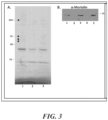
- a cellular protein Mortalin was co-immunoprecipitated with the SMRwt peptide ( FIG. 3 ).
- Mortalin also known as Glucose-regulated protein 75 (GRP75) and Peptide-binding protein 74, is a 679 amino acid long, uninducible member of the heat shock protein 70 family. It has a high degree of identity with other members of the Hsp70 family, including Escherichia coli DnaK.
- the SMRwt peptide would likely interact with DnaK, and disrupt function(s) of DnaK. This data suggests that the SMRwt peptide can be a new therapeutic agent that exploits the role of DnaK in secretory and/or growth processes.
- E.coli (2 x 10⁶) were transformed with pUC-4K (KAN+) or with pUC18 (AMP+) and grown in the presence of various concentrations (x-axis) of either the antagonist (SMRwt) or the negative control (SMRmut) for 6 hrs ( FIG. 6 ). Briefly, bacterial colonies transformed with pUC18 plasmid containing the ampicillin resistance gene, or pUC4K containing the kanamycin resistance gene were incubated in triplicate at 200-250 rpm at 30°C.
- the OD at 600 nm was read and adjusted the OD to 0.001 ( ⁇ 106 cells) by adding LB broth.
- the bacteria were kept on ice to prevent further growth and change of the OD.
- 10 microliters of peptide stock (10 ⁇ g/ ⁇ l) was added to 90 ⁇ l of diluted bacterial solution (final concentration, 1 mg peptide / ml bacterial suspension) in a sterile 2 ml eppendorf tube.
- the peptides must be so diluted that the final concentration of DMSO is not more than 5%.
- the negative control contains 5% DMSO.
- the tubes were incubated at 30°C while shaking (200 rpm) for various time periods (0,1,3,6,12,24 hours).
- FIG. 6 shows the number of bacteria colonies on LB + KAN (kanamycin) plates (panel A), or LB + AMP (ampicillin) plates (panel B).
- the data was plotted as a function of peptide dosage.
- the LD50 thin dotted line
- MBC50 minimal bactericidal concentration that kills 50% of the bacteria
- E.coli (2 x 10⁶) transformed with pUC-4K (KAN+) or with pUC18 (AMP+) were grown in the presence of various concentrations (x-axis) of either the antagonist (SMRwt) or the negative control (SMRmut) for 12 hrs ( FIG. 7 ).
- the resultant pUC-4K (KAN+)-transformed E. coli (panel A) or pUC18 (AMP+)-transformed E. coli were plated on drug-free LB plates for 12 hours (panel B). Colonies were counted (y-axis) and the data was plotted as a function of peptide dosage in these two non-stressed drug-free environments.
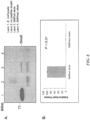
- the eluted proteins/peptides were separated by SDS-PAGE and subjected to Western analysis using Abcam ® Mouse monoclonal DnaK antibody [8E2/2] (Primary; 1:1000) and Thermo Scientific Immunopure ® Goat Anti-Mouse IgG (H+L), Peroxidase Conjugated antibody (Secondary; 1:2000).
- Abcam ® Mouse monoclonal DnaK antibody [8E2/2] Primary; 1:1000
- Thermo Scientific Immunopure ® Goat Anti-Mouse IgG (H+L), Peroxidase Conjugated antibody (Secondary; 1:2000).
- the results of this analysis show that the SMRwt peptide forms a complex with the DnaK protein, while the negative control peptide exhibits negligible binding.
- Staphylococcus aureus SCO1 MRSA
- Vibrio cholerae C7258 Vibrio cholerae C7258
- FIG. 9 shows the sequence of an HIV-1 Nef SMRwt-CPPtat peptide having the sequence of VGFPVAAVGFPVGRKKRRQRRRPPQ (SEQ ID NO: 9), which is the peptide of SEQ ID NO: 3 with an HIV-Tat cell penetrating peptide (CPP) domain (i.e., GRKKRRQRRRPPQ, SEQ ID NO: 9) at the C-terminal end, and HIV-1 Nef SMRmut-CPPtat peptide (i.e., AGFPVAAAGFPVGRKKRRQRRRPPQ, SEQ ID NO:11, which is a peptide containing an HIV-1 Nef SMRmut (i.e., AGFPVAAAGFPV, SEQ ID NO: 10) with the HIV-Tat CPP domain (SEQ ID NO: 8) for use as a negative control.
- the SMRwt-CPP and SMRmut-CPP peptides were custom made by InnoPep
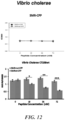
- Vibrio cholerae, Escherichia coli and Staphylococcus aureus strains were treated with SMRwt-CPP and SMRmut-CPP peptides and screened for inhibition of their biofilm-forming capacity using microtiter plate (MtP) methods ( Figs. 12-14 (crystal violet assays)) and confocal microscopy ( Figs. 15-16 (intensity count on confocal images).
- MtP microtiter plate
Landscapes
- Health & Medical Sciences (AREA)
- Life Sciences & Earth Sciences (AREA)
- Chemical & Material Sciences (AREA)
- General Health & Medical Sciences (AREA)
- Organic Chemistry (AREA)
- Medicinal Chemistry (AREA)
- Gastroenterology & Hepatology (AREA)
- Engineering & Computer Science (AREA)
- Public Health (AREA)
- Pharmacology & Pharmacy (AREA)
- Proteomics, Peptides & Aminoacids (AREA)
- Veterinary Medicine (AREA)
- Animal Behavior & Ethology (AREA)
- Virology (AREA)
- Communicable Diseases (AREA)
- Dentistry (AREA)
- Immunology (AREA)
- Oncology (AREA)
- Chemical Kinetics & Catalysis (AREA)
- General Chemical & Material Sciences (AREA)
- Nuclear Medicine, Radiotherapy & Molecular Imaging (AREA)
- Bioinformatics & Cheminformatics (AREA)
- Agronomy & Crop Science (AREA)
- Pest Control & Pesticides (AREA)
- Plant Pathology (AREA)
- Epidemiology (AREA)
- Wood Science & Technology (AREA)
- Zoology (AREA)
- Environmental Sciences (AREA)
- Biochemistry (AREA)
- Biophysics (AREA)
- Genetics & Genomics (AREA)
- Molecular Biology (AREA)
- Medicines That Contain Protein Lipid Enzymes And Other Medicines (AREA)
- Peptides Or Proteins (AREA)
Claims (11)
- Composition comprenant un peptide SMR antimicrobien comprenant un peptide SMRwt du VIH-1 et un domaine de peptide de pénétration cellulaire (CPP) destinée à être utilisée dans la prévention ou le traitement d'une infection par un micro-organisme en inhibant la formation d'un biofilm microbien par ledit micro-organisme sur un élément ou un matériau biologiquement compatible lorsqu'il est inséré ou implanté dans le corps,dans laquelle le matériau ou l'élément biologiquement compatible est imprégné ex vivo d'une quantité efficace de la composition,une quantité efficace de la composition est incorporée dans le matériau biologiquement compatible ex vivo ouune quantité efficace de la composition est appliquée sur l'élément ex vivo, etdans laquelle l'élément est choisi dans le groupe constitué par un dispositif médical, un instrument médical, un outil médical, une prothèse, un dispositif implantable, et le matériau biologiquement compatible est choisi dans le groupe constitué par une peinture, une colle, un ciment, un composite, une matrice tissulaire, un support tissulaire ou un pansement.
- Composition destinée à être utilisée selon la revendication 1, dans laquelle le peptide SMR antimicrobien comprend la séquence d'acides aminés indiquée dans la SEQ ID n° : 9.
- Composition destinée à être utilisée selon la revendication 1 ou 2, dans laquelle la composition inhibe la formation de biofilms d'une souche bactérienne Gram négatif.
- Composition destinée à être utilisée selon la revendication 3, dans laquelle la souche bactérienne Gram négatif est Escherichia coli ou Vibrio cholerae.
- Composition destinée à être utilisée selon la revendication 1 ou 2, dans laquelle la composition inhibe la formation de biofilms d'une souche bactérienne Gram positif.
- Composition destinée à être utilisée selon la revendication 5, dans laquelle la souche bactérienne Gram positif est Staphylococcus aureus.
- Composition destinée à être utilisée selon l'une quelconque des revendications 1 à 6, dans laquelle la peinture est une peinture antisalissure biologique, dans laquelle la composition est incorporée dans la peinture antisalissure biologique.
- Procédé de détachement d'un micro-organisme, in vitro, d'une surface ou d'autres micro-organismes, comprenant la mise en contact de ladite surface ou desdits autres micro-organismes avec une composition comprenant un peptide SMR antimicrobien comprenant un peptide SMRwt du VIH-1 et un domaine de peptide de pénétration cellulaire (CPP).
- Procédé selon la revendication 8, dans lequel le peptide antimicrobien SMR comprend la séquence d'acides aminés indiquée indiquée dans la SEQ ID n° : 9.
- Procédé de dispersion d'un biofilm dans l'eau, comprenant le traitement de l'eau avec une composition comprenant un peptide SMR antimicrobien comprenant un peptide SMRwt du VIH-1 et un domaine de peptide de pénétration cellulaire (CPP).
- Procédé selon la revendication 10, dans lequel le peptide antimicrobien SMR comprend la séquence d'acides aminés indiquée indiquée dans la SEQ ID n° : 9.
Applications Claiming Priority (3)
| Application Number | Priority Date | Filing Date | Title |
|---|---|---|---|
| US201862678002P | 2018-05-30 | 2018-05-30 | |
| US16/226,242 US12083158B2 (en) | 2011-10-07 | 2018-12-19 | Antibacterial compositions, methods of making and use thereof |
| PCT/US2019/033967 WO2019231848A1 (fr) | 2018-05-30 | 2019-05-24 | Compositions antibactériennes, leurs procédés de fabrication et d'utilisation |
Publications (3)
| Publication Number | Publication Date |
|---|---|
| EP3801029A1 EP3801029A1 (fr) | 2021-04-14 |
| EP3801029A4 EP3801029A4 (fr) | 2022-03-09 |
| EP3801029B1 true EP3801029B1 (fr) | 2024-07-10 |
Family
ID=68697328
Family Applications (1)
| Application Number | Title | Priority Date | Filing Date |
|---|---|---|---|
| EP19810419.2A Active EP3801029B1 (fr) | 2018-05-30 | 2019-05-24 | Compositions antibactériennes, leurs procédés de fabrication et d'utilisation |
Country Status (3)
| Country | Link |
|---|---|
| EP (1) | EP3801029B1 (fr) |
| CN (1) | CN112543595B (fr) |
| WO (1) | WO2019231848A1 (fr) |
Families Citing this family (3)
| Publication number | Priority date | Publication date | Assignee | Title |
|---|---|---|---|---|
| US10800817B2 (en) | 2016-12-19 | 2020-10-13 | Morehouse School Of Medicine | Compositions and methods for treating diseases by inhibiting exosome release |
| WO2018118015A1 (fr) * | 2016-12-19 | 2018-06-28 | Morehouse School Of Medicine | Compositions et procédés pour traiter des maladies par inhibition de libération d'exosomes |
| CN116144724B (zh) * | 2023-04-23 | 2023-07-18 | 养系列(山东)生物科技有限公司 | 一种肿瘤患者康复用复合肽、喷雾剂及其制备方法 |
Citations (1)
| Publication number | Priority date | Publication date | Assignee | Title |
|---|---|---|---|---|
| EP2531518B1 (fr) * | 2010-02-01 | 2016-05-04 | Cytovation AS | Composés oligopeptidiques et utilisations de ceux-ci |
Family Cites Families (20)
| Publication number | Priority date | Publication date | Assignee | Title |
|---|---|---|---|---|
| US7335383B2 (en) | 2001-01-16 | 2008-02-26 | The Regents Of The University Of Michigan | Generation of nitric oxide in vivo from nitrite, nitrate or nitrosothiols endogenous in blood |
| GB0300597D0 (en) | 2003-01-10 | 2003-02-12 | Microbiological Res Authority | Phage biofilms |
| EP1663265B1 (fr) | 2003-07-23 | 2015-09-23 | Biocontrol Limited | Agents therapeutiques contenant des bacteriophages |
| WO2006095345A2 (fr) | 2005-03-08 | 2006-09-14 | Ramot At Tel-Aviv University Ltd. | Bacteriophages transportant des medicaments cibles |
| US7776553B2 (en) | 2005-09-16 | 2010-08-17 | Presidents And Fellows Of Harvard College | Screening assays and methods |
| US8067402B2 (en) * | 2005-12-12 | 2011-11-29 | Allaccem, Inc. | Methods and systems for coating an oral surface |
| WO2009012143A2 (fr) * | 2007-07-13 | 2009-01-22 | University Of Pittsburgh-Of The Commonwealth System Of Higher Education | Peptides antimicrobiens dérivés de virus |
| GB0802224D0 (en) * | 2008-02-06 | 2008-03-12 | Inst Superiore Di Sanito | Process for the production of vaccine components |
| WO2010022132A2 (fr) | 2008-08-19 | 2010-02-25 | The Regents Of The University Of Michigan | Revêtements biocompatibles et procédés pour les fabriquer et les utiliser |
| CA3062005C (fr) | 2009-08-21 | 2022-02-15 | Novan, Inc. | Gels topiques renfermant de l'oxyde nitrique liberant des macromoleculesde polysiloxanegels leurs utilisations |
| CN102311500B (zh) * | 2010-07-02 | 2015-05-27 | 杭州师范大学 | 一种抗病毒融合蛋白及其应用 |
| CN102552929A (zh) * | 2010-12-30 | 2012-07-11 | 北京大学 | 通过修饰细胞穿透肽提高给药系统的靶向选择性的方法 |
| US12083158B2 (en) * | 2011-10-07 | 2024-09-10 | Morehouse School Of Medicine | Antibacterial compositions, methods of making and use thereof |
| US8669226B2 (en) * | 2011-10-07 | 2014-03-11 | Morehouse School Of Medicine | Antimicrobial compositions and methods of use thereof |
| WO2013052058A1 (fr) * | 2011-10-07 | 2013-04-11 | Morehouse School Of Medicine | Compositions antimicrobiennes et leurs procédés d'utilisation |
| US9480785B2 (en) | 2012-03-30 | 2016-11-01 | The Regents Of The University Of Michigan | Nitric oxide delivery devices |
| GB201507723D0 (en) * | 2015-05-06 | 2015-06-17 | Norwegian Univ Sci & Tech Ntnu | Anti-bacterial agents and their use in therapy |
| US10322112B2 (en) | 2016-02-12 | 2019-06-18 | Wisconsin Alumni Research Foundation | Compound combinations for attenuation of bacterial virulence |
| US10800817B2 (en) * | 2016-12-19 | 2020-10-13 | Morehouse School Of Medicine | Compositions and methods for treating diseases by inhibiting exosome release |
| WO2018118015A1 (fr) * | 2016-12-19 | 2018-06-28 | Morehouse School Of Medicine | Compositions et procédés pour traiter des maladies par inhibition de libération d'exosomes |
-
2019
- 2019-05-24 CN CN201980050371.1A patent/CN112543595B/zh active Active
- 2019-05-24 EP EP19810419.2A patent/EP3801029B1/fr active Active
- 2019-05-24 WO PCT/US2019/033967 patent/WO2019231848A1/fr not_active Ceased
Patent Citations (1)
| Publication number | Priority date | Publication date | Assignee | Title |
|---|---|---|---|---|
| EP2531518B1 (fr) * | 2010-02-01 | 2016-05-04 | Cytovation AS | Composés oligopeptidiques et utilisations de ceux-ci |
Also Published As
| Publication number | Publication date |
|---|---|
| EP3801029A1 (fr) | 2021-04-14 |
| WO2019231848A1 (fr) | 2019-12-05 |
| CN112543595B (zh) | 2022-11-01 |
| CN112543595A (zh) | 2021-03-23 |
| EP3801029A4 (fr) | 2022-03-09 |
Similar Documents
| Publication | Publication Date | Title |
|---|---|---|
| US12083159B2 (en) | Antibacterial compositions, methods of making and use thereof | |
| JP5727994B2 (ja) | バイオフィルム生物の阻害 | |
| JP6495821B2 (ja) | ペプチドおよびそれらの使用 | |
| US11680088B2 (en) | Bioactive peptides derived from snakes | |
| KR102441211B1 (ko) | 아시네토박터 라이신 | |
| JP2010502735A (ja) | 選択的に標的化された抗菌性ペプチドおよびその使用 | |
| US20210000914A1 (en) | Antimicrobial compositions and methods of use thereof | |
| WO2011098579A1 (fr) | Composés à base de désoxyribonucléase batérienne et méthodes pour la désintégration et la prévention d'un biofilm | |
| KR20130043625A (ko) | 화합물들 및 그 용도 | |
| US20220016198A1 (en) | Methods for disrupting biofilms | |
| KR20140068238A (ko) | 세포 유착을 방지하기 위한 수생 기원의 조성물 및 그것의 사용 방법 | |
| CN112543595B (zh) | 抗微生物组合物,其制备方法和用途 | |
| US10499655B2 (en) | Reagents and methods for inhibiting or disrupting biofilm | |
| WO2013052058A1 (fr) | Compositions antimicrobiennes et leurs procédés d'utilisation | |
| US20190375791A1 (en) | New d-configured cateslytin peptide | |
| JP6742999B2 (ja) | 環状抗微生物性擬ペプチド及びその使用 | |
| WO2025248096A1 (fr) | Peptides antimicrobiens à activités de séparation de phase entre les liquides | |
| AU2024373013A1 (en) | Cationic peptides with broad spectrum activity | |
| WO2025094120A1 (fr) | Peptides cationiques à activité à large spectre | |
| EP3927721A1 (fr) | Peptides pour prévenir la formation de biofilm |
Legal Events
| Date | Code | Title | Description |
|---|---|---|---|
| STAA | Information on the status of an ep patent application or granted ep patent |
Free format text: STATUS: THE INTERNATIONAL PUBLICATION HAS BEEN MADE |
|
| PUAI | Public reference made under article 153(3) epc to a published international application that has entered the european phase |
Free format text: ORIGINAL CODE: 0009012 |
|
| STAA | Information on the status of an ep patent application or granted ep patent |
Free format text: STATUS: REQUEST FOR EXAMINATION WAS MADE |
|
| 17P | Request for examination filed |
Effective date: 20201229 |
|
| AK | Designated contracting states |
Kind code of ref document: A1 Designated state(s): AL AT BE BG CH CY CZ DE DK EE ES FI FR GB GR HR HU IE IS IT LI LT LU LV MC MK MT NL NO PL PT RO RS SE SI SK SM TR |
|
| AX | Request for extension of the european patent |
Extension state: BA ME |
|
| DAV | Request for validation of the european patent (deleted) | ||
| DAX | Request for extension of the european patent (deleted) | ||
| A4 | Supplementary search report drawn up and despatched |
Effective date: 20220209 |
|
| RIC1 | Information provided on ipc code assigned before grant |
Ipc: A01N 37/46 20060101ALI20220203BHEP Ipc: A61P 31/04 20060101ALI20220203BHEP Ipc: C07K 14/16 20060101ALI20220203BHEP Ipc: A61K 38/16 20060101ALI20220203BHEP Ipc: A01N 63/00 20200101AFI20220203BHEP |
|
| STAA | Information on the status of an ep patent application or granted ep patent |
Free format text: STATUS: EXAMINATION IS IN PROGRESS |
|
| 17Q | First examination report despatched |
Effective date: 20221216 |
|
| P01 | Opt-out of the competence of the unified patent court (upc) registered |
Effective date: 20230523 |
|
| GRAP | Despatch of communication of intention to grant a patent |
Free format text: ORIGINAL CODE: EPIDOSNIGR1 |
|
| STAA | Information on the status of an ep patent application or granted ep patent |
Free format text: STATUS: GRANT OF PATENT IS INTENDED |
|
| INTG | Intention to grant announced |
Effective date: 20240209 |
|
| GRAS | Grant fee paid |
Free format text: ORIGINAL CODE: EPIDOSNIGR3 |
|
| GRAA | (expected) grant |
Free format text: ORIGINAL CODE: 0009210 |
|
| STAA | Information on the status of an ep patent application or granted ep patent |
Free format text: STATUS: THE PATENT HAS BEEN GRANTED |
|
| AK | Designated contracting states |
Kind code of ref document: B1 Designated state(s): AL AT BE BG CH CY CZ DE DK EE ES FI FR GB GR HR HU IE IS IT LI LT LU LV MC MK MT NL NO PL PT RO RS SE SI SK SM TR |
|
| REG | Reference to a national code |
Ref country code: CH Ref legal event code: EP |
|
| REG | Reference to a national code |
Ref country code: DE Ref legal event code: R096 Ref document number: 602019055061 Country of ref document: DE |
|
| REG | Reference to a national code |
Ref country code: LT Ref legal event code: MG9D |
|
| REG | Reference to a national code |
Ref country code: NL Ref legal event code: MP Effective date: 20240710 |
|
| PG25 | Lapsed in a contracting state [announced via postgrant information from national office to epo] |
Ref country code: PT Free format text: LAPSE BECAUSE OF FAILURE TO SUBMIT A TRANSLATION OF THE DESCRIPTION OR TO PAY THE FEE WITHIN THE PRESCRIBED TIME-LIMIT Effective date: 20241111 |
|
| REG | Reference to a national code |
Ref country code: AT Ref legal event code: MK05 Ref document number: 1701175 Country of ref document: AT Kind code of ref document: T Effective date: 20240710 |
|
| PG25 | Lapsed in a contracting state [announced via postgrant information from national office to epo] |
Ref country code: NL Free format text: LAPSE BECAUSE OF FAILURE TO SUBMIT A TRANSLATION OF THE DESCRIPTION OR TO PAY THE FEE WITHIN THE PRESCRIBED TIME-LIMIT Effective date: 20240710 |
|
| PG25 | Lapsed in a contracting state [announced via postgrant information from national office to epo] |
Ref country code: PT Free format text: LAPSE BECAUSE OF FAILURE TO SUBMIT A TRANSLATION OF THE DESCRIPTION OR TO PAY THE FEE WITHIN THE PRESCRIBED TIME-LIMIT Effective date: 20241111 Ref country code: NL Free format text: LAPSE BECAUSE OF FAILURE TO SUBMIT A TRANSLATION OF THE DESCRIPTION OR TO PAY THE FEE WITHIN THE PRESCRIBED TIME-LIMIT Effective date: 20240710 |
|
| PG25 | Lapsed in a contracting state [announced via postgrant information from national office to epo] |
Ref country code: NO Free format text: LAPSE BECAUSE OF FAILURE TO SUBMIT A TRANSLATION OF THE DESCRIPTION OR TO PAY THE FEE WITHIN THE PRESCRIBED TIME-LIMIT Effective date: 20241010 |
|
| PG25 | Lapsed in a contracting state [announced via postgrant information from national office to epo] |
Ref country code: GR Free format text: LAPSE BECAUSE OF FAILURE TO SUBMIT A TRANSLATION OF THE DESCRIPTION OR TO PAY THE FEE WITHIN THE PRESCRIBED TIME-LIMIT Effective date: 20241011 Ref country code: FI Free format text: LAPSE BECAUSE OF FAILURE TO SUBMIT A TRANSLATION OF THE DESCRIPTION OR TO PAY THE FEE WITHIN THE PRESCRIBED TIME-LIMIT Effective date: 20240710 Ref country code: PL Free format text: LAPSE BECAUSE OF FAILURE TO SUBMIT A TRANSLATION OF THE DESCRIPTION OR TO PAY THE FEE WITHIN THE PRESCRIBED TIME-LIMIT Effective date: 20240710 |
|
| PG25 | Lapsed in a contracting state [announced via postgrant information from national office to epo] |
Ref country code: BG Free format text: LAPSE BECAUSE OF FAILURE TO SUBMIT A TRANSLATION OF THE DESCRIPTION OR TO PAY THE FEE WITHIN THE PRESCRIBED TIME-LIMIT Effective date: 20240710 |
|
| PG25 | Lapsed in a contracting state [announced via postgrant information from national office to epo] |
Ref country code: LV Free format text: LAPSE BECAUSE OF FAILURE TO SUBMIT A TRANSLATION OF THE DESCRIPTION OR TO PAY THE FEE WITHIN THE PRESCRIBED TIME-LIMIT Effective date: 20240710 |
|
| PG25 | Lapsed in a contracting state [announced via postgrant information from national office to epo] |
Ref country code: AT Free format text: LAPSE BECAUSE OF FAILURE TO SUBMIT A TRANSLATION OF THE DESCRIPTION OR TO PAY THE FEE WITHIN THE PRESCRIBED TIME-LIMIT Effective date: 20240710 Ref country code: IS Free format text: LAPSE BECAUSE OF FAILURE TO SUBMIT A TRANSLATION OF THE DESCRIPTION OR TO PAY THE FEE WITHIN THE PRESCRIBED TIME-LIMIT Effective date: 20241110 |
|
| PG25 | Lapsed in a contracting state [announced via postgrant information from national office to epo] |
Ref country code: HR Free format text: LAPSE BECAUSE OF FAILURE TO SUBMIT A TRANSLATION OF THE DESCRIPTION OR TO PAY THE FEE WITHIN THE PRESCRIBED TIME-LIMIT Effective date: 20240710 |
|
| PG25 | Lapsed in a contracting state [announced via postgrant information from national office to epo] |
Ref country code: ES Free format text: LAPSE BECAUSE OF FAILURE TO SUBMIT A TRANSLATION OF THE DESCRIPTION OR TO PAY THE FEE WITHIN THE PRESCRIBED TIME-LIMIT Effective date: 20240710 Ref country code: RS Free format text: LAPSE BECAUSE OF FAILURE TO SUBMIT A TRANSLATION OF THE DESCRIPTION OR TO PAY THE FEE WITHIN THE PRESCRIBED TIME-LIMIT Effective date: 20241010 |
|
| PG25 | Lapsed in a contracting state [announced via postgrant information from national office to epo] |
Ref country code: RS Free format text: LAPSE BECAUSE OF FAILURE TO SUBMIT A TRANSLATION OF THE DESCRIPTION OR TO PAY THE FEE WITHIN THE PRESCRIBED TIME-LIMIT Effective date: 20241010 Ref country code: PL Free format text: LAPSE BECAUSE OF FAILURE TO SUBMIT A TRANSLATION OF THE DESCRIPTION OR TO PAY THE FEE WITHIN THE PRESCRIBED TIME-LIMIT Effective date: 20240710 Ref country code: NO Free format text: LAPSE BECAUSE OF FAILURE TO SUBMIT A TRANSLATION OF THE DESCRIPTION OR TO PAY THE FEE WITHIN THE PRESCRIBED TIME-LIMIT Effective date: 20241010 Ref country code: LV Free format text: LAPSE BECAUSE OF FAILURE TO SUBMIT A TRANSLATION OF THE DESCRIPTION OR TO PAY THE FEE WITHIN THE PRESCRIBED TIME-LIMIT Effective date: 20240710 Ref country code: IS Free format text: LAPSE BECAUSE OF FAILURE TO SUBMIT A TRANSLATION OF THE DESCRIPTION OR TO PAY THE FEE WITHIN THE PRESCRIBED TIME-LIMIT Effective date: 20241110 Ref country code: HR Free format text: LAPSE BECAUSE OF FAILURE TO SUBMIT A TRANSLATION OF THE DESCRIPTION OR TO PAY THE FEE WITHIN THE PRESCRIBED TIME-LIMIT Effective date: 20240710 Ref country code: GR Free format text: LAPSE BECAUSE OF FAILURE TO SUBMIT A TRANSLATION OF THE DESCRIPTION OR TO PAY THE FEE WITHIN THE PRESCRIBED TIME-LIMIT Effective date: 20241011 Ref country code: FI Free format text: LAPSE BECAUSE OF FAILURE TO SUBMIT A TRANSLATION OF THE DESCRIPTION OR TO PAY THE FEE WITHIN THE PRESCRIBED TIME-LIMIT Effective date: 20240710 Ref country code: ES Free format text: LAPSE BECAUSE OF FAILURE TO SUBMIT A TRANSLATION OF THE DESCRIPTION OR TO PAY THE FEE WITHIN THE PRESCRIBED TIME-LIMIT Effective date: 20240710 Ref country code: BG Free format text: LAPSE BECAUSE OF FAILURE TO SUBMIT A TRANSLATION OF THE DESCRIPTION OR TO PAY THE FEE WITHIN THE PRESCRIBED TIME-LIMIT Effective date: 20240710 Ref country code: AT Free format text: LAPSE BECAUSE OF FAILURE TO SUBMIT A TRANSLATION OF THE DESCRIPTION OR TO PAY THE FEE WITHIN THE PRESCRIBED TIME-LIMIT Effective date: 20240710 |
|
| REG | Reference to a national code |
Ref country code: DE Ref legal event code: R097 Ref document number: 602019055061 Country of ref document: DE |
|
| PG25 | Lapsed in a contracting state [announced via postgrant information from national office to epo] |
Ref country code: DK Free format text: LAPSE BECAUSE OF FAILURE TO SUBMIT A TRANSLATION OF THE DESCRIPTION OR TO PAY THE FEE WITHIN THE PRESCRIBED TIME-LIMIT Effective date: 20240710 Ref country code: SM Free format text: LAPSE BECAUSE OF FAILURE TO SUBMIT A TRANSLATION OF THE DESCRIPTION OR TO PAY THE FEE WITHIN THE PRESCRIBED TIME-LIMIT Effective date: 20240710 Ref country code: RO Free format text: LAPSE BECAUSE OF FAILURE TO SUBMIT A TRANSLATION OF THE DESCRIPTION OR TO PAY THE FEE WITHIN THE PRESCRIBED TIME-LIMIT Effective date: 20240710 |
|
| PG25 | Lapsed in a contracting state [announced via postgrant information from national office to epo] |
Ref country code: EE Free format text: LAPSE BECAUSE OF FAILURE TO SUBMIT A TRANSLATION OF THE DESCRIPTION OR TO PAY THE FEE WITHIN THE PRESCRIBED TIME-LIMIT Effective date: 20240710 |
|
| PG25 | Lapsed in a contracting state [announced via postgrant information from national office to epo] |
Ref country code: CZ Free format text: LAPSE BECAUSE OF FAILURE TO SUBMIT A TRANSLATION OF THE DESCRIPTION OR TO PAY THE FEE WITHIN THE PRESCRIBED TIME-LIMIT Effective date: 20240710 |
|
| PG25 | Lapsed in a contracting state [announced via postgrant information from national office to epo] |
Ref country code: SK Free format text: LAPSE BECAUSE OF FAILURE TO SUBMIT A TRANSLATION OF THE DESCRIPTION OR TO PAY THE FEE WITHIN THE PRESCRIBED TIME-LIMIT Effective date: 20240710 Ref country code: IT Free format text: LAPSE BECAUSE OF FAILURE TO SUBMIT A TRANSLATION OF THE DESCRIPTION OR TO PAY THE FEE WITHIN THE PRESCRIBED TIME-LIMIT Effective date: 20240710 |
|
| PLBE | No opposition filed within time limit |
Free format text: ORIGINAL CODE: 0009261 |
|
| STAA | Information on the status of an ep patent application or granted ep patent |
Free format text: STATUS: NO OPPOSITION FILED WITHIN TIME LIMIT |
|
| 26N | No opposition filed |
Effective date: 20250411 |
|
| PGFP | Annual fee paid to national office [announced via postgrant information from national office to epo] |
Ref country code: GB Payment date: 20250626 Year of fee payment: 7 |
|
| PGFP | Annual fee paid to national office [announced via postgrant information from national office to epo] |
Ref country code: FR Payment date: 20250626 Year of fee payment: 7 |
|
| PG25 | Lapsed in a contracting state [announced via postgrant information from national office to epo] |
Ref country code: SE Free format text: LAPSE BECAUSE OF FAILURE TO SUBMIT A TRANSLATION OF THE DESCRIPTION OR TO PAY THE FEE WITHIN THE PRESCRIBED TIME-LIMIT Effective date: 20240710 |
|
| PGFP | Annual fee paid to national office [announced via postgrant information from national office to epo] |
Ref country code: DE Payment date: 20250626 Year of fee payment: 7 |
|
| REG | Reference to a national code |
Ref country code: CH Ref legal event code: H13 Free format text: ST27 STATUS EVENT CODE: U-0-0-H10-H13 (AS PROVIDED BY THE NATIONAL OFFICE) Effective date: 20251223 |
|
| PG25 | Lapsed in a contracting state [announced via postgrant information from national office to epo] |
Ref country code: LU Free format text: LAPSE BECAUSE OF NON-PAYMENT OF DUE FEES Effective date: 20250524 |
|
| PG25 | Lapsed in a contracting state [announced via postgrant information from national office to epo] |
Ref country code: CH Free format text: LAPSE BECAUSE OF NON-PAYMENT OF DUE FEES Effective date: 20250531 |
|
| REG | Reference to a national code |
Ref country code: BE Ref legal event code: MM Effective date: 20250531 |
|
| PG25 | Lapsed in a contracting state [announced via postgrant information from national office to epo] |
Ref country code: MC Free format text: LAPSE BECAUSE OF FAILURE TO SUBMIT A TRANSLATION OF THE DESCRIPTION OR TO PAY THE FEE WITHIN THE PRESCRIBED TIME-LIMIT Effective date: 20240710 |
|
| PG25 | Lapsed in a contracting state [announced via postgrant information from national office to epo] |
Ref country code: IE Free format text: LAPSE BECAUSE OF NON-PAYMENT OF DUE FEES Effective date: 20250524 |
|
| PG25 | Lapsed in a contracting state [announced via postgrant information from national office to epo] |
Ref country code: BE Free format text: LAPSE BECAUSE OF NON-PAYMENT OF DUE FEES Effective date: 20250531 |