EP3805366A1 - Verbessertes t-zelltherapieverfahren - Google Patents
Verbessertes t-zelltherapieverfahren Download PDFInfo
- Publication number
- EP3805366A1 EP3805366A1 EP19791829.5A EP19791829A EP3805366A1 EP 3805366 A1 EP3805366 A1 EP 3805366A1 EP 19791829 A EP19791829 A EP 19791829A EP 3805366 A1 EP3805366 A1 EP 3805366A1
- Authority
- EP
- European Patent Office
- Prior art keywords
- cancer
- cells
- days
- related antigen
- car
- Prior art date
- Legal status (The legal status is an assumption and is not a legal conclusion. Google has not performed a legal analysis and makes no representation as to the accuracy of the status listed.)
- Pending
Links
Images









Classifications
-
- A—HUMAN NECESSITIES
- A61—MEDICAL OR VETERINARY SCIENCE; HYGIENE
- A61K—PREPARATIONS FOR MEDICAL, DENTAL OR TOILETRY PURPOSES
- A61K38/00—Medicinal preparations containing peptides
- A61K38/16—Peptides having more than 20 amino acids; Gastrins; Somatostatins; Melanotropins; Derivatives thereof
- A61K38/17—Peptides having more than 20 amino acids; Gastrins; Somatostatins; Melanotropins; Derivatives thereof from animals; from humans
- A61K38/177—Receptors; Cell surface antigens; Cell surface determinants
-
- A—HUMAN NECESSITIES
- A61—MEDICAL OR VETERINARY SCIENCE; HYGIENE
- A61K—PREPARATIONS FOR MEDICAL, DENTAL OR TOILETRY PURPOSES
- A61K40/00—Cellular immunotherapy
- A61K40/10—Cellular immunotherapy characterised by the cell type used
- A61K40/11—T-cells, e.g. tumour infiltrating lymphocytes [TIL] or regulatory T [Treg] cells; Lymphokine-activated killer [LAK] cells
-
- A—HUMAN NECESSITIES
- A61—MEDICAL OR VETERINARY SCIENCE; HYGIENE
- A61K—PREPARATIONS FOR MEDICAL, DENTAL OR TOILETRY PURPOSES
- A61K38/00—Medicinal preparations containing peptides
- A61K38/16—Peptides having more than 20 amino acids; Gastrins; Somatostatins; Melanotropins; Derivatives thereof
- A61K38/17—Peptides having more than 20 amino acids; Gastrins; Somatostatins; Melanotropins; Derivatives thereof from animals; from humans
- A61K38/177—Receptors; Cell surface antigens; Cell surface determinants
- A61K38/1774—Immunoglobulin superfamily (e.g. CD2, CD4, CD8, ICAM molecules, B7 molecules, Fc-receptors, MHC-molecules)
-
- A—HUMAN NECESSITIES
- A61—MEDICAL OR VETERINARY SCIENCE; HYGIENE
- A61K—PREPARATIONS FOR MEDICAL, DENTAL OR TOILETRY PURPOSES
- A61K40/00—Cellular immunotherapy
- A61K40/30—Cellular immunotherapy characterised by the recombinant expression of specific molecules in the cells of the immune system
- A61K40/31—Chimeric antigen receptors [CAR]
-
- A—HUMAN NECESSITIES
- A61—MEDICAL OR VETERINARY SCIENCE; HYGIENE
- A61K—PREPARATIONS FOR MEDICAL, DENTAL OR TOILETRY PURPOSES
- A61K40/00—Cellular immunotherapy
- A61K40/40—Cellular immunotherapy characterised by antigens that are targeted or presented by cells of the immune system
- A61K40/41—Vertebrate antigens
- A61K40/42—Cancer antigens
- A61K40/4202—Receptors, cell surface antigens or cell surface determinants
- A61K40/421—Immunoglobulin superfamily
- A61K40/4211—CD19 or B4
-
- A—HUMAN NECESSITIES
- A61—MEDICAL OR VETERINARY SCIENCE; HYGIENE
- A61P—SPECIFIC THERAPEUTIC ACTIVITY OF CHEMICAL COMPOUNDS OR MEDICINAL PREPARATIONS
- A61P35/00—Antineoplastic agents
-
- A—HUMAN NECESSITIES
- A61—MEDICAL OR VETERINARY SCIENCE; HYGIENE
- A61P—SPECIFIC THERAPEUTIC ACTIVITY OF CHEMICAL COMPOUNDS OR MEDICINAL PREPARATIONS
- A61P35/00—Antineoplastic agents
- A61P35/02—Antineoplastic agents specific for leukemia
-
- A—HUMAN NECESSITIES
- A61—MEDICAL OR VETERINARY SCIENCE; HYGIENE
- A61P—SPECIFIC THERAPEUTIC ACTIVITY OF CHEMICAL COMPOUNDS OR MEDICINAL PREPARATIONS
- A61P35/00—Antineoplastic agents
- A61P35/04—Antineoplastic agents specific for metastasis
-
- C—CHEMISTRY; METALLURGY
- C07—ORGANIC CHEMISTRY
- C07K—PEPTIDES
- C07K14/00—Peptides having more than 20 amino acids; Gastrins; Somatostatins; Melanotropins; Derivatives thereof
- C07K14/435—Peptides having more than 20 amino acids; Gastrins; Somatostatins; Melanotropins; Derivatives thereof from animals; from humans
- C07K14/705—Receptors; Cell surface antigens; Cell surface determinants
- C07K14/70503—Immunoglobulin superfamily
- C07K14/7051—T-cell receptor (TcR)-CD3 complex
-
- C—CHEMISTRY; METALLURGY
- C07—ORGANIC CHEMISTRY
- C07K—PEPTIDES
- C07K16/00—Immunoglobulins [IG], e.g. monoclonal or polyclonal antibodies
- C07K16/18—Immunoglobulins [IG], e.g. monoclonal or polyclonal antibodies against material from animals or humans
- C07K16/28—Immunoglobulins [IG], e.g. monoclonal or polyclonal antibodies against material from animals or humans against receptors, cell surface antigens or cell surface determinants
- C07K16/2803—Immunoglobulins [IG], e.g. monoclonal or polyclonal antibodies against material from animals or humans against receptors, cell surface antigens or cell surface determinants against the immunoglobulin superfamily
-
- C—CHEMISTRY; METALLURGY
- C12—BIOCHEMISTRY; BEER; SPIRITS; WINE; VINEGAR; MICROBIOLOGY; ENZYMOLOGY; MUTATION OR GENETIC ENGINEERING
- C12N—MICROORGANISMS OR ENZYMES; COMPOSITIONS THEREOF; PROPAGATING, PRESERVING, OR MAINTAINING MICROORGANISMS; MUTATION OR GENETIC ENGINEERING; CULTURE MEDIA
- C12N5/00—Undifferentiated human, animal or plant cells, e.g. cell lines; Tissues; Cultivation or maintenance thereof; Culture media therefor
- C12N5/0081—Purging biological preparations of unwanted cells
- C12N5/0093—Purging against cancer cells
-
- C—CHEMISTRY; METALLURGY
- C12—BIOCHEMISTRY; BEER; SPIRITS; WINE; VINEGAR; MICROBIOLOGY; ENZYMOLOGY; MUTATION OR GENETIC ENGINEERING
- C12N—MICROORGANISMS OR ENZYMES; COMPOSITIONS THEREOF; PROPAGATING, PRESERVING, OR MAINTAINING MICROORGANISMS; MUTATION OR GENETIC ENGINEERING; CULTURE MEDIA
- C12N5/00—Undifferentiated human, animal or plant cells, e.g. cell lines; Tissues; Cultivation or maintenance thereof; Culture media therefor
- C12N5/06—Animal cells or tissues; Human cells or tissues
- C12N5/0602—Vertebrate cells
- C12N5/0634—Cells from the blood or the immune system
- C12N5/0636—T lymphocytes
- C12N5/0638—Cytotoxic T lymphocytes [CTL] or lymphokine activated killer cells [LAK]
-
- A—HUMAN NECESSITIES
- A01—AGRICULTURE; FORESTRY; ANIMAL HUSBANDRY; HUNTING; TRAPPING; FISHING
- A01K—ANIMAL HUSBANDRY; AVICULTURE; APICULTURE; PISCICULTURE; FISHING; REARING OR BREEDING ANIMALS, NOT OTHERWISE PROVIDED FOR; NEW BREEDS OF ANIMALS
- A01K2207/00—Modified animals
- A01K2207/12—Animals modified by administration of exogenous cells
-
- A—HUMAN NECESSITIES
- A01—AGRICULTURE; FORESTRY; ANIMAL HUSBANDRY; HUNTING; TRAPPING; FISHING
- A01K—ANIMAL HUSBANDRY; AVICULTURE; APICULTURE; PISCICULTURE; FISHING; REARING OR BREEDING ANIMALS, NOT OTHERWISE PROVIDED FOR; NEW BREEDS OF ANIMALS
- A01K2217/00—Genetically modified animals
- A01K2217/07—Animals genetically altered by homologous recombination
- A01K2217/075—Animals genetically altered by homologous recombination inducing loss of function, i.e. knock out
-
- A—HUMAN NECESSITIES
- A01—AGRICULTURE; FORESTRY; ANIMAL HUSBANDRY; HUNTING; TRAPPING; FISHING
- A01K—ANIMAL HUSBANDRY; AVICULTURE; APICULTURE; PISCICULTURE; FISHING; REARING OR BREEDING ANIMALS, NOT OTHERWISE PROVIDED FOR; NEW BREEDS OF ANIMALS
- A01K2227/00—Animals characterised by species
- A01K2227/10—Mammal
- A01K2227/105—Murine
-
- A—HUMAN NECESSITIES
- A01—AGRICULTURE; FORESTRY; ANIMAL HUSBANDRY; HUNTING; TRAPPING; FISHING
- A01K—ANIMAL HUSBANDRY; AVICULTURE; APICULTURE; PISCICULTURE; FISHING; REARING OR BREEDING ANIMALS, NOT OTHERWISE PROVIDED FOR; NEW BREEDS OF ANIMALS
- A01K2267/00—Animals characterised by purpose
- A01K2267/03—Animal model, e.g. for test or diseases
-
- A—HUMAN NECESSITIES
- A61—MEDICAL OR VETERINARY SCIENCE; HYGIENE
- A61K—PREPARATIONS FOR MEDICAL, DENTAL OR TOILETRY PURPOSES
- A61K39/00—Medicinal preparations containing antigens or antibodies
- A61K2039/505—Medicinal preparations containing antigens or antibodies comprising antibodies
-
- A—HUMAN NECESSITIES
- A61—MEDICAL OR VETERINARY SCIENCE; HYGIENE
- A61K—PREPARATIONS FOR MEDICAL, DENTAL OR TOILETRY PURPOSES
- A61K39/00—Medicinal preparations containing antigens or antibodies
- A61K2039/545—Medicinal preparations containing antigens or antibodies characterised by the dose, timing or administration schedule
-
- A—HUMAN NECESSITIES
- A61—MEDICAL OR VETERINARY SCIENCE; HYGIENE
- A61K—PREPARATIONS FOR MEDICAL, DENTAL OR TOILETRY PURPOSES
- A61K39/00—Medicinal preparations containing antigens or antibodies
- A61K2039/80—Vaccine for a specifically defined cancer
- A61K2039/804—Blood cells [leukemia, lymphoma]
-
- A—HUMAN NECESSITIES
- A61—MEDICAL OR VETERINARY SCIENCE; HYGIENE
- A61K—PREPARATIONS FOR MEDICAL, DENTAL OR TOILETRY PURPOSES
- A61K2121/00—Preparations for use in therapy
-
- A—HUMAN NECESSITIES
- A61—MEDICAL OR VETERINARY SCIENCE; HYGIENE
- A61K—PREPARATIONS FOR MEDICAL, DENTAL OR TOILETRY PURPOSES
- A61K2239/00—Indexing codes associated with cellular immunotherapy of group A61K40/00
- A61K2239/10—Indexing codes associated with cellular immunotherapy of group A61K40/00 characterized by the structure of the chimeric antigen receptor [CAR]
- A61K2239/11—Antigen recognition domain
- A61K2239/13—Antibody-based
-
- A—HUMAN NECESSITIES
- A61—MEDICAL OR VETERINARY SCIENCE; HYGIENE
- A61K—PREPARATIONS FOR MEDICAL, DENTAL OR TOILETRY PURPOSES
- A61K48/00—Medicinal preparations containing genetic material which is inserted into cells of the living body to treat genetic diseases; Gene therapy
-
- C—CHEMISTRY; METALLURGY
- C07—ORGANIC CHEMISTRY
- C07K—PEPTIDES
- C07K2317/00—Immunoglobulins specific features
- C07K2317/60—Immunoglobulins specific features characterized by non-natural combinations of immunoglobulin fragments
- C07K2317/62—Immunoglobulins specific features characterized by non-natural combinations of immunoglobulin fragments comprising only variable region components
- C07K2317/622—Single chain antibody (scFv)
-
- C—CHEMISTRY; METALLURGY
- C07—ORGANIC CHEMISTRY
- C07K—PEPTIDES
- C07K2319/00—Fusion polypeptide
- C07K2319/01—Fusion polypeptide containing a localisation/targetting motif
- C07K2319/03—Fusion polypeptide containing a localisation/targetting motif containing a transmembrane segment
-
- C—CHEMISTRY; METALLURGY
- C12—BIOCHEMISTRY; BEER; SPIRITS; WINE; VINEGAR; MICROBIOLOGY; ENZYMOLOGY; MUTATION OR GENETIC ENGINEERING
- C12N—MICROORGANISMS OR ENZYMES; COMPOSITIONS THEREOF; PROPAGATING, PRESERVING, OR MAINTAINING MICROORGANISMS; MUTATION OR GENETIC ENGINEERING; CULTURE MEDIA
- C12N2501/00—Active agents used in cell culture processes, e.g. differentation
- C12N2501/50—Cell markers; Cell surface determinants
- C12N2501/515—CD3, T-cell receptor complex
-
- C—CHEMISTRY; METALLURGY
- C12—BIOCHEMISTRY; BEER; SPIRITS; WINE; VINEGAR; MICROBIOLOGY; ENZYMOLOGY; MUTATION OR GENETIC ENGINEERING
- C12N—MICROORGANISMS OR ENZYMES; COMPOSITIONS THEREOF; PROPAGATING, PRESERVING, OR MAINTAINING MICROORGANISMS; MUTATION OR GENETIC ENGINEERING; CULTURE MEDIA
- C12N2510/00—Genetically modified cells
-
- C—CHEMISTRY; METALLURGY
- C12—BIOCHEMISTRY; BEER; SPIRITS; WINE; VINEGAR; MICROBIOLOGY; ENZYMOLOGY; MUTATION OR GENETIC ENGINEERING
- C12N—MICROORGANISMS OR ENZYMES; COMPOSITIONS THEREOF; PROPAGATING, PRESERVING, OR MAINTAINING MICROORGANISMS; MUTATION OR GENETIC ENGINEERING; CULTURE MEDIA
- C12N2740/00—Reverse transcribing RNA viruses
- C12N2740/00011—Details
- C12N2740/10011—Retroviridae
- C12N2740/16011—Human Immunodeficiency Virus, HIV
- C12N2740/16041—Use of virus, viral particle or viral elements as a vector
- C12N2740/16043—Use of virus, viral particle or viral elements as a vector viral genome or elements thereof as genetic vector
Definitions
- the present invention belongs to the field of biomedicine. Specifically, the present invention relates to an improved T-cell therapy. More specifically, the present invention relates to enhancing the cancer treatment efficacy of therapeutic T cells (such as CAR-T or TCR-T cells) through stimulation with living cells expressing cancer-related antigens.
- therapeutic T cells such as CAR-T or TCR-T cells
- B-ALL B-cell acute lymphoblastic leukemia
- multi-drug chemotherapy and/or targeted therapy have achieved a high complete remission rate, but still have a poor prognosis in adults and relapse/refractory B-ALL is a big challenge for all patients.
- Lymphocyte depletion chemotherapy followed by CD19-targeted chimeric antigen receptor-modified T (CAR-T) cell therapy is a new type of treatment, and it has been proven that the new treatment method has a strong response in in adults and children with relapsed/refractory B-ALL, chronic lymphocytic leukemia and lymphoma. New data from these studies indicate that the delivered significantly small doses of CAR-T cells can eliminate a large disease burden.
- a CAR generally contains an extracellular antigen binding domain (single chain variable fragment (scFV) of a monoclonal antibody) and an intracellular signaling domain that activates T cells.
- scFV single chain variable fragment
- MHC major histocompatibility complex
- CAR-T cells derived from different T cell subpopulations have different capabilities to proliferate and sustain in vivo.
- CD19-targeted CAR-T cells prepared based on effector memory T cells CD19-targeted CAR-T cells prepared from purified naive T cells or central memory T cells are more effective in eliminating CD19+ tumors.
- the synergistic enhancement of efficiency can be achieved by delivering CAR-T cells derived from CD8/CD4 T cells with a determined ratio.
- the CAR-T cells currently in use retain the endogenous T cell receptor (TCR), and the biology of TCR and CAR crosstalk is very complicated.
- CD8+CAR-T cells The concomitant activation of CAR and TCR greatly weakens the in-vivo efficacy of CD8+CAR-T cells. On the contrary, CD4+CAR-T cells maintain their capability to survive in vivo in the presence of TCR and CAR antigens.
- the present invention provides a method of treating cancer in a subject, including the following steps:
- the present invention provides a method for preventing cancer progression or recurrence in a subject, where the subject has undergone cancer treatment using therapeutic T cells specifically targeting a cancer-related antigen, the method including administering cells expressing the cancer-related antigen to the subject.
- the present invention provides a combination for treating cancer in a subject, which includes therapeutic T cells specifically targeting a cancer-related antigen and cells expressing the cancer-related antigen.
- the present invention provides the use of the combination of the third aspect of the present invention in the preparation of a medicament for treating cancer in a subject.
- the present invention provides the use of cells expressing a cancer-related antigen in the preparation of a medicament for treating cancer in a subject, where the medicament further includes therapeutic T cells that specifically target the cancer-related antigen.
- the present invention provides the use of cells expressing a cancer-related antigen in the preparation of a medicament for preventing cancer progression or recurrence in a subject, where the subject has undergone cancer treatment using therapeutic T cells specifically targeting the cancer-related antigen.
- the present invention provides the use of therapeutic T cells specifically targeting a cancer-related antigen in the preparation of a medicament for treating cancer in a subject, where the medicament further includes cells expressing the cancer-related antigen.
- the present invention provides cells expressing a cancer-related antigen, which are used in combination with therapeutic T cells that specifically target the cancer-related antigen to treat cancer in a subject.
- the present invention provides cells expressing a cancer-associated antigen for use in preventing cancer progression or recurrence in a subject, where the subject has undergone cancer treatment using therapeutic T cells that specifically target the cancer-related antigen.
- the present invention provides therapeutic T cells specifically targeting a cancer-related antigen, which are used in combination with cells expressing the cancer-related antigen to treat cancer in a subject.
- the present invention provides a kit including therapeutic T cells specifically targeting a cancer-related antigen and/or cells expressing the cancer-related antigen, and the kit is used for treating cancer or preventing cancer progression or recurrence in the subject through the method of the present invention.
- the remission rate of CAR-T treatment for CD19 in patients with relapsed/refractory B-ALL can reach 67% to 90%. However, the recurrence-free period only ranges from 2 months to 3 years.
- the inventors successfully constructed a Raji-B-NDG mouse model to study the efficiency of the CD19 CAR-T therapy.
- mice in remission showed varying degrees of recurrence on day 20 (D20), and then died within D28 to D36, indicating that after initial exposure to antigens and elimination of tumor cells, the number of CAR-T cells injected gradually decreased, resulting in a final recurrence that could not be effectively controlled.
- the reason of recurrence may lie in the following two points.
- the problems of therapeutic cell life span and antigen stimulation should be solved in clinical applications.
- the effect of re-inoculation with tumor cells (Raji-Fluc) or cells expressing tumor antigens such as CD19 (such as T cells) is tested.
- the low-dose reimplantation group (re-stimulation) maintained a tumor-recurrence-free state for a longer time.
- mice More than half of the mice survived for more than 36 days, indicating that immune memory occurs under repeated stimulation of the same antigen, and rapid response to repeated injection of the same antigen leads to continuous suppression of tumor cells.
- the inventors studied whether antigens from Raji cells that died after irradiation can stimulate CAR-T cells. Unexpectedly again, the results show that reimplantation of dead tumor cells cannot awaken the memory of CAR-T cells, resulting in a short survival time for mice. This indicates that CAR-T cells can only be activated by living cells carrying antigens.
- the inventors also surprisingly found that repeated administration of CAR-T therapy cannot delay tumor recurrence, which provides more evidence for the ineffectiveness of multiple CAR-T infusions. Without wishing to be limited by any theory, it is believed that the stimulation of low doses of living cells expressing cancer-related antigen can promote the generation of CAR-T cell immune memory, thereby leading to delayed recurrence and prolonged survival.
- the present invention provides a method of treating cancer in a subject, including the following steps:
- the therapeutic T cells are administered one or more times, preferably once. In some embodiments, the cells expressing the cancer-related antigen are administered one or more times, preferably once.
- the cells expressing the cancer-related antigen are administered after the therapeutic T cells are administered.
- the cells expressing the cancer-related antigens are administered about 1 day, about 2 days, about 3 days, about 4 days, about 5 days, about 6 days, about 7 days, about 8 days, about 9 days, about 10 days, About 11 days, about 12 days, about 13 days, about 14 days, about 15 days, about 16 days, about 17 days, about 18 days, about 19 days, about 20 days, or about 21 days after when the therapeutic T cells are administered.
- the cells expressing the cancer-related antigen are administered after administration of the therapeutic T cells reduces the cancer cell load. For example, after the cancer cell load is reduced by at least about 5%, at least about 10%, at least about 20%, at least about 30%, at least about 40%, at least about 50%, at least about 60%, at least about 70%, at least about 80%, or at least about 90%, cells expressing the cancer-related antigen are administered. In some embodiments, after the cancer is completely remitted by administering the therapeutic T cells, the cells expressing the cancer-related antigen are administered.
- the change in cancer cell load in a subject can be determined by various methods known in the art. For example, for blood cancers, the cancer cell load can be determined by performing flow cytometry on circulating cells.
- the tumor load can be determined by clinically commonly used imaging methods (such as MRI, CT, PET-CT, etc.).
- tumor load may be determined by detecting tumor markers.
- the content of the therapeutic T cells may be detected to determine the change in tumor load, for example, the content of the therapeutic T cells is negatively correlated with the tumor load.
- the cells expressing the cancer-related antigen are administered.
- the amount of the therapeutic T cells in the subject can be detected by methods such as flow cytometry or quantitative PCR.
- the therapeutic T cells are CAR-T cells
- the copy number of the CAR-encoding gene in the sample from the subject can be detected by PCR.
- cells expressing the cancer-related antigen are administered.
- the method further includes the step of monitoring the tumor load and/or the amount of the therapeutic T cells in the subject after the therapeutic T cells are administered.
- the cells expressing the cancer-related antigen are administered for one or more times. In some embodiments, after the therapeutic T cells are administered once, the cells expressing the cancer-related antigen are administered for one or more times. In some embodiments, the therapeutic T cells are administered for one or more times, and after each administration of the therapeutic T cells, the cells expressing the cancer-related antigen are administered for one or more times. In some embodiments, after the therapeutic T cells are administered once, the cells expressing the cancer-related antigens are administered once. In some embodiments, after the therapeutic T cells are administered, the cells expressing the cancer-related antigen are administered for one or more times. In some embodiments, after the therapeutic T cells are administered, the cells expressing the cancer-related antigen are administered once.
- the therapeutic T cells are administered in a therapeutically effective amount.
- the therapeutically effective amount of therapeutic T cells refers to the amount of therapeutic T cells capable of reducing the load of cancer cells after use, for example, reducing the load of cancer cells by at least about 5%, at least about 10%, at least about 20%, at least about 30%, at least about 40%, at least about 50%, at least about 60%, at least about 70%, at least about 80%, at least about 90%, or a amount that completely remissions the cancer.
- the effective amount of the therapeutic T cells is about 10 4 to about 10 9 cells, for example about 10 4 , about 10 5 , about 10 6 , about 10 7 , about 10 8 , or about 10 9 cells.
- the dose of therapeutic T cells is determined according to the body weight of the subject, for example, about 10 4 cells/kg body weight to about 10 9 cells/kg body weight, such as about 10 4 , about 10 5 , about 10 6 , about 10 7 , about 10 8 , or about 10 9 cells/kg body weight.
- cells expressing cancer-related antigen are administered in a stimulating effective amount.
- the stimulating effective amount of cells expressing cancer-related antigen refers to the amount that can prolong the in-vivo persistence of the previously administered therapeutic T cells (enhance immune memory) and/or prolong the overall survival period of the subject and/or prolong the recurrence-free survival of the subject after administration.
- the stimulating effective amount of the cells expressing the cancer-related antigen is about 10 3 to about 10 6 cells, for example, about 10 3 , about 10 4 , about 10 5 , or about 10 6 cells.
- a low dose of the cells expressing the cancer-related antigen is administered, for example, about 10 4 cells.
- the dose of cells expressing cancer-related antigen is determined according to the body weight of the subject, and is about 10 3 to about 10 6 cells/kg body weight, for example, about 10 3 , about 10 4 , about 10 5 , or about 10 6 cells/kg body weight. In some embodiments, the dose of cells expressing cancer-related antigens is determined according to the amount of therapeutic T cells administered.
- the ratio of the amount of therapeutic T cells administered to the amount of cells expressing cancer-related antigen is any ratio between about 1:1 and about 1000:1 or a higher ratio, such as about 1:1, about 2:1, about 3:1, about 4:1, about 5:1, about 6:1, about 7:1, about 8:1, about 9:1, about 10:1, about 50:1, about 100:1 or about 1000:1 or higher.
- the persistence of therapeutic T cells in vivo can be increased by at least about 5%, at least about 10%, at least about 20%, at least about 30%, at least about 40%, at least about 50%, at least about 60%, at least about 70%, at least about 80%, at least about 90%, At least about 100%, at least about 150%, at least about 200%, at least about 300% or higher.
- the overall survival period of the subject can be prolonged by at least about 5%, at least about 10%, at least about 20%, at least about 30%, at least about 40%, at least about 50%, at least about 60%, at least about 70%, at least about 80%, at least about 90%, at least about 100%, at least about 150%, at least about 200%, at least about 300% or higher.
- the recurrence-free survival period of the subject after remission can be prolonged by at least about 5%, at least about 10%, at least about 20%, at least about 30%, at least about 40%, at least about 50%, at least about 60%, at least about 70%, at least about 80%, at least about 90%, at least about 100%, at least about 150%, at least about 200%, at least about 300% or higher.
- the therapeutic T cells are T cells (TCR-T cells) including an exogenous T cell receptor (TCR).
- TCR T cell receptor
- the exogenous TCR usually includes a ⁇ and a ⁇ chain
- the exogenous TCR specifically binds to a cancer-related antigen.
- the therapeutic T cells are T cells including a chimeric antigen receptor (CAR) (CAR-T cells).
- CAR-T cells chimeric antigen receptor
- a variety of CAR-T cells have been developed in the art, such as first-generation to fourth- generation CAR-T cells, CAR-T cells modified to remove inhibitory signals, etc., all of which can be applied to the present invention.
- the CAR includes an extracellular antigen binding domain against the cancer-related antigen.
- the extracellular antigen binding domain may be, for example, a monoclonal antibody, a synthetic antibody, a human antibody, a humanized antibody, a single domain antibody, an antibody single-chain variable fragment (scFV), and an antigen-binding fragment thereof.
- the extracellular antigen binding domain is scFV
- the extracellular antigen binding domain may be derived from one or more known antibodies including any commercially available antibody, such as FMC63, rituximab, alemtuzumab, epratuzumab, trastuzumab, bivatuzumab, cetuximab, labetuzumab, palivizumab, sevirumab, tuvirumab, basiliximab, daclizumab, infliximab, omalizumab, efalizumab, Keliximab, siplizumab, natalizumab, clenoliximab, pemtumomab, Edrecolomab, Cantuzumab, and the like.
- the CAR further includes a transmembrane domain and an intracellular signal transduction domain.
- the intracellular signal transduction domain of the CAR according to the present invention is responsible for the intracellular signal transduction after the extracellular ligand binding domain binds to the target, leading to the activation of immune cells and immune response.
- the intracellular signal transduction domain has the capability to activate at least one normal effector function of immune cells expressing the CAR.
- the effector function of T cells may be cytolytic activity or auxiliary activity, including the secretion of cytokines.
- the intracellular signal transduction domain of a CAR may be a cytoplasmic sequence, such as but not limited to the cytoplasmic sequence of T cell receptors and co-receptors (which act in concert to initiate signal transduction after antigen receptor binding), and any derivative or variant of these sequences and any synthetic sequence with the same functional capability.
- the Intracellular signal transduction domain includes two different types of cytoplasmic signal transduction sequences: the sequences that initiate antigen-dependent primary activation, and the sequences that act in an antigen-independent manner to provide secondary or co-stimulatory signals.
- the primary cytoplasmic signal transduction sequence may include a signal transduction motif referred to as the immunoreceptor tyrosine activation motif, ITAM.
- Non-limiting examples of the ITAM used in the present invention may include those derived from TCR ⁇ , FcR ⁇ , FcR ⁇ , FcR ⁇ , CD3 ⁇ , CD3 ⁇ , CD5, CD22, CD79a, CD79b, and CD66d.
- the intracellular signal transduction domain of the CAR may include the CD3 ⁇ signal transduction domain.
- the intracellular signal transduction domain of the CAR of the present invention further includes a costimulatory domain.
- the costimulatory domain is selected from the 41BB costimulatory domain or the CD28 costimulatory domain.
- the CAR is expressed on the surface of cells. Therefore, the CAR may include a transmembrane domain.
- the suitable transmembrane domain of the CAR of the present invention has the following capabilities: (a) expression on the cell surface, preferably immune cells, such as but not limited to lymphocytes or natural killer (NK) cells, and (b) interacting with the ligand binding domain and intracellular signal transduction domain to guide the cellular response of immune cells to predetermined target cells.
- the transmembrane domain may be derived from natural or synthetic sources.
- the transmembrane domain may be derived from any membrane-binding protein or transmembrane protein.
- the transmembrane domain may be derived from subunits of T cell receptors such as ⁇ subunits, ⁇ subunits, ⁇ or ⁇ subunits, polypeptides constituting the CD3 complex, and p55( ⁇ chain), p75 ( ⁇ chain) or ⁇ of IL-2 receptors, a subunit chain of Fc receptors, especially Fc ⁇ receptor III or CD protein.
- the transmembrane domain may be synthetic, and may mainly include hydrophobic residues such as leucine and valine.
- the transmembrane domain is derived from a human CD8 ⁇ chain.
- the transmembrane domain may further include a hinge region located between the extracellular ligand binding domain and the transmembrane domain.
- the hinge region is, for example, derived from the extracellular region of CD8, CD4 or CD28. In some embodiments, the hinge region is part of a human CD8 ⁇ chain.
- the CAR used in the present invention may include an extracellular antigen binding domain that specifically binds cancer-related antigens, a CD8 ⁇ hinge and a transmembrane domain, a CD3 ⁇ signal transduction domain, and a 4-1BB costimulatory domain.
- the CAR (for CD19) of the present invention includes the following amino acid sequence of SEQ ID NO:1:
- the CAR (for CD19) of the present invention is encoded by the following nucleotide sequence of SEQ ID NO: 2:
- the cells expressing the cancer-related antigen are living cells. In some embodiments, the cancer-related antigen is expressed on the surface of the living cells. In some embodiments, the cell expressing the cancer-related antigen is not a cancer cell. In some embodiments, the cell expressing the cancer-related antigen is a cell genetically engineered to express the antigen.
- the type of the cell is not particularly limited, and the cell may be derived from an isolated primary cell, or derived from a cell line. In some embodiments, the cells expressing the cancer-related antigen are derived from peripheral blood cells such as peripheral blood mononuclear cells (PBMCs).
- PBMCs peripheral blood mononuclear cells
- the cells expressing the cancer-related antigen are derived from immune cells, such as macrophages, dendritic cells, plasma cells, granulocytes, mast cells, lymphocytes (inflammatory T lymphocytes, cytotoxic T lymphocytes, regulatory T lymphocytes, or helper T lymphocytes, B lymphocytes), and the like.
- the cells may be derived from CD34+ cells.
- the cells may be derived from T lymphocytes such as CD4+ T lymphocytes or CD8+ T lymphocytes.
- the cells may be derived from B lymphocytes.
- the therapeutic T cells and/or the cells expressing cancer-related antigen are derived from autologous cells of the subject.
- autologous refers to that cells, cell lines, or cell populations used to treat the subject are derived from the subject.
- the therapeutic T cells and/or the cells expressing cancer-related antigen are derived from allogeneic cells, such as from a donor compatible with the subject's human leukocyte antigen (HLA). Standard schemes can be used to convert cells from a donor into non-alloreactive cells and to replicate the cells as required, generating cells that can be administered to one or more patients.
- HLA human leukocyte antigen
- the therapeutic T cells and/or cells expressing cancer-related antigen of the present invention can be prepared by various methods known in the art.
- expression constructs containing CAR or TCR coding sequences can be used to transduce T cells to obtain CAR-T cells or TCR-T cells.
- an expression construct containing the coding sequence of a cancer-related antigen can be used to transduce cells to obtain cells expressing the cancer-related antigen.
- Those skilled in the art can easily construct expression constructs suitable for protein expression.
- the cells of the present invention can be obtained from many non-limiting sources by various non-limiting methods, including peripheral blood mononuclear cells, bone marrow, lymph node tissues, umbilical cord blood, thymus tissues, ascites, pleural effusions, spleen tissues and tumors.
- cell lines available and known to those skilled in the art can be used.
- the cells may be derived from a healthy donor or from a patient diagnosed with cancer.
- the cells may be part of a mixed population of cells exhibiting different phenotypic characteristics.
- the cells of the present invention may be activated and proliferated before or after genetic modification.
- T cells may be proliferated in vitro or in vivo.
- the T cells of the present invention may be proliferated, for example, by contacting an agent that stimulates the CD3 TCR complex and costimulatory molecules on the surface of the T cell to generate a T cell activation signal.
- an agent that stimulates the CD3 TCR complex and costimulatory molecules on the surface of the T cell to generate a T cell activation signal.
- chemicals such as a calcium ionophore A23187, phorbol 12-myristate 13-acetate (PMA), or mitotic lectins such as phytohemagglutinin (PHA) can be used to generate T cell activation signals.
- PMA phorbol 12-myristate 13-acetate
- mitotic lectins such as phytohemagglutinin (PHA)
- the T cell population may be activated by contacting in vitro, for example, an anti-CD3 antibody or a antigen-binding fragment thereof, or an anti-CD2 antibody immobilized on a surface, or by contacting a protein kinase C activator (for example, a moss inhibitor) together with the calcium ionophore carrier.
- a protein kinase C activator for example, a moss inhibitor
- the T cell population may be in contact with anti-CD3 antibodies and anti-CD28 antibodies.
- Conditions suitable for T cell culture include suitable culture media that may contain factors necessary for proliferation and viability (such as Minimal Essential Media or RPMI Media 1640, or X-vivo 5, (Lonza)), where the necessary factors include serum (such as fetal bovine or human serum), interleukin-2 (IL-2), insulin, IFN- ⁇ , IL-4, IL-7, GM-CSF, IL-10, IL-2, IL-15, TGF ⁇ and TNF, or additives for cell growth known to those skilled in the art.
- Other additives for cell growth include but are not limited to surfactants, human plasma protein powder, and reducing agents such as N-acetyl-cysteine and 2-mercaptoacetic acid.
- the culture media may include RPMI 1640, A1M-V, DMEM, MEM, a-MEM, F-12, X-Vivo 1 and X-Vivo 20, Optimizer, amino acids, sodium pyruvate and vitamins, serum-free or supplemented with appropriate amount of serum (or plasma) or a specific set of hormones, and/or a certain quantity of cytokines sufficient for the growth and proliferation of T cells.
- the target cells can be maintained under conditions necessary to support growth, such as an appropriate temperature (e.g., 37°C) and environment (e.g., air plus 5% CO 2 ). T cells exposed to different stimulation times may show different characteristics.
- Subject used herein refers to an organism suffering from or susceptible to a disease or symptom that can be treated by the method, combination or pharmaceutical composition of the present invention.
- Non-limiting examples include humans, cattle, rats, mice, dogs, monkeys, goats, sheep, cows, deer, and other non-mammals.
- the subject is a human.
- the present invention provides a method for preventing cancer progression or recurrence in a subject, where the subject has undergone treatment (cancer treatment) using therapeutic T cells specifically targeting a cancer-related antigen, the method including administering cells expressing the cancer-related antigen to the subject.
- cancer treatment cancer treatment
- the therapeutic T cells or cells expressing cancer-related antigen are as defined herein.
- the cells expressing the cancer-related antigen are administered for one or more times, preferably once.
- the cells expressing the cancer-associated antigen are administered after the therapeutic T cells reduce the cancer cell load. For example, after the cancer cell load is reduced by at least about 5%, at least about 10%, at least about 20%, at least about 30%, at least about 40%, at least about 50%, at least about 60%, at least about 70%, at least about 80%, or at least about 90%, cells expressing the cancer-related antigen are administered. In some embodiments, after the cancer is completely remitted by administering the therapeutic T cells, the cells expressing the cancer-associated antigen are administered.
- the cells expressing the cancer-related antigen are administered.
- the amount of the therapeutic T cells in the subject can be detected by methods such as flow cytometry or quantitative PCR.
- the therapeutic T cells are CAR-T cells
- the copy number of the CAR-encoding gene in the sample from the subject can be detected by PCR.
- cells expressing the cancer-related antigen are administered.
- the method further includes the step of monitoring the tumor load and/or the amount of the therapeutic T cells in the subject after the therapeutic T cells are administered.
- cells expressing cancer-related antigen are administered in a stimulating effective amount.
- the stimulating effective quant amount ity of cells expressing cancer-related antigen refers to the amount that can prolong the in-vivo persistence of the previously administered therapeutic T cells (enhance immune memory) and/or prolong the overall survival period of the subject and/or prolong the recurrence-free survival of the subject after administration.
- the stimulating effective amount of the cells expressing the cancer-related antigen is about 10 3 to about 10 6 cells, for example, about 10 3 , about 10 4 , about 10 5 , or about 10 6 cells.
- a low dose of the cells expressing the cancer-related antigen is administered, for example, about 10 4 cells.
- the dose of cells expressing cancer-related antigen is determined according to the body weight of the subject, and is about 10 3 to about 10 6 cells/kg body weight, for example, about 10 3 , about 10 4 , about 10 5 , or about 10 6 cells/kg body weight. In some embodiments, the dose of cells expressing cancer-associated antigen is determined according to the amount of therapeutic T cells previously received by the patient.
- the ratio of the amount of therapeutic T cells administered to the amount of cells expressing cancer-related antigen is any ratio between about 1:1 and about 1000:1 or a higher ratio, such as about 1:1, about 2:1, about 3:1, about 4:1, about 5:1, about 6:1, about 7:1, about 8:1, about 9:1, about 10:1, about 50:1, about 100:1 or about 1000:1 or higher.
- the present invention provides a combination for treating cancer in a subject, which includes therapeutic T cells specifically targeting a cancer-related antigen and cells expressing the cancer-related antigen.
- the combination is used to treat cancer in a subject through the method in the first aspect of the present invention.
- the combination includes a therapeutically effective amount of the therapeutic T cells and a stimulating effective amount of the cells expressing the cancer-related antigen.
- the therapeutic T cells or cells expressing cancer-related antigen are as defined herein.
- the present invention provides the use of the combination of the third aspect of the present invention in the preparation of a medicament for treating cancer in a subject.
- the medicament is used to treat cancer in a subject through the method in the first aspect of the present invention.
- the present invention provides the use of cells expressing a cancer-related antigen in the preparation of a medicament for treating cancer in a subject.
- the medicament is used in combination with therapeutic T cells that specifically target the cancer-related antigen, to treat cancer in a subject.
- the medicament further includes therapeutic T cells that specifically target the cancer-related antigen.
- the cells expressing cancer-related antigen and the therapeutic T cells specifically targeting the cancer-related antigen are present separately in the medicament, for example, are placed separately in different containers.
- the medicament is used to treat cancer in a subject by the method of the first aspect of the invention.
- the therapeutic T cells or cells expressing cancer-related antigen are as defined herein.
- the present invention provides the use of cells expressing a cancer-related antigen in preparation of a medicament for preventing cancer progression or recurrence in a subject, where the subject has undergone treatment (cancer treatment) using therapeutic T cells that specifically target the cancer-related antigen.
- the medicament includes a stimulating effective amount of the cells expressing the cancer-related antigen.
- the medicament is used to prevent cancer progression or recurrence in a subject by the method of the second aspect of the present invention.
- the therapeutic T cells or cells expressing cancer-related antigen are as defined herein.
- the present invention provides the use of therapeutic T cells specifically targeting a cancer-related antigen in preparation of a medicament for treating cancer in a subject, where the medicament further includes cells expressing the cancer-related antigen.
- the therapeutic T cells specifically targeting the cancer-related antigen and the cells expressing cancer-related antigen are present separately in the medicament, for example, are placed separately in different containers.
- the medicament is used to treat cancer in a subject by the method of the first aspect of the present invention.
- the therapeutic T cells or cells expressing cancer-related antigen are as defined herein.
- the present invention provides cells expressing a cancer-related antigen, which are used in combination with therapeutic T cells specifically targeting the cancer-related antigen to treat cancer in a subject.
- the cells expressing cancer-related antigen are used to treat cancer in a subject by the method of the first aspect of the present invention.
- the therapeutic T cells or cells expressing cancer-related antigen are as defined herein.
- the present invention provides cells expressing a cancer-related antigen for use in preventing cancer progression or recurrence in a subject, where the subject has undergone treatment (cancer treatment) with therapeutic T cells specifically targeting the cancer-related antigen.
- the cells expressing cancer-related antigen are used to prevent cancer progression or recurrence in a subject by the method of the second aspect of the present invention.
- the therapeutic T cells or cells expressing cancer-related antigens are as defined herein.
- the present invention provides therapeutic T cells specifically targeting cancer-related antigens, which are used in combination with cells expressing the cancer-related antigen to treat cancer in a subject.
- the therapeutic T cells specifically targeting cancer-related antigen are used to treat cancer in a subject by the method of the first aspect of the present invention.
- the therapeutic T cells or cells expressing cancer-related antigen are as defined herein.
- the present invention provides a kit including therapeutic T cells specifically targeting a cancer-related antigen and/or cells expressing the cancer-related antigen, and the kit is used for treating cancer or preventing cancer progression or recurrence in the subject through the method of the present invention.
- the cells expressing cancer-related antigen and the therapeutic T cells specifically targeting the cancer-related antigen are present separately in the kit, for example, are placed separately in different containers.
- the therapeutic T cells or cells expressing cancer-related antigens are as defined herein.
- the cells or medicaments of the present invention may also contain "pharmaceutically acceptable excipients" or “pharmaceutically acceptable carriers”, which refer to substances that help the active substance to be administered to and absorbed by the subject, and may be included in the pharmaceutical composition of the present invention without causing significant toxic and side effects in patients.
- pharmaceutically acceptable excipients or “pharmaceutically acceptable carriers”, which refer to substances that help the active substance to be administered to and absorbed by the subject, and may be included in the pharmaceutical composition of the present invention without causing significant toxic and side effects in patients.
- Non-limiting examples of pharmaceutically acceptable excipients include water, NaCl, physiological saline, lactated Ringer's, normal sucrose, normal glucose, binders, fillers, disintegrants, lubricants, coatings, sweeteners, flavoring agents, salt solutions (such as Ringer's solution), alcohol, oil, gelatin, carbohydrates such as lactose, amylose or starch, fatty acid esters, hydroxymethyl cellulose, polyvinylpyrrolidone and coloring agents. Such preparation can be sterilized.
- auxiliary agents such as lubricants, preservatives, stabilizers, wetting agents, emulsifiers, salts that affect osmotic pressure, buffers, colorants and/or fragrances.
- auxiliary agents do not deleteriously react with the cells of the present invention.
- the cancer-related antigens of the present invention are preferably cancer-specific antigens, including but not limited to CD16, CD64, CD78, CD96, CLL1, CD116, CD117, CD71, CD45, CD71, CD123, CD138, ErbB2 (HER2/neu), carcinoembryonic antigen (CEA), epithelial cell adhesion molecule (EpCAM), epidermal growth factor receptor (EGFR), EGFR variant III (EGFRvIII), CD19, CD20, CD30, CD40, disialylganglioside GD2, ductal epithelial mucin, gp36, TAG-72, glycosphingolipid, glioma-related antigens, ⁇ -human chorionic gonadotropin, ⁇ -fetoglobulin (AFP), lectin-responsive AFP, thyroglobulin, RAGE-1, MN-CA IX, human telomerase reverse transcriptase, RU1, RU2 (AS), intestinal
- Non-limiting examples of the cancer of the present invention include lung cancer, ovarian cancer, colon cancer, rectal cancer, melanoma, kidney cancer, bladder cancer, breast cancer, liver cancer, lymphoma, hematological malignancies, head and neck cancers, glial tumor, stomach cancer, nasopharyngeal cancer, throat cancer, cervical cancer, uterine body tumor and osteosarcoma.
- the treatment or prevention method can be combined with one or more therapies against cancer that are selected from the following group: antibody therapy, chemotherapy, cytokine therapy, dendritic cell therapy, gene therapy, hormone therapy, laser therapy and radiation therapy.
- the administration of the cells or combinations or medicaments according to the invention can be carried out in any convenient way, including injection, infusion, implantation or transplantation.
- Administration of the cells or combinations or medicaments described herein may be intravenous, intralymphatic, intradermal, intratumoral, intramedullary, intramuscular, or intraperitoneal administration.
- the cells or combinations or medicaments of the present invention are preferably administered by intravenous injection.
- CRISPR/Cas9-mediated B-NDG mice were generated by Beijing Biocytogen Co., Ltd.. In short, it involves sgRNA targeting of the target regions flanking the first and last exons of the Il2rg locus.
- the CRISPR design tool http://crispr.mit.edu/
- the UCA kit Beijing Biocytogen
- Two types of sgRNA were selected and injected into mouse fertilized eggs. Cas9 mRNA and sgRNA transcribed in vitro were mixed at different concentrations and co-injected into the fertilized eggs of NOD-scid mice.
- mice Il2rg-deficient heterozygous and homozygous mice (B-NDG mice) were further generated. All mice were kept in a specific pathogen-free facility.
- 293-T cells (ATCC, CRL-3216) were cultured in DMEM (Hyclone, Logan, Utah, USA) supplemented with 10% FBS and 100 U/ml penicillin/streptomycin.
- Raji (ATCC, CCL-86), Raji-Fluc, (Academy of Military Medical Sciences, Beijing; Derived From Raji Cells by Transfection of Lentiviral Vectors Encoding Fluorescein and Puromycin Resistance)
- CD19-K562 and K562 cells (Genomeditech, Shanghai) were cultured in RPMI 1640 supplemented with 10% FBS and 100 U/ml penicillin/streptomycin.
- Irradiated Raji-Fluc cells were obtained by exposing cells to 40Gy cobalt radiation. All culture media and antibiotics were purchased from Gibco Life Technologies (Carlsbad, CA, USA).
- the anti-CD19 CAR includes the scFv of CD19-specific FMC63 mAb, the hinge and transmembrane region of CD8, the 4-1BB costimulatory domain and the intracellular CD3 ⁇ chain of the TCR complex.
- the anti-CD19 CAR gene was cloned into the lentiviral vector pPVLV2 (Pharosvaccine Inc., Gyeonggi, Republic of Korea). The vector was used to generate CAR-T-19 cells.
- aT19 lentiviral expression construct was generated by substituting CD19 coding sequence with anti-CD19 CAR coding sequence.
- the vector was used to generate aT19 cells.
- the lentivirus expressing the anti-CD19 CAR or CD19 was produced as follows: 293T cells grown in DMEM containing 10% FBS were co-transfected with lentiviral vector plasmids and pMDLg/pRRE, pRSV-Rev and pMD.G packaging plasmids using PEI (Polysciences Inc., Warrington, PA, USA) transfection reagent. After transfection for 24 hours, the culture medium was replaced with DMEM supplemented with 2% FBS, ImM sodium pyruvate and 2mM L-glutamine. 24 hours after the culture medium exchange, the virus supernatant was collected, concentrated by ultrafiltration and titrated with 293T cells. To determine the functional transduction unit/mL, 293T cells were transduced with serially diluted concentrated lentiviral preparations. After 72 hours, cells were collected and analyzed by flow cytometry.
- PEI Polysciences Inc., Warrington, PA, USA
- PBMC peripheral blood mononuclear cells
- the multiplicity of infection is 0.5 to 2 and transferred to a 12-well plate.
- the plate was centrifuged by using a horizontal rotor centrifuge at 1200g for 2 hours at ambient temperature, then was transferred to a 37°C, 5% CO2 incubator. After 24 hours of incubation, the transduced cells were collected and washed with IMSF100 culture medium, and then the cells were incubated in a culture medium supplemented with 500 IU/mL IL-2 (BMI, Korea). After that, the culture medium and IL-2 (300 IU/mL) were changed every 2 or 3 days, and the culture was maintained at 37°C/5% CO2 until injected into mice.
- CAR-T-19 cells are T cells expressing the anti-CD19 CAR.
- aT19 cells are T cells that express CD19.
- BD Becton Dickinson
- FACS fluorescence activated cell sorting
- Immunophenotyping analysis was performed by flow cytometry. The efficacy of CAR gene transduction was monitored by staining cells with the following specific antibodies: CD45 (PerCP-Vio770), CD3 (FITC), CD4 (Vio Green), CD16 (APC), CD56 (APC), CD19 (APC-Vio770), and CD14 (Vio Blue; Miltenyi Biotec, Bergisch Gladbach, Germany).
- the transduced T cells were labeled with biotin-SP (long spacer) AffiniPure F(ab') fragment goat anti-mouse IgG, F(ab')2 fragment specific (Jackson ImmunoResearch Lab), and then labeled with streptavidin -PE (BD Biosciences) or CARTEST-19 (CytoCares Inc., Shanghai, China), and then detected by a CytoFLEX flow cytometer. CytExpert (2.0) software was used to analyze data.
- Leukocytes and spleen cells harvested from mice were stained with FITC-CD45, PE-CAR, FITC-CD19 and APC-CD45RO (BD, NJ) and checked in the FACSCanto II flow cytometer (BD). Spleen cells were collected and filtered through the BD cell strainer. The red blood cells were depleted in the blood and spleen cell preparations by incubating for 5 minutes in the lysis solution (BD).
- mice in this study were raised and operated according to the guidelines established by the Laboratory Animal Care Evaluation and Identification Association. The study was approved by the NIFDC Institutional Animal Care and Use Committee.
- Four-week-old female BALB/c, C57BL/6, NOD-scid and B-NDG mice were obtained from the NIFDC Institute of Laboratory Animal Resources (Beijing, China).
- D0 mice were implanted with 5 ⁇ 10 5 Raji-Fluc cells via tail vein injection, and then 2 ⁇ 10 7 CAR-T-19 cells were implanted on day 5 (D5) or day 6 (D6).
- different doses of Raji-Fluc cells, radiated Raji-Fluc cells or aT19 cells were injected on D10 or D11.
- the bioluminescence signals of all mice were observed at the specified time point. Blood samples are obtained at specified time points for fluorescence-activated cell sorting and quantitative real-time PCR (qPCR) analysis.
- qPCR quantitative real-time PCR
- the IVIS-Lumina II imaging system (PerkinElmer, Baltimore, MD) was used to obtain bioluminescence imaging of mice.
- the mice were anesthetized by intraperitoneal injection of sodium pentobarbital (75 mg/kg body weight). Then 10 minutes later, the mice received intraperitoneal injection of D-luciferin (75mg/kg body weight; PE).
- the images were analyzed using Living Image software (Caliper Life Sciences) and the data was expressed as total flux (photons/s). If the maximum bioluminescence value generated exceeds 1 ⁇ 10 6 flux, and the bioluminescence area is no longer less than 1 ⁇ 10 6 flux at a subsequent time point, this time point is recorded as the time when the tumor recurs.
- CAR-T-19 cells The capability of CAR-T-19 cells to kill K562, CD19-K562, aT19 and Raji-Fluc cells was measured by flow cytometry.
- the target cells K562, CD19-K562, Raji-Fluc or aT19
- Untransduced T cells were recorded as NC (negative control). After incubation for 20-24 hours, the percentage of CFSE+ 7-AAD+ cells was analyzed by flow cytometry.
- PCR amplification of DNA 100 ng was performed using the 4-1BB primer (Invitrogen) and probe (Thermo Fisher Scientific), to detect the expression of CAR genes (the CD19 4-1BB F primer, 5'-TGCCGATTTCCAGAAGAAGAAGAAG-3'; the CD19 4-1BB R primer, 5'-GCGCTCCTGCTGAACTTC-3'; the CD19 4-1BB MGB probe, and 5'-ACTCTCAGTTCACATCCTC-3')).
- 4-1BB primer Invitrogen
- probe Thermo Fisher Scientific
- PCR was performed by using a StepOnePlus fluorescent real-time quantitative PCR instrument (Thermo Fisher). The results were analyzed using Step One Software v2.3.
- Non-obese diabetic severe combined immunodeficiency (NOD-scid) mice with invalid Il2rg lack mature T cells, B cells and natural killer (NK) cells, and lack cytokine signaling, leading to better implantation of multiple cancer types.
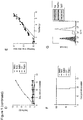
- CRISPR/Cas9 genome editing technology was used to delete the Il2rg gene from NOD-scid mice to prepare B-NDG mice ( FIG. 1A ). It was observed that the B-NDG mice were viable, reproducible and did not show any obvious physical abnormality. Compared with NOD-scid mice, FACS analysis showed that the spleen and peripheral blood of B-NDG mice had lower numbers of CD19+B cells, CD4+ and CD8+T cells ( FIG. 1B ).
- NOD-scid mice had a high percentage of CD49b + NK cells (spleen 20.90%, peripheral blood 24.10%), while B-NDG mice had no functional NK cells (spleen 1.45%, peripheral blood 5.95%). Therefore, B-NDG mice generated through genome editing were phenotypically similar to NSG mice.
- the rapidly growing non-Hodgkin lymphoma cell line Raji cells were genetically engineered to stably express the firefly luciferase reporter gene for bioluminescence imaging (Raji-Fluc).
- CD19 luminescence abundance on the Raji-Fluc cell surface was detected by flow cytometry.
- the results showed that CD19 was highly expressed on Raji-Fluc cells ( FIG. 1G ).
- Raji-Fluc cells could not be detected in CB57/L, rag2-/-, nude mice, and even NOD-scid mice. All four types of mice survived on D30 after PI, while 7 B-NDG mice died on D18 after PI, and the other 3 died on D19 ( FIG. 1C , FIG. ID, and FIG. IF).
- the data proves that Raji cell implantation in B-NDG mice has a much better effect and can be used as a model for testing therapeutic agents such as CAR-T cells.
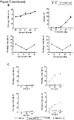
- FIG. 2A After T cell activation, PBMC separated from volunteers were transduced with the second-generation CAR ( FIG. 2A ). The results showed that the proportion of CD19 CAR-T cells increased with the extension of culture time, reaching 20% on D12, and the total number of cells on D10 after infection was greater than 1 ⁇ 10 8 ( FIG. 2B ).
- CD19 CAR-T cells cultured for 12 days showed more than 50% killing effect on Raji cells when the ratio of effector cells/target cells is about 3:1.
- B-NDG mice were injected with 5 ⁇ 10 5 Raji-Fluc cells through the tail vein, and then implanted with 2 ⁇ 10 7 CD19 CAR-T cells 5 days later. After CD19 CAR-T treatment for four days (D9), the bioluminescence signals of these treated mice were close to those of mice without tumors ( FIG. 3A ), indicating that CD19 CAR-T cells successfully mediated tumor clearance in vivo.
- Example 4 Stimulation of low-dose live tumor cells helps the generation of immune memory of CAR-T cells.
- FIG. 3A Unexpectedly, after reimplantation for 9 days, almost all Raji cells were cleared ( FIG. 3A ). The survival of the reimplantation group was better than that of the SNT group (P ⁇ 0.05, FIG. 3A and FIG. 3B ). Three mice in group A1 survived for more than 200 days. If the maximum bioluminescence value of a mouse exceeds 1 ⁇ 10 6 flux at a certain time point, and the bioluminescence area is no longer less than 1 ⁇ 10 6 flux at a subsequent time point, the time point is recorded as the tumor recurrence time. Compared with other groups, re-inoculation with low-dose Raji-Fluc cells can prolong the recurrence-free time ( FIG. 3A and FIG. 3C ).
- the signal of the low-dose reimplantation group was close to that of the blank control group ( FIG. 3D ), while the signals of the other groups increased to varying degrees, indicating that the recurrence was caused by the poor persistence of CAR and its insufficient capability, and the low-dose tumor cell antigen stimulation promoted the generation of CAR-T cell immune memory.
- mice inoculated with the same dose of rRaji-Fluc are used as the radiated cell control group (PA1/PA2/PA3).
- Mice without rRaji-FLuc implantation served as single treatment group (SNT).
- Mice in the dual treatment group (DNT) were injected with 2 ⁇ 10 7 CAR-T cells on D10. Bioluminescence signals could be observed in mice until all mice in the SNT group died.
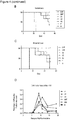
- reimplantation of rRaji-Fluc cells could not prolong the overall survival period and recurrence-free survival period of the mice ( FIG. 4B and FIG. 4C ). There was no significant difference between the SNT group and the DNT group, indicating that the dual treatment is ineffective.
- the number of CAR-T cells in the peripheral blood of mice in the A1/A2/A3/SNT group reached a peak at a similar time ( FIG. 4D ). Due to two injections of CAR-T cells, the peak time of the DNT group was later than that of other groups. The reduction rate of CAR-T cells in the A1 group was slower than that in the A2/A3/SNT group, indicating that the stimulation of low-dose rRaji-Fluc cells tended to promote the maintenance of CAR-T cells.
- the CAR gene construct contains scFv derived from CD19-specific FMC63 mAb, the hinge and transmembrane region of CD8, and the cytoplasmic domain of 4-1BB, and the intracellular CD3 ⁇ chain of the TCR complex ( FIG. 5A ).
- pEF1 ⁇ is the CAR gene promoter.
- the aT19 construct was generated by replacing the CAR transgene with human CD19 ( FIG. 5B ). T cells separated from PBMC obtained from healthy volunteers were transduced with CAR-19 or CD19 construct (aT19). Table 1 shows the phenotypes and numbers of CAR-T-19, live Raji-Fluc, radiated Raji-Fluc and aT19 cells used in the experiment.
- CAR-T-19 cells killed more than 50% of Raji-Fluc cells or aT19 with an effector/target ratio greater than 3:1, and when T cells were co-cultured with control K562 cells, almost no cytotoxicity was observed ( FIG. 5C ).
- Table 1 The cytotoxicity assay was performed, to check the killing capability of CAR-T-19 cells. After being co-cultured with CD19+ Raji or aT19 cells in vitro, CAR-T-19 cells killed more than 50% of Raji-Fluc cells or aT19 with an effector/target ratio greater than 3:1, and when T cells were co-cultured with control K562 cells, almost no cytotoxicity was observed ( FIG. 5C ). Table 1.
- CAR-T-19 treatment followed by administration of live Raji-Fluc cells can prolong the survival of Raji-B-NDG mice.
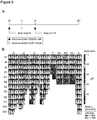
- Group A was designated as the immune memory test group.
- FIG. 6A shows the use timeline of tumor cells, CAR-T cells and restimulation cells. Table 2.
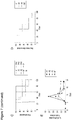
- FIG. 6B all mice in group P died on D18 to D23 of PI.
- All mice in the group PA1/2/3 died on D31-33/D27-31/D28 respectively. Since the mice in the group PA3 received the same number of tumor cells as the mice in the group P, the survival time was similar to that on D20 to D24.
- One mouse in group N died on D71 for unknown reasons. The other two survived for more than 200 days. All 5 mice in the group NT died on D82.
- mice in the group A1 the fluorescence signal gradually decreased from D11 to D24, and Raji-Fluc cells were not detected on D34 ( FIG. 6B ).
- Three mice in this group were tumor-free on D200.
- three mice died on D96, while the other two mice survived to D100 without tumors ( FIG. 6B ).
- one mouse died for unknown reasons on D40, three died on D56, D80 and D86 due to tumor recurrence, and the other one died on D96.
- the number of CAR copies (representing the number of CAR + cells) of blood obtained from the mouse inner canthus was measured on D0/D5/D10/D15/D20. As shown in FIG. 7E , the number of CAR-T-19 cells in the groups A1, A2, A3 and NT reached their peaks at the same time. In addition, after restimulation with radiated tumor cells on D10, the number of CAR copies did not increase ( FIG. 7E ). These results show that that restimulation of radiated dead tumor cells radiation will not increase the growth of residual CAR-T-19 cells or promote the generation of memory CAR-T-19 cells.
- mice were treated with CAR-T-19 cells, and then were restimulated with T19 cells to increase the number of CAR+ cells and the percentage of CAR+ memory cells, and prolong the survival period.
- Raji-Fluc cells are tumor cells with high proliferation capability. Therefore, if a patient receives a stimulating dose of Raji cells, there is a risk that these cells will form tumors. This is obviously unacceptable. Therefore, T cells carrying human CD19 genes (aT19 cells) were used instead of Raji-Fluc cells to restimulate CAR-T-19 cells.
- the injection time and the number of cells used are listed in Table 4.
- Mice in the positive/NC group P and N groups
- Mice in the group NT received a single dose of CAR-T-19 cells without subsequent doses of stimulating cells.
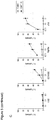
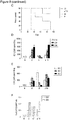
- blood was taken from the inner canthus on D10, D20, and D30 ( FIG. 8D ).
- the results showed that the survival time of mice in the group aT19 group was significantly longer than that of the NT group.
- qPCR was used to measure the number of CAR copies and flow cytometry was used to measure the percentages of CAR+ and CD45RO+ cells in the peripheral blood and spleen on D10, D20 and D30.
- the QPCR showed that the number of CAR copies in the blood of mice in the group NT decreased over time (from 1175 copies to 295 copies), while the number of CAR copies in the blood of mice in the group aT19 increased over time (from 1224 copies to 6824 copies), especially after D10 ( FIG. 8D ).
- the percentage of CAR+ cells in the blood of the mice in the group NT decreased (from 3.28% to 0.29%), while the percentage of CAR+ cells in the blood of the mice in the group aT19 increased (from 9.6% to 13.0%) (data not shown).
- the percentage of CD45RO+ (memory) cells was also measured.
- the percentage of CAR+CD45RO+ cells in the blood of the group NT decreased slightly from 0.44% (D20) to 0.37% (D30), while the percentage of the blood in the group aT19 increased from 0.34% (D20) to 0.86% (D30), confirming that memory CAR-T-19 cells are generated after restimulation with aT19 cells.
- CAR-T cell therapy has made progress.
- many obstacles have yet to be overcome.
- Prolonging the efficacy of CAR-T cells in the body and reducing the side effects of CAR-T treatment are the most important.
- the efficacy of CAR-T cells can be prolonged by using strategies such as optimizing extracellular recognition 19,20 and CAR-mediated intracellular signal transduction 21 (by adjusting the ratio and type of CAR+ cells) 22 and the simultaneous use of targeted medicine 23 .
- the toxicity and side effects 24 related to CAR-T treatment can be reduced.
- Similar methods have been adopted for vaccines, and are continuously optimized to provide effective protection over a longer period of time while reducing adverse reactions 25 .
- the most common vaccination protocol involves multiple immunizations or even the use of different immunogens to enhance the immune response.
- the primary and booster immunizations contain viral antigens and nucleic acids respectively, which increase the duration of antibody protection and increase immune activation 26 respectively.
- multiple vaccinations increase costs and toxicity but reduce efficacy.
- the CAR-T treatment (such as CAR-T-19 treatment) can be optimized by increasing the effective time of cells and reducing their side effects.
- the loss of tumor antigens or shorter effectiveness means that tumors tend to recur after CAR-T cell treatment.
- the loss of tumor antigens is a common immune escape strategy, which is common in ALL.
- the underlying mechanism involves phenotypic lineage and a switch 27 of alternative splicing.
- the number of CAR-T cells needs to be maintained at the minimum level required for long-term tumor control.
- the reasons include immune response to CAR, cell senescence-induced loss of proliferation capability and activation-induced cell death.
- mice were injected with CAR-T cells on D5 and then exposed to a large dose of tumor (antigen-positive) cells.
- CAR-T cells proliferated rapidly and killed tumor cells until D9, at which time few tumor cells could be detected in the blood.
- the proliferation capability of T cells is reduced. Therefore, it is found that the number of CAR-T cells decreases over time, and ultimately cannot inhibit the proliferation of residual cancer cells.
- the percentage of CAR + cells in the blood of mice in the group SNT gradually decreased from D20 to D30.
- the second "antigen" that is, aT19 cells
- aT19 cells the second "antigen”
- the results of this application showed that not only the number of CAR+ cells on D30 was significantly higher than that on D20, but also the percentage of CD45RO+ memory cells was significantly higher than that on D20, which further strengthens CAR-T-mediated immunity. Therefore, aT19 cells implement a function like booster immunization.
- mice receiving continuous treatment are better than those of mice receiving single treatment (using CAR-T cells alone), which indicates that continuous immunization may be a safer and more effective strategy to prolong the effective time of CAR-T cells in a clinical environment.
- CAR-T treatment may cause cytokine release syndrome (CRS; usually referred to as "cytokine storm") of severe cases, which can be life-threatening 3,28,29,30 .
- CRS cytokine release syndrome
- CAR-T cells can be activated by tumor cells, and the immune system can be activated by cytokines released by CAR-T cells. If large quantities of inflammatory factors are released, this may lead to fever, hypotension, respiratory distress, multiple organ dysfunction, neuromodulation disorders, and other symptoms 28 .
- CRS usually occurs within the first 2 weeks after CAR-T injection, although the underlying mechanism is unclear.
- aT19 cells have clinical utility. This is because these cells are from the same source as CAR-T-19 cells. Clinically, autologous PBMC can be used to generate these cells, which can effectively avoid graft-versus-host diseases. In addition, CAR-T cells recognize aT19 cells through CD19 molecules instead of other immune signals, to ensure specificity. Finally, the aT19 transduction fragment is constructed by replacing the Fab fragment of the CAR antibody with the CD19 gene. This will eliminate any off-target effect in normal tissues in the body. For example, CAR-T-Her2 may attack the epithelium of the lung mucosa and cause pulmonary edema, which can be fatal in severe cases 35.
- mice were injected with aT19 cells on D10. At this time, the loss of target cells may cause CAR-T cells to attack host tissues. However, the proliferation rate of CAR-T-19 cells may be reduced due to the loss of antigen-specific stimulation, and non-specific host-attack T cells can continue to proliferate. Therefore, aT19 cells were injected on D10 to maintain CAR-T-19 cells.
- the time of aT19 administration may be adjusted according to the number of CAR-T cells.
- the number of CAR-T cells is estimated by measuring the copy number of CAR in the blood through qPCR. The results are consistent with those provided by flow cytometry.
- the fluorescence value total flux
- the circulatory system in the human body is longer and more complicated than that in mice, and the dose of CAR-T administered clinically is much greater than that given to mice. Therefore, within the first week after CAR-T cell treatment, cancer cells in the human body may not be completely eliminated, and the number of CAR copies in the blood will continue to increase.
- mice treated with CAR-T cells are injected with Raji-Fluc cells, radiated Raji-Fluc cells or aT19 cells.
- the results show that restimulation of CAR-T cells with live Raji-Fluc cells and aT19 cells improves the recurrence-free survival rate and overall survival rate, while restimulation with radiated (dead) Raji-Fluc cells does not improve the recurrence-free survival rate and overall survival rate.
- Continuous treatment of aT19 increases the percentages of CAR + and CD45RO + cells in the blood, confirming the generation of memory CAR-T cells.
Landscapes
- Health & Medical Sciences (AREA)
- Life Sciences & Earth Sciences (AREA)
- General Health & Medical Sciences (AREA)
- Chemical & Material Sciences (AREA)
- Engineering & Computer Science (AREA)
- Organic Chemistry (AREA)
- Immunology (AREA)
- Veterinary Medicine (AREA)
- Animal Behavior & Ethology (AREA)
- Public Health (AREA)
- Biomedical Technology (AREA)
- Zoology (AREA)
- Epidemiology (AREA)
- Bioinformatics & Cheminformatics (AREA)
- Genetics & Genomics (AREA)
- Biotechnology (AREA)
- Wood Science & Technology (AREA)
- Medicinal Chemistry (AREA)
- Cell Biology (AREA)
- Pharmacology & Pharmacy (AREA)
- Biochemistry (AREA)
- Hematology (AREA)
- Chemical Kinetics & Catalysis (AREA)
- General Chemical & Material Sciences (AREA)
- Nuclear Medicine, Radiotherapy & Molecular Imaging (AREA)
- Oncology (AREA)
- Microbiology (AREA)
- General Engineering & Computer Science (AREA)
- Proteomics, Peptides & Aminoacids (AREA)
- Molecular Biology (AREA)
- Gastroenterology & Hepatology (AREA)
- Biophysics (AREA)
- Toxicology (AREA)
- Medicines Containing Material From Animals Or Micro-Organisms (AREA)
- Medicines That Contain Protein Lipid Enzymes And Other Medicines (AREA)
- Micro-Organisms Or Cultivation Processes Thereof (AREA)
- Developmental Biology & Embryology (AREA)
- Virology (AREA)
- Mycology (AREA)
Applications Claiming Priority (2)
| Application Number | Priority Date | Filing Date | Title |
|---|---|---|---|
| CN201810400248 | 2018-04-28 | ||
| PCT/CN2019/084773 WO2019206326A1 (zh) | 2018-04-28 | 2019-04-28 | 改进的t细胞治疗方法 |
Publications (2)
| Publication Number | Publication Date |
|---|---|
| EP3805366A1 true EP3805366A1 (de) | 2021-04-14 |
| EP3805366A4 EP3805366A4 (de) | 2022-03-16 |
Family
ID=68294926
Family Applications (1)
| Application Number | Title | Priority Date | Filing Date |
|---|---|---|---|
| EP19791829.5A Pending EP3805366A4 (de) | 2018-04-28 | 2019-04-28 | Verbessertes t-zelltherapieverfahren |
Country Status (8)
| Country | Link |
|---|---|
| US (1) | US12427181B2 (de) |
| EP (1) | EP3805366A4 (de) |
| JP (1) | JP7467414B2 (de) |
| KR (1) | KR20210033941A (de) |
| CN (1) | CN110404061B (de) |
| CA (1) | CA3098635A1 (de) |
| SG (1) | SG11202010676TA (de) |
| WO (1) | WO2019206326A1 (de) |
Families Citing this family (7)
| Publication number | Priority date | Publication date | Assignee | Title |
|---|---|---|---|---|
| CN108395482B (zh) | 2017-02-08 | 2021-02-05 | 西比曼生物科技(香港)有限公司 | 一种靶向cd20抗原嵌合抗原受体的构建及其工程化t细胞的活性鉴定 |
| CN110404061B (zh) | 2018-04-28 | 2023-09-12 | 北京永泰瑞科生物科技有限公司 | 改进的t细胞治疗方法 |
| CN112079934B (zh) * | 2019-12-17 | 2021-01-29 | 合源生物科技(天津)有限公司 | 一种靶向cd19的嵌合抗原受体及其用途 |
| CN113402612A (zh) | 2020-03-17 | 2021-09-17 | 西比曼生物科技(香港)有限公司 | 靶向cd19和cd20的联合嵌合抗原受体及其应用 |
| CN111647069B (zh) * | 2020-06-17 | 2022-06-21 | 深圳豪石生物科技有限公司 | 一种改进的tcr及其应用 |
| CN115725001A (zh) * | 2022-12-08 | 2023-03-03 | 湖南光琇高新生命科技有限公司 | 靶向cd19的嵌合抗原受体、核酸、重组载体及car-t细胞 |
| CN116516007B (zh) * | 2023-04-18 | 2024-01-19 | 华中科技大学同济医学院附属协和医院 | Cd19表达的检测方法 |
Family Cites Families (6)
| Publication number | Priority date | Publication date | Assignee | Title |
|---|---|---|---|---|
| KR100549866B1 (ko) * | 2001-08-22 | 2006-02-08 | 고려대학교 산학협력단 | 암치료 및 예방 제제 |
| BR112017001183A2 (pt) * | 2014-07-21 | 2017-11-28 | Novartis Ag | tratamento de câncer usando receptor de antígeno quimérico anti-bcma humanizado |
| US20180148480A1 (en) * | 2015-01-16 | 2018-05-31 | The Johns Hopkins University | Synthetic enhancement of the t-cell armamentarium as an anti-cancer therapy |
| US20180214527A1 (en) * | 2015-03-26 | 2018-08-02 | City Of Hope | Bi-specific targeted chimeric antigen receptor t cells |
| CA2992551A1 (en) * | 2015-07-21 | 2017-01-26 | Novartis Ag | Methods for improving the efficacy and expansion of immune cells |
| CN110404061B (zh) | 2018-04-28 | 2023-09-12 | 北京永泰瑞科生物科技有限公司 | 改进的t细胞治疗方法 |
-
2019
- 2019-04-28 CN CN201910349471.6A patent/CN110404061B/zh active Active
- 2019-04-28 CA CA3098635A patent/CA3098635A1/en active Pending
- 2019-04-28 WO PCT/CN2019/084773 patent/WO2019206326A1/zh not_active Ceased
- 2019-04-28 KR KR1020207034343A patent/KR20210033941A/ko not_active Ceased
- 2019-04-28 SG SG11202010676TA patent/SG11202010676TA/en unknown
- 2019-04-28 JP JP2021508054A patent/JP7467414B2/ja active Active
- 2019-04-28 EP EP19791829.5A patent/EP3805366A4/de active Pending
- 2019-04-28 US US17/051,410 patent/US12427181B2/en active Active
Also Published As
| Publication number | Publication date |
|---|---|
| KR20210033941A (ko) | 2021-03-29 |
| WO2019206326A1 (zh) | 2019-10-31 |
| EP3805366A4 (de) | 2022-03-16 |
| US20210236549A1 (en) | 2021-08-05 |
| JP7467414B2 (ja) | 2024-04-15 |
| JP2021522334A (ja) | 2021-08-30 |
| SG11202010676TA (en) | 2020-11-27 |
| US12427181B2 (en) | 2025-09-30 |
| CN110404061B (zh) | 2023-09-12 |
| CA3098635A1 (en) | 2019-10-31 |
| CN110404061A (zh) | 2019-11-05 |
Similar Documents
| Publication | Publication Date | Title |
|---|---|---|
| US20230416408A1 (en) | Compositions and Methods for Targeting Stromal Cells for the Treatment of Cancer | |
| US12427181B2 (en) | T-cell therapy method | |
| JP6678215B2 (ja) | がんにおけるcd138の標的化 | |
| US20210145873A1 (en) | Method of Controlling Administration of Cancer Antigen | |
| ES3061201T3 (en) | Methods and compositions for modified t cells | |
| US20210290676A1 (en) | Improving the efficacy and safety of adoptive cellular therapies | |
| CN117721084A (zh) | 靶向多种抗原的复合嵌合抗原受体(cCAR)及其组成和使用方法 | |
| US12178787B2 (en) | T cell receptors for immunotherapy | |
| KR20250005477A (ko) | 변형된 t 세포에서 유전자 발현의 변경 및 그의 용도 | |
| JP2021508456A (ja) | Car t細胞の作製を改良するための方法 | |
| JP2024502157A (ja) | 樹状細胞活性化キメラ抗原受容体及びその使用 | |
| CN112292140B (zh) | 靶向cd37和cd19的嵌合抗原受体 | |
| KR20180021683A (ko) | 생체내 지속성 및 치료학적 활성 및 이의 증식을 위한 nkt-세포 서브세트 | |
| CN115916963A (zh) | 白血病来源的经修饰细胞用于增强过继性细胞治疗的效力的离体用途 | |
| HK40049717A (en) | Improved t-cell therapy method | |
| HK40015632A (en) | Improved t-cell therapy | |
| HK40015632B (zh) | 改进的t细胞治疗方法 | |
| JP2023500671A (ja) | がんのt細胞治療のための細胞傷害性エフェクターメモリーt細胞の産生方法 |
Legal Events
| Date | Code | Title | Description |
|---|---|---|---|
| STAA | Information on the status of an ep patent application or granted ep patent |
Free format text: STATUS: THE INTERNATIONAL PUBLICATION HAS BEEN MADE |
|
| PUAI | Public reference made under article 153(3) epc to a published international application that has entered the european phase |
Free format text: ORIGINAL CODE: 0009012 |
|
| STAA | Information on the status of an ep patent application or granted ep patent |
Free format text: STATUS: REQUEST FOR EXAMINATION WAS MADE |
|
| 17P | Request for examination filed |
Effective date: 20201126 |
|
| AK | Designated contracting states |
Kind code of ref document: A1 Designated state(s): AL AT BE BG CH CY CZ DE DK EE ES FI FR GB GR HR HU IE IS IT LI LT LU LV MC MK MT NL NO PL PT RO RS SE SI SK SM TR |
|
| AX | Request for extension of the european patent |
Extension state: BA ME |
|
| DAV | Request for validation of the european patent (deleted) | ||
| DAX | Request for extension of the european patent (deleted) | ||
| RIN1 | Information on inventor provided before grant (corrected) |
Inventor name: WANG, MENG Inventor name: ZHANG, YONGHUA Inventor name: LIU, QIANG Inventor name: SUN, LEI Inventor name: WANG, YOUCHUN Inventor name: JUNG, NAMCHUL Inventor name: LEE, HYUNSOO Inventor name: WANG, YU |
|
| RAP1 | Party data changed (applicant data changed or rights of an application transferred) |
Owner name: NATIONAL INSTITUTES FOR FOOD AND DRUG CONTROL Owner name: PHAROS VACCINE INC. Owner name: IMMUNOTECH BIOPHARM CO., LTD. |
|
| REG | Reference to a national code |
Ref country code: HK Ref legal event code: DE Ref document number: 40049717 Country of ref document: HK |
|
| REG | Reference to a national code |
Ref country code: DE Ref legal event code: R079 Free format text: PREVIOUS MAIN CLASS: C12N0005000000 Ipc: A61K0039000000 |
|
| A4 | Supplementary search report drawn up and despatched |
Effective date: 20220210 |
|
| RIC1 | Information provided on ipc code assigned before grant |
Ipc: A61P 35/02 20060101ALI20220204BHEP Ipc: C12N 15/85 20060101ALI20220204BHEP Ipc: C12N 5/00 20060101ALI20220204BHEP Ipc: C07K 14/725 20060101ALI20220204BHEP Ipc: A61K 39/00 20060101AFI20220204BHEP |
|
| STAA | Information on the status of an ep patent application or granted ep patent |
Free format text: STATUS: EXAMINATION IS IN PROGRESS |
|
| 17Q | First examination report despatched |
Effective date: 20251104 |