EP3813246B1 - Vollbrückenwechselrichter mit einpoligem schaltschema und verfahren zu seinem betrieb - Google Patents
Vollbrückenwechselrichter mit einpoligem schaltschema und verfahren zu seinem betrieb Download PDFInfo
- Publication number
- EP3813246B1 EP3813246B1 EP19205300.7A EP19205300A EP3813246B1 EP 3813246 B1 EP3813246 B1 EP 3813246B1 EP 19205300 A EP19205300 A EP 19205300A EP 3813246 B1 EP3813246 B1 EP 3813246B1
- Authority
- EP
- European Patent Office
- Prior art keywords
- inductor
- switch
- diode
- full
- electrically coupled
- Prior art date
- Legal status (The legal status is an assumption and is not a legal conclusion. Google has not performed a legal analysis and makes no representation as to the accuracy of the status listed.)
- Active
Links
Images




Classifications
-
- H—ELECTRICITY
- H02—GENERATION; CONVERSION OR DISTRIBUTION OF ELECTRIC POWER
- H02M—APPARATUS FOR CONVERSION BETWEEN AC AND AC, BETWEEN AC AND DC, OR BETWEEN DC AND DC, AND FOR USE WITH MAINS OR SIMILAR POWER SUPPLY SYSTEMS; CONVERSION OF DC OR AC INPUT POWER INTO SURGE OUTPUT POWER; CONTROL OR REGULATION THEREOF
- H02M7/00—Conversion of AC power input into DC power output; Conversion of DC power input into AC power output
- H02M7/42—Conversion of DC power input into AC power output without possibility of reversal
- H02M7/44—Conversion of DC power input into AC power output without possibility of reversal by static converters
- H02M7/48—Conversion of DC power input into AC power output without possibility of reversal by static converters using discharge tubes with control electrode or semiconductor devices with control electrode
- H02M7/53—Conversion of DC power input into AC power output without possibility of reversal by static converters using discharge tubes with control electrode or semiconductor devices with control electrode using devices of a triode or transistor type requiring continuous application of a control signal
- H02M7/537—Conversion of DC power input into AC power output without possibility of reversal by static converters using discharge tubes with control electrode or semiconductor devices with control electrode using devices of a triode or transistor type requiring continuous application of a control signal using semiconductor devices only, e.g. single switched pulse inverters
- H02M7/5387—Conversion of DC power input into AC power output without possibility of reversal by static converters using discharge tubes with control electrode or semiconductor devices with control electrode using devices of a triode or transistor type requiring continuous application of a control signal using semiconductor devices only, e.g. single switched pulse inverters in a bridge configuration
-
- H—ELECTRICITY
- H02—GENERATION; CONVERSION OR DISTRIBUTION OF ELECTRIC POWER
- H02M—APPARATUS FOR CONVERSION BETWEEN AC AND AC, BETWEEN AC AND DC, OR BETWEEN DC AND DC, AND FOR USE WITH MAINS OR SIMILAR POWER SUPPLY SYSTEMS; CONVERSION OF DC OR AC INPUT POWER INTO SURGE OUTPUT POWER; CONTROL OR REGULATION THEREOF
- H02M7/00—Conversion of AC power input into DC power output; Conversion of DC power input into AC power output
- H02M7/42—Conversion of DC power input into AC power output without possibility of reversal
- H02M7/44—Conversion of DC power input into AC power output without possibility of reversal by static converters
- H02M7/48—Conversion of DC power input into AC power output without possibility of reversal by static converters using discharge tubes with control electrode or semiconductor devices with control electrode
- H02M7/53—Conversion of DC power input into AC power output without possibility of reversal by static converters using discharge tubes with control electrode or semiconductor devices with control electrode using devices of a triode or transistor type requiring continuous application of a control signal
- H02M7/537—Conversion of DC power input into AC power output without possibility of reversal by static converters using discharge tubes with control electrode or semiconductor devices with control electrode using devices of a triode or transistor type requiring continuous application of a control signal using semiconductor devices only, e.g. single switched pulse inverters
- H02M7/5387—Conversion of DC power input into AC power output without possibility of reversal by static converters using discharge tubes with control electrode or semiconductor devices with control electrode using devices of a triode or transistor type requiring continuous application of a control signal using semiconductor devices only, e.g. single switched pulse inverters in a bridge configuration
- H02M7/53871—Conversion of DC power input into AC power output without possibility of reversal by static converters using discharge tubes with control electrode or semiconductor devices with control electrode using devices of a triode or transistor type requiring continuous application of a control signal using semiconductor devices only, e.g. single switched pulse inverters in a bridge configuration with automatic control of output voltage or current
-
- H—ELECTRICITY
- H02—GENERATION; CONVERSION OR DISTRIBUTION OF ELECTRIC POWER
- H02M—APPARATUS FOR CONVERSION BETWEEN AC AND AC, BETWEEN AC AND DC, OR BETWEEN DC AND DC, AND FOR USE WITH MAINS OR SIMILAR POWER SUPPLY SYSTEMS; CONVERSION OF DC OR AC INPUT POWER INTO SURGE OUTPUT POWER; CONTROL OR REGULATION THEREOF
- H02M1/00—Details of apparatus for conversion
- H02M1/14—Arrangements for reducing ripples from DC input or output
-
- H—ELECTRICITY
- H02—GENERATION; CONVERSION OR DISTRIBUTION OF ELECTRIC POWER
- H02M—APPARATUS FOR CONVERSION BETWEEN AC AND AC, BETWEEN AC AND DC, OR BETWEEN DC AND DC, AND FOR USE WITH MAINS OR SIMILAR POWER SUPPLY SYSTEMS; CONVERSION OF DC OR AC INPUT POWER INTO SURGE OUTPUT POWER; CONTROL OR REGULATION THEREOF
- H02M1/00—Details of apparatus for conversion
- H02M1/0048—Circuits or arrangements for reducing losses
- H02M1/0054—Transistor switching losses
-
- H—ELECTRICITY
- H02—GENERATION; CONVERSION OR DISTRIBUTION OF ELECTRIC POWER
- H02M—APPARATUS FOR CONVERSION BETWEEN AC AND AC, BETWEEN AC AND DC, OR BETWEEN DC AND DC, AND FOR USE WITH MAINS OR SIMILAR POWER SUPPLY SYSTEMS; CONVERSION OF DC OR AC INPUT POWER INTO SURGE OUTPUT POWER; CONTROL OR REGULATION THEREOF
- H02M1/00—Details of apparatus for conversion
- H02M1/12—Arrangements for reducing harmonics from AC input or output
- H02M1/123—Suppression of common mode voltage or current
-
- H—ELECTRICITY
- H02—GENERATION; CONVERSION OR DISTRIBUTION OF ELECTRIC POWER
- H02M—APPARATUS FOR CONVERSION BETWEEN AC AND AC, BETWEEN AC AND DC, OR BETWEEN DC AND DC, AND FOR USE WITH MAINS OR SIMILAR POWER SUPPLY SYSTEMS; CONVERSION OF DC OR AC INPUT POWER INTO SURGE OUTPUT POWER; CONTROL OR REGULATION THEREOF
- H02M1/00—Details of apparatus for conversion
- H02M1/32—Means for protecting converters other than automatic disconnection
- H02M1/34—Snubber circuits
-
- H—ELECTRICITY
- H02—GENERATION; CONVERSION OR DISTRIBUTION OF ELECTRIC POWER
- H02M—APPARATUS FOR CONVERSION BETWEEN AC AND AC, BETWEEN AC AND DC, OR BETWEEN DC AND DC, AND FOR USE WITH MAINS OR SIMILAR POWER SUPPLY SYSTEMS; CONVERSION OF DC OR AC INPUT POWER INTO SURGE OUTPUT POWER; CONTROL OR REGULATION THEREOF
- H02M1/00—Details of apparatus for conversion
- H02M1/44—Circuits or arrangements for compensating for electromagnetic interference in converters or inverters
-
- Y—GENERAL TAGGING OF NEW TECHNOLOGICAL DEVELOPMENTS; GENERAL TAGGING OF CROSS-SECTIONAL TECHNOLOGIES SPANNING OVER SEVERAL SECTIONS OF THE IPC; TECHNICAL SUBJECTS COVERED BY FORMER USPC CROSS-REFERENCE ART COLLECTIONS [XRACs] AND DIGESTS
- Y02—TECHNOLOGIES OR APPLICATIONS FOR MITIGATION OR ADAPTATION AGAINST CLIMATE CHANGE
- Y02B—CLIMATE CHANGE MITIGATION TECHNOLOGIES RELATED TO BUILDINGS, e.g. HOUSING, HOUSE APPLIANCES OR RELATED END-USER APPLICATIONS
- Y02B70/00—Technologies for an efficient end-user side electric power management and consumption
- Y02B70/10—Technologies improving the efficiency by using switched-mode power supplies [SMPS], i.e. efficient power electronics conversion e.g. power factor correction or reduction of losses in power supplies or efficient standby modes
Definitions
- the invention relates to a full-bridge inverter with unipolar switching scheme and a method of its operation.
- a full-bridge (FB) inverter with unipolar switching scheme (USS) is a popular combination in grid connected inverter applications, an example of which is a photovoltaic (PV) inverter because of high power efficiency and a simple circuitry and control.
- the switching frequency should to be increased.
- a high switching frequency will incur high switching loss and thus the overall power efficiency will be offset. Hence, there is a need for improvement.
- Figures illustrate various embodiments, they are simplified diagrams that only show some structures and/or functional entities.
- the connections shown in the Figures may refer to logical or physical connections. It is apparent to a person skilled in the art that the described apparatus may also comprise other functions and structures than those described in Figures and text. It should be appreciated that details of some functions, structures, and the signalling used for measurement and/or controlling are irrelevant to the actual invention. Therefore, they need not be discussed in more detail here.
- the inverter output voltage switches between zero and +V output during any positive half cycle of the operating frequency of a switching scheme.
- the unipolar switched inverter is often used because its switching losses are lower than that of a bipolar switching scheme and it generates less EMI (Electromagnetic Interference).
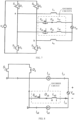
- FIG. 1 illustrates an example of a full-bridge inverter 100, which is controlled based on a unipolar switching scheme.
- the full-bridge inverter 100 converts DC (Direct Current) electric power to AC (Alternating Current) electric power.
- the full-bridge inverter 100 comprises a first branch 102 and a second branch 104, which are electrically coupled in parallel between a first (higher voltage) DC node 10 and a second (lower voltage) DC node 12 of the full-bridge inverter 100.
- the first node 10 and the second node 12 receive the DC electric power.
- the first branch 102 comprises a first higher switch 106 and a first lower switch 108 in series.
- the second branch 104 comprises a second higher switch 110 and a second lower switch 112 in series.
- the full-bridge inverter 100 also comprises a filter circuit 150, which, in turn, comprises a first inductor 152, one pin 154 of the first inductor 152 being electrically coupled with a first branch conductor 120, which is electrically coupled between the first higher switch 106 and the first lower switch 108.
- An opposite pin 156 of the first inductor 152 is electrically coupled with a first output node 190 of the full-bridge inverter 100.
- the full-bridge inverter 100 further comprises a second inductor 158, one pin 160 of the second inductor 158 being electrically coupled with a second branch conductor 122, which is electrically coupled between the second higher switch 110 and the second lower switch 112. An opposite pin 162 of the second inductor 158 is electrically coupled with a second output node 192 of the full-bridge inverter 100.
- the full-bridge inverter 100 additionally comprises a first filtering unit switch 164, a first filter diode 166, a second filter diode 168 and a second filtering unit switch 170 in series and they are electrically coupled between the first branch conductor 120 and the second branch conductor 122. Cathodes of the first diode 166 and the second diode 168 are electrically coupled together.
- the full-bridge inverter 100 further comprises a third filter diode 172, whose cathode is electrically coupled with the first output node 190, and a fourth filter diode 174, whose cathode is electrically coupled with the second output node 192. Anodes of the third diode 172 and the fourth diode 174 being electrically coupled together.
- the full-bridge inverter 100 further comprises a third inductor 176, which is electrically coupled between the cathodes of the first diode 166 and the second diode 168 and the anodes of the third diode 172 and the fourth diode 174.
- the full-bridge inverter 100 comprises electric path circuits 178, 184, which conduct an electric current between the third inductor 176 and the first DC node 10 in response to switching the first filtering unit switch 164 into an electrically conducting state, and which conduct an electric current between the third inductor 176 and the second DC node 12 in response to switching the second filtering unit switch 170 into an electrically conducting state.
- the electric path circuits 178, 184 may comprise a first electric path circuit 178 electrically coupled between the first output node 190 and the first DC node 10 for conducting an electric current between the third inductor 176 and the first DC node 10.
- the electric path circuits 178, 184 may comprise a second electric path circuit 184 electrically coupled between the second output node 192 and the second DC node 12 for conducting an electric current between the third inductor 176 and the second DC node 12.
- the first electric path circuit 178 may comprise a first path switch 180 and a first capacitor 182 in series.
- the first path switch 180 may switch into an electrically conducting state for conducting an electric current between the third inductor 176 and the first DC node 10.
- the second electric path circuit 184 may comprise a second path switch 186 and a second capacitor 188 in series.
- the second path switch 186 may switch into an electrically conducting state for conducting an electric current between the third inductor 176 and the second DC node 12.
- values of the first capacitor 182 and the second capacitor 188 may be chosen such that a high frequency disturbance (differential mode and/or common mode) may be filtered with the first electric path circuit 178 and the second electric path circuit 184, when the first path switch 180 and the second path switch 186 is in an electrically conducting state.
- the values of the first capacitor 182 and the second capacitor 188 may be chosen on the basis of the switching frequency. When the switching frequency increases, the values of the capacitances may be decreased for keeping a pass band at at least about the band of the disturbance.
- a person skilled in the art can determine suitable values of the capacitors without a burden on the basis of a laboratory test, simulation or theoretical analysis.
- an operational frequency of the switches 106, 108, 110, 112, 164, 170, 180 and 186 may be in a range of 1 kHz to 10 kHz, for example. In an embodiment, an operational frequency of the switches 106, 108, 110, 112, 164, 170, 180 and 186 may be in a range of 10 kHz to 100 kHz, for example.
- each of the first higher switch 106, and the second higher switch 110 may comprise a bipolar junction transistor 106A, 110A and a reverse biased diode 106B, 110B.
- the first lower switch 108 and each of the second lower switch 112 may comprise a field effect transistor 108A, 112A and a reverse biased diode 108B, 112B.
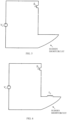
- the snubber circuit of Figure 2 can only work with the FB with USS in a manner of high frequency leg and low frequency leg.
- FB inverter with this leg configuration results in a high ground leakage current when the low frequency leg commutate and thus it is not preferred in many applications, such as photo voltaic inverter solutions.
- the inductors 152, 158 on said wires may not work ideally. Namely, the inductors 152, 158 on said wires may require the electric path circuitries 178, 184 in addition to the filter circuit 150 and its inner circuit 150A.
- Figure 3 shows the FB with only one output inductor L 1 (corresponding to first inductor 152 of Figure 1 ).
- the impedance to the CM (Common Mode) current via the live wire (marked with L) is determined by L 1 but via neutral wire (marked with N) is zero. Therefore, the design of the CM filter is limited by the CM current on the neutral wire, which results in a larger CM filter than the one with inductors on both live and neutral wires as shown in Figure 4 .
- Figure 5 shows the problem of using only one inductor on either of the live wire or neutral wire. If there is a short circuit between the negative of input and neutral of the AC grid, a short circuit will result when the switch S 2 (corresponding to second higher switch 110 of Figure 1 ) is on. The path of short circuit is no way to protect, as the impedance of the path is zero ideally. However, input with inductors (first and second inductors 152 and 158) on both live and neutral wires as shown in Figure 6 , the short circuit current will be slowed down by the inductor L2 (corresponding to second inductor 158 in Figure 1 ) on the neutral wire. Therefore, the second electric path circuit 184 and correspondingly the first electric path circuit 178 still has enough time to react to the situation.
- a FB inverter may have an inductor 152, 158 on both live and neutral wires.
- this requirement prevents the implementation of the snubber circuit in the prior art inverter applications, such as those presented in the papers of L. C. de. Freitas and P. R. C. Gomes and K. M. Smith and K. M. Smedley mentioned above.
- additional electrical path circuits 178, 184 may be used, in an embodiment, for bypassing the electric currents of the first and second inductors 152, 158, which may also be called snubber inductors.
- the electric path circuit s 178, 184 are employed to realize the operation as an example.
- the electric path circuits 178, 184 may serve as an active virtual ground without limiting to it.
- Figure 1 shows the circuit schematic of the proposed filter circuit 150, which may also be called snubber circuit, integrated into a FB with the electrical path circuits 178, 184.
- the proposed filter circuit 150 and its inner circuit 152A comprises two auxiliary switches, 164 and 170, four diodes 166, 168, 172, 174, which may be called snubber diodes, and a single third inductor 176, although it may comprise a plurality of sub-inductors in series.
- the third inductor 176 is electrically coupled between the cathodes of the first diode 166 and the second diode 168 and the anodes of the third diode 172 and the fourth diode 174.
- the electric path circuits 178, 184 provide a low impedance path for the snubber current from the third inductor 176 to go through to a suitable input DC node 10, 12, which solves the problem of the snubber current discussed above.
- Figure 9 illustrates operation of the full-bridge inverter 100 of the Figure 1 in a free wheeling stage.
- Figure 10 illustrates operation of the full-bridge inverter 100 in a circulating stage of the snubber.
- Figure 11 illustrates operation of the full-bridge inverter 100 in a commutation stage.
- Figure 12 illustrates operation of the full-bridge inverter 100 in a stage of zero voltage turn-on of the second lower switch 112 and a reset of the third inductor 176.
- Figure 13 illustrates operation of the full-bridge inverter 100 in energy transfer stage.
- Figure 14 illustrates operation of the full-bridge inverter 100 in a stage of zero voltage turn-off of the second lower switch 112.
- the first higher switch 106 i.e. a transistor 106A, and a diode 110B of the second higher switch 110 are electrically conducting and a load current may flow through them.
- the electric path circuit 184 is in an electrically conducting state, which forms an LC filter with the first and second inductors 152, 158 and a capacitor 188 of the electric path circuit 184. This, in turn, may suppress the differential mode current ripple to the ac grid and thus gives a high quality output current.
- the second filtering unit switch 170 turns on.
- the third inductor 176 is now parallel with the second inductor 158.
- An electric current form the second inductor 158 through the diode 110B is compensated by an electric current of the third inductor 176 i LS .
- the electric current i LS is reaching the diode 110B via the second path switch 184, i.e. a transistor 186A, which solves the problem with the electric current of the second inductor 158.
- i LS is an electric current though the third inductor 176
- LS is an inductance of the third inductor 176
- V in is the DC input voltage
- v C2 (t) is a voltage over the capacitor 188 as a function of time t
- v ac (t) is an AC output voltage of the inverter as function of time t
- iD2(t) is an electric current through the diode 110B
- i ac (t) is an output electric current of the inverter as a function of time t
- i LS is an electric current through the third inductor 176.
- An operation of the commutation stage starts when the current i LS though the third inductor 176 is larger than i L1 , which is an electric current flowing through the first inductor 152. Then the diode 110B turns off, i.e. no electric current passes through it.
- the magnitude of the electric current i LS decreases on the basis of a resonance process between a capacitance of the second higher switch 110, a capacitance of the second lower switch 112 and the third inductor 176 (assuming that the capacitor 188 of the lower electric path 184 is not affecting, because the capacitor 188 is much bigger than a capacitance of the second higher switch 110 and second lower switch 112).
- Operation of the ZV turn on stage starts when a capacitance of the second lower switch 112 is fully discharge and the diode 112B conducts electrically (see Figures 1 and 12 ).
- the second lower switch 112 now turns on in at zero voltage condition.
- the voltage across the second inductor 158 is reversed because of the conduction of the diode 112B of the second lower switch 112.
- the voltage polarity across the third inductor 176 also reverses and the third inductor 176 resets in this mode of operation.
- the second higher switch 110 and the second lower switch 112 are electrically conducting and energy is transferring from input 10, 12 to the ac output 190, 192 (see Figures 1 and 13 ).
- the second switch 186 of the second electric path 184 is also still electrically conducting, which keeps the LC output filter structure, i.e. the filter circuit 150, working providing a low impedance path for the common mode current.
- the second lower switch 112 turns off when the duty cycle of the previous period is finished (see Figures 1 and 14 ).
- the second lower switch 112 turns-off at zero voltage condition because of the presence of the capacitances of the second higher switch 110 and the second lower switch 112, which reduces the voltage change dv / dt of terminal voltage of the second higher switch 110 and the second lower switch 112.
- v C 4 ( t ) refers to a voltage over the capacitance of the second lower switch 112
- C dc - S2 refers to a capacitance of the second higher switch 110
- C dc - S4 refers to a capacitance of the second lower switch 112
- v C ds _ S 1 ( t ) refers to a voltage over the capacitance of the first higher switch 106
- the v C ds S 4 t (the same as v C ds _ S 4 ( t )) is a voltage over the capacitance of the second lower switch 112.
- Figure 15 shows the simulation results of the full-bridge inverter 100 based on a unipolar switching scheme.
- a control voltage of the second lower switch 112 is Vgs_S1
- a control voltage of the second filtering unit switch 170 is Vgs_Sa1
- an electric current through the second lower switch 112 is iS1
- iLS is an electric current through the third inductor 176.
- the top window shows the gate signals of the first higher switch 106 and the first filtering unit switch 164.
- the second and third windows show the voltage and current switching waveforms of the first higher switch 106 and the first filtering unit switch 164, respectively.
- the last window shows the voltage and current waveforms of the third inductor 176.
- the inverter In the operation of the first stage, the inverter is freewheeling.
- the main switch i.e. the first higher switch 106 is on, the second lower switch 112 and the first filtering unit switch 164 are off.
- the first filtering unit switch 164 turns on and the operation of the second stage begins.
- the electric current i LS of the third inductor 176 is increasing during the operation of this stage until the electric current i LS reaches the load current, i ac .
- the diode 110B In operation of the third stage, the diode 110B is off and the output capacitances of the second higher switch 110 and the second lower switch 112 are discharging and charging, respectively. Operation of this stage ends and operation of the fourth stage starts when a voltage over the second lower switch 112 is equal to zero and the diode 112B conducts.
- the second lower switch 112 turns on before the electric current going through the diode 112B is equal to zero.
- the third inductor 176 resets and the gate signal of the first filtering unit switch 164 can turn off when the electric current through the third inductor 176 is equal to zero. This is the end of fourth stage.
- the fifth stage starts and continues until the duty cycle finished.
- the second lower switch 112 turns off under zero voltage condition in the sixth stage. This stage ends when a voltage over the second lower switch 112 reaches the input voltage Vin.
- the first higher switch 106 is in an electrically conducting state and the second lower switch 112 is in an electrically non-conducting state.
- a high frequency disturbance may then be filtered by setting the second switch 186 of the second electric path 184 (if this part of the circuit is available) in an electrically conducting state.
- no energy has been stored in the first and second inductors 152, 158 and no electric current may be flowing out of them.
- an electric current through the diode 110B is run to zero, and for that purpose the second filtering unit switch 170 is switched into an electrically conducting state, which allows an electric current to flow from the first higher switch 106 to the second filtering unit switch 170.
- the energy stored in the first and second inductors 152 and 158 is transferred to the third inductor 176.
- the DC voltage at the first and second DC nodes 10 and 12 feeds electric current through capacitances of the second higher switch 110 and the second lower switch 112.
- the capacitance of the second higher switch 110 becomes loaded with electric energy and the capacitance of the second lower switch 112 discharges. This causes a voltage over the first and the second higher and lower switches 110, 112 become stabilized.
- electric current in the inner circuit 150A may be caused to become zero by letting the electric current flow through the second path switch 186. Then the electric energy is transferred from the third inductor 176 to the second capacitor 188 (resonance circuit).
- the second filtering unit switch 170 can be opened (made electrically non-conductive) and the second lower switch 112 may be closed (made electrically conductive) at least almost without voltage over it.
- either the first higher switch 106 and the second lower switch 112 are electrically conductive (positive half of cycle) or the lower switch 108 and the second higher switch 110 are electrically conductive (negative half of cycle).
- the second lower switch 112 is opened (made electrically non-conductive) for returning through a transient period back to the freewheeling stage.
- Figure 16 shows the waveforms in the successive stages of the cycle.
- V gs_S1 means a gate voltage of the first higher switch 106
- V gs_S2 means a gate voltage of the second higher switch 110
- V gs-S3 means a gate voltage of the first lower switch 108
- V gs-S4 means a gate voltage of the second lower switch 112
- V gs_Sa1 means a gate voltage of the first filtering unit switch 164
- V gs_S1 means a gate voltage of the first higher switch 106
- the output current quality is not affected by the snubber circuit.
- the top window shows the inverter output current waveform and it has a high quality.
- the middle window shows the electric current of the third inductor 176, which shows the filter circuit 150 is operating throughout the cycle.
- the magnitude of the electric current of the third inductor 176 is adaptive to the load current. This is an advantage of the present full-bridge inverter 100 based on a unipolar switching scheme as the losses can be minimized.
- FIG. 17 is a flow chart of the operation method.
- a signal within the full-bridge inverter 100 is filtered with a first inductor 152, a second inductor 158, and third inductor 176, where
- step 1702 an electric current between the third inductor 176 and the first DC node 10 is conducted through electric path circuit 178 in response to switching the first filtering unit switch 164 into an electrically conducting state, and an electric current between the third inductor 176 and the second DC node 12 is conducted through electric path circuit 184 in response to switching the second filtering unit switch 170 into an electrically conducting state.
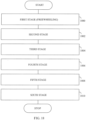
- Figure 18 is a flow chart of six stages of the operation method.
- a first stage 1800 switching a first higher switch 106 of a first branch 102 in an electrically conducting state, while a second electric path circuit 184 is in an electrically conducting state, for suppressing differential mode ripple and providing a low impedance part for a common mode with a first inductor 152 and a second inductor 158.
- a second stage 1802 switching second filtering unit switch 170 into an electrically conducting state, and causing a third inductor 176 to be parallel with a second inductor 158, and compensating an electric current from the second inductor 158 passing through a diode 110B of a second higher switch 110 by an electric current flowing through the third inductor 176 of the filter circuit 150, the electric current flowing through the third inductor 176 reaching a diode 110B of the second higher switch 110 via the second electric path circuit 184.
- an third stage 1804 causing the full-bridge inverter 100 to enter this stage when the electric current through the second higher switch 110 becomes zero, while the electric current flowing through the third inductor 176 becomes larger than an electric current through the first inductor 152 for switching the second higher switch 110 in a non-conducting state, and decreasing a strength of the electric current flowing through the third inductor 176 by a resonance between an inductance of the third inductor 176, and capacitances of the second higher switch 110 and a second lower switch 112.
- a fourth stage 1806 causing the full-bridge inverter 100 to enter in this stage in response to fully charging the capacitance of the second higher switch 110 and fully discharging a capacitance of the second lower switch 112, making the diode 112B of the second lower switch 112 to electrically conduct at a zero-voltage condition for causing a voltage over the second inductor 158 and the third inductor 176 reverse, and making a diode 108B of a first lower switch 108 and the diode 112B of the second lower switch 112 in a non-conducting state in response to the electric current flowing through the third inductor 176 reaching zero for proceeding to a fifth stage.
- fifth stage 1808 causing the full-bridge inverter 100 to enter in this stage in response to the electric current flowing through the third inductor 176 reaching zero, switching first lower switch 108 and the second lower switch 112 in electrically conducting states, filtering using the resonance between the inductance of the third inductor 176, and the capacitances of the second higher switch 110 and a second lower switch 112 by allowing the second electric path circuit 184 be electrically conductive.
- a sixth stage 1810 switching the second lower switch 112 in a non-conducting state for ending the zero-voltage condition, shifting to the first stage in response to condition where a voltage over the second lower switch 112 is equal to an input voltage.
- the control of the switches of the full-bridge inverter 100 based on a unipolar switching scheme may be implemented as a logic circuit solution or computer program in order to achieve the operation of the full-bridge inverter 100.
- the computer program may be placed on a computer program distribution means for the distribution thereof.
- the computer program distribution means is readable by a data processing device, and it encodes the computer program commands, carries out the operation of the full-bridge inverter 100.
- the computer program may be distributed using a distribution medium which may be any medium readable by the controller.
- the medium may be a program storage medium, a memory, a software distribution package, or a compressed software package.
- the distribution may be performed using at least one of the following: a near field communication signal, a short distance signal, and a telecommunications signal.
Landscapes
- Engineering & Computer Science (AREA)
- Power Engineering (AREA)
- Inverter Devices (AREA)
Claims (7)
- Vollbrücken-Wechselrichter (100) auf Basis eines unipolaren Schaltschemas, wobei der Vollbrücken-Wechselrichter (100) ausgelegt ist zum Umwandeln von elektrischem DC-Strom in elektrischen AC-Strom, wobei der Vollbrücken-Wechselrichter (100) umfasst:
einen ersten Zweig (102) und einen zweiten Zweig (104), die elektrisch parallel zwischen einen ersten DC-Knoten (10) und einen zweiten DC-Knoten (12) des Vollbrücken-Wechselrichters (100) gekoppelt sind, ausgelegt zum Empfangen des elektrischen DC-Stroms, wobei der erste Zweig (102) einen ersten höheren Schalter (106) und einen ersten niedrigeren Schalter (108) in Reihe umfasst, und der zweite Zweig (104) einen zweiten höheren Schalter (110) und einen zweiten niedrigeren Schalter (112) in Reihe umfasst, wobei der Vollbrücken-Wechselrichter (100) weiter umfasst:
eine Filterschaltung (150), umfassend:einen ersten Induktor (152), wobei ein Pin (154) des ersten Induktors (152) elektrisch mit einem ersten Zweigleiter (120) gekoppelt ist, wobei der erste Zweigleiter (120) elektrisch zwischen den ersten höheren Schalter (106) und den ersten niedrigeren Schalter (108) gekoppelt ist, und ein entgegengesetzter Pin (156) des ersten Induktors (152) elektrisch mit einem ersten Ausgangsknoten (190) des Vollbrücken-Wechselrichters (100) gekoppelt ist;einen zweiten Induktor (158), wobei ein Pin (160) des zweiten Induktors (158) elektrisch mit einem zweiten Zweigleiter (122) gekoppelt ist, der zweite Zweigleiter (122) elektrisch zwischen den zweiten höheren Schalter (110) und den zweiten niedrigeren Schalter (112) gekoppelt ist, und ein entgegengesetzter Pin (162) des zweiten Induktors (158) elektrisch mit einem zweiten Ausgangsknoten (192) des Vollbrücken-Wechselrichters (100) gekoppelt ist;einen ersten filternden Einheitsschalter (164), eine erste Filterdiode (166), eine zweite Filterdiode (168) und einen zweiten filternden Einheitsschalter (170) in Reihe elektrisch zwischen den ersten Zweigleiter (120) und den zweiten Zweigleiter (122) gekoppelt, wobei Kathoden der ersten Diode (166) und der zweiten Diode (168) elektrisch miteinander gekoppelt sind;eine dritte Filterdiode (172), deren Kathode elektrisch mit dem ersten Ausgangsknoten (190) gekoppelt ist, und eine vierte Filterdiode (174), deren Kathode elektrisch mit dem zweiten Ausgangsknoten (192) gekoppelt ist, wobei die Anoden der dritten Diode (172) und der vierten Diode (174) elektrisch miteinander gekoppelt sind;einen dritten Induktor (176), der elektrisch zwischen die Kathoden der ersten Diode (166) und der zweiten Diode (168) und die Anoden der dritten Diode (172) und der vierten Diode (174) gekoppelt ist; undder Vollbrücken-Wechselrichter (100) weiter Strompfadschaltungen (178, 184) umfasst, die ausgelegt sind zum Leiten eines elektrischen Stroms zwischen dem dritten Induktor (176) und dem ersten DC-Knoten (10) als Reaktion auf das Schalten des ersten filternden Einheitsschalters (164) in einen elektrisch leitenden Zustand und Leiten eines elektrischen Stroms zwischen dem dritten Induktor (176) und dem zweiten DC-Knoten (12) als Reaktion auf das Schalten des zweiten filternden Einheitsschalters (170) in einen elektrisch leitenden Zustand. - Vollbrücken-Wechselrichter (100) nach Anspruch 1, dadurch gekennzeichnet, dass die Strompfadschaltungen (178, 184) eine erste Strompfadschaltung (178), die elektrisch zwischen den zweiten Ausgangsknoten (192) und den unteren Knoten (12) zum Leiten eines elektrischen Stroms zwischen dem dritten Induktor (176) und dem zweiten DC-Knoten (12) gekoppelt sind, und eine zweite Strompfadschaltung (184), die elektrisch zwischen den ersten Ausgangsknoten (190) und den ersten DC-Knoten (10) zum Leiten eines elektrischen Stroms zwischen dem dritten Induktor (176) und dem ersten DC-Knoten (10) gekoppelt ist, umfasst.
- Vollbrücken-Wechselrichter (100) nach Anspruch 1 oder 2, dadurch gekennzeichnet, dass die erste Strompfadschaltung (178) einen ersten Pfadschalter (180) und einen ersten Kondensator (182) in Reihe umfasst, wobei der erste Pfadschalter (180) ausgelegt ist zum Schalten in einen elektrisch leitenden Zustand zum Leiten eines elektrischen Stroms zwischen dem dritten Induktor (176) und dem ersten DC-Knoten (10), und die zweite Strompfadschaltung (184) einen zweiten Schalter (186) und einen zweiten Kondensator (188) in Reihe umfasst, wobei der zweite Pfadschalter (186) ausgelegt ist zum Schalten in einen elektrisch leitenden Zustand zum Leiten eines elektrischen Stroms zwischen dem dritten Induktor (176) und dem zweiten DC-Knoten (12).
- Vollbrücken-Wechselrichter (100) nach Anspruch 1, dadurch gekennzeichnet, dass der erste höhere Schalter (106) und der zweite höhere Schalter (110) einen bipolaren Sperrschichttransistor (106A, 110A) und eine in Sperrrichtung vorgespannte Diode (106B, 110B) umfasst; und der erste niedrigere Schalter (108) und der zweite niedrigere Schalter (112) einen Feldeffekttransistor (108A, 112A) und eine in Sperrrichtung vorgespannte Diode (108B, 112B) umfasst.
- Verfahren zum Betreiben eines Vollbrücken-Wechselrichters (100) auf Basis eines unipolaren Schaltschemas, gekennzeichnet durch das Filtern (1700) eines Signals innerhalb des Vollbrücken-Wechselrichters (100) mit einem ersten Induktor (152), einem zweiten Induktor (158) und einem dritten Induktor (176), wobeiein Pin (154) des ersten Induktors (152) elektrisch mit einem ersten Zweigleiter (120) gekoppelt ist, der erste Zweigleiter (120) elektrisch zwischen den ersten höheren Schalter (106) und den ersten niedrigeren Schalter (108) und ein entgegengesetzter Pin (165) des ersten Induktors (152) elektrisch mit einem ersten Ausgangsknoten (190) des Vollbrücken-Wechselrichters (100) gekoppelt ist;ein Pin (160) des zweiten Induktors (158) elektrisch mit einem zweiten Zweigleiter (122) gekoppelt ist, der zweite Zweigleiter (122) elektrisch zwischen den zweiten höheren Schalter (110) und den zweiten niedrigeren Schalter (112) gekoppelt ist und ein entgegengesetzter Pin (162) des zweiten Induktors (158) elektrisch mit einem zweiten Ausgangsknoten (192) des Vollbrücken-Wechselrichters (100) gekoppelt ist;der dritte Induktor (176) elektrisch zwischen Kathoden einer ersten Diode (166) und einer zweiten Diode (168) und Anoden einer dritten Diode (172) und einer vierten Diode (174) gekoppelt ist, wobei die erste Filterdiode (166), die zweite Filterdiode (168) und ein zweiter filternder Einheitsschalter (170) in Reihe elektrisch zwischen den ersten Zweigleiter (120) und den zweiten Zweigleiter (122) gekoppelt sind, Kathoden der ersten Diode (166) und der zweiten Diode (168) elektrisch miteinander gekoppelt sind und eine Kathode der dritten Diode (172) elektrisch mit einem ersten Ausgang (190) gekoppelt ist und eine Kathode der vierten Diode (174) elektrisch mit einem zweiten Ausgang (192) des Vollbrücken-Wechselrichters (100) gekoppelt ist; undLeiten (1702) durch Strompfadschaltungen (178, 184) eines elektrischen Stroms zwischen dem dritten Induktor (176) und dem ersten DC-Knoten (10) als Reaktion auf das Schalten des ersten filternden Einheitsschalters (164) in einen elektrisch leitenden Zustand, und eines elektrischen Stroms zwischen dem dritten Induktor (176) und dem zweiten DC-Knoten (12) als Reaktion auf das Schalten des zweiten filternden Einheitsschalters (170) in einen elektrisch leitenden Zustand.
- Verfahren nach Anspruch 5, gekennzeichnet durch das Verursachen, dass der Vollbrücken-Wechselrichter (100) zyklisch durch die folgenden aufeinanderfolgenden Arbeitszustände geht:eine erste Stufe (1800), wo ein erster höherer Schalter (106) sich in einem elektrisch leitenden Zustand befindet, der zweite niedrigere Schalter (112) und ein erster filternder Einheitsschalter (164) sich in einem elektrisch nicht leitenden Zustand befinden;eine zweite Stufe (1802), wo sich der erste filternde Einheitsschalter (164) in einem elektrisch leitenden Zustand befindet, was bewirkt, dass ein durch einen dritten Induktor (176) fließender elektrischer Strom zunimmt, bis er eine gleiche Stärke wie ein elektrischer Strom erreicht, der durch einen ersten Induktor (152) fließt;eine dritte Stufe (1804), wobei eine Reverse-Diode (110B) eines zweiten höheren Schalters (110) sich in einem elektrisch nicht leitenden Zustand befindet, während eine Kapazität eines zweiten höheren Schalters (110) entlädt und eine Kapazität eines zweiten niedrigeren Schalters (112) lädt;eine vierte Stufe (1806), wobei eine Spannung über dem zweiten niedrigeren Schalter (112) null beträgt und eine Reverse-Diode (112B) parallel zu dem zweiten niedrigeren Schalter (112) elektrisch leitet, der zweite niedrigere Schalter (112) in einen elektrisch leitenden Zustand schaltet, bevor ein durch die Reverse-Diode (112B) parallel zu dem zweiten niedrigeren Schalter (112) fließender elektrischer Strom null wird, der dritte Induktor (176) zurücksetzt und der erste filternde Einheitsschalter (164) in einen elektrisch nicht leitenden Zustand geschaltet wird, wenn ein durch den dritten Induktor (176) fließender elektrischer Strom null ist;eine fünfte Stufe (1808), deren Dauer von einem Tastverhältnis einer Resonanz zwischen einer Induktanz des dritten Induktors (176) und den Kapazitäten des zweiten höheren Schalters (110) und eines zweiten niedrigeren Schalters (112) abhängt;eine sechste Stufe (1810), wobei der zweite niedrigere Schalter (112) sich in einem elektrisch nicht leitenden Zustand unter einer Nullspannungsbedingung befindet und der endet, wenn eine Spannung des zweiten niedrigeren Schalters (112) gleich der Eingangsspannung des Vollbrücken-Wechselrichters (100) ist.
- Verfahren nach Anspruch 5, dadurch gekennzeichnet, dassin einer ersten Stufe (1800), Schalten eines ersten höheren Schalters (106) eines ersten Zweigs (102) in einem elektrisch leitenden Zustand, während eine zweite Strompfadschaltung (184) sich in einem elektrisch leitenden Zustand befindet, zum Unterdrücken von Differenzmoduswelligkeit und Liefern eines niedrig impedanten Teils für einen gemeinsamen Modus mit einem ersten Induktor (152) und einem zweiten Induktor (158);in einem zweiten Zustand (1802), Schalten eines zweiten filternden Einheitsschalters (170) in einen elektrisch leitenden Zustand, und Bewirken, dass ein dritter Induktor (176) sich parallel mit einem zweiten Induktor (158) befindet, und Kompensieren eines elektrischen Stroms von dem zweiten Induktor (158), der eine Diode (110B) eines zweiten höheren Schalters (110) passiert, mit einem elektrischen Strom, der durch den dritten Induktor (176) der Filterschaltung (150) fließt, wobei der durch den dritten Induktor (176) fließende elektrische Strom eine Diode (110B) des zweiten höheren Schalters (110) über die zweite Strompfadschaltung (184) erreicht;Bewirken, dass der Vollbrücken-Wechselrichter (100) in eine dritte Stufe (1804) eintritt, wenn der elektrische Strom durch den zweiten höheren Schalter (110) null wird, während der durch den dritten Induktor (176) fließende elektrische Strom größer als ein elektrischer Strom durch den ersten Induktor (152) wird zum Schalten des zweiten höheren Schalters (110) in einen nicht leitenden Zustand, und Verringern einer Stärke des durch den dritten Induktor (176) fließenden elektrischen Stroms durch eine Resonanz zwischen einer Induktanz des dritten Induktors (176) und Kapazitäten des zweiten höheren Schalters (110) und eines zweiten niedrigeren Schalters (112);Bewirken, dass der Vollbrücken-Wechselrichter (100) in eine vierte Stufe (1806) eintritt als Reaktion auf das volle Laden der Kapazität des zweiten höheren Schalters (110) und das vollständige Entladen einer Kapazität des zweiten niedrigeren Schalters (112), was bewirkt, dass die Diode (112B) des zweiten niedrigeren Schalters (112) bei einer Nullspannungsbedingung elektrisch leitet, um zu bewirken, dass eine Spannung über dem zweiten Induktor (158) und dem dritten Induktor (176) umkehrt, und Bewirken, dass eine Diode (108B) eines ersten niedrigeren Schalters (108) und die Diode (112B) des zweiten niedrigeren Schalters (112) sich in einem nicht leitenden Zustand befinden als Reaktion darauf, dass der durch den dritten Induktor (176) fließende elektrische Strom null erreicht, zum Fortschreiten in einen fünften Zustand;Bewirken, dass der Vollbrücken-Wechselrichter (100) in den fünften Zustand (1808) eintritt als Reaktion darauf, dass der durch den dritten Induktor (176) fließende elektrische Strom null erreicht, Schalten des ersten niedrigeren Schalters (108) und des zweiten niedrigeren Schalters (112) in elektrisch leitende Zustände, Filtern unter Verwendung der Resonanz zwischen der Induktanz des dritten Induktors (176) und den Kapazitäten des zweiten höheren Schalters (110) und eines zweiten niedrigeren Schalters (112) durch Gestatten, dass die zweite Strompfadschaltung (184) elektrisch leitend ist; undin einer sechsten Stufe (1810), Schalten des zweiten niedrigeren Schalters (112) in einem nicht leitenden Zustand zum Beenden der Nullspannungsbedingung, Verschieben zu der ersten Stufe als Reaktion auf die Bedingung, wo eine Spannung über dem zweiten niedrigeren Schalter (112) gleich einer Eingangsspannung ist.
Priority Applications (3)
| Application Number | Priority Date | Filing Date | Title |
|---|---|---|---|
| EP19205300.7A EP3813246B1 (de) | 2019-10-25 | 2019-10-25 | Vollbrückenwechselrichter mit einpoligem schaltschema und verfahren zu seinem betrieb |
| CN202011149398.7A CN112713792B (zh) | 2019-10-25 | 2020-10-23 | 具有单极性开关方案的全桥逆变器及其操作方法 |
| US17/080,194 US11277078B2 (en) | 2019-10-25 | 2020-10-26 | Full-bridge inverter with unipolar switching scheme and its method of operation |
Applications Claiming Priority (1)
| Application Number | Priority Date | Filing Date | Title |
|---|---|---|---|
| EP19205300.7A EP3813246B1 (de) | 2019-10-25 | 2019-10-25 | Vollbrückenwechselrichter mit einpoligem schaltschema und verfahren zu seinem betrieb |
Publications (2)
| Publication Number | Publication Date |
|---|---|
| EP3813246A1 EP3813246A1 (de) | 2021-04-28 |
| EP3813246B1 true EP3813246B1 (de) | 2023-09-06 |
Family
ID=68344694
Family Applications (1)
| Application Number | Title | Priority Date | Filing Date |
|---|---|---|---|
| EP19205300.7A Active EP3813246B1 (de) | 2019-10-25 | 2019-10-25 | Vollbrückenwechselrichter mit einpoligem schaltschema und verfahren zu seinem betrieb |
Country Status (3)
| Country | Link |
|---|---|
| US (1) | US11277078B2 (de) |
| EP (1) | EP3813246B1 (de) |
| CN (1) | CN112713792B (de) |
Cited By (1)
| Publication number | Priority date | Publication date | Assignee | Title |
|---|---|---|---|---|
| US20260018895A1 (en) * | 2022-07-21 | 2026-01-15 | Stephen Phillips | A multistage energy conversion system |
Families Citing this family (2)
| Publication number | Priority date | Publication date | Assignee | Title |
|---|---|---|---|---|
| KR101957575B1 (ko) * | 2017-06-23 | 2019-03-13 | 인투코어테크놀로지 주식회사 | 전원 공급 장치 및 부하에 전원을 공급하는 방법 |
| US11201562B1 (en) * | 2019-06-23 | 2021-12-14 | Purdue Research Foundation | Soft-switching voltage-edge-rate-limiting power inverter |
Family Cites Families (10)
| Publication number | Priority date | Publication date | Assignee | Title |
|---|---|---|---|---|
| US5440209A (en) * | 1978-03-20 | 1995-08-08 | Nilssen; Ole K. | Driven full-bridge inverter ballast |
| US9118259B2 (en) * | 2007-12-03 | 2015-08-25 | Texas Instruments Incorporated | Phase-shifted dual-bridge DC/DC converter with wide-range ZVS and zero circulating current |
| CN102077452B (zh) * | 2008-06-25 | 2014-08-20 | 西门子公司 | 逆变器以及用于运行该逆变器的方法 |
| CN102437765B (zh) * | 2011-10-17 | 2015-09-23 | 华为技术有限公司 | 一种逆变器拓扑电路、逆变方法和一种逆变器 |
| CN103051233B (zh) * | 2012-12-12 | 2015-02-18 | 东南大学 | 一种非隔离型单相光伏并网逆变器及其开关控制时序 |
| CA2814527C (en) * | 2013-03-15 | 2018-10-23 | Queen's University At Kingston | Single phase power system controller and method therefor |
| TWI488421B (zh) * | 2013-04-03 | 2015-06-11 | 台達電子工業股份有限公司 | 直流轉交流電源轉換系統及其操作方法 |
| EP3061174B1 (de) * | 2013-10-21 | 2018-04-25 | ABB Schweiz AG | Zweistufiger wechselrichter für energieumwandlungssysteme und steuerungsverfahren dafür |
| EP2882090A1 (de) * | 2013-12-05 | 2015-06-10 | ABB Oy | Einphasenvollbrückenwechselrichter mit schaltbarem Ausgangsfilter |
| WO2018199042A1 (ja) * | 2017-04-24 | 2018-11-01 | パナソニックIpマネジメント株式会社 | 電力変換システム |
-
2019
- 2019-10-25 EP EP19205300.7A patent/EP3813246B1/de active Active
-
2020
- 2020-10-23 CN CN202011149398.7A patent/CN112713792B/zh active Active
- 2020-10-26 US US17/080,194 patent/US11277078B2/en not_active Expired - Fee Related
Cited By (1)
| Publication number | Priority date | Publication date | Assignee | Title |
|---|---|---|---|---|
| US20260018895A1 (en) * | 2022-07-21 | 2026-01-15 | Stephen Phillips | A multistage energy conversion system |
Also Published As
| Publication number | Publication date |
|---|---|
| US11277078B2 (en) | 2022-03-15 |
| CN112713792A (zh) | 2021-04-27 |
| CN112713792B (zh) | 2023-05-26 |
| US20210126554A1 (en) | 2021-04-29 |
| EP3813246A1 (de) | 2021-04-28 |
Similar Documents
| Publication | Publication Date | Title |
|---|---|---|
| US11894765B2 (en) | Power conversion device | |
| EP2966771B1 (de) | Einphasen-wechselrichter | |
| US20110286249A1 (en) | Method and device of electrical power | |
| US12212221B2 (en) | Power electronic transformer and power supply system | |
| US11277078B2 (en) | Full-bridge inverter with unipolar switching scheme and its method of operation | |
| EP2973974B1 (de) | Hochsetzsteller für fotovoltaikanwendungen auf basis des konzepts der drei-zustands-schaltzelle | |
| EP2882090A1 (de) | Einphasenvollbrückenwechselrichter mit schaltbarem Ausgangsfilter | |
| Abramson et al. | Multi-ratio operation of flying capacitor multilevel converters at and above resonance | |
| CN103765754A (zh) | 具有耦合电感的逆变器 | |
| CN107819403B (zh) | 一种双极性软开关直流变压器 | |
| CN109039139B (zh) | 一种隔离型双向交直流变换电路及其控制方法 | |
| KR20050083812A (ko) | 최소의 전도 손실을 갖는 zvs 단일 스위칭 공진 dc링크 | |
| CN212367151U (zh) | 一种逆变电路 | |
| Wu et al. | ZVS three‐phase current‐fed push–pull converter employing a simple active‐clamp circuit for voltage step‐up applications | |
| US12627222B2 (en) | Matrix power converter and method for use in the matrix power converter | |
| Khodabandeh et al. | A soft-switching single-stage zeta-/SEPIC-based inverter/rectifier | |
| CN115580133B (zh) | 应用于中压固态变压器的五电平功率因数校正整流器及其控制方法 | |
| CN111555648A (zh) | 一种逆变电路 | |
| CN111130355A (zh) | 一种实现全范围软开关的全桥直流变换器 | |
| CN212435590U (zh) | 一种基于开关控制电感器的llc谐振变换器 | |
| Narimani et al. | A comparative study of three-level DC-DC converters | |
| KR101106505B1 (ko) | 소프트 스위칭 투-인덕터 부스트 컨버터 | |
| CN115603606B (zh) | 一种开关串联的桥式电路及dc/ac变换电路的控制方法 | |
| Khan et al. | Dual-buck three-phase AC-AC converter without commutation problems | |
| Vinnikov et al. | Fault-Tolerant Approach for Photovoltaic Module-Level Power Electronic Applications |
Legal Events
| Date | Code | Title | Description |
|---|---|---|---|
| PUAI | Public reference made under article 153(3) epc to a published international application that has entered the european phase |
Free format text: ORIGINAL CODE: 0009012 |
|
| STAA | Information on the status of an ep patent application or granted ep patent |
Free format text: STATUS: THE APPLICATION HAS BEEN PUBLISHED |
|
| AK | Designated contracting states |
Kind code of ref document: A1 Designated state(s): AL AT BE BG CH CY CZ DE DK EE ES FI FR GB GR HR HU IE IS IT LI LT LU LV MC MK MT NL NO PL PT RO RS SE SI SK SM TR |
|
| AX | Request for extension of the european patent |
Extension state: BA ME |
|
| STAA | Information on the status of an ep patent application or granted ep patent |
Free format text: STATUS: REQUEST FOR EXAMINATION WAS MADE |
|
| 17P | Request for examination filed |
Effective date: 20211022 |
|
| RBV | Designated contracting states (corrected) |
Designated state(s): AL AT BE BG CH CY CZ DE DK EE ES FI FR GB GR HR HU IE IS IT LI LT LU LV MC MK MT NL NO PL PT RO RS SE SI SK SM TR |
|
| RAP1 | Party data changed (applicant data changed or rights of an application transferred) |
Owner name: ABB E-MOBILITY B.V. |
|
| GRAP | Despatch of communication of intention to grant a patent |
Free format text: ORIGINAL CODE: EPIDOSNIGR1 |
|
| STAA | Information on the status of an ep patent application or granted ep patent |
Free format text: STATUS: GRANT OF PATENT IS INTENDED |
|
| INTG | Intention to grant announced |
Effective date: 20230327 |
|
| GRAS | Grant fee paid |
Free format text: ORIGINAL CODE: EPIDOSNIGR3 |
|
| GRAA | (expected) grant |
Free format text: ORIGINAL CODE: 0009210 |
|
| STAA | Information on the status of an ep patent application or granted ep patent |
Free format text: STATUS: THE PATENT HAS BEEN GRANTED |
|
| AK | Designated contracting states |
Kind code of ref document: B1 Designated state(s): AL AT BE BG CH CY CZ DE DK EE ES FI FR GB GR HR HU IE IS IT LI LT LU LV MC MK MT NL NO PL PT RO RS SE SI SK SM TR |
|
| REG | Reference to a national code |
Ref country code: GB Ref legal event code: FG4D |
|
| REG | Reference to a national code |
Ref country code: CH Ref legal event code: EP |
|
| REG | Reference to a national code |
Ref country code: IE Ref legal event code: FG4D |
|
| REG | Reference to a national code |
Ref country code: DE Ref legal event code: R096 Ref document number: 602019036646 Country of ref document: DE |
|
| REG | Reference to a national code |
Ref country code: LT Ref legal event code: MG9D |
|
| REG | Reference to a national code |
Ref country code: NL Ref legal event code: MP Effective date: 20230906 |
|
| PG25 | Lapsed in a contracting state [announced via postgrant information from national office to epo] |
Ref country code: GR Free format text: LAPSE BECAUSE OF FAILURE TO SUBMIT A TRANSLATION OF THE DESCRIPTION OR TO PAY THE FEE WITHIN THE PRESCRIBED TIME-LIMIT Effective date: 20231207 |
|
| PG25 | Lapsed in a contracting state [announced via postgrant information from national office to epo] |
Ref country code: SE Free format text: LAPSE BECAUSE OF FAILURE TO SUBMIT A TRANSLATION OF THE DESCRIPTION OR TO PAY THE FEE WITHIN THE PRESCRIBED TIME-LIMIT Effective date: 20230906 Ref country code: RS Free format text: LAPSE BECAUSE OF FAILURE TO SUBMIT A TRANSLATION OF THE DESCRIPTION OR TO PAY THE FEE WITHIN THE PRESCRIBED TIME-LIMIT Effective date: 20230906 Ref country code: NO Free format text: LAPSE BECAUSE OF FAILURE TO SUBMIT A TRANSLATION OF THE DESCRIPTION OR TO PAY THE FEE WITHIN THE PRESCRIBED TIME-LIMIT Effective date: 20231206 Ref country code: LV Free format text: LAPSE BECAUSE OF FAILURE TO SUBMIT A TRANSLATION OF THE DESCRIPTION OR TO PAY THE FEE WITHIN THE PRESCRIBED TIME-LIMIT Effective date: 20230906 Ref country code: LT Free format text: LAPSE BECAUSE OF FAILURE TO SUBMIT A TRANSLATION OF THE DESCRIPTION OR TO PAY THE FEE WITHIN THE PRESCRIBED TIME-LIMIT Effective date: 20230906 Ref country code: HR Free format text: LAPSE BECAUSE OF FAILURE TO SUBMIT A TRANSLATION OF THE DESCRIPTION OR TO PAY THE FEE WITHIN THE PRESCRIBED TIME-LIMIT Effective date: 20230906 Ref country code: GR Free format text: LAPSE BECAUSE OF FAILURE TO SUBMIT A TRANSLATION OF THE DESCRIPTION OR TO PAY THE FEE WITHIN THE PRESCRIBED TIME-LIMIT Effective date: 20231207 Ref country code: FI Free format text: LAPSE BECAUSE OF FAILURE TO SUBMIT A TRANSLATION OF THE DESCRIPTION OR TO PAY THE FEE WITHIN THE PRESCRIBED TIME-LIMIT Effective date: 20230906 |
|
| REG | Reference to a national code |
Ref country code: AT Ref legal event code: MK05 Ref document number: 1609836 Country of ref document: AT Kind code of ref document: T Effective date: 20230906 |
|
| PG25 | Lapsed in a contracting state [announced via postgrant information from national office to epo] |
Ref country code: NL Free format text: LAPSE BECAUSE OF FAILURE TO SUBMIT A TRANSLATION OF THE DESCRIPTION OR TO PAY THE FEE WITHIN THE PRESCRIBED TIME-LIMIT Effective date: 20230906 |
|
| PG25 | Lapsed in a contracting state [announced via postgrant information from national office to epo] |
Ref country code: IS Free format text: LAPSE BECAUSE OF FAILURE TO SUBMIT A TRANSLATION OF THE DESCRIPTION OR TO PAY THE FEE WITHIN THE PRESCRIBED TIME-LIMIT Effective date: 20240106 |
|
| PG25 | Lapsed in a contracting state [announced via postgrant information from national office to epo] |
Ref country code: AT Free format text: LAPSE BECAUSE OF FAILURE TO SUBMIT A TRANSLATION OF THE DESCRIPTION OR TO PAY THE FEE WITHIN THE PRESCRIBED TIME-LIMIT Effective date: 20230906 |
|
| PG25 | Lapsed in a contracting state [announced via postgrant information from national office to epo] |
Ref country code: ES Free format text: LAPSE BECAUSE OF FAILURE TO SUBMIT A TRANSLATION OF THE DESCRIPTION OR TO PAY THE FEE WITHIN THE PRESCRIBED TIME-LIMIT Effective date: 20230906 |
|
| PG25 | Lapsed in a contracting state [announced via postgrant information from national office to epo] |
Ref country code: SM Free format text: LAPSE BECAUSE OF FAILURE TO SUBMIT A TRANSLATION OF THE DESCRIPTION OR TO PAY THE FEE WITHIN THE PRESCRIBED TIME-LIMIT Effective date: 20230906 Ref country code: RO Free format text: LAPSE BECAUSE OF FAILURE TO SUBMIT A TRANSLATION OF THE DESCRIPTION OR TO PAY THE FEE WITHIN THE PRESCRIBED TIME-LIMIT Effective date: 20230906 Ref country code: IS Free format text: LAPSE BECAUSE OF FAILURE TO SUBMIT A TRANSLATION OF THE DESCRIPTION OR TO PAY THE FEE WITHIN THE PRESCRIBED TIME-LIMIT Effective date: 20240106 Ref country code: ES Free format text: LAPSE BECAUSE OF FAILURE TO SUBMIT A TRANSLATION OF THE DESCRIPTION OR TO PAY THE FEE WITHIN THE PRESCRIBED TIME-LIMIT Effective date: 20230906 Ref country code: EE Free format text: LAPSE BECAUSE OF FAILURE TO SUBMIT A TRANSLATION OF THE DESCRIPTION OR TO PAY THE FEE WITHIN THE PRESCRIBED TIME-LIMIT Effective date: 20230906 Ref country code: CZ Free format text: LAPSE BECAUSE OF FAILURE TO SUBMIT A TRANSLATION OF THE DESCRIPTION OR TO PAY THE FEE WITHIN THE PRESCRIBED TIME-LIMIT Effective date: 20230906 Ref country code: AT Free format text: LAPSE BECAUSE OF FAILURE TO SUBMIT A TRANSLATION OF THE DESCRIPTION OR TO PAY THE FEE WITHIN THE PRESCRIBED TIME-LIMIT Effective date: 20230906 Ref country code: SK Free format text: LAPSE BECAUSE OF FAILURE TO SUBMIT A TRANSLATION OF THE DESCRIPTION OR TO PAY THE FEE WITHIN THE PRESCRIBED TIME-LIMIT Effective date: 20230906 Ref country code: PT Free format text: LAPSE BECAUSE OF FAILURE TO SUBMIT A TRANSLATION OF THE DESCRIPTION OR TO PAY THE FEE WITHIN THE PRESCRIBED TIME-LIMIT Effective date: 20240108 |
|
| PG25 | Lapsed in a contracting state [announced via postgrant information from national office to epo] |
Ref country code: PL Free format text: LAPSE BECAUSE OF FAILURE TO SUBMIT A TRANSLATION OF THE DESCRIPTION OR TO PAY THE FEE WITHIN THE PRESCRIBED TIME-LIMIT Effective date: 20230906 Ref country code: IT Free format text: LAPSE BECAUSE OF FAILURE TO SUBMIT A TRANSLATION OF THE DESCRIPTION OR TO PAY THE FEE WITHIN THE PRESCRIBED TIME-LIMIT Effective date: 20230906 |
|
| REG | Reference to a national code |
Ref country code: CH Ref legal event code: PL |
|
| REG | Reference to a national code |
Ref country code: DE Ref legal event code: R097 Ref document number: 602019036646 Country of ref document: DE |
|
| REG | Reference to a national code |
Ref country code: BE Ref legal event code: MM Effective date: 20231031 |
|
| PG25 | Lapsed in a contracting state [announced via postgrant information from national office to epo] |
Ref country code: LU Free format text: LAPSE BECAUSE OF NON-PAYMENT OF DUE FEES Effective date: 20231025 |
|
| PG25 | Lapsed in a contracting state [announced via postgrant information from national office to epo] |
Ref country code: LU Free format text: LAPSE BECAUSE OF NON-PAYMENT OF DUE FEES Effective date: 20231025 |
|
| PG25 | Lapsed in a contracting state [announced via postgrant information from national office to epo] |
Ref country code: MC Free format text: LAPSE BECAUSE OF FAILURE TO SUBMIT A TRANSLATION OF THE DESCRIPTION OR TO PAY THE FEE WITHIN THE PRESCRIBED TIME-LIMIT Effective date: 20230906 |
|
| PG25 | Lapsed in a contracting state [announced via postgrant information from national office to epo] |
Ref country code: DK Free format text: LAPSE BECAUSE OF FAILURE TO SUBMIT A TRANSLATION OF THE DESCRIPTION OR TO PAY THE FEE WITHIN THE PRESCRIBED TIME-LIMIT Effective date: 20230906 |
|
| PLBE | No opposition filed within time limit |
Free format text: ORIGINAL CODE: 0009261 |
|
| STAA | Information on the status of an ep patent application or granted ep patent |
Free format text: STATUS: NO OPPOSITION FILED WITHIN TIME LIMIT |
|
| PG25 | Lapsed in a contracting state [announced via postgrant information from national office to epo] |
Ref country code: CH Free format text: LAPSE BECAUSE OF NON-PAYMENT OF DUE FEES Effective date: 20231031 |
|
| PG25 | Lapsed in a contracting state [announced via postgrant information from national office to epo] |
Ref country code: MC Free format text: LAPSE BECAUSE OF FAILURE TO SUBMIT A TRANSLATION OF THE DESCRIPTION OR TO PAY THE FEE WITHIN THE PRESCRIBED TIME-LIMIT Effective date: 20230906 Ref country code: DK Free format text: LAPSE BECAUSE OF FAILURE TO SUBMIT A TRANSLATION OF THE DESCRIPTION OR TO PAY THE FEE WITHIN THE PRESCRIBED TIME-LIMIT Effective date: 20230906 Ref country code: CH Free format text: LAPSE BECAUSE OF NON-PAYMENT OF DUE FEES Effective date: 20231031 Ref country code: SI Free format text: LAPSE BECAUSE OF FAILURE TO SUBMIT A TRANSLATION OF THE DESCRIPTION OR TO PAY THE FEE WITHIN THE PRESCRIBED TIME-LIMIT Effective date: 20230906 |
|
| 26N | No opposition filed |
Effective date: 20240607 |
|
| GBPC | Gb: european patent ceased through non-payment of renewal fee |
Effective date: 20231206 |
|
| PG25 | Lapsed in a contracting state [announced via postgrant information from national office to epo] |
Ref country code: BE Free format text: LAPSE BECAUSE OF NON-PAYMENT OF DUE FEES Effective date: 20231031 |
|
| PG25 | Lapsed in a contracting state [announced via postgrant information from national office to epo] |
Ref country code: IE Free format text: LAPSE BECAUSE OF NON-PAYMENT OF DUE FEES Effective date: 20231025 |
|
| PG25 | Lapsed in a contracting state [announced via postgrant information from national office to epo] |
Ref country code: GB Free format text: LAPSE BECAUSE OF NON-PAYMENT OF DUE FEES Effective date: 20231206 |
|
| PG25 | Lapsed in a contracting state [announced via postgrant information from national office to epo] |
Ref country code: FR Free format text: LAPSE BECAUSE OF NON-PAYMENT OF DUE FEES Effective date: 20231106 |
|
| PG25 | Lapsed in a contracting state [announced via postgrant information from national office to epo] |
Ref country code: IE Free format text: LAPSE BECAUSE OF NON-PAYMENT OF DUE FEES Effective date: 20231025 Ref country code: GB Free format text: LAPSE BECAUSE OF NON-PAYMENT OF DUE FEES Effective date: 20231206 Ref country code: FR Free format text: LAPSE BECAUSE OF NON-PAYMENT OF DUE FEES Effective date: 20231106 |
|
| PG25 | Lapsed in a contracting state [announced via postgrant information from national office to epo] |
Ref country code: BG Free format text: LAPSE BECAUSE OF FAILURE TO SUBMIT A TRANSLATION OF THE DESCRIPTION OR TO PAY THE FEE WITHIN THE PRESCRIBED TIME-LIMIT Effective date: 20230906 |
|
| PG25 | Lapsed in a contracting state [announced via postgrant information from national office to epo] |
Ref country code: BG Free format text: LAPSE BECAUSE OF FAILURE TO SUBMIT A TRANSLATION OF THE DESCRIPTION OR TO PAY THE FEE WITHIN THE PRESCRIBED TIME-LIMIT Effective date: 20230906 |
|
| PGFP | Annual fee paid to national office [announced via postgrant information from national office to epo] |
Ref country code: DE Payment date: 20241021 Year of fee payment: 6 |
|
| PG25 | Lapsed in a contracting state [announced via postgrant information from national office to epo] |
Ref country code: CY Free format text: LAPSE BECAUSE OF FAILURE TO SUBMIT A TRANSLATION OF THE DESCRIPTION OR TO PAY THE FEE WITHIN THE PRESCRIBED TIME-LIMIT; INVALID AB INITIO Effective date: 20191025 |
|
| PG25 | Lapsed in a contracting state [announced via postgrant information from national office to epo] |
Ref country code: HU Free format text: LAPSE BECAUSE OF FAILURE TO SUBMIT A TRANSLATION OF THE DESCRIPTION OR TO PAY THE FEE WITHIN THE PRESCRIBED TIME-LIMIT; INVALID AB INITIO Effective date: 20191025 |
|
| PG25 | Lapsed in a contracting state [announced via postgrant information from national office to epo] |
Ref country code: TR Free format text: LAPSE BECAUSE OF FAILURE TO SUBMIT A TRANSLATION OF THE DESCRIPTION OR TO PAY THE FEE WITHIN THE PRESCRIBED TIME-LIMIT Effective date: 20230906 |
|
| REG | Reference to a national code |
Ref country code: DE Ref legal event code: R119 Ref document number: 602019036646 Country of ref document: DE |
|
| PG25 | Lapsed in a contracting state [announced via postgrant information from national office to epo] |
Ref country code: DE Free format text: LAPSE BECAUSE OF NON-PAYMENT OF DUE FEES Effective date: 20260501 |