EP3820107B1 - Verfahren und vorrichtung zum senden von daten sowie verfahren und vorrichtung zum empfangen von daten - Google Patents
Verfahren und vorrichtung zum senden von daten sowie verfahren und vorrichtung zum empfangen von daten Download PDFInfo
- Publication number
- EP3820107B1 EP3820107B1 EP19841345.2A EP19841345A EP3820107B1 EP 3820107 B1 EP3820107 B1 EP 3820107B1 EP 19841345 A EP19841345 A EP 19841345A EP 3820107 B1 EP3820107 B1 EP 3820107B1
- Authority
- EP
- European Patent Office
- Prior art keywords
- small
- small objects
- time point
- upload
- data
- Prior art date
- Legal status (The legal status is an assumption and is not a legal conclusion. Google has not performed a legal analysis and makes no representation as to the accuracy of the status listed.)
- Active
Links
Images



Classifications
-
- H—ELECTRICITY
- H04—ELECTRIC COMMUNICATION TECHNIQUE
- H04L—TRANSMISSION OF DIGITAL INFORMATION, e.g. TELEGRAPHIC COMMUNICATION
- H04L67/00—Network arrangements or protocols for supporting network services or applications
- H04L67/01—Protocols
- H04L67/02—Protocols based on web technology, e.g. hypertext transfer protocol [HTTP]
-
- H—ELECTRICITY
- H04—ELECTRIC COMMUNICATION TECHNIQUE
- H04L—TRANSMISSION OF DIGITAL INFORMATION, e.g. TELEGRAPHIC COMMUNICATION
- H04L67/00—Network arrangements or protocols for supporting network services or applications
- H04L67/01—Protocols
- H04L67/06—Protocols specially adapted for file transfer, e.g. file transfer protocol [FTP]
-
- H—ELECTRICITY
- H04—ELECTRIC COMMUNICATION TECHNIQUE
- H04L—TRANSMISSION OF DIGITAL INFORMATION, e.g. TELEGRAPHIC COMMUNICATION
- H04L67/00—Network arrangements or protocols for supporting network services or applications
- H04L67/01—Protocols
- H04L67/10—Protocols in which an application is distributed across nodes in the network
- H04L67/104—Peer-to-peer [P2P] networks
- H04L67/1074—Peer-to-peer [P2P] networks for supporting data block transmission mechanisms
- H04L67/1078—Resource delivery mechanisms
-
- H—ELECTRICITY
- H04—ELECTRIC COMMUNICATION TECHNIQUE
- H04L—TRANSMISSION OF DIGITAL INFORMATION, e.g. TELEGRAPHIC COMMUNICATION
- H04L67/00—Network arrangements or protocols for supporting network services or applications
- H04L67/01—Protocols
- H04L67/10—Protocols in which an application is distributed across nodes in the network
- H04L67/1097—Protocols in which an application is distributed across nodes in the network for distributed storage of data in networks, e.g. transport arrangements for network file system [NFS], storage area networks [SAN] or network attached storage [NAS]
-
- H—ELECTRICITY
- H04—ELECTRIC COMMUNICATION TECHNIQUE
- H04L—TRANSMISSION OF DIGITAL INFORMATION, e.g. TELEGRAPHIC COMMUNICATION
- H04L69/00—Network arrangements, protocols or services independent of the application payload and not provided for in the other groups of this subclass
- H04L69/22—Parsing or analysis of headers
-
- H—ELECTRICITY
- H04—ELECTRIC COMMUNICATION TECHNIQUE
- H04L—TRANSMISSION OF DIGITAL INFORMATION, e.g. TELEGRAPHIC COMMUNICATION
- H04L67/00—Network arrangements or protocols for supporting network services or applications
- H04L67/01—Protocols
- H04L67/10—Protocols in which an application is distributed across nodes in the network
- H04L67/1001—Protocols in which an application is distributed across nodes in the network for accessing one among a plurality of replicated servers
- H04L67/1004—Server selection for load balancing
Definitions
- This application relates to the storage field, and in particular, to a data sending method and apparatus, and a data receiving method and apparatus.
- Simple Storage Service (simple storage service, S3) is an online storage service system that is provided by Amazon. This resolves problems such as high construction and maintenance costs and low storage reliability that users face when building their own storage systems.
- the users can temporarily or permanently store any type of files on an S3 server by using a service interface provided by Amazon.
- the S3 system uses three basic concepts: a bucket (bucket), an object (object), and a key (key).
- a bucket works like a folder and is used to store an object.
- An object is a basic storage unit of the S3 system, and includes data and metadata (metadata).
- the metadata is a special type of data used to describe the data included in the object. For ease of understanding, in the following, all "data" described in this application does not include the metadata in the object unless otherwise specified. Metadata stores additional description information of data.
- the information may be system metadata (system metadata) defined by a system by default, or may be customized user metadata (user metadata).
- the metadata usually coexists with data associated with the metadata, and does not exist alone.
- a key is an identifier (identifier, ID) of an object, and each object has only one key.
- a bucket, a key, and a version ID can uniquely identify one object.
- a client establishes a connection with the S3 server, namely, an S3 connection
- connection Because a connection between the client and the S3 server can only serially process files, the connection is in an idle state most of time. How to improve data uploading efficiency in the S3 system is a problem that urgently needs to be resolved currently.
- United States patent application US 2016/057201 A1 discloses a file uploading method, a client, and an application server in cloud storage, and a cloud storage system.
- the methods includes extracting an eigenvalue of a target file to be uploaded; submitting an upload request including the eigenvalue to an application server, so that the application server determines, according to the upload request, whether a client needs to upload the target file; receiving an execution instruction that is sent, according to a determining result, by the application server; and if the execution instruction is an upload instruction, uploading the target file to a file server according to the upload instruction.
- International patent application WO 20111133234 A1 discloses a data packet sending method, a data packet receiving method, a data packet sending device and a data packet receiving device.
- the data packet sending method comprises: determining a first data packet to be sent to a server; when there arc two or more first data packets, aggregating the two or more first data packets into one second data packet; and sending the second data packet to the
- US2011/196822A1 further discloses a distributed storage system for storing data objects uploaded from client applications at different geographical locations.
- This application provides a data sending method and apparatus.
- a plurality of to-be-uploaded objects with a comparatively small amount of data are encapsulated to generate an object with a comparatively large amount of data, namely, a large object, and then the large object is sent to an S3 server by using a connection between a client and the S3 server.
- the plurality of small objects are uploaded as a whole (namely, the large object)
- the invention is defined by the appended claims.
- a data sending method applied to an object storage system includes: obtaining a plurality of to-be-uploaded small objects, where each of the small objects is an object whose amount of data is less than or equal to a first data amount threshold; encapsulating the plurality of small objects to generate a large object, where the large object includes the plurality of small objects; sending an S3 request to a server, where the S3 request is used to request to upload the large object: receiving a response message for the S3 request from the server, where the response message is used to indicate to start to upload the large object; and sending the large object to the server.
- the first aspect may be executed by a client. Because the plurality of small objects are uploaded as a whole (namely, the large object), in a process of uploading the plurality of small objects, the client does not need to repeatedly send the S3 request This improves data uploading efficiency in an S3 system. In addition, because the client encapsulates the plurality of small objects for aggregation, and does not further process data in the small objects (for example, extract the data in the plurality of small objects for fusion processing), the first aspect further improves the uploading efficiency,
- the encapsulating the plurality of small objects to generate a large object includes: when generation time points of the plurality of small objects fall within a preset time range, encapsulating the plurality of small objects to generate the large object.
- the preset time range is, for example, 24 hours corresponding to one natural day.
- the plurality of small objects generated in the preset time range are encapsulated together and sent to the server, and this facilitates the server to manage the plurality of small objects, and improves efficiency of the server.
- the encapsulating the plurality of small objects to generate a large object includes: when a total amount of data of the plurality of small objects after being encapsulated is less than or equal to a second data amount threshold, encapsulating the plurality of small objects to generate the large object.
- the large object further includes an object header
- the object header includes at least one piece of information of each small object in the plurality of small objects, including an object name, a generation time point, a message digest algorithm 5 value, a length, and an offset in the large object.
- the foregoing information facilitates the server to manage the plurality of small objects by category, thereby improving the efficiency of the server.
- the method before the sending an S3 request to a server, the method further includes: establishing an HTTP connection to the server, where the HTTP connection is used to transmit the large object, and the HTTP connection is a persistent connection.
- the persistent connection is a connection that is not immediately disconnected after an object is uploaded. After the large object has been uploaded, if there is a to-be-uploaded object subsequently, the client may directly send the S3 request, and there is no need to re-establish the HTTP connection. This reduces overheads for data uploading and improves the data uploading efficiency.
- a data receiving method applied to an object storage system includes: receiving an S3 request from a client, where the S3 request is used to request to upload a large object, and the large object are encapsulated with a plurality of small objects, and each of the small objects is an object whose amount of data is less than or equal to a data amount threshold; sending a response message for the S3 request to the client, where the response message is used to indicate to start to upload the large object; and receiving the large object from the client.
- the second aspect may be executed by a server. Because the plurality of small objects are uploaded as a whole (namely, the large object), in a process of receiving the plurality of small objects, the server does not need to repeatedly send the response message for the S3 request. This improves data uploading efficiency in an S3 system. In addition, because the client encapsulates the plurality of small objects for aggregation, and does not further process data in the small objects (for example, extract the data in the plurality of small objects for fusion processing), the second aspect further improves the uploading efficiency.
- the method further includes: storing the plurality of small objects to a persistence layer of the object storage system, where storage spaces of the plurality of small objects are consecutive storage spaces; and storing metadata corresponding to each small object in the plurality of small objects to an index layer of the object storage system.
- the server After receiving the plurality of small objects, the server stores the plurality of small objects in the consecutive storage spaces, and this facilitates management of the plurality of small objects.
- the storing the plurality of small objects to a persistence layer of the object storage system includes: storing, to the consecutive storage space at the persistence layer, a small object whose generation time point or upload time point falls within a preset time range in the plurality of small objects.
- the preset time range is, for example, 24 hours corresponding to one natural day.
- the plurality of small objects generated in the preset time range are stored in the consecutive storage spaces, and this facilitates the server to manage the plurality of small objects, and improves efficiency of the server.
- the metadata is used to indicate the generation time point or the upload time point of the small object
- the method further includes: scanning metadata of the plurality of small objects, and determining generation time points or upload time points of the plurality of small objects; and deleting a first small object when a generation time point or an upload time point of the first small object in the plurality of small objects falls within an expiration time range.
- the first small object is any expired small object in the foregoing plurality of small objects, and the server may determine a generation time point or an upload time point of the small object by scanning metadata of the small object.
- the expired objects are deleted, so that storage space utilization of the server can be improved.
- the deleting a first small object when a generation time point or an upload time point of the first small object in the plurality of small objects falls within an expiration time range includes: deleting the first small object when space utilization of the persistence layer is less than or equal to a space utilization threshold, and when the generation time point or the upload time point of the first small object in the plurality of small objects falls within the expiration time range.
- the server may first add an expiration tag to the expired small object, and when the space utilization of the persistence layer is less than or equal to the space utilization threshold, delete the expired small object, so as to provide better services for users when the storage space utilization of the server is improved.
- the server may manage the plurality of small objects by category based on the foregoing information, so that the efficiency of the server is improved.
- the method before the receiving an S3 request from a client, the method further includes: establishing an HTTP connection to the server, where the HTTP connection is used to transmit the large object, and the HTTP connection is a persistent connection.
- the persistent connection is a connection that is not immediately disconnected after an object is uploaded. After the large object has been uploaded, if there is a to-be-uploaded object subsequently, the client may directly send the S3 request, and there is no need to re-establish the HTTP connection. This reduces overheads for data uploading and improves the data uploading efficiency.
- a data sending apparatus may implement functions corresponding to the steps in the method involved in the foregoing first aspect, and the functions may be implemented by hardware, or may be implemented by hardware executing corresponding software.
- the hardware or the software includes one or more units or modules corresponding to the foregoing functions.
- the apparatus includes a processor, where the processor is configured to support the apparatus in executing the corresponding functions in the method involved in the foregoing first aspect.
- the apparatus may further include a memory, where the memory is configured to couple to the processor, and the memory stores a program instruction and data that are necessary to the apparatus.
- the apparatus further includes a communications interface, where the communications interface is configured to support communication between the apparatus and another network element.
- a data receiving apparatus may implement functions corresponding to the steps in the method involved in the foregoing second aspect, and the functions may be implemented by hardware, or may be implemented by hardware executing corresponding software.
- the hardware or the software includes one or more units or modules corresponding to the foregoing functions.
- the apparatus includes a processor, where the processor is configured to support the apparatus in executing the corresponding functions in the method involved in the foregoing second aspect.
- the apparatus may further include a memory, where the memory is configured to couple to the processor, and the memory stores a program instruction and data that are necessary to the apparatus.
- the apparatus further includes a communications interface, where the communications interface is configured to support communication between the apparatus and another network element.
- a computer-readable storage medium stores computer program code, and when the computer program code is executed by a processing unit or a processor, a data sending apparatus is enabled to perform the method in the first aspect.
- a computer-readable storage medium stores computer program code, and when the computer program code is executed by a processing unit or a processor, a data receiving apparatus is enabled to perform the method in the second aspect.
- a chip is provided, and the chip stores an instruction, where when the instruction runs on a data sending apparatus, the chip is enabled to perform the method in the foregoing first aspect.
- a chip is provided, and the chip stores an instruction, where when the instruction runs on a data receiving apparatus, the chip is enabled to perform the method in the foregoing second aspect.
- a computer program product includes computer program code, and when the computer program code is executed by a processor or a processing unit of a data uploading apparatus, a data sending apparatus is enabled to perform the method in the foregoing first aspect.
- a computer program product includes computer program code, and when the computer program code is executed by a processor or a processing unit of a data uploading apparatus, a data receiving apparatus is enabled to perform the method in the foregoing second aspect.
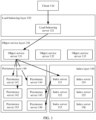
- FIG. 1 is a schematic diagram of an object storage system (object storage system) applicable to this application.
- the object storage system includes a client (client) 110 and a server.
- the server includes a load balancing layer (load balancing layer) 120, an object service layer (object service layer) 130, a persistence layer (persistence layer) 140, and an index layer (index layer) 150.
- each layer includes one or more servers.
- the load balancing layer 120 includes a load balancing server (load balancing server) 121
- the object service layer includes an object service server (object service server) 131, an object service server 132, and an object service server 133.
- the persistence layer 140 is a clustered storage pool including a plurality of servers, and a plurality of hard disks are configured for each server to provide data persistence and redundancy protection capabilities. Hard disks on different servers at the persistence layer 140 are combined into a logically consecutive resource pool (plog), and both the object service layer 130 and the index layer 150 may read and write the plog.
- plog logically consecutive resource pool
- the index layer 150 is configured to store metadata and provide an index capability.
- the client 110 When the client 110 needs to upload data, the client 110 sends an S3 request to the load balancing server 121 over an internal network or a public network.
- the S3 request indicates that the client 110 needs to write an object (that is, an object needs to be uploaded), or the S3 request indicates that the client 110 needs to read an object.
- the load balancing server 121 may allocate the S3 request to one or more servers based on a load status of each server at the object service layer 130. For example, load of the object server 131 is currently comparatively light, and the load balancing server 121 allocates the S3 request to the object server 131.
- the object server 131 stores a part of data of the object to the persistence layer 140, and then stores metadata of the object to the index layer 150.
- the object server 131 If the S3 request indicates that the client 110 needs to read the object, the object server 131 first searches the index layer 150 for metadata indicated by the S3 request, and then reads, from the persistence layer 140 based on a data layout recorded in the metadata, object data corresponding to the metadata.
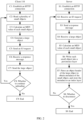
- a procedure executed by the client 110 is as follows.
- the HTTP connection is used to upload an object, and optionally, to reduce overheads for establishing a connection, the HTTP connection is a persistent connection. That is, after one object has been uploaded, the client 110 does not disconnect the HTTP connection, and continuously uses the HTTP connection to send an S3 request to request to upload another object.
- C2 Read a plurality of small objects.
- the small object is an object whose amount of data is less than or equal to a first data amount threshold, and the first data amount threshold is, for example, 128 KB. If an obtained object is less than 128 KB, the client 110 determines that the object is the small object, and step C4 is performed: encapsulate the plurality of small objects into a large object and send the S3 request. If an obtained object is greater than 128 KB, the client 110 may directly send the S3 request to request to upload the object.
- C3 Calculate a message digest algorithm (message digest algorithm, MD) 5 value of each small object, where the MD5 value is used by the server to check whether information included in the received small object is complete.
- MD message digest algorithm
- C4 Encapsulate, in the memory, the plurality of small objects into the large object.
- the large object includes an object header (header), and the object header records an object name, a generation time point, an MD5 value, a length (length), and an offset (offset) that is of each small object in the large object.
- the client 110 before encapsulating N (N is a positive integer greater than 1) small objects, the client 110 first calculates an amount of data of the encapsulated large object. If the amount of data of the encapsulated large object exceeds a second data amount threshold, the client 110 may decrease a value of N. If the amount of data of the encapsulated large object does not exceed the second data amount threshold, the client 110 may continue to encapsulate the N small objects.
- the second data amount threshold may be a value set based on a bearer capability based on a connection.
- FIG. 3 is a schematic structural diagram of a large object generated by a client according to this application.
- the client 110 obtains three small objects that are respectively obj1, obj2, and obj3, and encapsulates the three small objects into one large object.
- An encapsulation format of the large object meets a transmission requirement of an HTTP connection.
- the large object further includes an object header, and the object header includes description information of each small object, that is, obj1.desc, obj2.desc, and obj3.desc.
- the description information of obj1 includes a path name (obj1.name) of obj1, an MD5 value (obj1.md5) of obj1, a generation date (obj1.date) of obj1, a length of obj1 (obj1.length), and an offset of obj 1 (obj1.offset) relative to the object header in the large object.
- the schematic structural diagram of the large object is merely an example for description.
- the encapsulation format of the large object may alternatively be another format that meets a transmission requirement of a connection between the client 110 and a server, and the object header may further include more types of information or fewer types of information.
- the client 110 encapsulates, in a memory, a plurality of small objects without changing data structures of the plurality of small objects or performing encryption processing or another processing on the plurality of small objects, and only encapsulates the plurality of small objects into a data packet that meets the transmission requirement of the connection between the client 110 and the server. This not only improves uploading efficiency of the client 110, but also facilitates the server to obtain the plurality of small objects from the large object.
- C5 Send the S3 request to the server to request to upload the large object.
- C6 Receive a response message for the S3 request from the server, where the response message indicates that the client 110 starts to upload the large object.
- C7 Send the large object to the server based on the response message.
- step C8 After the large object has been uploaded, if the client 110 still has a to-be-uploaded object, the client 110 continues to perform the step C2; and if the client 110 does not have the to-be-uploaded object, the client 110 performs step C9.
- the client 110 aggregates the plurality of small objects into one large object, and then sends the large object to the server.
- the client 110 can upload the plurality of small objects to the server by sending the S3 request for only once.
- the foregoing procedure provided in this application reduces information overheads, and improves data uploading efficiency in an object storage system.
- a procedure executed by the server is as follows.
- S1 Establish an HTTP connection to the client 110.
- the HTTP connection is used to upload an object, and optionally, to reduce overheads for establishing a connection, the HTTP connection is a persistent connection. That is, after one object has been uploaded, the server does not disconnect the HTTP connection, and continuously uses the HTTP connection to receive an S3 request, and receive another object uploaded by the client 110.
- S2 Receive the S3 request, where the S3 request is used to request to upload a large object.
- S3 Send a response message to the client 110, where the response message indicates that the client 110 starts to upload the large object.
- S5 Check data integrity of a small object. For example, a location of each small object in the large object is determined based on description information in an object header, and an MD5 value of each small object is calculated. If a check of the MD5 value succeeds, it indicates that data of the small object is complete, and if the check of the MD5 value fails, the data of the small object is incomplete.
- S6 Write a plurality of small objects into a persistence layer.
- the plurality of small objects are written into the plog of the persistence layer 140, that is, data of the plurality of small objects is written into consecutive storage spaces.
- a plurality of small objects belonging to one large object are usually associated to some extent, for example, the plurality of small objects have a same generation time point.
- the plurality of small objects belonging to one large object are written into the consecutive storage spaces to facilitate management of the server.
- the server reads metadata of each small object, determines a generation time point or an upload time point of each small object, and stores, in the consecutive storage spaces, small objects whose generation time point or upload time point falls within a same time range, where the time range may be a preset range.
- the server may also classify the received plurality of small objects in another manner, and store a same type of small objects in the consecutive storage spaces.
- S7 Parse the object header of the large object to obtain the metadata of the small object, and store the metadata to the index layer 150.
- FIG. 4 is a schematic structural diagram of metadata stored at a server according to this application.
- obj 1 is used as an example. After obtaining metadata of obj1 by parsing a received large object, the server writes layout information (obj1.layout) of obj 1 at the server into the metadata, and deletes some useless information, for example, obj 1.offset and obj1.len.
- layout information obj1.layout
- layout includes an identifier (plogid) of a plog storing obj 1, an offset (offset) of obj 1 relative to a start position of the plog, and a data length (length) of obj 1.
- the data length of obj 1 is used to indicate a quantity of bits occupied by obj 1.
- the schematic structural diagram of the metadata shown in FIG. 4 is merely an example for description.
- the server may further add more description information to metadata of a small object.
- step S8 After the large object has been uploaded, if the client 110 still has a to-be-uploaded object, the server continues to perform the step S2; and if the client 110 does not have the to-be-uploaded object, the server performs step S9.
- the server receives, by receiving the large object including the plurality of small objects, the plurality of small objects by receiving the S3 request for only once.
- the foregoing procedure provided in this application reduces information overheads, and improves data uploading efficiency in an object storage system.
- the server needs to align data when storing the data. For example, a minimum storage unit at the server is 128 KB. If the server receives only one 80 KB small object, the small object occupies a 128 KB storage space. This leads to a waste of storage resources. In addition, to improve a requirement of reliability, the server usually needs to back up one piece of data to obtain a plurality of copies and store copies in different disks. For example, if one 80 KB small object is backed up to obtain three copies, the foregoing storage resources are wasted by three times more.
- the large object received by the server is a set of the plurality of small objects.
- the server receives three 80 KB small objects
- the three 80 KB small objects need only two 128 KB storage spaces, however, in the prior art, three 128 KB storage spaces are required to store three 80 KB small objects. Therefore, according to the data uploading method provided in this application, storage resource utilization at the server can be improved.
- the server may regularly or irregularly scan metadata of the small object to obtain a generation time point or an upload time point of the small object. If the generation time point or the upload time point of the small object falls within an expiration time range, the server may directly delete the expired small object to improve space utilization of the plog, or may add an expired label to the metadata of the expired small object.
- a space reclamation process is started, that is, the small object corresponding to the metadata that carries the expired label is deleted. In this way, space utilization can be improved, while a better service can be provided for users.
- This application further provides a data downloading method. As shown in FIG. 5 , the method includes the following steps.
- the server After receiving the S3 request, the server reads metadata of obj1 based on information (for example, a name of a bucket, a name of obj1, and path information of obj1) carried in the S3 request, and obtains layout information (obj1.layout) of obj1 to obtain a storage location of obj1.
- information for example, a name of a bucket, a name of obj1, and path information of obj1
- layout information obj1.layout
- S504 The server reads, based on the storage location indicated by obj1.layout, obj1 from a plog corresponding to obj 1.
- S505 The server sends obj1 to the client 110, so as to complete a data downloading process.
- the data sending apparatus and the data receiving apparatus may be divided into functional units based on the foregoing method examples.
- each function may be divided into each functional unit, or two or more functions may be integrated into one processing unit.
- the integrated unit may be implemented in a form of hardware, or may be implemented in a form of a software functional unit.
- unit division is an example, and is merely a logical function division. In an actual implementation, another division manner may be used.
- the sending unit 602 is configured to send an S3 request to a server, where the S3 request is used to request to upload the large object.
- the receiving unit 603 is configured to receive a response message for the S3 request from the server, where the response message is used to indicate to start to upload the large object.
- the sending unit 602 is further configured to send the large object to the server.
- the processing unit 601 may be a processor or a controller, such as a central processing unit (central processing unit, CPU), a general purpose processor, a digital signal processor (digital signal processor, DSP), an application-specific integrated circuit (application-specific integrated circuit, ASIC), a field programmable gate array (field programmable gate array, FPGA), or another programmable logic device, a transistor logic device, a hardware component, or any combination thereof.
- the processor may implement or execute various example logical blocks, modules, and circuits described with reference to content disclosed in this application.
- the processor may also be a combination of processors implementing a computing function, for example, a combination of one or more microprocessors, or a combination of the DSP and the microprocessor.
- the sending unit 602 and the receiving unit 603 may be communications interfaces.
- the storage unit 604 may be a memory.
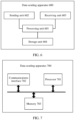
- the data sending apparatus involved in this application may be an apparatus shown in FIG. 7 .
- the apparatus 700 includes a processor 701, a communications interface 702, and a memory 703.
- the processor 701, the communications interface 702, and the memory 703 may communicate with each other by using an internal connection path, to transfer a control signal and/or a data signal.
- the data sending apparatus first encapsulates the plurality of to-be-uploaded objects with a comparatively small amount of data to generate an object with a comparatively large amount of data, namely, the large object, and then, sends the large object to the S3 server by using a connection between a client and the S3 server. Because the plurality of small objects are uploaded as a whole (namely, the large object), in a process of uploading the plurality of small objects, there is no need to repeatedly send the S3 request. This improves data uploading efficiency in an S3 system.
- FIG. 8 is a possible schematic structural diagram of a data receiving apparatus according to this application.
- the apparatus 800 includes a processing unit 801, a sending unit 802, and a receiving unit 803.
- the processing unit 801 is configured to control the apparatus 800 to perform the steps of the server shown in FIG. 2 .
- the processing unit 801 may be further configured to perform another process of the technology described in this specification.
- the apparatus 800 may further include a storage unit 804 that is configured to store program code and data of the apparatus 800.
- the processing unit 801 is configured to control the receiving unit 803 to receive an S3 request from a client, where the S3 request is used to request to upload a large object, and the large object includes a plurality of small objects, and each of the small objects is an object whose amount of data is less than or equal to a data amount threshold.
- the processing unit 801 is configured to control the sending unit 802 to send a response message for the S3 request to the client, where the response message is used to indicate to start to upload the large object.
- the processing unit 801 is further configured to control the receiving unit 803 to receive the large object from the client.
- the processing unit 801 may be a processor or a controller, for example, may be a CPU, a general purpose processor, a DSP, an ASIC, an FPGA, or another programmable logic device, a transistor logic device, a hardware component, or any combination thereof.
- the processor may implement or execute various example logical blocks, modules, and circuits described with reference to content disclosed in this application.
- the processor may also be a combination of processors implementing a computing function, for example, a combination of one or more microprocessors, or a combination of the DSP and the microprocessor.
- the sending unit 802 and the receiving unit 803 may be communications interfaces.
- the storage unit 804 may be a memory.
- the data receiving apparatus involved in this application may be an apparatus shown in FIG. 9 .
- the apparatus 900 includes a processor 901, a communications interface 902, and a memory 903.
- the processor 901, the communications interface 902, and the memory 903 may communicate with each other by using an internal connection path, to transfer a control signal and/or a data signal.
- the data receiving apparatus by receiving the large object including the plurality of small objects, receives the plurality of small objects by receiving the S3 request for only once. Compared with a prior-art method in which the server needs to receive the S3 request for once every time when receiving one small object, the foregoing procedure provided in this application reduces information overheads, and improves data uploading efficiency in an object storage system.
- An apparatus embodiment completely corresponds to a method embodiment, and a corresponding module performs a corresponding step.
- a sending unit performs a sending step in the method embodiment
- a receiving unit performs a receiving step in the method embodiment
- another step other than the sending step and the receiving step may be performed by a processing unit or a processor.
- a processing unit or a processor For a function of a specific unit, refer to a corresponding method embodiment. Details are not described herein again.
- sequence numbers of the foregoing processes do not mean execution sequences in various embodiments of this application.
- the execution sequences of the processes should be determined based on functions and internal logic of the processes, and should not be construed as any limitation on the implementation processes of this application.
- the software instruction may include a corresponding software module.
- the software module may be stored in a random access memory (random access memory, RAM), a flash memory, a read-only memory (read-only memory, ROM), an erasable programmable read-only memory (erasable programmable ROM, EPROM), an electrically erasable programmable read-only memory (electrically EPROM, EEPROM), a register, a hard disk, a removable hard disk, a compact disc read-only memory (CD-ROM), or any other form of storage medium well-known in the art.
- a storage medium is coupled to a processor, so that the processor can read information from the storage medium or write information into the storage medium.
- the storage medium may be a component of the processor.
- the processor and the storage medium may be located in an ASIC.
Landscapes
- Engineering & Computer Science (AREA)
- Computer Networks & Wireless Communication (AREA)
- Signal Processing (AREA)
- Computer Security & Cryptography (AREA)
- Information Transfer Between Computers (AREA)
- Information Retrieval, Db Structures And Fs Structures Therefor (AREA)
Claims (8)
- Datenempfangsverfahren, angewendet auf ein Objektspeichersystem, wobei das Verfahren Folgendes umfasst:Empfangen einer einfachen Speicherdienst-S3-Anforderung von einem Client, wobei die S3-Anforderung verwendet wird, um den Upload eines großen Objekts anzufordern, und das große Objekt eine Vielzahl von kleinen Objekten umfasst und jedes der kleinen Objekte ein Objekt ist, dessen Datenmenge kleiner oder gleich einem Datenmengenschwellenwert ist;Senden einer Antwortnachricht für die S3-Anforderung an den Client, wobei die Antwortnachricht verwendet wird, um anzugeben, dass mit dem Upload des großen Objekts begonnen werden soll; undEmpfangen des großen Objekts von dem Client;Speichern der Vielzahl von kleinen Objekten in einer Persistenzschicht des Objektspeichersystems, wobei Speicherplätze der Vielzahl von kleinen Objekten aufeinanderfolgende Speicherplätze sind; undSpeichern von Metadaten, die jedem kleinen Objekt in der Vielzahl von kleinen Objekten entsprechen, in einer Indexschicht des Objektspeichersystems, wobei die Metadaten verwendet werden, um einen Erzeugungszeitpunkt oder einen Upload-Zeitpunkt des kleinen Objekts anzugeben;Scannen von Metadaten der Vielzahl von kleinen Objekten und Bestimmen von Erzeugungszeitpunkten oder Upload-Zeitpunkten der Vielzahl von kleinen Objekten; undLöschen eines ersten kleinen Objekts, wenn ein Erzeugungszeitpunkt oder ein Upload-Zeitpunkt des ersten kleinen Objekts in der Vielzahl von kleinern Objekten in einen Ablaufzeitbereich fällt.
- Verfahren nach Anspruch 1, wobei das Speichern der Vielzahl von kleinen Objekten auf einer Persistenzschicht des Objektspeichersystems Folgendes umfasst:
Speichern eines kleinen Objekts in den aufeinanderfolgenden Speicherplätzen auf der Persistenzschicht, dessen Erzeugungszeitpunkt oder Upload-Zeitpunkt innerhalb eines voreingestellten Zeitbereichs in der Vielzahl von kleinen Objekten liegt. - Verfahren nach Anspruch 1, wobei das Löschen eines ersten kleinen Objekts, wenn ein Erzeugungszeitpunkt oder ein Upload-Zeitpunkt des ersten kleinen Objekts in der Vielzahl von kleinen Objekten in einen Ablaufzeitbereich fällt, Folgendes umfasst: Löschen des ersten kleinen Objekts, wenn die Speicherplatzauslastung der Persistenzschicht kleiner oder gleich einem Speicherplatzauslastungs-Schwellenwert ist und wenn der Erzeugungszeitpunkt oder der Upload-Zeitpunkt des ersten kleinen Objekts in der Vielzahl von kleinen Objekten in den Ablaufzeitbereich fällt.
- Verfahren nach einem der Ansprüche 1 bis 3, wobei das große Objekt weiterhin einen Objekt-Header umfasst, und der Objekt-Header mindestens eine Information jedes kleinen Objekts in der Vielzahl von kleinen Objekten umfasst, bestehend aus einem Objektnamen, einem Erzeugungszeitpunkt, einem Wert des Message-Digest-Algorithmus 5, einer Länge und einem Offset in dem großen Objekt.
- Datenempfangsvorrichtung, die auf ein Objektspeichersystem angewendet wird, wobei die Vorrichtung eine Empfangseinheit, eine Sendeeinheit und eine Verarbeitungseinheit umfasst, wobei die Empfangseinheit so konfiguriert ist, dass sie eine einfache Speicherdienst-S3-Anforderung von einem Client empfängt, wobei die S3-Anforderung verwendet wird, um den Upload eines großen Objekts anzufordern, und das große Objekt eine Vielzahl von kleinen Objekten umfasst und jedes der kleinen Objekte ein Objekt ist, dessen Datenmenge kleiner oder gleich einem Datenmengenschwellenwert ist;die Sendeeinheit so konfiguriert ist, dass sie eine Antwortnachricht für die S3-Anforderung an den Client sendet, wobei die Antwortnachricht verwendet wird, um anzugeben, dass mit dem Upload des großen Objekts begonnen werden soll; und die Empfangseinheit ferner so konfiguriert ist, dass sie das große Objekt von dem Client empfängt;die Verarbeitungseinheit konfiguriert ist zum:Speichern der Vielzahl von kleinen Objekten in einer Persistenzschicht des Objektspeichersystems, wobei die Speicherplätze der Vielzahl von kleinen Objekten aufeinanderfolgende Speicherplätze sind; undSpeichern von Metadaten, die jedem kleinen Objekt in der Vielzahl von kleinen Objekten entsprechen, in einer Indexschicht des Objektspeichersystems, wobei die Metadaten verwendet werden, um einen Erzeugungszeitpunkt oder einen Upload-Zeitpunkt des kleinen Objekts anzugeben; unddie Verarbeitungseinheit ferner konfiguriert ist zum:Scannen von Metadaten der Vielzahl von kleinen Objekten und Bestimmen der Erzeugungszeitpunkte oder Upload-Zeitpunkte der Vielzahl von kleinen Objekten; undLöschen eines ersten kleinen Objekts, wenn ein Erzeugungszeitpunkt oder ein Upload-Zeitpunkt des ersten kleinen Objekts in der Vielzahl von kleinen Objekten in einen Ablaufzeitbereich fällt.
- Vorrichtung nach Anspruch 5, wobei die Verarbeitungseinheit speziell konfiguriert ist zum:
Speichern eines kleinen Objekts in den aufeinanderfolgenden Speicherplätzen auf der Persistenzschicht, dessen Erzeugungszeitpunkt oder Upload-Zeitpunkt in einen voreingestellten Zeitbereich in der Vielzahl von kleinen Objekten fällt. - Vorrichtung nach Anspruch 5, wobei die Verarbeitungseinheit speziell konfiguriert ist zum:
Löschen des ersten kleinen Objekts, wenn die Speicherplatzauslastung der Persistenzschicht kleiner oder gleich einem Speicherplatzauslastungs-Schwellenwert ist und wenn der Erzeugungszeitpunkt oder der Upload-Zeitpunkt des ersten kleinen Objekts in der Vielzahl von kleinen Objekten in den Ablaufzeitbereich fällt. - Vorrichtung nach einem der Ansprüche 5 bis 7, wobei das große Objekt außerdem einen Objekt-Header umfasst und der Objekt-Header mindestens eine Information über jedes kleine Objekt in der Vielzahl von kleinen Objekten umfasst, umfassend einen Objektnamen, einen Erzeugungszeitpunkt, einen Wert des Message-Digest-Algorithmus 5, eine Länge und einen Offset in dem großen Objekt.
Applications Claiming Priority (2)
| Application Number | Priority Date | Filing Date | Title |
|---|---|---|---|
| CN201810844624.XA CN109067733B (zh) | 2018-07-27 | 2018-07-27 | 发送数据的方法和装置,以及接收数据的方法和装置 |
| PCT/CN2019/094112 WO2020019943A1 (zh) | 2018-07-27 | 2019-07-01 | 发送数据的方法和装置,以及接收数据的方法和装置 |
Publications (3)
| Publication Number | Publication Date |
|---|---|
| EP3820107A1 EP3820107A1 (de) | 2021-05-12 |
| EP3820107A4 EP3820107A4 (de) | 2021-07-07 |
| EP3820107B1 true EP3820107B1 (de) | 2024-09-11 |
Family
ID=64836776
Family Applications (1)
| Application Number | Title | Priority Date | Filing Date |
|---|---|---|---|
| EP19841345.2A Active EP3820107B1 (de) | 2018-07-27 | 2019-07-01 | Verfahren und vorrichtung zum senden von daten sowie verfahren und vorrichtung zum empfangen von daten |
Country Status (4)
| Country | Link |
|---|---|
| US (1) | US11405458B2 (de) |
| EP (1) | EP3820107B1 (de) |
| CN (1) | CN109067733B (de) |
| WO (1) | WO2020019943A1 (de) |
Families Citing this family (9)
| Publication number | Priority date | Publication date | Assignee | Title |
|---|---|---|---|---|
| CN109067733B (zh) | 2018-07-27 | 2021-01-05 | 成都华为技术有限公司 | 发送数据的方法和装置,以及接收数据的方法和装置 |
| CN109828828A (zh) * | 2019-01-23 | 2019-05-31 | 杭州宏杉科技股份有限公司 | 对象上传方法、装置、电子设备及机器可读存储介质 |
| CN112768038A (zh) * | 2019-11-01 | 2021-05-07 | 科美诊断技术股份有限公司 | 一种耗材数据的上传方法及装置 |
| CN111240855A (zh) * | 2019-12-31 | 2020-06-05 | 中国建设银行股份有限公司 | Api调试系统、方法、存储介质和计算机设备 |
| CN111367865A (zh) * | 2020-03-10 | 2020-07-03 | 山东汇贸电子口岸有限公司 | 一种基于aws s3的文件分片上传的实现方法 |
| CN111581016B (zh) | 2020-04-14 | 2021-05-18 | 上海爱数信息技术股份有限公司 | 一种现代应用的副本数据管理系统及方法 |
| CN111581015B (zh) | 2020-04-14 | 2021-06-29 | 上海爱数信息技术股份有限公司 | 一种现代应用的持续数据保护系统及方法 |
| CN112579006A (zh) * | 2020-12-25 | 2021-03-30 | 华录光存储研究院(大连)有限公司 | 一种数据存储生命周期管理方法及系统 |
| CN114697376B (zh) * | 2022-03-16 | 2024-09-24 | 浪潮云信息技术股份公司 | 一种超大消息传输方法及装置 |
Citations (1)
| Publication number | Priority date | Publication date | Assignee | Title |
|---|---|---|---|---|
| US20110196822A1 (en) * | 2010-02-09 | 2011-08-11 | Yonatan Zunger | Method and System For Uploading Data Into A Distributed Storage System |
Family Cites Families (17)
| Publication number | Priority date | Publication date | Assignee | Title |
|---|---|---|---|---|
| US8914330B2 (en) * | 2004-09-17 | 2014-12-16 | International Business Machines Corporation | Bulk deletion through segmented files |
| CN101106550A (zh) * | 2007-08-31 | 2008-01-16 | 金蝶软件(中国)有限公司 | 大尺寸消息的发送方法、接收方法及传输系统 |
| CN102262539A (zh) * | 2011-07-29 | 2011-11-30 | 深圳市科陆电子科技股份有限公司 | 一种基于struts2技术自定义的分页dataTable控件的实现方法 |
| US9058338B2 (en) * | 2011-10-26 | 2015-06-16 | International Business Machines Corporation | Storing a small file with a reduced storage and memory footprint |
| US9117027B2 (en) * | 2012-09-03 | 2015-08-25 | Tata Consultancy Services Limited | Method and system for compliance testing in a cloud storage environment |
| EP2958298B1 (de) * | 2013-04-02 | 2020-09-23 | Huawei Technologies Co., Ltd. | Verfahren zum hochladen von dateien in einer cloudspeicherung, client, anwendungsserver und cloudspeichersystem |
| US9104940B2 (en) * | 2013-08-30 | 2015-08-11 | Konica Minolta Laboratory U.S.A., Inc. | Line segmentation method applicable to document images containing handwriting and printed text characters or skewed text lines |
| US10261725B2 (en) * | 2015-04-10 | 2019-04-16 | Toshiba Memory Corporation | Storage system capable of invalidating data stored in a storage device thereof |
| US9912752B1 (en) * | 2015-06-29 | 2018-03-06 | Amazon Technologies, Inc. | Retention-based data management in a network-based data store |
| CN105653209A (zh) * | 2015-12-31 | 2016-06-08 | 浪潮(北京)电子信息产业有限公司 | 一种对象存储数据传输方法及装置 |
| CN107040474A (zh) * | 2016-02-03 | 2017-08-11 | 中兴通讯股份有限公司 | 数据包发送方法、接收方法、发送装置及接收装置 |
| EP3430515B1 (de) * | 2016-03-15 | 2021-09-22 | Datomia Research Labs Ou | Datenmanagement und sicherheit für verteilte speichersysteme |
| US10810157B1 (en) * | 2016-09-28 | 2020-10-20 | Amazon Technologies, Inc. | Command aggregation for data storage operations |
| CN106686148A (zh) * | 2017-03-20 | 2017-05-17 | 郑州云海信息技术有限公司 | 一种用于提高对象存储系统中对象上传速度的方法和系统 |
| CN107566463B (zh) * | 2017-08-21 | 2020-08-11 | 北京航空航天大学 | 一种提高存储可用性的多云存储管理系统 |
| CN107911461B (zh) * | 2017-11-24 | 2021-05-07 | 网宿科技股份有限公司 | 云存储系统中的对象处理方法、存储服务器及云存储系统 |
| CN109067733B (zh) * | 2018-07-27 | 2021-01-05 | 成都华为技术有限公司 | 发送数据的方法和装置,以及接收数据的方法和装置 |
-
2018
- 2018-07-27 CN CN201810844624.XA patent/CN109067733B/zh active Active
-
2019
- 2019-07-01 WO PCT/CN2019/094112 patent/WO2020019943A1/zh not_active Ceased
- 2019-07-01 EP EP19841345.2A patent/EP3820107B1/de active Active
-
2021
- 2021-01-26 US US17/158,815 patent/US11405458B2/en active Active
Patent Citations (1)
| Publication number | Priority date | Publication date | Assignee | Title |
|---|---|---|---|---|
| US20110196822A1 (en) * | 2010-02-09 | 2011-08-11 | Yonatan Zunger | Method and System For Uploading Data Into A Distributed Storage System |
Also Published As
| Publication number | Publication date |
|---|---|
| CN109067733B (zh) | 2021-01-05 |
| EP3820107A1 (de) | 2021-05-12 |
| US20210160319A1 (en) | 2021-05-27 |
| US11405458B2 (en) | 2022-08-02 |
| EP3820107A4 (de) | 2021-07-07 |
| CN109067733A (zh) | 2018-12-21 |
| WO2020019943A1 (zh) | 2020-01-30 |
Similar Documents
| Publication | Publication Date | Title |
|---|---|---|
| US11405458B2 (en) | Sending and receiving data using multiple objects with a single storage request | |
| US10521116B2 (en) | System and method for managing object store | |
| CN103036956B (zh) | 一种分布式组态化海量数据归档系统及实现方法 | |
| US20170206353A1 (en) | Method and system for preventing malicious alteration of data in computer system | |
| US20030034905A1 (en) | System and method for encoding and decoding data files | |
| US20120209814A1 (en) | Processes and methods for client-side fingerprint caching to improve deduplication system backup performance | |
| US20160057201A1 (en) | File Uploading Method, Client, and Application Server in Cloud Storage, and Cloud Storage System | |
| US20170134495A1 (en) | Method and apparatus for sharing collaboratively edited document | |
| JP4205323B2 (ja) | 配信システム、配信サーバとその配信方法、配信プログラム | |
| CN112181677B (zh) | 业务的处理方法和装置、存储介质、电子装置 | |
| CN107517239A (zh) | 数据传输方法和装置 | |
| WO2020147403A1 (zh) | 基于云存储的文件处理方法、系统及计算机设备 | |
| CN104536852A (zh) | 数据恢复方法及装置 | |
| CN113177179A (zh) | 数据请求连接管理方法、装置、设备及存储介质 | |
| US11647103B1 (en) | Compression-as-a-service for data transmissions | |
| US20070288556A1 (en) | System and Method for Encoding and Decoding Data Files | |
| CN113542282A (zh) | 一种跨计算中心文件传输方法、装置、设备及存储介质 | |
| CN111708656A (zh) | 基于懒加载机制的容器镜像拉取方法及系统 | |
| CN105205011A (zh) | 一种获取文件块引用计数的方法、普通客户端和管理客户端 | |
| CN111245949A (zh) | 文件归档传输方法、装置及设备 | |
| WO2023093200A1 (zh) | 任务异步处理方法、装置、存储介质及电子装置 | |
| CN114731297B (zh) | 用于计算设备对等方匹配的消息限制的自组织网络组 | |
| CN116431632B (zh) | 数据处理方法、数据库系统、计算机设备和存储介质 | |
| CN118819967A (zh) | 数据备份方法及装置、存储介质、电子设备 | |
| CN115499426A (zh) | 海量小文件的传输方法、装置、设备及介质 |
Legal Events
| Date | Code | Title | Description |
|---|---|---|---|
| STAA | Information on the status of an ep patent application or granted ep patent |
Free format text: STATUS: THE INTERNATIONAL PUBLICATION HAS BEEN MADE |
|
| PUAI | Public reference made under article 153(3) epc to a published international application that has entered the european phase |
Free format text: ORIGINAL CODE: 0009012 |
|
| STAA | Information on the status of an ep patent application or granted ep patent |
Free format text: STATUS: REQUEST FOR EXAMINATION WAS MADE |
|
| 17P | Request for examination filed |
Effective date: 20210204 |
|
| AK | Designated contracting states |
Kind code of ref document: A1 Designated state(s): AL AT BE BG CH CY CZ DE DK EE ES FI FR GB GR HR HU IE IS IT LI LT LU LV MC MK MT NL NO PL PT RO RS SE SI SK SM TR |
|
| A4 | Supplementary search report drawn up and despatched |
Effective date: 20210607 |
|
| RIC1 | Information provided on ipc code assigned before grant |
Ipc: H04L 29/06 20060101AFI20210531BHEP Ipc: H04L 29/08 20060101ALI20210531BHEP |
|
| DAV | Request for validation of the european patent (deleted) | ||
| DAX | Request for extension of the european patent (deleted) | ||
| RAP1 | Party data changed (applicant data changed or rights of an application transferred) |
Owner name: HUAWEI CLOUD COMPUTING TECHNOLOGIES CO., LTD. |
|
| STAA | Information on the status of an ep patent application or granted ep patent |
Free format text: STATUS: EXAMINATION IS IN PROGRESS |
|
| 17Q | First examination report despatched |
Effective date: 20230123 |
|
| REG | Reference to a national code |
Ipc: H04L0067020000 Ref country code: DE Ref legal event code: R079 Ref document number: 602019058845 Country of ref document: DE Free format text: PREVIOUS MAIN CLASS: H04L0029060000 Ipc: H04L0067020000 |
|
| GRAP | Despatch of communication of intention to grant a patent |
Free format text: ORIGINAL CODE: EPIDOSNIGR1 |
|
| STAA | Information on the status of an ep patent application or granted ep patent |
Free format text: STATUS: GRANT OF PATENT IS INTENDED |
|
| RIC1 | Information provided on ipc code assigned before grant |
Ipc: H04L 69/22 20220101ALI20240111BHEP Ipc: H04L 67/1097 20220101ALI20240111BHEP Ipc: H04L 67/06 20220101ALI20240111BHEP Ipc: H04L 67/02 20220101AFI20240111BHEP |
|
| INTG | Intention to grant announced |
Effective date: 20240131 |
|
| GRAS | Grant fee paid |
Free format text: ORIGINAL CODE: EPIDOSNIGR3 |
|
| P01 | Opt-out of the competence of the unified patent court (upc) registered |
Free format text: CASE NUMBER: APP_36988/2024 Effective date: 20240620 |
|
| GRAA | (expected) grant |
Free format text: ORIGINAL CODE: 0009210 |
|
| STAA | Information on the status of an ep patent application or granted ep patent |
Free format text: STATUS: THE PATENT HAS BEEN GRANTED |
|
| AK | Designated contracting states |
Kind code of ref document: B1 Designated state(s): AL AT BE BG CH CY CZ DE DK EE ES FI FR GB GR HR HU IE IS IT LI LT LU LV MC MK MT NL NO PL PT RO RS SE SI SK SM TR |
|
| REG | Reference to a national code |
Ref country code: GB Ref legal event code: FG4D |
|
| REG | Reference to a national code |
Ref country code: CH Ref legal event code: EP |
|
| REG | Reference to a national code |
Ref country code: DE Ref legal event code: R096 Ref document number: 602019058845 Country of ref document: DE |
|
| REG | Reference to a national code |
Ref country code: IE Ref legal event code: FG4D |
|
| REG | Reference to a national code |
Ref country code: LT Ref legal event code: MG9D |
|
| PG25 | Lapsed in a contracting state [announced via postgrant information from national office to epo] |
Ref country code: NO Free format text: LAPSE BECAUSE OF FAILURE TO SUBMIT A TRANSLATION OF THE DESCRIPTION OR TO PAY THE FEE WITHIN THE PRESCRIBED TIME-LIMIT Effective date: 20241211 |
|
| REG | Reference to a national code |
Ref country code: NL Ref legal event code: MP Effective date: 20240911 |
|
| PG25 | Lapsed in a contracting state [announced via postgrant information from national office to epo] |
Ref country code: GR Free format text: LAPSE BECAUSE OF FAILURE TO SUBMIT A TRANSLATION OF THE DESCRIPTION OR TO PAY THE FEE WITHIN THE PRESCRIBED TIME-LIMIT Effective date: 20241212 Ref country code: FI Free format text: LAPSE BECAUSE OF FAILURE TO SUBMIT A TRANSLATION OF THE DESCRIPTION OR TO PAY THE FEE WITHIN THE PRESCRIBED TIME-LIMIT Effective date: 20240911 |
|
| PG25 | Lapsed in a contracting state [announced via postgrant information from national office to epo] |
Ref country code: BG Free format text: LAPSE BECAUSE OF FAILURE TO SUBMIT A TRANSLATION OF THE DESCRIPTION OR TO PAY THE FEE WITHIN THE PRESCRIBED TIME-LIMIT Effective date: 20240911 |
|
| PG25 | Lapsed in a contracting state [announced via postgrant information from national office to epo] |
Ref country code: LV Free format text: LAPSE BECAUSE OF FAILURE TO SUBMIT A TRANSLATION OF THE DESCRIPTION OR TO PAY THE FEE WITHIN THE PRESCRIBED TIME-LIMIT Effective date: 20240911 |
|
| PG25 | Lapsed in a contracting state [announced via postgrant information from national office to epo] |
Ref country code: HR Free format text: LAPSE BECAUSE OF FAILURE TO SUBMIT A TRANSLATION OF THE DESCRIPTION OR TO PAY THE FEE WITHIN THE PRESCRIBED TIME-LIMIT Effective date: 20240911 |
|
| PG25 | Lapsed in a contracting state [announced via postgrant information from national office to epo] |
Ref country code: RS Free format text: LAPSE BECAUSE OF FAILURE TO SUBMIT A TRANSLATION OF THE DESCRIPTION OR TO PAY THE FEE WITHIN THE PRESCRIBED TIME-LIMIT Effective date: 20241211 Ref country code: ES Free format text: LAPSE BECAUSE OF FAILURE TO SUBMIT A TRANSLATION OF THE DESCRIPTION OR TO PAY THE FEE WITHIN THE PRESCRIBED TIME-LIMIT Effective date: 20240911 |
|
| PG25 | Lapsed in a contracting state [announced via postgrant information from national office to epo] |
Ref country code: RS Free format text: LAPSE BECAUSE OF FAILURE TO SUBMIT A TRANSLATION OF THE DESCRIPTION OR TO PAY THE FEE WITHIN THE PRESCRIBED TIME-LIMIT Effective date: 20241211 Ref country code: NO Free format text: LAPSE BECAUSE OF FAILURE TO SUBMIT A TRANSLATION OF THE DESCRIPTION OR TO PAY THE FEE WITHIN THE PRESCRIBED TIME-LIMIT Effective date: 20241211 Ref country code: LV Free format text: LAPSE BECAUSE OF FAILURE TO SUBMIT A TRANSLATION OF THE DESCRIPTION OR TO PAY THE FEE WITHIN THE PRESCRIBED TIME-LIMIT Effective date: 20240911 Ref country code: HR Free format text: LAPSE BECAUSE OF FAILURE TO SUBMIT A TRANSLATION OF THE DESCRIPTION OR TO PAY THE FEE WITHIN THE PRESCRIBED TIME-LIMIT Effective date: 20240911 Ref country code: GR Free format text: LAPSE BECAUSE OF FAILURE TO SUBMIT A TRANSLATION OF THE DESCRIPTION OR TO PAY THE FEE WITHIN THE PRESCRIBED TIME-LIMIT Effective date: 20241212 Ref country code: FI Free format text: LAPSE BECAUSE OF FAILURE TO SUBMIT A TRANSLATION OF THE DESCRIPTION OR TO PAY THE FEE WITHIN THE PRESCRIBED TIME-LIMIT Effective date: 20240911 Ref country code: ES Free format text: LAPSE BECAUSE OF FAILURE TO SUBMIT A TRANSLATION OF THE DESCRIPTION OR TO PAY THE FEE WITHIN THE PRESCRIBED TIME-LIMIT Effective date: 20240911 Ref country code: BG Free format text: LAPSE BECAUSE OF FAILURE TO SUBMIT A TRANSLATION OF THE DESCRIPTION OR TO PAY THE FEE WITHIN THE PRESCRIBED TIME-LIMIT Effective date: 20240911 |
|
| REG | Reference to a national code |
Ref country code: AT Ref legal event code: MK05 Ref document number: 1723681 Country of ref document: AT Kind code of ref document: T Effective date: 20240911 |
|
| PG25 | Lapsed in a contracting state [announced via postgrant information from national office to epo] |
Ref country code: NL Free format text: LAPSE BECAUSE OF FAILURE TO SUBMIT A TRANSLATION OF THE DESCRIPTION OR TO PAY THE FEE WITHIN THE PRESCRIBED TIME-LIMIT Effective date: 20240911 |
|
| PG25 | Lapsed in a contracting state [announced via postgrant information from national office to epo] |
Ref country code: IS Free format text: LAPSE BECAUSE OF FAILURE TO SUBMIT A TRANSLATION OF THE DESCRIPTION OR TO PAY THE FEE WITHIN THE PRESCRIBED TIME-LIMIT Effective date: 20250111 Ref country code: PT Free format text: LAPSE BECAUSE OF FAILURE TO SUBMIT A TRANSLATION OF THE DESCRIPTION OR TO PAY THE FEE WITHIN THE PRESCRIBED TIME-LIMIT Effective date: 20250113 |
|
| PG25 | Lapsed in a contracting state [announced via postgrant information from national office to epo] |
Ref country code: RO Free format text: LAPSE BECAUSE OF FAILURE TO SUBMIT A TRANSLATION OF THE DESCRIPTION OR TO PAY THE FEE WITHIN THE PRESCRIBED TIME-LIMIT Effective date: 20240911 Ref country code: SM Free format text: LAPSE BECAUSE OF FAILURE TO SUBMIT A TRANSLATION OF THE DESCRIPTION OR TO PAY THE FEE WITHIN THE PRESCRIBED TIME-LIMIT Effective date: 20240911 |
|
| PG25 | Lapsed in a contracting state [announced via postgrant information from national office to epo] |
Ref country code: AT Free format text: LAPSE BECAUSE OF FAILURE TO SUBMIT A TRANSLATION OF THE DESCRIPTION OR TO PAY THE FEE WITHIN THE PRESCRIBED TIME-LIMIT Effective date: 20240911 Ref country code: EE Free format text: LAPSE BECAUSE OF FAILURE TO SUBMIT A TRANSLATION OF THE DESCRIPTION OR TO PAY THE FEE WITHIN THE PRESCRIBED TIME-LIMIT Effective date: 20240911 |
|
| PG25 | Lapsed in a contracting state [announced via postgrant information from national office to epo] |
Ref country code: CZ Free format text: LAPSE BECAUSE OF FAILURE TO SUBMIT A TRANSLATION OF THE DESCRIPTION OR TO PAY THE FEE WITHIN THE PRESCRIBED TIME-LIMIT Effective date: 20240911 Ref country code: PL Free format text: LAPSE BECAUSE OF FAILURE TO SUBMIT A TRANSLATION OF THE DESCRIPTION OR TO PAY THE FEE WITHIN THE PRESCRIBED TIME-LIMIT Effective date: 20240911 |
|
| PG25 | Lapsed in a contracting state [announced via postgrant information from national office to epo] |
Ref country code: SK Free format text: LAPSE BECAUSE OF FAILURE TO SUBMIT A TRANSLATION OF THE DESCRIPTION OR TO PAY THE FEE WITHIN THE PRESCRIBED TIME-LIMIT Effective date: 20240911 Ref country code: IT Free format text: LAPSE BECAUSE OF FAILURE TO SUBMIT A TRANSLATION OF THE DESCRIPTION OR TO PAY THE FEE WITHIN THE PRESCRIBED TIME-LIMIT Effective date: 20240911 |
|
| REG | Reference to a national code |
Ref country code: DE Ref legal event code: R097 Ref document number: 602019058845 Country of ref document: DE |
|
| PG25 | Lapsed in a contracting state [announced via postgrant information from national office to epo] |
Ref country code: DK Free format text: LAPSE BECAUSE OF FAILURE TO SUBMIT A TRANSLATION OF THE DESCRIPTION OR TO PAY THE FEE WITHIN THE PRESCRIBED TIME-LIMIT Effective date: 20240911 |
|
| PGFP | Annual fee paid to national office [announced via postgrant information from national office to epo] |
Ref country code: FR Payment date: 20250610 Year of fee payment: 7 |
|
| PLBE | No opposition filed within time limit |
Free format text: ORIGINAL CODE: 0009261 |
|
| STAA | Information on the status of an ep patent application or granted ep patent |
Free format text: STATUS: NO OPPOSITION FILED WITHIN TIME LIMIT |
|
| PGFP | Annual fee paid to national office [announced via postgrant information from national office to epo] |
Ref country code: IE Payment date: 20250610 Year of fee payment: 7 |
|
| 26N | No opposition filed |
Effective date: 20250612 |
|
| PG25 | Lapsed in a contracting state [announced via postgrant information from national office to epo] |
Ref country code: SE Free format text: LAPSE BECAUSE OF FAILURE TO SUBMIT A TRANSLATION OF THE DESCRIPTION OR TO PAY THE FEE WITHIN THE PRESCRIBED TIME-LIMIT Effective date: 20240911 |
|
| PGFP | Annual fee paid to national office [announced via postgrant information from national office to epo] |
Ref country code: DE Payment date: 20250604 Year of fee payment: 7 |
|
| REG | Reference to a national code |
Ref country code: CH Ref legal event code: H13 Free format text: ST27 STATUS EVENT CODE: U-0-0-H10-H13 (AS PROVIDED BY THE NATIONAL OFFICE) Effective date: 20260224 |
|
| PG25 | Lapsed in a contracting state [announced via postgrant information from national office to epo] |
Ref country code: LU Free format text: LAPSE BECAUSE OF NON-PAYMENT OF DUE FEES Effective date: 20250701 |
|
| GBPC | Gb: european patent ceased through non-payment of renewal fee |
Effective date: 20250701 |
|
| REG | Reference to a national code |
Ref country code: BE Ref legal event code: MM Effective date: 20250731 |
|
| PG25 | Lapsed in a contracting state [announced via postgrant information from national office to epo] |
Ref country code: GB Free format text: LAPSE BECAUSE OF NON-PAYMENT OF DUE FEES Effective date: 20250701 |
|
| PG25 | Lapsed in a contracting state [announced via postgrant information from national office to epo] |
Ref country code: BE Free format text: LAPSE BECAUSE OF NON-PAYMENT OF DUE FEES Effective date: 20250731 |
|
| PG25 | Lapsed in a contracting state [announced via postgrant information from national office to epo] |
Ref country code: CH Free format text: LAPSE BECAUSE OF NON-PAYMENT OF DUE FEES Effective date: 20250731 |