EP3825330A1 - Anticorps anti-cd117 et leurs procédés d'utilisation - Google Patents
Anticorps anti-cd117 et leurs procédés d'utilisation Download PDFInfo
- Publication number
- EP3825330A1 EP3825330A1 EP19306488.8A EP19306488A EP3825330A1 EP 3825330 A1 EP3825330 A1 EP 3825330A1 EP 19306488 A EP19306488 A EP 19306488A EP 3825330 A1 EP3825330 A1 EP 3825330A1
- Authority
- EP
- European Patent Office
- Prior art keywords
- sequence seq
- region
- antibody
- human
- cdrs
- Prior art date
- Legal status (The legal status is an assumption and is not a legal conclusion. Google has not performed a legal analysis and makes no representation as to the accuracy of the status listed.)
- Withdrawn
Links
Images


Classifications
-
- C—CHEMISTRY; METALLURGY
- C07—ORGANIC CHEMISTRY
- C07K—PEPTIDES
- C07K16/00—Immunoglobulins [IG], e.g. monoclonal or polyclonal antibodies
- C07K16/18—Immunoglobulins [IG], e.g. monoclonal or polyclonal antibodies against material from animals or humans
- C07K16/28—Immunoglobulins [IG], e.g. monoclonal or polyclonal antibodies against material from animals or humans against receptors, cell surface antigens or cell surface determinants
- C07K16/2803—Immunoglobulins [IG], e.g. monoclonal or polyclonal antibodies against material from animals or humans against receptors, cell surface antigens or cell surface determinants against the immunoglobulin superfamily
-
- A—HUMAN NECESSITIES
- A61—MEDICAL OR VETERINARY SCIENCE; HYGIENE
- A61P—SPECIFIC THERAPEUTIC ACTIVITY OF CHEMICAL COMPOUNDS OR MEDICINAL PREPARATIONS
- A61P35/00—Antineoplastic agents
-
- C—CHEMISTRY; METALLURGY
- C07—ORGANIC CHEMISTRY
- C07K—PEPTIDES
- C07K2317/00—Immunoglobulins specific features
- C07K2317/20—Immunoglobulins specific features characterized by taxonomic origin
- C07K2317/24—Immunoglobulins specific features characterized by taxonomic origin containing regions, domains or residues from different species, e.g. chimeric, humanized or veneered
-
- C—CHEMISTRY; METALLURGY
- C07—ORGANIC CHEMISTRY
- C07K—PEPTIDES
- C07K2317/00—Immunoglobulins specific features
- C07K2317/50—Immunoglobulins specific features characterized by immunoglobulin fragments
- C07K2317/52—Constant or Fc region; Isotype
-
- C—CHEMISTRY; METALLURGY
- C07—ORGANIC CHEMISTRY
- C07K—PEPTIDES
- C07K2317/00—Immunoglobulins specific features
- C07K2317/50—Immunoglobulins specific features characterized by immunoglobulin fragments
- C07K2317/55—Fab or Fab'
-
- C—CHEMISTRY; METALLURGY
- C07—ORGANIC CHEMISTRY
- C07K—PEPTIDES
- C07K2317/00—Immunoglobulins specific features
- C07K2317/50—Immunoglobulins specific features characterized by immunoglobulin fragments
- C07K2317/56—Immunoglobulins specific features characterized by immunoglobulin fragments variable (Fv) region, i.e. VH and/or VL
- C07K2317/565—Complementarity determining region [CDR]
-
- C—CHEMISTRY; METALLURGY
- C07—ORGANIC CHEMISTRY
- C07K—PEPTIDES
- C07K2317/00—Immunoglobulins specific features
- C07K2317/60—Immunoglobulins specific features characterized by non-natural combinations of immunoglobulin fragments
- C07K2317/62—Immunoglobulins specific features characterized by non-natural combinations of immunoglobulin fragments comprising only variable region components
- C07K2317/622—Single chain antibody (scFv)
-
- C—CHEMISTRY; METALLURGY
- C07—ORGANIC CHEMISTRY
- C07K—PEPTIDES
- C07K2317/00—Immunoglobulins specific features
- C07K2317/70—Immunoglobulins specific features characterized by effect upon binding to a cell or to an antigen
- C07K2317/73—Inducing cell death, e.g. apoptosis, necrosis or inhibition of cell proliferation
-
- C—CHEMISTRY; METALLURGY
- C07—ORGANIC CHEMISTRY
- C07K—PEPTIDES
- C07K2317/00—Immunoglobulins specific features
- C07K2317/70—Immunoglobulins specific features characterized by effect upon binding to a cell or to an antigen
- C07K2317/76—Antagonist effect on antigen, e.g. neutralization or inhibition of binding
Definitions
- the present invention relates to the fields of immunology, oncology, and more specifically, to antibodies or antibody fragment (i.e. antigen-binding fragment) thereof, specifically binding CD117, that can be used in the treatment of various cancers.
- Cancers targeted by the invention are expressing CD117 antigen.
- These antibodies may be monoclonal antibodies or antibody fragments thereof, specifically binding CD117, they may be in particular chimeric or humanized.
- These antibodies and their antigen-binding fragments may be antagonistic.
- the invention also relates to anticancerous or pharmaceutical compositions containing an antibody or antigen-binding fragment according to this invention and methods of use of these, either for laboratory work or for medical treatment.
- KIT Stem cell factor receptor
- SCF ligand stem cell factor
- SCF stimulates c-Kit tyrosine kinase activity and downstream signaling pathways such as mitogen-activated protein kinase (MAPK) and protein kinase B (AKT), in addition to reducing tumor cell line growth in vitro.
- MAPK mitogen-activated protein kinase
- AKT protein kinase B
- KIT-activating mutations are major oncogenic drivers in subsets of acute myeloid leukemia (AML), in mast cell leukemia, and in gastrointestinal stromal tumors (GIST).
- AML acute myeloid leukemia
- GIST gastrointestinal stromal tumors
- TKi tyrosine kinase inhibitors
- imatinib tyrosine kinase inhibitors
- the development of more specific and effective c-Kit or CD117 therapies is warranted given its essential role in tumorigenesis such as human small cell lung carcinoma (SCLC), melanoma, and leukemia tumor cell lines.
- the present invention thus relates to antigen-binding molecules or antibodies specifically binding to CD117.
- Such an antigen-binding molecule or antibody may be a full-size monoclonal antibody specifically binding to CD117 or a CD117-binding fragment thereof.
- a murine monoclonal antibody called R036-05 has been selected which binds to CD117 and exhibits interesting and unique properties rendering it very advantageous for an anticancerous treatment. From this murine antibody, the applicant and a specialist as well may derive and produce antigen (CD117)-binding molecules that keep or substantially keep the specific set of CDRs of the murine antibody and/or the same or substantially same binding ability.
- the terms "derived from” may encompass different CD117-binding molecules retaining or substantially retaining the antigen-binding properties of the parental murine monoclonal antibody, and the Applicant has successfully generated powerful chimeric and humanized antibodies.
- the antibodies according to the invention comprise CDR sequences, or VH and VL sequences comprising CDR sequences.
- the CDR sequences may be defined in accordance with IMGT, Kabat, Chotia or the Common numbering system (CNS, which retain the common sequence between IMGT and Kabat).
- the anti-CD117 antibodies of the invention may comprise L-CDR 1, 2 and 3 and/or H-CDR 1, 2 and 3 as follows (Table 1): SEQ ID NO: IMGT SEQ ID NO: Kabat SEQ ID NO: Chotia SEQ ID NO: CNS VH mR036.05 H-CDR1 1 6 RYWMN 11 GYTFTRY RYW H-CDR2 2 IDPSDSEI 7 12 DPSDSE 2 IDPSDSEI H-CDR3 3 8 8 8 VL mR036.05 L-CDR1 4 SSVSY 9 9 4 SSVSY L-CDR2 STS 10 STSNLTS 10 STSNLTS STS L-CDR3 5 5 HQWSSYP 5 HQWSSYP 5 HQWSSYP 5 HQWSSYP
- the antigen-binding molecules or antibodies of the invention may thus be, in particular, any antibodies, monoclonal antibodies, chimeric antibodies, humanized antibodies, or any binding fragment of them, comprising the sets of H-CDRs and L-CDRs.
- a "humanized antibody” or “chimeric antibody” shall mean an antibody derived from the parent murine antibody by the methods available to the skilled person and for example, those disclosed herein.
- a "humanized antibody” or “chimeric antibody”, or a binding fragment thereof will comprise the set of 6 CDRs of the murine antibody R036-05 or a variant version of these CDRs especially in the case of the humanized antibody.
- All these antibodies retain or substantially retain the antigen-binding properties of the parental murine antibody R036-05.
- the disclosure of the VH and VL sequences and set of CDRs of the parental murine antibody is also deemed allowing the skilled person developing full human antibodies and bispecific antibodies.
- the CDRs or some of them may differ from the murine CDRs following SDR approaches (supergrafting).
- the present invention thus discloses variant H-CDR1 and L-CDR1 (see Table 2), and these variants are those present in the herein disclosed humanized monoclonal antibodies or binding fragments thereof for which the H-CDR2, H-CDR3, L-CDR2 and L-CDR-3 are identical to those presented in Table 1.
- the anti-CD117 antibodies of the invention may comprise L-CDR 1, 2 and 3 and/or H-CDR 1, 2 and 3 as follows (Table 1): SEQ ID NO: IMGT SEQ ID NO: Kabat SEQ ID NO: Chotia SEQ ID NO: CNS VH mR036.05 H-CDR1 33 34 SYWMN 35 GYTFTSY SYW H-CDR2 2 IDPSDSEI 7 12 DPSDSE 2 IDPSDSEI H-CDR3 3 8 8 8 VL mR036.05 L-CDR1 36 QSVSY 37 37 36 QSVSY L-CDR2 STS 10 STSNLTS 10 STSNLTS STS L-CDR3 5 5 HQWSSYP 5 HQWSSYP 5 HQWSSYP 5 HQWSSYP
- the antibodies or CD117-binding molecules according to the invention are antagonists or antagonist antibodies.
- These antagonistic antibodies are capable of, directly or indirectly, substantially counteracting, reducing or inhibiting the biological activity CD117 exerts or induces when activated or when bound to its ligand, especially its ligand SCF.
- the invention thus primarily concerns an antibody, preferably monoclonal antibody, or a fragment thereof, said antibody or fragment thereof specifically binding to CD117 and comprising (based on Tables 1 and 2)
- the invention particularly concerns an antibody, preferably monoclonal antibody, or fragment thereof, said antibody or fragment thereof specifically binding to CD117 and comprising a VH region of sequence SEQ ID NO: 13; a VL region of sequence SEQ ID NO: 15; or preferably a VH region of sequence SEQ ID NO: 13 and a VL region of sequence SEQ ID NO: 15.
- These regions are those of the murine antibody chR036.05, and these regions comprise the sets of CDRs disclosed in Table 1 and in paragraphs (1), (3), (5) and (7) above.
- the antibodies defined herein in the preceding or following paragraphs are intended for use in treating cancer expressing CD117.
- the antibody preferably monoclonal antibody, according to the invention may be a chimeric antibody.
- it comprises a human Fc region, preferably an IgG1 human Fc region, linked to the VH region as disclosed herein (to form the Heavy Chain) and/or (preferably and) a human Kappa region, linked to the VL region as disclosed herein (to form the Light Chain).
- the Fc region is the native Fc, especially the native human IgG1 Fc, which means that the Fc region does not comprise substitutions of one or more Fc amino acid.
- the Fc may be modified to confer specific effector functions to the antibody.
- the antibody preferably monoclonal antibody, according to the invention comprises a Heavy Chain comprising a VH chain according to paragraphs (1), (2), (3), (4), (5), (6), (7) or (8) above, and a human Fc region, preferably an IgG1 human Fc region; and/or (preferably and) a Light Chain comprising a VL chain according to paragraphs (1), (2), (3), (4), (5), (6), (7) or (8) above, and a human Kappa region.
- the invention thus concerns an antibody, preferably monoclonal antibody, or a fragment thereof, said antibody or fragment thereof specifically binding to CD117 and comprising
- the invention also concerns an antibody, preferably monoclonal antibody, or a fragment thereof, said antibody or fragment thereof specifically binding to CD117 and comprising:
- the invention particularly concerns a chimeric antibody, preferably chimeric monoclonal antibody, comprising a chimeric Heavy Chain of sequence SEQ ID NO: 21 and a chimeric Light Chain of sequence SEQ ID NO: 23.
- the VH and VL regions may comprise the sets of respective three CDRs as disclosed herein, and Framework Regions FR1, FR2, FR3 and FR4.
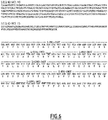
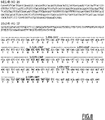
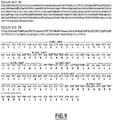
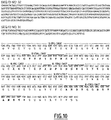
- the Framework Regions are those of the murine parental antibody R036-05, as represented on Figure 5 .
- the invention also concerns an antibody, preferably monoclonal antibody, or a fragment thereof, said antibody or fragment thereof specifically binding to CD117 and comprising
- the present invention thus also concerns a humanized antibody, preferably a humanized monoclonal antibody, or a fragment thereof, said humanized antibody or fragment thereof specifically binding to CD117 and comprising
- the humanized antibodies as those disclosed in the examples further comprise a human Fc region, especially an IgG1 human Fc region, and/or a human Kappa region.
- the Fc region is the native Fc, especially the native human IgG1 Fc.
- the Fc may be modified to confer specific effector functions to the antibody.
- the invention further concerns a humanized antibody, preferably a monoclonal antibody, specifically binding to CD117 and comprising:
- the antibodies of the invention may be full-size monoclonal antibodies or bispecific antibodies comprising a VH region and a VL region as disclosed hereinabove.
- the fragments of antibody may be selected from: a F(ab')2, a Fab, a Fab', a dsFv, a (dsFv)2, a scFv, a sc(Fv)2, a diabody, a triabody, a minibody, a nanobody, a scFv-Fc, and a multimeric scFv.
- Another object of the invention is a pharmaceutical composition or an anticancerous composition comprising such an antibody or fragment thereof, as disclosed herein, and a pharmaceutically acceptable vehicle or diluent.
- the herein-disclosed antibodies preferably monoclonal antibodies, and the fragments thereof, specifically binding to CD117
- the pharmaceutical compositions or anticancerous compositions comprising at least one the herein-disclosed antibodies, preferably monoclonal antibodies, and the fragments thereof, when used or upon administration to a subject in need thereof, may:
- the present invention also relates to such CD117-binding molecules or antibodies and pharmaceutical or anticancerous compositions for use in treating cancer, especially cancer expressing CD117 or cancer comprising cells expressing CD117.
- the present invention also concerns a herein-disclosed antibody, preferably monoclonal antibody, or the fragment thereof, specifically binding to CD117, or a pharmaceutical or anticancerous composition comprising a herein-disclosed antibody, preferably monoclonal antibody, or the fragment thereof, for use in treating a cancer, especially a cancer expressing CD117 or cancer comprising cells expressing CD117.
- This use may further comprise:
- the present invention also relates to the use of such antibodies for the manufacture of a pharmaceutical or anticancerous composition for treating cancer, especially cancer expressing CD117 or cancer comprising cells expressing CD117.
- the present invention also relates to a method of treatment of cancer, especially cancer expressing CD117 or cancer comprising cells expressing CD117, comprising administering to a patient in need thereof a sufficient amount of such an antibody or such a pharmaceutical or anticancerous composition.
- antibody is used in the broadest sense and specifically covers intact monoclonal antibodies, and derived antibodies and antibody fragments as disclosed herein, so long as they exhibit the desired biological activity, as defined herein.
- “Native antibodies” and “native immunoglobulins” are usually glycoproteins of about 150,000 daltons, composed of two identical Light (L) Chains and identical Heavy (H) Chains. Each Light Chain is linked to a Heavy Chain by one covalent disulfide bond, while the number of disulfide linkages varies among the Heavy Chains of different immunoglobulin isotypes. Each Heavy and Light chain also has regularly spaced intrachain disulfide bridges. Each Heavy Chain has at one end a variable domain (VH or V H ). Each Light Chain has at one end a variable domain (VL or V L ).
- an “antibody” refers to a protein consisting of one or more polypeptides substantially encoded by immunoglobulin genes or fragments of immunoglobulin genes.
- the recognized immunoglobulin genes include the kappa, lambda, alpha, gamma, delta, epsilon and mu constant region genes, as well as myriad immunoglobulin variable region genes.
- Light Chains are classified as either kappa or lambda.
- Heavy Chains are classified as gamma, mu, alpha, delta, or epsilon, which in turn define the immunoglobulin classes, IgG, IgM, IgA, IgD and IgE, respectively.
- the term “specifically binds” refers to antibodies that bind to one or more epitopes of CD117, but which do not substantially recognize and bind other molecules in a sample containing a mixed population of antigenic biological molecules.
- Antibody fragments comprise a portion of an intact antibody, which comprises at least the antigen-binding or variable region of the intact antibody.
- a suitable "antibody fragment” is a fragment of antibody that has the capability to bind to the CD117 binding region or epitope specifically recognized by the murine parental 36-05 antibody and keep or substantially keep the antigen-binding property of the intact 36-05 antibody (parental murine or derived form thereof, i.e. chimeric or humanized). More particularly, the fragments keep or substantially keep the biological property of the intact (full-size) antibody.
- the fragment is capable of, directly or indirectly, substantially counteracting, reducing or inhibiting CD117 biological activity resulting from CD117 activation.
- the fragment is capable of neutralizing the biological activity resulting from CD117 activation or formation of a complex between CD117 and its ligand, such as SCF.
- the fragment preferably comprises the 6 CDRs or the VH and VL regions of the parent antibody (murine, chimeric, humanized, etc. antibody) and, as mentioned earlier, may be in particular a F(ab') 2 , Fab, Fab', dsFv, (dsFv) 2 , scFv, sc(Fv) 2 , a diabody, a triabody, a minibody, a nanobody, a scFv-Fc, or a multimeric scFv.
- polypeptide polypeptide
- peptide protein
- proteins are used interchangeably herein to refer to a polymer of amino acid residues. The terms apply to naturally occurring amino acid polymers as well as to amino acid polymers in which one or more amino acid residues is an artificial chemical analogue of a corresponding naturally occurring amino acid. The term also includes variants on the traditional peptide linkage joining the amino acids making up the polypeptide.
- Preferred “peptides”, “polypeptides”, and “proteins” are chains of amino acids whose carbons are linked through peptide bonds.
- Peptides also include essentially any polyamino acid including, but not limited to peptide mimetics such as amino acids joined by ether as opposed to an amine bond.
- variable refers to the fact that certain portions of the variable domains differ extensively in sequence among antibodies and are used in the binding and specificity of each particular antibody for its particular antigen. However, the variability is not evenly distributed throughout the variable domains of antibodies. It is concentrated, in three segments called complementarity-determining regions (CDRs) or hypervariable regions both in the light-chain and the heavy-chain variable domains. The more highly conserved portions of variable domains are called the framework (FR).
- CDRs complementarity-determining regions
- FR framework
- the variable domains of native heavy and light chains each comprise four FR regions, largely adopting a ⁇ -sheet configuration, connected by three CDRs, which form loops connecting, and in some cases forming part of, the ⁇ -sheet structure.
- the CDRs in each chain are held together in close proximity by the FR regions and, with the CDRs from the other chain, contribute to the formation of the antigen-binding site of antibodies (Kabat et al., NIH Publ. 1991; No. 91-3242, Vol. 1, 647-669).
- the constant domains are not involved directly in binding an antibody to an antigen, but exhibit various effectors functions, such as participation of the antibody in antibody-dependent cellular toxicity.
- the monoclonal antibodies herein specifically include "chimeric" antibodies (immunoglobulins) in which a portion of the Heavy and/or Light Chain is identical with or homologous to corresponding sequences in antibodies derived from a particular species or belonging to a particular antibody class or subclass, while the remainder of the chain(s) is identical with or homologous to corresponding sequences in antibodies derived from another species or belonging to another antibody class or subclass, as well as fragments of such antibodies, so long as they exhibit the desired biological activity ( U.S. Pat. No. 4,816,567 ; Morrison et al., Proc. Natl. Acad. Sci. USA, 81:6851-6855 (1984 )).
- chimeric antibodies immunoglobulins in which a portion of the Heavy and/or Light Chain is identical with or homologous to corresponding sequences in antibodies derived from a particular species or belonging to a particular antibody class or subclass, while the remainder of the chain(s) is identical with or homologous to corresponding
- Chimeric antibodies are also referred to as "class-switched antibodies".
- Chimeric antibodies are the product of expressed immunoglobulin genes comprising DNA segments encoding immunoglobulin variable regions and DNA segments encoding immunoglobulin constant regions.
- Methods for producing chimeric antibodies involve conventional recombinant DNA and gene transfection techniques are well known in the art. See, e.g., Morrison, S. L et al., Proc. Natl. Acad. Sci. USA 1984; 81:6851-6855 ; U.S. Pat. No. 5,202,238 and U.S. Pat. No. 5,204,244 .
- WO 2006/093794 relates to heterodimeric protein binding compositions.
- WO 99/37791 describes multipurpose antibody derivatives. Morrison et al., the J. Immunolog. 1998; 160:2802-2808 refers to the influence of variable region domain exchange on the functional properties of IgG.
- Humanized forms of non-human (e.g., murine) antibodies are chimeric immunoglobulins, immunoglobulin chains or fragments thereof (such as Fv, Fab, Fab', F(ab') 2 or other antigen-binding subsequences of antibodies) which contain minimal sequence derived from non-human immunoglobulin.
- humanized antibodies are human immunoglobulins (recipient antibody) in which residues from a complementarity-determining region (CDR) of the recipient are replaced by residues from a CDR of a non-human species (donor antibody) which is mouse herein, having the desired specificity, affinity, and capacity.
- a murine CDR is grafted into the framework region of a human antibody to prepare the "humanized antibody". See, e.g., Riechmann, L. et al., Nature. 1988; 332: 323-327 ; and Neuberger, MS et al., Nature. 1985; 314: 268-270 .
- Particularly preferred CDRs correspond to those representing sequences recognizing the antigens noted above for chimeric antibodies.
- chimeric antibodies or “humanized antibodies” encompassed by the present invention are those in which the constant region has been additionally modified or changed from that of the original antibody to generate the properties according to the invention, especially in regard to C1q binding and/or Fc receptor (FcR) binding.
- FcR Fc receptor
- humanized antibodies may comprise residues that are found neither in the recipient antibody nor in the imported CDR or framework sequences. These modifications are made to further refine and maximize antibody performance.
- the humanized antibody will comprise substantially all of at least one, and typically two, variable domains, in which all or substantially all of the CDR regions correspond to those of a non-human immunoglobulin and all or substantially all of the FR regions are those of a human immunoglobulin sequence.
- the humanized antibody optimally also will comprise at least a portion of an immunoglobulin constant region (Fc), typically that of a human immunoglobulin.
- Fc immunoglobulin constant region
- Humanized antibodies, or antibodies adapted for non-rejection by other mammals may be produced using several technologies such as resurfacing and CDR grafting.
- the resurfacing technology uses a combination of molecular modeling, statistical analysis and mutagenesis to alter the non-CDR surfaces of antibody variable regions to resemble the surfaces of known antibodies of the target host.
- Antibodies can be humanized using a variety of other techniques including CDR-grafting ( EP0239400 ; WO91/09967 ; U.S. Patent Nos. 5,530,101 and 5,585,089 ), veneering or resurfacing ( EP0592106 ; EP0519596 ; Padlan (1991) Molecular Immunology 28(4/5):489-498 ; Studnicka et al.
- Human antibodies can be made by a variety of methods known in the art including phage display methods. See also U.S. Patent Nos. 4,444,887 , 4,716,111 , 5,545,806 , and 5,814,318 ; and International patent application WO98/46645 , WO98/50433 , WO98/24893 , WO98/16654 , WO96/34096 , WO96/33735 , and WO91/10741 .
- MAbs The mechanism of action of MAbs is complex and appears to vary for different MAbs. There are multiple mechanisms by which MAbs cause target cell death. These include apoptosis, CDC, ADCC and inhibition of signal transduction.
- Treatment refers to both therapeutic treatment and prophylactic or preventative measures. Preferably, it is therapeutic treatment.
- mammal for purposes of treatment or therapy refers to any animal classified as a mammal, including humans, domestic and farm animals, and zoo, sports, or pet animals, such as dogs, horses, cats, cows, etc. Preferably, the mammal is human.
- cancer and “cancerous” refer to or describe the physiological condition in mammals that is typically characterized by unregulated cell growth.
- nucleic acid or “oligonucleotide” or grammatical equivalents herein refer to at least two nucleotides covalent linked together.
- a nucleic acid of the present invention is preferably single-stranded or double stranded and will generally contain phosphodiester bonds.
- Amino acid sequence "variants" (or mutants) of the antibody are prepared by introducing appropriate nucleotide changes into the antibody DNA, or by nucleotide synthesis. Such modifications can be performed, however, only in a very limited range, e.g. as described herein. For example, the modifications do not alter the above mentioned antibody characteristics such as the IgG isotype and antigen-binding, but may improve the yield of the recombinant production, protein stability or facilitate the purification.
- variants are a sequence that is substantially similar to the sequence of the native molecule.
- variants include those sequences that, because of the degeneracy of the genetic code, encode the identical amino acid sequence of the native protein.
- Naturally occurring allelic variants such as these can be identified with the use of well-known molecular biology techniques, as, for example, with polymerase chain reaction (PCR) and hybridization techniques.
- variant nucleotide sequences also include synthetically derived nucleotide sequences, such as those generated, for example, by using site-directed mutagenesis that encode the native protein, as well as those that encode a polypeptide having amino acid substitutions.
- nucleotide sequence variants of the invention will have in at least one embodiment 40%, 50%, 60%, to 70%, e.g., 71%, 72%, 73%, 74%, 75%, 76%, 77%, 78%, to 79%, generally at least 80%, e.g., 81%-84%, at least 85%, e.g., 86%, 87%, 88%, 89%, 90%, 91%, 92%, 93%, 94%, 95%, 96%, 97%, 98% or 99%, sequence identity to the native (endogenous) nucleotide sequence.
- inhibitor refers to a decrease in an activity, response, condition, disease, or other biological parameter. This can include but is not limited to the complete ablation of the activity, response, condition, or disease. This may also include, for example, a 10% reduction in the activity, response, condition, or disease as compared to the native or control level. Thus, the reduction can be a 10, 20, 30, 40, 50, 60, 70, 80, 90, 95, 100%, or any amount of reduction in between as compared to native or control levels.
- the antibody specifically binding to CD117 comprises one or two, preferably two, binding domains comprising a pair of VH and VL chains comprising the six CDRs of murine Monoclonal antibody (R36-05, or Mab 36-05), as disclosed in Table 1 supra, or of Humanized Hz-36 antibodies, as disclosed in Table 2 supra.
- each one of these antibodies comprise two identical VH and VL chains as disclosed.
- Each one of these antibodies binds specifically to an epitope or a binding region on the CD117 receptor, and as disclosed herein, the epitope or binding region is deemed conformational.
- the CDRs in Table 1 originate from a murine antibody.
- These antibodies according to the invention may be fully murine and this is a first series of embodiments.
- these antibodies are chimeric antibodies wherein part of the antibody is human and more particularly the murine VH and VL regions are combined to human sequences to complete the whole Heavy and Light Chains, and retain or substantially retain the antigen-binding properties of the parental murine antibody.
- these antibodies are humanized antibodies, wherein these humanized antibodies or binding fragments thereof comprise the same set of 6 CDRs in their respective VH and VL regions with humanized framework (FR) regions, and retain or substantially retain the antigen-binding properties of the parental murine antibody.
- these humanized antibodies or binding fragments thereof further comprise some mutations or amino acid changes in at least one CDR of the set of six.
- these humanized antibodies or binding fragments thereof comprise the 6 CDRs disclosed in Table 2, wherein H-CDR1 and L-CDR1 comprise amino acid changes with respect to the murine ones (Table 1).
- the antibody comprises a human IgG, especially human IgG1 Fc region.
- the skilled person is able to modify an antibody according to the invention to comprise a variant human optimized IgG Fc region, preferably IgG1 Fc region, wherein this variant region comprises one or more amino acid substitutions, so as to modulate PDC, ADCC and/or CDC.
- compositions or a pharmaceutical composition comprising at least one anti-CD117 antibody or fragment thereof, as disclosed above and provided herein.
- the composition may further comprise a vehicle or diluent, in particular a vehicle or diluent suited to the intended use of the antibody. If the composition is a pharmaceutical composition, this composition comprises said anti-CD117 antibody or CD117-binding molecule and a pharmaceutically acceptable carrier, diluent or excipient.
- compositions may comprise at least one anti-CD117 antibody or fragment thereof, specifically binding to CD117, according to the invention, and at least one additional antibody directed against another target and/or at least one chemotherapeutic drug (such as small molecule), for a simultaneous, separate or sequential administration with antibody(ies) of the invention, to a mammal, including man.
- chemotherapeutic drug such as small molecule
- the other target may be selected from the group consisting of another epitope on CD117, another cancer marker or receptor, and a combination thereof.
- the pharmaceutical composition may comprise an anti-CD117 antibody or CD117-binding fragment thereof according to the invention, and another anti-CD117 antibody or antigen-binding fragment thereof.
- compositions include, but are not limited to, ion exchangers, alumina, aluminum stearate, lecithin, serum proteins, such as human serum albumin, buffer substances such as phosphates, glycine, sorbic acid, potassium sorbate, partial glyceride mixtures of saturated vegetable fatty acids, water, salts or electrolytes, such as protamine sulfate, disodium hydrogen phosphate, potassium hydrogen phosphate, sodium chloride, zinc salts, colloidal silica, magnesium trisilicate, polyvinyl pyrrolidone, cellulose-based substances, polyethylene glycol, sodium carboxymethylcellulose, polyacrylates, waxes, polyethylene-polyoxypropylene- block polymers, polyethylene glycol and wool fat.
- ion exchangers alumina, aluminum stearate, lecithin
- serum proteins such as human serum albumin
- buffer substances such as phosphates, glycine, sorbic acid, potassium sorbate, partial g
- compositions of the present invention may be administered orally, parenterally, by inhalation spray, topically, rectally, nasally, buccally, vaginally or via an implanted reservoir.
- the used herein includes subcutaneous, intravenous, intramuscular, intra-articular, intra-synovial, intrasternal, intrathecal, intrahepatic, intralesional and intracranial injection or infusion techniques.
- Sterile injectable forms of the compositions of this invention may be aqueous or an oleaginous suspension. These suspensions may be formulated according to techniques known in the art using suitable dispersing or wetting agents and suspending agents.
- the sterile injectable preparation may also be a sterile injectable solution or suspension in a non-toxic parenterally acceptable diluent or solvent, for example as a solution in 1,3-butanediol.
- a non-toxic parenterally acceptable diluent or solvent for example as a solution in 1,3-butanediol.
- acceptable vehicles and solvents that may be employed are water, Ringer's solution and isotonic sodium chloride solution.
- sterile, fixed oils are conventionally employed as a solvent or suspending medium.
- any bland fixed oil may be employed including synthetic mono-or diglycerides.
- Fatty acids, such as oleic acid and its glyceride derivatives are useful in the preparation of injectables, as are natural pharmaceutically acceptable oils, such as olive oil or castor oil, especially in their polyoxyethylated versions.
- oil solutions or suspensions may also contain a long-chain alcohol diluent or dispersant, such as carboxymethyl cellulose or similar dispersing agents that are commonly used in the formulation of pharmaceutically acceptable dosage forms including emulsions and suspensions.
- a long-chain alcohol diluent or dispersant such as carboxymethyl cellulose or similar dispersing agents that are commonly used in the formulation of pharmaceutically acceptable dosage forms including emulsions and suspensions.
- Other commonly used surfactants such as Tweens, Spans and other emulsifying agents or bioavailability enhancers which are commonly used in the manufacture of pharmaceutically acceptable solid, liquid, or other dosage forms may also be used for the purposes of formulation.
- compositions of this invention may be orally administered in any orally acceptable dosage form including, but not limited to, capsules, tablets, aqueous suspensions or solutions.
- carriers commonly used include lactose and corn starch.
- Lubricating agents such as magnesium stearate, are also typically added.
- useful diluents include, e.g., lactose.
- aqueous suspensions are required for oral use, the active ingredient is combined with emulsifying and suspending agents. If desired, certain sweetening, flavoring or coloring agents may also be added.
- the compositions of this invention may be administered in the form of suppositories for rectal administration.
- compositions of this invention may also be administered topically, especially when the target of treatment includes areas or organs readily accessible by topical application, including diseases of the eye, the skin, or the lower intestinal tract. Suitable topical formulations are readily prepared for each of these areas or organs.
- the compositions may be formulated in a suitable ointment containing the active component suspended or dissolved in one or more carriers.
- Carriers for topical administration of the compounds of this invention include, but are not limited to, mineral oil, liquid petrolatum, white petrolatum, propylene glycol, polyoxyethylene, polyoxypropylene compound, emulsifying wax and water.
- the compositions can be formulated in a suitable lotion or cream containing the active components suspended or dissolved in one or more pharmaceutically acceptable carriers.
- Suitable carriers include, but are not limited to, mineral oil, sorbitan monostearate, polysorbate 60, cetyl esters wax, cetearyl alcohol, 2-octyldodecanol, benzyl alcohol and water.
- Topical application for the lower intestinal tract can be effected in a rectal suppository formulation (see above) or in a suitable enema formulation. Patches may also be used.
- the compositions of this invention may also be administered by nasal aerosol or inhalation.
- Such compositions are prepared according to techniques well-known in the art of pharmaceutical formulation and may be prepared as solutions in saline, employing benzyl alcohol or other suitable preservatives, absorption promoters to enhance bioavailability, fluorocarbons, and/or other conventional solubilizing or dispersing agents.
- an antibody present in a pharmaceutical composition of this invention can be supplied at a concentration of 10 mg/mL in either 100 mg (10 mL) or 500 mg (50 mL) single-use vials.
- the product may be formulated for IV administration in 9.0 mg/mL sodium chloride, 7.35 mg/mL sodium citrate dihydrate, 0.7 mg/mL polysorbate 80, and Sterile Water for Injection. The pH may be adjusted to 6.5.
- An exemplary suitable dosage range for an antibody in a pharmaceutical composition of this invention may be between about 1 mg/m 2 and 500 mg/m 2 .
- schedules are exemplary and that an optimal schedule and regimen can be adapted taking into account the affinity and tolerability of the particular antibody in the pharmaceutical composition that must be determined in clinical trials.
- a pharmaceutical composition of the invention for injection e.g., intramuscular, i.v.
- liposomes and/or nanoparticles are contemplated for the introduction of antibodies into host cells.
- the formation and use of liposomes and/or nanoparticles are known to those of skill in the art.
- Nanocapsules can generally entrap compounds in a stable and reproducible way. To avoid side effects due to intracellular polymeric overloading, such ultrafine particles (sized around 0.1 ⁇ m) are generally designed using polymers able to be degraded in vivo. Biodegradable polyalkyl-cyanoacrylate nanoparticles that meet these requirements are contemplated for use in the present invention, and such particles may be are easily made.
- Liposomes are formed from phospholipids that are dispersed in an aqueous medium and spontaneously form multilamellar concentric bilayer vesicles (also termed multilamellar vesicles (MLVs)). MLVs generally have diameters of from 25 nm to 4 ⁇ m.
- Sonication of MLVs results in the formation of small unilamellar vesicles (SUVs) with diameters in the range of 200 to 500 ⁇ , containing an aqueous solution in the core.
- SAVs small unilamellar vesicles
- the physical characteristics of liposomes depend on pH, ionic strength and the presence of divalent cations.
- the antibodies or pharmaceutical compositions according to the invention are intended for use as a medicament, especially against cancer, in particular cancers expressing CD117 or cancer having cancerous cells expressing CD117.
- the present invention thus relates to a method of treating such a cancer in a subject in need thereof (mammal, preferably human) comprising administering to the subject a sufficient or therapeutically effective amount of an antibody of the present invention or an antigen-binding fragment thereof, or a composition according to the invention.
- the method leads to an inhibition of growth of a tumor cell expressing CD117.
- the method leads to an inhibition and/or reversion of CD117-ligand binding, especially CD117/SCF binding, resulting in the inhibition of cancer cell proliferation or growth.
- the invention also aims at treating cancers associated with CD117 expression or overexpression, preferentially cancer, preferably leukemia, lymphoma or solid cancers. More particular examples of such cancers include myeloid leukemia, squamous cell cancer, small-cell lung cancer, non-small cell lung cancer, gastrointestinal cancer, renal cancer, pancreatic cancer, glioblastoma, cervical cancer, ovarian cancer, liver cancer, bladder cancer, hepatoma, breast cancer, colon cancer, colorectal cancer, endometrial carcinoma, salivary gland carcinoma, kidney cancer, prostate cancer, vulval cancer, thyroid cancer, hepatic carcinoma and various types of head and neck cancer. Examples are specifically those listed cancers expressing CD117 or having cancerous cells expressing CD117.
- the invention also relates to a method of treating a cancer expressing CD117 in a subject having TKI sensitive or resistance comprising administering to the subject a sufficient or therapeutically effective amount of an antibody of the present invention or an antigen-binding fragment thereof, or a composition according to the invention.
- the present invention also relates to a method of treatment comprising administering to a patient in need thereof a sufficient amount of such an antibody or such a pharmaceutical or anticancerous composition in order to
- the anti-CD117-binding antibody or molecule may be delivered in a manner consistent with conventional methodologies associated with management of the disease or disorder for which treatment is sought.
- an effective amount of the CD117-binding antibody or molecule is administered to a patient in need of such treatment for a time and under conditions sufficient to treat the disease or disorder.
- treatment refers to curative or disease modifying treatment, including treatment of subjects who have cancer or have been diagnosed as suffering from cancer, especially CD117-expressing cancer, and includes suppression of clinical relapse.
- the treatment may be administered to a subject having a cancer, in order to cure, delay the onset of, reduce the severity of, or ameliorate one or more symptoms of said cancer, or in order to prolong the survival of a subject beyond that expected in the absence of such treatment.
- therapeutic regimen is meant the pattern of treatment of cancer, e.g., the pattern of dosing used during therapy.
- a therapeutic regimen may include an induction regimen and a maintenance regimen.
- the phrase “induction regimen” or “induction period” refers to a therapeutic regimen (or the portion of a therapeutic regimen) that is used for the initial treatment of cancer.
- the general goal of an induction regimen is to provide a high level of drug to a subject during the initial period of a treatment regimen.
- An induction regimen may employ (in part or in whole) a "loading regimen", which may include administering a greater dose of the drug than a physician would employ during a maintenance regimen, administering a drug more frequently than a physician would administer the drug during a maintenance regimen, or both.
- maintenance regimen refers to a therapeutic regimen (or the portion of a therapeutic regimen) that is used for the maintenance of a subject during treatment of cancer, e.g., to keep the subject in remission for long periods of time (months or years).
- a maintenance regimen may employ continuous therapy (e.g., administering a drug at a regular intervals, e.g., weekly, monthly, yearly, etc.) or intermittent therapy (e.g., interrupted treatment, intermittent treatment, treatment at relapse, or treatment upon achievement of a particular predetermined criteria [e.g., disease manifestation, etc.]).
- the term "therapeutically effective amount” or “effective amount” refers to an amount effective, at dosages and for periods of time necessary, to achieve a desired therapeutic result.
- a therapeutically effective amount of the antibody of the present invention or an antigen-binding fragment thereof may vary according to factors such as the disease state, age, sex, and weight of the individual, and the ability of the antibody of the present invention or an antigen-binding fragment thereof to elicit a desired response in the individual.
- a therapeutically effective amount is also one in which any toxic or detrimental effect of the antibody or of an antigen-binding fragment thereof are outweighed by the therapeutically beneficial effects.
- the efficient dosages and dosage regimens for the antibody of the present invention or an antigen-binding fragment thereof depend on the disease or condition to be treated and may be determined by the persons skilled in the art.
- a physician having ordinary skill in the art may readily determine and prescribe the effective amount of the pharmaceutical composition required.
- the physician could start doses of the antibody of the present invention or an antigen-binding fragment thereof employed in the pharmaceutical composition at levels lower than that required in order to achieve the desired therapeutic effect and gradually increase the dosage until the desired effect is achieved.
- a suitable dose of a composition of the present invention will be that amount of the compound which is the lowest dose effective to produce a therapeutic effect according to a particular dosage regimen. Such an effective dose will generally depend upon the factors described above.
- a therapeutically effective amount for therapeutic use may be measured by its ability to stabilize the progression of disease.
- the ability of a compound to inhibit cancer may, for example, be evaluated in an animal model system predictive of efficacy in human tumors.
- this property of a composition may be evaluated by examining the ability of the compound to induce cytotoxicity by in vitro assays known to the skilled practitioner.
- a therapeutically effective amount of said antibody or an antigen-binding fragment thereof may decrease tumor size, or otherwise ameliorate symptoms in a subject.
- One of ordinary skill in the art would be able to determine such amounts based on such factors as the subject's size, the severity of the subject's symptoms, and the particular composition or route of administration selected.
- the disclosed antibodies or antigen-binding fragments thereof can be administered as a therapeutic agent in amounts ranging from about 0.001 mg/kg to about 100 mg/kg, from about 0.01 mg/kg to about 50 mg/kg, from about 0.1 mg/kg to about 40 mg/kg, from about 0.5 mg/kg to about 30 mg/kg, from about 0.01 mg/kg to about 10 mg/kg, from about 0.1 mg/kg to about 10 mg/kg, or from about 0.5 mg/kg to about 25 mg/kg, or from about 0.5 to about 10, 5, 3 or 2 mg/kg of subject body weight per day, one or more times a day, to obtain the desired therapeutic effect.
- the desired dosage may be delivered three times a day, two times a day, once a day, every other day, every third day, every week, every two weeks, every three weeks, or every four weeks.
- the desired dosage may be delivered using multiple administrations (e.g., two, three, four, five, six, seven, eight, nine, ten, eleven, twelve, thirteen, fourteen, or more administrations).
- Administration may e.g. be intravenous, intramuscular, intraperitoneal, or subcutaneous, and for instance administered proximal to the site of the target. Dosage regimens in the above methods of treatment and uses are adjusted to provide the optimum desired response (e.g., a therapeutic response).
- a single bolus may be administered, several divided doses may be administered over time or the dose may be proportionally reduced or increased as indicated by the exigencies of the therapeutic situation.
- the efficacy of the treatment is monitored during the therapy, e.g. at predefined points in time.
- the efficacy may be monitored by visualization of the disease area, or by other diagnostic methods described further herein, e.g. by performing one or more PET-CT scans, for example using a labeled antibody of the present invention, or an antigen-binding fragment thereof.
- an effective daily dose of a pharmaceutical composition may be administered as two, three, four, five, six or more sub-doses administered separately at appropriate intervals throughout the day, optionally, in unit dosage forms.
- the monoclonal antibodies of the present invention are administered by slow continuous infusion over a long period, such as more than 24 hours, in order to minimize any unwanted side effects.
- An effective dose of an antibody of the present invention may also be administered using a weekly, biweekly or triweekly dosing period. The dosing period may be restricted to, e.g., 8 weeks, 12 weeks or until clinical progression has been established.
- treatment according to the present invention may be provided as a daily dosage of an antibody of the present invention or an antigen-binding fragment thereof in an amount of about 0.1-100 mg/kg, such as 0.2, 0.5, 0.9, 1.0, 1.1, 1.5, 2, 3, 4, 5, 6, 7, 8, 9, 10, 11, 12, 13, 14, 15, 16, 17, 18, 19, 20, 21, 22, 23, 24, 25, 26, 27, 28, 29, 30, 40, 45, 50, 60, 70, 80, 90 or 100 mg/kg, per day, on at least one of days 1, 2, 3, 4, 5, 6, 7, 8, 9, 10, 11, 12, 13, 14, 15, 16, 17, 18, 19, 20, 21, 22, 23, 24, 25, 26, 27, 28, 29, 30, 31, 32, 33, 34, 35, 36, 37, 38, 39, or 40, or alternatively, at least one of weeks 1, 2, 3, 4, 5, 6, 7, 8, 9, 10, 11, 12, 13, 14, 15, 16, 17, 18, 19 or 20 after initiation of treatment, or any combination thereof, using single or divided doses every 24, 12, 8, 6, 4, or 2 hours, or any combination thereof.
- 0.1-100 mg/kg such as 0.2, 0.5, 0.9, 1.0,
- an anti-CD117 antibody or an antigen-binding fragment thereof according to the invention is used in combination with a second agent for treatment of a disease or disorder.
- an antibody of the invention may be used in combination with conventional cancer therapies such as, e.g., surgery, radiotherapy, chemotherapy, or combinations thereof.
- the present invention also provides for therapeutic applications or methods of treatment where an antibody of the present invention or an antigen-binding fragment thereof is used in combination with at least one further therapeutic agent, e.g. for treating cancer.
- Such administration may be simultaneous, separate or sequential.
- the agents may be administered as one composition or as separate compositions, as appropriate.
- the further therapeutic agent is typically relevant for the disorder to be treated.
- Exemplary therapeutic agents include other anti-cancer antibodies, cytotoxic agents, chemotherapeutic agents, anti-angiogenic agents, anti-cancer immunogens, cell cycle control/apoptosis regulating agents, hormonal regulating agents, and other agents described below.
- the antibody of the present invention or an antigen-binding fragment thereof is used in combination with a chemotherapeutic agent.
- chemotherapeutic agent refers to chemical compounds that are effective in inhibiting tumor growth.
- Targeting CD117 with the antibodies of the present invention or an antigen-binding fragment thereof in combination with existing chemotherapeutic treatments will be more effective in killing the tumor cells than chemotherapy alone.
- a wide variety of drugs have been employed in chemotherapy of cancer. Examples include, but are not limited to, cisplatin, taxol, etoposide, mitoxantrone, actinomycin D, campthotecin, methotrexate, gemcitabine, mitomycin, dacarbazine, 5-fluorouracil, doxorubicine and daunomycin.
- the CD117-binding antibody or molecule is added to a standard chemotherapy regimen, in treating a cancer patient.
- the dosage of the additional agent(s) may be reduced, compared to the standard dosage of the second agent when administered alone.
- the antibody or an antigen-binding fragment thereof may be co-administered with an amount of an anti-cancer drug that is effective in enhancing sensitivity of cancer cells to the antibody combination.
- the CD117-binding antibody or molecule is administered to the patient prior to administration of a second anti-cancer agent.
- One alternative method comprises administering the second anti-cancer agent prior to administering the CD117-binding antibody or molecule and second agent on an alternative schedule.
- the CD117-binding antibody or molecule and second agent are administered simultaneously.
- the method of the invention may provide for the inclusion in a therapeutic regimen involving the use of at least one other treatment method, such as irradiation, chemotherapy with small molecule or antibody.
- the method of the invention may directly include the administration of a sufficient amount of at least one additional antibody directed against another target and/or at least one chemotherapeutic drug (such as small molecule), for a simultaneous, separate or sequential administration with antibody(ies) of the invention, or an antigen-binding fragment thereof, to a mammal, including man.
- chemotherapeutic drug such as small molecule
- one may cite doxorubicine, gemcitabine, camptothecin, paclitaxel or the other drugs mentioned above.
- lung cancer and breast cancer is treated using such combination. This combination more generally is useful for cancers (in particular aggressive cancers) which do not respond well to treatment with the drug alone or the antibodies/antibody of the invention or antigen-binding fragment thereof alone, and for which the combination leads to a synergistic effect.
- the antibodies of the present invention and antigen-binding fragments thereof are produced by any technique known in the art, such as, without limitation, any chemical, biological, genetic or enzymatic technique, either alone or in combination.
- any technique known in the art such as, without limitation, any chemical, biological, genetic or enzymatic technique, either alone or in combination.
- knowing the amino acid sequence of the desired sequence one skilled in the art can readily produce said antibodies, by standard techniques for production of polypeptides. For instance, they can be synthesized using well-known solid phase method, preferably using a commercially available peptide synthesis apparatus (such as that made by Applied Biosystems, Foster City, California) and following the manufacturer's instructions.
- antibodies of the present invention can be synthesized by recombinant DNA techniques well-known in the art.
- antibodies can be obtained as DNA expression products after incorporation of DNA sequences encoding the antibodies into expression vectors and introduction of such vectors into suitable eukaryotic or prokaryotic hosts that will express the desired antibodies, from which they can be later isolated using well-known techniques.
- Mammalian cells are the preferred hosts for production of therapeutic antibodies, due to their capability to glycosylate proteins in the most compatible form for human applications. Bacteria very rarely glycosylate proteins, and like other type of common hosts, such as yeasts, filamentous fungi, insect and plant cells yield glycosylation patterns associated with rapid clearance from the blood stream.
- CHO Chinese hamster ovary
- these cells allow consistent generation of genetically stable, highly productive clonal cell lines. They can be cultured to high densities in simple bioreactors using serum-free media, and permit the development of safe and reproducible bioprocesses.
- Other commonly used animal cells include baby hamster kidney (BHK) cells, NSO- and SP2/0-mouse myeloma cells.
- the antibodies according to the invention are produced or expressed in mammal cells, preferably wild-type mammal cells, preferably of rodent origin, especially CHO cells.
- Modifications and changes may be made in the structure of an antibody of the present invention and still obtain a molecule having like characteristics.
- certain amino acids can be substituted for other amino acids in a sequence without appreciable loss of activity. Because it is the interactive capacity and nature of an antibody that defines that antibody's biological functional activity, certain amino acid sequence substitutions can be made in an antibody sequence (or, of course, its underlying DNA coding sequence) and nevertheless obtain an antibody with like properties.
- the hydropathic index of amino acids can be considered.
- the importance of the hydropathic amino acid index in conferring interactive biologic function on an antibody is generally understood in the art. It is known that certain amino acids can be substituted for other amino acids having a similar hydropathic index or score and still result in an antibody with similar biological activity. Each amino acid has been assigned a hydropathic index on the basis of its hydrophobicity and charge characteristics.
- the relative hydropathic character of the amino acid determines the secondary structure of the resultant antibody, which in turn defines the interaction of the antibody with other molecules, for example, enzymes, substrates, receptors, antibodies, antigens, and the like. It is known in the art that an amino acid may be substituted by another amino acid having a similar hydropathic index and still obtain a biologically functionally equivalent polypeptide. In such changes, the substitution of amino acids whose hydropathic indices are within +2 is preferred, those which are within +1 are particularly preferred, and those within +0.5 are even more particularly preferred.
- substitution of like amino acids can also be made on the basis of hydrophilicity, particularly where the biologically functionally equivalent peptide or polypeptide thereby created is intended for use in immunological embodiments.
- U.S. Patent 4,554,101 incorporated herein by reference or to which the person skilled in the art : may refer, states that the greatest local average hydrophilicity of a polypeptide, as governed by the hydrophilicity of its adjacent amino acids, correlate with its immunogenicity and antigenicity, i.e. with a biological property of the polypeptide.
- hydrophilicity values have been assigned to amino acid residues: arginine (+3.0); lysine (+3.0); aspartate (+3.0 ⁇ 1); glutamate (+3.0 ⁇ 1); serine (+0.3); asparagine (+0.2); glutamine (+0.2); glycine (0); proline (-0.5 ⁇ 1); threonine (-0.4); alanine (-0.5); histidine (-0.5); cysteine (-1.0); methionine (-1.3); valine (-1.5); leucine (-1.8); isoleucine (-1.8); tyrosine (-2.3); phenylalanine (-2.5); tryptophan (-3.4).
- an amino acid can be substituted for another having a similar hydrophilicity value and still obtain a biologically equivalent, and in particular, an immunologically equivalent, polypeptide.
- substitution of amino acids whose hydrophilicity values are within +2 is preferred, those which are within +1 are particularly preferred, and those within +0.5 are even more particularly preferred.
- amino acid substitutions are generally therefore based on the relative similarity of the amino acid side-chain substituents, for example, their hydrophobicity, hydrophilicity, charge, size, and the like.
- Amino acid substitution may be chosen or selected differently. Possible substitutions have been documented in WO99/51642 , WO2007024249 and WO2007106707 .
- the CDRs of the invention include variant CDRs, by deletion, substitution or addition of one or more amino acid(s), which variant keeps the specificity of the original CDR and the whole VH + VL or antibody, substantially keeps the antigen-binding of the parental Fab or antibody.
- Engineered antibodies of the invention include those in which modifications have been made to framework residues within VH and/or VL, e.g. to improve the properties of the antibody. Typically such framework modifications are made to decrease the immunogenicity of the antibody. For example, one approach is to "backmutate" one or more framework residues to the corresponding germline sequence. More specifically, an antibody that has undergone somatic mutation may contain framework residues that differ from the germline sequence from which the antibody is derived. Such residues can be identified by comparing the antibody framework sequences to the germline sequences from which the antibody is derived.
- the somatic mutations can be "backmutated” to the germline sequence by, for example, site-directed mutagenesis or PCR-mediated mutagenesis.
- Such "backmutated” antibodies are also intended to be encompassed by the invention.
- Another type of framework modification involves mutating one or more residues within the framework region, or even within one or more CDR regions, to remove T cell -epitopes to thereby reduce the potential immunogenicity of the antibody. This approach is also referred to as "deimmunization" and is described in further detail in U.S. Patent Publication No. 20030153043 by Carr et al.
- isolated nucleic acid sequences disclosed and provided herein are also object of the invention.
- the invention also relates to an isolated nucleotide sequence selected from the group consisting of the nucleotide sequences SEQ ID NO: 14, 16, 18, 20, 22, 24, 26, 28, 30, 32, and more particularly combinations or sets of two nucleotide sequences separated or linked together: SEQ ID NO: 14 and 16, 18 and 20, 22 and 24, 26 and 28, 30 and 32.
- the mammal cells preferably rodent cells such as CHO cells, preferably wild-type cells are transfected with one or several expression vectors.
- the cells are co-transfected with an expression vector for light chain and with an expression vector for heavy chain.
- Cell transfection is also known from the person skilled in the art.
- transfection that may be performed, one may mention without limitation standard transfection procedures, well-known from the man skilled in the art, such as calcium phosphate precipitation, DEAE-Dextran mediated transfection, electroporation, magnetofection, nucleofection (AMAXA Gmbh, GE), liposome-mediated transfection (using dreamfect®, lipofectin® or lipofectamine® technology for example) or microinjection.
- standard transfection procedures such as calcium phosphate precipitation, DEAE-Dextran mediated transfection, electroporation, magnetofection, nucleofection (AMAXA Gmbh, GE), liposome-mediated transfection (using dreamfect®, lipofectin® or lipofectamine® technology for example) or microinjection.
- Expression vectors are known. As vectors that may be used, one may mention without limitation: pcDNA3.3, pOptiVEC, pFUSE, pMCMVHE, pMONO, pSPORT1, pcDV1, pcDNA3, pcDNA1, pRc/CMV, pSEC. One may use a single expression vector or several expression vectors expressing different parts of the antibody.
- the invention also relates to an expression vector encoding a Heavy Chain of an anti-CD117 antibody, an expression vector encoding a Light Chain of an anti-CD117 antibody, or an expression vector encoding a Heavy Chain and a Light Chain of an anti-CD117 antibody.
- the host cell may be a mammal cell, preferably a rodent cell, more preferably CHO cell. Still more preferably, the host cell may be a wild-type mammal cell, preferably a wild-type rodent cell, most preferably a wild-type CHO cell.
- This example illustrates the preparation of hybridoma cell lines secreting anti-CD117 antibodies.
- the murine monoclonal antibodies specific for CD117 were produced using standard hybridoma techniques ( Zola et al., Aust J. Exp Biol Med Sci. 1981; 59:303-6 ). After hybridoma cloning, one murine Mab was obtained called 36-05 (also named B-K15, Diaclone, France). The clone was injected into the peritoneum of nude mice. Protein A chromatography from murine ascitic fluid. The murine ascitic fluid is adjusted at pH 8.3 with the equilibration buffer 0.1 M Tris and 1.5 M Sulfate Ammonium and then loaded onto the rProtein A Sepharose Fast Flow column (GE Healthcare, Saint Cyr au Mont d'or, France).
- the non-binding proteins are flowed through and removed by several washings with equilibration buffer.
- the anti-CD117 monoclonal antibody (Mab anti-CD117) is eluted off the Protein A column using the elution buffer 0.1 M Citrate Sodium at pH 3.5. After concentration, the PBS solution containing IgG was filtered and the Mab concentration was determined at 280 nm.
- a chimeric version of this 36-05 was produced as disclosed herein to get the ch36-05 monoclonal antibody made of Heavy chain of SEQ ID NO: 21 and of Light chain of SEQ ID NO: 23.
- tumour-derived cell lines are among the target cells that may be stained with MAb anti-CD117, in such assay procedures.
- the established human erythroleukemia cells HEL (available from DSMZ were grown in RPMI-1640 Medium (Sigma, St Quentin Fallavier, France) supplemented with 10% heat-inactivated fetal bovine serum (FBS) (Sigma, St Quentin Fallavier, France), 4 nM L-glutamine (Sigma, St Quentin Fallavier, France) and 100 U/mL, 100 ⁇ g/mL penicillin -streptomycin (Sigma, St Quentin Fallavier, France).
- FBS heat-inactivated fetal bovine serum
- 4 nM L-glutamine (Sigma, St Quentin Fallavier, France)
- 100 U/mL 100 ⁇ g/mL penicillin -streptomycin (Sigma, St Quentin Fallavier, France).
- the established human erythroleukemia cells TF1 (available from ECACC) was grown in RPMI-1640 Medium (Sigma, St Quentin Fallavier, France) supplemented with 10% heat-inactivated fetal bovine serum (FBS) (Sigma, St Quentin Fallavier, France), 4 nM L-glutamine (Sigma, St Quentin Fallavier, France) and 100 U/mL, 100 ⁇ g/mL penicillin -streptomycin (Sigma, St Quentin Fallavier, France), 1% sodium pyruvate (Sigma, St Quentin Fallavier, France) and 5ng/mL GM-CSF (R&D systems, Lille, France)
- Biotinylated Mab Codification R036-05 hlgG1 - ch36-05 +++ 36-NOR - 36-KOR - 36-IMR +++ Legend: % of inhibition of mean fluorescence intensity of cell labeling with biotinylated MAb in the presence of unconjugated Mab: - : -10%; + : 10-40%; ++ : 50%; +++: 90%)
- the unconjugated ch36-05 is not in competition with the biotinylated 36-NOR or 36-KOR.
- unconjugated ch36-05 is in competition with the biotinylated 36-IMR. Therefore, the epitope ch36-05 is not common or adjacent with the epitopes 36-NOR or 36-KOR.
- HEL cell lines were seeded at a density of 1.10 5 per 96-wells. Cells were incubated for 30 min at 4°C with or without MAb anti-CD117 tested at 5 ⁇ g/mL then diluted at 1/10. Unbound antibodies were washed away with PBS (Invitrogen, Villebon sur Yvette, France) supplemented by 1% Bovine Serum Albumin (Sigma, St Quentin Fallavier, France). Subsequently, cells are incubated with the human SCF (10 ng/mL), for 30 min at 4°C.
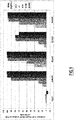
- FIGURE 1 Results of experiments to determine the antagonist activity on SCF binding of anti-CD117 antibodies are shown in FIGURE 1 . All of the anti-CD117 MAbs inhibit human SCF binding on HEL CD117 positive cells.
- Biochemical reagents used for the cell proliferation related studies were: recombinant human SCF (R&D Systems, Lille, France) and Cell Titer GLo-ATP (Promega, Charbonistics-les-bains, France).
- the CellTiter-Glo® Luminescent Cell Viability Assay (Promega, Charbonippos les Bains, France) was used to determine the number of viable cells in culture based on quantification of the ATP present, an indicator of metabolically active cells. Detection is based on using the luciferase reaction to measure the amount of ATP from viable cells. Within minutes after a loss of membrane integrity, cells lose the ability to synthesize ATP, and endogenous ATPases destroy any remaining ATP; thus the levels of ATP fall precipitously. Human erythroleukemia cell line TF1 show complete growth dependency on GM-CSF.
- Cell cultures are incubated for 24 hours before the test with culture medium without GM-CSF and only 1% FCS.
- Cell cultures (5.10 4 cells/mL) are incubated for 72 at 37°C hours with different concentration of interest MAbs and controls.
- the human SCF concentration was used at 10 ng/mL.
- the CellTiter-Glo® reagent was added directly to cells in culture at a ratio of 50 ⁇ L of reagent to 200 ⁇ L of culture medium.
- the assay plates are incubated at room temperature for 10 min and the bioluminescent signal is recorded using a standard multiwell fluorometer Mithras LB940, (Berthold, Thoiry, France).
- CD117 Activation of CD117 occurs when an SCF dimer binds to its extracellular domain.
- CD117 phosphorylation triggers several signal transduction pathways, including JAK/STAT, RAS/MAP kinase pathway, PI3 kinase, PLC ⁇ pathway, and SRC pathway.
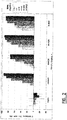
- TF1 cells were serum-starved 24 hours at a density of 0,5.10 6 cells/ml and the following day treated in presence of anti-CD117 MAbs, benchmark MAbs or control IgG at 10 ⁇ g/ml for 30 minutes at 37 °C. Human SCF (R&D Systems, Lille, France) stimulation at 10 ng/mL was performed for 10 min at 37 °C.
- Blots were incubated with primary antibody dilutions: 1:500 Phospho-CD117/c-Kit (Y719) antibody (Life Technologies, Courtaboeuf, France), 1:500 Phospho-CD117/c-Kit (Y730) antibody (Life Technologies, Courtaboeuf, France), 1:2 000 CD117/c-Kit antibody (R&D Systems, Lille, France) and 1:10 000 Histone H3 antibody (Abcam, Cambridge, United Kingdom). Secondary antibody-HRP conjugates were used at 1/10000 (Biorad, Oxfordshire, United Kingdom) and at 1/500 (R&D Systems, Lille, France).
- ECL Enhanced chemiluminescence
- ECL Enhanced chemiluminescence
- Amersham RPN2235
- All blot images were captured with an PXi4 imaging system (Syngene). Band density analysis were performed using Gene Tools software from Syngene. Band density value was attributed (#100) to Ctrl Human IgG1 band.
- Band density values were calculated for each band according to this reference value, for all PAbs tested : Anti-Histone H3 (Loading control - PAbO), Anti-c-kit (PAb1) and Anti-Phospho-c-kit (PY719) / PAb4 or PY730 / PAb6).
- Band density Ratios [Anti-(Phospho)-c-kit / Anti-Histone H3] were calculated for each condition tested. For a ratio ⁇ 1, its means no variation for (Phospho)-c-kit detection level.
- the R036-05 antibody according to the invention selectively induces a restricted transduction pathway on transphosphorylation of tyrosine c-kit residues.
- the major substrates for activated KIT are specific tyrosine residues contained within the cytosolic domain of KIT. Therefore restricted Pi CD117 will generate subsequent events differing compared to the other tested anti-CD117 antibodies.
- Phospholipase Cy Phospholipase Cy
- PI3K phosphoinositol-3-kinase
- PTP1C protein tyrosine phosphatase 1C
- MAPKK mitogen-activate kinase kinase
- ELISA experiments were performed by using a panel of 52 peptides covering the extracellular domain of CD117 antigen. Each BSA conjugated peptide vas coated on 96 wells ELISA plates, (from 50 to 100 ng/mL) The MAb panel was tested from 10 to 0.01 ⁇ g/mL and revealed by using a goat polyclonal anti specie (mouse or human) IgG1 Horse Radish Peroxydase (HRP) conjugated (AbD Serotec, Colmar, France).
- HRP Horse Radish Peroxydase
- DNA encoding the monoclonal antibodies is readily isolated and sequenced using conventional procedures (e.g. by using oligonucleotide probes that are capable of binding specifically to genes encoding the heavy and light chains of murine antibodies).
- Conversion of murine MAb to native chimeric MAb was obtained using two approaches. The first approach consisted in the use in PCR of the degenerate N-term amino acid related primer set generated from the N-Terminal sequencing. The second approach consisted in the use in PCR of degenerate primer set generated by IMGT® primer database and specific primers previously described ( Essono et al., J Immunol Methods.
- Antibody CDR and FR regions have been determined according to various numbering approaches such as IMGT (ImMunoGeneTics Information SystemR http://imgt.cines.fr), Kabat or Common Numbering System.
- IMGT ImMunoGeneTics Information SystemR http://imgt.cines.fr
- FR framework regions
- ImMunoGeneTics Information SystemR http://imgt.cines.fr For Chotia, reference can be done to Antibodies - www.bioinf.org.uk.
- Humanized CD117 antibody Heavy (H) and Light (L) chain were generated using CDR-grafting by the PCR method.
- H Humanized CD117 antibody Heavy
- L Light
- the CDRs of a mouse monoclonal antibody are grafted onto a human antibody
- the H chain and L chain V regions of a mouse anti-human CD117 monoclonal antibody are compared to the V region of all known human antibodies using the software IMGT/DomainGapAlign.
- the amino acid sequence of some of the V region FRs of a mouse antibody supporting the CDR may be grafted onto the FR of a human V region, as desired. Then the sequence of the Humanized variable region of is determined.
- the variables regions of H and L were amplified by PCR and cloned into the expression vector p3U containing the human IgG1 constant region.
- Three humanized antibodies were selected sharing a common light chain, but with three distinct heavy chains as the antibody 36-5 Hz114 related to Heavy chain SEQ ID NO: 25 and Light chain SEQ ID NO: 27, the antibody 36-5 Hz121 related to Heavy chain SEQ ID NO: 29 and Light chain SEQ ID NO: 27; and the antibody 36-5 Hz128 Heavy chain SEQ ID NO: 31 and Light chain SEQ ID NO: 27.
Landscapes
- Health & Medical Sciences (AREA)
- Chemical & Material Sciences (AREA)
- Immunology (AREA)
- Organic Chemistry (AREA)
- Life Sciences & Earth Sciences (AREA)
- Medicinal Chemistry (AREA)
- General Health & Medical Sciences (AREA)
- Biophysics (AREA)
- Molecular Biology (AREA)
- Proteomics, Peptides & Aminoacids (AREA)
- Genetics & Genomics (AREA)
- Biochemistry (AREA)
- Veterinary Medicine (AREA)
- General Chemical & Material Sciences (AREA)
- Public Health (AREA)
- Chemical Kinetics & Catalysis (AREA)
- Nuclear Medicine, Radiotherapy & Molecular Imaging (AREA)
- Pharmacology & Pharmacy (AREA)
- Animal Behavior & Ethology (AREA)
- Medicines Containing Antibodies Or Antigens For Use As Internal Diagnostic Agents (AREA)
- Peptides Or Proteins (AREA)
Priority Applications (3)
| Application Number | Priority Date | Filing Date | Title |
|---|---|---|---|
| EP19306488.8A EP3825330A1 (fr) | 2019-11-19 | 2019-11-19 | Anticorps anti-cd117 et leurs procédés d'utilisation |
| US17/777,458 US20220411501A1 (en) | 2019-11-19 | 2020-11-18 | Anti-cd117 antibodies and methods of use thereof |
| PCT/EP2020/082586 WO2021099418A1 (fr) | 2019-11-19 | 2020-11-18 | Anticorps anti-cd117 et leurs procédés d'utilisation |
Applications Claiming Priority (1)
| Application Number | Priority Date | Filing Date | Title |
|---|---|---|---|
| EP19306488.8A EP3825330A1 (fr) | 2019-11-19 | 2019-11-19 | Anticorps anti-cd117 et leurs procédés d'utilisation |
Publications (1)
| Publication Number | Publication Date |
|---|---|
| EP3825330A1 true EP3825330A1 (fr) | 2021-05-26 |
Family
ID=69232719
Family Applications (1)
| Application Number | Title | Priority Date | Filing Date |
|---|---|---|---|
| EP19306488.8A Withdrawn EP3825330A1 (fr) | 2019-11-19 | 2019-11-19 | Anticorps anti-cd117 et leurs procédés d'utilisation |
Country Status (3)
| Country | Link |
|---|---|
| US (1) | US20220411501A1 (fr) |
| EP (1) | EP3825330A1 (fr) |
| WO (1) | WO2021099418A1 (fr) |
Families Citing this family (8)
| Publication number | Priority date | Publication date | Assignee | Title |
|---|---|---|---|---|
| WO2019217942A1 (fr) | 2018-05-11 | 2019-11-14 | Beam Therapeutics Inc. | Procédés de substitution d'acides aminés pathogènes à l'aide de systèmes d'éditeur de bases programmables |
| MX2024009726A (es) * | 2022-02-08 | 2024-08-19 | Phanes Therapeutics Inc | Anticuerpos anti-il13ra2 y usos de estos. |
| WO2024040195A1 (fr) | 2022-08-17 | 2024-02-22 | Capstan Therapeutics, Inc. | Conditionnement pour l'ingénierie de cellules immunitaires in vivo |
| EP4719352A1 (fr) | 2023-05-31 | 2026-04-08 | Capstan Therapeutics, Inc. | Formulations et compositions de nanoparticules lipidiques |
| WO2025076113A1 (fr) | 2023-10-05 | 2025-04-10 | Capstan Therapeutics, Inc. | Lipides cationiques ionisables à espacement conservé et nanoparticules lipidiques |
| US20250127728A1 (en) | 2023-10-05 | 2025-04-24 | Capstan Therapeutics, Inc. | Constrained Ionizable Cationic Lipids and Lipid Nanoparticles |
| WO2025217452A1 (fr) | 2024-04-11 | 2025-10-16 | Capstan Therapeutics, Inc. | Lipides cationiques ionisables contraints et nanoparticules lipidiques |
| WO2025217454A2 (fr) | 2024-04-11 | 2025-10-16 | Capstan Therapeutics, Inc. | Lipides cationiques ionisables et nanoparticules lipidiques |
Citations (32)
| Publication number | Priority date | Publication date | Assignee | Title |
|---|---|---|---|---|
| US4444887A (en) | 1979-12-10 | 1984-04-24 | Sloan-Kettering Institute | Process for making human antibody producing B-lymphocytes |
| US4554101A (en) | 1981-01-09 | 1985-11-19 | New York Blood Center, Inc. | Identification and preparation of epitopes on antigens and allergens on the basis of hydrophilicity |
| EP0239400A2 (fr) | 1986-03-27 | 1987-09-30 | Medical Research Council | Anticorps recombinants et leurs procédés de production |
| US4716111A (en) | 1982-08-11 | 1987-12-29 | Trustees Of Boston University | Process for producing human antibodies |
| US4816567A (en) | 1983-04-08 | 1989-03-28 | Genentech, Inc. | Recombinant immunoglobin preparations |
| WO1991009967A1 (fr) | 1989-12-21 | 1991-07-11 | Celltech Limited | Anticorps humanises |
| WO1991010741A1 (fr) | 1990-01-12 | 1991-07-25 | Cell Genesys, Inc. | Generation d'anticorps xenogeniques |
| EP0519596A1 (fr) | 1991-05-17 | 1992-12-23 | Merck & Co. Inc. | Procédé pour réduire l'immunogénécité des domaines variables d'anticorps |
| US5202238A (en) | 1987-10-27 | 1993-04-13 | Oncogen | Production of chimeric antibodies by homologous recombination |
| US5204244A (en) | 1987-10-27 | 1993-04-20 | Oncogen | Production of chimeric antibodies by homologous recombination |
| EP0592106A1 (fr) | 1992-09-09 | 1994-04-13 | Immunogen Inc | Remodelage d'anticorps des rongeurs |
| US5530101A (en) | 1988-12-28 | 1996-06-25 | Protein Design Labs, Inc. | Humanized immunoglobulins |
| US5545806A (en) | 1990-08-29 | 1996-08-13 | Genpharm International, Inc. | Ransgenic non-human animals for producing heterologous antibodies |
| US5565332A (en) | 1991-09-23 | 1996-10-15 | Medical Research Council | Production of chimeric antibodies - a combinatorial approach |
| WO1996033735A1 (fr) | 1995-04-27 | 1996-10-31 | Abgenix, Inc. | Anticorps humains derives d'une xenosouris immunisee |
| WO1996034096A1 (fr) | 1995-04-28 | 1996-10-31 | Abgenix, Inc. | Anticorps humains derives de xeno-souris immunisees |
| WO1998016654A1 (fr) | 1996-10-11 | 1998-04-23 | Japan Tobacco, Inc. | Production de proteine multimere par procede de fusion cellulaire |
| WO1998024893A2 (fr) | 1996-12-03 | 1998-06-11 | Abgenix, Inc. | MAMMIFERES TRANSGENIQUES POSSEDANT DES LOCI DE GENES D'IMMUNOGLOBULINE D'ORIGINE HUMAINE, DOTES DE REGIONS VH ET Vλ, ET ANTICORPS PRODUITS A PARTIR DE TELS MAMMIFERES |
| US5814318A (en) | 1990-08-29 | 1998-09-29 | Genpharm International Inc. | Transgenic non-human animals for producing heterologous antibodies |
| WO1998046645A2 (fr) | 1997-04-14 | 1998-10-22 | Micromet Gesellschaft Für Biomedizinische Forschung Mbh | Nouveau procede de production de recepteurs d'anti-antigenes humains et leur utilisation |
| WO1998050433A2 (fr) | 1997-05-05 | 1998-11-12 | Abgenix, Inc. | Anticorps monoclonaux humains contre le recepteur du facteur de croissance epidermique |
| WO1999037791A1 (fr) | 1998-01-23 | 1999-07-29 | Vlaams Interuniversitair Instituut Voor Biotechnologie | Derives d'anticorps a usages multiples |
| WO1999051642A1 (fr) | 1998-04-02 | 1999-10-14 | Genentech, Inc. | Variants d'anticorps et fragments de ceux-ci |
| US20030153043A1 (en) | 1997-05-21 | 2003-08-14 | Biovation Limited | Method for the production of non-immunogenic proteins |
| WO2006093794A1 (fr) | 2005-02-28 | 2006-09-08 | Centocor, Inc. | Compositions de liaison proteinique de forme heterodimerique |
| WO2007024249A2 (fr) | 2004-11-10 | 2007-03-01 | Macrogenics, Inc. | Fonction effectrice obtenue par creation par genie biologique de regions d'anticorps fc |
| WO2007106707A2 (fr) | 2006-03-10 | 2007-09-20 | Macrogenics, Inc. | Identification et modification génétique d'anticorps avec des chaînes lourdes de variants et leurs procédés d'utilisation |
| US8552157B2 (en) | 2011-05-12 | 2013-10-08 | Imclone Llc | c-Kit antibodies and uses thereof |
| WO2015050959A1 (fr) | 2013-10-01 | 2015-04-09 | Yale University | Anticorps anti-kits et leurs méthodes d'utilisation |
| WO2015112822A1 (fr) | 2014-01-24 | 2015-07-30 | Kolltan Pharmaceuticals, Inc. | Conjugués anticorps-médicament ciblant le récepteur kit et utilisations associées |
| WO2016020791A1 (fr) | 2014-08-05 | 2016-02-11 | Novartis Ag | Conjugués anticorps ckit-médicament |
| WO2019084067A1 (fr) * | 2017-10-24 | 2019-05-02 | Magenta Therapeutics, Inc. | Anticorps anti-cd117 et leurs méthodes d'utilisation |
-
2019
- 2019-11-19 EP EP19306488.8A patent/EP3825330A1/fr not_active Withdrawn
-
2020
- 2020-11-18 US US17/777,458 patent/US20220411501A1/en not_active Abandoned
- 2020-11-18 WO PCT/EP2020/082586 patent/WO2021099418A1/fr not_active Ceased
Patent Citations (33)
| Publication number | Priority date | Publication date | Assignee | Title |
|---|---|---|---|---|
| US4444887A (en) | 1979-12-10 | 1984-04-24 | Sloan-Kettering Institute | Process for making human antibody producing B-lymphocytes |
| US4554101A (en) | 1981-01-09 | 1985-11-19 | New York Blood Center, Inc. | Identification and preparation of epitopes on antigens and allergens on the basis of hydrophilicity |
| US4716111A (en) | 1982-08-11 | 1987-12-29 | Trustees Of Boston University | Process for producing human antibodies |
| US4816567A (en) | 1983-04-08 | 1989-03-28 | Genentech, Inc. | Recombinant immunoglobin preparations |
| EP0239400A2 (fr) | 1986-03-27 | 1987-09-30 | Medical Research Council | Anticorps recombinants et leurs procédés de production |
| US5202238A (en) | 1987-10-27 | 1993-04-13 | Oncogen | Production of chimeric antibodies by homologous recombination |
| US5204244A (en) | 1987-10-27 | 1993-04-20 | Oncogen | Production of chimeric antibodies by homologous recombination |
| US5585089A (en) | 1988-12-28 | 1996-12-17 | Protein Design Labs, Inc. | Humanized immunoglobulins |
| US5530101A (en) | 1988-12-28 | 1996-06-25 | Protein Design Labs, Inc. | Humanized immunoglobulins |
| WO1991009967A1 (fr) | 1989-12-21 | 1991-07-11 | Celltech Limited | Anticorps humanises |
| WO1991010741A1 (fr) | 1990-01-12 | 1991-07-25 | Cell Genesys, Inc. | Generation d'anticorps xenogeniques |
| US5545806A (en) | 1990-08-29 | 1996-08-13 | Genpharm International, Inc. | Ransgenic non-human animals for producing heterologous antibodies |
| US5814318A (en) | 1990-08-29 | 1998-09-29 | Genpharm International Inc. | Transgenic non-human animals for producing heterologous antibodies |
| EP0519596A1 (fr) | 1991-05-17 | 1992-12-23 | Merck & Co. Inc. | Procédé pour réduire l'immunogénécité des domaines variables d'anticorps |
| US5565332A (en) | 1991-09-23 | 1996-10-15 | Medical Research Council | Production of chimeric antibodies - a combinatorial approach |
| EP0592106A1 (fr) | 1992-09-09 | 1994-04-13 | Immunogen Inc | Remodelage d'anticorps des rongeurs |
| WO1996033735A1 (fr) | 1995-04-27 | 1996-10-31 | Abgenix, Inc. | Anticorps humains derives d'une xenosouris immunisee |
| WO1996034096A1 (fr) | 1995-04-28 | 1996-10-31 | Abgenix, Inc. | Anticorps humains derives de xeno-souris immunisees |
| WO1998016654A1 (fr) | 1996-10-11 | 1998-04-23 | Japan Tobacco, Inc. | Production de proteine multimere par procede de fusion cellulaire |
| WO1998024893A2 (fr) | 1996-12-03 | 1998-06-11 | Abgenix, Inc. | MAMMIFERES TRANSGENIQUES POSSEDANT DES LOCI DE GENES D'IMMUNOGLOBULINE D'ORIGINE HUMAINE, DOTES DE REGIONS VH ET Vλ, ET ANTICORPS PRODUITS A PARTIR DE TELS MAMMIFERES |
| WO1998046645A2 (fr) | 1997-04-14 | 1998-10-22 | Micromet Gesellschaft Für Biomedizinische Forschung Mbh | Nouveau procede de production de recepteurs d'anti-antigenes humains et leur utilisation |
| WO1998050433A2 (fr) | 1997-05-05 | 1998-11-12 | Abgenix, Inc. | Anticorps monoclonaux humains contre le recepteur du facteur de croissance epidermique |
| US20030153043A1 (en) | 1997-05-21 | 2003-08-14 | Biovation Limited | Method for the production of non-immunogenic proteins |
| WO1999037791A1 (fr) | 1998-01-23 | 1999-07-29 | Vlaams Interuniversitair Instituut Voor Biotechnologie | Derives d'anticorps a usages multiples |
| WO1999051642A1 (fr) | 1998-04-02 | 1999-10-14 | Genentech, Inc. | Variants d'anticorps et fragments de ceux-ci |
| WO2007024249A2 (fr) | 2004-11-10 | 2007-03-01 | Macrogenics, Inc. | Fonction effectrice obtenue par creation par genie biologique de regions d'anticorps fc |
| WO2006093794A1 (fr) | 2005-02-28 | 2006-09-08 | Centocor, Inc. | Compositions de liaison proteinique de forme heterodimerique |
| WO2007106707A2 (fr) | 2006-03-10 | 2007-09-20 | Macrogenics, Inc. | Identification et modification génétique d'anticorps avec des chaînes lourdes de variants et leurs procédés d'utilisation |
| US8552157B2 (en) | 2011-05-12 | 2013-10-08 | Imclone Llc | c-Kit antibodies and uses thereof |
| WO2015050959A1 (fr) | 2013-10-01 | 2015-04-09 | Yale University | Anticorps anti-kits et leurs méthodes d'utilisation |
| WO2015112822A1 (fr) | 2014-01-24 | 2015-07-30 | Kolltan Pharmaceuticals, Inc. | Conjugués anticorps-médicament ciblant le récepteur kit et utilisations associées |
| WO2016020791A1 (fr) | 2014-08-05 | 2016-02-11 | Novartis Ag | Conjugués anticorps ckit-médicament |
| WO2019084067A1 (fr) * | 2017-10-24 | 2019-05-02 | Magenta Therapeutics, Inc. | Anticorps anti-cd117 et leurs méthodes d'utilisation |
Non-Patent Citations (13)
| Title |
|---|
| ESSONO ET AL., J IMMUNOL METHODS, vol. 203, no. 279, 2003, pages 25 - 66 |
| JONES ET AL., NATURE, vol. 321, 1986, pages 522 - 525 |
| MORRISON ET AL., J. IMMUNOLOG., vol. 160, 1998, pages 2802 - 2808 |
| MORRISON, S. L ET AL., PROC. NATL. ACAD. SCI. USA, vol. 81, 1984, pages 6851 - 6855 |
| NEUBERGER, MS ET AL., NATURE, vol. 314, 1985, pages 268 - 270 |
| PADLAN, MOLECULAR IMMUNOLOGY, vol. 28, no. 4/5, 1991, pages 489 - 498 |
| PRESTA ET AL., CURR. OP. STRUCT. BIOL., vol. 2, 1992, pages 593 - 596 |
| RIECHMANN, L. ET AL., NATURE, vol. 332, 1988, pages 323 - 329 |
| ROGUSKA ET AL., PROC. NATL. ACAD. SCI U.S.A., vol. 91, 1994, pages 969 - 973 |
| SANGER ET AL., NATURE, vol. 265, 1977, pages 687 - 95 |
| STUDNICKA ET AL., PROTEIN ENGINEERING, vol. 7, no. 6, 1994, pages 805 - 814 |
| WANG ET AL., MOL IMMUNOL., vol. 28, 1991, pages 1387 - 97 |
| ZOLA ET AL., AUST J. EXP BIOL MED SCI., vol. 59, 1981, pages 303 - 6 |
Also Published As
| Publication number | Publication date |
|---|---|
| US20220411501A1 (en) | 2022-12-29 |
| WO2021099418A1 (fr) | 2021-05-27 |
Similar Documents
| Publication | Publication Date | Title |
|---|---|---|
| US20220411501A1 (en) | Anti-cd117 antibodies and methods of use thereof | |
| JP7234142B2 (ja) | Flt3に特異的な抗体およびその使用 | |
| EP2707028B1 (fr) | Anticorps anti-c-kit et utilisations de ceux-ci | |
| JP5769969B2 (ja) | Axl抗体 | |
| TWI381848B (zh) | 抗纖維母細胞生長因子受體-3 (fgfr-3) 抗體及包含其之醫藥組合物 | |
| RU2571224C2 (ru) | Гуманизированные антитела против axl | |
| JP2024012382A (ja) | Cd70に特異的な抗体およびその使用 | |
| JP2022514693A (ja) | Muc18に特異的な抗体 | |
| JP2011505120A5 (fr) | ||
| KR20130001258A (ko) | Csf-1r에 대한 항체 | |
| CN113683695A (zh) | 抗cxcr4抗体及抗体-药物缀合物 | |
| KR20110128320A (ko) | 인간화 항-egfr igg1 항체 및 이리노테칸으로의 암 치료 | |
| KR20220113790A (ko) | 항-ly6g6d 항체 및 사용 방법 | |
| EP3189078B1 (fr) | Anticoprs anti ck-8 et leurs utilisations dans le traitement de cancers | |
| US20150232546A1 (en) | Anti-pdgf-c antibodies | |
| KR20260013489A (ko) | TrkA 항체 및 이의 용도 | |
| EP3915641A1 (fr) | Anticorps anti-cd5 et leurs procédés d'utilisation | |
| JP2021501583A (ja) | 抗体および使用方法 | |
| US20240368260A1 (en) | HUMANIZED ANTI-HUMAN ßIG-H3 PROTEIN AND USES THEREOF | |
| CN112703038B (zh) | 靶向CD38和TGF-β的抗癌组合疗法 | |
| US12077597B2 (en) | Anti-CD5 antibodies and methods of use thereof | |
| US20150152193A1 (en) | Axl antibodies | |
| HK40098230A (en) | Antibodies against cd112r and uses thereof | |
| HK1250734A1 (zh) | 具有定制亲和力的抗转铁蛋白受体抗体 |
Legal Events
| Date | Code | Title | Description |
|---|---|---|---|
| PUAI | Public reference made under article 153(3) epc to a published international application that has entered the european phase |
Free format text: ORIGINAL CODE: 0009012 |
|
| STAA | Information on the status of an ep patent application or granted ep patent |
Free format text: STATUS: THE APPLICATION HAS BEEN PUBLISHED |
|
| AK | Designated contracting states |
Kind code of ref document: A1 Designated state(s): AL AT BE BG CH CY CZ DE DK EE ES FI FR GB GR HR HU IE IS IT LI LT LU LV MC MK MT NL NO PL PT RO RS SE SI SK SM TR |
|
| STAA | Information on the status of an ep patent application or granted ep patent |
Free format text: STATUS: REQUEST FOR EXAMINATION WAS MADE |
|
| 17P | Request for examination filed |
Effective date: 20211122 |
|
| RBV | Designated contracting states (corrected) |
Designated state(s): AL AT BE BG CH CY CZ DE DK EE ES FI FR GB GR HR HU IE IS IT LI LT LU LV MC MK MT NL NO PL PT RO RS SE SI SK SM TR |
|
| STAA | Information on the status of an ep patent application or granted ep patent |
Free format text: STATUS: THE APPLICATION IS DEEMED TO BE WITHDRAWN |
|
| 18D | Application deemed to be withdrawn |
Effective date: 20250603 |