EP3831806B1 - Composition de diisocyanate pour lentille optique et son procédé de préparation - Google Patents
Composition de diisocyanate pour lentille optique et son procédé de préparation Download PDFInfo
- Publication number
- EP3831806B1 EP3831806B1 EP20212324.6A EP20212324A EP3831806B1 EP 3831806 B1 EP3831806 B1 EP 3831806B1 EP 20212324 A EP20212324 A EP 20212324A EP 3831806 B1 EP3831806 B1 EP 3831806B1
- Authority
- EP
- European Patent Office
- Prior art keywords
- diisocyanate
- composition
- diamine hydrochloride
- optical lens
- reaction
- Prior art date
- Legal status (The legal status is an assumption and is not a legal conclusion. Google has not performed a legal analysis and makes no representation as to the accuracy of the status listed.)
- Active
Links
Images
Classifications
-
- C—CHEMISTRY; METALLURGY
- C07—ORGANIC CHEMISTRY
- C07C—ACYCLIC OR CARBOCYCLIC COMPOUNDS
- C07C265/00—Derivatives of isocyanic acid
- C07C265/14—Derivatives of isocyanic acid containing at least two isocyanate groups bound to the same carbon skeleton
-
- C—CHEMISTRY; METALLURGY
- C07—ORGANIC CHEMISTRY
- C07C—ACYCLIC OR CARBOCYCLIC COMPOUNDS
- C07C209/00—Preparation of compounds containing amino groups bound to a carbon skeleton
-
- C—CHEMISTRY; METALLURGY
- C07—ORGANIC CHEMISTRY
- C07C—ACYCLIC OR CARBOCYCLIC COMPOUNDS
- C07C263/00—Preparation of derivatives of isocyanic acid
- C07C263/10—Preparation of derivatives of isocyanic acid by reaction of amines with carbonyl halides, e.g. with phosgene
-
- C—CHEMISTRY; METALLURGY
- C07—ORGANIC CHEMISTRY
- C07C—ACYCLIC OR CARBOCYCLIC COMPOUNDS
- C07C263/00—Preparation of derivatives of isocyanic acid
- C07C263/18—Separation; Purification; Stabilisation; Use of additives
- C07C263/20—Separation; Purification
-
- C—CHEMISTRY; METALLURGY
- C08—ORGANIC MACROMOLECULAR COMPOUNDS; THEIR PREPARATION OR CHEMICAL WORKING-UP; COMPOSITIONS BASED THEREON
- C08G—MACROMOLECULAR COMPOUNDS OBTAINED OTHERWISE THAN BY REACTIONS ONLY INVOLVING UNSATURATED CARBON-TO-CARBON BONDS
- C08G18/00—Polymeric products of isocyanates or isothiocyanates
- C08G18/06—Polymeric products of isocyanates or isothiocyanates with compounds having active hydrogen
- C08G18/08—Processes
- C08G18/16—Catalysts
- C08G18/22—Catalysts containing metal compounds
- C08G18/24—Catalysts containing metal compounds of tin
- C08G18/242—Catalysts containing metal compounds of tin organometallic compounds containing tin-carbon bonds
-
- C—CHEMISTRY; METALLURGY
- C08—ORGANIC MACROMOLECULAR COMPOUNDS; THEIR PREPARATION OR CHEMICAL WORKING-UP; COMPOSITIONS BASED THEREON
- C08G—MACROMOLECULAR COMPOUNDS OBTAINED OTHERWISE THAN BY REACTIONS ONLY INVOLVING UNSATURATED CARBON-TO-CARBON BONDS
- C08G18/00—Polymeric products of isocyanates or isothiocyanates
- C08G18/06—Polymeric products of isocyanates or isothiocyanates with compounds having active hydrogen
- C08G18/28—Polymeric products of isocyanates or isothiocyanates with compounds having active hydrogen characterised by the compounds used containing active hydrogen
- C08G18/30—Low-molecular-weight compounds
- C08G18/32—Polyhydroxy compounds; Polyamines; Hydroxyamines
- C08G18/3225—Polyamines
-
- C—CHEMISTRY; METALLURGY
- C08—ORGANIC MACROMOLECULAR COMPOUNDS; THEIR PREPARATION OR CHEMICAL WORKING-UP; COMPOSITIONS BASED THEREON
- C08G—MACROMOLECULAR COMPOUNDS OBTAINED OTHERWISE THAN BY REACTIONS ONLY INVOLVING UNSATURATED CARBON-TO-CARBON BONDS
- C08G18/00—Polymeric products of isocyanates or isothiocyanates
- C08G18/06—Polymeric products of isocyanates or isothiocyanates with compounds having active hydrogen
- C08G18/28—Polymeric products of isocyanates or isothiocyanates with compounds having active hydrogen characterised by the compounds used containing active hydrogen
- C08G18/30—Low-molecular-weight compounds
- C08G18/38—Low-molecular-weight compounds having heteroatoms other than oxygen
- C08G18/3855—Low-molecular-weight compounds having heteroatoms other than oxygen having sulfur
- C08G18/3876—Low-molecular-weight compounds having heteroatoms other than oxygen having sulfur containing mercapto groups
-
- C—CHEMISTRY; METALLURGY
- C08—ORGANIC MACROMOLECULAR COMPOUNDS; THEIR PREPARATION OR CHEMICAL WORKING-UP; COMPOSITIONS BASED THEREON
- C08G—MACROMOLECULAR COMPOUNDS OBTAINED OTHERWISE THAN BY REACTIONS ONLY INVOLVING UNSATURATED CARBON-TO-CARBON BONDS
- C08G18/00—Polymeric products of isocyanates or isothiocyanates
- C08G18/06—Polymeric products of isocyanates or isothiocyanates with compounds having active hydrogen
- C08G18/70—Polymeric products of isocyanates or isothiocyanates with compounds having active hydrogen characterised by the isocyanates or isothiocyanates used
- C08G18/72—Polyisocyanates or polyisothiocyanates
- C08G18/74—Polyisocyanates or polyisothiocyanates cyclic
- C08G18/76—Polyisocyanates or polyisothiocyanates cyclic aromatic
- C08G18/7614—Polyisocyanates or polyisothiocyanates cyclic aromatic containing only one aromatic ring
-
- C—CHEMISTRY; METALLURGY
- C08—ORGANIC MACROMOLECULAR COMPOUNDS; THEIR PREPARATION OR CHEMICAL WORKING-UP; COMPOSITIONS BASED THEREON
- C08G—MACROMOLECULAR COMPOUNDS OBTAINED OTHERWISE THAN BY REACTIONS ONLY INVOLVING UNSATURATED CARBON-TO-CARBON BONDS
- C08G18/00—Polymeric products of isocyanates or isothiocyanates
- C08G18/06—Polymeric products of isocyanates or isothiocyanates with compounds having active hydrogen
- C08G18/70—Polymeric products of isocyanates or isothiocyanates with compounds having active hydrogen characterised by the isocyanates or isothiocyanates used
- C08G18/72—Polyisocyanates or polyisothiocyanates
- C08G18/74—Polyisocyanates or polyisothiocyanates cyclic
- C08G18/76—Polyisocyanates or polyisothiocyanates cyclic aromatic
- C08G18/7614—Polyisocyanates or polyisothiocyanates cyclic aromatic containing only one aromatic ring
- C08G18/7628—Polyisocyanates or polyisothiocyanates cyclic aromatic containing only one aromatic ring containing at least one isocyanate or isothiocyanate group linked to the aromatic ring by means of an aliphatic group
- C08G18/7642—Polyisocyanates or polyisothiocyanates cyclic aromatic containing only one aromatic ring containing at least one isocyanate or isothiocyanate group linked to the aromatic ring by means of an aliphatic group containing at least two isocyanate or isothiocyanate groups linked to the aromatic ring by means of an aliphatic group having a primary carbon atom next to the isocyanate or isothiocyanate groups, e.g. xylylene diisocyanate or homologues substituted on the aromatic ring
-
- C—CHEMISTRY; METALLURGY
- C08—ORGANIC MACROMOLECULAR COMPOUNDS; THEIR PREPARATION OR CHEMICAL WORKING-UP; COMPOSITIONS BASED THEREON
- C08G—MACROMOLECULAR COMPOUNDS OBTAINED OTHERWISE THAN BY REACTIONS ONLY INVOLVING UNSATURATED CARBON-TO-CARBON BONDS
- C08G75/00—Macromolecular compounds obtained by reactions forming a linkage containing sulfur with or without nitrogen, oxygen, or carbon in the main chain of the macromolecule
-
- C—CHEMISTRY; METALLURGY
- C08—ORGANIC MACROMOLECULAR COMPOUNDS; THEIR PREPARATION OR CHEMICAL WORKING-UP; COMPOSITIONS BASED THEREON
- C08L—COMPOSITIONS OF MACROMOLECULAR COMPOUNDS
- C08L75/00—Compositions of polyureas or polyurethanes; Compositions of derivatives of such polymers
- C08L75/04—Polyurethanes
-
- C—CHEMISTRY; METALLURGY
- C08—ORGANIC MACROMOLECULAR COMPOUNDS; THEIR PREPARATION OR CHEMICAL WORKING-UP; COMPOSITIONS BASED THEREON
- C08L—COMPOSITIONS OF MACROMOLECULAR COMPOUNDS
- C08L81/00—Compositions of macromolecular compounds obtained by reactions forming in the main chain of the macromolecule a linkage containing sulfur with or without nitrogen, oxygen or carbon only; Compositions of polysulfones; Compositions of derivatives of such polymers
- C08L81/02—Polythioethers; Polythioether-ethers
-
- G—PHYSICS
- G02—OPTICS
- G02B—OPTICAL ELEMENTS, SYSTEMS OR APPARATUS
- G02B1/00—Optical elements characterised by the material of which they are made; Optical coatings for optical elements
- G02B1/04—Optical elements characterised by the material of which they are made; Optical coatings for optical elements made of organic materials, e.g. plastics
-
- G—PHYSICS
- G02—OPTICS
- G02B—OPTICAL ELEMENTS, SYSTEMS OR APPARATUS
- G02B1/00—Optical elements characterised by the material of which they are made; Optical coatings for optical elements
- G02B1/04—Optical elements characterised by the material of which they are made; Optical coatings for optical elements made of organic materials, e.g. plastics
- G02B1/041—Lenses
-
- G—PHYSICS
- G02—OPTICS
- G02B—OPTICAL ELEMENTS, SYSTEMS OR APPARATUS
- G02B1/00—Optical elements characterised by the material of which they are made; Optical coatings for optical elements
- G02B1/04—Optical elements characterised by the material of which they are made; Optical coatings for optical elements made of organic materials, e.g. plastics
- G02B1/041—Lenses
- G02B1/043—Contact lenses
-
- Y—GENERAL TAGGING OF NEW TECHNOLOGICAL DEVELOPMENTS; GENERAL TAGGING OF CROSS-SECTIONAL TECHNOLOGIES SPANNING OVER SEVERAL SECTIONS OF THE IPC; TECHNICAL SUBJECTS COVERED BY FORMER USPC CROSS-REFERENCE ART COLLECTIONS [XRACs] AND DIGESTS
- Y02—TECHNOLOGIES OR APPLICATIONS FOR MITIGATION OR ADAPTATION AGAINST CLIMATE CHANGE
- Y02P—CLIMATE CHANGE MITIGATION TECHNOLOGIES IN THE PRODUCTION OR PROCESSING OF GOODS
- Y02P20/00—Technologies relating to chemical industry
- Y02P20/50—Improvements relating to the production of bulk chemicals
- Y02P20/582—Recycling of unreacted starting or intermediate materials
Definitions
- a process for preparing a diisocyanate composition with a pH of 5.0 to 5.8, e.g. for an optical lens which comprises reacting a diamine with an aqueous hydrochloric acid solution to obtain a diamine hydrochloride composition; and obtaining a diisocyanate composition from the diamine hydrochloride composition through or by a phosgenation reaction, wherein the aqueous hydrochloric acid solution is introduced to the reaction such that the amount of HCl is 2.02 moles to 4.00 moles per 1 mole of the diamine, and the diamine hydrochloride composition has a pH of 3.0 to 4.0 when dissolved in water at a concentration of 10% by weight.
- diamine examples include xylylenediamine (XDA), hexamethylenediamine (HDA), 2,2-dimethylpentanediamine, 2,2,4-trimethylhexanediamine, butenediamine, 1,3-butadiene-1,4-diamine, 2,4,4-trimethylhexamethylenediamine, bis(aminoethyl)carbonate, bis(aminoethyl) ether, --lysine diaminomethyl ester--, bis(aminoethyl)benzene, bis(aminopropyl)benzene, ⁇ , ⁇ , ⁇ ', ⁇ '-tetramethylxylylenediamine, bis(aminobutyl)benzene, bis(aminomethyl)naphthalene, bis(aminomethyl)diphenyl ether, bis(aminoethyl)phthalate, 2,6-di(aminomethyl)furan, hydrogenated xylylenediamine
- diamine examples include xylylene diisocyanate (XDI), hexamethylene diisocyanate (HDI), 2,5-bis(isocyanatomethyl)-bicyclo[2.2.1]heptane, 2,6-bis(isocyanatomethyl)-bicyclo[2.2.1]heptane, hydrogenated xylylene diisocyanate (H6XDI), dicyclohexylmethane diisocyanate, isophorone diisocyanate (IPDI), 1,2-diisocyanatobenzene, 1,3-diisocyanatobenzene, 1,4-diisocyanatobenzene, 2,4-diisocyanatotoluene, ethylphenylene diisocyanate, dimethylphenylene diisocyanate, biphenyl diisocyanate, toluidine diisocyanate, 4,4'-methylenebis(phenylisocyanate), 1,2-
- the diisocyanate may be at least one selected from the group consisting of xylylene diisocyanate (XDI), norbornene diisocyanate (NBDI), hydrogenated xylylene diisocyanate (H6XDI), isophorone diisocyanate (IPDI), and hexamethylene diisocyanate (HDI).
- the xylylene diisocyanate (XDI) includes orthoxylylene diisocyanate (o-XDI), metaxylylene diisocyanate (m-XDI), and paraxylylene diisocyanate (p-XDIA).
- the diamine may comprise xylylenediamine
- the diisocyanate may comprise xylylene diisocyanate.
- the compounds used in each reaction step according to the above embodiment e.g., triphosgene
- the compounds obtained as a result of the reaction e.g., diamine hydrochloride, diisocyanate
- the unit of ppm refers to ppm by weight.
- 1.0 torr 133 Pa.
- the diisocyanate composition for an optical lens according to an embodiment has a pH of 5.0 to 5.8.
- the pH of a diisocyanate composition used in the preparation of an optical lens is adjusted to a specific range, whereby it is possible to suppress the stria and cloudiness and to enhance the optical characteristics of the final optical lens. If the pH of the diisocyanate composition is less than 5.0, the reaction rate of polymerization for preparing an optical lens is reduced, thereby causing the elution of an adhesive from the taping on the side of a mold for a lens, resulting in cloudiness on the side of the lens. If the pH of the diisocyanate composition exceeds 5.8, the reaction rate of polymerization for preparing an optical lens is accelerated, giving rise to the flowability of the polymerized material, resulting in striae in the optical lens.
- the above embodiment not only newly suggests that the pH of a diisocyanate composition, which has not been taken into account, is closely related to the characteristics of the optical lens, but also suggests an efficient management measure by the control of pH as compared with the complex quality control procedures in the conventional technologies.
- the pH of the diisocyanate composition may be 5.0 or more, 5.1 or more, 5.2 or more, 5.3 or more, or 5.5 or more, and may be 5.8 or less, 5.7 or less, or 5.6 or less.
- the pH of the diisocyanate composition may be 5.1 to 5.8, 5.2 to 5.8, 5.3 to 5.8, 5.0 to 5.7, or 5.0 to 5.6.
- the pH of the diisocyanate composition may be 5.5 to 5.7.
- the pH of the diisocyanate composition may be measured using a measurement instrument (LAQUA F-72G, HORIBA) and a water-insoluble electrode (6377-10D).
- LAQUA F-72G, HORIBA measurement instrument
- a water-insoluble electrode 6377-10D
- the pH of 4.0, 7.0, and 10.0 may be calibrated in advance with a buffer solution.
- a sample may be filled in at least 50 ml in a 100-ml glass bottle, stabilized for 1 hour after the electrode is immersed, and measured three times to obtain an average value.
- the diisocyanate composition whose pH is adjusted as described above may be excellent in color and haze.
- the diisocyanate composition may have an APHA (American Public Health Association) color value of 20 or less or 10 or less.
- the diisocyanate composition may have an APHA color value of 1 to 20 or 1 to 10.
- the diisocyanate composition may have a haze of 10% or less, 5% or less, or 3% or less.
- the content of a diisocyanate in the diisocyanate composition may be 90% by weight or more, 95% by weight or more, 99.5% by weight or more, or 99.9% by weight or more, specifically 90% to 99.9% by weight.
- the diisocyanate in the diisocyanate composition may be xylylene diisocyanate, and the content of xylylene diisocyanate may be 99.9% by weight or more.
- the content of chlorine ions in the diisocyanate composition may be 1,000 ppm or less, 500 ppm or less, or 100 ppm or less.
- the content of chlorine ions in the diisocyanate composition may be 100 ppm or less, and the pH of the diisocyanate composition may be 5.5 to 5.7.
- the diisocyanate composition may further comprise benzyl isocyanate, methylbenzyl isocyanate, cyanobenzyl isocyanate, and the like.
- the total content of these components may be about 1% by weight or less.
- the diisocyanate composition according to the embodiment can be applied to the preparation of a plastic optical lens of high quality.
- a process for preparing a diisocyanate composition with a pH of 5.0 to 5.8, e.g. for an optical lens which comprises reacting a diamine with an aqueous hydrochloric acid solution to obtain a diamine hydrochloride composition; and obtaining a diisocyanate composition from the diamine hydrochloride composition through a phosgenation reaction, wherein the aqueous hydrochloric acid solution is introduced to the reaction such that the amount of HCl is 2.02 moles to 4.00 moles per 1 mole of the diamine, and the diamine hydrochloride composition has a pH of 3.0 to 4.0 when dissolved in water at a concentration of 10% by weight.
- the aqueous hydrochloric acid solution may be introduced to the reaction such that the amount of HCl is 2.02 moles to 4.00 moles per 1 mole of the diamine. If the amount of introduction is insufficient, a part of the diamine remains by failing to react with the aqueous hydrochloric acid solution, so that the free amine groups react with a diisocyanate in the subsequent reaction to form urea. If the amount of introduction is excessive, the remaining chlorine ions caused by the excess aqueous hydrochloric acid solution increase the concentration of chlorine in the subsequent phosgenation reaction to produce impurities.
- the aqueous hydrochloric acid solution may be introduced such that the amount of HCl is 2.02 moles or more, 2.05 moles or more, 2.10 moles or more, or 2.20 moles or more, per 1 mole of the diamine.
- the aqueous hydrochloric acid solution may be introduced such that the amount of HCl is 4.00 moles or less, 3.80 moles or less, 3.70 moles or less, 3.50 moles or less, 3.40 moles or less, 3.35 moles or less, or 3.25 moles or less, per 1 mole of the diamine.
- the aqueous hydrochloric acid solution may be introduced such that the amount of HCl is 2.02 moles to 3.80 moles, 2.50 moles to 3.70 moles, or 3.00 moles to 3.60 moles, per 1 mole of the diamine.
- the amount of the aqueous hydrochloric acid solution introduced to the reaction may be adjusted to control the pH of the diisocyanate composition to 5.0 to 5.8, thereby enhancing the yield and purity of the diisocyanate composition.
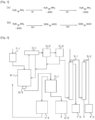
- Fig. 1 schematically shows the process for preparing a diisocyanate composition according to an embodiment.
- R comprises an aromatic ring, an aliphatic ring, an aliphatic chain, and the like.
- R may be xylylene, norbornene, hydrogenated xylylene, isophorone, or hexamethylene, but it is not limited thereto.
- (i) may comprise a step of adding an aqueous hydrochloric acid solution to react a diamine with the aqueous hydrochloric acid solution.
- (ii) may comprise at least one step selected from a precipitation step, a filtration step, a drying step, and a washing step.
- (iii) may comprise a step of adding triphosgene to react a diamine hydrochloride composition with triphosgene.
- (iv) may comprise at least one step selected from a degassing step, a filtration step, and a distillation step.
- the diamine hydrochloride composition is obtained by reacting a diamine with an aqueous hydrochloric acid solution.
- a first organic solvent may be further added to obtain the diamine hydrochloride composition in a solid phase.
- R comprises an aromatic ring, an aliphatic ring, an aliphatic chain, and the like.
- R may be xylylene, norbornene, hydrogenated xylylene, isophorone, or hexamethylene, but it is not limited thereto.
- an aqueous hydrochloric acid solution is used, it is possible to solve the problem involved in the prior art in which hydrogen chloride gas is used. Specifically, when an aqueous hydrochloric acid solution is used, the product obtained through the reaction is in a solid form rather than a slurry form, so that the yield is high. The reaction can be carried out even at atmospheric pressure, so that a separate apparatus or process for rapid cooling is not required.
- the concentration of the aqueous hydrochloric acid solution may be 5% by weight to 50% by weight. Within the above concentration range, it is possible to minimize the dissolution of the hydrochloride in the aqueous hydrochloric acid solution, thereby enhancing the final yield, and to improve the handling convenience.
- the concentration of the aqueous hydrochloric acid solution may be 10% by weight to 45% by weight, 20% by weight to 45% by weight, or 30% by weight to 40% by weight. More specifically, the aqueous hydrochloric acid solution may have a concentration of 20% by weight to 45% by weight.
- the amount of the aqueous hydrochloric acid solution introduced may be adjusted at a molar ratio relative to the amount of the diamine introduced. Examples of the specific amount of introduction are as described above.
- the reaction between the diamine and the aqueous hydrochloric acid solution may be carried out at atmospheric pressure for, for example, 30 minutes to 2 hours with stirring.
- a diamine hydrochloride composition in an aqueous solution form may be obtained as the reaction resultant.
- the process may further comprise cooling the inside of the reactor to a temperature of 0°C to 10°C after the introduction of the diamine and before stirring in step (1b); and cooling the inside of the reactor to a temperature of -5°C to 5°C after the introduction of the first organic solvent and before stirring in step (1c).
- the impurities generated in the step of obtaining the diamine hydrochloride composition may be removed together with the first organic solvent.
- the process may further comprise removing the impurities generated in the step of obtaining the diamine hydrochloride composition together with the first organic solvent.
- Impurities are generated in the reaction for preparing the diamine hydrochloride composition and are contained in the first organic solvent. Such impurities may be removed by the step of removing the first organic solvent, whereby the purity of the product may be increased.
- a diamine is reacted with an aqueous hydrochloric acid solution, which is then subjected to additional treatment such as precipitation, filtration, drying, and washing, whereby a solid diamine hydrochloride composition can be obtained with high purity.
- additional treatment such as precipitation, filtration, drying, and washing
- a slurry of a diamine hydrochloride is obtained, which is not readily purified.
- the organic layer can be separated from the reactant and recycled as an organic solvent.
- the recovery rate of the first organic solvent may be 80% or more, 85% or more, or 90% or more, specifically 80% to 95% or 80% to 82%.
- the diamine hydrochloride composition obtained by the above process mainly comprises a diamine hydrochloride.
- the content of the diamine hydrochloride may be 85% by weight to 99.9% by weight based on the total weight of the composition.
- the diamine hydrochloride may contain two of HCl bonded to the two terminal amine groups of the diamine.
- the content of water in the diamine hydrochloride composition may be 5% by weight or less, 1% by weight or less, 0.1% by weight or less, or 0.01% by weight or less.
- the amount of the aqueous hydrochloric acid solution introduced may be adjusted to control the content of chlorine components or unreacted amines remaining in the diamine hydrochloride composition, thereby controlling the pH of the diamine hydrochloride composition affected by the residual components.
- the chlorine components may be contained in the diamine hydrochloride composition in a specific amount or less.
- the content of chlorine ions in the diamine hydrochloride composition may be 0.1% by weight or less, or 0.01% by weight or less.
- the content of free amines in the diamine hydrochloride composition may be 0.1% by weight or less, and the content of chlorine ions in the diamine hydrochloride composition may be 0.1% by weight or less.
- the second organic solvent may be at least one selected from the group consisting of benzene, toluene, ethylbenzene, chlorobenzene, monochlorobenzene, 1,2-dichlorobenzene, dichloromethane, 1-chloro-n-butane, 1-chloro-n-pentane, 1-chloro-n-hexane, chloroform, carbon tetrachloride, n-pentane, n-hexane, n-heptane, n-octane, cyclohexane, cyclopentane, cyclooctane, and methylcyclohexane.
- the distillation may comprise distilling the diisocyanate.
- the distillation may comprise distillation of a diisocyanate at 100°C to 130°C. If the distillation temperature is within the above range, it is more advantageous for preventing a deterioration in the physical properties of the final optical lens such as stria, cloudiness, and yellowing by effectively removing hydrolyzable chlorine compounds generated at high temperatures such as chloromethylbenzyl isocyanate (CBI) and 1,3-bis(chloromethyl)benzene.
- the distillation may be carried out by setting the bottom temperature of the distiller to 100°C to 130°C.
- the distillation may be carried out by setting the reboiler temperature to 100°C to 130°C.
- the yield of the distillation of a diisocyanate may be 80% or more, specifically 85% or more, 87% or more, 88% or more, or 90% or more. In such event, the distillation yield may be calculated by measuring the amount of the diisocyanate composition upon the distillation relative to the theoretical amount of the diisocyanate composition produced from the amounts of the diamine hydrochloride composition introduced to the phosgenation reaction.
- the reaction temperature range of the diamine hydrochloride composition and triphosgene is controlled, whereby the crude diisocyanate composition before purification may contain very little impurities.
- the diisocyanate composition may contain 98.7% by weight or more of the diisocyanate before the distillation of diisocyanate.
- the diisocyanate composition may contain 99.9% by weight or more of the diisocyanate after the distillation of a diisocyanate.
- the content of a diisocyanate in the diisocyanate composition may be 90% by weight or more, 95% by weight or more, 99.5% by weight or more, or 99.9% by weight or more, specifically 90% to 99.9% by weight.
- the diisocyanate composition prepared by the process according to the embodiment can be applied to the preparation of a plastic optical lens of high quality.
- the step of obtaining a diisocyanate composition from the diamine hydrochloride composition through a phosgenation reaction may comprise (aa) reacting the diamine hydrochloride composition with triphosgene in a second organic solvent in a reactor to obtain a reaction solution; (ab) measuring the color and transparency of the reaction solution; and (ac) obtaining a diisocyanate composition from the reaction solution.
- the color and transparency of the reaction solution may be measured to adjust the reaction conditions.
- the reaction solution at the beginning of the reaction may be opaque colorless or white, and the reaction solution at the time when the reaction is ordinarily completed may be transparent or close to transparent in a light brown color.
- the reaction solution may have a transparent light brown color.
- the reaction solution may have an L* value of 45 to 60, an a* value of 3 to 15, and a b* value of 15 to 30 in the CIE-LAB color coordinate. More specifically, the reaction solution may have an L* value of 50 to 55, an a* value of 5 to 10, and a b* value of 20 to 25 in the CIE-LAB color coordinate.
- the a*, b* and L* values may be measured using a spectrophotometer.
- An example of a suitable spectrophotometer is the Colormate by Scinco Corporation.
- the reaction solution may have a transmittance of 60% or more, 70% or more, 80% or more, or 90% or more, for light having a wavelength of 550 nm.
- the reaction solution may have a haze of 20% or less, 10% or less, 5% or less, or 3% or less.
- the reaction solution may have a transmittance of 70% or more for light having a wavelength of 550 nm and a haze of 10% or less. More specifically, the reaction solution may have a transmittance of 80% or more for light having a wavelength of 550 nm and a haze of 5% or less.
- the reaction solution may be opaque or have a precipitate, and the color may be pale, white, or colorless.
- the reaction solution may be opaque or may have a color other than light brown, for example, a dark brown or dark color.
- the color and transparency of the reaction solution may be measured in real time.
- the reactor may have a viewing window, and the measurement of the color and transparency of the reaction solution may be carried out through the viewing window.
- the reactor is connected to one or more stages of condensers. Once the gas generated in the reactor has been transferred to the one or more stages of condensers, the second organic solvent present in the gas may be condensed and recycled to the reactor.
- the one or more stages of condensers are connected to a first scrubber and a second scrubber.
- the gas transferred from the reactor to the one or more stages of condensers contains hydrogen chloride gas and phosgene gas
- the first scrubber may dissolve the hydrogen chloride gas in water to produce an aqueous solution
- the second scrubber may neutralize the phosgene gas with an aqueous NaOH solution.
- the separated second organic solvent may be recycled for the reaction of the diamine hydrochloride composition and triphosgene.
- Fig. 2 shows an example of the process equipment for the reaction of a diamine hydrochloride composition and triphosgene.
- a first tank (T-1) is charged with a second organic solvent and triphosgene, and the temperature is maintained to be constant by refluxing hot water.
- the inside of a reactor (R-1) is purged with nitrogen, a second organic solvent is introduced thereto with stirring, a diamine hydrochloride composition is slowly introduced thereto, and they are stirred while the internal temperature of the reactor is maintained to be constant.
- triphosgene in the second organic solvent is gradually introduced into the reactor (R-1) from the first tank (T-1).
- the introduction of triphosgene in the second organic solvent is carried out at a time or divided into two or more times.
- stirring is performed while the internal temperature of the reactor (R-1) is maintained to be constant.
- an additional reaction is carried out while stirring is performed for a certain period of time.
- the color and transparency of the reaction solution are monitored with the naked eyes through a viewing window (G-1) provided in the reactor (R-1).
- the color and transparency of the reaction solution are measured with an optical device through the viewing window (G-1) provided in the reactor (R-1).
- the optical device may include a digital camera, a spectrometer, and optical analysis equipment.
- the gas (second organic solvent, hydrogen chloride, phosgene, and the like) present inside the reactor (R-1) is transferred to a first condenser (C-1).
- first condenser (C-1) the second organic solvent is firstly condensed by cooling and recycled to the reactor (R-1), and the remaining gas is transferred to a second condenser (C-2).
- second condenser (C-2) the second organic solvent is secondly condensed by cooling and recycled to the reactor (R-1), and the remaining gas is transferred to a third condenser (C-3).
- the third condenser (C-3) the second organic solvent is thirdly condensed by cooling and recycled to the reactor (R-1).
- the remaining gas (hydrogen chloride, phosgene, and the like) is transferred to a first scrubber (S-1).
- first scrubber (S-1) hydrogen chloride gas is dissolved in water to obtain an aqueous hydrochloric acid solution and stored in a second tank (T-2), and the remaining gas is transferred to a second scrubber (S-2).
- second scrubber (S-1) phosgene (COCh) gas may be neutralized with an aqueous sodium hydroxide solution stored in a third tank (T-3) and removed.
- the reaction solution obtained from the reactor (R-1) is sequentially transferred to a first distiller (D-1) and a second distiller (D-2). While it undergoes first and second distillation, the diisocyanate composition and the second organic solvent are separated from the reaction solution.
- the second organic solvent separated from the reaction solution may be transferred to, and stored in, a solvent recovery apparatus (V-1). Thereafter, it may be recycled for the reaction of the diamine hydrochloride composition and triphosgene.
- the diisocyanate composition prepared in the above embodiment may be combined with other components to prepare a composition for an optical material. That is, the composition for an optical material comprises a diisocyanate composition prepared according to the above embodiment and a thiol or an episulfide.
- the composition for an optical material may be used to prepare an optical material, specifically an optical lens.
- the composition for an optical material is mixed and heated and cured in a mold to produce an optical lens.
- the process for preparing an optical lens or the characteristic thereof described below should be understood as a process for preparing various optical materials or the characteristic thereof that can be implemented using the diisocyanate composition according to the embodiment in addition to an optical lens.
- the process for preparing an optical lens comprises mixing the diisocyanate composition with a thiol or an episulfide and polymerizing and curing the resultant in a mold, wherein the diisocyanate composition has a pH of 5.0 to 5.8.
- the pH of a diisocyanate composition used in the preparation of an optical lens is adjusted to a specific range, whereby it is possible to suppress the stria and cloudiness and to enhance the optical characteristics of the final optical lens.
- the thiol may be 2-(2-mercaptoethylthio)propane-1,3-dithiol, 2,3-bis(2-mercaptoethylthio)propane-1-thiol, 2-(2,3-bis(2-mercaptoethylthio)propylthio)ethanethiol, 1,2-bis(2-mercaptoethylthio)-3-mercaptopropane, 1,2-bis(2-(2-mercaptoethylthio)-3-mercaptopropylthio)-ethane, bis(2-(2-mercaptoethylthio)-3-mercaptopropyl) sulfide, 2-(2-mercaptoethylthio)-3-2-mercapto-3-[3-mercapto-2-(2-mercaptoethylthio)-propylthio]propylthio-propane-1-thiol, 2,2'-thiodiethanethiol
- the thiol may be any one or two or more of the exemplary compounds, but it is not limited thereto.
- the episulfide may be any one or two or more of the exemplary compounds, but it is not limited thereto.
- the episulfide may be a compound in which at least one of the hydrogens of its thioepoxy group is substituted with a methyl group.
- the thiol or episulfide is mixed with a diisocyanate composition and other additives, which is defoamed, injected into a mold, and gradually polymerized while the temperature is gradually elevated from low to high temperatures.
- the resin is cured by heating to prepare an optical lens.
- the optical lens prepared by the above process has excellent optical properties such as transparency, refractive index, and yellow index.
- the optical lens may have a refractive index of 1.55 or more, specifically a refractive index of 1.55 to 1.77.
- the optical lens may have a refractive index of 1.6 or more, specifically a refractive index of 1.6 to 1.7.
- Light may be transmitted in the height direction to measure the yellow index and transmittance.
- Transmittance may be measured using a UV-Vis spectrophotometer, for example a Lambda 365 by PerkinElmer. Specifically, the light transmittance may be measured at an interval of 1 nm with a scan rate of 300 nm/min in a wavelength range of 380 to 780 nm.
- a reactor was charged with 1,009.4 g (9.46 moles) of an aqueous hydrochloric acid solution having a concentration of 35% by weight, followed by lowering the internal temperature of the reactor to 15°C with stirring. While the temperature of the reactor was maintained at 60°C, 600.0 g (4.4 moles) of m-XDA was introduced for 1 hour. Here, the amount of the hydrochloric acid aqueous solution introduced was equivalent to 2.15 moles of HCl per 1 mole of m-XDA. Upon completion of the introduction, the internal temperature of the reactor was lowered to 10°C, and it was stirred for 1 hour.
- Reactor A was charged with 800 g of the diamine hydrochloride composition prepared above and 3,550 g of orthodichlorobenzene (ODCB), followed by heating them at about 125°C with stirring.
- Reactor B was charged with 950 g of triphosgene (BTMC) and 800 g of ODCB, which was stirred at about 60°C for dissolution. While the temperature was maintained at 125°C so as not to precipitate, it was added dropwise to Reactor A over 24 hours. Upon completion of the dropwise addition, it was stirred for 4 hours. Upon completion of the reaction, nitrogen gas was blown into the solvent with bubbling at 125°C to degas.
- BTMC triphosgene
- the pH of the diamine hydrochloride composition and the diisocyanate composition obtained in steps (1) and (2) of the Examples and the Comparative Examples, respectively, are summarized in Table 1 below.
- the pH of the diamine hydrochloride composition was measured by dissolving a solid sample at a concentration of 10% by weight in water.
- the pH of the diisocyanate composition was measured using a measurement instrument (LAQUA F-72G, HORIBA) and a water-insoluble electrode (6377-10D).
- the pH of 4.0, 7.0, and 10.0 was calibrated in advance with a buffer solution. A sample was filled in at least 50 ml in a 100-ml glass bottle, stabilized for 1 hour after the electrode was immersed, and measured three times to obtain an average value.
- the distillation yield was calculated by measuring the amount of the diisocyanate composition upon the distillation relative to the theoretical amount of the diisocyanate composition produced from the amounts of the diamine hydrochloride composition introduced to the reaction with triphosgene.
- a lens having a diameter of 75 mm with -2.00 and -8.00 D was prepared. Light from a mercury lamp as a light source was transmitted through the lens. The transmitted light was projected onto a white plate, and the presence or absence of contrast was visually checked to determine the generation of striae.
- the optical lens was irradiated to a projector in a darkroom to observe whether the optical lens was cloudy or had any opaque material with the naked eyes.
- An optical lens was prepared in the form of a cylinder with a radius of 16 mm and a height of 45 mm. Light was transmitted in the height direction to measure the yellow index and transmittance. The yellow index was calculated by the following equation based on the values of x and y, which are the measurement results.
- Y.I. (234x + 106y)/y.
- Diisocyanate composition Optical lens Distillation yield Diisocyanate content (% by weight) Stria Cloudiness Transmittance Y.I. Before distillation After distillation Ex. 1-1 91% 99.1% 99.9% Absent Absent 90% 19 Ex. 1-2 89% 99.1% 99.9% Absent Absent 91% 21 Ex.
Landscapes
- Chemical & Material Sciences (AREA)
- Organic Chemistry (AREA)
- Chemical Kinetics & Catalysis (AREA)
- Health & Medical Sciences (AREA)
- Medicinal Chemistry (AREA)
- Polymers & Plastics (AREA)
- Physics & Mathematics (AREA)
- General Physics & Mathematics (AREA)
- Optics & Photonics (AREA)
- Inorganic Chemistry (AREA)
- Organic Low-Molecular-Weight Compounds And Preparation Thereof (AREA)
- Polyurethanes Or Polyureas (AREA)
Claims (13)
- Composition de diisocyanate pour une lentille optique, qui présente un pH de 5,0 à 5,8.
- Composition de diisocyanate pour une lentille optique selon la revendication 1, qui comprend du diisocyanate de xylylène, dans laquelle la teneur en diisocyanate de xylylène dans la composition de diisocyanate est supérieure ou égale à 99,9 % en poids.
- Composition de diisocyanate pour une lentille optique selon la revendication 1 ou la revendication 2, dans laquelle la teneur en ions chlore dans la composition de diisocyanate est inférieure ou égale à 100 ppm, et le pH de la composition de diisocyanate est de 5,5 à 5,7.
- Processus de préparation d'une composition de diisocyanate pour une lentille optique présentant un pH de 5,0 à 5,8, qui comprend :la mise en réaction d'une diamine avec une solution aqueuse d'acide chlorhydrique pour obtenir une composition de chlorhydrate de diamine ; etl'obtention d'une composition de diisocyanate à partir de la composition de chlorhydrate de diamine par une réaction de phosgénation,dans lequel la solution aqueuse d'acide chlorhydrique est introduite de telle sorte que la quantité de HCl soit de 2,02 moles à 4,00 moles pour 1 mole de la diamine, etla composition de chlorhydrate de diamine présente un pH de 3,0 à 4,0 lorsqu'elle est dissoute dans l'eau à une concentration de 10 % en poids.
- Processus de préparation d'une composition de diisocyanate pour une lentille optique selon la revendication 4, dans lequel la réaction de phosgénation est réalisée à une température de 115 °C à 130 °C en utilisant du triphosgène, et la solution aqueuse d'acide chlorhydrique présente une concentration de 20 % en poids à 45 % en poids.
- Processus de préparation d'une composition de diisocyanate pour une lentille optique selon la revendication 4 ou la revendication 5, dans lequel la teneur en amines libres dans la composition de chlorhydrate de diamine est inférieure ou égale à 0,1 % en poids, la teneur en ions chlore dans la composition de chlorhydrate de diamine est inférieure ou égale à 0,1 % en poids, et la composition de diisocyanate présente un pH de 5,0 à 5,8.
- Processus de préparation d'une composition de diisocyanate pour une lentille optique selon l'une quelconque des revendications 4-6, qui comprend en outre le traitement de la composition de chlorhydrate de diamine après que la diamine et la composition de chlorhydrate de diamine ont réagi, dans lequel l'étape de traitement de la composition de chlorhydrate de diamine comprend au moins l'un parmi la précipitation de la composition de chlorhydrate de diamine, le filtrage de la composition de chlorhydrate de diamine, le séchage de la composition de chlorhydrate de diamine et le lavage de la composition de chlorhydrate de diamine.
- Processus de préparation d'une composition de diisocyanate pour une lentille optique selon l'une quelconque des revendications 4-7, dans lequel la composition de diisocyanate est obtenue par distillation après la réaction de phosgénation,la distillation comprend la distillation d'un diisocyanate à une température de 100 °C à 130 °C et une pression inférieure ou égale à 2 torr (267 Pa), etle rendement de la distillation d'un diisocyanate est supérieur ou égal à 88 %.
- Processus de préparation d'une composition de diisocyanate pour une lentille optique selon l'une quelconque des revendications 4-8, dans lequel la composition de diisocyanate comprend 98,7 % en poids ou plus du diisocyanate avant la distillation d'un diisocyanate, et la composition de diisocyanate comprend 99,9 % en poids ou plus du diisocyanate après la distillation d'un diisocyanate.
- Processus de préparation d'une composition de diisocyanate pour une lentille optique selon l'une quelconque des revendications 4-9, dans lequel la diamine est la xylylènediamine, et la composition de diisocyanate comprend du diisocyanate de xylylène.
- Processus de préparation d'une lentille optique, comprenant :l'obtention d'une composition de diisocyanate présentant un pH de 5,0 à 5,8 à partir d'une composition de chlorhydrate de diamine par une réaction de phosgénation ; etle mélange de la composition de diisocyanate avec un thiol ou un épisulfure et la polymérisation et le durcissement du produit obtenu dans un moule ;dans lequel la composition de chlorhydrate de diamine présente un pH de 3,0 à 4,0 lorsqu'elle est dissoute dans l'eau à une concentration de 10 % en poids.
- Processus de préparation d'une lentille optique, comprenant :le mélange d'une composition de diisocyanate avec un thiol ou un épisulfure ; etla polymérisation et le durcissement du produit obtenu dans un moule ;dans lequel la composition de diisocyanate présente un pH de 5,0 à 5,8.
- Lentille optique formée par mélange d'une composition de diisocyanate avec un thiol ou un épisulfure et polymérisation et durcissement du produit obtenu dans un moule, dans laquelle la composition de diisocyanate présente un pH de 5,0 à 5,8.
Applications Claiming Priority (3)
| Application Number | Priority Date | Filing Date | Title |
|---|---|---|---|
| KR20190162101 | 2019-12-06 | ||
| KR1020200099495A KR102496434B1 (ko) | 2019-12-06 | 2020-08-07 | 디이소시아네이트 조성물 및 광학 렌즈의 제조방법 |
| KR1020200099496A KR102511797B1 (ko) | 2019-12-06 | 2020-08-07 | 광학 렌즈용 디이소시아네이트 조성물 및 이의 제조방법 |
Publications (2)
| Publication Number | Publication Date |
|---|---|
| EP3831806A1 EP3831806A1 (fr) | 2021-06-09 |
| EP3831806B1 true EP3831806B1 (fr) | 2024-07-10 |
Family
ID=73747873
Family Applications (1)
| Application Number | Title | Priority Date | Filing Date |
|---|---|---|---|
| EP20212324.6A Active EP3831806B1 (fr) | 2019-12-06 | 2020-12-07 | Composition de diisocyanate pour lentille optique et son procédé de préparation |
Country Status (4)
| Country | Link |
|---|---|
| US (1) | US11702384B2 (fr) |
| EP (1) | EP3831806B1 (fr) |
| JP (1) | JP7307440B2 (fr) |
| CN (2) | CN112920374B (fr) |
Cited By (1)
| Publication number | Priority date | Publication date | Assignee | Title |
|---|---|---|---|---|
| EP4257626A4 (fr) * | 2020-12-03 | 2025-05-21 | SK pucore co., ltd. | Composition de diisocyanate de xylylène et composition optique la comprenant |
Families Citing this family (3)
| Publication number | Priority date | Publication date | Assignee | Title |
|---|---|---|---|---|
| JP7126217B2 (ja) * | 2019-12-06 | 2022-08-26 | エスケイシー・カンパニー・リミテッド | ジアミン組成物、およびジイソシアネート組成物の調製方法 |
| US20230087212A1 (en) * | 2021-09-02 | 2023-03-23 | Skc Co., Ltd. | Xylylene diisocyanate composition and optical polymerizable composition including the same |
| CN116284821B (zh) * | 2023-03-16 | 2025-09-12 | 郑州师范学院 | 一种超支化聚芳酰胺接枝石墨烯的合成工艺和应用 |
Citations (10)
| Publication number | Priority date | Publication date | Assignee | Title |
|---|---|---|---|---|
| US3492331A (en) | 1966-12-20 | 1970-01-27 | Upjohn Co | 4 - nitro - 2,6 - dichlorophenyl isocyanate and preparation of organic isocyanates |
| CN1931834A (zh) | 2005-09-13 | 2007-03-21 | 杭州崇舜化学有限公司 | 一种苯二亚甲基二异氰酸酯的合成方法 |
| JP4606918B2 (ja) | 2005-03-25 | 2011-01-05 | 三井化学株式会社 | 安定化された脂肪族及び/または脂環族イソシアナートを含有する組成物 |
| CN103030768A (zh) | 2013-01-06 | 2013-04-10 | 久盛地板有限公司 | 一种聚氨酯丙烯酸酯预聚物及其制备方法及用其制得的油漆 |
| CN106674056A (zh) | 2016-11-14 | 2017-05-17 | 湖南海利化工股份有限公司 | 一种氢化苯二亚甲基二异氰酸酯的制备方法 |
| CN106748887A (zh) | 2017-01-11 | 2017-05-31 | 黄河三角洲京博化工研究院有限公司 | 一种苯二亚甲基二异氰酸酯的制备方法 |
| EP3404053A1 (fr) | 2017-05-17 | 2018-11-21 | SKC Co., Ltd. | Composition de diisocyanate xylylène à stabilité et réactivité améliorées et lentille optique l'utilisant |
| EP3444236A1 (fr) | 2016-04-11 | 2019-02-20 | Mitsui Chemicals, Inc. | Composition de xylylène diisocyanate, résine et composition polymérisable |
| EP3470393A1 (fr) | 2017-04-10 | 2019-04-17 | Mitsui Chemicals, Inc. | Composition de diisocyanate de xylylène, composition de modification de diisocyanate de xylylène, matériau de départ de résine à deux composants et résine |
| WO2019235862A1 (fr) | 2018-06-07 | 2019-12-12 | 우리화인켐 주식회사 | Procédé de fabrication de diisocyanate et de lentille optique |
Family Cites Families (8)
| Publication number | Priority date | Publication date | Assignee | Title |
|---|---|---|---|---|
| US3410888A (en) * | 1965-05-18 | 1968-11-12 | Upjohn Co | Process for recovering aromatic diisocyanates |
| JPH0720781B2 (ja) * | 1989-02-15 | 1995-03-08 | 塚田 育代 | ロータリー式丁合機における刷本くわえ取り装置 |
| JP2790513B2 (ja) | 1989-02-23 | 1998-08-27 | 三井化学株式会社 | キシリレンジイソシアネートの製造方法 |
| JP3185807B2 (ja) | 1992-03-03 | 2001-07-11 | 荒川化学工業株式会社 | 脂肪族多環式ジイソシアネート化合物及びその製造法 |
| KR940001948A (ko) | 1992-07-06 | 1994-02-16 | 정상문 | 조립식 경량칸막이 및 천정판넬의 페인팅 방법 |
| JPH0834774A (ja) | 1994-07-26 | 1996-02-06 | Kuraray Co Ltd | ポリイソシアネート、その製造用のジイソシアネートおよびそれらの製造方法 |
| KR20100087300A (ko) | 2007-09-28 | 2010-08-04 | 글락소스미스클라인 엘엘씨 | 글리코겐 포스포릴라아제 억제제 화합물 및 이의 약학적 조성물 |
| KR101954346B1 (ko) | 2017-12-27 | 2019-03-05 | 에스케이씨 주식회사 | 안정성 및 반응성이 개선된 이소시아네이트 조성물, 및 이를 이용한 광학 렌즈 |
-
2020
- 2020-12-04 US US17/111,814 patent/US11702384B2/en active Active
- 2020-12-04 JP JP2020202272A patent/JP7307440B2/ja active Active
- 2020-12-07 CN CN202011431640.XA patent/CN112920374B/zh active Active
- 2020-12-07 EP EP20212324.6A patent/EP3831806B1/fr active Active
- 2020-12-07 CN CN202310525681.2A patent/CN116554434A/zh active Pending
Patent Citations (10)
| Publication number | Priority date | Publication date | Assignee | Title |
|---|---|---|---|---|
| US3492331A (en) | 1966-12-20 | 1970-01-27 | Upjohn Co | 4 - nitro - 2,6 - dichlorophenyl isocyanate and preparation of organic isocyanates |
| JP4606918B2 (ja) | 2005-03-25 | 2011-01-05 | 三井化学株式会社 | 安定化された脂肪族及び/または脂環族イソシアナートを含有する組成物 |
| CN1931834A (zh) | 2005-09-13 | 2007-03-21 | 杭州崇舜化学有限公司 | 一种苯二亚甲基二异氰酸酯的合成方法 |
| CN103030768A (zh) | 2013-01-06 | 2013-04-10 | 久盛地板有限公司 | 一种聚氨酯丙烯酸酯预聚物及其制备方法及用其制得的油漆 |
| EP3444236A1 (fr) | 2016-04-11 | 2019-02-20 | Mitsui Chemicals, Inc. | Composition de xylylène diisocyanate, résine et composition polymérisable |
| CN106674056A (zh) | 2016-11-14 | 2017-05-17 | 湖南海利化工股份有限公司 | 一种氢化苯二亚甲基二异氰酸酯的制备方法 |
| CN106748887A (zh) | 2017-01-11 | 2017-05-31 | 黄河三角洲京博化工研究院有限公司 | 一种苯二亚甲基二异氰酸酯的制备方法 |
| EP3470393A1 (fr) | 2017-04-10 | 2019-04-17 | Mitsui Chemicals, Inc. | Composition de diisocyanate de xylylène, composition de modification de diisocyanate de xylylène, matériau de départ de résine à deux composants et résine |
| EP3404053A1 (fr) | 2017-05-17 | 2018-11-21 | SKC Co., Ltd. | Composition de diisocyanate xylylène à stabilité et réactivité améliorées et lentille optique l'utilisant |
| WO2019235862A1 (fr) | 2018-06-07 | 2019-12-12 | 우리화인켐 주식회사 | Procédé de fabrication de diisocyanate et de lentille optique |
Non-Patent Citations (1)
| Title |
|---|
| D06: KR 10-2019-0162101, THE FIRST PRIORITY APPLICATION OF THE PATENT |
Cited By (1)
| Publication number | Priority date | Publication date | Assignee | Title |
|---|---|---|---|---|
| EP4257626A4 (fr) * | 2020-12-03 | 2025-05-21 | SK pucore co., ltd. | Composition de diisocyanate de xylylène et composition optique la comprenant |
Also Published As
| Publication number | Publication date |
|---|---|
| CN112920374A (zh) | 2021-06-08 |
| US20210171452A1 (en) | 2021-06-10 |
| EP3831806A1 (fr) | 2021-06-09 |
| JP2021091893A (ja) | 2021-06-17 |
| CN112920374B (zh) | 2023-05-30 |
| US11702384B2 (en) | 2023-07-18 |
| JP7307440B2 (ja) | 2023-07-12 |
| CN116554434A (zh) | 2023-08-08 |
Similar Documents
| Publication | Publication Date | Title |
|---|---|---|
| EP3831806B1 (fr) | Composition de diisocyanate pour lentille optique et son procédé de préparation | |
| EP3831861A1 (fr) | Composition de diisocyanate, son procédé de préparation et matériau optique l'utilisant | |
| US20230357136A1 (en) | Diamine composition, and method of preparing diisocyanate composition | |
| US11964931B2 (en) | Method of preparing diisocyanate composition and optical lens | |
| KR102217747B1 (ko) | 디이소시아네이트 조성물 및 광학 렌즈의 제조방법 | |
| US11634383B2 (en) | Method of preparing diisocyanate composition | |
| KR102496434B1 (ko) | 디이소시아네이트 조성물 및 광학 렌즈의 제조방법 | |
| US11987541B2 (en) | Method of preparing diisocyanate composition | |
| US11932591B2 (en) | Method of preparing diisocyanate composition and optical lens | |
| US11518737B2 (en) | Method of preparing diisocyanate composition and optical lens | |
| EP3831808A1 (fr) | Procédé de préparation de composition de diisocyanate et lentille optique | |
| KR102364914B1 (ko) | 디이소시아네이트 조성물 및 광학 렌즈의 제조방법 | |
| KR20210070832A (ko) | 디이소시아네이트 조성물 및 광학 렌즈의 제조방법 | |
| KR102933675B1 (ko) | 디이소시아네이트 조성물 및 광학 렌즈의 제조방법 | |
| KR102934622B1 (ko) | 디이소시아네이트 조성물 및 광학 렌즈의 제조방법 | |
| KR102889790B1 (ko) | 디이소시아네이트 조성물 및 광학 렌즈의 제조방법 | |
| KR102456419B1 (ko) | 디이소시아네이트 조성물 및 광학 렌즈의 제조방법 | |
| KR102889794B1 (ko) | 디아민 염산염 조성물, 디이소시아네이트 조성물 및 광학 렌즈의 제조방법 | |
| KR102217752B1 (ko) | 디이소시아네이트 조성물 및 광학 렌즈의 제조방법 | |
| KR102889793B1 (ko) | 디이소시아네이트 조성물 및 광학 렌즈의 제조방법, 및 이를 위한 디아민 염산염 조성물 | |
| KR20210071670A (ko) | 디이소시아네이트 조성물 및 광학 렌즈의 제조방법 |
Legal Events
| Date | Code | Title | Description |
|---|---|---|---|
| PUAI | Public reference made under article 153(3) epc to a published international application that has entered the european phase |
Free format text: ORIGINAL CODE: 0009012 |
|
| STAA | Information on the status of an ep patent application or granted ep patent |
Free format text: STATUS: THE APPLICATION HAS BEEN PUBLISHED |
|
| AK | Designated contracting states |
Kind code of ref document: A1 Designated state(s): AL AT BE BG CH CY CZ DE DK EE ES FI FR GB GR HR HU IE IS IT LI LT LU LV MC MK MT NL NO PL PT RO RS SE SI SK SM TR |
|
| STAA | Information on the status of an ep patent application or granted ep patent |
Free format text: STATUS: REQUEST FOR EXAMINATION WAS MADE |
|
| 17P | Request for examination filed |
Effective date: 20211208 |
|
| RBV | Designated contracting states (corrected) |
Designated state(s): AL AT BE BG CH CY CZ DE DK EE ES FI FR GB GR HR HU IE IS IT LI LT LU LV MC MK MT NL NO PL PT RO RS SE SI SK SM TR |
|
| RIC1 | Information provided on ipc code assigned before grant |
Ipc: C08L 81/02 20060101ALI20220302BHEP Ipc: C08L 75/04 20060101ALI20220302BHEP Ipc: C08G 18/76 20060101ALI20220302BHEP Ipc: C08G 18/38 20060101ALI20220302BHEP Ipc: C08G 18/24 20060101ALI20220302BHEP Ipc: C08L 81/00 20060101ALI20220302BHEP Ipc: G02B 1/04 20060101ALI20220302BHEP Ipc: C08G 75/00 20060101ALI20220302BHEP Ipc: C08K 5/29 20060101ALI20220302BHEP Ipc: C08G 18/00 20060101ALI20220302BHEP Ipc: C07C 263/10 20060101ALI20220302BHEP Ipc: C07C 209/00 20060101AFI20220302BHEP |
|
| GRAP | Despatch of communication of intention to grant a patent |
Free format text: ORIGINAL CODE: EPIDOSNIGR1 |
|
| STAA | Information on the status of an ep patent application or granted ep patent |
Free format text: STATUS: GRANT OF PATENT IS INTENDED |
|
| INTG | Intention to grant announced |
Effective date: 20220504 |
|
| GRAJ | Information related to disapproval of communication of intention to grant by the applicant or resumption of examination proceedings by the epo deleted |
Free format text: ORIGINAL CODE: EPIDOSDIGR1 |
|
| STAA | Information on the status of an ep patent application or granted ep patent |
Free format text: STATUS: REQUEST FOR EXAMINATION WAS MADE |
|
| INTC | Intention to grant announced (deleted) | ||
| GRAP | Despatch of communication of intention to grant a patent |
Free format text: ORIGINAL CODE: EPIDOSNIGR1 |
|
| STAA | Information on the status of an ep patent application or granted ep patent |
Free format text: STATUS: GRANT OF PATENT IS INTENDED |
|
| RIC1 | Information provided on ipc code assigned before grant |
Ipc: C08L 81/02 20060101ALI20221110BHEP Ipc: C08L 75/04 20060101ALI20221110BHEP Ipc: C08G 18/76 20060101ALI20221110BHEP Ipc: C08G 18/38 20060101ALI20221110BHEP Ipc: C08G 18/24 20060101ALI20221110BHEP Ipc: G02B 1/04 20060101ALI20221110BHEP Ipc: C08G 75/00 20060101ALI20221110BHEP Ipc: C08K 5/29 20060101ALI20221110BHEP Ipc: C07C 263/10 20060101ALI20221110BHEP Ipc: C07C 209/00 20060101AFI20221110BHEP |
|
| INTG | Intention to grant announced |
Effective date: 20221205 |
|
| GRAJ | Information related to disapproval of communication of intention to grant by the applicant or resumption of examination proceedings by the epo deleted |
Free format text: ORIGINAL CODE: EPIDOSDIGR1 |
|
| STAA | Information on the status of an ep patent application or granted ep patent |
Free format text: STATUS: REQUEST FOR EXAMINATION WAS MADE |
|
| TPAC | Observations filed by third parties |
Free format text: ORIGINAL CODE: EPIDOSNTIPA |
|
| INTC | Intention to grant announced (deleted) | ||
| P01 | Opt-out of the competence of the unified patent court (upc) registered |
Effective date: 20230614 |
|
| GRAP | Despatch of communication of intention to grant a patent |
Free format text: ORIGINAL CODE: EPIDOSNIGR1 |
|
| STAA | Information on the status of an ep patent application or granted ep patent |
Free format text: STATUS: GRANT OF PATENT IS INTENDED |
|
| INTG | Intention to grant announced |
Effective date: 20240213 |
|
| RAP1 | Party data changed (applicant data changed or rights of an application transferred) |
Owner name: WOORI FINE CHEM CO., LTD. Owner name: SK PUCORE CO., LTD. |
|
| GRAS | Grant fee paid |
Free format text: ORIGINAL CODE: EPIDOSNIGR3 |
|
| GRAA | (expected) grant |
Free format text: ORIGINAL CODE: 0009210 |
|
| STAA | Information on the status of an ep patent application or granted ep patent |
Free format text: STATUS: THE PATENT HAS BEEN GRANTED |
|
| AK | Designated contracting states |
Kind code of ref document: B1 Designated state(s): AL AT BE BG CH CY CZ DE DK EE ES FI FR GB GR HR HU IE IS IT LI LT LU LV MC MK MT NL NO PL PT RO RS SE SI SK SM TR |
|
| REG | Reference to a national code |
Ref country code: CH Ref legal event code: EP |
|
| REG | Reference to a national code |
Ref country code: DE Ref legal event code: R096 Ref document number: 602020033675 Country of ref document: DE |
|
| REG | Reference to a national code |
Ref country code: LT Ref legal event code: MG9D |
|
| REG | Reference to a national code |
Ref country code: NL Ref legal event code: MP Effective date: 20240710 |
|
| PG25 | Lapsed in a contracting state [announced via postgrant information from national office to epo] |
Ref country code: PT Free format text: LAPSE BECAUSE OF FAILURE TO SUBMIT A TRANSLATION OF THE DESCRIPTION OR TO PAY THE FEE WITHIN THE PRESCRIBED TIME-LIMIT Effective date: 20241111 |
|
| REG | Reference to a national code |
Ref country code: AT Ref legal event code: MK05 Ref document number: 1701958 Country of ref document: AT Kind code of ref document: T Effective date: 20240710 |
|
| PG25 | Lapsed in a contracting state [announced via postgrant information from national office to epo] |
Ref country code: NL Free format text: LAPSE BECAUSE OF FAILURE TO SUBMIT A TRANSLATION OF THE DESCRIPTION OR TO PAY THE FEE WITHIN THE PRESCRIBED TIME-LIMIT Effective date: 20240710 |
|
| PG25 | Lapsed in a contracting state [announced via postgrant information from national office to epo] |
Ref country code: PT Free format text: LAPSE BECAUSE OF FAILURE TO SUBMIT A TRANSLATION OF THE DESCRIPTION OR TO PAY THE FEE WITHIN THE PRESCRIBED TIME-LIMIT Effective date: 20241111 Ref country code: NL Free format text: LAPSE BECAUSE OF FAILURE TO SUBMIT A TRANSLATION OF THE DESCRIPTION OR TO PAY THE FEE WITHIN THE PRESCRIBED TIME-LIMIT Effective date: 20240710 |
|
| PG25 | Lapsed in a contracting state [announced via postgrant information from national office to epo] |
Ref country code: NO Free format text: LAPSE BECAUSE OF FAILURE TO SUBMIT A TRANSLATION OF THE DESCRIPTION OR TO PAY THE FEE WITHIN THE PRESCRIBED TIME-LIMIT Effective date: 20241010 |
|
| PG25 | Lapsed in a contracting state [announced via postgrant information from national office to epo] |
Ref country code: GR Free format text: LAPSE BECAUSE OF FAILURE TO SUBMIT A TRANSLATION OF THE DESCRIPTION OR TO PAY THE FEE WITHIN THE PRESCRIBED TIME-LIMIT Effective date: 20241011 Ref country code: FI Free format text: LAPSE BECAUSE OF FAILURE TO SUBMIT A TRANSLATION OF THE DESCRIPTION OR TO PAY THE FEE WITHIN THE PRESCRIBED TIME-LIMIT Effective date: 20240710 Ref country code: PL Free format text: LAPSE BECAUSE OF FAILURE TO SUBMIT A TRANSLATION OF THE DESCRIPTION OR TO PAY THE FEE WITHIN THE PRESCRIBED TIME-LIMIT Effective date: 20240710 |
|
| PG25 | Lapsed in a contracting state [announced via postgrant information from national office to epo] |
Ref country code: BG Free format text: LAPSE BECAUSE OF FAILURE TO SUBMIT A TRANSLATION OF THE DESCRIPTION OR TO PAY THE FEE WITHIN THE PRESCRIBED TIME-LIMIT Effective date: 20240710 |
|
| PG25 | Lapsed in a contracting state [announced via postgrant information from national office to epo] |
Ref country code: LV Free format text: LAPSE BECAUSE OF FAILURE TO SUBMIT A TRANSLATION OF THE DESCRIPTION OR TO PAY THE FEE WITHIN THE PRESCRIBED TIME-LIMIT Effective date: 20240710 |
|
| PG25 | Lapsed in a contracting state [announced via postgrant information from national office to epo] |
Ref country code: AT Free format text: LAPSE BECAUSE OF FAILURE TO SUBMIT A TRANSLATION OF THE DESCRIPTION OR TO PAY THE FEE WITHIN THE PRESCRIBED TIME-LIMIT Effective date: 20240710 Ref country code: IS Free format text: LAPSE BECAUSE OF FAILURE TO SUBMIT A TRANSLATION OF THE DESCRIPTION OR TO PAY THE FEE WITHIN THE PRESCRIBED TIME-LIMIT Effective date: 20241110 |
|
| PG25 | Lapsed in a contracting state [announced via postgrant information from national office to epo] |
Ref country code: HR Free format text: LAPSE BECAUSE OF FAILURE TO SUBMIT A TRANSLATION OF THE DESCRIPTION OR TO PAY THE FEE WITHIN THE PRESCRIBED TIME-LIMIT Effective date: 20240710 |
|
| PG25 | Lapsed in a contracting state [announced via postgrant information from national office to epo] |
Ref country code: ES Free format text: LAPSE BECAUSE OF FAILURE TO SUBMIT A TRANSLATION OF THE DESCRIPTION OR TO PAY THE FEE WITHIN THE PRESCRIBED TIME-LIMIT Effective date: 20240710 Ref country code: RS Free format text: LAPSE BECAUSE OF FAILURE TO SUBMIT A TRANSLATION OF THE DESCRIPTION OR TO PAY THE FEE WITHIN THE PRESCRIBED TIME-LIMIT Effective date: 20241010 |
|
| PG25 | Lapsed in a contracting state [announced via postgrant information from national office to epo] |
Ref country code: RS Free format text: LAPSE BECAUSE OF FAILURE TO SUBMIT A TRANSLATION OF THE DESCRIPTION OR TO PAY THE FEE WITHIN THE PRESCRIBED TIME-LIMIT Effective date: 20241010 Ref country code: PL Free format text: LAPSE BECAUSE OF FAILURE TO SUBMIT A TRANSLATION OF THE DESCRIPTION OR TO PAY THE FEE WITHIN THE PRESCRIBED TIME-LIMIT Effective date: 20240710 Ref country code: NO Free format text: LAPSE BECAUSE OF FAILURE TO SUBMIT A TRANSLATION OF THE DESCRIPTION OR TO PAY THE FEE WITHIN THE PRESCRIBED TIME-LIMIT Effective date: 20241010 Ref country code: LV Free format text: LAPSE BECAUSE OF FAILURE TO SUBMIT A TRANSLATION OF THE DESCRIPTION OR TO PAY THE FEE WITHIN THE PRESCRIBED TIME-LIMIT Effective date: 20240710 Ref country code: IS Free format text: LAPSE BECAUSE OF FAILURE TO SUBMIT A TRANSLATION OF THE DESCRIPTION OR TO PAY THE FEE WITHIN THE PRESCRIBED TIME-LIMIT Effective date: 20241110 Ref country code: HR Free format text: LAPSE BECAUSE OF FAILURE TO SUBMIT A TRANSLATION OF THE DESCRIPTION OR TO PAY THE FEE WITHIN THE PRESCRIBED TIME-LIMIT Effective date: 20240710 Ref country code: GR Free format text: LAPSE BECAUSE OF FAILURE TO SUBMIT A TRANSLATION OF THE DESCRIPTION OR TO PAY THE FEE WITHIN THE PRESCRIBED TIME-LIMIT Effective date: 20241011 Ref country code: FI Free format text: LAPSE BECAUSE OF FAILURE TO SUBMIT A TRANSLATION OF THE DESCRIPTION OR TO PAY THE FEE WITHIN THE PRESCRIBED TIME-LIMIT Effective date: 20240710 Ref country code: ES Free format text: LAPSE BECAUSE OF FAILURE TO SUBMIT A TRANSLATION OF THE DESCRIPTION OR TO PAY THE FEE WITHIN THE PRESCRIBED TIME-LIMIT Effective date: 20240710 Ref country code: BG Free format text: LAPSE BECAUSE OF FAILURE TO SUBMIT A TRANSLATION OF THE DESCRIPTION OR TO PAY THE FEE WITHIN THE PRESCRIBED TIME-LIMIT Effective date: 20240710 Ref country code: AT Free format text: LAPSE BECAUSE OF FAILURE TO SUBMIT A TRANSLATION OF THE DESCRIPTION OR TO PAY THE FEE WITHIN THE PRESCRIBED TIME-LIMIT Effective date: 20240710 |
|
| REG | Reference to a national code |
Ref country code: DE Ref legal event code: R026 Ref document number: 602020033675 Country of ref document: DE |
|
| PLBI | Opposition filed |
Free format text: ORIGINAL CODE: 0009260 |
|
| PG25 | Lapsed in a contracting state [announced via postgrant information from national office to epo] |
Ref country code: SM Free format text: LAPSE BECAUSE OF FAILURE TO SUBMIT A TRANSLATION OF THE DESCRIPTION OR TO PAY THE FEE WITHIN THE PRESCRIBED TIME-LIMIT Effective date: 20240710 Ref country code: RO Free format text: LAPSE BECAUSE OF FAILURE TO SUBMIT A TRANSLATION OF THE DESCRIPTION OR TO PAY THE FEE WITHIN THE PRESCRIBED TIME-LIMIT Effective date: 20240710 Ref country code: DK Free format text: LAPSE BECAUSE OF FAILURE TO SUBMIT A TRANSLATION OF THE DESCRIPTION OR TO PAY THE FEE WITHIN THE PRESCRIBED TIME-LIMIT Effective date: 20240710 |
|
| PLAX | Notice of opposition and request to file observation + time limit sent |
Free format text: ORIGINAL CODE: EPIDOSNOBS2 |
|
| PG25 | Lapsed in a contracting state [announced via postgrant information from national office to epo] |
Ref country code: EE Free format text: LAPSE BECAUSE OF FAILURE TO SUBMIT A TRANSLATION OF THE DESCRIPTION OR TO PAY THE FEE WITHIN THE PRESCRIBED TIME-LIMIT Effective date: 20240710 |
|
| PG25 | Lapsed in a contracting state [announced via postgrant information from national office to epo] |
Ref country code: CZ Free format text: LAPSE BECAUSE OF FAILURE TO SUBMIT A TRANSLATION OF THE DESCRIPTION OR TO PAY THE FEE WITHIN THE PRESCRIBED TIME-LIMIT Effective date: 20240710 |
|
| PG25 | Lapsed in a contracting state [announced via postgrant information from national office to epo] |
Ref country code: SK Free format text: LAPSE BECAUSE OF FAILURE TO SUBMIT A TRANSLATION OF THE DESCRIPTION OR TO PAY THE FEE WITHIN THE PRESCRIBED TIME-LIMIT Effective date: 20240710 |
|
| 26 | Opposition filed |
Opponent name: PATENT42 Effective date: 20250404 |
|
| PG25 | Lapsed in a contracting state [announced via postgrant information from national office to epo] |
Ref country code: MC Free format text: LAPSE BECAUSE OF FAILURE TO SUBMIT A TRANSLATION OF THE DESCRIPTION OR TO PAY THE FEE WITHIN THE PRESCRIBED TIME-LIMIT Effective date: 20240710 |
|
| REG | Reference to a national code |
Ref country code: CH Ref legal event code: PL |
|
| PLAF | Information modified related to communication of a notice of opposition and request to file observations + time limit |
Free format text: ORIGINAL CODE: EPIDOSCOBS2 |
|
| PG25 | Lapsed in a contracting state [announced via postgrant information from national office to epo] |
Ref country code: LU Free format text: LAPSE BECAUSE OF NON-PAYMENT OF DUE FEES Effective date: 20241207 |
|
| PG25 | Lapsed in a contracting state [announced via postgrant information from national office to epo] |
Ref country code: SE Free format text: LAPSE BECAUSE OF FAILURE TO SUBMIT A TRANSLATION OF THE DESCRIPTION OR TO PAY THE FEE WITHIN THE PRESCRIBED TIME-LIMIT Effective date: 20240710 |
|
| RAP4 | Party data changed (patent owner data changed or rights of a patent transferred) |
Owner name: PUCORE CO., LTD. Owner name: WOORI FINE CHEM CO., LTD. |
|
| REG | Reference to a national code |
Ref country code: BE Ref legal event code: MM Effective date: 20241231 |
|
| PGFP | Annual fee paid to national office [announced via postgrant information from national office to epo] |
Ref country code: IT Payment date: 20250924 Year of fee payment: 6 |
|
| PG25 | Lapsed in a contracting state [announced via postgrant information from national office to epo] |
Ref country code: BE Free format text: LAPSE BECAUSE OF NON-PAYMENT OF DUE FEES Effective date: 20241231 |
|
| PGFP | Annual fee paid to national office [announced via postgrant information from national office to epo] |
Ref country code: FR Payment date: 20250925 Year of fee payment: 6 |
|
| PG25 | Lapsed in a contracting state [announced via postgrant information from national office to epo] |
Ref country code: CH Free format text: LAPSE BECAUSE OF NON-PAYMENT OF DUE FEES Effective date: 20241231 |
|
| PLBB | Reply of patent proprietor to notice(s) of opposition received |
Free format text: ORIGINAL CODE: EPIDOSNOBS3 |
|
| PGFP | Annual fee paid to national office [announced via postgrant information from national office to epo] |
Ref country code: DE Payment date: 20250922 Year of fee payment: 6 |
|
| PGFP | Annual fee paid to national office [announced via postgrant information from national office to epo] |
Ref country code: GB Payment date: 20251001 Year of fee payment: 6 |
|
| PGFP | Annual fee paid to national office [announced via postgrant information from national office to epo] |
Ref country code: IE Payment date: 20251001 Year of fee payment: 6 |
|
| PG25 | Lapsed in a contracting state [announced via postgrant information from national office to epo] |
Ref country code: CY Free format text: LAPSE BECAUSE OF FAILURE TO SUBMIT A TRANSLATION OF THE DESCRIPTION OR TO PAY THE FEE WITHIN THE PRESCRIBED TIME-LIMIT; INVALID AB INITIO Effective date: 20201207 |