EP3832838A1 - Procédé et appareil de commande de charge, et support d'informations et base de charge sans fil - Google Patents
Procédé et appareil de commande de charge, et support d'informations et base de charge sans fil Download PDFInfo
- Publication number
- EP3832838A1 EP3832838A1 EP19845144.5A EP19845144A EP3832838A1 EP 3832838 A1 EP3832838 A1 EP 3832838A1 EP 19845144 A EP19845144 A EP 19845144A EP 3832838 A1 EP3832838 A1 EP 3832838A1
- Authority
- EP
- European Patent Office
- Prior art keywords
- wireless charging
- electronic device
- standard
- base
- wireless
- Prior art date
- Legal status (The legal status is an assumption and is not a legal conclusion. Google has not performed a legal analysis and makes no representation as to the accuracy of the status listed.)
- Granted
Links
Images


Classifications
-
- H—ELECTRICITY
- H02—GENERATION; CONVERSION OR DISTRIBUTION OF ELECTRIC POWER
- H02J—ELECTRIC POWER NETWORKS; CIRCUIT ARRANGEMENTS OR SYSTEMS FOR SUPPLYING OR DISTRIBUTING ELECTRIC POWER; SYSTEMS FOR STORING ELECTRIC ENERGY
- H02J7/00—Circuit arrangements for charging or discharging batteries or for supplying loads from batteries
- H02J7/02—Circuit arrangements for charging or discharging batteries or for supplying loads from batteries for charging batteries from AC mains by converters
-
- H—ELECTRICITY
- H02—GENERATION; CONVERSION OR DISTRIBUTION OF ELECTRIC POWER
- H02J—ELECTRIC POWER NETWORKS; CIRCUIT ARRANGEMENTS OR SYSTEMS FOR SUPPLYING OR DISTRIBUTING ELECTRIC POWER; SYSTEMS FOR STORING ELECTRIC ENERGY
- H02J50/00—Circuit arrangements or systems for wireless supply or distribution of electric power
- H02J50/40—Circuit arrangements or systems for wireless supply or distribution of electric power using two or more transmitting or receiving devices
- H02J50/402—Circuit arrangements or systems for wireless supply or distribution of electric power using two or more transmitting or receiving devices the two or more transmitting or the two or more receiving devices being integrated in the same unit, e.g. power mats with several coils or antennas with several sub-antennas
-
- H—ELECTRICITY
- H02—GENERATION; CONVERSION OR DISTRIBUTION OF ELECTRIC POWER
- H02J—ELECTRIC POWER NETWORKS; CIRCUIT ARRANGEMENTS OR SYSTEMS FOR SUPPLYING OR DISTRIBUTING ELECTRIC POWER; SYSTEMS FOR STORING ELECTRIC ENERGY
- H02J50/00—Circuit arrangements or systems for wireless supply or distribution of electric power
- H02J50/80—Circuit arrangements or systems for wireless supply or distribution of electric power involving the exchange of data, concerning supply or distribution of electric power, between transmitting devices and receiving devices
-
- H—ELECTRICITY
- H02—GENERATION; CONVERSION OR DISTRIBUTION OF ELECTRIC POWER
- H02J—ELECTRIC POWER NETWORKS; CIRCUIT ARRANGEMENTS OR SYSTEMS FOR SUPPLYING OR DISTRIBUTING ELECTRIC POWER; SYSTEMS FOR STORING ELECTRIC ENERGY
- H02J7/00—Circuit arrangements for charging or discharging batteries or for supplying loads from batteries
- H02J7/40—Circuit arrangements for charging or discharging batteries or for supplying loads from batteries characterised by the exchange of charge or discharge related data
- H02J7/47—Arrangements for checking compatibility or authentication between one component, e.g. a battery or a battery charger, and another component, e.g. a power source
-
- H—ELECTRICITY
- H02—GENERATION; CONVERSION OR DISTRIBUTION OF ELECTRIC POWER
- H02J—ELECTRIC POWER NETWORKS; CIRCUIT ARRANGEMENTS OR SYSTEMS FOR SUPPLYING OR DISTRIBUTING ELECTRIC POWER; SYSTEMS FOR STORING ELECTRIC ENERGY
- H02J7/00—Circuit arrangements for charging or discharging batteries or for supplying loads from batteries
- H02J7/50—Circuit arrangements for charging or discharging batteries or for supplying loads from batteries acting upon multiple batteries simultaneously or sequentially
Definitions
- the present disclosure relates to the field of wireless charging technology, and in particular, to a method and a device for charging control, a storage device and a wireless charging base.
- Wireless charging refers to the transmission of electrical energy through non-conductive materials. In practical applications, wireless charging usually refers to the transmission of electric energy through a certain space distance. There are four ways to realize wireless charging technology: electromagnetic induction, magnetic resonance, radio wave and electric coupling.
- the embodiments of the present disclosure provide a method and a device for charging control, a storage device and a wireless charging base, which can improve the flexibility of wireless charging of electronic devices by wireless charging base.
- a charging control method applied to a wireless charging base is provided.
- the charging control method is applied to a wireless charging base.
- the wireless charging base includes a plurality of wireless charging units, each wireless charging unit supports a variety of wireless charging standards, and each wireless charging unit wirelessly charges for electronic devices.
- the method includes: detecting whether the wireless charging base simultaneously wirelessly charging a plurality of electronic devices, wherein each wireless charging unit supports a variety of wireless charging standards; if so, obtaining a first number of electronic devices and a second number of wireless charging standards supported by the wireless charging base; determining with each electronic device a wireless charging standard for wireless charging each electronic device according to the first number and the second number; wirelessly charging each electronic device through corresponding wireless charging unit according to the wireless charging standard determined with each electronic device.
- a charging control device applied to a wireless charging base is provided.
- the charging control device is applied to a wireless charging base.
- the wireless charging base includes a plurality of wireless charging units, each wireless charging unit supports a variety of wireless charging standards, and each wireless charging unit wireless charges for electronic devices.
- the device includes: a detection module configured to detect whether the wireless charging base simultaneously charging a plurality of electronic devices, wherein each wireless charging unit supports a variety of wireless charging standards; an acquisition module configured to obtain a first number of electronic devices and a second number of wireless charging standards supported by the wireless charging base, in response to detecting the wireless charging base simultaneously charging the plurality of electronic devices; a determination module configured to determine with each electronic device a wireless charging standard for wireless charging each electronic device according to the first number and the second number; and a control module configured to wirelessly charge each electronic device through corresponding wireless charging unit according to the wireless charging standard determined with each electronic device.
- a non-transitory storage medium stores computer programs that that when executed on a computer, cause the computer to perform the steps in the charging control method provided by the embodiment of the present disclosure.
- the wireless charging base includes a non-transitory storage medium and a processor.
- the wireless charging base is applied to a wireless charging base.
- the wireless charging base includes a plurality of wireless charging units, each wireless charging unit supports a variety of wireless charging standards, and each wireless charging unit wireless charges for electronic devices.
- the processor is configured to use computer programs stored in the non-transitory storage medium to perform: detecting whether the wireless charging base simultaneously wirelessly charging a plurality of electronic devices, wherein each wireless charging unit supports a variety of wireless charging standards; in response to detecting that the wireless charging base simultaneously wirelessly charges the plurality of electronic devices, obtaining a first number of electronic devices and a second number of wireless charging standards supported by the wireless charging base; determining with each electronic device a wireless charging standard for wireless charging each electronic device according to the first number and the second number; and wirelessly charging each electronic device through corresponding wireless charging unit according to the wireless charging standard determined with each electronic device.
- Being performed by computers includes operations of a computer processing unit representing an electronic signal of data in a structured form.
- the operations convert or maintain the data at a location in the non-transitory storage medium system of the computer.
- the operations may be reconfigured or otherwise alter the operations of the computer in a manner well known to those skilled in the art.
- the data structure maintained by the data is the entity location of the non-transitory storage medium.
- the data structure has specific characteristics defined by the data format.
- the principle of the present disclosure illustrated by the above words does not constitute a limitation. Those skilled in the art will understand that the following steps and operations can also be implemented in hardware.
- module as used in the description can be regarded as a software object executed on the computing system.
- the different components, modules, engines and services described in the description can be regarded as implemented objects on the computing system.
- the device and method described herein can be implemented in the form of software or can be implemented on hardware, all of which are within the protection scope of the present disclosure.
- a charging control method of the present disclosure is provided.
- the charging control method is applied to a wireless charging base.
- the wireless charging base may include a plurality of wireless charging units. Each wireless charging unit supports a variety of wireless charging standards. Each wireless charging unit wirelessly charges for electronic devices.
- the method may include: detecting whether the wireless charging base simultaneously wirelessly charging a plurality of electronic devices, wherein each wireless charging unit supports a variety of wireless charging standards; in response to detecting that the wireless charging base simultaneously wirelessly charges the plurality of electronic devices, obtaining a first number of electronic devices and a second number of wireless charging standards supported by the wireless charging base; determining with each electronic device a wireless charging standard for wireless charging each electronic device according to the first number and the second number; and wirelessly charging each electronic device through corresponding wireless charging unit according to the wireless charging standard determined with each electronic device.
- determining with each electronic device the wireless charging standard for wireless charging each electronic device according to the first number and the second number may include: in response to the first number being less than or equal to the second number, determining with each electronic device a wireless charging standard for wireless charging each electronic device, wherein the wireless charging standard for wireless charging each electronic device determined with each electronic device is different from another.
- the wireless charging units on the wireless charging base are distributed in matrix form.
- Determining with each electronic device the wireless charging standard for wireless charging each electronic device according to the first number and the second number may include: in response to the first number being greater than the second number, determining with each electronic device the wireless charging standard for wireless charging each electronic device, wherein the electronic devices placed on the horizontally adjacent wireless charging units or longitudinally adjacent wireless charging units use different wireless charging standards.
- the wireless charging base may include a wireless communication unit.
- Determining with each electronic device the wireless charging standard for wireless charging each electronic device comprises determining the wireless charging standard for wireless charging each electronic device through the wireless communication unit with each electronic device.
- the method may further include: in response to detecting a decrease in the number of the electronic devices placed on the wireless charging base for charging, obtaining a third number of target electronic devices currently placed on the wireless charging base for charging; in response to the third number being less than or equal to the second number, determining with each target electronic device the wireless charging standard for wireless charging each target electronic device, wherein the wireless charging standard for wireless charging each target electronic device determined with each target electronic device is different from another.
- the method may further include: in response to the third number being greater than the second number, not changing the wireless charging standard used by each target electronic device.
- the wireless communication unit may include a Bluetooth communication unit or an NFC communication unit.
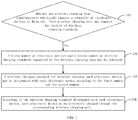
- FIG. 1 is a flow chart of a charging control method according to some embodiments of the present disclosure.
- the wireless charging method can be applied to a wireless charging base.
- the wireless charging base may include a plurality of wireless charging units.
- Each wireless charging unit may support a variety of wireless charging standards, and each wireless charging unit can charge electronic devices wirelessly.
- the flow of the charging control method provided by the embodiment may include operations at blocks.
- Each wireless charging unit may support the variety of wireless charging standards.
- Wireless charging refers to the transmission of electrical energy through non-conductive materials.
- wireless charging usually refers to the transmission of electric energy through a certain space distance.
- electromagnetic induction electromagnetic induction
- magnetic resonance magnetic resonance
- radio wave electromagnetic wave
- electric coupling electric coupling
- the wireless charging base can detect whether wireless charging is required for the plurality of (at least two) electronic devices at the same time.
- the electronic device provided by the embodiments can support a variety of wireless charging standards.
- each wireless charging unit in the wireless charging base provided by the embodiments may also support a variety of wireless charging standards.
- the wireless charging base can perform other operations.
- a first number of electronic devices and a second number of wireless charging standards supported by the wireless charging base may be obtained.
- the wireless charging base in response to the wireless charging base detecting that the plurality of electronic devices are currently needed to be wirelessly charge at the same time, the wireless charging base can be triggered to obtain the number of electronic devices placed on the wireless charging base for charging, that is, the first number. Moreover, the wireless charging base can also obtain the number of wireless charging standards supported by the wireless charging base, that is, the second number.
- the wireless charging base may detect that two electronic devices are currently needed to be wirelessly charged at the same time.
- the wireless charging base may support two wireless charging standards. That is, the first number may be two, and the second number may be two.
- each wireless charging unit may be equal to the number of wireless charging standards supported by the wireless charging base.
- each wireless charging unit may also support two wireless charging standards.
- a wireless charging standard for wireless charging each electronic device may be determined with each electronic device according to the first number and the second number.
- the wireless charging base can determine wireless charging standards with each electronic device placed on the wireless charging base for wireless charging according to the first number and the second number.
- each electronic device my be wirelessly charged through the corresponding wireless charging unit.
- the wireless charging base can charge each electronic device through the corresponding wireless charging unit according to the wireless charging standard determined with each electronic device.
- the user may place the electronic devices A and B on the wireless charging unit of the wireless charging base for charging.
- Each wireless charging unit on the wireless charging base may support two wireless charging standards, such as Qi standard (WPC standard) and PMA standard. That is, the first number and the second number may be both 2.
- the wireless charging base can determine the wireless charging standard for wireless charging with the electronic device A, and determine the wireless charging standard for wireless charging with the electronic device B.
- the wireless charging base determines to use Qi standard for wireless charging of electronic device A and PMA standard for wireless charging of electronic device B. After that, the wireless charging base can charge the electronic device according to Qi standard, and charge electronic device B according to PMA standard.
- the wireless charging base when wireless charging is required for the plurality of electronic devices at the same time, the wireless charging base can obtain the first number of electronic devices and the second number of wireless charging standards supported by the wireless charging base. After that, the wireless charging base can determine the wireless charging standard for wireless charging with each electronic device according to the first number and the second number, and wirelessly charge each electronic device according to the determined wireless charging standard. Therefore, the embodiment can improve the flexibility of wireless charging base for electronic devices.
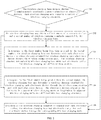
- FIG. 2 is another flow chart of a charging control method according to some embodiments of the present disclosure.
- the wireless charging method can be applied to the wireless charging base.
- the wireless charging base 100 may include a plurality of wireless charging units.
- the wireless charging base may include four wireless charging units, that is, a wireless charging unit11, a wireless charging unit 12, a wireless charging unit 13 and a wireless charging unit 14.
- Each wireless charging unit may support a variety of wireless charging standards, and each wireless charging unit can wirelessly charge electronic devices.
- the four wireless charging units on the wireless charging base can be distributed in matrix form.
- Qi wireless charging standard WPC wireless charging standard
- PMA wireless charging standard may use different frequency bands.
- the transmitting coil in the wireless charging unit can change the operating frequency band to support different standards.
- the WPC wireless charging standard may use the frequency band in the range of 105 to 205kHz.
- the PMA wireless charging standard may use the frequency band in the range of 227 to 278kHz.
- the wireless charging unit may include a transmitting coil, a circuit unit and a controller. The transmitting coil, the circuit unit and the controller can be electrically connected in turn. The components of a plurality of capacitors in the circuit unit may be used to change the operating frequency band without changing the transmitting coil.
- the controller can change the electrical connection of the plurality of capacitors in the circuit unit so that the components of the plurality of capacitors are 200nf.
- the transmitting coil can work in the frequency band of WPC wireless charging standard.
- PMA communication standard the controller can change the electrical connection of the plurality of capacitors in the circuit unit so that the components of the plurality of capacitors are 55nf.
- the transmitting coil can work in the frequency band of PMA wireless charging standard.
- the transmitting coil in each wireless charging unit on the wireless charging base can be selectively connected with a plurality of groups of charging working circuits.
- the wireless charging unit may support Qi wireless charging standard and PMA wireless charging standard.
- the wireless charging unit may include two groups of charging working circuits, such as the first charging working circuit and the second charging working circuit.
- the first charging working circuit may be the circuit supporting Qi wireless charging standard
- the second charging working circuit ma be the circuit supporting PMA wireless charging standard.
- the transmitting coil of the wireless charging unit can be connected with the first charging working circuit.
- PMA wireless charging standard is needed to work
- the transmitting coil of wireless charging unit can be connected with the second charging working circuit.
- the wireless charging base 100 may also include a wireless communication unit (not shown in FIGS.).
- the wireless communication unit may be a Bluetooth communication unit or an NFC communication unit, etc. Take the wireless communication unit as Bluetooth communication unit as an example.
- the wireless charging base can receive the Bluetooth connection information transmitted by the electronic device through the induction magnetic field between the wireless charging unit and the electronic device. Then, through the Bluetooth communication unit, the wireless charging base can pair with the electronic device according to the Bluetooth connection information of the electronic device, and establish the Bluetooth communication connection with the electronic device.
- the wireless charging device Before pairing with the electronic device according to the received Bluetooth connection information, the wireless charging device can judge whether a pairing relationship has been established with the electronic device according to the Bluetooth connection information. If the pairing relationship is not established, the wireless charging base will pair with the electronic device according to the Bluetooth connection information to establish the Bluetooth communication connection with the electronic device. If a pairing relationship has been established, the pairing will not be performed again, and the Bluetooth communication connection with the electronic device will be established directly.
- the flow of the charging control method provided by the embodiment can include operations at blocks.
- the wireless charging base detects whether to simultaneously wirelessly charge a plurality of electronic devices.
- Each wireless charging unit supports a variety of wireless charging standards.
- the wireless charging base can detect whether wireless charging is required for the plurality of (at least two) electronic devices at the same time.
- the electronic device provided by the embodiments can support a variety of wireless charging standards.
- each wireless charging unit in the wireless charging base provided by the embodiments may also support a variety of wireless charging standards.
- the wireless charging base can perform other operations.
- the wireless charging base may obtain a first number of electronic devices and a second number of wireless charging standards supported by the wireless charging base.
- the wireless charging base in response to the wireless charging base detecting that the plurality of electronic devices are currently needed to be wirelessly charge at the same time, the wireless charging base can be triggered to obtain the number of electronic devices placed on the wireless charging base for charging, that is, the first number. Moreover, the wireless charging base can also obtain the number of wireless charging standards supported by the wireless charging base, that is, the second number.
- the wireless charging base may detect that two electronic devices are currently needed to be wirelessly charged at the same time.
- the wireless charging base supports two wireless charging standards. That is, the first number may be two, and the second number may be two.
- each wireless charging unit may be equal to the number of wireless charging standards supported by the wireless charging base.
- each wireless charging unit may also support two wireless charging standards.
- the wireless charging base can determine a wireless charging standard for wireless charging with each electronic device according to the first number and the second number.
- the wireless charging base can first compare the first number and the second number mentioned above.
- the wireless charging base may determine with each electronic device a wireless charging standard for wireless charging each electronic device through the wireless communication unit.
- the wireless charging standard determined by wireless charging base with each electronic device for wireless charging are different from another.
- the wireless charging base may detect that the first number is less than or equal to the second number.
- the first number may be two, and the second number may be two. That is, there may be two electronic devices placed on the wireless charging base for wireless charging currently.
- the wireless charging base may support two wireless charging standards. Then, the wireless charging base can determine the wireless charging standard for wireless charging the electronic device through wireless communication unit and each electronic device. The wireless charging standards determined by the wireless charging base and the plurality of electronic devices are different from each other.
- the electronic devices placed on the wireless charging base for wireless charging are electronic devices A and B respectively.
- Each wireless charging unit on the wireless charging base supports two wireless charging standards, such as Qi standard (WPC standard) and PMA standard. That is, the first number and the second number may be both 2.
- the wireless charging base may determine with the electronic device A a first wireless charging standard for wireless charging the electronic device A, and determine with electronic device B a second wireless charging standard for wireless charging the electronic device B.
- the first wireless charging standard may be different from the second wireless charging standard.
- the wireless charging base may determine to use Qi standard for wireless charging of electronic device A and PMA standard for wireless charging of electronic device B. After that, enter the operations at block 205.
- the WPC wireless charging standard may use the frequency band in the range of 105 ⁇ 205kHz.
- the PMA wireless charging standard may use the frequency band in the range of 227 ⁇ 278kHz. Therefore, when the plurality of electronic devices placed on the same wireless charging base for wireless charging are charged according to different wireless charging standards, the electromagnetic interference between different wireless charging units and different electronic devices may be small. Therefore, the electromagnetic interference between devices during wireless charging can also be reduced, and the stability and efficiency of wireless charging can be improved according to the embodiments.
- the wireless charging base may determine a wireless charging standard for wireless charging each electronic device through the wireless communication unit with each electronic device.
- the electronic devices placed on the horizontally adjacent wireless charging units or longitudinally adjacent wireless charging units use different wireless charging standards.
- the wireless charging base may detecting that the first number is greater than the second number.
- the first number may be four and the second number may be two. That is, there may be currently four electronic devices placed on the wireless charging base for charging, and the wireless charging base may support two wireless charging standards. Then, the wireless charging base can determine the wireless charging standard for wireless charging with each electronic device. Different wireless charging standards may be used for the electronic devices placed on the horizontally adjacent wireless charging units or the longitudinally adjacent wireless charging units.
- the horizontally adjacent wireless charging units refer to the adjacent wireless charging units in the same row
- the longitudinally adjacent wireless charging units refer to the adjacent wireless charging units in the same column.
- the wireless charging unit 11 and the wireless charging unit 12 may be horizontally adjacent wireless charging units
- the wireless charging unit 11 and the wireless charging unit 13 may be longitudinally adjacent wireless charging units
- the wireless charging unit 13 and the wireless charging unit 14 may be horizontally adjacent wireless charging units
- the wireless charging unit 12 and the wireless charging unit 14 may be longitudinally adjacent wireless charging units.
- the wireless charging unit 11 and the wireless charging unit 14 may be neither horizontally nor vertically adjacent.
- the wireless charging unit 11, the wireless charging unit 12, the wireless charging unit 13 and the wireless charging unit 14 on the wireless charging base may be respectively placed with electronic devices A, B, C and D for wireless charging.
- the wireless charging base with the electronic devices A, B, C and D can determine the wireless charging standards for charging the electronic devices A, B, C and D respectively.
- Different wireless charging standards may be used for the electronic devices placed on the horizontally adjacent wireless charging units or longitudinally adjacent wireless charging units.
- electronic device A may use Qi standard for wireless charging
- electronic device B may use PMA standard for wireless charging
- electronic device C may use PMA standard for wireless charging
- electronic device D may use Qi standard for wireless charging.
- the distance between horizontally adjacent wireless charging units and longitudinally adjacent wireless charging units may be relatively close.
- the electromagnetic interference between different wireless charging units may be reduced by using different wireless charging standards for electronic devices placed on the horizontally adjacent or longitudinally adjacent wireless charging units according to the embodiment.
- the wireless charging base may wirelessly charge for each electronic device through the corresponding wireless charging unit.
- the wireless charging base can wirelessly charge each electronic device through the corresponding wireless charging unit according to the wireless charging standard determined with each electronic device.
- the embodiment can also include the following operations.
- the wireless charging base In response to detecting a decrease in the number of electronic devices placed on the wireless charging base for charging, the wireless charging base obtains the third number of the target electronic devices currently placed on the wireless charging base for charging.
- the wireless charging standard for wireless charging each target electronic device may be determined by the wireless charging base with each target electronic device.
- the wireless charging standard determined by the wireless charging base and each target electronic device may be different from another.
- the user may pick up some electronic devices previously placed on the wireless charging base for charging, so that the number of the electronic devices placed on the wireless charging base for charging may be reduced from the first number to the third number and the third number may be less than or equal to the second number (that is, the number of wireless charging standards supported by the wireless charging base).
- the wireless charging base can determine a wireless charging standard for wireless charging each target electronic device with each target electronic device still placed on the wireless charging base for charging. The wireless charging standard determined by the wireless charging base and each target electronic device may be different from another.
- the wireless charging base in response to detecting that the third number being greater than the second number, may not change the wireless charging standard used by each target electronic device still placed on the wireless charging base for charging. In other words, the wireless charging base can still charge the electronic device still placed on the wireless charging base through the corresponding wireless charging unit according to the wireless charging standard previously determined with each electronic device.
- FIGS. 5 to 6 are other scenario diagrams of a charging control method according to some embodiments of the present disclosure.
- the wireless charging base 100 may include four wireless charging units, that is a wireless charging unit 11, a wireless charging unit 12, a wireless charging unit 13 and a wireless charging unit 14.
- Each wireless charging unit may support Qi wireless charging standard and PMA wireless charging standard.
- the user may place the electronic devices A, B, C and D on the wireless charging units 11, 12, 13 and 14 of the wireless charging base 100 for wireless charging.
- the wireless charging base can obtain a first number of electronic devices placed on the wireless charging base for charging and a second number of wireless charging standards supported by the wireless charging base.
- the first number is 4 and the second number is 2.
- the wireless charging base can compare the first number and the second number. For example, the wireless charging base may detect that the first number is greater than the second number. In this case, the wireless charging base can determine the wireless charging standard for wireless charging with electronic devices A, B, C and D respectively. Different wireless charging standards may be used by the electronic devices placed on the horizontally adjacent wireless charging units or longitudinally adjacent wireless charging units.
- the wireless charging base and electronic device A may determine to use Qi standard to wirelessly charge the electronic device A.
- Wireless charging base and electronic device B may determine to use PMA standard to wirelessly charge the electronic device B.
- Wireless charging base and electronic device C may determine to use PMA standard to wirelessly charge the electronic device C.
- the wireless charging base and electronic device D may determine to use Qi standard to wirelessly charge the electronic device D.
- the wireless charging base can obtain the number of electronic devices still placed on the wireless charging base for charging, that is, the third number. Then, the wireless charging base can detect whether the third number is less than or equal to the second number.
- the third number is 2 (electronic devices A and D), and the second number is also 2, so the wireless charging base can detect that the third number is equal to the second number.
- the wireless charging base can determine a wireless charging standard for wireless charging with each target electronic device currently placed on the wireless charging base.
- the wireless charging standard determined by wireless charging base and each target electronic device may be different from another.
- the wireless charging base can determine with electronic device A to use Qi wireless charging standard to charge electronic device A, and determine with electronic device D to use PMA wireless charging standard to charge electronic device D. That is, the wireless charging base can charge the electronic device D according to PMA wireless charging standard, instead of charging the electronic device D according to the previous Qi wireless charging standard.
- the wireless charging base in response to detecting that the number of electronic devices for charging placed on the wireless charging base is reduced from the first number to the third number, and the third number may be less than or equal to the second number, the wireless charging base may not change the wireless charging standards used by the electronic devices A and D for a preset period of time. At the same time, the wireless charging base may record the identification of the wireless charging unit which switches from the working state to the non-working state.
- the wireless charging base can charge electronic devices A and D according to Qi wireless charging standard and PMA wireless charging standard respectively.
- the wireless charging base In response to the user placing the new electronic device on the wireless charging base for charging within the preset time. For example, in response to the user placing an electronic device E on the wireless charging unit 12 for charging, the wireless charging base can still charge the electronic device A and D according to the Qi wireless charging standard, and the wireless charging base can charge the electronic device E according to the PMA wireless charging standard.
- FIG. 7 is a structural schematic view of a charging device according to some embodiments of the present disclosure.
- the charging control device can be used in wireless charging base.
- the wireless charging base may include a plurality of wireless charging units. Each wireless charging unit may support a variety of wireless charging standards, and each wireless charging unit can wireless charge the plurality of electronic devices.
- the charging control device 300 may include a detection module 301, an acquisition module 302, a determination module 303, and a control module 304.
- the detection module 301 may be configured to detect whether the wireless charging base simultaneously wirelessly charges the plurality of electronic devices, and each of the electronic devices may support a variety of wireless charging standards.
- the acquisition module 302 may be configured to obtain a first number of electronic devices in response to detecting that the wireless charging base simultaneously wirelessly charges the plurality of electronic devices and a second number of wireless charging standards supported by the wireless charging base.
- the determination module 303 may be configured to determine wireless charging standard for wireless charging each electric device with each electric device according to the first number and the second number.
- the control module 304 may be configured to wirelessly charge each electronic device through the corresponding wireless charging unit according to the wireless charging standard determined with each electronic device.
- the determination module 303 may be configured to determine the wireless charging standard for wireless charging the electronic device with each electronic device, in response to the first number being less than or equal to the second number.
- the wireless charging standard determined by wireless charging base and each electronic device may be different from another.
- the determination module 303 may be configured to determine with each electronic device the wireless charging standard for wireless charging the electronic device in response to the first number being greater than the second number. Different wireless charging standards may be used for the electronic devices placed on the horizontally adjacent wireless charging units or vertically adjacent wireless charging units.
- the wireless charging base may include a wireless communication unit, and the determination module 303 can be configured to determine a wireless charging standard for wireless charging with each electronic device through the wireless communication unit.
- control module 304 can also be configured to perform the following operations.
- the wireless charging standard for wireless charging is determined by each target electronic device, and the wireless charging standard for wireless charging the target electronic device determined by the wireless charging base and each target electronic device is different from another.
- control module 304 can also be configured to change the wireless charging standard used by each target electronic device, in response to the third number being greater than the second number.
- the wireless communication unit may include a Bluetooth communication unit or an NFC communication unit.
- the embodiment of the present disclosure provides a computer-readable storage medium.
- the computer-readable storage medium may store a computer program.
- the computer program When the computer program is executed on the computer, the computer is made to perform the operations in the charging control method provided in the embodiments.
- the embodiment of the present disclosure also provides a wireless charging base.
- the wireless charging base may include a non-transitory storage medium and a processor.
- the processor may be configured to perform the operations in the charging control method provided by the embodiments by using the computer program stored in the non-transitory storage medium.
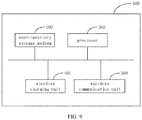
- FIG. 8 is a structural schematic view of a wireless charging base according to some embodiments of the present disclosure.
- the wireless charging base 400 may include a wireless charging unit 401, a non-transitory storage medium 402, a processor 403 and the like. It can be understood by those skilled in the art that the wireless charging base structure shown in FIG. 8 does not limit the wireless charging base.
- the wireless charging base may include more or fewer components than those shown, or combine some components, or have different component arrangements.
- the wireless charging unit 401 can support a variety of wireless charging standards, and each wireless charging unit 501 can wireless charge for electronic devices.
- the non-transitory storage medium 402 may be configured to store application programs and data.
- the application programs stored in the non-transitory storage medium 402 contain executable code.
- the application programs can be composed of various functional modules.
- the processor 403 may be configured to perform various functional application and data processing by running the application programs stored in the non-transitory storage medium 402.
- the processor 403 may be the control center of the wireless charging base, use various interfaces and lines to connect all parts of the wireless charging base. By running or executing the application programs stored in the non-transitory storage medium 402 and using the data stored in the non-transitory storage medium 402, the processor 403 may be configured to perform various functions and processing data of the wireless charging base to monitor the wireless charging base.
- the processor 403 in the wireless charging base will load the executable code corresponding to one or more application programs into the non-transitory storage medium 402 according to the following instructions, and the processor 403 will execute the application programs stored in the non-transitory storage medium 402 to realize the following operations.
- each electronic device may support a variety of wireless charging standards. If so, the first number of the electronic devices and the second number of the wireless charging standards supported by the wireless charging base are obtained.
- the device determines the wireless charging standards for wireless charging of the electronic device may be determined with each electronic device according to the first number and the second number. According to the wireless charging standards determined with each electronic device, each electronic device may be wirelessly charged through the corresponding wireless charging unit.
- the wireless charging base 500 may include a plurality of wireless charging units 501, a non-transitory storage medium 502, a processor 503, a wireless communication unit 504, and the like.
- the wireless charging unit 501 can support a variety of wireless charging standards, and each wireless charging unit 501 can wirelessly charge for electronic devices.
- the non-transitory storage medium 502 may be configured to store application programs and data.
- the application programs stored in the non-transitory storage medium 502 may contain executable code.
- the application programs can be composed of various functional modules.
- the processor 503 may be configured to perform various functional application and data processing by running the application programs stored in the non-transitory storage medium 502.
- the processor 503 may be the control center of the wireless charging base, use various interfaces and lines to connect all parts of the wireless charging base. By running or executing the application programs stored in the non-transitory storage medium 502 and using the data stored in the non-transitory storage medium 502, the processor 503 may be configured to perform various functions and processing data of the wireless charging base to monitor the wireless charging base.
- the processor 503 in the wireless charging base will load the executable code corresponding to one or more application programs into the non-transitory storage medium 502 according to the following instructions, and the processor 503 will execute the application programs stored in the non-transitory storage medium 502 to realize the following operations.
- each electronic device may support a variety of wireless charging standards. If so, the first number of the electronic devices and the second number of the wireless charging standards supported by the wireless charging base may be obtained.
- the wireless charging standards for wireless charging of the electronic device are determined with each electronic device, according to the first number and the second number. According to the wireless charging standards determined with each electronic device, each electronic device may be wirelessly charged through the corresponding wireless charging unit.
- the processor 503 when the processor 503 performs the operations of determining the wireless charging standard for wireless charging thereof with each of the electronic devices according to the first number and the second number, the processor 503 may be configured to perform: in response to the first number being less than or equal to the second number, determining with each electronic device the wireless charging standard for wireless charging each electronic device.
- the wireless charging standard for wireless charging each electronic device determined by the wireless charging base with each electronic device may be different from another.
- the wireless charging units on the wireless charging base may be distributed in a matrix manner.
- the processor 503 may be configured to perform: in response to the first number being greater than the second number, determining with each electronic device the wireless charging standard for wireless charging each electronic device.
- the electronic devices placed on the horizontally adjacent or longitudinally adjacent wireless charging units may use different wireless charging standards.
- the wireless charging base includes a wireless communication unit.
- the processor 503 may be configured to perform: determining the wireless charging standard for wireless charging the each electronic device through the wireless communication unit with each electronic device.
- the processor 503 can also be configured to perform: in response to the number of electronic devices placed on the wireless charging base for charging being detected to be reduced, obtaining a third number of target electronic devices currently placed on the wireless charging base for charging. In response to the third number being less than or equal to the second number, the wireless charging standard for wireless charging may be determined with each target electronic device.
- the wireless charging standards for wireless charging each target electronic device determined by the wireless charging base and each target electronic device may be different from another.
- processor 503 may also be configured to perform: in response to the third number being greater than the second number, not changing the wireless charging standard used by each of the target electronic devices.
- the wireless communication unit may include a Bluetooth communication unit or an NFC communication unit.
- the charging control device provided by the embodiment of the present disclosure and the charging control method in the above embodiment belong to the same concept.
- the charging control method provided by any embodiment can be operated on the charging control device.
- the specific implementation process is described in the charging control method embodiments, and will not be repeated here.
- the charging control method described in the embodiments of the present disclosure can be completed by controlling the relevant hardware through a computer program, and the computer program can be stored in a computer readable storage medium, such as a non-transitory storage medium.
- the computer program may be executed by at least one processor, during executing the computer program, the process of the embodiment of the charging control method can be included.
- the storage medium can be disk, optical disc, read only memory (ROM), random access memory (RAM), etc.
- each functional module can be integrated in a processing chip, or each module can be an independent physical existence, or two or more modules can be integrated in one module.
- the above integrated modules can be implemented in the form of hardware or software function modules. If the integrated module is realized in the form of software function module and sold or used as an independent product, it can also be stored in a computer readable storage medium, such as read-only memory, disk or optical disk, etc.
Landscapes
- Engineering & Computer Science (AREA)
- Power Engineering (AREA)
- Computer Networks & Wireless Communication (AREA)
- Charge And Discharge Circuits For Batteries Or The Like (AREA)
Applications Claiming Priority (2)
| Application Number | Priority Date | Filing Date | Title |
|---|---|---|---|
| CN201810872521.4A CN109038727B (zh) | 2018-08-02 | 2018-08-02 | 充电控制方法、装置、存储介质及无线充电底座 |
| PCT/CN2019/094278 WO2020024752A1 (fr) | 2018-08-02 | 2019-07-01 | Procédé et appareil de commande de charge, et support d'informations et base de charge sans fil |
Publications (3)
| Publication Number | Publication Date |
|---|---|
| EP3832838A1 true EP3832838A1 (fr) | 2021-06-09 |
| EP3832838A4 EP3832838A4 (fr) | 2021-09-15 |
| EP3832838B1 EP3832838B1 (fr) | 2023-09-06 |
Family
ID=64648916
Family Applications (1)
| Application Number | Title | Priority Date | Filing Date |
|---|---|---|---|
| EP19845144.5A Active EP3832838B1 (fr) | 2018-08-02 | 2019-07-01 | Procédé et appareil de commande de charge, et support d'informations et base de charge sans fil |
Country Status (4)
| Country | Link |
|---|---|
| US (1) | US11855477B2 (fr) |
| EP (1) | EP3832838B1 (fr) |
| CN (1) | CN109038727B (fr) |
| WO (1) | WO2020024752A1 (fr) |
Families Citing this family (4)
| Publication number | Priority date | Publication date | Assignee | Title |
|---|---|---|---|---|
| CN109038727B (zh) * | 2018-08-02 | 2020-09-08 | Oppo广东移动通信有限公司 | 充电控制方法、装置、存储介质及无线充电底座 |
| CN109873474A (zh) * | 2019-03-29 | 2019-06-11 | 广东虹勤通讯技术有限公司 | 一种支持多种无线充电标准的移动终端及电池管理方法 |
| CN112821499B (zh) * | 2021-01-25 | 2023-06-27 | Oppo广东移动通信有限公司 | 无线充电底座及电子设备系统 |
| CN115800566A (zh) * | 2021-09-10 | 2023-03-14 | 北京小米移动软件有限公司 | 无线充电方法及装置、电子设备及存储介质 |
Family Cites Families (11)
| Publication number | Priority date | Publication date | Assignee | Title |
|---|---|---|---|---|
| WO2009114671A1 (fr) | 2008-03-13 | 2009-09-17 | Access Business Group International Llc | Système d’alimentation de puissance inductive à pluralité de primaires de bobine |
| US20110127953A1 (en) * | 2009-11-30 | 2011-06-02 | Broadcom Corporation | Wireless power system |
| KR20160017626A (ko) * | 2014-08-05 | 2016-02-16 | 한국전기연구원 | 임피던스 정합을 이용한 무선전력전송 장치 및 시스템 |
| US10826300B2 (en) * | 2015-07-17 | 2020-11-03 | Mediatek Inc. | Drive circuits for multi-mode wireless power transmitter |
| KR102481953B1 (ko) * | 2015-09-09 | 2022-12-29 | 삼성전자주식회사 | 무선 전력 송신기 및 그 제어 방법 |
| CN106684953A (zh) * | 2015-11-09 | 2017-05-17 | 广东欧珀移动通信有限公司 | 一种无线充电袋 |
| US9924704B2 (en) * | 2015-11-25 | 2018-03-27 | Qualcomm Incorporated | Devices and methods for harmonic power control for wireless power transmission |
| SG10201705912TA (en) * | 2016-08-04 | 2018-03-28 | Gen Electric | System and method for charging receiver devices |
| CN110383630B (zh) * | 2017-02-22 | 2023-04-28 | 三星电子株式会社 | 无线电力发送器、无线地接收电力的电子设备及其操作方法 |
| CN107134862B (zh) * | 2017-06-19 | 2020-06-30 | 维沃移动通信有限公司 | 一种应用处理器、无线充电电路及无线充电控制方法 |
| CN109038727B (zh) * | 2018-08-02 | 2020-09-08 | Oppo广东移动通信有限公司 | 充电控制方法、装置、存储介质及无线充电底座 |
-
2018
- 2018-08-02 CN CN201810872521.4A patent/CN109038727B/zh active Active
-
2019
- 2019-07-01 WO PCT/CN2019/094278 patent/WO2020024752A1/fr not_active Ceased
- 2019-07-01 EP EP19845144.5A patent/EP3832838B1/fr active Active
-
2021
- 2021-02-01 US US17/164,251 patent/US11855477B2/en active Active
Also Published As
| Publication number | Publication date |
|---|---|
| EP3832838B1 (fr) | 2023-09-06 |
| US20210159717A1 (en) | 2021-05-27 |
| CN109038727B (zh) | 2020-09-08 |
| CN109038727A (zh) | 2018-12-18 |
| US11855477B2 (en) | 2023-12-26 |
| EP3832838A4 (fr) | 2021-09-15 |
| WO2020024752A1 (fr) | 2020-02-06 |
Similar Documents
| Publication | Publication Date | Title |
|---|---|---|
| US11855477B2 (en) | Method, device for charging control, wireless charging base and storage device | |
| JP6081576B2 (ja) | Nfcとwctの間の共存 | |
| US11996926B2 (en) | Method for selecting beam for communication, and electronic device therefor | |
| EP2930983B1 (fr) | Procédé et dispositif pour réguler la puissance de transmission | |
| KR20180108317A (ko) | 무선 전력 송신 장치 및 거치 형태에 따른 무선 전력 송신 방법 | |
| KR20210034270A (ko) | LoS 경로를 확인하는 전자 장치 및 전자 장치의 동작 방법 | |
| KR20200057235A (ko) | 참조 신호 수신 방법 및 이를 위한 전자 장치 | |
| KR102500347B1 (ko) | Wi-Fi 통신 및 모바일 핫스팟 통신을 제공하기 위한 전자 장치 및 그에 관한 방법 | |
| US11018440B2 (en) | Apparatus and method for determining beam index of antenna array | |
| KR20160111211A (ko) | 데이터 통신 방법 및 그 전자 장치 | |
| EP4203557A9 (fr) | Dispositif électronique et procédé d'itinérance basé sur wifi mis en oeuvre sur un dispositif électronique | |
| US11503451B2 (en) | Device and method for transmitting signals in plurality of frequency bands | |
| US20160211696A1 (en) | Wireless Charging Device | |
| US11599866B2 (en) | Electronic device for selectively using coils supporting power sharing | |
| US20230333202A1 (en) | Wireless power reception device displaying wireless charging range, and operating method thereof | |
| CN106101989A (zh) | 一种选择安全单元的方法及移动终端 | |
| CN106533510B (zh) | 使用多个接收天线在表面上跟踪hf rfid标签对象的空间放置 | |
| KR102785896B1 (ko) | 빔포밍에 기반한 통신을 수행하는 전자 장치 및 이를 위한 방법 | |
| KR102908866B1 (ko) | 주파수 대역을 공유하는 이종 통신 기술을 지원하는 전자 장치 및 그의 동작 방법 | |
| US12374929B2 (en) | Electronic device for wirelessly transmitting power and operation method thereof | |
| EP3344003A1 (fr) | Procédé de communication et terminal mobile | |
| CN106385087A (zh) | 移动终端及无线充电方法 | |
| KR102902664B1 (ko) | 요청된 기능을 수행하는 외부 전자 장치를 관리하기 위한 전자 장치 및 그 작동 방법 | |
| JP6525730B2 (ja) | 移動体端末および無接点充電器 | |
| US12363628B2 (en) | Electronic device for acquiring network information and method for operating same |
Legal Events
| Date | Code | Title | Description |
|---|---|---|---|
| STAA | Information on the status of an ep patent application or granted ep patent |
Free format text: STATUS: THE INTERNATIONAL PUBLICATION HAS BEEN MADE |
|
| PUAI | Public reference made under article 153(3) epc to a published international application that has entered the european phase |
Free format text: ORIGINAL CODE: 0009012 |
|
| STAA | Information on the status of an ep patent application or granted ep patent |
Free format text: STATUS: REQUEST FOR EXAMINATION WAS MADE |
|
| 17P | Request for examination filed |
Effective date: 20210302 |
|
| AK | Designated contracting states |
Kind code of ref document: A1 Designated state(s): AL AT BE BG CH CY CZ DE DK EE ES FI FR GB GR HR HU IE IS IT LI LT LU LV MC MK MT NL NO PL PT RO RS SE SI SK SM TR |
|
| A4 | Supplementary search report drawn up and despatched |
Effective date: 20210813 |
|
| RIC1 | Information provided on ipc code assigned before grant |
Ipc: H02J 50/80 20160101ALI20210809BHEP Ipc: H02J 50/40 20160101ALI20210809BHEP Ipc: H02J 7/00 20060101AFI20210809BHEP |
|
| DAV | Request for validation of the european patent (deleted) | ||
| DAX | Request for extension of the european patent (deleted) | ||
| STAA | Information on the status of an ep patent application or granted ep patent |
Free format text: STATUS: EXAMINATION IS IN PROGRESS |
|
| 17Q | First examination report despatched |
Effective date: 20220609 |
|
| GRAP | Despatch of communication of intention to grant a patent |
Free format text: ORIGINAL CODE: EPIDOSNIGR1 |
|
| STAA | Information on the status of an ep patent application or granted ep patent |
Free format text: STATUS: GRANT OF PATENT IS INTENDED |
|
| INTG | Intention to grant announced |
Effective date: 20230613 |
|
| GRAS | Grant fee paid |
Free format text: ORIGINAL CODE: EPIDOSNIGR3 |
|
| GRAA | (expected) grant |
Free format text: ORIGINAL CODE: 0009210 |
|
| STAA | Information on the status of an ep patent application or granted ep patent |
Free format text: STATUS: THE PATENT HAS BEEN GRANTED |
|
| AK | Designated contracting states |
Kind code of ref document: B1 Designated state(s): AL AT BE BG CH CY CZ DE DK EE ES FI FR GB GR HR HU IE IS IT LI LT LU LV MC MK MT NL NO PL PT RO RS SE SI SK SM TR |
|
| REG | Reference to a national code |
Ref country code: GB Ref legal event code: FG4D |
|
| REG | Reference to a national code |
Ref country code: CH Ref legal event code: EP |
|
| REG | Reference to a national code |
Ref country code: IE Ref legal event code: FG4D |
|
| REG | Reference to a national code |
Ref country code: DE Ref legal event code: R096 Ref document number: 602019037051 Country of ref document: DE |
|
| REG | Reference to a national code |
Ref country code: LT Ref legal event code: MG9D |
|
| REG | Reference to a national code |
Ref country code: NL Ref legal event code: MP Effective date: 20230906 |
|
| PG25 | Lapsed in a contracting state [announced via postgrant information from national office to epo] |
Ref country code: GR Free format text: LAPSE BECAUSE OF FAILURE TO SUBMIT A TRANSLATION OF THE DESCRIPTION OR TO PAY THE FEE WITHIN THE PRESCRIBED TIME-LIMIT Effective date: 20231207 |
|
| PG25 | Lapsed in a contracting state [announced via postgrant information from national office to epo] |
Ref country code: SE Free format text: LAPSE BECAUSE OF FAILURE TO SUBMIT A TRANSLATION OF THE DESCRIPTION OR TO PAY THE FEE WITHIN THE PRESCRIBED TIME-LIMIT Effective date: 20230906 Ref country code: RS Free format text: LAPSE BECAUSE OF FAILURE TO SUBMIT A TRANSLATION OF THE DESCRIPTION OR TO PAY THE FEE WITHIN THE PRESCRIBED TIME-LIMIT Effective date: 20230906 Ref country code: NO Free format text: LAPSE BECAUSE OF FAILURE TO SUBMIT A TRANSLATION OF THE DESCRIPTION OR TO PAY THE FEE WITHIN THE PRESCRIBED TIME-LIMIT Effective date: 20231206 Ref country code: LV Free format text: LAPSE BECAUSE OF FAILURE TO SUBMIT A TRANSLATION OF THE DESCRIPTION OR TO PAY THE FEE WITHIN THE PRESCRIBED TIME-LIMIT Effective date: 20230906 Ref country code: LT Free format text: LAPSE BECAUSE OF FAILURE TO SUBMIT A TRANSLATION OF THE DESCRIPTION OR TO PAY THE FEE WITHIN THE PRESCRIBED TIME-LIMIT Effective date: 20230906 Ref country code: HR Free format text: LAPSE BECAUSE OF FAILURE TO SUBMIT A TRANSLATION OF THE DESCRIPTION OR TO PAY THE FEE WITHIN THE PRESCRIBED TIME-LIMIT Effective date: 20230906 Ref country code: GR Free format text: LAPSE BECAUSE OF FAILURE TO SUBMIT A TRANSLATION OF THE DESCRIPTION OR TO PAY THE FEE WITHIN THE PRESCRIBED TIME-LIMIT Effective date: 20231207 Ref country code: FI Free format text: LAPSE BECAUSE OF FAILURE TO SUBMIT A TRANSLATION OF THE DESCRIPTION OR TO PAY THE FEE WITHIN THE PRESCRIBED TIME-LIMIT Effective date: 20230906 |
|
| REG | Reference to a national code |
Ref country code: AT Ref legal event code: MK05 Ref document number: 1609804 Country of ref document: AT Kind code of ref document: T Effective date: 20230906 |
|
| PG25 | Lapsed in a contracting state [announced via postgrant information from national office to epo] |
Ref country code: NL Free format text: LAPSE BECAUSE OF FAILURE TO SUBMIT A TRANSLATION OF THE DESCRIPTION OR TO PAY THE FEE WITHIN THE PRESCRIBED TIME-LIMIT Effective date: 20230906 |
|
| PG25 | Lapsed in a contracting state [announced via postgrant information from national office to epo] |
Ref country code: IS Free format text: LAPSE BECAUSE OF FAILURE TO SUBMIT A TRANSLATION OF THE DESCRIPTION OR TO PAY THE FEE WITHIN THE PRESCRIBED TIME-LIMIT Effective date: 20240106 |
|
| PG25 | Lapsed in a contracting state [announced via postgrant information from national office to epo] |
Ref country code: AT Free format text: LAPSE BECAUSE OF FAILURE TO SUBMIT A TRANSLATION OF THE DESCRIPTION OR TO PAY THE FEE WITHIN THE PRESCRIBED TIME-LIMIT Effective date: 20230906 |
|
| PG25 | Lapsed in a contracting state [announced via postgrant information from national office to epo] |
Ref country code: ES Free format text: LAPSE BECAUSE OF FAILURE TO SUBMIT A TRANSLATION OF THE DESCRIPTION OR TO PAY THE FEE WITHIN THE PRESCRIBED TIME-LIMIT Effective date: 20230906 |
|
| PG25 | Lapsed in a contracting state [announced via postgrant information from national office to epo] |
Ref country code: SM Free format text: LAPSE BECAUSE OF FAILURE TO SUBMIT A TRANSLATION OF THE DESCRIPTION OR TO PAY THE FEE WITHIN THE PRESCRIBED TIME-LIMIT Effective date: 20230906 Ref country code: RO Free format text: LAPSE BECAUSE OF FAILURE TO SUBMIT A TRANSLATION OF THE DESCRIPTION OR TO PAY THE FEE WITHIN THE PRESCRIBED TIME-LIMIT Effective date: 20230906 Ref country code: IS Free format text: LAPSE BECAUSE OF FAILURE TO SUBMIT A TRANSLATION OF THE DESCRIPTION OR TO PAY THE FEE WITHIN THE PRESCRIBED TIME-LIMIT Effective date: 20240106 Ref country code: ES Free format text: LAPSE BECAUSE OF FAILURE TO SUBMIT A TRANSLATION OF THE DESCRIPTION OR TO PAY THE FEE WITHIN THE PRESCRIBED TIME-LIMIT Effective date: 20230906 Ref country code: EE Free format text: LAPSE BECAUSE OF FAILURE TO SUBMIT A TRANSLATION OF THE DESCRIPTION OR TO PAY THE FEE WITHIN THE PRESCRIBED TIME-LIMIT Effective date: 20230906 Ref country code: CZ Free format text: LAPSE BECAUSE OF FAILURE TO SUBMIT A TRANSLATION OF THE DESCRIPTION OR TO PAY THE FEE WITHIN THE PRESCRIBED TIME-LIMIT Effective date: 20230906 Ref country code: AT Free format text: LAPSE BECAUSE OF FAILURE TO SUBMIT A TRANSLATION OF THE DESCRIPTION OR TO PAY THE FEE WITHIN THE PRESCRIBED TIME-LIMIT Effective date: 20230906 Ref country code: SK Free format text: LAPSE BECAUSE OF FAILURE TO SUBMIT A TRANSLATION OF THE DESCRIPTION OR TO PAY THE FEE WITHIN THE PRESCRIBED TIME-LIMIT Effective date: 20230906 Ref country code: PT Free format text: LAPSE BECAUSE OF FAILURE TO SUBMIT A TRANSLATION OF THE DESCRIPTION OR TO PAY THE FEE WITHIN THE PRESCRIBED TIME-LIMIT Effective date: 20240108 |
|
| PG25 | Lapsed in a contracting state [announced via postgrant information from national office to epo] |
Ref country code: PL Free format text: LAPSE BECAUSE OF FAILURE TO SUBMIT A TRANSLATION OF THE DESCRIPTION OR TO PAY THE FEE WITHIN THE PRESCRIBED TIME-LIMIT Effective date: 20230906 Ref country code: IT Free format text: LAPSE BECAUSE OF FAILURE TO SUBMIT A TRANSLATION OF THE DESCRIPTION OR TO PAY THE FEE WITHIN THE PRESCRIBED TIME-LIMIT Effective date: 20230906 |
|
| REG | Reference to a national code |
Ref country code: DE Ref legal event code: R097 Ref document number: 602019037051 Country of ref document: DE |
|
| PG25 | Lapsed in a contracting state [announced via postgrant information from national office to epo] |
Ref country code: DK Free format text: LAPSE BECAUSE OF FAILURE TO SUBMIT A TRANSLATION OF THE DESCRIPTION OR TO PAY THE FEE WITHIN THE PRESCRIBED TIME-LIMIT Effective date: 20230906 |
|
| PLBE | No opposition filed within time limit |
Free format text: ORIGINAL CODE: 0009261 |
|
| STAA | Information on the status of an ep patent application or granted ep patent |
Free format text: STATUS: NO OPPOSITION FILED WITHIN TIME LIMIT |
|
| PG25 | Lapsed in a contracting state [announced via postgrant information from national office to epo] |
Ref country code: DK Free format text: LAPSE BECAUSE OF FAILURE TO SUBMIT A TRANSLATION OF THE DESCRIPTION OR TO PAY THE FEE WITHIN THE PRESCRIBED TIME-LIMIT Effective date: 20230906 Ref country code: SI Free format text: LAPSE BECAUSE OF FAILURE TO SUBMIT A TRANSLATION OF THE DESCRIPTION OR TO PAY THE FEE WITHIN THE PRESCRIBED TIME-LIMIT Effective date: 20230906 |
|
| 26N | No opposition filed |
Effective date: 20240607 |
|
| PG25 | Lapsed in a contracting state [announced via postgrant information from national office to epo] |
Ref country code: BG Free format text: LAPSE BECAUSE OF FAILURE TO SUBMIT A TRANSLATION OF THE DESCRIPTION OR TO PAY THE FEE WITHIN THE PRESCRIBED TIME-LIMIT Effective date: 20230906 |
|
| PG25 | Lapsed in a contracting state [announced via postgrant information from national office to epo] |
Ref country code: BG Free format text: LAPSE BECAUSE OF FAILURE TO SUBMIT A TRANSLATION OF THE DESCRIPTION OR TO PAY THE FEE WITHIN THE PRESCRIBED TIME-LIMIT Effective date: 20230906 |
|
| PG25 | Lapsed in a contracting state [announced via postgrant information from national office to epo] |
Ref country code: MC Free format text: LAPSE BECAUSE OF FAILURE TO SUBMIT A TRANSLATION OF THE DESCRIPTION OR TO PAY THE FEE WITHIN THE PRESCRIBED TIME-LIMIT Effective date: 20230906 |
|
| REG | Reference to a national code |
Ref country code: CH Ref legal event code: PL |
|
| PG25 | Lapsed in a contracting state [announced via postgrant information from national office to epo] |
Ref country code: LU Free format text: LAPSE BECAUSE OF NON-PAYMENT OF DUE FEES Effective date: 20240701 |
|
| PG25 | Lapsed in a contracting state [announced via postgrant information from national office to epo] |
Ref country code: LU Free format text: LAPSE BECAUSE OF NON-PAYMENT OF DUE FEES Effective date: 20240701 |
|
| PG25 | Lapsed in a contracting state [announced via postgrant information from national office to epo] |
Ref country code: CH Free format text: LAPSE BECAUSE OF NON-PAYMENT OF DUE FEES Effective date: 20240731 Ref country code: BE Free format text: LAPSE BECAUSE OF NON-PAYMENT OF DUE FEES Effective date: 20240731 |
|
| PG25 | Lapsed in a contracting state [announced via postgrant information from national office to epo] |
Ref country code: FR Free format text: LAPSE BECAUSE OF NON-PAYMENT OF DUE FEES Effective date: 20240731 |
|
| REG | Reference to a national code |
Ref country code: BE Ref legal event code: MM Effective date: 20240731 |
|
| PG25 | Lapsed in a contracting state [announced via postgrant information from national office to epo] |
Ref country code: IE Free format text: LAPSE BECAUSE OF NON-PAYMENT OF DUE FEES Effective date: 20240701 |
|
| PGFP | Annual fee paid to national office [announced via postgrant information from national office to epo] |
Ref country code: DE Payment date: 20250724 Year of fee payment: 7 |
|
| PGFP | Annual fee paid to national office [announced via postgrant information from national office to epo] |
Ref country code: GB Payment date: 20250722 Year of fee payment: 7 |
|
| PG25 | Lapsed in a contracting state [announced via postgrant information from national office to epo] |
Ref country code: CY Free format text: LAPSE BECAUSE OF FAILURE TO SUBMIT A TRANSLATION OF THE DESCRIPTION OR TO PAY THE FEE WITHIN THE PRESCRIBED TIME-LIMIT; INVALID AB INITIO Effective date: 20190701 |
|
| PG25 | Lapsed in a contracting state [announced via postgrant information from national office to epo] |
Ref country code: HU Free format text: LAPSE BECAUSE OF FAILURE TO SUBMIT A TRANSLATION OF THE DESCRIPTION OR TO PAY THE FEE WITHIN THE PRESCRIBED TIME-LIMIT; INVALID AB INITIO Effective date: 20190701 |