EP3833084B1 - Konfiguration einer openflow-instanz - Google Patents
Konfiguration einer openflow-instanz Download PDFInfo
- Publication number
- EP3833084B1 EP3833084B1 EP19866075.5A EP19866075A EP3833084B1 EP 3833084 B1 EP3833084 B1 EP 3833084B1 EP 19866075 A EP19866075 A EP 19866075A EP 3833084 B1 EP3833084 B1 EP 3833084B1
- Authority
- EP
- European Patent Office
- Prior art keywords
- flow entry
- downstream
- data message
- upstream
- identifier
- Prior art date
- Legal status (The legal status is an assumption and is not a legal conclusion. Google has not performed a legal analysis and makes no representation as to the accuracy of the status listed.)
- Active
Links
Images


Classifications
-
- H—ELECTRICITY
- H04—ELECTRIC COMMUNICATION TECHNIQUE
- H04L—TRANSMISSION OF DIGITAL INFORMATION, e.g. TELEGRAPHIC COMMUNICATION
- H04L41/00—Arrangements for maintenance, administration or management of data switching networks, e.g. of packet switching networks
- H04L41/08—Configuration management of networks or network elements
- H04L41/0889—Techniques to speed-up the configuration process
-
- H—ELECTRICITY
- H04—ELECTRIC COMMUNICATION TECHNIQUE
- H04L—TRANSMISSION OF DIGITAL INFORMATION, e.g. TELEGRAPHIC COMMUNICATION
- H04L41/00—Arrangements for maintenance, administration or management of data switching networks, e.g. of packet switching networks
- H04L41/08—Configuration management of networks or network elements
- H04L41/0803—Configuration setting
- H04L41/084—Configuration by using pre-existing information, e.g. using templates or copying from other elements
- H04L41/0846—Configuration by using pre-existing information, e.g. using templates or copying from other elements based on copy from other elements
-
- H—ELECTRICITY
- H04—ELECTRIC COMMUNICATION TECHNIQUE
- H04W—WIRELESS COMMUNICATION NETWORKS
- H04W24/00—Supervisory, monitoring or testing arrangements
- H04W24/02—Arrangements for optimising operational condition
-
- H—ELECTRICITY
- H04—ELECTRIC COMMUNICATION TECHNIQUE
- H04L—TRANSMISSION OF DIGITAL INFORMATION, e.g. TELEGRAPHIC COMMUNICATION
- H04L12/00—Data switching networks
- H04L12/28—Data switching networks characterised by path configuration, e.g. LAN [Local Area Networks] or WAN [Wide Area Networks]
- H04L12/46—Interconnection of networks
- H04L12/4641—Virtual LANs, VLANs, e.g. virtual private networks [VPN]
-
- H—ELECTRICITY
- H04—ELECTRIC COMMUNICATION TECHNIQUE
- H04L—TRANSMISSION OF DIGITAL INFORMATION, e.g. TELEGRAPHIC COMMUNICATION
- H04L41/00—Arrangements for maintenance, administration or management of data switching networks, e.g. of packet switching networks
- H04L41/08—Configuration management of networks or network elements
- H04L41/0895—Configuration of virtualised networks or elements, e.g. virtualised network function or OpenFlow elements
-
- H—ELECTRICITY
- H04—ELECTRIC COMMUNICATION TECHNIQUE
- H04L—TRANSMISSION OF DIGITAL INFORMATION, e.g. TELEGRAPHIC COMMUNICATION
- H04L41/00—Arrangements for maintenance, administration or management of data switching networks, e.g. of packet switching networks
- H04L41/34—Signalling channels for network management communication
- H04L41/342—Signalling channels for network management communication between virtual entities, e.g. orchestrators, SDN or NFV entities
-
- H—ELECTRICITY
- H04—ELECTRIC COMMUNICATION TECHNIQUE
- H04L—TRANSMISSION OF DIGITAL INFORMATION, e.g. TELEGRAPHIC COMMUNICATION
- H04L45/00—Routing or path finding of packets in data switching networks
- H04L45/74—Address processing for routing
-
- H—ELECTRICITY
- H04—ELECTRIC COMMUNICATION TECHNIQUE
- H04W—WIRELESS COMMUNICATION NETWORKS
- H04W24/00—Supervisory, monitoring or testing arrangements
- H04W24/08—Testing, supervising or monitoring using real traffic
Definitions
- the application relates to the OpenFlow instance configuration, and specifically, to a method for configuring an OpenFlow instance, an access controller, an access point and a machine readable storage medium.
- the communication interface standard between a controller and a forwarding layer is defined as OpenFlow, and the OpenFlow can separate a control plane from a data plane.
- the AP when a terminal accesses an access point (AP), the AP creates a wireless virtual interface and configures an instance for the wireless virtual interface; when the terminal is disconnected from the AP, the AP needs to delete the instance configured for the wireless virtual interface.
- AP access point
- CN104837147 A relates to method and system for configuring a wireless access point.
- the method comprises the following steps: an access controller AC receives a notification which is sent by an AP and which indicates whether the AP has a soft definition network (SDN) pipeline forwarding capability, and, if the AC determines that the AP has the SDN pipeline forwarding capability according to the notification, attribute information, which comprises identification information and address information, of the AP is sent to an SDN configuration management device, and the SDN configuration management device takes the AP as SDN forwarding equipment according to the attribute information to perform configuration.
- SDN soft definition network
- FIG. 1 is a schematic diagram of architecture of an OpenFlow network provided by an example of the disclosure.
- the OpenFlow network includes an OpenFlow device, an OpenFlow controller, and a secure channel between the OpenFlow device and the OpenFlow controller.
- the OpenFlow controller is the control center of the virtual network, which may generate a flow table based on a user configuration or a protocol running dynamically, and send the flow table to the OpenFlow device.
- the OpenFlow device is configured for receiving the flow table sent by the OpenFlow controller and processing messages based on the flow table.
- the OpenFlow device is also configured for reporting device status and events, such as opening up an interface or closing down an interface, to the OpenFlow controller.
- the OpenFlow device may be an Access Controller (AC) or AP.
- the dotted lines in FIG. 1 are secure channels for supporting communication between the OpenFlow controller and the OpenFlow devices.
- multiple OpenFlow instances may be configured on an OpenFlow device, an OpenFlow instance may be connected to multiple OpenFlow controllers, and an OpenFlow controller may also be connected to multiple OpenFlow instances.
- an OpenFlow instance As shown in FIG. 2 , if there are three ports on an OpenFlow device, each port corresponds to an OpenFlow instance, namely an OpenFlow instance 1, an OpenFlow instance 2 and an OpenFlow instance 3, respectively.
- the OpenFlow instance 1 is connected to the OpenFlow controller 1
- the OpenFlow instance 2 is connected to the OpenFlow controller 1 and the OpenFlow controller 2
- the OpenFlow instance 3 is connected to the OpenFlow controller 3.
- the OpenFlow device in FIG. 2 is an AP
- the wireless virtual interface between the AP and the terminal changes. If the wireless virtual interface between the AP and the terminal changes frequently, the OpenFlow controller frequently configures an instance for the wireless virtual interface of the AP.
- the terminal when the network is unstable, the terminal would be frequently connected to and disconnected from the AP; or, when the terminal is at the edge of the signal coverage of the AP, the terminal would also be frequently connected to and disconnected from the AP.
- the AP reports the wireless virtual interface created for the terminal to the OpenFlow controller, and the OpenFlow controller configures an instance for the wireless virtual interface.
- the terminal is disconnected from the AP, the AP deletes the wireless virtual interface, and the OpenFlow controller needs to delete the instance configured for the wireless virtual interface. If the terminal is repeatedly connected to the AP and is then repeatedly disconnected from the AP, it will result in a configuration oscillation of the OpenFlow controller. It can be seen that the implementation of the OpenFlow multi-instances on a wireless device is complicated in the prior art.
- the example of the disclosure provides a configuration of OpenFlow instance, which is applied to a wireless network.
- the wireless network includes an SDN controller, an AC, multiple APs, and multiple terminals.
- the multiple APs access the AC, and are managed together by the AC.
- the multiple terminals access the AP, and the AP provides services for the terminals.
- FIG. 3 exemplarily shows an SDN controller, an AC, an AP1 and an AP2 connected to the AC.
- the SDN controller may communicate with the AC or the APs through the OpenFlow protocol.
- the SDN controller may also be referred to as an OpenFlow controller.
- the SDN controller may be connected to the AC via a switch.
- the AP1 may serve a terminal 1 and a terminal 2.
- the AP1 communicates with the terminal 1 via a wireless virtual interface 1, and communicates with the terminal 2 via a wireless virtual interface 2.
- the AP2 serves a terminal 3, and communicates with the terminal 3 via a wireless virtual interface 3.
- the SDN controller may respectively assign an OpenFlow instance for each of the APs, and the wireless virtual interface created by the AP may be bound to the OpenFlow instance corresponding to the AP. Therefore, when the wireless virtual interface of the AP changes, the OpenFlow controller does not need to re-assign an OpenFlow instance, and thus the complication for implementing the OpenFlow multi-instances on the wireless device is reduced.
- an instance configured for the wireless device in FIG. 3 is shown in FIG. 4 , wherein an identifier of the AP1 is bound to the OpenFlow instance 1, and an identifier of the AP2 is bound to OpenFlow instance 2.
- the identifier of the AP1 and the identifier of the AP2 are bound to a global OpenFlow instance.
- each of wireless virtual interfaces created by the AP1 corresponds to the OpenFlow instance 1.
- the wireless virtual interface 1 and the wireless virtual interface 2 in FIG. 3 both correspond to the OpenFlow instance 1.
- each of wireless virtual interfaces created by the AP2 corresponds to the OpenFlow instance 2.
- the wireless virtual interface 3 in FIG. 3 corresponds to the OpenFlow instance 2.
- the SDN controller may also create multiple instances for an AP, and pre-establish a correspondence between features of wireless virtual interface and instances.
- the feature of a wireless virtual interface is the feature of a terminal accessed via the wireless virtual interface.
- the feature of a terminal may specifically be a brand, a model number, or the like, of the terminal. For example, an instance A and an instance B are created on the AP1, a wireless virtual interface for connecting to terminals of brand 1 and brand 2 is preset to correspond to the instance A, and a wireless virtual interface for connecting to terminals of brand 3 and brand 4 is present to correspond to the instance B.
- the example of the disclosure provides a method for configuring an OpenFlow instance.
- the method is performed by an AC, and at least one AP accesses the AC.
- the method includes the following operations.
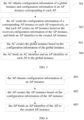
- the AC obtains configuration information of a global instance and configuration information of an AP instance corresponding to each AP.
- the global instance is a global OpenFlow instance created by the AC based on the configuration information of the global instance, which is abbreviated as the global instance.
- the AP instance is an OpenFlow instance created by the AP based on the configuration information of the AP instance, which is abbreviated as the AP instance.
- abbreviations are used for illustration.
- the AC receives configuration information of a global instance that is input by a user or sent by the SDN controller.
- the configuration information of the global instance includes information for creating the global instance and an Internet Protocol (IP) address and a port number of the SDN controller, and may also include an IP address and a port number of the AC.
- IP Internet Protocol
- the AC also receives configuration information of an AP instance corresponding to each AP input by the user or sent by the SDN controller.
- the AC receives the configuration information of the AP instance 1 corresponding to the AP1 and the configuration information of the AP instance 2 corresponding to the AP2.
- the AC sends the configuration information of a corresponding AP instance to each AP respectively, so that each AP creates an AP instance based on the received configuration information of the AP instance, and binds an AP identifier to the created AP instance.
- the AC sends the configuration information of the AP instance 1 to the AP1, and sends the configuration information of the AP instance 2 to the AP2.
- AP1 and AP2 receive the configuration information of AP instances
- AP1 creates the AP instance 1
- AP2 creates the AP instance 2.
- the identifier of the AP1 is bound to the AP instance 1
- the identifier of the AP2 is bound to the AP instance 2.
- the AC creates the global instance based on the configuration information of the global instance.
- the AC binds an AC identifier and an AP identifier of each AP to the global instance.
- the identifier of the AP1 in FIG. 3 is bound to the AP instance 1
- the identifier of the AP2 is bound to the AP instance 2
- the identifier of the AP1 and the identifier of the AP2 are both bound to the global instance.
- the AC creates the global instance based on the configuration information of the global instance, binds the identifier of the AC and the identifier of each AP to the global instance, and binds the identifier of each AP to the AP instance created by each AP. Even if the wireless virtual interface in an AP changes, the binding relation between the identifier of the AP and the OpenFlow instance does not change, and thus it is not needed to re-configure an instance.
- the method for configuring an instance applied in the example of the disclosure can reduce the configuration workload, and can be implemented relatively simply.
- the AC may also receive flow entries sent by the SDN controller to process messages based on the flow entries.
- the process may be performed based on the following methods.
- the AC receives a first upstream flow entry sent by the SDN controller, wherein, the first upstream flow entry is used by the AC to perform centralized forwarding on upstream data messages.
- the first upstream flow entry includes a destination IP address, a virtual local area network (VLAN) value, a destination media access control (MAC) address, and an identifier of a wireless virtual interface via which a terminal accesses an AP.
- VLAN virtual local area network
- MAC media access control
- the first upstream flow entry may be expressed as: an OpenFlow basic matching domain (a destination IP address + a VLAN value + a destination MAC address) + an extended matching domain (an identifier of a wireless virtual interface via which a terminal accesses an AP) + Output (a destination IP address).
- an OpenFlow basic matching domain a destination IP address + a VLAN value + a destination MAC address
- an extended matching domain an identifier of a wireless virtual interface via which a terminal accesses an AP
- Output a destination IP address
- the AC determines whether the wireless virtual interface via which the first AP receives the upstream data message is a wireless virtual interface corresponding to the identifier included in the first upstream flow entry. If the wireless virtual interface via which the first AP receives the upstream data message is the wireless virtual interface corresponding to the identifier included in the first upstream flow entry, the AC forwards the upstream data message to the destination IP address based on the first upstream flow entry.
- the AC forwards the upstream data message based on the "output" in the first upstream flow entry.
- the AC may also receive a first downstream flow entry sent by the SDN controller, wherein, the first downstream flow entry is used by the AC to perform centralized forwarding on downstream data messages.
- the first downstream flow entry includes a destination IP address, a VLAN value, a destination MAC address and an AP identifier.
- the first downstream flow entry may be expressed as: an OpenFlow basic matching domain (a destination IP address + a VLAN value + a destination MAC address) + an extended matching domain (an AP identifier ) + Output (an identifier of a wireless interface connected to the AP).
- an OpenFlow basic matching domain a destination IP address + a VLAN value + a destination MAC address
- an extended matching domain an AP identifier
- Output an identifier of a wireless interface connected to the AP
- the AC determines whether the first AP for forwarding the downstream data message is an AP corresponding to the AP identifier in the first downstream flow entry. If the first AP for forwarding the downstream data message is the AP corresponding to the AP identifier in the first downstream flow entry, the AC sends the downstream data message to the first AP via the wireless interface connected to the first AP based on the first downstream flow entry.
- the AC forwards the downstream data message based on the "output" in the first downstream flow entry.
- the process may be performed based on the following methods.
- the AC receives a second upstream flow entry sent by the SDN controller, wherein, the second upstream flow entry is used by the AC to locally forward upstream data messages.
- the second upstream flow entry includes a source IP address, a VLAN value, a source MAC address and an AP identifier.
- the second upstream flow entry may be expressed as: an OpenFlow basic matching domain (a source IP address +a VLAN value + a source MAC address) + an extended matching domain (an AP identifier) + Output (a destination IP address).
- the AC determines whether the second AP is an AP corresponding to the AP identifier in the second upstream flow entry. If the second AP is the AP corresponding to the AP identifier in the second upstream flow entry, the AC forwards the upstream data message based on the second upstream flow entry. Specifically, the AC forwards the upstream data message to the destination IP address based on the second upstream flow entry.
- the AC forwards the upstream data message based on the "output" in the second upstream flow entry.
- the AC may also receive a second downstream flow entry sent by the SDN controller.
- the second downstream flow entry is used by the AC to locally forward downstream data messages.
- the second downstream flow entry includes a destination IP address, a VLAN value, a destination MAC address and an AP identifier.
- the second downstream flow entry may be expressed as: an OpenFlow basic matching domain (a destination IP address + a VLAN value +a destination MAC address) + an extended matching domain (an AP identifier) + Output (an AP identifier).
- the AC determines whether the second AP for forwarding the downstream data message is an AP corresponding to the AP identifier in the second downstream flow entry. If the second AP for forwarding the downstream data message is the AP corresponding to the AP identifier in the second downstream flow entry, the AC sends the downstream data message to the second AP based on the second downstream flow entry.
- the AC forwards the downstream data message based on the "output" in the second downstream flow entry.
- the SDN controller may also send a flow entry to an AP via the AC, so that the AP processes messages based on the received flow entry.
- the AC receives a third upstream flow entry sent by the SDN controller, and then the AC sends the third upstream flow entry to the second AP, so that, when the second AP receives an upstream data message sent by a terminal, and a wireless virtual interface via which the second AP receives the upstream data message is a wireless virtual interface corresponding to an identifier included in the third upstream flow entry, the second AP forwards the upstream data message to the AC based on the third upstream flow entry.
- the third upstream flow entry is used by the second AP to locally forward upstream data messages.
- the third upstream flow entry includes an identifier of a wireless virtual interface, wherein, the wireless virtual interface is used by the terminal to access the second AP.
- the third upstream flow entry may be expressed as: an OpenFlow extended matching domain (an identifier of a wireless virtual interface) + Output (an AC identifier).
- the AC receives a third downstream flow entry sent by the SDN controller, and then the AC sends the third downstream flow entry to the second AP, so that, when the second AP receives a downstream data message sent by the AC, and a destination MAC address included in the downstream data message is the MAC address included in the third downstream flow entry, the second AP forwards the downstream data message to the terminal based on the third downstream flow entry.
- the third downstream flow entry is used by the second AP to locally forward downstream data messages.
- the third downstream flow entry includes a destination MAC address.
- the third downstream flow entry further includes an identifier of a wireless virtual interface, wherein, the wireless virtual interface is used by the terminal to access the second AP.
- the AC specifically forwards the downstream data message via the wireless virtual interface corresponding to the identifier in the third downstream flow entry.
- the third downstream flow entry may be expressed as: an OpenFlow basic matching domain (a destination MAC address) + Output (an identifier of a wireless virtual interface).
- an example of the disclosure further provides a method for configuring an OpenFlow instance, which is executed by an AP. As shown in FIG. 6 , the method includes the following operations.
- the AP obtains configuration information of an AP instance.
- the AP receives configuration information of an AP instance that is send by the SDN controller to the AC and then forwarded by the AC to the AP.
- the AP instance is an OpenFlow instance created by the AP based on the configuration information of the AP instance, which is abbreviated as the AP instance.
- abbreviations are used for illustration.
- the configuration information of an AP instance includes information for creating the AP instance and an IP address and a port number of the SDN controller, and may also include an IP address and a port number of the AP.
- the AP creates the AP instance based on the configuration information of the AP instance.
- the AP binds an AP identifier of the AP to the created AP instance.
- a wireless virtual interface created by the AP for connecting to a terminal also corresponds to the AP instance.
- the AP creates an AP instance based on the configuration information of the AP instance, and binds the AP identifier of the AP to the created AP instance, that is, the AP corresponds to the AP instance. Even if the wireless virtual interface on the AP changes, the binding relation between the AP identifier and the AP instance does not change. The change of the wireless virtual interface on the AP does not affect the assignment of the AP instance. That is, when the wireless virtual interface of the AP changes, it is not needed to re-configure an instance.
- the method for configuring an instance based on an AP applied in the example of the disclosure can reduce the configuration workload, and can be implemented relatively simply.
- the AP receives an upstream flow entry and a downstream flow entry sent by the AC.
- the upstream flow entry is the third upstream flow entry in the foregoing example
- the downstream flow entry is the third downstream flow entry in the foregoing example.
- the upstream flow entry is used by the AP to locally forward upstream data messages.
- the downstream flow entry is used by the AP to locally forward downstream data messages.
- the upstream flow entry includes an identifier of a wireless virtual interface.
- the wireless virtual interface is used by a terminal to access the AP, that is, the terminal connects to the AP via the wireless virtual interface.
- the upstream flow entry may be expressed as: an OpenFlow extended matching domain (an identifier of a wireless virtual interface) + Output (an AC identifier).
- the AP When the AP receives an upstream data message sent by the terminal, and the wireless virtual interface via which the AP receives the upstream data message is a wireless virtual interface corresponding to the identifier included in the upstream flow entry, the AP forwards the upstream data message to the AC based on the upstream flow entry.
- the AP forwards the upstream data message based on the "output" in the upstream flow entry, that is, the AP, based on the AC identifier in the "output", forwards the upstream data message to the AC corresponding to the AC identifier.
- the downstream flow entry includes a destination MAC address.
- the downstream flow entry may be expressed as: an OpenFlow basic matching domain (a destination MAC address) + Output (an identifier of a wireless virtual interface).
- the AP When the AP receives a downstream data message sent by the AC, and a destination MAC address included in the downstream data message is the destination MAC address in the downstream flow entry, the AP forwards the downstream data message to the terminal based on the downstream flow entry.
- the AP forwards the data message to the terminal via the wireless virtual interface corresponding to the identifier in the downstream flow entry.
- the AP forwards the downstream data message based on the "output" in the downstream flow entry, that is, the AP, based on the identifier of the wireless virtual interface in the "output", forwards the downstream data message to the wireless virtual interface corresponding to the identifier.
- the AC may create a global instance, and bind the identifier of the AC, the identifier of the AP1 and the identifier of the AP2 to the global instance.
- the AP1 creates an AP instance 1 and binds the identifier of the AP1 to the AP instance 1.
- the AP2 creates an AP instance 2 and binds the identifier of the AP2 to the AP instance 2. It is assumed that the AP1 supports centralized forwarding and the AP2 supports the local forwarding.
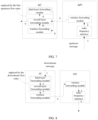
- FIG. 7 is an exemplary schematic diagram of a centralized upstream forwarding process.
- the AP1 supports centralized forwarding, and the SDN controller does not need to send an upstream flow entry to the AP1, and may send a first upstream flow entry to the AC: an OpenFlow basic matching domain (a destination IP address + a VLAN value + a destination MAC address) + an extended matching domain (an identifier of a wireless virtual interface via which a terminal accesses an AP) + Output (a destination IP address).
- an OpenFlow basic matching domain a destination IP address + a VLAN value + a destination MAC address
- an extended matching domain an identifier of a wireless virtual interface via which a terminal accesses an AP
- Output a destination IP address
- the AP1 forwards the upstream data message based on the direction of arrows shown in FIG 7 . That is, the AP1 forwards the upstream data message to a second layer forwarding module of the AC by using a wireless forwarding mode. The second layer forwarding module of the AC then forwards the upstream data message to a third layer forwarding module. The third layer forwarding module then forwards the upstream data message to a wireless forwarding module of the AC. Then, the wireless forwarding module sends the upstream data message to the second layer forwarding module, and the second layer forwarding module forwards the upstream data message based on the destination IP address in the upstream data message.
- the second layer forwarding module and the third layer forwarding module may be replaced by the first upstream flow entry of the AC. That is, after the AP1 receives the upstream data message sent by the terminal 1, the AP1 forwards the upstream data message to the wireless forwarding module of the AC by using the wireless forwarding mode.
- the AC determines that a destination IP address, a VLAN value and a destination MAC address in the upstream data message match with the basic matching domain in the first upstream flow entry, and the wireless virtual interface via which the AP1 receives the upstream data message is a wireless virtual interface corresponding to the identifier in the first upstream flow entry, the AC determines that the upstream data message matches with the first upstream flow entry, and then the AC forwards the upstream data message to the destination IP address through the wireless forwarding module based on the first upstream flow entry.
- FIG. 8 is an exemplary schematic diagram of a centralized downstream forwarding process.
- the AP1 supports centralized forwarding, and the SDN controller does not need to send an downstream flow entry to the AP1, and may send a first downstream flow entry to the AC: an OpenFlow basic matching domain (a destination IP address + a VLAN value + a destination MAC address) + an extended matching domain (an AP identifier) + Output (an identifier of a wireless interface connected to an AP).
- an OpenFlow basic matching domain a destination IP address + a VLAN value + a destination MAC address
- an extended matching domain an AP identifier
- Output an identifier of a wireless interface connected to an AP.
- the AC may forward the downstream data message based on the sequence of the arrows shown in FIG. 8 .
- the second layer forwarding module and the third layer forwarding module may be replaced by the downstream flow entry of the AC.
- the AC determines that a destination IP address, a VLAN value and a destination MAC address in the downstream data message match with the basic matching domain in the downstream flow entry, and the AP1 for forwarding the downstream data message is an AP corresponding to the AP identifier in the first downstream flow entry, the AC determines that the downstream data message matches with the first downstream flow entry, and then the AC sends the downstream data message to the AP1 via a wireless interface connected to an AP based on the first downstream flow entry, and then the AP1 forwards the downstream data message to the terminal.
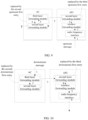
- FIG. 9 is an exemplary schematic diagram of a local upstream forwarding process.
- the AP2 supports local forwarding
- the second upstream flow entry received by the AC is: an OpenFlow basic matching domain (a source IP address + a VLAN value + a source MAC address) + an extended matching domain (an AP identifier) + Output (a destination IP address);
- the third upstream flow entry received by the AP2 is: an OpenFlow extended matching domain (an identifier of a wireless virtual interface) + Output (an AC identifier).
- the AC may forward the upstream data message based on the sequence of the arrows shown in FIG. 9 .
- the second layer forwarding module and the third layer forwarding module of the AC may be replaced by the second upstream flow entry of the AC.
- the second layer forwarding module of the AP2 may be replaced by the second upstream flow entry of the AP2.
- the AP2 determines that the upstream data message matches with the third upstream flow entry in the AP2, and then the AP2 forwards the upstream data message to the AC based on the third upstream flow entry.
- the AC After the AC receives the upstream data message, if the AC determines that a destination IP address, a VLAN value and a destination MAC address in the upstream data message match with the basic matching domain in the second upstream flow entry stored in the AC, and the AP2 sending the upstream data message is an AP corresponding to the AP identifier in the second upstream flow entry, the AC determines that the upstream data message matches with the second upstream flow entry, and then the AC forwards the upstream data message to the destination IP address based on the second upstream flow entry.
- FIG. 10 is an exemplary schematic diagram of a local downstream forwarding process.
- the AP2 supports local forwarding
- the second downstream flow entry received by the AC is: an OpenFlow basic matching domain (a destination IP address + a VLAN value + a destination MAC address) + an extended matching domain (an AP identifier) + Output (an AP identifier );
- the third downstream flow entry received by the AP2 is: an OpenFlow basic matching domain (a destination MAC address) + Output (an identifier of a wireless virtual interface).
- the AP2 may forward the downstream data message based on the sequence of the arrows shown in FIG. 10 .
- the second layer forwarding module and the third layer forwarding module of the AC may be replaced by the second downstream flow entry of the AC, and in FIG. 10 , the second layer forwarding module of the AP2 may be replaced by the third downstream flow entry of AP2.
- the AC determines that a destination IP address, a VLAN value and a destination MAC address in the downstream data message match with the basic matching domain in the second downstream flow entry, and the AC determines, based on the downstream data message, that the AP2 for forwarding the downstream data message is an AP corresponding to the AP identifier in the second downstream flow entry, then the AC determines that the downstream data message matches with the second downstream flow entry, and then the AC forwards the downstream data message to the AP2 based on the second downstream flow entry.
- the AP2 After the AP2 receives the downstream data message, if the AP2 determines that a destination MAC address in the downstream data message is the destination MAC address in the third downstream flow entry stored in the AP2, then the AP2 determines that the downstream data message matches with the third downstream flow entry, and then the AP2 forwards the downstream data message to the terminal via a wireless virtual interface corresponding to the identifier in the third downstream flow entry.
- an example of the disclosure further provides an apparatus for configuring an OpenFlow instance.
- the apparatus is applied to an AC.
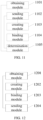
- the apparatus includes: an obtaining module 1101, a sending module 1102, a creating module 1103 and a binding module 1104.
- the obtaining module 1101 is configured to obtain configuration information of a global instance and configuration information of an AP instance corresponding to each AP.
- the sending module 1102 is configured to send the configuration information of a corresponding AP instance to each AP, respectively, so that each AP creates an AP instance based on the received configuration information of the AP instance, and bind an AP identifier to the created AP instance.
- the creating module 1103 is configured to create the global instance based on the configuration information of the global instance obtained by the obtaining module 1101.
- the binding module 1104 is configured to bind an AC identifier and an AP identifier of each AP to the global instance.
- the apparatus further includes a determination module 1105.
- the obtaining module 1101 is configured to receive a first upstream flow entry sent by a software defined network SDN controller, wherein, the first upstream flow entry is used by the AC to perform centralized forwarding on upstream data messages; the first upstream flow entry includes a destination Internet protocol IP address, a virtual local area network VLAN value, a destination media access control MAC address and an identifier of a wireless virtual interface via which a terminal accesses an AP.
- the determination module 1105 is configured to, when an upstream data message forwarded by a first AP is received, and a destination IP address, a VLAN value and a destination MAC address included in the upstream data message match respectively with the destination IP address, the VLAN value and the destination MAC address included in the first upstream flow entry, determine whether a wireless virtual interface via which the first AP receives the upstream data message is a wireless virtual interface corresponding to the identifier included in the first upstream flow entry.
- the sending module 1102 is configured to, if the wireless virtual interface via which the first AP receives the upstream data message is the wireless virtual interface corresponding to the identifier included in the first upstream flow entry, forward the upstream data message to the destination IP address based on the first upstream flow entry.
- the obtaining module 1101 is further configured to receive a first downstream flow entry sent by the SDN controller; wherein, the first downstream flow entry is used by the AC to perform centralized forwarding on downstream data messages; the first downstream flow entry includes a destination IP address, a VLAN value, a destination MAC address and an AP identifier.
- the determination module 1105 is further configured to, when a downstream data message is received, and a destination IP address, a VLAN value and a destination MAC address included in the downstream data message match respectively with the destination IP address, the VLAN value and the destination MAC address included in the first downstream flow entry, determine whether the first AP for forwarding the downstream data message is an AP corresponding to the AP identifier in the first downstream flow entry.
- the sending module 1102 is further configured to, if the first AP for forwarding the downstream data message is the AP corresponding to the AP identifier in the first downstream flow entry, send the downstream data message to the first AP via a wireless interface connected to the first AP based on the first downstream flow entry.
- the obtaining module 1101 is further configured to receive a second upstream flow entry sent by the SDN controller; wherein, the second upstream flow entry is used by the AC to locally forward upstream data messages; the second upstream flow entry includes a source IP address, a VLAN value, a source MAC address and an AP identifier.
- the determination module 1105 is further configured to, when an upstream data message sent by a second AP is received, and a source IP address, a VLAN value and a source MAC address included in the upstream data message match respectively with the source IP address, the VLAN value and the source MAC address included in the second upstream flow entry, determine whether the second AP is an AP corresponding to the AP identifier in the second upstream flow entry.
- the sending module 1102 is further configured to, if the second AP is the AP corresponding to the AP identifier in the second upstream flow entry, forward the upstream data message based on the second upstream flow entry.
- the obtaining module 1101 is further configured to receive a second downstream flow entry sent by the SDN controller; wherein, the second downstream flow entry is used by the AC to locally forward downstream data messages; the second downstream flow entry includes a destination IP address, a VLAN value, a destination MAC address and an AP identifier.
- the determination module 1105 is further configured to, when a downstream data message is received, and a destination IP address, a VLAN value and a destination MAC address included in the downstream data message match respectively with the destination IP address, the VLAN value and the destination MAC address included in the second downstream flow entry, determine whether the second AP for forwarding the downstream data message is an AP corresponding to the AP identifier in the second downstream flow entry.
- the sending module 1102 is further configured to, if the second AP for forwarding the downstream data message is the AP corresponding to the AP identifier in the second downstream flow entry, send the downstream data message to the second AP based on the second downstream flow entry.
- the obtaining module 1101 is further configured to receive a third upstream flow entry sent by the SDN controller; wherein, the third upstream flow entry is used by the second AP to locally forward upstream data messages; the third upstream flow entry includes an identifier of a wireless virtual interface; the wireless virtual interface is used by a terminal to access the second AP.
- the sending module 1102 is further configured to send the third upstream flow entry to the second AP, so that, when the second AP receives an upstream data message sent by a terminal, and a wireless virtual interface via which the second AP receives the upstream data message is a wireless virtual interface corresponding to the identifier included in the third upstream flow entry, the second AP forwards the upstream data message to the AC based on the third upstream flow entry.
- the obtaining module 1101 is further configured to receive a third downstream flow entry sent by the SDN controller; wherein, the third downstream flow entry is used by the second AP to locally forward downstream data messages; the third downstream flow entry includes a destination MAC address.
- the sending module 1102 is further configured to send the third downstream flow entry to the second AP, so that, when the second AP receives a downstream data message sent by the AC, and a destination MAC address included in the downstream data message is the MAC address included in the third downstream flow entry, the second AP forwards the downstream data message to a terminal based on the third downstream flow entry.
- an example of the disclosure further provides an apparatus for configuring an OpenFlow instance.
- the apparatus is applied to an AP.
- the apparatus includes: an obtaining module 1201, a creating module 1202 and a binding module 1203.
- the obtaining module 1201 is configured to obtain configuration information of an AP instance.
- the creating module 1202 is configured to create the AP instance based on the configuration information of the AP instance obtained by the obtaining module 1201.
- the binding module 1203 is configured to bind an AP identifier of the AP to the created AP instance.
- the apparatus further includes: a sending module 1204.
- the obtaining module 1201 is further configured to, in the case where the AP supports local forwarding, receive an upstream flow entry sent by an access controller AC; wherein, the upstream flow entry is used by the AP to locally forward upstream data messages; the upstream flow entry includes an identifier of a wireless virtual interface; the wireless virtual interface is used by a terminal to access the AP.
- the sending module 1204 is configured to, when an upstream data message sent by the terminal is received, and a wireless virtual interface via which the AP receives the upstream data message is a wireless virtual interface corresponding to the identifier included in the upstream flow entry, forward the upstream data message to the AC based on the upstream flow entry.
- the obtaining module 1201 is further configured to, in the case where the AP supports local forwarding, receive a downstream flow entry sent by the AC; wherein, the downstream flow entry is used by the AP to locally forward downstream data messages; the downstream flow entry includes a destination media access control MAC address.
- the sending module 1204 is further configured to, when a downstream data message sent by the AC is received, and a destination MAC address included in the downstream data message is the destination MAC address in the downstream flow entry, forward the downstream data message to the terminal based on the downstream flow entry.
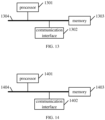
- An example of the disclosure further provides an AC, as shown in FIG. 13 , including a processor 1301, a communication interface 1302, a memory 1303 and a communication bus 1304; wherein, the processor 1301, the communication interface 1302 and the memory 1303 communicate with each other via the communication bus 1304.
- the memory 1303 is configured to store a computer program.
- the processor 1301 is configured to implement the operations, performed by the AC, in the above example of the method when executing the program stored in the memory 1303.
- the communication bus in the above AC may be a peripheral component interconnect (PCI) bus or an extended industry standard architecture (EISA) bus and the like.
- This communication bus may include an address bus, a data bus, a control bus, or the like.
- a thick line is shown in the figures, which does not represent that there is only one communication bus or one type of communication bus.
- the communication interface is used for communication between the above AC and other advices.
- the memory may include a random access memory (RAM), or may include a non-volatile memory (NVM), for example at least one disk memory.
- the memory may further be at least a storage apparatus located away from the above processor.
- the above processor may be a general-purpose processor, such as a central processing unit (CPU), a network processor (NP), or the like; it may also be a digital signal processor (DSP), an application specific integrated circuit (ASIC), a field-programmable gate array (FPGA) or other programmable logic device, a discrete gate or transistor logic device, a discrete hardware component.
- CPU central processing unit
- NP network processor
- DSP digital signal processor
- ASIC application specific integrated circuit
- FPGA field-programmable gate array
- an example of the disclosure further provides an AC, including a processor and a machine readable storage medium; wherein, the machine readable storage medium stores machine executable instructions executable by the processor, and the processor is caused by the machine executable instructions to:
- machine executable instructions further cause the processor to:
- machine executable instructions further cause the processor to:
- machine executable instructions further cause the processor to:
- an example of the disclosure further provides a machine readable storage medium, which is applicable to an AC and stores machine executable instructions executable by a processor; wherein, the machine executable instructions, when being invoked and executed by the processor, cause the processor to:
- machine executable instructions further cause the processor to:
- machine executable instructions further cause the processor to:
- machine executable instructions further cause the processor to:
- an example of the disclosure further provides machine executable instructions, which may be stored in a machine readable storage medium and may be applicable to an AC; wherein, the machine executable instructions, when being invoked and executed by a processor, cause the processor to:
- machine executable instructions further cause the processor to:
- machine executable instructions further cause the processor to:
- machine executable instructions further cause the processor to:
- An example of the disclosure further provides an AP, as shown in FIG. 14 , including a processor 1401, a communication interface 1402, a memory 1403 and a communication bus 1404; wherein, the processor 1401, the communication interface 1402 and the memory 1403 communicate with each other via the communication bus 1404.
- the memory 1403 is configured to store a computer program.
- the processor 1401 is configured to implement the operations performed by the AP in the above example of the method when executing the program stored in the memory 1403.
- the communication bus in the above AP may be a peripheral component interconnect (PCI) bus or an extended industry standard architecture (EISA) bus and the like.
- This communication bus may include an address bus, a data bus, a control bus, or the like.
- a thick line is shown in the figures, which does not represent that there is only one communication bus or one type of communication bus.
- the communication interface is used for communication between the above AP and other advices.
- the memory may include a random access memory (RAM), or may include a non-volatile memory (NVM), for example at least one disk memory.
- the memory may further be at least a storage apparatus located away from the above processor.
- the above processor may be a general-purpose processor, such as a central processing unit (CPU), a network processor (NP), or the like; it may also be a digital signal processor (DSP), an application specific integrated circuit (ASIC), a field-programmable gate array (FPGA) or other programmable logic device, a discrete gate or transistor logic device, a discrete hardware component.
- CPU central processing unit
- NP network processor
- DSP digital signal processor
- ASIC application specific integrated circuit
- FPGA field-programmable gate array
- an example of the disclosure further provides an AP, including: a processor and a machine readable storage medium; wherein, the machine readable storage medium stores machine executable instructions executable by the processor, and the processor is caused by the machine executable instructions to:
- machine executable instructions cause the processor to:
- an example of the disclosure further provides a machine readable storage medium, which may be applicable to an AP and stores machine executable instructions executable by a processor; wherein, the machine executable instructions, when being invoked and executed by the processor, cause the processor to:
- machine executable instructions cause the processor to:
- an example of the disclosure further provides machine executable instructions, which may be stored in a machine readable storage medium and may be applicable to an AP; wherein, the machine executable instructions, when being invoked and executed by a processor, cause the processor to:
- machine executable instructions cause the processor to:
- the above examples may be implemented in whole or in part by software, hardware, firmware, or any combination thereof.
- software When implemented in software, it may be implemented in whole or in part in the form of a computer program product.
- the computer program product includes one or more computer instructions.
- the computer program instructions When the computer program instructions are loaded and executed on a computer, the processes or functions based on examples of the disclosure are implemented in whole or in part.
- the computer may be a general purpose computer, a special purpose computer, a computer network, or other programmable apparatus.
- Computer instructions may be stored in a computer readable storage medium or transmitted from one computer readable storage medium to another computer readable storage medium.
- the computer instructions may be transmitted from a website site, computer, server or data center to another website site, computer, server or data center by a wired manner (for example, coaxial-cable, fiber, digital subscriber line (DSL)) or a wireless manner (for example, infrared, wireless, microwave, etc.).
- the computer readable storage medium may be any available medium that can be accessed by a computer or may be a data storage device, such as a server, data center, or the like, including one or more integrated available mediums.
- the available mediums may be a magnetic medium (for example, a floppy disk, a hard disk, a magnetic tape), an optical medium (for example, DVD), or a semiconductor medium (for example, a Solid State Disk (SSD)), etc.
Landscapes
- Engineering & Computer Science (AREA)
- Computer Networks & Wireless Communication (AREA)
- Signal Processing (AREA)
- Computer Security & Cryptography (AREA)
- Mobile Radio Communication Systems (AREA)
- Data Exchanges In Wide-Area Networks (AREA)
Claims (14)
- Verfahren zum Konfigurieren einer OpenFlow-Instanz, das auf ein System anwendbar ist, das eine Zugangssteuerung AC und mindestens einen Zugangspunkt AP umfasst, der auf die AC zugreift, wobei das Verfahren die folgenden Schritte umfasst:durch die AC Erhalten (501) von Konfigurationsinformationen einer globalen OpenFlow-Instanz und von Konfigurationsinformationen einer AP-OpenFlow-Instanz zu jedem AP;durch die AC Senden (502) der Konfigurationsinformationen einer entsprechenden AP-OpenFlow-Instanz jeweils an jeden AP, wobei jeder AP einen AP-OpenFlow auf der Grundlage der empfangenen Konfigurationsinformationen der AP-OpenFlow-Instanz erzeugt und eine AP-Kennung an die erzeugte AP-OpenFlow-Instanz bindet, wobei eine von dem AP erzeugte drahtlose virtuelle Schnittstelle der AP-OpenFlow-Instanz entspricht, so dass, wenn sich die drahtlose Schnittstelle des AP ändert, es nicht erforderlich ist, die AP-OpenFlow-Instanz neu zu konfigurieren;Erzeugen (503), durch die AC, der globalen OpenFlow-Instanz auf der Grundlage der Konfigurationsinformationen der globalen OpenFlow-Instanz- unddurch die AC Binden (504) einer AC-Kennung und der AP-Kennung jedes AP an die globale OpenFlow-Instanz.
- Verfahren nach Anspruch 1, wobei das Verfahren ferner die folgenden Schritte umfasst:durch die AC Empfangen eines ersten Upstream-Flow-Eintrags, der von einer Software-Defined-Network- (SDN-) Steuerung gesendet wird, wobei der erste Upstream-Flow-Eintrag von der AC verwendet wird, um ein zentralisiertes Weiterleiten von Upstream-Datennachrichten durchzuführen, wobei der erste Upstream-Flow-Eintrag eine Internet-Protocol, IP,-Zieladresse, einen Virtual-Local-Area-Network, einen VLAN,-Wert, eine Media-Access-Control, eine MAC-Zieladresse und eine Kennung einer drahtlosen virtuellen Schnittstelle aufweist, über die ein Endgerät auf einen AP zugreift;wenn eine von einem ersten AP weitergeleitete Upstream-Datennachricht empfangen wird und eine IP-Zieladresse, ein VLAN-Wert und eine MAC-Zieladresse, die in der Upstream-Datennachricht enthalten sind, jeweils mit der IP-Zieladresse, dem VLAN-Wert und der MAC-Zieladresse, die in dem ersten Upstream-Flow-Eintrag enthalten sind, übereinstimmen, durch die AC Bestimmen ob eine drahtlose virtuelle Schnittstelle, über die der erste AP die Upstream-Datennachricht empfängt, eine drahtlose virtuelle Schnittstelle ist, die der in dem ersten Upstream-Flow-Eintrag enthaltenen Kennung entspricht; undwenn die drahtlose virtuelle Schnittstelle, über die der erste AP die Upstream-Datennachricht empfängt, die drahtlose virtuelle Schnittstelle ist, die der im ersten Upstream-Flow-Eintrag enthaltenen Kennung entspricht, Weiterleiten, durch die AC, der Upstream-Datennachricht an die IP-Zieladresse auf der Grundlage des ersten Upstream-Flow-Eintrags;
oder,wobei das Verfahren ferner die folgenden Schritte umfasst:durch die AC Empfangen eines ersten Downstream-Flow-Eintrags, der von der SDN-Steuerung gesendet wird, wobei der erste Downstream-Flow-Eintrag von der AC verwendet wird, um ein zentralisiertes Weiterleiten von Downstream-Datennachrichten durchzuführen, wobei der erste Downstream-Flow-Eintrag eine IP-Zieladresse, einen VLAN-Wert, eine MAC-Zieladresse und eine AP-Kennung aufweist;wenn eine Downstream-Datennachricht empfangen wird und eine IP-Zieladresse, ein VLAN-Wert und eine MAC-Zieladresse, die in der Downstream-Datennachricht enthalten sind, jeweils mit der IP-Zieladresse, dem VLAN-Wert und der MAC-Zieladresse übereinstimmen, die in dem ersten Downstream-Flow-Eintrag enthalten sind, durch die AC Bestimmen ob der erste AP zum Weiterleiten der Downstream-Datennachricht ein AP ist, der der AP-Kennung im ersten Downstream-Flow-Eintrag entspricht; undwenn der erste AP zum Weiterleiten der Downstream-Datennachricht der AP ist, der der AP-Kennung in dem ersten Downstream-Flow-Eintrag entspricht, Durch die AC Senden der Downstream-Datennachricht an den ersten AP über eine drahtlose Schnittstelle, die mit dem ersten AP verbunden ist, auf der Grundlage des ersten Downstream-Flow-Eintrags. - Verfahren nach Anspruch 1, wobei das Verfahren ferner die folgenden Schritte umfasst:durch die AC Empfangen eines zweiten Upstream-Flow-Eintrags, der von einer SDN-Steuerung gesendet wird, wobei der zweite Upstream-Flow-Eintrag von der AC verwendet wird, um Upstream-Datennachrichten lokal weiterzuleiten, wobei der zweite Upstream-Flow-Eintrag eine IP-Quelladresse, einen VLAN-Wert, eine MAC-Quelladresse und eine AP-Kennung aufweist;wenn eine von einem zweiten AP gesendete Upstream-Datennachricht empfangen wird und eine IP-Quelladresse, ein VLAN-Wert und eine MAC-Quelladresse, die in der Upstream-Datennachricht enthalten sind, jeweils mit der IP-Quelladresse, dem VLAN-Wert und der MAC-Quelladresse übereinstimmen, die in dem zweiten Upstream-Flow-Eintrag enthalten sind, durch die AC Bestimmen, ob der zweite AP ein AP ist, der der AP-Kennung in dem zweiten Upstream-Flow-Eintrag entspricht; undwenn der zweite AP der AP ist, der der AP-Kennung in dem zweiten Upstream-Flow-Eintrag entspricht, Weiterleiten, durch die AC, der Upstream-Datennachricht auf der Grundlage des zweiten Upstream-Flow-Eintrags;
oder,wobei das Verfahren ferner die folgenden Schritte umfasst:durch die AC Empfangen eines zweiten Downstream-Flow-Eintrags, der von der SDN-Steuerung gesendet wird, wobei der zweite Downstream-Flow-Eintrag von der AC verwendet wird, um Downstream-Datennachrichten lokal weiterzuleiten, wobei der zweite Downstream-Flow-Eintrag eine IP-Zieladresse, einen VLAN-Wert, eine MAC-Zieladresse und eine AP-Kennung aufweist;wenn eine Downstream-Datennachricht empfangen wird und eine IP-Zieladresse, ein VLAN-Wert und eine MAC-Zieladresse, die in der Downstream-Datennachricht enthalten sind, jeweils mit der IP-Zieladresse, dem VLAN-Wert und der MAC-Zieladresse, die in dem zweiten Downstream-Flow-Eintrag enthalten sind, überstimmen, durch die AC Bestimmen, ob der zweite AP zum Weiterleiten der Downstream-Datennachricht ein AP ist, der der AP-Kennung in dem zweiten Downstream-Flow-Eintrag entspricht; undwenn der zweite AP zum Weiterleiten der Downstream-Datennachricht der AP ist, der der AP-Kennung in dem zweiten Downstream-Flow-Eintrag entspricht, durch die AC Senden der Downstream-Datennachricht an den zweiten AP auf der Grundlage des zweiten Downstream-Flow-Eintrags. - Verfahren nach Anspruch 1 oder 3, wobei das Verfahren ferner umfasst:durch die AC Empfangen eines dritten Upstream-Flow-Eintrags, der von einer SDN-Steuerung gesendet wird, wobei der dritte Upstream-Flow-Eintrag von einem zweiten AP verwendet wird, um Upstream-Datennachrichten lokal weiterzuleiten, wobei der dritte Upstream-Flow-Eintrag eine Kennung einer drahtlosen virtuellen Schnittstelle aufweist, wobei die drahtlose virtuelle Schnittstelle von einem Endgerät verwendet wird, um auf den zweiten AP zuzugreifen; unddurch die AC Senden des dritten Upstream-Flow-Eintrags an den zweiten AP, so dass, wenn der zweite AP eine von dem Endgerät gesendete Upstream-Datennachricht empfängt und eine drahtlose virtuelle Schnittstelle, über die der zweite AP die Upstream-Datennachricht empfängt, eine drahtlose virtuelle Schnittstelle ist, die der in dem dritten Upstream-Flow-Eintrag enthaltenen Kennung entspricht, der zweite AP die Upstream-Datennachricht an die AC weiterleitet auf der Grundlage des dritten Upstream-Flow-Eintrags;
oder,wobei das Verfahren ferner die folgenden Schritte umfasst:durch die AC Empfangen eines dritten Downstream-Flow-Eintrags, der von der SDN-Steuerung gesendet wird, wobei der dritte Downstream-Flow-Eintrag von dem zweiten AP verwendet wird, um Downstream-Datennachrichten lokal weiterzuleiten, wobei der dritte Downstream-Flow-Eintrag eine MAC-Zieladresse aufweist, unddurch die AC Senden des dritten Downstream-Flow-Eintrags an den zweiten AP, so dass, wenn der zweite AP eine von der AC gesendete Downstream-Datennachricht empfängt und eine in der Downstream-Datennachricht enthaltene MAC-Zieladresse die in dem dritten Downstream-Flow-Eintrag enthaltene MAC-Zieladresse ist, der zweite AP die Downstream-Datennachricht an ein Endgerät weiterleitet auf der Grundlage des dritten Downstream-Flow-Eintrags. - Verfahren zum Konfigurieren einer OpenFlow-Instanz, die auf einen Zugangspunkt AP anwendbar ist, wobei das Verfahren die folgenden Schritte umfasst:Erhalten (601) von Konfigurationsinformationen einer AP-OpenFlow-Instanz von einer Zugangssteuerung;Erzeugen (602) der AP-OpenFlow-Instanz auf der Grundlage der Konfigurationsinformationen der AP-OpenFlow-Instanz; undBinden (603) einer AP-Kennung des AP an die erzeugte AP-OpenFlow-Instanz, wobei eine von dem AP erzeugte drahtlose virtuelle Schnittstelle der AP-OpenFlow-Instanz entspricht, so dass, wenn sich die drahtlose virtuelle Schnittstelle des AP ändert, es nicht erforderlich ist, die AP-OpenFlow-Instanz neu zu konfigurieren.
- Verfahren nach Anspruch 5, wobei das Verfahren ferner umfasst:Empfangen eines Upstream-Flow-Eintrags, der von einer Zugangssteuerung AC in einem Fall gesendet wird, in dem der AP lokales Weiterleiten unterstützt, wobei der Upstream-Flow-Eintrag von dem AP verwendet wird, um Upstream-Datennachrichten lokal weiterzuleiten, wobei der Upstream-Flow-Eintrag eine Kennung einer drahtlosen virtuellen Schnittstelle aufweist, wobei die drahtlose virtuelle Schnittstelle von einem Endgerät verwendet wird, um auf den AP zuzugreifen; undwenn eine von dem Endgerät gesendete Upstream-Datennachricht empfangen wird und eine drahtlose virtuelle Schnittstelle, über die der AP die Upstream-Datennachricht empfängt, eine drahtlose virtuelle Schnittstelle ist, die der in dem Upstream-Flow-Eintrag enthaltenen Kennung entspricht, Weiterleiten der Upstream-Datennachricht an die AC auf der Grundlage des Upstream-Flow-Eintrags;
oder,wobei das Verfahren ferner umfasst:Empfangen eines Downstream-Flow-Eintrags, der von der AC in einem Fall gesendet wird, in dem der AP lokales Weiterleiten unterstützt, wobei der Downstream-Flow-Eintrag von dem AP verwendet wird, um Downstream-Datennachrichten lokal weiterzuleiten, wobei der Downstream-Flow-Eintrag eine Media-Access-Control, MAC,-Zieladresse aufweist; undwenn eine von der AC gesendete Downstream-Datennachricht empfangen wird und eine in der Downstream-Datennachricht enthaltene MAC-Zieladresse die MAC-Zieladresse in dem Downstream-Flow-Eintrag ist, Weiterleiten der Downstream-Datennachricht an ein Endgerät auf der Grundlage des Downstream-Flow-Eintrags. - System, das eine Zugangssteuerung AC und mindestens einen Zugangspunkt AP umfasst, wobei die AC einen Prozessor und ein maschinenlesbares Speichermedium aufweist, wobei das maschinenlesbare Speichermedium maschinenausführbare Anweisungen speichert, die von dem Prozessor ausgeführt werden können, und die maschinenausführbaren Anweisungen den Prozessor veranlassen zum:Erhalten (501) von Konfigurationsinformationen einer globalen OpenFlow-Instanz und von Konfigurationsinformationen einer AP-OpenFlow-Instanz zu jedem AP;Senden (502) der Konfigurationsinformationen einer entsprechenden AP-OpenFlow-Instanz an jeden AP, wobei jeder AP eingerichtet ist zum Erzeugen eines AP-OpenFlow auf der Grundlage der empfangenen Konfigurationsinformationen der AP-OpenFlow-Instanz, und zum Binden einer AP-Kennung an die erzeugte AP-OpenFlow-Instanz, wobei eine von dem AP erzeugte drahtlose virtuelle Schnittstelle der AP-OpenFlow-Instanz entspricht, so dass, wenn sich die drahtlose Schnittstelle des AP ändert, es nicht erforderlich ist, die AP-OpenFlow-Instanz neu zu konfigurieren;Erzeugen (503) der globalen OpenFlow-Instanz auf der Grundlage der Konfigurationsinformationen der globalen OpenFlow-Instanz; undBinden (504) einer AC-Kennung und einer AP-Kennung jedes AP an die globale OpenFlow-Instanz.
- System nach Anspruch 7, wobei die maschinenausführbaren Anweisungen den Prozessor ferner veranlassen zum:Empfangen eines ersten Upstream-Flow-Eintrags, der von einer Software-Defined-Network- (SDN-) Steuerung gesendet wird, wobei der erste Upstream-Flow-Eintrag eine Internet-Protocol, IP, -Zieladresse, einen Virtual-Local-Area-Network-(VLAN-) Wert, eine Media-Access-Control- (MAC-) Zieladresse und eine Kennung einer drahtlosen virtuellen Schnittstelle aufweist, über die ein Endgerät auf einen AP zugreift;wenn eine von einem ersten AP weitergeleitete Upstream-Datennachricht empfangen wird und eine IP-Zieladresse, ein VLAN-Wert und eine MAC-Zieladresse, die in der Upstream-Datennachricht enthalten sind, jeweils mit der IP-Zieladresse, dem VLAN-Wert und der MAC-Zieladresse, die in dem ersten Upstream-Flow-Eintrag enthalten sind, übereinstimmen, Bestimmen, ob eine drahtlose virtuelle Schnittstelle, über die der erste AP die Upstream-Datennachricht empfängt, eine drahtlose virtuelle Schnittstelle ist, die der in dem ersten Upstream-Flow-Eintrag enthaltenen Kennung entspricht; undwenn die drahtlose virtuelle Schnittstelle, über die der erste AP die Upstream-Datennachricht empfängt, die drahtlose virtuelle Schnittstelle ist, die der im ersten Upstream-Flow-Eintrag enthaltenen Kennung entspricht, Weiterleiten der Upstream-Datennachricht an die IP-Zieladresse auf der Grundlage des ersten Upstream-Flow-Eintrags;
oder,wobei die maschinenausführbaren Anweisungen den Prozessor ferner veranlassen zum:Empfangen eines ersten Downstream-Flow-Eintrags, der von der SDN-Steuerung gesendet wird, wobei der erste Downstream-Flow-Eintrag verwendet wird, um ein zentralisiertes Weiterleiten von Downstream-Datennachrichten durchzuführen, wobei der erste Downstream-Flow-Eintrag eine IP-Zieladresse, einen VLAN-Wert, eine MAC-Zieladresse und eine AP-Kennung aufweist;wenn eine Downstream-Datennachricht empfangen wird und eine IP-Zieladresse, ein VLAN-Wert und eine MAC-Zieladresse, die in der Downstream-Datennachricht enthalten sind, jeweils mit der IP-Zieladresse, dem VLAN-Wert und der MAC-Zieladresse übereinstimmen, die in dem ersten Downstream-Flow-Eintrag enthalten sind, Bestimmen, ob der erste AP zum Weiterleiten der Downstream-Datennachricht ein AP ist, der der AP-Kennung im ersten Downstream-Flow-Eintrag entspricht; undwenn der erste AP zum Weiterleiten der Downstream-Datennachricht der AP ist, der der AP-Kennung in dem ersten Downstream-Flow-Eintrag entspricht, Senden der Downstream-Datennachricht an den ersten AP über eine drahtlose Schnittstelle, die mit dem ersten AP verbunden ist, auf der Grundlage des ersten Downstream-Flow-Eintrags. - System nach Anspruch 7, wobei die maschinenausführbaren Anweisungen den Prozessor ferner veranlassen zum:Empfangen eines zweiten Upstream-Flow-Eintrags, der von einer SDN-Steuerung gesendet wird, wobei der zweite Upstream-Flow-Eintrag von der AC verwendet wird, um Upstream-Datennachrichten lokal weiterzuleiten, wobei der zweite Upstream-Flow-Eintrag eine IP-Quelladresse, einen VLAN-Wert, eine MAC-Quelladresse und eine AP-Kennung aufweist;wenn eine von einem zweiten AP gesendete Upstream-Datennachricht empfangen wird und eine IP-Quelladresse, ein VLAN-Wert und eine MAC-Quelladresse, die in der Upstream-Datennachricht enthalten sind, jeweils mit der IP-Quelladresse, dem VLAN-Wert und der MAC-Quelladresse übereinstimmen, die in dem zweiten Upstream-Flow-Eintrag enthalten sind, Bestimmen, ob der zweite AP ein AP ist, der der AP-Kennung in dem zweiten Upstream-Flow-Eintrag entspricht; undwenn der zweite AP der AP ist, der der AP-Kennung in dem zweiten Upstream-Flow-Eintrag entspricht, Weiterleiten der Upstream-Datennachricht auf der Grundlage des zweiten Upstream-Flow-Eintrags;
oder,wobei die maschinenausführbaren Anweisungen den Prozessor ferner veranlassen zum:Empfangen eines zweiten Downstream-Flow-Eintrags, der von der SDN-Steuerung gesendet wird, wobei der zweiten Downstream-Flow-Eintrag von der AC verwendet wird, um Downstream-Datennachrichten lokal weiterzuleiten, wobei der zweite Downstream-Flow-Eintrag eine IP-Zieladresse, einen VLAN-Wert, eine MAC-Zieladresse und eine AP-Kennung aufweist;wenn eine Downstream-Datennachricht empfangen wird und eine IP-Zieladresse, ein VLAN-Wert und eine MAC-Zieladresse, die in der Downstream-Datennachricht enthalten sind, jeweils mit der IP-Zieladresse, dem VLAN-Wert und der MAC-Zieladresse, die in dem zweiten Downstream-Flow-Eintrag enthalten sind, übereinstimmen, Bestimmen, ob der zweite AP zum Weiterleiten der Downstream-Datennachricht ein AP ist, der der AP-Kennung in dem zweiten Downstream-Flow-Eintrag entspricht; undwenn der zweite AP zum Weiterleiten der Downstream-Datennachricht der AP ist, der der AP-Kennung in dem zweiten Downstream-Flow-Eintrag entspricht, Senden der Downstream-Datennachricht an den zweiten AP auf der Grundlage des zweiten Downstream-Flow-Eintrags. - System nach Anspruch 7 oder 9, wobei die maschinenausführbaren Anweisungen den Prozessor ferner veranlassen zum:Empfangen eines dritten Upstream-Flow-Eintrags, der von einer SDN-Steuerung gesendet wird, wobei der dritte Upstream-Flow-Eintrag von einem zweiten AP verwendet wird, um Upstream-Datennachrichten lokal weiterzuleiten, wobei der dritte Upstream-Flow-Eintrag eine Kennung einer drahtlosen virtuellen Schnittstelle aufweist, wobei die drahtlose virtuelle Schnittstelle von einem Endgerät verwendet wird, um auf den zweiten AP zuzugreifen; undSenden des dritten Upstream-Flow-Eintrags an den zweiten AP, so dass, wenn der zweite AP eine von dem Endgerät gesendete Upstream-Datennachricht empfängt und eine drahtlose virtuelle Schnittstelle, über die der zweite AP die Upstream-Datennachricht empfängt, eine drahtlose virtuelle Schnittstelle ist, die der in dem dritten Upstream-Flow-Eintrag enthaltenen Kennung entspricht, der zweite AP die Upstream-Datennachricht an die AC weiterleitet auf Grundlage des dritten Upstream-Flow-Eintrags;
oder,wobei die maschinenausführbaren Anweisungen ferner den Prozessor veranlassen zum:Empfangen eines dritten Downstream-Flow-Eintrags, der von der SDN-Steuerung gesendet wird, wobei der dritte Downstream-Flow-Eintrag von dem zweiten AP verwendet wird, um Downstream-Datennachrichten lokal weiterzuleiten, wobei der dritte Downstream-Flow-Eintrag eine MAC-Zieladresse aufweist; undSenden des dritten Downstream-Flow-Eintrags an den zweiten AP, so dass, wenn der zweite AP eine von der AC gesendete Downstream-Datennachricht empfängt und eine in der Downstream-Datennachricht enthaltene MAC-Zieladresse die in dem dritten Downstream-Flow-Eintrag enthaltene MAC-Zieladresse ist, der zweite AP die Downstream-Datennachricht an ein Endgerät weiterleitet auf der Grundlage des dritten Downstream-Flow-Eintrags. - Zugangspunkt, AP, der einen Prozessor und ein maschinenlesbares Speichermedium aufweist, wobei das maschinenlesbare Speichermedium maschinenausführbare Anweisungen speichert, die von dem Prozessor ausgeführt werden können, und die maschinenausführbaren Anweisungen den Prozessor veranlassen zum:Erhalten (601) von Konfigurationsinformationen einer AP-OpenFlow-Instanz von einer Zugangssteuerung;Erzeugen (602) der AP-OpenFlow-Instanz auf der Grundlage der Konfigurationsinformationen der AP-OpenFlow-Instanz; undBinden (603) einer AP-Kennung des AP an die erzeugte AP-OpenFlow-Instanz, wobei eine von dem AP erzeugte drahtlose virtuelle Schnittstelle der AP-OpenFlow-Instanz entspricht, so dass, wenn sich die drahtlose virtuelle Schnittstelle des AP ändert, es nicht erforderlich ist, die AP-OpenFlow-Instanz neu zu konfigurieren.
- AP nach Anspruch 11, wobei die maschinenausführbaren Anweisungen den Prozessor veranlassen zum:Empfangen eines Upstream-Flow-Eintrags, der von einer Zugangssteuerung AC in einem Fall gesendet wird, in dem der AP lokales Weiterleiten unterstützt, wobei der Upstream-Flow-Eintrag von dem AP verwendet wird, um Upstream-Datennachrichten lokal weiterzuleiten, wobei der Upstream-Flow-Eintrag eine Kennung einer drahtlosen virtuellen Schnittstelle aufweist, wobei die drahtlose virtuelle Schnittstelle von einem Endgerät verwendet wird, um auf den AP zuzugreifen; undwenn eine von dem Endgerät gesendete Upstream-Datennachricht empfangen wird und eine drahtlose virtuelle Schnittstelle, über die der AP die Upstream-Datennachricht empfängt, eine drahtlose virtuelle Schnittstelle ist, die der in dem Upstream-Flow-Eintrag enthaltenen Kennung entspricht, Weiterleiten der Upstream-Datennachricht an die AC auf der Grundlage des Upstream-Flow-Eintrags;
oder,wobei die maschinenausführbaren Anweisungen den Prozessor veranlassen zum:Empfangen eines Downstream-Flow-Eintrags, der von der AC in einem Fall gesendet wird, in dem der AP lokales Weiterleiten unterstützt, wobei der Downstream-Flow-Eintrag von dem AP verwendet wird, um Downstream-Datennachrichten lokal weiterzuleiten, wobei der Downstream-Flow-Eintrag eine Media-Access-Control, MAC,-Zieladresse aufweist; undwenn eine von der AC gesendete Downstream-Datennachricht empfangen wird und eine in der Downstream-Datennachricht enthaltene MAC-Zieladresse die MAC-Zieladresse in dem Downstream-Flow-Eintrag ist, Weiterleiten der Downstream-Datennachricht an ein Endgerät auf der Grundlage des Downstream-Flow-Eintrags. - Maschinenlesbares Speichermedium, das maschinenausführbare Anweisungen speichert, wobei die maschinenausführbaren Anweisungen, wenn sie von einem Prozessor einer Zugangssteuerung und von einem Prozessor eines Zugangspunkts aufgerufen und ausgeführt werden, die Prozessoren veranlassen, die jeweiligen Schritte des Verfahrens nach einem der Ansprüche 1 bis 4 zu implementieren.
- Maschinenlesbares Speichermedium, das maschinenausführbare Anweisungen speichert, wobei die maschinenausführbaren Anweisungen, wenn sie von einem Prozessor eines Zugangspunkts aufgerufen und ausgeführt werden, den Prozessor veranlassen, das Verfahren nach einem der Ansprüche 5 bis 6 zu implementieren.
Applications Claiming Priority (2)
| Application Number | Priority Date | Filing Date | Title |
|---|---|---|---|
| CN201811140453.9A CN109041086B (zh) | 2018-09-28 | 2018-09-28 | 一种OpenFlow实例的配置方法及装置 |
| PCT/CN2019/108242 WO2020063776A1 (zh) | 2018-09-28 | 2019-09-26 | OpenFlow实例配置 |
Publications (3)
| Publication Number | Publication Date |
|---|---|
| EP3833084A1 EP3833084A1 (de) | 2021-06-09 |
| EP3833084A4 EP3833084A4 (de) | 2021-09-29 |
| EP3833084B1 true EP3833084B1 (de) | 2024-02-28 |
Family
ID=64615334
Family Applications (1)
| Application Number | Title | Priority Date | Filing Date |
|---|---|---|---|
| EP19866075.5A Active EP3833084B1 (de) | 2018-09-28 | 2019-09-26 | Konfiguration einer openflow-instanz |
Country Status (5)
| Country | Link |
|---|---|
| US (1) | US11876678B2 (de) |
| EP (1) | EP3833084B1 (de) |
| JP (1) | JP7126021B2 (de) |
| CN (1) | CN109041086B (de) |
| WO (1) | WO2020063776A1 (de) |
Families Citing this family (4)
| Publication number | Priority date | Publication date | Assignee | Title |
|---|---|---|---|---|
| CN109041086B (zh) * | 2018-09-28 | 2020-10-20 | 新华三技术有限公司 | 一种OpenFlow实例的配置方法及装置 |
| CN113098834B (zh) * | 2020-01-08 | 2023-04-07 | 钉钉控股(开曼)有限公司 | 访问控制方法、装置、设备和系统 |
| CN113079518A (zh) * | 2021-03-29 | 2021-07-06 | 新华三技术有限公司 | 一种报文转发方法、装置及设备 |
| CN113505618B (zh) * | 2021-07-22 | 2024-06-25 | 三维通信股份有限公司 | 建立通信连接的方法、装置、存储介质及电子装置 |
Family Cites Families (10)
| Publication number | Priority date | Publication date | Assignee | Title |
|---|---|---|---|---|
| CN103716213B (zh) | 2012-09-29 | 2018-02-09 | 上海诺基亚贝尔股份有限公司 | 在固定接入网中和在用户设备中运行的方法 |
| CN104158916A (zh) | 2013-05-13 | 2014-11-19 | 中兴通讯股份有限公司 | 设备接入网络的方法和装置 |
| WO2015105985A1 (en) * | 2014-01-08 | 2015-07-16 | Interdigital Patent Holdings, Inc. | Wifi virtual network solution |
| CN104837147B (zh) * | 2014-02-12 | 2019-06-18 | 中兴通讯股份有限公司 | 无线访问接入点的配置方法及系统 |
| CN104582004B (zh) * | 2015-01-13 | 2018-04-06 | 成都西加云杉科技有限公司 | 基于sdn的wlan分层组网系统及方法 |
| CN104780106B (zh) * | 2015-04-30 | 2018-05-08 | 新华三技术有限公司 | 多实例实现方法及装置 |
| CN105591953B (zh) * | 2015-09-18 | 2019-09-06 | 新华三技术有限公司 | 一种OpenFlow实例的实现方法和装置 |
| US10476799B2 (en) * | 2015-09-23 | 2019-11-12 | Google Llc | Systems and methods for load balancing in a distributed software defined network packet core system |
| US11363457B2 (en) * | 2017-10-26 | 2022-06-14 | Sophos Limited | System and method for providing a secure VLAN within a wireless network |
| CN109041086B (zh) * | 2018-09-28 | 2020-10-20 | 新华三技术有限公司 | 一种OpenFlow实例的配置方法及装置 |
-
2018
- 2018-09-28 CN CN201811140453.9A patent/CN109041086B/zh active Active
-
2019
- 2019-09-26 JP JP2021517004A patent/JP7126021B2/ja active Active
- 2019-09-26 EP EP19866075.5A patent/EP3833084B1/de active Active
- 2019-09-26 WO PCT/CN2019/108242 patent/WO2020063776A1/zh not_active Ceased
- 2019-09-26 US US17/278,578 patent/US11876678B2/en active Active
Also Published As
| Publication number | Publication date |
|---|---|
| CN109041086B (zh) | 2020-10-20 |
| JP2022502925A (ja) | 2022-01-11 |
| US20220006699A1 (en) | 2022-01-06 |
| JP7126021B2 (ja) | 2022-08-25 |
| EP3833084A4 (de) | 2021-09-29 |
| EP3833084A1 (de) | 2021-06-09 |
| CN109041086A (zh) | 2018-12-18 |
| WO2020063776A1 (zh) | 2020-04-02 |
| US11876678B2 (en) | 2024-01-16 |
Similar Documents
| Publication | Publication Date | Title |
|---|---|---|
| EP3833084B1 (de) | Konfiguration einer openflow-instanz | |
| CN106664261B (zh) | 一种配置流表项的方法、装置和系统 | |
| WO2018006381A1 (zh) | 一种网络资源的管理方法、装置及系统 | |
| WO2019042186A1 (zh) | 一种网络管理方法及相关设备 | |
| CN113810206B (zh) | 一种网络自动化编排管理方法、实体、控制器及电子设备 | |
| WO2016155394A1 (zh) | 一种虚拟网络功能间链路建立方法及装置 | |
| CN113452594B (zh) | 一种隧道报文的内层报文匹配方法及装置 | |
| US9590855B2 (en) | Configuration of transparent interconnection of lots of links (TRILL) protocol enabled device ports in edge virtual bridging (EVB) networks | |
| CN114302429B (zh) | Nwdaf网元的确定方法、装置、设备及存储介质 | |
| CN113542128B (zh) | 一种发送路由信息的方法和装置 | |
| CN113141405B (zh) | 服务访问方法、中间件系统、电子设备和存储介质 | |
| CN111132170A (zh) | 虚拟防火墙的通信方法和装置、虚拟防火墙及拓扑结构 | |
| CN114710549A (zh) | 一种容器平台中网卡的动态管理方法、系统及业务节点 | |
| CN107819615A (zh) | 一种设备自适应接入方法、装置及主控设备 | |
| WO2016091156A1 (zh) | 节点故障的判断方法及装置 | |
| CN112311669B (zh) | 网络业务切换方法、装置、系统和存储介质 | |
| CN108886493A (zh) | 一种具有可插拔流管理协议的基于拓扑结构的虚拟交换模型 | |
| CN110581805A (zh) | 路由表更新方法、装置、交换机及存储介质 | |
| WO2016177180A1 (zh) | 一种OpenFlow交换机能力上报的方法及装置 | |
| CN113784419B (zh) | 一种信息发送方法、单元和系统 | |
| EP4083795A1 (de) | Verfahren zum entfalten einer virtuellen maschine und zugehörige vorrichtung | |
| WO2021078058A1 (zh) | 资源调度方法、装置、设备及计算机可读存储介质 | |
| CN106803804B (zh) | 传输报文的方法和装置 | |
| WO2016112656A1 (zh) | 业务处理方法及装置 | |
| CN112737850B (zh) | 一种互斥访问的方法及装置 |
Legal Events
| Date | Code | Title | Description |
|---|---|---|---|
| STAA | Information on the status of an ep patent application or granted ep patent |
Free format text: STATUS: THE INTERNATIONAL PUBLICATION HAS BEEN MADE |
|
| PUAI | Public reference made under article 153(3) epc to a published international application that has entered the european phase |
Free format text: ORIGINAL CODE: 0009012 |
|
| STAA | Information on the status of an ep patent application or granted ep patent |
Free format text: STATUS: REQUEST FOR EXAMINATION WAS MADE |
|
| 17P | Request for examination filed |
Effective date: 20210302 |
|
| AK | Designated contracting states |
Kind code of ref document: A1 Designated state(s): AL AT BE BG CH CY CZ DE DK EE ES FI FR GB GR HR HU IE IS IT LI LT LU LV MC MK MT NL NO PL PT RO RS SE SI SK SM TR |
|
| REG | Reference to a national code |
Ref country code: DE Ref legal event code: R079 Free format text: PREVIOUS MAIN CLASS: H04W0024020000 Ipc: H04L0012240000 Ref country code: DE Ref legal event code: R079 Ref document number: 602019047504 Country of ref document: DE Free format text: PREVIOUS MAIN CLASS: H04W0024020000 Ipc: H04L0012240000 |
|
| A4 | Supplementary search report drawn up and despatched |
Effective date: 20210830 |
|
| RIC1 | Information provided on ipc code assigned before grant |
Ipc: H04L 12/24 20060101AFI20210824BHEP |
|
| DAV | Request for validation of the european patent (deleted) | ||
| DAX | Request for extension of the european patent (deleted) | ||
| STAA | Information on the status of an ep patent application or granted ep patent |
Free format text: STATUS: EXAMINATION IS IN PROGRESS |
|
| 17Q | First examination report despatched |
Effective date: 20230612 |
|
| REG | Reference to a national code |
Ref country code: DE Ref legal event code: R079 Free format text: PREVIOUS MAIN CLASS: H04L0012240000 Ipc: H04L0041089500 Ref country code: DE Ref legal event code: R079 Ref document number: 602019047504 Country of ref document: DE Free format text: PREVIOUS MAIN CLASS: H04L0012240000 Ipc: H04L0041089500 |
|
| GRAP | Despatch of communication of intention to grant a patent |
Free format text: ORIGINAL CODE: EPIDOSNIGR1 |
|
| STAA | Information on the status of an ep patent application or granted ep patent |
Free format text: STATUS: GRANT OF PATENT IS INTENDED |
|
| RIC1 | Information provided on ipc code assigned before grant |
Ipc: H04L 41/0895 20220101AFI20231021BHEP |
|
| INTG | Intention to grant announced |
Effective date: 20231109 |
|
| GRAS | Grant fee paid |
Free format text: ORIGINAL CODE: EPIDOSNIGR3 |
|
| GRAA | (expected) grant |
Free format text: ORIGINAL CODE: 0009210 |
|
| STAA | Information on the status of an ep patent application or granted ep patent |
Free format text: STATUS: THE PATENT HAS BEEN GRANTED |
|
| AK | Designated contracting states |
Kind code of ref document: B1 Designated state(s): AL AT BE BG CH CY CZ DE DK EE ES FI FR GB GR HR HU IE IS IT LI LT LU LV MC MK MT NL NO PL PT RO RS SE SI SK SM TR |
|
| REG | Reference to a national code |
Ref country code: GB Ref legal event code: FG4D |
|
| REG | Reference to a national code |
Ref country code: CH Ref legal event code: EP |
|
| REG | Reference to a national code |
Ref country code: DE Ref legal event code: R096 Ref document number: 602019047504 Country of ref document: DE |
|
| REG | Reference to a national code |
Ref country code: IE Ref legal event code: FG4D |
|
| P01 | Opt-out of the competence of the unified patent court (upc) registered |
Effective date: 20240403 |
|
| REG | Reference to a national code |
Ref country code: LT Ref legal event code: MG9D |
|
| PG25 | Lapsed in a contracting state [announced via postgrant information from national office to epo] |
Ref country code: IS Free format text: LAPSE BECAUSE OF FAILURE TO SUBMIT A TRANSLATION OF THE DESCRIPTION OR TO PAY THE FEE WITHIN THE PRESCRIBED TIME-LIMIT Effective date: 20240628 |
|
| REG | Reference to a national code |
Ref country code: NL Ref legal event code: MP Effective date: 20240228 |
|
| PG25 | Lapsed in a contracting state [announced via postgrant information from national office to epo] |
Ref country code: LT Free format text: LAPSE BECAUSE OF FAILURE TO SUBMIT A TRANSLATION OF THE DESCRIPTION OR TO PAY THE FEE WITHIN THE PRESCRIBED TIME-LIMIT Effective date: 20240228 |
|
| PG25 | Lapsed in a contracting state [announced via postgrant information from national office to epo] |
Ref country code: GR Free format text: LAPSE BECAUSE OF FAILURE TO SUBMIT A TRANSLATION OF THE DESCRIPTION OR TO PAY THE FEE WITHIN THE PRESCRIBED TIME-LIMIT Effective date: 20240529 |
|
| PG25 | Lapsed in a contracting state [announced via postgrant information from national office to epo] |
Ref country code: HR Free format text: LAPSE BECAUSE OF FAILURE TO SUBMIT A TRANSLATION OF THE DESCRIPTION OR TO PAY THE FEE WITHIN THE PRESCRIBED TIME-LIMIT Effective date: 20240228 Ref country code: NL Free format text: LAPSE BECAUSE OF FAILURE TO SUBMIT A TRANSLATION OF THE DESCRIPTION OR TO PAY THE FEE WITHIN THE PRESCRIBED TIME-LIMIT Effective date: 20240228 Ref country code: RS Free format text: LAPSE BECAUSE OF FAILURE TO SUBMIT A TRANSLATION OF THE DESCRIPTION OR TO PAY THE FEE WITHIN THE PRESCRIBED TIME-LIMIT Effective date: 20240528 |
|
| PG25 | Lapsed in a contracting state [announced via postgrant information from national office to epo] |
Ref country code: ES Free format text: LAPSE BECAUSE OF FAILURE TO SUBMIT A TRANSLATION OF THE DESCRIPTION OR TO PAY THE FEE WITHIN THE PRESCRIBED TIME-LIMIT Effective date: 20240228 |
|
| PG25 | Lapsed in a contracting state [announced via postgrant information from national office to epo] |
Ref country code: RS Free format text: LAPSE BECAUSE OF FAILURE TO SUBMIT A TRANSLATION OF THE DESCRIPTION OR TO PAY THE FEE WITHIN THE PRESCRIBED TIME-LIMIT Effective date: 20240528 Ref country code: NO Free format text: LAPSE BECAUSE OF FAILURE TO SUBMIT A TRANSLATION OF THE DESCRIPTION OR TO PAY THE FEE WITHIN THE PRESCRIBED TIME-LIMIT Effective date: 20240528 Ref country code: NL Free format text: LAPSE BECAUSE OF FAILURE TO SUBMIT A TRANSLATION OF THE DESCRIPTION OR TO PAY THE FEE WITHIN THE PRESCRIBED TIME-LIMIT Effective date: 20240228 Ref country code: LT Free format text: LAPSE BECAUSE OF FAILURE TO SUBMIT A TRANSLATION OF THE DESCRIPTION OR TO PAY THE FEE WITHIN THE PRESCRIBED TIME-LIMIT Effective date: 20240228 Ref country code: IS Free format text: LAPSE BECAUSE OF FAILURE TO SUBMIT A TRANSLATION OF THE DESCRIPTION OR TO PAY THE FEE WITHIN THE PRESCRIBED TIME-LIMIT Effective date: 20240628 Ref country code: HR Free format text: LAPSE BECAUSE OF FAILURE TO SUBMIT A TRANSLATION OF THE DESCRIPTION OR TO PAY THE FEE WITHIN THE PRESCRIBED TIME-LIMIT Effective date: 20240228 Ref country code: GR Free format text: LAPSE BECAUSE OF FAILURE TO SUBMIT A TRANSLATION OF THE DESCRIPTION OR TO PAY THE FEE WITHIN THE PRESCRIBED TIME-LIMIT Effective date: 20240529 Ref country code: FI Free format text: LAPSE BECAUSE OF FAILURE TO SUBMIT A TRANSLATION OF THE DESCRIPTION OR TO PAY THE FEE WITHIN THE PRESCRIBED TIME-LIMIT Effective date: 20240228 Ref country code: ES Free format text: LAPSE BECAUSE OF FAILURE TO SUBMIT A TRANSLATION OF THE DESCRIPTION OR TO PAY THE FEE WITHIN THE PRESCRIBED TIME-LIMIT Effective date: 20240228 Ref country code: BG Free format text: LAPSE BECAUSE OF FAILURE TO SUBMIT A TRANSLATION OF THE DESCRIPTION OR TO PAY THE FEE WITHIN THE PRESCRIBED TIME-LIMIT Effective date: 20240228 |
|
| PG25 | Lapsed in a contracting state [announced via postgrant information from national office to epo] |
Ref country code: PL Free format text: LAPSE BECAUSE OF FAILURE TO SUBMIT A TRANSLATION OF THE DESCRIPTION OR TO PAY THE FEE WITHIN THE PRESCRIBED TIME-LIMIT Effective date: 20240228 Ref country code: PT Free format text: LAPSE BECAUSE OF FAILURE TO SUBMIT A TRANSLATION OF THE DESCRIPTION OR TO PAY THE FEE WITHIN THE PRESCRIBED TIME-LIMIT Effective date: 20240628 |
|
| REG | Reference to a national code |
Ref country code: AT Ref legal event code: MK05 Ref document number: 1662281 Country of ref document: AT Kind code of ref document: T Effective date: 20240228 |
|
| PG25 | Lapsed in a contracting state [announced via postgrant information from national office to epo] |
Ref country code: SE Free format text: LAPSE BECAUSE OF FAILURE TO SUBMIT A TRANSLATION OF THE DESCRIPTION OR TO PAY THE FEE WITHIN THE PRESCRIBED TIME-LIMIT Effective date: 20240228 Ref country code: PT Free format text: LAPSE BECAUSE OF FAILURE TO SUBMIT A TRANSLATION OF THE DESCRIPTION OR TO PAY THE FEE WITHIN THE PRESCRIBED TIME-LIMIT Effective date: 20240628 Ref country code: PL Free format text: LAPSE BECAUSE OF FAILURE TO SUBMIT A TRANSLATION OF THE DESCRIPTION OR TO PAY THE FEE WITHIN THE PRESCRIBED TIME-LIMIT Effective date: 20240228 Ref country code: LV Free format text: LAPSE BECAUSE OF FAILURE TO SUBMIT A TRANSLATION OF THE DESCRIPTION OR TO PAY THE FEE WITHIN THE PRESCRIBED TIME-LIMIT Effective date: 20240228 |
|
| PG25 | Lapsed in a contracting state [announced via postgrant information from national office to epo] |
Ref country code: DK Free format text: LAPSE BECAUSE OF FAILURE TO SUBMIT A TRANSLATION OF THE DESCRIPTION OR TO PAY THE FEE WITHIN THE PRESCRIBED TIME-LIMIT Effective date: 20240228 |
|
| PG25 | Lapsed in a contracting state [announced via postgrant information from national office to epo] |
Ref country code: SM Free format text: LAPSE BECAUSE OF FAILURE TO SUBMIT A TRANSLATION OF THE DESCRIPTION OR TO PAY THE FEE WITHIN THE PRESCRIBED TIME-LIMIT Effective date: 20240228 |
|
| PG25 | Lapsed in a contracting state [announced via postgrant information from national office to epo] |
Ref country code: EE Free format text: LAPSE BECAUSE OF FAILURE TO SUBMIT A TRANSLATION OF THE DESCRIPTION OR TO PAY THE FEE WITHIN THE PRESCRIBED TIME-LIMIT Effective date: 20240228 Ref country code: CZ Free format text: LAPSE BECAUSE OF FAILURE TO SUBMIT A TRANSLATION OF THE DESCRIPTION OR TO PAY THE FEE WITHIN THE PRESCRIBED TIME-LIMIT Effective date: 20240228 |
|
| PG25 | Lapsed in a contracting state [announced via postgrant information from national office to epo] |
Ref country code: AT Free format text: LAPSE BECAUSE OF FAILURE TO SUBMIT A TRANSLATION OF THE DESCRIPTION OR TO PAY THE FEE WITHIN THE PRESCRIBED TIME-LIMIT Effective date: 20240228 |
|
| PG25 | Lapsed in a contracting state [announced via postgrant information from national office to epo] |
Ref country code: SK Free format text: LAPSE BECAUSE OF FAILURE TO SUBMIT A TRANSLATION OF THE DESCRIPTION OR TO PAY THE FEE WITHIN THE PRESCRIBED TIME-LIMIT Effective date: 20240228 |
|
| PG25 | Lapsed in a contracting state [announced via postgrant information from national office to epo] |
Ref country code: SM Free format text: LAPSE BECAUSE OF FAILURE TO SUBMIT A TRANSLATION OF THE DESCRIPTION OR TO PAY THE FEE WITHIN THE PRESCRIBED TIME-LIMIT Effective date: 20240228 Ref country code: SK Free format text: LAPSE BECAUSE OF FAILURE TO SUBMIT A TRANSLATION OF THE DESCRIPTION OR TO PAY THE FEE WITHIN THE PRESCRIBED TIME-LIMIT Effective date: 20240228 Ref country code: RO Free format text: LAPSE BECAUSE OF FAILURE TO SUBMIT A TRANSLATION OF THE DESCRIPTION OR TO PAY THE FEE WITHIN THE PRESCRIBED TIME-LIMIT Effective date: 20240228 Ref country code: EE Free format text: LAPSE BECAUSE OF FAILURE TO SUBMIT A TRANSLATION OF THE DESCRIPTION OR TO PAY THE FEE WITHIN THE PRESCRIBED TIME-LIMIT Effective date: 20240228 Ref country code: DK Free format text: LAPSE BECAUSE OF FAILURE TO SUBMIT A TRANSLATION OF THE DESCRIPTION OR TO PAY THE FEE WITHIN THE PRESCRIBED TIME-LIMIT Effective date: 20240228 Ref country code: CZ Free format text: LAPSE BECAUSE OF FAILURE TO SUBMIT A TRANSLATION OF THE DESCRIPTION OR TO PAY THE FEE WITHIN THE PRESCRIBED TIME-LIMIT Effective date: 20240228 Ref country code: AT Free format text: LAPSE BECAUSE OF FAILURE TO SUBMIT A TRANSLATION OF THE DESCRIPTION OR TO PAY THE FEE WITHIN THE PRESCRIBED TIME-LIMIT Effective date: 20240228 |
|
| REG | Reference to a national code |
Ref country code: DE Ref legal event code: R097 Ref document number: 602019047504 Country of ref document: DE |
|
| PG25 | Lapsed in a contracting state [announced via postgrant information from national office to epo] |
Ref country code: IT Free format text: LAPSE BECAUSE OF FAILURE TO SUBMIT A TRANSLATION OF THE DESCRIPTION OR TO PAY THE FEE WITHIN THE PRESCRIBED TIME-LIMIT Effective date: 20240228 |
|
| PG25 | Lapsed in a contracting state [announced via postgrant information from national office to epo] |
Ref country code: IT Free format text: LAPSE BECAUSE OF FAILURE TO SUBMIT A TRANSLATION OF THE DESCRIPTION OR TO PAY THE FEE WITHIN THE PRESCRIBED TIME-LIMIT Effective date: 20240228 |
|
| PLBE | No opposition filed within time limit |
Free format text: ORIGINAL CODE: 0009261 |
|
| STAA | Information on the status of an ep patent application or granted ep patent |
Free format text: STATUS: NO OPPOSITION FILED WITHIN TIME LIMIT |
|
| 26N | No opposition filed |
Effective date: 20241129 |
|
| PG25 | Lapsed in a contracting state [announced via postgrant information from national office to epo] |
Ref country code: MC Free format text: LAPSE BECAUSE OF FAILURE TO SUBMIT A TRANSLATION OF THE DESCRIPTION OR TO PAY THE FEE WITHIN THE PRESCRIBED TIME-LIMIT Effective date: 20240228 Ref country code: SI Free format text: LAPSE BECAUSE OF FAILURE TO SUBMIT A TRANSLATION OF THE DESCRIPTION OR TO PAY THE FEE WITHIN THE PRESCRIBED TIME-LIMIT Effective date: 20240228 |
|
| REG | Reference to a national code |
Ref country code: CH Ref legal event code: PL |
|
| PG25 | Lapsed in a contracting state [announced via postgrant information from national office to epo] |
Ref country code: LU Free format text: LAPSE BECAUSE OF NON-PAYMENT OF DUE FEES Effective date: 20240926 |
|
| REG | Reference to a national code |
Ref country code: BE Ref legal event code: MM Effective date: 20240930 |
|
| PG25 | Lapsed in a contracting state [announced via postgrant information from national office to epo] |
Ref country code: BE Free format text: LAPSE BECAUSE OF NON-PAYMENT OF DUE FEES Effective date: 20240930 |
|
| PG25 | Lapsed in a contracting state [announced via postgrant information from national office to epo] |
Ref country code: CH Free format text: LAPSE BECAUSE OF NON-PAYMENT OF DUE FEES Effective date: 20240930 |
|
| PG25 | Lapsed in a contracting state [announced via postgrant information from national office to epo] |
Ref country code: IE Free format text: LAPSE BECAUSE OF NON-PAYMENT OF DUE FEES Effective date: 20240926 |
|
| PGFP | Annual fee paid to national office [announced via postgrant information from national office to epo] |
Ref country code: DE Payment date: 20250702 Year of fee payment: 7 |
|
| PGFP | Annual fee paid to national office [announced via postgrant information from national office to epo] |
Ref country code: GB Payment date: 20250807 Year of fee payment: 7 |
|
| PGFP | Annual fee paid to national office [announced via postgrant information from national office to epo] |
Ref country code: FR Payment date: 20250808 Year of fee payment: 7 |
|
| PG25 | Lapsed in a contracting state [announced via postgrant information from national office to epo] |
Ref country code: CY Free format text: LAPSE BECAUSE OF FAILURE TO SUBMIT A TRANSLATION OF THE DESCRIPTION OR TO PAY THE FEE WITHIN THE PRESCRIBED TIME-LIMIT; INVALID AB INITIO Effective date: 20190926 |
|
| PG25 | Lapsed in a contracting state [announced via postgrant information from national office to epo] |
Ref country code: HU Free format text: LAPSE BECAUSE OF FAILURE TO SUBMIT A TRANSLATION OF THE DESCRIPTION OR TO PAY THE FEE WITHIN THE PRESCRIBED TIME-LIMIT; INVALID AB INITIO Effective date: 20190926 |