EP3840485B1 - Informationssendeverfahren, informationsempfangsverfahren, netzwerkvorrichtung und endgerät - Google Patents
Informationssendeverfahren, informationsempfangsverfahren, netzwerkvorrichtung und endgerät Download PDFInfo
- Publication number
- EP3840485B1 EP3840485B1 EP19850393.0A EP19850393A EP3840485B1 EP 3840485 B1 EP3840485 B1 EP 3840485B1 EP 19850393 A EP19850393 A EP 19850393A EP 3840485 B1 EP3840485 B1 EP 3840485B1
- Authority
- EP
- European Patent Office
- Prior art keywords
- psrs
- wus
- sending
- static
- information
- Prior art date
- Legal status (The legal status is an assumption and is not a legal conclusion. Google has not performed a legal analysis and makes no representation as to the accuracy of the status listed.)
- Active
Links
Images





Classifications
-
- H—ELECTRICITY
- H04—ELECTRIC COMMUNICATION TECHNIQUE
- H04W—WIRELESS COMMUNICATION NETWORKS
- H04W52/00—Power management, e.g. Transmission Power Control [TPC] or power classes
- H04W52/02—Power saving arrangements
- H04W52/0209—Power saving arrangements in terminal devices
- H04W52/0212—Power saving arrangements in terminal devices managed by the network, e.g. network or access point is leader and terminal is follower
- H04W52/0216—Power saving arrangements in terminal devices managed by the network, e.g. network or access point is leader and terminal is follower using a pre-established activity schedule, e.g. traffic indication frame
-
- H—ELECTRICITY
- H04—ELECTRIC COMMUNICATION TECHNIQUE
- H04L—TRANSMISSION OF DIGITAL INFORMATION, e.g. TELEGRAPHIC COMMUNICATION
- H04L5/00—Arrangements affording multiple use of the transmission path
- H04L5/003—Arrangements for allocating sub-channels of the transmission path
- H04L5/0048—Allocation of pilot signals, i.e. of signals known to the receiver
- H04L5/0051—Allocation of pilot signals, i.e. of signals known to the receiver of dedicated pilots, i.e. pilots destined for a single user or terminal
-
- H—ELECTRICITY
- H04—ELECTRIC COMMUNICATION TECHNIQUE
- H04W—WIRELESS COMMUNICATION NETWORKS
- H04W52/00—Power management, e.g. Transmission Power Control [TPC] or power classes
- H04W52/02—Power saving arrangements
- H04W52/0209—Power saving arrangements in terminal devices
- H04W52/0212—Power saving arrangements in terminal devices managed by the network, e.g. network or access point is leader and terminal is follower
-
- H—ELECTRICITY
- H04—ELECTRIC COMMUNICATION TECHNIQUE
- H04W—WIRELESS COMMUNICATION NETWORKS
- H04W52/00—Power management, e.g. Transmission Power Control [TPC] or power classes
- H04W52/02—Power saving arrangements
- H04W52/0209—Power saving arrangements in terminal devices
- H04W52/0225—Power saving arrangements in terminal devices using monitoring of external events, e.g. the presence of a signal
- H04W52/0229—Power saving arrangements in terminal devices using monitoring of external events, e.g. the presence of a signal where the received signal is a wanted signal
-
- H—ELECTRICITY
- H04—ELECTRIC COMMUNICATION TECHNIQUE
- H04W—WIRELESS COMMUNICATION NETWORKS
- H04W52/00—Power management, e.g. Transmission Power Control [TPC] or power classes
- H04W52/02—Power saving arrangements
- H04W52/0209—Power saving arrangements in terminal devices
- H04W52/0225—Power saving arrangements in terminal devices using monitoring of external events, e.g. the presence of a signal
- H04W52/0229—Power saving arrangements in terminal devices using monitoring of external events, e.g. the presence of a signal where the received signal is a wanted signal
- H04W52/0235—Power saving arrangements in terminal devices using monitoring of external events, e.g. the presence of a signal where the received signal is a wanted signal where the received signal is a power saving command
-
- H—ELECTRICITY
- H04—ELECTRIC COMMUNICATION TECHNIQUE
- H04W—WIRELESS COMMUNICATION NETWORKS
- H04W52/00—Power management, e.g. Transmission Power Control [TPC] or power classes
- H04W52/02—Power saving arrangements
- H04W52/0209—Power saving arrangements in terminal devices
- H04W52/0261—Power saving arrangements in terminal devices managing power supply demand, e.g. depending on battery level
- H04W52/0274—Power saving arrangements in terminal devices managing power supply demand, e.g. depending on battery level by switching on or off the equipment or parts thereof
- H04W52/028—Power saving arrangements in terminal devices managing power supply demand, e.g. depending on battery level by switching on or off the equipment or parts thereof switching on or off only a part of the equipment circuit blocks
-
- H—ELECTRICITY
- H04—ELECTRIC COMMUNICATION TECHNIQUE
- H04W—WIRELESS COMMUNICATION NETWORKS
- H04W72/00—Local resource management
- H04W72/04—Wireless resource allocation
- H04W72/044—Wireless resource allocation based on the type of the allocated resource
- H04W72/0453—Resources in frequency domain, e.g. a carrier in FDMA
-
- H—ELECTRICITY
- H04—ELECTRIC COMMUNICATION TECHNIQUE
- H04W—WIRELESS COMMUNICATION NETWORKS
- H04W72/00—Local resource management
- H04W72/20—Control channels or signalling for resource management
- H04W72/23—Control channels or signalling for resource management in the downlink direction of a wireless link, i.e. towards a terminal
-
- H—ELECTRICITY
- H04—ELECTRIC COMMUNICATION TECHNIQUE
- H04W—WIRELESS COMMUNICATION NETWORKS
- H04W72/00—Local resource management
- H04W72/20—Control channels or signalling for resource management
- H04W72/23—Control channels or signalling for resource management in the downlink direction of a wireless link, i.e. towards a terminal
- H04W72/231—Control channels or signalling for resource management in the downlink direction of a wireless link, i.e. towards a terminal the control data signalling from the layers above the physical layer, e.g. RRC or MAC-CE signalling
-
- H—ELECTRICITY
- H04—ELECTRIC COMMUNICATION TECHNIQUE
- H04W—WIRELESS COMMUNICATION NETWORKS
- H04W72/00—Local resource management
- H04W72/20—Control channels or signalling for resource management
- H04W72/23—Control channels or signalling for resource management in the downlink direction of a wireless link, i.e. towards a terminal
- H04W72/232—Control channels or signalling for resource management in the downlink direction of a wireless link, i.e. towards a terminal the control data signalling from the physical layer, e.g. DCI signalling
-
- H—ELECTRICITY
- H04—ELECTRIC COMMUNICATION TECHNIQUE
- H04W—WIRELESS COMMUNICATION NETWORKS
- H04W76/00—Connection management
- H04W76/20—Manipulation of established connections
- H04W76/27—Transitions between radio resource control [RRC] states
-
- H—ELECTRICITY
- H04—ELECTRIC COMMUNICATION TECHNIQUE
- H04W—WIRELESS COMMUNICATION NETWORKS
- H04W80/00—Wireless network protocols or protocol adaptations to wireless operation
- H04W80/02—Data link layer protocols
-
- H—ELECTRICITY
- H04—ELECTRIC COMMUNICATION TECHNIQUE
- H04W—WIRELESS COMMUNICATION NETWORKS
- H04W76/00—Connection management
- H04W76/20—Manipulation of established connections
- H04W76/28—Discontinuous transmission [DTX]; Discontinuous reception [DRX]
-
- Y—GENERAL TAGGING OF NEW TECHNOLOGICAL DEVELOPMENTS; GENERAL TAGGING OF CROSS-SECTIONAL TECHNOLOGIES SPANNING OVER SEVERAL SECTIONS OF THE IPC; TECHNICAL SUBJECTS COVERED BY FORMER USPC CROSS-REFERENCE ART COLLECTIONS [XRACs] AND DIGESTS
- Y02—TECHNOLOGIES OR APPLICATIONS FOR MITIGATION OR ADAPTATION AGAINST CLIMATE CHANGE
- Y02D—CLIMATE CHANGE MITIGATION TECHNOLOGIES IN INFORMATION AND COMMUNICATION TECHNOLOGIES [ICT], I.E. INFORMATION AND COMMUNICATION TECHNOLOGIES AIMING AT THE REDUCTION OF THEIR OWN ENERGY USE
- Y02D30/00—Reducing energy consumption in communication networks
- Y02D30/70—Reducing energy consumption in communication networks in wireless communication networks
Definitions
- the present disclosure relates to the technical field of communication, in particular to an information sending method, an information receiving method, a network device and a terminal.
- a wakeup signal is introduced.
- the power consumption of the terminal in monitoring the WUS is relatively low.
- the terminal When a wakeup signal for the terminal is received, the terminal is awakened by the wakeup signal, and then starts a communication module (the power consumption thereof is relatively high) to detect a physical downlink control channel (PDCCH), so as to receive paging, receive a physical downlink shared channel (PDSCH), transmit a physical uplink shared channel (PUSCH), perform radio resource management (RRM) measurement, receive a synchronization message or receive a time-frequency tracking signal, so that the purpose of saving power of the terminal is achieved.
- a physical downlink control channel PDCCH
- PDSCH physical downlink shared channel
- PUSCH physical uplink shared channel
- RRM radio resource management
- synchronization or time-frequency tracking needs to be performed first, and then radio resource management (RRM) measurement of a local cell and neighboring cells is performed.
- RRM radio resource management
- PSRS power-saving reference signal
- a major characteristic of the PSRS is that, after the UE wakes up, synchronization, time-frequency tracking and RRM measurement may be performed quickly with the PSRS.
- the PSRS may be aperiodic or in a predefined periodic pattern.
- the PSRS in a radio resource control idle or inactive (RRC_IDLE/RRC_Inactive) mode, the PSRS has a transmission manner corresponding to that of SSB, i.e., a quantity of RRM measurement reference signals is the same as a quantity of SSBs, but the RRM measurement reference signals have a denser signal pattern, may be sent in a beam specific manner, may occur in one slot or multiple consecutive slots, wherein one or more symbols in each slot contain the reference signal; the PSRS is sent in bursts and each one is used to at least complete measurement of one RRM sample; 2) in a radio resource control connected mode (RRC_Connected), the PSRS has a transmission manner corresponding to that of channel state information reference signal (CSI-RS) used for RRM measurement in the related art, but the PSRS has a denser signal pattern, may be sent in a beam specific manner, may occur in one slot or multiple consecutive slots, wherein one or more symbols in each slot contain the reference signal.
- CSI-RS channel state
- the transmission of the PSRS may have the following problems:
- WO 2018/085571 A1 relates to methods and systems for efficient medium access in wake-up radios, wherein a wake up frame (WUF) includes fields indicating a wake-up purpose, wake-up scheduling, and a wake-up TX/RX parameter.
- the wake-up purpose field identifies one of a plurality of predetermined purposes.
- Embodiments of the present disclosure provide an information sending method, an information receiving method, a network device and a terminal, which are directed to solve the problem that a base station cannot send a PSRS and the terminal cannot receive the PSRS.
- the network device sends indication information for indicating transmission information of the power-saving reference signal (PSRS), and the network device sends the PSRS according to the transmission information of the PSRS, therefore the terminal can make RRM measurement based on the received PSRS.
- PSRS power-saving reference signal
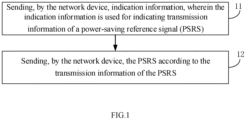
- an embodiment of the present disclosure provides an information sending method applied to a network device, and the method includes a step 11 and a step 12.
- Step 11 sending, by the network device, indication information, wherein the indication information is used for indicating transmission information of a power-saving reference signal (PSRS);
- the network device may be a base station, such as a 5G NR gNB.
- the transmission information of the PSRS includes at least one of a sending position, a sending period and a sending timer of the PSRS.
- the sending position of the first PSRS may include: a time position for sending the PSRS, wherein the time position can be the start position of a slot or the start position of a symbol (OFDM); the sending position of the first PSRS may also include a frequency domain resource position, wherein the frequency domain resource position may be a predefined frequency resource pattern or a frequency domain resource position dynamically configured by the network device.
- a time position for sending the PSRS wherein the time position can be the start position of a slot or the start position of a symbol (OFDM)
- the sending position of the first PSRS may also include a frequency domain resource position, wherein the frequency domain resource position may be a predefined frequency resource pattern or a frequency domain resource position dynamically configured by the network device.
- the sending period of the first PSRS may be statically/semi-statically or dynamically configured by the network device, and the network device sends the PSRS at a time instant or in a time window when the sending period of the PSRS is reached.
- the sending timer of the first PSRS may be statically/semi-statically or dynamically configured by the network device, and the network device sends the PSRS at a time instant or in a time window when the sending timer expires.
- Step 12 sending, by the network device, the PSRS according to the transmission information of the PSRS.
- indication information for indicating transmission information of the PSRS is sent to the terminal by the network device; and the network device sends the PSRS according to the transmission information of the PSRS. Therefore, the terminal can receive the PSRS and perform RRM measurement according to the received PSRS.
- the step 11 may include: the network device sends a wakeup signal (WUS) used for indicating transmission information of the PSRS.
- WUS wakeup signal
- the step that the network device sends a wakeup signal WUS may include: the network device sends at least one WUS periodically or aperiodically.
- the step that the network device sends at least one WUS periodically or aperiodically may include: the network device periodically or aperiodically sends a first WUS used for indicating transmission information of a first PSRS.
- the step 12 may include: in a case that a sending position of the first PSRS indicated by the first WUS is reached before the network device sends a second WUS, the network device sends the first PSRS according to the indication of the first WUS; or in a case that a sending position of a second WUS is reached before the network device sends the first PSRS, the network device sends the second WUS and updates the transmission information of the first PSRS indicated by the first WUS to obtain the transmission information of the second PSRS, and the network device sends the second PSRS according to the indication of the second WUS, wherein the second WUS is used for indicating the transmission information of the second PSRS.
- the base station sends the first PSRS according to indication of the first WUS.
- the base station updates the transmission information of the first PSRS indicated by the first WUS to obtain transmission information of the second PSRS, that is, the second PSRS is the updated first PSRS, and the transmission information of the second PSRS is the same as or partially the same as or different from the transmission information of the first PSRS; here, the second WUS is used to indicate transmission information of the second PSRS.
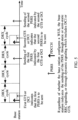
- FIG. 2 illustrates a first implementation case of a specific implementation process of the sending, by the network device, a wakeup signal (WUS), wherein the WUS is used for indicating transmission information of the PSRS, and the sending, by the network device, the PSRS according to the transmission information of the PSRS in the foregoing embodiment, in which the network device periodically sends the WUS (P-WUS) and the P-WUS is sent at the time instant when the period is reached, and the terminal only detects the WUS at the fixed time instant when the P-WUS period is reached. If there is no PDCCH, the P-WUS indicates that the UE does not need to detect the PDCCH, and the specific implementation process includes a step 1 and a step 2.
- WUS wakeup signal
- Step 1 the base station sends a first WUS; the first WUS indicates a sending position or a sending period or a sending timer of the first PSRS.
- the sending position of the first PSRS may include a time position for sending the PSRS, wherein the time position may be a start position of a slot or a start position of a symbol; the sending position of the first PSRS may also include a frequency domain resource position, wherein the frequency domain resource position may be a predefined frequency resource pattern or a frequency domain resource position dynamically configured by the base station.
- the sending period of the first PSRS may be statically/semi-statically or dynamically configured by the network device, and the network device sends the PSRS at a time instant or in a time window when the sending period of the PSRS is reached.
- the sending timer of the first PSRS may be statically/semi-statically or dynamically configured by the network device, and the network device sends the PSRS at the time instant or in a time window when the sending timer expires.
- Step 2 the base station sends the first PSRS according to indication of the first WUS, or the base station sends a second WUS indicating a sending position or a sending period or a sending timer of the second PSRS.
- the base station sends the first PSRS according to indication of the first WUS.
- the base station updates the transmission information of the first PSRS indicated by the first WUS to obtain the transmission information of the second PSRS, that is, the second PSRS is the updated first PSRS, the transmission information of the first PSRS is invalid, and the second WUS indicates that the transmission information of the second PSRS is valid.
- the transmission information of the second PSRS indicated by the second WUS may be the same as or different from or partially the same as the transmission information of the first PSRS indicated by the first WUS.
- a first P-WUS indicates that the first PSRS is to be sent, the first PSRS is sent at a first preset position of a DRX cycle, and the first preset position can be indicated by a first P-WUS in a previous DRX cycle. Furthermore, after the first PSRS is sent, downlink information such as a PDCCH may also be sent, or the PDCCH may not be sent, and if in some DRX cycles the first P-WUS does not indicate that the PDCCH is to be sent, the UE does not need to detect the PDCCH.
- downlink information such as a PDCCH may also be sent, or the PDCCH may not be sent, and if in some DRX cycles the first P-WUS does not indicate that the PDCCH is to be sent, the UE does not need to detect the PDCCH.
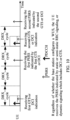
- FIG. 3 illustrates a second implementation case of a specific implementation process of the sending, by the network device, a WUS, wherein the WUS is used for indicating transmission information of the PSRS, and the sending, by the network device, the PSRS according to the transmission information of the PSRS in the foregoing embodiment, in which the network device periodically sends the WUS (P-WUS) and the P-WUS is only sent at the time instant when not only the sending period is reached but also there is PDCCH to send, and the terminal only detects the WUS at the fixed time instant when the P-WUS period is reached. If the terminal does not detect the P-WUS, the UE does not detect the PDCCH, and the detailed process is the same as that described with respect to FIG. 2 .
- P-WUS WUS
- the first P-WUS indicates that a first PSRS is to be sent, the first PSRS is sent at a first preset position of the DRX cycle, the first preset position may be indicated by the first P-WUS in the previous DRX cycle, and the first P-WUS also indicates that downlink information, such as PDCCH, is to be sent after sending of the first PSRS.
- the first PSRS indicated by the first P-WUS may be sent in at least one DRX cycle subsequent to the DRX cycle in which the first P-WUS is located, e.g., the first PSRS may be sent in a first DRX cycle subsequent to the DRX cycle in which the first P-WUS is located, a PDCCH is sent in the first DRX cycle simultaneously; the first PSRS is not sent in the second DRX cycle after the DRX cycle in which the first P-WUS is located and no PDCCH is sent in the second DRX cycle; and the first PSRS is sent in the third DRX cycle after the DRX cycle in which the first P-WUS is located, but no PDCCH is sent in the third DRX cycle after the DRX cycle in which the first P-WUS is located.
- FIG. 4 illustrates a third implementation case of a specific implementation process of the sending, by the network device, a WUS, wherein the WUS is used for indicating transmission information of the PSRS, and the sending, by the network device, the PSRS according to the transmission information of the PSRS in the foregoing embodiment, in which the base station may configure aperiodic WUS (A-WUS), and when no PDCCH is to be sent, the A-WUS is not sent; when there is PDCCH to send, the base station sends the A-WUS.
- the terminal continuously attempts to receive the WUS at any time, and when the received power or the received energy meets a first threshold, the UE detects the WUS and is awakened to perform PDCCH detection.
- the first threshold is a real number.
- the detailed process is the same as that shown in the FIG. 2 above.
- the first P-WUS indicates that a first PSRS is to be sent, the first PSRS is sent at a first preset position of the DRX cycle, the first preset position may be indicated by the first P-WUS in the previous DRX cycle, and the first P-WUS also indicates that downlink information, such as PDCCH, is to be sent after sending of the first PSRS.
- the first PSRS indicated by the first P-WUS may be sent in at least one DRX cycle subsequent to the DRX cycle in which the first P-WUS is located, e.g., the first PSRS may be sent in a first DRX cycle subsequent to the DRX cycle in which the first P-WUS is located and a PDCCH is sent in the first DRX cycle simultaneously; the first PSRS is not sent in the second DRX cycle after the DRX cycle in which the first P-WUS is located and no PDCCH is sent in the second DRX cycle; and the first PSRS is sent in the third DRX cycle after the DRX cycle in which the first P-WUS is located, but no PDCCH is sent in the third DRX cycle after the DRX cycle in which the first P-WUS is located.
- the step 11 may include: the network device sends static, semi-static or dynamic signaling indicating transmission information of the PSRS.
- the step that the network device sends the static, semi-static or dynamic signaling includes: the network device sends the static, semi-static or dynamic signaling during sending of the first downlink information.
- the step 12 may include: in a case that a sending position of a first PSRS indicated by the first static, semi-static or dynamic signaling is reached before the network device sends second downlink information, the first PSRS is sent according to the indication of the first static, semi-static or dynamic signaling; or in a case that the sending position of second downlink information is reached before the network device sends a first PSRS, the network device sends the second downlink information, updates transmission information of the first PSRS indicated by the first static, semi-static or dynamic signaling to obtain a second PSRS, sends second static, semi-static or dynamic signaling and sends the second PSRS according to the indication of the second static, semi-static or dynamic signaling, wherein the second static, semi-static or dynamic signaling is used for indicating transmission information of the second PSRS.
- the static, semi-static signaling includes: radio resource control (RRC) signaling or medium access control control element (MAC CE) signaling;
- the dynamic signaling includes: downlink control information (DCI) or go-to-sleep (GTS) signaling.
- the first downlink information and the second downlink information include: downlink data information (e.g., PDSCH) or downlink control information (e.g., PDCCH) or downlink system information or other downlink information.
- the base station sends the first PSRS according to the first RRC signaling indication or the first dynamic indication.
- the base station If the sending position of the second downlink information is reached before the base station sends the first PSRS, the second downlink information is sent, the first RRC signaling indication or the first dynamic indication is updated, and the base station configures and sends the second RRC signaling or the second dynamic indication to indicate the transmission information of the second PSRS.
- the base station may indicate statically or semi-statically the sending of the PSRS through the RRC signaling, or indicate the sending of the PSRS through the dynamic signaling.
- the detailed implementation process is as follows:
- the base station sends the first PSRS according to the indication.
- the base station sends the second downlink information, updates the transmission information of the first PSRS indicated by the first RRC signaling or updates the transmission information of the first PSRS indicated by the first dynamic signaling to obtain the second PSRS, and the base station configures and sends the second RRC signaling or the second dynamic signaling to indicate the transmission information of the second PSRS.
- the transmission information of the second PSRS indicated by the second RRC signaling or the second dynamic signaling may be the same as or different from or partially the same as the transmission information of the first PSRS indicated by the first WUS.
- the base station can indicate a sending position, a sending period or a sending timer of the PSRS through a WUS, or the base station can statically/semi-statically or dynamically configure a sending position, a sending period or a sending timer of the PSRS through RRC configuration in a slot of a UE active duration, or the base station can dynamically indicate or update the sending position, the sending period or the sending timer of the PSRS by using DCI, or the base station can dynamically indicate or update the sending position, the sending period or the sending timer of the PSRS by using a go-to-sleep (GTS) signal.
- GTS go-to-sleep
- the sending position or the sending period or the sending timer of the PSRS is valid until the next WUS or RRC configuration or DCI indication or GTS signal indication of the base station is correctly received, and the base station sends the subsequent PSRS according to the updated indication.
- the terminal can thus perform RRM measurement based on the received PSRS.
- Step 61 receiving, by the terminal, indication information, wherein the indication information is used for indicating transmission information of a power-saving reference signal (PSRS); wherein the transmission information of the PSRS includes at least one of a receiving position, a receiving period and a receiving timer of the PSRS.
- PSRS power-saving reference signal
- the receiving position of the PSRS is the same as the sending position of the PSRS sent by the network device (i.e., the terminal receives the PSRS at the same position as that at which the base station sends the PSRS)
- the receiving period is the same as the sending period of the PSRS sent by the network device (i.e., the terminal receives the PSRS at the same period as that at which the base station sends the PSRS)
- the receiving timer is the same as the sending timer of the PSRS sent by the network device (i.e., the base station sends the PSRS within the set duration of the sending timer, and the terminal receives the PSRS within the set duration of the timer).
- the receiving, by the terminal, indication information includes: the terminal receives a wakeup signal (WUS), and the WUS is used for indicating the transmission information of the PSRS.
- WUS wakeup signal
- the step that the terminal receives the wakeup signal (WUS) includes: the terminal receives at least one WUS periodically or aperiodically; the receiving the at least one WUS includes: receiving the first WUS used for indicating transmission information of the first PSRS.
- the first P-WUS indicates that the first PSRS is to be received, the first PSRS is received at a first preset position in the DRX cycle, the first preset position is indicated by the first P-WUS in the previous DRX cycle, and the first P-WUS also indicates that downlink information, such as a PDCCH, is to be received after the first PSRS is received.
- the first PSRS indicated by the first P-WUS may be received in at least one DRX cycle subsequent to the DRX cycle in which the first P-WUS is located, e.g., the first PSRS is received in a first DRX cycle subsequent to the DRX cycle in which the first P-WUS is located and a PDCCH is received in the first DRX cycle simultaneously; the first PSRS is not received in the second DRX cycle after the DRX cycle in which the first P-WUS is located and no PDCCH is received in the second DRX cycle; and the first PSRS is received in the third DRX cycle after the DRX cycle in which the first P-WUS is located, but no PDCCH is received in the third DRX cycle after the DRX cycle in which the first P-WUS is located.
- the first PSRS indicated by the first P-WUS may be received in at least one DRX cycle subsequent to the DRX cycle in which the first P-WUS is located, e.g., the first PSRS is received in the first DRX cycle subsequent to the DRX cycle in which the first P-WUS is located and a PDCCH is received in the first DRX cycle simultaneously; the first PSRS is not received in the second DRX cycle after the DRX cycle in which the first P-WUS is located and no PDCCH is received in the second DRX cycle; and the first PSRS is received in the third DRX cycle after the DRX cycle in which the first P-WUS is located, but no PDCCH is received in the third DRX cycle after the DRX cycle in which the first P-WUS is located.
- the step that the terminal receives the PSRS according to the transmission information of the PSRS includes: in a case that the receiving position of the first PSRS indicated by the first static, semi-static or dynamic signaling is reached before the terminal receives the second downlink information, the first PSRS is received according to the indication of the first static, semi-static or dynamic signaling; or in a case that the receiving position of the second downlink data information is reached before the terminal receives the first PSRS, the terminal receives the second downlink information, receives second static, semi-static or dynamic signaling, and receives the second PSRS according to the indication of the second static, semi-static or dynamic signaling, wherein the second static, semi-static or dynamic signaling is used for indicating transmission information of the second PSRS.
- the static or semi-static signaling includes: radio resource control (RRC) signaling or medium access control control element (MAC CE) signaling; the dynamic signaling includes: downlink control information (DCI) or go-to-sleep (GTS) signaling.
- RRC radio resource control
- MAC CE medium access control control element
- DCI downlink control information
- GTS go-to-sleep
- the first downlink information and the second downlink information include: downlink data information or downlink control information or downlink system information.
- the terminal may indicate receiving of the PSRS through static or semi-static RRC signaling, or through dynamic signaling.
- the detailed implementation process is as follows:
- the base station dynamically indicates the receiving position, the receiving period and the receiving timer of the PSRS through WUS or RRC signaling or GTS or DCI, so that the PSRS is received and RRM measurement is carried out in a discontinuous receiving state of the UE, and RRM measurement and RRC connection are maintained while certain power saving effect is ensured.
- an embodiment of the present disclosure further provides a network device 110, including: a transceiver 111 configured to: send indication information, wherein the indication information is used for indicating transmission information of a power-saving reference signal (PSRS); and send the PSRS according to the transmission information of the PSRS.
- a network device 110 including: a transceiver 111 configured to: send indication information, wherein the indication information is used for indicating transmission information of a power-saving reference signal (PSRS); and send the PSRS according to the transmission information of the PSRS.
- a network device 110 including: a transceiver 111 configured to: send indication information, wherein the indication information is used for indicating transmission information of a power-saving reference signal (PSRS); and send the PSRS according to the transmission information of the PSRS.
- PSRS power-saving reference signal
- the transmission information of the PSRS includes at least one of a sending position, a sending period and a sending timer of the PSRS.
- the sending, by the network device, the indication information includes:
- the sending, by the network device, the wakeup signal (WUS) includes: sending, by the network device, at least one WUS periodically or aperiodically.
- the sending the at least one WUS includes: sending a first WUS, wherein the first WUS is used for indicating transmission information of a first PSRS.
- the sending, by the network device, the PSRS according to the transmission information of the PSRS includes:
- the sending, by the network device, the static, semi-static or dynamic signaling includes: sending, by the network device, the static, semi-static or dynamic signaling during sending of first downlink information.
- the sending, by the network device, the PSRS according to transmission information of the PSRS includes:
- the static or semi-static signaling includes: radio resource control (RRC) signaling or medium access control control element (MAC CE) signaling;
- the dynamic signaling includes: downlink control information (DCI) or go-to-sleep (GTS) signaling;
- the first downlink information and the second downlink information include: downlink data information or downlink control information or downlink system information.
- the embodiment of the network device is a device corresponding to the above-mentioned PSRS sending method at the network device side, and all the implementations of the above-mentioned method embodiment are applicable to the embodiment of the terminal, and the same technical effects can be achieved.
- the network device 110 may further include: a memory 113 in communication connection with a processor 112 or the transceiver 111 via a bus interface or an interface.
- the functions of the transceiver 111 may also be implemented by the processor 112.
- a non-claimed embodiment of the present disclosure further provides an information sending device.
- the information sending device is applied to a network device and includes a transceiving module configured to: send indication information, wherein the indication information is used for indicating transmission information of a power-saving reference signal (PSRS); and send the PSRS according to the transmission information of the PSRS.
- PSRS power-saving reference signal
- the embodiment of the device is a device corresponding to the above-mentioned sending method at the network device side, and all the implementations of the method embodiment are applicable to the embodiment of the terminal, and the same technical effects can be achieved.
- An embodiment of the present disclosure further provides a network device including: a processor configured to perform the following functions: sending indication information, wherein the indication information is used for indicating the transmission information of the power saving reference signal (PSRS); and sending the PSRS according to the transmission information of the PSRS.
- a network device including: a processor configured to perform the following functions: sending indication information, wherein the indication information is used for indicating the transmission information of the power saving reference signal (PSRS); and sending the PSRS according to the transmission information of the PSRS.
- an embodiment of the present disclosure further provides a terminal 120, including: a transceiver 121 configured to: receive indication information, wherein the indication information is used for indicating transmission information of a power-saving reference signal (PSRS); and receive the PSRS according to the transmission information of the PSRS.
- a transceiver 121 configured to: receive indication information, wherein the indication information is used for indicating transmission information of a power-saving reference signal (PSRS); and receive the PSRS according to the transmission information of the PSRS.
- PSRS power-saving reference signal
- the transmission information of the PSRS includes at least one of a receiving position, a receiving period and a receiving timer of the PSRS.
- the receiving, by the terminal, the indication information includes:
- the receiving, by the terminal, the wakeup signal (WUS) includes: receiving, by the terminal, at least one WUS periodically or aperiodically.
- the receiving the at least one WUS includes: receiving a first WUS, wherein the first WUS is used for indicating transmission information of a first PSRS.
- the receiving, by the terminal, the PSRS according to the transmission information of the PSRS includes:
- the receiving, by the terminal, the static, semi-static or dynamic signaling includes: receiving, by the terminal, the static, semi-static or dynamic signaling during receiving of first downlink information.
- the static or semi-static signaling includes: radio resource control (RRC) signaling or medium access control control element (MAC CE) signaling;
- the dynamic signaling includes: downlink control information (DCI) or go-to-sleep (GTS) signaling;
- the first downlink information and the second downlink information include: downlink data information or downlink control information or downlink system information.
- the embodiment of the terminal is a device corresponding to the above-mentioned PSRS receiving method at the terminal side, and all the implementations of the above-mentioned method embodiment are applicable to the embodiment of the terminal, and the same technical effects can be achieved.
- the terminal 120 may further include: a memory 123 in communication connection with a processor 122 or the transceiver 121 via a bus interface or an interface.
- the functions of the transceiver 121 may also be implemented by the processor 122.
- a non-claimed embodiment of the present disclosure further provides an information receiving device, including: a transceiving module, configured to: receive indication information, wherein the indication information is used for indicating transmission information of a power-saving reference signal (PSRS); and receive the PSRS according to the transmission information of the PSRS.
- a transceiving module configured to: receive indication information, wherein the indication information is used for indicating transmission information of a power-saving reference signal (PSRS); and receive the PSRS according to the transmission information of the PSRS.
- PSRS power-saving reference signal
- the embodiment of the device is a device corresponding to the above-mentioned PSRS receiving method at the terminal side, and all the implementations of the method embodiment are applicable to the embodiment of the terminal, and the same technical effects can be achieved.
- An embodiment of the present disclosure further provide a terminal including: a processor configured to perform the following functions: receiving indication information, wherein the indication information is used for indicating transmission information of the power-saving reference signal (PSRS); and receiving the PSRS according to the transmission information of the PSRS.
- a terminal including: a processor configured to perform the following functions: receiving indication information, wherein the indication information is used for indicating transmission information of the power-saving reference signal (PSRS); and receiving the PSRS according to the transmission information of the PSRS.
- a terminal including: a processor configured to perform the following functions: receiving indication information, wherein the indication information is used for indicating transmission information of the power-saving reference signal (PSRS); and receiving the PSRS according to the transmission information of the PSRS.
- PSRS power-saving reference signal
- An embodiment of the present disclosure further provides a computer storage medium including instructions, wherein the instructions, when being executed by a computer, cause the computer to implement the methods as described above.
- the disclosed method and device may be implemented in other manners.
- the described device embodiment is merely exemplary.
- the unit division is merely logical function division and may be other division in actual implementation.
- a plurality of units or components may be combined or integrated into another system, or some features may be neglected or not performed.
- the displayed or discussed mutual couplings or direct couplings or communication connections may be implemented through some interfaces.
- the indirect couplings or communication connections between the devices or units may be implemented in electrical, mechanical, or other forms.
- the elements illustrated as separate elements may or may not be physically separate, and the elements shown as elements may or may not be physical elements, i.e., may be located in one place, or may be distributed across multiple network elements. Some or all of the elements may be selected as necessary to achieve the objectives of the present embodiment.
- various functional units in the embodiments of the present disclosure may be integrated into one processing unit, or each of the units may exist alone physically, or two or more functional units may be integrated into one unit.
- the functions, if implemented in software functional units and sold or used as stand-alone products, may be stored in a computer readable storage medium.
- a computer device may be a personal computer, a server, or network device or the like
- the foregoing storage medium includes any medium that can store program code, such as a Universal Serial Bus (USB) flash drive, a removable hard disk, a Read-Only Memory (ROM), a Random Access Memory (RAM), a magnetic disk, or an optical disc.
- USB Universal Serial Bus
- ROM Read-Only Memory
- RAM Random Access Memory
- the objects of the present disclosure may also be achieved by running a program or a set of programs on any computing device.
- the computing device may be a known general purpose device. Accordingly, the objects of the present disclosure may also be achieved simply by providing a program product containing program code that implements the method or devices. That is, such a program product also constitutes the present disclosure, and a storage medium storing such a program product also constitutes the present disclosure. Obviously, the storage medium may be any known storage medium or any storage medium developed in the future. It should also be noted that in the apparatus and method of the present disclosure, it is apparent that the components or steps may be disassembled and/or recombined. Such decomposition and/or recombination should be considered as equivalents of the present disclosure. Also, the steps for performing the series of processes described above may naturally be performed chronologically in the order illustrated, but need not necessarily be performed chronologically. Some steps may be performed in parallel or independently of each other.
- the embodiments described by the present disclosure may be implemented in hardware, software, firmware, middleware, microcode, or a combination thereof.
- the processing elements may be implemented on one or more application specific integrated circuits (ASICs), digital signal processors (DSPs), digital signal processing devices (DSPDs), programmable logic devices (PLDs), field programmable gate arrays (FPGAs), general-purpose processors, controllers, microcontrollers, microprocessors, other electronic units for performing the functions described in this disclosure, or a combination thereof.
- ASICs application specific integrated circuits
- DSPs digital signal processors
- DSPDs digital signal processing devices
- PLDs programmable logic devices
- FPGAs field programmable gate arrays
- general-purpose processors controllers, microcontrollers, microprocessors, other electronic units for performing the functions described in this disclosure, or a combination thereof.
- the techniques described herein may be implemented with modules (e.g., procedures, functions, and so on) that perform the functions described herein.
- the software codes may be stored in a memory and executed by a processor.
- the memory may be implemented in the processor or external to the processor.
Landscapes
- Engineering & Computer Science (AREA)
- Signal Processing (AREA)
- Computer Networks & Wireless Communication (AREA)
- Mobile Radio Communication Systems (AREA)
Claims (15)
- Ein Verfahren zum Senden von Informationen, das auf ein Netzwerkgerät angewendet wird und Folgendes umfasst:Senden von Anzeigeinformationen durch das Netzwerkgerät, wobei die Anzeigeinformationen zum Anzeigen von Übertragungsinformationen eines energiesparenden Referenzsignals, PSRS (11), verwendet werden; undSenden des PSRS durch das Netzwerkgerät gemäß den Übertragungsinformationen des PSRS (12);dadurch gekennzeichnet, dass die Übertragungsinformationen des PSRS wenigstens eines von einer Sendeposition, einem Sendezeitraum und einem Sendetimer des PSRS umfassen.
- Das Verfahren zum Senden von Informationen nach Anspruch 1,
wobei das Senden der Anzeigeinformationen durch das Netzwerkgerät Folgendes umfasst:Senden eines Wecksignals, WUS, durch das Netzwerkgerät, wobei das WUS zum Anzeigen der Übertragungsinformationen des PSRS verwendet wird; oderSenden einer statischen, halb statischen oder dynamischen Signalisierung durch das Netzwerkgerät, wobei die statische, halbstatische oder dynamische Signalisierung zum Anzeigen der Übertragungsinformationen des PSRS verwendet wird. - Das Verfahren zum Senden von Informationen nach Anspruch 2, wobei das Senden des Wecksignals, WUS, durch das Netzwerkgerät Folgendes umfasst:periodisches oder aperiodisches Senden von wenigstens einem WUS durch das Netzwerkgerät;
oder,wobei das Senden der statischen, halbstatischen oder dynamischen Signalisierung durch das Netzwerkgerät Folgendes umfasst:
Senden der statischen, halbstatischen oder dynamischen Signalisierung durch das Netzwerkgerät während des Sendens erster Downlink-Informationen. - Das Verfahren zum Senden von Informationen nach Anspruch 3, wobei das Senden des wenigstens einen WUS Folgendes umfasst:
Senden eines ersten WUS, wobei das erste WUS zum Anzeigen von Übertragungsinformationen eines ersten PSRS verwendet wird. - Das Verfahren zum Senden von Informationen nach Anspruch 4, wobei das Senden des PSRS durch das Netzwerkgerät gemäß den Übertragungsinformationen des PSRS (12) Folgendes umfasst:in einem Fall, dass eine durch das erste WUS angezeigte Sendeposition des ersten PSRS erreicht wird, bevor das Netzwerkgerät ein zweites WUS sendet, Senden des ersten PSRS durch das Netzwerkgerät gemäß der Anzeige des ersten WUS; oderin einem Fall, dass eine Sendeposition eines zweiten WUS erreicht wird, bevor das Netzwerkgerät das erste PSRS sendet, Senden des zweiten WUS durch das Netzwerkgerät und Aktualisieren der durch das erste WUS angezeigten Übertragungsinformationen des ersten PSRS durch das Netzwerkgerät, um Übertragungsinformationen eines zweiten PSRS zu erhalten, und Senden des zweiten PSRS durch das Netzwerkgerät gemäß der Anzeige des zweiten WUS, wobei das zweite WUS zum Anzeigen der Übertragungsinformationen des zweiten PSRS verwendet wird.
- Das Verfahren zum Senden von Informationen nach Anspruch 3, wobei das Senden des PSRS durch das Netzwerkgerät gemäß den Übertragungsinformationen des PSRS (12) Folgendes umfasst:in einem Fall, dass eine Sendeposition eines ersten PSRS, die durch eine erste statische, halbstatische oder dynamische Signalisierung angezeigt wird, erreicht wird, bevor das Netzwerkgerät zweite Downlink-Informationen sendet, Senden des ersten PSRS gemäß der Anzeige der ersten statischen, halb statischen oder dynamischen Signalisierung; oderin einem Fall, dass eine Sendeposition zweiter Downlink-Informationen erreicht wird, bevor das Netzwerkgerät ein erstes PSRS sendet, Senden der zweiten Downlink-Informationen durch das Netzwerkgerät, Aktualisieren von Übertragungsinformationen des ersten PSRS, die durch die erste statische, halbstatische oder dynamische Signalisierung angezeigt werden, durch das Netzwerkgerät, um Übertragungsinformationen eines zweiten PSRS zu erhalten, Senden einer zweiten statischen, halb statischen oder dynamischen Signalisierung durch das Netzwerkgerät und Senden des zweiten PSRS gemäß der Anzeige der zweiten statischen, halb statischen oder dynamischen Signalisierung durch das Netzwerkgerät, wobei die zweite statische, halbstatische oder dynamische Signalisierung zum Anzeigen der Übertragungsinformationen des zweiten PSRS verwendet wird.
- Ein Verfahren zum Empfangen von Informationen, das auf ein Terminal angewendet wird und Folgendes umfasst:Empfangen von Anzeigeinformationen durch das Terminal, wobei die Anzeigeinformationen zum Anzeigen von Übertragungsinformationen eines energiesparenden Referenzsignals, PSRS (61), verwendet werden; undEmpfangen des PSRS durch das Terminal gemäß den Übertragungsinformationen des PSRS (62);dadurch gekennzeichnet, dass die Übertragungsinformationen des PSRS wenigstens eines von einer Empfangsposition, einem Empfangszeitraum und einem Empfangstimer des PSRS umfassen.
- Das Verfahren zum Empfangen von Informationen nach Anspruch 7, wobei das Empfangen der Anzeigeinformationen durch das Terminal Folgendes umfasst:Empfangen eines Wecksignals, WUS, durch das Terminal, wobei das WUS zum Anzeigen der Übertragungsinformationen des PSRS verwendet wird; oderEmpfangen einer statischen, halb statischen oder dynamischen Signalisierung durch das Terminal, wobei die statische, halbstatische oder dynamische Signalisierung zum Anzeigen der Übertragungsinformationen des PSRS verwendet wird.
- Das Verfahren zum Empfangen von Informationen nach Anspruch 8, wobei das Empfangen des Wecksignals, WUS, durch das Terminal Folgendes umfasst:periodisches oder aperiodisches Empfangen von wenigstens einem WUS durch das Terminal;
oder,wobei das Empfangen der statischen, halbstatischen oder dynamischen Signalisierung durch das Terminal Folgendes umfasst:
Empfangen der statischen, halbstatischen oder dynamischen Signalisierung durch das Terminal während des Empfangs erster Downlink-Informationen. - Das Verfahren zum Empfangen von Informationen nach Anspruch 9, wobei das Empfangen des wenigstens einen WUS Folgendes umfasst:
Empfangen eines ersten WUS, wobei das erste WUS zum Anzeigen von Übertragungsinformationen eines ersten PSRS verwendet wird. - Das Verfahren zum Empfangen von Informationen nach Anspruch 10, wobei das Empfangen des PSRS durch das Terminal gemäß den Übertragungsinformationen des PSRS (62) Folgendes umfasst:in einem Fall, dass eine durch das erste WUS angezeigte Empfangsposition des ersten PSRS erreicht wird, bevor das Terminal ein zweites WUS empfängt, Empfangen des ersten PSRS durch das Terminal gemäß der Anzeige des ersten WUS; oderin einem Fall, dass eine Empfangsposition eines zweiten WUS erreicht wird, bevor das Terminal das erste PSRS empfängt, Empfangen des zweiten WUS durch das Terminal und Empfangen eines zweiten PSRS durch das Terminal gemäß der Anzeige des zweiten WUS, wobei das zweite WUS zum Anzeigen von Übertragungsinformationen des zweiten PSRS verwendet wird.
- Das Verfahren zum Empfangen von Informationen nach Anspruch 9, wobei das Empfangen des PSRS durch das Terminal gemäß den Übertragungsinformationen des PSRS (62) Folgendes umfasst:in einem Fall, dass eine Empfangsposition eines ersten PSRS, die durch eine erste statische, halbstatische oder dynamische Signalisierung angezeigt wird, erreicht wird, bevor das Terminal zweite Downlink-Informationen empfängt, Empfangen des ersten PSRS gemäß der Anzeige der ersten statischen, halb statischen oder dynamischen Signalisierung; oderin einem Fall, dass eine Empfangsposition zweiter Downlink-Informationen erreicht wird, bevor das Terminal ein erstes PSRS empfängt, Empfangen der zweiten Downlink-Informationen durch das Terminal, Empfangen einer zweiten statischen, halb statischen oder dynamischen Signalisierung durch das Terminal, und Empfangen eines zweiten PSRS durch das Terminal gemäß der Anzeige der zweiten statischen, halb statischen oder dynamischen Signalisierung, wobei die zweite statische, halbstatische oder dynamische Signalisierung zum Anzeigen von Übertragungsinformationen des zweiten PSRS verwendet wird.
- Ein Netzwerkgerät (110), umfassend:
einen Sender-Empfänger (111), der folgendermaßen ausgestaltet ist:Senden von Anzeigeinformationen, wobei die Anzeigeinformationen zum Anzeigen von Übertragungsinformationen eines energiesparenden Referenzsignals, PSRS, verwendet werden; undSenden des PSRS entsprechend den Übertragungsinformationen des PSRS;dadurch gekennzeichnet, dass die Übertragungsinformationen des PSRS wenigstens eines von einer Sendeposition, einem Sendezeitraum und einem Sendetimer des PSRS umfassen. - Ein Terminal (120), umfassend:
einen Sender-Empfänger (121), der folgendermaßen ausgestaltet ist:Empfangen von Anzeigeinformationen, wobei die Anzeigeinformationen zum Anzeigen von Übertragungsinformationen eines energiesparenden Referenzsignals, PSRS, verwendet werden; undEmpfangen des PSRS entsprechend den Übertragungsinformationen des PSRS;dadurch gekennzeichnet, dass die Übertragungsinformationen des PSRS wenigstens eines von einer Empfangsposition, einem Empfangszeitraum und einem Empfangstimer des PSRS umfassen. - Ein Computerspeichermedium, das Anweisungen enthält, dadurch gekennzeichnet, dass die Anweisungen, wenn sie von einem Computer ausgeführt werden, bewirken, dass der Computer das Verfahren nach einem der Ansprüche 1 bis 6 oder das Verfahren nach einem der Ansprüche 7 bis 12 implementiert.
Applications Claiming Priority (2)
| Application Number | Priority Date | Filing Date | Title |
|---|---|---|---|
| CN201810942898.2A CN110839273B (zh) | 2018-08-17 | 2018-08-17 | 一种信息发送、接收方法、网络设备及终端 |
| PCT/CN2019/101083 WO2020035059A1 (zh) | 2018-08-17 | 2019-08-16 | 信息发送、接收方法、网络设备及终端 |
Publications (3)
| Publication Number | Publication Date |
|---|---|
| EP3840485A1 EP3840485A1 (de) | 2021-06-23 |
| EP3840485A4 EP3840485A4 (de) | 2021-10-13 |
| EP3840485B1 true EP3840485B1 (de) | 2024-10-02 |
Family
ID=69525179
Family Applications (1)
| Application Number | Title | Priority Date | Filing Date |
|---|---|---|---|
| EP19850393.0A Active EP3840485B1 (de) | 2018-08-17 | 2019-08-16 | Informationssendeverfahren, informationsempfangsverfahren, netzwerkvorrichtung und endgerät |
Country Status (5)
| Country | Link |
|---|---|
| US (1) | US11924762B2 (de) |
| EP (1) | EP3840485B1 (de) |
| KR (1) | KR102413986B1 (de) |
| CN (1) | CN110839273B (de) |
| WO (1) | WO2020035059A1 (de) |
Families Citing this family (8)
| Publication number | Priority date | Publication date | Assignee | Title |
|---|---|---|---|---|
| WO2021034056A1 (ko) * | 2019-08-16 | 2021-02-25 | 엘지전자 주식회사 | 사물 인터넷을 지원하는 무선 통신 시스템에서 하향링크 정보를 송수신하는 방법 및 이를 위한 장치 |
| CN113810980A (zh) | 2020-06-12 | 2021-12-17 | 华为技术有限公司 | 一种寻呼指示方法及相关装置 |
| EP4207882B1 (de) * | 2020-09-23 | 2026-01-28 | Guangdong Oppo Mobile Telecommunications Corp., Ltd. | Ressourcenanzeigeverfahren, elektronische vorrichtung und speichermedium |
| EP4020823A1 (de) * | 2020-12-22 | 2022-06-29 | INTEL Corporation | Verteiltes funkkopfsystem |
| EP4020853A1 (de) * | 2020-12-24 | 2022-06-29 | INTEL Corporation | Verteiltes funkkopfsystem |
| WO2022255914A1 (en) * | 2021-06-02 | 2022-12-08 | Telefonaktiebolaget Lm Ericsson (Publ) | Reference signalling for wireless communication network |
| CN117640030A (zh) * | 2022-08-12 | 2024-03-01 | 大唐移动通信设备有限公司 | 信息传输方法、装置、网络侧设备及终端 |
| US12604269B2 (en) | 2022-12-20 | 2026-04-14 | Samsung Electronics Co., Ltd. | Transmitting and receiving low power signals |
Family Cites Families (10)
| Publication number | Priority date | Publication date | Assignee | Title |
|---|---|---|---|---|
| CN101820667B (zh) | 2009-02-27 | 2015-01-28 | 中兴通讯股份有限公司 | 节电控制方法 |
| CN103636264B (zh) | 2011-04-29 | 2018-05-11 | 黑莓有限公司 | 接收与lte唤醒有关的消息 |
| US9414311B2 (en) * | 2012-10-30 | 2016-08-09 | Qualcomm Incorporated | Systems and methods for power savings in wireless communications |
| CN104126324B (zh) * | 2013-02-08 | 2018-09-07 | 华为技术有限公司 | 无线接入点控制方法及相关设备、系统 |
| US9872251B2 (en) * | 2016-04-26 | 2018-01-16 | Intel IP Corporation | Awake window protection |
| CN109076457B (zh) * | 2016-08-03 | 2020-11-24 | 华为技术有限公司 | 一种设备唤醒方法和设备 |
| US10432378B2 (en) * | 2016-09-30 | 2019-10-01 | Qualcomm Incorporated | Use of reference signals to improve user equipment (UE) warm-up before transitioning from an OFF duration of the UE to an on duration of the UE with respect to a radio frequency spectrum band |
| EP3536047A1 (de) * | 2016-11-03 | 2019-09-11 | Interdigital Patent Holdings, Inc. | Verfahren für effizienten medienzugang für aufweckfunkgeräte |
| CN108024310B (zh) * | 2016-11-04 | 2020-09-11 | 华为技术有限公司 | 用于传输数据的方法、终端设备和网络设备 |
| US11382037B2 (en) * | 2017-11-15 | 2022-07-05 | Sony Corporation | Telecommunications apparatus and methods implementing wake-up signaling with validity period |
-
2018
- 2018-08-17 CN CN201810942898.2A patent/CN110839273B/zh active Active
-
2019
- 2019-08-16 KR KR1020217007599A patent/KR102413986B1/ko active Active
- 2019-08-16 WO PCT/CN2019/101083 patent/WO2020035059A1/zh not_active Ceased
- 2019-08-16 EP EP19850393.0A patent/EP3840485B1/de active Active
- 2019-08-16 US US17/268,572 patent/US11924762B2/en active Active
Also Published As
| Publication number | Publication date |
|---|---|
| WO2020035059A1 (zh) | 2020-02-20 |
| US20210195529A1 (en) | 2021-06-24 |
| EP3840485A4 (de) | 2021-10-13 |
| US11924762B2 (en) | 2024-03-05 |
| CN110839273B (zh) | 2022-08-02 |
| EP3840485A1 (de) | 2021-06-23 |
| KR20210043646A (ko) | 2021-04-21 |
| CN110839273A (zh) | 2020-02-25 |
| KR102413986B1 (ko) | 2022-06-27 |
Similar Documents
| Publication | Publication Date | Title |
|---|---|---|
| EP3840485B1 (de) | Informationssendeverfahren, informationsempfangsverfahren, netzwerkvorrichtung und endgerät | |
| US11963102B2 (en) | Methods and apparatus relating to paging in a wireless communications network | |
| US12363637B2 (en) | Terminal device wakeup method and apparatus, network device, and terminal device | |
| EP3806549B1 (de) | Energiesparendes signalsendeverfahren, energiesparendes signalempfangsverfahren, basisstation und endgerät | |
| CN110557812B (zh) | 信号传输方法及装置 | |
| US12035238B2 (en) | Tracking reference signal enhancements for new radio | |
| US12063597B2 (en) | Communication method and device | |
| US20240306125A1 (en) | Paging method, computer-readable storage medium, and user equipment | |
| KR20190055102A (ko) | 2-스테이지 웨이크 업을 갖는 불연속 수신 모드 | |
| US12284609B2 (en) | Signal receiving method, signal sending method, terminal and network side device | |
| US12279266B2 (en) | Information transmission method, base station and terminal | |
| KR20210053953A (ko) | 정보 전송 방법, 네트워크 기기 및 단말 | |
| EP3908066A1 (de) | Betriebsmittelkonfiguration und erfassungsverfahren, netzwerkvorrichtung und endgerät | |
| CN114599074B (zh) | 通信方法、装置、设备、存储介质以及程序产品 | |
| US20230336298A1 (en) | Reference signals in cellular communication networks | |
| WO2022077260A1 (en) | Wake-up signal for discontinuous reception operations | |
| CN111436101B (zh) | 一种通信方法及装置 | |
| CN112788718A (zh) | 用于确定省电信号的监测时机的方法及装置 | |
| CN112291049A (zh) | 节能信号的tci状态配置方法及装置 |
Legal Events
| Date | Code | Title | Description |
|---|---|---|---|
| STAA | Information on the status of an ep patent application or granted ep patent |
Free format text: STATUS: THE INTERNATIONAL PUBLICATION HAS BEEN MADE |
|
| PUAI | Public reference made under article 153(3) epc to a published international application that has entered the european phase |
Free format text: ORIGINAL CODE: 0009012 |
|
| STAA | Information on the status of an ep patent application or granted ep patent |
Free format text: STATUS: REQUEST FOR EXAMINATION WAS MADE |
|
| 17P | Request for examination filed |
Effective date: 20210310 |
|
| AK | Designated contracting states |
Kind code of ref document: A1 Designated state(s): AL AT BE BG CH CY CZ DE DK EE ES FI FR GB GR HR HU IE IS IT LI LT LU LV MC MK MT NL NO PL PT RO RS SE SI SK SM TR |
|
| A4 | Supplementary search report drawn up and despatched |
Effective date: 20210913 |
|
| RIC1 | Information provided on ipc code assigned before grant |
Ipc: H04W 52/02 20090101AFI20210907BHEP |
|
| DAV | Request for validation of the european patent (deleted) | ||
| DAX | Request for extension of the european patent (deleted) | ||
| GRAP | Despatch of communication of intention to grant a patent |
Free format text: ORIGINAL CODE: EPIDOSNIGR1 |
|
| STAA | Information on the status of an ep patent application or granted ep patent |
Free format text: STATUS: GRANT OF PATENT IS INTENDED |
|
| INTG | Intention to grant announced |
Effective date: 20240410 |
|
| GRAS | Grant fee paid |
Free format text: ORIGINAL CODE: EPIDOSNIGR3 |
|
| GRAA | (expected) grant |
Free format text: ORIGINAL CODE: 0009210 |
|
| STAA | Information on the status of an ep patent application or granted ep patent |
Free format text: STATUS: THE PATENT HAS BEEN GRANTED |
|
| RAP3 | Party data changed (applicant data changed or rights of an application transferred) |
Owner name: DATANG MOBILE COMMUNICATIONS EQUIPMENT CO., LTD. |
|
| AK | Designated contracting states |
Kind code of ref document: B1 Designated state(s): AL AT BE BG CH CY CZ DE DK EE ES FI FR GB GR HR HU IE IS IT LI LT LU LV MC MK MT NL NO PL PT RO RS SE SI SK SM TR |
|
| REG | Reference to a national code |
Ref country code: GB Ref legal event code: FG4D |
|
| REG | Reference to a national code |
Ref country code: CH Ref legal event code: EP |
|
| REG | Reference to a national code |
Ref country code: DE Ref legal event code: R096 Ref document number: 602019059831 Country of ref document: DE |
|
| REG | Reference to a national code |
Ref country code: IE Ref legal event code: FG4D |
|
| REG | Reference to a national code |
Ref country code: LT Ref legal event code: MG9D |
|
| REG | Reference to a national code |
Ref country code: NL Ref legal event code: MP Effective date: 20241002 |
|
| REG | Reference to a national code |
Ref country code: AT Ref legal event code: MK05 Ref document number: 1729383 Country of ref document: AT Kind code of ref document: T Effective date: 20241002 |
|
| PG25 | Lapsed in a contracting state [announced via postgrant information from national office to epo] |
Ref country code: NL Free format text: LAPSE BECAUSE OF FAILURE TO SUBMIT A TRANSLATION OF THE DESCRIPTION OR TO PAY THE FEE WITHIN THE PRESCRIBED TIME-LIMIT Effective date: 20241002 |
|
| PG25 | Lapsed in a contracting state [announced via postgrant information from national office to epo] |
Ref country code: NL Free format text: LAPSE BECAUSE OF FAILURE TO SUBMIT A TRANSLATION OF THE DESCRIPTION OR TO PAY THE FEE WITHIN THE PRESCRIBED TIME-LIMIT Effective date: 20241002 |
|
| PG25 | Lapsed in a contracting state [announced via postgrant information from national office to epo] |
Ref country code: PT Free format text: LAPSE BECAUSE OF FAILURE TO SUBMIT A TRANSLATION OF THE DESCRIPTION OR TO PAY THE FEE WITHIN THE PRESCRIBED TIME-LIMIT Effective date: 20250203 Ref country code: HR Free format text: LAPSE BECAUSE OF FAILURE TO SUBMIT A TRANSLATION OF THE DESCRIPTION OR TO PAY THE FEE WITHIN THE PRESCRIBED TIME-LIMIT Effective date: 20241002 Ref country code: IS Free format text: LAPSE BECAUSE OF FAILURE TO SUBMIT A TRANSLATION OF THE DESCRIPTION OR TO PAY THE FEE WITHIN THE PRESCRIBED TIME-LIMIT Effective date: 20250202 |
|
| PG25 | Lapsed in a contracting state [announced via postgrant information from national office to epo] |
Ref country code: FI Free format text: LAPSE BECAUSE OF FAILURE TO SUBMIT A TRANSLATION OF THE DESCRIPTION OR TO PAY THE FEE WITHIN THE PRESCRIBED TIME-LIMIT Effective date: 20241002 |
|
| PG25 | Lapsed in a contracting state [announced via postgrant information from national office to epo] |
Ref country code: BG Free format text: LAPSE BECAUSE OF FAILURE TO SUBMIT A TRANSLATION OF THE DESCRIPTION OR TO PAY THE FEE WITHIN THE PRESCRIBED TIME-LIMIT Effective date: 20241002 |
|
| PG25 | Lapsed in a contracting state [announced via postgrant information from national office to epo] |
Ref country code: ES Free format text: LAPSE BECAUSE OF FAILURE TO SUBMIT A TRANSLATION OF THE DESCRIPTION OR TO PAY THE FEE WITHIN THE PRESCRIBED TIME-LIMIT Effective date: 20241002 |
|
| PG25 | Lapsed in a contracting state [announced via postgrant information from national office to epo] |
Ref country code: NO Free format text: LAPSE BECAUSE OF FAILURE TO SUBMIT A TRANSLATION OF THE DESCRIPTION OR TO PAY THE FEE WITHIN THE PRESCRIBED TIME-LIMIT Effective date: 20250102 |
|
| PG25 | Lapsed in a contracting state [announced via postgrant information from national office to epo] |
Ref country code: LV Free format text: LAPSE BECAUSE OF FAILURE TO SUBMIT A TRANSLATION OF THE DESCRIPTION OR TO PAY THE FEE WITHIN THE PRESCRIBED TIME-LIMIT Effective date: 20241002 Ref country code: AT Free format text: LAPSE BECAUSE OF FAILURE TO SUBMIT A TRANSLATION OF THE DESCRIPTION OR TO PAY THE FEE WITHIN THE PRESCRIBED TIME-LIMIT Effective date: 20241002 Ref country code: GR Free format text: LAPSE BECAUSE OF FAILURE TO SUBMIT A TRANSLATION OF THE DESCRIPTION OR TO PAY THE FEE WITHIN THE PRESCRIBED TIME-LIMIT Effective date: 20250103 |
|
| PG25 | Lapsed in a contracting state [announced via postgrant information from national office to epo] |
Ref country code: PL Free format text: LAPSE BECAUSE OF FAILURE TO SUBMIT A TRANSLATION OF THE DESCRIPTION OR TO PAY THE FEE WITHIN THE PRESCRIBED TIME-LIMIT Effective date: 20241002 Ref country code: CZ Free format text: LAPSE BECAUSE OF FAILURE TO SUBMIT A TRANSLATION OF THE DESCRIPTION OR TO PAY THE FEE WITHIN THE PRESCRIBED TIME-LIMIT Effective date: 20241002 |
|
| PG25 | Lapsed in a contracting state [announced via postgrant information from national office to epo] |
Ref country code: RS Free format text: LAPSE BECAUSE OF FAILURE TO SUBMIT A TRANSLATION OF THE DESCRIPTION OR TO PAY THE FEE WITHIN THE PRESCRIBED TIME-LIMIT Effective date: 20250102 |
|
| P01 | Opt-out of the competence of the unified patent court (upc) registered |
Free format text: CASE NUMBER: APP_15054/2025 Effective date: 20250327 |
|
| PG25 | Lapsed in a contracting state [announced via postgrant information from national office to epo] |
Ref country code: SM Free format text: LAPSE BECAUSE OF FAILURE TO SUBMIT A TRANSLATION OF THE DESCRIPTION OR TO PAY THE FEE WITHIN THE PRESCRIBED TIME-LIMIT Effective date: 20241002 |
|
| REG | Reference to a national code |
Ref country code: DE Ref legal event code: R097 Ref document number: 602019059831 Country of ref document: DE |
|
| PG25 | Lapsed in a contracting state [announced via postgrant information from national office to epo] |
Ref country code: DK Free format text: LAPSE BECAUSE OF FAILURE TO SUBMIT A TRANSLATION OF THE DESCRIPTION OR TO PAY THE FEE WITHIN THE PRESCRIBED TIME-LIMIT Effective date: 20241002 |
|
| PG25 | Lapsed in a contracting state [announced via postgrant information from national office to epo] |
Ref country code: EE Free format text: LAPSE BECAUSE OF FAILURE TO SUBMIT A TRANSLATION OF THE DESCRIPTION OR TO PAY THE FEE WITHIN THE PRESCRIBED TIME-LIMIT Effective date: 20241002 |
|
| PG25 | Lapsed in a contracting state [announced via postgrant information from national office to epo] |
Ref country code: RO Free format text: LAPSE BECAUSE OF FAILURE TO SUBMIT A TRANSLATION OF THE DESCRIPTION OR TO PAY THE FEE WITHIN THE PRESCRIBED TIME-LIMIT Effective date: 20241002 |
|
| PG25 | Lapsed in a contracting state [announced via postgrant information from national office to epo] |
Ref country code: SK Free format text: LAPSE BECAUSE OF FAILURE TO SUBMIT A TRANSLATION OF THE DESCRIPTION OR TO PAY THE FEE WITHIN THE PRESCRIBED TIME-LIMIT Effective date: 20241002 |
|
| PG25 | Lapsed in a contracting state [announced via postgrant information from national office to epo] |
Ref country code: IT Free format text: LAPSE BECAUSE OF FAILURE TO SUBMIT A TRANSLATION OF THE DESCRIPTION OR TO PAY THE FEE WITHIN THE PRESCRIBED TIME-LIMIT Effective date: 20241002 |
|
| PLBE | No opposition filed within time limit |
Free format text: ORIGINAL CODE: 0009261 |
|
| STAA | Information on the status of an ep patent application or granted ep patent |
Free format text: STATUS: NO OPPOSITION FILED WITHIN TIME LIMIT |
|
| PG25 | Lapsed in a contracting state [announced via postgrant information from national office to epo] |
Ref country code: SE Free format text: LAPSE BECAUSE OF FAILURE TO SUBMIT A TRANSLATION OF THE DESCRIPTION OR TO PAY THE FEE WITHIN THE PRESCRIBED TIME-LIMIT Effective date: 20241002 |
|
| 26N | No opposition filed |
Effective date: 20250703 |
|
| PGFP | Annual fee paid to national office [announced via postgrant information from national office to epo] |
Ref country code: DE Payment date: 20250820 Year of fee payment: 7 |
|
| PGFP | Annual fee paid to national office [announced via postgrant information from national office to epo] |
Ref country code: GB Payment date: 20250820 Year of fee payment: 7 |
|
| PGFP | Annual fee paid to national office [announced via postgrant information from national office to epo] |
Ref country code: FR Payment date: 20250828 Year of fee payment: 7 |
|
| REG | Reference to a national code |
Ref country code: CH Ref legal event code: H13 Free format text: ST27 STATUS EVENT CODE: U-0-0-H10-H13 (AS PROVIDED BY THE NATIONAL OFFICE) Effective date: 20260324 |
|
| PG25 | Lapsed in a contracting state [announced via postgrant information from national office to epo] |
Ref country code: MC Free format text: LAPSE BECAUSE OF FAILURE TO SUBMIT A TRANSLATION OF THE DESCRIPTION OR TO PAY THE FEE WITHIN THE PRESCRIBED TIME-LIMIT Effective date: 20241002 |
|
| PG25 | Lapsed in a contracting state [announced via postgrant information from national office to epo] |
Ref country code: LU Free format text: LAPSE BECAUSE OF NON-PAYMENT OF DUE FEES Effective date: 20250816 |
|
| PG25 | Lapsed in a contracting state [announced via postgrant information from national office to epo] |
Ref country code: CH Free format text: LAPSE BECAUSE OF NON-PAYMENT OF DUE FEES Effective date: 20250831 |