EP3852880B1 - Utilisation d'un inhibiteur de la cathepsine s contre la formation d'anticorps anti-médicament - Google Patents
Utilisation d'un inhibiteur de la cathepsine s contre la formation d'anticorps anti-médicament Download PDFInfo
- Publication number
- EP3852880B1 EP3852880B1 EP19768832.8A EP19768832A EP3852880B1 EP 3852880 B1 EP3852880 B1 EP 3852880B1 EP 19768832 A EP19768832 A EP 19768832A EP 3852880 B1 EP3852880 B1 EP 3852880B1
- Authority
- EP
- European Patent Office
- Prior art keywords
- cathepsin
- inhibitor
- therapeutic agent
- kit
- day
- Prior art date
- Legal status (The legal status is an assumption and is not a legal conclusion. Google has not performed a legal analysis and makes no representation as to the accuracy of the status listed.)
- Active
Links
Images




Classifications
-
- A—HUMAN NECESSITIES
- A61—MEDICAL OR VETERINARY SCIENCE; HYGIENE
- A61K—PREPARATIONS FOR MEDICAL, DENTAL OR TOILETRY PURPOSES
- A61K31/00—Medicinal preparations containing organic active ingredients
- A61K31/33—Heterocyclic compounds
- A61K31/395—Heterocyclic compounds having nitrogen as a ring hetero atom, e.g. guanethidine or rifamycins
- A61K31/41—Heterocyclic compounds having nitrogen as a ring hetero atom, e.g. guanethidine or rifamycins having five-membered rings with two or more ring hetero atoms, at least one of which being nitrogen, e.g. tetrazole
-
- A—HUMAN NECESSITIES
- A61—MEDICAL OR VETERINARY SCIENCE; HYGIENE
- A61K—PREPARATIONS FOR MEDICAL, DENTAL OR TOILETRY PURPOSES
- A61K31/00—Medicinal preparations containing organic active ingredients
- A61K31/33—Heterocyclic compounds
- A61K31/395—Heterocyclic compounds having nitrogen as a ring hetero atom, e.g. guanethidine or rifamycins
- A61K31/40—Heterocyclic compounds having nitrogen as a ring hetero atom, e.g. guanethidine or rifamycins having five-membered rings with one nitrogen as the only ring hetero atom, e.g. sulpiride, succinimide, tolmetin, buflomedil
- A61K31/4025—Heterocyclic compounds having nitrogen as a ring hetero atom, e.g. guanethidine or rifamycins having five-membered rings with one nitrogen as the only ring hetero atom, e.g. sulpiride, succinimide, tolmetin, buflomedil not condensed and containing further heterocyclic rings, e.g. cromakalim
-
- A—HUMAN NECESSITIES
- A61—MEDICAL OR VETERINARY SCIENCE; HYGIENE
- A61K—PREPARATIONS FOR MEDICAL, DENTAL OR TOILETRY PURPOSES
- A61K31/00—Medicinal preparations containing organic active ingredients
- A61K31/33—Heterocyclic compounds
- A61K31/395—Heterocyclic compounds having nitrogen as a ring hetero atom, e.g. guanethidine or rifamycins
- A61K31/41—Heterocyclic compounds having nitrogen as a ring hetero atom, e.g. guanethidine or rifamycins having five-membered rings with two or more ring hetero atoms, at least one of which being nitrogen, e.g. tetrazole
- A61K31/415—1,2-Diazoles
- A61K31/4155—1,2-Diazoles non condensed and containing further heterocyclic rings
-
- A—HUMAN NECESSITIES
- A61—MEDICAL OR VETERINARY SCIENCE; HYGIENE
- A61K—PREPARATIONS FOR MEDICAL, DENTAL OR TOILETRY PURPOSES
- A61K39/00—Medicinal preparations containing antigens or antibodies
- A61K39/395—Antibodies; Immunoglobulins; Immune serum, e.g. antilymphocytic serum
-
- A—HUMAN NECESSITIES
- A61—MEDICAL OR VETERINARY SCIENCE; HYGIENE
- A61K—PREPARATIONS FOR MEDICAL, DENTAL OR TOILETRY PURPOSES
- A61K45/00—Medicinal preparations containing active ingredients not provided for in groups A61K31/00 - A61K41/00
- A61K45/06—Mixtures of active ingredients without chemical characterisation, e.g. antiphlogistics and cardiaca
-
- A—HUMAN NECESSITIES
- A61—MEDICAL OR VETERINARY SCIENCE; HYGIENE
- A61P—SPECIFIC THERAPEUTIC ACTIVITY OF CHEMICAL COMPOUNDS OR MEDICINAL PREPARATIONS
- A61P37/00—Drugs for immunological or allergic disorders
- A61P37/02—Immunomodulators
- A61P37/06—Immunosuppressants, e.g. drugs for graft rejection
-
- C—CHEMISTRY; METALLURGY
- C07—ORGANIC CHEMISTRY
- C07K—PEPTIDES
- C07K16/00—Immunoglobulins [IG], e.g. monoclonal or polyclonal antibodies
- C07K16/18—Immunoglobulins [IG], e.g. monoclonal or polyclonal antibodies against material from animals or humans
- C07K16/24—Immunoglobulins [IG], e.g. monoclonal or polyclonal antibodies against material from animals or humans against cytokines, lymphokines or interferons
- C07K16/241—Tumor Necrosis Factors
-
- A—HUMAN NECESSITIES
- A61—MEDICAL OR VETERINARY SCIENCE; HYGIENE
- A61K—PREPARATIONS FOR MEDICAL, DENTAL OR TOILETRY PURPOSES
- A61K39/00—Medicinal preparations containing antigens or antibodies
- A61K2039/505—Medicinal preparations containing antigens or antibodies comprising antibodies
-
- A—HUMAN NECESSITIES
- A61—MEDICAL OR VETERINARY SCIENCE; HYGIENE
- A61K—PREPARATIONS FOR MEDICAL, DENTAL OR TOILETRY PURPOSES
- A61K39/00—Medicinal preparations containing antigens or antibodies
- A61K2039/545—Medicinal preparations containing antigens or antibodies characterised by the dose, timing or administration schedule
-
- A—HUMAN NECESSITIES
- A61—MEDICAL OR VETERINARY SCIENCE; HYGIENE
- A61K—PREPARATIONS FOR MEDICAL, DENTAL OR TOILETRY PURPOSES
- A61K2300/00—Mixtures or combinations of active ingredients, wherein at least one active ingredient is fully defined in groups A61K31/00 - A61K41/00
Definitions
- the present invention is directed in particular to a cathepsin S inhibitor for use in a method for reducing or preventing the formation of anti-drug antibodies (ADA) against a therapeutic agent in a subject who is receiving a treatment with said therapeutic agent.
- ADA anti-drug antibodies
- US2009/269360 discloses Cathespin S inhibitors and a kit comprising a Cathespin S inhibitor in combination with a chemotherapeutic agent.
- WO2017/144483 discloses inhibitors of Cathespin S.
- US2010/267722 discloses proline derivatives being inhibitors of Cathespin S.
- Protein-based biologics namely Immunomodulatory drugs
- Immunomodulatory drugs are effective therapeutic agents and their clinical applications have significantly grown during the past years due to its high specificity to immune targets ( Leader, Baca et al., Nat Rev Drug Discov 2008, 7(1): 21-39 ).
- some adverse reactions, including immunogenicity are often reported ( Sathish, Sethu et al., Nat Rev Drug Discov 2013, 12(4): 306-324 ; Boehncke and Brembilla, Expert Rev Clin Immunol 2018, 14(6): 513-523 ).
- Immunogenicity is characterized by anti-drug-antibody (ADA) formation which can be innocuous but can also lead to loss or reduced efficacy, altered pharmacokinetics, infusion reactions, crossreactivity to endogenous protein and in severe cases to anaphylactic reactions ( Abramowicz, Crusiaux et al., N Engl J Med 1992, 327(10): 736 , Baudouin, Crusiaux et al., Transplantation 2003, 76(3): 459-463 ). These unwanted effects are often the reason for therapy discontinuation and hence explain the urgent need for strategies aimed to mitigate ADA in the clinic.
- ADA anti-drug-antibody
- B-cell depleting agents like Gazyva, have been applied in the clinic in combination with cancer immunotherapy (CIT) treatments and showed to supress de novo ADA responses.
- CIT cancer immunotherapy
- the complete ablation of B-cells may be undesired to patients as the role of B-cells in the mode of action of CITs is not completely known.
- Mammalian cathepsins are cysteine-type proteases involved in key steps of biological and pathological events. Cathepsins are considered tractable drug targets as it is feasible to inhibit enzymatic activity with small molecules and are therefore of interest to the pharmaceutical industry ( Bromme, D. (2001), 'Papain-like cysteine proteases', Curr Protoc Protein Sci, Chapter 21, Unit 212 ; Roberts, R. (2005), 'Lysosomal cysteine proteases: structure, function and inhibition of cathepsins', Drug News Perspect, 18 (10), 605-14 ).
- Cathepsin S is prominently expressed in antigen presenting cells like macrophages and dendritic cells and smooth muscle cells.
- Cathepsin S is only weakly expressed in normal arterial tissue, strong upregulation is seen in atherosclerotic arteries ( Liu, J., et al.
- Cathepsin S deficient mice have a reduced atherosclerosis-phenotype when tested in appropriate mouse models.
- LDL-Rec deficient mice reduced lipid accumulation, elastin-fibre breakdown and chronic arterial inflammation is reported.
- APO E deficient mice a significant reduction of acute plaque rupture events was reported.
- chronic renal disease is introduced into CatS/In APO-E deficient mice a strong reduction of accelerated calcification is seen on top of the anti atherosclerotic activity in arteries and heart valves ( Aikawa, E., et al.
- Cathepsin S is involved in the degradation of extracellular matrix that stabilises the plaque.
- Cathepsin S has potent elastinolytic activity and can exert this at neutral pH, a feature that distinguishes Cathepsin S from all other Cathepsins.
- Cathepsin S is the major protease involved in antigen processing, in particular cleavage of the invariant chain in antigen presenting cells (APCs), resulting in reduced contribution of T cells to the chronic inflammation of the atherosclerotic tissue.
- APCs antigen presenting cells
- Elevated inflammation results in further oxidative and proteolytic tissue damage and subsequently plaque destabilisation ( Cheng, X. W., et al. (2004), 'Increased expression of elastolytic cysteine proteases, cathepsins S and K, in the neointima of balloon-injured rat carotid arteries', Am J Pathol, 164 (1), 243-51 ; Driessen, C., et al. (1999), 'Cathepsin S controls the trafficking and maturation of MHC class II molecules in dendritic cells', J Cell Biol, 147 (4), 775-90 ; Rudensky, A. and Beers, C. (2006), 'Lysosomal cysteine proteases and antigen presentation', Ernst Schering Res Found Workshop, (56), 81-95 ).
- Cathepsin S plays also a role in the reduction of tumor growth and tumor cell invasion as described by Roberta E. Burden in Clin Cancer Res 2009; 15(19 ).
- nephrectomized Cathepsin S knock out mice showed a significant reduction of arterial calcification when compared to nephrectomized wild type mice. This indicates that inhibition of Cathepsin S may have a beneficial effect on the reduction of cardiovascular events in chronic kidney disease patients (von Aikawa, Circulation, 2009, 1785-1794 ).
- CatS cathepsin S
- biological which can be changed with “biopharmaceutical”, “biological medicinal product” or “biological”, refers to any pharmaceutical drug product manufactured in, extracted from, or semi synthesized from biological sources. Different from totally synthesized pharmaceuticals, they include vaccines, blood, blood components, allergenics, somatic cells, gene therapies, tissues, recombinant therapeutic protein and living cells used in cell therapy.
- Biologics can be composed of sugars, proteins or nucleic acids or complex combinations of these substances, or may be living cells or tissues. They (or their precursors or components) are isolated from living sources - human, animal, plant, fungal or microbial.
- antibody herein is used in the broadest sense and encompasses various antibody structures, including but not limited to monoclonal antibodies, polyclonal antibodies, multispecific antibodies (e.g. bispecific antibodies), and antibody fragments so long as they exhibit the desired antigen binding activity.
- full length antibody “intact antibody,” and “whole antibody” are used herein interchangeably to refer to an antibody having a structure substantially similar to a native antibody structure.
- monoclonal antibody refers to an antibody obtained from a population of substantially homogeneous antibodies, i.e., the individual antibodies comprising the population are identical and/or bind the same epitope, except for possible variant antibodies, e.g., containing naturally occurring mutations or arising during production of a monoclonal antibody preparation, such variants generally being present in minor amounts.
- polyclonal antibody preparations typically include different antibodies directed against different determinants (epitopes)
- each monoclonal antibody of a monoclonal antibody preparation is directed against a single determinant on an antigen.
- the modifier "monoclonal” indicates the character of the antibody as being obtained from a substantially homogeneous population of antibodies, and is not to be construed as requiring production of the antibody by any particular method.
- the monoclonal antibodies in accordance with the present invention may be made by a variety of techniques, including but not limited to the hybridoma method, recombinant DNA methods, phage-display methods, and methods utilizing transgenic animals containing all or part of the human immunoglobulin loci, such methods and other exemplary methods for making monoclonal antibodies being described herein.
- antibody fragment refers to a molecule other than an intact antibody that comprises a portion of an intact antibody that binds the antigen to which the intact antibody binds.
- antibody fragments include Fv, Fab, Fab', Fab'-SH, F(ab') 2 , diabodies, linear antibodies, single-chain antibody molecules (e.g. scFv), and single-domain antibodies.
- scFv single-chain antibody molecules
- Diabodies are antibody fragments with two antigen-binding sites that may be bivalent or bispecific.
- Single-domain antibodies are antibody fragments comprising all or a portion of the heavy chain variable domain or all or a portion of the light chain variable domain of an antibody.
- a single-domain antibody is a human single-domain antibody (Domantis, Inc., Waltham, MA; see e.g. U.S. Patent No.
- Antibody fragments can be made by various techniques, including but not limited to proteolytic digestion of an intact antibody as well as production by recombinant host cells (e.g. E. coli or phage), as described herein.
- recombinant host cells e.g. E. coli or phage
- a “Fab molecule” refers to a protein consisting of the VH and CH1 domain of the heavy chain (the “Fab heavy chain”) and the VL and CL domain of the light chain (the “Fab light chain”) of an immunoglobulin.
- bispecific means that the antibody is able to specifically bind to at least two distinct antigenic determinants.
- a bispecific antibody comprises two antigen binding sites, each of which is specific for a different antigenic determinant.
- the bispecific antibody is capable of simultaneously binding two antigenic determinants, particularly two antigenic determinants expressed on two distinct cells.
- T-cell bispecific antibody refers to an antibody designed to simultaneously bind to a surface antigen on a target cell, e.g., a tumor cell, and to an activating, invariant component of the T cell receptor (TCR) complex, such as CD3, for retargeting of T cells to kill target cells.
- TCR T cell receptor
- a T-cell bispecific antibody thus has an antigen binding moiety capable of forming an antigen binding moiety-antigen complex with an antigenic determinant found on the surface of T-cells.
- a "BiTE” (bispecific T cell engager) is a molecule wherein two scFv molecules are fused by a flexible linker (see, e.g., WO 2004/106381 , WO 2005/061547 , WO 2007/042261 , and WO 2008/119567 , Nagorsen and Bäuerle, Exp Cell Res 317, 1255-1260 (2011 )).
- ADC antibody-drug conjugate
- therapeutic agents such as for example cytotoxic agents, chemotherapeutic agents, drugs, growth inhibitory agents, toxins (e.g., protein toxins, enzymatically active toxins of bacterial, fungal, plant, or animal origin, or fragments thereof) or radioactive isotopes.
- the antibody is typically connected to one or more of the therapeutic agents using linkers.
- Recombinant immunotoxins are antibody-toxin chimeric molecules that kill cancer cells via binding to a surface antigen, internalization and delivery of the toxin moiety to the cell cytosol.
- immunogenicity refers to the ability of a particular substance to provoke an immune response in the body of a human and other animal.
- immunogenicity is the ability to induce a humoral and/or cell-mediated immune responses. Distinction has to be made between wanted and unwanted immunogenicity.
- Wanted immunogenicity is typically related with vaccines, where the injection of an antigen (the vaccine) provokes an immune response against the pathogen (virus, bacteria%) aiming at protecting the organism.
- Unwanted immunogenicity is an immune response by an organism against a therapeutic agent (ex. recombinant protein, or monoclonal antibody). This reaction leads to production of anti-drug-antibodies (ADA) inactivating the therapeutic effects of the treatment and, in somes cases, inducing adverse effects.
- a therapeutic agent ex. recombinant protein, or monoclonal antibody
- an "anti-drug antibody” or “ADA” refers to an antibody that binds to a therapeutic agent and may influence serum concentrations and function of the therapeutic agent in a subject.
- the presence of ADA may increase clearance of the therapeutic agent through formation of immune complexes between therapeutic agent and antibody (neutralizing, non-neutralizing or both), thus reducing the therapeutic agent's half-life.
- the activity and effectiveness of the therapeutic agent may be decreased through binding of antibody to the therapeutic agent (particularly in the case of neutralizing ADA).
- ADA can also be associated with allergic or hypersensitivity reactions and other adverse events as neutralization of host proteins.
- vector refers to an altered virus, including adeno-associated virus (AAV), where its viral genes are removed, not causing disease.
- AAV adeno-associated virus
- Viral vectors such as rAAV are intended to transport missing or mutated genes to a cell in order to restore the function of the protein.
- viral vectors frequently induce humoral immunity characterized by generation of neutralizing antibodies, which represents the most effective barrier to successful gene transfer with AAV vectors.
- the term "activity" refers to the beneficial pharmacological activity of a drug on living matter. Therefore, in the context of the present invention, the expression “increasing the activity of a therapeutic agent” refers in particular to the increase in beneficial pharmacological activity of said therapeutic agent. In the present invention, an increase in activity can be associated with or due to for example an increased exposure, increased half-life or increased bioavailability.
- bioavailability refers to the fraction of an administered dose of unchanged drug that reaches the systemic circulation. In pharmacology, bioavailability is a measurement of the rate and extent to which a drug reaches at the site of action. Both definitions can be used in the context of the present invention.
- half-life of a substance or therapeutic agent is the time it takes for half of said substance or therapeutic agent to disappear from the target tissue or from the circulation.
- Exposure refers to the concentration of a drug in a body compartment (usually blood) as a function of time.
- the inhibitors are administered to the patient in a "therapeutically effective amount” (or simply “effective amount") which is the amount of the respective compound or combination that will elicit the biological or medical response of a tissue, system, animal or human that is being sought by the researcher, veterinarian, medical doctor or other clinician.
- a “therapeutically effective amount” or simply “effective amount” which is the amount of the respective compound or combination that will elicit the biological or medical response of a tissue, system, animal or human that is being sought by the researcher, veterinarian, medical doctor or other clinician.
- cathepsin S inhibitor useful in the present invention are described in WO 2010/121918 and WO2017/144483 .
- antibodies in particular antibodies used in oncology, more particularly immune activating compounds, e.g. cancer immunotherapy agents, including check point inhibitory antibodies like for example anti-PD-L1 or anti-PD-1 antibodies, for example atezolizumab, durvalumab, avelumab, pembrolizumab or nivolumab.
- cancer immunotherapy agents including check point inhibitory antibodies like for example anti-PD-L1 or anti-PD-1 antibodies, for example atezolizumab, durvalumab, avelumab, pembrolizumab or nivolumab.
- T-cell bispecific antibodies are particular examples of such therapeutic agents.
- Antibodies used in ophtlamology e.g. Lucentis ®
- diabetes e.g. diabetes (Lantus ® ) or inflammatory and autoimmune diseases also benefit from the invention.
- Examples of therapeutic agents according to the invention are alemtuzumab (LEMTRADA ® ), atezolizumab (TECENTRIQ ® ), bevacizumab (AVASTIN ® ), cetuximab (ERBITUX ® ), panitumumab (VECTIBIX ® ), pertuzumab (OMNITARG ® , 2C4), trastuzumab (HERCEPTIN@), tositumomab (Bexxar ® ), abciximab (REOPRO ® ), adalimumab (HUMIRA ® ), apolizumab, aselizumab, atlizumab, bapineuzumab, basiliximab (SIMULECT ® ), bavituximab, belimumab (BENLYSTA ® ) briankinumab, canakinumab (ILARIS ® ), cedelizumab, certoli
- Particular therapeutic agents according to the invention are IgG antibodies, in particular human IgG antibodies, IgG1 antibodies, in particular human, humanized or chimeric IgGlantibodies, IgG1 antibody-drug conjugates, in particular chimeric IgG1 antibody-drug conjugates, IgG2 antibodies, in particular human or humanized IgG2 antibodies, IgG4 antibodies, in particular human or humanized IgG4 antibodies, IgG2/4 antibodies, in particular human or humanized IgG2/4 antibodies, Fab fragments, in particular IgG Fab fragments or IgG1 Fab fragments, in particular humanized IgG Fab fragments or humanized or chimeric IgG1 Fab fragments, humanized IgG4-toxin conjugate, human monoclonal antitoxin antibodies, humanized IgG4-toxin conjugates or recombinant immunotoxins.
- IgG antibodies in particular human IgG antibodies, IgG1 antibodies, in particular human, humanized or chimeric
- Antibody-drug conjugates are a particular type of therapeutic agent according to the invention.
- Particular therapeutic agents according to the invention are antibodies against GPIIb/IIIa, TNF-alpha, CD-52, PCSK-9, PD-L1, CD-25, BLyS, CD-125, VEGF, C. difficile Toxin B, CD-30, IL-17RA, IL-1 ⁇ , PD-1, EGFR, CD-38, RANKL, IL-4Ralpha, Complement C5, SLAMF7, Factor VIII, CGRPR, CGRP, CD-33, CD-4, CTLA-4, IL-5, CCR4, CD-22, VLA-4, CD-20, PDGFR-alpha, IgE, F-protein of RS virus, HER-2, VEGF-A, IL-17a, cCLB8, IL-23, IL-6 receptor, IL-12, IL-23, Integrin-alpha4b7, CEA or CD3.
- Particular therapeutic agents according to the invention are the following antibodies: abciximab, adalimumab, alemtuzumab, alirocumab, atezolizumab, avelumab, basiliximab, belimumab, benralizumab, bevacizumab, bezlotoxumab, brentuximab, brodalumab, canakinumab, catumaxomab, cemiplimab, certolizumab pegol, cetuximab, daratumumab, denosumab, dupilumab, durvalumab, eculizumab, elotuzumab, emicizumab, erenumab, etanercept, evolocumab, fremanezumab, galcanezumab, gemtuzumab ozogamicin, golimumab, ibalizuma
- Other particular therapeutic agents according to the invention are protein products, like for example interferon-gamma, interferon-beta, erythropoietin, antihemophilic factor VIII, CD-2 inhibitor, coagulation factor Xa, Interferon-beta mimetic, follicle-stimulating hormone, GLP-1 agonist, b-glucocerebrosidase mimetic, erythropoietin mimetic, KGF mmetic, insulin mimetic, acid alpha-glucosidase mimetic, G-CSF mimetic, IL-11 mimetic, CD-80/86 blocker, metabolizing enzyme, IL-2 mimetic, rhDNAse, fibrin sealant of wounds or direct thrombin inhibitor.
- protein products like for example interferon-gamma, interferon-beta, erythropoietin, antihemophilic factor VIII, CD-2 inhibitor, coagulation factor Xa, Interferon-
- Particular therapeutic agents according to the invention are the following proteins: Alteplase, Octocog alfa, Alefacept, Andexxa, Interferon Beta-1a, Interferon beta-1b, Urofollitropin, Exenatide, Alglucerase, Idursulfase, Eloctate, Epoetin alfa, Palifermin, Insulin detemir, Alglucosidase alfa, Pegfilgrastim, Neumega, Belatacept, Pegvaliase, Aldesleukin, Dornase alfa, Raplixa, ReFacto, Lepirudin or Albiglutide.
- therapeutic agents according to the invention are protein replacement therapies, like for example recombinant human acid aslpha-glucosidase (rhGAA), factor VIII or interferon beta.
- rhGAA recombinant human acid aslpha-glucosidase
- factor VIII factor VIII
- interferon beta recombinant human acid aslpha-glucosidase
- Adalimumab (HUMIRA ® ) is a particular therapeutic agent for use in the invention. It is used to treat rheumatoid arthritis, psoriatic arthritis, ankylosing spondylitis, Crohn's disease, ulcerative colitis, chronic psoriasis, hidradenitis suppurativa and juvenile idiopathic arthritis.
- Adalimumab is a TNF-inhibiting, anti-inflammatory, biologic medication. It binds to tumor necrosis factor-alpha (TNF ⁇ ), which normally binds to TNF ⁇ receptors, leading to the inflammatory response of autoimmune diseases. By binding to TNF ⁇ , adalimumab reduces this inflammatory response.
- TNF ⁇ tumor necrosis factor-alpha
- TNF ⁇ is also part of the immune system, which protects the body from infection
- treatment with adalimumab may increase the risk of infections.
- TNF inhibitors Like other TNF inhibitors, it is an immunomodulatory medication, used to treat autoimmune diseases such as rheumatoid arthritis. It is associated with high incidence of immunogenicity in clinical trials ( Bartelds GM et al, Ann Rheum Dis, 2007, 921-926 ; Bartelds GM et at, JAMA, 2011, 146-1468 ).
- Adalimumab is a suitable model compound to demonstrate the efficacy of the present invention in pre-clinical mouse models.
- Cergutuzumab amunaleukin (CEA-IL2v, RG7813) is a particular therapeutic agent for use in the invention. It is a monomeric CEA-targeted immunocytokine that comprises a single IL-2 variant (II,2v) moiety with abolished CD25 binding, fused to the C-terminus of a high affinity, bivalent carcinoembryonic antigen (CEA)-specific antibody devoid of Fc-mediated effector functions. It is described in WO 2012/107417 and WO 2012/146628 .
- T cell activating bispecific antibodies are a novel class of cancer therapeutics, designed to engage cytotoxic T cells against tumor cells.
- the simultaneous binding of such an antibody to CD3 on T cells and to an antigen expressed on the tumor cells will force a temporary interaction between tumor cell and T cell, causing activation of the T cell and subsequent lysis of the tumor cell.
- They are particular therapeutic agents according to the invention.
- CEA TCB (RG7802, RO6958688, cibisatamab) is a novel T cell activating bispecific antibody targeting CEA on tumor cells and CD3 ⁇ on T cells.
- CEA TCB displays potent anti-tumor activity, leads to increased intratumoral T cell infiltration, increased release of pro-inflammatory cytokines such as IFN ⁇ , TNF and Granzyme B, and up-regulates the PD-L1/PD-1 pathway and its activation.
- the increase in PD-L1/PD-1 pathway is a sign of fully activated T cells as it is one of the suppressive pathways that is turned on during T cell activation. It is a particular therapeutic agent according to the invention.
- FAP-OX40 (RO7194691) is a bispecific antibody construct in development. It simultaneously binds to Fibroblast activation protein (FAP) highly expressed on stroma cells in various solid tumors and the activation induced T-cell specific surface molecule OX40. The mode of action relies on FAP binding (tumor specific targeting) and stimulation of OX40 expressing tumor infiltrating T-cells; thus enhancing the T-cell mediated immune response (cytokine secretion, expansion) against tumor cells in patients. It is in particular described in WO 2017/060144 and WO 2019/086497 .
- the murine antibody used in the examples has a first heavy chain comprising an amino acid sequence of SEQ ID NO:4, a second heavy chain comprising an amino acid sequence of SEQ ID NO:5, and four light chains comprising an amino acid sequence of SEQ ID NO:6.
- Atezolizumab (MPDL3280A, trade name Tecentriq ® ) is a fully humanized, engineered monoclonal antibody of IgG1 isotype against the protein programmed cell death-ligand 1 (PD-L1) and is a particular therapeutic agent according to the invention.
- PD-L1 protein programmed cell death-ligand 1
- Infliximab (REMICADE ® ) and adalimuab (HUMIRA ® ) are particular therapeutic agents according to the invention since they are both known to be highly immunogenic. They are anti-TNFalpha antibodies indicated in particular for the treatment of Crohn's disease, ulcerative colitis, psoriasis, psoriatic arthritis, ankylosing spondylitis and rheumatoid arthritis (infliximab) and rheumatoid arthritis, psoriatic arthritis, ankylosing spondylitis, Crohn's disease, ulcerative colitis, psoriasis, hidradenitis suppurativa, uveitis and juvenile idiopathic arthritis (adalimumab).
- IBD inflammatory bowel disease
- the currently available treatments of IBD comprise anti-TNFalpha antibodies like infliximab and adalimumab, anti- ⁇ 4 ⁇ 7 integrin antibodies like vedolizumab, anti-p40 antibodies like ustekinumab, JAK1 or JAK3i inhibitors like tofacitinib and anti-IL23 antibodies like risankizumab as therapeutic agents.
- the cathepsin S inhibitor is particularly useful in the treatment of IBD.
- the cathepsin S inhibitor according to the invention in particular the two specific cathepsin S inhibitors described above, can be administered at a dose of between 50 mg/kg/day and 400 mg/kg/day, in particular between 75 mg/kg/day and 250 mg/kg/day, more particularly at 100 mg/kg/day or 200 mg/kg/day.
- cathepsin S inhibitor according to the invention in particular the two specific cathepsin S inhibitors described above, are particularly advantageously administered at dose of 200 mg/kg/day, in particular 100 mg/kg b.i.d.
- 100 mg/kg b.i.d has been established as the safest and most efficacious dose of the cathepsin S inhibitor in human according to the invention, in particular for the two specific cathepsin S inhibitors described above.
- the doses employed in the examples have been adapted to the murine species.
- the first dose of the cathepsin S inhibitor is advantageously administered to the subject prior to the first dose of the therapeutic agent, in particular between at least 1 day and 2 weeks before the first dose of the therapeuthic agent, in particular between at least 1 day and 1 week before the first dose of the therapeutic agent, more particularly 1 week before the first dose of the therapeutic agent.
- a patient who is receiving a treatment with a therapeutic agent encompasses patient who are about to start a treatment with said therapeutic agent and which will be dosed with the cathepsin S inhibitor prior to the first dose of the therapeutic agent.
- the invention thus relates in particular to:
- the above doses are given for the free base. If a salt is administered, the dose shall be adapted so that in the end the above doses of free base are available to the patient.
- the patient is advantageously receiving a treatment with a therapeutic agent selected from an anti-TNFalpha antibody like infliximab or adalimumab, an anti- ⁇ 4 ⁇ 7 integrin antibody like vedolizumab, an anti-p40 antibody like ustekinumab, a JAK1 or JAK3i inhibitor like tofacitinib or an anti-IL23 antibody like risankizumab, more particulary an anti-TNFalpha antibody like infliximab or adalimumab.
- a therapeutic agent selected from an anti-TNFalpha antibody like infliximab or adalimumab, an anti- ⁇ 4 ⁇ 7 integrin antibody like vedolizumab, an anti-p40 antibody like ustekinumab, a JAK1 or JAK3i inhibitor like tofacitinib or an anti-IL23 antibody like risankizumab, more particulary an anti-TNFalpha antibody like
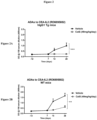
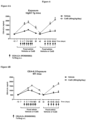
- Example 1 Mitigation of ADA against HUMIRA ® (adalimumab) and CEA-IL2v (28 days)
- Adalimumab and CEA-IL2v are known to be immunogenic in the clinic ( Bartelds, Krieckaert et al. JAMA 2011, 305(14): 1460-1468 , van Schouwenburg, Rispens et al. Nat Rev Rheumatol 2013, 9(3): 164-172 ).
- Adalimumab is an anti-TNF ⁇ inhibiting antibody shown to be highly immunogenic in mice.
- CEA-IL2v is an immunomodulatory drug for oncology indication.
- (1-cyanocyclopropyl)-amide is a cathepsin S inhibitor known to inhibit MHCII maturation and antigen presentation by antigen-presenting cells ( WO 2010/121918 ; Theron, Bentley et al. 2017, Front Immunol 8: 806). It is used in the experiements below.
- mice C57BL/6 wild type and C57BL/6-Tg (hIgG1,k,l) were purchased from Taconic (Denmark) and housed at the animal facilities under a 12 hour (h) light 12 h dark cycle with cycles of air ventilation and free access to water and food.
- 7x 10 ⁇ g of CEA-IL2v or 7x 10 ⁇ g of Humira (Adalimumab, Abbvie Germany GmbH) were injected respectively at day 0, 4, 7, 11, 14, 18 and 21 subcutaneously in the right flank or the left flank alternatively.
- the dosage of the cathepsin S inhibitor consumption was 40 mg/kg/day.
- the food admix (Ssniff Spezialdiursen, Germany) was given daily one day before the first immunization until day 28 for the mice immunized with Humira.
- the food admix was given daily one week before the first immunization until day 28 for the mice immunized with CEA-IL2v (RO6895882). At day -12, 7, 14 and 28 blood samples were taken.
- the ELISA plates were washed 3 times with PBS+0.05% Tween and 100 ⁇ l of the diluted sera were transferred from the dilution plate to the ELISA plate. After 2 hours of incubation at room temperature, the ELISA plates were washed 3 times with PBS+0.05% Tween.
- For detection of ADA 100 ⁇ l per well of goat anti mouse IgG Alkaline Phosphatase conjugated (Jackson Cat n° 115-055-071) diluted 1:2000 in PBS +1% BSA were added. After 1 hour of incubation at room temperature, the ELISA plates were washed 3 times with PBS+0.05% Tween.
- mice C57BL/6-Tg (hIgG1,k,l) were purchased from Charles River Laboratories (Germany) and housed at the animal facilities in room with air-conditioned under a 12 hours light/dark cycle in macrolon boxes with enriched environment and free access to water and food.
- the mice were injected at day -2 subcutaneously with 20 ⁇ g/mouse of NP-OVAL (4-Hydroxy-3-nitrophenylacetyl hapten conjugated to ovalbumin, Biosearch Technologies, USA, Batch N° 060368) with adjuvant (Alhydrogel, InvivoGen#vac-alu-250) at the both flanks or without adjuvant at day 28.
- NP-OVAL 4-Hydroxy-3-nitrophenylacetyl hapten conjugated to ovalbumin, Biosearch Technologies, USA, Batch N° 060368
- adjuvant Alhydrogel, InvivoGen#vac-alu-250
- the cathepsin S antagonist (2S,4R)-4-[4-(1-methyl-1H-pyrazol-4-yl)-2-trifluoromethyl-benzenesulfonyl]-1-(1-trifluoromethyl-cyclopropanecarbonyl)-pyrrolidine-2-carboxylic acid (1-cyanocyclopropyl)-amide was given via food admix (Ssniff Spezialdi decisiven, Germany) daily from two days before the first NP-OVAL immunization until day 35. At day -2, 1, 7, 12, 21, 28 and 35 blood samples from the tail were taken in BD Microtainer tubes SST. After 30min of resting the tubes were centrifuged at 10'000g for 10 min and stored at -20°C.
- the ELISA plates were washed 3 times with PBS+0.05% Tween and 100 ⁇ l of the diluted sera were transferred from the dilution plate to the ELISA plate. After 2 hours of incubation at room temperature, the ELISA plates were washed 3 times with PBS+0.05% Tween.
- For detection of NP specific IgG 100 ⁇ l per well of goat anti mouse IgG Alkaline Phosphatase conjugated (Jackson Cat n° 115-055-071) diluted 1:2000 in PBS +1% BSA were added. After 1 hour of incubation at room temperature, the ELISA plates were washed 3 times with PBS+0.05% Tween.
- the dose of 40 mg/kg/day of the cathepsin S antagonist was capable of effectively abrogating the T-cell dependent IgG response against NP.
- mice C57BL/6-Tg (hIgG1,k,l) were purchased from Taconic (Denmark) and housed at the animal facilities in room with air-conditioned under a 12 hours light/dark cycle in macrolon boxes with enriched environment and free access to water and food.
- 7x 10 ⁇ g of Humira (Adalimumab, Abbvie Germany GmbH) were injected at day 0, 4, 7, 11, 14, 18 and 21 subcutaneously in the right flank or the left flank alternatively.
- the ELISA plates were washed 3 times with PBS+0.05% Tween and 100 ⁇ l of the diluted sera were transferred from the dilution plate to the ELISA plate. After 2 hours of incubation at room temperature, the ELISA plates were washed 3 times with PBS+0.05% Tween.
- For detection of ADAs 100 ⁇ l per well of goat anti mouse IgG Alkaline Phosphatase conjugated (Jackson Cat n° 115-055-071) diluted 1:2000 in PBS +1% BSA were added. After 1 hour of incubation at room temperature, the ELISA plates were washed 3 times with PBS+0.05% Tween.
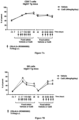
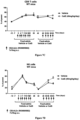
- mice C57BL/6-Tg (hIgG1,k,l) and C57BL/6 wild type mixed gender were purchased from Taconic (Denmark) and housed at the animal facilities in room with air-conditioned under a 12 hours light/dark cycle in macrolon boxes with enriched environment and free access to water and food.
- 7x 10 ⁇ g of CEA-IL2v (Batch n°GLI0144-01) were injected at day 0, 4, 7, 11, 14, 18 and 21 for the primary response, and at day 49, 53, 56 and 60 for the memory response.
- the CEA-IL2v injections were done subcutaneously in the right flank or the left flank alternatively.
- (1-cyano-cyclopropyl)-amide was given via food admix (Ssniff Spezialdi decisiven, Germany) daily from one week before the first CEA-IL2v immunization until day 28 for the primary response and from day 42 (one week before boost with CEA-IL2v) until day 78 for the memory response.
- day -12, 7, 14, 28, 42, 56 and 63 blood samples from the tail were taken before dosing.
- the ELISA plates were washed 3 times with PBS+0.05% Tween and 100 ⁇ l of the diluted sera were transferred from the dilution plate to the ELISA plate. After 2 hours of incubation at room temperature, the ELISA plates were washed 3 times with PBS+0.05% Tween.
- For detection of ADAs 100 ⁇ l per well of goat anti mouse IgG Alkaline Phosphatase conjugated (Jackson Cat n° 115-055-071) diluted 1:2000 in PBS +1% BSA were added. After 1 hour of incubation at room temperature, the ELISA plates were washed 3 times with PBS+0.05% Tween.
- Serum samples from C56BL/6 hIgG tg and wildtype mice treated with CEA-IL2v were analysed using an enzyme-linked immunosorbent assay (ELISA) under non-GLP conditions.
- ELISA enzyme-linked immunosorbent assay
- capture antibody mAb ⁇ CEA>M-Bi
- calibrators RO6895882
- diluted serum samples diluted serum samples
- detection antibody mAb ⁇ CEA>M-Dig
- anti-digoxigenin-POD anti-digoxigenin-POD
- SA-MTP streptavidin coated microtiter plate
- Formed immobilized immune complexes are detected by addition of the substrate solution ABTS. The color intensity was determined photometrically and was proportional to the analyte concentration in the test sample.
- the cathepsin S inhibitor significantly increases and prolongs CEA-IL2v exposure.
- Example 4 From Example 4, 50 ⁇ l of lithium heparin whole blood were transferred into a 5ml polystyrene round-bottom tubes (BD Falcon, Cat. n°352058) and 2 ml of freshly prepared 1 ⁇ Pharm Lyse TM lysing buffer (BD Bioscience, Cat. n°555899) with UltraPur TM distilled water (Invitrogen, Cat. n°10977-035) were added. The samples were vortexed thoroughly and incubated for 15 min at room temperature.
- the tubes were spin down at 300g for 5 min, the supernatants were removed and the cells pellets were washed with 2ml DPBS (Gibco, Cat.n°14190-094) +2% Fetal bovine serum (Gibco, Cat.n°10082147). The tubes were spin down at 300g for 5 min and the supernatants were removed. 100 ⁇ l of TruStain fcX TM (BioLegend, Cat.n°101320) diluted at 1:100 in DPBS+2%FBS were added to the cell pellets, carefully vortexed and incubated for 15 at room temperature.
- TruStain fcX TM BioLegend, Cat.n°101320
- a master mix was prepared with 0.5 ⁇ l of BV510-conjugated anti mouse CD45 (Biolegend, Cat.n°103138), 0.4 ⁇ l of PE-Cy5-conjugated anti mouse TCRb (Biolegend, Cat.n°109210), 0.5 ⁇ l of BUV737-conjugated anti mouse CD4 (BD Biosciences, Cat.n°564298), 0.5 ⁇ l of BUV395-conjugated anti mouse CD8 (BD Biosciences, Cat.n°563786), 0.5 ⁇ l of BV605 -conjugated anti mouse NKP46 (BD Biosciences, Cat.n°564069), and 0.5 ⁇ l of BV605-conjugated anti mouse NK1.1 (Biolegend, Cat.n°108740) per sample.
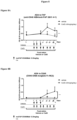
- CEA-IL2v pharmacology is preserved in cathepsin S inhibitor treated animals.
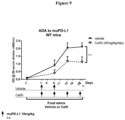
- mice C57BL/6 10-week-old female mice C57BL/6 were purchased from Charles River Laboratories (Germany) and housed at the animal facilities in room with air-conditioned under a 12 hours light/dark cycle in macrolon boxes with enriched environment and free access to water and food.
- the sera were diluted 1 to 50 in PBS +1%FBS in the first raw of round bottom dilution plate, following by a 1 to 3 serial dilution step, 7 times in PBS +1%FBS.
- the ELISA plates were washed 3 times with PBS+0.05% Tween and 100 ⁇ l of the diluted sera were transferred from the dilution plate to the ELISA plate. After 2 hours of incubation at room temperature, the ELISA plates were washed 3 times with PBS+0.05% Tween.
- 100 ⁇ l per well of goat anti mouse IgG Alkaline Phosphatase conjugated Jackson Cat n° 115-055-071
- diluted 1:2000 in PBS +1% BSA were added.
- muPD-L1 P1AE4930-001
- the ELISA plates were washed 3 times with PBS+0.05% Tween and 100 ⁇ l of the diluted sera were transferred from the dilution plate to the ELISA plate. After 2 hours of incubation at room temperature, the ELISA plates were washed 3 times with PBS+0.05% Tween.
- For detection of ADAs 100 ⁇ l per well of goat anti mouse IgG Alkaline Phosphatase conjugated (Jackson Cat n° 115-055-071) diluted 1:2000 in PBS +1% BSA were added. After 1 hour of incubation at room temperature, the ELISA plates were washed 3 times with PBS+0.05% Tween.
- 7 ⁇ 10/ ⁇ g of CEA-TCB (P1AE3536, huCEA binder CH1A1A/mouse CD3 binder 2C11) were injected at day 0, 4, 7, 11, 14, 18 and 21 subcutaneously in the right flank or the left flank alternatively.
- the sera were diluted 1 to 50 in PBS +1%FBS in the first raw of round bottom dilution plate, following by a 1 to 3 serial dilution step, 7 times in PBS +1%FBS.
- the ELISA plates were washed 3 times with PBS+0.05% Tween and 100 ⁇ l of the diluted sera were transferred from the dilution plate to the ELISA plate. After 2 hours of incubation at room temperature, the ELISA plates were washed 3 times with PBS+0.05% Tween.
- 100 ⁇ l per well of goat anti mouse IgG Alkaline Phosphatase conjugated Jackson Cat n° 115-055-071
- diluted 1:2000 in PBS +1% BSA were added.
- ADA against CD3 binder 100 ⁇ l per well of goat anti mouse IgG2c Alkaline Phosphatase conjugated (Jackson Cat n° 115-055-208) diluted 1:2000 in PBS +1% BSA were added. After 1 hour of incubation at room temperature, the ELISA plates were washed 3 times with PBS+0.05% Tween. 100 ⁇ l of substrate P-nitrophenyl phosphate ready to use (Life Technologies, Cat n°002212) were added per well and after 10 min incubation at room temperature, the OD at 405 nm was read as an end-point measurement with a Versamax ELISA reader.
Landscapes
- Health & Medical Sciences (AREA)
- Chemical & Material Sciences (AREA)
- Medicinal Chemistry (AREA)
- Life Sciences & Earth Sciences (AREA)
- Immunology (AREA)
- General Health & Medical Sciences (AREA)
- Animal Behavior & Ethology (AREA)
- Public Health (AREA)
- Veterinary Medicine (AREA)
- Pharmacology & Pharmacy (AREA)
- Engineering & Computer Science (AREA)
- Bioinformatics & Cheminformatics (AREA)
- Epidemiology (AREA)
- Organic Chemistry (AREA)
- Chemical Kinetics & Catalysis (AREA)
- General Chemical & Material Sciences (AREA)
- Nuclear Medicine, Radiotherapy & Molecular Imaging (AREA)
- Transplantation (AREA)
- Molecular Biology (AREA)
- Biophysics (AREA)
- Genetics & Genomics (AREA)
- Biochemistry (AREA)
- Proteomics, Peptides & Aminoacids (AREA)
- Microbiology (AREA)
- Mycology (AREA)
- Medicines Containing Antibodies Or Antigens For Use As Internal Diagnostic Agents (AREA)
- Medicines That Contain Protein Lipid Enzymes And Other Medicines (AREA)
- Pharmaceuticals Containing Other Organic And Inorganic Compounds (AREA)
- Acyclic And Carbocyclic Compounds In Medicinal Compositions (AREA)
- Plural Heterocyclic Compounds (AREA)
Claims (22)
- Inhibiteur de la cathepsine S pour une utilisation dans une méthode de réduction ou de prévention de la formation d'anticorps anti-médicament (ADA) contre un agent thérapeutique chez un sujet qui reçoit un traitement avec ledit agent thérapeutique, dans lequel l'agent thérapeutique est un agent biologique.
- Kit pour une utilisation dans la prévention ou la réduction de la formation d'ADA contre un agent thérapeutique chez un sujet, dans lequel le kit comprend un inhibiteur de la cathepsine S et des instructions pour l'utilisation de l'inhibiteur de la cathepsine S dans une méthode de traitement comprenant l'administration d'une quantité efficace de l'inhibiteur de la cathepsine S et de l'agent thérapeutique audit sujet, dans lequel l'agent thérapeutique est un agent biologique.
- Kit pour une utilisation selon la revendication 2 comprenant :(a) un agent thérapeutique ;(b) un inhibiteur de la cathepsine S ; et(c) des instructions pour l'utilisation de l'agent thérapeutique et de l'inhibiteur de la cathepsine S dans une méthode de traitement comprenant l'administration d'une quantité efficace dudit agent thérapeutique et dudit inhibiteur de la cathepsine S à un sujet en ayant besoin.
- Inhibiteur de la cathepsine S pour une utilisation, ou kit pour une utilisation selon l'une quelconque des revendications 1 à 3, dans lequel la première dose de l'inhibiteur de la cathepsine S est administrée au sujet avant la première dose de l'agent thérapeutique.
- Inhibiteur de la cathepsine S pour une utilisation, ou kit pour une utilisation selon l'une quelconque des revendications 1 à 4, dans lequel la méthode ou les instructions comprennent les étapes consécutives suivantes :(a) administration d'une première dose efficace de l'inhibiteur de la cathepsine S au sujet ;(b) éventuellement poursuite de l'administration de l'inhibiteur de la cathepsine S avant que l'agent thérapeutique ne soit administré au sujet ;(c) administration d'une première dose efficace de l'agent thérapeutique au sujet ; et(d) poursuite de l'administration de l'inhibiteur de la cathepsine S et/ou de l'agent thérapeutique au sujet.
- Inhibiteur de la cathepsine S pour une utilisation, ou kit pour une utilisation selon l'une quelconque des revendications 1 à 5, dans lequel la première dose de l'inhibiteur de la cathepsine S est administrée au sujet avant la première dose de l'agent thérapeutique, en particulier entre au moins 1 jour et 2 semaines avant la première dose de l'agent thérapeutique, en particulier entre au moins 1 jour et 1 semaine avant la première dose de l'agent thérapeutique, plus particulièrement 1 semaine avant la première dose de l'agent thérapeutique.
- Inhibiteur de la cathepsine S pour une utilisation, ou kit pour une utilisation selon l'une quelconque des revendications 1 à 6, dans lequel l'agent thérapeutique ne dépend pas de la présentation de l'antigène du CMH-II.
- Inhibiteur de la cathepsine S pour une utilisation, ou kit pour une utilisation selon l'une quelconque des revendications 1 à 7, dans lequel les ADA sont produits par une réponse immunitaire dépendante des lymphocytes T.
- Inhibiteur de la cathepsine S pour une utilisation, ou kit pour une utilisation selon l'une quelconque des revendications 1 à 8, dans lequel les ADA sont produits pars une réponse immunitaire dépendante des lymphocytes T auxiliaires.
- Inhibiteur de la cathepsine S pour une utilisation, ou kit pour une utilisation selon l'une quelconque des revendications 1 à 9, dans lequel les ADA sont produits par une réponse immunitaire dépendante du CMH-II.
- Inhibiteur de la cathepsine S pour une utilisation, ou kit pour une utilisation selon l'une quelconque des revendications 1 à 6, dans lequel l'agent thérapeutique est un anticorps.
- Inhibiteur de la cathepsine S pour une utilisation, ou kit pour une utilisation selon l'une quelconque des revendications 1 à 11, dans lequel l'agent thérapeutique est un agent biologique qui induit, amplifie ou inhibe une réponse immunitaire.
- Inhibiteur de la cathepsine S pour une utilisation, ou kit pour une utilisation selon l'une quelconque des revendications 1 à 12, dans lequel l'agent thérapeutique est un agent biologique, en particulier une protéine, plus particulièrement un polypeptide, un anticorps, plus particulièrement un anticorps bispécifique, en particulier un anticorps bispécifique des lymphocytes T, un fragment d'anticorps, un conjugué anticorps-médicament, un BiTE, une cytokine ou un vecteur comme par exemple un vecteur de thérapie génique.
- Inhibiteur de la cathepsine S pour une utilisation, ou kit pour une utilisation selon l'une quelconque des revendications 1 à 13, dans lequel l'agent thérapeutique est un anticorps monoclonal, en particulier un anticorps monoclonal choisi parmi l'alemtuzumab (LEMTRADA®), l'atézolizumab (TECENTRIQ®), le bévacizumab (AVASTIN®), le cétuximab (ERBITUX®), le panitumumab (VECTIBIX®), le pertuzumab (OMNITARG®, 2C4), le trastuzumab (HERCEPTIN®), le tositumomab (Bexxar®), l'abciximab (REOPRO®), l'adalimumab (HUMIRA®), l'apolizumab, l'asélizumab, l'atlizumab, le bapineuzumab, le basiliximab (SIMULECT®), le bavituximab, le bélimumab (BENLYSTA®), le briankinumab, le canakinumab (ILARIS®), le cédélizumab, le certolizumab pégol (CIMZIA®), le cidfusituzumab, le cidtuzumab, le cixutumumab, le clazakizumab, le crénézumab, le daclizumab (ZENAPAX®), le dalotuzumab, le dénosumab (PROLIA®, XGEVA®), l'éculizumab (SOLIRIS®), l'éfalizumab, l'émicizumab (HEMLIBRA®), l'épratuzumab, l'erlizumab, le felvizumab, le fontolizumab, le golimumab (SIMPONI®), l'ipilimumab, l'imgatuzumab, l'infliximab (REMICADE®), le labétuzumab, le lébrikizumab, le lexatumumab, le lintuzumab, le lucatumumab, le lulizumab pégol, le lumrétuzumab, le mapatumumab, le matuzumab, le mépolizumab, le mogamulizumab, le motavizumab, le motovizumab, le muronomab, le natalizumab (TYSABRI®), le nécitumumab (PORTRAZZA®), le nimotuzumab (THERACIM®), le nolovizumab, le numavizumab, l'obinutuzumab (GAZYVA®/GAZYVARO®), l'ocrélizumab (OCREVUS®), l'olokizumab, l'omalizumab (XOLAIR®), l'onartuzumab (également connu sous le nom de MetMAb), le palivizumab (SYNAGIS®), le pascolizumab, le pecfusituzumab, le pectuzumab, l'interféron pégylé (PEGAZYS®), le pembrolizumab (KEYTRUDA®), le pexelizumab, le priliximab, le ralivizumab, le ranibizumab (LUCENTIS®), le reslivizumab, le reslizumab, le résyvizumab, le rituximab (MABTHERA®), le robatumumab, le rontalizumab, le rovélizumab, le ruplizumab, le sarilumab, le sécukinumab, le séribantumab, le sifalimumab, le sibrotuzumab, le siltuximab (SYLVANT®) le siplizumab, le sontuzumab, le tadocizumab, le talizumab, le téfibazumab, le tocilizumab (ACTEMRA®), le toralizumab, le trastuzumab emtansine (KADCYLA®), le tucusituzumab, l'umavizumab, l'urtoxazumab, l'ustékinumab (STELARA®), le védolizumab (ENTYVIO®), le visilizumab, le zanolimumab et le zalutumumab.
- Inhibiteur de la cathepsine S pour une utilisation, ou kit pour une utilisation selon l'une quelconque des revendications 1 à 14, dans lequel l'agent thérapeutique est une protéine de fusion recombinante constituée d'un anticorps monoclonal humain dirigé contre la protéine d'activation des fibroblastes (FAP) alpha liée à une forme variante modifiée de l'interleukine-2 (IL-2v).
- Inhibiteur de la cathepsine S pour une utilisation, ou kit pour une utilisation selon l'une quelconque des revendications 1 à 14, dans lequel l'agent thérapeutique est le cergutuzumab amunaleukine.
- Inhibiteur de la cathepsine S pour une utilisation, ou kit pour une utilisation selon l'une quelconque des revendications 1 à 14, dans lequel l'agent thérapeutique est un anticorps anti-TNF alpha.
- Inhibiteur de la cathepsine S pour une utilisation, ou kit pour une utilisation selon l'une quelconque des revendications 1 à 14, dans lequel l'agent thérapeutique est l'infliximab (REMICADE®) ou l'adalimumab (HUMIRA®).
- Inhibiteur de la cathepsine S pour une utilisation, ou kit pour une utilisation selon l'une quelconque des revendications 1 à 18, dans lequel l'inhibiteur de la cathepsine S estle (1-cyano-cyclopropyl)-amide de l'acide (2S,4R)-4-[4-(1-méthyl-1H-pyrazol-4-yl)-2-trifluorométhyl-benzènesulfonyl]-1-(1-trifluorométhyl-cyclopropanecarbonyl)-pyrrolidine-2-carboxylique ; oule (1-cyano-cyclopropyl)-amide de l'acide (2S,4R)-4-[4-(5-méthyl-tétrazol-2-yl)-2-trifluorométhyl-benzènesulfonyl]-1-(1-trifluorométhyl-cyclopropanecarbonyl)-pyrrolidine-2-carboxylique ;ou un sel pharmaceutiquement acceptable de ceux-ci.
- Inhibiteur de la cathepsine S pour une utilisation, ou kit pour une utilisation selon l'une quelconque des revendications 1 à 19, dans lequel l'inhibiteur de la cathepsine S est administré en une quantité qui est suffisante pour réduire ou prévenir la formation d'ADA contre l'agent thérapeutique.
- Inhibiteur de la cathepsine S pour une utilisation, ou kit pour une utilisation selon l'une quelconque des revendications 1 à 20, dans lequel l'inhibiteur de la cathepsine S est administré à une dose comprise entre 50 mg/kg/jour et 400 mg/kg/jour, en particulier entre 75 mg/kg/jour et 250 mg/kg/jour, plus particulièrement à 100 mg/kg/jour ou 200 mg/kg/jour.
- Inhibiteur de la cathepsine S pour une utilisation, ou kit pour une utilisation selon l'une quelconque des revendications 1 à 20, dans lequel l'inhibiteur de la cathepsine S est administré à une dose de 200 mg/kg/jour, en particulier de 100 mg/kg/jour b.i.d.
Applications Claiming Priority (2)
| Application Number | Priority Date | Filing Date | Title |
|---|---|---|---|
| EP18195251 | 2018-09-18 | ||
| PCT/EP2019/074918 WO2020058297A1 (fr) | 2018-09-18 | 2019-09-18 | Utilisation d'un inhibiteur de la cathepsine s contre la formation d'anticorps anti-médicament |
Publications (3)
| Publication Number | Publication Date |
|---|---|
| EP3852880A1 EP3852880A1 (fr) | 2021-07-28 |
| EP3852880B1 true EP3852880B1 (fr) | 2024-08-07 |
| EP3852880C0 EP3852880C0 (fr) | 2024-08-07 |
Family
ID=63787710
Family Applications (1)
| Application Number | Title | Priority Date | Filing Date |
|---|---|---|---|
| EP19768832.8A Active EP3852880B1 (fr) | 2018-09-18 | 2019-09-18 | Utilisation d'un inhibiteur de la cathepsine s contre la formation d'anticorps anti-médicament |
Country Status (15)
| Country | Link |
|---|---|
| US (1) | US12419862B2 (fr) |
| EP (1) | EP3852880B1 (fr) |
| JP (1) | JP7438198B2 (fr) |
| KR (1) | KR20210061344A (fr) |
| CN (1) | CN112839716A (fr) |
| AR (1) | AR114732A1 (fr) |
| AU (1) | AU2019344567B2 (fr) |
| CA (1) | CA3112032A1 (fr) |
| CR (1) | CR20210143A (fr) |
| IL (1) | IL281444A (fr) |
| MA (1) | MA53635A (fr) |
| MX (1) | MX2021003127A (fr) |
| SG (1) | SG11202102471XA (fr) |
| TW (1) | TWI846731B (fr) |
| WO (1) | WO2020058297A1 (fr) |
Families Citing this family (3)
| Publication number | Priority date | Publication date | Assignee | Title |
|---|---|---|---|---|
| JP7196094B2 (ja) * | 2017-03-29 | 2022-12-26 | エフ・ホフマン-ラ・ロシュ・アクチェンゲゼルシャフト | 共刺激tnf受容体のための二重特異性抗原結合分子 |
| US20210332122A1 (en) * | 2020-04-17 | 2021-10-28 | Cedars-Sinai Medical Center | Dysregulation of covid-19 receptor associated with ibd |
| WO2023245008A1 (fr) * | 2022-06-13 | 2023-12-21 | Genentech, Inc. | Procédés de retardement ou de prévention de l'apparition de la maladie d'alzheimer à l'aide de crenezumab |
Family Cites Families (27)
| Publication number | Priority date | Publication date | Assignee | Title |
|---|---|---|---|---|
| ES2052027T5 (es) | 1988-11-11 | 2005-04-16 | Medical Research Council | Clonacion de secuencias de dominio variable de inmunoglobulina. |
| DE3920358A1 (de) | 1989-06-22 | 1991-01-17 | Behringwerke Ag | Bispezifische und oligospezifische, mono- und oligovalente antikoerperkonstrukte, ihre herstellung und verwendung |
| US5571894A (en) | 1991-02-05 | 1996-11-05 | Ciba-Geigy Corporation | Recombinant antibodies specific for a growth factor receptor |
| GB9114948D0 (en) | 1991-07-11 | 1991-08-28 | Pfizer Ltd | Process for preparing sertraline intermediates |
| FI941572L (fi) | 1991-10-07 | 1994-05-27 | Oncologix Inc | Anti-erbB-2-monoklonaalisten vasta-aineiden yhdistelmä ja käyttömenetelmä |
| WO1993016185A2 (fr) | 1992-02-06 | 1993-08-19 | Creative Biomolecules, Inc. | Proteine de liaison biosynthetique pour marqueur de cancer |
| US5869046A (en) | 1995-04-14 | 1999-02-09 | Genentech, Inc. | Altered polypeptides with increased half-life |
| AU2004242846A1 (en) | 2003-05-31 | 2004-12-09 | Micromet Ag | Pharmaceutical compositions comprising bispecific anti-CD3, anti-CD19 antibody constructs for the treatment of B-cell related disorders |
| JP2007513972A (ja) * | 2003-12-11 | 2007-05-31 | アクシス・ファーマシューティカルズ・インコーポレイテッド | 低分子治療剤または生物製剤の投与によって引き起こされる免疫応答を治療するためのカテプシンsインヒビターの使用 |
| US7235641B2 (en) | 2003-12-22 | 2007-06-26 | Micromet Ag | Bispecific antibodies |
| JP5686953B2 (ja) | 2005-10-11 | 2015-03-18 | アムゲン リサーチ (ミュンヘン) ゲーエムベーハー | 交差種特異的(cross−species−specific)抗体を含む組成物および該組成物の使用 |
| AU2007246921A1 (en) * | 2006-04-10 | 2007-11-15 | Fusion Antibodies Limited | Therapy targeting Cathepsin S |
| SG10201808730VA (en) | 2007-04-03 | 2018-11-29 | Amgen Res Munich Gmbh | Cross-species-specific binding domain |
| GB0902916D0 (en) | 2009-02-20 | 2009-04-08 | Fusion Antibodies Ltd | Antibody therapy |
| FR2944530B1 (fr) | 2009-04-16 | 2011-06-17 | Affival | Poudre pour fil fourre au soufre, fil fourre et procede de fabrication d'un fil fourre l'utilisant |
| NZ595073A (en) * | 2009-04-20 | 2012-11-30 | Hoffmann La Roche | Proline derivatives as cathepsin inhibitors |
| HUE029139T2 (hu) | 2011-02-10 | 2017-02-28 | Roche Glycart Ag | Mutáns interleukin-2 polipeptidek |
| EA201892619A1 (ru) | 2011-04-29 | 2019-04-30 | Роше Гликарт Аг | Иммуноконъюгаты, содержащие мутантные полипептиды интерлейкина-2 |
| CN103930400B (zh) * | 2011-11-11 | 2016-04-20 | 霍夫曼-拉罗奇有限公司 | 制备1-酰基-4-苯基磺酰基脯氨酰胺衍生物的方法及中间体 |
| EP2814822B1 (fr) * | 2012-02-17 | 2016-04-20 | F.Hoffmann-La Roche Ag | Nouveaux dérivés de pyrrolidine |
| WO2016034602A1 (fr) * | 2014-09-05 | 2016-03-10 | F. Hoffmann-La Roche Ag | Formes solides de (1-cyano-cyclopropyl)amide d'acide (2s,4r)-4-[4-(1-méthyl-1h-pyrazol-4-yl)-2-trifluorométhyl-benzènesulfonyl]-1-(1-trifluorométhyl-cyclopropanecarbonyl)-pyrrolidine-2-carboxylique |
| WO2016183482A1 (fr) | 2015-05-13 | 2016-11-17 | Rubius Therapeutics, Inc. | Agents thérapeutiques d'un complexe membrane-récepteur |
| KR20180054877A (ko) | 2015-10-07 | 2018-05-24 | 에프. 호프만-라 로슈 아게 | 공자극 tnf 수용체에 대해 4가를 갖는 이중특이적 항체 |
| US20170157215A1 (en) | 2015-12-04 | 2017-06-08 | Jomoco, Corp. | Compositions and methods to mitigate or prevent an immune response to an immunogenic therapeutic molecule in non-human primates |
| AU2016368469B2 (en) * | 2015-12-09 | 2023-11-02 | F. Hoffmann-La Roche Ag | Type II anti-CD20 antibody for reducing formation of anti-drug antibodies |
| CN108699044B (zh) * | 2016-02-26 | 2022-03-04 | 豪夫迈·罗氏有限公司 | 新吡咯烷衍生物 |
| CA3079036A1 (fr) | 2017-11-01 | 2019-05-09 | F. Hoffmann-La Roche Ag | Polytherapie avec des agonistes de ox40 cibles |
-
2019
- 2019-09-17 TW TW108133389A patent/TWI846731B/zh active
- 2019-09-17 AR ARP190102617A patent/AR114732A1/es unknown
- 2019-09-18 JP JP2021515158A patent/JP7438198B2/ja active Active
- 2019-09-18 WO PCT/EP2019/074918 patent/WO2020058297A1/fr not_active Ceased
- 2019-09-18 AU AU2019344567A patent/AU2019344567B2/en not_active Ceased
- 2019-09-18 EP EP19768832.8A patent/EP3852880B1/fr active Active
- 2019-09-18 CA CA3112032A patent/CA3112032A1/fr active Pending
- 2019-09-18 CN CN201980067371.2A patent/CN112839716A/zh active Pending
- 2019-09-18 SG SG11202102471XA patent/SG11202102471XA/en unknown
- 2019-09-18 KR KR1020217007922A patent/KR20210061344A/ko not_active Ceased
- 2019-09-18 MX MX2021003127A patent/MX2021003127A/es unknown
- 2019-09-18 CR CR20210143A patent/CR20210143A/es unknown
- 2019-09-18 MA MA053635A patent/MA53635A/fr unknown
-
2021
- 2021-03-11 IL IL281444A patent/IL281444A/en unknown
- 2021-03-18 US US17/206,044 patent/US12419862B2/en active Active
Also Published As
| Publication number | Publication date |
|---|---|
| JP2022501356A (ja) | 2022-01-06 |
| AU2019344567A1 (en) | 2021-03-25 |
| MA53635A (fr) | 2022-04-13 |
| US20210315863A1 (en) | 2021-10-14 |
| CN112839716A (zh) | 2021-05-25 |
| IL281444A (en) | 2021-04-29 |
| JP7438198B2 (ja) | 2024-02-26 |
| MX2021003127A (es) | 2021-05-14 |
| EP3852880C0 (fr) | 2024-08-07 |
| TWI846731B (zh) | 2024-07-01 |
| CA3112032A1 (fr) | 2020-03-26 |
| SG11202102471XA (en) | 2021-04-29 |
| AR114732A1 (es) | 2020-10-07 |
| AU2019344567B2 (en) | 2025-04-24 |
| TW202023542A (zh) | 2020-07-01 |
| EP3852880A1 (fr) | 2021-07-28 |
| KR20210061344A (ko) | 2021-05-27 |
| CR20210143A (es) | 2021-04-21 |
| WO2020058297A1 (fr) | 2020-03-26 |
| US12419862B2 (en) | 2025-09-23 |
Similar Documents
| Publication | Publication Date | Title |
|---|---|---|
| JP7464764B2 (ja) | 抗ror1抗体とその作製及び使用方法 | |
| US12419862B2 (en) | Use of a cathepsin s inhibitor against the formation of anti-drug antibodies | |
| AU2009245354B2 (en) | Antibodies to receptor of advanced glycation end products (RAGE) and uses thereof | |
| EP3119806B1 (fr) | Anticorps il -21 | |
| KR20220122628A (ko) | 항-ccr8 항체 및 이의 용도 | |
| JP2017537892A (ja) | 疾患の処置のための併用療法 | |
| US20180318416A1 (en) | Binding molecules specific for il-21 and uses thereof | |
| CN111356701A (zh) | 抗α-突触核蛋白抗体及其用途 | |
| JP2026048820A (ja) | ガレクチン-3に対する抗体及びその使用方法 | |
| WO2019084307A1 (fr) | Anticorps anti-mertk et leurs procédés d'utilisation | |
| KR20140014392A (ko) | 루푸스 치료 방법 및 조성물 | |
| KR20250067121A (ko) | Cnx 항원-결합 분자 | |
| US20240307548A1 (en) | Enhanced targeting using antibody-oligonucleotide conjugates | |
| JP2019522624A (ja) | 抗pd−l1−抗tim−3二重特異性抗体 | |
| JP2023534959A (ja) | Muc1-c/細胞外ドメイン(muc1-c/ecd)に対する抗体 | |
| JP7777524B2 (ja) | 脳特異的血管新生抑制因子1(bai1)抗体及びその使用 | |
| EP2088159B1 (fr) | Anticorps reconnaissant le domaine c de la midkine | |
| EP1972640A1 (fr) | Anticorps induisant l'apoptose | |
| CN118119641A (zh) | Ige调节的疾病的治疗 | |
| HK40045707A (en) | Use of a cathepsin s inhibitor against the formation of anti-drug antibodies | |
| US20240294633A1 (en) | Antibody specific for anti-bcl-6 antibody and methods of use | |
| US20240156974A1 (en) | Compositions and methods for modulation of antibody activity | |
| US20250320288A1 (en) | Method of treating vitiligo with interferon-gamma antibody | |
| US20200239562A1 (en) | Anti-il-33 therapy for atopic dermatitis | |
| JP2025540752A (ja) | Card含有アポトーシス関連スペック様タンパク質(asc)に対する抗体、及びその使用 |
Legal Events
| Date | Code | Title | Description |
|---|---|---|---|
| STAA | Information on the status of an ep patent application or granted ep patent |
Free format text: STATUS: UNKNOWN |
|
| STAA | Information on the status of an ep patent application or granted ep patent |
Free format text: STATUS: THE INTERNATIONAL PUBLICATION HAS BEEN MADE |
|
| PUAI | Public reference made under article 153(3) epc to a published international application that has entered the european phase |
Free format text: ORIGINAL CODE: 0009012 |
|
| STAA | Information on the status of an ep patent application or granted ep patent |
Free format text: STATUS: REQUEST FOR EXAMINATION WAS MADE |
|
| 17P | Request for examination filed |
Effective date: 20210419 |
|
| AK | Designated contracting states |
Kind code of ref document: A1 Designated state(s): AL AT BE BG CH CY CZ DE DK EE ES FI FR GB GR HR HU IE IS IT LI LT LU LV MC MK MT NL NO PL PT RO RS SE SI SK SM TR |
|
| DAX | Request for extension of the european patent (deleted) | ||
| RAV | Requested validation state of the european patent: fee paid |
Extension state: MA Effective date: 20210419 |
|
| STAA | Information on the status of an ep patent application or granted ep patent |
Free format text: STATUS: EXAMINATION IS IN PROGRESS |
|
| 17Q | First examination report despatched |
Effective date: 20220311 |
|
| GRAP | Despatch of communication of intention to grant a patent |
Free format text: ORIGINAL CODE: EPIDOSNIGR1 |
|
| STAA | Information on the status of an ep patent application or granted ep patent |
Free format text: STATUS: GRANT OF PATENT IS INTENDED |
|
| INTG | Intention to grant announced |
Effective date: 20240322 |
|
| GRAS | Grant fee paid |
Free format text: ORIGINAL CODE: EPIDOSNIGR3 |
|
| GRAA | (expected) grant |
Free format text: ORIGINAL CODE: 0009210 |
|
| STAA | Information on the status of an ep patent application or granted ep patent |
Free format text: STATUS: THE PATENT HAS BEEN GRANTED |
|
| AK | Designated contracting states |
Kind code of ref document: B1 Designated state(s): AL AT BE BG CH CY CZ DE DK EE ES FI FR GB GR HR HU IE IS IT LI LT LU LV MC MK MT NL NO PL PT RO RS SE SI SK SM TR |
|
| REG | Reference to a national code |
Ref country code: GB Ref legal event code: FG4D |
|
| REG | Reference to a national code |
Ref country code: CH Ref legal event code: EP |
|
| REG | Reference to a national code |
Ref country code: IE Ref legal event code: FG4D |
|
| REG | Reference to a national code |
Ref country code: DE Ref legal event code: R096 Ref document number: 602019056619 Country of ref document: DE |
|
| U01 | Request for unitary effect filed |
Effective date: 20240807 |
|
| U07 | Unitary effect registered |
Designated state(s): AT BE BG DE DK EE FI FR IT LT LU LV MT NL PT SE SI Effective date: 20240821 |
|
| U20 | Renewal fee for the european patent with unitary effect paid |
Year of fee payment: 6 Effective date: 20240823 |
|
| PG25 | Lapsed in a contracting state [announced via postgrant information from national office to epo] |
Ref country code: NO Free format text: LAPSE BECAUSE OF FAILURE TO SUBMIT A TRANSLATION OF THE DESCRIPTION OR TO PAY THE FEE WITHIN THE PRESCRIBED TIME-LIMIT Effective date: 20241107 |
|
| PG25 | Lapsed in a contracting state [announced via postgrant information from national office to epo] |
Ref country code: GR Free format text: LAPSE BECAUSE OF FAILURE TO SUBMIT A TRANSLATION OF THE DESCRIPTION OR TO PAY THE FEE WITHIN THE PRESCRIBED TIME-LIMIT Effective date: 20241108 Ref country code: PL Free format text: LAPSE BECAUSE OF FAILURE TO SUBMIT A TRANSLATION OF THE DESCRIPTION OR TO PAY THE FEE WITHIN THE PRESCRIBED TIME-LIMIT Effective date: 20240807 |
|
| PG25 | Lapsed in a contracting state [announced via postgrant information from national office to epo] |
Ref country code: IS Free format text: LAPSE BECAUSE OF FAILURE TO SUBMIT A TRANSLATION OF THE DESCRIPTION OR TO PAY THE FEE WITHIN THE PRESCRIBED TIME-LIMIT Effective date: 20241207 |
|
| PG25 | Lapsed in a contracting state [announced via postgrant information from national office to epo] |
Ref country code: HR Free format text: LAPSE BECAUSE OF FAILURE TO SUBMIT A TRANSLATION OF THE DESCRIPTION OR TO PAY THE FEE WITHIN THE PRESCRIBED TIME-LIMIT Effective date: 20240807 |
|
| PG25 | Lapsed in a contracting state [announced via postgrant information from national office to epo] |
Ref country code: RS Free format text: LAPSE BECAUSE OF FAILURE TO SUBMIT A TRANSLATION OF THE DESCRIPTION OR TO PAY THE FEE WITHIN THE PRESCRIBED TIME-LIMIT Effective date: 20241107 Ref country code: ES Free format text: LAPSE BECAUSE OF FAILURE TO SUBMIT A TRANSLATION OF THE DESCRIPTION OR TO PAY THE FEE WITHIN THE PRESCRIBED TIME-LIMIT Effective date: 20240807 |
|
| PG25 | Lapsed in a contracting state [announced via postgrant information from national office to epo] |
Ref country code: RS Free format text: LAPSE BECAUSE OF FAILURE TO SUBMIT A TRANSLATION OF THE DESCRIPTION OR TO PAY THE FEE WITHIN THE PRESCRIBED TIME-LIMIT Effective date: 20241107 Ref country code: PL Free format text: LAPSE BECAUSE OF FAILURE TO SUBMIT A TRANSLATION OF THE DESCRIPTION OR TO PAY THE FEE WITHIN THE PRESCRIBED TIME-LIMIT Effective date: 20240807 Ref country code: NO Free format text: LAPSE BECAUSE OF FAILURE TO SUBMIT A TRANSLATION OF THE DESCRIPTION OR TO PAY THE FEE WITHIN THE PRESCRIBED TIME-LIMIT Effective date: 20241107 Ref country code: IS Free format text: LAPSE BECAUSE OF FAILURE TO SUBMIT A TRANSLATION OF THE DESCRIPTION OR TO PAY THE FEE WITHIN THE PRESCRIBED TIME-LIMIT Effective date: 20241207 Ref country code: HR Free format text: LAPSE BECAUSE OF FAILURE TO SUBMIT A TRANSLATION OF THE DESCRIPTION OR TO PAY THE FEE WITHIN THE PRESCRIBED TIME-LIMIT Effective date: 20240807 Ref country code: GR Free format text: LAPSE BECAUSE OF FAILURE TO SUBMIT A TRANSLATION OF THE DESCRIPTION OR TO PAY THE FEE WITHIN THE PRESCRIBED TIME-LIMIT Effective date: 20241108 Ref country code: ES Free format text: LAPSE BECAUSE OF FAILURE TO SUBMIT A TRANSLATION OF THE DESCRIPTION OR TO PAY THE FEE WITHIN THE PRESCRIBED TIME-LIMIT Effective date: 20240807 |
|
| PG25 | Lapsed in a contracting state [announced via postgrant information from national office to epo] |
Ref country code: SM Free format text: LAPSE BECAUSE OF FAILURE TO SUBMIT A TRANSLATION OF THE DESCRIPTION OR TO PAY THE FEE WITHIN THE PRESCRIBED TIME-LIMIT Effective date: 20240807 |
|
| PG25 | Lapsed in a contracting state [announced via postgrant information from national office to epo] |
Ref country code: CZ Free format text: LAPSE BECAUSE OF FAILURE TO SUBMIT A TRANSLATION OF THE DESCRIPTION OR TO PAY THE FEE WITHIN THE PRESCRIBED TIME-LIMIT Effective date: 20240807 |
|
| PG25 | Lapsed in a contracting state [announced via postgrant information from national office to epo] |
Ref country code: SK Free format text: LAPSE BECAUSE OF FAILURE TO SUBMIT A TRANSLATION OF THE DESCRIPTION OR TO PAY THE FEE WITHIN THE PRESCRIBED TIME-LIMIT Effective date: 20240807 |
|
| PLBE | No opposition filed within time limit |
Free format text: ORIGINAL CODE: 0009261 |
|
| STAA | Information on the status of an ep patent application or granted ep patent |
Free format text: STATUS: NO OPPOSITION FILED WITHIN TIME LIMIT |
|
| PG25 | Lapsed in a contracting state [announced via postgrant information from national office to epo] |
Ref country code: MC Free format text: LAPSE BECAUSE OF FAILURE TO SUBMIT A TRANSLATION OF THE DESCRIPTION OR TO PAY THE FEE WITHIN THE PRESCRIBED TIME-LIMIT Effective date: 20240807 |
|
| 26N | No opposition filed |
Effective date: 20250508 |
|
| PG25 | Lapsed in a contracting state [announced via postgrant information from national office to epo] |
Ref country code: IE Free format text: LAPSE BECAUSE OF NON-PAYMENT OF DUE FEES Effective date: 20240918 |
|
| U20 | Renewal fee for the european patent with unitary effect paid |
Year of fee payment: 7 Effective date: 20250820 |
|
| REG | Reference to a national code |
Ref country code: CH Ref legal event code: U11 Free format text: ST27 STATUS EVENT CODE: U-0-0-U10-U11 (AS PROVIDED BY THE NATIONAL OFFICE) Effective date: 20251001 |
|
| PGFP | Annual fee paid to national office [announced via postgrant information from national office to epo] |
Ref country code: GB Payment date: 20250820 Year of fee payment: 7 |
|
| PG25 | Lapsed in a contracting state [announced via postgrant information from national office to epo] |
Ref country code: RO Free format text: LAPSE BECAUSE OF FAILURE TO SUBMIT A TRANSLATION OF THE DESCRIPTION OR TO PAY THE FEE WITHIN THE PRESCRIBED TIME-LIMIT Effective date: 20240807 |
|
| PGFP | Annual fee paid to national office [announced via postgrant information from national office to epo] |
Ref country code: CH Payment date: 20251001 Year of fee payment: 7 |
|
| PG25 | Lapsed in a contracting state [announced via postgrant information from national office to epo] |
Ref country code: CY Free format text: LAPSE BECAUSE OF FAILURE TO SUBMIT A TRANSLATION OF THE DESCRIPTION OR TO PAY THE FEE WITHIN THE PRESCRIBED TIME-LIMIT; INVALID AB INITIO Effective date: 20190918 |
|
| VS25 | Lapsed in a validation state [announced via postgrant information from nat. office to epo] |
Ref country code: MA Free format text: FAILURE TO ELECT DOMICILE IN THE NATIONAL COUNTRY Effective date: 20241108 |
|
| PG25 | Lapsed in a contracting state [announced via postgrant information from national office to epo] |
Ref country code: HU Free format text: LAPSE BECAUSE OF FAILURE TO SUBMIT A TRANSLATION OF THE DESCRIPTION OR TO PAY THE FEE WITHIN THE PRESCRIBED TIME-LIMIT; INVALID AB INITIO Effective date: 20190918 |
|
| VS25 | Lapsed in a validation state [announced via postgrant information from nat. office to epo] |
Ref country code: MA Free format text: LAPSE BECAUSE OF FAILURE TO SUBMIT A TRANSLATION OF THE DESCRIPTION OR TO PAY THE FEE WITHIN THE PRESCRIBED TIME-LIMIT Effective date: 20240807 |