EP3866541B1 - Noeud de réseau, dispositif utilisateur et procédés associés - Google Patents
Noeud de réseau, dispositif utilisateur et procédés associés Download PDFInfo
- Publication number
- EP3866541B1 EP3866541B1 EP20209662.4A EP20209662A EP3866541B1 EP 3866541 B1 EP3866541 B1 EP 3866541B1 EP 20209662 A EP20209662 A EP 20209662A EP 3866541 B1 EP3866541 B1 EP 3866541B1
- Authority
- EP
- European Patent Office
- Prior art keywords
- sub
- band
- frequency resources
- region
- contiguous
- Prior art date
- Legal status (The legal status is an assumption and is not a legal conclusion. Google has not performed a legal analysis and makes no representation as to the accuracy of the status listed.)
- Active
Links
Images



Classifications
-
- H—ELECTRICITY
- H04—ELECTRIC COMMUNICATION TECHNIQUE
- H04W—WIRELESS COMMUNICATION NETWORKS
- H04W72/00—Local resource management
- H04W72/04—Wireless resource allocation
- H04W72/044—Wireless resource allocation based on the type of the allocated resource
- H04W72/0453—Resources in frequency domain, e.g. a carrier in FDMA
-
- H—ELECTRICITY
- H04—ELECTRIC COMMUNICATION TECHNIQUE
- H04W—WIRELESS COMMUNICATION NETWORKS
- H04W72/00—Local resource management
- H04W72/20—Control channels or signalling for resource management
- H04W72/23—Control channels or signalling for resource management in the downlink direction of a wireless link, i.e. towards a terminal
-
- H—ELECTRICITY
- H04—ELECTRIC COMMUNICATION TECHNIQUE
- H04L—TRANSMISSION OF DIGITAL INFORMATION, e.g. TELEGRAPHIC COMMUNICATION
- H04L5/00—Arrangements affording multiple use of the transmission path
- H04L5/003—Arrangements for allocating sub-channels of the transmission path
-
- H—ELECTRICITY
- H04—ELECTRIC COMMUNICATION TECHNIQUE
- H04L—TRANSMISSION OF DIGITAL INFORMATION, e.g. TELEGRAPHIC COMMUNICATION
- H04L5/00—Arrangements affording multiple use of the transmission path
- H04L5/0091—Signalling for the administration of the divided path, e.g. signalling of configuration information
- H04L5/0094—Indication of how sub-channels of the path are allocated
-
- H—ELECTRICITY
- H04—ELECTRIC COMMUNICATION TECHNIQUE
- H04W—WIRELESS COMMUNICATION NETWORKS
- H04W72/00—Local resource management
- H04W72/04—Wireless resource allocation
- H04W72/044—Wireless resource allocation based on the type of the allocated resource
- H04W72/0473—Wireless resource allocation based on the type of the allocated resource the resource being transmission power
-
- H—ELECTRICITY
- H04—ELECTRIC COMMUNICATION TECHNIQUE
- H04W—WIRELESS COMMUNICATION NETWORKS
- H04W72/00—Local resource management
- H04W72/20—Control channels or signalling for resource management
- H04W72/21—Control channels or signalling for resource management in the uplink direction of a wireless link, i.e. towards the network
-
- H—ELECTRICITY
- H04—ELECTRIC COMMUNICATION TECHNIQUE
- H04W—WIRELESS COMMUNICATION NETWORKS
- H04W72/00—Local resource management
- H04W72/50—Allocation or scheduling criteria for wireless resources
- H04W72/51—Allocation or scheduling criteria for wireless resources based on terminal or device properties
Definitions
- the invention relates to a network node and a user device for a wireless communication system. Furthermore, the invention also relates to corresponding methods and a computer-readable medium.
- a Single-Carrier - Frequency Division Multiple Access (SC-FDMA) waveform is used and the time-frequency resources for the Physical Uplink Shared Channel (PUSCH) can be allocated by a single or dual cluster of frequency resources, where each cluster (i.e., set of frequency resources) is localized in frequency within a slot and consists of a number of frequency-consecutive Physical Resource Blocks (PRBs).
- a single Discrete Fourier Transform (DFT)-precoder is applied for the one or two clusters.
- DFT Discrete Fourier Transform
- CM Cubic Metric
- PAPR Peak-to-Average-Power Ratio
- Dynamic PUSCH resource allocation is conveyed by a resource allocation field in the associated uplink grant sent in the downlink control channel, where PUSCH resource allocation type 0 is used for single cluster PUSCH, and PUSCH resource allocation type 1 is for dual cluster PUSCH.
- LTE Rel-13 can also be deployed for downlink transmissions in unlicensed spectrum, i.e., utilizing Licensed Assisted Access (LAA) where an unlicensed carrier is operated as a Secondary Cell (SCell) in conjunction with a Primary Cell (PCell) located in licensed spectrum. It is desirable to extend the functionality of LAA by including uplink (UL) transmissions.
- LAA Licensed Assisted Access
- SCell Secondary Cell
- PCell Primary Cell
- UL uplink
- LTE relies on E-UTRAN NodeB or evolved NodeB (eNodeBs) to perform uplink scheduling, which allows multiple User Equipments (UEs) in a cell to transmit PUSCH on orthogonal resources within a subframe.
- UEs User Equipments
- LTE is not constrained to wideband scheduling for one user at a time, as is the case for many WiFi systems, and could leverage the frequency selectivity of the channels for the UEs into scheduling gains.
- the scheduler could also schedule UEs on the same time-frequency resource within a cell and utilize spatial suppression to separate the UEs at the receiver, i.e., Multi-User MIMO (MU-MIMO).
- MU-MIMO Multi-User MIMO
- a first regulatory requirement is that the occupied channel bandwidth shall be between 80% and 100% of the declared nominal channel bandwidth.
- the occupied channel bandwidth is the bandwidth containing 99% of the power of the signal. This requirement does not mandate that only a single UE can occupy 80-100% of the carrier bandwidth. For example, it would be possible to multiplex PUSCH from several UEs in an UL subframe over the whole carrier bandwidth using interleaved Frequency Division Multiplexing (FDM) allocation, while fulfilling the occupied channel bandwidth requirement.
- FDM Frequency Division Multiplexing
- a second regulatory requirement is the transmission power in a narrow band.
- the power spectral density for transmissions shall be limited to a maximum mean Equivalent Isotropically Radiated Power (EIRP) density of 10 mW/MHz in any 1 MHz band. This implies that, in order not to limit the transmit power, it is beneficial to allocate the resources in as many '1 MHz' bands as possible.
- EIRP Equivalent Isotropically Radiated Power
- an efficient resource allocation scheme should allow UEs to be allocated with different amount of resources, e.g., different number of PRBs.
- the starting resource index, i.e., PRB index, and the number of allocated resources, i.e., number of PRBs are represented by a single integer value which is signalled to the UE.
- PUSCH resource allocation type 0, i.e., single-cluster PUSCH comprises encoding through the resource index, a starting PRB index and the number of allocated PRBs.
- PUSCH resource allocation type 1, i.e., dual-cluster PUSCH comprises encoding through the resource index, four RBG indices, where the first two RBG indices are used for the starting RBG index and the ending RBG index of one cluster, and the last two RBG indices are used for the other cluster in the same way.
- N _PRB 2 ⁇ 2 ⁇ 3 ⁇ 3 ⁇ 5 ⁇ 5 ⁇ N RB UL , where ⁇ 2 , ⁇ 3 , ⁇ 5 are non-negative integers and N RB UL is the number of available PRBs.
- the multi-cluster PUSCH is indicated using 10 clusters with 1 PRB per cluster and an inter-cluster spacing of 1.8 MHz (10 PRBs), i.e., every 10 th PRB is allocated.
- 10 PRBs 1.8 MHz
- the UE may be allocated from 1 to 10 of these PRB allocations, yielding from 10 to 100 PRBs in total.
- the exact assignment of which resource allocation to be used is left to eNB, e.g., by signalling via a 10-bit bitmap in the UL grant.
- the signalling overhead is thus 10 bits to indicate the multi-cluster PUSCH.
- US 2014/0341126 A1 discusses a method and apparatus for allocating quasi-contiguous uplink data resources for a user device.
- Transmission of data comprise at least two data clusters of sub carriers expanding over gaps reserved for uplink control channel in order, for example, to mitigate transmission power reductions due to multi-cluster transmission.
- US 2015/0181608 A1 discusses a method and apparatus for resource allocation.
- An apparatus utilizes a tree structure with more than one branch in the resource allocation of physical resource blocks, each branch including one or more legal starting positions for resource allocation. Each starting position is associated with a cluster of physical resource blocks, the number of starting positions being different on each branch. The size of the resource clusters of each branch is different.
- Each resource cluster is denoted with a predefined index, and one or more clusters are allocated to user equipment uplink connection.
- An objective of embodiments of the invention is to provide a solution which mitigates or solves the drawbacks and problems of conventional solutions.
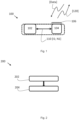
- Fig. 1 shows a network node 100 according to an embodiment of the invention.
- the network node 100 comprises a processor 102 communicably coupled to a transceiver 104. Further, an optional antenna 106 is shown in Fig. 1 .
- the antenna 106 is coupled to the transceiver 104 and is configured to transmit and/or receive wireless communication signals in a wireless communication system 500.
- the processor 102 of the network node 100 is configured to determine a resource indicator 110 comprising a first start index 11 and a first number of frequency resources N1.
- the first start index I1 and the first number of frequency resources N1 are used for allocating a first set of contiguous frequency resources R1 within a first sub-band, and further used for allocating a corresponding first set of contiguous frequency resources R1' within a second sub-band.
- the first sub-band and the second sub-band are non-overlapping and comprise equal number of frequency resources.
- the transceiver 104 is configured to transmit a transmission grant 120 comprising the resource indicator 110 to a user device 300 (not shown in Fig. 1 , see Fig. 3 ). It is noted that the first set of frequency resources can allocated in further sub-bands.
- a network node 100 may refer to a network control node or a network access node or an access point or a base station, e.g., a Radio Base Station (RBS), which in some networks may be referred to as transmitter, "eNB”, “eNodeB”, “NodeB” or “B node”, depending on the technology and terminology used.
- the network nodes may be of different classes such as, e.g., macro eNodeB, home eNodeB or pico base station, based on transmission power and thereby also cell size.
- the network node can be an 802.11 access point or a Station (STA), which is any device that contains an IEEE 802.11-conformant Media Access Control (MAC) and Physical Layer (PHY) interface to the Wireless Medium (WM).
- STA Station
- MAC Media Access Control
- PHY Physical Layer
- the network node 100 is however not limited to the above mentioned communication devices.
- Fig. 2 shows a corresponding method which may be executed in a network node 100, such as the one described in Fig. 1 .
- the method 200 comprises determining 202 a resource indicator 110 comprising a first start index I1 and a first number of frequency resources N1.
- the first start index I1 and the first number of frequency resources N1 are used for allocating a first set of contiguous frequency resources R1 within a first sub-band, and further used for allocating a corresponding first set of contiguous frequency resources R1' within a second sub-band.
- the first sub-band and the second sub-band are non-overlapping and comprise equal number of frequency resources.
- the method 200 further comprises transmitting 204 a transmission grant 120 comprising the resource indicator 110 to a user device 300.
- the first start index I1 indicates a position in the time-frequency plane of the resource.
- resources could be denoted as PRBs (e.g., comprising Resource Elements (REs) located within 180 kHz and 0.5 ms) and PRBs could be indexed, e.g., in an ascending order in frequency.
- PRBs e.g., comprising Resource Elements (REs) located within 180 kHz and 0.5 ms
- PRBs could be indexed, e.g., in an ascending order in frequency.
- a set or cluster of frequency resources refers to one or several frequency contiguous resources, e.g., one or several REs/PRBs, and clusters may or may not be consecutively located.
- the clusters are non-overlapping, i.e., they have no resources in common.
- Corresponding first set of contiguous frequency resources R1' means that an allocation using this set implies that the resource allocation is the same within the second sub-band as within the first sub-band. For example, if R1 includes the x:th PRB in the first sub-band, R1' includes the x:th PRB in the second sub-band, and so on.
- the transceiver 104 is configured to receive user device information 130 (see Fig. 11 ) associated with the user device 300.
- the user device information comprises at least one of:
- the reference signals sent from the user device 300 allows the network node 100 to estimate the channel quality which is useful for determining the amount of resources and the best location of the resources to be assigned.
- the network node 100 may also utilize information about the amount of data which the user device 300 can transmit. This is useful for determining the amount of resources for the resource allocation to match the actual demand.
- the network node 100 may further utilize information about the available transmit power in the user device 300. This is useful for determining the amount of resources for the resource allocation such that it can be accommodated within the available transmit power.
- the processor 102 is configured to determine the resource indicator 110 based on the received user device information.
- the user device information may be received directly from the user device 300. However, all or parts of the user device information may be received via one or more intermediate network nodes.
- the transceiver 104 is configured to receive data from the user device 300 in response to the transmission of the transmission grant 120 to the user device 300. Therefore, the user device 300 is configured to use the allocated first set of contiguous frequency resources R1 and the corresponding first set of contiguous frequency resources R1 ' for transmitting data to the network node 300.
- Fig. 3 shows a user device 300 according to an embodiment of the invention.
- the user device 300 comprises a processor 304 communicably coupled to a transceiver 302. Further, an optional antenna 306 is shown in Fig. 3 .
- the antenna 306 is coupled to the transceiver 302 and is configured to transmit and/or receive wireless communication signals in a wireless communication system 500.
- Fig. 4 shows a corresponding method which may be executed in a user device, such as the one described in Fig. 1 .
- the method 400 comprises receiving 402 a transmission grant 120 comprising a resource indicator 110 from a network node 100.
- the resource indicator 110 comprises a first start index I1 and a first number of frequency resources N1.
- the first start index I1 and a first number of frequency resources N1 are used for allocating a first set of contiguous frequency resources R1 within a first sub-band, and further used for allocating a corresponding first set of contiguous frequency resources R1' within a second sub-band.
- the first sub-band and the second sub-band are non-overlapping and comprise equal number of frequency resources.
- the method 400 further comprises deriving 404 the first start index I1 and the first number of frequency resources N1 based on the resource indicator 110.
- the method 400 further comprises transmitting 406 data symbols to the network node 100 using the first set of contiguous frequency resources R1 and the corresponding first set of contiguous frequency resources R1'.
- the user device 300 which may be any of a User Equipment (UE), mobile station (MS), wireless terminal or mobile terminal, is enabled to communicate wirelessly in a wireless communication system, sometimes also referred to as a cellular radio system.
- the UE may further be referred to as mobile telephones, cellular telephones, computer tablets or laptops with wireless capability.
- the UEs in the present context may be, for example, portable, pocket-storable, hand-held, computer-comprised, or vehicle-mounted mobile devices, enabled to communicate voice or data, via the radio access network, with another entity, such as another receiver or a server.
- the UE can be a Station (STA), which is any device that contains an IEEE 802.11-conformant Media Access Control (MAC) and Physical Layer (PHY) interface to the Wireless Medium (WM).
- STA Station
- MAC Media Access Control
- PHY Physical Layer
- frequency resource allocation is based on a sub-band level, where the total transmission bandwidth of a wireless communication system is divided into several equal sub-bands in the frequency domain.
- the frequency resource allocation is the same in all sub-bands of the transmission bandwidth.
- the network node 100 indicates the frequency resource allocation for the user device 300 within a sub-band.
- the user device 300 applies the same frequency resource allocation in each sub-band.
- Fig. 6 illustrates different embodiments of the resource indicator 110.
- the resource indicator 110 comprises a first start index I1 and a first number of frequency resources N1.
- the first start index I1 and a first number of frequency resources N1 may be represented as a single value V which is more explained below in relation to Table 1.
- the resource indicator 110 comprises, in an embodiment, a second start index I2 and a second number of frequency resources N2 which are used for allocating a second set of contiguous frequency resources R2 within the first sub-band and a corresponding second set of contiguous frequency resources R2' within the second sub-band.
- the first start index I1 and the first number of frequency resources N1 may be represented with a first value V1.
- the second start index I2 and the second number of frequency resources N2 may be represented with a second value V2.
- the number of allocated resources may be explicitly indicated or implicitly indicated.
- the resource indicator 110 comprises a first end resource index associated with the first start resource index. Therefore, the first number of allocated resources N1 for the first set can be derived from the difference between the first end resource index and the first start resource index. This method is also applicable for indicating the second (and further) number of frequency resources N2.
- the first set of contiguous frequency resources R1 is allocated within a first sub-region of the first sub-band and within a corresponding first sub-region of the second sub-band
- the second set of contiguous frequency resources R2' is allocated within a second sub-region of the first sub-band and within a corresponding second sub-region of the second sub-band.
- the first sub-region and the second sub-region are non-overlapping and comprise equal number of frequency resources. This embodiment therefore assumes the division of each sub-bands into two or more sub-regions.
- LTE terminology and expressions are used, such as PUSCH, uplink grant, UE (corresponds to the present user device 300), etc.
- Embodiments of the invention are, however, not limited to such LTE systems, which is well understood by the skilled person.
- time-frequency resources are allocated for transmission of an uplink shared data channel.
- the allocation of time-frequency resources may be on subcarrier level, e.g., Resource Elements (REs), or groups of subcarriers, e.g., PRBs or Resource Block Groups (RBGs).
- REs Resource Elements
- RBGs Resource Block Groups
- One RBG may comprise several PRBs, and the detailed mapping between RBG and PRB is related to the transmission bandwidth as defined in 3GPP TS 36.213.
- the time-frequency resources are defined by subcarriers, indexed from 0 to K - 1.
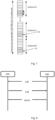
- Fig. 7 shows the allocation of the first cluster/set of frequency resources R1 and the corresponding first cluster/set of frequency resources R1' in all sub-bands of the transmission bandwidth.
- N _PRB may not fulfil the condition of being a multiple of 2, 3 and 5 as described previously.
- the corresponding signalling states of a Resource Indication Value could be used to indicate other information or other values of N _ PRB .
- the value of 70 could be replaced by another valid value, e.g., 64, 72, or 75.
- a skilled reader will further be able to apply the disclosed method in only a subset of the sub-bands.
- 4 sub-bands could comprise 7 PRBs
- 6 sub-bands could comprise 6 PRBs.
- Resources could be indicated for 6 PRBs per sub-band as disclosed above and below, and it could be pre-determined which 4 sub-bands are allocated 7 PRBs and the position of the additional PRB in such a sub-band.
- the wireless communication system 500 comprises
- a resource allocation field in the resource indicator 110 comprises of a resource indication value ( RIV ) corresponding to a starting resource block ( RB START ) index and a length in terms of contiguously allocated resource blocks ( L CRBs ), within a sub-band.
- the RIV value could be represented, and signalled, in binary form, e.g., '010101'.
- N _PRB 10 L CRBs as shown in Table 1.
- N _PRB 10 L CRBs as shown in Table 1.
- N _PRB RIV RB START , N _ PRB / 10 Table 1.
- the joint encoding in a sub-band for multi-cluster resource allocation with 10 PRBs per cluster for N RB UL 100 PRB transmission bandwidth consisting of 10 sub-band each of 10 PRBs.
- Resource indication value RIV Number of PRBs N_PRB Number of allocated frequency resources within a sub-band L CRBs (RB) Starting position within a sub-band RB START (RB) 0 10 1 0 1 10 1 1 2 10 1 2 3 10 1 3 4 10 1 4 5 10 1 5 6 10 1 6 7 10 1 7 8 10 1 8 9 10 1 9 10 20 2 0 11 20 2 1 12 20 2 2 13 20 2 3 14 20 2 4 15 20 2 5 16 20 2 6 17 20 2 7 18 20 2 8 20 30 2 0 21 30 3 1 22 30 3 2 23 30 3 3 24 30 3 4 25 30 3 5 26 30 3 6 27 30 3 7 30 40 4 0 31 40 4 1 32 40 4 2 33 40 4 3 34 40 4 35 40 4 5 36 40 4 6 40 50 5 0 41 50 5 1 42 50 5 2 43 50 5 3 44 50 5 4 45 50 5 5 50 60 6 0 51 60 6 1 52 60 6 2 53 60 6 3 54 60 6 4 49 70 7 0 48 70 7 1 47 70 7 2 46 70 7 3 39 80 8
- Reduction of the signalling overhead is beneficial as it improves the detection performance of the downlink control channel, which needs to be received correctly prior to transmitting the PUSCH.
- the PUSCH resource allocation type 0 single cluster indication can be reused with the change of the indication is restricted in a sub-band, which reduces the specification and implementation effort.
- a general signalling procedure between the network node 100 and the user device 300 is illustrated in Fig. 8 in a LTE system.
- the network node 100 transmits an uplink grant 120 comprising the present resource indicator 110 to the user device 300.
- the user device 300 Upon receiving the uplink grant 120 and therefore the resource indicator 110, the user device 300 derives the frequency allocation for UL transmissions and transmits data in the PUSCH to the network node 300.
- the resource indicator 110 may at least comprise any of the information elements illustrated in Fig. 6 .
- the embodiment in which the user device 300 transmits user device information 130 directly to the network node 100 is illustrated with the dashed arrow in Fig. 6 .
- the network node 100 Upon receiving the user device information 130 the network node 100 based on the user device information 130 determines the resource indicator 110. Also, further information may be considered by the network node 100 when determining the resource indicator 110, such as traffic information, mobility information, etc.
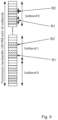
- Fig. 9 shows the allocation of the first set of frequency resources R1 and the corresponding first set of frequency resources R1'. Further, the allocation of the second set of frequency resources R2 and the corresponding second set of frequency resources R2 is shown in Fig. 9 .
- This embodiment is advantageous since it can allow maximum transmit power from the user device 300. For example, considering the regulatory requirement on the power spectral density given per each 1 MHz, the resource allocation could provide two clusters in two different 1 MHz parts of the band. For example, suppose the sub-band has a bandwidth of 2 MHz, then a dual-cluster allocation could provide one cluster in each 1 MHz part of the sub-band.
- V 11 when sub-band bandwidth is 10 PRB for the case of the transmission bandwidth is 100 PRB and divided into 10 sub-bands. It shall be noted that, in this way, the number of resources allocated for a set is implicitly indicated.
- the number of resources allocated for set 1 is s 1 - s 0 RBs.
- Fig. 9 One example of this embodiment is provided in Fig. 9 .
- the PUSCH resource allocation type 2 dual set indication can be reused with the change of the indication is restricted in a sub-band, which reduces the specification and implementation effort.
- the resource indicator 110 further comprises a second start index I2 and a second number of frequency resources N2 used for allocating a second set of contiguous frequency resources R2 within the first sub-band, and a corresponding second set of contiguous frequency resources R2' within the second sub-band.
- the first set of contiguous frequency resources R1 is allocated within a first sub-region of the first sub-band and within a corresponding first sub-region of the second sub-band.
- the second set of contiguous frequency resources R2' is allocated within a second sub-region of the first sub-band and within a corresponding second sub-region of the second sub-band.
- the first sub-region and the second sub-region are non-overlapping and comprise equal number of frequency resources.
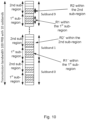
- FIG. 10 This embodiment is illustrated in Fig. 10 , in which resource allocation for multi-cluster structure with dual cluster in each sub-band and single cluster in each sub-region.
- a sub-band comprises 10 PRBs and each sub-band is divided into 2 equally sized sub-regions, each corresponding to 5 PRBs.
- Fig. 10 shows the allocation of the first set of frequency resources R1 and the corresponding first set of frequency resources R1' in the first sub-region. Further, the allocation of the second set of frequency resources R2 and the corresponding second set of frequency resources R2 in the second sub-region is shown in Fig. 9 .
- This embodiment is advantageous as there is flexibility within each sub-band that a dual-cluster PUSCH resource allocation is allowed, supporting more flexible resource allocation and UE multiplexing. It shall be noted that the PUSCH resource allocation is the same in each sub-band.
- a resource allocation field in the UL grant 110 comprises of two resource indication values ( RIV ) where one value represents the starting resource index and the number of allocated resources for the cluster within the first sub-region of a sub-band, and the other value represents resource index and the number of allocated resources for the cluster within the second sub-region of a sub-band.
- RIV resource indication values
- There are in total 2 ⁇ ⁇ log 2 N RB SubRegion + 1 N RB SubRegion 2 ⁇ 8 bits used for two resource indication values, where the first 4 bits are for one sub-region, and the second 4 bits are for the other sub-region.
- the joint encoding of the allocation of two clusters within the sub-band is advantageous as the total signalling overhead is 8 bits, which is less than 10 bits as needed in conventional methods, e.g., utilizing bitmaps.
- the PUSCH resource allocation type 0, single cluster indication can be reused with the change of two single cluster indications needed, where each indication is restricted in a sub-region (half a sub-band), which reduces the specification and implementation effort.
- One state e.g., the state with all ones, i.e., '1111', could correspond to that no PUSCH is allocated in this sub-region.
- Resource indication value RIV Number of frequency resources within a sub-region L CRBs (RB) Starting position within a sub-band RB START (RB) 0 1 0 1 1 1 1 2 1 2 3 1 3 4 1 4 5 2 0 6 2 1 7 2 2 8 2 3 10 3 0 11 3 1 12 3 2 14 4 0 13 4 1 9 5 0 15 0 Not Applicable
- Fig. 11 shows a wireless communication system 500 comprising at least one network node 100 and at least one user device 300 according to an embodiment of the present invention.
- the user device 300 receives a transmission grant 120 comprising a resource indicator 110 from the network node 100. After deriving the frequency allocation(s) in the resource indicator 110, the user device 300 transmits data to the network node 100 in the allocated frequency resources.
- any methods according to embodiments of the invention may be implemented in a computer program, having code means, which when run by processing means causes the processing means to execute the steps of the method.
- the computer program is included in a computer readable medium of a computer program product.
- the computer readable medium may comprises of essentially any memory, such as a ROM (Read-Only Memory), a PROM (Programmable Read-Only Memory), an EPROM (Erasable PROM), a Flash memory, an EEPROM (Electrically Erasable PROM), or a hard disk drive.
- the network node 100 and user device 300 comprise the necessary communication capabilities in the form of e.g., functions, means, units, elements, etc., for performing the present solution.
- means, units, elements and functions are: processors, memory, buffers, control logic, encoders, decoders, rate matchers, de-rate matchers, mapping units, multipliers, decision units, selecting units, switches, interleavers, de-interleavers, modulators, demodulators, inputs, outputs, antennas, amplifiers, receiver units, transmitter units, DSPs, MSDs, TCM encoder, TCM decoder, power supply units, power feeders, communication interfaces, communication protocols, etc. which are suitably arranged together for performing the present solution.
- the processors of the present network node 100 and user device 300 may comprise, e.g., one or more instances of a Central Processing Unit (CPU), a processing unit, a processing circuit, a processor, an Application Specific Integrated Circuit (ASIC), a microprocessor, or other processing logic that may interpret and execute instructions.
- CPU Central Processing Unit
- ASIC Application Specific Integrated Circuit
- the expression "processor” may thus represent a processing circuitry comprising a plurality of processing circuits, such as, e.g., any, some or all of the ones mentioned above.
- the processing circuitry may further perform data processing functions for inputting, outputting, and processing of data comprising data buffering and device control functions, such as call processing control, user interface control, or the like.
Landscapes
- Engineering & Computer Science (AREA)
- Signal Processing (AREA)
- Computer Networks & Wireless Communication (AREA)
- Mobile Radio Communication Systems (AREA)
Claims (14)
- Noeud de réseau pour un système de communication sans fil (500), le noeud de réseau (100) comprenant :un processeur (102) conçu pour déterminer un indicateur de ressource (110), l'indicateur de ressource (110) comprenant une valeur d'attribution de ressources unique indiquant un premier index de départ et un premier nombre de blocs de ressources de fréquence ; etun émetteur-récepteur (104) conçu pour transmettre un octroi de transmission (120) comprenant l'indicateur de ressource (110) à un dispositif d'utilisateur (300),dans lequel le premier index de départ, et le premier nombre de blocs de ressources de fréquence sont conçus pour être utilisés pour attribuer un premier ensemble de ressources de fréquence contiguës au sein d'une première sous-bande et un premier ensemble correspondant de ressources de fréquences contiguës au sein d'une deuxième sous-bande, etdans lequel la première sous-bande et la deuxième sous-bande sont non chevauchantes ;caractérisé en ce quel'attribution du premier ensemble de ressources de fréquence contiguës au sein de la première sous-bande est identique à l'attribution du premier ensemble correspondant de ressources de fréquence contiguës au sein de la deuxième sous-bande.
- Noeud de réseau selon la revendication 1, dans lequel l'émetteur-récepteur (104) est en outre conçu pour recevoir des informations de dispositif d'utilisateur (130) comprenant au moins un élément choisi dans un groupe constitué de : un signal de référence associé au dispositif d'utilisateur (300), d'un nombre total de bits dans une mémoire tampon de transmission du dispositif d'utilisateur (300), et d'une puissance de transmission disponible au niveau du dispositif d'utilisateur (300), et
dans lequel le processeur (102) est conçu pour déterminer l'indicateur de ressource (110) sur la base des informations de dispositif d'utilisateur (130) reçues. - Noeud de réseau selon la revendication 1 ou 2, dans lequel un nombre total de ressources de fréquence attribuées de toutes les sous-bandes appartient à un ensemble prédéterminé de valeurs, et
dans lequel le système de communication sans fil (500) comprend au moins l'un parmi :une pluralité de sous-bandes non chevauchantes ayant une même attribution de ressources de fréquence, etau moins une troisième sous-bande ayant une attribution de ressources de fréquence différente de l'attribution de ressources de fréquence dans la première sous-bande ou la deuxième sous-bande. - Noeud de réseau selon l'une quelconque des revendications précédentes, dans lequel l'indicateur de ressource (110) indique en outre un second index de départ et un second nombre de blocs de ressources de fréquence,
dans lequel le second index de départ et le second nombre de blocs de ressources de fréquence sont configurés pour être utilisés pour attribuer un second ensemble de ressources de fréquence contiguës au sein de la première sous-bande et un second ensemble correspondant de ressources de fréquence contiguës au sein de la deuxième sous-bande. - Noeud de réseau selon la revendication 4, dans lequel le premier ensemble de ressources de fréquence contiguës est attribué au sein d'une première sous-région de la première sous-bande et le premier ensemble correspondant de ressources de fréquence contiguës est attribué au sein d'une première sous-région correspondante de la deuxième sous-bande,dans lequel le second ensemble de ressources de fréquence contiguës est attribué au sein d'une seconde sous-région de la première sous-bande et le second ensemble correspondant de ressources de fréquence contiguës est attribué au sein d'une seconde sous-région correspondante de la deuxième sous-bande, etdans lequel la première sous-région et la seconde sous-région sont non chevauchantes et comprennent un nombre égal de ressources de fréquence.
- Noeud de réseau selon la revendication 5, dans lequel l'indicateur de ressource (110) comprend une première valeur d'attribution et une seconde valeur d'attribution,dans lequel la première valeur d'attribution est la valeur d'attribution de ressources unique indiquant le premier index de départ et le premier nombre de blocs de ressources de fréquence, soit une valeur d'attribution indiquant un ensemble vide de ressources de fréquence au sein de la première sous-région et de la première sous-région correspondante, etdans lequel la seconde valeur d'attribution indique soit le second index de départ et le second nombre de blocs de ressources de fréquence, soit un ensemble vide de ressources de fréquence au sein de la seconde sous-région et de la seconde sous-région correspondante.
- Dispositif d'utilisateur pour un système de communication sans fil (500), le dispositif d'utilisateur (300) comprenant :
un émetteur-récepteur (302) conçu pour :recevoir, depuis un noeud de réseau (100), un octroi de transmission (120) comprenant un indicateur de ressource (110), l'indicateur de ressource (110) comprenant une valeur d'attribution unique indiquant un premier index de départ et un premier nombre de blocs de ressources de fréquence, ettransmettre des symboles de données au noeud de réseau (100) à l'aide d'un premier ensemble de ressources de fréquence contiguës au sein d'une première sous-bande et un premier ensemble correspondant de ressources de fréquence au sein d'une deuxième sous-bande ; etun processeur (304) conçu pour dériver, sur la base de l'indicateur de ressources (110), le premier index de départ et le premier nombre de blocs de ressources de fréquence,dans lequel le premier index de départ et le premier nombre de blocs de ressources de fréquence sont conçus pour être utilisés pour attribuer le premier ensemble de ressources de fréquence contiguës au sein de la première sous-bande et le premier ensemble correspondant de ressources de fréquence contiguës au sein de la deuxième sous-bande, etdans lequel la première sous-bande et la deuxième sous-bande sont non chevauchantes ;caractérisé en ce quel'attribution du premier ensemble de ressources de fréquence contiguës au sein de la première sous-bande est identique à l'attribution du premier ensemble correspondant de ressources de fréquence contiguës au sein de la deuxième sous-bande. - Dispositif d'utilisateur selon la revendication 7, dans lequel l'indicateur de ressource (110) indique en outre un second index de départ et un second nombre de blocs de ressource de fréquence,dans lequel le second index de départ et le second nombre de blocs de ressources de fréquence sont conçus pour être utilisés pour l'attribution d'un second ensemble de ressources de fréquence contiguës au sein de la première sous-bande, et d'un second ensemble correspondant de ressources de fréquence contiguës au sein de la deuxième sous-bande,dans lequel le processeur (304) est en outre conçu pour dériver le second index de départ et le second nombre de blocs de ressources de fréquence sur la base de l'indicateur de ressource (110), etdans lequel l'émetteur-récepteur (302) est en outre conçu pour transmettre des symboles de données au noeud de réseau (100) à l'aide du second ensemble de ressources de fréquence contiguës au sein de la première sous-bande et du second ensemble correspondant de ressources de fréquence contiguës au sein de la deuxième sous-bande.
- Dispositif d'utilisateur selon la revendication 8, dans lequel le premier ensemble de ressources de fréquence contiguës est attribué au sein d'une première sous-région de la première sous-bande et le premier ensemble correspondant de ressources de fréquence contiguës est attribué au sein d'une première sous-région correspondante de la deuxième sous-bande,dans lequel le second ensemble de ressources de fréquence contiguës est attribué au sein d'une seconde sous-région de la première sous-bande et le second ensemble correspondant de ressources de fréquence contiguës est attribué au sein d'une seconde sous-région correspondante de la deuxième sous-bande, etdans lequel la première sous-région et la deuxième sous-région sont non chevauchantes et comprennent un nombre égal de ressources de fréquence.
- Dispositif d'utilisateur selon la revendication 9, dans lequel l'indicateur de ressource (110) comprend une première valeur d'attribution et d'une seconde valeur d'attribution, dans lequel la première valeur d'attribution est la valeur d'attribution de ressources unique indiquant le premier index de départ et le premier nombre de blocs de ressources de fréquence, ou une valeur d'attribution indiquant un ensemble vide de ressources de fréquence au sein de la première sous-région et de la première sous-région correspondante,dans lequel la seconde valeur d'attribution indique soit le second index de départ et le second nombre de blocs de ressources de fréquence, ou un ensemble vide de ressources de fréquence au sein de la seconde sous-région et de la seconde sous-région correspondante, etdans lequel le processeur (304) est en outre conçu pour :dériver le premier index de départ et le premier nombre de blocs de ressources de fréquence sur la base de la première valeur d'attribution, etdériver le second index de départ et le second nombre de blocs de ressources de fréquence sur la base de la seconde valeur d'attribution, etdans lequel l'émetteur-récepteur (302) est en outre conçu pour : transmettre des symboles de données au noeud de réseau (100) à l'aide du premier ensemble de ressources de fréquence contiguës et du premier ensemble correspondant de ressources de fréquence contiguës, ettransmettre des symboles de données au noeud de réseau (100) à l'aide du second ensemble de ressources de fréquence contiguës et du second ensemble correspondant de ressources de fréquence contiguës.
- Dispositif d'utilisateur selon la revendication 9 ou 10, dans lequel le processeur (304) est conçu pour dériver, sur la base de la valeur d'attribution unique, au moins l'un parmi :le premier index de départ et le premier nombre de blocs de ressources de fréquence ; etle second index de départ et le second nombre de blocs de ressources de fréquence.
- Procédé, comprenant :la détermination (202) d'un indicateur de ressource (110) comprenant une valeur d'attribution unique indiquant un premier index de départ et un premier nombre de blocs de ressources de fréquence ; etla transmission (204) d'un octroi de transmission (120) comprenant l'indicateur de ressource (110) à un dispositif d'utilisateur (300),dans lequel le premier index de départ et le premier nombre de blocs de ressources de fréquence sont utilisés pour l'attribution d'un premier ensemble de ressources de fréquence contiguës au sein d'une première sous-bande et d'un premier ensemble correspondant de ressources de fréquence contiguës au sein d'une deuxième sous-bande, etdans lequel la première sous-bande et la deuxième sous-bande sont non chevauchantes ;caractérisé en ce quel'attribution du premier ensemble de ressources de fréquence contiguës au sein de la première sous-bande est identique à l'attribution du premier ensemble correspondant de ressources de fréquence contiguës au sein d'une deuxième sous-bande.
- Procédé, comprenant :la réception (402), depuis un noeud de réseau (100), d'un octroi de transmission (120) comprenant un indicateur de ressource (110), l'indicateur de ressource (110) comprenant une valeur d'attribution unique indiquant un premier index de départ et un premier nombre de blocs de ressources de fréquence ;la dérivation (404) du premier index de départ et du premier nombre de blocs de ressources de fréquence sur la base de l'indicateur de ressource (110) ; etla transmission (406) de symboles de données au noeud de réseau (100) à l'aide d'un premier ensemble de ressources de fréquence contiguës au sein de la première sous-bande et un premier ensemble correspondant de ressources de fréquence contiguës au sein de la deuxième sous-bande,dans lequel le premier index de départ et le premier nombre de blocs de ressources de fréquence sont utilisés pour attribuer le premier ensemble de ressources de fréquence contiguës au sein de la première sous-bande et le premier ensemble correspondant de ressources de fréquence contiguës au sein de la deuxième sous-bande, etdans lequel la première sous-bande et la deuxième sous-bande sont non chevauchantes ;caractérisé en ce quel'attribution du premier ensemble de ressources de fréquence contiguës au sein de la première sous-bande est identique à l'attribution du premier ensemble correspondant de ressources de fréquence contiguës au sein de la deuxième sous-bande.
- Support lisible par ordinateur stockant du code exécutable par ordinateur qui, lorsqu'il est exécuté par un processeur, amène le processeur à réaliser le procédé selon la revendication 12 ou 13.
Priority Applications (1)
| Application Number | Priority Date | Filing Date | Title |
|---|---|---|---|
| EP20209662.4A EP3866541B1 (fr) | 2016-03-18 | 2016-03-18 | Noeud de réseau, dispositif utilisateur et procédés associés |
Applications Claiming Priority (3)
| Application Number | Priority Date | Filing Date | Title |
|---|---|---|---|
| EP16710466.0A EP3403453B1 (fr) | 2016-03-18 | 2016-03-18 | Noeud de réseau, dispositif d'utilisateur et procédés associés |
| EP20209662.4A EP3866541B1 (fr) | 2016-03-18 | 2016-03-18 | Noeud de réseau, dispositif utilisateur et procédés associés |
| PCT/EP2016/055998 WO2017157466A1 (fr) | 2016-03-18 | 2016-03-18 | Nœud de réseau, dispositif d'utilisateur et procédés associés |
Related Parent Applications (1)
| Application Number | Title | Priority Date | Filing Date |
|---|---|---|---|
| EP16710466.0A Division EP3403453B1 (fr) | 2016-03-18 | 2016-03-18 | Noeud de réseau, dispositif d'utilisateur et procédés associés |
Publications (2)
| Publication Number | Publication Date |
|---|---|
| EP3866541A1 EP3866541A1 (fr) | 2021-08-18 |
| EP3866541B1 true EP3866541B1 (fr) | 2023-12-27 |
Family
ID=55542681
Family Applications (2)
| Application Number | Title | Priority Date | Filing Date |
|---|---|---|---|
| EP20209662.4A Active EP3866541B1 (fr) | 2016-03-18 | 2016-03-18 | Noeud de réseau, dispositif utilisateur et procédés associés |
| EP16710466.0A Active EP3403453B1 (fr) | 2016-03-18 | 2016-03-18 | Noeud de réseau, dispositif d'utilisateur et procédés associés |
Family Applications After (1)
| Application Number | Title | Priority Date | Filing Date |
|---|---|---|---|
| EP16710466.0A Active EP3403453B1 (fr) | 2016-03-18 | 2016-03-18 | Noeud de réseau, dispositif d'utilisateur et procédés associés |
Country Status (6)
| Country | Link |
|---|---|
| US (2) | US10736135B2 (fr) |
| EP (2) | EP3866541B1 (fr) |
| JP (1) | JP6699917B2 (fr) |
| KR (1) | KR102139309B1 (fr) |
| CN (2) | CN108702744B (fr) |
| WO (1) | WO2017157466A1 (fr) |
Families Citing this family (13)
| Publication number | Priority date | Publication date | Assignee | Title |
|---|---|---|---|---|
| US10595315B2 (en) * | 2016-07-19 | 2020-03-17 | Qualcomm Incorporated | Enabling multi-cluster transmissions |
| US11622381B2 (en) * | 2017-05-03 | 2023-04-04 | Qualcomm Incorporated | Control information update for dynamic time-division duplexing (TDD) |
| US20180367193A1 (en) * | 2017-06-16 | 2018-12-20 | Nokia Technologies Oy | Determination of sub-band allocation parameters for wireless networks |
| JP7430630B2 (ja) * | 2017-08-10 | 2024-02-13 | 富士通株式会社 | 周波数領域リソース割り当て及び受信方法、装置及び通信システム |
| KR102422609B1 (ko) * | 2017-09-28 | 2022-07-18 | 노키아 테크놀로지스 오와이 | 연속적인 자원 할당의 표시 |
| CN109802755B (zh) | 2017-11-17 | 2021-12-17 | 华为技术有限公司 | 下行控制信息确定方法和通信装置 |
| CN110351839B (zh) * | 2018-04-04 | 2023-03-28 | 华为技术有限公司 | 通信方法及装置 |
| JP7205557B2 (ja) | 2018-08-03 | 2023-01-17 | 富士通株式会社 | リソーススケジューリング指示方法及びその装置、通信システム |
| EP3697154A1 (fr) * | 2019-02-14 | 2020-08-19 | Panasonic Intellectual Property Corporation of America | Dispositif émetteur-récepteur et dispositif de programmation |
| MX2021012938A (es) | 2019-04-23 | 2021-11-25 | Ntt Docomo Inc | Terminal de usuario y metodo de comunicacion por radio. |
| WO2021069948A1 (fr) | 2019-10-07 | 2021-04-15 | Orope France Sarl | Procédé d'attribution de ressources de fréquence dans un système à large bande |
| CN113056003B (zh) * | 2019-12-26 | 2024-03-22 | 大唐移动通信设备有限公司 | 一种通信方法和装置 |
| US12413459B2 (en) | 2020-04-22 | 2025-09-09 | Telefonaktiebolaget Lm Ericsson (Publ) | Methods, network node, wireless device, media for 16-QAM based communication |
Family Cites Families (27)
| Publication number | Priority date | Publication date | Assignee | Title |
|---|---|---|---|---|
| JP4531722B2 (ja) * | 2006-05-01 | 2010-08-25 | 株式会社エヌ・ティ・ティ・ドコモ | ユーザ装置、送信方法及び移動通信システム |
| US8369424B2 (en) * | 2006-07-14 | 2013-02-05 | Qualcomm Incorporated | Frequency selective and frequency diversity transmissions in a wireless communication system |
| ATE485680T1 (de) * | 2007-06-21 | 2010-11-15 | Ericsson Telefon Ab L M | Verfahren und benutzervorrichtung in einem telekommunikationssystem |
| US8792426B2 (en) * | 2008-03-24 | 2014-07-29 | Qualcomm Incorporated | Method and apparatus for resource management in a wireless communication system |
| KR101565417B1 (ko) * | 2008-08-08 | 2015-11-03 | 엘지전자 주식회사 | 다중 주파수 대역 시스템에서의 자원 할당하는 방법 및 장치 |
| US9014106B2 (en) * | 2009-05-08 | 2015-04-21 | Nokia Solutions And Networks Oy | Method, apparatus and computer readable medium embodying a program for resource allocation |
| KR20110003813A (ko) * | 2009-07-06 | 2011-01-13 | 삼성전자주식회사 | 광대역 무선통신시스템에서 자원할당 방법 및 장치 |
| US8239231B2 (en) * | 2009-07-27 | 2012-08-07 | Jie Lian | Method for optimizing resource allocation |
| EP2285036A1 (fr) * | 2009-08-12 | 2011-02-16 | Alcatel Lucent | Procédé de rapport d'informations de programmation |
| KR101650749B1 (ko) * | 2009-08-18 | 2016-08-24 | 삼성전자주식회사 | 릴레이를 위한 백홀 서브프레임의 제어 채널 자원 할당 방법 및 장치 |
| CN101932114B (zh) * | 2009-12-14 | 2014-10-22 | 中兴通讯股份有限公司 | 一种上行调度授权控制信令的发送方法和基站 |
| CN102111878B (zh) | 2009-12-28 | 2014-12-10 | 中兴通讯股份有限公司 | 无线通信系统中资源索引编码方法及基站 |
| EP2524563B1 (fr) * | 2010-01-15 | 2014-03-19 | Telefonaktiebolaget L M Ericsson (PUBL) | Procédés et appareil d'allocation à base de conflit dans un réseau de communication sans fil |
| CN103945542A (zh) * | 2010-05-24 | 2014-07-23 | Lg电子株式会社 | 用于分配不连续上行资源的方法和装置 |
| CN105681011B (zh) * | 2010-09-14 | 2019-08-16 | Lg电子株式会社 | 用于发送上行链路信号的方法和装置 |
| EP2503835A1 (fr) | 2011-03-23 | 2012-09-26 | Panasonic Corporation | Affectation de ressources pour une transmission de groupes simples et multiples |
| US9185705B2 (en) * | 2012-06-19 | 2015-11-10 | Samsung Electronics Co., Ltd. | Apparatus and methods for flexible RF configuration in multi-antenna wireless systems |
| JP6068653B2 (ja) * | 2012-09-28 | 2017-01-25 | テレフオンアクチーボラゲット エルエム エリクソン(パブル) | ePDCCHを通信するための、無線ネットワークにおける方法、ネットワークノード、及びユーザ端末 |
| US9426785B2 (en) * | 2013-05-20 | 2016-08-23 | Nokia Technologies Oy | Contiguous intra-band carrier aggregation (CA), PUCCH, and quasi-contiguous uplink resource allocation |
| CN103702430A (zh) * | 2013-12-28 | 2014-04-02 | 杨学志 | 一种多级软时频复用和资源分配的方法、设备和系统 |
| JP6546607B2 (ja) * | 2014-02-16 | 2019-07-17 | エルジー エレクトロニクス インコーポレイティド | 無線通信システムにおいて競合ベースリソースを用いたスケジューリング要求伝送方法及びそのための装置 |
| US10313960B2 (en) * | 2014-09-18 | 2019-06-04 | Lg Electronics Inc. | Method and apparatus for using smaller bandwidth for low cost user equipment in wireless communication system |
| US9844072B2 (en) * | 2014-09-26 | 2017-12-12 | Qualcomm Incorporated | Ultra-low latency LTE uplink frame structure |
| WO2016164739A1 (fr) * | 2015-04-08 | 2016-10-13 | Interdigital Patent Holdings, Inc. | Procédé et dispositif d'émission basée sur des sous-bandes multiples pour unité d'émission/réception sans fil (wtru) avec capacité réduite et amélioration de la couverture |
| CN107251597A (zh) * | 2015-04-10 | 2017-10-13 | 联发科技(新加坡)私人有限公司 | 用于lc mtc ue的资源分配设计 |
| JP6476311B2 (ja) * | 2015-04-17 | 2019-02-27 | パナソニック インテレクチュアル プロパティ コーポレーション オブ アメリカPanasonic Intellectual Property Corporation of America | 時分割複信(tdd)におけるマシンタイプ通信のチャネルのレートマッチング |
| EP3806378B1 (fr) * | 2015-08-14 | 2024-10-02 | Sun Patent Trust | Adaptation d'un ordre de modulation pour des sous-trames partielles |
-
2016
- 2016-03-18 CN CN201680082346.8A patent/CN108702744B/zh active Active
- 2016-03-18 KR KR1020187024179A patent/KR102139309B1/ko active Active
- 2016-03-18 EP EP20209662.4A patent/EP3866541B1/fr active Active
- 2016-03-18 CN CN202110223299.7A patent/CN113347716B/zh active Active
- 2016-03-18 WO PCT/EP2016/055998 patent/WO2017157466A1/fr not_active Ceased
- 2016-03-18 EP EP16710466.0A patent/EP3403453B1/fr active Active
- 2016-03-18 JP JP2018538823A patent/JP6699917B2/ja active Active
-
2018
- 2018-08-13 US US16/102,059 patent/US10736135B2/en active Active
-
2020
- 2020-07-13 US US16/927,511 patent/US11464041B2/en active Active
Also Published As
| Publication number | Publication date |
|---|---|
| US11464041B2 (en) | 2022-10-04 |
| US20180352571A1 (en) | 2018-12-06 |
| US10736135B2 (en) | 2020-08-04 |
| EP3403453B1 (fr) | 2020-12-23 |
| CN113347716B (zh) | 2024-03-29 |
| WO2017157466A1 (fr) | 2017-09-21 |
| CN108702744A (zh) | 2018-10-23 |
| KR102139309B1 (ko) | 2020-07-29 |
| US20200413437A1 (en) | 2020-12-31 |
| KR20180104092A (ko) | 2018-09-19 |
| JP6699917B2 (ja) | 2020-05-27 |
| CN113347716A (zh) | 2021-09-03 |
| JP2019512180A (ja) | 2019-05-09 |
| BR112018016224A2 (pt) | 2018-12-18 |
| EP3403453A1 (fr) | 2018-11-21 |
| EP3866541A1 (fr) | 2021-08-18 |
| CN108702744B (zh) | 2021-03-23 |
Similar Documents
| Publication | Publication Date | Title |
|---|---|---|
| US11464041B2 (en) | Network node, user device and methods thereof | |
| US11985576B2 (en) | Multiplexing of physical sidelink control channel (PSCCH) and physical sidelink shared channel (PSSCH) | |
| CN113115462B (zh) | 下一代蜂窝网络中的数据传输的方法和装置 | |
| US11310812B2 (en) | Data sending method, data receiving method, user equipment, and base station | |
| CA2750580C (fr) | Signalisation de commande pour transmissions sur des bandes de frequences contigues et non contigues | |
| US11039441B2 (en) | Method and apparatus for allocating wireless resource in order to prevent interference in wireless LAN | |
| CN107113810A (zh) | 资源调度的方法、装置和设备 | |
| US9445427B2 (en) | Downlink resource allocation in OFDM networks | |
| WO2021189394A1 (fr) | Procédé et dispositif d'allocation de ressources pour la communication par liaison latérale | |
| EP4580284A2 (fr) | Dispositif d'émission, dispositif de réception, procédé d'émission et procédé de réception | |
| KR20190051065A (ko) | 캐리어에 있어서의 리소스 할당을 위한 방법 및 송신기 | |
| US11588670B2 (en) | Method and device for indicating numerology | |
| CN107079425A (zh) | 无线通信系统、基站装置、终端装置和发送方法 | |
| EP3836684B1 (fr) | Procédé d'attribution de ressource ainsi que dispositif et appareil associés | |
| RU2801312C9 (ru) | Передающее устройство, приемное устройство, способ передачи и способ приема | |
| RU2801312C2 (ru) | Передающее устройство, приемное устройство, способ передачи и способ приема | |
| BR112018016224B1 (pt) | Nó de rede, dispositivo de usuário, mídia legível por computador e métodos dos mesmos |
Legal Events
| Date | Code | Title | Description |
|---|---|---|---|
| PUAI | Public reference made under article 153(3) epc to a published international application that has entered the european phase |
Free format text: ORIGINAL CODE: 0009012 |
|
| STAA | Information on the status of an ep patent application or granted ep patent |
Free format text: STATUS: THE APPLICATION HAS BEEN PUBLISHED |
|
| AC | Divisional application: reference to earlier application |
Ref document number: 3403453 Country of ref document: EP Kind code of ref document: P |
|
| AK | Designated contracting states |
Kind code of ref document: A1 Designated state(s): AL AT BE BG CH CY CZ DE DK EE ES FI FR GB GR HR HU IE IS IT LI LT LU LV MC MK MT NL NO PL PT RO RS SE SI SK SM TR |
|
| STAA | Information on the status of an ep patent application or granted ep patent |
Free format text: STATUS: REQUEST FOR EXAMINATION WAS MADE |
|
| 17P | Request for examination filed |
Effective date: 20220216 |
|
| RBV | Designated contracting states (corrected) |
Designated state(s): AL AT BE BG CH CY CZ DE DK EE ES FI FR GB GR HR HU IE IS IT LI LT LU LV MC MK MT NL NO PL PT RO RS SE SI SK SM TR |
|
| REG | Reference to a national code |
Ref country code: DE Ref legal event code: R079 Free format text: PREVIOUS MAIN CLASS: H04W0072040000 Ipc: H04W0072045300 Ref country code: DE Ref legal event code: R079 Ref document number: 602016085087 Country of ref document: DE Free format text: PREVIOUS MAIN CLASS: H04W0072040000 Ipc: H04W0072045300 |
|
| GRAP | Despatch of communication of intention to grant a patent |
Free format text: ORIGINAL CODE: EPIDOSNIGR1 |
|
| STAA | Information on the status of an ep patent application or granted ep patent |
Free format text: STATUS: GRANT OF PATENT IS INTENDED |
|
| RIC1 | Information provided on ipc code assigned before grant |
Ipc: H04W 72/51 20230101ALN20230629BHEP Ipc: H04W 72/23 20230101ALI20230629BHEP Ipc: H04W 72/0453 20230101AFI20230629BHEP |
|
| INTG | Intention to grant announced |
Effective date: 20230714 |
|
| GRAS | Grant fee paid |
Free format text: ORIGINAL CODE: EPIDOSNIGR3 |
|
| GRAA | (expected) grant |
Free format text: ORIGINAL CODE: 0009210 |
|
| STAA | Information on the status of an ep patent application or granted ep patent |
Free format text: STATUS: THE PATENT HAS BEEN GRANTED |
|
| AC | Divisional application: reference to earlier application |
Ref document number: 3403453 Country of ref document: EP Kind code of ref document: P |
|
| AK | Designated contracting states |
Kind code of ref document: B1 Designated state(s): AL AT BE BG CH CY CZ DE DK EE ES FI FR GB GR HR HU IE IS IT LI LT LU LV MC MK MT NL NO PL PT RO RS SE SI SK SM TR |
|
| P01 | Opt-out of the competence of the unified patent court (upc) registered |
Effective date: 20231121 |
|
| REG | Reference to a national code |
Ref country code: GB Ref legal event code: FG4D |
|
| REG | Reference to a national code |
Ref country code: CH Ref legal event code: EP |
|
| REG | Reference to a national code |
Ref country code: DE Ref legal event code: R096 Ref document number: 602016085087 Country of ref document: DE |
|
| REG | Reference to a national code |
Ref country code: IE Ref legal event code: FG4D |
|
| PG25 | Lapsed in a contracting state [announced via postgrant information from national office to epo] |
Ref country code: GR Free format text: LAPSE BECAUSE OF FAILURE TO SUBMIT A TRANSLATION OF THE DESCRIPTION OR TO PAY THE FEE WITHIN THE PRESCRIBED TIME-LIMIT Effective date: 20240328 |
|
| REG | Reference to a national code |
Ref country code: LT Ref legal event code: MG9D |
|
| PG25 | Lapsed in a contracting state [announced via postgrant information from national office to epo] |
Ref country code: LT Free format text: LAPSE BECAUSE OF FAILURE TO SUBMIT A TRANSLATION OF THE DESCRIPTION OR TO PAY THE FEE WITHIN THE PRESCRIBED TIME-LIMIT Effective date: 20231227 |
|
| PG25 | Lapsed in a contracting state [announced via postgrant information from national office to epo] |
Ref country code: ES Free format text: LAPSE BECAUSE OF FAILURE TO SUBMIT A TRANSLATION OF THE DESCRIPTION OR TO PAY THE FEE WITHIN THE PRESCRIBED TIME-LIMIT Effective date: 20231227 |
|
| PG25 | Lapsed in a contracting state [announced via postgrant information from national office to epo] |
Ref country code: LT Free format text: LAPSE BECAUSE OF FAILURE TO SUBMIT A TRANSLATION OF THE DESCRIPTION OR TO PAY THE FEE WITHIN THE PRESCRIBED TIME-LIMIT Effective date: 20231227 Ref country code: GR Free format text: LAPSE BECAUSE OF FAILURE TO SUBMIT A TRANSLATION OF THE DESCRIPTION OR TO PAY THE FEE WITHIN THE PRESCRIBED TIME-LIMIT Effective date: 20240328 Ref country code: FI Free format text: LAPSE BECAUSE OF FAILURE TO SUBMIT A TRANSLATION OF THE DESCRIPTION OR TO PAY THE FEE WITHIN THE PRESCRIBED TIME-LIMIT Effective date: 20231227 Ref country code: ES Free format text: LAPSE BECAUSE OF FAILURE TO SUBMIT A TRANSLATION OF THE DESCRIPTION OR TO PAY THE FEE WITHIN THE PRESCRIBED TIME-LIMIT Effective date: 20231227 Ref country code: BG Free format text: LAPSE BECAUSE OF FAILURE TO SUBMIT A TRANSLATION OF THE DESCRIPTION OR TO PAY THE FEE WITHIN THE PRESCRIBED TIME-LIMIT Effective date: 20240327 |
|
| REG | Reference to a national code |
Ref country code: NL Ref legal event code: MP Effective date: 20231227 |
|
| REG | Reference to a national code |
Ref country code: AT Ref legal event code: MK05 Ref document number: 1645731 Country of ref document: AT Kind code of ref document: T Effective date: 20231227 |
|
| PG25 | Lapsed in a contracting state [announced via postgrant information from national office to epo] |
Ref country code: NL Free format text: LAPSE BECAUSE OF FAILURE TO SUBMIT A TRANSLATION OF THE DESCRIPTION OR TO PAY THE FEE WITHIN THE PRESCRIBED TIME-LIMIT Effective date: 20231227 |
|
| PG25 | Lapsed in a contracting state [announced via postgrant information from national office to epo] |
Ref country code: SE Free format text: LAPSE BECAUSE OF FAILURE TO SUBMIT A TRANSLATION OF THE DESCRIPTION OR TO PAY THE FEE WITHIN THE PRESCRIBED TIME-LIMIT Effective date: 20231227 Ref country code: RS Free format text: LAPSE BECAUSE OF FAILURE TO SUBMIT A TRANSLATION OF THE DESCRIPTION OR TO PAY THE FEE WITHIN THE PRESCRIBED TIME-LIMIT Effective date: 20231227 Ref country code: NO Free format text: LAPSE BECAUSE OF FAILURE TO SUBMIT A TRANSLATION OF THE DESCRIPTION OR TO PAY THE FEE WITHIN THE PRESCRIBED TIME-LIMIT Effective date: 20240327 Ref country code: NL Free format text: LAPSE BECAUSE OF FAILURE TO SUBMIT A TRANSLATION OF THE DESCRIPTION OR TO PAY THE FEE WITHIN THE PRESCRIBED TIME-LIMIT Effective date: 20231227 Ref country code: LV Free format text: LAPSE BECAUSE OF FAILURE TO SUBMIT A TRANSLATION OF THE DESCRIPTION OR TO PAY THE FEE WITHIN THE PRESCRIBED TIME-LIMIT Effective date: 20231227 Ref country code: HR Free format text: LAPSE BECAUSE OF FAILURE TO SUBMIT A TRANSLATION OF THE DESCRIPTION OR TO PAY THE FEE WITHIN THE PRESCRIBED TIME-LIMIT Effective date: 20231227 |
|
| PG25 | Lapsed in a contracting state [announced via postgrant information from national office to epo] |
Ref country code: IS Free format text: LAPSE BECAUSE OF FAILURE TO SUBMIT A TRANSLATION OF THE DESCRIPTION OR TO PAY THE FEE WITHIN THE PRESCRIBED TIME-LIMIT Effective date: 20240427 |
|
| PG25 | Lapsed in a contracting state [announced via postgrant information from national office to epo] |
Ref country code: CZ Free format text: LAPSE BECAUSE OF FAILURE TO SUBMIT A TRANSLATION OF THE DESCRIPTION OR TO PAY THE FEE WITHIN THE PRESCRIBED TIME-LIMIT Effective date: 20231227 Ref country code: AT Free format text: LAPSE BECAUSE OF FAILURE TO SUBMIT A TRANSLATION OF THE DESCRIPTION OR TO PAY THE FEE WITHIN THE PRESCRIBED TIME-LIMIT Effective date: 20231227 |
|
| PG25 | Lapsed in a contracting state [announced via postgrant information from national office to epo] |
Ref country code: SK Free format text: LAPSE BECAUSE OF FAILURE TO SUBMIT A TRANSLATION OF THE DESCRIPTION OR TO PAY THE FEE WITHIN THE PRESCRIBED TIME-LIMIT Effective date: 20231227 |
|
| PG25 | Lapsed in a contracting state [announced via postgrant information from national office to epo] |
Ref country code: SM Free format text: LAPSE BECAUSE OF FAILURE TO SUBMIT A TRANSLATION OF THE DESCRIPTION OR TO PAY THE FEE WITHIN THE PRESCRIBED TIME-LIMIT Effective date: 20231227 Ref country code: SK Free format text: LAPSE BECAUSE OF FAILURE TO SUBMIT A TRANSLATION OF THE DESCRIPTION OR TO PAY THE FEE WITHIN THE PRESCRIBED TIME-LIMIT Effective date: 20231227 Ref country code: RO Free format text: LAPSE BECAUSE OF FAILURE TO SUBMIT A TRANSLATION OF THE DESCRIPTION OR TO PAY THE FEE WITHIN THE PRESCRIBED TIME-LIMIT Effective date: 20231227 Ref country code: IS Free format text: LAPSE BECAUSE OF FAILURE TO SUBMIT A TRANSLATION OF THE DESCRIPTION OR TO PAY THE FEE WITHIN THE PRESCRIBED TIME-LIMIT Effective date: 20240427 Ref country code: EE Free format text: LAPSE BECAUSE OF FAILURE TO SUBMIT A TRANSLATION OF THE DESCRIPTION OR TO PAY THE FEE WITHIN THE PRESCRIBED TIME-LIMIT Effective date: 20231227 Ref country code: CZ Free format text: LAPSE BECAUSE OF FAILURE TO SUBMIT A TRANSLATION OF THE DESCRIPTION OR TO PAY THE FEE WITHIN THE PRESCRIBED TIME-LIMIT Effective date: 20231227 Ref country code: AT Free format text: LAPSE BECAUSE OF FAILURE TO SUBMIT A TRANSLATION OF THE DESCRIPTION OR TO PAY THE FEE WITHIN THE PRESCRIBED TIME-LIMIT Effective date: 20231227 |
|
| PG25 | Lapsed in a contracting state [announced via postgrant information from national office to epo] |
Ref country code: PL Free format text: LAPSE BECAUSE OF FAILURE TO SUBMIT A TRANSLATION OF THE DESCRIPTION OR TO PAY THE FEE WITHIN THE PRESCRIBED TIME-LIMIT Effective date: 20231227 Ref country code: PT Free format text: LAPSE BECAUSE OF FAILURE TO SUBMIT A TRANSLATION OF THE DESCRIPTION OR TO PAY THE FEE WITHIN THE PRESCRIBED TIME-LIMIT Effective date: 20240429 |
|
| PG25 | Lapsed in a contracting state [announced via postgrant information from national office to epo] |
Ref country code: PT Free format text: LAPSE BECAUSE OF FAILURE TO SUBMIT A TRANSLATION OF THE DESCRIPTION OR TO PAY THE FEE WITHIN THE PRESCRIBED TIME-LIMIT Effective date: 20240429 Ref country code: PL Free format text: LAPSE BECAUSE OF FAILURE TO SUBMIT A TRANSLATION OF THE DESCRIPTION OR TO PAY THE FEE WITHIN THE PRESCRIBED TIME-LIMIT Effective date: 20231227 |
|
| REG | Reference to a national code |
Ref country code: DE Ref legal event code: R097 Ref document number: 602016085087 Country of ref document: DE |
|
| PG25 | Lapsed in a contracting state [announced via postgrant information from national office to epo] |
Ref country code: DK Free format text: LAPSE BECAUSE OF FAILURE TO SUBMIT A TRANSLATION OF THE DESCRIPTION OR TO PAY THE FEE WITHIN THE PRESCRIBED TIME-LIMIT Effective date: 20231227 |
|
| PG25 | Lapsed in a contracting state [announced via postgrant information from national office to epo] |
Ref country code: DK Free format text: LAPSE BECAUSE OF FAILURE TO SUBMIT A TRANSLATION OF THE DESCRIPTION OR TO PAY THE FEE WITHIN THE PRESCRIBED TIME-LIMIT Effective date: 20231227 |
|
| REG | Reference to a national code |
Ref country code: CH Ref legal event code: PL |
|
| PLBE | No opposition filed within time limit |
Free format text: ORIGINAL CODE: 0009261 |
|
| STAA | Information on the status of an ep patent application or granted ep patent |
Free format text: STATUS: NO OPPOSITION FILED WITHIN TIME LIMIT |
|
| PG25 | Lapsed in a contracting state [announced via postgrant information from national office to epo] |
Ref country code: LU Free format text: LAPSE BECAUSE OF NON-PAYMENT OF DUE FEES Effective date: 20240318 |
|
| PG25 | Lapsed in a contracting state [announced via postgrant information from national office to epo] |
Ref country code: MC Free format text: LAPSE BECAUSE OF FAILURE TO SUBMIT A TRANSLATION OF THE DESCRIPTION OR TO PAY THE FEE WITHIN THE PRESCRIBED TIME-LIMIT Effective date: 20231227 |
|
| PG25 | Lapsed in a contracting state [announced via postgrant information from national office to epo] |
Ref country code: MC Free format text: LAPSE BECAUSE OF FAILURE TO SUBMIT A TRANSLATION OF THE DESCRIPTION OR TO PAY THE FEE WITHIN THE PRESCRIBED TIME-LIMIT Effective date: 20231227 Ref country code: LU Free format text: LAPSE BECAUSE OF NON-PAYMENT OF DUE FEES Effective date: 20240318 |
|
| 26N | No opposition filed |
Effective date: 20240930 |
|
| REG | Reference to a national code |
Ref country code: BE Ref legal event code: MM Effective date: 20240331 |
|
| PG25 | Lapsed in a contracting state [announced via postgrant information from national office to epo] |
Ref country code: BE Free format text: LAPSE BECAUSE OF NON-PAYMENT OF DUE FEES Effective date: 20240331 |
|
| PG25 | Lapsed in a contracting state [announced via postgrant information from national office to epo] |
Ref country code: IE Free format text: LAPSE BECAUSE OF NON-PAYMENT OF DUE FEES Effective date: 20240318 |
|
| PG25 | Lapsed in a contracting state [announced via postgrant information from national office to epo] |
Ref country code: IE Free format text: LAPSE BECAUSE OF NON-PAYMENT OF DUE FEES Effective date: 20240318 Ref country code: BE Free format text: LAPSE BECAUSE OF NON-PAYMENT OF DUE FEES Effective date: 20240331 Ref country code: CH Free format text: LAPSE BECAUSE OF NON-PAYMENT OF DUE FEES Effective date: 20240331 |
|
| PG25 | Lapsed in a contracting state [announced via postgrant information from national office to epo] |
Ref country code: SI Free format text: LAPSE BECAUSE OF FAILURE TO SUBMIT A TRANSLATION OF THE DESCRIPTION OR TO PAY THE FEE WITHIN THE PRESCRIBED TIME-LIMIT Effective date: 20231227 |
|
| PG25 | Lapsed in a contracting state [announced via postgrant information from national office to epo] |
Ref country code: CY Free format text: LAPSE BECAUSE OF FAILURE TO SUBMIT A TRANSLATION OF THE DESCRIPTION OR TO PAY THE FEE WITHIN THE PRESCRIBED TIME-LIMIT; INVALID AB INITIO Effective date: 20160318 |
|
| PG25 | Lapsed in a contracting state [announced via postgrant information from national office to epo] |
Ref country code: HU Free format text: LAPSE BECAUSE OF FAILURE TO SUBMIT A TRANSLATION OF THE DESCRIPTION OR TO PAY THE FEE WITHIN THE PRESCRIBED TIME-LIMIT; INVALID AB INITIO Effective date: 20160318 |
|
| PG25 | Lapsed in a contracting state [announced via postgrant information from national office to epo] |
Ref country code: TR Free format text: LAPSE BECAUSE OF FAILURE TO SUBMIT A TRANSLATION OF THE DESCRIPTION OR TO PAY THE FEE WITHIN THE PRESCRIBED TIME-LIMIT Effective date: 20231227 |
|
| PGFP | Annual fee paid to national office [announced via postgrant information from national office to epo] |
Ref country code: GB Payment date: 20260202 Year of fee payment: 11 |
|
| PGFP | Annual fee paid to national office [announced via postgrant information from national office to epo] |
Ref country code: DE Payment date: 20260204 Year of fee payment: 11 |
|
| PGFP | Annual fee paid to national office [announced via postgrant information from national office to epo] |
Ref country code: IT Payment date: 20260220 Year of fee payment: 11 |
|
| PGFP | Annual fee paid to national office [announced via postgrant information from national office to epo] |
Ref country code: FR Payment date: 20260209 Year of fee payment: 11 |