EP3876307A1 - Film et procédé de préparation - Google Patents
Film et procédé de préparation Download PDFInfo
- Publication number
- EP3876307A1 EP3876307A1 EP18939164.2A EP18939164A EP3876307A1 EP 3876307 A1 EP3876307 A1 EP 3876307A1 EP 18939164 A EP18939164 A EP 18939164A EP 3876307 A1 EP3876307 A1 EP 3876307A1
- Authority
- EP
- European Patent Office
- Prior art keywords
- layer
- metallic material
- composite copper
- film according
- alloy
- Prior art date
- Legal status (The legal status is an assumption and is not a legal conclusion. Google has not performed a legal analysis and makes no representation as to the accuracy of the status listed.)
- Granted
Links
Images



Classifications
-
- C—CHEMISTRY; METALLURGY
- C23—COATING METALLIC MATERIAL; COATING MATERIAL WITH METALLIC MATERIAL; CHEMICAL SURFACE TREATMENT; DIFFUSION TREATMENT OF METALLIC MATERIAL; COATING BY VACUUM EVAPORATION, BY SPUTTERING, BY ION IMPLANTATION OR BY CHEMICAL VAPOUR DEPOSITION, IN GENERAL; INHIBITING CORROSION OF METALLIC MATERIAL OR INCRUSTATION IN GENERAL
- C23C—COATING METALLIC MATERIAL; COATING MATERIAL WITH METALLIC MATERIAL; SURFACE TREATMENT OF METALLIC MATERIAL BY DIFFUSION INTO THE SURFACE, BY CHEMICAL CONVERSION OR SUBSTITUTION; COATING BY VACUUM EVAPORATION, BY SPUTTERING, BY ION IMPLANTATION OR BY CHEMICAL VAPOUR DEPOSITION, IN GENERAL
- C23C14/00—Coating by vacuum evaporation, by sputtering or by ion implantation of the coating forming material
- C23C14/06—Coating by vacuum evaporation, by sputtering or by ion implantation of the coating forming material characterised by the coating material
- C23C14/08—Oxides
- C23C14/081—Oxides of aluminium, magnesium or beryllium
-
- H—ELECTRICITY
- H01—ELECTRIC ELEMENTS
- H01M—PROCESSES OR MEANS, e.g. BATTERIES, FOR THE DIRECT CONVERSION OF CHEMICAL ENERGY INTO ELECTRICAL ENERGY
- H01M4/00—Electrodes
- H01M4/02—Electrodes composed of, or comprising, active material
- H01M4/64—Carriers or collectors
- H01M4/66—Selection of materials
- H01M4/665—Composites
- H01M4/667—Composites in the form of layers, e.g. coatings
-
- C—CHEMISTRY; METALLURGY
- C23—COATING METALLIC MATERIAL; COATING MATERIAL WITH METALLIC MATERIAL; CHEMICAL SURFACE TREATMENT; DIFFUSION TREATMENT OF METALLIC MATERIAL; COATING BY VACUUM EVAPORATION, BY SPUTTERING, BY ION IMPLANTATION OR BY CHEMICAL VAPOUR DEPOSITION, IN GENERAL; INHIBITING CORROSION OF METALLIC MATERIAL OR INCRUSTATION IN GENERAL
- C23C—COATING METALLIC MATERIAL; COATING MATERIAL WITH METALLIC MATERIAL; SURFACE TREATMENT OF METALLIC MATERIAL BY DIFFUSION INTO THE SURFACE, BY CHEMICAL CONVERSION OR SUBSTITUTION; COATING BY VACUUM EVAPORATION, BY SPUTTERING, BY ION IMPLANTATION OR BY CHEMICAL VAPOUR DEPOSITION, IN GENERAL
- C23C14/00—Coating by vacuum evaporation, by sputtering or by ion implantation of the coating forming material
- C23C14/02—Pretreatment of the material to be coated
- C23C14/024—Deposition of sublayers, e.g. to promote adhesion of the coating
-
- C—CHEMISTRY; METALLURGY
- C23—COATING METALLIC MATERIAL; COATING MATERIAL WITH METALLIC MATERIAL; CHEMICAL SURFACE TREATMENT; DIFFUSION TREATMENT OF METALLIC MATERIAL; COATING BY VACUUM EVAPORATION, BY SPUTTERING, BY ION IMPLANTATION OR BY CHEMICAL VAPOUR DEPOSITION, IN GENERAL; INHIBITING CORROSION OF METALLIC MATERIAL OR INCRUSTATION IN GENERAL
- C23C—COATING METALLIC MATERIAL; COATING MATERIAL WITH METALLIC MATERIAL; SURFACE TREATMENT OF METALLIC MATERIAL BY DIFFUSION INTO THE SURFACE, BY CHEMICAL CONVERSION OR SUBSTITUTION; COATING BY VACUUM EVAPORATION, BY SPUTTERING, BY ION IMPLANTATION OR BY CHEMICAL VAPOUR DEPOSITION, IN GENERAL
- C23C14/00—Coating by vacuum evaporation, by sputtering or by ion implantation of the coating forming material
- C23C14/06—Coating by vacuum evaporation, by sputtering or by ion implantation of the coating forming material characterised by the coating material
- C23C14/14—Metallic material, boron or silicon
-
- C—CHEMISTRY; METALLURGY
- C23—COATING METALLIC MATERIAL; COATING MATERIAL WITH METALLIC MATERIAL; CHEMICAL SURFACE TREATMENT; DIFFUSION TREATMENT OF METALLIC MATERIAL; COATING BY VACUUM EVAPORATION, BY SPUTTERING, BY ION IMPLANTATION OR BY CHEMICAL VAPOUR DEPOSITION, IN GENERAL; INHIBITING CORROSION OF METALLIC MATERIAL OR INCRUSTATION IN GENERAL
- C23C—COATING METALLIC MATERIAL; COATING MATERIAL WITH METALLIC MATERIAL; SURFACE TREATMENT OF METALLIC MATERIAL BY DIFFUSION INTO THE SURFACE, BY CHEMICAL CONVERSION OR SUBSTITUTION; COATING BY VACUUM EVAPORATION, BY SPUTTERING, BY ION IMPLANTATION OR BY CHEMICAL VAPOUR DEPOSITION, IN GENERAL
- C23C14/00—Coating by vacuum evaporation, by sputtering or by ion implantation of the coating forming material
- C23C14/06—Coating by vacuum evaporation, by sputtering or by ion implantation of the coating forming material characterised by the coating material
- C23C14/14—Metallic material, boron or silicon
- C23C14/20—Metallic material, boron or silicon on organic substrates
- C23C14/205—Metallic material, boron or silicon on organic substrates by cathodic sputtering
-
- C—CHEMISTRY; METALLURGY
- C23—COATING METALLIC MATERIAL; COATING MATERIAL WITH METALLIC MATERIAL; CHEMICAL SURFACE TREATMENT; DIFFUSION TREATMENT OF METALLIC MATERIAL; COATING BY VACUUM EVAPORATION, BY SPUTTERING, BY ION IMPLANTATION OR BY CHEMICAL VAPOUR DEPOSITION, IN GENERAL; INHIBITING CORROSION OF METALLIC MATERIAL OR INCRUSTATION IN GENERAL
- C23C—COATING METALLIC MATERIAL; COATING MATERIAL WITH METALLIC MATERIAL; SURFACE TREATMENT OF METALLIC MATERIAL BY DIFFUSION INTO THE SURFACE, BY CHEMICAL CONVERSION OR SUBSTITUTION; COATING BY VACUUM EVAPORATION, BY SPUTTERING, BY ION IMPLANTATION OR BY CHEMICAL VAPOUR DEPOSITION, IN GENERAL
- C23C14/00—Coating by vacuum evaporation, by sputtering or by ion implantation of the coating forming material
- C23C14/22—Coating by vacuum evaporation, by sputtering or by ion implantation of the coating forming material characterised by the process of coating
- C23C14/56—Apparatus specially adapted for continuous coating; Arrangements for maintaining the vacuum, e.g. vacuum locks
- C23C14/562—Apparatus specially adapted for continuous coating; Arrangements for maintaining the vacuum, e.g. vacuum locks for coating elongated substrates
-
- C—CHEMISTRY; METALLURGY
- C23—COATING METALLIC MATERIAL; COATING MATERIAL WITH METALLIC MATERIAL; CHEMICAL SURFACE TREATMENT; DIFFUSION TREATMENT OF METALLIC MATERIAL; COATING BY VACUUM EVAPORATION, BY SPUTTERING, BY ION IMPLANTATION OR BY CHEMICAL VAPOUR DEPOSITION, IN GENERAL; INHIBITING CORROSION OF METALLIC MATERIAL OR INCRUSTATION IN GENERAL
- C23C—COATING METALLIC MATERIAL; COATING MATERIAL WITH METALLIC MATERIAL; SURFACE TREATMENT OF METALLIC MATERIAL BY DIFFUSION INTO THE SURFACE, BY CHEMICAL CONVERSION OR SUBSTITUTION; COATING BY VACUUM EVAPORATION, BY SPUTTERING, BY ION IMPLANTATION OR BY CHEMICAL VAPOUR DEPOSITION, IN GENERAL
- C23C28/00—Coating for obtaining at least two superposed coatings either by methods not provided for in a single one of groups C23C2/00 - C23C26/00 or by combinations of methods provided for in subclasses C23C and C25C or C25D
- C23C28/02—Coating for obtaining at least two superposed coatings either by methods not provided for in a single one of groups C23C2/00 - C23C26/00 or by combinations of methods provided for in subclasses C23C and C25C or C25D only coatings only including layers of metallic material
- C23C28/021—Coating for obtaining at least two superposed coatings either by methods not provided for in a single one of groups C23C2/00 - C23C26/00 or by combinations of methods provided for in subclasses C23C and C25C or C25D only coatings only including layers of metallic material including at least one metal alloy layer
-
- C—CHEMISTRY; METALLURGY
- C23—COATING METALLIC MATERIAL; COATING MATERIAL WITH METALLIC MATERIAL; CHEMICAL SURFACE TREATMENT; DIFFUSION TREATMENT OF METALLIC MATERIAL; COATING BY VACUUM EVAPORATION, BY SPUTTERING, BY ION IMPLANTATION OR BY CHEMICAL VAPOUR DEPOSITION, IN GENERAL; INHIBITING CORROSION OF METALLIC MATERIAL OR INCRUSTATION IN GENERAL
- C23C—COATING METALLIC MATERIAL; COATING MATERIAL WITH METALLIC MATERIAL; SURFACE TREATMENT OF METALLIC MATERIAL BY DIFFUSION INTO THE SURFACE, BY CHEMICAL CONVERSION OR SUBSTITUTION; COATING BY VACUUM EVAPORATION, BY SPUTTERING, BY ION IMPLANTATION OR BY CHEMICAL VAPOUR DEPOSITION, IN GENERAL
- C23C28/00—Coating for obtaining at least two superposed coatings either by methods not provided for in a single one of groups C23C2/00 - C23C26/00 or by combinations of methods provided for in subclasses C23C and C25C or C25D
- C23C28/30—Coatings combining at least one metallic layer and at least one inorganic non-metallic layer
- C23C28/32—Coatings combining at least one metallic layer and at least one inorganic non-metallic layer including at least one pure metallic layer
- C23C28/322—Coatings combining at least one metallic layer and at least one inorganic non-metallic layer including at least one pure metallic layer only coatings of metal elements only
-
- C—CHEMISTRY; METALLURGY
- C23—COATING METALLIC MATERIAL; COATING MATERIAL WITH METALLIC MATERIAL; CHEMICAL SURFACE TREATMENT; DIFFUSION TREATMENT OF METALLIC MATERIAL; COATING BY VACUUM EVAPORATION, BY SPUTTERING, BY ION IMPLANTATION OR BY CHEMICAL VAPOUR DEPOSITION, IN GENERAL; INHIBITING CORROSION OF METALLIC MATERIAL OR INCRUSTATION IN GENERAL
- C23C—COATING METALLIC MATERIAL; COATING MATERIAL WITH METALLIC MATERIAL; SURFACE TREATMENT OF METALLIC MATERIAL BY DIFFUSION INTO THE SURFACE, BY CHEMICAL CONVERSION OR SUBSTITUTION; COATING BY VACUUM EVAPORATION, BY SPUTTERING, BY ION IMPLANTATION OR BY CHEMICAL VAPOUR DEPOSITION, IN GENERAL
- C23C28/00—Coating for obtaining at least two superposed coatings either by methods not provided for in a single one of groups C23C2/00 - C23C26/00 or by combinations of methods provided for in subclasses C23C and C25C or C25D
- C23C28/30—Coatings combining at least one metallic layer and at least one inorganic non-metallic layer
- C23C28/34—Coatings combining at least one metallic layer and at least one inorganic non-metallic layer including at least one inorganic non-metallic material layer, e.g. metal carbide, nitride, boride, silicide layer and their mixtures, enamels, phosphates and sulphates
- C23C28/345—Coatings combining at least one metallic layer and at least one inorganic non-metallic layer including at least one inorganic non-metallic material layer, e.g. metal carbide, nitride, boride, silicide layer and their mixtures, enamels, phosphates and sulphates with at least one oxide layer
-
- C—CHEMISTRY; METALLURGY
- C23—COATING METALLIC MATERIAL; COATING MATERIAL WITH METALLIC MATERIAL; CHEMICAL SURFACE TREATMENT; DIFFUSION TREATMENT OF METALLIC MATERIAL; COATING BY VACUUM EVAPORATION, BY SPUTTERING, BY ION IMPLANTATION OR BY CHEMICAL VAPOUR DEPOSITION, IN GENERAL; INHIBITING CORROSION OF METALLIC MATERIAL OR INCRUSTATION IN GENERAL
- C23C—COATING METALLIC MATERIAL; COATING MATERIAL WITH METALLIC MATERIAL; SURFACE TREATMENT OF METALLIC MATERIAL BY DIFFUSION INTO THE SURFACE, BY CHEMICAL CONVERSION OR SUBSTITUTION; COATING BY VACUUM EVAPORATION, BY SPUTTERING, BY ION IMPLANTATION OR BY CHEMICAL VAPOUR DEPOSITION, IN GENERAL
- C23C28/00—Coating for obtaining at least two superposed coatings either by methods not provided for in a single one of groups C23C2/00 - C23C26/00 or by combinations of methods provided for in subclasses C23C and C25C or C25D
- C23C28/40—Coatings including alternating layers following a pattern, a periodic or defined repetition
- C23C28/42—Coatings including alternating layers following a pattern, a periodic or defined repetition characterized by the composition of the alternating layers
-
- C—CHEMISTRY; METALLURGY
- C25—ELECTROLYTIC OR ELECTROPHORETIC PROCESSES; APPARATUS THEREFOR
- C25D—PROCESSES FOR THE ELECTROLYTIC OR ELECTROPHORETIC PRODUCTION OF COATINGS; ELECTROFORMING; APPARATUS THEREFOR
- C25D3/00—Electroplating: Baths therefor
- C25D3/02—Electroplating: Baths therefor from solutions
- C25D3/38—Electroplating: Baths therefor from solutions of copper
-
- C—CHEMISTRY; METALLURGY
- C25—ELECTROLYTIC OR ELECTROPHORETIC PROCESSES; APPARATUS THEREFOR
- C25D—PROCESSES FOR THE ELECTROLYTIC OR ELECTROPHORETIC PRODUCTION OF COATINGS; ELECTROFORMING; APPARATUS THEREFOR
- C25D5/00—Electroplating characterised by the process; Pretreatment or after-treatment of workpieces
- C25D5/10—Electroplating with more than one layer of the same or of different metals
-
- C—CHEMISTRY; METALLURGY
- C25—ELECTROLYTIC OR ELECTROPHORETIC PROCESSES; APPARATUS THEREFOR
- C25D—PROCESSES FOR THE ELECTROLYTIC OR ELECTROPHORETIC PRODUCTION OF COATINGS; ELECTROFORMING; APPARATUS THEREFOR
- C25D7/00—Electroplating characterised by the article coated
- C25D7/06—Wires; Strips; Foils
- C25D7/0614—Strips or foils
-
- H—ELECTRICITY
- H01—ELECTRIC ELEMENTS
- H01M—PROCESSES OR MEANS, e.g. BATTERIES, FOR THE DIRECT CONVERSION OF CHEMICAL ENERGY INTO ELECTRICAL ENERGY
- H01M4/00—Electrodes
- H01M4/02—Electrodes composed of, or comprising, active material
- H01M4/04—Processes of manufacture in general
- H01M4/0402—Methods of deposition of the material
- H01M4/0421—Methods of deposition of the material involving vapour deposition
- H01M4/0423—Physical vapour deposition
-
- H—ELECTRICITY
- H01—ELECTRIC ELEMENTS
- H01M—PROCESSES OR MEANS, e.g. BATTERIES, FOR THE DIRECT CONVERSION OF CHEMICAL ENERGY INTO ELECTRICAL ENERGY
- H01M4/00—Electrodes
- H01M4/02—Electrodes composed of, or comprising, active material
- H01M4/04—Processes of manufacture in general
- H01M4/0402—Methods of deposition of the material
- H01M4/0421—Methods of deposition of the material involving vapour deposition
- H01M4/0428—Chemical vapour deposition
-
- H—ELECTRICITY
- H01—ELECTRIC ELEMENTS
- H01M—PROCESSES OR MEANS, e.g. BATTERIES, FOR THE DIRECT CONVERSION OF CHEMICAL ENERGY INTO ELECTRICAL ENERGY
- H01M4/00—Electrodes
- H01M4/02—Electrodes composed of, or comprising, active material
- H01M4/04—Processes of manufacture in general
- H01M4/0438—Processes of manufacture in general by electrochemical processing
-
- H—ELECTRICITY
- H01—ELECTRIC ELEMENTS
- H01M—PROCESSES OR MEANS, e.g. BATTERIES, FOR THE DIRECT CONVERSION OF CHEMICAL ENERGY INTO ELECTRICAL ENERGY
- H01M4/00—Electrodes
- H01M4/02—Electrodes composed of, or comprising, active material
- H01M4/64—Carriers or collectors
- H01M4/66—Selection of materials
- H01M4/661—Metal or alloys, e.g. alloy coatings
-
- H—ELECTRICITY
- H01—ELECTRIC ELEMENTS
- H01M—PROCESSES OR MEANS, e.g. BATTERIES, FOR THE DIRECT CONVERSION OF CHEMICAL ENERGY INTO ELECTRICAL ENERGY
- H01M4/00—Electrodes
- H01M4/02—Electrodes composed of, or comprising, active material
- H01M4/64—Carriers or collectors
- H01M4/66—Selection of materials
- H01M4/661—Metal or alloys, e.g. alloy coatings
- H01M4/662—Alloys
-
- H—ELECTRICITY
- H01—ELECTRIC ELEMENTS
- H01M—PROCESSES OR MEANS, e.g. BATTERIES, FOR THE DIRECT CONVERSION OF CHEMICAL ENERGY INTO ELECTRICAL ENERGY
- H01M4/00—Electrodes
- H01M4/02—Electrodes composed of, or comprising, active material
- H01M4/64—Carriers or collectors
- H01M4/66—Selection of materials
- H01M4/664—Ceramic materials
-
- H—ELECTRICITY
- H01—ELECTRIC ELEMENTS
- H01M—PROCESSES OR MEANS, e.g. BATTERIES, FOR THE DIRECT CONVERSION OF CHEMICAL ENERGY INTO ELECTRICAL ENERGY
- H01M4/00—Electrodes
- H01M4/02—Electrodes composed of, or comprising, active material
- H01M4/64—Carriers or collectors
- H01M4/66—Selection of materials
- H01M4/668—Composites of electroconductive material and synthetic resins
-
- H—ELECTRICITY
- H01—ELECTRIC ELEMENTS
- H01M—PROCESSES OR MEANS, e.g. BATTERIES, FOR THE DIRECT CONVERSION OF CHEMICAL ENERGY INTO ELECTRICAL ENERGY
- H01M10/00—Secondary cells; Manufacture thereof
- H01M10/05—Accumulators with non-aqueous electrolyte
- H01M10/052—Li-accumulators
-
- Y—GENERAL TAGGING OF NEW TECHNOLOGICAL DEVELOPMENTS; GENERAL TAGGING OF CROSS-SECTIONAL TECHNOLOGIES SPANNING OVER SEVERAL SECTIONS OF THE IPC; TECHNICAL SUBJECTS COVERED BY FORMER USPC CROSS-REFERENCE ART COLLECTIONS [XRACs] AND DIGESTS
- Y02—TECHNOLOGIES OR APPLICATIONS FOR MITIGATION OR ADAPTATION AGAINST CLIMATE CHANGE
- Y02E—REDUCTION OF GREENHOUSE GAS [GHG] EMISSIONS, RELATED TO ENERGY GENERATION, TRANSMISSION OR DISTRIBUTION
- Y02E60/00—Enabling technologies; Technologies with a potential or indirect contribution to GHG emissions mitigation
- Y02E60/10—Energy storage using batteries
Definitions
- the present disclosure belongs to the technical field of energy storage unit materials, and specifically relates to a film and a manufacturing process thereof.
- Copper foil is used as an anode material for lithium energy storage units, and the existing copper foil has a maximum thickness only of 6 ⁇ m.
- an anode current collector structure for ultra-thin energy storage units has been gradually developed, where a copper layer is coated on a plastic base layer, achieving a preferred thickness.
- the coated copper layer easily falls off from the plastic base layer due to a low bonding strength between the two layers.
- a plated copper layer (namely, a functional layer) in the prior art is formed by a one-time plating process, that is, a copper layer with a required thickness is formed by electroplating at one time.
- the process is complicated and costly, and will cause a wrinkled film surface, many pinholes, low resistivity, and so on.
- An objective of the present disclosure is to overcome the problems existing in the prior art and provide a film with low cost, simple process, and prominent appearance performance.
- Another objective of the present disclosure is to provide a simple manufacturing process of the film with low cost and prominent appearance performance.
- the present disclosure adopts the following technical solutions:
- the present disclosure provides a film including a base layer, where each of front and back sides of the base layer is provided with a bonding layer, a functional layer, and a protective layer in sequence;
- the functional layer is composed of a first composite copper layer and a second composite copper layer;
- the first composite copper layer is formed by repeating copper coating on a surface of the bonding layer 1 to 500 times;
- the second composite copper layer is formed by repeating copper coating on a surface of the first composite copper layer 1 to 500 times.
- the first composite copper layer may be formed by repeating a physical vapor deposition (PVD) process 1 to 30 times, and the second composite copper layer may be formed by repeating an electroplating process 1 to 10 times.
- PVD physical vapor deposition
- the functional layer may be composed of the first composite copper layer and the second composite copper layer at an outer side of the first composite copper layer; the first composite copper layer may be first deposited on the bonding layer, and then the second composite copper layer may be plated on the first composite copper layer; and a thickness of the first composite copper layer may be smaller than a thickness of the second composite copper layer.
- the first composite copper layer and the second composite copper layer may have a total thickness of 30 nm to 2,500 nm.
- the present disclosure also provides a film including a base layer, where each of front and back sides of the base layer is provided with a bonding layer, a functional layer, and a protective layer in sequence; the functional layer is composed of a first composite copper layer; and the first composite copper layer is formed by repeating copper coating on a surface of the bonding layer 2 to 500 times.
- the first composite copper layer may have a thickness of 15 nm to 1,500 nm.
- the present disclosure also provides a film including a base layer, where each of front and back sides of the base layer is provided with a bonding layer, a functional layer, and a protective layer in sequence; the functional layer is composed of a second composite copper layer; and the second composite copper layer is formed by repeating copper coating on a surface of the bonding layer 2 to 500 times.
- the second composite copper layer may have a thickness of 15 nm to 1,500 nm.
- the bonding layer may be a metallic material layer, and a metal for the metallic material layer may be one from the group consisting of Ti, W, Cr, Ni, Ni alloy, and Cr alloy.
- the bonding layer may be a non-metallic material layer, and a material for the non-metallic material layer may be one from the group consisting of PVDC, NIO, Si, PTFE, PP, PE, SiC, Si 3 N 4 , SiO x (1.5 ⁇ x ⁇ 2), AlOx (1 ⁇ x ⁇ 1.5), AlOx (1 ⁇ x ⁇ 1.5), and tripolycyanamide.
- the bonding layer may be a composite material layer composed of a metallic material layer and a non-metallic material layer; a metal for the metallic material layer may be one from the group consisting of Ti, W, Cr, Ni, Ni alloy, and Cr alloy; and a material for the non-metallic material layer may be one from the group consisting of PVDC, NIO, Si, PTFE, PP, PE, SiC, Si 3 N 4 , SiO x (1.5 ⁇ x ⁇ 2), AlO x (1 ⁇ x ⁇ 1.5), AlO x (1 ⁇ x ⁇ 1.5), and tripolycyanamide.
- the metallic material layer may be composed of 1 to 10 metallic material layers.
- the metallic material layer may be composed of 1 to 2 metallic material layers.
- a metal for the metallic material layer may be the Ni alloy, and the Ni alloy may be one from the group consisting of NiCu alloy, NiCr alloy, and NiV alloy; and
- a metal for the metallic material layer may be the Cr alloy, and the Cr alloy may be one from the group consisting of CrCu alloy, CrV alloy, and CrCo alloy; and
- the non-metallic material layer may have a thickness of 10 nm to 40 nm.
- the non-metallic material layer may have a thickness of 3 nm to 40 nm.
- the non-metallic material layer may be provided in 1 to 10 layers.
- the non-metallic material layer may be provided in 1 to 2 layers.
- the non-metallic material layer may have a thickness of 3 nm to 40 nm.
- the metallic material layer may be provided in 1 to 10 layers; and the non-metallic material layer may be provided in 1 to 10 layers.
- the metallic material layer may have a thickness of 1.5 nm to 28.5 nm; and the non-metallic material layer may have a thickness of 1.5 nm to 30 nm.
- the protective layer may be a metallic material layer, and a metal for the metallic material layer may be one from the group consisting of Cr, Ni, Ni alloy, and Cr alloy.
- the protective layer may be a non-metallic material layer, and a non-metallic material for the non-metallic material layer may be one from the group consisting of glucose complex and potassium dichromate.
- the protective layer may be provided at an outer side of the functional layer and may be formed by repeating a coating process 1 to 20 times.
- the protective layer may have a thickness of 2 nm to 100 nm.
- the base layer may be made of one or more materials from the group consisting of OPP, PET, PI, PS, PPS, CPP, PEN, PVC, SPS, PEEK, PES, PPSU, and non-woven fabric.
- the base layer is made of two or more materials, the two or more materials are subjected to coextrusion to form the base layer.
- the base layer may have a thickness of 1.2 ⁇ m to 12 ⁇ m.
- the base layer may preferably have a thickness of 1.2 ⁇ m to 6 ⁇ m.
- a manufacturing process of a film including the following steps:
- a manufacturing process of a film including the following steps:
- a manufacturing process of a film including the following steps:
- the bonding layer may be formed on each of front and back sides of the base layer by one from the group consisting of a PVD process, a chemical vapor deposition (CVD) process, and an atomic layer deposition (ALD) process.
- a PVD process a chemical vapor deposition (CVD) process
- ALD atomic layer deposition
- a copper layer may be formed on a surface of the bonding layer on the base layer obtained in the step 1 by one from the group consisting of a PVD process, a galvanic plating process, and a CVD process; and 5 nm to 2,500 nm may be deposited each time according to actual needs and it may be repeated 2 to 500 times to obtain a functional layer with a required total thickness.
- a protective layer may be formed on a surface of the functional layer on the bonding layer obtained in the step 2 by one from the group consisting of a PVD process, a CVD process, an electroplating process, and a surface coating process.
- the metallic material layer may be formed by a magnetron sputtering process; and when the bonding layer is a non-metallic material layer, the non-metallic material layer may be formed by one from the group consisting of a CVD process and an ALD process, and the CVD process may include one from the group consisting of direct CVD reaction to produce oxides, CVD ion-assisted oxidation, CVD reaction to produce other compounds, and magnetron oxidation reaction.
- the first composite copper layer may be formed by one from the group consisting of a PVD process and a CVD process
- the second composite copper layer may be formed by one from the group consisting of a galvanic plating process and a chemical plating process.
- the protective layer is a metallic material layer; and when a surface layer of the functional layer is the second composite copper layer, the protective layer is a non-metallic material layer.
- the protective layer is a metallic material layer
- the metallic material layer is formed by a PVD process
- the protective layer is a non-metallic material layer
- the non-metallic material layer is formed by one from the group consisting of a galvanic plating process and a surface coating process.
- the film includes a base layer, where each of front and back sides of the base layer is provided with a bonding layer, a functional layer, and a protective layer in sequence; and the functional layer is composed of a first composite copper layer and/or a second composite copper layer.
- the functional layer is composed of a first composite copper layer, and the first composite copper layer may be formed by repeating a deposition process 2 to 500 times.
- the one-time plating is changed into multi-time plating. That is, a copper layer with a small thickness is plated each time, and the plating process is repeated 2 to 500 times, such that a film meeting electrical conductivity requirements is obtained with a simplified process and a reduced cost and a surface of the film has no wrinkles, no pinholes, and prominent appearance performance.
- a film formed in this example is conductive on both sides, which has a sheet resistance of 10,000-5 m ⁇ , a film surface resistivity of 1.8 ⁇ 10 E-8 to 2.5 ⁇ 10 E-8 Q.m, an elongation at break of ⁇ 3% in TD/MD, a tensile strength of ⁇ 200 MPa in TD/MD, and a surface tension coefficient (dyne) of ⁇ 38.
- the sheet resistance and resistivity of the above functional layer meet the manufacturing parameter requirements of energy storage units and the performance requirements of ultra-thin anode current collectors.
- the first composite copper layer may have a thickness of 15 nm to 1,500 nm.
- a manufacturing process of a film including the following steps:
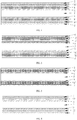
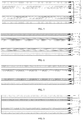
- Example 2 One of the implementations of the film of the present disclosure is provided, as shown in FIG. 2 .
- the main technical solution of this example is basically the same as that of Example 1. The features that are not explained in this example can be comprehended according to the explanations in Example 1, which will not be repeated here.
- This example is different from Example 1 in that: in the solution of this example, the functional layer is composed of a second composite copper layer, and the second composite copper layer may be formed by repeating a deposition process 2 to 500 times.
- the functional layer may be formed by repeating a coating process 2 to 500 times.
- the second composite copper layer may have a thickness of 15 nm to 1,500 nm.
- the bonding layer may be a non-metallic material layer, and a non-metallic material for the non-metallic material layer may be one from the group consisting of PTFE, PP, PE, SiC, Si 3 N 4 , SiO x (1.5 ⁇ x ⁇ 2), AlO x (1 ⁇ x ⁇ 1.5), AlO x (1 ⁇ x ⁇ 1.5), and tripolycyanamide.
- a non-metallic material for the non-metallic material layer may be one from the group consisting of PTFE, PP, PE, SiC, Si 3 N 4 , SiO x (1.5 ⁇ x ⁇ 2), AlO x (1 ⁇ x ⁇ 1.5), AlO x (1 ⁇ x ⁇ 1.5), and tripolycyanamide.
- the non-metallic material layer may be provided in 1 to 10 layers; and preferably, the non-metallic material layer may be provided in 1 to 2 layers.
- the non-metallic material layer with this design has prominent performance, low cost, and simple process.
- the non-metallic material layer may have a thickness of 3 nm to 30 nm.
- a manufacturing process of a film including the following steps:
- the functional layer is composed of a first composite copper layer and a second composite copper layer.
- the first composite copper layer may be formed by repeating a PVD process 1 to 500 times
- the second composite copper layer may be formed by repeating an electroplating process 1 to 500 times.
- the first composite copper layer may be formed by repeating a deposition process 1 to 30 times, and the second composite copper layer may be formed by repeating a coating process 1 to 10 times.
- the functional layer may be composed of a first composite copper layer and a second composite copper layer at an outer side of the first composite copper layer; the first composite copper layer may be first deposited on the bonding layer, and then the second composite copper layer may be plated on the first composite copper layer; and a thickness of the first composite copper layer may be smaller than a thickness of the second composite copper layer.
- the PVD process requires a higher cost than the electroplating process. Therefore, when a thickness of the first composite copper layer is smaller than a thickness of the second composite copper layer, a total manufacturing cost can be effectively reduced.
- the first composite copper layer may be formed by one from the group consisting of a PVD process and a CVD process
- the second composite copper layer may be formed by one from the group consisting of a galvanic plating process and a chemical plating process.
- the first composite copper layer and the second composite copper layer may have a total thickness of 30 nm to 2,500 nm.
- Comparison data for functional layers are shown in the table below. Number of times 2 4 50 100 300 500 Process PVD + electroplating PVD + electroplating PVD + electroplating PVD + electroplating PVD + electroplating PVD + electroplating PVD + electroplating PVD + electroplating Thickness 1,000 nm 1,000 nm 1,000 nm 1,000 nm 1,000 nm 1,000 nm Thickness from PVD process 20 80 400 600 800 980 Thickness from electroplating process 980 920 600 400 200 20 Cost 100% 100.61% 127% 180% 400% 600% Pinhole yes none none none none none none none none none Thickness consistency ⁇ ⁇ 5% ⁇ 5% ⁇ ⁇ 10% ⁇ ⁇ 10% ⁇ ⁇ 10% Resistivity ⁇ 2.5 ⁇ 10E-8 ⁇ .m ⁇ 2.5 ⁇ 10E-8 ⁇ .m ⁇ 4.2 ⁇ 10E-8 ⁇ .m ⁇ 4.4 ⁇ 10E-8 ⁇ .m ⁇
- the bonding layer may be a composite material layer composed of a metallic material layer and a non-metallic material layer; a metal for the metallic material layer may be one from the group consisting of Cr, Ni alloy, and Cr alloy; and a non-metallic material for the non-metallic material layer may be one from the group consisting of PTFE, PP, PE, SiC, Si 3 N 4 , SiO x (1.5 ⁇ x ⁇ 2), AlO x (1 ⁇ x ⁇ 1.5), AlO x (1 ⁇ x ⁇ 1.5), and tripolycyanamide.
- the composite material layer composed of a metallic material layer and a non-metallic material layer has both the electrical conductivity and physical properties of the metallic material layer and the corrosion resistance of the non-metallic material layer. When in use, the composite material layer can effectively ensure the bonding strength, and has a wide application range and excellent performance.
- a cost of the bonding layer is greatly reduced. Compared with nickel, the use of alloy and non-metallic material can reduce the cost of the bonding layer by about 20% and increase the deposition efficiency by 20%.
- the metallic material layer may be composed of 1 to 10 metallic material layers.
- the metallic material layer of the present disclosure may be formed by depositing a metallic material on a surface of a plastic base layer through a coating or deposition process.
- the metallic material layer may be composed of 1 to 2 metallic material layers. Based on the bonding strength and process cost, 1 to 2 layers are preferred.
- a metal for the metallic material layer may be the Ni alloy, and the Ni alloy may be one from the group consisting of NiCu alloy, NiCr alloy, and NiV alloy; and A metal for the metallic material layer may be the Ni alloy, and the Ni alloy may be one from the group consisting of NiCu alloy, NiCr alloy, and NiV alloy; and
- a metal for the metallic material layer may be the Cr alloy, and the Cr alloy may be one from the group consisting of CrCu alloy, CrV alloy, and CrCo alloy; and
- the deposition efficiency is increased by about 20%, and the process difficulty is greatly reduced.
- the metallic material layer may have a thickness of 3 nm to 30 nm.
- a metallic material layer obtained by the above solution has prominent square resistance, high stability, low cost (a raw material cost can be reduced by about 50%), and a small thickness. With repeated deposition or plating, a layer with both high bonding strength and small thickness can be manufactured, with reduced raw material cost.
- the metallic material layer may be provided in 1 to 10 layers; and the non-metallic material layer may be provided in 1 to 10 layers.
- the metallic material layer may be provided in 1 to 2 layers; and the non-metallic material layer may be provided in 1 to 2 layers.
- this design is adopted, both advantageous cost and performance can be achieved.
- the metallic material layer may have a thickness of 1.5 nm to 28.5 nm; the non-metallic material layer may have a thickness of 1.5 nm to 30 nm, and when a material for the non-metallic material layer is AlO x (1 ⁇ x ⁇ 1.5), the non-metallic material layer may have a thickness of 8 nm to 15 nm; and the bonding layer may have a thickness of 3 nm to 40 nm.
- the base layer may be made of one or more materials from the group consisting of OPP, PET, PI, PS, PPS, CPP, PEN, PVC, SPS, PEEK, PES, PPSU, and non-woven fabric.
- the base layer is made of two or more materials, the two or more materials are subjected to coextrusion to form the base layer.
- the above-mentioned base layer materials have excellent physical and chemical properties, small thickness, and prominent workability.
- the base layer may have a thickness of 1.2 ⁇ m to 12 ⁇ m.
- the base layer may preferably have a thickness of 1.2 ⁇ m to 6 ⁇ m.
- the protective layer may be a metallic material layer, and a metal for the metallic material layer may be one from the group consisting of Ni, Cr, Ni alloy, and Cr alloy.
- the protective layer may also be a non-metallic material layer, and a non-metallic material for the non-metallic material layer may be one from the group consisting of glucose complex and potassium dichromate.
- the protective layer may be provided at an outer side of the functional layer and may be formed by repeating a coating process 1 to 20 times.
- the protective layer may have a thickness of 2 nm to 100 nm.
- a metal for the metallic material layer may be the Ni alloy, and the Ni alloy may be one from the group consisting of NiCu alloy, NiCr alloy, and NiV alloy; and
- a metal for the metallic material layer may be the Cr alloy, and the Cr alloy may be one from the group consisting of CrCu alloy, CrV alloy, and CrCo alloy; and
- the non-metallic material layer will form an organic protective layer on a surface of the functional layer, which has strong chemical stability and excellent corrosion resistance.
- the alloy metallic layer forms a mixed passivation film on a surface of the functional layer, which can play an anti-corrosion role at a high temperature.
- the elemental metal forms a mixed passivation film on a surface of the functional layer, which can play an anti-corrosion role at a high temperature.
- Non-metallic material layer Alloy metallic layer Elemental metal Component Glucose complex Chromium alloy Chromium Manufacturing mode Soaking Electroplating Electroplating Washing No water washing + drying Water washing + drying No water washing + drying Antioxidant performance 100°C, 15 min 180°C to 200°C, 15 min 150°C, 15 min Validity period 3 months more than one year more than one year Cost 78% 85% 88%
- the bonding layer is formed on each of front and back sides of the base layer by one from the group consisting of a resistive evaporation process, a high-frequency crucible evaporation process, an electron beam evaporation process, direct CVD reaction to produce oxides, CVD ion-assisted oxidation, CVD reaction to produce other compounds, a magnetron sputtering process, magnetron oxidation reaction, and an ALD process.
- the bonding layer has technical parameters that are basically the same as a bonding layer of nickel but shows physical and chemical properties superior to a bonding layer obtained by a traditional technology, which can effectively reduce material costs.
- a copper layer is formed on a surface of the bonding layer on the base layer obtained in step S1 by one from the group consisting of a PVD process, a galvanic plating process, and a CVD process. According to actual needs, 5 nm to 2,500 nm can be deposited each time and it may be repeated 2 to 500 times to obtain a functional layer with a required total thickness.
- a protective layer is formed on a surface of the functional layer on the base layer obtained in step 2 by one from the group consisting of a PVD process, a galvanic plating process, a surface coating process, and a chemical reaction process.
- the metallic material layer may be formed by a magnetron sputtering process; and when the bonding layer is a non-metallic material layer, the non-metallic material layer may be formed by one from the group consisting of direct CVD reaction to produce oxides, CVD ion-assisted oxidation, CVD reaction to produce other compounds, magnetron oxidation reaction, and ALD.
- direct CVD reaction to produce oxides
- CVD ion-assisted oxidation CVD reaction to produce other compounds
- magnetron oxidation reaction and ALD.
- the composite copper layer includes a first composite copper layer and a second composite copper layer
- the first composite copper layer may be formed by one from the group consisting of a PVD process and a CVD process
- the second composite copper layer may be formed by one from the group consisting of a galvanic plating process and a chemical plating process.
- the protective layer is a metallic material layer; and when a surface layer of the functional layer is the second composite copper layer, the protective layer is a non-metallic material layer.
- the protective layer is a metallic material layer
- the metallic material layer is formed by a PVD process
- the protective layer is a non-metallic material layer
- the non-metallic material layer is formed by one from the group consisting of a galvanic plating process and a surface coating process.
- a process flow of the bonding layer is as follows:
- a manufacturing process of a film was provided, including the following steps:
- a manufacturing process of a film was provided, including the following steps:
- a manufacturing process of a film was provided, including the following steps:
Landscapes
- Chemical & Material Sciences (AREA)
- Engineering & Computer Science (AREA)
- Chemical Kinetics & Catalysis (AREA)
- Materials Engineering (AREA)
- Electrochemistry (AREA)
- Metallurgy (AREA)
- Organic Chemistry (AREA)
- Mechanical Engineering (AREA)
- General Chemical & Material Sciences (AREA)
- Inorganic Chemistry (AREA)
- Manufacturing & Machinery (AREA)
- Composite Materials (AREA)
- Ceramic Engineering (AREA)
- Laminated Bodies (AREA)
- Physical Vapour Deposition (AREA)
- Cell Electrode Carriers And Collectors (AREA)
- Chemical Vapour Deposition (AREA)
- Electroplating Methods And Accessories (AREA)
Applications Claiming Priority (1)
| Application Number | Priority Date | Filing Date | Title |
|---|---|---|---|
| PCT/CN2018/114847 WO2020093375A1 (fr) | 2018-11-09 | 2018-11-09 | Film et procédé de préparation |
Publications (4)
| Publication Number | Publication Date |
|---|---|
| EP3876307A1 true EP3876307A1 (fr) | 2021-09-08 |
| EP3876307A4 EP3876307A4 (fr) | 2022-10-26 |
| EP3876307C0 EP3876307C0 (fr) | 2024-07-10 |
| EP3876307B1 EP3876307B1 (fr) | 2024-07-10 |
Family
ID=70611459
Family Applications (1)
| Application Number | Title | Priority Date | Filing Date |
|---|---|---|---|
| EP18939164.2A Active EP3876307B1 (fr) | 2018-11-09 | 2018-11-09 | Procédé de préparation d'un film |
Country Status (4)
| Country | Link |
|---|---|
| US (1) | US11962016B2 (fr) |
| EP (1) | EP3876307B1 (fr) |
| JP (1) | JP7320862B2 (fr) |
| WO (1) | WO2020093375A1 (fr) |
Families Citing this family (8)
| Publication number | Priority date | Publication date | Assignee | Title |
|---|---|---|---|---|
| CN111740044A (zh) * | 2020-07-09 | 2020-10-02 | 夏笔文 | 一种复合箔及其生产工艺 |
| CN111710831A (zh) * | 2020-07-09 | 2020-09-25 | 夏笔文 | 一种固态电池负极箔及其生产工艺 |
| JP7661063B2 (ja) * | 2021-03-03 | 2025-04-14 | グンゼ株式会社 | 導電性フィルムの製造方法 |
| CN115084789B (zh) * | 2022-07-26 | 2023-05-12 | 常州欣盛半导体技术股份有限公司 | 复合集流体及其制备方法、电池 |
| CN120221663A (zh) * | 2023-12-27 | 2025-06-27 | 江阴纳力新材料科技有限公司 | 一种复合铜集流体及其制备方法和锂离子电池 |
| CN117328062A (zh) * | 2023-08-18 | 2024-01-02 | 基迈克材料科技(苏州)有限公司 | 一种增强锂电池复合集流体膜基结合力的方法 |
| CN118630222A (zh) * | 2024-05-24 | 2024-09-10 | 深圳劲嘉聚能科技有限公司 | 一种具有导电涂层的膜 |
| CN118721807B (zh) * | 2024-06-12 | 2025-01-21 | 扬州博恒新能源材料科技有限公司 | 一种复合集流体用高性能基膜及其制备方法 |
Family Cites Families (18)
| Publication number | Priority date | Publication date | Assignee | Title |
|---|---|---|---|---|
| US6921469B2 (en) | 2002-03-26 | 2005-07-26 | Lattice Energy Llc | Electrode constructs, and related cells and methods |
| TWI244792B (en) | 2004-08-18 | 2005-12-01 | Nan Ya Printed Circuit Board C | Flat panel direct methanol fuel cell and method of making the same |
| US7919409B2 (en) * | 2008-08-15 | 2011-04-05 | Air Products And Chemicals, Inc. | Materials for adhesion enhancement of copper film on diffusion barriers |
| CN101736302B (zh) | 2009-12-18 | 2012-07-04 | 西安交通大学 | 一种同质多层纳米金属薄膜材料的制备方法 |
| US20130071755A1 (en) | 2010-03-01 | 2013-03-21 | Furukawa Electric Co., Ltd. | Surface treatment method for copper foil, surface-treated copper foil, and copper foil for negative electrode collector of lithium ion secondary battery |
| JP4948654B2 (ja) | 2010-03-01 | 2012-06-06 | 古河電気工業株式会社 | リチウムイオン二次電池の負極集電体用銅箔、その製造方法、及びリチウムイオン二次電池の負極電極、その製造方法 |
| JP5648402B2 (ja) | 2010-09-30 | 2015-01-07 | 住友金属鉱山株式会社 | スパッタリング装置、スパッタリング方法及び金属ベース層付樹脂フィルムの製造方法 |
| CN102779988B (zh) * | 2012-08-06 | 2016-04-27 | 常州大学 | 一种锂离子电池复合负极材料镀膜的改性方法 |
| JP6261820B2 (ja) | 2015-05-11 | 2018-01-17 | 富士フイルム株式会社 | 電気音響変換フィルム原反、電気音響変換フィルム、および、その製造方法 |
| CN112415638B (zh) * | 2015-05-27 | 2023-06-06 | 迪睿合株式会社 | 层叠薄膜的制造方法 |
| KR102158241B1 (ko) | 2015-06-24 | 2020-09-21 | 에스케이넥실리스 주식회사 | 전해 동박, 그것을 포함하는 집전체, 그것을 포함하는 전극, 그것을 포함하는 이차전지, 및 그것의 제조방법 |
| US9647272B1 (en) | 2016-01-14 | 2017-05-09 | Chang Chun Petrochemical Co., Ltd. | Surface-treated copper foil |
| JP6953698B2 (ja) | 2016-09-30 | 2021-10-27 | 住友金属鉱山株式会社 | 被成膜物の搬送方法および乾式成膜装置ならびに該搬送方法を用いた被成膜物の成膜方法 |
| KR102575789B1 (ko) | 2016-10-04 | 2023-09-06 | 에스케이넥실리스 주식회사 | 낮은 치수변화율을 갖는 연성동박적층필름 및 그 제조방법 |
| CN109792056B (zh) | 2017-03-17 | 2020-06-16 | 日立金属株式会社 | 二次电池的负极集电体用箔及其制造方法 |
| CN106981665A (zh) | 2017-04-14 | 2017-07-25 | 深圳鑫智美科技有限公司 | 一种负极集流体、其制备方法及其应用 |
| DE102018107667B4 (de) * | 2018-03-15 | 2026-01-29 | OSRAM Opto Semiconductors Gesellschaft mit beschränkter Haftung | Optoelektronischer halbleiterchip |
| CN108624860A (zh) | 2018-08-07 | 2018-10-09 | 安徽金美新材料科技有限公司 | 一种双面往返连续真空镀膜设备 |
-
2018
- 2018-11-09 EP EP18939164.2A patent/EP3876307B1/fr active Active
- 2018-11-09 WO PCT/CN2018/114847 patent/WO2020093375A1/fr not_active Ceased
- 2018-11-09 US US17/292,434 patent/US11962016B2/en active Active
- 2018-11-09 JP JP2021525135A patent/JP7320862B2/ja active Active
Also Published As
| Publication number | Publication date |
|---|---|
| EP3876307C0 (fr) | 2024-07-10 |
| EP3876307B1 (fr) | 2024-07-10 |
| US11962016B2 (en) | 2024-04-16 |
| JP2022512978A (ja) | 2022-02-07 |
| JP7320862B2 (ja) | 2023-08-04 |
| WO2020093375A1 (fr) | 2020-05-14 |
| US20220021003A1 (en) | 2022-01-20 |
| EP3876307A4 (fr) | 2022-10-26 |
Similar Documents
| Publication | Publication Date | Title |
|---|---|---|
| EP3876307B1 (fr) | Procédé de préparation d'un film | |
| CN106374116B (zh) | 一种燃料电池金属双极板上的高熵合金复合涂层和工艺 | |
| Zhang et al. | Strategy of alternating bias voltage on corrosion resistance and interfacial conductivity enhancement of TiCx/aC coatings on metallic bipolar plates in PEMFCs | |
| US20150037710A1 (en) | Coating with conductive and corrosion resistance characteristics | |
| CN105047958B (zh) | 用于燃料电池金属极板的石墨烯复合涂层及其制备方法 | |
| EP2650393A1 (fr) | Corps poreux métallique présentant une résistance à la corrosion élevée et procédé pour sa fabrication | |
| US20110065024A1 (en) | STAINLESS STEEL SEPARATOR FOR FUEL CELL HAVING M/MNx AND MOyNz LAYER AND METHOD FOR MANUFACTURING THE SAME | |
| CN101448740A (zh) | 非晶碳膜、形成非晶碳膜的方法、具有非晶碳膜的导电性部件以及燃料电池用隔板 | |
| CN106129422B (zh) | 提高燃料电池金属双极板表面镀层致密和耐腐蚀的方法 | |
| CN101092688A (zh) | 质子交换膜燃料电池不锈钢双极板离子镀膜改性方法 | |
| CN110129727B (zh) | 用于燃料电池金属双极板的预涂镀金属卷带的制备方法 | |
| CN104766980B (zh) | 一种酸性介质燃料电池双极板防护涂层及其制备方法 | |
| CN105349944A (zh) | 氮化钛铬涂层及其双层辉光等离子渗制备方法 | |
| CN115029663A (zh) | 金属极板复合涂层、金属极板及其制备方法和燃料电池 | |
| CN119121227A (zh) | 一种多功能复合铜箔的生产工艺及其复合铜箔和应用 | |
| KR101078231B1 (ko) | 전도성 금속산화막이 코팅된 고분자전해질 연료전지용 금속 분리판의 제조방법 | |
| JP2018006300A (ja) | 燃料電池用金属セパレータ及びこれを用いた燃料電池 | |
| CN117133925A (zh) | 负极复合集流体及其制备方法和锂离子电池 | |
| CN110970626B (zh) | 燃料电池双极板及其涂层 | |
| CN110055504A (zh) | 一种铜合金镀层及其制备方法 | |
| CN117051424A (zh) | 一种具有孔隙结构的气体扩散层及表面改性方法与应用 | |
| CN1327081A (zh) | 有机泡沫导电化处理的真空蒸镀法及设备 | |
| CN110783595A (zh) | 一种金属双极板及其制备方法以及燃料电池 | |
| CN113201712B (zh) | 一种导电耐磨自润滑碳基薄膜及其制备方法 | |
| CN116770246B (zh) | 增强复合铜箔附着力的方法及复合铜箔 |
Legal Events
| Date | Code | Title | Description |
|---|---|---|---|
| STAA | Information on the status of an ep patent application or granted ep patent |
Free format text: STATUS: THE INTERNATIONAL PUBLICATION HAS BEEN MADE |
|
| PUAI | Public reference made under article 153(3) epc to a published international application that has entered the european phase |
Free format text: ORIGINAL CODE: 0009012 |
|
| STAA | Information on the status of an ep patent application or granted ep patent |
Free format text: STATUS: REQUEST FOR EXAMINATION WAS MADE |
|
| 17P | Request for examination filed |
Effective date: 20210531 |
|
| AK | Designated contracting states |
Kind code of ref document: A1 Designated state(s): AL AT BE BG CH CY CZ DE DK EE ES FI FR GB GR HR HU IE IS IT LI LT LU LV MC MK MT NL NO PL PT RO RS SE SI SK SM TR |
|
| DAV | Request for validation of the european patent (deleted) | ||
| DAX | Request for extension of the european patent (deleted) | ||
| A4 | Supplementary search report drawn up and despatched |
Effective date: 20220926 |
|
| RIC1 | Information provided on ipc code assigned before grant |
Ipc: C23C 14/22 20060101ALI20220920BHEP Ipc: H01M 4/66 20060101ALI20220920BHEP Ipc: H01M 4/04 20060101AFI20220920BHEP |
|
| STAA | Information on the status of an ep patent application or granted ep patent |
Free format text: STATUS: EXAMINATION IS IN PROGRESS |
|
| 17Q | First examination report despatched |
Effective date: 20230313 |
|
| GRAP | Despatch of communication of intention to grant a patent |
Free format text: ORIGINAL CODE: EPIDOSNIGR1 |
|
| STAA | Information on the status of an ep patent application or granted ep patent |
Free format text: STATUS: GRANT OF PATENT IS INTENDED |
|
| INTG | Intention to grant announced |
Effective date: 20231024 |
|
| GRAJ | Information related to disapproval of communication of intention to grant by the applicant or resumption of examination proceedings by the epo deleted |
Free format text: ORIGINAL CODE: EPIDOSDIGR1 |
|
| STAA | Information on the status of an ep patent application or granted ep patent |
Free format text: STATUS: EXAMINATION IS IN PROGRESS |
|
| INTC | Intention to grant announced (deleted) | ||
| GRAP | Despatch of communication of intention to grant a patent |
Free format text: ORIGINAL CODE: EPIDOSNIGR1 |
|
| STAA | Information on the status of an ep patent application or granted ep patent |
Free format text: STATUS: GRANT OF PATENT IS INTENDED |
|
| INTG | Intention to grant announced |
Effective date: 20240405 |
|
| GRAS | Grant fee paid |
Free format text: ORIGINAL CODE: EPIDOSNIGR3 |
|
| GRAA | (expected) grant |
Free format text: ORIGINAL CODE: 0009210 |
|
| STAA | Information on the status of an ep patent application or granted ep patent |
Free format text: STATUS: THE PATENT HAS BEEN GRANTED |
|
| AK | Designated contracting states |
Kind code of ref document: B1 Designated state(s): AL AT BE BG CH CY CZ DE DK EE ES FI FR GB GR HR HU IE IS IT LI LT LU LV MC MK MT NL NO PL PT RO RS SE SI SK SM TR |
|
| REG | Reference to a national code |
Ref country code: CH Ref legal event code: EP |
|
| REG | Reference to a national code |
Ref country code: DE Ref legal event code: R096 Ref document number: 602018071736 Country of ref document: DE |
|
| U01 | Request for unitary effect filed |
Effective date: 20240715 |
|
| U07 | Unitary effect registered |
Designated state(s): AT BE BG DE DK EE FI FR IT LT LU LV MT NL PT SE SI Effective date: 20240729 |
|
| U20 | Renewal fee for the european patent with unitary effect paid |
Year of fee payment: 7 Effective date: 20241125 |
|
| PG25 | Lapsed in a contracting state [announced via postgrant information from national office to epo] |
Ref country code: NO Free format text: LAPSE BECAUSE OF FAILURE TO SUBMIT A TRANSLATION OF THE DESCRIPTION OR TO PAY THE FEE WITHIN THE PRESCRIBED TIME-LIMIT Effective date: 20241010 |
|
| PG25 | Lapsed in a contracting state [announced via postgrant information from national office to epo] |
Ref country code: GR Free format text: LAPSE BECAUSE OF FAILURE TO SUBMIT A TRANSLATION OF THE DESCRIPTION OR TO PAY THE FEE WITHIN THE PRESCRIBED TIME-LIMIT Effective date: 20241011 Ref country code: PL Free format text: LAPSE BECAUSE OF FAILURE TO SUBMIT A TRANSLATION OF THE DESCRIPTION OR TO PAY THE FEE WITHIN THE PRESCRIBED TIME-LIMIT Effective date: 20240710 |
|
| PG25 | Lapsed in a contracting state [announced via postgrant information from national office to epo] |
Ref country code: IS Free format text: LAPSE BECAUSE OF FAILURE TO SUBMIT A TRANSLATION OF THE DESCRIPTION OR TO PAY THE FEE WITHIN THE PRESCRIBED TIME-LIMIT Effective date: 20241110 |
|
| PG25 | Lapsed in a contracting state [announced via postgrant information from national office to epo] |
Ref country code: HR Free format text: LAPSE BECAUSE OF FAILURE TO SUBMIT A TRANSLATION OF THE DESCRIPTION OR TO PAY THE FEE WITHIN THE PRESCRIBED TIME-LIMIT Effective date: 20240710 |
|
| PG25 | Lapsed in a contracting state [announced via postgrant information from national office to epo] |
Ref country code: RS Free format text: LAPSE BECAUSE OF FAILURE TO SUBMIT A TRANSLATION OF THE DESCRIPTION OR TO PAY THE FEE WITHIN THE PRESCRIBED TIME-LIMIT Effective date: 20241010 Ref country code: ES Free format text: LAPSE BECAUSE OF FAILURE TO SUBMIT A TRANSLATION OF THE DESCRIPTION OR TO PAY THE FEE WITHIN THE PRESCRIBED TIME-LIMIT Effective date: 20240710 |
|
| PG25 | Lapsed in a contracting state [announced via postgrant information from national office to epo] |
Ref country code: RS Free format text: LAPSE BECAUSE OF FAILURE TO SUBMIT A TRANSLATION OF THE DESCRIPTION OR TO PAY THE FEE WITHIN THE PRESCRIBED TIME-LIMIT Effective date: 20241010 Ref country code: PL Free format text: LAPSE BECAUSE OF FAILURE TO SUBMIT A TRANSLATION OF THE DESCRIPTION OR TO PAY THE FEE WITHIN THE PRESCRIBED TIME-LIMIT Effective date: 20240710 Ref country code: NO Free format text: LAPSE BECAUSE OF FAILURE TO SUBMIT A TRANSLATION OF THE DESCRIPTION OR TO PAY THE FEE WITHIN THE PRESCRIBED TIME-LIMIT Effective date: 20241010 Ref country code: IS Free format text: LAPSE BECAUSE OF FAILURE TO SUBMIT A TRANSLATION OF THE DESCRIPTION OR TO PAY THE FEE WITHIN THE PRESCRIBED TIME-LIMIT Effective date: 20241110 Ref country code: HR Free format text: LAPSE BECAUSE OF FAILURE TO SUBMIT A TRANSLATION OF THE DESCRIPTION OR TO PAY THE FEE WITHIN THE PRESCRIBED TIME-LIMIT Effective date: 20240710 Ref country code: GR Free format text: LAPSE BECAUSE OF FAILURE TO SUBMIT A TRANSLATION OF THE DESCRIPTION OR TO PAY THE FEE WITHIN THE PRESCRIBED TIME-LIMIT Effective date: 20241011 Ref country code: ES Free format text: LAPSE BECAUSE OF FAILURE TO SUBMIT A TRANSLATION OF THE DESCRIPTION OR TO PAY THE FEE WITHIN THE PRESCRIBED TIME-LIMIT Effective date: 20240710 |
|
| PG25 | Lapsed in a contracting state [announced via postgrant information from national office to epo] |
Ref country code: SM Free format text: LAPSE BECAUSE OF FAILURE TO SUBMIT A TRANSLATION OF THE DESCRIPTION OR TO PAY THE FEE WITHIN THE PRESCRIBED TIME-LIMIT Effective date: 20240710 |
|
| PG25 | Lapsed in a contracting state [announced via postgrant information from national office to epo] |
Ref country code: CZ Free format text: LAPSE BECAUSE OF FAILURE TO SUBMIT A TRANSLATION OF THE DESCRIPTION OR TO PAY THE FEE WITHIN THE PRESCRIBED TIME-LIMIT Effective date: 20240710 |
|
| PG25 | Lapsed in a contracting state [announced via postgrant information from national office to epo] |
Ref country code: SK Free format text: LAPSE BECAUSE OF FAILURE TO SUBMIT A TRANSLATION OF THE DESCRIPTION OR TO PAY THE FEE WITHIN THE PRESCRIBED TIME-LIMIT Effective date: 20240710 |
|
| PLBE | No opposition filed within time limit |
Free format text: ORIGINAL CODE: 0009261 |
|
| STAA | Information on the status of an ep patent application or granted ep patent |
Free format text: STATUS: NO OPPOSITION FILED WITHIN TIME LIMIT |
|
| 26N | No opposition filed |
Effective date: 20250411 |
|
| REG | Reference to a national code |
Ref country code: CH Ref legal event code: PL |
|
| PG25 | Lapsed in a contracting state [announced via postgrant information from national office to epo] |
Ref country code: MC Free format text: LAPSE BECAUSE OF FAILURE TO SUBMIT A TRANSLATION OF THE DESCRIPTION OR TO PAY THE FEE WITHIN THE PRESCRIBED TIME-LIMIT Effective date: 20240710 |
|
| REG | Reference to a national code |
Ref country code: CH Ref legal event code: PL |
|
| GBPC | Gb: european patent ceased through non-payment of renewal fee |
Effective date: 20241109 |
|
| PG25 | Lapsed in a contracting state [announced via postgrant information from national office to epo] |
Ref country code: CH Free format text: LAPSE BECAUSE OF NON-PAYMENT OF DUE FEES Effective date: 20241130 |
|
| PG25 | Lapsed in a contracting state [announced via postgrant information from national office to epo] |
Ref country code: GB Free format text: LAPSE BECAUSE OF NON-PAYMENT OF DUE FEES Effective date: 20241109 |
|
| PG25 | Lapsed in a contracting state [announced via postgrant information from national office to epo] |
Ref country code: IE Free format text: LAPSE BECAUSE OF NON-PAYMENT OF DUE FEES Effective date: 20241109 |
|
| PG25 | Lapsed in a contracting state [announced via postgrant information from national office to epo] |
Ref country code: RO Free format text: LAPSE BECAUSE OF FAILURE TO SUBMIT A TRANSLATION OF THE DESCRIPTION OR TO PAY THE FEE WITHIN THE PRESCRIBED TIME-LIMIT Effective date: 20240710 |
|
| U20 | Renewal fee for the european patent with unitary effect paid |
Year of fee payment: 8 Effective date: 20251127 |
|
| PG25 | Lapsed in a contracting state [announced via postgrant information from national office to epo] |
Ref country code: HU Free format text: LAPSE BECAUSE OF FAILURE TO SUBMIT A TRANSLATION OF THE DESCRIPTION OR TO PAY THE FEE WITHIN THE PRESCRIBED TIME-LIMIT; INVALID AB INITIO Effective date: 20181109 |
|
| PG25 | Lapsed in a contracting state [announced via postgrant information from national office to epo] |
Ref country code: CY Free format text: LAPSE BECAUSE OF FAILURE TO SUBMIT A TRANSLATION OF THE DESCRIPTION OR TO PAY THE FEE WITHIN THE PRESCRIBED TIME-LIMIT; INVALID AB INITIO Effective date: 20181109 |