EP3878462B1 - Verwendung von dnase zur verbesserung der wirksamkeit und sicherheitsprofil der strahlentherapie gegen krebs - Google Patents
Verwendung von dnase zur verbesserung der wirksamkeit und sicherheitsprofil der strahlentherapie gegen krebs Download PDFInfo
- Publication number
- EP3878462B1 EP3878462B1 EP21168707.4A EP21168707A EP3878462B1 EP 3878462 B1 EP3878462 B1 EP 3878462B1 EP 21168707 A EP21168707 A EP 21168707A EP 3878462 B1 EP3878462 B1 EP 3878462B1
- Authority
- EP
- European Patent Office
- Prior art keywords
- dnase
- enzyme
- chemotherapy
- cancer
- day
- Prior art date
- Legal status (The legal status is an assumption and is not a legal conclusion. Google has not performed a legal analysis and makes no representation as to the accuracy of the status listed.)
- Active
Links
Images


Classifications
-
- A—HUMAN NECESSITIES
- A61—MEDICAL OR VETERINARY SCIENCE; HYGIENE
- A61K—PREPARATIONS FOR MEDICAL, DENTAL OR TOILETRY PURPOSES
- A61K31/00—Medicinal preparations containing organic active ingredients
- A61K31/33—Heterocyclic compounds
- A61K31/395—Heterocyclic compounds having nitrogen as a ring hetero atom, e.g. guanethidine or rifamycins
- A61K31/495—Heterocyclic compounds having nitrogen as a ring hetero atom, e.g. guanethidine or rifamycins having six-membered rings with two or more nitrogen atoms as the only ring heteroatoms, e.g. piperazine or tetrazines
- A61K31/505—Pyrimidines; Hydrogenated pyrimidines, e.g. trimethoprim
- A61K31/513—Pyrimidines; Hydrogenated pyrimidines, e.g. trimethoprim having oxo groups directly attached to the heterocyclic ring, e.g. cytosine
-
- A—HUMAN NECESSITIES
- A61—MEDICAL OR VETERINARY SCIENCE; HYGIENE
- A61K—PREPARATIONS FOR MEDICAL, DENTAL OR TOILETRY PURPOSES
- A61K31/00—Medicinal preparations containing organic active ingredients
- A61K31/66—Phosphorus compounds
- A61K31/675—Phosphorus compounds having nitrogen as a ring hetero atom, e.g. pyridoxal phosphate
-
- A—HUMAN NECESSITIES
- A61—MEDICAL OR VETERINARY SCIENCE; HYGIENE
- A61K—PREPARATIONS FOR MEDICAL, DENTAL OR TOILETRY PURPOSES
- A61K31/00—Medicinal preparations containing organic active ingredients
- A61K31/70—Carbohydrates; Sugars; Derivatives thereof
- A61K31/7028—Compounds having saccharide radicals attached to non-saccharide compounds by glycosidic linkages
- A61K31/7034—Compounds having saccharide radicals attached to non-saccharide compounds by glycosidic linkages attached to a carbocyclic compound, e.g. phloridzin
- A61K31/704—Compounds having saccharide radicals attached to non-saccharide compounds by glycosidic linkages attached to a carbocyclic compound, e.g. phloridzin attached to a condensed carbocyclic ring system, e.g. sennosides, thiocolchicosides, escin, daunorubicin
-
- A—HUMAN NECESSITIES
- A61—MEDICAL OR VETERINARY SCIENCE; HYGIENE
- A61K—PREPARATIONS FOR MEDICAL, DENTAL OR TOILETRY PURPOSES
- A61K31/00—Medicinal preparations containing organic active ingredients
- A61K31/70—Carbohydrates; Sugars; Derivatives thereof
- A61K31/7042—Compounds having saccharide radicals and heterocyclic rings
- A61K31/7048—Compounds having saccharide radicals and heterocyclic rings having oxygen as a ring hetero atom, e.g. leucoglucosan, hesperidin, erythromycin, nystatin, digitoxin or digoxin
-
- A—HUMAN NECESSITIES
- A61—MEDICAL OR VETERINARY SCIENCE; HYGIENE
- A61K—PREPARATIONS FOR MEDICAL, DENTAL OR TOILETRY PURPOSES
- A61K31/00—Medicinal preparations containing organic active ingredients
- A61K31/70—Carbohydrates; Sugars; Derivatives thereof
- A61K31/7042—Compounds having saccharide radicals and heterocyclic rings
- A61K31/7052—Compounds having saccharide radicals and heterocyclic rings having nitrogen as a ring hetero atom, e.g. nucleosides, nucleotides
- A61K31/706—Compounds having saccharide radicals and heterocyclic rings having nitrogen as a ring hetero atom, e.g. nucleosides, nucleotides containing six-membered rings with nitrogen as a ring hetero atom
- A61K31/7064—Compounds having saccharide radicals and heterocyclic rings having nitrogen as a ring hetero atom, e.g. nucleosides, nucleotides containing six-membered rings with nitrogen as a ring hetero atom containing condensed or non-condensed pyrimidines
- A61K31/7068—Compounds having saccharide radicals and heterocyclic rings having nitrogen as a ring hetero atom, e.g. nucleosides, nucleotides containing six-membered rings with nitrogen as a ring hetero atom containing condensed or non-condensed pyrimidines having oxo groups directly attached to the pyrimidine ring, e.g. cytidine, cytidylic acid
-
- A—HUMAN NECESSITIES
- A61—MEDICAL OR VETERINARY SCIENCE; HYGIENE
- A61K—PREPARATIONS FOR MEDICAL, DENTAL OR TOILETRY PURPOSES
- A61K38/00—Medicinal preparations containing peptides
- A61K38/16—Peptides having more than 20 amino acids; Gastrins; Somatostatins; Melanotropins; Derivatives thereof
- A61K38/43—Enzymes; Proenzymes; Derivatives thereof
- A61K38/46—Hydrolases (3)
- A61K38/465—Hydrolases (3) acting on ester bonds (3.1), e.g. lipases, ribonucleases
-
- A—HUMAN NECESSITIES
- A61—MEDICAL OR VETERINARY SCIENCE; HYGIENE
- A61K—PREPARATIONS FOR MEDICAL, DENTAL OR TOILETRY PURPOSES
- A61K45/00—Medicinal preparations containing active ingredients not provided for in groups A61K31/00 - A61K41/00
- A61K45/06—Mixtures of active ingredients without chemical characterisation, e.g. antiphlogistics and cardiaca
-
- A—HUMAN NECESSITIES
- A61—MEDICAL OR VETERINARY SCIENCE; HYGIENE
- A61P—SPECIFIC THERAPEUTIC ACTIVITY OF CHEMICAL COMPOUNDS OR MEDICINAL PREPARATIONS
- A61P35/00—Antineoplastic agents
-
- A—HUMAN NECESSITIES
- A61—MEDICAL OR VETERINARY SCIENCE; HYGIENE
- A61P—SPECIFIC THERAPEUTIC ACTIVITY OF CHEMICAL COMPOUNDS OR MEDICINAL PREPARATIONS
- A61P43/00—Drugs for specific purposes, not provided for in groups A61P1/00-A61P41/00
-
- C—CHEMISTRY; METALLURGY
- C12—BIOCHEMISTRY; BEER; SPIRITS; WINE; VINEGAR; MICROBIOLOGY; ENZYMOLOGY; MUTATION OR GENETIC ENGINEERING
- C12Y—ENZYMES
- C12Y301/00—Hydrolases acting on ester bonds (3.1)
- C12Y301/21—Endodeoxyribonucleases producing 5'-phosphomonoesters (3.1.21)
- C12Y301/21001—Deoxyribonuclease I (3.1.21.1)
-
- C—CHEMISTRY; METALLURGY
- C12—BIOCHEMISTRY; BEER; SPIRITS; WINE; VINEGAR; MICROBIOLOGY; ENZYMOLOGY; MUTATION OR GENETIC ENGINEERING
- C12Y—ENZYMES
- C12Y301/00—Hydrolases acting on ester bonds (3.1)
- C12Y301/22—Endodeoxyribonucleases producing 3'-phosphomonoesters (3.1.22)
- C12Y301/22001—Deoxyribonuclease II (3.1.22.1)
-
- A—HUMAN NECESSITIES
- A61—MEDICAL OR VETERINARY SCIENCE; HYGIENE
- A61N—ELECTROTHERAPY; MAGNETOTHERAPY; RADIATION THERAPY; ULTRASOUND THERAPY
- A61N5/00—Radiation therapy
- A61N5/10—X-ray therapy; Gamma-ray therapy; Particle-irradiation therapy
- A61N2005/1092—Details
- A61N2005/1098—Enhancing the effect of the particle by an injected agent or implanted device
Definitions
- the invention relates to a deoxyribonuclease (DNase) enzyme for use in preventing or ameliorating at least one side effect of radiation therapy in a subject suffering from a cancer and receiving said radiation therapy, by preventing or ameliorating a toxicity associated with said radiation therapy, wherein the DNase enzyme is to be administered parenterally.
- DNase deoxyribonuclease
- Cancers are a very significant cause of death in humans.
- the leading cancer therapies today are surgery, radiation and cytostatic and/or cytotoxic chemotherapy.
- most of the known chemotherapies are associated with serious side effects including myelopathy, hepatopathy, digestive disorders (e.g., nausea, vomiting, anorexia, diarrhea, constipation), pulmonary insufficiency, dermatopathy, nervous system disorders, endocrine disorders, genital disorders, cardiovascular disorders, hepatopathy, pancreatic disorder, nephropathy, bladder trouble, hyperuricemia, decrease of immunocompetence, infections, hypersensitivity to light, hair loss, etc. (2-5).
- myelopathy e.g., nausea, vomiting, anorexia, diarrhea, constipation
- pulmonary insufficiency e.g., dermatopathy, nervous system disorders, endocrine disorders, genital disorders, cardiovascular disorders, hepatopathy, pancreatic disorder, nephropathy, bladder trouble, hyperuricemia, decrease of immunocompetence
- cancer chemotherapy damages or destroys hematopoietic precursor cells, primarily found in the bone marrow and spleen, impairing the production of new blood cells (granulocytes, lymphocytes, erythrocytes, monocytes, platelets, etc.). Many cancer patients die of infection or other consequences of hematopoietic failure subsequent to chemotherapy. Chemotherapeutic agents can also result in subnormal formation of platelets, which produces a propensity toward hemorrhage. Inhibition of erythrocyte production can result in anemia.
- TLS Tumor Lysis Syndrome
- chemotherapeutic drugs are often unable to differentiate between normal, healthy cells and tumor cells they are designed to target.
- Another mechanism responsible for chemotherapy-related toxicity is toxic effects of cellular components released from cells undergoing necrosis or apoptosis as result of chemotherapy-induced cell death.
- chemotherapeutic drugs limit the frequency and dosage at which such drugs can be administered leading to lower efficacy.
- Radioresistant tumors e.g., brain or pancreas cancers
- the radiation needed to eradicate the tumor can cause intolerable or fatal radiation damage. This is especially the case for pediatric patients, whose rapidly developing normal tissues are often more radiosensitive than their tumors, and who therefore cannot tolerate radiotherapy that would be curative for adults with the same disease. Damage to normal tissue limits the use of radiotherapy treatments for cancer patients of a young age, patients with central nerve system cancers, radioresistant cancers, and late stage cancer with large tumors.
- the invention relates to a deoxyribonuclease (DNase) enzyme for use in preventing or ameliorating at least one side effect of radiation therapy in a subject suffering from a cancer and receiving said radiation therapy, by preventing or ameliorating a toxicity associated with said radiation therapy, wherein the DNase enzyme is to be administered parenterally.
- DNase deoxyribonuclease
- One aspect of the present disclosure is a method for preventing or ameliorating a toxicity associated with a cytostatic and/or cytotoxic chemotherapy in a subject suffering from a cancer and receiving or deemed to receive said chemotherapy, which method comprises administering to the subject a therapeutically effective amount of a DNase enzyme, wherein said amount of the DNase enzyme is effective to prevent or ameliorate at least one side effect of said chemotherapy.
- Another aspect of the present disclosure is a method for increasing efficacy of a cytostatic and/or cytotoxic chemotherapy in a subject suffering from a cancer and receiving or deemed to receive said chemotherapy, which method comprises administering to the subject a therapeutically effective amount of a DNase enzyme, wherein said amount of the DNase enzyme is effective to prevent or ameliorate at least one side effect of said chemotherapy and wherein the DNase administration results in prevention or amelioration of toxicity associated with said chemotherapy.
- said side effect of said chemotherapy is selected from the group consisting of body weight loss, bone marrow toxicity, catabolic changes in blood biochemistry, myocardial necrosis, gastrointestinal toxicity, suppression of immunity, and neutropenia.
- a further aspect of the disclosure is a method for preventing or ameliorating a catabolic state leading to body weight loss associated with a cytostatic and/or cytotoxic chemotherapy in a subject suffering from a cancer and receiving or deemed to receive said chemotherapy, which method comprises administering to the subject a therapeutically effective amount of a DNase enzyme, wherein said amount of the DNase enzyme is effective to prevent or ameliorate the catabolic state leading to body weight loss associated with said chemotherapy.
- the chemotherapy is anthracycline-containing therapy.
- Yet another aspect of the present disclosure is a method for preventing or ameliorating a bone marrow toxicity and/or catabolic changes in blood biochemistry associated with a cytostatic and/or cytotoxic chemotherapy in a subject suffering from a cancer and receiving or deemed to receive said chemotherapy, which method comprises administering to the subject a therapeutically effective amount of a DNase enzyme, wherein said amount of the DNase enzyme is effective to prevent or ameliorate the bone marrow toxicity and/or catabolic changes in blood biochemistry associated with said chemotherapy.
- the chemotherapy is anthracycline-containing therapy.
- a further aspect of the present disclosure is a method for preventing or ameliorating a cardiotoxicity associated with a cytostatic and/or cytotoxic chemotherapy in a subject suffering from a cancer and receiving or deemed to receive said chemotherapy, which method comprises administering to the subject a therapeutically effective amount of a DNase enzyme, wherein said amount of the DNase enzyme is effective to prevent or ameliorate the cardiotoxicity associated with said chemotherapy.
- the cardiotoxicity is myocardial necrosis.
- the chemotherapy is anthracycline-containing therapy.
- Another aspect of the present disclosure is a method for preventing or ameliorating a gastrointestinal toxicity associated with a cytostatic and/or cytotoxic chemotherapy in a subject suffering from a cancer and receiving or deemed to receive said chemotherapy, which method comprises administering to the subject a therapeutically effective amount of a DNase enzyme, wherein said amount of the DNase enzyme is effective to prevent or ameliorate the gastrointestinal toxicity associated with said chemotherapy.
- the chemotherapy is 5-fluouracil- and/or etoposide-containing therapy.
- Yet another aspect of the present disclosure is a method for preventing or ameliorating a suppression of immunity associated with a cytostatic and/or cytotoxic chemotherapy in a subject suffering from a cancer and receiving or deemed to receive said chemotherapy, which method comprises administering to the subject a therapeutically effective amount of a DNase enzyme, wherein said amount of the DNase enzyme is effective to prevent or ameliorate the suppression of immunity associated with said chemotherapy.
- the chemotherapy is taxane-containing therapy.
- a further aspect of the present disclosure is a method for preventing or ameliorating neutropenia associated with a cytostatic and/or cytotoxic chemotherapy in a subject suffering from a cancer and receiving or deemed to receive said chemotherapy, which method comprises administering to the subject a therapeutically effective amount of a DNase enzyme, wherein said amount of the DNase enzyme is effective to prevent or ameliorate neutropenia associated with said chemotherapy.
- the chemotherapy is cyclophosphamide-containing therapy.
- the chemotherapy comprises administration of one or more compounds selected from the group consisting of antimetabolites, alkylating agents, anticancer antibiotics, microtubule-targeting agents, topoisomerase inhibitors, alkaloids, and targeted therapeutics.
- the DNase enzyme is administered during a cycle of the chemotherapy. In another variation of any of the above methods, the DNase enzyme is administered after a cycle of the chemotherapy.
- Another aspect of the present disclosure is a method for preventing or ameliorating a toxicity associated with a radiation therapy in a subject suffering from a cancer and receiving said radiation therapy, which method comprises administering to the subject a therapeutically effective amount of a DNase enzyme, wherein said amount of the DNase enzyme is effective to prevent or ameliorate at least one side effect of said radiation therapy.
- a further aspect of the present disclosure is a method for increasing the efficacy of a radiation therapy in a subject suffering from a cancer and receiving said radiation therapy, which method comprises administering to the subject a therapeutically effective amount of a DNase enzyme, wherein said amount of the DNase enzyme is effective to prevent or ameliorate at least one side effect of said radiation therapy and wherein the DNase administration results in prevention or amelioration of toxicity associated with said radiation therapy.
- the side effect of the radiation therapy is selected from the group consisting of skin irritation or damage, fatigue, nausea, vomiting, fibrosis, bowel damage, memory loss, infertility, and a second cancer.
- Yet another aspect of the present disclosure is a method for preventing or ameliorating a body weight loss associated with a radiation therapy in a subject suffering from a cancer and receiving said radiation therapy, which method comprises administering to the subject a therapeutically effective amount of a DNase enzyme, wherein said amount of the DNase enzyme is effective to prevent or ameliorate body weight loss associated with said radiation therapy.
- the radiation therapy is external beam radiation therapy or systemic radioisotope therapy.
- the DNase enzyme is administered during a cycle of the radiation therapy. In another variation, the DNase enzyme is administered after a cycle of the radiation therapy.
- the DNase enzyme is DNase I (e.g., human recombinant DNase I or bovine pancreatic DNase I) or an analogue thereof (e.g., DNase X, DNase gamma, or DNAS1L2).
- the DNase enzyme is DNase II.
- the DNase enzyme has an extended half-life (e.g., is conjugated with polysialic acid or is protected from binding to actin by modification of actin binding-site).
- the therapeutically effective amount of a DNase enzyme is at least 0.5 mg/kg/day or at least 1000 Kunitz units (KU)/kg/day, preferably at least 1.5 mg/kg/day or at least 3000 KU/kg/day.
- the therapeutically effective amount of a DNase enzyme is from 0.5 to 100 mg/kg/day or from 1000 to 200000 KU/kg/day, preferably from 0.5 to 50 mg/kg/day or from 1000 to 100000 KU/kg/day, more preferably from 1.5 to 50 mg/kg/day or from 3000 to 100000 KU/kg/day, most preferably from 10 to 50 mg/kg/day or from 20000 to 100000 KU/kg/day.
- the DNase enzyme is administered intravenously or intraperitoneally. In one variation of any of the above methods, the DNase enzyme is administered enterally (e.g., orally).
- the subject is human.
- DNase deoxyribonuclease
- the present invention is based on an unexpected discovery by the inventors that DNase enzymes not only increase efficacy of cytostatic and/or cytotoxic chemotherapy, but also significantly decrease the chemotherapy-related toxicity. This discovery is especially surprising in light of prior reports on lack of DNase influence on tolerability of chemotherapy (15) and DNase contribution to increase in nephrotoxicity of chemotherapy (17). The ability of DNase to prevent and/or ameliorate chemotherapy-related toxicity is shared by different types of DNase enzymes and is drug- and tissue-independent making DNases highly desirable and potent candidates for chemotherapy accessory therapy.
- DNase enzymes e.g., DNase I, DNase gamma, and DNase II
- DNase I anthracycline antibiotic which works by intercalating DNA
- 5-FU antimetabolite which works through inhibition of thymidylate synthase
- Etoposide topoisomerase inhibitor
- Taxane microtubule disruptor
- Cyclophosphamide alkylating agent
- cytostatic and/or cytotoxic chemotherapy and “chemotherapy” are used interchangeably herein to refer to a therapy involving administering of a cytostatic and/or cytotoxic agent.
- anti-cancer agent and "anti-cancer chemotherapeutic agent” are used herein to refer to any chemical compound, which is used to treat cancer.
- Anti-cancer chemotherapeutic agents are well known in the art (see, e.g., Gilman A. G., et al., The Pharmacological Basis of Therapeutics, 8th Ed., Sec 12:1202-1263 (1990 )). Specific examples of chemotherapeutic agents are provided throughout the specification.
- side effect of a chemotherapy refers to an undesirable and unintended, although not necessarily unexpected, result of a chemotherapy.
- radiotherapy As used herein, the terms “radiotherapy”, “radiation therapy”, and “RT” are used interchangeably to refer to the medical use of ionizing radiation as part of a cancer treatment to damage the DNA of malignant cells, either directly or by creating charged particles within the affected cells that damage the DNA.
- Commonly used types of radiation therapy encompassed by the present invention include, e.g., external beam radiation therapy (EBRT or XRT), brachytherapy/sealed source radiation therapy, and systemic radioisotope therapy/unsealed source radiotherapy
- side effect of a radiotherapy or “side effect of a radiation therapy” as used herein refer to an undesirable and unintended, although not necessarily unexpected, result of a radiation therapy. Which side effects develop depend on the area of the body being treated, the dose given per day, the total dose given, the patient's general medical condition, and other treatments given at the same time, and may include, e.g., skin irritation or damage, fatigue, nausea, vomiting, fibrosis, bowel damage, memory loss, infertility, or a second cancer.
- catabolic state refers to a condition characterized by a rapid weight loss and loss of fat and skeletal muscle mass, which may occur in a background of chemotherapy or chemoradiation therapy.
- Associated clinical events include, for example, immunosuppression, muscle weakness, predisposition to pulmonary embolism, thrombophlebitis, and altered stress response.
- deoxyribonuclease and “DNase” are used to refer to any enzyme that catalyzes the hydrolytic cleavage of phosphodiester linkages in the DNA backbone.
- DNase deoxyribonucleases
- Non-limiting examples of DNases useful in the methods of the present disclosure include, e.g., DNase I (e.g., human recombinant DNase I or bovine pancreatic DNase I), analogues of DNase I (such as, e.g., DNase X, DNase gamma, and DNAS1L2), DNase II, phosphodiesterase I, lactoferrin, and acetylcholinesterase.
- DNase enzymes which have an extended half-life e.g., DNase enzymes conjugated with polysialic acid or protected from binding to actin by modification of actin binding-site; see, e.g., Gibson et al., (1992) J.
- DNase I cleaves DNA preferentially at phosphodiester linkages adjacent to a pyrimidine nucleotide, yielding 5'5'-phosphate-terminated polynucleotides with a free hydroxyl group on position 3', on average producing tetranucleotides.
- DNase I acts on single-stranded DNA, double-stranded DNA, and chromatin.
- the term “about” means within an acceptable error range for the particular value as determined by one of ordinary skill in the art, which will depend in part on how the value is measured or determined, i.e., the limitations of the measurement system. For example, “about” can mean within an acceptable standard deviation, per the practice in the art. Alternatively, “about” can mean a range of up to +20%, preferably up to +10%, more preferably up to +5%, and more preferably still up to +1% of a given value. Alternatively, particularly with respect to biological systems or processes, the term can mean within an order of magnitude, preferably within 2-fold, of a value. Where particular values are described in the application and claims, unless otherwise stated, the term “about” is implicit and in this context means within an acceptable error range for the particular value.
- the terms “treat”, “treatment”, and the like mean to relieve or alleviate at least one symptom associated with such condition, or to slow or reverse the progression of such condition.
- the term “treat” also denotes to arrest, delay the onset (i.e., the period prior to clinical manifestation of a disease) and/or reduce the risk of developing or worsening a disease.
- the term “treat” may mean eliminate or reduce a patient's tumor burden, or prevent, delay or inhibit metastasis, etc.
- the term "therapeutically effective” applied to dose or amount refers to that quantity of a compound or pharmaceutical composition that is sufficient to result in a desired activity upon administration to a subject in need thereof.
- therapeutically effective when used in connection with the use of deoxyribonuclease (DNase) to ameliorate or prevent side effects of a cytostatic and/or cytotoxic chemotherapy, it refers to an amount of DNase or a pharmaceutical composition containing DNase that is effective to ameliorate or prevent at least one side effect of such cytostatic and/or cytotoxic chemotherapy.
- DNase deoxyribonuclease
- a combination of active ingredients e.g., a combination of DNase and another compound effective for ameliorating or preventing side effects of chemotherapy
- the effective amount of the combination may or may not include amounts of each ingredient that would have been effective if administered individually.
- compositions disclosed herein refers to molecular entities and other ingredients of such compositions that are physiologically tolerable and do not typically produce untoward reactions when administered to a subject (e.g., a mammal such as a human).
- a subject e.g., a mammal such as a human
- pharmaceutically acceptable means approved by a regulatory agency of the Federal or a state government or listed in the U.S. Pharmacopeia or other generally recognized pharmacopeia for use in mammals, and more particularly in humans.
- targeted therapeutics is used to refer to a class of chemical and biological compounds that may be effective in patients whose cancers have a specific molecular target, but they may not be effective in the absence of such a target (18).
- the term "subject" refers to any mammal. In a preferred embodiment, the subject is human.
- One aspect of the present disclosure is a method for preventing or ameliorating a toxicity associated with a cytostatic and/or cytotoxic chemotherapy in a subject suffering from a cancer and receiving or deemed to receive said chemotherapy, which method comprises administering to the subject a therapeutically effective amount of a DNase enzyme (e.g., DNase I (e.g., human recombinant DNase I or bovine pancreatic DNase I), analogues of DNase I (such as, e.g., DNase X, DNase gamma, or DNAS1L2), DNase II, phosphodiesterase I, lactoferrin, or acetylcholinesterase), wherein said amount of the DNase enzyme is effective to prevent or ameliorate at least one side effect of said chemotherapy.
- a DNase enzyme e.g., DNase I (e.g., human recombinant DNase I or bovine pancreatic DNase I), analogues of DNase I (such as, e.g
- a further aspect of the present disclosure is a method for increasing the efficacy of a cytostatic and/or cytotoxic chemotherapy in a subject suffering from a cancer and receiving or deemed to receive said chemotherapy, which method comprises administering to the subject a therapeutically effective amount of a DNase enzyme (e.g., DNase I (e.g., human recombinant DNase I or bovine pancreatic DNase I), analogues of DNase I (such as, e.g., DNase X, DNase gamma, or DNAS1L2), DNase II, phosphodiesterase I, lactoferrin, or acetylcholinesterase), wherein said amount of the DNase enzyme is effective to prevent or ameliorate at least one side effect of said chemotherapy and wherein the DNase administration results in prevention or amelioration of toxicity associated with said chemotherapy.
- a DNase enzyme e.g., DNase I (e.g., human recombinant DNase I or bovine pancreatic DNase I),
- DNase enzymes can be used to ameliorate toxicity of a wide range of different chemotherapeutic agents.
- agents include anti-metabolites such as pyrimidine analogs (e.g., 5-fluorouracil [5-FU], floxuridine, capecitabine, gemcitabine and cytarabine) and purine analogs, folate antagonists and related inhibitors (e.g., mercaptopurine, thioguanine, pentostatin and 2-chlorodeoxyadenosine (cladribine)); antiproliferative/antimitotic agents including natural products such as vinca alkaloids (e.g., vinblastine, vincristine, and vinorelbine), microtubule disruptors such as taxanes (e.g., paclitaxel, docetaxel), vincristin, vinblastin, nocodazole, epothilones and navelbine, epidipodophyllotoxins (e.g., pyrimidine
- Non-limiting examples of side effects of cytostatic and/or cytotoxic chemotherapy which can be prevented or ameliorated by administering DNase enzymes according to the methods disclosed herein include, for example, bone marrow toxicity, neutropenia, myelopathy (e.g., leukopenia, granulocytopenia, lymphopenia, thrombocytopenia, erythropenia); hematopathy (e.g., plasma fibrinogenopenia); catabolic changes in blood biochemistry; gastrointestinal disorders (e.g., nausea, vomiting, anorexia, body weight loss, heavy feeling of stomach, diarrhea, constipation, stomatitis, esophagitis); pulmonary insufficiency (e.g., chronic pneumonia, lung fibrosis, ARDS, ALS, lung emboli); dermatopathy (e.g., keratinization, pachymenia, chromatosis, epilation, rash, nail alternation, cancer-induced alopecia); nervous system disorders (e
- Another aspect of the present disclosure is a method for preventing or ameliorating a toxicity associated with a radiation therapy in a subject suffering from a cancer and receiving said radiation therapy, which method comprises administering to the subject a therapeutically effective amount of a DNase enzyme (e.g., DNase I (e.g., human recombinant DNase I or bovine pancreatic DNase I), analogues of DNase I (such as, e.g., DNase X, DNase gamma, or DNAS1L2), DNase II, phosphodiesterase I, lactoferrin, or acetylcholinesterase), wherein said amount of the DNase enzyme is effective to prevent or ameliorate at least one side effect of said radiation therapy.
- a DNase enzyme e.g., DNase I (e.g., human recombinant DNase I or bovine pancreatic DNase I), analogues of DNase I (such as, e.g., DNase X, DNase gam
- a further aspect of the present disclosure is a method for increasing the efficacy of a radiation therapy in a subject suffering from a cancer and receiving said radiation therapy, which method comprises administering to the subject a therapeutically effective amount of a DNase enzyme (e.g., DNase I (e.g., human recombinant DNase I or bovine pancreatic DNase I), analogues of DNase I (such as, e.g., DNase X, DNase gamma, or DNAS1L2), DNase II, phosphodiesterase I, lactoferrin, or acetylcholinesterase), wherein said amount of the DNase enzyme is effective to prevent or ameliorate at least one side effect of said radiation therapy and wherein the DNase administration results in prevention or amelioration of toxicity associated with said radiation therapy.
- a DNase enzyme e.g., DNase I (e.g., human recombinant DNase I or bovine pancreatic DNase I), analogues of DNase I (such
- DNase enzymes can be used to ameliorate toxicity and increase efficacy of various types of radiation therapy, including, for example, external beam radiation therapy (EBRT or XRT), brachytherapy/sealed source radiation therapy, and systemic radioisotope therapy/unsealed source radiotherapy.
- EBRT external beam radiation therapy
- brachytherapy/sealed source radiation therapy brachytherapy/sealed source radiation therapy
- systemic radioisotope therapy/unsealed source radiotherapy systemic radioisotope therapy/unsealed source radiotherapy.
- Non-limiting examples of side effects of radiotherapy which can be prevented or ameliorated by administering DNase enzymes according to the methods disclosed herein include, for example, skin irritation or damage, fatigue, nausea, vomiting, fibrosis, bowel damage, memory loss, infertility, and a second cancer.
- Non-limiting examples of relevant cancers include, e.g., breast cancer, prostate cancer, multiple myeloma, transitional cell carcinoma, lung cancer (e.g., non-small cell lung cancer (NSCLC)), renal cancer, thyroid cancer, leukemia (e.g., chronic myeloid leukemia, acute myeloid leukemia, chronic lymphocytic leukemia, acute lymphocytic leukemia), lymphoma (e.g., B cell lymphoma, T cell lymphoma, non-Hodgkins lymphoma, Hodgkins lymphoma), head and neck cancer, esophageal cancer, stomach cancer, colon cancer, intestinal cancer, colorectal cancer, rectal cancer, pancreatic cancer, liver cancer, cancer of the bile duct, cancer of the gall bladder, ovarian cancer
- lung cancer e.g., non-small cell lung cancer (NSCLC)
- NSCLC non-small cell lung cancer
- lung cancer e.g., non-small
- a method for preventing or ameliorating a catabolic state leading to body weight loss associated with a cytostatic and/or cytotoxic chemotherapy (e g , doxorubicin therapy) in a subject suffering from a cancer and receiving or deemed to receive said chemotherapy, which method comprises administering to the subject a therapeutically effective amount of a DNase enzyme (e g., DNase I (e g., human recombinant DNase I or bovine pancreatic DNase I), analogues of DNase I (such as, e g , DNase X, DNase gamma, or DNAS1L2), DNase II, phosphodiesterase I, lactoferrin, or acetylcholinesterase), wherein said amount of the DNase enzyme is effective to prevent or ameliorate catabolic state leading to body weight loss associated with said chemotherapy.
- a DNase enzyme e g., DNase I (e g., human recombinant DNase I or bovine pancreatic D
- a method for preventing or ameliorating bone marrow toxicity and/or catabolic changes in blood biochemistry associated with cytostatic and/or cytotoxic chemotherapy (e.g., doxorubicin therapy) in a subject suffering from a cancer and receiving or deemed to receive said chemotherapy, which method comprises administering to the subject a therapeutically effective amount of a DNase enzyme (e g., DNase I (e g., human recombinant DNase I or bovine pancreatic DNase I), analogues of DNase I (such as, e g., DNase X, DNase gamma, or DNAS1L2), DNase II, phosphodiesterase I, lactoferrin, or acetylcholinesterase), wherein said amount of the DNase enzyme is effective to prevent or ameliorate bone marrow toxicity and/or catabolic changes in blood biochemistry associated with said chemotherapy.
- a DNase enzyme e g., DNase I (e g., human recomb
- a method for preventing or ameliorating cardiotoxicity (e g., myocardial necrosis) associated with a cytostatic and/or cytotoxic chemotherapy (e g, doxorubicin therapy) in a subject suffering from a cancer and receiving or deemed to receive said chemotherapy, which method comprises administering to the subject a therapeutically effective amount of a DNase enzyme (e.g., DNase I (e.g., human recombinant DNase I or bovine pancreatic DNase I), analogues of DNase I (such as, e.g., DNase X, DNase gamma, or DNAS1L2), DNase II, phosphodiesterase I, lactoferrin, or acetylcholinesterase), wherein said amount of the DNase enzyme is effective to prevent or ameliorate cardiotoxicity associated with said chemotherapy.
- a DNase enzyme e.g., DNase I (e.g., human recombinant DNase I or bovine pancreatic DNase I),
- a method for preventing or ameliorating gastrointestinal toxicity associated with a cytostatic and/or cytotoxic chemotherapy (e.g., 5-fluorouracil/etoposide combination chemotherapy) in a subject suffering from a cancer and receiving or deemed to receive said chemotherapy, which method comprises administering to the subject a therapeutically effective amount of a DNase enzyme (e.g., DNase I (e.g., human recombinant DNase I or bovine pancreatic DNase I), analogues of DNase I (such as, e.g., DNase X, DNase gamma, or DNAS1L2), DNase II, phosphodiesterase I, lactoferrin, or acetylcholinesterase), wherein said amount of the DNase enzyme is effective to prevent or ameliorate gastrointestinal toxicity associated with said chemotherapy.
- a DNase enzyme e.g., DNase I (e.g., human recombinant DNase I or bovine pancreatic DNase I), analogue
- a method for preventing or ameliorating suppression of immunity associated with a cytostatic and/or cytotoxic chemotherapy (e.g., taxane therapy) in a subject suffering from a cancer and receiving or deemed to receive said chemotherapy, which method comprises administering to the subject a therapeutically effective amount of a DNase enzyme (e.g., DNase (e.g., human recombinant DNase I or bovine pancreatic DNase I), analogues of DNase I (such as, e.g., DNase X, DNase gamma, or DNAS1L2), DNase II, phosphodiesterase I, lactoferrin, or acetylcholinesterase), wherein said amount of the DNase enzyme is effective to prevent or ameliorate suppression of immunity associated with said chemotherapy.
- a DNase enzyme e.g., DNase (e.g., human recombinant DNase I or bovine pancreatic DNase I), analogues of DNase I (such as, e.g
- a method for preventing or ameliorating neutropenia associated with a cytostatic and/or cytotoxic chemotherapy (e.g., cyclophosphamide therapy) in a subject suffering from a cancer and receiving or deemed to receive said chemotherapy, which method comprises administering to the subject a therapeutically effective amount of a DNase enzyme (e.g., DNase I (e.g., human recombinant DNase I or bovine pancreatic DNase I), analogues of DNase I (such as, e.g., DNase X, DNase gamma, or DNAS1L2), DNase II, phosphodiesterase I, lactoferrin, or acetylcholinesterase), wherein said amount of the DNase enzyme is effective to prevent or ameliorate neutropenia associated with said chemotherapy.
- a DNase enzyme e.g., DNase I (e.g., human recombinant DNase I or bovine pancreatic DNase I), analogues of DNase
- a method for preventing or ameliorating a body weight loss associated with a radiation therapy in a subject suffering from a cancer and receiving said radiation therapy, which method comprises administering to the subject a therapeutically effective amount of a DNase enzyme (e.g., DNase I (e.g., human recombinant DNase I or bovine pancreatic DNase I), analogues of DNase I (such as, e.g., DNase X, DNase gamma, or DNAS1L2), DNase II, phosphodiesterase I, lactoferrin, or acetylcholinesterase), wherein said amount of the DNase enzyme is effective to prevent or ameliorate body weight loss associated with said radiation therapy.
- a DNase enzyme e.g., DNase I (e.g., human recombinant DNase I or bovine pancreatic DNase I), analogues of DNase I (such as, e.g., DNase X, DNase gamma, or DNAS1
- the therapeutically effective amount of a DNase enzyme is at least 0.5 mg/kg/day or at least 1000 Kunitz units (KU)/kg/day, preferably at least 1.5 mg/kg/day or at least 3000 KU/kg/day.
- the therapeutically effective amount of a DNase enzyme is from 0.5 to 100 mg/kg/day or from 1000 to 200000 KU/kg/day, preferably from 0.5 to 50 mg/kg/day or from 1000 to 100000 KU/kg/day, more preferably from 1.5 to 50 mg/kg/day or from 3000 to 100000 KU/kg/day, most preferably from 10 to 50 mg/kg/day or from 20000 to 100000 KU/kg/day.
- the subject is human.
- a DNase enzyme can be administered before, during, and/or after the administration of a chemotherapeutic agent or during or after the administration of a radiation therapy.
- a DNase enzyme and a chemotherapeutic agent are administered at the same time, and/or (ii) a DNase enzyme is administered shortly after the administration of a chemotherapeutic agent (or a radiation therapy).
- DNase can be administered to the patient at one time or over a series of treatments; once or several times per day.
- DNase doses useful in the methods disclosed herein depend on the type of chemotherapy or radiation therapy side effects to be treated, the severity and course of these side effects, previous therapy, the patient's clinical history and response to chemotherapy (or radiation therapy) and DNase, as well as the discretion of the attending physician.
- useful dosage ranges include from 0.5 to 100 mg/kg/day or from 1000 to 200000 KU/kg/day, preferably from 0.5 to 50 mg/kg/day or from 1000 to 100000 Kunitz units (KU)/kg/day, more preferably from 1.5 to 50 mg/kg/day or from 3000 to 100000 KU/kg/day, most preferably from 10 to 50 mg/kg/day or from 20000 to 100000 KU/kg/day.
- the administration of a DNase enzyme according to the methods disclosed herein can be performed by any suitable route, including systemic administration as well as administration directly to the site of the disease (e.g., to a primary tumor).
- suitable routes of administration include intravenous (IV), subcutaneous (SC), intraperitoneal (IP), oral, or by inhalation.
- a DNase enzyme is formulated in a pharmaceutical composition with a pharmaceutically acceptable carrier or excipient.
- the formulations used in the methods disclosed herein may conveniently be presented in unit dosage form and may be prepared by methods known in the art.
- the amount of active ingredients that can be combined with a carrier material to produce a single dosage form will vary depending upon the host being treated and the particular mode of administration.
- the amount of active ingredients that can be combined with a carrier material to produce a single dosage form will generally be that amount of the compound which produces a therapeutic effect.
- the formulations can be prepared with a liquid carrier, or a finely divided solid carrier, or both, and then, if necessary, shaping the product.
- compositions suitable for parenteral administration may comprise one or more active ingredients (a DNase and, optionally, another compound effective for ameliorating or preventing side effects of a cytostatic and/or cytotoxic chemotherapy or a radiation therapy) in combination with one or more pharmaceutically acceptable sterile isotonic aqueous or nonaqueous solutions, dispersions, suspensions or emulsions, or sterile powders which may be reconstituted into sterile injectable solutions or dispersions just prior to use, which may contain antioxidants, buffers, bacteriostats, solutes which render the formulation isotonic with the blood of the intended recipient or suspending or thickening agents.
- active ingredients a DNase and, optionally, another compound effective for ameliorating or preventing side effects of a cytostatic and/or cytotoxic chemotherapy or a radiation therapy
- sterile isotonic aqueous or nonaqueous solutions, dispersions, suspensions or emulsions, or sterile powders which may be reconstituted into ster
- aqueous and nonaqueous carriers examples include water, ethanol, polyols (such as glycerol, propylene glycol, polyethylene glycol, and the like), and suitable mixtures thereof, vegetable oils, such as olive oil, and injectable organic esters, such as ethyl oleate.
- polyols such as glycerol, propylene glycol, polyethylene glycol, and the like
- vegetable oils such as olive oil
- injectable organic esters such as ethyl oleate.
- Proper fluidity can be maintained, for example, by the use of coating materials, such as lecithin, by the maintenance of the required particle size in the case of dispersions, and by the use of surfactants.
- compositions can also contain preservatives, wetting agents, emulsifying agents and dispersing agents. Prevention of the action of microorganisms may be ensured by the inclusion of various antibacterial and antifungal agents, for example, paraben, chlorobutanol, phenol sorbic acid, and the like. It may also be desirable to include isotonic agents, such as sugars, sodium chloride, and the like into the compositions. In addition, prolonged absorption of the injectable pharmaceutical form may be brought about by the inclusion of agents which delay absorption, such as aluminum monostearate and gelatin.
- Injectable depot forms can be made by forming microencapsule matrices of one or more active ingredients in biodegradable polymers such as polylactide-polyglycolide. Depending on the ratio of active ingredient to polymer, and the nature of the particular polymer employed, the rate of active ingredient's release can be controlled. Examples of other biodegradable polymers include poly(orthoesters) and poly(anhydrides). Depot injectable formulations are also prepared by entrapping the active ingredients in liposomes or microemulsions which are compatible with body tissue.
- biodegradable polymers such as polylactide-polyglycolide.
- Depot injectable formulations are also prepared by entrapping the active ingredients in liposomes or microemulsions which are compatible with body tissue.
- Formulations for oral administration can be in the form of capsules, cachets, pills, tablets, powders, granules, or as a solution or a suspension in an aqueous or non-aqueous liquid (e.g., as a mouthwash, as a composition to be swallowed, or as an enema), or as an oil-in-water or water-in-oil liquid emulsion, and the like, each containing a predetermined amount of one or more active ingredients.
- one or more active ingredients can be mixed with one or more pharmaceutically acceptable carriers, such as sodium citrate or dicalcium phosphate, and/or any of the following: (1) fillers or extenders, such as starches, lactose, sucrose, glucose, mannitol, and/or silicic acid; (2) binders, such as, for example, carboxymethylcellulose, alginates, gelatin, polyvinyl pyrrolidone, sucrose, and/or acacia; (3) humectants, such as glycerol; (4) disintegrating agents, such as agar-agar, calcium carbonate, potato or tapioca starch, alginic acid, certain silicates, and sodium carbonate; (5) solution retarding agents, such as paraffin; (6) absorption accelerators, such as quaternary ammonium compounds; (7) wetting agents, such as, for example,
- compositions may also comprise buffering agents.
- Solid compositions of a similar type may also be employed as fillers in soft and hard-filled gelatin capsules using such excipients as lactose or milk sugars, as well as high molecular weight polyethylene glycols and the like.
- Suspensions in addition to one or more active ingredients, can contain suspending agents such as ethoxylated isostearyl alcohols, polyoxyethylene sorbitol, and sorbitan esters, microcrystalline cellulose, aluminum metahydroxide, bentonite, agar-agar and tragacanth, and mixtures thereof.
- suspending agents such as ethoxylated isostearyl alcohols, polyoxyethylene sorbitol, and sorbitan esters, microcrystalline cellulose, aluminum metahydroxide, bentonite, agar-agar and tragacanth, and mixtures thereof.
- Powders and sprays can contain, in addition to one or more active ingredients, excipients such as lactose, talc, silicic acid, aluminum hydroxide, calcium silicates, and polyamide powder, or mixtures of these substances.
- Sprays can additionally contain customary propellants, such as chlorofluorohydrocarbons and volatile unsubstituted hydrocarbons, such as butane and propane.
- EXAMPLE 1 Amelioration of acute doxorubicin toxicity in rats (reference example).
- Table 1 Animal survival data among different experimental groups Group I II III IV V VI VII Number of dead/out of total in group 0/6 1/6 3/6 3/6 5/6 6/6 6/6 Median survival of deceased rats (in days) - 7 12 ⁇ 2.1 10.3 ⁇ 1.4 8.2 ⁇ 1.0 6.2 ⁇ 1.0 6.6 ⁇ 0.9
- Table 1 The results summarized in Table 1 demonstrate that DNase suppresses the lethality of doxorubicin and increases the life span of rats challenged with sub-lethal doses of doxorubicin. The suppression of lethality, as measured by the number of surviving animals, occurred in a dose-dependent manner.
- Table 2 Body weight of surviving rats (in grams) following doxorubicin administration at 3.75mg/kg dose, measured before administration of doxorubicin and on Days 4, 7, and 14 of the treatment.
- Table 2 The results summarized in Table 2 demonstrate that DNase treatment ameliorates body weight loss in rats who survived an acute doxorubicin challenge at the LD50 dose of 3.75 mg/kg.
- Table 3 Blood cell counts and blood biochemistry data from surviving rats following doxorubicin administration at 3.75mg/kg dose on Day 14 of treatment.
- Group I Group II Group III Haemoglobin G% 13.5 ⁇ 0.5 11.9 ⁇ 0.4 9.5 ⁇ 0.7 Hematocrit, % 42.2 ⁇ 2.1 37.5 ⁇ 2.0 30.5 ⁇ 2.2 RBC, 10iz/L 7.8 ⁇ 0.2 6.8 ⁇ 0.2 5.7 ⁇ 0.4 RBC sedimentation count, mm/h 4.4 ⁇ 0.3 16.5 ⁇ 0.8 24.1 ⁇ 4.5 Platelets, 10 9 /L 540 ⁇ 25 440 ⁇ 25 340 ⁇ 25 WBC 10 9/L 7.7 ⁇ 0.4 6.0 ⁇ 0.3 4.9 ⁇ 0.2 Segmented neutrophils, % 29.6 ⁇ 1.3 13.5 ⁇ 1.0 11.6 ⁇ 1.3 Basophils, % 0 0 0 Eosinophils, % 0 0 2.4 ⁇ 0.3 Monocyte, % 2.7 ⁇ 0.5 2.9 ⁇ 0.4 2.3 ⁇ 0.5 Lymphocytes, % 63.4 ⁇ 1.7 80.3 ⁇ 1.4 82.3 ⁇ 2.2 Plasmatic cells, % 0.3 ⁇ 0.1 0.3 ⁇ 0.1 1.3 ⁇ 0.5 Protein, g/L 74.2 ⁇ 4.3 64.3 ⁇ 5.2 54.7 ⁇ 7.3 Urea, mmol/
- Group IV received daily IP injections of human recombinant DNase I at 15 mg/kg dose, while Group V received daily IP injections of placebo (WFI).
- EXAMPLE 2 Amelioration of gastrointestinal toxicity of 5-f1uorouracil/etoposide combination chemotherapy (reference example).
- Etoposide (LANCE) 200 mg/kg and 5-fluorouracil (5-FU; EBEWE) 400 mg/kg were given orally via feeding needle in 500 pl of a 9% glucose solution. Animals were divided into 4 groups of 16 rats each. Two hours after the Etoposide/5-FU challenge, rats were treated as follows:
- Figure 2 shows the stained stomach of a rat from Group III (A) and a rat from Group I (B). Multiple erosions and ulcers are visible in the stomach of the Group I animal, while the stomach from the Group III animal does not have any macroscopic abnormalities.
- EXAMPLE 3 Amelioration of taxane-induced suppression of immunity (reference examnle).
- mice 10 male 6-week-old (CBAxC57Bl6) F1 mice (obtained from Rappolovo animal house) were given a single 20 mg/kg dose of paclitaxel (Paclitaxel-Teva) IV.
- a group of 5 paclitaxel treated mice were injected IP 1 hour later with recombinant mouse DNase gamma (USCN Life Science Inc.) at 2 mg/kg dose IP.
- a group of 5 untreated mice were injected IP at the same time with 1 ml of placebo (WFI) to serve as the control. All mice were killed 24 hours later by cervical dislocation.
- the thymuses from each group were collected and homogenized in a separator in RPMI 1640 media supplemented with 10% fetal calf serum.
- thymocytes were plated into 96 well plates (900,000 cells per well in 200 pl of RPMI 1640 supplemented with 10% fetal calf serum (FCS)) and incubated for 32 hours at 37°C, 100% humidity and 5% COz atmosphere. Each well was then supplemented with 3 H thymidine (UC/10pl/well) and Concanavalin A (ConA; 50pl; 1.25 pg/ml). After 24 hours of further incubation, thymocytes were harvested and dried. Labeled 3 H thymidine incorporation was measured using a Beckman scintillation counter. The data on Con A-induced lymphocyte blast transformation is summarized in Table 5, below.
- Table 5 Effect of DNase gamma on Con A-induced lymphocyte blast transformation. Scintillation counts; CPM Group Basal 3 HT incorporation Con A-induced 3 HT incorporation Control 641 ⁇ 62 7894 ⁇ 1067 Paclitaxel 277 ⁇ 21 1686 ⁇ 142 Paclitaxel + DNase 357 ⁇ 25 5237 ⁇ 1232
- EXAMPLE 4 Amelioration of cyclophosphamide-induced neutropenia (reference example).
- mice 30 female 10-12 week old BALB/C mice (obtained from Rappolovo animal house) were used in this experiment. Animals were kept under standard conditions with free access to food and drinking water. On Day 1, neutropenia was induced by a single IP injection of 200 mg/kg cyclophosphamide (Cyclophosphanum-LANS) in 200 pl of WFI. Starting on Day 2, mice were then treated as follows:
- the white blood cell count (WBC) in each animal was monitored daily during the 10 day experiment using blood cell counter.
- the graph in Figure 3 summarizes the dynamics of the white blood cell count (WBC) in the three experimental groups.
- the vertical axis represents WBC with units of 10 9 WBC/L.
- the horizontal axis represents the number of days after cyclophosphamide injection.
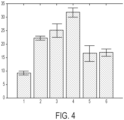
- EXAMPLE 5 Synergy between DNase treatment and anticancer chemotherapy (reference example).
- DBA2 mice 8-10 weeks old; 24-26 g; obtained from Rappolovo animal house
- L1210 leukemia cells (1 ⁇ 10 5 cells per mice; cells obtained from Petrov Institite of Oncology collection) on Day 0 to induce cancer.
- Treatment with DNase and AraC was initiated on Day 1 of experiment.
- Cytosine arabinoside (AraC; Cytosar; Pfizer) was injected IP at a dose of 1000 mg/kg on Days 2, 5 and 8. The injected doses were considered adequate for the model and injection route based on prior experiments (13-14).
- DNase II (Wornington) was injected IP at doses of 15 mg/kg/day and 45 mg/kg/day on Days 1, 3, 5, 8, 10, 12, 15, 17, and 19.
- mice Animals were randomized into 6 experimental groups of 6 mice per group as follows:
- FIG. 4 The vertical axis of Figure 4 represents the survival measured in days after implantation with the L1210 leukemia cells.
- the six experimental groups are represented on the horizontal axis: 1- Negative Control; 2 -AraC (positive control); 3 -AraC + DNase II 15 mg/kg; 4 -AraC + DNase II 45 mg/kg; 5 - DNase II 15 mg/kg; 6 - DNase II 45 mg/kg.
- EXAMPLE 6 DNase treatment increases efficacy and decreases toxicity of cancer radiotherapy.
- mice (12-14 weeks old; 28-32 g; obtained from Rappolovo animal house) were transplanted IP with Erlich carcinoma cells (1 ⁇ 10 6 cells per mice; cells obtained from Petrov Institite of Oncology collection) on Day 0 to induce ascites tumor growth.
- Radiotherapy was performed using a cobalt-60 teletherapy machine. The abdominal fields of the mice were treated by external irradiation. The fractionation was 200 cGy per day for 5 days.
- mice were divided into 6 groups treated as follows: Group 1: radiotherapy only (external irradiation 200 cGy per day for 5 days); Group 2: recombinant human DNAse 1 (Pharmsynthez) 20 mg/kg/day administered intramuscularly in 2 daily doses; Group 3: recombinant human DNAse I (Pharmsynthez) 40 mg/kg/day administered intramuscularly in 2 daily doses; Group 4: radiotherapy (external irradiation 200 cGy per day for 5 days) plus recombinant human DNAse I (Pharmsynthez) 20 mg/kg/day administered intramuscularly in 2 daily doses; Group 5: radiotherapy (external irradiation 200 cGy per day for 5 days) plus recombinant human DNAse I (Pharmsynthez) 40 mg/kg/day administered intramuscularly in 2 daily doses. Group 6 was a control group receiving placebo (water for injection).
Landscapes
- Health & Medical Sciences (AREA)
- Life Sciences & Earth Sciences (AREA)
- Chemical & Material Sciences (AREA)
- General Health & Medical Sciences (AREA)
- Medicinal Chemistry (AREA)
- Veterinary Medicine (AREA)
- Pharmacology & Pharmacy (AREA)
- Animal Behavior & Ethology (AREA)
- Public Health (AREA)
- Epidemiology (AREA)
- Organic Chemistry (AREA)
- Engineering & Computer Science (AREA)
- Bioinformatics & Cheminformatics (AREA)
- Molecular Biology (AREA)
- Zoology (AREA)
- Genetics & Genomics (AREA)
- Wood Science & Technology (AREA)
- Biochemistry (AREA)
- General Engineering & Computer Science (AREA)
- Chemical Kinetics & Catalysis (AREA)
- General Chemical & Material Sciences (AREA)
- Nuclear Medicine, Radiotherapy & Molecular Imaging (AREA)
- Gastroenterology & Hepatology (AREA)
- Immunology (AREA)
- Proteomics, Peptides & Aminoacids (AREA)
- Pharmaceuticals Containing Other Organic And Inorganic Compounds (AREA)
- Medicines That Contain Protein Lipid Enzymes And Other Medicines (AREA)
- Radiation-Therapy Devices (AREA)
Claims (12)
- DNase-Enzym zur Verwendung bei der Verhinderung oder Verbesserung mindestens einer Nebenwirkung der Strahlentherapie bei einem Subjekt, das an Krebs leidet und die Strahlentherapie erhält, durch Verhinderung oder Verbesserung einer mit der Strahlentherapie verbundenen Toxizität, wobei das DNase-Enzym parenteral verabreicht werden soll.
- DNase-Enzym zur Verwendung nach Anspruch 1, wobei die Nebenwirkung der Strahlentherapie ausgewählt ist aus der Gruppe bestehend aus Körpergewichtsverlust, Hautreizung oder -schädigung, Müdigkeit, Übelkeit, Erbrechen, Fibrose, Darmschädigung, Gedächtnisverlust, Unfruchtbarkeit und einem zweiten Krebs.
- DNase-Enzym zur Verwendung nach Anspruch 1 oder 2, wobei die Strahlentherapie eine externe Strahlentherapie oder eine systemische Radioisotopentherapie ist.
- DNase-Enzym zur Verwendung nach einem der Ansprüche 1 bis 3, wobei das DNase-Enzym während eines Zyklus der Strahlentherapie verabreicht werden soll.
- DNase-Enzym zur Verwendung nach einem der Ansprüche 1 bis 3, wobei das DNase-Enzym nach einem Zyklus der Strahlentherapie zu verabreichen ist.
- DNase-Enzym zur Verwendung nach einem der Ansprüche 1 bis 5, wobei das DNase-Enzym DNase I ist, vorzugsweise humane rekombinante DNase I.
- DNase-Enzym zur Verwendung nach einem der Ansprüche 1 bis 5, wobei das DNase-Enzym ein DNase-I-Analogon, vorzugsweise DNase gamma, ist.
- DNase-Enzym zur Verwendung nach einem der Ansprüche 1 bis 5, wobei das DNase-Enzym eine DNase II ist.
- DNase-Enzym zur Verwendung nach einem der Ansprüche 1 bis 8, wobei das DNase-Enzym eine verlängerte Halbwertszeit aufweist.
- DNase-Enzym zur Verwendung nach einem der Ansprüche 1 bis 9, wobei das DNase-Enzym im Bereich von 0,5 bis 50 mg/kg/Tag, vorzugsweise 1,5 bis 50 mg/kg/Tag, noch bevorzugter 10 bis 50 mg/kg/Tag, verabreicht werden soll.
- DNase-Enzym zur Verwendung nach einem der Ansprüche 1 bis 10, wobei das DNase-Enzym intravenös oder subkutan zu verabreichen ist.
- DNase-Enzym zur Verwendung nach einem der Ansprüche 1 bis 11, wobei das Subjekt ein Mensch ist.
Priority Applications (3)
| Application Number | Priority Date | Filing Date | Title |
|---|---|---|---|
| EP21179654.5A EP3900786A1 (de) | 2015-10-29 | 2015-10-29 | Verwendung von dnase zur verbesserung der wirksamkeit und sicherheitsprofil der strahlentherapie oder chemotherapie gegen krebs. |
| EP21168707.4A EP3878462B1 (de) | 2015-10-29 | 2015-10-29 | Verwendung von dnase zur verbesserung der wirksamkeit und sicherheitsprofil der strahlentherapie gegen krebs |
| ES21168707T ES3035164T3 (en) | 2014-06-19 | 2015-10-29 | Use of dnase to improve safety and efficacy of cancer radiotherapy |
Applications Claiming Priority (3)
| Application Number | Priority Date | Filing Date | Title |
|---|---|---|---|
| PCT/RU2015/000721 WO2017074211A1 (en) | 2015-10-29 | 2015-10-29 | Method to improve safety and efficacy of anti-cancer therapy |
| EP21168707.4A EP3878462B1 (de) | 2015-10-29 | 2015-10-29 | Verwendung von dnase zur verbesserung der wirksamkeit und sicherheitsprofil der strahlentherapie gegen krebs |
| EP15907392.3A EP3368064B1 (de) | 2015-10-29 | 2015-10-29 | Verwendung von dnase zur verbesserung der sicherheit und wirksamkeit einer krebschemotherapie |
Related Parent Applications (1)
| Application Number | Title | Priority Date | Filing Date |
|---|---|---|---|
| EP15907392.3A Division EP3368064B1 (de) | 2015-10-29 | 2015-10-29 | Verwendung von dnase zur verbesserung der sicherheit und wirksamkeit einer krebschemotherapie |
Related Child Applications (2)
| Application Number | Title | Priority Date | Filing Date |
|---|---|---|---|
| EP21179654.5A Division-Into EP3900786A1 (de) | 2015-10-29 | 2015-10-29 | Verwendung von dnase zur verbesserung der wirksamkeit und sicherheitsprofil der strahlentherapie oder chemotherapie gegen krebs. |
| EP21179654.5A Division EP3900786A1 (de) | 2015-10-29 | 2015-10-29 | Verwendung von dnase zur verbesserung der wirksamkeit und sicherheitsprofil der strahlentherapie oder chemotherapie gegen krebs. |
Publications (2)
| Publication Number | Publication Date |
|---|---|
| EP3878462A1 EP3878462A1 (de) | 2021-09-15 |
| EP3878462B1 true EP3878462B1 (de) | 2025-02-26 |
Family
ID=58630741
Family Applications (3)
| Application Number | Title | Priority Date | Filing Date |
|---|---|---|---|
| EP21179654.5A Withdrawn EP3900786A1 (de) | 2015-10-29 | 2015-10-29 | Verwendung von dnase zur verbesserung der wirksamkeit und sicherheitsprofil der strahlentherapie oder chemotherapie gegen krebs. |
| EP15907392.3A Active EP3368064B1 (de) | 2015-10-29 | 2015-10-29 | Verwendung von dnase zur verbesserung der sicherheit und wirksamkeit einer krebschemotherapie |
| EP21168707.4A Active EP3878462B1 (de) | 2014-06-19 | 2015-10-29 | Verwendung von dnase zur verbesserung der wirksamkeit und sicherheitsprofil der strahlentherapie gegen krebs |
Family Applications Before (2)
| Application Number | Title | Priority Date | Filing Date |
|---|---|---|---|
| EP21179654.5A Withdrawn EP3900786A1 (de) | 2015-10-29 | 2015-10-29 | Verwendung von dnase zur verbesserung der wirksamkeit und sicherheitsprofil der strahlentherapie oder chemotherapie gegen krebs. |
| EP15907392.3A Active EP3368064B1 (de) | 2015-10-29 | 2015-10-29 | Verwendung von dnase zur verbesserung der sicherheit und wirksamkeit einer krebschemotherapie |
Country Status (6)
| Country | Link |
|---|---|
| EP (3) | EP3900786A1 (de) |
| JP (1) | JP6761857B2 (de) |
| CA (1) | CA3001543C (de) |
| EA (1) | EA034367B1 (de) |
| ES (1) | ES2876437T3 (de) |
| WO (1) | WO2017074211A1 (de) |
Families Citing this family (2)
| Publication number | Priority date | Publication date | Assignee | Title |
|---|---|---|---|---|
| AU2019209770B2 (en) | 2018-01-16 | 2025-07-31 | Cls Therapeutics Limited | Treatment of diseases by liver expression of an enzyme which has a deoxyribonuclease (DNase) activity |
| US12480150B2 (en) | 2018-06-29 | 2025-11-25 | Viktor Veniaminovich Tets and Georgy Viktorovich TETS | Compositions for modulating gut microbiota |
Family Cites Families (13)
| Publication number | Priority date | Publication date | Assignee | Title |
|---|---|---|---|---|
| US7776838B1 (en) | 1987-10-28 | 2010-08-17 | Wellstat Therapeutics Corporation | Treatment of chemotherapeutic agent and antiviral agent toxicity with acylated pyrimidine nucleosides |
| US5017371A (en) | 1988-01-06 | 1991-05-21 | Amarillo Cell Culture Company, Incorporated | Method for reducing side effects of cancer therapy |
| JP2000229881A (ja) * | 1999-02-10 | 2000-08-22 | Morinaga Milk Ind Co Ltd | 癌疾患の予後改善剤 |
| US6462017B1 (en) * | 2000-05-01 | 2002-10-08 | Sciclone Pharmaceuticals, Inc. | Method of reducing side effects of chemotherapy in cancer patients |
| JP4509574B2 (ja) | 2002-03-26 | 2010-07-21 | 勤 鍵谷 | 癌化学治療改善剤 |
| AU2003298972A1 (en) * | 2003-07-14 | 2005-02-04 | Dmitry Dmitrievich Genkin | Method for treating oncological, virulent and somatic diseases, method for controlling treatment efficiency, pharmaceutical agents and composition for carrying out said treatment |
| US8710012B2 (en) | 2003-07-14 | 2014-04-29 | Cls Therapeutics Limited | Method for treating oncological diseases |
| RU2269356C2 (ru) | 2003-07-14 | 2006-02-10 | Дмитрий Дмитриевич Генкин | Способ лечения онкологических заболеваний |
| RU2269359C2 (ru) * | 2004-03-12 | 2006-02-10 | Дмитрий Дмитриевич Генкин | Способ профилактики развития онкологических заболеваний или инфекций, вызываемых бактериями, грибами и простейшими, или атеросклероза, или сахарного диабета, или заболеваний, связанных с реакцией гиперчувствительности замедленного типа, или заболеваний, развивающихся вследствие мутации генов соматических клеток (варианты) |
| US7695714B2 (en) | 2005-12-28 | 2010-04-13 | Zoltan Laboratories Llc | Use of alkaline phosphatase to maintain healthy tissue mass in mammals |
| WO2007109547A2 (en) | 2006-03-17 | 2007-09-27 | Cv Therapeutics, Inc. | Method of preventing and treating hepatic disease using a2b adenosine receptor antagonists |
| CN101573376B (zh) | 2006-11-08 | 2013-11-06 | 西兰制药公司 | 选择性胰高血糖素样肽-2(glp-2)类似物 |
| EP2156188B1 (de) | 2007-03-28 | 2021-05-05 | University of Southern California | Induktion differentieller stressresistenz und verwendungen davon |
-
2015
- 2015-10-29 ES ES15907392T patent/ES2876437T3/es active Active
- 2015-10-29 EP EP21179654.5A patent/EP3900786A1/de not_active Withdrawn
- 2015-10-29 EA EA201890599A patent/EA034367B1/ru not_active IP Right Cessation
- 2015-10-29 CA CA3001543A patent/CA3001543C/en active Active
- 2015-10-29 EP EP15907392.3A patent/EP3368064B1/de active Active
- 2015-10-29 JP JP2018519282A patent/JP6761857B2/ja active Active
- 2015-10-29 WO PCT/RU2015/000721 patent/WO2017074211A1/en not_active Ceased
- 2015-10-29 EP EP21168707.4A patent/EP3878462B1/de active Active
Non-Patent Citations (1)
| Title |
|---|
| ANONYMOUS: "Route of administration - Wikipedia", 17 November 2022 (2022-11-17), XP093009054, Retrieved from the Internet <URL:https://en.wikipedia.org/wiki/Route_of_administration> [retrieved on 20221216] * |
Also Published As
| Publication number | Publication date |
|---|---|
| EP3368064A1 (de) | 2018-09-05 |
| ES2876437T3 (es) | 2021-11-12 |
| EP3368064B1 (de) | 2021-05-19 |
| EA201890599A1 (ru) | 2018-11-30 |
| EA034367B1 (ru) | 2020-01-31 |
| CA3001543C (en) | 2023-06-27 |
| EP3368064A4 (de) | 2019-06-26 |
| EP3900786A1 (de) | 2021-10-27 |
| JP6761857B2 (ja) | 2020-09-30 |
| CA3001543A1 (en) | 2017-05-04 |
| WO2017074211A1 (en) | 2017-05-04 |
| EP3878462A1 (de) | 2021-09-15 |
| JP2018534281A (ja) | 2018-11-22 |
Similar Documents
| Publication | Publication Date | Title |
|---|---|---|
| US20250064901A1 (en) | Method to improve safety and efficacy of anti-cancer therapy | |
| KR101514336B1 (ko) | 탁산 및 13-디옥시 안트라사이클린을 결합한 항암제 | |
| KR100417612B1 (ko) | 상어 연골 추출물 및 항신생물제를 포함하는 암치료용 조성물 | |
| HK1045462B (zh) | 含吗啉蒽环类衍生物和抗癌剂的联合制剂 | |
| US6933320B2 (en) | Combination comprising combretastatin and anticancer agents | |
| EP2846638A1 (de) | Glufosfamidkombinationstherapien für krebs | |
| EP3878462B1 (de) | Verwendung von dnase zur verbesserung der wirksamkeit und sicherheitsprofil der strahlentherapie gegen krebs | |
| EP0994702B1 (de) | Adenosin enthaltendes arzneimittel | |
| MX2008014404A (es) | Tratamientos anticancer con combinacion de docetaxel y ecteinascidin. | |
| US20170100463A1 (en) | Method to improve safety and efficacy of anti-cancer therapy | |
| US6939893B2 (en) | Method of reducing toxicity of anticancer agents | |
| EP1967193A1 (de) | Erweiterung einer Antikrebstherapie um Flavonoide | |
| WO2017046357A1 (en) | Therapeutic uses of elsiglutide | |
| CN116509865B (zh) | 硝酮类化合物在制备预防或治疗骨髓抑制药物中的应用 | |
| WO2001068093A1 (en) | Use of glucosylceramide synthesis inhibitors in brain cancertherapy | |
| WO2004056372A1 (en) | Use of aglycon protopanaxadiol in cancer therapy | |
| KR20260059166A (ko) | 시트라바티닙을 이용한 항암제 내성 암치료를 위한 병용 요법 | |
| Alnaim | Idarubicin: An Anthracycline For Acute Myelogenous Leukemia | |
| HK1096538A (en) | Combined preparations comprising anthracycline derivatives | |
| HK1096867A (en) | Combined preparations comprising anthracycline derivatives | |
| HK1068786A (en) | Combined preparations comprising anthracycline derivatives | |
| WO2013123478A1 (en) | Use of immunomodulators for the treatment of cancer |
Legal Events
| Date | Code | Title | Description |
|---|---|---|---|
| PUAI | Public reference made under article 153(3) epc to a published international application that has entered the european phase |
Free format text: ORIGINAL CODE: 0009012 |
|
| STAA | Information on the status of an ep patent application or granted ep patent |
Free format text: STATUS: THE APPLICATION HAS BEEN PUBLISHED |
|
| AC | Divisional application: reference to earlier application |
Ref document number: 3368064 Country of ref document: EP Kind code of ref document: P |
|
| AK | Designated contracting states |
Kind code of ref document: A1 Designated state(s): AL AT BE BG CH CY CZ DE DK EE ES FI FR GB GR HR HU IE IS IT LI LT LU LV MC MK MT NL NO PL PT RO RS SE SI SK SM TR |
|
| STAA | Information on the status of an ep patent application or granted ep patent |
Free format text: STATUS: REQUEST FOR EXAMINATION WAS MADE |
|
| 17P | Request for examination filed |
Effective date: 20220314 |
|
| RBV | Designated contracting states (corrected) |
Designated state(s): AL AT BE BG CH CY CZ DE DK EE ES FI FR GB GR HR HU IE IS IT LI LT LU LV MC MK MT NL NO PL PT RO RS SE SI SK SM TR |
|
| STAA | Information on the status of an ep patent application or granted ep patent |
Free format text: STATUS: EXAMINATION IS IN PROGRESS |
|
| 17Q | First examination report despatched |
Effective date: 20221222 |
|
| P01 | Opt-out of the competence of the unified patent court (upc) registered |
Effective date: 20230614 |
|
| REG | Reference to a national code |
Ref country code: DE Ref legal event code: R079 Free format text: PREVIOUS MAIN CLASS: A61K0038460000 Ipc: A61K0031513000 Ref document number: 602015091129 Country of ref document: DE |
|
| GRAP | Despatch of communication of intention to grant a patent |
Free format text: ORIGINAL CODE: EPIDOSNIGR1 |
|
| STAA | Information on the status of an ep patent application or granted ep patent |
Free format text: STATUS: GRANT OF PATENT IS INTENDED |
|
| RIC1 | Information provided on ipc code assigned before grant |
Ipc: A61N 5/10 20060101ALI20240205BHEP Ipc: A61P 43/00 20060101ALI20240205BHEP Ipc: A61P 35/00 20060101ALI20240205BHEP Ipc: A61K 45/06 20060101ALI20240205BHEP Ipc: A61K 38/46 20060101ALI20240205BHEP Ipc: A61K 31/7068 20060101ALI20240205BHEP Ipc: A61K 31/7048 20060101ALI20240205BHEP Ipc: A61K 31/704 20060101ALI20240205BHEP Ipc: A61K 31/675 20060101ALI20240205BHEP Ipc: A61K 31/513 20060101AFI20240205BHEP |
|
| INTG | Intention to grant announced |
Effective date: 20240228 |
|
| STAA | Information on the status of an ep patent application or granted ep patent |
Free format text: STATUS: THE APPLICATION IS DEEMED TO BE WITHDRAWN |
|
| 18D | Application deemed to be withdrawn |
Effective date: 20240629 |
|
| R18D | Application deemed to be withdrawn (corrected) |
Effective date: 20240629 |
|
| STAA | Information on the status of an ep patent application or granted ep patent |
Free format text: STATUS: GRANT OF PATENT IS INTENDED |
|
| GRAS | Grant fee paid |
Free format text: ORIGINAL CODE: EPIDOSNIGR3 |
|
| 18RA | Request filed for re-establishment of rights before grant |
Effective date: 20241206 |
|
| D18D | Application deemed to be withdrawn (deleted) | ||
| GRAA | (expected) grant |
Free format text: ORIGINAL CODE: 0009210 |
|
| STAA | Information on the status of an ep patent application or granted ep patent |
Free format text: STATUS: THE PATENT HAS BEEN GRANTED |
|
| AC | Divisional application: reference to earlier application |
Ref document number: 3368064 Country of ref document: EP Kind code of ref document: P |
|
| AK | Designated contracting states |
Kind code of ref document: B1 Designated state(s): AL AT BE BG CH CY CZ DE DK EE ES FI FR GB GR HR HU IE IS IT LI LT LU LV MC MK MT NL NO PL PT RO RS SE SI SK SM TR |
|
| REG | Reference to a national code |
Ref country code: CH Ref legal event code: EP |
|
| REG | Reference to a national code |
Ref country code: DE Ref legal event code: R096 Ref document number: 602015091129 Country of ref document: DE |
|
| REG | Reference to a national code |
Ref country code: IE Ref legal event code: FG4D |
|
| REG | Reference to a national code |
Ref country code: NL Ref legal event code: MP Effective date: 20250226 |
|
| PG25 | Lapsed in a contracting state [announced via postgrant information from national office to epo] |
Ref country code: RS Free format text: LAPSE BECAUSE OF FAILURE TO SUBMIT A TRANSLATION OF THE DESCRIPTION OR TO PAY THE FEE WITHIN THE PRESCRIBED TIME-LIMIT Effective date: 20250526 |
|
| PG25 | Lapsed in a contracting state [announced via postgrant information from national office to epo] |
Ref country code: FI Free format text: LAPSE BECAUSE OF FAILURE TO SUBMIT A TRANSLATION OF THE DESCRIPTION OR TO PAY THE FEE WITHIN THE PRESCRIBED TIME-LIMIT Effective date: 20250226 |
|
| PG25 | Lapsed in a contracting state [announced via postgrant information from national office to epo] |
Ref country code: PL Free format text: LAPSE BECAUSE OF FAILURE TO SUBMIT A TRANSLATION OF THE DESCRIPTION OR TO PAY THE FEE WITHIN THE PRESCRIBED TIME-LIMIT Effective date: 20250226 |
|
| REG | Reference to a national code |
Ref country code: LT Ref legal event code: MG9D |
|
| PG25 | Lapsed in a contracting state [announced via postgrant information from national office to epo] |
Ref country code: NO Free format text: LAPSE BECAUSE OF FAILURE TO SUBMIT A TRANSLATION OF THE DESCRIPTION OR TO PAY THE FEE WITHIN THE PRESCRIBED TIME-LIMIT Effective date: 20250526 Ref country code: IS Free format text: LAPSE BECAUSE OF FAILURE TO SUBMIT A TRANSLATION OF THE DESCRIPTION OR TO PAY THE FEE WITHIN THE PRESCRIBED TIME-LIMIT Effective date: 20250626 |
|
| PG25 | Lapsed in a contracting state [announced via postgrant information from national office to epo] |
Ref country code: NL Free format text: LAPSE BECAUSE OF FAILURE TO SUBMIT A TRANSLATION OF THE DESCRIPTION OR TO PAY THE FEE WITHIN THE PRESCRIBED TIME-LIMIT Effective date: 20250226 |
|
| PG25 | Lapsed in a contracting state [announced via postgrant information from national office to epo] |
Ref country code: HR Free format text: LAPSE BECAUSE OF FAILURE TO SUBMIT A TRANSLATION OF THE DESCRIPTION OR TO PAY THE FEE WITHIN THE PRESCRIBED TIME-LIMIT Effective date: 20250226 |
|
| PG25 | Lapsed in a contracting state [announced via postgrant information from national office to epo] |
Ref country code: LV Free format text: LAPSE BECAUSE OF FAILURE TO SUBMIT A TRANSLATION OF THE DESCRIPTION OR TO PAY THE FEE WITHIN THE PRESCRIBED TIME-LIMIT Effective date: 20250226 Ref country code: PT Free format text: LAPSE BECAUSE OF FAILURE TO SUBMIT A TRANSLATION OF THE DESCRIPTION OR TO PAY THE FEE WITHIN THE PRESCRIBED TIME-LIMIT Effective date: 20250626 |
|
| PG25 | Lapsed in a contracting state [announced via postgrant information from national office to epo] |
Ref country code: GR Free format text: LAPSE BECAUSE OF FAILURE TO SUBMIT A TRANSLATION OF THE DESCRIPTION OR TO PAY THE FEE WITHIN THE PRESCRIBED TIME-LIMIT Effective date: 20250527 Ref country code: BG Free format text: LAPSE BECAUSE OF FAILURE TO SUBMIT A TRANSLATION OF THE DESCRIPTION OR TO PAY THE FEE WITHIN THE PRESCRIBED TIME-LIMIT Effective date: 20250226 |
|
| REG | Reference to a national code |
Ref country code: AT Ref legal event code: MK05 Ref document number: 1769993 Country of ref document: AT Kind code of ref document: T Effective date: 20250226 |
|
| REG | Reference to a national code |
Ref country code: ES Ref legal event code: FG2A Ref document number: 3035164 Country of ref document: ES Kind code of ref document: T3 Effective date: 20250829 |
|
| PG25 | Lapsed in a contracting state [announced via postgrant information from national office to epo] |
Ref country code: SE Free format text: LAPSE BECAUSE OF FAILURE TO SUBMIT A TRANSLATION OF THE DESCRIPTION OR TO PAY THE FEE WITHIN THE PRESCRIBED TIME-LIMIT Effective date: 20250226 |
|
| PG25 | Lapsed in a contracting state [announced via postgrant information from national office to epo] |
Ref country code: SM Free format text: LAPSE BECAUSE OF FAILURE TO SUBMIT A TRANSLATION OF THE DESCRIPTION OR TO PAY THE FEE WITHIN THE PRESCRIBED TIME-LIMIT Effective date: 20250226 |
|
| PG25 | Lapsed in a contracting state [announced via postgrant information from national office to epo] |
Ref country code: DK Free format text: LAPSE BECAUSE OF FAILURE TO SUBMIT A TRANSLATION OF THE DESCRIPTION OR TO PAY THE FEE WITHIN THE PRESCRIBED TIME-LIMIT Effective date: 20250226 |
|
| PG25 | Lapsed in a contracting state [announced via postgrant information from national office to epo] |
Ref country code: AT Free format text: LAPSE BECAUSE OF FAILURE TO SUBMIT A TRANSLATION OF THE DESCRIPTION OR TO PAY THE FEE WITHIN THE PRESCRIBED TIME-LIMIT Effective date: 20250226 |
|
| PG25 | Lapsed in a contracting state [announced via postgrant information from national office to epo] |
Ref country code: EE Free format text: LAPSE BECAUSE OF FAILURE TO SUBMIT A TRANSLATION OF THE DESCRIPTION OR TO PAY THE FEE WITHIN THE PRESCRIBED TIME-LIMIT Effective date: 20250226 Ref country code: CZ Free format text: LAPSE BECAUSE OF FAILURE TO SUBMIT A TRANSLATION OF THE DESCRIPTION OR TO PAY THE FEE WITHIN THE PRESCRIBED TIME-LIMIT Effective date: 20250226 |
|
| PG25 | Lapsed in a contracting state [announced via postgrant information from national office to epo] |
Ref country code: RO Free format text: LAPSE BECAUSE OF FAILURE TO SUBMIT A TRANSLATION OF THE DESCRIPTION OR TO PAY THE FEE WITHIN THE PRESCRIBED TIME-LIMIT Effective date: 20250226 |
|
| PG25 | Lapsed in a contracting state [announced via postgrant information from national office to epo] |
Ref country code: SK Free format text: LAPSE BECAUSE OF FAILURE TO SUBMIT A TRANSLATION OF THE DESCRIPTION OR TO PAY THE FEE WITHIN THE PRESCRIBED TIME-LIMIT Effective date: 20250226 |
|
| REG | Reference to a national code |
Ref country code: DE Ref legal event code: R097 Ref document number: 602015091129 Country of ref document: DE |
|
| PLBE | No opposition filed within time limit |
Free format text: ORIGINAL CODE: 0009261 |
|
| STAA | Information on the status of an ep patent application or granted ep patent |
Free format text: STATUS: NO OPPOSITION FILED WITHIN TIME LIMIT |
|
| 26N | No opposition filed |
Effective date: 20251127 |