EP3878515A1 - Agent thérapeutique ciblant her2 - Google Patents
Agent thérapeutique ciblant her2 Download PDFInfo
- Publication number
- EP3878515A1 EP3878515A1 EP20161922.8A EP20161922A EP3878515A1 EP 3878515 A1 EP3878515 A1 EP 3878515A1 EP 20161922 A EP20161922 A EP 20161922A EP 3878515 A1 EP3878515 A1 EP 3878515A1
- Authority
- EP
- European Patent Office
- Prior art keywords
- abd
- sssg
- gssc
- fusion protein
- amino acid
- Prior art date
- Legal status (The legal status is an assumption and is not a legal conclusion. Google has not performed a legal analysis and makes no representation as to the accuracy of the status listed.)
- Withdrawn
Links
Images








Classifications
-
- C—CHEMISTRY; METALLURGY
- C07—ORGANIC CHEMISTRY
- C07K—PEPTIDES
- C07K14/00—Peptides having more than 20 amino acids; Gastrins; Somatostatins; Melanotropins; Derivatives thereof
- C07K14/195—Peptides having more than 20 amino acids; Gastrins; Somatostatins; Melanotropins; Derivatives thereof from bacteria
- C07K14/305—Peptides having more than 20 amino acids; Gastrins; Somatostatins; Melanotropins; Derivatives thereof from bacteria from Micrococcaceae (F)
- C07K14/31—Peptides having more than 20 amino acids; Gastrins; Somatostatins; Melanotropins; Derivatives thereof from bacteria from Micrococcaceae (F) from Staphylococcus (G)
-
- A—HUMAN NECESSITIES
- A61—MEDICAL OR VETERINARY SCIENCE; HYGIENE
- A61K—PREPARATIONS FOR MEDICAL, DENTAL OR TOILETRY PURPOSES
- A61K51/00—Preparations containing radioactive substances for use in therapy or testing in vivo
- A61K51/02—Preparations containing radioactive substances for use in therapy or testing in vivo characterised by the carrier, i.e. characterised by the agent or material covalently linked or complexing the radioactive nucleus
- A61K51/04—Organic compounds
- A61K51/08—Peptides, e.g. proteins, carriers being peptides, polyamino acids, proteins
- A61K51/081—Peptides, e.g. proteins, carriers being peptides, polyamino acids, proteins the protein being an albumin, e.g. human serum albumin [HSA], bovine serum albumin [BSA], ovalbumin
-
- A—HUMAN NECESSITIES
- A61—MEDICAL OR VETERINARY SCIENCE; HYGIENE
- A61P—SPECIFIC THERAPEUTIC ACTIVITY OF CHEMICAL COMPOUNDS OR MEDICINAL PREPARATIONS
- A61P35/00—Antineoplastic agents
-
- C—CHEMISTRY; METALLURGY
- C07—ORGANIC CHEMISTRY
- C07K—PEPTIDES
- C07K14/00—Peptides having more than 20 amino acids; Gastrins; Somatostatins; Melanotropins; Derivatives thereof
- C07K14/195—Peptides having more than 20 amino acids; Gastrins; Somatostatins; Melanotropins; Derivatives thereof from bacteria
- C07K14/315—Peptides having more than 20 amino acids; Gastrins; Somatostatins; Melanotropins; Derivatives thereof from bacteria from Streptococcus (G), e.g. Enterococci
-
- C—CHEMISTRY; METALLURGY
- C07—ORGANIC CHEMISTRY
- C07K—PEPTIDES
- C07K2319/00—Fusion polypeptide
- C07K2319/31—Fusion polypeptide fusions, other than Fc, for prolonged plasma life, e.g. albumin
Definitions
- the present disclosure relates to the field of HER2-targeted therapy.
- ESPs Engineered scaffold proteins attract an increasing interest as specific targeting vectors in radionuclide molecular imaging (Krasniqi 2018).
- ESPs have a number of attractive features such as efficient and inexpensive production in prokaryotic hosts or even by peptide synthesis. Moreover, they show high stability in a broad range of temperature and pH, facilitating the use of a large variety of labeling methods. In addition, their high stability and mutational tolerance promotes the ease of engineering multimeric, multispecific and multifunctional constructs.
- ADAPT is an ESP derived from the small (46 amino acids) albumin-binding domain (ABD) of protein G (Nilvebrant Hober S 2013).
- ADAPT 6 shows high affinity to human epidermal growth factor receptor type 2 (HER2) (Garousi 2015).
- HER2 human epidermal growth factor receptor type 2
- ADAPT 6 -based radionuclide therapy has been precluded by high renal reabsorption after clearance via glomerular filtration. The re-absorption cannot be reduced by co-injection of L-lysine or Gelofusine (Lindbo 2016). Therefore, other strategies are needed to allow for therapeutic use.
- the present inventors have realized that a non-covalent binding to serum albumin is a possible strategy to extend circulatory half-life, increase bioavailability and reduce renal uptake of small therapeutics undergoing renal clearance.
- An objective of the present disclosure is to provide a HER2-targeting therapeutic agent that overcomes at least some of the shortcomings of the prior art.
- a therapeutic conjugate comprising a fusion protein and a cytotoxic radionuclide, which cytotoxic radionuclide is bound to the fusion protein, wherein:
- the cytotoxic radionuclide is coupled to a terminal end (preferably the C-terminal end) of the fusion protein, typically by chelator-based conjugation or covalent conjugation.
- the spacer region connects the C-terminal end of the HBR to the N-terminal end of the ABR.
- the ABR comprises the amino acid sequence LAX 3 AKX 6 X 7 AX 9 X 10 ELDX 14 YGVSDX 20 YKX 23 LIX 26 X 27 AKT VEGVX 35 ALX 38 X 39 X 40 ILAALP (SEQ ID NO:38), wherein, independently of each other,
- the ABR comprises the amino acid sequence LAEAKX 6 X 7 ANX 10 ELDX 14 YGVSDF YKRLIX 26 KAKT VEGVEALKX 39 X 40 ILAALP (SEQ ID NO:39), wherein, independently of each other,
- the ABR comprises or consists of an amino acid sequence selected from the group consisting of: and LAEAKVLALR ELDKYGVSDY YKDLIDKAKT VEGVKALIDE ILAALP (SEQ ID NO:5).
- the HBR comprises or consists of an amino acid sequence selected from the group consisting of: and LASAKDTALY HLDRVGVSDYYKDLIDKAK TVEGVRALYAE ILAALP (SEQ ID NO:17).
- the cytotoxic radionuclide is selected from the group consisting of 177 Lu, 90 Y, 188 Re; 186 Re; 166 Ho, 153 Sm, 67 Cu, 64 Cu, 149 Tb, 161 Tb, 47 Sc; 225 Ac; 212 Pb; 213 Bi, 212 Bi, 227 Th, 223 Ra; 58m Co, 131 I, 76 As, 77 As and 211 At.
- the group of cytotoxic radionuclides is limited to 177 Lu, 90 Y, 131 I, 153 Sm, 225 Ac; 188 Re and 186 Re.
- the radionuclide is a radiometal and the fusion protein is conjugated to the radiometal by a chelator that is covalently bound to the fusion protein, preferably to a cysteine (C) residue of the fusion protein.
- a chelator that is covalently bound to the fusion protein, preferably to a cysteine (C) residue of the fusion protein.
- an embodiment of the fusion protein further comprises a terminal cysteine (C) residue, preferably a C-terminal cysteine (C) residue.
- the terminal cysteine (C) residue is preferably the only cysteine (C) residue of the fusion protein.
- the number of amino acids of the spacer region is at least 8, such as 8-30, such as 8-20, preferably 8-14, more preferably 10-14.
- the spacer region comprises a repeat of the amino acid sequence SSSG.
- the therapeutic conjugate comprises no more than 150 amino acid residues, such as no more than 130 amino acid residues.
- the fusion protein further comprises an additional region comprising the amino acid sequence DEAVDANS (SEQ ID NO:25).
- the additional region may extend from the N-terminal end of the HBR.
- the present disclosure further provides a pharmaceutical composition
- a pharmaceutical composition comprising the above-mentioned therapeutic conjugate and a pharmaceutically acceptable carrier.
- the present disclosure also provides a therapeutic conjugate according to the above for use in a method of treating a cancer, typically a cancer overexpressing HER2.
- a cancer typically a cancer overexpressing HER2.
- the cancer type may be a breast cancer or a gastric/gastroesophageal cancer.
- the therapeutic conjugate of the present disclosure exhibits excellent biodistribution, which means that side effects are limited during treatment of patients having HER2-expressing tumors.
- the therapeutic conjugate of the present disclosure comprises a fusion protein having an albumin-binding region (ABR) and a HER2-binding region (HBR), which are linked to each other by a spacer region.
- ABR albumin-binding region
- HBR HER2-binding region
- the function of the spacer region is to enable free refolding and prevent steric hindrance of binding to albumin and HER2.
- ADAPT6 has shown great promise in both pre-clinical and clinical imaging applications mainly because of its small size and fast blood clearance. However, the small size and hence the substantial kidney uptake also prevents further therapeutic use.
- half-life extension strategy where the protein of interest is fused to a sequence based on the Albumin Binding Domain (ABD) of Protein G has been utilized, to take advantage of the long half-life of the patient's own serum albumin.
- ABS Albumin Binding Domain
- HBR-ABR-based fusion proteins permits production of probes capable of correct folding and high-affinity binding to both albumin and HER2 (Table 1).
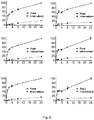
- the ability of the fusion proteins to refold after thermal denaturation has allowed the use of high temperatures for labeling, e.g. with 177 Lu, which should ensure high coupling stability (Price 2014). Indeed, the label was stable under challenge with a large molar excess of EDTA, and binding specificity and affinity of 177 Lu-labeled fusion proteins was not compromised (Table 4).
- the present disclosure shows that the relative positioning of ABD 035 (the ABR) and ADAPT6 (the HBR) had an effect, in particular in case of using 177 Lu as the cytotoxic radionuclide. Connecting the ABR to the C-terminal end of the HBR resulted not only in significantly higher tumor uptake, but also significantly lower kidney uptake. The fact that absorbed dose to kidneys might be dose limiting underlines the importance of these results.
- mice treated with only PBS or unlabelled HBR-ABR i.e. fusion protein lacking cytotoxic radionuclide
- HBR-ABR fusion protein lacking cytotoxic radionuclide
- results of an experimental therapy confirmed the dosimetry data. It is shown herein that control groups of mice treated with only PBS or unlabelled HBR-ABR (i.e. fusion protein lacking cytotoxic radionuclide) had a median survival of 25 days.
- Treatment with a radionuclide-labelled variant of the fusion protein that had been modified to remove the HER2-binding capacity caused slight but significant extension of median survival (31 d) ( Figure 16B ), most likely due to activity circulating in blood or taken up on tumors because of the EPR effect.
- the intact version of the HBR was used, the effect on tumor growth ( Figure 15 and 16A ) was strikingly different.
- the tumor growth was suppressed in a dose-dependent manner and median survival was enhanced more than two-fold (70 days) even in the case of single injection.
- the treatment was not associated with any observable toxicity.
- the average animal weight did not differ significantly between treatment and control groups. Histopathology examinations of kidneys and livers excised at the end of treatment showed only subtle alterations in hepatocytes (rounded cytoplasmic vacuoles and increased variation in size and shape of the cell nucleus) and renal tubular cells (enlarged size of the cell nucleus and chromatin margination). These alterations were however reversible.
- the present disclosure provides a therapeutic conjugate comprising a fusion protein and a cytotoxic radionuclide.
- the cytotoxic radionuclide is bound to the fusion protein.
- the cytotoxic radionuclide is coupled to a terminal end of the fusion protein. Such coupling is typically achieved by chelator-based conjugation or covalent conjugation (further discussed below). In a particularly preferred embodiment, the cytotoxic radionuclide is coupled to the C-terminal end of the fusion protein.
- the fusion protein comprises and an HER2-binding region (HBR), an albumin-binding region (ABR) and a spacer region.
- HBR HER2-binding region
- ABR albumin-binding region
- the spacer region connects the C-terminal end of the HBR to the N-terminal end of the ABR.
- the number of amino acids of the spacer region is at least 7, such as 7-30.
- a spacer region that is relatively short, but still enables free refolding and prevents steric hindrance to binding to albumin and HER2 is preferred. Accordingly, the number of amino acids of the spacer region maybe 8-30, such as 8-20, preferably 8-14, more preferably 10-14.
- the spacer region may comprise or consist of a repeat of the amino acid sequence SSSG. Consequently, the spacer region may comprise or consist of an amino acid sequence selected from the group consisting of SSSGSSSG ((SSSG)2, SEQ ID NO:31), SSSGSSSGSSSG ((SSSG) 3 , SEQ ID NO:32), SSSGSSSGSSSGSSSG ((SSSG) 4 , SEQ ID NO:33), SSSGSSSGSSSGSSSGSSSG ((SSSG) 5 , SEQ ID NO:34) and SSSGSSSGSSSGSSSGSSSGSSSGSSSG ((SSSG) 6 , SEQ ID NO:35).
- the group consists of (SSSG) 2 , (SSSG) 3 and (SSSG) 4 .
- the HBR comprises an amino acid sequence selected from
- the HBR comprises an amino acid sequence selected from the group consisting of: and LASAKDTALY HLDRVGVSDYYKDLIDKAK TVEGVRALYAE ILAALP (SEQ ID NO:17).
- a particularly preferred group consists of SEQ ID NO:6, SEQ ID NO:9 and SEQ ID NO:13.
- SEQ ID NO:6 is used in the Examples section below.
- SEQ ID NO:9 and 13 were identified by both phage display and FACS in Nilvebrant 2014, which the inventors consider to be beneficial.
- the ABR comprises an amino acid sequence selected from
- the scaffold of sequence a) is based on the wild type of the albumin binding domain (ABD wt , SEQ ID NO:4) of protein G.
- Data showing binding activity of i) and ii) to serum albumin is presented in Jonsson 2008, WO2012004384 and the Examples section below.
- the ABR comprises the amino acid sequence LAX 3 AKX 6 X 7 AX 9 X 10 ELDX 14 YGVSDX 20 YKX 23 LIX 26 X 27 AKT VEGVX 35 ALX 38 X 39 X 40 ILAALP, wherein, independently of each other,
- the ABR comprises the amino acid sequence LAEAKX 6 X 7 ANX 10 ELDX 14 YGVSDF YKRLIX 26 KAKT VEGVEALKX 39 X 40 ILAALP, wherein, independently of each other,
- This sequence covers ABD 35 and PEP07914 in WO2012004384 .
- the reduced immune-stimulatory properties of the sequences disclosed in WO2012004384 are considered to be beneficial for the conjugate of the present disclosure.
- WO2012004384 has resulted in two granted European patents, EP2590993B1 and EP2933262B1 .
- the ABR of the present disclosure may be defined as in these patents.
- the ABR may, as in EP2933262B1 , comprise an amino acid sequence selected from
- the ABR may, as in EP2590993B1 comprise an amino acid sequence selected from
- the ABR comprises an amino acid sequence selected from the group consisting of:
- a particularly preferred group consists of SEQ ID NO:1 (ABD 35 ), SEQ ID NO:2 and SEQ ID NO:3 (PEP07914 in WO2012004384 ).
- the cytotoxic radionuclide is preferably selected from the group consisting of 177 Lu, 90 Y, 188 Re; 186 Re; 166 Ho, 153 Sm, 67 Cu, 64 Cu, 149 Tb, 161 Tb, 47 Sc; 225 Ac; 212 Pb; 213 Bi, 212 Bi, 227 Th, 223 Ra; 58m Co, 131 I, 76 As, 77 As and 211 At.
- a preferred radionuclide is 177 Lu.
- 77 Lu, 90 Y, 188 Re; 186 Re; 166 Ho, 153 Sm, 67 Cu, 64 Cu, 149 Tb, 161 Tb, 47 Sc; 225 Ac; 212 Pb; 213 Bi, 212 Bi, 227 Th, 223 Ra and 58m Co are radiometals that may be bound to the fusion protein by means of chelator-based conjugation.
- the chelator is preferably covalently bound to a cysteine residue of the fusion protein, optionally via a thiol-reactive linker. Binding to an amine of an amino acid residue of the fusion protein is also possible, but generally less preferred.
- the chelator may be selected from the group consisting of DOTA and its derivatives (e.g. the maleimido-derivative of DOTA), cross-bridged macrocyclic chelators and sterically-restricted acyclic chelators.
- Particularly suitable chelators for 177 Lu, 90 Y, 166 Ho, 153 Sm, 149 Tb, 161 Tb, 47 Sc; 225 Ac; 212 Pb; 213 Bi, 212 Bi, 227 Th and 58m Co are DOTA and its derivative DOTAGA.
- a cross-bridged chelator such as CB-TE2A, is a better option.
- a chelator based on a cysteine- or mercaptoacetyl-containing peptide is preferred.
- 131 I, 76 As, 77 As and 211 At are non-metal radionuclides that can be bound to the fusion protein by means of covalent conjugation.
- the radioiodination may be achieved using ((4-hydroxyphenyl)ethyl) maleimide (HPEM), which can be bound to a cysteine (C) residue of the fusion protein.
- HPEM ((4-hydroxyphenyl)ethyl) maleimide
- 76 As and 77 As (and 74 As) in As (III) form may be coupled directly to a (freshly) reduced thiol group of a cysteine (C) residue of the fusion protein.
- N-[4-(tri-n-butylstannyl)phenethyl]-maleimide can be used as a linker.
- 211 At is first coupled to the linker by astatodestannylation forming 4-astato-phenethyl-maleimide (AtPEM), which in turn can be coupled to a cysteine (C) residue of the fusion protein.
- AtPEM 4-astato-phenethyl-maleimide
- the cytotoxic radionuclide is preferably linked to the fusion protein via a cysteine (C) residue of the fusion protein.
- the fusion protein in such case preferably comprises only one cysteine (C) residue.
- the cysteine (C) residue that links the cytotoxic radionuclide to the fusion protein may be a placed in a terminal position.
- the cysteine (C) residue is the C-terminal residue of the fusion protein.
- the cysteine (C) residue is the C-terminal residue of an amino acid sequence extending from the C-terminal end of the ABR.
- an amino acid sequence may for example be GSSC.
- the fusion protein may further comprise an additional region, e.g. comprising or consisting of the amino acid sequence DEAVDANS (SEQ ID NO:25) or MGDEAVDANS (SEQ ID NO:18).
- This additional region is typically a terminal region of the fusion protein, preferably an N-terminal region of the fusion protein. In an embodiment, the additional region extends from the N-terminal end of the HBR. The additional region may result in improved biodistribution and facilitate production.
- the therapeutic conjugate of the present disclosure preferably comprises no more than 150 amino acid residues, such as no more than 130 amino acid residues.
- the total molecular weight of the therapeutic conjugate is preferably below 20 kDa, such as below 15 kDa.
- the fusion protein comprises the amino acid sequence of SEQ ID NO:21 (ADAPT6-(SSSG) 3 -ABD 35 ), SEQ ID NO:22 (ABD 35 -(SSSG) 3 -ADAPT6), SEQ ID NO:23 (ADAPT6-(SSSG) 5 -ABD 35 ) or SEQ ID NO:24 (ABD 35 -(SSSG) 5 -ADAPT6).
- SEQ ID NO:21 (ADAPT6-(SSSG) 3 -ABD 35 ) is considered to be the most preferred.
- the fusion protein consists of the amino acid sequence of SEQ ID NO:27, SEQ ID NO:28, SEQ ID NO:29 or SEQ ID NO:30. Out of these four sequences, SEQ ID NO:27 is considered to be the most preferred.
- the present disclosure further provides a pharmaceutical composition comprising the therapeutic conjugate discussed above and a pharmaceutically acceptable carrier.
- the composition is preferably adapted for intravenous administration. Accordingly, the composition is typically water-based.
- the water-based composition is preferably buffered, such as phosphate-buffered.
- the composition may be based on phosphate-buffered saline.
- the water-based composition may comprise human serum albumin (HSA). HSA scavenges free radicals and prevents radiolytic damages to the therapeutic conjugate.
- the amount of HSA may be 10-150 mg/ml, such as 50-100 mg/ml, preferably 75 mg/ml.
- the composition comprises pentetic acid (DTPA).
- DTPA converts free nuclide into a form that is rapidly excreted via kidneys.
- the amount of DTPA may be 0.1-1.0 mg/ml, such as 0.2-0.8 mg/ml, preferably 0.4 mg/ml.
- the present disclosure further provides the above-mentioned therapeutic conjugate for use in a method of treating a cancer, typically a cancer overexpressing HER2.
- a cancer typically a cancer overexpressing HER2.
- Diagnosis of HER2 overexpression is known to the skilled person.
- the cancer has developed resistance to a first line HER2-targeting treatment, such as an antibody-based treatment, e.g. trastuzumab, pertuzumab or antibody-drug conjugated trastuzumab-DMi.
- the cancer type is preferably breast cancer or gastric/gastroesophageal cancer.
- the method may comprise intravenous administration of the therapeutic conjugate, e.g. in the pharmaceutical composition described above.
- the number of injections of the therapeutic conjugate maybe 1-5, such as 1-3.
- the injections are typically carried out several days apart. A low number of injections is preferred, not only from a cost perspective, but also to minimize the pain and possible side effects of the injections.
- ABD variant was selected as the ABR.
- This variant referred to as ABD 35 (SEQ ID NO:1), is engineered to bind human serum albumin with subpicomolar affinity (Jonsson 2008).
- ADAPT6 SEQ ID NO:6 was selected as the HBR because it shows high affinity to HER2.
- SSSG repeats were selected for the spacer region.
- ADAPT6-(SSSG) 3 -ABD 35 SEQ ID NO:21
- ABD 35 -(SSSG) 3 -ADAPT6 SEQ ID NO:22
- ADAPT6-(SSSG) 5 -ABD 35 SEQ ID NO:23
- ABD 35 -(SSSG) 5 -ADAPT6 SEQ ID NO:24
- Proteins were expressed in E. coli BL21*(DE3) cells and extracted by sonication. The proteins were purified by loading the lysates on an in-house produced affinity chromatography column coupled with Human Serum Albumin (HSA).
- HSA Human Serum Albumin
- Proteins intended for 177 Lu labeling were conjugated with the chelator DOTA (Macrocyclics, TX, USA) through standard maleimide coupling at the free thiol group of the C-terminal cysteine. Both the DOTA-conjugated as well as the unconjugated protein intended for 125 I labeling, were further purified through semipreparative RP-HPLC (Zorbax, 300SB-C18, 9.4 ⁇ 250 mm, 5 ⁇ m, Agilent).
- Non-fused ADAPT6 (MGDEAVDANS-ADAPT6-GSSC, SEQ ID NO:26) was used as a control in the biodistribution measurements and was produced and purified like previously described (Garousi 2019).
- ADAPT Neg SEQ ID NO:19
- the gene of a non-target-binding fusion protein (MGDEAVDANS-ADAPT Neg -(SSSG) 3 -ABD 035 -GSSC (SEQ ID NO:20) was synthesized by Thermo Fisher Scientific (Waltham, MA, USA) and produced as described above.
- Target binding analysis was performed on a Biacore T200 system (GE Healthcare, Sweden) by injecting analytes over a CM5 chip immobilized with Murine Serum Albumin (MSA), Human Serum Albumin (HSA) and Human Epidermal growth factor receptor 2 (HER2) to a response level of ⁇ 1000 RU each.
- MSA Murine Serum Albumin
- HSA Human Serum Albumin
- HER2 Human Epidermal growth factor receptor 2
- Labelling with 125 I was performed according to the method described by (Tolmachev 2009). Briefly, 125 I (14 MBq) was mixed with a solution of HPEM (10 ⁇ g, 31.5 nmol) in 5% acetic acid in methanol. Chloramine-T (10 ⁇ L, 8 mg/mL in MQ water) and 10 ⁇ L 5% acetic acid in methanol were added, and the mixture was incubated for 5 min at room temperature. The reaction was quenched by adding 10 ⁇ L sodium metabisulphite (12 mg/mL in water).
- ADAPT6 derivatives 500 ⁇ g, 38.9 nmol were reduced by incubation in PBS with 20 mM dithiothreitol (DTT) for 60 min at 40°C.
- DTT dithiothreitol
- Reduced proteins were purified using size-exclusion NAP-5 column (GE Healthcare, Uppsala, Sweden) pre-equilibrated with NH 4 OAc 0.2 M buffer, pH 6. Radioiodinated HPEM was added, and the mixture was incubated for 60 min at 40°C. Radiolabeled proteins were purified using NAP-5 columns.
- Labeling with 177 Lu was performed as previously described (Altai 2017). Briefly, a DOTA-conjugated protein (80 ⁇ g, 6.2 nmol) in 1 M ascorbate buffer, pH 5.5, was mixed with 345 MBq 177 Lu in 0.1 M HCl. The mixture was incubated for 45 min at 95°C. Thereafter, a 5000-fold molar excess of EDTA was added to scavenge a loosely bound nuclide, and the mixture was incubated for 15 min at 95°C. Radiolabeled proteins were purified using NAP-5 columns.
- Radiolabeled ADAPT6 derivatives were purchased from American Type Culture Collection (ATCC, Manassas, VA).
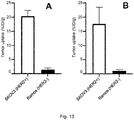
- the specificity of binding of the radiolabeled ADAPT6 derivatives to HER2-expressing cancer cells was evaluated using ovarian carcinoma SKOV-3 and breast carcinoma BT474 cell lines using a saturation method described earlier (Wallberg 2008).
- the affinity of radiolabeled conjugates binding to living HER2-expressing SKOV-3 cells was determined using LigandTracer (Ridgeview Instruments AB) by an established method as described previously (Tolmachev 2014).
- Internalization of radiolabeled ADAPT6 derivatives by SKOV-3 and BT474 cells during continuous incubation was evaluated by a modified acid wash method as described earlier (Wallberg 2008).
- Biodistribution and targeting properties were evaluated in BALB/C nu/nu mice bearing HER2-positive SKOV-3 xenografts. As a specificity control, HER2-negative Ramos xenografts were used. To establish xenografts, 107 cells were implanted subcutaneously.
- mice were injected into tail vein with a mixture of 125 I- and 177 Lu-labeled ADAPT6 variants (15 kBq of 125 I and 90 kBq of 177 Lu per animal in 100 mL of PBS).
- the total injected protein dose was adjusted to 3 ⁇ g/mouse for un-fused ADAPT6 and 6 ⁇ g/mouse for ABD-fused variants using the corresponding unlabeled protein.
- the organ and tissues of interest were excised and their activity was measured using an automated gamma-spectrometer (1480 WIZARD; Wallac Oy). Activity was measured in the energy window from 10 to 45 keV for 125 I, and from 90 to 370 keV for 177 Lu.
- MG-DEAVDANS-ADAPT6-(SSSG) 3 -ABD 035 -GSSC-HPEM- 125 I and MG-DEAVDANS-ADAPT6-(SSSG) 3 -ABD 035 -GSSC-DOTA- 177 Lu their biodistribution was measured 4, 24, 48, 72, 168 and 336 h after injection in mice bearing SKOV-3 xenografts (average mouse weight was 16.3 ⁇ 1.3 g, and average tumor weight 0.11 ⁇ 0.06 g).
- 107 SKOV-3 cells per mouse were implanted subcutaneously in the abdomen. At least twice a week, the mice were weighed and visually inspected, and tumors were measured using electronic calipers. Tumor volumes (mm 3 ) were calculated as [length (mm)] ⁇ [width (mm)] 2 ⁇ 0.5. The animals were euthanized when tumors reached a size of 1,000 mm 3 or became ulcerated, or if an animal's weight dropped by more than 10% during 1 week or by more than 15% since the study began. After euthanasia, tumors and kidneys were excised for subsequent histologic evaluation.
- mice were randomly divided into 5 groups of 11 animals each.
- the first group of treated animals was injected with 6 ⁇ g (4.7 nmol)/18 MBq of MG-DEAVDANS-ADAPT6-(SSSG) 3 -ABD 035 -GSSC-DOTA- 177 Lu.
- Animals in the second treatment group received two treatments, the first at day 7 and the second three weeks after the first one.
- Control group 1 received vehicle alone, PBS.
- control group 2 was injected with 6 ⁇ g (4.7 nmol) of unlabeled MG-DEAVDANS-ADAPT6-(SSSG) 3 -ABD 035 -GSSC-DOTA.
- a control group 3 was injected with MG-DEAVDANS-ADAPT Neg -(SSSG) 3 -ABD 035 -GSSC-DOTA- 177 Lu (6 ⁇ g/18 MBq) only.
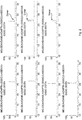
- Radiochemical yields and radiochemical purity are provided in Table 3. All labeling protocols were efficient and purification using NAP-5 provided complete absence of non-conjugated radionuclide. Radiochemical yield of labelling of HPEM with 125 I (covalent coupling) was 98%. For experimental therapy, the maximum molar activity up to 55.6 GBq/ ⁇ mol was obtained for MG-DEAVDANS-ADAPT6-(SSSG) 3 -ABD 035 -GSSC-DOTA- 177 Lu. Identity of radiolabeled ADAPT6 derivative was confirmed by radio-HPLC ( Figures 6 and 7 ). All labels were stable under challenge conditions (no measurable radionuclide release). Table 3. Radiochemical yields and purity of radiolabeled ADAPT6 variants.
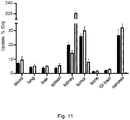
- the renal accumulation of activity was reduced 10-fold for MG-DEAVDANS-ABD 35 -(SSSG) 3 -ADAPT6-GSSC-DOTA- 177 Lu and 14-fold for MG-DEAVDANS-ADAPT6-(SSSG) 3 -ABD 35 -GSSC-DOTA- 177 Lu.
- the tumor uptake of ABD-fused ADAPT6 was more than 3-fold higher than for MG-DEAVDANS-ADAPT6-GSSC-DOTA- 177 Lu. In both cases, the tumor uptake was higher than the renal uptake.
- the kidney uptake is higher than for the 125 I-labelled fusion proteins, but still much lower than for the reference product lacking ABD 35 .
- Placement of ABD 35 at the C-terminal end of ADAPT6 resulted in a more favorable tumor-to-kidney ratio in case of the 177 Lu label.
- the biodistribution data demonstrate slow clearance of activity from blood.
- the biological half-lives in blood were 29.4 (95% CI 25.7 to 33.7) and 28.4 (95% CI 24.6 to 32.8) h for MG-DEAVDANS-ADAPT6-(SSSG) 3 -ABD 035 -GSSC-HPEM- 125 I and MG-DEAVDANS-ADAPT6-(SSSG) 3 -ABD 035 -GSSC-DOTA- 177 Lu, respectively.
- the level of the blood-borne activity was slightly but significantly (p ⁇ 0.05 in a paired t-test) higher for the radioiodine label at all time points.
- the biodistribution data of Tables 5 and 6 can be compared to that presented in the prior art document Liu 2019, in which a cytotoxic polypeptide (PE38X8 or PE25) is coupled to the C terminal end of an ADAPT6-ABD 035 fusion protein (see Tables 7 and 8).
- a cytotoxic polypeptide PE38X8 or PE25
- ADAPT6-ABD 035 fusion protein see Tables 7 and 8
- the fusion toxins of Liu 2019 accumulate in the liver and/or the kidney, which means that a large proportion of the drug fails to target the tumor and that severe and probably unacceptable side effects are expected in the liver and/or the kidney.
- the blood to kidney ratio is very low (0.04 and 0.12, respectively) in Liu 2019, but much higher (1.6 and 3.5, respectively) for the inventive conjugates having cytotoxic radionuclides.
- the blood to liver ratio is very low (0.3 and 0.04, respectively) in Liu 2019, but much higher for the inventive conjugates having cytotoxic radionuclides (3.5 and 5.9, respectively) at 24 h post-injection.
- Liu 2019 does not show a blood concentration above 1.8% despite having the albumin-binding region ABD 035 .
- the blood concentration of the conjugates of the present disclosure is 17% and 19%, respectively. Table 7.
- Inventive 1 Inventive 2 Liu 1 Liu 2 Blood 27 ⁇ 2 31 ⁇ 2 9.0 ⁇ 0.7 3.2 ⁇ 0.1 Heart 8 ⁇ 2 9 ⁇ 2 3.0 ⁇ 0.8 1.1 ⁇ 0.2 Lung 12 ⁇ 4 14 ⁇ 4 3.3 ⁇ 0.4 1.3 ⁇ 0.1 Salivary Gland 4.8 ⁇ 0.5 5.5 ⁇ 0.7 1.5 ⁇ 0.2 0.7 ⁇ 0.2 Liver 6.0 ⁇ 0.7 6.1 ⁇ 0.8 9.0 ⁇ 0.4 43.0 ⁇ 7.0 Spleen 4.7 ⁇ 0.8 4.3 ⁇ 1.0 3.3 ⁇ 0.3 19.0 ⁇ 4.0 Pancreas 2.6 ⁇ 0.5 3.0 ⁇ 0.6 0.9 ⁇ 0.2 0.4 ⁇ 0.1 Stomach 2.3 ⁇ 0.3 2.7 ⁇ 0.3 1.0 ⁇ 0.1 0.5 ⁇ 0.2 Small Intestines 2.8 ⁇ 0.6 3.3 ⁇ 0.5 N/A N/A Large Intestines 2.4 ⁇ 0.2 2.9 ⁇ 0.2 N/A N/A Kidney 10.8 ⁇ 1.3 8 ⁇ 1 58.0 ⁇ 3.0 13.0 ⁇ 1.0 Tumor 9 ⁇ 2 10
- Inventive 1 Inventive 2 Liu 1 Liu 2 Blood 17 ⁇ 2 19 ⁇ 2 1.8 ⁇ 0.1 1.3 ⁇ 0.2 Heart 6 ⁇ 1 5 ⁇ 1 1.0 ⁇ 0.1 0.7 ⁇ 0.2 Lung 8 ⁇ 1 8 ⁇ 2 1.0 ⁇ 0.2 0.8 ⁇ 0.1 Salivary Gland 4.8 ⁇ 0.6 4.2 ⁇ 0.6 0.7 ⁇ 0.1 0.6 ⁇ 0.1 Liver 4.8 ⁇ 0.3 3.2 ⁇ 0.3 6.0 ⁇ 1.0 32.0 ⁇ 5.0 Spleen 6.2 ⁇ 0.4 2.7 ⁇ 0.2 2.2 ⁇ 0.4 11.4 ⁇ 1.3
- Imaging performed during experimental therapy, 72 hours post injection confirmed the biodistribution data showing that 177 Lu was accumulated in tumors to a much higher extent than in any of the normal tissues.
- the tumor growth data ( Figure 15 ) reflect impact of treatment.
- the tumor volume doubling times were 7.0 (95% CI 6.0 to 8.3), 8.0 (95% CI 7.0 to 9.1), and 10.5 (95% CI 7.6 to 15.3) d, for groups of mice treated with PBS, unlabeled MG-DEAVDANS-ADAPT6-(SSSG) 3 -ABD 035 -GSSC-DOTA, and MG-DEAVDANS-ADAPT Neg -(SSSG) 3 -ABD 035 -GSSC-DOTA- 177 Lu, respectively.
- mice treated with MG-DEAVDANS-ADAPT6-(SSSG) 3 -ABD 035 -GSSC-DOTA- 177 Lu an initial tumor growth was followed by a shrinkage (at 11 d), and the tumor re-growth started only at approximately 30 d for the group treated by a single injection of MG-DEAVDANS-ADAPT6-(SSSG) 3 -ABD 035 -GSSC-DOTA- 177 Lu.
- Such tumor growth pattern had an apparent influence on survival ( Figure 16 ).
- Median survival in the control groups was 25, 25, and 31 d for treatment with PBS, unlabeled MG-DEAVDANS-ADAPT6-(SSSG) 3 -ABD 035 -GSSC-DOTA, and MG-DEAVDANS-ADAPT Neg -(SSSG) 3 -ABD 035 -GSSC-DOTA- 177 Lu, respectively.
- Treatment with MG-DEAVDANS-ADAPT Neg -(SSSG) 3 -ABD 035 -GSSC-DOTA- 177 Lu slightly but significantly increases survival compared with survival of mice treated by "cold" substances.
- the therapy was well tolerated.
- the appearance of the skin, fat pads, and eyes did not differ between treated and untreated mice, and there was no behavior indicating pain or suffering.
- the average animal weight did not differ significantly between the treated groups and the control groups (data not shown).
- the average weight in the groups treated with MG-DEAVDANS-ADAPT6-(SSSG) 3 -ABD 035 -GSSC-DOTA- 177 Lu increased between day 28 and day 90, which reflects recovery from the disease and treatment (data not shown).
Landscapes
- Health & Medical Sciences (AREA)
- Chemical & Material Sciences (AREA)
- Life Sciences & Earth Sciences (AREA)
- Organic Chemistry (AREA)
- Medicinal Chemistry (AREA)
- General Health & Medical Sciences (AREA)
- Proteomics, Peptides & Aminoacids (AREA)
- Veterinary Medicine (AREA)
- Pharmacology & Pharmacy (AREA)
- Animal Behavior & Ethology (AREA)
- Public Health (AREA)
- Molecular Biology (AREA)
- Nuclear Medicine, Radiotherapy & Molecular Imaging (AREA)
- General Chemical & Material Sciences (AREA)
- Chemical Kinetics & Catalysis (AREA)
- Biophysics (AREA)
- Gastroenterology & Hepatology (AREA)
- Biochemistry (AREA)
- Genetics & Genomics (AREA)
- Optics & Photonics (AREA)
- Epidemiology (AREA)
- Physics & Mathematics (AREA)
- Peptides Or Proteins (AREA)
- Medicines That Contain Protein Lipid Enzymes And Other Medicines (AREA)
- Medicinal Preparation (AREA)
Priority Applications (6)
| Application Number | Priority Date | Filing Date | Title |
|---|---|---|---|
| EP20161922.8A EP3878515A1 (fr) | 2020-03-09 | 2020-03-09 | Agent thérapeutique ciblant her2 |
| PCT/EP2021/055925 WO2021180727A1 (fr) | 2020-03-09 | 2021-03-09 | Agent thérapeutique ciblant her2 |
| CN202180029107.7A CN115397516A (zh) | 2020-03-09 | 2021-03-09 | 靶向her2的治疗剂 |
| EP21709449.9A EP4117786A1 (fr) | 2020-03-09 | 2021-03-09 | Agent thérapeutique ciblant her2 |
| US17/905,997 US20230107890A1 (en) | 2020-03-09 | 2021-03-09 | Therapeutic agent targeting her2 |
| ZA2022/10214A ZA202210214B (en) | 2020-03-09 | 2022-09-14 | Therapeutic agent targeting her2 |
Applications Claiming Priority (1)
| Application Number | Priority Date | Filing Date | Title |
|---|---|---|---|
| EP20161922.8A EP3878515A1 (fr) | 2020-03-09 | 2020-03-09 | Agent thérapeutique ciblant her2 |
Publications (1)
| Publication Number | Publication Date |
|---|---|
| EP3878515A1 true EP3878515A1 (fr) | 2021-09-15 |
Family
ID=69784232
Family Applications (2)
| Application Number | Title | Priority Date | Filing Date |
|---|---|---|---|
| EP20161922.8A Withdrawn EP3878515A1 (fr) | 2020-03-09 | 2020-03-09 | Agent thérapeutique ciblant her2 |
| EP21709449.9A Pending EP4117786A1 (fr) | 2020-03-09 | 2021-03-09 | Agent thérapeutique ciblant her2 |
Family Applications After (1)
| Application Number | Title | Priority Date | Filing Date |
|---|---|---|---|
| EP21709449.9A Pending EP4117786A1 (fr) | 2020-03-09 | 2021-03-09 | Agent thérapeutique ciblant her2 |
Country Status (5)
| Country | Link |
|---|---|
| US (1) | US20230107890A1 (fr) |
| EP (2) | EP3878515A1 (fr) |
| CN (1) | CN115397516A (fr) |
| WO (1) | WO2021180727A1 (fr) |
| ZA (1) | ZA202210214B (fr) |
Families Citing this family (2)
| Publication number | Priority date | Publication date | Assignee | Title |
|---|---|---|---|---|
| JP2025507294A (ja) | 2022-02-04 | 2025-03-18 | ザイトックス セラピューティクス アクチボラゲット | Egfr結合ドメインとマスキングドメインとを含む融合タンパク質 |
| CN121041473A (zh) * | 2024-05-29 | 2025-12-02 | 烟台蓝纳成生物技术股份有限公司 | 一种双功能性融合蛋白、放射性核素标记物及其应用 |
Citations (2)
| Publication number | Priority date | Publication date | Assignee | Title |
|---|---|---|---|---|
| WO2012004384A2 (fr) | 2010-07-09 | 2012-01-12 | Affibody Ab | Polypeptides |
| WO2014076179A1 (fr) | 2012-11-14 | 2014-05-22 | Affibody Ab | Nouveau polypeptide |
Family Cites Families (1)
| Publication number | Priority date | Publication date | Assignee | Title |
|---|---|---|---|---|
| EP2190863B1 (fr) * | 2007-07-31 | 2015-09-02 | Affibody AB | Nouvelles compositions, nouveaux procédés et nouvelles utilisations |
-
2020
- 2020-03-09 EP EP20161922.8A patent/EP3878515A1/fr not_active Withdrawn
-
2021
- 2021-03-09 CN CN202180029107.7A patent/CN115397516A/zh active Pending
- 2021-03-09 EP EP21709449.9A patent/EP4117786A1/fr active Pending
- 2021-03-09 US US17/905,997 patent/US20230107890A1/en active Pending
- 2021-03-09 WO PCT/EP2021/055925 patent/WO2021180727A1/fr not_active Ceased
-
2022
- 2022-09-14 ZA ZA2022/10214A patent/ZA202210214B/en unknown
Patent Citations (4)
| Publication number | Priority date | Publication date | Assignee | Title |
|---|---|---|---|---|
| WO2012004384A2 (fr) | 2010-07-09 | 2012-01-12 | Affibody Ab | Polypeptides |
| EP2590993B1 (fr) | 2010-07-09 | 2015-05-06 | Affibody AB | Polypeptides |
| EP2933262B1 (fr) | 2010-07-09 | 2018-05-02 | Affibody AB | Polypeptides |
| WO2014076179A1 (fr) | 2012-11-14 | 2014-05-22 | Affibody Ab | Nouveau polypeptide |
Non-Patent Citations (21)
| Title |
|---|
| A. ORLOVA ET AL: "Site-Specific Radiometal Labeling and Improved Biodistribution Using ABY-027, A Novel HER2-Targeting Affibody Molecule-Albumin-Binding Domain Fusion Protein", THE JOURNAL OF NUCLEAR MEDICINE, vol. 54, no. 6, 25 March 2013 (2013-03-25), US, pages 961 - 968, XP055697035, ISSN: 0161-5505, DOI: 10.2967/jnumed.112.110700 * |
| ALTAI MWESTERLUND KVELLETTA JMITRAN BHONARVAR HKARLSTROM AE: "Evaluation of affibody molecule-based PNA-mediated radionuclide pretargeting: Development of an optimized conjugation protocol and Lu labeling", NUCL MEDBIOL., vol. 54, November 2017 (2017-11-01), pages 1 - 9, XP085258094, DOI: 10.1016/j.nucmedbio.2017.07.003 |
| GAROUSI JLINDBO SBORIN JVON WITTING EVOROBYEVA AOROUJENI MMITRAN BORLOVA ABUIJS JTOLMACHEV V: "Comparative evaluation of dimeric and monomeric forms of ADAPT scaffold protein for targeting of HER -expressing tumours", EUR J PHARM BIOPHARM., vol. 134, January 2019 (2019-01-01), pages 37 - 48, XP085555750, DOI: 10.1016/j.ejpb.2018.11.004 |
| GAROUSI JLINDBO SHONARVAR HVELLETTA JMITRAN BALTAI MORLOVA ATOLMACHEV VHOBER S: "Influence of the N-Terminal Composition on Targeting Properties of Radiometal-Labeled Anti-HER2 Scaffold Protein ADAPT6", BIOCONJUG CHEM., vol. 27, no. 11, 16 November 2016 (2016-11-16), pages 2678 - 2688 |
| GAROUSI JLINDBO SNILVEBRANT JASTRAND MBUIJS JSANDSTROM MHONARVAR HORLOVA ATOLMACHEV VHOBER S: "ADAPT, a Novel Scaffold Protein-Based Probe for Radionuclide Imaging of Molecular Targets That Are Expressed in Disseminated Cancers", CANCER RES., vol. 75, no. 20, October 2015 (2015-10-01), pages 4364 - 71 |
| GUO RUI ET AL: "Fusion of an albumin-binding domain extends the half-life of immunotoxins", INTERNATIONAL JOURNAL OF PHARMACEUTICS, ELSEVIER, NL, vol. 511, no. 1, 22 July 2016 (2016-07-22), pages 538 - 549, XP029698825, ISSN: 0378-5173, DOI: 10.1016/J.IJPHARM.2016.07.046 * |
| HAO LIU ET AL: "Potent and specific fusion toxins consisting of a HER2-binding, ABD-derived affinity protein, fused to truncated versions of Pseudomonas exotoxin?A", INTERNATIONAL JOURNAL OF ONCOLOGY, 28 May 2019 (2019-05-28), GR, XP055697025, ISSN: 1019-6439, DOI: 10.3892/ijo.2019.4814 * |
| HAO LIU ET AL: "Target-specific cytotoxic effects on HER2-expressing cells by the tripartite fusion toxin ZHER2:2891-ABD-PE38X8, including a targeting affibody molecule and a half-life extension domain", INTERNATIONAL JOURNAL OF ONCOLOGY, vol. 47, no. 2, 4 June 2015 (2015-06-04), pages 601 - 609, XP055525850, DOI: 10.3892/ijo.2015.3027 * |
| JOHN LFBLOM ET AL: "Non-immunoglobulin based protein scaffolds", CURRENT OPINION IN BIOTECHNOLOGY, vol. 22, no. 6, 2 July 2011 (2011-07-02), pages 843 - 848, XP028397472, ISSN: 0958-1669, [retrieved on 20110609], DOI: 10.1016/J.COPBIO.2011.06.002 * |
| JONSSON ADOGAN JHERNE NABRAHMSEN LNYGREN PA: "Engineering of a femtomolar affinity binding protein to human serum albumin", PROTEIN ENG DES SEL, vol. 21, no. 8, August 2008 (2008-08-01), pages 15 - 27, XP055047773, DOI: 10.1093/protein/gzn028 |
| KRASNIQI AD'HUYVETTER MDEVOOGDT NFREJD FYSORENSEN JORLOVA AKEYAERTS MTOLMACHEV V: "Same-Day Imaging Using Small Proteins: Clinical Experience and Translational Prospects in Oncology", J NUCL MED., vol. 59, no. 6, June 2018 (2018-06-01), pages 885 - 891 |
| LINDBO SGAROUSI JASTRAND M ET AL.: "Influence of histidine-containing tags on the biodistribution of ADAPT scaffold proteins", BIOCONJUG CHEM., vol. 2, 2016, pages 16 - 726 |
| LINDBO SGAROUSI JMITRAN BALTAI MBUIJS JORLOVA AHOBER STOLMACHEV V: "Radionuclide Tumor Targeting Using ADAPT Scaffold Proteins: Aspects of Label Positioning and Residualizing Properties of the Label", J NUCL MED., vol. 59, no. 1, January 2018 (2018-01-01), pages 93 - 99 |
| NILVEBRANT JHOBER S: "Engineering of Bispecific Affinity Proteins with High Affinity for ERBB and Adaptable Binding to Albumin", PLOS ONE, vol. 9, no. 8, August 2014 (2014-08-01) |
| NILVEBRANT JHOBER S: "The albumin-binding domain as a scaffold for protein engineering", COMPUT STRUCT BIOTECHNOL J, vol. 2013, no. 6, pages 1 - 8 |
| PRICE EWORVIG C: "Matching chelators to radiometals for radiopharmaceuticals", CHEM SOC REV., vol. 43, no. 1, 7 January 2014 (2014-01-07), pages 260 - 90, XP055397567, DOI: 10.1039/C3CS60304K |
| TOLMACHEV VLADIMIR ET AL: "Radionuclide therapy of HER2-positive microxenografts using a 177Lu-labeled HER2-specific Affibody molecule", CANCER RESEARCH, AMERICAN ASSOCIATION FOR CANCER RESEARCH, US, vol. 67, no. 6, 15 March 2007 (2007-03-15), pages 2773 - 2782, XP002488609, ISSN: 0008-5472, DOI: 10.1158/0008-5472.CAN-06-1630 * |
| TOLMACHEV VMUME ESJOBERG SFREJD FYORLOVA A: "Influence of valency and labelling chemistry on in vivo targeting using radioiodinated HER -binding Affibody molecules", EUR J NUCL MED MOL IMAGING, vol. 36, 2009, pages 692 - 701, XP019706049 |
| TOLMACHEV VORLOVA AANDERSSON K: "Methods for radiolabelling of monoclonal antibodies", METHODS MOL BIOL., vol. 1060, 2014, pages 309 - 30 |
| WALLBERG HORLOVA A: "Slow internalization of anti-HER2 synthetic affibody monomer In-DOTA-ZHER2: -pep2: implications for development of labeled tracers", CANCER BIOTHER RADIOPHARM., vol. 23, 2008, pages 435 - 442 |
| WESTERLUND KALTAI MMITRAN BKONIJNENBERG MOROUJENI MATTERBY CDE JONG MORLOVA AMATTSSON JMICKE P: "Radionuclide Therapy of HER -Expressing Human Xenografts Using Affibody-Based Peptide Nucleic Acid-Mediated Pretargeting: In Vivo Proof of Principle", J NUCL MED., vol. 59, 2018, pages 1092 - 1098 |
Also Published As
| Publication number | Publication date |
|---|---|
| US20230107890A1 (en) | 2023-04-06 |
| CN115397516A (zh) | 2022-11-25 |
| EP4117786A1 (fr) | 2023-01-18 |
| WO2021180727A1 (fr) | 2021-09-16 |
| ZA202210214B (en) | 2024-01-31 |
Similar Documents
| Publication | Publication Date | Title |
|---|---|---|
| JP6946342B2 (ja) | エバンスブルー誘導体の化学的コンジュゲート、ならびに放射線治療剤およびイメージング剤としてのそれらの使用 | |
| D'Huyvetter et al. | Development of 177Lu‐nanobodies for radioimmunotherapy of HER2‐positive breast cancer: evaluation of different bifunctional chelators | |
| Garousi et al. | Radionuclide therapy using ABD-fused ADAPT scaffold protein: Proof of Principle | |
| JP7097436B2 (ja) | エバンスブルー誘導体の化学的コンジュゲートおよびそれらの放射線治療剤および造影剤としての使用 | |
| Smith-Jones et al. | Preclinical radioimmunotargeting of folate receptor alpha using the monoclonal antibody conjugate DOTA–MORAb-003 | |
| Jackson et al. | 64Cu-NO2A-RGD-Glu-6-Ahx-BBN (7-14) NH2: a heterodimeric targeting vector for positron emission tomography imaging of prostate cancer | |
| Garousi et al. | Comparative evaluation of dimeric and monomeric forms of ADAPT scaffold protein for targeting of HER2-expressing tumours | |
| Tran et al. | In vivo evaluation of cysteine-based chelators for attachment of 99mTc to tumor-targeting Affibody molecules | |
| Altai et al. | Evaluation of affibody molecule-based PNA-mediated radionuclide pretargeting: development of an optimized conjugation protocol and 177Lu labeling | |
| Tran et al. | Effects of lysine-containing mercaptoacetyl-based chelators on the biodistribution of 99mTc-labeled anti-HER2 Affibody molecules | |
| WO2018178936A1 (fr) | Biomolécules radiomarquées et leur utilisation | |
| CN110339375A (zh) | 一种靶向HER2的rk多肽放射性药物及其制备方法 | |
| Zhou et al. | Labeling a TCO-functionalized single domain antibody fragment with 18F via inverse electron demand Diels Alder cycloaddition using a fluoronicotinyl moiety-bearing tetrazine derivative | |
| US20230107890A1 (en) | Therapeutic agent targeting her2 | |
| Yin et al. | Comparison of HER2-targeted affibody conjugates loaded with auristatin-and maytansine-derived drugs | |
| Nakashima et al. | Development of novel trifunctional chelating agents that enhance tumor retention of radioimmunoconjugates | |
| Zhang et al. | Half-life extension via ABD-fusion leads to higher tumor uptake of an affibody-drug conjugate compared to PAS-and XTENylation. | |
| Yamaguchi et al. | 177Lu-labeled antibody–drug conjugate: a dual-mechanistic treatment modality in solid tumors | |
| Chen et al. | In vivo examination of 188Re (I)-tricarbonyl-labeled trastuzumab to target HER2-overexpressing breast cancer | |
| CN110420337A (zh) | 一种靶向整合素α6的二聚体多肽放射性药物及其制备方法 | |
| US20060188441A1 (en) | Radiolabeled gallium complexes, methods for synthesis and use for PET imaging of EGFR expression in malignant tumors | |
| EP4291251B1 (fr) | Polypeptide se liant à her2 | |
| US20250215093A1 (en) | Fusion protein comprising an egfr-binding domain and a masking domain | |
| JPH05500953A (ja) | 免疫共役体およびその代謝物の非標的保持量を減少させる方法 | |
| Obeid et al. | Improving GRPR-targeting peptides for radiotheranostics application: insights from chelator modifications and α-methyl-L tryptophan substitution |
Legal Events
| Date | Code | Title | Description |
|---|---|---|---|
| PUAI | Public reference made under article 153(3) epc to a published international application that has entered the european phase |
Free format text: ORIGINAL CODE: 0009012 |
|
| STAA | Information on the status of an ep patent application or granted ep patent |
Free format text: STATUS: THE APPLICATION HAS BEEN PUBLISHED |
|
| AK | Designated contracting states |
Kind code of ref document: A1 Designated state(s): AL AT BE BG CH CY CZ DE DK EE ES FI FR GB GR HR HU IE IS IT LI LT LU LV MC MK MT NL NO PL PT RO RS SE SI SK SM TR |
|
| RIN1 | Information on inventor provided before grant (corrected) |
Inventor name: TOLMACHEV, VLADIMIR Inventor name: GAROUSI, JAVAD Inventor name: WITTING, EMMA VON Inventor name: HOBER, SOPHIA |
|
| STAA | Information on the status of an ep patent application or granted ep patent |
Free format text: STATUS: THE APPLICATION IS DEEMED TO BE WITHDRAWN |
|
| 18D | Application deemed to be withdrawn |
Effective date: 20220316 |