EP3882257A1 - Conjugués ngr et leurs utilisations - Google Patents
Conjugués ngr et leurs utilisations Download PDFInfo
- Publication number
- EP3882257A1 EP3882257A1 EP20164689.0A EP20164689A EP3882257A1 EP 3882257 A1 EP3882257 A1 EP 3882257A1 EP 20164689 A EP20164689 A EP 20164689A EP 3882257 A1 EP3882257 A1 EP 3882257A1
- Authority
- EP
- European Patent Office
- Prior art keywords
- tnf
- ngr
- sequence
- conjugate
- seq
- Prior art date
- Legal status (The legal status is an assumption and is not a legal conclusion. Google has not performed a legal analysis and makes no representation as to the accuracy of the status listed.)
- Withdrawn
Links
Images






Classifications
-
- C—CHEMISTRY; METALLURGY
- C07—ORGANIC CHEMISTRY
- C07K—PEPTIDES
- C07K14/00—Peptides having more than 20 amino acids; Gastrins; Somatostatins; Melanotropins; Derivatives thereof
- C07K14/435—Peptides having more than 20 amino acids; Gastrins; Somatostatins; Melanotropins; Derivatives thereof from animals; from humans
- C07K14/52—Cytokines; Lymphokines; Interferons
-
- A—HUMAN NECESSITIES
- A61—MEDICAL OR VETERINARY SCIENCE; HYGIENE
- A61K—PREPARATIONS FOR MEDICAL, DENTAL OR TOILETRY PURPOSES
- A61K39/00—Medicinal preparations containing antigens or antibodies
- A61K39/12—Viral antigens
- A61K39/215—Coronaviridae, e.g. avian infectious bronchitis virus
-
- A—HUMAN NECESSITIES
- A61—MEDICAL OR VETERINARY SCIENCE; HYGIENE
- A61P—SPECIFIC THERAPEUTIC ACTIVITY OF CHEMICAL COMPOUNDS OR MEDICINAL PREPARATIONS
- A61P31/00—Antiinfectives, i.e. antibiotics, antiseptics, chemotherapeutics
- A61P31/12—Antivirals
- A61P31/14—Antivirals for RNA viruses
-
- C—CHEMISTRY; METALLURGY
- C07—ORGANIC CHEMISTRY
- C07K—PEPTIDES
- C07K14/00—Peptides having more than 20 amino acids; Gastrins; Somatostatins; Melanotropins; Derivatives thereof
- C07K14/435—Peptides having more than 20 amino acids; Gastrins; Somatostatins; Melanotropins; Derivatives thereof from animals; from humans
- C07K14/52—Cytokines; Lymphokines; Interferons
- C07K14/525—Tumour necrosis factor [TNF]
-
- C—CHEMISTRY; METALLURGY
- C07—ORGANIC CHEMISTRY
- C07K—PEPTIDES
- C07K7/00—Peptides having 5 to 20 amino acids in a fully defined sequence; Derivatives thereof
- C07K7/04—Linear peptides containing only normal peptide links
- C07K7/06—Linear peptides containing only normal peptide links having 5 to 11 amino acids
-
- C—CHEMISTRY; METALLURGY
- C12—BIOCHEMISTRY; BEER; SPIRITS; WINE; VINEGAR; MICROBIOLOGY; ENZYMOLOGY; MUTATION OR GENETIC ENGINEERING
- C12N—MICROORGANISMS OR ENZYMES; COMPOSITIONS THEREOF; PROPAGATING, PRESERVING, OR MAINTAINING MICROORGANISMS; MUTATION OR GENETIC ENGINEERING; CULTURE MEDIA
- C12N9/00—Enzymes; Proenzymes; Compositions thereof; Processes for preparing, activating, inhibiting, separating or purifying enzymes
- C12N9/14—Hydrolases (3)
- C12N9/48—Hydrolases (3) acting on peptide bonds (3.4)
- C12N9/485—Exopeptidases (3.4.11-3.4.19)
-
- C—CHEMISTRY; METALLURGY
- C12—BIOCHEMISTRY; BEER; SPIRITS; WINE; VINEGAR; MICROBIOLOGY; ENZYMOLOGY; MUTATION OR GENETIC ENGINEERING
- C12Y—ENZYMES
- C12Y304/00—Hydrolases acting on peptide bonds, i.e. peptidases (3.4)
- C12Y304/11—Aminopeptidases (3.4.11)
- C12Y304/11002—Membrane alanyl aminopeptidase (3.4.11.2), i.e. aminopeptidase N
-
- A—HUMAN NECESSITIES
- A61—MEDICAL OR VETERINARY SCIENCE; HYGIENE
- A61K—PREPARATIONS FOR MEDICAL, DENTAL OR TOILETRY PURPOSES
- A61K39/00—Medicinal preparations containing antigens or antibodies
- A61K2039/57—Medicinal preparations containing antigens or antibodies characterised by the type of response, e.g. Th1, Th2
- A61K2039/572—Medicinal preparations containing antigens or antibodies characterised by the type of response, e.g. Th1, Th2 cytotoxic response
-
- C—CHEMISTRY; METALLURGY
- C07—ORGANIC CHEMISTRY
- C07K—PEPTIDES
- C07K2319/00—Fusion polypeptide
- C07K2319/33—Fusion polypeptide fusions for targeting to specific cell types, e.g. tissue specific targeting, targeting of a bacterial subspecies
-
- C—CHEMISTRY; METALLURGY
- C07—ORGANIC CHEMISTRY
- C07K—PEPTIDES
- C07K2319/00—Fusion polypeptide
- C07K2319/50—Fusion polypeptide containing protease site
Definitions
- the present invention refers to a conjugate comprising a first peptide of sequence CNGRCG (SEQ ID NO: 1) linked to the N-terminus of a protein, e.g. TNF, and a compound X, e.g. serine, linked to the N-terminus of said peptide and to their therapeutic use.
- the invention also refers to methods for producing homogenous conjugate comprising a first peptide of sequence CNGRCG (SEQ ID NO: 1) linked to the N-terminus of a protein.
- cytokine conjugation or fusion with antibodies or peptide ligands capable of recognizing specific receptors in tumor tissues are the most advanced. These ligands typically recognize receptors expressed by tumor cells or elements of the tumor microenvironment, including the tumor vasculature.
- a prototypic example of this concept is a drug based on the conjugation of a peptide ligand containing the CNGRCG (SEQ ID NO: 1) sequence, which recognize CD13-positive tumor vessels, and tumor necrosis factor- ⁇ (TNF), a cytokine capable of altering the endothelial barrier function and promoting chemotherapeutic drug penetration/ immune cell infiltration in tumor tissues (Corti and Curnis 2011; Corti et al. 2013).
- This drug which was prepared by recombinant DNA technology in the early 2000s and which represents the first peptide-cytokine conjugate developed, is being tested in several clinical trials on cancer patients with evidence of activity (Corti et al. 2013; Ferreri et al. 2019).
- NGR-TNF CNGRCG-TNF drug
- NGR-TNF CNGRCG-TNF-cytokine conjugates
- SEQ ID NO: 1 A major limitation of the CNGRCG-TNF drug (called hereinafter NGR-TNF) and of other CNGRCG-cytokine conjugates is related to the instability of the CNGRCG (SEQ ID NO: 1) motif and to its heterogeneity, owing to unwanted modification reactions, which rise serious problems in drug manufacturing and storage and which may have important pharmacological and toxicological implications that need to be clarified for drug registration (Corti et al. 2013).
- the NGR motif has been discovered in the nineties by in vivo selection of peptide-phage libraries in tumor-bearing mice (Arap, Pasqualini, and Ruoslahti 1998; Corti et al. 2008). Systemic administration of a phage library into nude mice bearing human breast carcinoma xenografts led to the selection of tumor vasculature-homing phages carrying various peptide sequences containing this motif.
- CNGRC cyclic disulfide-bridged peptide containing NGR
- CNGRC SEQ ID NO:5
- This protease has a role in protein degradation, cytokine regulation, antigen presentation, cell proliferation, cell migration, and angiogenesis (Curnis et al.
- CD13 is expressed by endothelial cells and pericytes, and, in some cases, by tumor cells and fibroblasts. CD13 is also expressed by many cells of normal tissues, including epithelial cells from the small intestine, proximal renal tubules, prostate, bile duct canaliculi, keratinocytes, mast cells, myeloid cells, and antigen-presenting cells (Curnis et al. 2002; Taylor 1993; Shipp and Look 1993; Dixon et al. 1994; Di Matteo et al. 2010).
- NGR peptides containing the NGR sequence have been used by several investigators for delivering a variety of compounds to tumor blood vessels, including chemotherapeutic drugs, liposomes, anti-angiogenic compounds, DNA complexes, viral particles, and imaging compounds (Corti and Curnis 2011; Corti et al. 2013).
- NGR peptides have been also fused to cytokines, such TNF ⁇ , IFN ⁇ and IFN ⁇ -2a, in an attempt to improve their anti-tumor therapeutic index (Corti and Curnis 2011; Corti et al. 2013).
- cytokines such TNF ⁇ , IFN ⁇ and IFN ⁇ -2a
- CNGRC SEQ ID NO:5
- CNGRC SEQ ID NO:5
- the advanced stage of development of CNGRC (SEQ ID NO:5) as a ligand in patients may represent, therefore, an important advantage over the others.
- NGR-TNF murine CNGRCG-TNF
- various chemotherapeutic drugs such as doxorubicin, melphalan, cisplatin, paclitaxel and gemcitabine
- various animal models of melanoma, prostate cancer, lymphoma, fibrosarcoma, and mammary adenocarcinoma by altering drug-penetration barriers (Curnis, Sacchi, and Corti 2002; Sacchi et al. 2006; Curnis et al. 2000).
- NGR-TNF can also increase the efficacy of active immunotherapy (vaccination) either alone or in combination with chemotherapy (Calcinotto et al. 2012).
- NGR-TNF consisting of CNGRCG (SEQ ID NO: 1) fused to the human TNF sequence
- CNGRCG SEQ ID NO: 1
- the biological and pharmacological properties of this product and the results of phase I and II clinical studies have been reviewed (Corti et al. 2013). These studies showed that NGR-TNF is well tolerated. Chills and fever were the most frequently observed toxicities and no patients developed anti-NGR-TNF antibodies during treatment. Dynamic contrast-enhanced magnetic resonance imaging showed a vascular response to NGR-TNF.
- NGR-TNF can alter the blood brain barrier in the tumors and increase the efficacy of R-CHOP, leading to 75% of responses (50% complete) (Ferreri et al. 2019).
- NGR-TNF is a homogeneous 50 kDa homotrimeric protein. Biochemical characterization studies of human NGR-TNF have shown that this drug is indeed a trimeric protein, but composed by different subunits, including: a) subunits with a molecular weight consistent with the expected value (+0Da), b) subunits characterized by a 17 Da smaller molecular weight (-17Da), c) subunits characterized by 42 Da larger molecular weight (+42Da), d) subunits characterized by 58 Da larger molecular weight (+58Da) (Tobias et al. 2013).
- trimers may exist in human NGR-TNF preparations.
- the heterogeneity of this drugs may further increase considering that the asparagine (N) of the NGR motif may undergo rapid deamidation.
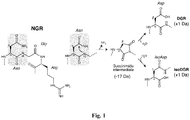
- asparagine of CNGRC SEQ ID NO:5
- succinimide intermediate characterized by loss of 17 Da
- D Asp
- iso Asp isoD
- CNGRC deamidation of CNGRC (SEQ ID NO:5) generates CDGRC (SEQ ID NO:11) and C iso DGRC (SEQ ID NO:41) sequences (Corti and Curnis 2011; Curnis et al. 2010; Curnis et al. 2006) (see Fig. 1 for a schematic representation). It is therefore conceivable that an unpredictable number of different NGR-TNF variants can be present in NGR-TNF and/or maybe formed upon storage or after injections to patients.
- CNGRC (SEQ ID NO:5) deamidation causes loss of CD13 binding affinity and gain of integrin binding properties.
- CisoDGRC product can bind the RGD-binding pocked of ⁇ v ⁇ 3 (Corti and Curnis 2011; Curnis et al. 2010; Curnis et al. 2006; Spitaleri et al. 2008), an integrin overexpressed in the tumor neovasculature.
- CDGRC CDGRC
- C iso DGRC can bind ⁇ v ⁇ 3 with an affinity 10-100-fold greater than ⁇ v ⁇ 5, ⁇ v ⁇ 6, ⁇ v ⁇ 8, and ⁇ 5 ⁇
- the acetyl-C iso DGRC (SEQ ID NO:41) peptide (+42Da) can bind ⁇ v ⁇ 3, ⁇ v ⁇ 6, and ⁇ 5 ⁇ 1 with similar affinities (Curnis et al. 2010).
- the pharmacological and toxicological properties of each compound potentially present or formed in NGR-TNF could be different because of the different affinity for CD 13 or for integrins that each form may have.
- NGR-TNF 17Da, +0Da, +42Da, +58Da and the deamidated corresponding forms
- NGR-TNF The various forms present in NGR-TNF (-17Da, +0Da, +42Da, +58Da and the deamidated corresponding forms) are likely related to modifications occurring during NGR-TNF expression in E.coli cells, its purification, its storage, and, possibly (albeit in small amounts) after administration in patients. It is therefore obvious that a) biochemical, biological, pharmacological and toxicological properties of each component have to be carefully defined before drug registration and b) reproducible composition of different NGR-TNF production lots should be guaranteed for their use in patients. Both these tasks maybe very difficult, considering the complexity of this drug.
- cytokines in cancer therapy can be increased by targeting strategies based on conjugation with peptides containing the NGR motif, i.e. with ligands that recognize CD13-positive tumor blood vessels.
- the targeting approach is generally conceived to permit administration of low, yet pharmacologically active doses of drugs, thereby avoiding toxic reactions and activation of systemic counter-regulatory mechanisms.
- the CNGRCG (SEQ ID NO:1) peptide has been used to produce, by recombinant DNA technology, the CNGRCG-tumor necrosis factor- ⁇ (TNF) fusion protein, which is currently used in clinical trials on cancer patients for various indications.
- NGR-TNF CNGRCG-TNF
- CNGRCG-cytokine conjugates X-CNGRCG-cytokine
- the invention provides a conjugate comprising:
- the conjugate is able to recognize CD13.
- the protein is preferably a cytokine, more preferably a cytokine endowed of anti-tumor activity.
- the cytokine is preferably selected from the group consisting of: tumor necrosis factor (TNF), preferably TNF-alpha or TNF-beta, TNF-related apoptosis inducing ligand (TRAIL), endothelial monocyte activating polypeptide II (EMAP-II), IL12, IFNgamma and IFNalpha.
- the compound X is a second peptide of 1-200 amino acid residues, more preferably of 1, 2 or 3 amino acid residues.
- the second peptide consists of: a serine residue or any amino acid with a short side chain, preferably glycine or alanine, an amino acid sequence comprising the IEGR (SEQ ID NO: 2) sequence or a leader sequence which is removed upon expression of the conjugate in eukaryotic cells and secretion, preferably an OmpT leader sequence.
- the second peptide consists of a serine and the cytokine is TNF.
- TNF is human TNF-alpha.
- the conjugate contains a site for chemical or enzymatic cleavage of the bond between the compound X and the peptide (X-C bond), preferably wherein the cleavage of the X-C bond can be achieved with an aminopeptidase or an endoprotease, preferably with aminopeptidase N (CD13) or with a protease, preferably factor Xa.
- nucleic acid encoding for the conjugate as above defined
- a vector preferably a plasmid or a viral vector, for gene therapy containing the said nucleic acid
- nanoparticle comprising the conjugate as above defined, preferably the conjugate is adsorbed on the surface of gold nanoparticles.
- Another object of the invention is a combination product comprising the conjugate as above defined or the nucleic acid as above defined or the vector as above defined or the nanoparticle as above defined and at least one antitumor agent, preferably being a chemotherapeutic agent and/or immunomodulator and/or autoimmune cell.
- the chemotherapeutic agent is doxorubicin, melphalan, gemcitabine, taxol, cisplatin, vincristine, or vinorelbine.
- the immunomodulator is an anticancer vaccine or an immune check point blocker, such as anti-PD1 or anti-PDL1 or antiCTLA4 antibodies.
- the immune cell is a lymphocyte or a genetically modified T-lymphocyte, such as CAR-T cells, or TCR redirected T-cells or NK cells.
- the further antitumor agent comprises an antibody and a chemotherapeutic agent, such as R-CHOP: rituximab, cyclophosphamide, vincristine, doxorubicin, prednisolone.
- the conjugate or the combination product as above defined are preferably for medical use, more preferably for use the treatment of tumors, preferably solid tumors, more preferably brain tumors (e.g. glioblastoma and astrocytoma), lymphomas, preferably primary diffuse large B-cell lymphoma of the CNS (PCNSL), sarcoma, melanoma oral or skin squamous cell carcinoma, hepatocellular carcinoma, head and neck, gastroesophageal, colorectal, pancreatic, ovarian, lung, cervix, breast cancer, renal, urothelial or metastasis thereof.
- tumors preferably solid tumors, more preferably brain tumors (e.g. glioblastoma and astrocytoma), lymphomas, preferably primary diffuse large B-cell lymphoma of the CNS (PCNSL), sarcoma, melanoma oral or skin squamous cell carcinoma, hepatocellular carcinoma, head and
- At least one antitumor agent as defined above is also administered.
- R-CHOP is also preferably administered.
- Another object of the invention is a pharmaceutical composition
- a pharmaceutical composition comprising an effective amount of a conjugate or the nucleic acid or the vector or the nanoparticle as above defined, together with at least one pharmaceutically acceptable carrier and/or excipient.
- the pharmaceutical composition further comprises at least one antitumor agent.
- a further object of the invention is a method for producing a homogeneous conjugate comprising the sequence CNGRCG (SEQ ID NO: 1) linked to the N-terminus of a protein, said method comprising:
- Another object of the invention is a method for the production of a homogeneous conjugate comprising the sequence CNGRCG (SEQ ID NO: 1) linked to the N-terminus of a protein, said method comprising DNA expression in a host unable to acetylate the alpha-amino group or to modify the CN sequence.
- a further object of the invention is a method for the production of a homogeneous conjugate comprising the sequence CNGRCG (SEQ ID NO: 1) linked to the N-terminus of a protein, said method comprising:
- the cytokine is preferably an inflammatory cytokine.
- the cytokine is a therapeutic cytokine.
- the cytokine is TNF ⁇ , TNF ⁇ , IFN ⁇ , IFN ⁇ , IFN ⁇ , IL-1, 2, 4, 6, 12, 15, 18, EMAP II, vascular endothelial growth factor (VEGF), PDGF, PD-ECGF or a chemokine.
- VEGF vascular endothelial growth factor
- PDGF vascular endothelial growth factor
- PD-ECGF vascular endothelial growth factor
- chemokine vascular endothelial growth factor
- the cytokine is TNF- ⁇ , TNF- ⁇ or IFN- ⁇ .
- the conjugate is in the form of a fusion protein.
- the conjugate is in the form of nucleic acid, a plasmid or a viral vector for gene therapy.
- the conjugate is in the form of a nanoparticle, e.g. adsorbed on the surface of gold nanoparticles
- the composition further comprises another antitumor agent.
- the further antitumor agent is a chemotherapeutic drug, or an immunomodulator, or immune cells.
- the chemotherapeutic drug is doxorubicin, melphalan, gemcitabine, taxol, cisplatin, vincristine, or vinorelbine.
- the immunomodulator is an anticancer vaccine or an immune check point blocker (such as anti-PD1 or anti-PDL1 or antiCTLA4 antibodies).
- immune cells are lymphocytes or genetically modified T-lymphocytes (such as CAR-T cells, or TCR redirected T-cells).
- the further antitumor agent comprises an antibody and a chemotherapeutic agent (such as R-CHOP: rituximab, cyclophosphamide, vincristine, doxorubicin, prednisolone)
- a chemotherapeutic agent such as R-CHOP: rituximab, cyclophosphamide, vincristine, doxorubicin, prednisolone
- an expression vector comprising the nucleic acid as defined above, a host cell transformed with said expression vector and a method for preparing a conjugate or fusion protein as defined above comprising culturing said host cell under conditions which provide for the expression of the conjugate or of the fusion protein.
- CNGRCG-cytokine conjugates including NGR-TNF
- novel CNGRCG-cytokine derivatives that are more stable, homogeneous and bioactive than those originally described.
- Inventors have found that an important source of molecular heterogeneity and instability of the CNGRCG (SEQ ID NO:1) domain coupled to cytokines, such as TNF and EMAP-II, is related to the presence of a cysteine followed by an asparagine residue (CN) in the N-terminus of NGR-TNF.
- NGR-TNF NGR-TNF
- S-NGR-TNF NGR-TNF
- CNGRCG-TNF a product that is more stable and homogeneous than the conventional NGR-TNF
- S-NGR-TNF represents a new molecule with improved biochemical and biological properties compared to NGR-TNF. It is obvious for an expert in the art that the same strategy could be applied also for the generation of other CNGRCG-cytokine conjugates, to solve the problem of CN instability and molecular heterogeneity. It is also obvious for an expert in the art that the N-terminus of CNGRCG-TNF or other CNGRCG-cytokine conjugates could be modified with an aminoacid different from serine or even with a di-, tri- or multi-residues peptide, to improve drug stability and homogeneity.
- X the extra sequence fused to CNGRCG-cytokine
- the problem of molecular heterogeneity of CNGRCG-cytokine conjugates is solved by fusing CNGRCG (SEQ ID NO:1) with the C-terminus of an X polypeptide sequences that is cleaved upon expression in appropriate system, such as the OmpT leader sequence for periplasmatic expression in E.coli cells, or other leader sequence that are removed upon expression in yeast or other eukaryotic cells and secretion.
- appropriate system such as the OmpT leader sequence for periplasmatic expression in E.coli cells, or other leader sequence that are removed upon expression in yeast or other eukaryotic cells and secretion.
- CNGRCG-cytokine including NGR-TNF
- an alternative method for the preparation of homogeneous CNGRCG-cytokine could rely on the expression of X-CNGRCG-cytokine followed by chemical or enzymatic removal of the X sequence in vitro.
- aminopeptidases or other endoproteinases capable of cleaving the X-C peptide bond in the X-CNGRCG sequence could be exploited to remove the X moiety leaving the CNGRCG-cytokine with no chemical modification of its N-terminus.
- aminopeptidase N could be exploited when X is a leucine or an alanine residue, whereas factor Xa could be used when X is a tag containing the IEGR sequence fused to CNGRCG (SEQ ID NO: 1).
- CNGRCG-cytokine products Another possibility to generate homogeneous CNGRCG-cytokine products is to express them in organisms that cannot modify the CN sequence, such as eukaryotic cells, or to express conjugates with peptides lacking the N-terminal cystine, such as NGR followed by other amino acid residues such as or NGRAHA (SEQ ID NO:10) or NGRAGG (SEQ ID NO: 13).
- conjugates which is a molecule comprising at least one targeting moiety/polypeptide linked to at least one cytokine formed through genetic fusion or chemical coupling.
- linked we mean that the first and second sequences are associated such that the first sequence is able to be transported by the second sequence to a target cell.
- conjugates include fusion proteins in which the transport protein is linked to a cytokine via their polypeptide backbones through genetic expression of a DNA molecule encoding these proteins, directly synthesized proteins and coupled proteins in which pre-formed sequences are associated by a cross-linking agent.
- the term is also used herein to include associations, such as aggregates, of the cytokine with the targeting peptide/protein.
- the conjugates of the present invention are capable of being directed to a cell so that an effector function corresponding to the polypeptide sequence coupled to the transport sequence can take place.
- the peptide can be coupled directly to the cytokine or indirectly through a spacer, which can be a single amino acid, an amino acid sequence or an organic residue, such as 6-aminocapryl-N-hydroxysuccinimide.
- the peptide ligand is preferably linked to the cytokine N-terminus thus minimising any interference in the binding of the modified cytokine to its receptor.
- the peptide can be linked to amino acid residues which are amido- or carboxylic-bond acceptors, which may be naturally occurring on the molecule or artificially inserted using genetic engineering techniques.
- the modified cytokine is preferably prepared by use of a cDNA comprising a 5 '-contiguous sequence encoding the peptide.
- conjugation product between TNF and the CNGRC (SEQ ID NO:5) sequence in which the amino-terminal of TNF is linked to the CNGRC (SEQ ID NO:5) peptide through the spacer G (glycine).
- the conjugate also comprises a compound X as defined above.
- the cDNA coding for the conjugate of the present invention, or for the protein and/or for the compound X may be codon optimized for the expression in the host.
- Chemotherapeutic drug penetration into neoplastic cells is critical for the effectiveness of solid-tumor chemotherapy.
- chemotherapeutic drugs To reach cancer cells in solid tumors, chemotherapeutic drugs must enter the drug blood vessels, cross the vessel wall and finally migrate through the interstitium. Heterogeneous tumor perfusion, vascular permeability and cell density, and increased interstitial pressure may represent critical barriers that may limit the penetration of drugs into neoplastic cells and, consequently, the effectiveness of chemotherapy.
- Cytokines which have the effect of affecting these factors and that can alter drug penetration barriers are therefore useful in the present invention.
- a non-limiting list of cytokines which may be used in the present invention is: TNF ⁇ , TNF ⁇ , IFN ⁇ , IFN ⁇ , IFN ⁇ , IL-1, 2, 4, 6, 12, 15, EMAP II, vascular endothelial growth factor (VEGF), PDGF, PD-ECGF or a chemokine.
- the TNF is a mutant form of TNF capable of selectively binding to one of the TNF receptors ( Loetscher H et al (1993) J Biol Chem 268:26350-7 ; Van Ostade X et al (1993) Nature 361 :266-9 ).
- the TNF is mutant with a lower affinity for the TNF receptors ( Huyghe et al, EMBO Molecular Medicine 12: e11223, 2020 ).
- TNF-alpha TNF-alpha
- EMP-II endothelial monocyte activating polypeptide II
- TNF-beta also called lymphotoxin-alpha
- TRAIL TNF-related apoptosis inducing ligand
- the conjugate according to the invention comprises from the N-terminus to the C-terminus: the compound X as above defined, the peptide of sequence CNGRCG (SEQ ID NO: 1), the protein as above defined.
- the conjugate according to the invention comprises from the N-terminus to the C-terminus: a serine residue, the sequence CNGRCG (SEQ ID NO: 1), TNF-alpha.
- the conjugate according to the invention comprises from the N-terminus to the C-terminus: the alpha mating factor secretion signal peptide, the sequence CNGRCG (SEQ ID NO: 1), TNF-alpha.
- the conjugate according to the invention comprises from the N-terminus to the C-terminus: OmpT leader sequence, the sequence CNGRCG (SEQ ID NO: 1), TNF-alpha.
- the above first peptide of sequence CNGRCG may be directly linked to the N-terminus of a protein or linked through a linker.
- the above compound X may be directly linked to the N-terminus of said peptide or may be linked though a linker.
- conjugate of the invention may comprise between the above leader sequence and the first peptide of sequence CNGRCG (SEQ ID NO:1) a sequence comprising a restriction site.
- the human TNF comprises or consists of the sequence:
- the murine TNF comprises or consists of the sequence:
- the OmpT signal peptide comprises or consists of the sequence: M R A K L L G I V L T T P I A I S S F A (SEQ ID NO: 16)
- alpha mating factor secretion signal peptide comprises or consists of the sequence: M R F P S I F T A V L F A A S S A L A (SEQ ID NO:23)
- conjugate according to the invention comprises or consists of the sequence or or or or or or or
- the expression of the conjugate may be carried out in any expression system known to the expert in the art.
- Examples of expression systems are prokaryotic systems, such as Bacillus subtilis, E. coli, Bacillus megaterium, Lactoccos Lactis, ...
- Examples of eukaryotic expression systems are yeast systems, as e.g. Saccharomyces cerevisiae and P. Pastoris, fungus systems, as e.g. Aspergillus niger and oryzae, insects sytems, mammalian systems, as e.g. HEK293 and CHO, transgenic plants or animals. All the expression systems mentioned in the publication Gomes et al., Advances in Animal and Veterinary Sciences, June 2016, 4(7):346-356 are herein incorporated by reference.
- an amino acid with a short side chain is preferably an amino acid with a chain comprising 1 to 6 carbon atoms, preferably 1-3 carbon atoms.
- a polynucleotide or nucleic acid described herein can be present in a vector.
- a vector is a replicating polynucleotide, such as a plasmid, phage, or cosmid, to which another polynucleotide may be attached so as to bring about the replication of the attached polynucleotide.
- Construction of vectors containing a polynucleotide of the invention employs standard ligation techniques known in the art. See, e.g., Sambrook et al, Molecular Cloning: A Laboratory Manual, Cold Spring Harbor Laboratory Press (1989 ).
- a vector can provide for further cloning (amplification of the polynucleotide), i.e., a cloning vector, or for expression of the polynucleotide, i.e., an expression vector.
- the term vector includes, but is not limited to, plasmid vectors, viral vectors, cosmid vectors, transposon vectors, and artificial chromosome vectors.
- viral vectors include, for instance, adenoviral vectors, adeno-associated viral vectors, lentiviral vectors, retroviral vectors, and herpes virus vectors.
- a vector may be replication-proficient or replication- deficient.
- a vector may result in integration into a cell's genomic DNA.
- a vector is capable of replication in a host cell, for instance a mammalian and/or a bacterial cell, such as E. coli.
- Suitable host cells for cloning or expressing the vectors herein are prokaryotic or eukaryotic cells.
- Suitable eukaryotic cells include mammalian cells, such as murine cells and human cells.
- Suitable prokaryotic cells include eubacteria, such as gram- negative organisms, for example, E. coli.
- An expression vector optionally includes regulatory sequences operably linked to the polynucleotide of the present invention.
- An example of a regulatory sequence is a promoter.
- a promoter may be functional in a host cell used, for instance, in the construction and/or characterization of CgA polynucleotide or a fragment thereof, and/or may be functional in the ultimate recipient of the vector.
- a promoter may be inducible, repressible, or constitutive, and examples of each type are known in the art.
- a polynucleotide of the present invention may also include a transcription terminator. Suitable transcription terminators are known in the art.
- Polynucleotides described herein can be produced in vitro or in vivo.
- methods for in vitro synthesis include, but are not limited to, chemical synthesis with a conventional DNA/RNA synthesizer. Commercial suppliers of synthetic polynucleotides and reagents for in vitro synthesis are known. Methods for in vitro synthesis also include, for instance, in vitro transcription using a circular or linear expression vector in a cell free system. Expression vectors can also be used to produce a polynucleotide of the present invention in a cell, and the polynucleotide may then be isolated from the cell.
- compositions including one or more polypeptides or polynucleotides described herein.
- Such compositions typically include a pharmaceutically acceptable carrier.
- pharmaceutically acceptable carrier includes, but is not limited to, saline, solvents, dispersion media, coatings, antibacterial and antifungal agents, isotonic and absorption delaying agents, and the like, compatible with pharmaceutical administration. Additional compounds can also be incorporated into the compositions.
- a composition may be prepared by methods known in the art of pharmacy. In general, a composition can be formulated to be compatible with its intended route of administration. A formulation may be solid or liquid. Administration may be systemic or local. In some aspects local administration may have advantages for site-specific, targeted disease management. Local therapies may provide high, clinically effective concentrations directly to the treatment site, with less likelihood of causing systemic side effects.
- routes of administration examples include parenteral (e.g., intravenous, intradermal, subcutaneous, intraperitoneal, intramuscular), enteral (e.g., oral or rectal), and topical (e.g., epicutaneous, inhalational, transmucosal) administration.
- Appropriate dosage forms for enteral administration of the compound of the present invention may include tablets, capsules or liquids.
- Appropriate dosage forms for parenteral administration may include intravenous administration.
- Appropriate dosage forms for topical administration may include nasal sprays, metered dose inhalers, dry-powder inhalers or by nebulization.
- Solutions or suspensions can include the following components: a sterile diluent such as water for administration, saline solution, fixed oils, polyethylene glycols, glycerin, propylene glycol or other synthetic solvents; antibacterial agents such as benzyl alcohol or methyl parabens; antioxidants such as ascorbic acid or sodium bisulfite; chelating agents such as ethylenediaminetetraacetic acid; buffers such as acetates, citrates or phosphates; electrolytes, such as sodium ion, chloride ion, potassium ion, calcium ion, and magnesium ion, and agents for the adjustment of tonicity such as sodium chloride or dextrose. pH can be adjusted with acids or bases, such as hydrochloric acid or sodium hydroxide.
- a composition can be enclosed in, for instance, ampoules, disposable syringes or multiple dose vials made of glass or plastic.
- compositions can include sterile aqueous solutions or dispersions and sterile powders for the extemporaneous preparation of sterile solutions or dispersions.
- suitable carriers include human albumin, physiological saline, bacteriostatic water, Cremophor ELTM (BASF, Parsippany, N.J.) or phosphate buffered saline.
- a composition is typically sterile and, when suitable for injectable use, should be fluid to the extent that easy syringability exists. It should be stable under the conditions of manufacture and storage and preserved against the contaminating action of microorganisms such as bacteria and fungi.
- the carrier can be a solvent or dispersion medium containing, for example, albumin, water, ethanol, polyol (for example, glycerol, propylene glycol, and liquid polyethylene glycol, and the like), and suitable mixtures thereof.
- polyol for example, glycerol, propylene glycol, and liquid polyethylene glycol, and the like
- Prevention of the action of microorganisms can be achieved by various antibacterial and antifungal agents, for example, parabens, chlorobutanol, phenol, ascorbic acid, thimerosal, and the like.
- isotonic agents for example, sugars, polyalcohols such as mannitol, sorbitol, and sodium chloride in the composition.
- Prolonged absorption of the injectable compositions can be brought about by including in the composition an agent which delays absorption, for example, aluminum monostearate and gelatin.
- Sterile solutions can be prepared by incorporating the active compound (e.g., a polypeptide or polynucleotide described herein) in the required amount in an appropriate solvent with one or a combination of ingredients such as those enumerated above, as required, followed by filtered sterilization.
- dispersions are prepared by incorporating the active compound into a sterile vehicle, which contains a dispersion medium and other ingredient such as from those enumerated above.
- methods of preparation that may be used include vacuum drying and freeze- drying which yields a powder of the active ingredient plus any additional desired ingredient from a previously sterile-filtered solution thereof.
- a composition may be delivered by, for instance, nasogastric tube, enema, colonoscopy, or orally.
- Oral compositions may include an inert diluent or an edible carrier.
- the active compound can be incorporated with excipients and used in the form of tablets, troches, or capsules.
- Oral compositions can also be prepared using a fluid carrier.
- Pharmaceutically compatible binding agents can be included as part of the composition.
- the tablets, pills, capsules, troches and the like may contain any of the following ingredients, or compounds of a similar nature: a binder such as microcrystalline cellulose, gum tragacanth or gelatin; an excipient such as starch or lactose, a disintegrating agent such as alginic acid, Primogel, or corn starch; a lubricant such as magnesium stearate or Sterotes; a glidant such as colloidal silicon dioxide; a sweetening agent such as sucrose or saccharin; or a flavoring agent such as peppermint, methyl salicylate, or orange flavoring.
- a binder such as microcrystalline cellulose, gum tragacanth or gelatin
- an excipient such as starch or lactose, a disintegrating agent such as alginic acid, Primogel, or corn starch
- a lubricant such as magnesium stearate or Sterotes
- a glidant such as colloidal silicon dioxide
- the active compounds may be delivered in the form of an aerosol spray, a nebulizer, or an inhaler, such as a nasal spray, metered dose inhaler, or dry- powder inhaler.
- Systemic administration can also be by transmucosal or transdermal means.
- penetrants appropriate to the barrier to be permeated are used in the formulation. Such penetrants are generally known in the art, and include, for example, for transmucosal administration, detergents, bile salts, and fusidic acid derivatives.
- Transmucosal administration can be accomplished through the use of nasal sprays or suppositories.
- the active compounds may be formulated into ointments, salves, gels, or creams as generally known in the art.
- An example of transdermal administration includes iontophoretic delivery to the dermis or to other relevant tissues.
- the active compounds can also be prepared in the form of suppositories (e.g., with conventional suppository bases such as cocoa butter and other glycerides) or retention enemas for rectal delivery.
- the active compounds may be prepared with carriers that will protect the compound against rapid elimination from the body, such as a controlled release formulation, including implants.
- Biodegradable, biocompatible polymers can be used, such as ethylene vinyl acetate, polyanhydrides, polyglycolic acid, collagen, polyorthoesters, and polylactic acid. Such formulations can be prepared using standard techniques. The materials can also be obtained commercially. Liposomal suspensions can also be used as pharmaceutically acceptable carriers. These can be prepared according to methods known to those skilled in the art. Delivery reagents such as lipids, cationic lipids, phospholipids, liposomes, and microencapsulation may also be used.
- nucleic acid sequences derived from the nucleotide sequences shown below, e.g. functional fragments, mutants, derivatives, analogues, and sequences having a % of identity of at least 70% with the below sequences.
- the protein mentioned below are preferably characterized by the sequences disclosed by the corresponding NCBI accession numbers.
- Codons and the corresponding aminoacid are indicated.
- restriction sites ( Sal I ) used for cDNA cloning into the pET12 plasmid are double underlined. *, stop codon. Italics: cDNA coding for CNGRCG sequence. Underlined: cDNA sequence of murine TNF. Boxed sequence, OmpT signal peptide (provided by the pET12 plasmid) to promote the export into the periplasmic space Arrow, expected site of cleavage of the ompT-NGR-TNF fusion protein in E. Coli.
- restriction site Nde I and Bam HI .
- the restriction site ( Nde I and Bam HI ) used for cDNA cloning into the pET/101D plasmid are double underlined. *, stop codon. Italics: cDNA coding for SCNGRCG (SEQ ID NO:6) sequence. Underlined: cDNA sequence of human TNF.
- restriction sites Nde I and Sal I ) used for cDNA cloning into the pET11 plasmid are double underlined. *, stop codon. Italics: cDNA coding for SCNGRCG (SEQ ID NO:6) sequence. Underlined: cDNA sequence of human TNF.
- the restriction sites ( BamHI I and EcoRI ) used for cDNA cloning in the pPIC9K plasmid are double underlined. *, stop codon. Boxed sequence, alpha mating factor secretion signal peptide (provided by the pPIC9K expression plasmid) to promote the secretion of the NGR-TNF into the culture medium. Arrow, site of cleavage of the fusion protein in Pichia pastoris. Italics: cDNA coding for CNGRCG sequence. Underlined: cDNA sequence of human TNF.
- the present invention also includes functional fragments, variants or derivatives of the proteins, peptides, conjugates or sequences herein disclosed.
- RNA molecules identical to said polynucleotides except for the fact that the RNA sequence contains uracil instead of thymine and the backbone of the RNA molecule contains ribose instead of deoxyribose, RNA sequence complementary the sequences therein disclosed, functional fragments, mutants and derivatives thereof, proteins encoded therefrom, functional fragments, mutants and derivatives thereof.
- complementary sequence refers to a polynucleotide which is non-identical to the sequence but either has a complementary base sequence to the first sequence or encodes the same amino acid sequence as the first sequence.
- a complementary sequence may include DNA and RNA polynucleotides.
- derivative as used herein in relation to a protein means a chemically modified protein or an analogue thereof, wherein at least one substituent is not present in the unmodified protein or an analogue thereof, i.e. a protein which has been covalently modified. Typical modifications are amides, carbohydrates, alkyl groups, acyl groups, esters and the like. As used herein, the term “derivatives” also refers to longer or shorter polynucleotides/proteins and/or having e.g.
- At least 70 % identity means that the identity may be at least 70%, or 75%, or 80%, or 85 % or 90% or 95% or 100% sequence identity to referred sequences. This applies to all the mentioned % of identity.
- the % of identity relates to the full length of the referred sequence.
- the derivative of the invention also includes "functional mutants" of the polypeptides, which are polypeptides that may be generated by mutating one or more amino acids in their sequences and that maintain their activity.
- the polypeptide of the invention if required, can be modified in vitro and/or in vivo, for example by glycosylation, myristoylation, amidation, carboxylation or phosphorylation, and may be obtained, for example, by synthetic or recombinant techniques known in the art.
- “functional” is intended for example as “maintaining their activity” e.g. immunomodulatory activity or anti-inflammatory activity.
- polynucleotides which have the same nucleotide sequences of a polynucleotide exemplified herein except for nucleotide substitutions, additions, or deletions within the sequence of the polynucleotide, as long as these variant polynucleotides retain substantially the same relevant functional activity as the polynucleotides specifically exemplified herein (e.g., they encode a protein having the same amino acid sequence or the same functional activity as encoded by the exemplified polynucleotide).
- polynucleotides disclosed herein should be understood to include mutants, derivatives, variants and fragments, as discussed above, of the specifically exemplified sequences.
- the subject invention also contemplates those polynucleotide molecules having sequences which are sufficiently homologous with the polynucleotide sequences of the invention so as to permit hybridization with that sequence under standard stringent conditions and standard methods (Maniatis, T. et al, 1982).
- Polynucleotides described herein can also be defined in terms of more particular identity and/or similarity ranges with those exemplified herein.
- sequence identity will typically be greater than 60%, preferably greater than 75%, more preferably greater than 80%, even more preferably greater than 90%, and can be greater than 95%.
- the identity and/or similarity of a sequence can be 49, 50, 51, 52, 53, 54, 55, 56, 57, 58, 59, 60, 61, 62, 63, 64, 65, 66, 67, 68, 69, 70, 71, 72, 73, 74, 75, 76, 77, 78, 79, 80, 81, 82, 83, 84, 85, 86, 87, 88, 89, 90, 91 , 92, 93, 94, 95, 96, 97, 98, or 99% or greater as compared to a sequence exemplified herein.
- Percent identity may be measured by the Smith Waterman algorithm ( Smith T F, Waterman M S 1981 "Identification of Common Molecular Subsequences," J Mol Biol 147: 195-197 , which is incorporated herein by reference as if fully set forth).
- the peptide, the protein or the compound X may have fewer or more than the residues of the mentioned sequences. E.g. the peptide may include more than 6 amino acids.
- the peptide, the protein or the compound X may present amino acid replacement in comparison to the sequence of SEQ ID NO. 1 or to the other herein mentioned sequences.
- the replacement may be with any amino acid whether naturally occurring or synthetic.
- the replacement may be with an amino acid analogue or amino acid mimetic that functions similarly to the naturally occurring amino acids.
- Naturally occurring amino acids are those encoded by the genetic code, as well as those amino acids that are later modified.
- the later modification may be but is not limited to hydroxyproline, ⁇ -carboxyglutamate, and O-phosphoserine modifications.
- Naturally occurring amino acids include the standard 20, and unusual amino acids.
- Unusual amino acids include selenocysteine.
- the replacement may be with an amino acid analogue, which refers to compounds that have the same basic chemical structure as a naturally occurring amino acid; e.g., a carbon that is bound to a hydrogen, a carboxyl group, an amino group, and an R group.
- amino acid analogues include but are not limited to homoserine, norleucine, methionine sulfoxide, methionine methyl sulfonium. Such analogues may have modified R groups or modified peptide backbones.
- the amino acid analogues may retain the same basic chemical structure as a naturally occurring amino acid.
- the replacement may be with an aminoacid mimetic, which refers to chemical compounds that have a structure that is different from the general chemical structure of an amino acid, but that functions similarly to a naturally occurring amino acid.
- the replacement may be with an ⁇ , ⁇ -disubstituted 5-carbon olefinic unnatural amino acid.
- a replacement may be a conservative replacement, or a non-conservative replacement.
- a conservative replacement refers to a substitution of an amino acid with a chemically similar amino acid.
- Conservative substitution tables providing functionally similar amino acids are well known in the art.
- conservatively replacements include but are not limited to substitutions for one another: (1) Alanine (A), Glycine (G); (2) Aspartic acid (D), Glutamic acid (E); (3) Asparagine (N), Glutamine (Q); (4) Arginine (R), Lysine (K); (5) Isoleucine (I), Leucine (L), Methionine (M), Valine (V); (6) Phenylalanine (F), Tyrosine (Y), Tryptophan (W); (7) Serine (S), Threonine (T); and (8) Cysteine (C), Methionine (M) (see, e.g., Creighton, Proteins (1984)).
- a replacement may be from one amino acid to another with a similar hydrophobicity, hydrophilicity, solubility, polarity, or acidity.
- a sequence having less than 100% identity to the reference sequence SEQ ID NO:1 or to other mentioned sequences may be referred to as a variant.
- An embodiment includes a composition including the peptide having a sequence that is a variant of SEQ ID NO: 1.
- one or more amino acids residues are replaced with a residue having a crosslinking moiety.
- a "peptide” or “polypeptide” comprises a polymer of amino acid residues linked together by peptide (amide) bonds.
- peptides refer to proteins, polypeptides, and peptide of any size, structure, or function. Typically, a peptide or polypeptide will be at least three amino acids long. A peptide or polypeptide may refer to an individual protein or a collection of proteins.
- the peptides of the instant invention may contain natural amino acids and/or non-natural amino acids (i.e., compounds that do not occur in nature but that can be incorporated into a polypeptide chain). Amino acid analogues as are known in the art may alternatively be employed.
- One or more of the amino acids in a peptide or polypeptide may be modified, for example, by the addition of a chemical entity such as a carbohydrate group, a hydroxyl group, a phosphate group, a farnesyl group, an isofarnesyl group, a fatty acid group, a linker for conjugation, functionalization, or other modification.
- a peptide or polypeptide may also be a single molecule or may be a multi-molecular complex, such as a protein.
- a peptide or polypeptide may be just a fragment of a naturally occurring protein or peptide.
- a peptide or polypeptide may be naturally occurring, recombinant, or synthetic, or any combination thereof.
- agents are developed to target cellular contents, cellular compartments, or specific protein, lipid, nucleic acid or other targets or biomarkers within cells. While these agents can bind to their intracellular targets with strong affinity, many of these compounds, whether they be molecules, proteins, nucleic acids, peptides, nanoparticles, or other intended therapeutic agents or diagnostic markers cannot cross the cell membrane efficiently or at all.
- the composition may include a pharmaceutically acceptable carrier.
- the pharmaceutically acceptable carrier may include but is not limited to at least one of ion exchangers, alumina, aluminum stearate, lecithin, serum proteins, human serum albumin, buffer substances, phosphates, glycine, sorbic acid, potassium sorbate, partial glyceride mixtures of saturated vegetable fatty acids, water, salts, electrolytes, protamine sulfate, disodium hydrogen phosphate, potassium hydrogen phosphate, sodium chloride, zinc salts, colloidal silica, magnesium trisilicate, polyvinyl pyrrolidone, cellulose-based substances, polyethylene glycol, sodium carboxymethylcellulose, waxes, polyethylene glycol, starch, lactose, dicalcium phosphate, microcrystalline cellulose, sucrose, dextrose, talc, magnesium carbonate, kaolin; non-ionic surfactants, edible oils, physiological saline, bacteriostatic water, Cremophor
- Administering may include delivering a dose of 1 ng/kg/day to 100 ⁇ g/kg/day of the fusion protein or conjugate product.
- the dose may be any value between 1 ng/kg/day to 100 ⁇ g/kg/day.
- the dose may be any dose between and including any two integer values between 1 ng/kg/day to 100 ⁇ g/kg/day.
- the dose may be 10, 15, 20, 25, 30, 35, 40, 45, 50, 55, 60, 65, 70, 75, 80, 85, 90, 95, or 100 ng/kg/day or mg/kg/day or any dose in a range between any two of the foregoing.
- the dose may be about 16 ng/kg/day.
- Administering may include delivering any dose of a complementing therapeutic.
- the complementing therapeutic dose may be any 1 to 100 mg/kg/day.
- the complementing therapeutic dose may be any value between 1 to 100 mg/kg/day.
- the complementing therapeutic dose may be any dose between and including any two integer values between 1 ng/kg/day to 100 mg/kg/day.
- the complementing therapeutic dose may be 10, 15, 20, 25, 30, 35, 40, 45, 50, 55, 60, 65, 70, 75, 80, 85, 90, 95, or 100 mg/kg/day or any dose in a range between any two of the foregoing.
- the complementing therapeutic may be any one or more of nanoparticle (e.g. gold nanoparticles, liposomes), a therapeutic agent (e.g.
- the concentration of the peptide(s) and at least one complementing therapeutic in the composition may be set to deliver the daily (or weekly, every three weeks or monthly) dosage in a single administration, two-point administrations, multiple point administrations, or continuous administration (e.g., intravenously, transdermally, intraperitoneally, by isolated limb perfusion, by isolated hepatic perfusion, or local administration) over a period of time.
- the period may be one day.
- the period may be 1, 2, 4, 8, 12, or 24 hours or a time within a range between any two of these values.
- the peptide-cytokine and complementing therapeutic can be administered simultaneously or with 1, 2, 4, 8, 12, 24, 48 hours of delay or anticipation or any intermediate times.
- a composition including fusion protein or conjugate product of the invention may include any amount of the protein or product.
- the amount may be that sufficient to deliver the dosage as set forth above in a suitable volume or sized delivery mode.
- the amount in one volume or delivery mode may be the total dosage divided by the number of administrations throughout the time period.
- the complementing therapeutic may be at any complementing therapeutic amount.
- the complementing therapeutic amount may be tailored to deliver the right complementing therapeutic amount in the volume or delivery mode used for administration.
- the patient may be an animal.
- the patient may be a mammal.
- the patient may be a human.
- the patient may be a cancer patient.
- the cancer patient may be a lymphoma, or sarcoma, melanoma oral or skin squamous cell carcinoma, hepatocellular carcinoma, head and neck, gastroesophageal, colorectal, pancreatic, ovarian, lung, cervix, breast cancer, renal, urothelial, brain tumors (e.g. glioblastoma and astrocytoma) cancer patient, or patients with other solid-tumors or with metastasis of said tumors.
- the route for administering a composition or pharmaceutical composition may be by any route.
- the route of administration may be any one or more route including but not limited to oral, injection, topical, enteral, rectal, gastrointestinal, sublingual, sublabial, buccal, epidural, intracerebral, intracerebroventricular, intracisternal, epicutaneous, intraderm al, subcutaneous, nasal, intravenous, intraarterial, intramuscular, intracardiac, intraosseous, intrathecal, intraperitoneal, intravesical, intravitreal, intracavernous, intravaginal, intrauterine, extra-amniotic, transdermal, intratumoral, and transmucosal.
- Embodiments include a method of making the peptides of the invention, including the stapled peptide.
- the method may include synthesizing a fusion protein or conjugate product having the sequence of the selected modified peptide.
- the method may include evaluating the binding to CD13 of the peptide.
- Methods and conditions for evaluating the binding of the peptide may be set forth in the Example below.
- An embodiment includes fusion protein or conjugate product or a composition thereof comprising a peptide consisting of, consisting essentially of, or comprising the sequence of any amino acid sequence herein.
- the peptide composition may include any complementing therapeutic herein.
- the peptide composition may include a pharmaceutically acceptable carrier.
- protein includes single-chain polypeptide molecules as well as multiple-polypeptide complexes where individual constituent polypeptides are linked by covalent or non-covalent means.
- polypeptide includes peptides of two or more amino acids in length, typically having more than 5, 10 or 20 amino acids.
- polypeptide sequences for use in the invention are not limited to the particular sequences or fragments thereof but also include homologous sequences obtained from any source, for example related viral bacterial proteins, cellular homologues and synthetic peptides, as well as variants or derivatives thereof.
- Polypeptide sequences of the present invention also include polypeptides encoded by polynucleotides of the present invention.
- variant or derivative in relation to the amino acid sequences of the present invention includes any substitution of, variation of, modification of, replacement of, deletion of or addition of one (or more) amino acids from or to the sequence providing the resultant amino acid sequence preferably has targeting activity, preferably having at least 25 to 50% of the activity as the polypeptides herein presented, more preferably at least substantially the same activity.
- sequences may be modified for use in the present invention. Typically, modifications are made that maintain the activity of the sequence.
- amino acid substitutions may be made, for example from 1, 2 or 3 to 10, 20 or 30 substitutions provided that the modified sequence retains at least about 25 to 50% of, or substantially the same activity.
- modifications to the amino acid sequences of a polypeptide of the invention may be made intentionally to reduce the biological activity of the polypeptide.
- truncated polypeptides that remain capable of binding to target molecule but lack functional effector domains may be useful.
- preferably less than 20%, 10% or 5% of the amino acid residues of a variant or derivative are altered as compared with the corresponding region depicted in the sequence listings.
- Amino acid substitutions may include the use of non-naturally occurring analogues, for example to increase blood plasma half-life of a therapeutically administered polypeptide.
- Polypeptides of the invention also include fragments of the above-mentioned polypeptides and variants thereof, including fragments of the sequences.
- Preferred fragments include those which include an epitope. Suitable fragments will be at least about 5, e.g. 10, 12, 15 or 20 amino acids in length. They may also be less than 200, 100 or 50 amino acids in length.
- Polypeptide fragments of the proteins and allelic and species variants thereof may contain one or more (e.g. 2, 3, 5, or 10) substitutions, deletions or insertions, including conserved substitutions. Where substitutions, deletion and/or insertions have been made, for example by means of recombinant technology, preferably less than 20%, 10% or 5% of the amino acid residues depicted in the sequence listings are altered.
- Proteins of the invention are typically made by recombinant means. However, they may also be made by synthetic means using techniques well known to skilled persons such as solid phase synthesis. Various techniques for chemical synthesising peptides are reviewed by Borgia and Fields, 2000, TibTech 18: 243-251 and described in detail in the references contained therein.
- TNF can be fused with the CNGRCG (SEQ ID NO:1) or SCNGRCG (SEQ ID NO:6) peptide by genetic engineering or by chemical synthesis.
- NGR-TNF cDNAs coding for murine and human CNGRCG-TNF (NGR-TNF) were produced by recombinant DNA technology and cloned in the pET-11 plasmid (Novagen, Madison, WI) as previously described (Curnis et al. 2000). cDNA expression was obtained in BL21(DE3) Escherichia coli cells (Novagen) according to the pET11 manufacture's instruction.
- the products were purified from bacterial lysates by ammonium sulfate precipitation, hydrophobic interaction chromatography on Phenyl-Sepharose 6 Fast Flow (Pharmacia- Upjohn), ion exchange chromatography on DEAE-Sepharose Fast Flow (Pharmacia-Upjohn), gel filtration chromatography on Sephacryl-S-300 HR (Pharmacia-Upjohn). All solutions used in the chromatographic steps were prepared with sterile and endotoxin-free water (Salf, Bergamo, Italy). Production of murine and human S-NGR-TNF in E.coli cells.
- Murine SCNGRCG-TNF fusion protein (called S-NGR-TNF) was expressed in E.coli cells (BL21 Star (DE3)) using the pET101D plasmid (Invitrogen). Human S-NGR-TNF fusion protein was expressed in E.coli cells (BL21 Star (DE3)) using the pET101D or the pET11 plasmids.
- Murine S-NGR-TNF was purified form cell extracts, obtained by cell sonication and centrifugation, by affinity chromatography on sTNF-R1 (etanercept)-agarose column.
- the product which was eluted from the column with a denaturing buffer containing 7 M urea in 100 mM Tris-HCl, pH 7.3, was refolded by dialysis against 333 volumes of 2.33 M urea, 100 mM Tris-HCl, pH 7.3 (1 h, at 4°C), followed by 0.77 M urea, 100 mM Tris-HCl, pH 7.3 (1 h, at 4°C), and 0.26 M urea, 100 mM Tris-HCl, pH 7.3 (1 h, at 4°C).
- Human S-NGR-TNF has been produced in a similar manner. About 0.1 mg of human S-NGR-TNF were recovered from 1 liter of cell culture using the pET101D. The yield was markedly increased when human S-NGR-TNF was expressed using the pET11 plasmid, as in this case >100 mg of S-NGR-TNF were produced with one liter of cell culture.
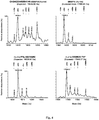
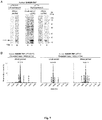
- Mass spectrometry (MS) analysis of human NGR-TNF showed that the subunits of this product are a heterogeneous mixture of -17Da, +0Da, +42Da and +58Da forms ( Fig.2 ), as previously reported for the human NGR-TNF used in clinical studies (Tobias et al. 2013).
- An additional form of +100KDa was also observed in murine NGR-TNF ( Fig.2 ).
- the +22Da and other peaks observed in the mass spectra of both products likely correspond to ion adducts.
- the +42Da, +58Da and +100Da forms were not observed in murine and human TNF produced using the same expression system ( Fig. 2C )
- a heterogeneous composition was observed also when murine NGR-TNF was expressed in BL21 Rosetta (DE3) E.coli cells or when purified by a different method based on affinity chromatography on a sTNF-R1 (etanercept)-agarose column (not shown).
- NGR-TNF The different forms of NGR-TNF are related to modification of the N-terminal sequence
- NGR-TNF NGR-TNF
- a) reduced with ditiothreitol b) alkylated with iodoacetamide
- c) digested with Asp-N a protease that can cleave the protein at the N-side of aspartate residues.
- MS analysis of the product showed that the N-terminal fragment CNGRCGLRSSSQNSS (SEQ ID NO: 37) was heterogeneous, showing again the +0, +42, +58 and + 100 Da forms ( Fig. 3 ).
- NGR-TNF The different forms of NGR-TNF are related to modification of the N-terminal CNGRC sequence
- NGR-TNF N-terminal cysteine residue NGR-TNF is partially acetylated and account for the + 42Da form
- the murine SCNGRCG-TNF (S-NGR-TNF) produced by recombinant DNA technology is a homogeneous product lacking the + 42Da, + 58Da and + 100Da forms.
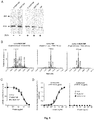
- S-NGR-TNF like TNF, was more homogeneous than NGR-TNF by mass-spectrometry analysis ( Fig. 8B ).
- S-NGR-TNF was more homogeneous than NGR-TNF by mass-spectrometry analysis ( Fig. 8B ).
- Human S-NGR-TNF produced by recombinant DNA technology is a homogeneous product lacking the + 42Da, + 58Da and + 100Da forms.
- Inventors investigated whether also human S-NGR-TNF is homogeneous upon expression in in E.coli cells.
- the protein was expressed in E.coli cells (BL21 Star (DE3) using the pET101D plasmid and purified form cell extracts by affinity chromatography on sTNF-R1 (etanercept)-agarose column.
- About 0.1 mg of human S-NGR-TNF were recovered from 1 liter of cell culture using the pET101D.
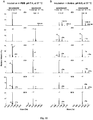
- the yield was markedly increased when human S-NGR-TNF was expressed using the pET11 plasmid ( Fig. 9A ), as in this case >100 mg of S-NGR-TNF were produced with one liter of cell culture.
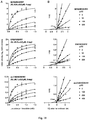
- the SCNGRCG (SEQ ID NO:6) sequence can interact with CD13 with an affinity greater than that of CNGRCG (SEQ ID NO:1) or acetyl-CNGRCG
- SCNGRCG SEQ ID NO:6
- CNGRCG SEQ ID NO:1
- deamidation products of S-NGR-TNF bind integrins with an affinity similar to that of the deamidation products of NGR-TNF
- SCisoDGRCGVRY SEQ ID NO: 17
- CisoDGRCGVRY and acetyl-CisoDGRCGVRY were analysed the binding of SCisoDGRCGVRY (SEQ ID NO: 17), CisoDGRCGVRY and acetyl-CisoDGRCGVRY to ⁇ v ⁇ 3, ⁇ v ⁇ 5, ⁇ v ⁇ 6 ⁇ v ⁇ 8 and ⁇ 5 ⁇ 1 integrins using a competitive binding assay previously described (Curnis et al. 2010).
- the results showed that SCisoDGRCGVRY could bind these integrins with Ki values similar to those of CisoDGRCGVRY and acetyl-CisoDGRCGVRY (Table 3).
- SCNGRCGVRY SEQ ID NO: 3
- SCDGRCGVRY SEQ ID NO:22
- tested in parallel showed no or very low affinity for all integrins.
- human NGR-TNF contains acetylated and non-acetylated forms and that both CNGRC (SEQ ID NO:5) and acetyl-CNGRC can undergo deamidation (Curnis et al. 2010)
- inventors can conclude that the isoDGR derivative of S-NGR-TNF, if formed, behave in a manner similar to those of the isoDGR derivatives of NGR-TNF in terms of integrin recognition.
- S-NGR-TNF is less prone than NGR-TNF to generate integrin binding site upon incubation
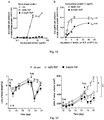
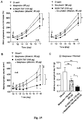
- Administration of 2 ⁇ g of NGR-TNF at day 11 after tumor implantation caused a marked loss of animal weight (0.89 ⁇ 0.29 g), indicating that this treatment was toxic.
- Subsequent administration of 6 ⁇ g at day 18 caused a loss of 1.28 ⁇ 0.29 g, indicating that this dose, as expected, was even more toxic ( Fig. 13A , upper panel).
- NGR-TNF NGR-TNF
- S-NGR-TNF does not exacerbate the toxicity of melphalan.
- NGRCG SEQ ID NO:1
- CNGRCG SEQ ID NO:1
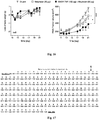
- cDNA coding for CNGRCG-TNF is fused to the C-terminus of the alpha-mating factor secretion-signal peptide ( Figure 17 ) to promote the secretion into the culture medium through the addition of methanol.
- the protein is produced with the leader sequence that is cleaved upon secretion.
- NGR-TNF can be secreted at high levels ( Figure 18B ).
- Mass spectrometry analysis of the affinity purified product showed that NGR-TNF produced in this manner was homogeneous, characterized by the expected molecular weight, and devoid of the +42, +58Da ( Figure 18C ).
- references cited throughout this application are incorporated for all purposes apparent herein and in the references themselves as if each reference was fully set forth. For the sake of presentation, specific ones of these references are cited at particular locations herein. A citation of a reference at a particular location indicates a manner(s) in which the teachings of the reference are incorporated. However, a citation of a reference at a particular location does not limit the manner in which all of the teachings of the cited reference are incorporated for all purposes.
- OmpT outer membrane protein T leader sequence; His tag -Xpress, six-histidine tag and Xpress fusion product.
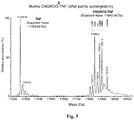
- b) by ESI-MS c) As determined by the analysis of the LLGIVLTTPIAISSFASTCNGR (SEQ ID NO: 21) fragment obtained by trypsin digestion (see Fig. 6 ).
- e His tag : six-histidine tag-Xpress epitope fused to vasostatin-1.
- f Produced as described in (Curnis et al. 2005). Table 2.
- CD13 inhibitory activity of SCNGRCGVRY (SEQ ID NO: 3), CNGRCGVRY (SEQ ID NO:4), and acetyl-CNGRCGVRY peptides Peptide CD13 inhibitory activity ( ⁇ M) Tris-HCl buffer a Potassium-phosphate buffer b n c Ki d n Ki CNGRCGVRY (SEQ ID NO:4) 4 35.6 ⁇ 4.0 1 76.5 acetyl-CNGRCGVRY 3 38.1 ⁇ 9.8 1 50.7 SCNGRCGVRY (SEQ ID NO:3) 4 6.8 ⁇ 0.8 2 25.0 ⁇ 0.5 a) 50 mM Tris-HCl buffer, pH 7.4.
Landscapes
- Health & Medical Sciences (AREA)
- Chemical & Material Sciences (AREA)
- Life Sciences & Earth Sciences (AREA)
- Organic Chemistry (AREA)
- General Health & Medical Sciences (AREA)
- Genetics & Genomics (AREA)
- Medicinal Chemistry (AREA)
- Molecular Biology (AREA)
- Zoology (AREA)
- Biochemistry (AREA)
- Biophysics (AREA)
- Proteomics, Peptides & Aminoacids (AREA)
- Engineering & Computer Science (AREA)
- Wood Science & Technology (AREA)
- Bioinformatics & Cheminformatics (AREA)
- Virology (AREA)
- Gastroenterology & Hepatology (AREA)
- Toxicology (AREA)
- Microbiology (AREA)
- General Engineering & Computer Science (AREA)
- Public Health (AREA)
- Veterinary Medicine (AREA)
- Pharmacology & Pharmacy (AREA)
- Animal Behavior & Ethology (AREA)
- Communicable Diseases (AREA)
- Biotechnology (AREA)
- Biomedical Technology (AREA)
- Oncology (AREA)
- General Chemical & Material Sciences (AREA)
- Mycology (AREA)
- Epidemiology (AREA)
- Pulmonology (AREA)
- Nuclear Medicine, Radiotherapy & Molecular Imaging (AREA)
- Chemical Kinetics & Catalysis (AREA)
- Immunology (AREA)
- Peptides Or Proteins (AREA)
- Medicines That Contain Protein Lipid Enzymes And Other Medicines (AREA)
- Preparation Of Compounds By Using Micro-Organisms (AREA)
- Medicinal Preparation (AREA)
- Medicines Containing Antibodies Or Antigens For Use As Internal Diagnostic Agents (AREA)
Priority Applications (10)
| Application Number | Priority Date | Filing Date | Title |
|---|---|---|---|
| EP20164689.0A EP3882257A1 (fr) | 2020-03-20 | 2020-03-20 | Conjugués ngr et leurs utilisations |
| MX2022011642A MX2022011642A (es) | 2020-03-20 | 2021-03-19 | Conjugados de ngr y usos de los mismos. |
| IL296628A IL296628A (en) | 2020-03-20 | 2021-03-19 | Ngr conjugates and uses thereof |
| CA3172475A CA3172475A1 (fr) | 2020-03-20 | 2021-03-19 | Conjugues ngr et leurs utilisations |
| EP21712536.8A EP4121440A1 (fr) | 2020-03-20 | 2021-03-19 | Conjugués ngr et leurs utilisations |
| CN202180036356.9A CN115702159A (zh) | 2020-03-20 | 2021-03-19 | Ngr偶联物及其用途 |
| PCT/EP2021/057157 WO2021186071A1 (fr) | 2020-03-20 | 2021-03-19 | Conjugués ngr et leurs utilisations |
| US17/912,765 US20230181719A1 (en) | 2020-03-20 | 2021-03-19 | Ngr conjugates and uses thereof |
| JP2022556600A JP2023518954A (ja) | 2020-03-20 | 2021-03-19 | Ngrコンジュゲート及びその使用 |
| AU2021237793A AU2021237793A1 (en) | 2020-03-20 | 2021-03-19 | NGR conjugates and uses thereof |
Applications Claiming Priority (1)
| Application Number | Priority Date | Filing Date | Title |
|---|---|---|---|
| EP20164689.0A EP3882257A1 (fr) | 2020-03-20 | 2020-03-20 | Conjugués ngr et leurs utilisations |
Publications (1)
| Publication Number | Publication Date |
|---|---|
| EP3882257A1 true EP3882257A1 (fr) | 2021-09-22 |
Family
ID=70108032
Family Applications (2)
| Application Number | Title | Priority Date | Filing Date |
|---|---|---|---|
| EP20164689.0A Withdrawn EP3882257A1 (fr) | 2020-03-20 | 2020-03-20 | Conjugués ngr et leurs utilisations |
| EP21712536.8A Pending EP4121440A1 (fr) | 2020-03-20 | 2021-03-19 | Conjugués ngr et leurs utilisations |
Family Applications After (1)
| Application Number | Title | Priority Date | Filing Date |
|---|---|---|---|
| EP21712536.8A Pending EP4121440A1 (fr) | 2020-03-20 | 2021-03-19 | Conjugués ngr et leurs utilisations |
Country Status (9)
| Country | Link |
|---|---|
| US (1) | US20230181719A1 (fr) |
| EP (2) | EP3882257A1 (fr) |
| JP (1) | JP2023518954A (fr) |
| CN (1) | CN115702159A (fr) |
| AU (1) | AU2021237793A1 (fr) |
| CA (1) | CA3172475A1 (fr) |
| IL (1) | IL296628A (fr) |
| MX (1) | MX2022011642A (fr) |
| WO (1) | WO2021186071A1 (fr) |
Families Citing this family (3)
| Publication number | Priority date | Publication date | Assignee | Title |
|---|---|---|---|---|
| US20250215411A1 (en) | 2022-03-09 | 2025-07-03 | Ospedale San Raffaele Srl | Fusion proteins and uses thereof |
| WO2024226775A2 (fr) * | 2023-04-26 | 2024-10-31 | Elicio Therapeutics, Inc. | Compositions contenant des amphiphiles polynucléotidiques et polypeptidiques et leurs procédés d'utilisation |
| CN117180446A (zh) * | 2023-09-11 | 2023-12-08 | 国家纳米科学中心 | 一种自组装多肽偶联药物及其应用 |
Citations (3)
| Publication number | Priority date | Publication date | Assignee | Title |
|---|---|---|---|---|
| WO2001061017A2 (fr) | 2000-02-15 | 2001-08-23 | Fondazione Centro San Raffaele Del Monte Tabor | Cytokines modifiees utilisees dans le traitement du cancer |
| CN103483422B (zh) * | 2013-09-22 | 2015-06-17 | 中国人民解放军第四军医大学 | 一种ngr多肽放射性药物及其制备方法与应用 |
| WO2018207115A1 (fr) * | 2017-05-10 | 2018-11-15 | Fondazione Centro San Raffaele | Peptides d'écotropisme tumoral, produits de conjugaison de celle-ci et leur utilisation dans le diagnostic et la thérapie |
Family Cites Families (4)
| Publication number | Priority date | Publication date | Assignee | Title |
|---|---|---|---|---|
| US7109303B2 (en) * | 2000-02-15 | 2006-09-19 | Fondazione Centro San Raffaele Del Monte Tabor | Modified cytokines for use in cancer therapy |
| EP1929073A4 (fr) * | 2005-09-27 | 2010-03-10 | Amunix Inc | Produits pharmaceutiques proteiques et utilisations de ceux-ci |
| GB0624308D0 (en) * | 2006-12-05 | 2007-01-17 | Molmed Spa | Combination product |
| CN101070350B (zh) * | 2007-05-25 | 2011-03-23 | 中国医学科学院医药生物技术研究所 | 针对cd13的靶向肽与力达霉素构成的强化融合蛋白ngr-ldp-ae |
-
2020
- 2020-03-20 EP EP20164689.0A patent/EP3882257A1/fr not_active Withdrawn
-
2021
- 2021-03-19 CN CN202180036356.9A patent/CN115702159A/zh active Pending
- 2021-03-19 EP EP21712536.8A patent/EP4121440A1/fr active Pending
- 2021-03-19 IL IL296628A patent/IL296628A/en unknown
- 2021-03-19 CA CA3172475A patent/CA3172475A1/fr active Pending
- 2021-03-19 US US17/912,765 patent/US20230181719A1/en active Pending
- 2021-03-19 WO PCT/EP2021/057157 patent/WO2021186071A1/fr not_active Ceased
- 2021-03-19 AU AU2021237793A patent/AU2021237793A1/en active Pending
- 2021-03-19 JP JP2022556600A patent/JP2023518954A/ja active Pending
- 2021-03-19 MX MX2022011642A patent/MX2022011642A/es unknown
Patent Citations (3)
| Publication number | Priority date | Publication date | Assignee | Title |
|---|---|---|---|---|
| WO2001061017A2 (fr) | 2000-02-15 | 2001-08-23 | Fondazione Centro San Raffaele Del Monte Tabor | Cytokines modifiees utilisees dans le traitement du cancer |
| CN103483422B (zh) * | 2013-09-22 | 2015-06-17 | 中国人民解放军第四军医大学 | 一种ngr多肽放射性药物及其制备方法与应用 |
| WO2018207115A1 (fr) * | 2017-05-10 | 2018-11-15 | Fondazione Centro San Raffaele | Peptides d'écotropisme tumoral, produits de conjugaison de celle-ci et leur utilisation dans le diagnostic et la thérapie |
Non-Patent Citations (46)
| Title |
|---|
| ANGELO CORTI ET AL: "Glycine N -Methylation in NGR-Tagged Nanocarriers Prevents Isoaspartate Formation and Integrin Binding without Impairing CD13 Recognition and Tumor Homing", ADVANCED FUNCTIONAL MATERIALS, vol. 27, no. 36, 1 September 2017 (2017-09-01), DE, pages 1701245, XP055495996, ISSN: 1616-301X, DOI: 10.1002/adfm.201701245 * |
| ANGELO CORTI ET AL: "Peptide-Mediated Targeting of Cytokines to Tumor Vasculature: The NGR-hTNF Example", BIODRUGS, vol. 27, no. 6, 7 June 2013 (2013-06-07), NZ, pages 591 - 603, XP055728335, ISSN: 1173-8804, DOI: 10.1007/s40259-013-0048-z * |
| ARAP, W.R. PASQUALINIE. RUOSLAHTI.: "Cancer treatment by targeted drug delivery to tumor vasculature in a mouse model", SCIENCE, vol. 279, 1998, pages 377 - 80, XP002235060, DOI: 10.1126/science.279.5349.377 |
| BHAGWAT, S. V.J. LAHDENRANTAR. GIORDANOW. ARAPR. PASQUALINIL. H. SHAPIRO: "CD13/APN is activated by angiogenic signals and is essential for capillary tube formation", BLOOD, vol. 97, 2001, pages 652 - 59 |
| BORGIAFIELDS, TIBTECH, vol. 18, 2000, pages 243 - 251 |
| BUEHLER, A.M. A. VAN ZANDVOORTB. J. STELTT. M. HACKENGB. H. SCHRANS-STASSENA. BENNAGHMOUCHL. HOFSTRAJ. P. CLEUTJENSA. DUIJVESTIJNM: "cNGR: a novel homing sequence for CD13/APN targeted molecular imaging of murine cardiac angiogenesis in vivo", ARTERIOSCLER THROMB VASC BIOL, vol. 26, 2006, pages 2681 - 7, XP002487213, DOI: 10.1161/01.ATV.0000245807.65714.0b |
| CALCINOTTO, A.M. GRIONIE. JACHETTIF. CURNISA. MONDINOG. PARMIANIA. CORTIM. BELLONE: "Targeting TNF-alpha to Neoangiogenic Vessels Enhances Lymphocyte Infiltration in Tumors and Increases the Therapeutic Potential of Immunotherapy", JOURNAL OF IMMUNOLOGY, 2012 |
| COLOMBO GIORGIO ET AL: "Structure-activity relationships of linear and cyclic peptides containing the NGR tumor-homing motif", JOURNAL OF BIOLOGICAL CHEMISTRY, AMERICAN SOCIETY FOR BIOCHEMISTRY AND MOLECULAR BIOLOGY, US, vol. 277, no. 49, 6 December 2002 (2002-12-06), pages 47891 - 47897, XP002410088, ISSN: 0021-9258, DOI: 10.1074/JBC.M207500200 * |
| CORTI, A.F. CURNIS.: "Tumor vasculature targeting through NGR peptide-based drug delivery systems", CURRENT PHARMACEUTICAL BIOTECHNOLOGY,, vol. 12, 2011, pages 1128 - 34 |
| CORTI, A.F. CURNISG. ROSSONIF. MARCUCCIV. GREGORC.: "Peptide-mediated targeting of cytokines to tumor vasculature: the NGR-hTNF example", BIODRUGS, vol. 27, 2013, pages 591 - 603 |
| CORTI, A.F. CURNISW. ARAPR. PASQUALINI: "The neovasculature homing motif NGR: more than meets the eye", BLOOD, vol. 112, 2008, pages 2628 - 35, XP002663494, DOI: 10.1182/BLOOD-2008-04-150862 |
| CREIGHTON, PROTEINS, 1984 |
| CRIPPA, L.A. GASPARRIA. SACCHIE. FERREROF. CURNISA. CORTI.: "Synergistic damage of tumor vessels with ultra low-dose endothelial-monocyte activating polypeptide-II and neovasculature-targeted tumor necrosis factor-alpha", CANCER RES, vol. 68, 2008, pages 1154 - 61 |
| CURNIS, F.A. CATTANEOR. LONGHIA. SACCHIA. M. GASPARRIF. PASTORINOP. DI MATTEOC. TRAVERSARIA. BACHIM. PONZONI: "Critical role of flanking residues in NGR-to-isoDGR transition and CD13/Integrin receptor switching", J BIOL CHEM, vol. 285, 2010, pages 9114 - 23, XP055066135, DOI: 10.1074/jbc.M109.044297 |
| CURNIS, F.A. GASPARRIA. SACCHIA. CATTANEOF. MAGNIA. CORTI.: "Targeted delivery of IFN-gamma to tumor vessels uncouples anti-tumor from counter-regulatory mechanisms", CANCER RESEARCH, vol. 65, 2005, pages 2906 - 13 |
| CURNIS, F.A. SACCHIA. CORTI.: "Improving chemotherapeutic drug penetration in tumors by vascular targeting and barrier alteration", JOURNAL OF CLINICAL INVESTIGATION, vol. 110, 2002, pages 475 - 82, XP003016187, DOI: 10.1172/JCI200215223 |
| CURNIS, F.A. SACCHIL. BORGNAF. MAGNIA. GASPARRIA. CORTI.: "Enhancement of tumor necrosis factor alpha antitumor immunotherapeutic properties by targeted delivery to aminopeptidase N (CD13", NAT. BIOTECHNOL., vol. 18, 2000, pages 1185 - 90, XP002180671, DOI: 10.1038/81183 |
| CURNIS, F.A. SACCHIR. LONGHIB. COLOMBOA. GASPARRIA. CORTI.: "IsoDGR-tagged albumin: a new avb3 selective carrier for nanodrug delivery to tumors", SMALL, vol. 9, 2013, pages 673 - 78, XP055065946, DOI: 10.1002/smll.201202310 |
| CURNIS, F.G. ARRIGONIA. SACCHIL. FISCHETTIW. ARAPR. PASQUALINIA. CORTI.: "Differential binding of drugs containing the NGR motif to CD13 isoforms in tumor vessels, epithelia, and myeloid cells", CANCER RESEARCH, vol. 62, 2002, pages 867 - 74 |
| CURNIS, F.R. LONGHIL. CRIPPAA. CATTANEOE. DONDOSSOLAA. BACHIA. CORTI.: "Spontaneous formation of L-isoaspartate and gain of function in fibronectin", JBIOL CHEM, vol. 281, 2006, pages 36466 - 76 |
| DI MATTEO, P.G. L. ARRIGONIL. ALBERICIA. CORTIC. GALLO-STAMPINOC. TRAVERSARIC. DOGLIONIG. P. RIZZARDI: "Enhanced Expression of CD 13 in Vessels of Inflammatory and Neoplastic Tissues", THE JOURNAL OF HISTOCHEMISTRY AND CYTOCHEMISTRY : OFFICIAL JOURNAL OF THE HISTOCHEMISTRY SOCIETY, 2010 |
| DIXON, J.L. KAKLAMANISH. TURLEYI. D. HICKSONR. D. LEEKA. L. HARRISK. C. GATTER: "Expression of aminopeptidase-n (CD 13) in normal tissues and malignant neoplasms of epithelial and lymphoid origin", JOURNAL OF CLINICAL PATHOLOGY, vol. 47, 1994, pages 43 - 7 |
| FERRERI, A. J. M.T. CALIMERIG. M. CONTED. CATTANEOF. FALLANCAM. PONZONIE. SCARANOF. CURNISA. NONISP. LOPEDOTE: "R-CHOP preceded by blood-brain barrier permeabilization with engineered tumor necrosis factor-alpha in primary CNS lymphoma", BLOOD, vol. 134, 2019, pages 252 - 262 |
| GOMES ET AL., ADVANCES IN ANIMAL AND VETERINARY SCIENCES, vol. 4, no. 7, June 2016 (2016-06-01), pages 346 - 356 |
| GREGORC, V.F. G. DE BRAUDT. M. DE PASR. SCALAMOGNAG. CITTERIOA. MILANIS. BOSELLIC. CATANIAG. DONADONIG. ROSSONI: "Phase I study of NGR-hTNF, a selective vascular targeting agent, in combination with cisplatin in refractory solid tumors", LINICAL CANCER RESEARCH : AN OFFICIAL JOURNAL OF THE AMERICAN ASSOCIATION FOR CANCER RESEARCH, vol. 17, 2011, pages 1964 - 72 |
| GREGORC, V.P. A. ZUCALIA. SANTOROG. L. CERESOLIG. CITTERIOT. M. DE PASN. ZILEMBOF. DE VINCENZOM. SIMONELLIG. ROSSONI: "Phase II study of asparagine-glycine-arginine-human tumor necrosis factor alpha, a selective vascular targeting agent, in previously treated patients with malignant pleural mesothelioma", J CLIN ONCOL, vol. 28, 2010, pages 2604 - 11 |
| GREGORC, V.R. M. GAAFARA. FAVARETTOF. GROSSIJ. JASSEMA. POLYCHRONISP. BIDOLIM. TISEOR. SHAHP. TAYLOR: "NGR-hTNF in combination with best investigator choice in previously treated malignant pleural mesothelioma (NGRO 15): a randomised, double-blind, placebo-controlled phase 3 trial", LANCET ONCOL, vol. 19, 2018, pages 799 - 811 |
| HUYGHE ET AL., EMBO MOLECULAR MEDICINE, vol. 12, 2020, pages el 1223 |
| LAHDENRANTA, J.R. L. SIDMANR. PASQUALINIW. ARAP.: "Treatment of hypoxia-induced retinopathy with targeted proapoptotic peptidomimetic in a mouse model of disease", FASEB J, vol. 21, 2007, pages 3272 - 8 |
| LOETSCHER H ET AL., J BIOL CHEM, vol. 268, 1993, pages 26350 - 7 |
| LORUSSO, D.G. SCAMBIAG. AMADIOA. DI LEGGEA. PIETRAGALLAR. DE VINCENZOV. MASCIULLOM. DI STEFANOG. MANGILIG. CITTERIO: "Phase II study of NGR-hTNF in combination with doxorubicin in relapsed ovarian cancer patients", BRITISH JOURNAL OF CANCER, vol. 107, 2012, pages 37 - 42 |
| LUAN, Y.W. XU.: "The structure and main functions of aminopeptidase N", CURR MED CHEM, vol. 14, 2007, pages 639 - 47 |
| MINA-OSORIO, P.2008: "The moonlighting enzyme CD13: old and new functions to target", TRENDS MOL MED, vol. 14, pages 361 - 71, XP023439839, DOI: 10.1016/j.molmed.2008.06.003 |
| OMAN AND VAN DER DONK: "Follow the leader: the use of leader peptides to guide natural product biosynthesis", NATURE CHEMICAL BIOLOGY, NATURE PUBLISHING GROUP, UNITED KINGDOM, vol. 6, no. 1, 1 January 2010 (2010-01-01), pages 9 - 18, XP002660366, ISSN: 1552-4469, [retrieved on 20091216], DOI: 10.1038/NCHEMBIO.286 * |
| OOSTENDORP, M.K. DOUMAT. M. HACKENGA. DIRKSENM. J. POSTM. A. VAN ZANDVOORTW. H. BACKES: "Quantitative molecular magnetic resonance imaging of tumor angiogenesis using cNGR-labeled paramagnetic quantum dots", CANCER RES, vol. 68, 2008, pages 7676 - 83 |
| PASQUALINI, R.E. KOIVUNENR. KAINJ. LAHDENRANTAM. SAKAMOTOA. STRYHNR. A. ASHMUNL. H. SHAPIROW. ARAPE. RUOSLAHTI: "Aminopeptidase N is a receptor for tumor-homing peptides and a target for inhibiting angiogenesis", CANCER RESEARCH, vol. 60, 2000, pages 722 - 7 |
| SACCHI, A.A. GASPARRIC. GALLO-STAMPINOS. TOMAF. CURNISA. CORTI.: "Synergistic antitumor activity of cisplatin, paclitaxel, and gemcitabine with tumor vasculature-targeted tumor necrosis factor-alpha", CLIN CANCER RES, vol. 12, 2006, pages 175 - 82 |
| SAMBROOK ET AL.: "Molecular Cloning: A Laboratory Manual", 1989, COLD SPRING HARBOR LABORATORY PRESS |
| SHIPP, M. A.A. T. LOOK.: "Hematopoietic differentiation antigens that are membrane-associated enzymes: cutting is the key", BLOOD, vol. 82, 1993, pages 1052 - 70, XP002556174 |
| SMITH T FWATERMAN M S: "Identification of Common Molecular Subsequences", J MOL BIOL, vol. 147, 1981, pages 195 - 197, XP024015032, DOI: 10.1016/0022-2836(81)90087-5 |
| SPITALERI, A.S. MARIF. CURNISC. TRAVERSARIR. LONGHIC. BORDIGNONA. CORTIG. P. RIZZARDIG. MUSCO.: "Structural basis for the interaction of isoDGR with the RGD-binding site of avbeta 3 integrin", JBIOL CHEM., 2008 |
| TAYLOR, A.: "Aminopeptidases: structure and function", FASEB JOURNAL, vol. 7, 1993, pages 290 - 8 |
| TOBIAS, R.C. DECTCHOUC.J ANDERSS. ROVETTAP. BELLONIG.P. RIZZARDIJ. MCENTIRE.: "Multiple reaction monitoring mass spectrometry for biopharmaceutical analysis", PHARMACEUTICAL TECHNOLOGY, ANALYTICAL & BIOANALYTICAL TESTING, 2013, pages 11 - 18 |
| VAN OSTADE X ET AL., NATURE, vol. 361, 1993, pages 266 - 9 |
| ZAROVNI, N.L. MONACOA. CORTI.: "Inhibition of tumor growth by intramuscular injection of cDNA encoding tumor necrosis factor alpha coupled to NGR and RGD tumor-homing peptides", HUMAN GENE THERAPY, vol. 15, 2004, pages 373 - 82 |
| ZUCALI, P. A.M. SIMONELLIF. DE VINCENZOE. LORENZIM. PERRINOM. BERTOSSIR. FINOTTOS. NAIMOL. BALZARINIC. BONIFACIO: "Phase I and pharmacodynamic study of high-dose NGR-hTNF in patients with refractory solid tumours", BRITISH JOURNAL OF CANCER, vol. 108, 2013, pages 58 - 63 |
Also Published As
| Publication number | Publication date |
|---|---|
| JP2023518954A (ja) | 2023-05-09 |
| CN115702159A (zh) | 2023-02-14 |
| MX2022011642A (es) | 2022-11-30 |
| IL296628A (en) | 2022-11-01 |
| US20230181719A1 (en) | 2023-06-15 |
| CA3172475A1 (fr) | 2021-09-23 |
| AU2021237793A1 (en) | 2022-11-03 |
| WO2021186071A1 (fr) | 2021-09-23 |
| EP4121440A1 (fr) | 2023-01-25 |
Similar Documents
| Publication | Publication Date | Title |
|---|---|---|
| US11911434B2 (en) | Stable antibody-drug conjugate, preparation method therefor, and use thereof | |
| US10442845B2 (en) | Interferon analogs | |
| US20230181719A1 (en) | Ngr conjugates and uses thereof | |
| US10889619B2 (en) | Methods for treating cancer | |
| AU2019389807B2 (en) | Combined treatment of primary central nervous system lymphoma | |
| US20170267731A1 (en) | Disintegrin variants and pharmaceutical uses thereof | |
| US10058588B2 (en) | Inhibitors of BCL-2 | |
| JP2020531409A (ja) | ホスファチジルセリン標的化融合分子およびそれらの使用方法 | |
| CA2504963C (fr) | Conjugues de tnf et un ligand du recepteur cd13 utilises en combinaison avec des interferons gamma pour le traitement du cancer | |
| WO2006042282A2 (fr) | Inhibiteurs peptidiques diriges contre la seprase | |
| US20250215411A1 (en) | Fusion proteins and uses thereof | |
| EP3828268A1 (fr) | Polypeptide grs fragmenté et son variant, et son utilisation | |
| KR102017973B1 (ko) | 항-b형 간염 바이러스 x 단백질 폴리펩티드 약제 | |
| EP4701648A1 (fr) | Peptides pour le traitement du cancer | |
| IL185500A (en) | 1 VDAC preparations and methods for their use for the regulation of apoptosis |
Legal Events
| Date | Code | Title | Description |
|---|---|---|---|
| PUAI | Public reference made under article 153(3) epc to a published international application that has entered the european phase |
Free format text: ORIGINAL CODE: 0009012 |
|
| STAA | Information on the status of an ep patent application or granted ep patent |
Free format text: STATUS: THE APPLICATION HAS BEEN PUBLISHED |
|
| AK | Designated contracting states |
Kind code of ref document: A1 Designated state(s): AL AT BE BG CH CY CZ DE DK EE ES FI FR GB GR HR HU IE IS IT LI LT LU LV MC MK MT NL NO PL PT RO RS SE SI SK SM TR |
|
| STAA | Information on the status of an ep patent application or granted ep patent |
Free format text: STATUS: THE APPLICATION IS DEEMED TO BE WITHDRAWN |
|
| 18D | Application deemed to be withdrawn |
Effective date: 20220323 |