EP3888084B1 - Verfahren und vorrichtung zur bereitstellung eines spracherkennungsdienstes - Google Patents
Verfahren und vorrichtung zur bereitstellung eines spracherkennungsdienstes Download PDFInfo
- Publication number
- EP3888084B1 EP3888084B1 EP20806657.1A EP20806657A EP3888084B1 EP 3888084 B1 EP3888084 B1 EP 3888084B1 EP 20806657 A EP20806657 A EP 20806657A EP 3888084 B1 EP3888084 B1 EP 3888084B1
- Authority
- EP
- European Patent Office
- Prior art keywords
- user
- voice
- electronic device
- wake
- keyword
- Prior art date
- Legal status (The legal status is an assumption and is not a legal conclusion. Google has not performed a legal analysis and makes no representation as to the accuracy of the status listed.)
- Active
Links
Images






Classifications
-
- G—PHYSICS
- G10—MUSICAL INSTRUMENTS; ACOUSTICS
- G10L—SPEECH ANALYSIS TECHNIQUES OR SPEECH SYNTHESIS; SPEECH RECOGNITION; SPEECH OR VOICE PROCESSING TECHNIQUES; SPEECH OR AUDIO CODING OR DECODING
- G10L21/00—Speech or voice signal processing techniques to produce another audible or non-audible signal, e.g. visual or tactile, in order to modify its quality or its intelligibility
- G10L21/02—Speech enhancement, e.g. noise reduction or echo cancellation
- G10L21/0316—Speech enhancement, e.g. noise reduction or echo cancellation by changing the amplitude
- G10L21/0364—Speech enhancement, e.g. noise reduction or echo cancellation by changing the amplitude for improving intelligibility
-
- G—PHYSICS
- G06—COMPUTING OR CALCULATING; COUNTING
- G06F—ELECTRIC DIGITAL DATA PROCESSING
- G06F3/00—Input arrangements for transferring data to be processed into a form capable of being handled by the computer; Output arrangements for transferring data from processing unit to output unit, e.g. interface arrangements
- G06F3/16—Sound input; Sound output
- G06F3/167—Audio in a user interface, e.g. using voice commands for navigating, audio feedback
-
- G—PHYSICS
- G10—MUSICAL INSTRUMENTS; ACOUSTICS
- G10L—SPEECH ANALYSIS TECHNIQUES OR SPEECH SYNTHESIS; SPEECH RECOGNITION; SPEECH OR VOICE PROCESSING TECHNIQUES; SPEECH OR AUDIO CODING OR DECODING
- G10L13/00—Speech synthesis; Text to speech systems
-
- G—PHYSICS
- G10—MUSICAL INSTRUMENTS; ACOUSTICS
- G10L—SPEECH ANALYSIS TECHNIQUES OR SPEECH SYNTHESIS; SPEECH RECOGNITION; SPEECH OR VOICE PROCESSING TECHNIQUES; SPEECH OR AUDIO CODING OR DECODING
- G10L15/00—Speech recognition
- G10L15/08—Speech classification or search
-
- G—PHYSICS
- G10—MUSICAL INSTRUMENTS; ACOUSTICS
- G10L—SPEECH ANALYSIS TECHNIQUES OR SPEECH SYNTHESIS; SPEECH RECOGNITION; SPEECH OR VOICE PROCESSING TECHNIQUES; SPEECH OR AUDIO CODING OR DECODING
- G10L15/00—Speech recognition
- G10L15/22—Procedures used during a speech recognition process, e.g. man-machine dialogue
-
- G—PHYSICS
- G10—MUSICAL INSTRUMENTS; ACOUSTICS
- G10L—SPEECH ANALYSIS TECHNIQUES OR SPEECH SYNTHESIS; SPEECH RECOGNITION; SPEECH OR VOICE PROCESSING TECHNIQUES; SPEECH OR AUDIO CODING OR DECODING
- G10L15/00—Speech recognition
- G10L15/28—Constructional details of speech recognition systems
- G10L15/32—Multiple recognisers used in sequence or in parallel; Score combination systems therefor, e.g. voting systems
-
- G—PHYSICS
- G10—MUSICAL INSTRUMENTS; ACOUSTICS
- G10L—SPEECH ANALYSIS TECHNIQUES OR SPEECH SYNTHESIS; SPEECH RECOGNITION; SPEECH OR VOICE PROCESSING TECHNIQUES; SPEECH OR AUDIO CODING OR DECODING
- G10L25/00—Speech or voice analysis techniques not restricted to a single one of groups G10L15/00 - G10L21/00
- G10L25/27—Speech or voice analysis techniques not restricted to a single one of groups G10L15/00 - G10L21/00 characterised by the analysis technique
- G10L25/30—Speech or voice analysis techniques not restricted to a single one of groups G10L15/00 - G10L21/00 characterised by the analysis technique using neural networks
-
- G—PHYSICS
- G10—MUSICAL INSTRUMENTS; ACOUSTICS
- G10L—SPEECH ANALYSIS TECHNIQUES OR SPEECH SYNTHESIS; SPEECH RECOGNITION; SPEECH OR VOICE PROCESSING TECHNIQUES; SPEECH OR AUDIO CODING OR DECODING
- G10L15/00—Speech recognition
- G10L15/06—Creation of reference templates; Training of speech recognition systems, e.g. adaptation to the characteristics of the speaker's voice
- G10L15/063—Training
-
- G—PHYSICS
- G10—MUSICAL INSTRUMENTS; ACOUSTICS
- G10L—SPEECH ANALYSIS TECHNIQUES OR SPEECH SYNTHESIS; SPEECH RECOGNITION; SPEECH OR VOICE PROCESSING TECHNIQUES; SPEECH OR AUDIO CODING OR DECODING
- G10L15/00—Speech recognition
- G10L15/06—Creation of reference templates; Training of speech recognition systems, e.g. adaptation to the characteristics of the speaker's voice
- G10L15/065—Adaptation
- G10L15/07—Adaptation to the speaker
-
- G—PHYSICS
- G10—MUSICAL INSTRUMENTS; ACOUSTICS
- G10L—SPEECH ANALYSIS TECHNIQUES OR SPEECH SYNTHESIS; SPEECH RECOGNITION; SPEECH OR VOICE PROCESSING TECHNIQUES; SPEECH OR AUDIO CODING OR DECODING
- G10L15/00—Speech recognition
- G10L15/08—Speech classification or search
- G10L15/16—Speech classification or search using artificial neural networks
-
- G—PHYSICS
- G10—MUSICAL INSTRUMENTS; ACOUSTICS
- G10L—SPEECH ANALYSIS TECHNIQUES OR SPEECH SYNTHESIS; SPEECH RECOGNITION; SPEECH OR VOICE PROCESSING TECHNIQUES; SPEECH OR AUDIO CODING OR DECODING
- G10L17/00—Speaker identification or verification techniques
- G10L17/18—Artificial neural networks; Connectionist approaches
-
- G—PHYSICS
- G10—MUSICAL INSTRUMENTS; ACOUSTICS
- G10L—SPEECH ANALYSIS TECHNIQUES OR SPEECH SYNTHESIS; SPEECH RECOGNITION; SPEECH OR VOICE PROCESSING TECHNIQUES; SPEECH OR AUDIO CODING OR DECODING
- G10L15/00—Speech recognition
- G10L15/06—Creation of reference templates; Training of speech recognition systems, e.g. adaptation to the characteristics of the speaker's voice
- G10L15/063—Training
- G10L2015/0635—Training updating or merging of old and new templates; Mean values; Weighting
- G10L2015/0636—Threshold criteria for the updating
-
- G—PHYSICS
- G10—MUSICAL INSTRUMENTS; ACOUSTICS
- G10L—SPEECH ANALYSIS TECHNIQUES OR SPEECH SYNTHESIS; SPEECH RECOGNITION; SPEECH OR VOICE PROCESSING TECHNIQUES; SPEECH OR AUDIO CODING OR DECODING
- G10L15/00—Speech recognition
- G10L15/08—Speech classification or search
- G10L2015/088—Word spotting
-
- G—PHYSICS
- G10—MUSICAL INSTRUMENTS; ACOUSTICS
- G10L—SPEECH ANALYSIS TECHNIQUES OR SPEECH SYNTHESIS; SPEECH RECOGNITION; SPEECH OR VOICE PROCESSING TECHNIQUES; SPEECH OR AUDIO CODING OR DECODING
- G10L15/00—Speech recognition
- G10L15/22—Procedures used during a speech recognition process, e.g. man-machine dialogue
- G10L2015/223—Execution procedure of a spoken command
-
- G—PHYSICS
- G10—MUSICAL INSTRUMENTS; ACOUSTICS
- G10L—SPEECH ANALYSIS TECHNIQUES OR SPEECH SYNTHESIS; SPEECH RECOGNITION; SPEECH OR VOICE PROCESSING TECHNIQUES; SPEECH OR AUDIO CODING OR DECODING
- G10L15/00—Speech recognition
- G10L15/22—Procedures used during a speech recognition process, e.g. man-machine dialogue
- G10L2015/226—Procedures used during a speech recognition process, e.g. man-machine dialogue using non-speech characteristics
- G10L2015/227—Procedures used during a speech recognition process, e.g. man-machine dialogue using non-speech characteristics of the speaker; Human-factor methodology
Definitions
- the disclosure relates to a device for and a method of providing a voice recognition service. More particularly, the disclosure relates to an electronic device for and a method of providing a voice recognition service that is activated based on a user-customized keyword.
- Al Artificial intelligence systems train themselves and make determinations spontaneously to become smarter, in contrast to existing rule-based smart systems. Because the recognition rates of Al systems improve and the Al systems more accurately understand a user's preferences the more they are used, existing rule-based smart systems are being gradually replaced by deep-learning Al systems.
- Linguistic understanding is a technique of recognizing a language/character of a human and applying/processing the language/character of a human, and includes natural language processing, machine translation, a conversation system, questions and answers, voice recognition/synthesis, and the like.
- Visual understanding is a technique of recognizing and processing an object like in human vision, and includes object recognition, object tracking, image search, human recognition, scene understanding, space understanding, image improvement, and the like.
- Deduction/prediction is a technology of logically performing deduction and prediction by determining information, and includes knowledge/probability-based deduction, optimization prediction, a preference-based plan, recommendation, and the like.
- Knowledge representation is a technique of automatically processing human experience information as knowledge data, and includes knowledge establishment (data generation/classification), knowledge management (data utilization), and the like.
- Operation control is a technique of controlling autonomous driving of a vehicle and motions of a robot, and includes motion control (navigation, collision avoidance, and driving), manipulation control (behavior control), and the like.
- Obtaining of the audio signal may include determining a window length of a window for division in units of frames; overlapping windows each having the determined window length at a certain window interval; and dividing the obtained audio signal into a plurality of frames by using the overlapped windows.
- the wake-up recognition module may include a wake-up recognition model including a shared layer to which audio features extracted from consecutive frames within a certain section from among the plurality of frames obtained based on the second user voice input are simultaneously input, a speaker identification layer for identifying a speaker feature of the audio signal when a frame unit representation output by the shared layer is input, an acoustic feature identification layer for identifying the acoustic feature of the audio signal, and a keyword identification layer for identifying a keyword feature included in the audio signal.
- a wake-up recognition model including a shared layer to which audio features extracted from consecutive frames within a certain section from among the plurality of frames obtained based on the second user voice input are simultaneously input, a speaker identification layer for identifying a speaker feature of the audio signal when a frame unit representation output by the shared layer is input, an acoustic feature identification layer for identifying the acoustic feature of the audio signal, and a keyword identification layer for identifying a keyword feature included in the audio signal.
- Obtaining of the output value of the wake-up recognition module may include obtaining the speaker feature, the acoustic feature, and the keyword feature on respective segment levels of the speaker identification layer, the acoustic feature identification layer and the keyword identification layer; setting attention to the speaker feature, the acoustic feature, and the keyword feature; and obtaining the output value of the wake-up recognition module by concatenating at least one of the speaker feature, the acoustic feature, or the keyword feature according to the attention.
- Activating of the voice recognition service may include determining a similarity score related to similarity between the output value of the wake-up recognition module and the user-customized feature; and activating the voice recognition service, based on whether the determined similarity score is greater than or equal to a preset first threshold value.
- Activating of the voice recognition service may include determining respective portion similarity scores of the speaker feature, the acoustic feature, and the keyword feature within the audio feature; and activating the voice recognition service when the portion similarity score of the speaker feature is greater than or equal to a second threshold value, the portion similarity score of the acoustic feature is greater than or equal to a third threshold value, and the portion similarity score of the keyword feature is greater than or equal to a fourth threshold value.
- the processor may be further configured to execute the one or more instructions to obtain a voice DB related to a call keyword previously stored before the user call keyword is obtained, in order to activate the voice recognition service, and generate the user-customized voice DB by inputting the obtained voice DB and the user call keyword to the TTS module.
- the processor may be further configured to execute the one or more instructions to obtain an audio signal, based on a second user voice input, obtain an output value of the wake-up recognition module from the wake-up recognition module by inputting the obtained audio signal to the wake-up recognition module, and activate the voice recognition service, based on a result of a comparison between the obtained output value of the wake-up recognition module and the user-customized feature.
- the TTS module may be configured to change audio signals of the user-customized voice DB, based on at least one acoustic feature for uttering the call keyword that is obtained from a speaker voice model including acoustic features of a plurality of speakers.
- the processor may be further configured to execute the one or more instructions to generate similar keywords that are similar to the user call keyword, by using a pre-stored language model, generate a similar voice DB by inputting the generated similar keyword to the TTS module, and refine layers within the wake-up recognition module and attention related to a connection strength between the layers, based on audio signals of the similar voice DB and the user-customized voice DB.
- the processor may be further configured to execute the one or more instructions to obtain the speaker feature, the acoustic feature, and the keyword feature on respective segment levels of the speaker identification layer, the acoustic feature identification layer and the keyword identification layer; set attention to the speaker feature, the acoustic feature, and the keyword feature; and obtain the output value of the wake-up recognition module by concatenating at least one of the speaker feature, the acoustic feature, or the keyword feature according to the attention.
- a non-transitory computer-readable recording medium which has recorded thereon a program for performing a method of providing a voice recognition service, the method including obtaining a user call keyword for activating the voice recognition service, based on a first user voice input of a user; generating a user-customized voice DB by inputting the obtained user call keyword to a TTS module, wherein the TTS module is trained to output an audio signal based on acoustic features of the user's voice; and obtaining a user-customized feature by inputting the audio signal of the user-customized voice DB to a wake-up recognition module.
- the expression "at least one of a, b or c" indicates only a, only b, only c, both a and b, both a and c, both b and c, all of a, b, and c, or variations thereof.
- FIG. 1 is a diagram schematically illustrating a method, performed by an electronic device, of providing a voice recognition service, according to an embodiment.
- an electronic device 1000 may include a wake-up recognition module, a text to speech (TTS) module, an automatic speech recognition (ASR) module, and a natural language understanding (NLU) model, and the like.
- the wake-up recognition module may be a module for providing a wake on voice (WOV) service, and thus may activate a voice recognition service by recognizing a call keyword included in an audio signal including a user voice.
- WV wake on voice
- the wake-up recognition module may reduce power consumption caused due to a regular operation of the voice recognition service and may prevent a mal-function caused due to misrecognition of a user voice.
- the ASR module may receive a user voice and may convert the received user voice to text.
- the ARS module may convert the received user voice to text by identifying an acoustic feature that is represented by each phoneme of the user voice.
- the NLU model may receive the text into which the user voice has been converted, and may output intention information about the intention of a user included in the user voice or slot information that determines a conversation element necessary for completing a response operation matched with the intention of the user by analyzing the received text in a grammatical unit (e.g., a word, a phrase, or a morpheme).
- a grammatical unit e.g., a word, a phrase, or a morpheme
- the TTS module may receive text such as a call keyword from a user, and may convert the received text into information in a speech format, based on an utterance feature of a speaker.
- text such as a call keyword from a user
- convert the received text into information in a speech format, based on an utterance feature of a speaker.
- a process in which the electronic device 1000 activates a voice recognition service, based on a user-customized call keyword will now be described by focusing on the wake-up recognition module and the TTS module.
- the electronic device 1000 may obtain an audio signal including a user voice from a user 10, and may activate a voice recognition service by recognizing a first call keyword 102 such as "Hi Bixby" included in the audio signal by using the wake-up recognition module.
- the electronic device 1000 may change the first call keyword 102 such as "Hi Bixby" to a second call keyword 104 such as a user-customized "Saebomi", and may activate the voice recognition service, based on the second call keyword 104.
- the wake-up recognition module used by the electronic device 1000 to activate the voice recognition service may include a neural network based model for providing a WOV service.
- Examples of the electronic device 1000 may include, but are not limited to, a smartphone, a tablet personal computer (PC), a PC, a smart television (TV), a mobile phone, a personal digital assistant (PDA), a laptop, a media player, a server, a micro-server, a global positioning system (GPS) device, an electronic book terminal, a digital broadcasting terminal, a navigation device, a kiosk, an MP3 player, a digital camera, a speaker, and other mobile or non-mobile computing devices, each of which includes an artificial intelligence (AI) program mounted thereon and has an ASR function.
- AI artificial intelligence
- the electronic device 1000 may recognize a voice of a user within an audio signal or activate a voice recognition service by interoperating with a server 2000 connected to the electronic device 1000 via a network, or activate a voice recognition service.
- the network may include a local area network (LAN), a wide area network (WAN), a value added network (VAN), a mobile radio communication network, a satellite communication network, and a combination thereof.
- the server 2000 connected to the electronic device 1000 via the network may include at least one other electronic device capable of communicating with the electronic device 1000.
- the electronic device 1000 may obtain a call keyword, based on a user input (operation S106), and may obtain a user-customized voice database (DB) (operation S115), by inputting the obtained call keyword, an initial call keyword voice DB 110, and a TTS DB 112 to the TTS module (operation S114).
- the initial call keyword voice DB 110 may include user voice signals pre-stored by the user in order to activate a voice recognition service of the electronic device 1000.
- the TTS DB 112 may include a voice model representing the acoustic features of a plurality of speakers.
- the electronic device 1000 may generate a WOV model by using user-customized feature vectors that are output by inputting the audio signals of the user-customized voice DB to a pre-trained wake-up recognition module (operation S116).
- the WOV model may include a plurality of user-customized feature vectors output by the electronic device 1000 inputting the audio signals of the user-customized voice DB to the wake-up recognition module.
- the electronic device 1000 may activate the voice recognition service, based on a result of a comparison between a user-customized feature within the WOV model and an output value of the wake-up recognition module for an audio signal including a newly-received user voice.
- the voice recognition service When the voice recognition service is activated, the electronic device 1000 may recognize the user voice included in the audio signal by using the ASR module.
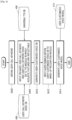
- FIG. 2 is a flowchart of a method, performed by an electronic device, of providing a voice recognition service, based on a user call keyword, according to an embodiment.
- the electronic device 1000 may obtain a user call keyword, based on a user voice input. For example, the electronic device 1000 may obtain a voice of a user through a microphone of the electronic device 1000. The electronic device 1000 may obtain a call keyword in a text format through a user input interface of the electronic device 1000 rather than a user voice input. The electronic device 1000 may obtain the call keyword via any of other user input obtaining methods for inputting a keyword.
- the electronic device 1000 may obtain a user-customized voice DB by inputting the call keyword to a TTS module.
- the TTS module may compare an acoustic pattern of the obtained call keyword with reference acoustic patterns within a TTS DB to thereby output voice signals corresponding to a most similar reference acoustic pattern from among the reference acoustic patterns.
- the electronic device 1000 may generate the user-customized voice DB by using the audio signals output by the TTS module.
- the user-customized voice DB may include a plurality of audio signals output by inputting call keywords obtained based on user inputs to the TTS module.
- the TTS module may be a personalized TTS module that is pre-trained for each user, based on acoustic features of a user of the electronic device 1000.
- a related art TTS module receives text and outputs only an audio signal according to an acoustic feature initially set in the DB of the TTS module.
- a TTS module may be trained to output an audio signal corresponding to a specific keyword, based on acoustic factors representing acoustic features such as a tone, intensity, pitch, formant frequency, speech speed, and voice quality of a user voice that utters the specific keyword, and accordingly may output an audio signal in which the acoustic feature of a specific user is properly reflected.
- the electronic device 1000 for example, a case is assumed in which the electronic device 1000 according to an embodiment is used on the assumption that a speaker A and a speaker B are included as members.
- the speaker A and the speaker B uttering a specific call keyword may have different acoustic features.
- the intensity of the uttered voice is 60 decibels and the formant frequency thereof is 4 KHz
- the speaker B utters the specific character X the intensity of the uttered voice is 70 decibels and the formant frequency thereof is 4.5 KHz.
- the electronic device 1000 may input a text 'play a movie' to the TTS module pre-trained to output an audio signal in which the acoustic features of the speaker A (for example, a voice intensity of 60 decibels and a formant frequency of 4 KHz) have been reflected, when text is input, to thereby obtain audio signals in which the acoustic features of the speaker A (for example, a voice intensity of 60 decibels and a formant frequency of 4 KHz) have been reflected, and may generate a user-customized voice DB by using the obtained audio signals.
- the user-customized voice DB generated using the TTS module trained to output the audio signal in which the acoustic features of the speaker A have been reflected includes a plurality of audio signals according to the acoustic features of the speaker A.
- the electronic device 1000 may complete a call keyword registration process for a call keyword such as 'play a movie' by inputting a plurality of audio signals according to the acoustic feature of the speaker A, which are included in a generated user-customized voice DB, to a wake-up recognition module and storing, in a memory of the electronic device 1000, a user-customized model in which the acoustic feature of the speaker A has been reflected, the user-customized model including user-customized features output by the wake-up recognition module.
- a call keyword such as 'play a movie' by inputting a plurality of audio signals according to the acoustic feature of the speaker A, which are included in a generated user-customized voice DB, to a wake-up recognition module and storing, in a memory of the electronic device 1000, a user-customized model in which the acoustic feature of the speaker A has been reflected, the user-customized model including user-customized features output by the wake-up recognition module
- the electronic device 1000 because the electronic device 1000 generates a user-customized voice model by using the TTS module trained to output the audio signal in which the acoustic feature of the speaker A has been reflected, the call keyword such as 'play a movie' may be registered by reflecting up to the acoustic feature of the speaker A.
- the electronic device 1000 even when the electronic device 1000 obtains an audio signal that is recognizable as 'play a movie' from the speaker B after completing registration of the call keyword such as 'play a movie', when it is determined that different people speak the call keyword such as 'play a movie', based on a result of a comparison between a speaker feature of an output value of the wake-up recognition module for the obtained audio signal and a speaker feature within the user-customized feature of the user-customized voice model in which the acoustic feature of the speaker A has been reflected, the electronic device 1000 might not activate the voice recognition service and consequently might not provide a responding operation for the call keyword.
- Electronic devices that provide a related art voice recognition service obtain a voice of a user several times in order to register a call keyword for activating a voice recognition service, or activate a voice recognition service, based on only keywords within a pre-stored call keyword list.
- the electronic device 1000 may obtain a plurality of audio signals by inputting an obtained call keyword to the TTS module even when the obtained call keyword is input in a text format, and thus there is no need to obtain a plurality of voices from a user, consequently improving the user convenience.
- the electronic device 1000 may actually obtain the same effect as directly obtaining a voice a plurality of times from a user who utters a call keyword input in a text format, even when the electronic device 1000 receives only a call keyword in a text format.
- the electronic device 1000 may obtain a user-customized feature by inputting the audio signals within the user-customized voice DB to the pre-trained wake-up recognition module.
- the electronic device 1000 may obtain the user-customized feature by distinguishing the audio signals within the user-customized voice DB in units of frames and inputting the audio signals distinguished in units of frames to a wake-up recognition module.
- the user-customized features may be obtained in a vector format by inputting the audio signals within the user-customized voice DB to the wake-up recognition module.
- the electronic device 1000 may generate a user-customized voice model by using the user-customized features obtained in a vector format by inputting the audio signals within the user-customized voice DB to the wake-up recognition module.
- the user-customized voice model may include a plurality of user-customized features in the vector format that are output by inputting the audio signals output by the TTS module to the wake-up recognition module.
- the electronic device 1000 may store the user-customized voice model in the memory of the electronic device 1000, and, when a new audio signal is obtained from a user, the electronic device 1000 may compare an output value of the wake-up recognition module for the obtained new audio signal with the user-customized features within the user-customized voice model to thereby determine whether to activate a voice recognition service.
- FIG. 3 is a diagram for describing a process, performed by an electronic device, of registering a call keyword, based on a user input.
- the electronic device 1000 may obtain a user call keyword from a user.
- the electronic device 1000 may register a new call keyword, based on a user call keyword input in a text format, without needing to obtain a plurality of audio signals from the user, in contrast with an electronic device that provides a related art voice recognition service.
- the electronic device 1000 inputs the user call keyword input from the user to a TTS module.
- the TTS module may generate audio signals corresponding to the user call keyword, based on a speaker-A TTS DB 306 or speaker-C TTS DB 308 pre-stored within the TTS module.
- the speaker-A TTS DB 306 or the speaker-C TTS DB 308 may include a voice model in which acoustic features (for example, a pitch, an intensity, a speech speed, and a waveform) of each speaker have been reflected.
- a TTS model may include more speaker feature TTS DBs according to the performance of the TTS model, and is not limited to the speaker-A TTS DB 306 or the speaker-C TTS DB 308.
- the electronic device 1000 may generate a user-customized voice DB by using the audio signals that are output by inputting the user call keyword to the TTS module.
- the electronic device 1000 may generate a user-customized voice model 314, based on a plurality of user-customized features that are output by inputting the audio signals within the user-customized voice DB to a wake-up recognition module in operation S312.
- the wake-up recognition module may output user-customized features in a vector format
- the electronic device 1000 may generate the user-customized voice model 314 by using the user-customized features output in the vector format by inputting the audio signals within the user-customized voice DB to the wake-up recognition module.
- the electronic device 1000 may register the user call keyword newly input by the user as a new call keyword for activating a voice recognition service within the electronic device 1000, by storing the generated user-customized voice model 314 in the memory of the electronic device 1000.
- the user-customized voice model 314 may include a plurality of user-customized features in vector formats output by the wake-up recognition module.
- User-customized features 320 and 321 may include speaker features 322 and 328 for identifying a speaker of an audio signal, acoustic features 324 and 330 of the speaker who utters the audio signal, or keyword features 326 and 332 for identifying a keyword included in the audio signal, respectively.
- the user-customized features 320 and 321 might not include the acoustic features 324 and 330 according to the structure of the wake-up recognition module mounted on the electronic device 1000.
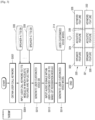
- FIG. 5 is a flowchart of a process, performed by an electronic device, of registering a call keyword, based on a user input.
- the electronic device 1000 may obtain a user-customized voice DB by inputting the call keyword to a TTS module.
- the TTS module may be used to change the audio signals of the user-customized voice DB, based on at least one acoustic feature for uttering the call keyword that is obtained from a speaker voice model including the acoustic features of a plurality of speakers.
- Operation S620 may correspond to the operation of the electronic device 1000 of FIG. 4 of obtaining the user-customized voice DB, and thus a detailed description thereof will be omitted.
- the electronic device 1000 may set attention to the average value of the speaker features 1112 and the average value of the keyword feature 1116, and weighted-sum the average value of the speaker features 1112 and the average value of the keyword feature 1116 to thereby generate the user-customized feature 1110.
- the electronic device 1000 may obtain user-customized features 1110 by immediately inputting the obtained audio signal to a wake-up recognition module including the pre-trained wake-up recognition model 712.
- the electronic device 1000 may divide the user call keyword into a first syllable 'Hong', a second syllable 'Gil' and a third syllable 'Dong' and recognize the first syllable 'Hong', the second syllable 'Gil', and the third syllable 'Dong'.
- the electronic device 1000 may determine a first similarity by comparing the output value of the wake-up recognition module for the audio signal related to the registered call keyword with the user-customized feature listed up in the memory, and may determine a second similarity by comparing the output value of the wake-up recognition module with the similar user-customized features listed up in the memory.
- the electronic device 1000 may identify a new audio signal that uttered a registered keyword as a correct answer, when the first similarity is greater than the second similarity, but may identify the new audio signal that uttered the registered keyword as an incorrect answer, when the first similarity is less than the second similarity.
- the electronic device 1000 may more accurately recognize a user voice by using the wake-up recognition module including the wake-up recognition model 710 re-trained based on not only the user-customized feature related to 'Hong Gil Dong' but also the similar user-customized features corresponding to 'Kang Gil Dong', 'Ro Gil Dong', and 'Hong Ga Dong' or by identifying the user voice based on whether the output value of the wake-up recognition module for a newly obtained audio signal is close to the output value of the wake-up recognition module for the audio signal that may be recognized as a correct answer or to the user-customized features that may be recognized as an incorrect answer.
- the electronic device 1000 may include a processor 1400 and a memory 1402. However, all of the illustrated components are not essential. The electronic device 1000 may be implemented by more or less components than those illustrated in FIG. 14 .
- the electronic device 1000 may further include a user input interface 1502, a communication interface 1504, a microphone 1506, a display 1507, and a speaker 1508 in addition to the processor 1400 and the memory 1402.
- the processor 1400 may obtain a voice DB related to call keywords pre-stored to active the voice recognition service, and may input the voice DB related to the call keywords and the user call keyword to the TTS module to thereby generate the user-customized voice DB.
- the processor 1400 may generate similar keywords similar to the user call keyword by using a pre-stored language model, may generate a similar voice DB by inputting the generated similar keywords to the TTS module, and may refine the layers within the wake-up recognition module and the attention related to a connection strength between the layers, based on the audio signals of the similar voice DB and the user-customized voice DB.
- the processor 1400 may determine a window length of a window for splitting the obtained audio signal in units of frames, may overlap windows each having the determined window length at a certain window interval, and split the obtained audio signal into a plurality of frames by using the overlapped windows.
- the processor 1400 may obtain the speaker feature, the acoustic feature and the keyword feature on respective segment levels of the speaker identification layer, the acoustic feature identification layer and the keyword identification layer of the wake-up recognition model within the wake-up recognition module, may set attention to the speaker feature, the acoustic feature and the keyword feature, and may concatenate at least one of the speaker feature, the acoustic feature, or the keyword feature according to the set attention to thereby obtain the output value of the wake-up recognition module for a newly obtained audio signal.
- the electronic device 1000 may obtain the output value of the wake-up recognition module in a vector format by concatenating at least one of the speaker feature, the acoustic feature, or the keyword feature.
- the memory 1402 may include one or more instructions for controlling an operation of the electronic device 1000.
- the memory 1402 may include a wake-up recognition module or TTS module necessary for activating a voice recognition service.
- the memory 1402 may include an ASR module, an NLU module, a TTS module, and the like necessary for providing a voice recognition service.
- the programs stored in the memory 1402 may be classified into a user interface (UI) module, a touch screen module, and a notification module, and the like according to their functions.
- UI user interface
- the memory 1402 may include, but is not limited to, at least one type of storage medium selected from among a flash memory type, a hard disk type, a multimedia card micro type, a card type memory (for example, a secure digital (SD) or extreme digital (XD) memory), a random access memory (RAM), a static random access memory (SRAM), a read-only memory (ROM), an electrically erasable programmable ROM (EEPROM), a programmable ROM (PROM), magnetic memory, a magnetic disk, and an optical disk.
- a flash memory type for example, a secure digital (SD) or extreme digital (XD) memory
- RAM random access memory
- SRAM static random access memory
- ROM read-only memory
- EEPROM electrically erasable programmable ROM
- PROM programmable ROM
- magnetic memory a magnetic disk, and an optical disk.
- the user input interface 1502 may receive a user input for controlling an operation of the electronic device 1000.
- the user input interface 1502 may include, but is not limited to, a key pad, a dome switch, a touch pad (e.g., a capacitive overlay type, a resistive overlay type, an infrared beam type, an integral strain gauge type, a surface acoustic wave type, a piezo electric type, or the like), a jog wheel, or a jog switch.
- Examples of the short-range wireless communication interface may include, but are not limited to, a Bluetooth communication interface, a Bluetooth Low Energy (BLE) communication interface, a near field communication (NFC) interface, a wireless local area network (WLAN) (e.g., Wi-Fi) communication interface, a ZigBee communication interface, an infrared Data Association (IrDA) communication interface, a Wi-Fi direct (WFD) communication interface, an ultra-wideband (UWB) communication interface, and an Ant+ communication interface.
- BLE Bluetooth Low Energy
- NFC near field communication
- WLAN wireless local area network
- ZigBee communication interface e.g., Wi-Fi
- IrDA infrared Data Association
- WFD Wi-Fi direct
- UWB ultra-wideband
- the mobile communication interface may exchange a wireless signal with at least one selected from a base station, an external terminal, and a server on a mobile communication network.
- the wireless signal may include a voice call signal, a video call signal, and various types of data according to text/multimedia messages transmission.
- the speaker 1508 may output a result of recognizing the voice of the user included in the audio signal, as an audio signal.
- the speaker 1508 may output, as sound, a signal related to a function (for example, a call signal receiving sound, a message receiving sound, or a notification sound) of the electronic device 1000.
- a function for example, a call signal receiving sound, a message receiving sound, or a notification sound
- the display 1507 may display information that is processed by the electronic device 1000.
- the display 1507 may display a result of recognizing the voice of the user included in the audio signal, in a text format.
- the display 1507 may display, for example, an interface for controlling the electronic device 1000 and an interface for displaying the status of the electronic device 1000.
- FIG. 16 is a block diagram of a server 2000 according to an embodiment.
- the server 2000 may include a communication interface 2100, a DB 2200, and a processor 2300.
- the communication interface 2100 may correspond to the communication interface 1504 of the electronic device 1000 of FIG. 15 .
- the communication interface 2100 may receive an audio signal from the electronic device 1000, or may transmit to the electronic device 1000 a result of whether to activate a voice recognition service for the audio signal received from the electronic device 1000.
- the communication interface 2100 may transmit a wake-up recognition module stored in the server 2000 to the electronic device 1000, or receive information about a user call keyword customized by a user from the electronic device 1000.
- the communication interface 2100 may transmit to the electronic device 1000 a user-customized voice model including audio signals generated by inputting the user call keyword to a TTS module stored in the server 2000.
- the communication interface 2100 may receive from the electronic device 1000 a user-customized feature and similar user-customized features generated based on the user call keyword and a similar keyword.
- the communication interface 2100 modifies and refines layers within a wake-up recognition model within the wake-up recognition module and attention related to connection strengths between the layers, based on the user-customized feature and the similar user-customized features received from the electronic device 1000, the communication interface 2100 may transmit the layers of the wake-up recognition model within the wake-up recognition module and the attention values related to connection strengths between the layers to the electronic device 1000.
- the DB 2200 may correspond to the memory 1402 of FIG. 15 .
- the DB 2200 may store a wake-up recognition module, a TTS module, an ASR module, a language model, a personalized language model, and an NUL model for providing a voice recognition service.
- the DB 2200 may further store a data augmentation algorithm and a feature extraction algorithm necessary for training the wake-up recognition module, the ASR module, or the TTS module.
- the processor 2300 typically controls an overall operation of the server 2000.
- the processor 2300 may entirely control the DB 2200 and the communication interface 2100 by executing the programs stored in the DB 2200 of the server 2000.
- the processor 2300 may perform some of the operations of the electronic device 1000 of FIGS. 1 through 18 , by executing the programs stored in the DB 2200.
- the processor 2300 may generate a wake-up recognition model for activating a voice recognition service, and may control the communication interface 2100 to transmit the generated wake-up recognition model to the electronic device 1000.
- the processor 2300 may control the communication interface 2100 to receive information about the user call keyword received from the electronic device 1000, and may generate a user-customized voice model including audio signals for the user call keyword that are output by inputting the user call keyword to the TTS module.
- the processor 2300 may control the communication interface 2100 to transmit the generated user-customized voice model to the electronic device 1000.
- the processor 2300 may generate a wake-up recognition model that is different from the wake-up recognition model stored in the electronic device 1000.
- the processor 2300 may control the communication interface 2100 to receive from the electronic device 1000 a user-customized feature and similar user-customized features generated based on the user call keyword and a similar keyword.
- the processor 2300 may modify and refine layers within the wake-up recognition model and attention related to connection strengths between the layers, based on the user-customized feature and the similar user-customized features received from the electronic device 1000, and may transmit the modified and refined attention values to the electronic device 1000 in response to a request from the electronic device 1000.
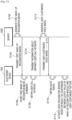
- FIG. 17 is a flowchart of a method of providing a voice recognition service as an electronic device and a server interoperate with each other, according to an embodiment.
- the electronic device 1000 may provide a voice recognition service by interoperating with the server 2000.
- the server 2000 may generate a first wake-up recognition model.
- the server 2000 may transmit the generated first wake-up recognition model to the electronic device 1000.
- the electronic device 1000 may store the received first wake-up recognition model in the memory.
- the electronic device 1000 may receive a wake-up recognition model from the server 2000 to determine whether to activate a voice recognition service, and may provide the voice recognition service by using a wake-up recognition module including the received wake-up recognition model.
- the electronic device 1000 may obtain a user call keyword from a user.
- the electronic device 1000 may obtain the user call keyword in at least one of a text format or an audio signal format.
- the electronic device 1000 may transmit information about the obtained user call keyword to the server 2000.
- the server 2000 may obtain user-customized features by inputting the user call keyword received from the electronic device 1000 to a TTS module stored in the server 2000 and inputting audio signals corresponding to the user call keyword output by the TTS module to a wake-up recognition module stored in the server 2000, and may generate a user-customized voice model including the obtained user-customized features.
- the server 2000 may transmit the generated user-customized voice model to the electronic device 1000.
- the electronic device 1000 may complete registration of the user call keyword by storing the user-customized voice model received from the server 2000 in the memory of the electronic device 1000.
- the electronic device 1000 may obtain an audio signal from the user, after completing registration of the user call keyword.
- the electronic device 1000 may obtain an output value of the wake-up recognition module by inputting the obtained audio signal to the wake-up recognition module including the wake-up recognition model, and may compare the obtained output value of the wake-up recognition module with a user-customized feature within the user-customized voice model.
- the electronic device 1000 may activate a voice recognition service, based on a result of the comparison between the output value of the wake-up recognition module for the audio signal obtained in operation S1716 and the user-customized feature.
- a detailed method, performed by the electronic device 1000, of activating a voice recognition service, based on a result of the comparison between the output value of the wake-up recognition module and the user-customized feature is the same as that described above with reference to FIGS. 10 and 11 , and a detailed description thereof will be omitted.
- FIG. 18 is a flowchart of a method of refining a wake-up recognition model within a wake-up recognition module as the electronic device 1000 and a server interoperate with each other, according to an embodiment.
- the electronic device 1000 may generate a first wake-up recognition model.
- the server 2000 may generate a second wake-up recognition model that is different from the first wake-up recognition model.
- the electronic device 1000 may obtain a user call keyword from a user and may further obtain similar keywords that are similar to the user call keyword. A detailed method in which the electronic device 1000 obtains the similar keywords is the same as that described above with reference to FIG. 13 , and thus a repeated description thereof will be omitted.
- the electronic device 1000 may obtain an audio signal related to the user call keyword and an audio signal related to the similar keyword by inputting the user call keyword and the similar keyword to a TTS module, and may generate a user-customized voice DB and a similar voice DB respectively including the audio signal related to the user call keyword and the audio signal related to the similar keyword.
- the electronic device 1000 may obtain a user-customized feature by inputting the audio signal within the user-customized voice DB to the wake-up recognition module including the first wake-up recognition model, and may obtain a similar user-customized feature by inputting the audio signal within the similar voice DB to the wake-up recognition module including the first wake-up recognition model.
- the electronic device 1000 may transmit information about the user-customized feature and the similar user-customized feature to the server 2000.
- the server 2000 may modify and refine layers within the second wake-up recognition model and attention related to connection strengths between the layers, based on the user-customized feature and the similar user-customized feature received from the electronic device 1000, to thereby re-train the second wake-up recognition model.
- a detailed method, performed by the server 2000, of modifying and refining the layers within the second wake-up recognition model and the attention related to connection strengths between the layers, based on the user-customized feature and the similar user-customized feature received from the electronic device 1000, may correspond to operation S1260 of FIG. 12 , and thus a detailed description thereof will be omitted.
- the server 2000 may transmit the modified and refined attention values within the second wake-up recognition model to the electronic device 1000.
- the server 2000 may transmit the modified and refined attention values within the second wake-up recognition model to the electronic device 1000 in response to a request from the electronic device 1000.
- the electronic device 1000 may re-train the first wake-up recognition model by changing layers within the first wake-up recognition model and attention values related to connection strengths between the layers, based on the attention values received from the server 2000.
- the electronic device 1000 may re-train the first wake-up recognition model by simply receiving the modified and refined attention.
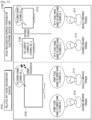
- FIG. 19 is a diagram illustrating an example in which an electronic device provides a voice recognition service, according to an embodiment.
- the electronic device 1000 may register a user call keyword obtained from a user, and then may provide a voice recognition service, based on the registered user call keyword. For example, it is assumed that a user 1912 inputs an utterance such as 'Hi Bixby. Please, inform me of a today's weather.' to a smart TV 1906, a smartphone 1908, and a refrigerator 1910 that provide a related art voice recognition service 1902.
- the smart TV 1906, the smartphone 1908, and the refrigerator 1910 may identify a call keyword such as 'Hi Bixby' within an audio signal obtained from a user, and may simultaneously output audio signals, such as 'Today's Seoul weather is ..', as responses to a user voice. Accordingly, even when the user 1912 has an intention of activating only a voice recognition service of the smart TV 1906, the user 1912 might not be able to call only a certain device from among the smart TV 1906, the smartphone 1908, and the refrigerator 1910.
- electronic devices 1000 such as a smart TV 1906, a smartphone 1908, and a refrigerator 1910 that provide a voice recognition service 1904 according to an embodiment, may activate voice recognition services, based on a call keyword customized by a user. Accordingly, when the user 1912 inputs an utterance such as 'My TV. Please, inform me of a today's weather.' to the smart TV 1906, the smartphone 1908, and the refrigerator 1910, the smart TV 1906, the smartphone 1908, and the refrigerator 1910 may identify a call keyword such as 'My TV' within an audio signal and, and only the smart TV 1906 that has registered 'My TV' as a call keyword may output an audio signal, such as 'Today's Seoul weather is ..', as a response to a user voice.
- a call keyword such as 'My TV'
- FIG. 20 is a diagram illustrating an example in which an electronic device provides a voice recognition service, according to an embodiment.
- the electronic device 1000 may obtain an audio signal including a user voice such as 'Movie mode', and may activate a voice recognition service when it is determined the call keyword 'Movie mode' is included within the obtained audio signal, but does not activate an ASR service for performing a particular function of the electronic device 1000, according to user voice recognition.
- a voice recognition service when it is determined the call keyword 'Movie mode' is included within the obtained audio signal, but does not activate an ASR service for performing a particular function of the electronic device 1000, according to user voice recognition.
- the electronic device 1000 may only active a voice recognition service and might not activate an ASR module for performing the particular function, thereby causing user inconvenience.
- the electronic device 1000 may include a function call keyword DB including a plurality of function call keywords for performing particular functions of the electronic device 1000, and may compare a call keyword newly registered through FIGS. 3 and 4 . For example, when the keyword feature of a newly registered call keyword and the keyword feature of a particular function call keyword within a function call keyword DB within the memory are greater than or equal to a preset threshold value, the electronic device 1000 may determine that the newly registered call keyword and the particular function call keyword are the same as each other.
- the electronic device 1000 may activate a voice recognition service as it is determined that an audio signal newly obtained after call keyword registration includes a call keyword, and may also activate an ASR service for performing a particular function of the electronic device 1000, thereby performing a function of the electronic device 1000 that corresponds to the call keyword.
- an air-conditioner 2006, a smart TV 2008, and a lighting stand 2010 that provide a voice recognition service 2004 may store the function call keyword 'Movie mode' as a function call keyword in the memory, and may determine whether the newly registered call keyword is the same as the function call keyword within the memory.
- the air-conditioner 2006, the smart TV 2008, and the lighting stand 2010 that provide the voice recognition service 2004 may activate a voice recognition service and further activate an ASR service as the newly obtained audio signal includes a call keyword such as 'Movie mode', thereby performing operations corresponding to the function call keyword 'Movie mode' (for example, an air-conditioner setting a temperature to be 23 degrees, a smart TV setting a volume to be 12, and a lighting lamp being turned off).
- FIG. 21 is a diagram illustrating an example in which an electronic device provides a voice recognition service, according to an embodiment.
- a smart TV 2106 that provides a related art voice recognition service 2102 may output, as a response to a user voice, such as 'Hi Bixby. Please, change a current channel to channel No. 5.', from a hearing-impaired user 2112 or a visually-impaired user 2114, only a feedback signal having the same form.
- electronic devices that provide a voice recognition service 2104 may store personal information of a user in a memory together during user call keyword registration, and may output a response in an optimal form to a user voice, based on the stored personal information of the user.
- a hearing-impaired user 2112 tries to register a call keyword such as 'My TV', a smart TV 2108 obtains a call keyword input in a text format, such as 'My TV'.
- the smart TV 2108 may further receive information used to identify information about hearing impairment of the hearing-impaired user 2112 in addition to the call keyword input in a text format.
- the smart TV 2108 generates a user-customized voice DB by inputting, to a TTS module capable of acoustic feature reflection, the call keyword obtained in a text format and a user call keyword voice DB related to keywords already registered by the hearing-impaired user 2112 to call the smart TV 2108 before a new call keyword is registered.
- the user-customized voice DB generated by the smart TV 2108 includes an audio signal output by the TTS module that receives the call keyword voice DB previously stored by the hearing-impaired user 2112 to call the smart TV 2108 before a new call keyword is registered
- the user-customized voice DB may include a plurality of audio signals in which the acoustic feature of the hearing-impaired user 2112 is properly reflected.
- the smart TV 2108 may generate a user-customized voice model by using user-customized features output by inputting the audio signals within the user-customized voice DB, in which the acoustic feature of the hearing-impaired user 2112 is properly reflected, and may store the generated user-customized voice model in a memory of the smart TV 2108, thereby completing registration of a new call keyword.
- the user-customized voice model includes a plurality of user-customized features in vector formats in which the acoustic feature of the hearing-impaired user 2112 is properly reflected, the plurality of user-customized features existing in the user-customized voice DB.
- the smart TV 2108 may match the user-customized voice model with information about the impairment of a user and may store the user-customized voice model together with the information about the impairment of the user in the memory.
- the smart TV 2108 may match a user-customized voice model corresponding to the call keyword such as 'My TV' with information use to identify the hearing impairment of the hearing-impaired user 2112, and may store, in the memory, the user-customized voice model together with the information use to identify the hearing impairment of the hearing-impaired user 2112.
- the smart TV 2108 may activate a voice recognition service when it is determined that the newly registered call keyword 'My TV' is included in the audio signal, and may complete speaker verification when a result value of a comparison between the speaker features respectively included in the audio feature of the newly obtained audio signal and the user-customized feature is greater than or equal to a preset threshold value.
- the smart TV 2108 identifies the information about hearing impairment from among pieces of user's personal information matched with the user-customized voice model and stored.
- the smart TV 2108 may generate a first candidate operation of generating a subtitle such as 'A current channel is channel No. 5.' and a second candidate operation of generating an audio signal such as 'A current channel is channel No. 5.', as candidate responding operations for a user voice such as 'My TV. Please, change a current channel to channel No. 5.'. Although the smart TV 2108 may perform the generated candidate responding operations together, the smart TV 2108 may perform only the first candidate operation because the information about hearing impairment has been identified through a current speaker verification.
- a smart TV 2110 may match a user-customized voice model corresponding to the call keyword such as 'My TV' with information use to identify the visual impairment of the visually-impaired user 2114, and may store, in the memory, the user-customized voice model together with the information use to identify the visual impairment of the visually-impaired user 2114.
- the smart TV 2110 may obtain an audio signal including a user voice such as 'My TV. Please, change a current channel to channel No. 5.' from the visually-impaired user 2114. By comparing the audio feature within the audio signal with the user-customized feature of the memory within the smart TV 2110, the smart TV 2110 may determine whether the newly registered call keyword is included in the audio signal, and may also perform speaker verification, based on the speaker features respectively included in the audio feature and the user-customized feature.
- the smart TV 2110 may activate a voice recognition service when it is determined that the newly registered call keyword 'My TV' is included in the audio signal, and may complete speaker verification when a result value of a comparison between the speaker features respectively included in the audio feature of the newly obtained audio signal and the user-customized feature is greater than or equal to a preset threshold value.
- the smart TV 2110 identifies the information about visual impairment from among pieces of user's personal information matched with the user-customized voice model and stored.
- the smart TV 2110 may generate a first candidate operation of generating a subtitle such as Current channel is channel No. 5.' and a second candidate operation of generating an audio signal such as Current channel is channel No. 5.', as candidate responding operations for a user voice such as 'My TV. Please, change the current channel to channel No. 5.' Although the smart TV 2110 may perform the generated candidate responding operations together, the smart TV 2110 may perform only the second candidate operation because the information about visual impairment has been identified through a current speaker verification.
- FIG. 22 is a diagram illustrating an example in which an electronic device provides a voice recognition service, according to an embodiment.
- a voice recognition service may be utilized in controlling a robot group communicating with each other in real time, by constituting a network.
- a bedroom robot 2206, a kitchen robot 2208, and a living room robot 2210 to which a related art voice recognition service 2202 has been applied may register only a call keyword pre-stored during the manufacture of software for providing a product or a voice recognition service, such as 'Hi Bixby', and could not provide a call keyword customized by a user as a call keyword.
- a bedroom robot 2206, a kitchen robot 2208, and a living room robot 2210 to which the related art voice recognition service 2202 has been applied provide speaker outputs such as ' May I help you?' as a response to the user voice together, as the call keyword such as 'Hi Bixby' within the user voice is identified.
- a bedroom robot 2206, a kitchen robot 2208, and a living room robot 2210 to which a voice recognition service 2204 according to an embodiment has been applied may independently activate a voice recognition service, based on a call keyword customized by a user.
- the bedroom robot 2206, the kitchen robot 2208, and the living room robot 2210 may differently register call keywords such as 'Sleepy', 'Eat Me' and 'Play with me' by storing a user-customized voice model related to the call keywords in a memory according to the voice recognition service providing method described above with reference to FIGS. 3 and 4 .
- the kitchen robot 2208, and the living room robot 2210 to which the voice recognition service 2204 according to an embodiment has been applied obtains a user voice such as 'Hey Eat Me' from the user 2212
- only the kitchen robot 2208 that has previous registered 'Eat me' as a user call keyword may output an audio signal such as 'May I help you?' as a response to the user voice.
- a method, performed by an electronic device, of providing a voice recognition service and a method, performed by the electronic device, of activating a voice recognition service may be embodied as program commands executable by various computer means and may be recorded on a computer-readable recording medium.
- the computer-readable recording medium may include program commands, data files, data structures, and the like separately or in combinations.
- the program commands to be recorded on the computer-readable recording medium may be specially designed and configured for embodiments of the disclosure or may be well-known to and be usable by one of ordinary skill in the art of computer software.
- a computer program product including a recording medium storing a program for causing the electronic device to perform a method of providing a virtual device related to the electronic device through at least a portion of the content displayed on the electronic device may be provided.
- Examples of the computer-readable recording medium include a magnetic medium such as a hard disk, a floppy disk, or a magnetic tape, an optical medium such as a compact disk-read-only memory (CD-ROM) or a digital versatile disk (DVD), a magneto-optical medium such as a floptical disk, and a hardware device specially configured to store and execute program commands such as a ROM, a random-access memory (RAM), or a flash memory.
- Examples of the program commands are advanced language codes that can be executed by a computer by using an interpreter or the like as well as machine language codes made by a compiler.
- Some embodiments of the disclosure may also be embodied as a storage medium including instruction codes executable by a computer such as a program module executed by the computer.
- a computer readable medium can be any available medium which can be accessed by the computer and includes all volatile/non-volatile and removable/non-removable media. Further, the computer readable medium may include all computer storage and communication media.
- the computer storage medium includes all volatile/non-volatile and removable/non-removable media embodied by a certain method or technology for storing information such as a computer readable instruction, a data structure, a program module or other data.
- the communication medium typically includes the computer readable instruction, the data structure, the program module, or other data of a modulated data signal, or other transmission mechanism, and includes any information transmission medium.
- Some embodiments of the disclosure may be implemented as a computer program or a computer program product including instructions executable by a computer.
Landscapes
- Engineering & Computer Science (AREA)
- Multimedia (AREA)
- Health & Medical Sciences (AREA)
- Audiology, Speech & Language Pathology (AREA)
- Human Computer Interaction (AREA)
- Physics & Mathematics (AREA)
- Acoustics & Sound (AREA)
- Computational Linguistics (AREA)
- Artificial Intelligence (AREA)
- Signal Processing (AREA)
- Theoretical Computer Science (AREA)
- Evolutionary Computation (AREA)
- Quality & Reliability (AREA)
- General Health & Medical Sciences (AREA)
- General Engineering & Computer Science (AREA)
- General Physics & Mathematics (AREA)
- Telephonic Communication Services (AREA)
- Telephone Function (AREA)
Claims (15)
- Von einem elektronischen Gerät (1000) ausgeführtes Verfahren zum Bereitstellen eines Spracherkennungsdienstes, das Folgendes umfasst:Erhalten eines Benutzeranrufschlüsselworts, das zum Aktivieren des Spracherkennungsdienstes konfiguriert ist, basierend auf einer ersten Benutzerspracheingabe eines Benutzers;Erzeugen einer benutzerspezifischen Sprachdatenbank, DB durch Eingeben des erhaltenen Benutzeranrufschlüsselworts in ein Text-to-Speech-Modul, TTS, wobei das TTS-Modul darauf trainiert ist, ein Audiosignal basierend auf akustischen Merkmalen der Stimme des Benutzers auszugeben; undErhalten einer benutzerspezifischen Funktion durch Eingeben des Audiosignals der benutzerspezifischen Sprach-DB in ein Aktivierungserkennungsmodul.
- Verfahren nach Anspruch 1, ferner umfassend:Erhalten einer Sprach-DB, die mit einem Anrufschlüsselwort in Zusammenhang steht, das vor dem Erhalten des Benutzeranrufschlüsselworts gespeichert wurde, um den Spracherkennungsdienst zu aktivieren; undErzeugen der benutzerspezifischen Sprach-DB durch Eingeben der erhaltenen Sprach-DB und des Benutzeranrufschlüsselworts in das TTS-Modul.
- Verfahren nach Anspruch 2, ferner umfassend:Erhalten eines Audiosignals basierend auf einer zweiten Spracheingabe des Benutzers;Erhalten eines Ausgabewerts des Weckerkennungsmoduls vom Weckerkennungsmodul durch Eingeben des erhaltenen Audiosignals in das Weckerkennungsmodul; undAktivieren des Spracherkennungsdienstes basierend auf einem Ergebnis eines Vergleichs zwischen dem erhaltenen Ausgabewert des Weckerkennungsmoduls und der benutzerspezifischen Funktion.
- Verfahren nach Anspruch 2, wobei das TTS-Modul dazu konfiguriert ist, Audiosignale der benutzerangepassten Sprach-DB basierend auf mindestens einem akustischen Merkmal zum Aussprechen des Anrufschlüsselworts zu ändern, das aus einem Sprecherstimmmodell gewonnen wird, das akustische Merkmale einer Vielzahl von Sprechern umfasst.
- Verfahren nach Anspruch 1, ferner umfassend:Erzeugen ähnlicher Schlüsselwörter, die dem Benutzeranrufschlüsselwort ähnlich sind, unter Verwendung eines vorgespeicherten Sprachmodells;Erzeugen einer ähnlichen Sprach-DB durch Eingeben des erzeugten ähnlichen Schlüsselworts in das TTS-Modul; undVerfeinern von Ebenen innerhalb des Weckerkennungsmoduls und Aufmerksamkeit in Bezug auf eine Verbindungsstärke zwischen den Ebenen, basierend auf Audiosignalen der ähnlichen Sprach-DB und der benutzerspezifischen Sprach-DB.
- Verfahren nach Anspruch 3, wobei das Erhalten des Audiosignals Folgendes umfasst:Bestimmen einer Fensterlänge eines Fensters zur Aufteilung in Frame-Einheiten;Überlappen von Fenstern, die jeweils die bestimmte Fensterlänge in einem bestimmten Fensterintervall aufweisen; undAufteilen des erhaltenen Audiosignals in eine Vielzahl von Frames unter Verwendung der überlappenden Fenster.
- Verfahren nach Anspruch 3, wobei das Weckerkennungsmodul ein Weckerkennungsmodell umfasst, das eine gemeinsame Schicht, in die Audiomerkmale, die aus aufeinanderfolgenden Frames innerhalb eines bestimmten Abschnitts aus einer Vielzahl von Frames extrahiert werden, die basierend auf der zweiten Benutzerspracheingabe erhalten wurden, gleichzeitig eingegeben werden, eine Sprecheridentifikationsschicht zum Identifizieren eines Sprechermerkmals des Audiosignals, wenn eine von der gemeinsamen Schicht ausgegebene Frame-Einheitsdarstellung eingegeben wird, eine Akustikmerkmalidentifikationsschicht zum Identifizieren eines Akustikmerkmals des Audiosignals und eine Schlüsselwortidentifikationsschicht zum Identifizieren eines Schlüsselwortmerkmals, das im Audiosignal enthalten ist, umfasst.
- Elektronisches Gerät (1000) zum Bereitstellen eines Spracherkennungsdienstes, wobei das elektronische Gerät Folgendes umfasst:einen Speicher (1402), der eine oder mehrere Anweisungen speichert; undeinen Prozessor (1400), der so konfiguriert ist, dass er die eine oder mehrere Anweisungen ausführt, um:ein Benutzeranrufschlüsselwort zum Aktivieren des Spracherkennungsdienstes basierend auf einer ersten Benutzerspracheingabe eines Benutzers zu erhalten,eine benutzerangepasste Sprachdatenbank, DB zu erzeugen, indem das erhaltene Benutzeranrufschlüsselwort in ein Text-to-Speech-Modul, TTS eingegeben wird, wobei das TTS-Modul darauf trainiert ist, ein Audiosignal basierend auf akustischen Merkmalen der Stimme des Benutzers auszugeben, undeine benutzerangepasste Funktion zu erhalten, indem das Audiosignal der benutzerangepassten Sprach-DB in ein Weckerkennungsmodul eingegeben wird.
- Elektronisches Gerät nach Anspruch 8, wobei der Prozessor (1400) ferner konfiguriert ist, um die eine oder mehrere Anweisungen auszuführen, um:eine Sprach-DB zu erhalten, die mit einem Anrufschlüsselwort in Zusammenhang steht, das vor dem Erhalt des Benutzeranrufschlüsselworts gespeichert wurde, um den Spracherkennungsdienst zu aktivieren, unddie benutzerspezifische Sprach-DB zu erzeugen, indem die erhaltene Sprach-DB und das Benutzeranrufschlüsselwort in das TTS-Modul eingegeben werden.
- Elektronisches Gerät nach Anspruch 9, wobei der Prozessor (1400) ferner konfiguriert ist, um die eine oder mehrere Anweisungen auszuführen, um:ein Audiosignal basierend auf einer zweiten Spracheingabe des Benutzers zu erhalten,einen Ausgabewert des Weckerkennungsmoduls vom Weckerkennungsmodul zu erhalten, indem das erhaltene Audiosignal in das Weckerkennungsmodul eingegeben wird, undden Spracherkennungsdienst basierend auf einem Ergebnis eines Vergleichs zwischen dem erhaltenen Ausgabewert des Weckerkennungsmoduls und der benutzerspezifischen Funktion zu aktivieren.
- Elektronisches Gerät nach Anspruch 9, wobei das TTS-Modul dazu konfiguriert ist, Audiosignale der benutzerangepassten Sprach-DB basierend auf mindestens einem akustischen Merkmal zum Aussprechen des Anrufschlüsselworts zu ändern, das aus einem Sprecherstimmmodell gewonnen wird, das akustische Merkmale einer Vielzahl von Sprechern umfasst.
- Elektronisches Gerät nach Anspruch 8, wobei der Prozessor ferner konfiguriert ist, um die eine oder mehrere Anweisungen auszuführen, um:ähnliche Schlüsselwörter zu erzeugen, die dem Benutzeranrufschlüsselwort ähnlich sind, indem ein vorgespeichertes Sprachmodell verwendet wird,eine ähnliche Sprach-DB zu erzeugen, indem das erzeugte ähnliche Schlüsselwort in das TTS-Modul eingegeben wird, undEbenen innerhalb des Weckerkennungsmoduls und Aufmerksamkeit in Bezug auf eine Verbindungsstärke zwischen den Ebenen zu verfeinern, basierend auf Audiosignalen der ähnlichen Sprach-DB und der benutzerspezifischen Sprach-DB.
- Elektronisches Gerät nach Anspruch 10, wobei der Prozessor ferner konfiguriert ist, um die eine oder mehrere Anweisungen auszuführen, um:eine Fensterlänge eines Fensters zur Aufteilung in Frame-Einheiten zu bestimmen,Fenster, die jeweils die bestimmte Fensterlänge aufweisen, in einem bestimmten Fensterintervall zu überlappen, unddas erhaltene Audiosignal unter Verwendung der überlappenden Fenster in eine Vielzahl von Frames aufzuteilen.
- Elektronisches Gerät nach Anspruch 10, wobei das Weckerkennungsmodul ein Weckerkennungsmodell umfasst, das eine gemeinsame Schicht, in die Audiomerkmale, die aus aufeinanderfolgenden Frames innerhalb eines bestimmten Abschnitts aus einer Vielzahl von Frames extrahiert werden, die auf der Grundlage der zweiten Benutzerspracheingabe erhalten wurden, gleichzeitig eingegeben werden, eine Sprecheridentifikationsschicht zum Identifizieren eines Sprechermerkmals des Audiosignals, wenn eine von der gemeinsamen Schicht ausgegebene Frame-Einheitsdarstellung eingegeben wird, eine Akustikmerkmalidentifikationsschicht zum Identifizieren eines Akustikmerkmals des Audiosignals und eine Schlüsselwortidentifikationsschicht zum Identifizieren eines Schlüsselwortmerkmals, das im Audiosignal enthalten ist, umfasst.
- Computerlesbares Aufzeichnungsmedium, auf dem ein Programm aufgezeichnet ist, das, wenn es von mindestens einem Prozessor ausgeführt wird, bewirkt, dass der mindestens eine Prozessor ein Verfahren nach einem der Ansprüche 1 bis 7 ausführt.
Applications Claiming Priority (3)
| Application Number | Priority Date | Filing Date | Title |
|---|---|---|---|
| US201962848698P | 2019-05-16 | 2019-05-16 | |
| KR1020190151626A KR20200132645A (ko) | 2019-05-16 | 2019-11-22 | 음성 인식 서비스를 제공하는 장치 및 방법 |
| PCT/KR2020/006300 WO2020231181A1 (en) | 2019-05-16 | 2020-05-13 | Method and device for providing voice recognition service |
Publications (3)
| Publication Number | Publication Date |
|---|---|
| EP3888084A1 EP3888084A1 (de) | 2021-10-06 |
| EP3888084A4 EP3888084A4 (de) | 2022-01-05 |
| EP3888084B1 true EP3888084B1 (de) | 2025-03-19 |
Family
ID=73228356
Family Applications (1)
| Application Number | Title | Priority Date | Filing Date |
|---|---|---|---|
| EP20806657.1A Active EP3888084B1 (de) | 2019-05-16 | 2020-05-13 | Verfahren und vorrichtung zur bereitstellung eines spracherkennungsdienstes |
Country Status (3)
| Country | Link |
|---|---|
| US (1) | US11605374B2 (de) |
| EP (1) | EP3888084B1 (de) |
| WO (1) | WO2020231181A1 (de) |
Families Citing this family (21)
| Publication number | Priority date | Publication date | Assignee | Title |
|---|---|---|---|---|
| EP3888084B1 (de) * | 2019-05-16 | 2025-03-19 | Samsung Electronics Co., Ltd. | Verfahren und vorrichtung zur bereitstellung eines spracherkennungsdienstes |
| KR102246936B1 (ko) * | 2019-06-20 | 2021-04-29 | 엘지전자 주식회사 | 음성 인식 방법 및 음성 인식 장치 |
| US11282500B2 (en) * | 2019-07-19 | 2022-03-22 | Cisco Technology, Inc. | Generating and training new wake words |
| CN110838289B (zh) * | 2019-11-14 | 2023-08-11 | 腾讯科技(深圳)有限公司 | 基于人工智能的唤醒词检测方法、装置、设备及介质 |
| KR102785402B1 (ko) * | 2019-12-06 | 2025-03-21 | 삼성전자주식회사 | 뉴럴 네트워크의 행렬 곱셈 연산을 수행하는 장치 및 방법 |
| US11120805B1 (en) * | 2020-06-19 | 2021-09-14 | Micron Technology, Inc. | Intelligent microphone having deep learning accelerator and random access memory |
| US11715461B2 (en) * | 2020-10-21 | 2023-08-01 | Huawei Technologies Co., Ltd. | Transformer-based automatic speech recognition system incorporating time-reduction layer |
| US11557278B2 (en) * | 2020-12-10 | 2023-01-17 | Google Llc | Speaker dependent follow up actions and warm words |
| CN112599136A (zh) * | 2020-12-15 | 2021-04-02 | 江苏惠通集团有限责任公司 | 基于声纹识别的语音识别方法及装置、存储介质、终端 |
| KR102951774B1 (ko) * | 2021-01-05 | 2026-04-14 | 삼성전자주식회사 | 전자 장치 및 이의 제어 방법 |
| CN113012681B (zh) * | 2021-02-18 | 2024-05-17 | 深圳前海微众银行股份有限公司 | 基于唤醒语音模型的唤醒语音合成方法及应用唤醒方法 |
| CN113241059B (zh) * | 2021-04-27 | 2022-11-08 | 标贝(北京)科技有限公司 | 语音唤醒方法、装置、设备及存储介质 |
| US11887584B2 (en) * | 2021-06-18 | 2024-01-30 | Stmicroelectronics S.R.L. | Vocal command recognition |
| CN114242113B (zh) * | 2021-12-16 | 2023-08-08 | 北京百度网讯科技有限公司 | 语音检测方法、训练方法、装置和电子设备 |
| US12045820B2 (en) * | 2021-12-27 | 2024-07-23 | Mastercard International Incorporated | Methods and systems for voice command transaction authentication |
| CN114495942B (zh) * | 2022-01-28 | 2025-09-05 | 北京捷通华声科技股份有限公司 | 一种语音识别方法、装置、电子设备及可读存储介质 |
| US12555574B2 (en) * | 2022-06-01 | 2026-02-17 | International Business Machines Corporation | Dynamic voice interaction activation |
| KR102516391B1 (ko) | 2022-09-02 | 2023-04-03 | 주식회사 액션파워 | 음성 구간 길이를 고려하여 오디오에서 음성 구간을 검출하는 방법 |
| CN115662446A (zh) * | 2022-10-18 | 2023-01-31 | 中科南京智能技术研究院 | 一种语音唤醒方法、系统及电子设备 |
| CN116166771B (zh) * | 2022-11-22 | 2025-12-05 | 重庆邮电大学 | 一种基于行为文本处理的语音服务内容识别方法 |
| CN116343791A (zh) * | 2023-03-29 | 2023-06-27 | 中国工商银行股份有限公司 | 业务执行方法、装置、计算机设备及其存储介质 |
Family Cites Families (43)
| Publication number | Priority date | Publication date | Assignee | Title |
|---|---|---|---|---|
| JPH07113917A (ja) | 1993-10-20 | 1995-05-02 | Mitsubishi Rayon Co Ltd | 光伝送体外周部処理方法 |
| US7277550B1 (en) | 2003-06-24 | 2007-10-02 | Creative Technology Ltd. | Enhancing audio signals by nonlinear spectral operations |
| US7179980B2 (en) | 2003-12-12 | 2007-02-20 | Nokia Corporation | Automatic extraction of musical portions of an audio stream |
| US7729912B1 (en) * | 2003-12-23 | 2010-06-01 | At&T Intellectual Property Ii, L.P. | System and method for latency reduction for automatic speech recognition using partial multi-pass results |
| KR100612839B1 (ko) | 2004-02-18 | 2006-08-18 | 삼성전자주식회사 | 도메인 기반 대화 음성인식방법 및 장치 |
| MX2007005027A (es) * | 2004-10-26 | 2007-06-19 | Dolby Lab Licensing Corp | Calculo y ajuste de la sonoridad percibida y/o el balance espectral percibido de una senal de audio. |
| KR100897555B1 (ko) | 2007-02-21 | 2009-05-15 | 삼성전자주식회사 | 음성 특징벡터 추출장치 및 방법과 이를 채용하는음성인식시스템 및 방법 |
| US8190420B2 (en) | 2009-08-04 | 2012-05-29 | Autonomy Corporation Ltd. | Automatic spoken language identification based on phoneme sequence patterns |
| KR101295727B1 (ko) | 2010-11-30 | 2013-08-16 | (주)트란소노 | 적응적 잡음추정 장치 및 방법 |
| US8825481B2 (en) | 2012-01-20 | 2014-09-02 | Microsoft Corporation | Subword-based multi-level pronunciation adaptation for recognizing accented speech |
| US9703350B2 (en) | 2013-03-15 | 2017-07-11 | Maxim Integrated Products, Inc. | Always-on low-power keyword spotting |
| US9390708B1 (en) | 2013-05-28 | 2016-07-12 | Amazon Technologies, Inc. | Low latency and memory efficient keywork spotting |
| US20140379334A1 (en) * | 2013-06-20 | 2014-12-25 | Qnx Software Systems Limited | Natural language understanding automatic speech recognition post processing |
| US9305554B2 (en) * | 2013-07-17 | 2016-04-05 | Samsung Electronics Co., Ltd. | Multi-level speech recognition |
| US9697828B1 (en) * | 2014-06-20 | 2017-07-04 | Amazon Technologies, Inc. | Keyword detection modeling using contextual and environmental information |
| KR102292546B1 (ko) | 2014-07-21 | 2021-08-23 | 삼성전자주식회사 | 컨텍스트 정보를 이용하는 음성 인식 방법 및 장치 |
| US10032449B2 (en) | 2014-09-03 | 2018-07-24 | Mediatek Inc. | Keyword spotting system for achieving low-latency keyword recognition by using multiple dynamic programming tables reset at different frames of acoustic data input and related keyword spotting method |
| KR102167157B1 (ko) | 2014-11-21 | 2020-10-16 | 에스케이 텔레콤주식회사 | 발음 변이를 적용시킨 음성 인식 방법 |
| US9508340B2 (en) | 2014-12-22 | 2016-11-29 | Google Inc. | User specified keyword spotting using long short term memory neural network feature extractor |
| TWI525532B (zh) * | 2015-03-30 | 2016-03-11 | Yu-Wei Chen | Set the name of the person to wake up the name for voice manipulation |
| KR102410914B1 (ko) * | 2015-07-16 | 2022-06-17 | 삼성전자주식회사 | 음성 인식을 위한 모델 구축 장치 및 음성 인식 장치 및 방법 |
| US10438593B2 (en) * | 2015-07-22 | 2019-10-08 | Google Llc | Individualized hotword detection models |
| US9875081B2 (en) * | 2015-09-21 | 2018-01-23 | Amazon Technologies, Inc. | Device selection for providing a response |
| US10339921B2 (en) * | 2015-09-24 | 2019-07-02 | Google Llc | Multichannel raw-waveform neural networks |
| US10373612B2 (en) * | 2016-03-21 | 2019-08-06 | Amazon Technologies, Inc. | Anchored speech detection and speech recognition |
| US10783178B2 (en) * | 2016-05-17 | 2020-09-22 | Google Llc | Generating a personal database entry for a user based on natural language user interface input of the user and generating output based on the entry in response to further natural language user interface input of the user |
| EP3472831B8 (de) | 2016-06-15 | 2020-07-01 | Cerence Operating Company | Verfahren zur erkennung von aufweckwörtern sowie zugehörige systeme und verfahren |
| CN109496334B (zh) | 2016-08-09 | 2022-03-11 | 华为技术有限公司 | 用于评估语音质量的设备和方法 |
| US10074369B2 (en) * | 2016-09-01 | 2018-09-11 | Amazon Technologies, Inc. | Voice-based communications |
| US10217453B2 (en) * | 2016-10-14 | 2019-02-26 | Soundhound, Inc. | Virtual assistant configured by selection of wake-up phrase |
| US10672387B2 (en) * | 2017-01-11 | 2020-06-02 | Google Llc | Systems and methods for recognizing user speech |
| KR20180087942A (ko) * | 2017-01-26 | 2018-08-03 | 삼성전자주식회사 | 음성 인식 방법 및 장치 |
| KR101889465B1 (ko) | 2017-02-02 | 2018-08-17 | 인성 엔프라 주식회사 | 음성인식장치와, 음성인식장치가 구비된 조명등기구와, 이를 이용한 조명시스템 |
| KR102089487B1 (ko) | 2017-05-16 | 2020-03-17 | 애플 인크. | 디지털 어시스턴트 서비스의 원거리 확장 |
| DK179560B1 (en) * | 2017-05-16 | 2019-02-18 | Apple Inc. | FAR-FIELD EXTENSION FOR DIGITAL ASSISTANT SERVICES |
| KR102676221B1 (ko) * | 2017-10-23 | 2024-06-19 | 삼성전자주식회사 | 음성 인식 방법 및 장치 |
| US10672380B2 (en) | 2017-12-27 | 2020-06-02 | Intel IP Corporation | Dynamic enrollment of user-defined wake-up key-phrase for speech enabled computer system |
| KR20200030789A (ko) | 2018-09-13 | 2020-03-23 | 삼성전자주식회사 | 음성 인식 방법 및 장치 |
| EP3888084B1 (de) * | 2019-05-16 | 2025-03-19 | Samsung Electronics Co., Ltd. | Verfahren und vorrichtung zur bereitstellung eines spracherkennungsdienstes |
| KR20190098110A (ko) * | 2019-08-02 | 2019-08-21 | 엘지전자 주식회사 | 지능형 프레젠테이션 방법 |
| KR102280692B1 (ko) * | 2019-08-12 | 2021-07-22 | 엘지전자 주식회사 | 지능적 음성 인식 방법, 음성 인식 장치 및 지능형 컴퓨팅 디바이스 |
| CN112420026B (zh) * | 2019-08-23 | 2024-06-18 | 微软技术许可有限责任公司 | 优化关键词检索系统 |
| KR20210050747A (ko) * | 2019-10-29 | 2021-05-10 | 엘지전자 주식회사 | 음성 처리 방법 및 음성 처리 장치 |
-
2020
- 2020-05-13 EP EP20806657.1A patent/EP3888084B1/de active Active
- 2020-05-13 WO PCT/KR2020/006300 patent/WO2020231181A1/en not_active Ceased
- 2020-05-14 US US16/874,152 patent/US11605374B2/en active Active
Also Published As
| Publication number | Publication date |
|---|---|
| US20200365138A1 (en) | 2020-11-19 |
| EP3888084A1 (de) | 2021-10-06 |
| WO2020231181A1 (en) | 2020-11-19 |
| US11605374B2 (en) | 2023-03-14 |
| EP3888084A4 (de) | 2022-01-05 |
Similar Documents
| Publication | Publication Date | Title |
|---|---|---|
| EP3888084B1 (de) | Verfahren und vorrichtung zur bereitstellung eines spracherkennungsdienstes | |
| US12087299B2 (en) | Multiple virtual assistants | |
| US11823681B1 (en) | Accessory for a voice-controlled device | |
| US12387714B2 (en) | Method and electronic device for translating speech signal | |
| US20220165268A1 (en) | Indicator for voice-based communications | |
| US12542126B2 (en) | Dynamic system response configuration | |
| US10365887B1 (en) | Generating commands based on location and wakeword | |
| US10074369B2 (en) | Voice-based communications | |
| US10453449B2 (en) | Indicator for voice-based communications | |
| KR102914204B1 (ko) | 복수의 언어가 포함된 음성을 인식하는 인공 지능 장치 및 그 방법 | |
| KR20220070466A (ko) | 지능적 음성 인식 방법 및 장치 | |
| US11763809B1 (en) | Access to multiple virtual assistants | |
| KR20200132645A (ko) | 음성 인식 서비스를 제공하는 장치 및 방법 | |
| US12001260B1 (en) | Preventing inadvertent wake in a speech-controlled device | |
| US12412578B2 (en) | Audio detection | |
| US12437754B2 (en) | Multiple wakeword detection | |
| US20240274123A1 (en) | Systems and methods for phoneme recognition | |
| US20250140234A1 (en) | Configuring applications for natural language processing | |
| US12073838B1 (en) | Access to multiple virtual assistants | |
| US12175976B2 (en) | Multi-assistant device control | |
| JP2026047694A (ja) | 処理装置、処理方法及びプログラム |
Legal Events
| Date | Code | Title | Description |
|---|---|---|---|
| STAA | Information on the status of an ep patent application or granted ep patent |
Free format text: STATUS: THE INTERNATIONAL PUBLICATION HAS BEEN MADE |
|
| PUAI | Public reference made under article 153(3) epc to a published international application that has entered the european phase |
Free format text: ORIGINAL CODE: 0009012 |
|
| STAA | Information on the status of an ep patent application or granted ep patent |
Free format text: STATUS: REQUEST FOR EXAMINATION WAS MADE |
|
| 17P | Request for examination filed |
Effective date: 20210629 |
|
| AK | Designated contracting states |
Kind code of ref document: A1 Designated state(s): AL AT BE BG CH CY CZ DE DK EE ES FI FR GB GR HR HU IE IS IT LI LT LU LV MC MK MT NL NO PL PT RO RS SE SI SK SM TR |
|
| REG | Reference to a national code |
Ref country code: DE Free format text: PREVIOUS MAIN CLASS: G10L0017240000 Ref country code: DE Ref legal event code: R079 Ref document number: 602020048013 Country of ref document: DE Free format text: PREVIOUS MAIN CLASS: G10L0017240000 Ipc: G10L0015220000 |
|
| A4 | Supplementary search report drawn up and despatched |
Effective date: 20211207 |
|
| RIC1 | Information provided on ipc code assigned before grant |
Ipc: G10L 15/08 20060101ALN20211201BHEP Ipc: G10L 15/07 20130101ALN20211201BHEP Ipc: G10L 17/18 20130101ALN20211201BHEP Ipc: G10L 15/16 20060101ALN20211201BHEP Ipc: G10L 13/00 20060101ALN20211201BHEP Ipc: G06F 3/16 20060101ALI20211201BHEP Ipc: G10L 15/06 20130101ALI20211201BHEP Ipc: G10L 17/12 20130101ALI20211201BHEP Ipc: G10L 15/18 20130101ALI20211201BHEP Ipc: G10L 13/08 20130101ALI20211201BHEP Ipc: G10L 17/04 20130101ALI20211201BHEP Ipc: G10L 17/24 20130101ALI20211201BHEP Ipc: G10L 15/22 20060101AFI20211201BHEP |
|
| DAV | Request for validation of the european patent (deleted) | ||
| DAX | Request for extension of the european patent (deleted) | ||
| STAA | Information on the status of an ep patent application or granted ep patent |
Free format text: STATUS: EXAMINATION IS IN PROGRESS |
|
| 17Q | First examination report despatched |
Effective date: 20231005 |
|
| GRAP | Despatch of communication of intention to grant a patent |
Free format text: ORIGINAL CODE: EPIDOSNIGR1 |
|
| STAA | Information on the status of an ep patent application or granted ep patent |
Free format text: STATUS: GRANT OF PATENT IS INTENDED |
|
| GRAS | Grant fee paid |
Free format text: ORIGINAL CODE: EPIDOSNIGR3 |
|
| RIC1 | Information provided on ipc code assigned before grant |
Ipc: G10L 15/06 20130101ALN20250103BHEP Ipc: G10L 17/18 20130101ALN20250103BHEP Ipc: G10L 15/07 20130101ALN20250103BHEP Ipc: G10L 15/16 20060101ALN20250103BHEP Ipc: G10L 13/00 20060101ALN20250103BHEP Ipc: G10L 15/08 20060101ALN20250103BHEP Ipc: G06F 3/16 20060101ALI20250103BHEP Ipc: G10L 15/22 20060101AFI20250103BHEP |
|
| GRAA | (expected) grant |
Free format text: ORIGINAL CODE: 0009210 |
|
| STAA | Information on the status of an ep patent application or granted ep patent |
Free format text: STATUS: THE PATENT HAS BEEN GRANTED |
|
| INTG | Intention to grant announced |
Effective date: 20250115 |
|
| AK | Designated contracting states |
Kind code of ref document: B1 Designated state(s): AL AT BE BG CH CY CZ DE DK EE ES FI FR GB GR HR HU IE IS IT LI LT LU LV MC MK MT NL NO PL PT RO RS SE SI SK SM TR |
|
| REG | Reference to a national code |
Ref country code: GB Ref legal event code: FG4D |
|
| REG | Reference to a national code |
Ref country code: CH Ref legal event code: EP |
|
| REG | Reference to a national code |
Ref country code: DE Ref legal event code: R096 Ref document number: 602020048013 Country of ref document: DE |
|
| REG | Reference to a national code |
Ref country code: IE Ref legal event code: FG4D |
|
| PG25 | Lapsed in a contracting state [announced via postgrant information from national office to epo] |
Ref country code: RS Free format text: LAPSE BECAUSE OF FAILURE TO SUBMIT A TRANSLATION OF THE DESCRIPTION OR TO PAY THE FEE WITHIN THE PRESCRIBED TIME-LIMIT Effective date: 20250619 |
|
| PG25 | Lapsed in a contracting state [announced via postgrant information from national office to epo] |
Ref country code: FI Free format text: LAPSE BECAUSE OF FAILURE TO SUBMIT A TRANSLATION OF THE DESCRIPTION OR TO PAY THE FEE WITHIN THE PRESCRIBED TIME-LIMIT Effective date: 20250319 |
|
| PGFP | Annual fee paid to national office [announced via postgrant information from national office to epo] |
Ref country code: DE Payment date: 20250422 Year of fee payment: 6 |
|
| REG | Reference to a national code |
Ref country code: LT Ref legal event code: MG9D |
|
| PG25 | Lapsed in a contracting state [announced via postgrant information from national office to epo] |
Ref country code: NO Free format text: LAPSE BECAUSE OF FAILURE TO SUBMIT A TRANSLATION OF THE DESCRIPTION OR TO PAY THE FEE WITHIN THE PRESCRIBED TIME-LIMIT Effective date: 20250619 |
|
| PG25 | Lapsed in a contracting state [announced via postgrant information from national office to epo] |
Ref country code: HR Free format text: LAPSE BECAUSE OF FAILURE TO SUBMIT A TRANSLATION OF THE DESCRIPTION OR TO PAY THE FEE WITHIN THE PRESCRIBED TIME-LIMIT Effective date: 20250319 |
|
| PG25 | Lapsed in a contracting state [announced via postgrant information from national office to epo] |
Ref country code: LV Free format text: LAPSE BECAUSE OF FAILURE TO SUBMIT A TRANSLATION OF THE DESCRIPTION OR TO PAY THE FEE WITHIN THE PRESCRIBED TIME-LIMIT Effective date: 20250319 |
|
| PG25 | Lapsed in a contracting state [announced via postgrant information from national office to epo] |
Ref country code: GR Free format text: LAPSE BECAUSE OF FAILURE TO SUBMIT A TRANSLATION OF THE DESCRIPTION OR TO PAY THE FEE WITHIN THE PRESCRIBED TIME-LIMIT Effective date: 20250620 Ref country code: BG Free format text: LAPSE BECAUSE OF FAILURE TO SUBMIT A TRANSLATION OF THE DESCRIPTION OR TO PAY THE FEE WITHIN THE PRESCRIBED TIME-LIMIT Effective date: 20250319 |
|
| REG | Reference to a national code |
Ref country code: NL Ref legal event code: MP Effective date: 20250319 |
|
| REG | Reference to a national code |
Ref country code: AT Ref legal event code: MK05 Ref document number: 1777655 Country of ref document: AT Kind code of ref document: T Effective date: 20250319 |
|
| PG25 | Lapsed in a contracting state [announced via postgrant information from national office to epo] |
Ref country code: NL Free format text: LAPSE BECAUSE OF FAILURE TO SUBMIT A TRANSLATION OF THE DESCRIPTION OR TO PAY THE FEE WITHIN THE PRESCRIBED TIME-LIMIT Effective date: 20250319 |
|
| PG25 | Lapsed in a contracting state [announced via postgrant information from national office to epo] |
Ref country code: SE Free format text: LAPSE BECAUSE OF FAILURE TO SUBMIT A TRANSLATION OF THE DESCRIPTION OR TO PAY THE FEE WITHIN THE PRESCRIBED TIME-LIMIT Effective date: 20250319 |
|
| PG25 | Lapsed in a contracting state [announced via postgrant information from national office to epo] |
Ref country code: SM Free format text: LAPSE BECAUSE OF FAILURE TO SUBMIT A TRANSLATION OF THE DESCRIPTION OR TO PAY THE FEE WITHIN THE PRESCRIBED TIME-LIMIT Effective date: 20250319 |
|
| PG25 | Lapsed in a contracting state [announced via postgrant information from national office to epo] |
Ref country code: ES Free format text: LAPSE BECAUSE OF FAILURE TO SUBMIT A TRANSLATION OF THE DESCRIPTION OR TO PAY THE FEE WITHIN THE PRESCRIBED TIME-LIMIT Effective date: 20250319 Ref country code: PT Free format text: LAPSE BECAUSE OF FAILURE TO SUBMIT A TRANSLATION OF THE DESCRIPTION OR TO PAY THE FEE WITHIN THE PRESCRIBED TIME-LIMIT Effective date: 20250721 |
|
| PG25 | Lapsed in a contracting state [announced via postgrant information from national office to epo] |
Ref country code: PL Free format text: LAPSE BECAUSE OF FAILURE TO SUBMIT A TRANSLATION OF THE DESCRIPTION OR TO PAY THE FEE WITHIN THE PRESCRIBED TIME-LIMIT Effective date: 20250319 Ref country code: IT Free format text: LAPSE BECAUSE OF FAILURE TO SUBMIT A TRANSLATION OF THE DESCRIPTION OR TO PAY THE FEE WITHIN THE PRESCRIBED TIME-LIMIT Effective date: 20250319 |
|
| PG25 | Lapsed in a contracting state [announced via postgrant information from national office to epo] |
Ref country code: AT Free format text: LAPSE BECAUSE OF FAILURE TO SUBMIT A TRANSLATION OF THE DESCRIPTION OR TO PAY THE FEE WITHIN THE PRESCRIBED TIME-LIMIT Effective date: 20250319 |
|
| PG25 | Lapsed in a contracting state [announced via postgrant information from national office to epo] |
Ref country code: EE Free format text: LAPSE BECAUSE OF FAILURE TO SUBMIT A TRANSLATION OF THE DESCRIPTION OR TO PAY THE FEE WITHIN THE PRESCRIBED TIME-LIMIT Effective date: 20250319 Ref country code: CZ Free format text: LAPSE BECAUSE OF FAILURE TO SUBMIT A TRANSLATION OF THE DESCRIPTION OR TO PAY THE FEE WITHIN THE PRESCRIBED TIME-LIMIT Effective date: 20250319 |
|
| PG25 | Lapsed in a contracting state [announced via postgrant information from national office to epo] |
Ref country code: RO Free format text: LAPSE BECAUSE OF FAILURE TO SUBMIT A TRANSLATION OF THE DESCRIPTION OR TO PAY THE FEE WITHIN THE PRESCRIBED TIME-LIMIT Effective date: 20250319 |
|
| PG25 | Lapsed in a contracting state [announced via postgrant information from national office to epo] |
Ref country code: SK Free format text: LAPSE BECAUSE OF FAILURE TO SUBMIT A TRANSLATION OF THE DESCRIPTION OR TO PAY THE FEE WITHIN THE PRESCRIBED TIME-LIMIT Effective date: 20250319 |
|
| PG25 | Lapsed in a contracting state [announced via postgrant information from national office to epo] |
Ref country code: IS Free format text: LAPSE BECAUSE OF FAILURE TO SUBMIT A TRANSLATION OF THE DESCRIPTION OR TO PAY THE FEE WITHIN THE PRESCRIBED TIME-LIMIT Effective date: 20250719 |
|
| REG | Reference to a national code |
Ref country code: DE Ref legal event code: R097 Ref document number: 602020048013 Country of ref document: DE |
|
| REG | Reference to a national code |
Ref country code: CH Ref legal event code: H13 Free format text: ST27 STATUS EVENT CODE: U-0-0-H10-H13 (AS PROVIDED BY THE NATIONAL OFFICE) Effective date: 20251223 |
|
| PG25 | Lapsed in a contracting state [announced via postgrant information from national office to epo] |
Ref country code: DK Free format text: LAPSE BECAUSE OF FAILURE TO SUBMIT A TRANSLATION OF THE DESCRIPTION OR TO PAY THE FEE WITHIN THE PRESCRIBED TIME-LIMIT Effective date: 20250319 |
|
| PG25 | Lapsed in a contracting state [announced via postgrant information from national office to epo] |
Ref country code: LU Free format text: LAPSE BECAUSE OF NON-PAYMENT OF DUE FEES Effective date: 20250513 |
|
| PG25 | Lapsed in a contracting state [announced via postgrant information from national office to epo] |
Ref country code: CH Free format text: LAPSE BECAUSE OF NON-PAYMENT OF DUE FEES Effective date: 20250531 |
|
| PLBE | No opposition filed within time limit |
Free format text: ORIGINAL CODE: 0009261 |
|
| STAA | Information on the status of an ep patent application or granted ep patent |
Free format text: STATUS: NO OPPOSITION FILED WITHIN TIME LIMIT |
|
| REG | Reference to a national code |
Ref country code: CH Ref legal event code: L10 Free format text: ST27 STATUS EVENT CODE: U-0-0-L10-L00 (AS PROVIDED BY THE NATIONAL OFFICE) Effective date: 20260128 |
|
| REG | Reference to a national code |
Ref country code: BE Ref legal event code: MM Effective date: 20250531 |
|
| PG25 | Lapsed in a contracting state [announced via postgrant information from national office to epo] |
Ref country code: MC Free format text: LAPSE BECAUSE OF FAILURE TO SUBMIT A TRANSLATION OF THE DESCRIPTION OR TO PAY THE FEE WITHIN THE PRESCRIBED TIME-LIMIT Effective date: 20250319 |
|
| 26N | No opposition filed |
Effective date: 20251222 |
|
| PGFP | Annual fee paid to national office [announced via postgrant information from national office to epo] |
Ref country code: GB Payment date: 20260324 Year of fee payment: 7 |
|
| PG25 | Lapsed in a contracting state [announced via postgrant information from national office to epo] |
Ref country code: IE Free format text: LAPSE BECAUSE OF NON-PAYMENT OF DUE FEES Effective date: 20250513 |
|
| PG25 | Lapsed in a contracting state [announced via postgrant information from national office to epo] |
Ref country code: BE Free format text: LAPSE BECAUSE OF NON-PAYMENT OF DUE FEES Effective date: 20250531 |
|
| PG25 | Lapsed in a contracting state [announced via postgrant information from national office to epo] |
Ref country code: FR Free format text: LAPSE BECAUSE OF NON-PAYMENT OF DUE FEES Effective date: 20250519 |