EP3893591A1 - Procédé d'accès aléatoire, appareil de terminal et appareil de réseau - Google Patents
Procédé d'accès aléatoire, appareil de terminal et appareil de réseau Download PDFInfo
- Publication number
- EP3893591A1 EP3893591A1 EP21177406.2A EP21177406A EP3893591A1 EP 3893591 A1 EP3893591 A1 EP 3893591A1 EP 21177406 A EP21177406 A EP 21177406A EP 3893591 A1 EP3893591 A1 EP 3893591A1
- Authority
- EP
- European Patent Office
- Prior art keywords
- access
- terminal device
- information
- request message
- network device
- Prior art date
- Legal status (The legal status is an assumption and is not a legal conclusion. Google has not performed a legal analysis and makes no representation as to the accuracy of the status listed.)
- Withdrawn
Links
Images




Classifications
-
- H—ELECTRICITY
- H04—ELECTRIC COMMUNICATION TECHNIQUE
- H04W—WIRELESS COMMUNICATION NETWORKS
- H04W74/00—Wireless channel access
- H04W74/002—Transmission of channel access control information
-
- H—ELECTRICITY
- H04—ELECTRIC COMMUNICATION TECHNIQUE
- H04W—WIRELESS COMMUNICATION NETWORKS
- H04W48/00—Access restriction; Network selection; Access point selection
- H04W48/08—Access restriction or access information delivery, e.g. discovery data delivery
-
- H—ELECTRICITY
- H04—ELECTRIC COMMUNICATION TECHNIQUE
- H04W—WIRELESS COMMUNICATION NETWORKS
- H04W76/00—Connection management
- H04W76/10—Connection setup
- H04W76/18—Management of setup rejection or failure
-
- H—ELECTRICITY
- H04—ELECTRIC COMMUNICATION TECHNIQUE
- H04W—WIRELESS COMMUNICATION NETWORKS
- H04W74/00—Wireless channel access
- H04W74/08—Non-scheduled access, e.g. ALOHA
- H04W74/0833—Random access procedures, e.g. with 4-step access
-
- H—ELECTRICITY
- H04—ELECTRIC COMMUNICATION TECHNIQUE
- H04W—WIRELESS COMMUNICATION NETWORKS
- H04W76/00—Connection management
- H04W76/20—Manipulation of established connections
- H04W76/27—Transitions between radio resource control [RRC] states
-
- H—ELECTRICITY
- H04—ELECTRIC COMMUNICATION TECHNIQUE
- H04W—WIRELESS COMMUNICATION NETWORKS
- H04W48/00—Access restriction; Network selection; Access point selection
- H04W48/08—Access restriction or access information delivery, e.g. discovery data delivery
- H04W48/12—Access restriction or access information delivery, e.g. discovery data delivery using downlink control channel
Definitions
- the implementations of the present disclosure relate to the field of wireless communication, and more particularly relate to a method for random access, a terminal device, and a network device.
- LTE Long Term Evolution
- the network when a terminal device performs random access, if a current network is congested, the network will reject the access of the terminal device through a Radio Resource Control (RRC) connection rejection message after the terminal device initiates an RRC connection setup request; or the network releases the terminal device that has set up an RRC connection through an RRC connection release message and indicates to the terminal device that the network is congested.
- RRC Radio Resource Control
- the network rejects the access of terminal device it releases all terminal devices or all services. These terminal devices will try to re-access after being rejected by the network device. When the quantity of terminals is large, an access success rate of the terminal device is obviously reduced.
- the implementations of the present disclosure provide a method for random access, a terminal device, and a network device.
- a method for random access including: sending, by a terminal device, an access request message to a network device, and indicating access auxiliary information of the terminal device to the network device through the access request message; and receiving, by the terminal device, an access response message sent by the network device according to the access request message, wherein the access response message includes indication information for indicating rejection of access of the terminal device, and the indication information includes access suggestion information corresponding to the access auxiliary information.
- the access auxiliary information includes at least one of: access information of the terminal device, device information of the terminal device, service information of the terminal device, a type of a bearer set up by the terminal device, a data stream for transmitting an access request message, and a logical channel for transmitting the access request message.
- the access information of the terminal device includes an access level of the terminal device;
- the device information of the terminal device includes a priority of the terminal device and/or a device type of the terminal device;
- the service information of the terminal device includes at least one of the following information: a service application level of the terminal device, a service quality level of the terminal device, a reason for the terminal device to set up the service, core network information for the terminal device to set up the service, and a service type of the service.
- the access suggestion information includes at least one of: information of a duration during which the terminal device is prohibited from accessing, information of a cell where the network device suggests the terminal device to reside, and information of a network that the network device suggests the terminal device to access.
- the sending, by the terminal device, the access request message to the network device, and indicating the access auxiliary information of the terminal device to the network device through the access request message includes: sending, by the terminal device, the access request message carrying the access auxiliary information to the network device.
- the sending, by the terminal device, the access request message to the network device, and indicating the access auxiliary information of the terminal device to the network device through the access request message includes: determining, by the terminal device, a target resource for transmitting the access request message according to the access auxiliary information and a correspondence between a plurality of pieces of access auxiliary information and a plurality of transmission resources; using, by the terminal device, the target resource to send the access request message to the network device, so that the network device determines the access auxiliary information according to the target resource for receiving the access request message and the correspondence.
- the target resources include at least one of: a time domain resource, a frequency domain resource, a code domain resource, and a space resource.
- the access request message includes an access preamble sequence or a scheduling request message; or the access request message includes a radio resource control (RRC) connection setup request message, and the access response message includes an RRC connection rejection message; or the access request message includes an RRC connection setup completion message, and the access response message includes an RRC connection release message; or the access request message includes a protocol data unit (PDU), and the access response message includes a PDU.
- RRC radio resource control
- a method for random access method including: acquiring, by a network device, access auxiliary information of a terminal device; determining, by the network device, access suggestion information corresponding to the access auxiliary information according to the access auxiliary information; and sending, by the network device, an access response message to the terminal device, wherein the access response message includes the access suggestion information.
- the access auxiliary information includes at least one of: access information of the terminal device, device information of the terminal device, service information of the terminal device, a type of a bearer set up by the terminal device, a data stream for transmitting an access request message, and a logical channel for transmitting the access request message.
- the access information of the terminal device includes an access level of the terminal device;
- the device information of the terminal device includes a priority of the terminal device and/or a device type of the terminal device;
- the service information of the terminal device includes at least one of the following information: a service application level of the terminal device, a service quality level of the terminal device, a reason for the terminal device to set up the service, core network information for the terminal device to set up the service, and a service type of the service.
- the access suggestion information includes at least one of: information of a duration during which the terminal device is prohibited from accessing, information of a cell where the network device suggests the terminal device to reside, and information of a network that the network device suggests the terminal device to access.
- the determining, by the network device, the access suggestion information corresponding to the access auxiliary information according to the access auxiliary information includes: determining, by the network device, the access suggestion information corresponding to the access auxiliary information according to the access auxiliary information and a first mapping relationship, wherein the first mapping relationship is used for representing a correspondence between a plurality of pieces of access auxiliary information and a plurality of pieces of access suggestion information.
- the acquiring, by the network device, the access auxiliary information of the terminal device includes: receiving, by the network device, an access request message sent by the terminal device, wherein the access request message includes the access auxiliary information.
- the acquiring, by the network device, the access auxiliary information of the terminal device includes: receiving, by the network device, the access auxiliary information sent by a core network device or another access network device.
- the acquiring, by the network device, the access auxiliary information of the terminal device includes: determining, by the network device, the access auxiliary information corresponding to a target resource for receiving the access request message according to the target resource and a correspondence between a plurality of transmission resources and a plurality of pieces of access auxiliary information.
- the target resources include at least one of: a time domain resource, a frequency domain resource, a code domain resource, and a space resource.
- the access request message includes a preamble sequence or a scheduling request message; or the access request message includes an RRC connection setup request message, and the access response message includes an RRC connection rejection message; or the access request message includes an RRC connection setup completion message, and the access response message includes an RRC connection release message; or the access request message includes a PDU, and the access response message includes a PDU.
- a terminal device may perform operations of the terminal device in the first aspect or any optional implementation of the first aspect.
- the terminal device may include modules used for performing operations of the terminal device in the first aspect or any possible implementation of the first aspect.
- a network device that may perform operations of the network device in the second aspect or any optional implementation of the second aspect.
- the network device may include modules used for performing operations of the network device in the second aspect or any possible implementation of the second aspect.
- a terminal device in a fifth aspect, there is provided a terminal device.
- the terminal device includes: a processor, a transceiver, and a memory.
- the processor, the transceiver, and the memory communicate with each other through an internal connection path.
- the memory is used for storing instructions
- the processor is used for executing the instructions stored in the memory.
- the execution causes the terminal device to execute the method in the first aspect or any possible implementation of the first aspect, or the execution causes the terminal device to implement the terminal device provided in the third aspect.
- a network device in a sixth aspect, there is provided a network device.
- the network device includes: a processor, a transceiver, and a memory.
- the processor, the transceiver, and the memory communicate with each other through an internal connection path.
- the memory is used for storing instructions
- the processor is used for executing the instructions stored in the memory.
- the execution causes the network device to execute the method in the second aspect or any possible implementation of the second aspect, or the execution causes the network device to implement the network device provided in the fourth aspect.
- a computer-readable storage medium storing a program that causes a terminal device to perform any one method for random access in the first aspect and various implementations thereof.
- a computer-readable storage medium storing a program that causes a network device to perform any one method for random access in the second aspect and various implementations thereof.
- a system chip which includes an input interface, an output interface, a processor, and a memory, wherein the processor is used for executing instructions stored in the memory, and when the instructions are executed, the processor may implement any one method in the first aspect and various implementations thereof.
- a system chip which includes an input interface, an output interface, a processor, and a memory, wherein the processor is used for executing instructions stored in the memory, and when the instructions are executed, the processor may implement any one method in the second aspect and various implementations thereof.
- a method for random access including: sending, by a terminal device, an access request message to a network device; receiving, by the terminal device, an access response message sent by the network device according to the access request message; and determining, by the terminal device, access suggestion information corresponding to access auxiliary information of the terminal device according to the access response message.
- the access auxiliary information includes at least one of: access information of the terminal device, device information of the terminal device, service information of the terminal device, a type of a bearer set up by the terminal device, a data stream for transmitting an access request message, and a logical channel for transmitting the access request message.
- the access information of the terminal device includes an access level of the terminal device;
- the device information of the terminal device includes a priority of the terminal device and/or a device type of the terminal device;
- the service information of the terminal device includes at least one of the following information: a service application level of the terminal device, a service quality level of the terminal device, a reason for the terminal device to set up the service, core network information for the terminal device to set up the service, and a service type of the service.
- the access suggestion information includes at least one of: information of a duration during which the terminal device is prohibited from accessing, information of a cell where the network device suggests the terminal device to reside, and information of a network that the network device suggests the terminal device to access.
- the determining, by the terminal device, the access suggestion information corresponding to the access auxiliary information of the terminal device according to the access response message includes: determining, by the terminal device, the access suggestion information corresponding to the access auxiliary information according to the access auxiliary information and a first mapping relationship, wherein the first mapping relationship is used for representing a correspondence between a plurality of pieces of access auxiliary information and a plurality of pieces of access suggestion information.
- the access response message includes the first mapping relationship; or a broadcast message sent by the network device to the terminal device includes the first mapping relationship; or the first mapping relationship is agreed in advance between the network device and the terminal device.
- the access request message includes an access preamble sequence or a scheduling request message; or the access request message includes an RRC connection setup request message, and the access response message includes an RRC connection rejection message; or the access request message includes an RRC connection setup completion message, and the access response message includes an RRC connection release message; or the access request message includes a PDU, and the access response message includes a PDU.
- a method for random access including: receiving, by a network device, an access request message sent by a terminal device; sending, by the network device, an access response message to the terminal device according to the access request message, wherein the access response message includes a first mapping relationship including a correspondence between a plurality of pieces of access auxiliary information and a plurality of pieces of access suggestion information, so that the terminal device determines access suggestion information corresponding to access auxiliary information of the terminal device according to the access auxiliary information and the first mapping relationship.
- the access auxiliary information includes at least one of: access information of the terminal device, device information of the terminal device, service information of the terminal device, a type of a bearer set up by the terminal device, a data stream for transmitting an access request message, and a logical channel for transmitting the access request message.
- the access information of the terminal device includes an access level of the terminal device;
- the device information of the terminal device includes a priority of the terminal device and/or a device type of the terminal device;
- the service information of the terminal device includes at least one of the following information: a service application level of the terminal device, a service quality level of the terminal device, a reason for the terminal device to set up the service, core network information for the terminal device to set up the service, and a service type of the service.
- the access suggestion information includes at least one of: information of a duration during which the terminal device is prohibited from accessing, information of a cell where the network device suggests the terminal device to reside, and information of a network that the network device suggests the terminal device to access.
- the access request message includes a preamble sequence or a scheduling request message; or the access request message includes an RRC connection setup request message, and the access response message includes an RRC connection rejection message; or the access request message includes an RRC connection setup completion message, and the access response message includes an RRC connection release message; or the access request message includes a PDU, and the access response message includes a PDU.
- a terminal device that may perform operations of the terminal device in the eleventh aspect or any optional implementation of the first aspect.
- the terminal device may include modules used for performing operations of the terminal device in the eleventh aspect or any possible implementation of the eleventh aspect.
- a network device may perform operations of the network device in the twelfth aspect or any optional implementation of the twelfth aspect.
- the network device may include modules used for performing operations of the network device in the twelfth aspect or any possible implementation of the twelfth aspect.
- a terminal device in a fifteenth aspect, there is provided a terminal device.
- the terminal device includes: a processor, a transceiver, and a memory.
- the processor, the transceiver, and the memory communicate with each other through an internal connection path.
- the memory is used for storing instructions
- the processor is used for executing the instructions stored in the memory.
- the execution causes the terminal device to execute the method in the eleventh aspect or any possible implementation of the eleventh aspect, or the execution causes the terminal device to implement the terminal device provided in the thirteenth aspect.
- a network device in a sixteenth aspect, there is provided a network device.
- the network device includes: a processor, a transceiver, and a memory.
- the processor, the transceiver, and the memory communicate with each other through an internal connection path.
- the memory is used for storing instructions
- the processor is used for executing the instructions stored in the memory.
- the execution causes the network device to execute the method in the twelfth aspect or any possible implementation of the twelfth aspect, or the execution causes the network device to implement the network device provided in the fourteenth aspect.
- a computer-readable storage medium storing a program that causes a network device to perform any one method for random access in the eleventh aspect and various implementations thereof.
- a computer-readable storage medium storing a program that causes a network device to perform any one method for random access in the twelfth aspect and various implementations thereof.
- a system chip which includes an input interface, an output interface, a processor, and a memory, wherein the processor is used for executing instructions stored in the memory, and when the instructions are executed, the processor may implement any one method in the eleventh aspect and various implementations thereof.
- a system chip which includes an input interface, an output interface, a processor, and a memory, wherein the processor is used for executing instructions stored in the memory, and when the instructions are executed, the processor may implement any one method in the twelfth aspect and various implementations thereof.
- GSM Global System of Mobile Communication
- CDMA Code Division Multiple Access
- WCDMA Wideband Code Division Multiple Access
- LTE Long Term Evolution
- FDD Frequency Division Duplex
- TDD Time Division Duplex
- UMTS Universal Mobile Telecommunication System
- the terminal devices may be referred to as user equipment (UE), access terminals, subscriber units, subscriber stations, mobile stations, mobile platforms, remote stations, remote terminals, mobile devices, user terminals, terminals, wireless communication devices, user agents or user devices.
- UE user equipment
- access terminals subscriber units, subscriber stations, mobile stations, mobile platforms, remote stations, remote terminals, mobile devices, user terminals, terminals, wireless communication devices, user agents or user devices.
- the access terminal may be a cellular phone, a cordless phone, a session initiation protocol (SIP) phone, a wireless local loop (WLL) station, a personal digital auxiliary (PDA), a handheld device with a wireless communication function, a computing device or other processing device connected to a wireless modem, a vehicle-mounted device, a wearable device, a terminal device in a future 5G network, or a terminal device in a future evolving public land mobile network (PLMN), etc.
- SIP session initiation protocol
- WLL wireless local loop
- PDA personal digital auxiliary
- PLMN public land mobile network
- a network device may be a device for communicating with a terminal device, such as a base station (Base Transceiver Station, referred to as "BTS”) in a GSM system or CDMA, a base station (NodeB, referred to as “NB”) in a WCDMA system, or an evolved base station (Evolutional Node B, referred to as "eNB” or “eNodeB”) in a LTE system, or the network device may be a relay station, an access point, a vehicle-mounted device, a wearable device, a network side device in a future 5G network, or a network side device in a future evolved PLMN network, etc.
- BTS Base Transceiver Station
- NB base station
- eNB evolved base station
- eNodeB evolved base station
- LTE Long Term Evolutional Node B
- FIG. 1 is a schematic diagram of an application scenario of an implementation of the present disclosure.
- a communication system in FIG. 1 may include a network device 10, a terminal device 20, and a terminal device 30.
- the network device 10 is used for providing communication services for the terminal device 20 and the terminal device 30 and accessing to a core network.
- the terminal device 20 and the terminal device 30 may access the network by searching for a synchronization signal, or a broadcast signal, etc., transmitted by the network device 10 to communicate with the network.
- Arrows shown in FIG. 1 may represent uplink/downlink transmissions by a cellular link between the terminal device 20 and the network device 10 and a cellular link between the terminal device 30 and the network device 10, respectively.
- the network in the implementation of the present disclosure may refer to a Public Land Mobile Network (PLMN) or a device-to-device (D2D) network or a machine-to-machine/man (M2M) network or other networks.
- PLMN Public Land Mobile Network
- D2D device-to-device
- M2M machine-to-machine/man
- FIG. 1 is a simplified schematic diagram of an example, and other terminal devices may be included in the network and are not shown in FIG. 1 .
- FIG. 2 shows a contention-based random access flow in the prior art. As shown in FIG. 2 , the random access flow includes the following four steps.
- Step 1 a terminal device sends a random access request on a Random Access Channel (RACH), wherein a Random Access Preamble is carried in the random access request.
- RACH Random Access Channel
- Step 2 after receiving the random access request sent by the terminal device, a base station sends a Random Access Response (RAR) generated by a Media Access Control (MAC) layer on a Downlink-Synchronization Channel (DL-SCH).
- RAR Random Access Response
- the RAR carries a Time Advance (TA), uplink authorization instructions and a cell-radio network temporary identity (C-RNTI).
- TA Time Advance
- C-RNTI cell-radio network temporary identity
- Step 3 after receiving the RAR, the terminal device determines whether the RAR is an RAR message belonging to it, for example, by using a preamble identity for checking, and after determining that the RAR belongs to it, an RRC layer of the terminal device generates an RRC connection setup request message and maps it onto a Common Control Channel (CCCH) in an Uplink-Synchronization Channel (UL-SCH) for transmission to the base station, wherein an Identity (ID) of the terminal device is carried.
- CCCH Common Control Channel
- UL-SCH Uplink-Synchronization Channel
- Step 4 an RRC layer of the base station generates an RRC connection setup resolution message and maps it onto a CCCH in a DL-SCH or a Dedicated Control Channel (DCCH) for transmission to the terminal device.
- a contention-based random access procedure is completed.
- the RRC connection setup resolution message includes an RRC connection setup message.
- Step 5 the terminal device sends an acknowledgment message to the base station to acknowledge that the RRC connection setup resolution message is valid, wherein the acknowledgment message includes an RRC connection setup completion message.
- a random access prefix in Step 1 and the random access response (RAR) in Step 2 are low-level messages, which are not visible to a network layer (i.e., a third layer L3). Therefore, in signaling tracking, a first signaling for the terminal device to access the network is the RRC connection setup request message in Step 3.
- the RRC connection setup request message in Step 3 may include different contents.
- an RRC connection setup request message carries an RRC connection request generated by an RRC layer, wherein the RRC connection request carries a serving-temporary mobile subscriber identity (S-TMSI) or a random number of a terminal device;
- an RRC connection setup request message carries an RRC connection reestablishment request generated by an RRC layer, a C-RNTI, and Protocol Control Information (PCI);
- PCI Protocol Control Information
- an RRC connection setup request message carries an RRC handover completion message generated by an RRC layer and a C-RNTI of a UE;
- an RRC connection setup request message carries a C-RNTI of a terminal device.
- a network device In the LTE system, if a current network is congested, after a terminal device initiates an RRC connection setup request, a network device will reject an access of the terminal through an RRC connection rejection message; or the network device releases the terminal device that has set up an RRC connection through an RRC connection release message, and indicates to the terminal device that the network is congested. However, when the network device rejects the access of the terminal device, it releases all conflicting terminal devices or all services. These terminal devices will try to re-access after being rejected by the network device. When the quantity of terminals is large, an access success rate of the terminal device is very low.
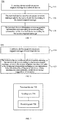
- FIG. 3 is a schematic flowchart of a method 300 for random access according to an implementation of the present disclosure.
- the method 300 may be performed by a terminal device.
- a specific flow of the random access includes acts 310 and 320.
- a terminal device sends an access request message to a network device, and indicates access auxiliary information of the terminal device to the network device through the access request message.
- the terminal device sends the access request message to the network device, and the access request message indicates the access auxiliary information of the terminal device, which is used for assisting the terminal device to perform random access.
- the terminal device may carry the access auxiliary information of the terminal device in the access request message and send it to the network device; or the access auxiliary information may be indicated to the network device by indirect indication, for example, by information of a resource for transmitting the access request message.
- the terminal device sends the access request message to the network device and indicates the access auxiliary information of the terminal device to the network device through the access request message, including that: the terminal device sends the access request message carrying the access auxiliary information to the network device.
- the terminal device sends the access request message to the network device and indicates the access auxiliary information of the terminal device to the network device through the access request message, including that: the terminal device determines a target resource for transmitting the access request message according to the access auxiliary information and a correspondence between a plurality of pieces of access auxiliary information and a plurality of transmission resources; the terminal device uses the target resource to send the access request message to the network device, so that the network device determines the access auxiliary information according to the target resource for receiving the access auxiliary information and the correspondence.
- the target resource may include a time domain resource, a frequency domain resource, a code domain resource, and a space resource, etc.
- the terminal device determines the target resource, corresponding to the access auxiliary information, for transmitting the access request message according to its own access auxiliary information, thereby sending the access request message to the network device on the target resource.
- the network device After receiving the access request message, the network device determines access auxiliary information corresponding to the target resource as access auxiliary information of the terminal device according to the target resource used by the access request message and the correspondence between the plurality of pieces of access auxiliary information and the plurality of transmission resources.
- the access auxiliary information of the terminal device may include at least one of the following information: access information of the terminal device, device information of the terminal device, service information of the terminal device, a type of a bearer set up by the terminal device, a data stream for transmitting the access request message, and a logical channel for transmitting the access request message.
- the access information of the terminal device includes, for example, an access level of the terminal device; the device information of the terminal device includes, for example, a priority of the terminal device and/or a device type of the terminal device; the service information of the terminal device includes, for example, at least one of the following information: a service application level of the terminal device, a service quality level of the terminal device, a reason why the terminal device sets up the service, core network information (such as a core network type, a core network identity, a PLMN identity, etc.) of the terminal device setting up the service, and a service type of the service.
- core network information such as a core network type, a core network identity, a PLMN identity, etc.
- the access request message may be a preamble sequence sent by the terminal device to the network device or a scheduling request message sent by the terminal device; or the access request message may be a first RRC message, such as an RRC connection setup request message, sent by the terminal device to the network device in a random access procedure; or the access request message may be a second RRC message, such as an RRC connection setup completion message, sent by the terminal device to the network device in a random access procedure; or the access request message may be a message, such as a message carried in a MAC PDU, sent by the terminal device through a Protocol Data Unit (PDU) of a data link layer (a second layer L2).
- PDU Protocol Data Unit
- the terminal device receives an access response message sent by the network device according to the access request message, wherein the access response message includes indication information for indicating rejection of access of the terminal device, and the indication information includes access suggestion information corresponding to the access auxiliary information.
- the network device may obtain access auxiliary information of the terminal device from the access request message, and the network device may determine whether to allow the access of the terminal device according to the access auxiliary information and a current network congestion situation.
- the network device may determine which terminal devices are allowed to access or which terminal devices are denied to access according to access levels of different terminal devices and the network congestion situation. If the current network congestion situation is relatively light, the network device may only deny access of those terminal devices with lower access levels, send an access response message to these terminal devices, carry indication information for indicating rejection of access of a terminal device in the access response message, and configure the terminal devices with access suggestion information corresponding to access auxiliary information of the terminal devices through the indication information, for example, information such as time when the terminal devices are forbidden to attempt access subsequently; if the current network congestion situation is very serious, the network device may reject all conflicting terminal devices that request access.
- the indication information carried in the access response message includes access suggestion information corresponding to the access auxiliary information. Further, the indication information may also include access auxiliary information of the terminal device, for example, information such as a priority or an access level of the terminal device.
- the access suggestion information includes at least one of the following information: information of a duration during which the terminal device is prohibited from accessing, information of a cell where the network device suggests the terminal device to reside, and information of a network that the network device suggests the terminal device to access.
- the access suggestion information is relevant information configured by the network device for the terminal device to guide the terminal device to access again, such as information of access time, information of an access network, or information of a resident cell.
- the terminal device may initiate access to the network device again according to the information of the duration during which the access is prohibited carried in the access response message after the duration elapses from the time when the access response message is received. That is, after receiving the access response message sent by the network device, the terminal device does not initiate an access request within the duration, configured by the network device, during which the terminal device is prohibited from accessing, and the terminal device may continue to initiate an access only after the duration expires.
- the terminal device may attempt to reside in the cell according to the information of the cell carried in access suggestion information after receiving the access response message sent by the network device.
- the cell may be other cells with less congestion.
- the terminal device may initiate an access request in the network according to the information of network carried in access suggestion information after receiving the access response message sent by the network device.
- the network may be other networks with less congestion.
- the access response message may be an RRC connection rejection message, an RRC connection release message or a PDU received by the terminal device from the network device, or the access response message may be any uplink message such as a control message or service data, which is not limited in the implementation of the present disclosure.
- the access response message sent by the network device received by the terminal device may be an RRC connection rejection message; if the access request message sent by the terminal device to the network device is an RRC connection setup completion message sent by the terminal to the network device in the random access procedure, the access response message sent by the network device received by the terminal device may be an RRC connection release message; if the access request message sent by the terminal device to the network device is a message sent through a protocol data unit (PDU) of a data link layer, such as a message carried in a MAC PDU, then the access response message sent by the network device received by the terminal device may be a message sent through the protocol data unit (PDU) of the data link layer, such as a message carried in the MAC PDU.
- PDU protocol data unit
- the terminal device sends its own access auxiliary information to the network device and obtaining access suggestion information corresponding to the access auxiliary information from the access response message sent by the network device, thereby reducing a probability of collision between the terminal device and other terminal devices when the terminal device re-accesses and improving the success rate of random access of the terminal device.
- FIG. 4 is a flowchart of a method 400 for random access according to an implementation of the present disclosure.
- the method 400 may be performed by a network device.
- a specific flow of the random access includes acts 410-430.
- a network device acquires access auxiliary information of a terminal device.
- the access auxiliary information is used for assisting the terminal device to perform random access.
- the access auxiliary information of the terminal device may include at least one of the following information: access information of the terminal device, device information of the terminal device, service information of the terminal device, a type of a bearer set up by the terminal device, a data stream for transmitting an access request message, and a logical channel for transmitting the access request message.
- the access information of the terminal device includes, for example, an access level of the terminal device; the device information of the terminal device includes, for example, a priority of the terminal device and/or a device type of the terminal device; the service information of the terminal device includes, for example, at least one of the following information: a service application level of the terminal device, a service quality level of the terminal device, a reason why the terminal device sets up the service, core network information (such as a core network type, a core network identity, a PLMN identity, etc.) of the terminal device setting up the service, and a service type of the service.
- core network information such as a core network type, a core network identity, a PLMN identity, etc.
- the network device acquires the access auxiliary information of the terminal device, including that: the network device receives an access request message sent by the terminal device, and the access request message includes the access auxiliary information.
- the terminal device when the terminal device sends the access request message to the network device, the terminal device may carry the access auxiliary information of the terminal device in the access request message, so that the network device may configure the terminal device with an appropriate backoff time or an appropriate access cell or an appropriate access network, etc. according to the received access auxiliary information.
- the access request message may be a preamble sequence received by the network device from the terminal device or a scheduling request message sent by the terminal device; or the access request message may be a first RRC message received by the network device from the terminal device, such as an RRC connection setup request message; or the access request message may be a second RRC message received by the network device from the terminal device, such as an RRC connection setup completion message; or the access request message may be a message received by the network device from the terminal device through a Protocol Data Unit (PDU) of a data link layer (a second layer L2), such as a message carried in a MAC PDU.
- PDU Protocol Data Unit
- the network device acquires the access auxiliary information of the terminal device, including that: the network device receives the access auxiliary information sent by a core network or another access network device.
- the network device may acquire the access auxiliary information of the terminal device from a corresponding core network, or acquire the access auxiliary information of the terminal device from another access network device.
- the core network or the other access network device may acquire and record the access auxiliary information of the terminal device, so that the network device may acquire access auxiliary information of different terminal devices from the core network or other access network devices.
- the core network device or the other access network device may actively send the access auxiliary information of the terminal device to the network device in a process of interacting with the network device, or the network device may send a request message to the core network device or the other access network device to request to acquire the access auxiliary information.
- the network device may send a request message for requesting the access auxiliary information to the core network device and receive the access auxiliary information sent by the core network device according to the request message; or the network device may send a request message for requesting access auxiliary information to another access network device and receive the access auxiliary information sent by the other access network device according to the request message.
- the network device acquires the access auxiliary information of the terminal device, including that: the network device determines the access auxiliary information corresponding to a target resource for receiving the access request message according to the target resource and a correspondence between a plurality of transmission resources and a plurality of pieces of access auxiliary information.
- the target resource includes at least one of: a time domain resource, a frequency domain resource, a code domain resource, and a space resource.
- the terminal device determines the target resource, corresponding to the access auxiliary information, for transmitting the access request message according to its own access auxiliary information, thereby sending the access request message to the network device on the target resource.
- the network device determines access auxiliary information corresponding to the target resource as access auxiliary information of the terminal device according to the target resource used by the access request message and the correspondence between the plurality of pieces of access auxiliary information and the plurality of transmission resources.
- the network device determines access suggestion information corresponding to the access auxiliary information according to the access auxiliary information.
- the access suggestion information includes at least one of the following information: information of a duration during which the terminal device is prohibited from accessing, information of a cell where the network device suggests the terminal device to reside, and information of a network that the network device suggests the terminal device to access.
- the access suggestion information is relevant information configured by the network device for the terminal device to guide the terminal device to access again, such as information of access time, information of an access network, or information of a resident cell.
- the network device determines the access suggestion information corresponding to the access auxiliary information according to the access auxiliary information, including that: the network device determines the access suggestion information corresponding to the access auxiliary information according to the access auxiliary information and a first mapping relationship, wherein the first mapping relationship is used for representing a correspondence between a plurality of pieces of access auxiliary information and a plurality of pieces of access suggestion information.
- access auxiliary information of different terminal devices may be different, and the different pieces of access auxiliary information correspond to different pieces of access suggestion information.
- the network device may determine access suggestion information corresponding to the access auxiliary information of the terminal device for the terminal device according to the access auxiliary information of the terminal device.
- the first mapping relationship shown in Table 1 includes the correspondence between the plurality of pieces of access auxiliary information and the plurality of pieces of access suggestion information.
- the access auxiliary information is an access level of the terminal device, and access suggestion information is backoff time, i.e., a duration during which the terminal device is prohibited from accessing.
- the backoff time of the terminal device is T1; if the access level of the terminal device belongs to level II, then the backoff time of the terminal device is T2; if the access level of the terminal device belongs to level III, then the backoff time of the terminal device is T3; if the access level of the terminal device belongs to level IV, then the backoff time of the terminal device is T4.
- the access level I to the access level IV of the terminal device decrease in turn, and the backoff time T1 to T4 of the terminal device increase in turn, i.e., the lower the level is, the longer the backoff time is.
- the correspondence between the plurality of pieces of access auxiliary information and the plurality of pieces of access suggestion information may be presented, for example, through tables, formulas, images, etc., and in the correspondence, the plurality of pieces of access auxiliary information and the plurality of pieces of access suggestion information may be one-to-one correspondence; one type of access auxiliary information may correspond to a plurality of pieces of access suggestion information; or a piece of access suggestion information may correspond to multiple types of access auxiliary information.
- the network device may determine the access suggestion information corresponding to the access auxiliary information of the terminal device, for example, by looking up a predetermined table including a correspondence between a plurality of pieces of access auxiliary information and a plurality of pieces of access suggestion information, such as Table 1, which includes the information of the correspondence between the plurality of pieces of access auxiliary information and the plurality of pieces of access suggestion information; or, the terminal device may acquire the access suggestion information corresponding to the access auxiliary information through calculation by using a predetermined formula between relevant parameters in the access auxiliary information and relevant parameters in the access suggestion information.
- the present disclosure is not limited to this.
- the network device sends an access response message to the terminal device, and the access response message includes the access suggestion information.
- the access response message may be an RRC connection rejection message, an RRC connection release message or a PDU sent by the network device to the terminal device, or the access response message may be any uplink message such as a control message or service data, which is not limited in the implementation of the present disclosure.
- the access response message sent by the network device to the terminal device may be an RRC connection rejection message; if the access request message received by the network device from the terminal device is an RRC connection setup completion message sent by the terminal device to the network device in the random access procedure, the access response message sent by the network device to the terminal device may be an RRC connection release message; if the access request message received by the network device from the terminal device is a message sent through a protocol data unit (PDU) of a data link layer, such as a message carried in a MAC PDU, then the access response message sent by the network device to the terminal device may be a message sent through the PDU of the data link layer, such as a message carried in the MAC PDU.
- PDU protocol data unit
- the network device configures access suggestion information corresponding to respective access auxiliary information for different terminal devices, thereby reducing a probability of collision between the terminal device and other terminal devices when the terminal device re-accesses and improving the success rate of random access of the terminal device.
- FIG. 5 is a flowchart of a method 500 for random access according to an implementation of the present disclosure.
- the method 500 may be performed by a terminal device.
- a specific flow of the random access includes acts 510-530.
- a terminal device sends an access request message to a network device.
- the access request message may be a preamble sequence sent by the terminal device to the network device or a scheduling request message sent by the terminal device; or the access request message may be a first RRC message, such as an RRC connection setup request message, sent by the terminal device to the network device in a random access procedure; or the access request message may be a second RRC message, such as an RRC connection setup completion message, sent by the terminal device to the network device in a random access procedure; or the access request message may be a message sent by the terminal device through a PDU of a data link layer, such as a message carried in a MAC PDU.
- a first RRC message such as an RRC connection setup request message
- the access request message may be a second RRC message, such as an RRC connection setup completion message, sent by the terminal device to the network device in a random access procedure
- the access request message may be a message sent by the terminal device through a PDU of a data link layer, such as a message carried in a MAC PDU.
- the terminal device receives an access response message sent by the network device according to the access request message.
- the terminal device determines access suggestion information corresponding to access auxiliary information of the terminal device according to the access response message.
- the auxiliary information is used for assisting the terminal device to perform random access.
- the access auxiliary information of the terminal device may include at least one of the following information: access information of the terminal device, device information of the terminal device, service information of the terminal device, a type of a bearer set up by the terminal device, a data stream for transmitting an access request message, and a logical channel for transmitting the access request message.
- the access information of the terminal device includes, for example, an access level of the terminal device; the device information of the terminal device includes, for example, a priority of the terminal device and/or a device type of the terminal device; the service information of the terminal device includes, for example, at least one of the following information: a service application level of the terminal device, a service quality level of the terminal device, a reason why the terminal device sets up the service, core network information (such as a core network type, a core network identity, a PLMN identity, etc.) of the terminal device setting up the service, and a service type of the service.
- core network information such as a core network type, a core network identity, a PLMN identity, etc.
- the access suggestion information may include at least one of the following information: information of a duration during which the terminal device is prohibited from accessing, information of a cell where the network device suggests the terminal device to reside, and information of a network that the network device suggests the terminal device to access.
- the terminal device may, after determining its access suggestion information, initiate access to the network device again according to the information of the duration during which the access is prohibited carried in the access suggestion message after the duration elapses from the time when the access response message is received. That is, after receiving the access response message sent by the network device, the terminal device does not initiate an access request within the duration, configured by the network device, in which the terminal device is prohibited from accessing, and the terminal device may continue to initiate an access only after the duration expires.
- the access suggestion information is information of a duration during which the terminal device is prohibited from accessing (also referred to as backoff time)
- the terminal device may, after determining its access suggestion information, initiate access to the network device again according to the information of the duration during which the access is prohibited carried in the access suggestion message after the duration elapses from the time when the access response message is received. That is, after receiving the access response message sent by the network device, the terminal device does not initiate an access request within the duration, configured by the network device, in which the terminal device is prohibited from access
- the terminal device may attempt to reside in the cell according to the information of the cell carried in the access suggestion information after determining its access suggestion information.
- the cell is, for example, other cell with less congestion.
- the terminal device may initiate an access request in the network according to the information of the network carried in the access suggestion information after determining its access suggestion information.
- the network is, for example, other less congested network.
- the terminal device determines the access suggestion information corresponding to the access auxiliary information of the terminal device according to the access response message, including that: the terminal device determines the access suggestion information corresponding to the access auxiliary information according to the access auxiliary information and a first mapping relationship, wherein the first mapping relationship is used for representing the correspondence between a plurality of pieces of access auxiliary information and a plurality of pieces of access suggestion information.
- access auxiliary information of different terminal devices may be different, and the different pieces of access auxiliary information correspond to different pieces of access suggestion information.
- the terminal device may determine the access suggestion information corresponding to the access auxiliary information according to the access auxiliary information of the terminal device and the first mapping relationship.
- the first mapping relationship shown in Table 2 includes the correspondence between the plurality of pieces of access auxiliary information and the plurality of pieces of access suggestion information.
- access auxiliary information is a service type of the terminal device and access suggestion information is backoff time of the terminal device.
- the terminal device may determine its own backoff time to be T1; if the service type of the terminal device is an image, the terminal device determines its own backoff time to be T2; if the service type of the terminal device is video, the terminal device determines its own backoff time to be T3.
- the access response message includes the first mapping relationship; or a broadcast message sent by the network device to the terminal device includes the first mapping relationship; or the first mapping relationship is agreed in advance between the network device and the terminal device.
- the terminal device may acquire information of the first mapping relationship from the access response message sent by the network device; or the network device may broadcast the first mapping relationship to the terminal device by sending a broadcast message, and the terminal device may acquire the information of the first mapping relationship from the broadcast information sent by the network device; or the first mapping relationship may be previously agreed between the network device and the terminal device, for example, as specified in a protocol.
- the access response message may be an RRC connection rejection message, an RRC connection release message or a PDU received by the terminal device from the network device, or the access response message may be any uplink message such as a control signaling or service data, which is not limited in the implementation of the present disclosure.
- the access response message sent by the network device received by the terminal device may be an RRC connection rejection message; if the access request message sent by the terminal device to the network device is an RRC connection setup completion message sent by the terminal to the network device in the random access procedure, the access response message sent by the network device received by the terminal device may be an RRC connection release message; if the access request message sent by the terminal device to the network device is a message sent through a protocol data unit (PDU) of a data link layer, such as a message carried in a MAC PDU, then the access response message sent by the network device received by the terminal device may be a message sent through the protocol data unit (PDU) of the data link layer, such as a message carried in the MAC PDU.
- PDU protocol data unit
- the terminal device determines the access suggestion information corresponding to the access auxiliary information in the random access procedure, so that the terminal device can re-access according to the access suggestion information, and the probability of conflict between the terminal device and other terminal devices when re-accessing is reduced, and the success rate of random access by the terminal device is improved.
- FIG. 6 is a flowchart of a method 600 for random access according to an implementation of the present disclosure.
- the method 600 may be performed by a network device.
- a specific flow of the random access includes acts 610-620.
- a network device acquires an access request message of a terminal device.
- the network device sends an access response message to the terminal device according to the access request message.
- the access response message includes a first mapping relationship including a correspondence between a plurality of pieces of access auxiliary information and a plurality of pieces of access suggestion information, so that the terminal device determines access suggestion information corresponding to access auxiliary information of the terminal device according to the access auxiliary information and the first mapping relationship.
- the network device after receiving the access request message sent by the terminal device, the network device sends an access response message to the terminal device, and a first mapping relationship is carried in the access response message, wherein the first mapping relationship includes a correspondence between a plurality of pieces of access auxiliary information and a plurality of pieces of access suggestion information; and after receiving the access response message, the terminal device may determine corresponding access suggestion information according to its own access auxiliary information and the first mapping relationship.
- the auxiliary information is used for assisting the terminal device to perform random access.
- the access auxiliary information of the terminal device may include at least one of the following information: access information of the terminal device, device information of the terminal device, service information of the terminal device, a type of a bearer set up by the terminal device, a data stream for transmitting an access request message, and a logical channel for transmitting the access request message.
- the access information of the terminal device includes, for example, an access level of the terminal device; the device information of the terminal device includes, for example, a priority of the terminal device and/or a device type of the terminal device; the service information of the terminal device includes, for example, at least one of the following information: a service application level of the terminal device, a service quality level of the terminal device, a reason why the terminal device sets up the service, core network information (such as a core network type, a core network identity, a PLMN identity, etc.) of the terminal device setting up the service, and a service type of the service.
- core network information such as a core network type, a core network identity, a PLMN identity, etc.
- the access suggestion information may include at least one of the following information: information of a duration during which the terminal device is prohibited from accessing, information of a cell where the network device suggests the terminal device to reside, and information of a network that the network device suggests the terminal device to access.
- the terminal device may, after determining its access suggestion information, initiate access to the network device again according to the information of the duration during which the access is prohibited carried in the access suggestion message after the duration elapses from the time when the access response message is received. That is, after receiving the access response message sent by the network device, the terminal device does not initiate an access request within the duration, configured by the network device, in which the terminal device is prohibited from accessing, and the terminal device may continue to initiate an access only after the duration expires.
- the terminal device may attempt to reside in the cell according to the information of the cell carried in the access suggestion information after determining its access suggestion information.
- the cell is, for example, other cell with less congestion.
- the terminal device may initiate an access request in the network according to the information of the network carried in the access suggestion information after determining its access suggestion information.
- the network is, for example, other less congested network.
- the access request message may be a preamble sequence sent by the terminal device to the network device or a scheduling request message sent by the terminal device; or the access request message may be a first RRC message, such as an RRC connection setup request message, sent by the terminal to the network device in a random access procedure; or the access request message may be a second RRC message, such as an RRC connection setup completion message, sent by the terminal to the network device in a random access procedure; or the access request message may be a message sent by the terminal device through a PDU of a data link layer, such as a message carried in a MAC PDU.
- the access response message may be an RRC connection rejection message, an RRC connection release message or a PDU received by the terminal device from the network device, or the access response message may be any uplink message such as a control message or service data, which is not limited in the implementation of the present disclosure.
- the response message sent by the network device received by the terminal device may be an RRC connection rejection message; if the access request message sent by the terminal device to the network device is an RRC connection setup completion message sent by the terminal to the network device in the random access procedure, the response message sent by the network device received by the terminal device may be an RRC connection release message; if the access request message sent by the terminal device to the network device is a message sent through a protocol data unit (PDU) of a data link layer, such as a message carried in a MAC PDU, then the response message sent by the network device received by the terminal device may be a message sent through the PDU of the data link layer, such as a message carried in the MAC PDU.
- PDU protocol data unit
- the network device informs the terminal device of the correspondence between the access auxiliary information and the access suggestion information in a process of sending, by the network device, the access response message information to the terminal device, so that the terminal device can acquire access suggestion information corresponding to respective access auxiliary information, thereby reducing a probability of collision between the terminal device and other terminal devices when the terminal device re-accesses and improving the success rate of random access of the terminal device.
- FIG. 7 is a schematic block diagram of a terminal device 700 according to an implementation of the present disclosure. As shown in FIG. 7 , the terminal device 700 includes a sending unit 710 and a receiving unit 720.
- the sending unit 710 is used for sending an access request message to a network device and indicating access auxiliary information of the terminal device to the network device through the access request message.
- the receiving unit 720 is used for receiving an access response message sent by the network device according to the access request message, wherein the access response message includes indication information for indicating rejection of access of the terminal device, and the indication information includes access suggestion information corresponding to the access auxiliary information.
- the terminal device sends its own access auxiliary information to the network device and obtaining access suggestion information corresponding to the access auxiliary information from the access response message sent by the network device, thereby reducing a probability of collision between the terminal device and other terminal devices when the terminal device re-accesses and improving the success rate of random access of the terminal device.
- the access auxiliary information includes at least one of: access information of the terminal device, device information of the terminal device, service information of the terminal device, a type of a bearer set up by the terminal device, a data stream for transmitting an access request message, and a logical channel for transmitting the access request message.
- the access information of the terminal device includes an access level of the terminal device;
- the device information of the terminal device includes a priority of the terminal device and/or a device type of the terminal device;
- the service information of the terminal device includes at least one of the following information: a service application level of the terminal device, a service quality level of the terminal device, a reason for the terminal device to set up the service, core network information for the terminal device to set up the service, and a service type of the service.
- the access suggestion information includes at least one of: information of a duration during which the terminal device is prohibited from accessing, information of a cell where the network device suggests the terminal device to reside, and information of a network that the network device suggests the terminal device to access.
- the sending unit 710 is specifically used for sending the access request message carrying the access auxiliary information to the network device.
- the sending unit 710 is specifically used for determining a target resource for transmitting the access request message according to the access auxiliary information and a correspondence between a plurality of pieces of access auxiliary information and a plurality of transmission resources; and using the target resource to send the access request message to the network device, so that the network device determines the access auxiliary information according to the target resource for receiving the access request message and the correspondence.
- the target resource includes at least one of: a time domain resource, a frequency domain resource, a code domain resource, and a space resource.
- the access request message includes an access preamble sequence or a scheduling request message; or the access request message includes a radio resource control (RRC) connection setup request message, and the access response message includes an RRC connection rejection message; or the access request message includes an RRC connection setup completion message, and the access response message includes an RRC connection release message; or the access request message includes a protocol data unit (PDU), and the access response message includes a PDU.
- RRC radio resource control
- PDU protocol data unit
- terminal device 700 may correspond to the terminal device in the method implementation and may realize the corresponding functions of the terminal device. For the sake of brevity, it will not be repeated here.
- FIG. 8 is a schematic block diagram of a network device 800 according to an implementation of the present disclosure.
- the network device 800 includes an acquisition unit 810, a determining unit 820, and a sending unit 830.
- the acquisition unit 810 is used for acquiring access auxiliary information of a terminal device.
- the determining unit 820 is used for determining access suggestion information corresponding to the access auxiliary information according to the access auxiliary information acquired by the acquisition unit.
- the sending unit 830 is used for sending an access response message to the terminal device, wherein the access response message includes the access suggestion information.
- the network device configures access suggestion information corresponding to respective access auxiliary information for different terminal devices, thereby reducing a probability of collision between the terminal device and other terminal devices when the terminal device re-accesses and improving the success rate of random access of the terminal device.
- the access auxiliary information includes at least one of: access information of the terminal device, device information of the terminal device, service information of the terminal device, a type of a bearer set up by the terminal device, a data stream for transmitting an access request message, and a logical channel for transmitting the access request message.
- the access information of the terminal device includes an access level of the terminal device;
- the device information of the terminal device includes a priority of the terminal device and/or a device type of the terminal device;
- the service information of the terminal device includes at least one of the following information: a service application level of the terminal device, a service quality level of the terminal device, a reason for the terminal device to set up the service, core network information for the terminal device to set up the service, and a service type of the service.
- the access suggestion information includes at least one of: information of a duration during which the terminal device is prohibited from accessing, information of a cell where the network device suggests the terminal device to reside, and information of a network that the network device suggests the terminal device to access.
- the determining unit 820 is specifically used for determining the access suggestion information corresponding to the access auxiliary information according to the access auxiliary information and a first mapping relationship, wherein the first mapping relationship is used for representing a correspondence between a plurality of pieces of access auxiliary information and a plurality of pieces of access suggestion information.
- the acquisition unit 810 is specifically used for receiving an access request message sent by the terminal device, wherein the access request message includes the access auxiliary information.
- the acquisition unit 810 is specifically used for receiving the access auxiliary information sent by a core network or another access network device.
- the acquisition unit 810 is specifically used for sending a request message for requesting the access auxiliary information to the core network device, and receiving the access auxiliary information sent by the core network device according to the request message; or sending a request message to the other access network device, and receiving the access auxiliary information sent by the other access network device according to the request message.
- the acquisition unit 810 is specifically used for determining the access auxiliary information corresponding to a target resource for receiving the access request message according to the target resource and a correspondence between a plurality of transmission resources and a plurality of pieces of access auxiliary information.
- the target resource includes at least one of: a time domain resource, a frequency domain resource, a code domain resource, and a space resource.
- the access request message includes a preamble sequence or a scheduling request message; or the access request message includes a radio resource control (RRC) connection setup request message, and the access response message includes an RRC connection rejection message; or the access request message includes an RRC connection setup completion message, and the access response message includes an RRC connection release message; or the access request message includes a protocol data unit (PDU), and the access response message includes a PDU.
- RRC radio resource control
- PDU protocol data unit
- FIG. 9 is a schematic structural diagram of a terminal device 900 according to an implementation of the present disclosure.
- the terminal device includes a processor 910, a transceiver 920, and a memory 930, wherein the processor 910, the transceiver 920, and the memory 930 communicate with each other through an internal connection path.
- the memory 930 is used for storing instructions
- the processor 910 is used for executing instructions stored in the memory 930 to control the transceiver 920 to send or receive signals.
- the processor 910 may call the program codes stored in the memory 930 to perform corresponding operations of the terminal device in the method 300 shown in FIG. 3 , which will not be described here repeatedly for brevity.
- the processor 910 may be a central processing unit (CPU), or the processor 910 may be other general purpose processor, a digital signal processor (DSP), an application specific integrated circuit (ASIC), a field programmable gate array (FPGA), or other programmable logic device, a discrete gate or a transistor logic device, or a discrete hardware component, etc.
- the general purpose processor may be a microprocessor, or the processor may be any conventional processor or the like.
- the memory 930 may include a read only memory and a random access memory and provide instructions and data to the processor 910. A portion of memory 930 may also include a non-volatile random access memory. For example, the memory 930 may also store device type information.
- the acts of the methods described above may be accomplished by integrated logic circuits of hardware in the processor 910 or instructions in a form of software.
- the acts of the method disclosed in the implementation of the present disclosure may be directly accomplished by an execution of a hardware processor or accomplished by a combination of hardware and software modules in the processor 910.
- the software modules may be located in typical storage medium in the art, such as a random access memory, flash memory, read-only memory, programmable read-only memory or electrically erasable programmable memory, or register.
- the storage medium is located in the memory 930, and the processor 910 reads the information in the memory 930 and accomplishes the acts of the above method in combination with its hardware. In order to avoid repetition, it will not be described in detail here.
- the terminal device 900 may correspond to the terminal device for executing the method 300 in the method 300 and the terminal device 700 according to the implementation of the present disclosure, and various units or modules in the terminal device 900 are respectively used for executing various actions or processing processes executed by the terminal device in the method 300.
- various units or modules in the terminal device 900 are respectively used for executing various actions or processing processes executed by the terminal device in the method 300.
- detailed description thereof is omitted.
- FIG. 10 is a schematic structural diagram of a network device 1000 according to an implementation of the present disclosure.
- the network device includes a processor 1010, a transceiver 1020, and a memory 1030, wherein the processor 1010, the transceiver 1020, and the memory 1030 communicate with each other through an internal connection path.
- the memory 1030 is used for storing instructions
- the processor 1010 is used for executing instructions stored in the memory 1030 to control the transceiver 1020 to send or receive signals.
- the processor 1010 may call the program codes stored in the memory 1030 to perform corresponding operations of network device in the method 400 shown in FIG. 4 , which will not be described here repeatedly for brevity.
- the processor 1010 may be a Central Processing Unit (CPU), or the processor 1010 may be other general purpose processor, digital signal processor (DSP), application specific integrated circuit (ASIC), Field Programmable Gate Array (FPGA), or other programmable logic device, discrete gate or transistor logic device, discrete hardware component, etc.
- the general purpose processor may be a microprocessor, or the processor may be any conventional processor or the like.
- the memory 1030 may include a read only memory and a random access memory and provide instructions and data to the processor 1010. A portion of memory 1030 may also include a non-volatile random access memory. For example, the memory 1030 may also store device type information.
- the acts of the methods described above may be accomplished by integrated logic circuits of hardware in the processor 1010 or instructions in a form of software.
- the acts of the method disclosed in the implementation of the present disclosure may be directly accomplished by an execution of a hardware processor or accomplished by a combination of hardware and software modules in the processor 1010.
- the software modules may be located in typical storage medium in the art, such as a random access memory, flash memory, read-only memory, programmable read-only memory or electrically erasable programmable memory, or register.
- the storage medium is located in the memory 1030, and the processor 1010 reads the information in the memory 1030 and accomplishes the acts of the above method in combination with its hardware. In order to avoid repetition, it will not be described in detail here.
- the network device 1000 may correspond to the network device for executing the method 400 in the method 400 and the network device 800 according to the implementation of the present disclosure, and various units or modules in the network device 1000 are respectively used for executing various actions or processing processes executed by the network device in the method 400.
- various units or modules in the network device 1000 are respectively used for executing various actions or processing processes executed by the network device in the method 400.
- detailed description thereof is omitted.
- FIG. 11 is a schematic structural diagram of a system chip according to an implementation of the present disclosure.
- the system chip 1100 of FIG. 11 includes an input interface 1101, an output interface 1102, at least one processor 1103, and a memory 1104.
- the input interface 1101, the output interface 1102, the processor 1103, and the memory 1104 are connected to each other through an internal connection path.
- the processor 1103 is used for executing codes in the memory 1104.
- the processor 1103 may implement the method 300 executed by the terminal device in the method implementation when the codes are executed.
- the processor 1103 may implement the method 300 executed by the terminal device in the method implementation when the codes are executed. For the sake of brevity, it will not be repeated here.
- the processor 1103 may implement the method 400 executed by the network device in the method implementation when the codes are executed.
- the processor 1103 may implement the method 400 executed by the network device in the method implementation when the codes are executed. For the sake of brevity, it will not be repeated here.
- FIG. 12 is a schematic block diagram of a terminal device 1200 according to an implementation of the present disclosure. As shown in FIG. 12 , the terminal device 1200 includes a sending unit 1210, a receiving unit 1220, and a determining unit 1230.
- the sending unit 1210 is used for sending an access request message to a network device.
- the receiving unit 1220 is used for receiving an access response message sent by the network device according to the access request message.
- the determining unit 1230 is used for determining access suggestion information corresponding to the access auxiliary information of the terminal device according to the access response message received by the receiving unit 1220.
- the terminal device determines the access suggestion information corresponding to the access auxiliary information in the random access procedure, so that the terminal device can re-access according to the access suggestion information, and the probability of conflict between the terminal device and other terminal devices when re-accessing is reduced, and the success rate of random access by the terminal device is improved.
- the access auxiliary information includes at least one of: access information of the terminal device, device information of the terminal device, service information of the terminal device, a type of a bearer set up by the terminal device, a data stream for transmitting an access request message, and a logical channel for transmitting the access request message.
- the access information of the terminal device includes an access level of the terminal device;
- the device information of the terminal device includes a priority of the terminal device and/or a device type of the terminal device;
- the service information of the terminal device includes at least one of the following information: a service application level of the terminal device, a service quality level of the terminal device, a reason for the terminal device to set up the service, core network information for the terminal device to set up the service, and a service type of the service.
- the access suggestion information includes at least one of: information of a duration during which the terminal device is prohibited from accessing, information of a cell where the network device suggests the terminal device to reside, and information of a network that the network device suggests the terminal device to access.
- the determining unit 1230 is specifically used for: determining, by the terminal device, the access suggestion information corresponding to the access auxiliary information according to the access auxiliary information and a first mapping relationship, wherein the first mapping relationship is used for representing a correspondence between a plurality of pieces of access auxiliary information and a plurality of pieces of access suggestion information.
- the access response message includes the first mapping relationship; or a broadcast message sent by the network device to the terminal device includes the first mapping relationship; or the first mapping relationship is agreed in advance between the network device and the terminal device.
- the access request message includes an access preamble sequence or a scheduling request message; or the access request message includes a radio resource control (RRC) connection setup request message, and the access response message includes an RRC connection rejection message; or the access request message includes an RRC connection setup completion message, and the access response message includes an RRC connection release message; or the access request message includes a protocol data unit (PDU), and the access response message includes a protocol data unit (PDU).
- RRC radio resource control
- PDU protocol data unit
- terminal device 1200 may correspond to the terminal device in the method implementation and may realize the corresponding functions of the terminal device. For the sake of brevity, it will not be repeated here.
- FIG. 13 is a schematic block diagram of a network device 1300 according to an implementation of the present disclosure. As shown in FIG. 13 , the network device 1300 includes a receiving unit 1310 and a sending unit 1320.
- the receiving unit 1310 is used for receiving an access request message sent by a terminal device.
- the sending unit 1320 is used for sending an access response message to the terminal device according to the access request message received by the receiving unit 1310, wherein the access response message includes a first mapping relationship including a correspondence between a plurality of pieces of access auxiliary information and a plurality of pieces of access suggestion information, so that the terminal device determines access suggestion information corresponding to access auxiliary information of the terminal device according to the access auxiliary information and the first mapping relationship.
- the network device informs the terminal device of the correspondence between the access auxiliary information and the access suggestion information in a process of sending, by the network device, the access response message information to the terminal device, so that the terminal device can acquire access suggestion information corresponding to respective access auxiliary information, thereby reducing a probability of collision between the terminal device and other terminal devices when the terminal device re-accesses and improving the success rate of random access of the terminal device.
- the access auxiliary information includes at least one of: access information of the terminal device, device information of the terminal device, service information of the terminal device, a type of a bearer set up by the terminal device, a data stream for transmitting an access request message, and a logical channel for transmitting the access request message.
- the access information of the terminal device includes an access level of the terminal device;
- the device information of the terminal device includes a priority of the terminal device and/or a device type of the terminal device;
- the service information of the terminal device includes at least one of the following information: a service application level of the terminal device, a service quality level of the terminal device, a reason for the terminal device to set up the service, core network information for the terminal device to set up the service, and a service type of the service.
- the access suggestion information includes at least one of: information of a duration during which the terminal device is prohibited from accessing, information of a cell where the network device suggests the terminal device to reside, and information of a network that the network device suggests the terminal device to access.
- the access request message includes a preamble sequence or a scheduling request message; or the access request message includes a radio resource control (RRC) connection setup request message, and the access response message includes an RRC connection rejection message; or the access request message includes an RRC connection setup completion message, and the access response message includes an RRC connection release message; or the access request message includes a protocol data unit (PDU), and the access response message includes a protocol data unit (PDU).
- RRC radio resource control
- PDU protocol data unit
- FIG. 14 is a schematic structural diagram of a terminal device 1400 according to an implementation of the present disclosure.
- the terminal device includes a processor 1410, a transceiver 1420, and a memory 1430, wherein the processor 1410, the transceiver 1420, and the memory 1430 communicate with each other through an internal connection path.
- the memory 1430 is used for storing instructions
- the processor 1410 is used for executing instructions stored in the memory 1430 to control the transceiver 1420 to send or receive signals.
- the processor 1410 may call the program codes stored in the memory 1430 to perform corresponding operations of terminal device in the method 500 shown in FIG. 5 , which will not be described here repeatedly for brevity.
- the processor 1410 may be a central processing unit (CPU), or the processor 1410 may be other general purpose processor, a digital signal processor (DSP), an application specific integrated circuit (ASIC), a field programmable gate array (FPGA), or other programmable logic device, a discrete gate or a transistor logic device, or a discrete hardware component, etc.
- the general purpose processor may be a microprocessor, or the processor may be any conventional processor or the like.
- the memory 1430 may include a read only memory and a random access memory and provide instructions and data to the processor 1410. A portion of memory 1430 may also include a non-volatile random access memory. For example, the memory 1430 may also store device type information.
- the acts of the methods described above may be accomplished by integrated logic circuits of hardware in the processor 1410 or instructions in a form of software.
- the acts of the method disclosed in the implementation of the present disclosure may be directly accomplished by an execution of a hardware processor or accomplished by a combination of hardware and software modules in the processor 1410.
- the software modules may be located in typical storage medium in the art, such as a random access memory, flash memory, read-only memory, programmable read-only memory or electrically erasable programmable memory, or register.
- the storage medium is located in the memory 1430, and the processor 1410 reads the information in the memory 1430 and accomplishes the acts of the above method in combination with its hardware. In order to avoid repetition, it will not be described in detail here.
- the terminal device 1400 may correspond to the terminal device for executing the method 500 in the method 500 and the terminal device 1200 according to the implementation of the present disclosure, and various units or modules in the terminal device 1400 are respectively used for executing various actions or processing processes executed by the terminal device in the method 500.
- various units or modules in the terminal device 1400 are respectively used for executing various actions or processing processes executed by the terminal device in the method 500.
- detailed description thereof is omitted.
- FIG. 15 is a schematic structural diagram of a network device 1500 according to an implementation of the present disclosure.
- the network device includes a processor 1510, a transceiver 1520, and a memory 1530, wherein the processor 1510, the transceiver 1520, and the memory 1530 communicate with each other through an internal connection path.
- the memory 1530 is used for storing instructions
- the processor 1510 is used for executing instructions stored in the memory 1530 to control the transceiver 1520 to send or receive signals.
- the processor 1510 may call the program codes stored in the memory 1530 to perform corresponding operations of network device in the method 600 shown in FIG. 6 , which will not be described here repeatedly for brevity.
- the processor 1510 may be a Central Processing Unit (CPU), or the processor 1510 may be other general purpose processor, digital signal processor (DSP), application specific integrated circuit (ASIC), Field Programmable Gate Array (FPGA), or other programmable logic device, discrete gate or transistor logic device, discrete hardware component, etc.
- the general purpose processor may be a microprocessor, or the processor may be any conventional processor or the like.
- the memory 1530 may include a read only memory and a random access memory and provide instructions and data to the processor 1510. A portion of memory 1530 may also include a non-volatile random access memory. For example, the memory 1530 may also store device type information.
- the acts of the methods described above may be accomplished by integrated logic circuits of hardware in the processor 1510 or instructions in a form of software.
- the acts of the method disclosed in the implementation of the present disclosure may be directly accomplished by an execution of a hardware processor or accomplished by a combination of hardware and software modules in the processor 1510.
- the software modules may be located in typical storage medium in the art, such as a random access memory, flash memory, read-only memory, programmable read-only memory or electrically erasable programmable memory, or register.
- the storage medium is located in the memory 1530, and the processor 1510 reads the information in the memory 1530 and accomplishes the acts of the above method in combination with its hardware. In order to avoid repetition, it will not be described in detail here.
- the network device 1500 may correspond to the network device for executing the method 600 in the method 600 and the network device 1300 according to the implementation of the present disclosure, and various units or modules in the network device 1500 are respectively used for executing various actions or processing processes executed by the network device in the method 600.
- various units or modules in the network device 1500 are respectively used for executing various actions or processing processes executed by the network device in the method 600.
- detailed description thereof is omitted.
- FIG. 16 is a schematic structural diagram of a system chip according to an implementation of the present disclosure.
- the system chip 1600 of FIG. 16 includes an input interface 1601, an output interface 1602, at least one processor 1603, and a memory 1604.
- the input interface 1601, the output interface 1602, the processor 1603, and the memory 1604 are connected to each other through an internal connection path.
- the processor 1603 is used for executing codes in the memory 1604.
- the processor 1603 may implement the method 500 executed by the terminal device in the method implementation when the codes are executed.
- the processor 1603 may implement the method 500 executed by the terminal device in the method implementation when the codes are executed. For the sake of brevity, it will not be repeated here.
- the processor 1603 may implement the method 600 executed by the network device in the method implementation when the codes are executed.
- the processor 1603 may implement the method 600 executed by the network device in the method implementation when the codes are executed. For the sake of brevity, it will not be repeated here.
- sequence numbers of the various processes do not imply an order of execution of the various processes, which should be determined by their functions and internal logics, and should not constitute any limitation on implementation processes of the implementations of the present disclosure.
- the disclosed systems, apparatuses and methods may be implemented in other ways.
- the apparatus implementation described above is only illustrative, for example, the division of the unit is only a logical function division, and there may be other ways of division in actual implementation, for example, multiple units or components may be combined or integrated into another system, or some features may be ignored or not executed.
- the mutual coupling or direct coupling or communication connection shown or discussed may be indirect coupling or communication connection through some interface, apparatus or unit, and may be in electrical, mechanical or other forms.
- the unit described as a separate component may or may not be physically separated, and the component shown as a unit may or may not be a physical unit, i.e., may be located in one place or may be distributed over multiple network units. Some or all of the units may be selected according to actual needs to achieve the purpose of the implementations.
- various functional units in various implementations of the present disclosure may be integrated in one processing unit, or the various units may be physically present separately, or two or more units may be integrated in one unit.
- the functions may be stored in a computer readable storage medium if implemented in a form of software functional units and sold or used as a separate product.
- the technical solution of the present disclosure in essence, or the part contributing to the prior art, or the part of the technical solution, may be embodied in the form of a software product stored in a storage medium, including a number of instructions for causing a computer device (which may be a personal computer, a server, or a network device) to perform all or part of the acts of the method described in various implementations of the present disclosure.
- the aforementioned storage medium include a U disk, mobile hard disk, read-only memory (ROM), random access memory (RAM), magnetic disk or optical disk and other media that can store program codes.
Landscapes
- Engineering & Computer Science (AREA)
- Computer Networks & Wireless Communication (AREA)
- Signal Processing (AREA)
- Computer Security & Cryptography (AREA)
- Mobile Radio Communication Systems (AREA)
- Information Transfer Between Computers (AREA)
Priority Applications (1)
| Application Number | Priority Date | Filing Date | Title |
|---|---|---|---|
| EP21177406.2A EP3893591A1 (fr) | 2017-01-23 | 2017-01-23 | Procédé d'accès aléatoire, appareil de terminal et appareil de réseau |
Applications Claiming Priority (3)
| Application Number | Priority Date | Filing Date | Title |
|---|---|---|---|
| PCT/CN2017/072286 WO2018133125A1 (fr) | 2017-01-23 | 2017-01-23 | Procédé d'accès aléatoire, appareil de terminal et appareil de réseau |
| EP17892963.4A EP3570623B1 (fr) | 2017-01-23 | 2017-01-23 | Procédé d'accès aléatoire, appareil de terminal et appareil de réseau |
| EP21177406.2A EP3893591A1 (fr) | 2017-01-23 | 2017-01-23 | Procédé d'accès aléatoire, appareil de terminal et appareil de réseau |
Related Parent Applications (2)
| Application Number | Title | Priority Date | Filing Date |
|---|---|---|---|
| EP17892963.4A Division-Into EP3570623B1 (fr) | 2017-01-23 | 2017-01-23 | Procédé d'accès aléatoire, appareil de terminal et appareil de réseau |
| EP17892963.4A Division EP3570623B1 (fr) | 2017-01-23 | 2017-01-23 | Procédé d'accès aléatoire, appareil de terminal et appareil de réseau |
Publications (1)
| Publication Number | Publication Date |
|---|---|
| EP3893591A1 true EP3893591A1 (fr) | 2021-10-13 |
Family
ID=62907696
Family Applications (2)
| Application Number | Title | Priority Date | Filing Date |
|---|---|---|---|
| EP21177406.2A Withdrawn EP3893591A1 (fr) | 2017-01-23 | 2017-01-23 | Procédé d'accès aléatoire, appareil de terminal et appareil de réseau |
| EP17892963.4A Active EP3570623B1 (fr) | 2017-01-23 | 2017-01-23 | Procédé d'accès aléatoire, appareil de terminal et appareil de réseau |
Family Applications After (1)
| Application Number | Title | Priority Date | Filing Date |
|---|---|---|---|
| EP17892963.4A Active EP3570623B1 (fr) | 2017-01-23 | 2017-01-23 | Procédé d'accès aléatoire, appareil de terminal et appareil de réseau |
Country Status (12)
| Country | Link |
|---|---|
| US (2) | US10966257B2 (fr) |
| EP (2) | EP3893591A1 (fr) |
| CN (1) | CN110235505B (fr) |
| AU (1) | AU2017394023B2 (fr) |
| BR (1) | BR112019015168A2 (fr) |
| CA (1) | CA3051015C (fr) |
| MX (1) | MX2019008670A (fr) |
| RU (1) | RU2734167C1 (fr) |
| SG (1) | SG11201906734WA (fr) |
| TW (1) | TWI757409B (fr) |
| WO (1) | WO2018133125A1 (fr) |
| ZA (1) | ZA201905469B (fr) |
Families Citing this family (6)
| Publication number | Priority date | Publication date | Assignee | Title |
|---|---|---|---|---|
| CN110167102B (zh) * | 2018-02-14 | 2021-01-15 | 华为技术有限公司 | 一种网络接入的方法及相关装置 |
| WO2021067959A2 (fr) * | 2019-10-03 | 2021-04-08 | Ofinno, Llc | Configuration de liaison latérale de dispositifs sans fil |
| WO2022082458A1 (fr) * | 2020-10-20 | 2022-04-28 | 华为技术有限公司 | Procédé de transmission de données et appareil de communication |
| CN113114650B (zh) * | 2021-04-02 | 2024-04-23 | 腾讯科技(深圳)有限公司 | 网络攻击的解决方法、装置、设备及介质 |
| CN115915301A (zh) * | 2021-09-22 | 2023-04-04 | 华为技术有限公司 | 接入网络的方法和通信装置 |
| CN116419186B (zh) * | 2021-12-22 | 2026-04-03 | 大唐移动通信设备有限公司 | 信息传输、资源配置方法、装置、终端设备及网络设备 |
Citations (1)
| Publication number | Priority date | Publication date | Assignee | Title |
|---|---|---|---|---|
| US20120082099A1 (en) * | 2010-10-04 | 2012-04-05 | Infineon Technologies Ag | Radio base stations, mobile radio terminals, methods for controlling a radio base station, and methods for controlling a mobile radio terminal |
Family Cites Families (18)
| Publication number | Priority date | Publication date | Assignee | Title |
|---|---|---|---|---|
| US8295243B2 (en) * | 2006-08-21 | 2012-10-23 | Qualcomm Incorporated | Method and apparatus for random access in an orthogonal multiple-access communication system |
| CN101132627B (zh) * | 2006-08-24 | 2011-01-19 | 华为技术有限公司 | 移动通信系统及其随机接入方法 |
| US8503413B2 (en) * | 2006-08-29 | 2013-08-06 | Sharp Kabushiki Kaisha | Mobile communication system, mobile station apparatus, base station apparatus and random access channel transmitting method |
| JP4812670B2 (ja) * | 2007-03-23 | 2011-11-09 | 株式会社エヌ・ティ・ティ・ドコモ | 送信再開方法及び無線基地局 |
| TWM355515U (en) * | 2007-12-31 | 2009-04-21 | Interdigital Patent Holdings | Apparatus for radio link synchronization and power control in CELL_FACH and idle mode |
| CN102316600B (zh) * | 2010-06-29 | 2016-06-15 | 中兴通讯股份有限公司 | 一种终端随机化接入的方法、系统及终端 |
| CN102448117B (zh) | 2010-09-30 | 2016-04-13 | 电信科学技术研究院 | 一种负荷控制的方法和设备 |
| KR102023016B1 (ko) * | 2011-06-28 | 2019-09-19 | 엘지전자 주식회사 | 상향링크 신호 전송/수신 방법 및 장치와, 하향링크 신호 전송/수신 방법 및 장치 |
| KR101884353B1 (ko) * | 2011-12-20 | 2018-08-01 | 엘지전자 주식회사 | 무선 통신 시스템에서 랜덤 접속 과정의 수행 방법 및 장치 |
| CN104186010B (zh) * | 2012-03-16 | 2018-09-21 | 交互数字专利控股公司 | 无线系统中的随机接入过程 |
| WO2014010919A1 (fr) * | 2012-07-10 | 2014-01-16 | Lg Electronics Inc. | Procédé et appareil pour réaliser une interdiction de classe d'accès dans un système de communication sans fil |
| CN109327861A (zh) * | 2012-07-20 | 2019-02-12 | 华为技术有限公司 | 一种业务传输方法、设备及系统 |
| US20140036794A1 (en) * | 2012-08-03 | 2014-02-06 | Ali T. Koc | User equipment assistance information signaling in a wireless network |
| CN104349492B (zh) * | 2013-07-24 | 2018-03-09 | 华为技术有限公司 | 随机接入方法及装置 |
| US9655163B2 (en) * | 2014-03-11 | 2017-05-16 | Innovative Sonic Corporation | Method and apparatus for implementing a device-to-device (D2D) service in a wireless communication system |
| US9591686B2 (en) * | 2014-08-11 | 2017-03-07 | Qualcomm Incorporated | Access class barring for device-to-device proximity service communications |
| CN106332152B (zh) * | 2015-06-30 | 2019-09-27 | 华为技术有限公司 | 一种数据传输方法以及相关设备 |
| CN106413117B (zh) * | 2015-07-29 | 2021-08-17 | 索尼公司 | 无线通信系统、基站侧和用户设备侧的装置及方法 |
-
2017
- 2017-01-23 EP EP21177406.2A patent/EP3893591A1/fr not_active Withdrawn
- 2017-01-23 EP EP17892963.4A patent/EP3570623B1/fr active Active
- 2017-01-23 US US16/478,346 patent/US10966257B2/en active Active
- 2017-01-23 CN CN201780084290.4A patent/CN110235505B/zh active Active
- 2017-01-23 AU AU2017394023A patent/AU2017394023B2/en not_active Ceased
- 2017-01-23 BR BR112019015168-0A patent/BR112019015168A2/pt not_active IP Right Cessation
- 2017-01-23 RU RU2019125450A patent/RU2734167C1/ru active
- 2017-01-23 WO PCT/CN2017/072286 patent/WO2018133125A1/fr not_active Ceased
- 2017-01-23 MX MX2019008670A patent/MX2019008670A/es unknown
- 2017-01-23 SG SG11201906734WA patent/SG11201906734WA/en unknown
- 2017-01-23 CA CA3051015A patent/CA3051015C/fr active Active
-
2018
- 2018-01-16 TW TW107101613A patent/TWI757409B/zh not_active IP Right Cessation
-
2019
- 2019-08-19 ZA ZA2019/05469A patent/ZA201905469B/en unknown
-
2021
- 2021-02-19 US US17/180,128 patent/US20210176796A1/en not_active Abandoned
Patent Citations (1)
| Publication number | Priority date | Publication date | Assignee | Title |
|---|---|---|---|---|
| US20120082099A1 (en) * | 2010-10-04 | 2012-04-05 | Infineon Technologies Ag | Radio base stations, mobile radio terminals, methods for controlling a radio base station, and methods for controlling a mobile radio terminal |
Non-Patent Citations (1)
| Title |
|---|
| SAMSUNG ELECTRONICS: "pCR 45.820 NB M2M - Random Access Reject", vol. TSG GERAN, no. Kista, Sweden; 20150629 - 20150702, 24 June 2015 (2015-06-24), XP051625504, Retrieved from the Internet <URL:http://www.3gpp.org/ftp/tsg%5Fgeran/TSG%5FGERAN/AD%2DHOCs/Ad%2Dhoc%5FGERAN1%2DGERAN2%5FCIoT/Docs/GPC150329%2Ezip> [retrieved on 20150624] * |
Also Published As
| Publication number | Publication date |
|---|---|
| CA3051015A1 (fr) | 2018-07-26 |
| WO2018133125A1 (fr) | 2018-07-26 |
| RU2734167C1 (ru) | 2020-10-13 |
| AU2017394023A1 (en) | 2019-09-05 |
| TWI757409B (zh) | 2022-03-11 |
| US20190373641A1 (en) | 2019-12-05 |
| SG11201906734WA (en) | 2019-08-27 |
| EP3570623A4 (fr) | 2020-01-29 |
| EP3570623B1 (fr) | 2021-07-07 |
| CN110235505B (zh) | 2022-06-10 |
| CA3051015C (fr) | 2021-09-21 |
| TW201828760A (zh) | 2018-08-01 |
| CN110235505A (zh) | 2019-09-13 |
| US20210176796A1 (en) | 2021-06-10 |
| ZA201905469B (en) | 2021-01-27 |
| MX2019008670A (es) | 2019-09-13 |
| BR112019015168A2 (pt) | 2020-03-24 |
| AU2017394023B2 (en) | 2021-11-18 |
| US10966257B2 (en) | 2021-03-30 |
| EP3570623A1 (fr) | 2019-11-20 |
Similar Documents
| Publication | Publication Date | Title |
|---|---|---|
| CN111837446B (zh) | 随机接入的方法和通信设备 | |
| US20210176796A1 (en) | Random Access Method, Terminal Apparatus, and Network Apparatus | |
| CN112514505B (zh) | 一种资源配置方法及装置、终端设备、网络设备 | |
| CN116113064B (zh) | 一种随机接入方法、终端设备、网络设备及存储介质 | |
| JP2022031881A (ja) | ランダムアクセス方法、端末装置、及びネットワーク装置 | |
| CN111246590A (zh) | 数据传输方法及相关产品 | |
| EP3016467A1 (fr) | Procédé, dispositif et système de transmission de données | |
| CN114731632B (zh) | 一种随机接入的方法和装置 | |
| CN114246013B (zh) | 无线通信方法和终端设备 | |
| JP7526275B2 (ja) | タイミング同期方法、端末デバイス及びネットワークデバイス | |
| EP3490275B1 (fr) | Procédé de transmission de données, dispositif terminal et dispositif côté réseau | |
| US12356468B2 (en) | Wireless communication method, terminal device, and network device | |
| WO2020206643A1 (fr) | Procédé d'accès aléatoire, dispositif, et support d'enregistrement | |
| JP2022502877A (ja) | ランダムアクセス方法、端末装置及びネットワーク装置 | |
| CN113490288B (zh) | 随机接入的方法、设备和计算机可读存储介质 | |
| WO2018103050A1 (fr) | Procédé et dispositif d'accès aléatoire | |
| WO2020024616A1 (fr) | Procédé d'accès aléatoire et dispositif associé | |
| EP3606181B1 (fr) | Procédé permettant à un dispositif terminal d'accéder à un réseau et dispositif terminal | |
| WO2020124598A1 (fr) | Procédé et dispositif d'accès aléatoire | |
| CN115669186A (zh) | 无线通信方法、终端设备和网络设备 | |
| US20210204327A1 (en) | Method for controlling power ramp counter, and terminal device | |
| WO2020206658A1 (fr) | Procédé de communication sans fil, équipement terminal et dispositif réseau |
Legal Events
| Date | Code | Title | Description |
|---|---|---|---|
| PUAI | Public reference made under article 153(3) epc to a published international application that has entered the european phase |
Free format text: ORIGINAL CODE: 0009012 |
|
| STAA | Information on the status of an ep patent application or granted ep patent |
Free format text: STATUS: THE APPLICATION HAS BEEN PUBLISHED |
|
| AC | Divisional application: reference to earlier application |
Ref document number: 3570623 Country of ref document: EP Kind code of ref document: P |
|
| AK | Designated contracting states |
Kind code of ref document: A1 Designated state(s): AL AT BE BG CH CY CZ DE DK EE ES FI FR GB GR HR HU IE IS IT LI LT LU LV MC MK MT NL NO PL PT RO RS SE SI SK SM TR |
|
| STAA | Information on the status of an ep patent application or granted ep patent |
Free format text: STATUS: REQUEST FOR EXAMINATION WAS MADE |
|
| 17P | Request for examination filed |
Effective date: 20211105 |
|
| RBV | Designated contracting states (corrected) |
Designated state(s): AL AT BE BG CH CY CZ DE DK EE ES FI FR GB GR HR HU IE IS IT LI LT LU LV MC MK MT NL NO PL PT RO RS SE SI SK SM TR |
|
| STAA | Information on the status of an ep patent application or granted ep patent |
Free format text: STATUS: THE APPLICATION HAS BEEN WITHDRAWN |
|
| 18W | Application withdrawn |
Effective date: 20230116 |