EP3896043B1 - Laminatoberfläche mit hoher opazität - Google Patents
Laminatoberfläche mit hoher opazität Download PDFInfo
- Publication number
- EP3896043B1 EP3896043B1 EP20170038.2A EP20170038A EP3896043B1 EP 3896043 B1 EP3896043 B1 EP 3896043B1 EP 20170038 A EP20170038 A EP 20170038A EP 3896043 B1 EP3896043 B1 EP 3896043B1
- Authority
- EP
- European Patent Office
- Prior art keywords
- glass fibre
- impregnated
- nonwoven glass
- coated
- fibre material
- Prior art date
- Legal status (The legal status is an assumption and is not a legal conclusion. Google has not performed a legal analysis and makes no representation as to the accuracy of the status listed.)
- Active
Links
Images




Classifications
-
- C—CHEMISTRY; METALLURGY
- C03—GLASS; MINERAL OR SLAG WOOL
- C03C—CHEMICAL COMPOSITION OF GLASSES, GLAZES OR VITREOUS ENAMELS; SURFACE TREATMENT OF GLASS; SURFACE TREATMENT OF FIBRES OR FILAMENTS MADE FROM GLASS, MINERALS OR SLAGS; JOINING GLASS TO GLASS OR OTHER MATERIALS
- C03C25/00—Surface treatment of fibres or filaments made from glass, minerals or slags
- C03C25/10—Coating
- C03C25/24—Coatings containing organic materials
- C03C25/26—Macromolecular compounds or prepolymers
- C03C25/28—Macromolecular compounds or prepolymers obtained by reactions involving only carbon-to-carbon unsaturated bonds
-
- C—CHEMISTRY; METALLURGY
- C08—ORGANIC MACROMOLECULAR COMPOUNDS; THEIR PREPARATION OR CHEMICAL WORKING-UP; COMPOSITIONS BASED THEREON
- C08K—Use of inorganic or non-macromolecular organic substances as compounding ingredients
- C08K5/00—Use of organic ingredients
- C08K5/16—Nitrogen-containing compounds
- C08K5/34—Heterocyclic compounds having nitrogen in the ring
- C08K5/3467—Heterocyclic compounds having nitrogen in the ring having more than two nitrogen atoms in the ring
- C08K5/3477—Six-membered rings
- C08K5/3492—Triazines
- C08K5/34922—Melamine; Derivatives thereof
-
- B—PERFORMING OPERATIONS; TRANSPORTING
- B32—LAYERED PRODUCTS
- B32B—LAYERED PRODUCTS, i.e. PRODUCTS BUILT-UP OF STRATA OF FLAT OR NON-FLAT, e.g. CELLULAR OR HONEYCOMB, FORM
- B32B15/00—Layered products comprising a layer of metal
- B32B15/14—Layered products comprising a layer of metal next to a fibrous or filamentary layer
-
- B—PERFORMING OPERATIONS; TRANSPORTING
- B32—LAYERED PRODUCTS
- B32B—LAYERED PRODUCTS, i.e. PRODUCTS BUILT-UP OF STRATA OF FLAT OR NON-FLAT, e.g. CELLULAR OR HONEYCOMB, FORM
- B32B21/00—Layered products comprising a layer of wood, e.g. wood board, veneer, wood particle board
- B32B21/10—Next to a fibrous or filamentary layer
-
- B—PERFORMING OPERATIONS; TRANSPORTING
- B32—LAYERED PRODUCTS
- B32B—LAYERED PRODUCTS, i.e. PRODUCTS BUILT-UP OF STRATA OF FLAT OR NON-FLAT, e.g. CELLULAR OR HONEYCOMB, FORM
- B32B27/00—Layered products comprising a layer of synthetic resin
- B32B27/12—Layered products comprising a layer of synthetic resin next to a fibrous or filamentary layer
-
- B—PERFORMING OPERATIONS; TRANSPORTING
- B32—LAYERED PRODUCTS
- B32B—LAYERED PRODUCTS, i.e. PRODUCTS BUILT-UP OF STRATA OF FLAT OR NON-FLAT, e.g. CELLULAR OR HONEYCOMB, FORM
- B32B3/00—Layered products comprising a layer with external or internal discontinuities or unevennesses, or a layer of non-planar shape; Layered products comprising a layer having particular features of form
- B32B3/26—Layered products comprising a layer with external or internal discontinuities or unevennesses, or a layer of non-planar shape; Layered products comprising a layer having particular features of form characterised by a particular shape of the outline of the cross-section of a continuous layer; characterised by a layer with cavities or internal voids ; characterised by an apertured layer
- B32B3/30—Layered products comprising a layer with external or internal discontinuities or unevennesses, or a layer of non-planar shape; Layered products comprising a layer having particular features of form characterised by a particular shape of the outline of the cross-section of a continuous layer; characterised by a layer with cavities or internal voids ; characterised by an apertured layer characterised by a layer formed with recesses or projections, e.g. hollows, grooves, protuberances, ribs
-
- B—PERFORMING OPERATIONS; TRANSPORTING
- B32—LAYERED PRODUCTS
- B32B—LAYERED PRODUCTS, i.e. PRODUCTS BUILT-UP OF STRATA OF FLAT OR NON-FLAT, e.g. CELLULAR OR HONEYCOMB, FORM
- B32B33/00—Layered products characterised by particular properties or particular surface features, e.g. particular surface coatings; Layered products designed for particular purposes not covered by another single class
-
- B—PERFORMING OPERATIONS; TRANSPORTING
- B32—LAYERED PRODUCTS
- B32B—LAYERED PRODUCTS, i.e. PRODUCTS BUILT-UP OF STRATA OF FLAT OR NON-FLAT, e.g. CELLULAR OR HONEYCOMB, FORM
- B32B38/00—Ancillary operations in connection with laminating processes
- B32B38/0012—Mechanical treatment, e.g. roughening, deforming, stretching
-
- B—PERFORMING OPERATIONS; TRANSPORTING
- B32—LAYERED PRODUCTS
- B32B—LAYERED PRODUCTS, i.e. PRODUCTS BUILT-UP OF STRATA OF FLAT OR NON-FLAT, e.g. CELLULAR OR HONEYCOMB, FORM
- B32B38/00—Ancillary operations in connection with laminating processes
- B32B38/06—Embossing
-
- B—PERFORMING OPERATIONS; TRANSPORTING
- B32—LAYERED PRODUCTS
- B32B—LAYERED PRODUCTS, i.e. PRODUCTS BUILT-UP OF STRATA OF FLAT OR NON-FLAT, e.g. CELLULAR OR HONEYCOMB, FORM
- B32B38/00—Ancillary operations in connection with laminating processes
- B32B38/14—Printing or colouring
- B32B38/145—Printing
-
- B—PERFORMING OPERATIONS; TRANSPORTING
- B32—LAYERED PRODUCTS
- B32B—LAYERED PRODUCTS, i.e. PRODUCTS BUILT-UP OF STRATA OF FLAT OR NON-FLAT, e.g. CELLULAR OR HONEYCOMB, FORM
- B32B5/00—Layered products characterised by the non- homogeneity or physical structure, i.e. comprising a fibrous, filamentary, particulate or foam layer; Layered products characterised by having a layer differing constitutionally or physically in different parts
- B32B5/02—Layered products characterised by the non- homogeneity or physical structure, i.e. comprising a fibrous, filamentary, particulate or foam layer; Layered products characterised by having a layer differing constitutionally or physically in different parts characterised by structural features of a fibrous or filamentary layer
- B32B5/022—Non-woven fabric
-
- B—PERFORMING OPERATIONS; TRANSPORTING
- B32—LAYERED PRODUCTS
- B32B—LAYERED PRODUCTS, i.e. PRODUCTS BUILT-UP OF STRATA OF FLAT OR NON-FLAT, e.g. CELLULAR OR HONEYCOMB, FORM
- B32B5/00—Layered products characterised by the non- homogeneity or physical structure, i.e. comprising a fibrous, filamentary, particulate or foam layer; Layered products characterised by having a layer differing constitutionally or physically in different parts
- B32B5/22—Layered products characterised by the non- homogeneity or physical structure, i.e. comprising a fibrous, filamentary, particulate or foam layer; Layered products characterised by having a layer differing constitutionally or physically in different parts characterised by the presence of two or more layers which are next to each other and are fibrous, filamentary, formed of particles or foamed
- B32B5/24—Layered products characterised by the non- homogeneity or physical structure, i.e. comprising a fibrous, filamentary, particulate or foam layer; Layered products characterised by having a layer differing constitutionally or physically in different parts characterised by the presence of two or more layers which are next to each other and are fibrous, filamentary, formed of particles or foamed one layer being a fibrous or filamentary layer
- B32B5/26—Layered products characterised by the non- homogeneity or physical structure, i.e. comprising a fibrous, filamentary, particulate or foam layer; Layered products characterised by having a layer differing constitutionally or physically in different parts characterised by the presence of two or more layers which are next to each other and are fibrous, filamentary, formed of particles or foamed one layer being a fibrous or filamentary layer another layer next to it also being fibrous or filamentary
- B32B5/265—Layered products characterised by the non- homogeneity or physical structure, i.e. comprising a fibrous, filamentary, particulate or foam layer; Layered products characterised by having a layer differing constitutionally or physically in different parts characterised by the presence of two or more layers which are next to each other and are fibrous, filamentary, formed of particles or foamed one layer being a fibrous or filamentary layer another layer next to it also being fibrous or filamentary characterised by one fibrous or filamentary layer being a non-woven fabric layer
- B32B5/266—Layered products characterised by the non- homogeneity or physical structure, i.e. comprising a fibrous, filamentary, particulate or foam layer; Layered products characterised by having a layer differing constitutionally or physically in different parts characterised by the presence of two or more layers which are next to each other and are fibrous, filamentary, formed of particles or foamed one layer being a fibrous or filamentary layer another layer next to it also being fibrous or filamentary characterised by one fibrous or filamentary layer being a non-woven fabric layer next to one or more non-woven fabric layers
-
- B—PERFORMING OPERATIONS; TRANSPORTING
- B32—LAYERED PRODUCTS
- B32B—LAYERED PRODUCTS, i.e. PRODUCTS BUILT-UP OF STRATA OF FLAT OR NON-FLAT, e.g. CELLULAR OR HONEYCOMB, FORM
- B32B7/00—Layered products characterised by the relation between layers; Layered products characterised by the relative orientation of features between layers, or by the relative values of a measurable parameter between layers, i.e. products comprising layers having different physical, chemical or physicochemical properties; Layered products characterised by the interconnection of layers
- B32B7/04—Interconnection of layers
- B32B7/12—Interconnection of layers using interposed adhesives or interposed materials with bonding properties
-
- C—CHEMISTRY; METALLURGY
- C08—ORGANIC MACROMOLECULAR COMPOUNDS; THEIR PREPARATION OR CHEMICAL WORKING-UP; COMPOSITIONS BASED THEREON
- C08F—MACROMOLECULAR COMPOUNDS OBTAINED BY REACTIONS ONLY INVOLVING CARBON-TO-CARBON UNSATURATED BONDS
- C08F8/00—Chemical modification by after-treatment
- C08F8/30—Introducing nitrogen atoms or nitrogen-containing groups
- C08F8/32—Introducing nitrogen atoms or nitrogen-containing groups by reaction with amines
-
- C—CHEMISTRY; METALLURGY
- C08—ORGANIC MACROMOLECULAR COMPOUNDS; THEIR PREPARATION OR CHEMICAL WORKING-UP; COMPOSITIONS BASED THEREON
- C08K—Use of inorganic or non-macromolecular organic substances as compounding ingredients
- C08K5/00—Use of organic ingredients
- C08K5/16—Nitrogen-containing compounds
- C08K5/34—Heterocyclic compounds having nitrogen in the ring
- C08K5/3467—Heterocyclic compounds having nitrogen in the ring having more than two nitrogen atoms in the ring
- C08K5/3477—Six-membered rings
- C08K5/3492—Triazines
- C08K5/34924—Triazines containing cyanurate groups; Tautomers thereof
-
- C—CHEMISTRY; METALLURGY
- C09—DYES; PAINTS; POLISHES; NATURAL RESINS; ADHESIVES; COMPOSITIONS NOT OTHERWISE PROVIDED FOR; APPLICATIONS OF MATERIALS NOT OTHERWISE PROVIDED FOR
- C09D—COATING COMPOSITIONS, e.g. PAINTS, VARNISHES OR LACQUERS; FILLING PASTES; CHEMICAL PAINT OR INK REMOVERS; INKS; CORRECTING FLUIDS; WOODSTAINS; PASTES OR SOLIDS FOR COLOURING OR PRINTING; USE OF MATERIALS THEREFOR
- C09D125/00—Coating compositions based on homopolymers or copolymers of compounds having one or more unsaturated aliphatic radicals, each having only one carbon-to-carbon double bond, and at least one being terminated by an aromatic carbocyclic ring; Coating compositions based on derivatives of such polymers
- C09D125/02—Homopolymers or copolymers of hydrocarbons
- C09D125/04—Homopolymers or copolymers of styrene
- C09D125/08—Copolymers of styrene
- C09D125/14—Copolymers of styrene with unsaturated esters
-
- C—CHEMISTRY; METALLURGY
- C09—DYES; PAINTS; POLISHES; NATURAL RESINS; ADHESIVES; COMPOSITIONS NOT OTHERWISE PROVIDED FOR; APPLICATIONS OF MATERIALS NOT OTHERWISE PROVIDED FOR
- C09D—COATING COMPOSITIONS, e.g. PAINTS, VARNISHES OR LACQUERS; FILLING PASTES; CHEMICAL PAINT OR INK REMOVERS; INKS; CORRECTING FLUIDS; WOODSTAINS; PASTES OR SOLIDS FOR COLOURING OR PRINTING; USE OF MATERIALS THEREFOR
- C09D161/00—Coating compositions based on condensation polymers of aldehydes or ketones; Coating compositions based on derivatives of such polymers
- C09D161/20—Condensation polymers of aldehydes or ketones with only compounds containing hydrogen attached to nitrogen
- C09D161/22—Condensation polymers of aldehydes or ketones with only compounds containing hydrogen attached to nitrogen of aldehydes with acyclic or carbocyclic compounds
- C09D161/24—Condensation polymers of aldehydes or ketones with only compounds containing hydrogen attached to nitrogen of aldehydes with acyclic or carbocyclic compounds with urea or thiourea
-
- C—CHEMISTRY; METALLURGY
- C09—DYES; PAINTS; POLISHES; NATURAL RESINS; ADHESIVES; COMPOSITIONS NOT OTHERWISE PROVIDED FOR; APPLICATIONS OF MATERIALS NOT OTHERWISE PROVIDED FOR
- C09D—COATING COMPOSITIONS, e.g. PAINTS, VARNISHES OR LACQUERS; FILLING PASTES; CHEMICAL PAINT OR INK REMOVERS; INKS; CORRECTING FLUIDS; WOODSTAINS; PASTES OR SOLIDS FOR COLOURING OR PRINTING; USE OF MATERIALS THEREFOR
- C09D161/00—Coating compositions based on condensation polymers of aldehydes or ketones; Coating compositions based on derivatives of such polymers
- C09D161/20—Condensation polymers of aldehydes or ketones with only compounds containing hydrogen attached to nitrogen
- C09D161/26—Condensation polymers of aldehydes or ketones with only compounds containing hydrogen attached to nitrogen of aldehydes with heterocyclic compounds
- C09D161/28—Condensation polymers of aldehydes or ketones with only compounds containing hydrogen attached to nitrogen of aldehydes with heterocyclic compounds with melamine
-
- D—TEXTILES; PAPER
- D21—PAPER-MAKING; PRODUCTION OF CELLULOSE
- D21H—PULP COMPOSITIONS; PREPARATION THEREOF NOT COVERED BY SUBCLASSES D21C OR D21D; IMPREGNATING OR COATING OF PAPER; TREATMENT OF FINISHED PAPER NOT COVERED BY CLASS B31 OR SUBCLASS D21G; PAPER NOT OTHERWISE PROVIDED FOR
- D21H19/00—Coated paper; Coating material
- D21H19/36—Coatings with pigments
- D21H19/44—Coatings with pigments characterised by the other ingredients, e.g. the binder or dispersing agent
- D21H19/56—Macromolecular organic compounds or oligomers thereof obtained by reactions only involving carbon-to-carbon unsaturated bonds
- D21H19/58—Polymers or oligomers of diolefins, aromatic vinyl monomers or unsaturated acids or derivatives thereof
-
- D—TEXTILES; PAPER
- D21—PAPER-MAKING; PRODUCTION OF CELLULOSE
- D21H—PULP COMPOSITIONS; PREPARATION THEREOF NOT COVERED BY SUBCLASSES D21C OR D21D; IMPREGNATING OR COATING OF PAPER; TREATMENT OF FINISHED PAPER NOT COVERED BY CLASS B31 OR SUBCLASS D21G; PAPER NOT OTHERWISE PROVIDED FOR
- D21H21/00—Non-fibrous material added to the pulp, characterised by its function, form or properties; Paper-impregnating or coating material, characterised by its function, form or properties
- D21H21/14—Non-fibrous material added to the pulp, characterised by its function, form or properties; Paper-impregnating or coating material, characterised by its function, form or properties characterised by function or properties in or on the paper
- D21H21/28—Colorants ; Pigments or opacifying agents
-
- D—TEXTILES; PAPER
- D21—PAPER-MAKING; PRODUCTION OF CELLULOSE
- D21H—PULP COMPOSITIONS; PREPARATION THEREOF NOT COVERED BY SUBCLASSES D21C OR D21D; IMPREGNATING OR COATING OF PAPER; TREATMENT OF FINISHED PAPER NOT COVERED BY CLASS B31 OR SUBCLASS D21G; PAPER NOT OTHERWISE PROVIDED FOR
- D21H5/00—Special paper or cardboard not otherwise provided for
- D21H5/0085—Paper for surface-protection and decorative purposes, e.g. pressure laminates
-
- B—PERFORMING OPERATIONS; TRANSPORTING
- B32—LAYERED PRODUCTS
- B32B—LAYERED PRODUCTS, i.e. PRODUCTS BUILT-UP OF STRATA OF FLAT OR NON-FLAT, e.g. CELLULAR OR HONEYCOMB, FORM
- B32B2250/00—Layers arrangement
- B32B2250/02—2 layers
-
- B—PERFORMING OPERATIONS; TRANSPORTING
- B32—LAYERED PRODUCTS
- B32B—LAYERED PRODUCTS, i.e. PRODUCTS BUILT-UP OF STRATA OF FLAT OR NON-FLAT, e.g. CELLULAR OR HONEYCOMB, FORM
- B32B2255/00—Coating on the layer surface
- B32B2255/02—Coating on the layer surface on fibrous or filamentary layer
-
- B—PERFORMING OPERATIONS; TRANSPORTING
- B32—LAYERED PRODUCTS
- B32B—LAYERED PRODUCTS, i.e. PRODUCTS BUILT-UP OF STRATA OF FLAT OR NON-FLAT, e.g. CELLULAR OR HONEYCOMB, FORM
- B32B2255/00—Coating on the layer surface
- B32B2255/24—Organic non-macromolecular coating
-
- B—PERFORMING OPERATIONS; TRANSPORTING
- B32—LAYERED PRODUCTS
- B32B—LAYERED PRODUCTS, i.e. PRODUCTS BUILT-UP OF STRATA OF FLAT OR NON-FLAT, e.g. CELLULAR OR HONEYCOMB, FORM
- B32B2260/00—Layered product comprising an impregnated, embedded, or bonded layer wherein the layer comprises an impregnation, embedding, or binder material
- B32B2260/02—Composition of the impregnated, bonded or embedded layer
- B32B2260/021—Fibrous or filamentary layer
- B32B2260/023—Two or more layers
-
- B—PERFORMING OPERATIONS; TRANSPORTING
- B32—LAYERED PRODUCTS
- B32B—LAYERED PRODUCTS, i.e. PRODUCTS BUILT-UP OF STRATA OF FLAT OR NON-FLAT, e.g. CELLULAR OR HONEYCOMB, FORM
- B32B2260/00—Layered product comprising an impregnated, embedded, or bonded layer wherein the layer comprises an impregnation, embedding, or binder material
- B32B2260/04—Impregnation, embedding, or binder material
- B32B2260/046—Synthetic resin
-
- B—PERFORMING OPERATIONS; TRANSPORTING
- B32—LAYERED PRODUCTS
- B32B—LAYERED PRODUCTS, i.e. PRODUCTS BUILT-UP OF STRATA OF FLAT OR NON-FLAT, e.g. CELLULAR OR HONEYCOMB, FORM
- B32B2262/00—Composition or structural features of fibres which form a fibrous or filamentary layer or are present as additives
- B32B2262/10—Inorganic fibres
- B32B2262/101—Glass fibres
-
- B—PERFORMING OPERATIONS; TRANSPORTING
- B32—LAYERED PRODUCTS
- B32B—LAYERED PRODUCTS, i.e. PRODUCTS BUILT-UP OF STRATA OF FLAT OR NON-FLAT, e.g. CELLULAR OR HONEYCOMB, FORM
- B32B2307/00—Properties of the layers or laminate
- B32B2307/30—Properties of the layers or laminate having particular thermal properties
- B32B2307/306—Resistant to heat
-
- B—PERFORMING OPERATIONS; TRANSPORTING
- B32—LAYERED PRODUCTS
- B32B—LAYERED PRODUCTS, i.e. PRODUCTS BUILT-UP OF STRATA OF FLAT OR NON-FLAT, e.g. CELLULAR OR HONEYCOMB, FORM
- B32B2307/00—Properties of the layers or laminate
- B32B2307/40—Properties of the layers or laminate having particular optical properties
- B32B2307/402—Coloured
- B32B2307/4023—Coloured on the layer surface, e.g. ink
-
- B—PERFORMING OPERATIONS; TRANSPORTING
- B32—LAYERED PRODUCTS
- B32B—LAYERED PRODUCTS, i.e. PRODUCTS BUILT-UP OF STRATA OF FLAT OR NON-FLAT, e.g. CELLULAR OR HONEYCOMB, FORM
- B32B2307/00—Properties of the layers or laminate
- B32B2307/40—Properties of the layers or laminate having particular optical properties
- B32B2307/41—Opaque
-
- B—PERFORMING OPERATIONS; TRANSPORTING
- B32—LAYERED PRODUCTS
- B32B—LAYERED PRODUCTS, i.e. PRODUCTS BUILT-UP OF STRATA OF FLAT OR NON-FLAT, e.g. CELLULAR OR HONEYCOMB, FORM
- B32B2307/00—Properties of the layers or laminate
- B32B2307/70—Other properties
- B32B2307/714—Inert, i.e. inert to chemical degradation, corrosion
- B32B2307/7145—Rot proof, resistant to bacteria, mildew, mould, fungi
-
- B—PERFORMING OPERATIONS; TRANSPORTING
- B32—LAYERED PRODUCTS
- B32B—LAYERED PRODUCTS, i.e. PRODUCTS BUILT-UP OF STRATA OF FLAT OR NON-FLAT, e.g. CELLULAR OR HONEYCOMB, FORM
- B32B2451/00—Decorative or ornamental articles
-
- C—CHEMISTRY; METALLURGY
- C08—ORGANIC MACROMOLECULAR COMPOUNDS; THEIR PREPARATION OR CHEMICAL WORKING-UP; COMPOSITIONS BASED THEREON
- C08F—MACROMOLECULAR COMPOUNDS OBTAINED BY REACTIONS ONLY INVOLVING CARBON-TO-CARBON UNSATURATED BONDS
- C08F220/00—Copolymers of compounds having one or more unsaturated aliphatic radicals, each having only one carbon-to-carbon double bond, and only one being terminated by only one carboxyl radical or a salt, anhydride ester, amide, imide or nitrile thereof
- C08F220/02—Monocarboxylic acids having less than ten carbon atoms; Derivatives thereof
- C08F220/08—Anhydrides
-
- C—CHEMISTRY; METALLURGY
- C08—ORGANIC MACROMOLECULAR COMPOUNDS; THEIR PREPARATION OR CHEMICAL WORKING-UP; COMPOSITIONS BASED THEREON
- C08K—Use of inorganic or non-macromolecular organic substances as compounding ingredients
- C08K3/00—Use of inorganic substances as compounding ingredients
- C08K3/18—Oxygen-containing compounds, e.g. metal carbonyls
- C08K3/20—Oxides; Hydroxides
- C08K3/22—Oxides; Hydroxides of metals
- C08K2003/2237—Oxides; Hydroxides of metals of titanium
- C08K2003/2241—Titanium dioxide
-
- C—CHEMISTRY; METALLURGY
- C08—ORGANIC MACROMOLECULAR COMPOUNDS; THEIR PREPARATION OR CHEMICAL WORKING-UP; COMPOSITIONS BASED THEREON
- C08K—Use of inorganic or non-macromolecular organic substances as compounding ingredients
- C08K3/00—Use of inorganic substances as compounding ingredients
- C08K3/18—Oxygen-containing compounds, e.g. metal carbonyls
- C08K3/20—Oxides; Hydroxides
- C08K3/22—Oxides; Hydroxides of metals
-
- C—CHEMISTRY; METALLURGY
- C08—ORGANIC MACROMOLECULAR COMPOUNDS; THEIR PREPARATION OR CHEMICAL WORKING-UP; COMPOSITIONS BASED THEREON
- C08L—COMPOSITIONS OF MACROMOLECULAR COMPOUNDS
- C08L35/00—Compositions of homopolymers or copolymers of compounds having one or more unsaturated aliphatic radicals, each having only one carbon-to-carbon double bond, and at least one being terminated by a carboxyl radical, and containing at least one other carboxyl radical in the molecule, or of salts, anhydrides, esters, amides, imides or nitriles thereof; Compositions of derivatives of such polymers
- C08L35/06—Copolymers with vinyl aromatic monomers
-
- D—TEXTILES; PAPER
- D21—PAPER-MAKING; PRODUCTION OF CELLULOSE
- D21H—PULP COMPOSITIONS; PREPARATION THEREOF NOT COVERED BY SUBCLASSES D21C OR D21D; IMPREGNATING OR COATING OF PAPER; TREATMENT OF FINISHED PAPER NOT COVERED BY CLASS B31 OR SUBCLASS D21G; PAPER NOT OTHERWISE PROVIDED FOR
- D21H19/00—Coated paper; Coating material
- D21H19/36—Coatings with pigments
- D21H19/38—Coatings with pigments characterised by the pigments
- D21H19/385—Oxides, hydroxides or carbonates
-
- D—TEXTILES; PAPER
- D21—PAPER-MAKING; PRODUCTION OF CELLULOSE
- D21H—PULP COMPOSITIONS; PREPARATION THEREOF NOT COVERED BY SUBCLASSES D21C OR D21D; IMPREGNATING OR COATING OF PAPER; TREATMENT OF FINISHED PAPER NOT COVERED BY CLASS B31 OR SUBCLASS D21G; PAPER NOT OTHERWISE PROVIDED FOR
- D21H19/00—Coated paper; Coating material
- D21H19/36—Coatings with pigments
- D21H19/44—Coatings with pigments characterised by the other ingredients, e.g. the binder or dispersing agent
- D21H19/62—Macromolecular organic compounds or oligomers thereof obtained otherwise than by reactions only involving carbon-to-carbon unsaturated bonds
Definitions
- the invention relates to a laminate including a substrate material having at least a first surface, and one or more nonwoven glass fibre material layers adhered to at least the first surface and a process for preparing of a woodpanel substrate.
- the invention relates to laminates where the surface layer adhered directly to a substrate provides high opacity sufficient to obscure the substrate, and presents a high opacity surface suitable for sealing or decoration by printing or painting.
- An example of competition products used in the field of the invention are low pressure melamine (LPM) wood-based panels made with a unicolour or printed décor paper impregnated with amino-formaldehyde resins.
- LPM low pressure melamine
- the invention provides a surface layer with high opacity without use of titanium dioxide as an opacifier, and the surface layer is made without the use of any amino formaldehyde resin.
- the task of the present invention is to provide an innovative laminate which reduces the formaldehyde emission significantly as well as a method for producing said laminate.
- Laminated wood-based panels such as LPM panels
- LPM panels are in widespread use in a variety of applications including as building materials, flooring, wall panelling, furniture, cabinetry and other items such as packaging.
- the majority of wood-based panels, such as particleboard and medium density fibreboard, are made using a binder resin that includes formaldehyde, for example urea formaldehyde.
- Formaldehyde is a highly reactive, acutely toxic gas and a genotoxic carcinogen. Exposure to formaldehyde has been shown to cause some types of cancers. The exposure is usually by breathing formaldehyde containing air during manufacture of goods using formaldehyde and/or from emissions from the goods after manufacture. In industry, formaldehyde is used as a chemical intermediate to manufacture formaldehyde-based resins and other chemicals. Formaldehyde off-gassed from articles produced using formaldehyde-based substances contributes to consumer exposure, especially in indoor environments. Composite wood-based panels, which use formaldehyde-based resins as a bonding agent for wood particles, and articles made from such panels (e.g. furniture) are potential formaldehyde emission sources.
- one form of decorative wood-based panel known as a low pressure melamine laminate (LPM) panel uses an amino formaldehyde resin impregnated décor paper which is bonded directly to the woodpanel and is commonly used in flooring, panelling and various kitchen & bathroom fixtures as well as other furniture items.
- Décor papers use a significant amount of titanium dioxide (TiO 2 ) to provide opacity, in some cases up to 40% of the weight of the décor paper is TiO 2 .
- the LPM woodpanel laminate is made by applying heat & pressure in a short cycle press to thermally fuse the resin impregnated décor paper to the woodpanel and present a hardwearing decorative surface.
- Manufacture of decorative low-pressure melamine (LPM) panels requiring heat and pressure limits the use of materials that can be used in their production by excluding some heat and/or pressure sensitive materials.
- a formaldehyde-free binder is known from US application 2007/0292618 A1 that can be used for the production of woodpanel substrates. From WO2017/154995 A1 a laminate with several layers is known, whereby structures are directly embedded in one of the layers. WO 2012/065230 A1 discloses a process for preparing a woodpanel substrate wherein the substrate is coated and optionally sanded.
- the invention provides a new combination of materials suitable for use in manufacturing a decorative laminate as an alternative to traditional low pressure melamine (LPM) decorative laminates.
- the invention can completely replace the use of the amino-formaldehyde resin impregnated décor paper which provides the decorative and functional surface of the LPM decorative panel.
- the invention uses a nonwoven glass fibre material surface layer impregnated and or coated with a mixture of styrene maleic anhydride copolymer amic acid, cyanuric acid and melamine to provide adequate opacity to obscure the substrate material without using titanium dioxide, and without any formaldehyde in the impregnation/coating composition, and being a printable or paintable or sealable surface.
- the substrate material of the laminate may be a wood based material, preferably a reconstituted wood-based panel.
- the laminate has at least as one surface the impregnated/coated nonwoven glass fibre material layer suitable for printing or painting or sealing.
- the impregnation/coating of the nonwoven glass fibre material may occur before or after gluing the nonwoven glass fibre material to the substrate, or be a combination of 2 or more impregnation/coating steps.
- the impregnation/coating of the nonwoven glass fibre material may be a partial impregnation before gluing to the substrate followed by another impregnation/coating step.
- the impregnation/coating material is a mixture of styrene maleic anhydride copolymer amic acid, cyanuric acid and melamine, with optional additional chemicals for functional or decorative effect.
- nonwoven glass fibre material also known as nonwoven glass fleece (in German, glasvlies)
- nonwoven glass fleece in German, glasvlies
- a mixture of styrene maleic anhydride copolymer amic acid, cyanuric acid and melamine provides a laminated panel with opacity to obscure the underlying substrate, and present a printable or paintable or sealable surface.
- the laminate surface of impregnated/coated nonwoven glass fibre material is printed or painted, it is an option that the surface can be sealed to improve characteristics such as durability, weatherability including UV resistance, or cleanability.
- Nonwoven glass fibre materials are made from chemically bonded, randomly dispersed glass fibres available in a range of weights (g/m 2 ). For example, Ahlstrom-Munksjo offer a weight range from 20 - 120 g/m 2 .
- the weight range for the nonwoven glass fibre material is not limited to 20 - 120 g/m 2 and more than one layer of nonwoven glass fibre material may be used.
- the present invention provides a laminate including a substrate material, and having at least one surface of the substrate laminated with one or more intermediate layers of impregnated/coated nonwoven glass fibre material adhered to the surface of the substrate.
- the composition of the material used to impregnate/coat the nonwoven glass fibre material consists of a combination of styrene maleic anhydride copolymer amic acid, cyanuric acid and melamine. It is an option for the impregnation/coating material to be pigmented, for example with Bayferrox Gelb 920 (Lanxess Germany) to obtain a beige hue, and may contain an antimicrobial additive, for example polyhexamethylene biguanide (Lonza, Switzerland).
- the impregnation/coating material consisting of styrene maleic anhydride copolymer amic acid, cyanuric acid and melamine may be modified to enable a decorative or tactile effect, such as the addition of magnesium sulphate, preferable magnesium sulphate heptahydrate, which creates a cracked or distressed surface effect.
- the impregnation/coating of the intermediate nonwoven glass fibre material layer with the combination of styrene maleic anhydride copolymer amic acid, cyanuric acid and melamine may occur before or after the intermediate nonwoven glass fibre material layer is glued to the surface of the substrate.
- the impregnation/coating of the intermediate nonwoven glass fibre material layer may also be in more than 1 stage, for example partial impregnation before gluing to the substrate and a further impregnation/coating after gluing to the substrate.
- the impregnated/coated nonwoven glass fibre material according to the invention may also be applied to the reverse side of the panel.
- the reverse surface of the panel there may be applied to the reverse surface of the panel one or more material layers chosen to perform one or more functions such as heat reflection, electromagnetic radiation reflection, a moisture barrier, an airtight barrier, or sound dampening.
- the surface of the laminated panel presenting the impregnated/coated nonwoven glass fibre material is sealed to improve durability.
- the surface of the impregnated/coated nonwoven glass fibre material is decorated by printing.
- the impregnated/coated nonwoven glass fibre surface has a primer or an ink receiving layer applied before printing.
- the printed surface optionally has a clear protective coating applied.
- the surface of the impregnated/coated nonwoven glass fibre material is decorated by painting.
- the paint may be a functional paint, or may be a decorative paint.
- the paint may be suitable for interior or exterior applications.
- the surface of the printed or painted impregnated/coated nonwoven glass fibre material has a functional protective coating.
- the surface of the impregnated/coated nonwoven glass fibre material has a coating which contains heat or pressure sensitive materials.
- the substrate material of the invention is a wood-based composite material.
- the wood-based composite material is a wood-based panel optionally selected from the group consisting of plywood, particleboard, fibreboard (such as medium density fibreboard (MDF) or high density fibreboard (HDF)), waferboard, or oriented strand board (OSB).
- MDF medium density fibreboard
- HDF high density fibreboard
- OSB oriented strand board
- the use of the impregnated/coated nonwoven glass fibre material layer according to the invention can also be used as a functional and or decorative surface on laminated veneer lumber (LVL), cross laminated timber (CLT), solid wood as well as metallic or plastic materials ( Fig.6 ).
- the wood-based panel is optionally a combination of wood-based materials.
- the wood-based panel is a combination of one or more of MDF, OSB, plywood, wood veneer and particleboard, such as but not limited to MDF and OSB, or particleboard and wood veneer, or OSB and wood veneer, or OSB and thin MDF.
- the wood-based panel may balsa wood or a structure of balsa wood and thin MDF, or balsa wood and thin particleboard, or balsa wood and a Mende Process panel.
- the intermediate nonwoven glass fibre material layer or layers whether not yet impregnated or coated, or whether already fully or partially impregnated/coated with a mixture of styrene maleic anhydride copolymer amic acid, cyanuric acid and melamine, are bonded to at least a first surface of the support material using an adhesive, for example a multipurpose adhesive (Selleys ® ALLFIX).
- the intermediate nonwoven glass fibre layer or layers may be bonded to the substrate before application of the impregnating/coating material, or may be partially impregnated before being adhered to the substrate, and a further application of the impregnating/coating material made to the surface of the laminate before printing or painting or sealing.
- the impregnated/coated nonwoven glass fibre material surface may be printed by any practical printing method. Examples of printing methods are inkjet printing, or dye sublimation, or screen printing.
- a primer or a print receiving layer is applied to the impregnated/coated nonwoven glass fibre material surface before printing.
- a clear protective layer is applied after printing.
- the impregnated/coated nonwoven glass fibre material surface is painted, it is an option to use a primer before painting.
- the paint may be for interior or exterior applications.
- a fire retarding intumescent paint may be used.
- paint with low VOC emission for example a mineral silicate paint.
- weather resisting paints can be chosen, for example paints based on fluoropolymer and polyisocyanate such as Fluorex (Chugoku Marine Paints, Japan).
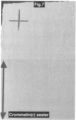
- the impregnated/coated nonwoven glass fibre material surface may be painted with a sealer, for example Crommelin ® DiamondCoat.
- the laminate surface may contain an antimicrobial additive such as polyhexamethylene biguanide (PHMB), or an inorganic silver antimicrobial (IONPURE, Ishizuka Japan), or a thermochromic material (Yamamoto, Japan).
- an antimicrobial additive such as polyhexamethylene biguanide (PHMB), or an inorganic silver antimicrobial (IONPURE, Ishizuka Japan), or a thermochromic material (Yamamoto, Japan).
- the present invention provides a wall, a ceiling, a floor, a room divider, a benchtop, cabinetry and/or furniture.
- the laminates of the invention can be applied to form a wall or ceiling and optionally, may be used in combination with plasterboard.
- the impregnated/coated nonwoven glass fibre material surface of the substrate material is the visible facing of a wall, a ceiling, a floor, a room divider, a benchtop, cabinetry and/or furniture.
- the second surface of the panel provides a functional material coating such as but not limited to heat reflection, electromagnetic radiation reflection, a moisture barrier, an airtight barrier, sound dampening or any combination of these functional objectives.
- the present invention provides a process for preparing a laminate including:
- the intermediate nonwoven glass fibre material layer may be partially or fully impregnated before being bonded to the substrate material.
- printing of the intermediate impregnated/coated nonwoven glass fibre material layer may occur before the intermediate impregnated/coated nonwoven glass fibre material layer is adhered to the substrate material.
- a suitable primer is applied to the intermediate impregnated/coated nonwoven glass fibre material layer before painting.
- the primer is either allowed to dry passively or is actively dried by, for example, hot air or an infrared radiation drier whether IR or NIR, or by microwave drying before application of the paint, for example a mineral silicate paint (Porter's Mineral Silicate Stain Clear ) .
- the impregnated/coated nonwoven glass fibre material layer may be sanded.
- the impregnated/coated nonwoven glass fibre material surface may be textured before printing or painting.
- the texture may be achieved by an embossing pressed into the surface of the impregnated/coated nonwoven glass fibre surface, or alternatively the surface haptic is created during the printing process.
- the inventors of the present invention have developed an alternative to modern woodpanel based decorative low pressure (LPM) laminates.
- the invention is suitable for use, for example, in the manufacture of a wall, ceiling, floor, room divider, benchtop, cabinetry and/or furniture.
- the invention involves the application of one or more intermediate impregnated/coated nonwoven glass fibre material layers adhered to at least one surface of a wood-based panel substrate.
- the invention involves printing, such as inkjet printing, or painting of the impregnated/coated nonwoven glass fibre material layer. Furthermore, the impregnated/coated nonwoven glass fibre surface may be sealed to improve durability.
- the decorative surface of the invention avoids the use of décor paper impregnated with amino-formaldehyde resins, such as urea formaldehyde and/or melamine formaldehyde-based resins commonly used in the preparation of modern low pressure (LPM) laminates.
- amino-formaldehyde resins such as urea formaldehyde and/or melamine formaldehyde-based resins commonly used in the preparation of modern low pressure (LPM) laminates.
- LPM low pressure
- the mixture of styrene maleic anhydride copolymer amic acid, cyanuric acid and melamine does not require any additional opacifying agent to provide adequate opacity, however the colour may be modified by addition of colour pigments or dyes.
- the laminate of the invention minimises or avoids the application of sustained direct heating for production. While some heating can be used to assist drying when that improves productivity, the application of sustained direct heating under pressure is not required and can be avoided or used with reduced intensity to allow for the use of heat and pressure sensitive materials in the laminate surface.
- laminate refers to a material having one or more layers adhered to at least one side of a substrate.
- corative laminate refers to a laminate with at least one decorated surface intended to be visible in a final product.
- wood-based panel refers to a composite wood panels made primarily from wood or wood derived ingredients such as wood chips, wood fibres, wood strands.
- wood-based panels include plywood, particleboard, fibreboard such as medium density fibreboard (MDF) or high density fibreboard (HDF), waferboard, oriented strand board (OSB).
- MDF medium density fibreboard
- HDF high density fibreboard
- OSB oriented strand board
- impregnated/coated and variants such as “impregnation/coating” refers to the method of how the mixture of styrene maleic anhydride colpolymer amic acid, cyanuric acid and melamine are incorporated into and or onto the nonwoven glass fibre material before and or after the nonwoven glass fibre material is attached to the substrate, and are not intended to exclude similar methods to achieve a surface layer of the laminated panel that presents as the outer surface the nonwoven glass fibre material containing the mixture of styrene maleic anhydride copolymer amic acid, cyanuric acid and melamine.
- the substrate material can be any material suitable for the end use of the product of the invention having a surface to which the intermediate impregnated/coated nonwoven glass fibre material layer or layers are adhered and suitable for the application of the decoration, printing, painting or protection coating as desired.
- the substrate material is a panel, preferably a wood-based panel.
- any wood-based panel may be taken as the substrate material, for example plywood, particleboard, fibreboard such as medium density fibreboard (MDF) or high density fibreboard (HDF), waferboard, oriented strand board (OSB).
- MDF medium density fibreboard
- HDF high density fibreboard
- OSB oriented strand board
- the inventive intermediate nonwoven glass fibre material layer impregnated/coated with a mixture of styrene maleic anhydride copolymer amic acid, cyanuric acid and melamine can also be used as a functional and or decorative surface on laminated veneer lumber (LVL), cross laminated timber (CLT), solid wood as well as metallic or plastic surfaces.
- Combinations of wood panel products may be used, as well as woodpanel products and non wood based materials.
- the wood-based panel or other substrate material can be sanded prior to application of the intermediate impregnated/coated nonwoven glass fibre layer or layers to either enhance adhesion of the intermediate layer or layers or to smooth out the surface of the substrate material to enhance the regularity of the surface of the finished product.
- That surface can have one or more coatings or material layers applied to provide for example but not limited to heat reflection, electromagnetic radiation reflection, a moisture barrier, an airtight barrier, sound dampening, or combinations of the functions.
- the intermediate layer or layers are nonwoven glass fibre material and are adhered to the wood-based panel using an adhesive.
- the intermediate nonwoven glass fibre material layer may be impregnated/coated before or after being adhered to the substrate.
- the nonwoven glass fibre material may be partially impregnated before adhesion to the substrate, and an additional impregnation/coating made after adhesion to the substrate.
- non woven glass fibre materials are nonwoven glass fibre (glasvlies) manufactured by Ahlstrom-Munksjo Finland, described as made from chemically bonded, randomly dispersed glass fibres, and available in a weight range from 20 - 120 g/m 2 .
- glassfiber tissue GFT-25K13-70 is a 70g/m 2 white nonwoven glass fibre material.
- the surface of the laminate of the invention may smooth, or optionally have a texture or embossing.
- the drying process of any stage of manufacture may be accelerated by the application of energy, for example, direct radiation heating such as IR or NIR, or microwave, or indirectly by use of hot air.
- the hot air may advantageously be exhaust air from a NIR drying unit.
- intermediate nonwoven glass fibre material layer There may be more than one intermediate nonwoven glass fibre material layer.
- the intermediate layers may be the same material or may be different, for example different weight (g/m 2 ), different colour, or glass fibre geometry.
- Intermediate nonwoven glass fibre material layers may be combined before application to the substrate material.
- the nonwoven glass fibre material is impregnated/coated with a mixture of styrene maleic anhydride copolymer amic acid, cyanuric acid and melamine.
- the impregnation/coating of the nonwoven glass fibre material may occur before or after adhesion of the nonwoven glass fibre material to a substrate. Impregnation/coating may be completed in one application or may be in two or more stages, for example, partial impregnation of the nonwoven glass fibre material before adhesion to the substrate and further coating of the impregnating mixture into the nonwoven glass fibre material after adhesion to the substrate.
- the impregnating/coating mixture is made by combining styrene maleic anhydride copolymer amic acid with cyanuric acid and melamine.
- the cyanuric acid powder is added into an aqueous solution of styrene maleic anhydride copolymer amic acid and stirred until a exothermic reaction occurs causing the viscosity of the mixture increase. If the viscosity increases to a point where it is difficult to stir the material, a solvent such as water may be added. Subsequently, melamine is added to the mixture in an amount substantially equivalent to the amount of cyanuric acid.
- the impregnation mixture may be further dispersed in a solvent, for example water, to enable impregnation on a standard impregnation line (VITS Germany), or may be in a malleable form that flows under pressure and be forced into and onto the nonwoven glass fibre material.
- a solvent for example water
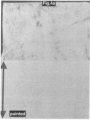
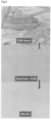
- Other functional materials may be added to the mixture, for example magnesium sulphate heptahydrate (Epsom salts), to create different surface textures. See Fig.4a & Fig.4b
- the choice of paint is not limited and may involve more than one coating and more than one type of paint.
- a mineral silicate surface coating generally supplied in a liquid paint form may be used.
- Mineral silicate paints are derived from silica (SiO 2 ) and a carbonate of lithium, sodium or potassium.
- Waterborne silicates are glasses with a wide variety of molecular structures in which the anions are monomers, dimers, trimers, branched chains, ring structures, and other three dimensional networks. Suitable paints are commercially available, for example from KEIM Germany, or Beeck Germany, or Porters Australia.
- Other providers of mineral silicate based paints are StoColor Min, Alpina, Carapol, Schoene Washen or house-branded products such as offered for sale by Hornbach are also suitable.
- paints are substantially volatile organic chemical (VOC) free, water based and non-toxic. They contain one or more alkali metal silicates such as potassium-based alkali silicate (potassium silicate - SiO 2 /K 2 O) in a solvent.
- alkali metal silicates such as potassium-based alkali silicate (potassium silicate - SiO 2 /K 2 O) in a solvent.
- the ratio of silicon dioxide to alkali metal oxides vary.
- a higher ratio eg 3.75:1 SiO 2 :K 2 O
- a lower ratio eg 2:1 SiO 2 :K 2 O
- a mineral silicate coating material may also be referred to as an alkali metal silicate, or waterglass, and may be modified, for example with a silica sol.
- Sol-silicate paints can include 10% or less organic binder and bind by both physical and chemical bonds
- the mineral silicate paint with or without added colour may be further painted with a commercial paint to acquire a functional aspect such as enhanced UV resistance, or fire retardancy, or provide a decorative aspect.
- the mineral silicate coating can be applied to the impregnated/coated nonwoven glass fibre material layer before adhesion to the wood-based panel, or the mineral silicate coating can be applied to the impregnated/coated nonwoven glass fibre material layer after the impregnated/coated nonwoven glass fibre material layer has been adhered to the wood-based panel.
- a mineral silicate primer to the intermediate impregnated/coated nonwoven glass fibre material layer before application of the mineral silicate coating- or coatings. If a primer is applied, it is usual to allow the primer time to dry before application of the mineral silicate coating-(s). Where suitable the drying process can be sped up by the application of energy, for example, as direct heating such as IR or NIR, or microwave, or indirectly by use of hot air.
- the primer layer and each mineral silicate coating may be sanded prior to application of the next mineral silicate coating either to enhance adhesion or enhance the regularity of the surface of the finished product.
- the mineral silicate coating is applied to the prepared surface, whether primed or not, and allowed to dry.
- the drying process can be sped up by application of energy, for example, as direct radiation heating such as IR or NIR, or microwave, or indirectly by use of hot air.
- the mineral silicate coating can be formed from multiple layers of mineral silicate. One to four coats is expected to be suitable for most applications. Optionally, one or more further coats of mineral silicates are applied with optional sanding and drying as described above between each coating.
- the final mineral silicate coating is sanded to achieve a smooth surface, for example using a high grit sandpaper number such as P400 or higher.
- the mineral silicate coating is inherently resistant to mould and fungal growth due to their high alkalinity and provide long term mould and fungal growth resistance.
- the inorganic nature of the coating also means that there is nothing for algae to feed on preventing algae build up on the coating.
- Paint is not limited to mineral silicate paints.
- various paints are used, for example a water based enamel paint (White Knight splashes Cherry Red).
- Other options used were solvent based timber stain combined with a clear polyurethane (Feast Watson, Black Japan TM SATIN), and a 100% acrylic self-priming exterior paint (Dulux ® Weathershield Exterior Low Sheen).
- the impregnated/coated nonwoven glass fibre material surface is printed.
- Various printing methods may be used, for example inkjet printing. Screen printing or dye sublimation are optional methods of printing. It is an option to apply a print receiving layer before printing, for example an inkjet receiving layer.
- Inkjet printing is a preferred printing method.
- the inkjet printing may use ceramic inks. Durst Gamma and EFI Cretaprint printers are examples of suitable ceramic inkjet printers.
- a protective coating is applied to the surface of the printed impregnated/coated nonwoven glass fibre material layer.
- a lenticular sheet material can be applied above the printed impregnated/coated nonwoven glass fibre material layer.
- the impregnated/coated nonwoven glass fibre material layer whether printed or not may have a protective coating applied.
- a protective coating may contain additives to enhance the exterior surface, for example hard particles of corundum are used to reduce abrasion, and/or antibacterial or antimicrobial substances are incorporated in the surface, and/or a photocatalytic material.
- the protective coating can be a glue suitable for subsequent application of flock material (flocking).
- the protective coating can include an intumescent material to improve fire resistance.
- the impregnated/coated nonwoven glass fibre material surface and/or upper protective coating may contain thermochromic materials (Yamamoto Chemicals Inc., Japan) that change colour depending on the temperature of the surface.
- the thermochromic material may change colour due to exposure to heat, or may produce an irreversible colour change, for example used for laser marking.
- the protective coating on the impregnated/coated nonwoven glass fibre material layer can be selected for interior applications or exterior applications to reduce degradation of the surface of the impregnated/coated nonwoven glass fibre material coated wood-based panel.
- a non-limiting example of a protective coating for exterior applications would be a fluororesin, such as Fluorex from Chugoku Marine Paints, Ltd.
- Another suitable protective coating is DiamondCoat from Crommelin ® .
- the protective coating is optionally an acid cured lacquer.
- additives may be incorporated to enhance cleanability or anti-soiling of the laminate surface, for example Du Pont TM Zonyl ® fluorosurfactant.
- heat-sensitive materials could be included, for example encapsulated fragrances from Givaudan (Switzerland).
- a process step to coat the substrate material with a primer and optionally a light sanding before adhesion of the nonwoven glass fibre material layer is a method to reduce surface swelling.
- the impregnation/coating of the nonwoven glass fibre material with the mixture of styrene maleic anhydride copolymer amic acid, cyanuric acid and melamine could be effected sheet wise or preferably through a continuous impregnation machine, for example VITS (Langenfeld Germany) impregnation line with flotation driers.
- the impregnation line could have a first saturation section, intermediate drying, followed by one or more coating stations and further drying.
- the end of the impregnation line could have sheeting or re-rolling capability, meaning to start as a roll and finish as either a sheet format or a roll.
- the prepared impregnated/coated nonwoven glass fibre material is then adhered to the substrate and optionally further impregnation/coating occurs by applying the mixture of styrene maleic anhydride copolymer amic acid, cyanuric acid and melamine into/onto the surface of the partially impregnated/coated nonwoven material surface. If the nonwoven glass fibre material is only partially impregnated, a further impregnation/coating may occur after the partially impregnated nonwoven glass fibre material is adhered to the substrate.
- the surface of the impregnated/coated nonwoven glass fibre material layer is sanded and primed, and then printed or painted.
- an ink receiving layer is applied to the surface of the impregnated/coated nonwoven glass fibre material layer before or after adhesion of the intermediate layer, (s) to the substrate material.
- the laminates of the invention can be applied to form among other options, a wall, a ceiling, a floor, a room divider, a benchtop, cabinetry and/or furniture.
- the laminate surface of the invention are applied as the visible surface of the wall, ceiling, floor, room divider, benchtop, cabinetry and/or furniture.
- the second surface may also have a impregnated/coated nonwoven glass fibre material surface, or when not being the visible surface in use may be coated or have a material applied to provide a specific function, such as heat reflection, electromagnetic radiation reflection, a moisture barrier, an airtight barrier, sound dampening, or any combination of these functions.
- Example 1 impregnation of glass fibre tissue and adhering to OSB
- a nonwoven glassfibre tissue 70g/m 2 from Ahlstrom-Munksjo Finland ref. GFT-25K13-70 was impregnated by hand with a mixture comprising styrene maleic anhydride copolymer amic acid, cyanuric acid and melamine and water.
- the weight of the impregnated glassfibre tissue after drying was 325g/m2 inclusive remaining volatiles and the impregnated glassfibre was adhered to a 6mm OSB panel (Egger OSB'race) using a multipurpose adhesive (Selleys ® ALLFIX).
- a clear mineral silicate primer (Porter's Mineral Silicate Primer, containing 1 - 10% potassium silicate) was applied to the impregnated nonwoven glassfibre material surface and allowed to dry.
- Three coatings of a non-pigmented mineral silicate stain (Porter's Mineral Silicate Stain "Clear") was applied to the primed impregnated nonwoven glass fibre surface.
- the combined amount of mineral silicate primer and mineral silicate satin was approximately 12g/m 2 .
- Example 1 was painted with an enamel paint (Cherry Red, White Knight splashes ) .
- Example 2 adhering glass fibre tissue to OSB and impregnating
- a thin coating of the mixture styrene maleic anhydride copolymer amic acid, cyanuric acid and melamine was applied to the surface of a 6mm OSB panel (Egger OSB'race) using a spatula to remove any excess material. After allowing the coated surface to dry it was sanded with Grit P80 sandpaper to create a clean smooth surface. The weight increase of the panel was 74g/m 2 .
- a nonwoven glassfibre tissue from Ahlstrom-Munksjo Finland ref. GFT-25K-13-70 was adhered to the coated/sanded 6mm OSB panel using a multipurpose adhesive (Selleys ® ALLFIX).
- a mixture comprising styrene maleic anhydride copolymer amic acid, cyanuric acid and melamine was applied to the surface of the nonwoven glass fibre material under hand pressure to force the mixture into the interstices of the nonwoven glass fibre material.
- the amount of styrene maleic anhydride copolymer amic acid, cyanuric acid and melamine was approximately 430g/m 2 .
- Example 2 was painted with a 100% acrylic self-priming exterior paint (Dulux ® Weathershield Low Sheen, Vivid White).
- a thin coating of the mixture styrene maleic anhydride copolymer amic acid, cyanuric acid and melamine was applied to the surface of a 6mm OSB panel (Egger OSB'race) using a spatula to remove any excess material. After allowing the coated surface to dry it was sanded with Grit P80 sandpaper to create a clean smooth surface. The weight increase of the panel was 127g/m 2 .
Landscapes
- Chemical & Material Sciences (AREA)
- Engineering & Computer Science (AREA)
- Life Sciences & Earth Sciences (AREA)
- Organic Chemistry (AREA)
- Wood Science & Technology (AREA)
- Chemical Kinetics & Catalysis (AREA)
- Materials Engineering (AREA)
- Textile Engineering (AREA)
- Health & Medical Sciences (AREA)
- Medicinal Chemistry (AREA)
- Polymers & Plastics (AREA)
- General Chemical & Material Sciences (AREA)
- Mechanical Engineering (AREA)
- General Life Sciences & Earth Sciences (AREA)
- Geochemistry & Mineralogy (AREA)
- Laminated Bodies (AREA)
Claims (17)
- Laminat, das ein Substratmaterial mit mindestens einer ersten Oberfläche und eine oder mehrere Schichten aus Glasfaservliesmaterial enthält, die mindestens an der ersten Oberfläche haften, dadurch gekennzeichnet, dass das Glasfaservliesmateriala. mit einem Gemisch aus Styrol-Maleinsäureanhydrid-Copolymer, Amidsäure, Cyanursäure und Melamin imprägniert und/oder beschichtet ist, vor der Anhaftung an dem Substratmaterial, oderb. mit einem Gemisch aus Styrol-Maleinsäureanhydrid-Copolymer-Amidsäure, Cyanursäure und Melamin imprägniert und/oder beschichtet ist, nach der Anhaftung an dem Substratmaterial, oderc. mit einem Gemisch aus Styrol-Maleinsäureanhydrid-Copolymer-Amidsäure, Cyanursäure und Melamin teilweise imprägniert oder beschichtet ist und dann auf das Substratmaterial aufgebracht wird, und eine weitere Imprägnierung und/oder Beschichtung aus Styrol-Maleinsäureanhydrid-Copolymer-Amidsäure, Cyanursäure und Melamin auf die Oberfläche des bereits teilweise mit Styrol-Maleinsäureanhydrid-Copolymer-Amidsäure, Cyanursäure und Melamin imprägnierten/beschichteten Glasfaservlieses aufgetragen wird.
- Laminat nach Anspruch 1, wobei die Styrol-Maleinsäureanhydrid-Amidsäure-, Cyanursäure- und Melamin-Zusammensetzung Pigmente oder Farbstoffe enthält, um eine gewünschte Farbänderung zu erzielen.
- Laminat mit einer ersten Oberfläche nach Anspruch 1, wobei das Laminat ferner eine zweite Oberfläche umfasst, die der ersten Oberfläche gegenüberliegt, und eine oder mehrere Materialschichten an der zweiten Oberfläche haften, um eine oder mehrere funktionelle Eigenschaften zu bieten, die aus Wärmereflexion, Reflexion elektromagnetischer Strahlung, einer Feuchtigkeitsbarriere, einer luftdichten Barriere und Schalldämpfung ausgewählt sind.
- Laminat nach Anspruch 1, wobei ein Primer oder eine Druckempfangsschicht auf die imprägnierte/beschichtete Glasfaservliesmaterialschicht aufgebracht wird und die imprägnierte Glasfaservliesmaterialschicht anschließend bedruckt oder lackiert und/oder mit einer Schutzschicht versiegelt wird.
- Laminat nach Anspruch 4, wobei das Druckverfahren der Tintenstrahldruck ist und der Tintenstrahldruck optional keramische Tinten verwendet.
- Laminat nach Anspruch 4, wobei der Anstrich ein intumeszierender Anstrich ist.
- Laminat nach einem der Ansprüche 1 bis 6, wobei die Oberfläche des Laminats mit der imprägnierten Glasfaservliesmaterialschicht auch ein antimikrobielles Material oder antimikrobielle Materialien, ein thermochromes Material, ein Fluortensid, abriebfeste harte Teilchen, einen Photokatalysator oder ein Flockmaterial enthält.
- Laminat nach einem der Ansprüche 1 bis 7, wobei die unbedruckte oder bedruckte oder unlackierte oder lackierte imprägnierte Glasfaservliesschicht eine Schutzbeschichtung aufweist.
- Laminat nach einem der vorhergehenden Ansprüche, wobei die Oberfläche des Laminats eine Prägung in die Oberfläche und/oder eine Struktur aufweist, die auf der Oberfläche erzeugt wird, um einen visuellen und/oder taktilen Effekt zu erzielen, der durch die Verwendung eines Prägewerkzeugs oder durch Druck oder durch chemische Mittel erreicht wird.
- Laminat nach Anspruch 9, wobei die chemischen Mittel zur Erzielung eines visuellen oder taktilen Effekts durch die Zugabe von Magnesiumsulfat zu dem Imprägnier-/Beschichtungsmaterial erfolgen.
- Laminat nach einem der vorhergehenden Ansprüche, wobei das Substratmaterial eine Holzwerkstoffplatte, ein Metall oder ein Kunststoffmaterial ist.
- Laminat nach Anspruch 11, wobei die Holzwerkstoffplatte ein Sperrholz, eine Spanplatte, eine Faserplatte, eine orientierte Spanplatte, Furnierschichtholz, Brettsperrholz oder Massivholz ist.
- Laminat nach Anspruch 12, wobei die Holzwerkstoffplatte mit einem Bindemittel ohne Formaldehydzusatz hergestellt ist und die imprägnierte/beschichtete Glasfaservliesschicht mit einer Mineralsilikatfarbe gestrichen ist.
- Verfahren zur Herstellung eines Holzplattensubstrats, wobei das Holzplattensubstrat mit mindestens einer Schicht eines Glasfaservliesmaterials auf mindestens eine erste Oberfläche des Substratmaterials angehaftet und mit der Mischung nach Anspruch 1 beschichtet wird.
- Verfahren nach Anspruch 14, wobei das Substrat mit dem Material nach Anspruch 1 beschichtet und gegebenenfalls geschliffen wird und anschließend mit mindestens einer Glasfaservliesschicht verklebt und mit der Mischung nach Anspruch 1, 2, 7 und/oder 10 beschichtet wird, wobei das Glasfaservlies vor dem Anhaften mit dem Substrat teilweise imprägniert/beschichtet wird oder nach dem Verkleben mit dem Substrat imprägniert/beschichtet wird.
- Verfahren nach Anspruch 14 und 15, wobei die beschichtete Substratoberfläche optional bedruckt oder bemalt wird, um einen dekorativen Effekt zu erzeugen.
- Verfahren nach Anspruch 14, 15 oder 16, bei dem eine Schutzschicht auf die unbedruckte oder bedruckte oder unlackierte oder lackierte Glasvliesmaterialschicht aufgebracht wird.
Priority Applications (5)
| Application Number | Priority Date | Filing Date | Title |
|---|---|---|---|
| EP20170038.2A EP3896043B1 (de) | 2020-04-17 | 2020-04-17 | Laminatoberfläche mit hoher opazität |
| EP21000046.9A EP3896044B1 (de) | 2020-04-17 | 2021-02-12 | Mischung zur erhöhung der opazität |
| PCT/IB2021/000241 WO2021209811A1 (en) | 2020-04-17 | 2021-04-14 | Mixture for enhancing opacity |
| PCT/IB2021/000244 WO2021209812A1 (en) | 2020-04-17 | 2021-04-14 | High opacity laminate surface |
| US17/918,349 US12441090B2 (en) | 2020-04-17 | 2021-04-14 | High opacity laminate surface |
Applications Claiming Priority (1)
| Application Number | Priority Date | Filing Date | Title |
|---|---|---|---|
| EP20170038.2A EP3896043B1 (de) | 2020-04-17 | 2020-04-17 | Laminatoberfläche mit hoher opazität |
Publications (3)
| Publication Number | Publication Date |
|---|---|
| EP3896043A1 EP3896043A1 (de) | 2021-10-20 |
| EP3896043C0 EP3896043C0 (de) | 2025-04-02 |
| EP3896043B1 true EP3896043B1 (de) | 2025-04-02 |
Family
ID=70294997
Family Applications (2)
| Application Number | Title | Priority Date | Filing Date |
|---|---|---|---|
| EP20170038.2A Active EP3896043B1 (de) | 2020-04-17 | 2020-04-17 | Laminatoberfläche mit hoher opazität |
| EP21000046.9A Active EP3896044B1 (de) | 2020-04-17 | 2021-02-12 | Mischung zur erhöhung der opazität |
Family Applications After (1)
| Application Number | Title | Priority Date | Filing Date |
|---|---|---|---|
| EP21000046.9A Active EP3896044B1 (de) | 2020-04-17 | 2021-02-12 | Mischung zur erhöhung der opazität |
Country Status (3)
| Country | Link |
|---|---|
| US (1) | US12441090B2 (de) |
| EP (2) | EP3896043B1 (de) |
| WO (2) | WO2021209811A1 (de) |
Families Citing this family (5)
| Publication number | Priority date | Publication date | Assignee | Title |
|---|---|---|---|---|
| EP4379132B1 (de) | 2022-12-01 | 2025-10-01 | Depco-Trh Pty Ltd | Wiederbeschichtbare dekorative schichtstoffplatten |
| DE102022134317A1 (de) * | 2022-12-21 | 2024-06-27 | Otto Schneider GmbH & Co KG | Bodenplattenelement für eine Lagerbühne |
| EP4480505A1 (de) | 2023-06-22 | 2024-12-25 | Depco-Trh Pty Ltd | Wiederbeschichtbare oberfläche aus anorganischem dekorativem laminat |
| EP4481003A1 (de) | 2023-06-22 | 2024-12-25 | Depco-Trh Pty Ltd | Raumluft- und flächenreinigung |
| EP4659950A1 (de) * | 2024-06-03 | 2025-12-10 | Depco-Trh Pty Ltd | Verfahren zur herstellung eines laminats |
Family Cites Families (15)
| Publication number | Priority date | Publication date | Assignee | Title |
|---|---|---|---|---|
| US3532635A (en) * | 1966-12-29 | 1970-10-06 | Purex Corp Ltd | Opacified liquid products and methods for their productions |
| US6232405B1 (en) * | 2000-02-02 | 2001-05-15 | Atofina Chemicals, Inc. | SMA resin amic acids |
| US8765864B2 (en) * | 2004-10-15 | 2014-07-01 | Basf Se | Melamine cyanurate in crystalline form |
| JP4524496B2 (ja) * | 2004-12-28 | 2010-08-18 | 大日本印刷株式会社 | 化粧シート |
| US20060234027A1 (en) | 2005-04-18 | 2006-10-19 | Huusken Robert W | Fire retardant laminate |
| US7803879B2 (en) * | 2006-06-16 | 2010-09-28 | Georgia-Pacific Chemicals Llc | Formaldehyde free binder |
| WO2010023155A2 (en) * | 2008-08-27 | 2010-03-04 | Basf Se | Flame retardant compositions with polymeric dispersing agents |
| WO2012065230A1 (en) | 2010-11-19 | 2012-05-24 | Depco-Trh Pty Ltd | Decorative products and building products with improved opacity |
| AU2014411037B2 (en) | 2014-11-11 | 2018-10-25 | Shengyi Technology Co., Ltd. | Thermosetting resin composition and prepreg and laminated board prepared therefrom |
| JP6142961B1 (ja) * | 2016-03-08 | 2017-06-07 | 東洋インキScホールディングス株式会社 | 積層体およびその製造方法、並びに接着層付樹脂フィルム |
| US10094124B2 (en) * | 2016-05-04 | 2018-10-09 | Wellmade Floor Covering Int'l Inc. | Engineered plank material having waterproofed veneer and its manufacturing method |
| US10876000B2 (en) | 2016-06-02 | 2020-12-29 | Showa Denko Materials Co., Ltd. | Thermosetting resin composition, prepreg, laminated board, printed wiring board, and high speed communication-compatible module |
| US20190255815A1 (en) | 2016-09-14 | 2019-08-22 | Corning Incorporated | Glass laminates and methods for forming the same |
| US20180155541A1 (en) * | 2016-11-21 | 2018-06-07 | Frx Polymers, Inc. | Polymer resins with phosphonate oligomers |
| US20180354230A1 (en) * | 2017-06-13 | 2018-12-13 | Dur-A-Flex, Inc. | Removable flooring system |
-
2020
- 2020-04-17 EP EP20170038.2A patent/EP3896043B1/de active Active
-
2021
- 2021-02-12 EP EP21000046.9A patent/EP3896044B1/de active Active
- 2021-04-14 WO PCT/IB2021/000241 patent/WO2021209811A1/en not_active Ceased
- 2021-04-14 US US17/918,349 patent/US12441090B2/en active Active
- 2021-04-14 WO PCT/IB2021/000244 patent/WO2021209812A1/en not_active Ceased
Also Published As
| Publication number | Publication date |
|---|---|
| EP3896044A1 (de) | 2021-10-20 |
| WO2021209812A1 (en) | 2021-10-21 |
| US20230143935A1 (en) | 2023-05-11 |
| EP3896043C0 (de) | 2025-04-02 |
| WO2021209811A1 (en) | 2021-10-21 |
| US12441090B2 (en) | 2025-10-14 |
| EP3896044B1 (de) | 2024-03-27 |
| EP3896043A1 (de) | 2021-10-20 |
Similar Documents
| Publication | Publication Date | Title |
|---|---|---|
| US12441090B2 (en) | High opacity laminate surface | |
| CN104870192B (zh) | 生产承印材料和直接打印的装饰板的方法 | |
| US4169005A (en) | Method for surfacing a wood panel with a plastic film | |
| JP2022530186A (ja) | 平面状ワークピースをコーティングする方法 | |
| CN114080433A (zh) | 用于制造至少一种设有印刷装饰的载体材料的方法 | |
| AU2020281056A1 (en) | Mineral silicate coating | |
| US10239338B2 (en) | Decorating material irradiated electron beam resin laminated on substrate | |
| CN107206762B (zh) | 用于制备印刷基底和制备直接印刷装饰面板的方法 | |
| US20130089748A1 (en) | The substantially formaldehyde-free laminates and methods for manufacturing substantially formaldehyde-free laminates | |
| US20250269629A1 (en) | Transparent overlays for the protection of interior and exterior surfaces | |
| US12320072B2 (en) | Stainable decorative board | |
| US20180043655A1 (en) | Stainable melamine laminate products, compositions, and methods of manufacture | |
| US20060269727A1 (en) | Decorative material | |
| US12508800B2 (en) | Method for producing a veneered board | |
| CA3161332C (en) | Method for producing a veneered board | |
| EP4379132B1 (de) | Wiederbeschichtbare dekorative schichtstoffplatten | |
| US20250256425A1 (en) | Method for producing a veneered board | |
| CA3094470C (en) | Stainable decorative board | |
| EP4659950A1 (de) | Verfahren zur herstellung eines laminats | |
| KR100679725B1 (ko) | 목재 패널 및 그의 제조방법 | |
| JPH03136853A (ja) | 化粧板の製造方法 | |
| JPH04267102A (ja) | 木質化粧単板仕上げ複合材料 | |
| JPH02233209A (ja) | 表面圧密化木質板の製造法 | |
| WO2008082054A1 (en) | Method of manufacturing wood panels, method of manufacturing high-glossy synthetic resin film sheets employed for wood panels, and wood panels respectively manufactured using the same |
Legal Events
| Date | Code | Title | Description |
|---|---|---|---|
| PUAI | Public reference made under article 153(3) epc to a published international application that has entered the european phase |
Free format text: ORIGINAL CODE: 0009012 |
|
| STAA | Information on the status of an ep patent application or granted ep patent |
Free format text: STATUS: REQUEST FOR EXAMINATION WAS MADE |
|
| 17P | Request for examination filed |
Effective date: 20210212 |
|
| AK | Designated contracting states |
Kind code of ref document: A1 Designated state(s): AL AT BE BG CH CY CZ DE DK EE ES FI FR GB GR HR HU IE IS IT LI LT LU LV MC MK MT NL NO PL PT RO RS SE SI SK SM TR |
|
| B565 | Issuance of search results under rule 164(2) epc |
Effective date: 20201106 |
|
| STAA | Information on the status of an ep patent application or granted ep patent |
Free format text: STATUS: EXAMINATION IS IN PROGRESS |
|
| RAP3 | Party data changed (applicant data changed or rights of an application transferred) |
Owner name: DEPCO-TRH PTY LTD |
|
| 17Q | First examination report despatched |
Effective date: 20221104 |
|
| GRAP | Despatch of communication of intention to grant a patent |
Free format text: ORIGINAL CODE: EPIDOSNIGR1 |
|
| STAA | Information on the status of an ep patent application or granted ep patent |
Free format text: STATUS: GRANT OF PATENT IS INTENDED |
|
| INTG | Intention to grant announced |
Effective date: 20241104 |
|
| GRAS | Grant fee paid |
Free format text: ORIGINAL CODE: EPIDOSNIGR3 |
|
| GRAA | (expected) grant |
Free format text: ORIGINAL CODE: 0009210 |
|
| STAA | Information on the status of an ep patent application or granted ep patent |
Free format text: STATUS: THE PATENT HAS BEEN GRANTED |
|
| AK | Designated contracting states |
Kind code of ref document: B1 Designated state(s): AL AT BE BG CH CY CZ DE DK EE ES FI FR GB GR HR HU IE IS IT LI LT LU LV MC MK MT NL NO PL PT RO RS SE SI SK SM TR |
|
| REG | Reference to a national code |
Ref country code: GB Ref legal event code: FG4D |
|
| REG | Reference to a national code |
Ref country code: CH Ref legal event code: EP |
|
| REG | Reference to a national code |
Ref country code: IE Ref legal event code: FG4D |
|
| REG | Reference to a national code |
Ref country code: DE Ref legal event code: R096 Ref document number: 602020048605 Country of ref document: DE |
|
| U01 | Request for unitary effect filed |
Effective date: 20250403 |
|
| U07 | Unitary effect registered |
Designated state(s): AT BE BG DE DK EE FI FR IT LT LU LV MT NL PT RO SE SI Effective date: 20250409 |
|
| U20 | Renewal fee for the european patent with unitary effect paid |
Year of fee payment: 6 Effective date: 20250410 |
|
| PGFP | Annual fee paid to national office [announced via postgrant information from national office to epo] |
Ref country code: GB Payment date: 20250528 Year of fee payment: 6 |
|
| PGFP | Annual fee paid to national office [announced via postgrant information from national office to epo] |
Ref country code: CH Payment date: 20250626 Year of fee payment: 6 |
|
| PG25 | Lapsed in a contracting state [announced via postgrant information from national office to epo] |
Ref country code: ES Free format text: LAPSE BECAUSE OF FAILURE TO SUBMIT A TRANSLATION OF THE DESCRIPTION OR TO PAY THE FEE WITHIN THE PRESCRIBED TIME-LIMIT Effective date: 20250402 |
|
| PG25 | Lapsed in a contracting state [announced via postgrant information from national office to epo] |
Ref country code: GR Free format text: LAPSE BECAUSE OF FAILURE TO SUBMIT A TRANSLATION OF THE DESCRIPTION OR TO PAY THE FEE WITHIN THE PRESCRIBED TIME-LIMIT Effective date: 20250703 Ref country code: NO Free format text: LAPSE BECAUSE OF FAILURE TO SUBMIT A TRANSLATION OF THE DESCRIPTION OR TO PAY THE FEE WITHIN THE PRESCRIBED TIME-LIMIT Effective date: 20250702 |
|
| PG25 | Lapsed in a contracting state [announced via postgrant information from national office to epo] |
Ref country code: PL Free format text: LAPSE BECAUSE OF FAILURE TO SUBMIT A TRANSLATION OF THE DESCRIPTION OR TO PAY THE FEE WITHIN THE PRESCRIBED TIME-LIMIT Effective date: 20250402 |
|
| PG25 | Lapsed in a contracting state [announced via postgrant information from national office to epo] |
Ref country code: HR Free format text: LAPSE BECAUSE OF FAILURE TO SUBMIT A TRANSLATION OF THE DESCRIPTION OR TO PAY THE FEE WITHIN THE PRESCRIBED TIME-LIMIT Effective date: 20250402 |
|
| PG25 | Lapsed in a contracting state [announced via postgrant information from national office to epo] |
Ref country code: RS Free format text: LAPSE BECAUSE OF FAILURE TO SUBMIT A TRANSLATION OF THE DESCRIPTION OR TO PAY THE FEE WITHIN THE PRESCRIBED TIME-LIMIT Effective date: 20250702 |
|
| PG25 | Lapsed in a contracting state [announced via postgrant information from national office to epo] |
Ref country code: IS Free format text: LAPSE BECAUSE OF FAILURE TO SUBMIT A TRANSLATION OF THE DESCRIPTION OR TO PAY THE FEE WITHIN THE PRESCRIBED TIME-LIMIT Effective date: 20250802 |
|
| PG25 | Lapsed in a contracting state [announced via postgrant information from national office to epo] |
Ref country code: SM Free format text: LAPSE BECAUSE OF FAILURE TO SUBMIT A TRANSLATION OF THE DESCRIPTION OR TO PAY THE FEE WITHIN THE PRESCRIBED TIME-LIMIT Effective date: 20250402 |
|
| PG25 | Lapsed in a contracting state [announced via postgrant information from national office to epo] |
Ref country code: CZ Free format text: LAPSE BECAUSE OF FAILURE TO SUBMIT A TRANSLATION OF THE DESCRIPTION OR TO PAY THE FEE WITHIN THE PRESCRIBED TIME-LIMIT Effective date: 20250402 |
|
| PG25 | Lapsed in a contracting state [announced via postgrant information from national office to epo] |
Ref country code: SK Free format text: LAPSE BECAUSE OF FAILURE TO SUBMIT A TRANSLATION OF THE DESCRIPTION OR TO PAY THE FEE WITHIN THE PRESCRIBED TIME-LIMIT Effective date: 20250402 |
|
| PG25 | Lapsed in a contracting state [announced via postgrant information from national office to epo] |
Ref country code: MC Free format text: LAPSE BECAUSE OF FAILURE TO SUBMIT A TRANSLATION OF THE DESCRIPTION OR TO PAY THE FEE WITHIN THE PRESCRIBED TIME-LIMIT Effective date: 20250402 |
|
| PLBE | No opposition filed within time limit |
Free format text: ORIGINAL CODE: 0009261 |
|
| STAA | Information on the status of an ep patent application or granted ep patent |
Free format text: STATUS: NO OPPOSITION FILED WITHIN TIME LIMIT |
|
| REG | Reference to a national code |
Ref country code: CH Ref legal event code: L10 Free format text: ST27 STATUS EVENT CODE: U-0-0-L10-L00 (AS PROVIDED BY THE NATIONAL OFFICE) Effective date: 20260211 |
|
| 26N | No opposition filed |
Effective date: 20260105 |
|
| PG25 | Lapsed in a contracting state [announced via postgrant information from national office to epo] |
Ref country code: IE Free format text: LAPSE BECAUSE OF NON-PAYMENT OF DUE FEES Effective date: 20250417 |
|
| REG | Reference to a national code |
Ref country code: CH Ref legal event code: U11 Free format text: ST27 STATUS EVENT CODE: U-0-0-U10-U11 (AS PROVIDED BY THE NATIONAL OFFICE) Effective date: 20260501 |