EP3896453A1 - System zur bewertung der eierstockreservefunktion einer person und verfahren - Google Patents
System zur bewertung der eierstockreservefunktion einer person und verfahren Download PDFInfo
- Publication number
- EP3896453A1 EP3896453A1 EP18943028.3A EP18943028A EP3896453A1 EP 3896453 A1 EP3896453 A1 EP 3896453A1 EP 18943028 A EP18943028 A EP 18943028A EP 3896453 A1 EP3896453 A1 EP 3896453A1
- Authority
- EP
- European Patent Office
- Prior art keywords
- subject
- ovarian
- level
- fsh
- amh
- Prior art date
- Legal status (The legal status is an assumption and is not a legal conclusion. Google has not performed a legal analysis and makes no representation as to the accuracy of the status listed.)
- Granted
Links
Images

Classifications
-
- G—PHYSICS
- G16—INFORMATION AND COMMUNICATION TECHNOLOGY [ICT] SPECIALLY ADAPTED FOR SPECIFIC APPLICATION FIELDS
- G16H—HEALTHCARE INFORMATICS, i.e. INFORMATION AND COMMUNICATION TECHNOLOGY [ICT] SPECIALLY ADAPTED FOR THE HANDLING OR PROCESSING OF MEDICAL OR HEALTHCARE DATA
- G16H50/00—ICT specially adapted for medical diagnosis, medical simulation or medical data mining; ICT specially adapted for detecting, monitoring or modelling epidemics or pandemics
- G16H50/30—ICT specially adapted for medical diagnosis, medical simulation or medical data mining; ICT specially adapted for detecting, monitoring or modelling epidemics or pandemics for calculating health indices; for individual health risk assessment
-
- A—HUMAN NECESSITIES
- A61—MEDICAL OR VETERINARY SCIENCE; HYGIENE
- A61B—DIAGNOSIS; SURGERY; IDENTIFICATION
- A61B5/00—Measuring for diagnostic purposes; Identification of persons
- A61B5/43—Detecting, measuring or recording for evaluating the reproductive systems
- A61B5/4306—Detecting, measuring or recording for evaluating the reproductive systems for evaluating the female reproductive systems, e.g. gynaecological evaluations
- A61B5/4318—Evaluation of the lower reproductive system
- A61B5/4325—Evaluation of the lower reproductive system of the uterine cavities, e.g. uterus, fallopian tubes, ovaries
-
- A—HUMAN NECESSITIES
- A61—MEDICAL OR VETERINARY SCIENCE; HYGIENE
- A61B—DIAGNOSIS; SURGERY; IDENTIFICATION
- A61B5/00—Measuring for diagnostic purposes; Identification of persons
- A61B5/72—Signal processing specially adapted for physiological signals or for diagnostic purposes
- A61B5/7271—Specific aspects of physiological measurement analysis
-
- A—HUMAN NECESSITIES
- A61—MEDICAL OR VETERINARY SCIENCE; HYGIENE
- A61B—DIAGNOSIS; SURGERY; IDENTIFICATION
- A61B8/00—Diagnosis using ultrasonic, sonic or infrasonic waves
-
- G—PHYSICS
- G01—MEASURING; TESTING
- G01N—INVESTIGATING OR ANALYSING MATERIALS BY DETERMINING THEIR CHEMICAL OR PHYSICAL PROPERTIES
- G01N33/00—Investigating or analysing materials by specific methods not covered by groups G01N1/00 - G01N31/00
- G01N33/48—Biological material, e.g. blood, urine; Haemocytometers
- G01N33/50—Chemical analysis of biological material, e.g. blood, urine; Testing involving biospecific ligand binding methods; Immunological testing
- G01N33/68—Chemical analysis of biological material, e.g. blood, urine; Testing involving biospecific ligand binding methods; Immunological testing involving proteins, peptides or amino acids
- G01N33/689—Chemical analysis of biological material, e.g. blood, urine; Testing involving biospecific ligand binding methods; Immunological testing involving proteins, peptides or amino acids related to pregnancy or the gonads
-
- G—PHYSICS
- G01—MEASURING; TESTING
- G01N—INVESTIGATING OR ANALYSING MATERIALS BY DETERMINING THEIR CHEMICAL OR PHYSICAL PROPERTIES
- G01N33/00—Investigating or analysing materials by specific methods not covered by groups G01N1/00 - G01N31/00
- G01N33/48—Biological material, e.g. blood, urine; Haemocytometers
- G01N33/50—Chemical analysis of biological material, e.g. blood, urine; Testing involving biospecific ligand binding methods; Immunological testing
- G01N33/74—Chemical analysis of biological material, e.g. blood, urine; Testing involving biospecific ligand binding methods; Immunological testing involving hormones or other non-cytokine intercellular protein regulatory factors such as growth factors, including receptors to hormones and growth factors
-
- G—PHYSICS
- G01—MEASURING; TESTING
- G01N—INVESTIGATING OR ANALYSING MATERIALS BY DETERMINING THEIR CHEMICAL OR PHYSICAL PROPERTIES
- G01N33/00—Investigating or analysing materials by specific methods not covered by groups G01N1/00 - G01N31/00
- G01N33/48—Biological material, e.g. blood, urine; Haemocytometers
- G01N33/50—Chemical analysis of biological material, e.g. blood, urine; Testing involving biospecific ligand binding methods; Immunological testing
- G01N33/74—Chemical analysis of biological material, e.g. blood, urine; Testing involving biospecific ligand binding methods; Immunological testing involving hormones or other non-cytokine intercellular protein regulatory factors such as growth factors, including receptors to hormones and growth factors
- G01N33/76—Human chorionic gonadotropin including luteinising hormone, follicle stimulating hormone, thyroid stimulating hormone or their receptors
-
- G—PHYSICS
- G06—COMPUTING OR CALCULATING; COUNTING
- G06F—ELECTRIC DIGITAL DATA PROCESSING
- G06F17/00—Digital computing or data processing equipment or methods, specially adapted for specific functions
- G06F17/10—Complex mathematical operations
- G06F17/18—Complex mathematical operations for evaluating statistical data, e.g. average values, frequency distributions, probability functions, regression analysis
-
- A—HUMAN NECESSITIES
- A61—MEDICAL OR VETERINARY SCIENCE; HYGIENE
- A61B—DIAGNOSIS; SURGERY; IDENTIFICATION
- A61B5/00—Measuring for diagnostic purposes; Identification of persons
- A61B5/72—Signal processing specially adapted for physiological signals or for diagnostic purposes
- A61B5/7271—Specific aspects of physiological measurement analysis
- A61B5/7275—Determining trends in physiological measurement data; Predicting development of a medical condition based on physiological measurements, e.g. determining a risk factor
-
- A—HUMAN NECESSITIES
- A61—MEDICAL OR VETERINARY SCIENCE; HYGIENE
- A61B—DIAGNOSIS; SURGERY; IDENTIFICATION
- A61B8/00—Diagnosis using ultrasonic, sonic or infrasonic waves
- A61B8/08—Clinical applications
- A61B8/0866—Clinical applications involving foetal diagnosis; pre-natal or peri-natal diagnosis of the baby
-
- A—HUMAN NECESSITIES
- A61—MEDICAL OR VETERINARY SCIENCE; HYGIENE
- A61B—DIAGNOSIS; SURGERY; IDENTIFICATION
- A61B8/00—Diagnosis using ultrasonic, sonic or infrasonic waves
- A61B8/12—Diagnosis using ultrasonic, sonic or infrasonic waves in body cavities or body tracts, e.g. by using catheters
-
- A—HUMAN NECESSITIES
- A61—MEDICAL OR VETERINARY SCIENCE; HYGIENE
- A61B—DIAGNOSIS; SURGERY; IDENTIFICATION
- A61B8/00—Diagnosis using ultrasonic, sonic or infrasonic waves
- A61B8/44—Constructional features of the ultrasonic, sonic or infrasonic diagnostic device
- A61B8/4416—Constructional features of the ultrasonic, sonic or infrasonic diagnostic device related to combined acquisition of different diagnostic modalities, e.g. combination of ultrasound and X-ray acquisitions
-
- A—HUMAN NECESSITIES
- A61—MEDICAL OR VETERINARY SCIENCE; HYGIENE
- A61B—DIAGNOSIS; SURGERY; IDENTIFICATION
- A61B8/00—Diagnosis using ultrasonic, sonic or infrasonic waves
- A61B8/52—Devices using data or image processing specially adapted for diagnosis using ultrasonic, sonic or infrasonic waves
- A61B8/5215—Devices using data or image processing specially adapted for diagnosis using ultrasonic, sonic or infrasonic waves involving processing of medical diagnostic data
- A61B8/5223—Devices using data or image processing specially adapted for diagnosis using ultrasonic, sonic or infrasonic waves involving processing of medical diagnostic data for extracting a diagnostic or physiological parameter from medical diagnostic data
Definitions
- the present invention relates to a system for assessing the ovarian reserve function of a subject.
- the system can be used to assess the ovarian reserve function of the subject, to assess the fertility potential of the subject, and to assess whether the fertility potential of the subject is improved after corresponding treatments.
- the number of primordial follicles contained in the ovarian cortex is refered to as ovarian reserve. It reflects the ability of the ovaries to provide healthy ovums capable to be successfully fertilized, and is the most important evaluation indicator for women's ovarian function. Generally speaking, the more the number of primordial follicles, the better the quality and the higherthe chance of conception.
- Ovarian reserve function assessment can help women of childbearing age understand their own fertility status, so as to arrange their own birth plans. For women with a history of infertility, it can be used to predict the ovarian responsiveness of women of childbearing age, and provide references for clinical diagnosis and the formulation of treatment plans of infertility. At present, the main basis for diagnosing the decline of ovarian reserve function international and domestic is the prediction of poor ovarian response in Bologna criteria. Therefore, the indicator for evaluating ovarian reserve function is actually an indicator for predicting ovarian responsiveness.
- Age factor is an important factor in ovarian reserve evaluation.
- the results of a study on age and IVF success rate show that the IVF success rate of women under 30 is about 26%, while the IVF success rate is only 9% when the age is 37 years and above..
- Endocrine factor examination includes basal FSH level detection, AMH level detection and basal inhibin B level detection.
- basal FSH detection FSH is follicle stimulating hormone, secreted by the pituitary, and its main function is to promote the maturation of follicles. Basal FSH is also referred to as background FSH.
- Basal FSH is also referred to as background FSH.
- the FSH concentration measured at this stage is referred to as the basal FSH.
- Basal FSH directly reflects the secretory function of the ovary and is the most commonly used indicator for clinical evaluation of ovarian reserve function.
- the basal FSH of women with normal fertility is generally less than 10 IU/L, and the excessive basal FSH level reflects poor ovarian secretion function.
- FSH>12 IU/L indicates hypoovarianism
- FSH>40 IU/L indicates ovarian failure, and in different laboratories, the values will be different.
- basal FSH will gradually increase with age. Studies have shown that the basal FSH level starts to rise ten years before menopause, and this is the age when the infertility rate stars to rise significantly.
- AMH Anti-Müllerian hormone level detection: AMH is a member of the transforming growth factor family. It is first secreted by the granulosa cells of primary follicles. The secretion at the stage of preantral follicle and small follicle (follicle diameter less than 4mm) reaches its peak. Then the secretion volume gradually decreases.
- the AMH level can reflect the number of follicles recruited during the menstrual cycle, and the decrease in the number of recruited follicles indicates a decrease in ovarian reserve, so AMH level can directly reflect ovarian reserve and is internationally recognized as the best serological indicator currently for predicting the ovarian responsiveness.
- high serum AMH levels may be caused by other diseases such as polycystic ovary syndrome, which should be excluded with reference to the transvaginal ultrasound examination.
- Inhibin B level detection Inhibin B is secreted by granulosa cells of the small follicle in the ovarian cortex, and its secretion increases with GnRH and FSH stimulation. The secretion changes greatly during the menstrual cycle, and it often fails to faithfully reflect the ovarian reserve capacity. Therefore, the detection of Inhibin B level is not currently a routine method for ovarian function assessment.
- Ovarian ultrasonography includes the detection of three aspects: the number of antral follicles, the ovarian volume and the ovarian stromal blood flow.
- the number of antral follicles refers to the total number of antral follicles in bilateral ovarians counted by transvaginal ultrasonography in the early follicular phase, which is a direct manifestation of ovarian reserve capacity.
- the diameter of antral follicles is 2-10 mm or 3-8 mm.
- a decrease in the number of antral follicles indicates poor response to ovarian stimulation and a decreased pregnancy rate. Studies have shown that the number of antral follicles is more effective than basal FSH detection in the prediction of IVF success rate.
- Ovarian stromal blood flow and ovarian volume are currently not commonly used methods for ovarian responsiveness prediction and ovarian reserve function assessment.
- ovarian reserve assessment In the field of reproductive medicine, the purpose of ovarian reserve assessment is to predict ovarian responsiveness. At present, AMH level detection and antral follicle count (AFC) are internationally recognized as the best two indicators for predicting ovarian responsiveness. Basal FSH level detection is currently the most widely used ovarian reserve assessment indicator in the world. Age factor is also an important factor in evaluating ovarian reserve.
- basal FSH level Screening of basal FSH level is the most commonly used method for ovarian reserve prediction.
- threshold of basal FSH level is set relatively high, the diagnostic specificity for hypoovarianism increases, while the sensitivity decreases.
- Counting the number of antral follicles with transvaginal ultrasound is fast, economical, and accurate. However, it is related to the doctor's experience and the equipment, and there are human factors.
- AMH is secreted by granulosa cells in the early follicular phase. It is the earliest and most direct indicator of the degree of granulosa cell aging, and is a potential research direction. However, some disease conditions may interfere with the results of AMH, and its application alone is still insufficient for accurate ovarian reserve function assessment. In short, none of the ovarian reserve indicators can be used alone to diagnose decreased ovarian reserve, and it needs to be further comfirmed with reference to other methods.
- assessing the ovarian reserve function of a subject is a very important task for clinicians, etc.
- the patient's ovarian responsiveness By evaluating the ovarian reserve function, the patient's ovarian responsiveness, an important clinical outcome in the process of ovulation-stimulating therapy, can be predicted.
- clinicians often made judgments using their own experience and according to the age, body mass indicators, endocrine factor levels and the number of antral follicles, etc., and there was a certain degree of subjectivity.
- Our system can accurately assess the quality of the ovarian reserve function of the subjects to be treated, so as to assist the clinician to formulate more targeted treatment plans in the subsequent treatment.
- ovarian responsiveness is ovarian reserve function.
- the inventor of the present application thinks backward and uses predicted ovarian responsiveness to evaluate ovarian reserve function.
- ovarian responsiveness is not only related to the basic conditions of the patient (age, basal FSH level, AMH level, and number of antral follicles, etc.) but also related to the dose of ovulation stimulants.
- the inventors of the application first obtained the predicted probability of poor ovarian response based on the basic conditions of the patient, and then based on whether the interaction between the predicted probability of poor response and the dose of ovulation stimulant was significant, the population is divided into groups, and those with similar poor response trends are dividedinto a same group. From a statistical point of view, whether a stratification analysis (i.e., grouping in this application) is required is also determined according to whether the interaction is significant.
- the present invention relates to the following:
- Ovarian reserve function assessment can help women of childbearing age understand their own fertility status, so as to arrange their own birth plans. For women with a history of infertility, it can be used to predict the ovarian responsiveness of women of childbearing age, and provide references for clinical diagnosis of infertility and the formulation of treatment plans. At present, the main basis for the diagnosis of decreased ovarian reserve function domestic and overseas is the Bologna criteria for the diagnosis of poor ovarian response. Therefore, the indicator for evaluating ovarian reserve function is actually an indicator for predicting ovarian responsiveness.
- the system for evaluating a subject's ovarian reserve function can be used to calculate a subject's probability of poor ovarian response firstly, so that the subject's ovarian reserve level can be grouped according to the probability of poor ovarian response,.
- the parameter (p) for predicting the subject's probability of poor ovarian response can be calculated, and the subject's ovarian reserve function is grouped according to the default grouping parameters of ovarian reserve function pre-stored in the system to determine the level of the ovarian reserve function, so that the ovarian reserve level can be assessed.
- ovarian responsiveness is closely related to ovarian reserve.
- the order of ovarian reserve from good to poor is the order of the probability of poor ovarian response from low to high. Ovarian responsiveness is also closely related to the dose of drugs.
- the grouping criteria are established according to whether the interaction between the predicted probability of poor ovarian response (predictor variable) and the starting dose of exogenous ovulation stimulant (Gn) (predictor variable) significantly affects the outcome variable of poor ovarian response, and based on this grouping criteria, the subject's ovarian reserve level is assessed.
- Using the system and method of the present invention can accurately assess the quality of the ovarian reserve function of a subject to be treated, and can assist clinicians to formulate more targeted treatment plans in subsequent treatments. For ordinary women of childbearing age, especially those who want to give birth but are not sure when to give birth, it can help them assess their ovarian reserve function and formulate a reasonable birth plan.
- the inventors of the present invention is the first to use the four indicators of AMH level on the 2nd-4th day of menstruation, age, level of FSH on the 2nd-4th day of menstruation, and AFC counted with transvaginal B-scan ultrasonography on the 2nd-4th day of menstruation, to assess ovarian reserve function.
- the system and method of the present invention can quickly and accurately assess the subject's ovarian reserve level, which solves the problem of poor repeatability and lack of uniform criteria led by that the ovarian reserve function is assessed based on the doctor's experience and some simple tangent point values of the ovarian reserve indicators in the prior art.
- the ovarian reserve refers to the number of primordial follicles contained in the ovarian cortex, which is called ovarian reserve. It reflects the ability of the ovaries to provide healthy ovums capable to be successfully fertilized, and is the most important evaluation indicator for women's ovarian function. Generally speaking, the more the number of primordial follicles, the better the quality and the more the chance of conception.
- the number of primordial follicles cannot be evaluated non-invasively. It can only be evaluated by the number of follicles mobilized in each menstrual cycle. Too few follicles mobilized in the IVF-ET cycle (poor ovarian response), suggesting a decline in ovarian reserve.
- the age factor is generally considered to be the most important factor in evaluating ovarian reserve.
- a study on age and IVF success rate shows that the IVF success rate of women under 30 is about 26%, while the IVF success rate is only 9% when the age is 37 years and above.
- the mechanism of the decline of ovarian reserve capacity with age is as follows. (1) The number of follicles decreases. Primordial follicles appear after embryonic sex differentiation. At this time, the number of follicles is the largest. After puberty, the follicles start to develop and mature. With the completion of ovulation, a large number of follicles that are recruited but not ovulated atrophy and disappear to form corpus luteum. The number of follicles continues to decrease with increasing age: in humans, it's the most in 20-week-old embryos, which is about 6 million follicles. While in the neonatal period, it is reduced to 0.7-2 million, and in the puberty, it is about 40,000.
- the quality of the ovum decreases.
- the quality of the embryo is mainly determined by the quality of the ovum. Older age can increase the probability of ovum cell aneuploidy, increase the risk of mitochondrial dysfunction, loss of ovum polarity, and epigenetic changes in ovum cells.
- Endocrine factors The hypothalamic-pituitary-ovarian axis regulates women's menstrual cycle and ovulation. Abnormal endocrine levels in this axis can lead to infertility.
- AMH and inhibin B are secreted by small follicles and they are direct manifestations of ovarian reserve capacity. With the increase of age, the ovarian reserve decreases, and the number of follicles capable to be recruited decreases, so the concentration of AMH and inhibin B secreted by them also decreases. Inhibin B can negatively regulate the secretion of FSH from the pituitary. The decrease of inhibin B level leads to the increase of FSH secretion in the luteal phase. The pre-increased FSH promotes the growth of new follicles and the secretion of E2, and ultimately shortens the menstrual cycle.
- Serum FSH level increase, inhibin B level decrease, and the sensitivity of follicles to FSH decrease suggest that the number of antral follicles capable to be recruited decreases.
- Menstrual cycle is a manifestation of ovarian reserve and fertility. Older age leads to shortened menstrual cycle, and menstrual cycle reduction of 2-3 days is a sensitive indication of aging of the reproductive system, suggesting that follicle growth initiates in advance (FSH level increases) and primordial follicle reserve decreases.
- Endometriosis is a common gynecological disease in women that is formed when active endometrial cells grow outside the endometrium. Endometrial cells should grow in the uterine cavity, but as the uterine cavity is connected with the pelvic cavity through the fallopian tube, the endometrial cells can enter the pelvic cavity through the fallopian tube to grow ectopic.
- the main pathological changes of endometriosis are periodic bleeding of the ectopic endometrium and fibrosis and ectopic nodules forming in the surrounding tissues.
- Dysmenorrhea, chronic pelvic pain, menstrual abnormalities and infertility are the main symptoms.
- Tubal infertility refers to that as the fallopian tube has an important role in transporting sperm, picking up ovums, and transporting fertilized ovums to the uterine cavity, obstruction or dysfunction of the fallopian tube becomes the main cause of female infertility.
- the cause of obstruction or dysfunction of the fallopian tube is acute or chronic inflammation of the fallopian tube.
- unexplained infertility is defined as that standard tests of tubal patency and semen analysis show it's normal, while there is a history of repeated pregnancy failures in a couple.
- Continuous variables in statistics, variables can be divided into two categories, continuous variables and categorical variables, according to whether the value of the variable is continuous. Variables that can be arbitrarily valued within a certain interval are called continuous variables, and their values are continuous. Two adjacent values can be divided infinitely (i.e. an infinite number of values can be taken). For example, specified dimension of a product part, the measured height, weight, and bust of a human body, etc. are continuous variables, the values of which can only be obtained by measurement or metering. Conversely, if the value of a variable can only be calculated with natural numbers or integer units, it is a discrete variable.. For example, the number of enterprises, the number of employees, the number of equipment, etc. which can only be counted as the number of measurement units. The values of these variables are generally obtained by counting.
- Categorical variables refer to variables such as geographic location, demographics, etc., and itsfunction is to group survey respondents. Descriptive variables describe the difference between a certain customer group and other customer groups. Most categorical variables are also descriptive variables. Categorical variables can be classified into two categories: unordered categorical variables and ordinal categorical variables. Among them, unordered categorical variables refer to no difference in degree or order between the classified categories or attributes. They can be further classified into 1 dichotomous variables, such as gender (male, female), drug reaction (negative and positive), etc.; 2 polytomous variables, such as blood type (O, A, B, AB), occupation (worker, farmer, businessman, scholar, soldier), etc.
- 1 dichotomous variables such as gender (male, female), drug reaction (negative and positive), etc.
- 2 polytomous variables such as blood type (O, A, B, AB), occupation (worker, farmer, businessman, scholar, soldier), etc.
- ordinal categorical variables While there is a digree difference between the categories of the ordinal categorical variables. Such as urine glucose test results are classified into -, ⁇ , +, ++, +++; therapeutic effects are classified into cure, significant efficacy, improved, and ineffective.
- ordinal categorical variables it should first be grouped according to the rank order, the number of observation units in each group should be counted to form a frequency table of ordinal variables (of each grade), and the data obtained is called ordinal data.
- variable types are not static, various types of variables can be interconvertible according to the needs of research purposes.
- the amount of hemoglobin (g/L) is originally a numerical variable. If it's classified by normal hemoglobin and low hemoglobin, it can be analyzed as dichotomous variable data; if it's classified into five grades: severe anemia, moderate anemia, mild anemia, normal, increased hemoglobin, it can be analyzed as ordinal data.
- the categorical data can also be quantified. For example, the patient's nausea response can be represented as 0, 1, 2, and 3, and then it can be analyzed as numerical variable data (quantitative data).
- the present invention relates to a system for assessing the ovarian reserve function of a subject, comprising:
- the present invention also relates to a system for assessing the ovarian reserve function of a subject, comprising:
- the above-mentioned four continuous variable data the subject' s age, the subject' s anti-Müllerian hormone (AMH) level, the subject' s follicle stimulating hormone (FSH) level, and the subject' s antral follicle count (AFC) are transformed into dichotomous variables to calculate the subject's probability of poor ovarian response (p).
- AMH anti-Müllerian hormone
- FSH follicle stimulating hormone
- AFC antral follicle count
- Anti-Müllerian hormone is a hormone secreted by the granulosa cells of the small follicles of the ovary.
- a female baby in the fetal period begins to produce AMH at the age of 9 months.
- the more small follicles in the ovary the higher concentration of the AMH; on the contrary, when the follicles are gradually consumed with age and various factors, the AMH concentration will also decrease, and the closer to menopause, the AMH gradually tends to zero.
- FSH Follicle Stimulating Hormone
- Basophils in the anterior pituitary gland. It is composed of glycoproteins and its main function is to promote the maturation of follicles. FSH can promote the proliferation and differentiation of follicular granulosa cells, and promote the growth of the entire ovary. And when acting on the seminiferous tubules of the testis, it can promote sperm formation. FSH is secreted in pulses in the human body, and changes with the menstrual cycle in women.
- FSH in serum is of great significance for the diagnosis or treatment of infertility and endocrine diseases, such as understanding the pituitary endocrine function, indirectly understanding the functional status of the ovary, assessing the ovarian reserve and ovarian responsiveness, and formulating the dosage of ovulation stimulants.
- Antral follicle count refers to the number of all visible follicles with a diameter of 2-8 mm in two ovaries on the 2nd-4th day of menstruation.
- AFC can be obtained by measuring and counting follicles with ultrasound.
- the level of anti-Mullerian hormone refers to the concentration of anti-Mullerian hormone (FSH) in the venous blood serum samples of female subjects on the 2nd-4th day of menstruation
- the level of Follicle Stimulating Hormone refers to the concentration of follicle stimulating hormone in the venous blood serum samples of female subjects on the 2nd-4th day of menstruation
- the antral follicle count refers to the number of all visible follicles with the diameter of 2-8 mm in the two ovaries counted with transvaginal B-scan ultrasonography on the 2nd-4th day of menstruation.
- the receiver operating characteristic (ROC) curve is used to detect the cutoff points of the age, the anti-Müllerian hormone (AMH) level, the follicle stimulating hormone (FSH) level, and the antral follicle count (AFC).
- the continuous variables are transformed into dichotomous variables, which are substituted into the categorical variable model to calculate the probability of poor ovarian response.
- the ovarian reserve function is grouped to obtain the subject's ovarian reserve function.
- the tangent point value of age is 35 years old
- the tangent point value of anti-Mullerian hormone (AMH) level is 0.93ng/ml
- the tangent point value of follicle stimulating hormone (FSH) level is 9.1IU/L
- the cut point value of the antral follicle count (AFC) is 8.
- a formula for calculating the subject's probability of poor ovarian response (p) is prestored, wherein the formula is fitted with dichotomous variables transformed from the data of the subject's age, the subject's anti-Mullerian hormone (AMH) level, the subject's follicle stimulating hormone (FSH) level, and the subject's antral follicle count (AFC) in an exiting database. And according to the grouping criteria, the condition of the subject's ovarian reserve function is grouped.
- an existing database refers to a database composed of subjects who are receiving treatment or have previously received treatment and meet the following inclusion and exclusion criteria. There is no agreement on the sample size of the database. Of course, the larger the sample size of the database, the better. For example, 100 subjects, 200 subjects, 300 subjects, preferably 400 subjects or more, and more preferably 500 subjects or more can be used. In a specific embodiment, an existing database composed of 561 samples is adopted.
- the above inclusion and exclusion criteria are respectively as follows.
- the inclusion criteria are: women between 20 and 45 years old, body mass indicator (BMI) ⁇ 30, six consecutive menstrual cycles of 25 to 45 days, the morphology of bilateral ovaries is normal assessed by vaginal ultrasonography, and the number of previous IVF/ICSI-ET cycles ⁇ 2.
- the exclusion criteria are: hydrosalpinx, unilateral ovary AFC > 20, polycystic ovary syndrome, other untreated metabolic or endocrine diseases, previous surgery for ovaries or uterine cavity, intrauterine abnormalities, within the first 3 months of pregnancy, smoking, using oral contraceptives or other hormones within the previous two months, having previously undergone radiotherapy or chemotherapy, and couples receiving PGD (preimplantation embryo genetic diagnosis)/PGS (preimplantation genetic screening) genetic diagnosis.
- p is a calculated parameter for characterizing the subject's ovarian reserve function
- i is any numeric value selected from -1.786 to -0.499
- a is any numeric value selected from 0.063 to 1.342
- b is any numeric value selected from -2.542 to -1.056
- c is any numeric value selected from 0.548 to 1.838
- the grouping parameters i.e., the default ovarian reserve function grouping parameters pre-stored in the grouping module of the present invention is the basis for grouping ovarian reserve functions, which is established by using the existing data and on the basis of the regression analysis result (i.e., whether the interaction between the starting dose of exogenous ovulation stimulant (Gn) (predictor variable) and the predicted probability of poor ovarian response (predictor variable) is significant in predicting whether poor response actually occurs (outcome variable)]. Because from the perspective of statistical analysis alone, if the interaction item is not statistically significant, it indicates that there is no need for stratification analysis, that is, no need for further grouping.
- the grouping basis pre-stored in the grouping module is: when the calculated parameter (p) for characterizing the subject's probability of poor ovarian response ⁇ 5%, the grouping module determines that the subject's ovarian reserve function is good; when 5% ⁇ the calculated parameter (p) for characterizing the subject's probability of poor ovarian response ⁇ 20%, the grouping module determines that the subject's ovarian reserve function starts to decline; when 20% ⁇ the calculated parameter (p) for characterizing the subject's probability of poor ovarian response ⁇ 50%, the grouping module determines that the subject's ovarian reserve function declines significantly; and when the calculated parameter (p) for characterizing the subject's probability of poor ovarian response ⁇ 50%, the grouping module determines that subject's ovarian reserve function is poor.
- the determinant of ovarian responsiveness is the ovarian reserve function.
- the inventor of this application thinks backwards and uses predicted ovarian responsiveness to assess the ovarian reserve function.
- ovarian responsiveness is not only related to the patient's basic condition but also relates to the dose of ovulation stimulants.
- the grouping basis is established by using the subjects in the existing database and on the basis of whether the interaction between the subjects' starting doses of ovulation stimulant Gn and the predicted poor ovarian response probabilities is significant.
- different grouping criteria are first tested. Combining the starting dose of Gn with the distribution of the incidence of the predicted poor response, a variety of grouping methods are tested in ascending order of grouping intervals. Through multiple fittings, it is found that the grouping method in the present invention is the best combination. With the predicted probability of poor response of 5-20% as a reference, the interaction of each group is significant.
- the population is further divided into four groups according to the interaction between the predicted probability of poor ovarian response and the dosage of ovulation stimulants, in order to those with similar ovarian responses are assigned into the same group.
- Ovarian reserve function is a determinant of ovarian responsiveness, and the inventors of the present application retrodict the ovarian reserve function from the predicted probability of poor ovarian response. The lower the probability of poor ovarian response, the better the ovarian reserve function. Therefore, as the probability of poor ovarian response increases, the ovarian reserve function can sequentially: ovarian reserve function is good, ovarian reserve function starts to decline, ovarian reserve function declines significantly, and ovarian reserve function is poor or relatively poor.
- the sample size is estimated first.
- the total sample size should be >553 people, and all couples are trying to get pregnant for at least 12 months.
- the inclusion criteria are: women aged 20 to 45 years old, body mass indicator (BMI) ⁇ 30, six consecutive menstrual cycles of 25 to 45 days, normal ovarian morphology assessed by vaginal ultrasound examination, the number of previous IVF/ICSI-ET cycles is ⁇ 2.
- the exclusion criteria are: hydrosalpinx, unilateral ovary AFC > 20, polycystic ovary syndrome, other untreated metabolic or endocrine diseases, previous surgery for ovaries or uterine cavity, intrauterine abnormalities, within the first 3 months of pregnancy, smoking, using oral contraceptives or other hormones within the previous two months, having previously undergone radiotherapy or chemotherapy, couples receiving PGD (preimplantation embryo genetic diagnosis)/PGS (preimplantation genetic screening) genetic diagnosis.
- COS Controlled ovarian stimulation
- Gn i.e., human recombinant FSH
- the starting dose is selected based on the age, the BMI (i.e., the body mass indicator, a figure obtained by dividing the weight in kilograms by the height in meters squared, which is a commonly used international standard for measuring the fatness and health), and the FSH and AFC levels on the 2nd-4th day of menstruation.
- the starting dose of Gn was adjusted according to ultrasound observation and serum E2 level.
- GnRH antagonist treatment starts on the 5-7th day of stimulation when the diameter of the growing follicle is 10-12 mm.
- hCG When at least 2 dominant follicles (diameter ⁇ 18mm) are visible by ultrasound, 5000-10000 IU of hCG is given to initiate the final oocyte maturation. Oocyte retrieval was performed 36 hours after hCG administration. 1-3 embryos are transplanted or cryopreserved. A progesterone support for the luteal phase is then provided.
- a transvaginal ultrasound scan is performed on all subjects on the 2nd-4th day of menstrual cycle, and all visible follicles with a diameter of 2-8 mm in both ovaries are counted for the antral follicle count (AFC).
- AFC antral follicle count
- venous blood sampling is performed for the detection of serum AMH on the 2nd-4th day of menstruation, serum FSH on the 2nd-4th day of menstruation, serum LH (luteinizing hormone) on the 2nd-4th day of menstruation and serum E2 (estradiol) on the 2nd-4th day of menstruation.
- the level of follicle stimulating hormone (FSH) on the 2nd-4th day of menstruation refers to the level of follicle stimulating hormone acquired by detecting the venous blood serum sample of a female subject on the second to the fourth day of menstruation.
- the level of estrogen (E2) on the 2nd-4th day of menstruation refers to the level of estrogen acquired by detecting the venous blood serum sample of a female subject on the second to fourth day of menstruation.
- the level of anti-Mullerian hormone (AMH) on the 2nd-4th day of menstruation refers to the level of anti-Mullerian hormone acquired by detecting the venous blood serum sample of a female subject on the second to the fourth day of menstruation.
- the level of luteinizing hormone (LH) on the 2nd-4th day of menstruation refers to the level of luteinizing hormone acquired by detecting the venous blood serum sample of a female subject on the 2nd-4th day of menstruation.
- the serum samples are taken and frozen at -80°C.
- the sealed samples are stored at room temperature (15 to 30°C) for no more than 24 hours.
- the sample collection is completed in the hospital where the patient visits, and then immunoassays are performed to avoid multiple freeze-thaw cycles.
- the measurements of FSH, LH, E2 and AMH are all performed by Access UniCel DxI 800 chemiluminescence system (Beckman Coulter Inc).
- the quality control of FSH, LH and E2 is provided by Bio-RAD Laboratories (Lyphochek Immunoassay Plus Control, trilevel), item number is 370, batch number is 40300.
- the quality control of AMH is provided by the Beckman AMH kit.
- For AMH, FSH and LH the coefficient of variation of the three levels of high, medium and low is controlled to be less than 5%, and for estradiol, the coefficient of variation of the three levels of high, medium and low is controlled to be less than 10%.
- the variables used for prediction include age, BMI, cause of infertility, the number of AFC counted with transvaginal B-scan ultrasonography on the 2nd-4th day of menstruation, the FSH level on the 2nd-4th day of menstruation, the AMH level on the 2nd-4th day of menstruation, the LH level on the 2nd-4th day of menstruation and the E2 level on the 2nd-4th day of menstruation.
- the set outcome variable is poor ovarian response. Among them, poor ovarian response is defined as less than 5 (i.e., 0-4) oocytes on the day of occyte retrieval.
- the difference between the two groups is tested by t test, Wilcoxon test or chi-square test. Appropriate methods are adopted according to the difference of data.
- a binary logistic regression model is used to select the important factors related to poor ovarian response.
- logistic regression is used to rebuild the prediction model with dichotomous variables, and the predicted probability of poor ovarian response is calculated.
- a total of 561 couples participating in the GnRH antagonist cycle meet the above inclusion and exclusion criteria.
- the data of the 561 couples are collected, and the collected data are input into SAS software and R software for analysis. And the data in Tables 1 and 2 below are obtained.
- Table 1 shows the basic and clinical characteristics of the 561 couples related to the retrieved oocytes. Table 1.
- the above software is used to perform multiple regression analysis on the above data to determine which factors are independent predictors of poor ovarian response after adjusting for related factors.
- the results are shown in Table 2. According to the results in Table 2, age, AMH level on the 2nd-4th day of menstruation, serum FSH level on the 2nd-4th day of menstruation, and AFC number on the 2nd-4th day of menstruation are significantly related to the probability of poor ovarian response, and their p values are 0.0056 , 0.0044, 0.0195 and 0.0049, respectively. Table 2.
- tubal factor -0.0015 0.2931 0 0.996
- infertility unknown cause vs. tubal factor] -0.6336 0.366 3 0.0834
- age, AMH, FSH and AFC are transformed into dichotomous variables by using the tangent point values of the ROC curves.
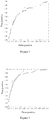
- the ROC curve is used to determine the cutoff points of age, AMH, FSH, and AFC, and the tangent point values of the cutoff points are determined respectively.
- the results are shown in Figures 1 to 4 .
- the tangent point values of age, AMH, FSH, AFC are found to be 35 years old, 0.93, 9.1, and 8 respectively.
- the results of the four indicators are as follows: the tangent point values of AMH, FSH and AFC are 35 years old, 0.93ng/ml, 9.1IU/L and 8, respectively. Thus the ages are divided into ⁇ 35 and >35 , AMHs are divided into ⁇ 0.93 and >0.93, FSHs are divided into ⁇ 9.1 and >9.1, and AFCs are divided into ⁇ 8 and >8. According to the above standard, age, AMH, FSH and AFC are transformed into dichotomous variables.
- the four newly generated dichotomous variables as described above are regarded as X and whether it is a poor ovarian response is regarded as Y for the multivariable analysis predicting whether the ovarian response is poor.
- the estimated values of the parameters in the established model are shown in Table 3 below.
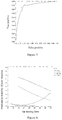
- the ROC curve is drawn. As shown in Figure 5 , the area under the ROC curve is 0.883. According to the results in Figure 5 , it can be seen that the model performs well in assessing the ovarian reserve function.
- the probability of a subject's poor ovarian response can be calculated based on the subject's age, concentration of anti-Mullerian hormone in the venous blood on the 2nd-4th day of menstruation, the concentration of follicle stimulating hormone in the venous blood on the 2nd-4th day of menstruation., and the number of all visible follicles with a diameter of 2-8 mm in the two ovaries on the 2nd-4th day of menstruation.
- the population is grouped.
- different grouping methods are tried, and then through the interaction test, it is found that the interaction between the predicted low response probability and the starting dose of Gn is significant (p ⁇ 0.05) only when the population is divided into the four groups: the predicted probability of poor response ⁇ 5%, 5% ⁇ the probability of poor response ⁇ 20%; 20% ⁇ the probability of poor response ⁇ 50%; and 50% ⁇ the probability of poor response.
- the specific method of the above interaction is as follows. Setting the interaction of the predicted probability of poor response calculated using formula 1 and the starting dose of Gn as X, and setting whether the response is poor as Y, multivariable logistic regression is performed. Thus the four main factors that affect the poor ovarian response are fixed, namely the binary variables AFC, AMH, FSH and age used in the present invention, and the impact of the dose change on whether the low response of the ovary occurs (that is, the predicted low response probability) is examined..
- the result of the interaction shows that the interaction model is significant P ⁇ 0.05 when the population is divided into the four groups: the probability of poor response ⁇ 5%, 5% ⁇ the probability of poor response ⁇ 20%; 20% ⁇ the probability of poor response ⁇ 50%; and 50% ⁇ the probability of poor response.
- the interaction diagram i.e., Figure 6
- stratification ie grouping
Landscapes
- Health & Medical Sciences (AREA)
- Life Sciences & Earth Sciences (AREA)
- Engineering & Computer Science (AREA)
- Molecular Biology (AREA)
- Biomedical Technology (AREA)
- Physics & Mathematics (AREA)
- General Health & Medical Sciences (AREA)
- Pathology (AREA)
- Chemical & Material Sciences (AREA)
- Urology & Nephrology (AREA)
- Immunology (AREA)
- Hematology (AREA)
- Public Health (AREA)
- Medical Informatics (AREA)
- General Physics & Mathematics (AREA)
- Reproductive Health (AREA)
- Data Mining & Analysis (AREA)
- Gynecology & Obstetrics (AREA)
- Food Science & Technology (AREA)
- Biochemistry (AREA)
- Analytical Chemistry (AREA)
- Medicinal Chemistry (AREA)
- Endocrinology (AREA)
- Biotechnology (AREA)
- Cell Biology (AREA)
- Microbiology (AREA)
- Animal Behavior & Ethology (AREA)
- Heart & Thoracic Surgery (AREA)
- Surgery (AREA)
- Biophysics (AREA)
- Veterinary Medicine (AREA)
- Databases & Information Systems (AREA)
- Computational Mathematics (AREA)
- Theoretical Computer Science (AREA)
- Mathematical Optimization (AREA)
- Mathematical Physics (AREA)
- Pure & Applied Mathematics (AREA)
- Mathematical Analysis (AREA)
- Proteomics, Peptides & Aminoacids (AREA)
- Epidemiology (AREA)
Applications Claiming Priority (2)
| Application Number | Priority Date | Filing Date | Title |
|---|---|---|---|
| CN201811516206.4A CN109602394B (zh) | 2018-12-12 | 2018-12-12 | 评估受试者卵巢储备功能的系统 |
| PCT/CN2018/124766 WO2020118790A1 (zh) | 2018-12-12 | 2018-12-28 | 评估受试者卵巢储备功能的系统和方法 |
Publications (4)
| Publication Number | Publication Date |
|---|---|
| EP3896453A1 true EP3896453A1 (de) | 2021-10-20 |
| EP3896453A4 EP3896453A4 (de) | 2022-01-26 |
| EP3896453C0 EP3896453C0 (de) | 2025-10-08 |
| EP3896453B1 EP3896453B1 (de) | 2025-10-08 |
Family
ID=66008150
Family Applications (1)
| Application Number | Title | Priority Date | Filing Date |
|---|---|---|---|
| EP18943028.3A Active EP3896453B1 (de) | 2018-12-12 | 2018-12-28 | System zur bewertung der eierstockreservefunktion einer person und verfahren |
Country Status (4)
| Country | Link |
|---|---|
| US (1) | US12293838B2 (de) |
| EP (1) | EP3896453B1 (de) |
| CN (1) | CN109602394B (de) |
| WO (1) | WO2020118790A1 (de) |
Families Citing this family (22)
| Publication number | Priority date | Publication date | Assignee | Title |
|---|---|---|---|---|
| CN110570952B (zh) * | 2018-06-05 | 2022-04-12 | 北京大学第三医院 | 预测拮抗剂方案下受试者卵巢低反应概率的系统及指导促性腺激素起始用药剂量选择的系统 |
| CN110491505B (zh) * | 2019-08-22 | 2021-06-01 | 北京大学第三医院(北京大学第三临床医学院) | 预测受试者卵巢刺激过程中获得的卵母细胞数量的系统 |
| BR112022006282A8 (pt) * | 2019-10-04 | 2023-03-21 | Vytelle Llc | Composições, métodos e kits para seleção de doadores e receptores para fertilização in vitro |
| CN111524604B (zh) * | 2020-04-07 | 2021-09-10 | 北京大学第三医院(北京大学第三临床医学院) | 评估受试者卵巢储备功能的系统 |
| CN111624354A (zh) * | 2020-06-05 | 2020-09-04 | 佛山迪安医学检验实验室有限公司 | 一种诊断试剂盒及诊断方法 |
| CN111785389B (zh) * | 2020-07-10 | 2021-10-19 | 北京大学第三医院(北京大学第三临床医学院) | 预测受试者出现卵巢储备新变化年限的系统和方法 |
| CN111772682B (zh) * | 2020-07-10 | 2021-08-13 | 北京大学第三医院(北京大学第三临床医学院) | 预测受试者出现卵巢储备新变化年限的系统和方法 |
| CN112908475A (zh) * | 2021-04-22 | 2021-06-04 | 北京大学第三医院(北京大学第三临床医学院) | 用于评估受试者卵巢储备功能的系统 |
| CN113160989A (zh) * | 2021-04-30 | 2021-07-23 | 华中科技大学同济医学院附属同济医院 | 基于支持向量机算法的卵巢功能年龄计算系统及其方法与应用 |
| CN113035354B (zh) * | 2021-05-25 | 2022-07-12 | 北京大学第三医院(北京大学第三临床医学院) | 一种诊断多囊卵巢综合征的系统和方法 |
| JP2024523080A (ja) * | 2021-06-10 | 2024-06-28 | エーライフ ヘルス インコーポレイテッド | 卵巣刺激を最適化するための機械学習 |
| CN114913972B (zh) * | 2021-12-10 | 2023-12-01 | 北京大学第三医院(北京大学第三临床医学院) | 预测受试者卵巢刺激过程中获得的卵母细胞数量的系统 |
| CN114936662B (zh) * | 2022-02-18 | 2024-10-29 | 北京大学第三医院(北京大学第三临床医学院) | 一种用于预测受试者的卵巢高反应的系统 |
| CN115331803A (zh) * | 2022-06-28 | 2022-11-11 | 浙江大学医学院附属妇产科医院 | 预测卵巢低反应和部署个体化卵巢刺激策略模型的构建方法和系统 |
| CN115019932B (zh) * | 2022-07-26 | 2024-02-27 | 北京大学第三医院(北京大学第三临床医学院) | 预测cos周期给予外源性卵泡刺激素药物剂量的系统及方法 |
| CN115376649B (zh) * | 2022-09-29 | 2023-07-07 | 中日友好医院(中日友好临床医学研究所) | 用于鞘内阿片类镇痛药的剂量预测方法及装置 |
| CN115620900B (zh) * | 2022-12-13 | 2023-05-30 | 北京大学第三医院(北京大学第三临床医学院) | 一种筛查多囊卵巢综合征的系统和方法 |
| CN116148483A (zh) * | 2023-04-20 | 2023-05-23 | 北京大学第三医院(北京大学第三临床医学院) | 用于确定多囊卵巢综合征fsh起始剂量的标记物及其应用 |
| CN116483159A (zh) * | 2023-05-09 | 2023-07-25 | 北京大学第三医院(北京大学第三临床医学院) | 预测月经周期延长的系统和方法 |
| WO2025254995A1 (en) * | 2024-06-04 | 2025-12-11 | Women & Infants Hospital Of Rhode Island | Methods comprising ubiquitin c-terminal hydrolase l1 (uchl1) for determining ovarian reserve |
| CN118675756B (zh) * | 2024-08-23 | 2025-01-28 | 山东大学 | 一种病理性卵巢衰老患者妊娠预测方法 |
| CN120446363B (zh) * | 2025-07-09 | 2025-09-23 | 北京大学第三医院(北京大学第三临床医学院) | 一种用于卵巢储备功能减退诊断的血液生物标志物、试剂盒及其应用 |
Family Cites Families (3)
| Publication number | Priority date | Publication date | Assignee | Title |
|---|---|---|---|---|
| PL3261661T3 (pl) * | 2015-02-26 | 2024-03-25 | Ferring B.V. | Menotropina do leczenia niepłodności |
| US20170107573A1 (en) | 2015-10-19 | 2017-04-20 | Celmatix Inc. | Methods and systems for assessing infertility as a result of declining ovarian reserve and function |
| CN106168621A (zh) * | 2016-07-21 | 2016-11-30 | 上海交通大学医学院附属仁济医院 | 褪黑素在预测卵巢储备、ivf‑et结局中作用的研究方法与应用 |
-
2018
- 2018-12-12 CN CN201811516206.4A patent/CN109602394B/zh active Active
- 2018-12-28 WO PCT/CN2018/124766 patent/WO2020118790A1/zh not_active Ceased
- 2018-12-28 EP EP18943028.3A patent/EP3896453B1/de active Active
- 2018-12-28 US US17/413,182 patent/US12293838B2/en active Active
Also Published As
| Publication number | Publication date |
|---|---|
| EP3896453C0 (de) | 2025-10-08 |
| CN109602394B (zh) | 2020-01-17 |
| EP3896453B1 (de) | 2025-10-08 |
| CN109602394A (zh) | 2019-04-12 |
| EP3896453A4 (de) | 2022-01-26 |
| US20220044822A1 (en) | 2022-02-10 |
| US12293838B2 (en) | 2025-05-06 |
| WO2020118790A1 (zh) | 2020-06-18 |
Similar Documents
| Publication | Publication Date | Title |
|---|---|---|
| EP3896453B1 (de) | System zur bewertung der eierstockreservefunktion einer person und verfahren | |
| CN110570952B (zh) | 预测拮抗剂方案下受试者卵巢低反应概率的系统及指导促性腺激素起始用药剂量选择的系统 | |
| CN110491505B (zh) | 预测受试者卵巢刺激过程中获得的卵母细胞数量的系统 | |
| van Rooij et al. | Use of ovarian reserve tests for the prediction of ongoing pregnancy in couples with unexplained or mild male infertility | |
| de Carvalho et al. | Ovarian reserve evaluation: state of the art | |
| WO2022006942A1 (zh) | 预测受试者出现卵巢储备新变化年限的系统和方法 | |
| CN111524604B (zh) | 评估受试者卵巢储备功能的系统 | |
| WO2023103189A1 (zh) | 预测受试者卵巢刺激过程中获得的卵母细胞数量的系统和方法 | |
| Tiegs et al. | Comparison of pregnancy outcomes following intrauterine insemination in young women with decreased versus normal ovarian reserve | |
| Connell et al. | Larger oocyte cohorts maximize fresh IVF cycle birth rates and availability of surplus high-quality blastocysts for cryopreservation | |
| CN111772682B (zh) | 预测受试者出现卵巢储备新变化年限的系统和方法 | |
| Ripley et al. | Does ovarian reserve predict egg quality in unstimulated therapeutic donor insemination cycles? | |
| Molloy et al. | The predictive value of idiopathic failure to fertilize on the first in vitro fertilization attempt | |
| Turgay et al. | The association of thyroid stimulating hormone levels and intrauterine insemination outcomes of euthyroid unexplained subfertile couples | |
| EP4564369A1 (de) | System und verfahren zur vorhersage der dosierung eines verabreichten exogenen follikelstimulierenden hormonarzneimittels in einem cos-zyklus | |
| Williams et al. | Best Practice No 170: Investigation of infertility with the emphasis on laboratory testing and with reference to radiological imaging | |
| WO2022222207A1 (zh) | 用于评估受试者卵巢储备功能的系统 | |
| Erden et al. | Exogenous progesterone rescue in patients with low mid-luteal serum progesterone levels undergoing true natural vitrified-warmed blastocyst transfer | |
| CN114936662B (zh) | 一种用于预测受试者的卵巢高反应的系统 | |
| de Marcillac et al. | What are the likely IVF/ICSI outcomes if there is a discrepancy between serum AMH and FSH levels? A multicenter retrospective study | |
| Gupta et al. | Ovarian reserve testing: systematic review of the literature | |
| Zhao et al. | The serum oestradiol/progesterone ratio on the day of OPU+ 7, but not the day of OPU+ 5, affects the rates of live birth in fresh blastocyst embryo transfer cycles | |
| Majeed et al. | 10. Diagnosis of oligomenorrhea and amenorrhea in females (infertility) of different ethnic groups of Quetta Balochistan | |
| Yeşildağer et al. | Dynamic Follicle Growth Rate Outperforms Traditional Ovarian Reserve Markers in Predicting Pregnancy in IUI Cycles | |
| Wiweko | Anti mullerian hormone serum level indicates ovarian response in controlled ovarian hyperstimulation of IVF Cycles |
Legal Events
| Date | Code | Title | Description |
|---|---|---|---|
| STAA | Information on the status of an ep patent application or granted ep patent |
Free format text: STATUS: THE INTERNATIONAL PUBLICATION HAS BEEN MADE |
|
| PUAI | Public reference made under article 153(3) epc to a published international application that has entered the european phase |
Free format text: ORIGINAL CODE: 0009012 |
|
| STAA | Information on the status of an ep patent application or granted ep patent |
Free format text: STATUS: REQUEST FOR EXAMINATION WAS MADE |
|
| 17P | Request for examination filed |
Effective date: 20210621 |
|
| AK | Designated contracting states |
Kind code of ref document: A1 Designated state(s): AL AT BE BG CH CY CZ DE DK EE ES FI FR GB GR HR HU IE IS IT LI LT LU LV MC MK MT NL NO PL PT RO RS SE SI SK SM TR |
|
| REG | Reference to a national code |
Ref country code: DE Ref legal event code: R079 Free format text: PREVIOUS MAIN CLASS: G01N0033740000 Ipc: G16H0050300000 Ref document number: 602018086292 Country of ref document: DE |
|
| A4 | Supplementary search report drawn up and despatched |
Effective date: 20220104 |
|
| RIC1 | Information provided on ipc code assigned before grant |
Ipc: A61B 8/00 20060101ALI20211221BHEP Ipc: A61B 5/00 20060101ALI20211221BHEP Ipc: G01N 33/74 20060101ALI20211221BHEP Ipc: G16H 50/30 20180101AFI20211221BHEP |
|
| DAV | Request for validation of the european patent (deleted) | ||
| DAX | Request for extension of the european patent (deleted) | ||
| STAA | Information on the status of an ep patent application or granted ep patent |
Free format text: STATUS: EXAMINATION IS IN PROGRESS |
|
| 17Q | First examination report despatched |
Effective date: 20240829 |
|
| GRAP | Despatch of communication of intention to grant a patent |
Free format text: ORIGINAL CODE: EPIDOSNIGR1 |
|
| STAA | Information on the status of an ep patent application or granted ep patent |
Free format text: STATUS: GRANT OF PATENT IS INTENDED |
|
| RIC1 | Information provided on ipc code assigned before grant |
Ipc: A61B 8/12 20060101ALN20250320BHEP Ipc: A61B 8/08 20060101ALN20250320BHEP Ipc: G01N 33/68 20060101ALI20250320BHEP Ipc: A61B 5/00 20060101ALI20250320BHEP Ipc: A61B 8/00 20060101ALI20250320BHEP Ipc: G01N 33/74 20060101ALI20250320BHEP Ipc: G16H 50/30 20180101AFI20250320BHEP |
|
| RIC1 | Information provided on ipc code assigned before grant |
Ipc: A61B 8/12 20060101ALN20250325BHEP Ipc: A61B 8/08 20060101ALN20250325BHEP Ipc: G01N 33/68 20060101ALI20250325BHEP Ipc: A61B 5/00 20060101ALI20250325BHEP Ipc: A61B 8/00 20060101ALI20250325BHEP Ipc: G01N 33/74 20060101ALI20250325BHEP Ipc: G16H 50/30 20180101AFI20250325BHEP |
|
| INTG | Intention to grant announced |
Effective date: 20250423 |
|
| RIC1 | Information provided on ipc code assigned before grant |
Ipc: A61B 8/12 20060101ALN20250411BHEP Ipc: A61B 8/08 20060101ALN20250411BHEP Ipc: G01N 33/68 20060101ALI20250411BHEP Ipc: A61B 5/00 20060101ALI20250411BHEP Ipc: A61B 8/00 20060101ALI20250411BHEP Ipc: G01N 33/74 20060101ALI20250411BHEP Ipc: G16H 50/30 20180101AFI20250411BHEP |
|
| GRAS | Grant fee paid |
Free format text: ORIGINAL CODE: EPIDOSNIGR3 |
|
| GRAA | (expected) grant |
Free format text: ORIGINAL CODE: 0009210 |
|
| STAA | Information on the status of an ep patent application or granted ep patent |
Free format text: STATUS: THE PATENT HAS BEEN GRANTED |
|
| AK | Designated contracting states |
Kind code of ref document: B1 Designated state(s): AL AT BE BG CH CY CZ DE DK EE ES FI FR GB GR HR HU IE IS IT LI LT LU LV MC MK MT NL NO PL PT RO RS SE SI SK SM TR |
|
| REG | Reference to a national code |
Ref country code: GB Ref legal event code: FG4D Ref country code: CH Ref legal event code: F10 Free format text: ST27 STATUS EVENT CODE: U-0-0-F10-F00 (AS PROVIDED BY THE NATIONAL OFFICE) Effective date: 20251008 |
|
| REG | Reference to a national code |
Ref country code: IE Ref legal event code: FG4D |
|
| REG | Reference to a national code |
Ref country code: DE Ref legal event code: R096 Ref document number: 602018086292 Country of ref document: DE |
|
| U01 | Request for unitary effect filed |
Effective date: 20251009 |
|
| U07 | Unitary effect registered |
Designated state(s): AT BE BG DE DK EE FI FR IT LT LU LV MT NL PT RO SE SI Effective date: 20251015 |
|
| U20 | Renewal fee for the european patent with unitary effect paid |
Year of fee payment: 8 Effective date: 20251127 |
|
| PGFP | Annual fee paid to national office [announced via postgrant information from national office to epo] |
Ref country code: GB Payment date: 20251229 Year of fee payment: 8 |
|
| PG25 | Lapsed in a contracting state [announced via postgrant information from national office to epo] |
Ref country code: ES Free format text: LAPSE BECAUSE OF FAILURE TO SUBMIT A TRANSLATION OF THE DESCRIPTION OR TO PAY THE FEE WITHIN THE PRESCRIBED TIME-LIMIT Effective date: 20251008 |
|
| PG25 | Lapsed in a contracting state [announced via postgrant information from national office to epo] |
Ref country code: NO Free format text: LAPSE BECAUSE OF FAILURE TO SUBMIT A TRANSLATION OF THE DESCRIPTION OR TO PAY THE FEE WITHIN THE PRESCRIBED TIME-LIMIT Effective date: 20260108 |
|
| PG25 | Lapsed in a contracting state [announced via postgrant information from national office to epo] |
Ref country code: HR Free format text: LAPSE BECAUSE OF FAILURE TO SUBMIT A TRANSLATION OF THE DESCRIPTION OR TO PAY THE FEE WITHIN THE PRESCRIBED TIME-LIMIT Effective date: 20251008 |
|
| PG25 | Lapsed in a contracting state [announced via postgrant information from national office to epo] |
Ref country code: RS Free format text: LAPSE BECAUSE OF FAILURE TO SUBMIT A TRANSLATION OF THE DESCRIPTION OR TO PAY THE FEE WITHIN THE PRESCRIBED TIME-LIMIT Effective date: 20260108 |
|
| PG25 | Lapsed in a contracting state [announced via postgrant information from national office to epo] |
Ref country code: IS Free format text: LAPSE BECAUSE OF FAILURE TO SUBMIT A TRANSLATION OF THE DESCRIPTION OR TO PAY THE FEE WITHIN THE PRESCRIBED TIME-LIMIT Effective date: 20260208 |
|
| PG25 | Lapsed in a contracting state [announced via postgrant information from national office to epo] |
Ref country code: PL Free format text: LAPSE BECAUSE OF FAILURE TO SUBMIT A TRANSLATION OF THE DESCRIPTION OR TO PAY THE FEE WITHIN THE PRESCRIBED TIME-LIMIT Effective date: 20251008 |