EP3901247A1 - Induzierbarer crgpdh3-promotor von chlamydomonas reinhardtii und seine verwendung zur expression rekombinanter proteine - Google Patents
Induzierbarer crgpdh3-promotor von chlamydomonas reinhardtii und seine verwendung zur expression rekombinanter proteine Download PDFInfo
- Publication number
- EP3901247A1 EP3901247A1 EP19897672.2A EP19897672A EP3901247A1 EP 3901247 A1 EP3901247 A1 EP 3901247A1 EP 19897672 A EP19897672 A EP 19897672A EP 3901247 A1 EP3901247 A1 EP 3901247A1
- Authority
- EP
- European Patent Office
- Prior art keywords
- promoter
- expression
- inducible
- seq
- crgpdh3
- Prior art date
- Legal status (The legal status is an assumption and is not a legal conclusion. Google has not performed a legal analysis and makes no representation as to the accuracy of the status listed.)
- Pending
Links
Images



Classifications
-
- C—CHEMISTRY; METALLURGY
- C12—BIOCHEMISTRY; BEER; SPIRITS; WINE; VINEGAR; MICROBIOLOGY; ENZYMOLOGY; MUTATION OR GENETIC ENGINEERING
- C12N—MICROORGANISMS OR ENZYMES; COMPOSITIONS THEREOF; PROPAGATING, PRESERVING, OR MAINTAINING MICROORGANISMS; MUTATION OR GENETIC ENGINEERING; CULTURE MEDIA
- C12N15/00—Mutation or genetic engineering; DNA or RNA concerning genetic engineering, vectors, e.g. plasmids, or their isolation, preparation or purification; Use of hosts therefor
- C12N15/09—Recombinant DNA-technology
- C12N15/63—Introduction of foreign genetic material using vectors; Vectors; Use of hosts therefor; Regulation of expression
- C12N15/635—Externally inducible repressor mediated regulation of gene expression, e.g. tetR inducible by tetracyline
-
- C—CHEMISTRY; METALLURGY
- C12—BIOCHEMISTRY; BEER; SPIRITS; WINE; VINEGAR; MICROBIOLOGY; ENZYMOLOGY; MUTATION OR GENETIC ENGINEERING
- C12N—MICROORGANISMS OR ENZYMES; COMPOSITIONS THEREOF; PROPAGATING, PRESERVING, OR MAINTAINING MICROORGANISMS; MUTATION OR GENETIC ENGINEERING; CULTURE MEDIA
- C12N15/00—Mutation or genetic engineering; DNA or RNA concerning genetic engineering, vectors, e.g. plasmids, or their isolation, preparation or purification; Use of hosts therefor
- C12N15/09—Recombinant DNA-technology
- C12N15/63—Introduction of foreign genetic material using vectors; Vectors; Use of hosts therefor; Regulation of expression
- C12N15/79—Vectors or expression systems specially adapted for eukaryotic hosts
- C12N15/82—Vectors or expression systems specially adapted for eukaryotic hosts for plant cells, e.g. plant artificial chromosomes (PACs)
- C12N15/8216—Methods for controlling, regulating or enhancing expression of transgenes in plant cells
- C12N15/8237—Externally regulated expression systems
-
- C—CHEMISTRY; METALLURGY
- C12—BIOCHEMISTRY; BEER; SPIRITS; WINE; VINEGAR; MICROBIOLOGY; ENZYMOLOGY; MUTATION OR GENETIC ENGINEERING
- C12N—MICROORGANISMS OR ENZYMES; COMPOSITIONS THEREOF; PROPAGATING, PRESERVING, OR MAINTAINING MICROORGANISMS; MUTATION OR GENETIC ENGINEERING; CULTURE MEDIA
- C12N15/00—Mutation or genetic engineering; DNA or RNA concerning genetic engineering, vectors, e.g. plasmids, or their isolation, preparation or purification; Use of hosts therefor
- C12N15/09—Recombinant DNA-technology
- C12N15/63—Introduction of foreign genetic material using vectors; Vectors; Use of hosts therefor; Regulation of expression
- C12N15/79—Vectors or expression systems specially adapted for eukaryotic hosts
- C12N15/82—Vectors or expression systems specially adapted for eukaryotic hosts for plant cells, e.g. plant artificial chromosomes (PACs)
- C12N15/8216—Methods for controlling, regulating or enhancing expression of transgenes in plant cells
- C12N15/8237—Externally regulated expression systems
- C12N15/8238—Externally regulated expression systems chemically inducible, e.g. tetracycline
-
- C—CHEMISTRY; METALLURGY
- C12—BIOCHEMISTRY; BEER; SPIRITS; WINE; VINEGAR; MICROBIOLOGY; ENZYMOLOGY; MUTATION OR GENETIC ENGINEERING
- C12R—INDEXING SCHEME ASSOCIATED WITH SUBCLASSES C12C - C12Q, RELATING TO MICROORGANISMS
- C12R2001/00—Microorganisms ; Processes using microorganisms
- C12R2001/89—Algae ; Processes using algae
Definitions
- This invention belongs to the field of biotechnology, specifically to molecular biotechnology since it refers to a DNA sequence that belongs to the inducible promoter of CrGPDH3 gene, here termed CrGPDH3 promoter, isolated from the green microalga Chlamydomonas reinhardtii, and useful for the regulation of the genetic expression and the controlled expression of recombinant proteins in microalgae and other photosynthetic organisms.
- CrGPDH3 promoter isolated from the green microalga Chlamydomonas reinhardtii
- Recombinant protein market ascends to 100 thousand million dollars annually (Walsh, 2010). In 2012, recombinant protein market listed in approximately $63.6 thousand million dollars, only in the United States, with a growth rate of 18.3% in relation to the year 2011 (Aggarwal 2014), thus concluding that the demand for these products will increase in the following years.
- recombinant proteins are a part of our daily lives and they will become indispensable products in various sectors of industry, such as pharmaceutical, food, energy and textile, traditional systems for the expression of recombinant proteins are the harvesting of bacteria (Rosano and Ceccarelli 2014), yeast (Celik and Calik 2012), insect cells (Drugmand et al.
- microalgae as production system offers additional advantages, since it can provide higher yields in less time and lower productions costs than other systems, crops on a larger scale and environment-friendly, in addition to also being generally regarded as safe organisms (GRAS for its English acronym of 'generally regarded as safe') (Corchero et al. 2013).
- GAS safe organisms
- Microalgae are a part of a diverse group of photosynthetic microorganisms and they play an important role in the fixation of carbon and evolution of oxygen. These organisms have captured the attention for their biotechnological and industrial applications (Specht et al. 2010).
- Chlamydomonas reinhardtii is an organism that has been used as a study model for understanding biological processes such as the metabolism of fatty acids and the metabolism of hydrogen, phototaxis, circadian cycle, the cycle of chloroplast, etc. (Scranton et al., 2015).
- C. reinhardtii has been considered as an attractive system for recombinant protein production since it is easy to culture, it has relatively quick growth rate, it is feasible of genetic manipulation (the nuclear, chloroplast and mitochondria genomes have been fully sequenced), it is considered an innocuous microorganism (GRAS) and has a great capacity to accumulate biomass (Ramos-Martinez et al. 2017).
- recombinant protein production cost an example is the recombinant protein from amyloid bovine milk A (MAA) in the chloroplast of C. reinhardtii, where production cost could be significantly battered in relation to the sales price of commercial bovine colostrum (Gimpel et al. 2014), this allows us to acknowledge the use of microalgae as an excellent alternative for the recombinant protein production with a satisfactory cost/benefit ratio regarding other expression systems.
- MAA amyloid bovine milk A
- reinhardtii is the search of promoters that can drive a high gene expression without causing toxic effects to the cell.
- C. reinhardtii there is an expression system that contains a constitutive promoter ( HSP70A / RBCS2 ) available in the market and distributed by the company Thermo Fisher Scientific®, mainly used for research purposes.
- HSP70A / RBCS2 constitutive promoter
- Thermo Fisher Scientific® mainly used for research purposes.
- a few inducible promoters have been studied, as far as we know there are not strong nuclear inducible promoters for high expression of proteins in this microalga currently in the market.
- An advantage of the use of inducible promoters to drive the expression of recombinant proteins in the nucleus of C. reinhardtii is the possibility of controlling its temporary expression avoiding possible negative effects in the metabolism that affect cellular multiplication and the accumulation of biomass and thus of the recombinant protein.
- the inducible promoters that have been studied in this microalga have been very few.
- NIT1 Ohresser et al. 1997) which is an inducible promoter by ammonia deficiency in the culture media (TAP).
- TAP ammonia deficiency in the culture media
- ammonia is an inductor that in small amounts is not toxic for the cell, it shows the disadvantage of the need of 24 hours for it to be induced and its expression levels are lower than those seen in the endogenous gene.
- Promoter CA1 is induced by low concentrations of CO 2 , nevertheless its disadvantages are that the maximum protein expression levels are reached after 48 hours of induction and the quantification of the reporter-protein was low with respect to its control (Villand et al. 1997).
- Promoter HSP70A is induced by thermal shock at a temperature of 40 oC for an hour (Schroda et al. 2000). Nevertheless, this regulatory sequence does not conduct a high expression of genes of interest on its own, since it needs the fusion of the sequence of basal promoter of gene RBCS2 (which is constitutive) to achieve a high expression.
- Promoter CYC6 reported by Ferrante et al. (2008) and described in patent US20110033938 (A1 ), is induced by the presence of nickel and the absence of copper in the medium, observing a disadvantage that the conducted expression of this promoter is low and the high concentrations of these metals cause toxicity over the growth of C. reinhardtii, in addition to the fact that NiCl 2 is a high cost inductor and its handling can be toxic to the human being.
- Promoter LHCBM9 recently evaluated by Sawyer et al. (2016) is a promoter sequence induced by the deprivation of sulphates in the medium (TAP), with the disadvantage that required 48 of induction. The evaluation of this promoter is not conclusive in as much thus far its expression levels under induction have only been compared to the wild strain of Chlamydomonas reinhardtii and not with other promoters.
- Promoter LIP (Park et al. 2013; Baek et al. 2016) is an inducible sequence by light (patent application US 2015/0147782 A1 ) and has shown a major expression compared to commercial promoter HSP70A / RBCS2 but has shown the disadvantage that it needs a special regulation to change the intensity of light that requires to be inducible.
- Promotor HSP90B was recently identified but its potential applications as an inducible promoter by the thermal shock is still being studied (Traewachiwiphak et al. 2018).
- Glycerol-3-phosphate dehydrogenase is involved in the synthesis of glycerol and the metabolism of lipids, as shown in yeasts, and catalyzes the transformation of dihydroxyacetone phosphate (DHAP) and NADH (Nicotinamide and adenine dinucleotide in its reduced form) to glycerol-3-phosphate (G-3-P) and NAD+ (Nicotinamide and adenine dinucleotide in its oxidized form).
- DHAP dihydroxyacetone phosphate
- NADH Nicotinamide and adenine dinucleotide in its reduced form
- G-3-P glycerol-3-phosphate
- NAD+ Nicotinamide and adenine dinucleotide in its oxidized form
- the G-3-P is used in the cell as a substrate to obtain glycerol, or be used as precursor to trigger the route of the triacylglycerides (TAGs) (Gancedo et al. 1968; Goshal et al. 2002; Vigeolas et al. 2007).
- TAGs triacylglycerides
- Genes that codify for enzymes GPDH have been found in the salt water microalgae Dunaliella salina and Dunalliela viridis and the relation between the expression of these genes and the glycerol biosynthesis in these microalgae has been studied (He et al. 2007; 2009; Cai et al. 2013; Chen et al. 2011).
- Genes which expression could be directed by this promoter include those of importance in basic scientific research, to evaluate the function of genes in certain phenomena, metabolic pathways or phenotypes, as well as genes of biotechnological importance whose proteins have applications in human medicine or veterinary medicine such as vaccines, antibodies and other therapeutic and diagnostic proteins, but also other proteins used for human and animal feed, such as enzymes, or even proteins high in essential amino acids.
- the viral constitutive promoter CaMV of the cauliflower mosaic virus is known, which has been successfully used in plant cells and microalgae (Kumar et al. 2004).
- the study of the promoting region of gene CrGPDH3 was made, obtaining the promoter described in this invention, which shows, in regard to the aforementioned promoters, the advantage of being a nuclear promoter, regulated with inductors that are easily obtained, applied, that are of low toxicity and of low cost such as the NaCl and others that are described in this invention.
- the promoter described herein includes both the core promoter as well as the region that grants the inducibility; in the same manner its capacity to conduct the expression of a recombinant protein in an inducible manner in photosynthetic organisms is also described, which for example, is significantly higher to the one reported for commercial promoter HSP70A / RBCS2.
- a first embodiment of the invention is to provide new nucleotide sequences and methods for the regulation of the genetic expression in photosynthetic organisms.
- the new nucleotide sequences correspond to the inducible promoter of the glycerol-3-phosphate dehydrogenase gene ( CrGPDH3 ) isolated from the green microalga Chlamydomonas reinhardtii (promoter CrGPDH3 ).
- Another embodiment of the invention is to provide functional nucleotide sequences comprised within the sequence of the inducible promoter of CrGPDH3, which are capable of directing the expression of a nucleotide sequence functionally joined to these sequences in host cells.
- An additional embodiment of the invention is to provide a nucleotide sequence that corresponds to a core promoter, which has the capacity of directing the expression of a nucleotide sequence functionally joined to this sequence in host cells.
- another embodiment of this invention consists in providing nucleotide sequences that correspond to the region responsible for the inducibility of the promoter CrGPDH3 which can be functionally joined to the promoter concerned in this invention or to other promoters granting them the ability to direct the inducible expression of a nucleotide sequence functionally joined to these sequences in host cells.
- another embodiment of this invention consists in providing sequences that allow the elaborations of DNA constructs useful for the regulation of the genetic expression, that comprise any of the following sequences: a) for the sequence of the promoter CrGPDH3, b) by the sequence that correspond to the core promoter of CrGPDH3, c) by any of the nucleotide sequences that comprise the region that grants inducibility functionally joined to the core promoter of CrGPDH3, d) by any of the nucleotides sequences of the region that grants inducibility functionally joined to a heterologous promoter. All of them capable of directing the inducible expression of a heterologous gene in cells of photosynthetic organisms.
- the embodiments of the invention include expression vectors and photosynthetic cells that have incorporated in their genome any of these constructs in a stable manner.
- Another embodiment consists in providing a method to express in a selective and controlled manner a nucleotide sequence in photosynthetic cells by means of the nuclear transformation of the cell with any of the DNA constructs describes in this invention and a heterologous nucleotide sequence of interest functionally joined to the pertaining construct (promoter), and on which such promoter initiates the transcription in an inducible manner of such nucleotide sequence in the cell by means of the use of an inductor.
- This method is useful for the expression of heterologous genes with basic research purposes or with biotechnological purposes like for example the recombinant protein production in host cells of photosynthetic organisms.
- Another embodiment of the invention is to provide the nucleotide sequences corresponding to the primers that allow the identification, isolation and cloning of promoter CrGPDH3 and the functional sequences derived from it.
- Another embodiment of this invention is to provide a method for the recombinant protein production in photosynthetic organisms, which production may be induced by means of easy control, low toxicity and low cost.
- This invention provides an inducible nuclear promoter isolated from the fresh water green microalga Chlamydomonas reinhardtii (promoter CrGPDH3 ), which is originally found conducting the expression of gene CrGPDH3 that codes for the glycerol 3-phosphate dehydrogenase enzyme; this promoter represents an alternative for the regulation of the genetic expression in photosynthetic organisms, like for example the green microalga C. reinhardtii.
- the entire sequence of promoter CrGPDH3 includes the sequence of the 5' untranslated region (5' UTR) of gene CrGPDH3 and it is detailed in SEQ ID NO: 1.
- this invention includes nucleotide sequences that have at least 90% identity with the SEQ ID NO: 1 ( PromA ) and that have the capacity to direct the inducible expression of a functionally joined nucleotide sequence.
- it includes a core promoter (PromC, SEQ. ID. NO: 2) and an inducible region that is found both in the RIA1 sequence (SEQ. ID NO: 3), as well as in RIA3 sequence (SEQ. ID. NO: 4), with which constructs can be generated that maintain their functionality when any of these sequences is functionally joined to a promoter, as it happens with the SEQ. ID. NO. 5 ( RIA1 / PromC ) and with SEQ. ID. NO: 6 ( RIA3 / PromC ).
- this invention includes nucleotide sequences that have at least 90% identity with the SEQ ID NO:2, and with the SEQ ID NO: 4.
- an expression vector which contained the reporter gene GUSPlus, as described in example 2, on which all the fragments that were a product of the deletion analysis of promoter CrCPGDH3 were cloned, and which helped as transformation vector for the transformation by biolistic of the microalga C. reinhardtii, as described in example 3.
- the isolation, amplification, cloning in multiplication vector, sequencing and cloning in a transformation vector of the sequences pertaining to promoter CrGPDH3, core promoter and inducibility regions was made using the method that comprises the following steps:
- examples 5 and 7 the attainment of the expression construct is described in pGR for the deletion analysis that allow the identification both of the core promoter as well as for the inducibility region by means of RT-PCR.
- Promoter CrGPDH3 ( PromA, SEQ. ID NO: 1) comprises a core promoter identified as SEQ. ID NO: 2, and a region that grants inducibility to the promoter, comprised in any of the sequences identified as SEQ ID NO: 3 or SEQ. ID. NO: 4 ( Figure 1 ).
- This invention includes a fusion of SEQ. ID NO: 2 with SEQ. ID NO: 3 or SEQ. ID NO: 4, which are capable of driving the inducible expression of a nucleotide sequence that has been functionally joined to these in a host cell and that in this document are identified as SEQ. ID. NO: 5 and SEQ. ID. NO: 6, respectively.
- SEQ. ID NO: 2 corresponding to the core promoter can be used individually since it has the capacity to direct the expression of a functionally joined nucleotide sequence, in a constitutive manner, as described in example 6.
- This core promoter can be used to conduct the expression of genes of interest in photosynthetic organisms like C. reinhardtii, with various purposes which include, but are not limited to, to modulate the genetic expression to observe a specific phenotype, alter a metabolic pathway, create a recombinant protein of interest in scientific research or of importance in the biotechnology industry.
- any of the SEQ ID NO: 3 and SEQ. ID. NO: 4, corresponding to the inducibility region, can be used functionally joined to a promoter, this being either the core promoter of this invention (SEQ. ID NO: 2) (example 8) or to any other heterologous promoter to grant it inducibility and increase its expression levels with various purposes which include, but are not limited to, modulate the genetic expression to observe a certain phenotype, alter a metabolic pathway, create a recombinant protein of interest in scientific research or of importance in the biotechnology industry.
- SEQ ID NO: 5 and SEQ. ID. NO: 6, corresponding to the core promoter (SEQ ID NO: 2) fused respectively to the inducibility region SEQ ID NO: 3 and SEQ ID NO: 4 can be used to direct the expression of a functionally joined nucleotide sequence, to grant it inducibility and with high expression levels, with various purposes that include but are not limited to modulate the genetic expression to observe a certain phenotype, alter a metabolic pathway, create a recombinant protein of interest in scientific research or of importance in the biotechnology industry.
- each one of the sequences and constructs described earlier were identified and designed by means of a cloning strategy of the sequences corresponding to promoter CrGPDH3, using restriction enzymes.
- the core promoter was identified as described in examples 5 and 6, in a second stage the inducibility regions were identified, which were tested developing constructs with the core promoter (examples 7 and 8).
- This invention includes those different forms or fusions to attain chimeric promoters that include any of the sequences described herein. Furthermore, the performance of promoter CrGPDH3 ( PromA ), the chimeric promoter ( RIA3 / PromC ), and the core promoter ( PromC ) were compared with regard to the commercial constitutive promoter HSP70A / RBCS2 by means of a quantitative test of the activity of the reporter protein GUSPlus (examples 9 and 10), proving that PromA and RIA3 / PromC show a better performance than promoter HSP70A / RBCS2, a widely used commercial promoter, which supports the use of the promoters described in this invention for the recombinant protein production with basic research purposes as well as their use in the industry of recombinant protein production of socioeconomic interest.
- the chimeric promoter RIA3 / PromC is capable of conducting the expression of reporter gene GUSPlus in a similar way than native promoter under conditions of 5 mM of NaCl or 100 mM of KCI, and when the activity of protein GUSPlus is evaluated from these same samples, it is observed that the levels are similar to those when 100 mM of NaCl are used (example 11).
- a strain of C. reinhardtii or any other photosynthetic organism, is found transformed with one of the constructs that contain the promoter of CrGPDH3 or any of the sequences corresponding to this invention, this strain can be used to produce, extract and purify the recombinant protein of interest.
- this strain can be maintain with subcultures every two months in Petri dishes in medium solid TAP at 25 ⁇ 2°C in a photoperiod cycle of 16/8 h light/darkness, or on vials with medium solid TAP at 16°C with subcultures every up to six months.
- the inductor is added, which can be an inorganic salt, preferably at a concentration lower than 200 mM, to quote an example, NaCl can be used in a concentration range (as an example but not limited to) which can go from 5 to 200 mM, or else using KCI at a concentration, as an example but not limited to, of a 100 mM as described in example 11.
- the activity of the protein of interest can already be detected, and therefore its accumulation in the aforementioned strain. From this culture, it is possible to extract and purify the protein of interest in accordance to protocols well known in the literature. It can also be chosen to do the escalation of the cultivation, for such, once the culture has reached the end of the exponential growth phase, which can be past seven days in the basal cultivation conditions, at 25 ⁇ 2 oC in a photoperiod cycle of 16/8 h light/darkness, such will inoculate at a volume each time greater, and depending on the container or bioreactor, or cultivation method, it can come to be, for example but not limited to, of up to 100 000 L.
- the general process to carry out the recombinant protein production in a system that uses the promoter or the sequences subject of this invention consists on the stages of:
- Example 1 Selection and isolation of a putative sequence from the promoter region of CrGPDH3 gene.
- a region of 3012 bp upstream the start codon of the transcription was chosen from CrGPDH3 as putative promoter region, which includes a sequence of 2727 bp upstream from the transcription starting site (+1) and the 5' untranslated region (5' UTR) (+285 bp) of CrGPDH3 (Casais-Molina et al. 2016).
- This sequence was named PromA ( Fig. 1 ) which contains 3012 bp and corresponds to the SEQ ID NO. 1.
- PromA was amplified by PCR using the oligonucleotide primers described in table 1, by means of which the restriction sites Eco RI and Bam HI were added to their ends, they were cloned in the pGEM-T Easy vector and the integrity of the cloned sequences was confirmed via sequencing. All the sequences were edited using the software Lasergene version 7.2 (DNA-STAR). The sequence PromA was analyzed using the database programs PLANTCARE and PlantPLAN for the identification of putative cis response elements ( Fig.2 ). The PromA sequence isolated was used for the deletion analyses that were subsequently made.
- the coding sequence of the reporter gene GUSPlus TM was amplified by PCR from pCAMBIA 1305.1 (Cambia) using specific oligonucleotides, named GusplusORF F [5' ACT GGATCC AACAATGGTAGATCTGAGGGTAAATTTC 3'] and GusplusORF R [5' TGC GCGGCCGC TCACACGTGATGGTGATGGTGATG 3'], by means of which the restriction sites Eco RI and Bam HI were added to their ends, they were cloned in vector pGEM-T Easy and the integrity of the cloned sequences was confirmed by sequencing.
- C. reinhardtii The nuclear transformation of C. reinhardtii was made using biolistic (microparticle bombardment).
- the cells of C. reinhardtii were cultivated in 50 mL of TAP until reaching the end of the exponential stage, they were collected by centrifugation and 4 x 10 7 cells were plated in Petri dishes with 25 mL of medium solid TAP.
- the reagents and microparticles were prepared as it has been described by Daniell et al. (2005) using 10 ⁇ g of plasmid DNA and 0.5 ⁇ g of gold microparticles of 0.6 ⁇ g (Bio-Rad).
- a PDS-1000/He biolistic chamber Bio-Rad
- the cells were stored in darkness for 24 h, after which they were collected and transferred to fresh solid TAP medium supplemented with 25 ⁇ g of zeocin (Invitrogen, USA) as selection agent.
- zeocin Invitrogen, USA
- the first cDNA strand was synthetized using 8 ⁇ g of total RNA and 200 U of SuperScript II reverse transcriptase (Invitrogen, USA) following the instruction of the manufacturer.
- 200 ⁇ M of each dNTP were used, 0.2 ⁇ M of each oligonucleotide primer (GusPlus 159 F [5' ACGTGGAGATTCCGAATGTC 3'] and GusPlus159 R [5' TGTTGATGAGGAACTTGCCG 3'], 5 ⁇ L of each cDNA dilution (1:5), 1.5 ⁇ M of MgCl 2 , 1 X of PCR buffer and 1 U of Taq DNA polymerase (Invitrogen) in a final volume of 50 mL.
- the PCR was made with the following cycling conditions: 95 °C for 3 min, and then 40 cycles of 95 °C for 30 s, 68 °C for 60 s, and 72 °C for 1 min, in a C1000 Thermal Cycler (BioRad).
- the expression of the native CrGPDH3 gene was used as a positive control for the NaCl treatment, as described by Herrera-Valencia et al. (2012).
- Native constitutive gene CrActin was used as a control to indicate that similar amounts of RNA was used as templates and that there was no contamination by genomic DNA, as described by Herrera-Valencia (2012).
- Example 5 Attainment of the expression constructs in pGR for the deletion analysis that allowed the confirmation of the functionality of CrGPDH3 promoter and the identification of the core promoter by RT-PCR.
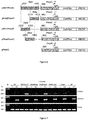
- each fragment was cloned in the expression vector pGR, upstream the reporter gene GUSPlus, thus obtaining plasmids with the respective expression constructs ( Fig. 4 ).
- Table 2 Sequences of the oligonucleotide primers that were used for the deletion analysis that allowed for the confirmation of the functionality of CrGPDH3 promoter and the identification of the core promoter by RT-PCR.
- Example 6 Deletion analysis for the confirmation of the functionality of the CrGPDH3 promoter and the identification of the core promoter by RT-PCR.
- the result of this analysis allowed us to determine that the sequence we selected as putative promoter of CrGPDH3, PromA, was capable of driving the expression of GUSPlus reporter gene in a similar way than the native promoter, under treatment of 100 mM of NaCl, while no amplicon was observed in the treatment without NaCl.
- the fragment of PromB did not render a positive result.
- These results also allowed us to identify PromC as the core promoter of CrGPDH3, since it was the shortest fragment on which a constitutive expression of GUSPlus was still observed, although a much lower level of expression was qualitatively observed compared to PromA, as well as a slight induction in the treatment of 100 mM of NaCl.
- Example 7 Attainment of the expression constructs in pGR for the deletion analysis that allowed the identification of the inducibility region by RT-PCR.
- a variety of fragments were amplified drawn from the sequence of PromA: RIA1 (-2727 to -1672), RIA2 (-2172 to -1672), RIA3 (-2727 to -2150) and RIA4 (-2400 to -1900) ( Fig. 6 ). All the fragments were amplified by PCR using specific oligonucleotides for each one (Table 3), integrating to them the restriction sites Eco RV and Eco RI in the 5' and 3' ends, respectively.
- each fragment was cloned in pPromC (plasmid that contains the sequence PromC), upstream from the core promoter PromC, thus obtaining the expression constructs for the deletion analysis that allowed for the identification of the inducibility region of the promoter.
- the constructs were then named RIA1/PromC, RIA2/PromC, RIA3/PromC and RIA4/PromC.
- Example 8 Deletion analysis for the identification of the inducibility region of the promoter by RT-PCR.
- Example 9 Analysis by Southern blot to identify transgenic lines of C. reinhardtii.
- transgenic lines that contain each one of the constructs with the promoters that turned out to be successful
- three bombarded lines were analyzed that contained either PromA, RIA3 / PromC or PromC.
- a bombarded line was included with empty vector pGR (without expression construct) marked as SP.
- purified pPromA was used (plasmid that contains promoter sequence PromA ), marked as C+.
- the total genomic DNA was extracted from 1 x 10 5 of cells of C. reinhardtii using the IllustraTM Nucleon Phytopure DNA Extraction system (GE Healthcare).
- the activity of the GUSPlus reporter protein allowed us to determine indirectly the performance of each promoter that was evaluated in this study.
- a quantitative assay was carried out as described by Jefferson et al. (1987). Cells of C. reinhardtii were cultivated for 7 days (until the end of the exponential growth phase), and subsequently the corresponding treatment was applied. In one assay three biological replicas of each transgenic line were evaluated, in each biological replica the effect of a different treatment was evaluated. For example, a flask received the treatment of 100 mM of NaCl for 2 h while the other received distilled water as control.
- the samples were centrifuged at 13,000 g for 20 min at 4 °C.
- the supernatant was used to measure the concentration of proteins using a commercial kit, the Quick Start Brandford Protein Assay Kit 1 (BioRad) with albumin serum as standard.
- 15 ⁇ g of protein extract were used which were mixed with the buffer from the assay which contained 1 mM of 4-Methylumbelliferyl-b-glucunoride (4-MUG) (Sigma-Aldrich) at 37°C.
- the reaction was finished with the addition of 200 mM Na 2 CO 3 to a final concentration of 180 mM.
- the activity of GUSPlus was measured determining the fluorescence in a Fluorometer QuantiFluorTM Handheld (Promega), with an excitation wavelength of 265 nm and an emission wavelength of 455 nm.
- the standard curve was created using 4-methylumbelliferone (4-MU) (Sigma-Aldrich).
- the activity of GUSPlus was expressed in picomoles of 4.MU per microgram of protein per minute.
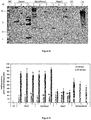
- the activity analysis of GUSPlus was carried out by fluorimetry in three transgenic lines (each one with three biological replicas) that contained as promoter in its expression construct whether PromA, RIA3 / PromC or PromC. As it can be seen in figure 9 , both in the samples of PromA and of RIA3 / PromC a significantly higher enzymatic activity could be seen (approximately four times higher) when they were exposed to 100 mM of NaCl than when they were not, although a basal enzymatic activity of GUSPlus is observed with these promoters.
- the basal levels of activity can also be appreciated in the samples of PromC, in which a small increase can be quantitatively observed, but statistically significant when the samples were exposed to 100 mM of NaCl compared to when they were exposed to 0 mM of NaCl.
- a remarkable result of this analysis was that the activity of GUSPlus was significantly higher (around 40%) for the transgenic lines that contained whether the promoter PromA or the chimeric promoter RIA3 / PromC in treatment of 100 mM of NaCl when compared with three transgenic lines (each one with three biological replicas) that contained as promoter in its expression constructs the commercial constitutive promoter HSP70A / RBCS2 in basal conditions.
- Example 11 Induction of promoter CrGPDH3 ( RIA3 / PromC ) with different inductors.
- RIA3 / PromC chimeric promoter was chosen to evaluate its performance in treatments of 5 mM of NaCl (to which the native promoter was induced as mentioned in Casais-Molina et al. 2016) and 100 mM of KCI, which has been reported as inductor of the glycerol synthesis in which gene CrGPDH3 is involved (Casais-Molina et al. 2016; Husic and Tolbert 1986).
- the chimeric promoter RIA3 / PromC was capable of inducing the expression of GUSPlus both at 5 mM of NaCl and at 100 mM of KCI in a similar way to native promoter CrGPDH3.
- the activity of GUSPlus both for the treatment of 5 mM of NaCl as of 100 mM of KCI was similar between both treatments ( figure 10b ) and it presented itself in a similar way than when 100 mM of NaCl were used in example 10.
Landscapes
- Health & Medical Sciences (AREA)
- Genetics & Genomics (AREA)
- Life Sciences & Earth Sciences (AREA)
- Engineering & Computer Science (AREA)
- Chemical & Material Sciences (AREA)
- Zoology (AREA)
- Bioinformatics & Cheminformatics (AREA)
- Organic Chemistry (AREA)
- Biotechnology (AREA)
- General Engineering & Computer Science (AREA)
- Biomedical Technology (AREA)
- Wood Science & Technology (AREA)
- Molecular Biology (AREA)
- Microbiology (AREA)
- Plant Pathology (AREA)
- Physics & Mathematics (AREA)
- Biochemistry (AREA)
- General Health & Medical Sciences (AREA)
- Biophysics (AREA)
- Cell Biology (AREA)
- General Chemical & Material Sciences (AREA)
- Micro-Organisms Or Cultivation Processes Thereof (AREA)
- Preparation Of Compounds By Using Micro-Organisms (AREA)
Applications Claiming Priority (2)
| Application Number | Priority Date | Filing Date | Title |
|---|---|---|---|
| MX2018015859 | 2018-12-17 | ||
| PCT/MX2019/000056 WO2020130772A1 (es) | 2018-12-17 | 2019-05-15 | Promotor inducible del gen crgpdh3 de chlamydomonas reinhardtii y su uso para la expresión de proteínas recombinantes |
Publications (2)
| Publication Number | Publication Date |
|---|---|
| EP3901247A1 true EP3901247A1 (de) | 2021-10-27 |
| EP3901247A4 EP3901247A4 (de) | 2022-11-02 |
Family
ID=71102669
Family Applications (1)
| Application Number | Title | Priority Date | Filing Date |
|---|---|---|---|
| EP19897672.2A Pending EP3901247A4 (de) | 2018-12-17 | 2019-05-15 | Induzierbarer crgpdh3-promotor von chlamydomonas reinhardtii und seine verwendung zur expression rekombinanter proteine |
Country Status (2)
| Country | Link |
|---|---|
| EP (1) | EP3901247A4 (de) |
| WO (1) | WO2020130772A1 (de) |
Families Citing this family (2)
| Publication number | Priority date | Publication date | Assignee | Title |
|---|---|---|---|---|
| CN114574515B (zh) * | 2022-02-28 | 2023-12-08 | 修实生物医药(南通)有限公司 | 一种抗逆性强的莱茵衣藻表达蛋白的方法 |
| CN116284288A (zh) * | 2023-02-01 | 2023-06-23 | 深圳大学 | 莱茵衣藻分泌导肽和转基因莱茵衣藻及其构建方法与应用 |
Family Cites Families (2)
| Publication number | Priority date | Publication date | Assignee | Title |
|---|---|---|---|---|
| ITRM20080103A1 (it) | 2008-02-28 | 2009-08-29 | Paola Ferrante | Sistema per l'espressione genica inducibile in chlamydomonas |
| KR101495276B1 (ko) | 2012-06-01 | 2015-03-09 | 한양대학교 산학협력단 | 광 유도성 프로모터 및 이를 포함하는 유전자 발현 시스템 |
-
2019
- 2019-05-15 WO PCT/MX2019/000056 patent/WO2020130772A1/es not_active Ceased
- 2019-05-15 EP EP19897672.2A patent/EP3901247A4/de active Pending
Also Published As
| Publication number | Publication date |
|---|---|
| WO2020130772A1 (es) | 2020-06-25 |
| EP3901247A4 (de) | 2022-11-02 |
Similar Documents
| Publication | Publication Date | Title |
|---|---|---|
| Kumar et al. | Evaluating nuclear transgene expression systems in Chlamydomonas reinhardtii | |
| Xu et al. | Identification of a 119-bp promoter of the maize sulfite oxidase gene (ZmSO) that confers high-level gene expression and ABA or drought inducibility in transgenic plants | |
| Beltran-Aguilar et al. | A novel salt-inducible CrGPDH3 promoter of the microalga Chlamydomonas reinhardtii for transgene overexpression | |
| CN114561374B (zh) | 一种嗜热核酸内切酶突变体及其制备方法和应用 | |
| CN110041416B (zh) | GmABCA9基因在提高大豆蛋白含量和粒重中的应用 | |
| JP7374249B2 (ja) | 植物調節エレメント及びその用途 | |
| WO2019100431A1 (zh) | 一种能够增强蛋白质合成效率的串联dna元件 | |
| CN109355292B (zh) | 一种花生种子特异表达启动子ahssp2及其克隆和应用 | |
| Bińka et al. | The Agrobacterium-mediated transformation of common wheat (Triticum aestivum L.) and triticale (x Triticosecale Wittmack): role of the binary vector system and selection cassettes | |
| EP3901247A1 (de) | Induzierbarer crgpdh3-promotor von chlamydomonas reinhardtii und seine verwendung zur expression rekombinanter proteine | |
| Li et al. | Targeted transcriptional activation in plants using a potent dead Cas9–derived synthetic gene activator | |
| Villao et al. | Activity characterization of the plantain promoter from the heavy metal-associated isoprenylated plant gene (MabHIPP) using the luciferase reporter gene | |
| Edris et al. | Root primordium defective 1 encodes an essential PORR protein required for the splicing of mitochondria-encoded group II introns and for respiratory complex I biogenesis | |
| US20020155540A1 (en) | Method to reduce transcriptional interference between tandem genes | |
| Wu et al. | Isolation and characterization of Ulva prolifera actin1 gene and function verification of the 5′ flanking region as a strong promoter | |
| CN112980848B (zh) | 一种水稻糖诱导启动子srn1及其应用 | |
| CN100999736A (zh) | 一种水稻高效表达启动子及其应用 | |
| Son et al. | Development of an expression system using the heat shock protein 70 promoter in the red macroalga, Porphyra tenera | |
| CN102146139A (zh) | 一种合成海藻糖的融合蛋白及其在培育矮化草坪草中的应用 | |
| CN107893077B (zh) | 一种玉米ZmLTP3基因启动子及其应用 | |
| US7517685B2 (en) | Gene promoters | |
| Ma et al. | Isolation and Activity Evaluation of Callus-Specific Promoters in Rice (Oryza sativa L.) | |
| Kuluev et al. | Construction of hybrid promoters of caulimoviruses and analysis of their activity in transgenic plants | |
| Alzohairy et al. | The pJan25 vector series: An enhancement of the Gateway-compatible vector pGWB533 for broader promoter testing applications | |
| CN105255922B (zh) | 一种海藻酸裂解酶sha-5基因及其原核表达载体 |
Legal Events
| Date | Code | Title | Description |
|---|---|---|---|
| STAA | Information on the status of an ep patent application or granted ep patent |
Free format text: STATUS: THE INTERNATIONAL PUBLICATION HAS BEEN MADE |
|
| PUAI | Public reference made under article 153(3) epc to a published international application that has entered the european phase |
Free format text: ORIGINAL CODE: 0009012 |
|
| STAA | Information on the status of an ep patent application or granted ep patent |
Free format text: STATUS: REQUEST FOR EXAMINATION WAS MADE |
|
| 17P | Request for examination filed |
Effective date: 20210715 |
|
| AK | Designated contracting states |
Kind code of ref document: A1 Designated state(s): AL AT BE BG CH CY CZ DE DK EE ES FI FR GB GR HR HU IE IS IT LI LT LU LV MC MK MT NL NO PL PT RO RS SE SI SK SM TR |
|
| DAV | Request for validation of the european patent (deleted) | ||
| DAX | Request for extension of the european patent (deleted) | ||
| REG | Reference to a national code |
Ref country code: DE Ref legal event code: R079 Free format text: PREVIOUS MAIN CLASS: C12N0001130000 Ipc: C12N0015630000 |
|
| A4 | Supplementary search report drawn up and despatched |
Effective date: 20221004 |
|
| RIC1 | Information provided on ipc code assigned before grant |
Ipc: C12R 1/89 20060101ALN20220927BHEP Ipc: C12P 21/02 20060101ALI20220927BHEP Ipc: C12N 15/82 20060101ALI20220927BHEP Ipc: C12N 15/79 20060101ALI20220927BHEP Ipc: C12N 15/63 20060101AFI20220927BHEP |
|
| STAA | Information on the status of an ep patent application or granted ep patent |
Free format text: STATUS: EXAMINATION IS IN PROGRESS |
|
| 17Q | First examination report despatched |
Effective date: 20250807 |