EP3910071A1 - Nanovesikel aus bakterien der gattung lactococcus und deren verwendung - Google Patents
Nanovesikel aus bakterien der gattung lactococcus und deren verwendung Download PDFInfo
- Publication number
- EP3910071A1 EP3910071A1 EP20738319.1A EP20738319A EP3910071A1 EP 3910071 A1 EP3910071 A1 EP 3910071A1 EP 20738319 A EP20738319 A EP 20738319A EP 3910071 A1 EP3910071 A1 EP 3910071A1
- Authority
- EP
- European Patent Office
- Prior art keywords
- disease
- bacteria
- vesicles
- cancer
- derived
- Prior art date
- Legal status (The legal status is an assumption and is not a legal conclusion. Google has not performed a legal analysis and makes no representation as to the accuracy of the status listed.)
- Withdrawn
Links
Images







Classifications
-
- A—HUMAN NECESSITIES
- A23—FOODS OR FOODSTUFFS; TREATMENT THEREOF, NOT COVERED BY OTHER CLASSES
- A23L—FOODS, FOODSTUFFS OR NON-ALCOHOLIC BEVERAGES, NOT OTHERWISE PROVIDED FOR; PREPARATION OR TREATMENT THEREOF
- A23L33/00—Modifying nutritive qualities of foods; Dietetic products; Preparation or treatment thereof
- A23L33/10—Modifying nutritive qualities of foods; Dietetic products; Preparation or treatment thereof using additives
- A23L33/135—Bacteria or derivatives thereof, e.g. probiotics
-
- A—HUMAN NECESSITIES
- A61—MEDICAL OR VETERINARY SCIENCE; HYGIENE
- A61K—PREPARATIONS FOR MEDICAL, DENTAL OR TOILETRY PURPOSES
- A61K35/00—Medicinal preparations containing materials or reaction products thereof with undetermined constitution
- A61K35/66—Microorganisms or materials therefrom
- A61K35/74—Bacteria
-
- A—HUMAN NECESSITIES
- A61—MEDICAL OR VETERINARY SCIENCE; HYGIENE
- A61K—PREPARATIONS FOR MEDICAL, DENTAL OR TOILETRY PURPOSES
- A61K9/00—Medicinal preparations characterised by special physical form
- A61K9/0012—Galenical forms characterised by the site of application
- A61K9/007—Pulmonary tract; Aromatherapy
- A61K9/0073—Sprays or powders for inhalation; Aerolised or nebulised preparations generated by other means than thermal energy
-
- A—HUMAN NECESSITIES
- A61—MEDICAL OR VETERINARY SCIENCE; HYGIENE
- A61P—SPECIFIC THERAPEUTIC ACTIVITY OF CHEMICAL COMPOUNDS OR MEDICINAL PREPARATIONS
- A61P11/00—Drugs for disorders of the respiratory system
- A61P11/06—Antiasthmatics
-
- A—HUMAN NECESSITIES
- A61—MEDICAL OR VETERINARY SCIENCE; HYGIENE
- A61P—SPECIFIC THERAPEUTIC ACTIVITY OF CHEMICAL COMPOUNDS OR MEDICINAL PREPARATIONS
- A61P25/00—Drugs for disorders of the nervous system
-
- A—HUMAN NECESSITIES
- A61—MEDICAL OR VETERINARY SCIENCE; HYGIENE
- A61P—SPECIFIC THERAPEUTIC ACTIVITY OF CHEMICAL COMPOUNDS OR MEDICINAL PREPARATIONS
- A61P29/00—Non-central analgesic, antipyretic or antiinflammatory agents, e.g. antirheumatic agents; Non-steroidal antiinflammatory drugs [NSAID]
-
- C—CHEMISTRY; METALLURGY
- C12—BIOCHEMISTRY; BEER; SPIRITS; WINE; VINEGAR; MICROBIOLOGY; ENZYMOLOGY; MUTATION OR GENETIC ENGINEERING
- C12Q—MEASURING OR TESTING PROCESSES INVOLVING ENZYMES, NUCLEIC ACIDS OR MICROORGANISMS; COMPOSITIONS OR TEST PAPERS THEREFOR; PROCESSES OF PREPARING SUCH COMPOSITIONS; CONDITION-RESPONSIVE CONTROL IN MICROBIOLOGICAL OR ENZYMOLOGICAL PROCESSES
- C12Q1/00—Measuring or testing processes involving enzymes, nucleic acids or microorganisms; Compositions therefor; Processes of preparing such compositions
- C12Q1/68—Measuring or testing processes involving enzymes, nucleic acids or microorganisms; Compositions therefor; Processes of preparing such compositions involving nucleic acids
- C12Q1/6844—Nucleic acid amplification reactions
- C12Q1/6851—Quantitative amplification
-
- C—CHEMISTRY; METALLURGY
- C12—BIOCHEMISTRY; BEER; SPIRITS; WINE; VINEGAR; MICROBIOLOGY; ENZYMOLOGY; MUTATION OR GENETIC ENGINEERING
- C12Q—MEASURING OR TESTING PROCESSES INVOLVING ENZYMES, NUCLEIC ACIDS OR MICROORGANISMS; COMPOSITIONS OR TEST PAPERS THEREFOR; PROCESSES OF PREPARING SUCH COMPOSITIONS; CONDITION-RESPONSIVE CONTROL IN MICROBIOLOGICAL OR ENZYMOLOGICAL PROCESSES
- C12Q1/00—Measuring or testing processes involving enzymes, nucleic acids or microorganisms; Compositions therefor; Processes of preparing such compositions
- C12Q1/68—Measuring or testing processes involving enzymes, nucleic acids or microorganisms; Compositions therefor; Processes of preparing such compositions involving nucleic acids
- C12Q1/6876—Nucleic acid products used in the analysis of nucleic acids, e.g. primers or probes
- C12Q1/6883—Nucleic acid products used in the analysis of nucleic acids, e.g. primers or probes for diseases caused by alterations of genetic material
-
- C—CHEMISTRY; METALLURGY
- C12—BIOCHEMISTRY; BEER; SPIRITS; WINE; VINEGAR; MICROBIOLOGY; ENZYMOLOGY; MUTATION OR GENETIC ENGINEERING
- C12Q—MEASURING OR TESTING PROCESSES INVOLVING ENZYMES, NUCLEIC ACIDS OR MICROORGANISMS; COMPOSITIONS OR TEST PAPERS THEREFOR; PROCESSES OF PREPARING SUCH COMPOSITIONS; CONDITION-RESPONSIVE CONTROL IN MICROBIOLOGICAL OR ENZYMOLOGICAL PROCESSES
- C12Q1/00—Measuring or testing processes involving enzymes, nucleic acids or microorganisms; Compositions therefor; Processes of preparing such compositions
- C12Q1/68—Measuring or testing processes involving enzymes, nucleic acids or microorganisms; Compositions therefor; Processes of preparing such compositions involving nucleic acids
- C12Q1/6876—Nucleic acid products used in the analysis of nucleic acids, e.g. primers or probes
- C12Q1/6883—Nucleic acid products used in the analysis of nucleic acids, e.g. primers or probes for diseases caused by alterations of genetic material
- C12Q1/6886—Nucleic acid products used in the analysis of nucleic acids, e.g. primers or probes for diseases caused by alterations of genetic material for cancer
-
- C—CHEMISTRY; METALLURGY
- C12—BIOCHEMISTRY; BEER; SPIRITS; WINE; VINEGAR; MICROBIOLOGY; ENZYMOLOGY; MUTATION OR GENETIC ENGINEERING
- C12Q—MEASURING OR TESTING PROCESSES INVOLVING ENZYMES, NUCLEIC ACIDS OR MICROORGANISMS; COMPOSITIONS OR TEST PAPERS THEREFOR; PROCESSES OF PREPARING SUCH COMPOSITIONS; CONDITION-RESPONSIVE CONTROL IN MICROBIOLOGICAL OR ENZYMOLOGICAL PROCESSES
- C12Q1/00—Measuring or testing processes involving enzymes, nucleic acids or microorganisms; Compositions therefor; Processes of preparing such compositions
- C12Q1/68—Measuring or testing processes involving enzymes, nucleic acids or microorganisms; Compositions therefor; Processes of preparing such compositions involving nucleic acids
- C12Q1/6876—Nucleic acid products used in the analysis of nucleic acids, e.g. primers or probes
- C12Q1/6888—Nucleic acid products used in the analysis of nucleic acids, e.g. primers or probes for detection or identification of organisms
- C12Q1/689—Nucleic acid products used in the analysis of nucleic acids, e.g. primers or probes for detection or identification of organisms for bacteria
-
- A—HUMAN NECESSITIES
- A23—FOODS OR FOODSTUFFS; TREATMENT THEREOF, NOT COVERED BY OTHER CLASSES
- A23V—INDEXING SCHEME RELATING TO FOODS, FOODSTUFFS OR NON-ALCOHOLIC BEVERAGES AND LACTIC OR PROPIONIC ACID BACTERIA USED IN FOODSTUFFS OR FOOD PREPARATION
- A23V2002/00—Food compositions, function of food ingredients or processes for food or foodstuffs
-
- C—CHEMISTRY; METALLURGY
- C12—BIOCHEMISTRY; BEER; SPIRITS; WINE; VINEGAR; MICROBIOLOGY; ENZYMOLOGY; MUTATION OR GENETIC ENGINEERING
- C12Q—MEASURING OR TESTING PROCESSES INVOLVING ENZYMES, NUCLEIC ACIDS OR MICROORGANISMS; COMPOSITIONS OR TEST PAPERS THEREFOR; PROCESSES OF PREPARING SUCH COMPOSITIONS; CONDITION-RESPONSIVE CONTROL IN MICROBIOLOGICAL OR ENZYMOLOGICAL PROCESSES
- C12Q2600/00—Oligonucleotides characterized by their use
- C12Q2600/158—Expression markers
-
- Y—GENERAL TAGGING OF NEW TECHNOLOGICAL DEVELOPMENTS; GENERAL TAGGING OF CROSS-SECTIONAL TECHNOLOGIES SPANNING OVER SEVERAL SECTIONS OF THE IPC; TECHNICAL SUBJECTS COVERED BY FORMER USPC CROSS-REFERENCE ART COLLECTIONS [XRACs] AND DIGESTS
- Y02—TECHNOLOGIES OR APPLICATIONS FOR MITIGATION OR ADAPTATION AGAINST CLIMATE CHANGE
- Y02A—TECHNOLOGIES FOR ADAPTATION TO CLIMATE CHANGE
- Y02A50/00—TECHNOLOGIES FOR ADAPTATION TO CLIMATE CHANGE in human health protection, e.g. against extreme weather
- Y02A50/30—Against vector-borne diseases, e.g. mosquito-borne, fly-borne, tick-borne or waterborne diseases whose impact is exacerbated by climate change
Definitions
- the present invention relates to nanovesicles derived from bacteria of the genus Rhodococcus and a use thereof, and more particularly, to a method of diagnosing a malignant disease such as lung cancer, pancreatic cancer, bile duct cancer, breast cancer, bladder cancer, lymphoma or the like, diabetes, stroke, a cardiovascular disease such as myocardial infarction or the like, an inflammatory pulmonary disease such as asthma, chronic obstructive pulmonary disease (COPD) or the like, or dementia using nanovesicles derived from bacteria of the genus Rhodococcus, and a composition for preventing, alleviating or treating a malignant disease, diabetes, stroke, a cardiovascular disease, an inflammatory pulmonary disease or a cranial nerve disease, which comprises the vesicles.
- a malignant disease such as lung cancer, pancreatic cancer, bile duct cancer, breast cancer, bladder cancer, lymphoma or the like
- diabetes stroke
- a cardiovascular disease such as myocardial in
- microbiota or microbiome refers to a microbial community including bacteria, archaea and eukarya present in a given habitat.
- the mucosa forms a physical defense membrane through which particles having a size of 200 nanometers (nm) or more cannot pass, so that bacteria coexisting in the mucosa cannot pass through the mucosa, but vesicles derived from bacteria have a size of 100 nanometers or less and are absorbed into our bodies after relatively freely passing through epithelial cells via the mucosa.
- Bacteria-derived vesicles that are locally secreted from bacteria are absorbed via epithelial cells of the mucous membrane to thereby induce a local inflammatory response, and the vesicles having passed through the epithelial cells are systematically absorbed via lymphatic vessels and thereby distributed in respective organs, and immune and inflammatory responses are regulated in the organs in which the vesicles are distributed.
- vesicles derived from pathogenic gram-negative bacteria such as Escherichia coli locally cause colitis, and promote a systemic inflammatory response, and blood coagulation through a vascular endothelial inflammatory response when absorbed into blood vessels, and cause insulin resistance and diabetes when absorbed into insulin-acting muscle cells and the like.
- vesicles derived from beneficial bacteria may control a disease by controlling immune dysfunction and metabolic dysfunction caused by pathogenic vesicles.
- Th17 immune responses characterized by the secretion of the interleukin (hereinafter, IL)-17 cytokine occur, and IL-6 is secreted from epithelial cells, immune cells, and the like when exposed to pathogenic bacteria-derived vesicles, thereby inducing Th17 immune responses.
- Inflammation caused by the Th17 immune response is characterized by neutrophil infiltration, and during the process by which inflammation occurs, tumor necrosis factor-alpha (hereinafter, TNF- ⁇ ) secreted from inflammatory cells such as neutrocyte and macrophages plays an important role.
- TNF- ⁇ tumor necrosis factor-alpha
- IL-6 and TNF- ⁇ which are secreted from inflammatory cells such as neutrophils, promote the generation of cancer cells and the infiltration of cancer cells into peripheral tissue, inducing carcinogenesis.
- a brain-derived neurotrophic factor is a protein in the brain generated by BDNF gene, and one of a group of neurotrophic factors, as a part of the growth factors.
- the factor is associated with a basic nerve growth factor, and it is known that the expression of the factor is reduced in depression, dementia, Alzheimer's disease, autism, and the like.
- bacteria of the genus Rhodococcus are aerophilic gram-positive bacteria that live widely in environments such as soil or water, and bacteria having a function of converting a harmful environmental contaminant into a non-harmful substance.
- Rhodococcus equi causes a lung disease in an immune-deficient animal due to inhalation thereof
- Rhodococcus faciens is known as a bacterium causing a disease in a plant such as tobacco leaves.
- the bacteria of the genus Rhodococcus secrete vesicles extracellularly has not been reported, and particularly, no cases of application thereof in diagnosis and treatment of an intractable disease such as cancer or a cardiovascular-brain disease have been reported.
- vesicles derived from bacteria of the genus Rhodococcus significantly decrease in clinical samples of lung cancer, pancreatic cancer, bile duct cancer, breast cancer, bladder cancer, lymphoma, diabetes, stroke, myocardial infarction, asthma, chronic obstructive pulmonary disease (COPD), and dementia patients, compared to a normal individual, thereby diagnosing the diseases.
- Rhodococcus equi belonging to the genus Rhodococcus and analyzing the characteristic thereof, it was confirmed that they can be used as a composition for preventing, alleviating, or treating a malignant disease, diabetes, stroke, a cardiovascular disease, an inflammatory pulmonary disease, or a cranial nerve disease.
- a content of vesicles derived from bacteria of the genus Rhodococcus is significantly decreased in a sample derived from a patient with a malignant disease such as lung cancer, pancreatic cancer, bile duct cancer, breast cancer, bladder cancer, lymphoma or the like, diabetes, stroke, a cardiovascular disease such as myocardial infarction or the like, an inflammatory pulmonary disease such as asthma, COPD or the like, and dementia, compared with a normal individual, through metagenomic analysis.
- a malignant disease such as lung cancer, pancreatic cancer, bile duct cancer, breast cancer, bladder cancer, lymphoma or the like
- diabetes stroke
- a cardiovascular disease such as myocardial infarction or the like
- an inflammatory pulmonary disease such as asthma, COPD or the like
- dementia dementia
- an object of the present invention is to provide a method of providing information for diagnosis of lung cancer, pancreatic cancer, bile duct cancer, breast cancer, bladder cancer, lymphoma, diabetes, stroke, myocardial infarction, asthma, COPD, or dementia.
- Another object of the present invention is to provide a composition for preventing, alleviating, or treating one or more diseases selected from the group consisting of a malignant disease, diabetes, stroke, a cardiovascular disease, an inflammatory pulmonary disease, and a cranial nerve disease, comprising vesicles derived from bacteria of the genus Rhodococcus as an active ingredient.
- the present invention provides a method of providing information for diagnosing lung cancer, pancreatic cancer, bile duct cancer, breast cancer, bladder cancer, lymphoma, diabetes, stroke, myocardial infarction, asthma, chronic obstructive pulmonary disease (COPD), or dementia, the method comprising the following steps:
- the present invention provides a method of diagnosing lung cancer, pancreatic cancer, bile duct cancer, breast cancer, bladder cancer, lymphoma, diabetes, stroke, myocardial infarction, asthma, chronic obstructive pulmonary disease (COPD), or dementia, the method comprising the following steps:
- the sample in Step (a) is not limited, but may be blood, urine, stool, saliva or nasal mucosa, and preferably blood or urine.
- the primer pair in Step (b) may be primers of SEQ ID Nos. 1 and 2.
- the present invention provides a pharmaceutical composition for preventing or treating one or more diseases selected from the group consisting of a malignant disease, diabetes, stroke, a cardiovascular disease, an inflammatory pulmonary disease, and a cranial nerve disease, comprising vesicles derived from bacteria of the genus Rhodococcus as an active ingredient.
- the present invention provides a food composition for preventing or alleviating one or more diseases selected from the group consisting of a malignant disease, diabetes, stroke, a cardiovascular disease, an inflammatory pulmonary disease, and a cranial nerve disease, comprising vesicles derived from bacteria of the genus Rhodococcus as an active ingredient.
- the present invention provides an inhalant composition for preventing or treating one or more diseases selected from the group consisting of a malignant disease, diabetes, stroke, a cardiovascular disease, an inflammatory pulmonary disease, and a cranial nerve disease, comprising vesicles derived from bacteria of the genus Rhodococcus as an active ingredient.
- the present invention provides a method of preventing or treating one or more diseases selected from the group consisting of a malignant disease, diabetes, stroke, a cardiovascular disease, an inflammatory pulmonary disease, and a cranial nerve disease, the method comprising a step of administering a pharmaceutical composition comprising vesicles derived from bacteria of the genus Rhodococcus as an active ingredient to a subject.
- the present invention provides a use of a pharmaceutical composition comprising vesicles derived from bacteria of the genus Rhodococcus as an active ingredient for preventing or treating one or more diseases selected from the group consisting of a malignant disease, diabetes, stroke, a cardiovascular disease, an inflammatory pulmonary disease, and a cranial nerve disease.
- the present invention provides a use of vesicles derived from bacteria of the genus Rhodococcus for producing a drug used in treating one or more diseases selected from the group consisting of a malignant disease, diabetes, stroke, a cardiovascular disease, an inflammatory pulmonary disease, and a cranial nerve disease.
- the malignant disease may be one or more selected from the group consisting of lung cancer, pancreatic cancer, bile duct cancer, breast cancer, bladder cancer, and lymphoma.
- the cardiovascular disease may be one or more selected from the group consisting of myocardial infarction, hypertension, ischemic heart disease, coronary artery disease, angina, atherosclerosis (arteriosclerosis), and arrhythmia.
- the inflammatory pulmonary disease may be one or more selected from the group consisting of asthma, COPD, acute lung injury, empyema, lung abscesses, pneumonia, pulmonary tuberculosis, and bronchitis.
- the cranial nerve disease may be one or more selected from the group consisting of depression, obsessive-compulsive disorder, schizophrenia, dementia, Alzheimer's disease, epilepsy, autism, and Parkinson's disease.
- the present invention provides a cosmetic composition for preventing or alleviating an inflammatory skin disease, comprising vesicles derived from bacteria of the genus Rhodococcus as an active ingredient.
- the inflammatory skin disease may be one or more selected from the group consisting of atopic dermatitis, acne, hair loss, and psoriasis.
- the vesicles may have an average diameter of 10 to 200 nm.
- the vesicles may be secreted naturally or artificially from bacteria of the genus Rhodococcus.
- the vesicles derived from bacteria of the genus Rhodococcus may be secreted from Rhodococcus equi.
- the inventors confirmed that intestinal bacteria are not absorbed into the body through epithelial cells, but bacteria-derived vesicles are absorbed, systemically distributed and then excreted out of the body through the kidneys, liver and lungs, and by metagenomic analysis for vesicles derived from bacteria present in patients' blood, also confirmed that vesicles derived from bacteria of the genus Rhodococcus, which are present in blood of patients with lung cancer, pancreatic cancer, bile duct cancer, breast cancer, bladder cancer, lymphoma, diabetes, stroke, myocardial infarction, asthma, COPD, and dementia significantly decrease, compared with a normal individual.
- Rhodococcus equi which is one bacterial species of the genus Rhodococcus
- the vesicles derived from bacteria of the genus Rhodococcus according to the present invention are expected to be effectively used in a method of diagnosing lung cancer, pancreatic cancer, bile duct cancer, breast cancer, bladder cancer, lymphoma, diabetes, stroke, myocardial infarction, asthma, COPD, or dementia, and a food, inhalant or pharmaceutical composition for preventing or treating a malignant disease, diabetes, stroke, a cardiovascular disease, an inflammatory pulmonary disease, and a cranial nerve disease.
- the present invention relates to vesicles derived from bacteria of the genus Rhodococcus and a use thereof.
- the inventors confirmed that a content of vesicles derived from bacteria of the genus Rhodococcus are significantly reduced in samples of patients with lung cancer, pancreatic cancer, bile duct cancer, breast cancer, bladder cancer, lymphoma, diabetes, stroke, myocardial infarction, asthma, COPD, and dementia, compared with a normal individual, through metagenomic analysis.
- the present invention provides a method of providing information for diagnosing lung cancer, pancreatic cancer, bile duct cancer, breast cancer, bladder cancer, lymphoma, diabetes, stroke, myocardial infarction, asthma, COPD, or dementia, the method comprising the following steps:
- diagnosis refers to determination of a condition of a disease of a patient over all aspects, in a broad sense. The contents of the determination are the disease entity, the etiology, the pathogenesis, the severity, the detailed aspects of a disease, the presence and absence of complications, the prognosis, and the like.
- the diagnosis in the present invention means determining whether lung cancer, pancreatic cancer, bile duct cancer, breast cancer, bladder cancer, lymphoma, diabetes, stroke, myocardial infarction, asthma, COPD, and/or dementia occur, the level of the disease, and the like.
- nanovesicle or "vesicle” as used herein refers to a structure consisting of a nano-sized membrane secreted from various bacteria.
- Vesicles derived from gram-negative bacteria or outer membrane vesicles (OMVs) have endotoxins (lipopolysaccharides), toxic protein, and bacterial DNA and RNA, and vesicles derived from gram-positive bacteria also have peptidoglycan and lipoteichoic acid which are cell wall components of bacteria in addition to proteins and nucleic acids.
- nanovesicles or vesicles are secreted naturally from bacteria of the genus Rhodococcus or produced artificially, are in the form of a sphere, and have an average diameter of 10 to 200 nm.
- the term "metagenome” as used herein also refers to a microbiome, and refers to a total of genomes including all viruses, bacteria, fungi, and the like in an isolated region such as soil and an animal's intestines, and is typically used as a concept of genomes explaining identification of a large number of microorganisms at one time by using a sequence analyzer in order to analyze uncultivated microorganisms.
- the metagenome does not refer to a genome of one species, but refers to a kind of mixed genome as a genome of all species of one environmental unit.
- the metagenome is, when one species is defined in the development process of omics biology, a term derived from the viewpoint of making a complete species is made by various species interacting with each other as well as one kind of functionally existing species.
- the metagenome is an object of a technique to identify all species in one environment and investigate interactions and metabolism by analyzing all DNAs and RNAs regardless of species using a rapid sequence analysis method.
- the sample derived from patients is not limited, but may be blood, urine, stool, saliva or nasal mucosa, and preferably blood or urine.
- the primer pair in Step (b) may be primers of SEQ ID Nos. 1 and 2, but is not limited thereto.
- Another aspect of the present invention provides a composition for preventing or treating one or more diseases selected from the group consisting of a malignant disease, diabetes, stroke, a cardiovascular disease, an inflammatory pulmonary disease, and a cranial nerve disease, comprising vesicles derived from bacteria of the genus Rhodococcus as an active ingredient.
- the composition includes a pharmaceutical composition and an inhalant composition.
- the present invention provides a method of preventing or treating one or more diseases selected from the group consisting of a malignant disease, diabetes, stroke, a cardiovascular disease, an inflammatory pulmonary disease, and a cranial nerve disease, the method comprising a step of administering a pharmaceutical composition comprising vesicles derived from bacteria of the genus Rhodococcus as an active ingredient to a subject.
- the present invention provides a use of a pharmaceutical composition comprising vesicles derived from bacteria of the genus Rhodococcus as an active ingredient for preventing or treating one or more diseases selected from the group consisting of a malignant disease, diabetes, stroke, a cardiovascular disease, an inflammatory pulmonary disease, and a cranial nerve disease.
- the present invention provides a use of vesicles derived from bacteria of the genus Rhodococcus for producing a drug used in treating one or more diseases selected from the group consisting of a malignant disease, diabetes, stroke, a cardiovascular disease, an inflammatory pulmonary disease, and a cranial nerve disease.
- prevention refers to all actions that suppress a malignant disease, diabetes, stroke, a cardiovascular disease, an inflammatory pulmonary disease, a cranial nerve disease, or the like, or delay the onset thereof via administration of the composition according to the present invention.
- treatment refers to all actions that alleviate or beneficially change symptoms of a malignant disease, diabetes, stroke, a cardiovascular disease, an inflammatory pulmonary disease, a cranial nerve disease, or the like via administration of composition according to the present invention.
- subject refers to a target in need of treatment of one or more diseases selected from the group consisting of a malignant disease, diabetes, stroke, a cardiovascular disease, an inflammatory pulmonary disease, and a cranial nerve disease, and more specifically, a mammal such as a human or a non-human primate, a mouse, a dog, a cat, a horse, a cow, and the like.
- diseases selected from the group consisting of a malignant disease, diabetes, stroke, a cardiovascular disease, an inflammatory pulmonary disease, and a cranial nerve disease, and more specifically, a mammal such as a human or a non-human primate, a mouse, a dog, a cat, a horse, a cow, and the like.
- administration means providing a composition of the present invention to a subject by any suitable method.
- malignant disease refers to all diseases with extremely poor prognosis, such as cancer and sarcomas, and diseases that are difficult to treat and have fast progression, and in the present invention, the malignant disease may be one or more selected from the group consisting of lung cancer, pancreatic cancer, bile duct cancer, breast cancer, bladder cancer and lymphoma, but the present invention is not limited thereto.
- cardiovascular disease used herein is a generic term for diseases occurring in the heart and the major arteries, and in the present invention, the cardiovascular disease may be one or more selected from the group consisting of myocardial infarction, hypertension, ischemic heart disease, coronary artery disease, angina, atherosclerosis (arteriosclerosis) and arrhythmia, but the present invention is not limited thereto.
- inflammatory pulmonary disease refers to a disease caused by an inflammatory response associated with the lungs, and in the present invention, the inflammatory pulmonary disease may be one or more selected from the group consisting of asthma, COPD, acute lung injury, empyema, lung abscesses, pneumonia, pulmonary tuberculosis and bronchitis, but the present invention is not limited thereto.
- cranial nerve disease used herein is a generic term for diseases caused by problems with cranial nerve cells, and in the present invention, the cranial nerve disease may be one or more selected from the group consisting of depression, obsessive-compulsive disorder, schizophrenia, dementia, Alzheimer's disease, epilepsy, autism and Parkinson's disease, but the present invention is not limited thereto.
- the vesicles may be isolated from a culturing solution comprising bacteria of the genus Rhodococcus by using one or more methods selected from the group consisting of centrifugation, ultra-high speed centrifugation, high pressure treatment, extrusion, sonication, cell lysis, homogenization, freezing-thawing, electroporation, mechanical decomposition, chemical treatment, filtration by a filter, gel filtration chromatography, free-flow electrophoresis, and capillary electrophoresis. Further, a process such as washing for removing impurities and concentration of obtained vesicles may be further included.
- the pharmaceutical composition of the present invention may include a pharmaceutically acceptable carrier.
- the pharmaceutically acceptable carrier is typically used in formulation, and includes saline, sterile water, Ringer's solution, buffered saline, cyclodextrin, a dextrose solution, a maltodextrin solution, glycerol, ethanol, liposomes, and the like, but is not limited thereto, and may further include other typical additives such as an antioxidant and a buffer, if necessary.
- the composition may be formulated into an injectable formulation, such as an aqueous solution, a suspension, and an emulsion, a pill, a capsule, a granule, or a tablet by additionally adding a diluent, a dispersant, a surfactant, a binder, a lubricant, and the like.
- an injectable formulation such as an aqueous solution, a suspension, and an emulsion, a pill, a capsule, a granule, or a tablet by additionally adding a diluent, a dispersant, a surfactant, a binder, a lubricant, and the like.
- suitable pharmaceutically acceptable carriers and formulations the composition may be preferably formulated according to each ingredient by using the method disclosed in the Remington's literature.
- the pharmaceutical composition of the present invention is not particularly limited in formulation, but may be formulated into an injection, an inhalant, an external preparation for skin, an oral ingestion, or the like.
- the pharmaceutical composition of the present invention may be administered orally or parenterally (e.g., intravenously, subcutaneously, intradermally) according to a desired method, and a dose may vary according to the condition and body weight of a patient, the severity of a disease, a drug formulation, an administration route, and duration, but may be suitably selected by those of ordinary skill in the art.
- the pharmaceutical composition according to the present invention is administered in a pharmaceutically effective amount.
- the pharmaceutically effective amount refers to an amount sufficient to treat diseases at a reasonable benefit/risk ratio applicable to medical treatment, and an effective dosage level may be determined according to factors including types of diseases of patients, the severity of disease, the activity of drugs, sensitivity to drugs, administration time, administration route, excretion rate, treatment period, and simultaneously used drugs, and factors well known in other medical fields.
- the composition according to the present invention may be administered as an individual therapeutic agent or in combination with other therapeutic agents, may be administered sequentially or simultaneously with therapeutic agents in the related art, and may be administered in a single dose or multiple doses. It is important to administer the composition in a minimum amount that can obtain the maximum effect without any side effects, in consideration of all the aforementioned factors, and this may be easily determined by those of ordinary skill in the art.
- the effective amount of the pharmaceutical composition according to the present invention may be changed according to a patient's age, sex or body weight, and may be increased or decreased depending on the route of administration, the severity of obesity, sex, a body weight, age or the like.
- Another aspect of the present invention provides a food composition for preventing or alleviating one or more diseases selected from the group consisting of a malignant disease, diabetes, stroke, a cardiovascular disease, an inflammatory pulmonary disease, and a cranial nerve disease, comprising vesicles derived from bacteria of the genus Rhodococcus as an active ingredient.
- the food composition of the present invention includes a health functional food composition.
- the food composition according to the present invention may be used by adding an active ingredient as is to food or may be used together with other foods or food ingredients, but may be appropriately used according to a typical method.
- the mixed amount of the active ingredient may be suitably determined depending on the purpose of use thereof (for prevention or alleviation).
- the composition of the present invention is added in an amount of 15 wt% or less, preferably 10 wt% or less based on the raw materials.
- the amount may be less than the above-mentioned range.
- the food composition of the present invention contains the active ingredient as an essential ingredient at the indicated ratio
- the food composition of the present invention may contain various flavorants, natural carbohydrates, and the like, like a typical beverage, as an additional ingredient.
- natural carbohydrate include common sugars such as monosaccharides, for example, glucose, fructose and the like; disaccharides, for example, maltose, sucrose and the like; and polysaccharides, for example, dextrin, cyclodextrin and the like, and sugar alcohols such as xylitol, sorbitol, and erythritol.
- a natural flavorant thaumatin, stevia extract, for example, rebaudioside A, glycyrrhizin and the like
- a synthetic flavorant sacharin, aspartame and the like
- the proportion of the natural carbohydrate may be appropriately determined by the choice of those of ordinary skill in the art.
- the food composition of the present invention may contain various nutrients, vitamins, minerals (electrolytes), flavoring agents such as synthetic flavoring agents and natural flavoring agents, colorants and fillers (cheese, chocolate, and the like), pectic acid and salts thereof, alginic acid and salts thereof, organic acids, protective colloid thickeners, pH adjusting agents, stabilizers, preservatives, glycerin, alcohols, carbonating agents used in a carbonated beverage, or the like, in addition to the additives. These ingredients may be used either alone or in combinations thereof. The ratio of these additives may also be appropriately selected by those of ordinary skill in the art.
- the inhalant composition of the present invention may include not only vesicles derived from bacteria of the genus Rhodococcus, but also components conventionally used in inhalant compositions, for example, conventional adjuvants such as an antioxidant, a stabilizer, a solubilizer, a vitamin and a flavoring agent, and a carrier.
- conventional adjuvants such as an antioxidant, a stabilizer, a solubilizer, a vitamin and a flavoring agent, and a carrier.
- Another aspect of the present invention provides a cosmetic composition for preventing or alleviating an inflammatory skin disease, comprising vesicles derived from bacteria of the genus Rhodococcus as an active ingredient.
- the inflammatory skin disease may be one or more selected from the group consisting of atopic dermatitis, acne, hair loss, and psoriasis, but is not limited thereto.
- the cosmetic composition of the present invention may comprise ingredients conventionally used in a cosmetic composition as well as vesicles derived from bacteria of the genus Rhodococcus, and may comprise, for example, a conventional additive such as an antioxidant, a stabilizer, a solubilizer, a vitamin, a pigment and a flavor, and a carrier.
- a conventional additive such as an antioxidant, a stabilizer, a solubilizer, a vitamin, a pigment and a flavor, and a carrier.
- composition of the present invention may also be used by mixing a conventionally used organic sunscreen as long as it does not impair a skin protection effect by reaction with the vesicles derived from bacteria of the genus Rhodococcus, in addition to the vesicles derived from bacteria of the genus Rhodococcus.
- the organic sunscreen may be one or more selected from the group consisting of glyceryl PABA, drometrizole trisiloxane, drometrizole, digalloyl trioleate, disodium phenyl dibenzimidazole tetrasulfonate, diethylhexyl butamidotriazone, diethylamino hydroxybenzoyl hexylbenzoate, DEA-methoxycinnamate, a Lawson/dihydroxyacetone mixture, methylenebis-benzotriazolyltetramethylbutylphenol, 4-methylbenzylidene camphor, methyl anthranilate, benzophenone-3(oxybenzone), benzophenone-4, benzophenone-8(dioxypurbanzone), butyl methoxydibenzoylmethane, bisethylhexyloxyphenol methoxyphenyl triazine, cinoxate, ethyl dihydroxypropy
- Products that can contain the cosmetic composition of the present invention include, for example, cosmetics such as an astringent, a skin toner, a nourishing toner, various types of creams, essences, packs and foundations, cleansers, face washes, soaps, treatments, and tonics.
- cosmetics such as an astringent, a skin toner, a nourishing toner, various types of creams, essences, packs and foundations, cleansers, face washes, soaps, treatments, and tonics.
- Specific formulations of the cosmetic composition of the present invention include a skin lotion, a skin softener, a skin toner, an astringent, a lotion, a milk lotion, a moisturizing lotion, a nourishing lotion, a massage cream, a nourishing cream, a moisturizing cream, a hand cream, an essence, a nourishing essence, a pack, a soap, a shampoo, a cleansing foam, a cleansing lotion, a cleansing cream, a body lotion, a body cleanser, an emulsion, a lipstick, a makeup base, a foundation, a pressed powder, a loose powder, and an eyeshadow.
- a bacterial metagenomic analysis was performed by using vesicles isolated from the blood or urine of normal individuals who were matched in age and sex with patients with lung cancer, pancreatic cancer, bile duct cancer, breast cancer, bladder cancer, lymphoma, diabetes, stroke, myocardial infarction, asthma, COPD, and dementia.
- vesicles derived from bacteria of the genus Rhodococcus were significantly decreased in clinical samples of patients with lung cancer, pancreatic cancer, bile duct cancer, breast cancer, bladder cancer, lymphoma, diabetes, stroke, myocardial infarction, asthma, COPD, and dementia as compared to samples of normal individuals (see Examples 3 to 14).
- vesicles secreted from the cultured Rhodococcus equi strain exhibit immunoregulatory and anti-inflammatory effects, and as a result of evaluating the secretion of an inflammation mediator by treating macrophages with various concentrations of the Rhodococcus equi-derived vesicles, and then with E . coli -derived vesicles, which is an inflammatory disease-causing factor, it was confirmed that the secretion of IL-6 and TNF- ⁇ caused by E. coli-derived vesicles is efficiently inhibited by the Rhodococcus equi-derived vesicles (see Example 16).
- the nerve cell protective effect of vesicles derived from a Rhodococcus equi strain was evaluated, and as a result of evaluating brain-derived neurotrophic factor (BDNF) expression by simultaneously treating nerve cells, which have been treated with an adrenocortical hormone, which stresses nerve cells, with Rhodococcus equi-derived vesicles, it was confirmed that the Rhodococcus equi-derived vesicles effectively increase the expression of BDNF, which is a mediator protecting against nerve cell damage (see Example 17).
- BDNF brain-derived neurotrophic factor
- Example 1 Analysis of in vivo Absorption, Distribution, and Excretion Patterns of Intestinal Bacteria and Vesicles Derived from Bacteria
- the bacteria were not systemically absorbed, but the vesicles derived from bacteria were systemically absorbed 5 minutes after administration, and fluorescence was strongly observed in the bladder 3 hours after administration, so that it could be seen that the vesicles were excreted to the urinary tract. Further, it could be seen that the vesicles were present in the body until 12 hours after administration (see FIG. 1A ).
- the DNA extracted by the above method was amplified using the 16S rDNA primers, and then sequencing was performed (Illumina MiSeq sequencer), the results were output as a standard flowgram format (SFF) file, the SFF file was converted into a sequence file (.fasta) and a nucleotide quality score file using GS FLX software (v2.9), and then the reliability estimation for the reads was confirmed, and a portion in which the window (20 bps) average base call accuracy was less than 99% (Phred score ⁇ 20) was removed.
- SFF standard flowgram format
- OTU operation taxonomy unit
- clustering was performed according to sequence similarity by using UCLUST and USEARCH
- the genus, family, order, class, and phylum were clustered based on 94%, 90%, 85%, 80%, and 75% sequence similarity, respectively
- classification was performed at the phylum, class, order, family, and genus levels of each OUT, and bacteria having a sequence similarity of 97% or more at the genus level were profiled by using the 16S RNA sequence database (108,453 sequences) of BLASTN and GreenGenes (QIIME).
- Example 3 Metagenomic analysis of bacteria-derived vesicles in blood and urine of patient with lung cancer
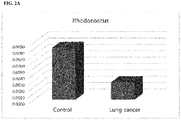
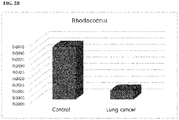
- Example 2 After a metagenomic analysis was performed using the method of Example 2 on the blood from 126 patients with lung cancer, and 198 normal individuals who were matched in age and sex by extracting genes from vesicles present in the blood, the distribution of vesicles derived from bacteria of the genus Rhodococcus was evaluated. As a result, it was confirmed that vesicles derived from bacteria of the genus Rhodococcus were significantly decreased in the blood from the patients with lung cancer as compared to the blood from the normal individuals (see Table 2 and FIG. 2A ). [Table 2] Blood Control Lung cancer t-test Taxon Mean SD Mean SD p-value Ratio Rodocococcus 0.0081 0.0364 0.0027 0.0102 0.02 0.33
- Example 4 Metagenomic analysis of bacteria-derived vesicles in blood of patient with pancreatic cancer
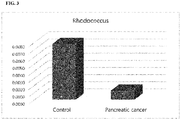
- Example 5 Metagenomic analysis of bacteria-derived vesicles in blood of patient with bile duct cancer
- Example 6 Metagenomic analysis of bacteria-derived vesicles in blood of patient with breast cancer
- Example 7 Metagenomic analysis of bacteria-derived vesicles in blood of patient with bladder cancer
- Example 8 Metagenomic analysis of bacteria-derived vesicles in blood of patient with lymphoma
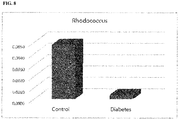
- Example 9 Metagenomic analysis of bacteria-derived vesicles in blood of patient with diabetes
- Example 10 Metagenomic analysis of bacteria-derived vesicles in blood of patient with stroke
- Example 11 Metagenomic analysis of bacteria-derived vesicles in blood of patient with myocardial infarction
- Example 12 Metagenomic analysis of bacteria-derived vesicles in blood of patient with asthma
- Example 13 Metagenomic analysis of bacteria-derived vesicles in blood of patient with COPD
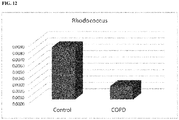
- Example 2 After a metagenomic analysis was performed using the method of Example 2 on the blood from 205 patients with COPD, and 231 normal individuals who were matched in age and sex by extracting genes from vesicles present in the blood, the distribution of vesicles derived from bacteria of the genus Rhodococcus was evaluated. As a result, it was confirmed that vesicles derived from bacteria of the genus Rhodococcus were significantly decreased in the blood from the patients with COPD as compared to the blood from the normal individuals (see Table 13 and FIG. 12 ). [Table 13] Blood Control COPD t-test Taxon Mean SD Mean SD p-value Ratio Rodocococcus 0.0082 0.0355 0.0020 0.0028 0.0003 0.25
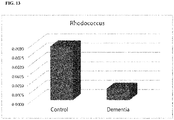
- Example 14 Metagenomic analysis of bacteria-derived vesicles in blood of patient with dementia
- Rhodococcus equi strain belonging to the genus Rhodococcus was cultured and then its vesicles were isolated therefrom.
- the Rhodococcus equi strain was cultured in a brain heart infusion (BHI) medium in a 37 °C anaerobic chamber to an absorbance (OD600) of 1.0 to 1.5, and then sub-cultured.
- BHI brain heart infusion
- OD600 absorbance
- the medium supernatant not containing the strain was collected and centrifuged at 10,000 g and 4 °C for 15 minutes, filtered through a 0.45- ⁇ m filter, and the filtered supernatant was concentrated to a 200 mL volume through ultrafiltration using a QuixStand benchtop system (GE Healthcare, UK) with a 100 kDa hollow filter membrane.
- the concentrated supernatant was filtered again through a 0.22- ⁇ m filter, the filtered supernatant was ultracentrifuged at 150,000 g and 4 °C for 3 hours, the pellet was suspended with Dulbecco's Phosphate Buffered Saline (DPBS).
- DPBS Dulbecco's Phosphate Buffered Saline
- OptiPrep solutions (Axis-Shield PoC AS, Norway), and to prepare a low-density solution, the OptiPrep solution was diluted with HEPES-buffered saline (20 mM HEPES, 150 mM NaCl, pH 7.4). Centrifugation was performed at 200,000 g and 4 °C for 2 hours, and each solution fractionated into the same volume of 1 mL from the upper layer was additionally ultracentrifuged at 150,000 g and 4 °C for 3 hours. Afterward, a protein was quantified using a bicinchoninic acid (BCA) assay, and an experiment was performed on the obtained vesicles.
- BCA bicinchoninic acid
- Raw 264.7 cells which is a mouse macrophage cell line, were treated with the Rhodococcus equi-derived vesicles at various concentrations (0.1, 1 and 10 ⁇ g/mL), and then treated with E. coli EVs, which are pathogenic vesicles of an inflammatory disease, followed by measuring secretion amounts of the inflammation mediators (IL-6 and TNF- ⁇ ). More specifically, the Raw 264.7 cells were seeded in a 24-well cell culture plate at 1 ⁇ 10 5 cells/well, and cultured in complete DMEM for 24 hours.
- a brain-derived neurotrophic factor is a major mediator protecting nerve cells from nerve cell damage, and its expression is decreased in dementia, depression, Alzheimer's disease, autism, and the like.
- BDNF brain-derived neurotrophic factor
- nerve cells hippocampal neuronal cell line, HT22 cells
- GC corticosterone 400 ng/ml
- Rhodococcus equi-derived vesicles EV, 20 ⁇ g/mL
- Rhodococcus equi-derived vesicles can effectively inhibit a cranial nerve disease caused by a factor causing cranial nerve cell damage such as stress.
- Vesicles derived from bacteria of the genus Rhodococcus are expected to be effectively used in a method of diagnosing lung cancer, pancreatic cancer, bile duct cancer, breast cancer, bladder cancer, lymphoma, diabetes, stroke, myocardial infarction, asthma, COPD, or dementia; and a food, inhalant, cosmetic or pharmaceutical composition for preventing, alleviating or treating a malignant disease, diabetes, stroke, a cardiovascular disease, an inflammatory pulmonary disease, or a cranial nerve disease.
Landscapes
- Chemical & Material Sciences (AREA)
- Health & Medical Sciences (AREA)
- Life Sciences & Earth Sciences (AREA)
- Organic Chemistry (AREA)
- Proteomics, Peptides & Aminoacids (AREA)
- Engineering & Computer Science (AREA)
- Analytical Chemistry (AREA)
- Wood Science & Technology (AREA)
- Zoology (AREA)
- General Health & Medical Sciences (AREA)
- Genetics & Genomics (AREA)
- Bioinformatics & Cheminformatics (AREA)
- Immunology (AREA)
- Microbiology (AREA)
- Molecular Biology (AREA)
- Biophysics (AREA)
- Biochemistry (AREA)
- General Engineering & Computer Science (AREA)
- Biotechnology (AREA)
- Physics & Mathematics (AREA)
- Pathology (AREA)
- Veterinary Medicine (AREA)
- Medicinal Chemistry (AREA)
- Pharmacology & Pharmacy (AREA)
- Animal Behavior & Ethology (AREA)
- Public Health (AREA)
- Mycology (AREA)
- Chemical Kinetics & Catalysis (AREA)
- Epidemiology (AREA)
- Pulmonology (AREA)
- General Chemical & Material Sciences (AREA)
- Nuclear Medicine, Radiotherapy & Molecular Imaging (AREA)
- Polymers & Plastics (AREA)
- Food Science & Technology (AREA)
- Hospice & Palliative Care (AREA)
- Oncology (AREA)
- Nutrition Science (AREA)
- Otolaryngology (AREA)
- Biomedical Technology (AREA)
- Neurology (AREA)
Applications Claiming Priority (3)
| Application Number | Priority Date | Filing Date | Title |
|---|---|---|---|
| KR20190002609 | 2019-01-09 | ||
| KR1020200002274A KR102284589B1 (ko) | 2019-01-09 | 2020-01-07 | 로도코커스 속 세균 유래 나노소포 및 이의 용도 |
| PCT/KR2020/000342 WO2020145663A1 (ko) | 2019-01-09 | 2020-01-08 | 로도코커스 속 세균 유래 나노소포 및 이의 용도 |
Publications (2)
| Publication Number | Publication Date |
|---|---|
| EP3910071A1 true EP3910071A1 (de) | 2021-11-17 |
| EP3910071A4 EP3910071A4 (de) | 2022-10-12 |
Family
ID=71832408
Family Applications (1)
| Application Number | Title | Priority Date | Filing Date |
|---|---|---|---|
| EP20738319.1A Withdrawn EP3910071A4 (de) | 2019-01-09 | 2020-01-08 | Nanovesikel aus bakterien der gattung lactococcus und deren verwendung |
Country Status (3)
| Country | Link |
|---|---|
| EP (1) | EP3910071A4 (de) |
| KR (1) | KR102284589B1 (de) |
| CN (1) | CN113286897A (de) |
Family Cites Families (8)
| Publication number | Priority date | Publication date | Assignee | Title |
|---|---|---|---|---|
| KR101923969B1 (ko) | 2016-07-08 | 2018-11-30 | 주식회사 엠디헬스케어 | 프로피오니박테리움 속 세균 유래 나노소포 및 이의 용도 |
| WO2018124619A1 (ko) * | 2016-12-26 | 2018-07-05 | 주식회사 엠디헬스케어 | 미생물 메타게놈 분석을 통한 방광암 진단방법 |
| KR101833348B1 (ko) * | 2016-12-26 | 2018-03-02 | 주식회사 엠디헬스케어 | 세균 메타게놈 분석을 통한 유방암 진단방법 |
| KR101833503B1 (ko) * | 2016-12-26 | 2018-03-05 | 주식회사 엠디헬스케어 | 만성폐쇄성폐질환자에서 세균 메타게놈 분석을 통한 폐암 진단방법 |
| KR101944664B1 (ko) * | 2017-02-24 | 2019-02-01 | 주식회사 엠디헬스케어 | 세균 메타게놈 분석을 통한 파킨슨병 진단방법 |
| KR101944665B1 (ko) * | 2017-02-24 | 2019-02-01 | 주식회사 엠디헬스케어 | 세균 메타게놈 분석을 통한 만성폐쇄성기도질환 진단 방법 |
| WO2018155950A1 (ko) * | 2017-02-24 | 2018-08-30 | 주식회사 엠디헬스케어 | 세균 메타게놈 분석을 통한 당뇨병 진단 방법 |
| KR102130485B1 (ko) * | 2017-10-13 | 2020-07-06 | 주식회사 엠디헬스케어 | 세균 메타게놈 분석을 통한 알츠하이머치매 진단방법 |
-
2020
- 2020-01-07 KR KR1020200002274A patent/KR102284589B1/ko active Active
- 2020-01-08 EP EP20738319.1A patent/EP3910071A4/de not_active Withdrawn
- 2020-01-08 CN CN202080008822.8A patent/CN113286897A/zh active Pending
Also Published As
| Publication number | Publication date |
|---|---|
| CN113286897A (zh) | 2021-08-20 |
| EP3910071A4 (de) | 2022-10-12 |
| KR20200086639A (ko) | 2020-07-17 |
| KR102284589B1 (ko) | 2021-08-03 |
Similar Documents
| Publication | Publication Date | Title |
|---|---|---|
| JP7300762B2 (ja) | ラクトバチルス属細菌由来のナノ小胞及びその用途 | |
| US11944652B2 (en) | Nano-vesicles derived from genus Sphingomonas bacteria and use thereof | |
| US11883440B2 (en) | Nanovesicle derived from Proteus genus bacteria, and use thereof | |
| US12097227B2 (en) | Nanovesicles derived from bacteria of Lactococcus genus and use thereof | |
| US10888591B2 (en) | Nano-vesicles derived from genus Micrococcus bacteria and use thereof | |
| KR20190106723A (ko) | 코프로코커스 속 세균 유래 나노소포 및 이의 용도 | |
| KR102185981B1 (ko) | 스트렙토코커스 속 세균 유래 나노소포 및 이의 용도 | |
| US20220090171A1 (en) | Nanovesicles derived from bacteria of genus deinococcus, and use thereof | |
| US20230287517A1 (en) | Nanovesicles derived from collinsella sp. bacteria, and use thereof | |
| EP3910071A1 (de) | Nanovesikel aus bakterien der gattung lactococcus und deren verwendung | |
| EP3910074B1 (de) | Aus bakterien der gattung deinococcus gewonnene nanovesikel und verwendung davon | |
| US20220047648A1 (en) | Nanovesicles derived from bacteria of genus rhodococcus, and use thereof | |
| EP3763829B1 (de) | Nanovesikel aus enhydrobacter-bakterien und verwendung davon | |
| KR102124794B1 (ko) | 지오바실러스 속 세균 유래 나노소포 및 이의 용도 | |
| US20230158082A1 (en) | Nanovesicles derived from coprococcus sp. bacteria, and use thereof | |
| EP3896175A1 (de) | Aus corynebacterium-sp.-bakterien gewonnene nanovesikel und verwendung davon | |
| KR20190105517A (ko) | 알로이오코커스 속 세균 유래 나노소포 및 이의 용도 |
Legal Events
| Date | Code | Title | Description |
|---|---|---|---|
| STAA | Information on the status of an ep patent application or granted ep patent |
Free format text: STATUS: THE INTERNATIONAL PUBLICATION HAS BEEN MADE |
|
| PUAI | Public reference made under article 153(3) epc to a published international application that has entered the european phase |
Free format text: ORIGINAL CODE: 0009012 |
|
| STAA | Information on the status of an ep patent application or granted ep patent |
Free format text: STATUS: REQUEST FOR EXAMINATION WAS MADE |
|
| 17P | Request for examination filed |
Effective date: 20210716 |
|
| AK | Designated contracting states |
Kind code of ref document: A1 Designated state(s): AL AT BE BG CH CY CZ DE DK EE ES FI FR GB GR HR HU IE IS IT LI LT LU LV MC MK MT NL NO PL PT RO RS SE SI SK SM TR |
|
| DAV | Request for validation of the european patent (deleted) | ||
| DAX | Request for extension of the european patent (deleted) | ||
| A4 | Supplementary search report drawn up and despatched |
Effective date: 20220908 |
|
| RIC1 | Information provided on ipc code assigned before grant |
Ipc: A61K 35/74 20150101ALI20220902BHEP Ipc: A61K 9/00 20060101ALI20220902BHEP Ipc: A23L 33/135 20160101ALI20220902BHEP Ipc: C12Q 1/6886 20180101ALI20220902BHEP Ipc: C12Q 1/689 20180101ALI20220902BHEP Ipc: C12Q 1/6883 20180101AFI20220902BHEP |
|
| STAA | Information on the status of an ep patent application or granted ep patent |
Free format text: STATUS: EXAMINATION IS IN PROGRESS |
|
| 17Q | First examination report despatched |
Effective date: 20231219 |
|
| STAA | Information on the status of an ep patent application or granted ep patent |
Free format text: STATUS: THE APPLICATION IS DEEMED TO BE WITHDRAWN |
|
| 18D | Application deemed to be withdrawn |
Effective date: 20250614 |