EP3914032B1 - Procédés et systèmes de communication. - Google Patents
Procédés et systèmes de communication. Download PDFInfo
- Publication number
- EP3914032B1 EP3914032B1 EP20205200.7A EP20205200A EP3914032B1 EP 3914032 B1 EP3914032 B1 EP 3914032B1 EP 20205200 A EP20205200 A EP 20205200A EP 3914032 B1 EP3914032 B1 EP 3914032B1
- Authority
- EP
- European Patent Office
- Prior art keywords
- receiving terminal
- data
- communication channel
- communication
- terminal
- Prior art date
- Legal status (The legal status is an assumption and is not a legal conclusion. Google has not performed a legal analysis and makes no representation as to the accuracy of the status listed.)
- Active
Links
Images


Classifications
-
- H—ELECTRICITY
- H04—ELECTRIC COMMUNICATION TECHNIQUE
- H04W—WIRELESS COMMUNICATION NETWORKS
- H04W4/00—Services specially adapted for wireless communication networks; Facilities therefor
- H04W4/06—Selective distribution of broadcast services, e.g. multimedia broadcast multicast service [MBMS]; Services to user groups; One-way selective calling services
-
- H—ELECTRICITY
- H04—ELECTRIC COMMUNICATION TECHNIQUE
- H04W—WIRELESS COMMUNICATION NETWORKS
- H04W76/00—Connection management
- H04W76/10—Connection setup
- H04W76/15—Setup of multiple wireless link connections
-
- H—ELECTRICITY
- H04—ELECTRIC COMMUNICATION TECHNIQUE
- H04W—WIRELESS COMMUNICATION NETWORKS
- H04W76/00—Connection management
- H04W76/10—Connection setup
- H04W76/14—Direct-mode setup
-
- H—ELECTRICITY
- H04—ELECTRIC COMMUNICATION TECHNIQUE
- H04B—TRANSMISSION
- H04B17/00—Monitoring; Testing
- H04B17/30—Monitoring; Testing of propagation channels
-
- H—ELECTRICITY
- H04—ELECTRIC COMMUNICATION TECHNIQUE
- H04L—TRANSMISSION OF DIGITAL INFORMATION, e.g. TELEGRAPHIC COMMUNICATION
- H04L5/00—Arrangements affording multiple use of the transmission path
- H04L5/003—Arrangements for allocating sub-channels of the transmission path
- H04L5/0053—Allocation of signalling, i.e. of overhead other than pilot signals
- H04L5/0055—Physical resource allocation for ACK/NACK
-
- H—ELECTRICITY
- H04—ELECTRIC COMMUNICATION TECHNIQUE
- H04W—WIRELESS COMMUNICATION NETWORKS
- H04W24/00—Supervisory, monitoring or testing arrangements
- H04W24/08—Testing, supervising or monitoring using real traffic
-
- H—ELECTRICITY
- H04—ELECTRIC COMMUNICATION TECHNIQUE
- H04W—WIRELESS COMMUNICATION NETWORKS
- H04W4/00—Services specially adapted for wireless communication networks; Facilities therefor
- H04W4/80—Services using short range communication, e.g. near-field communication [NFC], radio-frequency identification [RFID] or low energy communication
-
- H—ELECTRICITY
- H04—ELECTRIC COMMUNICATION TECHNIQUE
- H04W—WIRELESS COMMUNICATION NETWORKS
- H04W56/00—Synchronisation arrangements
- H04W56/001—Synchronization between nodes
-
- H—ELECTRICITY
- H04—ELECTRIC COMMUNICATION TECHNIQUE
- H04W—WIRELESS COMMUNICATION NETWORKS
- H04W72/00—Local resource management
- H04W72/04—Wireless resource allocation
- H04W72/044—Wireless resource allocation based on the type of the allocated resource
- H04W72/0446—Resources in time domain, e.g. slots or frames
-
- H—ELECTRICITY
- H04—ELECTRIC COMMUNICATION TECHNIQUE
- H04W—WIRELESS COMMUNICATION NETWORKS
- H04W72/00—Local resource management
- H04W72/12—Wireless traffic scheduling
Definitions
- the present disclosure relates to the field of communication technology, in particular, data communication methods.
- a wireless communication connection requires to be established among the wireless receiving devices, so as to perform the data communication based on the wireless communication connection.
- CN111163450A relates to a device communication method and system for a wireless communication system.
- the method includes the following.
- the slave device establishes a monitoring link with the master device for the communication between the master device and the host device, to operate in the monitoring confirmation mode through negotiation between the slave device and the master device, such that the monitoring link operates in the monitoring confirmation mode, and the monitoring confirmation mode between the master device and the host device.
- the communication link between the slave device and the master device exits the monitoring confirmation mode.
- the transmitting terminal notifies the connection information to the preset second receiving terminal after establishing the wireless communication connection with the first receiving terminal.
- the connection information includes information of a communication channel for performing wireless communication between the transmitting terminal and the first receiving terminal.
- the connection information is used to instruct the second receiving terminal to monitor communication data in the communication channel, so that the second receiving terminal may monitor the communication data in the communication channel between the transmitting terminal and the first receiving terminal after the second receiving terminal receives the connection information, thereby the second receiving terminal may acquire the data transmitted from the first receiving terminal by monitoring the communication channel.
- the second receiving terminal transmits the data required to be transmitted to the first receiving terminal to the communication channel, so that the first receiving terminal may receive the data transmitted from the second receiving terminal in the communication channel.
- the first time period and the second time period do not overlap each other, that is, both the transmitting terminal and the second receiving terminal may transmit data to the first receiving terminal through the communication channel, but the transmitting terminal and the second receiving terminal transmit data in different time periods, so that the data transmitted from the transmitting terminal and the second receiving terminal in the communication channel do not interfere with each other, thereby the first receiving terminal may accurately receive and identify the data transmitted from the second receiving terminal. Therefore, this embodiment may perform the data communication between the first receiving terminal and the second receiving terminal without establishing a wireless communication connection between the first receiving terminal and the second receiving terminal, so that data communication between the first receiving terminal and the second receiving terminal is more convenient.
- the method applied to the transmitting terminal further including: transmitting data to the first receiving terminal through the communication channel in the first time period.
- the connection information is used to instruct the second receiving terminal to monitor data transmitted from the transmitting terminal in the communication channel, to enable the second receiving terminal to transmit required to be transmitted to the first receiving terminal to the communication channel within the second time period, when the data transmitted from the transmitting terminal is known after monitoring by the second receiving terminal.
- the data required to be transmitted to the first receiving terminal is used to indicate whether the data transmitted from the transmitting terminal and known after monitoring by the second receiving terminal is correct.
- the second receiving terminal may acquire the data from the monitored communication channel, and transmit in the communication channel the data indicating whether the data acquired by the second receiving terminal is correct.
- the second receiving terminal may acquire the data transmitted from the transmitting terminal without establishing a wireless communication connection with the transmitting terminal, and the first receiving terminal may know whether the data acquired by the second terminal is correct without establishing a wireless communication connection with the second receiving terminal.
- the data transmitted from the transmitting terminal is data to be synchronized
- the method applied to the transmitting terminal further includes: it is determined that the first receiving terminal and the second receiving terminal complete data synchronization, if a confirmation message transmitted from the first receiving terminal is received.
- the confirmation message is a message transmitted from the first receiving terminal when a preset condition is met.
- the preset condition is that the first receiving terminal receives preset data from the second receiving terminal and that the first receiving terminal determines that the data received to be synchronized is correct, the preset data being used for indicating that the data to be synchronized known after monitoring by the second receiving terminal is correct.
- the first receiving terminal By receiving the confirmation message transmitted from the first receiving terminal, it may be determined that the first receiving terminal and the second receiving terminal both have received the correct data to be transmitted, which is advantageous for performing data synchronization between the first receiving terminal and the second receiving terminal without establishing a wireless connection between the first receiving terminal and the second receiving terminal.
- the first time period and the second time period are acquired through a preset time slice division, and the preset time slice is a time slice predetermined for the first receiving terminal to receive data.
- the first receiving terminal may receive the data transmitted from the transmitting terminal and the data transmitted from the second receiving terminal at the same time slice, so that the first receiving terminal may quickly acquire the data transmitted from the transmitting terminal and the data transmitted from the second receiving terminal.
- the wireless communication connection established between the transmitting terminal and the first receiving terminal is a wireless communication connection established based on a preset proprietary protocol.
- a duration of the preset time slice is determined according to the number of the second receiving terminal.
- the preset time slice is a time slice predetermined for the first receiving terminal to receive data.
- the duration of the preset time slice may be customized in advance, so that the preset time slice may have enough duration of time to allow a plurality of second receiving terminals to transmit data in the communication channel, which is advantageous for meeting a requirement of performing data synchronization among the plurality of receiving terminals according to the actual requirements.
- the connection information is used to instruct the N second receiving terminals to monitor communication data in the communication channel, and transmit the data required to be transmitted to the first receiving terminal to the communication channel in a preset order. That is, when there are more than one second receiving terminals, the second receiving terminals transmit data in the communication channel in a preset order, so as to perform data communication with the first receiving terminal, which is advantageous for meeting the requirement of performing data communication between a plurality of receiving terminals according to actual requirements.
- the wireless communication connection is a Bluetooth connection
- the step of notifying the connection information to the preset second receiving terminal includes: notifying the connection information to the preset second receiving terminal through broadcasting.
- a Bluetooth connection consumes less power, and by notifying the connection information to the preset second receiving terminal through broadcasting, the second receiving terminal may receive the connection information without establishing a wireless communication connection with the transmitting terminal.
- a first embodiment of the present disclosure relates to a data communication method applied to a transmitting terminal.
- data communication between a first receiving terminal and a second receiving terminal may be performed without establishing a wireless connection between the first receiving terminal and the second receiving terminal.
- Implementation details of this embodiment are described in the following. The following content is to facilitate understanding the implementation details, but is not indispensable for implementing this solution.
- An application scenario of this embodiment may be appreciated as the transmitting terminal performing data communication with a plurality of receiving terminals and data communication being performed among the plurality of receiving terminals.
- the transmitting terminal and the receiving terminal may be a chip or an electronic device, to which this embodiment is not limited.
- the transmitting terminal may be an audio source, for example, a terminal such as a mobile phone or a tablet computer capable of transmitting audio
- the receiving terminal may be a speaker which may be understood as an electronic device with an acoustic transducer, for example, an earphone or a sound box.
- There may be more than one receiving terminals for example, two wireless earphones worn by a left ear and a right ear, and/or a plurality of sound boxes placed at different places.
- the transmitting terminal may be a mechanical arm controller
- the receiving terminal may be a mechanical arm.
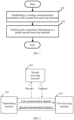
- a particular process of the data communication method in this embodiment may be as shown in FIG. 1 , including: Step 101: establishing a wireless communication connection with a preset first receiving terminal.
- the preset first receiving terminal may be one receiving terminal preselected from at least two receiving terminals.
- the wireless communication connection may be established between the transmitting terminal and the first receiving terminal through a preset communication protocol.
- the preset communication protocol may either be a standard wireless protocol or a proprietary protocol, or a combination of the standard wireless protocol and the proprietary protocol.
- the proprietary protocol is a protocol customized according to an actual need, for example, a protocol developed by a manufacturer.
- the standard wireless protocol is a protocol defined and accepted by a standardization organization.
- the wireless communication connection established between the transmitting terminal and the first receiving terminal may be a Bluetooth connection, wireless-fidelity (WIFI) connection and the like.
- WIFI wireless-fidelity
- Step 102 notifying the connection information to a preset second receiving terminal.
- the preset second receiving terminal may be a remaining receiving terminal after preselecting one of at least two receiving terminals as the first receiving terminal.
- the number of the second receiving terminals is not specifically defined, but may be decided according to a particular requirement.
- the transmitting terminal may notify the connection information to the preset second receiving terminal through broadcasting. That is, after the transmitting terminal establishes a wireless communication connection with the first receiving terminal, the transmitting terminal notifies the connection information of the connection established between the transmitting terminal and the first receiving terminal to the preset second receiving terminal through broadcasting.
- the notification through broadcasting enables the transmitting terminal to notify the connection information to the second receiving terminal without establishing a wireless communication connection with the second receiving terminal.
- the broadcasting may be directional or non-directional, which is not defined in this embodiment, but any manner for notifying the connection information to the second receiving terminal is within the protection scope of this embodiment. It shall be noted that in this embodiment, that the transmitting terminal notifies the connection information to the second receiving terminal is taken as an example.
- the first receiving terminal may notify the connection information to the second receiving terminal, however, the present disclosure is not limited thereto.
- the connection information notified by the transmitting terminal to the second receiving terminal includes: information of a communication channel for performing wireless communication between the transmitting terminal and the first receiving terminal.
- the information of the communication channel for performing wireless communication between the transmitting terminal and the first receiving terminal may include a communication frequency for performing the wireless communication between the transmitting terminal and the first receiving terminal.
- data may be divided into a plurality of data packets for transmission. Each of the data packets may be transmitted at different frequencies. Therefore, communication between the transmitting terminal and the first receiving terminal may be performed at a series of preset communication frequencies.
- the series of communication frequencies may be a combination of 2502MHz, 2504MHz, 2506MHz and 2508MHz.
- one communication frequency may indicate one communication channel. That is, the communication between the transmitting terminal and the first receiving terminal may be performed at a series of preset communication channels, however, this embodiment is not limited thereto.
- connection information notified to the second receiving terminal from the transmitting terminal is used to instruct the second receiving terminal to monitor communication data in the communication channel; when the second receiving terminal knows after monitoring the communication data, data required to be transmitted to the first receiving terminal is transmitted to the communication channel. That is, the connection information may further be used to instruct the second receiving terminal to transmit the data required to be transmitted to the first receiving terminal to the communication channel.
- the communication data monitored in the communication channel by the second receiving terminal may include: data transmitted from the transmitting terminal to the first receiving terminal through the communication channel; and may include: data transmitted from the first receiving terminal to the transmitting terminal through the channel.
- the transmitting terminal and the first receiving terminal may transmit data in the same communication channel without interfering each other, or may transmit data in different communication channels. However, this embodiment is not limited thereto.
- the transmitting terminal and the second receiving terminal may pre-agree that: if the second receiving terminal receives the connection information transmitted from the transmitting terminal, the second receiving terminal acquires the information of the communication channel for performing wireless communication between the transmitting terminal and the first receiving terminal according to the connection information, thereby determining the communication channel for wireless communication between the transmitting terminal and the first receiving terminal, monitoring the communication data in the communication channel, and transmitting the data required to be transmitted to the first receiving terminal to the communication channel.
- the connection information transmitted to the second receiving terminal from the transmitting terminal may carry a preset identifier. If the second receiving terminal identifies the preset identifier from the received connection information, the second receiving terminal acquires the information of the communication channel for performing wireless communication between the transmitting terminal and the first receiving terminal according to the connection information, thereby determining the communication channel for performing wireless communication between the transmitting terminal and the first receiving terminal, monitoring the communication data in the communication channel, and transmitting the data required to be transmitted to the first receiving terminal to the communication channel.
- the preset identifier may be set according to an actual requirement, however, this embodiment is not limited thereto.
- the connection information may further be used to instruct the second receiving terminal to monitor data transmitted from the transmitting terminal in the communication channel.
- the second receiving terminal knows after monitoring the data transmitted from the transmitting terminal, the data required to be transmitted to the first receiving terminal is transmitted to the communication channel within the second time period.
- the data required to be transmitted to the first receiving terminal is used to indicate whether the data transmitted from the transmitting terminal and known after monitoring by the second receiving terminal is correct.
- the data transmitted from the transmitting terminal and known after monitoring by the second receiving terminal may be understood as data transmitted from the transmitting terminal and acquired by the second receiving terminal.
- the second receiving terminal may determine whether the acquired data transmitted from the transmitting terminal is correct according to a preset verification mechanism. If the data is correct, the data required to be transmitted to the first receiving terminal may be acknowledgement (ACK), but if the data is incorrect, the data required to be transmitted to the first receiving terminal may be negative acknowledgement (NACK).
- ACK acknowledgement
- NACK negative acknowledgement
- all the N second receiving terminals may receive the connection information notified by the transmitting terminal.
- the connection information is used to instruct the N second receiving terminals to monitor communication data in the communication channel, and transmit the data required to be transmitted to the first receiving terminal to the communication channel in a preset order.
- the preset order may be set according to an actual requirement, which is not defined in this embodiment.
- time periods for the N second receiving terminal to transmit data in the communication channel may vary and may not overlap. That is, the data transmitted from the N second receiving terminals in the communication channel do not interfere with each other, thereby the first receiving terminal may correctly receive the data transmitted from the N second receiving terminals in the communication channel.
- the communication channel for performing wireless communication between the transmitting terminal and the first receiving terminal includes: a first communication channel and a second communication channel.
- the first communication channel is a communication channel for the transmitting terminal to transmit data to the first receiving terminal
- the second communication channel is a communication channel for the first receiving terminal to transmit data to the transmitting terminal.
- there may be a plurality of first communication channels for example, the transmitting terminal may transmit data to the first receiving terminal based on a series of frequencies.
- the information of the communication channel for performing wireless communication between the transmitting terminal and the first receiving terminal may include: a communication frequency of the first communication channel and a communication frequency of the second communication channel.
- the transmitting terminal and/or the first receiving terminal may notify the communication frequency of the first communication channel and the communication frequency of the second communication channel to the second receiving terminal.
- the transmitting terminal notifies the communication frequency of the first communication channel and the communication frequency of the second communication channel to the second receiving terminal; or the first receiving terminal notifies the communication frequency of the first communication channel and the communication frequency of the second communication channel to the second receiving terminal; or the transmitting terminal notifies the communication frequency of the first communication channel to the second receiving terminal, and the first receiving terminal notifies the communication frequency of the second communication channel to the second receiving terminal.
- the connection information includes the information of the communication channel required to be monitored by the second receiving terminal in the communication channel for the wireless communication between the transmitting terminal and the first receiving terminal.
- the connection information may be information of the first communication channel, for example, a communication frequency of the first communication channel.
- the connection information may be information of the second communication channel, for example, a communication frequency of the second communication channel. That is, content included in the connection information may be set according to actual requirements to meet requirements of different scenarios.
- the changed connection information will be notified to the preset second receiving terminal. For example, when a wireless communication connection is reestablished between the transmitting terminal and the first receiving terminal, the connection information may change, then the transmitting terminal notifies the changed connection information to the preset second receiving terminal.
- the second receiving terminal determines the communication channel for performing wireless communication currently between the transmitting terminal and the first receiving terminal according to the changed connection information.
- the second receiving terminal may perform storing after receiving the connection information. Subsequently, the transmitting terminal may notify the second receiving terminal through broadcasting before each time required for transmitting data, so as to instruct the second receiving terminal to monitor the communication channel for performing wireless communication between the transmitting terminal and the first receiving terminal, which is advantageous for reducing power consumption of the second receiving terminal.
- a transmitting terminal 203 transmits data to a first receiving terminal 201 through a first communication channel.
- the first receiving terminal 201 transmits data to the transmitting terminal 203 through a second communication channel.
- a second receiving terminal 202 may monitor communication data in the first communication channel and the second communication channel, and when data requires to be transmitted, transmit data required to be transmitted to the first receiving terminal 201 to the first communication channel and transmit data required to be transmitted to the transmitting terminal 203 to the second communication channel.
- the first receiving terminal 201 may receive data transmitted in the first communication channel from the second receiving terminal 202 through the first communication channel
- the transmitting terminal 203 may receive data transmitted in the second communication channel from the second receiving terminal 202 through the second communication channel.
- Dotted arrow 1 in FIG. 2 indicates that the second receiving terminal 202 may receive data transmitted from the transmitting terminal 203 in the first communication channel without establishing a connection with the transmitting terminal 203.
- the dotted arrow 1 in FIG. 2 may further indicate that the second receiving terminal 202 may receive data transmitted from the first receiving terminal 201 in the second communication channel without establishing a connection with the first receiving terminal 201.
- Dotted arrow 2 in FIG. 2 indicates that the second receiving terminal 202 may transmit data to the first receiving terminal 201 through the first communication channel without establishing a connection with the first receiving terminal 201.
- the dotted arrow 2 in FIG. 2 may further indicate that the second receiving terminal 202 may transmit data to the transmitting terminal 203 through the second communication channel without establishing a connection with the transmitting terminal 203.
- a first time period for the transmitting terminal to transmit data in the communication channel does not overlap a second time period for the second receiving terminal to transmit data in the communication channel. In this way, the data transmitted in the communication channel from the transmitting terminal and the data transmitted in the communication channel from the second receiving terminal do not interfere with each other.
- the first time period and the second time period are acquired through a preset time slice division, and the preset time slice is a time slice predetermined for the first receiving terminal to receive data.
- the preset time slice may be determined according to a communication protocol that the transmitting terminal and the first receiving terminal are based on when establishing the wireless communication connection.
- the first receiving terminal may continuously receive the communication data in the communication channel between the transmitting terminal and the first receiving terminal.
- the standard wireless protocol usually specifies a duration of a preset time slice, which can also be called a width.
- a receiver and a transmitter-between which the wireless communication connection is established-transmit and receive data in a fixed time slice it is usually specified that a receiver and a transmitter-between which the wireless communication connection is established-transmit and receive data in a fixed time slice.
- the receiver is the first receiving terminal
- the transmitter is the transmitting terminal
- the preset time slice is the fixed time slice for the receiver to receive data as specified by the standard Bluetooth wireless protocol.
- the transmitting terminal may transmit data in the communication channel in a predetermined time period (the first time period) in a preset time slice, and the second receiving terminal may monitor and receive data transmitted from the transmitting terminal in the communication channel.
- a spare time period (the second time period) in the preset time slice is reserved so that the second receiving terminal may transmit data in the communication channel within the reserved spare time period. Therefore, the first receiving terminal may receive both the data transmitted from the transmitting terminal and the data transmitted from the second receiving terminal in the communication channel.
- the duration of the preset time slice may be customized according to actual requirements.
- the duration of the preset time slice may be determined according to the number of second receiving terminals. For example, if there are a large number of second receiving terminals, the duration of the preset time slice may be set long; and if there are a small number of the second receiving terminals, the duration of the preset time slice may be set short.
- the duration of the preset time slice may be customized in advance, so that the preset time slice may have enough duration of time.
- the data transmitted from the transmitting terminal in the communication channel and the data transmitted from the second receiving terminal in the communication channel may be set according to the actual requirements and are not defined in this embodiment.
- an example is provided in the following to describe the data transmitted from the transmitting terminal and the second receiving terminal in the communication channel.
- data transmitted from the transmitting terminal 203 in the first communication channel may be feedback information of an operation state or an operation parameter.
- the second receiving terminal 202 After the second receiving terminal 202 knows after monitoring the feedback information in the first communication channel, the second receiving terminal 202 transmits response information in the first communication channel.
- the response information may include an operation state or an operation parameter of the second receiving terminal 202. That is, data transmitted from the second receiving terminal 202 in the first communication channel may be the above response information.
- the first receiving terminal 201 may receive the feedback information transmitted from the transmitting terminal 203 and the response information transmitted from the second receiving terminal 202 through the first communication channel, so as to know the operation state or operation parameter of the second receiving terminal 202.
- the first receiving terminal 201 may transmit the operation state or operation parameter of the first receiving terminal 201 in the second communication channel after receiving the above feedback information, so that the second receiving terminal 202 may know the operation state or operation parameter of the first receiving terminal 201 in the second communication channel. That is, the first receiving terminal 201 and the second receiving terminal 202 may perform data communication without establishing a wireless communication connection.
- the receiving terminal is a speaker
- the first receiving terminal and the second receiving terminal are a first speaker and a second speaker respectively
- the transmitting terminal is an audio source.
- the connection information is notified to the second speaker by the audio source or the first speaker, and the second speaker starts to monitor the communication channel between the first speaker and the audio source.
- the second speaker knows after monitoring the feedback information of the operation parameter transmitted from the audio source in the communication channel, an operation parameter of the second speaker is transmitted to the communication channel.
- the first speaker may receive the operation parameter of the second speaker and the feedback information transmitted from the above audio source through the communication channel; and the operation parameter of the first speaker is transmitted to the communication channel, so that the second speaker may monitor and then know after monitoring the operation parameter of the first speaker. Accordingly, the first speaker and the second speaker may know each other's operation parameters without establishing a communication connection.
- the operation parameters may be set according to actual requirements, and may be, for example, remaining power, operation time, operation manner and so on.
- connection information is notified to the preset second receiving terminal after the wireless communication connection is established between the transmitting terminal and the first receiving terminal.
- the connection information includes information of a communication channel for performing wireless communication between the transmitting terminal and the first receiving terminal; the connection information is used to instruct the second receiving terminal to monitor communication data in the communication channel, so that the second receiving terminal may monitor the communication data in the communication channel between the transmitting terminal and the first receiving terminal after the second receiving terminal receives the connection information, thereby the second receiving terminal may acquire the data transmitted from the first receiving terminal by monitoring the communication channel.
- the second receiving terminal transmits the data required to be transmitted to the first receiving terminal to the communication channel, so that the first receiving terminal may receive the data transmitted from the second receiving terminal in the communication channel.
- the first time period and the second time period do not overlap each other, that is, both the transmitting terminal and the second receiving terminal may transmit data to the first receiving terminal through the communication channel, but the transmitting terminal and the second receiving terminal transmit data in different time periods, so that the data transmitted from the transmitting terminal and the data transmitted from the second receiving terminal in the communication channel do not interfere with each other, thereby the first receiving terminal may accurately receive and identify the data transmitted from the second receiving terminal. Therefore, this embodiment may complete the data communication between the first receiving terminal and the second receiving terminal without establishing a wireless communication connection between the first receiving terminal and the second receiving terminal, so that data communication between the first receiving terminal and the second receiving terminal is more convenient.
- a second embodiment of the present disclosure relates to a data communication method.
- data synchronization between the first receiving terminal and the second receiving terminal for example, data synchronization among a plurality of speakers and data synchronization among a plurality of mechanical arms, may be completed without establishing a wireless connection between the first receiving terminal and the second receiving terminal.
- Implementation details of this embodiment are described in the following. The following content is to facilitate understanding the implementation details, but is not indispensable for implementing this solution.
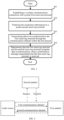
- FIG. 3 A flowchart of the data communication method in this embodiment is shown in FIG. 3 , including:
- Steps 301 to 302 are respectively the same with Steps 101 to 102, and thus are not repeated here.
- Step 303 transmitting data to be synchronized to the first receiving terminal through the communication channel within the first time period.
- the data to be synchronized is the data transmitted from the transmitting terminal in the communication channel.
- the transmitting terminal is an audio source
- the first receiving terminal is a first speaker
- the data to be synchronized is an audio data packet.
- the transmitting terminal is a mechanical arm controller
- the first receiving terminal is a first mechanical arm
- the data to be synchronized may be control information for the mechanical arm.
- the connection information notified from the transmitting terminal to the second receiving terminal is used to instruct the second receiving terminal to monitor communication data in the communication channel.
- the second receiving terminal knows after monitoring the data to be synchronized, the data required to be transmitted to the first receiving terminal is transmitted to the communication channel within the second time period.
- the data required to be transmitted to the first receiving terminal is used to indicate whether the data to be synchronized acquired by the second receiving terminal is correct.
- the second receiving terminal knowing the data to be synchronized may be understood as: the second receiving terminal acquiring the data to be synchronized in the communication channel after monitoring.
- the data to be synchronized may carry a synchronization identifier to enable the first receiving terminal and the second receiving terminal to identify whether the data in the current communication channel is the data to be synchronized.
- the second receiving terminal After the second receiving terminal knows after monitoring the data to be synchronized transmitted from the transmitting terminal in the communication channel, i.e., the second receiving terminal acquires the data to be synchronized in the communication channel, then it may be judged whether the acquired data to be synchronized is correct according to a preset verification mechanism. If it is determined that the acquired data to be synchronized is correct, it is determined that the data required to be transmitted to the first receiving terminal is a confirmation message, and the confirmation message is transmitted to the communication channel. In implementation, the confirmation message may be acknowledgement (ACK). When the first receiving terminal receives the ACK transmitted from the second receiving terminal, it may be determined that the second receiving terminal has received the correct data to be synchronized.
- ACK acknowledgement
- the second receiving terminal determines that the acquired data to be synchronized is incorrect, that is, the acquired data to be synchronized is abnormal, it is determined that the data required to be transmitted to the first receiving terminal is a reception error message, and further the reception error message is transmitted to the communication channel.
- the reception error message may be negative acknowledgement (NACK). Therefore, the first receiving terminal may sequentially receive the data to be synchronized transmitted from the transmitting terminal and the data transmitted from the second receiving terminal through the communication channel. It may be appreciated that, in implementation, if a problem occurs in data transmission, the first receiving terminal may not have received the data to be synchronized transmitted from the transmitting terminal and/or the data transmitted from the second receiving terminal.
- Step 304 determining that the first receiving terminal and the second receiving terminal complete data synchronization, when a confirmation message transmitted from the first receiving terminal is received.
- the confirmation message is a message transmitted from the first receiving terminal when a preset condition is met.
- the preset condition is that the first receiving terminal receives preset data from the second receiving terminal and that the first receiving terminal determines that the received data to be synchronized is correct.
- the preset data is used for indicating that the data to be synchronized known after monitoring by the second receiving terminal is correct.
- the preset data may be ACK transmitted from the second receiving terminal.
- the first receiving terminal transmits a confirmation message to the transmitting terminal.
- the transmitting terminal determines that the first receiving terminal and the second receiving terminal have completed the data synchronization.
- the second receiving terminal may know the confirmation message transmitted from the first receiving terminal in the communication channel between the first receiving terminal and the transmitting terminal, so as to determine that the first receiving terminal has received the correct data to be synchronized. That is, the first receiving terminal and the second receiving terminal may mutually know whether the other party receives the correct data to be synchronized.
- the second receiving terminal when the second receiving terminal knows the confirmation message transmitted from the first receiving terminal, the second receiving terminal may perform an operation instructed by the data to be synchronized. If the second receiving terminal does not know the confirmation message transmitted from the first receiving terminal, the second receiving terminal may not perform any operation.
- the first receiving terminal and the second receiving terminal may perform the operation instructed by the data to be synchronized.
- the transmitting terminal is an audio source
- the first receiving terminal and the second receiving terminal are a first speaker and a second speaker, respectively
- the data to be synchronized is an audio data packet transmitted from the audio source.
- the first speaker and the second speaker may perform the operation of playing audio according to the received audio data packet.
- the transmitting terminal is a mechanical arm controller
- the first receiving terminal and the second receiving terminal are a first mechanical arm and a second mechanical arm, respectively.
- the data to be synchronized is the control information of the mechanical arm transmitted from the mechanical arm controller.
- the first mechanical arm and the second mechanical arm may perform control operation for the mechanical arm and the mechanical arm respectively, according to the received control information.
- the first receiving terminal is the first speaker
- the second receiving terminal is the second speaker
- the transmitting terminal is the audio source.
- the data to be synchronized transmitted by the audio source is an audio data packet.
- a wireless communication connection is established between the first speaker and the audio source through a preset communication protocol.
- the preset communication protocol may be a standard wireless protocol or a proprietary protocol, or a combination of a standard protocol and a proprietary protocol.
- the first speaker may notify the connection information of the connection established between the first speaker and the audio source to the second speaker through directional broadcasting.
- the connection information includes the information of the communication channel between the first speaker and the audio source, a communication frequency of the communication channel.
- the second speaker may monitor the communication channel between the first speaker and the audio source, for example, a first communication channel and a second communication channel in FIG. 4 , so as to acquire the communication data between the first speaker and the audio source.
- the second speaker may transmit data to the first communication channel between the first speaker and the audio source without affecting the communication between the first speaker and the audio source.
- the first speaker may continuously receive data in the communication channel between the first speaker and the audio source within a preset time slice (for example, a time period specified by a standard wireless communication protocol), and in this case, may receive data transmitted from the second speaker.
- the second speaker may continuously monitor communication data in the first communication channel, and acquire an audio data packet when knowing after monitoring the audio data packet transmitted from the audio source. According to the preset verification mechanism, it is judged whether the acquired audio data packet is a correct audio data packet. If it is a correct audio data packet, a confirmation message is replied in the first communication channel.
- the first speaker may receive the audio data packet transmitted from the audio source and the confirmation message transmitted from the second speaker through the first communication channel. Then, the first speaker may also determine whether the received audio data packet is a correct audio data packet according to the preset verification mechanism.
- the first speaker transmits a confirmation message in the second communication channel, and the second speaker may know the confirmation message transmitted from the first speaker in the second communication channel.
- the first speaker and the second speaker complete data synchronization, that is, an audio data packet of the audio source is transmitted to the first speaker and the second speaker at the same time, and the first speaker and the second speaker mutually know that the other party has received the correct audio data packet.
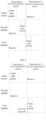
- FIG. 5 may be referred to for a communication process in which both the first speaker and the second speaker receive a correct audio data packet.
- the first speaker and the second speaker receive the audio data packet transmitted from the audio source through the first communication channel within a preset time slice n. It is seen from the FIG. 5 that the audio data packet transmitted from the audio source does not occupy the entire time slice n, but a spare time is reserved in the time slice n for the second speaker to transmit data.
- the second speaker After completing reception of the audio data packet, the second speaker then transmits a confirmation message ACK to the first communication channel within the reserved spare time.
- the first speaker receives the audio data packet and the ACK transmitted from the second speaker sequentially.
- the first speaker replies a confirmation message ACK to the audio source in the second communication channel within a time slice n+1.
- the first communication channel and the second communication channel indicate different communication frequencies.
- the specific value of the communication frequency is not defined, but may be set according to an actual requirement in implementation.
- FIG. 6 may be referred to for a communication process in which the audio data packet received by the second speaker is a wrong audio data packet.
- the first speaker and the second speaker receive an audio data packet transmitted from the audio source in the first communication channel within the preset time slice n.
- the second speaker finds that the received audio data packet is wrong, then the second speaker transmits a reception error message NACK in the first communication channel.
- the first speaker successively receives the audio data packet and the NACK transmitted from the second speaker, and then the first speaker replies to the audio source with a reception error message NACK through the second communication channel in the time slice n+1.
- the audio source may resend the original audio data packet, or discard the original audio data packet and then transmit a next audio data packet, according to an actual requirement.
- FIG. 7 may be referred to for a communication process in which the first speaker receives only the audio data packet but does not receive the data transmitted from the second speaker.
- the first speaker and the second speaker receive the audio data packet transmitted from the audio source through the first communication channel in the preset time slice n.
- the first speaker only receives the audio data packet but does not receive an ACK transmitted from second speaker in the time slice n, so the first speaker replies to the audio source with a reception error message NACK in the second communication channel in the time slice n+1.
- the audio source may resend the original audio data packet, or discard the original audio data packet and then transmit a next audio data packet, according to an actual requirement.
- FIG. 8 may be referred to for a communication process in which the first speaker does not receive any data.
- the audio source transmits an audio data packet through the first communication channel in the preset time slice n, and the second speaker transmits an ACK through the first communication channel after receiving the audio data packet. But the first speaker does not receive any data, and then the first speaker may not make any response.
- this embodiment is advantageous for performing data synchronization between the first receiving terminal and the second receiving terminal without establishing a wireless connection between the first receiving terminal and the second receiving terminal.
- a third embodiment of the present disclosure relates to a data communication method applied to a second receiving terminal.
- Implementation details of this embodiment are described in the following. The following content is to facilitate understanding the implementation details, but is not indispensable for implementing this solution.
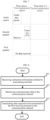
- FIG. 9 may be referred to for a specific process of the data communication method in this embodiment, including: Step 401: receiving connection information.
- connection information is notified to the second receiving terminal after a wireless communication connection is established between a transmitting terminal and a preset first receiving terminal;
- the connection information includes information of a communication channel for performing wireless communication between the transmitting terminal and the first receiving terminal; and the connection information is used to instruct the second receiving terminal to monitor communication data in the communication channel.
- the communication channel for performing wireless communication between the transmitting terminal and the first receiving terminal includes a first communication channel and a second communication channel.
- the first communication channel is a communication channel for the transmitting terminal to transmit data to the first receiving terminal
- the second communication channel is a communication channel for the first receiving terminal to transmit data to the transmitting terminal.
- the information of the communication channel for performing wireless communication between the transmitting terminal and the first receiving terminal includes: a communication frequency of the first communication channel and a communication frequency of the second communication channel.
- the wireless communication connection established between the transmitting terminal and the first receiving terminal is a Bluetooth connection
- the second receiving terminal may receive the connection information through broadcasting.
- the second receiving terminal may receive connection information notified from the transmitting terminal and/or the first receiving terminal.
- that the transmitting terminal notifies the connection information to the second receiving terminal is advantageous for reducing power consumption of the first receiving terminal.
- Step 402 monitoring the communication data in the communication channel.
- Step 403 transmitting data required to be transmitted to the first receiving terminal to the communication channel.
- a first time period for the transmitting terminal to transmit data in the communication channel does not overlap a second time period for the second receiving terminal to transmit data in the communication channel.
- the second receiving terminal may transmit the data required to be transmitted to the first receiving terminal to the communication channel if the second receiving terminal knows after monitoring the communication data in the communication channel.
- the first time period and the second time period are acquired through a preset time slice division, and the preset time slice is a time slice predetermined for the first receiving terminal to receive data.
- the wireless communication connection established between the transmitting terminal and the first receiving terminal is a wireless communication connection established based on a preset proprietary protocol; and a duration of the preset time slice is determined according to the number of the second receiving terminal, and the greater the number of the second receiving terminal, the longer the second time period by the preset time slice division.
- the second receiving terminal knows after monitoring that the transmitting terminal transmits data to the first receiving terminal through the communication channel within the first time period, then the data required to be transmitted to the first receiving terminal from the second receiving terminal is transmitted to the communication channel within the second time period.
- the data required to be transmitted to the first receiving terminal is used to indicate whether the data transmitted from the transmitting terminal and known after monitoring by the second receiving terminal is correct.
- the data transmitted from the transmitting terminal is data to be synchronized. It is determined that the first receiving terminal and the second receiving terminal complete data synchronization, when the transmitting terminal receives a confirmation message transmitted from the first receiving terminal.
- the confirmation message is a message transmitted from the first receiving terminal when a preset condition is met; the preset condition is that the first receiving terminal receives preset data from the second receiving terminal and that the first receiving terminal determines that the data received to be synchronized is correct, the preset data being used for indicating that the data to be synchronized known after monitoring by the second receiving terminal is correct.
- the step of transmitting the data required to be transmitted to the first receiving terminal to the communication channel includes: transmitting the data required to be transmitted to the first receiving terminal to the communication channel in a preset order.
- the data communication method in this embodiment is applied to the second receiving terminal, while the data communication methods in the first and second embodiments are applied to the transmitting terminal.
- This embodiment may be implemented in coordination with the first and second embodiments.
- the technical details and technical effects disclosed in the first and second embodiments also work in this embodiment and are not repeated herein.
- the technical details in this embodiment also work in the first and second embodiments.
- a fourth embodiment of the present disclosure relates to a data communication method applied to a first receiving terminal.
- Implementation details of this embodiment are described in the following. The following content is to facilitate understanding the implementation details, but is not indispensable for implementing this solution.
- FIG. 10 may be referred to for a specific process of the data communication method in this embodiment, including:
- connection information includes information of a communication channel for performing wireless communication between the transmitting terminal and the first receiving terminal.
- the connection information is used to instruct the second receiving terminal to monitor communication data in the communication channel.
- the second receiving terminal knows after monitoring the communication data, the second receiving terminal transmits data required to be transmitted to the first receiving terminal to the communication channel.
- a first time period for the first receiving terminal to receive data transmitted from the transmitting terminal in the communication channel does not overlap a second time period for receiving data transmitted from the second receiving terminal.
- the first time period for the first receiving terminal to receive data transmitted from the transmitting terminal in the communication channel is understood as a first time period for the transmitting terminal to transmit data in the communication channel.
- the second time period for the first receiving terminal to receive the data transmitted from the second receiving terminal in the communication channel is understood as a second time period for the second receiving terminal to transmit data in the communication channel.
- the first receiving terminal may distinguish whether the received data is transmitted from the transmitting terminal or the second receiving device through reference information such as a device identifier and an ending identifier.
- the wireless communication connection is a Bluetooth connection
- the first receiving terminal notifies the connection information to the preset second receiving terminal through broadcasting.
- the data communication method in this embodiment is applied to the first receiving terminal
- the data communication methods in the first and second embodiments are applied to the transmitting terminal
- the data communication method in the third embodiment is applied to the second receiving terminal.
- This embodiment may be implemented in coordination with the first, second and third embodiments.
- the technical details and technical effects disclosed in the first, second and third embodiments also work in this embodiment and are not repeated herein.
- the technical details in this embodiment also work in the first, second and third embodiments.
- step division in the above methods is only for clarifying description.
- the steps may be combined into one step or one step may be divided into a plurality of steps, and these steps are included in the protection scope of the present disclosure as long as the same logical relationship are included in the steps.
- Dispensable amendments or designs added to an algorithm or a process are included in the protection scope of the present disclosure as long as the algorithm and a core design are not changed by the amendments or designs.
- a fifth embodiment of the present disclosure relates to a data communication system, as shown in FIG. 11 , including: a transmitting terminal 601, a first receiving terminal 602 and a second receiving terminal 603.
- the transmitting terminal 601 is configured to notify connection information to a preset second receiving terminal 603 after establishing a wireless communication connection with a preset first receiving terminal 602.
- the connection information includes information of a communication channel for performing wireless communication between the transmitting terminal 601 and the first receiving terminal 602.
- the connection information is used to instruct the second receiving terminal 603 to monitor communication data in the communication channel.
- the second receiving terminal 603 is configured to monitor the communication data in the communication channel, and to transmit data required to be transmitted to the first receiving terminal 602 to the communication channel.
- a first time period for the transmitting terminal 601 to transmit data in the communication channel does not overlap a second time period for the second receiving terminal 603 to transmit data in the communication channel.
- the solid line in FIG. 11 indicates a wireless communication connection is established between the transmitting terminal 601 and the first receiving terminal 602.
- the dotted line in FIG. 11 indicates that in a case where no wireless communication connection is established between the second receiving terminal 603 and the transmitting terminal 601, and no wireless communication connection is established between the second receiving terminal 603 and the first receiving terminal 602, the second receiving terminal 603 may monitor the communication channel between the first receiving terminal 602 and the transmitted terminal 601, and transmit data to the communication channel.
- this embodiment is a system embodiment corresponding to the first to fourth embodiments, and this embodiment may be implemented in coordination with the first to fourth embodiments.
- Related technical details and technical effects in the first to fourth embodiments still work in this embodiment and are not repeated herein.
- the related technical details in this embodiment may also be applied to the first to fourth embodiments.
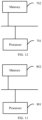
- a sixth embodiment of the present disclosure relates to an electronic device, as shown in FIG. 12 , including at least one processor 701 and a memory 702 in communication connection with the at least one processor 701.
- the memory 702 stores an instruction executable by the at least one processor 701, and the instruction is executable by the at least one processor 701.
- the at least one processor may implement the data communication method in the first or second embodiment.
- the at least one processor may implement the data communication method according to the third embodiment.
- the at least one processor may implement the data communication method according to the fourth embodiment.
- the bus may include any number of interconnected buses and bridges.
- the bus connects various circuits of one or more processors 701 and memories 702 together.
- the bus may also connect various other circuits of peripheral devices, voltage regulators, and power management circuits, etc., which are all known in the art. Therefore, no further description is provided on the bus herein.
- a bus interface provides an interface between the bus and a transceiver.
- the transceiver may be one element or multiple elements, such as multiple receivers and transmitters, providing a unit for communicating with various other devices on a transmission medium.
- Data processed by the processor 701 is transmitted on a wireless medium through an antenna, and further, the antenna also receives data and transmits the data to the processor 701.
- the processor 701 is responsible for managing the bus and general processing, and may also provide various functions such as timing, a peripheral interface, voltage regulation, power management, and other control functions.
- the memory 702 may be used to store data used by the processor 701 when performing operations.
- a seventh embodiment of the present disclosure relates to a chip, as shown in FIG. 13 , including at least one processor 801 and a memory 802 in communication connection with the at least one processor 801.
- the memory 802 stores an instruction executable by the at least one processor 801, and the instruction is executable by the at least one processor 801, so that the at least one processor 801 may implement the data communication method according to the first or second embodiment, or implement the data communication method according to the third embodiment, or implement the data communication method according to the fourth embodiment.
- the bus may include any number of interconnected buses and bridges.
- the bus connects various circuits of one or more processors 801 and memories 802 together.
- the bus may also connect various other circuits of peripheral devices, voltage regulators, and power management circuits, etc., which are all known in the art. Therefore, no further description is provided on the bus herein.
- a bus interface provides an interface between the bus and a transceiver.
- the transceiver may be one element or multiple elements, such as multiple receivers and transmitters, providing a unit for communicating with various other devices on a transmission medium.
- Data processed by the processor 801 is transmitted on a wireless medium through an antenna, and further, the antenna also receives data and transmits the data to the processor 801.
- the processor 801 is responsible for managing the bus and general processing, and may also provide various functions such as timing, a peripheral interface, voltage regulation, power management, and other control functions.
- the memory 802 may be used to store data used by the processor 801 when performing operations.
- An eighth embodiment of the present disclosure relates to a computer readable storage medium, storing a computer program.
- the computer program When implemented by a processor, the computer program implements the above method embodiments.
- the program is stored in a storage medium, and includes a number of instructions to enable one device (which may be a single-chip microcomputer or a chip) or processor to implement all or some steps of the method in the embodiments of the present disclosure.
- the storage medium may be a USB, a mobile hard disc, a read-only memory, a random access memory, a magnetic disc or an optical disc, and the like that may store program codes.
Landscapes
- Engineering & Computer Science (AREA)
- Signal Processing (AREA)
- Computer Networks & Wireless Communication (AREA)
- Multimedia (AREA)
- Physics & Mathematics (AREA)
- Electromagnetism (AREA)
- Mobile Radio Communication Systems (AREA)
Claims (13)
- Procédé de communication de données appliqué à un terminal de transmission, comprenant :la notification (102, 302) d'informations de connexion à un deuxième terminal de réception prédéfini après avoir établi (101, 301) une connexion de communication sans fil avec un premier terminal de réception prédéfini ;dans lequel les informations de connexion comprennent des informations d'un canal de communication pour réaliser une communication sans fil entre le terminal de transmission et le premier terminal de réception, dans lequel les informations du canal de communication comprennent une fréquence de communication du canal de communication ; dans lequel les informations de connexion sont utilisées pour ordonner au deuxième terminal de réception de contrôler des données de communication dans le canal de communication, pour permettre au deuxième terminal de réception de transmettre au canal de communication des données devant être transmises au premier terminal de réception, lorsque les données de communication sont connues après contrôle par le deuxième terminal de réception, de sorte que les données soient transmises du terminal de transmission et du deuxième terminal de réception au premier terminal de réception par le biais d'un même canal de communication ;dans lequel une première période de temps pendant laquelle le terminal de transmission transmet des données dans le canal de communication ne chevauche pas une deuxième période de temps pendant laquelle le deuxième terminal de réception transmet des données dans le canal de communication ; etdans lequel la première période de temps et la deuxième période de temps sont acquises par une division de tranche de temps prédéfinie, et la tranche de temps prédéfinie est une tranche de temps prédéterminée où le premier terminal de réception reçoit des données, dans lequelaprès la notification des informations de connexion au deuxième terminal de réception prédéfini, le procédé comprend en outre :la transmission de données au premier terminal de réception par le biais du canal de communication dans la première période de temps ;dans lequel les informations de connexion sont utilisées pour ordonner au deuxième terminal de réception de contrôler des données transmises du terminal de transmission dans le canal de communication, pour permettre au deuxième terminal de réception de transmettre au canal de communication des données devant être transmises au premier terminal de réception dans la deuxième période de temps, lorsque les données transmises du terminal de transmission sont connues après contrôle par le deuxième terminal de réception ; etdans lequel les données devant être transmises au premier terminal de réception sont utilisées pour indiquer si les données transmises du terminal de transmission et connues après contrôle par le deuxième terminal de réception sont correctes.
- Procédé de communication de données selon la revendication 1, dans lequel les données transmises du terminal de transmission sont des données à synchroniser, et le procédé de communication de données comprend en outre :la détermination du fait que le premier terminal de réception et le deuxième terminal de réception achèvent une synchronisation des données lorsqu'un message de confirmation transmis du premier terminal de réception est reçu ;dans lequel le message de confirmation est un message transmis du premier terminal de réception lorsqu'une condition prédéfinie est remplie ; la condition prédéfinie est que le premier terminal de réception reçoive des données prédéfinies du deuxième terminal de réception et que le premier terminal de réception détermine que les données reçues à synchroniser sont correctes, les données prédéfinies étant utilisées pour indiquer que les données à synchroniser connues après contrôle par le deuxième terminal de réception sont correctes.
- Procédé de communication de données selon la revendication 1 ou 2, dans lequel le canal de communication pour réaliser une communication sans fil entre le terminal de transmission et le premier terminal de réception comprend : un premier canal de communication et un deuxième canal de communication ;dans lequel le premier canal de communication est un canal de communication pour que le terminal de transmission transmette des données au premier terminal de réception, et le deuxième canal de communication est un canal de communication pour que le premier terminal de réception transmette des données au terminal de transmission ; et,dans lequel des informations du canal de communication pour réaliser une communication sans fil entre le terminal de transmission et le premier terminal de réception comprennent : une fréquence de communication du premier canal de communication et une fréquence de communication du deuxième canal de communication.
- Procédé de communication de données selon la revendication 1, dans lequel la connexion de communication sans fil établie entre le terminal de transmission et le premier terminal de réception est une connexion de communication sans fil établie sur la base d'un protocole propriétaire prédéfini ;
une durée de la tranche de temps prédéfinie est déterminée selon le nombre de deuxièmes terminaux de réception, et plus le nombre de deuxièmes terminaux de réception est grand, plus la deuxième période de temps obtenue par la division de tranche de temps prédéfinie est longe. - Procédé de communication de données selon la revendication 1 ou 2, dans lequel il y a N deuxièmes terminaux de réception, N étant un nombre naturel supérieur à 1 ;dans lequel les informations de connexion sont utilisées pour ordonner au N deuxièmes terminaux de réception de contrôler des données de communication dans le canal de communication, et pour permettre aux N deuxièmes terminaux de réception de transmettre au canal de communication des données devant être transmises au premier terminal de réception dans un ordre prédéfini ; et/ou,dans lequel la connexion de communication sans fil est une connexion Bluetooth ; et la notification des informations de connexion au deuxième terminal de réception prédéfini comprend :
la notification des informations de connexion au deuxième terminal de réception prédéfini par le biais d'une diffusion. - Procédé de communication de données, appliqué à un premier terminal de réception, comprenant :la notification (502) d'informations de connexion à un deuxième terminal de réception prédéfini après avoir établi (501) une connexion de communication sans fil avec un terminal de transmission ;dans lequel les informations de connexion comprennent des informations d'un canal de communication pour réaliser une communication sans fil entre le terminal de transmission et le premier terminal de réception, dans lequel les informations du canal de communication comprennent une fréquence de communication du canal de communication ; les informations de connexion sont utilisées pour ordonner au deuxième terminal de réception de contrôler des données de communication dans le canal de communication, pour permettre au deuxième terminal de réception de transmettre au canal de communication des données devant être transmises au premier terminal de réception, lorsque les données de communication sont connues après contrôle par le deuxième terminal de réception, dans lequel les données devant être transmises au premier terminal de réception sont utilisées pour indiquer si les données de communication dans le canal de communication après contrôle par le deuxième terminal de réception sont correctes ; etdans lequel une première période de temps pendant laquelle le premier terminal de réception reçoit des données transmises du terminal de transmission ne chevauche pas une deuxième période de temps pour recevoir des données transmises du deuxième terminal de réception dans le canal de communication ; etdans lequel la première période de temps et la deuxième période de temps sont acquises par une division de tranche de temps prédéfinie, et la tranche de temps prédéfinie est une tranche de temps prédéterminée où le premier terminal de réception reçoit des données.
- Procédé de communication de données selon la revendication 6, dans lequel la connexion de communication sans fil est une connexion Bluetooth ; et la notification des informations de connexion au deuxième terminal de réception prédéfini comprend :
la notification des informations de connexion au deuxième terminal de réception prédéfini par le biais d'une diffusion. - Procédé de communication de données, appliqué à un deuxième terminal de réception, comprenant :la réception (401) d'informations de connexion ; dans lequel les informations de connexion sont notifiées après qu'un terminal de transmission et qu'un premier terminal de réception prédéfini ont établi une connexion de communication sans fil ; les informations de connexion comprennent des informations d'un canal de communication pour réaliser une communication sans fil entre le terminal de transmission et le premier terminal de réception ; dans lequel les informations du canal de communication comprennent une fréquence de communication du canal de communication, et les informations de connexion sont utilisées pour ordonner au deuxième terminal de réception de contrôler des données de communication dans le canal de communication ;le contrôle (402) des données de communication dans le canal de communication ; etla transmission (403) au canal de communication de données devant être transmises au premier terminal de réception, pour permettre au terminal de transmission et au deuxième terminal de réception de transmettre des données au premier terminal de réception par le biais d'un même canal de communication ; dans lequel une première période de temps pendant laquelle le terminal de transmission transmet des données dans le canal de communication ne chevauche pas une deuxième période de temps pendant laquelle le deuxième terminal de réception transmet des données dans le canal de communication ; et dans lequel la première période de temps et la deuxième période de temps sont acquises par une division de tranche de temps prédéfinie, et la tranche de temps prédéfinie est une tranche de temps prédéterminée où le premier terminal de réception reçoit des données ;dans lequel la transmission au canal de communication des données devant être transmises au premier terminal de réception comprend :la transmission au canal de communication des données devant être transmises au premier terminal de réception au cours de la deuxième période de temps, lorsque des données transmises du terminal de transmission au premier terminal de réception par le biais du canal de communication au cours de la première période de temps sont connues après contrôle ;dans lequel les données devant être transmises au premier terminal de réception sont utilisées pour indiquer si les données transmises du terminal de transmission et connues après contrôle par le deuxième terminal de réception sont correctes.
- Procédé de communication de données selon la revendication 8, dans lequel les données transmises du terminal de transmission sont des données à synchroniser, et le procédé de communication de données comprend en outre :la détermination du fait que le premier terminal de réception et le deuxième terminal de réception achèvent une synchronisation des données lorsqu'un message de confirmation transmis du premier terminal de réception est reçu par le terminal de transmission ;dans lequel le message de confirmation est un message transmis du premier terminal de réception lorsqu'une condition prédéfinie est remplie ; la condition prédéfinie est que des données prédéfinies soient reçues par le premier terminal de réception du deuxième terminal de réception et que les données reçues à synchroniser soient déterminées par le premier terminal de réception comme étant correctes, les données prédéfinies étant utilisées pour indiquer que les données à synchroniser connues après contrôle par le deuxième terminal de réception sont correctes.
- Procédé de communication de données selon la revendication 8 ou la revendication 9, dans lequel le canal de communication pour réaliser une communication sans fil entre le terminal de transmission et le premier terminal de réception comprend : un premier canal de communication et un deuxième canal de communication ;dans lequel le premier canal de communication est un canal de communication pour que le terminal de transmission transmette des données au premier terminal de réception, et le deuxième canal de communication est un canal de communication pour que le premier terminal de réception transmette des données au terminal de transmission ; et,dans lequel les informations du canal de communication pour réaliser une communication sans fil entre le terminal de transmission et le premier terminal de réception comprennent : une fréquence de communication du premier canal de communication et une fréquence de communication du deuxième canal de communication.
- Procédé de communication de données selon la revendication 8, dans lequel la connexion de communication sans fil établie entre le terminal de transmission et le premier terminal de réception est une connexion de communication sans fil établie sur la base d'un protocole propriétaire prédéfini ; et
une durée de la tranche de temps prédéfinie est déterminée selon le nombre de deuxièmes terminaux de réception, et plus le nombre de deuxièmes terminaux de réception est grand, plus la deuxième période de temps obtenue par la division de tranche de temps prédéfinie est longe. - Procédé de communication de données selon la revendication 8 ou la revendication 9, dans lequel il y a N deuxièmes terminaux de réception, N étant un nombre naturel supérieur à 1 ;
dans lequel la transmission au canal de communication des données devant être transmises au premier terminal de réception comprend :
la transmission au canal de communication des données devant être transmises au premier terminal de réception dans un ordre prédéfini. - Procédé de communication de données selon la revendication 8 ou la revendication 9, dans lequel la connexion de communication sans fil est une connexion Bluetooth, et la réception des informations de connexion comprend :
la réception des informations de connexion par le biais d'une diffusion ; et/ou dans lequel la réception des informations de connexion comprend :
la réception des informations de connexion notifiées par le terminal de transmission et/ou le premier terminal de réception.
Applications Claiming Priority (1)
| Application Number | Priority Date | Filing Date | Title |
|---|---|---|---|
| CN202010439376.8A CN111356089B (zh) | 2020-05-22 | 2020-05-22 | 数据通信方法、系统、电子设备、芯片和存储介质 |
Publications (2)
| Publication Number | Publication Date |
|---|---|
| EP3914032A1 EP3914032A1 (fr) | 2021-11-24 |
| EP3914032B1 true EP3914032B1 (fr) | 2023-06-07 |
Family
ID=71196627
Family Applications (1)
| Application Number | Title | Priority Date | Filing Date |
|---|---|---|---|
| EP20205200.7A Active EP3914032B1 (fr) | 2020-05-22 | 2020-11-02 | Procédés et systèmes de communication. |
Country Status (4)
| Country | Link |
|---|---|
| US (2) | US10986683B1 (fr) |
| EP (1) | EP3914032B1 (fr) |
| KR (1) | KR102333306B1 (fr) |
| CN (2) | CN111356089B (fr) |
Families Citing this family (3)
| Publication number | Priority date | Publication date | Assignee | Title |
|---|---|---|---|---|
| KR102496522B1 (ko) * | 2020-10-27 | 2023-02-06 | 준기 이 | 0과 1을 이용한 영어 학습 방법, 장치, 시스템 및 교재 |
| WO2022094813A1 (fr) * | 2020-11-04 | 2022-05-12 | 深圳市汇顶科技股份有限公司 | Procédé de communication synchrone, dispositif électronique et support de stockage |
| CN117580130A (zh) * | 2023-11-13 | 2024-02-20 | 深圳市汇顶科技股份有限公司 | 一种数据通讯监听方法及装置、系统 |
Family Cites Families (31)
| Publication number | Priority date | Publication date | Assignee | Title |
|---|---|---|---|---|
| KR100680734B1 (ko) * | 2000-10-30 | 2007-02-09 | 삼성전자주식회사 | 블루투스 통신용 마스터기기 및 그 비콘채널 형성방법 |
| US8730884B2 (en) * | 2009-10-20 | 2014-05-20 | Electronics And Telecommunications Research Institute | Method for managing resources in high capacity wireless communication system |
| US8660542B2 (en) * | 2011-12-20 | 2014-02-25 | Motorola Solutions, Inc. | Method and apparatus for allocating frequencies among multiple talkgroups |
| KR20140124088A (ko) * | 2013-04-16 | 2014-10-24 | 삼성전자주식회사 | 무선 통신 시스템에서 단말간 직접 통신을 수행하는 장치 및 방법 |
| CN105393483B (zh) * | 2013-08-02 | 2018-12-07 | 华为技术有限公司 | 一种多接入点的通信方法、装置及系统 |
| KR20150052798A (ko) * | 2013-11-06 | 2015-05-14 | 주식회사 케이티 | 무선랜 시스템에서 데이터 송수신 방법 및 장치 |
| CN103945564A (zh) * | 2014-04-30 | 2014-07-23 | Tcl集团股份有限公司 | 一种无线网络连接方法、系统及无线接入点设备 |
| US9867153B2 (en) * | 2014-12-18 | 2018-01-09 | Qualcomm Incorporated | Distributed synchronization of IoE devices |
| CN105161124B (zh) * | 2015-09-02 | 2017-11-17 | 广东欧珀移动通信有限公司 | 一种多播放设备的音频播放方法及装置 |
| CN113382101B (zh) * | 2016-07-19 | 2025-05-27 | 霍尼韦尔国际公司 | 用于耳罩的群组会话特征 |
| CN106535081A (zh) * | 2016-12-20 | 2017-03-22 | 建荣半导体(深圳)有限公司 | 蓝牙模式切换方法、装置、通信系统及立体声音频传输方法 |
| KR102458486B1 (ko) * | 2017-02-09 | 2022-10-25 | 삼성전자 주식회사 | 근거리 무선 통신 시스템에서 디바이스의 연결 방법 및 장치 |
| US10560909B2 (en) * | 2017-02-17 | 2020-02-11 | Texas Instrumetns Incorporated | Signal analyzer and synchronizer for networks |
| US10834738B2 (en) * | 2017-06-02 | 2020-11-10 | Apple Inc. | Optimized Bluetooth scheduling for accessory devices |
| KR102350498B1 (ko) | 2017-07-31 | 2022-01-14 | 삼성전자주식회사 | 외부 장치를 통해 오디오 신호를 재생하기 위한 전자 장치 및 그의 동작 방법 |
| KR102336612B1 (ko) * | 2017-08-09 | 2021-12-07 | 삼성전자주식회사 | 외부 전자 장치의 통신 설정 정보를 이용하여 오디오 신호를 수신하기 위한 전자 장치 및 그의 동작 방법 |
| CN107894881A (zh) * | 2017-10-18 | 2018-04-10 | 恒玄科技(上海)有限公司 | 蓝牙耳机的主从连接切换、通话监听和麦克切换的方法 |
| US10085216B1 (en) | 2017-11-09 | 2018-09-25 | Shenzhen GOODIX Technology Co., Ltd. | Balanced wireless data transmission |
| TWI668972B (zh) * | 2018-02-13 | 2019-08-11 | 絡達科技股份有限公司 | 無線音訊輸出裝置 |
| CN108429949A (zh) * | 2018-03-21 | 2018-08-21 | 恒玄科技(上海)有限公司 | 一种适于蓝牙耳机的蓝牙音频混合通信方法 |
| CN108683976A (zh) * | 2018-05-15 | 2018-10-19 | 深圳市创视微智能技术有限公司 | 基于单向通信的无线麦克风变频技术 |
| CN108900981A (zh) * | 2018-05-30 | 2018-11-27 | 歌尔股份有限公司 | 蓝牙音频数据的传输方法、装置及系统 |
| CN112335328B (zh) | 2018-06-29 | 2023-01-13 | 华为技术有限公司 | 传输音频数据的方法、系统及无线音频系统 |
| CN109495868B (zh) * | 2018-11-22 | 2021-08-31 | 重庆物奇科技有限公司 | 蓝牙设备、蓝牙设备间的组网方法和蓝牙通信系统 |
| CN109495867B (zh) * | 2018-11-22 | 2021-09-10 | 重庆物奇科技有限公司 | 蓝牙设备、蓝牙设备间信息传输的方法和蓝牙通信系统 |
| CN109327829A (zh) | 2018-11-22 | 2019-02-12 | 重庆物奇科技有限公司 | 蓝牙设备、蓝牙通信系统及设备间传输指令的方法 |
| US11343853B2 (en) * | 2019-02-13 | 2022-05-24 | Qualcomm Incorporated | Sharing a transmission opportunity of a wireless communication medium |
| CN109905925B (zh) * | 2019-05-10 | 2019-08-16 | 恒玄科技(上海)有限公司 | 无线设备组件及无线设备组件的通信方法 |
| CN110381490B (zh) | 2019-07-24 | 2022-04-22 | 恒玄科技(上海)股份有限公司 | 一种用于无线耳机的通信方法、无线耳机和无线设备 |
| CN110831246B (zh) | 2019-11-11 | 2023-04-18 | 展讯通信(上海)有限公司 | 数据传输方法及装置 |
| CN111163450A (zh) * | 2019-12-26 | 2020-05-15 | 重庆物奇科技有限公司 | 一种用于无线通信系统的设备通信方法及系统 |
-
2020
- 2020-05-22 CN CN202010439376.8A patent/CN111356089B/zh active Active
- 2020-05-22 CN CN202011125921.2A patent/CN112203238B/zh active Active
- 2020-10-30 US US17/086,286 patent/US10986683B1/en active Active
- 2020-11-02 EP EP20205200.7A patent/EP3914032B1/fr active Active
-
2021
- 2021-01-20 KR KR1020210007929A patent/KR102333306B1/ko active Active
- 2021-03-19 US US17/206,154 patent/US11528764B2/en active Active
Also Published As
| Publication number | Publication date |
|---|---|
| CN112203238B (zh) | 2022-08-02 |
| US20210368566A1 (en) | 2021-11-25 |
| CN111356089A (zh) | 2020-06-30 |
| KR102333306B1 (ko) | 2021-12-02 |
| EP3914032A1 (fr) | 2021-11-24 |
| KR20210145072A (ko) | 2021-12-01 |
| US10986683B1 (en) | 2021-04-20 |
| US11528764B2 (en) | 2022-12-13 |
| CN112203238A (zh) | 2021-01-08 |
| CN111356089B (zh) | 2020-11-20 |
Similar Documents
| Publication | Publication Date | Title |
|---|---|---|
| EP3914032B1 (fr) | Procédés et systèmes de communication. | |
| EP4075701A1 (fr) | Procédé et appareil de réception de données pour casque bluetooth, dispositif et support d'enregistrement | |
| CN106909337B (zh) | 在无线耳机组中选择主耳机的方法、电子装置及无线耳机 | |
| CN111510899B (zh) | 一种蓝牙传输方法及装置 | |
| US11032860B2 (en) | Method, apparatus, and device for automatic pairing of wireless devices | |
| CN112968752B (zh) | 一种uart通信的波特率切换方法、装置及发起方终端 | |
| KR20210020542A (ko) | 블루투스 네트워크 환경에서 다중 링크 지원 방법 및 이를 위한 전자 장치 | |
| CN111818496B (zh) | 基于载波监听的tws耳机通信方法及系统、tws耳机 | |
| CN111464993A (zh) | 双耳蓝牙耳机配对方法以及用于双耳蓝牙耳机的无线耳机 | |
| CN108513702A (zh) | 音频无线通信方法、装置和音频播放设备、系统 | |
| CN106304373A (zh) | 一种资源协调的方法和装置 | |
| CN109547897A (zh) | 一种无线耳机连接的方法、装置、系统及无线耳机盒子 | |
| CN112335328A (zh) | 传输音频数据的方法、系统及无线音频系统 | |
| CN109922540A (zh) | 无线收发设备组通信方法、设备组、系统及存储介质 | |
| JP3435908B2 (ja) | ディジタル無線通信装置 | |
| CN110719542A (zh) | 一种tws耳机及其升级方法、装置及计算机存储介质 | |
| AU2019431307A1 (en) | Wireless connection method, device group, system, and storage medium | |
| EP3843495B1 (fr) | Procédé et appareil de communication, et dispositif | |
| CN116017201B (zh) | 基于蓝牙车钥匙系统的无损信息监听方法及装置 | |
| CN110719651B (zh) | 数据传输方法及装置 | |
| KR20210041927A (ko) | 블루투스 네트워크 환경에서 데이터를 전송하기 위한 전자 장치 및 그에 관한 방법 | |
| WO2021232389A1 (fr) | Procédé et système de communication de données, dispositif électronique, puce et support de stockage | |
| CN117412272A (zh) | 数据传输方法、装置、存储介质、蓝牙设备及系统 | |
| CN113556830A (zh) | 设备连接方法、装置、设备和无线耳机 | |
| EP4110003B1 (fr) | Procédé de communication sans fil et dispositif de communication sans fil |
Legal Events
| Date | Code | Title | Description |
|---|---|---|---|
| PUAI | Public reference made under article 153(3) epc to a published international application that has entered the european phase |
Free format text: ORIGINAL CODE: 0009012 |
|
| STAA | Information on the status of an ep patent application or granted ep patent |
Free format text: STATUS: REQUEST FOR EXAMINATION WAS MADE |
|
| 17P | Request for examination filed |
Effective date: 20201102 |
|
| AK | Designated contracting states |
Kind code of ref document: A1 Designated state(s): AL AT BE BG CH CY CZ DE DK EE ES FI FR GB GR HR HU IE IS IT LI LT LU LV MC MK MT NL NO PL PT RO RS SE SI SK SM TR |
|
| B565 | Issuance of search results under rule 164(2) epc |
Effective date: 20210422 |
|
| STAA | Information on the status of an ep patent application or granted ep patent |
Free format text: STATUS: EXAMINATION IS IN PROGRESS |
|
| 17Q | First examination report despatched |
Effective date: 20220830 |
|
| GRAP | Despatch of communication of intention to grant a patent |
Free format text: ORIGINAL CODE: EPIDOSNIGR1 |
|
| STAA | Information on the status of an ep patent application or granted ep patent |
Free format text: STATUS: GRANT OF PATENT IS INTENDED |
|
| INTG | Intention to grant announced |
Effective date: 20230310 |
|
| GRAS | Grant fee paid |
Free format text: ORIGINAL CODE: EPIDOSNIGR3 |
|
| GRAA | (expected) grant |
Free format text: ORIGINAL CODE: 0009210 |
|
| STAA | Information on the status of an ep patent application or granted ep patent |
Free format text: STATUS: THE PATENT HAS BEEN GRANTED |
|
| AK | Designated contracting states |
Kind code of ref document: B1 Designated state(s): AL AT BE BG CH CY CZ DE DK EE ES FI FR GB GR HR HU IE IS IT LI LT LU LV MC MK MT NL NO PL PT RO RS SE SI SK SM TR |
|
| REG | Reference to a national code |
Ref country code: GB Ref legal event code: FG4D |
|
| REG | Reference to a national code |
Ref country code: CH Ref legal event code: EP Ref country code: AT Ref legal event code: REF Ref document number: 1578412 Country of ref document: AT Kind code of ref document: T Effective date: 20230615 |
|
| REG | Reference to a national code |
Ref country code: DE Ref legal event code: R096 Ref document number: 602020011760 Country of ref document: DE |
|
| REG | Reference to a national code |
Ref country code: LT Ref legal event code: MG9D |
|
| REG | Reference to a national code |
Ref country code: NL Ref legal event code: MP Effective date: 20230607 |
|
| PG25 | Lapsed in a contracting state [announced via postgrant information from national office to epo] |
Ref country code: SE Free format text: LAPSE BECAUSE OF FAILURE TO SUBMIT A TRANSLATION OF THE DESCRIPTION OR TO PAY THE FEE WITHIN THE PRESCRIBED TIME-LIMIT Effective date: 20230607 Ref country code: NO Free format text: LAPSE BECAUSE OF FAILURE TO SUBMIT A TRANSLATION OF THE DESCRIPTION OR TO PAY THE FEE WITHIN THE PRESCRIBED TIME-LIMIT Effective date: 20230907 Ref country code: ES Free format text: LAPSE BECAUSE OF FAILURE TO SUBMIT A TRANSLATION OF THE DESCRIPTION OR TO PAY THE FEE WITHIN THE PRESCRIBED TIME-LIMIT Effective date: 20230607 |
|
| REG | Reference to a national code |
Ref country code: AT Ref legal event code: MK05 Ref document number: 1578412 Country of ref document: AT Kind code of ref document: T Effective date: 20230607 |
|
| PG25 | Lapsed in a contracting state [announced via postgrant information from national office to epo] |
Ref country code: RS Free format text: LAPSE BECAUSE OF FAILURE TO SUBMIT A TRANSLATION OF THE DESCRIPTION OR TO PAY THE FEE WITHIN THE PRESCRIBED TIME-LIMIT Effective date: 20230607 Ref country code: NL Free format text: LAPSE BECAUSE OF FAILURE TO SUBMIT A TRANSLATION OF THE DESCRIPTION OR TO PAY THE FEE WITHIN THE PRESCRIBED TIME-LIMIT Effective date: 20230607 Ref country code: LV Free format text: LAPSE BECAUSE OF FAILURE TO SUBMIT A TRANSLATION OF THE DESCRIPTION OR TO PAY THE FEE WITHIN THE PRESCRIBED TIME-LIMIT Effective date: 20230607 Ref country code: LT Free format text: LAPSE BECAUSE OF FAILURE TO SUBMIT A TRANSLATION OF THE DESCRIPTION OR TO PAY THE FEE WITHIN THE PRESCRIBED TIME-LIMIT Effective date: 20230607 Ref country code: HR Free format text: LAPSE BECAUSE OF FAILURE TO SUBMIT A TRANSLATION OF THE DESCRIPTION OR TO PAY THE FEE WITHIN THE PRESCRIBED TIME-LIMIT Effective date: 20230607 Ref country code: GR Free format text: LAPSE BECAUSE OF FAILURE TO SUBMIT A TRANSLATION OF THE DESCRIPTION OR TO PAY THE FEE WITHIN THE PRESCRIBED TIME-LIMIT Effective date: 20230908 |
|
| PG25 | Lapsed in a contracting state [announced via postgrant information from national office to epo] |
Ref country code: FI Free format text: LAPSE BECAUSE OF FAILURE TO SUBMIT A TRANSLATION OF THE DESCRIPTION OR TO PAY THE FEE WITHIN THE PRESCRIBED TIME-LIMIT Effective date: 20230607 |
|
| PG25 | Lapsed in a contracting state [announced via postgrant information from national office to epo] |
Ref country code: SK Free format text: LAPSE BECAUSE OF FAILURE TO SUBMIT A TRANSLATION OF THE DESCRIPTION OR TO PAY THE FEE WITHIN THE PRESCRIBED TIME-LIMIT Effective date: 20230607 |
|
| PG25 | Lapsed in a contracting state [announced via postgrant information from national office to epo] |
Ref country code: IS Free format text: LAPSE BECAUSE OF FAILURE TO SUBMIT A TRANSLATION OF THE DESCRIPTION OR TO PAY THE FEE WITHIN THE PRESCRIBED TIME-LIMIT Effective date: 20231007 |
|
| PG25 | Lapsed in a contracting state [announced via postgrant information from national office to epo] |
Ref country code: SM Free format text: LAPSE BECAUSE OF FAILURE TO SUBMIT A TRANSLATION OF THE DESCRIPTION OR TO PAY THE FEE WITHIN THE PRESCRIBED TIME-LIMIT Effective date: 20230607 Ref country code: SK Free format text: LAPSE BECAUSE OF FAILURE TO SUBMIT A TRANSLATION OF THE DESCRIPTION OR TO PAY THE FEE WITHIN THE PRESCRIBED TIME-LIMIT Effective date: 20230607 Ref country code: RO Free format text: LAPSE BECAUSE OF FAILURE TO SUBMIT A TRANSLATION OF THE DESCRIPTION OR TO PAY THE FEE WITHIN THE PRESCRIBED TIME-LIMIT Effective date: 20230607 Ref country code: PT Free format text: LAPSE BECAUSE OF FAILURE TO SUBMIT A TRANSLATION OF THE DESCRIPTION OR TO PAY THE FEE WITHIN THE PRESCRIBED TIME-LIMIT Effective date: 20231009 Ref country code: IS Free format text: LAPSE BECAUSE OF FAILURE TO SUBMIT A TRANSLATION OF THE DESCRIPTION OR TO PAY THE FEE WITHIN THE PRESCRIBED TIME-LIMIT Effective date: 20231007 Ref country code: EE Free format text: LAPSE BECAUSE OF FAILURE TO SUBMIT A TRANSLATION OF THE DESCRIPTION OR TO PAY THE FEE WITHIN THE PRESCRIBED TIME-LIMIT Effective date: 20230607 Ref country code: CZ Free format text: LAPSE BECAUSE OF FAILURE TO SUBMIT A TRANSLATION OF THE DESCRIPTION OR TO PAY THE FEE WITHIN THE PRESCRIBED TIME-LIMIT Effective date: 20230607 Ref country code: AT Free format text: LAPSE BECAUSE OF FAILURE TO SUBMIT A TRANSLATION OF THE DESCRIPTION OR TO PAY THE FEE WITHIN THE PRESCRIBED TIME-LIMIT Effective date: 20230607 |
|
| PG25 | Lapsed in a contracting state [announced via postgrant information from national office to epo] |
Ref country code: PL Free format text: LAPSE BECAUSE OF FAILURE TO SUBMIT A TRANSLATION OF THE DESCRIPTION OR TO PAY THE FEE WITHIN THE PRESCRIBED TIME-LIMIT Effective date: 20230607 |
|
| REG | Reference to a national code |
Ref country code: DE Ref legal event code: R097 Ref document number: 602020011760 Country of ref document: DE |
|
| PLBE | No opposition filed within time limit |
Free format text: ORIGINAL CODE: 0009261 |
|
| STAA | Information on the status of an ep patent application or granted ep patent |
Free format text: STATUS: NO OPPOSITION FILED WITHIN TIME LIMIT |
|
| PG25 | Lapsed in a contracting state [announced via postgrant information from national office to epo] |
Ref country code: DK Free format text: LAPSE BECAUSE OF FAILURE TO SUBMIT A TRANSLATION OF THE DESCRIPTION OR TO PAY THE FEE WITHIN THE PRESCRIBED TIME-LIMIT Effective date: 20230607 |
|
| PG25 | Lapsed in a contracting state [announced via postgrant information from national office to epo] |
Ref country code: SI Free format text: LAPSE BECAUSE OF FAILURE TO SUBMIT A TRANSLATION OF THE DESCRIPTION OR TO PAY THE FEE WITHIN THE PRESCRIBED TIME-LIMIT Effective date: 20230607 |
|
| 26N | No opposition filed |
Effective date: 20240308 |
|
| PG25 | Lapsed in a contracting state [announced via postgrant information from national office to epo] |
Ref country code: SI Free format text: LAPSE BECAUSE OF FAILURE TO SUBMIT A TRANSLATION OF THE DESCRIPTION OR TO PAY THE FEE WITHIN THE PRESCRIBED TIME-LIMIT Effective date: 20230607 Ref country code: IT Free format text: LAPSE BECAUSE OF FAILURE TO SUBMIT A TRANSLATION OF THE DESCRIPTION OR TO PAY THE FEE WITHIN THE PRESCRIBED TIME-LIMIT Effective date: 20230607 |
|
| REG | Reference to a national code |
Ref country code: CH Ref legal event code: PL |
|
| PG25 | Lapsed in a contracting state [announced via postgrant information from national office to epo] |
Ref country code: MC Free format text: LAPSE BECAUSE OF FAILURE TO SUBMIT A TRANSLATION OF THE DESCRIPTION OR TO PAY THE FEE WITHIN THE PRESCRIBED TIME-LIMIT Effective date: 20230607 |
|
| PG25 | Lapsed in a contracting state [announced via postgrant information from national office to epo] |
Ref country code: LU Free format text: LAPSE BECAUSE OF NON-PAYMENT OF DUE FEES Effective date: 20231102 |
|
| PG25 | Lapsed in a contracting state [announced via postgrant information from national office to epo] |
Ref country code: CH Free format text: LAPSE BECAUSE OF NON-PAYMENT OF DUE FEES Effective date: 20231130 |
|
| PG25 | Lapsed in a contracting state [announced via postgrant information from national office to epo] |
Ref country code: MC Free format text: LAPSE BECAUSE OF FAILURE TO SUBMIT A TRANSLATION OF THE DESCRIPTION OR TO PAY THE FEE WITHIN THE PRESCRIBED TIME-LIMIT Effective date: 20230607 Ref country code: LU Free format text: LAPSE BECAUSE OF NON-PAYMENT OF DUE FEES Effective date: 20231102 Ref country code: CH Free format text: LAPSE BECAUSE OF NON-PAYMENT OF DUE FEES Effective date: 20231130 |
|
| REG | Reference to a national code |
Ref country code: BE Ref legal event code: MM Effective date: 20231130 |
|
| REG | Reference to a national code |
Ref country code: IE Ref legal event code: MM4A |
|
| PG25 | Lapsed in a contracting state [announced via postgrant information from national office to epo] |
Ref country code: IE Free format text: LAPSE BECAUSE OF NON-PAYMENT OF DUE FEES Effective date: 20231102 |
|
| PG25 | Lapsed in a contracting state [announced via postgrant information from national office to epo] |
Ref country code: BE Free format text: LAPSE BECAUSE OF NON-PAYMENT OF DUE FEES Effective date: 20231130 |
|
| PG25 | Lapsed in a contracting state [announced via postgrant information from national office to epo] |
Ref country code: FR Free format text: LAPSE BECAUSE OF NON-PAYMENT OF DUE FEES Effective date: 20231130 |
|
| PG25 | Lapsed in a contracting state [announced via postgrant information from national office to epo] |
Ref country code: IE Free format text: LAPSE BECAUSE OF NON-PAYMENT OF DUE FEES Effective date: 20231102 Ref country code: FR Free format text: LAPSE BECAUSE OF NON-PAYMENT OF DUE FEES Effective date: 20231130 Ref country code: BE Free format text: LAPSE BECAUSE OF NON-PAYMENT OF DUE FEES Effective date: 20231130 |
|
| PG25 | Lapsed in a contracting state [announced via postgrant information from national office to epo] |
Ref country code: BG Free format text: LAPSE BECAUSE OF FAILURE TO SUBMIT A TRANSLATION OF THE DESCRIPTION OR TO PAY THE FEE WITHIN THE PRESCRIBED TIME-LIMIT Effective date: 20230607 |
|
| PG25 | Lapsed in a contracting state [announced via postgrant information from national office to epo] |
Ref country code: BG Free format text: LAPSE BECAUSE OF FAILURE TO SUBMIT A TRANSLATION OF THE DESCRIPTION OR TO PAY THE FEE WITHIN THE PRESCRIBED TIME-LIMIT Effective date: 20230607 |
|
| PG25 | Lapsed in a contracting state [announced via postgrant information from national office to epo] |
Ref country code: CY Free format text: LAPSE BECAUSE OF FAILURE TO SUBMIT A TRANSLATION OF THE DESCRIPTION OR TO PAY THE FEE WITHIN THE PRESCRIBED TIME-LIMIT; INVALID AB INITIO Effective date: 20201102 |
|
| PG25 | Lapsed in a contracting state [announced via postgrant information from national office to epo] |
Ref country code: HU Free format text: LAPSE BECAUSE OF FAILURE TO SUBMIT A TRANSLATION OF THE DESCRIPTION OR TO PAY THE FEE WITHIN THE PRESCRIBED TIME-LIMIT; INVALID AB INITIO Effective date: 20201102 |
|
| PG25 | Lapsed in a contracting state [announced via postgrant information from national office to epo] |
Ref country code: TR Free format text: LAPSE BECAUSE OF FAILURE TO SUBMIT A TRANSLATION OF THE DESCRIPTION OR TO PAY THE FEE WITHIN THE PRESCRIBED TIME-LIMIT Effective date: 20230607 |
|
| PGFP | Annual fee paid to national office [announced via postgrant information from national office to epo] |
Ref country code: DE Payment date: 20251028 Year of fee payment: 6 |
|
| PGFP | Annual fee paid to national office [announced via postgrant information from national office to epo] |
Ref country code: GB Payment date: 20251030 Year of fee payment: 6 |