EP3922264A1 - Pharmazeutische zusammensetzung zur vorbeugung, verbesserung oder behandlung von hautkrankheiten - Google Patents
Pharmazeutische zusammensetzung zur vorbeugung, verbesserung oder behandlung von hautkrankheiten Download PDFInfo
- Publication number
- EP3922264A1 EP3922264A1 EP20753095.7A EP20753095A EP3922264A1 EP 3922264 A1 EP3922264 A1 EP 3922264A1 EP 20753095 A EP20753095 A EP 20753095A EP 3922264 A1 EP3922264 A1 EP 3922264A1
- Authority
- EP
- European Patent Office
- Prior art keywords
- bacterium
- ampicillin
- sensitive
- aureus
- cohnii
- Prior art date
- Legal status (The legal status is an assumption and is not a legal conclusion. Google has not performed a legal analysis and makes no representation as to the accuracy of the status listed.)
- Pending
Links
Images










Classifications
-
- C—CHEMISTRY; METALLURGY
- C12—BIOCHEMISTRY; BEER; SPIRITS; WINE; VINEGAR; MICROBIOLOGY; ENZYMOLOGY; MUTATION OR GENETIC ENGINEERING
- C12Q—MEASURING OR TESTING PROCESSES INVOLVING ENZYMES, NUCLEIC ACIDS OR MICROORGANISMS; COMPOSITIONS OR TEST PAPERS THEREFOR; PROCESSES OF PREPARING SUCH COMPOSITIONS; CONDITION-RESPONSIVE CONTROL IN MICROBIOLOGICAL OR ENZYMOLOGICAL PROCESSES
- C12Q1/00—Measuring or testing processes involving enzymes, nucleic acids or microorganisms; Compositions therefor; Processes of preparing such compositions
- C12Q1/02—Measuring or testing processes involving enzymes, nucleic acids or microorganisms; Compositions therefor; Processes of preparing such compositions involving viable microorganisms
- C12Q1/04—Determining presence or kind of microorganism; Use of selective media for testing antibiotics or bacteriocides; Compositions containing a chemical indicator therefor
- C12Q1/06—Quantitative determination
-
- A—HUMAN NECESSITIES
- A61—MEDICAL OR VETERINARY SCIENCE; HYGIENE
- A61K—PREPARATIONS FOR MEDICAL, DENTAL OR TOILETRY PURPOSES
- A61K35/00—Medicinal preparations containing materials or reaction products thereof with undetermined constitution
- A61K35/66—Microorganisms or materials therefrom
- A61K35/74—Bacteria
-
- A—HUMAN NECESSITIES
- A61—MEDICAL OR VETERINARY SCIENCE; HYGIENE
- A61K—PREPARATIONS FOR MEDICAL, DENTAL OR TOILETRY PURPOSES
- A61K38/00—Medicinal preparations containing peptides
- A61K38/16—Peptides having more than 20 amino acids; Gastrins; Somatostatins; Melanotropins; Derivatives thereof
- A61K38/43—Enzymes; Proenzymes; Derivatives thereof
- A61K38/45—Transferases (2)
-
- A—HUMAN NECESSITIES
- A61—MEDICAL OR VETERINARY SCIENCE; HYGIENE
- A61P—SPECIFIC THERAPEUTIC ACTIVITY OF CHEMICAL COMPOUNDS OR MEDICINAL PREPARATIONS
- A61P17/00—Drugs for dermatological disorders
-
- A—HUMAN NECESSITIES
- A61—MEDICAL OR VETERINARY SCIENCE; HYGIENE
- A61P—SPECIFIC THERAPEUTIC ACTIVITY OF CHEMICAL COMPOUNDS OR MEDICINAL PREPARATIONS
- A61P17/00—Drugs for dermatological disorders
- A61P17/04—Antipruritics
-
- A—HUMAN NECESSITIES
- A61—MEDICAL OR VETERINARY SCIENCE; HYGIENE
- A61P—SPECIFIC THERAPEUTIC ACTIVITY OF CHEMICAL COMPOUNDS OR MEDICINAL PREPARATIONS
- A61P17/00—Drugs for dermatological disorders
- A61P17/06—Antipsoriatics
-
- A—HUMAN NECESSITIES
- A61—MEDICAL OR VETERINARY SCIENCE; HYGIENE
- A61P—SPECIFIC THERAPEUTIC ACTIVITY OF CHEMICAL COMPOUNDS OR MEDICINAL PREPARATIONS
- A61P29/00—Non-central analgesic, antipyretic or antiinflammatory agents, e.g. antirheumatic agents; Non-steroidal antiinflammatory drugs [NSAID]
-
- A—HUMAN NECESSITIES
- A61—MEDICAL OR VETERINARY SCIENCE; HYGIENE
- A61P—SPECIFIC THERAPEUTIC ACTIVITY OF CHEMICAL COMPOUNDS OR MEDICINAL PREPARATIONS
- A61P37/00—Drugs for immunological or allergic disorders
- A61P37/02—Immunomodulators
-
- A—HUMAN NECESSITIES
- A61—MEDICAL OR VETERINARY SCIENCE; HYGIENE
- A61P—SPECIFIC THERAPEUTIC ACTIVITY OF CHEMICAL COMPOUNDS OR MEDICINAL PREPARATIONS
- A61P37/00—Drugs for immunological or allergic disorders
- A61P37/08—Antiallergic agents
-
- A—HUMAN NECESSITIES
- A61—MEDICAL OR VETERINARY SCIENCE; HYGIENE
- A61P—SPECIFIC THERAPEUTIC ACTIVITY OF CHEMICAL COMPOUNDS OR MEDICINAL PREPARATIONS
- A61P43/00—Drugs for specific purposes, not provided for in groups A61P1/00-A61P41/00
-
- C—CHEMISTRY; METALLURGY
- C12—BIOCHEMISTRY; BEER; SPIRITS; WINE; VINEGAR; MICROBIOLOGY; ENZYMOLOGY; MUTATION OR GENETIC ENGINEERING
- C12N—MICROORGANISMS OR ENZYMES; COMPOSITIONS THEREOF; PROPAGATING, PRESERVING, OR MAINTAINING MICROORGANISMS; MUTATION OR GENETIC ENGINEERING; CULTURE MEDIA
- C12N1/00—Microorganisms; Compositions thereof; Processes of propagating, maintaining or preserving microorganisms or compositions thereof; Processes of preparing or isolating a composition containing a microorganism; Culture media therefor
- C12N1/20—Bacteria; Culture media therefor
-
- C—CHEMISTRY; METALLURGY
- C12—BIOCHEMISTRY; BEER; SPIRITS; WINE; VINEGAR; MICROBIOLOGY; ENZYMOLOGY; MUTATION OR GENETIC ENGINEERING
- C12N—MICROORGANISMS OR ENZYMES; COMPOSITIONS THEREOF; PROPAGATING, PRESERVING, OR MAINTAINING MICROORGANISMS; MUTATION OR GENETIC ENGINEERING; CULTURE MEDIA
- C12N1/00—Microorganisms; Compositions thereof; Processes of propagating, maintaining or preserving microorganisms or compositions thereof; Processes of preparing or isolating a composition containing a microorganism; Culture media therefor
- C12N1/20—Bacteria; Culture media therefor
- C12N1/205—Bacterial isolates
-
- C—CHEMISTRY; METALLURGY
- C12—BIOCHEMISTRY; BEER; SPIRITS; WINE; VINEGAR; MICROBIOLOGY; ENZYMOLOGY; MUTATION OR GENETIC ENGINEERING
- C12Q—MEASURING OR TESTING PROCESSES INVOLVING ENZYMES, NUCLEIC ACIDS OR MICROORGANISMS; COMPOSITIONS OR TEST PAPERS THEREFOR; PROCESSES OF PREPARING SUCH COMPOSITIONS; CONDITION-RESPONSIVE CONTROL IN MICROBIOLOGICAL OR ENZYMOLOGICAL PROCESSES
- C12Q1/00—Measuring or testing processes involving enzymes, nucleic acids or microorganisms; Compositions therefor; Processes of preparing such compositions
- C12Q1/02—Measuring or testing processes involving enzymes, nucleic acids or microorganisms; Compositions therefor; Processes of preparing such compositions involving viable microorganisms
- C12Q1/04—Determining presence or kind of microorganism; Use of selective media for testing antibiotics or bacteriocides; Compositions containing a chemical indicator therefor
- C12Q1/14—Streptococcus; Staphylococcus
-
- C—CHEMISTRY; METALLURGY
- C12—BIOCHEMISTRY; BEER; SPIRITS; WINE; VINEGAR; MICROBIOLOGY; ENZYMOLOGY; MUTATION OR GENETIC ENGINEERING
- C12Y—ENZYMES
- C12Y205/00—Transferases transferring alkyl or aryl groups, other than methyl groups (2.5)
- C12Y205/01—Transferases transferring alkyl or aryl groups, other than methyl groups (2.5) transferring alkyl or aryl groups, other than methyl groups (2.5.1)
- C12Y205/01021—Squalene synthase (2.5.1.21), i.e. farnesyl-disphosphate farnesyltransferase
-
- A—HUMAN NECESSITIES
- A01—AGRICULTURE; FORESTRY; ANIMAL HUSBANDRY; HUNTING; TRAPPING; FISHING
- A01K—ANIMAL HUSBANDRY; AVICULTURE; APICULTURE; PISCICULTURE; FISHING; REARING OR BREEDING ANIMALS, NOT OTHERWISE PROVIDED FOR; NEW BREEDS OF ANIMALS
- A01K2217/00—Genetically modified animals
- A01K2217/07—Animals genetically altered by homologous recombination
- A01K2217/075—Animals genetically altered by homologous recombination inducing loss of function, i.e. knock out
-
- A—HUMAN NECESSITIES
- A01—AGRICULTURE; FORESTRY; ANIMAL HUSBANDRY; HUNTING; TRAPPING; FISHING
- A01K—ANIMAL HUSBANDRY; AVICULTURE; APICULTURE; PISCICULTURE; FISHING; REARING OR BREEDING ANIMALS, NOT OTHERWISE PROVIDED FOR; NEW BREEDS OF ANIMALS
- A01K2227/00—Animals characterised by species
- A01K2227/10—Mammal
- A01K2227/105—Murine
-
- A—HUMAN NECESSITIES
- A01—AGRICULTURE; FORESTRY; ANIMAL HUSBANDRY; HUNTING; TRAPPING; FISHING
- A01K—ANIMAL HUSBANDRY; AVICULTURE; APICULTURE; PISCICULTURE; FISHING; REARING OR BREEDING ANIMALS, NOT OTHERWISE PROVIDED FOR; NEW BREEDS OF ANIMALS
- A01K67/00—Rearing or breeding animals, not otherwise provided for; New or modified breeds of animals
- A01K67/027—New or modified breeds of vertebrates
- A01K67/0275—Genetically modified vertebrates, e.g. transgenic
- A01K67/0276—Knock-out vertebrates
-
- C—CHEMISTRY; METALLURGY
- C12—BIOCHEMISTRY; BEER; SPIRITS; WINE; VINEGAR; MICROBIOLOGY; ENZYMOLOGY; MUTATION OR GENETIC ENGINEERING
- C12R—INDEXING SCHEME ASSOCIATED WITH SUBCLASSES C12C - C12Q, RELATING TO MICROORGANISMS
- C12R2001/00—Microorganisms ; Processes using microorganisms
- C12R2001/01—Bacteria or Actinomycetales ; using bacteria or Actinomycetales
- C12R2001/44—Staphylococcus
-
- G—PHYSICS
- G01—MEASURING; TESTING
- G01N—INVESTIGATING OR ANALYSING MATERIALS BY DETERMINING THEIR CHEMICAL OR PHYSICAL PROPERTIES
- G01N2800/00—Detection or diagnosis of diseases
- G01N2800/20—Dermatological disorders
- G01N2800/202—Dermatitis
Definitions
- the present invention relates to a pharmaceutical composition for prevention, amelioration, or treatment of skin disease, and the like.
- normal bacterial flora In humans, animals, and the like, it is known that certain groups of microorganisms exist in a part that comes into contact with the outside, such as the skin or the mucous membrane, and such a bacterial group is referred to as normal bacterial flora.
- the species and proportion of the bacteria contained in normal bacterial flora vary depending on the biological species, the individual, or the body part. Further, such a normal bacterial flora plays an extremely important role in the homeostasis and immune response of the host, and it has become clear in recent years that changes in the normal bacterial flora in the gastrointestinal tract, skin, or the like are associated with various inflammations and diseases.
- Atopic dermatitis is a skin disease associated with repeatedly occurring intense itching and rash, and the mechanism of the onset is not clearly understood, and it is considered that multiple factors are related.
- the skin disease associated with abnormalities on the skin, such as atopic dermatitis causes not only physical pain such as itching but also deterioration of physical appearance, resulting in a reduction in the quality of life (QOL) of a patient, and thus, measures that can ameliorate the skin disease have been widely demanded.
- Non Patent Literature 1 it has been reported that in the skin of a pathological mouse of atopic dermatitis in the settled state of disease, other bacteria belonging to the genus Staphylococcus (hereinafter, may be abbreviated as "S.” as the genus name) become dominant in the normal bacterial flora, and further, some of these bacteria produce antimicrobial peptides against S. aureus (Non Patent Literature 1).
- Non Patent Literature 2 it has been reported that the colonization of Staphylococcus in the skin in the early postnatal period is associated with a lower risk of developing atopic dermatitis, and it is known that Staphylococcus cohnii and Staphylococcus epidermidis are dominant in the bacterial flora in the skin of a 12-month-old non-dermatitis infant, and the Staphylococcus epidermidis initiates immune response of the host against pathogens.
- there are still many unclear points such as the relationship between the skin normal bacterial flora and the host, the skin disease, or the like, and the influence and mechanism of the skin normal bacterial flora on skin disease.
- Tmem79 that is a transmembrane protein expressed in the outermost layer (SG1) of a granular layer in the epidermis is a protein colocalized with the trans-Golgi apparatus, and is also a protein that works in connection with the transport of proteins and lipids to the outside of the cell. It has been reported that a mouse of which the Tmem79 has been mutated forms abnormal stratum corneum in the skin and spontaneously develops dermatitis (Non Patent Literature 3). In addition, the associations between polymorphisms of Tmem79 and atopic dermatitis are known in Irish genetic polymorphism analysis (Non Patent Literature 4) .
- An object of the present invention is to examine the influence by flora of the skin on dermatitis by analyzing the skin of a Tmem79-knockout model mouse (hereinafter, also referred to as "Tmem79 -/- mouse” or “Tmem79-KO mouse”), to identify a bacterium having a suppressive effect on dermatitis, and to provide a pharmaceutical composition derived from such a bacterium.
- Tmem79-/- mouse also referred to as "Tmem79-KO mouse
- the inventors have narrowed down the bacteria of a Tmem79-KO mouse, which are dominant in a situation where the immune response or inflammation of a host is suppressed in the process of initiating dermatitis, and have been revealed that the bacterium belonging to the genus Staphylococcus being one species of skin normal bacteria has a preventive, ameliorative, or therapeutic effect on dermatitis. Further, the inventors have found that these bacteria act on the host and enhance the glucocorticoid gene expression in the host.
- the present invention provides, for example, the following [1] to [80].
- SPF WT in drawings is synonymous with SPF-WT in the present specification.
- SPF Tmem79 -/- is synonymous with SPF-Tmem79 -/-
- GF Tmem79 -/- is synonymous with GF-Tmem79 -/-
- GF WT is synonymous with GF-WT.
- the "pharmaceutical composition” is a pharmaceutical composition including as active components one or more substances selected from the following (a) to (d):
- the bacterium sensitive to ampicillin is also a fusidic acid-resistant bacterium.
- the bacterium sensitive to ampicillin is preferably a bacterium belonging to the genus Staphylococcus.
- the bacterium belonging to the genus Staphylococcus is not S. aureus. That is, as the bacterium sensitive to ampicillin, a bacterium (excluding S. aureus) belonging to the genus Staphylococcus, which is sensitive to ampicillin and further resistant to fusidic acid, is included as a particularly preferable embodiment.
- aspects of invention other than the "pharmaceutical composition” are also described, and in a case where a bacterium sensitive to ampicillin is described also in the aspects of invention other than the “pharmaceutical composition”, the bacterium described above is preferable as the bacterium sensitive to ampicillin.
- quasi drugs, cosmetics, and the like are also included, and as a component of the quasi drugs, and cosmetics, the bacterium sensitive to ampicillin, and preferably a bacterium (excluding S. aureus) belonging to the genus Staphylococcus, which is sensitive to ampicillin and further resistant to fusidic acid, can be included.
- the bacterium sensitive to ampicillin is preferably selected from one or more species of S. epidermidis, S. capitis, S. lentus, S. caprae, S. saccharolyticus, S. warneri, S. pasteuri, S. haemolyticus, S. homonis, S. lugdunesis, S. auricularis, S. saprophyticus, S. cohnii, S. xylosus, and S. siinulans, more preferably selected from S. cohnii or S. lentus, and most preferably S. cohnii selected.
- bacterium sensitive to ampicillin a bacterium selected from one or more species of Bacteroides sp. SA-11, Lactobacillus reuteri, Clostridium sp. Clone-16, Lactobacillus johnsonii, and Staphylococcus arlettae can be included. Since the bacterium and S. cohnii indicate a negative correlation with the exacerbation of dermatitis (high clinical scores), as shown in Experimental Example 3 to be described later, it is presumed that these bacteria also have a suppressive effect on skin inflammation similarly as in the case of S. cohnii.
- the bacterium may be selected from two or more species, or may be only one species selected.
- the 16S rDNA gene sequence of the bacterium is a sequence represented by any one of SEQ ID NOs: 1 to 7, or is preferably a sequence having 90, 91, 92, 93, 94, 95, 96, 97, 98, or 99% or more sequence identity to the sequence represented by any one of SEQ ID NOs: 1 to 7, and the 16S rDNA gene sequence is particularly preferably a sequence represented by any one of SEQ ID NOs: 1 to 7.
- the bacterium is preferably a mouse-derived bacterium or a human-derived bacterium, and specifically, the bacterium is preferably one or more strains selected from mouse-derived bacteria deposited under Accession numbers NITE BP-02848 (SEQ ID NO: 1), NITE BP-02850 (SEQ ID NO: 2), NITE BP-02851 (SEQ ID NO: 3), NITE BP-02852 (SEQ ID NO: 4), NITE BP-02845 (SEQ ID NO: 6), and NITE BP-02847 (SEQ ID NO: 7), and a human-derived bacterium deposited under Accession number NITE BP-02853 (SEQ ID NO: 5).
- NITE BP-02848 SEQ ID NO: 1
- NITE BP-02850 SEQ ID NO: 2
- NITE BP-02851 SEQ ID NO: 3
- NITE BP-02852 SEQ ID NO: 4
- NITE BP-02845 SEQ
- NITE Patent Microorganisms Depositary NPMD
- Biological Resource Center National Institute of Technology and Evaluation (address: #122, 2-5-8 Kazusakamatari, Kisarazu-shi, Chiba, Japan) on December 25, 2018 (date of the original deposit).
- the 16S rDNA gene sequence of the S. cohnii is a sequence represented by any one of SEQ ID NOs: 1 to 5, or preferably a sequence having 90, 91, 92, 93, 94, 95, 96, 97, 98, or 99% or more sequence identity to the sequence represented by any one of SEQ ID NOs: 1 to 5, and the 16S rDNA gene sequence is particularly preferably a sequence represented by any one of SEQ ID NOs: 1 to 5.
- the S. cohnii is preferably one or more species selected from respective strains of mouse-derived S. cohnii deposited under Accession numbers NITE BP-02848 (SEQ ID NO: 1), NITE BP-02850 (SEQ ID NO: 2), NITE BP-02851 (SEQ ID NO: 3), and NITE BP-02852 (SEQ ID NO: 4), and human-derived S. cohnii deposited under Accession number NITE BP-02853 (SEQ ID NO: 5).
- the S. cohnii is preferably a human-derived strain, and accordingly, the S. cohnii is most preferably the above-described bacterium deposited under Accession number NITE BP-02853.
- the bacterium sensitive to ampicillin may be a live bacterium or a killed bacterium, and may be a mixture of a live bacterium and a killed bacterium, and in a case where the ampicillin-sensitive bacterium is a killed bacterium, the bacterium before killed, that is, at the time point of the live bacterium is an ampicillin-sensitive bacterium. Further, in a case where the ampicillin-sensitive bacterium is a killed bacterium, the bacterium before killed, that is, at the time point of the live bacterium is preferably a fusidic acid-resistant bacterium.
- the pharmaceutical composition according to the present invention is a pharmaceutical composition containing as active components one or more substances selected from a bacterial cell of a bacterium sensitive to ampicillin, a constituent component of the bacterium, a culture supernatant of the bacterium, a purified product from the culture supernatant, an extract of the bacterium, and a metabolite of the bacterium.
- the pharmaceutical composition is preferably used for treatment, amelioration, or prevention of skin disease.
- the skin disease is preferably dermatitis, and particularly preferably atopic dermatitis, dermatitis initiated by an IFN- ⁇ production promoter, dermatitis initiated by a preparation containing an imidazoquinoline derivative, or dermatitis initiated by imiquimod.
- the skin disease may be psoriasis, and the skin disease may be autoimmune skin disease.
- the autoimmune disease that may occur on the skin is not particularly limited, but specific examples of the autoimmune disease include lupus erythematosus, dermatomyositis, scleroderma, Sjogren's syndrome, and bullous disease.
- the expression “treatment” includes remission and recovery of symptoms, suppression of progression and exacerbation, and the like
- the expression “amelioration” includes relief and alleviation of symptoms, and the like
- prevention includes prevention of development of new disease, and prevention of recurrence.
- the pharmaceutical composition according to the present invention may contain any one of components, or two or more components among the above-described active components.
- a substance selected from a bacterial cell of a bacterium sensitive to ampicillin, a constituent component of the bacterium, a culture supernatant of the bacterium, a purified product from the culture supernatant, an extract of the bacterium, and a metabolite of the bacterium may be used as it is, or appropriately, the pharmaceutical composition may further contain other components as needed, for example, a pharmaceutically acceptable carrier or additive agent corresponding to a dosage form, components other than the above-described specific active components that are effective for treatment or prevention of skin disease, and the like. That is, the pharmaceuticals according to the present invention can be prepared as a pharmaceutical composition containing such components.
- the dosage form of the pharmaceutical composition is not particularly limited as long as it can suppress skin disease.
- An animal species to be subjected to prescription and administration of the pharmaceutical composition includes a human, and mammals other than the human.
- mammals other than a human include a mammal commonly used as a model animal for human disease and a mammal that is kept as a companion (pet), such as a mouse, a rat, a guinea pig, a rabbit, a goat, a cat, a dog, a pig, and a monkey. Therefore, the pharmaceutical composition may be prepared for the administration to a human, or may be prepared for the administration to a mammal other than the human.
- the embodiment according to the administration of the pharmaceutical composition is not particularly limited as long as the desired effect of treatment, amelioration, or prevention can be obtained. That is, administration form, the number of administration times, a dosing period (frequency), and a dose of active components at one time can be appropriately adjusted in consideration of the kind of the active component to be used, the condition of the target skin disease, and the age, body weight, administration route, pharmacokinetics, and the like of a subject to be administered.
- the embodiment relating to the administration may be adjusted while grasping information such as the numbers or distribution ratios of respective bacteria in the skin normal bacterial flora.
- the dose per body weight is preferably 1 ⁇ 10 4 to 1 ⁇ 10 8 CFU/g, more preferably 5 ⁇ 10 3 to 1 ⁇ 10 7 CFU/g, and particularly preferably 1 ⁇ 10 4 to 1 ⁇ 10 7 CFU/g.
- the number of administration times is preferably 1 to 20 times, and more preferably 1 to 10 times.
- the dosing period and frequency is preferably once or more per day, and the administration is preferably continued for 2 weeks or more.
- the administration mode such as an active component amount to a human can be appropriately adjusted through administration experiments to model animals, and the like.
- One embodiment of the present invention includes a method for producing the pharmaceutical composition.
- the pharmaceutical composition according to the present invention is a pharmaceutical composition containing as active components one or more substances selected from a bacterial cell of a bacterium sensitive to ampicillin or the like, a constituent component of the bacterium, a culture supernatant of the bacterium, a purified product from the culture supernatant, an extract of the bacterium, and a metabolite of the bacterium.
- the pharmaceutical composition can be produced by a common production method, for example, by obtaining the active components by a means including a technique such as suspending the bacteria to be used or a crushed product thereof at an appropriate concentration, extracting a culture supernatant by culturing the bacteria, extracting desired active components from the bacteria by an appropriate method, or separating metabolites from the bacteria or a crushed product thereof, and a culture supernatant, and further, by mixing a carrier or an additive agent, selected from, for example, an excipient, a disintegrant, a binding agent, a lubricating agent, a suspending agent, an isotonizing agent, an emulsifying agent, a sweetener, a flavor, and a coloring agent with the above-described active components to form a preparation.
- a carrier or an additive agent selected from, for example, an excipient, a disintegrant, a binding agent, a lubricating agent, a suspending agent, an isotonizing agent, an
- the method for producing the pharmaceutical composition is not limited to the method described above, and the pharmaceutical composition can be produced by a means including a method as long as the method can be used for obtaining a bacterial cell, a constituent component of the bacterium, a culture supernatant of the bacterium, a purified product from the culture supernatant, an extract of the bacterium, and a metabolite of the bacterium.
- Another embodiment of the present invention includes an activator containing a bacterium that is an ampicillin-sensitive bacterium. It is preferable that the bacterium is also a fusidic acid-resistant bacterium, and it is more preferable that the bacterium sensitive to ampicillin is a bacterium (excluding S. aureus) belonging to the genus Staphylococcus, which is a fusidic acid-resistant bacterium. Further, the bacterium is particularly preferably selected from one or more species of S. epidermidis, S. capitis, S. lentus, S. caprae, S. saccharolyticus, S. warneri, S. pasteuri, S. haemolyticus, S. homonis, S. lugdunesis, S. auricularis, S. saprophyticus, S. cohnii, S. xylosus, and S. siinulans, and is most preferably S. cohnii.
- the 16S rDNA gene sequence of the bacterium is a sequence represented by any one of SEQ ID NOs: 1 to 7, or preferably a sequence having 90, 91, 92, 93, 94, 95, 96, 97, 98, or 99% or more sequence identity to the sequence represented by any one of SEQ ID NOs: 1 to 7, and the 16S rDNA gene sequence is particularly preferably a sequence represented by any one of SEQ ID NOs: 1 to 7.
- the bacterium is preferably one or more strains selected from respective strains of mouse-derived bacteria deposited under Accession numbers NITE BP-02848, NITE BP-02850, NITE BP-02851, NITE BP-02852, NITE BP-02845, and NITE BP-02847, and a human-derived bacterium deposited under Accession number NITE BP-02853.
- the bacterium is preferably the ones described in the above paragraphs of ⁇ S. cohnii>.
- the activator is used for applications such as treatment of the skin disease of the bacterium sensitive to ampicillin as described above, amelioration of the skin disease, prevention of the skin disease, proliferation of the bacterium, and amelioration of skin condition, but is not particularly limited thereto.
- the activator has at least one or more effects selected from an effect on the treatment of skin disease, an effect on amelioration of skin disease, an effect on prevention of skin disease, an effect on proliferation of the bacterium, and an effect on amelioration of skin condition, and due to such effects, the activator can be used as a component of, for example, the above-described pharmaceutical composition, a quasi drug, or cosmetics.
- the activator further contains a steroid biosynthesis-related protein as an active component.
- steroid biosynthesis-related protein is a generic term for proteins (enzymes) involved in steroid biosynthesis, and the steroid biosynthesis-related protein is preferably a protein involved in synthesis of squalene that is a steroid intermediate. Accordingly, the steroid biosynthesis-related protein is preferably squalene synthase.
- the activator that exerts an effect of activating the effect of a bacterium sensitive to ampicillin is preferably an activator containing an anti-S. aureus antibody as an active component.
- a known technique for example, by measuring the number (CFU/g) of bacteria in a sample scraped from the skin with the use of a common technique and determining whether or not the measured value is statistically significantly higher than that of a healthy subject at normal time.
- Another embodiment of the present invention includes an inhibitor of S. aureus.
- the active component of the inhibitor is not particularly limited as long as it exerts an action of suppressing the proliferation of S. aureus, but it is undesirable to use as the inhibitor a substance that kills S. aureus by physically or chemically acting on the bacterium and decomposing or dissolving the bacterium, because an inflammatory effect may be initiated on the host by the decomposition of bacterial cells of the bacterium, and dermatitis may be exacerbated.
- the active component a component containing an anti-S. aureus antibody that attacks and kills S.
- aureus by the immune mechanism of a living body is preferable, and a component containing one or more substances selected from a bacterial cell of an ampicillin-sensitive bacterium, a constituent component of the bacterium, a culture supernatant of the bacterium, a purified product from the culture supernatant, an extract of the bacterium, and a metabolite of the bacterium is preferable.
- the inhibitor may contain as an active component only any one kind of the anti-S.
- aureus antibody a bacterial cell of an ampicillin-sensitive bacterium, a constituent component of the bacterium, a culture supernatant of the bacterium, and a purified product from the culture supernatant, an extract of the bacterium, and a metabolite of the bacterium, or may contain together as active components one or more substances selected from an anti-S. aureus antibody, a bacterial cell of an ampicillin-sensitive bacterium, a constituent component of the bacterium, a culture supernatant of the bacterium, a purified product from the culture supernatant, an extract of the bacterium, and a metabolite of the bacterium.
- the bacterium sensitive to ampicillin is more preferably a fusidic acid-resistant bacterium, and furthermore preferably a bacterium (excluding S. aureus) belonging to the genus Staphylococcus, which is a fusidic acid-resistant bacterium.
- the bacterium sensitive to ampicillin is preferably selected from one or more species of S. epidermidis, S. capitis, S. lentus, S. caprae, S. saccharolyticus, S. warneri, S. pasteuri, S. haemolyticus, S. homonis, S. lugdunesis, S. auricularis, S. saprophyticus, S. cohnii, S.
- the active component is an anti-S. aureus antibody.
- an effect of suppressing proliferation of S. aureus in the inhibitor of S. aureus an effect of activating the effect on treatment, amelioration, or prevention of skin disease, an effect of proliferating the bacterium, an effect of ameliorating skin condition, or the like can be included, but the specific effect is not particularly limited thereto. Because of such effects, the inhibitor of S. aureus can be used as a component in, for example, the above-described pharmaceutical composition, a quasi drug, or cosmetics.
- Another embodiment of the present invention includes a therapeutic agent for skin disease containing one or more substances selected from a bacterial cell of a bacterium sensitive to ampicillin, a constituent component of the bacterium, a culture supernatant of the bacterium, a purified product from the culture supernatant, an extract of the bacterium, and a metabolite of the bacterium.
- the bacterium sensitive to ampicillin is preferably resistant to fusidic acid, and is more preferably a bacterium (excluding S. aureus) belonging to the genus Staphylococcus, which is resistant to fusidic acid.
- a bacterium is particularly preferably selected from one or more species of, for example, S. epidermidis, S.
- S. cohnii selected.
- the 16S rDNA gene sequence of the bacterium is a sequence represented by any one of SEQ ID NOs: 1 to 7, or preferably a sequence having 90, 91, 92, 93, 94, 95, 96, 97, 98, or 99% or more sequence identity to the sequence represented by any one of SEQ ID NOs: 1 to 7, and the 16S rDNA gene sequence is particularly preferably a sequence represented by any one of SEQ ID NOs: 1 to 7.
- the bacterium is preferably one or more strains selected from respective strains of mouse-derived bacteria deposited under Accession numbers NITE BP-02848, NITE BP-02850, NITE BP-02851, NITE BP-02852, NITE BP-02845, and NITE BP-02847, and a human-derived bacterium deposited under Accession number NITE BP-02853.
- the bacterium is preferably the ones described in the above paragraphs of ⁇ S. cohnii>.
- Another embodiment of the present invention includes a method for suppressing proliferation of S. aureus by using a substance containing one or more substances selected from an anti-S. aureus antibody, a bacterial cell of a bacterium sensitive to ampicillin, a constituent component of the bacterium, a culture supernatant of the bacterium, a purified product from the culture supernatant, an extract of the bacterium, and a metabolite of the bacterium.
- the bacterium sensitive to ampicillin is preferably also a fusidic acid-resistant bacterium, and more preferably a bacterium (excluding S. aureus) belonging to the genus Staphylococcus, which is sensitive to ampicillin and fusidic acid-resistant bacterium.
- the bacterium sensitive to ampicillin is particularly preferably selected from one or more species of, for example, S. epidermidis, S. capitis, S. lentus, S. caprae, S. saccharolyticus, S. warneri, S. pasteuri, S. haemolyticus, S. homonis, S. lugdunesis, S. auricularis, S. saprophyticus, S. cohnii, S. xylosus, and S. siinulans, and is most preferably S. cohnii.
- a more preferable embodiment includes a method for suppressing proliferation of S.
- aureus including applying onto an affected part one or more substances selected from, for example, a bacterial cell of a bacterium of S. cohnii, a constituent component of the bacterium, a culture supernatant of the bacterium, a purified product from the culture supernatant, an extract of the bacterium, and a metabolite of the bacterium.
- substances selected from, for example, a bacterial cell of a bacterium of S. cohnii, a constituent component of the bacterium, a culture supernatant of the bacterium, a purified product from the culture supernatant, an extract of the bacterium, and a metabolite of the bacterium.
- the 16S rDNA gene sequence of the bacterium is a sequence represented by any one of SEQ ID NOs: 1 to 7, or preferably a sequence having 90, 91, 92, 93, 94, 95, 96, 97, 98, or 99% or more sequence identity to the sequence represented by any one of SEQ ID NOs: 1 to 7, and the 16S rDNA gene sequence is particularly preferably a sequence represented by any one of SEQ ID NOs: 1 to 7.
- the bacterium is preferably one or more strains selected from respective strains of mouse-derived bacteria deposited under Accession numbers NITE BP-02848, NITE BP-02850, NITE BP-02851, NITE BP-02852, NITE BP-02845, and NITE BP-02847, and a human-derived bacterium deposited under Accession number NITE BP-02853.
- the bacterium is preferably the ones described in the above paragraphs of ⁇ S. cohnii>.
- a specific embodiment includes, for example, applying the above-described substances or pasting the substances together with an appropriate carrier onto a lesion site in the skin of a living body having skin disease.
- Another embodiment of the present invention includes a method for enhancing transcription of a glucocorticoid-responsive gene, using one or more substances selected from a bacterial cell of an ampicillin-sensitive bacterium, a constituent component of the bacterium, a culture supernatant of the bacterium, a purified product from the culture supernatant, an extract of the bacterium, and a metabolite of the bacterium.
- the ampicillin-sensitive bacterium is preferably a fusidic acid-resistant bacterium, and more preferably a bacterium (excluding S. aureus) belonging to the genus Staphylococcus.
- the ampicillin-sensitive bacterium is preferably selected from one or more species of, for example, S.
- the glucocorticoid-responsive gene is preferably one or more genes of Fkbp5, Zbtb16, and Tsc22d3. Furthermore, the glucocorticoid-responsive gene is preferably a gene encoding a steroid biosynthesis-related protein, and in this case, the steroid biosynthesis-related protein is preferably squalene synthase.
- a transcription product of a glucocorticoid-responsive gene can be increased by using several methods known in the technical field to which the invention belongs.
- the transcription of the gene may be enhanced by applying the constituent component and the like of the bacterium to a target animal or the like, or the transcription of the gene may be enhanced by administering a recombinant expression vector prepared by using a nucleic acid extracted from the bacterium to a target animal or the like.
- Another embodiment of the present invention further includes a method for analyzing flora present on the skin of a living organism having skin disease.
- the method is not particularly limited as long as it is a method commonly used as a method for analyzing flora of the skin, and is performed by a technique such as culturing a sample scraped from the skin of a target living organism with, for example, a cotton swab or the like in an appropriate culture medium.
- the biological species to be targeted is not particularly limited, and can be selected from a human or an animal other than the human.
- a model animal with skin disease can be selected.
- a Tmem79 -/- mouse Tmem79-KO mouse
- a specific pathogen-free (SPF) animal is suitable, and typically, a SPF Tmem79 -/- mouse (SPF-Tmem79-KO mouse) is most suitably selected.
- SPF-Tmem79-KO mouse SPF Tmem79 -/- mouse
- the skin disease examples include dermatitis, atopic dermatitis, dermatitis initiated by an IFN- ⁇ production promoter, dermatitis initiated by a pharmaceutical preparation containing an imidazoquinoline derivative, dermatitis initiated by imiquimod, psoriasis, and autoimmune skin disease.
- One embodiment using the method for analyzing flora according to the present invention includes a method for assisting selection of a treatment method for a living organism having skin disease, including the steps of: (1) calculating a ratio of S. aureus to skin normal bacterial flora in a skin sample collected from a disease site of the living organism; and (2) in a case where the ratio is higher than a reference value, selecting a pharmaceutical composition containing as active components one or more substances selected from the following (a) to (d):
- an average value of ratios of S. aureus to skin normal bacterial flora in skin samples of individuals having no skin disease (healthy subjects in a case where the living organism having skin disease is a human), which are living organisms of the same species as the living organism having skin disease
- a ratio of S. aureus to skin normal bacterial flora in a skin sample collected from a site other than the disease site of the living organism having skin disease, or the like can be used.
- the ampicillin-sensitive bacterium is preferably a fusidic acid-resistant bacterium, and is more preferably a bacterium (excluding S. aureus) belonging to the genus Staphylococcus, which is resistant to fusidic acid.
- the ampicillin-sensitive bacterium is particularly preferably selected from one or more species of, for example, S. epidermidis, S. capitis, S. lentus, S. caprae, S. saccharolyticus, S. warneri, S. pasteuri, S. haemolyticus, S. homonis, S. lugdunesis, S. auricularis, S. saprophyticus, S. cohnii, S. xylosus, and S. siinulans, and is most preferably S. cohnii.
- a person other than doctors can calculate ratios of components in a skin sample collected from a disease site of a living organism having skin disease, and can provide as the auxiliary information a doctor with the results obtained by comparing the calculated ratios to arbitrary reference values and the information about which pharmaceutical composition should be preferably selected, and as a result which, by using such auxiliary information, the doctor can determine a treatment method to be practically performed, for example, which pharmaceutical composition should be administered in what amount with what dosage form, and the like.
- One embodiment using the method for analyzing flora according to the present invention includes a method for obtaining auxiliary information about treatment of skin disease in a living organism having skin disease.
- the method includes the steps of: (1) calculating a ratio of S. aureus to skin normal bacterial flora in a skin sample collected from a living organism having skin disease before treatment of the skin disease; (2) calculating a ratio of S. aureus to skin normal bacterial flora in a skin sample collected from a living organism having skin disease after treatment of the skin disease; and (3) comparing the ratio calculated in step (1) with the ratio calculated in step (2).
- a person other than doctors can provide a doctor with the results obtained by calculating ratios of S.
- aureus in skin normal bacterial flora before and after treatment and comparing the ratios between before and after treatment, as the auxiliary information of treatment, and as a result of which the doctor can determine the course of the undergone treatment of skin disease, for example, amelioration, exacerbation, and the like of the disease state, by using the auxiliary information.
- Another embodiment of the present invention includes an anti-S. aureus antibody and/or a steroid biosynthesis-related protein for use in treatment of skin disease, use of one or more substances selected from an anti-S. aureus antibody and a steroid biosynthesis-related protein for producing a medicine for treatment of skin disease, and a method for treatment of skin disease including administering to a patient one or more substances selected from an anti-S. aureus antibody and a steroid biosynthesis-related protein.
- one embodiment of the present invention includes a bacterial cell of a bacterium sensitive to ampicillin for use in treatment of skin disease, a constituent component of the bacterium, a culture supernatant of the bacterium, a purified product from the culture supernatant, an extract of the bacterium, or a metabolite of the bacterium.
- the bacterium sensitive to ampicillin is preferably a fusidic acid-resistant bacterium, and more preferably a bacterium (excluding S. aureus) belonging to the genus Staphylococcus, which is a fusidic acid-resistant bacterium.
- the bacterium sensitive to ampicillin is particularly preferably selected from one or more species of S.
- the anti-S. aureus antibody is not particularly limited as long as it specifically binds to S. aureus, and as the anti-S. aureus antibody, for example, any isotype antibody may be used, and in particular, an immunoglobulin G (IgG) antibody is suitably used. Further, the anti-S. aureus antibody is not required to have the full length as in the case of a natural antibody as long as it specifically binds to S. aureus, and may also be an antibody fragment or a derivative, or a chimeric antibody (such as a humanized antibody). Furthermore, the anti-S.
- aureus antibody may also be a bispecific antibody, or a multifunctional antibody such as an antibody-drug conjugate (ADC) with a payload bound to the antibody via a linker.
- ADC antibody-drug conjugate
- the species of an animal (immunized animal) producing an antibody is not particularly limited, and may be selected from a mouse, a rat, a guinea pig, a rabbit, a goat, a sheep, and the like as in the conventional case.
- steroid biosynthesis-related protein is a generic term for proteins involved in steroid biosynthesis, and squalene is suitably used in the present invention.
- Another embodiment of the present invention includes a bacterial cell of a bacterium sensitive to ampicillin for use in treatment of skin disease, a constituent component of the bacterium, a culture supernatant of the bacterium, a purified product from the culture supernatant, an extract of the bacterium, or a metabolite of the bacterium.
- the bacterium sensitive to ampicillin is preferably a fusidic acid-resistant bacterium, and more preferably a bacterium (excluding S. aureus) belonging to the genus Staphylococcus, which is resistant to fusidic acid.
- the bacterium sensitive to ampicillin is preferably a bacterial cell of a bacterium selected from one or more species of S. epidermidis, S.
- a constituent component of the bacterium a culture supernatant of the bacterium, a purified product from the culture supernatant, an extract of the bacterium, or a metabolite of the bacterium, and particularly preferably a bacterial cell of a bacterium of S. cohnii, a constituent component of the bacterium, a culture supernatant of the bacterium, a purified product from the culture supernatant, an extract of the bacterium, or a metabolite of the bacterium.
- another embodiment of the present invention includes use of one or more substances selected from a bacterial cell of a bacterium sensitive to ampicillin for producing a medicine for treatment of skin disease, a constituent component of the bacterium, a culture supernatant of the bacterium, a purified product from the culture supernatant, an extract of the bacterium, and a metabolite of the bacterium, and the bacterium sensitive to ampicillin is preferably a fusidic acid-resistant bacterium, and more preferably a bacterium (excluding S. aureus) belonging to the genus Staphylococcus, which is resistant to fusidic acid.
- the bacterium sensitive to ampicillin is preferably a bacterial cell of a bacterium selected from one or more species of S. epidermidis, S. capitis, S. lentus, S. caprae, S. saccharolyticus, S. warneri, S. pasteuri, S. haemolyticus, S. homonis, S. lugdunesis, S. auricularis, S. saprophyticus, S. cohnii, S. xylosus, and S.
- siinulans a constituent component of the bacterium, a culture supernatant of the bacterium, a purified product from the culture supernatant, an extract of the bacterium, or a metabolite of the bacterium.
- use of one or more substances selected from a bacterial cell of S. cohnii, a constituent component of the bacterium, a culture supernatant of the bacterium, a purified product from the culture supernatant, an extract of the bacterium, and a metabolite of the bacterium is particularly preferable.
- another embodiment of the present invention includes a method for treatment of skin disease by administering to a patient one or more substances selected from a bacterial cell of an ampicillin-sensitive bacterium, a constituent component of the bacterium, a culture supernatant of the bacterium, a purified product from the culture supernatant, an extract of the bacterium, and a metabolite of the bacterium.
- the bacterium sensitive to ampicillin is preferably a fusidic acid-resistant bacterium, and more preferably a bacterium (excluding S. aureus) belonging to the genus Staphylococcus, which is resistant to fusidic acid.
- the bacterium sensitive to ampicillin is preferably a bacterial cell of a bacterium selected from one or more species of S. epidermidis, S. capitis, S. lentus, S. caprae, S. saccharolyticus, S. warneri, S. pasteuri, S. haemolyticus, S. homonis, S. lugdunesis, S. auricularis, S. saprophyticus, S. cohnii, S. xylosus, and S.
- siinulans a constituent component of the bacterium, a culture supernatant of the bacterium, a purified product from the culture supernatant, an extract of the bacterium, or a metabolite of the bacterium.
- a method for treatment of skin disease by administering to a patient a substance selected from one or more substances selected from a bacterial cell of a bacterium of S. cohnii, a constituent component of the bacterium, a culture supernatant of the bacterium, a purified product from the culture supernatant, an extract of the bacterium, or a metabolite of the bacterium.
- the bacterium in the use in treatment of skin disease, the use for producing a medicine for treatment of skin disease, or the method for treatment of skin disease has a 16S rDNA gene sequence represented by any one of SEQ ID NO: 1 to 7, or preferably a sequence having 90, 91, 92, 93, 94, 95, 96, 97, 98, or 99% or more sequence identity to the sequence represented by any one of SEQ ID NOs: 1 to 7, and the 16S rDNA gene sequence is particularly preferably a sequence represented by any one of SEQ ID NOs: 1 to 7.
- the bacterium is preferably one or more strains selected from respective strains of mouse-derived bacteria deposited under Accession numbers NITE BP-02848, NITE BP-02850, NITE BP-02851, NITE BP-02852, NITE BP-02845, and NITE BP-02847, and a human-derived bacterium deposited under Accession number NITE BP-02853.
- the bacterium is preferably the ones described in the above paragraphs of ⁇ S. cohnii>.
- Another embodiment of the present invention includes a bacterium strain belonging to the species S. cohnii specified by any one of Accession numbers NITE BP-02848, NITE BP-02850, NITE BP-02851, NITE BP-02852, and NITE BP-02853.
- the bacterium of the present invention which is an embodiment different from that of the bacterium sensitive to ampicillin, includes a bacterium selected from one or more species of Methylobacterium sp. RD4.1, Methylobacterium sp. SKJH-1, Mesorhizobium alhagi, Sphingomonas sp. MK355, Sphingomonas sp. AC83, Pantoea sp. lan5, Weissella cibaria, Bradyrhizobium sp. STM 3843, Lactococcus lactis, Afipia genosp.1, Methylobacterium populi, Sediminibacterium sp.
- Mouse ES cells of Project ID: CSD74985 and Allele: Tmem79tm1Wtsi Deletion were obtained from the Knockout Mouse Project (KOMP) (https://www.komp.org/) of the UC DAVIS repository.
- the mutant cells were individuated to obtain a chimeric mouse in the individuation service for cryopreserved mouse resources of the Federation of International Mouse Resources (FIMRe) (RIKEN BRC) (http://mus.brc.riken.jp/ja/mailnews/20080605#mn/20080604#2).
- the obtained mutant individual was repeatedly mated with C57/BL6N mice to obtain a homozygous Tmem79-KO mouse.
- the identification of the Tmem79-KO mouse was performed on the basis of the confirmation of the mutant Tmem79 gene by PCR, and the comparison of differences in the skin condition by visual inspection.
- the Tmem79-KO mouse was prepared as in Preparation Example 1 and raised under the specific pathogen-free (SPF) environment (SPF-Tmem79-KO mouse).
- SPF pathogen-free
- the clinical scores were evaluated on a 4-point scale of 0: normal, 1: mild, 2: moderate, and 3: severe for each of the four items of erythema, edema, erosion, and dryness.
- the degree of inflammation in the skin was evaluated by using the total value of the clinical scores of the four items.
- the state of the changes of the clinical scores is shown in Fig. 1 .
- the SPF-Tmem79-KO mouse is described as "SPF Tmem79 -/- "
- the SPF-WT mouse is described as "SPF WT”. It can be understood that the SPF-Tmem79-KO mouse developed bimodal dermatitis.
- the SPF-Tmem79-KO mouse developed bimodal dermatitis, and in particular, in the latter half of the disease stage, it was observed that dermatitis was spread around the neck.
- the identification of bacterial species and the analysis of species composition were performed by meta-16S analysis of bacterial flora, by using a skin sample collected from a SPF-Tmem79-KO mouse at each postnatal period by scraping a lesion site in the skin of the mouse with the use of a cotton swab immersed in phosphate-buffered saline (PBS).
- PBS phosphate-buffered saline
- S. aureus showed a strong positive correlation with the exacerbation of dermatitis (high clinical scores).
- S. cohnii showed a negative correlation, and thus it was suggested that S. cohnii had a suppressive effect on skin inflammation.
- Bacteroides sp. SA-11 Lactobacillus reuteri, Methylobacterium sp. RD4.1, Methylobacterium sp. SKJH-1, Mesorhizobium alhagi, Sphingomonas sp. MK355, Sphingomonas sp. AC83, Clostridium sp.
- the correlation coefficient and the significant difference test were calculated by using GraphPad Prism software with two-tailed unpaired Student's t-test.
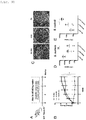
- Skin samples were obtained from the skins of SPF-Tmem79-KO mouse and SPF-WT mice during the age of 1 to 15 weeks by the technique similar to that in Experimental Example 2, and pathway analysis of RNA-seq gene expression was performed on the skin samples. The results are shown in Fig. 4 .
- the gene expression involved in various immune responses was enhanced with the increase of the above-described clinical scores (exacerbation of dermatitis) in the SPF-Tmem79-KO mouse, and the gene expression involved in immune response such as cytokine receptor signaling or T-cell receptor signaling of the SPF-Tmem79-KO mouse during the age of 5 to 6 weeks, of which the proportion of S. cohnii was high and the dermatitis was temporarily alleviated, was suppressed.
- IL-17A is an interleukin that acts on a wide range of cells such as fibroblasts, epithelial cells, vascular endothelial cells, or macrophages, and induces inflammation by being involved in induction of inflammatory cytokines and chemokines such as IL-6 and TNF- ⁇ , migration of neutrophils, or the like.
- a Tmem79-KO mouse was mated with a Rag2 KO mouse (available from The Jackson Laboratory) to prepare an acquired immunodeficient Tmem79-KO mouse (Rag2 -/- Tmem79 -/- mouse).
- the clinical scores were obtained by the technique similar to that in Experimental Example 1 ( Fig. 7A ), and further histopathologic examination in the skins of the mice during the age of 10 to 12 weeks was performed ( Fig. 7B ).
- Skin tissues collected by scraping the skin of a SPF mouse with a cotton swab immersed in 1 mL of phosphate-buffered saline (PBS) or brain heart infusion (BHI) were cultured under aerobic conditions by using multiple culture media (such as mannitol salt agar with egg yolk, and tryptic soy agar), and S. aureus, S. epidermidis, and S. lentus were isolated by determining the 16S rDNA sequence of the obtained single colony and identifying the bacterial species.
- the S. aureus isolated here is a strain named BP-02846, the S. epidermidis isolated here is a strain named BP-02845, and the S. lentus isolated here is a strain named BP-02847.
- Each of the isolated bacteria was cultured in BHI overnight, and a single bacterium was inoculated in the skin of a GF-Tmem79-KO mouse by applying with a cotton swab a culture medium of which the amount of bacteria had been adjusted to 2.0 ⁇ 10 6 CFU.
- GF-Tmem79-KO mouse conventionalized mouse
- SPF-Tmem79-KO mouse SPF-Tmem79-KO mouse
- Ampicillin manufactured by NACALAI TESQUE, INC.
- fusidic acid manufactured by Sigma-Aldrich Co. LLC.
- the degree of dermatitis was alleviated in the mouse to which fusidic acid had been administered, but the alleviation of the dermatitis was not observed in the mouse to which ampicillin had been administered ( Fig. 9B ).
- S. cohnii is sensitive to ampicillin but is resistant to fusidic acid, and the exacerbation of dermatitis is suppressed by the fusidic acid, and thus it is presumed that a bacterium that is sensitive to ampicillin and further resistant to fusidic acid, such as S. cohnii has an effect of suppressing the exacerbation of dermatitis.
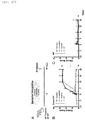
- the amount of S. aureus, C. mastitidis, or S. cohnii in a culture medium was adjusted to 2.0 ⁇ 10 6 CFU, and the resultant culture medium was inoculated into a GF-Tmem79-KO mouse or a GF-WT mouse. Any one of the bacteria did not cause dermatitis in the GF-WT mouse ( Fig. 10C ), but in the GF-Tmem79-KO mouse, the S. aureus or C. mastitidis initiated dermatitis, while the S. cohnii did not cause dermatitis ( Fig. 10B ).
- the amount of S. cohnii or S. epidermidis in a culture medium was adjusted to 2.0 ⁇ 10 6 CFU, and the resultant culture medium was inoculated into a GF-Tmem79-KO mouse, and on the 14th day after the inoculation, S. aureus was inoculated into the mouse.
- HE hematoxylin-eosin
- the amount of S. aureus in a culture medium was adjusted to 2.0 ⁇ 10 6 CFU, and the resultant culture medium was inoculated into GF-Tmem79-KO mouse, and then the amount of S. cohnii or S. epidermidis in a culture medium was adjusted to 2.0 ⁇ 10 6 CFU, and the resultant culture medium was inoculated into the GF-Tmem79-KO mouse on the 5, 6, 7, 12, 13, and 14th day after the inoculation of S. aureus.
- the clinical scores were measured at each time point, and further the swelling of the cervical lymph node and the amount of S. aureus were confirmed on the 21st day after the inoculation of S. aureus.
- RNA-sequencing analysis was performed by HiSeq (registered trademark, available from Illumina K.K.) with the use of the total RNAs extracted from the skin of a gnotobiotic Tmem79-KO mouse.
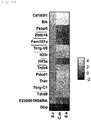
- the ratio of the gene expression levels between each notobiate mouse prepared by using a GF-Tmem79—KO mouse and S. aureus, C. masititis, or S. cohnii and GF-Tmem79 is shown by log-fold change ( Fig. 13 ).
- DEGs differentially-expressed genes
- 5 genes among the 15 genes were genes of which the expression was S. cohnii-specifically enhanced.
- a gene known as a glucocorticoid-responsive gene such as Fkbp5, Zbtb16, Fam107a, or Hif3a was S. cohnii-specifically enhanced.
- GCR glucocorticoid receptor
- RNA-sequencing analysis in order to analyze the upstream gene that causes the expression of a specific differentially expressed gene in the gnotobiotic mice prepared by S. cohnii, gene expression cascade analysis (upstream analysis) was performed by using IPA (registered trademark, Ingenuity Pathway Analysis, available from Qiagen). The results are shown in Fig. 15 .
- IPA registered trademark, Ingenuity Pathway Analysis, available from Qiagen
- glucocorticoid is a steroid hormone that has a strong anti-inflammatory action and a strong immunosuppressive action, and has a close relationship with the immune system.
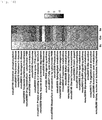
- pathway analysis was performed by using the RNA-sequencing analysis data.
- a terpenoid precursor of steroid
- CYP450 involved in steroid metabolism
- S. cohnii may act suppressively against skin inflammation by promoting the immunity by glucocorticoid reaction.
- a skin sample of each mouse was homogenized by using NS-360D (available from Microtec Co., Ltd, Chiba, Japan), 2.2 mg/mL of proteinase K (Takara 9034) was added into the homogenized sample, the mixture was cultured at 55°C for 10 minutes, the total RNA was extracted from the obtained culture, and the reverse transcription was performed by SuperScript (registered trademark) III First-Strand Synthesis System (available from Thermo Fisher Scientific) to obtain cDNA (for Zbtb16, Fkbp5, and Tsc22d3, a primer (non-public sequence) of Prime PCR SYBR (registered trademark) Green Assay (available from Bio-Rad Laboratories Inc.) was used, and for glyceraldehyde-3-phosphate dehydrogenase (GAPDH), forward: 5'-cctcgtcccgtagacaaaatg-3' (SEQ ID NO: 10) and reverse: 5'-tct
- Each gene expression level was measured by performing qPCR with Thunderbird SYBR qPCR Mix (available from TOYOBO CO., LTD.) and LightCycler 480 II (available from Roche). Graphs, which were obtained by correcting the obtained measurement values with the gene dosage of GAPDH, are shown in Fig. 17 .
- the GAL4 reporter assay was performed as follows: the amount of S. cohnii or S. aureus was adjusted to an optical density at 600 nm (OD 600) of 0.6, the adjusted S. cohnii or S. aureus was added to a GAL4 reporter, Luciferase, a HEK293 cell line (cell strain for measurement of glucocorticoid receptor signaling pathway) in each well, the culture was conducted for 24 hours, and the amount of luminescence was measured by using ONE-Step luciferase assay system (#60690-1, available from BPS Bioscience Inc.). It can be understood that the glucocorticoid signaling pathway is activated by culturing the cells with the addition of S. cohnii. The results are shown in Fig. 18 .
- An imiquimod (IMQ)-induced model is known as the typical psoriasis-like dermatitis-induced model ( van der Fits, et al., J Immunol. May 1, 2009, 182(9): 5836-45 ).
- imiquimod product name: Beselna cream, manufactured by MOCHIDA PHARMACEUTICAL CO., LTD.
- S. cohnii or S. epidermidis was inoculated at the same time onto the ears at a dose of 2.0 ⁇ 10 7 CFU per mouse once a day with a cotton swab.
- glucocorticoid is one kind of steroids
- the inventors were focused on the genes relating to steroid biosynthesis.
- NBI National Center for Biotechnology Information
- the presence or absence of a steroid biosynthesis-related gene was determined and compared with each other.
- other enzyme genes were commonly expressed in the three bacteria, but squalene synthase (farnesyl-diphosphate farnesyltransferase (FDFT1) gene, KEGG ID: K00801) was expressed only in S. cohnii ( Fig. 21 ).
- a terpenoid skeleton is biosynthesized from the glycolytic pathway, squalene is induced through the effect of FDFT1, and then biologically active substances having various steroid skeletons are synthesized in the downstream.
- FDFT1 is one of the key genes of a steroid biosynthesis cascade, it is considered that a biologically active substance having a steroid skeleton cannot be synthesized from the glucose metabolism without the FDFT1, and a biologically active substance exerting an anti-inflammatory effect is not produced.
- Imiquimod (Beselna cream, manufactured by MOCHIDA PHARMACEUTICAL CO., LTD.) was applied onto the ears of a GF-WT mouse at a dose of 50 mg per mouse once a day for 5 consecutive days.
- S. cohnii was inoculated onto the ears at a dose of 2.0 ⁇ 10 7 CFU per mouse once a day with a cotton swab, or squalene (S3626-10ML, manufactured by Sigma-Aldrich Co. LLC.) was applied onto the ears of the mouse at a dose of 200 ⁇ l per mouse once a day for 5 consecutive days.
- mifepristone M8046-1G, manufactured by Sigma-Aldrich Co. LLC
- M8046-1G manufactured by Sigma-Aldrich Co. LLC
- mice-derived S. cohnii strain, BP-02848 used in the above had a similar anti-inflammatory effect also on a human, by the analysis of the present inventors.
- Isolation of S. cohnii from the skin of a healthy volunteer was performed on the basis of the protocol approved by No. H27-1 "Analysis of human skin microbiota" at RIKEN. Specifically, the skin in the forehead of a healthy volunteer was scraped with a cotton swab immersed in PBS, the substance adhered to the cotton swab was re-dispersed in 1 mL of PBS to obtain a bacterial liquid, the bacterial liquid was applied onto mannitol salt agar (05236, manufactured by Nissui Pharmaceutical Co., Ltd.), and the culture was performed, and a human-derived S. cohnii strain, BP-02853 was identified on the basis of the analysis of 16SrDNA on the isolated strain obtained from the formed colony.
- the human-derived S. cohnii strain, BP-02853 was administered to a SPF-WT mouse, and the anti-inflammatory effect was examined.
- Imiquimod (Beselna cream, manufactured by MOCHIDA PHARMACEUTICAL CO., LTD.) was applied onto the ears of a SPF-WT mouse at a dose of 50 mg per mouse once a day for 5 consecutive days.
- S. cohnii mouse-derived strain, BP-02848, or human-derived strain, BP-02853 or S. epidermidis was inoculated onto the ears at a dose of 2.0 ⁇ 10 7 CFU per mouse once a day with a cotton swab.
- the cervical lymph node swelling on the 21st day after the inoculation of S. aureus was also suppressed by the inoculation of S. cohnii or S. epidermidis in advance, similarly as in the clinical scores, and further the cervical lymph node swelling was further suppressed in the mice into which S. cohnii and S. epidermidis had been inoculated in combination in advance, as compared with the mice into which the bacteria each had been inoculated alone ( Fig. 25B ).
- mouse-derived S. cohnii (2A1), mouse-derived S. cohnii (7C1), human-derived S. cohnii (10B1), and mouse-derived S. aureus (1D1) were inoculated in the backs of 8-week old germ-free B6N WT mice, respectively at a dose of 2 ⁇ 10 6 CFU per mouse.
- Each skin was collected at 4 weeks after the administration, and FACS analysis was performed on the T cells.
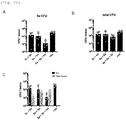
- Fig. 27 shows the amount of bacteria and the results of FACS analysis in each mouse.
- IL-17A-producing T cells being inflammatory immune cells were not induced, but on the other hand, in the case of S. aureus (1D1), IL-17A-producing T cells were induced even in the wild-type mice. Further, the induction of Treg cells represented by Foxp3+CD4 T cells did not change in the cases of S. cohnii, and was reduced in the case of S. aureus.
- mouse-derived S. cohnii (2A1), mouse-derived S. cohnii (7C1), human-derived S. cohnii (10B1), and mouse-derived S. aureus (1D1) were inoculated into 8-week old germ-free B6N WT mice, respectively at a dose of 2 ⁇ 10 6 CFU per mouse, and GC-MS fatty acid analysis was performed by using the back skins and neck skins on the 28th day after the inoculation. Corticosterone was detected more significantly in a large mount in both of the back and the neck of the mice into which S. cohnii, in particular, mouse-derived S.
- Mouse-derived S. cohnii (2A1) and mouse-derived S. cohnii (7C1) were inoculated in the necks of Tmem79-KO mouse, respectively at a dose of 2 ⁇ 10 6 CFU per mouse, and GC-MS fatty acid analysis was performed on the neck skins on the 28th day after the inoculation in a similar manner as in the Experimental Example 21.
- the results of the analysis performed on the corticosterone and the progesterone, in a similar manner as in Experimental Example 21 are shown in Fig. 29 .
- the corticosterone was more significantly detected in a large amount in the necks of the mice into which mouse-derived S.
Landscapes
- Health & Medical Sciences (AREA)
- Life Sciences & Earth Sciences (AREA)
- Chemical & Material Sciences (AREA)
- Engineering & Computer Science (AREA)
- Organic Chemistry (AREA)
- General Health & Medical Sciences (AREA)
- Bioinformatics & Cheminformatics (AREA)
- Medicinal Chemistry (AREA)
- Public Health (AREA)
- Animal Behavior & Ethology (AREA)
- Pharmacology & Pharmacy (AREA)
- Wood Science & Technology (AREA)
- Zoology (AREA)
- Veterinary Medicine (AREA)
- Genetics & Genomics (AREA)
- Biotechnology (AREA)
- Nuclear Medicine, Radiotherapy & Molecular Imaging (AREA)
- General Chemical & Material Sciences (AREA)
- Chemical Kinetics & Catalysis (AREA)
- Microbiology (AREA)
- General Engineering & Computer Science (AREA)
- Biochemistry (AREA)
- Immunology (AREA)
- Proteomics, Peptides & Aminoacids (AREA)
- Molecular Biology (AREA)
- Dermatology (AREA)
- Biomedical Technology (AREA)
- Epidemiology (AREA)
- Virology (AREA)
- Tropical Medicine & Parasitology (AREA)
- Mycology (AREA)
- Biophysics (AREA)
- Analytical Chemistry (AREA)
- Physics & Mathematics (AREA)
- Toxicology (AREA)
- Pulmonology (AREA)
- Rheumatology (AREA)
- Pain & Pain Management (AREA)
- Gastroenterology & Hepatology (AREA)
- Medicines Containing Material From Animals Or Micro-Organisms (AREA)
Applications Claiming Priority (2)
| Application Number | Priority Date | Filing Date | Title |
|---|---|---|---|
| JP2019017882 | 2019-02-04 | ||
| PCT/JP2020/003957 WO2020162405A1 (ja) | 2019-02-04 | 2020-02-03 | 皮膚疾患の予防、改善または治療用医薬組成物 |
Publications (2)
| Publication Number | Publication Date |
|---|---|
| EP3922264A1 true EP3922264A1 (de) | 2021-12-15 |
| EP3922264A4 EP3922264A4 (de) | 2024-01-10 |
Family
ID=71947708
Family Applications (1)
| Application Number | Title | Priority Date | Filing Date |
|---|---|---|---|
| EP20753095.7A Pending EP3922264A4 (de) | 2019-02-04 | 2020-02-03 | Pharmazeutische zusammensetzung zur vorbeugung, verbesserung oder behandlung von hautkrankheiten |
Country Status (8)
| Country | Link |
|---|---|
| US (1) | US12582680B2 (de) |
| EP (1) | EP3922264A4 (de) |
| JP (1) | JP7444362B2 (de) |
| CN (1) | CN113692281B (de) |
| AU (1) | AU2020218984A1 (de) |
| CA (1) | CA3128357A1 (de) |
| TW (1) | TWI840499B (de) |
| WO (1) | WO2020162405A1 (de) |
Families Citing this family (5)
| Publication number | Priority date | Publication date | Assignee | Title |
|---|---|---|---|---|
| CN113574564B (zh) * | 2019-03-20 | 2022-09-13 | 学校法人庆应义塾 | 推测方法、推测模型的生成方法、程序和推测装置 |
| KR102691625B1 (ko) * | 2022-04-19 | 2024-08-06 | 코스맥스 주식회사 | 세디미니박테리움 락티스 균주 및 그의 피부 상태 개선 용도 |
| CN115725434B (zh) * | 2022-06-22 | 2023-10-31 | 上海应用技术大学 | 一株具有良好抗氧化抗炎效果的山羊葡萄球菌及其应用 |
| JPWO2024063132A1 (de) * | 2022-09-22 | 2024-03-28 | ||
| CN115558618A (zh) * | 2022-09-28 | 2023-01-03 | 廖梅香 | 一种科氏葡萄球菌及其应用 |
Family Cites Families (14)
| Publication number | Priority date | Publication date | Assignee | Title |
|---|---|---|---|---|
| US4448714A (en) | 1979-10-12 | 1984-05-15 | Cunliffe William J | Antibiotic polypeptide compounds prepared from staphlococcus bacteria |
| US20060140972A1 (en) * | 2003-12-31 | 2006-06-29 | Astrazeneca Ab | Staphylococcus saprophyticus nucleic acids and polypeptides |
| JP4343153B2 (ja) * | 2005-05-12 | 2009-10-14 | 基博 中島 | 抗腫瘍組成物の製造方法 |
| US9428746B2 (en) * | 2007-10-31 | 2016-08-30 | Akonni Biosystems, Inc. | Method and kit for purifying nucleic acids |
| JP5300772B2 (ja) * | 2010-03-26 | 2013-09-25 | 森永乳業株式会社 | 新規乳酸菌、並びに新規乳酸菌を含有する医薬、飲食品、及び飼料 |
| KR101513336B1 (ko) | 2012-07-13 | 2015-04-23 | 이화여자대학교 산학협력단 | 비피도박테리움 속 프로바이오틱스 또는 그의 추출물을 포함하는 폐암 예방 또는 치료용 약학 조성물 |
| MX372594B (es) * | 2013-06-26 | 2020-04-20 | Indigo Ag Inc | Poblaciones endofitas derivadas de semillas, composiciones y métodos de uso. |
| WO2015100432A2 (en) * | 2013-12-24 | 2015-07-02 | Symbiota, Inc. | Method for propagating microorganisms within plant bioreactors and stably storing microorganisms within agricultural seeds |
| MA41020A (fr) | 2014-11-25 | 2017-10-03 | Evelo Biosciences Inc | Compositions probiotiques et prébiotiques, et leurs procédés d'utilisation pour la modulation du microbiome |
| US20180289751A1 (en) | 2015-05-05 | 2018-10-11 | The Regents Of The University Of California | Antimicrobial therapy |
| KR20190117687A (ko) * | 2017-02-23 | 2019-10-16 | 인터셉트 파마슈티컬즈, 인크. | 담즙산 유도체와 마이크로바이옴의 약학 조성물 및 이의 용도 |
| AU2018302641B2 (en) * | 2017-07-18 | 2024-12-19 | Keio University | Anti-bacterial composition against Th1 cell-inducing bacteria |
| CN108048361B (zh) | 2017-12-28 | 2021-01-15 | 中国农业大学 | 科氏葡萄球菌s154及其在生物合成纳米硒中的应用 |
| EP3784260A4 (de) | 2018-04-18 | 2022-03-09 | Forte Subsidiary, Inc. | Zusammensetzung zur behandlung von hautleiden |
-
2020
- 2020-02-03 AU AU2020218984A patent/AU2020218984A1/en active Pending
- 2020-02-03 JP JP2020571188A patent/JP7444362B2/ja active Active
- 2020-02-03 WO PCT/JP2020/003957 patent/WO2020162405A1/ja not_active Ceased
- 2020-02-03 US US17/427,988 patent/US12582680B2/en active Active
- 2020-02-03 CN CN202080012405.0A patent/CN113692281B/zh active Active
- 2020-02-03 EP EP20753095.7A patent/EP3922264A4/de active Pending
- 2020-02-03 CA CA3128357A patent/CA3128357A1/en active Pending
- 2020-02-04 TW TW109103376A patent/TWI840499B/zh active
Also Published As
| Publication number | Publication date |
|---|---|
| CN113692281A (zh) | 2021-11-23 |
| JPWO2020162405A1 (de) | 2020-08-13 |
| CA3128357A1 (en) | 2020-08-13 |
| AU2020218984A1 (en) | 2021-08-12 |
| CN113692281B (zh) | 2024-08-16 |
| WO2020162405A1 (ja) | 2020-08-13 |
| US20220023355A1 (en) | 2022-01-27 |
| EP3922264A4 (de) | 2024-01-10 |
| TWI840499B (zh) | 2024-05-01 |
| TW202045714A (zh) | 2020-12-16 |
| US12582680B2 (en) | 2026-03-24 |
| JP7444362B2 (ja) | 2024-03-06 |
Similar Documents
| Publication | Publication Date | Title |
|---|---|---|
| US12582680B2 (en) | Pharmaceutical composition for prevention, amelioration, or treatment of skin disease | |
| Sofi et al. | A single strain of Bacteroides fragilis protects gut integrity and reduces GVHD | |
| JP7708540B2 (ja) | 腸内微生物叢及びgvhd | |
| Wen et al. | Fecal microbiota transplantation ameliorates experimental colitis via gut microbiota and T-cell modulation | |
| Krause et al. | Clostridium sporogenes-derived metabolites protect mice against colonic inflammation | |
| Luo et al. | Limosilactobacillus reuteri in immunomodulation: molecular mechanisms and potential applications | |
| Möndel et al. | Probiotic E. coli treatment mediates antimicrobial human β-defensin synthesis and fecal excretion in humans | |
| Chen et al. | Ifnar gene variants influence gut microbial production of palmitoleic acid and host immune responses to tuberculosis | |
| Wang et al. | Deletion of both Dectin-1 and Dectin-2 affects the bacterial but not fungal gut microbiota and susceptibility to colitis in mice | |
| Veny et al. | Late Crohn’s disease patients present an increase in peripheral Th17 cells and cytokine production compared with early patients | |
| US10105329B2 (en) | Modulation of regulatory T cells via G-coupled protein receptor 43 | |
| CN108135945A (zh) | 固有层调节性t细胞的诱导 | |
| JP2019522649A (ja) | 健康な皮膚微生物叢の維持及び/又は回復に対する皮膚科調合剤 | |
| WO2019203625A1 (ko) | 신규한 박테로이드 불가투스 균주 및 이를 유효 성분으로 하는 면역 및 대사성 질환 예방, 개선 또는 치료용 조성물 | |
| Sagheddu et al. | The biotherapeutic potential of Lactobacillus reuteri characterized using a target-specific selection process | |
| Ramani et al. | Regulation of peripheral inflammation by a non-viable, non-colonizing strain of commensal bacteria | |
| Stefia et al. | Secretome components from Faecalibacterium prausnitzii strains A2-165 and AHMP21 modulate cutaneous wound inflammation | |
| Kim et al. | Advanced fructo-oligosaccharides improve itching and aberrant epidermal lipid composition in children with atopic dermatitis | |
| Gautier et al. | Bacteroides fragilis derived metabolites, identified by molecular networking, decrease Salmonella virulence in mice model | |
| Chen et al. | Limosilactobacillus reuteri SXDT-32-derived shikimic acid protects against colonic inflammation in piglets by inhibiting the PI3K-Akt pathway | |
| JP2021526526A (ja) | 細菌株を含む組成物 | |
| US20230381247A1 (en) | Microbial-based compositions for systemic inflammation control | |
| Bukharin et al. | Genome sequence data announcement of Bifidobacterium bifidum strain ICIS-202 isolated from a healthy human intestine stimulating active nitrogen oxide production in macrophages | |
| Zhang et al. | The pulmonary commensal Lactobacillus regulated lung γδ T cells to enhance resistance against bacterial infections | |
| US20240358773A1 (en) | Parabacteroides Goldsteinii to Treat or Prevent Inflammatory and AutoImmune Diseases |
Legal Events
| Date | Code | Title | Description |
|---|---|---|---|
| STAA | Information on the status of an ep patent application or granted ep patent |
Free format text: STATUS: THE INTERNATIONAL PUBLICATION HAS BEEN MADE |
|
| PUAI | Public reference made under article 153(3) epc to a published international application that has entered the european phase |
Free format text: ORIGINAL CODE: 0009012 |
|
| STAA | Information on the status of an ep patent application or granted ep patent |
Free format text: STATUS: REQUEST FOR EXAMINATION WAS MADE |
|
| 17P | Request for examination filed |
Effective date: 20210827 |
|
| AK | Designated contracting states |
Kind code of ref document: A1 Designated state(s): AL AT BE BG CH CY CZ DE DK EE ES FI FR GB GR HR HU IE IS IT LI LT LU LV MC MK MT NL NO PL PT RO RS SE SI SK SM TR |
|
| DAV | Request for validation of the european patent (deleted) | ||
| DAX | Request for extension of the european patent (deleted) | ||
| REG | Reference to a national code |
Ref country code: DE Ref legal event code: R079 Free format text: PREVIOUS MAIN CLASS: A61K0039395000 Ipc: C12N0001200000 |
|
| A4 | Supplementary search report drawn up and despatched |
Effective date: 20231212 |
|
| RIC1 | Information provided on ipc code assigned before grant |
Ipc: A61K 35/74 20150101ALI20231206BHEP Ipc: G01N 33/569 20060101ALI20231206BHEP Ipc: G01N 33/50 20060101ALI20231206BHEP Ipc: A61K 38/45 20060101ALI20231206BHEP Ipc: A61K 38/17 20060101ALI20231206BHEP Ipc: A61P 17/06 20060101ALI20231206BHEP Ipc: A61P 17/04 20060101ALI20231206BHEP Ipc: A61P 17/00 20060101ALI20231206BHEP Ipc: A61P 43/00 20060101ALI20231206BHEP Ipc: A61P 37/08 20060101ALI20231206BHEP Ipc: A61P 37/02 20060101ALI20231206BHEP Ipc: A61P 29/00 20060101ALI20231206BHEP Ipc: A61K 39/395 20060101ALI20231206BHEP Ipc: C12N 1/20 20060101AFI20231206BHEP |