EP3932025B1 - Verfahren zur planung von computerressourcen, planer, internet-der-dinge-system und rechnerlesbares medium - Google Patents
Verfahren zur planung von computerressourcen, planer, internet-der-dinge-system und rechnerlesbares medium Download PDFInfo
- Publication number
- EP3932025B1 EP3932025B1 EP19917015.0A EP19917015A EP3932025B1 EP 3932025 B1 EP3932025 B1 EP 3932025B1 EP 19917015 A EP19917015 A EP 19917015A EP 3932025 B1 EP3932025 B1 EP 3932025B1
- Authority
- EP
- European Patent Office
- Prior art keywords
- data
- processed
- processing
- computing resource
- resource amount
- Prior art date
- Legal status (The legal status is an assumption and is not a legal conclusion. Google has not performed a legal analysis and makes no representation as to the accuracy of the status listed.)
- Active
Links
Images




Classifications
-
- G—PHYSICS
- G06—COMPUTING OR CALCULATING; COUNTING
- G06F—ELECTRIC DIGITAL DATA PROCESSING
- G06F9/00—Arrangements for program control, e.g. control units
- G06F9/06—Arrangements for program control, e.g. control units using stored programs, i.e. using an internal store of processing equipment to receive or retain programs
- G06F9/46—Multiprogramming arrangements
- G06F9/50—Allocation of resources, e.g. of the central processing unit [CPU]
- G06F9/5005—Allocation of resources, e.g. of the central processing unit [CPU] to service a request
- G06F9/5027—Allocation of resources, e.g. of the central processing unit [CPU] to service a request the resource being a machine, e.g. CPUs, Servers, Terminals
- G06F9/5038—Allocation of resources, e.g. of the central processing unit [CPU] to service a request the resource being a machine, e.g. CPUs, Servers, Terminals considering the execution order of a plurality of tasks, e.g. taking priority or time dependency constraints into consideration
-
- H—ELECTRICITY
- H04—ELECTRIC COMMUNICATION TECHNIQUE
- H04Q—SELECTING
- H04Q9/00—Arrangements in telecontrol or telemetry systems for selectively calling a substation from a main station, in which substation desired apparatus is selected for applying a control signal thereto or for obtaining measured values therefrom
-
- G—PHYSICS
- G06—COMPUTING OR CALCULATING; COUNTING
- G06F—ELECTRIC DIGITAL DATA PROCESSING
- G06F9/00—Arrangements for program control, e.g. control units
- G06F9/06—Arrangements for program control, e.g. control units using stored programs, i.e. using an internal store of processing equipment to receive or retain programs
- G06F9/46—Multiprogramming arrangements
- G06F9/48—Program initiating; Program switching, e.g. by interrupt
- G06F9/4806—Task transfer initiation or dispatching
- G06F9/4843—Task transfer initiation or dispatching by program, e.g. task dispatcher, supervisor, operating system
- G06F9/4881—Scheduling strategies for dispatcher, e.g. round robin, multi-level priority queues
-
- G—PHYSICS
- G06—COMPUTING OR CALCULATING; COUNTING
- G06F—ELECTRIC DIGITAL DATA PROCESSING
- G06F9/00—Arrangements for program control, e.g. control units
- G06F9/06—Arrangements for program control, e.g. control units using stored programs, i.e. using an internal store of processing equipment to receive or retain programs
- G06F9/46—Multiprogramming arrangements
- G06F9/50—Allocation of resources, e.g. of the central processing unit [CPU]
- G06F9/5005—Allocation of resources, e.g. of the central processing unit [CPU] to service a request
-
- G—PHYSICS
- G06—COMPUTING OR CALCULATING; COUNTING
- G06F—ELECTRIC DIGITAL DATA PROCESSING
- G06F9/00—Arrangements for program control, e.g. control units
- G06F9/06—Arrangements for program control, e.g. control units using stored programs, i.e. using an internal store of processing equipment to receive or retain programs
- G06F9/46—Multiprogramming arrangements
- G06F9/50—Allocation of resources, e.g. of the central processing unit [CPU]
- G06F9/5005—Allocation of resources, e.g. of the central processing unit [CPU] to service a request
- G06F9/5027—Allocation of resources, e.g. of the central processing unit [CPU] to service a request the resource being a machine, e.g. CPUs, Servers, Terminals
- G06F9/5044—Allocation of resources, e.g. of the central processing unit [CPU] to service a request the resource being a machine, e.g. CPUs, Servers, Terminals considering hardware capabilities
-
- G—PHYSICS
- G06—COMPUTING OR CALCULATING; COUNTING
- G06F—ELECTRIC DIGITAL DATA PROCESSING
- G06F9/00—Arrangements for program control, e.g. control units
- G06F9/06—Arrangements for program control, e.g. control units using stored programs, i.e. using an internal store of processing equipment to receive or retain programs
- G06F9/46—Multiprogramming arrangements
- G06F9/50—Allocation of resources, e.g. of the central processing unit [CPU]
- G06F9/5083—Techniques for rebalancing the load in a distributed system
- G06F9/5088—Techniques for rebalancing the load in a distributed system involving task migration
-
- H—ELECTRICITY
- H04—ELECTRIC COMMUNICATION TECHNIQUE
- H04Q—SELECTING
- H04Q2209/00—Arrangements in telecontrol or telemetry systems
- H04Q2209/40—Arrangements in telecontrol or telemetry systems using a wireless architecture
-
- H—ELECTRICITY
- H04—ELECTRIC COMMUNICATION TECHNIQUE
- H04Q—SELECTING
- H04Q2209/00—Arrangements in telecontrol or telemetry systems
- H04Q2209/70—Arrangements in the main station, i.e. central controller
Definitions
- the present invention relates to a distributed computing technology, and in particular, to a computing resource scheduling method, a scheduler, an Internet of Things (IoT) system, and a computer readable medium.
- IoT Internet of Things
- Distributed computing is a computing method. In contrast to centralized computing, in the distributed computing, a computing task is divided into a plurality of small parts, and the small parts are distributed to a plurality of devices and completed by the devices.
- centralized computing is usually used to perform data processing.
- An IoT device is relatively far away from a cloud platform, resulting in relatively long data transmission latency. Therefore, for an application scenario having a relatively high latency requirement, for example, an industrial IoT system, if distributed computing is used and a computing resource of an edge computing device is used, data transmission latency can be effectively reduced, and fewer network bandwidths and cloud resources can be occupied.
- Task scheduling is a main manner of managing the computing resource and can improve system efficiency and improve service quality.
- the American patent application US2018/270841A1 discloses a transmission control system that can efficiently utilize communication bandwidth upon transmitting measurement data of machines.
- a transmission control system includes: a numerical control unit that controls operating of machines and acquires operating information; an A/C conversion unit that acquires behavior information measured by way of a sensor provided to the machine; a priority determination unit that determines priority of transmission in accordance with a condition set in advance, based on types and combinations of the operating information and the behavior information; and a bandwidth control unit that controls allocation of communication bandwidth for transmitting the operating information and the behavior information, based on a usage condition of communication bandwidth and the priority.
- the present disclosure provides a computing resource scheduling method, a scheduler, an IoT system, and a computer readable medium in distributed computing.
- an IoT system including: a sensor; a data collection module connected to the sensor; at least one edge computing device, configured to provide a computing resource required for data processing to the IoT system; and a scheduler, connected to the data collection module, and configured to: receive, from the data collection module, data to be processed which is collected by the sensor; determine a processing priority of the data to be processed; predict, according to the determined processing priority, a computing resource amount and duration required for processing the data to be processed; and schedule a computing resource of the at least one edge computing device according to the predicted computing resource amount and duration to process the data to be processed.
- an edge distributed data processing system configured to process data collected by a sensor in an IoT system.
- the system may include: at least one edge computing device, configured to provide a computing resource required for data processing to the IoT system; and a scheduler, configured to: receive, from a data collection module in the IoT system, data to be processed which is collected by a sensor; determine a processing priority of the data to be processed; predict, according to the determined processing priority, a computing resource amount and duration required for processing the data to be processed; and schedule a computing resource of the at least one edge computing device according to the predicted computing resource amount and duration to process the data to be processed.
- a resource scheduling method may include the following steps: receiving data to be processed which is collected by a sensor in an IoT system; determining a processing priority of the data to be processed; predicting, according to the determined processing priority, a computing resource amount and duration required for processing the data to be processed; and scheduling a computing resource of an edge computing device in the IoT system according to the predicted computing resource amount and duration to process the data to be processed.
- a scheduler may include: a receiving module, configured to receive data to be processed which is collected by a sensor in an IoT system; a priority determining module, configured to determine a processing priority of the data to be processed; and a scheduling module, configured to: predict, according to the processing priority determined by the priority determining module, a computing resource amount and duration required for processing the data to be processed; and schedule a computing resource of an edge computing device in the IoT system according to the predicted computing resource amount and duration to process the data to be processed.
- a scheduler including: at least one memory, configured to store a computer readable code; and at least one processor, configured to execute the computer readable code stored in the at least one memory, to perform the method provided in the third aspect.
- a storage medium storing a computer readable code, where when the computer readable code is executed by at least one processor, the method provided in the third aspect is performed.
- a computing resource is managed in a scheduling manner.
- a processing priority of data to be processed is determined.
- a computing resource amount and duration required for data processing are predicted according to the processing priority.
- a computing resource of an edge computing device is scheduled based on the predicted computing resource amount and duration to perform data processing. Accurate priority-based scheduling is implemented, and the computing resource amount and the duration required for data processing are ensured, so that resources can be optimally scheduled, and data processing tasks can be efficiently completed.
- a larger fluctuation amplitude of a value of a physical quantity represented by the data to be processed indicates a higher processing priority of the data to be processed.
- fluctuation of the value of the physical quantity represented by the data to be processed is considered.
- a fluctuation amplitude is large, it is considered the data to be processed should be preferentially processed, so that an emergency such as a device fault is handled in real time, and computing resources can be effectively allocated to urgent problems.
- a higher processing priority indicates sooner prediction, for the data to be processed, of the computing resource amount and the duration required for processing the data to be processed. Processing based on a FIFO mechanism further ensures timely processing of data to be processed which is with a high priority.
- the computing resource amount and the duration required for processing the data to be processed are predicted according to the determined processing priority, and a computing resource amount and duration occupied during processing of historical data may be searched for, where the historical data is similar to the data to be processed in length, sensor type, and processing priority; and the computing resource amount and the duration required for processing the data to be processed are predicted according to the found computing resource amount and duration occupied during the processing of the historical data. Because reference is made to information about the historical data, a prediction result is more accurate, and accurate and reliable information is provided for further allocation of computing resources.
- a computing resource of an edge computing device that satisfies the predicted computing resource amount and duration is selected from edge computing devices in the IoT system, to process the data to be processed. In this way, a processing requirement of the data to be processed can be satisfied.
- a computing resource amount and duration used for processing the data to be processed are recorded for use as historical data for subsequent data processing to provide reference for prediction of the computing resource amount and the duration.
- the invention is defined by the subject-matter of claim 1 (a method), claim 6 (a computer program product), claim 7 (a computer-readable data carrier), claim 8 (a device) and claim 13 (a system). Further embodiments are defined by the dependent claims.
- IoT system 10 Sensor 20: Data collection module 30: Edge computing device 40: Scheduler 50: Cloud 200: Edge distributed data processing system 300: Resource scheduling method 401: Receiving module 402: Priority determining module 403: Scheduling module 404: Recording module 405: At least one memory 406: At least one processor 407: Communications module 408: Bus 409: Historical data 410: Information about available computing resources S301: Receive data to be processed S302: Determine a priority of the data to be processed S303: Predict a computing resource amount and duration S305: Record a computing resource amount and duration used for processing the data to be processed S306: Obtain information about available computing resources S3031: Determine whether there is historical data similar to the data to be processed S3032: Predict, according to the historical data, the computing resource amount and the duration of the data to be processed S304: Schedule an edge computing device that satisfies the predicted computing resource amount and duration S304': Schedule an edge computing device that has the shortest latency and a computing resource vailability ratio exceeding
- FIG. 1 is a schematic structural diagram of an IoT system and an edge distributed data processing system according to an embodiment of the present invention.
- an IoT system 100 may include:
- the IoT system 100 may further include a cloud 50.
- the cloud 50 usually has more computing resources than an edge device, and a task that does not have a high latency requirement may be processed by the cloud 50.
- an edge distributed data processing system 200 consists of the edge computing devices 30 and the scheduler 40. It should be noted that the edge distributed data processing system 200 may be regarded as a part of the IoT system 100, or may exist independently of the IoT system 100.
- the scheduler 40 determines the priority of the data to be processed, predicts the computing resource amount and the duration required for processing the data to be processed, and schedules the computing resource based on the predicted computing resource amount and duration. Accurate priority-based scheduling is implemented, and the computing resource amount and the duration required for data processing are ensured, so that resources can be optimally scheduled, and data processing tasks can be efficiently completed. The following further describes the scheduler 40 with reference to FIG. 2, FIG. 3 , and FIG. 4 .
- FIG. 2 is a schematic structural diagram of the scheduler 40. As shown in FIG. 2 , the scheduler 40 may include:
- the scheduler 40 may further include a recording module 404, configured to record, after the data to be processed has been processed, a computing resource amount and duration used for processing the data to be processed for use as historical data for subsequent data to be processed to provide reference for prediction of the computing resource amount and the duration required for the subsequent data to be processed.
- a recording module 404 configured to record, after the data to be processed has been processed, a computing resource amount and duration used for processing the data to be processed for use as historical data for subsequent data to be processed to provide reference for prediction of the computing resource amount and the duration required for the subsequent data to be processed.
- a procedure of modules in the scheduler 40 processing the data to be processed is described below with reference to FIG. 4 .
- step S301 the receiving module 401 receives, from a data collection module 20 in the IoT system 100, data to be processed which is collected by a sensor.
- step S302 the priority determining module 402 determines a processing priority of the data to be processed.
- a larger fluctuation amplitude of a value of a physical quantity represented by the data to be processed indicates a higher processing priority of the data to be processed.
- the priority determining module 402 generates, according to previous data collected by the sensor 10, an upper limit and a lower limit of a value of a physical quantity represented by the data.
- t distribution may be used to estimate the upper limit and the lower limit.
- X represents an average value of the t distribution
- S n represents a standard deviation of the t distribution
- t ( a , n -1) represents a standard t distribution coefficient when a quantity of samples is n.
- a value of a physical quantity represented by data collected by the sensor 10 is represented as v t .
- a larger p value indicates a higher processing priority of data, so that the data should be processed more preferentially.
- a physical meaning of the formula lies in that a larger fluctuation amplitude of a physical quantity represented by data collected by a sensor 10 indicates a higher possibility that a fault occurs in a device monitored by the sensor 10. In this case, the data should be processed preferentially.
- data to be processed which is collected by sensors 10 may be sorted in the queue according to respective processing priorities, and a First In First Out (FIFO) policy may be used for processing.
- FIFO First In First Out
- a next step S303 is preferentially performed to process data to be processed which is with a high processing priority. That is, a higher processing priority indicates sooner prediction, for the data to be processed, of the computing resource amount and the duration required for processing the data to be processed.
- step S303 the scheduling module 403 predicts, according to the determined processing priority, a computing resource amount and duration required for processing the data to be processed; and schedules a computing resource of an edge computing device in the IoT system according to the predicted computing resource amount and duration to process the data to be processed.
- the scheduling module 403 searches for historical data similar to the data to be processed, searches for a computing resource amount and duration occupied during processing of the historical data, where the historical data is similar to the data to be processed in length, sensor type, and processing priority. If the scheduling module 403 finds the historical data, the scheduling module 403 further performs sub step S3032, or otherwise the scheduling module 403 performs step S304'.
- a rule of determining "similar" is preset. For example, if the length of the data to be processed does not exceed 110% of a length of the historical data and is not less than 90% of the length of the historical data, it is determined that the data to be processed is similar to the historical data in length.
- the determining rule is merely an example. During actual application, the determining rule may be flexibly set according to a specific application scenario.
- the scheduling module 403 predicts, according to the found computing resource amount and duration occupied during the processing of the historical data, the computing resource amount and the duration required for processing the data to be processed. Further, in step S304, the scheduling module 403 schedules a computing resource of the edge computing device in the IoT system according to the predicted computing resource amount and duration to process the data to be processed, i.e., selects a computing resource of an edge computing device 30 that satisfies the predicted computing resource amount and duration from edge computing devices 30 in the IoT system 100, to process the data to be processed. Optionally, if a plurality of edge computing devices 30 satisfying requirements exists, a device having the shortest network latency to the scheduler 40 is further selected from the edge computing devices 30, to reduce data processing latency.
- the scheduling module 403 may select an edge computing device 30 that has the shortest network latency to the scheduler 40 and an amount of available computing resources being greater than a given threshold (for example, 30%) of a total amount of computing resources of the edge computing device 30, to process the data to be processed. If such an edge computing device 30 is not found, optionally, an alarm is raised.
- a given threshold for example, 30%
- the recording module 404 may record a computing resource amount and duration used for processing the data to be processed in a database of historical data 409.
- a length, a processing priority, and a required computing resource amount and duration of data to be processed that corresponds to each sensor type may be stored.
- the scheduling module 403 may search the historical data 409 according to a type of the sensor 10 that collects the data to be processed, a processing priority of the data to be processed, and a length of the data to be processed to find a similar record to predict a computing resource amount and duration.
- the scheduling module 403 may use a heartbeat mechanism to obtain an amount of available computing resources (for example, central processing unit usage and memory usage) and a status of a computing resource in each edge computing device 30, where the status is, for example, "available", "unavailable", or "occupied", to schedule a computing resource of a suitable edge computing device 30 when processing the data to be processed.
- the scheduling module 403 may store the obtained information in information 410 about available computing resources. Because the information needs to be frequently accessed, optionally, a nosql mechanism (for example, redis) may be used to store the information.
- FIG. 3 is another schematic structural diagram of a scheduler according to an embodiment of the present invention.
- the scheduler 40 may include at least one memory 405, configured to store a computer readable code; and at least one processor 406, configured to execute the computer readable code stored in the memory 405, to perform the foregoing method 300.
- the at least one memory 405, the at least one processor 406, and a communications module 407 may be connected to each other by using a bus 408.
- the communications module 407 communicates with an external device such as the data collection module 20, the edge computing device 30, and the cloud 50 under the control of the at least one processor 406.
- the modules included in the scheduler 40 in FIG. 2 and FIG. 4 may be regarded as program modules written by the computer readable code stored in the memory 405. When the program modules are invoked by the processor 406, the program modules can perform the foregoing method 300.
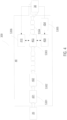
- FIG. 5 is a flowchart of a resource scheduling method according to an example of the present invention.
- the method 300 may include the following steps.
- FIG. 6 is a schematic diagram of a scenario to which embodiments of the present invention may be applied.
- the edge distributed data processing system 200 deployed at an edge may implement data monitoring on an IoT system (for example, a building or a factory). Data is collected by sensors 10 and is processed at an edge, and the cloud 50 may be used as a data warehouse to store business logic (for example, a data report).
- the embodiments of the present invention further provide a computer readable medium.
- the computer readable medium stores a computer readable code.
- the computer readable code is executed by at least one processor, the foregoing method 300 is performed.
- examples of the present invention provide a computing resource scheduling method, a scheduler, an IoT system, and a computer readable medium.
- the computing resource is scheduled according to the processing priority of the data to be processed. Accurate priority-based scheduling is implemented, and the computing resource amount and the duration required for data processing are ensured, so that resources can be optimally scheduled, and data processing tasks can be efficiently completed.
- determining the processing priority fluctuation of the value of the physical quantity represented by the data to be processed is considered.
- a fluctuation amplitude is large, it is considered the data to be processed should be preferentially processed, so that an emergency such as a device fault is handled in real time, and computing resources can be effectively allocated to urgent problems.
- the data to be processed may be sorted according to the processing priority, and processing based on the FIFO mechanism further ensures timely processing of data to be processed which is with a high priority. Further, a heartbeat mechanism is used to obtain latest statuses of the computing resources, thereby ensuring effective scheduling of the computing resources.
- a heartbeat mechanism is used to obtain latest statuses of the computing resources, thereby ensuring effective scheduling of the computing resources.
- the computing resource amount and the computing resource amount required for processing the data to be processed are predicted, reference is made to information about the historical data, so that a prediction result is more accurate, and accurate and reliable information is provided for further allocation of the computing resources.
- a hardware unit may be implemented in a mechanical manner or an electrical manner.
- a hardware unit may include a non-volatile dedicated circuit or logic (for example, a dedicated processor, a Field-Programmable Gate Array (FPGA), or an Application Specific Integrated Circuit (ASIC)) to complete corresponding operations.
- the hardware unit may further include programmable logic or a circuit (for example, a general processor or another programmable processor), which may be temporarily set by software to complete corresponding operations.
- a specific implementation (a mechanical manner, a dedicated non-volatile circuit, or a temporarily specified circuit) may be determined in consideration of costs and time.
Landscapes
- Engineering & Computer Science (AREA)
- Software Systems (AREA)
- Theoretical Computer Science (AREA)
- Physics & Mathematics (AREA)
- General Engineering & Computer Science (AREA)
- General Physics & Mathematics (AREA)
- Computer Networks & Wireless Communication (AREA)
- Management, Administration, Business Operations System, And Electronic Commerce (AREA)
- Computer And Data Communications (AREA)
Claims (13)
- Ressourcenplanungsverfahren (300), das Folgendes umfasst:Empfangen (S301) von zu verarbeitenden Daten, die von einem Sensor (10) in einem Internet-der-Dinge-System (IdD-System) erfasst werden,Festlegen (S302) einer Verarbeitungspriorität für die zu verarbeitenden Daten,wobei die Verarbeitungspriorität p für die zu verarbeitenden Daten folgendermaßen berechnet wird:
 wobei vt ein Wert für die physikalische Größe ist, die von den vom Sensor (10) zu einem gegebenen Zeitpunkt t erfassten Daten repräsentiert wird, vu die geschätzte Obergrenze für den Wert einer physikalischen Größe ist, die von den zu verarbeitenden Daten repräsentiert wird, und vl die geschätzte Untergrenze für den Wert einer physikalischen Größe ist, die von den zu verarbeitenden Daten repräsentiert wird,Prognostizieren (S303) eines Rechenressourcenumfangs und einer Rechendauer, die für das Verarbeiten der zu verarbeitenden Daten erforderlich sind, entsprechend der festgelegten Verarbeitungspriorität,wobei das Prognostizieren eines Rechenressourcenumfangs und einer Rechendauer, die für das Verarbeiten der Daten erforderlich sind, entsprechend der festgelegten Verarbeitungspriorität das Suchen nach einem Rechenressourcenumfang und einer Rechendauer umfasst, die beim Verarbeiten historischer Daten in Anspruch genommen werden,wobei die Länge der zu verarbeitenden Daten in einem Bereich der Länge der historischen Daten liegt, der Sensor (10), der die zu verarbeitenden Daten erfasst, und ein Sensor, der die historischen Daten erfasst, vom gleichen Typ sind und die Verarbeitungspriorität für die zu verarbeitenden Daten in einem Bereich der Verarbeitungspriorität für die historischen Daten liegt, undPlanen (S304) einer Rechenressource einer Edge-Rechenvorrichtung (30) in dem IdD-System entsprechend dem prognostizierten Rechenressourcenumfang und der prognostizierten Rechendauer für das Verarbeiten der zu verarbeitenden Daten durch Auswählen einer Rechenressource einer Edge-Rechenvorrichtung (30), die dem prognostizierten Rechenressourcenumfang und der prognostizierten Rechendauer von Edge-Rechenvorrichtungen (30) in dem IdD-System für das Verarbeiten der zu verarbeitenden Daten genügt.
 - Verfahren nach Anspruch 1, wobei das Festlegen (S302) einer Verarbeitungspriorität für die zu verarbeitenden Daten das Festlegen der Verarbeitungspriorität für die zu verarbeitenden Daten umfasst, wobei eine größere Schwankungsamplitude bei einem Wert für eine physikalische Größe, die von den zu verarbeitenden Daten repräsentiert wird, eine höhere Verarbeitungspriorität der zu verarbeitenden Daten angibt.
- Verfahren nach Anspruch 1 oder 2, wobei das Prognostizieren (S303) eines Rechenressourcenumfangs und einer Rechendauer, die für das Verarbeiten der zu verarbeitenden Daten erforderlich sind, entsprechend der festgelegten Verarbeitungspriorität das Prognostizieren des Rechenressourcenumfangs und der Rechendauer, die für das Verarbeiten der zu verarbeitenden Daten erforderlich sind, entsprechend der festgelegten Verarbeitungspriorität umfasst, wobei eine höhere Verarbeitungspriorität eine frühere Prognose des Rechenressourcenumfangs und der Rechendauer, die für das Verarbeiten der zu verarbeitenden Daten erforderlich sind, für die zu verarbeitenden Daten angibt.
- Verfahren nach einem der Ansprüche 1 bis 3, wobei das Prognostizieren (S303) eines Rechenressourcenumfangs und einer Rechendauer, die für das Verarbeiten der zu verarbeitenden Daten erforderlich sind, entsprechend der festgelegten Verarbeitungspriorität Folgendes umfasst:Suchen nach einem Rechenressourcenumfang und einer Rechendauer, die beim Verarbeiten historischer Daten in Anspruch genommen werden, wobei die historischen Daten den zu verarbeitenden Daten im Hinblick auf Länge, Sensortyp und Verarbeitungspriorität ähneln, undPrognostizieren des Rechenressourcenumfangs und der Rechendauer, die für das Verarbeiten der zu verarbeitenden Daten erforderlich sind, entsprechend dem gefundenen Rechenressourcenumfang und der gefundenen Rechendauer, die beim Verarbeiten der historischen Daten in Anspruch genommen werden.
- Verfahren nach Anspruch 4, das ferner Folgendes umfasst:
Registrieren (305) eines Rechenressourcenumfangs und einer Rechendauer, die für das Verarbeiten der zu verarbeitenden Daten benutzt werden, nach dem Verarbeiten der zu verarbeitenden Daten. - Computerprogrammprodukt, das Anweisungen umfasst, die, wenn das Programm von einem Computer ausgeführt wird, diesen dazu veranlassen, die Schritte des Verfahrens nach einem der Ansprüche 1 bis 5 durchzuführen.
- Computerlesbarer Datenträger, auf dem das Computerprogrammprodukt nach Anspruch 6 gespeichert ist.
- Intelligente Edge-Vorrichtung (40), die Folgendes umfasst:ein Empfangsmodul (401), das so konfiguriert ist, dass es zu verarbeitende Daten empfängt, die von einem Sensor (10) in einem Internet-der-Dinge-System (IdD-System) (100) erfasst werden,Prioritätsfestlegungsmodul (402), das so konfiguriert ist, dass es eine Verarbeitungspriorität für die zu verarbeitenden Daten festlegt,wobei das Prioritätsfestlegungsmodul (402) so konfiguriert ist, dass es die Verarbeitungspriorität p für die zu verarbeitenden Daten folgendermaßen berechnet:
 wobei vt ein Wert für die physikalische Größe ist, die von den vom Sensor (10) zu einem gegebenen Zeitpunkt t erfassten Daten repräsentiert wird, vu die geschätzte Obergrenze für den Wert einer physikalischen Größe ist, die von den zu verarbeitenden Daten repräsentiert wird, und vl die geschätzte Untergrenze für den Wert einer physikalischen Größe ist, die von den zu verarbeitenden Daten repräsentiert wird, undein Planungsmodul (403), das so konfiguriert ist, dass es:der von dem Prioritätsfestlegungsmodul (402) festgelegten Verarbeitungspriorität entsprechend einen Rechenressourcenumfang und eine Rechendauer prognostiziert, die für das Verarbeiten der zu verarbeitenden Daten erforderlich sind,wobei das Prognostizieren eines Rechenressourcenumfangs und einer Rechendauer, die für das Verarbeiten der Daten erforderlich sind, entsprechend der festgelegten Verarbeitungspriorität das Suchen nach einem Rechenressourcenumfang und einer Rechendauer umfasst, die beim Verarbeiten historischer Daten in Anspruch genommen werden,wobei die Länge der zu verarbeitenden Daten in einem Bereich der Länge der historischen Daten liegt, der Sensor (10), der die zu verarbeitenden Daten erfasst, und ein Sensor, der die historischen Daten erfasst, vom gleichen Typ sind und die Verarbeitungspriorität für die zu verarbeitenden Daten in einem Bereich der Verarbeitungspriorität für die historischen Daten liegt, undeine Rechenressource einer Edge-Rechenvorrichtung (30) in dem Internet-der-Dinge-System (IdD-System) (100) dem prognostizierten Rechenressourcenumfang und der prognostizierten Rechendauer für das Verarbeiten der zu verarbeitenden Daten entsprechend durch Auswählen einer Rechenressource einer Edge-Rechenvorrichtung (30) plant, die dem prognostizierten Rechenressourcenumfang und der prognostizierten Rechendauer von Edge-Rechenvorrichtungen (30) in dem IdD-System für das Verarbeiten der zu verarbeitenden Daten genügt.
 - Intelligente Edge-Vorrichtung (40) nach Anspruch 8,
wobei das Prioritätsfestlegungsmodul (402) so konfiguriert ist, dass es:
die Verarbeitungspriorität für die zu verarbeitenden Daten festlegt, wobei eine größere Schwankungsamplitude bei einem Wert für eine physikalische Größe, die von den zu verarbeitenden Daten repräsentiert wird, eine höhere Verarbeitungspriorität der zu verarbeitenden Daten angibt. - Intelligente Edge-Vorrichtung (40) nach Anspruch 8 oder 9,
wobei das Planungsmodul (403) so konfiguriert ist, dass es:
den Rechenressourcenumfang und die Rechendauer, die für das Verarbeiten der zu verarbeitenden Daten erforderlich sind, der festgelegten Verarbeitungspriorität entsprechend prognostiziert, wobei eine höhere Verarbeitungspriorität für die zu verarbeitenden Daten eine frühere Prognose des Rechenressourcenumfangs und der Rechendauer angibt, die für das Verarbeiten der zu verarbeitenden Daten erforderlich sind. - Intelligente Edge-Vorrichtung (40) nach einem der Ansprüche 8 bis 10, wobei das Planungsmodul (403) so konfiguriert ist, dass es beim Prognostizieren des Rechenressourcenumfangs und der Rechendauer, die für das Verarbeiten der zu verarbeitenden Daten erforderlich sind, entsprechend der festgelegten Verarbeitungspriorität:nach einem Rechenressourcenumfang und einer Rechendauer sucht, die beim Verarbeiten historischer Daten in Anspruch genommen werden, wobei die historischen Daten den zu verarbeitenden Daten im Hinblick auf Länge, Sensortyp und Verarbeitungspriorität ähneln, undden Rechenressourcenumfang und die Rechendauer, die für das Verarbeiten der zu verarbeitenden Daten erforderlich sind, dem gefundenen Rechenressourcenumfang und der gefundenen Rechendauer entsprechend prognostiziert, die beim Verarbeiten der historischen Daten in Anspruch genommen werden.
- Intelligente Edge-Vorrichtung (40) nach einem der Ansprüche 8 bis 11, wobei die intelligente Edge-Vorrichtung (40) Bestandteil eines Internet-der-Dinge-Systems (IdD-Systems) (100) ist, das Folgendes umfasst:einen Sensor (10),ein Datenerfassungsmodul (20), das mit dem Sensor (10) verbunden ist,mindestens eine Edge-Rechenvorrichtung (30), die so konfiguriert ist, dass sie eine für die Datenverarbeitung erforderliche Rechenressource für das IdD-System (100) zur Verfügung stellt,wobei die intelligente Edge-Vorrichtung (40) mit dem Datenerfassungsmodul (20) verbunden ist.
- System (200) mit dezentraler Datenverarbeitung, das so konfiguriert ist, dass es Daten verarbeitet, die von einem Sensor (10) in einem Internet-der-Dinge-System (IdD-System) (100) erfasst werden, und Folgendes umfasst:mindestens eine Edge-Rechenvorrichtung (30), die so konfiguriert ist, dass sie eine für die Datenverarbeitung erforderliche Rechenressource für das IdD-System (100) zur Verfügung stellt, undeine intelligente Edge-Vorrichtung (40) nach einem der Ansprüche 8 bis 11.
Applications Claiming Priority (1)
| Application Number | Priority Date | Filing Date | Title |
|---|---|---|---|
| PCT/CN2019/076474 WO2020172852A1 (en) | 2019-02-28 | 2019-02-28 | Computing resource scheduling method, scheduler, internet of things system, and computer readable medium |
Publications (3)
| Publication Number | Publication Date |
|---|---|
| EP3932025A1 EP3932025A1 (de) | 2022-01-05 |
| EP3932025A4 EP3932025A4 (de) | 2022-10-05 |
| EP3932025B1 true EP3932025B1 (de) | 2023-08-16 |
Family
ID=72239049
Family Applications (1)
| Application Number | Title | Priority Date | Filing Date |
|---|---|---|---|
| EP19917015.0A Active EP3932025B1 (de) | 2019-02-28 | 2019-02-28 | Verfahren zur planung von computerressourcen, planer, internet-der-dinge-system und rechnerlesbares medium |
Country Status (5)
| Country | Link |
|---|---|
| US (1) | US12135996B2 (de) |
| EP (1) | EP3932025B1 (de) |
| CN (1) | CN113228574B (de) |
| ES (1) | ES2962838T3 (de) |
| WO (1) | WO2020172852A1 (de) |
Families Citing this family (9)
| Publication number | Priority date | Publication date | Assignee | Title |
|---|---|---|---|---|
| CN112995348B (zh) * | 2021-05-12 | 2021-09-07 | 北京金山云网络技术有限公司 | 物联网设备的控制方法、装置、系统 |
| EP4357916A4 (de) * | 2021-06-30 | 2024-04-24 | Huawei Technologies Co., Ltd. | Auftragsverarbeitungsverfahren und -vorrichtung, computervorrichtung und speichermedium |
| CN113597013B (zh) * | 2021-08-05 | 2024-03-22 | 哈尔滨工业大学 | 一种移动边缘计算中用户移动场景下的协同任务调度方法 |
| CN113783962B (zh) * | 2021-09-15 | 2023-09-19 | 傲拓科技股份有限公司 | 基于边缘计算的数据采集系统及方法 |
| CN113840010A (zh) * | 2021-09-30 | 2021-12-24 | 深圳供电局有限公司 | 基于边缘计算的数据处理系统、方法、装置、设备和介质 |
| CN114513707B (zh) * | 2021-11-23 | 2023-11-14 | 安科瑞电气股份有限公司 | 一种智能总线数据采集方法 |
| US12153955B2 (en) | 2021-12-29 | 2024-11-26 | Insight Direct Usa, Inc. | IoT edge scheduler module and system |
| CN117896417B (zh) * | 2024-01-17 | 2024-08-30 | 西安交通大学城市学院 | 一种嵌入式工业物联网控制器 |
| CN119728555A (zh) * | 2024-11-21 | 2025-03-28 | 中诚智信工程咨询集团股份有限公司 | 一种工程监测数据一体化处理方法和系统 |
Family Cites Families (16)
| Publication number | Priority date | Publication date | Assignee | Title |
|---|---|---|---|---|
| DE10134013A1 (de) | 2001-07-12 | 2003-01-30 | Siemens Ag | Überwachung eines Messsignals, insbesondere in der Automatisierungstechnik |
| JP6120552B2 (ja) | 2012-01-17 | 2017-04-26 | キヤノン株式会社 | 表示装置及びその制御方法 |
| CN106874100B (zh) * | 2015-12-10 | 2021-08-31 | 阿里巴巴集团控股有限公司 | 计算资源分配方法及装置 |
| CN106326003B (zh) | 2016-08-11 | 2019-06-28 | 中国科学院重庆绿色智能技术研究院 | 一种作业调度和计算资源分配方法 |
| JP6480967B2 (ja) * | 2017-03-14 | 2019-03-13 | ファナック株式会社 | 伝送制御システム |
| CA3056318C (en) * | 2017-05-10 | 2024-05-14 | Blackberry Limited | Resource configurations and scheduling of direct transmissions in multi-network environments |
| US20190068475A1 (en) * | 2017-08-28 | 2019-02-28 | Bsquare Corp. | System and method for the utilization of mesh networks and distributed data buffering to increase data retention |
| CN108171259A (zh) * | 2017-12-13 | 2018-06-15 | 南京理工大学 | 一种基于NB-IoT的智慧末梢水质监测系统及方法 |
| CN108243246A (zh) | 2017-12-25 | 2018-07-03 | 北京市天元网络技术股份有限公司 | 一种边缘计算资源调度方法、边缘设备及系统 |
| CN108965160B (zh) * | 2018-06-29 | 2020-06-05 | 北京邮电大学 | 适用于矿山物联网多业务传输的动态差额加权轮询调度方法 |
| CN109005223A (zh) * | 2018-07-26 | 2018-12-14 | 南京邮电大学 | 物联网资源调度方法及系统、计算机可读存储介质和终端 |
| US11334382B2 (en) * | 2019-04-30 | 2022-05-17 | Intel Corporation | Technologies for batching requests in an edge infrastructure |
| US11388054B2 (en) * | 2019-04-30 | 2022-07-12 | Intel Corporation | Modular I/O configurations for edge computing using disaggregated chiplets |
| US11630706B2 (en) * | 2020-09-22 | 2023-04-18 | Intel Corporation | Adaptive limited-duration edge resource management |
| US12204396B2 (en) * | 2020-12-23 | 2025-01-21 | Intel Corporation | Adaptive power management for edge device |
| US12333867B2 (en) * | 2021-04-02 | 2025-06-17 | Woven By Toyota, U.S., Inc. | Indexing sensor data about the physical world |
-
2019
- 2019-02-28 EP EP19917015.0A patent/EP3932025B1/de active Active
- 2019-02-28 US US17/434,517 patent/US12135996B2/en active Active
- 2019-02-28 ES ES19917015T patent/ES2962838T3/es active Active
- 2019-02-28 CN CN201980084832.7A patent/CN113228574B/zh active Active
- 2019-02-28 WO PCT/CN2019/076474 patent/WO2020172852A1/en not_active Ceased
Also Published As
| Publication number | Publication date |
|---|---|
| EP3932025A4 (de) | 2022-10-05 |
| WO2020172852A1 (en) | 2020-09-03 |
| US20220138012A1 (en) | 2022-05-05 |
| US12135996B2 (en) | 2024-11-05 |
| CN113228574B (zh) | 2025-05-13 |
| ES2962838T3 (es) | 2024-03-21 |
| EP3932025A1 (de) | 2022-01-05 |
| CN113228574A (zh) | 2021-08-06 |
Similar Documents
| Publication | Publication Date | Title |
|---|---|---|
| EP3932025B1 (de) | Verfahren zur planung von computerressourcen, planer, internet-der-dinge-system und rechnerlesbares medium | |
| CN111950988B (zh) | 分布式工作流调度方法、装置、存储介质及电子设备 | |
| US8352621B2 (en) | Method and system to automatically optimize execution of jobs when dispatching them over a network of computers | |
| EP3981111B1 (de) | Zuweisung von cloud-ressourcen in übereinstimmung mit vorhergesagtem einsatzwachstum | |
| US9552270B2 (en) | System and method for receiving analysis requests and configuring analytics systems | |
| CN107656807B (zh) | 一种虚拟资源的自动弹性伸缩方法及装置 | |
| US20140143777A1 (en) | Resource Scheduling Method and Device | |
| CN119336466A (zh) | 任务的动态调度方法、设备、服务器及存储介质 | |
| US20150113167A1 (en) | Optimized Consumption of Third-Party Web Services in a Composite Service | |
| CN102135914A (zh) | 一种可自动调节参数的云计算系统负载预测方法 | |
| US10606650B2 (en) | Methods and nodes for scheduling data processing | |
| CN120547200A (zh) | 一种基于边缘计算的工业物联网方法及系统 | |
| CN117632438A (zh) | 任务调度方法和装置 | |
| CN113850428B (zh) | 作业调度的预测处理方法、装置和电子设备 | |
| CN120481750A (zh) | 用于应急能源车的充电管理方法、装置及存储介质 | |
| CN117148705A (zh) | 基于数据监控分析的设备运行状态检测方法及系统 | |
| EP4068863A1 (de) | Verfahren und system zur bereitstellung einer optimalen netzwerkscheibe in einem 5g-kernnetzwerk | |
| KR100290620B1 (ko) | 경보처리의우선순위결정방법 | |
| US12028271B2 (en) | Prioritizing messages for server processing based on monitoring and predicting server resource utilization | |
| CN115242623B (zh) | 一种日志收集方法、装置、设备及存储介质 | |
| CN120317785B (zh) | 一种叶片运输状态监测分析方法和装置 | |
| US20170039086A1 (en) | Selecting a suitable time to disrupt operation of a computer system component | |
| CN120295735A (zh) | 一种基于边缘计算网络的云计算平台任务调度系统 | |
| CN119356986A (zh) | 业务处理方法、装置、计算机设备及存储介质 | |
| CN121722480A (zh) | 一种容器资源需求量的确定方法及装置 |
Legal Events
| Date | Code | Title | Description |
|---|---|---|---|
| STAA | Information on the status of an ep patent application or granted ep patent |
Free format text: STATUS: THE INTERNATIONAL PUBLICATION HAS BEEN MADE |
|
| PUAI | Public reference made under article 153(3) epc to a published international application that has entered the european phase |
Free format text: ORIGINAL CODE: 0009012 |
|
| STAA | Information on the status of an ep patent application or granted ep patent |
Free format text: STATUS: REQUEST FOR EXAMINATION WAS MADE |
|
| 17P | Request for examination filed |
Effective date: 20210818 |
|
| AK | Designated contracting states |
Kind code of ref document: A1 Designated state(s): AL AT BE BG CH CY CZ DE DK EE ES FI FR GB GR HR HU IE IS IT LI LT LU LV MC MK MT NL NO PL PT RO RS SE SI SK SM TR |
|
| DAV | Request for validation of the european patent (deleted) | ||
| DAX | Request for extension of the european patent (deleted) | ||
| REG | Reference to a national code |
Ref country code: DE Ref legal event code: R079 Free format text: PREVIOUS MAIN CLASS: H04L0012851000 Ipc: G06F0009480000 Ref country code: DE Ref legal event code: R079 Ref document number: 602019035358 Country of ref document: DE Free format text: PREVIOUS MAIN CLASS: H04L0012851000 Ipc: G06F0009480000 |
|
| A4 | Supplementary search report drawn up and despatched |
Effective date: 20220902 |
|
| RIC1 | Information provided on ipc code assigned before grant |
Ipc: H04Q 9/00 20060101ALI20220829BHEP Ipc: G06F 9/50 20060101ALI20220829BHEP Ipc: G06F 9/48 20060101AFI20220829BHEP |
|
| GRAP | Despatch of communication of intention to grant a patent |
Free format text: ORIGINAL CODE: EPIDOSNIGR1 |
|
| STAA | Information on the status of an ep patent application or granted ep patent |
Free format text: STATUS: GRANT OF PATENT IS INTENDED |
|
| RIC1 | Information provided on ipc code assigned before grant |
Ipc: H04Q 9/00 20060101ALI20230324BHEP Ipc: G06F 9/50 20060101ALI20230324BHEP Ipc: G06F 9/48 20060101AFI20230324BHEP |
|
| INTG | Intention to grant announced |
Effective date: 20230503 |
|
| GRAS | Grant fee paid |
Free format text: ORIGINAL CODE: EPIDOSNIGR3 |
|
| GRAA | (expected) grant |
Free format text: ORIGINAL CODE: 0009210 |
|
| STAA | Information on the status of an ep patent application or granted ep patent |
Free format text: STATUS: THE PATENT HAS BEEN GRANTED |
|
| AK | Designated contracting states |
Kind code of ref document: B1 Designated state(s): AL AT BE BG CH CY CZ DE DK EE ES FI FR GB GR HR HU IE IS IT LI LT LU LV MC MK MT NL NO PL PT RO RS SE SI SK SM TR |
|
| REG | Reference to a national code |
Ref country code: CH Ref legal event code: EP |
|
| REG | Reference to a national code |
Ref country code: DE Ref legal event code: R096 Ref document number: 602019035358 Country of ref document: DE |
|
| REG | Reference to a national code |
Ref country code: IE Ref legal event code: FG4D |
|
| P01 | Opt-out of the competence of the unified patent court (upc) registered |
Effective date: 20230828 |
|
| REG | Reference to a national code |
Ref country code: NL Ref legal event code: FP |
|
| REG | Reference to a national code |
Ref country code: LT Ref legal event code: MG9D |
|
| PG25 | Lapsed in a contracting state [announced via postgrant information from national office to epo] |
Ref country code: GR Free format text: LAPSE BECAUSE OF FAILURE TO SUBMIT A TRANSLATION OF THE DESCRIPTION OR TO PAY THE FEE WITHIN THE PRESCRIBED TIME-LIMIT Effective date: 20231117 |
|
| PG25 | Lapsed in a contracting state [announced via postgrant information from national office to epo] |
Ref country code: IS Free format text: LAPSE BECAUSE OF FAILURE TO SUBMIT A TRANSLATION OF THE DESCRIPTION OR TO PAY THE FEE WITHIN THE PRESCRIBED TIME-LIMIT Effective date: 20231216 |
|
| PG25 | Lapsed in a contracting state [announced via postgrant information from national office to epo] |
Ref country code: SE Free format text: LAPSE BECAUSE OF FAILURE TO SUBMIT A TRANSLATION OF THE DESCRIPTION OR TO PAY THE FEE WITHIN THE PRESCRIBED TIME-LIMIT Effective date: 20230816 Ref country code: RS Free format text: LAPSE BECAUSE OF FAILURE TO SUBMIT A TRANSLATION OF THE DESCRIPTION OR TO PAY THE FEE WITHIN THE PRESCRIBED TIME-LIMIT Effective date: 20230816 Ref country code: PT Free format text: LAPSE BECAUSE OF FAILURE TO SUBMIT A TRANSLATION OF THE DESCRIPTION OR TO PAY THE FEE WITHIN THE PRESCRIBED TIME-LIMIT Effective date: 20231218 Ref country code: NO Free format text: LAPSE BECAUSE OF FAILURE TO SUBMIT A TRANSLATION OF THE DESCRIPTION OR TO PAY THE FEE WITHIN THE PRESCRIBED TIME-LIMIT Effective date: 20231116 Ref country code: LV Free format text: LAPSE BECAUSE OF FAILURE TO SUBMIT A TRANSLATION OF THE DESCRIPTION OR TO PAY THE FEE WITHIN THE PRESCRIBED TIME-LIMIT Effective date: 20230816 Ref country code: LT Free format text: LAPSE BECAUSE OF FAILURE TO SUBMIT A TRANSLATION OF THE DESCRIPTION OR TO PAY THE FEE WITHIN THE PRESCRIBED TIME-LIMIT Effective date: 20230816 Ref country code: IS Free format text: LAPSE BECAUSE OF FAILURE TO SUBMIT A TRANSLATION OF THE DESCRIPTION OR TO PAY THE FEE WITHIN THE PRESCRIBED TIME-LIMIT Effective date: 20231216 Ref country code: HR Free format text: LAPSE BECAUSE OF FAILURE TO SUBMIT A TRANSLATION OF THE DESCRIPTION OR TO PAY THE FEE WITHIN THE PRESCRIBED TIME-LIMIT Effective date: 20230816 Ref country code: GR Free format text: LAPSE BECAUSE OF FAILURE TO SUBMIT A TRANSLATION OF THE DESCRIPTION OR TO PAY THE FEE WITHIN THE PRESCRIBED TIME-LIMIT Effective date: 20231117 Ref country code: FI Free format text: LAPSE BECAUSE OF FAILURE TO SUBMIT A TRANSLATION OF THE DESCRIPTION OR TO PAY THE FEE WITHIN THE PRESCRIBED TIME-LIMIT Effective date: 20230816 |
|
| PG25 | Lapsed in a contracting state [announced via postgrant information from national office to epo] |
Ref country code: PL Free format text: LAPSE BECAUSE OF FAILURE TO SUBMIT A TRANSLATION OF THE DESCRIPTION OR TO PAY THE FEE WITHIN THE PRESCRIBED TIME-LIMIT Effective date: 20230816 |
|
| REG | Reference to a national code |
Ref country code: ES Ref legal event code: FG2A Ref document number: 2962838 Country of ref document: ES Kind code of ref document: T3 Effective date: 20240321 |
|
| PG25 | Lapsed in a contracting state [announced via postgrant information from national office to epo] |
Ref country code: SM Free format text: LAPSE BECAUSE OF FAILURE TO SUBMIT A TRANSLATION OF THE DESCRIPTION OR TO PAY THE FEE WITHIN THE PRESCRIBED TIME-LIMIT Effective date: 20230816 Ref country code: RO Free format text: LAPSE BECAUSE OF FAILURE TO SUBMIT A TRANSLATION OF THE DESCRIPTION OR TO PAY THE FEE WITHIN THE PRESCRIBED TIME-LIMIT Effective date: 20230816 Ref country code: EE Free format text: LAPSE BECAUSE OF FAILURE TO SUBMIT A TRANSLATION OF THE DESCRIPTION OR TO PAY THE FEE WITHIN THE PRESCRIBED TIME-LIMIT Effective date: 20230816 Ref country code: DK Free format text: LAPSE BECAUSE OF FAILURE TO SUBMIT A TRANSLATION OF THE DESCRIPTION OR TO PAY THE FEE WITHIN THE PRESCRIBED TIME-LIMIT Effective date: 20230816 Ref country code: CZ Free format text: LAPSE BECAUSE OF FAILURE TO SUBMIT A TRANSLATION OF THE DESCRIPTION OR TO PAY THE FEE WITHIN THE PRESCRIBED TIME-LIMIT Effective date: 20230816 Ref country code: SK Free format text: LAPSE BECAUSE OF FAILURE TO SUBMIT A TRANSLATION OF THE DESCRIPTION OR TO PAY THE FEE WITHIN THE PRESCRIBED TIME-LIMIT Effective date: 20230816 |
|
| REG | Reference to a national code |
Ref country code: DE Ref legal event code: R097 Ref document number: 602019035358 Country of ref document: DE |
|
| PLBE | No opposition filed within time limit |
Free format text: ORIGINAL CODE: 0009261 |
|
| STAA | Information on the status of an ep patent application or granted ep patent |
Free format text: STATUS: NO OPPOSITION FILED WITHIN TIME LIMIT |
|
| 26N | No opposition filed |
Effective date: 20240517 |
|
| PG25 | Lapsed in a contracting state [announced via postgrant information from national office to epo] |
Ref country code: SI Free format text: LAPSE BECAUSE OF FAILURE TO SUBMIT A TRANSLATION OF THE DESCRIPTION OR TO PAY THE FEE WITHIN THE PRESCRIBED TIME-LIMIT Effective date: 20230816 |
|
| PG25 | Lapsed in a contracting state [announced via postgrant information from national office to epo] |
Ref country code: MC Free format text: LAPSE BECAUSE OF FAILURE TO SUBMIT A TRANSLATION OF THE DESCRIPTION OR TO PAY THE FEE WITHIN THE PRESCRIBED TIME-LIMIT Effective date: 20230816 |
|
| PG25 | Lapsed in a contracting state [announced via postgrant information from national office to epo] |
Ref country code: LU Free format text: LAPSE BECAUSE OF NON-PAYMENT OF DUE FEES Effective date: 20240228 |
|
| PG25 | Lapsed in a contracting state [announced via postgrant information from national office to epo] |
Ref country code: LU Free format text: LAPSE BECAUSE OF NON-PAYMENT OF DUE FEES Effective date: 20240228 |
|
| PG25 | Lapsed in a contracting state [announced via postgrant information from national office to epo] |
Ref country code: BG Free format text: LAPSE BECAUSE OF FAILURE TO SUBMIT A TRANSLATION OF THE DESCRIPTION OR TO PAY THE FEE WITHIN THE PRESCRIBED TIME-LIMIT Effective date: 20230816 |
|
| PG25 | Lapsed in a contracting state [announced via postgrant information from national office to epo] |
Ref country code: BG Free format text: LAPSE BECAUSE OF FAILURE TO SUBMIT A TRANSLATION OF THE DESCRIPTION OR TO PAY THE FEE WITHIN THE PRESCRIBED TIME-LIMIT Effective date: 20230816 |
|
| REG | Reference to a national code |
Ref country code: BE Ref legal event code: MM Effective date: 20240229 |
|
| PG25 | Lapsed in a contracting state [announced via postgrant information from national office to epo] |
Ref country code: BE Free format text: LAPSE BECAUSE OF NON-PAYMENT OF DUE FEES Effective date: 20240229 |
|
| PG25 | Lapsed in a contracting state [announced via postgrant information from national office to epo] |
Ref country code: IE Free format text: LAPSE BECAUSE OF NON-PAYMENT OF DUE FEES Effective date: 20240228 |
|
| PG25 | Lapsed in a contracting state [announced via postgrant information from national office to epo] |
Ref country code: IE Free format text: LAPSE BECAUSE OF NON-PAYMENT OF DUE FEES Effective date: 20240228 Ref country code: BE Free format text: LAPSE BECAUSE OF NON-PAYMENT OF DUE FEES Effective date: 20240229 |
|
| PG25 | Lapsed in a contracting state [announced via postgrant information from national office to epo] |
Ref country code: IT Free format text: LAPSE BECAUSE OF NON-PAYMENT OF DUE FEES Effective date: 20240228 |
|
| PGFP | Annual fee paid to national office [announced via postgrant information from national office to epo] |
Ref country code: DE Payment date: 20250417 Year of fee payment: 7 |
|
| PGFP | Annual fee paid to national office [announced via postgrant information from national office to epo] |
Ref country code: ES Payment date: 20250520 Year of fee payment: 7 |
|
| PGFP | Annual fee paid to national office [announced via postgrant information from national office to epo] |
Ref country code: CH Payment date: 20250512 Year of fee payment: 7 |
|
| PG25 | Lapsed in a contracting state [announced via postgrant information from national office to epo] |
Ref country code: CY Free format text: LAPSE BECAUSE OF FAILURE TO SUBMIT A TRANSLATION OF THE DESCRIPTION OR TO PAY THE FEE WITHIN THE PRESCRIBED TIME-LIMIT; INVALID AB INITIO Effective date: 20190228 |
|
| PG25 | Lapsed in a contracting state [announced via postgrant information from national office to epo] |
Ref country code: HU Free format text: LAPSE BECAUSE OF FAILURE TO SUBMIT A TRANSLATION OF THE DESCRIPTION OR TO PAY THE FEE WITHIN THE PRESCRIBED TIME-LIMIT; INVALID AB INITIO Effective date: 20190228 |
|
| REG | Reference to a national code |
Ref country code: AT Ref legal event code: UEP Ref document number: 1600728 Country of ref document: AT Kind code of ref document: T Effective date: 20230816 |
|
| PG25 | Lapsed in a contracting state [announced via postgrant information from national office to epo] |
Ref country code: TR Free format text: LAPSE BECAUSE OF FAILURE TO SUBMIT A TRANSLATION OF THE DESCRIPTION OR TO PAY THE FEE WITHIN THE PRESCRIBED TIME-LIMIT Effective date: 20230816 |
|
| PGFP | Annual fee paid to national office [announced via postgrant information from national office to epo] |
Ref country code: NL Payment date: 20260209 Year of fee payment: 8 |
|
| PGFP | Annual fee paid to national office [announced via postgrant information from national office to epo] |
Ref country code: GB Payment date: 20260310 Year of fee payment: 8 |
|
| PGFP | Annual fee paid to national office [announced via postgrant information from national office to epo] |
Ref country code: AT Payment date: 20260116 Year of fee payment: 8 |
|
| PGFP | Annual fee paid to national office [announced via postgrant information from national office to epo] |
Ref country code: FR Payment date: 20260213 Year of fee payment: 8 |